

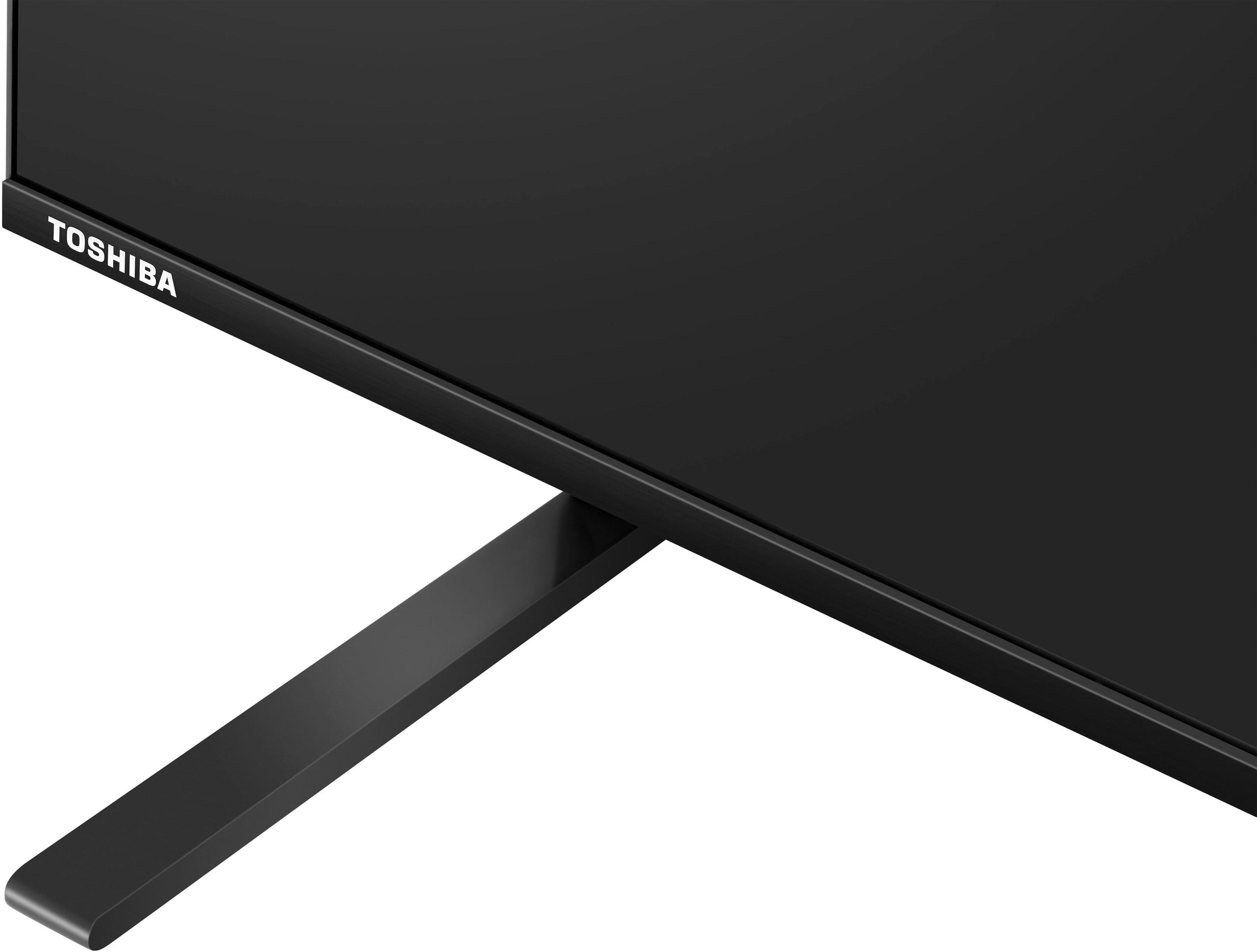
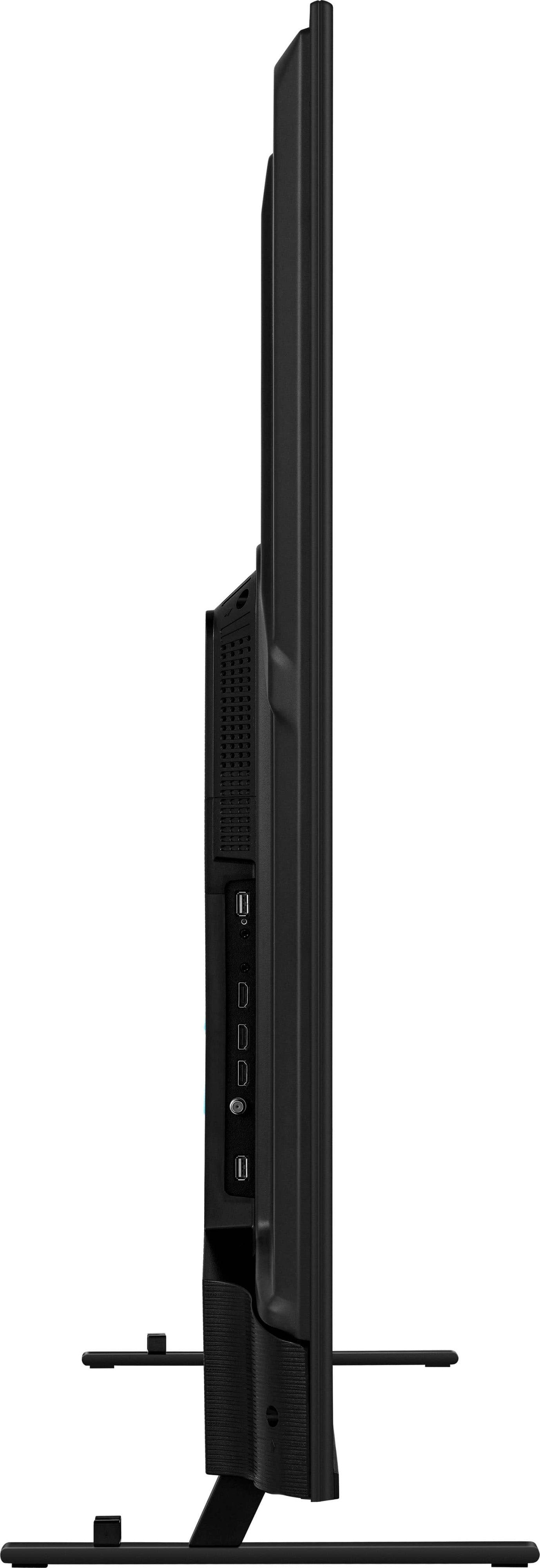
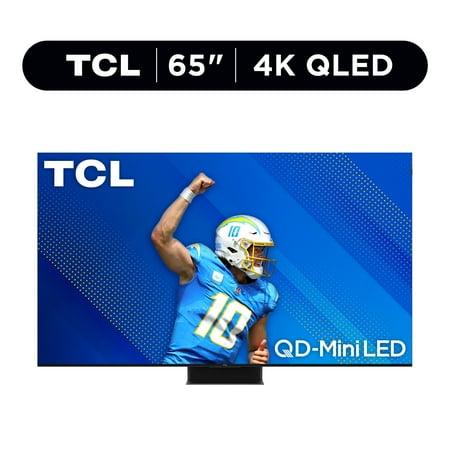




When you're shopping for a 65-inch TV, you're entering what I consider the sweet spot of home entertainment. These displays are large enough to create that cinematic experience we all crave, but not so massive that they overwhelm most living rooms. However, not all 65-inch TVs are created equal, especially when comparing budget-friendly options against premium models.
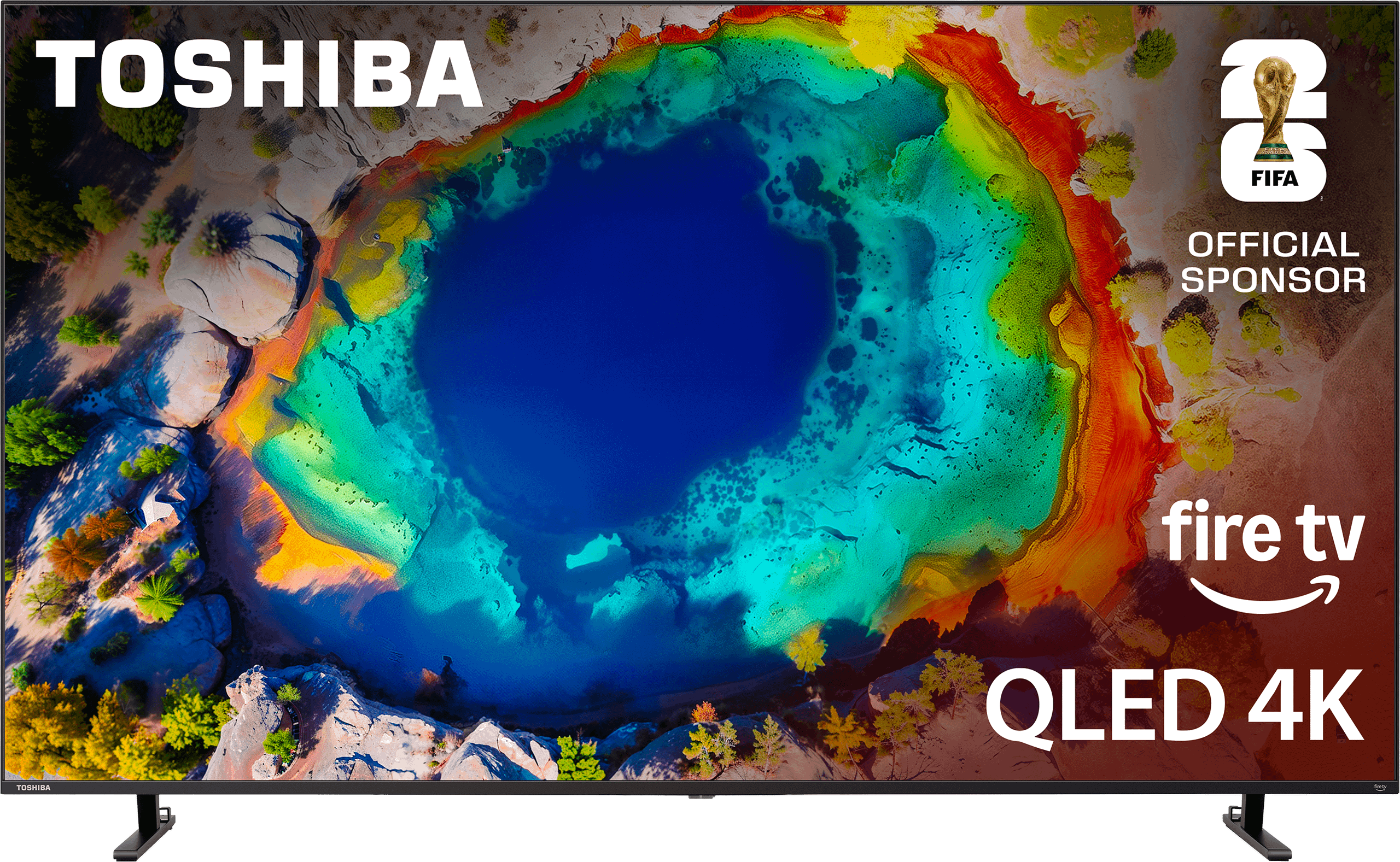
Today, we're diving deep into two very different approaches to the 65-inch TV market: the Toshiba 65" M550 Series QLED Fire TV and the TCL 65" QM8 Mini-LED Smart TV. These represent fundamentally different philosophies—one prioritizes value and accessibility, while the other pushes for flagship performance. Understanding which approach suits your needs requires looking beyond the marketing specs to understand what these technologies actually deliver.
The TV landscape has evolved dramatically over the past few years. The Toshiba M550, released in 2025, represents the latest wave of budget-premium TVs that pack impressive spec sheets at aggressive price points. Meanwhile, the TCL QM8, which hit the market in 2024, showcases how Mini-LED technology has matured into a legitimate competitor to OLED displays.
The most important advancement has been in local dimming technology—the ability for a TV to brighten or dim specific areas of the screen independently. Traditional LED TVs light the entire screen uniformly, which creates problems when displaying a scene with both bright and dark elements. Local dimming solves this by dividing the backlight into zones that can be controlled separately.
When evaluating these TVs, the key performance characteristics that matter most are contrast ratio (how deep the blacks are compared to bright whites), peak brightness (crucial for HDR content), color accuracy, motion handling, and input lag for gaming. These factors determine whether you're getting a truly premium viewing experience or just a large screen with decent picture quality.
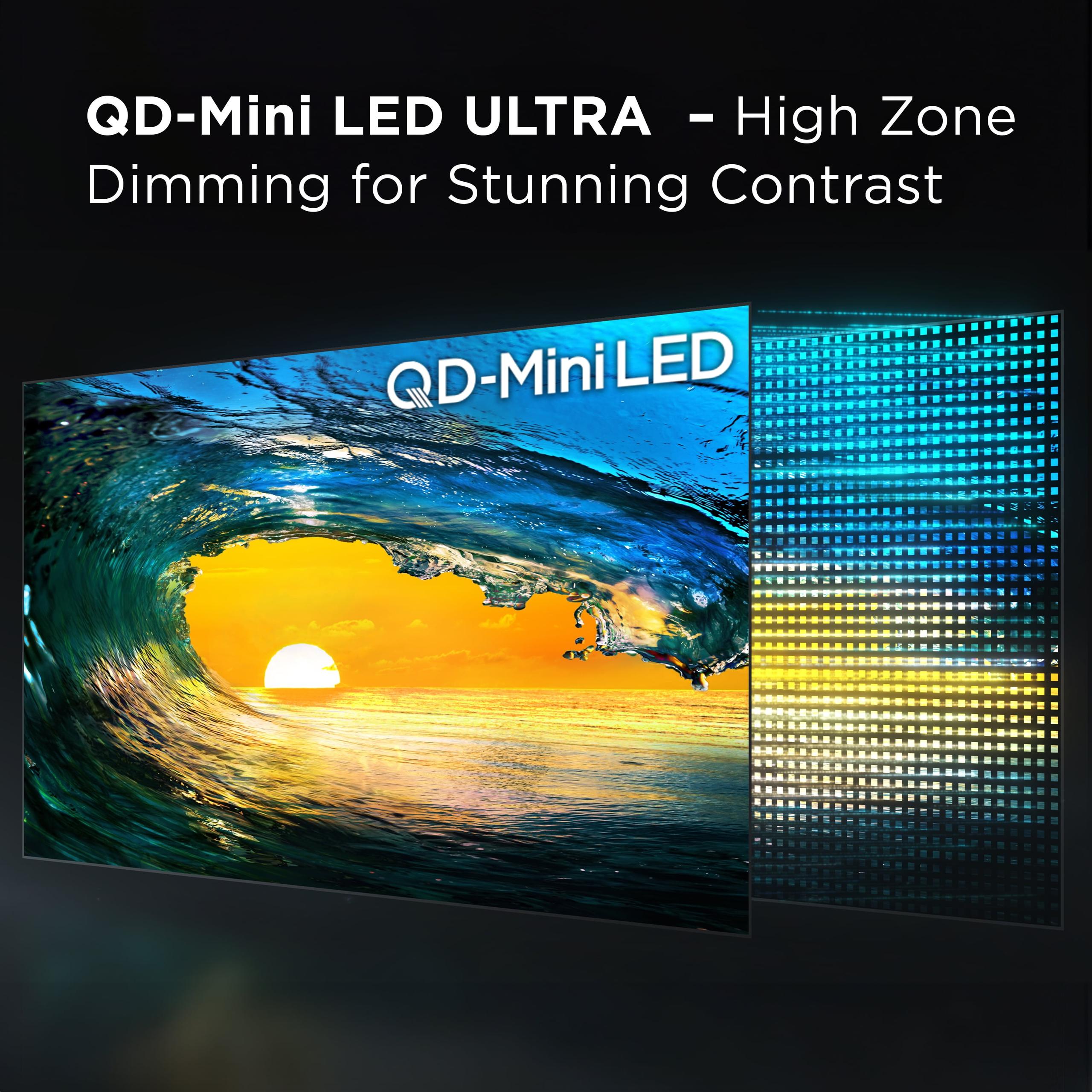
The biggest difference between these TVs lies in their backlighting approach. The TCL QM8 uses what's called QD-Mini LED technology, which combines quantum dots (the QD part) with Mini-LED backlighting. Mini-LEDs are essentially regular LEDs shrunk down to about 1/40th their normal size, allowing manufacturers to pack thousands more into the same space.
This size reduction is crucial because it enables the TCL QM8 to implement over 5,000 local dimming zones. Think of each zone as a tiny flashlight that can turn on, off, or dim independently. When you're watching a scene with stars against a black sky, those 5,000+ zones can light up just the star areas while keeping the rest truly black. The result is contrast that approaches OLED quality without the brightness limitations.
The Toshiba M550, on the other hand, uses traditional QLED technology with full-array local dimming, but only 48 zones. While this is still better than edge-lit displays (where the LEDs are only around the edges), it means much less precise control over lighting. When displaying that same starry sky, you might see some "blooming"—unwanted light bleeding around bright objects—because each zone covers a much larger area.
Quantum dots, present in both TVs, are microscopic crystals that convert blue LED light into pure red and green light. This technology dramatically improves color reproduction, allowing both displays to cover a much wider color gamut than standard LED TVs. However, the TCL QM8's Mini-LED implementation means it can maintain that color accuracy even in very bright or very dark scenes, while the Toshiba M550 may struggle with color consistency in challenging content.
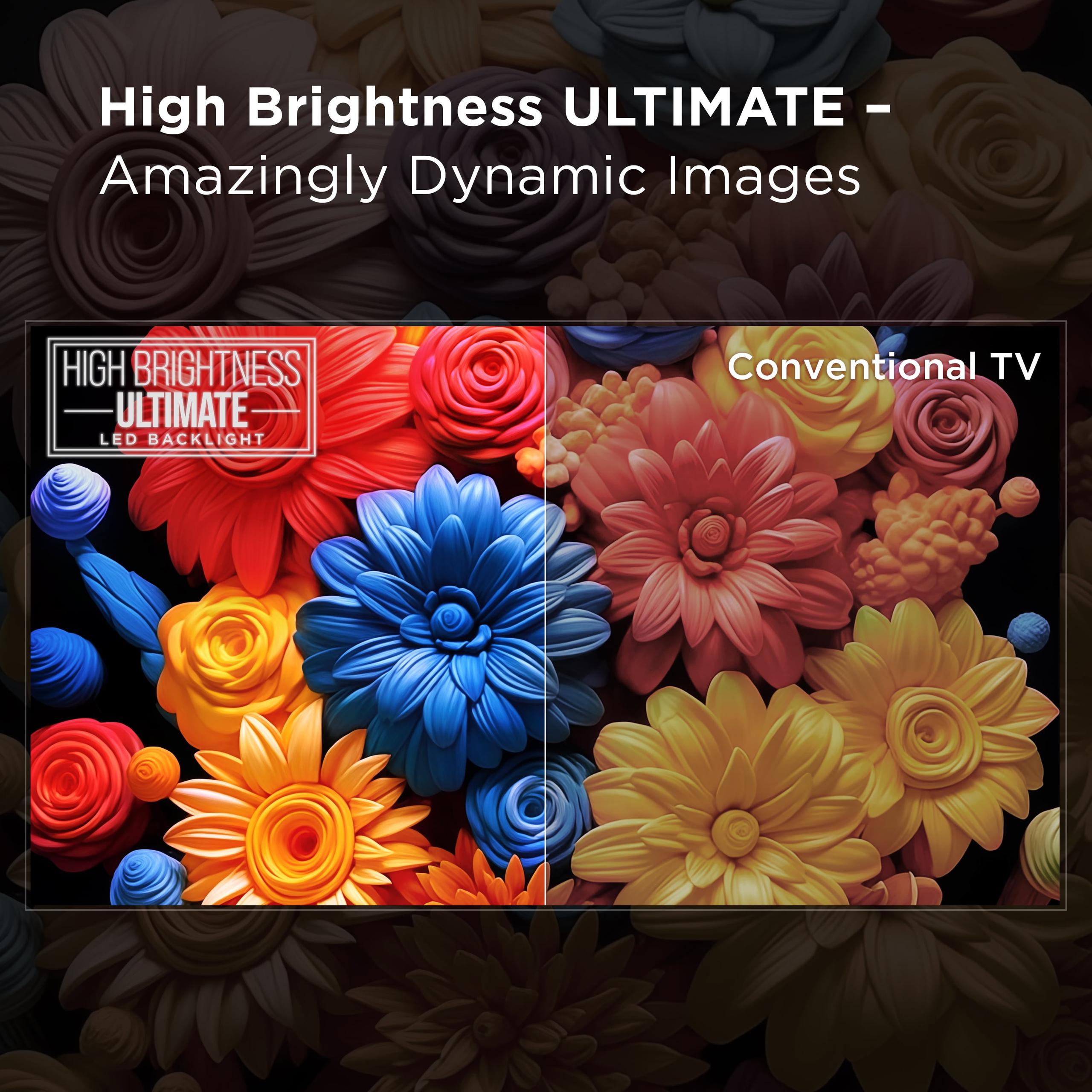
Peak brightness is where these TVs diverge most dramatically. The TCL QM8 can reach up to 5,000 nits in small areas—that's bright enough to make HDR highlights genuinely pop, even in a sun-drenched living room. For context, most budget TVs max out around 400-600 nits, while premium models typically hit 1,000-2,000 nits. The Toshiba M550, while respectable for its price range, operates in that lower tier.
This brightness difference becomes crucial when watching HDR (High Dynamic Range) content, which includes most modern movies and shows on Netflix, Disney+, and other streaming platforms. HDR is designed to display a wider range of brightness levels—from deep blacks to brilliant highlights that mirror real-world lighting. Without sufficient peak brightness, HDR content looks flat and fails to deliver the intended impact.
In our research of professional reviews and user feedback, the contrast performance tells a clear story. The TCL QM8 consistently delivers what reviewers describe as "stellar black uniformity" with minimal blooming, even in the most challenging scenes. Users report that dark scenes in movies maintain detail without the gray wash that plagues cheaper TVs.
The Toshiba M550, while offering good contrast for its price point, shows the limitations of its 48-zone local dimming system. Reviewers note visible blooming around bright objects on dark backgrounds, and some report that busy action scenes suffer from processing artifacts—essentially, the TV struggles to keep up with complex, fast-moving content.
Color performance is another area where the zone count matters. The TCL QM8 can maintain vibrant, accurate colors even when displaying mixed content because its thousands of zones can fine-tune the backlighting for each area. The Toshiba M550 delivers good color accuracy overall, but may struggle with scenes that have both very bright and very dark elements simultaneously.
For gaming enthusiasts, particularly those with PlayStation 5 or Xbox Series X consoles, the differences become even more pronounced. Modern gaming consoles can output 4K resolution at 120 frames per second, but only if your TV can keep up.
The TCL QM8 offers true 4K 120Hz gaming with its 144Hz Variable Refresh Rate (VRR) capability. VRR technology allows the TV to synchronize its refresh rate with the console's output, eliminating screen tearing and stuttering. The TV also features remarkably low input lag—under 10 milliseconds according to professional measurements—which means your controller inputs translate to on-screen action almost instantly.
The Toshiba M550 has an interesting limitation that reveals the compromises necessary for its aggressive pricing. While it technically supports 120Hz, this is only available at 1440p resolution, not full 4K. For 4K gaming, you're limited to 60Hz. Additionally, user reports suggest the processing power struggles with demanding games, leading to noticeable input lag that can affect competitive gaming performance.
For casual gaming—think family game nights or single-player adventures—the Toshiba M550 is perfectly adequate. However, if you've invested in a current-generation console and want to experience games as developers intended, the TCL QM8 is the clear choice.
The smart platform battle represents a philosophical difference in how you interact with your TV. The Toshiba M550 runs Amazon's Fire TV platform, which excels at content discovery and integrates seamlessly with Alexa voice commands. Fire TV's strength lies in its recommendation engine—it's remarkably good at surfacing content you might want to watch across different streaming services.
However, user reviews reveal concerning performance issues with the Toshiba M550's implementation. Multiple reports describe slow response times, with some users waiting up to a minute for apps to load or settings to respond. This appears to be a case of the software demands exceeding the processing hardware—Fire TV OS requires more computational power than the TV's budget-focused processor can deliver smoothly.
The TCL QM8 runs Google TV, which offers a cleaner interface and broader app selection. More importantly, professional reviews consistently praise its responsiveness and stability. The TV's more powerful processor handles the smart platform demands without the lag issues that plague the Toshiba M550.
Both platforms support the major streaming services—Netflix, Disney+, HBO Max, and others—but the day-to-day experience of navigating menus and launching apps differs significantly between these implementations.
TV audio often gets overlooked in the spec chase, but it's where the TCL QM8 delivers an unexpected advantage. Its ONKYO 2.1.2 speaker system includes actual up-firing drivers for Dolby Atmos effects and a built-in subwoofer. With 80 watts of total power, it's one of the few TVs that might actually eliminate your need for a separate soundbar.
The Toshiba M550 features REGZA Power Audio Pro with 40 watts and Dolby Atmos processing, but without the physical driver configuration to truly deliver height effects. User reviews suggest it's adequate for casual viewing but most owners end up adding external audio.
This matters more than you might think. A good soundbar easily adds $200-400 to your total cost, so the TCL QM8's superior built-in audio represents genuine value even at its higher price point.
At the time of writing, these TVs occupy very different price tiers, with the TCL QM8 typically costing 2-3 times more than the Toshiba M550. This significant price gap reflects genuine performance differences, not just brand positioning.
The Toshiba M550 represents exceptional value for buyers who prioritize screen size and basic smart features over picture quality refinement. It delivers genuinely good performance for its price tier, with QLED color reproduction and local dimming that would have been premium features just a few years ago.
However, the performance limitations are real. The processing struggles, motion handling issues with complex content, and reliability concerns reported by some users suggest this TV may feel outdated sooner than its premium competitors.
The TCL QM8 justifies its higher cost through flagship-level performance that rivals TVs costing significantly more from traditional premium brands. Its Mini-LED implementation, gaming capabilities, and audio quality represent genuine technological advantages, not just marketing differentiation.
For dedicated home theater use, the choice becomes clearer. The TCL QM8 delivers the contrast, brightness, and color accuracy that make movie watching genuinely cinematic. Its ability to handle both very bright and very dark scenes simultaneously—think of a character walking from a dark room into bright sunlight—approaches what you'd get from much more expensive displays.
The Toshiba M550 can certainly serve in a home theater setup, especially in darker rooms where its brightness limitations are less apparent. However, the motion handling issues with complex scenes and the tendency for busy content to overwhelm the processor make it less ideal for the movie enthusiast who wants to experience films as directors intended.
Choose the Toshiba M550 if you're primarily focused on getting a large, smart TV at an aggressive price point. It's ideal for families who watch a mix of streaming content, news, and casual shows, and who don't mind some performance compromises in exchange for significant cost savings. The Fire TV platform, despite its performance issues on this hardware, offers excellent content discovery for casual viewing.
The TCL QM8 is the clear choice for anyone who prioritizes picture quality, gaming performance, or plans to use their TV as the centerpiece of a home theater setup. Its premium pricing is justified by flagship performance that delivers genuinely superior viewing experiences across all content types.
Ultimately, both TVs succeed at their intended missions. The Toshiba M550 democratizes premium features for budget-conscious buyers, while the TCL QM8 delivers professional-grade performance at a more accessible price than traditional premium brands. Your choice depends on whether you're optimizing for immediate affordability or long-term viewing satisfaction.
| Toshiba 65" M550 Series QLED Fire TV | TCL 65" QM8 Mini-LED Smart TV |
|---|---|
| Display Technology - Determines picture quality and contrast performance | |
| QLED with Full Array Local Dimming (48 zones) | QD-Mini LED with 5,000+ local dimming zones |
| Peak Brightness - Critical for HDR content and bright room viewing | |
| ~600-800 nits (adequate for most content) | Up to 5,000 nits (exceptional HDR performance) |
| Gaming Performance - Essential for console gaming and competitive play | |
| 120Hz at 1440p only, 60Hz at 4K, basic VRR | 144Hz VRR, 4K@120Hz, sub-10ms input lag |
| Smart Platform - Affects daily usability and app performance | |
| Fire TV with Alexa (reports of slow performance) | Google TV (smooth, responsive operation) |
| Audio System - Determines if you need a separate soundbar | |
| 40W REGZA Power Audio Pro (basic Dolby Atmos) | 80W ONKYO 2.1.2 with up-firing drivers and subwoofer |
| Processing Power - Impacts menu responsiveness and complex scene handling | |
| REGZA Engine ZR (struggles with demanding content) | TCL AIPQ PRO Processor (handles all content smoothly) |
| Motion Handling - Important for sports and action movies | |
| Motion Rate 240 with some artifacts in busy scenes | Motion Rate 480 with excellent clarity |
| HDR Support - Affects color and contrast in premium content | |
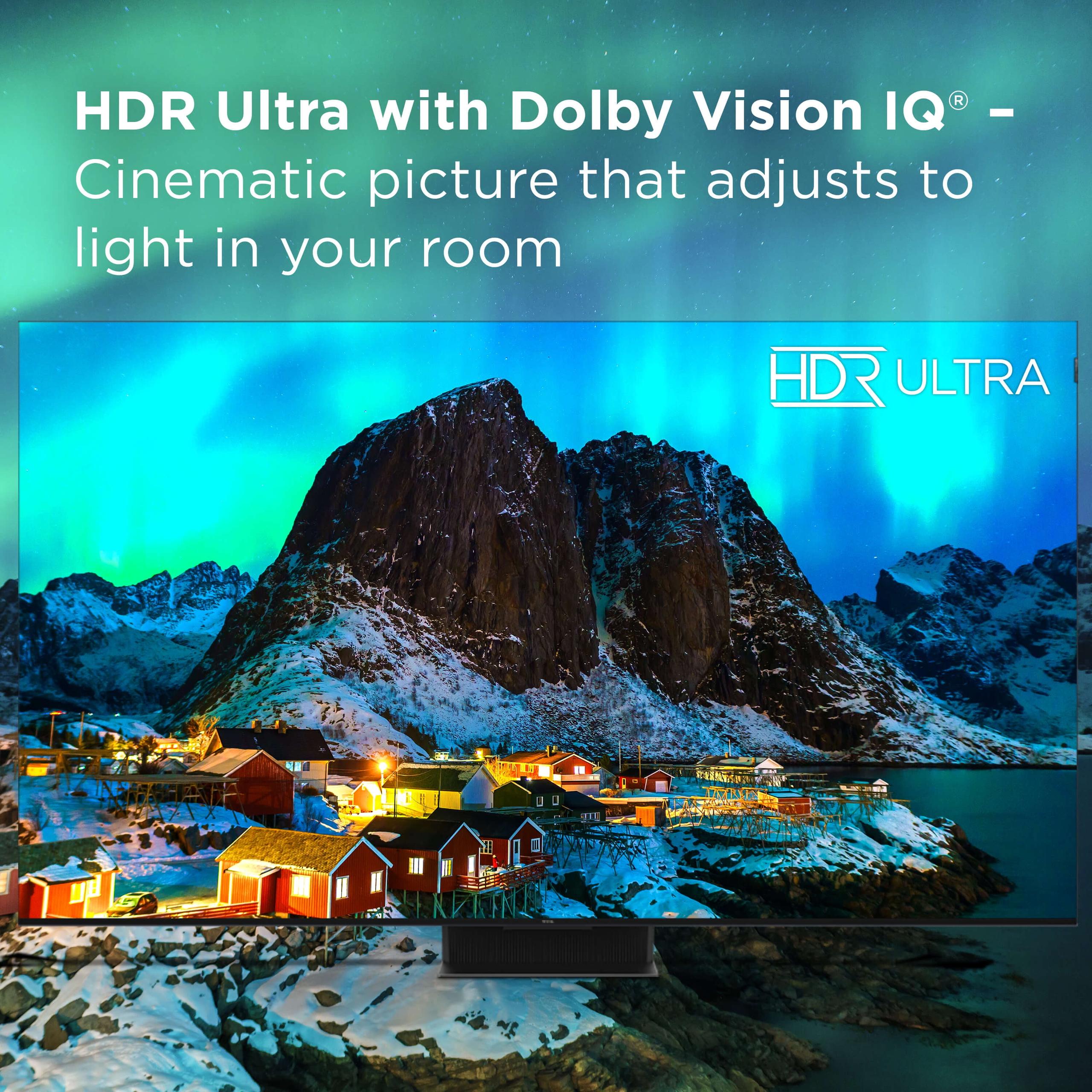
| Dolby Vision, HDR10, HDR10+, HLG | HDR ULTRA with Dolby Vision IQ, HDR10+, HDR10, HLG |
| Build Quality and Design - Long-term reliability and aesthetics | |
| Decent build, some reliability concerns reported | Premium construction, 360° metal bezel-less design |
| Value Proposition - Performance per dollar at time of writing | |
| Exceptional value for budget-conscious buyers | Premium pricing justified by flagship performance |
The TCL 65" QM8 Mini-LED Smart TV delivers significantly better picture quality with its 5,000+ local dimming zones and up to 5,000 nits peak brightness. This creates deeper blacks and brighter highlights essential for HDR movies. The Toshiba 65" M550 Series QLED Fire TV offers good picture quality for its category but with only 48 local dimming zones, it can't match the contrast and detail of the TCL QM8.
The TCL 65" QM8 Mini-LED Smart TV is excellent for next-gen gaming with true 4K@120Hz support, 144Hz VRR, and sub-10ms input lag. The Toshiba 65" M550 Series QLED Fire TV is limited to 60Hz at 4K resolution and only supports 120Hz at 1440p, making the TCL QM8 the clear choice for serious gamers who want to fully utilize their consoles.
The Toshiba 65" M550 Series QLED Fire TV offers exceptional value for budget-conscious buyers, delivering premium features at an aggressive price point. However, the TCL 65" QM8 Mini-LED Smart TV provides better long-term value with flagship performance that justifies its higher cost. Your choice depends on whether you prioritize immediate affordability or superior performance.
The TCL 65" QM8 Mini-LED Smart TV excels in bright rooms with its exceptional peak brightness and superior reflection handling. The Toshiba 65" M550 Series QLED Fire TV has adequate brightness for most situations but may struggle in very bright environments. For sun-filled living rooms, the TCL QM8 is the better choice.
Both TVs offer user-friendly platforms, but with different strengths. The Toshiba 65" M550 Series QLED Fire TV features Amazon's Fire TV with excellent content discovery and Alexa integration, though some users report performance lag. The TCL 65" QM8 Mini-LED Smart TV runs Google TV, which offers smoother operation and broader app selection with more responsive performance.
The TCL 65" QM8 Mini-LED Smart TV features an impressive ONKYO 2.1.2 speaker system with 80W total power, up-firing drivers, and a built-in subwoofer that may eliminate the need for a soundbar. The Toshiba 65" M550 Series QLED Fire TV has decent 40W audio but most users will want to add external speakers for the best experience.
For home theater use, the TCL 65" QM8 Mini-LED Smart TV is the superior choice with its exceptional contrast, accurate colors, and ability to handle both very bright and very dark scenes simultaneously. While the Toshiba 65" M550 Series QLED Fire TV can work in a home theater, especially in darker rooms, the TCL QM8 delivers the cinematic experience serious movie enthusiasts expect.
The TCL 65" QM8 Mini-LED Smart TV generally receives positive reliability feedback with stable performance. Some users report occasional freezing and slow response times with the Toshiba 65" M550 Series QLED Fire TV, particularly with the Fire TV interface becoming sluggish. Both offer standard one-year warranties, but the TCL QM8 shows better long-term stability in reviews.
The TCL 65" QM8 Mini-LED Smart TV provides superior motion handling with Motion Rate 480 and excellent clarity during fast-paced content. The Toshiba 65" M550 Series QLED Fire TV offers Motion Rate 240 but some users report artifacts during busy action scenes. For sports viewing, the TCL QM8 delivers smoother, clearer motion.
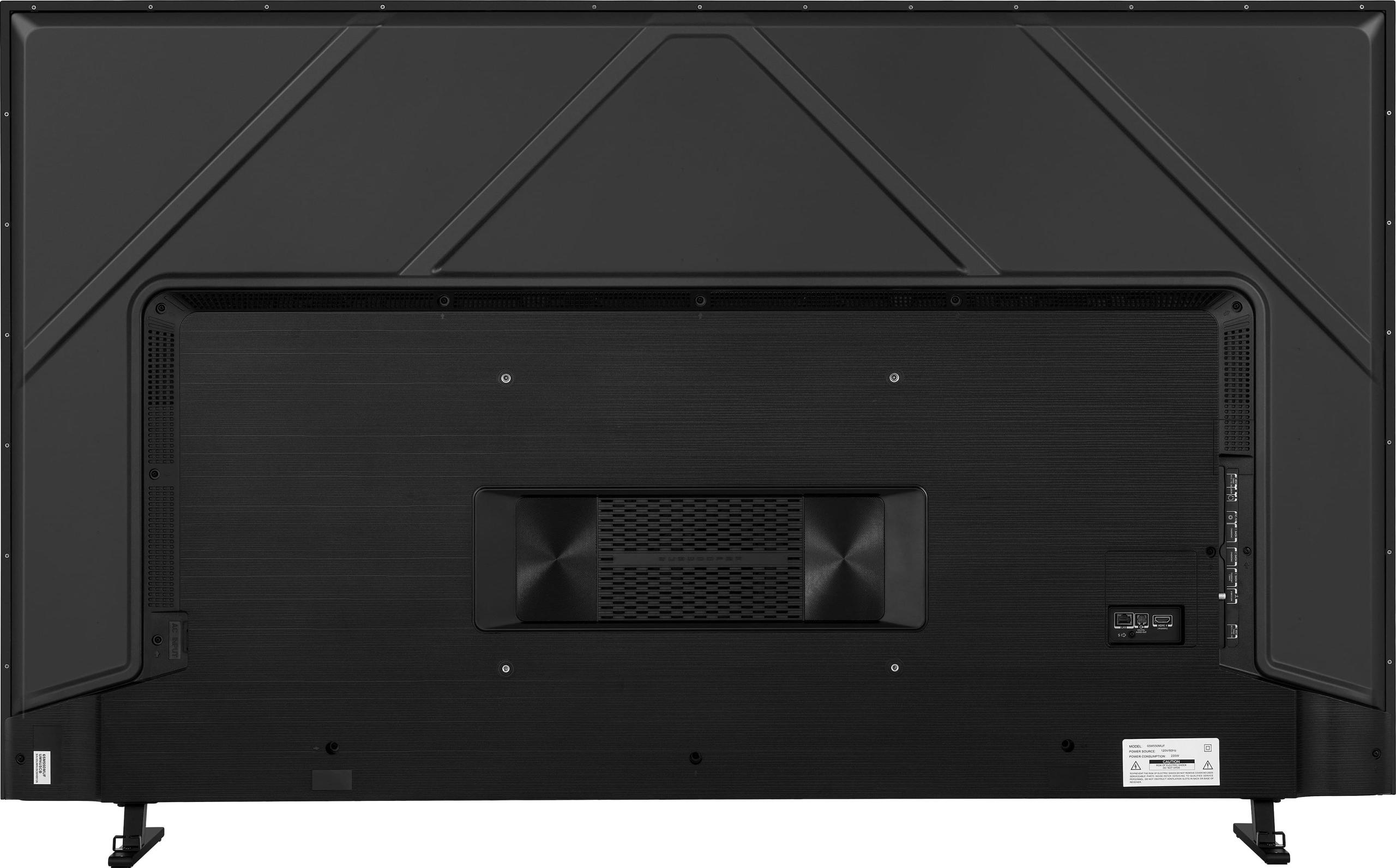
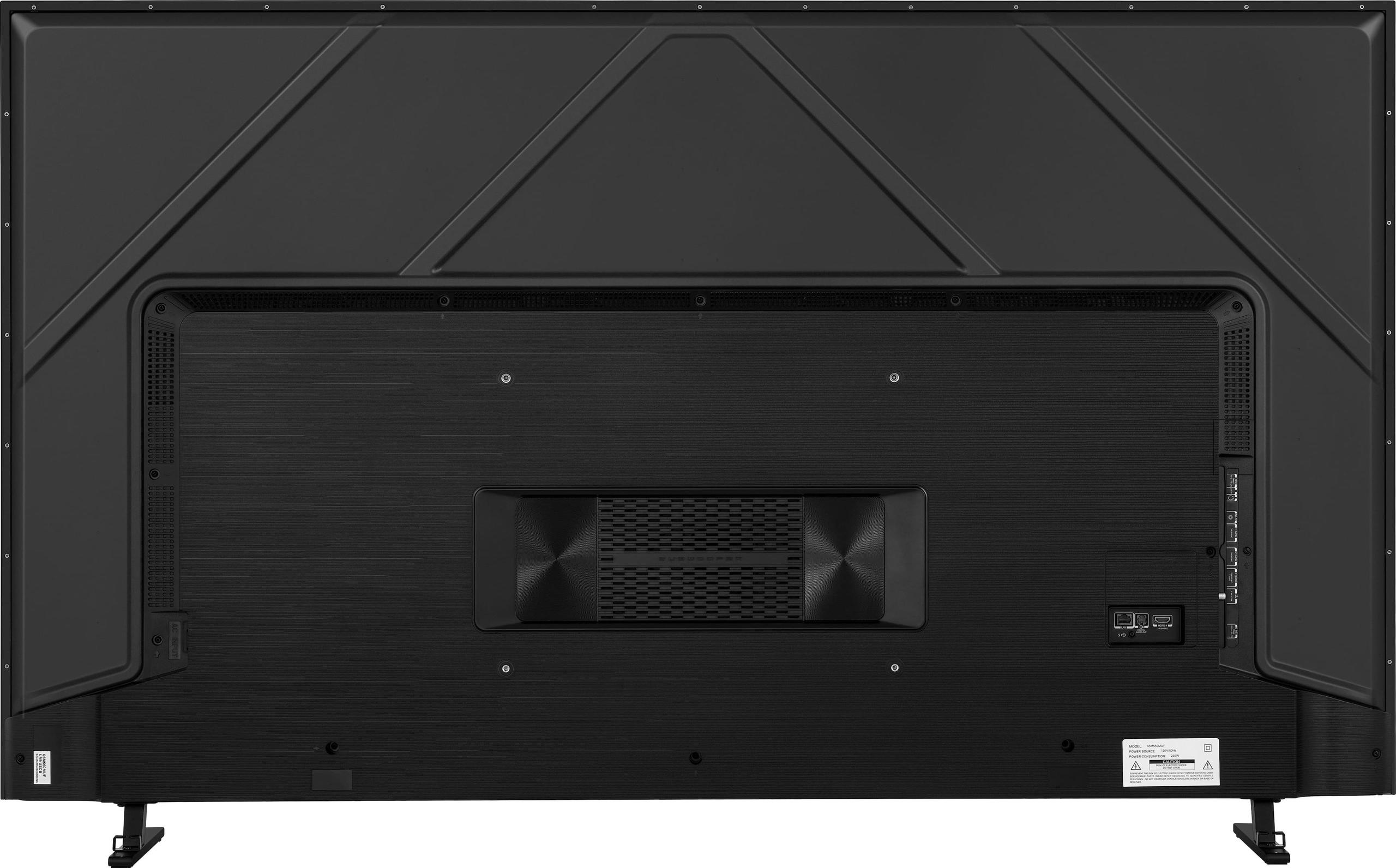
Both TVs offer 4 HDMI ports with eARC support. The TCL 65" QM8 Mini-LED Smart TV includes more advanced HDMI 2.1 features for gaming, while the Toshiba 65" M550 Series QLED Fire TV has HDMI 2.0 ports. Both provide adequate connectivity for most users' needs with gaming consoles, streaming devices, and other equipment.
For families watching various content types, the Toshiba 65" M550 Series QLED Fire TV offers good versatility at a budget-friendly price with excellent content discovery through Fire TV. However, the TCL 65" QM8 Mini-LED Smart TV provides superior performance across all content types, from cartoons to action movies to gaming, making it the better long-term family investment.
The Toshiba 65" M550 Series QLED Fire TV uses traditional QLED with quantum dots for enhanced colors but standard LED backlighting. The TCL 65" QM8 Mini-LED Smart TV combines quantum dots with Mini-LED technology, using thousands of tiny LEDs for precise brightness control. This gives the TCL QM8 superior contrast and eliminates the blooming effects common in traditional LED displays.
We've done our best to create useful and informative comparisons to help you decide what product to buy. Our research uses advanced automated methods to create this comparison and perfection is not possible - please contact us for corrections or questions. These are the sites we've researched in the creation of this article: bestbuy.com - bestbuy.com - consumerreports.org - youtube.com - pcvarge.com - tomsguide.com - youtube.com - bestbuy.com - toshibatv-usa.com - marketplace-staging.paytomorrow.com - toshibatv-usa.com - productabout.com - leaseville.com - youtube.com - toshibatv-usa.com - rtings.com - rtings.com - techradar.com - tcl.com - the-gadgeteer.com - nfm.com - ecoustics.com - careyscommunications.com - pcrichard.com - tcl.com

Privacy Policy
Terms and Conditions - Affiliate Policy
Home Security
© Copyright 2008-2026.
11816 Inwood Rd #1211, Dallas, TX 75244