

![LG B5 Series OLED 65" 4K Smart TV 2025[1][7][9]](https://images.hometheaterreview.com/htr-stateless/2025/07/31238cd0-lg-b5-series-oled-65-4k-smart-tv-2025179.jpg)
![LG B5 Series OLED 65" 4K Smart TV 2025[1][7][9]](https://images.hometheaterreview.com/htr-stateless/2025/07/3368ce40-25ef-4d07-b442-bb0af89e3a29.jpg)
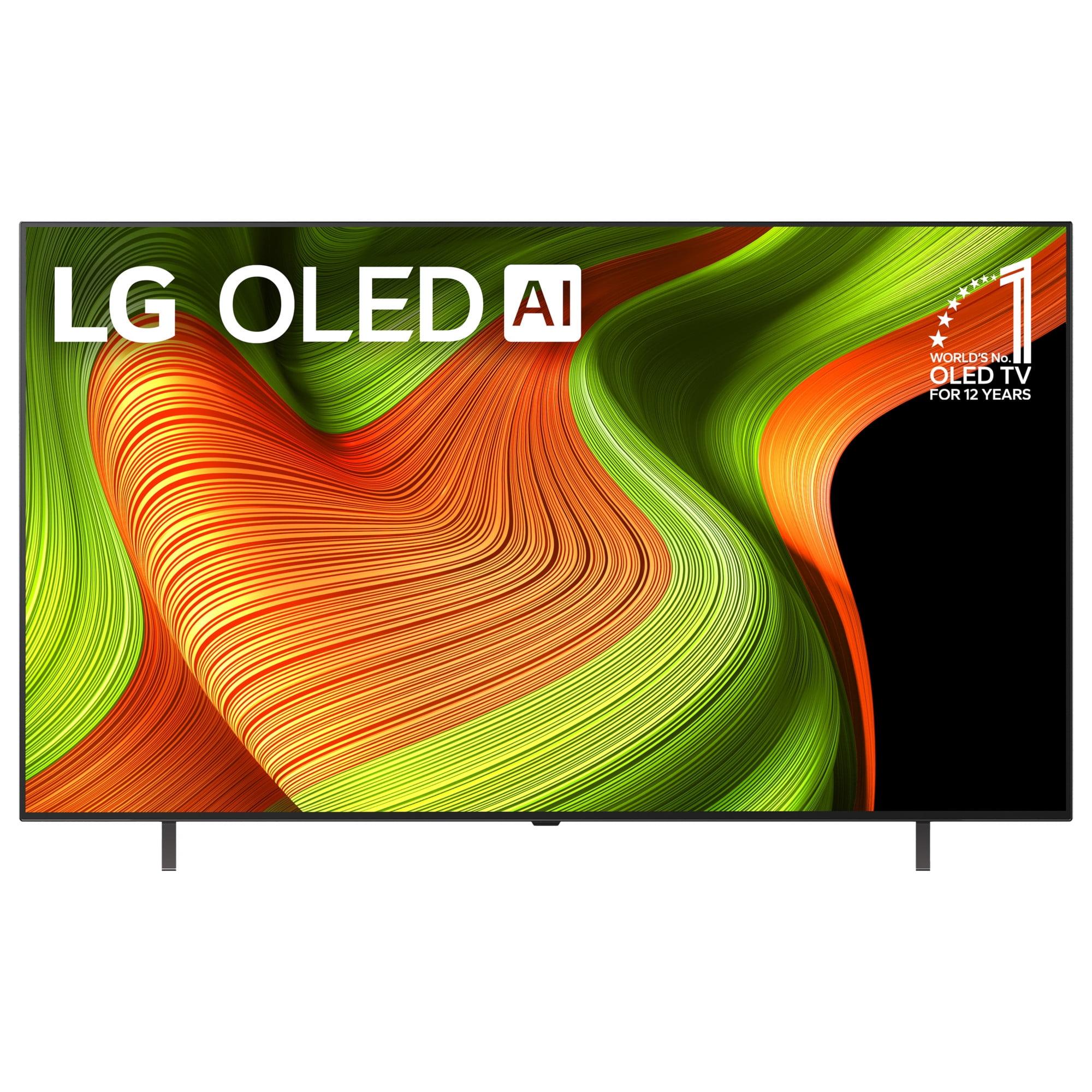
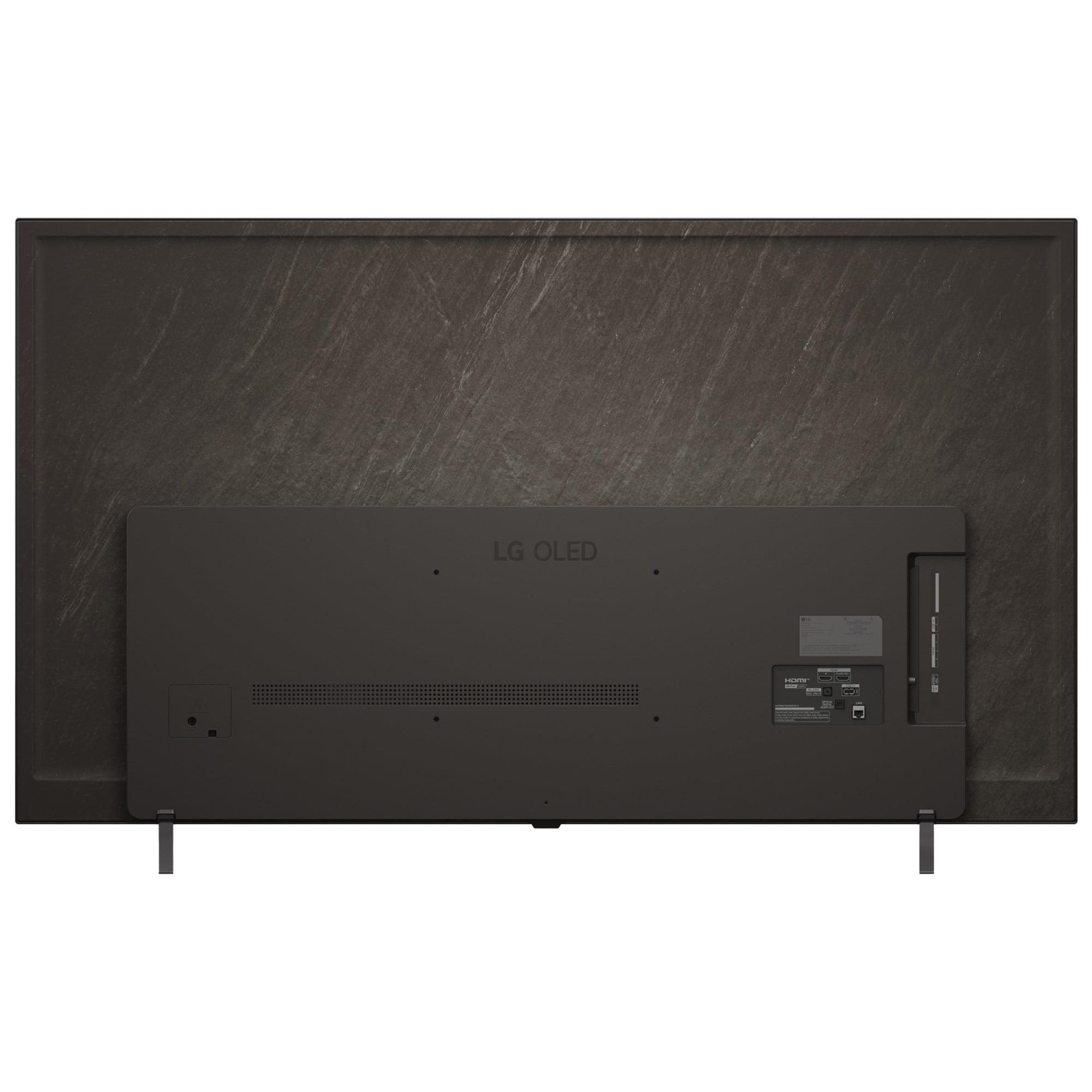
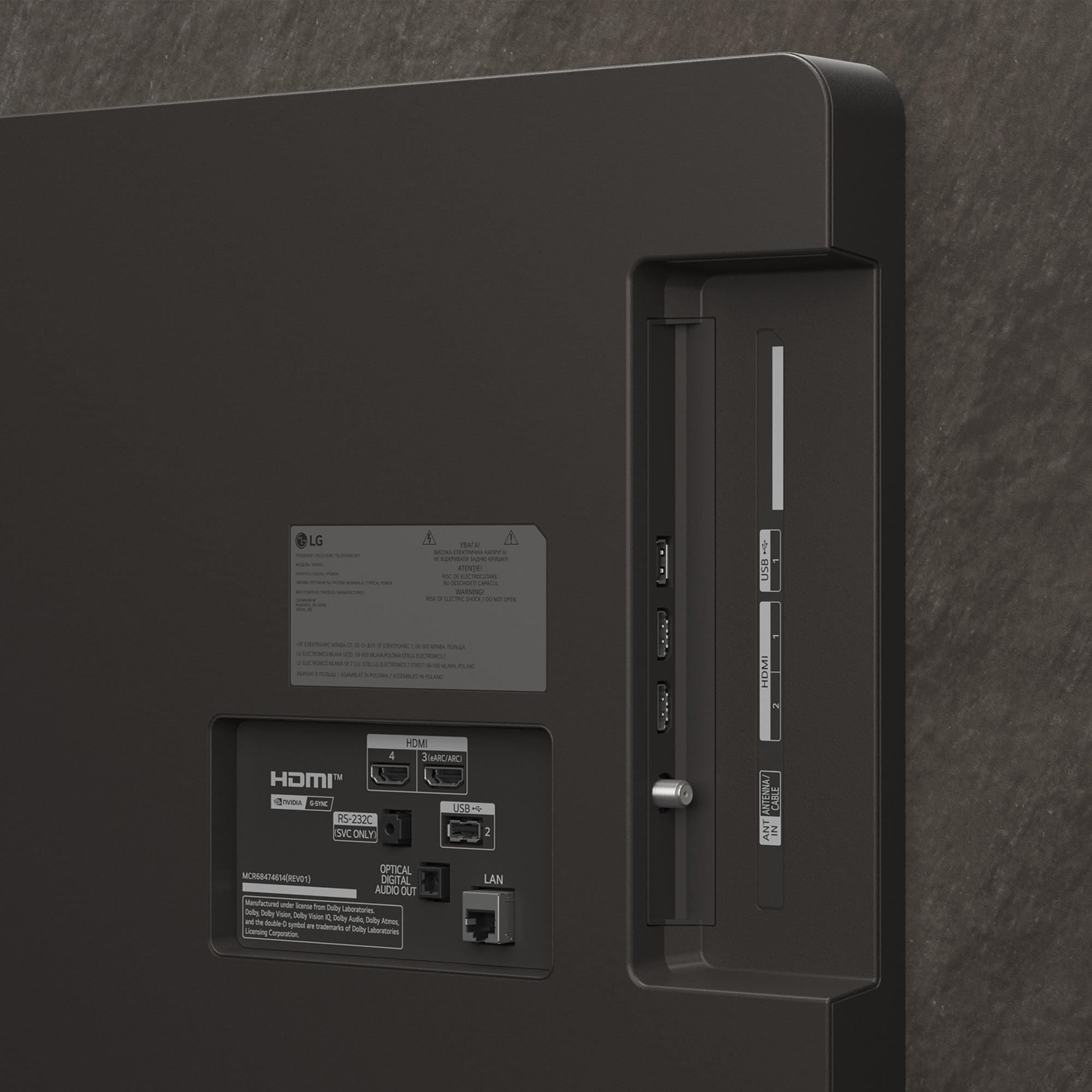
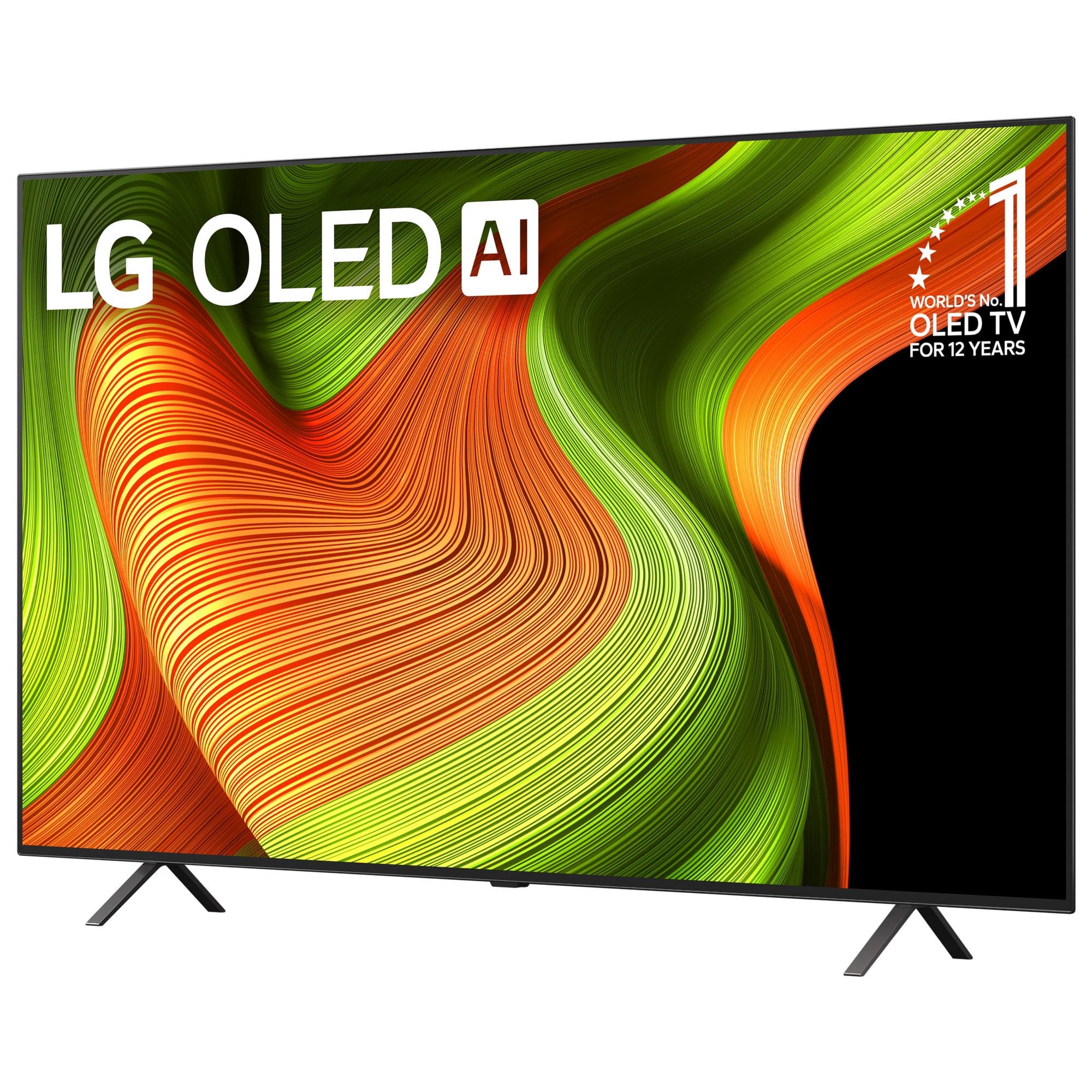
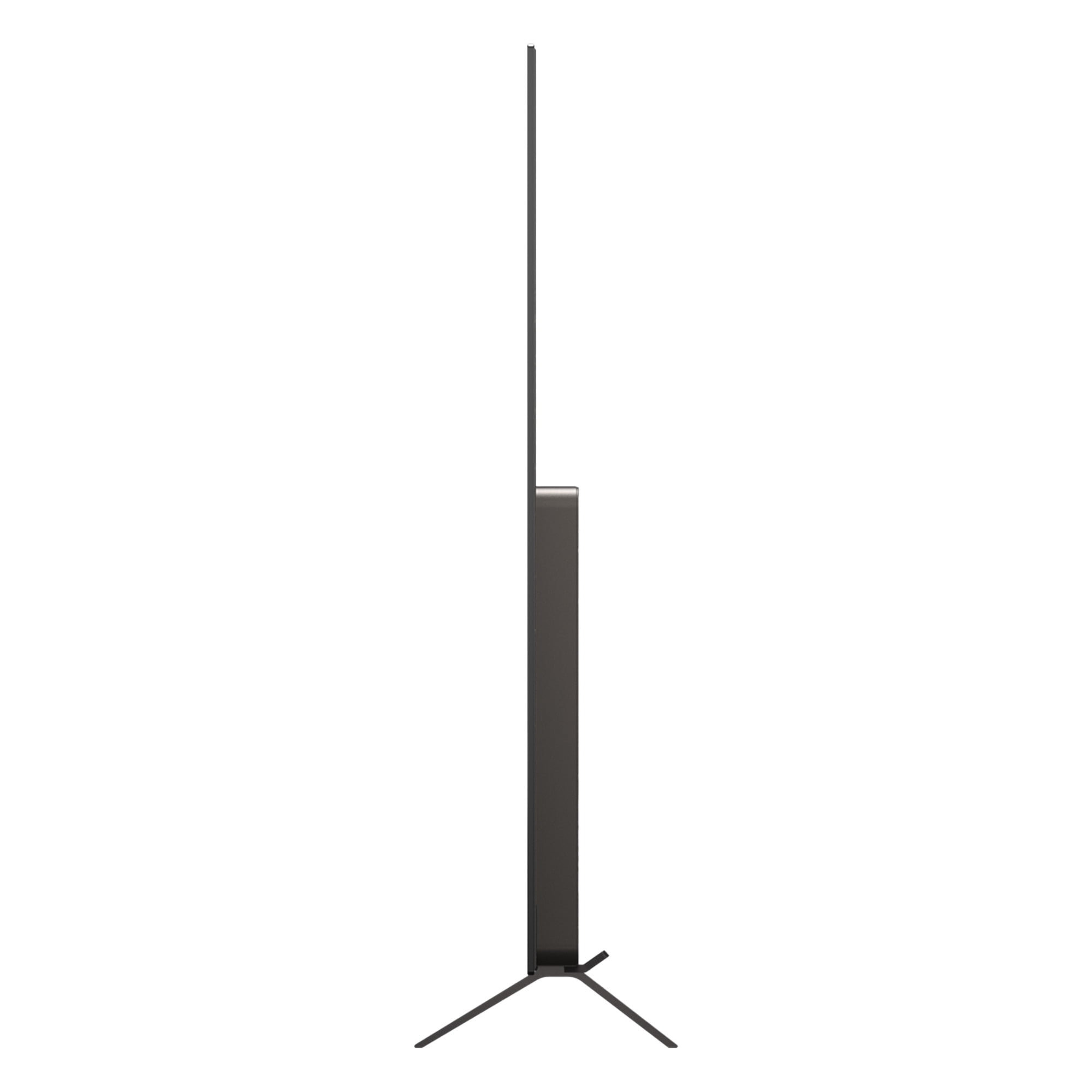
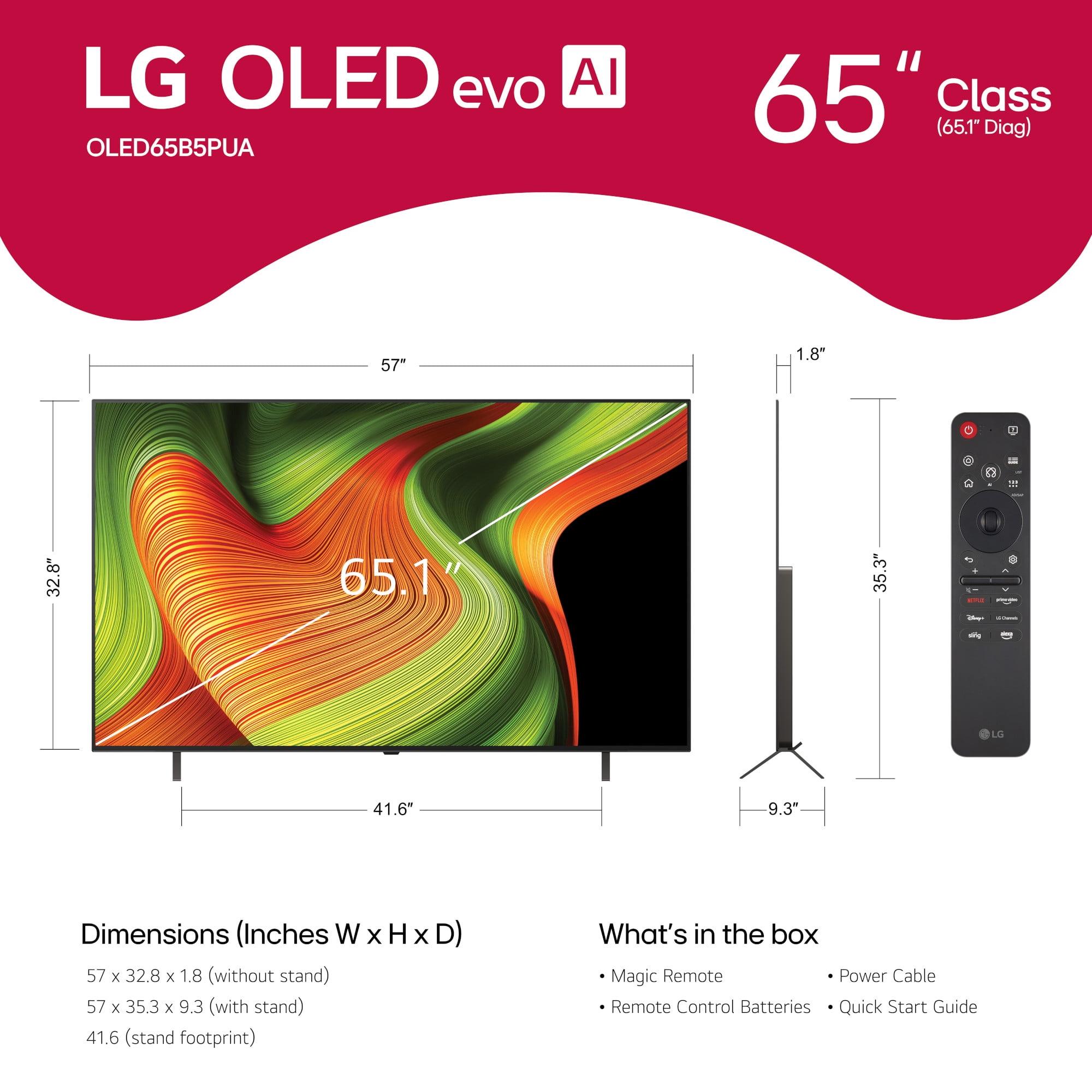
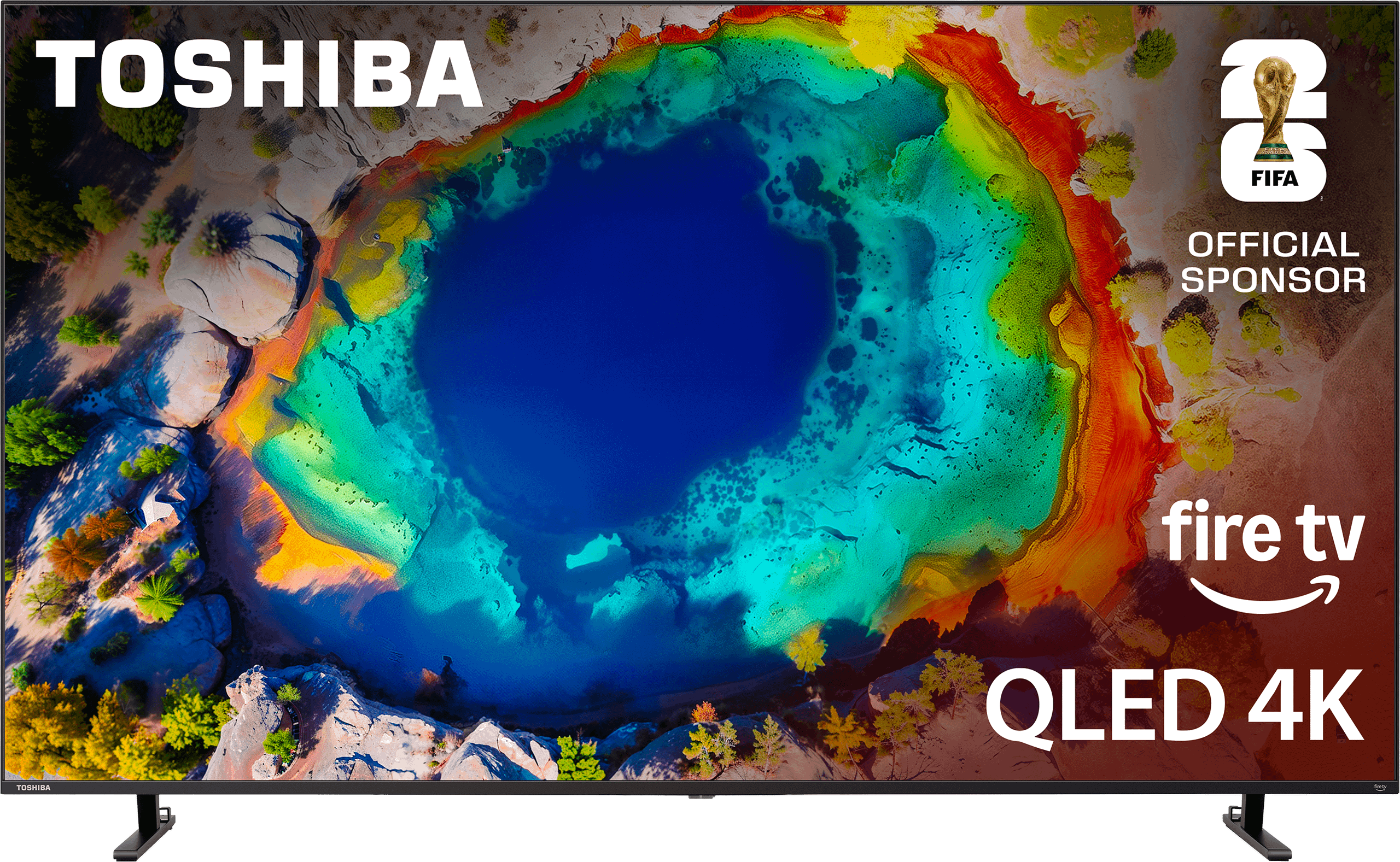
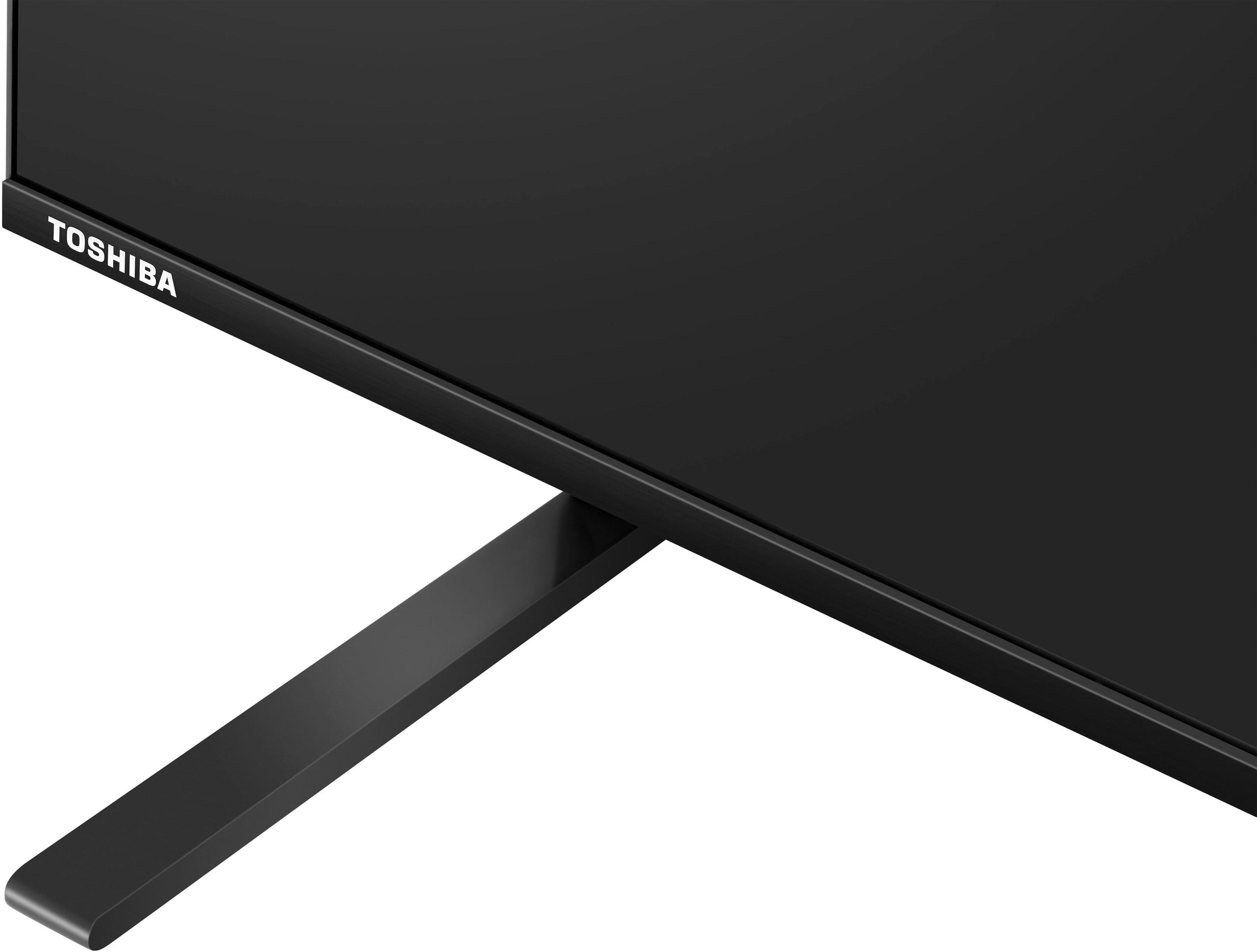
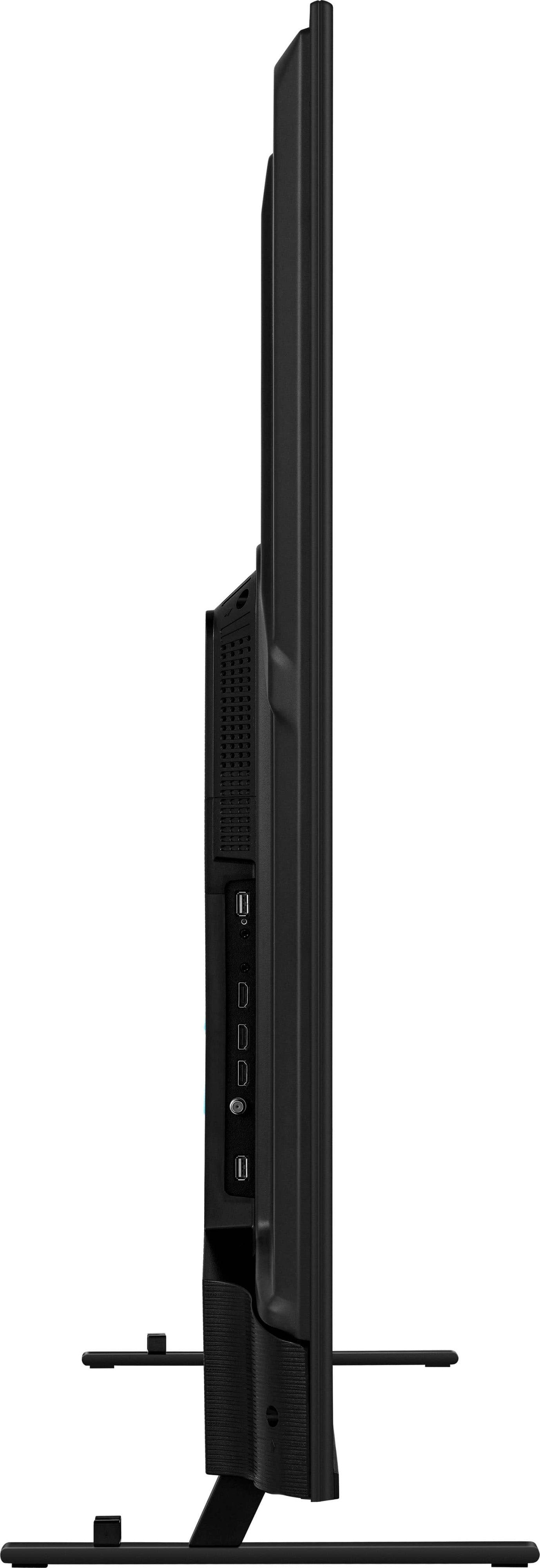
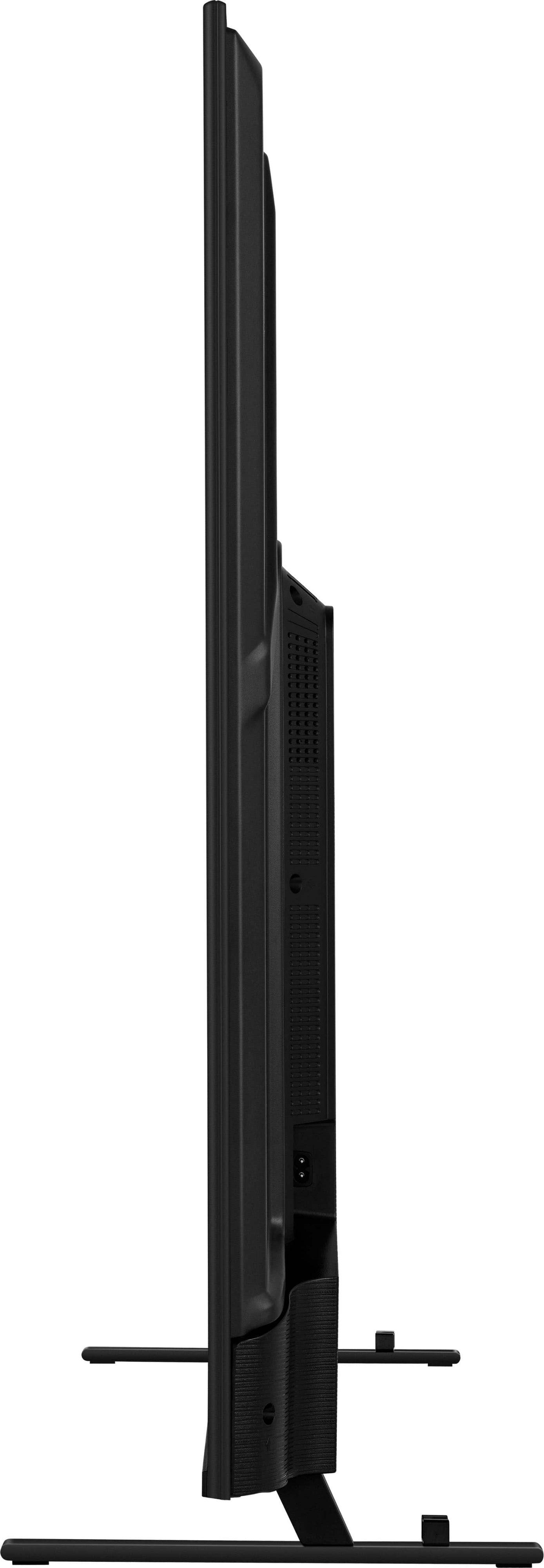
When you're shopping for a 65-inch TV, you'll quickly discover that not all large screens are created equal. Today we're comparing two televisions that represent completely different philosophies: the budget-friendly Toshiba 65" M550 Series QLED Fire TV from 2021 and the premium LG B5 Series OLED 65" 4K Smart TV from 2025. At the time of writing, these TVs are separated by several hundred dollars in price, but more importantly, they use fundamentally different display technologies that affect everything from picture quality to gaming performance.
Understanding this technology gap is crucial because it determines not just what you'll pay upfront, but how satisfied you'll be with your purchase over the next 5-10 years. The Toshiba M550 represents excellent value engineering—getting solid performance at a price point that makes 65-inch quantum dot technology accessible. The LG B5, meanwhile, offers cutting-edge OLED technology with features that were considered premium just a few years ago.
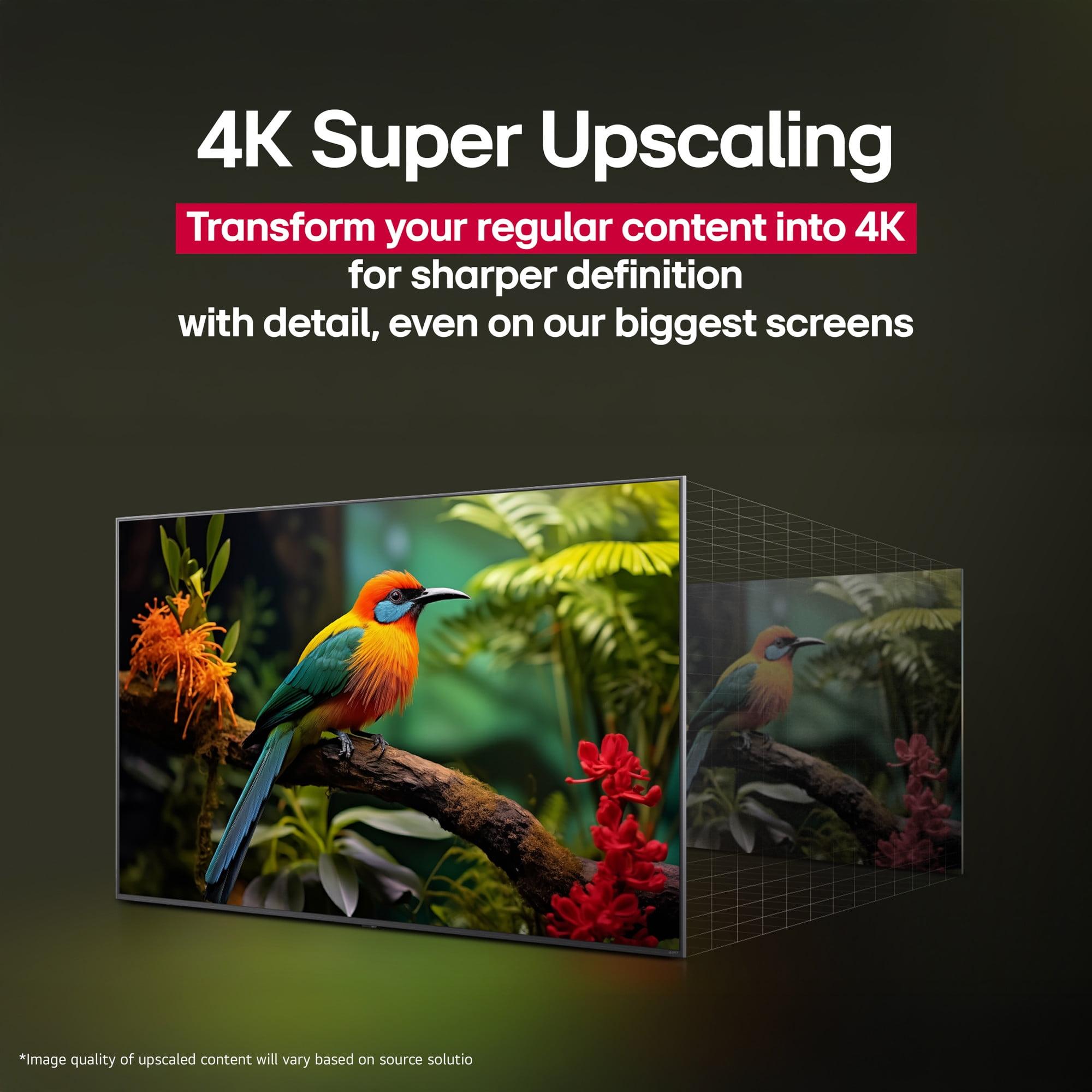
The most fundamental difference between these TVs lies in how they create the images you see. The Toshiba M550 uses LED-LCD technology enhanced with quantum dots (that's what the "Q" in QLED stands for). Think of it like a traditional LCD display with a sophisticated backlight system that includes tiny semiconductor particles called quantum dots, which help produce more accurate and vibrant colors when hit by blue LED light.
Behind the LCD panel, the Toshiba M550 uses something called full array local dimming with 48 individual zones. This means the backlight is divided into 48 sections that can be dimmed independently to create better contrast—darker areas of the screen get less backlight, while brighter areas get more. It's a clever solution, but it's still fundamentally limited by the fact that light from the backlight has to pass through the LCD panel to reach your eyes.
The LG B5 takes a completely different approach with OLED (Organic Light-Emitting Diode) technology. Each of the 8.3 million pixels on this screen is essentially a tiny light bulb that can produce its own light in any color, or turn completely off to produce perfect black. There's no backlight at all—each pixel controls its own brightness and color independently. This is why OLED TVs can achieve what's called "infinite contrast ratio"—the difference between the darkest dark and brightest bright is theoretically unlimited because true black pixels emit zero light.
In practical terms, this means when you're watching a movie with a night scene, the LG B5 can display stars against a completely black sky, while the Toshiba M550 will show stars against a dark gray sky because its backlight can never completely turn off.
The picture quality differences between these TVs become apparent the moment you turn them on, particularly in darker viewing environments. Our research into professional reviews and user feedback consistently shows that the LG B5 delivers what many describe as a "cinematic" experience that's particularly noticeable in movies and high-quality streaming content.
The black level performance is where OLED technology truly shines. When watching content like dark sci-fi films or moody dramas, the LG B5 can display shadow details that are simply invisible on most LCD TVs. This isn't just about having darker blacks—it's about revealing details in dark scenes that enhance the storytelling. Professional reviews consistently highlight this as OLED's most significant advantage.
Color accuracy is another area where these technologies diverge. The Toshiba M550 uses quantum dot technology to produce what Toshiba claims is "over a billion shades of color" with 90% coverage of the DCI-P3 color gamut (the standard used by movie studios). This is genuinely impressive for an LCD TV and delivers vibrant, appealing colors that many users find satisfying for everyday viewing.
However, the LG B5 approaches color differently. Rather than just producing vibrant colors, OLED technology can maintain color accuracy at all brightness levels because each pixel controls its own light output. This means colors remain consistent whether they're part of a bright sky or a dimly lit room scene. The LG B5 achieves what LG calls "100% Color Fidelity," which refers to this ability to maintain accurate colors across the entire brightness range.
Viewing angles present another significant difference. LCD technology, including the quantum dot-enhanced panel in the Toshiba M550, suffers from color and contrast degradation when viewed from the side. If you're sitting more than about 30 degrees off-center, you'll notice the picture becomes washed out and colors shift. The LG B5 maintains consistent picture quality from virtually any angle because each pixel emits light directly rather than relying on light passing through layers of material.
Both TVs support High Dynamic Range (HDR), which expands the range of brightness and color beyond what standard TV signals can display. However, they handle HDR very differently due to their underlying technologies.
The Toshiba M550 supports Dolby Vision, HDR10, and HDR10+—essentially all the major HDR formats you'll encounter. Dolby Vision is particularly important because it provides scene-by-scene instructions for how content should look, rather than applying the same settings to an entire movie. The TV's local dimming system works with HDR to create brighter highlights and darker shadows than standard content.
Where the Toshiba M550 struggles is in peak brightness. Most professional reviews indicate it can achieve good but not exceptional brightness levels, which limits how impactful HDR content appears, especially in bright rooms. The 48-zone local dimming helps but can sometimes create visible "blooming" around bright objects—a halo effect where light spills into areas that should be dark.
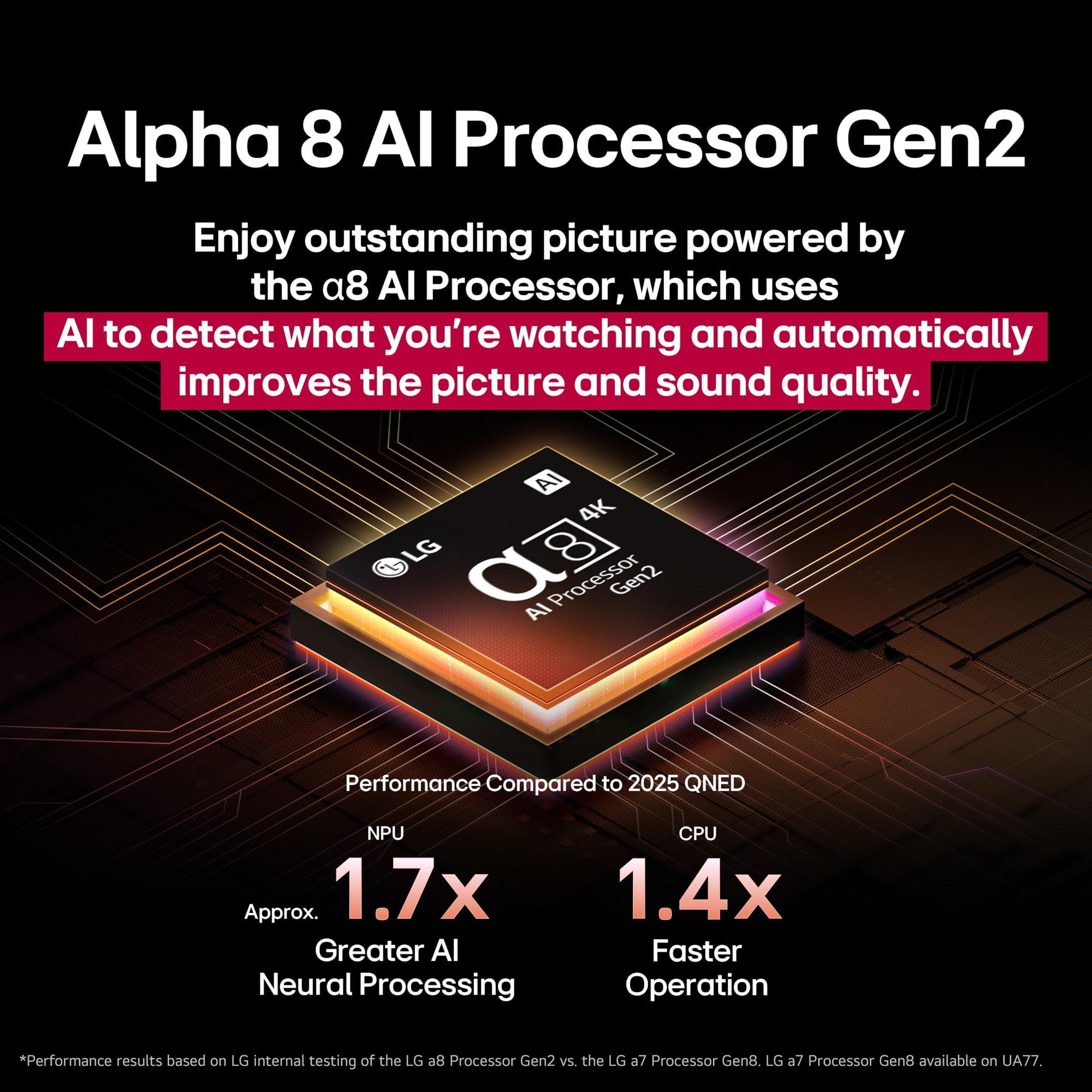
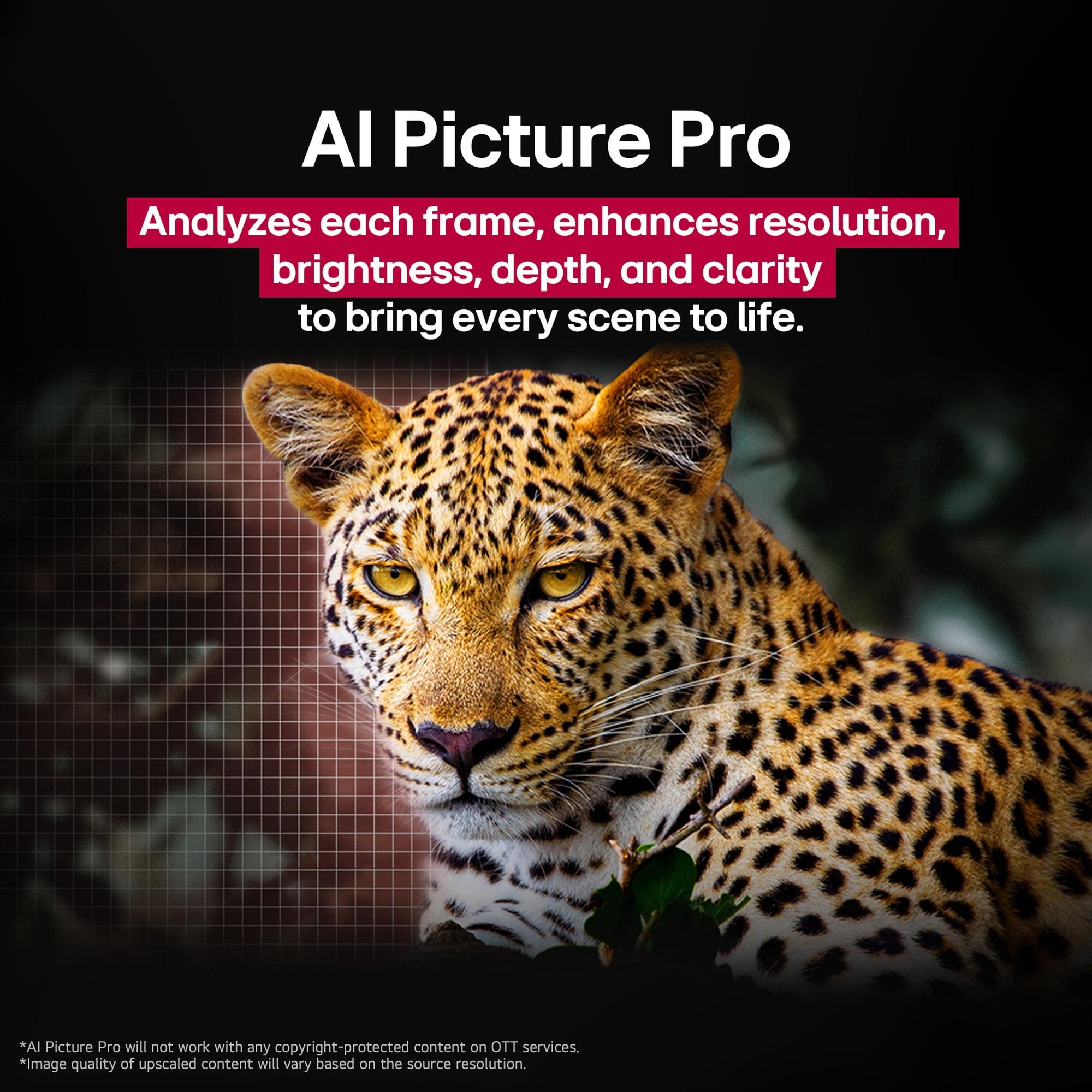
The LG B5 also supports major HDR formats including Dolby Vision, HDR10, and HLG (Hybrid Log-Gamma, used for broadcast HDR). More importantly, it includes what LG calls Dynamic Tone Mapping Pro, which uses the TV's Alpha 8 AI processor to analyze HDR content frame by frame and optimize the display for each scene.
OLED's advantage in HDR comes from its infinite contrast ratio. While the LG B5 might not get as bright as some premium LCD TVs, the combination of perfect blacks and good peak brightness creates HDR images that feel more impactful. When you see a campfire scene in an HDR movie, the flames appear to glow against the truly black night sky in a way that's impossible to replicate with backlit LCD technology.
Gaming performance reveals perhaps the most significant practical difference between these TVs, especially if you own a PlayStation 5, Xbox Series X, or high-end gaming PC. Both TVs feature 120Hz panels—meaning they can display up to 120 frames per second for incredibly smooth motion—but their implementation is drastically different.
The LG B5 offers what gamers call "true" 4K@120Hz support across all four of its HDMI 2.1 ports. This means you can connect your PlayStation 5 or Xbox Series X and actually play games at full 4K resolution with 120fps frame rates where supported. The TV includes NVIDIA G-Sync and AMD FreeSync Premium support, which synchronizes the display refresh rate with your graphics card or console to eliminate screen tearing and stuttering. Input lag—the delay between pressing a button and seeing the action on screen—measures just 0.1 milliseconds, which is imperceptible to human players.
Here's where the Toshiba M550 reveals a critical limitation that affects its value proposition for gamers. Despite having a 120Hz panel and HDMI 2.1 ports, the TV only supports 4K resolution at 60Hz. You can get 120Hz refresh rates, but only at 1440p or 1080p resolution. For console gamers who want to play the latest titles at full 4K resolution, this essentially makes the 120Hz capability useless since you're locked to 60fps anyway.
This limitation becomes more significant when you consider that many newer games offer "Performance" modes that target 120fps at reduced resolution, and "Quality" modes that target 60fps at full 4K. With the Toshiba M550, you can't take advantage of high frame rate gaming at 4K resolution, limiting your options as games continue to evolve.
Both TVs support Variable Refresh Rate (VRR) and Auto Low Latency Mode (ALLM), which automatically switches the TV to its lowest-lag gaming mode when it detects a gaming signal. However, the Toshiba M550 only supports VRR up to 60Hz at 4K resolution, again limiting its gaming capabilities.
For competitive gamers or enthusiasts who want the best possible gaming experience, the LG B5 is clearly superior. For casual gamers who primarily play single-player games and aren't concerned about squeezing every frame out of their console, the Toshiba M550 provides adequate performance at a much lower price point.
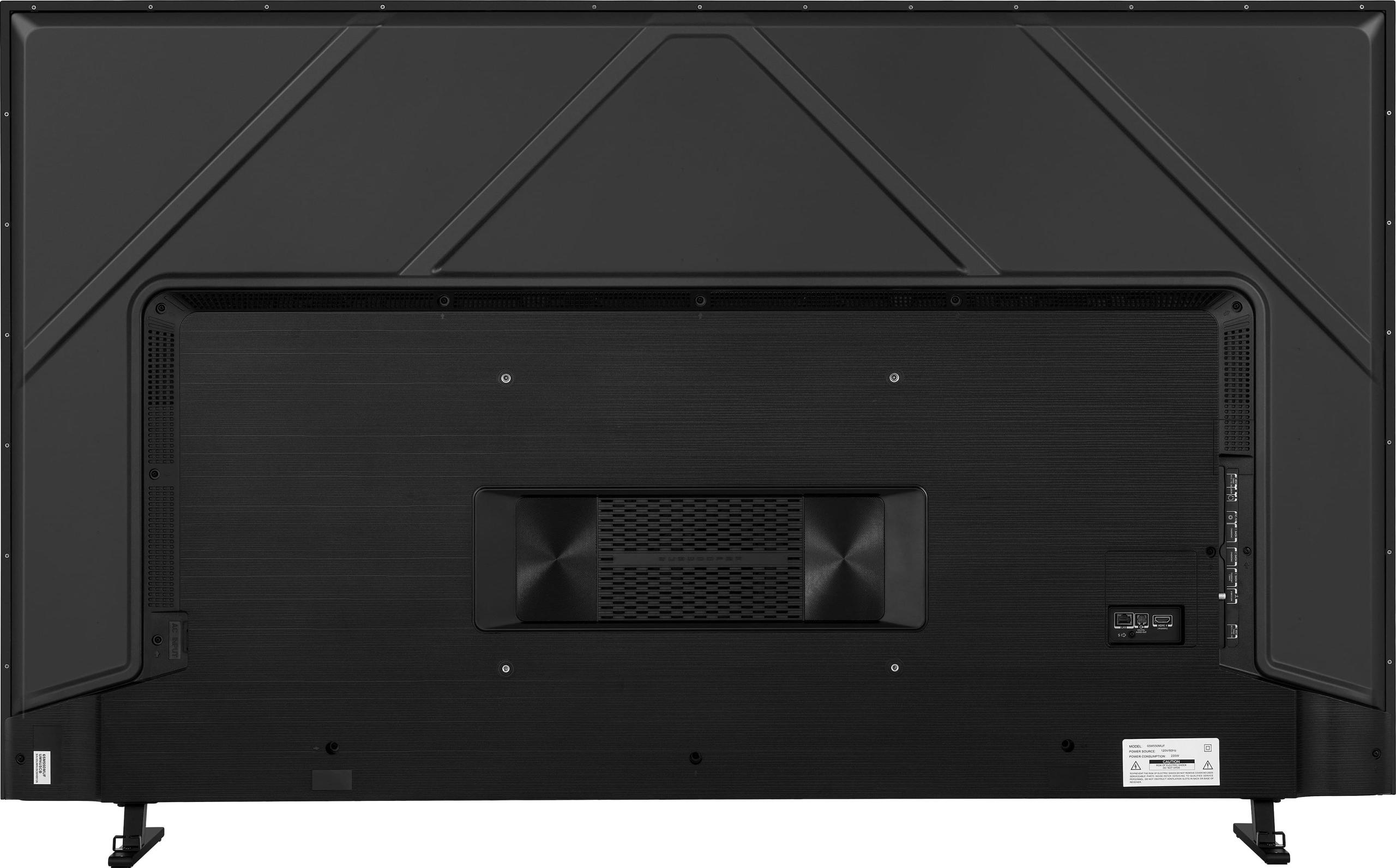
Audio performance is one area where the Toshiba M550 actually outperforms its more expensive competitor, and it's worth understanding why this matters. The Toshiba M550 includes what Toshiba calls REGZA Power Audio Pro, which consists of a 25-watt bass woofer plus dual 12-watt clear direct speakers. This is essentially a built-in subwoofer system that provides genuine low-frequency response—the deep bass that makes explosions feel impactful and music sound full.
Many users in reviews specifically mention that they don't need to purchase a separate soundbar with the Toshiba M550, which can represent savings of $100-300 depending on your audio expectations. The TV also supports Dolby Atmos and DTS Virtual:X, which create simulated surround sound effects even through the built-in speakers.
The LG B5 takes a more typical approach with a 2.0 channel down-firing speaker system enhanced by AI Sound Pro processing. This creates what LG calls "virtual 9.1.2 upmix," which attempts to simulate surround sound and height effects through the two built-in speakers. While this is adequate for general viewing and includes Dolby Atmos processing, it lacks the dedicated bass performance of the Toshiba M550's woofer system.
For home theater enthusiasts, this difference might not matter since most will eventually add a dedicated sound system. But for users who want good audio quality without additional purchases, the Toshiba M550 offers a genuine advantage.
The smart TV platforms on these devices reflect their different release timeframes and target markets. The Toshiba M550 runs Amazon Fire TV, which was a mature and capable platform by 2021. It includes far-field microphones for hands-free Alexa voice control, extensive app support, and integration with Amazon's ecosystem. However, being a 2021 model, long-term software support may become limited as Amazon focuses on newer hardware.
The LG B5 runs webOS 25, which represents LG's latest smart TV platform evolution. It includes what LG calls Quick Cards for organizing apps into categories, instant access to over 300 free streaming channels through LG Channels, and AI-powered features that learn your viewing preferences. More importantly, LG promises five years of software updates through their Re:New program, ensuring the TV remains current with new streaming services and features.
The processing power difference is notable here. User reviews of the Toshiba M550 sometimes mention slow response times when navigating menus or launching apps, with some users reporting delays of 30-60 seconds for apps to load from sleep mode. This suggests the onboard processor is somewhat underpowered relative to the Fire TV operating system's demands.
The LG B5 uses LG's Alpha 8 AI Processor Gen 2, which is 1.4 times faster than the previous generation and includes dedicated AI processing capabilities. This enables real-time content analysis and optimization, plus more responsive menu navigation and app launching.
For dedicated home theater setups, these TVs serve very different roles. The LG B5 is genuinely suited for darkened room viewing where its perfect black levels and infinite contrast create the most cinematic experience possible. The lack of a traditional backlight means no light bleeding or uniformity issues that can be distracting during dark movie scenes.
The viewing angle performance of the LG B5 also makes it suitable for rooms where people sit at various angles relative to the screen. Whether you're directly in front or off to the side, the picture quality remains consistent.
The Toshiba M550 performs better in bright rooms where its quantum dot-enhanced LCD panel can overcome ambient light more effectively than OLED. However, the 48-zone local dimming can create visible blooming effects during dark scenes with bright objects, which becomes more noticeable in darkened viewing environments where you can see the halos around streetlights or car headlights.
For calibration enthusiasts, the LG B5 offers more extensive picture adjustment options and responds better to professional calibration due to OLED's inherent accuracy advantages.
Understanding when these TVs were released helps explain their different capabilities and value propositions. The Toshiba M550 represents 2021 LCD technology, when full array local dimming and quantum dots were still considered premium features for budget-friendly TVs. At launch, it offered impressive specifications for its price point.
However, TV technology has evolved significantly since 2021. HDMI 2.1 implementations have become more sophisticated, gaming features have become more important due to next-generation console adoption, and OLED manufacturing has become more efficient, bringing prices down.
The LG B5 represents 2025 technology, incorporating four years of improvements in OLED manufacturing, AI processing, and smart TV platforms. It benefits from LG's experience making OLED TVs more affordable while maintaining the technology's core advantages.
After researching professional reviews, user feedback, and technical specifications, the choice between these TVs comes down to matching technology capabilities with your actual usage patterns and budget priorities.
Choose the Toshiba M550 if you're looking for the largest possible screen size within a limited budget, primarily watch streaming content and regular TV programming, do casual gaming that doesn't require cutting-edge performance, value built-in audio quality that eliminates the need for a soundbar, and have a brighter room where LCD's superior brightness helps overcome ambient light.
The Toshiba M550 makes sense for families who want a big, capable TV for general entertainment without spending premium prices. Its quantum dot technology delivers appealing colors for everyday content, and the built-in audio system provides a complete entertainment experience without additional purchases.
Choose the LG B5 if picture quality is your top priority and you appreciate the cinematic experience that perfect blacks provide, you're a serious gamer who wants true 4K@120Hz support and minimal input lag, you frequently watch movies and high-quality streaming content in darkened rooms, you want a TV that will remain current with software updates for at least five years, and you have multiple seating positions that benefit from OLED's superior viewing angles.
The LG B5 represents an investment in premium display technology that delivers benefits you'll notice every time you watch quality content. While it requires a significantly higher upfront cost, the combination of perfect blacks, infinite contrast, and future-proof gaming features justify the premium for users who prioritize the viewing experience.
At the time of writing, the price difference between these TVs reflects the fundamental technology gap between budget LCD and premium OLED displays. The Toshiba M550 offers remarkable value for a 65-inch quantum dot TV, while the LG B5 provides cutting-edge display technology at OLED's entry-level pricing.
The decision ultimately comes down to whether you're buying a functional large screen for general use or investing in premium display technology for an optimal viewing experience. Both approaches have merit depending on your priorities, budget, and viewing habits.
| Toshiba 65" M550 Series QLED Fire TV | LG B5 Series OLED 65" 4K Smart TV 2025 |
|---|---|
| Display Technology - Fundamental difference affecting picture quality and price | |
| LED-LCD with Quantum Dot enhancement and 48-zone local dimming | Self-lit OLED pixels with infinite contrast ratio |
| Black Levels - Critical for movie watching and dark scenes | |
| Good blacks via local dimming, but not true black | Perfect blacks as pixels turn completely off |
| 4K@120Hz Gaming Support - Essential for PlayStation 5/Xbox Series X | |
| Limited: Only supports 4K@60Hz despite 120Hz panel | Full 4K@120Hz on all HDMI 2.1 ports |
| Peak Brightness - Important for HDR content and bright rooms | |
| Good brightness for LCD, better for bright rooms | Lower peak brightness but superior contrast |
| Viewing Angles - Matters for rooms with multiple seating positions | |
| Color/contrast degrades when viewed off-center | Consistent picture quality from any angle |
| Built-in Audio - Affects whether you need a soundbar | |
| REGZA Power Audio Pro with 25W bass woofer + dual speakers | Standard 2.0 channel down-firing speakers with AI processing |
| Smart Platform - Long-term software support and features | |
| Amazon Fire TV (2021 model, limited future updates) | webOS 25 with 5-year update guarantee through 2030 |
| HDR Format Support - Compatibility with streaming services | |
| Dolby Vision, HDR10, HDR10+ | Dolby Vision, HDR10, HLG with Dynamic Tone Mapping Pro |
| Gaming Input Lag - Critical for competitive gaming | |
| Good for LCD but higher than OLED | 0.1ms response time, imperceptible lag |
| Variable Refresh Rate - Eliminates screen tearing in games | |
| VRR up to 60Hz at 4K (limited by HDMI implementation) | Full VRR up to 120Hz with G-Sync/FreeSync Premium |
| Color Gamut Coverage - Affects color vibrancy and accuracy | |
| 90% DCI-P3 via quantum dots, vibrant but can shift off-axis | 100% Color Fidelity across all brightness levels |
| Release Year - Impacts features and long-term value | |
| 2021 model with older HDMI 2.1 implementation | 2025 model with latest OLED and AI processing technology |
The LG B5 Series OLED is significantly better for dark room movie watching. OLED technology produces perfect blacks by turning pixels completely off, creating infinite contrast that reveals shadow details impossible to see on LCD TVs. The Toshiba M550 uses local dimming to approximate deep blacks, but you'll still see a gray glow in dark scenes instead of true black.
The Toshiba M550 QLED uses LED backlighting with quantum dots to enhance colors on an LCD panel, while the LG B5 OLED has pixels that create their own light. This means OLED can turn pixels completely off for perfect blacks, while QLED relies on dimming zones that can't achieve true black levels but often gets brighter overall.
Only the LG B5 OLED fully supports next-gen console gaming with true 4K@120Hz on all HDMI ports. The Toshiba M550 has a major limitation - despite having a 120Hz panel, it only supports 4K@60Hz through its HDMI ports, making the higher refresh rate unusable for 4K console gaming.
The Toshiba M550 has superior built-in audio with its REGZA Power Audio Pro system featuring a 25W bass woofer plus dual speakers. Many users report not needing a soundbar. The LG B5 has standard TV speakers that work fine but lack the dedicated bass performance of the Toshiba's built-in woofer system.
The LG B5 OLED maintains consistent picture quality from any viewing angle, making it ideal for rooms with multiple seating positions. The Toshiba M550 suffers from color shifting and contrast loss when viewed from the side, which is typical of LCD technology.
The Toshiba M550 handles bright rooms better due to its LED backlight system that can overcome ambient light more effectively. The LG B5 OLED can appear dimmer in very bright conditions, though it still provides superior contrast and black levels when ambient light is controlled.
Both TVs support major streaming apps, but through different platforms. The Toshiba M550 runs Amazon Fire TV with extensive app support and Alexa integration. The LG B5 uses webOS 25 with access to all major services plus over 300 free channels through LG Channels.
The LG B5 OLED comes with a guarantee of software updates through 2030 via LG's Re:New program. The Toshiba M550 is a 2021 model running Amazon Fire TV, so future software support may be more limited as Amazon focuses on newer hardware.
Both TVs support major HDR formats including Dolby Vision, but the LG B5 OLED delivers more impactful HDR due to its infinite contrast ratio and Dynamic Tone Mapping Pro. The Toshiba M550 supports HDR10+ in addition to Dolby Vision but is limited by its LCD panel's contrast capabilities.
The LG B5 OLED is superior for gaming with 0.1ms response time, full 4K@120Hz support, and comprehensive VRR/G-Sync/FreeSync compatibility. The Toshiba M550 has higher input lag and is limited to 4K@60Hz, making it adequate for casual gaming but not ideal for competitive play.
The LG B5 OLED uses LG's latest Alpha 8 AI Processor Gen 2 for fast, responsive menu navigation and app launching. Users report the Toshiba M550 can be slow to respond, with apps sometimes taking 30-60 seconds to load, suggesting its processor is underpowered for the Fire TV platform.
This depends on your priorities. The Toshiba M550 offers exceptional value for budget-conscious buyers who want a large quantum dot TV with good built-in audio. The LG B5 OLED represents better long-term value for those prioritizing picture quality, gaming performance, and future-proofing with guaranteed software support through 2030.
We've done our best to create useful and informative comparisons to help you decide what product to buy. Our research uses advanced automated methods to create this comparison and perfection is not possible - please contact us for corrections or questions. These are the sites we've researched in the creation of this article: bestbuy.com - bestbuy.com - consumerreports.org - youtube.com - pcvarge.com - tomsguide.com - youtube.com - bestbuy.com - toshibatv-usa.com - marketplace-staging.paytomorrow.com - toshibatv-usa.com - productabout.com - leaseville.com - youtube.com - toshibatv-usa.com - eftm.com - bestbuy.com - rtings.com - youtube.com - rtings.com - tomsguide.com - youtube.com - nationalproductreview.com.au - lg.com - manchesterbrothers.com - avsforum.com - lg.com - lg.com - lg.com - lg.com - retailspecs.com - american-homeappliance.com - perpichtv.com

Privacy Policy
Terms and Conditions - Affiliate Policy
Home Security
© Copyright 2008-2026.
11816 Inwood Rd #1211, Dallas, TX 75244