

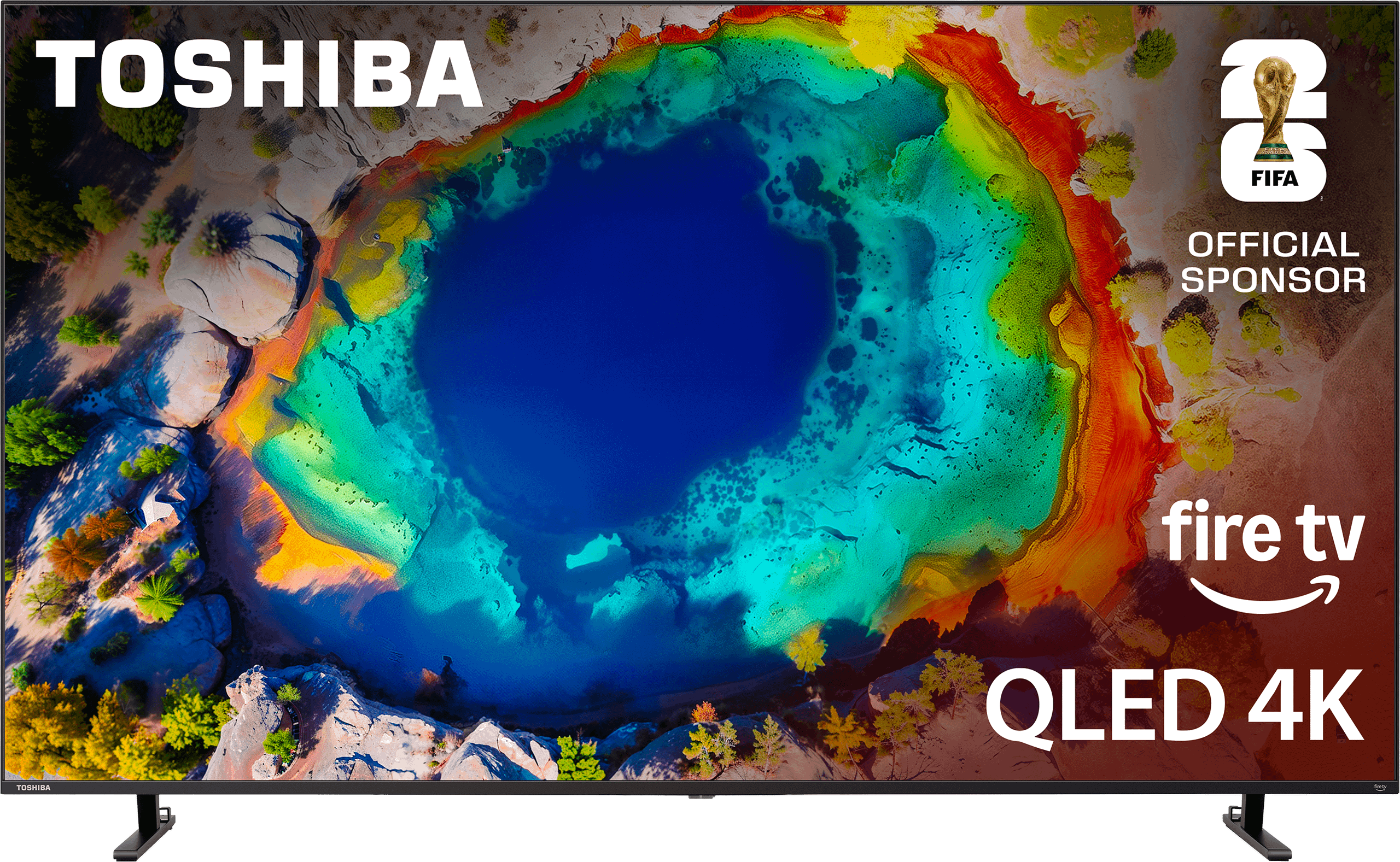
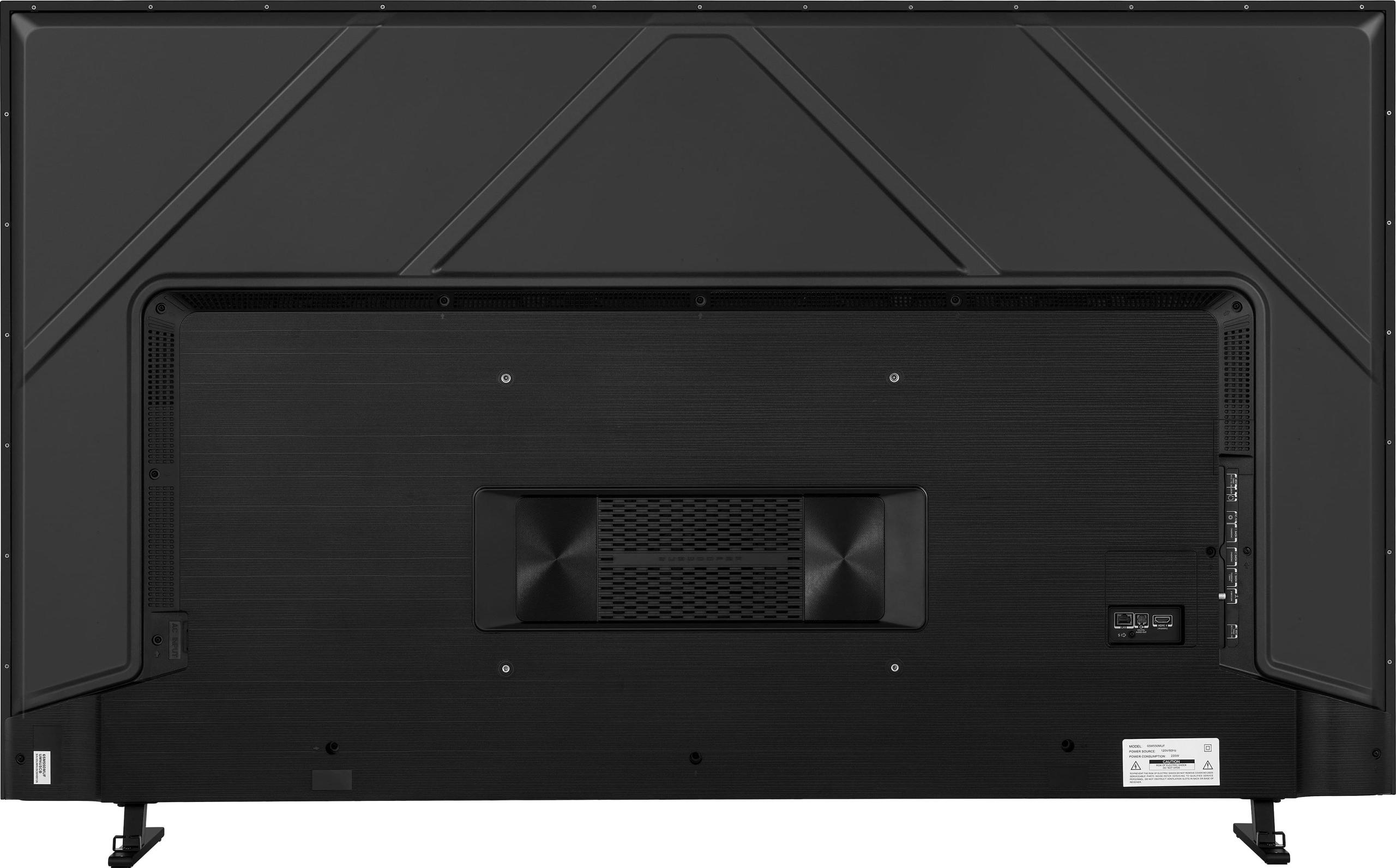
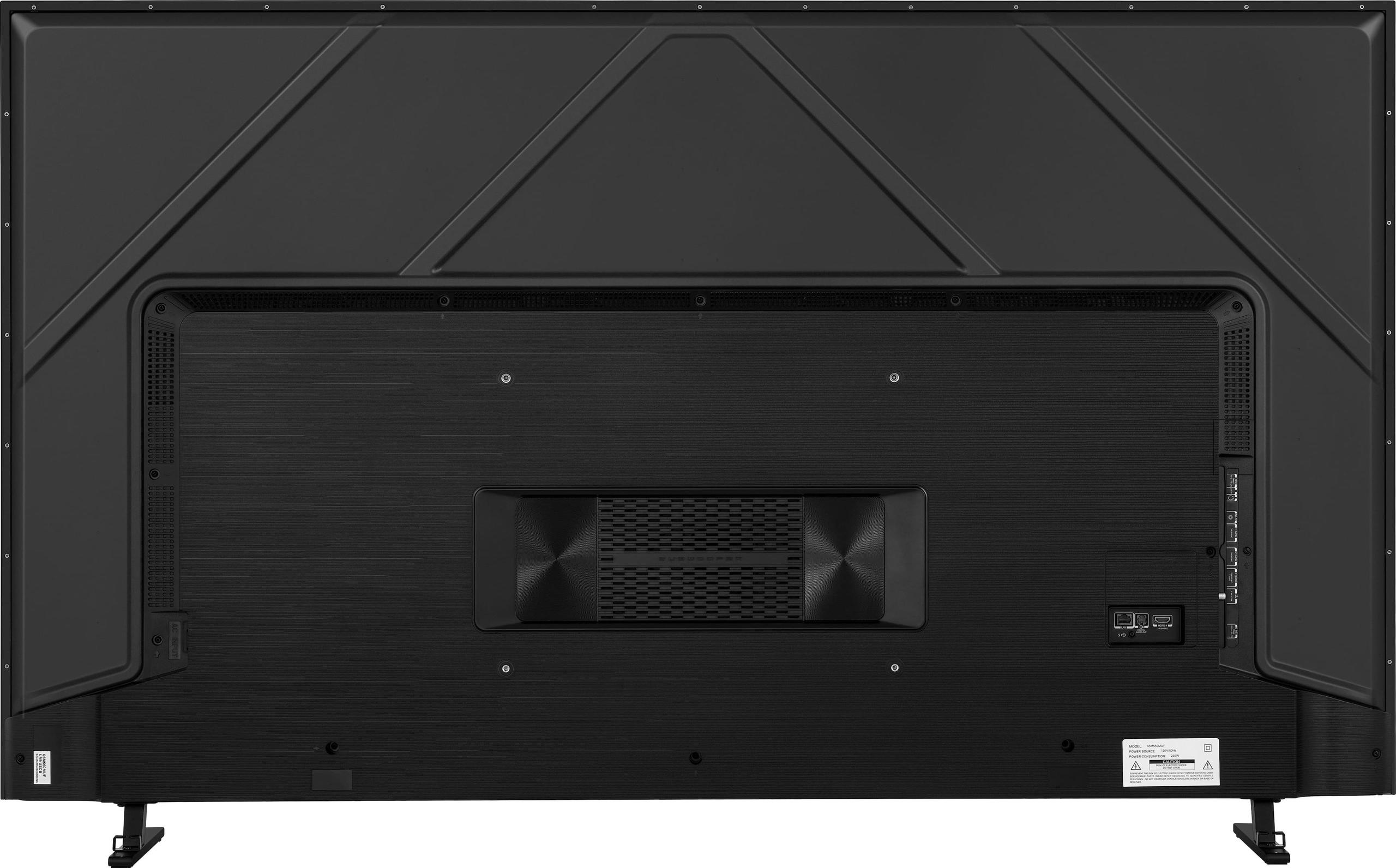
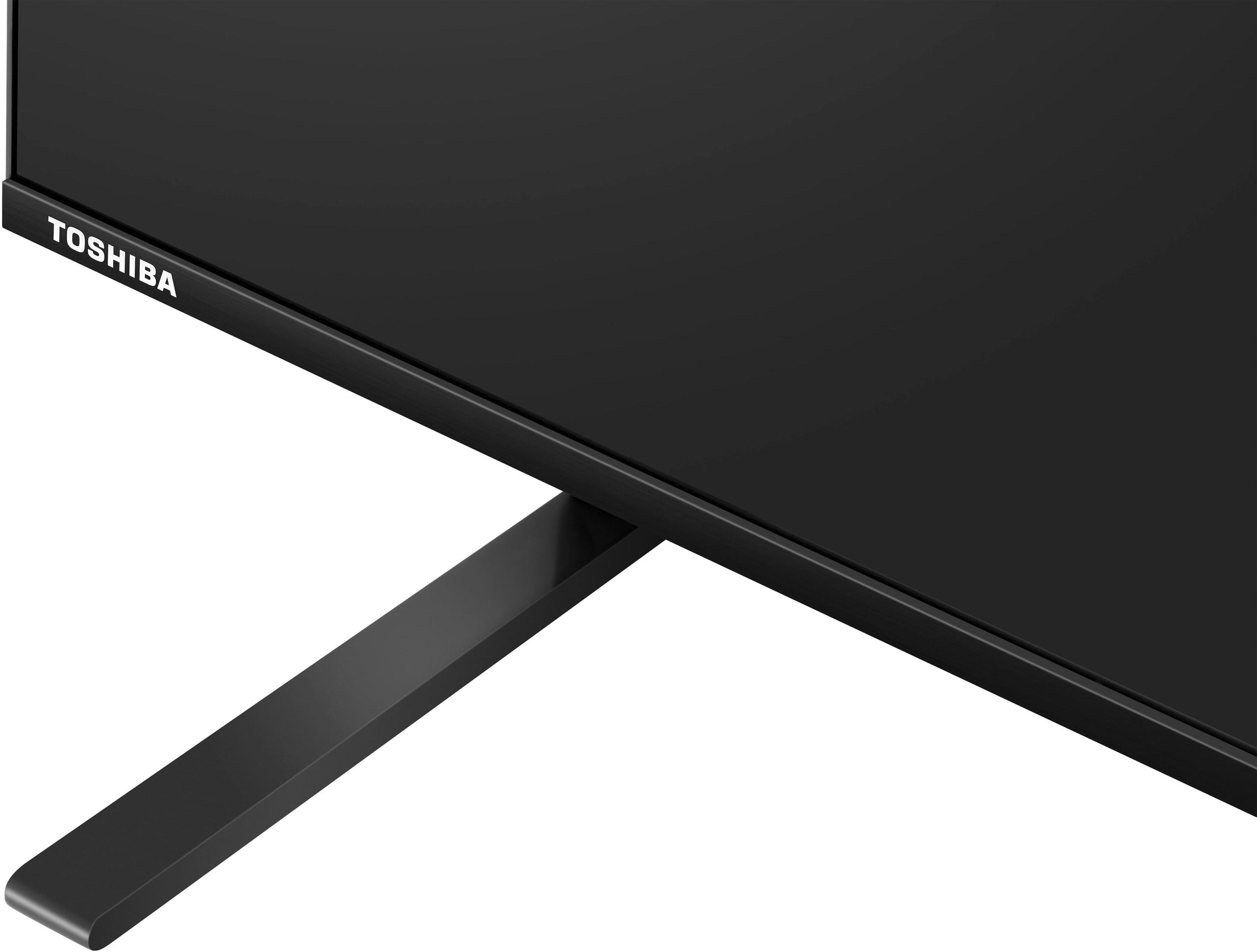
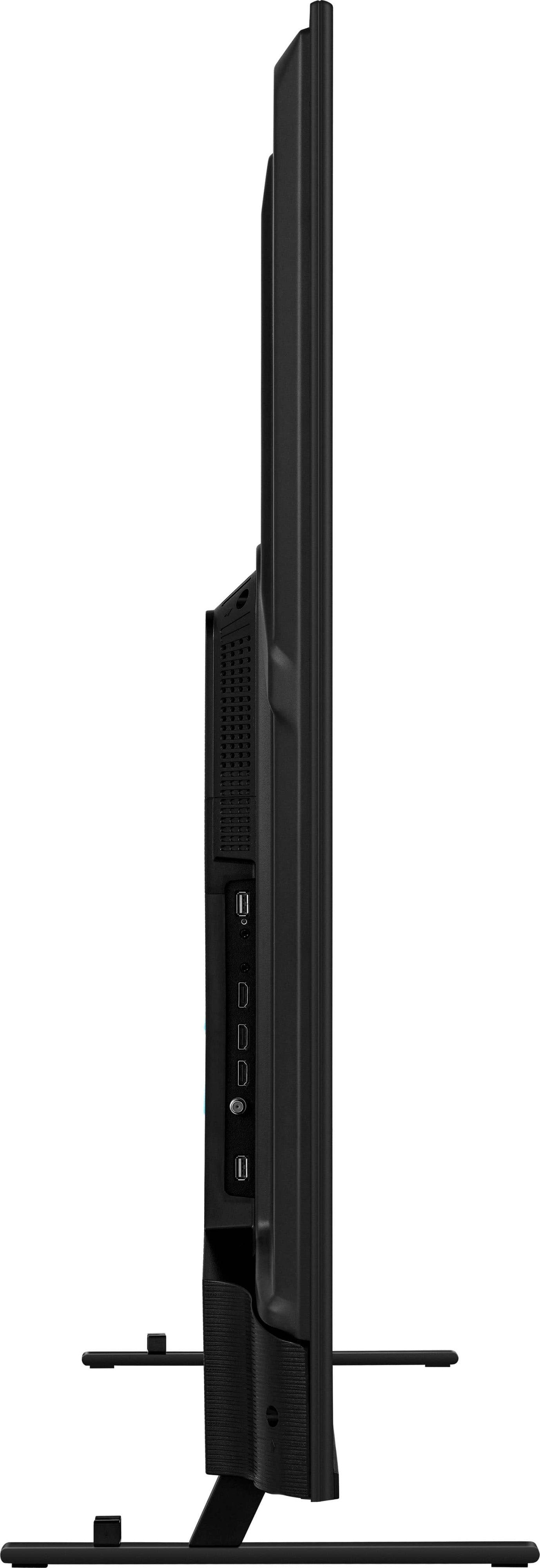

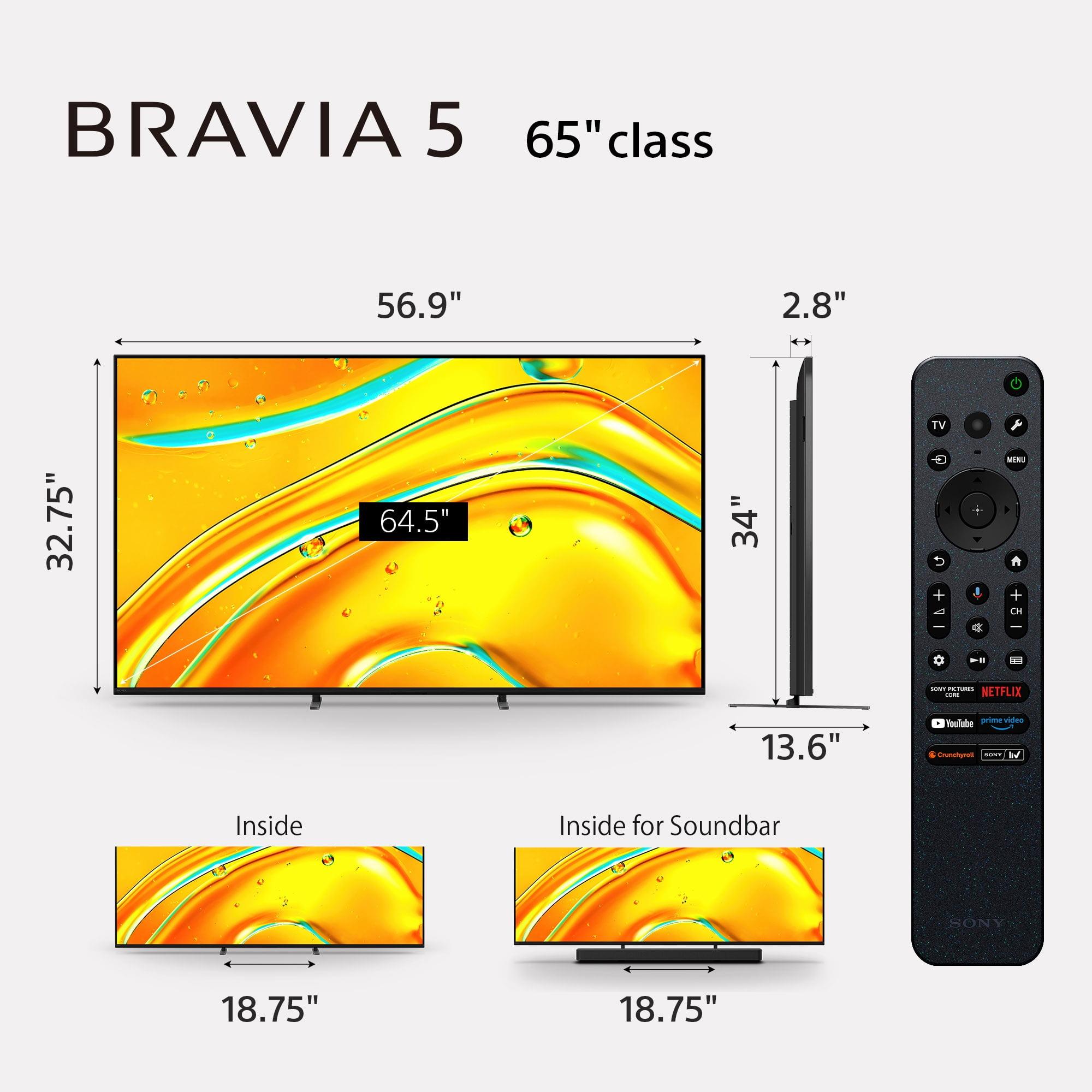
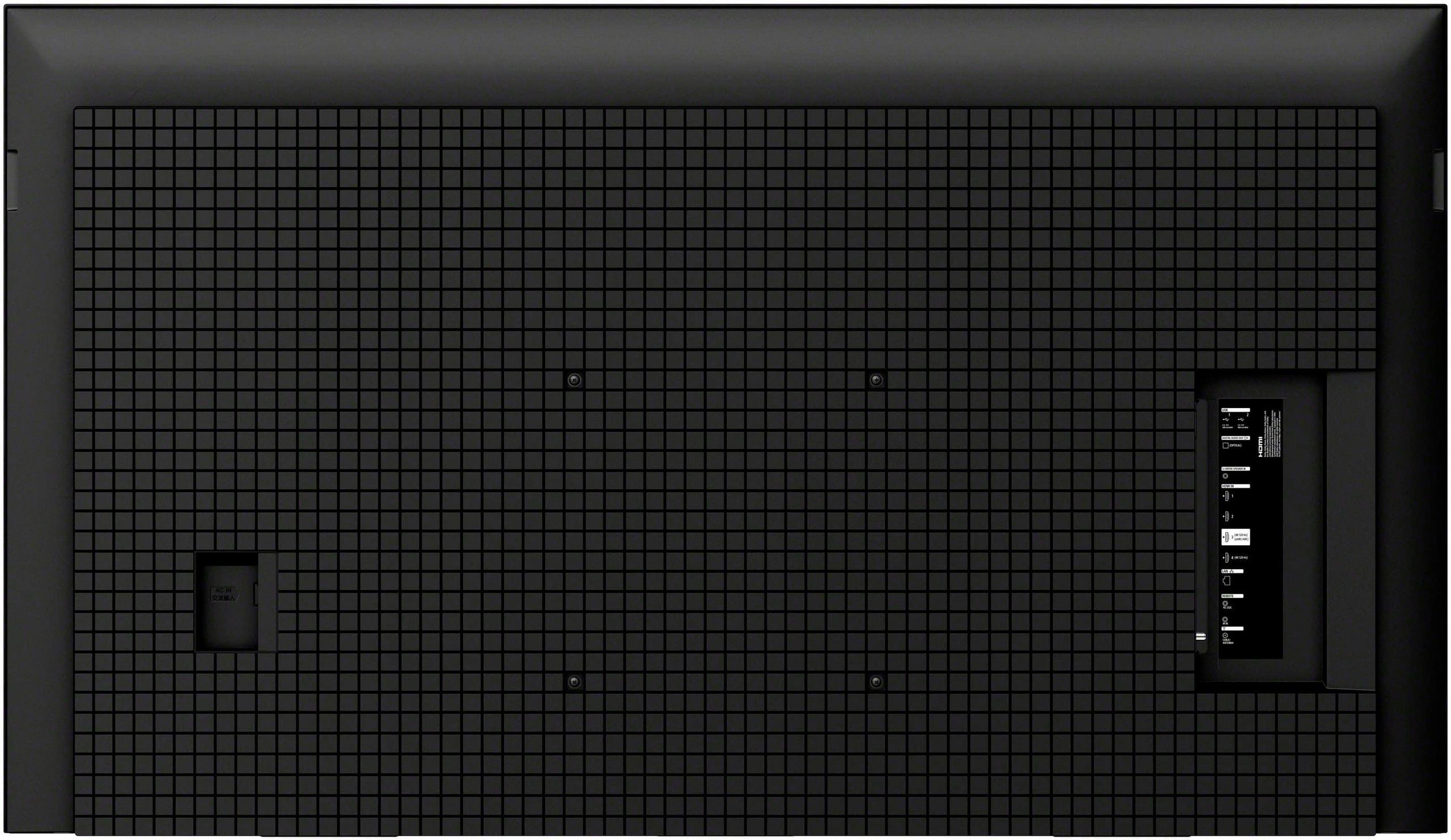
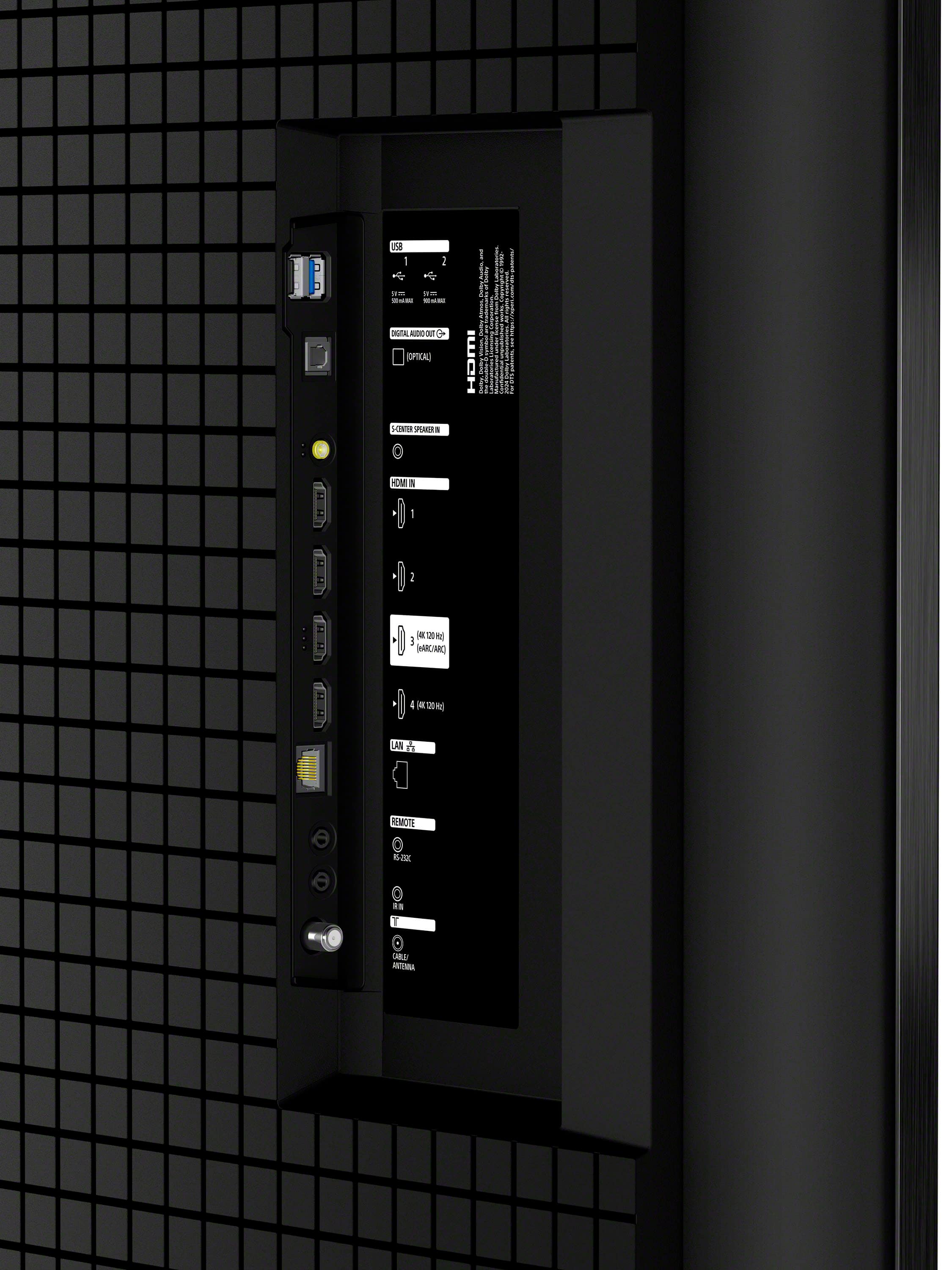
When you're shopping for a 65-inch TV, the decision often comes down to balancing performance with budget. Two compelling options that represent very different approaches to this balance are the Toshiba M550 Series QLED Fire TV and the Sony BRAVIA 5 Mini LED Google TV. At the time of writing, these TVs sit at opposite ends of the mid-range spectrum—the Toshiba offering exceptional value for budget-conscious buyers, while the Sony provides premium features for those willing to invest significantly more.
Before diving into specifics, it's worth understanding what really matters in a large TV. The 65-inch size hits the sweet spot for most living rooms, providing that cinematic experience without overwhelming smaller spaces. But size alone doesn't determine quality—you need to consider several key performance areas.
Picture quality remains the foundation of any good TV experience. This encompasses brightness (measured in nits), contrast ratio (the difference between the darkest blacks and brightest whites), color accuracy, and how well the TV handles different types of content. Gaming performance has become increasingly important, especially with modern consoles like the PlayStation 5 and Xbox Series X demanding features like 4K resolution at 120 frames per second. Smart platform reliability affects your daily experience more than most people realize—a laggy interface can make even the best picture quality frustrating to access.
Build quality and long-term reliability often get overlooked until problems arise. A TV that develops issues after two years effectively becomes more expensive than a pricier model that lasts seven years without problems.
The most significant distinction between these TVs lies in their display technology, which affects virtually every aspect of performance. The Toshiba M550 uses traditional LED-LCD technology with full array local dimming, while the Sony BRAVIA 5 employs Mini LED technology—a newer approach that represents a meaningful step forward in LCD display quality.
Traditional LED backlighting, like in the Toshiba, uses relatively large LED lights positioned behind the LCD panel. The M550 divides these into 48 controllable zones, allowing different areas of the screen to be dimmed independently. This local dimming helps achieve better contrast by darkening areas that should be black while keeping bright areas luminous.
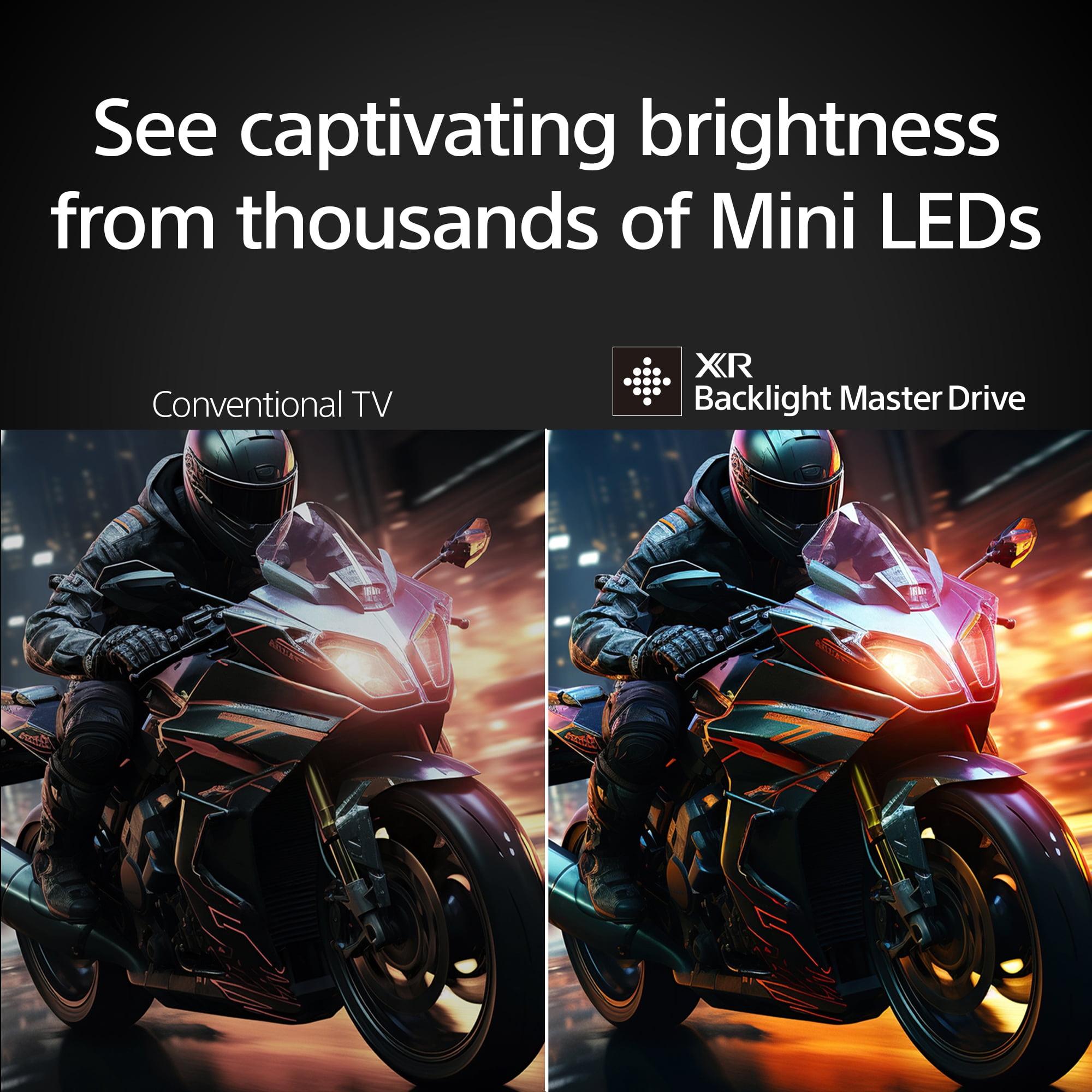
Mini LED technology takes this concept much further. Instead of dozens of zones, the Sony BRAVIA 5 uses thousands of tiny LED lights, each much smaller than traditional LEDs. This allows for incredibly precise control over brightness across the screen. Think of it like the difference between painting with a house brush versus a fine artist's brush—both can create a picture, but one offers far more detail and precision.
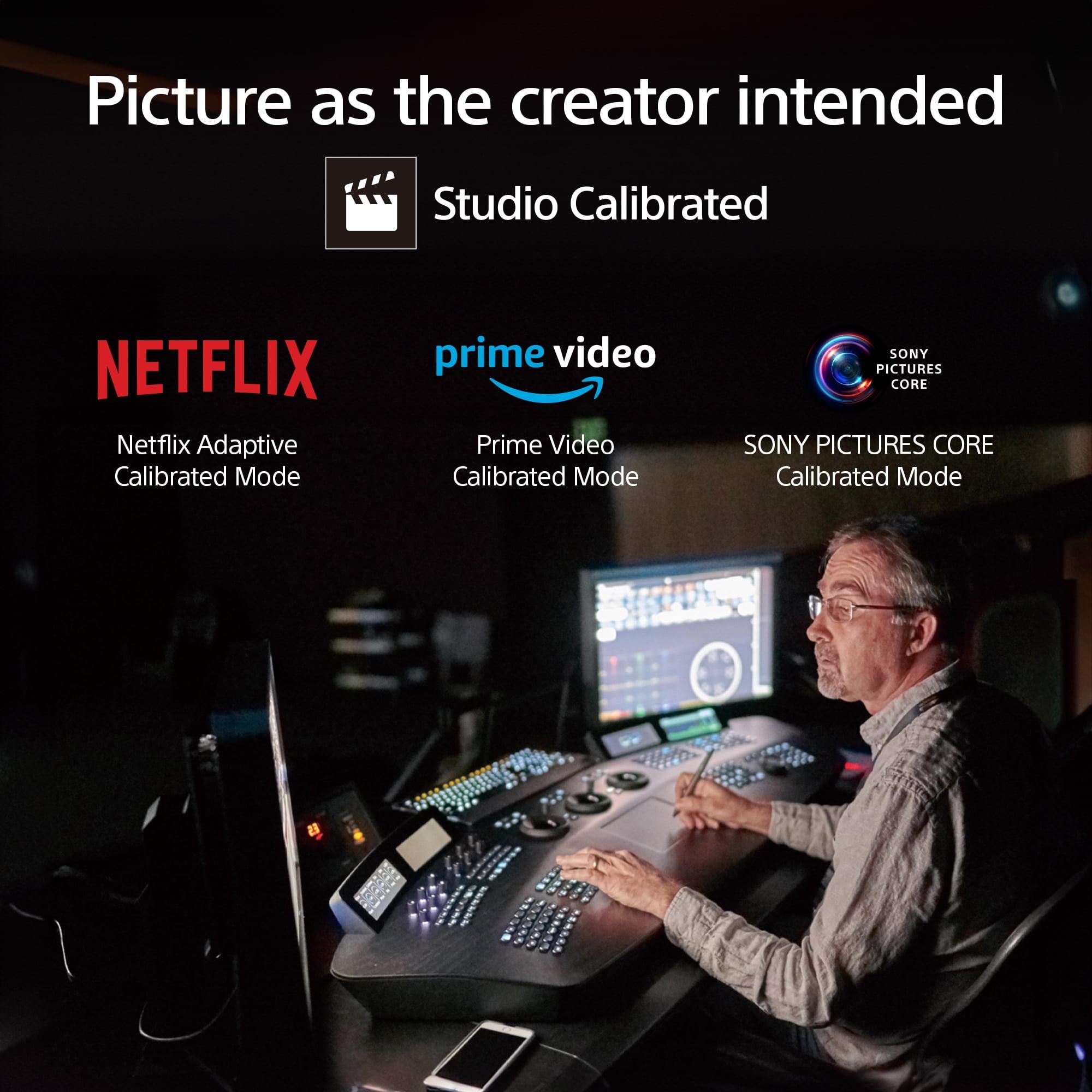
Sony's implementation, called XR Backlight Master Drive, goes beyond just having more LEDs. It uses artificial intelligence to analyze each scene and determine the optimal brightness for every area of the screen in real-time. This technology originally came from Sony's professional mastering monitors—the displays used in Hollywood studios to ensure movies look exactly as directors intended.
The picture quality difference between these TVs becomes apparent in challenging scenes. Dark movie scenes with bright elements—like a campfire in a forest at night—reveal the limitations of traditional local dimming. The Toshiba M550 can struggle with "blooming," where bright objects cause a subtle glow in surrounding dark areas because each dimming zone covers a relatively large area of the screen.
The Sony BRAVIA 5 handles these scenes with significantly more precision. Its thousands of Mini LEDs can illuminate just the campfire while keeping the surrounding forest truly dark. This creates a more three-dimensional, realistic image that draws you deeper into the content.
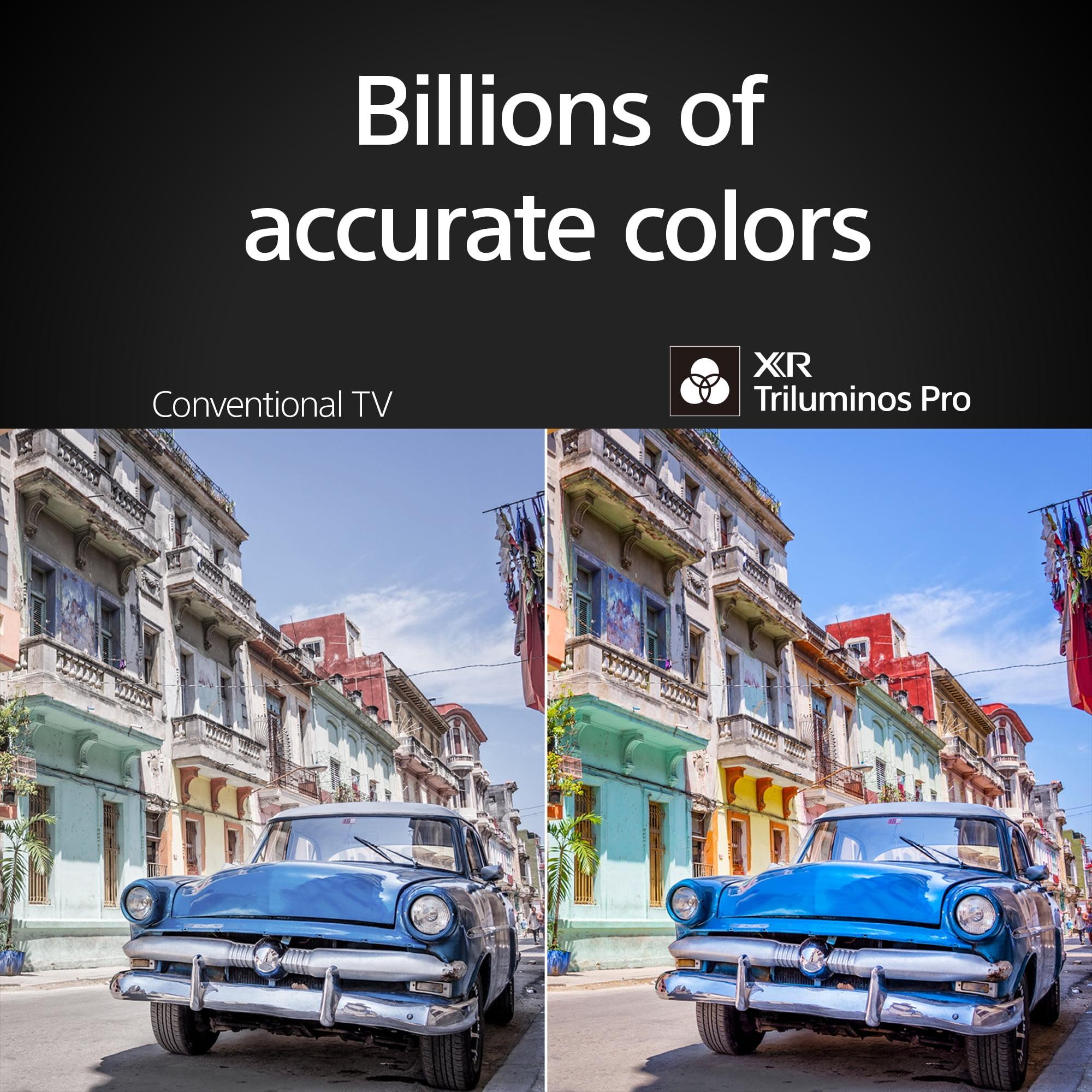
Color reproduction represents another key difference. The Toshiba uses QLED Color technology, which employs quantum dots to enhance color vibrancy and covers over 90% of the DCI-P3 color space—the standard used for digital cinema. This produces vivid, eye-catching colors that look great with most content.
Sony's approach with XR Triluminos Pro focuses more on accuracy and natural color reproduction. Rather than just making colors more vivid, it aims to display exactly what content creators intended. This becomes particularly important with high-end streaming content and 4K Blu-rays, where subtle color gradations make the difference between a flat image and one with realistic depth.
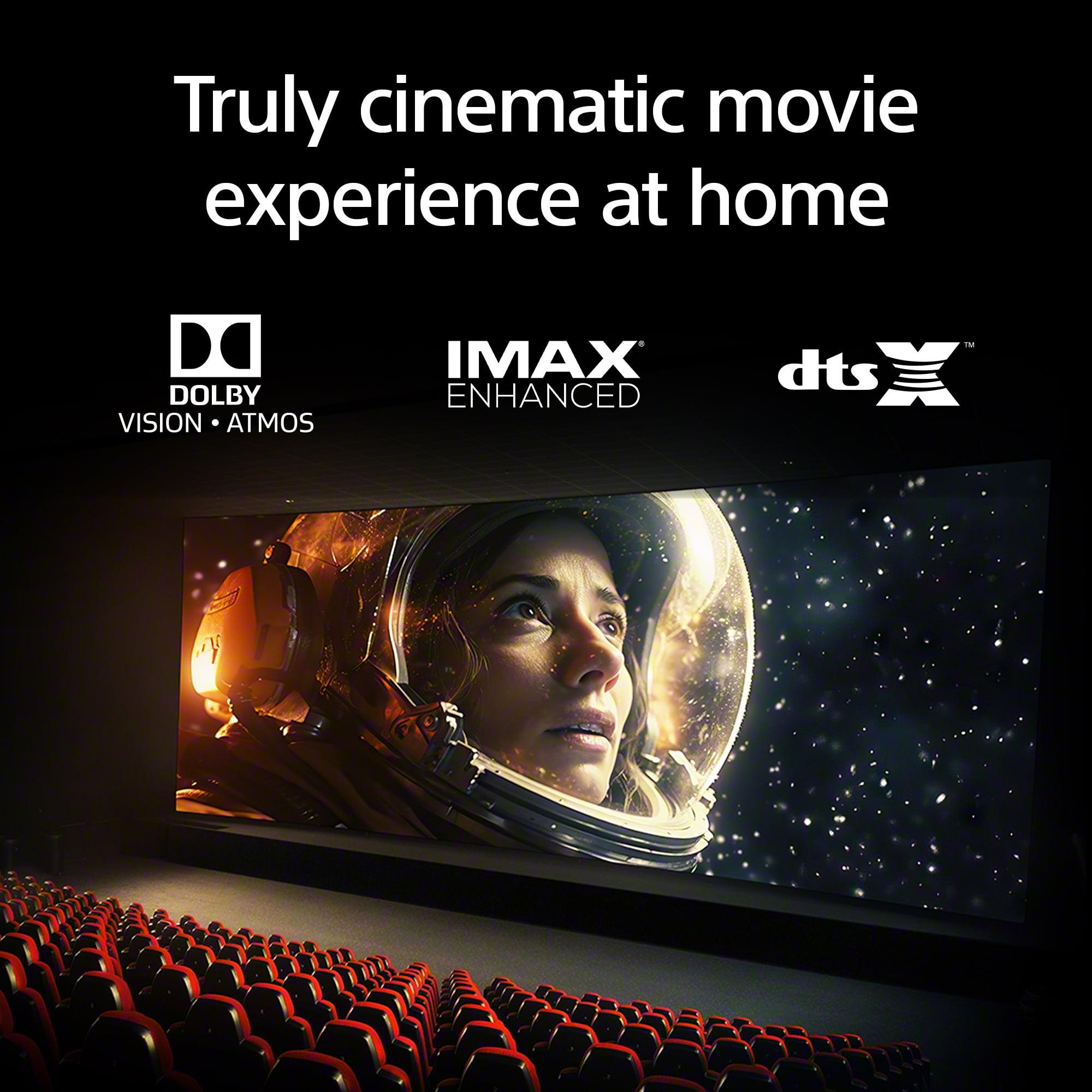
Both TVs support HDR (High Dynamic Range), which expands the range of brightness and color beyond standard video. However, their HDR implementations differ significantly. The Toshiba M550 supports more HDR formats, including HDR10+, which provides scene-by-scene optimization. The Sony BRAVIA 5 focuses on Dolby Vision and HDR10, but its higher peak brightness and superior processing often deliver a more impactful HDR experience even with fewer supported formats.
Based on professional reviews and user feedback, the Toshiba delivers impressive picture quality for its price range, with vibrant colors and good detail. However, it shows limitations in demanding content like HDR action movies, where busy scenes can overwhelm its processing capabilities. The Sony consistently delivers more refined, accurate images across all content types, though some reviewers note its HDR brightness, while good, doesn't quite reach the peaks of Sony's highest-end models.
Gaming performance has become a crucial consideration since 2020, when Sony and Microsoft launched their latest consoles with demanding technical requirements. Both the Toshiba M550 and Sony BRAVIA 5 feature native 120Hz refresh rates—a significant advantage over many budget TVs that are limited to 60Hz.
However, having a 120Hz panel doesn't automatically mean you can game at 120 frames per second in 4K resolution. This requires HDMI 2.1 connectivity, which supports the massive bandwidth needed for 4K/120Hz gaming. Here's where these TVs diverge significantly.
The Toshiba M550 includes HDMI ports that support 4K resolution, but only at 60Hz. Its 120Hz capability is limited to lower resolutions like 1440p or 1080p. For PlayStation 5 or Xbox Series X owners, this means you can't access the full gaming potential of your console. Games that support 120fps modes will need to run at reduced resolution, sacrificing the crisp detail that makes 4K gaming appealing.
The Sony BRAVIA 5 includes two full HDMI 2.1 ports that support 4K gaming at 120Hz, along with Variable Refresh Rate (VRR) and Auto Low Latency Mode (ALLM). VRR synchronizes the TV's refresh rate with your console's frame rate, eliminating screen tearing and stuttering. ALLM automatically switches the TV to its lowest-lag gaming mode when it detects a gaming signal.
For gaming enthusiasts, this difference is substantial. Modern games increasingly offer 120fps modes that provide noticeably smoother, more responsive gameplay. Racing games, first-person shooters, and action titles particularly benefit from higher frame rates, making the gaming experience feel more immediate and engaging.
Both TVs offer dedicated gaming modes that reduce input lag—the delay between pressing a button and seeing the action on screen. However, user reports suggest the Toshiba M550 can suffer from processing delays that affect responsiveness, while the Sony BRAVIA 5 maintains consistently low input lag across its gaming modes.
The smart TV platform affects every interaction with your TV, from turning it on to launching apps to adjusting settings. This is where the difference between these TVs becomes most apparent in daily use.
The Toshiba M550 runs Amazon's Fire TV platform, which provides access to a vast selection of streaming apps and integrates well with Amazon's ecosystem. The interface supports Alexa voice control through built-in far-field microphones, allowing hands-free operation. However, multiple user reviews and professional assessments point to significant performance issues.
The fundamental problem appears to be insufficient processing power. Users report that apps can take 30-60 seconds to load, button presses may take several seconds to register, and the system occasionally freezes or crashes. Some users describe waiting a full minute to resume watching after selecting "continue watching" on a show. These issues stem from Fire TV OS being more demanding than the Toshiba's processor can handle smoothly.
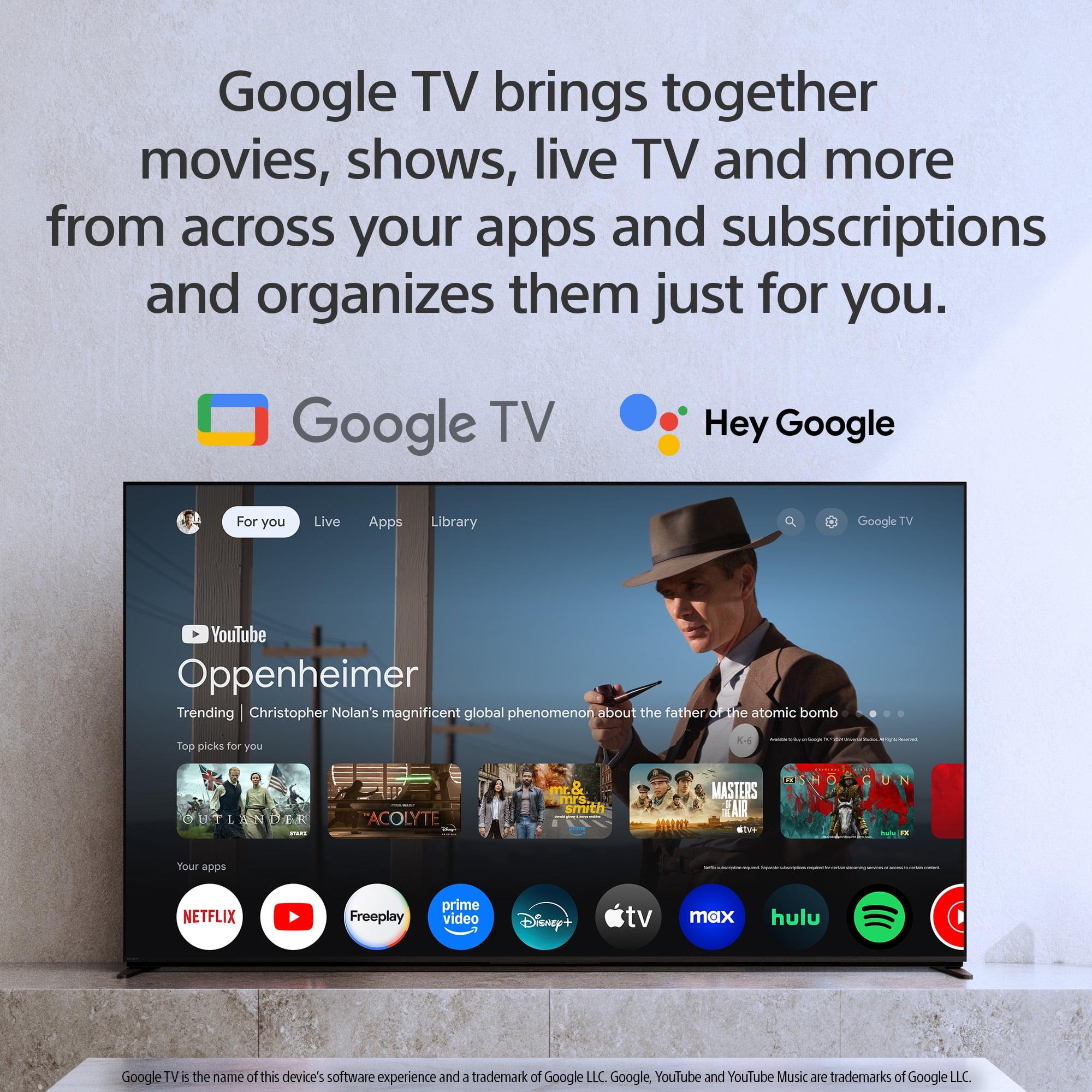
The Sony BRAVIA 5 runs Google TV (version 12), which offers a clean, responsive interface with excellent app selection and integration with Google services. The platform includes Google Assistant for voice control and supports Chromecast for easy content sharing from phones and tablets. User feedback consistently praises the smooth, reliable performance with minimal loading times or system crashes.
For daily use, this reliability difference is significant. A TV that takes 30 seconds to respond to button presses or regularly exits apps unexpectedly creates frustration that can overshadow even excellent picture quality. The smart platform is your gateway to all content, so its performance affects your entire viewing experience.
Both TVs include built-in audio systems that aim to eliminate the need for external speakers in many setups. The Toshiba M550 features REGZA Power Audio Pro with a built-in bass woofer and support for Dolby Atmos—a surround sound format that creates three-dimensional audio by placing sounds above, around, and below the listener.
User reviews rate the Toshiba's audio favorably, with many noting that the built-in subwoofer provides better bass response than typical TV speakers. Some users report being satisfied enough with the audio quality to avoid purchasing a separate soundbar, though others note it's adequate but not exceptional.
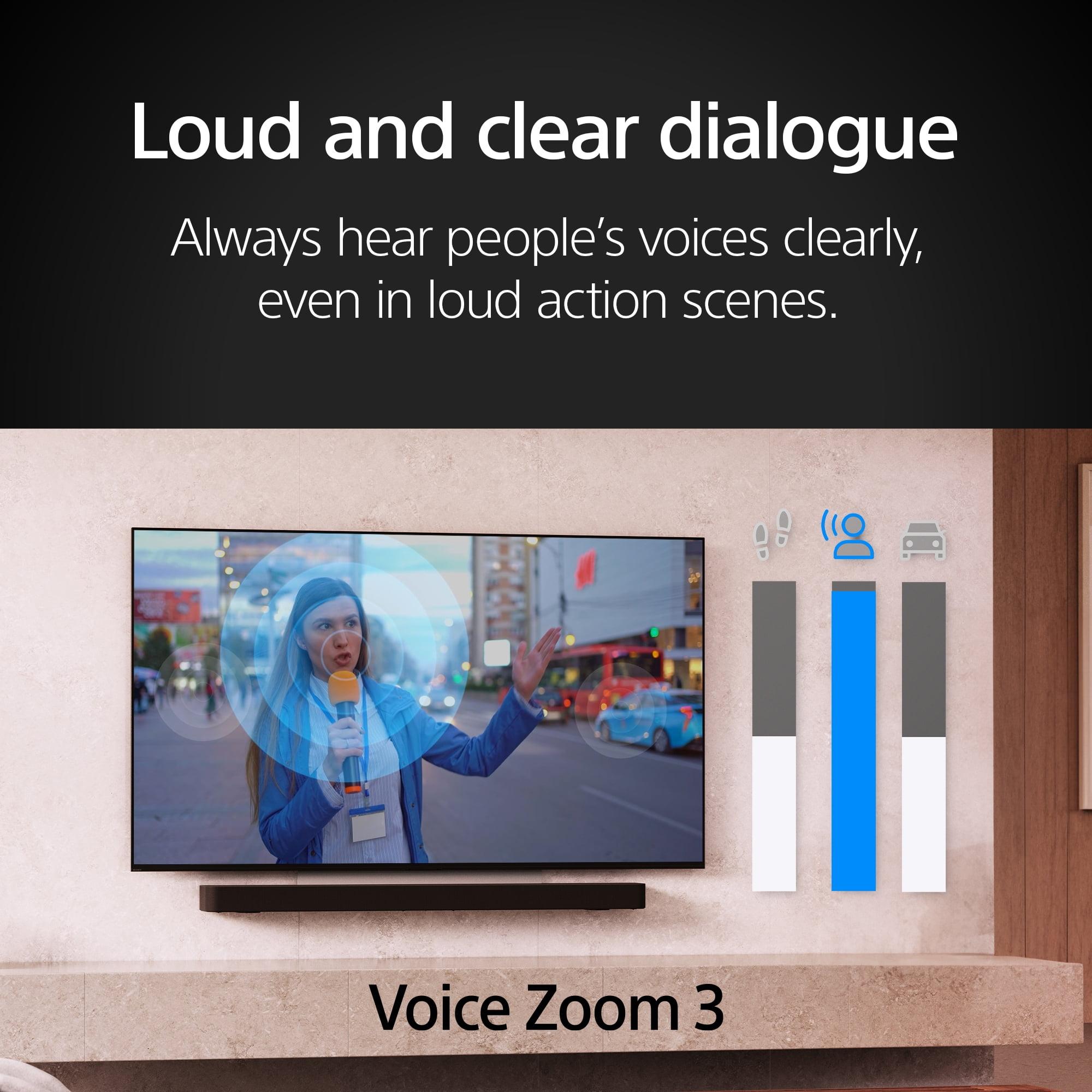
The Sony BRAVIA 5 includes Acoustic Multi-Audio technology with Voice Zoom 3, which uses AI to enhance dialogue clarity—particularly useful for movies and shows where dialogue can be overwhelmed by background music and effects. It also supports Dolby Atmos and can function as a center channel speaker when paired with compatible Sony soundbars and receivers.
For home theater enthusiasts, the Sony's integration capabilities offer more flexibility. Its ability to work as part of a larger audio system, combined with more precise audio positioning, makes it better suited for serious home theater setups. However, both TVs provide decent standalone audio that surpasses many competitors in their respective price ranges.
Build quality affects both the immediate experience and long-term satisfaction with your TV purchase. The Toshiba M550 offers solid construction for its price range, with a metal back panel and modern aesthetics. However, user reports raise concerns about long-term reliability, with some experiencing screen flashing, audio dropouts, and system crashes that require unplugging the TV to resolve.
The Sony BRAVIA 5 benefits from Sony's reputation for build quality and typically receives longer software support. Professional reviewers and users generally report fewer hardware issues and more stable performance over time. While this difference may not be apparent immediately, it becomes significant over the 5-7 year lifespan most people expect from a TV.
At the time of writing, these TVs represent very different value propositions. The Toshiba M550 offers remarkable picture quality and features for its price point, making it an exceptional choice for budget-conscious buyers who need maximum screen size without breaking the bank. It's particularly appealing for families who primarily watch streaming content and don't require the latest gaming features.
The Sony BRAVIA 5, priced significantly higher, targets buyers who prioritize performance, reliability, and modern features. Its Mini LED technology, robust smart platform, and comprehensive gaming support justify the premium for users who want a TV that will remain relevant and reliable for many years.
Both TVs represent 2024-2025 technology, with the Sony BRAVIA 5 being part of Sony's 2025 lineup. This timing is significant because Mini LED technology has matured considerably since its introduction around 2019-2020. Early Mini LED TVs were expensive and sometimes inconsistent, but current implementations like Sony's offer reliable performance at more accessible prices.
The Toshiba M550 uses more established LED-LCD technology that has been refined over many years. While this means proven reliability in the display technology itself, it also represents the practical limits of what traditional LED backlighting can achieve.
The decision between these TVs ultimately depends on your priorities, usage patterns, and budget flexibility. Choose the Toshiba M550 if you're primarily concerned with getting the largest possible screen for your budget, don't need cutting-edge gaming features, and can tolerate occasional smart platform quirks in exchange for substantial savings.
The Sony BRAVIA 5 makes sense if you value reliable daily performance, own or plan to purchase modern gaming consoles, watch significant amounts of HDR content, or simply want a premium experience that will remain satisfying for many years. Its higher price reflects genuinely superior technology and build quality, not just brand premium.
For home theater enthusiasts, the Sony's Mini LED technology and audio integration capabilities make it the clear choice, while the Toshiba works well for casual viewing in bright rooms where its good brightness and vivid colors shine.
Consider your viewing habits, technical requirements, and long-term expectations when making this decision. Both TVs serve their intended markets well, but they're designed for fundamentally different user priorities and budgets.
| Toshiba 65" M550 Series QLED Fire TV | Sony BRAVIA 5 65" Mini LED 4K Google TV 2025 |
|---|---|
| Display Technology - Determines contrast quality and viewing experience | |
| Traditional LED-LCD with 48-zone full array local dimming | Mini LED with thousands of individually controlled LEDs |
| Peak Brightness - Critical for HDR content and bright room viewing | |
| Not specified (typical for budget LED-LCD TVs) | 1,000 nits with XR Backlight Master Drive |
| Gaming Capabilities - Essential for PS5/Xbox Series X owners | |
| 120Hz panel, but HDMI limited to 4K@60Hz only | Full 4K@120Hz via HDMI 2.1, VRR, ALLM support |
| Smart Platform - Affects daily usability and long-term satisfaction | |
| Amazon Fire TV (reports of slow performance and freezing) | Google TV (consistently smooth and reliable operation) |
| HDR Format Support - Determines compatibility with streaming content | |
| Dolby Vision, HDR10, HDR10+, HLG (excellent format coverage) | Dolby Vision, HDR10, HLG (fewer formats but better processing) |
| Local Dimming Zones - More zones mean better contrast control | |
| 48 zones (good for the price range) | Thousands of Mini LED zones (premium-level precision) |
| Audio System - Important if not using external speakers | |
| REGZA Power Audio Pro with built-in subwoofer, Dolby Atmos | Acoustic Multi-Audio with AI Voice Zoom 3, Dolby Atmos |
| Processing Power - Affects menu responsiveness and app performance | |
| Underpowered processor causes 30-60 second app loading times | XR Processor with AI provides smooth, responsive operation |
| Build Quality Reputation - Impacts long-term reliability | |
| Some user reports of freezing, screen issues, audio dropouts | Sony's established reputation for reliability and longer support |
| Best Use Case - Who should choose this TV | |
| Budget-focused buyers wanting large screen for streaming | Premium experience seekers and serious gamers with modern consoles |
The Sony BRAVIA 5 Mini LED delivers superior picture quality thanks to its Mini LED technology with thousands of individually controlled LEDs, compared to the Toshiba M550's 48-zone local dimming. The Sony provides better contrast, deeper blacks, and more precise brightness control, making it ideal for dark room movie watching and HDR content.
Mini LED technology in the Sony BRAVIA 5 uses thousands of tiny LEDs for backlighting, allowing precise control over brightness in small areas of the screen. The Toshiba M550 uses traditional LED backlighting with fewer, larger LEDs divided into 48 zones. This means the Sony can display darker blacks next to bright areas without the "blooming" effect common in budget TVs.
The Sony BRAVIA 5 is significantly better for modern console gaming, offering full 4K gaming at 120Hz through HDMI 2.1 ports, plus Variable Refresh Rate (VRR) and Auto Low Latency Mode. The Toshiba M550 has a 120Hz panel but can only do 4K at 60Hz, limiting you from accessing your console's full potential.
The Sony BRAVIA 5 runs Google TV, which provides smooth, reliable performance with quick app loading and minimal crashes. The Toshiba M550 uses Amazon Fire TV, but users frequently report slow performance, with apps taking 30-60 seconds to load and occasional system freezes due to insufficient processing power.
The Toshiba M550 offers exceptional value for budget-conscious buyers, providing good picture quality and a large 65" screen at a fraction of the cost. However, the Sony BRAVIA 5 justifies its higher price with superior technology, better gaming support, and reliable long-term performance that may prove more cost-effective over time.
Both TVs support HDR content, but with different capabilities. The Toshiba M550 supports more HDR formats including HDR10+, while the Sony BRAVIA 5 focuses on Dolby Vision and HDR10 with better processing and higher peak brightness for more impactful HDR viewing.
The Sony BRAVIA 5 performs better in bright environments due to its higher peak brightness (1,000 nits) and superior anti-reflective properties. The Toshiba M550 can struggle with reflections and may appear washed out in very bright rooms, though it's adequate for moderately lit spaces.
Both TVs offer decent built-in audio with Dolby Atmos support. The Toshiba M550 includes a built-in subwoofer that many users find satisfactory, while the Sony BRAVIA 5 features AI-enhanced dialogue clarity and better integration with soundbars for home theater setups.
The Sony BRAVIA 5 has a stronger reputation for long-term reliability and typically receives longer software support. Some Toshiba M550 users report issues like screen flashing, system crashes, and audio dropouts that may require technical support or replacement.
The Toshiba M550 suffers from slow smart TV performance, limited gaming capabilities for modern consoles, and some reliability concerns. The Sony BRAVIA 5 has a significantly higher price point and some reviewers note that motion handling could be better for fast-paced content.
For serious home theater use, the Sony BRAVIA 5 is the clear choice due to its superior contrast from Mini LED technology, better HDR performance, and integration capabilities with high-end audio systems. The controlled lighting in dedicated theater rooms maximizes the Sony's picture quality advantages.
Choose the Toshiba M550 if you prioritize getting the largest screen possible within a tight budget and primarily watch streaming content. Select the Sony BRAVIA 5 if you want premium picture quality, reliable performance, modern gaming features, and a TV that will remain competitive for many years.
We've done our best to create useful and informative comparisons to help you decide what product to buy. Our research uses advanced automated methods to create this comparison and perfection is not possible - please contact us for corrections or questions. These are the sites we've researched in the creation of this article: bestbuy.com - bestbuy.com - consumerreports.org - youtube.com - pcvarge.com - tomsguide.com - youtube.com - bestbuy.com - toshibatv-usa.com - marketplace-staging.paytomorrow.com - toshibatv-usa.com - productabout.com - leaseville.com - youtube.com - toshibatv-usa.com - rtings.com - pro.sony - youtube.com - electronics.sony.com - electronics.sony.com - electronics.sony.com - bestbuy.com - electronics.sony.com - youtube.com - bestbuy.com - videoandaudiocenter.com - valueelectronics.com - youtube.com - sony.ca - perpichtv.com - sony.com - displayspecifications.com - pioneertvandappliance.com - flatpanelshd.com

Privacy Policy
Terms and Conditions - Affiliate Policy
Home Security
© Copyright 2008-2026.
11816 Inwood Rd #1211, Dallas, TX 75244