

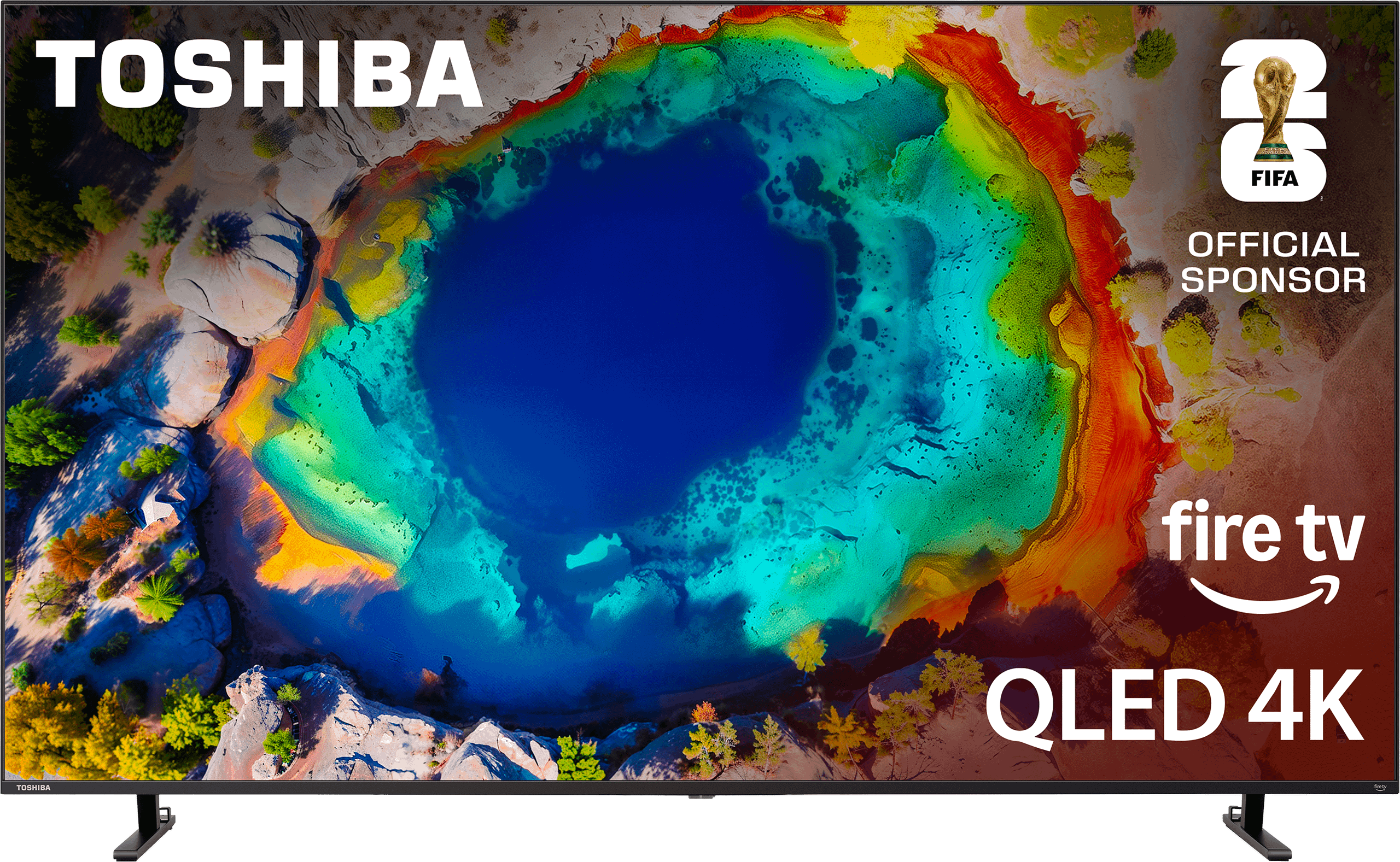
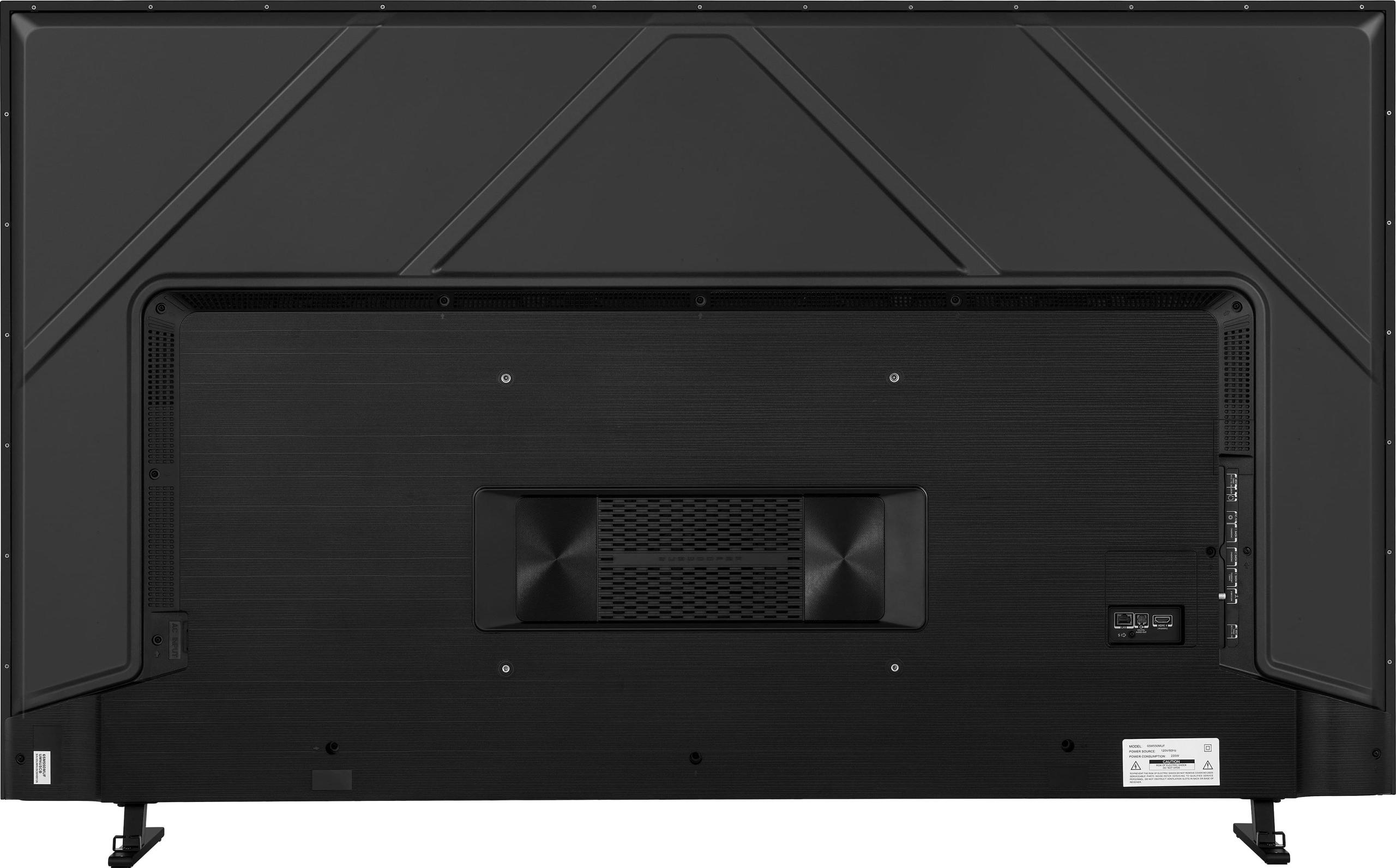
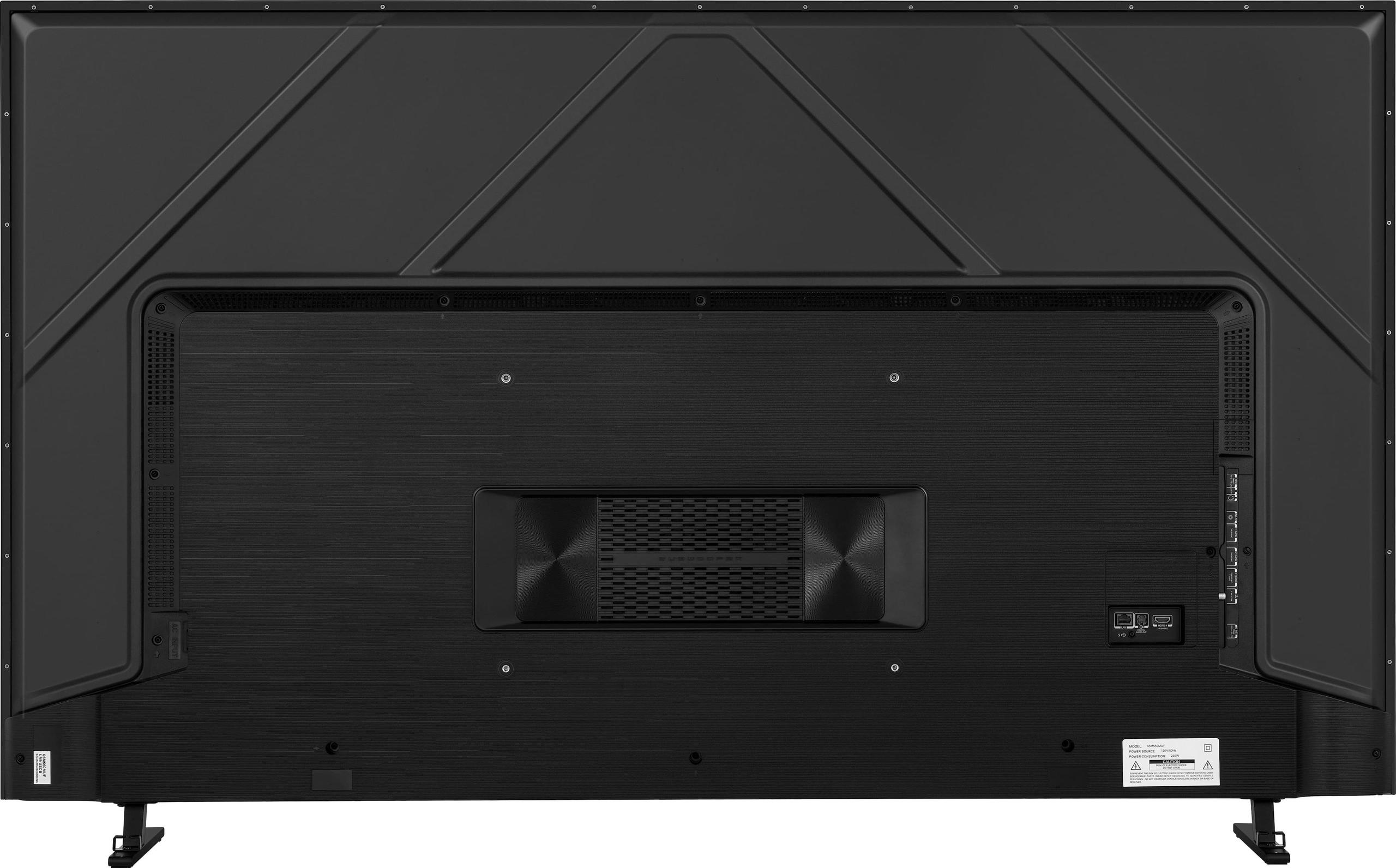
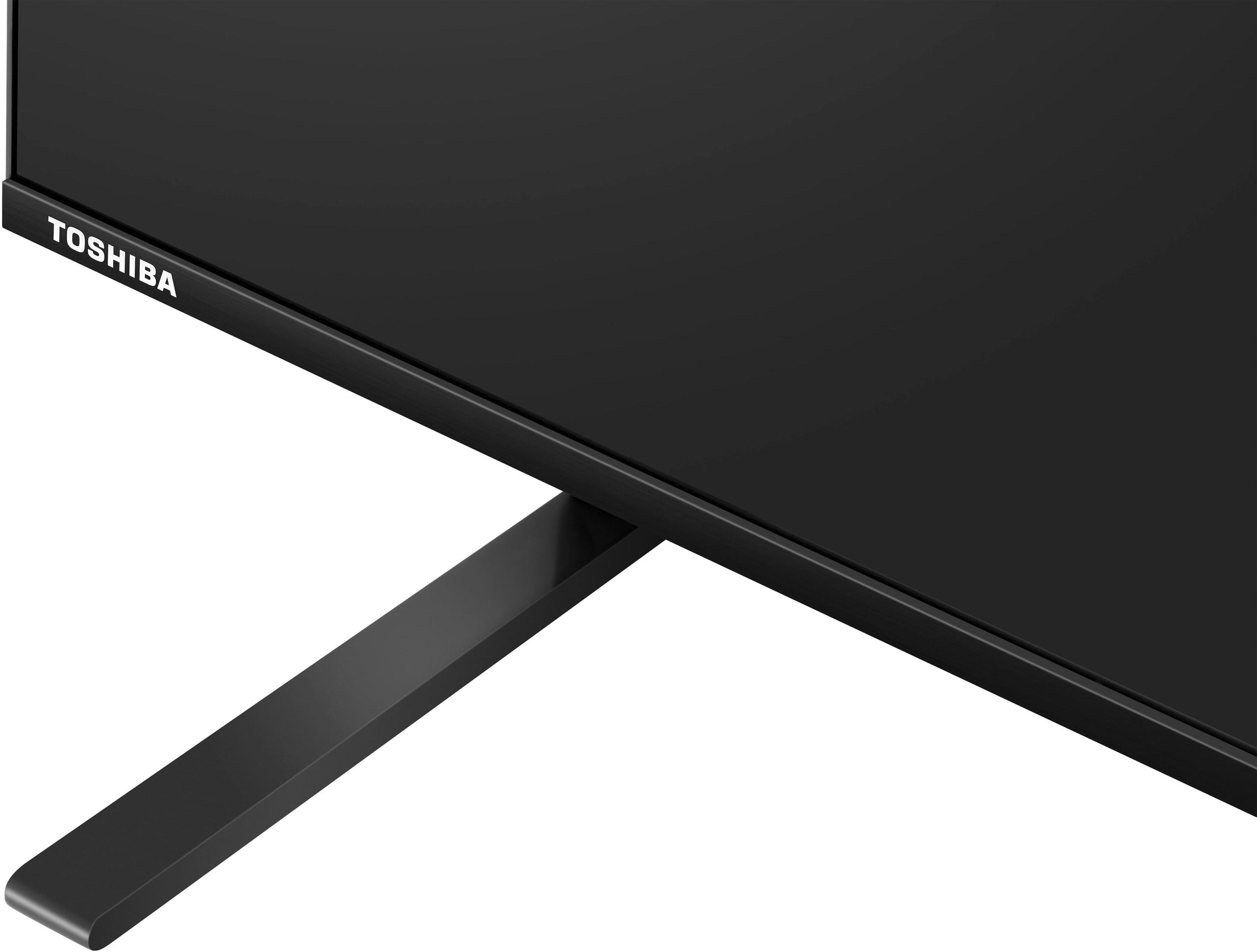
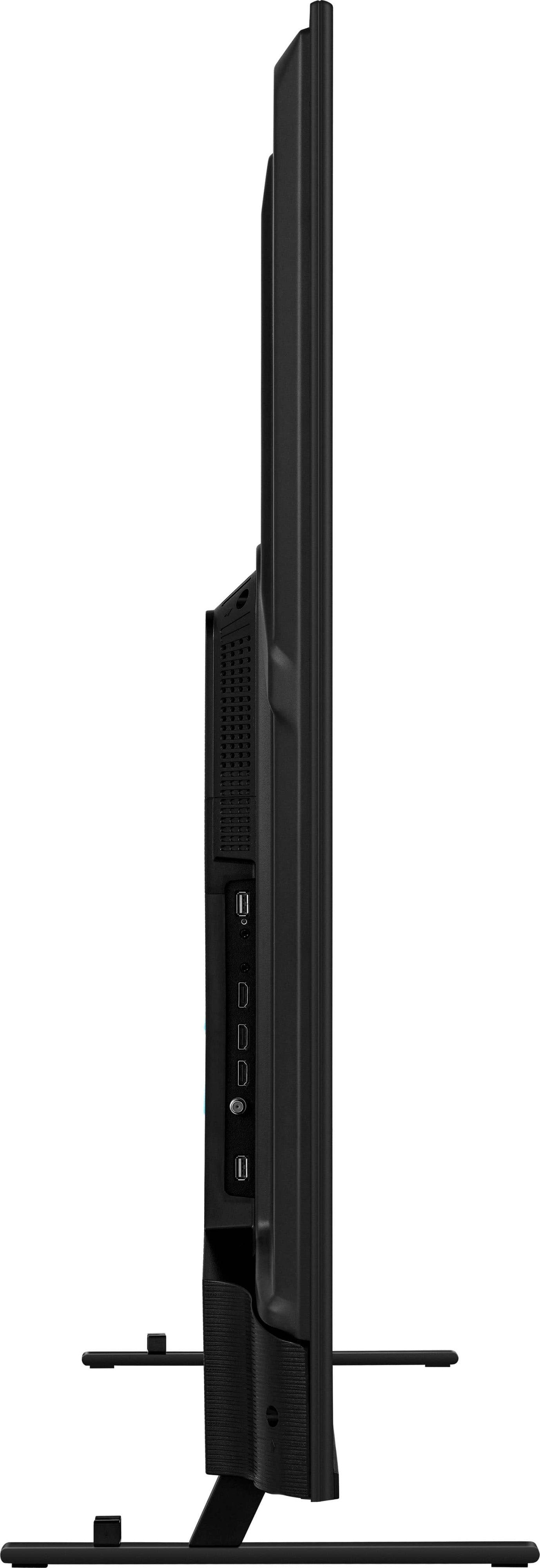
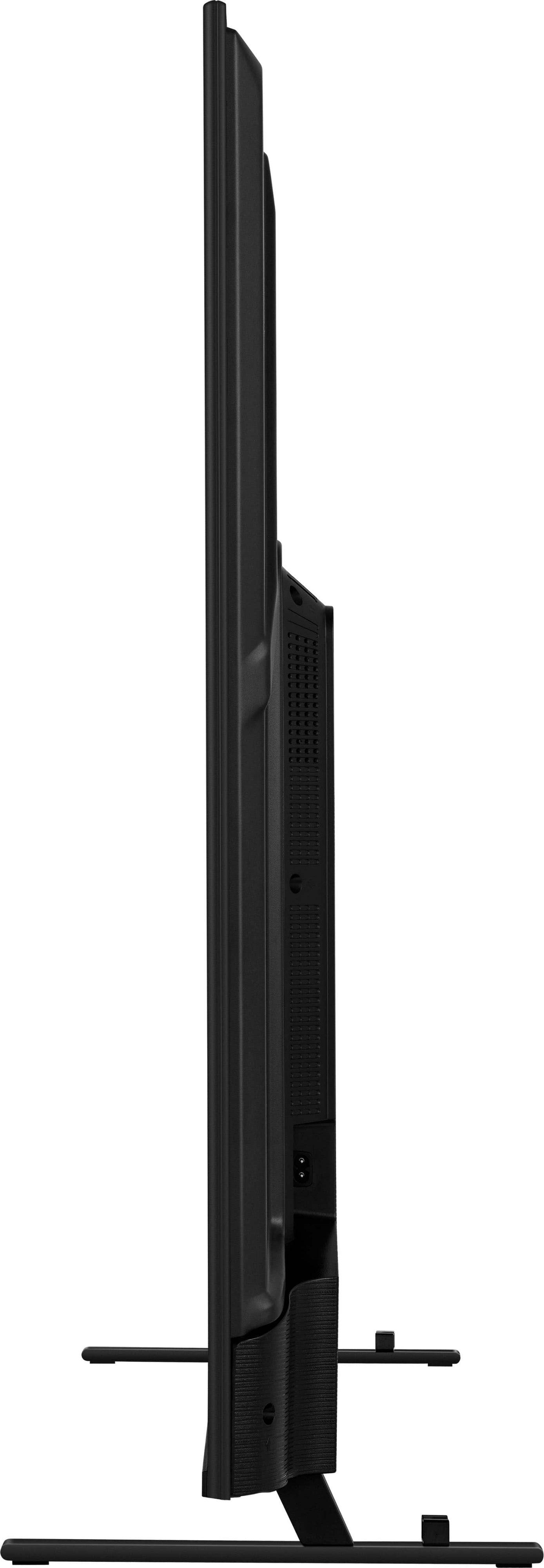

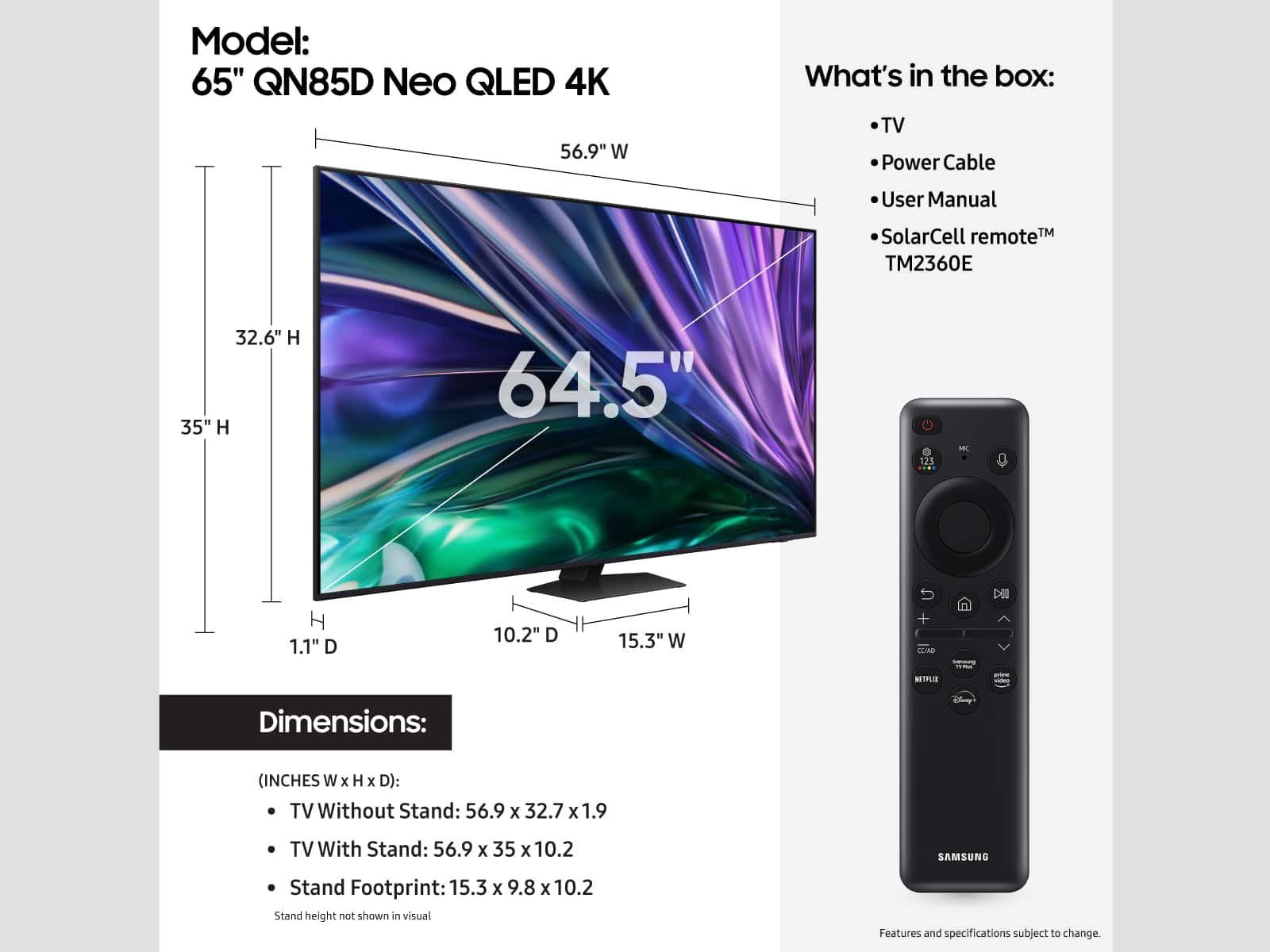
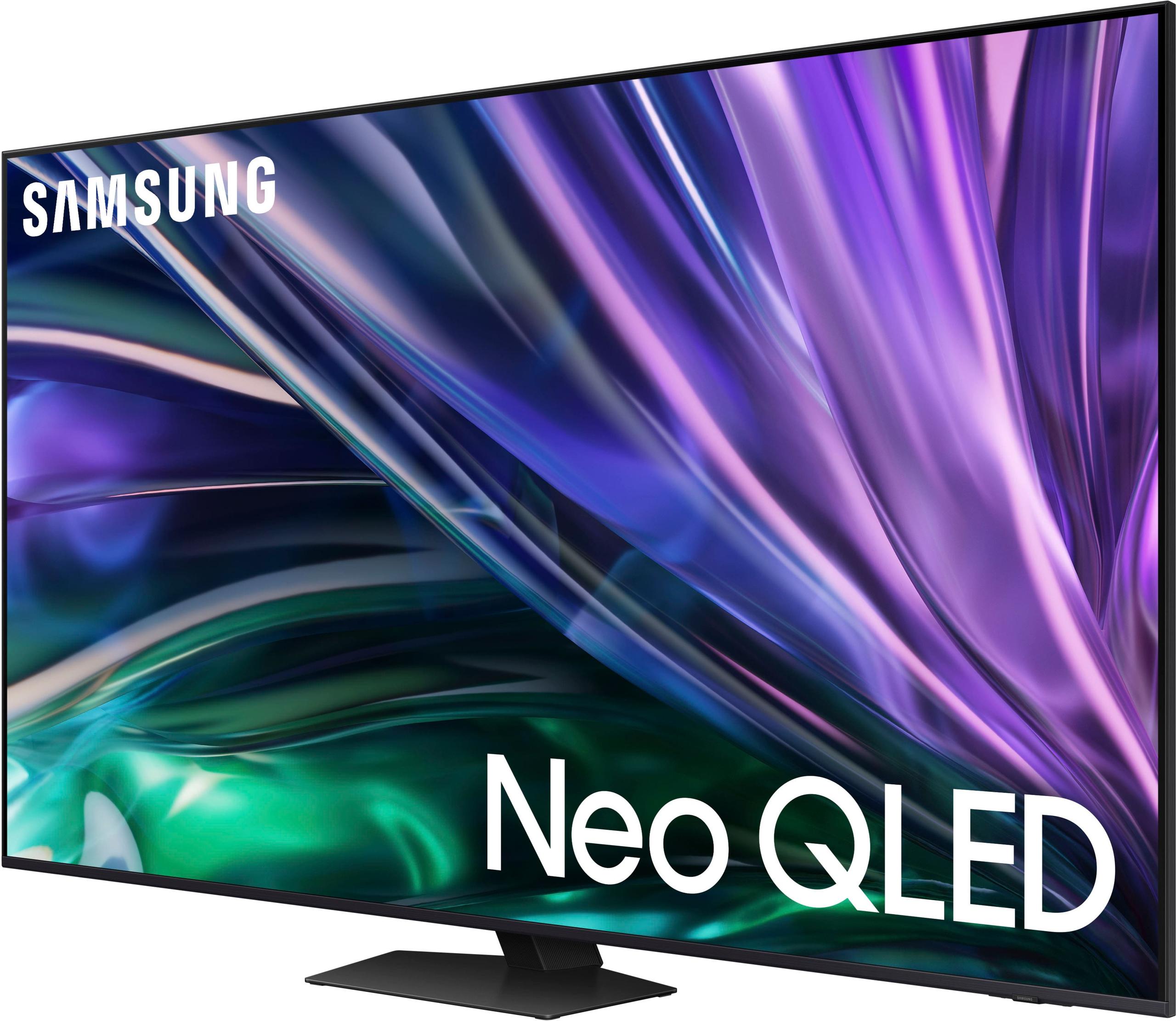
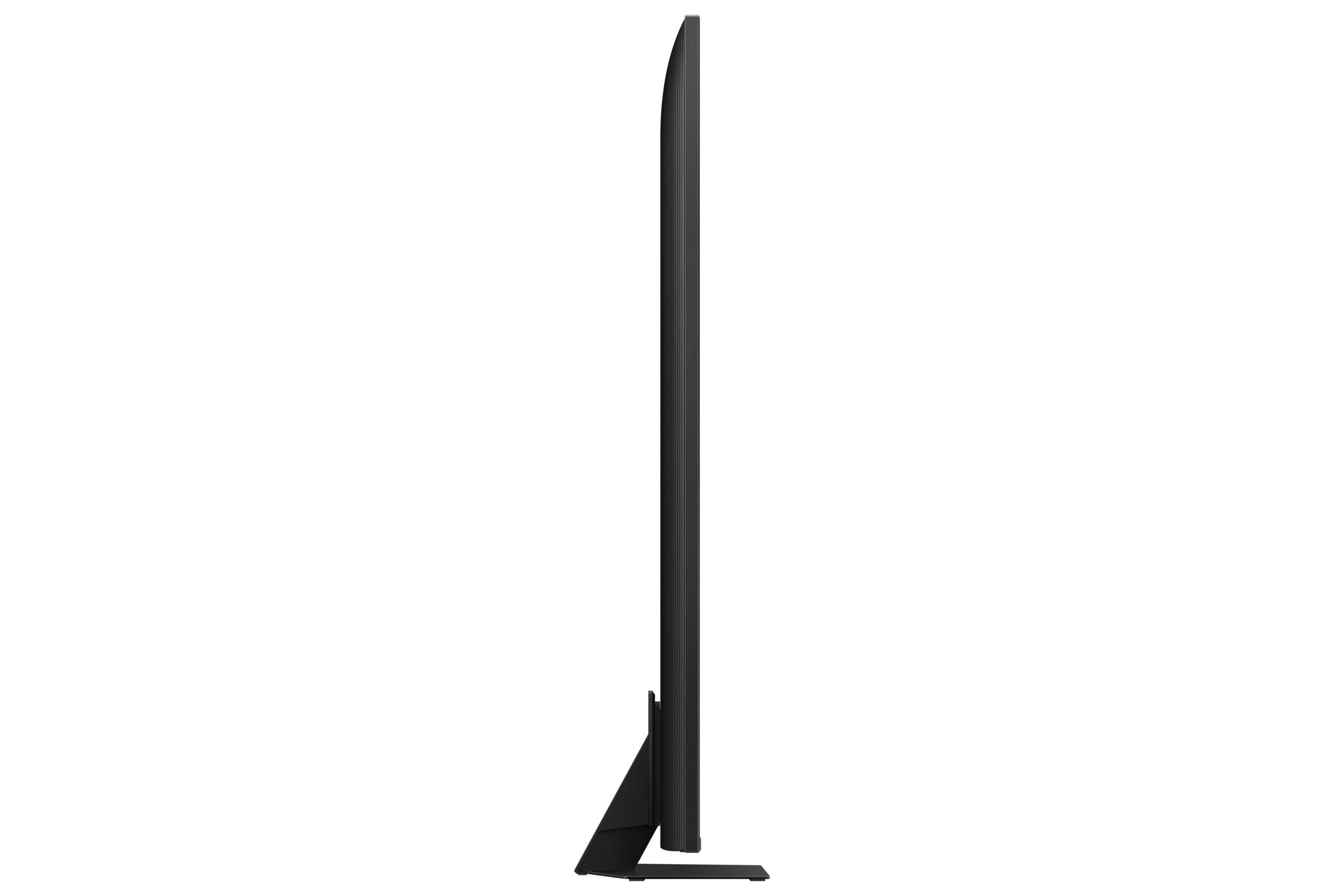
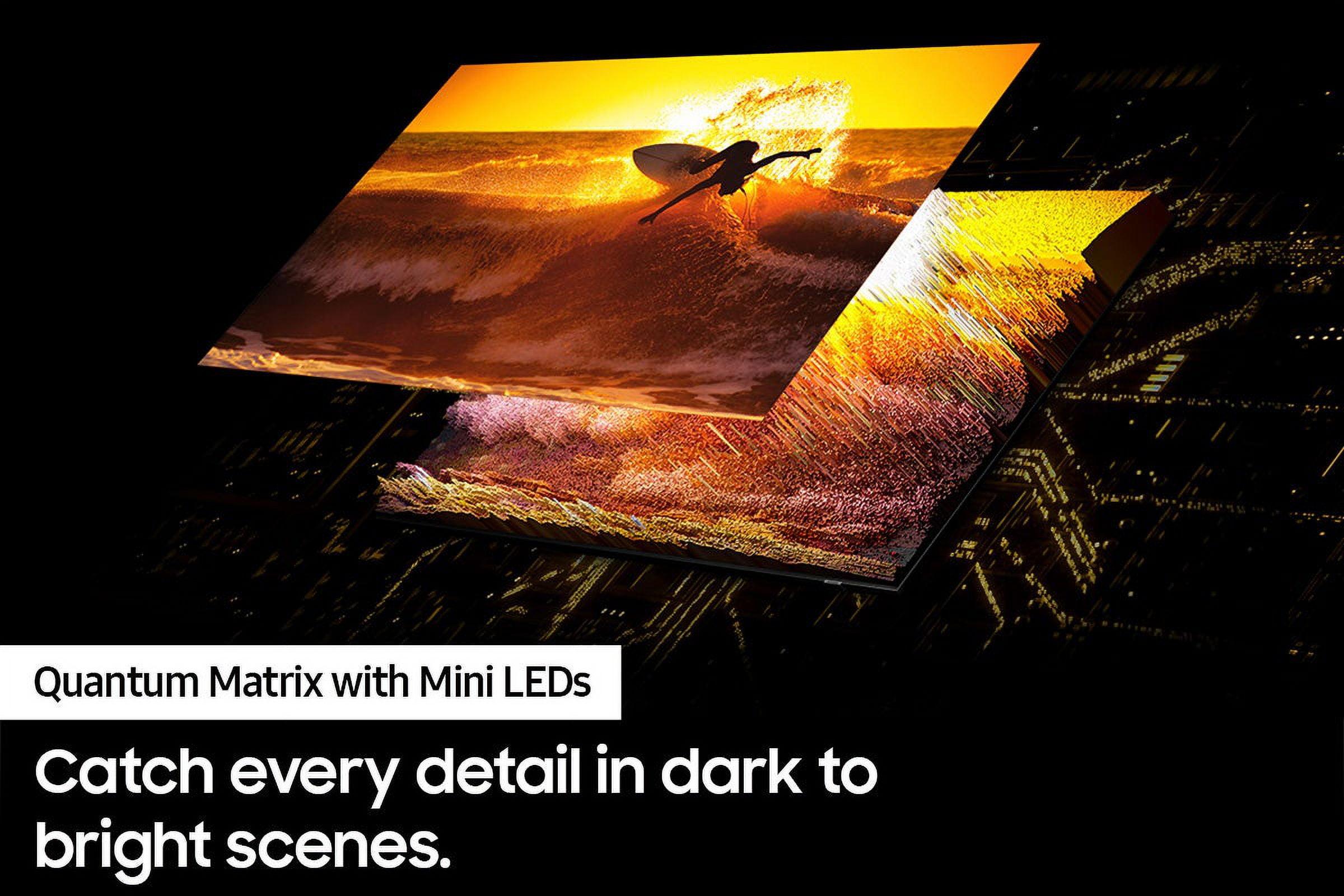
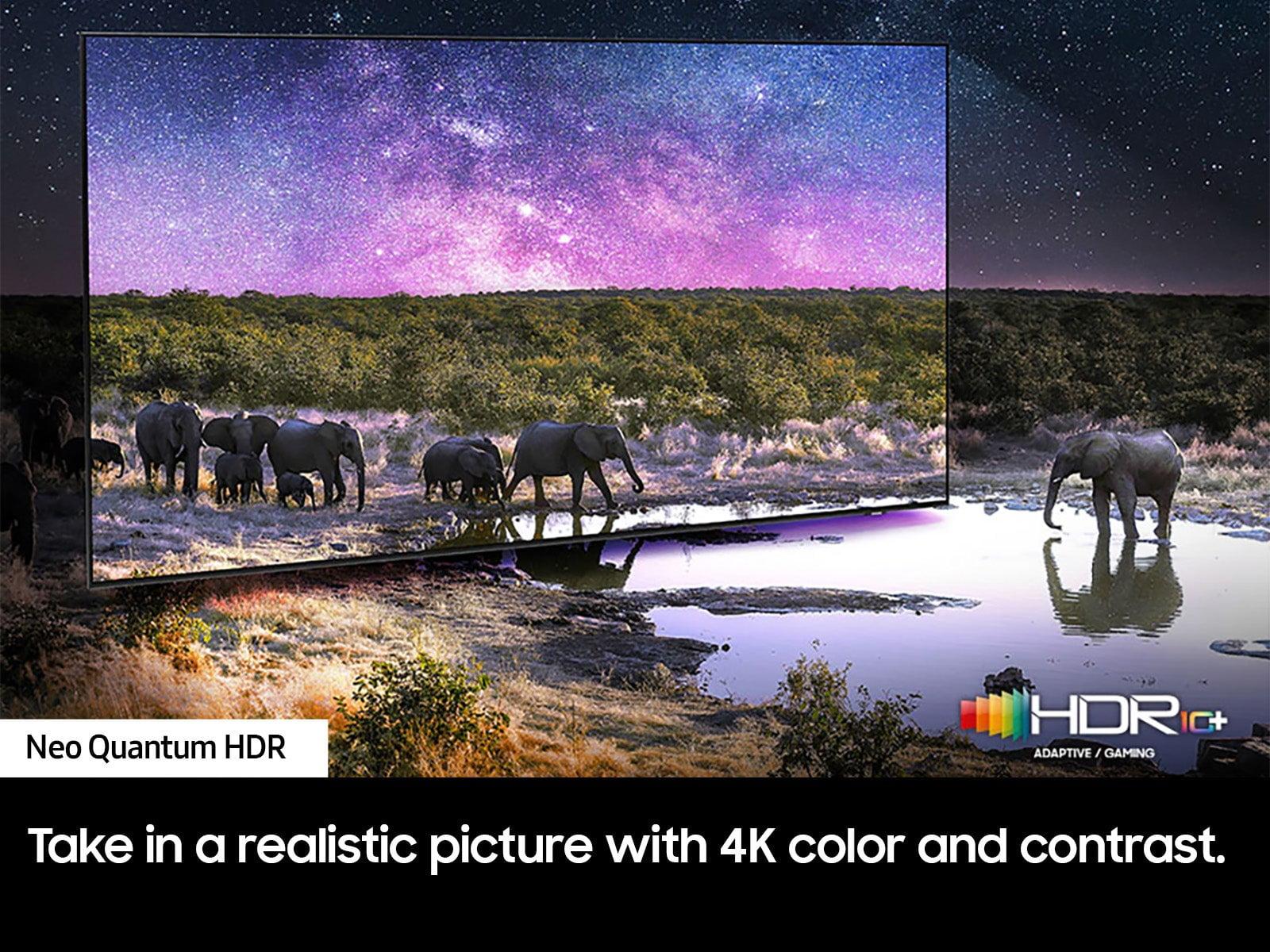
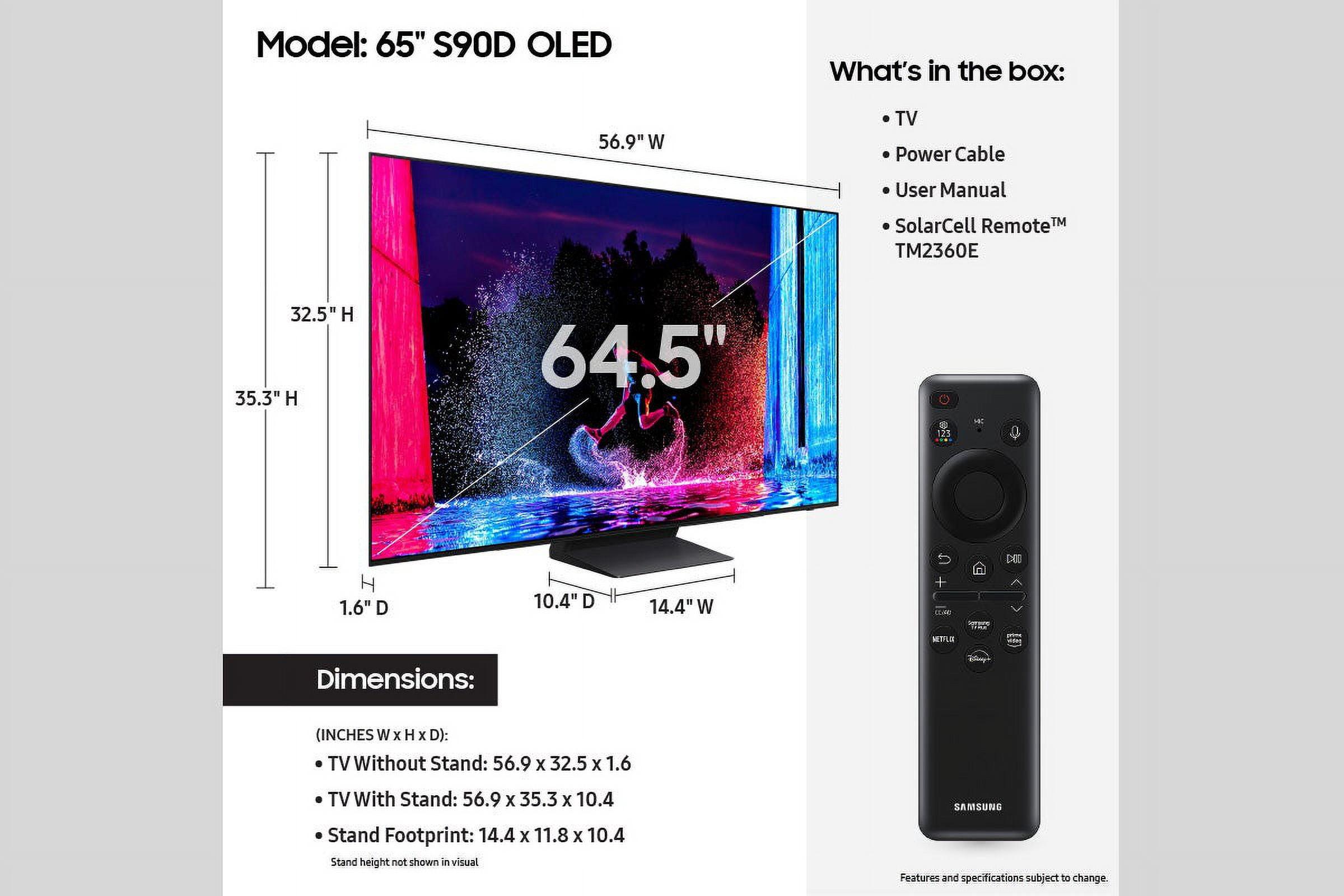
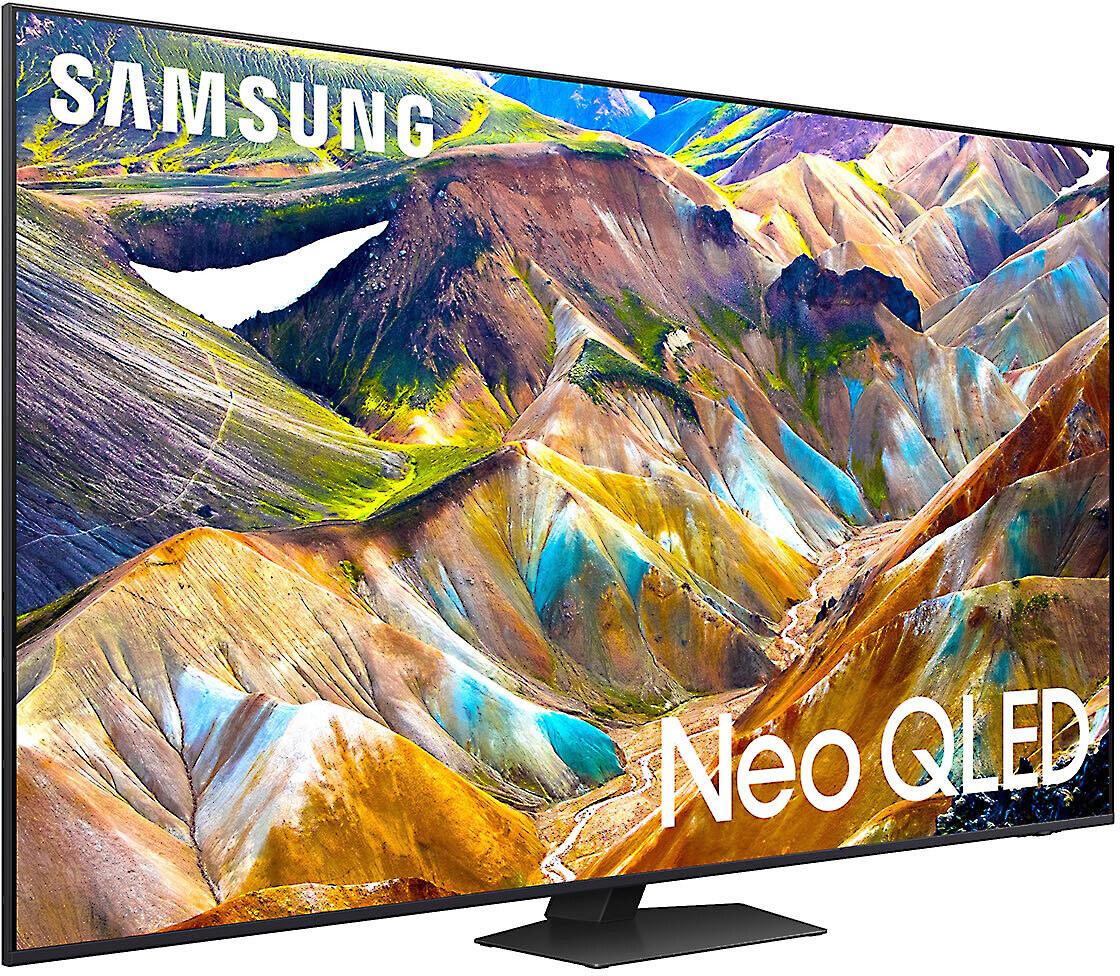
When you're ready to upgrade to a massive 65-inch TV, you're entering premium territory where display technology makes all the difference. Two compelling options represent different philosophies: the budget-friendly Toshiba M550 QLED that packs impressive features into an accessible package, and the premium Samsung S90D OLED that delivers flagship-level picture quality at a more reasonable price than typical OLED displays.
Both TVs launched in 2025, arriving during an exciting period for display technology. OLED panels have become more affordable and brighter than ever, while QLED technology has advanced significantly in color reproduction and local dimming capabilities. Understanding these technologies—and their real-world performance differences—will help you make the right choice for your home theater setup.
The fundamental difference between these TVs lies in how they create images. The Toshiba M550 uses QLED technology, which stands for Quantum Dot Light Emitting Diode. This system takes traditional LED backlighting and enhances it with a layer of quantum dots—microscopic particles that emit specific colors when hit by blue light. Think of quantum dots as extremely precise color filters that can produce over a billion different shades.
The Samsung S90D uses OLED technology, where each individual pixel generates its own light. OLED stands for Organic Light Emitting Diode, and unlike QLED displays that need backlighting, every pixel can turn completely on or off independently. This creates what we call "perfect blacks" because pixels can literally shut off entirely.
These different approaches create distinct viewing experiences. QLED displays excel at brightness and color volume—they can get incredibly bright while maintaining vivid colors, making them excellent for well-lit rooms. OLED displays dominate in contrast and motion handling, creating that cinematic depth that makes you forget you're watching a screen.
Contrast ratio—the difference between the darkest blacks and brightest whites—fundamentally shapes how realistic and engaging your viewing experience feels. The Samsung S90D achieves what's called "infinite contrast" because its pixels can turn completely off, creating true blacks that no backlit display can match. When you're watching a space scene or a dark thriller, those deep black areas aren't glowing gray like they would on most TVs.
The Toshiba M550 employs full-array local dimming with up to 100 zones, which means the backlight is divided into sections that can dim independently. This is a significant improvement over cheaper TVs that light the entire screen uniformly, but it can't match pixel-level control. Our research into user reviews reveals that while the M550's local dimming helps with contrast, it "didn't help much" compared to premium displays, and black levels remain "merely OK."
In practical terms, this contrast difference is most noticeable during movie nights. Dark scenes in films like "Dune" or "The Batman" will look significantly more immersive on the Samsung S90D, where details in shadows remain visible while maintaining that inky black backdrop.
Both TVs support wide color gamuts, but they achieve vibrant colors differently. The Toshiba M550 covers over 90% of the DCI-P3 color space—the standard used for digital cinema—through its quantum dot technology. These quantum dots act like precise color factories, producing specific wavelengths that create more saturated and accurate colors than traditional LED displays.
The Samsung S90D offers Pantone-validated colors, meaning its color reproduction has been certified by the company that creates global color standards. OLED's naturally accurate color reproduction, combined with Samsung's advanced processing, creates colors that feel both vibrant and realistic.
Where these differences become apparent is in HDR content. HDR, or High Dynamic Range, expands both the brightness range and color palette beyond standard video. Both TVs support multiple HDR formats including Dolby Vision, HDR10, and HDR10+, but the Samsung S90D can leverage its superior contrast to make HDR highlights truly pop against those perfect blacks.
This is where the Toshiba M550 shows its strength. User reviews consistently rate its brightness performance at 4.6 out of 5 stars, and QLED technology naturally excels in bright room situations. If your TV room has large windows or stays well-lit during viewing, the M550's superior brightness output will maintain picture quality better than most OLED displays.
Traditional OLED panels have historically struggled with peak brightness, though Samsung's QD-OLED technology in the S90D addresses this limitation better than conventional OLED displays. However, expert reviews note that the S90D "doesn't reduce glare nearly as well" as Samsung's higher-end models and performed less impressively than competing OLED displays in bright room testing.
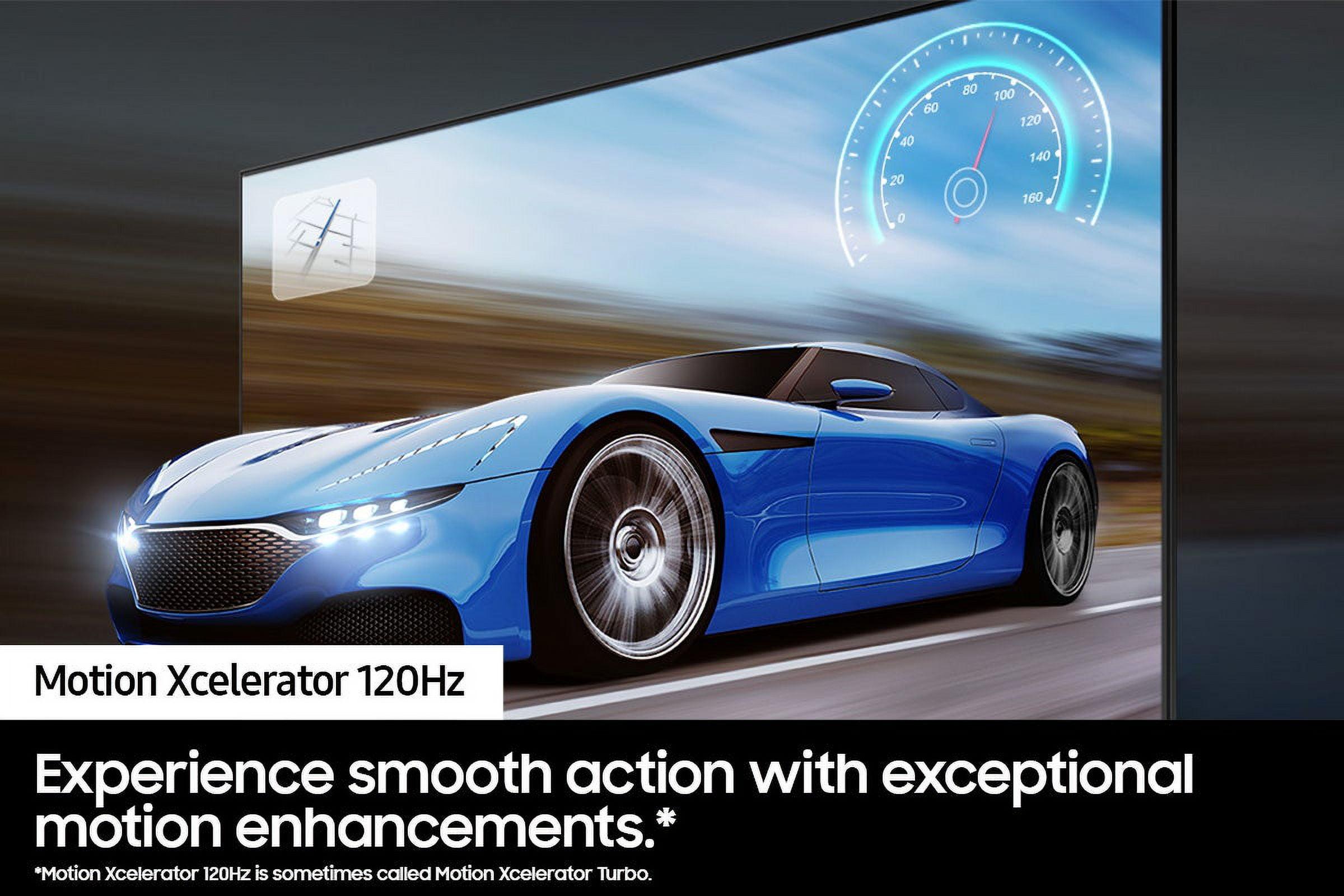
Modern gaming demands both visual excellence and lightning-fast responsiveness. The Samsung S90D delivers exceptional gaming performance with its Motion Xcelerator 144Hz technology, which provides ultrasmooth motion with virtually no lag or blur. OLED's instantaneous pixel response time—essentially zero milliseconds—eliminates the motion blur that can plague other display types during fast-paced gaming.
The technical specifications matter here: the Samsung S90D offers full HDMI 2.1 support across relevant ports, enabling 4K gaming at 120 frames per second with Variable Refresh Rate (VRR) and Auto Low Latency Mode. These features allow PlayStation 5 and Xbox Series X consoles to deliver their best possible performance.
The Toshiba M550 includes impressive gaming features on paper—native 120Hz refresh rate support is unusual at this price point, plus VRR up to 60Hz at 4K resolution. However, our research reveals significant real-world limitations. User reviews consistently mention substantial input lag, with some controls taking "10 seconds to respond" and notable delays between controller input and on-screen action. Additionally, reviewers noted that "HDMI ports are outdated and don't allow HDR content input from external sources," limiting the TV's ability to display next-generation console games at their full potential.
For serious gaming, these responsiveness differences are deal-breakers. Competitive gaming, first-person shooters, or any fast-paced content will feel sluggish on the Toshiba M550, while the Samsung S90D provides the immediate response that modern gaming demands.
The software experience shapes how you interact with your TV every single day, and here we see a stark performance divide. The Samsung S90D runs Tizen OS, Samsung's mature smart TV platform that provides smooth navigation and reliable app performance. Tizen offers extensive app selection, regular security updates, and the kind of polished user experience you expect from premium electronics.
The Toshiba M550 uses Amazon's Fire TV platform, which offers excellent content integration and superior voice search through built-in Alexa. The Fire TV interface excels at content discovery, surfacing shows and movies across multiple streaming services. However, our analysis of user reviews reveals concerning performance issues that significantly impact daily usability.
Multiple reviewers consistently report that the Toshiba M550 suffers from an "underpowered processor" relative to its display capabilities. Users experience slow reaction times where it can take "a full minute to get to a show after clicking continue watching," and apps frequently require "30 seconds to a minute to show up" after turning the TV on. The Fire TV operating system appears heavier than the onboard processor can handle smoothly.
More troubling are reliability issues: the system "freezes frequently," apps exit themselves, and the TV sometimes returns to the home screen unprompted. Some users report the picture locking up with "digital scramble" that won't reset, and audio occasionally disappearing entirely.
These software performance issues fundamentally undermine the Toshiba M550's value proposition. No matter how impressive the display specifications appear on paper, a frustrating daily user experience diminishes the entire viewing experience.
Both TVs recognize that modern content demands quality audio to match their visual capabilities. The Toshiba M550 features REGZA Power Audio Pro with a dedicated subwoofer and 40W total output across multiple speakers. User reviews rate its sound quality at 4.3-4.4 out of 5 stars, with many noting the built-in audio quality eliminated their need for a separate soundbar.
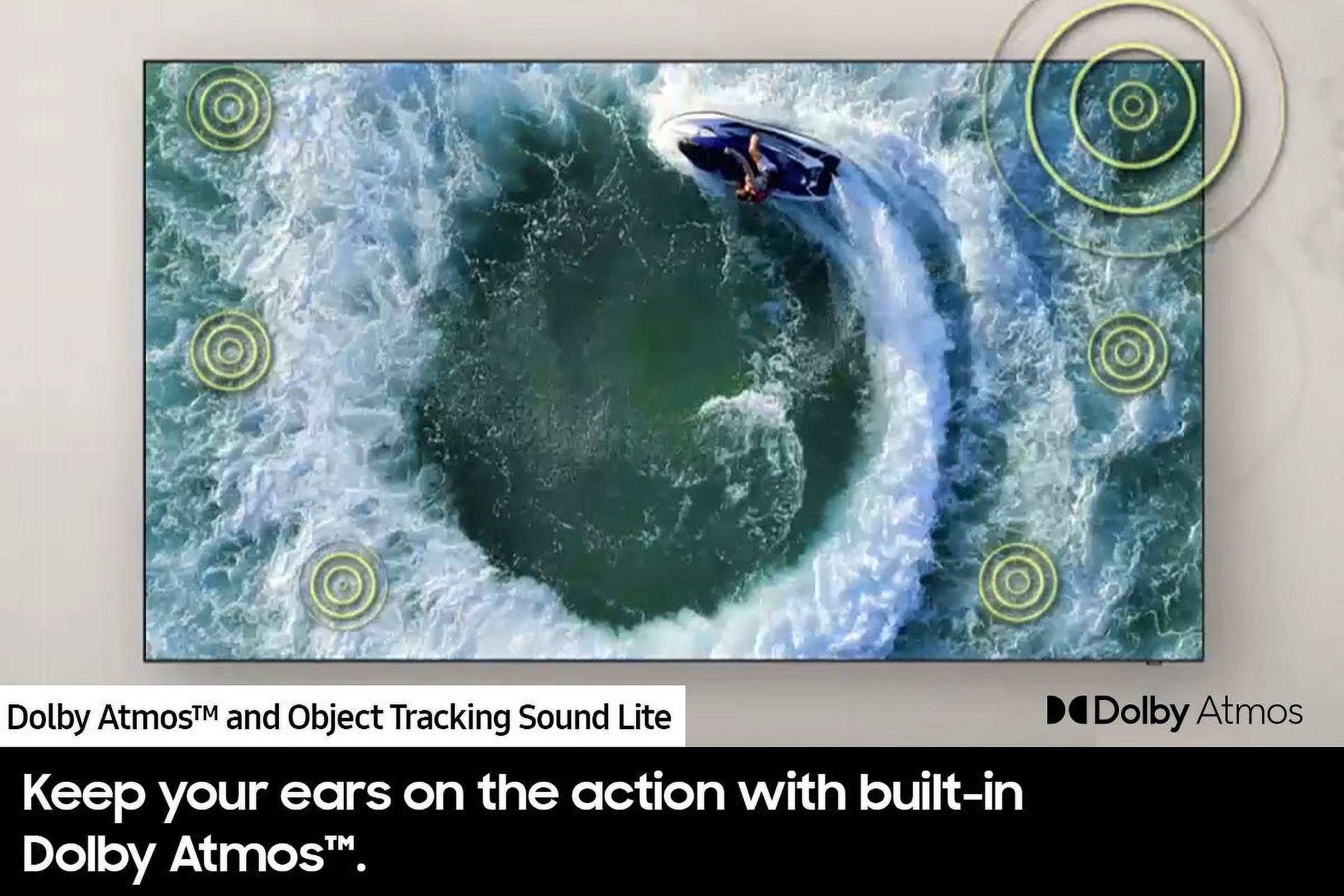
The Samsung S90D includes Dolby Atmos processing, which creates object-based surround sound that moves audio across the screen for more immersive experiences. Dolby Atmos analyzes the audio track and positions sounds in three-dimensional space, making helicopter flyovers actually feel like they're moving overhead.
For most users, both TVs provide adequate built-in audio, though serious home theater enthusiasts will likely add dedicated sound systems regardless. The Toshiba M550's surprisingly good built-in audio adds value for budget-conscious buyers, while the Samsung S90D's Dolby Atmos processing provides more sophisticated spatial audio for supported content.
Physical construction and long-term reliability separate temporary bargains from lasting investments. The Samsung S90D benefits from Samsung's extensive OLED manufacturing experience and established quality control processes. Samsung's reputation for reliability in the premium TV segment provides confidence for long-term ownership.
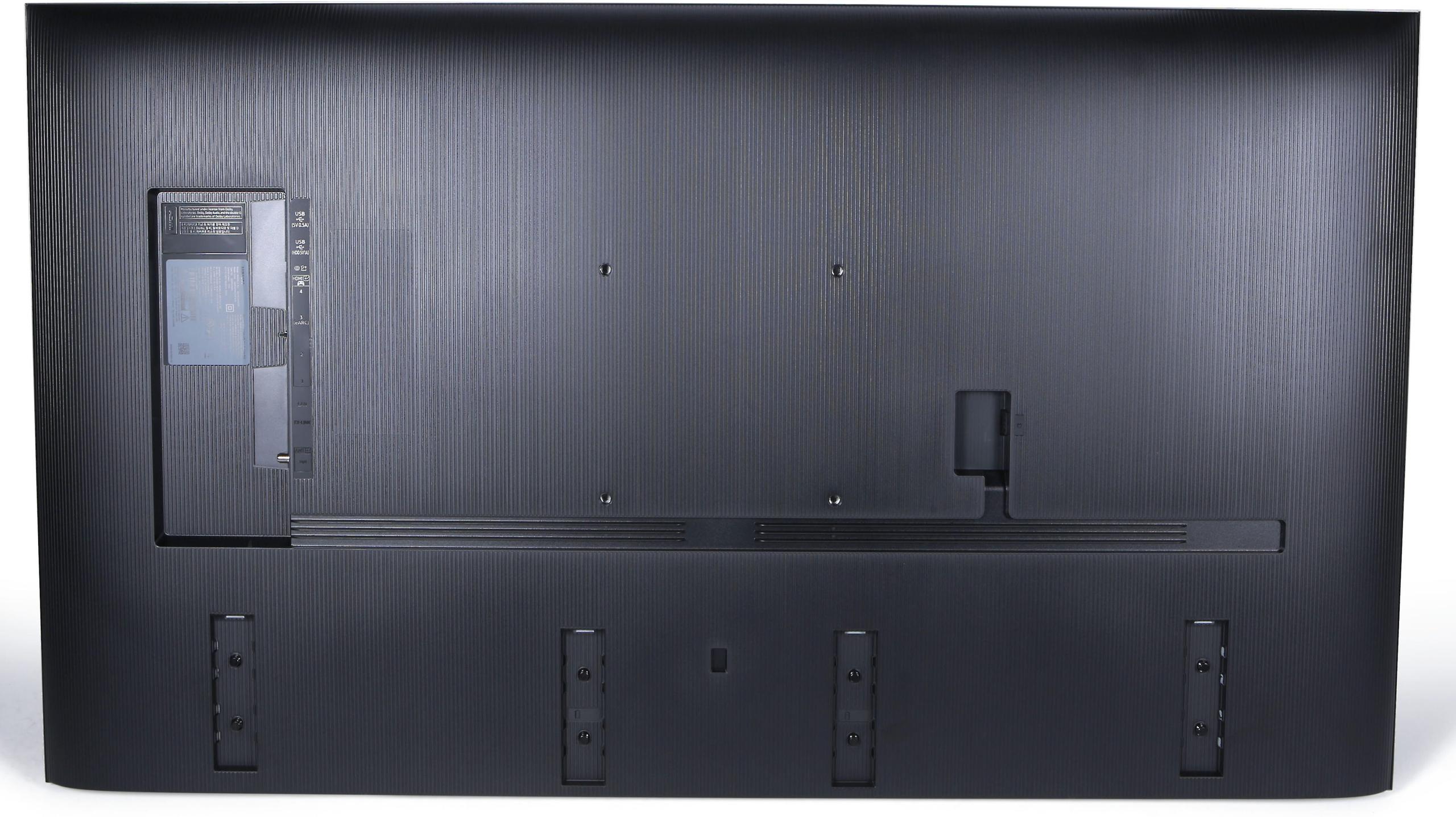
The Toshiba M550 features solid build quality for its price point, including a metal back panel, slim bezels, and integrated cable management. However, our research uncovered concerning reliability patterns in user reviews: screen flashing, half-screen blue tinting, picture lockups requiring hard resets, and audio cutting out entirely. Some users report needing to unplug and reset their TV regularly to maintain normal operation.
These reliability concerns extend beyond inconvenience—they suggest potential hardware-software integration issues that could worsen over time as software updates become more demanding.
For dedicated home theater setups, the Samsung S90D provides the cinematic experience that OLED technology is renowned for. Its perfect blacks create the dramatic contrast that makes movies feel immersive, while its superior motion handling eliminates the distraction of blur during action sequences. The instant pixel response time means fast camera pans and action scenes maintain sharp detail that draws you into the story.
The Toshiba M550 faces specific challenges in home theater applications. User reviews identify a critical flaw where "action scenes jerk around at low FPS with phantom images forming around moving objects." One detailed reviewer noted that while slow scenes look excellent, "the busier the scene gets the worse this TV does," making it problematic for HDR action movies or content with complex detail.
For casual viewing and streaming content, these motion handling issues may be less noticeable. But for movie enthusiasts who want that theater-like experience at home, these limitations significantly impact enjoyment of fast-paced or visually complex content.
At the time of writing, these TVs target different market segments with distinct value propositions. The Toshiba M550 aims to democratize premium TV features, offering quantum dot technology, local dimming, and 120Hz support at budget-friendly prices. On paper, this represents exceptional value—getting flagship specifications without flagship pricing.
However, our analysis reveals that specifications don't tell the complete story. The processing limitations, reliability concerns, and performance issues significantly impact the real-world user experience. While you're paying less upfront, the frustrations of slow responsiveness and potential reliability problems may cost more in long-term satisfaction.
The Samsung S90D commands premium pricing but delivers performance that reviewers consistently describe as rivaling "TVs two or three times its price." Within the OLED category, it represents strong value by making flagship-level picture quality more accessible than traditional OLED pricing.
Consider the total cost of ownership: a TV that requires frequent troubleshooting, has poor gaming performance, or creates daily frustration ultimately provides poor value regardless of its initial price. The Samsung S90D's reliable performance and superior capabilities may justify its premium for users who want worry-free, excellent performance over many years.
Choose the Toshiba M550 if budget is your primary constraint and you can accept its limitations. It works best for users who primarily stream content, don't game competitively, and can tolerate occasional software quirks in exchange for impressive features at an accessible price point. The bright, colorful picture quality excels for daytime viewing in well-lit rooms.
The Samsung S90D makes sense for buyers who want premium picture quality, reliable performance, and excellent gaming capabilities. It's the better choice for movie enthusiasts, serious gamers, and anyone who values long-term reliability and daily usability. The superior contrast and motion handling create that premium viewing experience that justifies the investment.
For most buyers considering a 65-inch premium TV, the Samsung S90D provides better long-term value despite its higher upfront cost. The combination of flagship-level OLED performance, reliable software, and excellent gaming capabilities creates an ownership experience that remains satisfying for years. While the Toshiba M550 offers attractive specifications on paper, its real-world performance limitations and reliability concerns make it difficult to recommend for users who want consistent, premium performance from their substantial TV investment.
The choice ultimately depends on your priorities: immediate savings with acceptance of limitations, or investment in proven technology that delivers excellent performance day after day.
| Toshiba 65" M550 Series QLED Fire TV | Samsung 65" OLED S90D TV |
|---|---|
| Display Technology - Fundamental difference in how they create images | |
| QLED with LED backlight and quantum dots | OLED with self-illuminating pixels |
| Contrast Ratio - Most important for cinematic picture quality | |
| Full-array local dimming with up to 100 zones | Infinite contrast with perfect blacks |
| Peak Brightness - Critical for bright room viewing | |
| Excellent brightness output (rated 4.6/5 stars) | Good brightness for OLED, less than QLED |
| Color Coverage - How vivid and accurate colors appear | |
| 90%+ DCI-P3 wide color gamut with quantum dots | Pantone-validated colors with natural OLED accuracy |
| Refresh Rate - Smoothness for sports and gaming | |
| Native 120Hz (unusual for this price range) | 120Hz with Motion Xcelerator 144Hz |
| Gaming Performance - Input lag and modern console features | |
| High input lag, limited HDMI 2.1, VRR up to 60Hz at 4K | Virtually no lag, full HDMI 2.1, 4K@120fps with VRR |
| Smart Platform - Daily usability and app performance | |
| Fire TV with Alexa (frequent freezing and slow performance) | Samsung Tizen OS (smooth and reliable) |
| HDR Support - Enhanced contrast and color for premium content | |
| Dolby Vision, HDR10, HDR10+, HLG | Dolby Vision, HDR10, HDR10+, HLG with OLED HDR+ |
| Audio Quality - Built-in sound without soundbar | |
| REGZA Power Audio Pro with subwoofer (4.3/5 stars) | Dolby Atmos with object-based surround |
| Motion Handling - Clarity during fast action scenes | |
| Struggles with busy scenes, phantom images reported | Instant pixel response, zero motion blur |
| Reliability - Long-term performance and build quality | |
| Multiple user reports of freezing, screen issues, resets needed | Samsung's proven OLED manufacturing quality |
| Best For - Ideal buyer and use cases | |
| Budget-conscious buyers accepting performance trade-offs | Premium experience seekers, gamers, movie enthusiasts |
The Samsung 65" OLED S90D TV delivers superior picture quality for movies due to its OLED technology that produces perfect blacks and infinite contrast. This creates more cinematic depth and detail in dark scenes compared to the Toshiba 65" M550 Series QLED Fire TV, which uses LED backlighting that can't achieve true blacks.
The Toshiba 65" M550 Series QLED Fire TV performs better in bright rooms due to its superior brightness output and anti-glare capabilities. QLED technology can get much brighter than OLED displays, making the picture more visible in well-lit environments where the Samsung 65" OLED S90D TV might appear dimmer.
The Samsung 65" OLED S90D TV is significantly better for gaming with virtually no input lag, full HDMI 2.1 support, and 4K gaming at 120fps. The Toshiba 65" M550 Series QLED Fire TV suffers from high input lag and limited HDMI capabilities that affect gaming performance.
QLED uses LED backlighting with quantum dots for enhanced colors, while OLED has self-illuminating pixels that can turn completely off. The Toshiba M550 offers brighter images and better value, while the Samsung S90D provides perfect blacks and superior contrast for more realistic picture quality.
The Samsung 65" OLED S90D TV offers more reliable smart features with Samsung's Tizen OS providing smooth performance and regular updates. The Toshiba 65" M550 Series QLED Fire TV uses Amazon Fire TV with good content integration but suffers from frequent freezing and slow response times.
Yes, the Samsung 65" OLED S90D TV demonstrates better long-term reliability with Samsung's proven manufacturing quality. User reviews of the Toshiba 65" M550 Series QLED Fire TV report frequent software crashes, screen flickering, and the need for regular resets to maintain normal operation.
The Toshiba 65" M550 Series QLED Fire TV offers impressive specifications at a budget-friendly price point, making it good value for casual viewers. However, the Samsung 65" OLED S90D TV provides better long-term value through superior performance, reliability, and picture quality that justifies its premium pricing.
For sports viewing, the choice depends on your room setup. The Toshiba M550 works well in bright rooms due to its superior brightness, but struggles with motion blur during fast action. The Samsung S90D offers perfect motion clarity and contrast but may be less visible in very bright environments.
The Toshiba 65" M550 Series QLED Fire TV surprisingly offers excellent built-in audio with a dedicated subwoofer that many users find eliminates the need for a soundbar. The Samsung 65" OLED S90D TV includes Dolby Atmos processing for more sophisticated surround sound effects.
The Toshiba M550 suffers from reliability issues, slow smart TV performance, and poor gaming capabilities despite good specifications on paper. The Samsung S90D costs significantly more and may not get as bright as QLED displays in very bright viewing environments.
The Samsung 65" OLED S90D TV is ideal for home theater setups with its perfect blacks, infinite contrast, and excellent motion handling that creates a truly cinematic experience. The Toshiba 65" M550 Series QLED Fire TV struggles with motion artifacts and contrast limitations that detract from the theater-like experience.
For first-time premium TV buyers, the Samsung OLED S90D offers the more impressive and reliable premium experience despite higher cost. The Toshiba QLED M550 provides premium features at a lower price but comes with performance compromises that may disappoint users expecting true premium TV performance.
We've done our best to create useful and informative comparisons to help you decide what product to buy. Our research uses advanced automated methods to create this comparison and perfection is not possible - please contact us for corrections or questions. These are the sites we've researched in the creation of this article: bestbuy.com - bestbuy.com - consumerreports.org - youtube.com - pcvarge.com - tomsguide.com - youtube.com - bestbuy.com - toshibatv-usa.com - marketplace-staging.paytomorrow.com - toshibatv-usa.com - productabout.com - leaseville.com - youtube.com - toshibatv-usa.com - bestbuy.com - valueelectronics.com - youtube.com - cnet.com - bestbuy.com - videoandaudiocenter.com - youtube.com - samsung.com - samsung.com - pcrichard.com - samsung.com

Privacy Policy
Terms and Conditions - Affiliate Policy
Home Security
© Copyright 2008-2026.
11816 Inwood Rd #1211, Dallas, TX 75244