

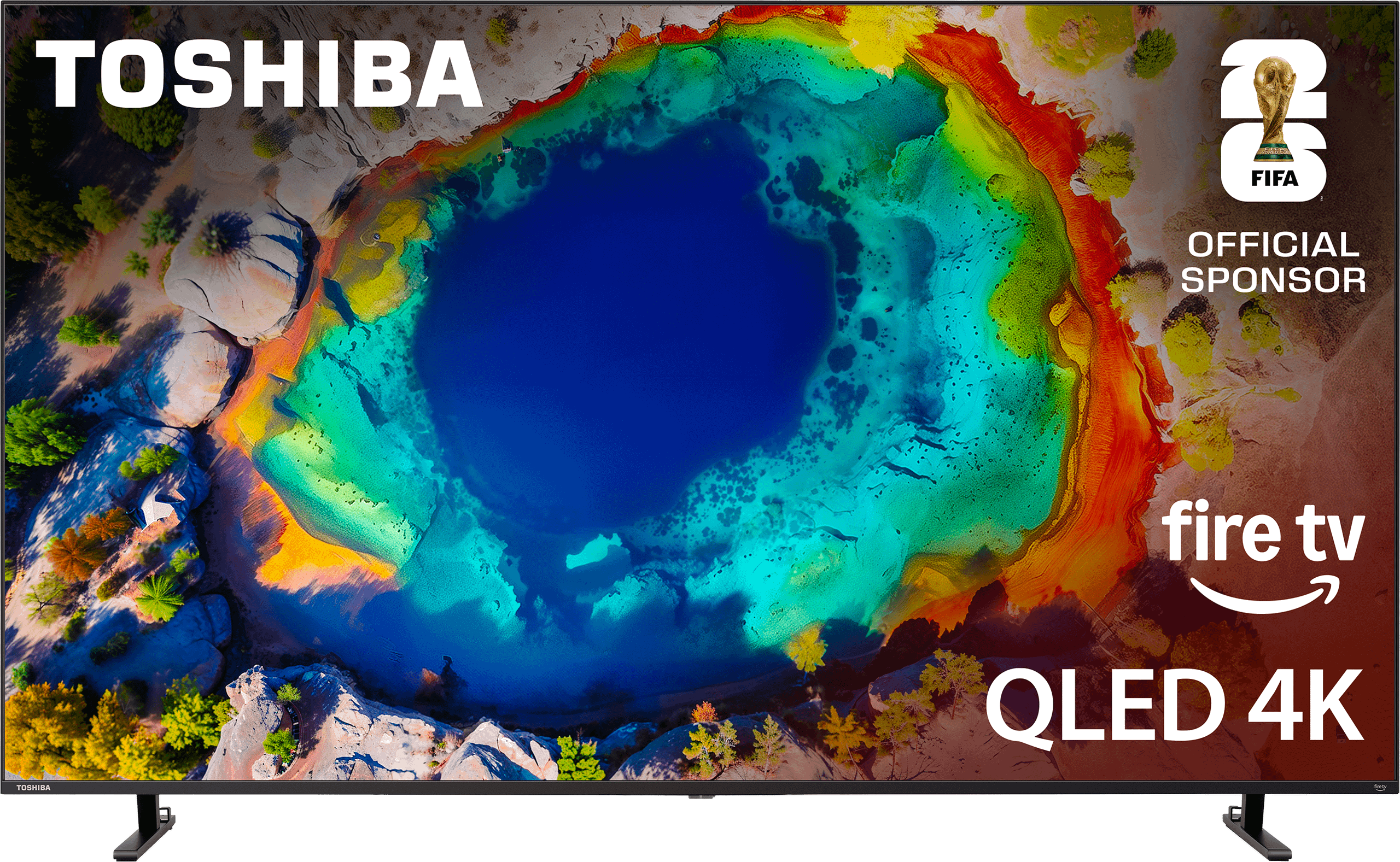
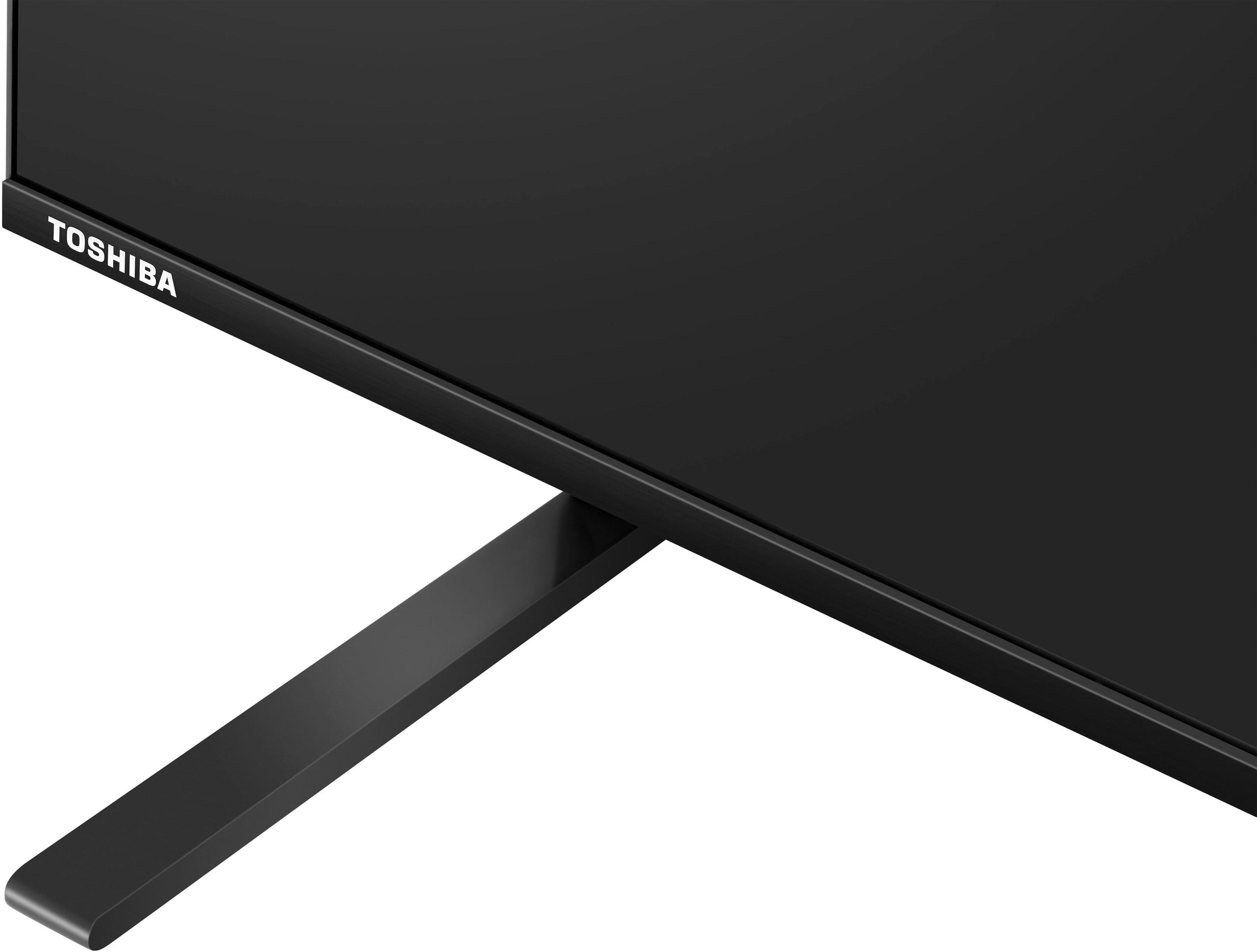
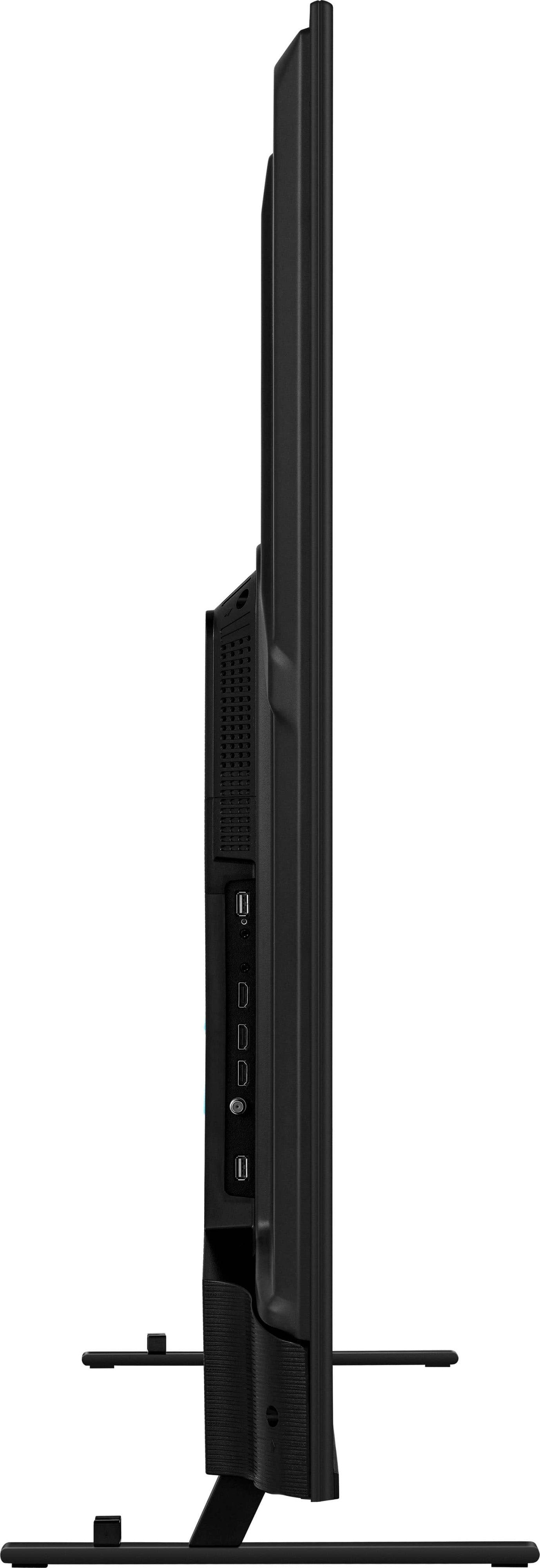
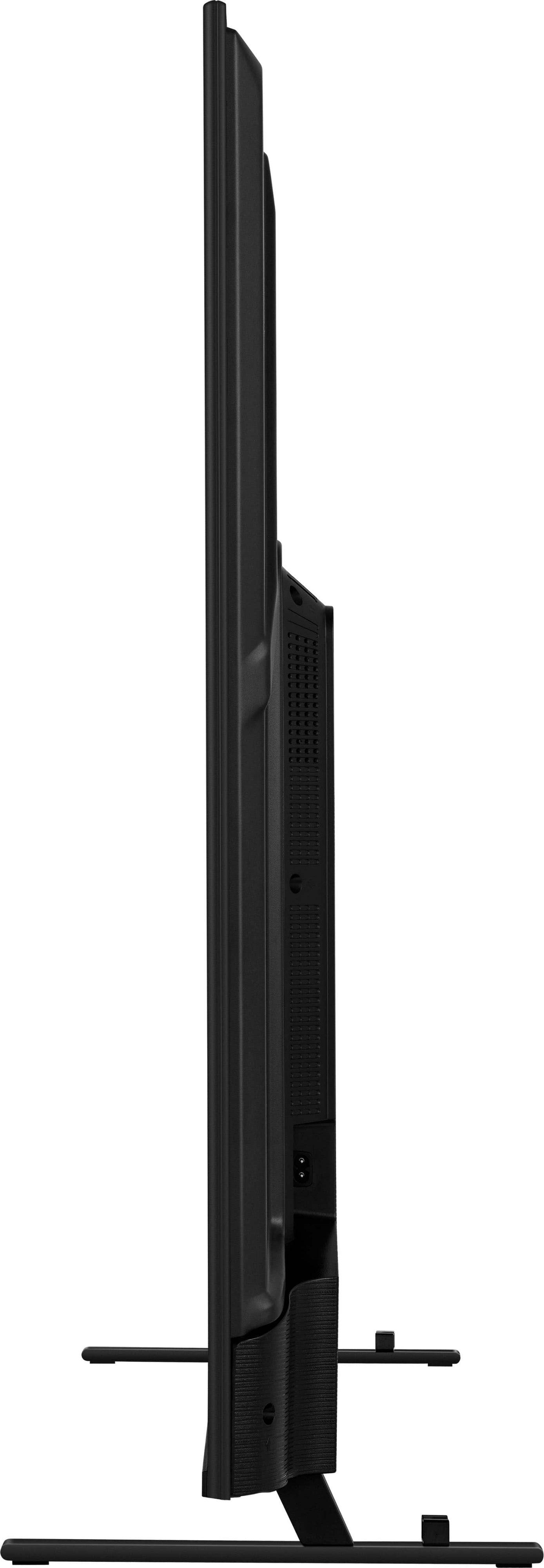
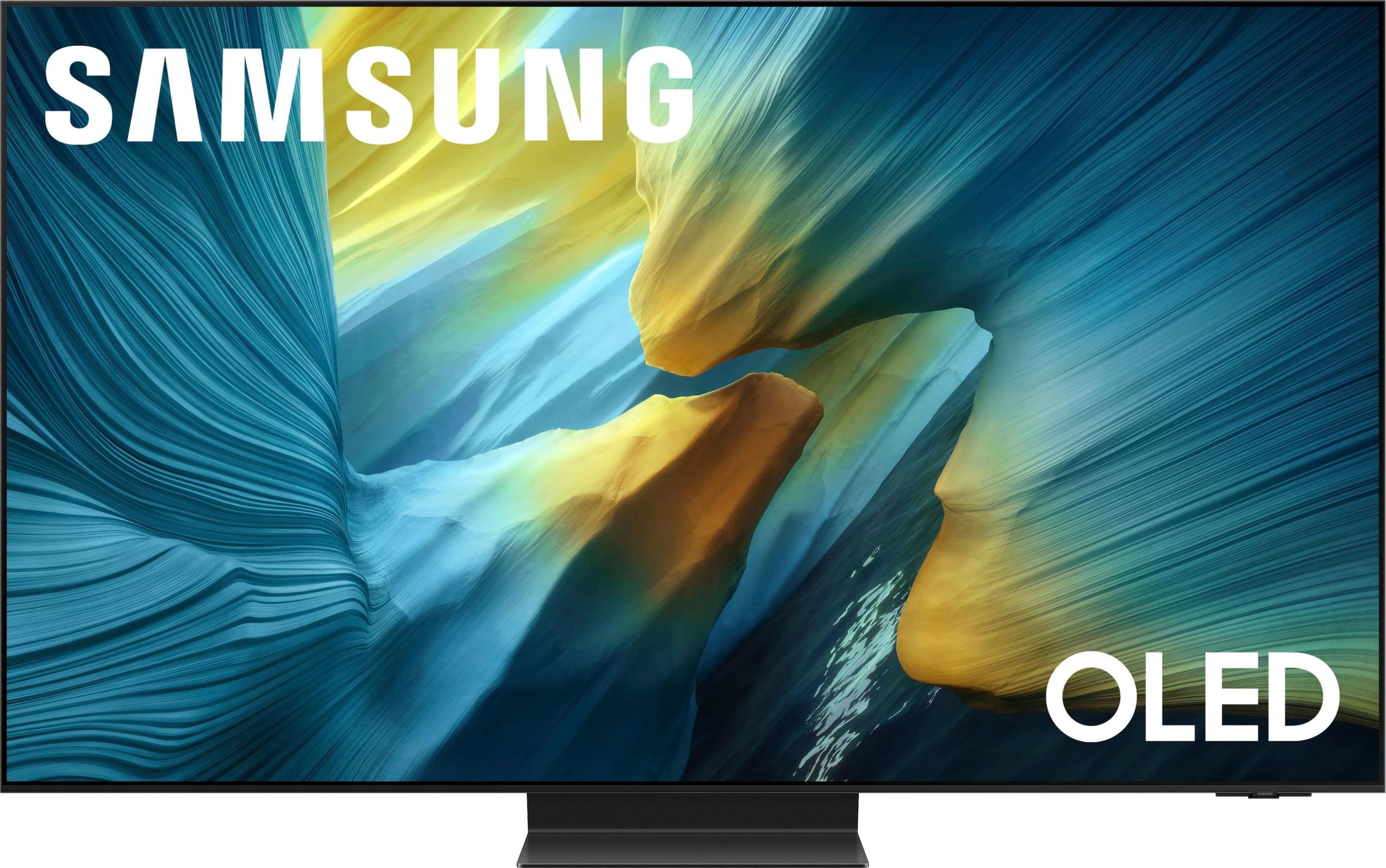
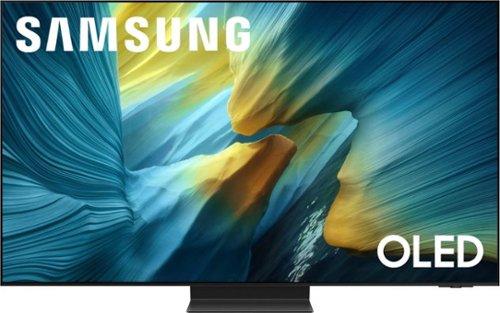
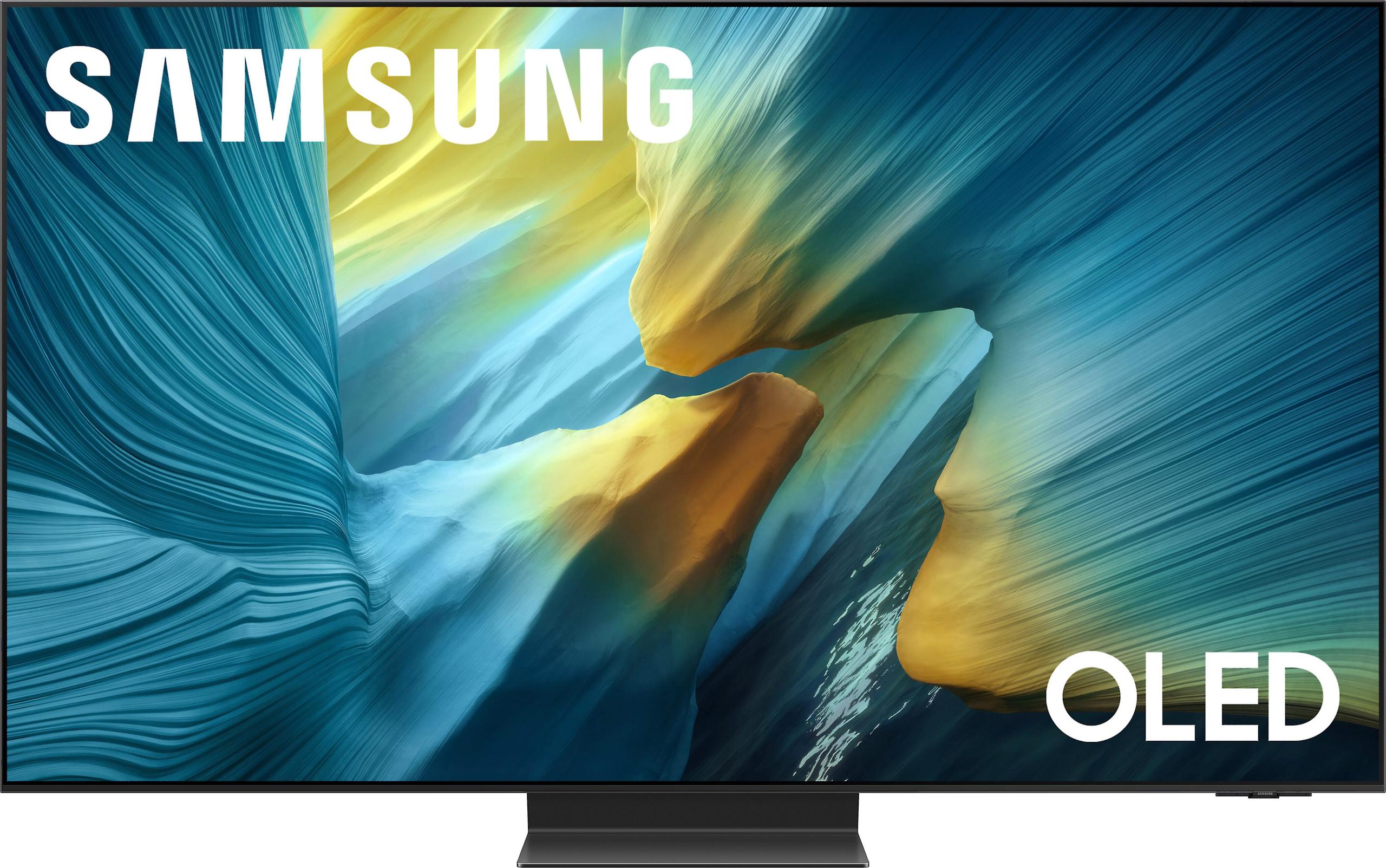
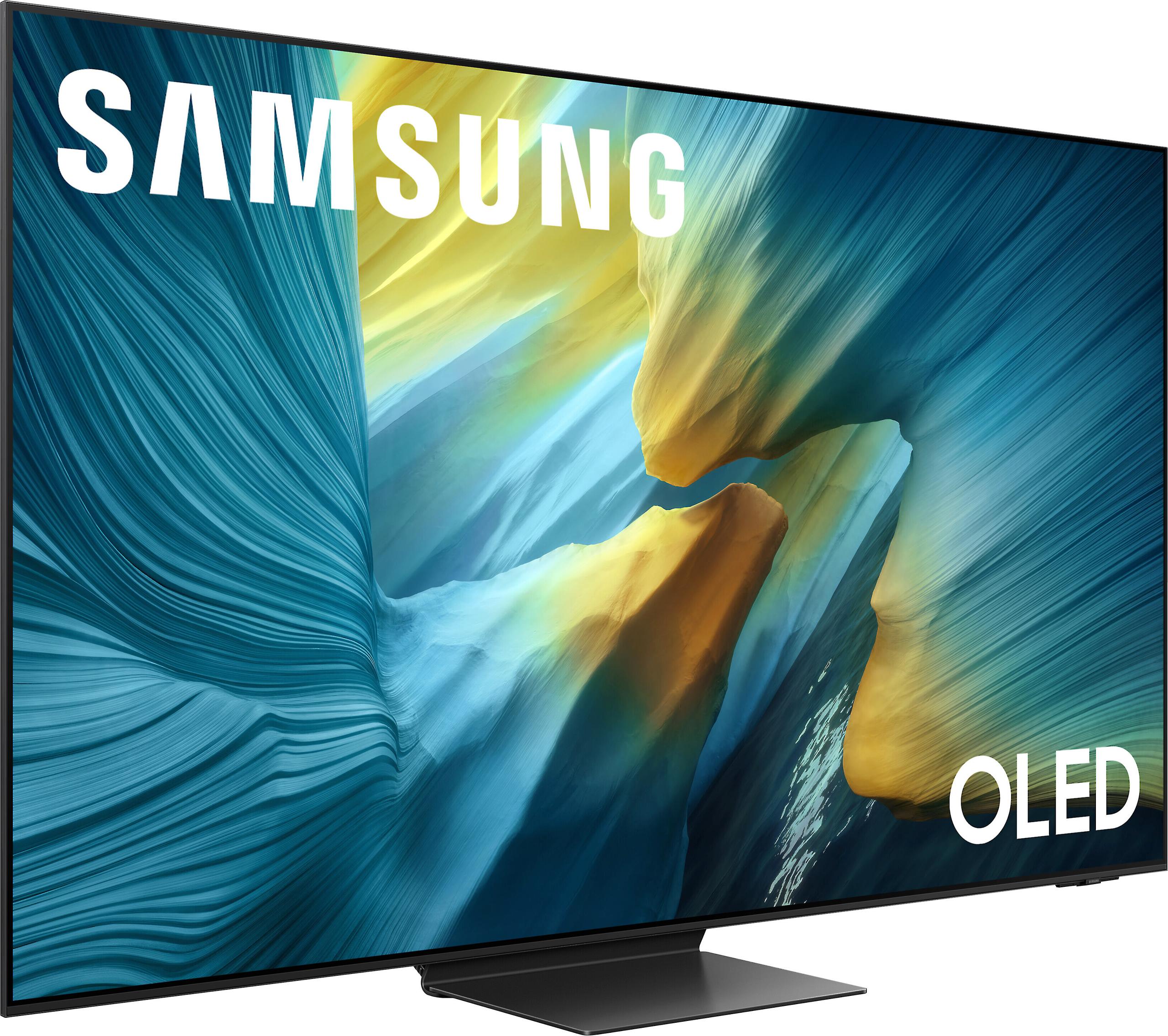
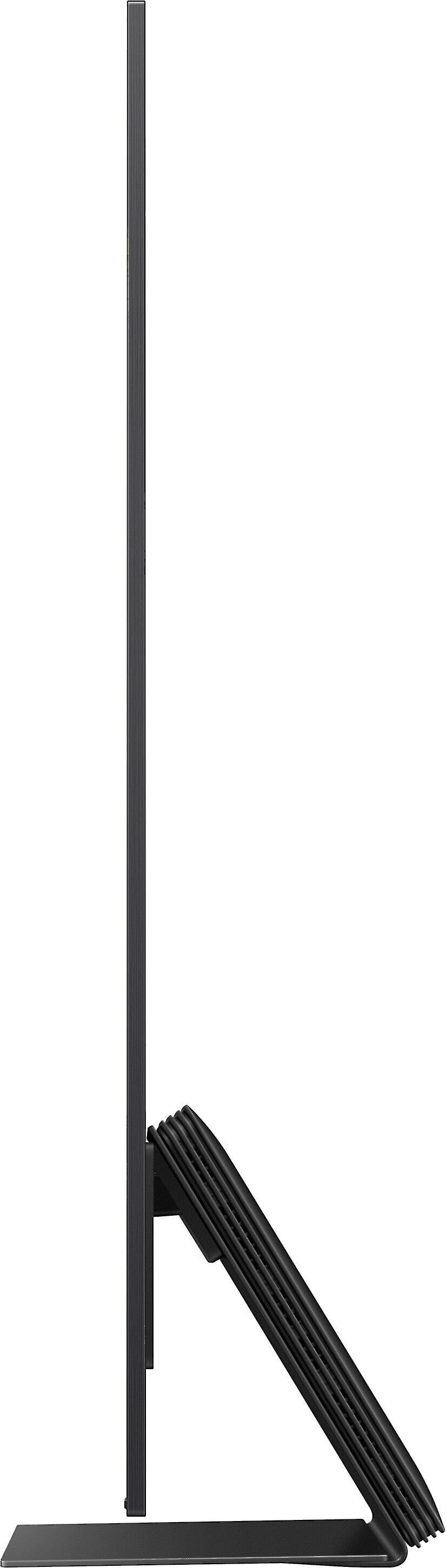

When you're shopping for a 65-inch TV, you're essentially choosing the centerpiece of your home entertainment system. At this size, every detail matters more—the colors need to pop, motion should be smooth, and the smart features better work reliably. Today we're comparing two TVs that couldn't be more different: the Toshiba 65" M550 Series QLED Fire TV and the Samsung 65" OLED S95F 4K Smart TV.
These represent fundamentally different philosophies. The Toshiba M550 aims to deliver solid performance at an ultra-competitive price point, while the Samsung S95F pushes the boundaries of what's possible in consumer TV technology. At the time of writing, you're looking at roughly a 7x price difference between these models—but that gap tells an important story about what you're actually getting.
The biggest difference between these TVs lies in their core display technologies, and this choice affects everything from picture quality to long-term satisfaction.
The Toshiba M550 uses QLED technology, which stands for Quantum Dot Light Emitting Diode. Think of quantum dots as microscopic crystals that convert blue LED light into incredibly pure red and green light. When combined with the original blue, you get a much wider range of colors than traditional LED TVs can produce—over one billion color combinations in the M550's case.
What makes the Toshiba M550 particularly interesting is its Full Array Local Dimming system with 48 zones. Instead of lighting the entire screen uniformly, this system can independently control the brightness of 48 different areas. When a movie scene shows a campfire against a starry sky, the zones behind the fire can be bright while the zones behind the dark sky stay dim. This creates better contrast than cheaper edge-lit TVs, though it can't achieve the perfect blacks we'll discuss with OLED.
The QLED approach excels in bright rooms. Since it uses LED backlighting, it can get significantly brighter than OLED panels traditionally could, making it easier to see the picture clearly even with windows open during the day.
The Samsung S95F uses OLED technology—Organic Light Emitting Diode—where each pixel creates its own light and can turn completely off when displaying black. This creates what's called "infinite contrast ratio" because true black (zero light) compared to any amount of brightness is technically infinite.
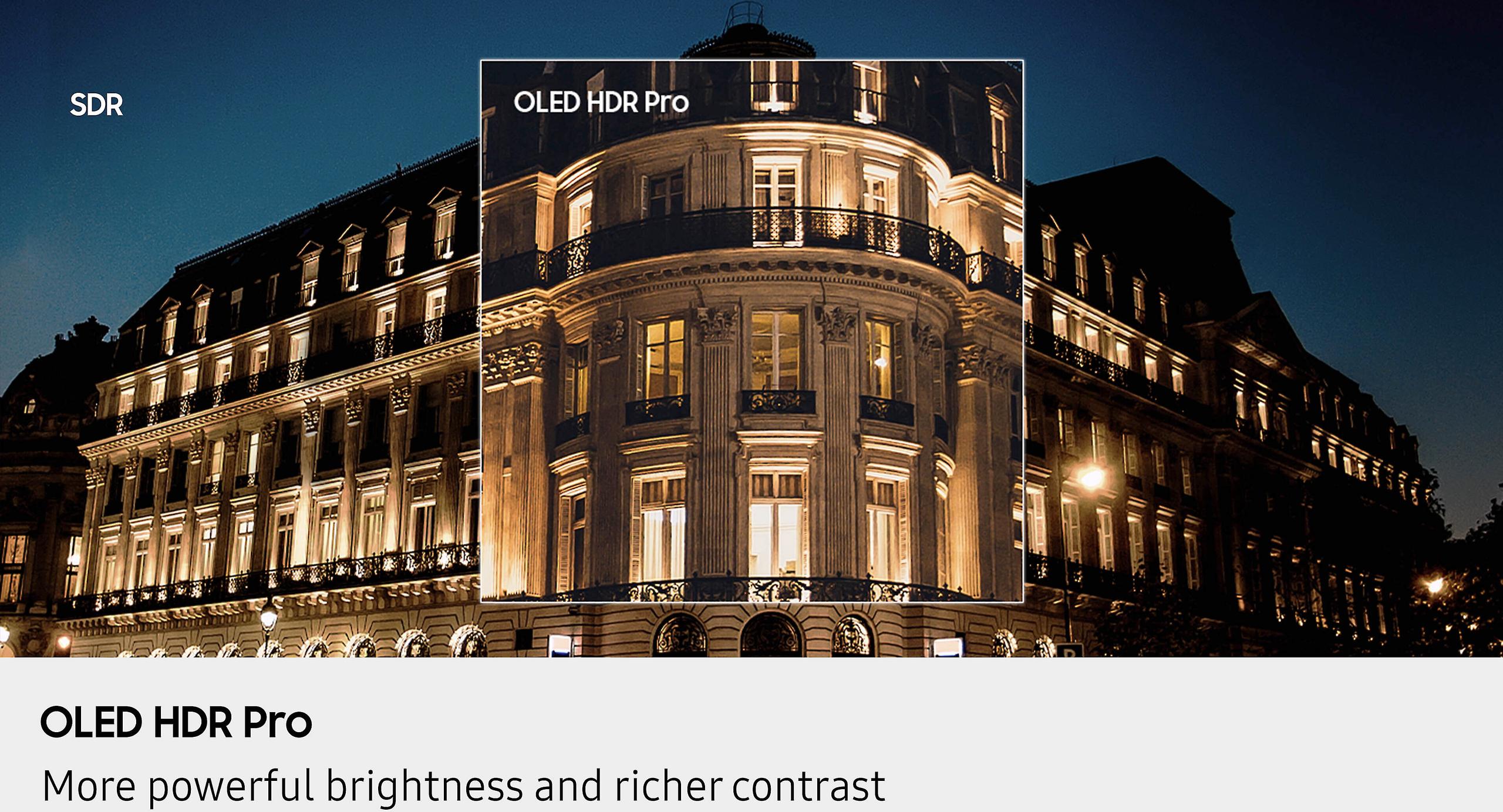
Samsung's 2025 OLED implementation includes several breakthrough improvements. Most importantly, they've solved OLED's traditional brightness limitations. Professional reviewers measured the S95F reaching over 2,000 nits of peak brightness, which puts it in the same league as high-end LED TVs while maintaining OLED's contrast advantages.
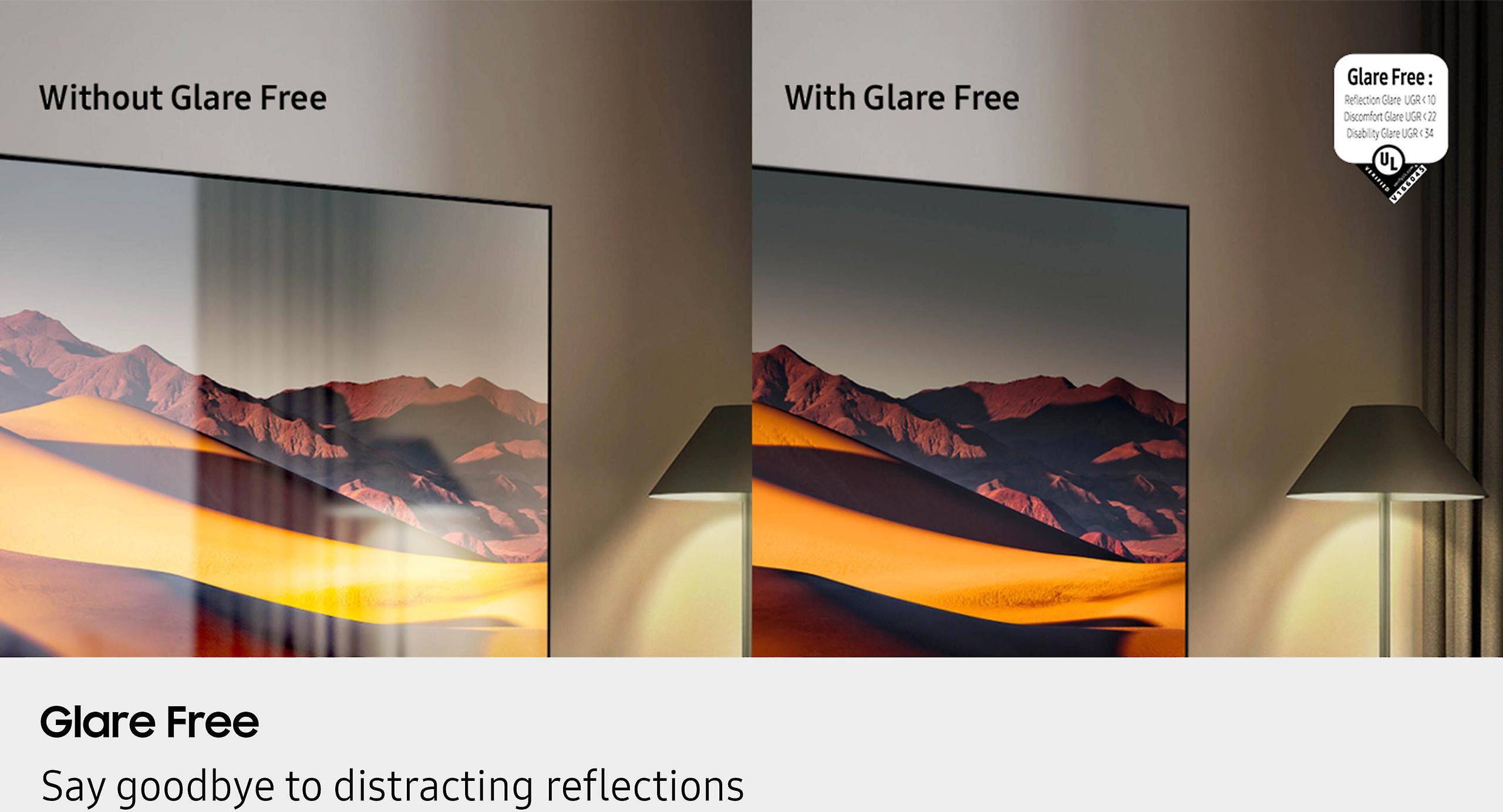
Perhaps even more impressive is the glare-free matte coating. Traditional OLED TVs can be challenging in bright rooms because their glossy screens reflect light. Samsung's matte finish eliminates most reflections while somehow maintaining the deep blacks and vibrant colors OLED is known for—a engineering feat that seemed impossible just a few years ago.
High Dynamic Range (HDR) content contains brightness information that spans from deep shadows to brilliant highlights, just like your eyes see in real life. However, displaying this range properly requires both bright highlights and deep blacks.
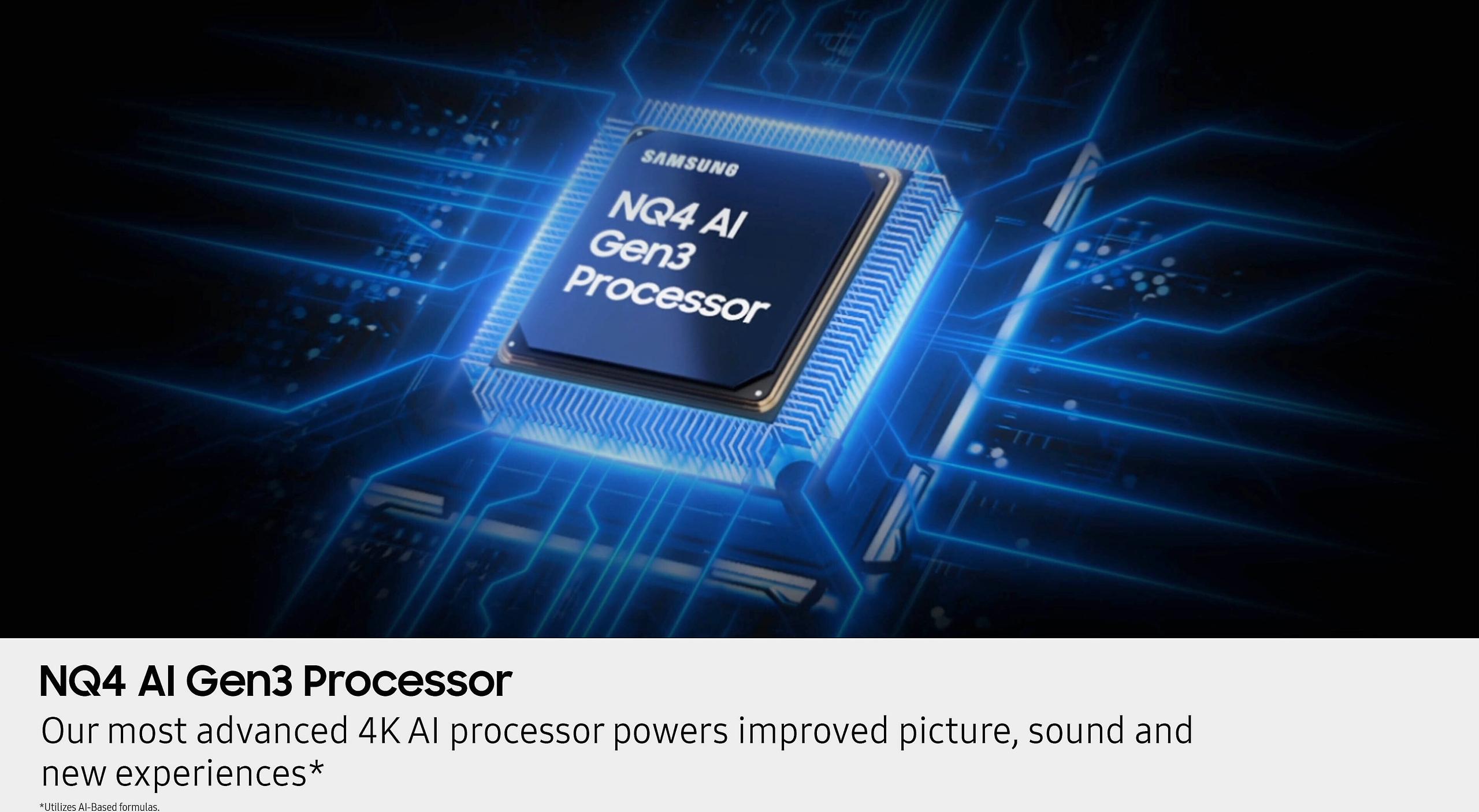
The Samsung S95F excels here with its combination of 2,000+ nit peak brightness and perfect black levels. When you're watching a movie scene with bright sunlight streaming through a dark room, the TV can simultaneously display the brilliant light and the deep shadows without compromise. The NQ4 AI Gen3 processor analyzes each frame and optimizes the HDR mapping in real-time, ensuring you see details in both the brightest and darkest parts of the image.
The Toshiba M550 handles HDR content respectably for its price class. The Full Array Local Dimming helps create contrast, and the quantum dot technology ensures vibrant colors in HDR content. However, the LED backlighting means dark scenes will appear dark gray rather than true black, and the peak brightness is limited compared to premium models. For most streaming content and casual viewing, this performance is quite satisfying, but HDR movie enthusiasts will notice the difference.
Color accuracy affects everything from how realistic skin tones look to how vibrant nature documentaries appear. The Samsung S95F uses Samsung Vision AI, powered by 128 neural networks that analyze content in real-time. This system doesn't just apply generic enhancements—it recognizes different types of content (movies, sports, gaming) and optimizes accordingly.
Professional reviews consistently praise the S95F's color accuracy, noting that it covers a wider color gamut while maintaining natural-looking results. The AI upscaling is particularly impressive, taking lower resolution content and intelligently adding detail that looks remarkably close to native 4K.
The Toshiba M550 includes the REGZA Engine ZR processor, which provides solid AI upscaling and color processing for its price point. Reviews noted that flesh tones look natural and colors appear vibrant, covering about 90% of the DCI-P3 color space used in modern movies. However, the processing power limitations become apparent with complex scenes containing lots of motion or detail.
Gaming on modern TVs requires several technical features working together: low input lag (the delay between pressing a button and seeing the result), high refresh rates (how many times per second the image updates), and variable refresh rate support (which matches the TV's refresh rate to the game's frame rate to eliminate tearing).
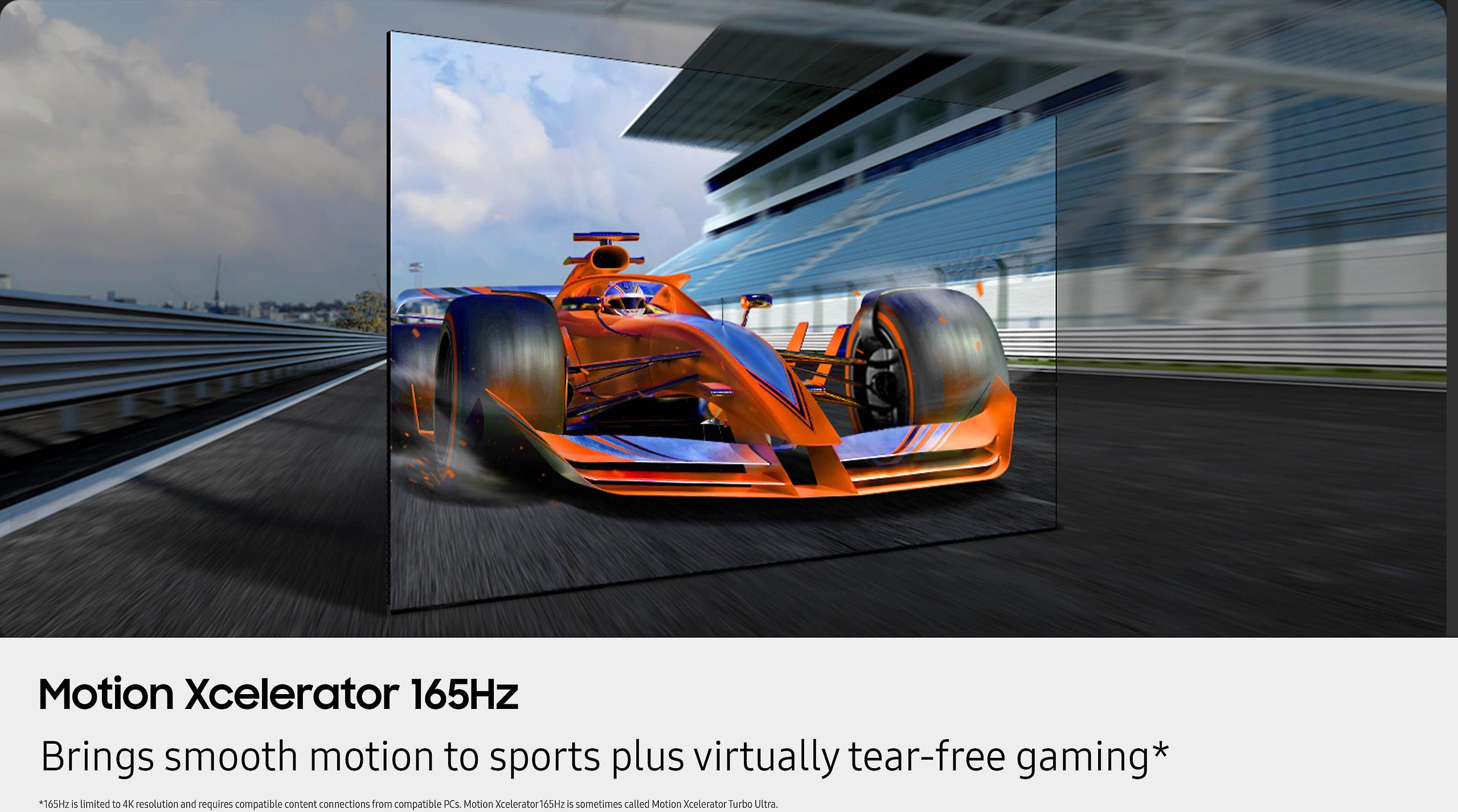
The Samsung S95F is built for serious gaming. It supports up to 165Hz refresh rates at 4K resolution through all four HDMI 2.1 ports, with AMD FreeSync Premium Pro certification ensuring smooth gameplay without screen tearing. The AI Auto Game Mode automatically detects when you're gaming and optimizes all settings for the lowest possible input lag.
This makes the S95F future-ready for next-generation consoles and high-end PC gaming. Whether you're playing competitive esports titles that benefit from high refresh rates or cinematic games that showcase HDR, this TV can handle whatever you throw at it.
The Toshiba M550 includes basic gaming features like Variable Refresh Rate support up to 60Hz at 4K and Auto Low Latency Mode. For casual gaming, especially single-player adventures or streaming services, this works fine.
However, our research into user reviews reveals significant limitations. Multiple reviewers noted input lag that can exceed 10 seconds for menu navigation, and the processing struggles with fast-paced content. One reviewer specifically mentioned that action scenes "jerk around at low FPS with phantom images," making it unsuitable for competitive gaming or action-heavy content.
The Samsung S95F runs Tizen OS, Samsung's proprietary smart platform that's been refined over many years. The system includes 7 years of guaranteed software updates, ensuring compatibility with new streaming services and features well into the future. The far-field microphones allow voice control from across the room, and the Bixby integration can handle complex multi-step commands.
The interface is responsive and well-integrated with the hardware. Apps launch quickly, switching between inputs is seamless, and the overall experience feels polished and reliable.
The Toshiba M550 uses Amazon's Fire TV platform, which offers access to a wide range of streaming services. However, our research revealed significant reliability concerns that affect daily usability.
Multiple reviews mentioned the system frequently freezing, apps exiting unexpectedly, and response times that can stretch to a full minute for simple commands. The processor appears underpowered for the software it's running, leading to frustrating delays. Some users reported the TV sometimes goes back to the home screen by itself, and others experienced audio cutting out randomly.
These aren't deal-breakers if you're primarily using external devices like a streaming stick or game console, but they significantly impact the experience if you rely on the built-in smart features.
Both TVs include decent built-in audio, but with different approaches and capabilities.
The Samsung S95F features a sophisticated 4.2.2 channel system with 70 watts of output. The Object Tracking Sound (OTS+) technology moves audio around the screen to match the action, creating a more immersive experience. Dolby Atmos support adds height effects, and the Q-Symphony feature allows the TV to work in harmony with Samsung soundbars for enhanced audio.
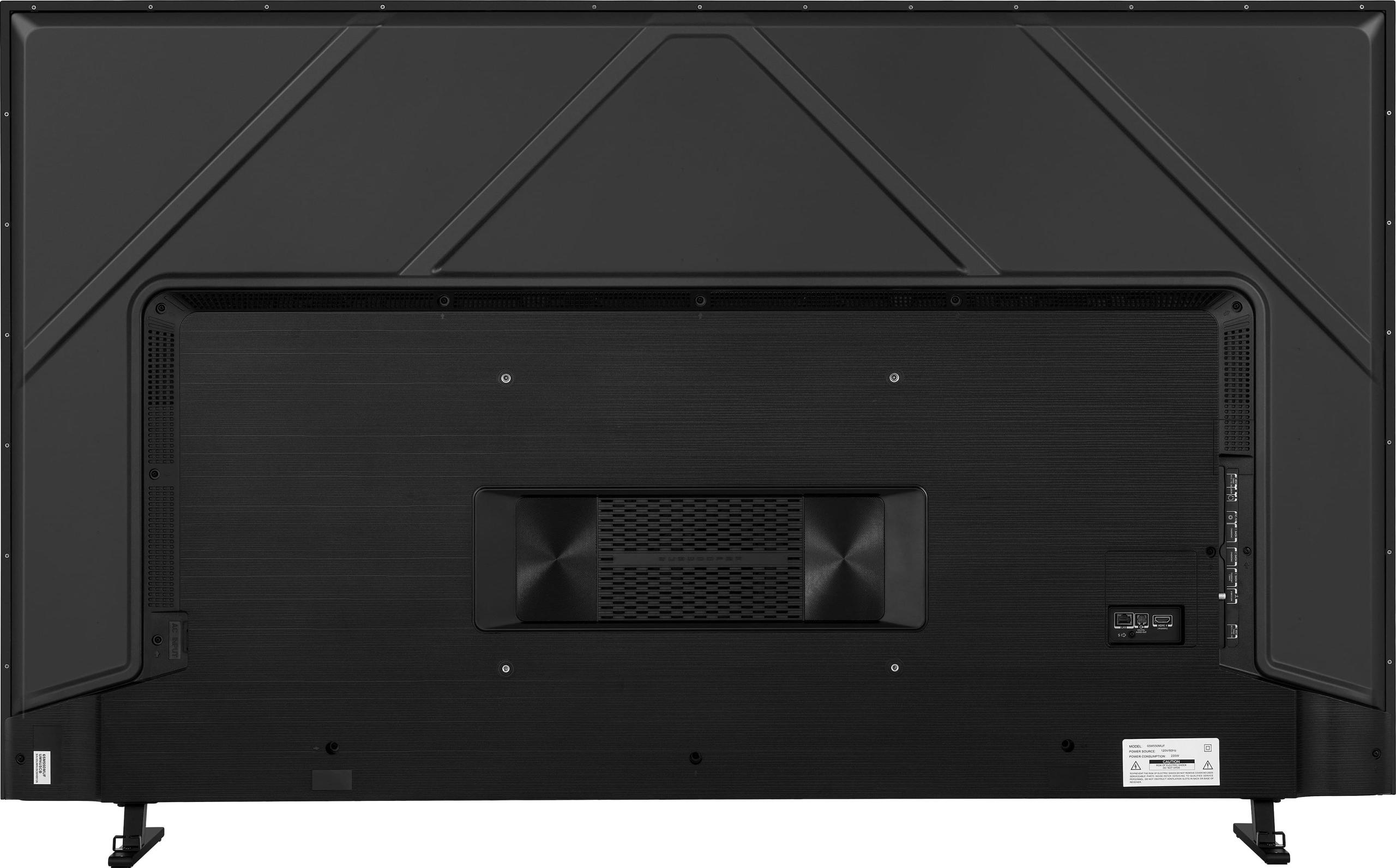
The Toshiba M550 includes REGZA Power Audio Pro with a built-in subwoofer and 40 watts of output. Reviews consistently noted that the sound quality is adequate for casual viewing but nothing special. One reviewer mentioned that having a built-in subwoofer eliminated their need for a separate soundbar, which is a practical advantage at this price point.
At the time of writing, the Toshiba M550 represents exceptional value in the budget TV category. You're getting QLED color technology, local dimming, and a 65-inch screen at a price that was unthinkable just a few years ago. For families primarily streaming content, watching basic cable, or using the TV for casual entertainment, this delivers surprising performance.
The trade-offs are clear: limited processing power, reliability concerns, and performance that struggles with demanding content. But if your budget is constrained and you understand these limitations, the M550 offers legitimate big-screen entertainment value.
The Samsung S95F commands premium pricing, but it delivers cutting-edge technology that justifies the cost for the right user. The 7-year software support alone adds significant long-term value, as does the superior build quality and performance that won't feel outdated quickly.
This represents the kind of purchase that can anchor a home theater system for many years. The picture quality improvements over budget options aren't subtle—they're immediately apparent and consistently impressive.
If you're building a dedicated home theater space, the choice becomes clearer. The Samsung S95F offers the picture quality and features that make the most of premium content and a controlled viewing environment. The glare-free coating handles ambient light beautifully, while the perfect blacks create that cinematic experience that makes movie watching feel special.
The Toshiba M550 can work in a home theater setting, but the motion handling limitations and processing struggles with complex scenes mean it's better suited for casual viewing than critical movie watching.
Choose the Toshiba M550 if you want a big screen experience at minimum cost, primarily stream casual content, and don't mind potential reliability trade-offs. It's perfect for families who want to upgrade from a smaller TV without breaking the budget, especially if you're planning to use external streaming devices anyway.
Choose the Samsung S95F if picture quality matters most to you, you want a TV that will remain impressive for years, or you're serious about gaming and movies. The investment pays off in daily satisfaction and long-term capability.
The fundamental truth is that these TVs serve different needs entirely. The roughly 7x price difference at the time of writing reflects genuine technological gaps, not just brand premiums. Understanding what you value most—immediate affordability or long-term performance—will guide you to the right choice for your situation.
| Toshiba 65" M550 Series QLED Fire TV | Samsung 65" OLED S95F 4K Smart TV 2025 |
|---|---|
| Display Technology - Fundamental difference affecting all picture quality aspects | |
| QLED with Full Array Local Dimming (48 zones) | Self-illuminating OLED with glare-free matte coating |
| Peak Brightness - Critical for HDR content and bright room viewing | |
| Good brightness levels, typical for QLED at this price | 2,089+ nits measured (exceptional for OLED technology) |
| Black Levels - Determines contrast and cinematic experience | |
| Dark gray blacks due to LED backlighting | Perfect blacks (pixels turn completely off) |
| Refresh Rate - Important for gaming and sports | |
| 60Hz native (120Hz at 1440p/1080p) | 165Hz native with Motion Xcelerator technology |
| Gaming Features - Essential for console and PC gaming | |
| Basic VRR and ALLM, significant input lag reported | 165Hz at 4K, AMD FreeSync Premium Pro, AI Auto Game Mode |
| Smart Platform - Affects daily usability and long-term support | |
| Fire TV OS with reliability issues noted in reviews | Tizen OS with 7 years guaranteed updates |
| Processor Performance - Impacts responsiveness and picture processing | |
| REGZA Engine ZR, underpowered for complex scenes | NQ4 AI Gen3 with Samsung Vision AI (128 neural networks) |
| Audio System - Built-in sound quality | |
| 40W REGZA Power Audio Pro with subwoofer | 70W 4.2.2CH with Dolby Atmos and Object Tracking Sound |
| HDR Support - Premium content compatibility | |
| Dolby Vision, HDR10, HDR10+, HLG | OLED HDR Pro, HDR10+ (no Dolby Vision) |
| HDMI Connectivity - Future-proofing for devices | |
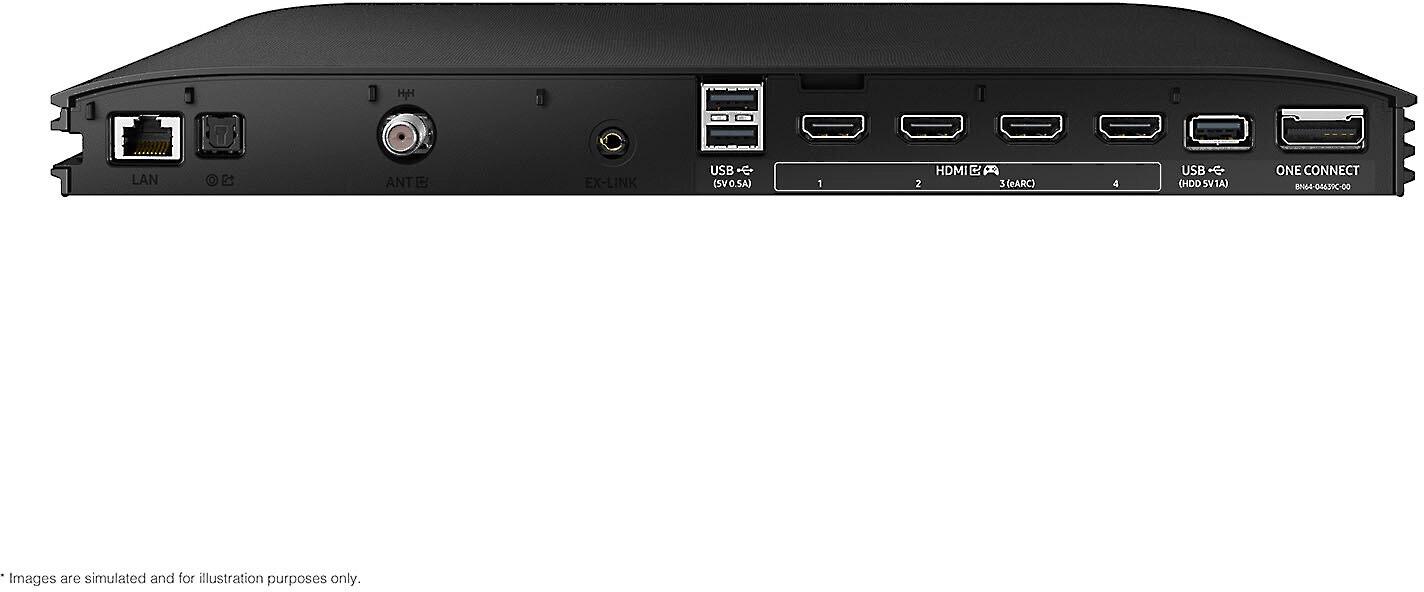
| 4x HDMI 2.0 ports (1 with eARC) | 4x HDMI 2.1 ports with full bandwidth |
| Motion Handling - Critical for action content and sports | |
| Struggles with fast motion, phantom images reported | Motion Xcelerator 165Hz with advanced processing |
| Reliability & Build Quality - Long-term ownership experience | |
| 1-year warranty, budget build quality | Premium construction, superior long-term reliability |
| Value Proposition - Performance per dollar at time of writing | |
| Exceptional budget value for basic viewing needs | Premium investment for cutting-edge technology and longevity |
The primary difference is display technology: the Toshiba M550 uses QLED with LED backlighting and local dimming, while the Samsung S95F uses OLED technology where each pixel creates its own light. OLED provides perfect blacks and infinite contrast, while QLED offers brighter peak brightness at a much lower cost.
The Samsung S95F is superior for bright rooms due to its revolutionary glare-free matte coating that eliminates reflections, combined with exceptional peak brightness over 2,000 nits. The Toshiba M550 performs adequately in bright rooms thanks to QLED technology, but cannot match the S95F's anti-glare performance.
The Samsung S95F justifies its premium pricing through cutting-edge OLED technology, 7 years of software updates, superior gaming features, and professional-grade picture quality. The Toshiba M550 offers exceptional value for budget-conscious buyers who prioritize screen size over premium features.
The Samsung S95F is significantly better for gaming with 165Hz refresh rate at 4K, AMD FreeSync Premium Pro, and AI Auto Game Mode. The Toshiba M550 supports basic gaming features but suffers from input lag and processing limitations that affect gaming performance.
The Samsung S95F runs Samsung's mature Tizen OS with guaranteed 7-year update support and responsive performance. The Toshiba M550 uses Fire TV OS, but user reviews report frequent freezing, slow response times, and reliability issues that impact daily usability.
The Samsung S95F delivers superior movie performance with perfect blacks, exceptional brightness, and advanced AI processing that optimizes content in real-time. The Toshiba M550 provides decent picture quality for casual viewing but struggles with complex scenes and motion handling.
Both TVs support HDR content, but the Samsung S95F excels with OLED HDR Pro and exceptional peak brightness that properly displays HDR highlights. The Toshiba M550 supports Dolby Vision and handles HDR adequately for its price class, though with limited contrast range.
The Samsung S95F offers superior long-term reliability with premium build quality, 7-year software support, and proven track record. The Toshiba M550 comes with standard 1-year warranty and user reviews report various reliability concerns including system freezing and performance issues.
The Samsung S95F features a sophisticated 70W 4.2.2 channel system with Dolby Atmos and Object Tracking Sound for immersive audio. The Toshiba M550 includes 40W REGZA Power Audio Pro with built-in subwoofer that provides adequate sound for casual viewing.
The Samsung S95F is ideal for dedicated home theaters with its perfect blacks, exceptional brightness, glare-free coating, and cinematic picture quality that showcases premium content. The Toshiba M550 can work in home theater settings but motion handling limitations make it better suited for casual viewing.
The Samsung S95F lacks Dolby Vision support and commands premium pricing that may exceed many budgets. The Toshiba M550 suffers from processing limitations, reliability issues, poor motion handling, and significant input lag that affects gaming and fast-paced content.
Choose the Toshiba M550 if you want maximum screen size at minimum cost for casual streaming and basic viewing. Select the Samsung S95F if you prioritize picture quality, gaming performance, and want a premium TV that will remain impressive for many years.
We've done our best to create useful and informative comparisons to help you decide what product to buy. Our research uses advanced automated methods to create this comparison and perfection is not possible - please contact us for corrections or questions. These are the sites we've researched in the creation of this article: bestbuy.com - bestbuy.com - consumerreports.org - youtube.com - pcvarge.com - tomsguide.com - youtube.com - bestbuy.com - toshibatv-usa.com - marketplace-staging.paytomorrow.com - toshibatv-usa.com - productabout.com - leaseville.com - youtube.com - toshibatv-usa.com - businessinsider.com - tomsguide.com - youtube.com - avsforum.com - zdnet.com - samsung.com - pioneertvandappliance.com - samsung.com - displayspecifications.com - samsung.com

Privacy Policy
Terms and Conditions - Affiliate Policy
Home Security
© Copyright 2008-2026.
11816 Inwood Rd #1211, Dallas, TX 75244