


When you're shopping for a 65-inch TV, you're entering the sweet spot where home theater dreams meet living room reality. At 65 inches, you get that cinematic experience without needing to rearrange your entire house. But the choices can be overwhelming, especially when you're comparing TVs from completely different eras of technology.
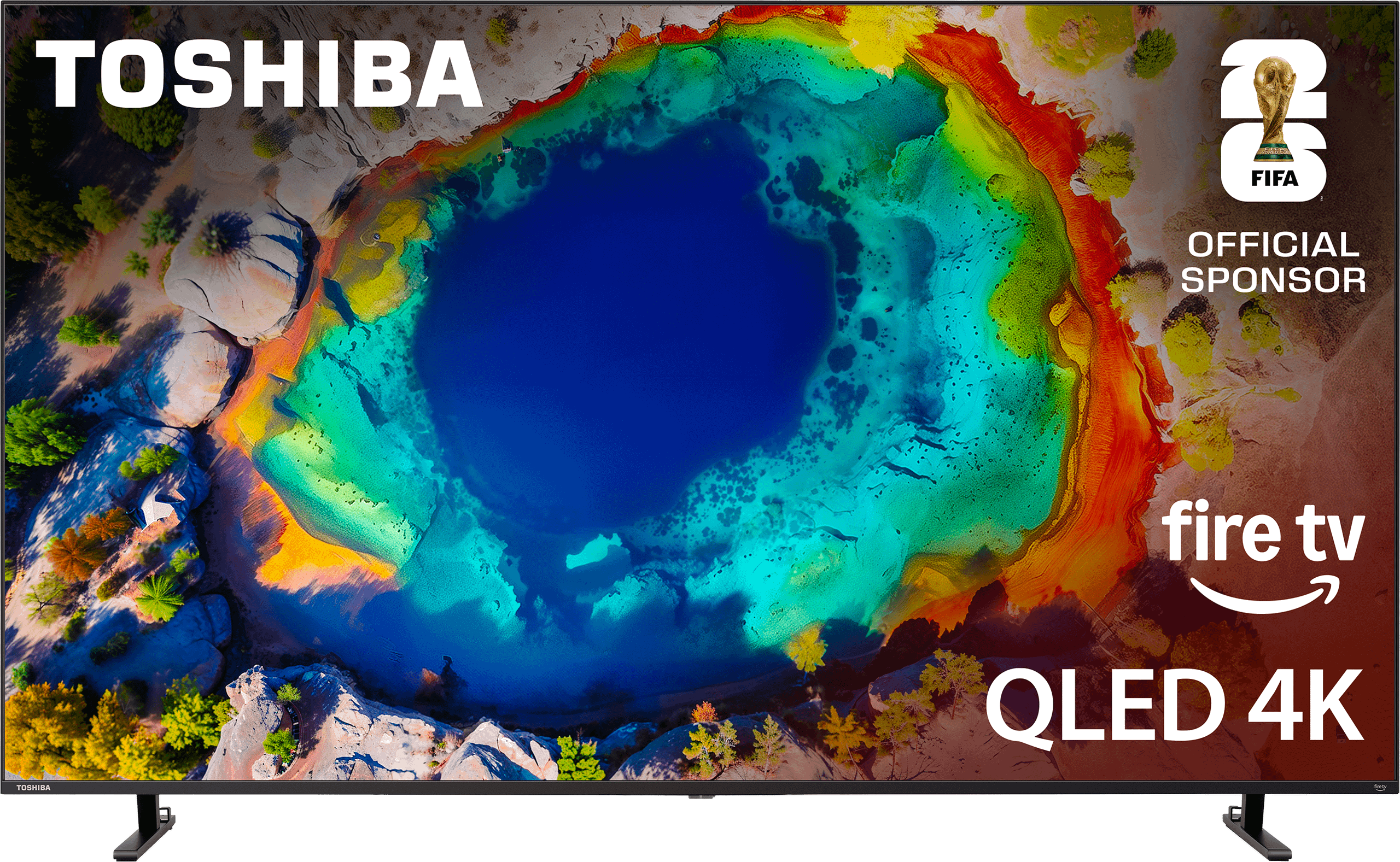
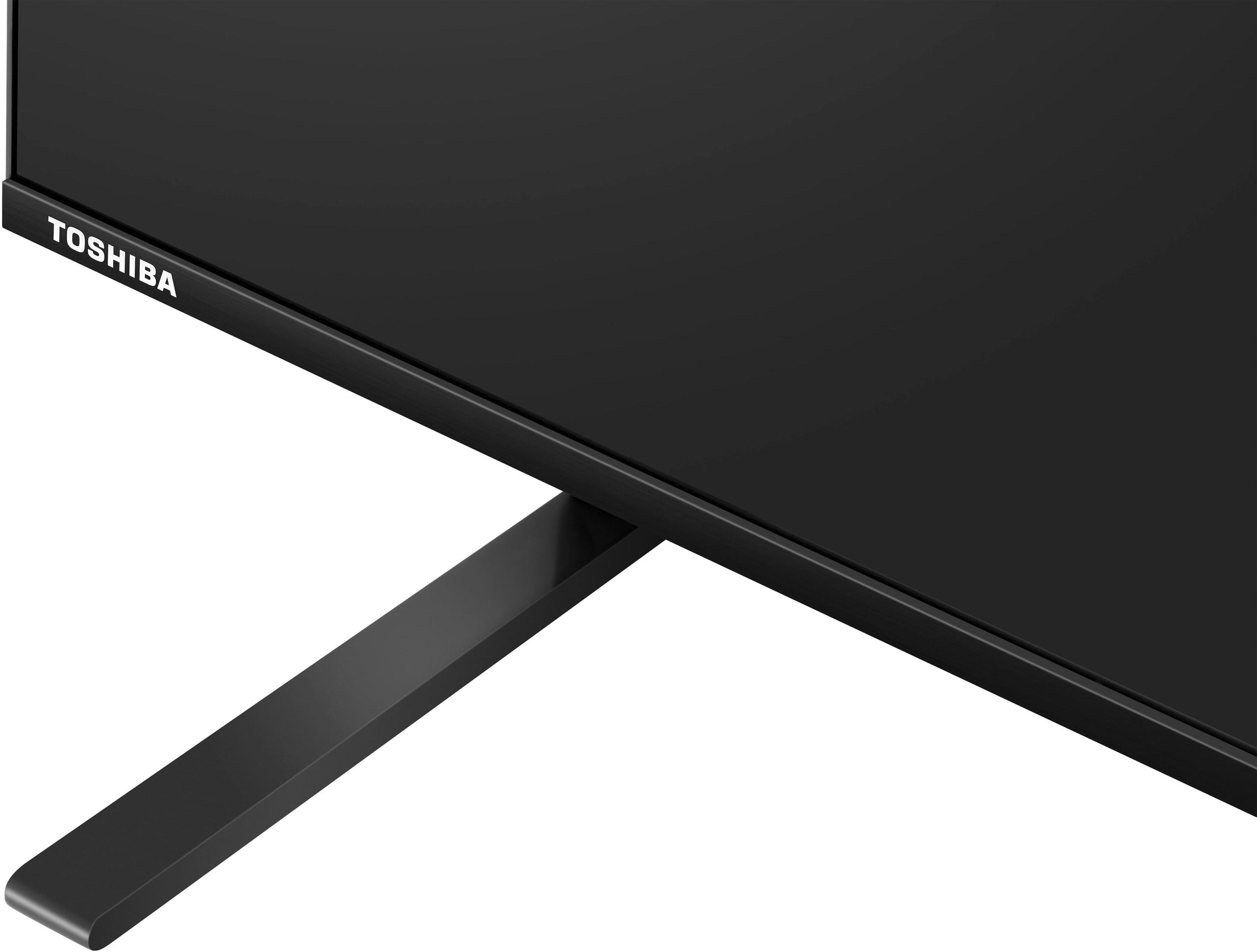
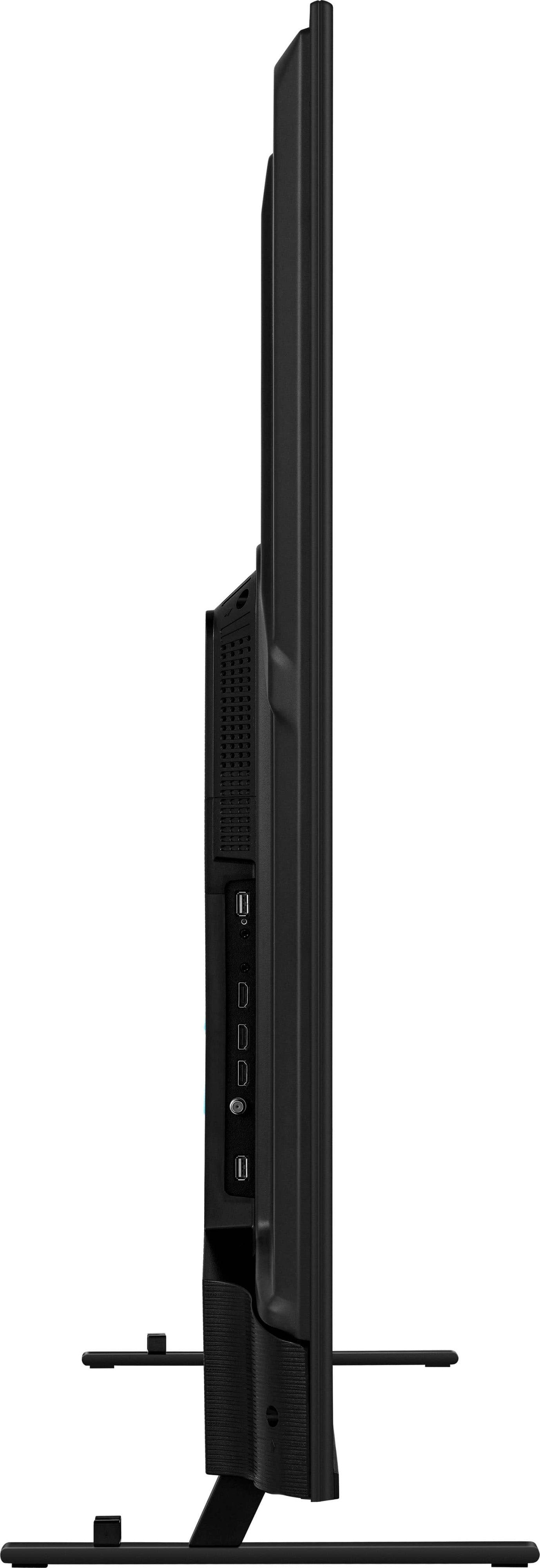
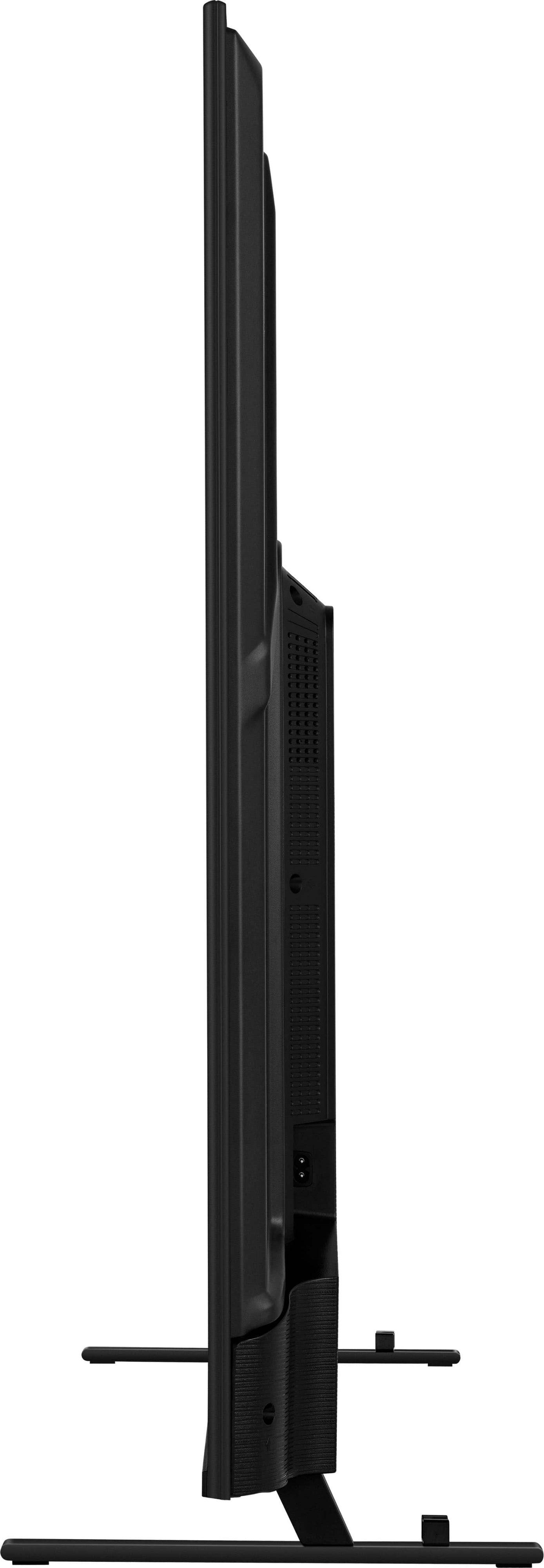
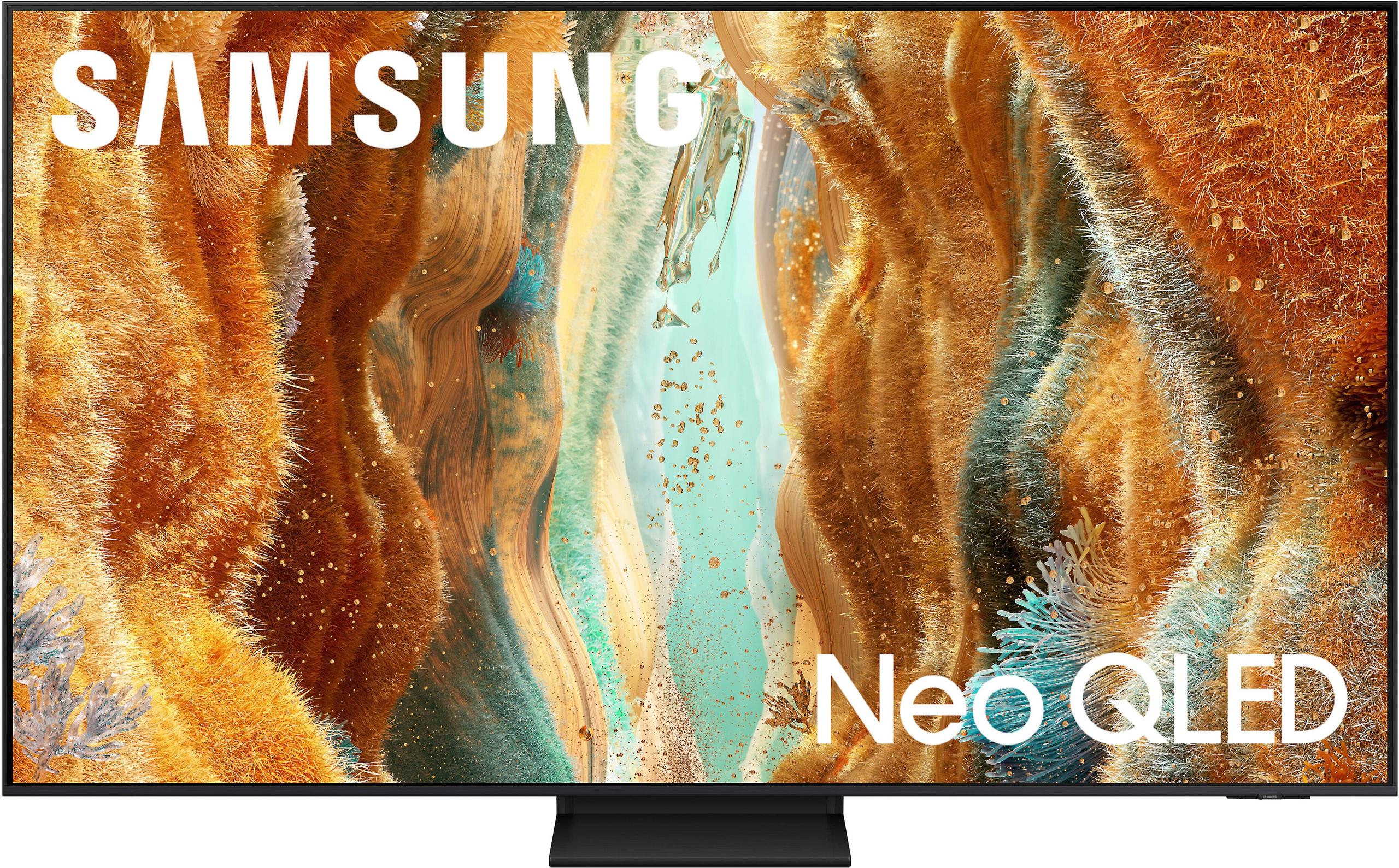
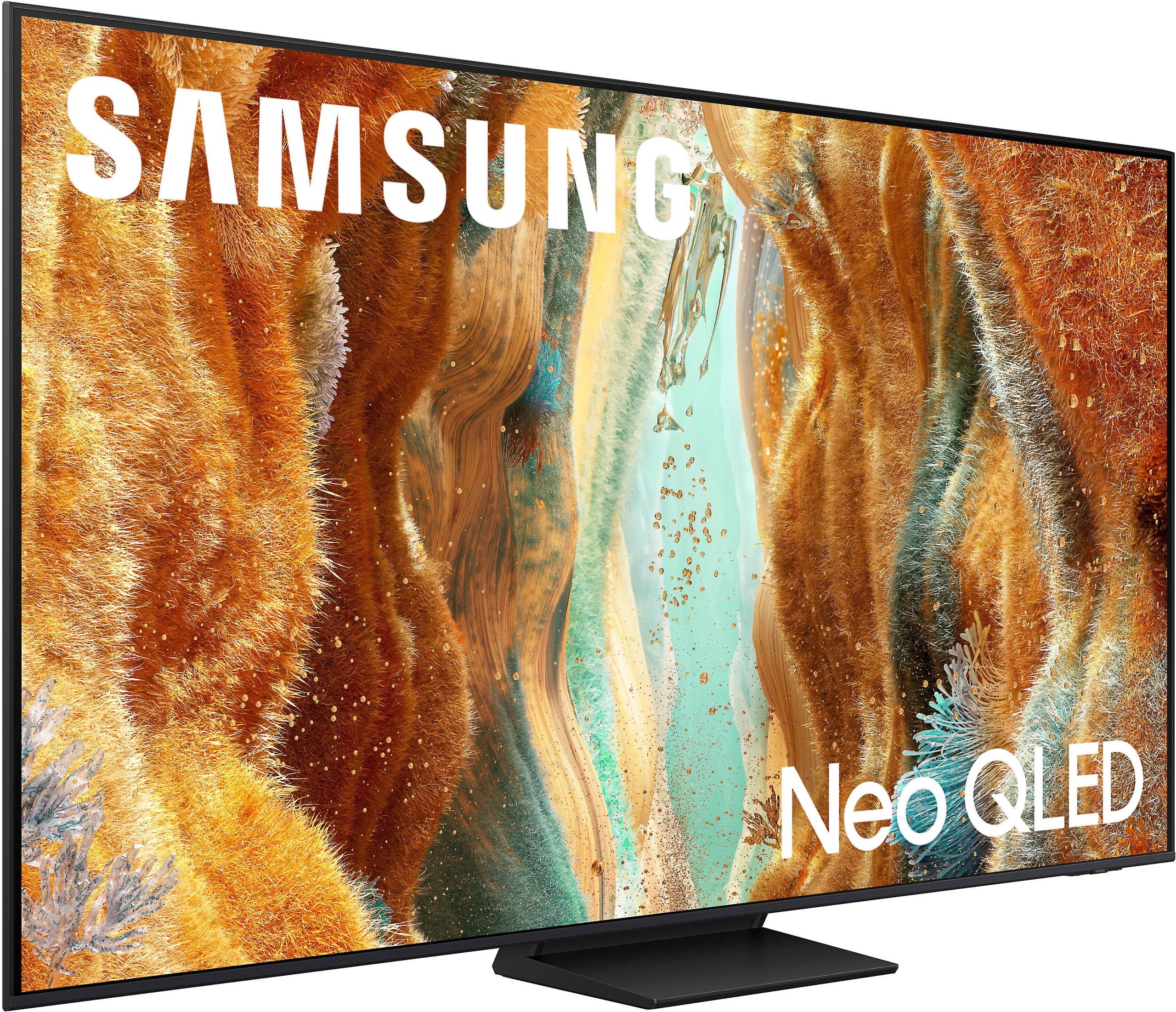
Today we're looking at two fascinating options: the Toshiba 65" M550 Series QLED Fire TV and the Samsung 65" QN70F Neo QLED 4K Vision AI Smart TV. These represent two very different philosophies—one prioritizes incredible value using proven technology, while the other showcases the latest innovations at a premium price point.
Before diving into specifics, let's talk about what actually matters when you're spending hundreds or thousands on a TV. Picture quality sits at the top—this includes how bright the screen gets, how deep the blacks appear, and how accurate colors look. HDR (High Dynamic Range) support has become essential, as it allows the TV to display a wider range of brightness and color than older standards.
The smart platform deserves serious consideration too. This is the operating system that controls everything from Netflix to your gaming console inputs. Some platforms are snappy and reliable, others will have you throwing your remote at the wall while waiting for apps to load.
Gaming performance has exploded in importance since the PlayStation 5 and Xbox Series X launched. Features like Variable Refresh Rate (VRR) and Auto Low Latency Mode (ALLM) can make the difference between smooth gaming and frustrating stutters.
Finally, there's the audio system. While most people eventually add a soundbar, having decent built-in speakers means one less thing to buy immediately.
The Toshiba M550 launched around 2021, representing the tail end of traditional LED-LCD technology before Mini LED took over. At the time of writing, it's available at an incredibly aggressive price point that makes it one of the best value propositions in the 65-inch space.
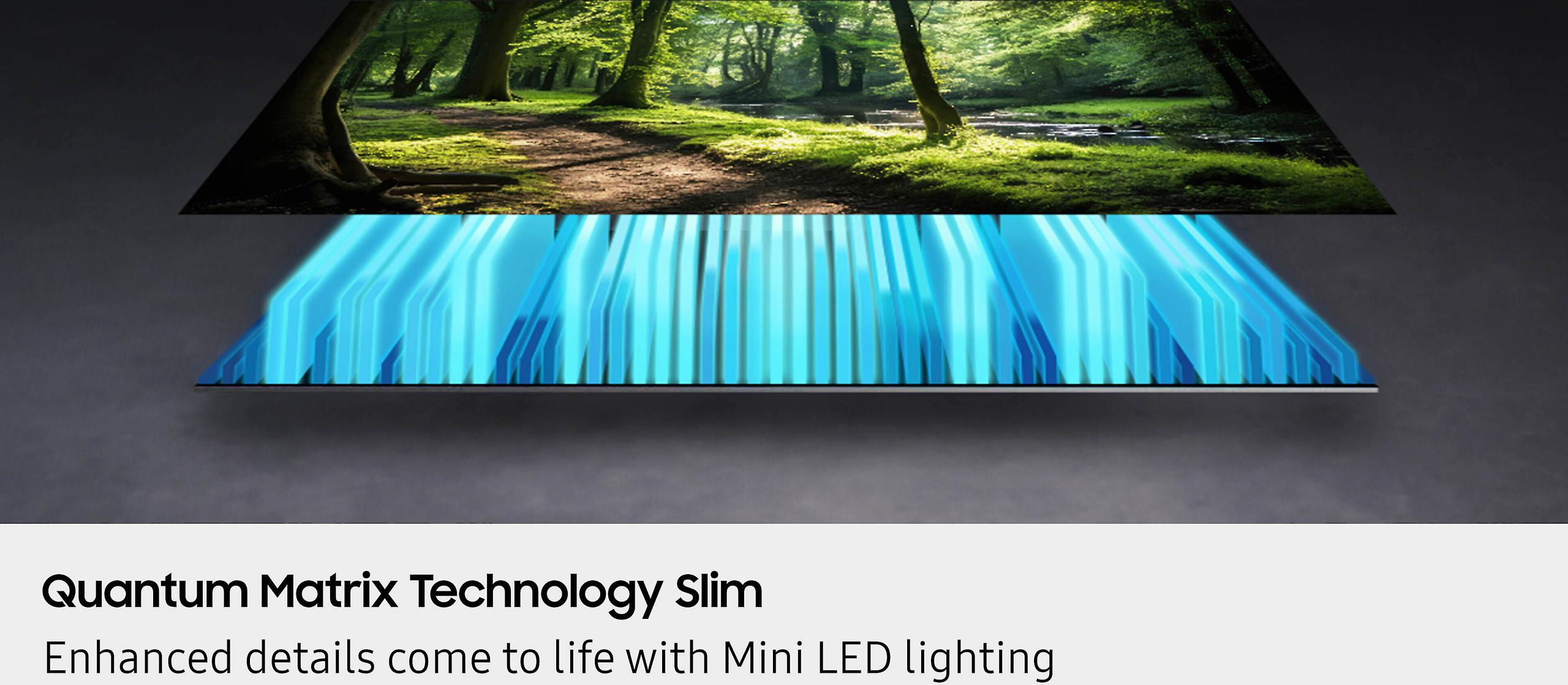
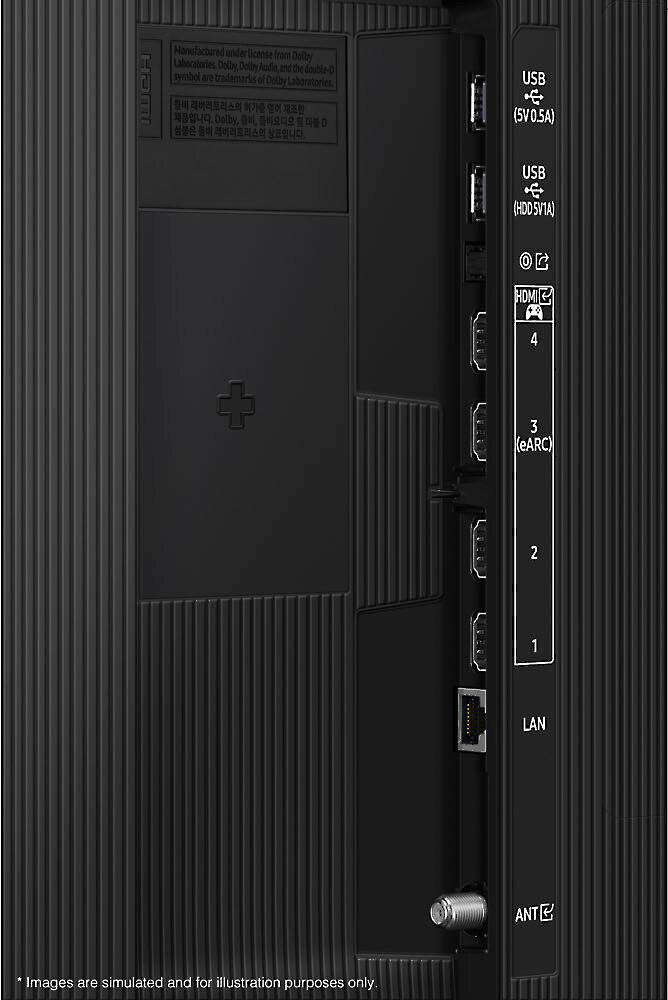
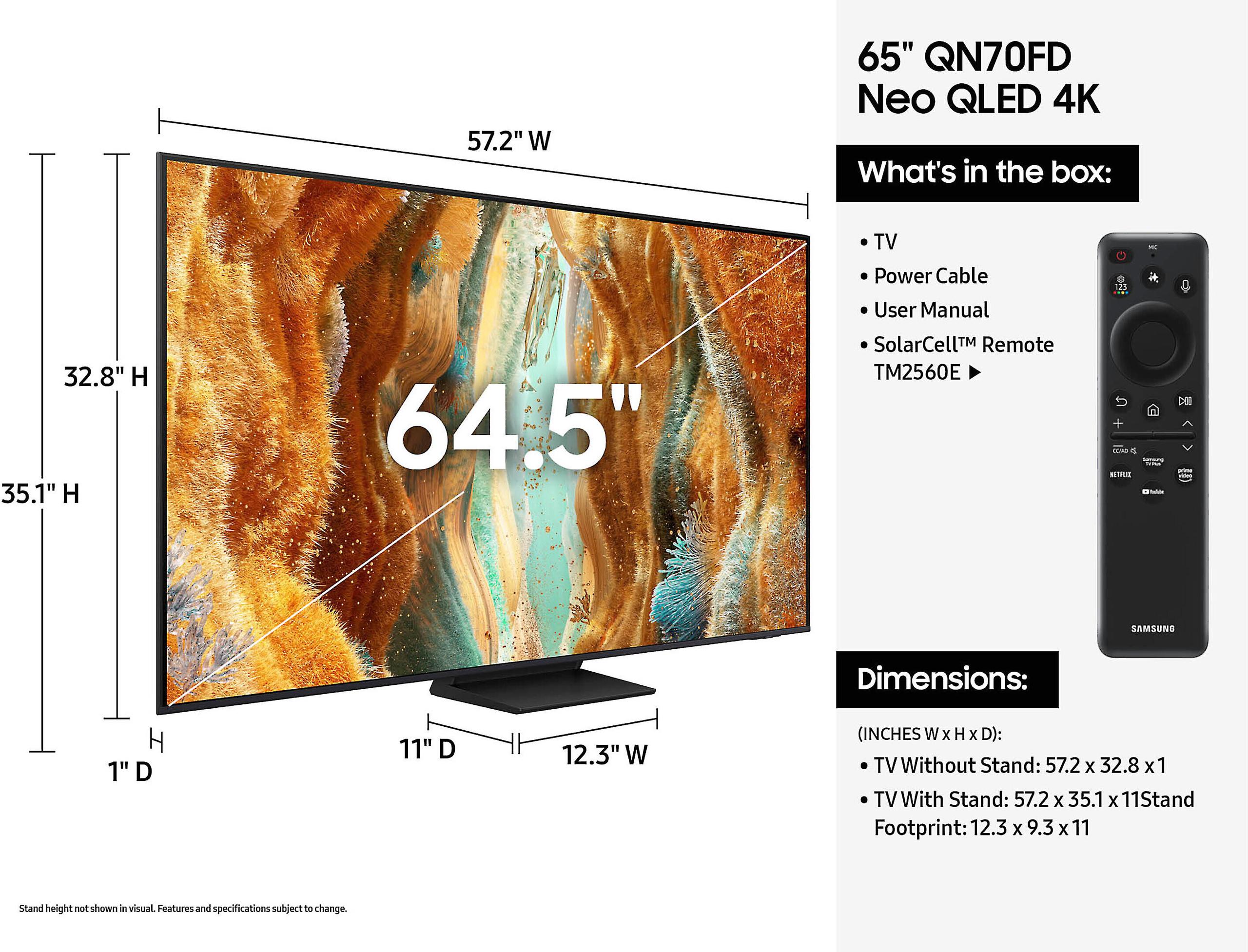
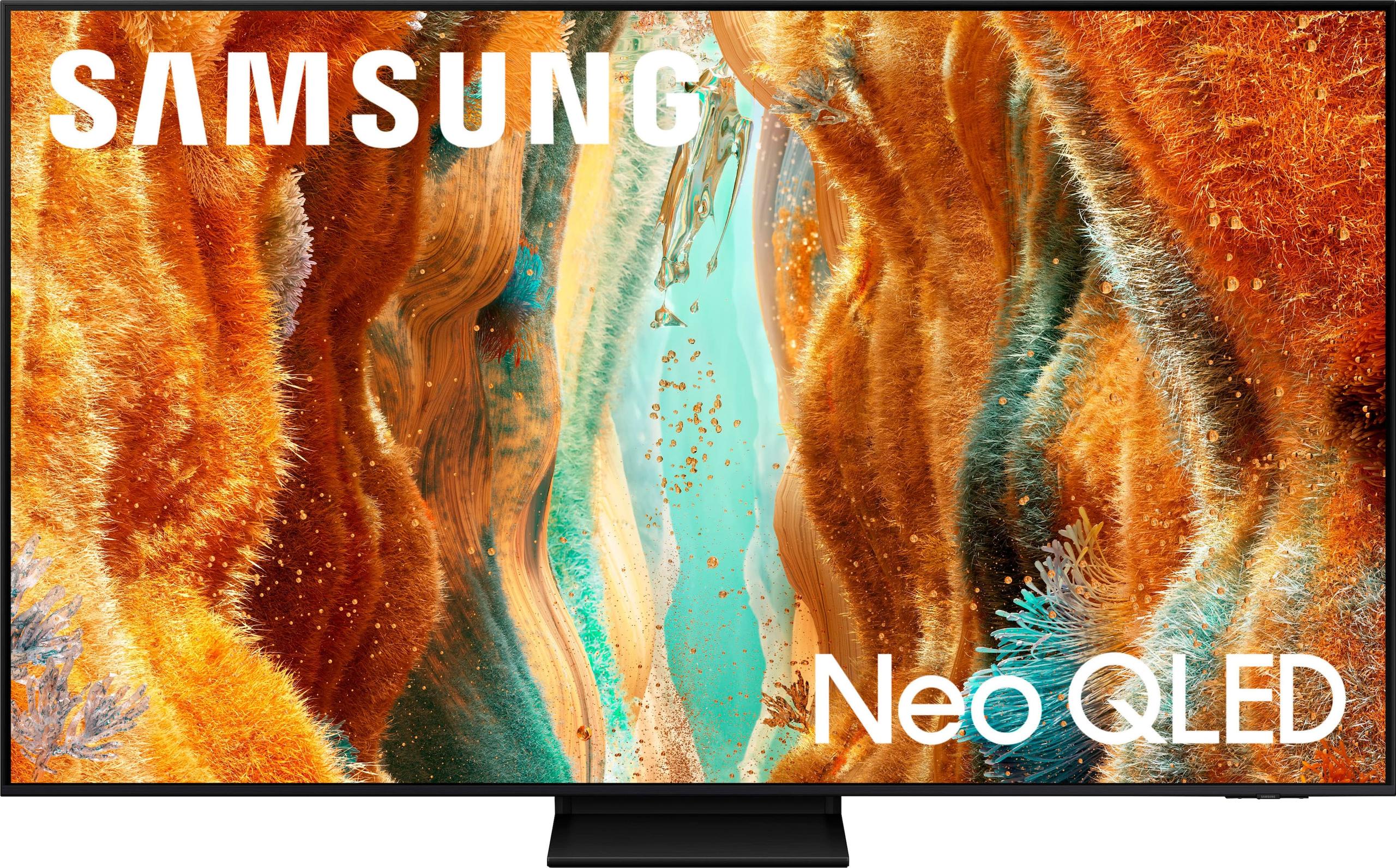
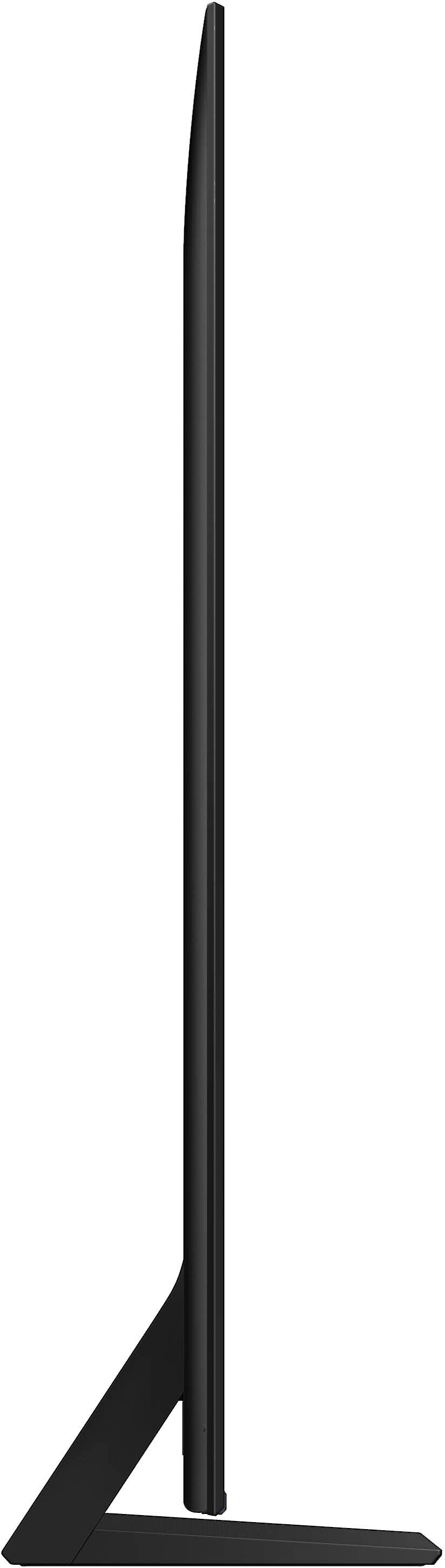
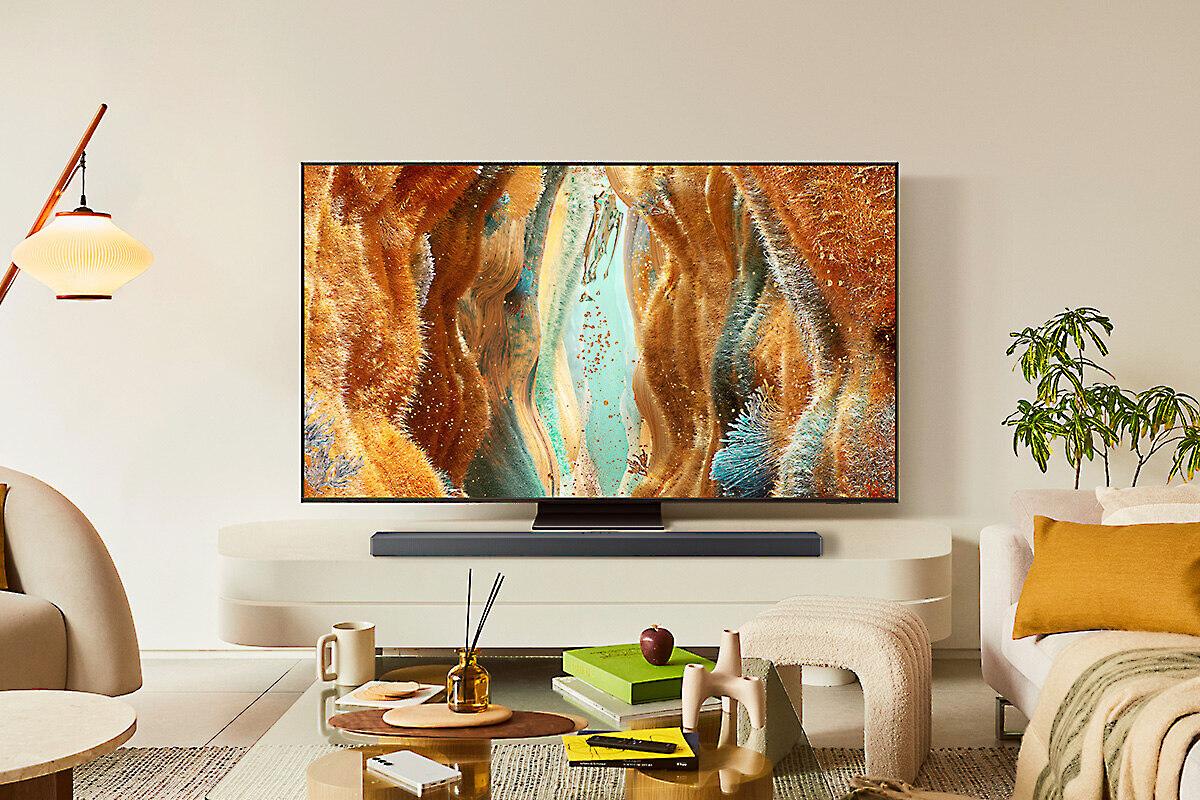
The Samsung QN70F represents Samsung's 2025 entry-level Neo QLED lineup. "Neo QLED" is Samsung's marketing term for their Mini LED technology, which uses thousands of tiny LEDs instead of larger traditional LEDs for backlighting. This newer TV costs roughly two to three times more than the Toshiba, but brings cutting-edge features that didn't exist when the M550 was designed.
Here's where these two TVs really diverge, and understanding the differences requires diving into some technical details that manufacturers love to complicate with fancy names.
The Toshiba M550 uses what's called "full-array local dimming" with 48 individual zones. Think of your TV's backlight as a grid of lights behind the screen. Instead of the entire screen being lit uniformly, full-array local dimming can turn different sections brighter or dimmer independently. This creates better contrast—when there's a night scene with a bright moon, the area around the moon can be bright while the rest stays dark.
The Samsung QN70F takes this concept much further with Mini LED technology. Instead of 48 zones, you get potentially thousands of tiny LEDs that can be controlled individually. This is like going from painting with a house brush to using a fine detail brush—you get much more precise control over light and shadow.
Both TVs use quantum dot technology (that's what the "Q" in QLED stands for), which enhances color reproduction. Quantum dots are microscopic particles that emit very pure colors when hit with light, resulting in more vibrant and accurate colors than traditional LCD panels.
Both TVs support the major HDR formats: HDR10, HDR10+, and Dolby Vision. These formats allow content creators to specify exactly how bright or dark each part of the image should be, creating more realistic images with better contrast.
The Toshiba handles HDR competently for its price range, but reviews consistently note that it struggles with fast-moving scenes. The processor can't keep up with complex HDR content, leading to stuttering and artifacts in action movies or sports. It excels with slower-paced content like dramas or nature documentaries.
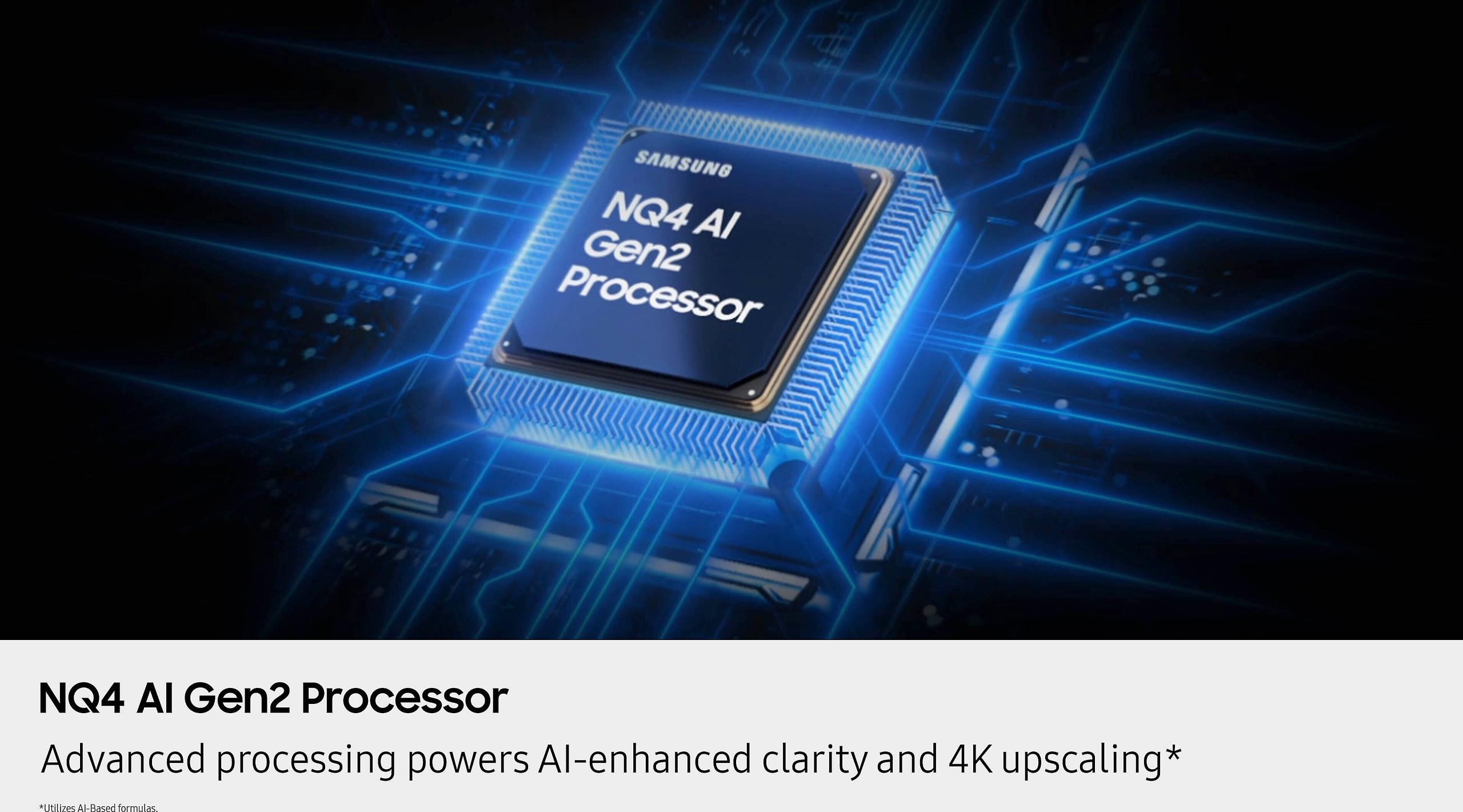
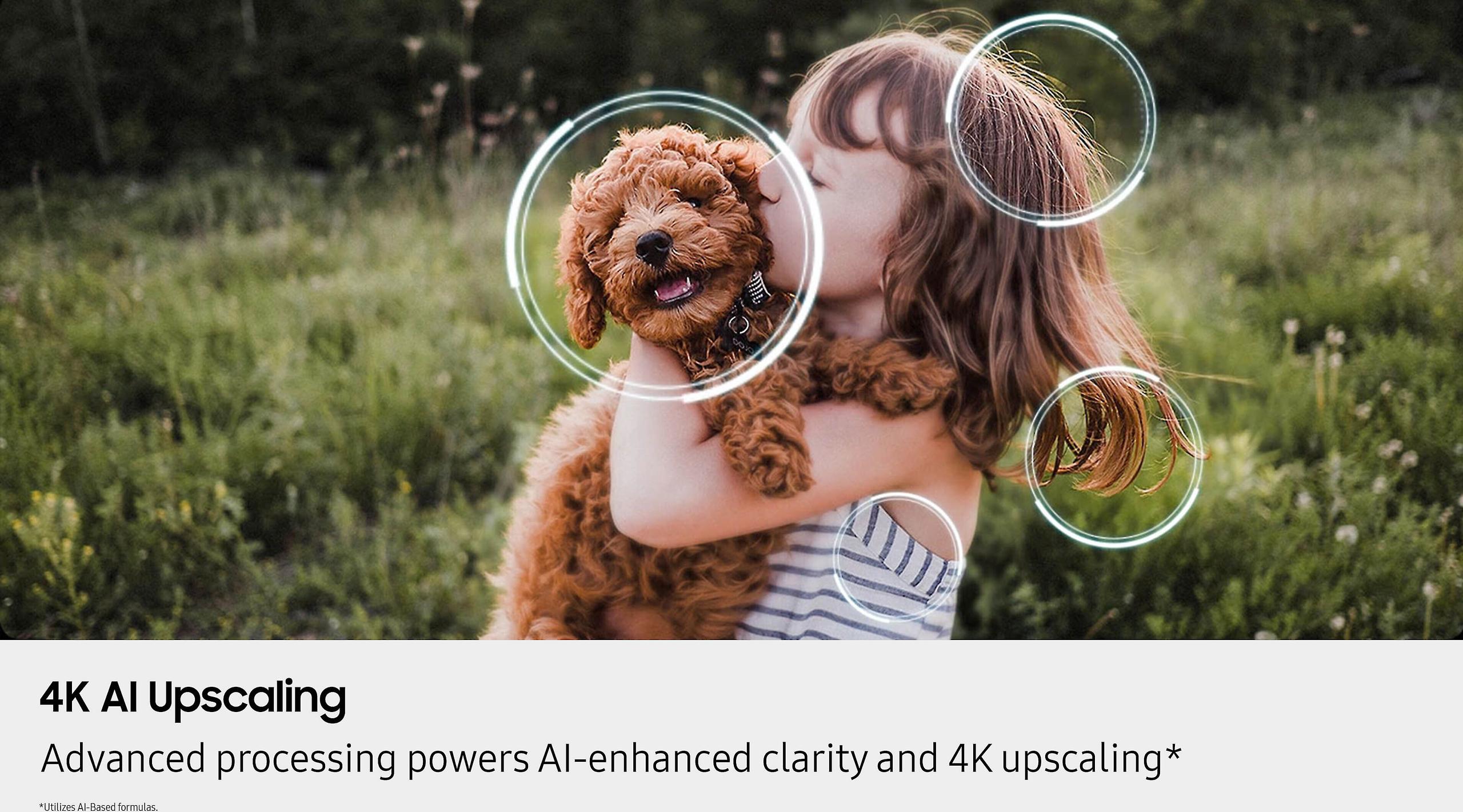
The Samsung QN70F benefits from its newer NQ4 AI Gen2 processor, which can analyze scenes in real-time and optimize HDR performance on the fly. This means it should handle everything from dark Marvel movies to bright sports broadcasts more consistently.
Professional reviews of the Toshiba M550 consistently praise its color accuracy, particularly for skin tones. The quantum dot technology works well here, covering over 90% of the DCI-P3 color space (that's the standard used for most streaming content). However, peak brightness is limited compared to more expensive TVs, which can make HDR content appear less impactful in bright rooms.
The Samsung should deliver higher peak brightness thanks to its Mini LED array, making it better for daytime viewing or rooms with lots of windows. The trade-off is complexity—more zones and processing can sometimes create uniformity issues or processing artifacts if not implemented perfectly.
This comparison reveals a fundamental philosophical difference between Amazon and Samsung's approaches to smart TVs.
The Toshiba M550 runs Amazon's Fire TV platform, which feels like a natural extension of your Prime membership. Voice control through Alexa works seamlessly, and Prime Video content gets prominent placement throughout the interface.
However, our research into user reviews reveals consistent performance issues. The processor struggles with the Fire TV operating system, leading to app loading times of 30-60 seconds and frequent freezes. Multiple reviewers mentioned apps crashing or the TV returning to the home screen unexpectedly. For a TV that's otherwise focused on value, these reliability issues are frustrating.
The interface also prioritizes ads and Amazon content, which some users find intrusive. When you turn on the TV, you're greeted with promotional content rather than jumping back to what you were last watching.
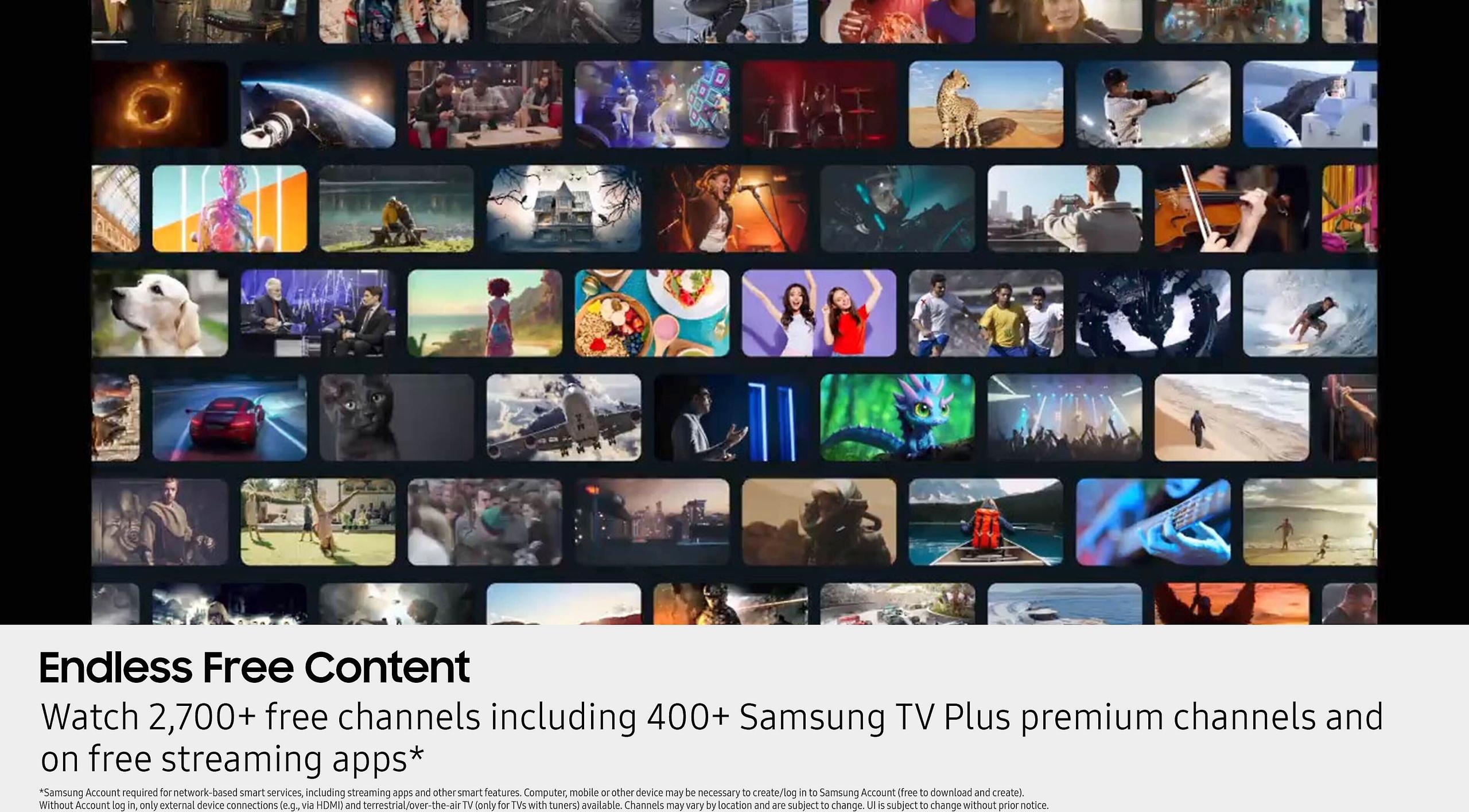
The Samsung QN70F runs Samsung's Tizen operating system, enhanced with their new Vision AI features. These AI capabilities include "Click to Search" (identify actors or get information about what's on screen) and "Live Translate" (real-time subtitle translation for foreign content).
Tizen typically offers better performance and smoother navigation than Fire TV, especially on newer hardware like the QN70F's NQ4 processor. The interface is more neutral, giving equal treatment to all streaming services rather than favoring one ecosystem.
The downside is complexity. Samsung tends to pack their TVs with features that many users never discover or use, and the AI features require internet connectivity and data sharing that privacy-conscious users might want to avoid.
Gaming has become a crucial consideration for TV buyers, especially with the current generation of consoles pushing 4K gaming at higher frame rates.
The Toshiba M550 offers something unusual for a budget TV: native 120Hz refresh rate support. This means it can display 120 unique frames per second, creating smoother motion in games and sports. It supports Variable Refresh Rate (VRR) up to 60Hz at 4K resolution, and can push 120Hz at lower resolutions like 1080p or 1440p.
However, reviews consistently mention that the TV's processor becomes the bottleneck. While the panel can technically handle these higher frame rates, the processing power isn't sufficient for demanding gaming scenarios. Input lag (the delay between pressing a button and seeing the result on screen) is acceptable but not exceptional.
The Samsung QN70F takes a different approach with 100Hz native refresh rate but processing capabilities up to 144Hz. It includes AMD FreeSync Premium Pro, which is more advanced than basic VRR. FreeSync Premium Pro specifically targets HDR gaming, ensuring smooth performance even in visually demanding games with high dynamic range.
Both TVs support Auto Low Latency Mode (ALLM), which automatically switches to game mode when it detects a gaming console. The Samsung adds HDR10+ Gaming mode, which optimizes HDR performance specifically for games rather than movies.
For PlayStation 5 or Xbox Series X owners, the Samsung is the better choice despite the higher cost. The more powerful processor and advanced gaming features will provide a noticeably better experience, especially in competitive games where every millisecond of input lag matters.
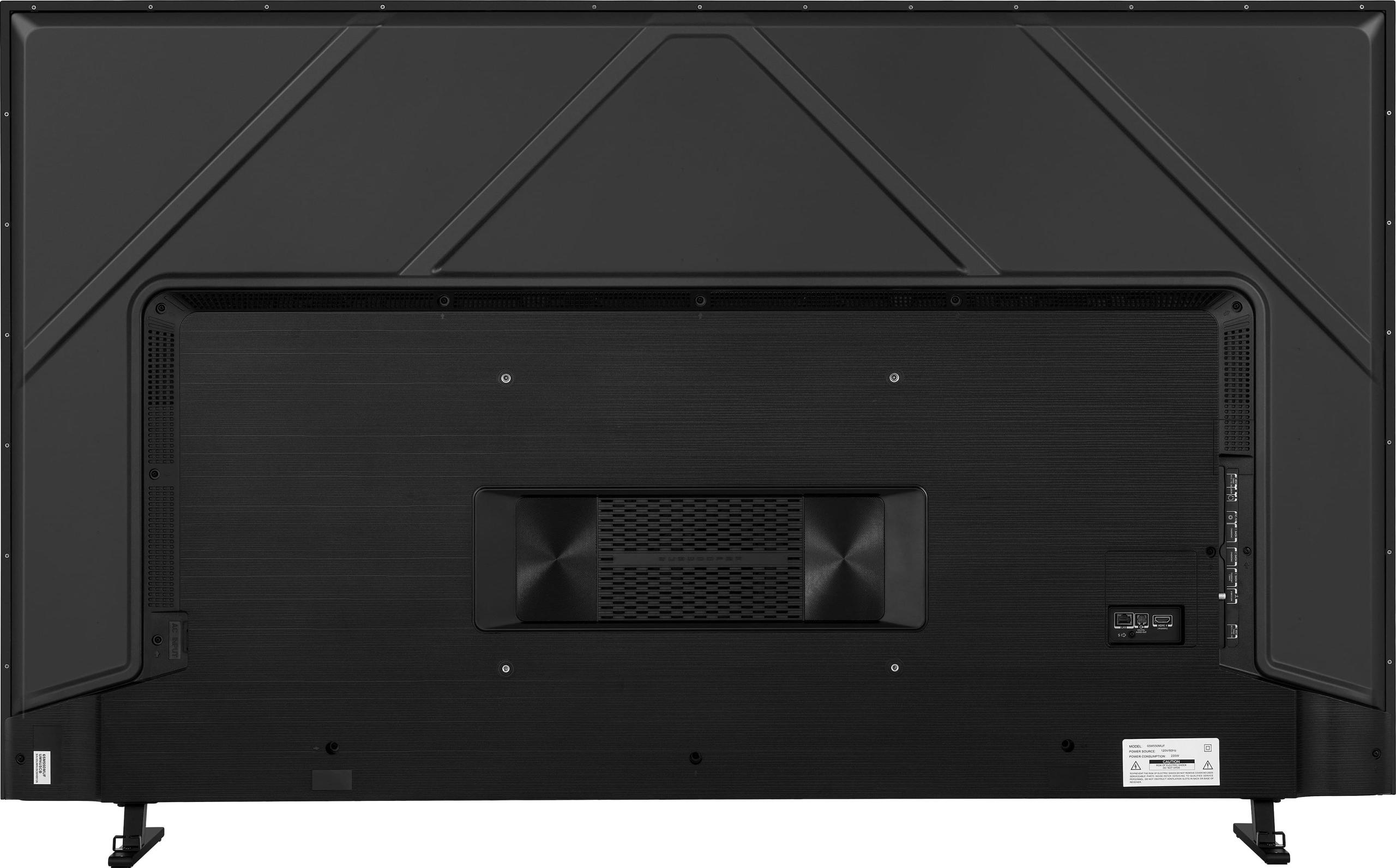
This is where the Toshiba M550 pulls off its biggest surprise. While most budget TVs phone it in with basic speakers, Toshiba included their REGZA Power Audio Pro system with a dedicated 25-watt subwoofer and dual 12-watt clear direct speakers.
Multiple reviews mention that the audio quality is significantly better than expected, with one reviewer noting they didn't need to purchase a separate soundbar. The built-in subwoofer provides actual bass response, which is rare in TVs at any price point. Dolby Atmos support adds virtual surround sound effects that work surprisingly well.
The Samsung QN70F offers more conventional TV audio with 20-watt 2-channel speakers and Object Tracking Sound Lite. While it includes features like Active Voice Amplifier Pro (which boosts dialogue over background noise) and compatibility with Samsung's Q-Symphony soundbars, the built-in speakers themselves are less impressive than the Toshiba's setup.
For anyone planning to use built-in speakers for the first few months or even permanently, the Toshiba provides significantly better audio performance.
At the time of writing, the price difference between these TVs represents different value philosophies entirely.
The Toshiba M550 delivers features that shouldn't exist at its price point. Native 120Hz refresh rate, full-array local dimming with 48 zones, quantum dot color technology, and surprisingly good audio create a package that performs well above its cost.
The compromises are real though. The underpowered processor creates daily frustrations with slow app loading and system instability. The Fire TV platform's performance issues mean you'll spend time waiting for the TV to respond rather than watching content. For users who primarily watch streaming content and don't mind occasional technical hiccups, these trade-offs might be acceptable.
The Samsung QN70F costs significantly more but represents current-generation technology that should remain relevant for many years. The Mini LED backlighting, AI-powered processing, and advanced gaming features target users who want the latest capabilities.
This TV makes sense for households that use their TV heavily—gaming regularly, watching lots of different content types, or needing reliable day-to-day performance. The higher upfront cost amortizes over years of better user experience.
For dedicated home theater setups, both TVs have specific strengths and weaknesses.
The Toshiba M550 excels in dark room environments where its full-array local dimming can create impressive contrast without being overwhelmed by ambient light. The superior built-in audio means fewer components in your setup. However, the processor limitations become more noticeable when watching high-quality 4K HDR movies with complex scenes.
The Samsung QN70F handles a wider variety of content more consistently, making it better for family rooms that serve multiple purposes. The Mini LED technology performs better in brighter environments, and the more powerful processor ensures smooth operation even with demanding content.
These two TVs represent fundamentally different approaches to the 65-inch market. The Toshiba M550 proves that older technology can still deliver impressive results when executed well and priced aggressively. Its combination of full-array local dimming, 120Hz support, and excellent audio creates a compelling package for budget-conscious buyers willing to accept some performance limitations.
The Samsung QN70F showcases what modern TV technology can achieve with proper processing power and current-generation display tech. It costs more but delivers the reliability and advanced features that justify the investment for users who depend on their TV daily.
Your choice ultimately depends on whether you prioritize immediate value or long-term performance. Both TVs will display Netflix and play games, but the experience of using them day-to-day differs significantly. The Toshiba rewards patience with excellent bang for your buck, while the Samsung rewards investment with smooth, modern performance that won't frustrate you over years of use.
| Toshiba 65" M550 Series QLED Fire TV | Samsung 65" QN70F Neo QLED 4K Vision AI Smart TV |
|---|---|
| Display Technology - Determines contrast quality and viewing experience | |
| Full-array LED with 48 local dimming zones | Mini LED with Quantum Matrix Slim technology |
| Native Refresh Rate - Critical for smooth gaming and sports | |
| 120Hz (rare for budget TVs, excellent for gaming) | 100Hz native, up to 144Hz processed |
| Processor - Controls how responsive apps and menus feel | |
| REGZA Engine ZR (underpowered, causes delays) | NQ4 AI Gen2 (modern, AI-enhanced performance) |
| HDR Support - Enables enhanced contrast and colors | |
| Dolby Vision, HDR10, HDR10+, HLG | Neo Quantum HDR, HDR10+ Gaming, Dolby Vision equivalent |
| Smart Platform - Your daily interface for streaming | |
| Amazon Fire TV with Alexa (slow performance, frequent freezes) | Samsung Tizen with Vision AI (reliable, feature-rich) |
| Audio System - Determines if you need a soundbar immediately | |
| REGZA Power Audio Pro: 25W subwoofer + dual 12W speakers, Dolby Atmos | 20W 2-channel with Object Tracking Sound Lite |
| Gaming Features - Essential for console gaming | |
| VRR up to 60Hz at 4K, ALLM, Game Mode | AMD FreeSync Premium Pro, HDR10+ Gaming, ALLM |
| Release Year - Indicates technology generation | |
| 2021 (end-of-lifecycle technology) | 2025 (current generation with latest features) |
| Best Use Case - Who should consider this TV | |
| Budget-conscious buyers wanting surprising performance despite processor issues | Users prioritizing reliability, gaming, and modern features |
The Samsung QN70F Neo QLED delivers superior picture quality thanks to its Mini LED technology and advanced NQ4 AI processor. While the Toshiba M550 offers good color accuracy and contrast for its price range, it struggles with fast-moving scenes and complex HDR content. The Samsung handles everything from dark movies to bright sports more consistently.
The Toshiba M550 uses traditional full-array LED backlighting with 48 dimming zones, while the Samsung QN70F features newer Mini LED technology with thousands of tiny LEDs for more precise lighting control. Mini LED provides better contrast and reduced blooming around bright objects, making it a significant upgrade over conventional LED systems.
The Samsung QN70F is the clear winner for modern gaming consoles. It offers AMD FreeSync Premium Pro, HDR10+ Gaming mode, and a more powerful processor that reduces input lag. While the Toshiba M550 has native 120Hz support, its underpowered processor creates bottlenecks that affect gaming performance.
The Samsung QN70F runs Samsung's Tizen OS with Vision AI features like click-to-search and live translation, offering smooth and reliable performance. The Toshiba M550 uses Amazon Fire TV with Alexa integration, but reviews consistently report slow app loading times, frequent freezes, and system instability due to processor limitations.
The Toshiba M550 surprisingly wins in audio quality with its REGZA Power Audio Pro system featuring a dedicated 25W subwoofer and dual 12W speakers with Dolby Atmos support. The Samsung QN70F offers standard 20W 2-channel audio that's adequate but not as impressive as the Toshiba's unexpectedly robust sound system.
The Samsung QN70F Neo QLED performs better in bright environments thanks to its Mini LED technology that can achieve higher peak brightness levels. The Toshiba M550 works best in darker rooms where its full-array local dimming can create impressive contrast without being overwhelmed by ambient light.
The Toshiba M550 provides exceptional value with features like 120Hz refresh rate, full-array local dimming, and superior audio that shouldn't exist at its price point. However, the Samsung QN70F offers better long-term value with reliable performance, current-generation technology, and features that will remain relevant for years.
The Samsung QN70F offers much better reliability with its modern processor and stable Tizen platform. The Toshiba M550 suffers from significant performance issues including 30-60 second app loading times, frequent system freezes, and apps crashing unexpectedly due to its underpowered processor.
For dedicated home theater rooms with controlled lighting, the Toshiba M550 can deliver impressive results with its full-array local dimming and excellent built-in audio. However, the Samsung QN70F handles a wider variety of content more consistently and works better in multipurpose rooms with varying lighting conditions.
Both TVs support the major HDR formats including HDR10, HDR10+, and Dolby Vision (or equivalent). The Samsung QN70F adds specialized HDR10+ Gaming mode and real-time HDR optimization through its AI processor, while the Toshiba M550 provides solid HDR performance for slower-paced content but struggles with complex scenes.
The Samsung QN70F Neo QLED represents current 2025 technology that should remain relevant for many years with regular software updates and modern hardware. The Toshiba M550 uses 2021-era technology that's already reaching end-of-lifecycle, though it can still provide good service for users with basic viewing needs.
Choose the Toshiba M550 if you prioritize maximum value and can tolerate performance issues for exceptional bang-for-buck. Select the Samsung QN70F if you want reliable daily performance, plan to keep the TV for 5+ years, game regularly, or need consistent performance across all content types.
We've done our best to create useful and informative comparisons to help you decide what product to buy. Our research uses advanced automated methods to create this comparison and perfection is not possible - please contact us for corrections or questions. These are the sites we've researched in the creation of this article: bestbuy.com - bestbuy.com - consumerreports.org - youtube.com - pcvarge.com - tomsguide.com - youtube.com - bestbuy.com - toshibatv-usa.com - marketplace-staging.paytomorrow.com - toshibatv-usa.com - productabout.com - leaseville.com - youtube.com - toshibatv-usa.com - rtings.com - youtube.com - wifihifi.com - samsung.com - samsung.com - samsung.com - samsung.com - flatpanelshd.com - news.samsung.com - bestbuy.com

Privacy Policy
Terms and Conditions - Affiliate Policy
Home Security
© Copyright 2008-2026.
11816 Inwood Rd #1211, Dallas, TX 75244