

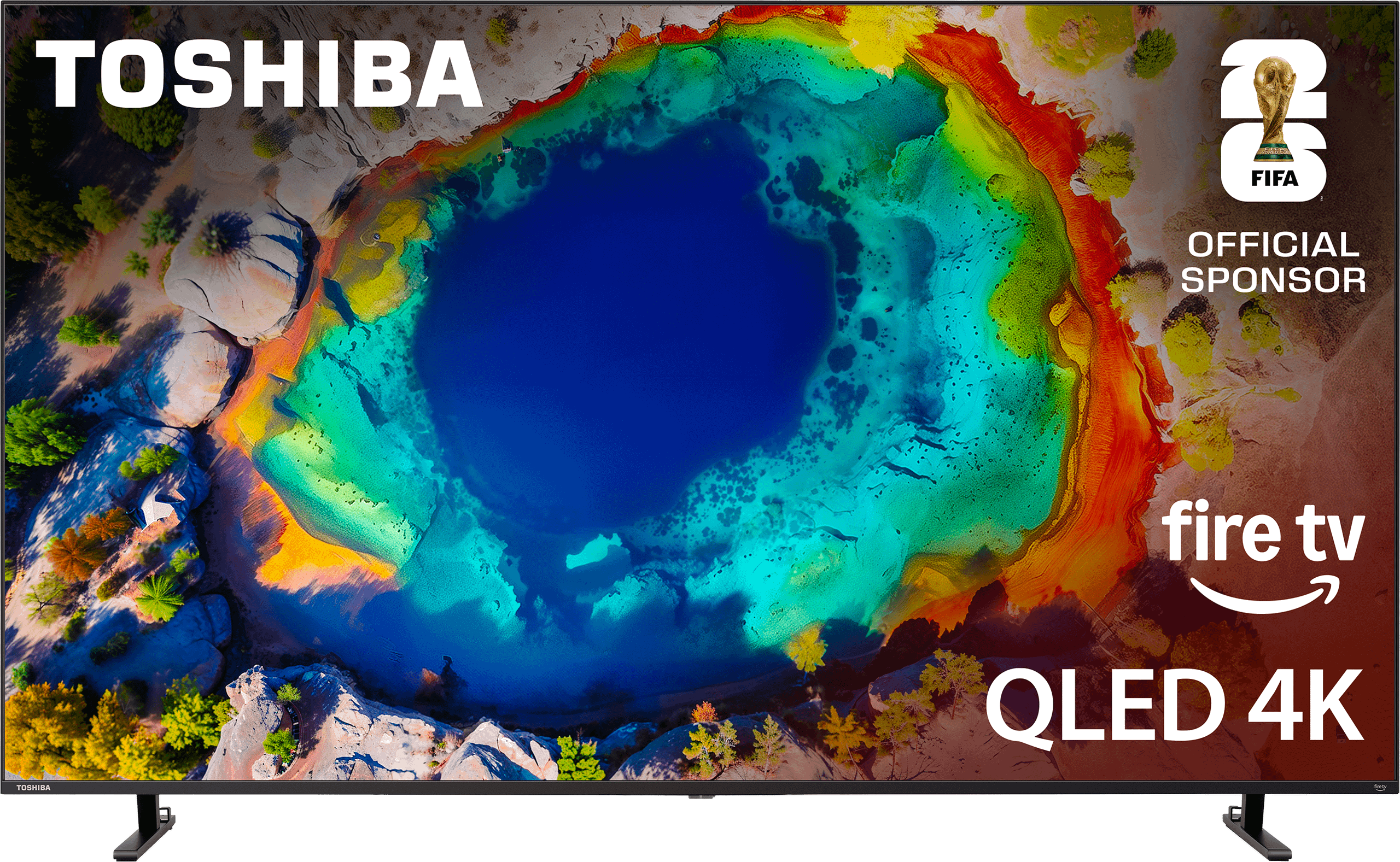
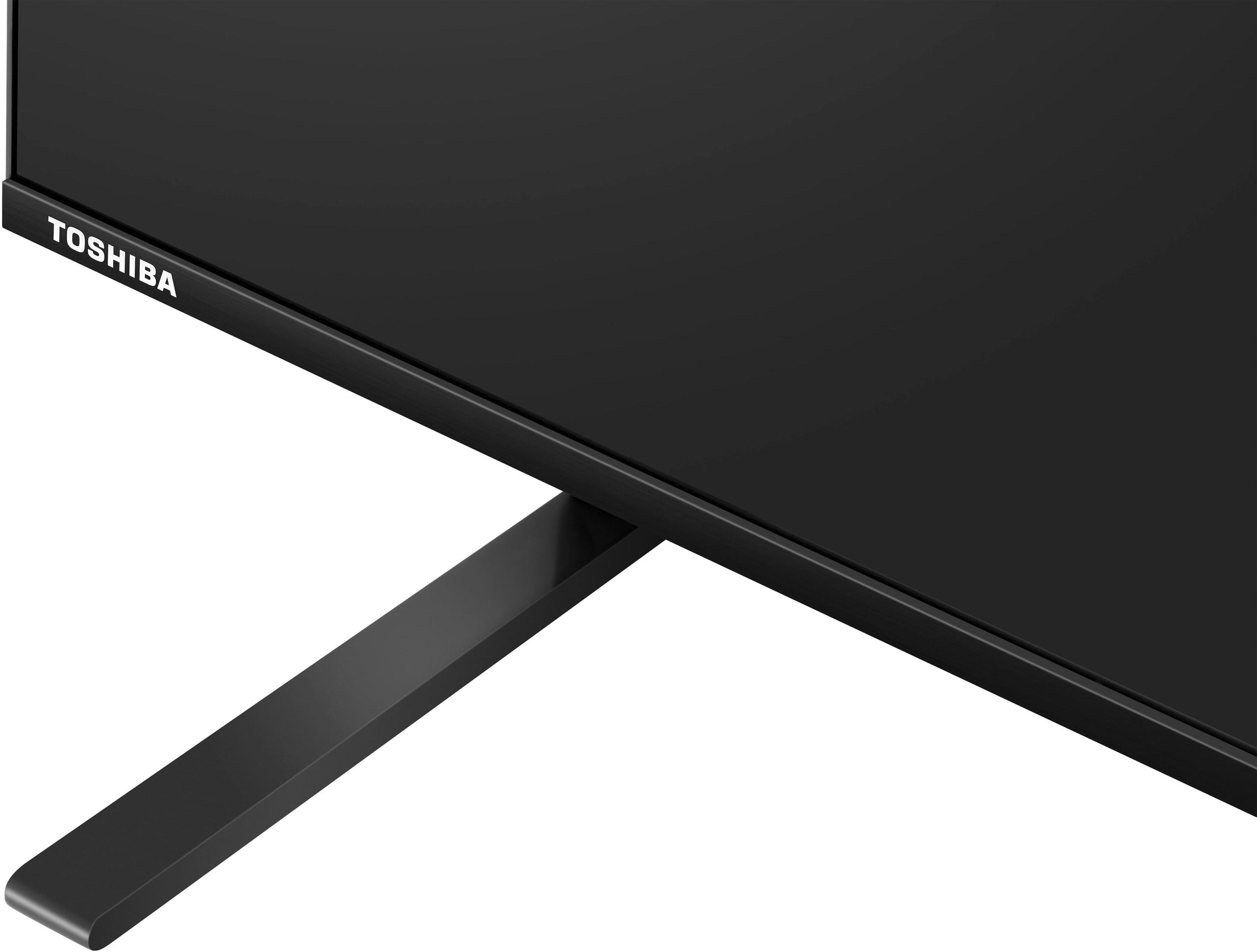
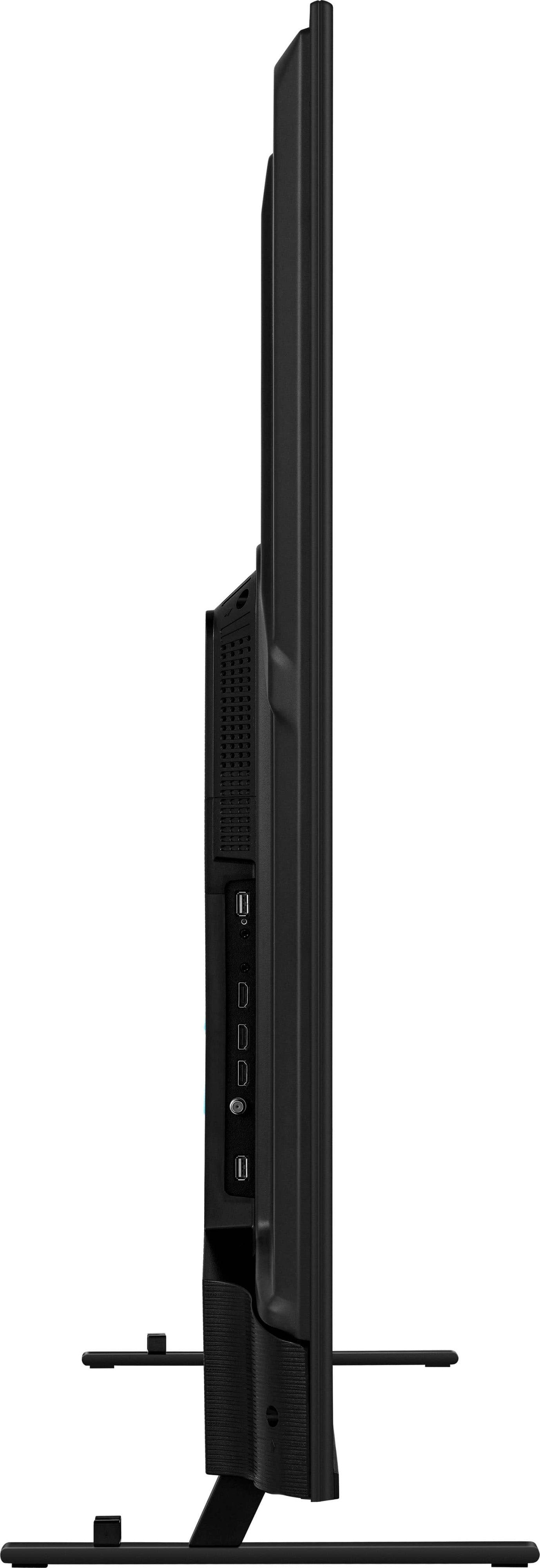
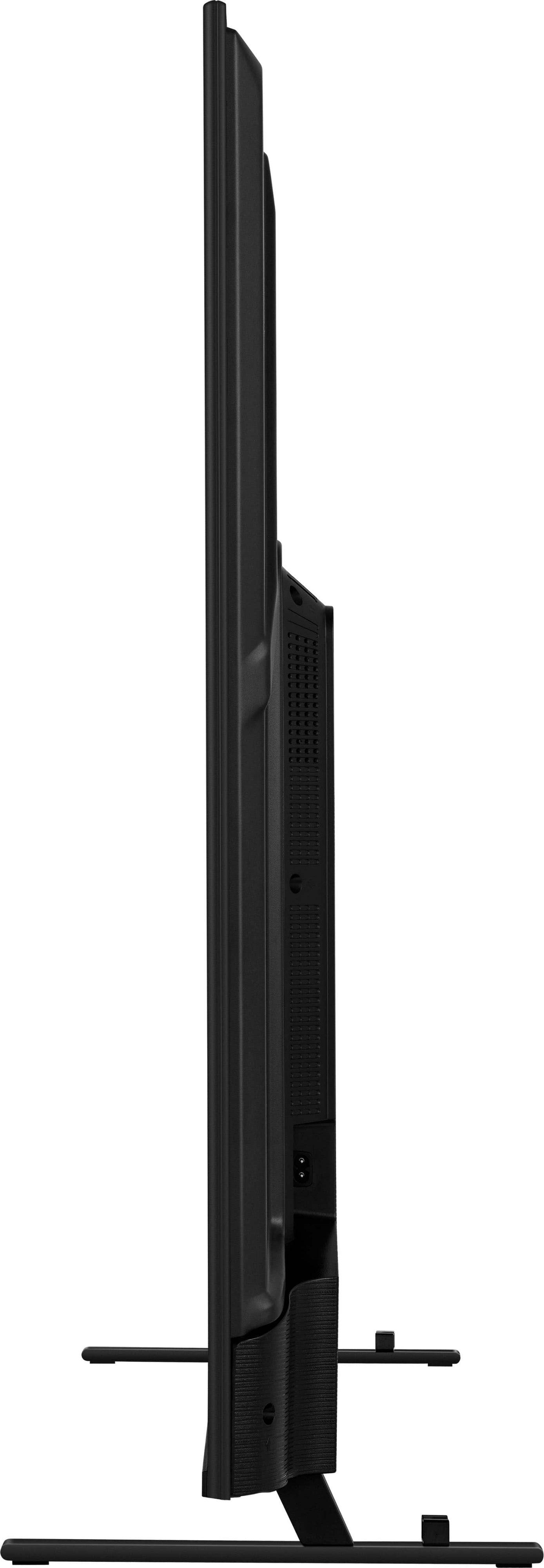
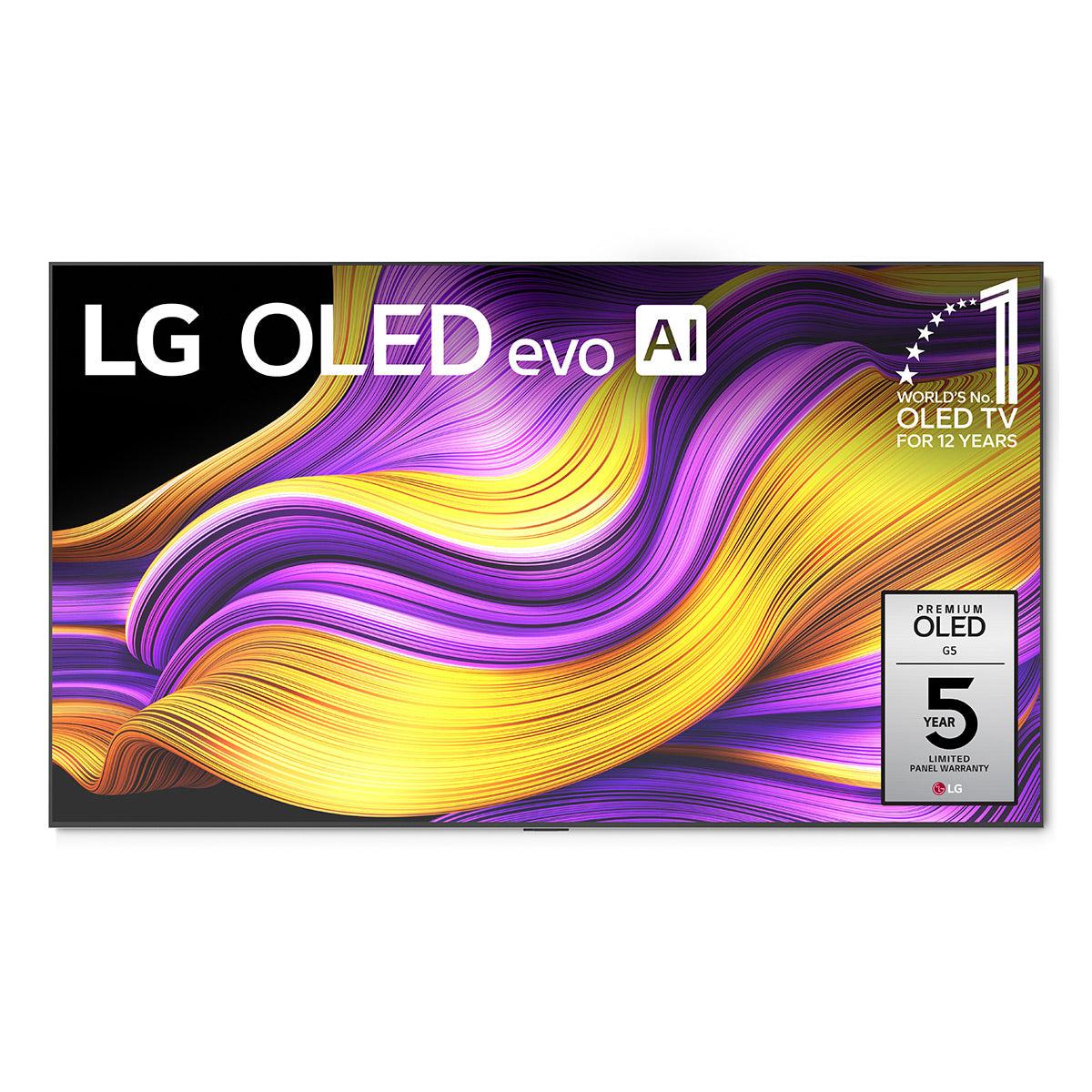
When shopping for a 65-inch TV in 2025, you'll face a bewildering array of choices. At one end, you have budget-friendly options like the Toshiba M550 Series QLED Fire TV promising 4K quality without breaking the bank. At the other extreme sit flagship models like the LG OLED evo G5, boasting cutting-edge technology that commands premium prices. The gap between these categories has never been wider – or more confusing for consumers.
Understanding what separates a sub-$400 TV from a $2,000+ flagship isn't just about price tags. It's about fundamentally different approaches to display technology, performance priorities, and long-term value. After researching both professional reviews and extensive user feedback, I'll break down exactly what you're getting (and giving up) with each approach.
The most crucial difference between these TVs lies in their display technology, which affects virtually everything you'll see on screen. The Toshiba M550 uses QLED (Quantum Dot Light Emitting Diode) technology – essentially an LCD panel with quantum dots that enhance color production, backed by LED lighting zones that can dim independently. Think of it like having multiple flashlights behind a translucent screen, where some areas can get brighter or darker than others.
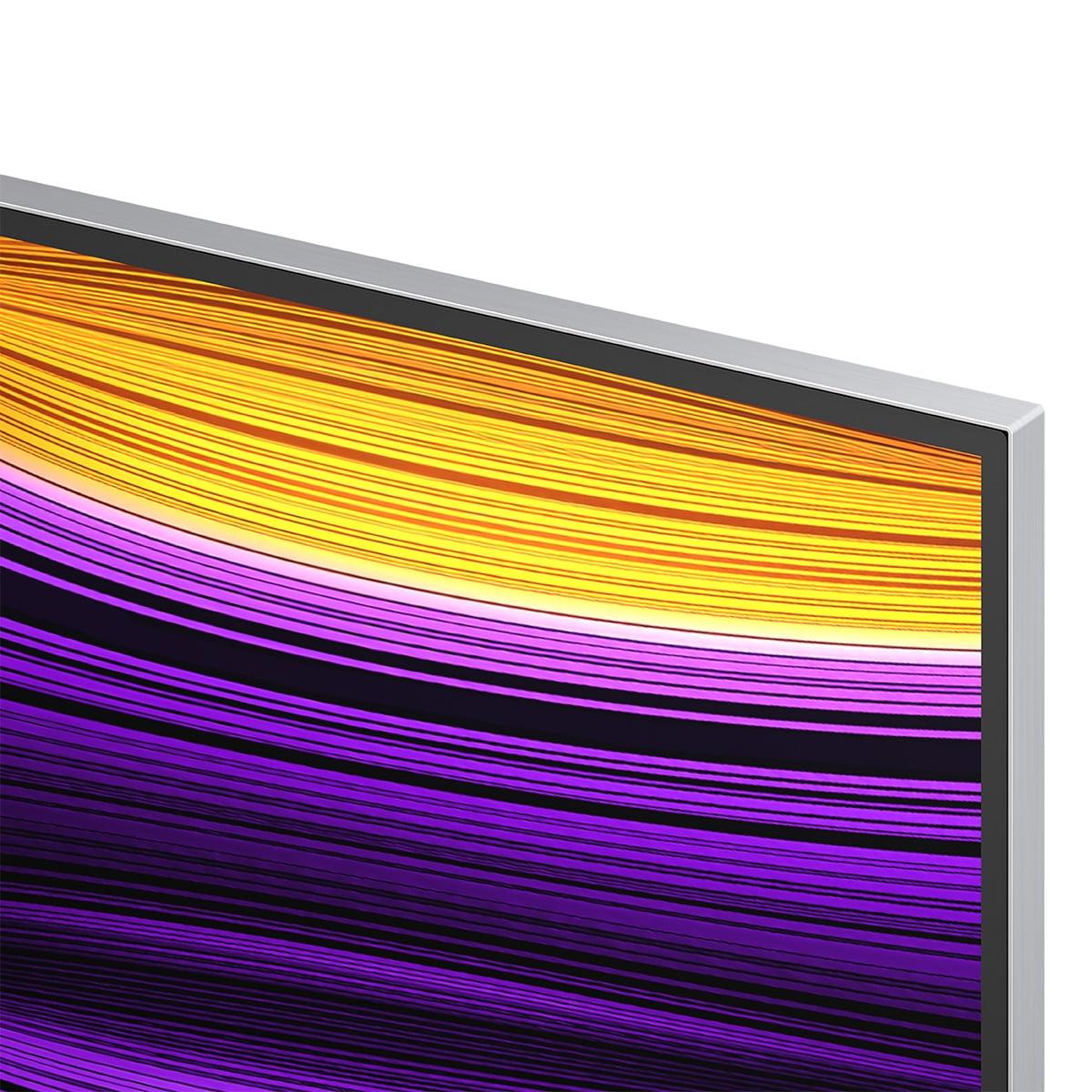
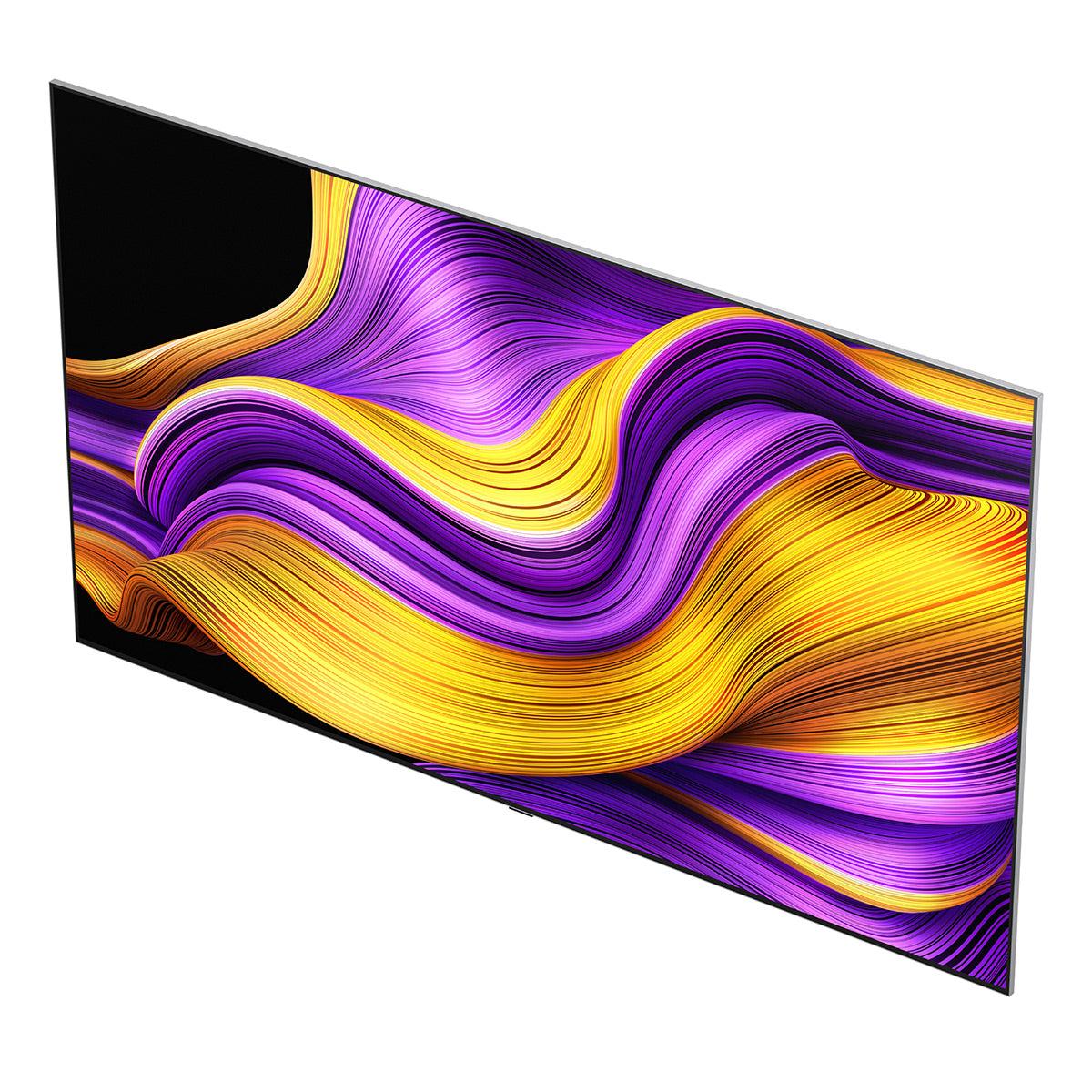
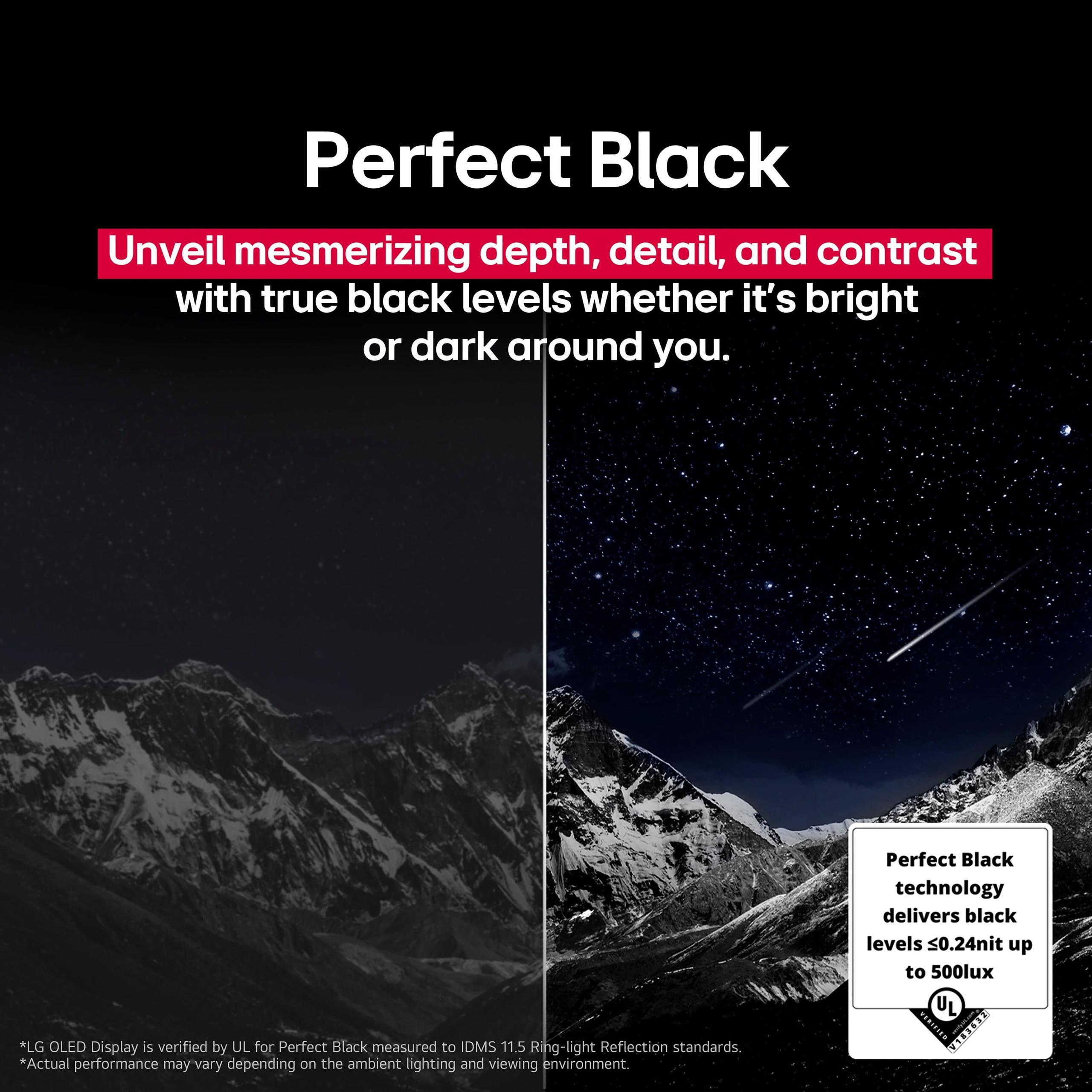
The LG G5, meanwhile, uses OLED (Organic Light Emitting Diode) technology, where each individual pixel produces its own light and can turn completely off. This 2025 model features LG's breakthrough 4-Stack RGB Tandem panel – a mouthful that basically means they've layered multiple light-emitting structures to achieve dramatically higher brightness than previous OLED TVs.
Here's why this matters: when you're watching a movie with a starry night sky, the LG G5 can make those stars pop against a perfectly black background because the black pixels are literally turned off. The Toshiba M550, despite its local dimming zones, still has LED backlighting that creates some light bleed, resulting in more of a dark gray than true black.
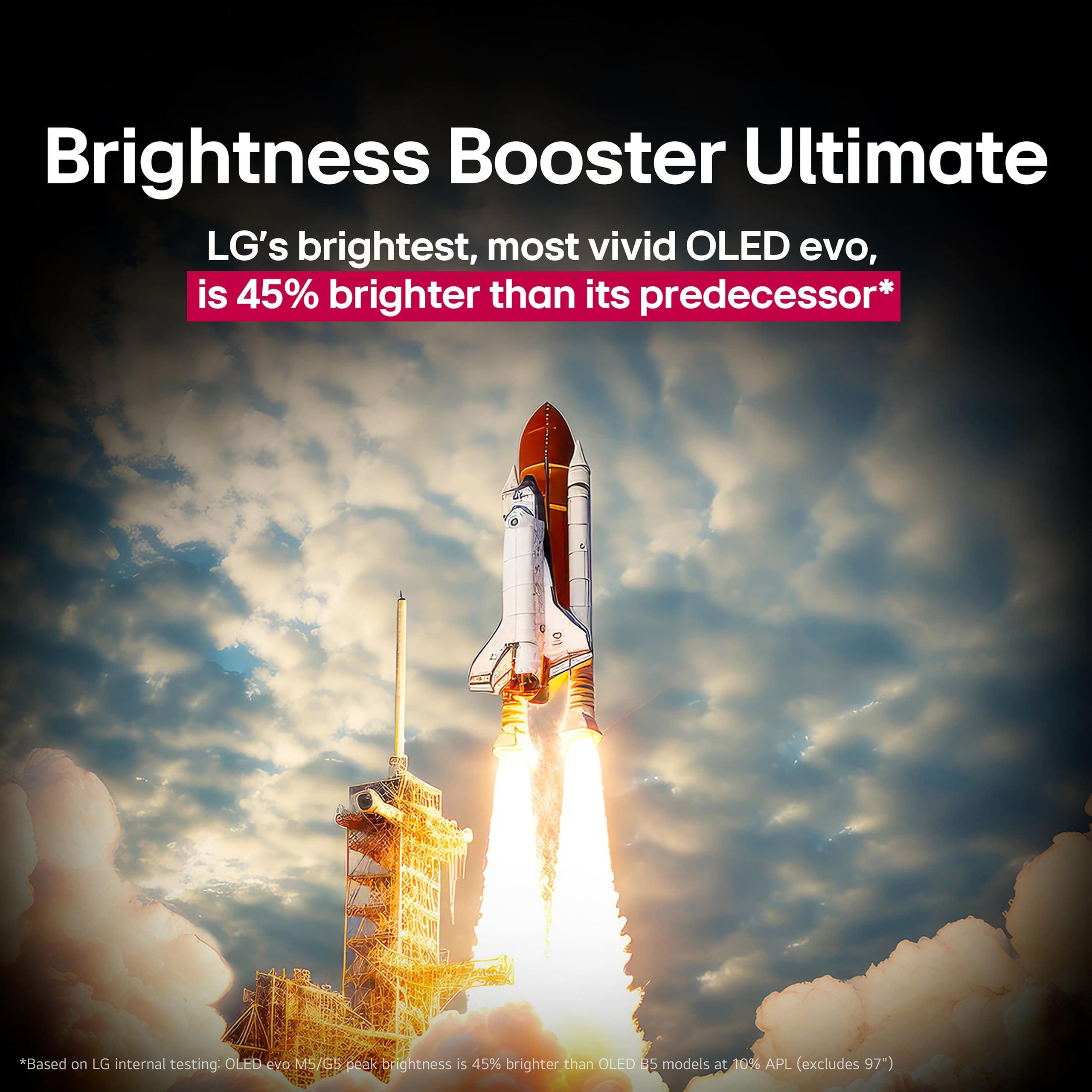
However, the QLED approach has its own advantages. In a bright living room with lots of windows, the M550's brighter overall output can punch through ambient light more effectively than older OLED TVs could. The new G5 has largely closed this gap with its Brightness Booster Ultimate technology, but at a significantly higher cost.
Based on professional reviews and user feedback, the picture quality gap between these TVs is substantial. The LG G5 consistently receives praise for what reviewers call "class-leading" picture quality, with perfect blacks and vibrant colors that make HDR content genuinely impressive.
HDR (High Dynamic Range) support reveals another key difference. Both TVs support Dolby Vision – the premium HDR format that adjusts brightness and color scene by scene. However, the G5's implementation is far more effective. Reviews consistently mention its "HDR impact" as among the best available, with some noting it can actually be too bright in certain modes. The TV's ability to display both perfect blacks and brilliant highlights simultaneously creates what reviewers describe as a "three-dimensional quality" to images.
The Toshiba M550, while supporting the same HDR formats, struggles with implementation. User reviews frequently mention that HDR content doesn't look dramatically different from standard content, and the TV's processing limitations become apparent in complex scenes. One detailed review noted that "action scenes jerk around at low FPS with phantom images forming around moving objects" – a significant issue for anyone planning to watch action movies or sports.
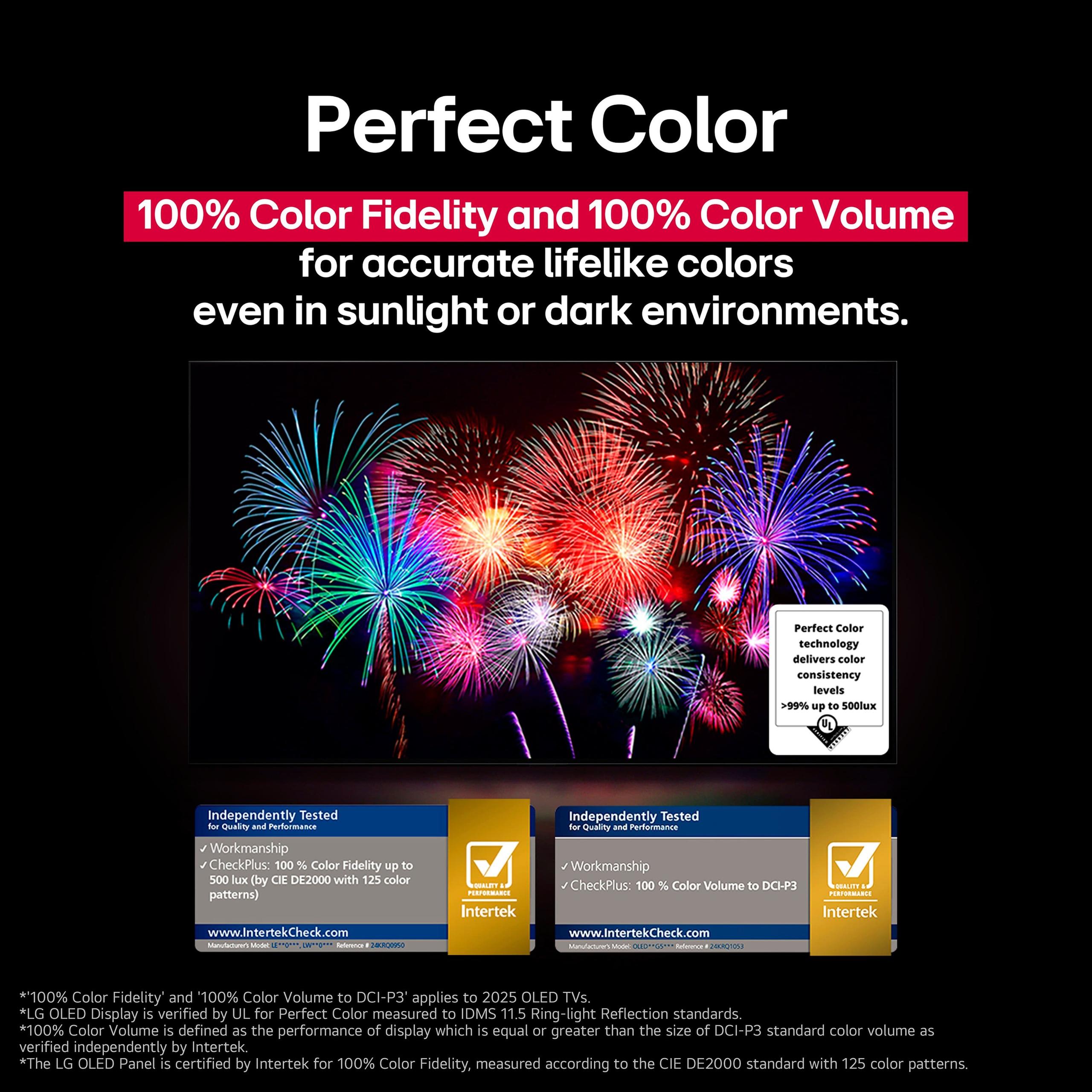
Color accuracy represents another clear divider. The G5's OLED technology delivers over 99% color consistency even in bright rooms, while quantum dot enhancement in the M550 provides good color reproduction for its price point but cannot match OLED's precision.
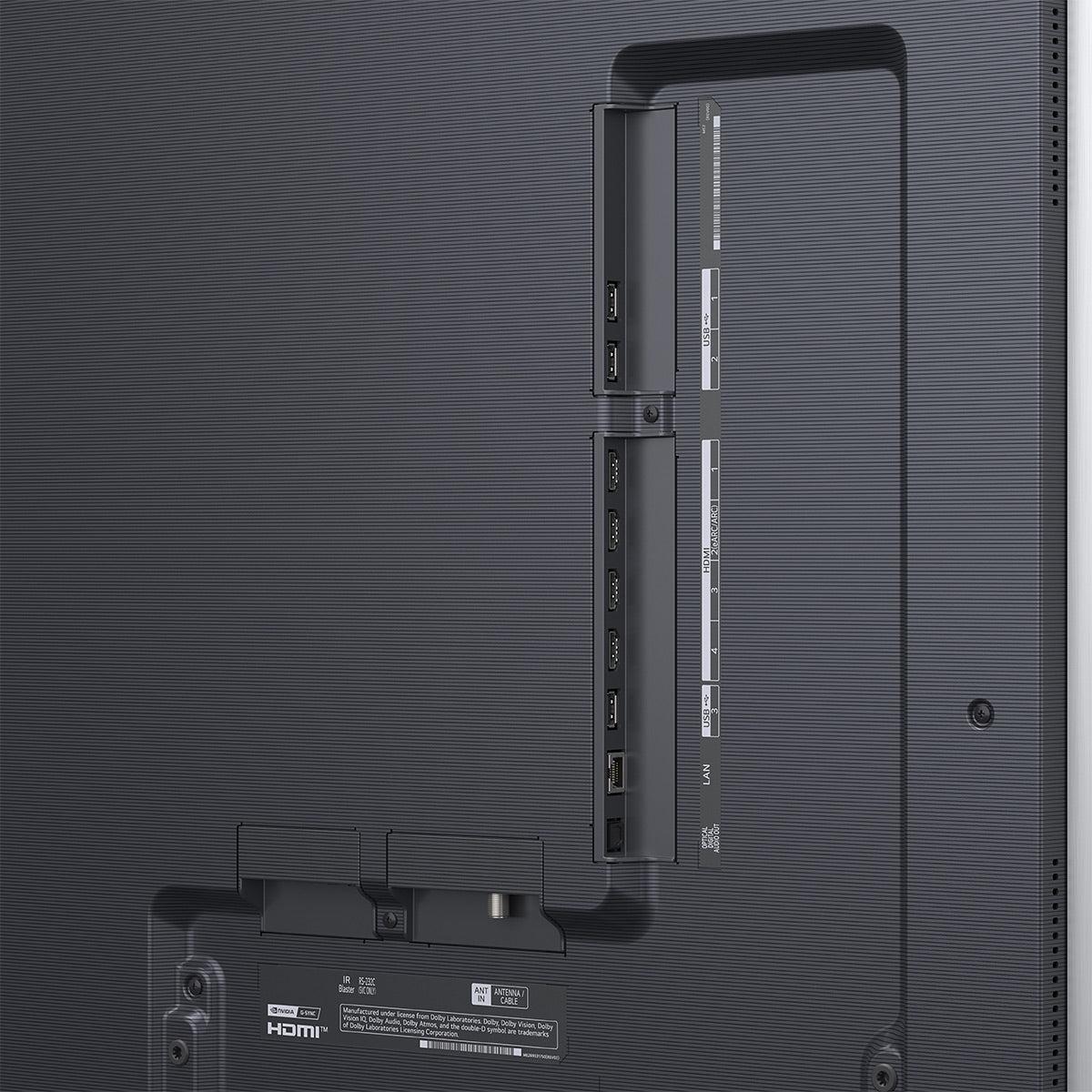
For gaming enthusiasts, these TVs represent completely different philosophies. The LG G5 is purpose-built for serious gaming with support for 4K resolution at up to 165Hz refresh rate – meaning it can display 165 frames per second for incredibly smooth motion. This works across all four HDMI 2.1 ports, which provide full bandwidth for the latest gaming consoles and high-end PCs.
The gaming features list reads like a enthusiast's wishlist: G-SYNC compatibility (for NVIDIA graphics cards), FreeSync Premium (for AMD cards), Variable Refresh Rate (VRR) support, and a 0.1 millisecond pixel response time that virtually eliminates motion blur. Auto Low Latency Mode (ALLM) automatically switches to the fastest processing mode when it detects a gaming signal.
The Toshiba M550 takes a more basic approach to gaming. While it supports 120Hz refresh rates, this is limited to 1440p and 1080p resolutions – not the 4K gaming that current consoles can deliver. At 4K resolution, it maxes out at 60Hz, which is adequate for casual gaming but limiting for competitive players or those with powerful gaming PCs.
More concerning are the processing limitations that multiple reviews highlight. Users report significant input lag – the delay between pressing a button and seeing the action on screen – with some noting it can take 10 seconds for settings buttons to respond. For gaming, where split-second reactions matter, this creates a frustrating experience.
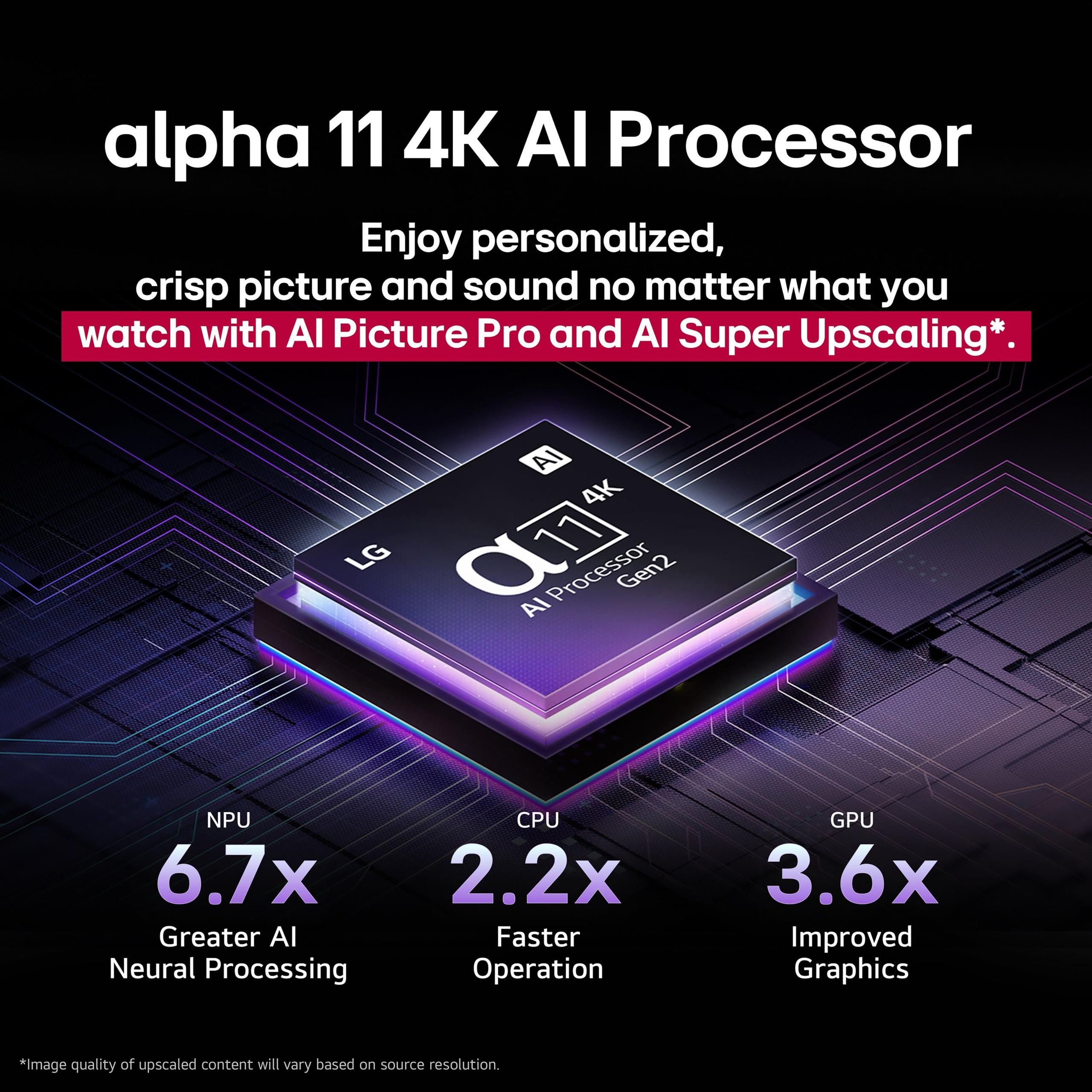
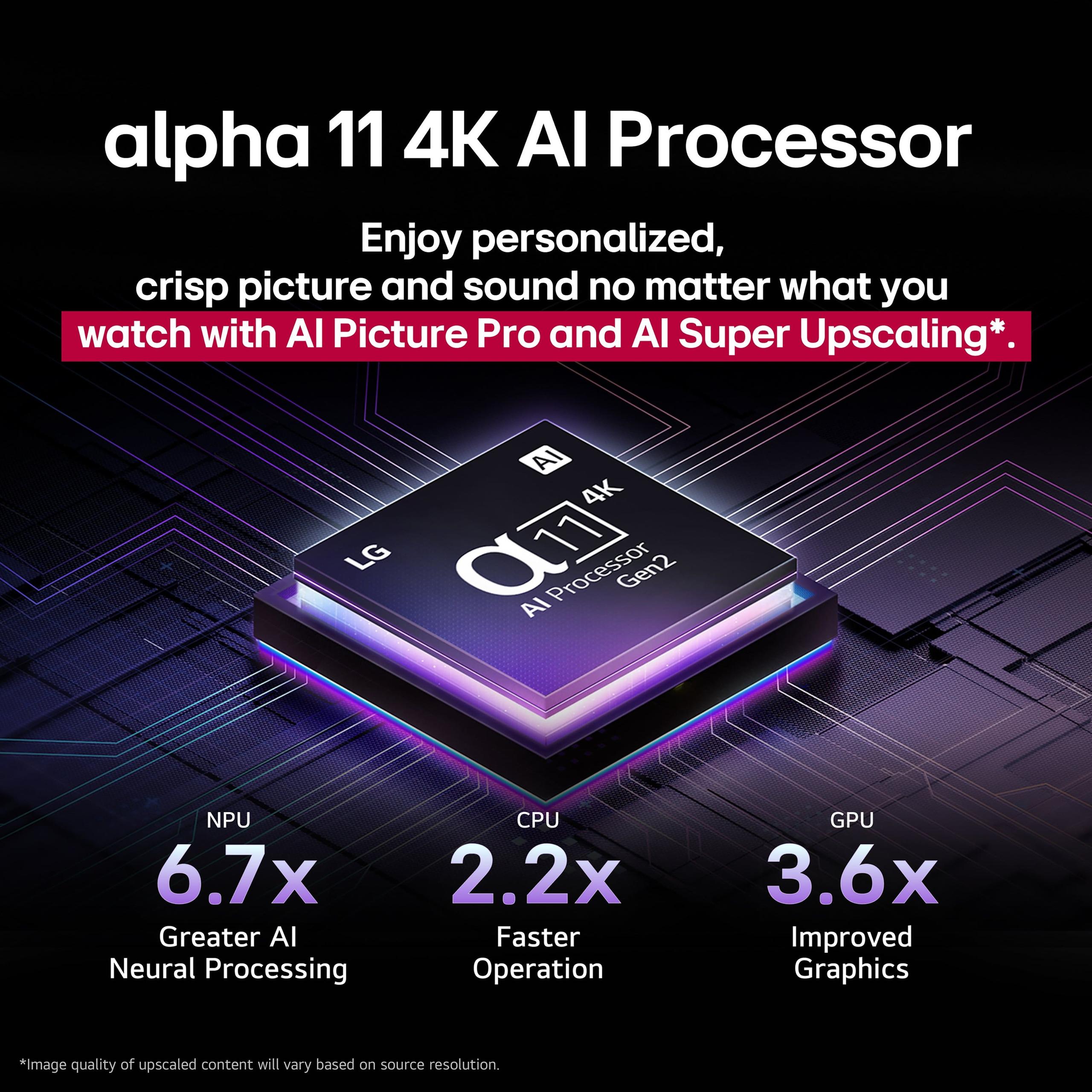
The smart TV experience reveals perhaps the starkest difference in overall polish between these products. The LG G5 runs webOS 25, powered by the Alpha 11 AI Processor Gen 2. This combination delivers a responsive interface that professional reviews consistently praise for smooth operation and intuitive navigation.
The AI features go beyond marketing speak – the processor analyzes content in real-time to optimize picture quality, upscale lower-resolution content, and adjust audio settings. The Magic Remote includes motion controls and an AI button for voice commands, creating what reviewers describe as a "premium smart TV experience."
The Toshiba M550 runs Amazon's Fire TV platform, which should be familiar and capable. However, user reviews paint a concerning picture of performance issues. Multiple detailed reviews mention the processor being "underpowered relative to the display quality," with apps taking 30 seconds to a minute to load and the system frequently freezing or exiting apps unexpectedly.
One particularly telling review noted that the TV takes "a full minute to get to a show after clicking continue watching" and that "settings buttons can take 10 seconds to respond." For a device you'll interact with daily, these performance issues significantly impact the user experience.
The Fire TV interface also boots directly to advertisements rather than resuming your last-watched content, which many users find intrusive. While this helps keep the TV's price low through advertising revenue, it's a trade-off that affects daily usability.
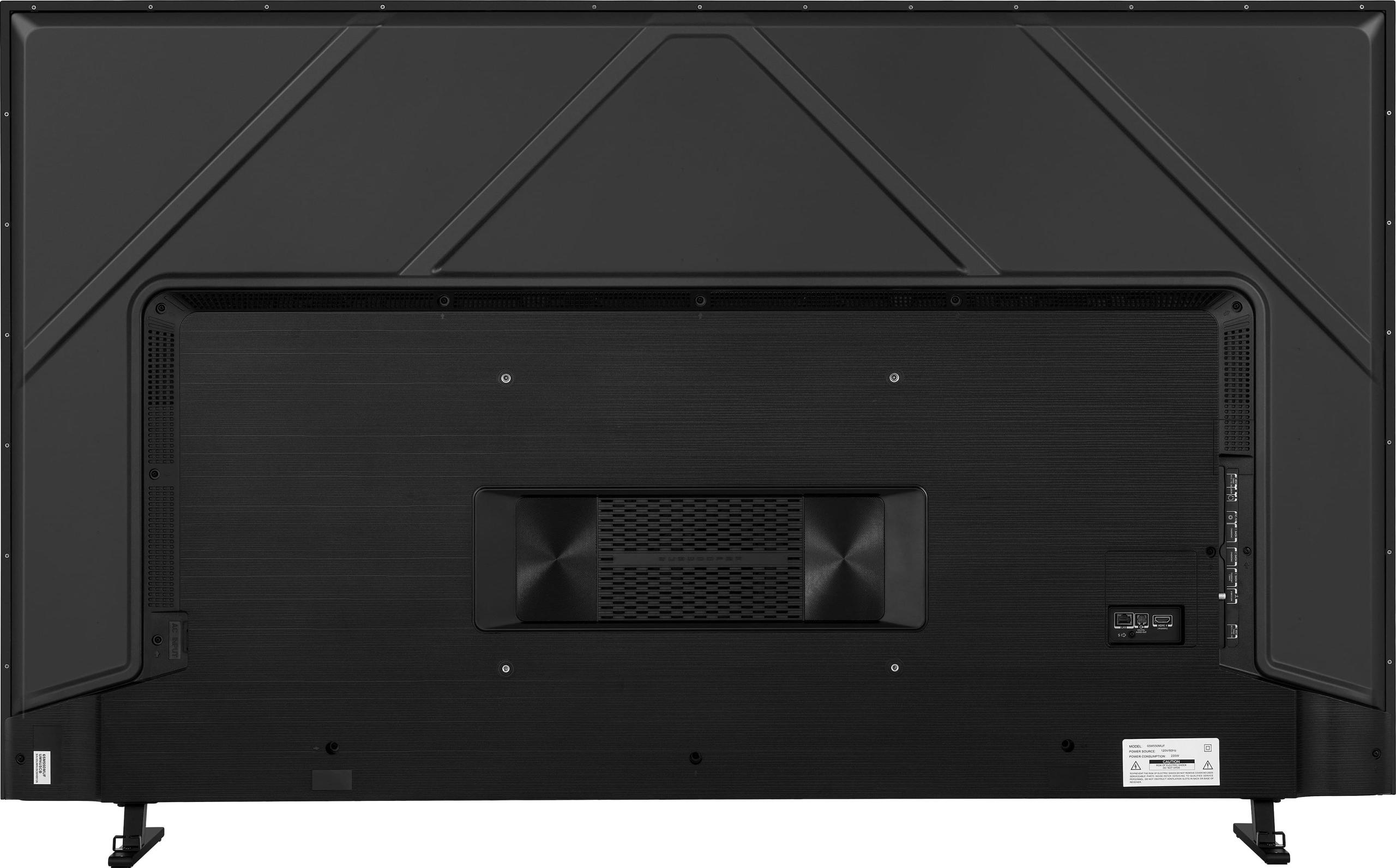
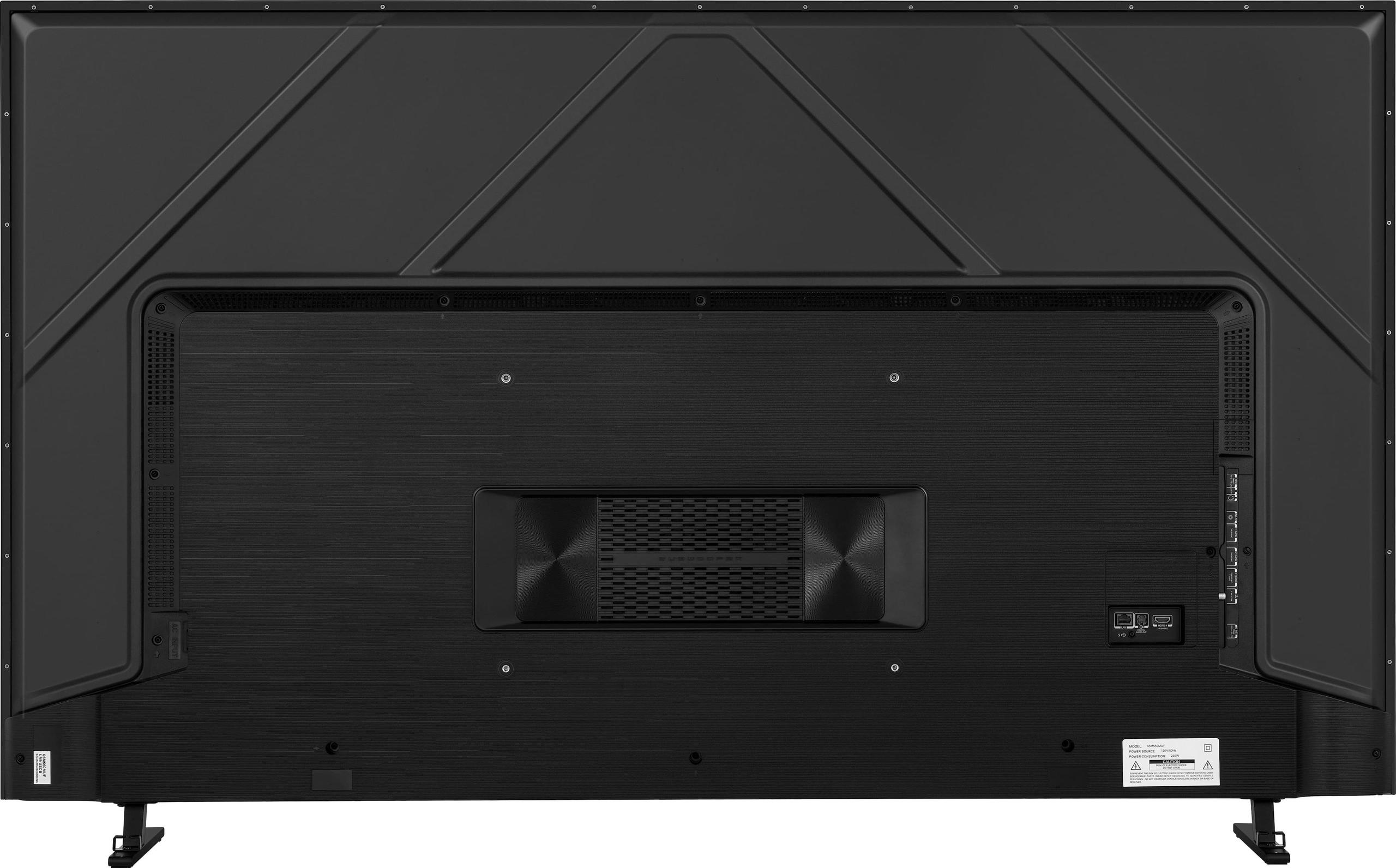
Audio performance reveals an interesting reversal in the typical premium-vs-budget narrative. The Toshiba M550 includes a built-in subwoofer as part of its REGZA Power Audio Pro system, delivering 40-49 watts of power with what users consistently describe as surprisingly good sound quality for the price point.
Multiple reviews mention that the built-in audio is good enough to avoid purchasing a separate soundbar – unusual for flat-panel TVs. The dual speakers and dedicated bass woofer provide clear dialogue and decent low-frequency response, making it genuinely suitable for casual movie watching without additional audio equipment.
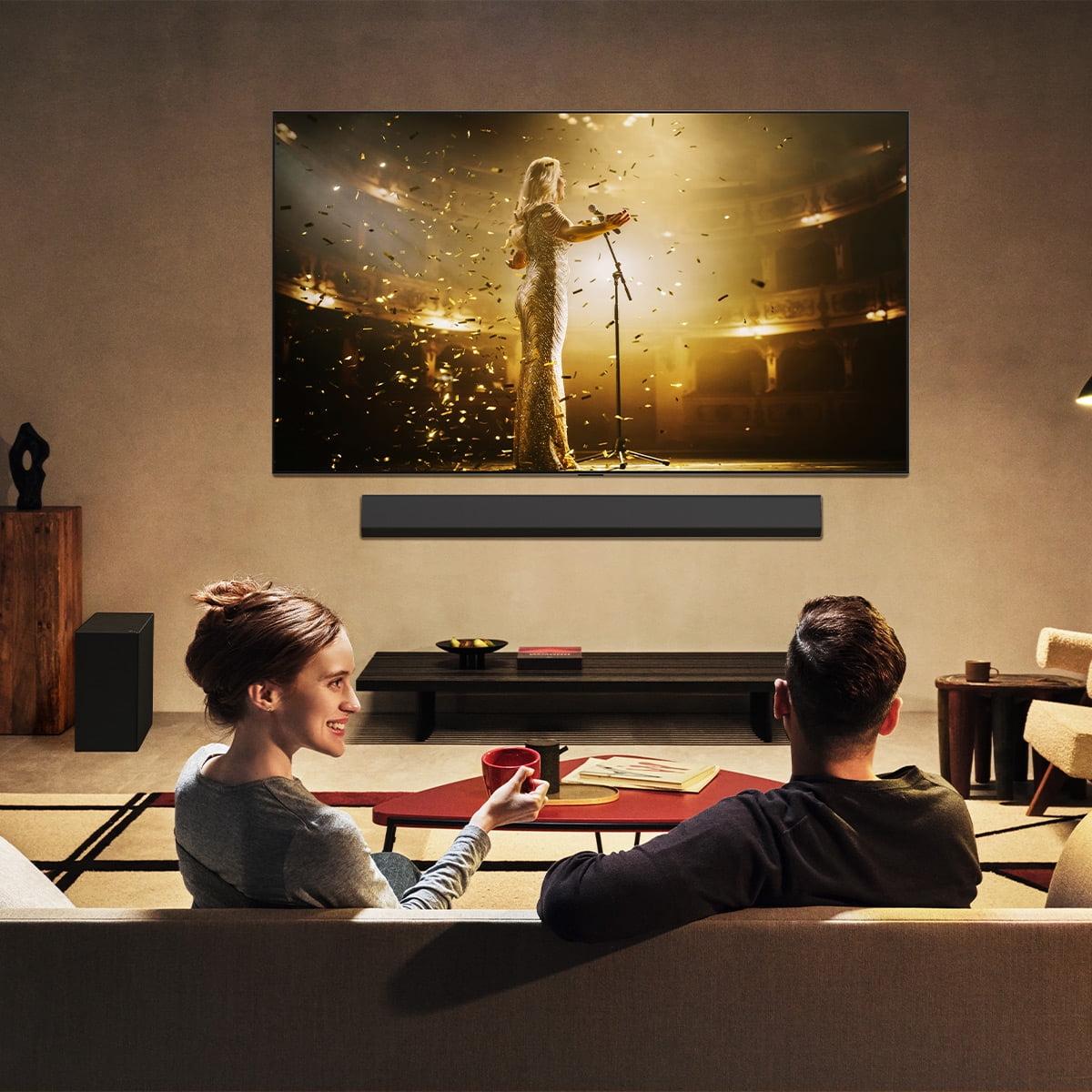
The LG G5, despite its premium positioning, suffers from the typical limitation of ultra-thin OLED design – there's simply no room for substantial speakers. While it supports Dolby Atmos and includes AI Object Remastering technology that separates and optimizes different audio elements, the physical limitations mean you'll likely need a soundbar to realize the TV's full potential.
This creates an interesting value consideration: while the G5 offers superior picture quality, you'll need to budget for additional audio equipment to match that visual experience, while the M550 provides a more complete out-of-the-box entertainment experience at its price point.
Reliability represents a crucial factor that often gets overlooked in specifications comparisons. The LG G5 comes with a 5-year panel warranty – LG's confidence in their OLED technology and a significant advantage over typical 1-year warranties. Professional reviews consistently praise LG's build quality and the webOS platform's stability.
However, OLED technology does carry some inherent risks. Burn-in – permanent image retention from static elements like channel logos – remains a theoretical concern, though it's become much less common with modern OLED panels that include pixel-shifting and other protective technologies.
The Toshiba M550 presents more concerning reliability indicators based on user feedback. Multiple reviews mention hardware issues including screen flashing, half the screen going blue, and complete picture lock-ups requiring hard resets. The underpowered processor also suggests potential longevity issues as software demands increase over time.
One review noted that after purchasing a more expensive Samsung that "turned out to be a lemon," they switched to the M550 and have been satisfied. However, the pattern of processing issues and software instability suggests this may be hit-or-miss depending on individual units.
For dedicated home theater setups, the LG G5 clearly excels with features specifically designed for cinematic viewing. FILMMAKER MODE preserves the director's intended color grading and aspect ratios, while the new Ambient Filmmaker Mode adapts these settings based on room lighting – maintaining creative intent while accounting for viewing environment.
The combination of perfect blacks, high brightness, and accurate color reproduction makes HDR content genuinely impressive. Multiple reviews mention the TV's ability to make viewers feel immersed in the content, with one noting the "three-dimensional quality" that separates premium displays from budget alternatives.
The M550's performance in home theater applications is more limited. While it supports the necessary HDR formats, the processing limitations and motion handling issues become apparent with complex content. The TV reportedly struggles with busy scenes and action sequences, making it less suitable for the demanding content that home theater enthusiasts typically prioritize.
At the time of writing, these TVs represent vastly different value propositions. The Toshiba M550 delivers functional 4K performance at an extremely accessible price point – roughly one-sixth the cost of the LG G5. For budget-conscious consumers who need acceptable picture quality without premium features, it offers genuine value despite its limitations.
The G5's premium pricing reflects cutting-edge technology and superior performance across virtually every metric. The question becomes whether that performance difference justifies the substantial price gap for your specific needs and viewing habits.
Choose the Toshiba M550 if you're working with a tight budget and need basic 4K functionality for casual viewing. It's ideal for secondary rooms, college dorms, or situations where you prioritize having a large screen over peak performance. The built-in audio quality means you won't immediately need additional purchases, and for streaming content and basic TV watching, it provides acceptable results.
However, be prepared for frustrations with gaming, smart TV responsiveness, and complex content. If you're planning to use this as your primary entertainment display or have any interest in gaming, the limitations will likely become apparent quickly.
Choose the LG G5 if you want the best possible picture quality and can justify the premium investment. It's ideal for home theater enthusiasts, serious gamers, and anyone who prioritizes visual excellence. The 5-year warranty and proven reliability make it a solid long-term investment, though you'll need to budget for a soundbar to maximize the experience.
The performance gap between these TVs is substantial enough that there's little middle ground – it's genuinely a choice between functional adequacy and premium excellence. Consider your budget, viewing habits, and long-term expectations carefully, as the six-fold price difference should align with your priorities and planned usage.
For most consumers, the decision ultimately comes down to whether picture quality improvements justify the substantial cost difference – and based on professional reviews and user feedback, that performance gap is very real and immediately apparent in side-by-side viewing.
| Toshiba 65" M550 Series QLED Fire TV | LG OLED evo G5 65" 4K Smart TV 2025 |
|---|---|
| Display Technology - Fundamental difference affecting all picture quality aspects | |
| QLED LCD with full array local dimming zones | OLED evo with 4-Stack RGB Tandem panel technology |
| Contrast Ratio - Critical for HDR content and dark scene detail | |
| Limited by LCD backlight bleed despite local dimming | Infinite contrast with pixel-level control and perfect blacks |
| Peak Brightness - Essential for HDR impact and bright room viewing | |
| Good brightness for QLED, adequate for most rooms | 45% brighter than previous OLEDs, rivals mini-LED displays |
| Gaming Refresh Rate - Crucial for smooth motion and competitive gaming | |
| 120Hz at 1440p/1080p, only 60Hz at 4K | Up to 165Hz at 4K across all HDMI 2.1 ports |
| Gaming Features - Advanced gaming capabilities for consoles and PC | |
| Basic VRR up to 60Hz, ALLM support, significant input lag reported | G-SYNC, FreeSync Premium, VRR, 0.1ms response time, ALLM |
| Smart TV Platform - Daily usability and long-term software support | |
| Fire TV (frequently freezes, slow response times reported) | webOS 25 with Alpha 11 AI Processor Gen2, 5-year update guarantee |
| Audio Quality - Built-in sound performance | |
| REGZA Power Audio Pro with built-in subwoofer, 40-49W output | Dolby Atmos support but limited by thin design, soundbar recommended |
| HDR Support - Premium content viewing experience | |
| Dolby Vision, HDR10, HDR10+ but limited processing impact | Dolby Vision, HDR10 Pro with exceptional HDR impact and brightness |
| Motion Handling - Important for sports and action content | |
| Struggles with complex scenes, phantom images reported | Excellent motion processing with no tinting or raised black issues |
| Warranty Coverage - Long-term protection and manufacturer confidence | |
| 1 year standard warranty | 5-year panel warranty (1 year full, 4 years panel replacement) |
| Build Quality - Physical construction and reliability | |
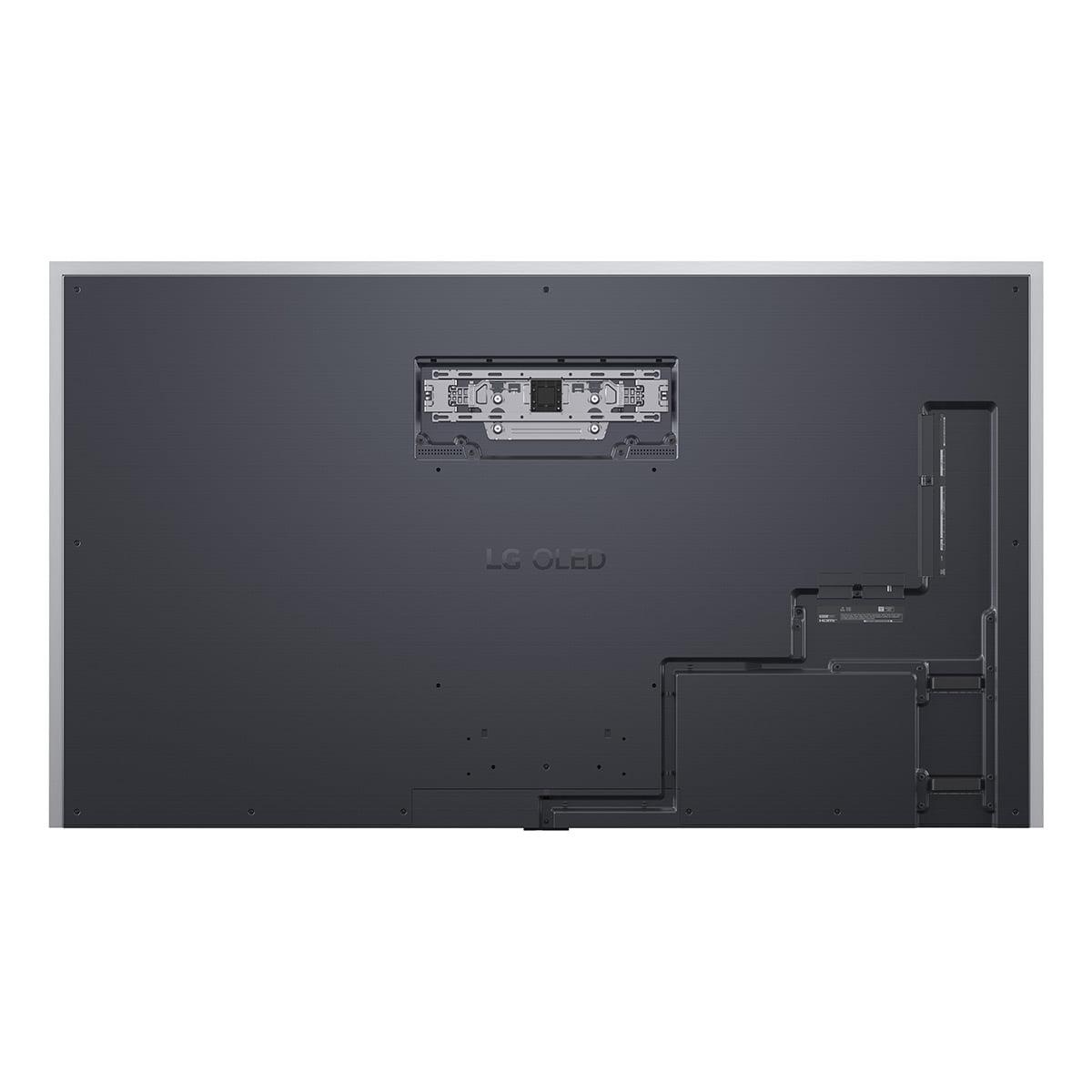
| Mixed user reports of screen issues and hardware problems | Premium build with One Wall Design, consistently reliable |
| Value Proposition - Performance relative to price point | |
| Exceptional value for basic 4K needs, includes good built-in audio | Premium performance justifies cost for enthusiasts and serious users |
The LG OLED evo G5 delivers significantly superior picture quality with perfect blacks, infinite contrast ratio, and exceptional HDR performance. Its OLED technology allows individual pixels to turn completely off, creating true blacks that make colors pop and provide stunning depth in dark scenes. The Toshiba M550 offers decent picture quality for its price range but cannot match the contrast and color accuracy of OLED technology.
The Toshiba M550 uses QLED technology, which is essentially an enhanced LCD display with quantum dots and LED backlighting zones. The LG OLED evo G5 uses OLED technology where each pixel produces its own light and can turn completely off. This fundamental difference means OLED provides perfect blacks and infinite contrast, while QLED offers good brightness but cannot achieve true black levels due to always-on backlighting.
The LG OLED evo G5 is dramatically better for gaming with 4K support at up to 165Hz refresh rate, G-SYNC and FreeSync compatibility, 0.1ms response time, and full HDMI 2.1 bandwidth across all ports. The Toshiba M550 only supports 60Hz at 4K resolution and has reported input lag issues that make it unsuitable for competitive gaming, though it can handle casual gaming adequately.
The LG OLED evo G5 runs webOS 25 with the Alpha 11 AI Processor Gen2, providing smooth, responsive performance and a 5-year software update guarantee. The Toshiba M550 uses Fire TV, but multiple user reviews report frequent freezing, slow app loading times, and unresponsive interface due to an underpowered processor that struggles with the Fire TV operating system.
Both TVs handle bright rooms reasonably well, but with different approaches. The LG OLED evo G5 features new Brightness Booster Ultimate technology that makes it 45% brighter than previous OLEDs, allowing it to compete with LCD displays in bright environments. The Toshiba M550 uses QLED technology that naturally produces bright images, making it suitable for well-lit rooms, though it cannot match the G5's combination of brightness and perfect blacks.
The Toshiba M550 includes a built-in subwoofer and REGZA Power Audio Pro system that many users find adequate without additional audio equipment. The LG OLED evo G5 supports Dolby Atmos but has limited built-in speakers due to its ultra-thin design, so most users will want to add a soundbar to match the premium visual experience.
This depends entirely on your budget and priorities. The Toshiba M550 provides exceptional value for basic 4K viewing needs at a fraction of the cost, including surprisingly good built-in audio. The LG OLED evo G5 justifies its premium price with cutting-edge display technology, superior gaming features, and excellent build quality, but costs significantly more.
The LG OLED evo G5 comes with a 5-year panel warranty and consistently receives praise for build quality and reliability. The Toshiba M550 has mixed reliability reports, with some users experiencing screen issues, processing problems, and software instability, though it does come with a standard 1-year warranty.
The LG OLED evo G5 is specifically designed for home theater use with features like FILMMAKER MODE, perfect blacks for optimal dark room viewing, exceptional HDR performance, and precise color accuracy. The Toshiba M550 struggles with complex action scenes and motion handling, making it less suitable for demanding home theater applications where picture quality is the primary concern.
Both TVs support 4K HDR streaming, but with different levels of effectiveness. The LG OLED evo G5 delivers exceptional HDR impact with dramatic brightness and perfect blacks that make HDR content genuinely impressive. The Toshiba M550 supports HDR formats but users report that HDR content doesn't look dramatically different from standard content due to processing limitations.
The LG OLED evo G5 provides excellent motion processing with smooth, clear movement and no ghosting or artifacts. The Toshiba M550 has reported issues with motion handling, including jerky action scenes and phantom images around moving objects, making it less suitable for fast-paced content like sports or action movies.
Choose the Toshiba M550 if you need basic 4K functionality on a tight budget and primarily watch streaming content or casual TV. Choose the LG OLED evo G5 if you want the best possible picture quality, plan to game seriously, or are setting up a primary home entertainment system where performance matters more than initial cost. The performance gap between these TVs is substantial and immediately noticeable.
We've done our best to create useful and informative comparisons to help you decide what product to buy. Our research uses advanced automated methods to create this comparison and perfection is not possible - please contact us for corrections or questions. These are the sites we've researched in the creation of this article: bestbuy.com - bestbuy.com - consumerreports.org - youtube.com - pcvarge.com - tomsguide.com - youtube.com - bestbuy.com - toshibatv-usa.com - marketplace-staging.paytomorrow.com - toshibatv-usa.com - productabout.com - leaseville.com - youtube.com - toshibatv-usa.com - bestbuy.com - techradar.com - rtings.com - youtube.com - youtube.com - rtings.com - bestbuy.com - youtube.com - valueelectronics.com - lg.com - audio-videoplus.com - lg.com - lg.com - lg.com

Privacy Policy
Terms and Conditions - Affiliate Policy
Home Security
© Copyright 2008-2026.
11816 Inwood Rd #1211, Dallas, TX 75244