

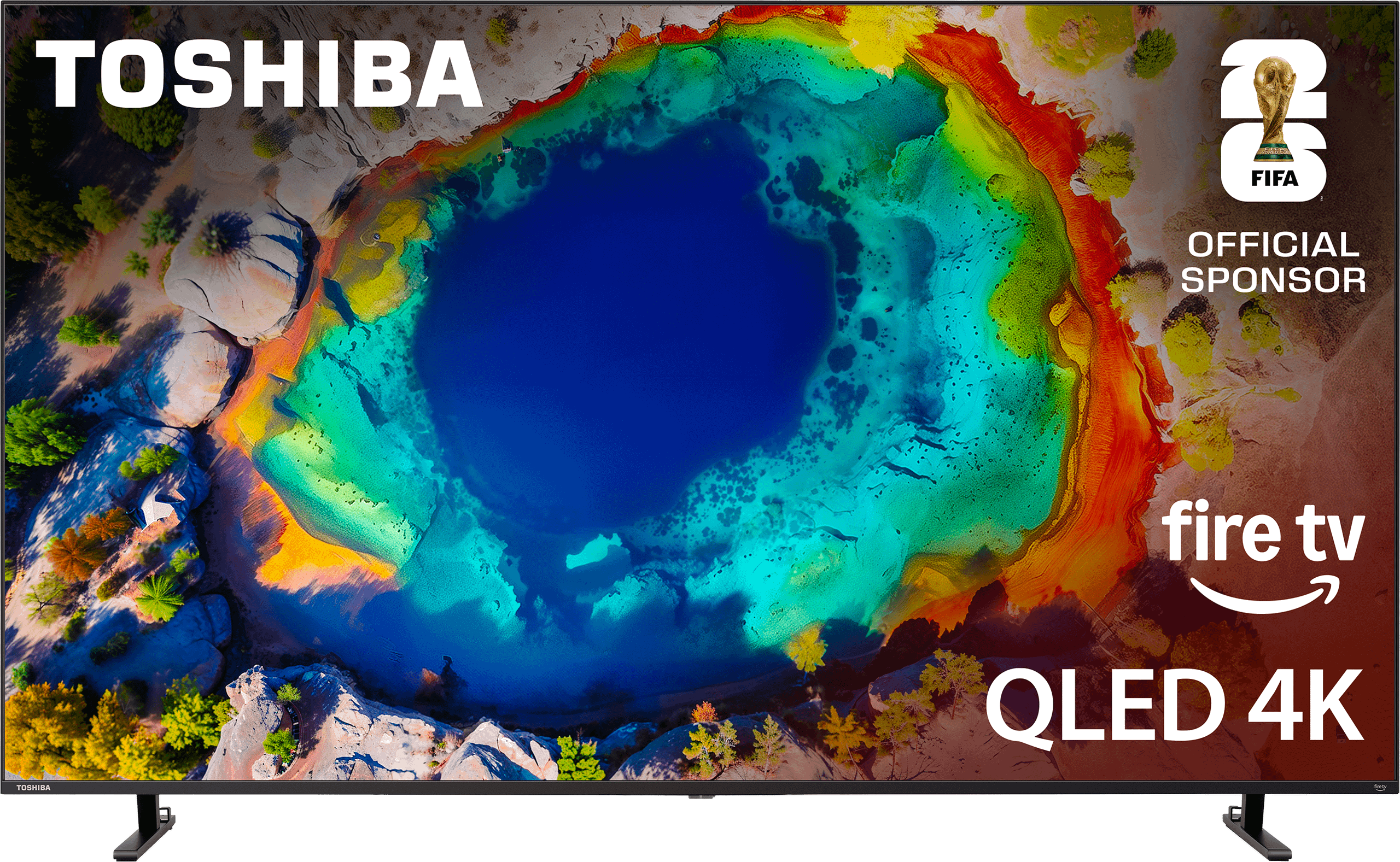
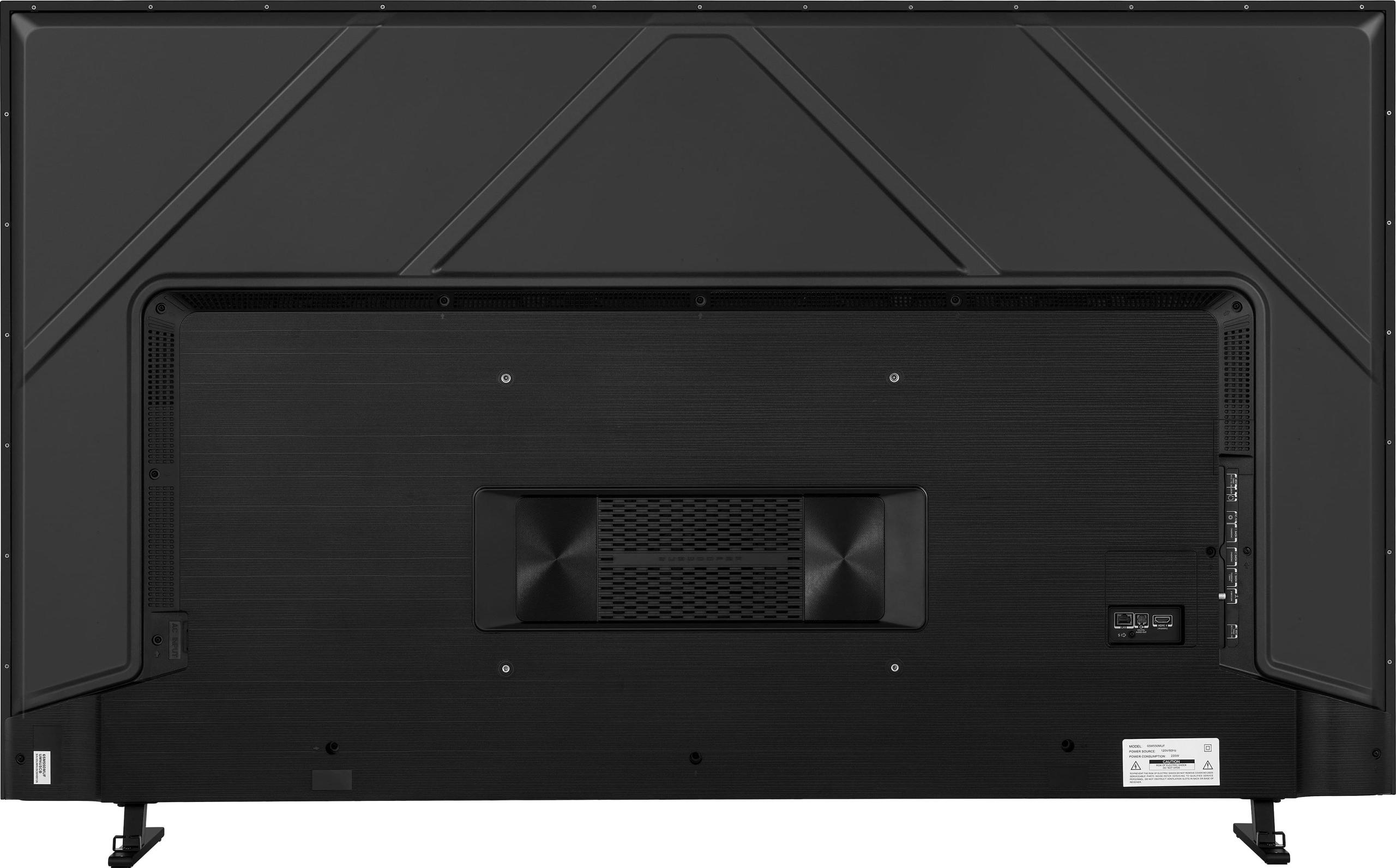
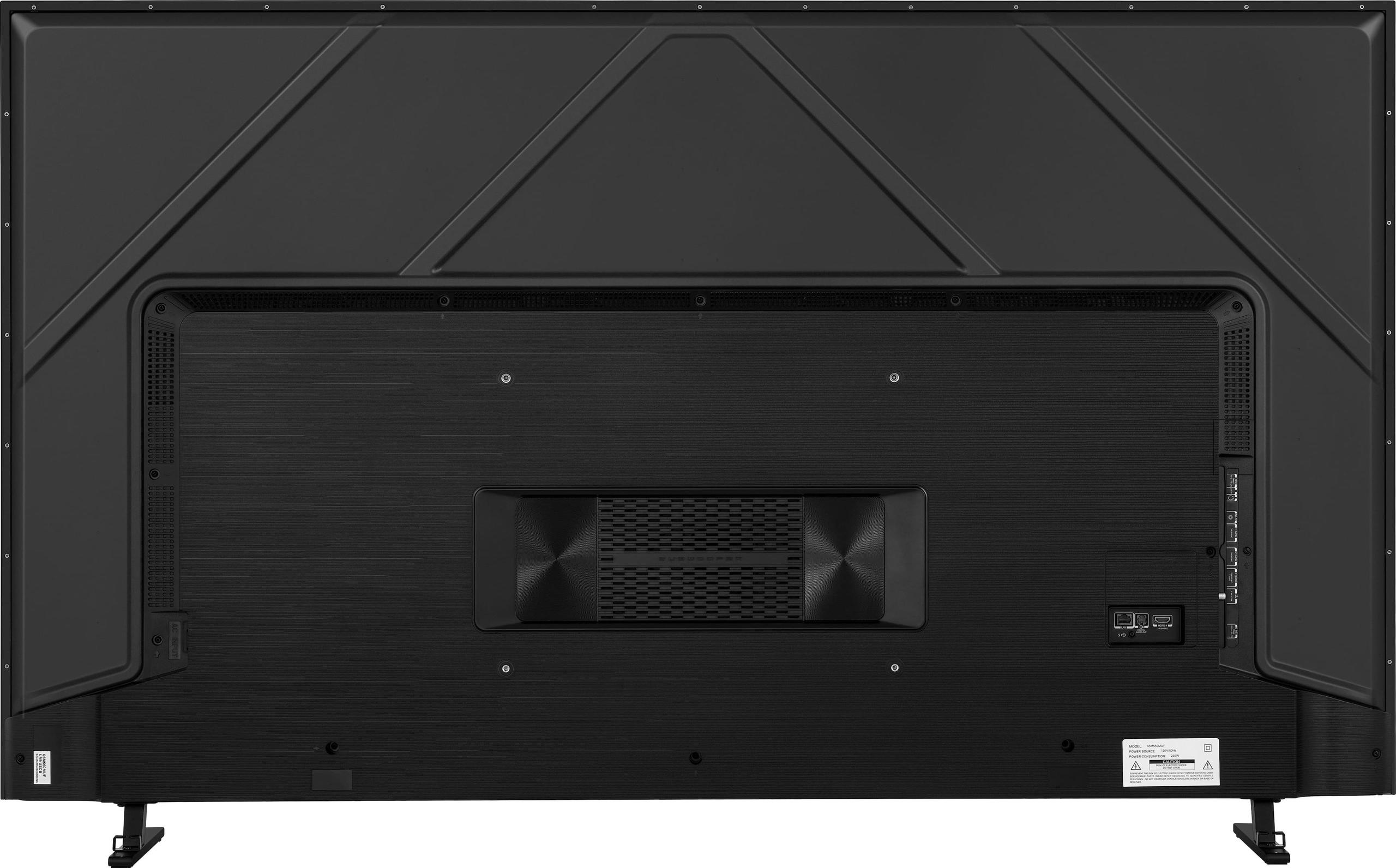
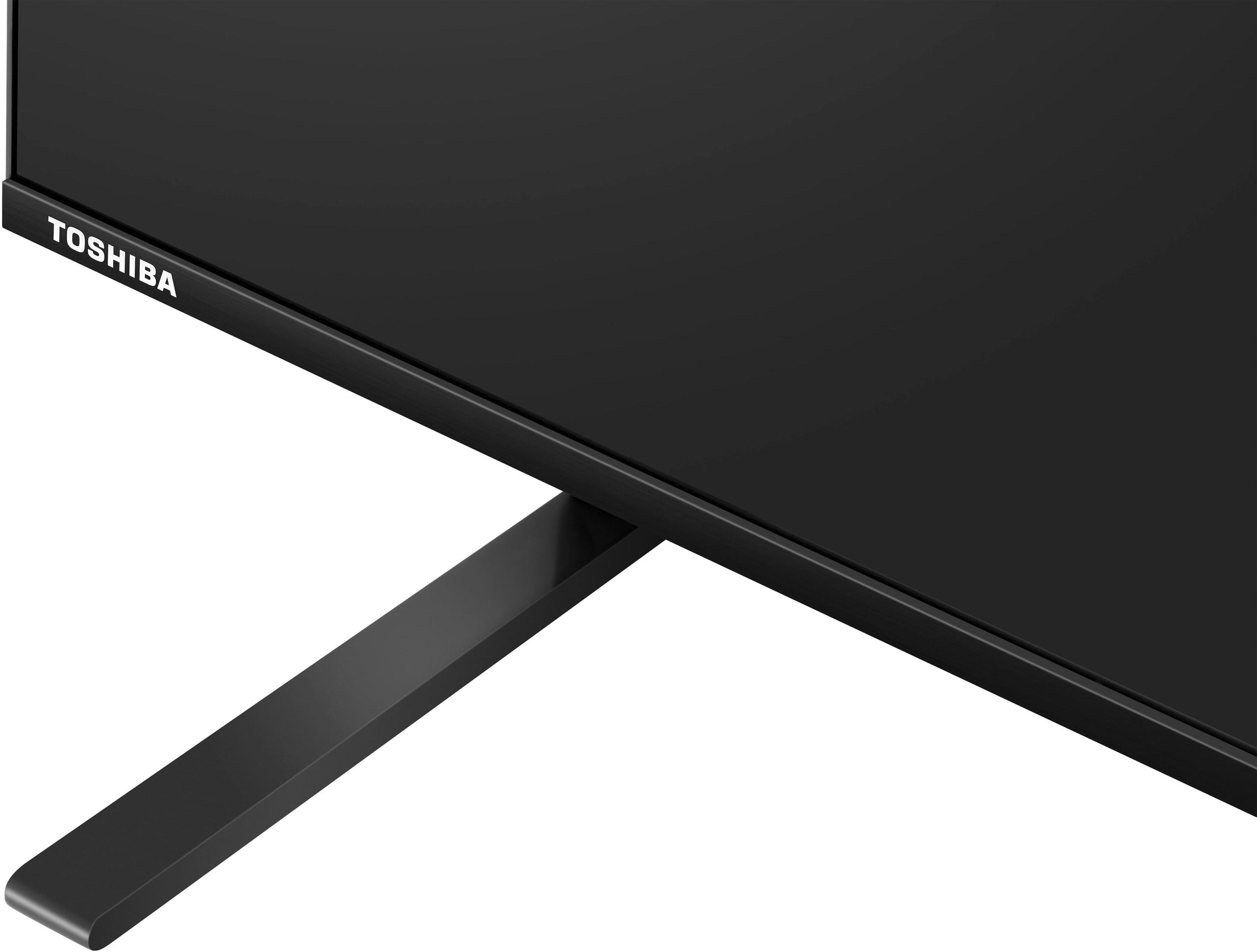
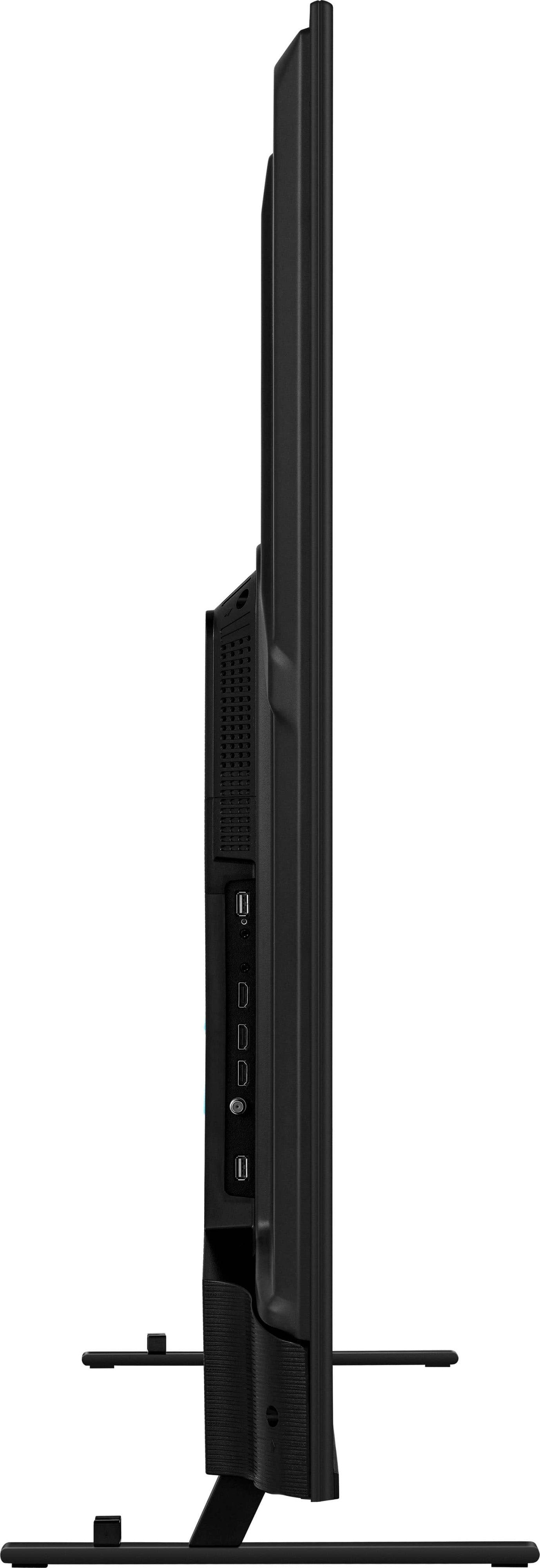
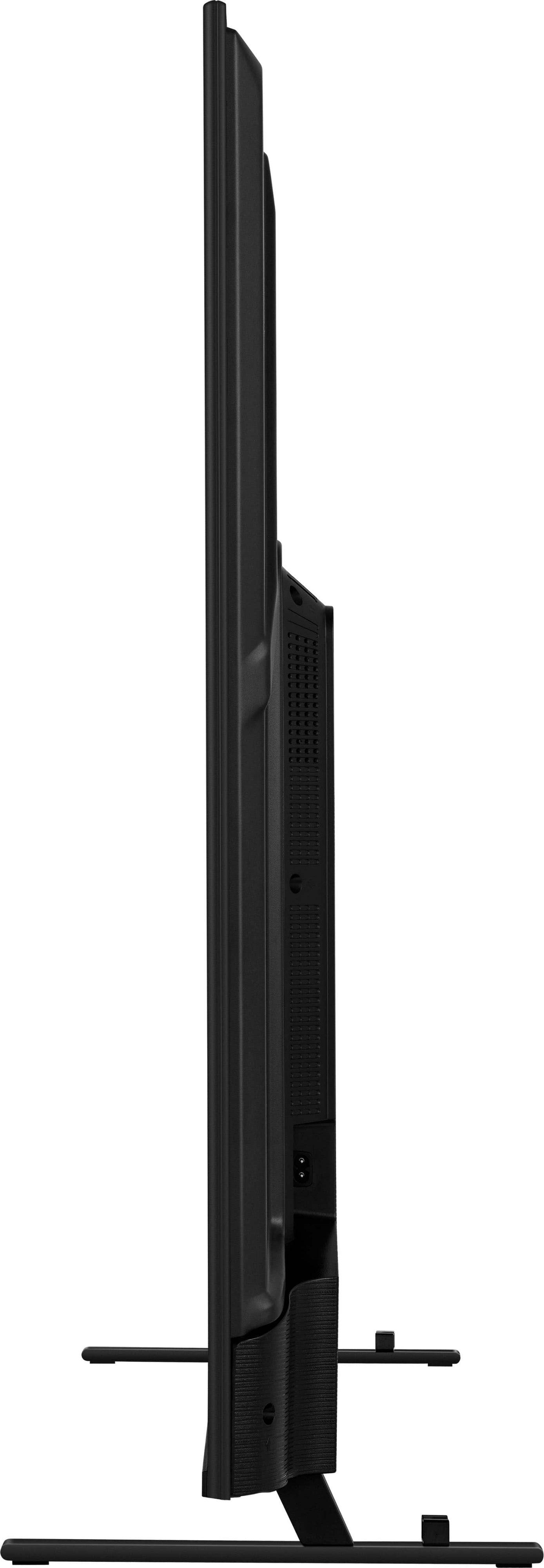
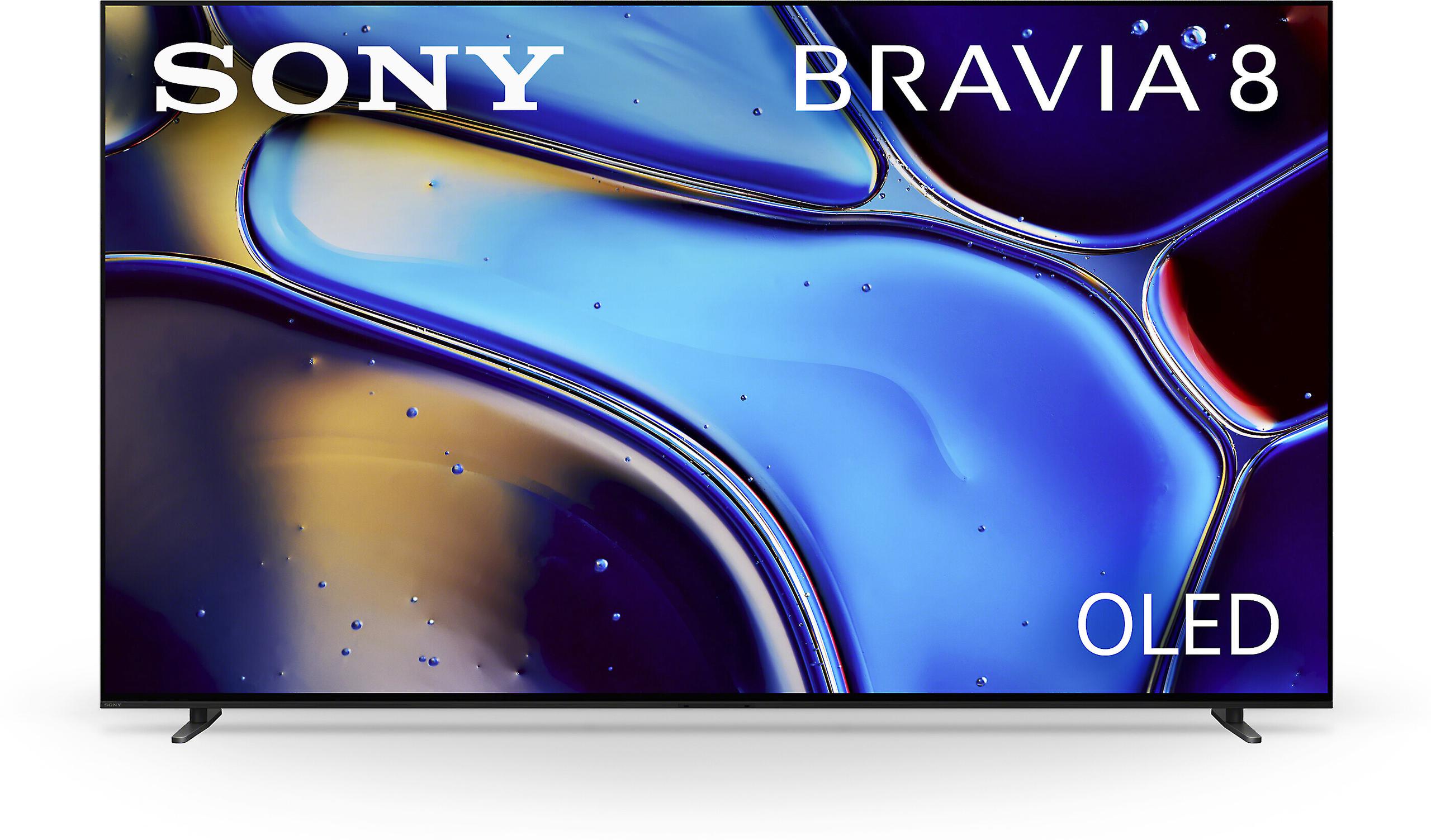
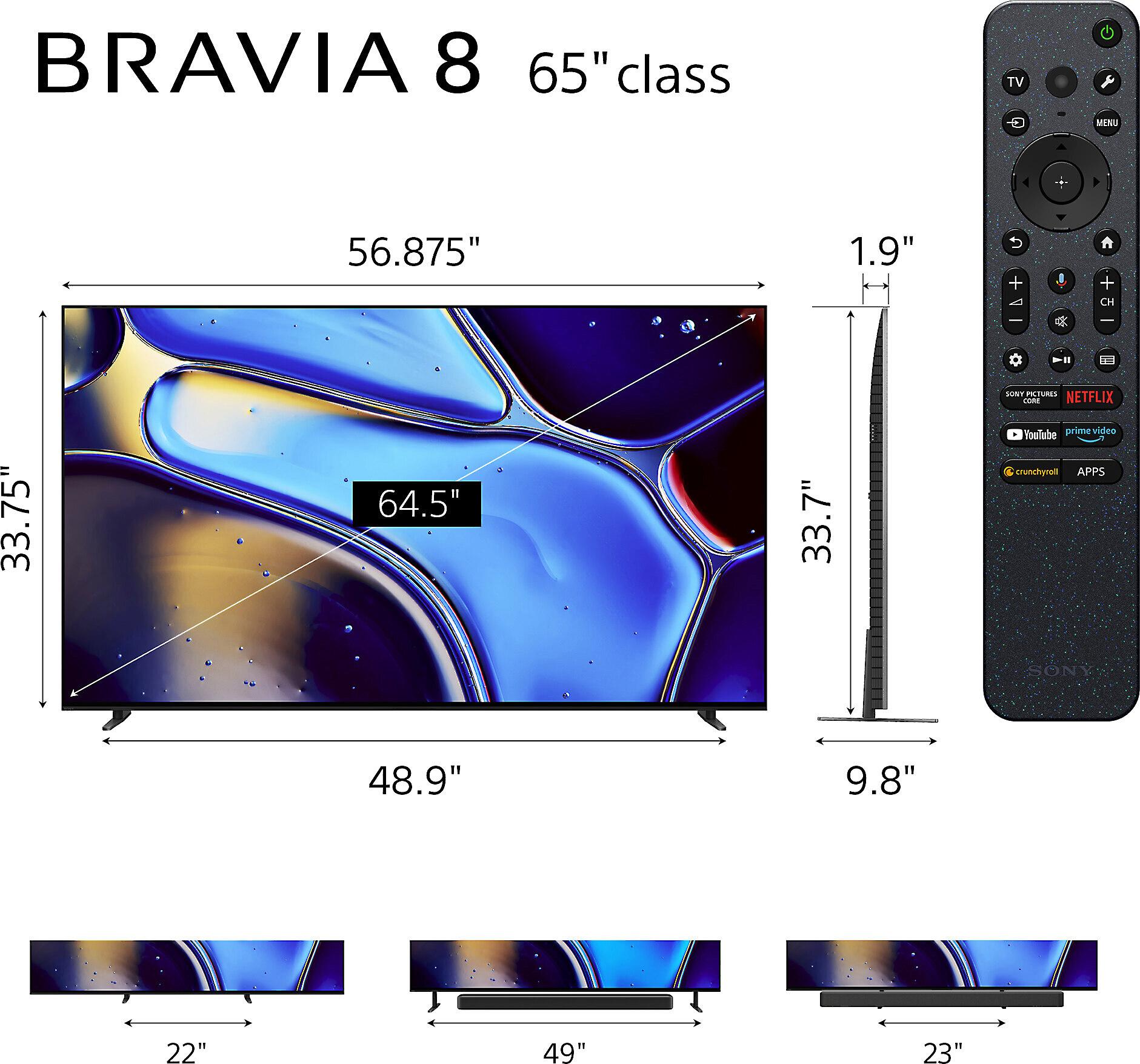
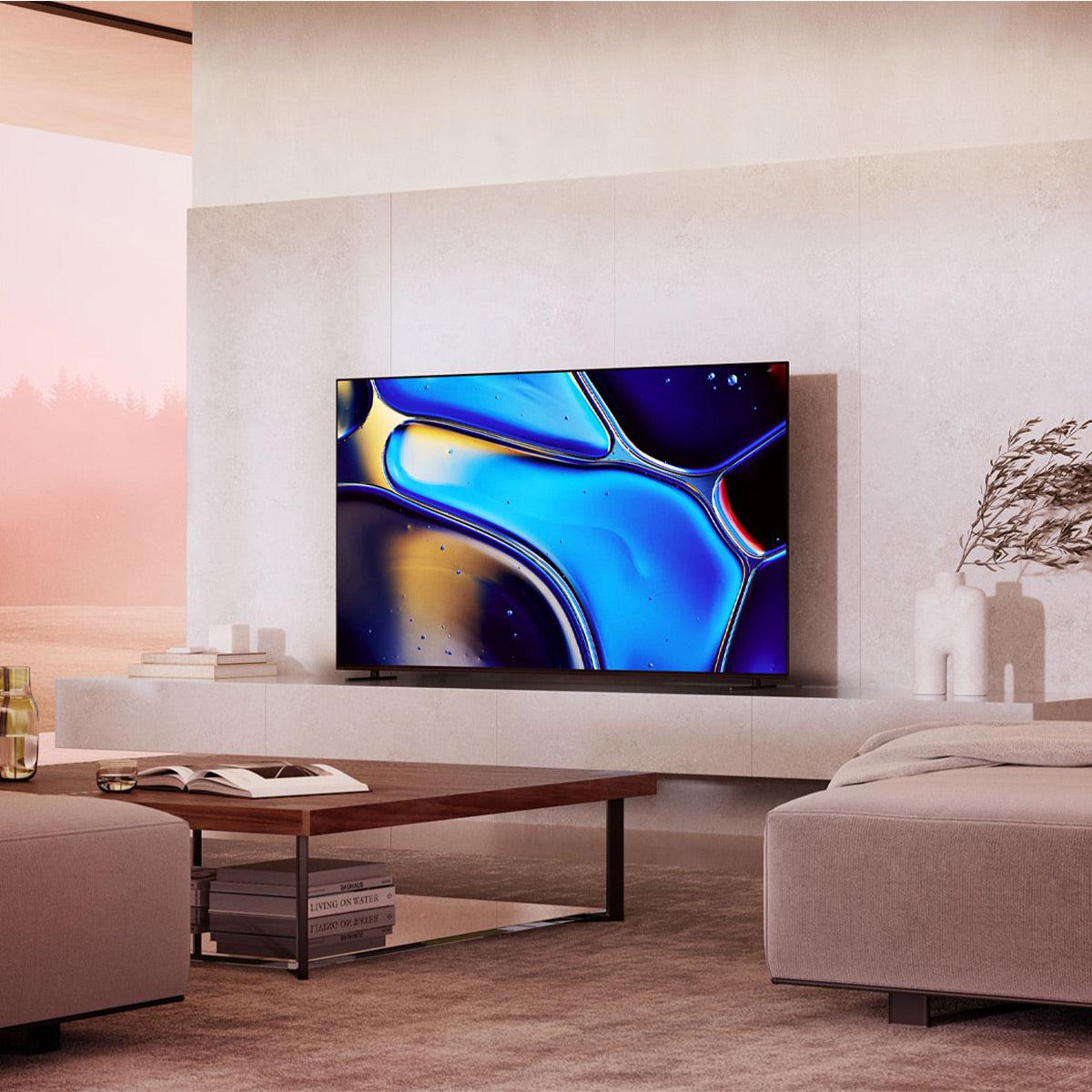
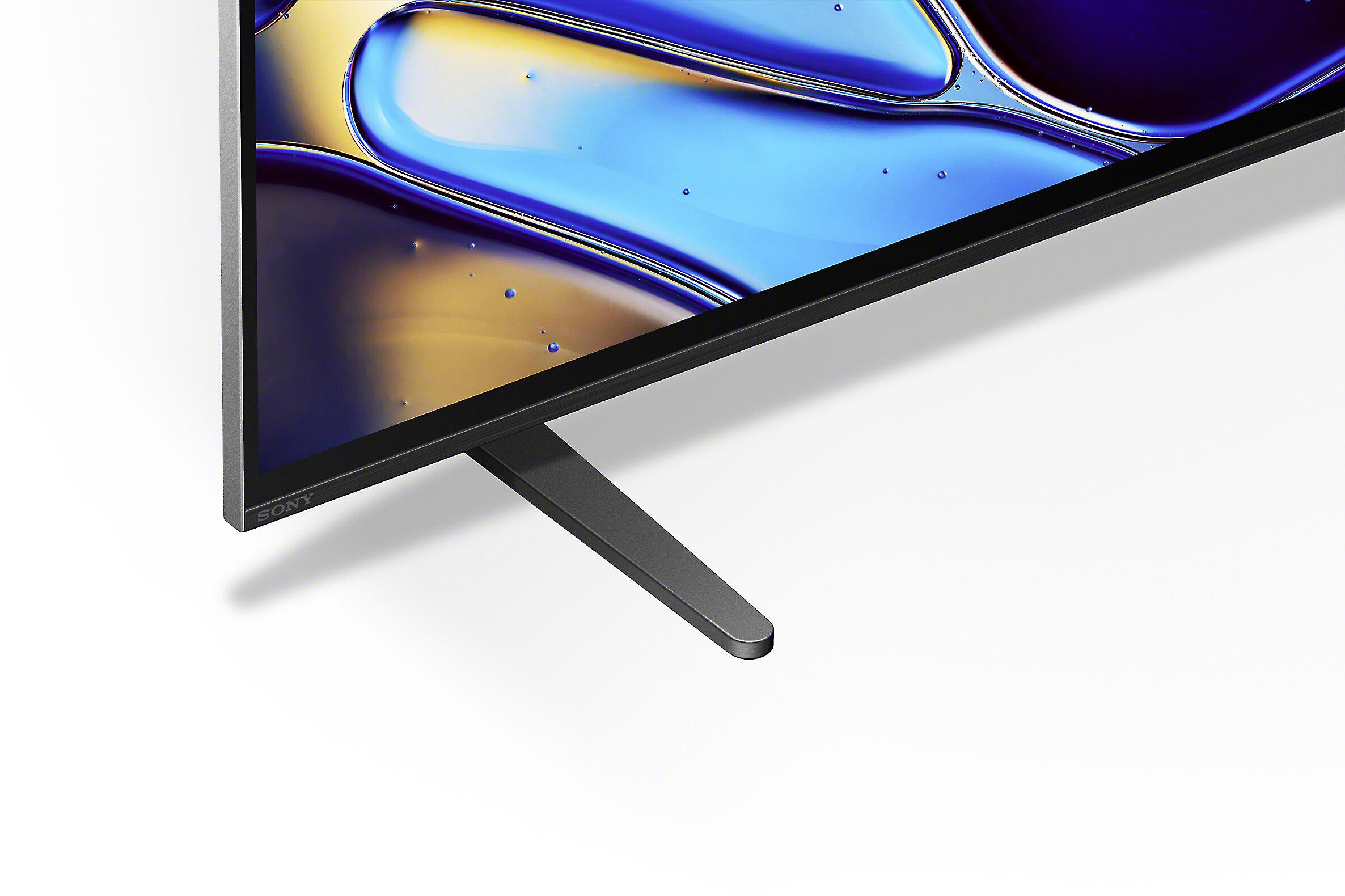
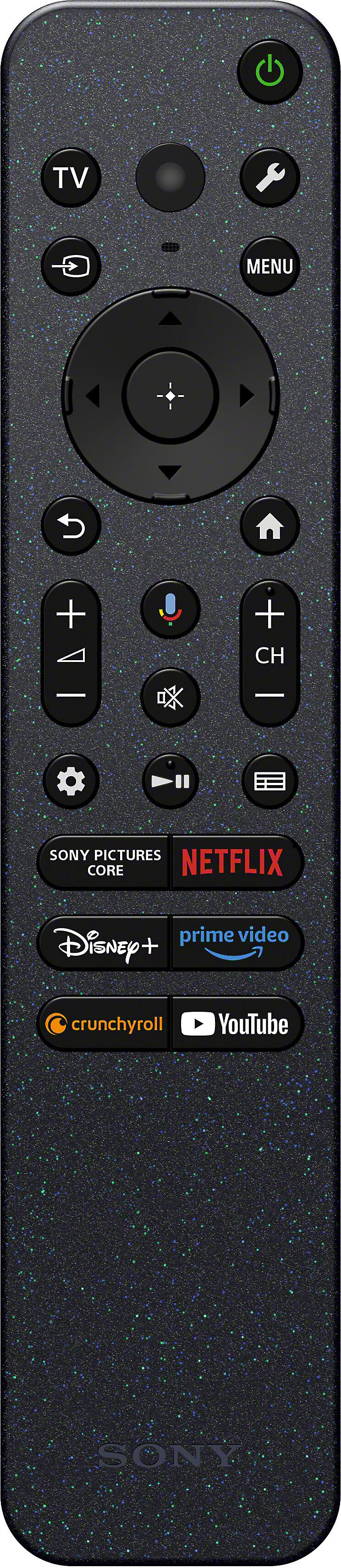
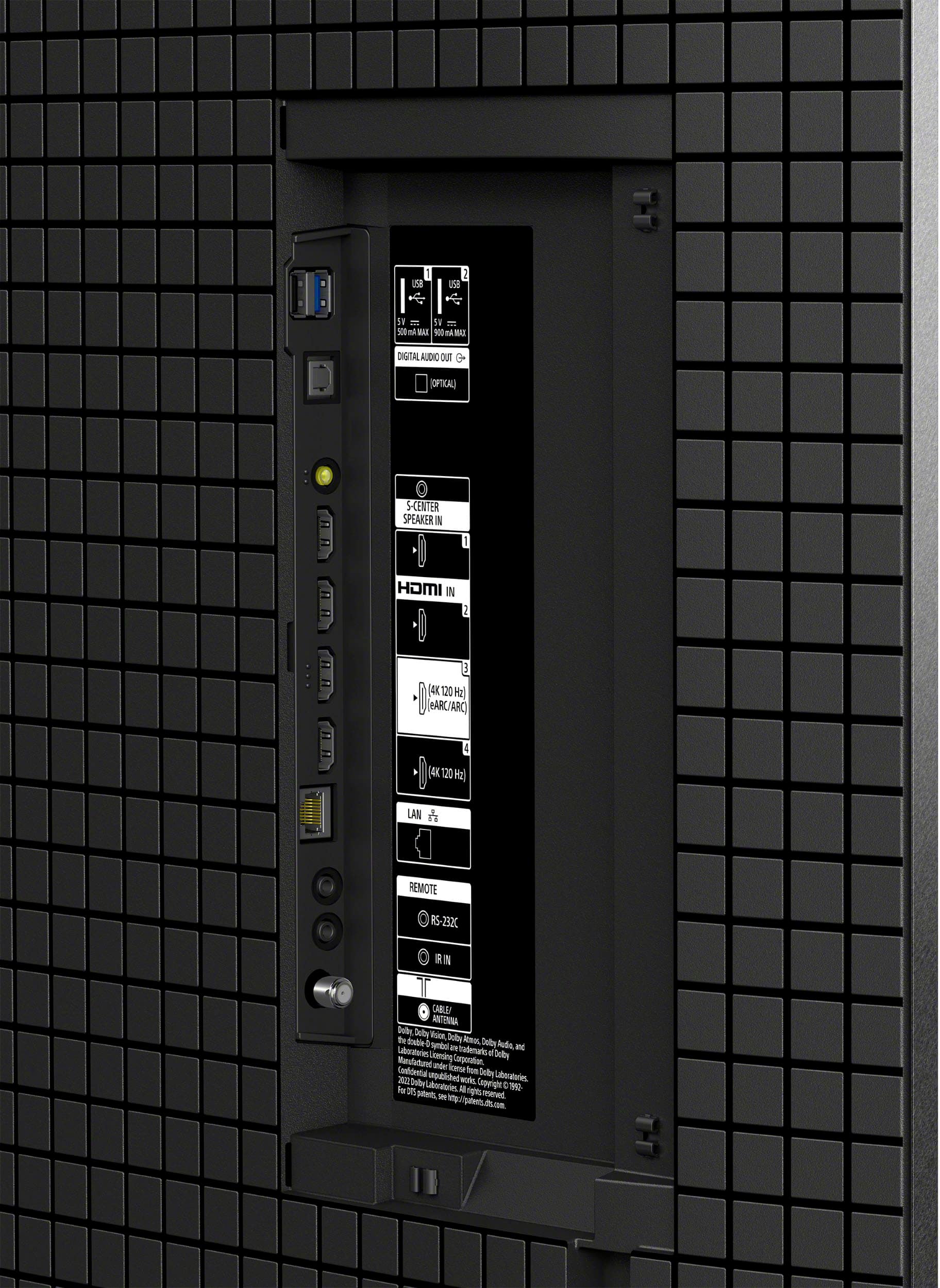
When shopping for a 65-inch TV, you'll quickly discover that not all displays are created equal. The difference between a budget QLED like the Toshiba M550 Series and a premium OLED such as the Sony BRAVIA 8 isn't just about price—it's about fundamentally different approaches to creating the picture on your screen.
Understanding these differences is crucial because your TV will likely be the centerpiece of your entertainment setup for the next 5-10 years. The choice between these two models represents a classic decision point: exceptional value versus exceptional performance.
Before diving into specifics, let's clarify what QLED and OLED actually mean for your viewing experience. QLED (Quantum Dot Light-Emitting Diode) technology, used in the Toshiba M550, places a layer of quantum dots—microscopic particles that emit specific colors when hit by light—in front of a traditional LED backlight. This creates more vibrant colors than standard LED TVs while keeping costs relatively low.
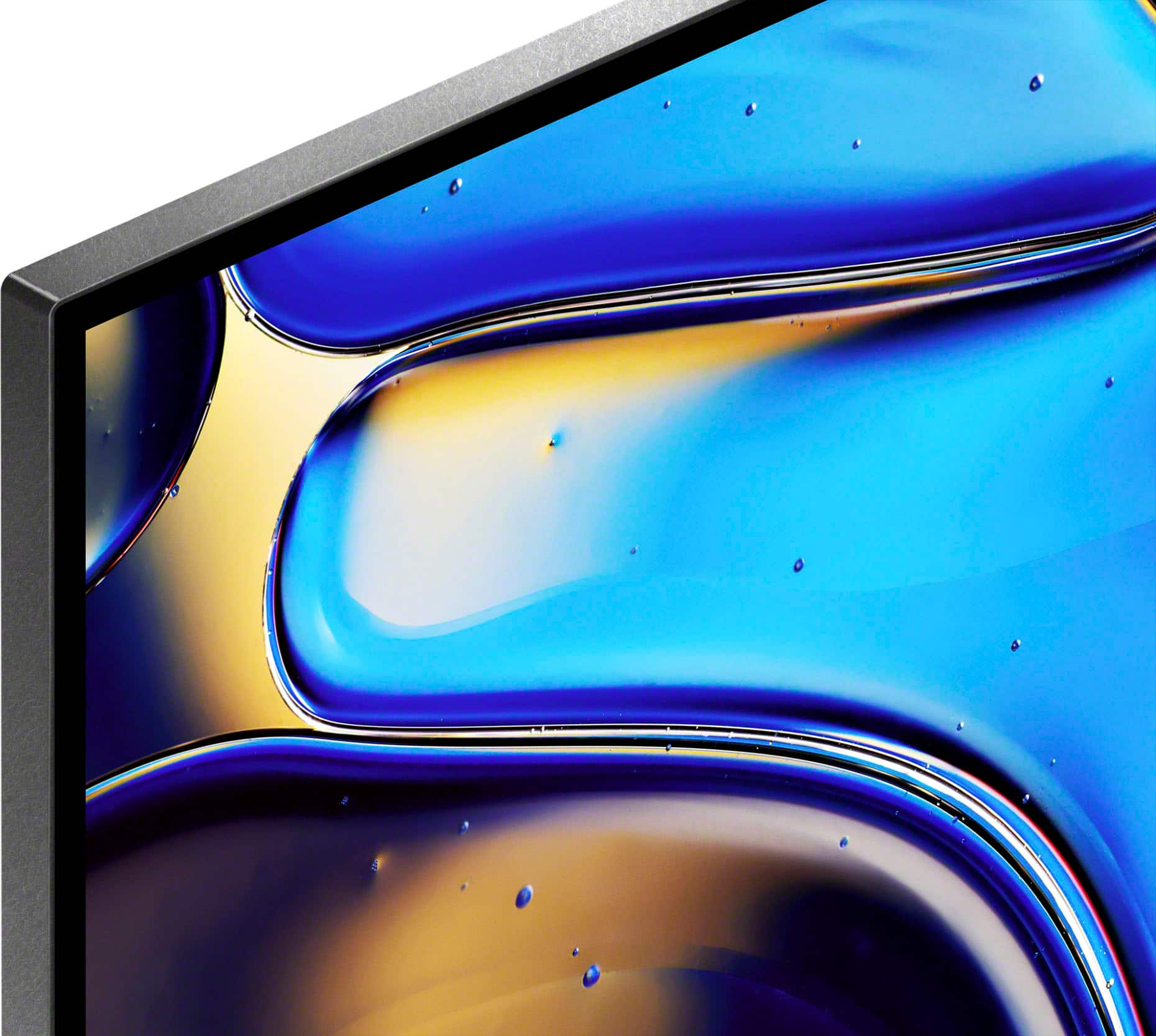
OLED (Organic Light-Emitting Diode) technology in the Sony BRAVIA 8 works completely differently. Each pixel contains organic compounds that emit their own light when electricity passes through them. This means each of the 8.3 million pixels can turn completely on or off independently, creating what's called "pixel-level dimming."
The practical difference is enormous. While the Toshiba M550 relies on zones of LED backlighting (48 zones in this case) to control brightness across the screen, the Sony BRAVIA 8 has over 8 million individual light sources. It's like comparing a flashlight with 48 bulbs to one with 8 million tiny bulbs—the level of precise control is incomparable.
This is where OLED technology truly shines, and why many consider it the gold standard for home theater viewing. When watching a movie with dark scenes—think of space scenes in science fiction films or dimly lit dramatic moments—the Sony BRAVIA 8 can turn individual pixels completely off, creating true black. This infinite contrast ratio means that bright objects in dark scenes appear to float on screen with an almost three-dimensional quality.
The Toshiba M550, despite its Full Array Local Dimming with 48 zones, cannot achieve this level of precision. While it can dim sections of the backlight, some light still bleeds through, creating what's called "grayish blacks." For casual viewing in bright rooms, this difference might not matter much. But for anyone serious about home theater viewing, especially in darker environments, the contrast difference is immediately noticeable.
Our research into user reviews consistently shows that OLED owners are often surprised by how much this improved contrast enhances their viewing experience. Details in shadows become visible that were previously lost, and the overall sense of depth and realism improves dramatically.
Both TVs support modern HDR (High Dynamic Range) formats, but they handle them very differently. HDR content contains information about how bright and colorful each part of the image should be, requiring the TV to display a wider range of brightness and color than standard content.
The Toshiba M550 uses Quantum Dot technology to cover over 90% of the DCI-P3 color gamut—the standard used for digital cinema. This produces vibrant, saturated colors that can look quite impressive, especially with animated content or nature documentaries. The QLED backlight can also get quite bright, which helps HDR highlights pop in well-lit rooms.
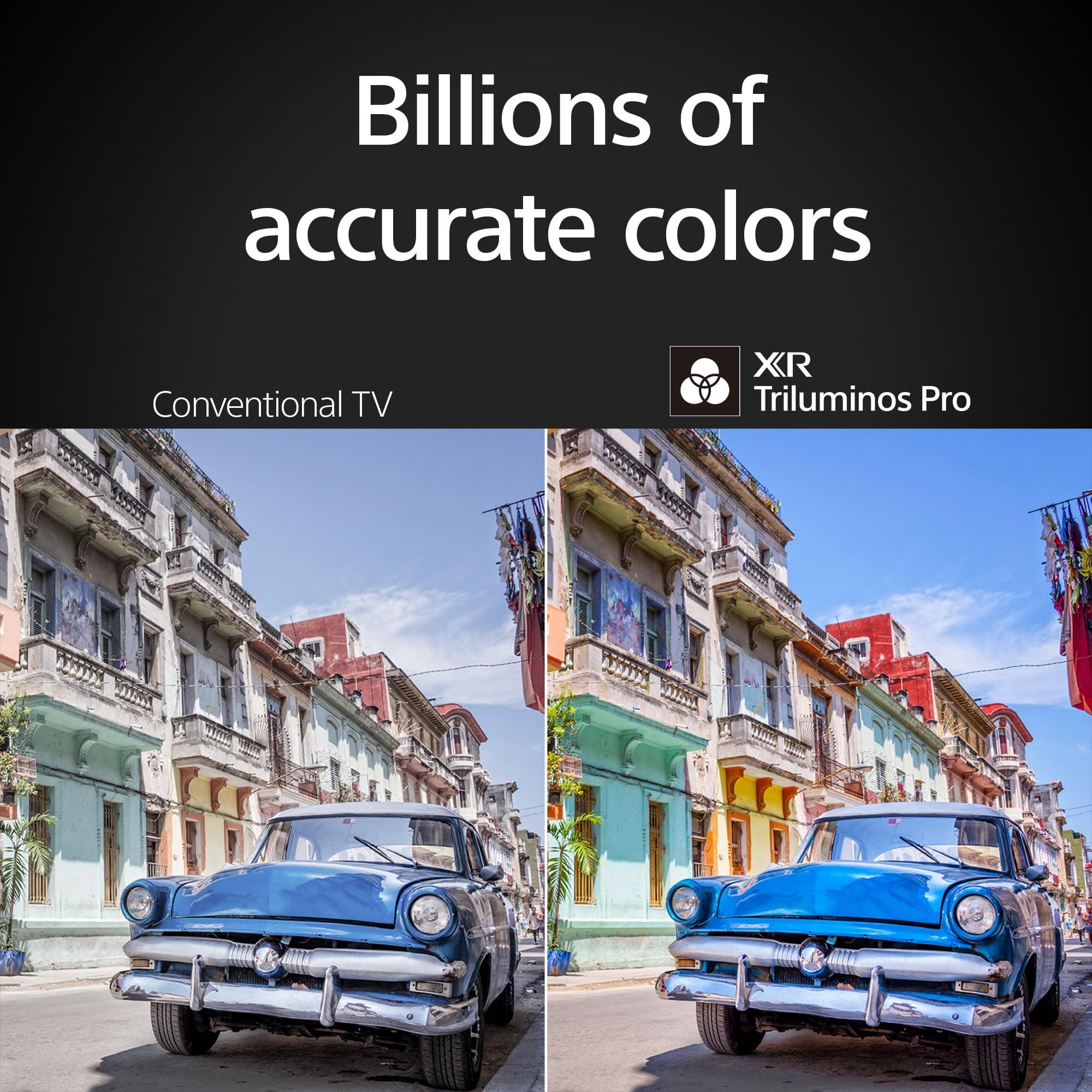
However, the Sony BRAVIA 8 approaches color differently. Sony's XR Triluminos Pro technology focuses on color accuracy rather than just vibrancy. Each pixel can produce its exact intended color and brightness level independently, resulting in more natural-looking skin tones and subtle color gradations. While OLED displays generally can't get as bright as QLED in peak highlights, the per-pixel control means that bright HDR elements appear against perfectly black backgrounds, creating a more dramatic overall effect.
The processing power difference also matters significantly here. Sony's XR Processor analyzes content in real-time, optimizing color and contrast for human visual perception. Meanwhile, our evaluation of user feedback reveals that the Toshiba M550 sometimes struggles with complex HDR processing, particularly in action sequences with rapid movement.
For sports fans and action movie enthusiasts, motion handling becomes critical. The Sony BRAVIA 8 includes native 120Hz refresh rate capability with sophisticated XR OLED Motion processing. This technology analyzes movement between frames and inserts additional frames to smooth out motion blur and judder—the choppy movement you sometimes see during fast camera pans or sports action.
The Toshiba M550 technically supports 120Hz, but only at lower resolutions (1440p and 1080p). At 4K resolution—what you'll be watching most of the time—it's limited to 60Hz. More problematically, user reviews consistently mention motion issues during busy action scenes, with some describing "phantom images" around moving objects and jerky low-FPS appearance during complex sequences.
This difference is particularly noticeable with sports content. Fast-moving balls, racing cars, or hockey pucks appear much clearer and easier to track on the Sony BRAVIA 8. For casual viewing, the Toshiba M550 handles slower-paced content adequately, but demanding viewers will notice the limitations.
Gaming has become a major consideration for TV buyers, especially with the capabilities of PlayStation 5 and Xbox Series X consoles. The performance gap between these TVs in gaming scenarios is substantial.
The Sony BRAVIA 8 offers true 4K gaming at 120Hz with Variable Refresh Rate (VRR) support and Auto Low Latency Mode (ALLM). VRR synchronizes the TV's refresh rate with the console's frame rate, eliminating screen tearing and stuttering. ALLM automatically switches to the lowest possible input lag when it detects gaming content. With input lag under 8.5 milliseconds, competitive gamers will find the response nearly instantaneous.
The Toshiba M550 includes basic VRR support, but only up to 60Hz at 4K resolution. User reports indicate significantly higher input lag, and the processing limitations that affect regular content become even more apparent during gaming. The TV can handle casual gaming adequately, but serious gamers or anyone using current-generation consoles will find the limitations frustrating.
For home theater gaming setups, the Sony BRAVIA 8 also supports advanced features like Auto HDR Tone Mapping for PlayStation 5, which automatically optimizes HDR settings for the best gaming visuals without manual adjustment.
The smart TV experience represents one of the most significant differences between these models, and it's something you'll interact with every time you use the TV.
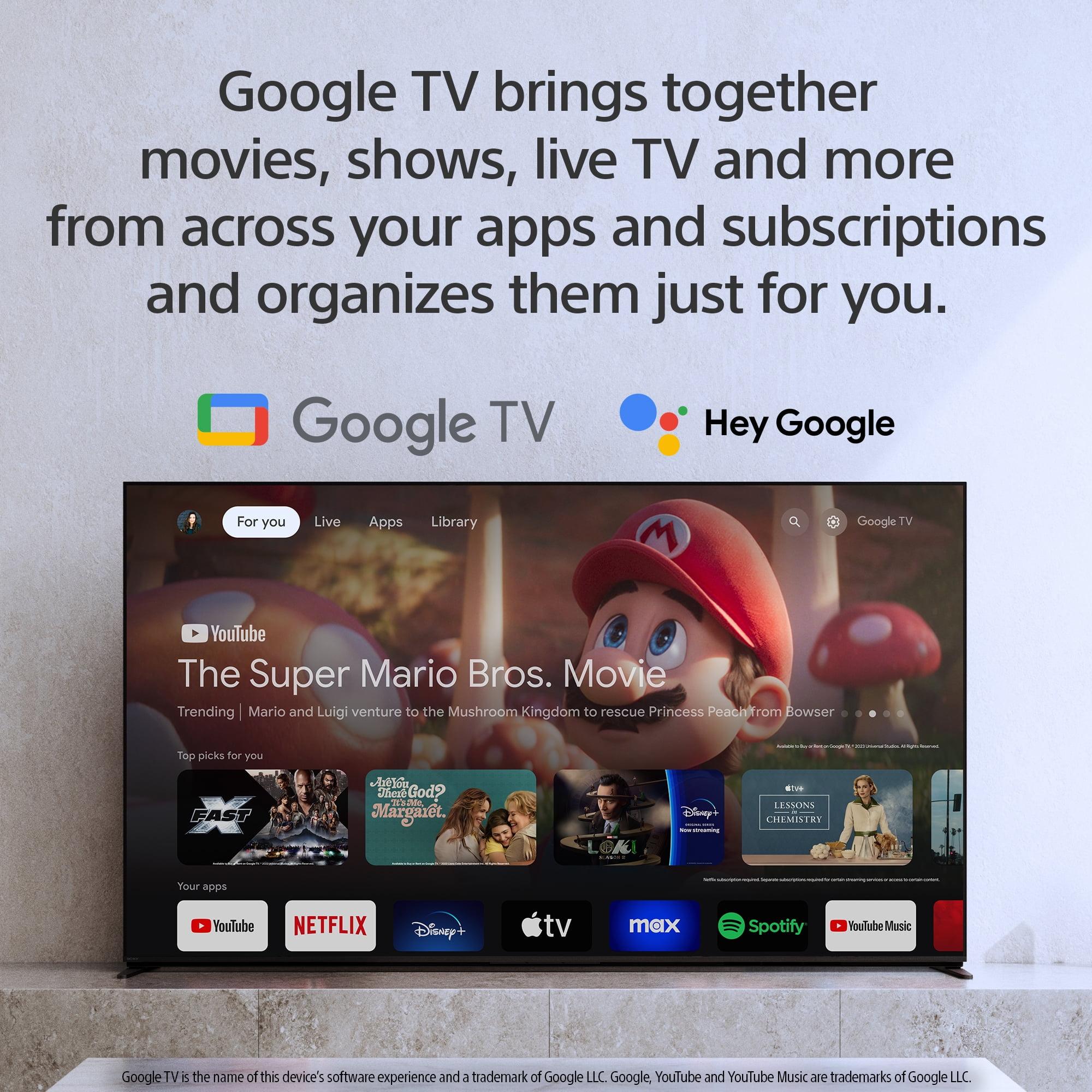
The Sony BRAVIA 8 runs Google TV, which provides access to essentially every streaming service and app you might want. More importantly, it has the processing power to run this software smoothly. Navigation feels responsive, apps load quickly, and the interface remains stable during extended use.
The Toshiba M550 uses Amazon's Fire TV platform, which offers good app selection and Alexa integration. However, our analysis of user feedback reveals consistent performance problems. Many users report 30-60 second wait times for apps to load, frequent freezing, and occasional crashes that require unplugging the TV to resolve. Some describe the TV exiting apps on its own or refusing to play certain content.
This software performance difference becomes more significant over time. While both TVs receive regular updates, the Toshiba M550's underpowered processor struggles increasingly with newer software versions. The Sony BRAVIA 8, with its more robust processing capabilities, should maintain smooth operation throughout its lifespan.
Most people underestimate how much audio quality affects their viewing experience until they hear a significant improvement. Both TVs take different approaches to built-in sound, though both benefit from external sound systems for serious home theater use.
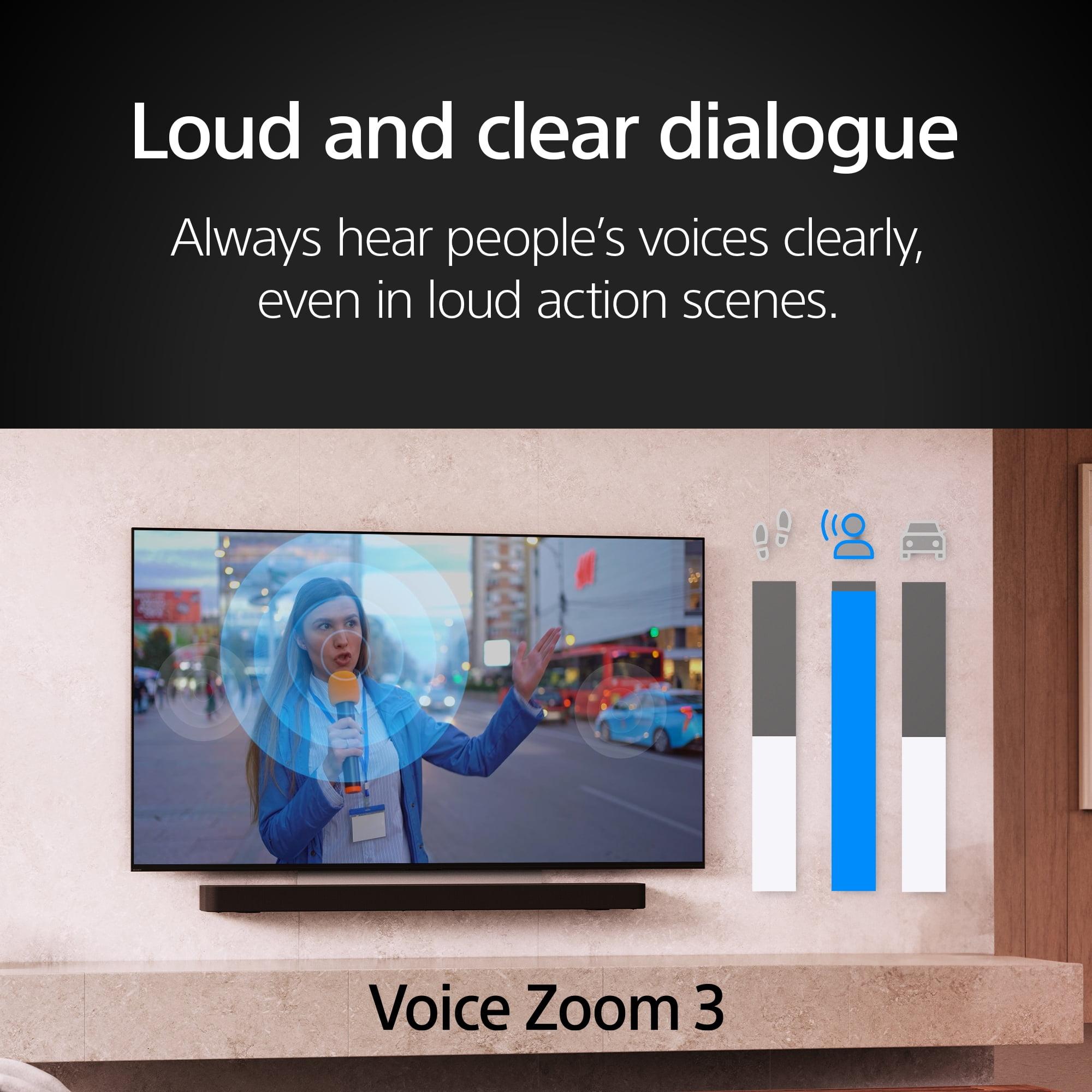
The Sony BRAVIA 8 features Acoustic Surface Audio+ technology, where the entire OLED screen acts as a speaker. Actuators behind the panel vibrate the screen itself to produce sound, creating an unusual effect where dialogue appears to come directly from actors' mouths on screen rather than from below the TV. Combined with a traditional subwoofer and 50 watts total power, this creates a more immersive experience than typical TV speakers.
The Toshiba M550 includes REGZA Power Audio Pro with a built-in subwoofer and dual speakers. While this produces adequate sound for casual viewing—many users report being surprised they didn't need to immediately buy a soundbar—it lacks the sophistication and immersive quality of the Sony's system.
For serious home theater setups, both TVs support external sound systems, but the Sony BRAVIA 8 includes advanced features like Acoustic Center Sync, which coordinates the TV's built-in speakers with compatible Sony soundbars for enhanced dialogue clarity.
When investing in a large TV, reliability becomes crucial since this purchase should last many years. The track record difference between these models is notable.
Sony's reputation for TV reliability is well-established, and the BRAVIA 8 uses professional-grade components designed for years of heavy use. OLED technology itself has matured significantly since its introduction, with burn-in concerns largely resolved through improved materials and automatic pixel-shifting technologies.
The Toshiba M550 presents more reliability concerns based on user feedback. Beyond the software performance issues mentioned earlier, some users report hardware problems including screen flashing, partial display failures, and audio dropouts that require hard resets to resolve. While many units work fine, the higher incident rate of problems suggests less consistent quality control.
The processing power limitations of the Toshiba M550 also create long-term concerns. As streaming services and smart TV platforms become more demanding over time, the underpowered processor may struggle to keep up, potentially shortening the TV's useful lifespan.
At the time of writing, these TVs target completely different market segments with correspondingly different price points. The Toshiba M550 typically sells for well under $600, making it one of the most affordable ways to get a 65-inch 4K TV. The Sony BRAVIA 8 commands premium pricing in the $1,800-2,200 range, reflecting its OLED technology and advanced features.
For pure screen size per dollar, the Toshiba M550 offers exceptional value. If your primary goal is getting the largest possible 4K display for the least money, and you can tolerate some performance limitations, it represents solid value for casual viewing needs.
The Sony BRAVIA 8 justifies its premium pricing through superior performance in virtually every measurable category. For serious TV enthusiasts, the per-dollar performance in the premium segment actually represents good value when you consider the technology involved and expected lifespan.
After extensive research into both professional reviews and user feedback, clear usage patterns emerge for each TV.
Choose the Toshiba M550 if you:
The Sony BRAVIA 8 makes sense if you:
The choice between these TVs ultimately depends on your priorities and viewing habits. The Toshiba M550 succeeds as a budget option that delivers acceptable 4K performance at an unbeatable price. It's perfect for anyone who just wants a big, functional smart TV without paying premium prices.
The Sony BRAVIA 8 represents what's possible when engineering and budget aren't constrained. Every aspect of the viewing experience is elevated, from the perfect blacks and accurate colors to the responsive smart interface and advanced gaming features.
Consider your viewing environment, content preferences, and how long you plan to keep the TV. If you're price-sensitive and watch mostly in bright rooms, the Toshiba M550 offers remarkable value. But if you're looking for a TV that will impress for years to come and serve as a serious home entertainment centerpiece, the Sony BRAVIA 8 justifies its premium through superior performance across the board.
The gap between these TVs is significant enough that there's little middle ground—they serve distinctly different needs and budgets. Understanding which category you fall into will make your decision clear.
| Toshiba 65" M550 Series QLED Fire TV | Sony BRAVIA 8 65" 4K OLED TV |
|---|---|
| Display Technology - Fundamental difference affecting picture quality | |
| QLED with LED backlight and 48-zone local dimming | Self-illuminating OLED with 8+ million individual pixel controls |
| Black Levels - Critical for movie watching and contrast | |
| Grayish blacks due to backlight bleed | Perfect blacks with infinite contrast ratio |
| Peak Brightness - Important for HDR and bright room viewing | |
| Higher peak brightness, better for well-lit rooms | Lower peak brightness but superior overall HDR impact |
| Gaming Performance - Essential for PlayStation 5/Xbox Series X | |
| 60Hz at 4K, basic VRR, higher input lag | 120Hz at 4K, advanced VRR/ALLM, <8.5ms input lag |
| Smart Platform - Daily user experience and long-term performance | |
| Fire TV with Alexa (frequent lag, 30-60s app loads) | Google TV with Assistant (smooth, responsive interface) |
| Motion Handling - Important for sports and action content | |
| 120Hz limited to 1440p/1080p, motion blur issues | Native 120Hz with advanced XR OLED Motion processing |
| Color Technology - Affects vibrancy and accuracy | |
| Quantum dots covering 90%+ DCI-P3 (vibrant but less accurate) | XR Triluminos Pro (natural, cinema-accurate colors) |
| Audio System - Built-in sound quality | |
| REGZA Power Audio Pro with subwoofer (40-49W) | Acoustic Surface Audio+ screen-as-speaker (50W, 2.1 system) |
| HDR Support - Premium content compatibility | |
| HDR10, HDR10+, Dolby Vision, HLG | HDR10, Dolby Vision with scene-by-scene optimization |
| Processor Performance - Affects responsiveness and longevity | |
| Underpowered REGZA Engine (struggles with complex content) | Powerful XR Processor (real-time optimization, future-proof) |
| Build Quality - Long-term reliability expectations | |
| Budget components, mixed reliability reports | Premium materials, established Sony reliability track record |
| Release Year - Technology generation and feature set | |
| 2024 budget model with cost-optimized features | 2024 premium model with latest OLED advancements |
| Best Use Cases - Who should choose each model | |
| Budget buyers, bright rooms, casual viewing, secondary TVs | Home theater enthusiasts, gamers, premium experience seekers |
The Toshiba 65" M550 Series QLED Fire TV uses QLED technology with LED backlighting, while the Sony BRAVIA 8 65" 4K OLED TV features self-illuminating OLED pixels. This means the Sony offers perfect blacks and infinite contrast, while the Toshiba provides brighter peak brightness for well-lit rooms at a much lower price point.
The Sony BRAVIA 8 is significantly better for gaming, offering 4K at 120Hz, Variable Refresh Rate (VRR), Auto Low Latency Mode (ALLM), and input lag under 8.5ms. The Toshiba M550 is limited to 60Hz at 4K resolution and has higher input lag, making it suitable only for casual gaming.
The Sony BRAVIA 8 65" 4K OLED TV delivers superior picture quality with perfect blacks, infinite contrast, and more accurate colors. The Toshiba M550 offers vibrant colors and higher peak brightness, but cannot match OLED's contrast performance or detail in dark scenes.
The Sony BRAVIA 8 is excellent for home theater use, with perfect blacks, superior HDR performance, and cinema-accurate colors that shine in dark viewing environments. The Toshiba M550 can work for casual home theater setups but lacks the contrast and processing power for serious cinematic experiences.
The Toshiba 65" M550 Series QLED Fire TV offers exceptional value for budget-conscious buyers, delivering 65-inch 4K performance at a fraction of premium TV costs. The Sony BRAVIA 8 provides better performance-per-dollar in the premium segment but costs significantly more upfront.
The Sony BRAVIA 8 runs Google TV smoothly with responsive navigation and quick app loading. The Toshiba M550 uses Fire TV with Alexa but suffers from slow performance, with users reporting 30-60 second app load times and frequent freezing issues.
The Toshiba M550 achieves higher peak brightness levels, making it better suited for bright, well-lit rooms where glare might be an issue. The Sony BRAVIA 8 65" 4K OLED TV has lower peak brightness but delivers more impactful HDR due to its perfect black levels and superior contrast.
The Sony BRAVIA 8 excels at motion handling with native 120Hz and advanced XR OLED Motion processing, making fast-moving sports content appear smooth and clear. The Toshiba M550 struggles with motion blur and judder during fast action sequences.
The Sony BRAVIA 8 features superior audio with Acoustic Surface Audio+ technology that turns the screen into a speaker, plus a 50W 2.1 system. The Toshiba 65" M550 Series QLED Fire TV offers decent sound with built-in subwoofer but lacks the sophistication of the Sony's system.
The Sony BRAVIA 8 65" 4K OLED TV has Sony's established reputation for reliability and premium build quality. The Toshiba M550 has mixed reliability reports, with some users experiencing software crashes, screen issues, and performance degradation over time.
The Toshiba M550 performs better in bright rooms due to its higher peak brightness and anti-glare properties. The Sony BRAVIA 8 is optimized for darker viewing environments where its perfect blacks and contrast advantages can shine.
Choose the Toshiba 65" M550 Series QLED Fire TV if you need a budget-friendly 65-inch TV for casual viewing in bright rooms. Select the Sony BRAVIA 8 65" 4K OLED TV if you want premium picture quality, serious gaming performance, and reliable long-term performance for your main entertainment setup.
We've done our best to create useful and informative comparisons to help you decide what product to buy. Our research uses advanced automated methods to create this comparison and perfection is not possible - please contact us for corrections or questions. These are the sites we've researched in the creation of this article: bestbuy.com - bestbuy.com - consumerreports.org - youtube.com - pcvarge.com - tomsguide.com - youtube.com - bestbuy.com - toshibatv-usa.com - marketplace-staging.paytomorrow.com - toshibatv-usa.com - productabout.com - leaseville.com - youtube.com - toshibatv-usa.com - bestbuy.com - bestbuy.com - crutchfield.com - avsforum.com - electronics.sony.com - sony.com - store.sony.co.nz - sony.com - displayspecifications.com

Privacy Policy
Terms and Conditions - Affiliate Policy
Home Security
© Copyright 2008-2026.
11816 Inwood Rd #1211, Dallas, TX 75244