

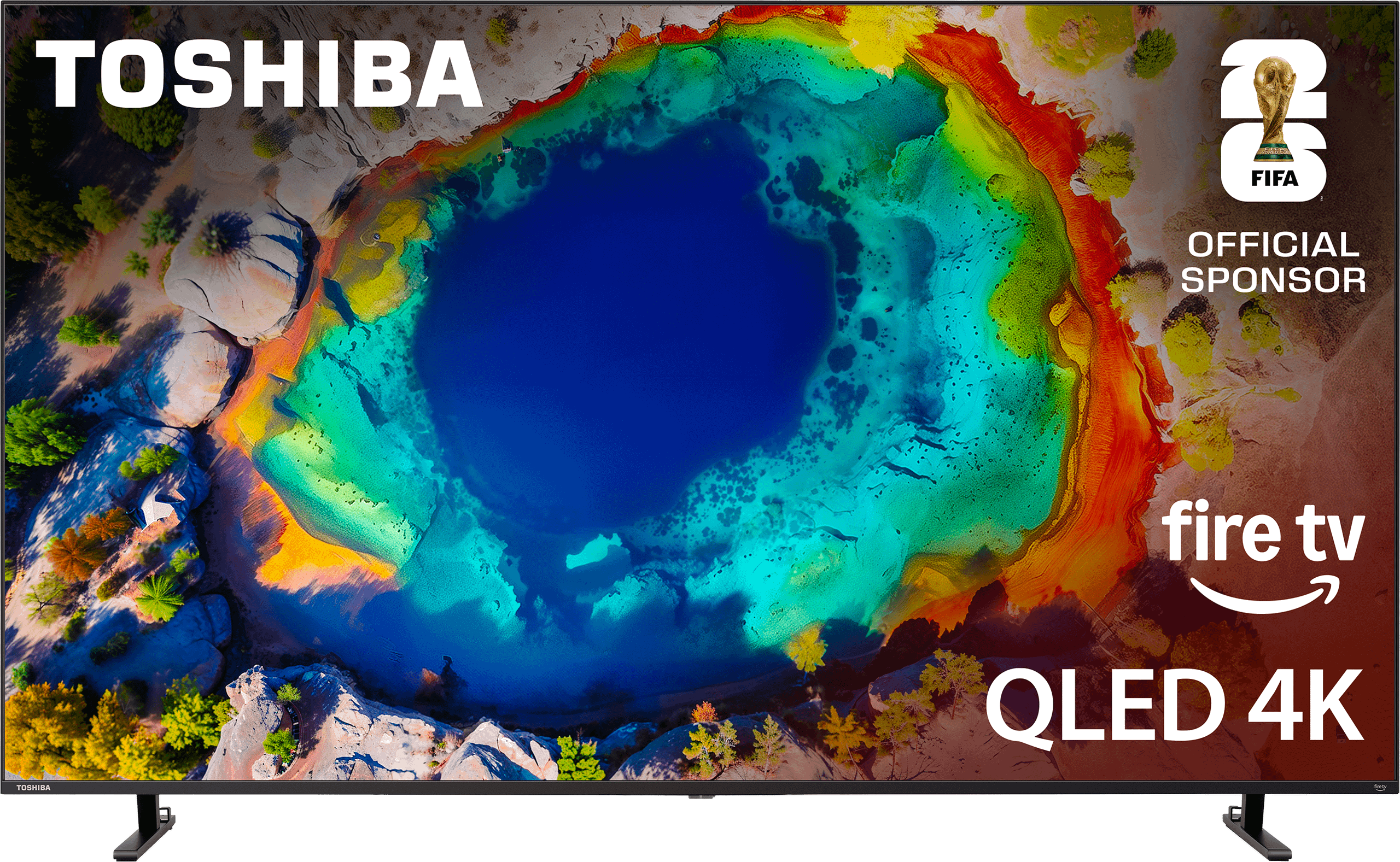
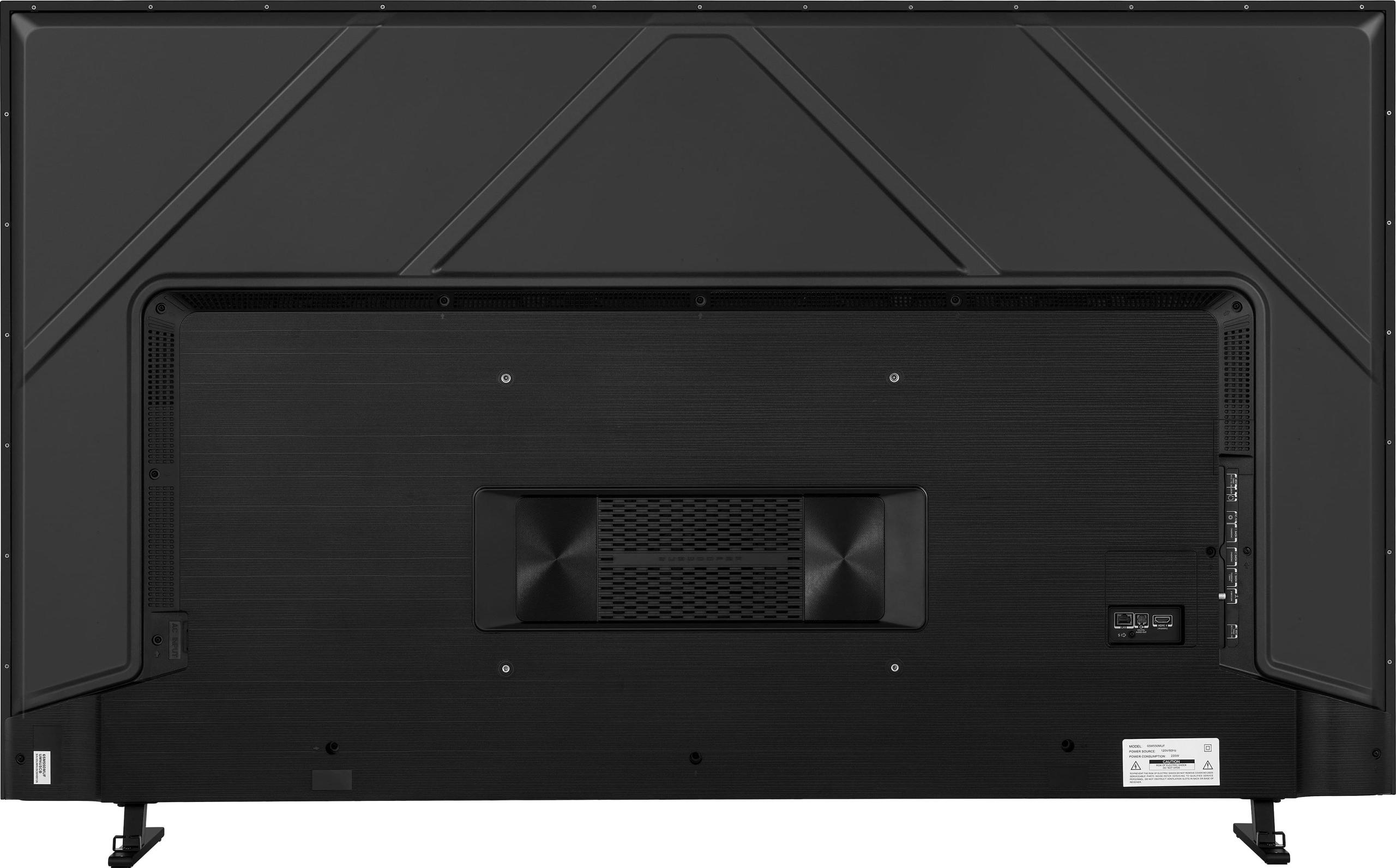
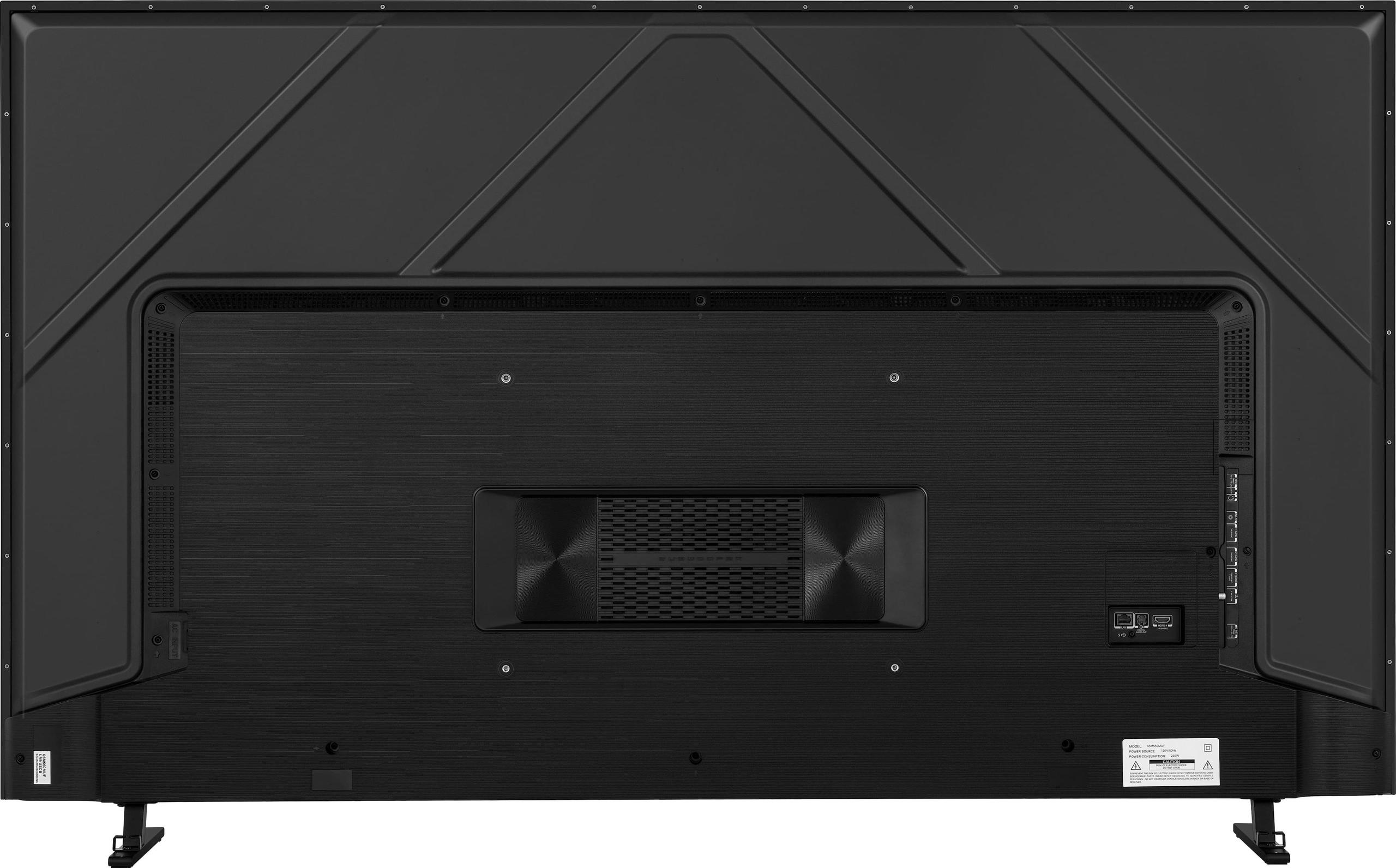
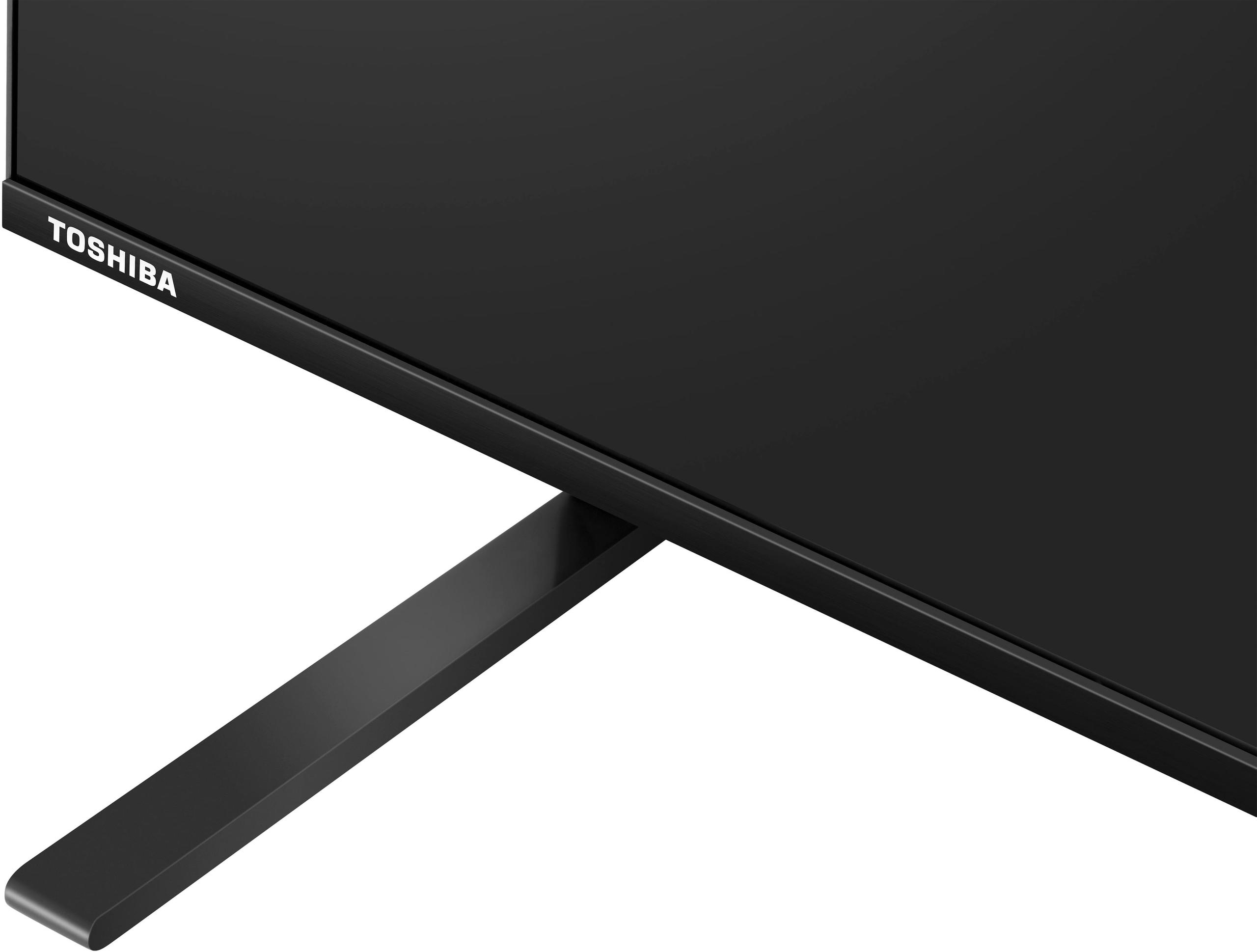
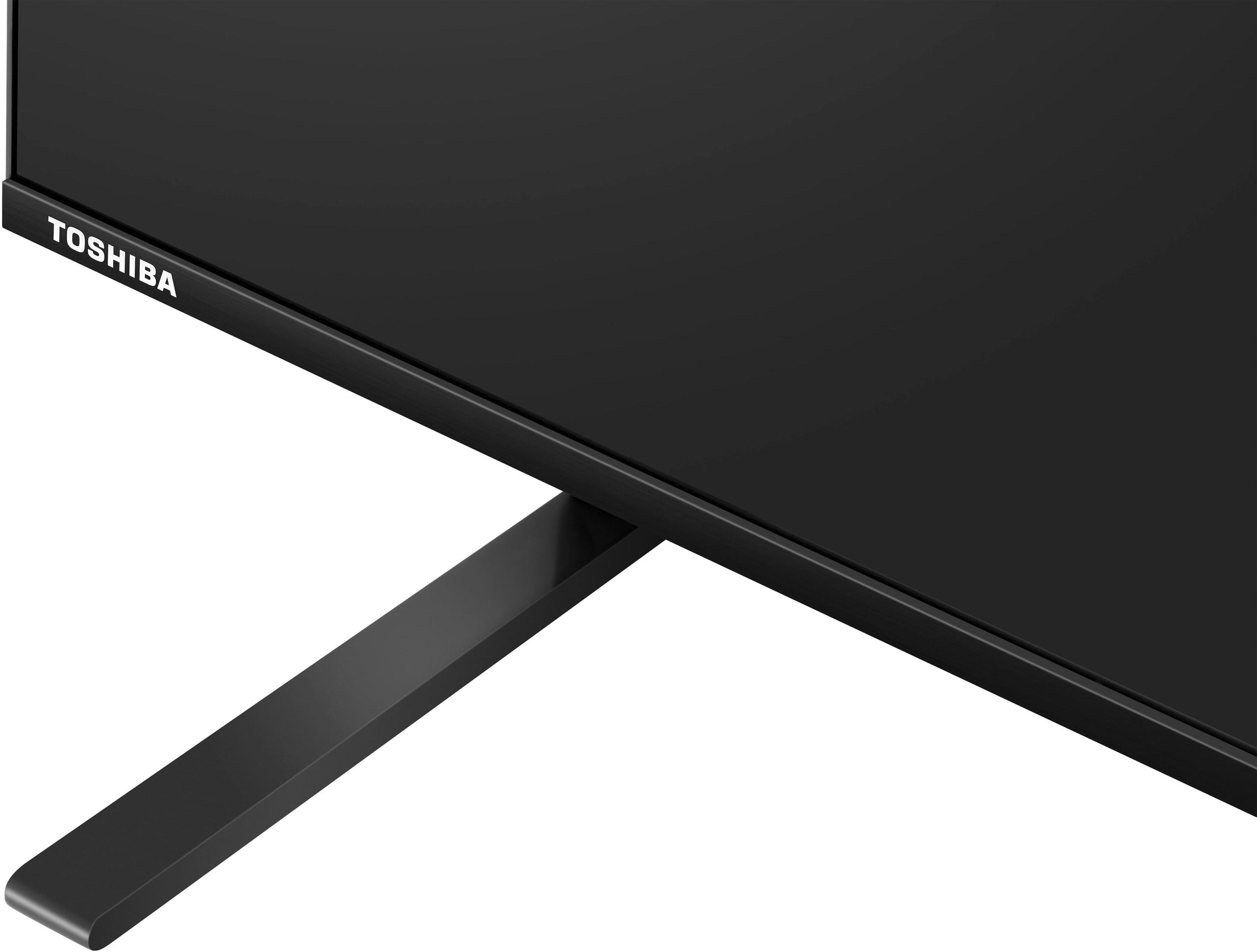
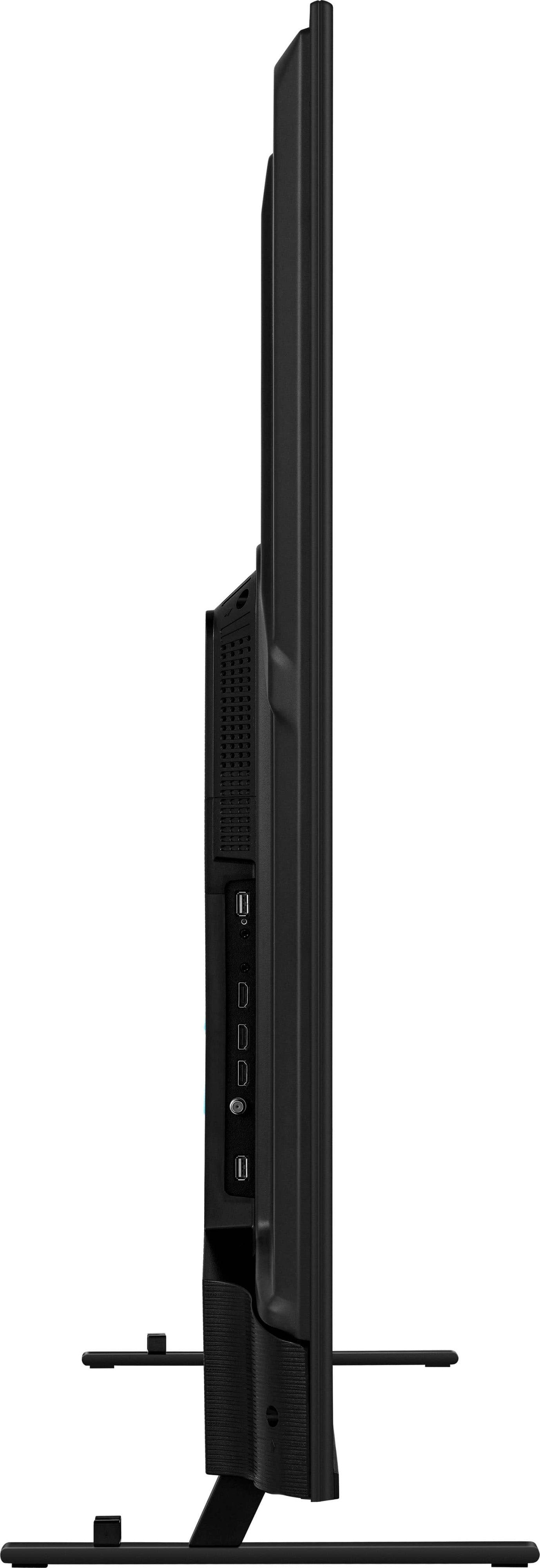
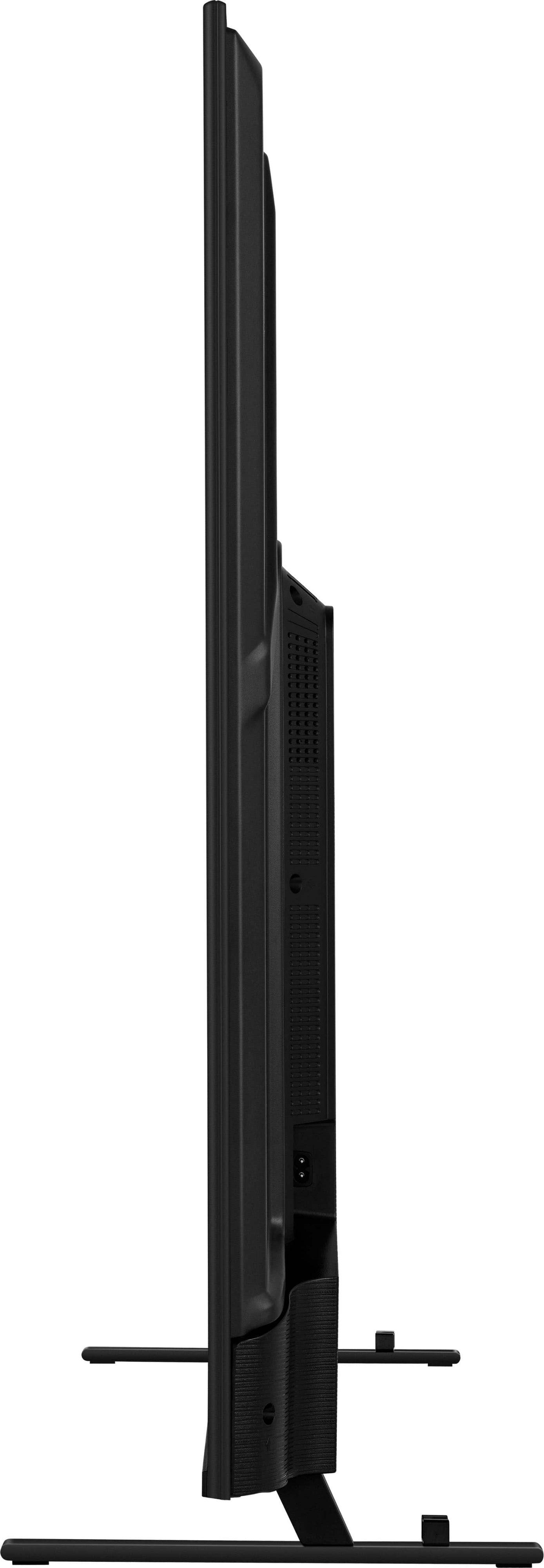
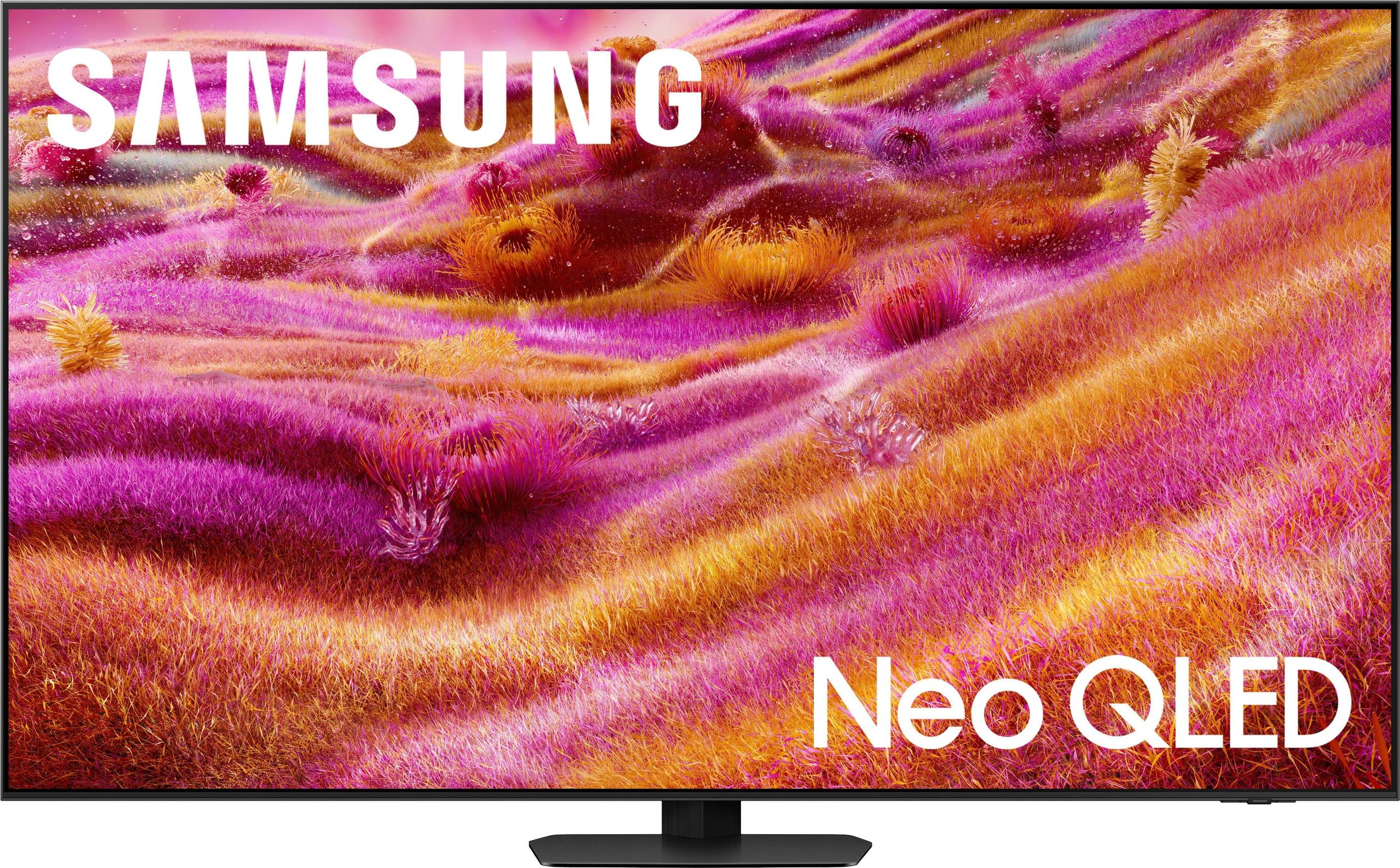
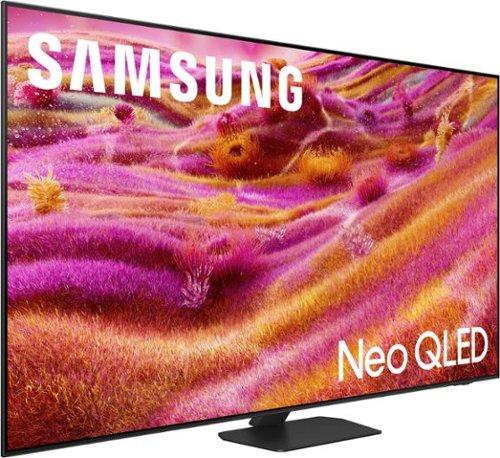
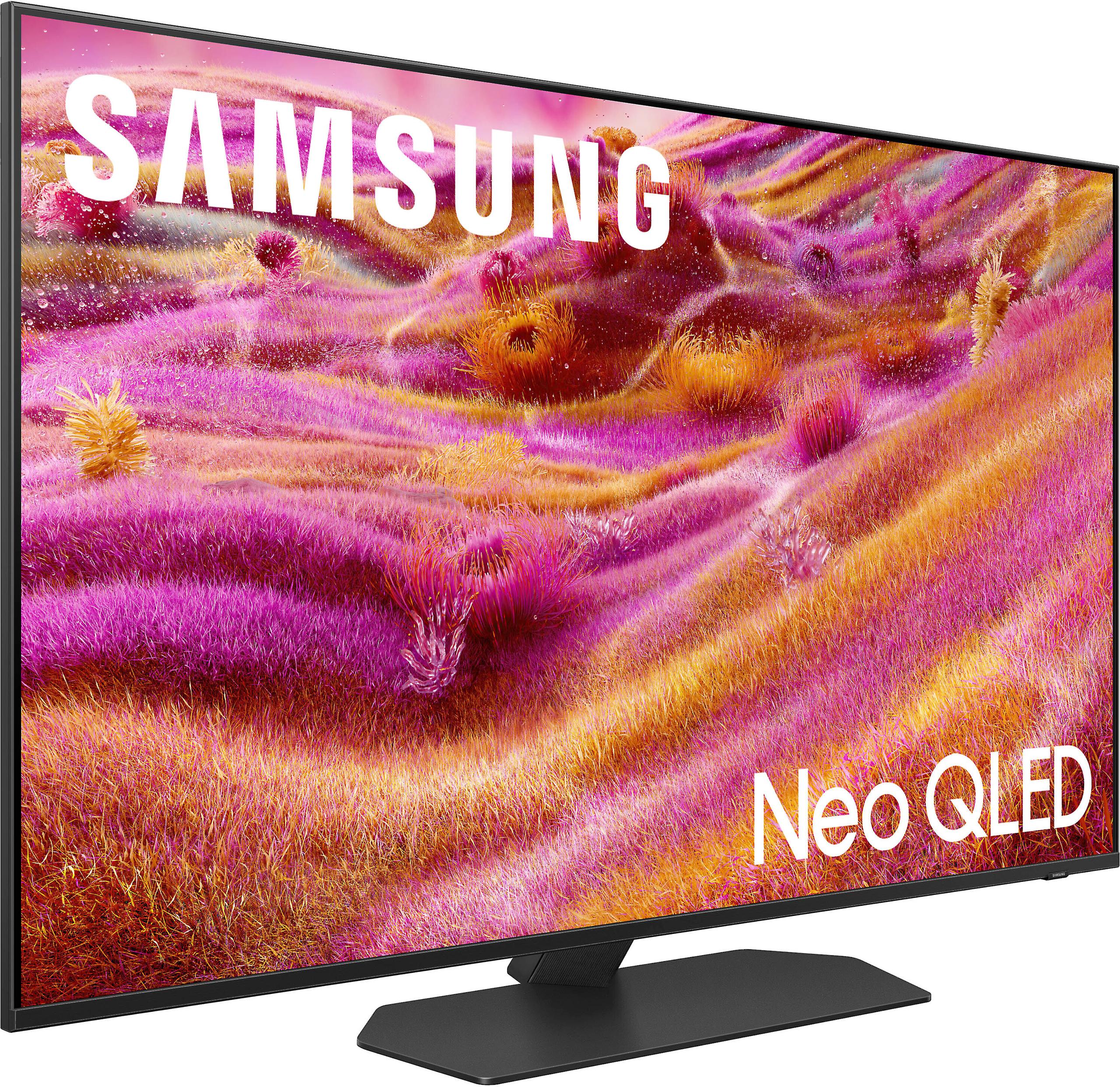
When you're shopping for a 65-inch TV, the sheer number of options can feel overwhelming. Today we're diving deep into two very different approaches to QLED technology: the budget-friendly Toshiba 65" M550 Series QLED Fire TV and the premium Samsung 65" QN90F Neo QLED 4K Vision AI Smart TV. These TVs represent opposite ends of the value spectrum, and understanding their differences will help you make the right choice for your home.
QLED stands for Quantum Dot Light Emitting Diode, which is essentially a fancy way of saying these TVs use tiny particles called quantum dots to produce more vibrant colors than traditional LED TVs. Think of quantum dots as microscopic color filters that can produce over a billion different shades - that's why QLED TVs often look more colorful and lifelike than basic LED displays.
When shopping for a large QLED TV, you'll want to focus on several key areas: picture quality (how bright, colorful, and detailed the image looks), smart platform reliability (whether apps work smoothly), gaming performance (input lag and refresh rates), audio quality, and overall build quality. The challenge is balancing these features against your budget, and that's exactly where these two TVs diverge dramatically.
The Toshiba M550 launched in 2021, making it a solid representative of budget QLED technology from that era. At the time of writing, it's essentially a four-year-old design that's managed to stay competitive through aggressive pricing. The Samsung QN90F, on the other hand, represents Samsung's 2025 premium QLED lineup, incorporating the latest advances in Mini LED backlighting and AI processing.
This generational gap matters more than you might think. TV technology has advanced significantly between 2021 and 2025, particularly in areas like local dimming (controlling brightness in specific screen zones), processing power, and smart platform optimization. It's like comparing a 2021 smartphone to a 2025 model - the newer device has fundamental advantages that go beyond just being "a little better."
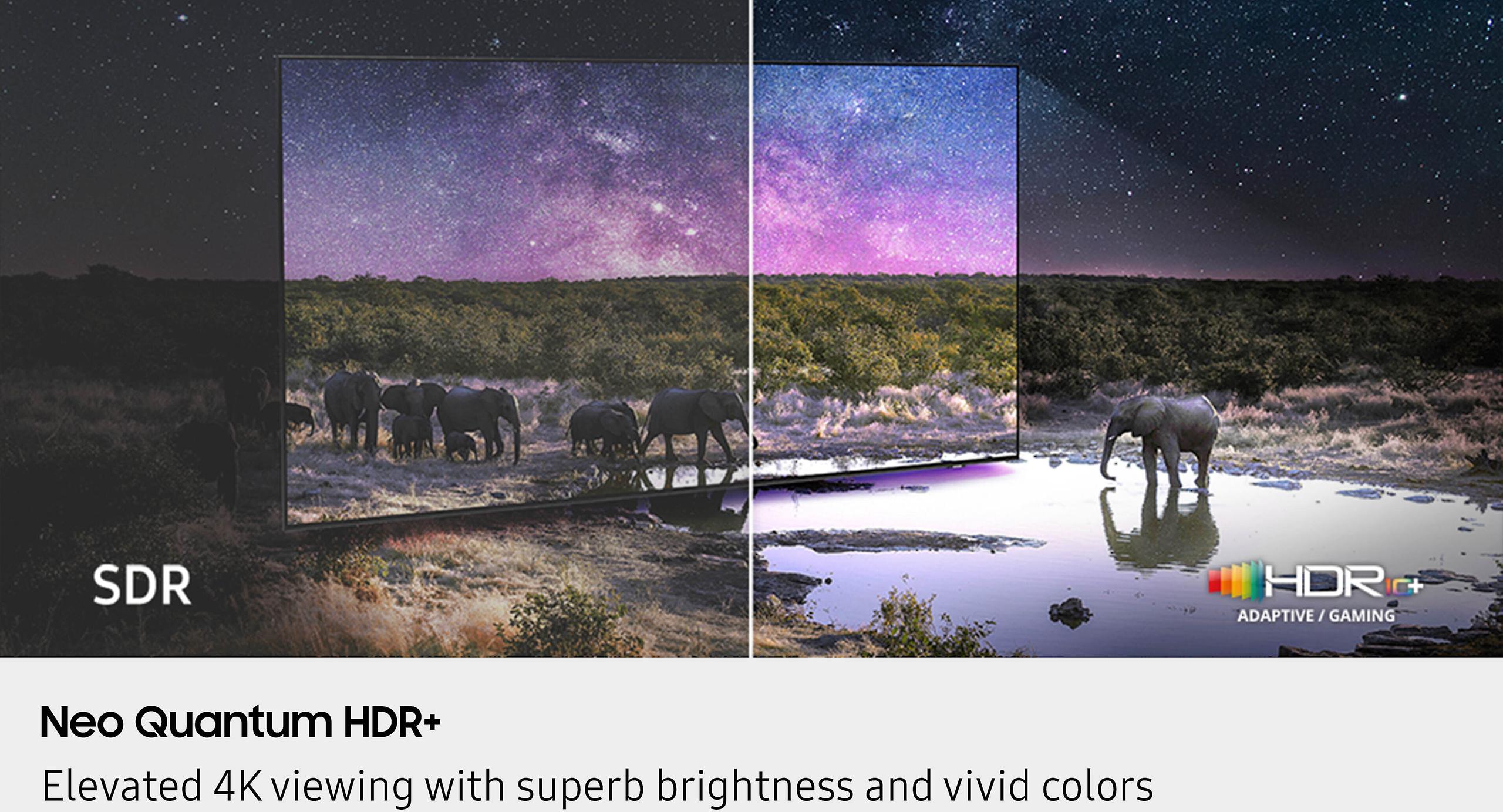
Picture brightness is where these TVs show their most dramatic differences. The Samsung QN90F can reach peak brightness levels of around 1,900 nits in small highlights, with sustained full-screen brightness of about 600 nits. To put this in perspective, a typical bright room might have ambient lighting around 100-200 nits, so this Samsung can easily overcome room reflections and deliver punchy, vibrant images even in sunlit spaces.
The Toshiba M550, while respectable for its price point, delivers significantly lower brightness levels. This matters most when watching HDR (High Dynamic Range) content - those Netflix movies and shows that promise more realistic lighting and colors. HDR essentially tells your TV to display a wider range of brightness levels, from deep blacks to brilliant whites, but it only works well if your TV can actually get bright enough to show the difference.
Both TVs support multiple HDR formats, but here's an interesting twist: the Toshiba M550 supports Dolby Vision, while the Samsung QN90F does not. Dolby Vision is like having a director's commentary for your TV's picture settings - it provides scene-by-scene instructions on how to display each moment optimally. However, the Samsung's superior hardware capabilities often overcome this software disadvantage in real-world viewing.
Local dimming is essentially your TV's ability to dim or brighten specific zones of the screen independently. Imagine trying to display a night scene with bright stars - you want the sky to be truly black while the stars shine brilliantly. The Toshiba M550 uses Full Array Local Dimming with 48 zones, which is decent for a budget TV but limited compared to premium models.
The Samsung QN90F employs Mini LED technology, which uses thousands of tiny LEDs instead of traditional larger ones. This allows for much more precise local dimming with hundreds of zones instead of dozens. The result is deeper blacks, less "blooming" (unwanted light spilling around bright objects), and overall better contrast. When watching dark movies or shows, this difference becomes immediately apparent.
Both TVs use quantum dot technology for enhanced colors, with the Toshiba M550 covering over 90% of the DCI-P3 color gamut (the standard used for digital cinema). That's actually quite good for a budget TV and means colors should look vibrant and lifelike in most content.
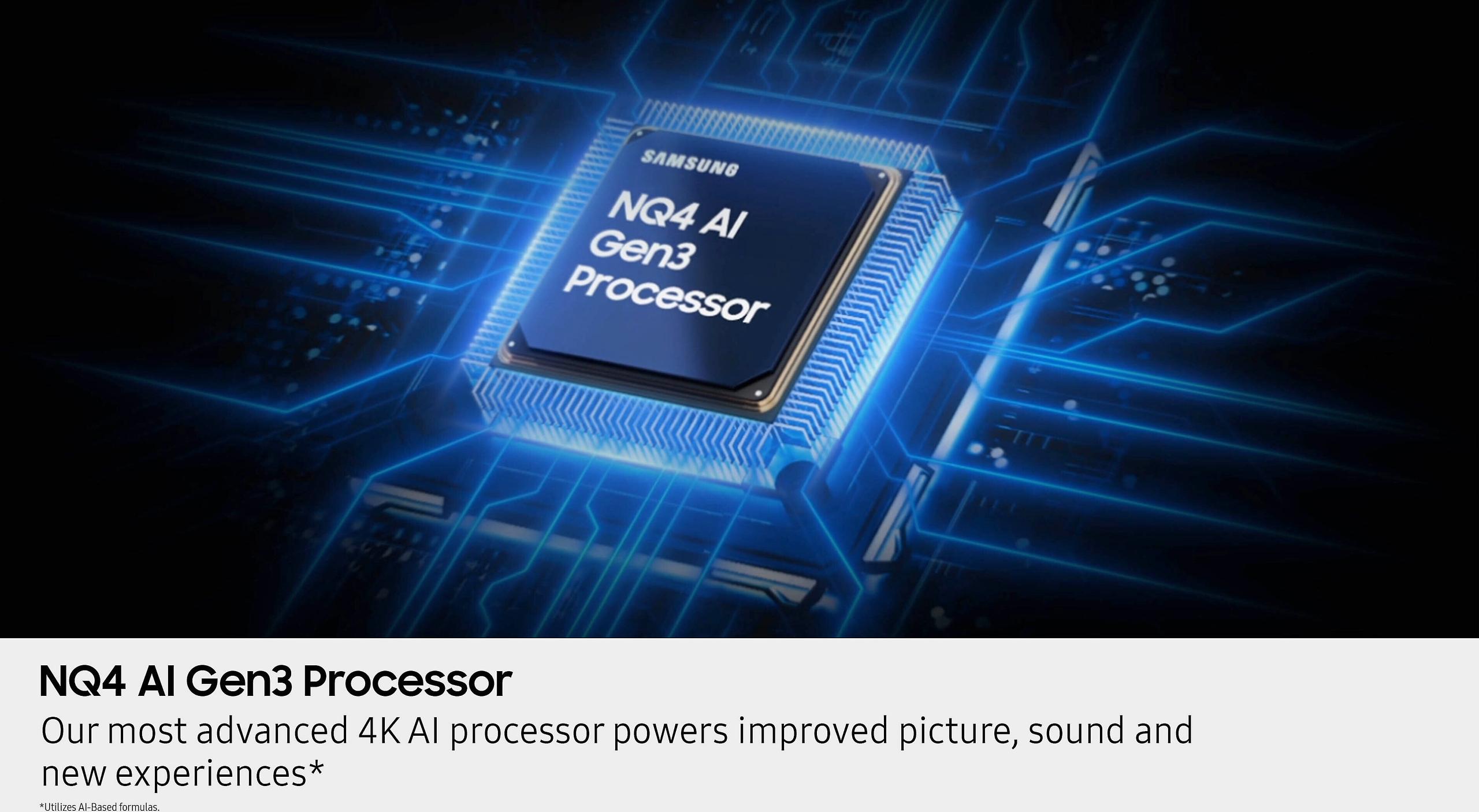
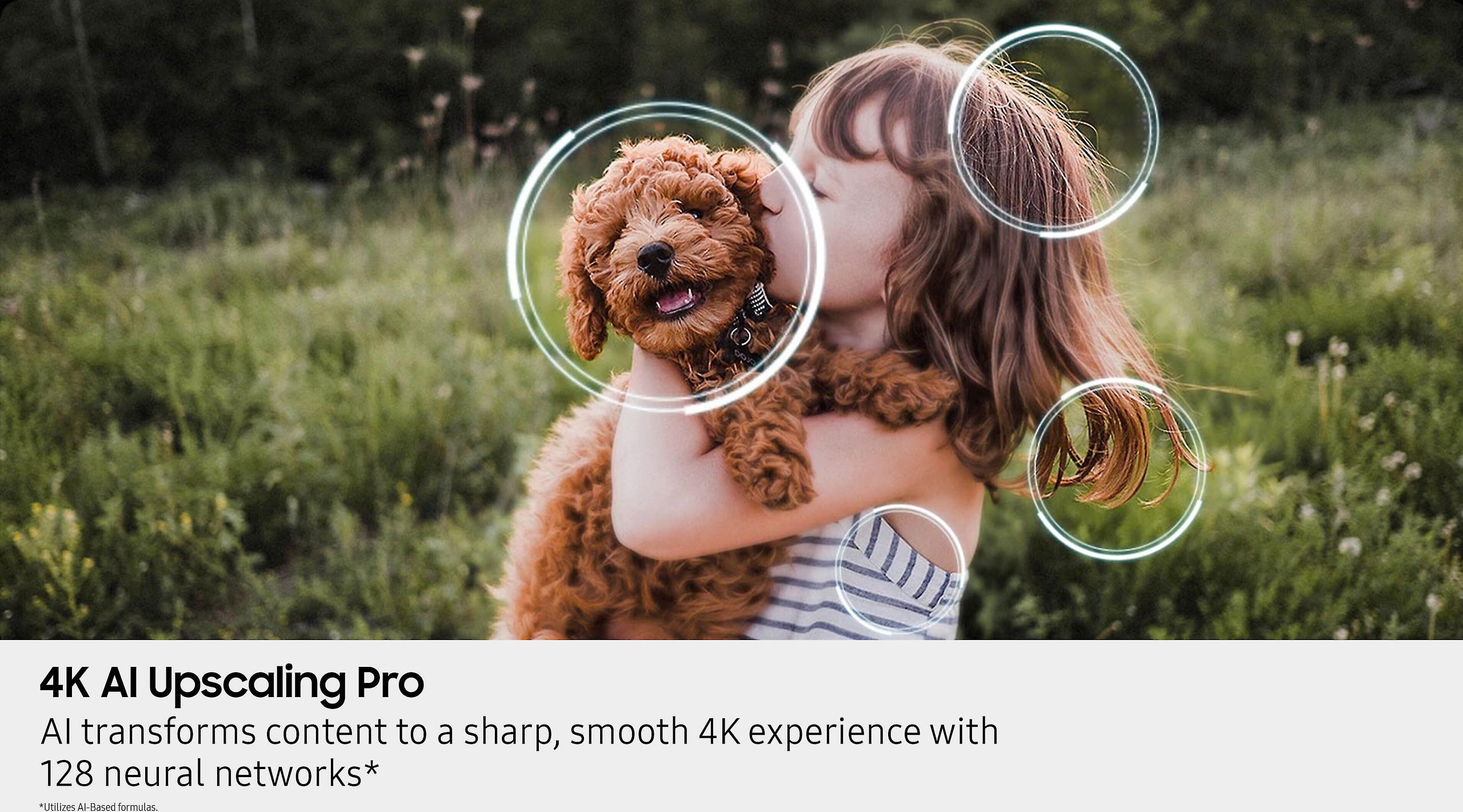
The Samsung QN90F takes processing to another level with its NQ4 AI Gen3 processor, powered by 128 neural networks. This isn't just marketing fluff - it means the TV analyzes each frame in real-time and applies sophisticated upscaling and enhancement. When you're watching older content or lower-resolution streaming, this processing can make a noticeable difference in sharpness and detail.
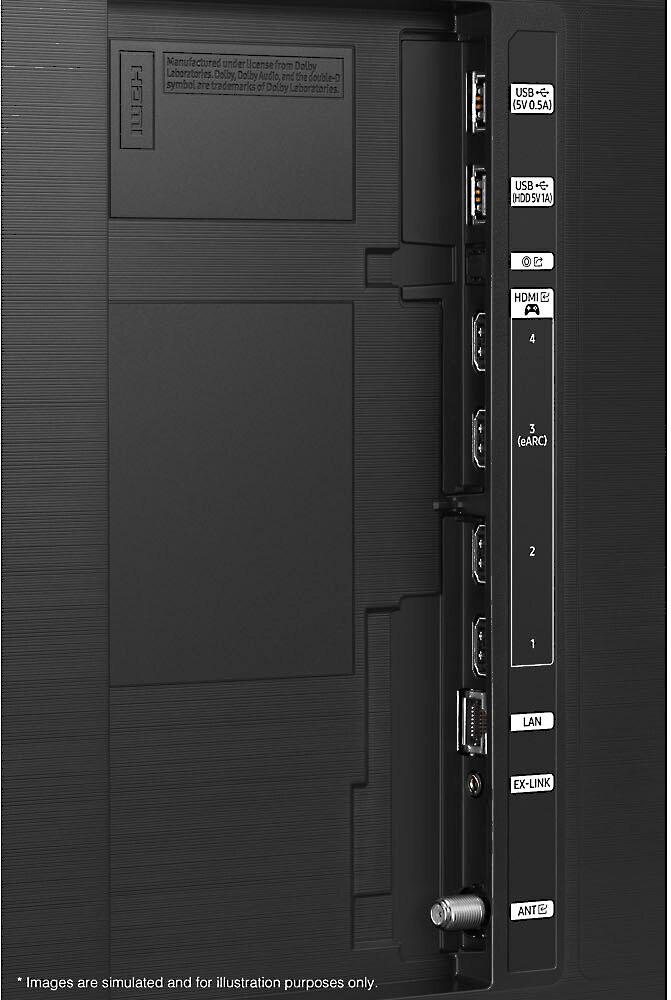
Modern gaming consoles like the PlayStation 5 and Xbox Series X can output 4K resolution at 120 frames per second, but only if your TV can keep up. The Samsung QN90F excels here with four HDMI 2.1 ports that support up to 165Hz refresh rates, Variable Refresh Rate (VRR) technology, and Auto Low Latency Mode (ALLM). These features work together to eliminate screen tearing, reduce input lag, and provide the smoothest possible gaming experience.
The Toshiba M550 offers basic gaming features with 120Hz support, but our research indicates significant limitations. Users report substantial input lag, motion handling issues during fast-paced scenes, and outdated HDMI ports that don't fully support modern console features. If gaming is important to you, these limitations could be deal-breakers.
Input lag - the delay between pressing a button and seeing the result on screen - is particularly crucial for competitive gaming. While the Samsung QN90F delivers responsive performance suitable for serious gaming, the Toshiba M550 struggles with delays that could affect your gameplay experience.
Here's where the generational difference becomes most apparent in day-to-day use. The Toshiba M550 runs Amazon's Fire TV platform, which should theoretically provide access to all major streaming services. However, user reviews consistently highlight significant performance issues: apps taking 30+ seconds to load, frequent crashes, and system freezes requiring hard resets.
The underlying problem appears to be an underpowered processor trying to run modern smart TV software. It's like trying to run current smartphone apps on a phone from several years ago - technically possible, but frustrating in practice. Users report the TV sometimes exits apps on its own, boots to advertisements instead of your last-watched content, and generally feels sluggish in operation.
The Samsung QN90F runs Samsung's Tizen operating system, which has been refined over many years and optimized for the TV's powerful hardware. The experience is notably smoother, with quick app launches, stable operation, and responsive navigation. This might seem like a minor detail, but considering you'll interact with the smart platform every time you use the TV, reliability matters significantly.
Both TVs include respectable audio systems, though neither replaces a dedicated sound system for serious home theater use. The Toshiba M550 features REGZA Power Audio Pro with a built-in subwoofer and Dolby Atmos support. Users note that the sound quality is surprisingly good for a budget TV, often eliminating the immediate need for a separate soundbar.
The Samsung QN90F includes a more sophisticated 60W 4.2.2 channel system with Object Tracking Sound+, which attempts to move audio around the screen to match on-screen action. While impressive for built-in speakers, serious movie watching or gaming still benefits from external audio equipment.
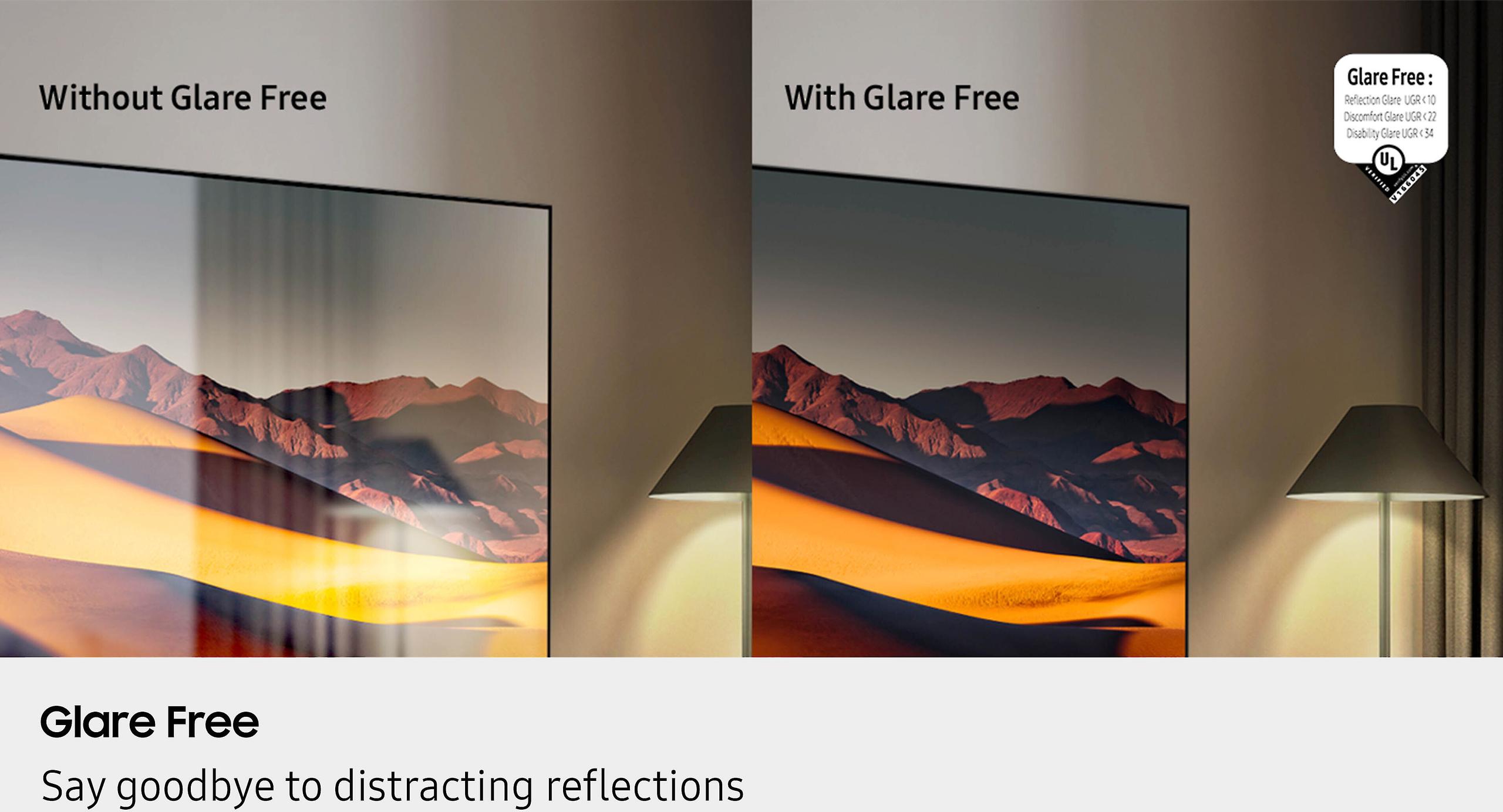
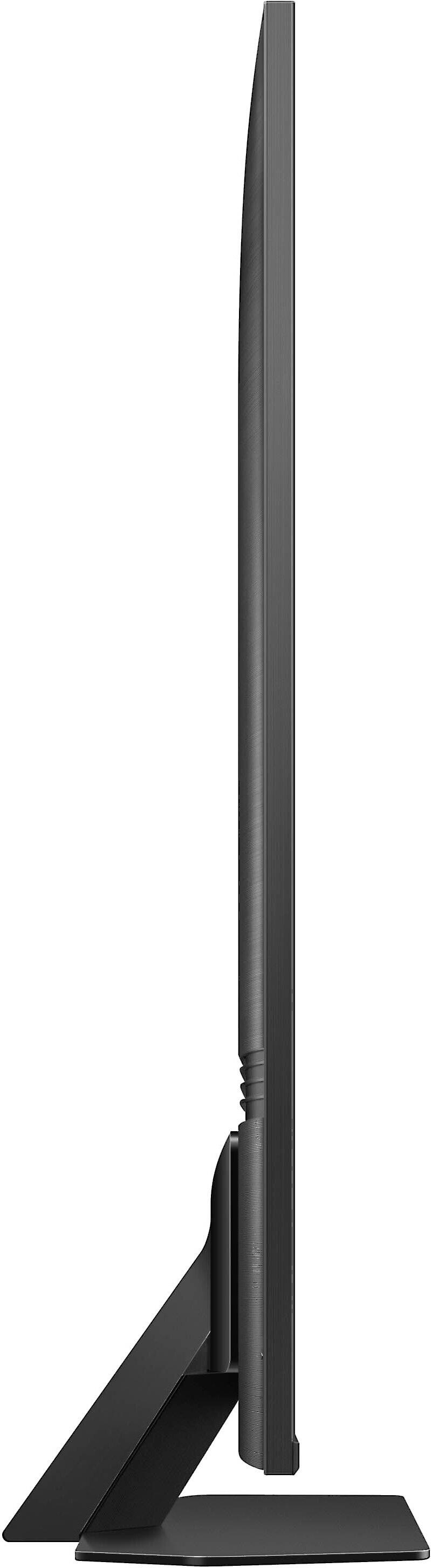
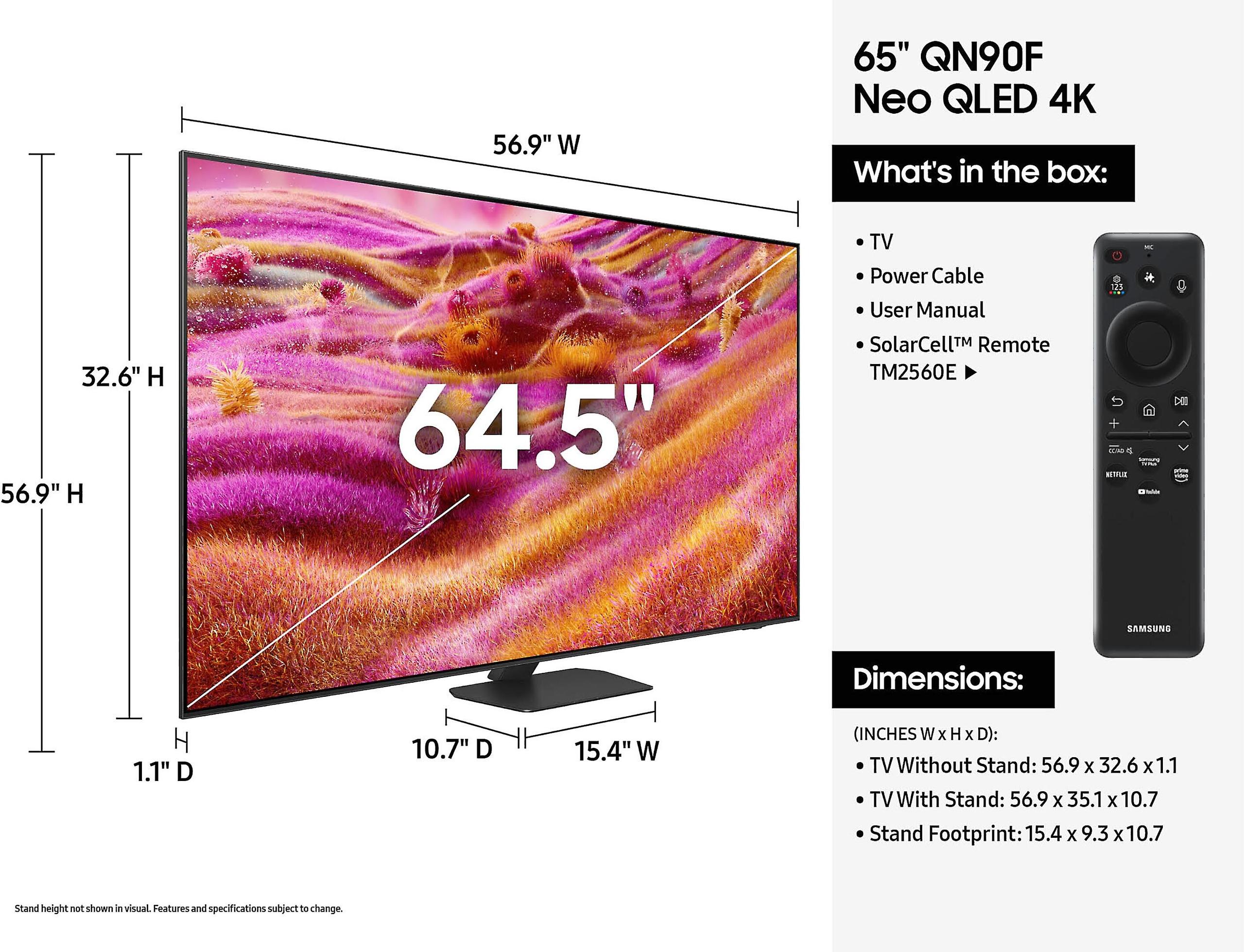
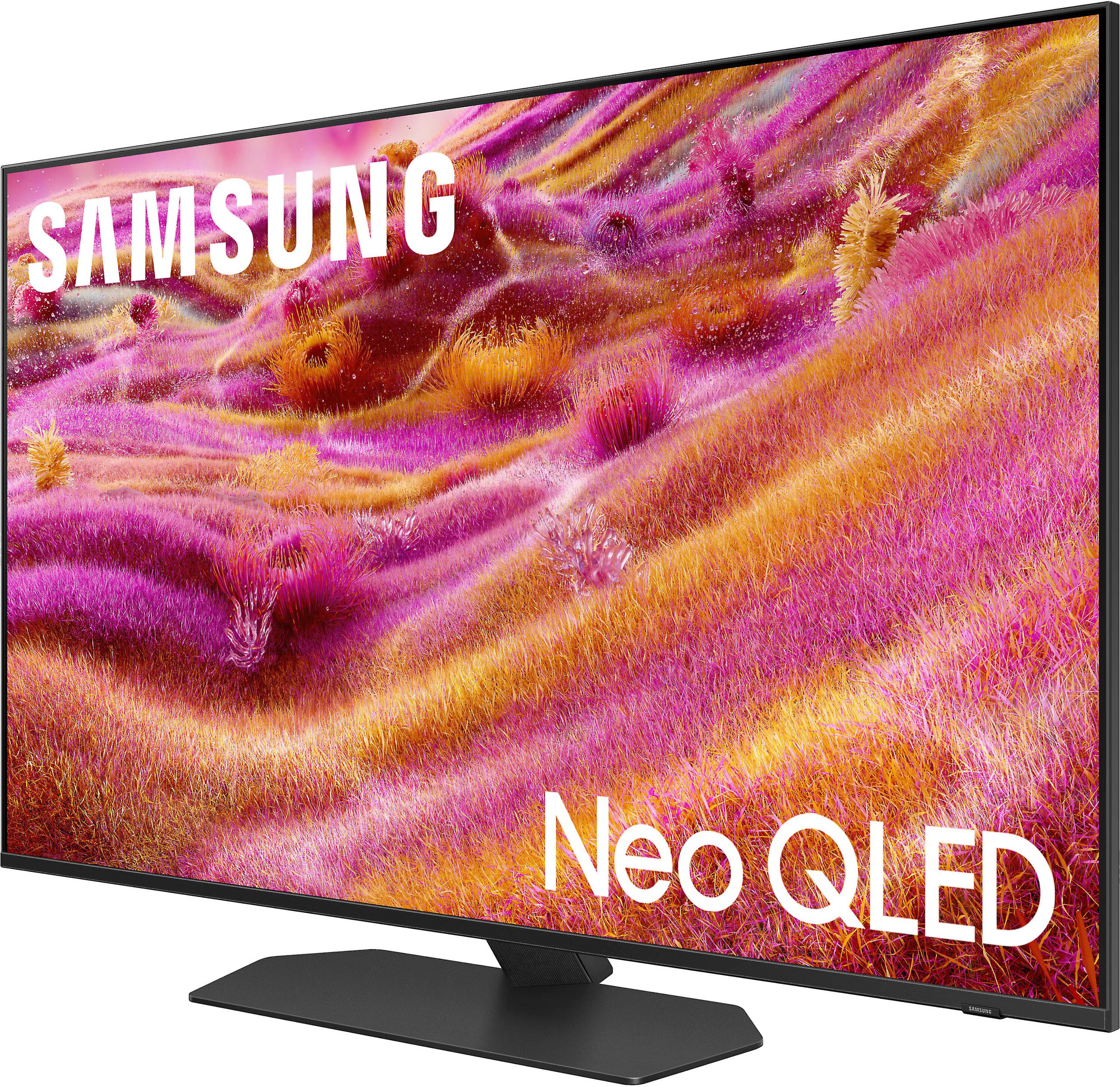
The Samsung QN90F showcases premium build quality with ultra-thin bezels, a depth of just over an inch despite the complex Mini LED backlighting, and Samsung's matte anti-glare coating. This coating is particularly noteworthy - it virtually eliminates reflections even in bright rooms, something typically only found on flagship OLED displays.
The Toshiba M550 features more basic construction with thicker bezels and a simpler design. While functional, it lacks the premium aesthetic touches that make the Samsung feel more like a piece of furniture than just a TV. Some users have reported hardware issues like screen flickering or color problems, though these seem to affect only a small percentage of units.
At the time of writing, the price difference between these TVs is substantial - we're talking about roughly four to five times the cost for the Samsung. This raises the fundamental question: is the premium performance worth the premium price?
The Toshiba M550 represents excellent value for casual viewers who primarily stream content, watch broadcast TV, and don't prioritize gaming or smart platform responsiveness. If your main goals are getting a large, colorful screen for family movie nights and basic entertainment, it delivers reasonable performance at a fraction of the premium cost.
The Samsung QN90F justifies its higher price through superior performance across virtually every metric, future-proof gaming capabilities, and rock-solid reliability. For enthusiasts who want the best possible picture quality, smooth smart platform operation, and cutting-edge features, the investment makes sense.
For dedicated home theater use, both TVs have distinct advantages and limitations. The Toshiba M550 supports Dolby Vision, which is increasingly common in streaming content and 4K Blu-rays. However, its limited brightness and basic processing mean you won't experience HDR content as the creators intended.
The Samsung QN90F excels in home theater applications through its exceptional brightness, superior black levels, and advanced processing. The anti-glare coating allows for flexible room lighting, while the high peak brightness ensures HDR content displays with proper impact. The lack of Dolby Vision support is disappointing for home theater purists, but the superior hardware often compensates in practical viewing scenarios.
Choose the Toshiba M550 if you're budget-conscious, primarily watch streaming services and broadcast TV, don't game seriously, and can tolerate occasional smart platform hiccups. It's particularly suitable for secondary TVs, college dorm rooms, or situations where cost is the primary concern.
Choose the Samsung QN90F if you want flagship-level performance, game with modern consoles, value smart platform reliability, or watch in rooms with challenging lighting conditions. It's ideal for main living room installations, serious movie watching, and anyone who wants their TV to remain current for many years.
The Toshiba M550 proves that budget TVs have come a long way, offering genuinely enjoyable viewing experiences at accessible prices. However, the smart platform limitations and motion handling issues prevent it from being a universal recommendation.
The Samsung QN90F represents what premium TV technology can achieve in 2025, with cutting-edge features that enhance every aspect of the viewing experience. While expensive, it delivers performance that justifies the investment for users who prioritize quality and reliability.
Ultimately, your decision should align with how you actually use your TV. If you're primarily streaming Netflix in the evening and watching the occasional movie, the Toshiba provides solid value. If you're gaming, watching HDR content regularly, or want a TV that excels in any lighting condition, the Samsung's superior performance makes it worth the investment. Both approaches are valid - it's simply a matter of matching your needs and budget to the right level of performance.
| Toshiba 65" M550 Series QLED Fire TV | Samsung 65" QN90F Neo QLED 4K Vision AI Smart TV 2025 |
|---|---|
| Display Technology - Core difference affecting picture quality | |
| Standard QLED with Full Array Local Dimming (48 zones) | Neo QLED with Mini LED and advanced local dimming (hundreds of zones) |
| Peak Brightness - Critical for HDR content and bright room viewing | |
| Good brightness for price point, adequate for controlled lighting | Exceptional 1,900+ nits peak brightness, excellent for any room |
| Processor - Determines upscaling quality and smart platform performance | |
| REGZA Engine ZR with basic AI upscaling | NQ4 AI Gen3 with 128 neural networks for superior processing |
| Gaming Features - Essential for PS5/Xbox Series X owners | |
| 120Hz native, basic VRR up to 60Hz, significant input lag issues | 120Hz up to 165Hz, advanced VRR, 4 HDMI 2.1 ports, optimized gaming |
| HDR Support - Different approaches to enhanced contrast | |
| Dolby Vision, HDR10, HDR10+, HLG (better format support) | HDR10+, HLG only (no Dolby Vision, but superior brightness compensates) |
| Smart Platform - Daily usability and app performance | |
| Fire TV OS with frequent freezing and slow response times | Tizen OS with smooth operation and reliable performance |
| Audio System - Built-in sound quality | |
| REGZA Power Audio Pro with subwoofer, adequate for casual viewing | 60W 4.2.2CH with Object Tracking Sound+, more immersive experience |
| Anti-Glare Technology - Important for bright room viewing | |
| Standard screen coating with typical reflections | Advanced matte anti-glare coating virtually eliminates reflections |
| Release Year - Technology generation and future-proofing | |
| 2021 technology (4+ years old at time of writing) | 2025 cutting-edge technology with latest AI features |
| Target User - Who each TV is designed for | |
| Budget-conscious casual viewers willing to accept limitations | Premium users wanting flagship performance and reliability |
| Value Proposition - Cost vs performance consideration | |
| Excellent picture quality for the price, smart platform issues | Premium price justified by superior performance across all metrics |
The Samsung QN90F delivers significantly superior picture quality with its Mini LED technology, reaching peak brightness of 1,900+ nits compared to the Toshiba M550's more modest brightness levels. The Samsung's advanced local dimming provides deeper blacks and better contrast, while its NQ4 AI processor with 128 neural networks offers superior upscaling and color processing.
The Samsung QN90F costs significantly more but justifies the price through flagship-level performance, reliable smart platform operation, and future-proof gaming features. The Toshiba M550 offers good value for budget-conscious buyers who can accept smart platform limitations and basic gaming performance. Choose Samsung for premium experience, Toshiba for cost savings.
The Samsung QN90F excels for modern console gaming with four HDMI 2.1 ports, support for up to 165Hz refresh rates, advanced VRR technology, and low input lag. The Toshiba M550 struggles with gaming due to significant input lag, motion handling issues, and outdated HDMI ports that don't fully support modern console features.
The Toshiba M550 runs Fire TV but suffers from frequent app crashes, slow response times (30+ seconds), and system freezes requiring hard resets. The Samsung QN90F uses Samsung's Tizen OS, which provides smooth operation, quick app launches, and stable performance for daily use.
The Toshiba M550 supports more HDR formats including Dolby Vision, HDR10, HDR10+, and HLG. The Samsung QN90F only supports HDR10+ and HLG, lacking Dolby Vision support. However, Samsung's superior brightness and processing often compensate for this limitation in real-world viewing.
Both TVs offer decent built-in audio, with the Toshiba M550 featuring REGZA Power Audio Pro with a built-in subwoofer that's surprisingly good for the price. The Samsung QN90F includes a more sophisticated 60W 4.2.2 channel system with Object Tracking Sound+ for more immersive audio experiences.
The Samsung QN90F significantly outperforms in bright rooms thanks to its exceptional peak brightness and advanced matte anti-glare coating that virtually eliminates reflections. The Toshiba M550 is adequate for controlled lighting but struggles with glare and maintaining image quality in very bright environments.
For home theater use, the Samsung QN90F is the clear winner with its superior brightness for proper HDR impact, deeper black levels, and advanced processing. The Toshiba M550 offers Dolby Vision support which is beneficial for home theater, but its limited brightness and basic processing prevent optimal HDR performance.
The Samsung QN90F demonstrates superior reliability with stable smart platform operation and premium build quality. User reviews indicate the Toshiba M550 suffers from smart platform issues, occasional hardware problems like screen flickering, and an underpowered processor that struggles with modern software demands.
The Samsung QN90F features premium construction with ultra-thin bezels, sophisticated design, and excellent build quality. The Toshiba M550 has functional but basic construction with thicker bezels and simpler aesthetics, though some users report occasional hardware issues.
The Toshiba M550 uses 2021 technology that's now over four years old, while the Samsung QN90F represents cutting-edge 2025 technology. This generational gap means significant advances in processing power, local dimming capabilities, smart platform optimization, and overall performance for the newer Samsung model.
Choose the Toshiba M550 if you're budget-conscious, primarily watch streaming content casually, don't game seriously, and can tolerate smart platform issues. Choose the Samsung QN90F if you want flagship performance, game with modern consoles, value reliability, watch in bright rooms, or want a TV that will remain current for many years.
We've done our best to create useful and informative comparisons to help you decide what product to buy. Our research uses advanced automated methods to create this comparison and perfection is not possible - please contact us for corrections or questions. These are the sites we've researched in the creation of this article: bestbuy.com - bestbuy.com - consumerreports.org - youtube.com - pcvarge.com - tomsguide.com - youtube.com - bestbuy.com - toshibatv-usa.com - marketplace-staging.paytomorrow.com - toshibatv-usa.com - productabout.com - leaseville.com - youtube.com - toshibatv-usa.com - rtings.com - images.samsung.com - youtube.com - listenup.com - youtube.com - cullenshomecenter.com - rtings.com - shopjetson.com - youtube.com - samsung.com - samsung.com - videoandaudiocenter.com - rtings.com - bestbuy.com - youtube.com - news.samsung.com - news.samsung.com - news.samsung.com - bestbuy.com - news.samsung.com - youtube.com - news.samsung.com - youtube.com - smarthomesounds.co.uk

Privacy Policy
Terms and Conditions - Affiliate Policy
Home Security
© Copyright 2008-2026.
11816 Inwood Rd #1211, Dallas, TX 75244