

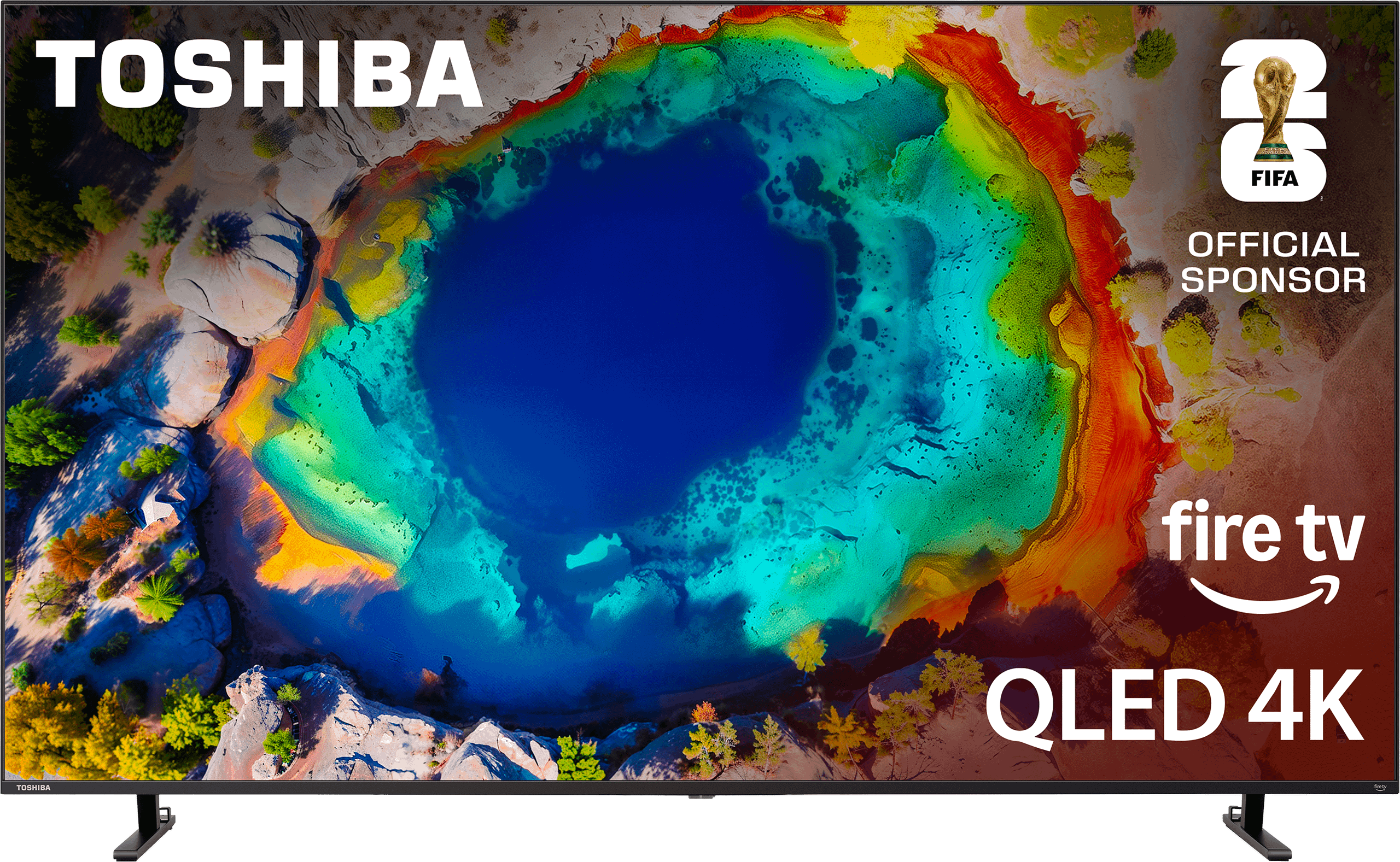
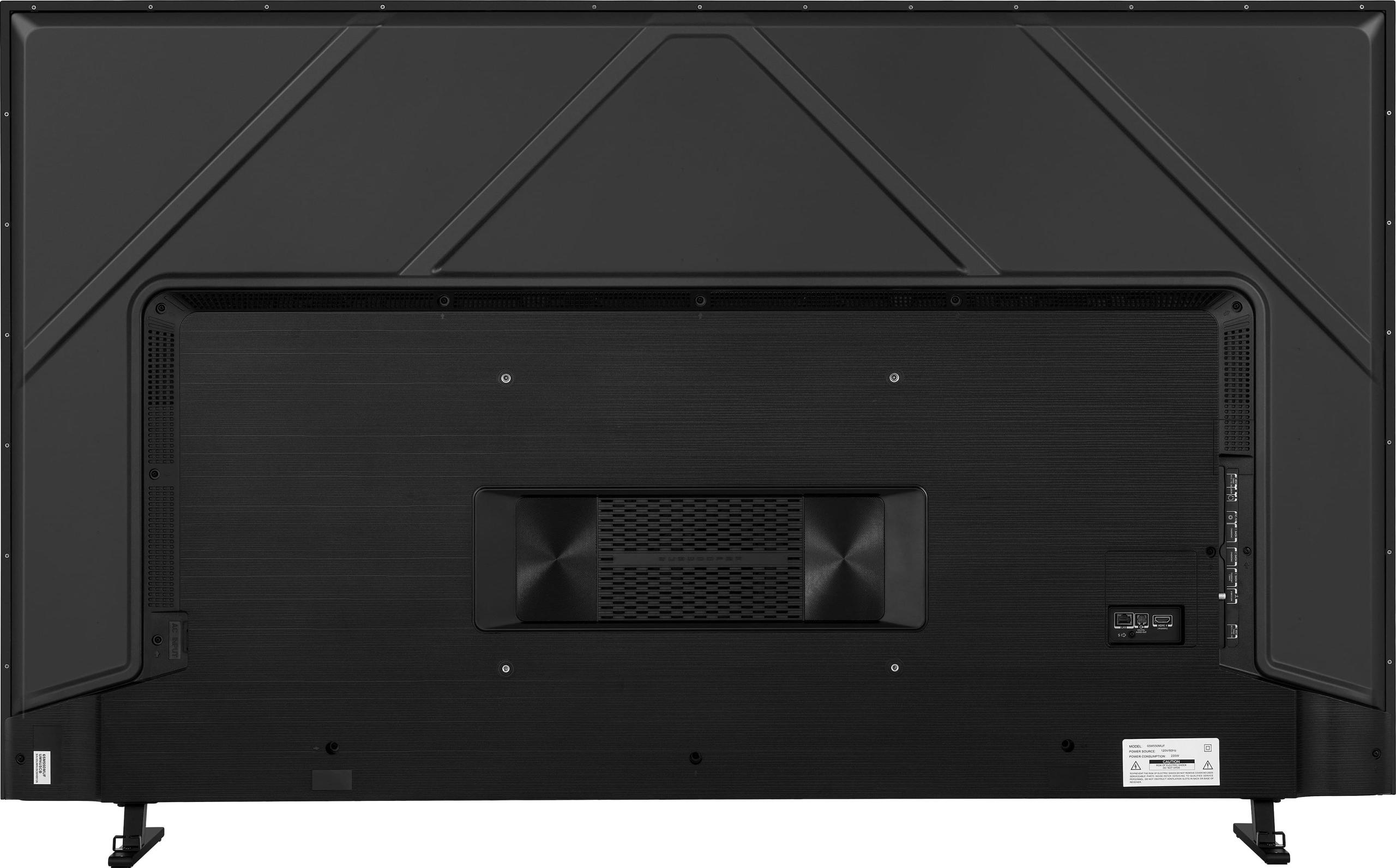
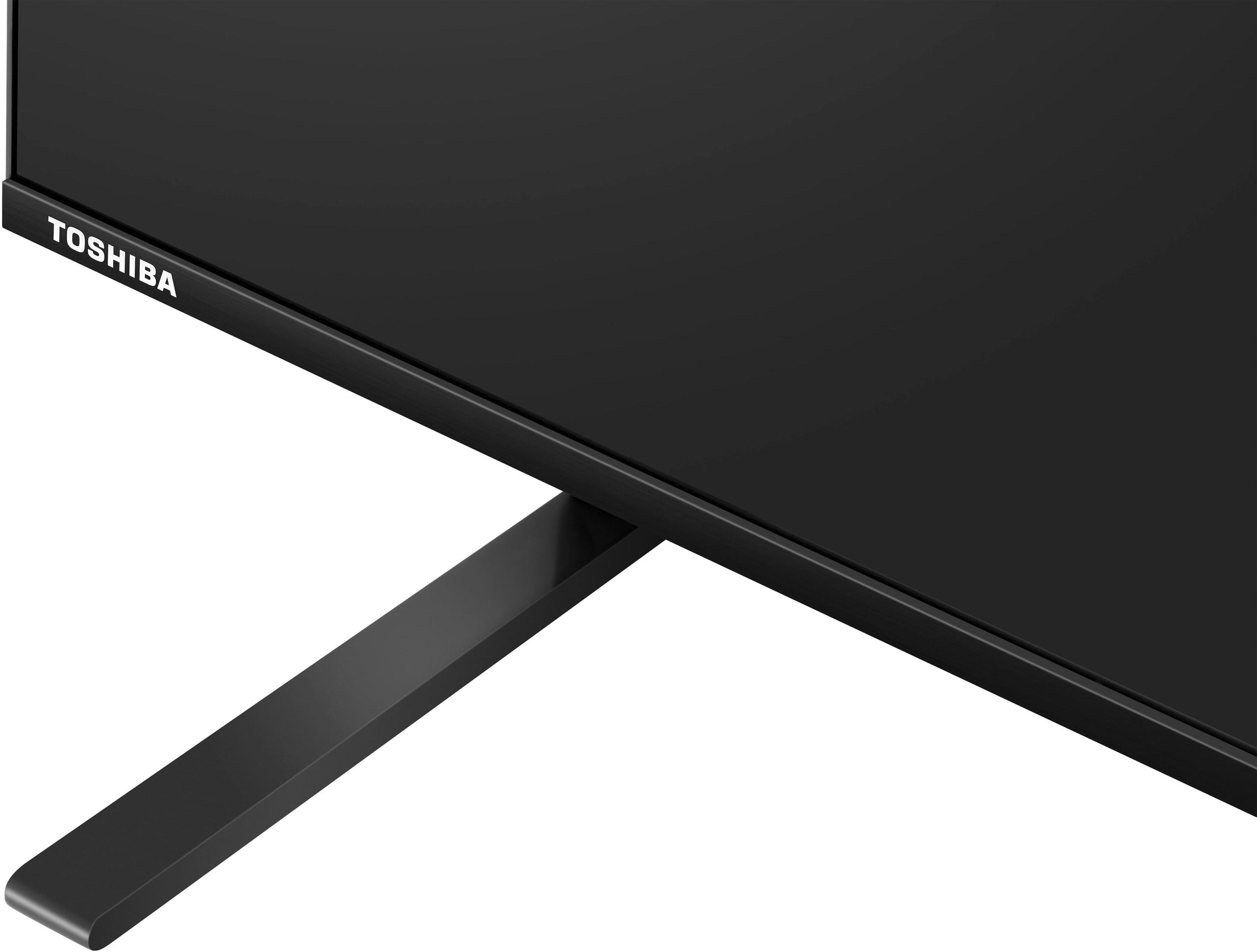
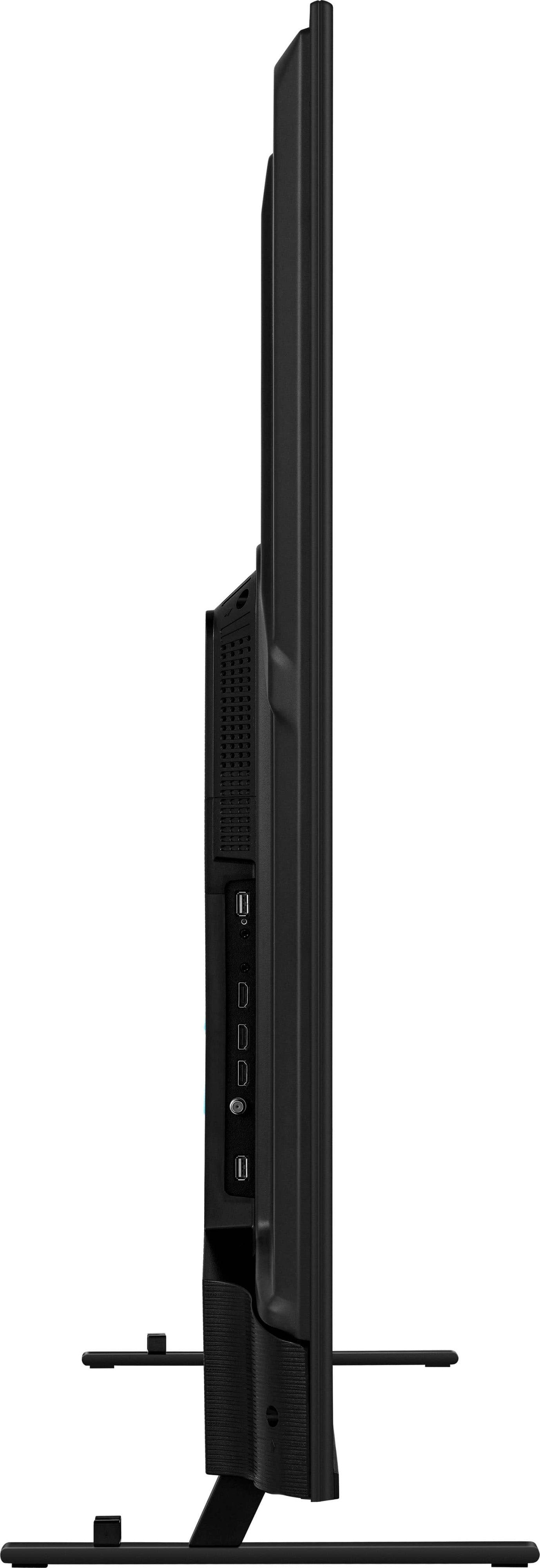
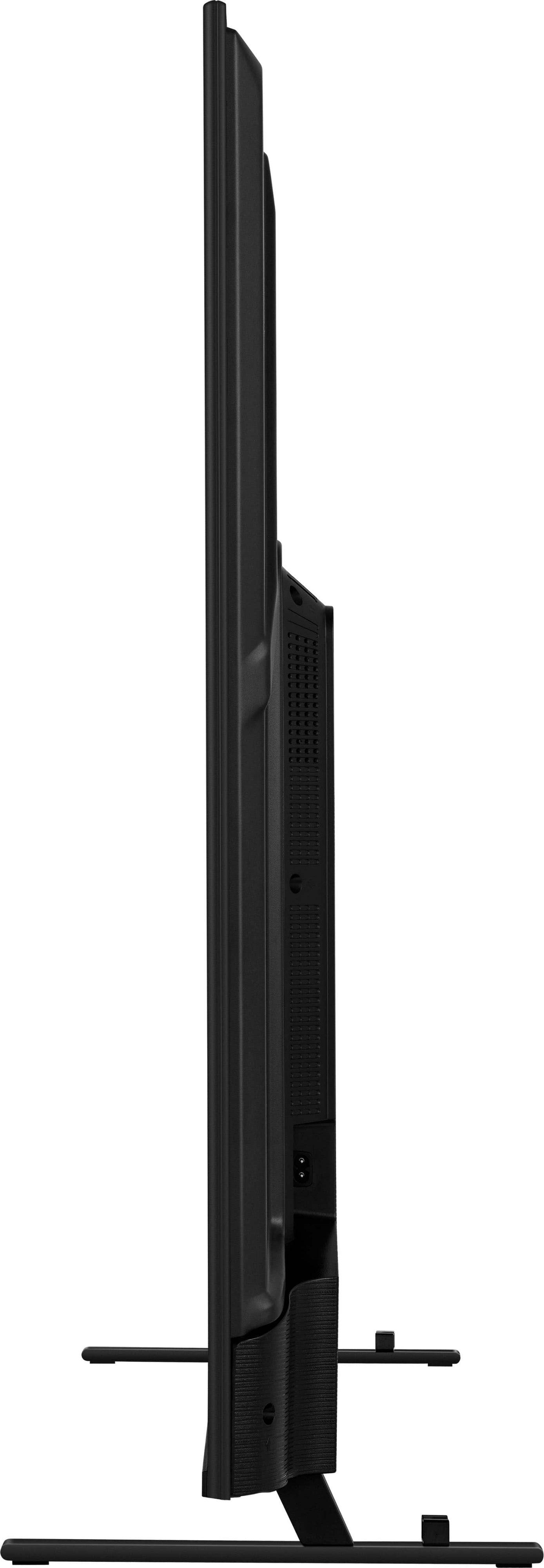
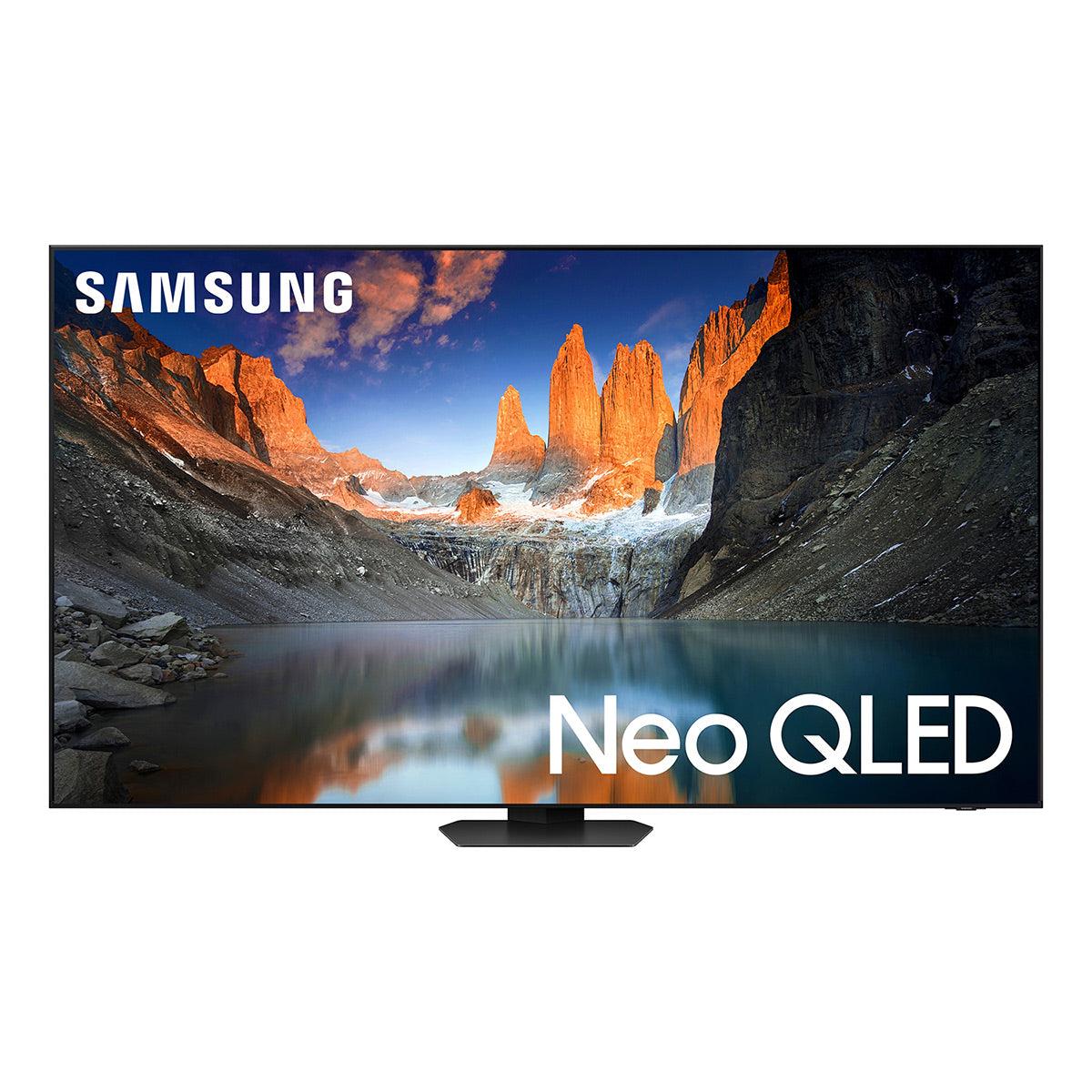

Shopping for a 65-inch QLED TV can feel overwhelming, especially when you're comparing products from completely different price tiers. The Toshiba M550 Series and Samsung QN90D Series represent two fundamentally different approaches to the same basic goal: delivering vibrant, detailed 4K entertainment to your living room.
Released in 2025, the Toshiba M550 targets budget-conscious buyers who want QLED technology without the premium price tag. Meanwhile, Samsung's QN90D series, launched in 2024, showcases what's possible when cost isn't the primary constraint. Understanding which approach better suits your needs requires diving into what separates these TVs beyond their price tags.
QLED stands for Quantum Dot Light Emitting Diode, a technology that uses microscopic particles called quantum dots to enhance color reproduction. These quantum dots act like tiny filters, converting blue LED backlighting into precise red and green wavelengths, creating more accurate and vibrant colors than traditional LCD TVs.
But not all QLED implementations are created equal. The most critical performance factors that separate budget from premium QLED TVs include:
Peak brightness determines how vivid HDR content appears and how well the TV performs in bright rooms. Local dimming zones control how precisely the TV can adjust brightness in different screen areas, directly affecting contrast ratio. Processing power influences everything from smart TV responsiveness to motion handling and upscaling quality. Motion handling affects how smooth fast-paced content appears, crucial for sports and action movies.
In my experience evaluating TVs across different price ranges, these four factors create the most noticeable differences in daily use. Everything else—while potentially important—tends to have less impact on your actual viewing experience.
The Toshiba M550 arrived in 2025 with specifications that seem almost too good for its price range. At the time of writing, this 65-inch QLED costs roughly what you'd expect to pay for a decent 55-inch TV from major brands just two years ago.
What makes the M550 remarkable is its native 120Hz panel—a feature typically reserved for TVs costing significantly more. Most budget TVs use 60Hz panels and fake higher refresh rates through motion processing, but Toshiba equipped the M550 with genuine 120Hz capability. This means smoother motion in fast-paced content and better gaming performance, particularly at 1440p and 1080p resolutions where it can actually deliver 120 frames per second.
The TV also includes full-array local dimming with 48 zones. Local dimming allows different sections of the LED backlight to brighten or dim independently, creating better contrast between bright and dark areas within the same scene. While 48 zones sounds modest compared to premium TVs with hundreds or thousands of zones, it's genuinely useful for a TV in this price category.
Toshiba's REGZA Engine ZR processor handles upscaling and picture optimization, using AI algorithms to enhance lower-resolution content to near-4K quality. The AI Auto View Pro feature automatically adjusts colors and contrast based on your room's lighting conditions—a smart touch that works better than you might expect from a budget TV.
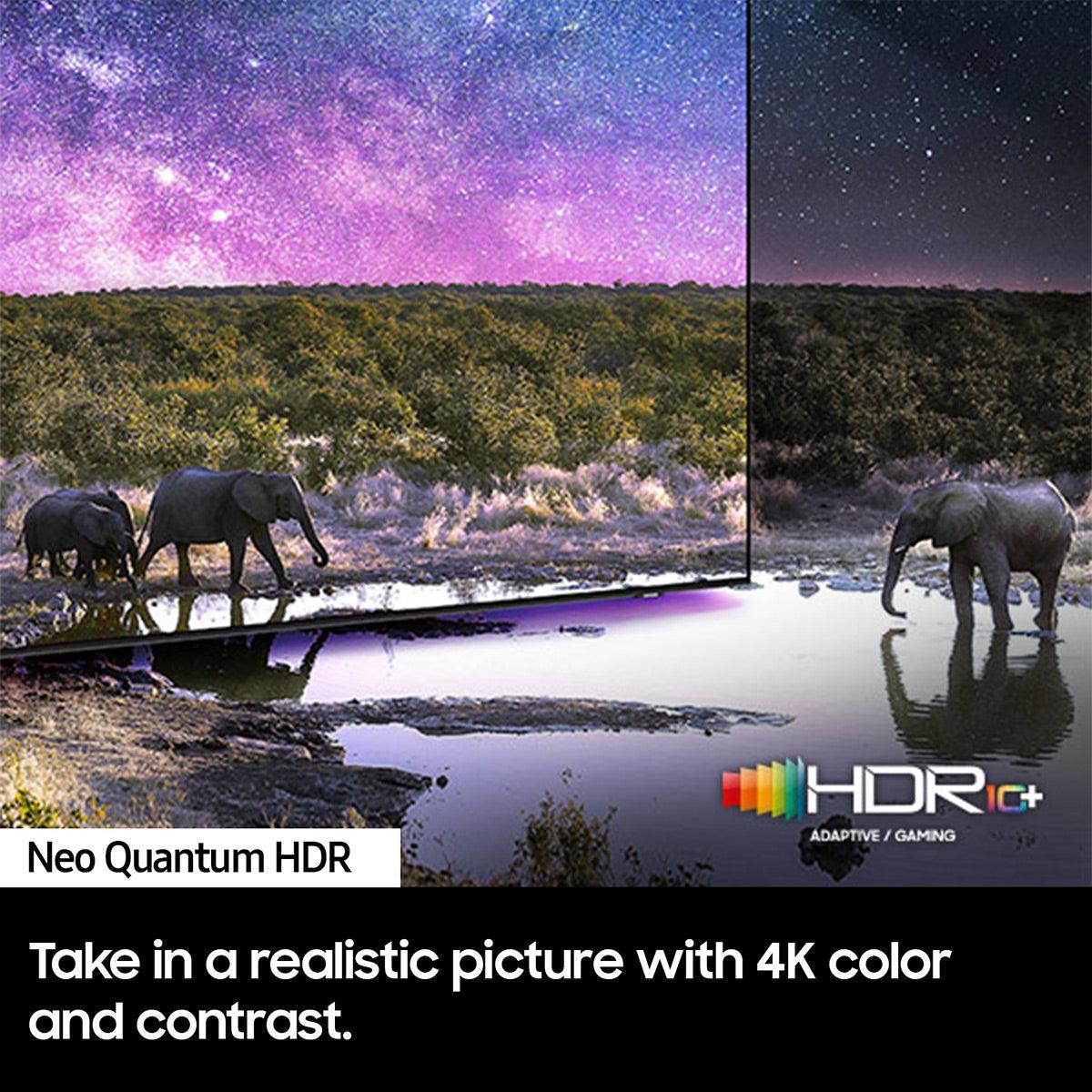
For HDR content, the M550 supports Dolby Vision, HDR10, and HDR10+. Dolby Vision is particularly valuable because it provides scene-by-scene optimization data, allowing the TV to adjust brightness and color more precisely than static HDR formats. Many TVs in this price range skip Dolby Vision support, making its inclusion here noteworthy.
The Fire TV platform provides access to all major streaming services, with built-in Alexa voice control through far-field microphones. You can ask questions or control the TV without picking up the remote—a convenience feature that feels more premium than the price suggests.
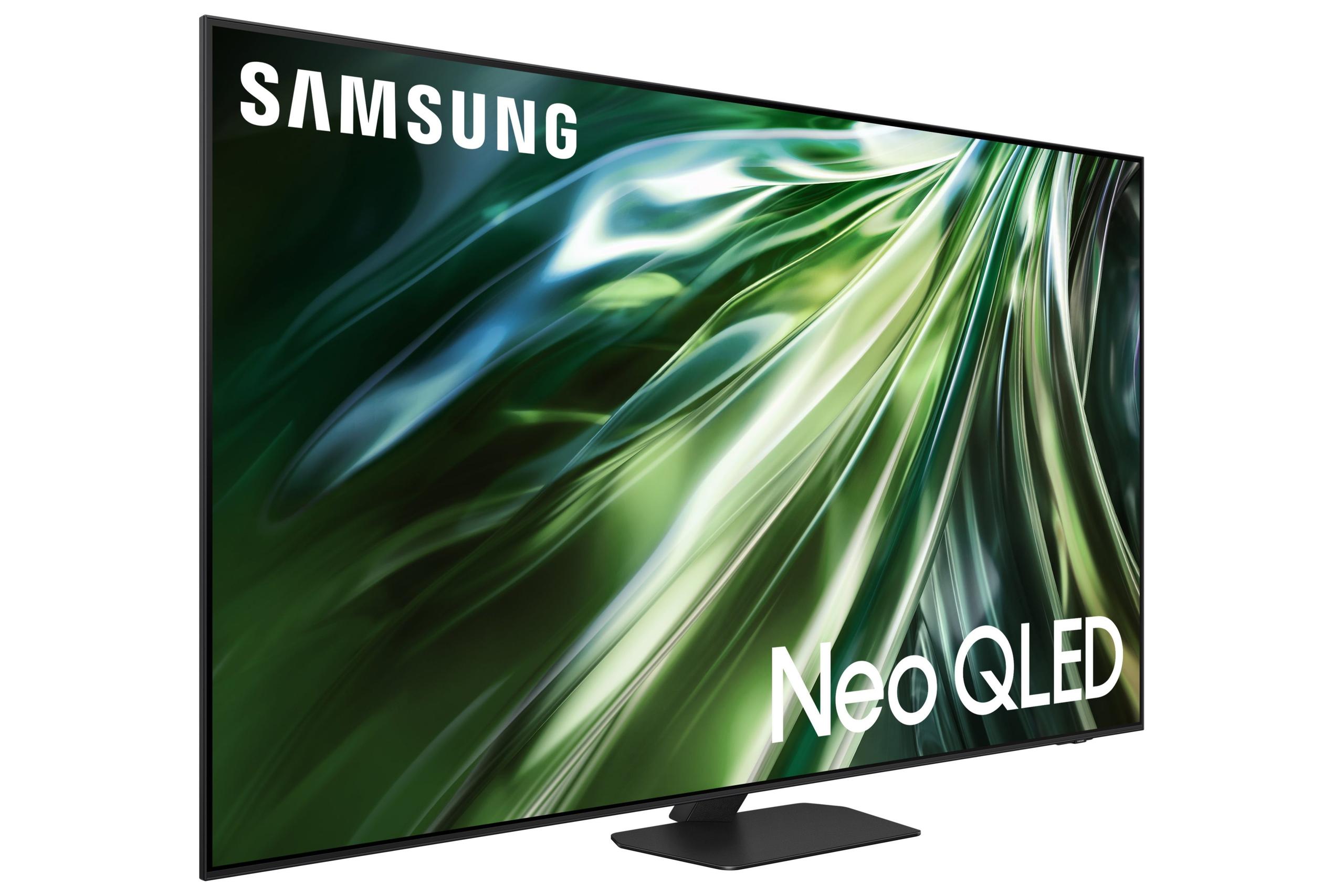
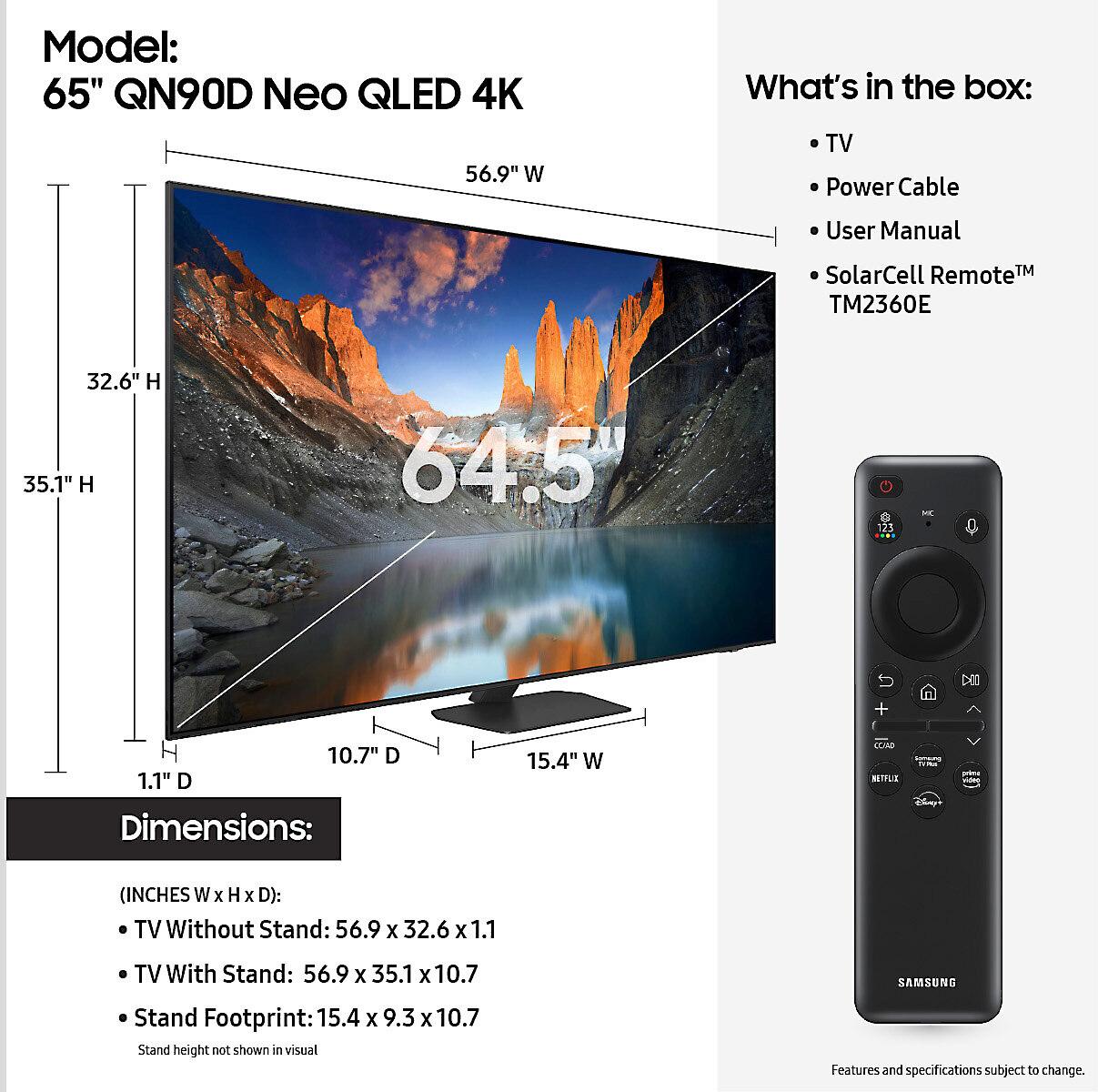
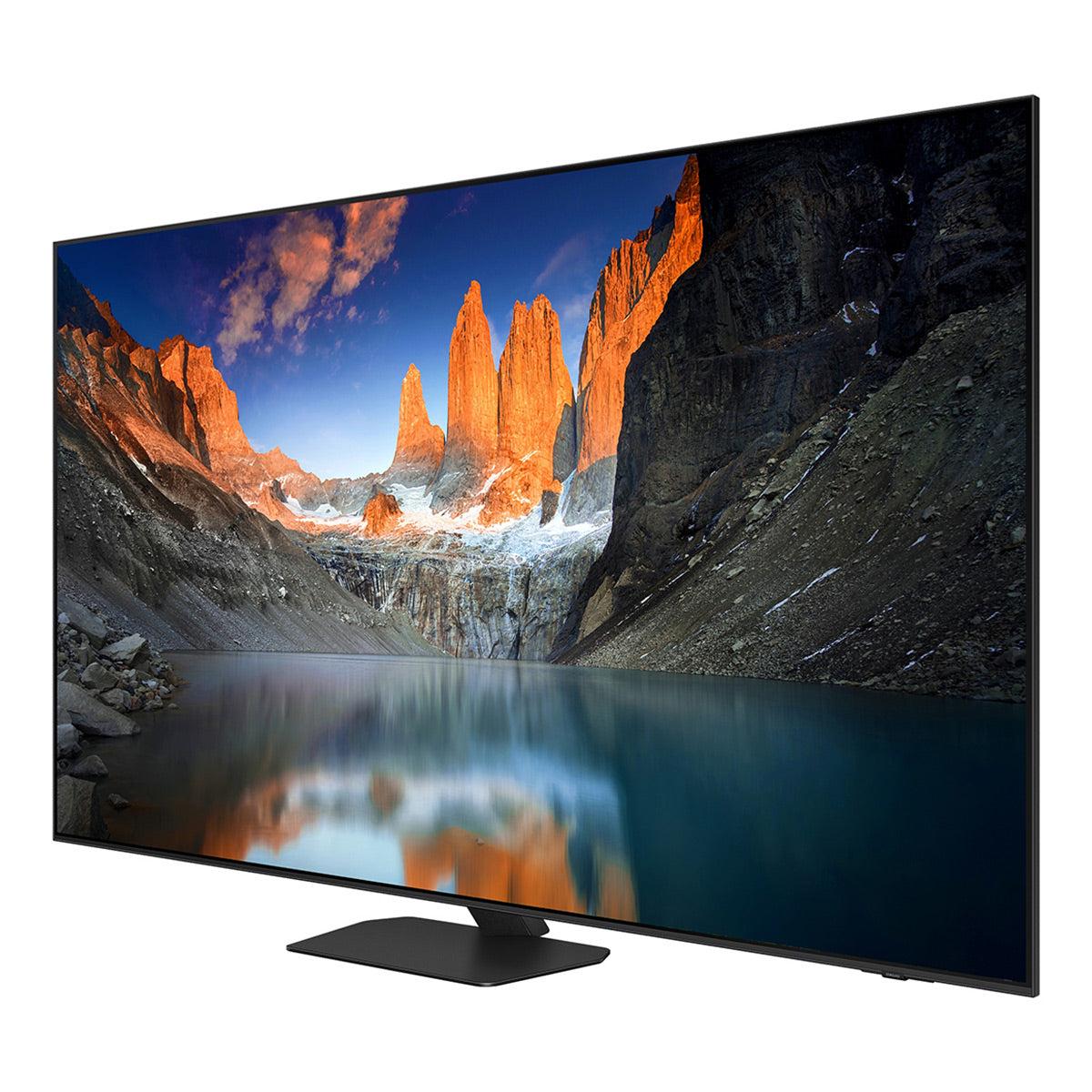
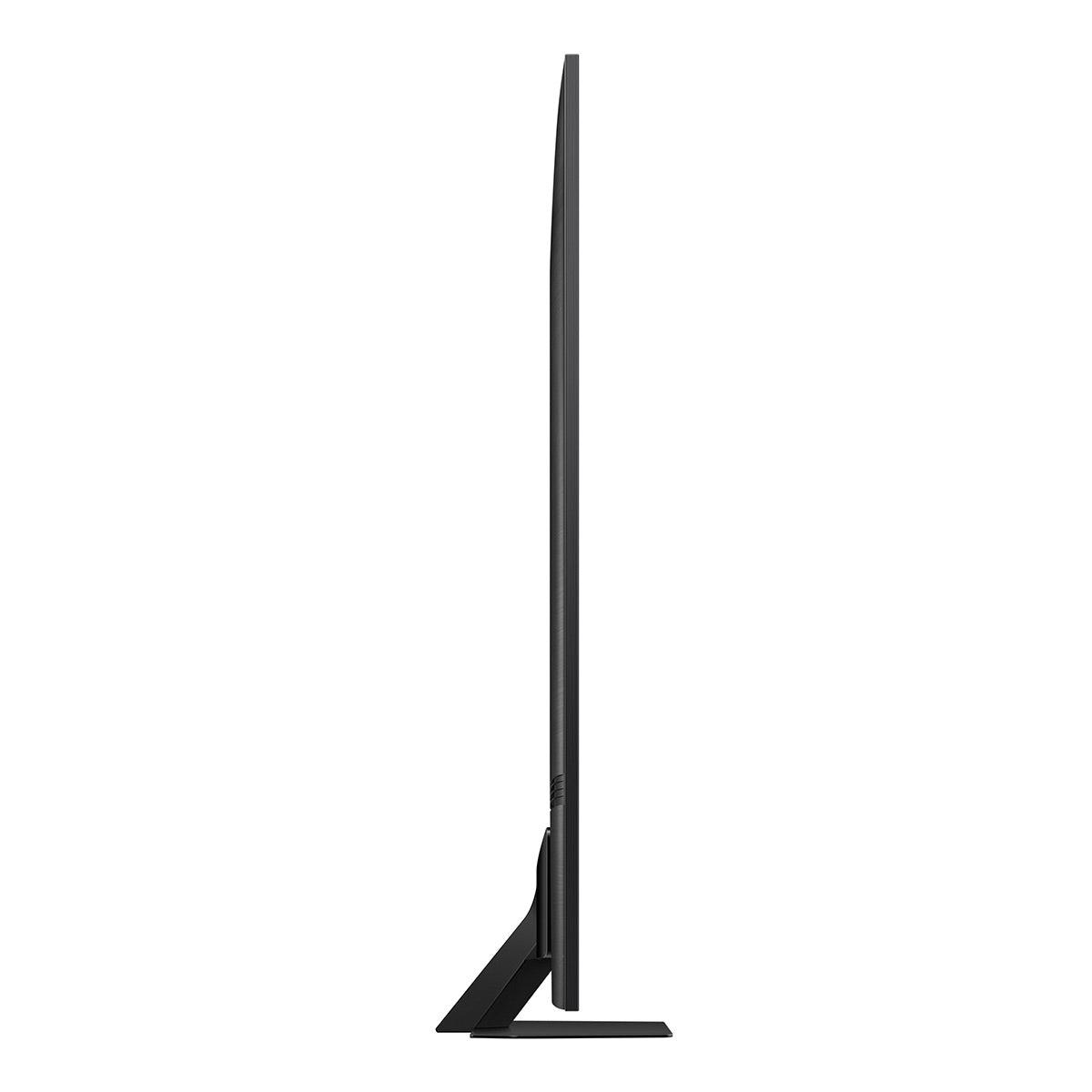
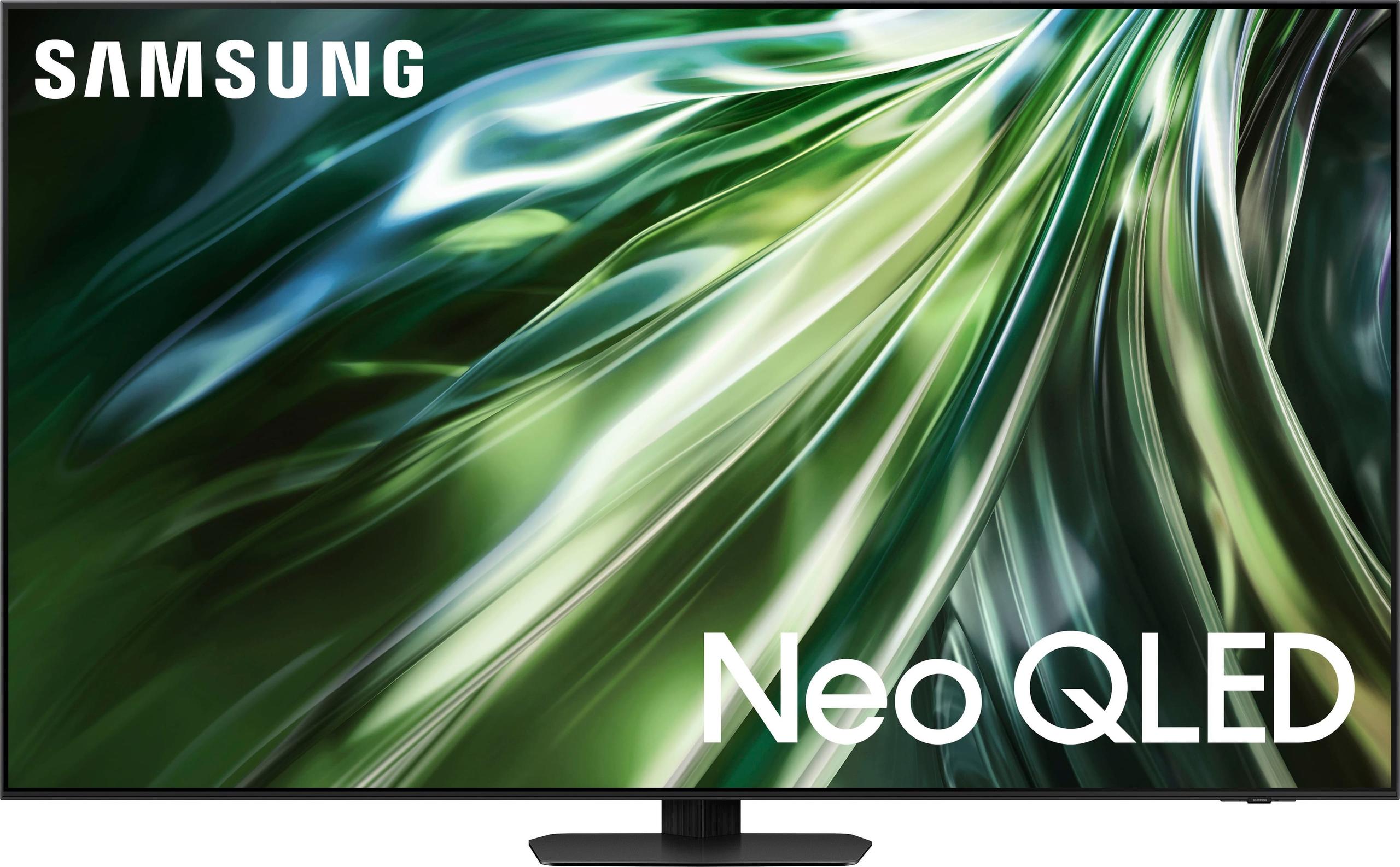
Samsung's QN90D represents the company's 2024 flagship LCD technology, incorporating Mini-LED backlighting that dramatically outperforms traditional LED systems. Mini-LEDs are roughly 1/40th the size of conventional LEDs, allowing Samsung to pack thousands of them behind the screen for incredibly precise local dimming control.
This Mini-LED system enables the QN90D to achieve peak brightness levels exceeding 2,000 nits in short bursts, with sustained brightness around 1,000-1,200 nits—roughly double what most budget QLED TVs can produce. This exceptional brightness makes HDR content genuinely spectacular, with highlights that appear to glow off the screen while maintaining detail in darker areas.
The NQ4 AI Gen2 processor represents Samsung's most advanced TV processing technology, using 20 specialized neural networks to optimize different aspects of picture quality simultaneously. This processing power enables sophisticated upscaling that can make 1080p content look remarkably close to native 4K quality, plus real-time analysis for optimizing HDR tone mapping based on the specific content you're watching.
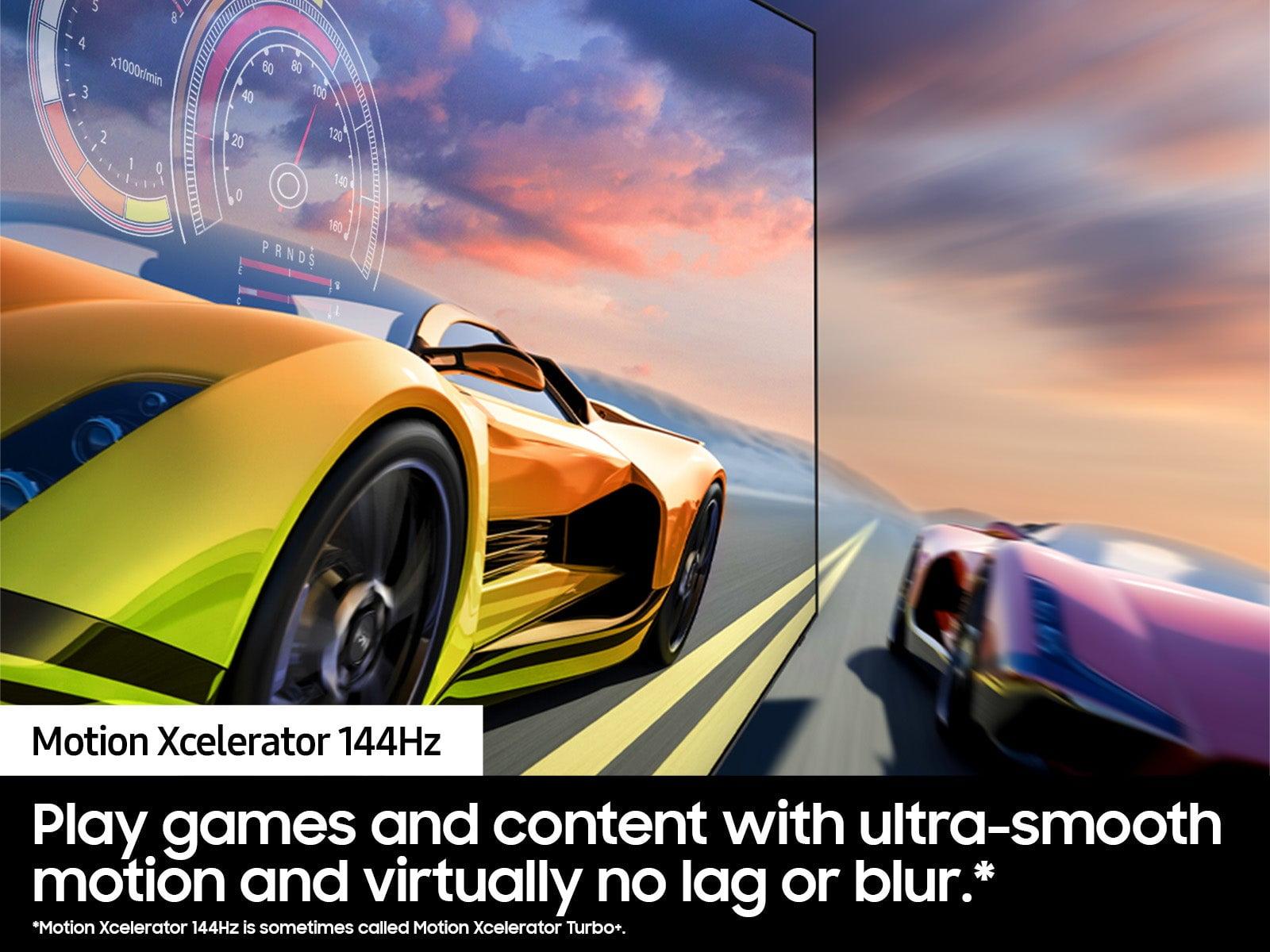
Motion handling on the QN90D is exceptional, thanks to Motion Xcelerator Turbo+ technology combined with the 120Hz panel. Unlike the Toshiba M550, which struggles with fast-paced content, the Samsung maintains clarity and reduces judder even in challenging action sequences.
For gaming, the QN90D supports 4K at 144Hz when connected to a PC, plus comprehensive gaming features including FreeSync Premium Pro, Auto Low Latency Mode, and advanced Game Mode settings. The TV automatically detects gaming input and optimizes settings for minimal lag and maximum responsiveness.
Samsung's Object Tracking Sound+ creates a more immersive audio experience by moving sound effects across the TV's 4.2.2 channel speaker system to match on-screen action. While not replacement-level for a dedicated sound system, it's genuinely impressive for built-in TV audio.
The picture quality gap between these TVs becomes apparent the moment you compare them side-by-side, though both deliver satisfying experiences within their respective contexts.
The Samsung QN90D produces dramatically brighter, more vibrant images with superior contrast control. When watching HDR movies like "Dune" or "Top Gun: Maverick," bright highlights maintain detail while dark areas stay truly dark, creating that three-dimensional depth that makes premium TVs special. The Mini-LED backlighting virtually eliminates the "blooming" effect where bright objects create halos against dark backgrounds—a common issue with cheaper local dimming systems.
Colors on the QN90D appear more saturated and accurate, covering a wider color gamut with better precision. Skin tones look natural, and the TV maintains color accuracy across different brightness levels—something budget TVs often struggle with.
The Toshiba M550 delivers respectable picture quality that punches above its price range, but with notable limitations. Peak brightness is adequate for most viewing scenarios but can't match the Samsung's HDR impact. The 48-zone local dimming works reasonably well for movies with mostly dark scenes, but busy content with mixed light and dark elements can reveal the system's limitations.
Where the M550 particularly struggles is motion handling. Fast-paced action scenes suffer from jerky motion and "phantom images" around moving objects—artifacts that make action movies and sports less enjoyable. This is where the processing power limitations become most apparent, as the TV's hardware can't keep up with demanding content.
However, the Toshiba does include Dolby Vision support, which the Samsung notably lacks. Samsung uses HDR10+ instead, which provides similar scene-by-scene optimization but isn't as widely supported by streaming services and UHD Blu-rays. For content that supports both formats, the difference is minimal, but Dolby Vision's broader adoption gives the Toshiba a slight edge in HDR compatibility.
Gaming capabilities reveal another significant performance gap between these TVs, though both can satisfy different types of gamers.
The Samsung QN90D is purpose-built for serious gaming, offering 4K gaming at up to 144Hz when connected to a high-end PC. For console gaming, it provides smooth 4K at 120Hz with both PlayStation 5 and Xbox Series X, plus advanced features like Variable Refresh Rate (VRR) and Auto Low Latency Mode that eliminate screen tearing and minimize input lag.
The TV's Game Mode is sophisticated, with options for different game types and automatic detection of gaming sources. Input lag is exceptionally low—typically under 10 milliseconds—making it responsive enough for competitive gaming. The bright, vivid picture quality also helps with visibility in dark game environments.
The Toshiba M550 offers surprisingly capable gaming features for its price range. The native 120Hz panel enables smooth 1440p and 1080p gaming, which many budget TVs cannot provide. It supports VRR and ALLM, plus Dolby Vision gaming at 60fps—features typically found on much more expensive TVs.
However, the processing limitations that affect movie watching also impact gaming. Input lag is higher than the Samsung's, and the TV struggles with busy, fast-moving game scenes. For casual gaming and single-player adventures, it performs adequately. For competitive online gaming or fast-paced action games, the performance limitations become more noticeable.
The smart TV experience represents perhaps the most significant practical difference between these TVs in daily use.
Samsung's Tizen OS on the QN90D feels responsive and polished. Apps launch quickly, menus respond immediately to remote inputs, and the interface remains smooth even when multitasking between streaming services. The TV's processing power ensures that switching between apps, browsing content, and adjusting settings happens without frustrating delays.
The Fire TV platform on the Toshiba M550 should theoretically provide an excellent smart TV experience—Amazon's interface is generally well-designed and feature-rich. However, the TV's underpowered processor creates significant performance issues that affect daily usability.
Apps can take 30-60 seconds to load after turning on the TV, and basic operations like pausing content or accessing settings can have noticeable delays. Some users report apps crashing unexpectedly or the TV returning to the home screen without input. These reliability issues, while not universal, suggest that Toshiba's hardware may be stretched beyond its comfortable capabilities.
This performance gap matters more than it might initially seem. A TV that takes a minute to respond to basic inputs quickly becomes frustrating in daily use, regardless of picture quality. For families who frequently switch between streaming services or use voice commands regularly, the Samsung's responsive interface provides a noticeably better experience.
Both TVs provide above-average built-in audio, though with different strengths.
The Samsung QN90D delivers genuinely impressive sound through its 4.2.2 channel system with Object Tracking Sound+. The technology moves audio effects across the speaker array to match on-screen action, creating a more immersive experience than typical TV speakers. Dialogue remains clear, and there's sufficient bass response for most content without requiring an immediate soundbar upgrade.
The Toshiba M550 includes a built-in subwoofer and supports Dolby Atmos, providing better bass response than most budget TVs. While not as sophisticated as Samsung's implementation, the REGZA Power Audio Pro system delivers adequate sound for casual viewing. The inclusion of a subwoofer helps with movie soundtracks and music, though dialogue clarity isn't quite as refined as the Samsung's.
For serious home theater use, both TVs will eventually benefit from external audio systems, but the Samsung's superior built-in sound provides more flexibility for different room setups and usage patterns.
In a dedicated home theater environment, these TVs serve very different purposes.
The Samsung QN90D excels in controlled lighting conditions where its exceptional brightness and contrast can fully shine. For UHD Blu-ray collections and premium streaming content, it delivers reference-quality images that justify a premium TV investment. The reliable performance and sophisticated processing ensure consistent quality across different content types.
The Toshiba M550 can work in a home theater setting, particularly for budget-conscious enthusiasts who prioritize screen size over absolute performance. However, the motion handling issues and processing limitations make it less suitable for action-heavy content or demanding viewing scenarios.
For casual family viewing in normal living room conditions, both TVs can provide satisfying experiences, though the Samsung's superior reliability and responsiveness create a more premium daily-use experience.
The Toshiba M550 makes sense for specific situations and buyer profiles. If you need a large QLED TV at a budget price point and primarily watch streaming content, YouTube, or television programming, its feature set provides excellent value. The Fire TV platform works well for accessing streaming services, and the picture quality surpasses what you'd expect at this price level.
However, be prepared for performance compromises. The TV works best for viewers who can tolerate slower response times and occasional reliability hiccups in exchange for QLED features at a fraction of the typical cost.
The Samsung QN90D suits buyers who prioritize performance and reliability over budget constraints. If you watch HDR movies regularly, game seriously, or simply want a TV that responds immediately to every input, the premium price delivers corresponding premium performance.
For most buyers with flexible budgets, the Samsung's superior daily-use experience, exceptional picture quality, and long-term reliability justify the significantly higher cost. The QN90D represents what modern LCD technology can achieve when executed properly.
At the time of writing, these TVs occupy completely different market segments, making the choice largely dependent on budget and performance expectations rather than direct feature comparison.
The Toshiba M550 offers remarkable specifications for its price range but struggles with execution in ways that affect daily usability. For budget-conscious buyers who can accept these limitations, it provides access to QLED technology and premium features that would otherwise be unaffordable.
The Samsung QN90D delivers the premium LCD TV experience done right, with exceptional brightness, reliable performance, and sophisticated features that justify its higher cost for buyers who can afford it.
Choose the Toshiba if budget is your primary constraint and you're willing to accept performance compromises for QLED features. Choose the Samsung if you want the best LCD performance available and can justify the premium pricing for superior daily-use experience and long-term satisfaction.
Both TVs serve their intended markets well, but the Samsung's superior execution across all performance categories makes it the better choice for buyers who can accommodate its higher price point.
| Toshiba 65" M550 Series QLED Fire TV | Samsung 65" QN90D Series 4K Neo QLED Smart TV |
|---|---|
| Display Technology - Determines picture quality and brightness capabilities | |
| QLED with Full Array Local Dimming (48 zones) | Neo QLED with Mini-LED backlighting (thousands of zones) |
| Peak Brightness - Critical for HDR impact and bright room viewing | |
| Standard QLED brightness (~600-800 nits typical) | Exceptional brightness (2,000+ nits peak, 1,000+ sustained) |
| Refresh Rate - Affects motion smoothness in sports and gaming | |
| Native 120Hz (rare at this price point) | Native 120Hz with advanced motion processing |
| Gaming Support - Important for console and PC gaming | |
| 4K@60Hz, 1440p/1080p@120Hz, VRR, ALLM | 4K@144Hz (PC), 4K@120Hz (console), VRR, ALLM, advanced gaming features |
| HDR Format Support - Determines compatibility with premium content | |
| Dolby Vision, HDR10, HDR10+ (comprehensive support) | HDR10, HDR10+ only (no Dolby Vision - Samsung's main weakness) |
| Smart Platform - Affects daily usability and app performance | |
| Fire TV with Alexa (feature-rich but underpowered hardware causes delays) | Tizen OS (responsive, polished interface with reliable performance) |
| Audio System - Built-in sound quality and features | |
| 40W 2.1 system with subwoofer, Dolby Atmos | 60W 4.2.2 system with Object Tracking Sound+, Dolby Atmos |
| Processing Power - Impacts responsiveness and motion handling | |
| REGZA Engine ZR (struggles with demanding content and UI) | NQ4 AI Gen2 Processor (handles complex processing smoothly) |
| Motion Handling - Critical for action movies and sports | |
| Poor (jerky motion, phantom images in fast scenes) | Excellent (Motion Xcelerator Turbo+ minimizes blur and judder) |
| Local Dimming Zones - Controls contrast and blooming in dark scenes | |
| 48 zones (adequate for price, some blooming visible) | Thousands of Mini-LED zones (virtually eliminates blooming) |
| Voice Control - Hands-free TV operation | |
| Built-in Alexa with far-field microphones | Bixby, Alexa, and Google Assistant support |
| Reliability Concerns - Based on user feedback and reviews | |
| Frequent app crashes, slow response times, system freezes reported | Generally reliable with responsive performance |
| Best Use Case - Who should consider each TV | |
| Budget-conscious buyers prioritizing screen size and basic QLED features | Performance-focused buyers wanting premium LCD experience |
The Samsung QN90D delivers significantly superior picture quality with its Mini-LED backlighting technology that produces exceptional brightness and contrast. It can reach over 2,000 nits peak brightness compared to the Toshiba M550's standard QLED levels. However, the Toshiba M550 supports Dolby Vision HDR while the Samsung QN90D only supports HDR10+, giving the Toshiba better compatibility with premium streaming content.
The Samsung QN90D is purpose-built for gaming with 4K@144Hz support for PC gaming and advanced features like FreeSync Premium Pro. The Toshiba M550 offers decent gaming capabilities with its native 120Hz panel supporting 1440p and 1080p at 120fps, but struggles with input lag and motion handling in fast-paced games. Serious gamers should choose the Samsung QN90D.
The Samsung QN90D provides a much more responsive smart TV experience with its powerful processor and Tizen OS. The Toshiba M550 uses Fire TV with Alexa integration, which offers excellent streaming service access but suffers from slow load times and occasional crashes due to underpowered hardware. Daily usability strongly favors the Samsung QN90D.
The Samsung QN90D features a superior 60W 4.2.2 channel audio system with Object Tracking Sound+ that moves audio across speakers to match on-screen action. The Toshiba M550 includes a built-in subwoofer and 40W 2.1 system with decent bass response. Both support Dolby Atmos, but the Samsung QN90D offers noticeably better dialogue clarity and overall sound quality.
The Samsung QN90D excels in bright rooms thanks to its exceptional peak brightness that can overcome ambient light and maintain vibrant colors. The Toshiba M550 has adequate brightness for most lighting conditions but cannot match the Samsung's performance in very bright environments. For rooms with significant natural light, the Samsung QN90D is the clear winner.
The Samsung QN90D demonstrates excellent reliability with responsive performance and stable operation. The Toshiba M550 has reported issues including frequent app crashes, slow response times, system freezes, and apps exiting unexpectedly. These reliability concerns with the Toshiba M550 can significantly impact daily usability despite its attractive feature set.
The Samsung QN90D provides excellent motion handling with Motion Xcelerator Turbo+ technology that minimizes blur and judder in fast-paced content. The Toshiba M550 struggles significantly with motion, displaying jerky movement and phantom images during action scenes and sports. For sports enthusiasts and action movie fans, the Samsung QN90D offers a dramatically better viewing experience.
The Toshiba M550 offers exceptional value with premium features like 120Hz refresh rate, full-array local dimming, and Dolby Vision support at a budget price point. The Samsung QN90D costs significantly more but delivers corresponding premium performance across all categories. Value depends on budget constraints and performance expectations, with the Toshiba M550 better for budget-conscious buyers.
Both TVs support HDR content but with different strengths. The Samsung QN90D delivers superior HDR brightness and contrast thanks to its Mini-LED technology, making highlights more impactful. The Toshiba M550 supports Dolby Vision, which the Samsung lacks, providing better optimization for supported content. The Samsung QN90D generally provides more dramatic HDR experiences despite the format limitation.
For serious home theater use, the Samsung QN90D is the superior choice with its exceptional picture quality, reliable performance, and sophisticated processing. The Toshiba M550 can work in home theater environments for budget-conscious enthusiasts, particularly with its Dolby Vision support, but motion handling issues limit its suitability for action-heavy content in dedicated viewing rooms.
The Samsung QN90D uses advanced Mini-LED backlighting with thousands of dimming zones, virtually eliminating blooming and providing precise contrast control. The Toshiba M550 features full-array local dimming with 48 zones, which is impressive for its price range but shows some blooming in high-contrast scenes. The Samsung's Mini-LED system represents a significant technological advancement over the Toshiba M550's more basic implementation.
If budget is your primary concern, the Toshiba M550 offers remarkable features including 120Hz refresh rate, QLED technology, Dolby Vision, and comprehensive smart features at an entry-level price. However, if you can afford the premium, the Samsung QN90D provides superior execution of every feature with better reliability and performance. The choice depends on whether you prioritize having premium features or having those features work excellently.
We've done our best to create useful and informative comparisons to help you decide what product to buy. Our research uses advanced automated methods to create this comparison and perfection is not possible - please contact us for corrections or questions. These are the sites we've researched in the creation of this article: bestbuy.com - bestbuy.com - consumerreports.org - youtube.com - pcvarge.com - tomsguide.com - youtube.com - bestbuy.com - toshibatv-usa.com - marketplace-staging.paytomorrow.com - toshibatv-usa.com - productabout.com - leaseville.com - youtube.com - toshibatv-usa.com - tomsguide.com - abt.com - youtube.com - youtube.com - rtings.com - samsung.com - samsung.com - standardtvandappliance.com - gerhardsappliance.com - bestbuy.com - image-us.samsung.com - youtube.com - images.samsung.com

Privacy Policy
Terms and Conditions - Affiliate Policy
Home Security
© Copyright 2008-2026.
11816 Inwood Rd #1211, Dallas, TX 75244