

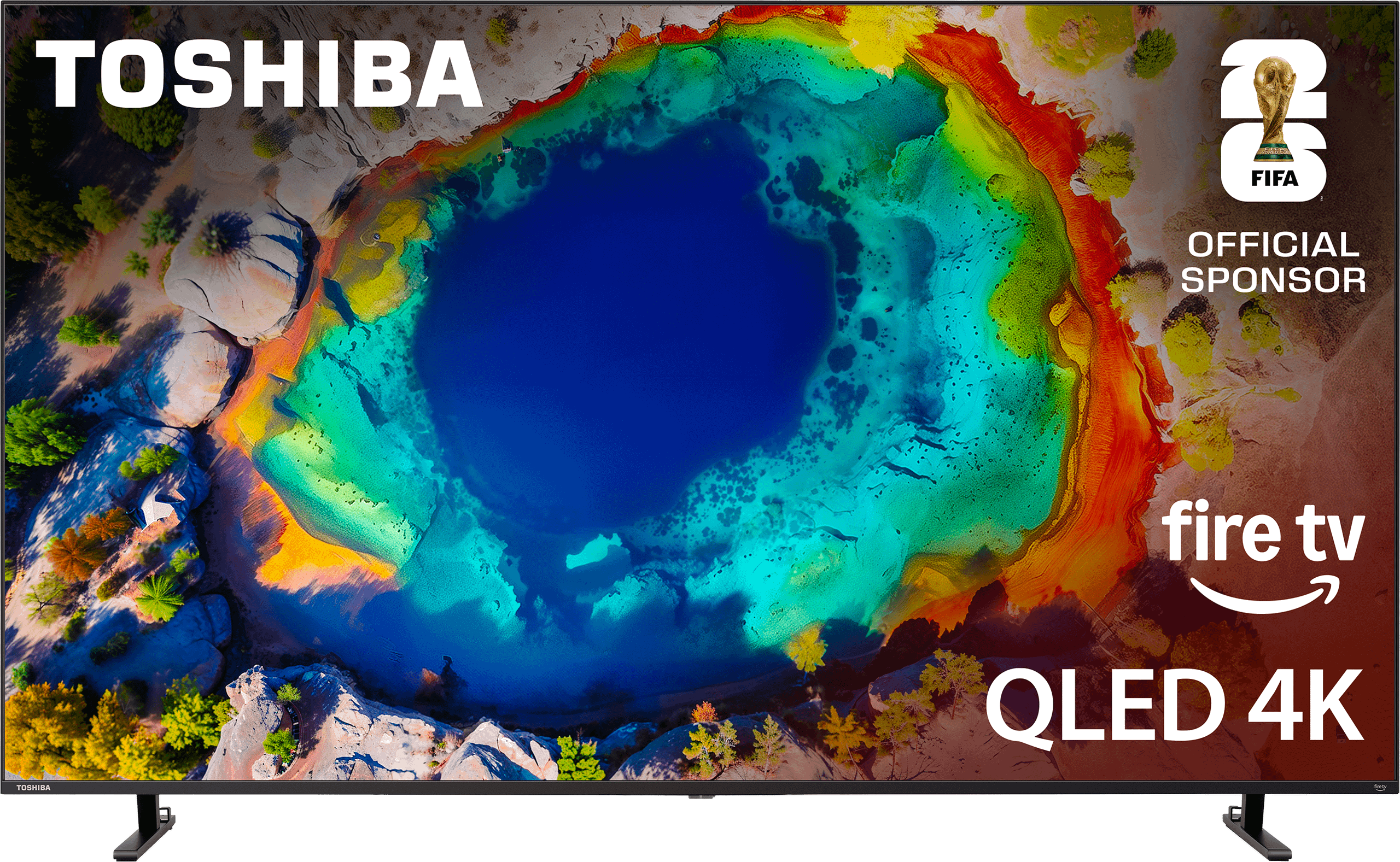
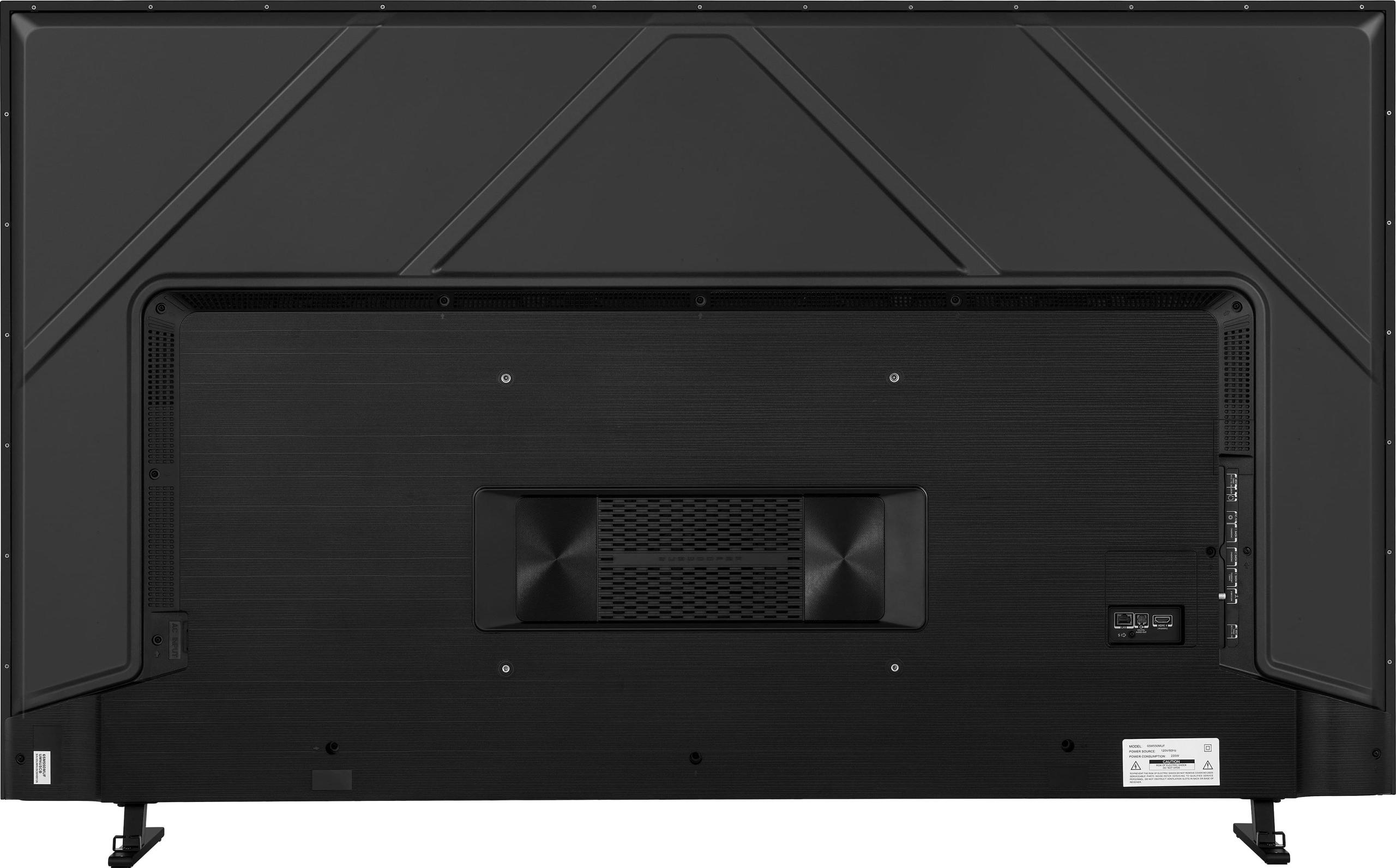
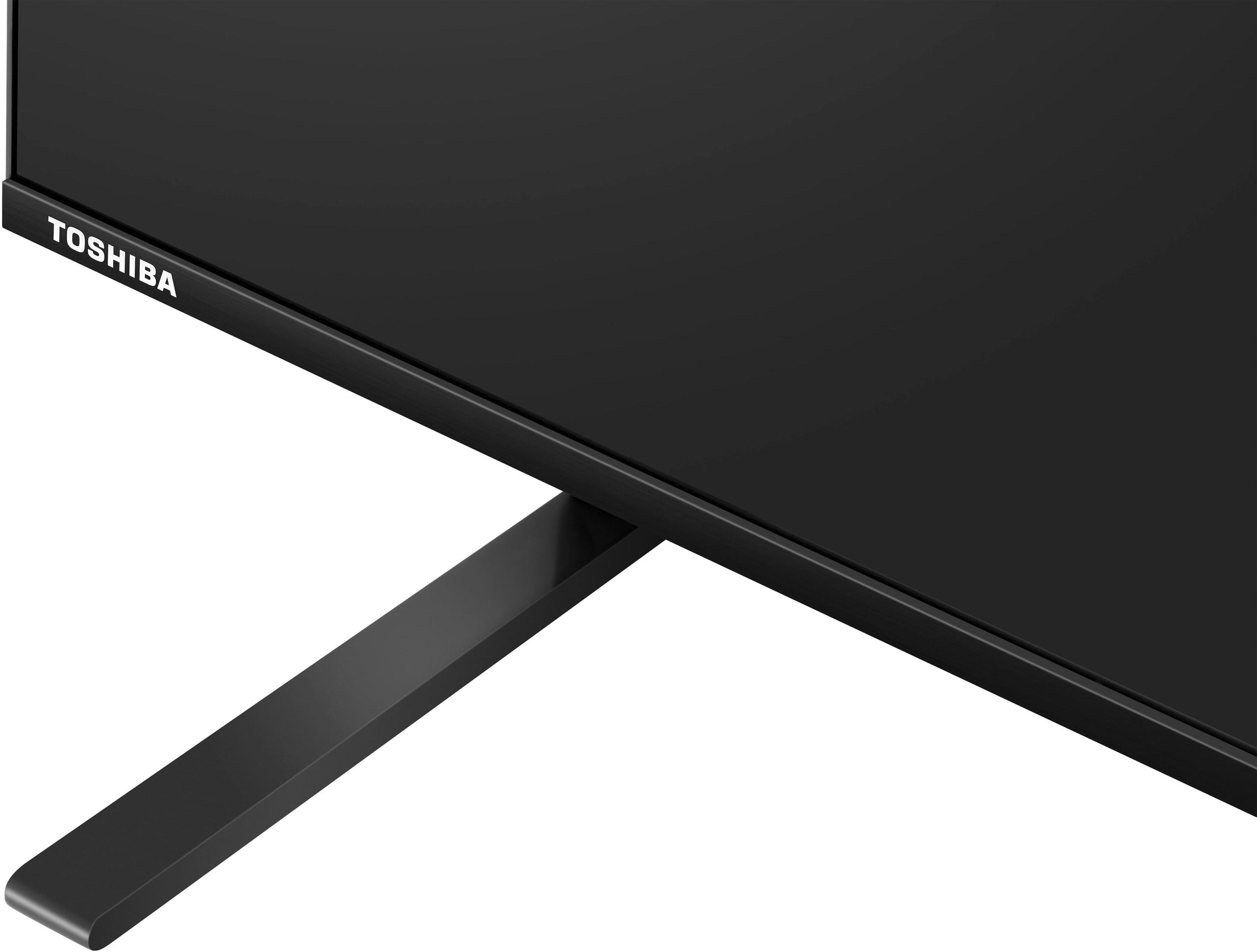
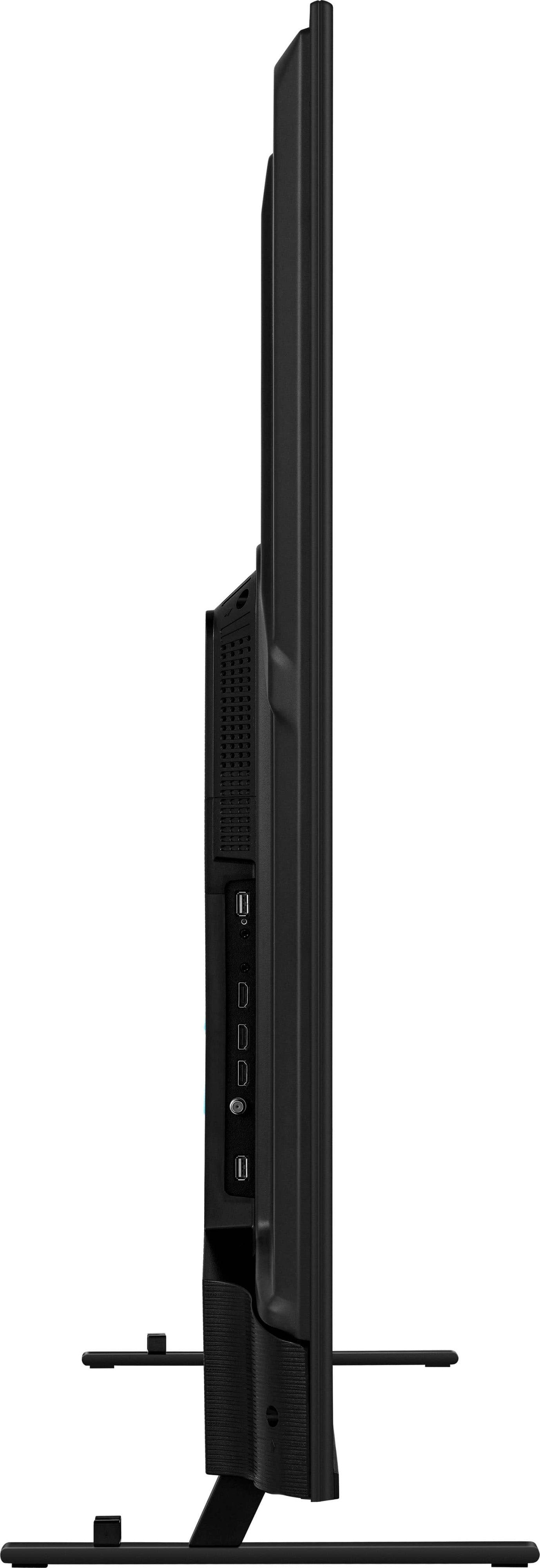
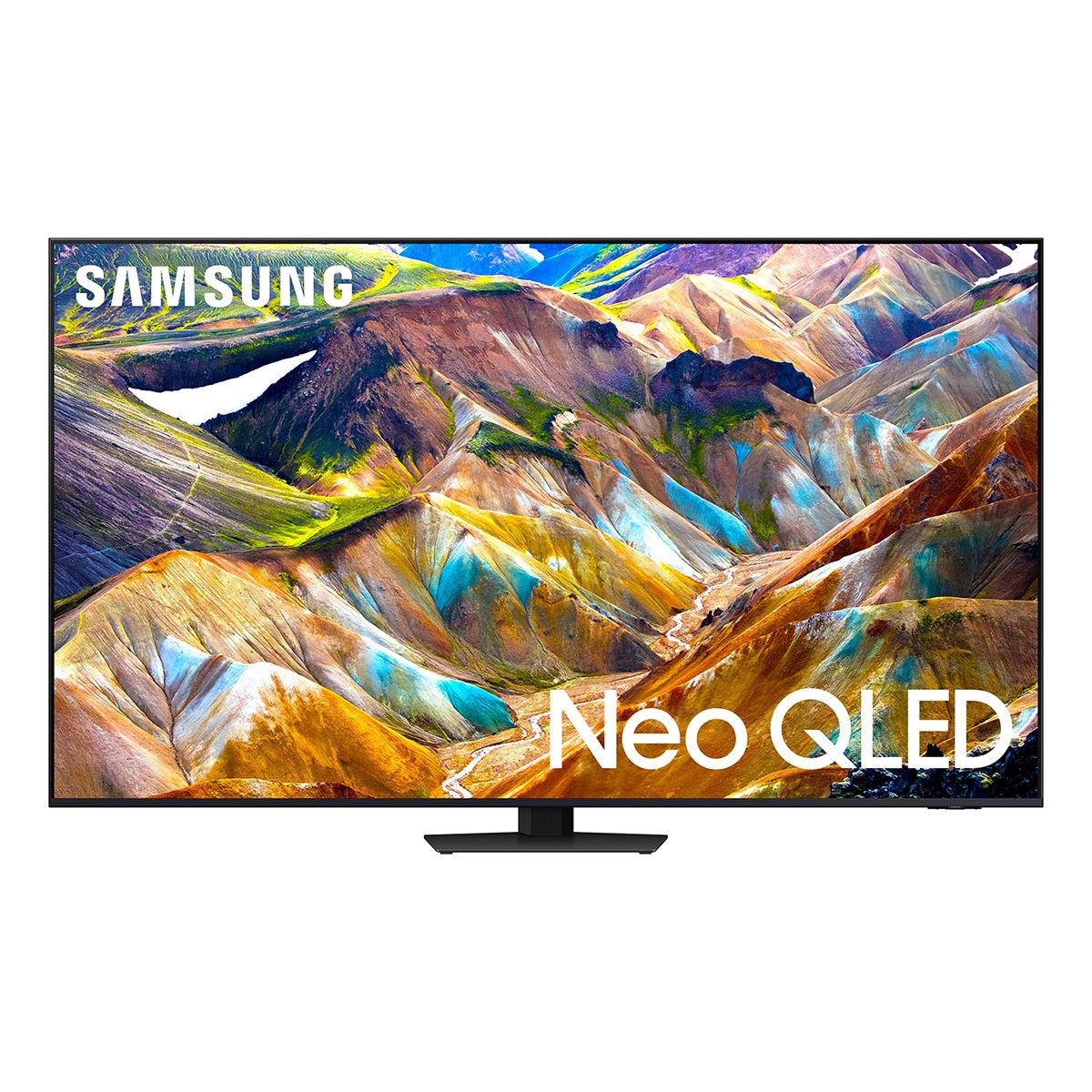
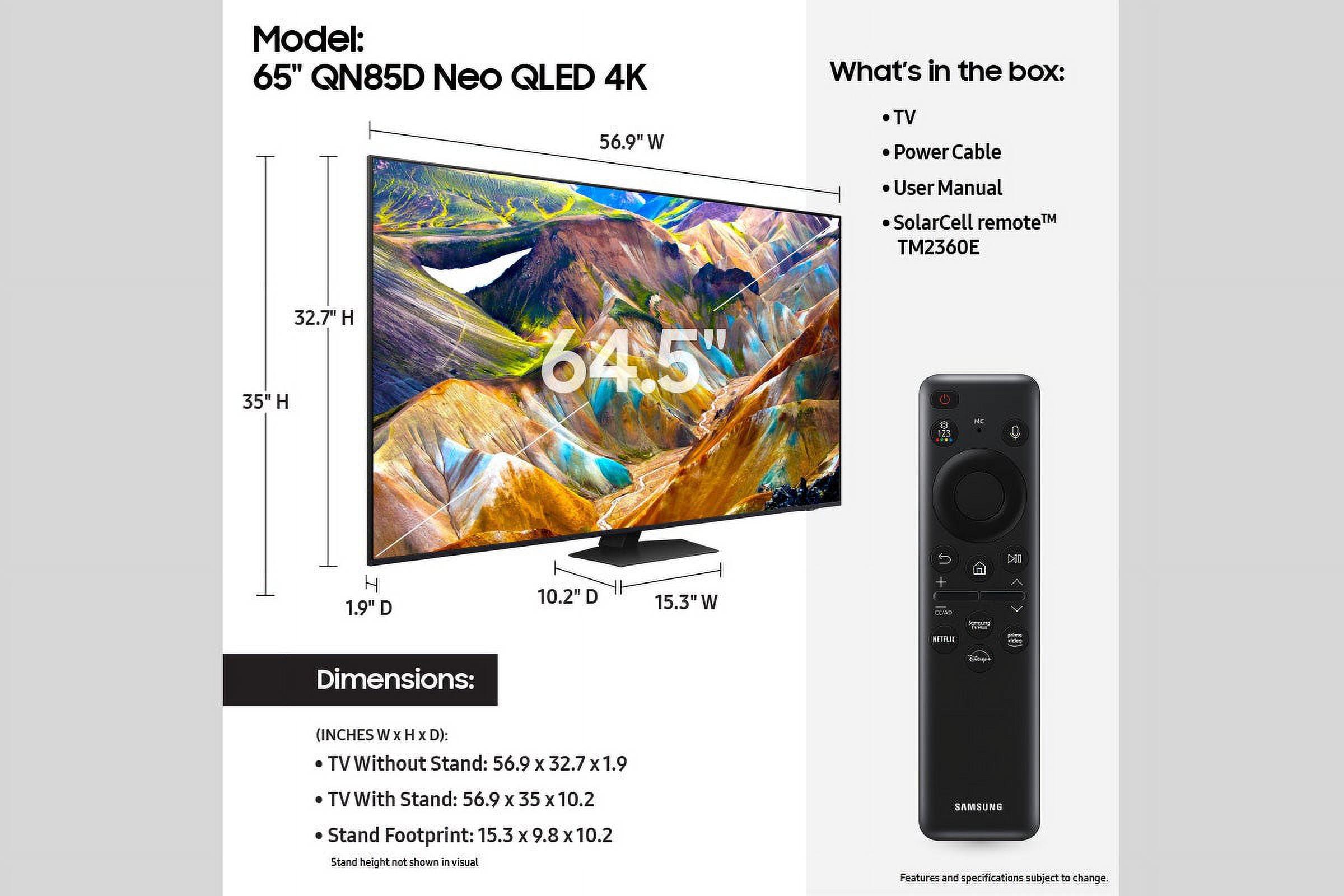
Shopping for a 65-inch TV can feel overwhelming, especially when you're comparing models that sit at completely opposite ends of the price spectrum. The Toshiba 65" M550 Series QLED Fire TV and Samsung 65" QN85D Neo QLED 4K Smart TV represent two fundamentally different approaches to delivering big-screen entertainment. At the time of writing, these TVs are separated by nearly $900 in price—making this less about choosing between similar options and more about understanding what you actually need from your television.
Having researched dozens of TV reviews and user experiences over the years, I've noticed that the biggest purchasing mistakes happen when people either overspend on features they'll never use or under-invest in capabilities that turn out to be crucial for their viewing habits. Let's dig into what makes these TVs tick and help you figure out which path makes sense for your home.
Before we dive into specifics, it's worth understanding what separates today's TVs from the basic LCD screens of a decade ago. The Toshiba M550 uses QLED technology—a fancy name for Quantum Dot LED displays that can produce over a billion different colors by using tiny semiconductor particles that emit specific wavelengths of light when hit by blue LED backlights. Think of it like having an incredibly sophisticated paint palette that can mix colors more precisely than traditional displays.
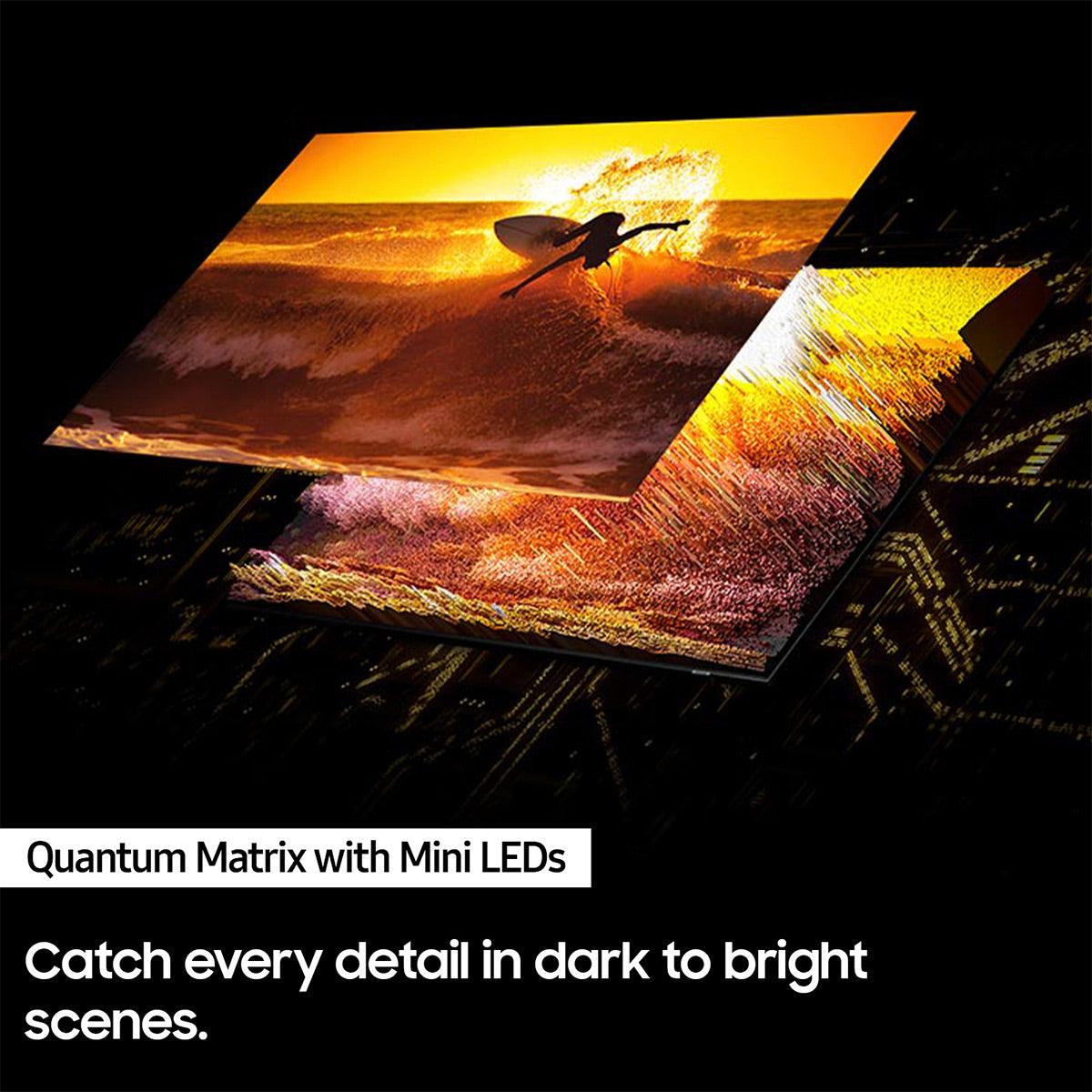
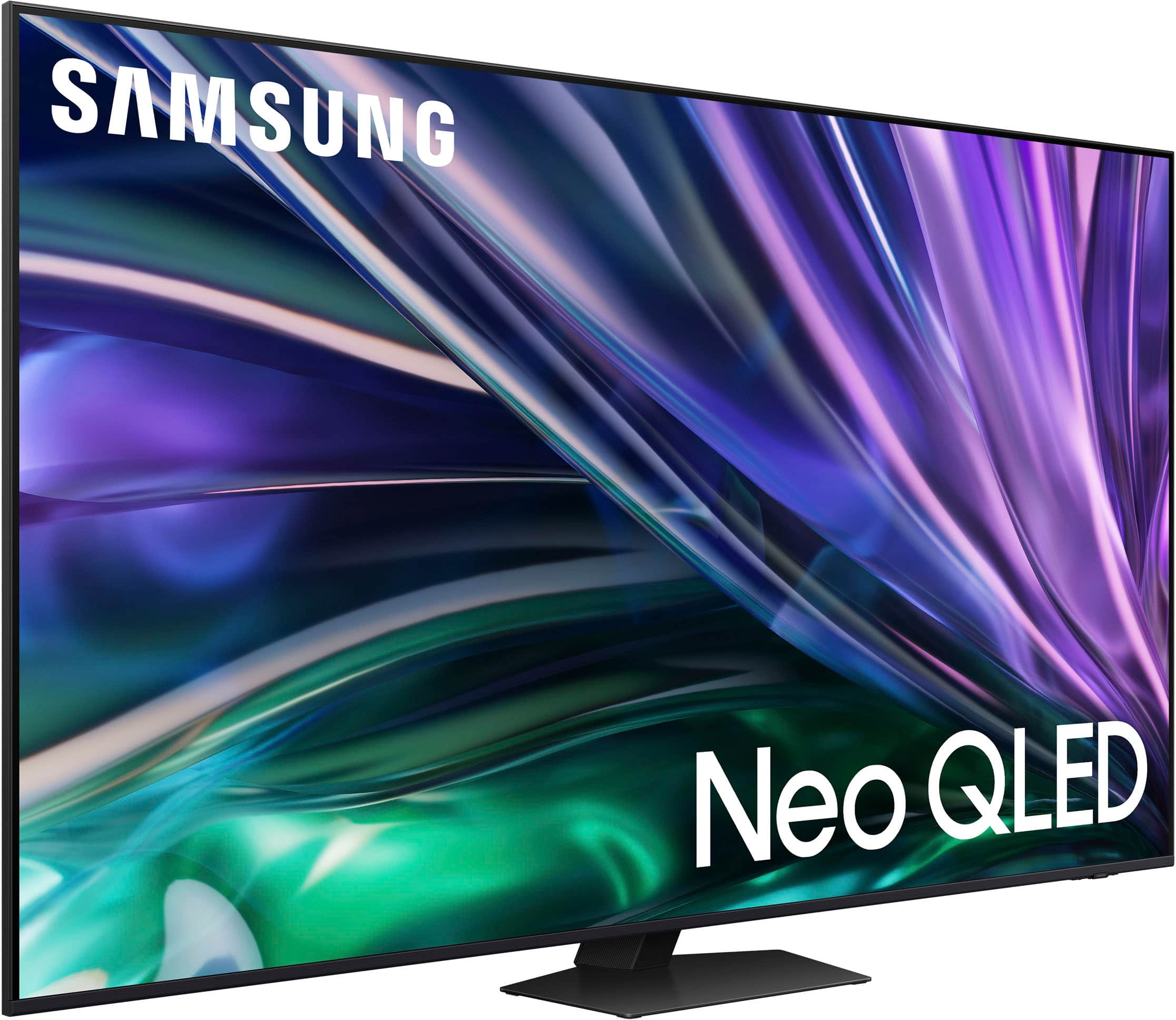
The Samsung QN85D takes this concept several steps further with Neo QLED technology. This combines quantum dots with Mini LED backlighting—essentially thousands of tiny LEDs that are about 40 times smaller than traditional LED backlights. These Mini LEDs can be controlled in precise zones to create deeper blacks and brighter whites in the same image, something called local dimming.
Both TVs released in 2024 (the Toshiba technically a 2025 model but available in 2024), which means they incorporate several years of refinement over earlier QLED implementations. The technology has matured significantly since Samsung first introduced QLED in 2017, with better color accuracy, improved brightness, and more efficient power consumption.
Picture quality separates these TVs more dramatically than any spec sheet can convey. The Samsung QN85D employs what they call Quantum Matrix technology with 160 local dimming zones on the 65-inch model. In practical terms, this means the TV can make specific areas of the screen much darker or brighter independently. When you're watching a movie scene with bright sunlight streaming through a dark room, the TV can simultaneously display deep blacks in the shadows and brilliant whites in the sunlit areas.
The Toshiba M550 includes full-array local dimming with 48 zones—significantly fewer than the Samsung, but still a meaningful upgrade over edge-lit displays that light the entire screen uniformly. Based on Consumer Reports testing, the Toshiba delivers "Very Good" picture quality for both HD and 4K content, with excellent detail reproduction and natural-looking colors.
However, the contrast ratio difference is substantial. Professional reviews consistently measure the Samsung QN85D achieving contrast ratios exceeding 160,000:1, while the Toshiba manages respectable but more limited black level performance. In a darkened home theater, this translates to the Samsung displaying true blacks that disappear into the screen bezels, while the Toshiba shows slightly grayish blacks that remain visible.
Color performance tells a similar story. Both TVs support the major HDR formats—HDR10, HDR10+, and Dolby Vision—which provide enhanced color and contrast information beyond standard video. The Samsung includes a feature called Color Booster that can push color saturation even further for those who prefer a more vivid look, though the default settings already provide excellent accuracy.
Brightness capabilities matter enormously if your TV sits in a room with windows or ambient lighting. The Samsung QN85D achieves excellent peak brightness levels that can overcome glare from indirect lighting, making it suitable for bright living rooms. The Toshiba M550 provides adequate brightness for most viewing conditions but may struggle in very bright environments.
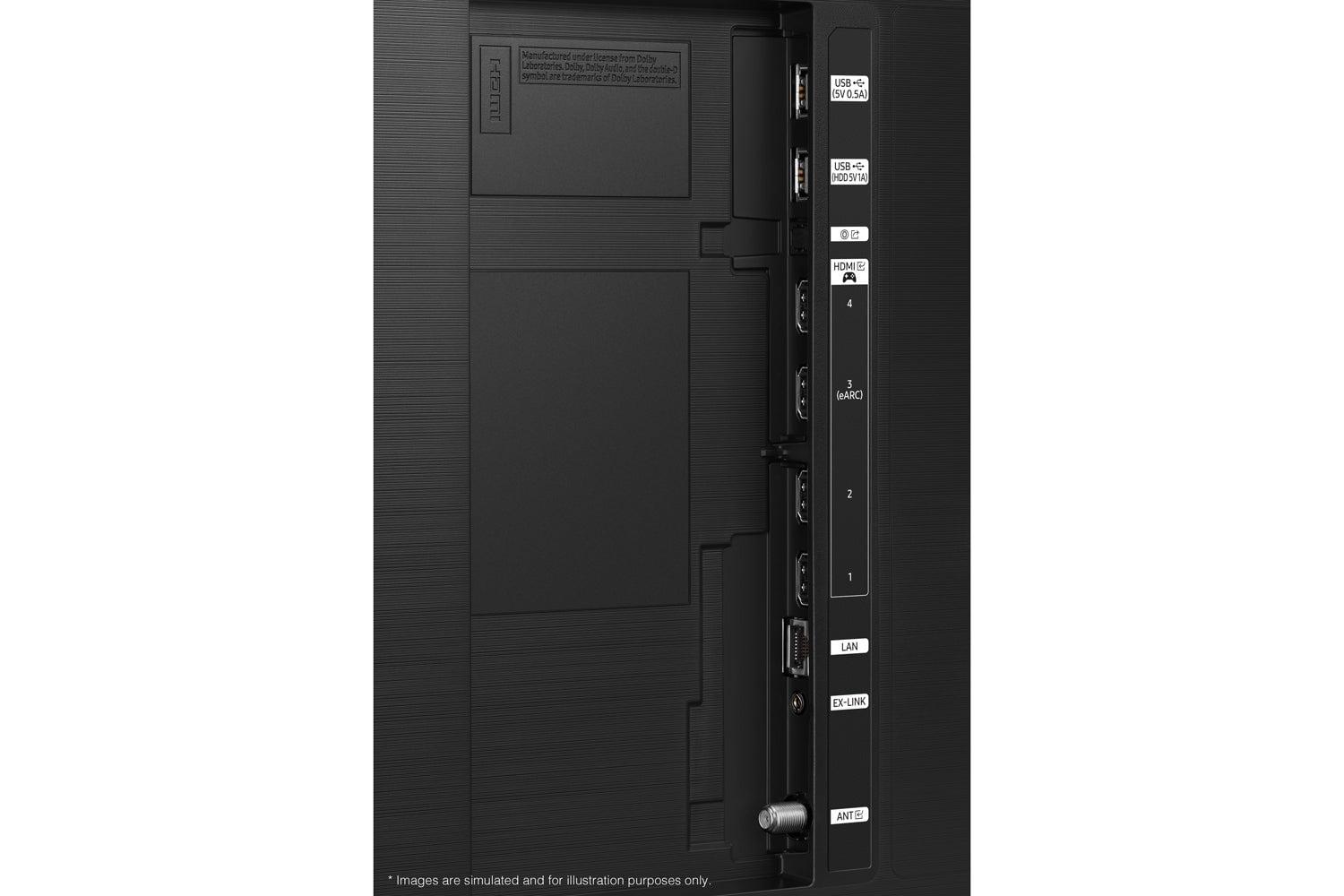
For anyone with a PlayStation 5, Xbox Series X, or high-end gaming PC, the differences become stark. The Samsung QN85D includes four HDMI 2.1 ports that support 4K resolution at 120Hz refresh rates—crucial for next-generation console gaming. It also supports Variable Refresh Rate (VRR), which synchronizes the TV's display refresh with the console's frame output to eliminate screen tearing, and Auto Low Latency Mode (ALLM), which automatically switches to the fastest response time when gaming input is detected.
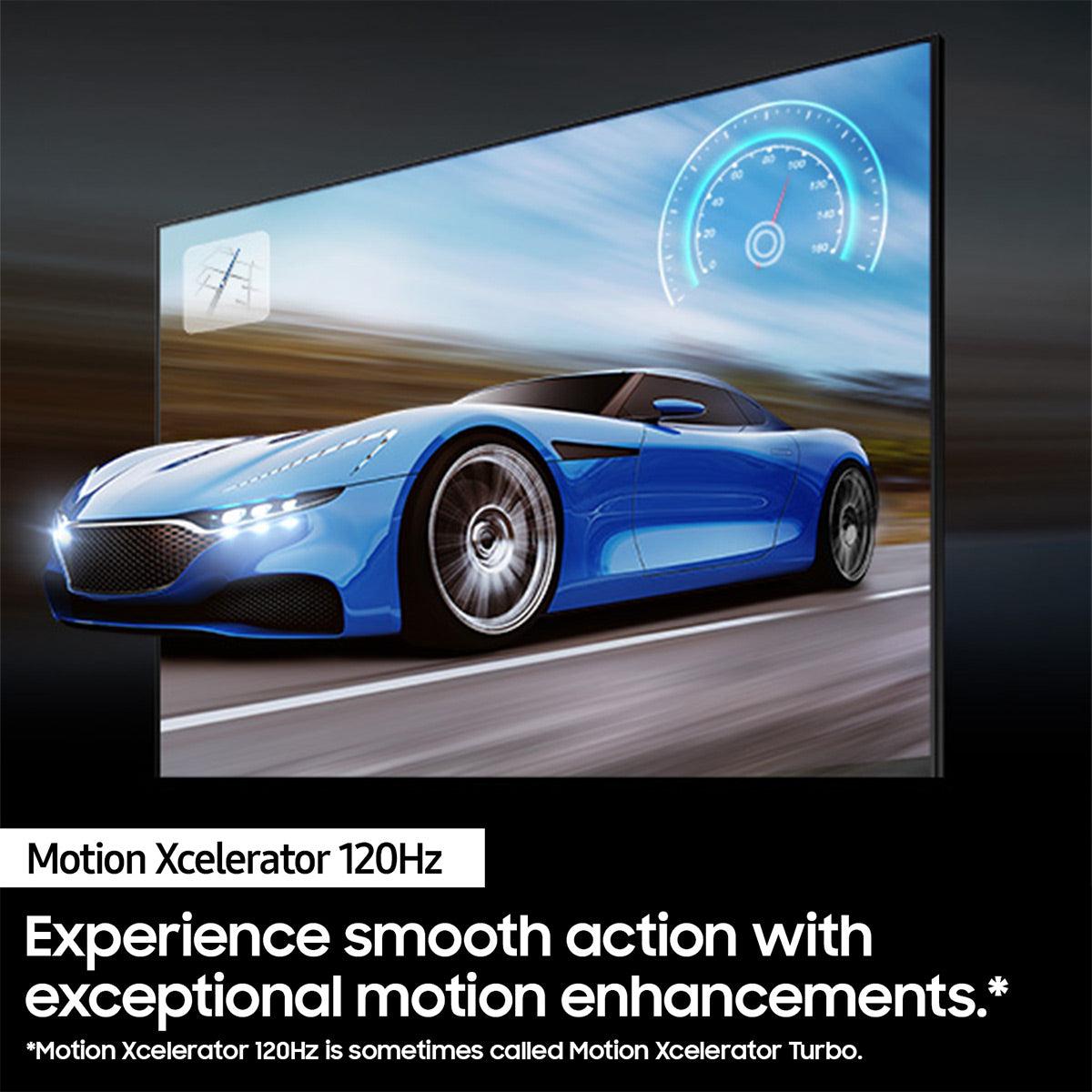
The Toshiba M550 supports gaming features, but with significant limitations. While it can display 120Hz refresh rates, this only works at 1440p or 1080p resolution—not 4K. For 4K gaming, you're limited to 60Hz, which means you won't experience the smoother motion that newer consoles can provide. The TV does include basic VRR support up to 60Hz and ALLM, so it's not completely gaming-incompatible, but it's clearly designed for more casual gaming experiences.
Input lag—the delay between pressing a controller button and seeing the action on screen—matters for competitive gaming. While specific measurements weren't available in our research, Samsung's gaming-focused features and dedicated Game Mode typically deliver response times under 20 milliseconds, which is excellent for responsive gaming.
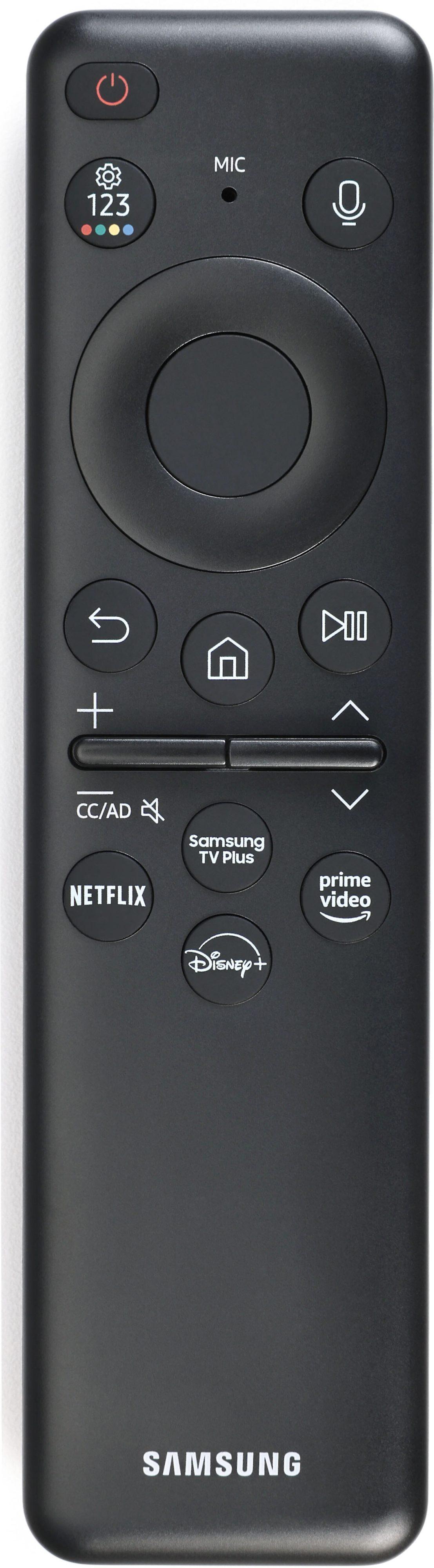
The choice between Amazon Fire TV and Samsung's Tizen OS represents two different approaches to smart TV interfaces. Fire TV, powering the Toshiba M550, prioritizes content discovery and integrates deeply with Amazon's ecosystem. If you're already using Amazon Prime Video, have an Echo device, or prefer Alexa voice control, the integration feels seamless.
However, our research uncovered consistent performance concerns with Fire TV on the Toshiba. Multiple user reviews mentioned slow response times, with some reporting 30-60 second delays when launching apps or navigating menus. The TV's processor appears underpowered relative to the demands of the Fire TV interface, leading to frustrating experiences when you just want to quickly switch between Netflix and YouTube.
Samsung's Tizen OS on the QN85D receives consistently positive feedback for responsiveness and feature completeness. The interface includes Samsung TV Plus for free streaming channels, a universal guide that aggregates content from multiple apps, and smooth voice control through both Bixby and Alexa. The platform feels more like using a premium streaming device rather than fighting with sluggish menus.
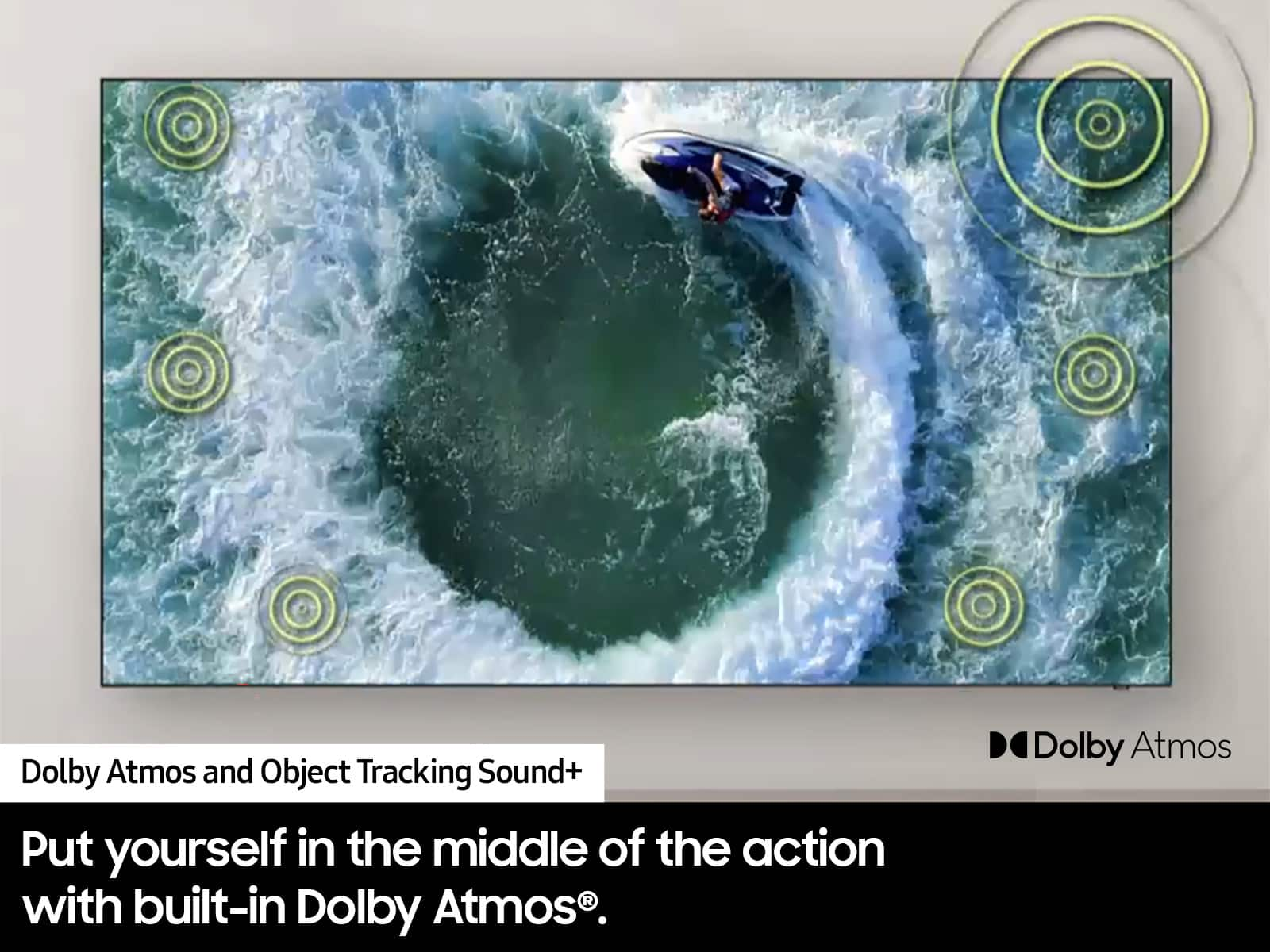
Both TVs include Dolby Atmos support, but implement it quite differently. The Toshiba M550 features a 2.1 channel system with 40 watts of power and includes a built-in subwoofer—impressive for a budget TV and often sufficient for casual viewing without needing a separate soundbar.
The Samsung QN85D incorporates Object Tracking Sound Lite, which attempts to move audio around the screen to match visual action. When a car drives across the screen, the sound follows along. This creates a more immersive experience, especially for movie watching, though the effect is subtle compared to a dedicated surround sound system.
For serious home theater enthusiasts, both TVs include eARC (enhanced Audio Return Channel) support, allowing them to send high-quality audio formats to compatible soundbars or receivers. However, the Samsung's more sophisticated audio processing and better integration with Samsung soundbars gives it an edge for users planning audio upgrades.
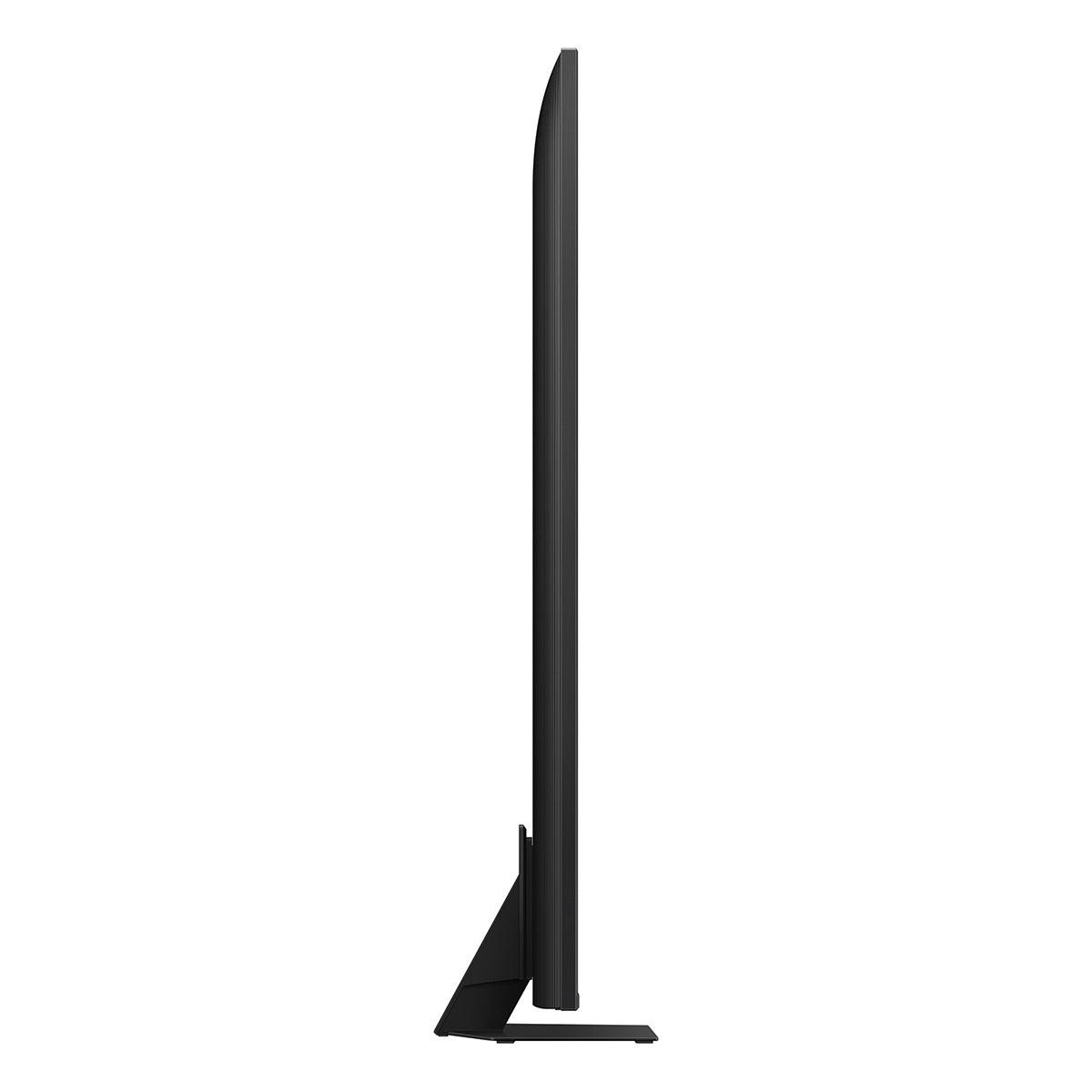
Premium TVs justify their higher costs partly through better construction and longer-lasting performance. The Samsung QN85D features a metal back panel, minimal bezels, and the overall fit and finish you'd expect from a thousand-plus-dollar product. Samsung's track record with software updates and long-term support is generally solid, with security patches and feature additions continuing for several years.
The Toshiba M550 represents more of a value engineering approach. The construction is adequate for the price point, but our research revealed some concerning reliability reports. Several users mentioned screen flashing, system freezes, and audio dropouts that required hard resets to resolve. While these issues don't affect every unit, they suggest potential quality control inconsistencies that come with aggressive cost-cutting.
At the time of writing, the price difference between these TVs approaches $900—enough to buy a decent soundbar, streaming device, or gaming console. The question becomes whether the Samsung's advantages justify nearly quadrupling your TV budget.
The Toshiba M550 delivers genuinely impressive picture quality for its price range. Consumer Reports rated its HD picture quality as "Very Good," and for families primarily streaming Netflix, watching cable TV, or enjoying casual gaming, it provides a satisfying big-screen experience. The QLED color technology ensures vibrant, appealing images, and the Fire TV platform offers access to virtually every streaming service.
However, the performance limitations become apparent with demanding content. HDR movies with complex lighting scenarios don't showcase the dramatic contrast that makes HDR worthwhile. Fast-paced sports or action movies reveal motion artifacts and the processing limitations that user reviews consistently mention. Gaming on modern consoles feels limited compared to what these systems can actually deliver.
The Samsung QN85D represents a different value equation entirely. You're paying premium pricing for a TV that can truly showcase modern content at its best. The Mini LED backlighting creates the kind of contrast that makes HDR content look genuinely different from standard video. The gaming features ensure compatibility with next-generation consoles for years to come. The processing power handles complex scenes without visible artifacts.
The decision ultimately comes down to matching your viewing habits, room conditions, and priorities with the appropriate technology level.
Choose the Toshiba M550 if you're primarily focused on getting a large, good-looking screen without breaking your budget. It's ideal for families who watch a mix of streaming content, broadcast TV, and occasional movies. If your living room has moderate lighting and you're not particularly concerned about achieving the absolute best picture quality, the Toshiba delivers solid performance that will satisfy most viewers. The money you save could fund a nice soundbar or streaming device that might provide more noticeable day-to-day improvements.
The Samsung QN85D makes sense for households where the TV serves as the primary entertainment hub and picture quality really matters. If you're planning to watch 4K HDR movies, enjoy sports with complex motion, or game seriously on modern consoles, the Samsung's superior processing and display technology provide experiences that the Toshiba simply cannot match. The investment also provides future-proofing—as streaming services and gaming push higher quality standards, the Samsung has the capability to keep up.
For home theater enthusiasts, the Samsung represents a much better foundation for a premium viewing experience. The contrast performance, peak brightness, and motion handling create the kind of engaging picture quality that makes movie nights feel special rather than just functional.
Consider your room lighting carefully as well. If your TV faces windows or sits in a bright family room, the Samsung's superior brightness capabilities become genuinely important for overcoming glare and maintaining good picture quality during daytime viewing.
Both TVs serve their intended markets well, but they're designed for fundamentally different user expectations and viewing scenarios. The Toshiba proves that you can get legitimate big-screen enjoyment without premium pricing, while the Samsung demonstrates why some buyers choose to invest significantly more for measurably better performance. Understanding which category you fall into will guide you toward the right choice for your home entertainment needs.
| Toshiba 65" M550 Series QLED Fire TV | Samsung 65" QN85D Neo QLED 4K Smart TV |
|---|---|
| Display Technology - Determines picture quality ceiling and contrast performance | |
| QLED with Full Array Local Dimming (48 zones) | Neo QLED with Mini LED backlight (160 zones) |
| Peak Brightness - Critical for HDR content and bright room viewing | |
| Good brightness for most rooms, struggles with glare | Excellent peak brightness, handles bright rooms well |
| Contrast Ratio - Makes the biggest visual difference in dark scenes | |
| Decent blacks but visible as dark gray | Outstanding 160,000:1+ contrast with true blacks |
| Gaming Features - Essential for PS5/Xbox Series X owners | |
| 4K@60Hz, 120Hz at 1440p/1080p, basic VRR | 4K@120Hz, full VRR/ALLM, four HDMI 2.1 ports |
| Smart TV Platform - Affects daily usability and app performance | |
| Amazon Fire TV (reports of slow performance) | Samsung Tizen OS (fast, responsive interface) |
| Audio System - Determines if you need a soundbar immediately | |
| Dolby Atmos, 40W with built-in subwoofer | Dolby Atmos with Object Tracking Sound Lite |
| Build Quality - Impacts long-term reliability and durability | |
| Budget construction, some reliability concerns | Premium build quality, established support |
| Processor Performance - Affects menu speed and upscaling quality | |
| REGZA Engine ZR (adequate for basic use) | NQ4 AI Gen2 (handles complex processing smoothly) |
| Release Year - Shows how current the technology is | |
| 2024/2025 model with current QLED tech | 2024 model with latest Mini LED advances |
| Best For - Who should consider each option | |
| Budget-conscious families, casual viewing | Home theater enthusiasts, serious gamers |
The Samsung QN85D Neo QLED is significantly better for gaming, especially with modern consoles. It supports 4K gaming at 120Hz, has four HDMI 2.1 ports, and includes full VRR and ALLM support. The Toshiba M550 is limited to 4K at 60Hz and only supports 120Hz at lower resolutions, making it less suitable for PS5 or Xbox Series X gaming.
The Samsung QN85D delivers superior picture quality in dark rooms thanks to its Mini LED technology and 160 local dimming zones, achieving contrast ratios over 160,000:1. The Toshiba M550 offers decent picture quality with 48 dimming zones, but blacks appear more grayish rather than true black in dark viewing environments.
The Toshiba M550 uses standard QLED with quantum dots and LED backlighting, while the Samsung QN85D features Neo QLED technology that combines quantum dots with Mini LED backlights. Mini LEDs are 40 times smaller than regular LEDs, allowing for more precise brightness control and better contrast performance.
The Samsung QN85D runs Samsung's Tizen OS, which is generally faster and more responsive. The Toshiba M550 uses Amazon Fire TV, which integrates well with Alexa but has received user complaints about slow performance and occasional freezing on this particular model.
The Samsung QN85D handles bright rooms much better with its superior peak brightness capabilities, making it suitable for living rooms with windows. The Toshiba M550 provides adequate brightness for most situations but may struggle with glare in very bright environments.
For dedicated home theater use, the Samsung QN85D is the clear choice. Its Mini LED technology, superior contrast ratio, and advanced processing create a more cinematic experience with better black levels and color accuracy. The Toshiba M550 works for casual movie watching but lacks the premium features serious home theater enthusiasts expect.
Yes, both the Toshiba M550 and Samsung QN85D support Dolby Atmos audio and major HDR formats including Dolby Vision, HDR10, and HDR10+. However, the Samsung implements these features with more sophisticated processing and better overall performance.
The Toshiba M550 offers exceptional value for budget-conscious buyers, delivering QLED technology and 4K performance at a fraction of premium TV costs. The Samsung QN85D provides better overall performance but costs significantly more, making it worthwhile only if you prioritize picture quality and gaming features.
User reports suggest some reliability issues with the Toshiba M550, including occasional screen problems and Fire TV platform freezing. The Samsung QN85D generally receives positive feedback for build quality and long-term reliability, backed by Samsung's established support network.
Both the Toshiba M550 and Samsung QN85D feature four HDMI ports. However, the Samsung includes four HDMI 2.1 ports for next-gen gaming, while the Toshiba uses older HDMI 2.0 standards that limit high-refresh gaming capabilities.
Both TVs handle streaming well, but the Samsung QN85D provides a smoother experience with its faster processor and responsive Tizen platform. The Toshiba M550 works fine for streaming but users report slower menu navigation and occasional app performance issues.
For your first 4K TV, the choice depends on your budget and priorities. The Toshiba M550 is an excellent entry point that delivers good 4K picture quality without breaking the bank. Choose the Samsung QN85D if you want premium features, plan to game seriously, or prioritize the best possible picture quality for your investment.
We've done our best to create useful and informative comparisons to help you decide what product to buy. Our research uses advanced automated methods to create this comparison and perfection is not possible - please contact us for corrections or questions. These are the sites we've researched in the creation of this article: bestbuy.com - bestbuy.com - consumerreports.org - youtube.com - pcvarge.com - tomsguide.com - youtube.com - bestbuy.com - toshibatv-usa.com - marketplace-staging.paytomorrow.com - toshibatv-usa.com - productabout.com - leaseville.com - youtube.com - toshibatv-usa.com - bestbuy.com - rtings.com - youtube.com - youtube.com - avsforum.com - youtube.com - samsung.com - videoandaudiocenter.com - shopjetson.com - mysoundconcepts.com - samsung.com - merlinstv.com - youtube.com - samsung.com - samsung.com

Privacy Policy
Terms and Conditions - Affiliate Policy
Home Security
© Copyright 2008-2026.
11816 Inwood Rd #1211, Dallas, TX 75244