

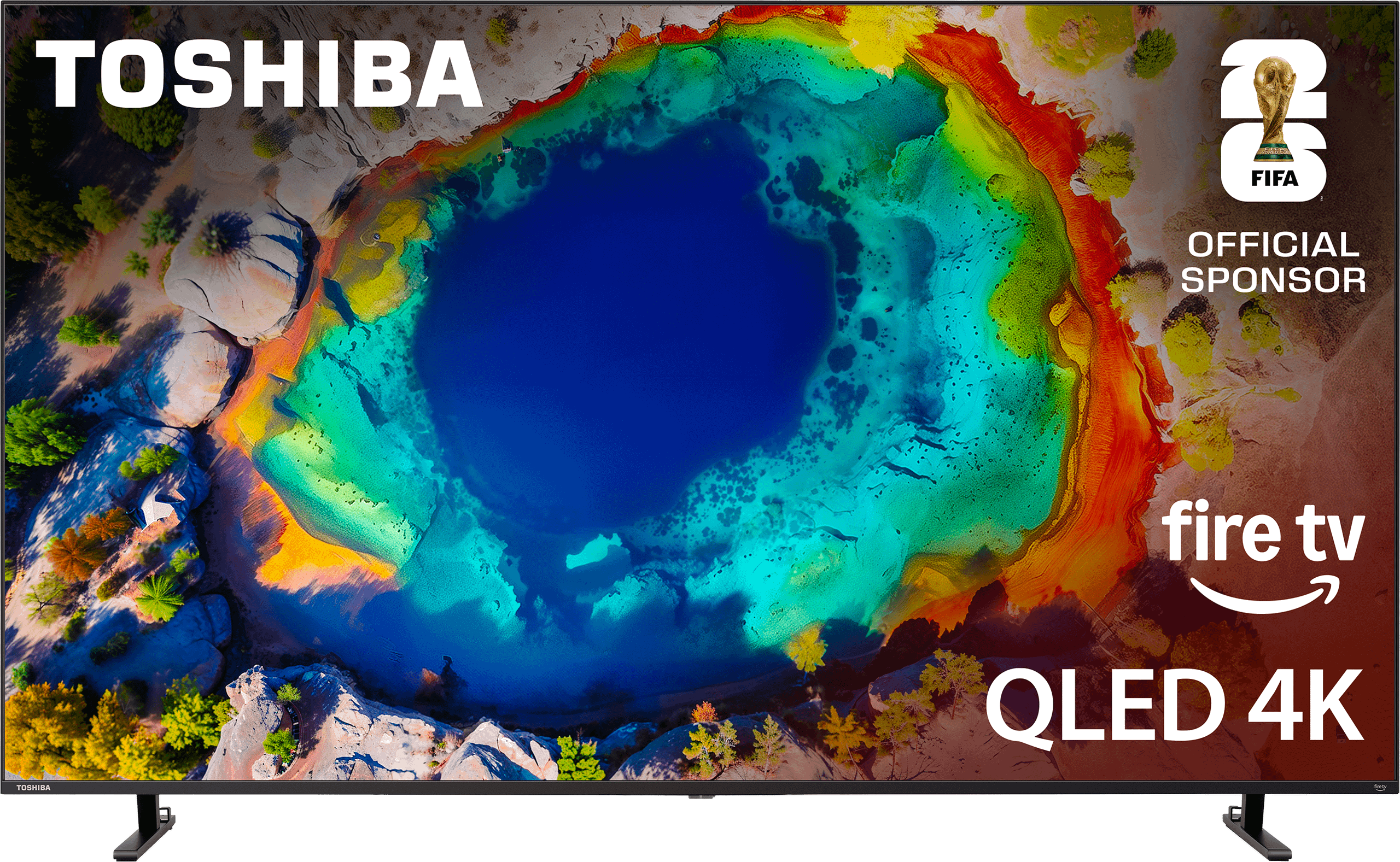
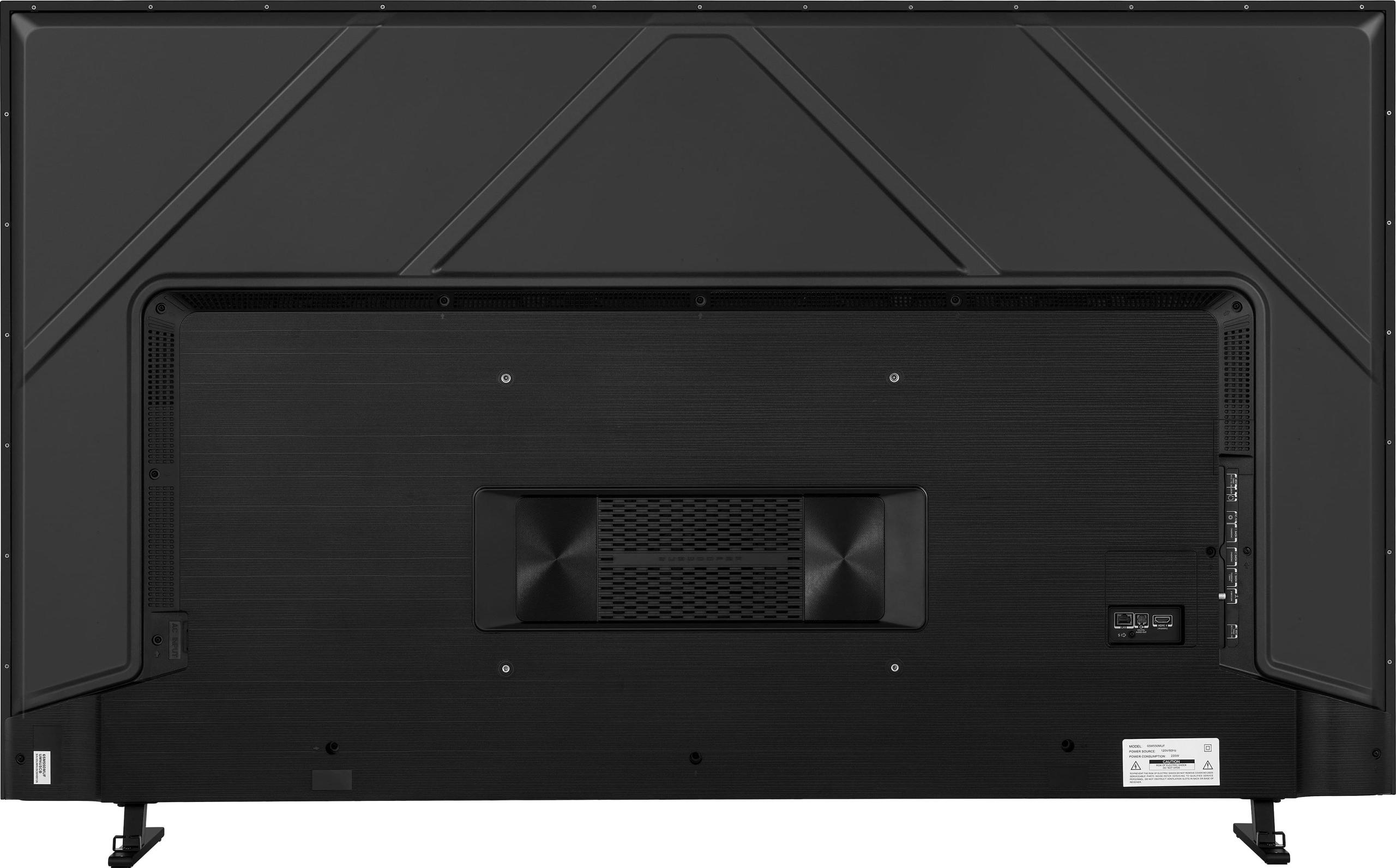
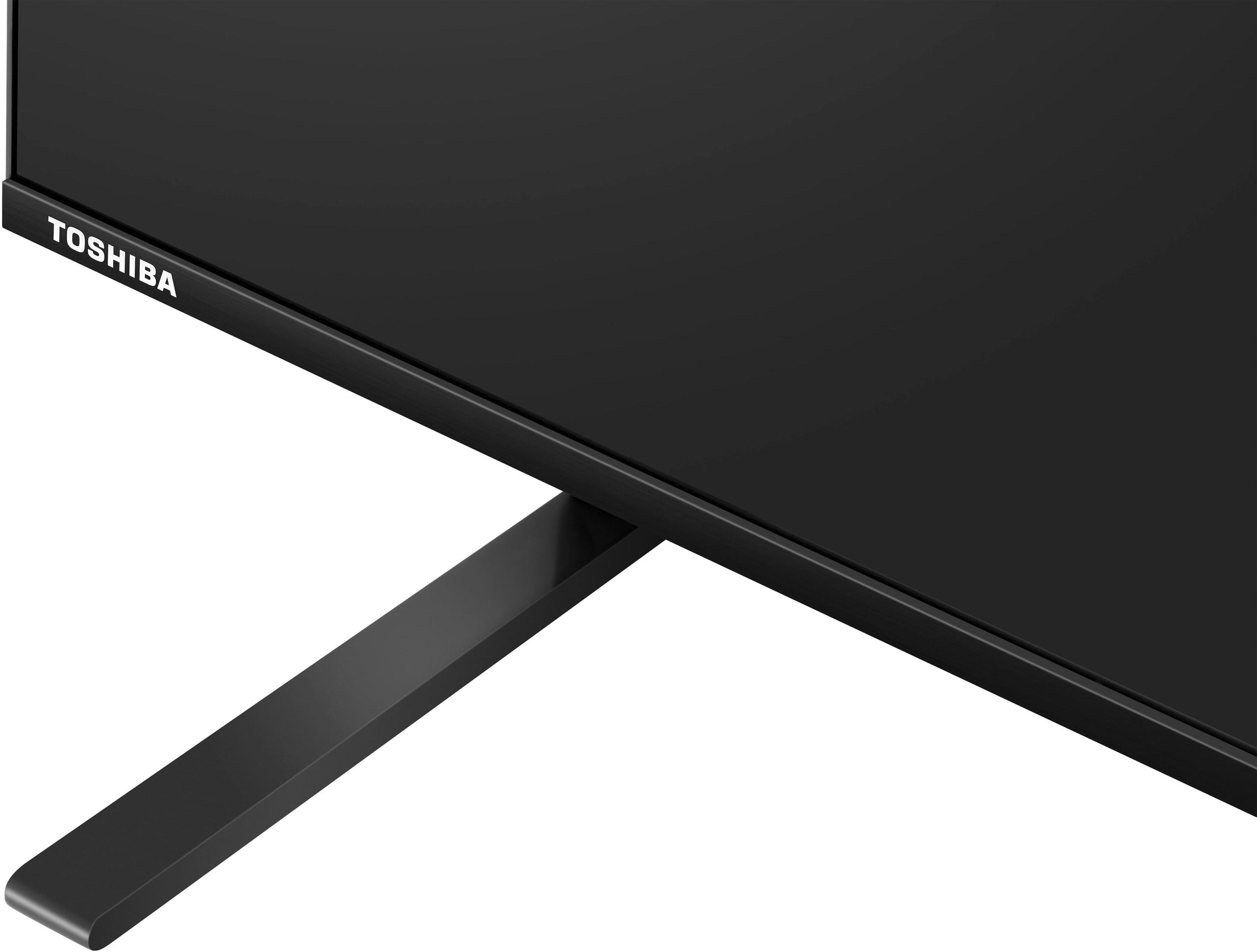
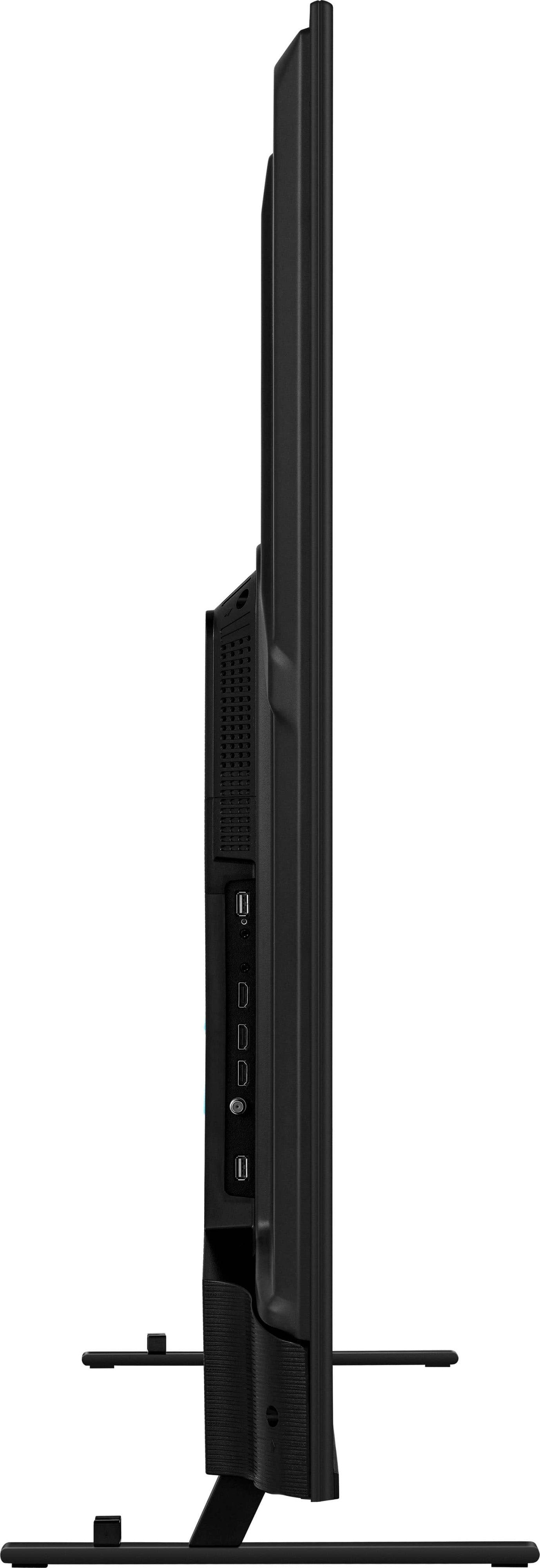
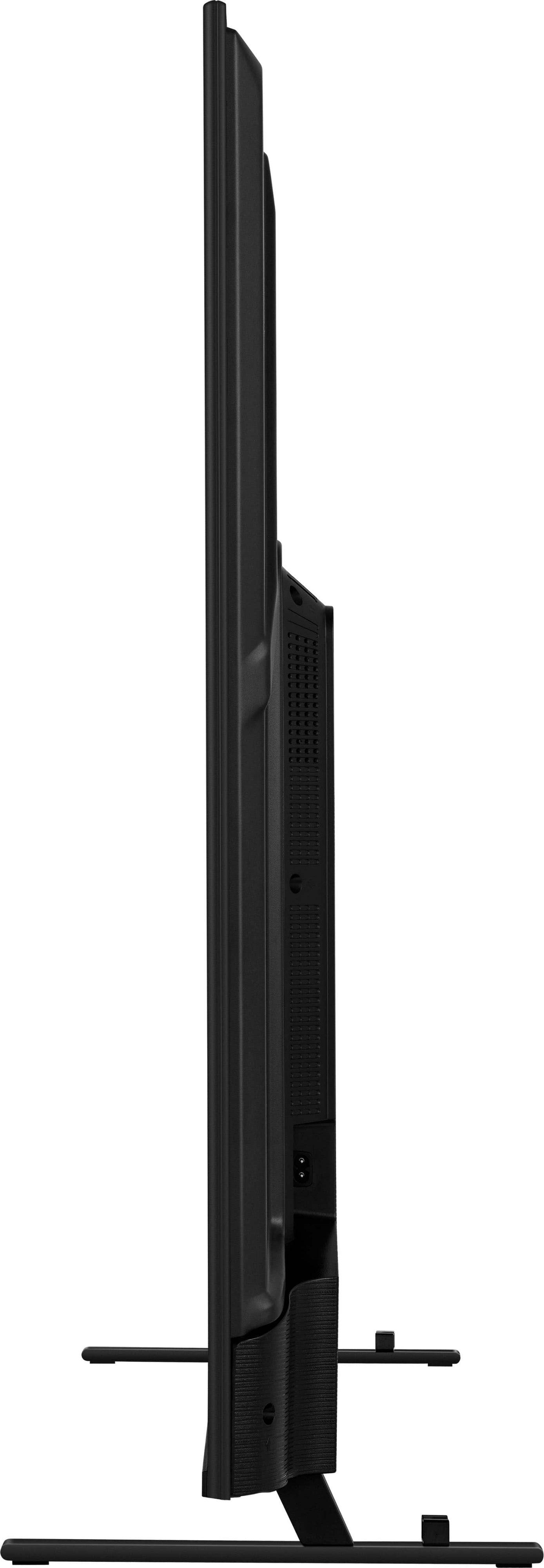
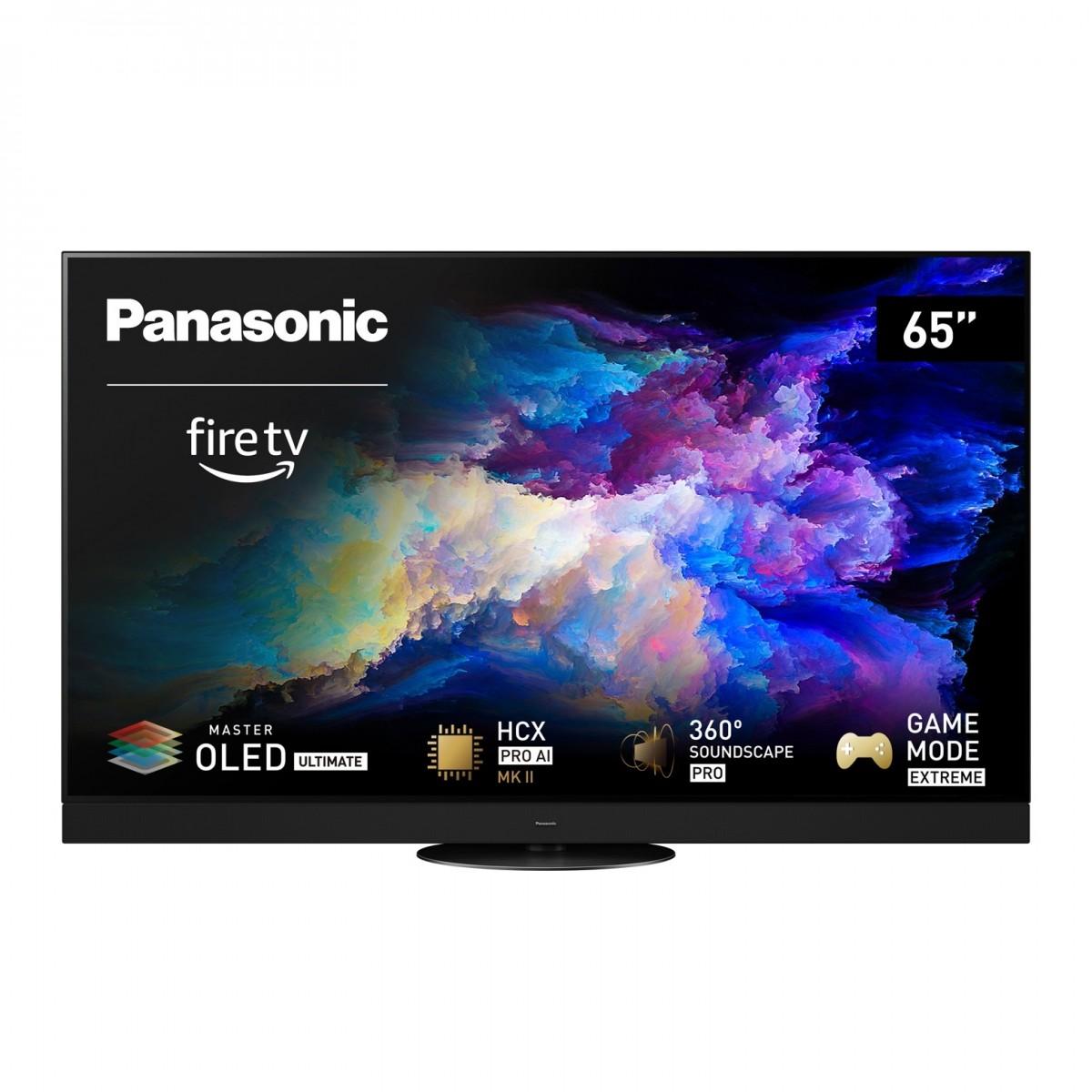
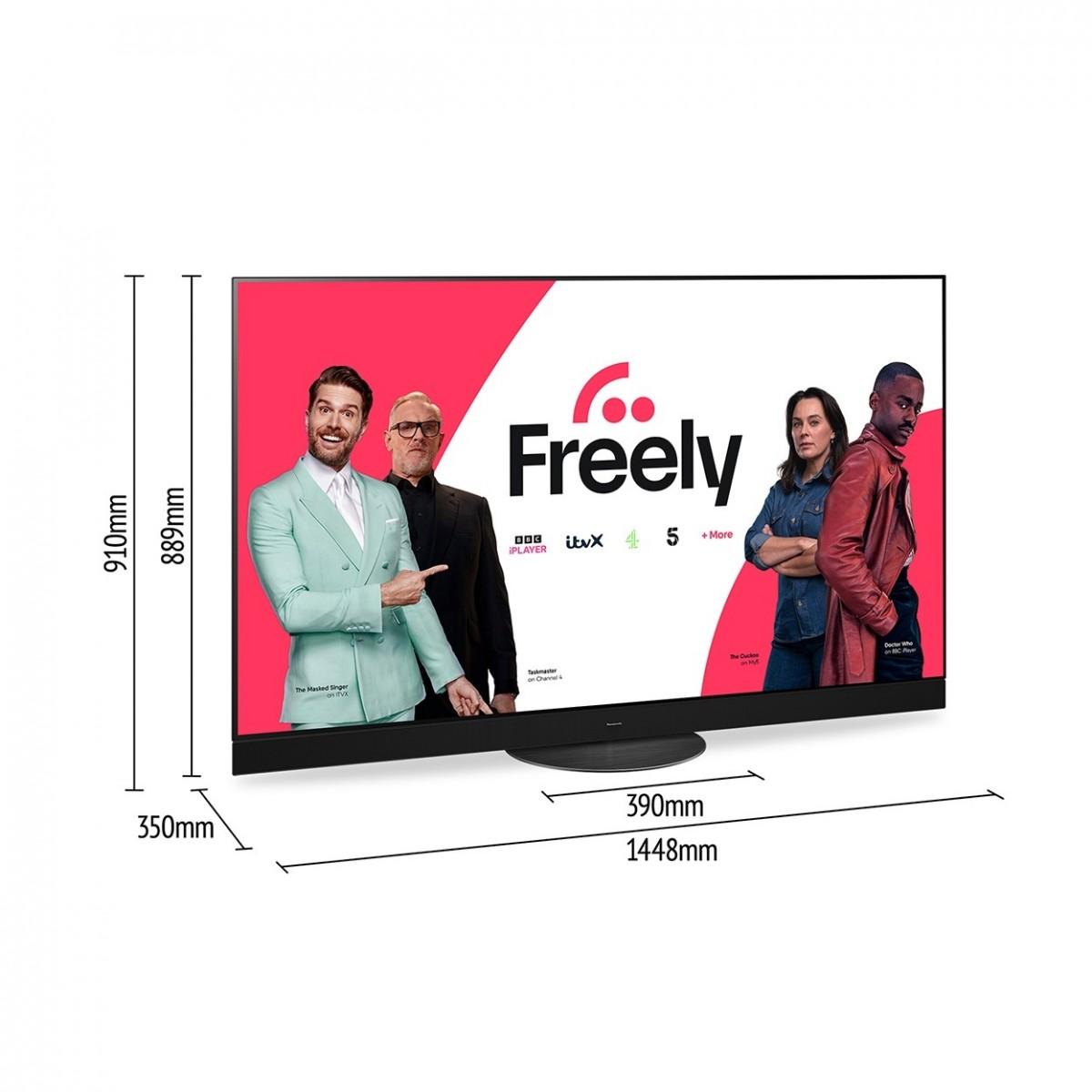
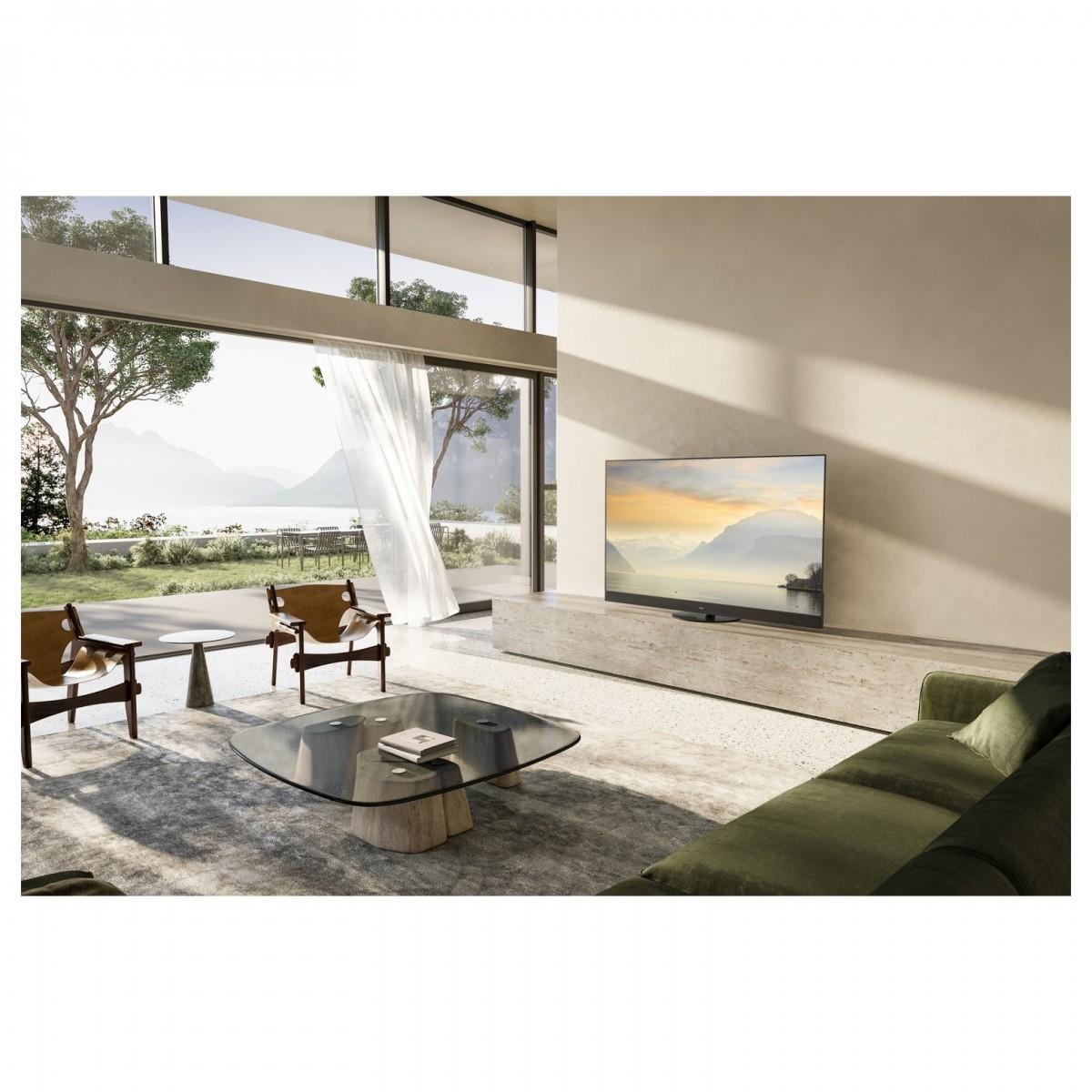
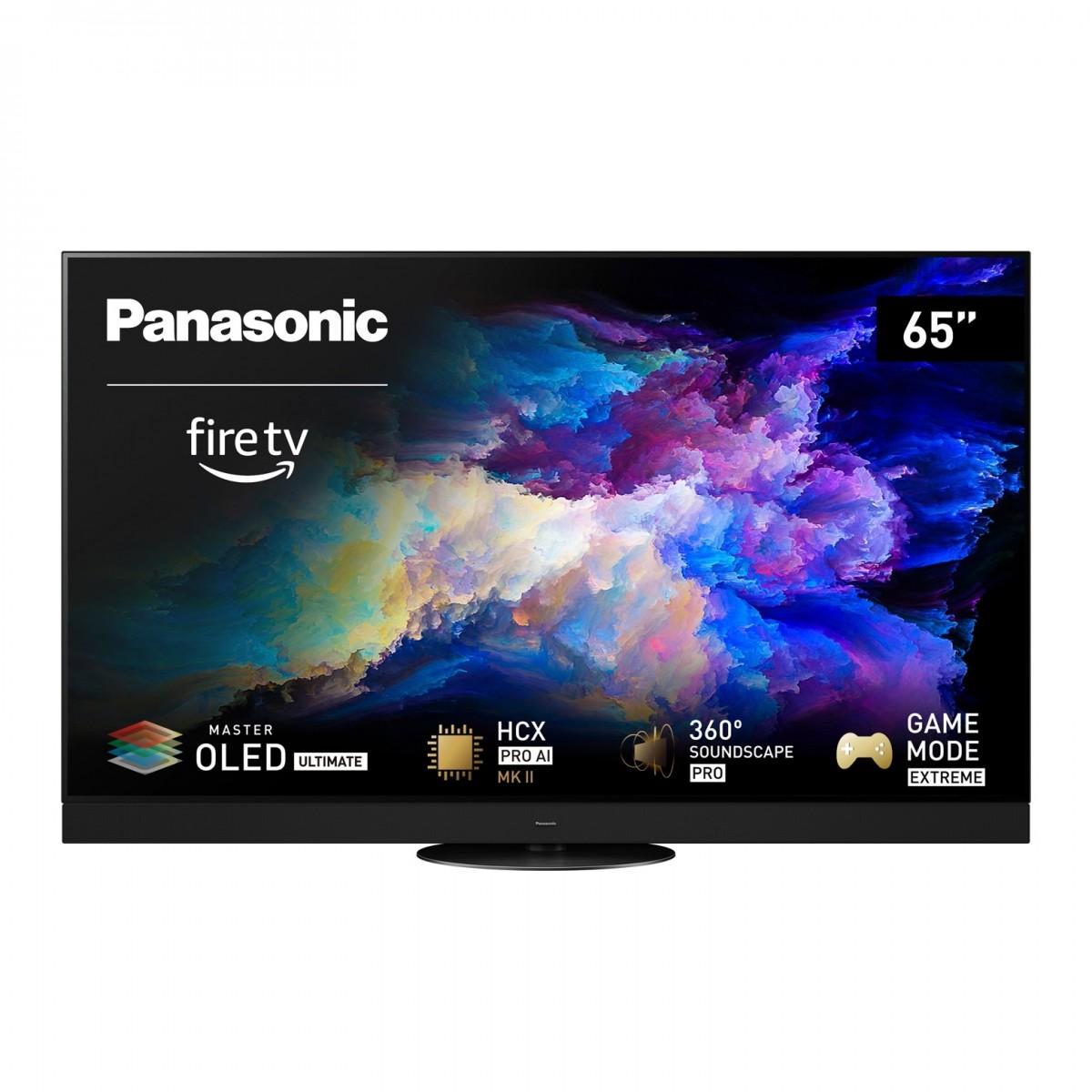
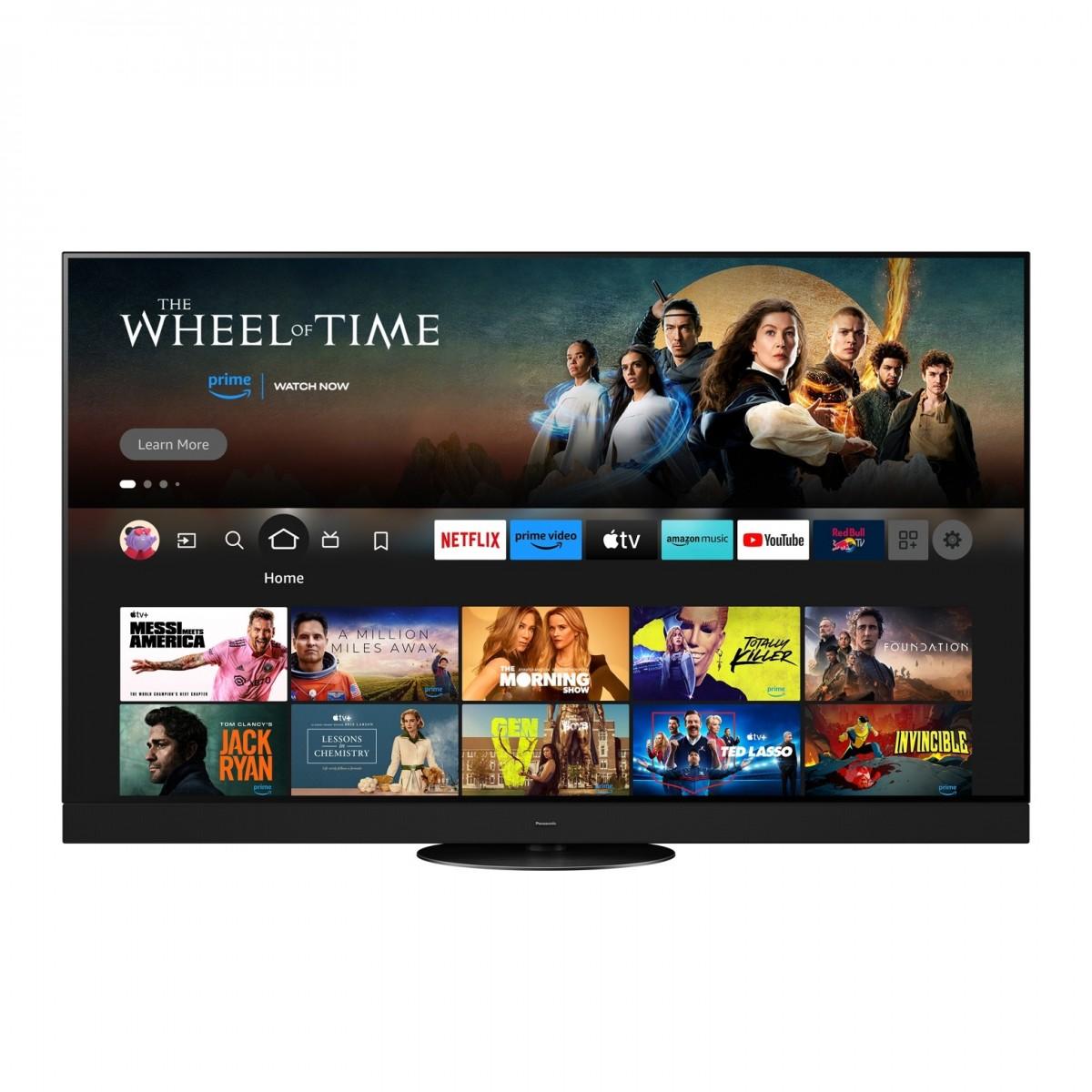
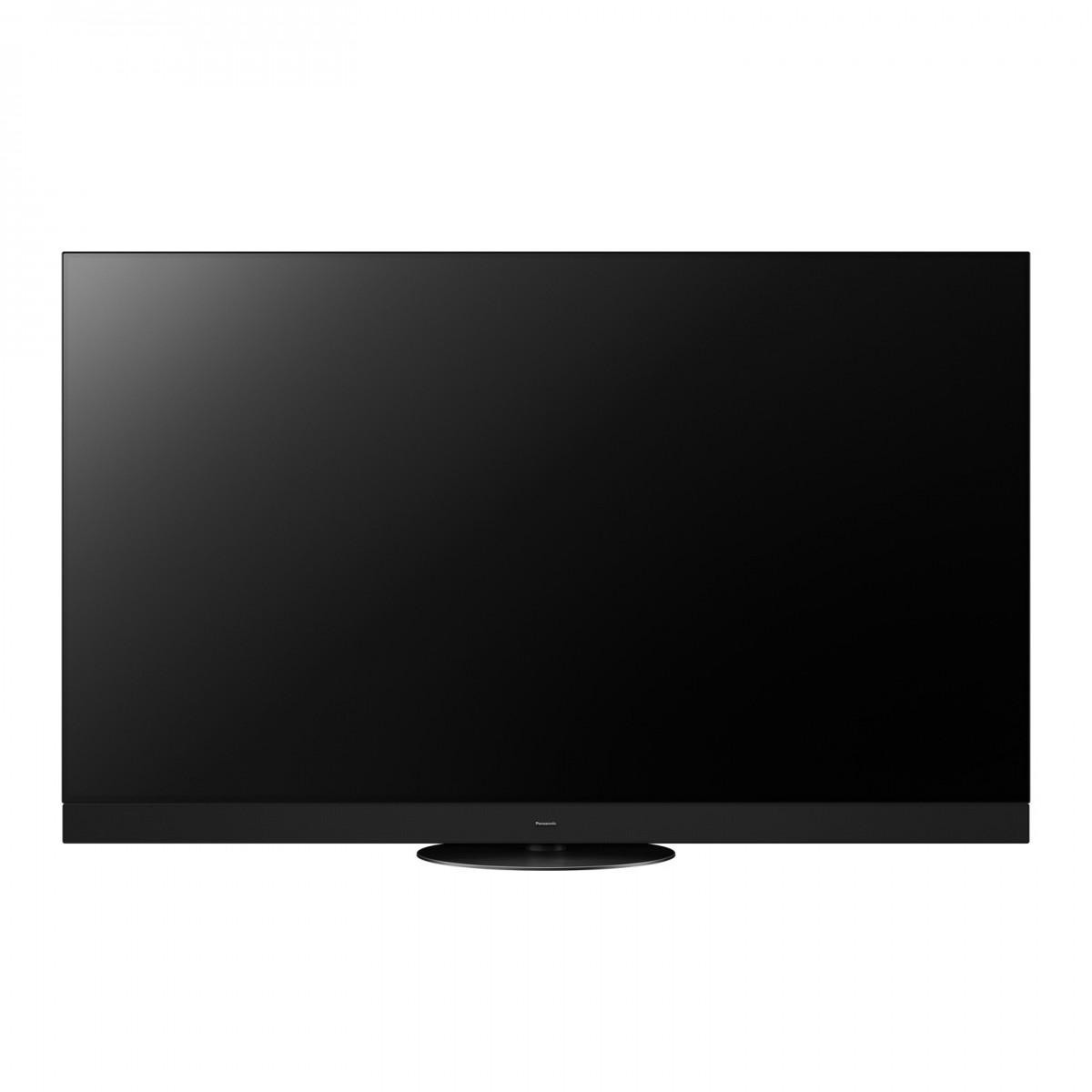
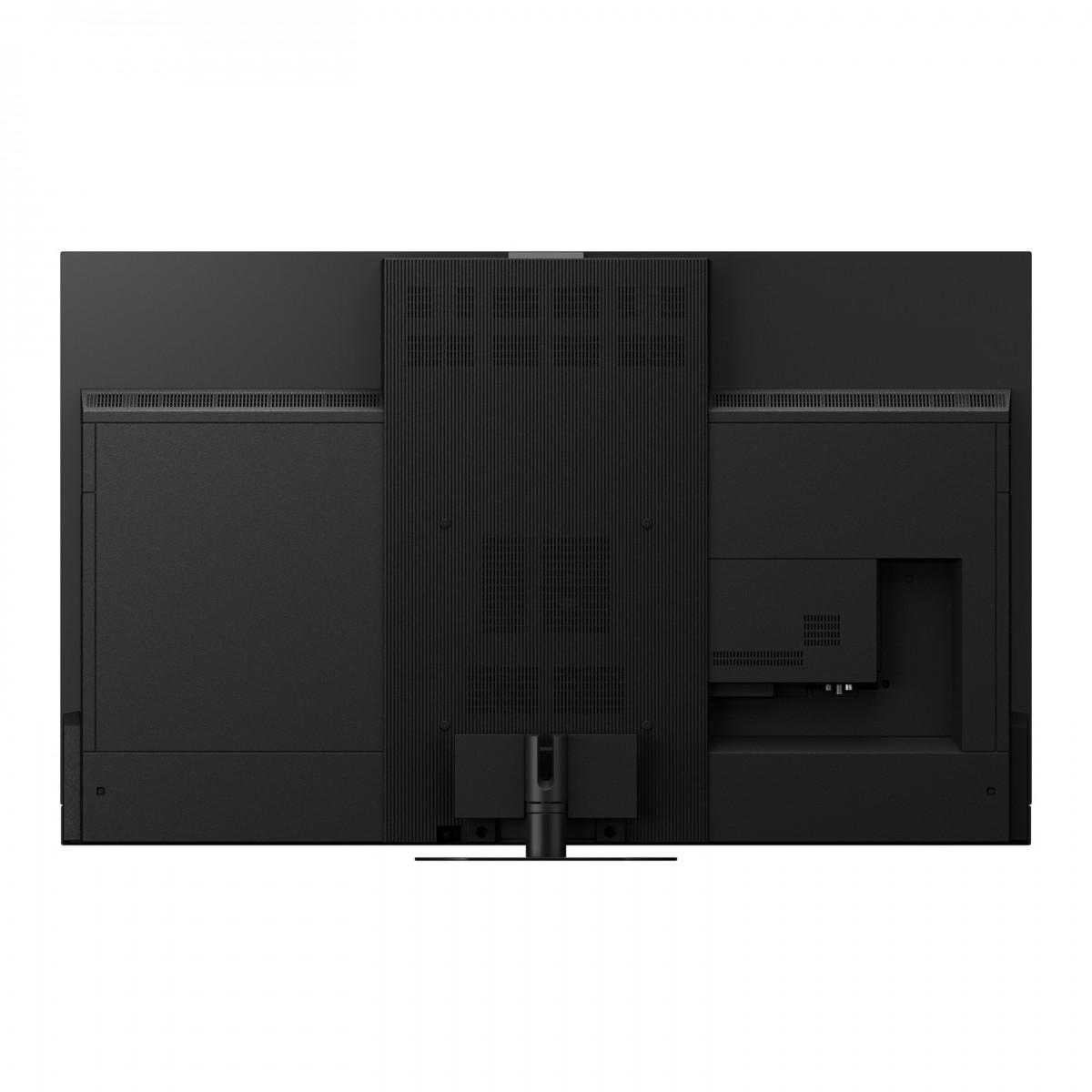
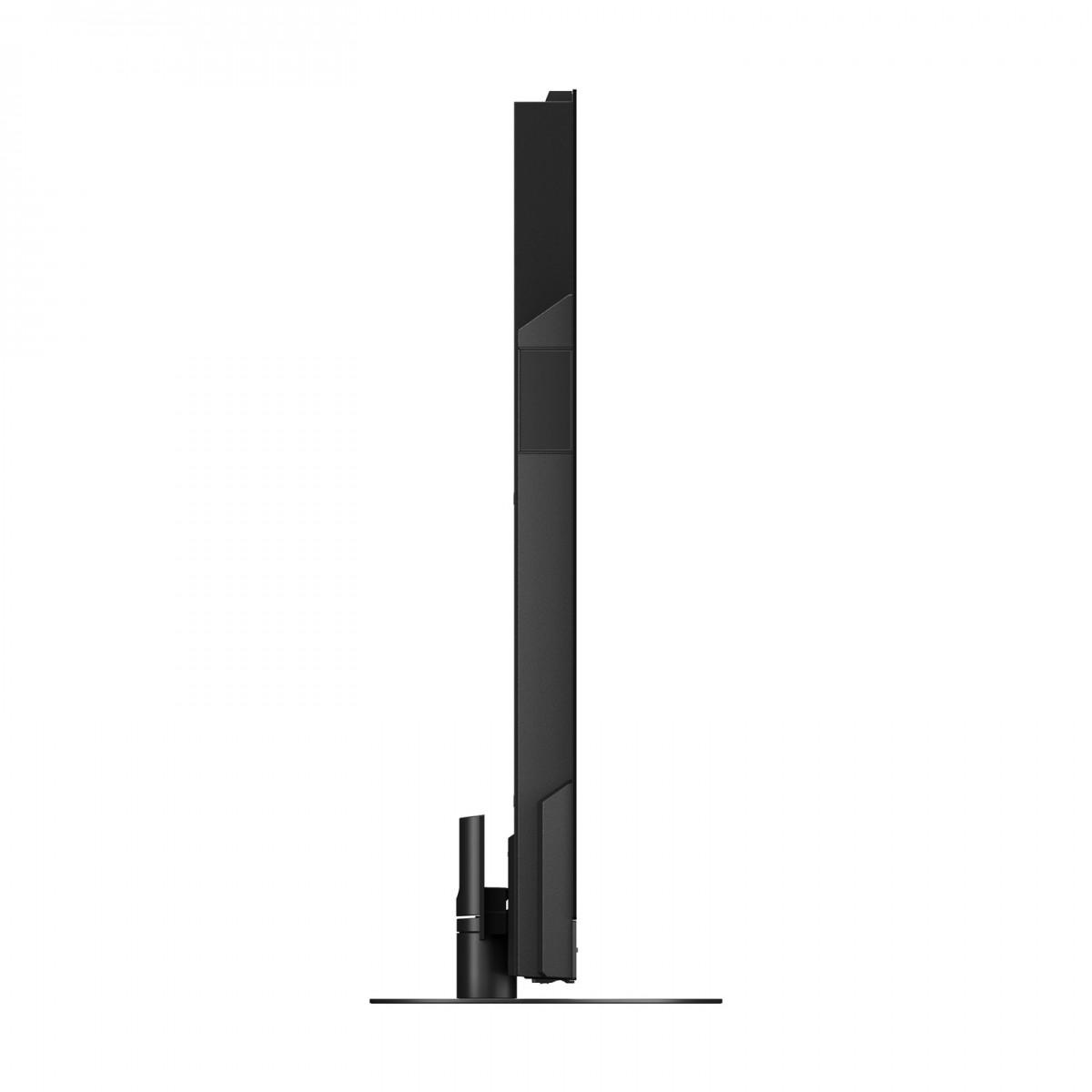
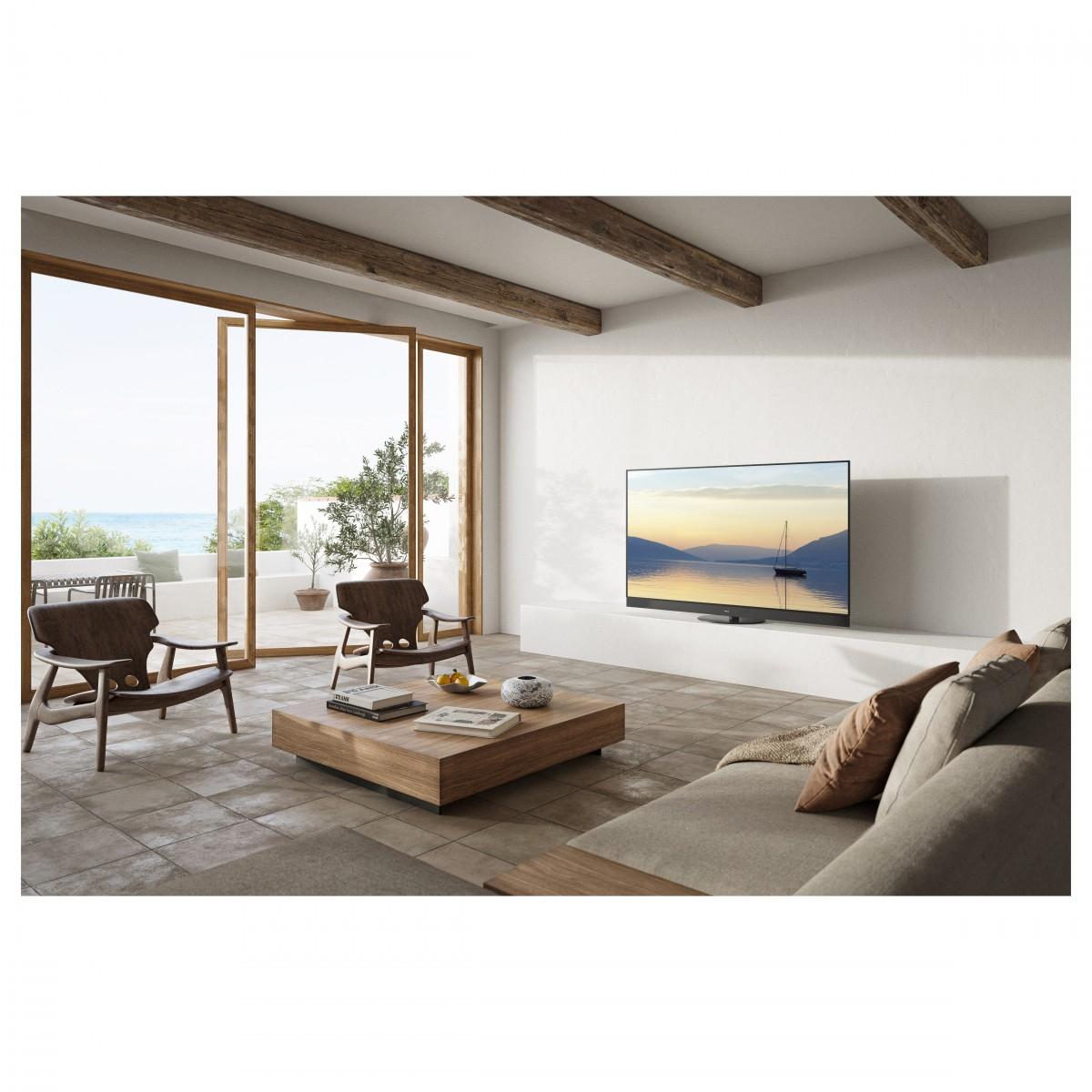
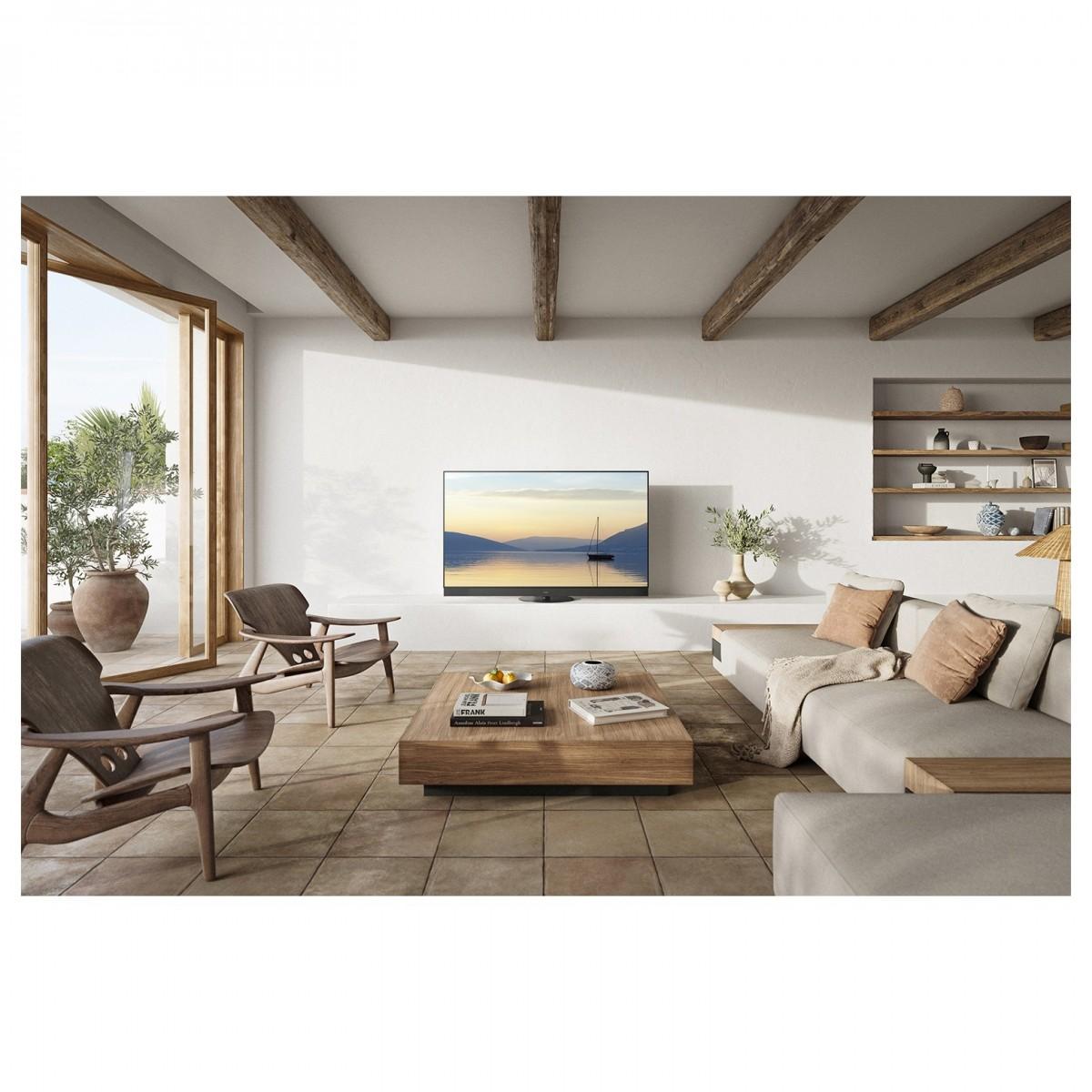
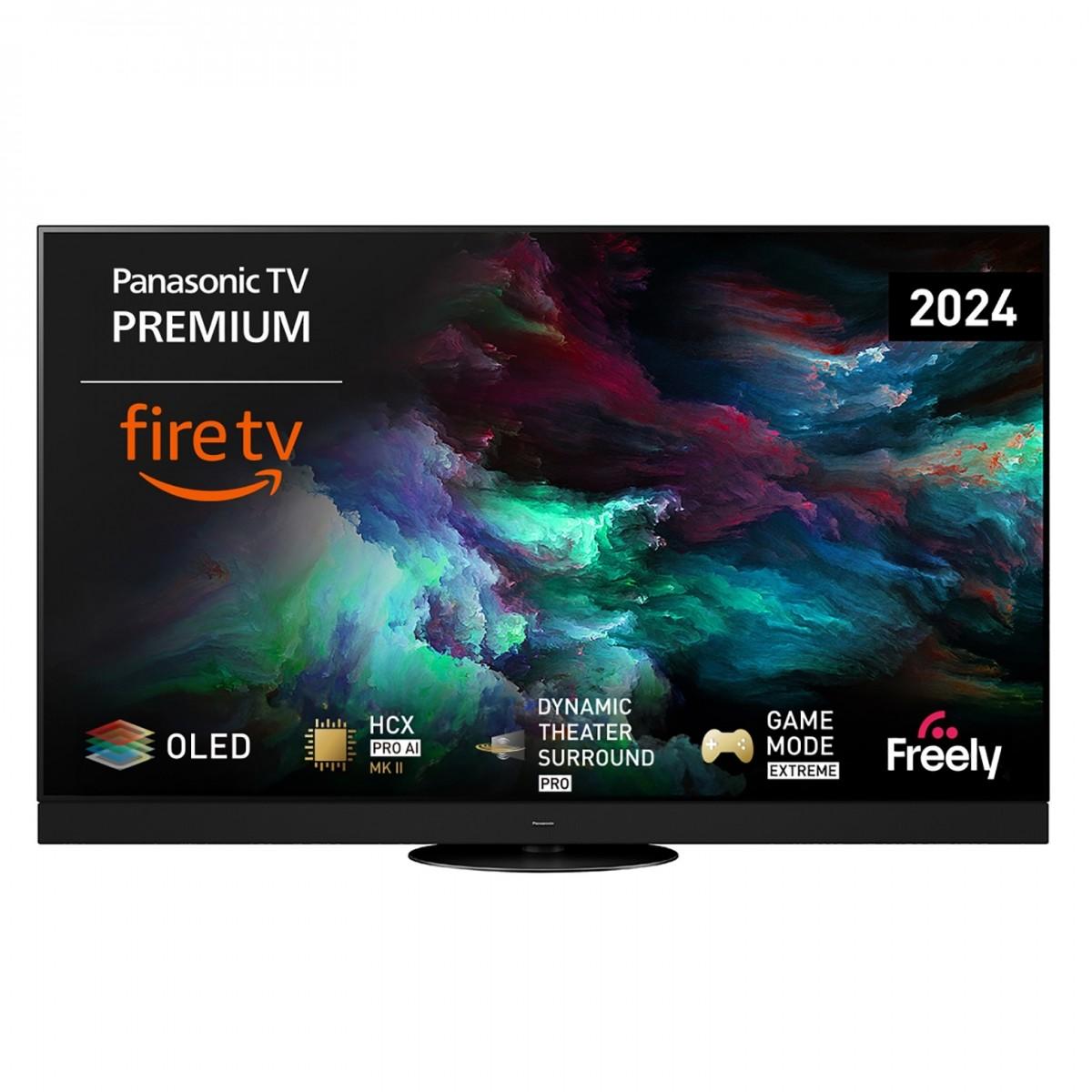
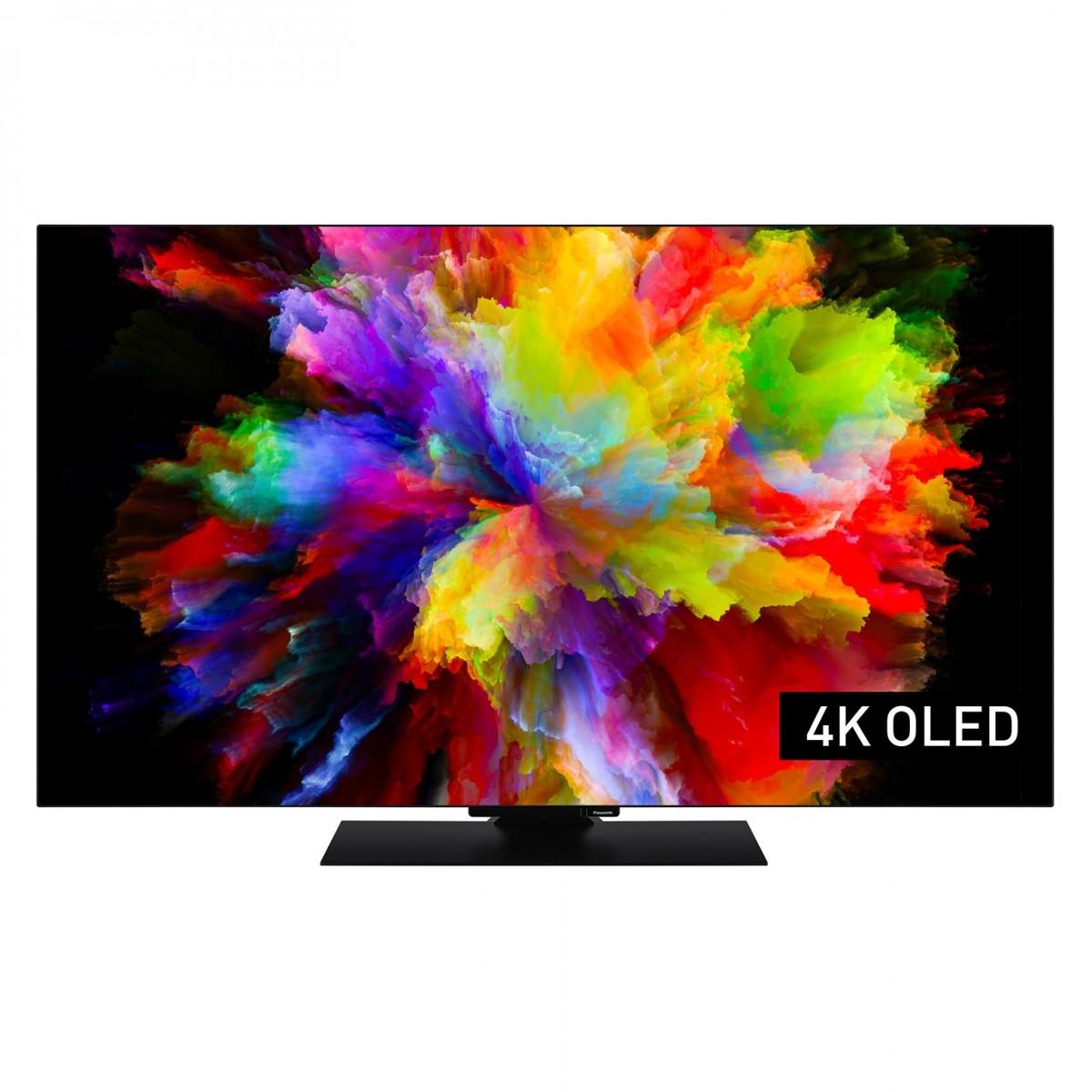
The 65-inch TV market has never been more diverse, with options ranging from surprisingly capable budget models to premium flagship displays that rival commercial cinema equipment. Two TVs that perfectly illustrate this spectrum are the Toshiba M550 QLED Fire TV and the Panasonic Z95A OLED—representing dramatically different approaches to delivering 4K entertainment at home.
At the time of writing, these TVs sit at opposite ends of the price spectrum, with the Toshiba M550 positioned as an exceptional value option while the Panasonic Z95A commands premium pricing for flagship performance. Understanding which approach suits your needs requires diving deep into how these different technologies actually perform in real-world use.
The most fundamental difference between these TVs lies in their display technology, which affects everything from picture quality to long-term reliability. The Toshiba M550 uses QLED (Quantum Dot LED) technology, while the Panasonic Z95A features OLED (Organic LED) panels.
QLED technology, found in the Toshiba M550, combines traditional LED backlighting with a quantum dot layer—microscopic particles that enhance color production when light passes through them. Think of quantum dots as incredibly precise color filters that can produce over a billion different shades. The M550 specifically uses Full Array Local Dimming with 48 individual zones, meaning the backlight can brighten or dim different sections of the screen independently, though it can't achieve perfect black levels since the backlight is always somewhat active.
OLED technology in the Panasonic Z95A works completely differently. Each pixel generates its own light and can turn completely off, creating what's called "infinite contrast ratio." When a pixel needs to display black, it simply turns off entirely—no glow, no light bleed, just perfect darkness. The Z95A uses Panasonic's Master OLED Ultimate panel with Micro Lens Array technology, which increases light efficiency and brightness compared to standard OLED panels.
These technological differences create distinct viewing experiences. QLED typically delivers brighter images and longer panel lifespan, while OLED provides superior contrast and more accurate colors. However, the quality of implementation matters enormously—a well-executed budget QLED can outperform a poorly designed premium OLED in certain scenarios.
The Toshiba M550's QLED technology covers over 90% of the DCI-P3 color gamut, which is the standard used for theatrical releases and HDR content. In practical terms, this means colors appear vibrant and lifelike, particularly in bright scenes. The quantum dot layer ensures that reds appear truly red rather than orange-ish, and greens maintain their natural appearance instead of looking artificial.
However, the Panasonic Z95A takes color accuracy to another level with its Hexa Chroma Drive technology and Wide Color Gamut support. Professional reviews consistently highlight the Z95A's natural flesh tones and accurate color reproduction. The OLED technology's precise pixel control means color transitions appear smoother, and subtle color gradations that might be lost on other displays remain visible.
For HDR content—which includes most modern streaming movies and shows—both TVs support comprehensive formats. The Toshiba M550 handles Dolby Vision, HDR10, HDR10+, and HLG, while the Panasonic Z95A adds Dolby Vision IQ with Precision Detail. The "IQ" designation means the TV uses ambient light sensors to automatically adjust HDR settings based on room lighting, ensuring optimal viewing regardless of whether you're watching in a dark home theater or bright living room.
This is where the fundamental technology differences become most apparent. The Toshiba M550's Full Array Local Dimming with 48 zones provides respectable contrast for its price point, but physics limits what's possible. When displaying a night scene with small bright elements—think stars in a dark sky or car headlights on a dark road—the LED zones must illuminate larger areas than just the bright objects, creating some light bleed around them.
The Panasonic Z95A eliminates this compromise entirely. Each of its millions of pixels can turn completely off, creating perfect blacks that make bright elements appear to float on the screen. This infinite contrast ratio doesn't just improve dark scenes—it makes colors appear more saturated and realistic across all content types because there's no underlying glow washing them out.
In real-world viewing, this translates to dramatically different experiences with the same content. Dark movie scenes that appear muddy or washed out on the Toshiba M550 reveal hidden details and depth on the Panasonic Z95A. However, the M550's brighter overall image can actually be preferable in well-lit rooms where OLED's perfect blacks might appear too dim.
One of the most significant issues uncovered in professional reviews concerns the Toshiba M550's motion handling. Multiple expert assessments identified jerky motion in action scenes, with phantom images forming around moving objects—a problem that becomes more pronounced as scene complexity increases. This makes the TV poorly suited for HDR action movies, sports, or fast-paced content where smooth motion is crucial.
The Panasonic Z95A approaches motion handling completely differently with its 144Hz native refresh rate and advanced motion processing. This higher refresh rate means the TV can display 144 unique images per second compared to the M550's 60, resulting in dramatically smoother motion during sports, action sequences, and gaming. The difference is immediately noticeable and represents one of the most compelling reasons to consider the premium option.
Gaming performance has become increasingly important as game consoles like the PlayStation 5 and Xbox Series X push higher frame rates and resolutions. The differences between these TVs in gaming scenarios are stark and represent perhaps the clearest performance gap.
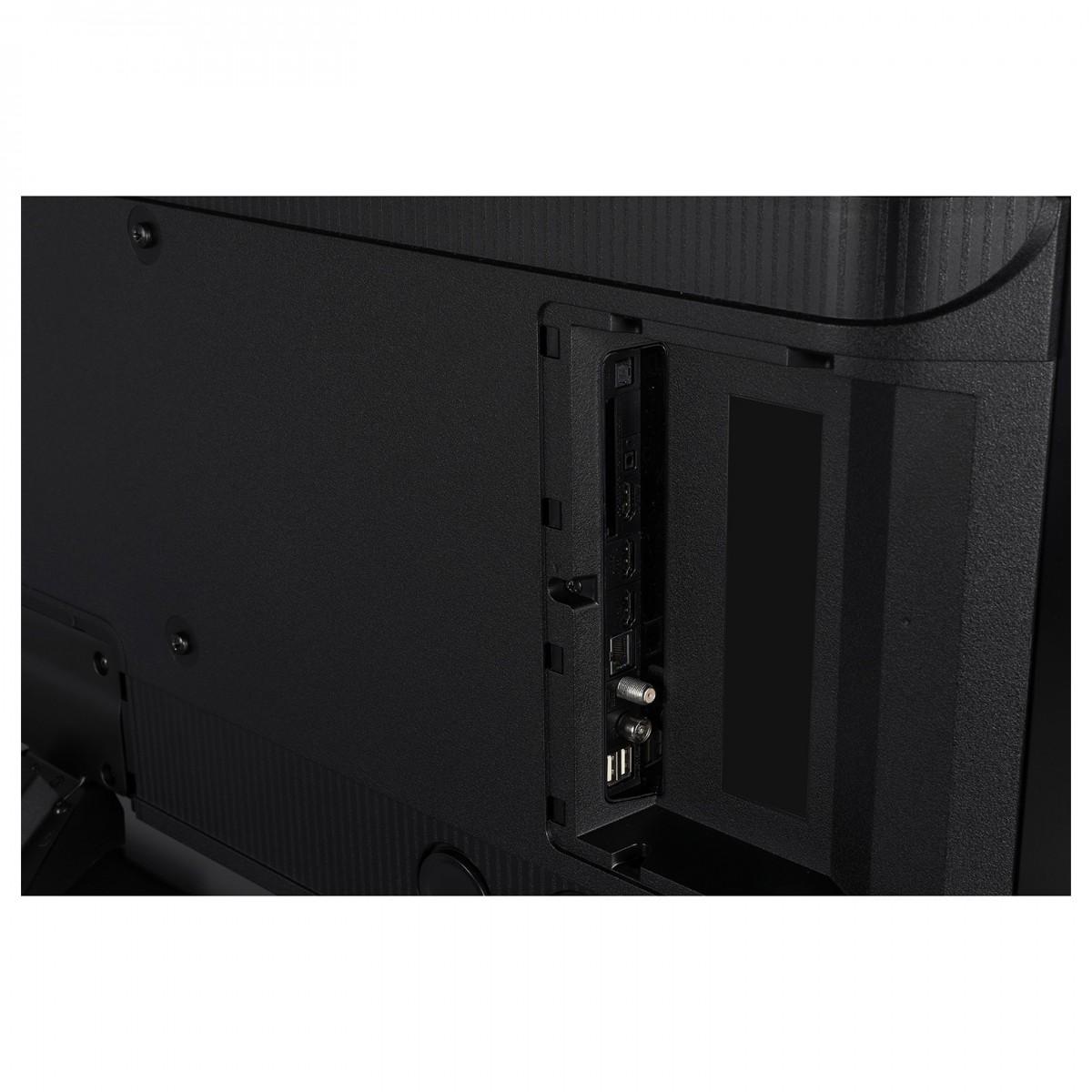
The Toshiba M550 offers basic gaming features including Auto Low Latency Mode (ALLM), which automatically reduces input lag when it detects a gaming signal. However, professional reviews identify significant limitations: outdated HDMI ports prevent HDR gaming input from modern consoles, and processing power limitations create noticeable lag between controller input and screen response. The TV's 60Hz maximum refresh rate also means missing out on higher frame rate gaming that modern consoles support.
In contrast, the Panasonic Z95A was clearly designed with serious gaming in mind. Its Game Mode Extreme, 144Hz refresh rate, dual HDMI 2.1 ports, Variable Refresh Rate (VRR), AMD FreeSync Premium, and NVIDIA G-Sync compatibility create a comprehensive gaming ecosystem. VRR technology eliminates screen tearing by synchronizing the TV's refresh rate with the console's frame output, while the low input lag ensures responsive gameplay.
For competitive gaming or anyone using modern consoles extensively, the Panasonic Z95A provides a fundamentally superior experience. Casual gamers using older consoles or primarily playing slower-paced games might find the Toshiba M550 adequate, though the processing lag issues could still prove frustrating.
Smart TV performance often gets overlooked in specifications but dramatically affects daily satisfaction. The Toshiba M550 runs Amazon's Fire TV platform, which provides comprehensive app support and Alexa integration. However, professional reviews reveal significant performance issues: the processor appears underpowered for the operating system, resulting in 30-60 second app loading times, slow menu response, and frequent system freezes.
These performance issues manifest in frustrating ways during regular use. Users report the TV taking a full minute to resume shows after clicking "continue watching," settings buttons requiring 10 seconds to respond, and apps frequently taking 30 seconds to a minute to appear after turning on the TV. The Fire TV OS also occasionally exits apps unexpectedly or experiences audio/video synchronization problems.
The Panasonic Z95A delivers a markedly different experience with its HCX Pro AI Processor MK II. This advanced chipset not only handles the smart TV interface responsively but also provides intelligent content analysis. The Auto AI feature automatically recognizes content types—sports, movies, music performances—and adjusts picture and sound settings accordingly. This means optimal settings for a football game differ from those used for a dramatic film, and the TV makes these adjustments automatically.
Audio quality represents another significant differentiator between these TVs. The Toshiba M550 features REGZA Power Audio Pro with a bass woofer, earning 4.3-4.4 star ratings in user reviews. While adequate for casual viewing, multiple reviewers noted that external audio equipment improves the experience substantially.
The Panasonic Z95A takes audio seriously with its 360 Soundscape Pro system—a 160-watt, seven-channel setup tuned by Technics (Panasonic's premium audio brand). The system includes front-firing, upward-firing, and side-firing speakers designed to create immersive Dolby Atmos soundscapes. In practical terms, this means sound effects can appear to come from above or beside you, not just from the TV's location.
For home theater enthusiasts, the Z95A's audio system often eliminates the need for a separate soundbar, though the most demanding users will still prefer dedicated audio equipment. The Toshiba M550 almost certainly requires external audio for serious movie watching or music listening.
The Toshiba M550 represents 2024's budget QLED offerings, incorporating technologies that were premium features just a few years ago. Full Array Local Dimming, comprehensive HDR support, and quantum dot color enhancement have trickled down from flagship models, making high-quality 4K viewing accessible at budget prices.
The Panasonic Z95A, also from 2024, showcases the current state-of-the-art in OLED technology. The Master OLED Ultimate panel with Micro Lens Array represents years of OLED development focused on addressing the technology's traditional brightness limitations while maintaining its contrast advantages.
Since 2020, OLED technology has improved significantly in brightness and longevity, while QLED has become more affordable and capable. The performance gap between budget and premium TVs remains substantial, but budget options now offer features that were unimaginable at their price points just five years ago.
At the time of writing, these TVs represent dramatically different value propositions. The Toshiba M550 delivers remarkable performance for its budget-friendly price point, offering QLED technology, HDR support, and 4K resolution at a fraction of premium TV costs. For households upgrading from older 1080p displays or needing a secondary TV, the M550 provides excellent picture quality despite its processing limitations.
The Panasonic Z95A commands premium pricing but justifies the cost through superior technology across every category. The OLED panel, advanced processing, gaming optimization, and premium audio create an experience that rivals commercial cinema equipment. For enthusiasts prioritizing uncompromising performance, the price premium delivers corresponding value.
In dedicated home theater environments, the differences between these TVs become even more pronounced. The Panasonic Z95A's perfect black levels shine in dark rooms where OLED technology performs optimally. The TV's Filmmaker Mode with Intelligent Sensing ensures content appears as directors intended, while the premium audio system provides theater-quality sound without additional equipment.
The Toshiba M550 can work in home theater settings but requires compromises. Its motion handling issues make it poorly suited for action films, and the processing limitations can disrupt the viewing experience with slow responses and system freezes. However, for dedicated streaming of slower-paced content in controlled lighting, it can provide satisfying performance.
Choose the Toshiba M550 if budget constraints are primary, content consumption focuses on streaming slower-paced shows and movies, gaming isn't a priority, and you're willing to accept processing limitations for significant cost savings. It excels as a family TV for casual entertainment and represents exceptional value for basic 4K needs.
Choose the Panasonic Z95A if picture quality is non-negotiable, gaming performance matters with modern consoles, you value premium built-in audio, budget allows for long-term investment, and you consume varied content types including HDR action movies and sports. It provides uncompromising performance across all categories.
The substantial price difference—approximately 4.7 times more for the Panasonic at the time of writing—reflects fundamental technology differences rather than marketing premium. Both TVs succeed in their intended markets, but serve dramatically different user needs and expectations.
For most buyers, the decision comes down to whether premium performance justifies premium pricing, and whether the Toshiba M550's specific limitations align with your viewing habits. The Panasonic Z95A delivers superior performance in every measurable category, while the Toshiba M550 maximizes value for budget-conscious buyers willing to accept its compromises.
| Toshiba 65" M550 Series QLED Fire TV | Panasonic Z95A 65" OLED 4K Ultra HD Smart TV |
|---|---|
| Display Technology - Determines picture quality fundamentals | |
| QLED with Full Array Local Dimming (48 zones) | Master OLED Ultimate with Micro Lens Array |
| Black Levels - Critical for movie watching and contrast | |
| Dark gray blacks with some light bleed | Perfect infinite blacks (pixels turn completely off) |
| Peak Brightness - Important for HDR content and bright rooms | |
| High brightness suitable for most rooms | OLED with enhanced brightness via Micro Lens Array |
| Refresh Rate - Essential for gaming and fast motion | |
| 60Hz native (problematic motion handling in reviews) | 144Hz native with smooth motion processing |
| Gaming Features - Modern console compatibility | |
| Basic ALLM, outdated HDMI ports, significant input lag | Game Mode Extreme, dual HDMI 2.1, VRR, FreeSync Premium, G-Sync |
| Smart TV Processing - Daily usability and responsiveness | |
| Underpowered processor causing 30-60 second delays | HCX Pro AI Processor MK II with responsive performance |
| Operating System - App performance and reliability | |
| Fire TV with frequent freezing and crashes reported | Stable platform with AI content optimization |
| HDR Support - Enhanced picture quality for streaming | |
| Dolby Vision, HDR10, HDR10+, HLG | Dolby Vision IQ, HDR10+ Adaptive, HDR10, HLG |
| Audio System - Built-in sound quality | |
| REGZA Power Audio Pro with bass woofer (adequate) | 360 Soundscape Pro 160W system tuned by Technics |
| Motion Handling - Action movies and sports performance | |
| Major weakness: jerky motion with phantom images | Excellent with 144Hz and advanced motion processing |
| Color Gamut - Color accuracy and vibrancy | |
| 90%+ DCI-P3 coverage with quantum dots | Wide Color Gamut with Hexa Chroma Drive technology |
| Value Proposition - Performance per dollar spent | |
| Exceptional budget value with significant compromises | Premium pricing for flagship performance across all areas |
The primary difference is display technology: the Toshiba M550 uses QLED with LED backlighting, while the Panasonic Z95A features OLED technology where each pixel creates its own light. This gives the Panasonic perfect blacks and infinite contrast, while the Toshiba offers brighter overall images at a much lower price point.
The Panasonic Z95A is significantly better for gaming with its 144Hz refresh rate, dual HDMI 2.1 ports, Variable Refresh Rate (VRR), and gaming-optimized features. The Toshiba M550 has basic gaming support but suffers from input lag and outdated HDMI ports that limit modern console performance.
The Panasonic Z95A delivers superior picture quality with perfect blacks, better color accuracy, and smoother motion handling. The Toshiba M550 offers good picture quality for its price but has notable issues with motion handling in action scenes and cannot achieve true black levels.
The Toshiba M550 performs better in bright rooms due to its higher peak brightness from LED backlighting. The Panasonic Z95A can handle bright rooms but OLED technology generally performs best in controlled lighting environments where its perfect blacks are most noticeable.
The Toshiba M550 offers exceptional value for budget-conscious buyers, delivering 4K QLED technology at a fraction of premium TV costs. The Panasonic Z95A provides premium value with flagship performance across all categories, justifying its higher price for users who prioritize uncompromising quality.
The Toshiba M550 uses Fire TV with Alexa but suffers from processing limitations causing slow performance and frequent freezing. The Panasonic Z95A offers a more responsive smart platform with AI-driven content optimization that automatically adjusts settings based on what you're watching.
For home theater use, the Panasonic Z95A excels with perfect blacks, accurate colors, smooth motion, and premium built-in audio. The Toshiba M550 can work for casual movie watching but has motion handling issues that make it less suitable for action films and serious home theater setups.
The Panasonic Z95A features a premium 360 Soundscape Pro system with 160W output and Dolby Atmos support, often eliminating the need for external speakers. The Toshiba M550 has adequate built-in audio but most users will benefit from adding a soundbar for better sound quality.
QLED technology in the Toshiba M550 typically has longer panel lifespan and no risk of burn-in. OLED panels in the Panasonic Z95A can potentially develop burn-in with static images over time, though modern OLED technology has greatly reduced this risk with proper use.
The Toshiba M550 has documented issues with slow processing, system freezes, and poor motion handling in action content. The Panasonic Z95A has minimal reported issues but commands premium pricing that may not suit all budgets.
Both TVs handle streaming well, but the Panasonic Z95A provides a superior experience with faster app loading, better HDR processing, and more stable performance. The Toshiba M550 works fine for streaming but may experience delays and occasional app crashes due to processing limitations.
Choose the Toshiba M550 if you want good 4K performance on a tight budget and primarily watch slower-paced content. Choose the Panasonic Z95A if you want the best possible picture quality, plan to use modern gaming consoles, or are setting up a serious home theater system where performance matters more than price.
We've done our best to create useful and informative comparisons to help you decide what product to buy. Our research uses advanced automated methods to create this comparison and perfection is not possible - please contact us for corrections or questions. These are the sites we've researched in the creation of this article: bestbuy.com - bestbuy.com - consumerreports.org - youtube.com - pcvarge.com - tomsguide.com - youtube.com - bestbuy.com - toshibatv-usa.com - marketplace-staging.paytomorrow.com - toshibatv-usa.com - productabout.com - leaseville.com - youtube.com - toshibatv-usa.com - youtube.com - youtube.com - whathifi.com - tomsguide.com - shop.panasonic.com - store.in.panasonic.com - rtings.com - applianceplus.co.nz - rtings.com - store.in.panasonic.com - samsung.com

Privacy Policy
Terms and Conditions - Affiliate Policy
Home Security
© Copyright 2008-2026.
11816 Inwood Rd #1211, Dallas, TX 75244