

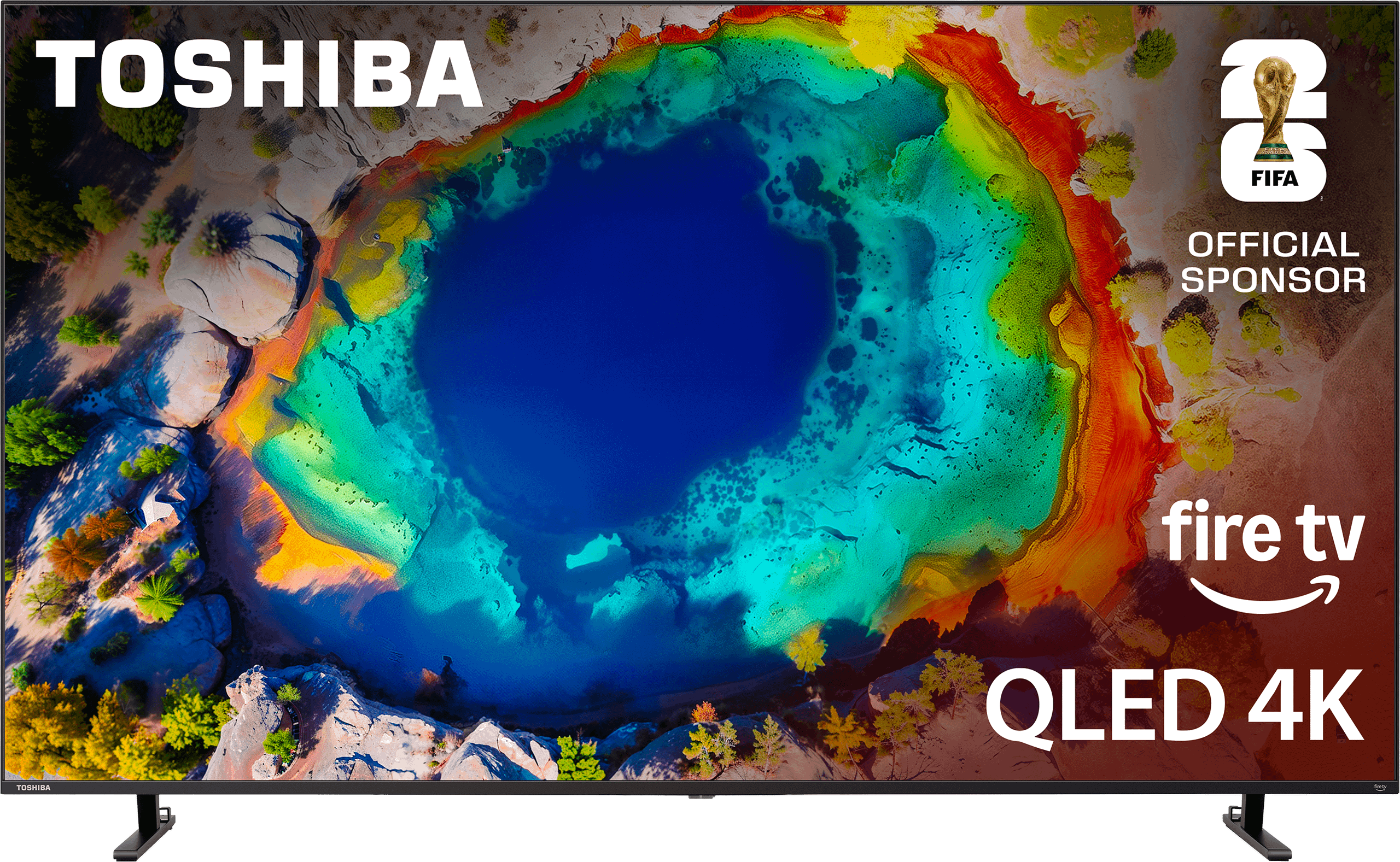
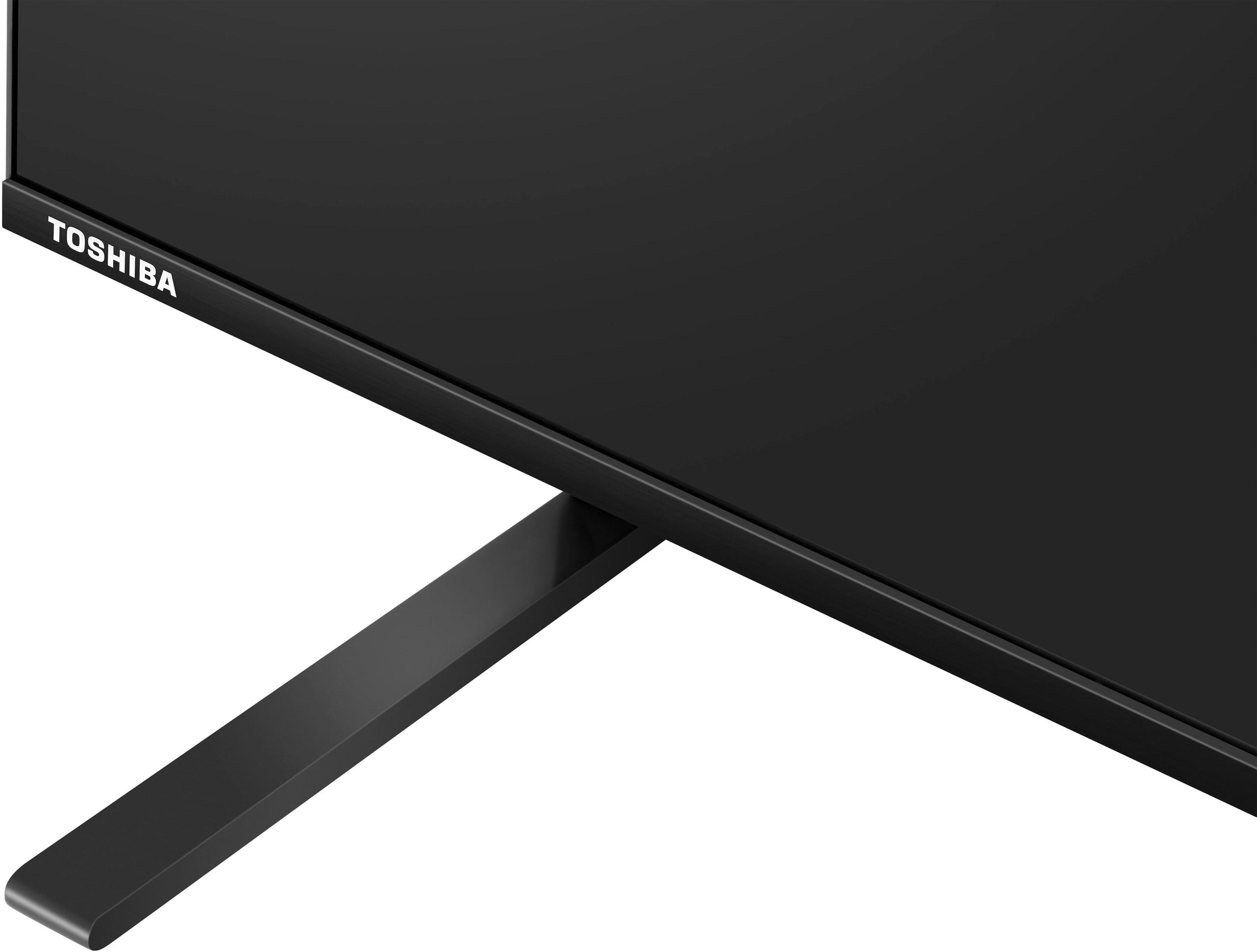
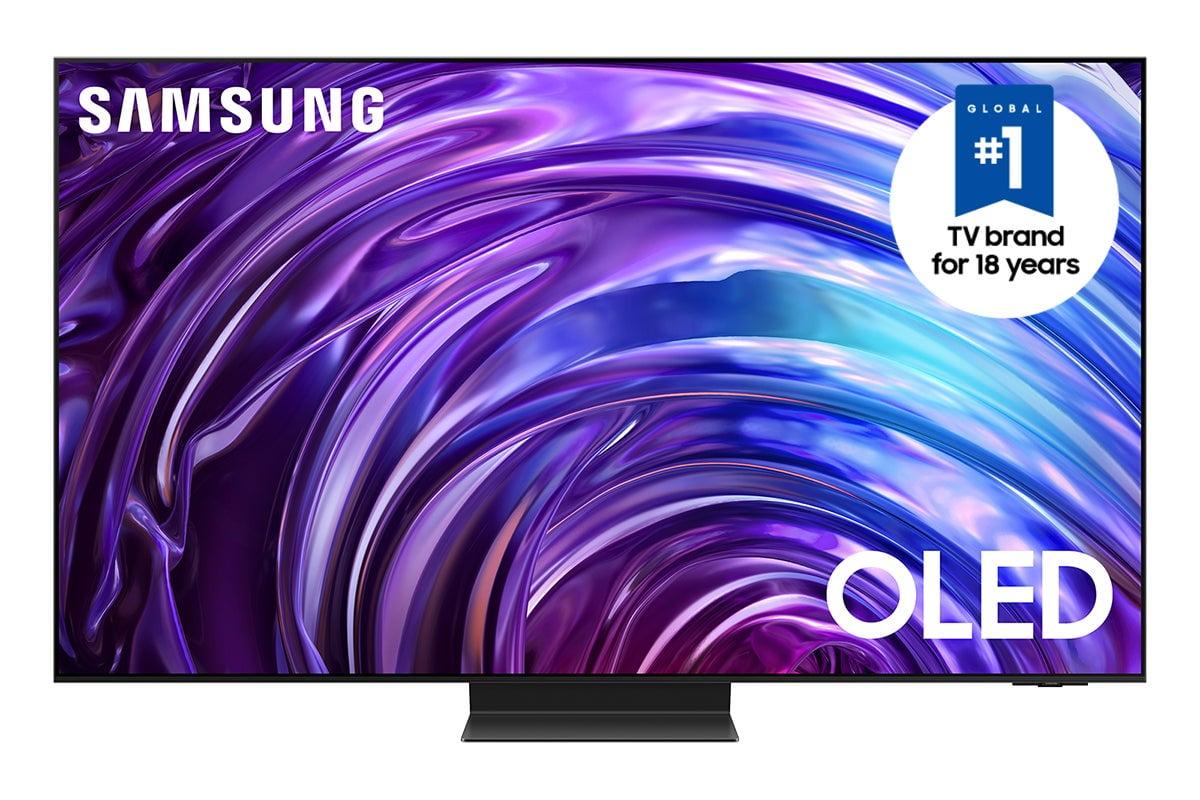
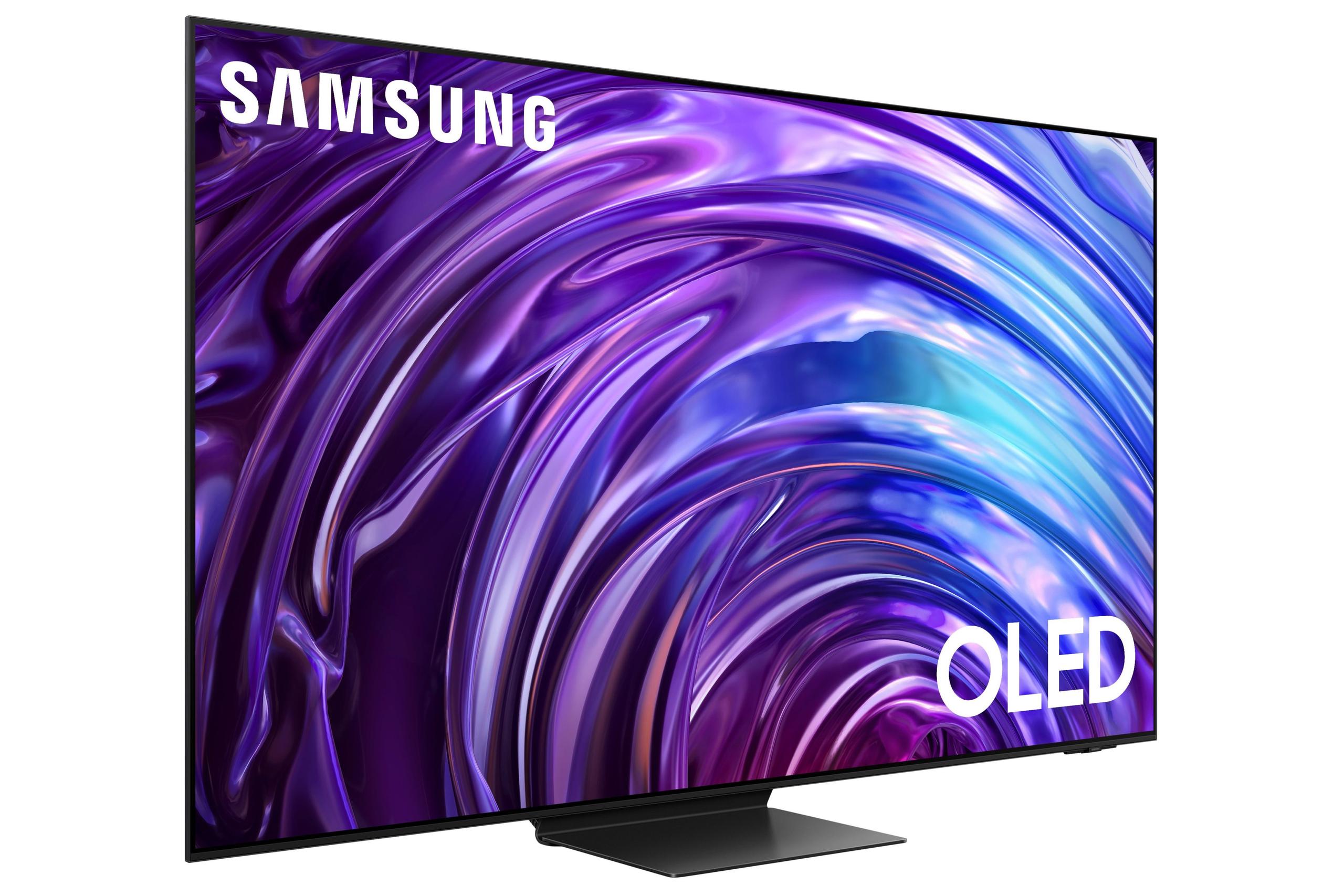
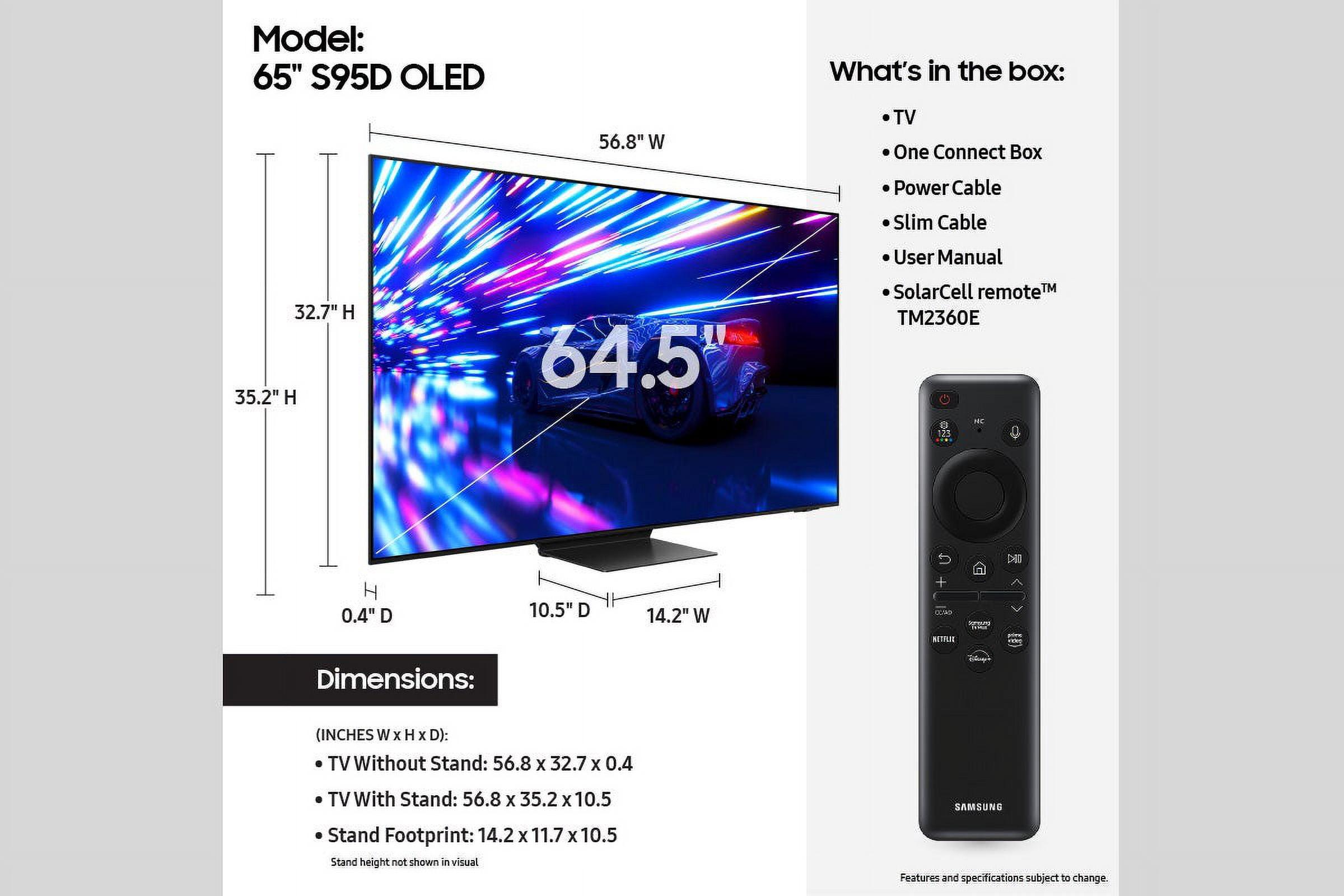
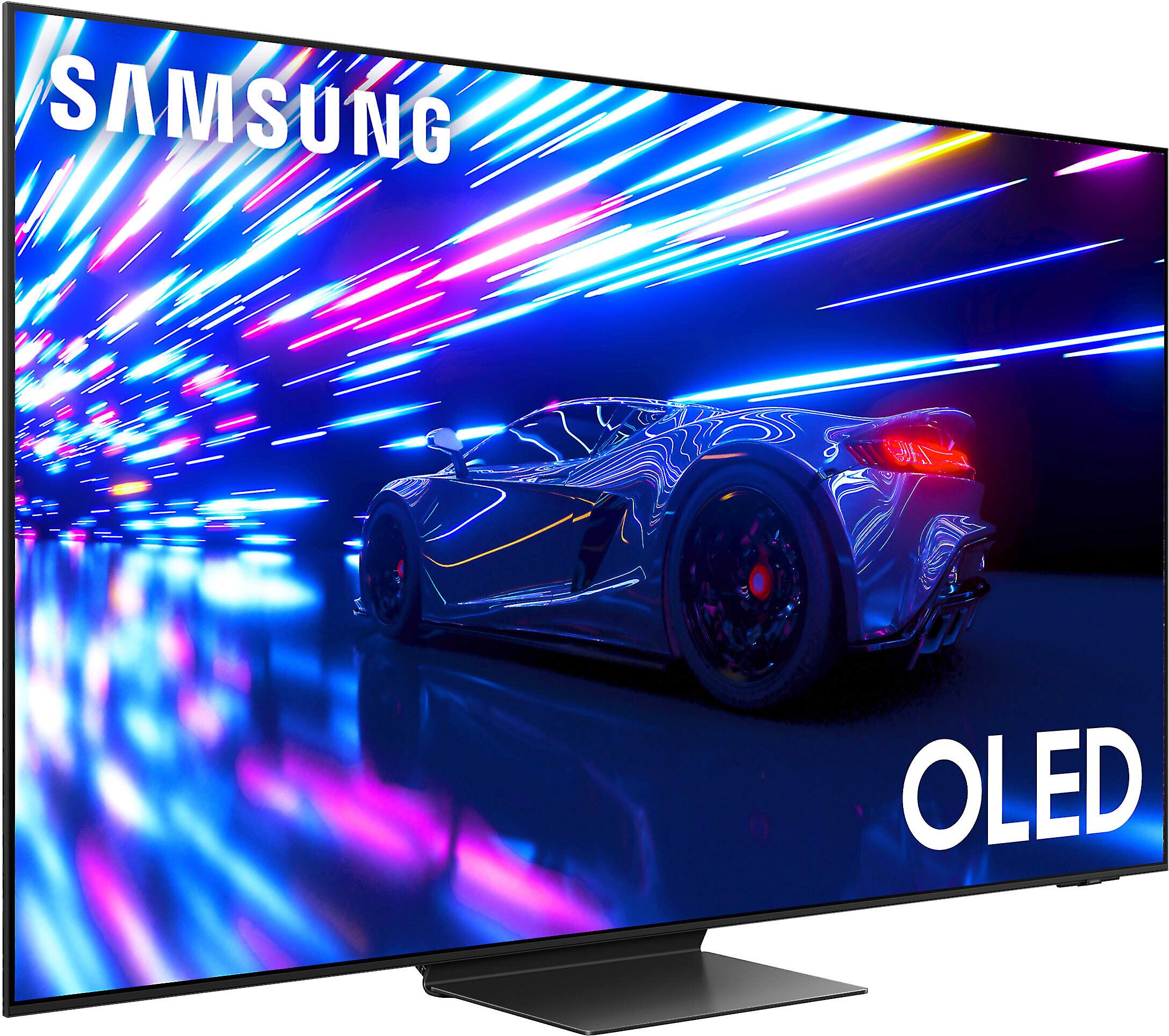
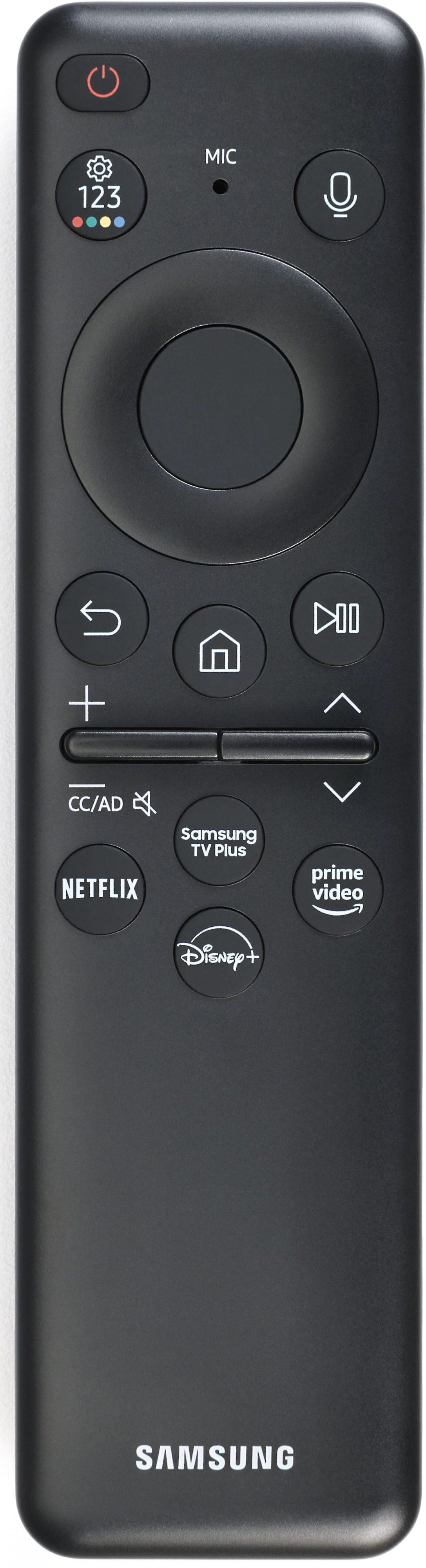
Choosing a 65-inch TV in today's market means navigating two very different philosophies. Do you prioritize getting the most screen for your dollar, or do you invest in cutting-edge display technology that delivers a truly premium viewing experience? The Toshiba 65" M550 Series QLED Fire TV and Samsung 65" S95D 4K OLED Smart TV represent these opposing approaches perfectly.
Before diving into specifics, let's clarify what makes these TVs tick. Both are 65-inch 4K displays, meaning they pack about 8.3 million pixels into that large screen. But how those pixels create light and color makes all the difference.
The Toshiba M550 uses QLED technology, which is essentially a fancy LED-LCD display. Think of it as a traditional LCD panel with LED backlights, enhanced by a quantum dot layer that improves color reproduction. It's like adding a color filter that makes everything more vibrant and accurate.
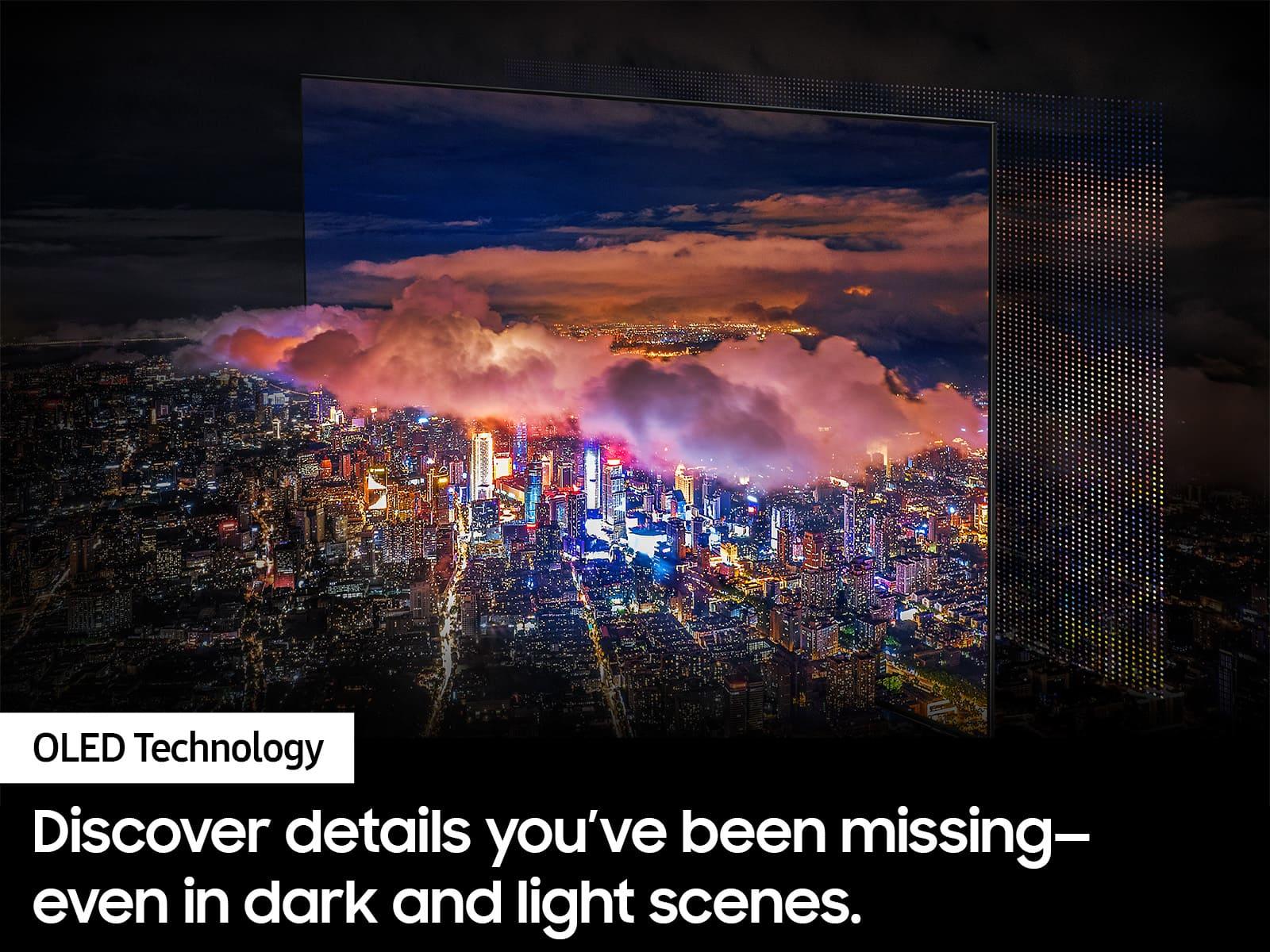
The Samsung S95D, released in 2024, represents the latest evolution in OLED (Organic Light Emitting Diode) technology. Unlike traditional displays that need a backlight, each pixel in an OLED screen produces its own light. When a pixel needs to be black, it simply turns off completely. This fundamental difference creates the dramatic contrast that OLED is famous for.
Here's where these TVs diverge most dramatically. The Samsung S95D achieves perfect blacks because its pixels can turn completely off. When you're watching a space scene with stars against the void, those black areas are truly black—not the dark gray you get from most TVs.
The Toshiba M550 fights this limitation with Full Array Local Dimming, which controls 48 separate zones of LED backlights. This helps darken specific areas of the screen, but it's still fundamentally limited by the LED backlight bleeding through. Consumer Reports noted that while the M550's black levels are decent for the price, they're "merely OK" compared to premium displays.
This contrast difference affects everything you watch. Dark movie scenes reveal more shadow detail on the Samsung S95D, while the Toshiba M550 can make dark scenes look washed out or gray. For home theater enthusiasts, this alone often justifies the premium price.
Both TVs use quantum dot technology, but they apply it differently. The Toshiba M550 places quantum dots between the LED backlight and LCD panel, covering over 90% of the DCI-P3 color space—the standard used for most streaming content and movies.
The Samsung S95D combines quantum dots directly with OLED technology in what Samsung calls QD-OLED. This hybrid approach delivers both OLED's perfect contrast and enhanced color accuracy that's been Pantone-validated. Colors appear more saturated and natural simultaneously, which sounds contradictory but works beautifully in practice.
HDR (High Dynamic Range) content contains more color and brightness information than standard video, making images look more lifelike. Both TVs support multiple HDR formats, but their performance differs significantly.
The Samsung S95D excels with HDR content thanks to its superior contrast and peak brightness capabilities. HDR movies on services like Netflix and Disney+ show their full potential, with bright highlights that pop against perfect blacks.
The Toshiba M550 supports Dolby Vision, HDR10, and HDR10+, but struggles with complex HDR scenes. Our research revealed that busy action sequences can show "phantom images" around moving objects, making HDR action movies less enjoyable. This limitation becomes particularly noticeable in Marvel movies or fast-paced content where the processing can't keep up.
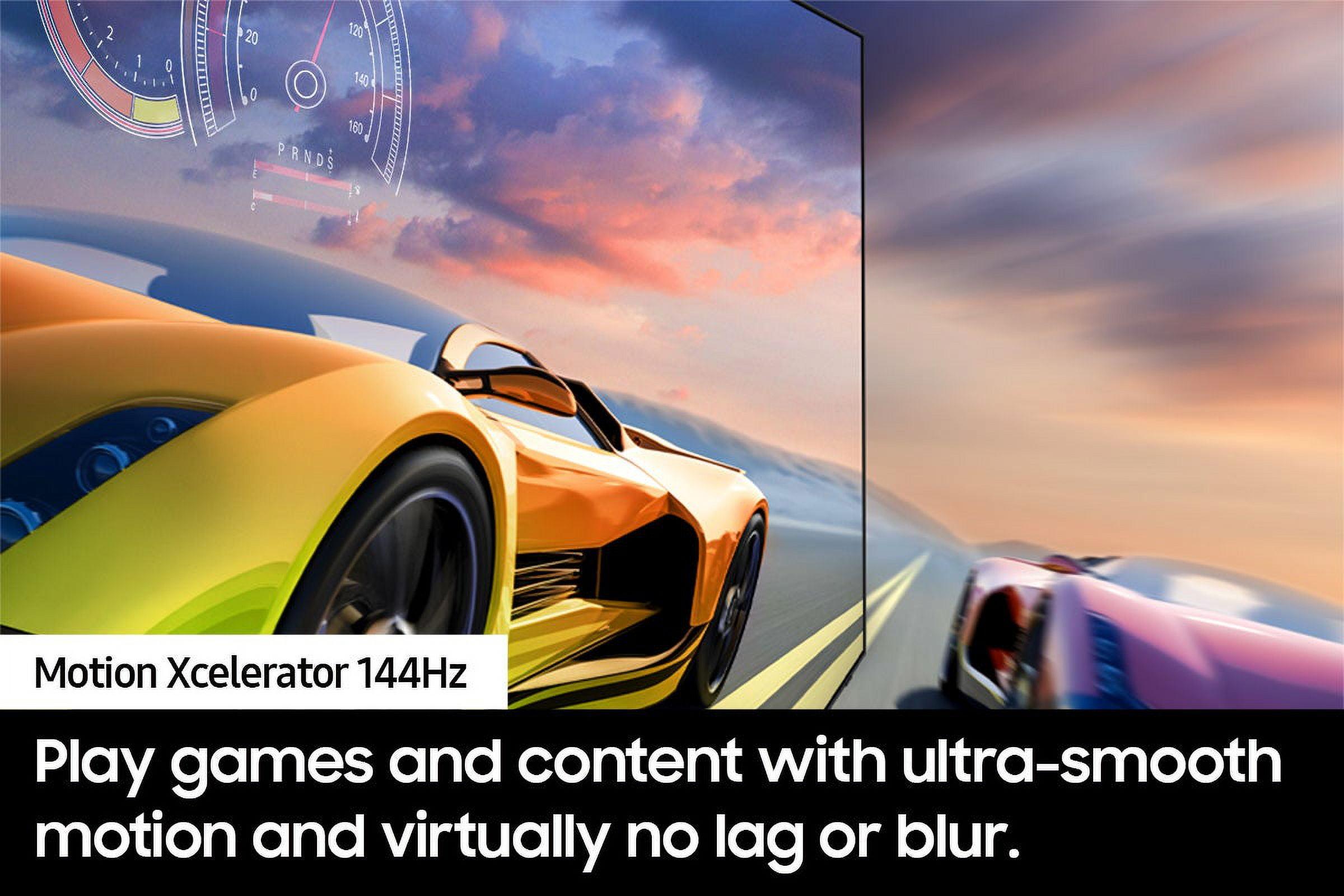
Sports fans and action movie enthusiasts should pay close attention here. The Samsung S95D features Motion Xcelerator 144Hz, providing exceptionally smooth motion with minimal blur. Fast camera pans during football games or car chase scenes remain crisp and clear.
The Toshiba M550 technically offers a native 120Hz refresh rate—uncommon in budget TVs—but the processing power can't keep up with demanding content. User reviews consistently mention that action scenes become jerky with phantom images, making it frustrating for content with lots of movement.
For PlayStation 5 or Xbox Series X owners, gaming performance becomes crucial. The Samsung S95D delivers approximately 9ms input lag in game mode, making it responsive enough for competitive gaming. It supports Variable Refresh Rate (VRR) and Auto Low Latency Mode (ALLM), features that modern consoles use to optimize performance.
The Toshiba M550 disappoints serious gamers with outdated HDMI 2.0 ports instead of the HDMI 2.1 found on premium TVs. This limits gaming features, and users report noticeable lag between controller input and on-screen action. If gaming is important to you, this TV won't satisfy.
Smart TV performance often gets overlooked until you're frustrated by slow responses. The Samsung S95D includes the NQ4 AI Gen2 processor, which handles multiple tasks simultaneously without stuttering. Apps launch quickly, switching between inputs feels immediate, and the overall experience stays smooth.
The Toshiba M550 suffers from an underpowered processor that struggles with the Fire TV operating system. Users report apps taking 30-60 seconds to launch, frequent freezing, and the TV occasionally returning to the home screen unexpectedly. While Fire TV offers excellent app selection and Alexa integration, the hardware can't run it smoothly.
This performance gap affects daily use more than you might expect. When you want to quickly switch from cable to Netflix, waiting a minute for apps to respond becomes genuinely annoying.
The Toshiba M550 runs Amazon's Fire TV platform, which excels at content discovery and integrates well with Amazon's ecosystem. The interface prioritizes streaming services and makes finding content across platforms relatively easy. However, the underpowered hardware makes navigation frustrating.
Samsung's Tizen OS on the S95D provides a more responsive experience with clean organization. SmartThings integration allows control of compatible smart home devices directly from the TV, creating a more connected experience for tech-savvy users.
Neither TV will replace a dedicated sound system, but their built-in audio differs significantly. The Samsung S95D features Dolby Atmos with Object Tracking Sound+, which attempts to make sound follow action across the screen. While it's impressive for built-in speakers, serious movie watching still benefits from a soundbar or surround system.
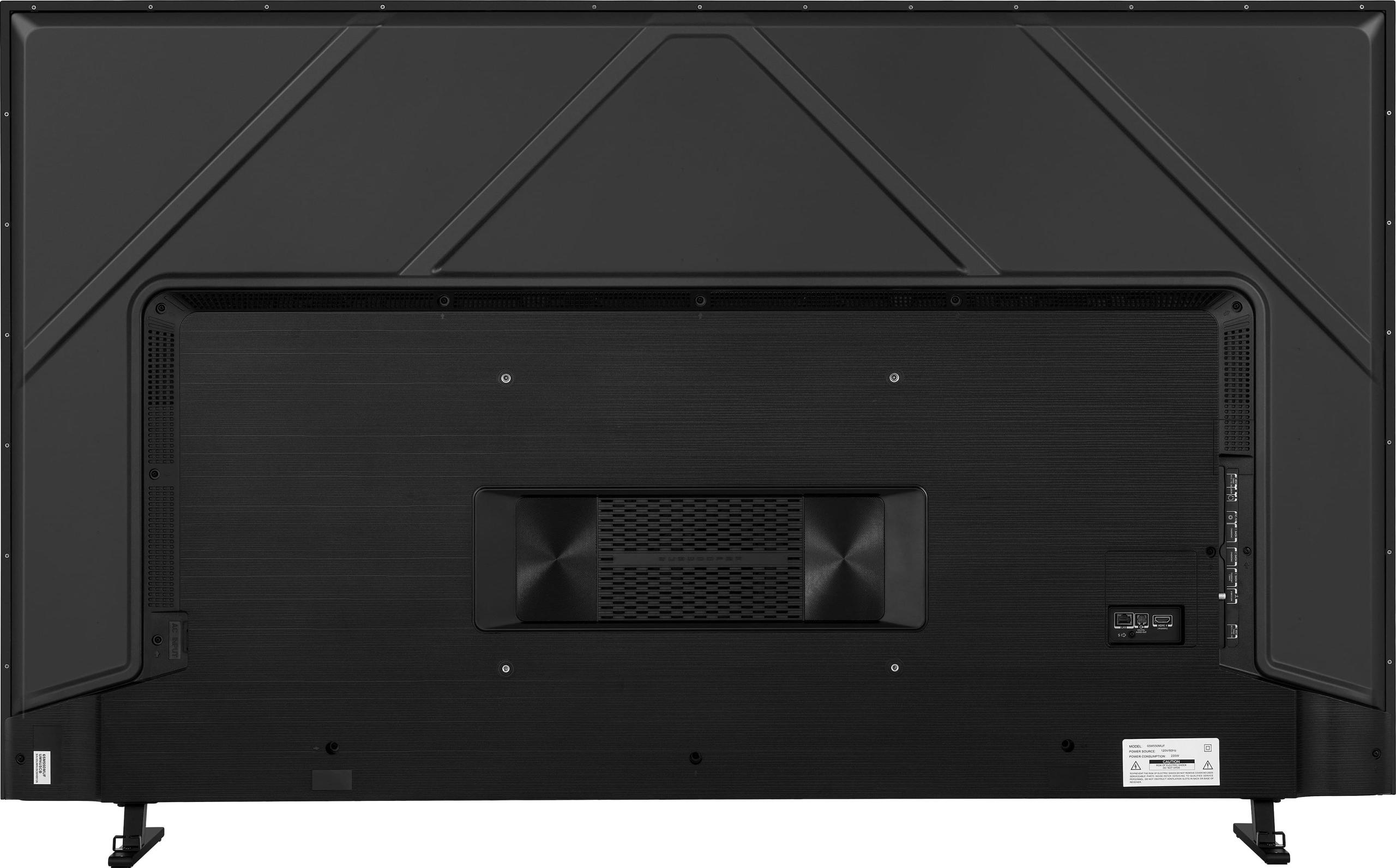
The Toshiba M550 includes REGZA Power Audio Pro with a built-in subwoofer, providing surprisingly decent bass for a budget TV. Users often mention that they don't immediately feel the need for external speakers, though audiophiles will eventually want upgrades.
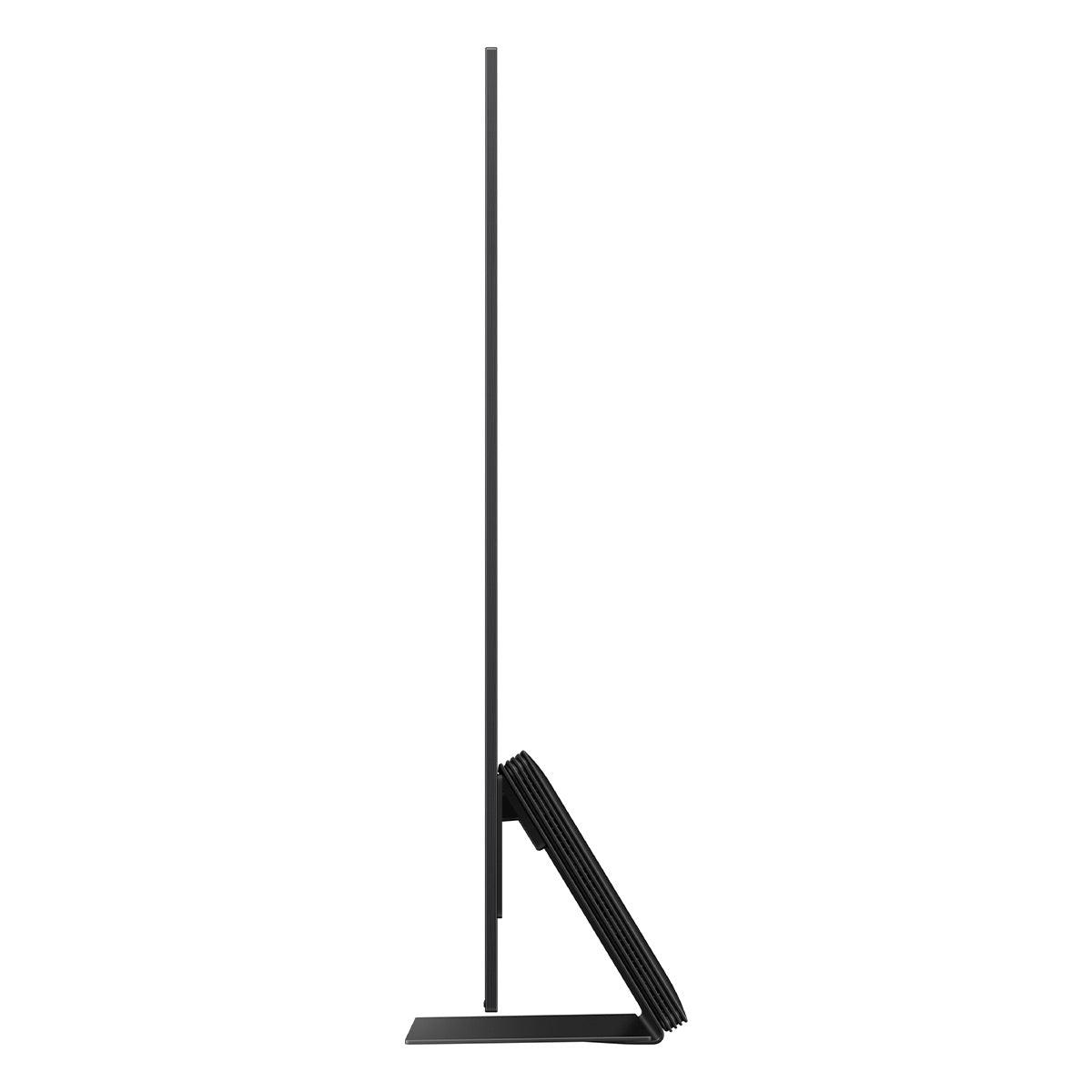
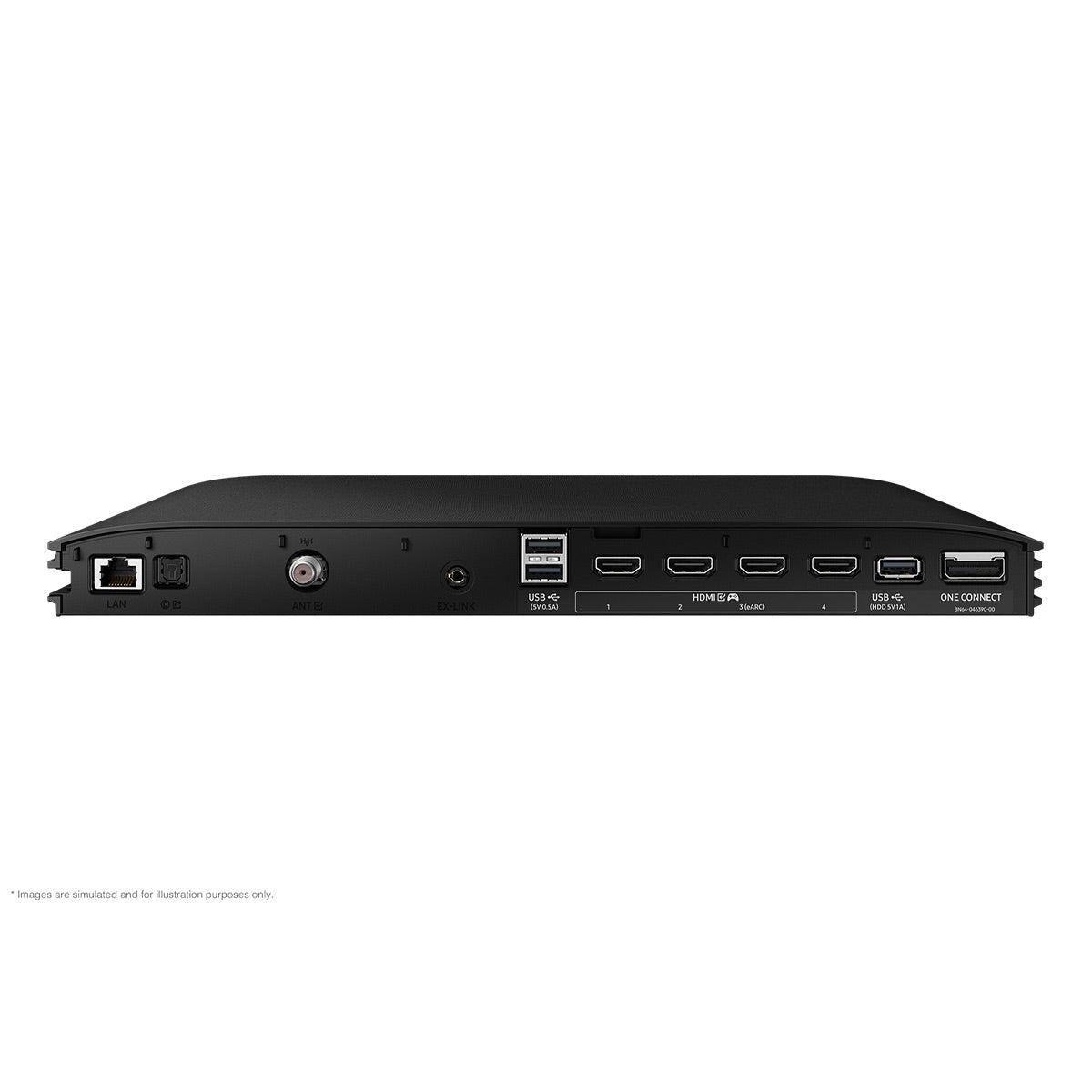
The Samsung S95D showcases premium design with its ultra-thin 11mm profile when wall-mounted. The One Connect box houses all inputs, keeping cables organized and allowing the display itself to be remarkably slim. This design choice makes wall mounting cleaner and more attractive.
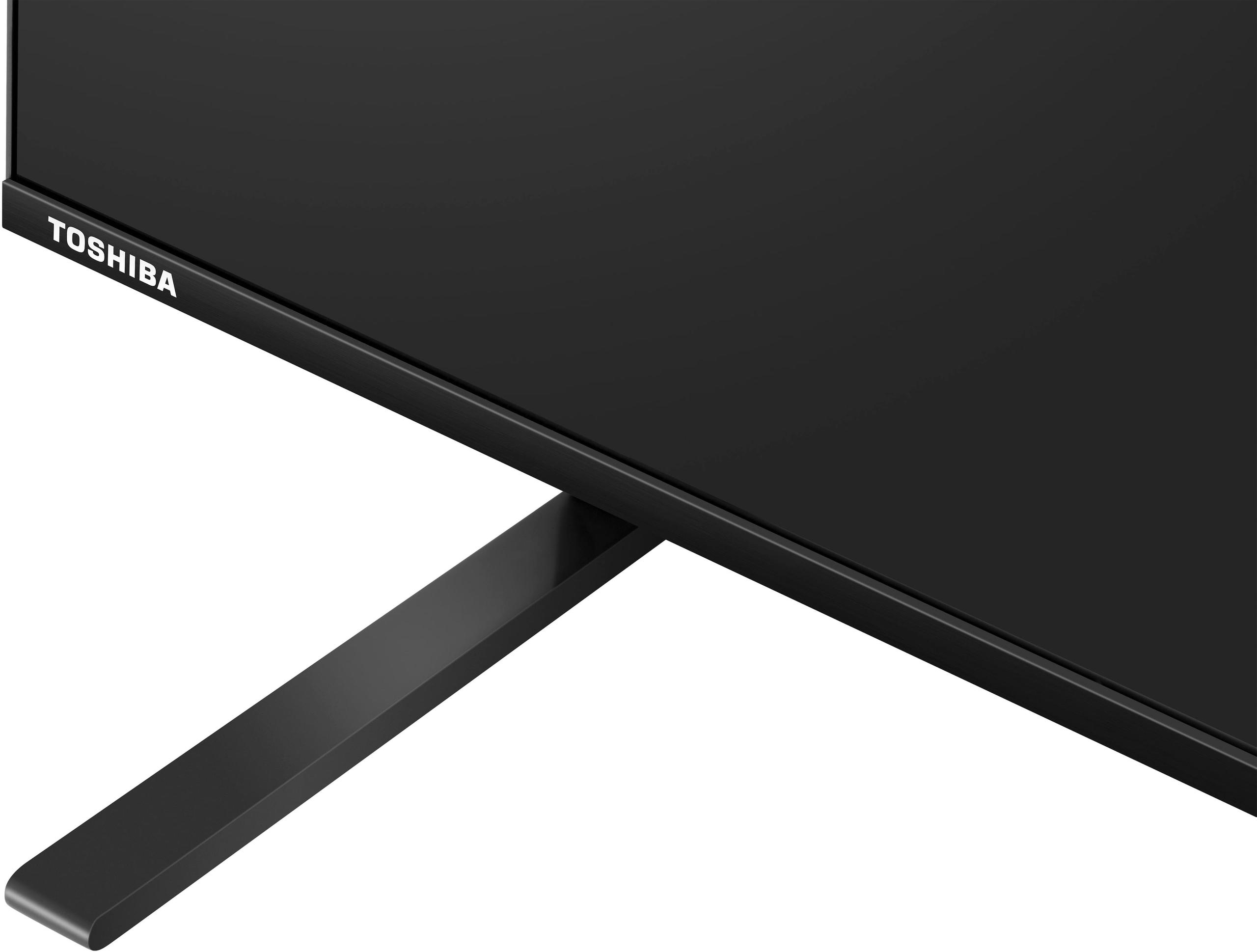
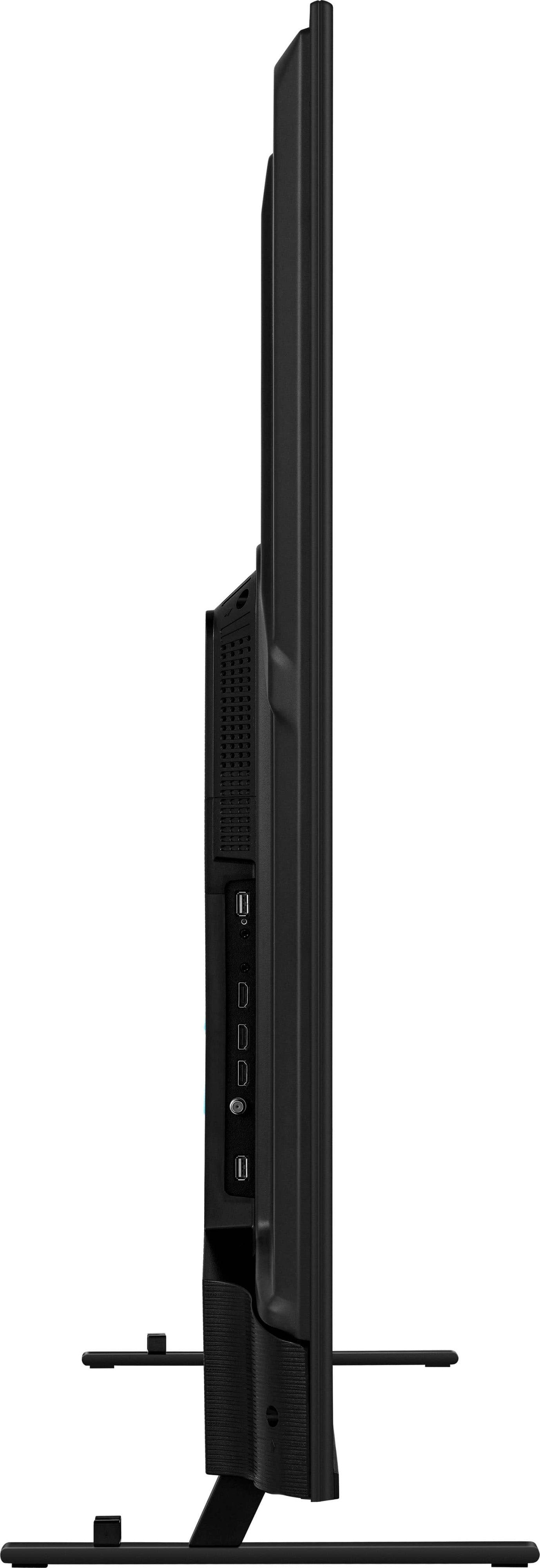
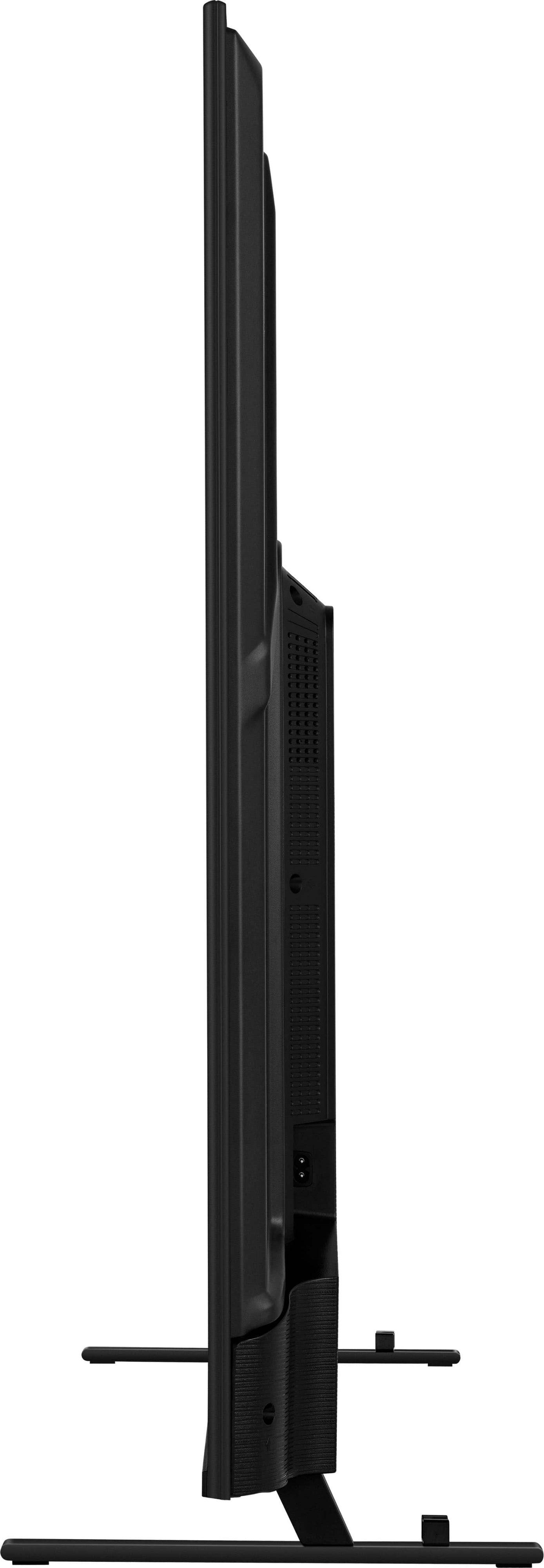
The Toshiba M550 uses standard construction with inputs on the TV itself. While it lacks the premium aesthetics of the Samsung, it's solidly built for the price point with a metal back panel and decent cable management.
One standout feature of the Samsung S95D is its matte screen finish that virtually eliminates reflections. If you have windows or lights that typically create glare on TV screens, this feature transforms the viewing experience. Most OLED TVs struggle in bright rooms, but Samsung's anti-glare coating solves this traditional limitation.
The Toshiba M550 uses a standard glossy screen that reflects ambient light like most TVs. Room lighting becomes a bigger consideration for optimal viewing.
At the time of writing, these TVs occupy completely different price tiers. The Toshiba M550 typically costs less than many 55-inch premium TVs, making it exceptional value for anyone needing a large 4K display on a budget. You're getting QLED technology, decent HDR support, and a 65-inch screen for the price many pay for smaller displays.
The Samsung S95D costs approximately five to six times more but delivers transformational improvements in picture quality. The question becomes whether those improvements justify the significant price difference for your specific use case and budget.
Budget TVs often reveal their limitations over time. The Toshiba M550's processing issues and motion problems may become more frustrating as you encounter more demanding content. If you primarily watch news, basic streaming content, and aren't particular about picture quality, these limitations may not bother you.
Premium TVs like the Samsung S95D typically age better, maintaining performance and satisfaction over many years. The superior processing power and display technology create a foundation that continues delivering excellent results as content and expectations evolve.
You need a large screen on a tight budget and primarily watch streaming services, news, or casual content. If you're upgrading from an older TV and aren't particular about perfect picture quality, the M550 delivers solid value. It works well as a secondary TV or for spaces where perfect performance isn't critical.
Budget-conscious families who want a big screen for movie nights will appreciate what the M550 offers, understanding its limitations. The built-in Fire TV provides access to all major streaming services, and the large 65-inch screen creates an immersive experience despite technical compromises.
Picture quality matters significantly to you, especially for movies, premium streaming content, and HDR material. If you have a bright room with glare issues, the anti-glare coating alone might justify the investment.
Serious gamers with current-generation consoles need the superior input lag and HDMI 2.1 features. Home theater enthusiasts who want their display to excel for years will appreciate the S95D's technological advantages.
If you frequently watch action movies, sports, or any content with significant motion, the superior processing and motion handling make a dramatic difference in enjoyment.
These TVs serve different audiences with different priorities. The Toshiba M550 democratizes large-screen 4K viewing, offering decent quality at an exceptional price point. Its limitations are real but may not matter for casual viewing needs.
The Samsung S95D represents the current pinnacle of consumer TV technology, delivering picture quality that genuinely impresses even after extended use. The price premium is significant, but the performance improvements are equally dramatic.
Consider your actual viewing habits, room environment, and budget constraints. A great budget TV that meets your needs beats an expensive TV that strains your finances. But if picture quality significantly impacts your enjoyment and budget allows, the technological leap to premium OLED creates a viewing experience that's hard to appreciate until you see it in action.
The choice ultimately depends on whether you're buying a functional large screen or investing in your primary entertainment experience for years to come.
| Toshiba 65" M550 Series QLED Fire TV | Samsung 65" S95D 4K OLED Smart TV |
|---|---|
| Display Technology - Core difference that affects all picture quality | |
| QLED (LED-LCD with quantum dots) | QD-OLED (self-emitting pixels with quantum dots) |
| Black Levels & Contrast - Most noticeable difference in dark scenes | |
| Full Array Local Dimming with 48 zones (decent blacks) | Perfect blacks with infinite contrast (each pixel turns off) |
| Peak Brightness - HDR performance and bright room viewing | |
| Good brightness for LED-LCD | Superior HDR brightness with anti-glare coating |
| Motion Handling - Critical for sports and action content | |
| Native 120Hz but struggles with busy scenes | Motion Xcelerator 144Hz with excellent processing |
| Gaming Performance - Console compatibility and responsiveness | |
| HDMI 2.0 ports, noticeable input lag | 9ms input lag, HDMI 2.1 with VRR/ALLM support |
| Smart TV Performance - Daily navigation and app responsiveness | |
| Fire TV with underpowered processor (30-60 second app loads) | Tizen OS with NQ4 AI Gen2 processor (fast, responsive) |
| HDR Support - Premium content compatibility | |
| Dolby Vision, HDR10, HDR10+ (struggles with complex scenes) | OLED HDR Pro with superior dynamic range handling |
| Audio System - Built-in sound quality | |
| REGZA Power Audio Pro with subwoofer (surprisingly decent) | Dolby Atmos with Object Tracking Sound+ (premium features) |
| Build Quality & Design - Aesthetics and durability | |
| Standard thickness, metal back panel | Ultra-thin 11mm profile with One Connect box |
| Screen Finish - Reflection handling in bright rooms | |
| Standard glossy screen (typical reflections) | Matte anti-glare coating (virtually eliminates reflections) |
| Value Proposition - Performance per dollar at time of writing | |
| Exceptional value for large 4K screen on budget | Premium price justified by transformational picture quality |
| Best For - Target user scenarios | |
| Budget-conscious buyers, casual viewing, secondary TV | Picture quality enthusiasts, gamers, bright rooms, home theater |
The Toshiba 65" M550 Series QLED Fire TV uses LED-LCD technology with quantum dots, while the Samsung 65" S95D 4K OLED Smart TV features OLED technology where each pixel produces its own light. This fundamental difference means the Samsung delivers perfect blacks and infinite contrast, while the Toshiba offers good picture quality at a much lower price point.
The Samsung S95D excels in dark rooms thanks to its OLED technology that produces perfect blacks. Dark movie scenes reveal more shadow detail and create a more immersive cinematic experience. The Toshiba M550 provides decent contrast with its Full Array Local Dimming but can't match OLED's performance in dark environments.
Surprisingly, the Samsung S95D handles bright rooms exceptionally well despite being an OLED TV. Its matte anti-glare coating virtually eliminates reflections from windows and lights. The Toshiba M550 has a standard glossy screen that shows typical reflections, making it less ideal for very bright rooms.
The Samsung S95D is excellent for gaming with 9ms input lag and HDMI 2.1 ports that support VRR and ALLM features. The Toshiba M550 disappoints gamers with outdated HDMI 2.0 ports and noticeable controller lag, making it unsuitable for serious gaming.
The Toshiba M550 provides exceptional value if you need a large 4K screen on a budget, offering QLED technology at a fraction of premium TV costs. The Samsung S95D costs significantly more but delivers transformational picture quality improvements that justify the premium for picture quality enthusiasts.
The Toshiba M550 runs Fire TV with excellent app selection but suffers from an underpowered processor causing 30-60 second app load times. The Samsung S95D uses Tizen OS with fast, responsive navigation and SmartThings integration for smart home control.
The Samsung S95D handles motion significantly better with its Motion Xcelerator 144Hz technology, keeping fast camera pans and action sequences smooth. The Toshiba M550 struggles with busy action scenes, showing phantom images around moving objects that can be distracting during sports or action movies.
The Samsung S95D is ideal for dedicated home theater rooms with its superior contrast, motion handling, and anti-glare coating. The Toshiba M550 can work in casual home theater setups but may disappoint serious enthusiasts due to motion issues and processing limitations during complex HDR content.
Both TVs offer decent built-in audio, but the Samsung S95D features Dolby Atmos with Object Tracking Sound+ for more immersive audio. The Toshiba M550 includes REGZA Power Audio Pro with a built-in subwoofer that provides surprisingly good sound for its price range.
The Samsung S95D excels with HDR content thanks to its superior contrast and peak brightness capabilities, making HDR movies show their full potential. The Toshiba M550 supports multiple HDR formats but struggles with complex HDR scenes, particularly in action-heavy content.
The Samsung S95D typically offers better long-term reliability with superior processing power and premium components. The Toshiba M550 may reveal more limitations over time, particularly with smart TV performance and motion handling as content becomes more demanding.
Choose the Toshiba M550 if you need a large screen on a budget for casual viewing and aren't particular about perfect picture quality. Select the Samsung S95D if picture quality matters significantly to you, you have a bright room, or you want superior performance for movies, gaming, and premium content viewing.
We've done our best to create useful and informative comparisons to help you decide what product to buy. Our research uses advanced automated methods to create this comparison and perfection is not possible - please contact us for corrections or questions. These are the sites we've researched in the creation of this article: bestbuy.com - bestbuy.com - consumerreports.org - youtube.com - pcvarge.com - tomsguide.com - youtube.com - bestbuy.com - toshibatv-usa.com - marketplace-staging.paytomorrow.com - toshibatv-usa.com - productabout.com - leaseville.com - youtube.com - toshibatv-usa.com - techradar.com - videoandaudiocenter.com - avsforum.com - cnet.com - abt.com - merlinstv.com - nfm.com - rtings.com - flintsfurniture.com - samsung.com - bestbuy.com - displayspecifications.com

Privacy Policy
Terms and Conditions - Affiliate Policy
Home Security
© Copyright 2008-2026.
11816 Inwood Rd #1211, Dallas, TX 75244