

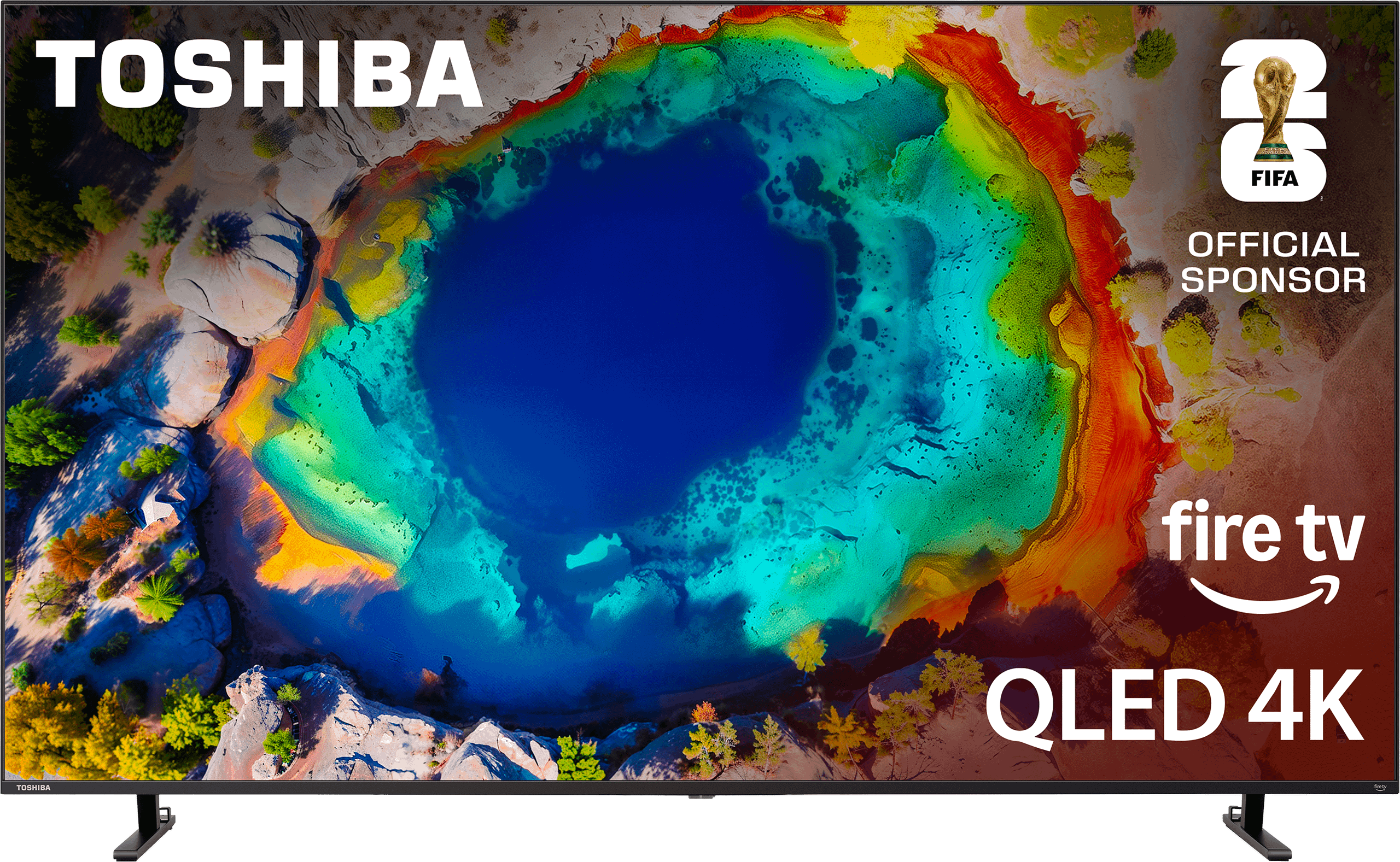




When shopping for a 65-inch QLED TV, you're entering premium territory where picture quality, smart features, and design all matter. Two compelling options that represent different philosophies are the Toshiba M550 and the Hisense S7N CanvasTV. While both deliver quantum dot color technology at the 65-inch size, they approach the modern TV experience in fundamentally different ways.
The TV landscape has evolved dramatically since these models hit the market. The Toshiba M550 launched in 2024 as a value-focused option during a time when consumers were demanding premium features at accessible prices. The Hisense S7N CanvasTV, also from 2024, arrived as part of the growing "lifestyle TV" trend, where displays double as home décor when not actively showing content.
Understanding what separates these TVs requires looking beyond basic specifications to how they actually perform in real homes. Based on extensive research into professional reviews and user experiences, here's what you need to know to make the right choice.
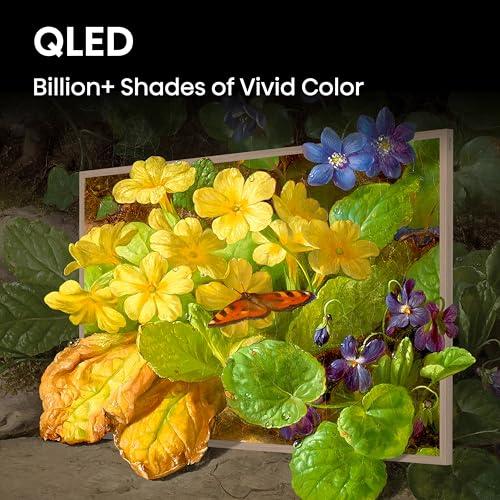
Both the Toshiba M550 and Hisense S7N use QLED (Quantum Dot Light Emitting Diode) technology, but this doesn't mean they perform identically. QLED essentially places a layer of microscopic quantum dots between the LED backlight and LCD panel. These quantum dots absorb blue light from the backlight and convert it to pure red and green light, creating more accurate and vibrant colors than traditional LED-LCD TVs.
What makes QLED appealing is the color volume – the ability to maintain color saturation even at high brightness levels. This means bright scenes in HDR movies look more realistic, and colorful content like animated films or nature documentaries really pop off the screen.
However, the effectiveness of QLED depends heavily on the underlying backlight system, which is where these two TVs diverge significantly.
The most crucial difference between the Toshiba M550 and Hisense S7N lies in their approach to local dimming. Local dimming is a technology that selectively dims or brightens different zones of the backlight to improve contrast – making dark scenes darker while keeping bright elements bright.
The Toshiba M550 uses Full Array Local Dimming (FALD) with up to 100 individual LED zones spread across the entire back panel. This allows precise control over brightness in different areas of the screen. When you're watching a movie scene with a campfire in a dark forest, the M550 can keep the fire bright while making the surrounding darkness truly black.
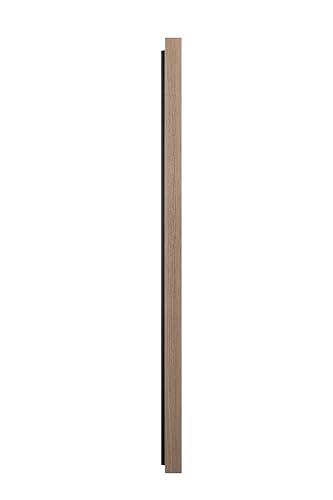
In contrast, the Hisense S7N uses edge lighting with approximately 10 vertical LED zones. Edge-lit displays place LEDs around the perimeter of the screen, using light guides to distribute illumination across the panel. While this enables thinner designs, it provides less precise contrast control than full array systems.
In practice, this means the Toshiba M550 will deliver deeper blacks and more dramatic contrast in dark room viewing – crucial for movies and serious TV watching. The trade-off is that FALD systems can sometimes show "blooming" (bright halos around light objects on dark backgrounds), though the M550's 100 zones minimize this issue.
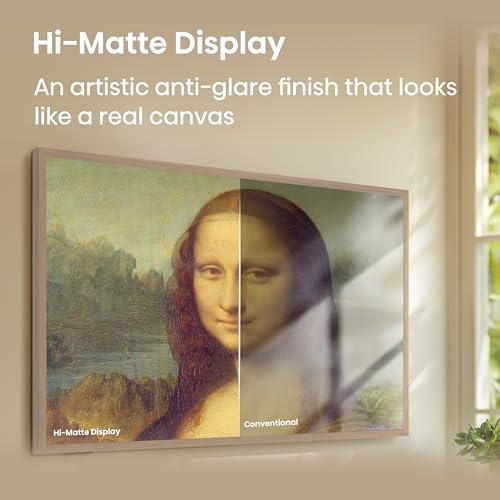
The Hisense S7N compensates for its simpler backlight with higher peak brightness (450 nits) and its standout Hi-Matte display coating. This anti-glare technology reduces reflections by 95%, making it significantly better for bright rooms or spaces with lots of windows.
Traditional glossy TV screens can become mirrors during daytime viewing, washing out colors and making content difficult to see. The S7N's matte coating eliminates this problem, maintaining picture quality even with lamps or windows directly facing the screen. This is particularly valuable in modern open-concept homes where controlling ambient light is challenging.
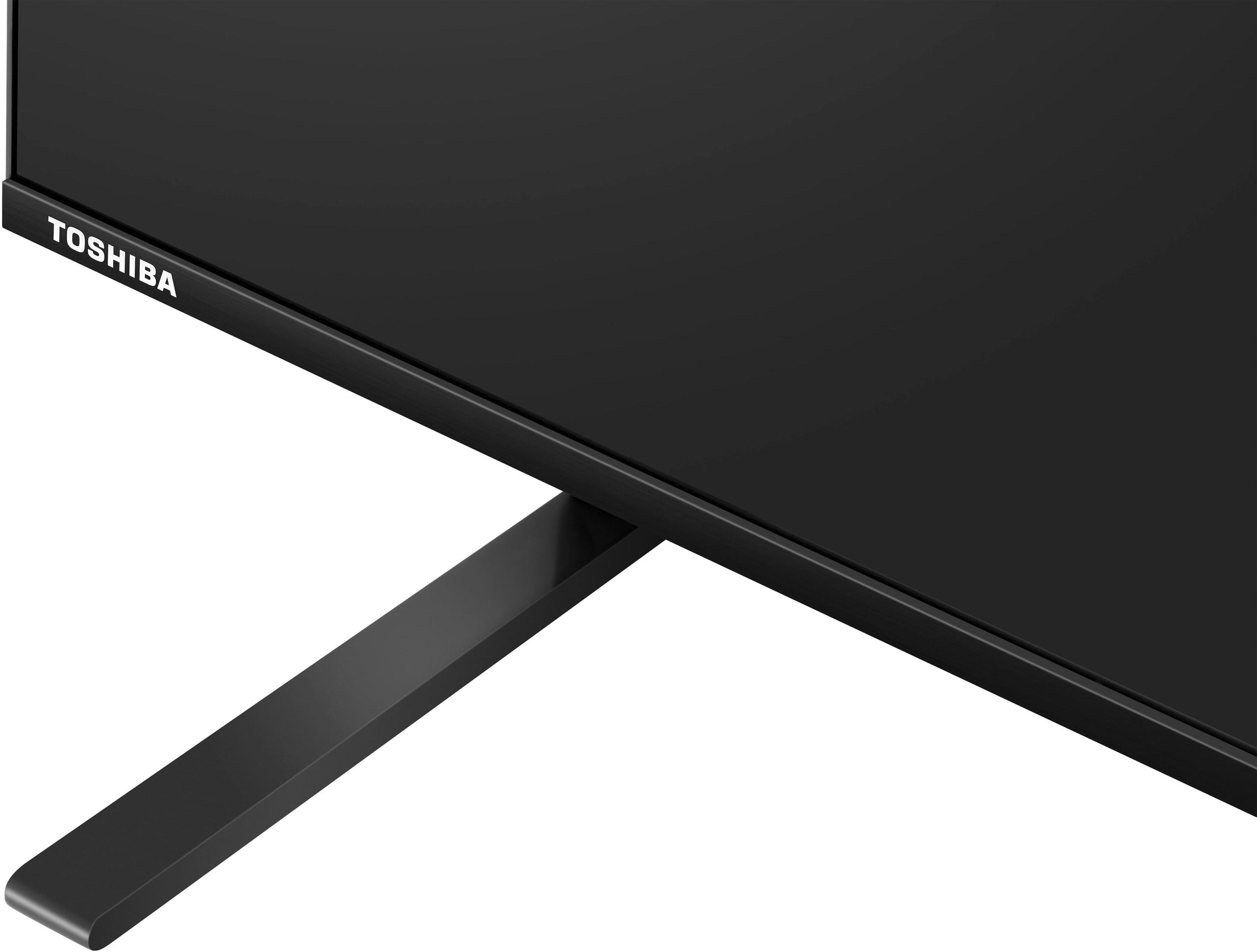
The Toshiba M550 uses a conventional glossy screen, which looks excellent in controlled lighting but struggles with reflections. If your viewing room has good light control, this isn't a problem. If you watch TV during bright afternoons or can't avoid window glare, the Hisense S7N offers a clear advantage.
Both TVs feature sophisticated picture processing, but with different approaches. The Toshiba M550 includes the REGZA Engine ZR, which uses artificial intelligence to analyze content and optimize picture settings automatically. This system can upscale lower-resolution content (like cable TV or older streaming shows) and adjust colors and contrast based on ambient room lighting through its AI Auto View Pro feature.
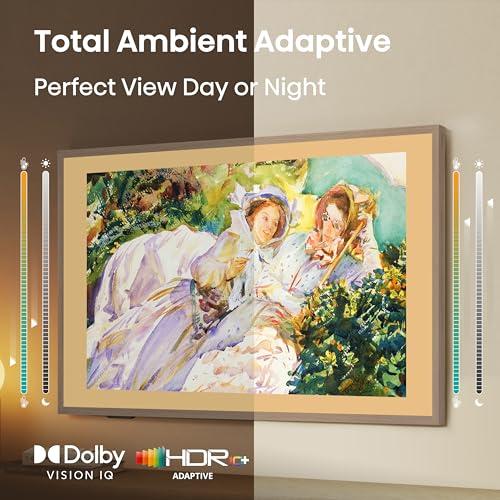
The Hisense S7N focuses more on color purity through its quantum dot implementation and includes scene-by-scene HDR optimization. While both TVs support major HDR formats (HDR10, HDR10+, and Dolby Vision), the processing philosophies differ – Toshiba emphasizes intelligent adaptation, while Hisense prioritizes color accuracy and brightness consistency.
For gaming, the Hisense S7N is decisively superior, and it's not particularly close. The fundamental difference is refresh rate – how many times per second the screen updates with new image information.
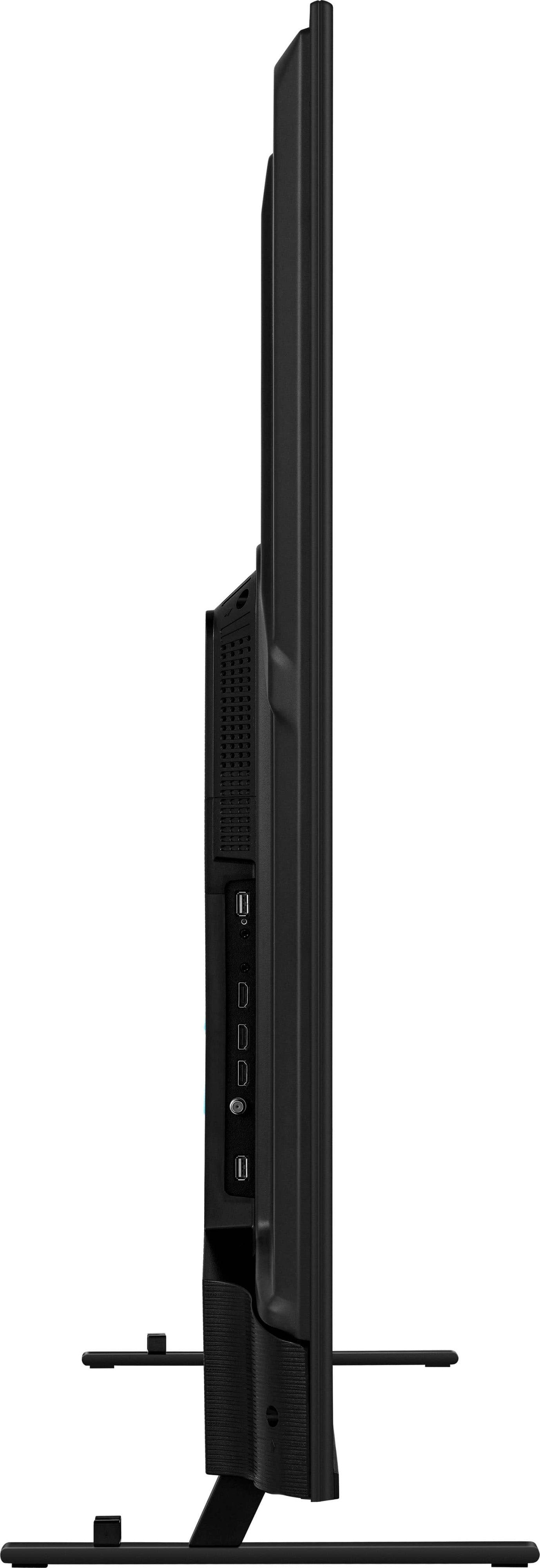
The Toshiba M550 operates at 60Hz, meaning it can display 60 frames per second maximum. This was standard for TVs until recently, and it's perfectly adequate for most TV shows, movies, and casual gaming. However, modern gaming consoles like the PlayStation 5 and Xbox Series X can output games at 120Hz or higher, and PC gaming increasingly benefits from high refresh rates.
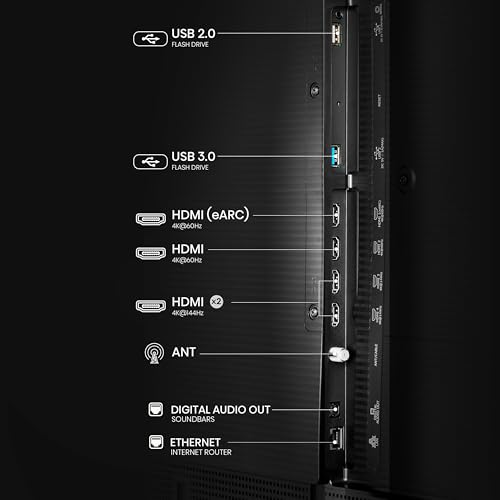
The Hisense S7N features a native 144Hz refresh rate, supporting up to 144 frames per second at 4K resolution and up to 240fps at 1080p. More importantly, it includes two HDMI 2.1 ports with the bandwidth necessary to actually deliver these high frame rates from gaming devices.
Higher refresh rates provide smoother motion, reduced input lag (the delay between pressing a button and seeing the result on screen), and eliminate screen tearing (when parts of different frames appear simultaneously, creating a "torn" image effect). The Hisense S7N includes Variable Refresh Rate (VRR) technology and AMD FreeSync Premium, which synchronize the TV's refresh rate with the gaming device's frame rate output.
The practical difference is substantial. Fast-paced games like first-person shooters or racing games feel more responsive and look smoother on the Hisense S7N. The 5.4ms input lag (compared to higher latency on the Toshiba M550) means your controls feel more immediate and precise.
If gaming is important to your TV usage, especially with current-generation consoles or PC gaming, the Hisense S7N is worth the price premium purely for these features.
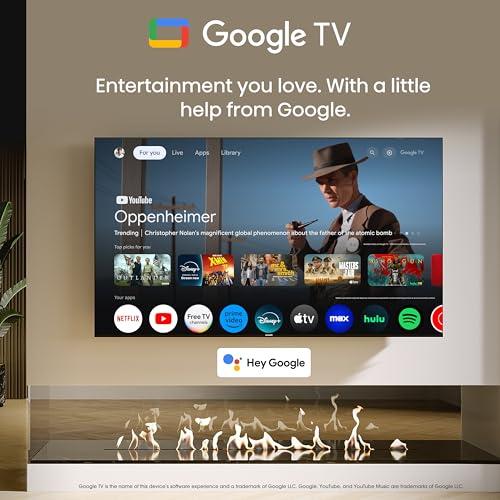
Both TVs run different smart platforms, and the user experience varies significantly. The Toshiba M550 uses Amazon's Fire TV, while the Hisense S7N runs Google TV.
Fire TV on the Toshiba M550 integrates deeply with Amazon's ecosystem, making it excellent if you use Amazon Prime Video, have Alexa devices, or purchase content through Amazon. However, research into user experiences reveals significant performance problems. The TV's processor appears underpowered for Fire TV's demands, resulting in slow app launches (often 30+ seconds), frequent freezing, and occasional crashes that require unplugging the TV to resolve.
These issues aren't just inconvenient – they affect daily usability. Users report that simple actions like pausing content or accessing settings can take 10+ seconds to respond. For a device you interact with multiple times daily, this sluggishness becomes genuinely frustrating.
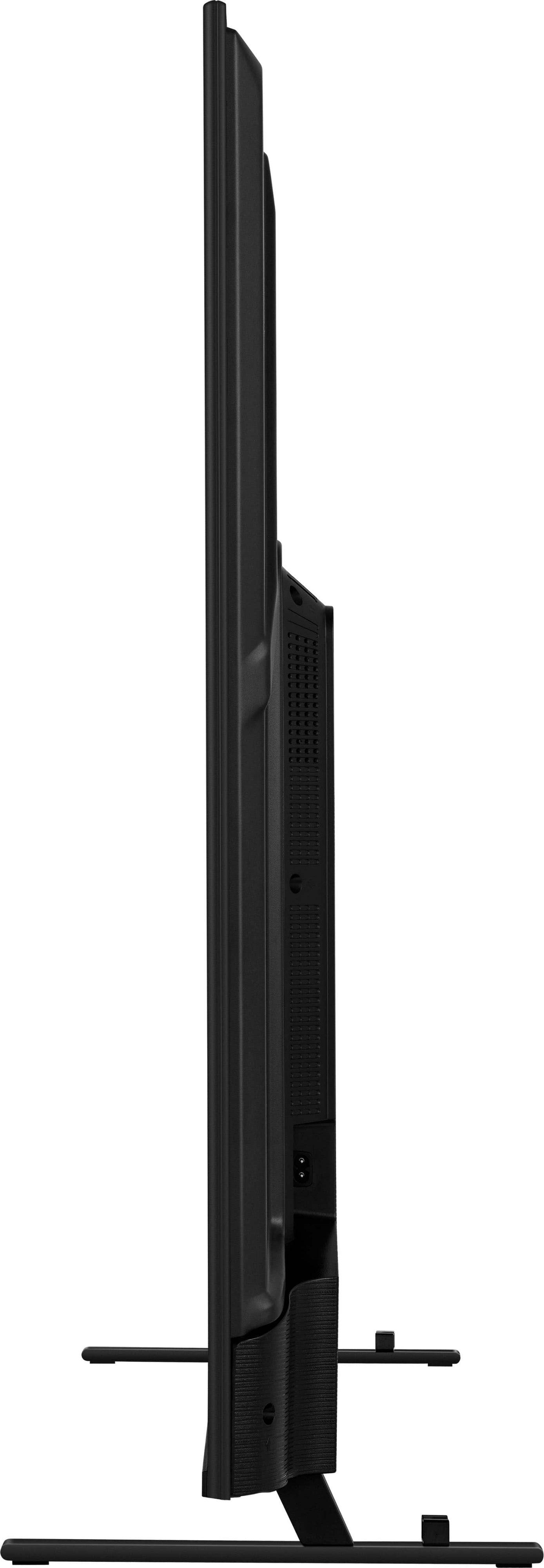
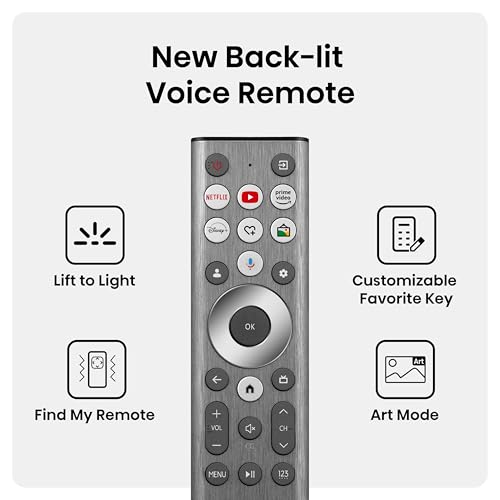
The Hisense S7N runs Google TV on more capable hardware, resulting in smoother operation and faster response times. Google TV also offers broader compatibility, supporting both Google Assistant and Amazon Alexa voice commands, plus integration with Apple HomeKit for smart home control.
Software reliability emerges as a major differentiator. User reviews consistently highlight the Toshiba M550's tendency to freeze, exit apps unexpectedly, or require hard resets. Some users report the TV displaying digital scramble that won't clear without unplugging the device.
The Hisense S7N demonstrates better software stability in user reports, though no TV is immune to occasional software hiccups. The more powerful processor and optimized Google TV implementation appear to provide a more reliable daily experience.
Audio quality often gets overlooked in TV purchasing decisions, but it significantly impacts your viewing experience. Both TVs exceed typical built-in TV speaker performance, but in different ways.
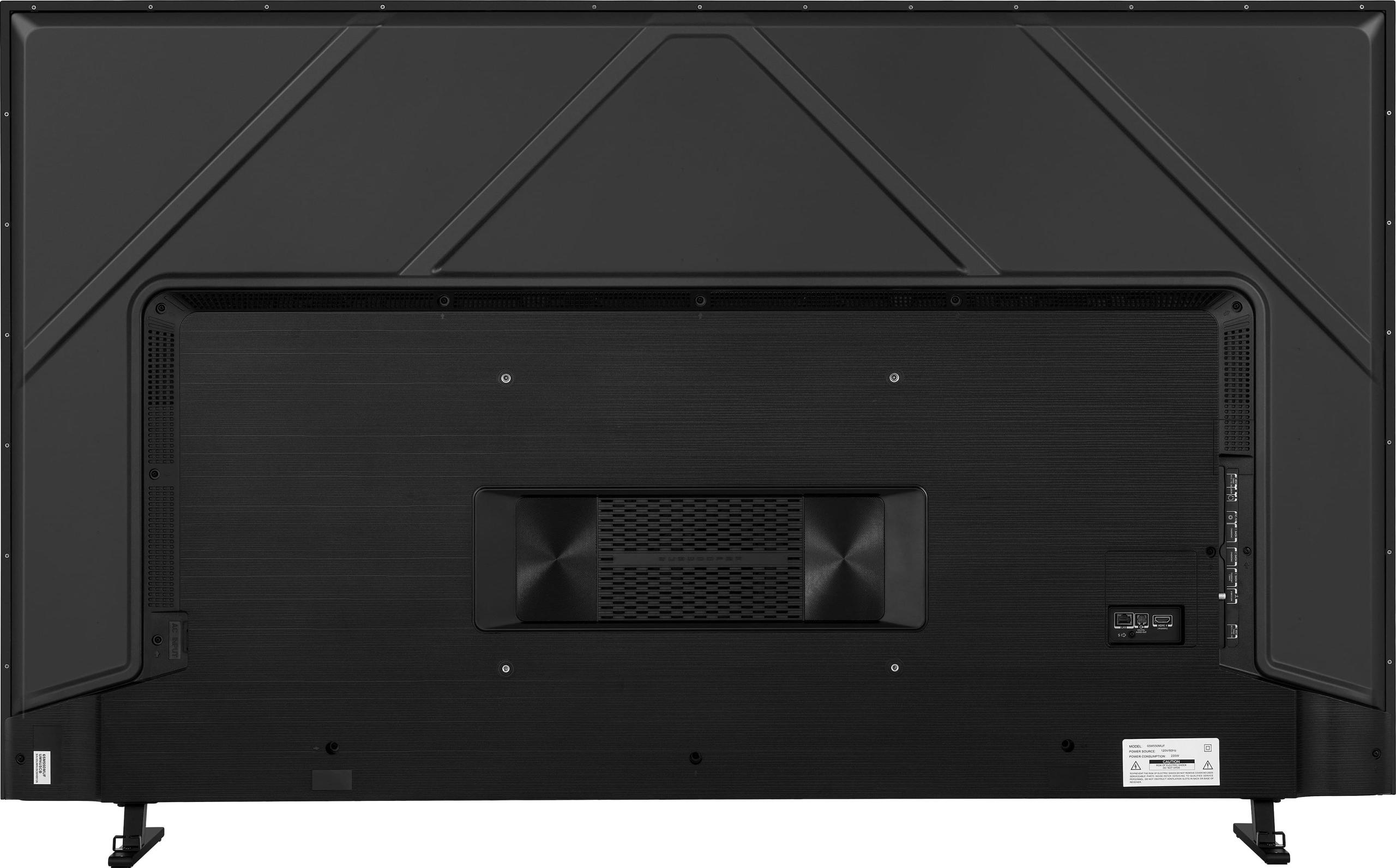
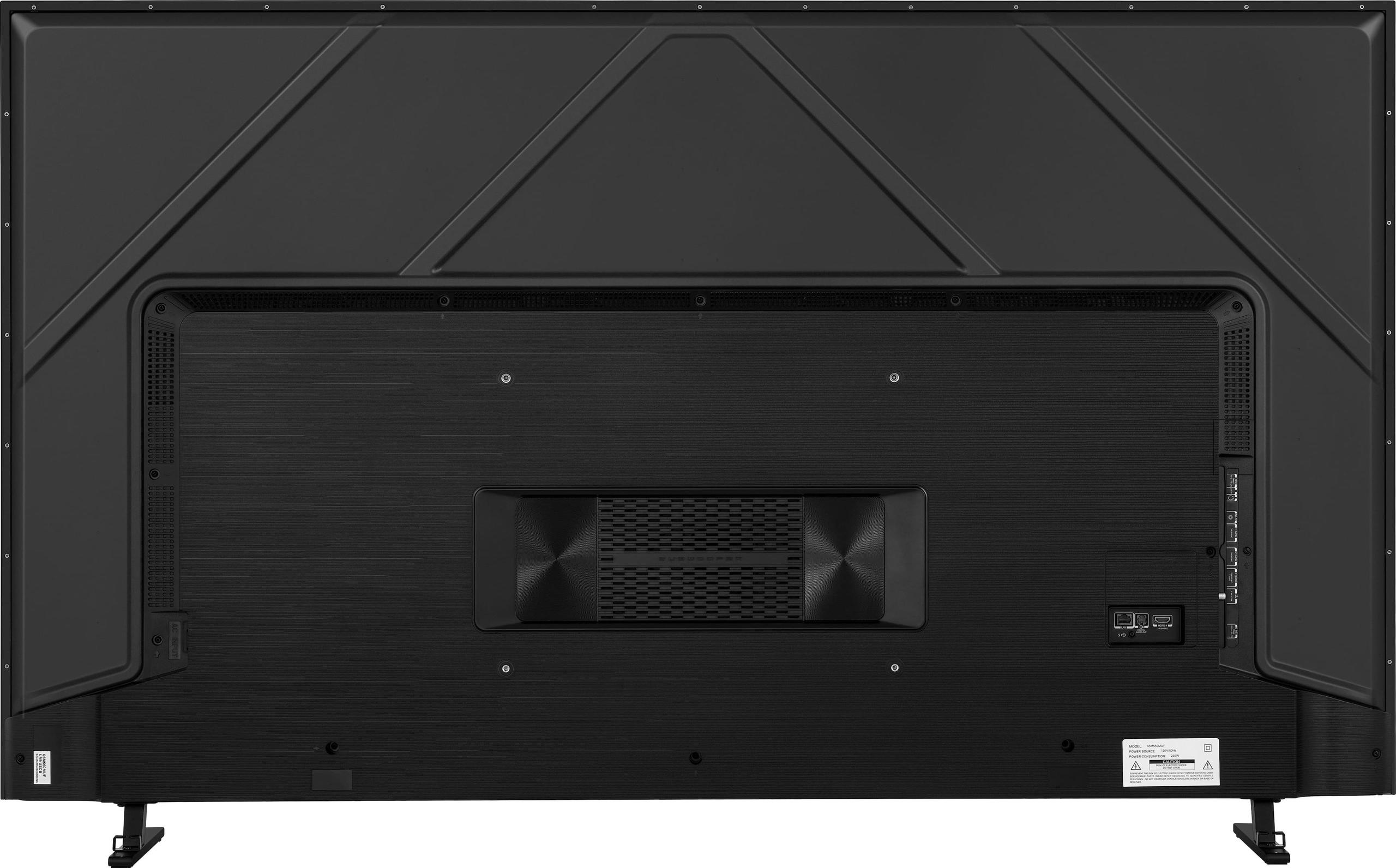
The Toshiba M550 features a 2.1 channel system with 40 watts of output and a dedicated subwoofer. This configuration includes REGZA Power Audio Pro processing and Dolby Atmos support. User reviews consistently praise the M550's audio as exceptional for a built-in TV sound system, with several reviewers noting they didn't need to purchase separate soundbars.
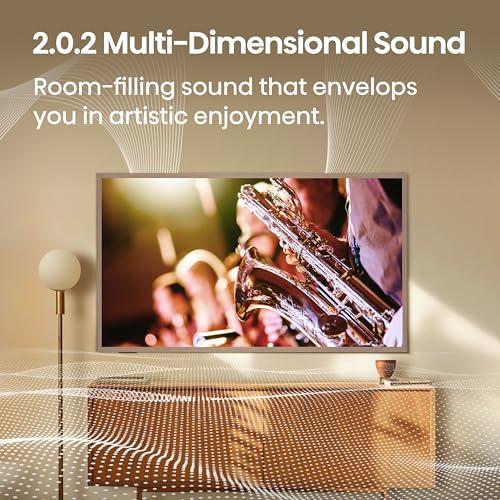
The Hisense S7N uses a 2.0.2 channel system with upward-firing speakers designed to create virtual surround sound through DTS Virtual:X processing. While good, it doesn't match the Toshiba M550's bass response and overall audio impact.
If you prefer not to invest in external audio equipment, the Toshiba M550 provides significantly better built-in sound. However, if you plan to use a soundbar or home theater system anyway, this advantage becomes less relevant.
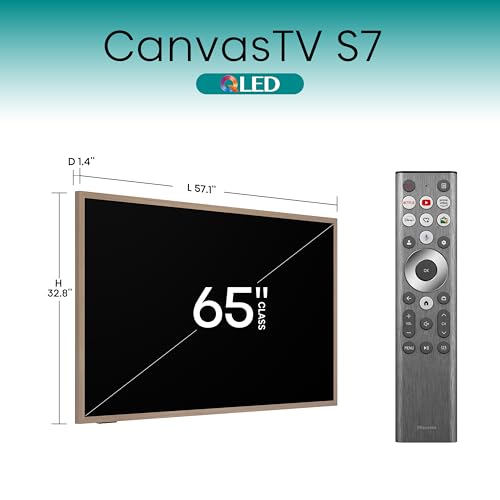
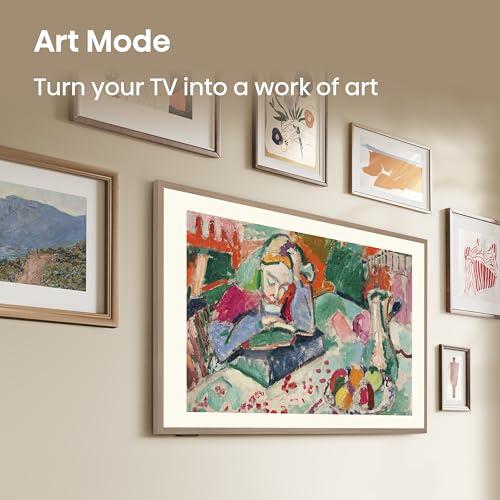
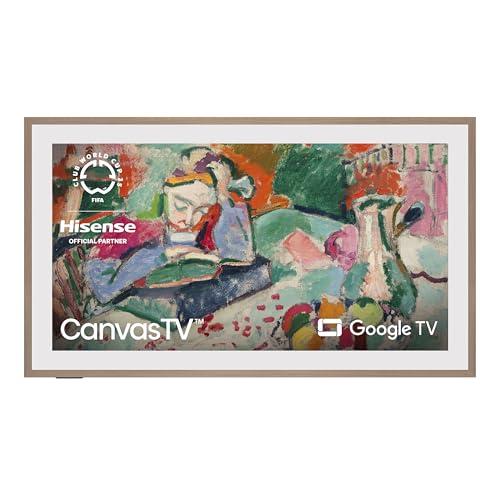
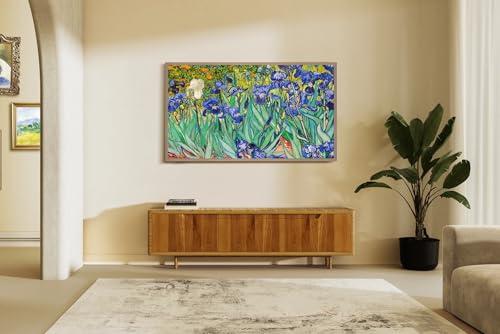
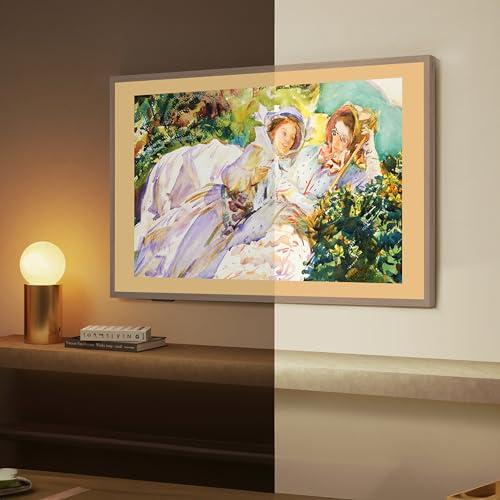
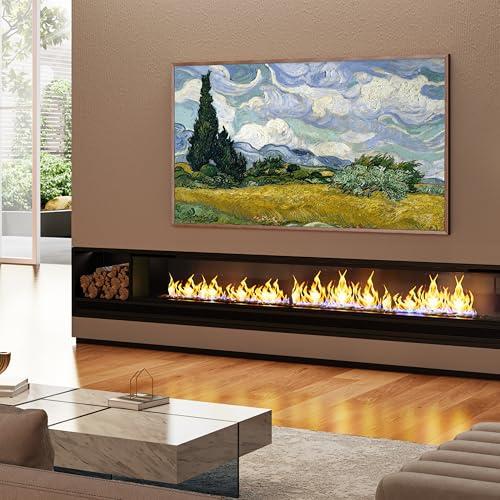
The Hisense S7N CanvasTV represents a fundamentally different approach to TV design. When not displaying content, it transforms into a digital art gallery, showing curated artwork or personal photos with a realistic painting-like appearance.
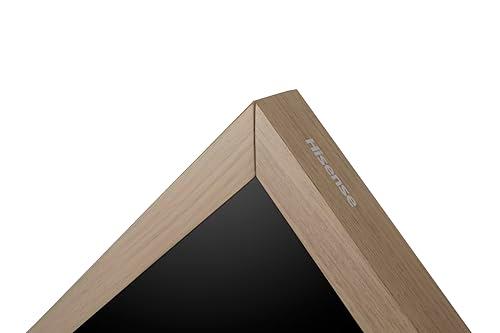
Art Mode isn't just a screensaver – it's designed to make the TV disappear as a technology device and appear as home décor. The included magnetic frame system (available in multiple finishes) and ultra-slim wall mount create an authentic artwork appearance when the TV displays paintings or photographs.
The Hi-Matte display coating is crucial here, eliminating the glossy "screen" look that reminds viewers they're looking at a TV. Combined with automatic brightness adjustment based on room lighting and motion sensors that activate the display when someone enters the room, the Hisense S7N can genuinely function as both entertainment device and decorative element.
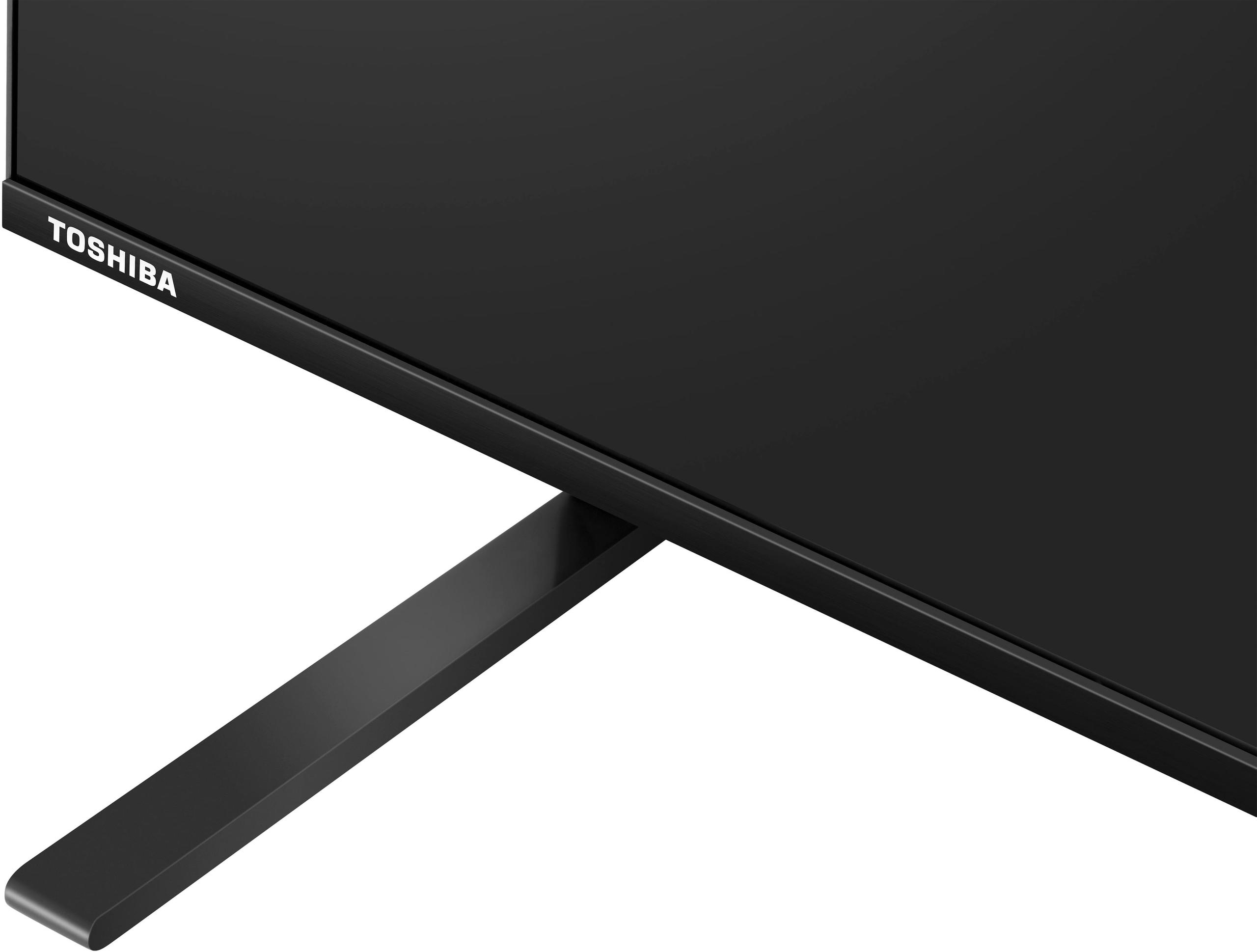
This appeals to design-conscious buyers who want their technology to enhance rather than dominate their living space. The Toshiba M550 is a traditional TV – excellent for entertainment but clearly a technology device when not in use.
At the time of writing, these TVs occupy different price tiers, with the Toshiba M550 positioned as a value option and the Hisense S7N commanding a premium price.
The Toshiba M550 delivers impressive picture quality fundamentals for significantly less money. Its Full Array Local Dimming, quantum dot color, and excellent built-in audio provide genuine high-end features at a budget-friendly price point. However, the software performance issues and gaming limitations mean you're accepting compromises in daily usability and future compatibility.
The Hisense S7N costs considerably more but delivers a more complete, future-proof package. The superior gaming features, reliable software performance, anti-glare display, and unique aesthetic functionality justify the higher price for buyers who value these capabilities.
For dedicated home theater use, both TVs have strengths and weaknesses. The Toshiba M550's superior local dimming provides better contrast for movie watching in dark rooms, which is crucial for the cinematic experience. Its excellent built-in audio also reduces the need for immediate sound system upgrades.
However, the software reliability issues could disrupt movie nights, and the 60Hz limitation prevents full utilization of high frame rate content that's becoming more common on streaming services.
The Hisense S7N offers better overall reliability and future compatibility, plus the anti-glare coating helps in multi-purpose spaces that aren't dedicated home theaters. The somewhat compromised contrast performance is less ideal for critical movie watching in dark rooms.
Choose the Toshiba M550 if picture quality per dollar is your primary concern, you have good control over room lighting, gaming isn't a priority, and you're willing to tolerate software quirks for better contrast performance and audio quality. This TV excels for traditional TV watching and movie viewing in controlled environments.
Choose the Hisense S7N if you want a TV that enhances your room's aesthetics, gaming performance matters, you need anti-glare capability, or long-term software reliability is important. This TV is ideal for modern living spaces where the TV remains visible even when not in use, and for users who want future-proof gaming capabilities.
The decision ultimately depends on whether you prioritize pure picture quality value or prefer a more versatile, reliable, and aesthetically integrated solution. Both approaches have merit – it's about matching the TV's strengths to your specific needs and viewing environment.
| Toshiba 65" M550 Series QLED Fire TV | Hisense 65" S7N CanvasTV QLED 4K Smart Display |
|---|---|
| Refresh Rate - Critical for gaming and smooth motion | |
| 60Hz native (limits gaming to 60fps max) | 144Hz native (supports up to 144fps gaming, future-proof) |
| Local Dimming - Most important for contrast and black levels | |
| Full Array Local Dimming with 100+ zones (superior contrast control) | Edge-lit with ~10 zones (less precise but enables thinner design) |
| Anti-Glare Technology - Essential for bright rooms | |
| Standard glossy screen (struggles with reflections) | Hi-Matte coating reduces reflections by 95% (excellent for bright spaces) |
| Gaming Features - Important for console and PC gaming | |
| Basic Game Mode Plus, HDMI 2.0 only | HDMI 2.1, VRR, ALLM, AMD FreeSync Premium, 5.4ms input lag |
| Smart Platform - Affects daily usability | |
| Fire TV (Amazon-focused but slow performance reported) | Google TV (faster, more reliable, dual voice assistant support) |
| Audio System - Determines if you need a soundbar | |
| 2.1 channel, 40W with subwoofer (exceptional built-in sound) | 2.0.2 channel with upward-firing speakers (good but not exceptional) |
| Design Philosophy - Traditional vs lifestyle integration | |
| Standard TV design (purely entertainment-focused) | Art Mode with swappable frames (doubles as wall art when not in use) |
| Peak Brightness - Important for HDR and bright room viewing | |
| Not specified (likely moderate) | 450 nits (good for HDR content and bright rooms) |
| Software Reliability - Critical for long-term satisfaction | |
| Frequent freezing and slow response reported by users | More stable performance with faster processor |
| Value Positioning - Budget vs premium approach | |
| Exceptional picture quality for the price but with usability compromises | Premium pricing justified by gaming features, reliability, and aesthetic design |
The Toshiba M550 delivers superior contrast for movie watching thanks to its Full Array Local Dimming with 100+ zones, creating deeper blacks and more dramatic contrast in dark scenes. However, the Hisense S7N CanvasTV offers higher peak brightness and better performance in bright rooms due to its anti-glare coating. For dedicated home theater use in dark rooms, the Toshiba M550 provides more cinematic picture quality.
The Hisense S7N CanvasTV is significantly better for gaming with its 144Hz refresh rate, HDMI 2.1 ports, Variable Refresh Rate (VRR), and 5.4ms input lag. The Toshiba M550 is limited to 60Hz and lacks advanced gaming features, making it unsuitable for next-gen console gaming or high-refresh PC gaming.
The Toshiba M550 runs Fire TV with deep Amazon integration but suffers from slow performance and frequent freezing according to user reviews. The Hisense S7N CanvasTV uses Google TV, which offers faster performance, better stability, and supports both Google Assistant and Alexa voice control for broader smart home compatibility.
The Hisense S7N CanvasTV excels in bright rooms with its Hi-Matte anti-glare coating that reduces reflections by 95% and higher peak brightness. The Toshiba M550 uses a traditional glossy screen that can show reflections and glare when facing windows or bright lights.
The Toshiba M550 has significantly better built-in audio with its 2.1 channel system, 40W output, and dedicated subwoofer that many users say eliminates the need for a soundbar. The Hisense S7N CanvasTV offers decent 2.0.2 surround sound but doesn't match the Toshiba M550's bass response and overall audio quality.
Art Mode on the Hisense S7N CanvasTV displays artwork or personal photos when the TV isn't in use, making it look like a framed painting on your wall. It includes swappable magnetic frames and motion sensors for automatic activation. This feature appeals to design-conscious buyers who want their TV to enhance room aesthetics, but isn't necessary for traditional TV viewing.
The Toshiba M550 offers exceptional picture quality value with premium features like Full Array Local Dimming at a budget-friendly price point. The Hisense S7N CanvasTV costs more but provides superior gaming performance, software reliability, and unique aesthetic features. Value depends on whether you prioritize pure picture quality or comprehensive modern features.
User reviews indicate the Toshiba M550 suffers from software reliability issues including frequent freezing, slow response times, and occasional crashes requiring hard resets. The Hisense S7N CanvasTV demonstrates better software stability and more responsive performance thanks to its more powerful processor and optimized Google TV platform.
For sports, the Hisense S7N CanvasTV provides smoother motion with its 144Hz refresh rate and better motion processing. The Toshiba M550 is limited to 60Hz and reviews note issues with motion handling in fast-paced scenes. However, the Toshiba M550's superior contrast makes it better for watching sports in dark rooms.
Both the Toshiba M550 and Hisense S7N CanvasTV support major HDR formats including Dolby Vision, HDR10, and HDR10+. The Toshiba M550 delivers better HDR contrast thanks to its superior local dimming, while the Hisense S7N CanvasTV offers higher peak brightness for more impactful bright HDR highlights.
The Hisense S7N CanvasTV offers easier daily use with its responsive Google TV interface and stable performance. The Toshiba M550 setup is straightforward, but daily operation can be frustrating due to slow app loading times (often 30+ seconds) and frequent interface freezing that affects basic functions like pausing or changing settings.
Choose the Toshiba M550 if you prioritize picture quality value, have controlled lighting, don't game frequently, and can tolerate software issues for superior contrast and audio. Choose the Hisense S7N CanvasTV if you want reliable daily performance, gaming capabilities, bright room viewing, aesthetic integration, or future-proof features. The Hisense S7N CanvasTV is the better all-around choice despite its higher cost.
We've done our best to create useful and informative comparisons to help you decide what product to buy. Our research uses advanced automated methods to create this comparison and perfection is not possible - please contact us for corrections or questions. These are the sites we've researched in the creation of this article: bestbuy.com - bestbuy.com - consumerreports.org - youtube.com - pcvarge.com - tomsguide.com - youtube.com - bestbuy.com - toshibatv-usa.com - marketplace-staging.paytomorrow.com - toshibatv-usa.com - productabout.com - leaseville.com - youtube.com - toshibatv-usa.com - bestbuy.com - hisense.sg - tomsguide.com - content.syndigo.com - rtings.com - hisense-usa.com - youtube.com - bestbuy.com - youtube.com - displayspecifications.com - displayspecifications.com - manuals.plus - displayspecifications.com - bestbuy.com - hisense-canada.com - manuals.plus - bargainoutletandmore.com - bestbuy.com - device.report

Privacy Policy
Terms and Conditions - Affiliate Policy
Home Security
© Copyright 2008-2026.
11816 Inwood Rd #1211, Dallas, TX 75244