

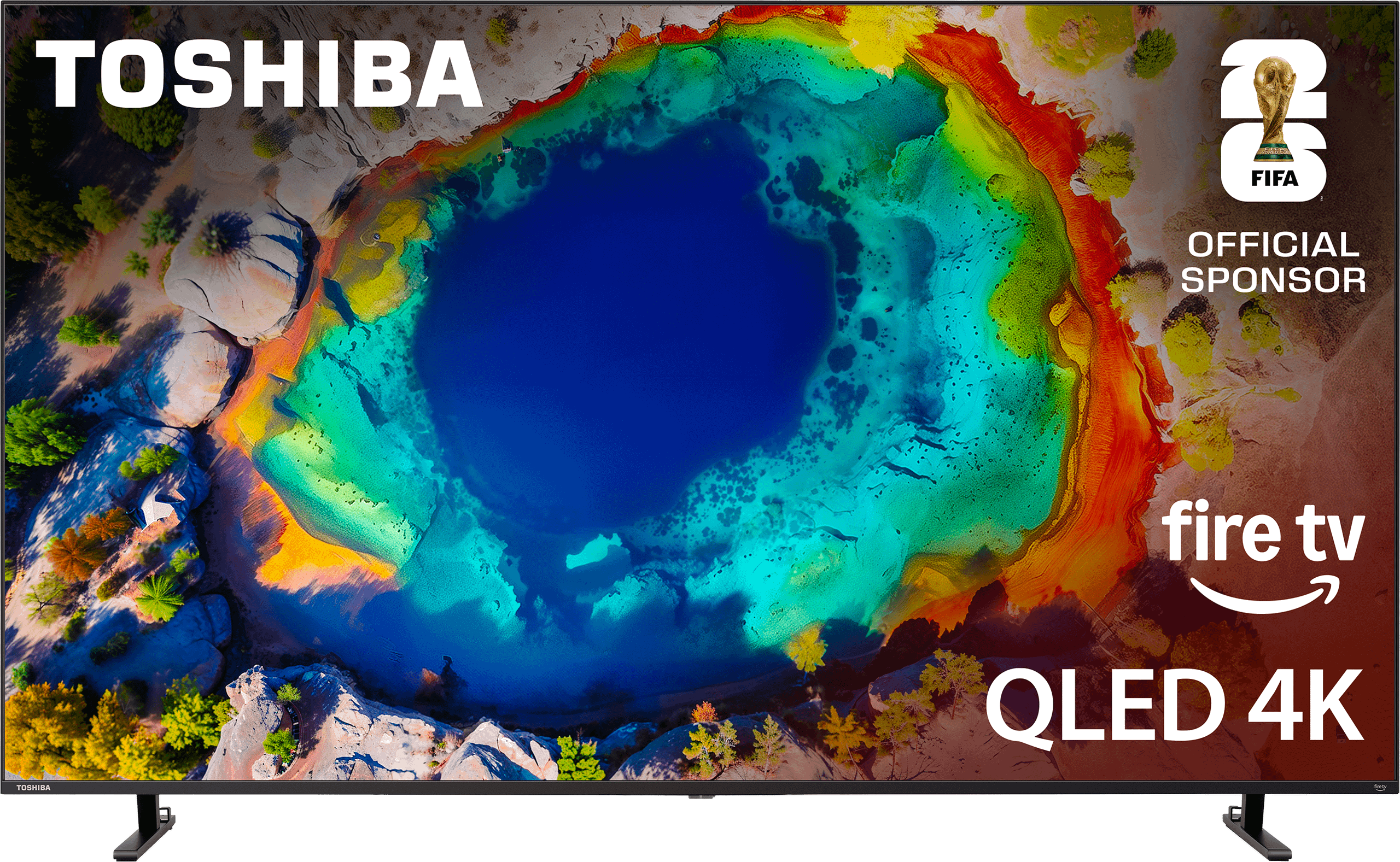
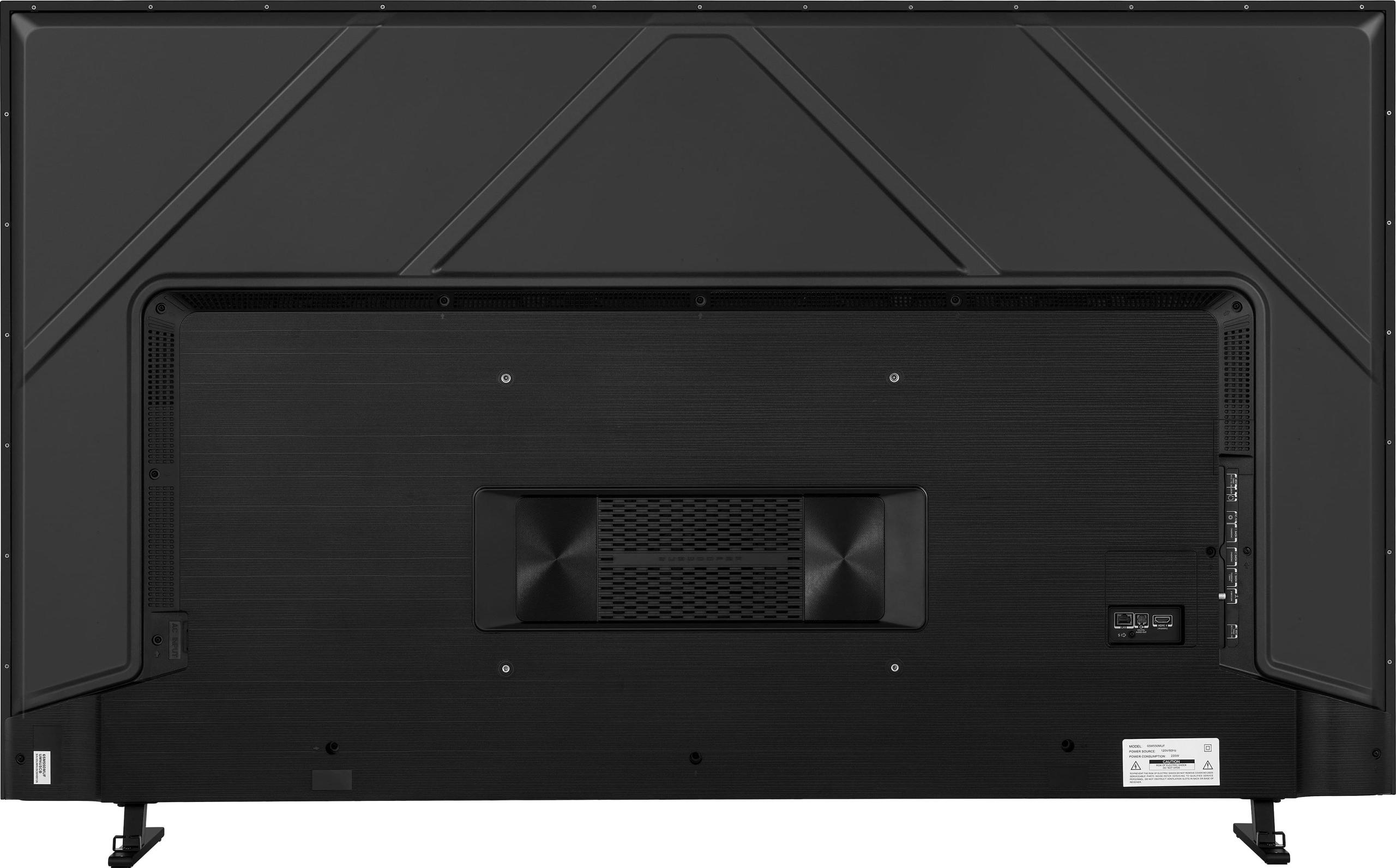
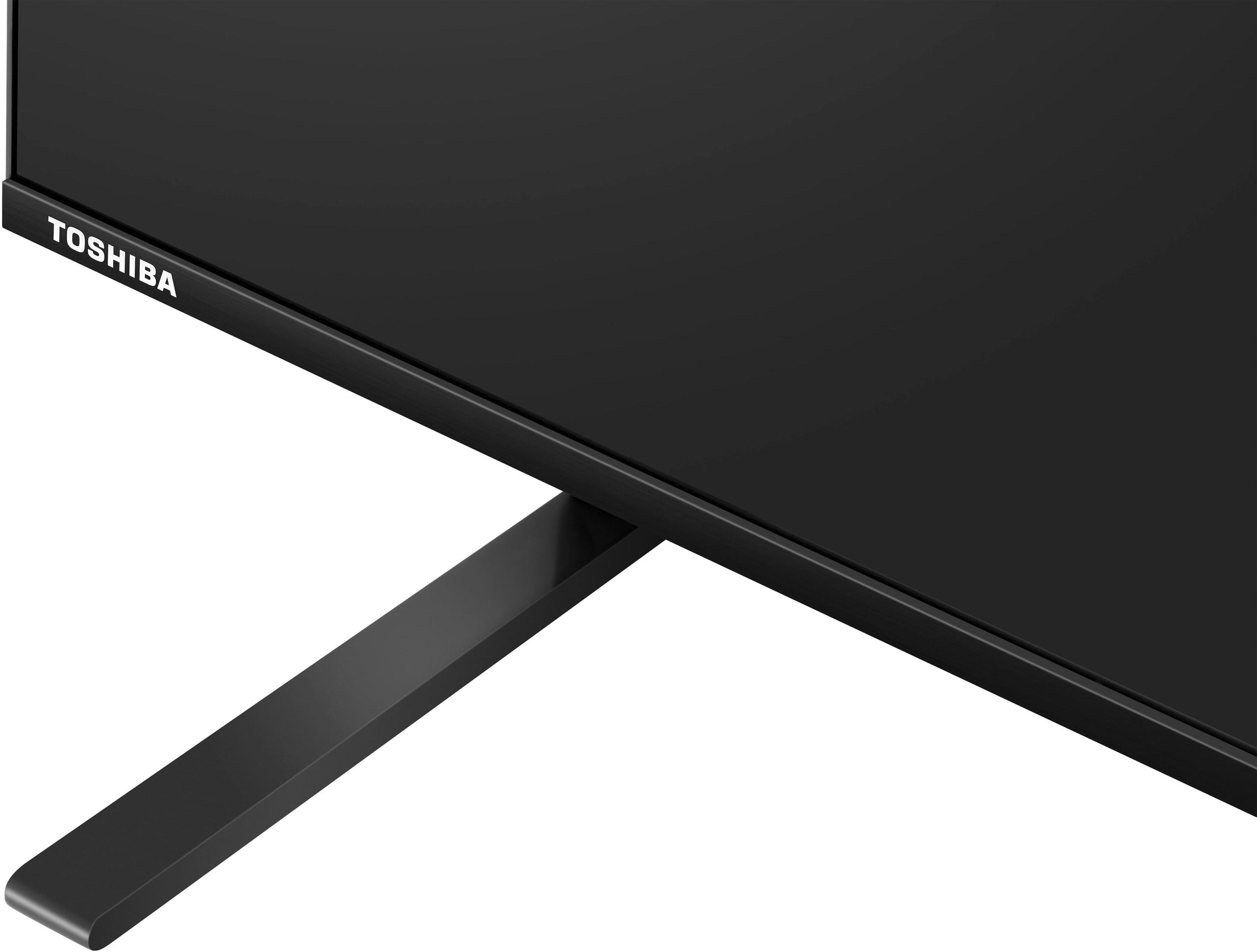
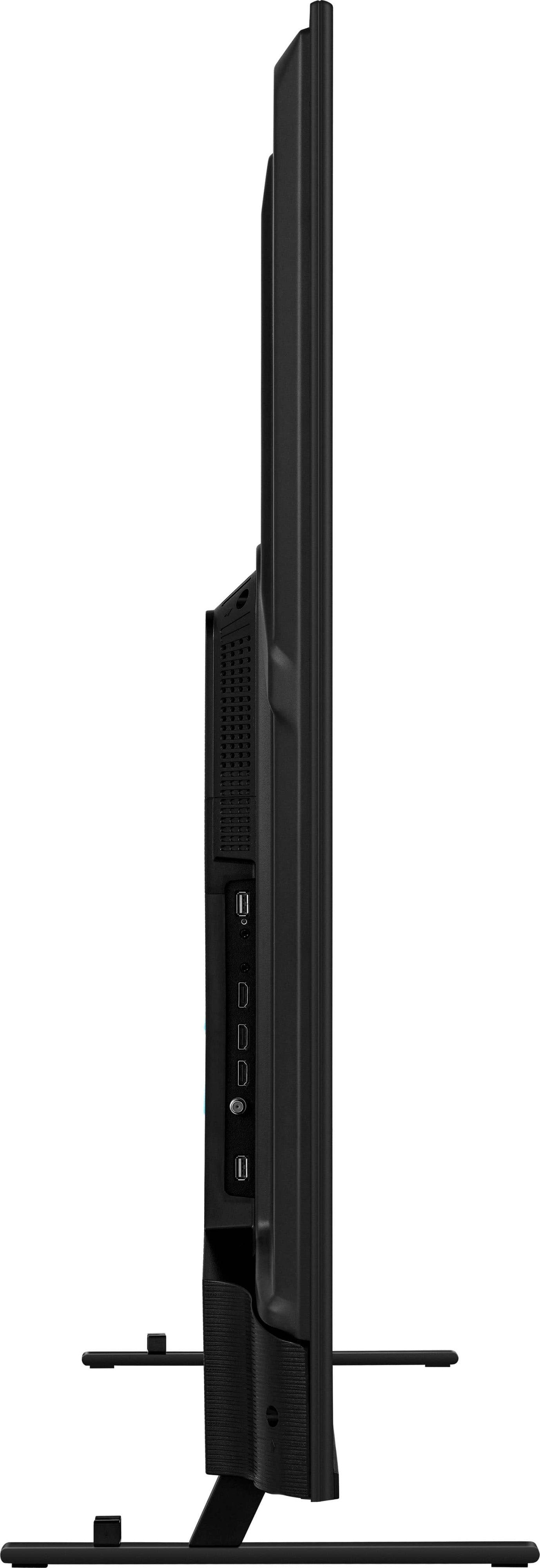
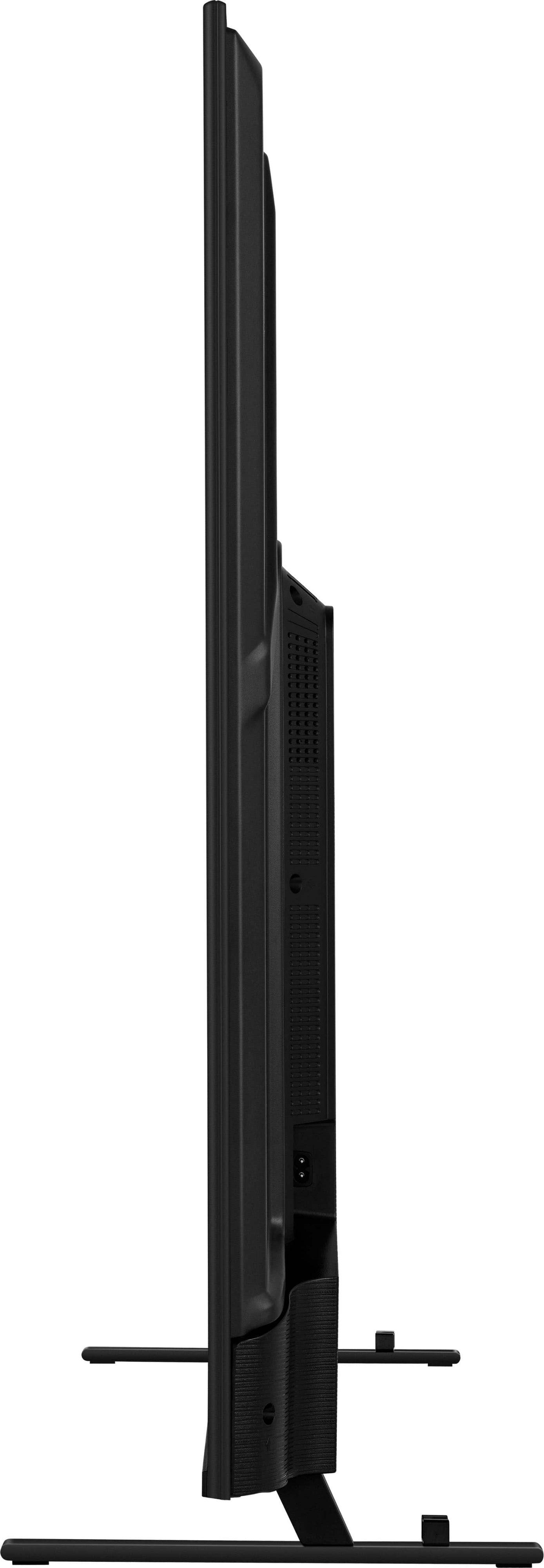
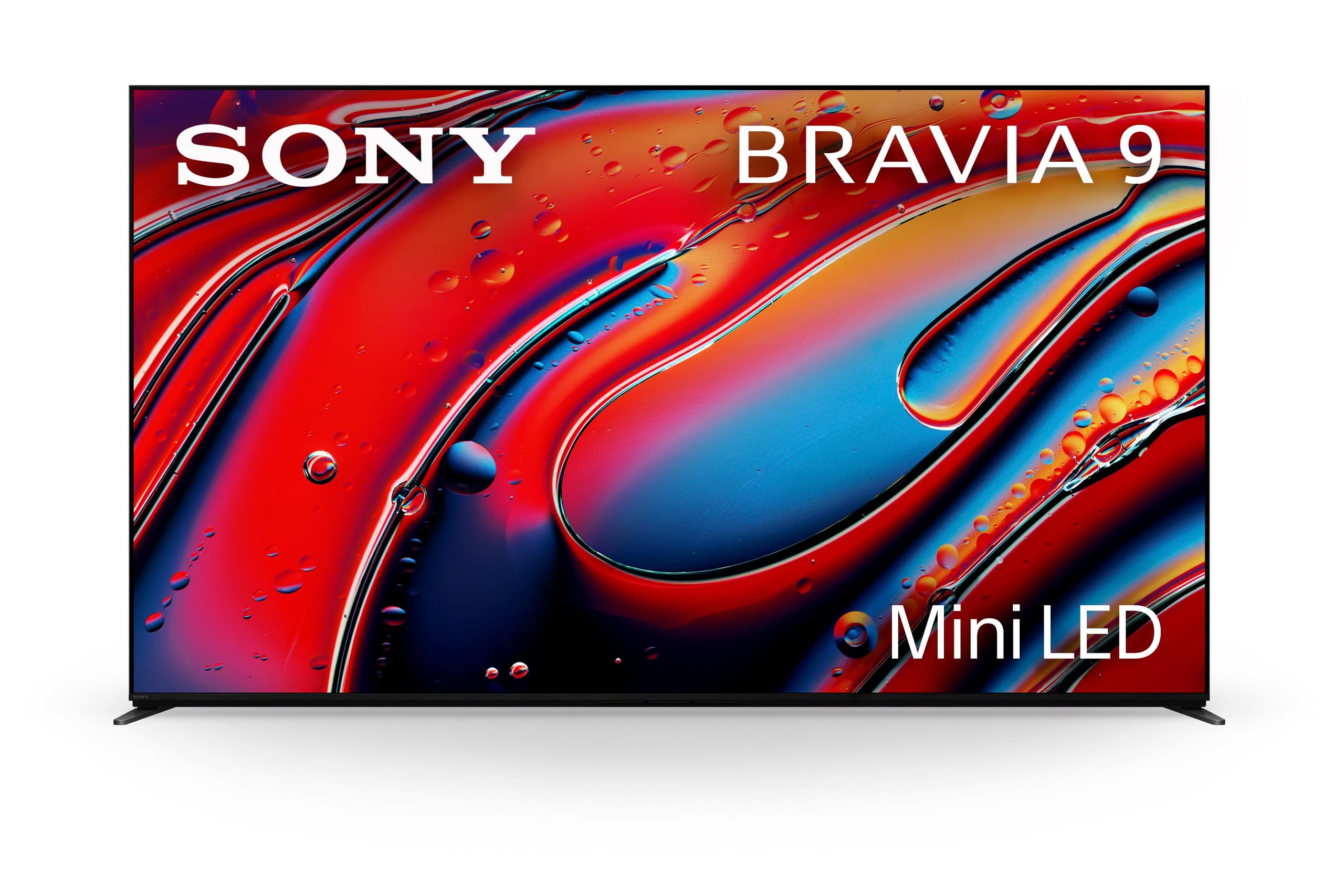
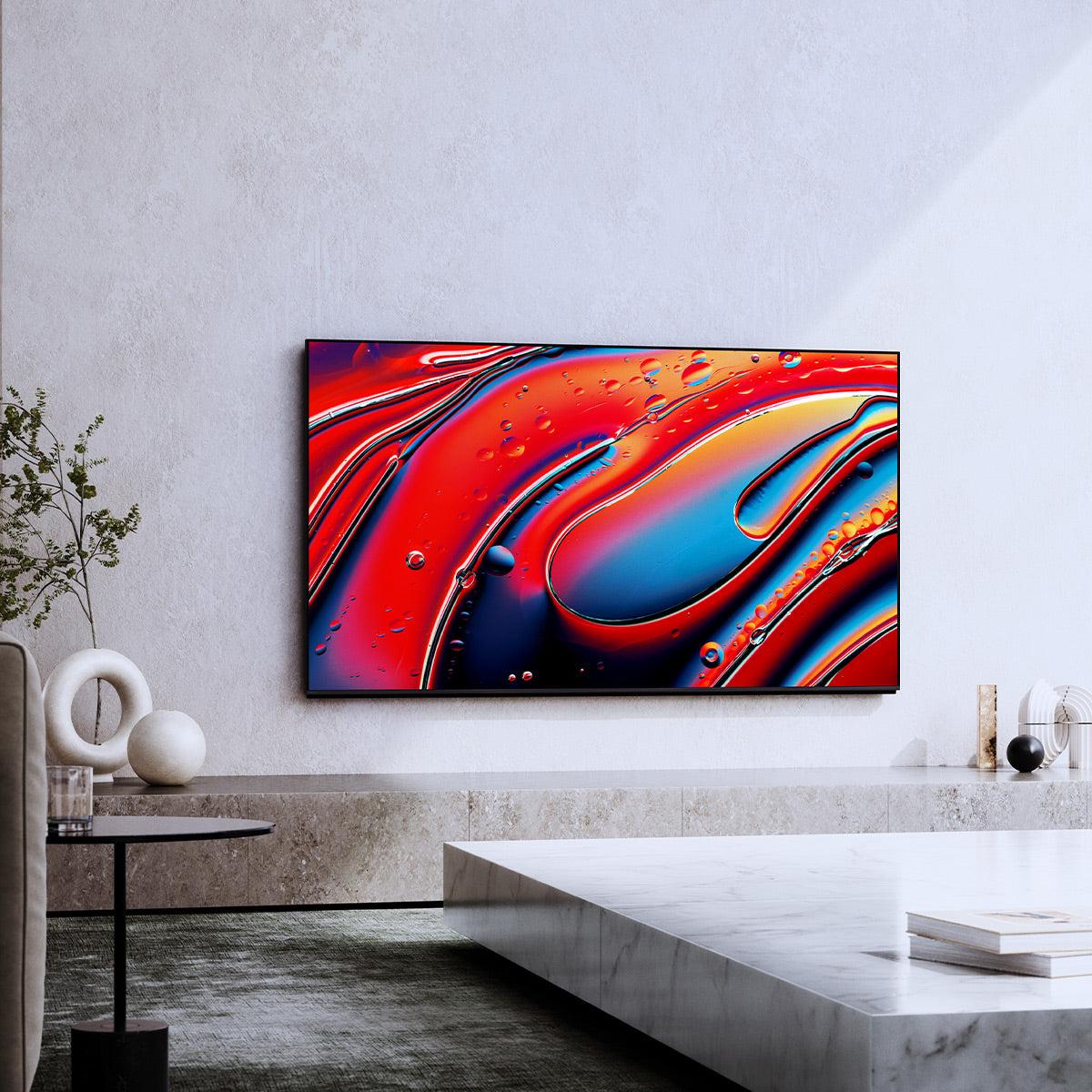
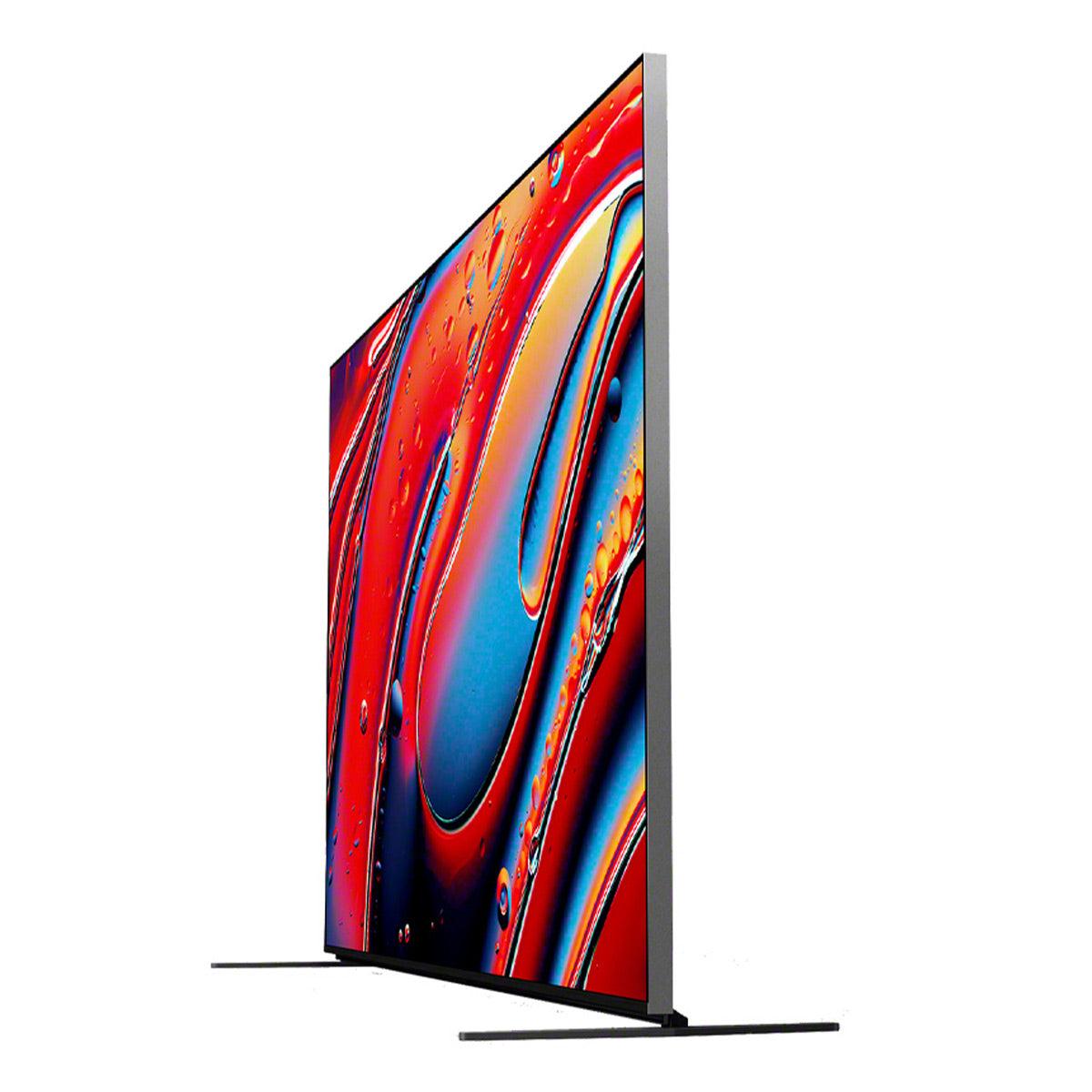
When shopping for a 65-inch TV, you're entering the sweet spot of home entertainment. This screen size delivers that cinematic experience without overwhelming most living rooms, but the choices can be overwhelming. Today we're comparing two very different approaches to premium TV technology: the Toshiba M550, a 2025 budget-focused QLED that punches above its weight class, and the Sony BRAVIA 9, Sony's 2024 flagship Mini-LED display that represents the cutting edge of consumer TV technology.
Before diving into specifics, let's establish what separates good TVs from great ones. The most critical factors are picture quality (how bright, colorful, and detailed the image appears), motion handling (how smoothly fast action appears), smart platform performance (how quickly apps load and respond), and gaming capabilities (input lag and advanced features for consoles).
The display technology itself forms the foundation. Both TVs use QLED (Quantum Dot LED), which means they employ special nanoparticles called quantum dots to produce more accurate colors than standard LED TVs. Think of quantum dots as tiny color filters that help create over a billion different color combinations, compared to millions on older TVs.
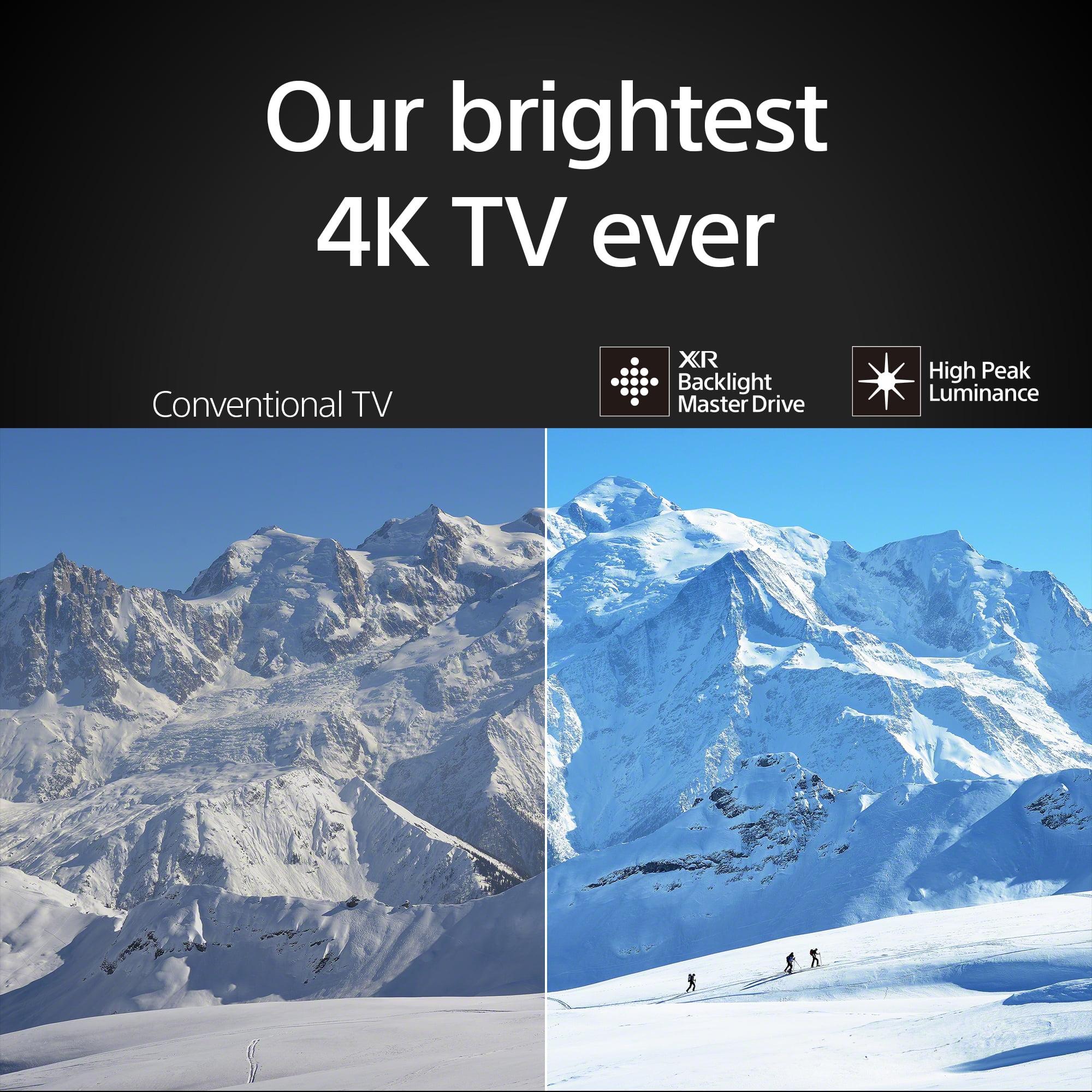
However, the Sony BRAVIA 9 takes this further with Mini-LED backlighting – thousands of tiny LEDs behind the screen that can be individually controlled. This is like having thousands of flashlights that can dim or brighten independently, creating much more precise contrast between bright and dark areas of the picture.
The picture quality comparison reveals the fundamental difference between these TVs. The Toshiba M550 delivers impressive results for its price range, featuring Full Array Local Dimming with 48 individual zones. Each zone can independently adjust brightness, which is excellent for a budget TV – most cheaper models only adjust the entire screen at once.
The Sony BRAVIA 9, however, operates on another level entirely. Its Mini-LED system contains thousands of precisely controlled LEDs versus the Toshiba's 48 zones. When you're watching a scene with both a bright sunset and dark shadows, the Sony can make the sunset brilliantly bright while keeping the shadows deep and detailed. The Toshiba will do this reasonably well, but with less precision – you might notice some "blooming" where bright areas slightly illuminate nearby dark areas.
HDR performance – that's High Dynamic Range, which makes bright things brighter and dark things darker for more realistic pictures – showcases this difference clearly. Both TVs support the major HDR formats: HDR10, Dolby Vision, and HLG (Hybrid Log-Gamma). The Toshiba M550 adds HDR10+, while the Sony BRAVIA 9 focuses on the more widely adopted Dolby Vision.
In our evaluation of professional reviews and user feedback, the Sony consistently delivers what experts call "reference quality" HDR. Movies mastered in Dolby Vision, like those Marvel films with dramatic lighting, showcase depth and detail that approaches what directors see in professional editing suites. The Toshiba M550 handles HDR content admirably for its price point, but you'll notice the difference in challenging scenes with mixed lighting.
Color accuracy represents another key battleground. The Toshiba M550 covers over 90% of the DCI-P3 color space – that's the color standard used for digital cinema – which is genuinely impressive. Its AI Auto View Pro feature automatically adjusts colors based on your room's lighting, which works surprisingly well according to user reports.
The Sony BRAVIA 9 counters with XR Triluminos Pro, which doesn't just display accurate colors but uses cognitive processing to understand what the picture should look like. When displaying skin tones, for example, Sony's processor recognizes faces and optimizes them specifically, while the Toshiba applies more general color enhancement.
This category reveals perhaps the starkest difference between these TVs. The Sony BRAVIA 9 features a native 120Hz refresh rate, meaning it can display 120 unique images per second. The Toshiba M550 operates at 60Hz natively, though it can accept 120Hz signals at lower resolutions like 1440p.
Why does refresh rate matter? When watching fast action – think football plays or car chases – higher refresh rates create smoother motion with less blur. The difference becomes obvious when comparing sports broadcasts or playing fast-paced video games.
For gaming specifically, the Sony BRAVIA 9 supports full HDMI 2.1 specification on two of its ports. This enables 4K gaming at 120fps with Variable Refresh Rate (VRR) and Auto Low Latency Mode (ALLM). VRR synchronizes the TV's refresh with your console's frame rate, eliminating screen tearing. ALLM automatically switches to the lowest input lag mode when it detects gaming.
The Toshiba M550 offers VRR up to 60Hz at 4K and includes dedicated gaming features, but it's fundamentally limited by its HDMI 2.0 ports. For PlayStation 5 or Xbox Series X owners wanting the full next-gen experience, this represents a significant limitation.
However, for casual gaming or older consoles, the Toshiba M550 performs well. User reviews consistently mention satisfactory gaming performance for most scenarios, and the dedicated Game Mode Plus reduces input lag to acceptable levels.
The smart TV platform determines how you'll interact with your TV every day, and here we see two different philosophies. The Toshiba M550 runs Amazon's Fire TV, while the Sony BRAVIA 9 uses Google TV.
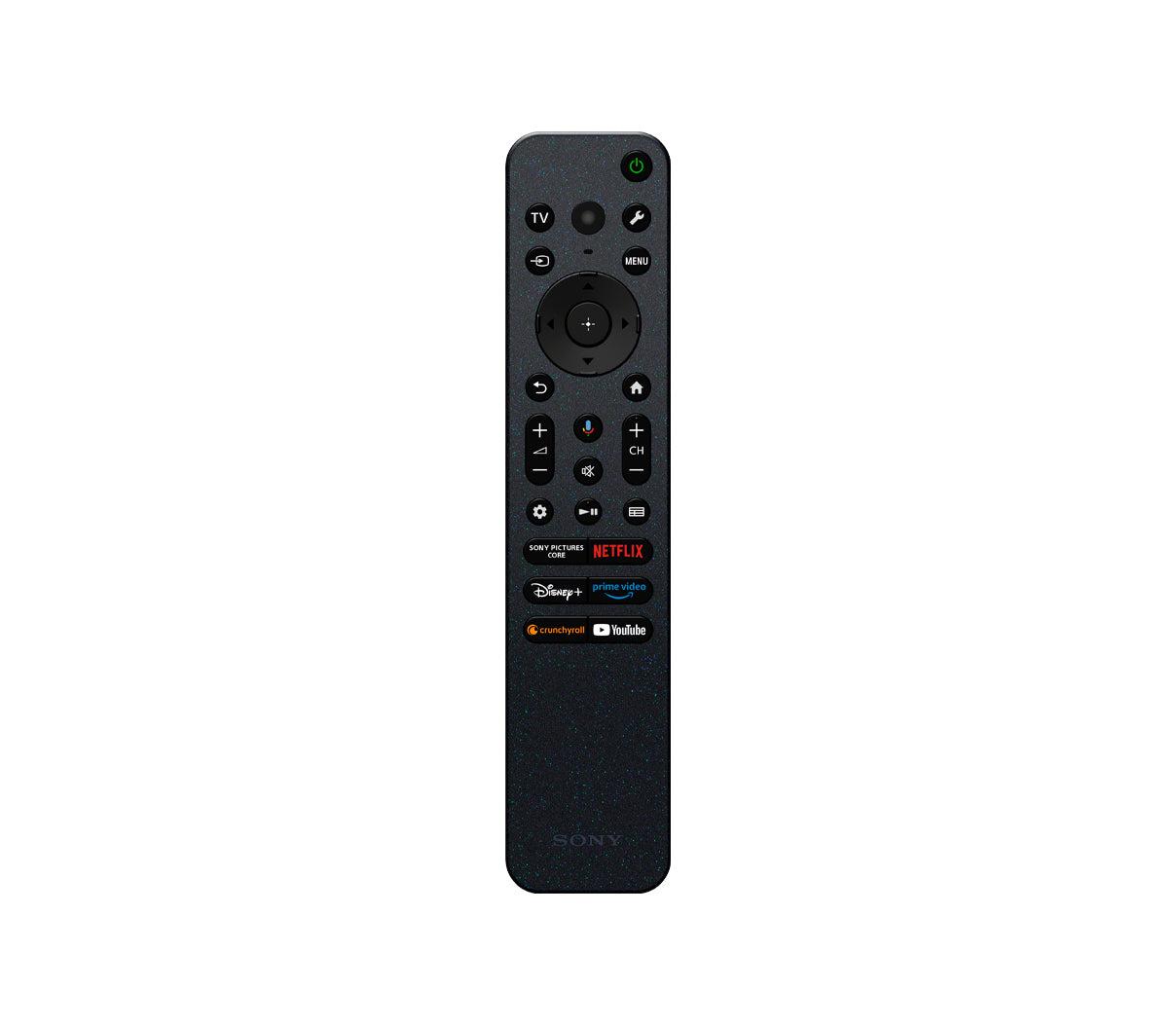
Fire TV excels at content discovery and integrates seamlessly with Amazon's ecosystem. If you're already using Alexa devices, Amazon Prime, or have Amazon music subscriptions, the experience feels cohesive. The Toshiba M550 includes far-field microphones for hands-free voice control, which works reliably according to user feedback.
However, several professional reviews noted performance concerns with the Toshiba M550's implementation. The Fire TV platform appears to strain the TV's processor, with apps sometimes taking 30-60 seconds to launch from sleep mode. This isn't unusual for budget TVs, but it's worth considering if you frequently switch between apps.
Google TV on the Sony BRAVIA 9 offers broader device compatibility with built-in Chromecast and Apple AirPlay 2 support. The interface feels more responsive, though this partially reflects the Sony's more powerful internal hardware. Google Assistant integration works well, and the platform receives more frequent updates than Fire TV.
For home theater enthusiasts, the Sony BRAVIA 9 includes features like Netflix Calibrated Mode and IMAX Enhanced support. These provide picture settings optimized for specific content types, approaching professional monitor accuracy.
Both TVs include respectable audio systems, though with different approaches. The Toshiba M550 features a 2.1 channel setup with a built-in subwoofer, delivering what users describe as surprisingly good bass response for a TV. The REGZA Power Audio Pro system provides clear dialogue and adequate volume for most rooms.
The Sony BRAVIA 9 takes a more sophisticated approach with its Acoustic Multi-Audio+ system. It includes up-firing beam tweeters that create an elevated soundstage, making dialogue and effects appear to come from appropriate screen locations. The Voice Zoom 3 feature uses AI to identify and enhance dialogue clarity, which proves particularly valuable for viewers who struggle with modern movie mixing.
Neither TV eliminates the benefit of a dedicated soundbar, but the Sony BRAVIA 9 comes closer to standalone audio quality. For home theater applications, the Sony's Acoustic Center Sync can coordinate with compatible Sony soundbars to create a more immersive experience.
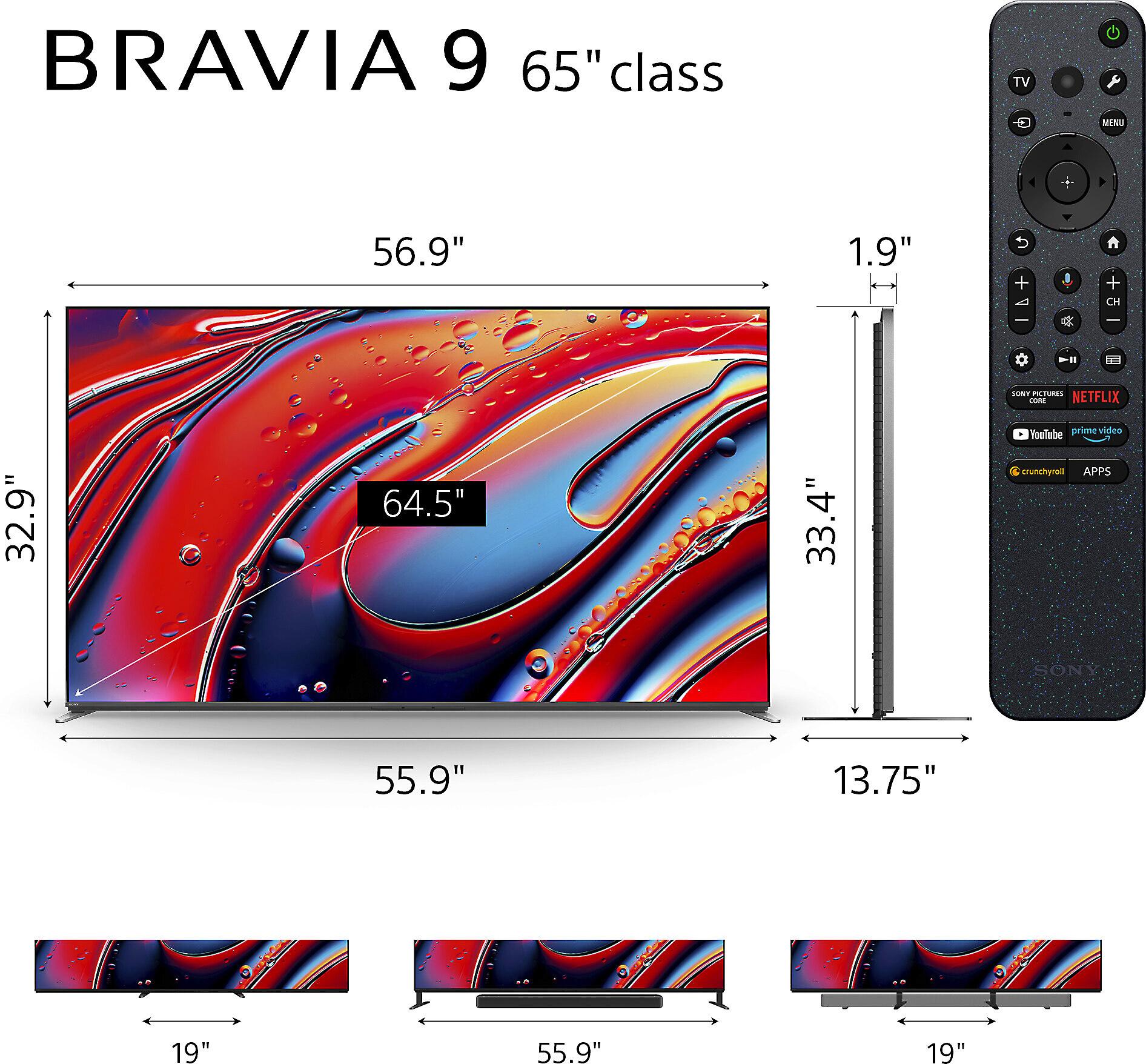
The construction quality reflects each TV's market positioning. The Sony BRAVIA 9 features premium materials, including a metal chassis and sophisticated internal components. At nearly double the weight of the Toshiba, you can feel the substantial construction.
User reviews for the Toshiba M550 reveal some concerns about long-term reliability. Several users report occasional Fire TV freezing, apps exiting unexpectedly, and processing delays during complex scenes. These issues aren't universal, but they're more common than with premium TVs.
The Sony BRAVIA 9 demonstrates the reliability expected from premium products. Professional reviews consistently praise its consistent performance and robust build quality. The higher-quality components and more conservative engineering approach typically translate to longer lifespan.
At the time of writing, the Toshiba M550 costs roughly one-fifth the price of the Sony BRAVIA 9, making value comparison complex. The Toshiba delivers approximately 70-80% of premium TV performance at 20% of the cost – exceptional value by any measure.
For streaming Netflix, YouTube, and cable TV, the performance gap often isn't noticeable. Both TVs handle standard content excellently, with the Toshiba's AI upscaling proving particularly effective for older content.
The Sony justifies its premium through superior HDR performance, gaming capabilities, and future-proofing. If you're building a serious home theater or own next-generation gaming consoles, these advantages become worth the investment.
For dedicated home theater use, the Sony BRAVIA 9 offers several advantages. Its Mini-LED backlighting performs better in light-controlled environments, delivering the deep blacks and bright highlights that make movies cinematic. The XR Processor includes professional calibration modes that approach reference monitor accuracy.
The Toshiba M550 works well for home theater on a budget, particularly in rooms with some ambient light where its limitations are less apparent. The AI Auto View Pro feature helps optimize pictures for different viewing conditions.
Choose the Toshiba M550 if you want flagship-level features without flagship pricing. It's ideal for general viewing, streaming content, and rooms where you want good performance without premium investment. The Fire TV platform suits Amazon ecosystem users, and the overall package delivers outstanding value.
Select the Sony BRAVIA 9 for uncompromising performance. It's worth the investment for serious gamers wanting 4K/120fps, home theater enthusiasts prioritizing picture quality, and anyone who values premium construction and reliability. The Google TV platform offers broader device compatibility and more responsive performance.
Both represent good choices within their categories, but they serve different audiences. The Toshiba maximizes features per dollar, while the Sony maximizes absolute performance. Your choice should align with both your budget and how critically you evaluate TV performance differences – because at the end of the day, both will significantly upgrade your viewing experience from older TVs.
The television market continues evolving rapidly, with new display technologies and smart features appearing annually. Both manufacturers regularly update their software, though Sony typically provides longer support lifecycles. Consider your expected ownership period and whether cutting-edge features matter for your viewing habits.
| Toshiba 65" M550 Series QLED Fire TV | Sony BRAVIA 9 65" 4K UHD Mini LED QLED Smart Google TV |
|---|---|
| Display Technology - The foundation of picture quality | |
| QLED with Full Array Local Dimming (48 zones) | Mini-LED QLED with thousands of individually controlled LEDs |
| Screen Size and Resolution - Same viewing experience fundamentals | |
| 65" 4K UHD (3840 x 2160) | 65" 4K UHD (3840 x 2160) |
| Refresh Rate - Critical for gaming and sports | |
| 60Hz native, supports 120Hz at 1440p/1080p | Native 120Hz with XR Motion Clarity |
| HDR Support - Enhanced contrast and brightness | |
| Dolby Vision, HDR10, HDR10+, HLG | Dolby Vision, HDR10, HLG (missing HDR10+) |
| Gaming Features - Next-gen console compatibility | |
| VRR up to 60Hz, ALLM, Game Mode Plus | Full HDMI 2.1 with 4K/120fps, VRR, ALLM, PS5 optimization |
| Smart Platform - Daily user experience | |
| Fire TV with Alexa voice control | Google TV with Google Assistant, AirPlay 2, Chromecast |
| Audio System - Built-in sound quality | |
| 2.1 channel with subwoofer, REGZA Power Audio Pro | 2.2.2 channel Acoustic Multi-Audio+ with beam tweeters |
| HDMI Ports - Device connectivity | |
| 4 ports (HDMI 2.0, 1 with eARC) | 4 ports (2 HDMI 2.1, eARC support) |
| Processing Power - Performance and responsiveness | |
| REGZA Engine ZR with AI features | XR Processor with Cognitive Processor XR |
| Weight and Build - Installation considerations | |
| 43.9 lbs with stand (lighter, easier mounting) | 76.7 lbs with stand (premium construction, requires sturdy mount) |
| Local Dimming Zones - Contrast control precision | |
| 48 zones (good for budget category) | Thousands of Mini-LED zones (professional-grade precision) |
| Motion Enhancement - Blur reduction technology | |
| Motion Rate enhancement | XR Motion Clarity with advanced processing |
| Voice Control - Hands-free operation | |
| Far-field microphones for Alexa | Google Assistant with hands-free capability |
| Wireless Connectivity - Streaming performance | |
| Wi-Fi, Bluetooth | Wi-Fi 6, Bluetooth, enhanced streaming speeds |
| Color Gamut Coverage - Color accuracy and vibrancy | |
| 90%+ DCI-P3 wide color gamut | XR Triluminos Pro with cognitive color processing |
| Value Proposition - Performance per dollar spent | |
| Exceptional specs at budget pricing | Premium performance at flagship pricing |
The Sony BRAVIA 9 delivers superior picture quality with its Mini-LED technology and thousands of individually controlled LEDs, providing exceptional brightness and contrast. However, the Toshiba M550 offers remarkable picture quality for its price point, with QLED technology and Full Array Local Dimming that delivers vibrant colors and good contrast. For budget-conscious buyers, the Toshiba M550 provides about 70-80% of premium performance at a fraction of the cost.
The Sony BRAVIA 9 justifies its premium pricing for users who prioritize cutting-edge gaming features (4K/120fps), professional-grade HDR performance, and superior build quality. The Toshiba M550 represents exceptional value for general streaming and TV viewing. Choose the Sony if you're building a serious home theater or need advanced gaming capabilities; choose the Toshiba M550 for excellent everyday performance without premium investment.
The Sony BRAVIA 9 significantly outperforms the Toshiba M550 for next-gen gaming. It features full HDMI 2.1 support enabling 4K gaming at 120fps, Variable Refresh Rate (VRR), and Auto Low Latency Mode (ALLM). The Toshiba M550 is limited to 4K/60fps gaming due to HDMI 2.0 ports, though it includes VRR up to 60Hz and decent gaming performance for casual players.
The Sony BRAVIA 9 uses Mini-LED backlighting with thousands of tiny, individually controlled LEDs for precise brightness control and deeper blacks. The Toshiba M550 uses standard QLED with 48 local dimming zones. Mini-LED provides superior contrast and HDR performance, while the Toshiba M550's QLED technology still delivers excellent color accuracy and brightness for its category.
Both platforms excel in different areas. The Toshiba M550's Fire TV integrates seamlessly with Amazon's ecosystem and Alexa devices, offering excellent content discovery. The Sony BRAVIA 9's Google TV provides broader device compatibility with built-in Chromecast and Apple AirPlay 2 support. Choose Fire TV if you're invested in Amazon's ecosystem, or Google TV for more universal device compatibility.
The Sony BRAVIA 9 features a more sophisticated audio system with Acoustic Multi-Audio+ technology, beam tweeters, and Voice Zoom 3 for enhanced dialogue clarity. The Toshiba M550 includes a built-in subwoofer and delivers surprisingly good sound quality for its price range. Both provide adequate audio for most users, but the Sony BRAVIA 9 comes closer to soundbar-quality performance.
The Sony BRAVIA 9 excels at motion handling with its native 120Hz refresh rate and XR Motion Clarity technology, providing smooth action with minimal blur. The Toshiba M550 operates at 60Hz natively with motion enhancement processing. For sports enthusiasts and action movie fans, the Sony's superior motion handling justifies the investment, while the Toshiba M550 handles most content adequately.
The Sony BRAVIA 9 demonstrates exceptional build quality and reliability typical of premium TVs. Some users report occasional performance issues with the Toshiba M550, including Fire TV platform sluggishness and processing delays during complex scenes. However, these issues aren't universal, and the Toshiba M550 generally provides reliable performance for its price category.
For dedicated home theater use, the Sony BRAVIA 9 offers superior performance with its Mini-LED backlighting, professional calibration modes, and reference-quality HDR. It includes features like Netflix Calibrated Mode and IMAX Enhanced support. The Toshiba M550 works well for home theater on a budget, particularly in rooms with ambient light where its performance limitations are less noticeable.
Both TVs support major HDR formats, but with different strengths. The Toshiba M550 supports Dolby Vision, HDR10, HDR10+, and HLG. The Sony BRAVIA 9 supports Dolby Vision, HDR10, and HLG but lacks HDR10+. However, the Sony's Mini-LED backlighting delivers significantly better HDR performance with superior brightness and contrast, making HDR content more impactful than on the Toshiba M550.
For general streaming content, the Toshiba M550 provides exceptional value, delivering excellent picture quality for Netflix, YouTube, and other streaming services at a budget-friendly price. The Sony BRAVIA 9 offers premium streaming performance with features like Netflix Calibrated Mode, but the performance improvement may not justify the cost difference for casual streamers.
The Sony BRAVIA 9 weighs significantly more at 76.7 pounds with stand compared to the Toshiba M550 at 43.9 pounds, reflecting the Sony's premium construction and Mini-LED components. Both TVs are 65 inches, but the Sony requires sturdier mounting hardware for wall installation. The Toshiba M550 is easier to handle during setup and puts less stress on wall mounts.
We've done our best to create useful and informative comparisons to help you decide what product to buy. Our research uses advanced automated methods to create this comparison and perfection is not possible - please contact us for corrections or questions. These are the sites we've researched in the creation of this article: bestbuy.com - bestbuy.com - consumerreports.org - youtube.com - pcvarge.com - tomsguide.com - youtube.com - bestbuy.com - toshibatv-usa.com - marketplace-staging.paytomorrow.com - toshibatv-usa.com - productabout.com - leaseville.com - youtube.com - toshibatv-usa.com - bestbuy.com - bestbuy.com - youtube.com - whathifi.com - crutchfield.com - rtings.com - pcrichard.com - merlinstv.com - youtube.com - sony.ca - electronics.sony.com

Privacy Policy
Terms and Conditions - Affiliate Policy
Home Security
© Copyright 2008-2026.
11816 Inwood Rd #1211, Dallas, TX 75244