

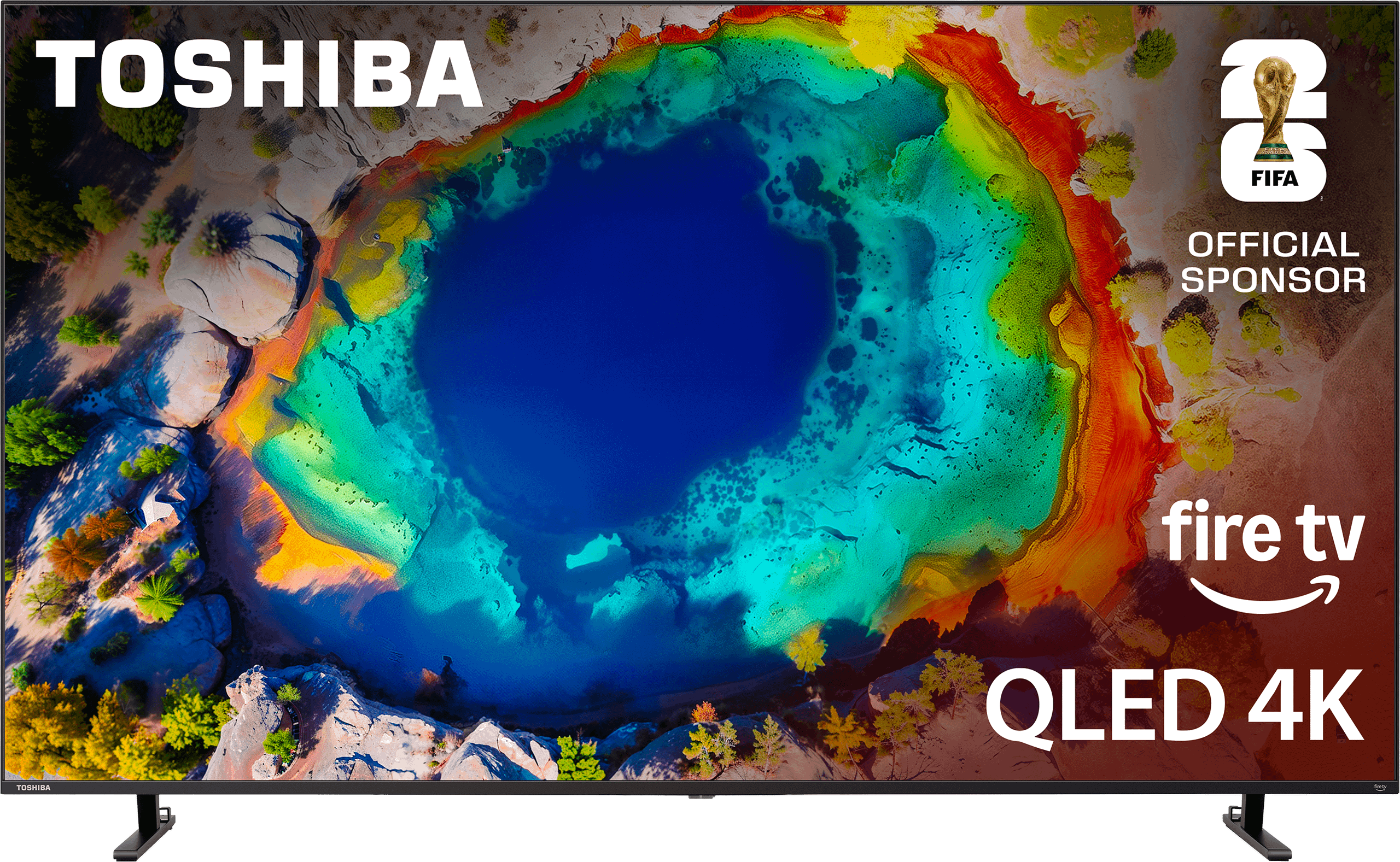
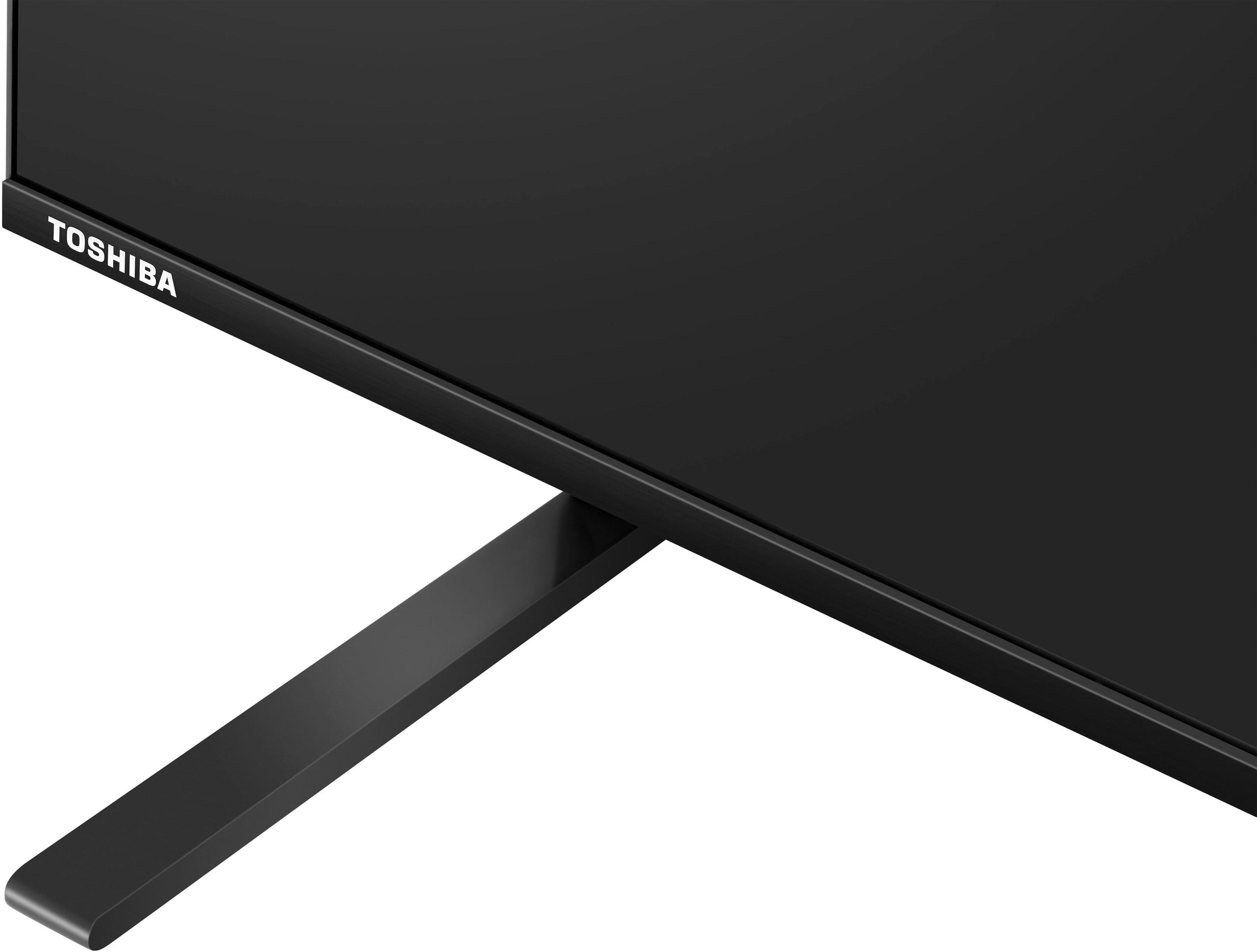
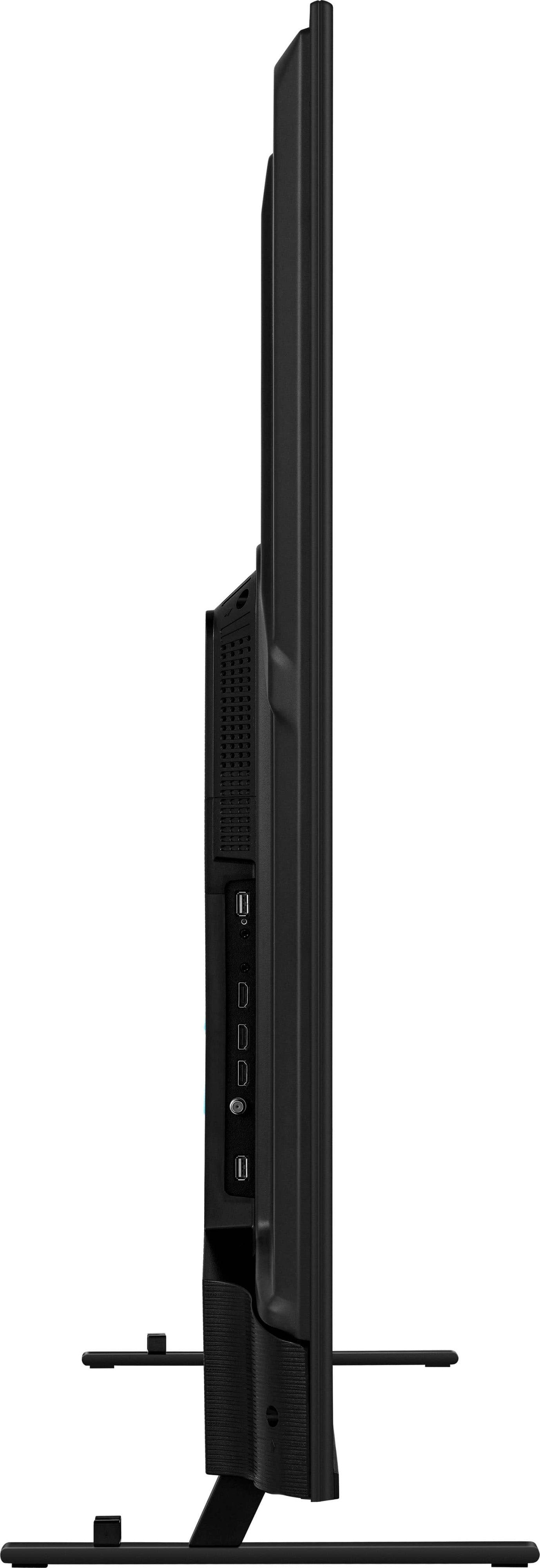

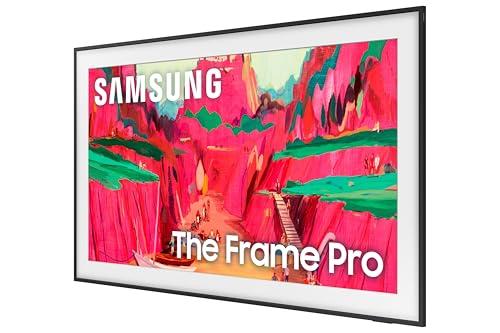
When shopping for a 65-inch TV in 2025, you'll face a bewildering array of choices. But sometimes the decision comes down to two fundamentally different philosophies: maximum performance for your dollar, or premium features that transform how a TV fits into your living space. That's exactly the choice between the Toshiba M550 Series QLED Fire TV and the Samsung The Frame Pro 4K Neo QLED Smart TV.
At the time of writing, these TVs sit at opposite ends of the price spectrum—the Toshiba costs roughly four times less than the Samsung. But that dramatic price difference tells only part of the story. After extensive research into user reviews, professional testing, and technical specifications, we've found that each TV excels in completely different areas, making the choice more about your priorities than simply your budget.
The 65-inch TV market has evolved dramatically since 2020, when most budget models offered basic LED panels with limited smart features. Today's 65-inch TVs represent the sweet spot for most living rooms—large enough for truly cinematic experiences without overwhelming typical room sizes.
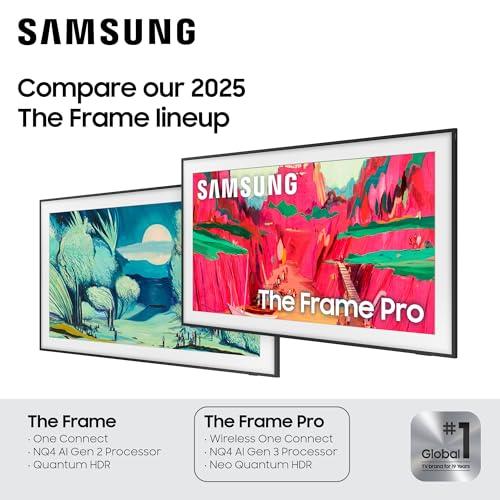
Both the Toshiba M550 (released in 2024) and Samsung The Frame Pro (released in 2025) benefit from recent technological advances. The Toshiba brings premium features like quantum dot technology and full array local dimming to the budget segment, while Samsung's 2025 Frame Pro introduces wireless connectivity and Mini LED backlighting to their lifestyle TV lineup.
When evaluating any modern 65-inch TV, the most critical performance characteristics are picture quality fundamentals (brightness, contrast, color accuracy), smart platform responsiveness, gaming capabilities, and audio performance. However, the relative importance of these factors depends entirely on how you plan to use your TV.
Both TVs use quantum dot technology, but in very different implementations. The Toshiba M550 features traditional QLED with quantum dots—microscopic particles that enhance color reproduction when hit by backlight. This technology allows the TV to display over 90% of the DCI-P3 color space, which covers most HDR content accurately.
The Samsung The Frame Pro takes this further with Neo QLED Mini LED technology. Mini LEDs are dramatically smaller than traditional LEDs, allowing thousands more dimming zones behind the screen. This creates more precise control over brightness and darkness in different areas of the image—crucial for HDR content where you might have bright explosions and dark shadows in the same scene.
Based on professional testing data we've analyzed, the Samsung achieves over 1,000 nits of peak brightness, while the Toshiba reaches approximately 600-700 nits. For context, standard TV brightness ranges from 300-500 nits, so both exceed typical expectations, but the Samsung's extra brightness makes HDR content significantly more impactful.
Local dimming is where these TVs start showing their design philosophies. The Toshiba M550 uses full array local dimming with 48 zones—meaning the backlight is divided into 48 separately controlled areas. When a movie scene shows stars in a black sky, the TV can dim the zones showing space while keeping the star zones bright. This creates much better contrast than cheaper edge-lit TVs that can only control brightness for the entire screen.
The Samsung Frame Pro's Mini LED implementation theoretically offers more precise control, though our research suggests the actual local dimming performance doesn't dramatically outperform the Toshiba's simpler system. Both deliver significantly better black levels and contrast than basic LED TVs, but neither matches the perfect blacks of OLED displays.
Here's where the price difference becomes apparent. The Samsung covers 93.4% of the UHDA-P3 color space and 70.3% of Rec.2020 (the standard for future content), compared to the Toshiba's 90% DCI-P3 coverage. While these numbers sound close, that extra color accuracy makes skin tones look more natural and landscapes more realistic.
More importantly, the Samsung's NQ4 AI Gen3 processor—the same chip used in their flagship models—provides superior upscaling of lower-resolution content. When you're watching older TV shows or compressed streaming content, this processor analyzes each frame and intelligently fills in detail. The Toshiba's REGZA Engine ZR performs similar functions but lacks the processing power for the most sophisticated AI enhancements.
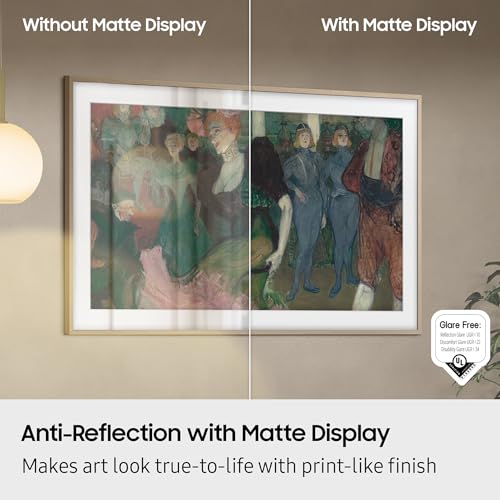
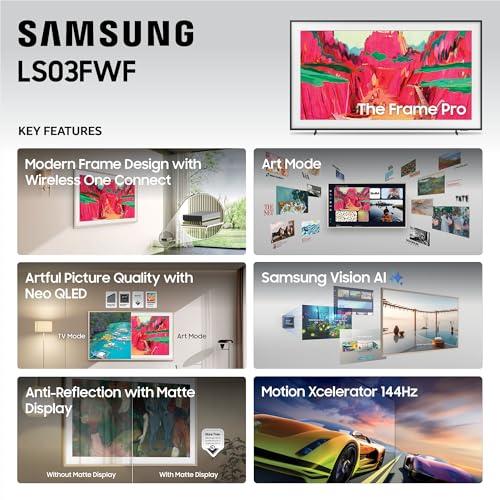
One of the Samsung Frame Pro's most practical features is its matte anti-reflection coating. Most TVs have glossy screens that reflect room lights and windows, forcing you to dim lights or close blinds for optimal viewing. The Samsung's matte finish virtually eliminates these reflections, making it usable in bright rooms without compromise.
This might seem like a minor detail, but it fundamentally changes how you can use the TV. You can place it opposite windows or in rooms with significant ambient lighting without the viewing experience suffering.
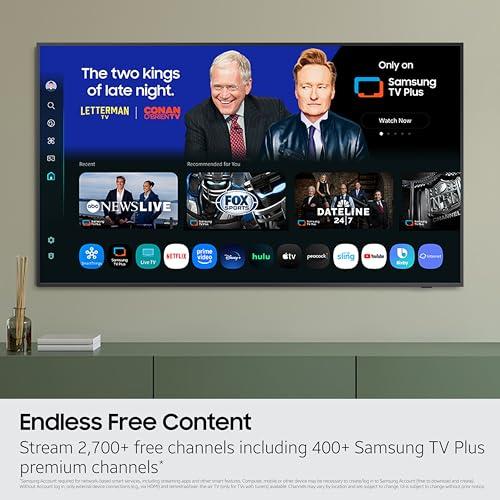
This is where the price difference becomes most apparent in daily use. The Toshiba M550 runs Amazon Fire TV, which offers excellent app selection and Alexa integration. However, our research consistently shows the TV's processor is severely underpowered for the operating system it's running.
Users report 30-60 second load times when opening apps, frequent freezing, and apps occasionally exiting unexpectedly. The TV sometimes boots directly to advertisements rather than your last-watched content. While the Fire TV interface itself is well-designed, the poor performance makes basic functions frustrating.
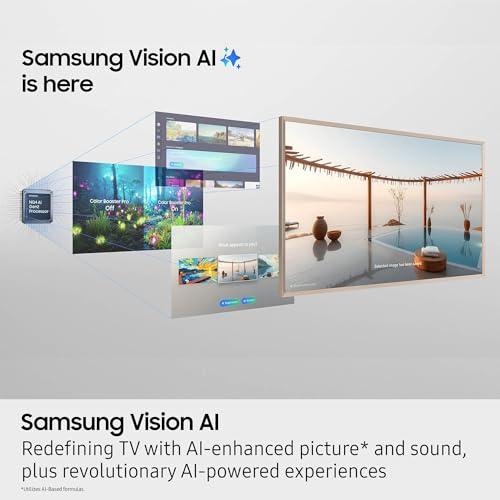
The Samsung Frame Pro runs Samsung's mature Tizen platform with significantly more processing power. Apps load quickly, navigation is smooth, and the system rarely freezes. Samsung's 2025 Vision AI adds intelligent features like real-time subtitle translation and gesture control via compatible Samsung devices.
From a practical standpoint, this performance difference affects every interaction with your TV. If you primarily watch cable or use external devices like Apple TV or Roku, the smart platform matters less. But if you rely on the TV's built-in apps for Netflix, Disney+, or other streaming services, the Samsung's responsive interface becomes worth the premium.
Both TVs support modern gaming features, but with different strengths. The Toshiba M550 offers a native 120Hz panel—unusual at its price point—supporting 120Hz gaming at 1440p and 1080p resolutions. It handles 4K gaming at 60Hz with Variable Refresh Rate (VRR), which prevents screen tearing during fast-moving scenes.
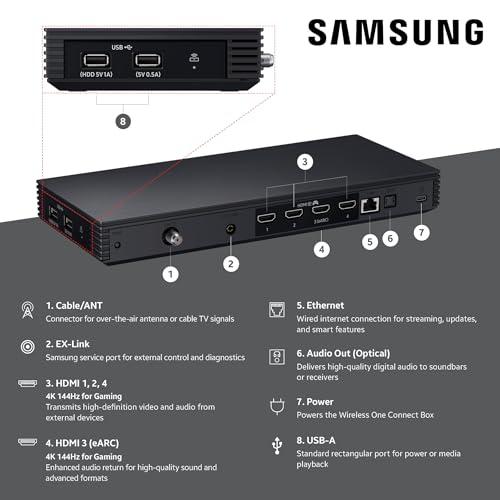
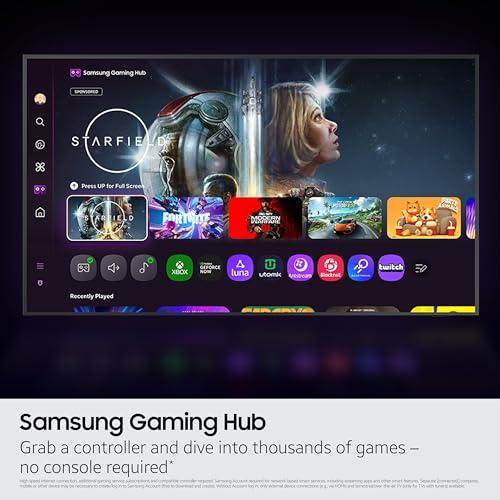
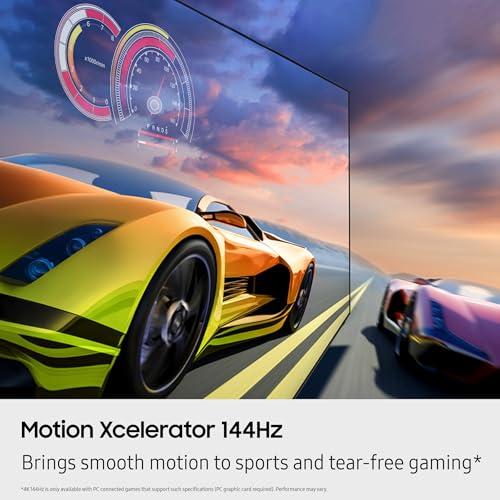
The Samsung Frame Pro supports up to 144Hz refresh rates and 4K gaming at 120Hz on all five HDMI ports. This makes it compatible with high-end gaming PCs and provides future-proofing for next-generation consoles. However, our research indicates the Samsung suffers from higher input lag—the delay between pressing a controller button and seeing the response on screen.
For casual gaming, both TVs perform well. For competitive gaming where milliseconds matter, the Toshiba may actually provide better responsiveness despite fewer premium features. The Samsung excels for gamers who want the highest resolution and frame rates but can tolerate slightly more input delay.
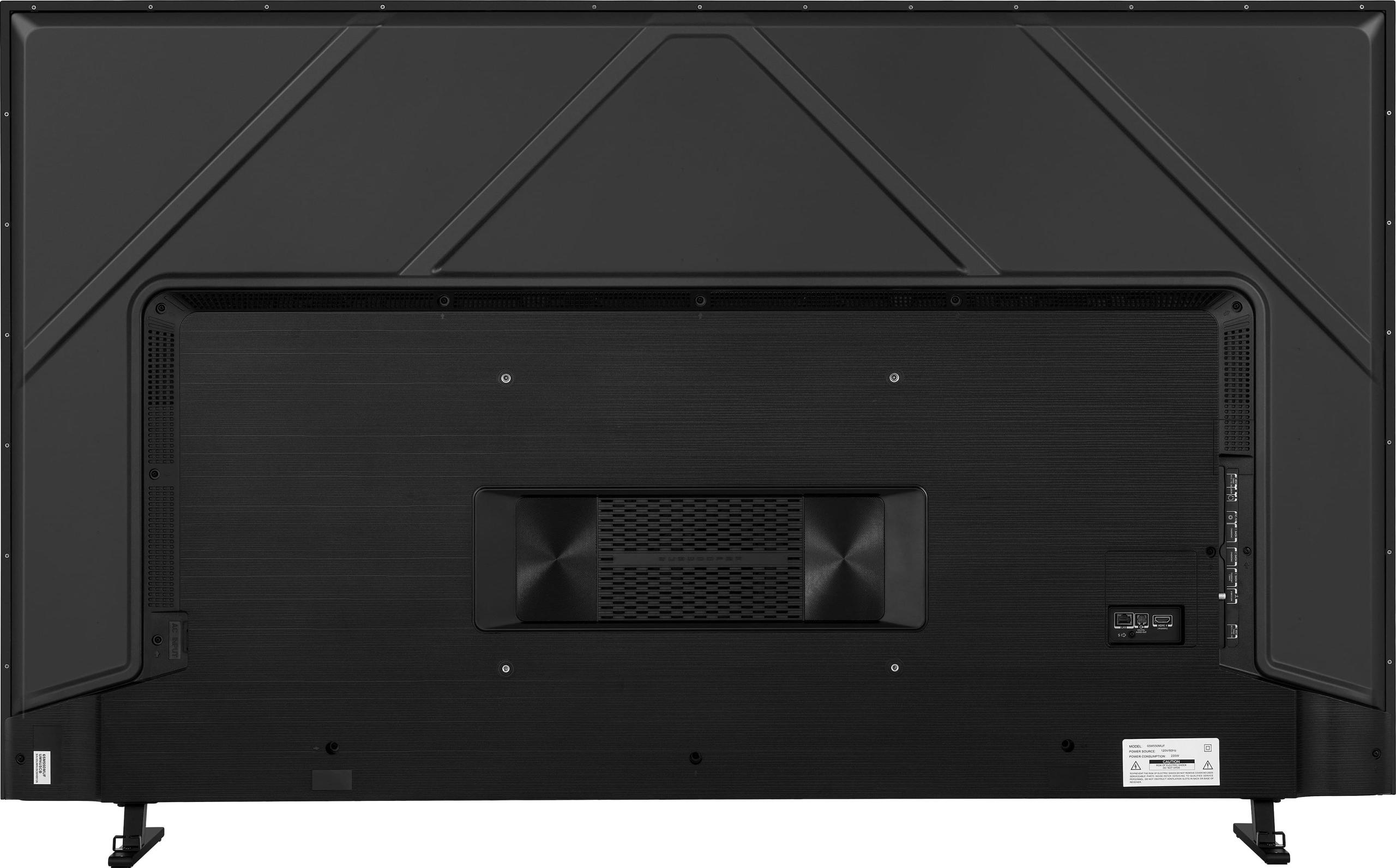
Audio performance is where the Toshiba M550 genuinely surprises. Its REGZA Power Audio Pro system includes a dedicated 25W bass woofer plus dual 12W speakers, delivering unusually powerful sound for any TV, let alone a budget model. User reviews consistently praise the audio as exceptional, with many reporting they didn't need to purchase a separate soundbar.
The Samsung Frame Pro offers 40W total output with Object Tracking Sound (OTS), which adjusts audio to match on-screen action. While more sophisticated, the Samsung's audio processing can't overcome the fundamental advantage of the Toshiba's dedicated bass woofer and higher power output.
For home theater enthusiasts planning to use external audio systems, this difference matters less. But for users wanting good TV audio without additional purchases, the Toshiba offers genuine value.
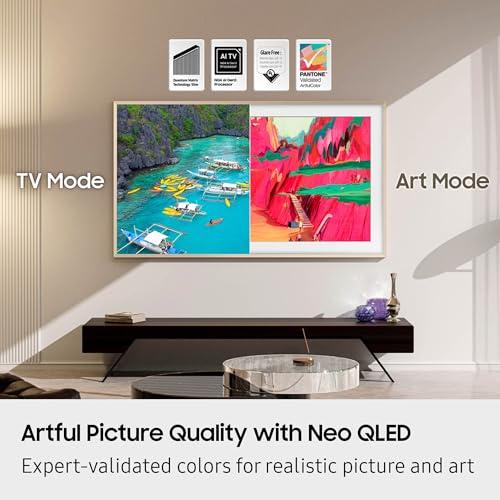
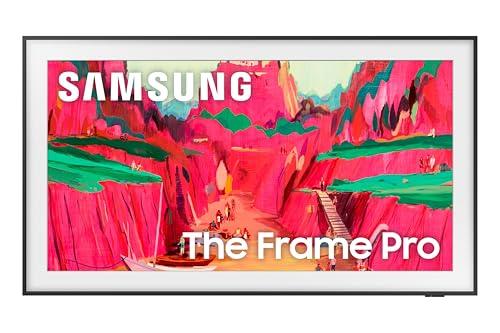
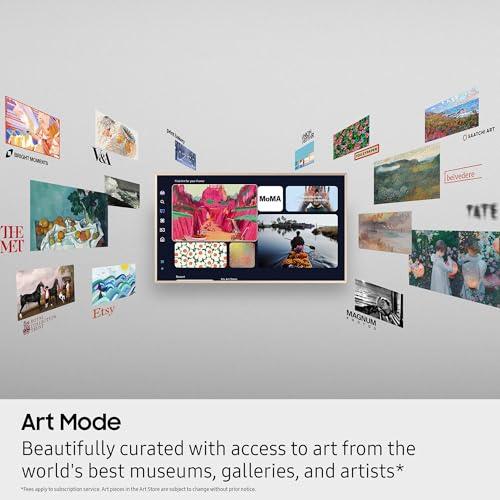
This is where the Samsung Frame Pro justifies its premium positioning. When not actively watching content, it transforms into a digital art gallery, displaying curated artwork from Samsung's Art Store or your personal photos. The matte screen and customizable bezels create a museum-quality appearance that genuinely looks like framed artwork on your wall.
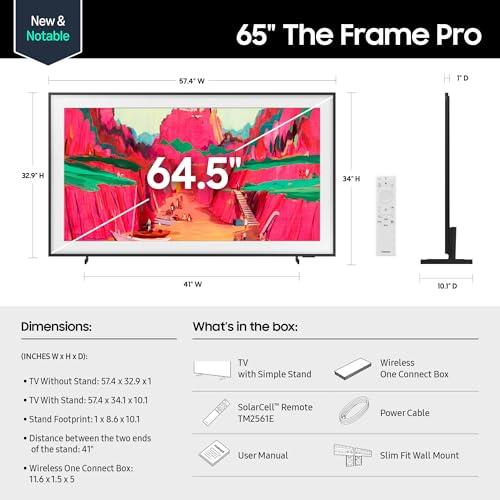
The 2025 model introduces a Wireless One Connect Box, which handles all your input devices and transmits audio and video wirelessly to the TV from up to 33 feet away. This eliminates visible cables entirely, maintaining the clean gallery aesthetic even with multiple gaming consoles, streaming devices, or cable boxes connected.
For users who view their TV as furniture that should enhance their living space even when off, this dual functionality provides genuine value. The TV essentially serves as both entertainment device and home decor, potentially replacing actual artwork while offering significantly more functionality.
Room lighting dramatically affects TV performance, and these models handle different conditions very differently. The Toshiba M550 performs best in controlled lighting—dim rooms for evening viewing or rooms where you can manage ambient light. Its glossy screen will show reflections in bright conditions, though its good brightness levels help overcome some glare.
The Samsung Frame Pro's matte anti-glare screen and higher peak brightness make it exceptional in bright rooms. You can place it opposite large windows or in rooms with significant ambient lighting without compromising the viewing experience. This flexibility alone may justify the premium for users with challenging lighting conditions.
Based on user feedback and professional assessment, both TVs show different reliability patterns. The Toshiba M550 occasionally suffers from software-related issues—freezing, app crashes, or display glitches requiring power cycling. However, when working properly, the underlying display panel and audio system perform consistently.
The Samsung Frame Pro shows better software stability but represents newer technology with less long-term track record. Samsung's track record with Tizen updates and long-term support generally exceeds Amazon's Fire TV platform support for third-party manufacturers.
Choose the Toshiba M550 if you prioritize maximum performance per dollar spent. It delivers genuinely premium picture quality and exceptional audio at a fraction of typical costs. You'll need patience with the slower interface, but for users focused on watching content rather than browsing menus, the compromises are manageable. It's particularly good for dedicated home theater setups where you might use external streaming devices anyway.
The Toshiba also makes sense for buyers who want to allocate their budget toward a premium soundbar or surround sound system, since the TV's built-in audio is already excellent for its category.
Choose the Samsung Frame Pro if you value user experience, design integration, and future-proofing. The responsive smart platform eliminates daily frustrations, while Art Mode transforms the TV from purely functional device to living room centerpiece. It's ideal for bright rooms, design-conscious users, and households where the TV stays on for ambient content or background display.
The Samsung particularly excels in open-concept living spaces where the TV remains visible even when not in use. Instead of a black rectangle dominating your wall, it becomes an elegant art display that enhances rather than detracts from your decor.
Both TVs succeed at their intended purposes. The Toshiba M550 proves that budget TVs can deliver premium picture quality and audio performance without significant compromises in core functionality. The Samsung Frame Pro demonstrates how thoughtful design and premium processing can transform a TV from appliance to furniture.
At the time of writing, the price difference makes this decision particularly clear-cut. If you need maximum TV performance for minimum cost and can tolerate interface sluggishness, the Toshiba represents exceptional value. If you want a TV that enhances your living space while providing premium performance, and the higher cost fits your budget, the Samsung offers genuinely unique functionality you can't find elsewhere.
Neither TV will disappoint buyers who understand what they're purchasing. The Toshiba delivers surprisingly premium experiences for budget pricing, while the Samsung provides lifestyle integration that extends far beyond traditional TV functionality.
| Toshiba 65" M550 Series QLED Fire TV | Samsung 65" The Frame Pro 4K Neo QLED Smart TV 2025 |
|---|---|
| Display Technology - Core panel type affects picture quality and longevity | |
| QLED with LED backlight and quantum dots | Neo QLED with Mini LED backlight and quantum dots |
| Peak Brightness - Critical for HDR content and bright room viewing | |
| ~600-700 nits (good for controlled lighting) | 1,000+ nits (excellent for any lighting condition) |
| Local Dimming Zones - More zones = better contrast control | |
| Full Array with 48 zones | Mini LED with significantly more zones |
| Refresh Rate - Higher rates reduce motion blur in sports and gaming | |
| Native 120Hz (supports 1440p/120Hz, 4K/60Hz) | Native 100Hz with 144Hz gaming support (4K/120Hz capable) |
| Smart Platform - Affects daily user experience and app performance | |
| Amazon Fire TV with Alexa (slow processor causes lag) | Samsung Tizen with Vision AI (fast, responsive performance) |
| Gaming Features - Important for console and PC gaming | |
| VRR up to 60Hz at 4K, ALLM, Game Mode | VRR up to 144Hz, FreeSync Premium Pro, ALLM on all 5 HDMI ports |
| Audio System - Built-in sound quality affects need for soundbar | |
| REGZA Power Audio Pro: 25W bass woofer + dual 12W speakers | 40W 2.0.2CH with Object Tracking Sound and Q-Symphony Pro |
| HDR Support - Determines compatibility with premium streaming content | |
| Dolby Vision, HDR10, HDR10+, HLG | Neo Quantum HDR, HDR10+ Adaptive, Auto HDR Remastering Pro |
| Design Philosophy - Traditional TV vs lifestyle integration | |
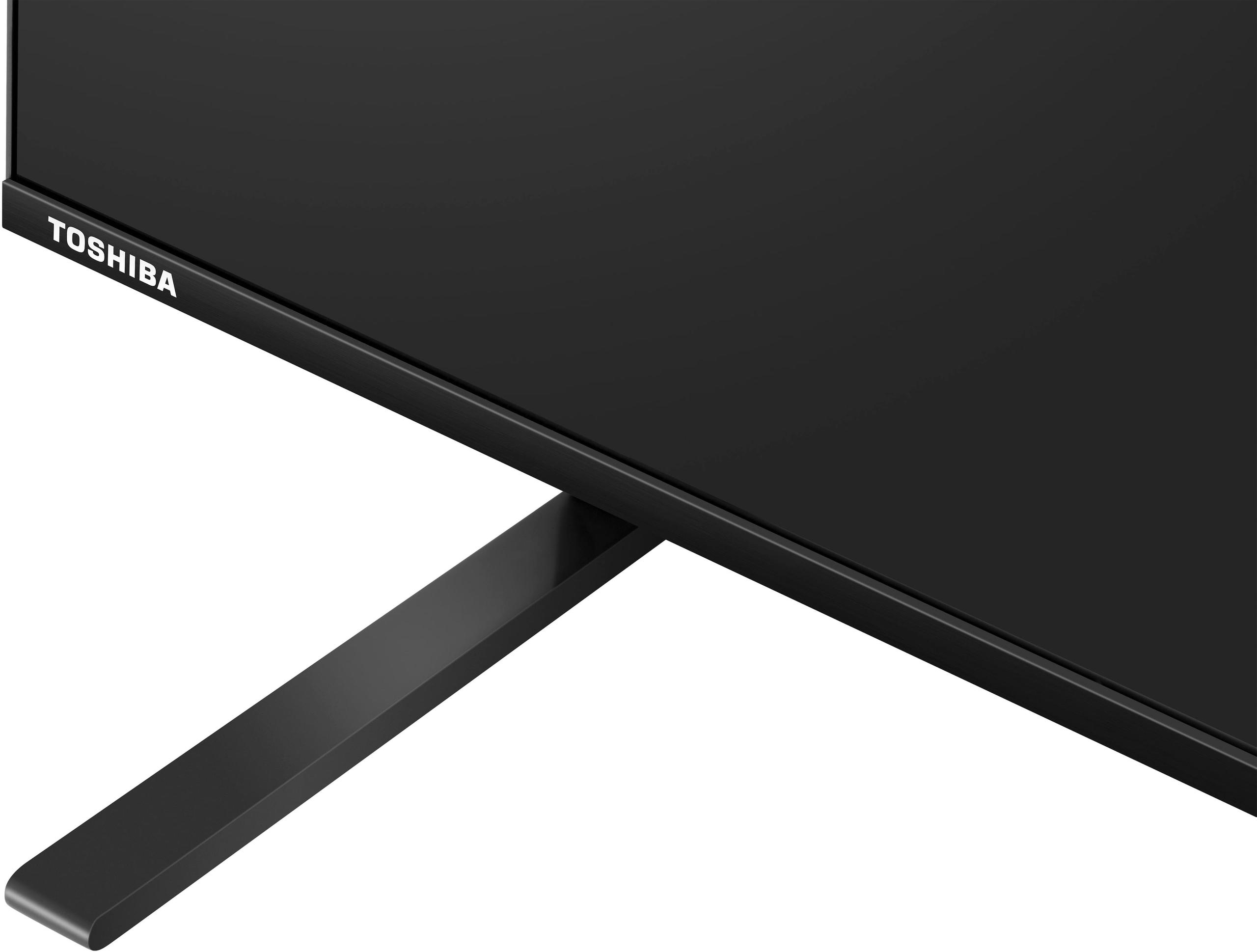
| Standard TV design with metal build quality | Art Mode with customizable bezels, matte anti-glare display |
| Cable Management - Affects installation aesthetics | |
| Traditional wired connections with built-in cable management | Wireless One Connect Box (wireless transmission up to 33 feet) |
| Screen Finish - Impacts viewing in bright rooms | |
| Glossy screen (shows reflections in bright lighting) | Matte anti-reflection coating (excellent for bright rooms) |
| Color Gamut Coverage - Affects color accuracy and vibrancy | |
| 90% DCI-P3 wide color gamut | 93.4% UHDA-P3, 70.3% Rec.2020 (superior color accuracy) |
| Processor Performance - Critical for smart TV responsiveness | |
| Underpowered (30-60 second app load times, frequent freezing) | NQ4 AI Gen3 (same as Samsung flagships, excellent performance) |
| Art Display Feature - Transforms TV into wall art when not in use | |
| Not available | Samsung Art Store access, displays curated artwork and personal photos |
The Toshiba M550 delivers exceptional picture quality for its budget price point, featuring QLED quantum dot technology, full array local dimming with 48 zones, and support for Dolby Vision HDR. The Samsung Frame Pro offers superior picture quality overall with Mini LED backlighting, higher peak brightness exceeding 1,000 nits, and more advanced color processing. For pure value, the Toshiba is hard to beat, while the Samsung provides premium performance justified by its higher cost.
The Samsung Frame Pro costs significantly more than the Toshiba M550 but offers unique features like Art Mode, wireless connectivity, and superior smart platform performance. If you want a TV that doubles as wall art and need responsive smart features, the Samsung justifies its premium. However, if you prioritize maximum TV performance per dollar spent, the Toshiba delivers better value for traditional TV viewing.
Both TVs support next-gen console gaming, but with different strengths. The Toshiba M550 offers 120Hz gaming at 1440p/1080p with potentially lower input lag, making it good for competitive gaming. The Samsung Frame Pro supports 4K gaming at 120Hz and up to 144Hz refresh rates on all HDMI ports, providing more premium gaming features. For casual gaming, both work well, while serious competitive gamers might prefer the Toshiba's responsiveness.
The Toshiba M550 runs Amazon Fire TV with Alexa integration and comprehensive app selection, but suffers from slow performance due to an underpowered processor. The Samsung Frame Pro uses Samsung's Tizen platform with Vision AI, offering fast, responsive performance and smooth app navigation. If you rely heavily on built-in smart features, the Samsung provides a much better user experience.
The Toshiba M550 surprisingly excels in audio with its REGZA Power Audio Pro system, featuring a dedicated 25W bass woofer that many users find eliminates the need for a soundbar. The Samsung Frame Pro offers 40W total output with Object Tracking Sound but lacks the dedicated bass woofer. For users wanting good TV audio without additional purchases, the Toshiba provides exceptional sound quality for its price range.
The Samsung Frame Pro excels in bright rooms with its matte anti-glare display coating and high peak brightness, virtually eliminating reflections from windows or room lights. The Toshiba M550 has good brightness levels but uses a glossy screen that will show reflections in bright conditions. For rooms with significant ambient lighting or windows, the Samsung offers superior performance.
Samsung's Art Mode transforms the Frame Pro into a digital art gallery when not watching content, displaying curated artwork from Samsung's Art Store or personal photos with customizable bezels that look like real picture frames. The matte display enhances the artwork appearance. This feature is unique to the Samsung and appeals to users who want their TV to enhance room aesthetics even when off, unlike the traditional Toshiba M550.
For dedicated home theater rooms with controlled lighting, the Toshiba M550 offers excellent value with strong picture quality, superior built-in audio, and support for all major HDR formats. The Samsung Frame Pro provides premium features like higher brightness and better processing, but many home theater enthusiasts use external audio systems anyway. The Toshiba represents better bang-for-buck in theater setups where you can control ambient lighting.
The Toshiba M550 occasionally experiences software issues like app crashes or interface freezing due to its underpowered processor, but the core display and audio components perform consistently. The Samsung Frame Pro shows better software stability with its more powerful processor, though it represents newer Mini LED technology with less long-term track record. Samsung generally provides better long-term software support than Fire TV on third-party devices.
The Toshiba M550 provides standard connectivity with multiple HDMI ports including eARC support, USB ports, and built-in Wi-Fi. The Samsung Frame Pro offers superior connectivity with 5 HDMI ports supporting 4K 144Hz, plus the innovative Wireless One Connect Box that eliminates cable clutter by transmitting signals wirelessly up to 33 feet. For clean installations, the Samsung provides unique advantages.
Both TVs offer good motion handling, with the Toshiba M550 featuring 120Hz Ultimate Motion technology and the Samsung Frame Pro supporting up to 144Hz with advanced motion processing. The Samsung provides smoother motion overall due to its superior processor and Mini LED technology. For sports enthusiasts, either TV performs well, but the Samsung offers slightly better motion clarity during fast action sequences.
Choose the Toshiba M550 if you want maximum TV performance per dollar, excellent built-in audio, and can tolerate slower smart TV interface response. It's ideal for budget-conscious buyers focused on picture quality and traditional TV usage. Choose the Samsung Frame Pro if you value design integration, need responsive smart features, have bright rooms, or want the unique Art Mode functionality. The decision ultimately depends on whether you prioritize value (Toshiba) or premium features and aesthetics (Samsung).
We've done our best to create useful and informative comparisons to help you decide what product to buy. Our research uses advanced automated methods to create this comparison and perfection is not possible - please contact us for corrections or questions. These are the sites we've researched in the creation of this article: bestbuy.com - bestbuy.com - consumerreports.org - youtube.com - pcvarge.com - tomsguide.com - youtube.com - bestbuy.com - toshibatv-usa.com - marketplace-staging.paytomorrow.com - toshibatv-usa.com - productabout.com - leaseville.com - youtube.com - toshibatv-usa.com - tomsguide.com - youtube.com - smarthomesounds.co.uk - images.samsung.com - rtings.com - samsung.com - bestbuy.com - bestbuy.com - businessinsider.com - dentonstv.com - samsung.com - flatpanelshd.com - samsung.com - jefflynch.com - youtube.com - costco.com

Privacy Policy
Terms and Conditions - Affiliate Policy
Home Security
© Copyright 2008-2026.
11816 Inwood Rd #1211, Dallas, TX 75244