

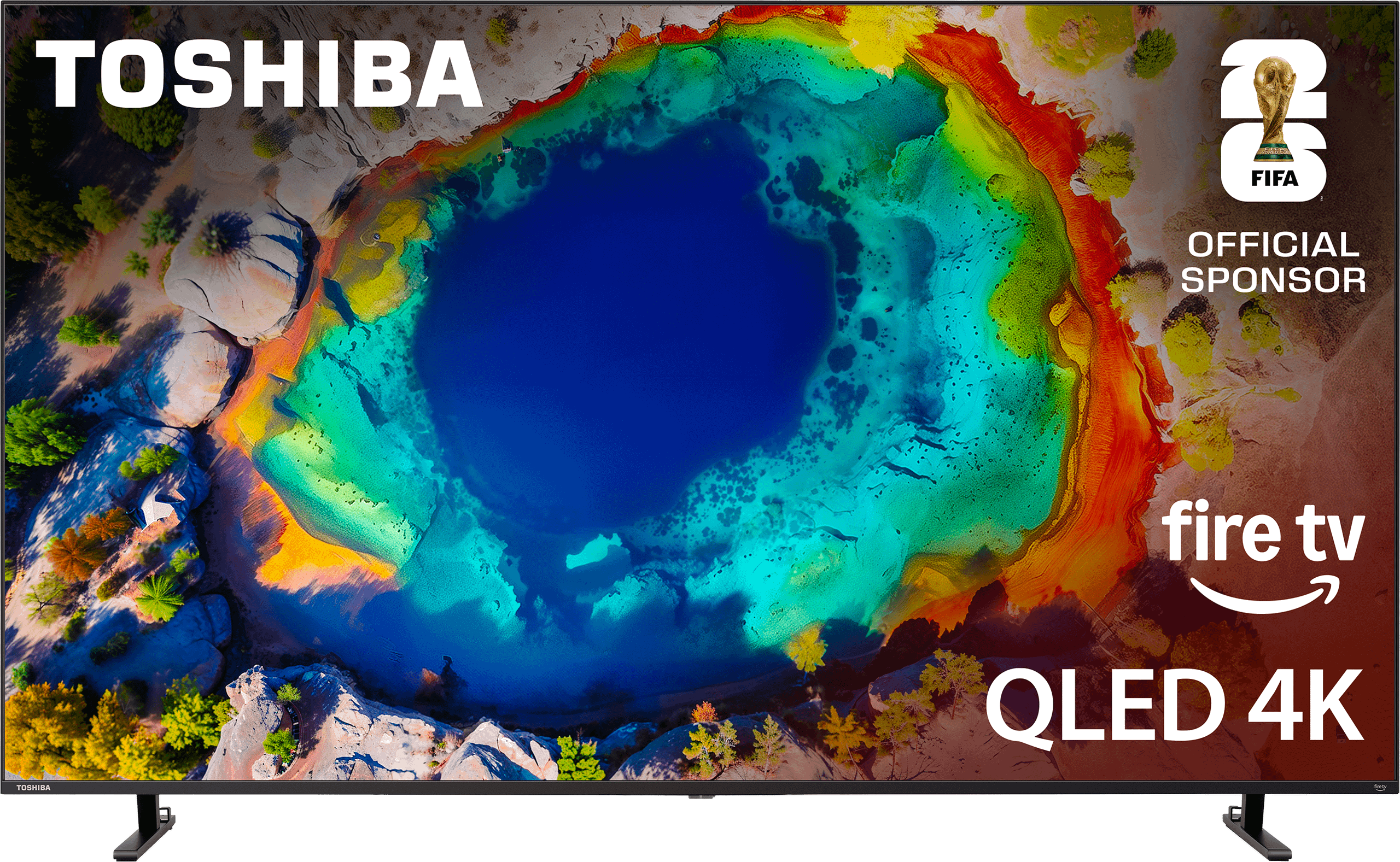
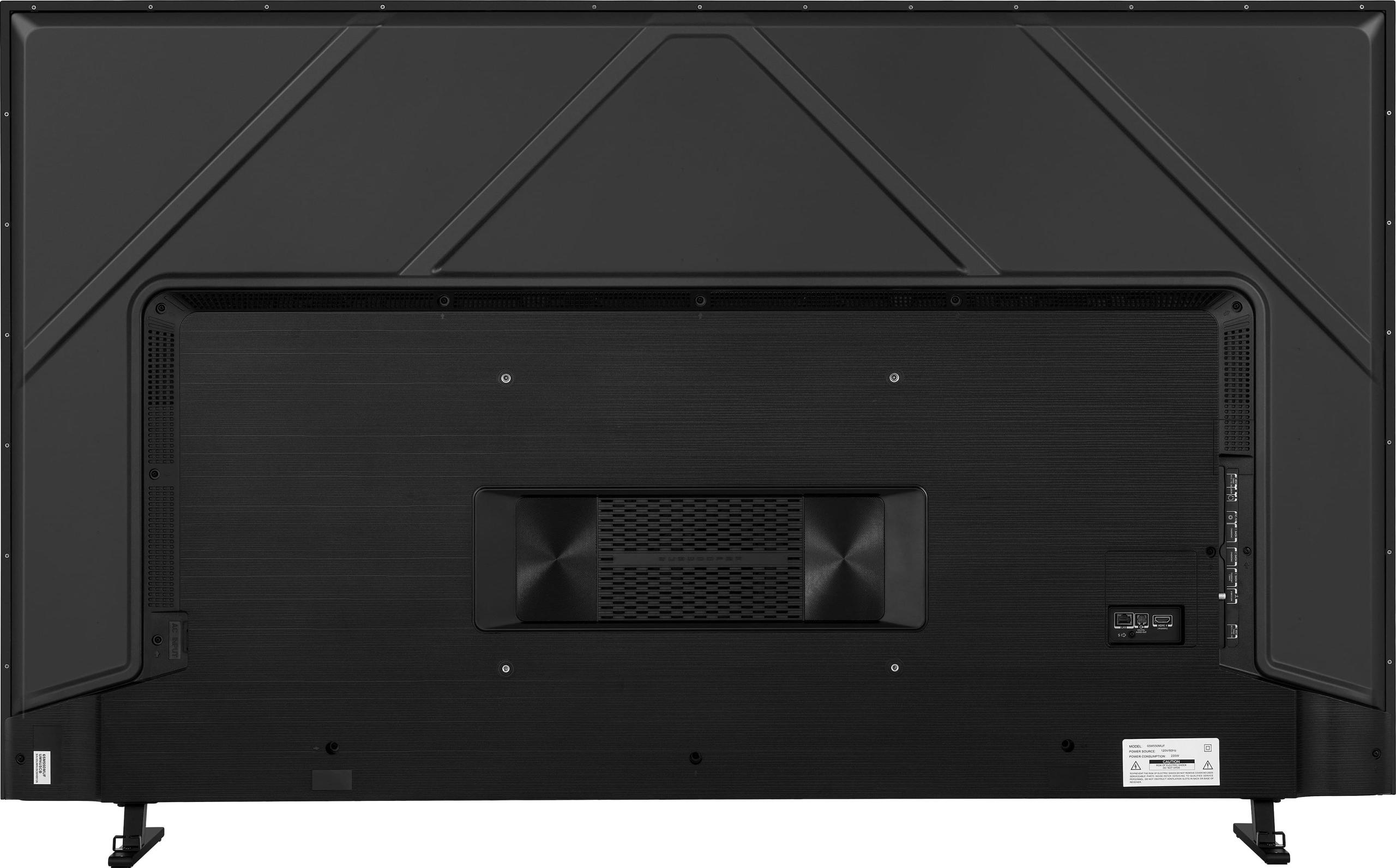
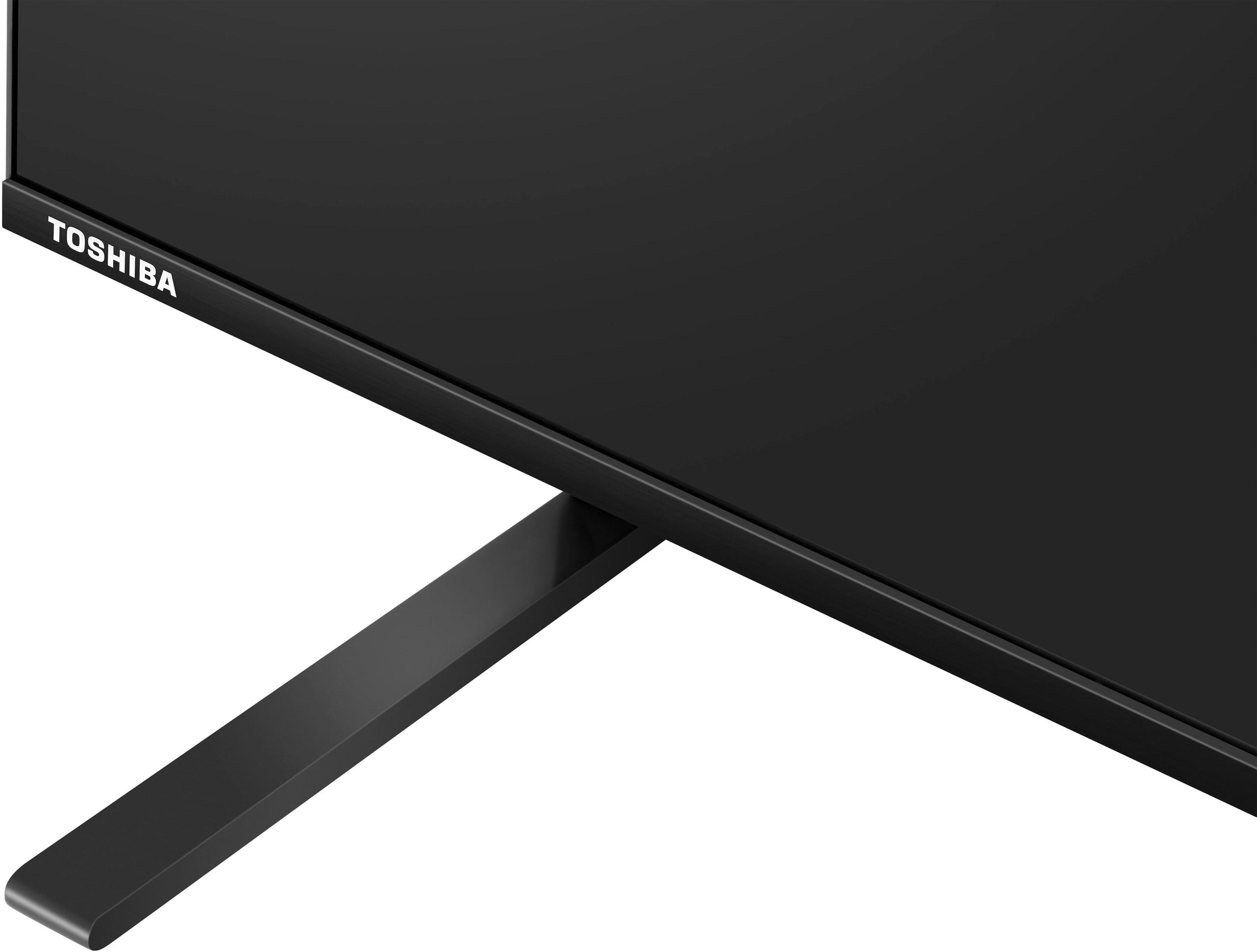
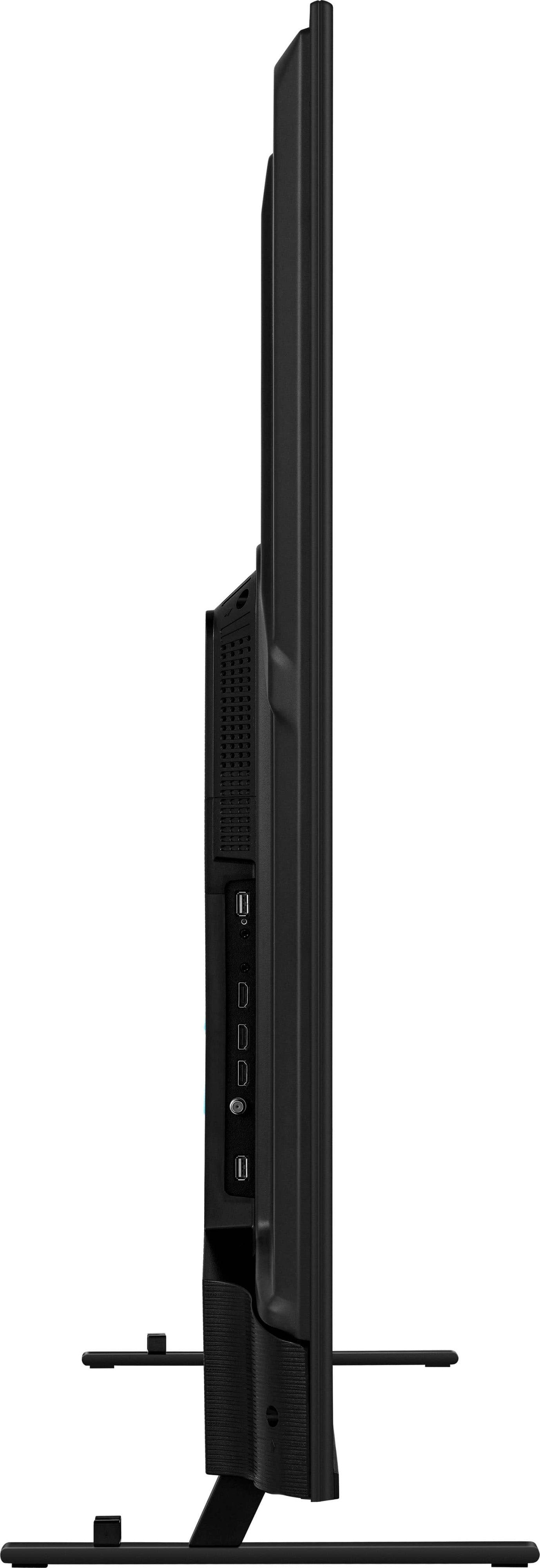
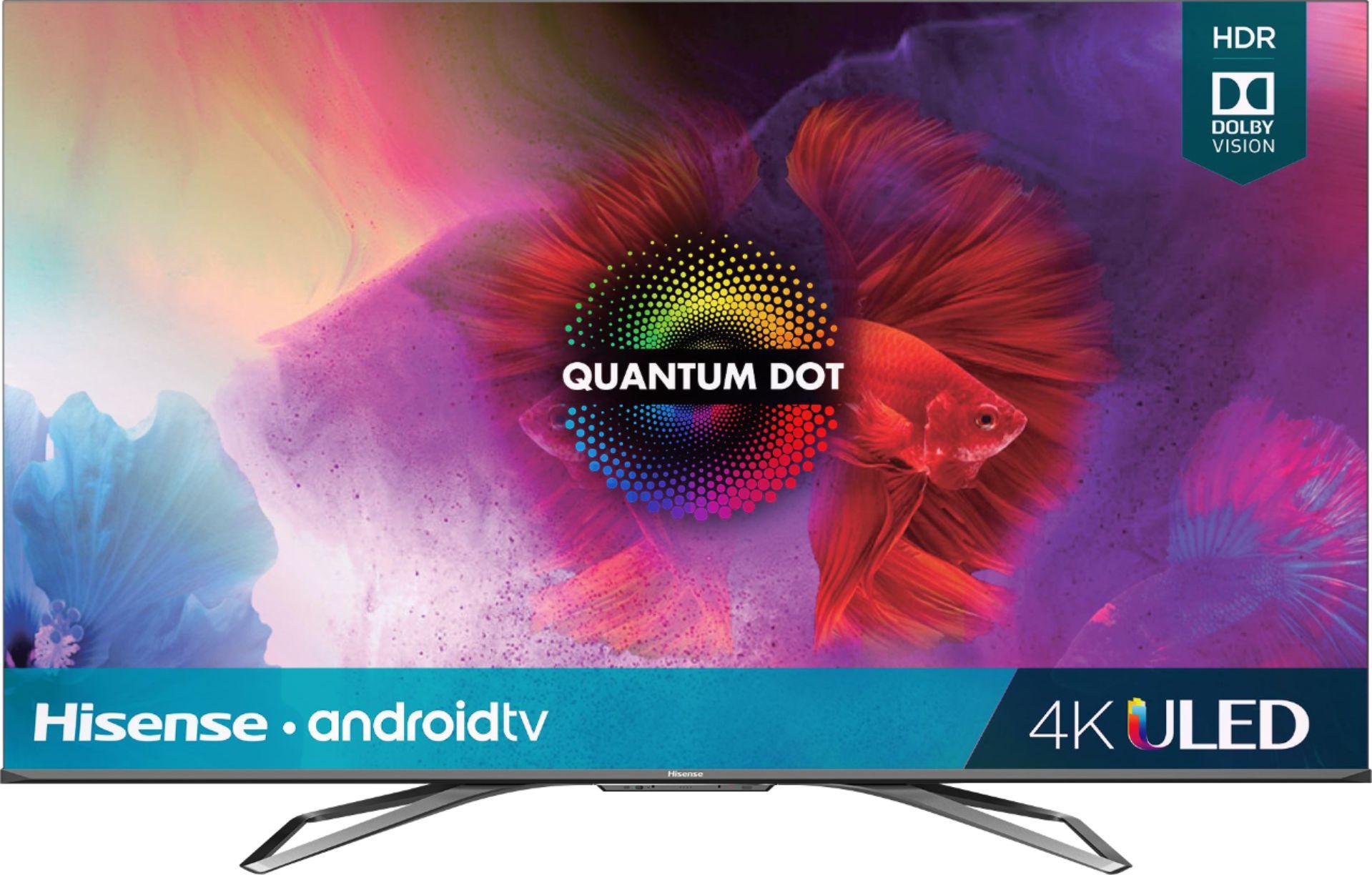
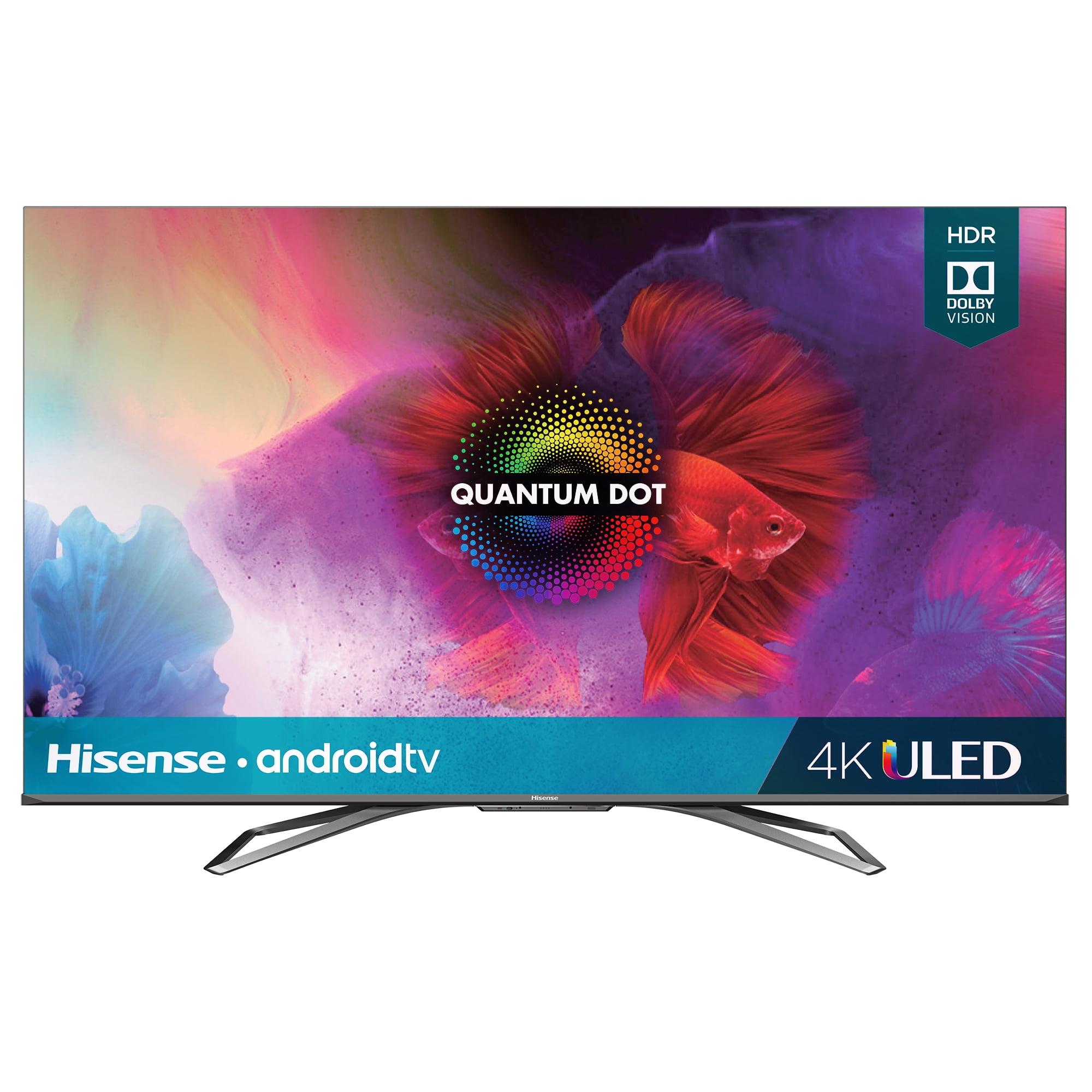
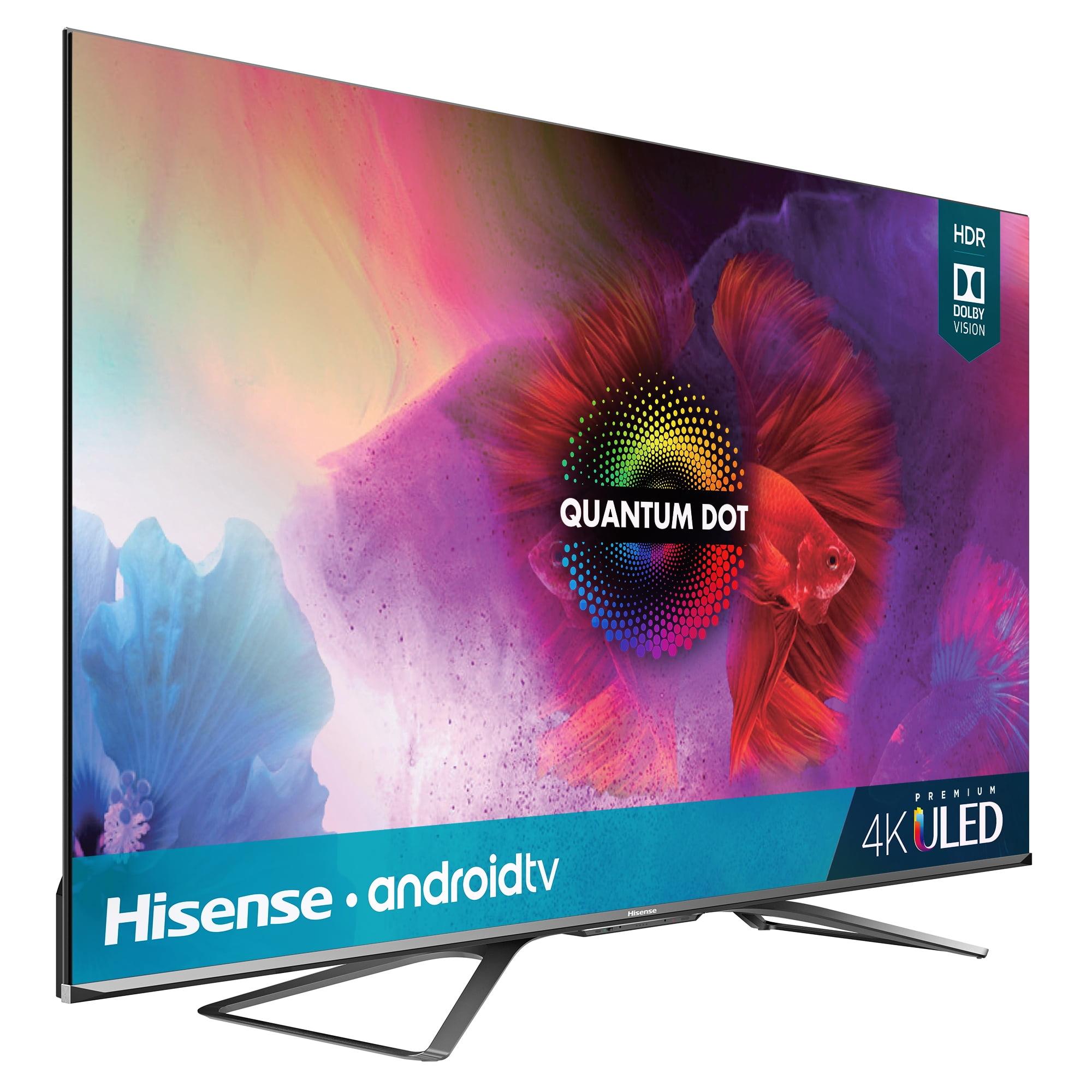

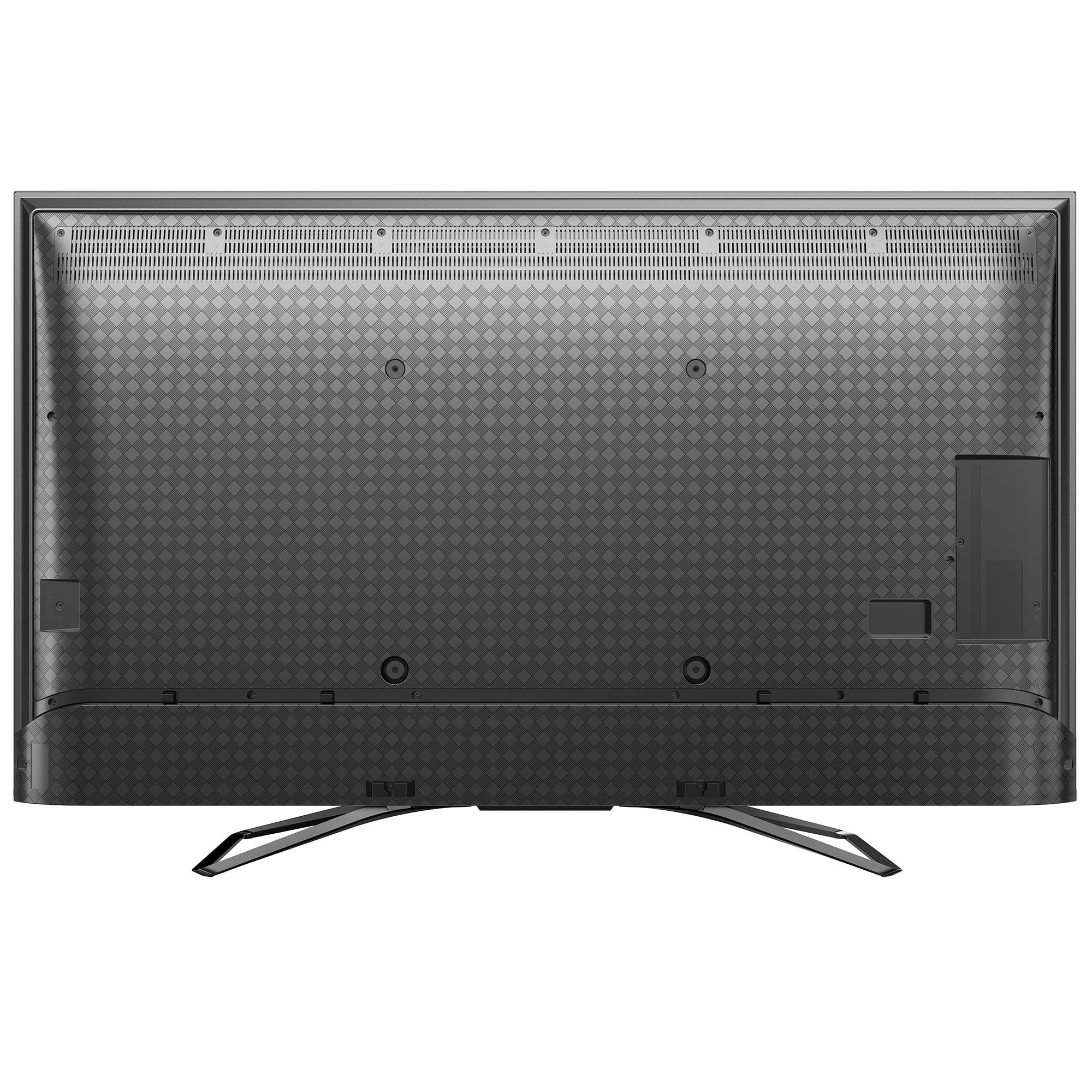
When you're shopping for a 65-inch TV that delivers premium picture quality without the premium price tag, two models consistently rise to the top: the Toshiba M550 Series QLED Fire TV and the Hisense H9G Quantum Series. Both represent what manufacturers call "QLED" technology - though as we'll discover, they approach this quite differently - and both target that sweet spot where performance meets affordability.
The TV market has evolved dramatically since these models launched. The Toshiba M550 represents a 2025 release, incorporating lessons learned from years of QLED development, while the Hisense H9G debuted earlier as Hisense's flagship quantum dot offering. Understanding what's changed in TV technology since then - and what hasn't - is crucial for making the right choice.
Let's start with the elephant in the room: what exactly is QLED, and why should you care? QLED stands for Quantum Dot Light Emitting Diode, which sounds incredibly fancy but boils down to a layer of microscopic particles that convert light into more accurate, vibrant colors. Think of it as a translator between the TV's backlight and your eyes, ensuring colors appear more lifelike than traditional LED displays.
But here's where it gets interesting - not all QLED implementations are created equal. The Toshiba M550 uses what they call "QLED Color" with quantum dot technology covering over 90% of the DCI-P3 color space (that's the standard used by movie studios). Meanwhile, the Hisense H9G employs their "Quantum Dot" system within their ULED framework, promising over a billion color combinations.
The key considerations when evaluating any TV in this category include picture brightness (measured in nits), color accuracy, contrast performance, motion handling, smart TV responsiveness, and overall value proposition. At the time of writing, both models offer compelling but different approaches to these fundamentals.
Peak brightness determines how vivid and impactful your content looks, especially HDR (High Dynamic Range) movies and shows. HDR content is mastered at brightness levels that can reach 1000 nits or higher - think of nits as units of brightness, where a typical indoor room might be 100-200 nits.
The Hisense H9G takes a clear lead here with 1000-nit peak brightness across 180 local dimming zones. Local dimming zones are sections of the backlight that can independently brighten or dim, creating better contrast between bright and dark areas of the image. With 180 zones, the H9G can create remarkably precise shadows and highlights - imagine watching a sunset scene where the bright sky doesn't wash out the darker foreground details.
The Toshiba M550, by comparison, offers full-array local dimming but with only 48 zones. This is still excellent for the price range, but you'll notice less precise control over contrast. In practical terms, you might see some "blooming" - where bright objects create halos in adjacent dark areas - though this is only noticeable in challenging content like star fields or bright text on black backgrounds.
Both TVs excel at color reproduction, but they achieve it differently. The Hisense H9G emphasizes wide color gamut mapping, which means it can display a broader range of colors than standard TVs. This becomes apparent in nature documentaries or animated films where you'll see more distinct shades of green in forests or deeper, more varied blues in ocean scenes.
The Toshiba M550 focuses on color accuracy over pure range, with their QLED Color technology ensuring that flesh tones look natural and colors remain realistic across different content types. Based on professional reviews, this approach works well for mixed content consumption - skin tones in movies look natural, while vibrant content like sports broadcasts still pop appropriately.
Both models support the complete HDR suite: Dolby Vision, HDR10, HDR10+, and HLG (Hybrid Log-Gamma). Dolby Vision is the premium standard, using dynamic metadata that adjusts brightness and color scene-by-scene for optimal presentation. However, supporting these formats and executing them well are different things.
The Hisense H9G delivers superior HDR performance thanks to its higher peak brightness and more precise local dimming. When watching HDR content on Netflix or streaming 4K Blu-rays, you'll see more dramatic differences between bright and dark areas, creating that "window into another world" effect that good HDR provides.
The Toshiba M550 handles HDR adequately but is more limited by its brightness capabilities. It still provides a noticeable improvement over standard content, but won't deliver the same jaw-dropping highlights in scenes like sunlit landscapes or explosive action sequences.
This is where the Hisense H9G shows its age - in a good way. It features a native 120Hz panel with Motion Rate 480 processing, meaning it can display 120 individual frames per second while using advanced algorithms to smooth motion further. For sports viewing, this translates to crisp player movements and clear ball tracking without the soap opera effect that over-aggressive motion processing can create.
The Toshiba M550 takes a more complex approach with a 60Hz native refresh rate that can handle 120Hz at lower resolutions (1440p and 1080p). This matters primarily for gaming, where newer consoles can output high frame rates at these resolutions for incredibly smooth gameplay.
Modern gaming has specific requirements that didn't exist when older TVs were designed. Variable Refresh Rate (VRR) syncs the TV's refresh with your console's output, eliminating screen tearing. Auto Low Latency Mode (ALLM) automatically switches to game mode when it detects a console, minimizing input lag.
The Toshiba M550 includes both VRR (up to 60Hz at 4K) and ALLM, plus supports Dolby Vision gaming at 60fps - a feature that enhances HDR gaming on Xbox Series X and PS5. Game Mode Plus further reduces input lag, making competitive gaming more responsive.
The Hisense H9G lacks VRR support, which was less common when it was designed, but offers excellent input lag performance in game mode. For casual gaming, this won't matter much, but serious gamers will appreciate the Toshiba's more comprehensive gaming feature set.
However, professional reviews noted that the Toshiba M550 struggles with motion handling in non-gaming content. Fast-action movies can show phantom images around moving objects, and busy scenes can appear to stutter. This is a significant limitation if you frequently watch action movies or sports.
The smart TV experience often determines long-term satisfaction more than picture quality specs. The Hisense H9G runs Android TV with Google Assistant integration, providing access to the Google Play Store's extensive app library. Android TV has matured significantly since this model's release, offering a generally stable and responsive experience.
The Toshiba M550 uses Amazon's Fire TV platform with built-in Alexa voice control. Fire TV excels at content discovery and integrates seamlessly with Amazon's ecosystem, but reviews consistently mention performance issues. The processor appears underpowered relative to the operating system demands, resulting in slow app loading times and occasional freezes.
Based on user feedback, the Toshiba can take 30-60 seconds to load apps when waking from sleep, and navigation can feel sluggish. This is particularly frustrating in daily use, where you just want to quickly switch between Netflix and YouTube.
The Toshiba M550 includes far-field microphones for hands-free Alexa control - you can change channels, adjust volume, or search for content without touching the remote. This convenience factor is significant if you're already invested in Amazon's smart home ecosystem.
The Hisense H9G requires the included voice remote for Google Assistant commands but integrates well with Google services and Chromecast functionality. If you're a Google ecosystem user, the seamless casting from phones and tablets provides excellent convenience.
Here's where the Toshiba M550 delivers an unexpected advantage. Its REGZA Power Audio Pro system includes dedicated bass woofers and clear direct speakers, producing 40W of output with genuine 2.1 channel sound. Multiple reviews noted that the built-in audio is good enough to avoid purchasing a separate soundbar - rare praise for any TV's built-in speakers.
The Hisense H9G provides standard 20W stereo speakers (10W per channel) with Dolby Atmos processing. While adequate for casual viewing, most users will want to invest in external audio for an optimal experience.
Both support Dolby Atmos, but Atmos processing through quality built-in speakers (like the Toshiba's) provides better results than Atmos processing through basic speakers attempting to create virtual surround effects.
At the time of writing, the Toshiba M550 offers exceptional value, particularly given its frequent promotional pricing. The combination of QLED color technology, comprehensive gaming features, and superior built-in audio creates a compelling package for budget-conscious buyers who want premium features.
The Hisense H9G, being an older flagship model, typically commands higher prices but delivers superior core picture quality. The 180-zone local dimming and 1000-nit brightness provide a viewing experience that competes with much more expensive TVs.
For dedicated home theater setups, the Hisense H9G edges ahead due to its superior contrast control and peak brightness. Movie nights benefit from the more precise local dimming, which creates that inky black background crucial for cinematic presentation. The 120Hz panel also handles 24fps film content more gracefully.
However, the Toshiba M550 might be preferable for multi-purpose family rooms where built-in audio quality matters and gaming capabilities are valued. The convenience of not needing a soundbar, combined with modern gaming features, makes it practical for everyday use.
Since the Hisense H9G launched, TV technology has advanced in several key areas. Newer models typically include more gaming features (like VRR and ALLM), improved smart TV processors, and better motion handling algorithms. The Toshiba M550 benefits from these developments but makes compromises in processing power to hit its price point.
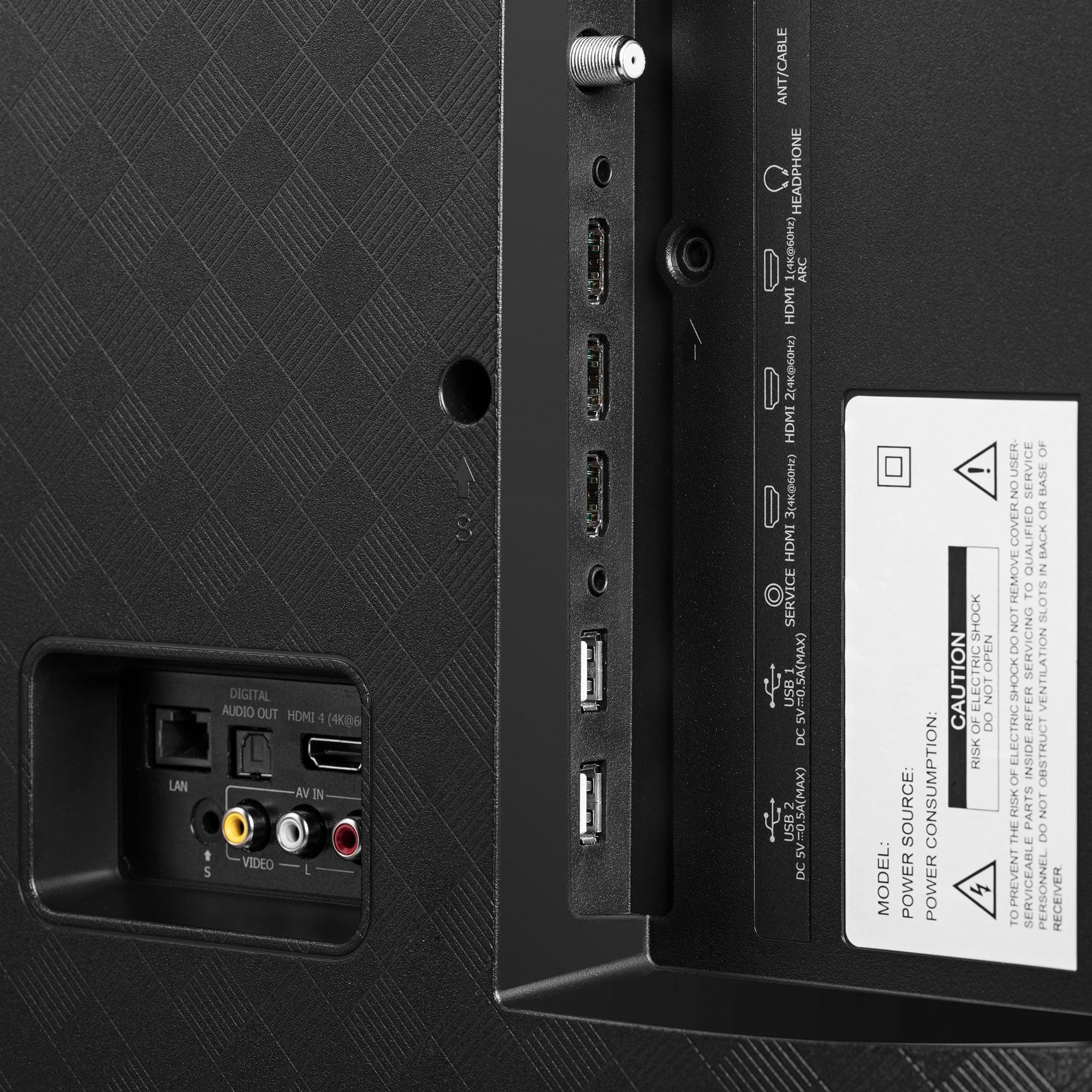
Both TVs include four HDMI ports with one supporting eARC (enhanced Audio Return Channel) for soundbar connectivity, ensuring compatibility with current and future devices.
Choose the Hisense H9G if picture quality is your primary concern and you're willing to invest in external audio. Its superior brightness, contrast control, and motion handling make it ideal for movie enthusiasts and sports fans who want the best possible viewing experience. The stable Android TV platform and Google ecosystem integration add value for users already invested in Google services.
Choose the Toshiba M550 if you want a well-rounded package that excels in specific areas while offering excellent overall value. The superior built-in audio, comprehensive gaming features, and QLED color technology create a compelling option for families who need one TV to handle everything from Netflix binges to PS5 gaming sessions.
However, avoid the Toshiba if you frequently watch action movies or sports, where its motion handling limitations become apparent. Similarly, skip the Hisense if built-in audio quality matters and you're not planning to add external speakers.
Both represent solid choices in the premium LED TV market, but they serve different priorities. The Hisense H9G prioritizes pure picture performance, while the Toshiba M550 emphasizes practical features and overall value. Understanding which approach aligns with your viewing habits and budget will guide you to the right choice.
| Toshiba 65" M550 Series QLED Fire TV | Hisense 65" H9G Quantum Series 4K UHD Smart Android TV |
|---|---|
| Peak Brightness - Critical for HDR impact and daytime viewing | |
| Not specified (estimated ~600-700 nits) | 1,000 nits (significantly better HDR highlights) |
| Local Dimming Zones - Controls contrast precision and blooming | |
| 48 zones (good contrast, some blooming in challenging scenes) | 180 zones (excellent contrast control, minimal blooming) |
| Refresh Rate - Affects motion smoothness for sports and action | |
| 60Hz native (120Hz at 1440p/1080p for gaming) | 120Hz native (smoother motion for all content) |
| Gaming Features - Important for console compatibility | |
| VRR, ALLM, Dolby Vision gaming (modern gaming ready) | Game Mode only (lacks VRR for newer consoles) |
| Smart TV Platform - Daily user experience and app selection | |
| Fire TV with Alexa (Amazon ecosystem, slower performance) | Android TV with Google Assistant (broader apps, stable) |
| Built-in Audio - Reduces need for external speakers | |
| 40W with dedicated subwoofer (excellent for TV speakers) | 20W stereo (basic quality, soundbar recommended) |
| Motion Handling - Critical for action movies and sports | |
| Struggles with fast action (phantom images reported) | Excellent with 120Hz panel and Motion Rate 480 |
| Voice Control - Convenience for hands-free operation | |
| Hands-free Alexa with far-field mics | Google Assistant via voice remote only |
| Color Technology - Affects vibrancy and accuracy | |
| QLED Color covering 90%+ DCI-P3 (realistic colors) | Quantum Dot ULED (over 1 billion color combinations) |
| Release Year - Indicates feature set and technology generation | |
| 2025 (latest features but budget processing) | Earlier flagship model (proven but lacks newer gaming tech) |
| Best For - Target user and primary use case | |
| Budget buyers wanting good audio and gaming features | Picture quality enthusiasts willing to add external audio |
The Hisense H9G delivers superior picture quality with 1,000-nit peak brightness and 180 local dimming zones, creating deeper blacks and brighter highlights for HDR movies. The Toshiba M550 offers good picture quality with QLED technology but is limited by fewer dimming zones (48) and lower peak brightness, making it less impressive for cinematic HDR content.
The Toshiba M550 uses Amazon's Fire TV platform, which integrates well with Alexa and Amazon services but can feel sluggish in daily use. The Hisense H9G runs Android TV with Google Assistant, offering broader app selection through Google Play Store and generally more responsive performance for streaming apps.
The Toshiba M550 is better for modern gaming, featuring Variable Refresh Rate (VRR), Auto Low Latency Mode (ALLM), and Dolby Vision gaming support at 60fps. The Hisense H9G lacks VRR support, which limits compatibility with newer console features, though it still offers low input lag in game mode.
The Toshiba M550 includes excellent built-in audio with a dedicated subwoofer and 40W output, often eliminating the need for a soundbar. The Hisense H9G has basic 20W stereo speakers that will likely require external audio for an optimal viewing experience.
The Hisense H9G excels at motion handling with its native 120Hz panel and Motion Rate 480 processing, making it ideal for sports and action movies. The Toshiba M550 struggles with fast motion, showing phantom images and stuttering in busy action scenes.
The Toshiba M550 offers hands-free Alexa voice control through built-in microphones, allowing you to control the TV without the remote. The Hisense H9G requires the voice remote for Google Assistant commands but integrates seamlessly with Google services and Chromecast.
The Toshiba M550 typically offers exceptional value, especially at promotional pricing, combining QLED technology, gaming features, and superior audio in one package. The Hisense H9G costs more but delivers significantly better picture quality for those prioritizing visual performance.
The Hisense H9G features 180 local dimming zones for precise contrast control and minimal blooming effects. The Toshiba M550 has 48 zones, which provides good contrast but may show some light bleeding around bright objects in dark scenes.
For home theaters, the Hisense H9G is superior due to its higher peak brightness, more precise local dimming, and excellent motion handling for cinematic content. However, you'll need to budget for a quality soundbar to match the visual performance.
The Toshiba M550 offers 60Hz native refresh rate with 120Hz support at 1440p and 1080p resolutions, plus VRR up to 60Hz at 4K. The Hisense H9G provides a native 120Hz panel for smooth motion but lacks variable refresh rate technology.
The Hisense H9G generally provides more responsive app performance with Android TV's stable platform and broad app compatibility. The Toshiba M550 can feel slow when loading apps and may experience occasional freezing, though it offers excellent Amazon Prime Video integration.
For family rooms, the Toshiba M550 often works better due to its excellent built-in audio, comprehensive gaming features, and good overall value. The Hisense H9G is ideal if picture quality is the top priority and you're planning to add external speakers for better sound.
We've done our best to create useful and informative comparisons to help you decide what product to buy. Our research uses advanced automated methods to create this comparison and perfection is not possible - please contact us for corrections or questions. These are the sites we've researched in the creation of this article: bestbuy.com - bestbuy.com - consumerreports.org - youtube.com - pcvarge.com - tomsguide.com - youtube.com - bestbuy.com - toshibatv-usa.com - marketplace-staging.paytomorrow.com - toshibatv-usa.com - productabout.com - leaseville.com - youtube.com - toshibatv-usa.com - rtings.com - bestbuy.com - techradar.com - youtube.com - digitaltrends.com - assets.hisense-usa.com - bestbuy.com - youtube.com - bestbuy.com

Privacy Policy
Terms and Conditions - Affiliate Policy
Home Security
© Copyright 2008-2026.
11816 Inwood Rd #1211, Dallas, TX 75244