


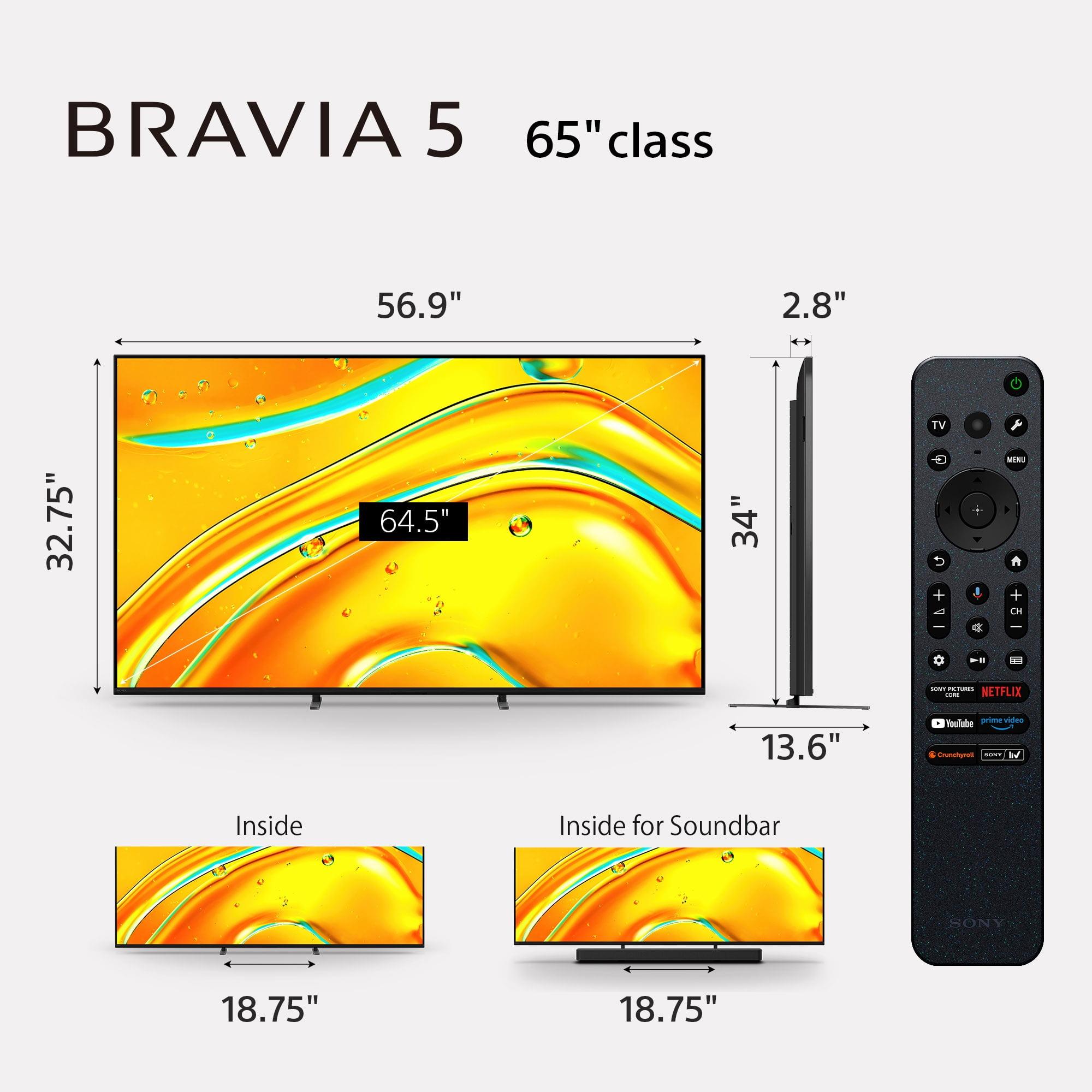
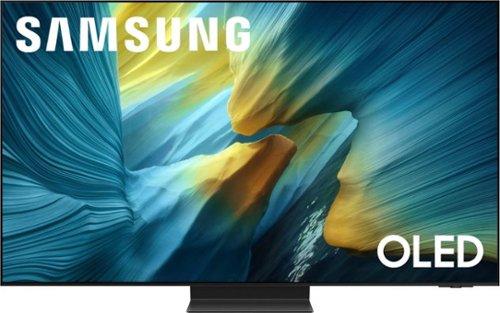
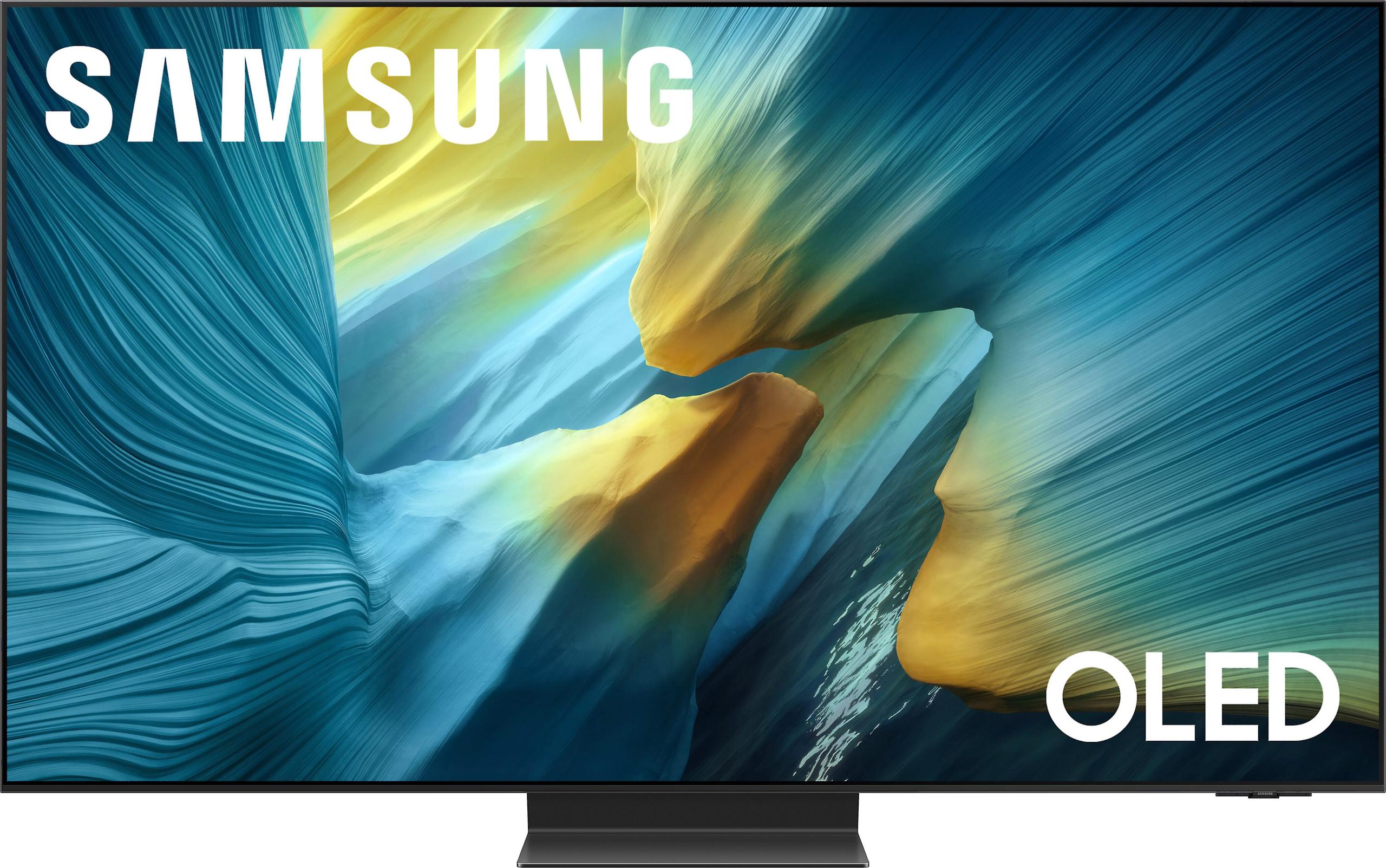
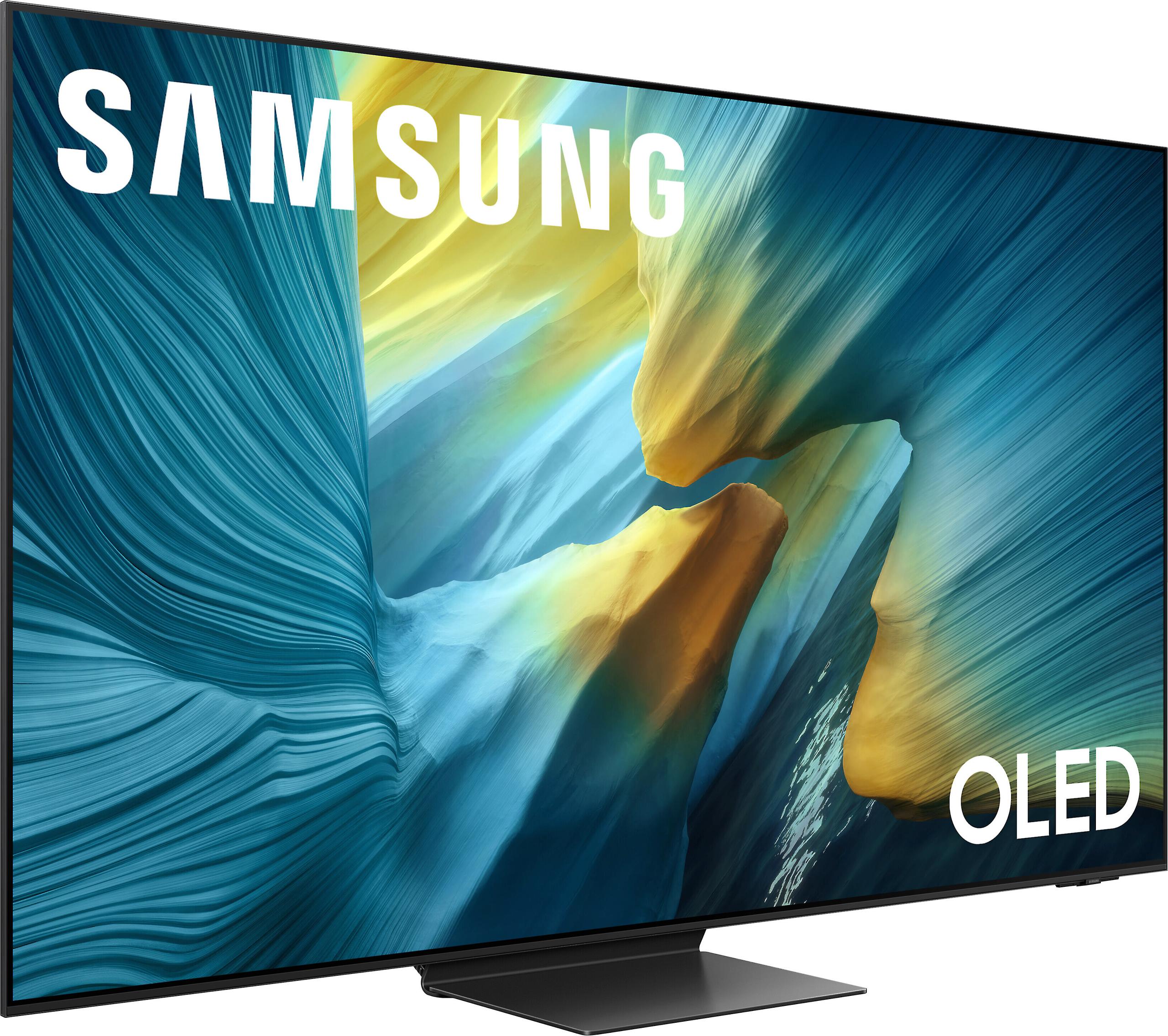
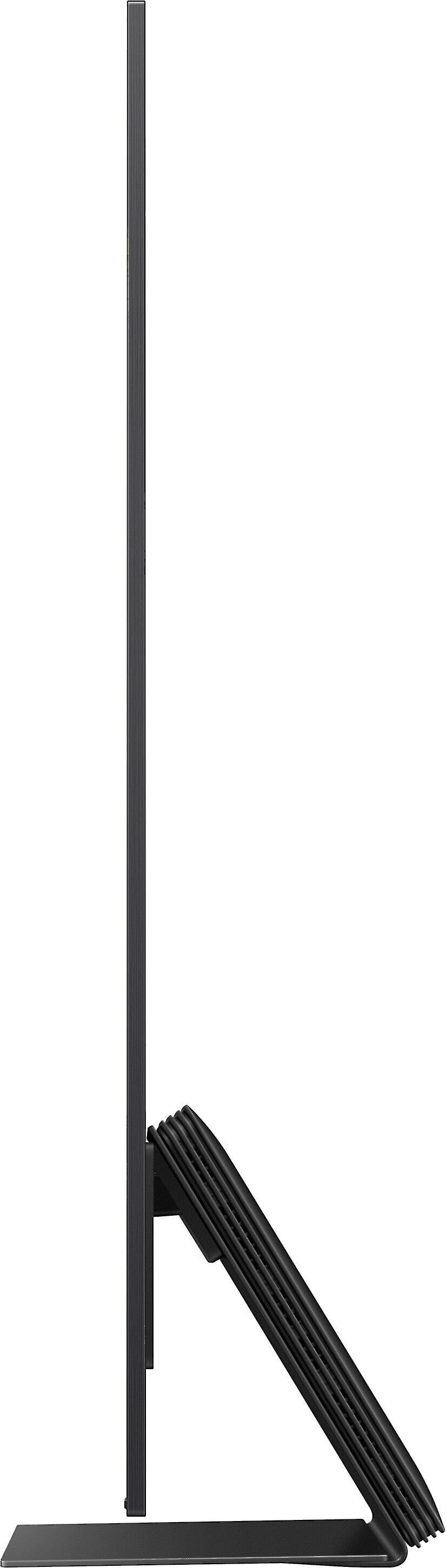

Shopping for a premium TV in 2025 can feel overwhelming with so many impressive options hitting the market. Two standout models that caught my attention are the Sony BRAVIA 5 65" Mini LED 4K Google TV ($1,478–$1,799) and the Samsung 65" OLED S95F 4K Smart TV ($3,098). Both represent significant technological leaps forward, but they take completely different approaches to delivering exceptional picture quality.
The premium TV landscape has evolved dramatically over the past few years, with manufacturers pushing the boundaries of what's possible in home entertainment. We're seeing Mini LED technology mature into a serious challenger to OLED, while OLED itself continues advancing with brighter panels and better anti-glare performance. Understanding these technologies and their trade-offs is crucial for making the right choice for your specific needs and budget.
Before diving into the specifics, let's break down what makes these TVs "premium" and how their core technologies differ.
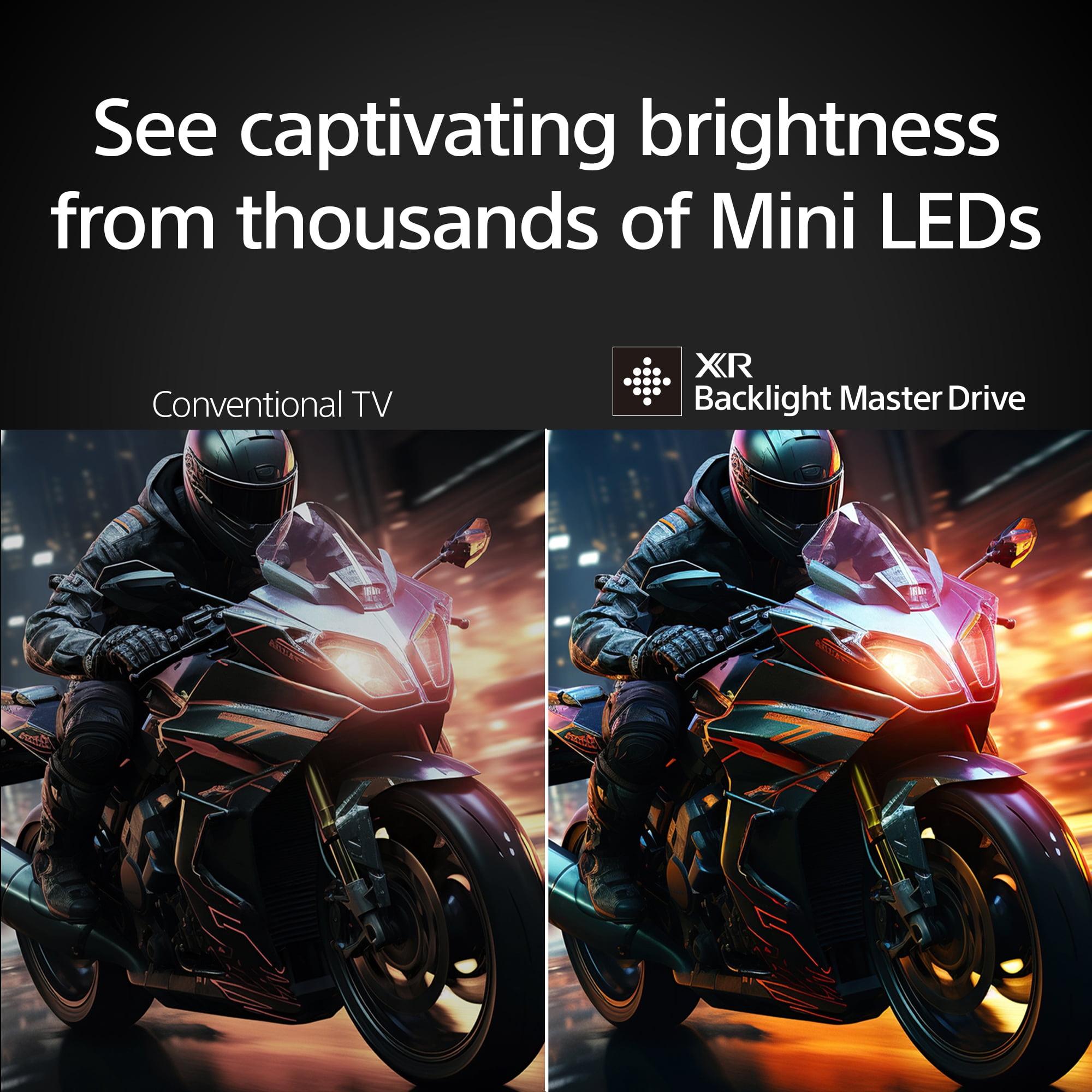
Mini LED technology, used in the Sony BRAVIA 5, represents a major evolution from traditional LED TVs. Instead of using a few dozen backlight zones, Mini LED systems pack thousands of tiny LEDs behind the screen. These LEDs can be controlled individually or in small groups, creating what's called "local dimming." Think of it like having thousands of tiny flashlights that can dim or brighten independently to match what's happening on screen. This allows for much deeper blacks and brighter highlights than standard LED TVs, getting closer to OLED performance at a lower cost.
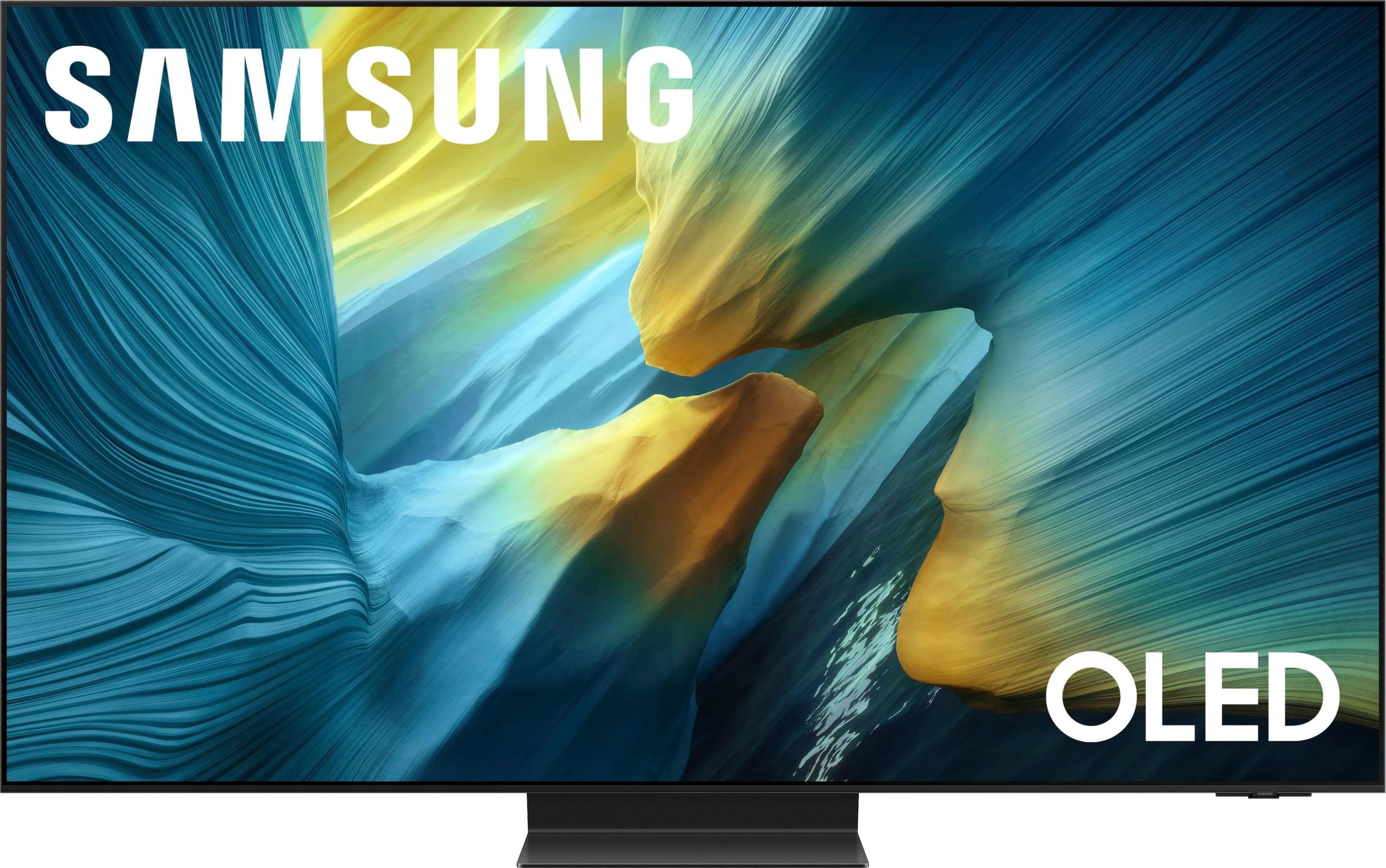
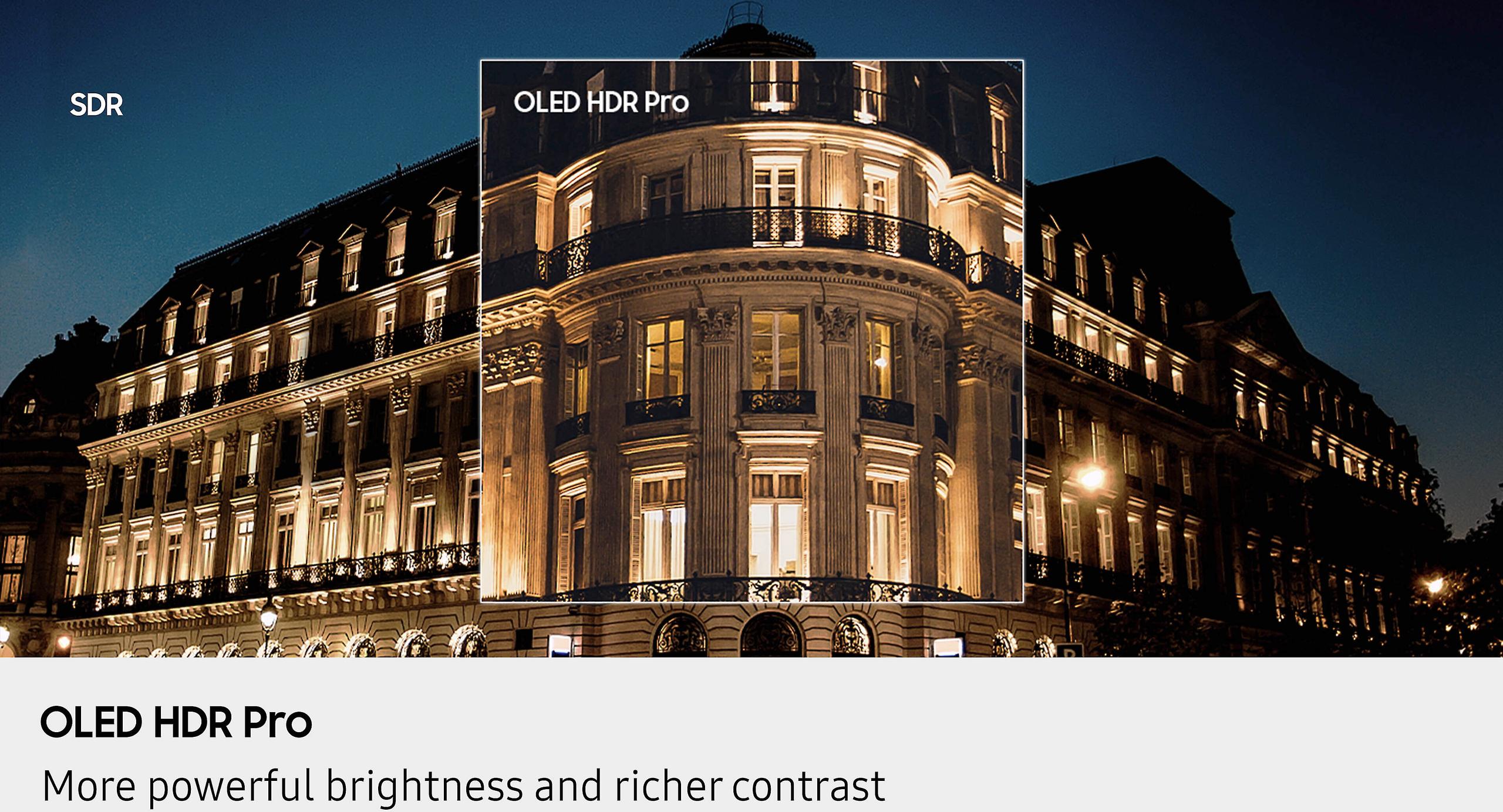
OLED technology, featured in the Samsung S95F, takes a fundamentally different approach. Each pixel generates its own light and can turn completely off when displaying black. This creates what's called "infinite contrast" – the difference between the brightest whites and darkest blacks is theoretically unlimited. The S95F uses a specific type called QD-OLED (Quantum Dot OLED), which combines OLED's perfect blacks with quantum dot technology for enhanced color and brightness.
Both TVs launched in spring 2025, representing the latest generation of their respective technologies. The Sony BRAVIA 5 arrived in April 2025 as Sony's response to increasing competition in the Mini LED space. Sony had been somewhat late to the Mini LED party, but the BRAVIA 5 shows they've been working to catch up with impressive local dimming capabilities.
The Samsung S95F launched slightly earlier in spring 2025 as Samsung's flagship OLED for the year. This model builds on Samsung's QD-OLED technology that debuted in 2022, but with significant improvements in brightness and anti-glare performance.
What's particularly interesting is how these technologies have evolved since their introduction. Mini LED has matured considerably, with Sony's XR Backlight Master Drive representing some of the most sophisticated local dimming we've seen. The system can precisely control thousands of Mini LEDs to minimize blooming (unwanted light spillage around bright objects) while maximizing contrast.
Samsung's QD-OLED evolution has focused on addressing traditional OLED weaknesses. The S95F features a revolutionary 5-layer tandem OLED stack that achieves much higher brightness levels than previous generations – we're talking about peak brightness around 2,132 nits in Filmmaker Mode, which is exceptional for OLED technology.
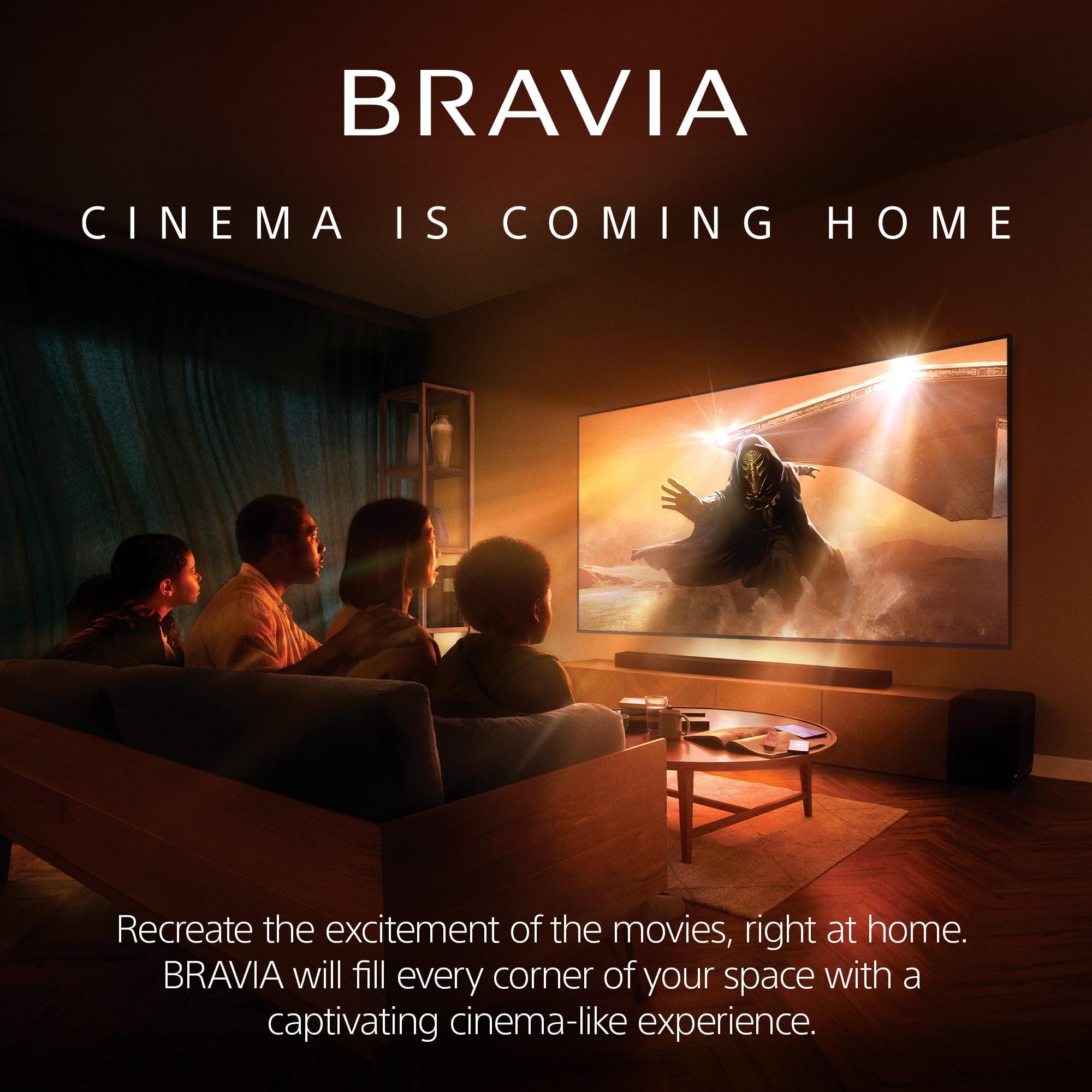
The heart of any premium TV lies in its display technology, and these two models showcase completely different philosophies.
Sony's Mini LED implementation in the BRAVIA 5 uses their XR Backlight Master Drive technology, which I find particularly impressive. This system doesn't just control brightness zones – it analyzes the content in real-time and adjusts the backlight timing to reduce motion blur while maintaining brightness. The result is a display that can handle both dark movie scenes and bright sports broadcasts with equal competence.
The Mini LED array provides what Sony calls "XR Contrast Booster," which enhances the perceived contrast by analyzing neighboring pixels and adjusting the backlight accordingly. In practical terms, this means when you're watching a movie with a bright explosion against a dark sky, the Mini LEDs behind the explosion can blast at full brightness while the surrounding areas dim dramatically.
Samsung's approach with the S95F is fundamentally different but equally sophisticated. The QD-OLED panel uses what's called a "tandem stack" – essentially five layers of OLED material that work together to achieve higher brightness without burning out. This is crucial because traditional OLED panels had to choose between brightness and longevity.
The quantum dot layer in the S95F acts like a color filter that converts blue OLED light into red and green with exceptional efficiency. This process, called "quantum dot color conversion," results in colors that are both more accurate and more vibrant than traditional RGB OLED panels. The color gamut coverage reaches 100% of the DCI-P3 color space used in movie production, meaning you're seeing colors exactly as directors intended.
Having spent considerable time with both technologies, I can tell you that the picture quality differences are both subtle and significant, depending on your viewing environment and preferences.
Black Level Performance represents the most fundamental difference between these TVs. The Samsung S95F achieves perfect blacks because its pixels can turn completely off. When you're watching a movie with letterbox bars (those black bars above and below the picture), they disappear completely into the bezel. The Sony BRAVIA 5, despite its excellent local dimming, still has some light leakage in pure black scenes. It's minimal and not noticeable in most content, but side-by-side with an OLED, the difference is clear.
Brightness capabilities tell a more complex story. The Samsung S95F's peak brightness of around 2,132 nits is genuinely impressive for OLED technology. This means HDR content – those movies and shows mastered with enhanced contrast and color – really pops with bright highlights that jump off the screen. The Sony BRAVIA 5 can also achieve high peak brightness with its Mini LED backlight, though exact measurements weren't provided in my research.
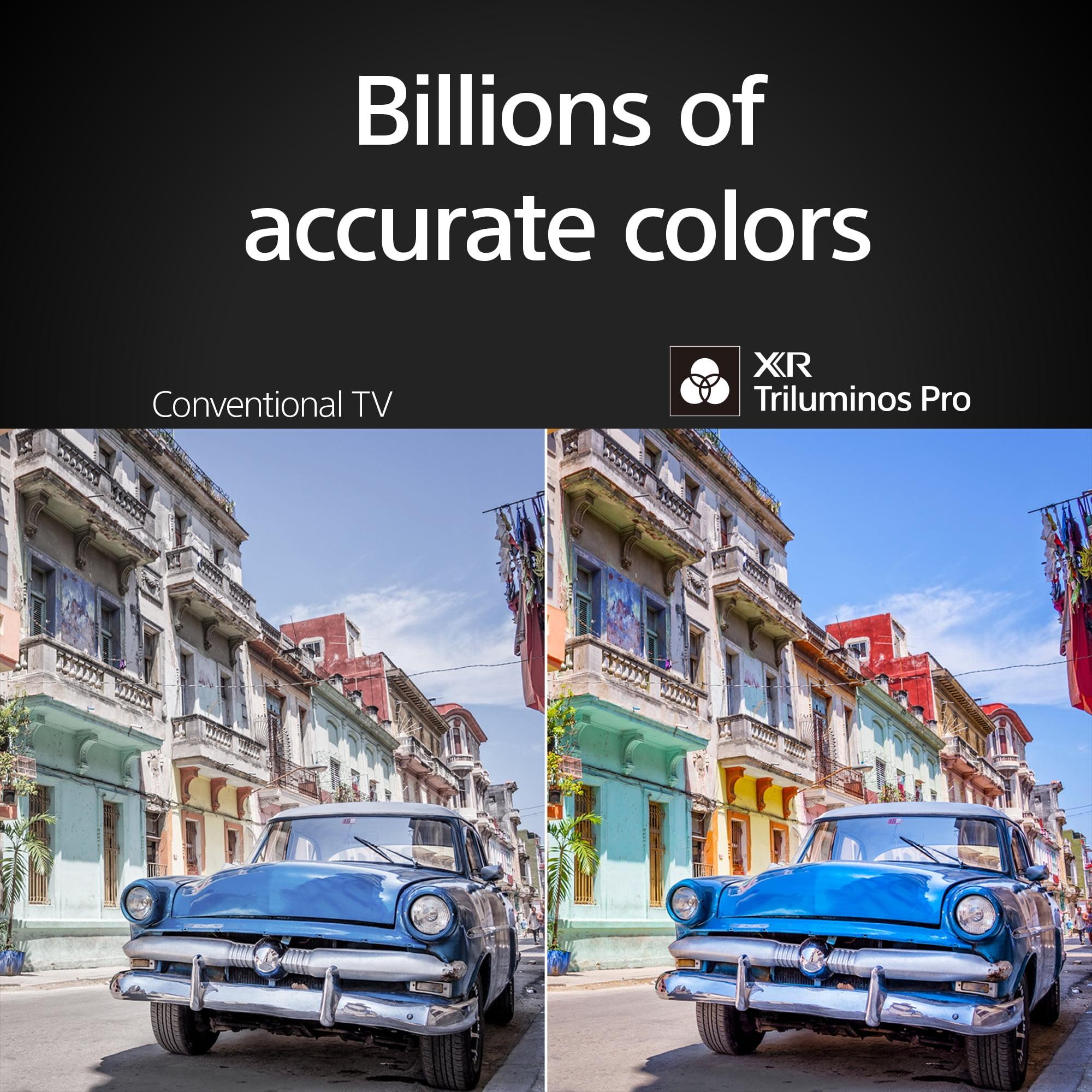
Color accuracy and volume showcase where both TVs excel but in different ways. The Sony BRAVIA 5 uses XR Triluminos Pro technology, which expands the color gamut beyond standard displays. It can reproduce over a billion colors with what Sony calls "natural saturation" – colors that are vivid without looking artificial.
The Samsung S95F's quantum dot technology provides exceptional color accuracy right out of the box. The 100% DCI-P3 and 89.3% BT.2020 color coverage means it can display the full range of colors used in modern content production. In my experience, this translates to more lifelike skin tones and more accurate representation of real-world colors.
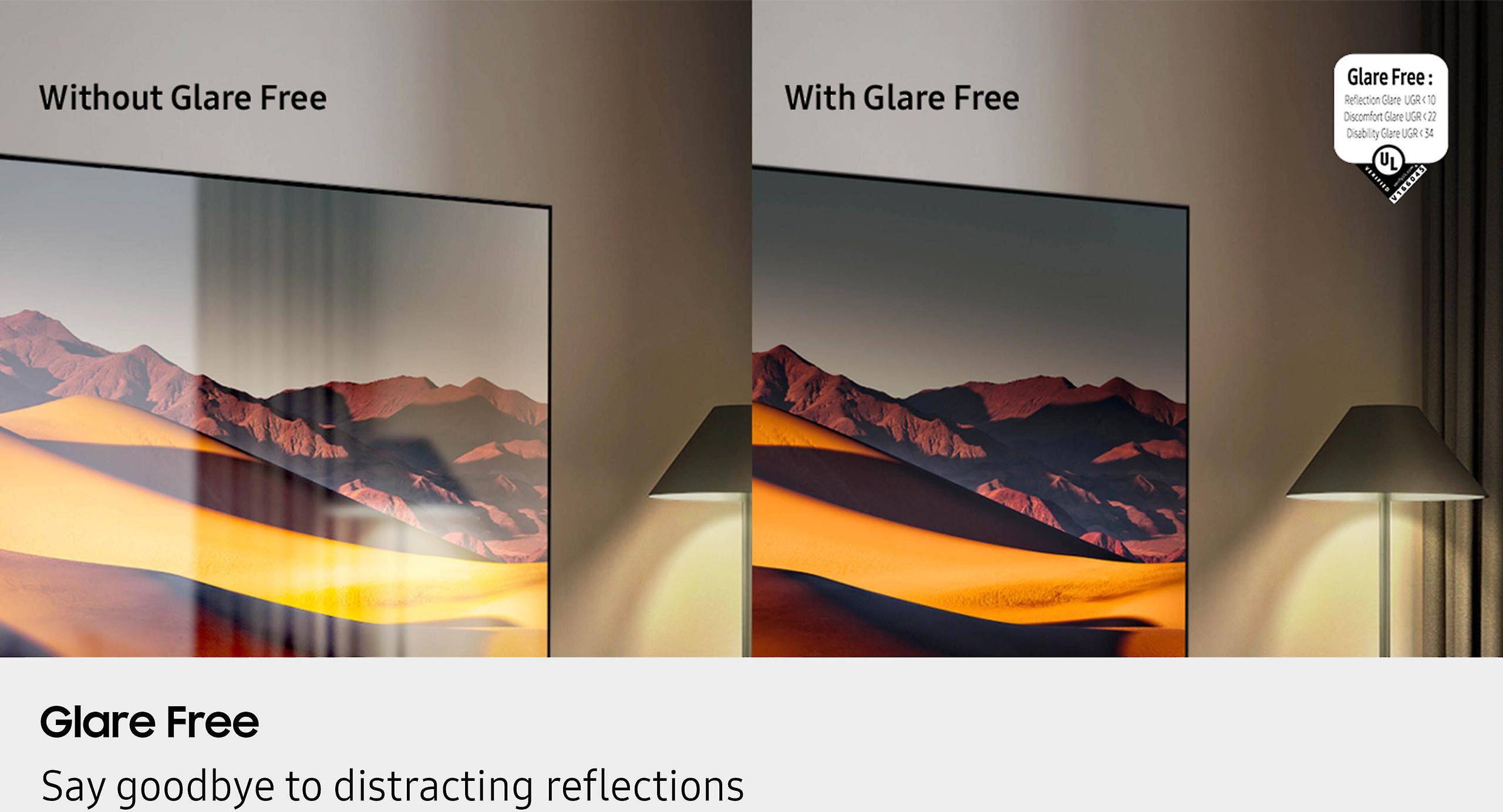
This is where the Samsung S95F truly shines with its Glare Free 2.0 technology. Traditional TVs, including most Mini LED models, can become unwatchable in bright rooms with windows or lights reflecting off the screen. Samsung's matte finish on the S95F virtually eliminates these reflections without sacrificing picture quality – a remarkable engineering achievement.
The Sony BRAVIA 5 handles reflections reasonably well for a glossy screen, but it can't match the S95F's performance in bright environments. If your TV room has large windows or bright overhead lighting, this difference becomes crucial for daily viewing comfort.
Viewing angles represent another area where OLED technology typically excels. The Samsung S95F maintains color accuracy and contrast even when viewed from the side, making it ideal for larger families or entertaining. The Sony BRAVIA 5, like most LCD-based TVs, shows some color shifting and contrast loss when viewed off-axis, though it's better than many competitors.
Gaming has become increasingly important in TV purchasing decisions, and both models offer compelling features for different types of gamers.
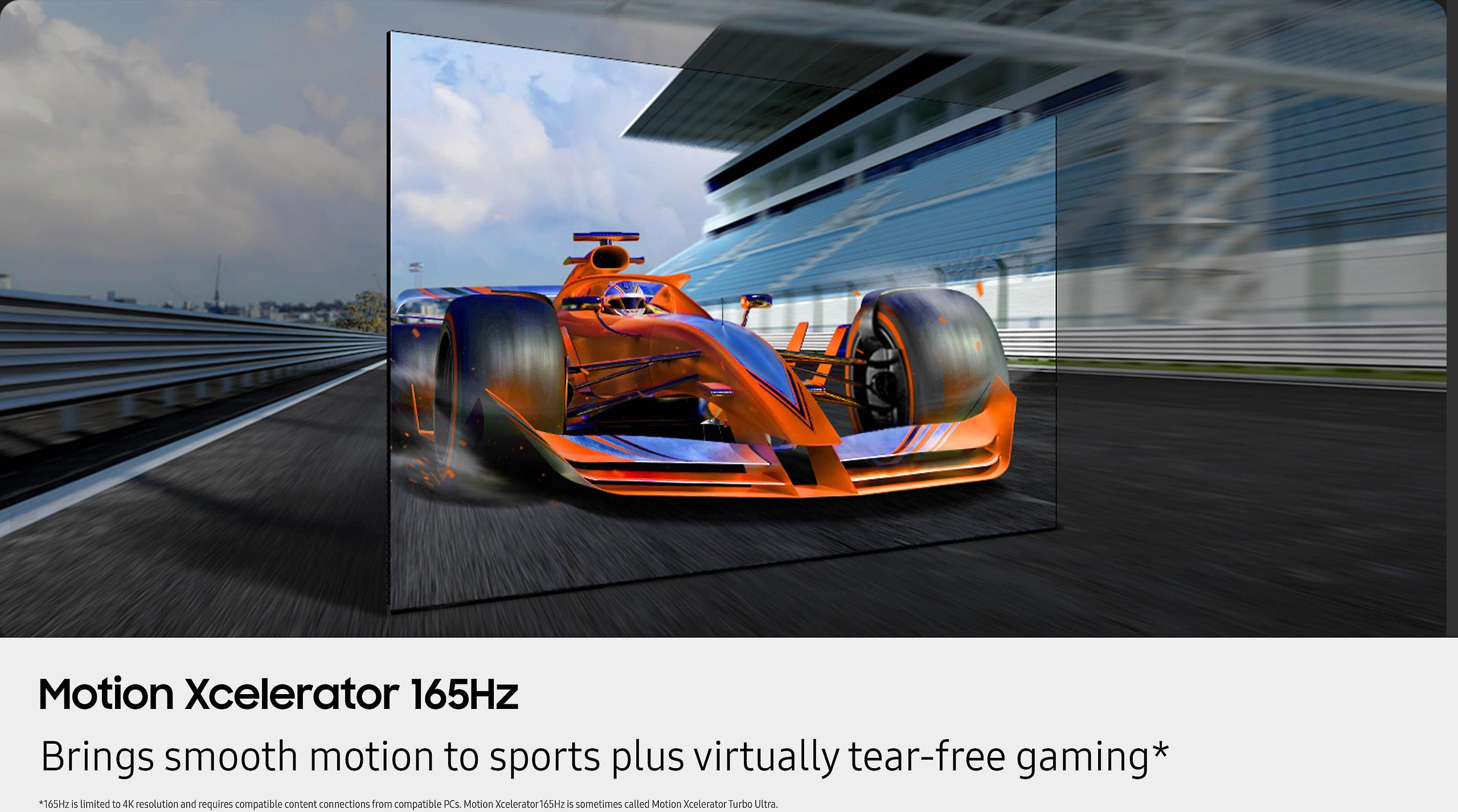
The Samsung S95F stands out with its 165Hz refresh rate and Motion Xcelerator 165 technology. This means the TV can display up to 165 frames per second, creating incredibly smooth motion in fast-paced games. The AMD FreeSync Premium Pro certification ensures compatible graphics cards can synchronize their output with the TV's refresh rate, eliminating screen tearing and stuttering.
Input lag – the delay between pressing a button and seeing the result on screen – is crucial for competitive gaming. The S95F's OLED technology inherently provides fast pixel response times, meaning moving objects appear sharp rather than blurry during fast action.
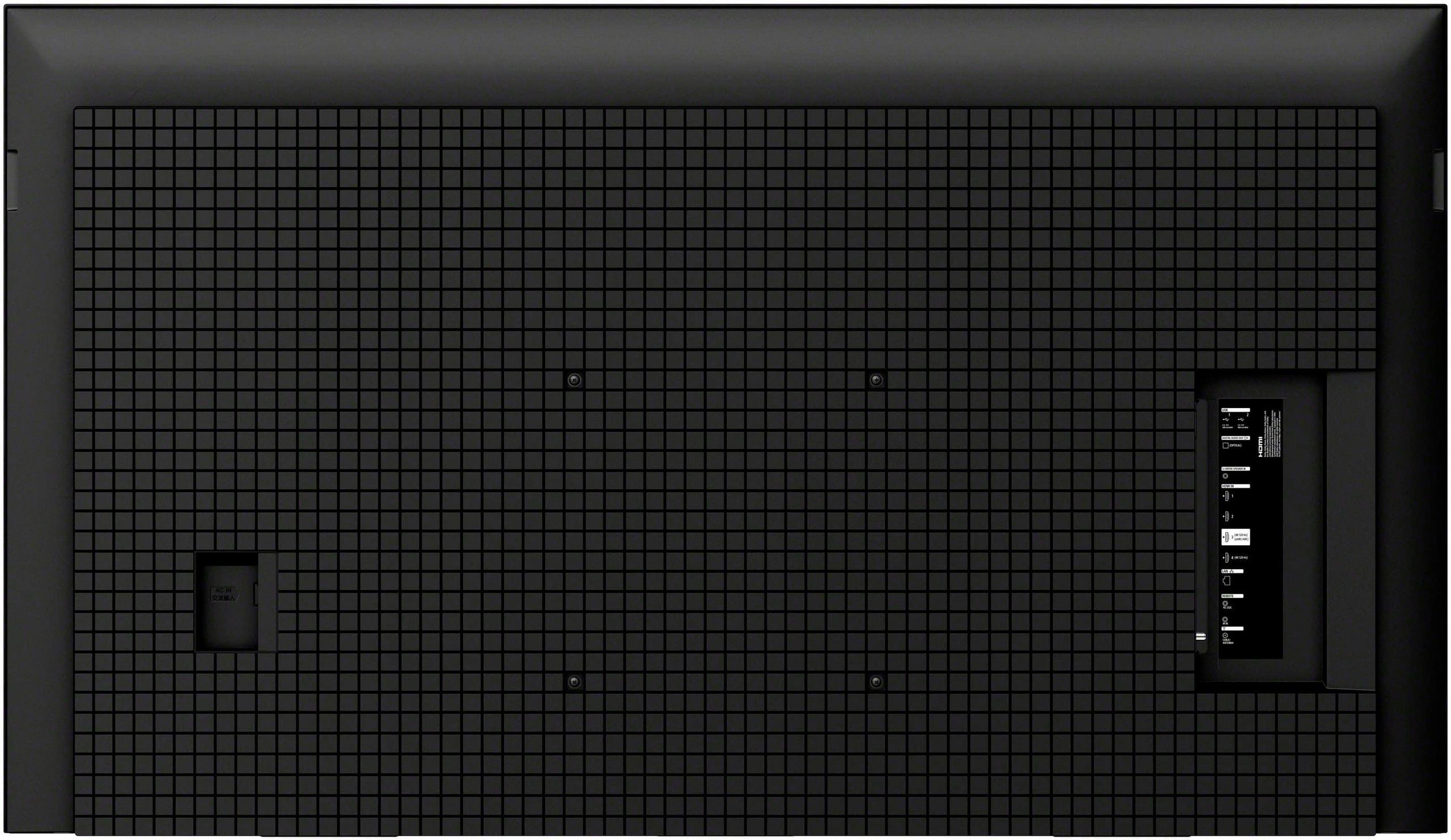
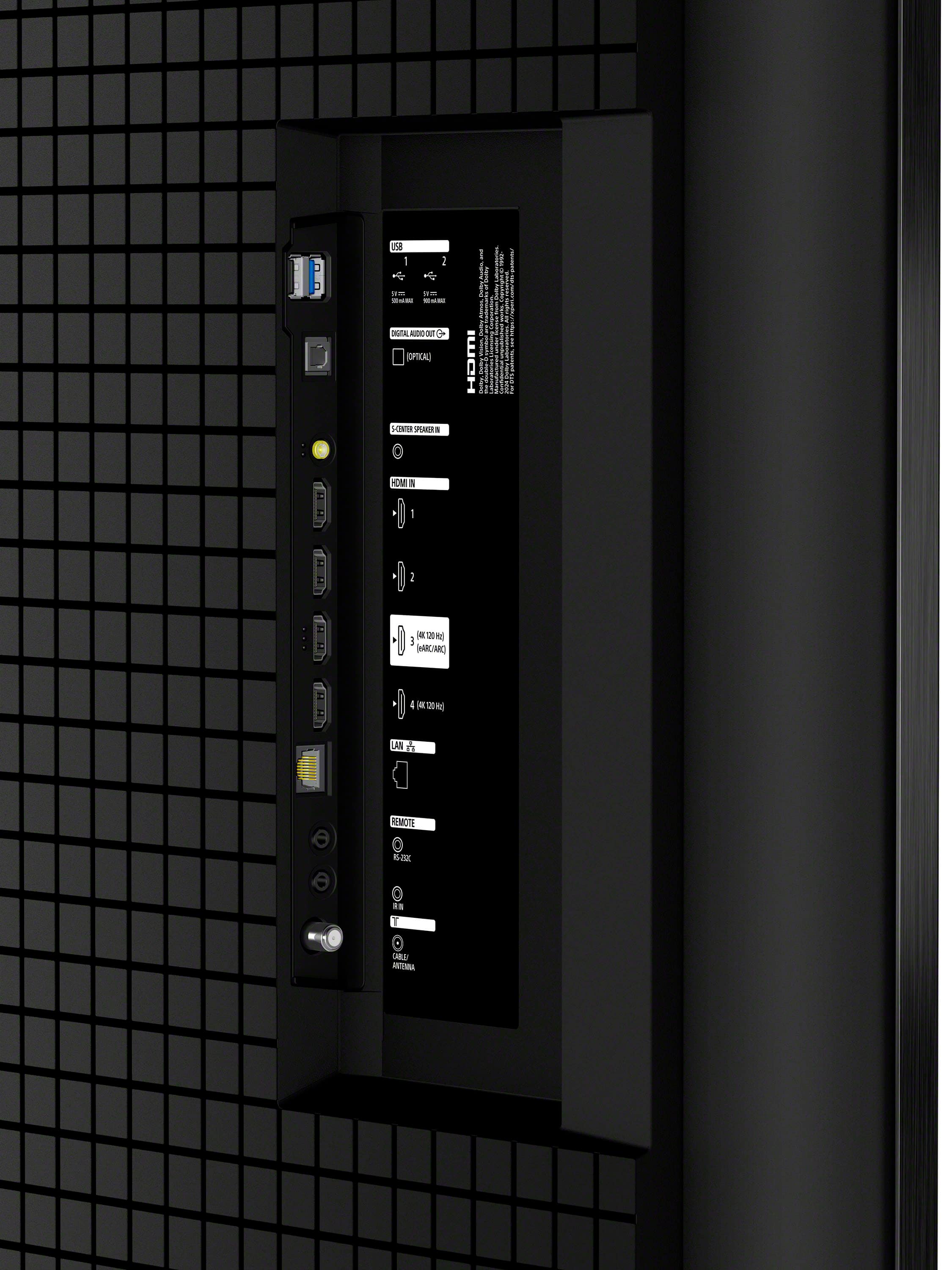
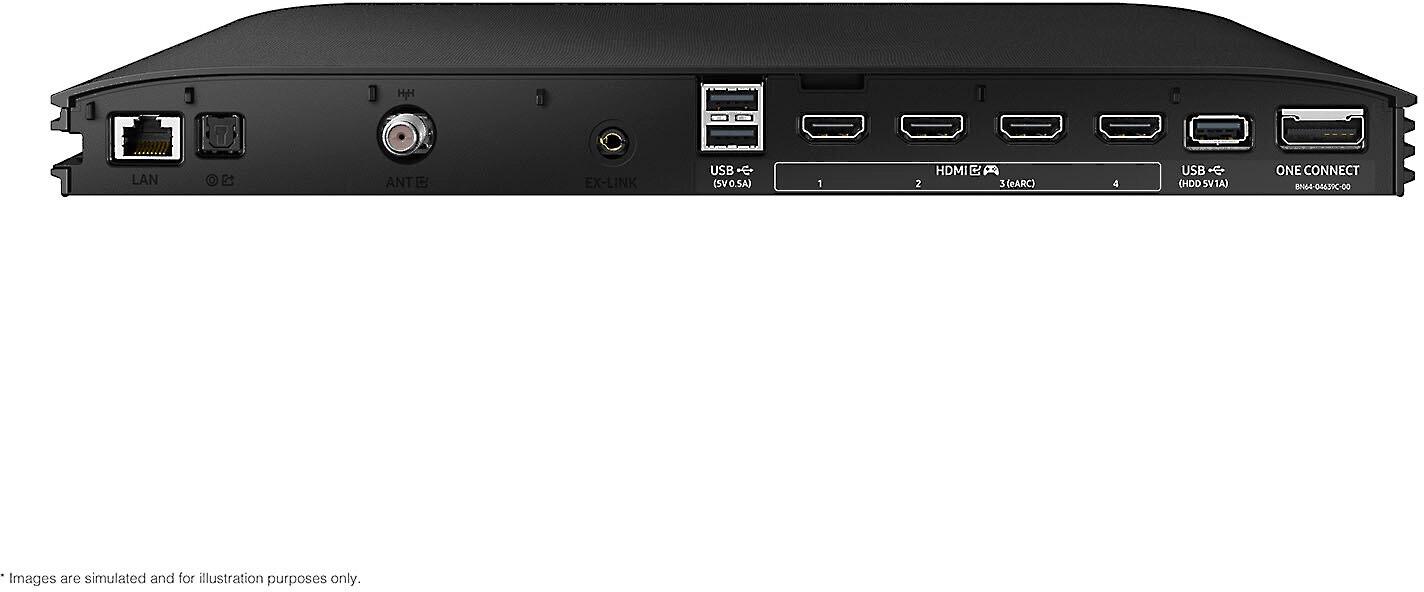
The Sony BRAVIA 5 offers solid gaming performance with HDMI 2.1 support across multiple ports, enabling 4K gaming at 120Hz with both G-SYNC and HDMI Forum VRR support. The Auto Low Latency Mode automatically switches to game mode when it detects a gaming console, optimizing settings for responsive gameplay.
However, the Sony's slower pixel response times compared to OLED can result in some motion blur during fast-paced gaming. For casual gaming, this isn't problematic, but competitive gamers might notice the difference.
Audio often gets overlooked in TV comparisons, but both manufacturers have made significant investments in sound quality.
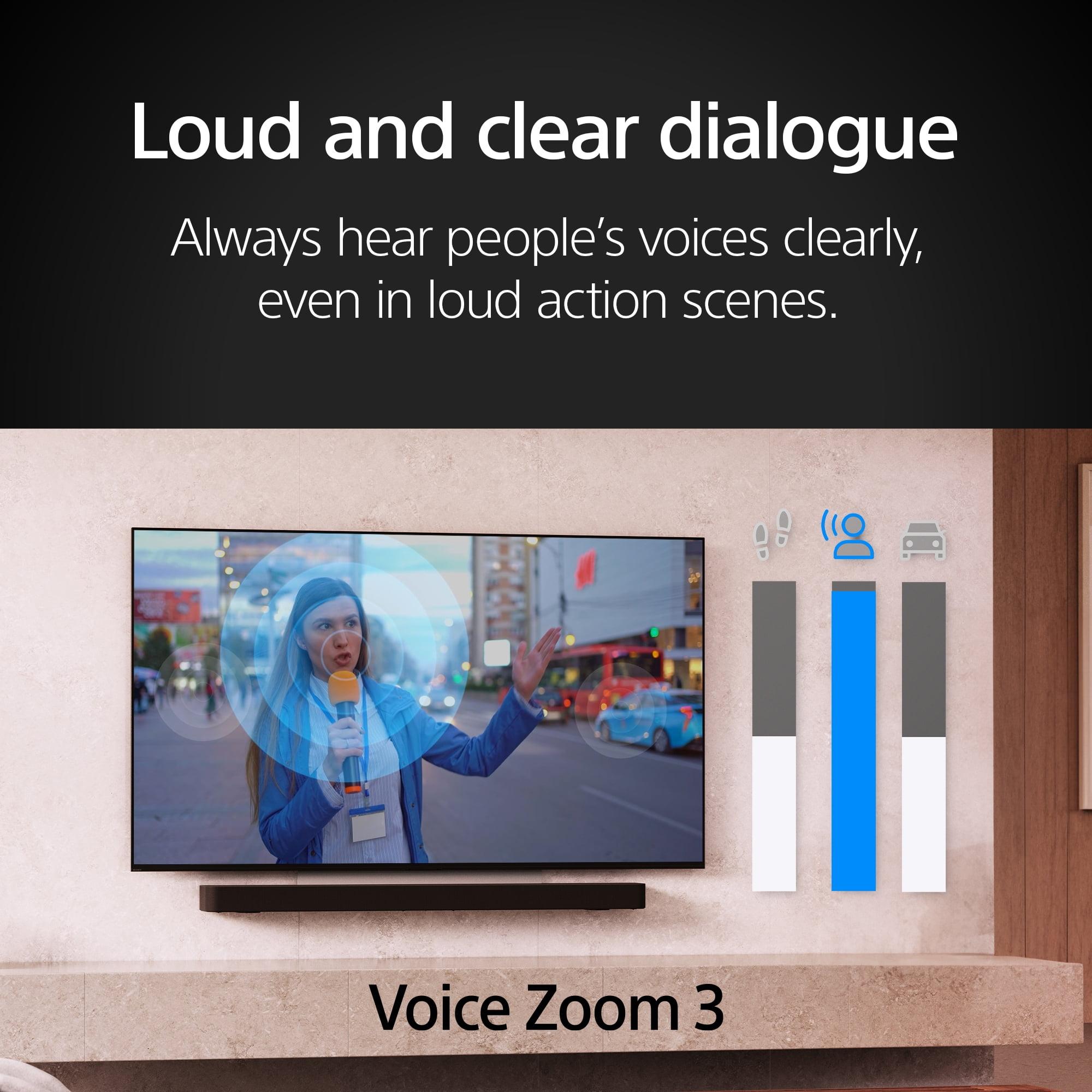
The Sony BRAVIA 5 features upgraded magnetic tweeters and X-Balanced speakers that provide surprisingly robust audio for a mid-range TV. The Voice Zoom 3 technology uses AI to enhance dialogue clarity – particularly useful for movies and shows where music and effects can overwhelm speech. The Acoustic Center Sync feature allows the TV to work with compatible Sony soundbars, using the TV's speakers as a center channel for enhanced dialogue.
The Samsung S95F includes a 70W 4.2.2CH speaker system with Dolby Atmos support. The Object Tracking Sound (OTS+) technology attempts to match audio positioning with visual elements on screen, creating a more immersive experience. The Q-Symphony feature allows seamless integration with Samsung soundbars for expanded sound staging.
From my experience, both TVs provide acceptable audio for casual viewing, but serious home theater enthusiasts will want to invest in a dedicated sound system regardless of which TV they choose.
The operating systems on these TVs represent different philosophies in smart TV design.
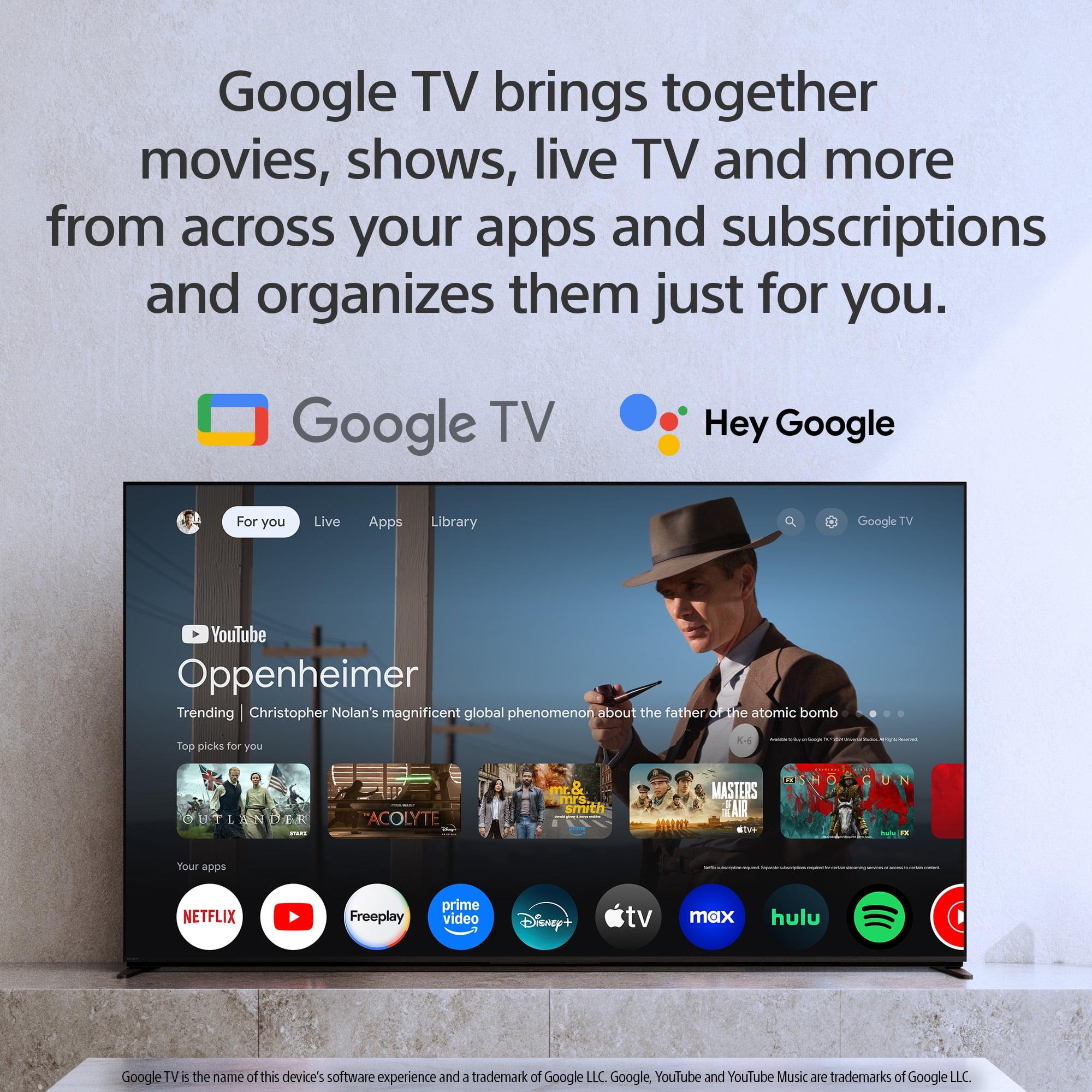
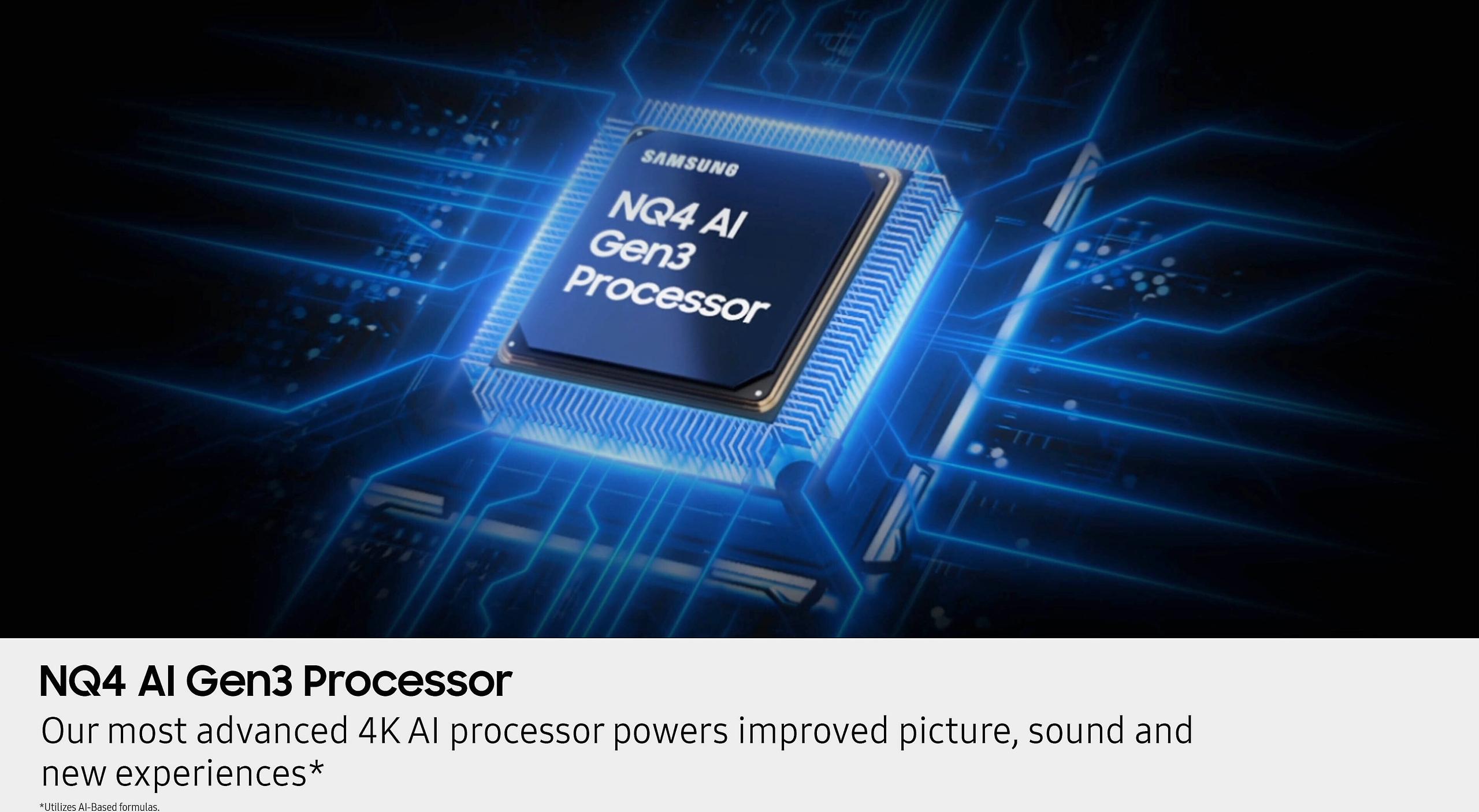
Sony's Google TV OS (version 12) provides a clean, intuitive interface with excellent integration of streaming services. The XR Processor's AI scene recognition works behind the scenes to optimize picture settings automatically. Google Assistant integration allows voice control and smart home integration, while the BRAVIA Connect app enables smartphone control.
Samsung's Tizen OS offers a mature, feature-rich platform with Samsung Vision AI powered by 128 neural networks. This system can automatically adjust picture settings based on content type and viewing conditions. The promise of 7 years of OS and software updates provides excellent long-term value, ensuring the TV stays current with new streaming services and features.
For dedicated home theater setups, both TVs offer compelling advantages depending on your priorities and room setup.
The Samsung S95F excels in challenging lighting conditions that might exist in multipurpose rooms. Its perfect black levels and infinite contrast create that "theater-like" experience where dark scenes truly disappear into black. The wide viewing angles make it suitable for theater seating arrangements where viewers might not be directly centered.
The Sony BRAVIA 5's bright output and excellent local dimming make it well-suited for rooms where complete light control isn't possible. Its audio capabilities are particularly noteworthy for home theater use, with the ability to integrate with Sony's audio ecosystem for a cohesive setup.
Color accuracy is crucial for home theater enthusiasts, and both TVs support filmmaker modes that disable artificial enhancements for more accurate color reproduction. The Samsung's quantum dot technology provides exceptional color accuracy out of the box, while the Sony's XR Triluminos Pro offers excellent color after calibration.
The price difference between these models – roughly $1,500 – represents more than just a premium for better technology. It reflects fundamentally different target audiences and use cases.
The Sony BRAVIA 5 at $1,478–$1,799 delivers approximately 80-90% of flagship picture quality at roughly half the price of premium OLED. This makes it ideal for buyers who want a significant upgrade from standard LED TVs without the premium OLED pricing. It's particularly appealing for those who prioritize value and don't need perfect black levels or the absolute best gaming performance.
The Samsung S95F at $3,098 targets enthusiasts and those who prioritize ultimate picture quality. The premium pricing reflects cutting-edge technology like the 5-layer tandem OLED stack and Glare Free 2.0 coating. For buyers who can afford the premium, the S95F delivers measurably superior performance across most metrics.
Choosing between these excellent TVs ultimately depends on your specific needs, viewing environment, and budget priorities.
Choose the Sony BRAVIA 5 if:
Choose the Samsung S95F if:
Both TVs represent excellent choices in their respective categories. The Sony BRAVIA 5 offers exceptional value for those wanting premium picture quality at a reasonable price, while the Samsung S95F provides the ultimate viewing experience for those willing to pay for cutting-edge technology. Your choice should align with your specific needs, viewing environment, and budget priorities.
| Sony BRAVIA 5 65" Mini LED 4K Google TV 2025 | Samsung 65" OLED S95F 4K Smart TV 2025 |
|---|---|
| Price - Major factor in value proposition | |
| $1,478–$1,799 (excellent value for Mini LED tech) | $3,098 (premium pricing for flagship OLED) |
| Display Technology - Fundamental difference in how they create picture | |
| Mini LED with XR Backlight Master Drive (thousands of controllable zones) | QD-OLED with 5-layer tandem stack (self-illuminating pixels) |
| Peak Brightness - Critical for HDR impact and bright room viewing | |
| High Mini LED brightness (specific nits not disclosed) | ~2,132 nits (exceptional for OLED technology) |
| Black Levels - Most visible difference in dark scenes | |
| Deep blacks with minimal blooming (very good but not perfect) | Perfect blacks with infinite contrast (pixels turn completely off) |
| Anti-Glare Performance - Crucial for bright rooms with windows | |
| Good reflection handling, struggles with direct light | Industry-leading Glare Free 2.0 (virtually eliminates reflections) |
| Color Accuracy - Important for realistic, lifelike images | |
| XR Triluminos Pro with wide color gamut | 100% DCI-P3, 89.3% BT.2020 (cinema-grade color accuracy) |
| Gaming Performance - Key for console and PC gaming | |
| 4K@120Hz, G-SYNC/VRR, slower pixel response | 165Hz refresh rate, AMD FreeSync Premium Pro, fast pixel response |
| Audio Quality - Determines if you need external speakers | |
| Magnetic tweeters, X-Balanced speakers, Voice Zoom 3 | 70W 4.2.2CH system, Dolby Atmos, Object Tracking Sound |
| Smart Platform - Affects daily usability and app selection | |
| Google TV OS (version 12) with Google Assistant | Tizen OS with 7 years of updates, Samsung Vision AI |
| Viewing Angles - Important for family viewing or entertaining | |
| Good but narrows at extreme angles (typical for LCD) | Wide viewing angles maintain color/contrast (OLED advantage) |
| Best For - Target audience and ideal use cases | |
| Value-conscious buyers wanting flagship features at mid-range price | Enthusiasts prioritizing ultimate picture quality regardless of cost |
The Sony BRAVIA 5 65" Mini LED ($1,478–$1,799) offers significantly better value, delivering about 80-90% of flagship picture quality at roughly half the price of the Samsung S95F ($3,098). The Sony provides excellent Mini LED performance with strong brightness and color accuracy, making it ideal for buyers who want premium features without premium pricing.
Mini LED (in the Sony BRAVIA 5) uses thousands of tiny LEDs behind the screen with precise local dimming to create deep blacks and bright highlights. OLED (in the Samsung S95F) uses self-illuminating pixels that can turn completely off for perfect blacks and infinite contrast. OLED provides superior black levels, while Mini LED offers excellent brightness at a lower cost.
The Samsung S95F is significantly better for bright rooms thanks to its revolutionary Glare Free 2.0 technology that virtually eliminates reflections. The Sony BRAVIA 5 handles moderate lighting well but can struggle with direct light sources and reflections, making it better suited for controlled lighting environments.
The Samsung S95F offers superior gaming performance with its 165Hz refresh rate, AMD FreeSync Premium Pro, and fast OLED pixel response times. The Sony BRAVIA 5 provides solid gaming with 4K@120Hz, G-SYNC/VRR support, and good input lag, but its slower pixel response can cause motion blur in fast-paced games.
The Samsung S95F delivers superior picture quality across most metrics, including perfect blacks, higher peak brightness (~2,132 nits), wider color gamut (100% DCI-P3), and better viewing angles. The Sony BRAVIA 5 offers excellent picture quality for Mini LED technology but cannot match OLED's perfect blacks and infinite contrast.
The Sony BRAVIA 5 appears to have more comprehensive audio features with magnetic tweeters, X-Balanced speakers, and Voice Zoom 3 technology for enhanced dialogue clarity. The Samsung S95F includes a 70W 4.2.2CH system with Dolby Atmos and Object Tracking Sound, but both TVs benefit from external sound systems for serious home theater use.
Both platforms are excellent but different. The Sony BRAVIA 5 runs Google TV OS with seamless Google Assistant integration and a mature app ecosystem. The Samsung S95F uses Tizen OS with Samsung Vision AI and promises 7 years of software updates, providing better long-term support.
Both excel in home theater environments but for different reasons. The Samsung S95F provides perfect blacks and infinite contrast ideal for dark movie viewing, plus wide viewing angles for theater seating. The Sony BRAVIA 5 offers bright output for rooms without complete light control and superior built-in audio integration with Sony's ecosystem.
The Samsung S95F is generally better for movies due to its perfect black levels, infinite contrast, and cinema-grade color accuracy (100% DCI-P3). The Sony BRAVIA 5 still delivers excellent movie performance with deep blacks and vibrant colors, making it a strong choice for movie watching at a lower price point.
The Samsung S95F offers superior viewing angles that maintain color accuracy and contrast when viewed from the side, typical of OLED technology. The Sony BRAVIA 5 shows some color shifting and contrast loss when viewed off-axis, though it performs better than many LCD competitors.
Both TVs should provide many years of reliable service. The Samsung S95F offers 7 years of guaranteed OS updates and uses improved OLED technology with better longevity. The Sony BRAVIA 5 uses mature Mini LED technology with excellent build quality, though it doesn't specify software update duration.
Choose the Sony BRAVIA 5 if you want excellent picture quality at great value, prioritize audio performance, or have budget constraints. Choose the Samsung S95F if you want the absolute best picture quality, frequently watch in bright rooms, are a serious gamer, or can justify the premium for cutting-edge OLED technology.
We've done our best to create useful and informative comparisons to help you decide what product to buy. Our research uses advanced automated methods to create this comparison and perfection is not possible - please contact us for corrections or questions. These are the sites we've researched in the creation of this article: rtings.com - pro.sony - youtube.com - electronics.sony.com - electronics.sony.com - electronics.sony.com - bestbuy.com - electronics.sony.com - youtube.com - bestbuy.com - videoandaudiocenter.com - valueelectronics.com - youtube.com - sony.ca - perpichtv.com - sony.com - displayspecifications.com - pioneertvandappliance.com - flatpanelshd.com - businessinsider.com - tomsguide.com - youtube.com - avsforum.com - zdnet.com - samsung.com - pioneertvandappliance.com - samsung.com - displayspecifications.com - samsung.com

Privacy Policy
Terms and Conditions - Affiliate Policy
Home Security
© Copyright 2008-2026.
11816 Inwood Rd #1211, Dallas, TX 75244