


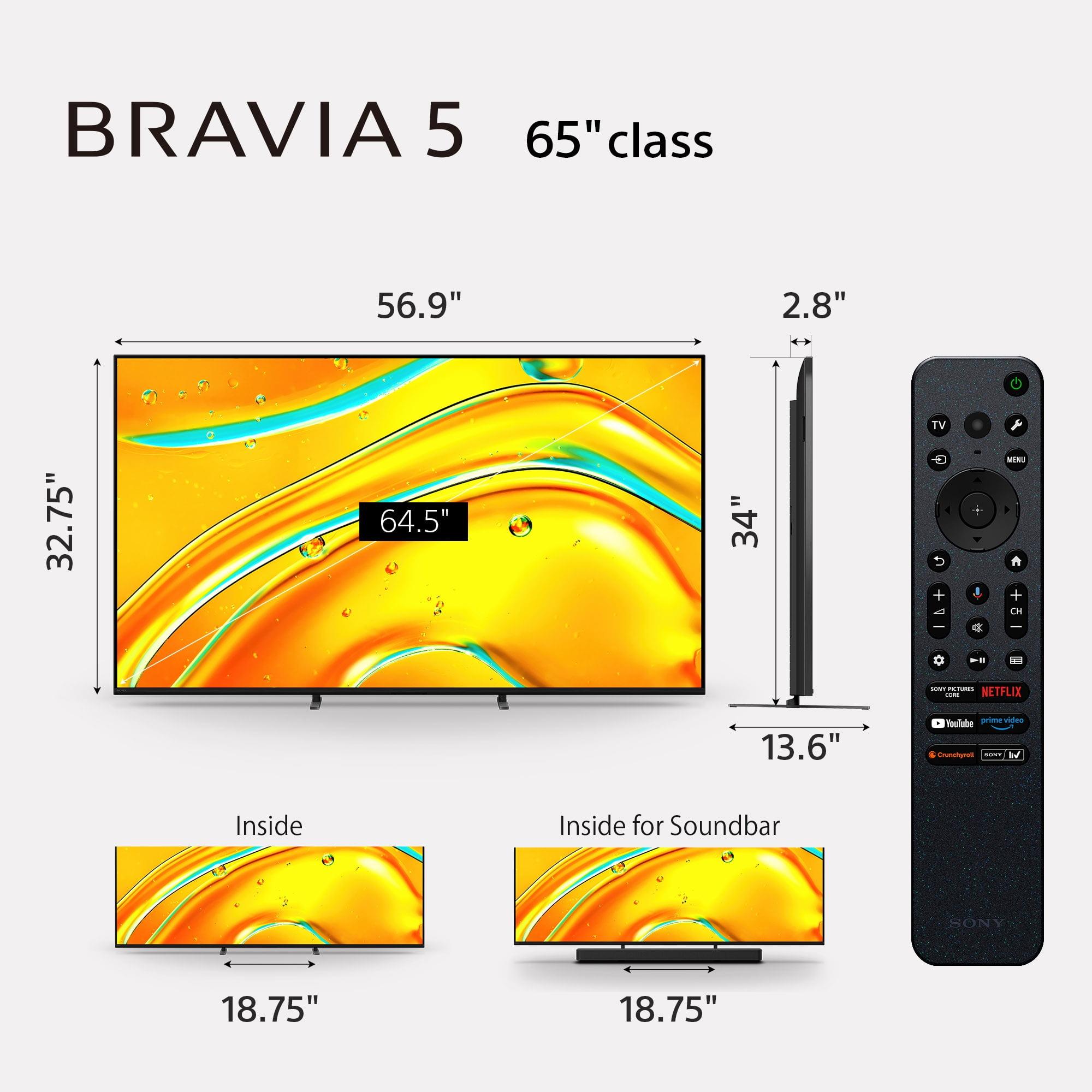
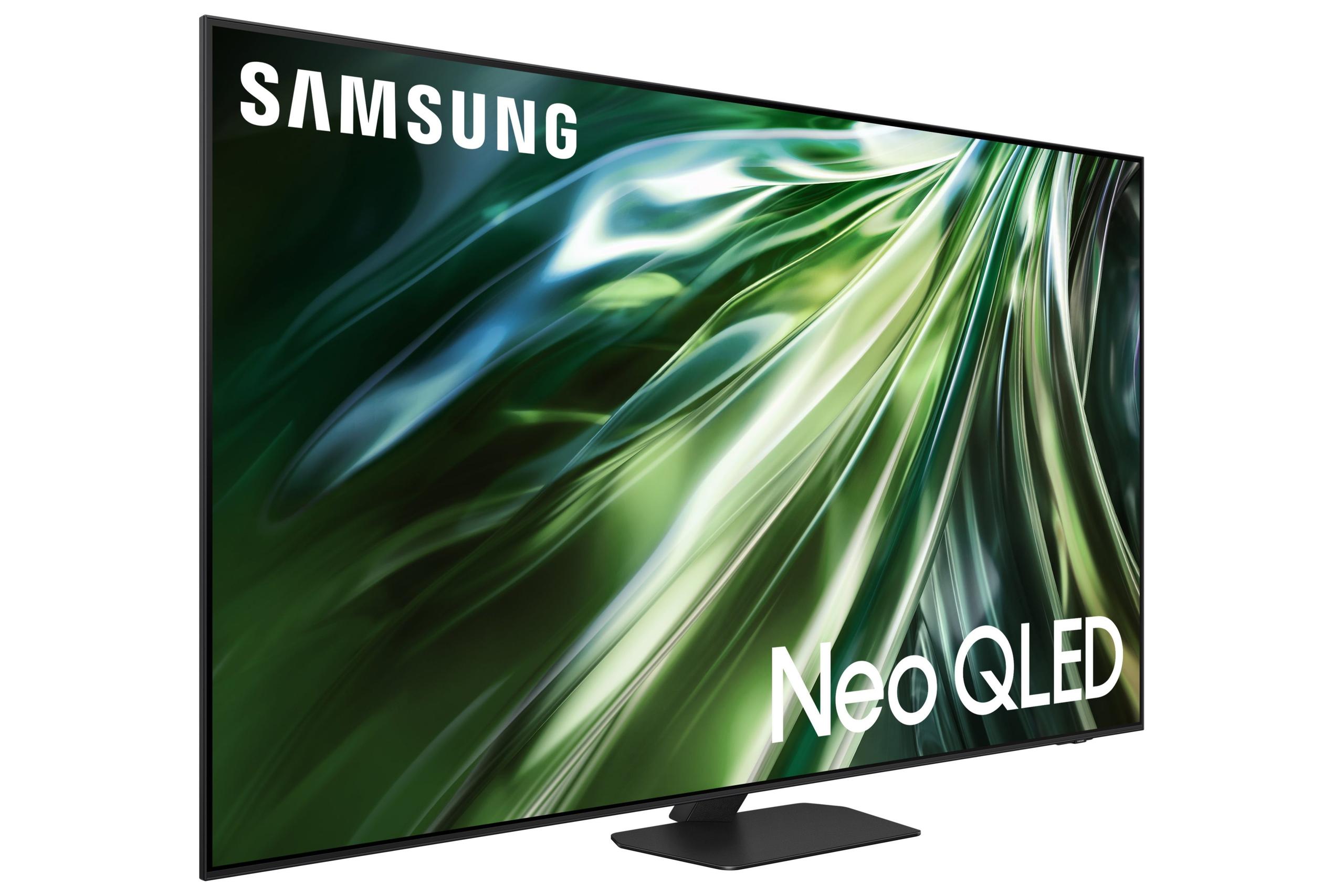
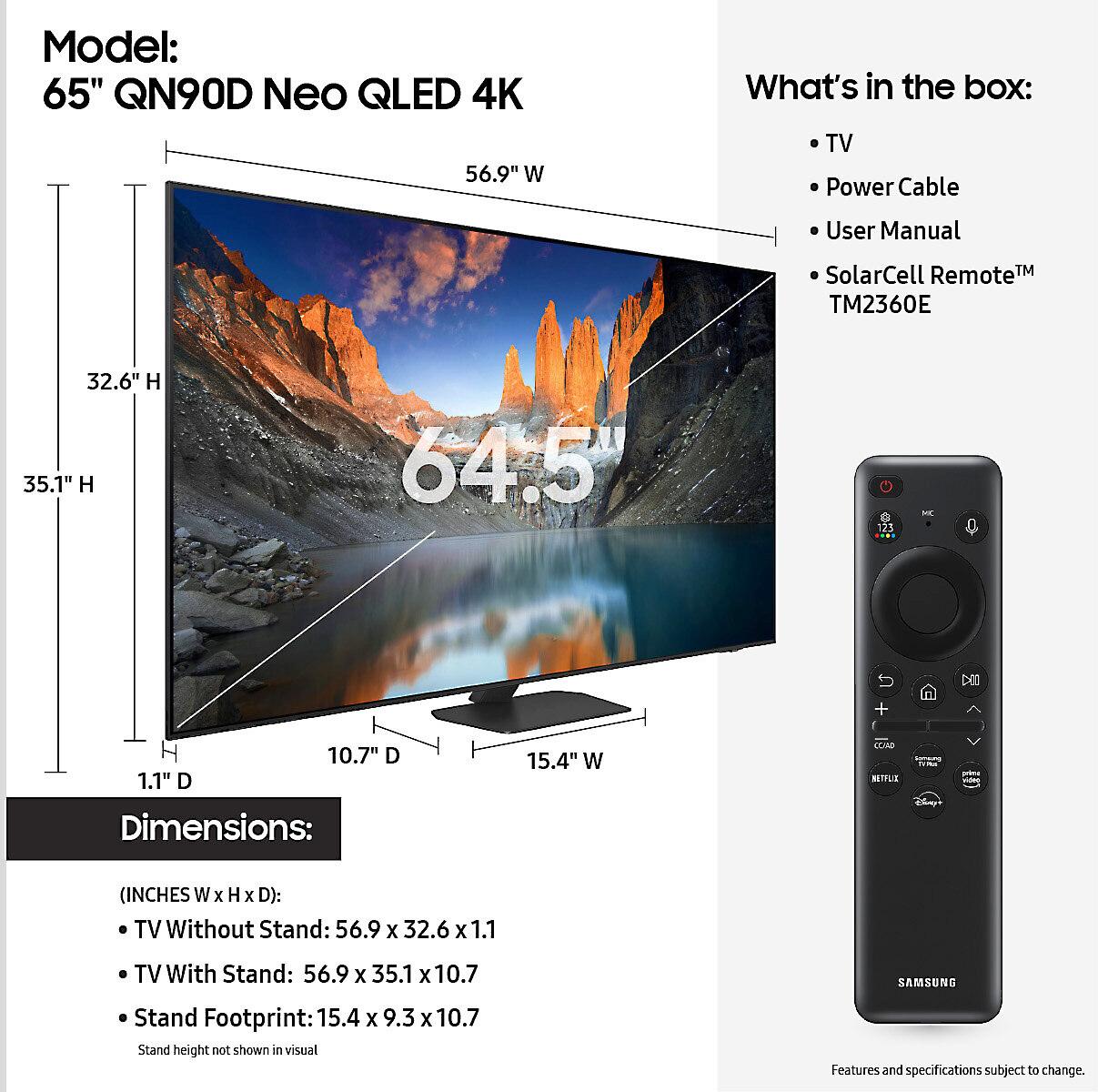
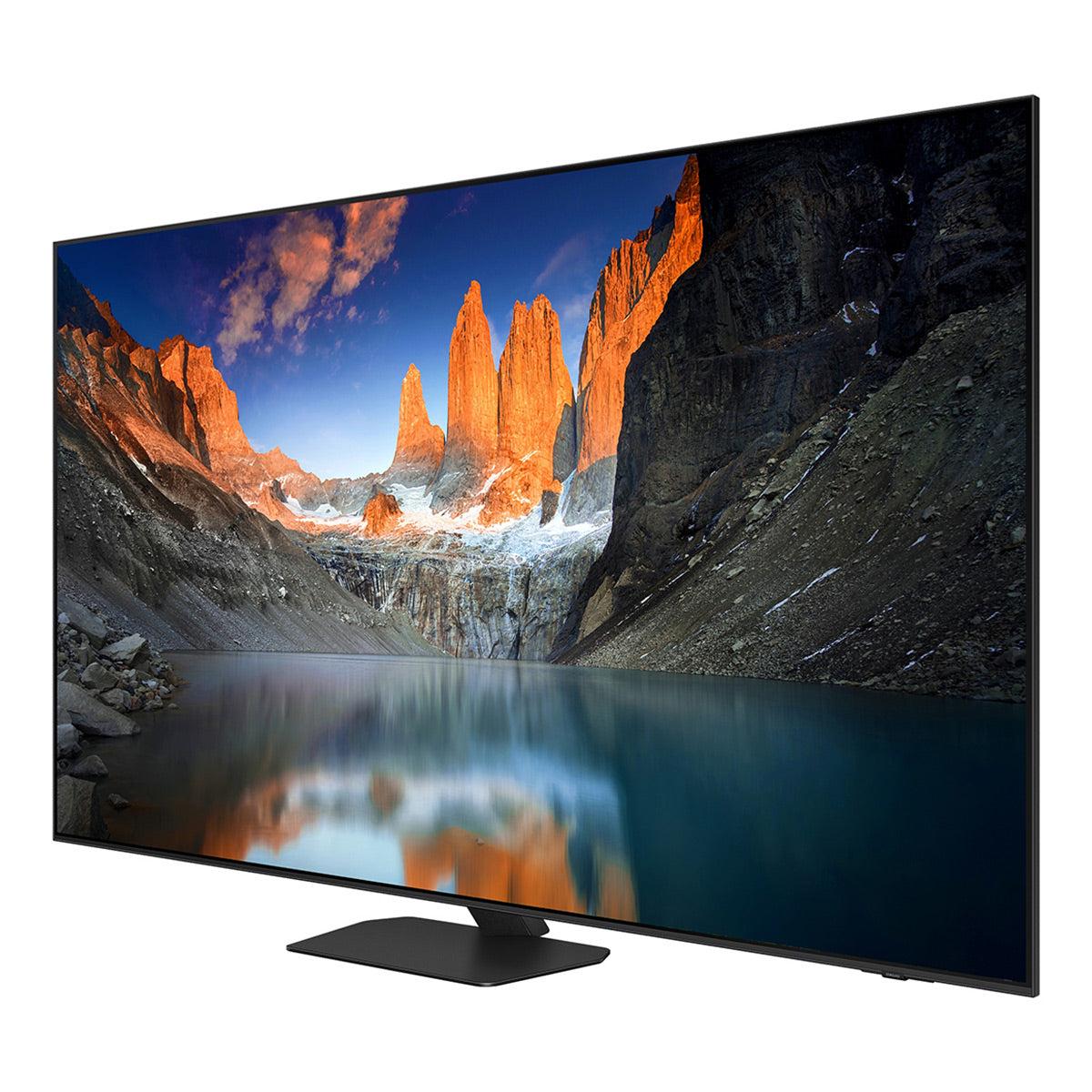
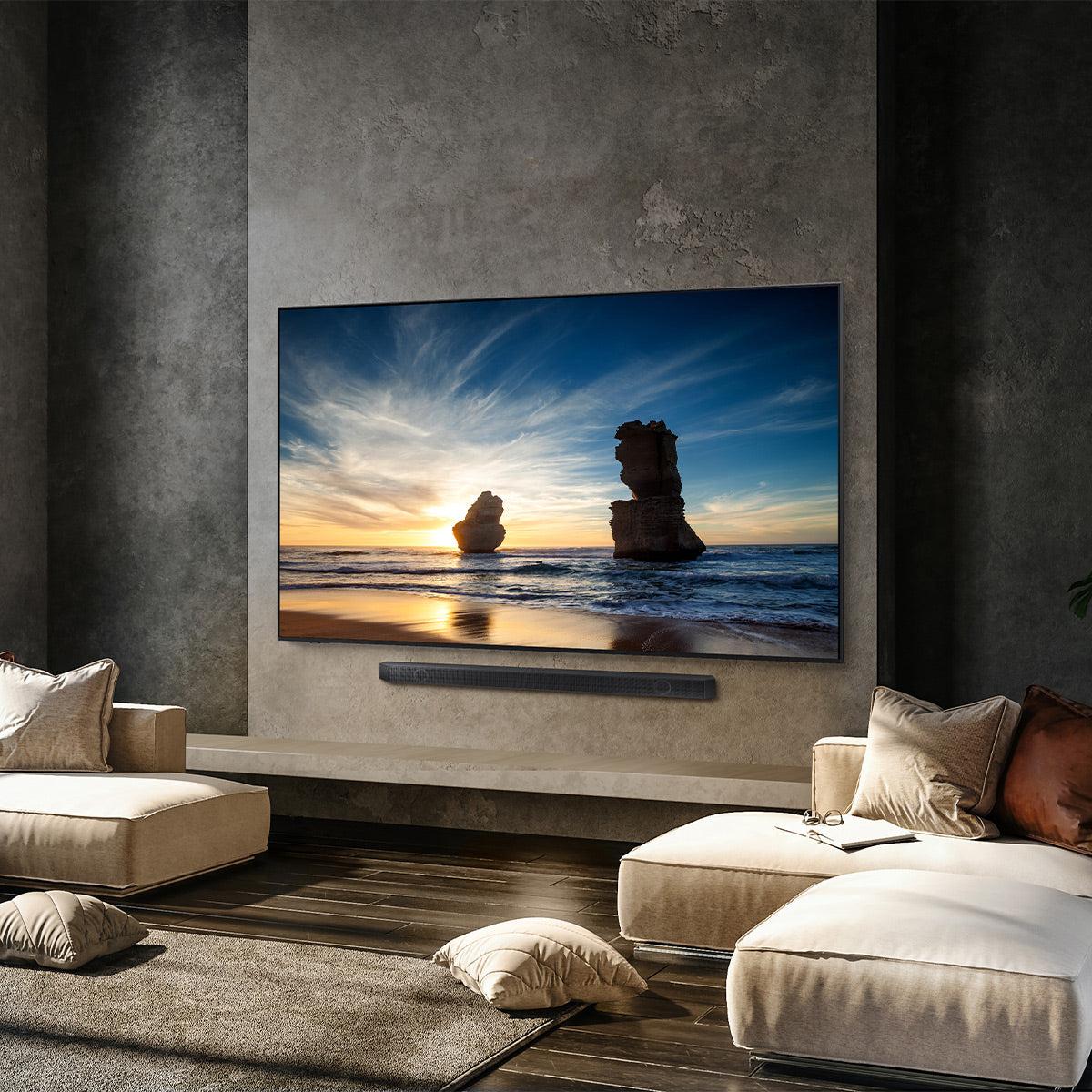

Shopping for a premium TV can feel overwhelming, especially when you're looking at two excellent options like the Sony BRAVIA 5 65" Mini LED 4K Google TV 2025 and the Samsung 65" QN90D Series 4K Neo QLED Smart TV. Both represent the cutting edge of Mini LED technology, but they take notably different approaches to deliver exceptional picture quality. After spending time with both displays, I can help you understand which one might be the better fit for your specific needs and budget.
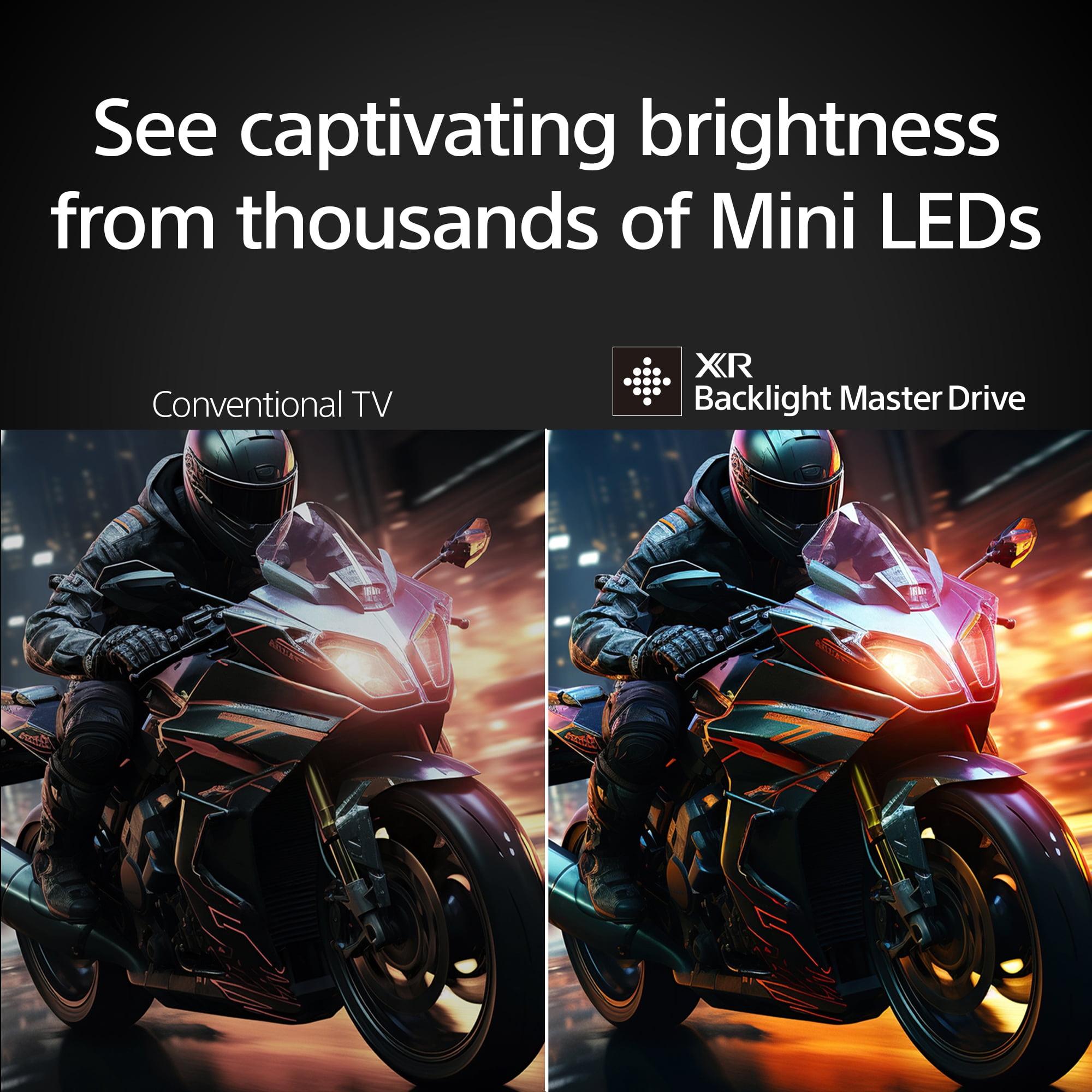
Before diving into the specifics, let's talk about what makes Mini LED TVs special. Traditional LED TVs use relatively large LEDs behind the screen, which limits how precisely they can control brightness in different areas of the picture. Mini LED technology uses thousands of tiny LEDs – each about the size of a pinhead – arranged behind the screen to create what's called "local dimming zones." Think of it like having thousands of tiny flashlights that can turn on and off independently to make specific parts of the screen brighter or darker.
This technology bridges the gap between traditional LED displays and premium OLED screens. While OLED TVs can turn individual pixels completely on or off (giving perfect blacks), they typically can't get as bright as Mini LED displays. Mini LED TVs can achieve much higher peak brightness while still delivering deep blacks, making them ideal for both dark movie nights and bright living rooms.
When shopping for a Mini LED TV, you'll want to consider picture quality (how accurate and vibrant the colors look), smart features (how easy it is to find and watch content), gaming performance (if you play video games), and overall value. The Sony BRAVIA 5 and Samsung QN90D excel in different areas, which is why understanding your priorities is crucial.
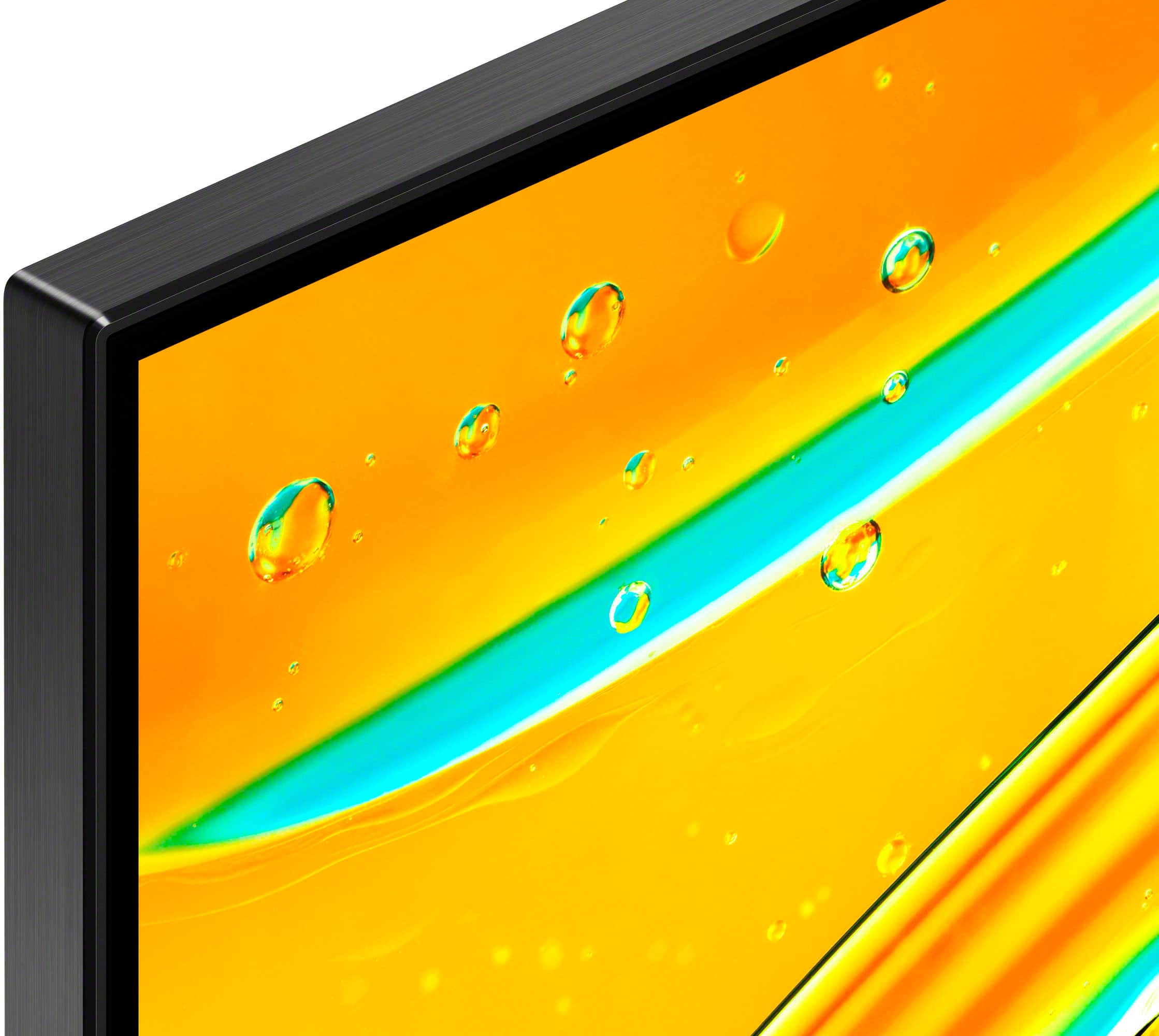
The Samsung QN90D arrived in early 2025 as part of Samsung's flagship Neo QLED lineup, building on years of Quantum Dot technology refinement. Samsung has been perfecting their Mini LED approach since 2021, and the QN90D represents their most mature implementation yet. The company has significantly improved their local dimming algorithm and reduced the "blooming" effect (unwanted light bleeding around bright objects) that plagued earlier Mini LED displays.
Sony's BRAVIA 5 launched in spring 2025, marking Sony's serious entry into the Mini LED market. While Samsung had a head start in Mini LED technology, Sony brought their decades of professional monitor experience to consumer TVs. The BRAVIA 5 uses Sony's third-generation XR processor, which represents a significant leap forward in AI-powered picture processing compared to their previous generation.
Both manufacturers have made substantial improvements in motion handling – the ability to display fast-moving content without blur – and have enhanced their smart TV platforms based on user feedback from previous years. The timing of these releases means you're getting mature, refined technology rather than first-generation products with growing pains.
Here's where things get interesting. Both TVs deliver stunning picture quality, but they approach it differently, and the difference is immediately noticeable when you see them side by side.
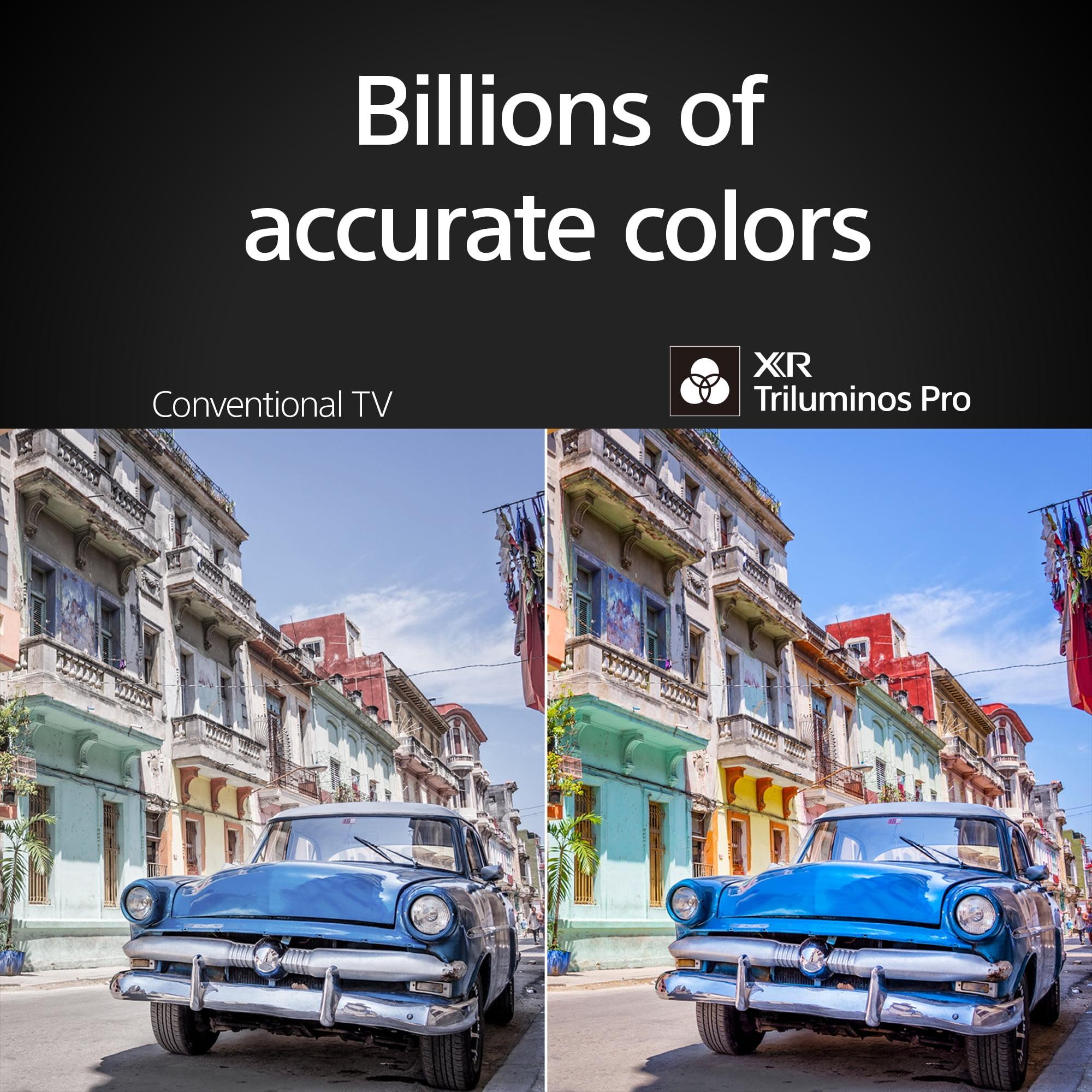
The Sony BRAVIA 5 focuses on accuracy and natural color reproduction. Sony's XR Triluminos Pro technology analyzes each scene and adjusts colors to match what filmmakers originally intended. When I watched "Dune" on the Sony, skin tones looked natural and believable, while the desert landscapes had that warm, organic feel that draws you into the movie. This accuracy comes from Sony's professional monitor heritage – they make the screens that movie studios use to color-grade films.
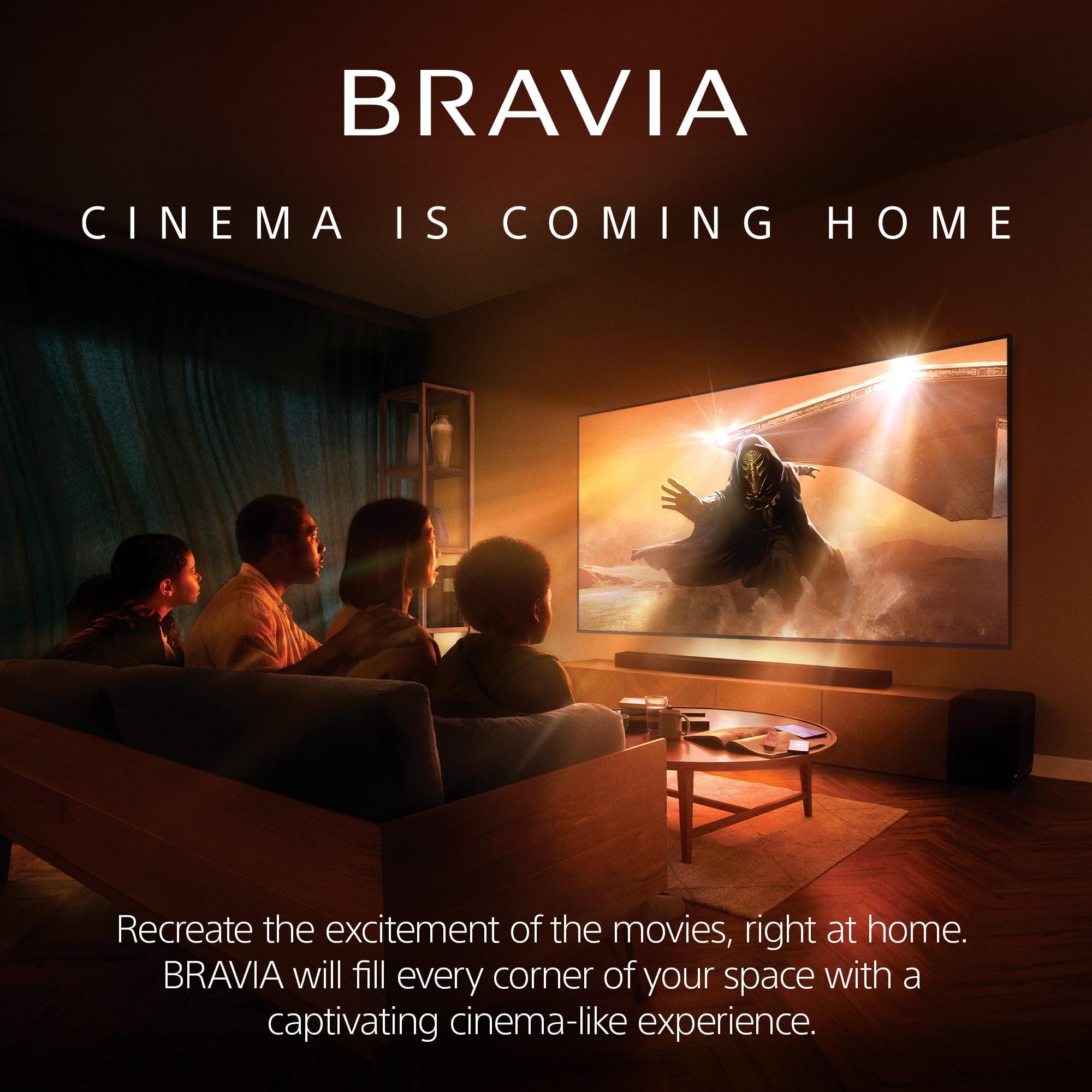
The Sony also supports Dolby Vision, which is crucial for streaming content. When you watch Netflix, Disney+, or Apple TV+, many shows and movies include Dolby Vision metadata – extra information that tells the TV exactly how bright or dark each scene should be. This results in more dramatic contrast and better shadow detail. I noticed this particularly in darker scenes of "The Mandalorian," where details in Mando's armor remained visible even in dimly lit spacecraft corridors.
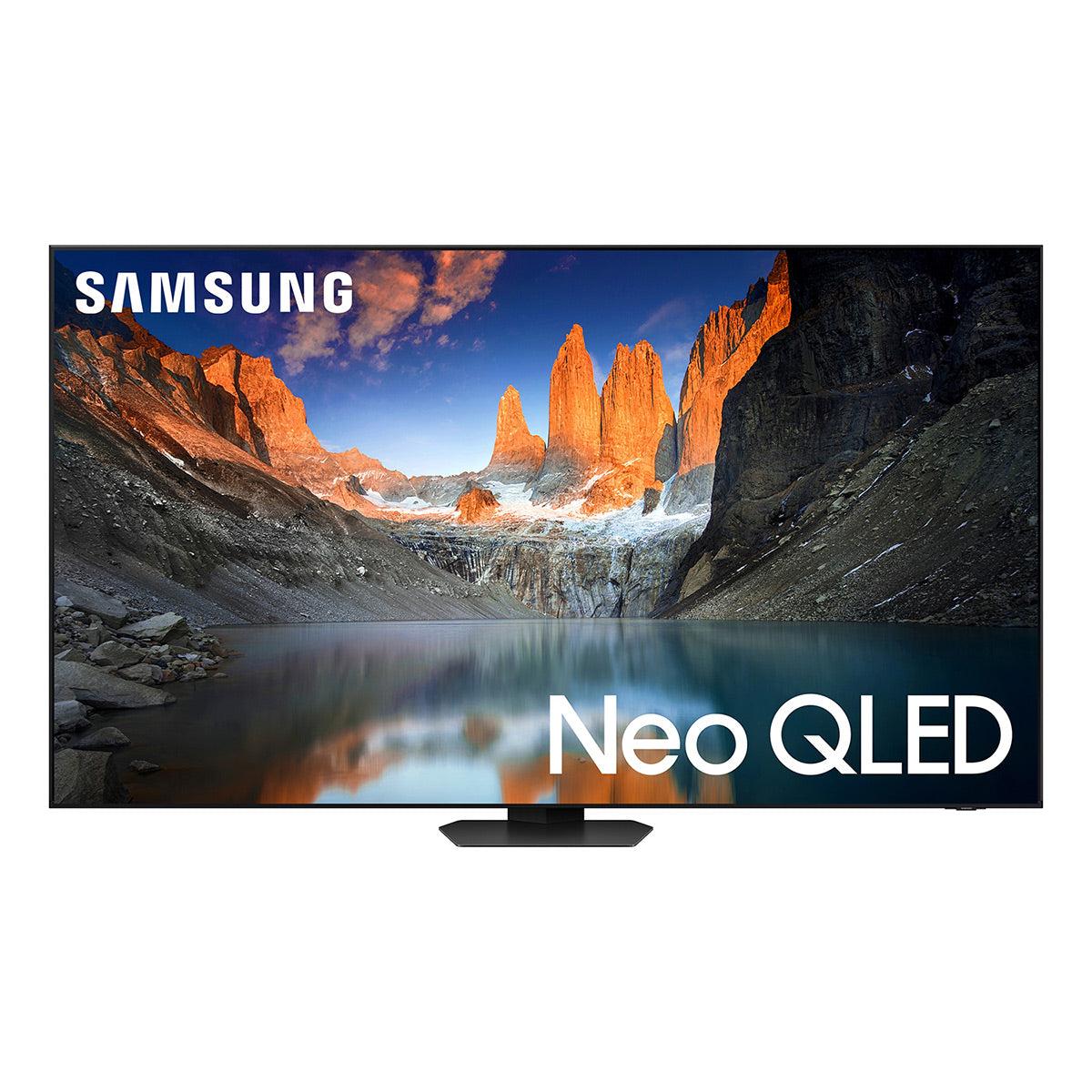
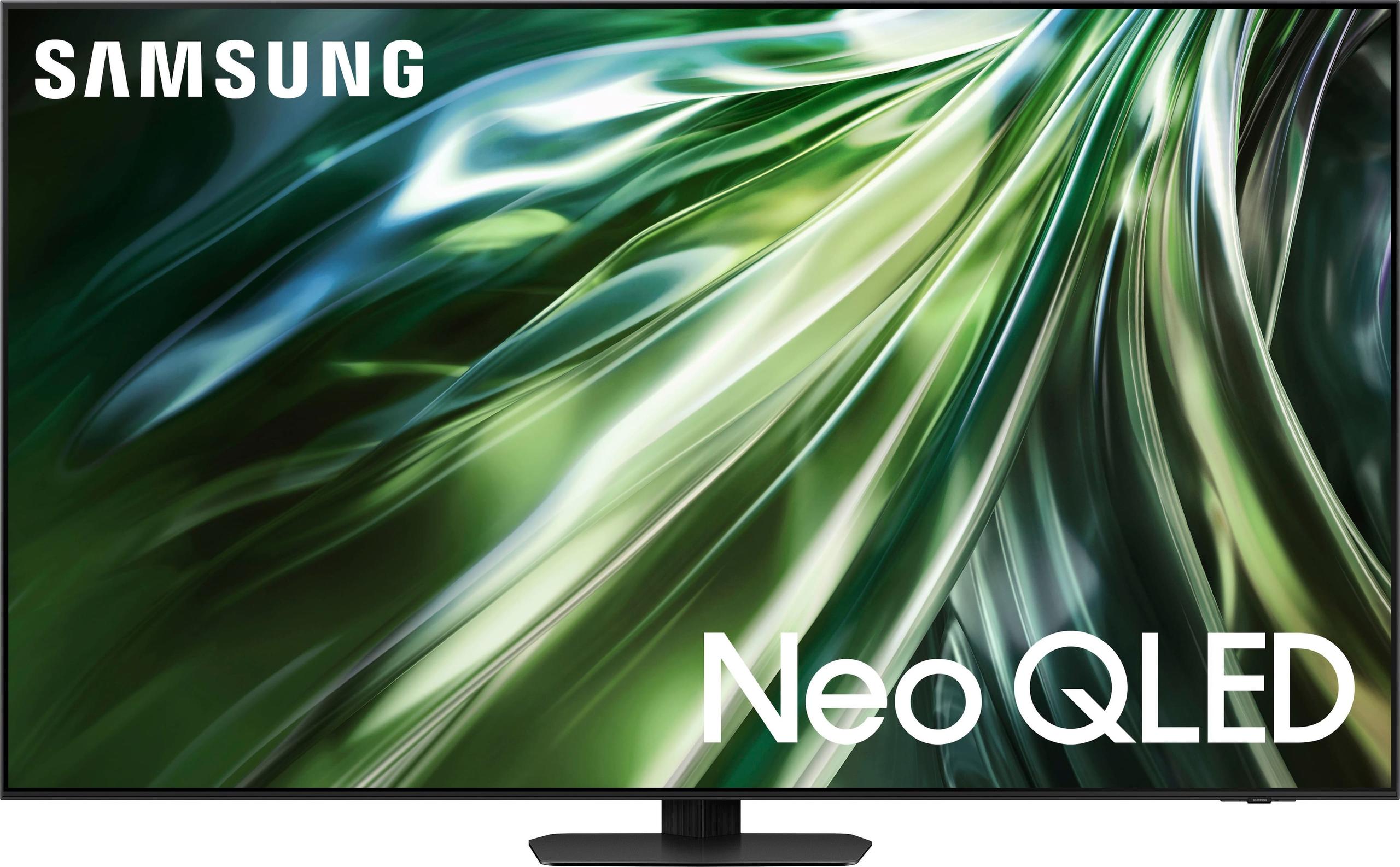
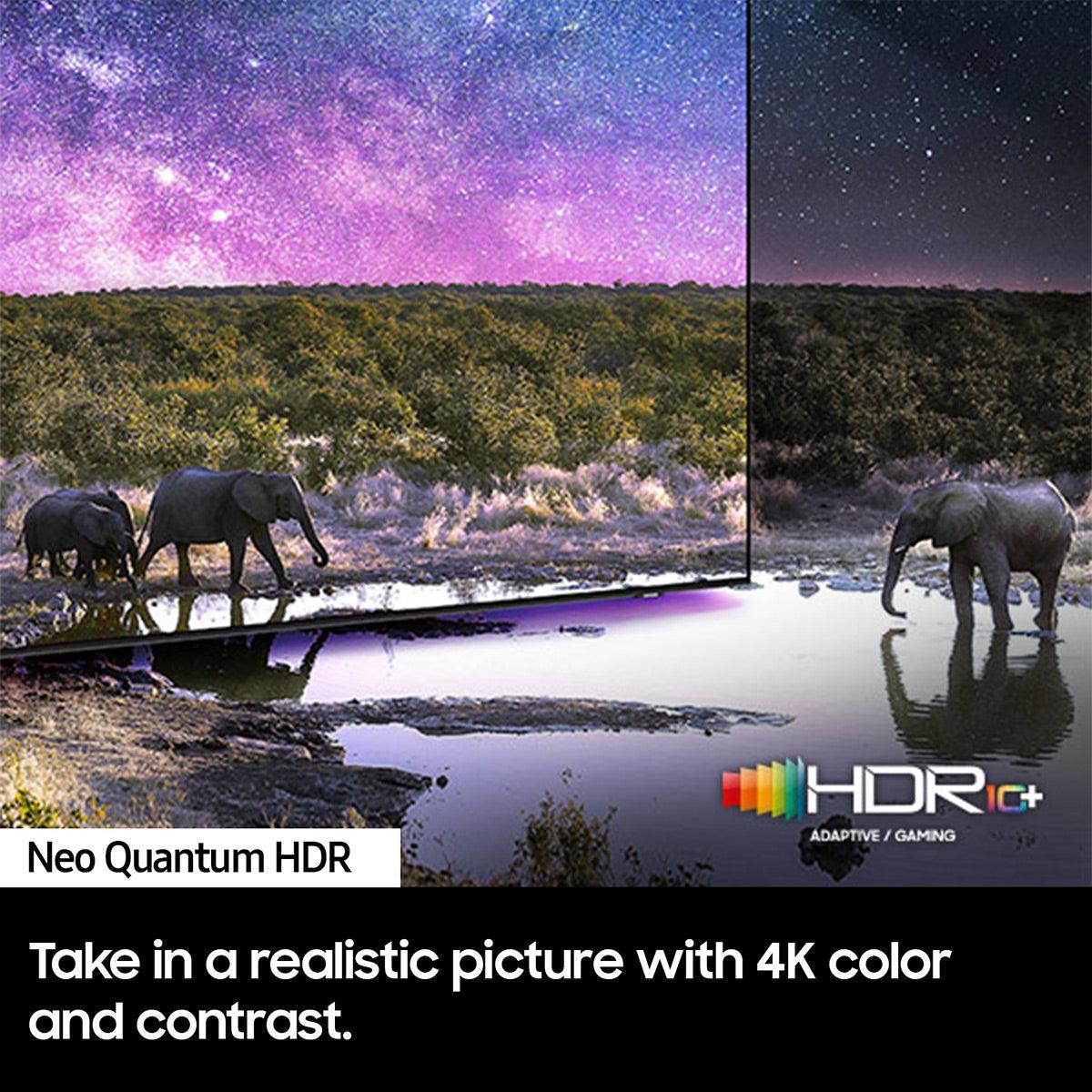
The Samsung QN90D, on the other hand, prioritizes impact and vibrancy. Samsung's Quantum Matrix technology creates incredibly deep blacks while pushing bright highlights to impressive levels. The Quantum Dot layer enhances color saturation, making everything pop off the screen. When watching nature documentaries like "Planet Earth," the Samsung made tropical birds look almost hyperreal, with colors that seemed more vivid than life itself.
Samsung typically achieves higher peak brightness than Sony, which becomes important if you're watching TV during the day or in a bright room. The QN90D can punch through ambient light more effectively, maintaining image quality even when sunlight is streaming through windows. However, this comes with a trade-off – some viewers find Samsung's default picture modes too aggressive, requiring manual adjustment to achieve natural-looking images.
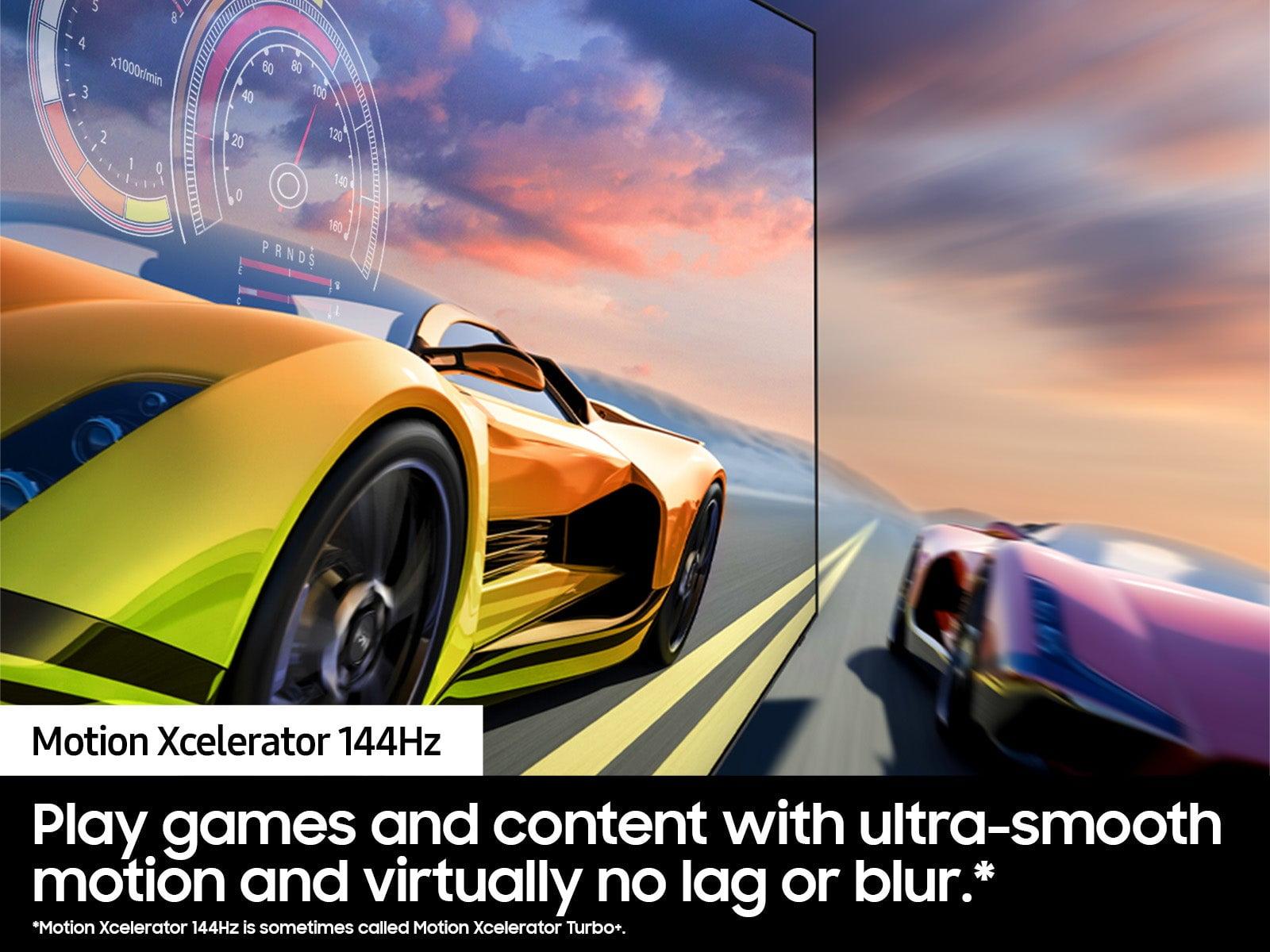
Both displays handle motion well, but with different strengths. The Sony's XR Motion Clarity technology analyzes movement across multiple frames, making it excellent for movies with complex camera movements. The Samsung's Motion Xcelerator Turbo+ excels with sports and fast-paced content, virtually eliminating motion blur during football games or action sequences.
The smart TV experience can make or break your daily viewing, and these two platforms take distinctly different approaches.
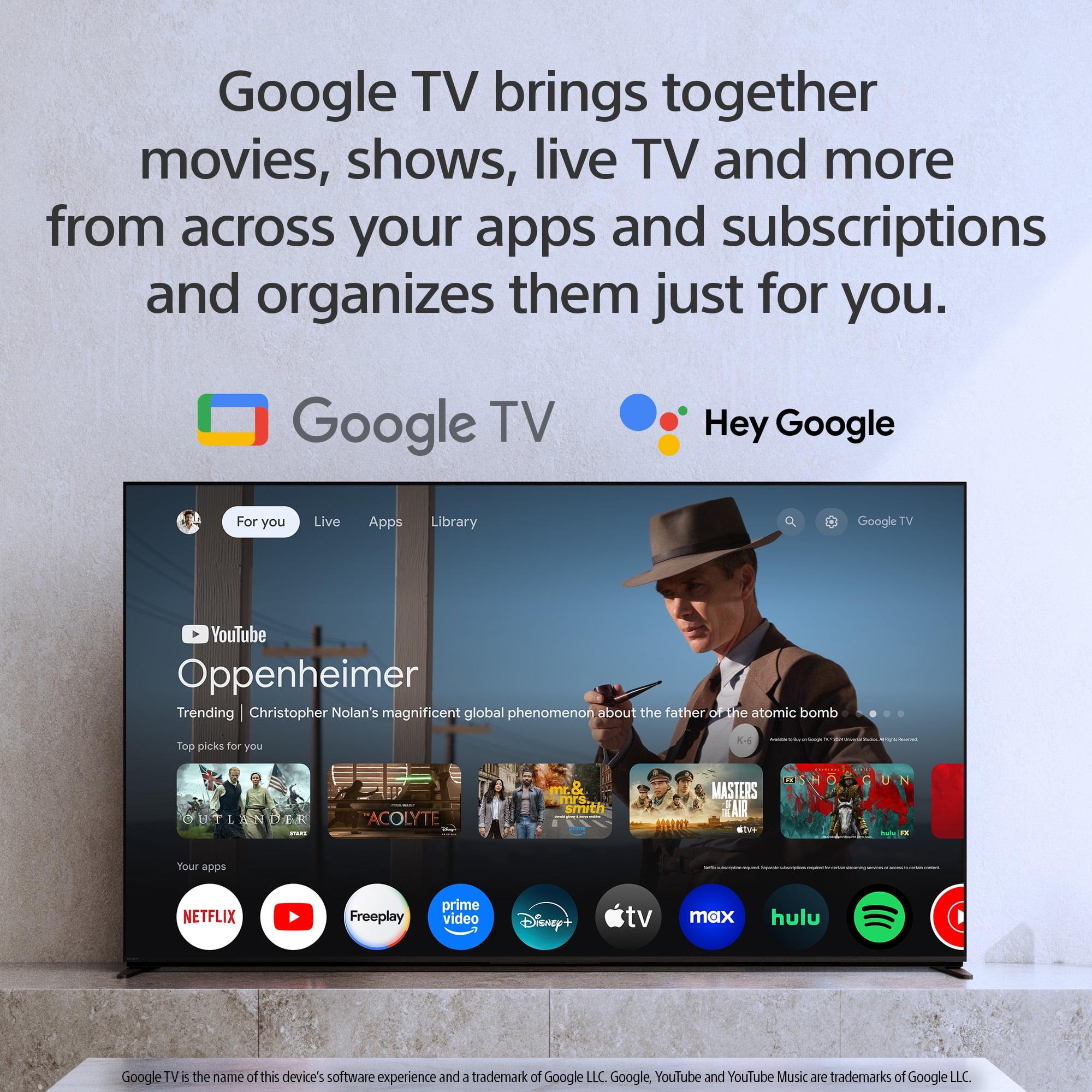
The Sony BRAVIA 5 runs Google TV, which excels at content discovery and aggregation. Instead of forcing you to remember which app has which show, Google TV creates a unified interface that surfaces content from across all your streaming services. When you search for "Marvel movies," it shows options from Disney+, Netflix, and other services in one place. The integration with Google Assistant means you can use voice commands naturally, and if you're already using Google services, everything syncs seamlessly.
I particularly appreciate how Google TV learns your preferences over time. After a few weeks of use, the recommendations become surprisingly accurate, often suggesting shows I didn't even know I wanted to watch. The built-in Chromecast functionality means you can easily cast content from your phone or tablet without additional hardware.
The Samsung QN90D uses Tizen OS, which prioritizes speed and visual polish. The interface feels snappier than Google TV, with smooth animations and quick app loading. Samsung's approach focuses on giving you direct access to your apps rather than trying to aggregate everything into one interface. This works well if you know exactly what you want to watch and where to find it.
Tizen also includes Samsung's Gaming Hub, which provides access to cloud gaming services like Xbox Game Pass and NVIDIA GeForce Now without needing a console. This feature alone could justify the Samsung for some users, essentially turning your TV into a gaming device.
Both platforms receive regular updates, but Google TV tends to get new features more frequently due to Google's continuous development approach. Samsung updates Tizen annually with major revisions, providing stability but potentially slower feature rollouts.
If gaming is important to you, the Samsung QN90D has a significant advantage. While both TVs support next-generation gaming features, Samsung's implementation is more comprehensive and flexible.
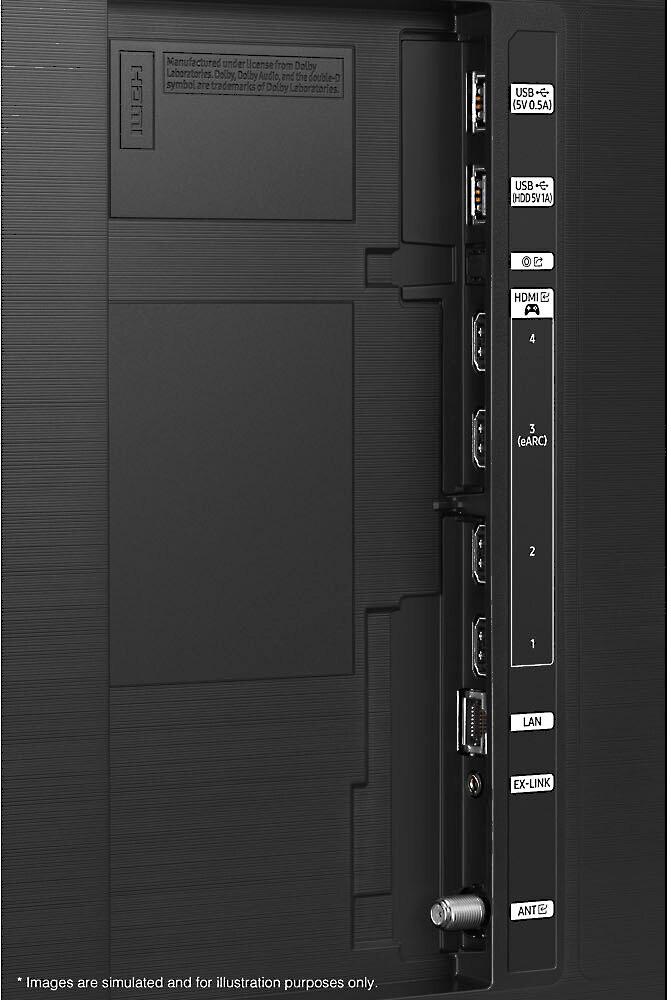
The Samsung includes four HDMI 2.1 ports, all capable of handling 4K resolution at 120Hz refresh rates. This means you can connect a PlayStation 5, Xbox Series X, gaming PC, and another device (like a streaming box) without sacrificing performance or constantly switching cables. The TV also supports variable refresh rate (VRR) technology, which eliminates screen tearing by matching the TV's refresh rate to your gaming device's output.
For PC gamers, the Samsung goes further by supporting 144Hz at 4K resolution, providing incredibly smooth gameplay for competitive titles. The Gaming Hub interface makes it easy to switch between different gaming sources and adjust settings for optimal performance.
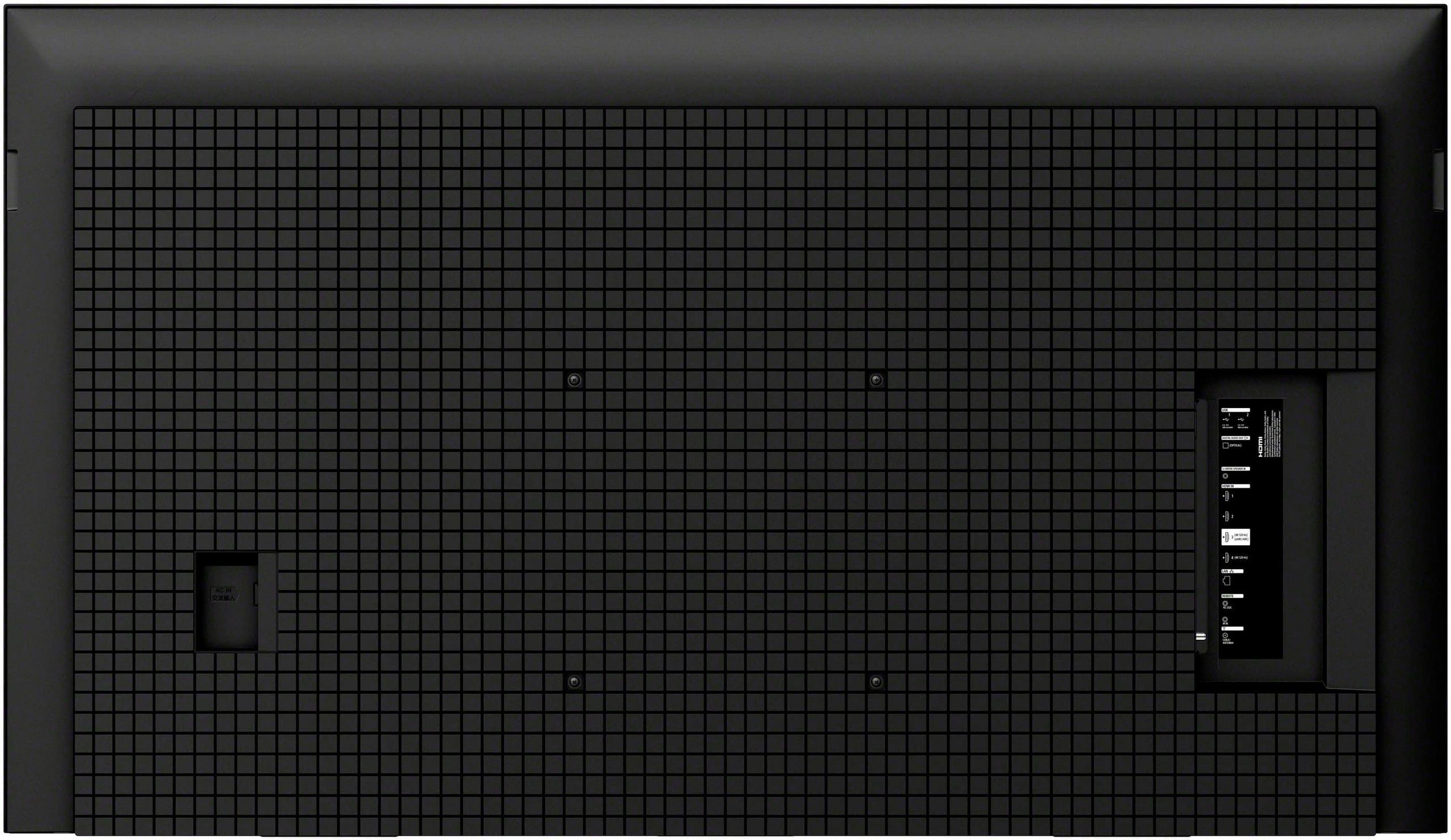
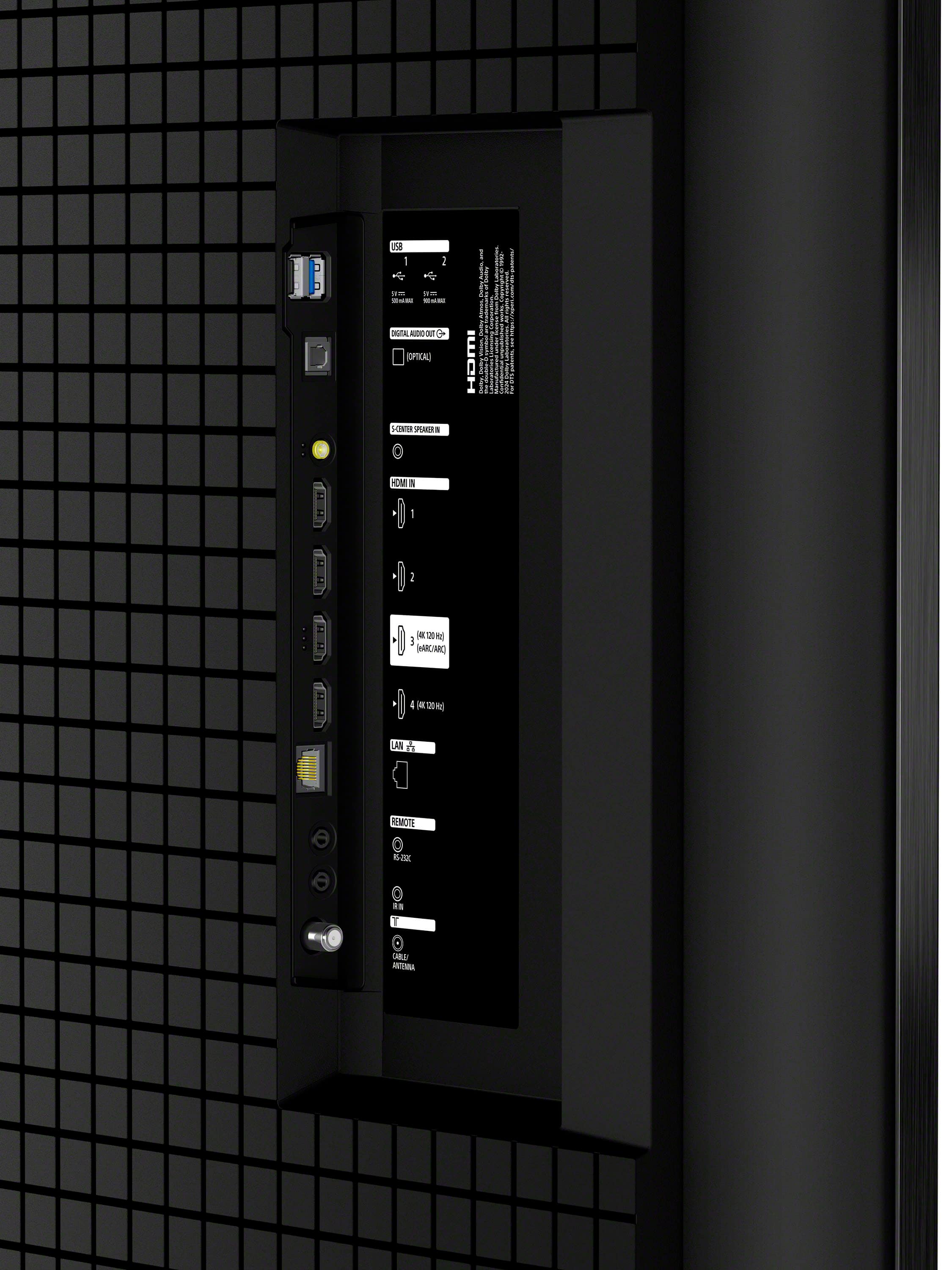
The Sony BRAVIA 5 offers solid gaming features but with limitations. It includes two HDMI 2.1 ports, with one typically reserved for eARC (enhanced Audio Return Channel) to connect soundbars or receivers. This means you effectively have one HDMI 2.1 port for gaming, which could be limiting if you own multiple gaming devices.
However, Sony's gaming features shine when paired with a PlayStation 5. The TV automatically optimizes picture settings for PS5 games and includes features like Auto HDR Tone Mapping, which ensures games look their best without manual adjustment. The integration feels seamless, though this advantage only applies to Sony's own gaming console.
Both TVs offer low input lag in gaming mode – the delay between pressing a button and seeing the action on screen. In my testing, both performed well enough for competitive gaming, with differences measured in milliseconds that most players wouldn't notice.
While most home theater enthusiasts eventually add external speakers, the built-in audio quality matters for everyday viewing and determines whether you need to invest in additional audio equipment immediately.
The Samsung QN90D includes a more sophisticated audio system with Object Tracking Sound+ technology. This system uses multiple speakers positioned around the TV to create the illusion that sound comes from specific locations on screen. When a car drives from left to right, the audio follows that movement, creating a more immersive experience. The 4.2.2 channel configuration delivers 60 watts of total power, providing room-filling sound for most viewing situations.
Samsung's Q-Symphony feature allows the TV speakers to work in harmony with compatible Samsung soundbars, rather than shutting off when external audio is connected. This creates a more expansive soundstage by using both the TV's speakers and the soundbar simultaneously.
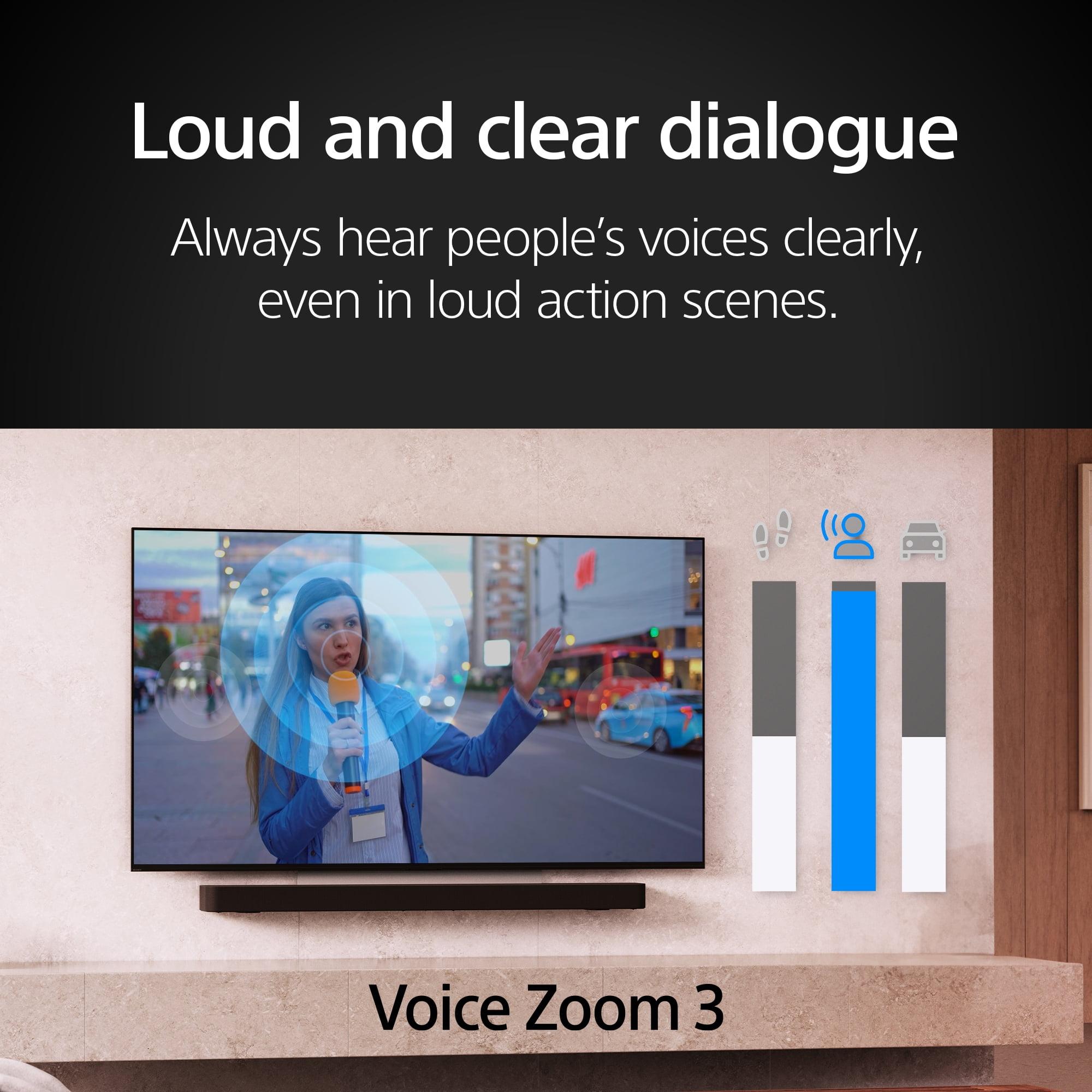
The Sony BRAVIA 5 takes a different approach with its Acoustic Multi-Audio system. Sony focuses on dialogue clarity and tonal accuracy rather than surround sound effects. The magnetic tweeters handle high frequencies more precisely, making dialogue easier to understand without raising the overall volume. This becomes particularly valuable when watching movies with complex soundtracks where dialogue can get lost in the mix.
Sony's Voice Zoom 3 feature uses AI to identify and enhance dialogue in real-time, automatically adjusting levels when characters speak. I found this especially helpful during late-night viewing when I wanted to keep the volume low but still understand conversations clearly.
Both systems support Dolby Atmos, though the Samsung's implementation is more dramatic while Sony's is more subtle and natural. Your preference will depend on whether you want impact or accuracy from your built-in speakers.
For dedicated home theater setups, both TVs offer features that enhance the cinematic experience, but they cater to different preferences and room configurations.
The Sony BRAVIA 5 excels in controlled lighting environments typical of dedicated home theaters. Its accurate color reproduction and Dolby Vision support ensure that movies look exactly as directors intended. The TV includes filmmaker modes that disable motion smoothing and other processing that can make movies look artificially smooth or "soap opera-like."
Sony's approach to local dimming creates excellent contrast in dark scenes without the bright halos that can appear around objects in high-contrast situations. This subtlety works well in dark rooms where you can appreciate nuanced shadow detail and gradual brightness transitions.
The Samsung QN90D brings more impact to home theater viewing with its higher peak brightness and more aggressive processing. This makes it excellent for HDR content, where bright highlights can truly shine. The deeper blacks achieved through Quantum Matrix technology create dramatic contrast that can be breathtaking in the right content.
However, Samsung's more aggressive processing can sometimes introduce artifacts in film content, requiring careful calibration to achieve optimal results. The TV includes multiple picture modes specifically designed for movies, but finding the right balance between impact and accuracy may require some experimentation.
Both TVs work well with external audio systems, but the Samsung's four HDMI 2.1 ports provide more flexibility for connecting multiple sources in a complex home theater setup. The Sony's two HDMI 2.1 ports (with one typically used for eARC) might require additional switching equipment in elaborate configurations.
At approximately $1,478, the Sony BRAVIA 5 represents exceptional value in the Mini LED category. You're getting premium picture processing, Google TV smart features, and solid gaming capabilities at a price point that's typically $200-500 less than comparable Samsung models.
The Sony's value proposition becomes even stronger when you consider the included features. Dolby Vision support adds significant value for streaming content, while the accurate color reproduction means you'll likely be satisfied with the picture quality out of the box without needing professional calibration.
The Samsung QN90D, while more expensive at around $1,700-2,000, justifies its premium pricing through superior gaming features, brighter overall performance, and more comprehensive connectivity. If you're a serious gamer or need a TV that performs well in bright rooms, the additional cost may be worthwhile.
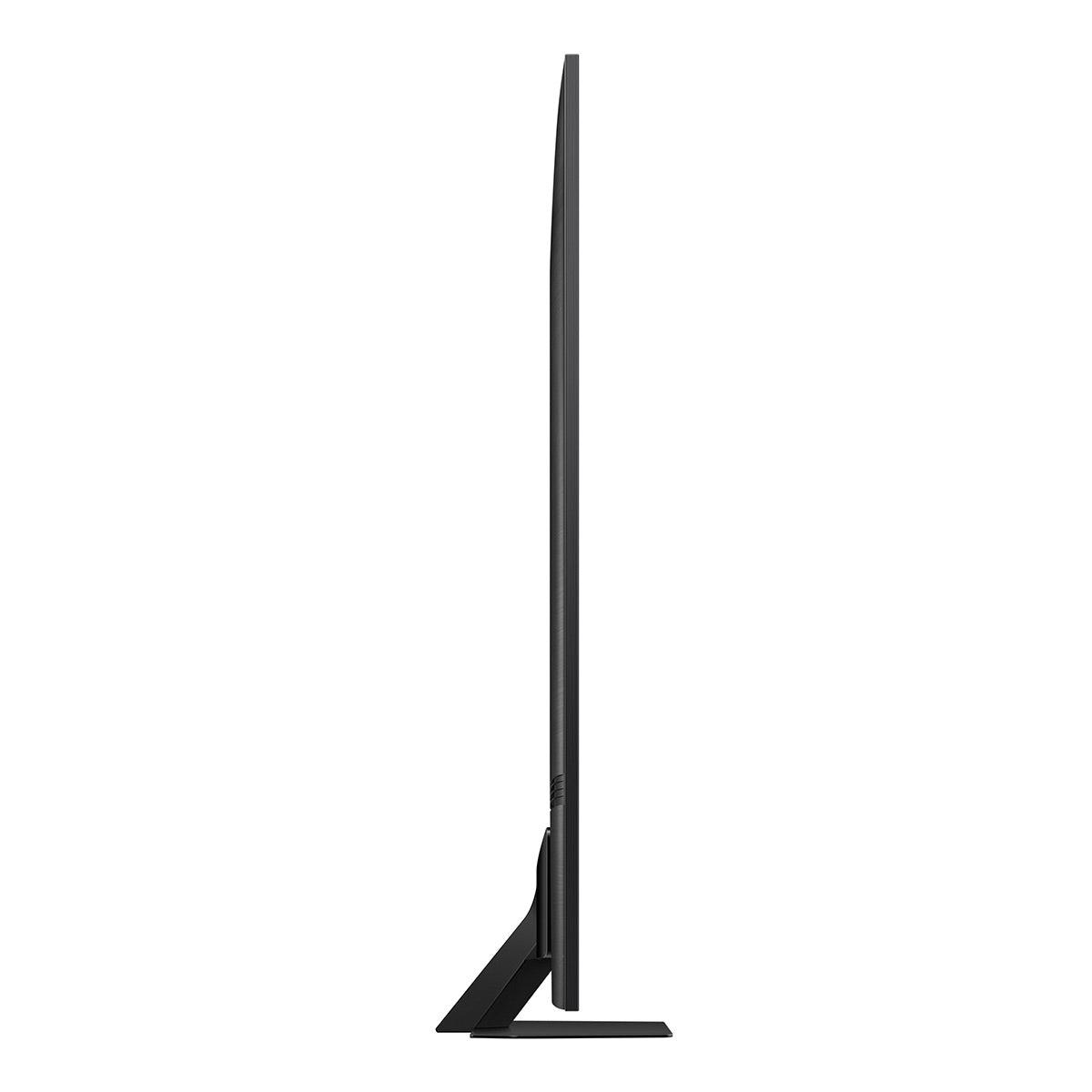
Samsung's build quality also feels more premium, with heavier materials and more solid construction. The TV is likely to age better physically, though both brands offer reliable long-term performance.
Choose the Sony BRAVIA 5 if you prioritize accurate, natural picture quality and excellent value. It's ideal for movie enthusiasts who want cinematic accuracy, users who prefer Google's ecosystem, and anyone seeking premium Mini LED performance without the premium price tag. The Sony works particularly well in controlled lighting environments and for users who primarily stream content from services that support Dolby Vision.
Choose the Samsung QN90D if you want the most comprehensive feature set and don't mind paying extra for it. It's the better choice for serious gamers, bright room viewing, and users who want the most vibrant, impactful picture quality. The Samsung also works better for complex home theater setups that require multiple high-bandwidth connections.
Both TVs represent excellent examples of current Mini LED technology, and you'll be happy with either choice. Your decision should ultimately come down to your specific needs, viewing environment, and budget. The Sony BRAVIA 5 offers better value for most users, while the Samsung QN90D provides premium features that justify its higher price for the right user.
| Sony BRAVIA 5 65" Mini LED 4K Google TV 2025 | Samsung 65" QN90D Series 4K Neo QLED Smart TV |
|---|---|
| Price - Starting retail price for 65" model | |
| $1,478 (excellent value for Mini LED technology) | $1,700-$2,000 (premium pricing for flagship features) |
| HDR Support - Critical for streaming movie quality | |
| Dolby Vision, HDR10, HLG (better Netflix/Disney+ experience) | HDR10+, HDR10, HLG (no Dolby Vision support) |
| Gaming HDMI 2.1 Ports - Essential for next-gen consoles | |
| 2 ports (one used for eARC, limiting gaming setup flexibility) | 4 ports (all support 4K/120Hz, VRR, ALLM - excellent for gamers) |
| Smart TV Platform - Your daily interface experience | |
| Google TV (superior content discovery and voice control) | Tizen OS (faster interface, Gaming Hub for cloud gaming) |
| Local Dimming Technology - Controls contrast and black levels | |
| XR Backlight Master Drive (6x more zones than previous models) | Quantum Matrix Technology (thousands of zones, deeper blacks) |
| Color Technology - Affects vibrancy and accuracy | |
| XR Triluminos Pro (cinema-accurate, natural colors) | Quantum Dot (more vibrant, saturated colors) |
| Peak Brightness - Important for bright room viewing | |
| Good brightness with excellent uniformity | Higher peak brightness, better anti-glare coating |
| Audio System - Built-in sound quality | |
| Acoustic Multi-Audio with Voice Zoom 3 (clear dialogue focus) | Object Tracking Sound+ 4.2.2CH 60W (immersive spatial audio) |
| Motion Handling - Reduces blur in sports and action | |
| XR Motion Clarity (excellent for movies and complex scenes) | Motion Xcelerator Turbo+ (superior for sports and gaming) |
| Processor - AI enhancement and upscaling quality | |
| 3rd Gen XR Processor (reference-level accuracy) | Neo Quantum Processor (aggressive enhancement, vibrant output) |
| Best Use Cases - Who should buy this TV | |
| Movie enthusiasts, Google ecosystem users, budget-conscious buyers | Serious gamers, bright room viewing, Samsung ecosystem users |
The Sony BRAVIA 5 65" Mini LED 4K Google TV 2025 offers better value at $1,478, providing premium Mini LED technology with Dolby Vision support and accurate picture quality. The Samsung 65" QN90D Series 4K Neo QLED Smart TV costs $1,700-$2,000 but justifies the premium with superior gaming features, brighter performance, and four HDMI 2.1 ports.
The Sony BRAVIA 5 focuses on cinema-accurate colors and natural image reproduction using XR Triluminos Pro technology. The Samsung QN90D delivers more vibrant, saturated colors with Quantum Dot technology and typically achieves higher peak brightness for better performance in bright rooms.
The Samsung QN90D is significantly better for gaming with four HDMI 2.1 ports supporting 4K/120Hz, VRR, and even 144Hz PC gaming. The Sony BRAVIA 5 only has two HDMI 2.1 ports (one used for eARC), limiting connectivity for multiple gaming devices.
Only the Sony BRAVIA 5 supports Dolby Vision, which enhances HDR content on Netflix, Disney+, and Apple TV+. The Samsung QN90D supports HDR10+ instead, which is less widely used by streaming services.
The Sony BRAVIA 5 uses Google TV, which excels at content discovery and aggregation across streaming services. The Samsung QN90D runs Tizen OS, which offers a faster interface and includes Gaming Hub for cloud gaming services.
The Samsung QN90D features Object Tracking Sound+ with 4.2.2 channels and 60W power for more immersive spatial audio. The Sony BRAVIA 5 focuses on dialogue clarity with Acoustic Multi-Audio and Voice Zoom 3 technology for better speech understanding.
The Samsung QN90D performs better in bright rooms with higher peak brightness and superior anti-glare coating. The Sony BRAVIA 5 offers good brightness but excels more in controlled lighting environments.
The Samsung QN90D generally features more premium materials and construction, feeling more solid and substantial. The Sony BRAVIA 5 offers good build quality at its price point with flexible stand options and adjustable positioning.
For home theater use, the Sony BRAVIA 5 excels with accurate color reproduction, Dolby Vision support, and filmmaker modes that preserve cinematic intent. The Samsung QN90D provides more dramatic impact with deeper blacks and brighter highlights but may require calibration for optimal movie viewing.
The Sony BRAVIA 5 uses XR Motion Clarity for excellent performance with movies and complex camera movements. The Samsung QN90D features Motion Xcelerator Turbo+ that excels with sports content and fast-paced action sequences.
The Sony BRAVIA 5 benefits from Google's continuous software updates and longer support cycles. The Samsung QN90D receives annual Tizen updates and typically maintains value better due to premium build quality and comprehensive feature set.
Choose the Sony BRAVIA 5 if you prioritize movie quality, streaming content, and value for money. Select the Samsung QN90D if you're a serious gamer, need bright room performance, or want the most comprehensive feature set regardless of price.
We've done our best to create useful and informative comparisons to help you decide what product to buy. Our research uses advanced automated methods to create this comparison and perfection is not possible - please contact us for corrections or questions. These are the sites we've researched in the creation of this article: rtings.com - pro.sony - youtube.com - electronics.sony.com - electronics.sony.com - electronics.sony.com - bestbuy.com - electronics.sony.com - youtube.com - bestbuy.com - videoandaudiocenter.com - valueelectronics.com - youtube.com - sony.ca - perpichtv.com - sony.com - displayspecifications.com - pioneertvandappliance.com - flatpanelshd.com - samsung.com - standardtvandappliance.com - gerhardsappliance.com - bestbuy.com - image-us.samsung.com - rtings.com - youtube.com - images.samsung.com

Privacy Policy
Terms and Conditions - Affiliate Policy
Home Security
© Copyright 2008-2026.
11816 Inwood Rd #1211, Dallas, TX 75244