







When you're shopping for a premium 65-inch TV, you're probably looking at spending a significant chunk of your entertainment budget. Two standout options released in 2025 represent completely different approaches to high-end television: the Samsung Frame Pro, which doubles as living room artwork, and the Sony BRAVIA 5, which focuses purely on delivering exceptional picture quality for the money.
Both TVs use Mini LED backlighting technology—think of thousands of tiny LEDs behind the screen that can be controlled individually to create brighter highlights and deeper shadows. But that's where the similarities end. One is designed to disappear into your home's aesthetic when not in use, while the other is built to deliver the best possible viewing experience when it matters most.
The premium TV market has evolved dramatically over the past few years. Mini LED technology, once reserved for the most expensive models, has trickled down to more accessible price points while delivering contrast performance that rivals OLED displays in many situations. Both the Samsung Frame Pro and Sony BRAVIA 5 benefit from this technological advancement, but they apply it toward completely different goals.
What matters most when choosing between premium TVs? Picture quality remains king—specifically brightness (measured in nits), contrast ratio (the difference between the darkest blacks and brightest whites), and color accuracy. Gaming performance has become increasingly important, with input lag (the delay between pressing a button and seeing the result on screen) and refresh rate (how many times per second the image updates) being crucial metrics. Smart platform capabilities, audio quality, and design integration round out the major considerations.
The key insight here is that both TVs excel in different areas, making your choice largely dependent on how you plan to use your TV and what compromises you're willing to make.
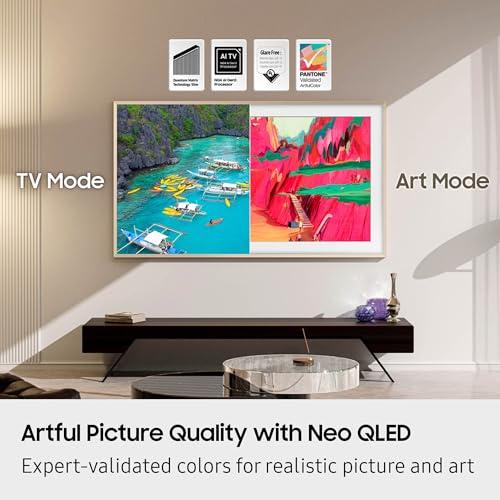
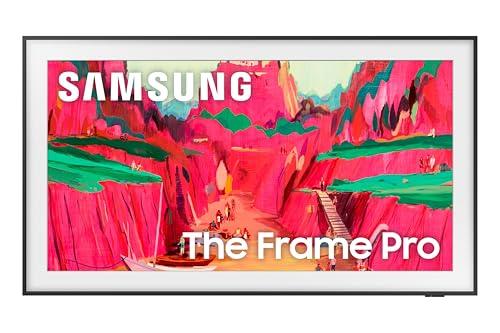
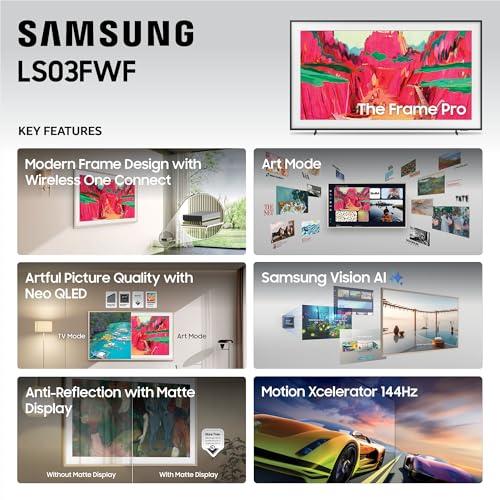
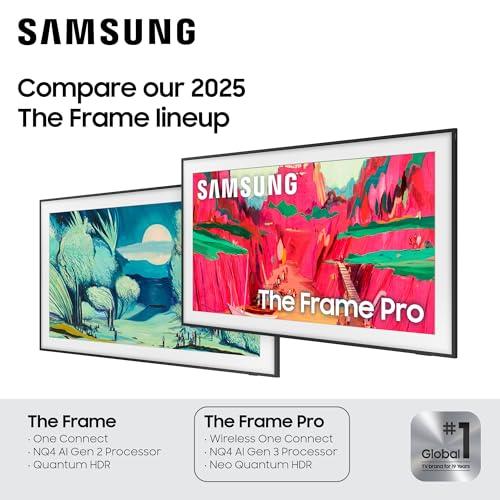
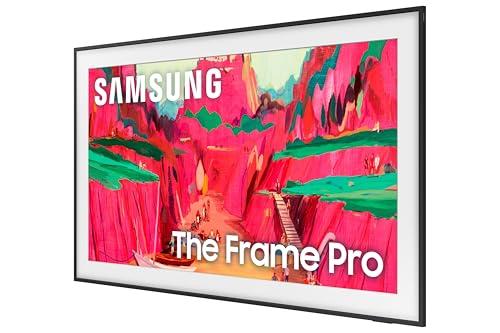
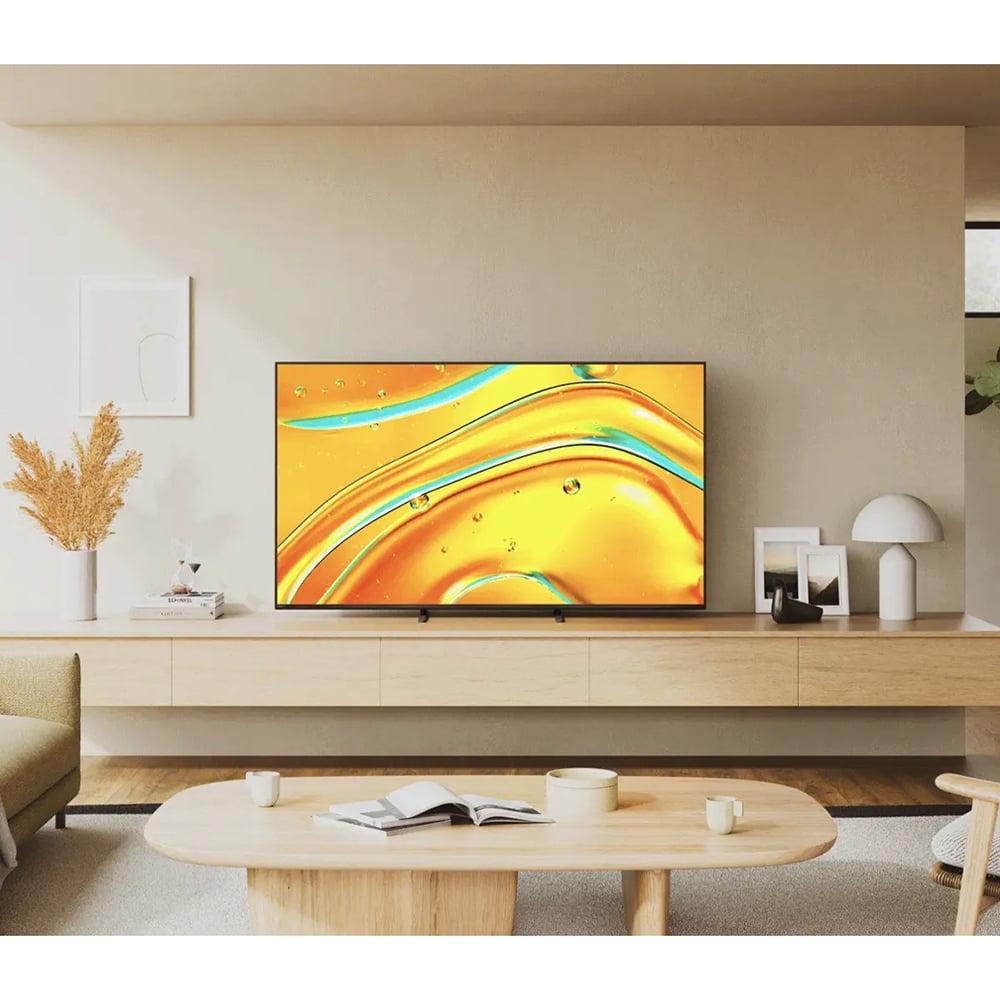
The most obvious difference between these TVs is their design approach. The Samsung Frame Pro treats your TV as a piece of furniture first, entertainment device second. When turned off, it displays artwork from Samsung's curated collection or your personal photos, complete with customizable bezels that let you match your room's decor. The matte anti-glare screen coating eliminates reflections that would break the artistic illusion.
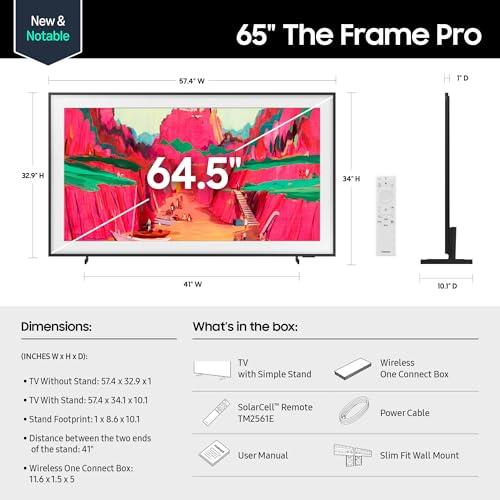
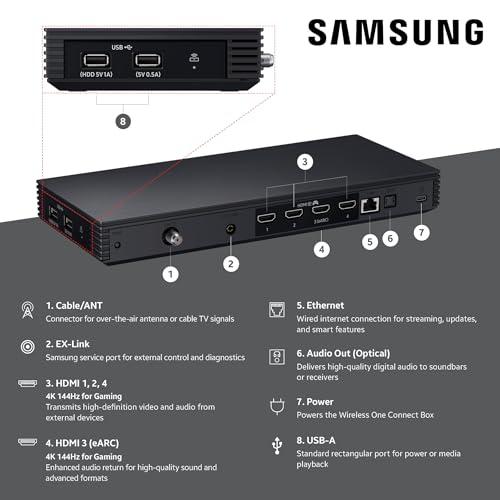
More impressively, Samsung's Wireless One Connect Box represents a genuine breakthrough in TV installation. All your devices—cable box, gaming console, streaming devices—connect to a separate box that can be placed up to 33 feet away from the TV. The box then wirelessly transmits both video and audio signals using Wi-Fi 7 technology and something Samsung calls "Omni-Directional Technology," which maintains signal strength even through walls and obstacles. This means zero visible cables running to your wall-mounted TV, creating the cleanest possible installation.
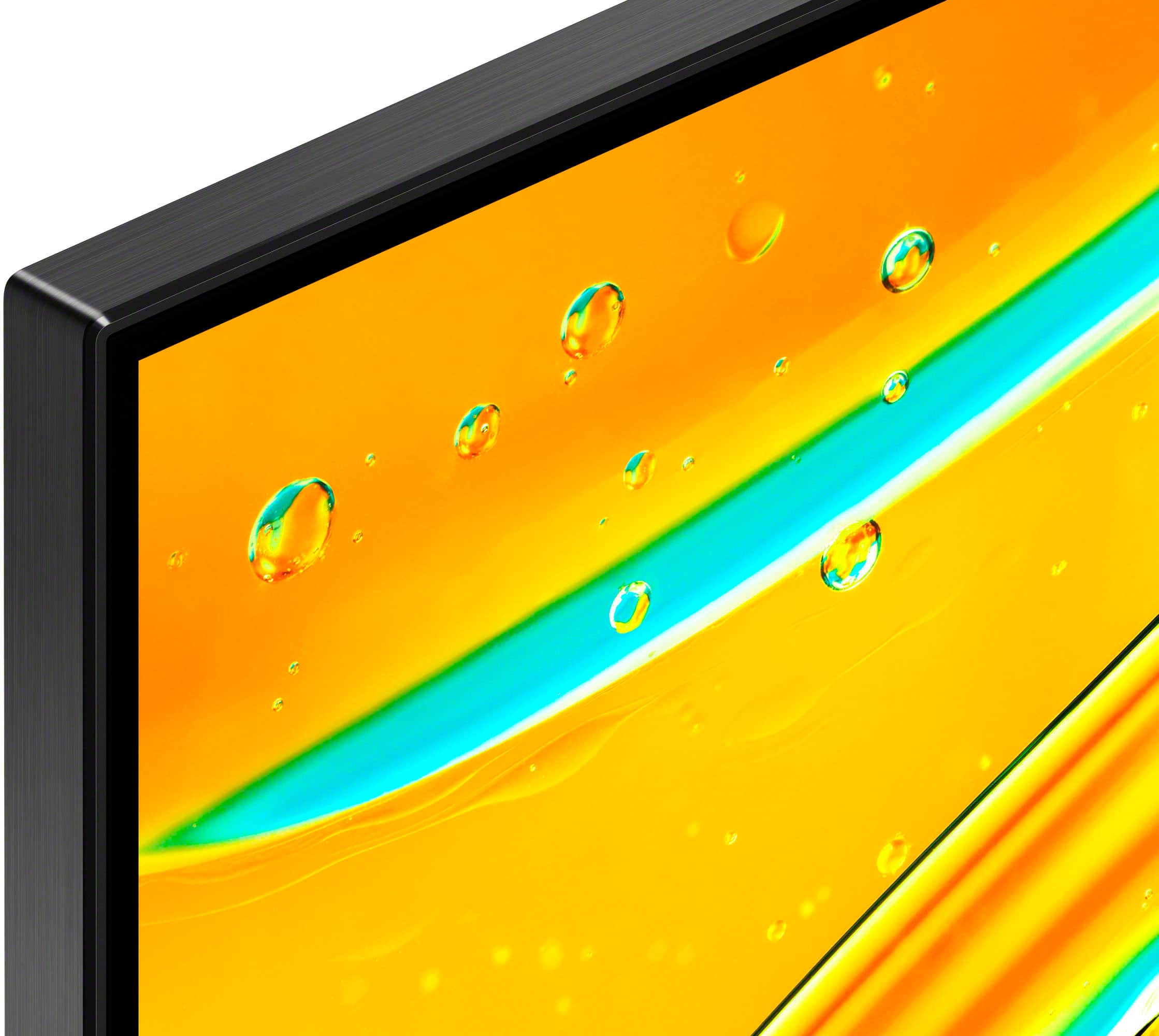
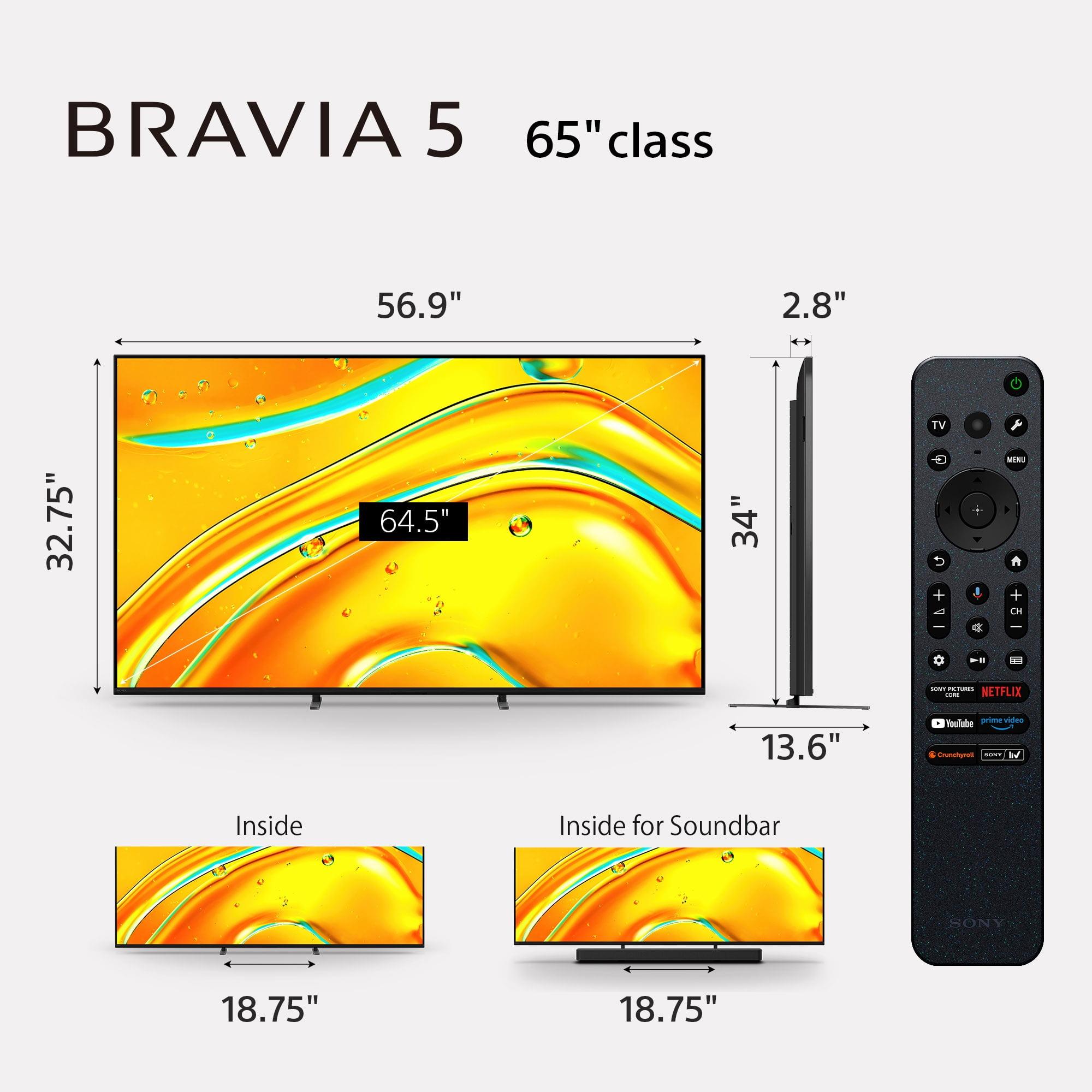
The Sony BRAVIA 5, by contrast, embraces traditional TV design while focusing resources on picture quality and performance. It features Sony's "One Slate" design philosophy—sleek and minimalist, but clearly identifiable as a television. The stand is thoughtfully designed with two height positions, allowing you to place a soundbar underneath without blocking the screen.
For wall mounting, the Samsung offers unparalleled aesthetics, while the Sony provides a more conventional but reliable installation with standard cable management considerations.
Here's where things get interesting from a technical perspective. Both TVs use Mini LED backlighting, but implement it differently based on their design priorities.
The Samsung Frame Pro achieves an impressive 1,000 nits of peak brightness—significantly higher than most TVs in this category. This brightness advantage, combined with its matte screen coating, makes it exceptional for bright rooms. If your TV faces windows or you watch during daytime with lights on, the Samsung's ability to overcome ambient light is genuinely impressive. The Quantum Dot color technology expands the color gamut to 93.4% of the UHDA-P3 standard, delivering vibrant colors that remain visible even in challenging lighting conditions.
However, this brightness-focused approach comes with trade-offs. The local dimming system—the technology that selectively darkens specific screen areas to improve contrast—is reportedly less effective than it should be. In practical terms, this means dark movie scenes can appear washed out, with blacks looking more gray than truly black. The TV excels with bright, colorful content but struggles to deliver the deep, inky blacks that make dramatic films truly cinematic.

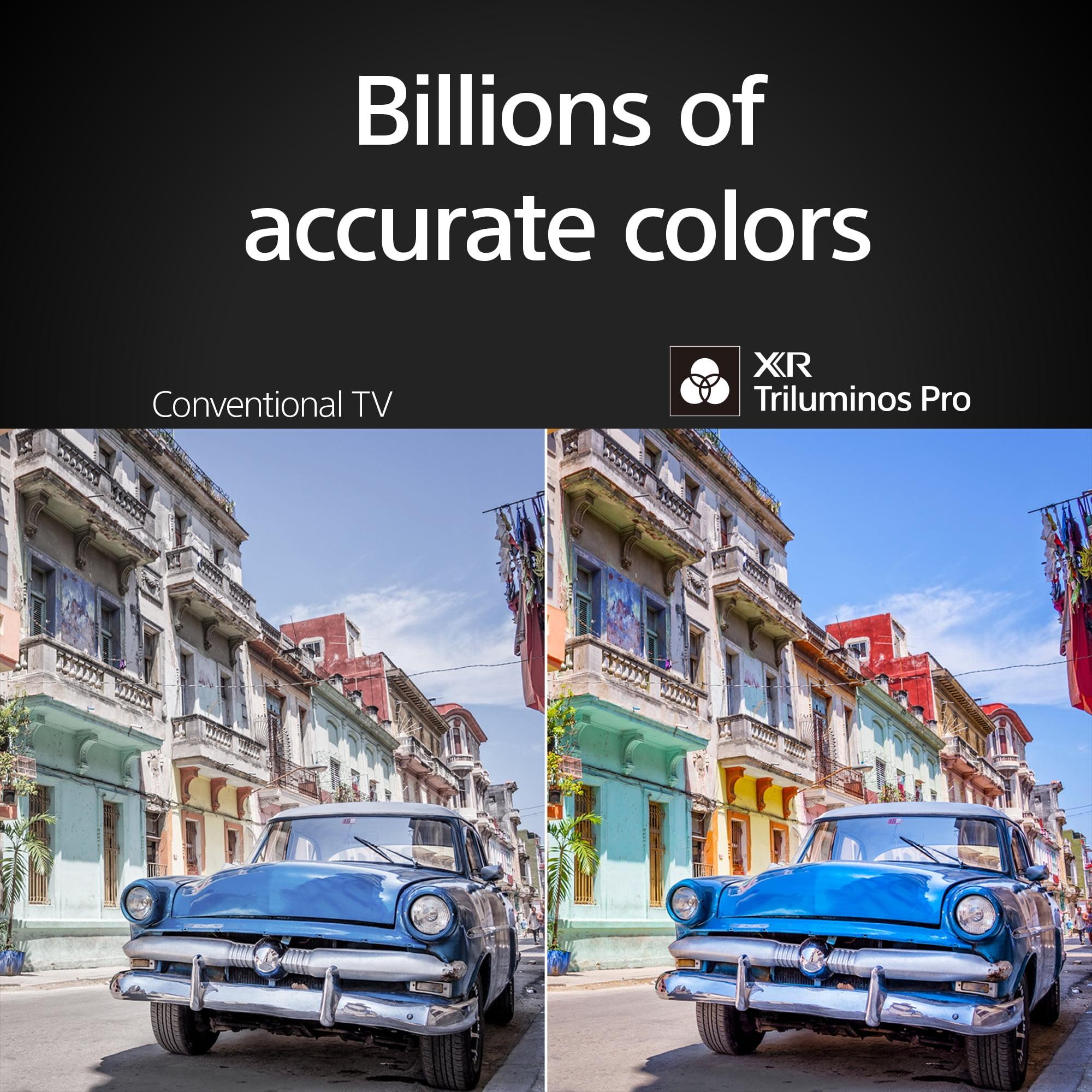
The Sony BRAVIA 5 takes the opposite approach, prioritizing contrast and color accuracy over peak brightness. Sony's XR Backlight Master Drive technology, derived from their professional mastering monitors, provides more precise local dimming control. The result is better dark room performance with deeper blacks and more subtle shadow detail. Sony's XR Triluminos Pro color system focuses on natural color reproduction rather than maximum vibrancy, often resulting in more accurate skin tones and realistic images.
The trade-off? The Sony's HDR (High Dynamic Range) brightness is more modest, making it less impressive in bright rooms but more balanced overall. If you primarily watch TV in the evening with controlled lighting, the Sony's superior contrast will be more noticeable than the Samsung's brightness advantage.
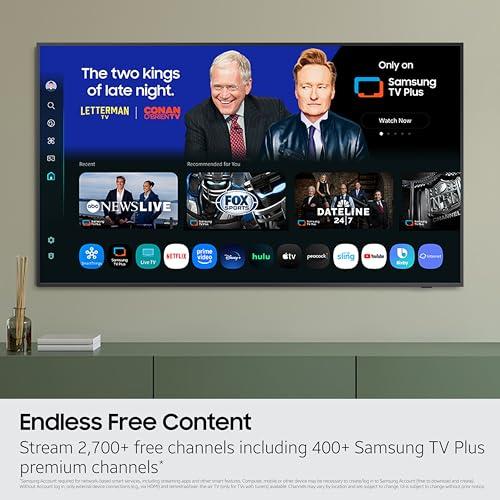
The software experience differs significantly between these TVs. The Samsung Frame Pro runs Samsung's Tizen operating system, which has matured into a capable smart platform with access to all major streaming services. The standout feature is Art Mode integration—you can browse and purchase artwork from Samsung's curated collection, display personal photos, or even create custom galleries. The Pantone color validation ensures artwork appears with professional-level color accuracy.
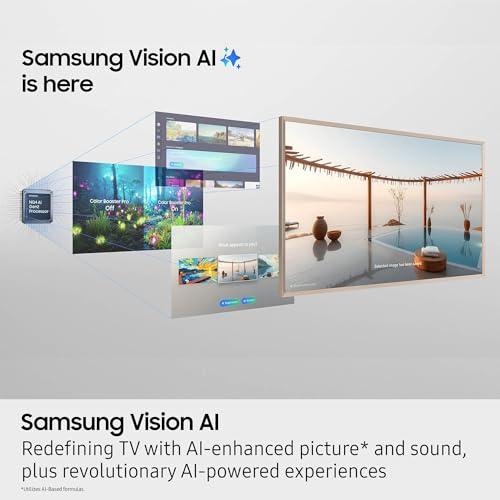
Voice control comes via built-in Alexa and Bixby integration, though the implementation feels less seamless than dedicated smart speakers. The Samsung Vision AI feature, new for 2025, attempts to learn your viewing habits and optimize the TV's performance automatically, though its real-world benefits remain somewhat unclear.
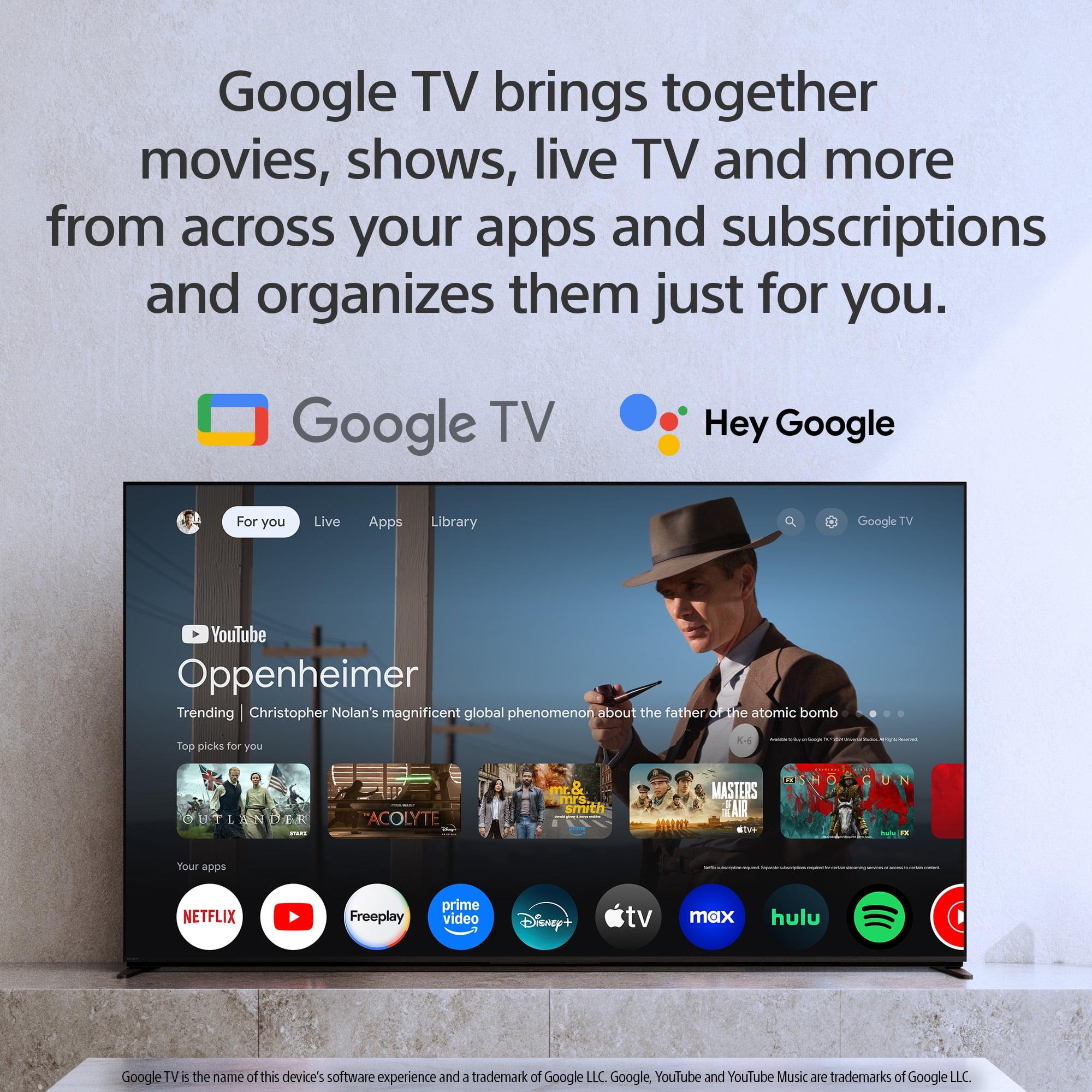
The Sony BRAVIA 5 runs Google TV, which many consider the most mature and user-friendly smart TV platform available. The interface is intuitive, app selection is comprehensive, and integration with Google services is seamless. If you use Android devices or Google services regularly, the Sony will feel more familiar and responsive.
Google Assistant integration is more natural than Samsung's voice options, and the overall smart platform feels faster and more reliable. The Sony also supports more streaming formats and codecs, including DTS audio passthrough, which can matter if you're particular about audio quality.
This is where the comparison becomes somewhat one-sided. Gaming performance reveals the limitations of the Samsung Frame Pro's wireless technology approach. While the TV supports an impressive 144Hz refresh rate and includes all the modern gaming features like Variable Refresh Rate (VRR) and Auto Low Latency Mode (ALLM), the Wireless One Connect Box introduces significant input lag—over 30 milliseconds according to professional testing.
For context, competitive gamers typically demand input lag under 20ms, with under 10ms being ideal. The Samsung's lag makes it unsuitable for serious gaming, particularly competitive online games where reaction time matters. Samsung does include a micro HDMI port directly on the TV for bypassing the wireless system, but this defeats the clean cable-free aesthetic that makes the TV special.
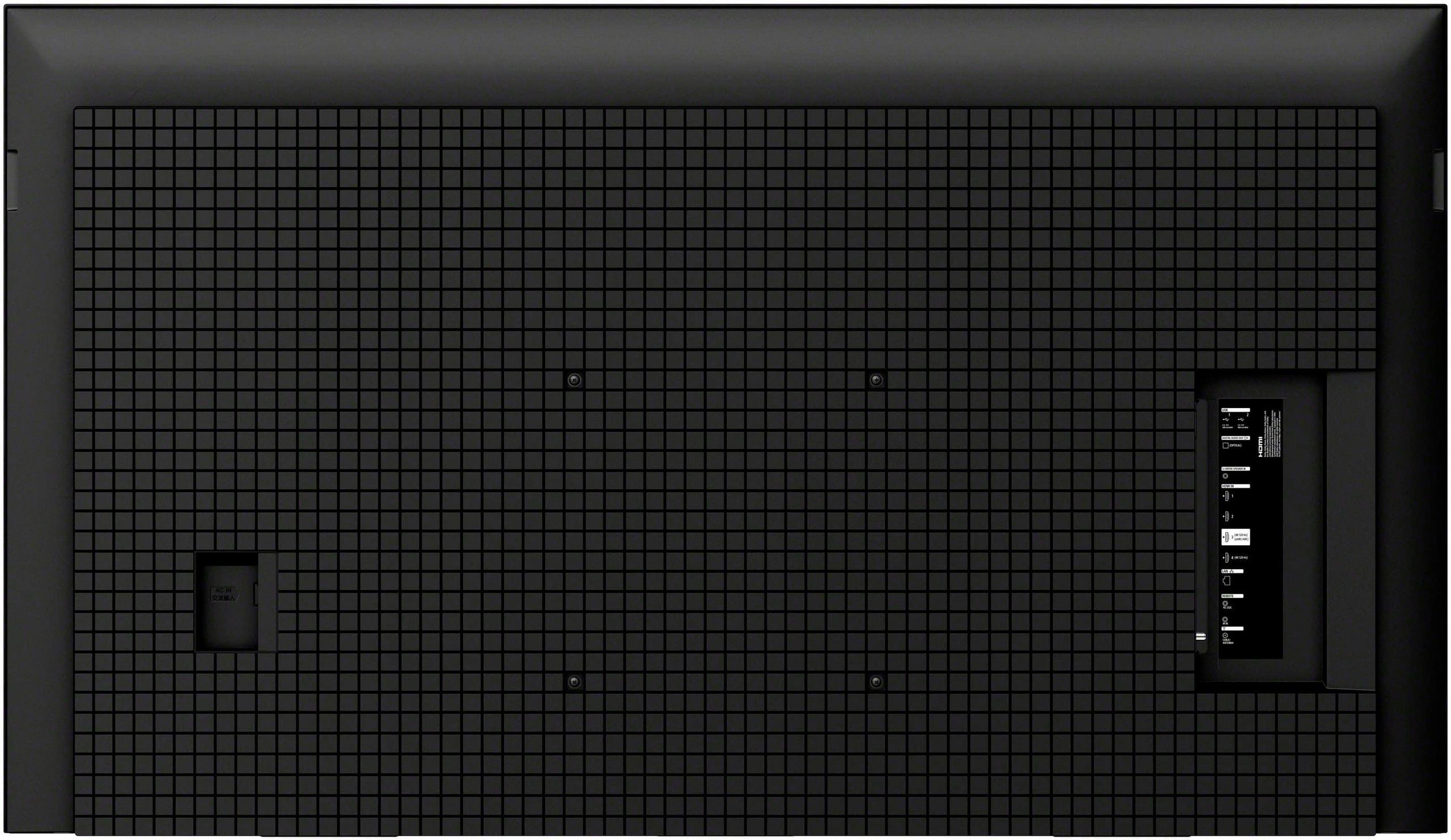
The Sony BRAVIA 5 excels in gaming scenarios. Input lag in gaming mode drops to competitive levels, and the TV includes dedicated gaming features like Auto HDR Tone Mapping for PlayStation 5 and customizable game picture modes. The 120Hz refresh rate, while lower than Samsung's 144Hz, provides smooth motion for console gaming, and the two HDMI 2.1 ports support all modern gaming features including 4K at 120Hz.
If gaming is important to your household, the Sony is the clear choice despite the Samsung's higher refresh rate specification.
Both TVs include respectable built-in audio systems, though neither replaces a dedicated sound system for serious home theater use. The Samsung Frame Pro features a 40W, 2.0.2-channel speaker system with Dolby Atmos support. The Object Tracking Sound (OTS) technology attempts to match audio to visual movement on screen, while Q-Symphony Pro allows the TV speakers to work alongside compatible Samsung soundbars for expanded soundstage.
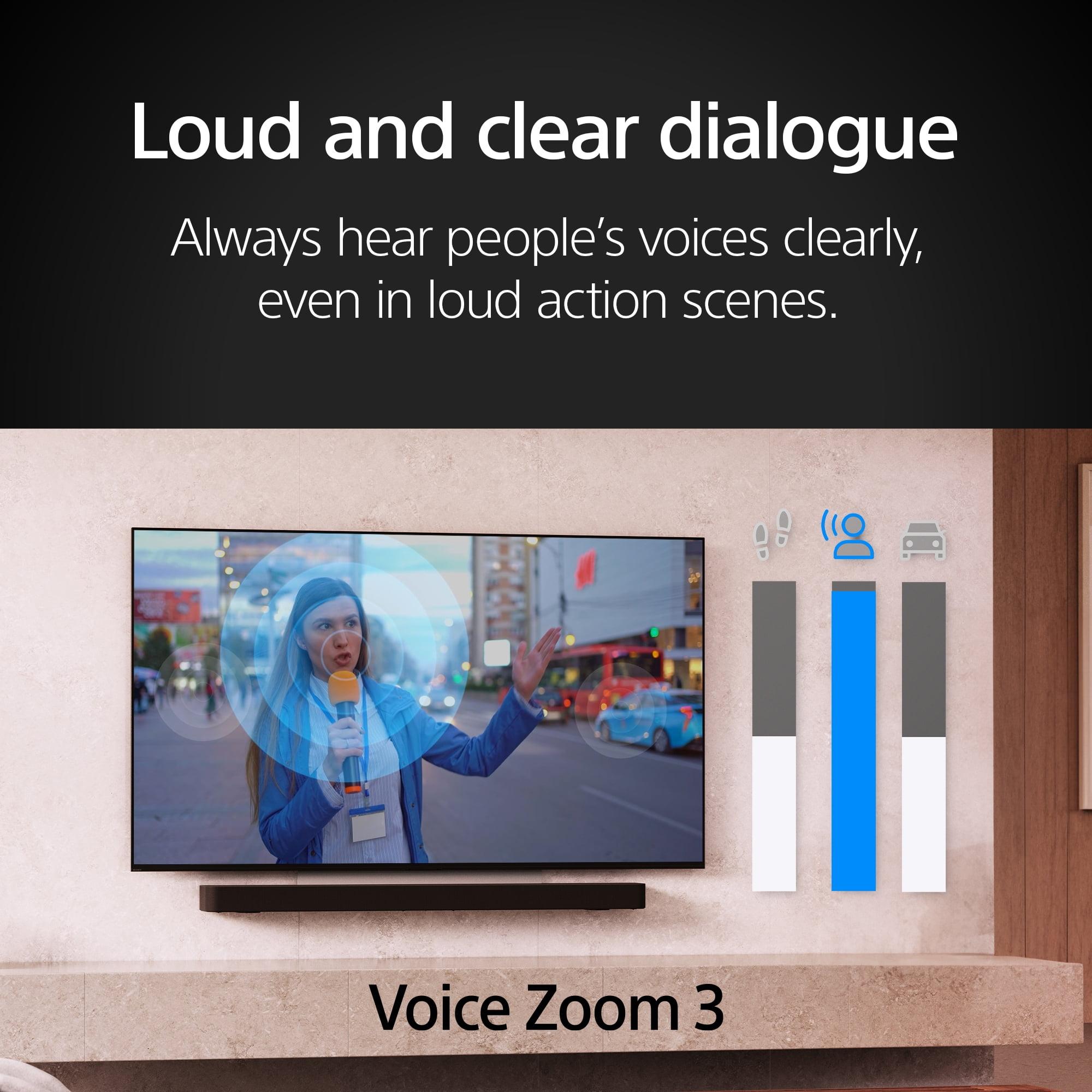
The Sony BRAVIA 5 takes a different approach with its Acoustic Multi-Audio system, designed to create more immersive spatial audio from the TV's built-in speakers. Voice Zoom 3 uses AI to enhance dialogue clarity—particularly useful for streaming content with variable audio quality. Uniquely, the Sony can function as a center channel speaker when paired with compatible Sony audio equipment, essentially turning your TV into part of a larger surround sound system.
Both systems sound adequate for casual viewing, but the Sony's focus on dialogue clarity and spatial audio processing gives it a slight edge for movie watching, while the Samsung's integration with its soundbar ecosystem provides better upgrade paths.
At the time of writing, these TVs occupy different price segments, with the Samsung Frame Pro commanding a significant premium over the Sony BRAVIA 5. This price difference reflects their different market positions—Samsung is charging for unique lifestyle integration features, while Sony focuses on delivering maximum performance per dollar.
The Samsung's value proposition centers on features you can't get elsewhere: wireless connectivity, art display capabilities, and superior bright room performance. If these features align with your needs and living situation, the premium feels justified. The engineering required to deliver reliable wireless 4K video transmission is genuinely impressive, and the lifestyle integration is unmatched.
The Sony represents more traditional value—exceptional picture quality, reliable performance, and comprehensive features at a more accessible price point. For pure TV performance per dollar, particularly in dark room viewing scenarios, the Sony is clearly superior.
For dedicated home theater use, the Sony BRAVIA 5 is the stronger choice. Its superior local dimming creates the deep blacks essential for cinematic viewing, while more accurate color reproduction ensures movies appear as directors intended. The better input lag makes it suitable for gaming sessions, and the Google TV platform provides reliable access to streaming services.
The Samsung Frame Pro works best in living room environments where the TV serves multiple functions. Its exceptional bright room performance makes it ideal for spaces with large windows or flexible lighting, while the art display functionality adds genuine utility when the TV isn't being used for entertainment.
Choose the Samsung Frame Pro if you value aesthetics and lifestyle integration above all else. It's perfect for design-conscious buyers who want their TV to enhance their living space rather than dominate it. The wireless technology is genuinely innovative, and the bright room performance is exceptional. However, you'll pay a premium for these features and accept compromises in gaming performance and dark room viewing.
The Sony BRAVIA 5 makes more sense for performance-focused buyers who want the best possible picture quality for their money. It's ideal for movie enthusiasts, gamers, and anyone who prioritizes traditional TV excellence over design integration. The superior contrast and gaming performance, combined with the more accessible price point, deliver better value for most buyers.
Ultimately, your choice depends on whether you're buying a TV that happens to look good, or a lifestyle product that happens to be an excellent TV. Both approaches have merit, but understanding which philosophy aligns with your priorities will lead you to the right choice for your home and viewing habits.
| Samsung 65" The Frame Pro 4K Neo QLED Smart TV 2025 | Sony BRAVIA 5 65" Mini LED 4K Google TV 2025 |
|---|---|
| Peak Brightness - Critical for bright rooms and HDR impact | |
| 1,000 nits (excellent for daytime viewing) | Mediocre HDR brightness (better for controlled lighting) |
| Local Dimming - Determines contrast and black level performance | |
| Mini LED with limited effectiveness (washed out blacks) | XR Backlight Master Drive (superior dark room performance) |
| Gaming Input Lag - Essential for responsive gaming | |
| 30ms+ due to wireless connection (poor for gaming) | Low input lag in game mode (excellent for gaming) |
| Refresh Rate - Affects motion smoothness | |
| 144Hz (supports high-refresh PC gaming) | 120Hz native (ideal for console gaming) |
| Design Approach - How it fits in your living space | |
| Lifestyle TV with customizable bezels and Art Mode | Traditional sleek TV design focused on performance |
| Cable Management - Installation aesthetics | |
| Wireless One Connect Box (completely cable-free) | Standard wired connections with visible cables |
| Smart Platform - App selection and user experience | |
| Tizen OS with Art Store integration | Google TV (superior app ecosystem and interface) |
| Screen Coating - Reflection handling | |
| Matte anti-glare (excellent for bright rooms) | Standard coating (struggles with direct light) |
| Color Technology - Vibrancy and accuracy | |
| Quantum Dot with 93.4% UHDA-P3 coverage | XR Triluminos Pro (more natural color reproduction) |
| HDMI Ports - Gaming and device connectivity | |
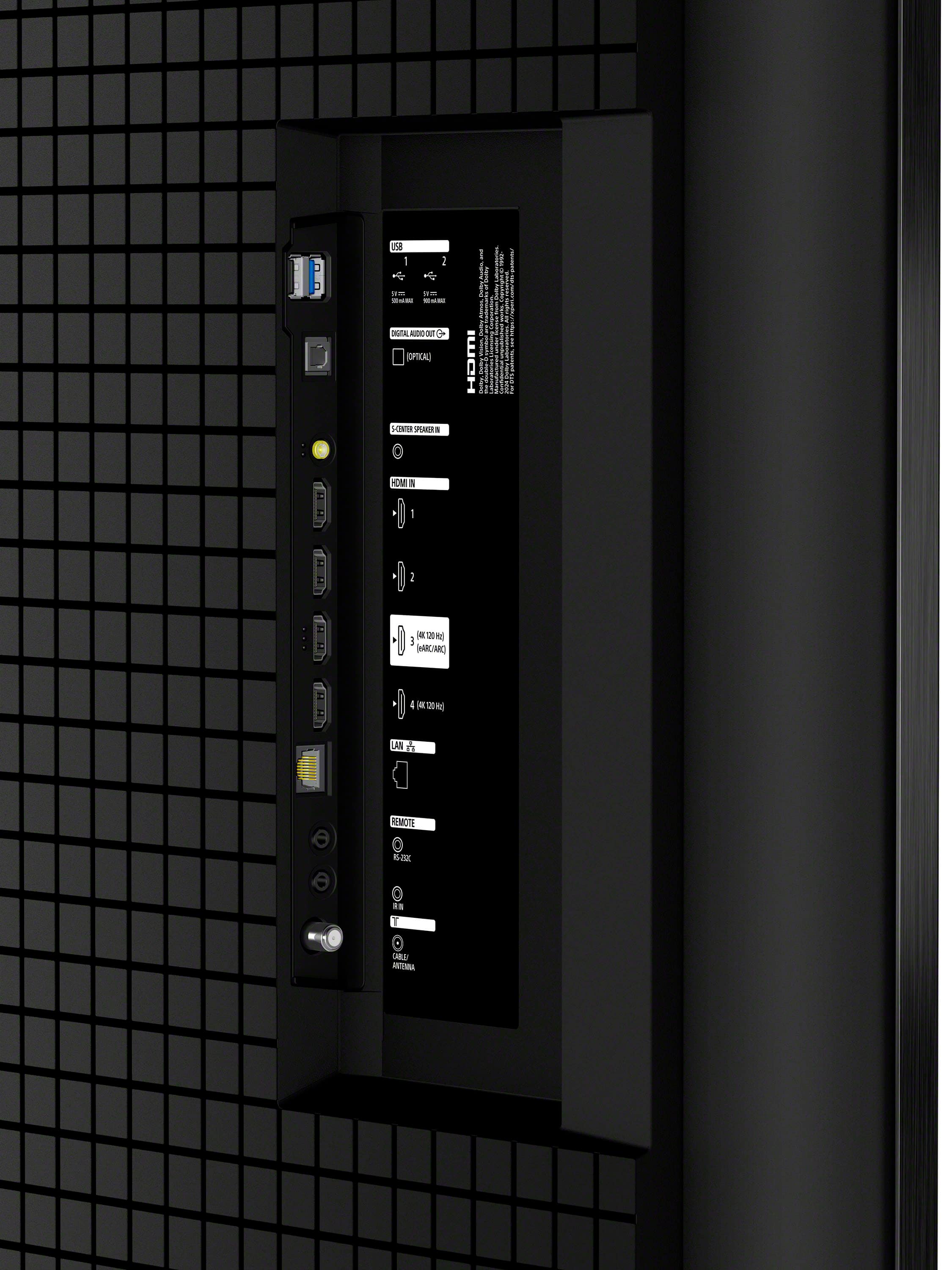
| 5 ports (all support 4K/144Hz) | 4 ports (2 with HDMI 2.1 for 4K/120Hz) |
| Audio Features - Built-in sound quality | |
| 40W 2.0.2CH with Object Tracking Sound | Acoustic Multi-Audio with Voice Zoom 3 |
| Viewing Angle - Performance for wide seating | |
| Limited (typical LCD panel) | Limited but slightly better than Samsung |
| Value Proposition - Performance per dollar | |
| Premium price for unique lifestyle features | Better traditional TV performance for the money |
The Samsung Frame Pro is significantly better for bright rooms thanks to its 1,000-nit peak brightness and matte anti-glare screen coating. This combination effectively eliminates reflections and maintains vibrant colors even with direct sunlight hitting the screen. The Sony BRAVIA 5 struggles more with reflections and has lower HDR brightness, making it less suitable for bright environments.
The Sony BRAVIA 5 delivers superior dark room performance with better local dimming control and deeper black levels. Its XR Backlight Master Drive provides more precise contrast control, making it ideal for cinematic viewing. While the Samsung Frame Pro is brighter overall, its local dimming is less effective, resulting in washed-out blacks during dark movie scenes.
The Sony BRAVIA 5 is clearly better for gaming with low input lag in game mode and reliable 120Hz performance. The Samsung Frame Pro has higher 144Hz refresh rate specs but suffers from 30ms+ input lag due to its Wireless One Connect Box, making it unsuitable for competitive gaming or fast-paced action games.
The Samsung Frame Pro is designed as a lifestyle TV that doubles as artwork when off, featuring customizable bezels and a completely wireless setup. The Sony BRAVIA 5 follows traditional TV design focused on performance, with a sleek but clearly identifiable television appearance and standard cable connections.
The Sony BRAVIA 5 runs Google TV, which offers superior app selection, faster performance, and more intuitive navigation. The Samsung Frame Pro uses Tizen OS with unique Art Mode features for displaying artwork, but Google TV is generally considered the more mature and user-friendly smart platform.
Only the Samsung Frame Pro offers truly cable-free wall mounting through its Wireless One Connect Box, which transmits video and audio wirelessly up to 33 feet away. The Sony BRAVIA 5 requires traditional wired connections, though cable management solutions can minimize their visibility.
The Sony BRAVIA 5 offers better traditional TV value with superior picture quality and gaming performance at a lower price point. The Samsung Frame Pro commands a premium for its unique lifestyle features like wireless connectivity and Art Mode, making it worthwhile only if these features align with your specific needs.
Both TVs have decent built-in audio, but the Sony BRAVIA 5 edges ahead with Voice Zoom 3 technology that enhances dialogue clarity and can function as a center channel with Sony audio equipment. The Samsung Frame Pro offers Object Tracking Sound and works well with Samsung soundbars through Q-Symphony Pro technology.
The Sony BRAVIA 5 generally handles motion better due to superior processing and lower input lag. While the Samsung Frame Pro has a higher 144Hz refresh rate, motion clarity depends more on processing quality than raw refresh rate numbers, giving Sony the advantage for sports viewing.
The Sony BRAVIA 5 is better suited for dedicated home theater use with superior dark room performance, better local dimming, and more accurate color reproduction. The Samsung Frame Pro works better in multipurpose living spaces where bright room performance and aesthetic integration are more important than pure cinematic quality.
Both TVs support modern gaming features, but the Sony BRAVIA 5 is more practical with low input lag and reliable HDMI 2.1 performance on two ports. The Samsung Frame Pro technically supports 4K/144Hz on all five HDMI ports, but the wireless connection latency makes these specifications less useful in real-world gaming scenarios.
Choose the Samsung Frame Pro if you prioritize design aesthetics, want a TV that disappears into your decor, need excellent bright room performance, or value the unique wireless installation. Choose the Sony BRAVIA 5 if you want better overall picture quality, superior gaming performance, dark room viewing capabilities, or simply the best traditional TV experience for your money.
We've done our best to create useful and informative comparisons to help you decide what product to buy. Our research uses advanced automated methods to create this comparison and perfection is not possible - please contact us for corrections or questions. These are the sites we've researched in the creation of this article: tomsguide.com - youtube.com - smarthomesounds.co.uk - images.samsung.com - rtings.com - samsung.com - bestbuy.com - bestbuy.com - businessinsider.com - dentonstv.com - samsung.com - flatpanelshd.com - samsung.com - jefflynch.com - youtube.com - costco.com - rtings.com - pro.sony - youtube.com - electronics.sony.com - electronics.sony.com - electronics.sony.com - bestbuy.com - electronics.sony.com - youtube.com - bestbuy.com - videoandaudiocenter.com - valueelectronics.com - youtube.com - sony.ca - perpichtv.com - sony.com - displayspecifications.com - pioneertvandappliance.com - flatpanelshd.com

Privacy Policy
Terms and Conditions - Affiliate Policy
Home Security
© Copyright 2008-2026.
11816 Inwood Rd #1211, Dallas, TX 75244