


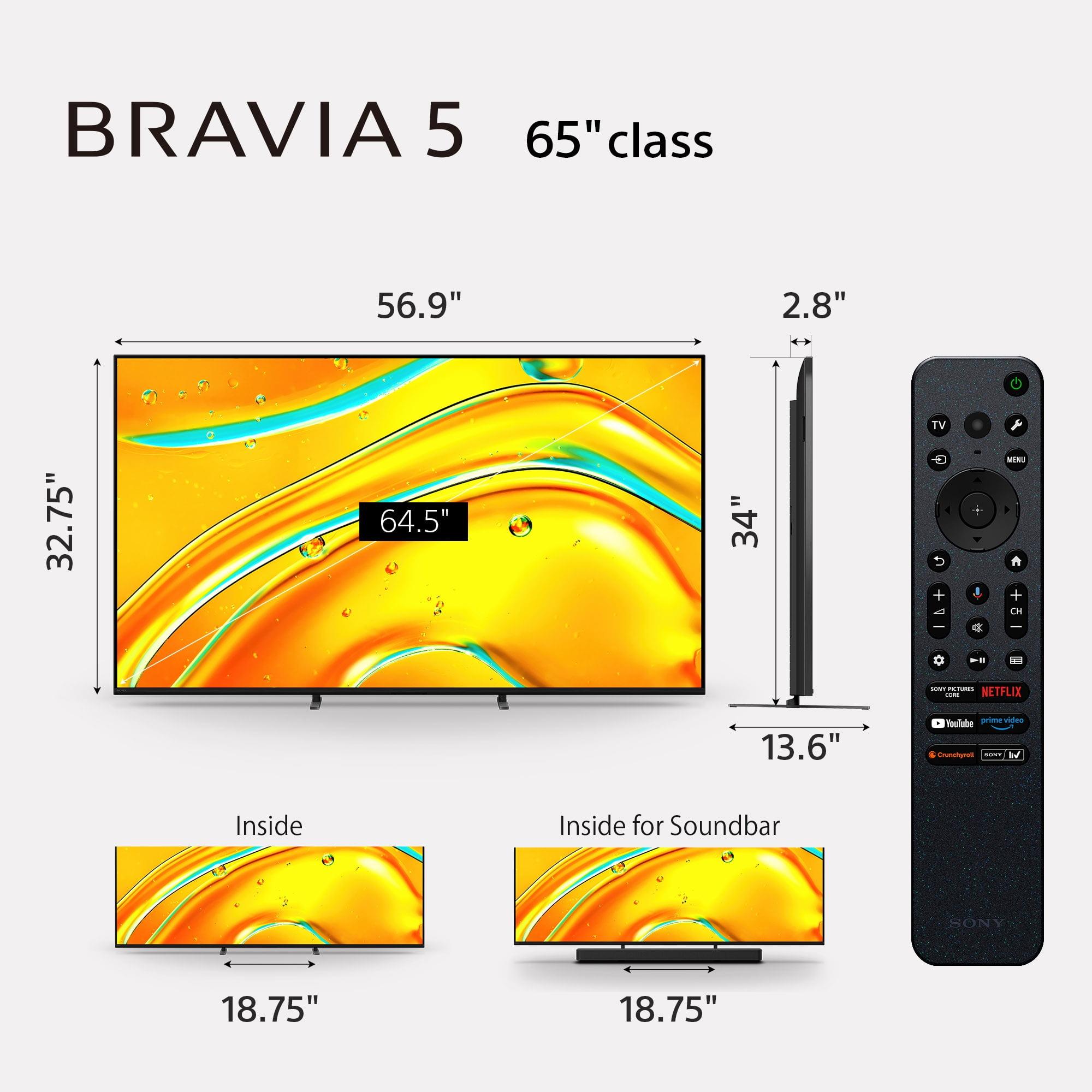
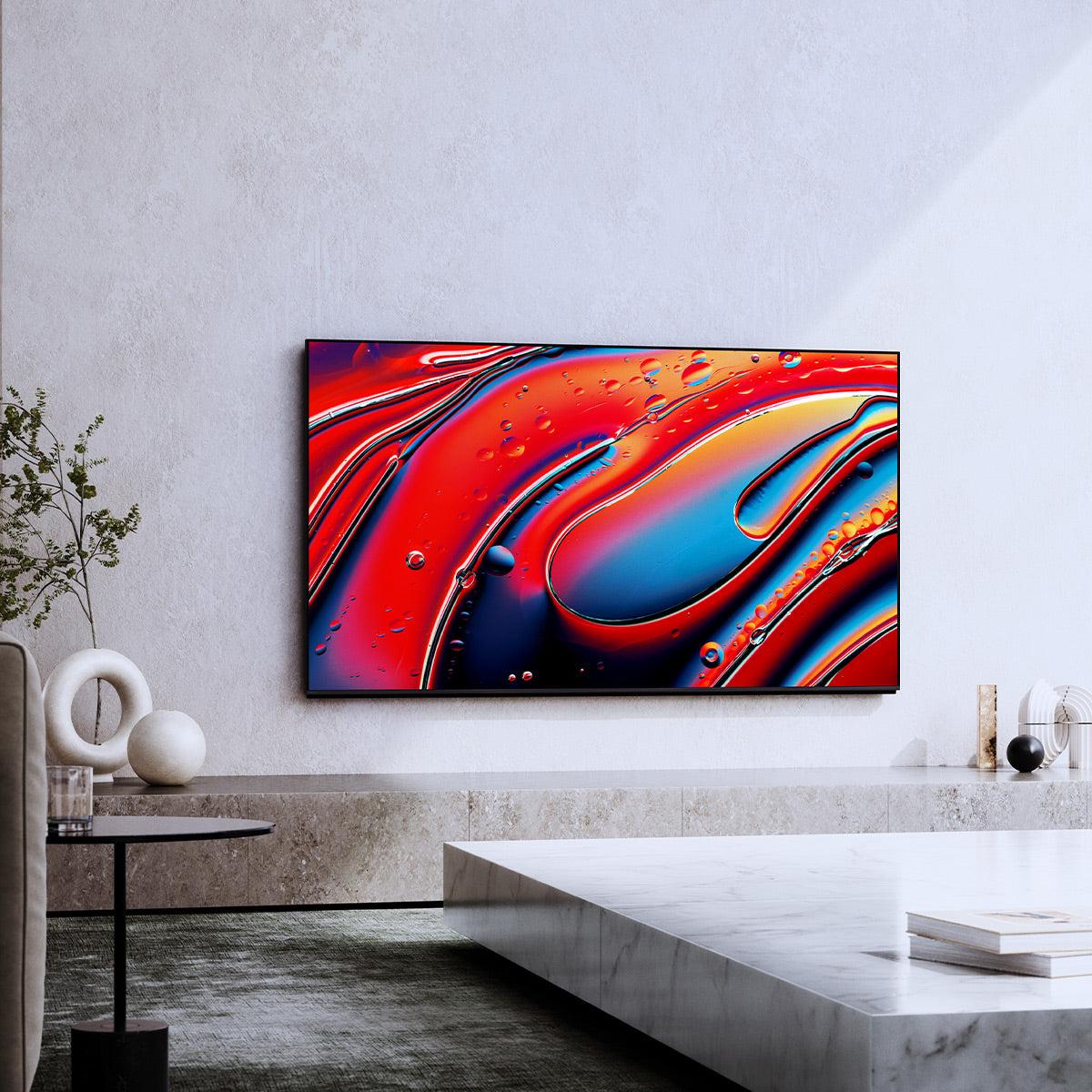

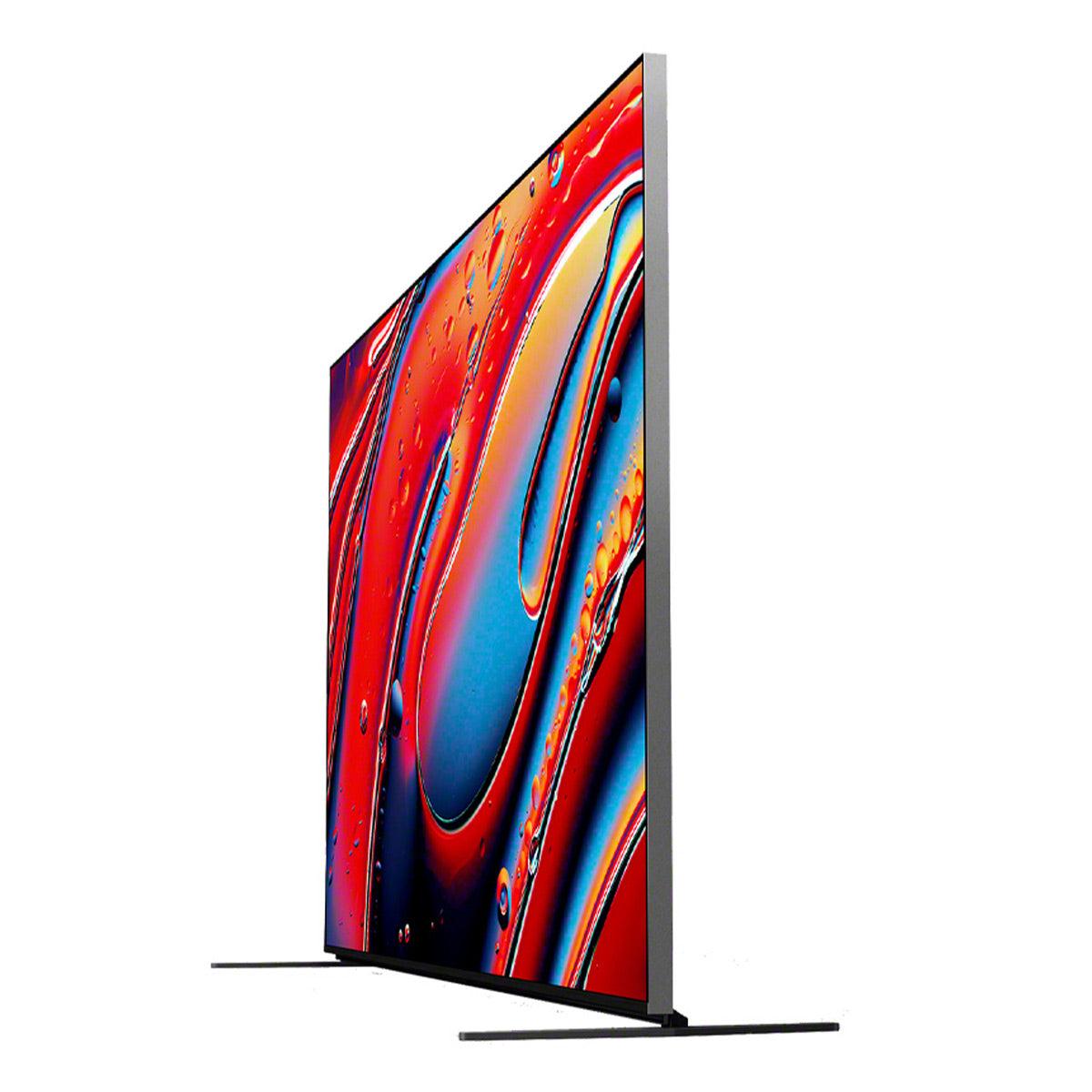
Shopping for a premium TV can feel overwhelming, especially when you're looking at two models from the same brand that seem remarkably similar on paper. That's exactly the situation many people find themselves in when comparing Sony's BRAVIA 5 65" Mini LED 4K Google TV 2025 and the BRAVIA 9 65" 4K UHD Mini LED QLED Smart Google TV. Both are 65-inch Mini LED displays with Google TV, but they target different audiences and offer distinctly different experiences. Let me walk you through everything you need to know to make the right choice.
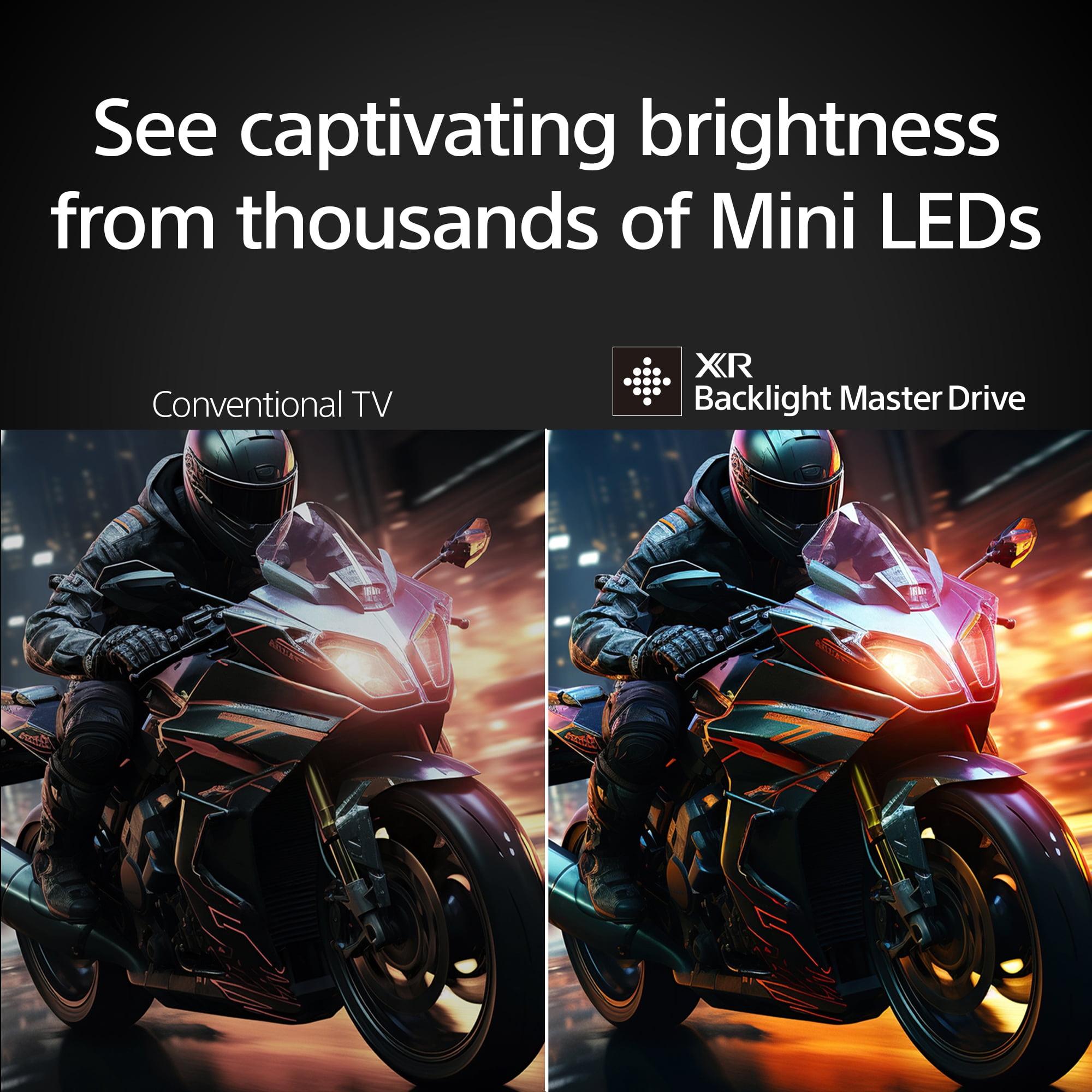
Before diving into the differences between these two TVs, it's crucial to understand what Mini LED technology brings to the table. Traditional LED TVs use a handful of LED strips along the edges or back of the screen to light up the entire display. Mini LED takes this concept and shrinks it down dramatically – instead of dozens of LEDs, you get thousands of tiny LEDs that can be controlled individually or in small groups called "dimming zones."
Think of it like the difference between lighting a room with one overhead light versus having hundreds of small, adjustable spotlights. The Mini LED approach allows for much more precise control over brightness and darkness across different parts of the screen. This translates to deeper blacks, brighter highlights, and better contrast – the key ingredients for that cinematic, lifelike picture quality we all want.
Both Sony TVs use this technology, but they implement it differently, which creates some significant performance gaps that we'll explore throughout this comparison.
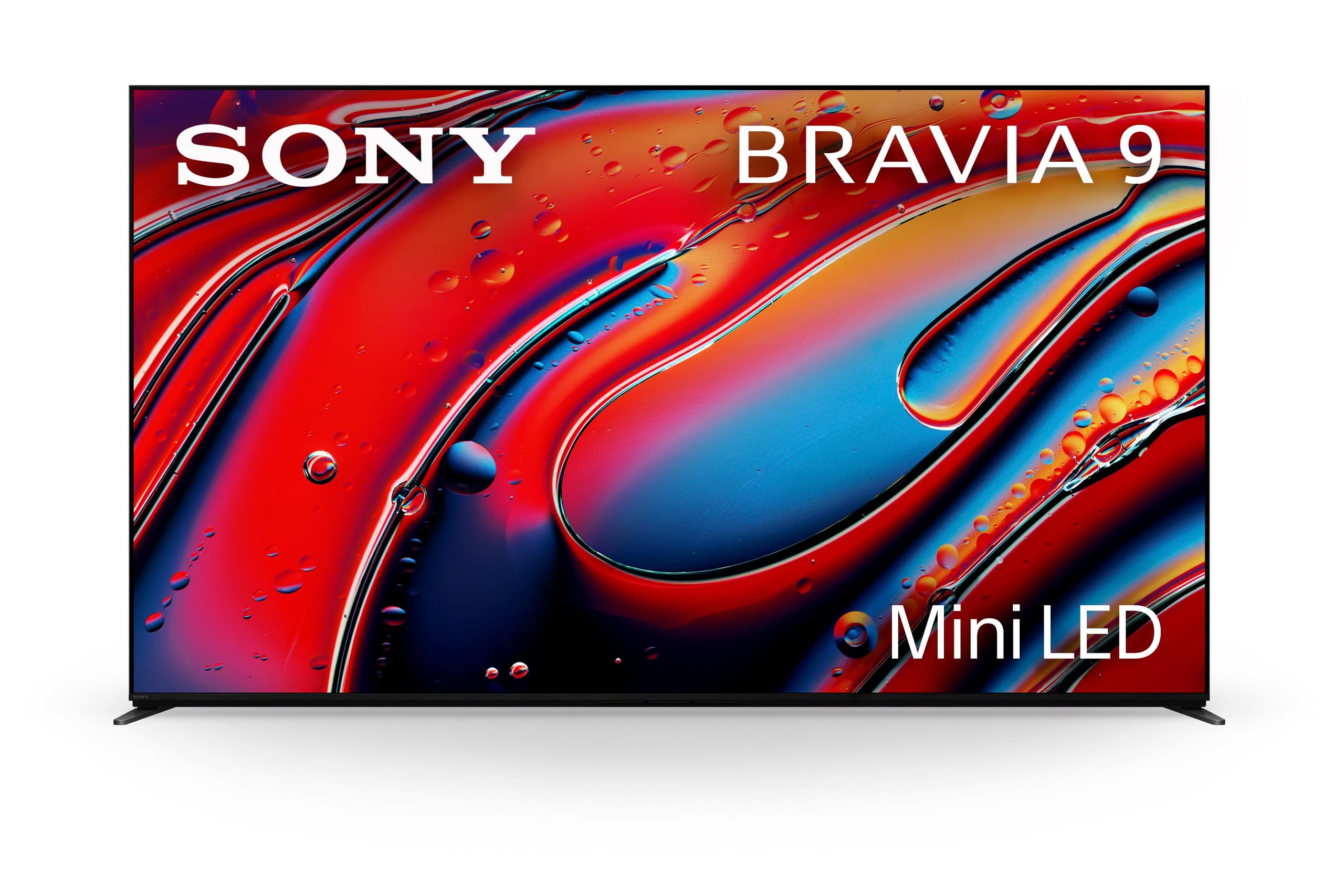
The Sony BRAVIA 9 actually hit the market first, launching in 2024 as Sony's flagship Mini LED offering. At $2,074, it was positioned as the company's answer to premium competitors and their own OLED lineup. Sony wanted to prove that LED technology could compete with OLED displays in contrast performance while maintaining LED's superior brightness advantages.
The BRAVIA 5 followed in 2025 as part of Sony's mid-year refresh, priced at $1,478. Rather than replacing the BRAVIA 9, it slots in below it as a more accessible entry point into Sony's Mini LED ecosystem. This positioning makes sense – Sony recognized that many buyers wanted Mini LED technology but couldn't justify flagship pricing.
Since their respective launches, both models have received firmware updates that improved motion handling and gaming performance. The BRAVIA 9 has seen price reductions of about $300-400 from its launch price, making it more competitive with OLED alternatives.
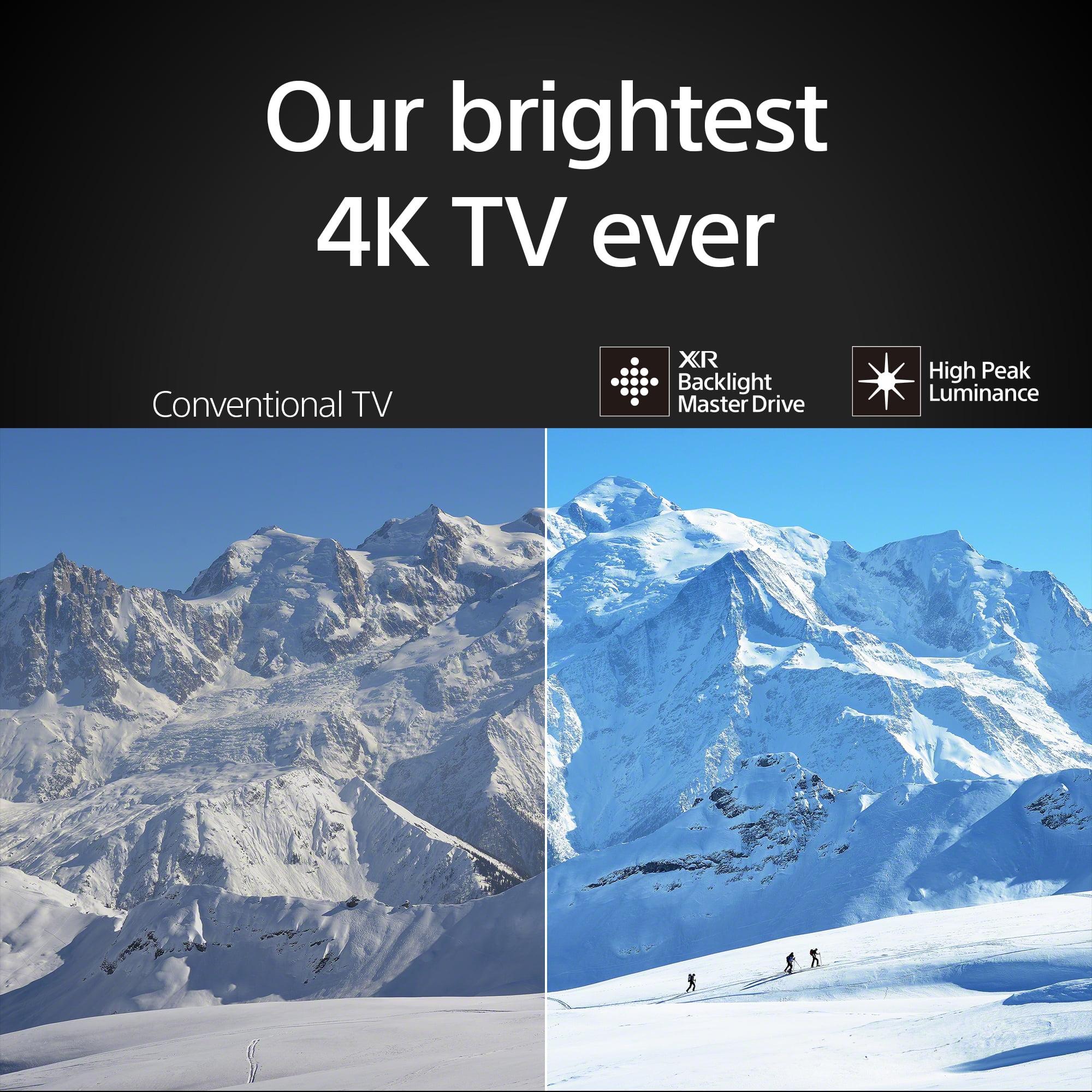
Here's where the two TVs start to diverge significantly. The BRAVIA 9 is Sony's brightest 4K TV ever, achieving peak brightness levels that are about 30% higher than Sony's previous flagship models. In practical terms, this means HDR content – those movies and shows specifically mastered to take advantage of bright highlights and deep shadows – really pops on the BRAVIA 9. When you're watching a sunrise scene or an explosion in an action movie, the bright elements actually feel bright, not just "TV bright."
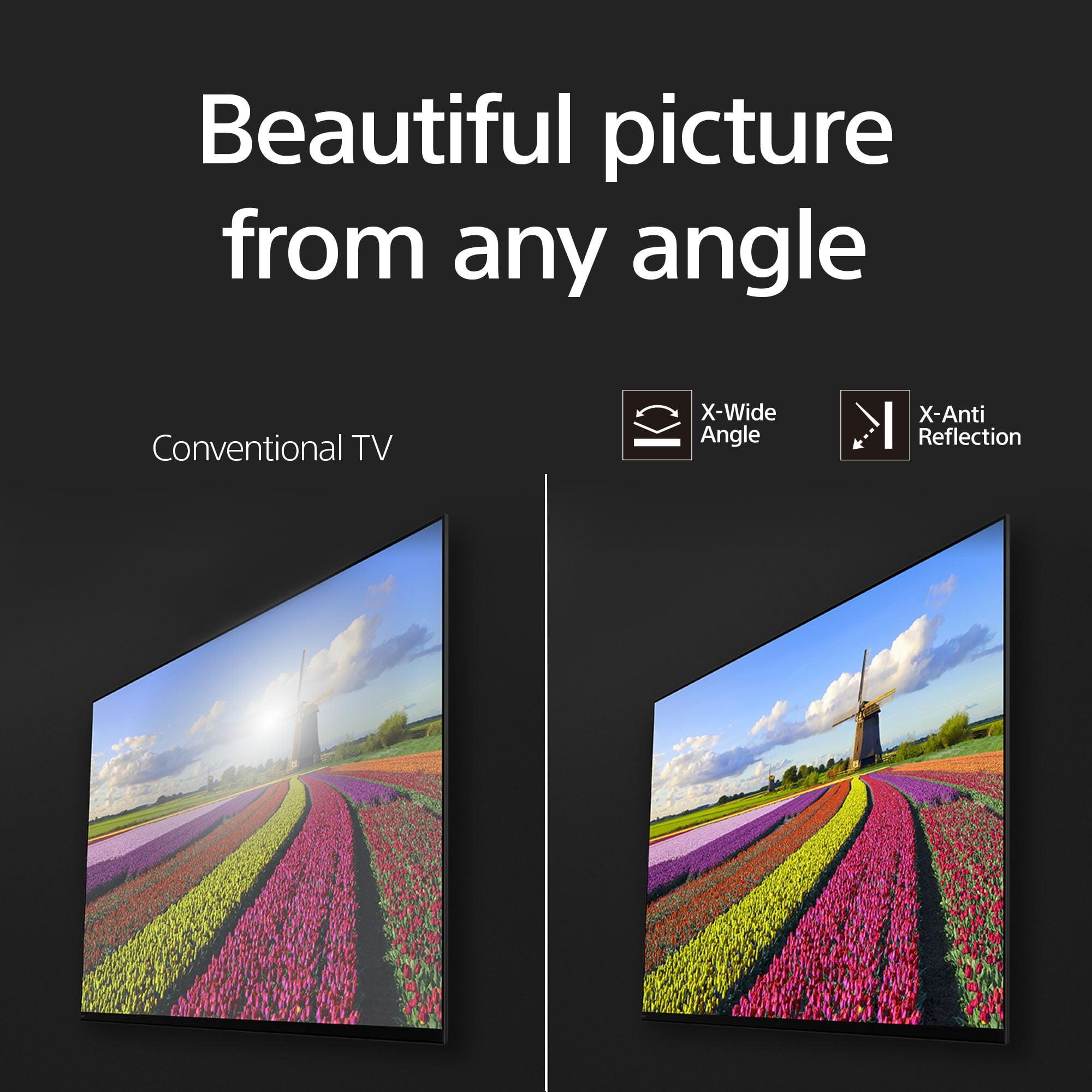
The BRAVIA 5, while certainly capable, delivers what I'd call "good but not exceptional" HDR brightness. It's definitely an upgrade over standard LED TVs, but it doesn't have that jaw-dropping impact that makes you stop and say "wow." This difference is most noticeable in bright rooms during daytime viewing, where the BRAVIA 9 can maintain image quality against ambient light much better.
Both TVs use Sony's XR Backlight Master Drive technology, but the BRAVIA 9 has significantly more dimming zones. Think of dimming zones as individual neighborhoods on your TV screen that can be brightened or darkened independently. More zones mean more precise control.
The BRAVIA 9's superior zone count shows up in challenging scenes with mixed lighting – like a dark room with a bright window, or white text on a black background. The BRAVIA 5 can struggle with these scenarios, sometimes showing slightly gray blacks around bright objects (called "blooming" or "haloing"). The BRAVIA 9 handles these situations much more gracefully, maintaining deeper blacks even right next to bright elements.
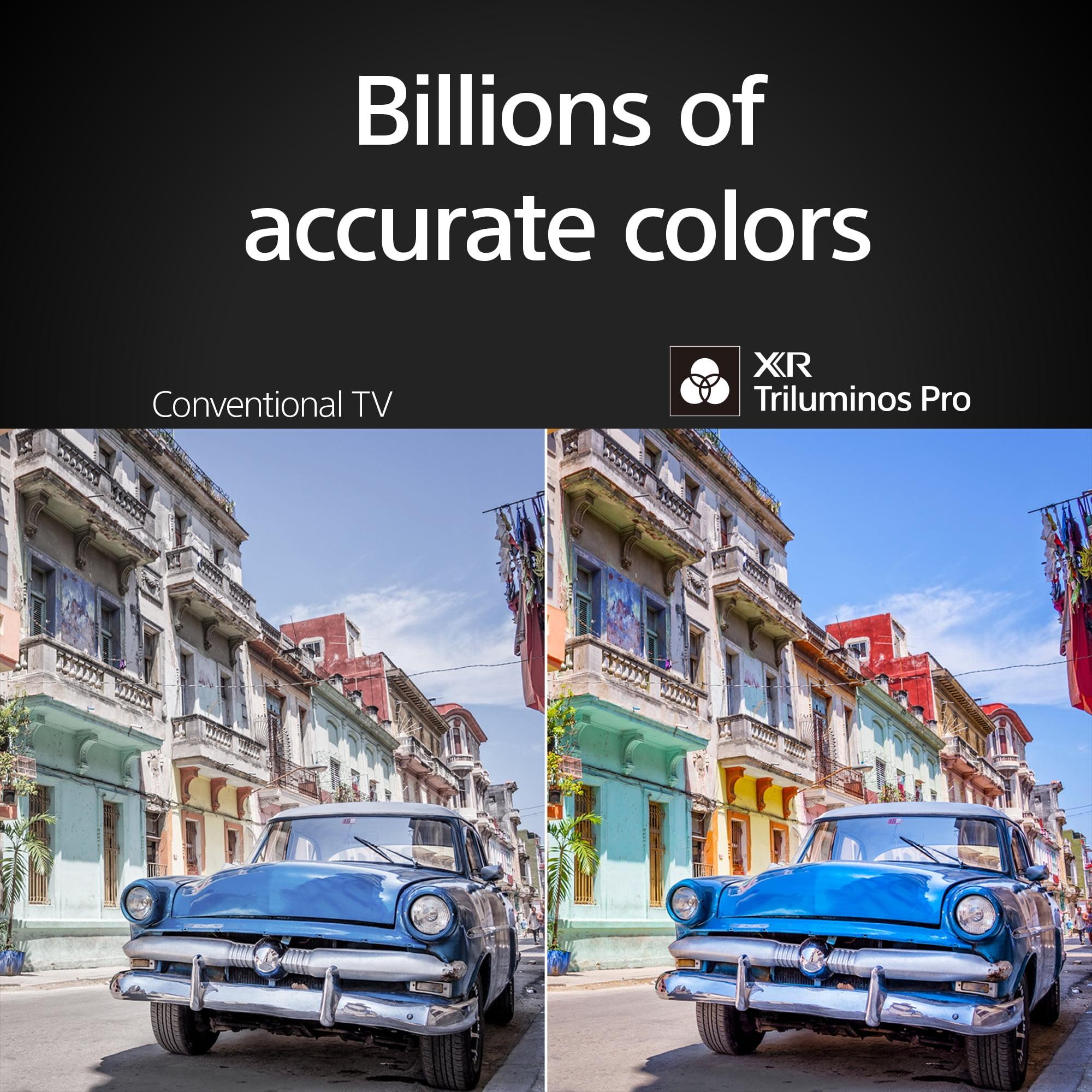
Here's a key technical difference: the BRAVIA 9 includes quantum dot technology, while the BRAVIA 5 does not. Quantum dots are microscopic crystals that, when hit by light, emit very pure colors. This technology allows the BRAVIA 9 to display a wider range of colors with better accuracy, especially in bright scenes.
Both TVs feature Sony's XR Triluminos Pro color technology, which analyzes content and adjusts colors in real-time. However, the quantum dot layer in the BRAVIA 9 gives it a significant advantage in color vibrancy and accuracy. Skin tones look more natural, and saturated colors like deep reds and blues appear richer without looking artificial.
This is where we encounter one of the most significant differences between these two models. The BRAVIA 5 suffers from slow pixel transitions, which means fast-moving objects can appear blurry or leave trails. If you're a sports fan or enjoy action movies, this can be genuinely distracting.
The BRAVIA 9 handles motion much more cleanly. While it's not perfect (no LED TV truly is), the faster response times mean less blur during quick camera movements or fast-paced action sequences. For sports viewing, this difference is immediately noticeable – player movements appear sharper and more defined.
Both TVs include Sony's XR Motion Clarity technology, which uses advanced processing to reduce motion blur. However, the underlying hardware limitations of the BRAVIA 5 mean that software can only do so much to compensate.
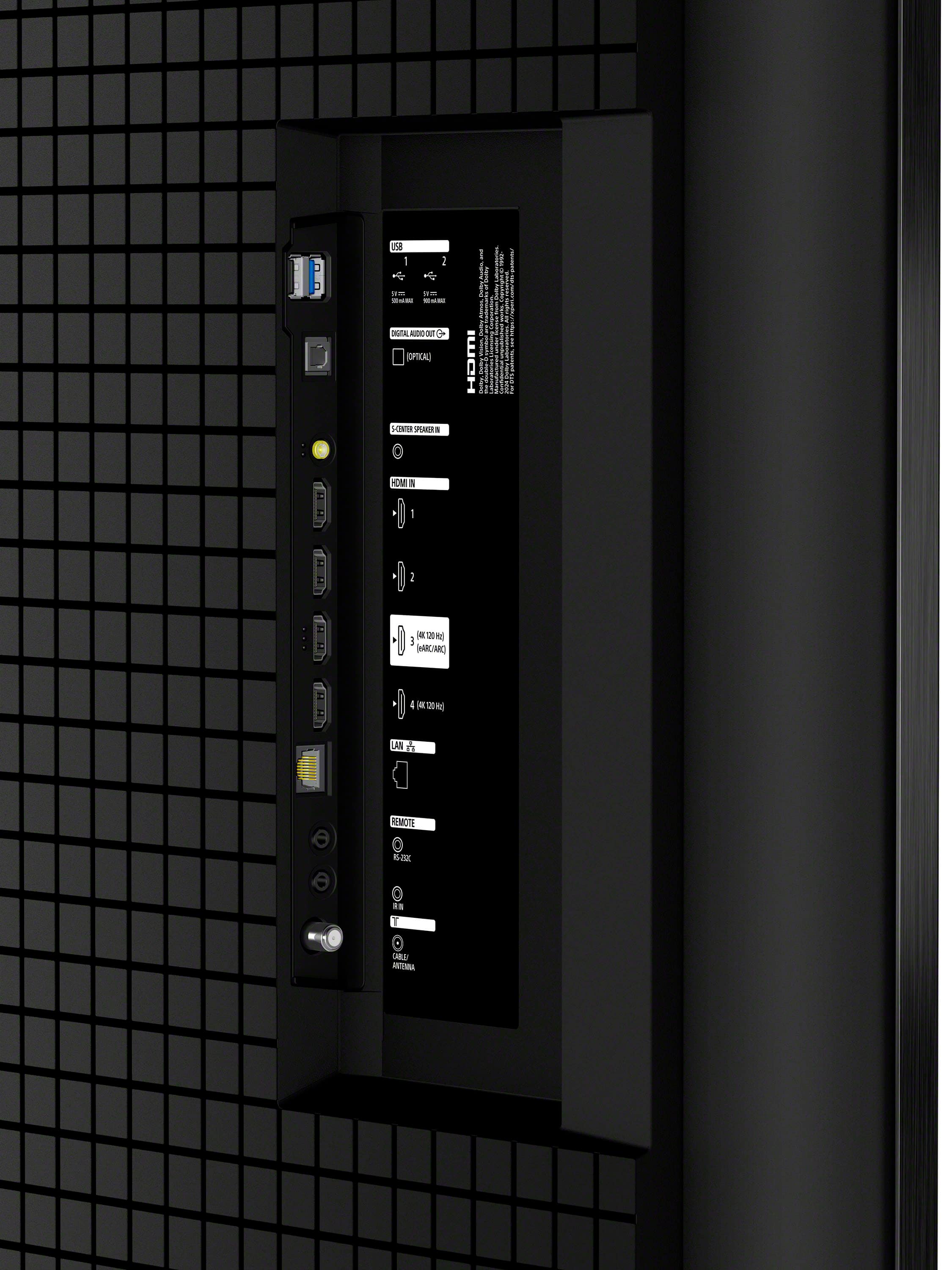
Modern gaming demands have pushed TV manufacturers to include specific features that reduce input lag and improve responsiveness. Both Sony TVs deliver on the basics: two HDMI 2.1 ports that support 4K resolution at 120Hz, Variable Refresh Rate (VRR) to eliminate screen tearing, and Auto Low Latency Mode (ALLM) that automatically switches to the fastest picture settings when a game console is detected.
However, the motion handling differences we discussed earlier carry over into gaming performance. The BRAVIA 9 provides a noticeably more responsive gaming experience, especially for fast-paced titles. The BRAVIA 5 can feel sluggish during quick movements, though it's still perfectly adequate for casual gaming.
Neither TV supports 144Hz refresh rates, which means serious PC gamers might want to look elsewhere. Both models also excel when paired with a PlayStation 5, thanks to Sony's exclusive optimizations for their own console.
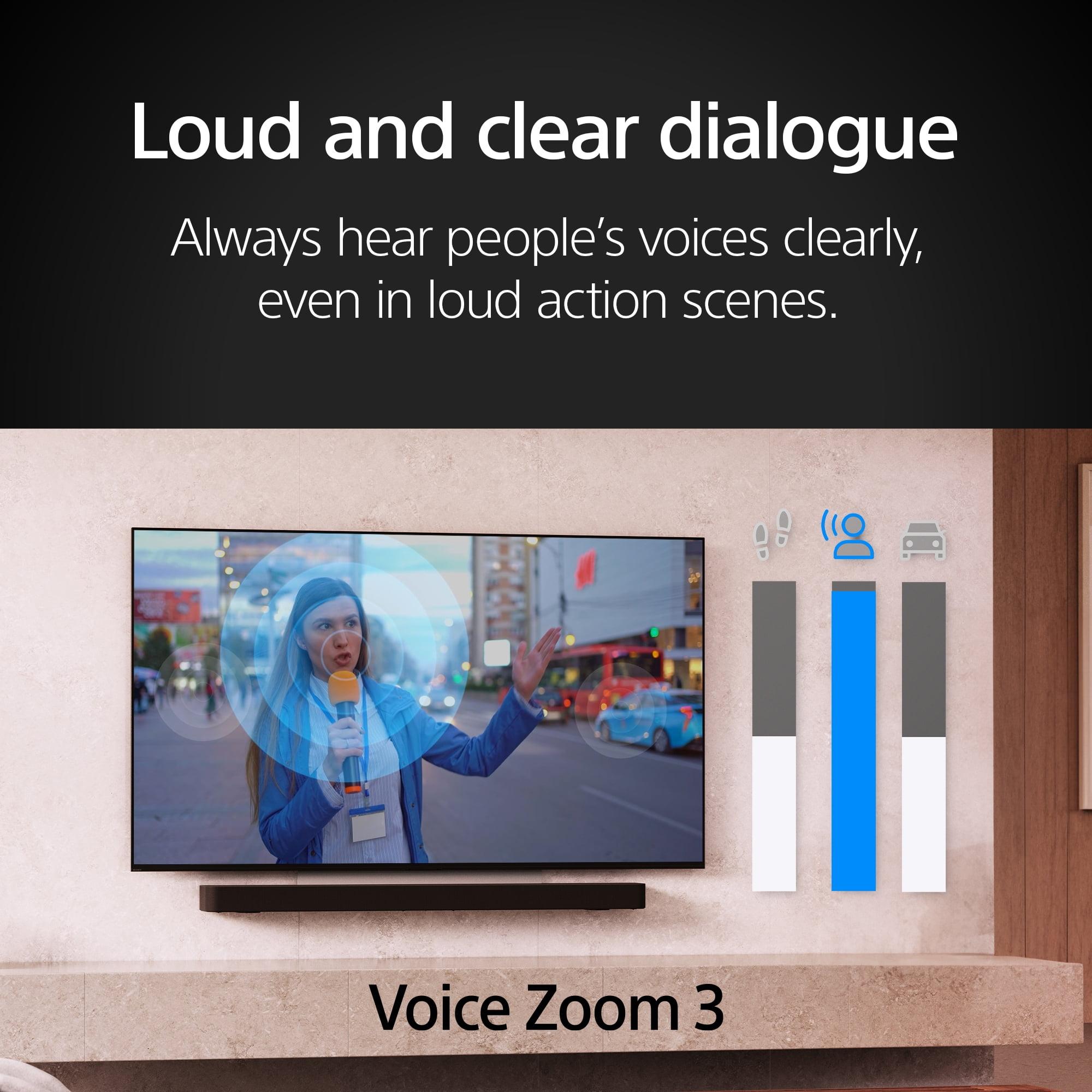
One area where the BRAVIA 9 really shines is audio performance. It features up-firing speakers that create a more immersive soundstage, along with a 2.2.2-channel system that delivers 70 watts of total power. The Acoustic Multi-Audio+ system includes beam tweeters built into the TV's frame that can direct sound to follow the action on screen.
The result is surprisingly robust audio for a TV. While it won't replace a dedicated home theater system, it's good enough that many users can delay or skip adding a soundbar entirely. The BRAVIA 5 uses more conventional downward-firing speakers that, while adequate, clearly benefit from external audio enhancement.
Both TVs support Sony's Acoustic Center Sync technology, which allows them to work as the center channel when paired with compatible Sony soundbars. This creates a more cohesive surround sound experience for home theater setups.
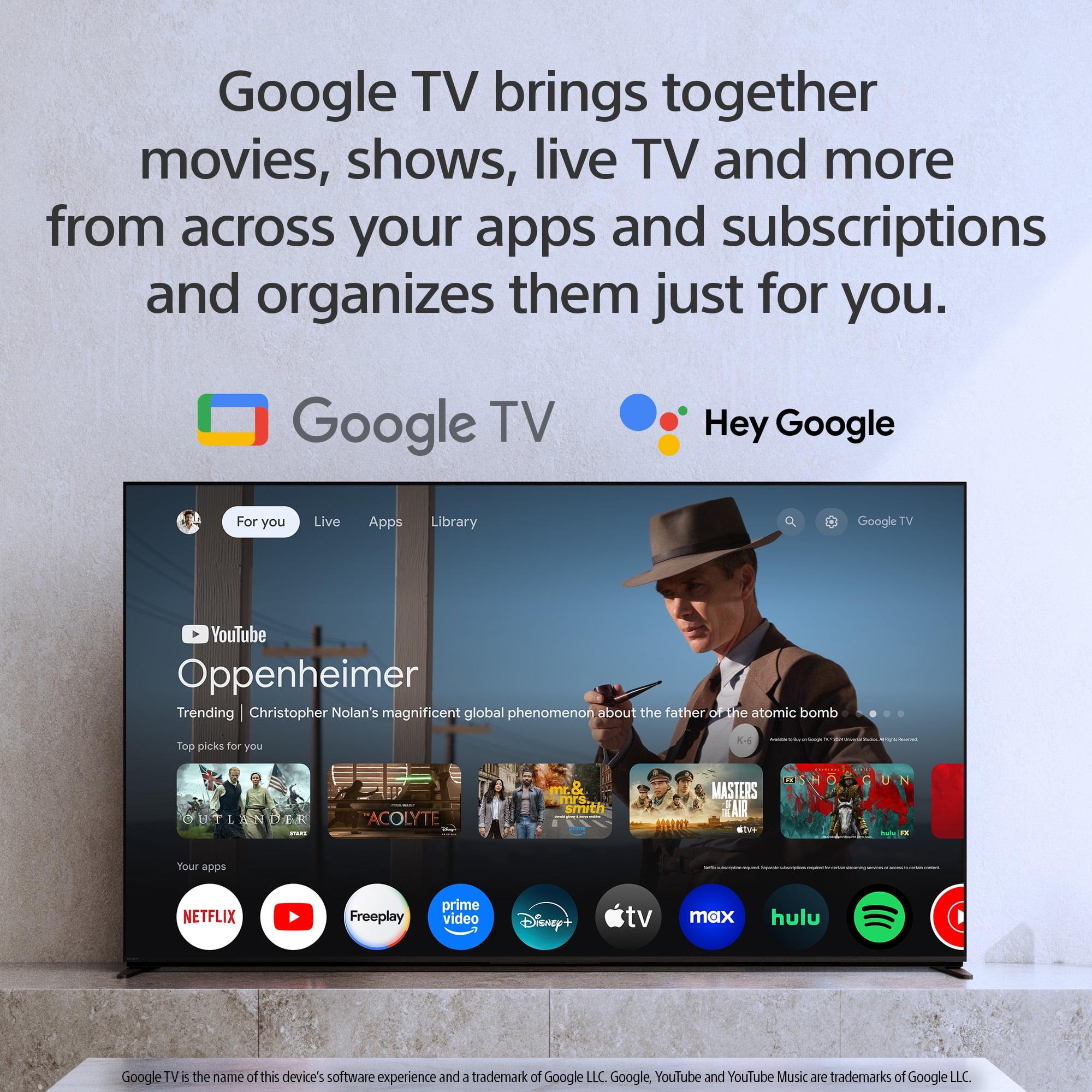
Both models run Google TV, which has become one of the most polished smart TV platforms available. The interface is clean, responsive, and mercifully free of the aggressive advertising that plagues some competitors. You get access to all major streaming services, plus Google Assistant voice control and support for Apple AirPlay 2 and Chromecast.
The user experience is virtually identical between the two models. Both receive regular software updates, and Sony has a good track record of supporting their TVs with new features and security patches for several years after purchase.
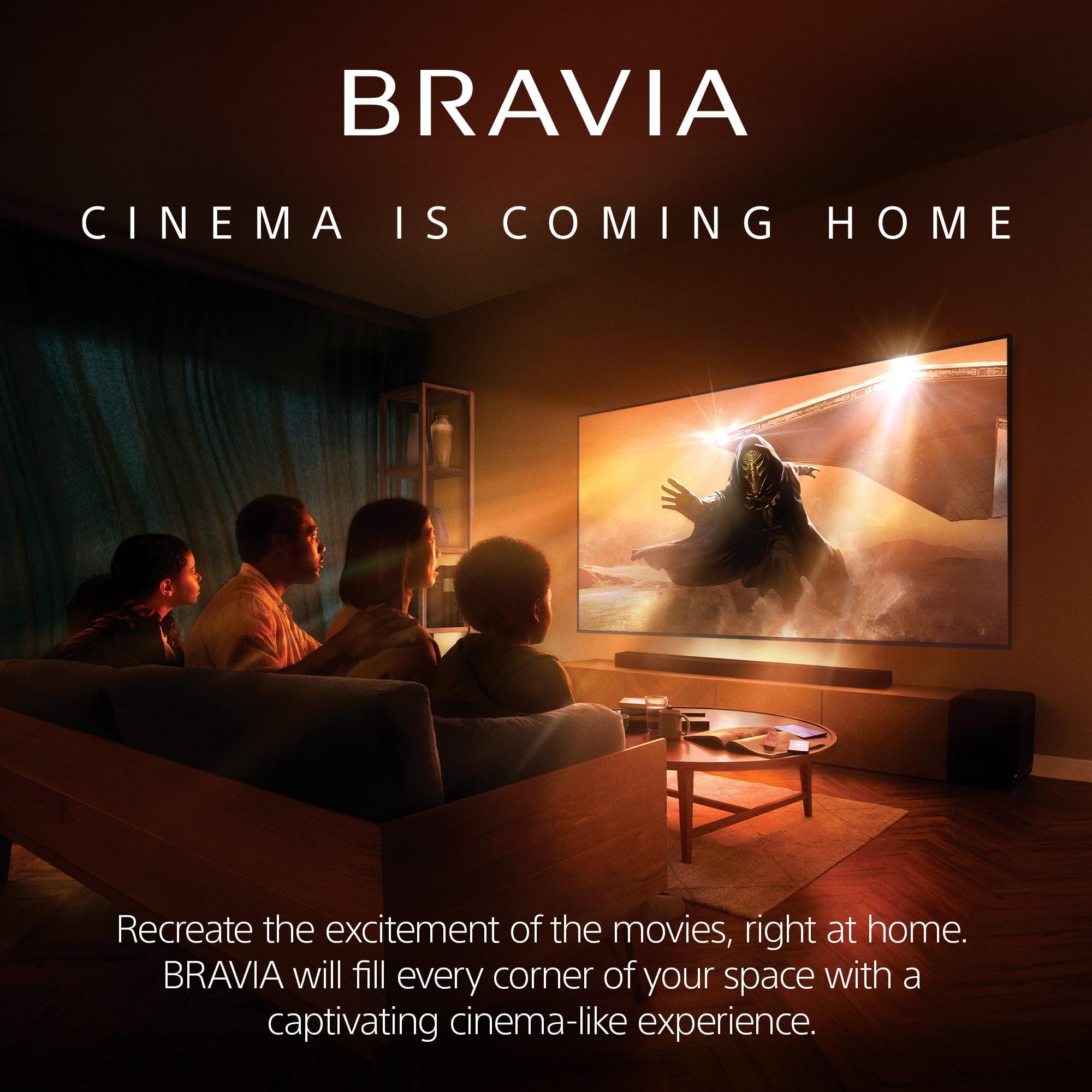
For dedicated home theater enthusiasts, both TVs offer excellent integration options. The BRAVIA 9 might have a slight edge due to its superior brightness and contrast performance, which can better complement a controlled lighting environment. The enhanced color accuracy from quantum dots also helps when you're trying to achieve reference-quality picture settings.
Both models support professional calibration and include picture modes designed to match industry standards. The BRAVIA 9 includes more sophisticated processing algorithms that can extract additional detail from high-quality source material, making it the better choice for serious movie enthusiasts.
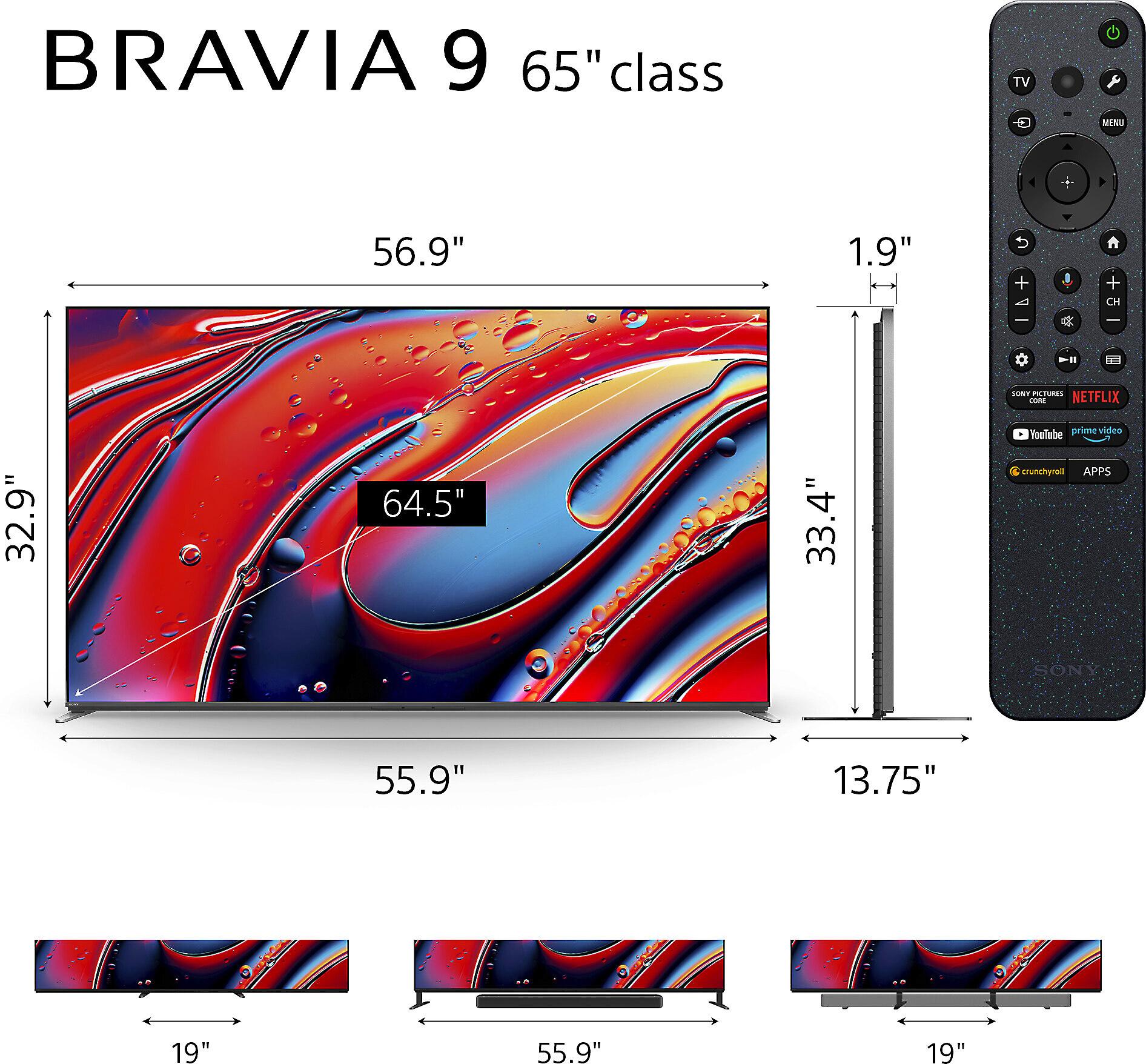
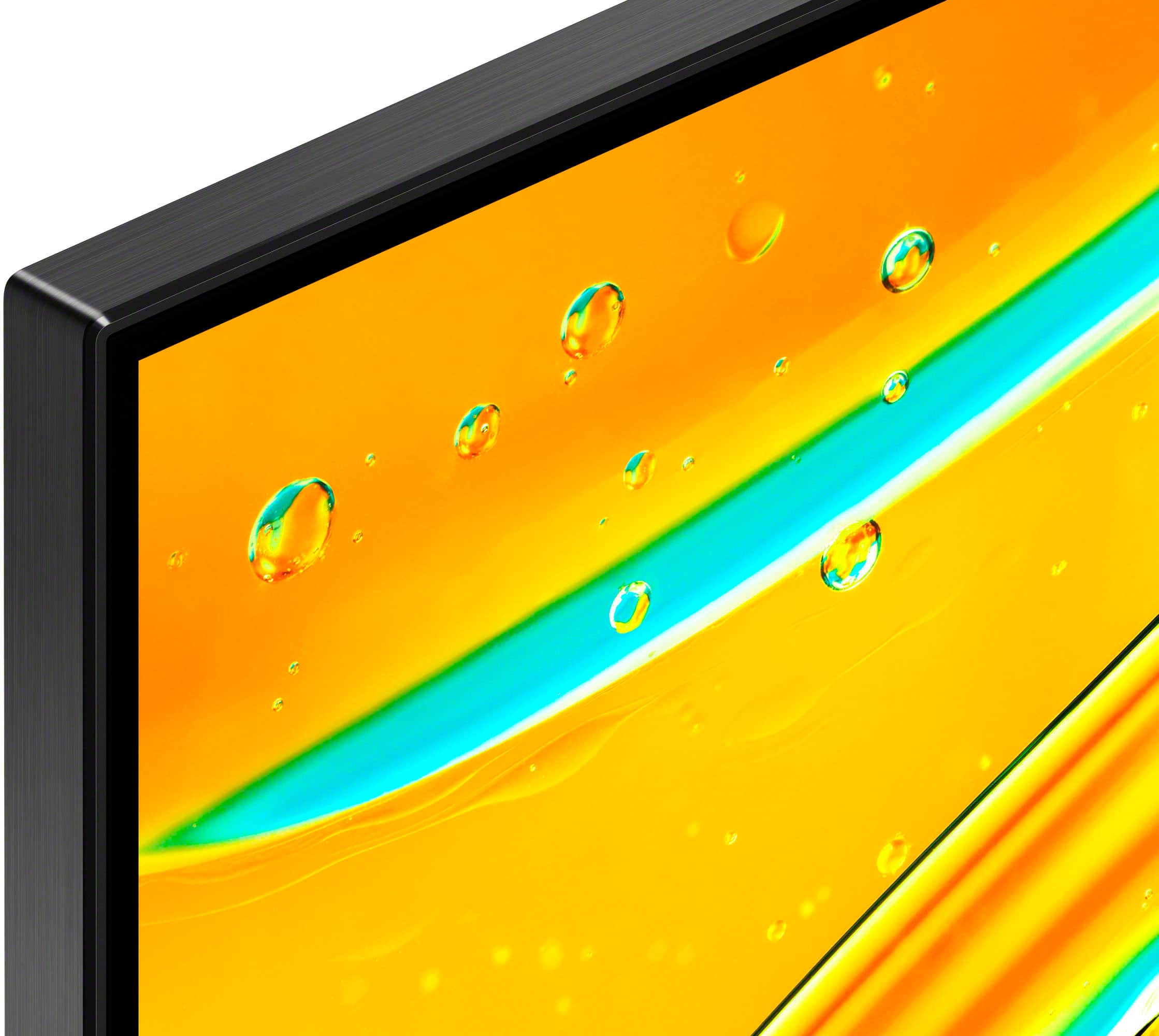
Wall mounting is straightforward with both models using standard VESA mounting patterns. The BRAVIA 9 has a slightly more premium build quality and better cable management, but both are well-designed for clean installations.
At $1,478, the BRAVIA 5 represents solid value for buyers who want Mini LED technology without flagship pricing. It delivers genuine improvements over standard LED TVs, particularly in contrast performance and overall picture quality. The compromises in motion handling and peak brightness are significant but may be acceptable depending on your priorities and viewing habits.
The BRAVIA 9 at $2,074 commands a 40% premium over the BRAVIA 5, but it delivers substantial performance improvements that justify the cost for many buyers. The superior brightness, better motion handling, quantum dot color enhancement, and premium audio system create a significantly more impressive viewing experience.
Choose the BRAVIA 5 if you want to experience Mini LED technology at a more accessible price point. It's ideal for buyers upgrading from standard LED TVs who primarily watch streaming content in moderately lit rooms. The picture quality improvements over traditional LED displays are substantial, even if they don't reach flagship levels.
The BRAVIA 9 makes sense for buyers who want the best LED TV Sony makes and can justify the premium. It's particularly compelling for bright room viewing, serious gaming, sports enthusiasts, and anyone who wants flagship-level performance without stepping up to OLED technology.
Consider your viewing environment carefully. If you have a bright living room with lots of windows, the BRAVIA 9's superior brightness will make a meaningful difference in picture quality during daytime viewing. For darker rooms or primarily evening viewing, the BRAVIA 5's capabilities may be sufficient.
Both TVs represent solid choices within their respective price ranges, and either would be a significant upgrade for most buyers. The key is matching the TV's capabilities to your specific needs and budget. The BRAVIA 9 offers flagship performance that will satisfy demanding viewers, while the BRAVIA 5 provides excellent value for those seeking premium technology at mid-range pricing.
| Sony BRAVIA 5 65" Mini LED 4K Google TV 2025 | Sony BRAVIA 9 65" 4K UHD Mini LED QLED Smart Google TV |
|---|---|
| Price - $596 difference reflects significant performance gap | |
| $1,478 | $2,074 |
| Panel Technology - Quantum dots provide wider color gamut and better accuracy | |
| Mini LED without quantum dots | Mini LED with Quantum Dot (QLED) enhancement |
| Peak Brightness - Critical for HDR impact and bright room viewing | |
| Good brightness for price range, adequate HDR | Sony's brightest 4K TV ever, 30% brighter than previous flagships |
| Local Dimming Zones - More zones = better contrast and less blooming | |
| Fewer zones, some raised blacks in challenging scenes | Significantly more zones, superior contrast control |
| Motion Handling - Essential for sports and fast-paced content | |
| Slow pixel transitions cause noticeable blur | Faster response times with cleaner motion |
| Gaming Performance - Both support 4K@120Hz but response times differ | |
| 2x HDMI 2.1, VRR, ALLM - motion blur affects gaming | 2x HDMI 2.1, VRR, ALLM - better for competitive gaming |
| Audio System - Significant difference in built-in sound quality | |
| Standard downward-firing speakers | Up-firing speakers, 2.2.2 system, 70W total power |
| Smart TV Platform - Identical Google TV experience on both | |
| Google TV (v12), clean interface, regular updates | Google TV, clean interface, regular updates |
| Color Performance - Quantum dots make visible difference in accuracy | |
| XR Triluminos Pro, good color for price point | XR Triluminos Pro + Quantum Dots, superior color accuracy |
| Build Quality - Reflects price positioning | |
| Mid-range finish, practical stand options | Premium materials, sophisticated multi-position stand |
| Best For - Target audience based on priorities | |
| Value buyers wanting Mini LED at accessible price | Enthusiasts wanting maximum LED performance |
The Sony BRAVIA 5 65" Mini LED 4K Google TV 2025 is Sony's mid-range Mini LED TV priced at $1,478, while the Sony BRAVIA 9 65" 4K UHD Mini LED QLED Smart Google TV is their flagship Mini LED model at $2,074. The BRAVIA 9 features quantum dot technology for better colors, significantly higher peak brightness, and superior motion handling, making it worth the $596 premium for serious viewers.
The Sony BRAVIA 9 is much better for bright rooms. It's Sony's brightest 4K TV ever, delivering 30% higher peak brightness than previous flagships. This allows it to maintain excellent picture quality even with windows and ambient lighting. The Sony BRAVIA 5 has good brightness for its price range but struggles more in very bright environments.
Both TVs support modern gaming features like 4K@120Hz, VRR, and ALLM through two HDMI 2.1 ports. However, the Sony BRAVIA 9 is better for gaming due to faster response times and cleaner motion handling. The Sony BRAVIA 5 can feel sluggish during fast-paced games due to slower pixel transitions, though it's adequate for casual gaming.
The Sony BRAVIA 9 has significantly better color performance thanks to quantum dot technology, which creates more vibrant and accurate colors. Both TVs use Sony's XR Triluminos Pro, but the quantum dot layer in the BRAVIA 9 provides a wider color gamut and better accuracy, especially in bright scenes. The difference is particularly noticeable in skin tones and saturated colors.
The Sony BRAVIA 9 has much better built-in audio with up-firing speakers, a 2.2.2 channel system, and 70 watts of total power. Its Acoustic Multi-Audio+ system creates an impressive soundstage for a TV. The Sony BRAVIA 5 uses standard downward-firing speakers that are adequate but clearly benefit from adding a soundbar.
The Sony BRAVIA 5 is worth buying if you want Mini LED technology at a more accessible price point and primarily watch content in moderately lit rooms. It offers excellent value at $1,478 for buyers upgrading from standard LED TVs. Choose it if the $596 savings matters more than peak performance.
The Sony BRAVIA 9 is significantly better for sports due to faster response times and cleaner motion handling. The Sony BRAVIA 5 suffers from slow pixel transitions that cause noticeable blur during fast camera movements and player actions, making sports viewing less enjoyable.
Yes, both the Sony BRAVIA 5 and Sony BRAVIA 9 run the same Google TV platform with identical smart features, including Google Assistant, Apple AirPlay 2, Chromecast, and access to all major streaming services. The user experience and software updates are essentially the same on both models.
The Sony BRAVIA 9 is better for dedicated home theater use due to its superior brightness and contrast performance, better color accuracy from quantum dots, and more sophisticated processing algorithms. It can better complement controlled lighting environments and extract more detail from high-quality source material.
The motion blur difference is very significant. The Sony BRAVIA 5 has noticeable blur during fast-moving scenes that can be distracting for sports and action content. The Sony BRAVIA 9 handles motion much more cleanly, though it's still not perfect. This difference is immediately apparent when comparing the two side by side.
Both support HDR, but the Sony BRAVIA 9 delivers much more impactful HDR performance due to its exceptional peak brightness. HDR content really "pops" with bright highlights that feel genuinely bright. The Sony BRAVIA 5 has adequate HDR brightness but lacks the jaw-dropping impact that makes HDR content truly impressive.
The Sony BRAVIA 5 offers better value if you want Mini LED technology under $1,500 and can accept some performance compromises. The Sony BRAVIA 9 offers better value if you want the best LED TV Sony makes and can justify the premium for superior brightness, motion handling, and color performance.
We've done our best to create useful and informative comparisons to help you decide what product to buy. Our research uses advanced automated methods to create this comparison and perfection is not possible - please contact us for corrections or questions. These are the sites we've researched in the creation of this article: rtings.com - pro.sony - youtube.com - electronics.sony.com - electronics.sony.com - electronics.sony.com - bestbuy.com - electronics.sony.com - youtube.com - bestbuy.com - videoandaudiocenter.com - valueelectronics.com - youtube.com - sony.ca - perpichtv.com - sony.com - displayspecifications.com - pioneertvandappliance.com - flatpanelshd.com - bestbuy.com - bestbuy.com - youtube.com - whathifi.com - crutchfield.com - rtings.com - pcrichard.com - merlinstv.com - youtube.com - sony.ca - electronics.sony.com

Privacy Policy
Terms and Conditions - Affiliate Policy
Home Security
© Copyright 2008-2026.
11816 Inwood Rd #1211, Dallas, TX 75244