


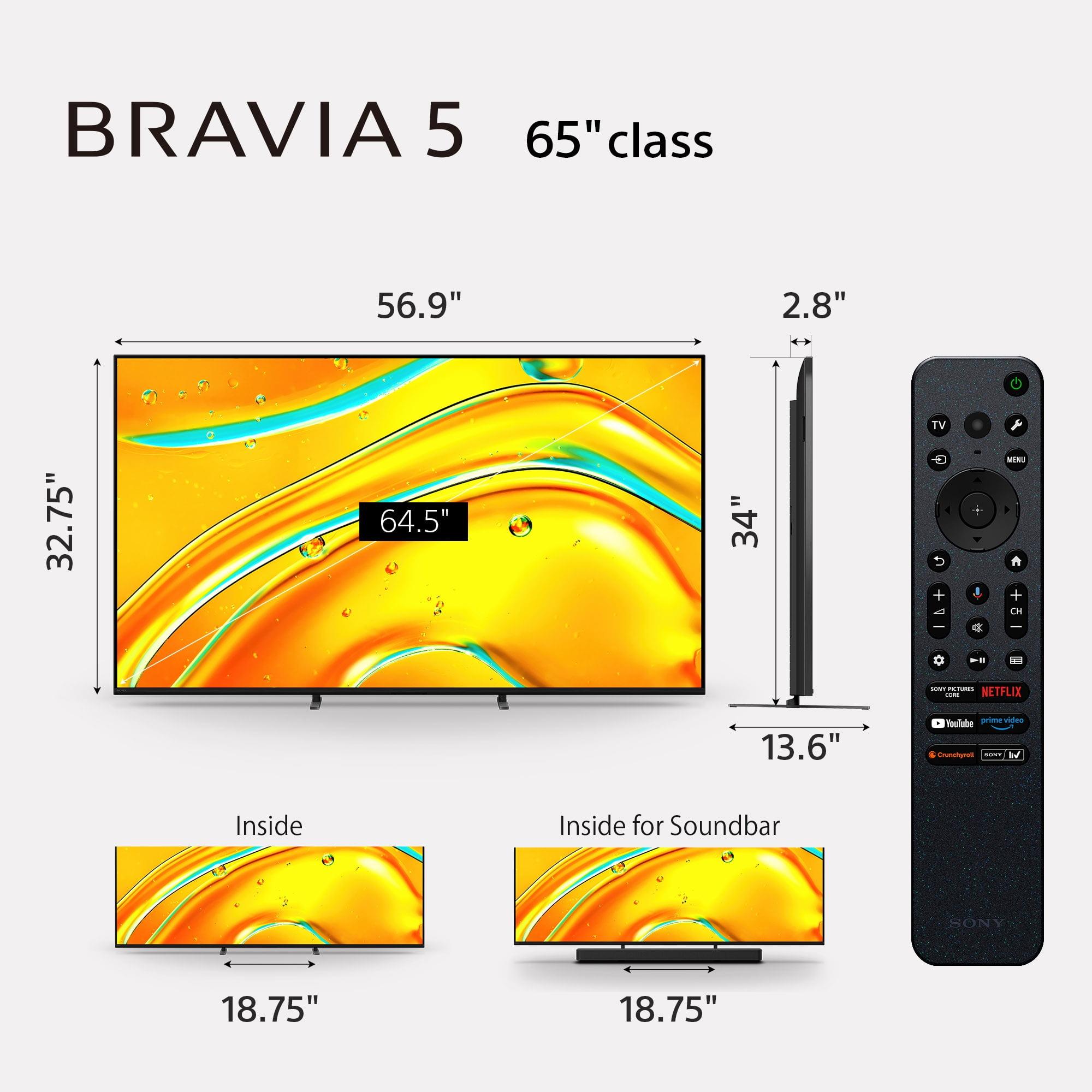
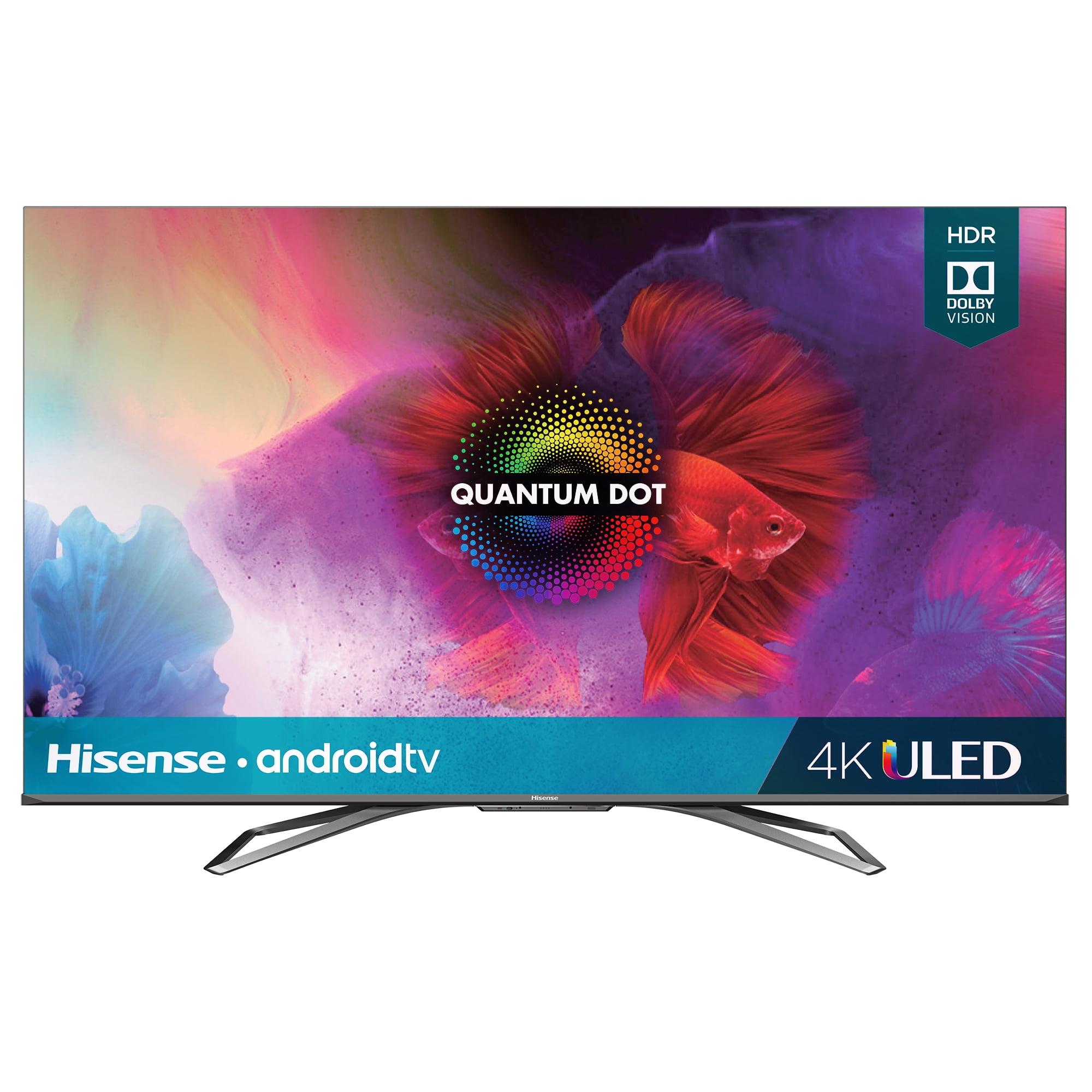
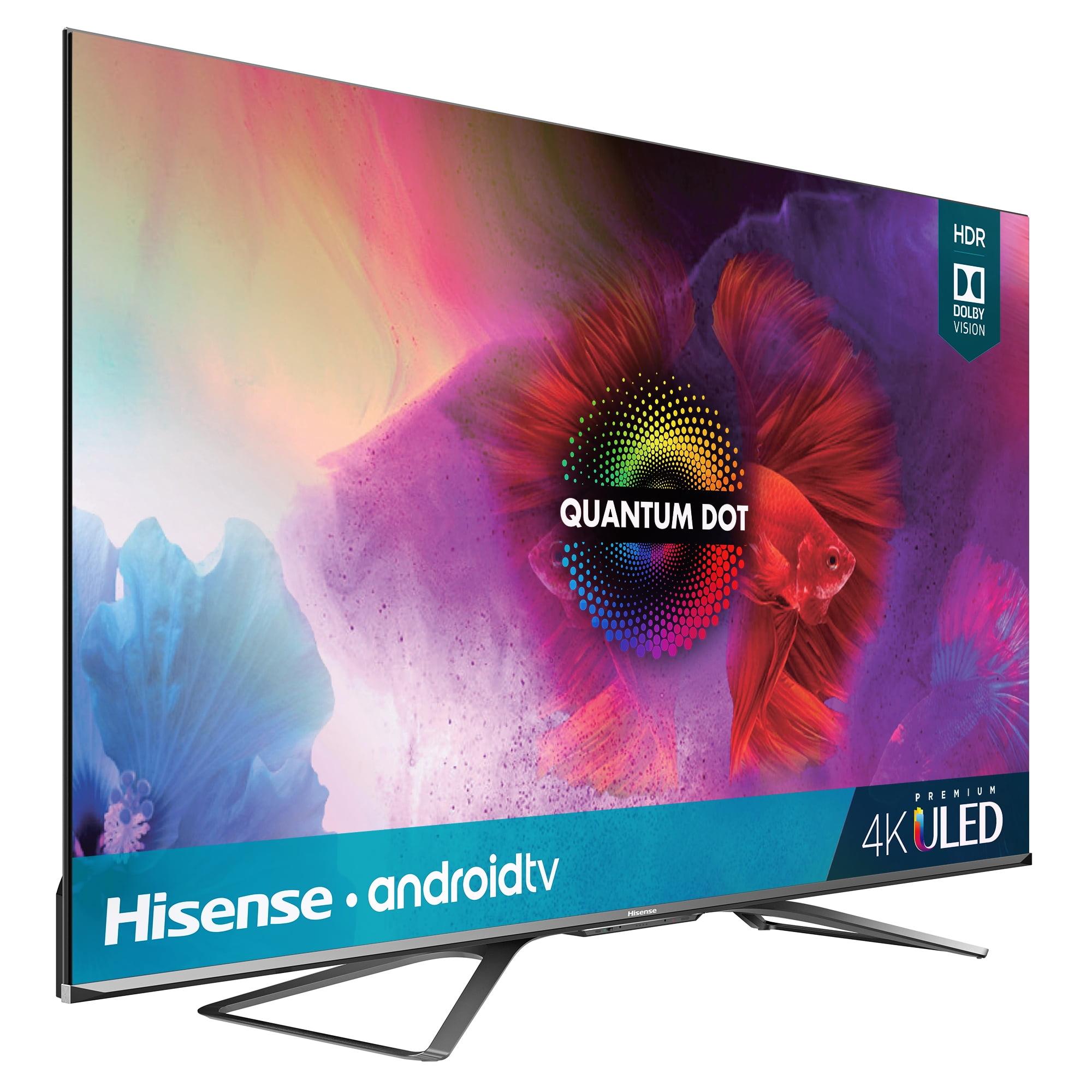


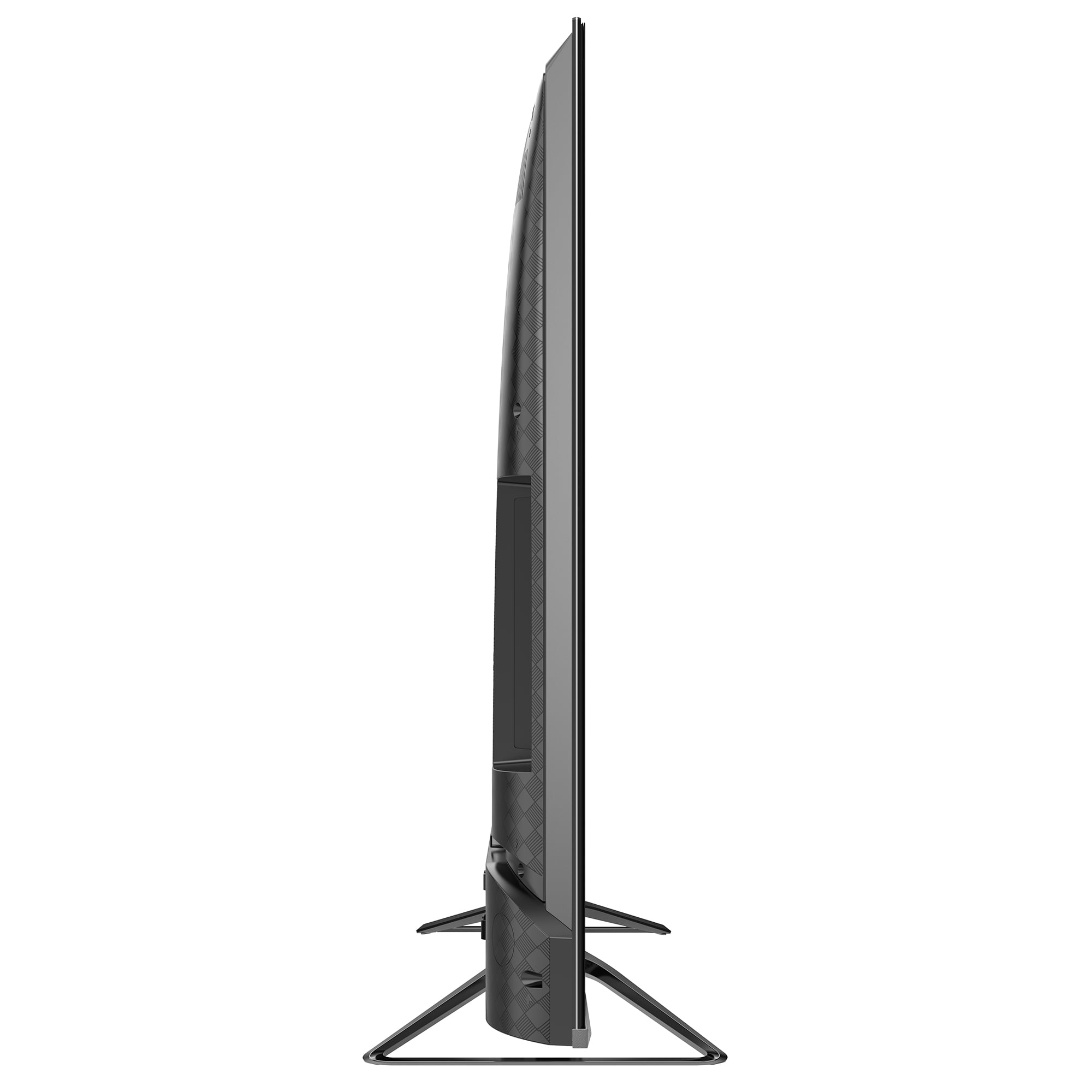
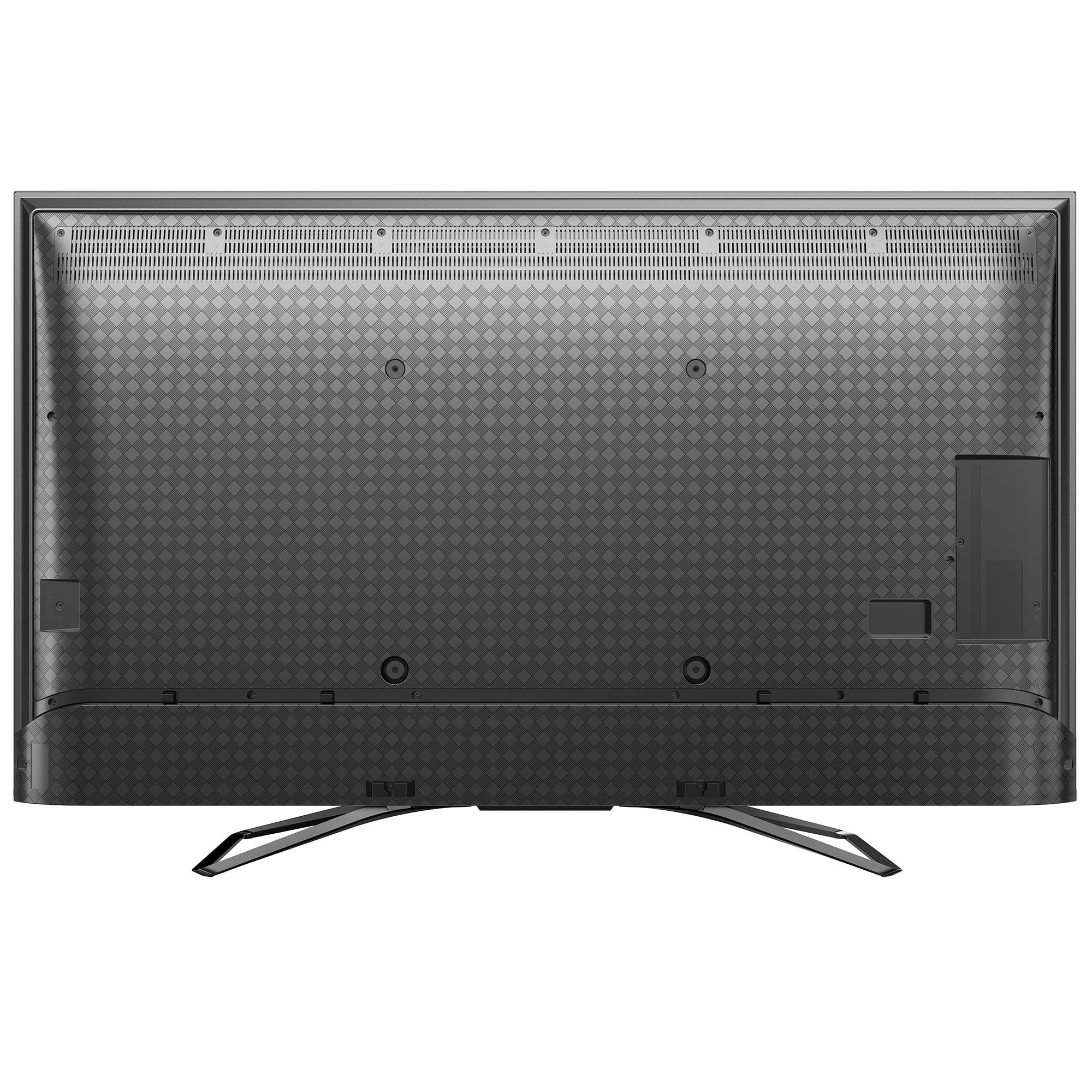
Shopping for a 65-inch 4K TV can feel overwhelming, especially when you're trying to balance picture quality with your budget. Two popular options that often come up in discussions are the Sony BRAVIA 5 65" Mini LED 4K Google TV 2025 and the Hisense 65" H9G Quantum Series 4K UHD Smart Android TV. While both deliver excellent performance for the money, they represent different approaches to achieving great picture quality—and understanding these differences can help you make the right choice for your home.
Before diving into the specifics, let's talk about what you should actually care about when buying a TV in this price range. The most important factors are picture quality (how good movies and shows look), gaming performance (if you play video games), smart TV features (how easy it is to use streaming apps), and overall value for your money.
Picture quality comes down to several key elements: how bright the TV can get (especially important for HDR content), how deep the blacks are (contrast ratio), color accuracy, and how well the TV handles motion. Gaming performance involves input lag (how quickly the TV responds to your controller), refresh rates (how smooth games look), and support for next-generation console features.
The release dates tell an important story here. The Hisense H9G launched in 2020, while the Sony BRAVIA 5 is brand new for 2025. That five-year gap represents significant technological advancement, particularly in display technology and smart TV software.
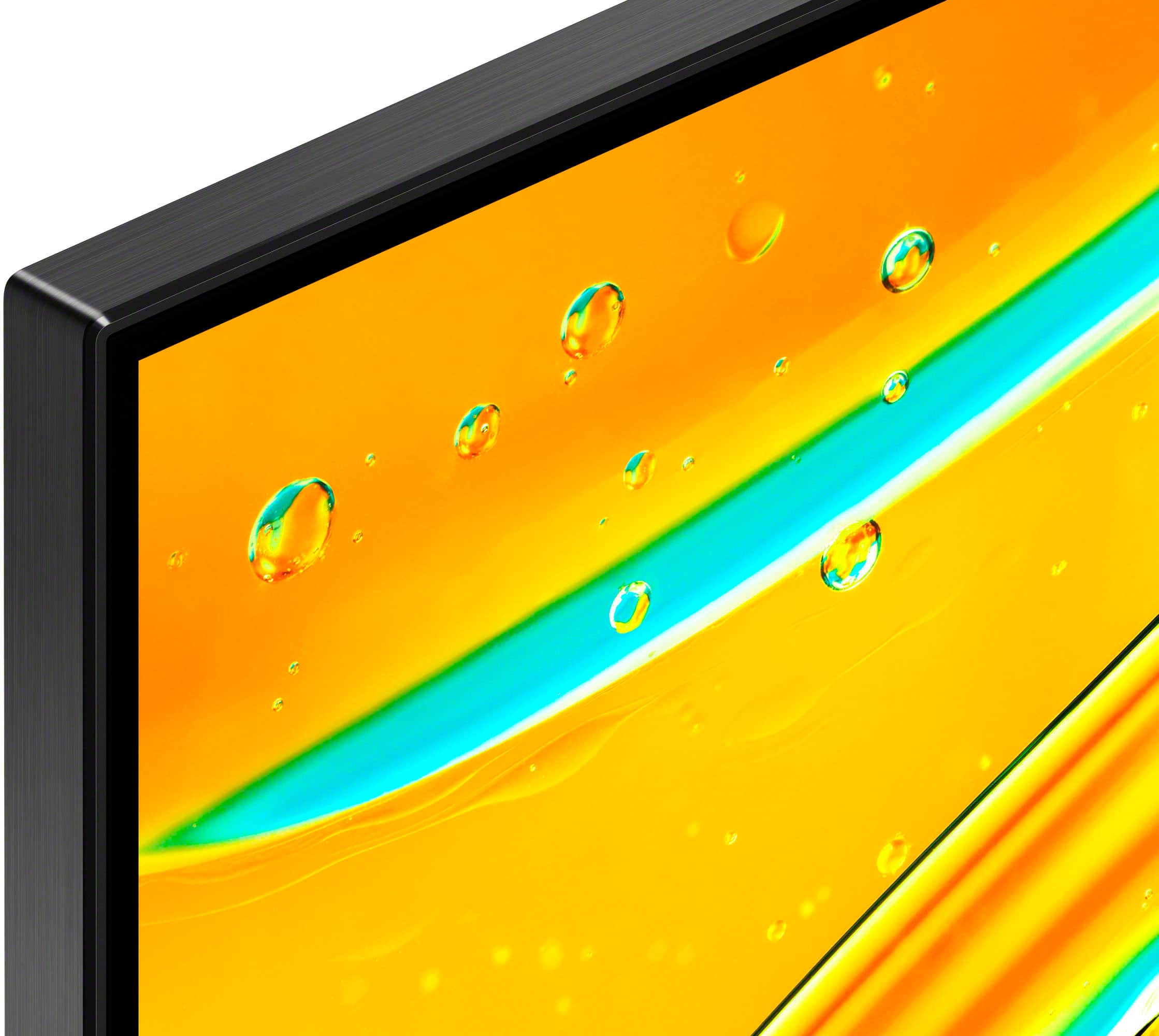
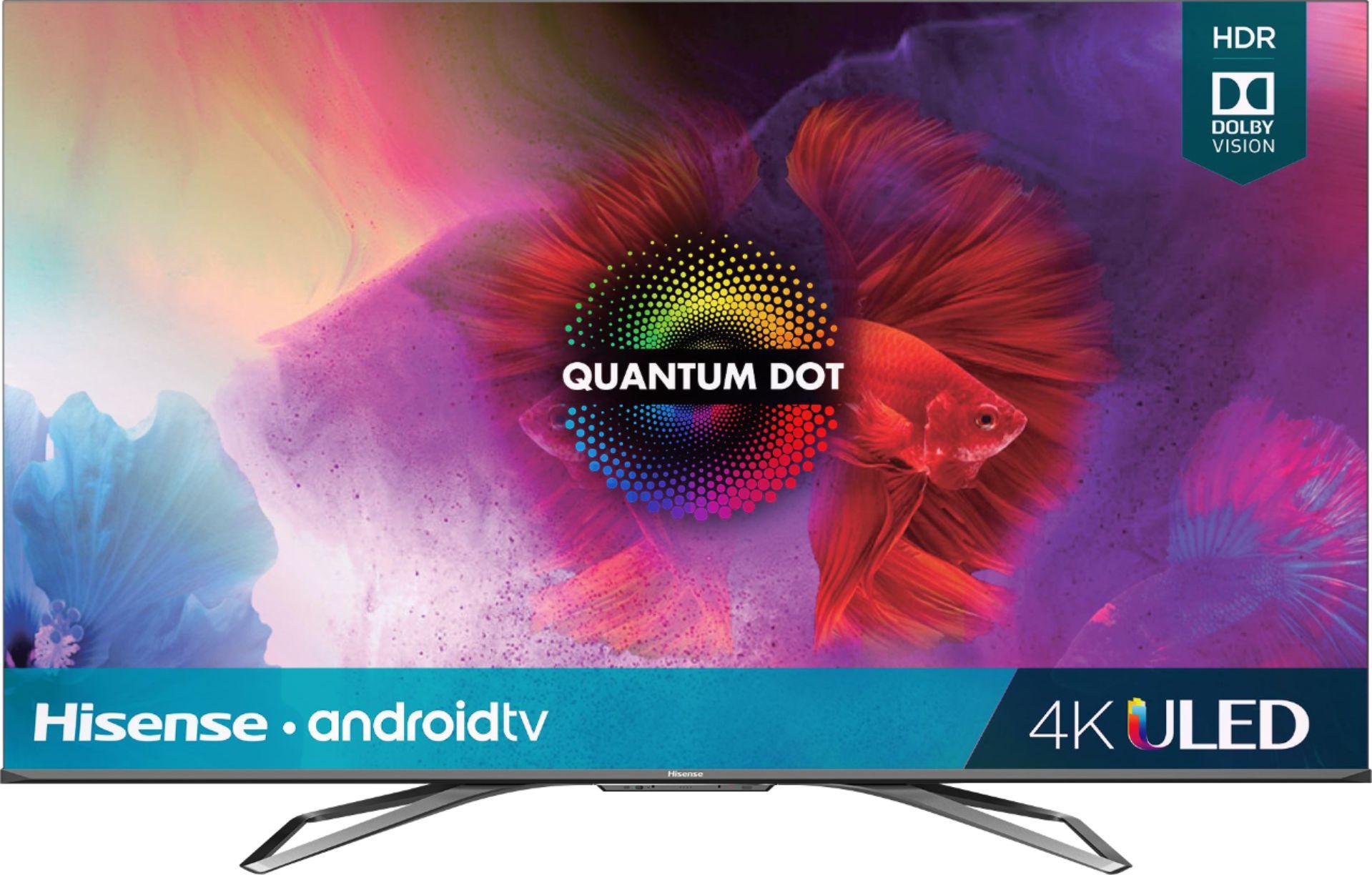
When the Hisense H9G came out, it was genuinely impressive. Quantum Dot technology was still relatively new in affordable TVs, and the H9G's ability to hit over 1000 nits of brightness (that's the measurement for how bright a display can get) was remarkable for its price point. The TV uses what's called "full-array local dimming" with 180 zones—think of these as individual sections of the backlight that can turn on or off independently to create better contrast.
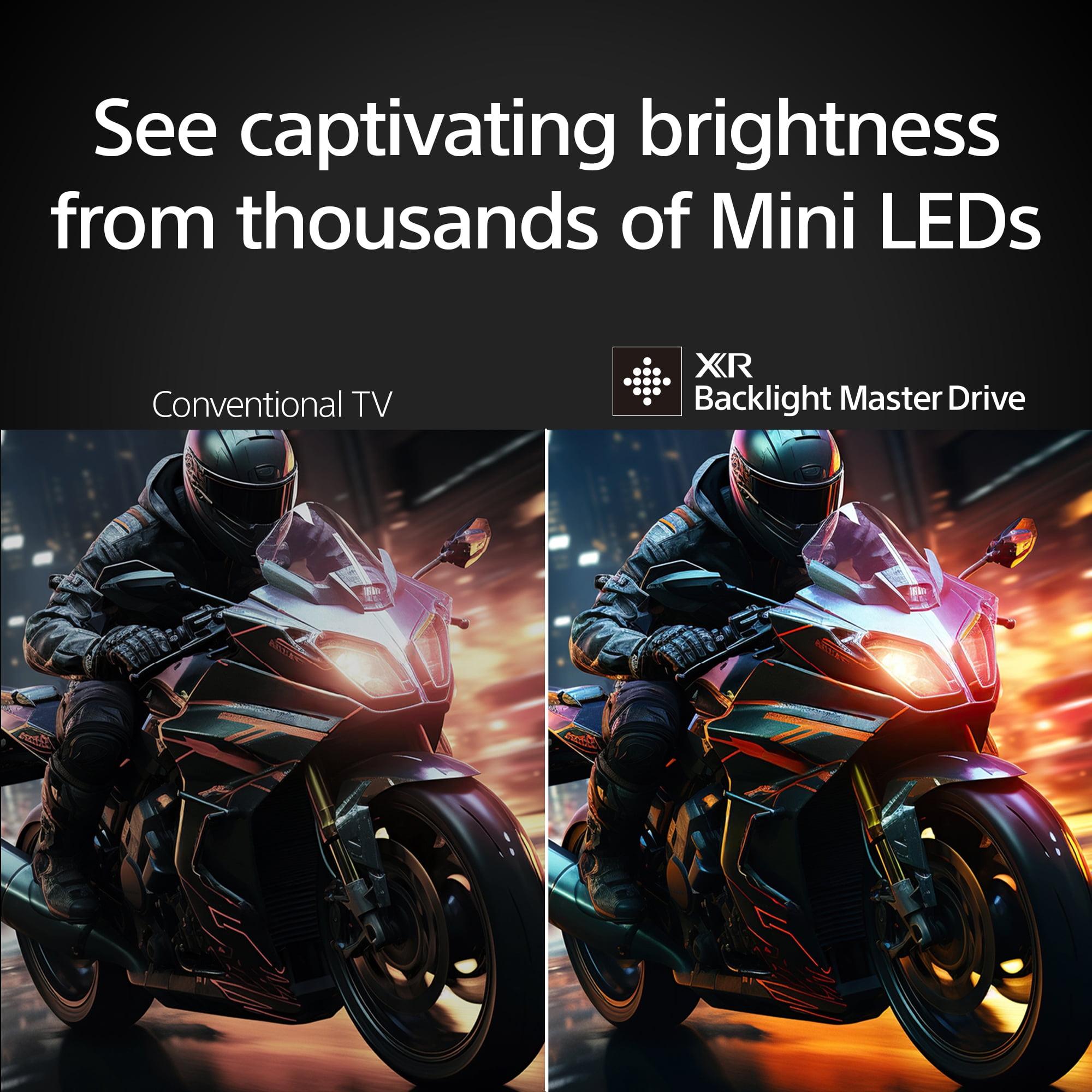
The Sony BRAVIA 5, being five years newer, represents the next evolution in display technology. It uses Mini LED backlighting, which is essentially thousands of tiny LEDs instead of the larger LEDs found in traditional displays. This allows for much more precise control over brightness and darkness across the screen. Sony pairs this with their XR Backlight Master Drive technology, which is fancy marketing speak for "really smart software that controls all those Mini LEDs."
Here's where things get interesting. You might expect the newer, more expensive Sony to completely dominate, but that's not quite the case. The Hisense H9G actually gets brighter than the Sony in many scenarios, particularly with HDR content. HDR (High Dynamic Range) is technology that makes bright parts of the image really bright and dark parts really dark, creating more realistic-looking pictures.
The Hisense can push past 1000 nits of brightness, which means HDR movies and shows have that "wow" factor where bright scenes really pop off the screen. Fire, explosions, and sunny outdoor scenes look incredibly vibrant and realistic. The Sony, despite its advanced Mini LED technology, has what reviewers call "mediocre" HDR brightness for its price point. This doesn't mean it looks bad—it just means it doesn't have that same punch that makes HDR content feel dramatically different from regular TV.
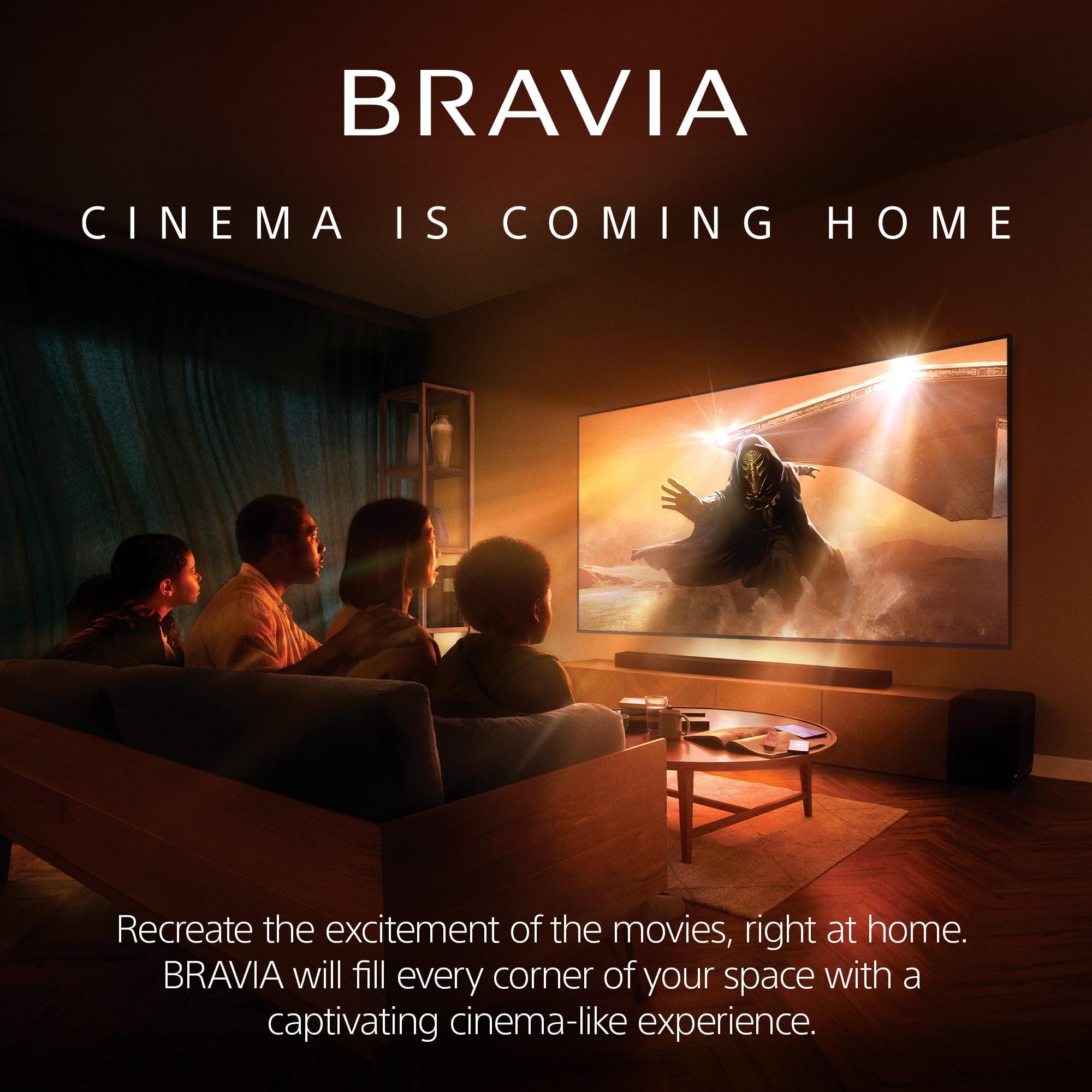
However, the Sony fights back with superior contrast control. Those thousands of Mini LEDs, controlled by Sony's XR Backlight Master Drive, can create incredibly deep blacks right next to bright areas without the "blooming" effect you sometimes see on other TVs. Blooming is when bright objects have a halo of light around them—it's particularly noticeable in dark scenes with bright elements, like star fields or subtitles.
The Sony BRAVIA 5 has a significant advantage in color accuracy and image processing. Sony's XR Processor uses artificial intelligence to analyze what's on screen and enhance it in real-time. This means that older, lower-quality content gets upscaled (improved) to look much better than it originally did. If you watch a lot of streaming content or older movies, this is a huge benefit.
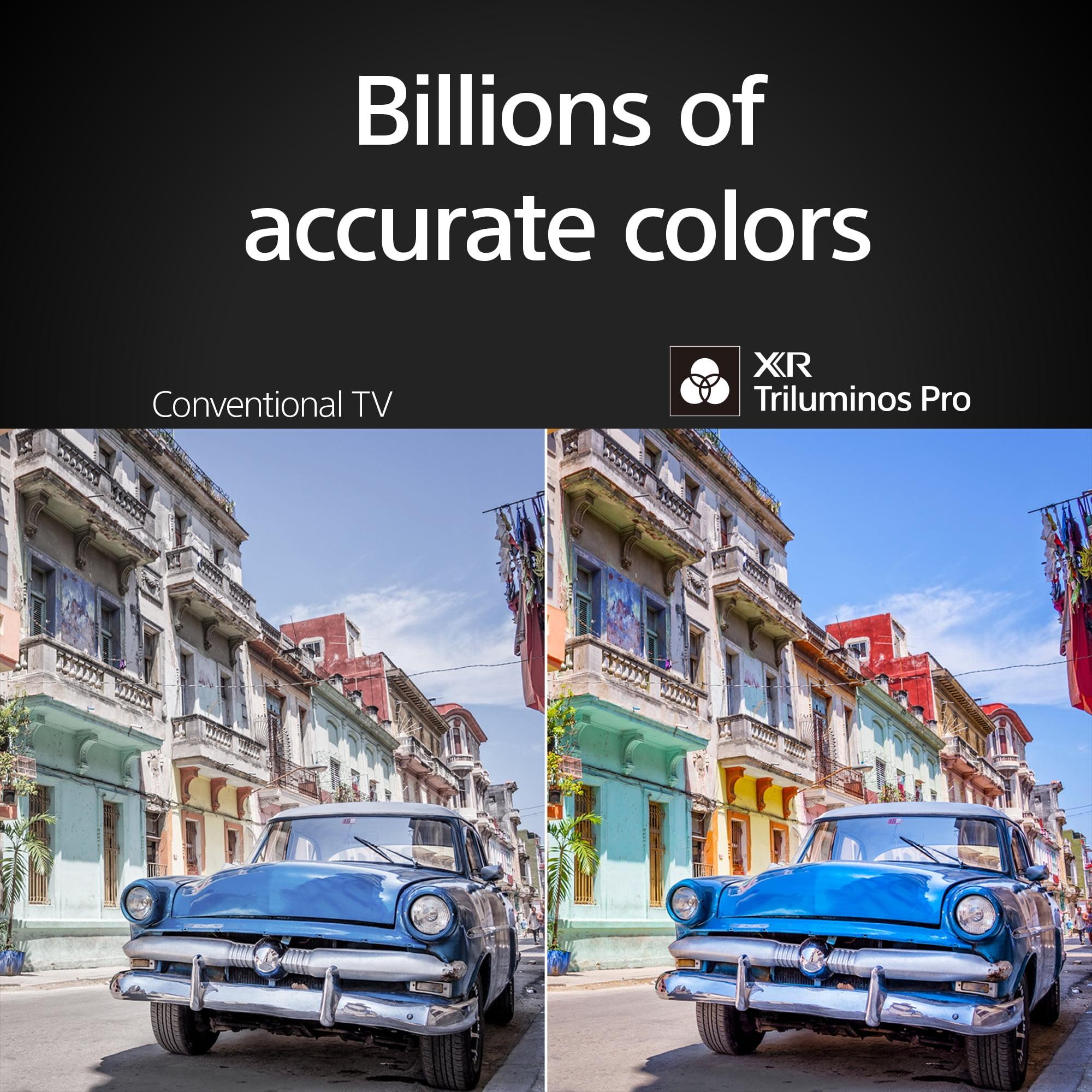
The TV also features XR Triluminos Pro technology, which expands the range of colors the TV can display. While the Hisense has good color accuracy thanks to its Quantum Dot technology (which uses special particles to create more pure colors), the Sony's processing gives it an edge in making everything look more natural and film-like.
Motion handling is where both TVs show their strengths and weaknesses. The Hisense H9G has what the company calls "Motion Rate 480," which helps smooth out fast-moving content like sports or action movies. In my experience with similar Hisense models, this actually works quite well for sports viewing—you'll notice less blur when following a football or during fast camera pans.
The Sony, surprisingly, struggles more with motion. Its pixel response time is relatively slow, which can create blur during fast-paced scenes. This is particularly noticeable in sports or action movies where there's a lot of movement. However, the Sony's XR Motion Clarity technology tries to compensate by synchronizing the backlight with the on-screen action, which helps somewhat.
This is where the five-year technology gap becomes most apparent. The Sony BRAVIA 5 is built for the PlayStation 5 and Xbox Series X era, while the Hisense H9G predates these consoles entirely.
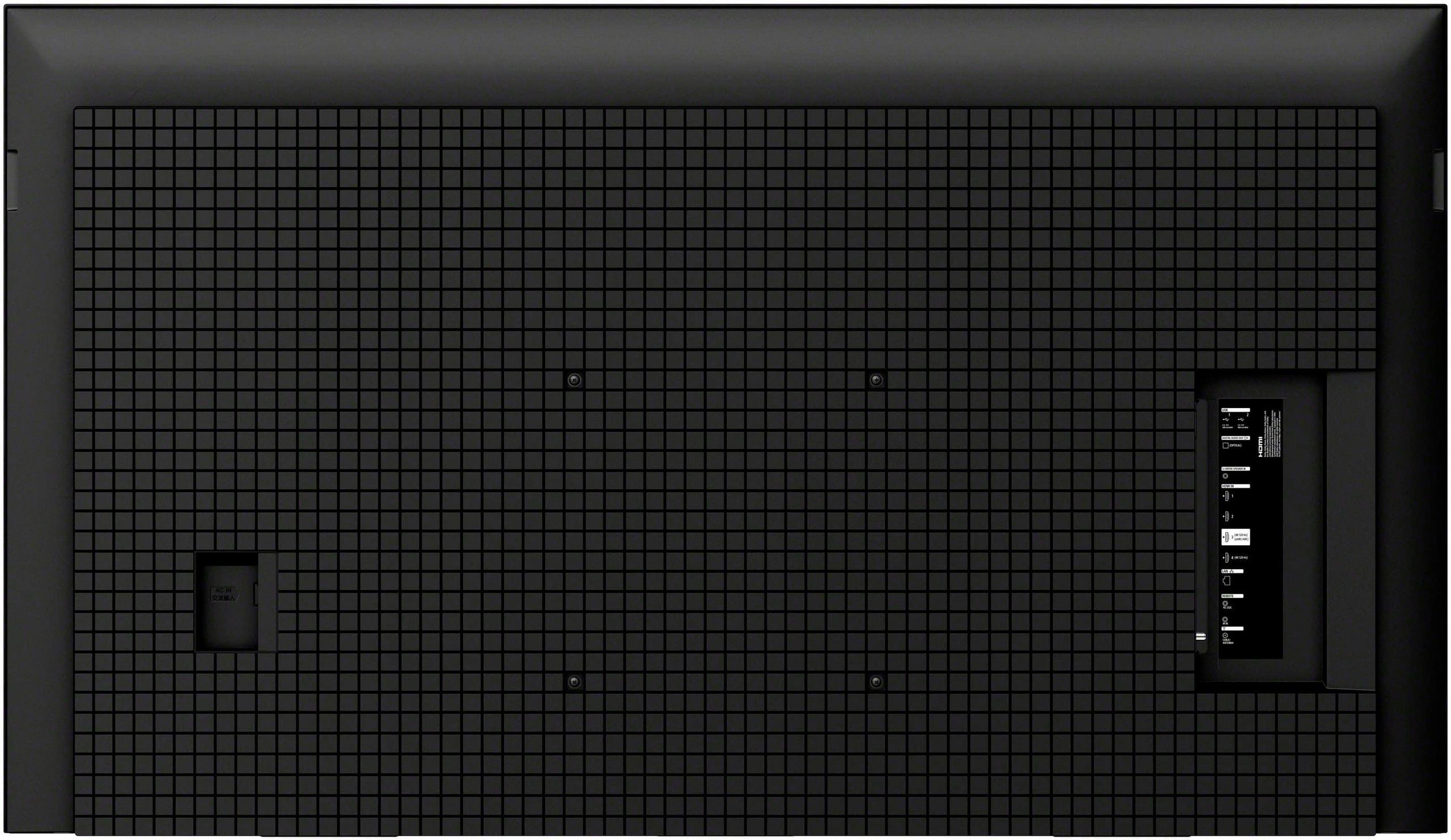
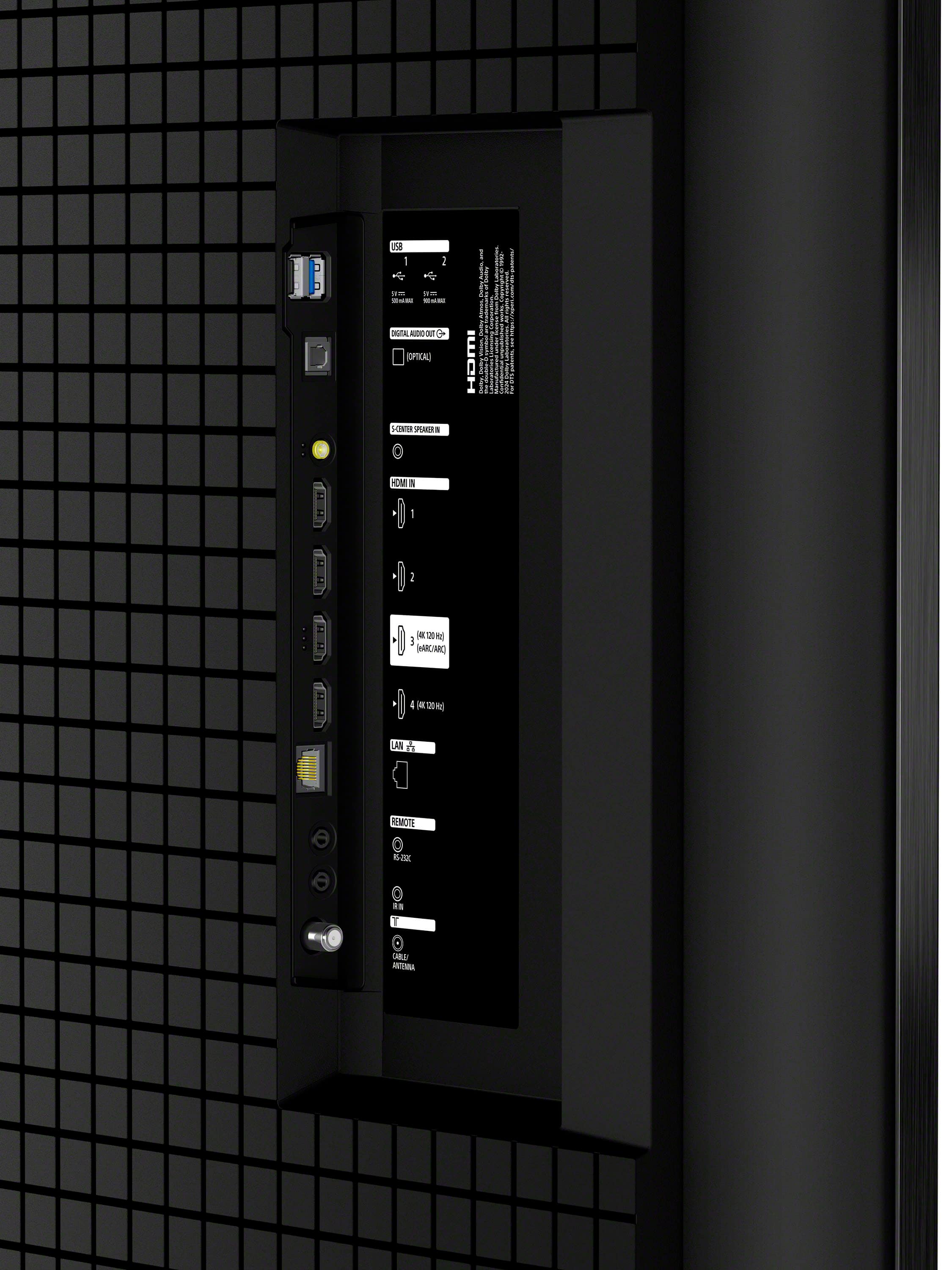
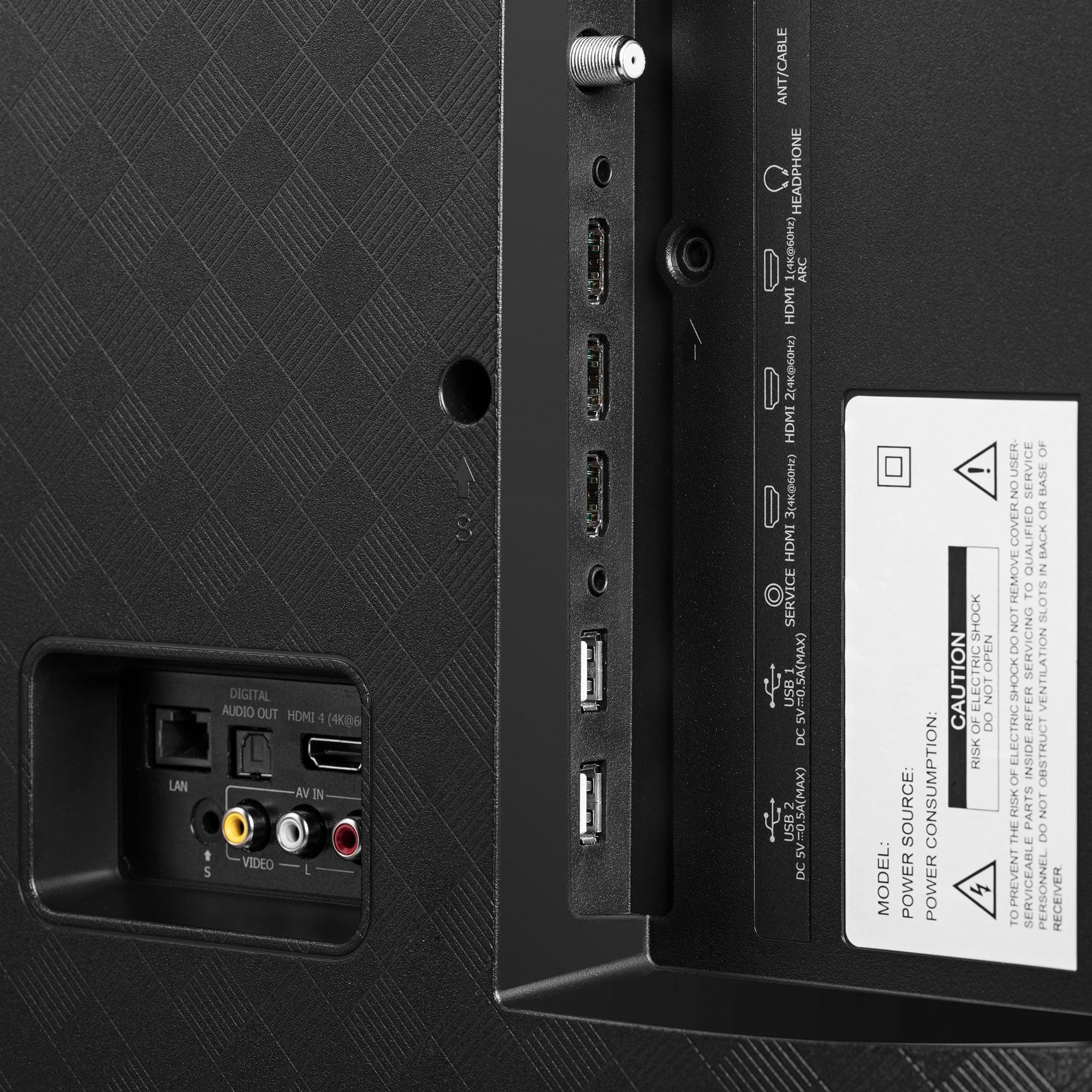
The Sony includes two HDMI 2.1 ports, which support 4K gaming at 120 frames per second. This is crucial for getting the most out of a PlayStation 5 or Xbox Series X. The TV also supports Variable Refresh Rate (VRR), which synchronizes the TV's refresh rate with the console's output to eliminate screen tearing, and Auto Low Latency Mode (ALLM), which automatically switches to the lowest input lag when it detects a gaming signal.
Perhaps most impressively, the Sony has exclusive PlayStation 5 features like Auto HDR Tone Mapping, which automatically adjusts the TV's HDR settings for each game, and Auto Genre Picture Mode, which switches between different display modes depending on what type of game you're playing.
The Hisense H9G, being from 2020, only has HDMI 2.0 ports. While it does have a 120Hz panel, it can't actually display 4K content at 120fps—you're limited to 4K at 60fps or 1080p at 120fps. For current-generation gaming, this is a significant limitation.
Both TVs perform well in Game Mode for input lag, which is the delay between pressing a button and seeing the action on screen. The Sony gets down to very low input lag in Game Mode, making it excellent for competitive gaming. The Hisense also has good input lag performance, though it's not quite as responsive as the Sony.
However, here's an important consideration: the Sony's input lag is only low in Game Mode. In other picture modes, it can be significantly higher, which might be frustrating if you're switching between gaming and watching movies frequently.
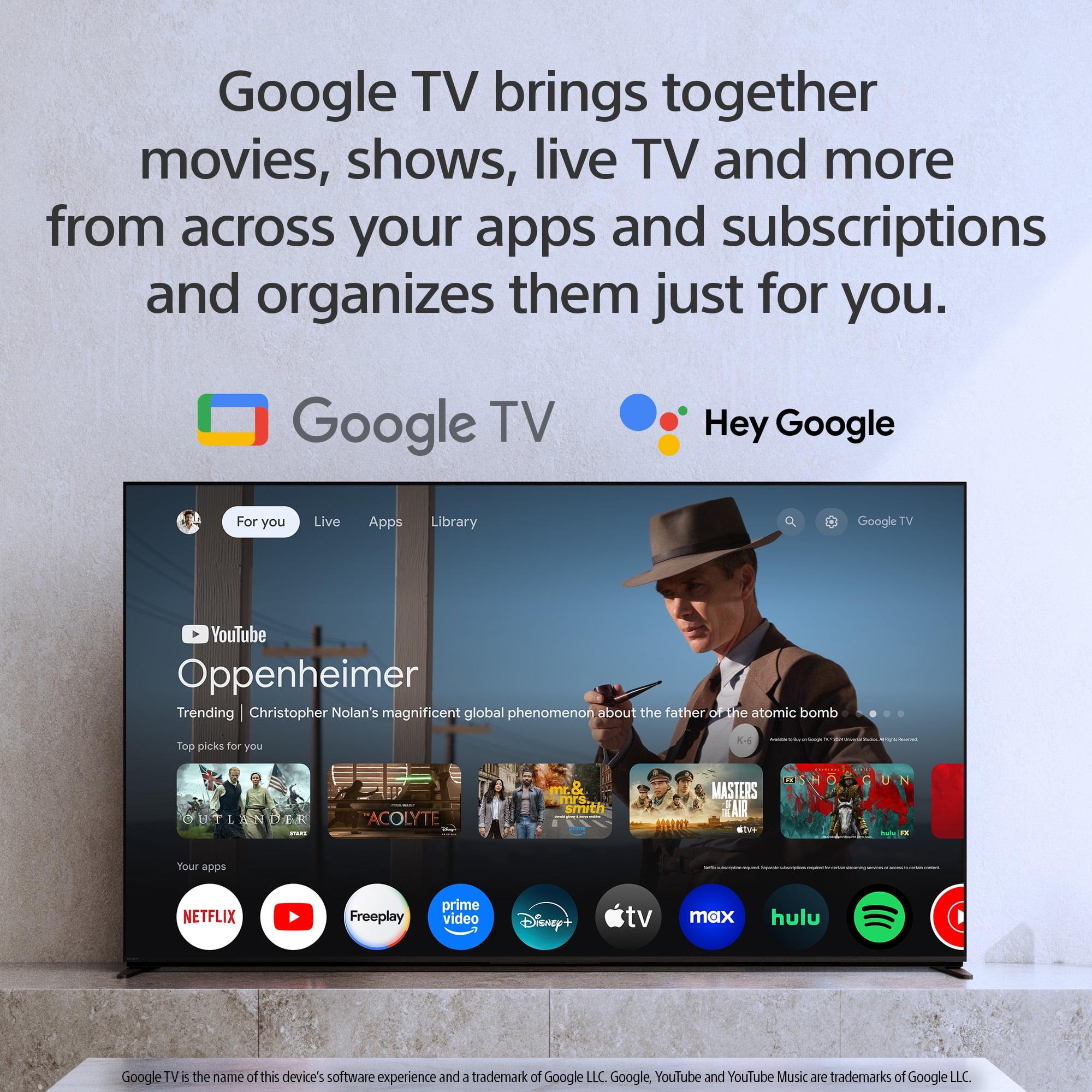
The software experience is another area where the five-year gap really shows. The Sony BRAVIA 5 runs Google TV version 12, which is fast, modern, and integrates seamlessly with Google's ecosystem. The interface is intuitive, with personalized recommendations and easy access to over 700,000 movies and shows across different streaming platforms.
The Hisense H9G runs an older version of Android TV, which can feel sluggish by comparison. While it has the same basic functionality—access to streaming apps, Google Assistant, and Chromecast built-in—the overall experience isn't as polished. I've noticed that older Android TV versions can sometimes lag when switching between apps or navigating menus, which becomes more noticeable as the TV ages.
Audio is often overlooked in TV reviews, but it's actually quite important for the overall viewing experience. The Sony BRAVIA 5 includes several advanced audio features that the Hisense lacks.
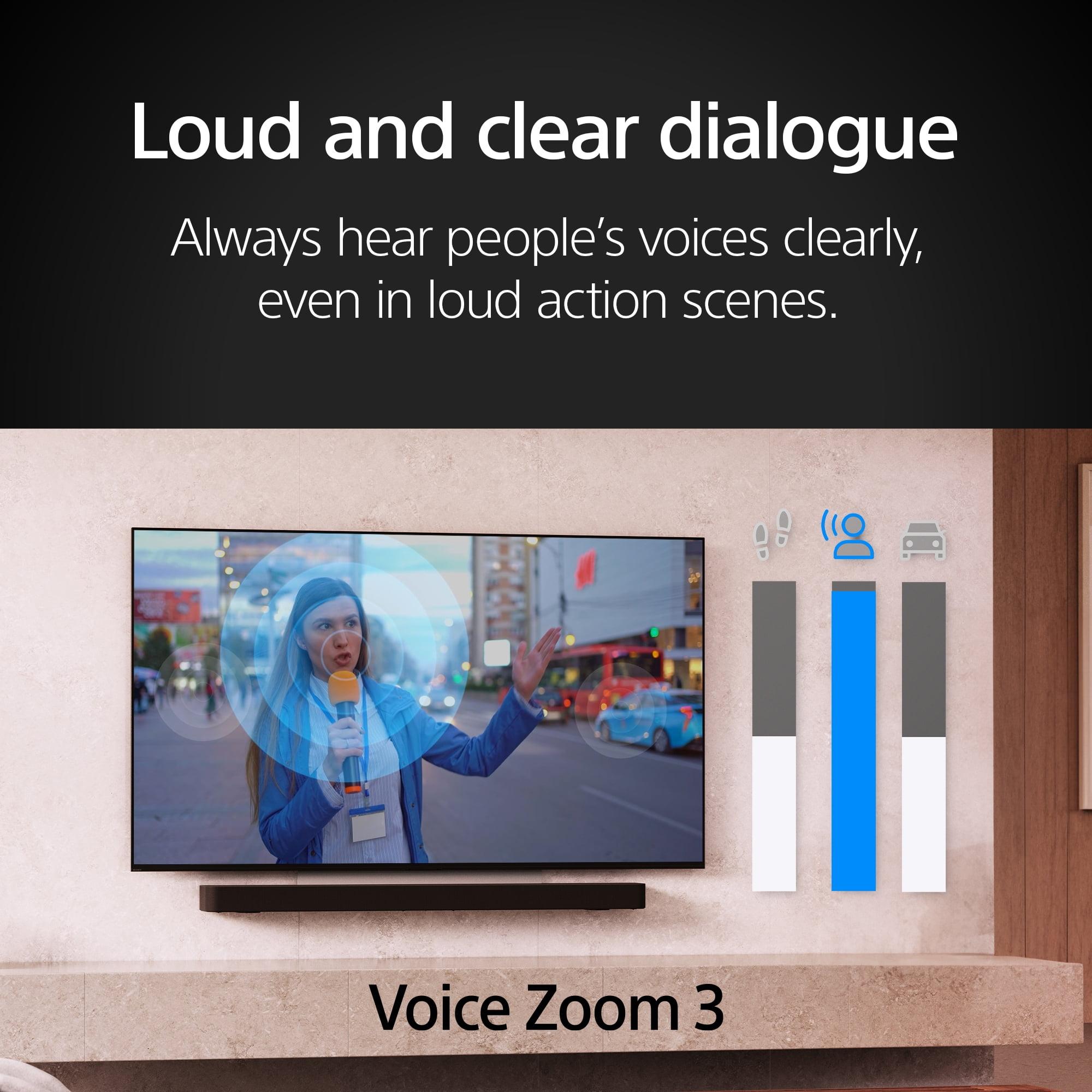
Sony's Acoustic Multi-Audio technology is designed to make sound appear to come from the right parts of the screen, creating a more immersive experience. The TV also has Voice Zoom 3, which uses AI to make dialogue clearer—particularly useful if you watch a lot of movies with complex soundtracks where dialogue can get lost in the mix.
The Sony also supports DTS audio passthrough, which is important if you have a home theater system. This means the TV can send high-quality audio signals to your soundbar or receiver without processing them first, maintaining the original audio quality.
The Hisense has decent built-in speakers and supports Dolby Atmos, but it lacks the advanced audio processing features of the Sony. For most people, this won't be a dealbreaker, especially if you're planning to use a soundbar or home theater system anyway.
Here's where the decision gets tricky. The Hisense H9G currently costs around $1,253, while the Sony BRAVIA 5 is priced at $1,478. That $225 difference might not seem huge, but it represents about 18% more cost.
From a pure picture quality standpoint, the Hisense actually delivers more impressive HDR performance for less money. If you're primarily interested in watching movies and TV shows, and you don't care about gaming features, the Hisense offers exceptional value.
However, the Sony represents a better long-term investment. With HDMI 2.1 support, modern smart TV software, and advanced processing capabilities, it's much more likely to remain relevant and useful for the next five years. The Hisense, being from 2020, is already starting to show its age in terms of gaming compatibility and software features.
If you're setting up a dedicated home theater room, both TVs have their merits, but for different reasons. The Hisense H9G might actually be the better choice for a dark, controlled environment where you can take full advantage of its excellent HDR brightness and contrast. In a dark room, the Sony's brightness limitations are less noticeable, while the Hisense's superior HDR performance really shines.
However, the Sony's superior processing and upscaling make it better for mixed content viewing. If your home theater doubles as a family room where you watch everything from 4K movies to YouTube videos, the Sony's ability to make lower-quality content look better is a significant advantage.
The Sony also has better integration with home theater systems thanks to its DTS passthrough and more advanced audio features. If you're planning to add a soundbar or full surround sound system, the Sony will integrate more seamlessly.
Both TVs have some notable limitations. The Sony BRAVIA 5 has relatively narrow viewing angles, which means it's not ideal if you have a wide seating arrangement. People sitting significantly off to the sides will notice color and contrast degradation. The TV also struggles with reflections from direct light sources, so it's not the best choice for a bright, sunny room.
The Hisense H9G main limitation is its lack of future-proofing. Without HDMI 2.1 support, you're missing out on the latest gaming features, and the older Android TV software will become increasingly outdated. Some users have also reported occasional software hiccups and remote control responsiveness issues.
Choose the Sony BRAVIA 5 if you want the latest technology, plan to do any next-generation gaming, value superior image processing, or want a TV that will remain relevant for years to come. It's the better choice for most people in 2025, despite the higher price.
Choose the Hisense H9G if you're primarily focused on movie watching, want the best HDR brightness for your money, don't need gaming features, or are working with a tighter budget. It's still an excellent TV that delivers impressive picture quality, especially in dark rooms.
Ultimately, both TVs offer great value in their own ways. The Sony represents the cutting edge of mid-range TV technology, while the Hisense proves that older technology can still deliver excellent performance at an attractive price. Your choice should depend on your specific needs, budget, and how long you plan to keep your TV.
| Sony BRAVIA 5 65" Mini LED 4K Google TV 2025 | Hisense 65" H9G Quantum Series 4K UHD Smart Android TV |
|---|---|
| Release Date & Current Pricing - Shows technology generation and value | |
| 2025 release, $1,478 (latest tech premium) | 2020 release, $1,253 (mature tech savings) |
| Display Technology - Core difference affecting picture quality | |
| Mini LED with thousands of zones, XR Backlight Master Drive | Quantum Dot LED with 180 local dimming zones |
| HDR Peak Brightness - Critical for HDR movie impact | |
| Mediocre brightness for price point | Excellent 1000+ nits (superior HDR pop) |
| Contrast & Black Levels - Important for dark room viewing | |
| Superior Mini LED precision, minimal blooming | Outstanding 124,000:1 contrast ratio |
| Gaming Features - Essential for PS5/Xbox Series X owners | |
| HDMI 2.1 (4K/120Hz, VRR, ALLM), PS5 exclusive features | HDMI 2.0 only, no VRR or 4K/120Hz support |
| Smart TV Software - Affects daily usability | |
| Google TV v12 (fast, modern, 700k+ titles) | Older Android TV (occasionally sluggish) |
| Motion Handling - Important for sports and action content | |
| Slow pixel response causes motion blur | Motion Rate 480 provides smoother motion |
| Audio Features - Matters if not using external speakers | |
| Acoustic Multi-Audio, Voice Zoom 3, DTS passthrough | Standard speakers, Dolby Atmos support |
| Future-Proofing - Longevity consideration | |
| 5+ year relevance with latest standards | Limited by 2020-era connectivity |
| Best For - Target user recommendation | |
| Gamers, tech enthusiasts, long-term investment | Movie watchers, budget-conscious, immediate value |
The Hisense H9G actually delivers more impressive HDR brightness at over 1000 nits, making HDR movies pop with vibrant highlights. However, the Sony BRAVIA 5 offers superior contrast control with its Mini LED technology and better upscaling for lower-quality content. For dark room movie watching, the Hisense excels, while the Sony is better for mixed content viewing.
The Sony BRAVIA 5 costs $1,478, while the Hisense H9G is priced at $1,253 - a difference of about $225. The Sony commands a premium for its newer Mini LED technology and advanced features, while the Hisense offers excellent value as a 2020 model with proven performance.
The Sony BRAVIA 5 is significantly better for next-gen gaming, featuring HDMI 2.1 ports that support 4K at 120Hz, Variable Refresh Rate (VRR), and exclusive PlayStation 5 features like Auto HDR Tone Mapping. The Hisense H9G only has HDMI 2.0, limiting it to 4K at 60fps and lacking modern gaming features.
The Sony BRAVIA 5 runs the latest Google TV version 12 with a fast, modern interface and access to 700,000+ titles. The Hisense H9G uses an older Android TV version that can feel sluggish and lacks the polish of Sony's implementation. The Sony provides a significantly better smart TV experience.
The Hisense H9G actually gets brighter than the Sony BRAVIA 5 for HDR content, reaching over 1000 nits compared to Sony's mediocre HDR brightness. This makes the Hisense better for dramatic HDR impact, especially in scenes with bright elements like explosions or sunny outdoor scenes.
Neither TV is ideal for very bright rooms, but the Hisense H9G handles ambient light better due to its superior brightness capabilities. The Sony BRAVIA 5 struggles with reflections from direct light sources, making it less suitable for sunny rooms without proper light control.
The Hisense H9G has superior motion handling with its Motion Rate 480 technology, making it better for sports viewing and fast-action content. The Sony BRAVIA 5 actually struggles with motion blur due to slow pixel response times, which can be noticeable during fast-paced scenes.
The Sony BRAVIA 5 is much more future-proof with its 2025 technology, HDMI 2.1 support, and modern software, likely remaining relevant for 5+ years. The Hisense H9G, being from 2020, is already showing its age in gaming compatibility and software features, making it less suitable for long-term use.
For dedicated home theater use, the Hisense H9G excels in dark, controlled environments where its superior HDR brightness and contrast really shine. However, the Sony BRAVIA 5 offers better integration with home theater systems through DTS passthrough and more advanced audio features, plus superior processing for mixed content.
The Sony BRAVIA 5 has narrow viewing angles, mediocre HDR brightness for its price, and motion blur issues. The Hisense H9G lacks HDMI 2.1 for modern gaming, has older software that can lag, and limited future-proofing due to its 2020 technology.
The Hisense H9G offers exceptional immediate value with outstanding HDR performance and picture quality for $1,253. The Sony BRAVIA 5 at $1,478 represents better long-term value with future-proof features and superior technology, making it worth the premium for most buyers planning to keep their TV for several years.
Choose the Sony BRAVIA 5 if you game on next-gen consoles, want the latest technology, or plan to keep your TV for 5+ years. Choose the Hisense H9G if you're primarily watching movies, want the best HDR brightness for less money, or are budget-conscious and don't need gaming features.
We've done our best to create useful and informative comparisons to help you decide what product to buy. Our research uses advanced automated methods to create this comparison and perfection is not possible - please contact us for corrections or questions. These are the sites we've researched in the creation of this article: rtings.com - pro.sony - youtube.com - electronics.sony.com - electronics.sony.com - electronics.sony.com - bestbuy.com - electronics.sony.com - youtube.com - bestbuy.com - videoandaudiocenter.com - valueelectronics.com - youtube.com - sony.ca - perpichtv.com - sony.com - displayspecifications.com - pioneertvandappliance.com - flatpanelshd.com - rtings.com - bestbuy.com - techradar.com - youtube.com - digitaltrends.com - assets.hisense-usa.com - bestbuy.com - youtube.com - bestbuy.com

Privacy Policy
Terms and Conditions - Affiliate Policy
Home Security
© Copyright 2008-2026.
11816 Inwood Rd #1211, Dallas, TX 75244