


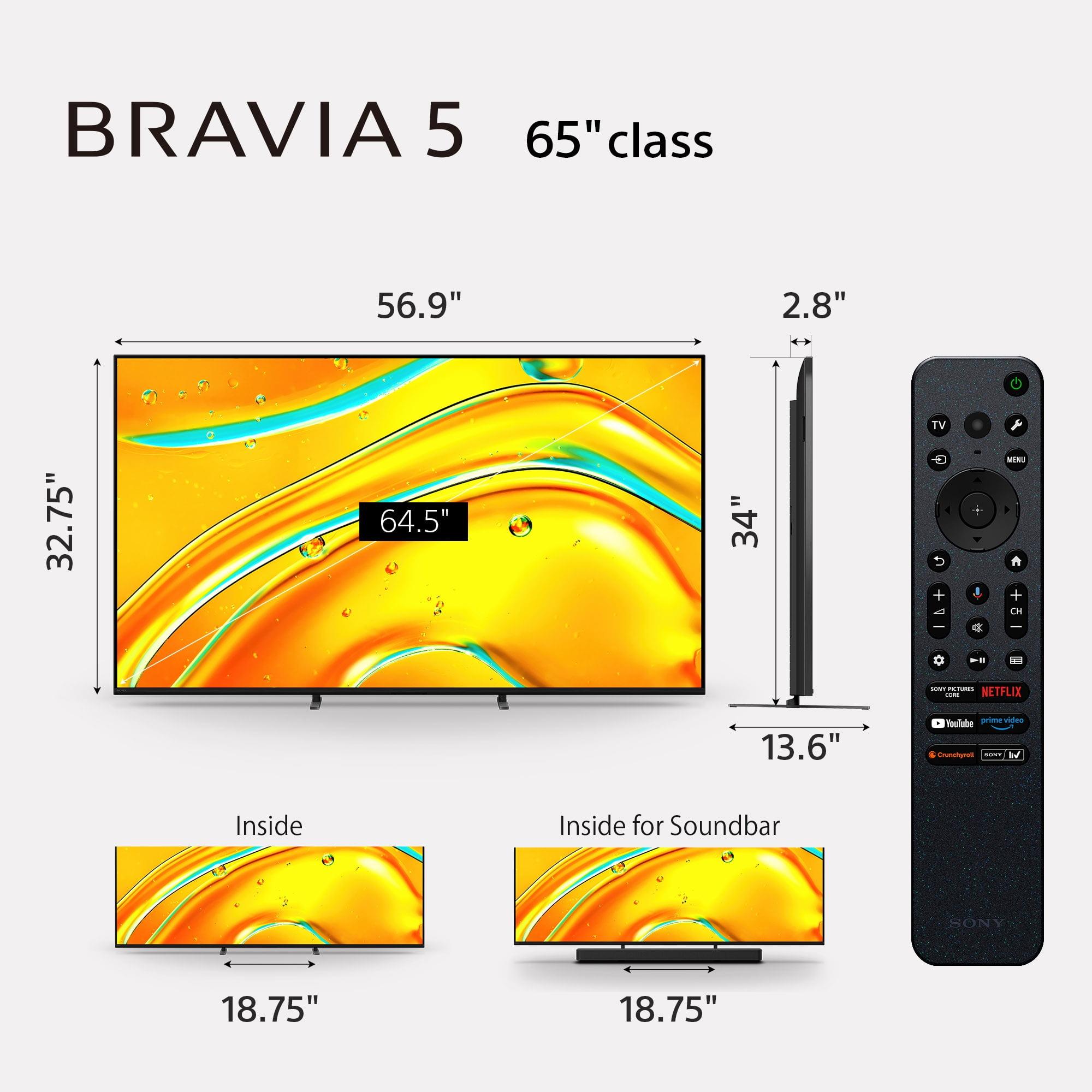
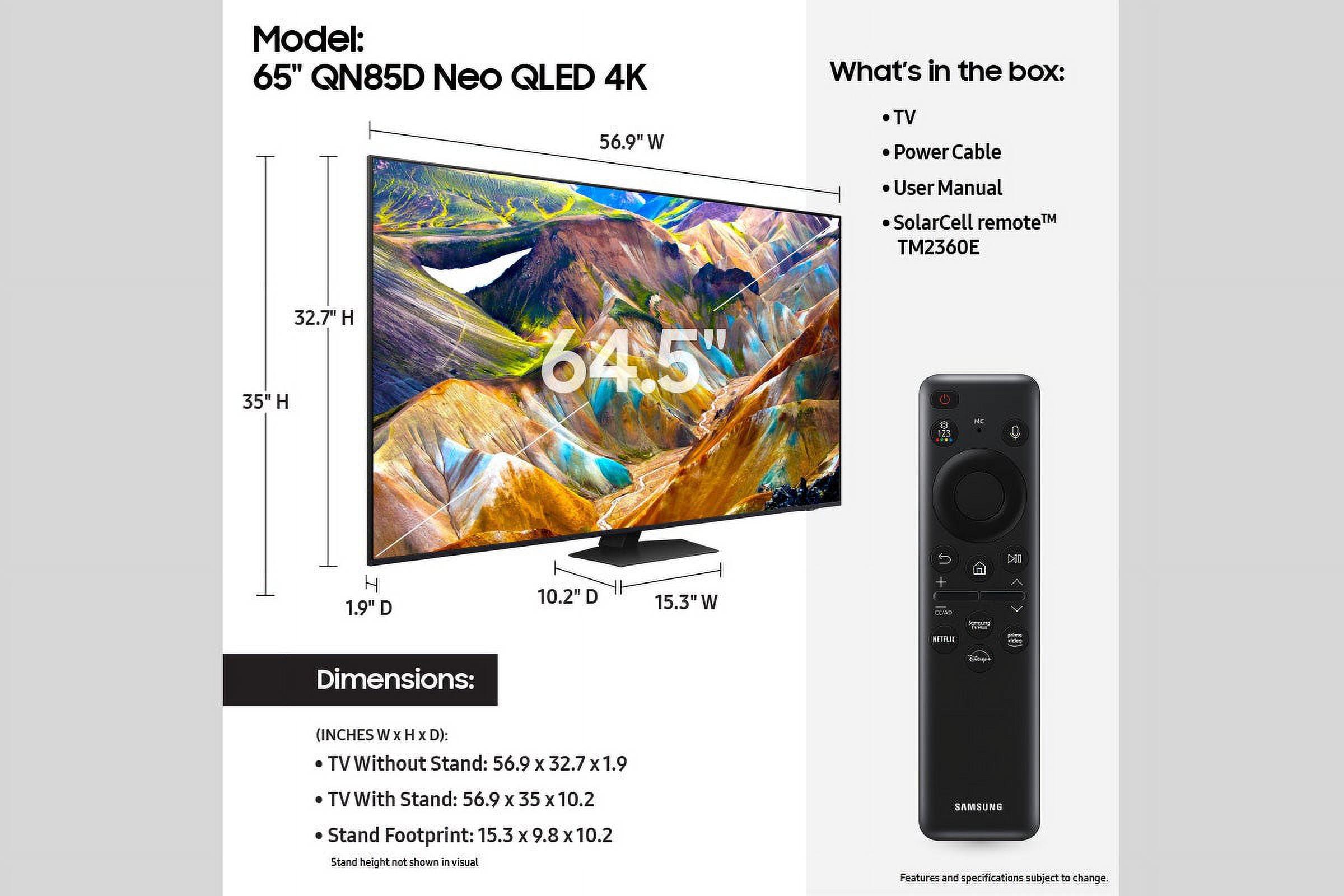
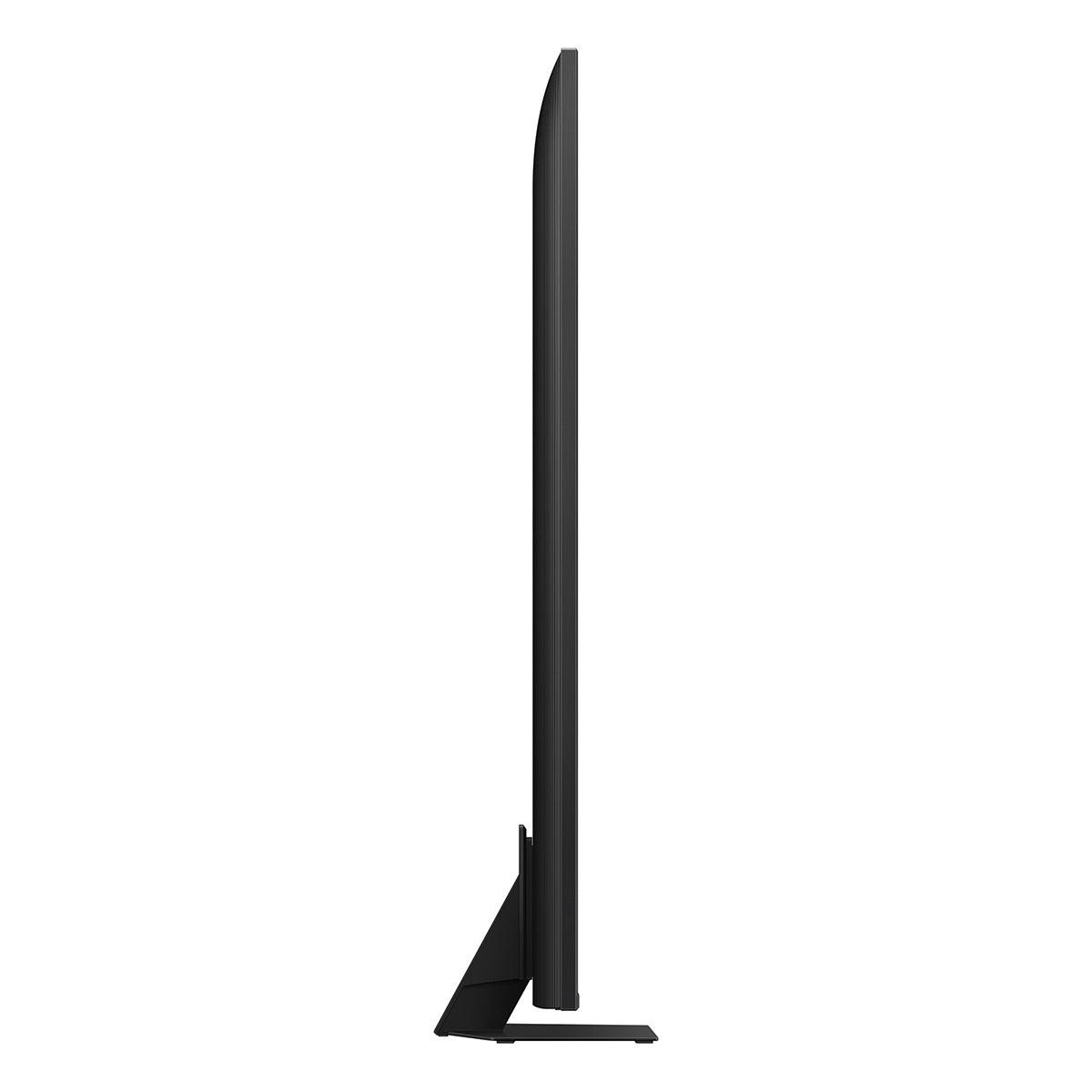
Shopping for a new TV can feel overwhelming with all the technical jargon and competing claims. If you're looking at premium mid-range options, two standout choices are the Sony BRAVIA 5 65" Mini LED 4K Google TV 2025 and the Samsung 65" QN85D Neo QLED 4K Smart TV. Both represent the latest in Mini LED technology, but they take surprisingly different approaches to delivering that cinematic experience you're after.
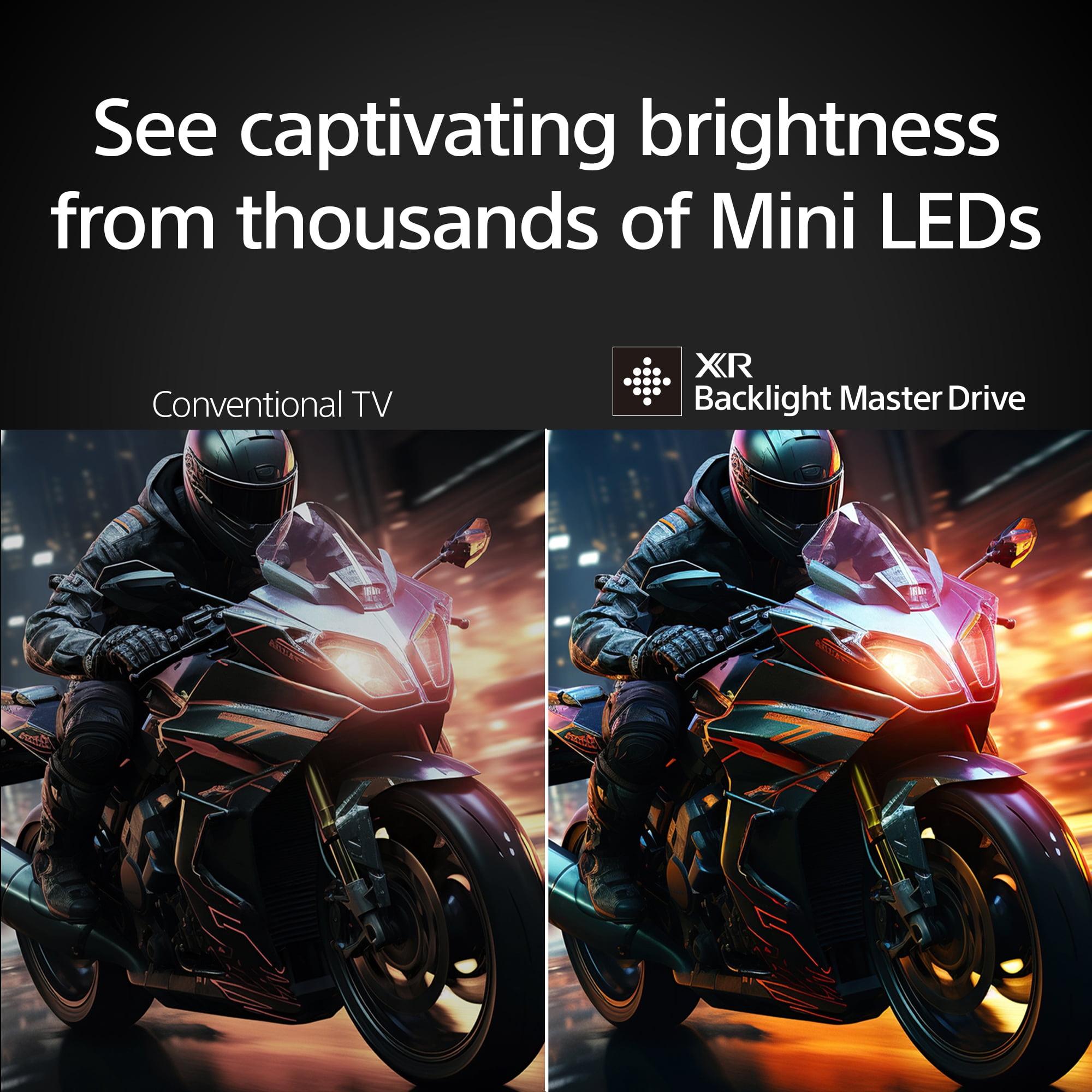
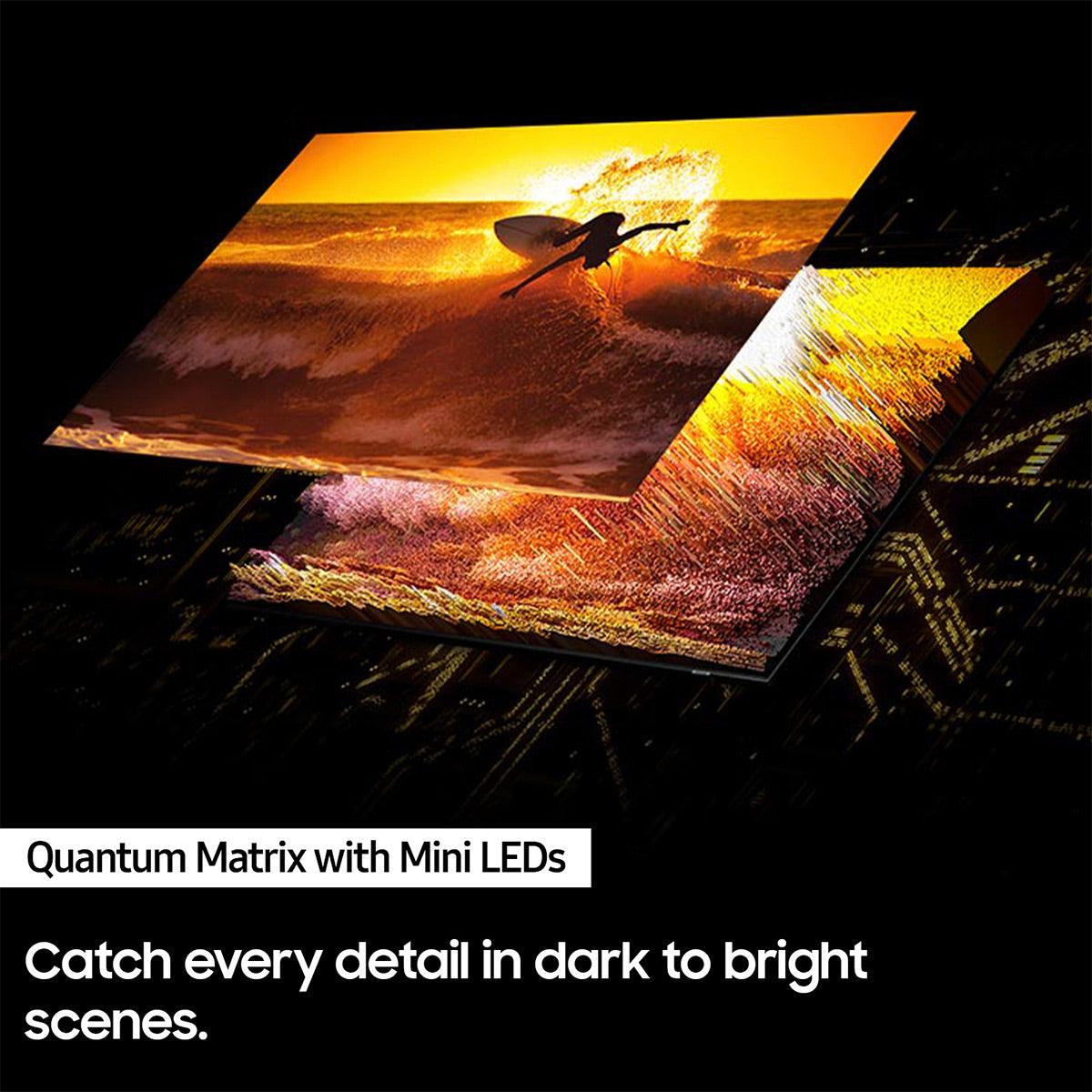
Before diving into the comparison, let's talk about what makes Mini LED TVs special. Traditional LED TVs use larger LEDs arranged around the edges or behind the screen, which can create uneven lighting and poor contrast. Mini LED TVs pack thousands of tiny LEDs directly behind the screen, each controlled independently. Think of it like having thousands of tiny dimmer switches instead of just one room light – you can make specific areas bright while keeping others completely dark.
This technology sits between regular LED TVs and premium OLED displays. You get much better contrast than traditional LEDs (though not quite OLED-level blacks) while maintaining the brightness advantages that make these TVs great for bright rooms. The main considerations when choosing between Mini LED models include picture accuracy, gaming features, smart platform preferences, and how well they handle your specific viewing environment.
The Sony BRAVIA 5 launched in April 2025 as Sony's latest mid-range Mini LED offering, priced around $1,478-$1,499. It represents a significant upgrade from Sony's previous X90L series, incorporating lessons learned from their premium BRAVIA 7 and 9 models. Sony has focused heavily on their XR Processor technology, which uses artificial intelligence to analyze and optimize every frame in real-time.
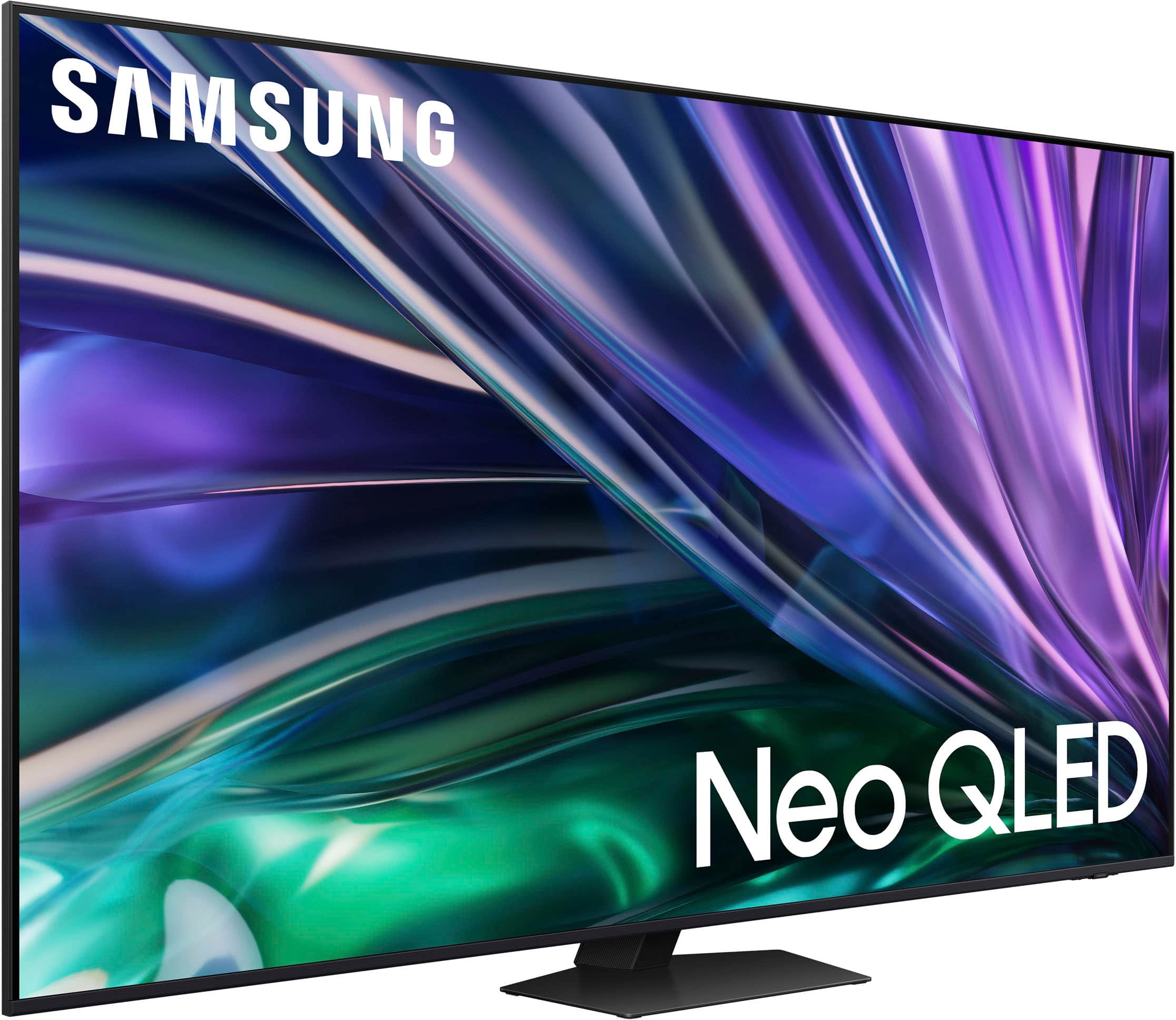
Samsung's QN85D arrived as part of their 2024-2025 Neo QLED lineup, typically retailing between $1,500-$2,000. Samsung has been refining their Neo QLED (their marketing term for Mini LED) technology for several years now, and the QN85D represents their mature approach to balancing brightness, color, and gaming features in the mid-range segment.
The timing difference is interesting – Sony's newer release allows them to incorporate more recent processor improvements and gaming optimizations, while Samsung's more established Neo QLED platform benefits from years of refinement and user feedback.
Here's where these TVs really diverge in their approach. The Sony BRAVIA 5 prioritizes what I'd call "cinematic accuracy" – it wants to show you content exactly as the director intended. Sony's XR Processor analyzes each scene using artificial intelligence, identifying objects, colors, and lighting conditions to optimize everything in real-time. This isn't just marketing speak; when watching a movie, you'll notice how the TV automatically adjusts skin tones to look natural while keeping the overall color palette consistent with the filmmaker's vision.
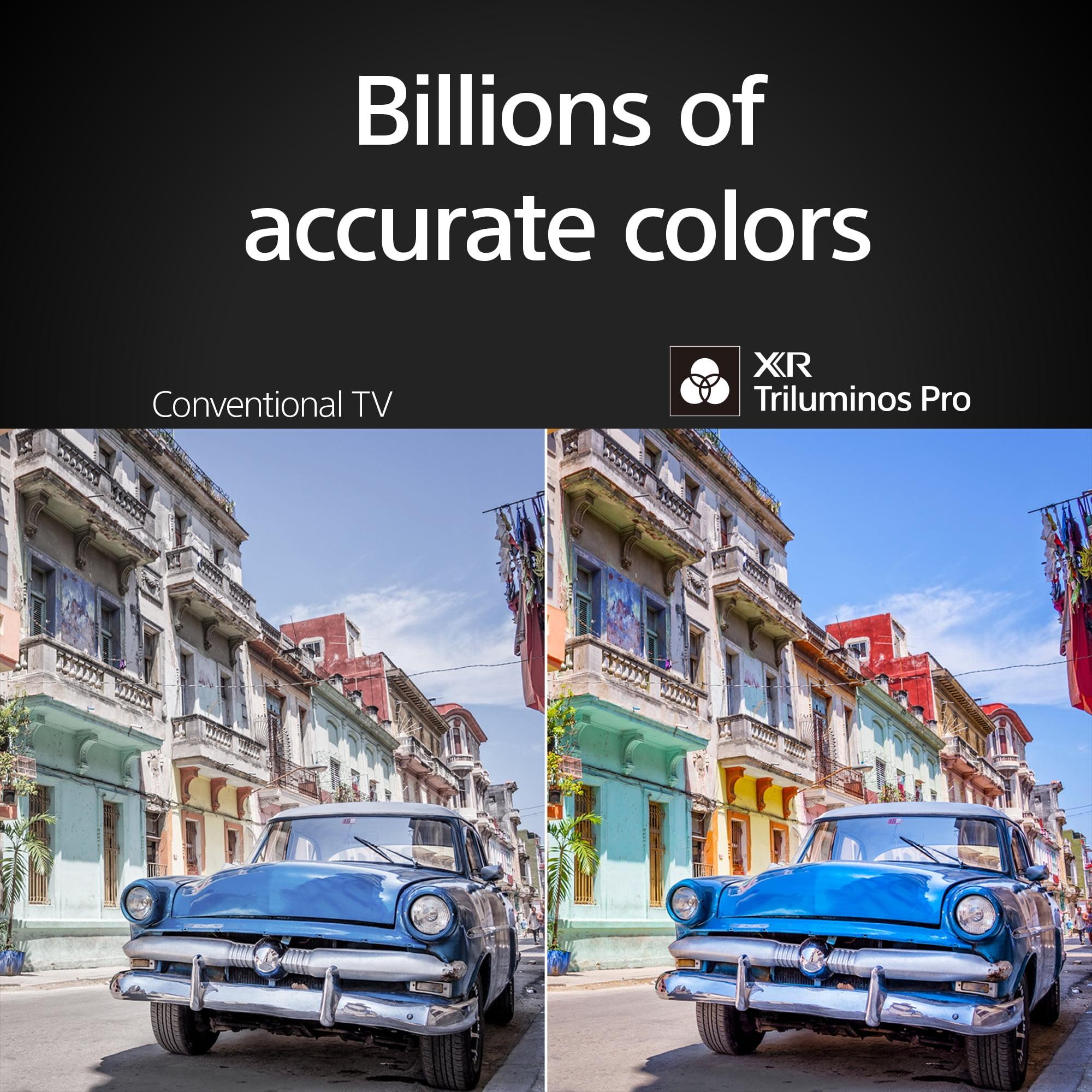
The XR Triluminos Pro technology expands the color gamut significantly, displaying over a billion colors with smooth gradients that avoid the banding you might see on cheaper TVs. In my experience, this makes a huge difference when watching high-quality content like nature documentaries or well-shot dramas. The colors feel organic and natural rather than artificially boosted.
Samsung's approach with the QN85D is more about immediate visual impact. Their Quantum Dot technology produces incredibly vibrant, saturated colors that literally pop off the screen. While this might sound like a negative, it's actually perfect for certain content types. Sports look absolutely stunning with enhanced greens on the field and vibrant team colors. The NQ4 AI Gen2 Processor focuses on making everything look crisp and detailed, with 4K upscaling that's particularly effective for streaming content.
The brightness difference is significant and practical. Samsung's Neo QLED typically achieves higher peak brightness levels, making HDR content more impactful and the TV more usable in bright rooms. If your living room gets a lot of natural light, the Samsung will maintain better contrast and color accuracy during daytime viewing.
However, the Sony excels in motion handling through its XR Motion Clarity technology. This analyzes movement across multiple frames and synchronizes the Mini LED backlight with on-screen action. For fast-paced content like action movies or sports, this creates noticeably smoother motion with less blur. The difference is particularly apparent when watching 24fps movies, where the Sony does a better job maintaining cinematic smoothness without the "soap opera effect" that can make movies look artificial.
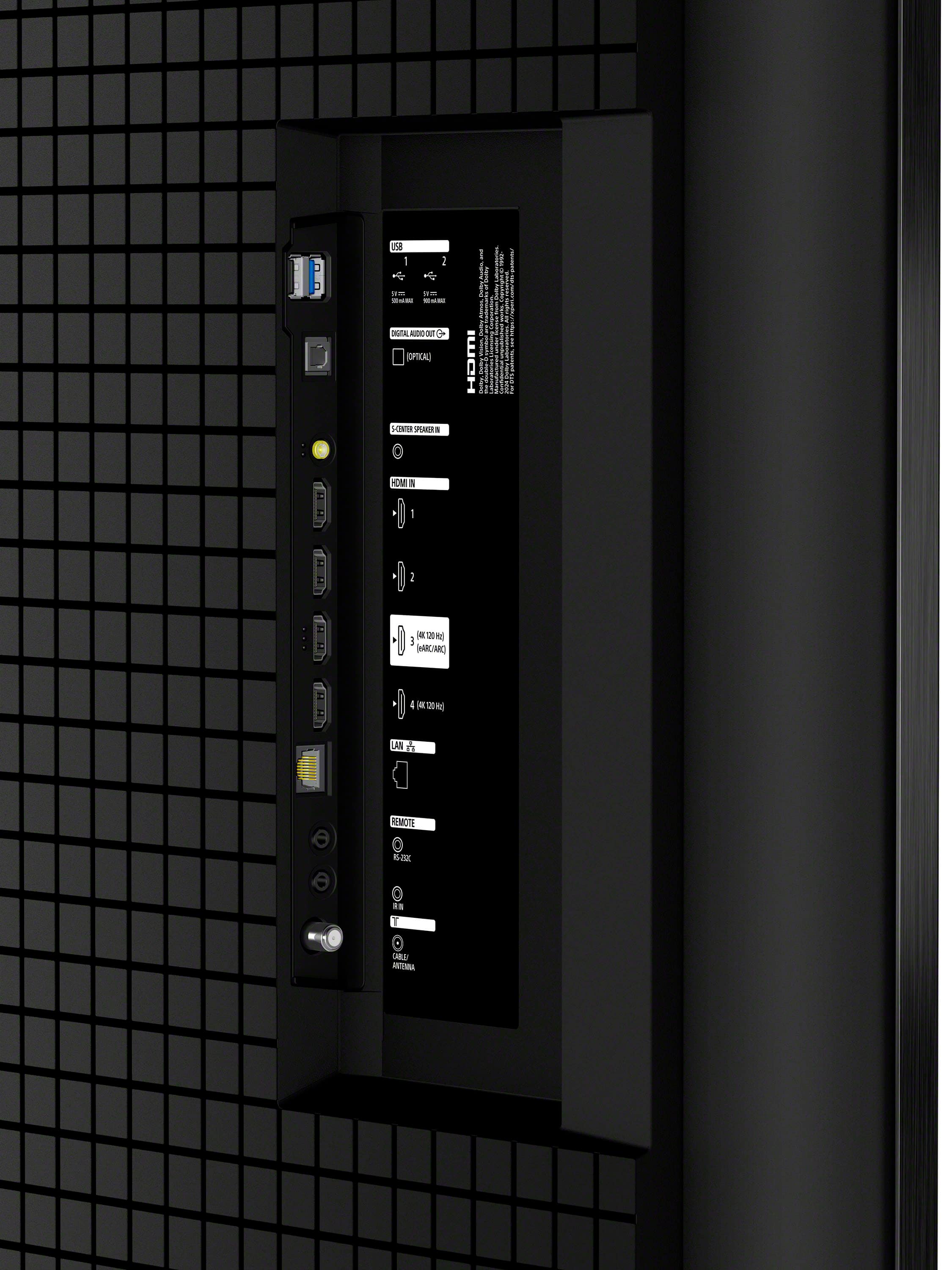
Gaming capabilities have become crucial for modern TVs, and both models deliver impressive performance with key differences. The Sony BRAVIA 5 includes two HDMI 2.1 ports supporting 4K at 120Hz, Variable Refresh Rate (VRR), and Auto Low Latency Mode (ALLM). These features ensure smooth gameplay and minimal input lag when gaming.
What makes Sony special for gamers is the PlayStation 5 integration. Auto HDR Tone Mapping automatically optimizes HDR settings for PS5 games, while Auto Genre Picture Mode switches between different picture settings based on the game type. Playing "The Last of Us Part II" on the Sony feels more immersive because the TV automatically adjusts contrast and color temperature to match the game's darker, more cinematic tone.
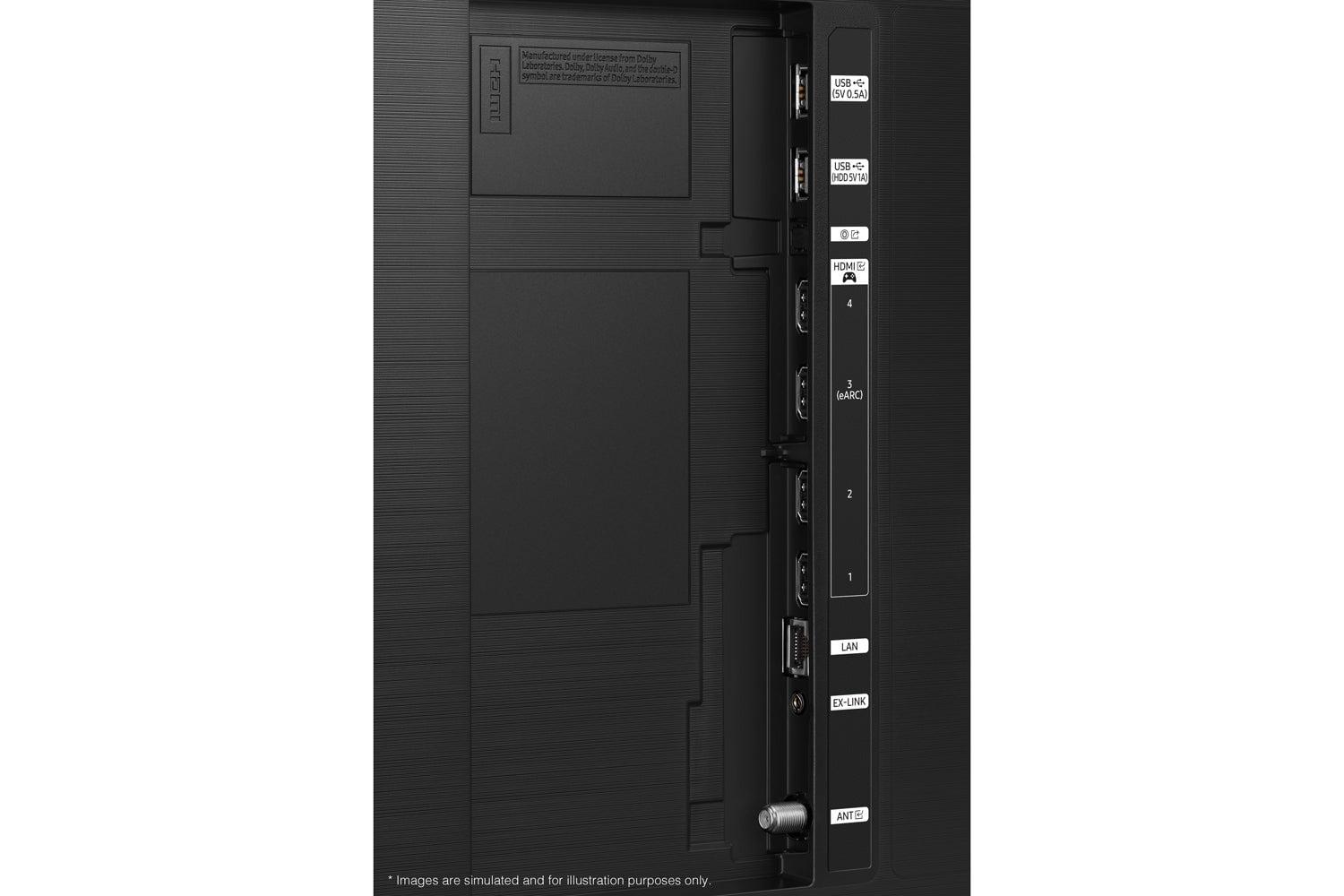
The Samsung QN85D takes a more universal approach with four HDMI 2.1 ports – double what Sony offers. This is crucial if you have multiple gaming consoles, a PC, and other devices. The Gaming Hub provides access to cloud gaming services directly through the TV, essentially turning it into a gaming platform without needing a console for certain games.
Samsung's Game Bar overlay displays real-time information about refresh rate, input lag, and HDR status without leaving your game. The Super Ultra Wide Game View feature supports ultrawide aspect ratios for PC gaming, creating a more immersive experience for supported games.
Both TVs support G-SYNC and FreeSync technologies, but Samsung's FreeSync Premium certification provides better compatibility with AMD graphics cards. If you're primarily a PC gamer with an AMD GPU, the Samsung might be the better choice. PlayStation 5 owners will likely prefer the Sony's optimized integration.
Input lag performance is excellent on both models when in gaming mode, typically measuring under 20 milliseconds. However, the Sony's slower pixel transitions can create some motion blur during fast-paced gaming sequences, which might bother competitive gamers.
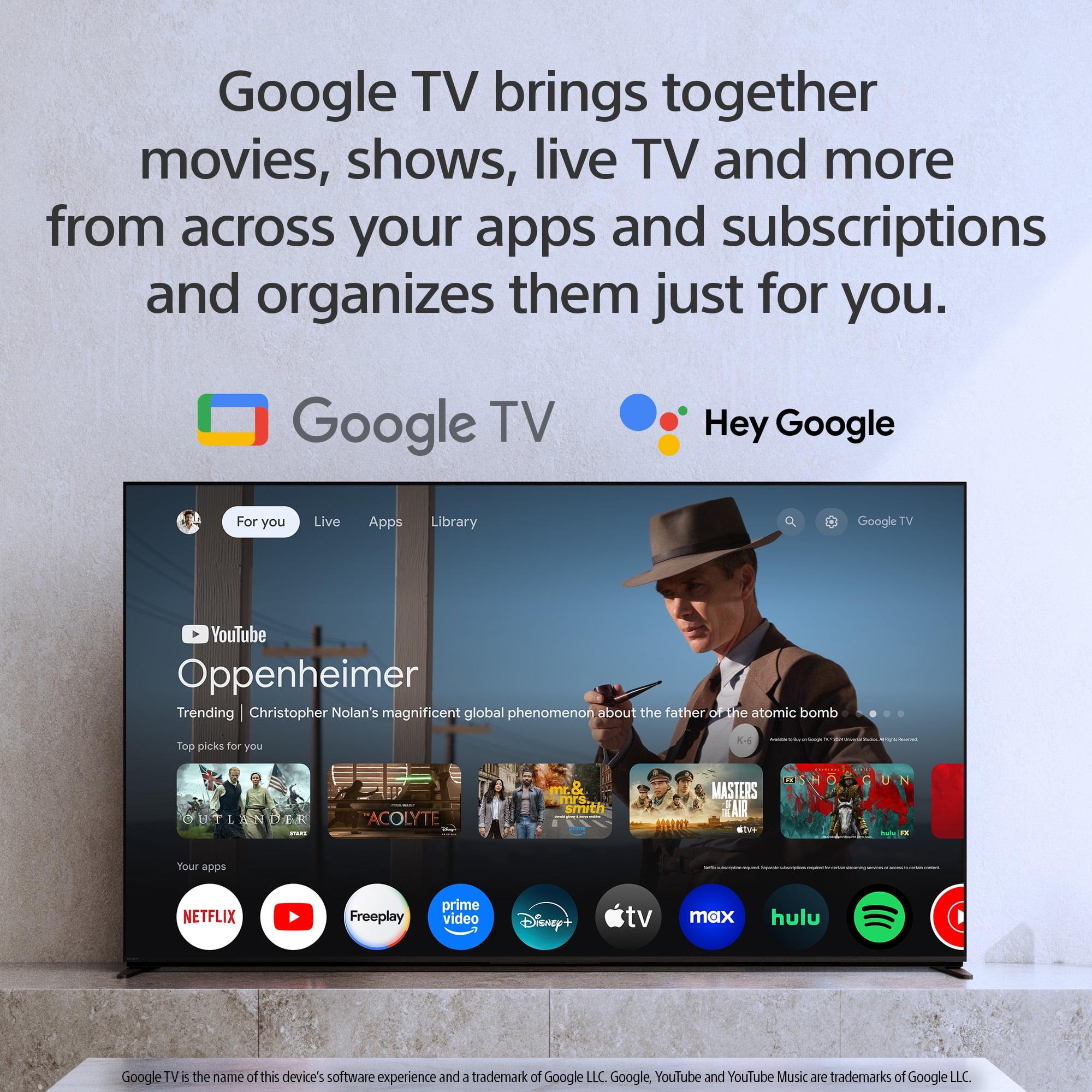
The smart platform choice significantly impacts your daily experience, and these TVs offer distinctly different approaches. Sony's Google TV platform runs on Android TV version 12, providing access to the Google Play Store's extensive app library. The interface feels familiar if you use Android devices, with Google Assistant integration that actually works well for voice searches and smart home control.
Chromecast built-in is seamless – you can cast content from your phone without any additional setup. The content recommendations are genuinely helpful, pulling from your viewing history across different streaming services to suggest relevant shows and movies. I've found the search functionality particularly useful; asking "show me action movies from 2023" returns results from Netflix, Amazon Prime, and other services simultaneously.
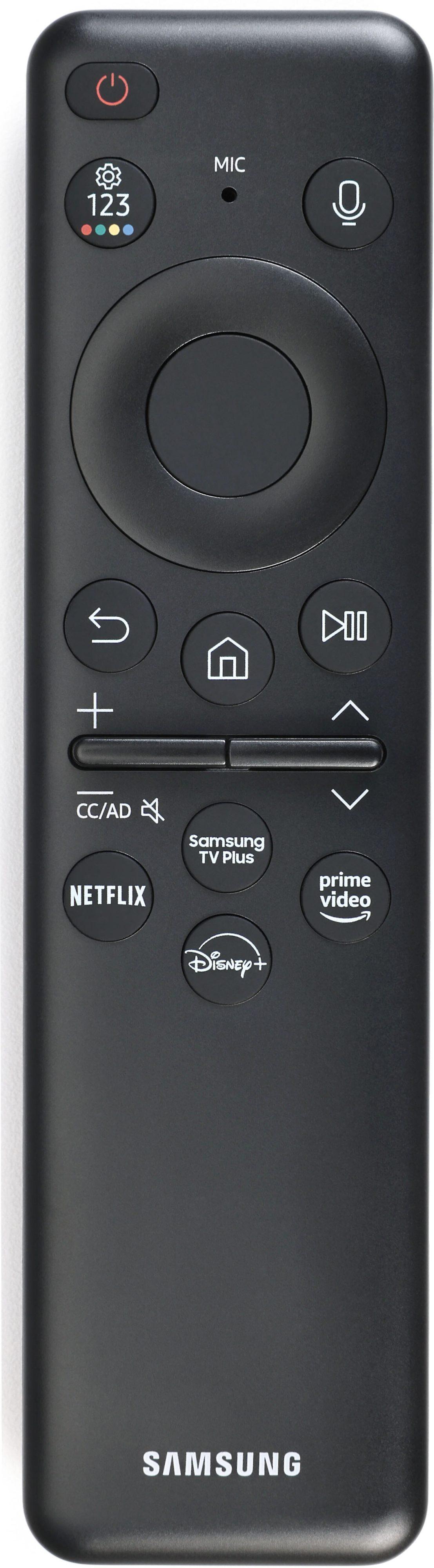
Samsung's Tizen OS on the QN85D prioritizes speed and responsiveness. Navigation feels snappier, with less lag when switching between apps or browsing menus. The SmartThings integration is excellent if you have Samsung devices or smart home products – you can control lights, thermostats, and other connected devices directly from the TV.
Samsung TV Plus provides access to over 200 free channels, including news, sports, and entertainment content. While the selection isn't as comprehensive as paid streaming services, it's convenient for background viewing or discovering new content. The Multi View feature lets you watch multiple sources simultaneously, which is great for following sports while staying connected to social media or news.
Both platforms support major streaming services, but Google TV typically gets new apps first due to its connection to the Google Play Store. Tizen OS updates come directly from Samsung and tend to be more stable, though sometimes slower to arrive.
Audio quality often gets overlooked when choosing a TV, but both models offer interesting approaches to sound. The Sony BRAVIA 5 features Acoustic Multi-Audio technology, which uses multiple speakers positioned strategically to create the illusion of sound coming from different parts of the screen. When a helicopter flies across the screen, you'll hear it move from left to right in a surprisingly convincing way.
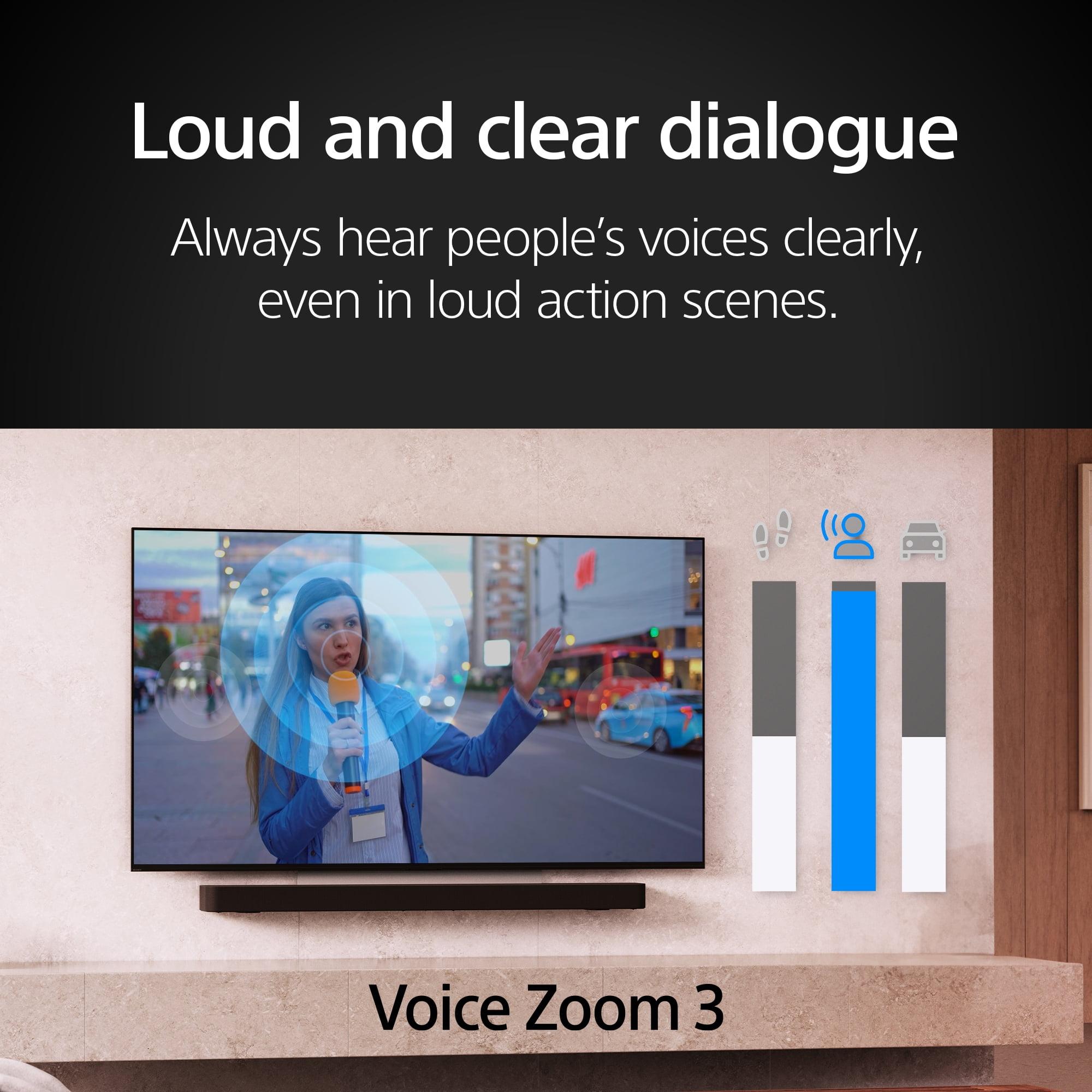
Voice Zoom 3 is particularly useful for dialogue-heavy content. Using AI, it identifies and enhances speech frequencies while reducing background noise. This feature has been a game-changer for watching movies with complex soundtracks where dialogue can get lost in the mix.
The Sony can also function as a center channel speaker when paired with compatible Sony soundbars, creating a more integrated home theater experience. This means the TV handles dialogue while the soundbar provides music and sound effects.
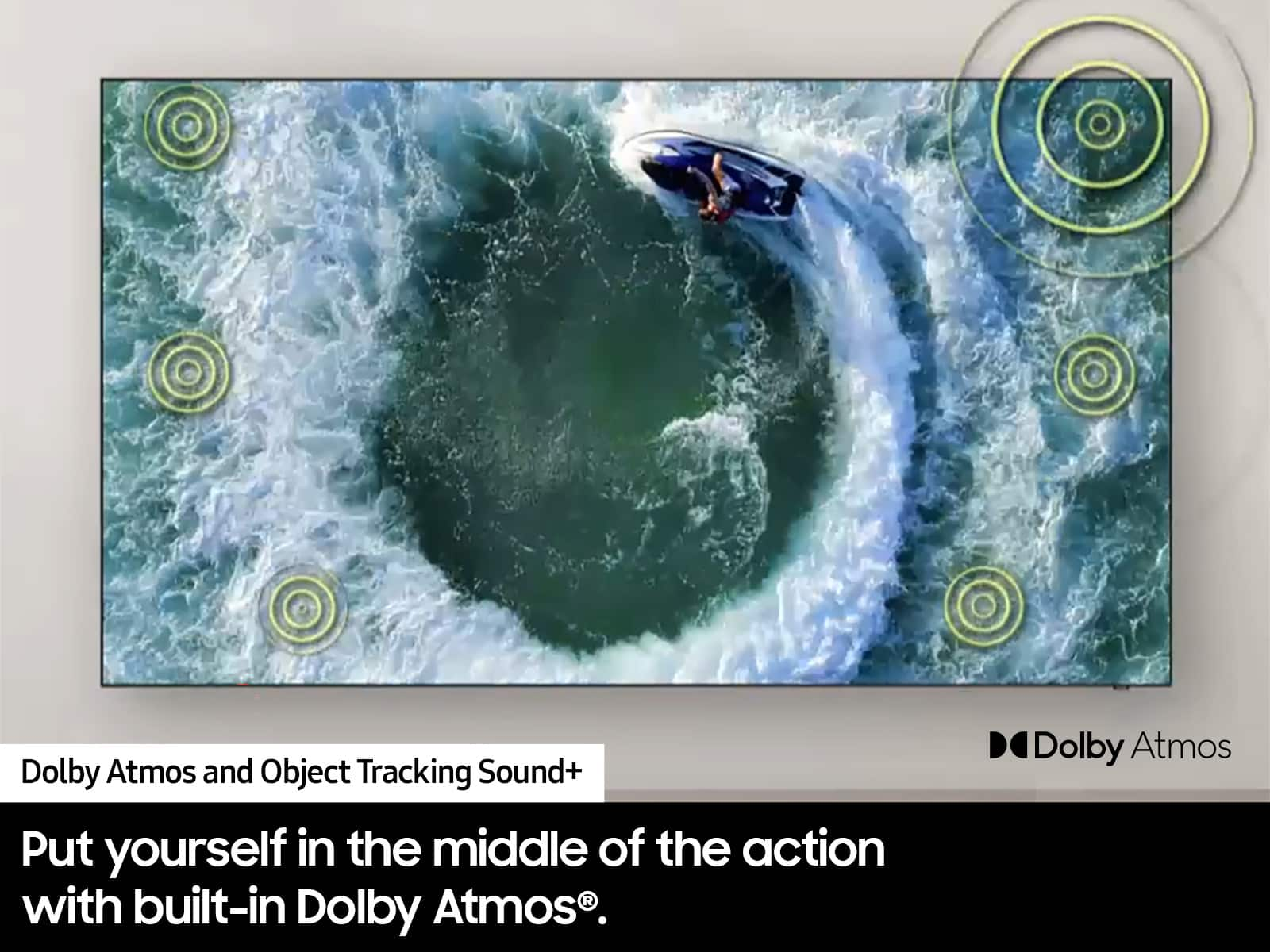
Samsung's QN85D includes Object Tracking Sound Lite, which follows on-screen action with audio positioning. The effect is less sophisticated than Sony's implementation but still noticeable during action sequences. Dolby Atmos support provides three-dimensional audio positioning, though the TV's built-in speakers can't fully replicate the height channels that dedicated Atmos speakers would provide.
Q-Symphony technology allows Samsung soundbars to work in harmony with the TV's speakers rather than replacing them entirely. This creates a more immersive soundstage by using all available speakers simultaneously.
For serious home theater enthusiasts, both TVs work well with external audio systems. The Sony's more natural color reproduction and motion handling might complement a dedicated home theater setup better, while the Samsung's higher brightness works well in rooms where you can't fully control lighting.
At similar price points, these TVs offer different value propositions. The Sony BRAVIA 5 provides better value for viewers who prioritize color accuracy and filmmaker intent. The superior upscaling makes older content look noticeably better, which is important if you have a large collection of DVDs or watch a lot of older TV shows.
The Google TV platform typically receives longer software support, with Android TV devices getting major updates for 3-4 years. Sony's professional calibration heritage means the TV will likely maintain accurate colors over time, though Mini LED backlights in general have excellent longevity.
Samsung's QN85D offers better value for brightness and connectivity needs. The four HDMI 2.1 ports eliminate the need for switching devices, and the brighter panel works better in challenging lighting conditions. Quantum Dot technology maintains color accuracy well over time, though Samsung's software support can be more unpredictable.
Both TVs support major HDR formats, though Sony includes Dolby Vision while Samsung focuses on HDR10+. Dolby Vision is more widely supported by streaming services and disc releases, which might influence your decision if you're building a 4K movie collection.
Choose the Sony BRAVIA 5 if you're a movie enthusiast who watches primarily in controlled lighting conditions. The superior color accuracy, motion handling, and PlayStation 5 integration make it ideal for cinematic experiences. Google TV's broader app support and longer update cycle provide better long-term value for streaming-focused households.
The Samsung QN85D is better for bright rooms and multi-device setups. The higher brightness, better reflection handling, and four HDMI 2.1 ports make it more versatile for different viewing conditions and gaming setups. Samsung's ecosystem integration benefits households with Galaxy devices and smart home products.
For home theater enthusiasts, the Sony's more accurate colors and better motion handling create a more cinematic experience, while the Samsung's brightness makes it better for rooms where you can't fully control lighting. Both work well with external audio systems, though their different approaches to built-in audio might influence your soundbar selection.
Ultimately, both the Sony BRAVIA 5 and Samsung QN85D represent excellent mid-range Mini LED options. Your choice should depend on your specific viewing environment, device ecosystem, and content preferences rather than one being definitively "better" than the other.
| Sony BRAVIA 5 65" Mini LED 4K Google TV 2025 | Samsung 65" QN85D Neo QLED 4K Smart TV |
|---|---|
| Release Date & Price - Newer tech vs proven platform | |
| April 2025, ~$1,478-$1,499 | 2024-2025, $1,500-$2,000 |
| Display Technology - Both use Mini LED but different approaches | |
| Mini LED with XR Backlight Master Drive | Neo QLED (Mini LED) with Quantum Matrix |
| Picture Processor - Brain of the TV for upscaling and optimization | |
| XR Processor (3rd Gen) with AI scene recognition | NQ4 AI Gen2 Processor with 4K upscaling |
| Peak Brightness - Critical for HDR impact and bright room viewing | |
| Moderate brightness (good for controlled lighting) | Higher peak brightness (better for bright rooms) |
| Color Technology - How vibrant and accurate colors appear | |
| XR Triluminos Pro (accurate, natural colors) | Quantum Dot (vibrant, saturated colors) |
| HDR Support - Determines compatibility with streaming content | |
| Dolby Vision, HDR10, HLG | HDR10+, HDR10, HLG (no Dolby Vision) |
| Smart Platform - Your daily interface experience | |
| Google TV (Android 12) with Google Assistant | Tizen OS with Bixby/Alexa support |
| Gaming HDMI 2.1 Ports - Essential for next-gen console gaming | |
| 2 ports (4K/120Hz, VRR, ALLM) | 4 ports (4K/120Hz, VRR, ALLM) |
| Gaming Features - Console-specific optimizations | |
| PlayStation 5 Auto HDR Tone Mapping, Game Menu | Gaming Hub, Game Bar, Super Ultra Wide Game View |
| Motion Handling - Reduces blur in fast action scenes | |
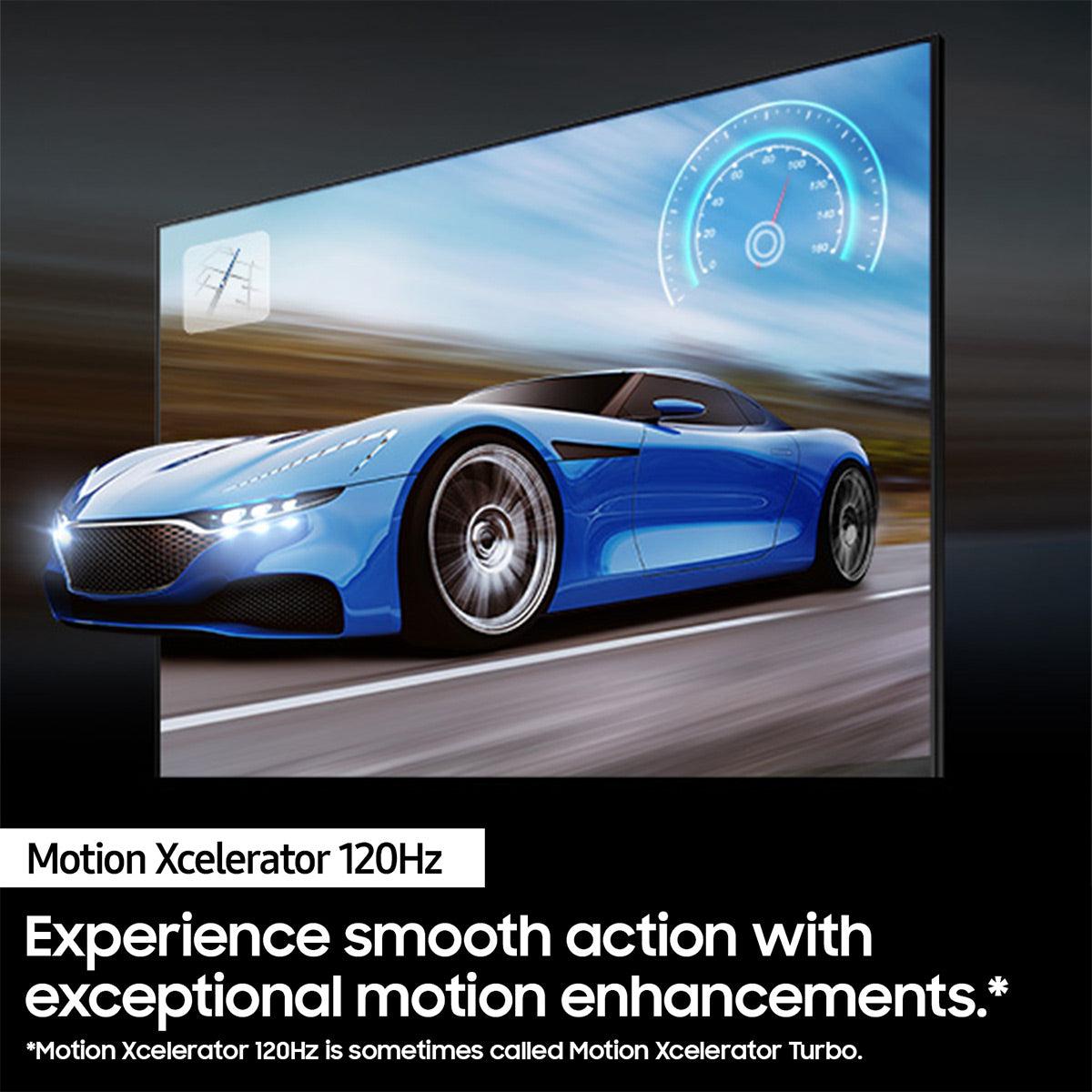
| XR Motion Clarity (excellent for sports/action) | Motion Xcelerator Turbo 120Hz (good performance) |
| Audio Technology - Built-in sound quality | |
| Acoustic Multi-Audio, Voice Zoom 3, center channel mode | Object Tracking Sound Lite, Dolby Atmos |
| Viewing Angle - Important for wide seating arrangements | |
| Narrow viewing angle (best for centered viewing) | Wider viewing angles (better for group viewing) |
| Local Dimming Zones - More zones = better contrast control | |
| Up to 6x more zones than previous Sony models | High zone count (competitive with Sony) |
| Reflection Handling - Performance in bright environments | |
| Struggles with direct light reflections | Better reflection handling for bright rooms |
| Upscaling Quality - How well it improves lower-resolution content | |
| Excellent upscaling with XR Processor | Good upscaling with AI enhancement |
| Soundbar Integration - Compatibility with external audio | |
| Works as center channel with Sony soundbars | Q-Symphony with Samsung soundbars |
| App Ecosystem - Available streaming services and updates | |
| Google Play Store (extensive library, longer support) | Samsung app store (good selection, faster interface) |
| Best For - Ideal user scenarios | |
| Movie enthusiasts, PS5 owners, controlled lighting | Bright rooms, multi-device gaming, Samsung ecosystem |
The Sony BRAVIA 5 65" Mini LED 4K Google TV 2025 is generally better for movies due to its superior color accuracy and Dolby Vision support. The XR Processor ensures content appears as filmmakers intended, with natural skin tones and smooth motion handling. The Samsung 65" QN85D Neo QLED 4K Smart TV produces more vibrant colors that some viewers prefer, but the Sony's cinematic accuracy makes it the better choice for serious movie watching.
The Samsung 65" QN85D Neo QLED 4K Smart TV achieves higher peak brightness levels, making it significantly better for bright rooms with lots of natural light. It also handles reflections better than the Sony. The Sony BRAVIA 5 performs best in controlled lighting conditions and may struggle with glare from windows or bright room lighting.
Both TVs offer excellent gaming performance, but they serve different needs. The Samsung QN85D provides four HDMI 2.1 ports compared to Sony's two, plus features like Gaming Hub and Game Bar. However, the Sony BRAVIA 5 offers superior PlayStation 5 integration with Auto HDR Tone Mapping and optimized picture modes, making it ideal for PS5 owners.
The Sony BRAVIA 5 runs Google TV with access to the Google Play Store's extensive app library, Chromecast built-in, and Google Assistant integration. The Samsung QN85D uses Tizen OS, which offers faster navigation, Samsung TV Plus free channels, and SmartThings smart home integration. Google TV typically receives longer software support.
The Sony BRAVIA 5 features Acoustic Multi-Audio technology and Voice Zoom 3 for enhanced dialogue clarity. It can also function as a center channel with compatible Sony soundbars. The Samsung QN85D includes Object Tracking Sound Lite and Dolby Atmos support, with Q-Symphony compatibility for Samsung soundbars. Both benefit from external audio systems for optimal home theater performance.
Both TVs offer similar value in the $1,400-$1,500 range, but serve different priorities. The Sony BRAVIA 5 provides better value for movie enthusiasts who prioritize color accuracy and upscaling quality. The Samsung QN85D offers better value for bright room viewing and users who need multiple HDMI 2.1 ports for gaming setups.
The Sony BRAVIA 5 delivers more natural, filmmaker-accurate colors with excellent motion handling for smooth action scenes. The Samsung QN85D produces more vibrant, eye-catching colors with higher brightness for impactful HDR content. Sony excels at upscaling lower-resolution content, while Samsung provides more immediate visual impact.
The Samsung QN85D is generally better for sports due to its higher brightness, vibrant colors that make grass and uniforms pop, and better performance in bright rooms where sports are often watched. The Sony BRAVIA 5 offers superior motion handling for smooth fast-action sequences, but its lower brightness and narrow viewing angles make it less ideal for group sports viewing.
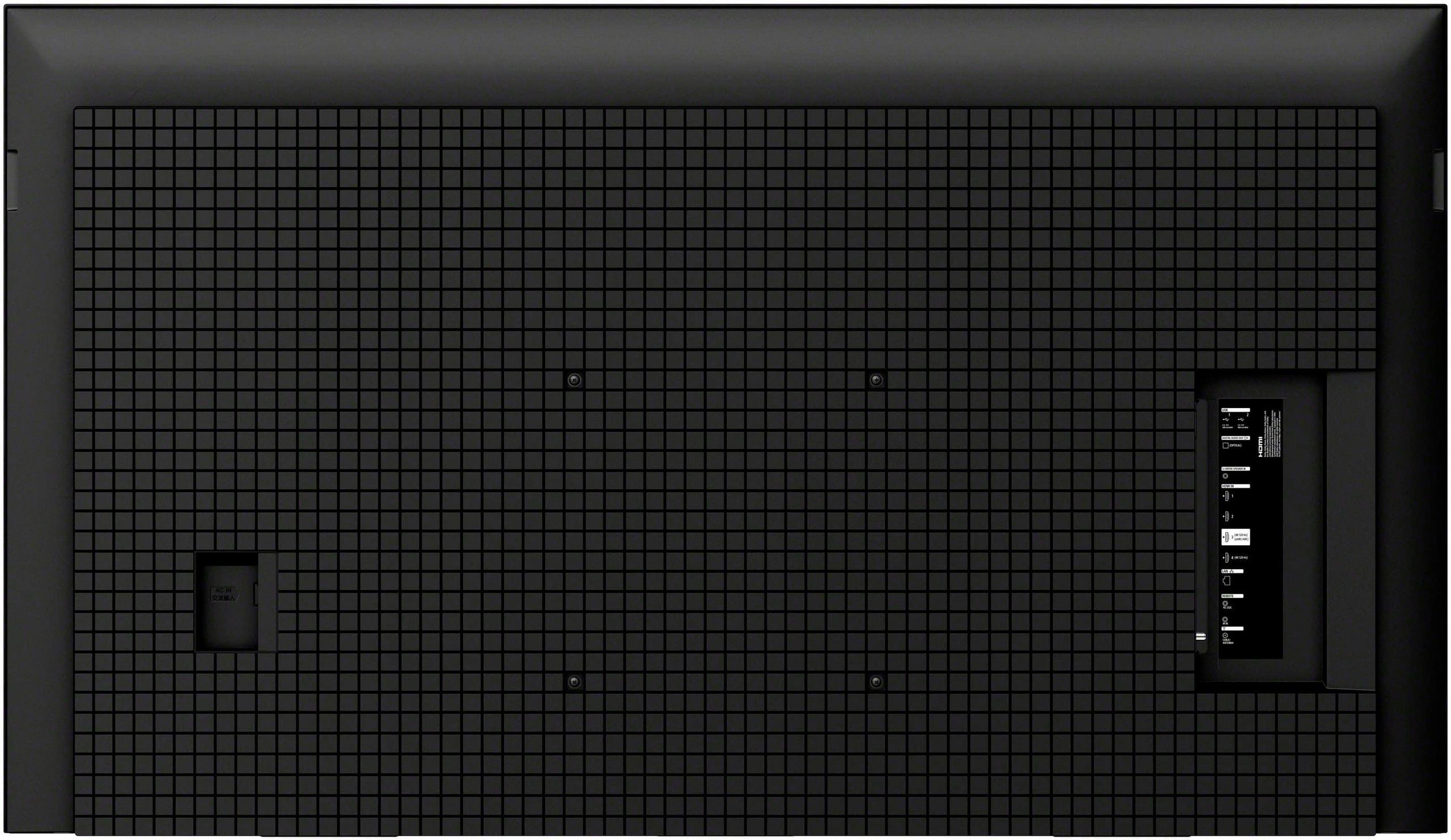
The Samsung QN85D provides four HDMI 2.1 ports supporting 4K at 120Hz, compared to two on the Sony BRAVIA 5. This makes the Samsung better for users with multiple gaming consoles, PCs, and other high-bandwidth devices. Both support standard connectivity options like USB ports, optical audio, and wireless connectivity.
The Sony BRAVIA 5 is typically preferred for dedicated home theater rooms due to its accurate color reproduction, excellent motion handling, and ability to work as a center channel with Sony soundbars. The Samsung QN85D works well in home theaters but is better suited for multi-purpose rooms where higher brightness and wider viewing angles are beneficial.
The Samsung QN85D offers wider viewing angles, maintaining better color and contrast when viewed from the sides, making it better for group viewing or wide seating arrangements. The Sony BRAVIA 5 has narrower viewing angles and performs best when viewed straight-on, making it ideal for centered seating but less suitable for wide family room layouts.
The Sony BRAVIA 5 typically receives longer software support through Google TV's Android platform, with major updates for 3-4 years. Sony's professional calibration heritage also means better long-term color accuracy. The Samsung QN85D offers reliable hardware with Quantum Dot technology that maintains color performance over time, though Samsung's update schedule can be less predictable than Google's Android TV platform.
We've done our best to create useful and informative comparisons to help you decide what product to buy. Our research uses advanced automated methods to create this comparison and perfection is not possible - please contact us for corrections or questions. These are the sites we've researched in the creation of this article: rtings.com - pro.sony - youtube.com - electronics.sony.com - electronics.sony.com - electronics.sony.com - bestbuy.com - electronics.sony.com - youtube.com - bestbuy.com - videoandaudiocenter.com - valueelectronics.com - youtube.com - sony.ca - perpichtv.com - sony.com - displayspecifications.com - pioneertvandappliance.com - flatpanelshd.com - videoandaudiocenter.com - shopjetson.com - mysoundconcepts.com - samsung.com - merlinstv.com - youtube.com - samsung.com - samsung.com

Privacy Policy
Terms and Conditions - Affiliate Policy
Home Security
© Copyright 2008-2026.
11816 Inwood Rd #1211, Dallas, TX 75244