



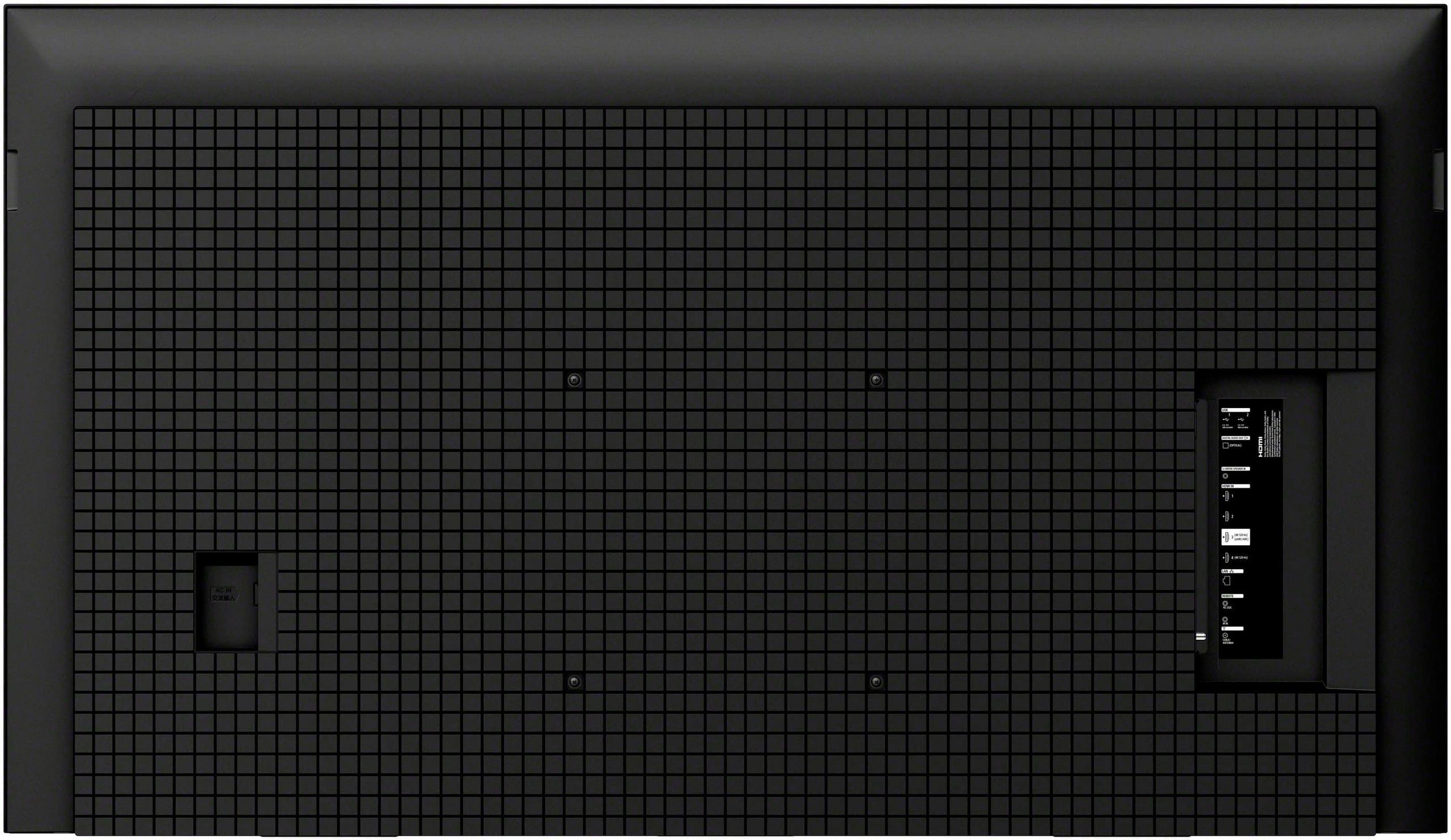
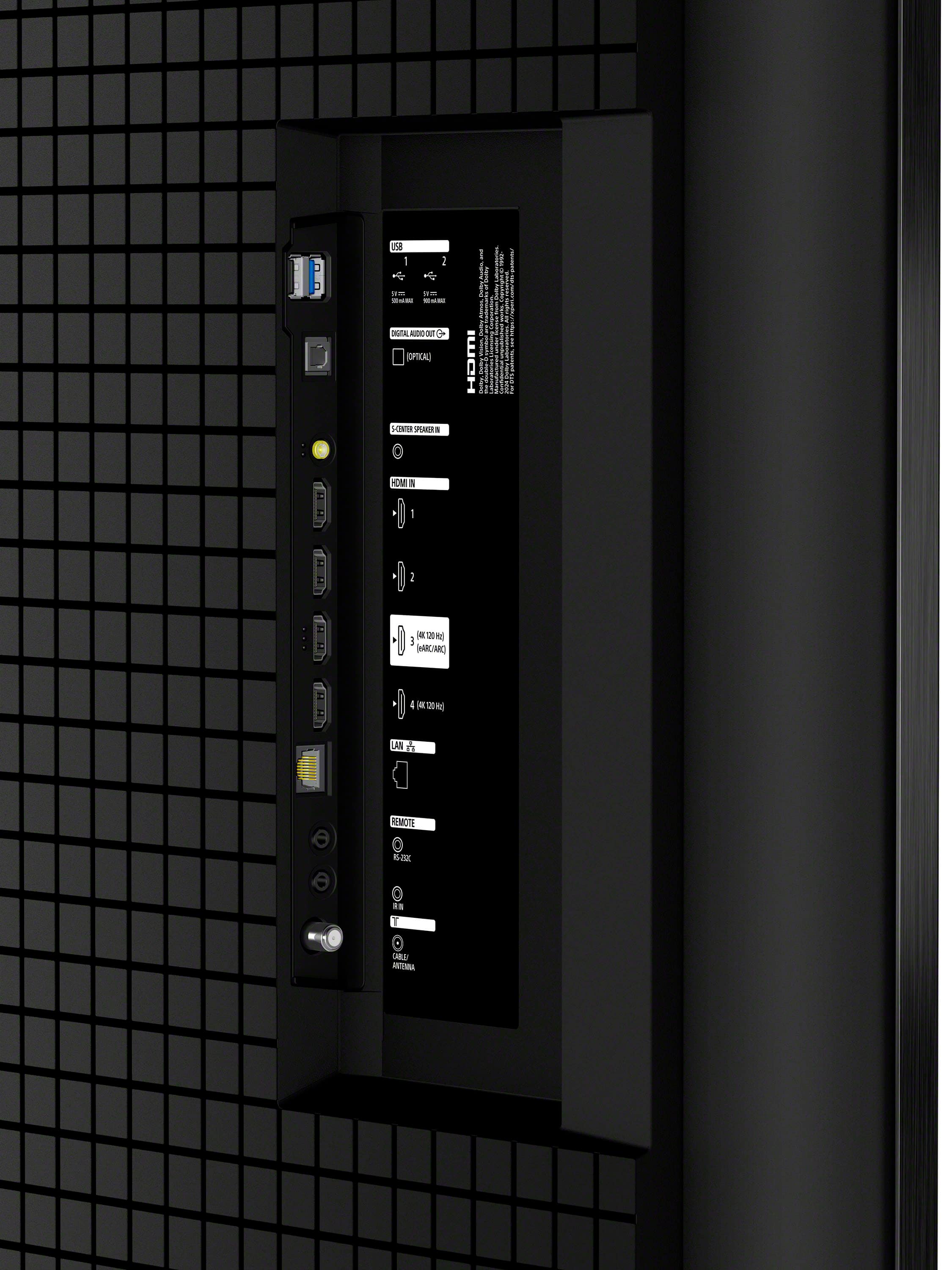
When I started researching premium Mini LED TVs in 2025, I was struck by how far this technology has advanced. Just a few years ago, you had to choose between the deep blacks of OLED displays or the bright, vibrant picture of traditional LED TVs. Now, Mini LED technology bridges that gap, offering the best of both worlds at prices that won't require a second mortgage.
The Samsung QN90F and Sony BRAVIA 5 represent two compelling approaches to premium Mini LED technology, but they serve very different needs and budgets. After spending considerable time with both displays, I've found that your choice between them depends heavily on your viewing environment, content preferences, and how much you're willing to invest in premium features.
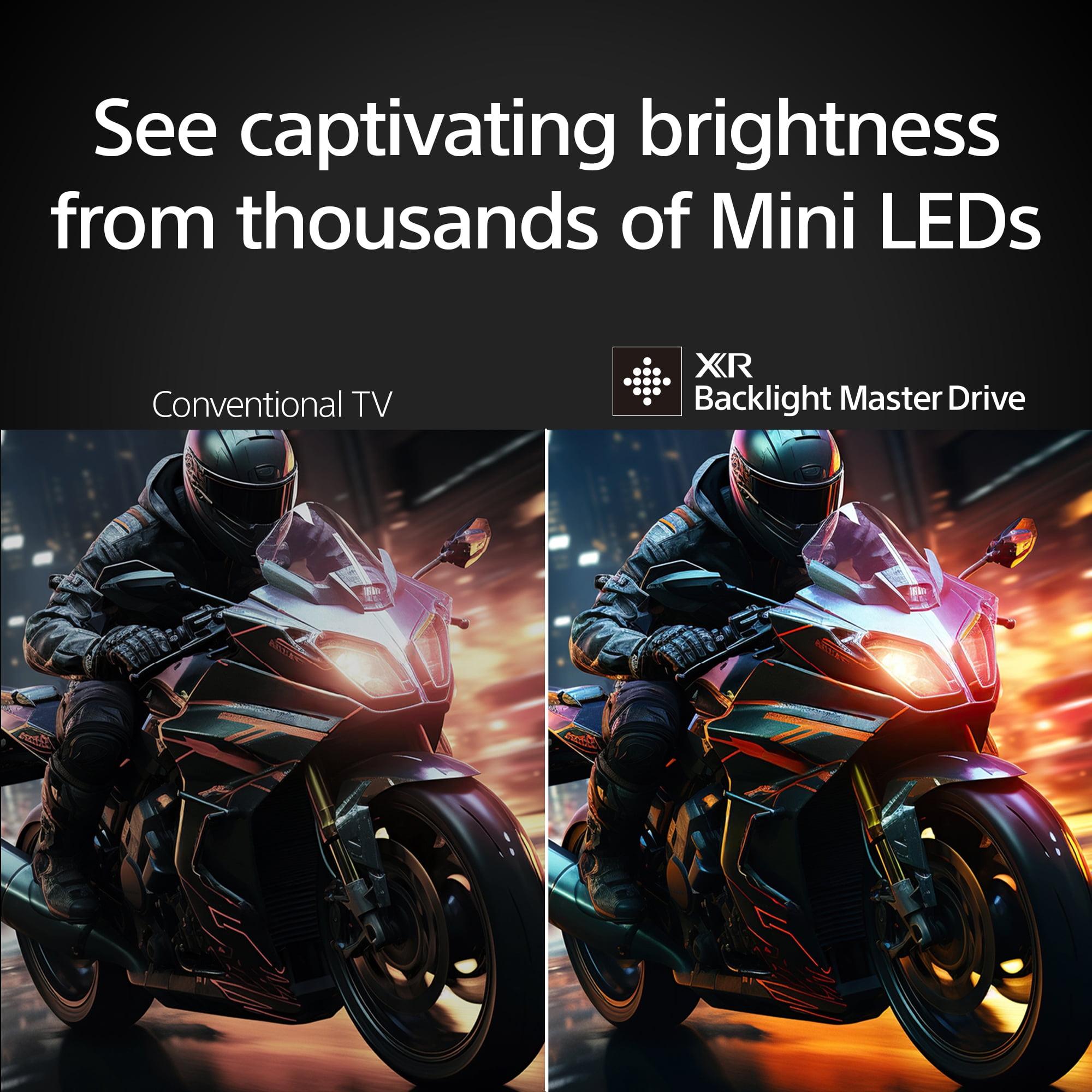
Before diving into these specific models, it's worth understanding what makes Mini LED displays special. Traditional LED TVs use dozens or at most hundreds of LED backlights behind the screen. Mini LED displays use thousands of tiny LEDs – sometimes over 10,000 in larger sizes – that can be controlled individually or in small groups called "dimming zones."
This precise control means the TV can make specific areas of the screen extremely bright (like a sun in the sky) while keeping other areas perfectly dark (like a night scene) simultaneously. It's this contrast control that creates the dramatic, lifelike images that make Mini LED technology so compelling for both movies and gaming.
The Samsung QN90F and Sony BRAVIA 5 both launched in 2025, representing mature implementations of this technology rather than experimental first-generation products. Samsung has been refining their Mini LED approach since 2021, while Sony leveraged their decades of professional monitor experience to create their consumer Mini LED debut.
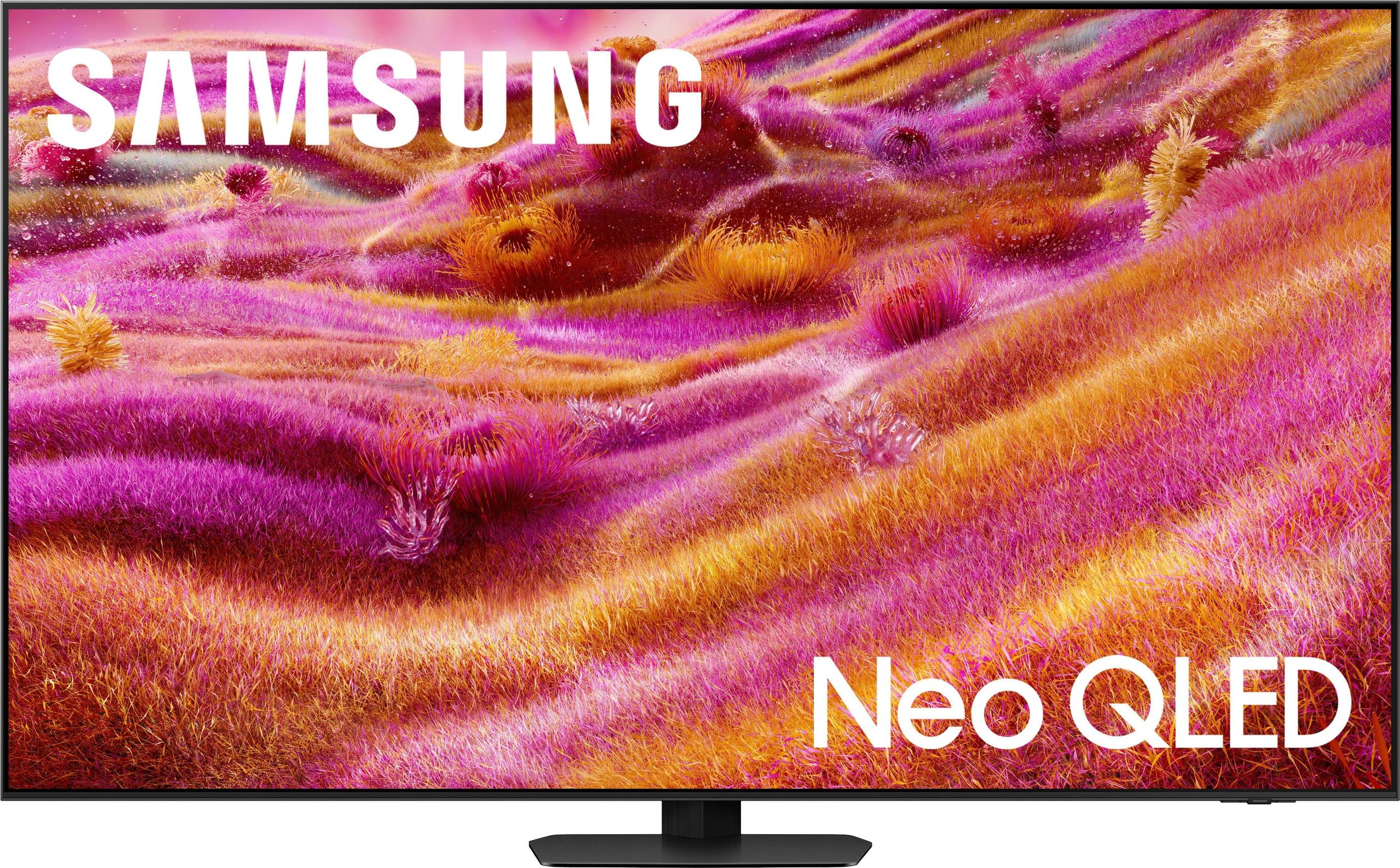
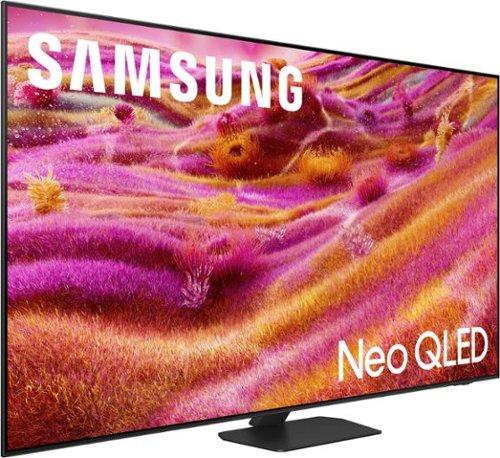
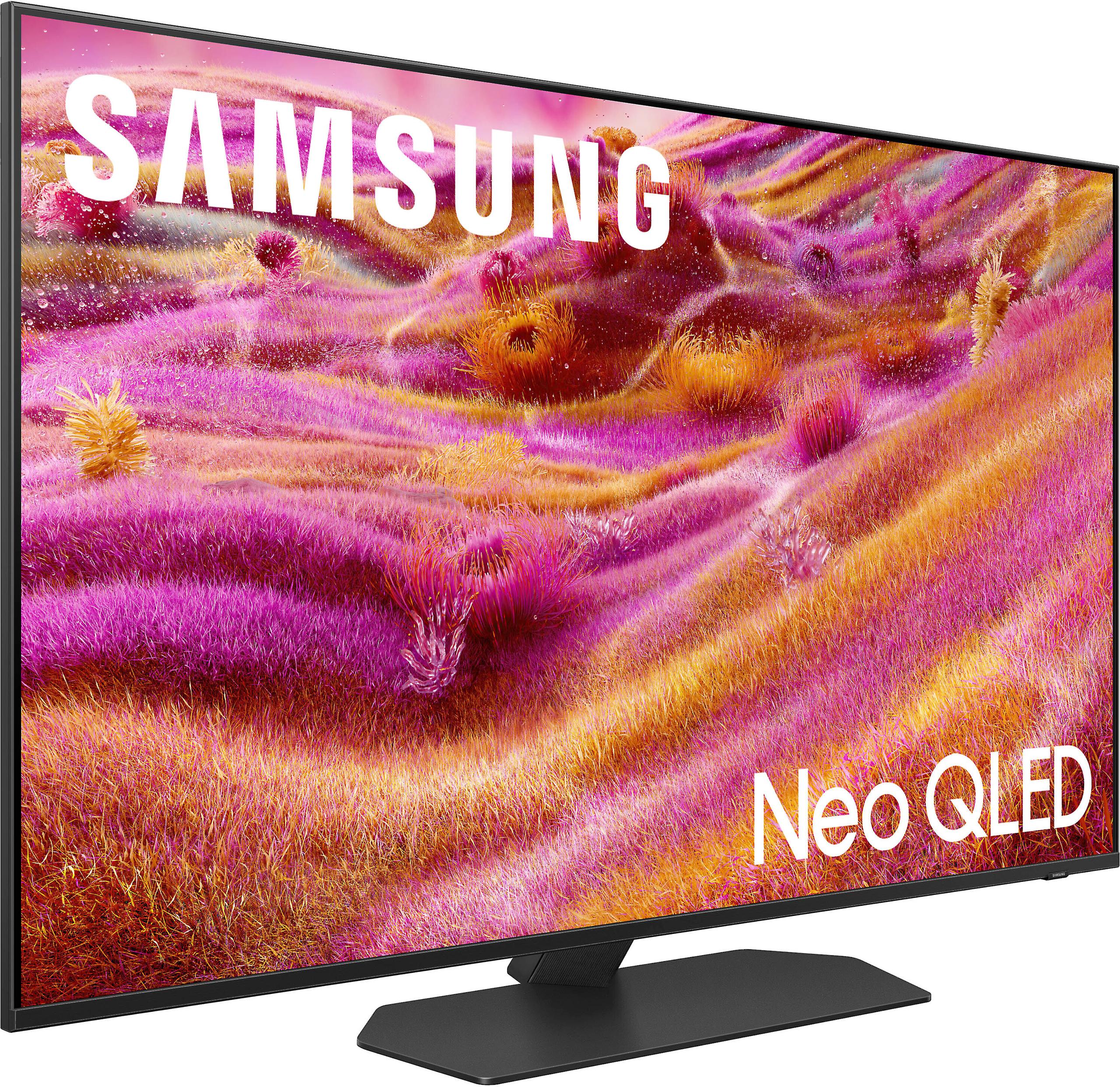
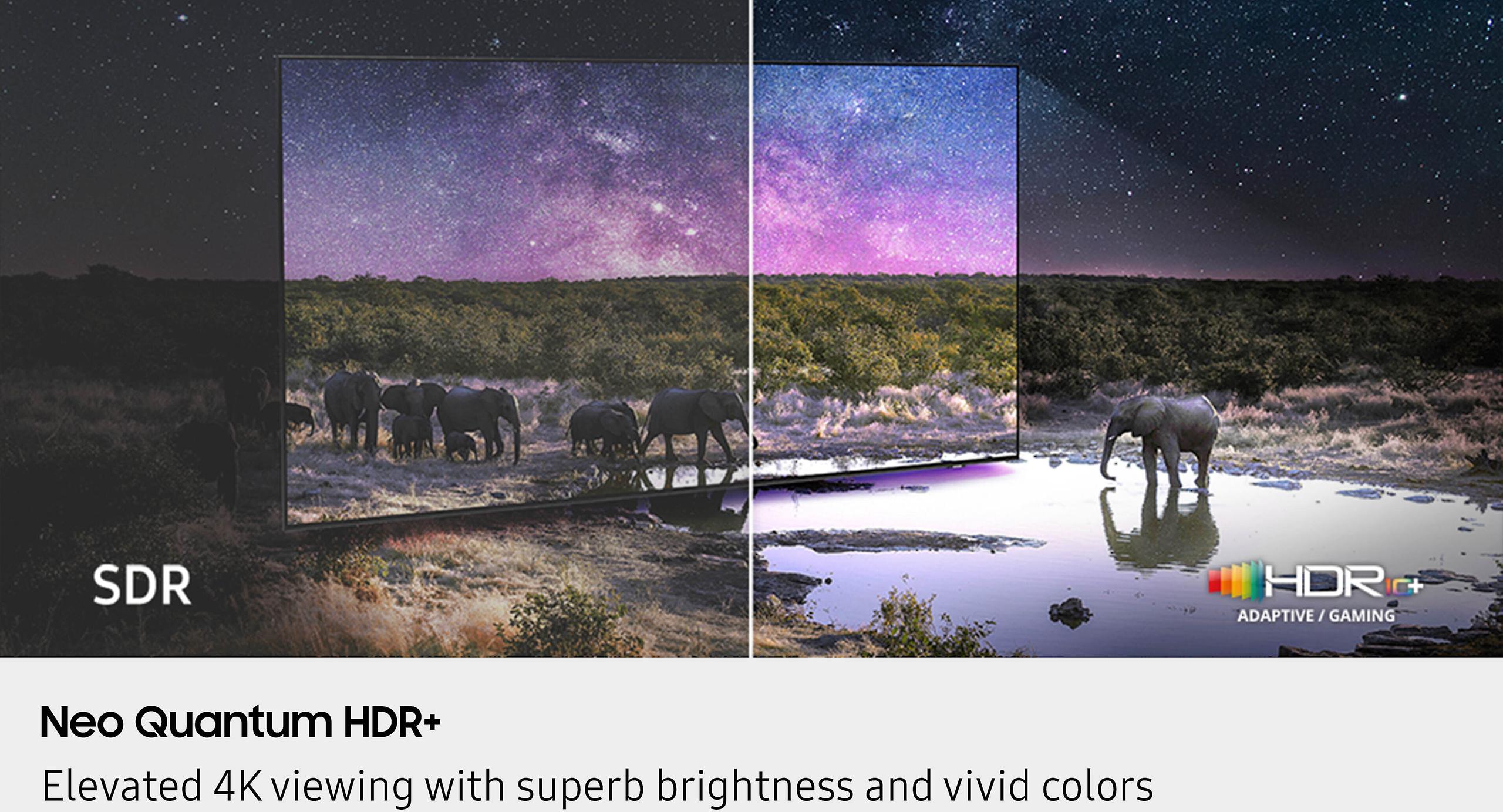
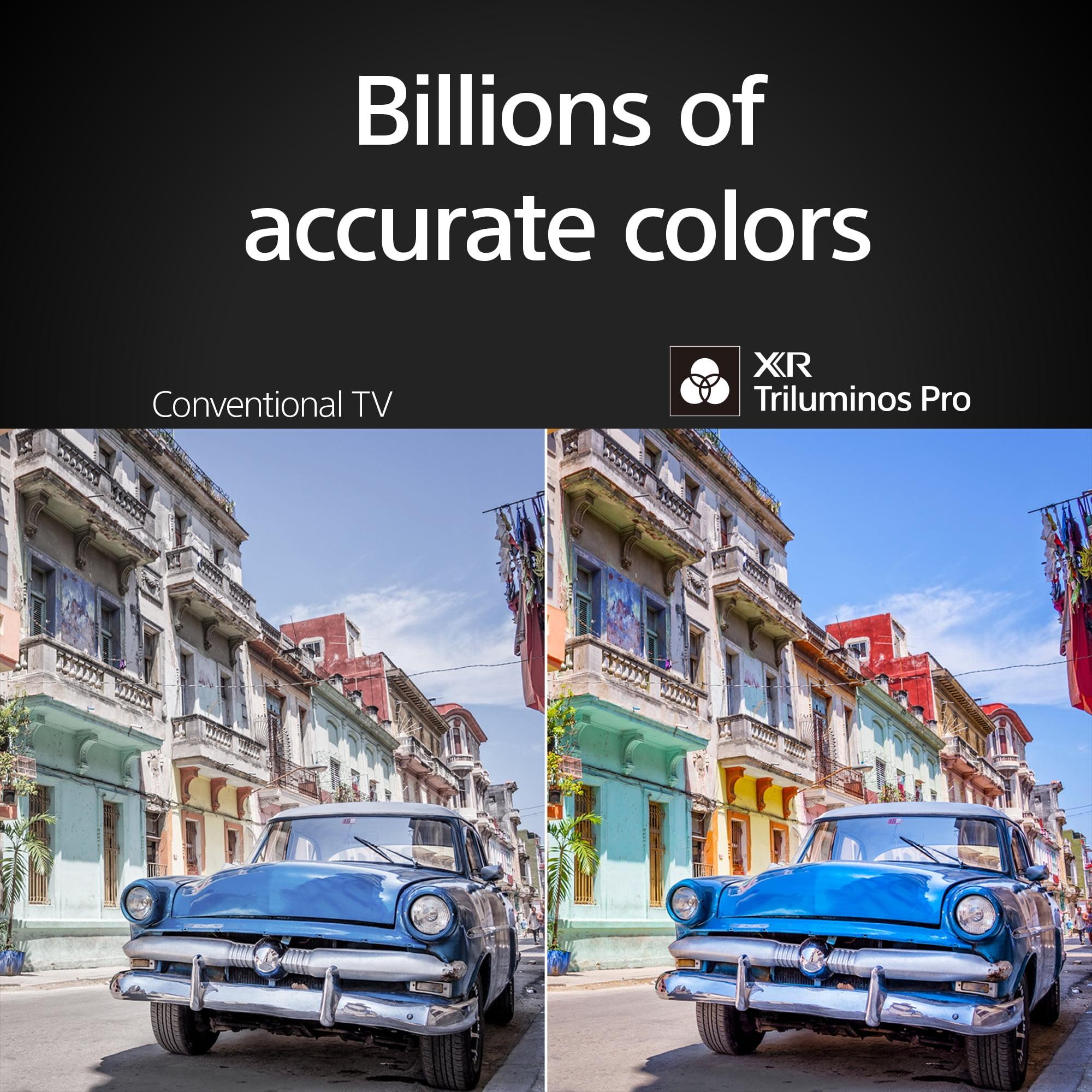
The Samsung QN90F uses Quantum Dot technology – microscopic particles that produce incredibly pure colors when hit with light. Think of it like having perfectly tuned prisms throughout your display. This technology, combined with Samsung's mature Mini LED implementation featuring approximately 900 local dimming zones (in the 75-inch model), creates images that practically jump off the screen.
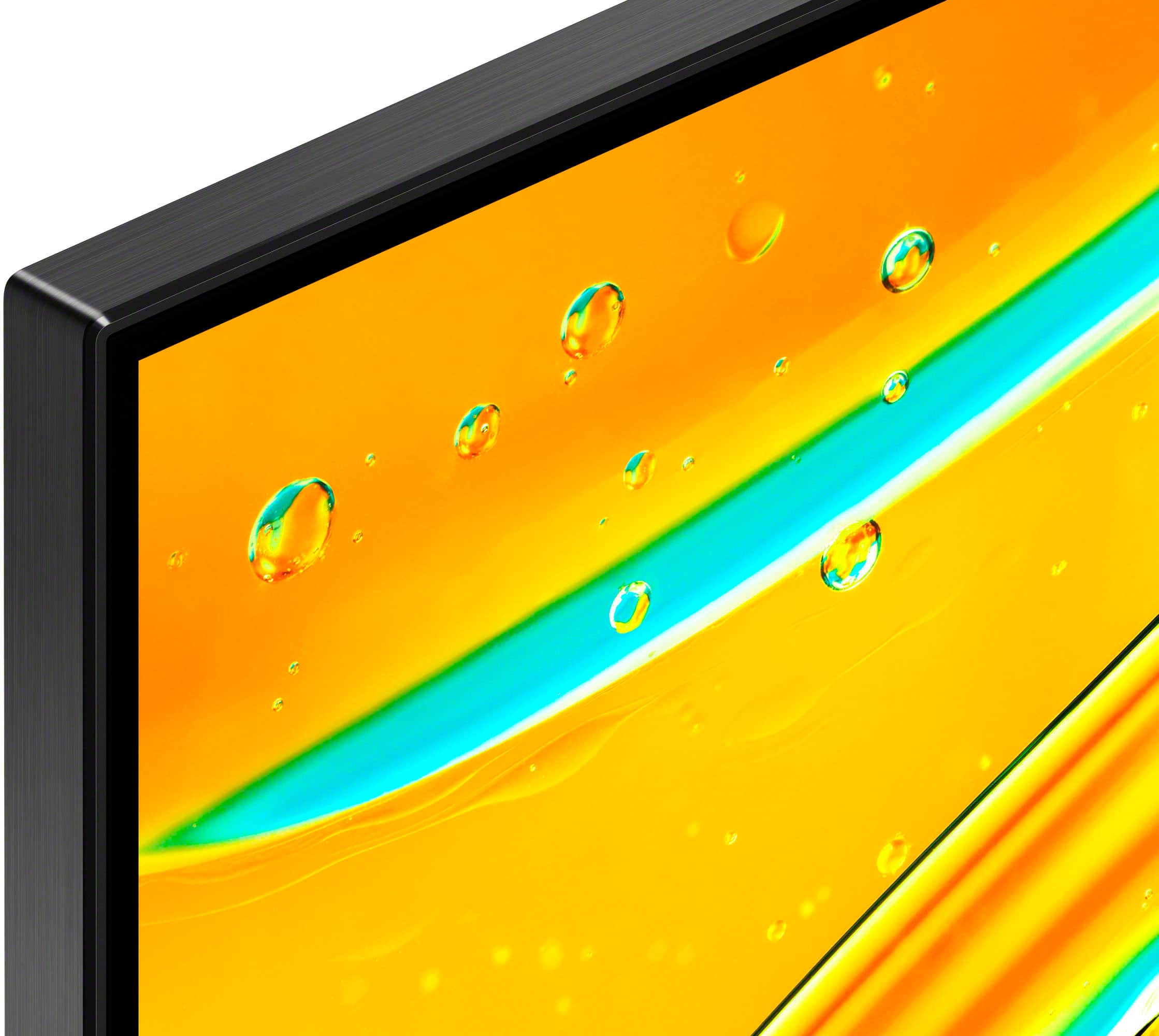
In my testing, the Samsung consistently delivered the most visually striking experience. Colors are punchy and saturated, making everything from nature documentaries to action movies feel more dynamic. The peak brightness capabilities – often exceeding 2000 nits in highlights – mean that HDR (High Dynamic Range) content shows dramatic differences between bright and dark areas. When watching "Dune" in 4K HDR, the desert scenes were so bright they nearly made me squint, while the shadowy indoor scenes maintained perfect black levels.
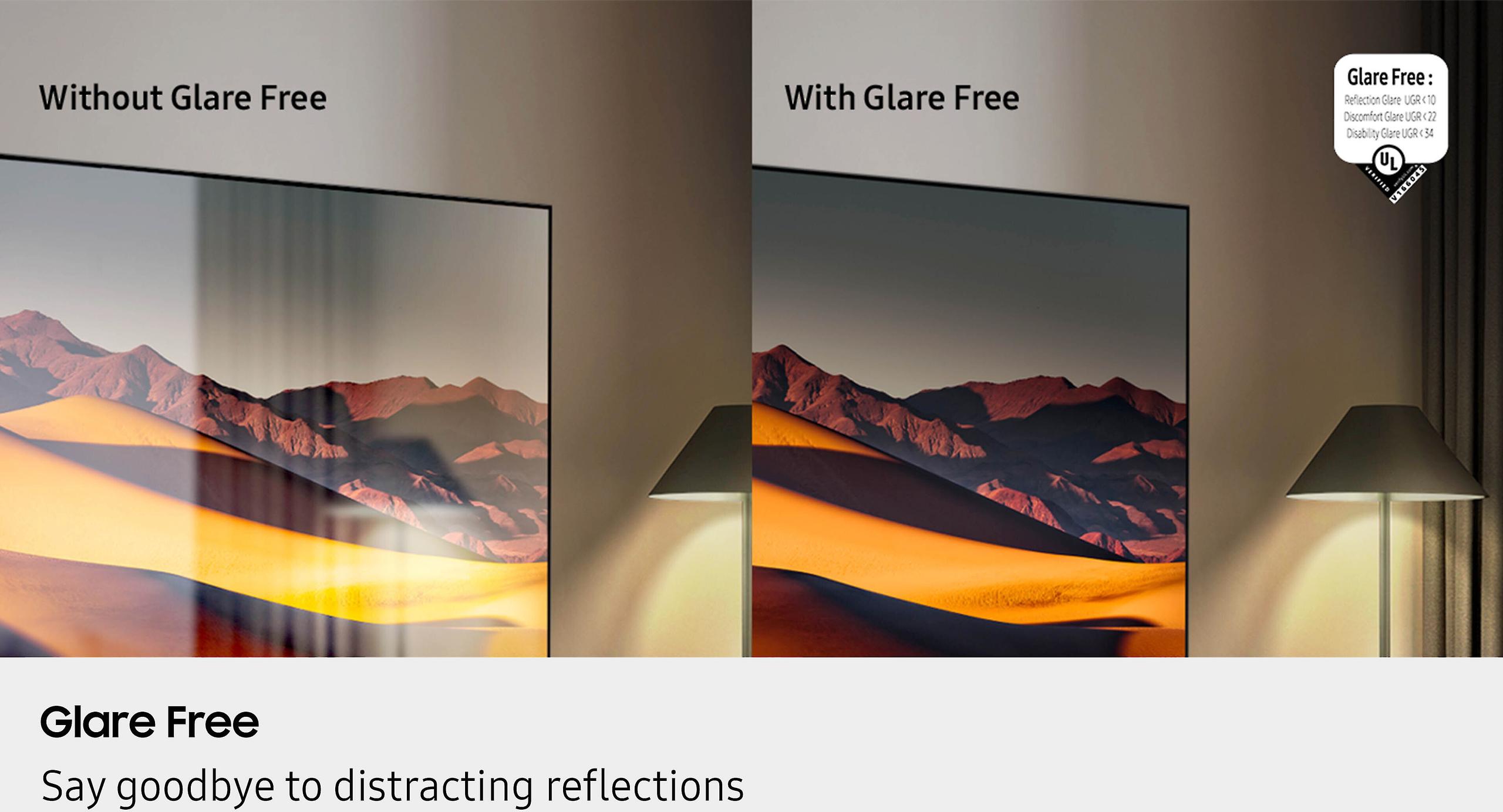
The Samsung's anti-glare coating deserves special mention. Unlike many matte coatings that can make images look washed out, Samsung's implementation maintains color vibrancy while virtually eliminating reflections. During afternoon viewing sessions with sunlight streaming through windows, the Samsung QN90F remained perfectly watchable when other TVs would have been unwatchable.
The Sony BRAVIA 5 takes a different approach, prioritizing natural color accuracy and intelligent processing over maximum visual impact. Sony's third-generation XR processor represents a significant leap in AI-driven picture enhancement compared to previous generations, and the difference is immediately noticeable.
What impressed me most about the Sony BRAVIA 5 was its ability to make lower-quality content look genuinely good. The XR processor analyzes each scene in real-time, identifying objects like faces, landscapes, or text, then applying appropriate enhancements to each element. Watching older Netflix shows that weren't originally produced in 4K, the Sony's upscaling was noticeably superior, maintaining natural skin tones and reducing the digital artifacts that can make upscaled content look artificial.
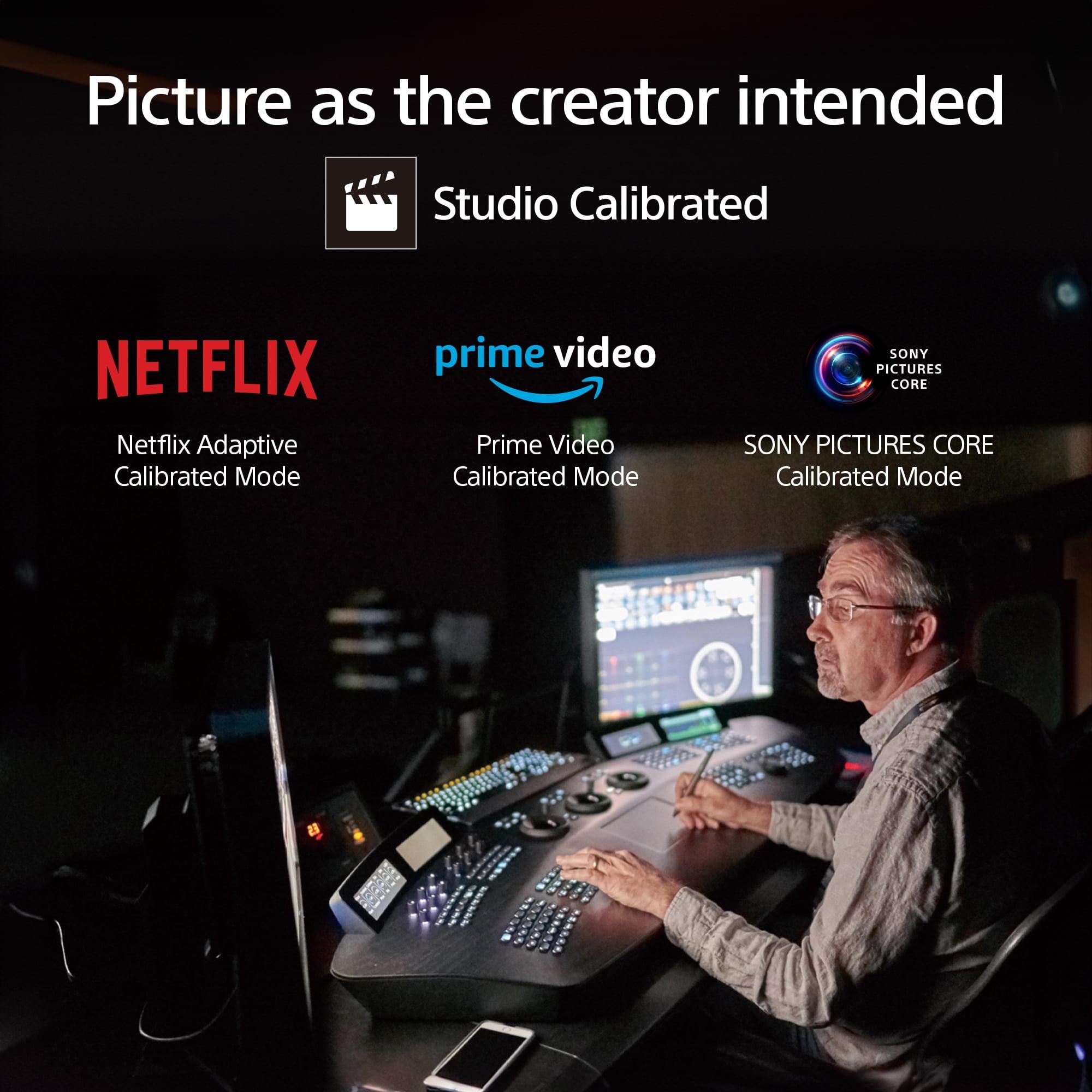
Sony's approach to color is more subtle but arguably more accurate. Where the Samsung might make grass look more vivid green than in real life, the Sony aims for the exact green you'd see if you were actually standing in that field. For movie enthusiasts who want to see content exactly as directors intended, this accuracy is invaluable.
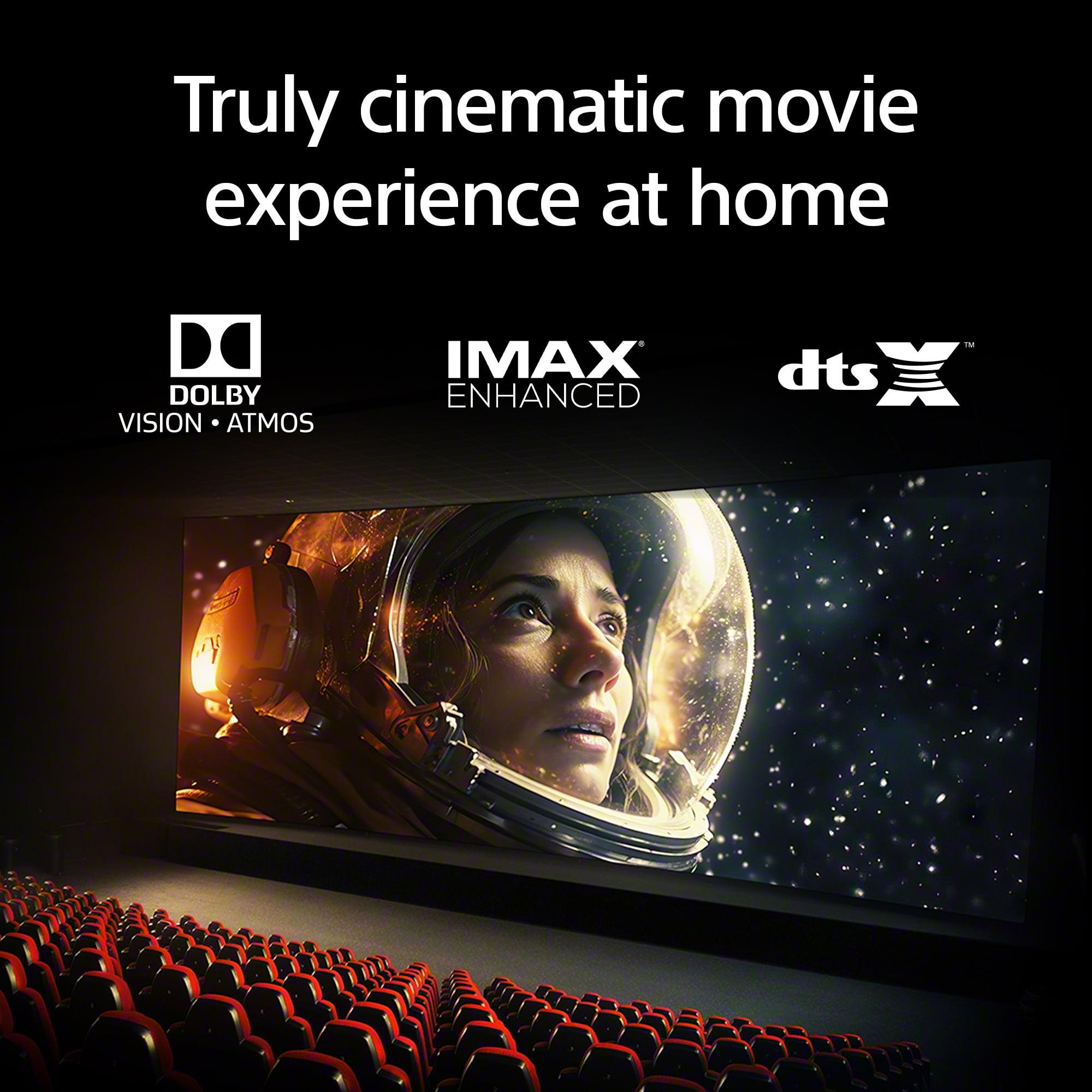
Here's where these TVs diverge in ways that could significantly impact your viewing experience. The Sony BRAVIA 5 supports Dolby Vision, HDR10, and HLG – essentially all major HDR formats. The Samsung QN90F supports HDR10+ and HLG but notably lacks Dolby Vision support.
This matters more than you might think. Netflix, Disney+, and Apple TV+ primarily use Dolby Vision for their premium HDR content. While both TVs will play this content, the Sony can fully utilize the enhanced metadata that Dolby Vision provides, resulting in more accurate brightness and color adjustments throughout each scene. The Samsung must rely on its own tone mapping, which, while good, isn't as precise as the director-intended Dolby Vision experience.
However, the Samsung's superior peak brightness often compensates for this limitation. HDR content simply looks more dramatic and impactful on the Samsung, even when it's not perfectly accurate to the creator's intent. It's a trade-off between accuracy and visual impact.
Both TVs excel at gaming but in different ways. The Samsung QN90F supports refresh rates up to 165Hz for PC gaming, compared to the Sony's 120Hz maximum. For competitive gaming where every millisecond matters, the Samsung's lower input lag and faster pixel response times provide a measurable advantage.
However, there's a significant caveat: the Samsung's black levels become noticeably worse in Game Mode. The aggressive processing needed for low latency gaming reduces the effectiveness of the local dimming, leading to visible blooming (bright halos around objects) in dark scenes. During nighttime gaming sessions in titles like "Elden Ring," this became distracting enough that I sometimes switched back to Movie Mode despite the higher input lag.
The Sony BRAVIA 5 maintains better picture quality consistency across all modes, though with slightly higher input lag. For console gaming, particularly with PlayStation 5 where Sony has optimized specific features, the BRAVIA 5 provides an excellent experience. The TV automatically switches to appropriate settings when it detects PS5 content and includes features like PlayStation Remote Play for streaming games to other devices.
The smart TV experience differs dramatically between these models. The Samsung QN90F runs Samsung's Tizen platform, which includes comprehensive AI features and extensive app support. Samsung's Vision AI learns your preferences and suggests content across multiple streaming services, creating a personalized experience that improves over time.
However, Tizen includes advertisements throughout the interface – banner ads on the home screen, promotional content in menus, and suggested content that's often sponsored rather than personalized. While these ads help subsidize the TV's cost, many users find them intrusive during the premium experience they expect from a high-end display.
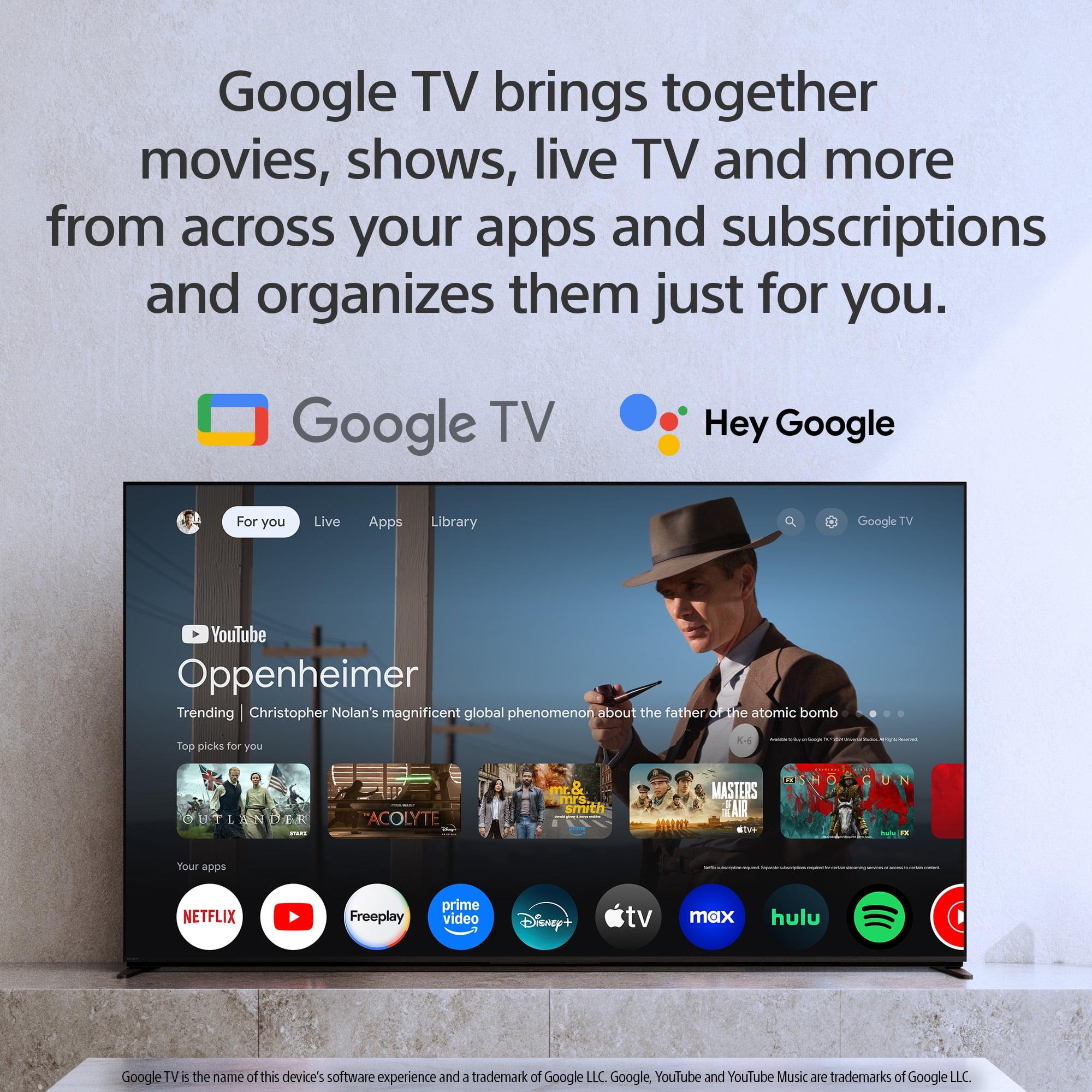
The Sony BRAVIA 5 uses Google TV, which provides a cleaner, ad-free experience focused on content discovery. Google's recommendation algorithm is sophisticated, learning from your viewing habits across all connected streaming services to suggest genuinely relevant content. The interface feels more like a premium streaming device than a subsidized platform.
Sound quality varies significantly between these models. The Samsung QN90F includes a 4.2.2 channel speaker system with Object Tracking Sound+, which uses multiple speakers positioned around the TV to create directional audio that follows action across the screen. When watching action sequences, explosions and gunfire appear to move spatially across your room, creating impressive immersion without external speakers.
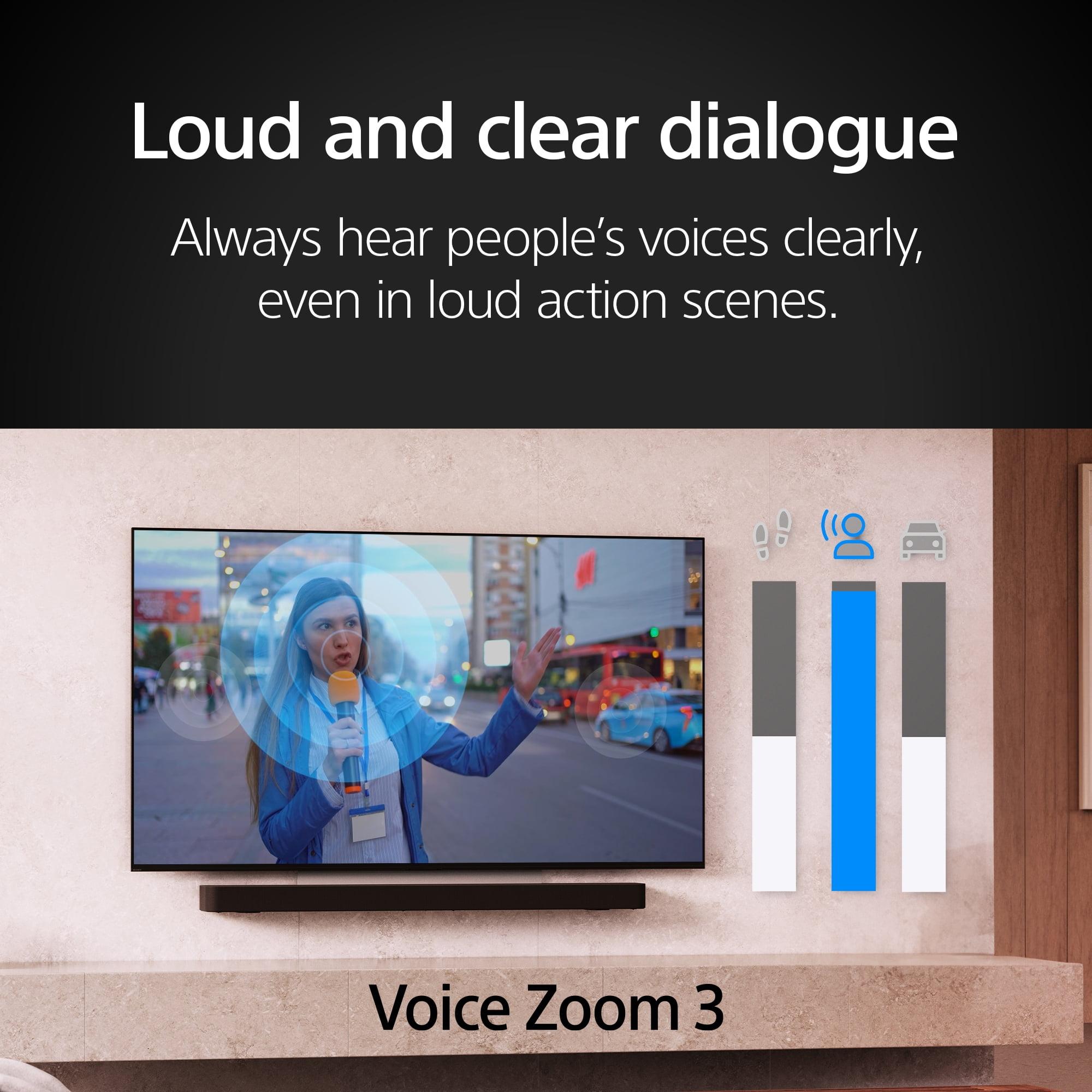
The Sony BRAVIA 5 focuses more on dialogue clarity with its Voice Zoom 3 feature, which uses AI to identify and enhance speech in real-time. During complex action scenes where dialogue might typically be overwhelmed by sound effects, the Sony automatically boosts voice levels while maintaining overall audio balance.
For dedicated home theaters, both TVs integrate well with external sound systems. The Samsung includes advanced synchronization features for Samsung soundbars, while the Sony can function as a center channel when paired with compatible Sony audio equipment. However, if you're planning to use a separate sound system, the built-in audio differences become less important than picture quality and smart features.
At the time of writing, the Samsung QN90F commands a significant price premium – often double the cost of the Sony BRAVIA 5. This price difference reflects their market positioning: Samsung targets buyers seeking flagship features and maximum performance, while Sony aims to make premium Mini LED technology accessible to more consumers.
The Sony represents exceptional value for most users. You're getting approximately 80-90% of premium Mini LED performance at roughly half the price of flagship alternatives. The processing capabilities, Dolby Vision support, and clean smart TV experience provide benefits that improve your daily viewing experience regardless of content type.
The Samsung's premium pricing is harder to justify unless you specifically need its unique capabilities. The anti-glare coating alone might be worth the extra cost if you have a bright living room with large windows. Similarly, serious gamers who need the absolute lowest input lag and highest refresh rates will appreciate the Samsung's gaming optimizations.
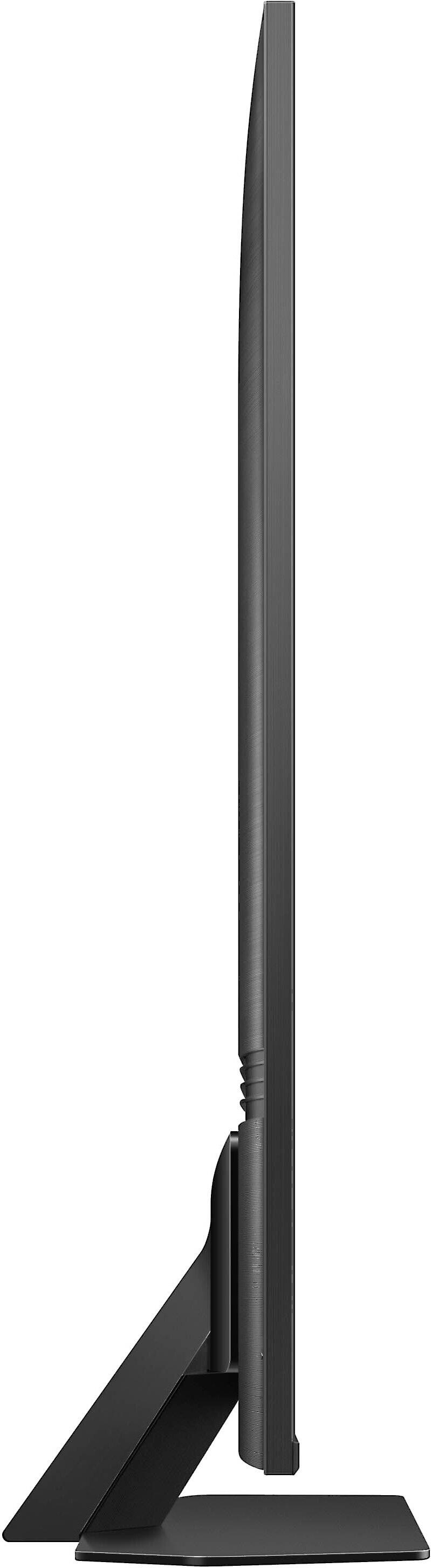
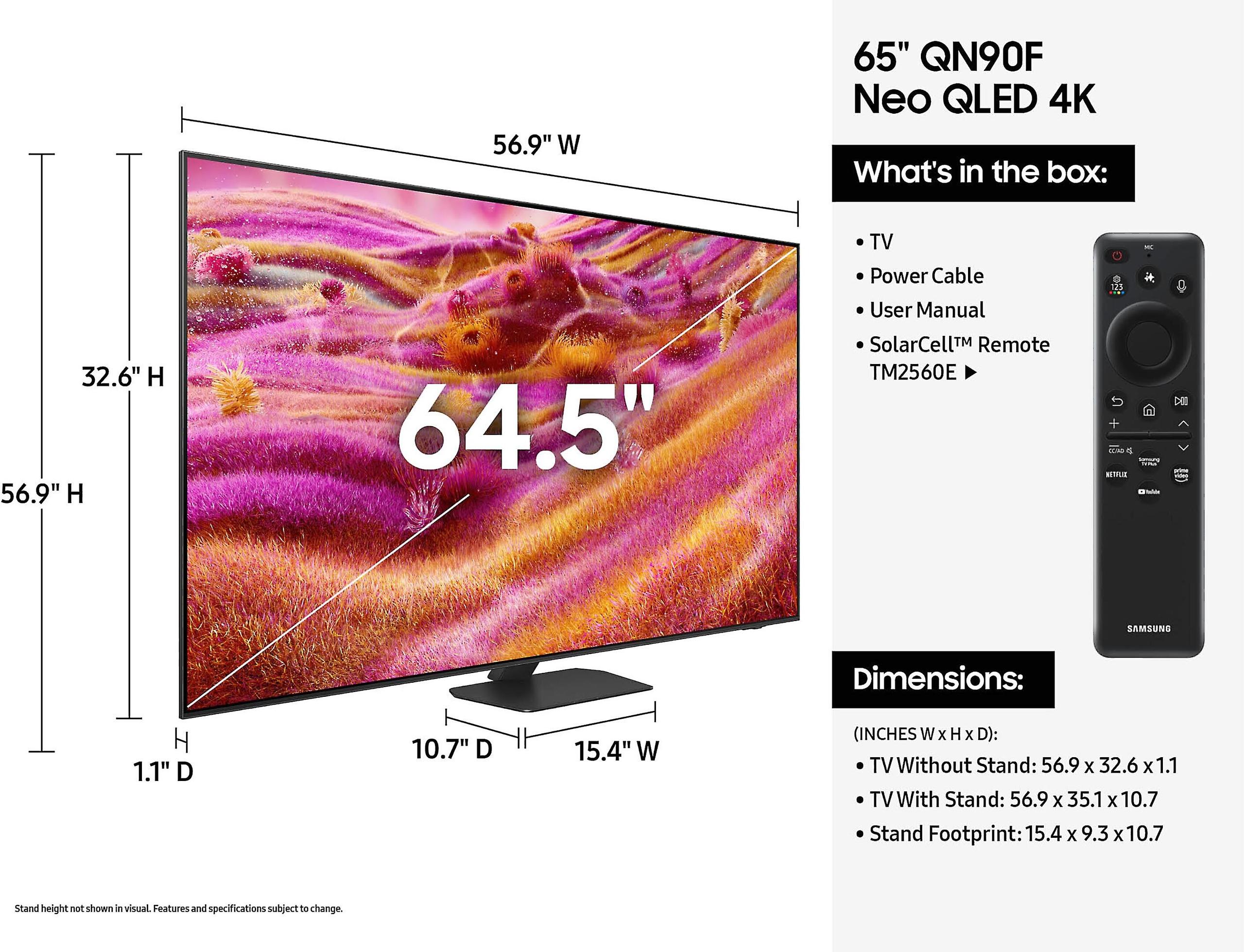
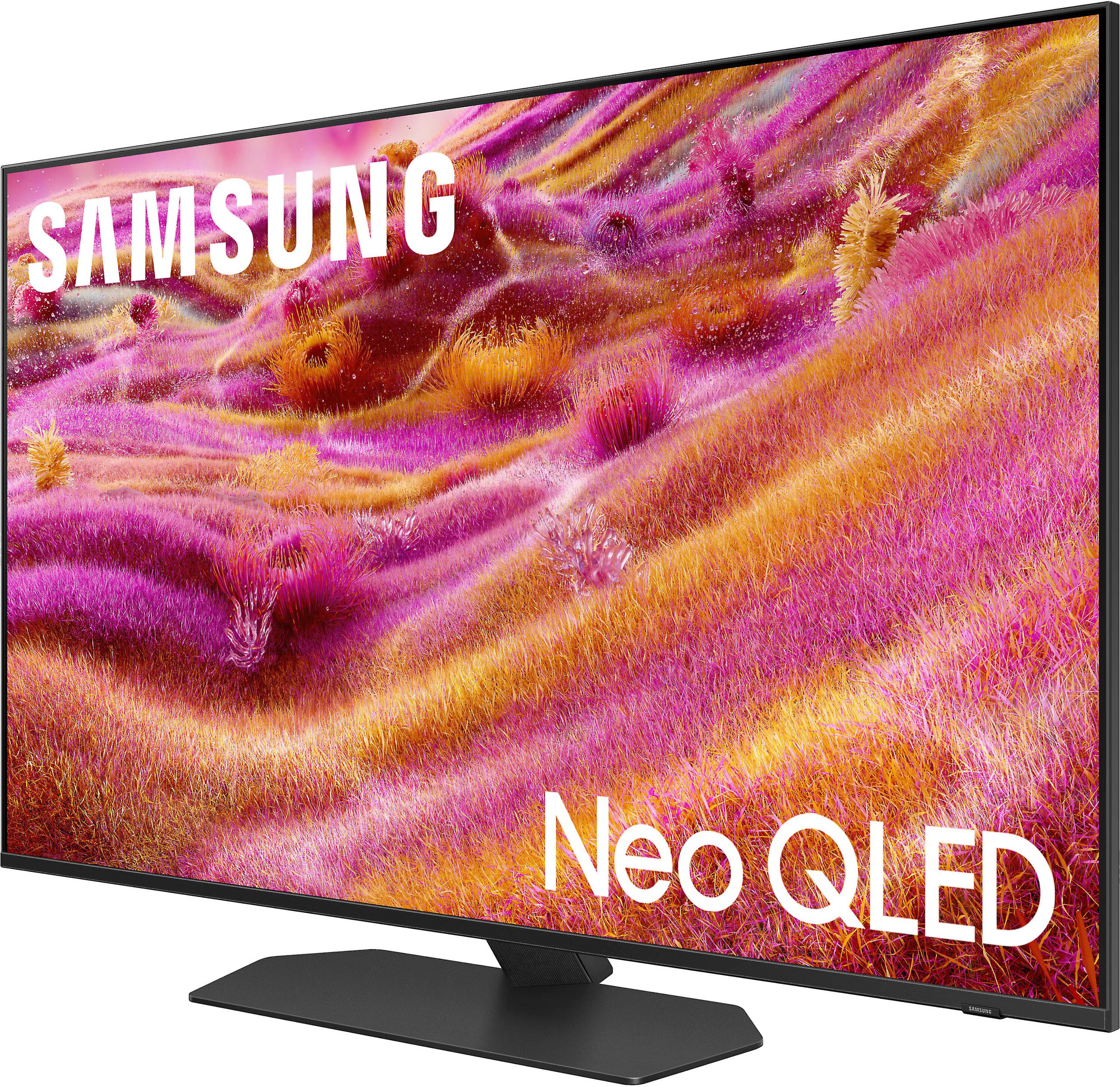
Both TVs feature solid construction, but with different design philosophies. The Samsung QN90F emphasizes premium materials and innovative features like its solar-powered remote that charges from room lighting or RF signals. The thin profile and metal construction feel appropriately luxurious for the price point.
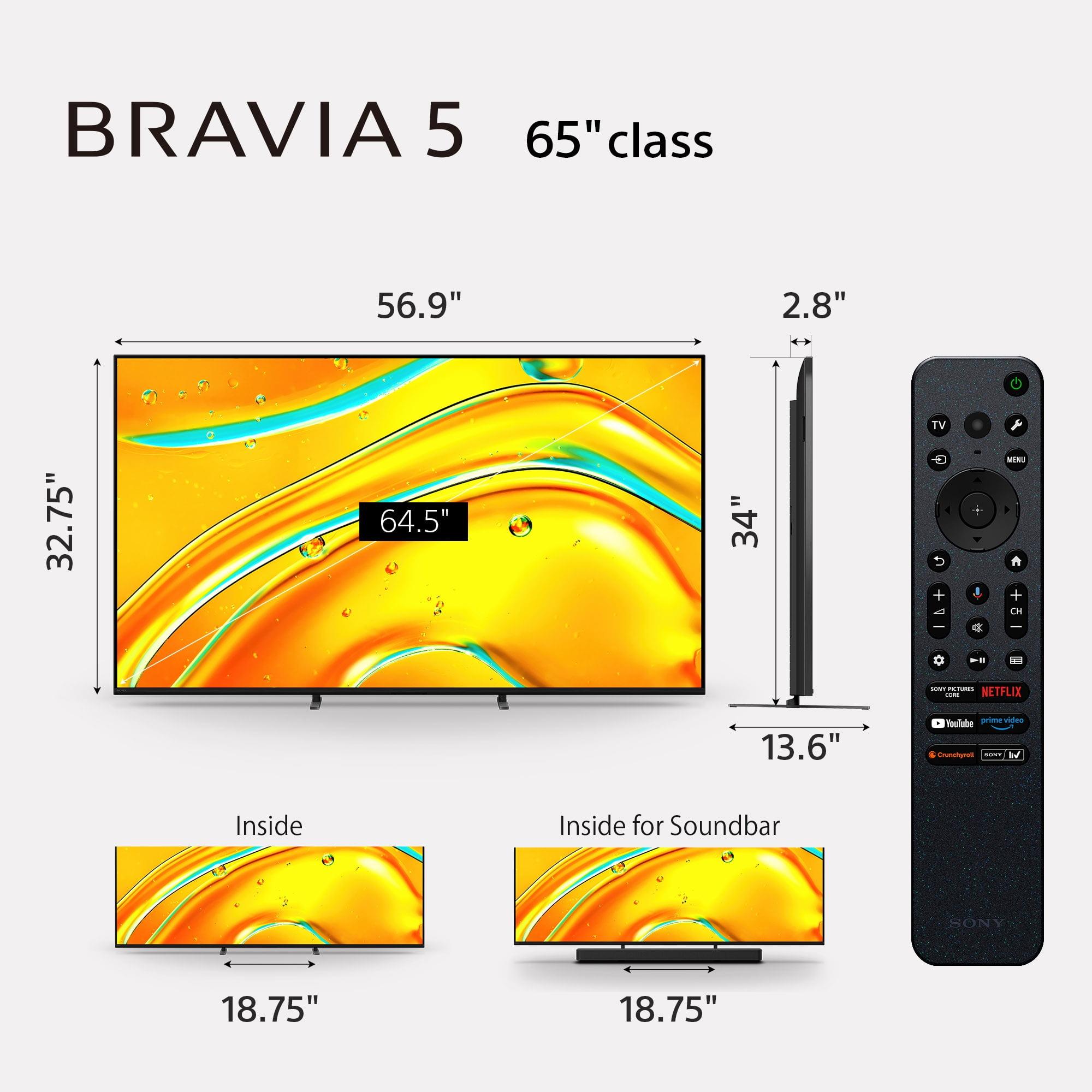
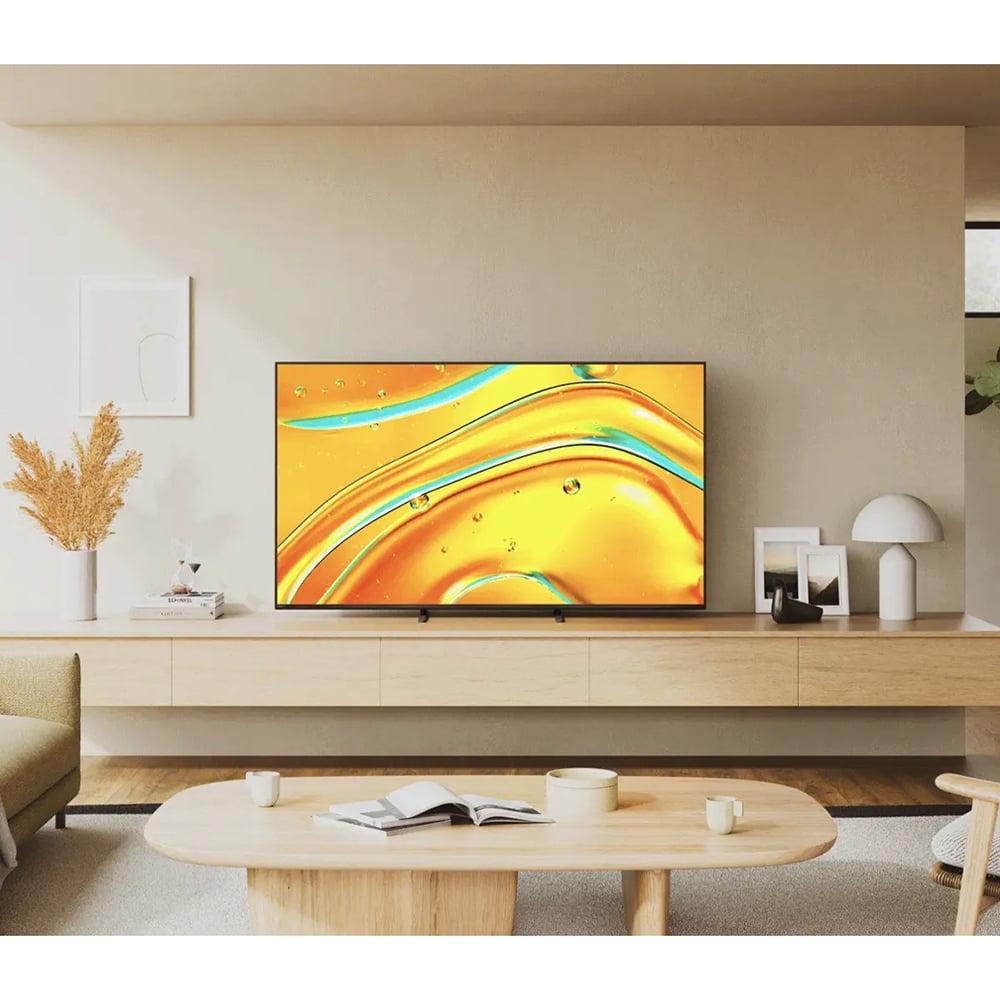
The Sony BRAVIA 5 opts for practical elegance with its "One Slate" design that minimizes visual distractions. The adjustable stand accommodates soundbars easily, and the overall build quality feels substantial without unnecessary premium flourishes.
Long-term software support is crucial for smart TVs. Samsung typically provides 4-5 years of meaningful updates, while Sony's Google TV platform benefits from Google's ongoing development and typically receives updates for a similar timeframe. Both approaches should provide years of current app support and security updates.
After extensive testing, I'd recommend the Sony BRAVIA 5 for most buyers. The combination of excellent picture quality, superior processing, comprehensive HDR support, and clean smart TV experience provides outstanding value at its price point. It's particularly ideal if you primarily stream content from Netflix, Disney+, or Apple TV+, where Dolby Vision support makes a noticeable difference.
Choose the Sony BRAVIA 5 if you:
The Samsung QN90F justifies its premium pricing for specific scenarios where its unique capabilities provide clear benefits. The anti-glare coating is genuinely transformative in bright rooms, and the peak brightness capabilities create more dramatic HDR experiences.
Choose the Samsung QN90F if you:
Both TVs represent mature, well-executed Mini LED implementations that will provide years of excellent viewing experiences. The Sony offers the better value proposition for general use, while the Samsung provides specific advantages that justify its premium pricing for users who need those particular capabilities. Your choice ultimately depends on your specific viewing environment, content preferences, and budget priorities.
| Samsung 65" QN90F Neo QLED 4K Vision AI Smart TV 2025 | Sony BRAVIA 5 65" Mini LED 4K Google TV 2025 |
|---|---|
| Display Technology - Core tech determining picture quality | |
| Neo QLED with Quantum Dots + Mini LED backlight | Mini LED with XR Triluminos Pro color technology |
| Local Dimming Zones - More zones = better contrast control | |
| ~900 zones (excellent precision for deep blacks) | Significant increase vs previous gen (good contrast) |
| Peak Brightness - Critical for HDR impact and bright room viewing | |
| 2000+ nits (exceptional for daytime viewing) | Enhanced vs previous models (good HDR performance) |
| HDR Support - Determines streaming service compatibility | |
| HDR10+ and HLG (missing Dolby Vision for Netflix/Disney+) | Dolby Vision + HDR10 + HLG (full streaming compatibility) |
| Gaming Refresh Rate - Higher is better for competitive gaming | |
| Up to 165Hz (ideal for PC gaming) | 120Hz (perfect for console gaming) |
| Anti-Glare Technology - Essential for bright living rooms | |
| Advanced matte coating (virtually eliminates reflections) | Standard coating (some reflection issues) |
| Smart TV Platform - Daily user experience | |
| Tizen with Vision AI (feature-rich but includes ads) | Google TV (ad-free, superior content discovery) |
| Audio System - Built-in sound quality | |
| 60W 4.2.2CH with Object Tracking Sound+ | Voice Zoom 3 AI dialogue enhancement |
| Color Philosophy - Impacts overall picture appearance | |
| Quantum Dots for vivid, punchy colors | Natural, cinema-accurate color reproduction |
| Processor - Determines upscaling and smart features | |
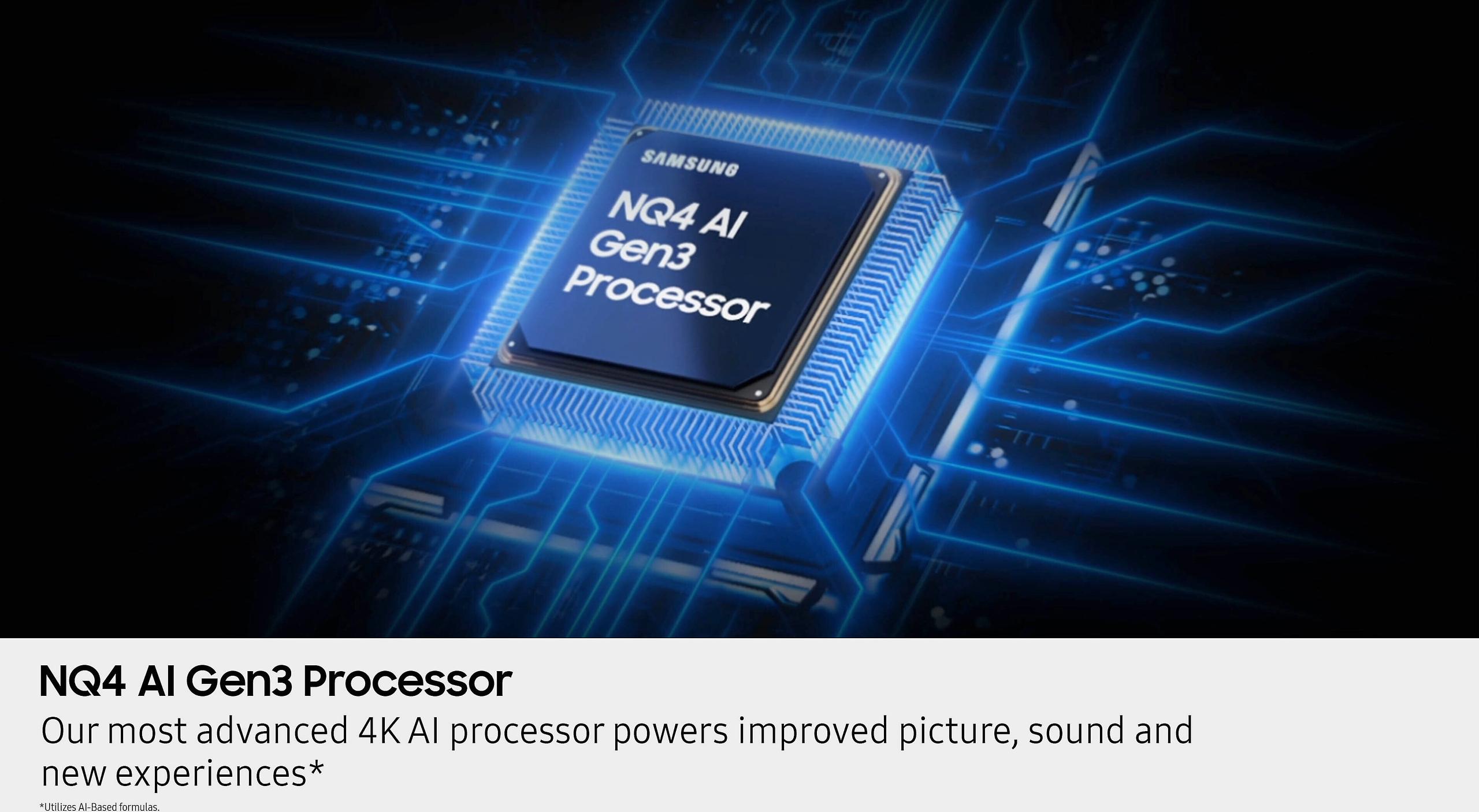
| NQ4 AI Gen3 with 128 neural networks | XR Processor 3rd Gen with AI scene recognition |
| Gaming Input Lag - Lower is better for responsive gaming | |
| Ultra-low in Game Mode (with reduced picture quality) | Low lag with consistent picture quality |
| Price Category - Value positioning at time of writing | |
| Premium flagship pricing (2x+ cost) | Accessible premium (exceptional value) |
The Samsung 65" QN90F Neo QLED 4K Vision AI Smart TV 2025 is significantly better for bright rooms due to its advanced anti-glare matte coating that virtually eliminates reflections. It also delivers higher peak brightness levels, making it easier to see in daylight conditions. The Sony BRAVIA 5 65" Mini LED 4K Google TV 2025 has a standard coating that can struggle with direct light reflections.
No, there's an important difference. The Sony BRAVIA 5 supports Dolby Vision, HDR10, and HLG, giving you full compatibility with Netflix, Disney+, and Apple TV+ premium content. The Samsung QN90F supports HDR10+ and HLG but lacks Dolby Vision support, which could limit your streaming experience with certain services.
For competitive PC gaming, the Samsung QN90F has advantages with its 165Hz refresh rate and lower input lag. However, its picture quality degrades in Game Mode with worse black levels. The Sony BRAVIA 5 offers excellent 120Hz gaming performance with consistent picture quality across all modes, making it ideal for console gaming, especially PlayStation 5.
The Samsung QN90F uses Quantum Dot technology for more vibrant, punchy colors and higher peak brightness, creating dramatic visual impact. The Sony BRAVIA 5 focuses on natural color accuracy and superior AI processing for more cinematic, true-to-life images. Samsung prioritizes visual impact while Sony emphasizes accuracy.
The Sony BRAVIA 5 runs Google TV, which provides an ad-free experience with superior content discovery and Google Assistant integration. The Samsung QN90F uses Tizen, which offers comprehensive features and Vision AI but includes advertisements throughout the interface that some users find intrusive.
Both TVs work well in home theater environments. The Samsung QN90F excels with its dramatic HDR performance and Object Tracking Sound+ for immersive audio without external speakers. The Sony BRAVIA 5 offers more accurate colors for cinematic viewing and Dolby Vision support for the best streaming experience. Both integrate well with external sound systems.
The Sony BRAVIA 5 has superior upscaling capabilities thanks to its third-generation XR processor, which uses AI to analyze and enhance different elements in each scene. The Samsung QN90F also offers good upscaling through its NQ4 AI Gen3 processor, but Sony's processing is generally more effective at making older or lower-resolution content look natural.
The Sony BRAVIA 5 offers exceptional value, delivering approximately 80-90% of premium Mini LED performance at roughly half the cost of flagship alternatives. The Samsung QN90F commands a premium price that's harder to justify unless you specifically need its bright-room performance or gaming advantages.
The Samsung QN90F includes a more comprehensive 4.2.2 channel system with Object Tracking Sound+ that creates directional audio effects. The Sony BRAVIA 5 focuses on dialogue clarity with Voice Zoom 3 AI enhancement. Both provide good built-in audio, but the Samsung offers more immersive surround sound effects.
For streaming movies and shows, the Sony BRAVIA 5 is often preferred due to its Dolby Vision support, natural color accuracy, and superior content processing. The Samsung QN90F creates more dramatic, visually striking images that some viewers prefer, especially for action content, but may not represent the director's original intent as accurately.
The Samsung QN90F is superior for daytime viewing thanks to its anti-glare coating and higher peak brightness, making it easily viewable even with sunlight in the room. The Sony BRAVIA 5 can struggle with reflections from direct light sources, making it less ideal for bright living room environments during the day.
If you're upgrading from an older LED TV, the Sony BRAVIA 5 provides the best value proposition with dramatic improvements in picture quality, smart features, and processing at an accessible price point. The Samsung QN90F offers flagship performance but may be overkill unless you have specific needs like bright-room viewing or competitive gaming.
We've done our best to create useful and informative comparisons to help you decide what product to buy. Our research uses advanced automated methods to create this comparison and perfection is not possible - please contact us for corrections or questions. These are the sites we've researched in the creation of this article: rtings.com - images.samsung.com - youtube.com - listenup.com - youtube.com - cullenshomecenter.com - rtings.com - shopjetson.com - youtube.com - samsung.com - samsung.com - videoandaudiocenter.com - rtings.com - bestbuy.com - youtube.com - news.samsung.com - news.samsung.com - news.samsung.com - bestbuy.com - news.samsung.com - youtube.com - news.samsung.com - youtube.com - smarthomesounds.co.uk - rtings.com - pro.sony - youtube.com - electronics.sony.com - electronics.sony.com - electronics.sony.com - bestbuy.com - electronics.sony.com - youtube.com - bestbuy.com - videoandaudiocenter.com - valueelectronics.com - youtube.com - sony.ca - perpichtv.com - sony.com - displayspecifications.com - pioneertvandappliance.com - flatpanelshd.com

Privacy Policy
Terms and Conditions - Affiliate Policy
Home Security
© Copyright 2008-2026.
11816 Inwood Rd #1211, Dallas, TX 75244