


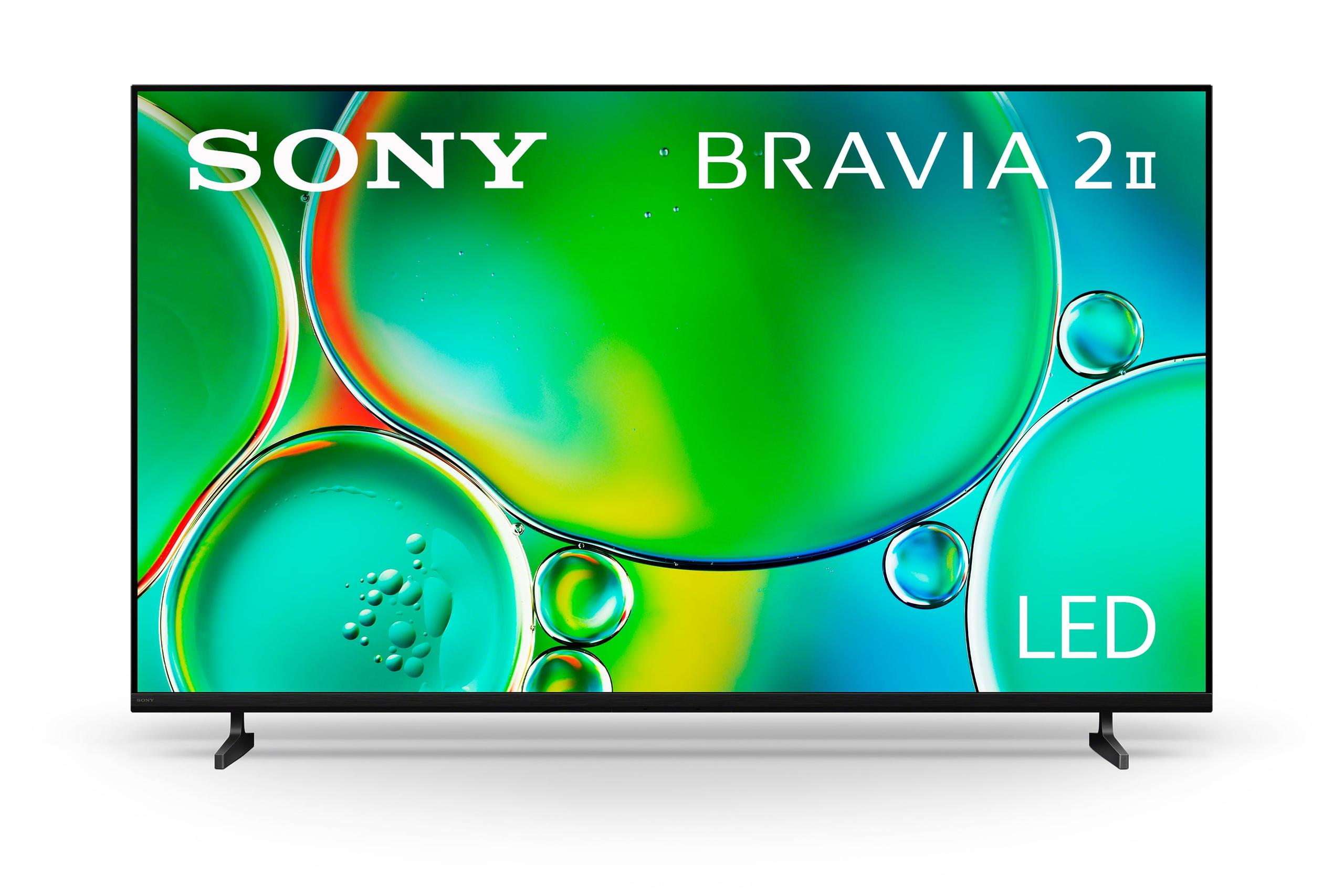




Shopping for a new 4K TV can feel overwhelming, especially when you're choosing between models from the same brand. Sony's 2025 lineup includes two compelling 65-inch options: the Sony BRAVIA 5 65" Mini LED 4K Google TV ($1,478) and the Sony BRAVIA 2 II 65" 4K LED Google TV ($649.99). While both offer the same screen size and smart features, they represent very different approaches to delivering 4K entertainment.
Understanding these differences will help you make the right choice for your home, budget, and viewing habits. Let's dive into what sets these TVs apart and which one might be perfect for your living room.
The 4K TV market has evolved dramatically over the past few years. What used to be a simple choice between different screen sizes has become a complex decision involving display technologies, processors, and gaming features that didn't exist just a generation ago.
Modern 4K TVs differ primarily in their display technology. Traditional LED TVs use edge-lit or direct-lit LED backlights behind an LCD panel. Mini LED technology, which Sony introduced in their higher-end models, uses thousands of tiny LEDs that can be controlled in zones to create better contrast. This means darker blacks and brighter highlights – essentially, a more realistic picture.
The processor is another crucial component. Think of it as the TV's brain, analyzing every frame of video in real-time to enhance colors, reduce noise, and upscale lower-resolution content to look better on your 4K screen. Sony's newer XR processors use artificial intelligence to make these decisions, while their X1 processors rely on more traditional algorithms.
Gaming has become increasingly important in TV selection. With the PlayStation 5 and Xbox Series X supporting 4K gaming at 120 frames per second, many buyers want TVs that can handle these high refresh rates. Features like Variable Refresh Rate (VRR) help eliminate screen tearing, while Auto Low Latency Mode (ALLM) reduces input lag – the delay between pressing a button and seeing the action on screen.
Both TVs launched in 2025 as part of Sony's refreshed BRAVIA lineup. The Sony BRAVIA 5 65" Mini LED ($1,478) sits in Sony's mid-range tier, positioned above the entry-level models but below their flagship BRAVIA 7, 8, and 9 series. The Sony BRAVIA 2 II 65" LED ($649.99) serves as Sony's most affordable 4K option, designed to bring the brand's picture processing to budget-conscious buyers.
Sony's naming convention changed significantly in 2025. The "BRAVIA 5" designation indicates it's the fifth tier in their hierarchy, while "BRAVIA 2 II" shows it's the second generation of their entry-level line. This numbering system makes it easier to understand where each model fits in Sony's range.
The timing of these releases is significant. Sony has been playing catch-up in the Mini LED space, where competitors like TCL and Hisense have been aggressive with pricing. The BRAVIA 5 represents Sony's attempt to bring Mini LED technology to a more accessible price point, while the BRAVIA 2 II aims to compete with budget brands without sacrificing Sony's renowned color processing.
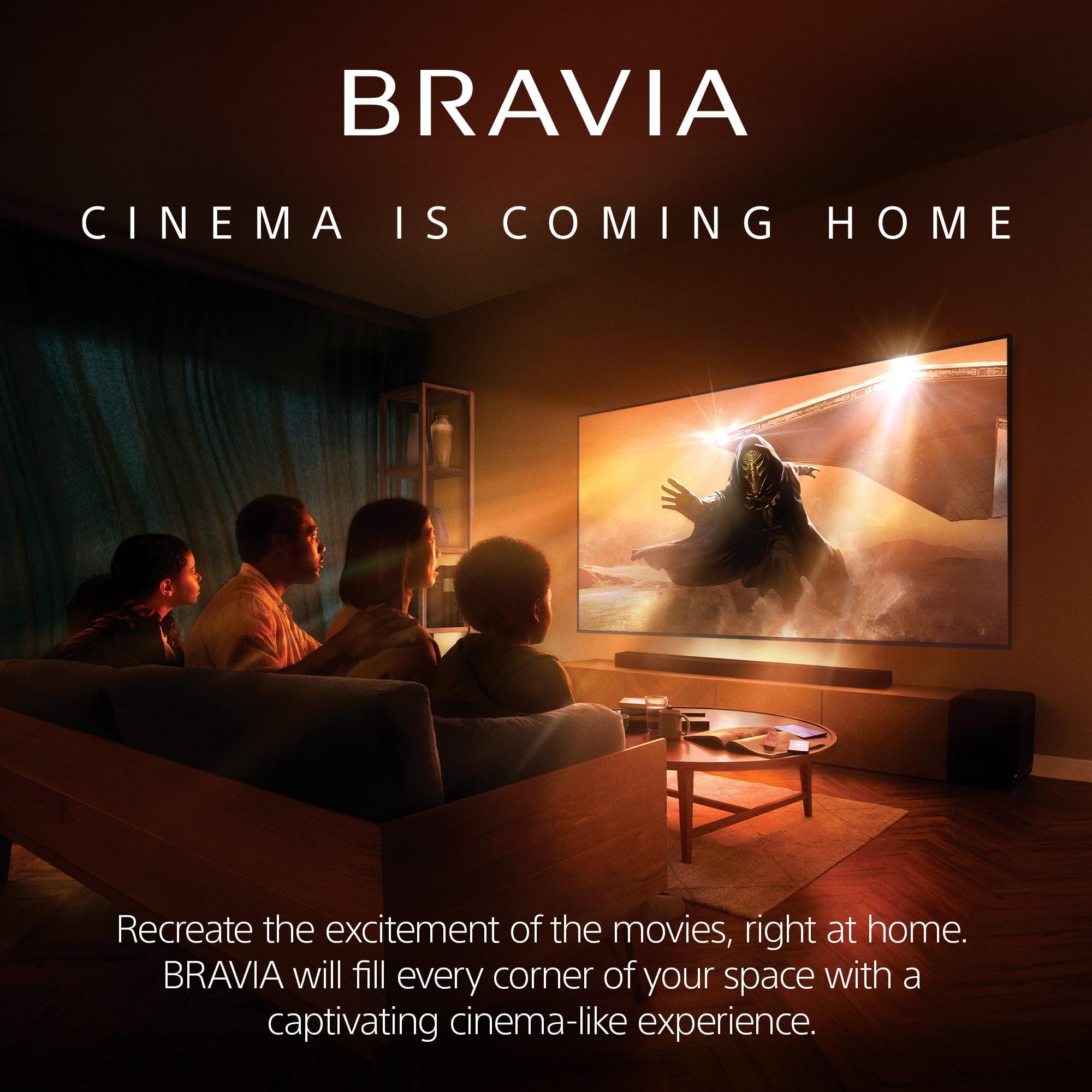
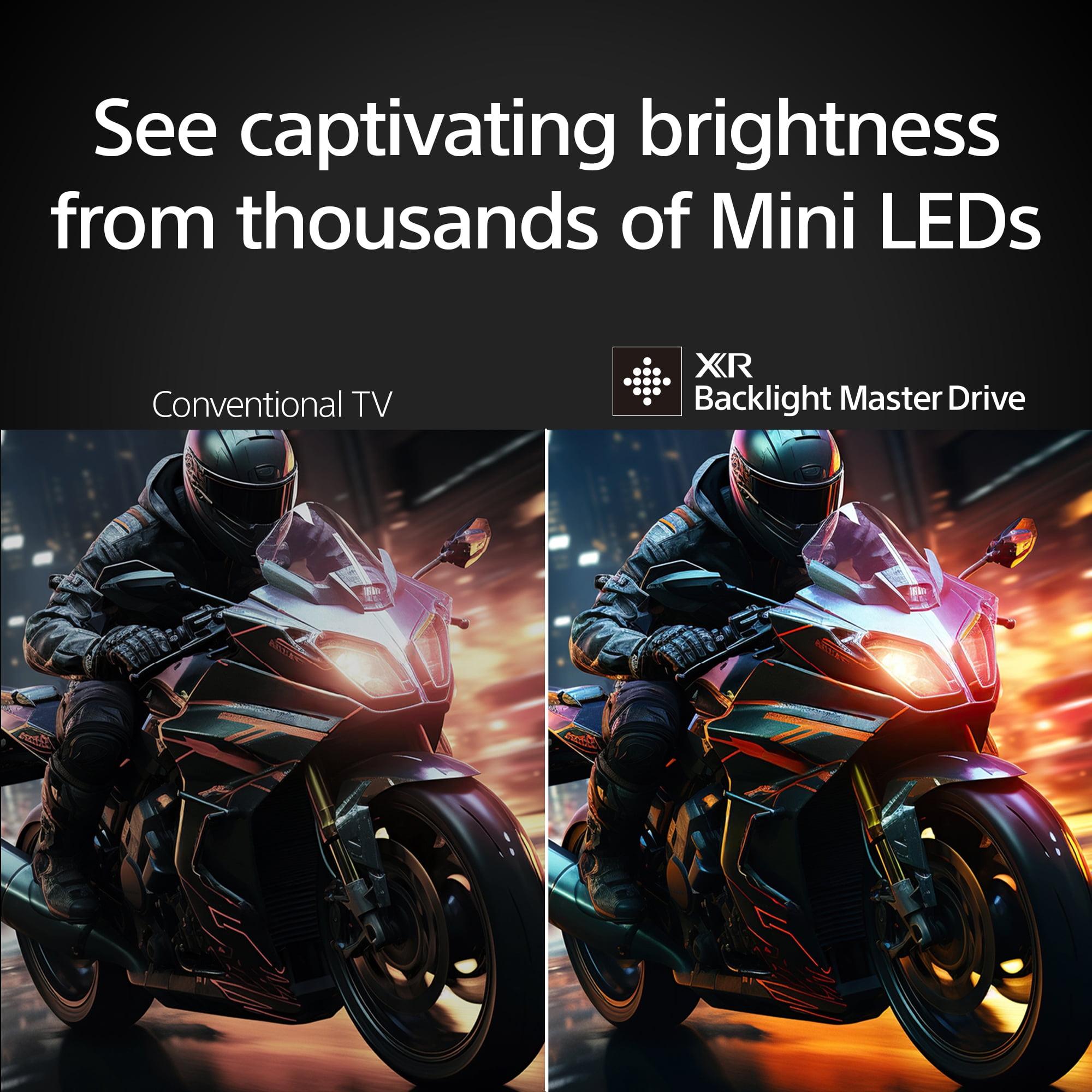
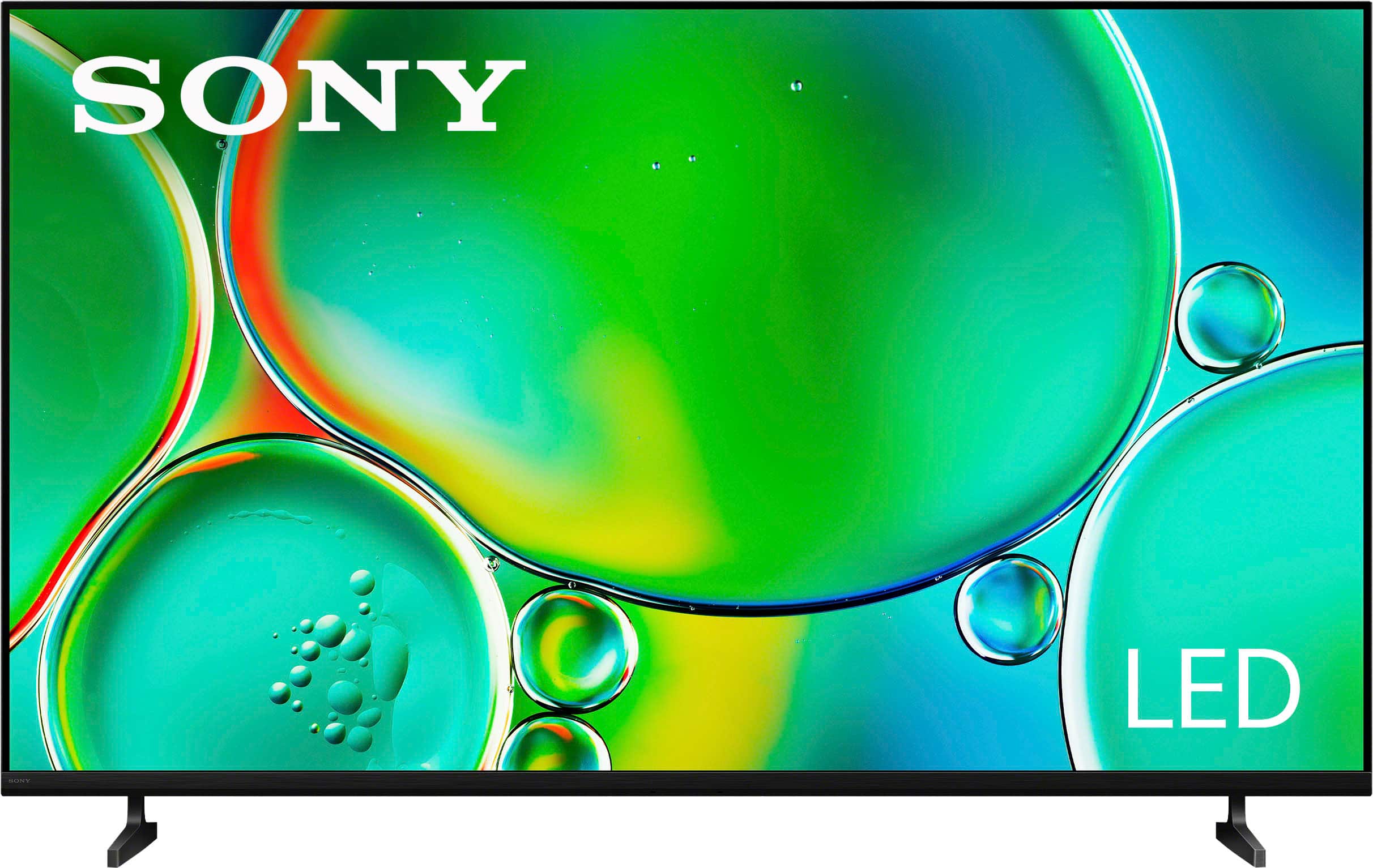
The most fundamental difference between these TVs lies in their display technology. The BRAVIA 5 uses Mini LED backlighting, which represents a significant advancement over traditional LED systems. Instead of using larger LEDs around the edges or behind the panel, Mini LED employs thousands of tiny LEDs that can be controlled in hundreds of zones.
This local dimming capability means the TV can make specific areas of the screen darker or brighter independently. When you're watching a movie with a night scene, the TV can dim the LEDs behind the dark portions of the image while keeping the LEDs behind bright objects like streetlights at full brightness. The result is contrast that approaches what you'd get from more expensive OLED TVs.
The BRAVIA 2 II uses a direct LED backlight, which is better than edge-lit systems but lacks the precision of Mini LED. Think of it like having a few floodlights illuminating your backyard versus having dozens of individually controlled spotlights. The direct LED system provides more even lighting than edge-lit TVs, but it can't create the dramatic contrast differences that make HDR content really pop.
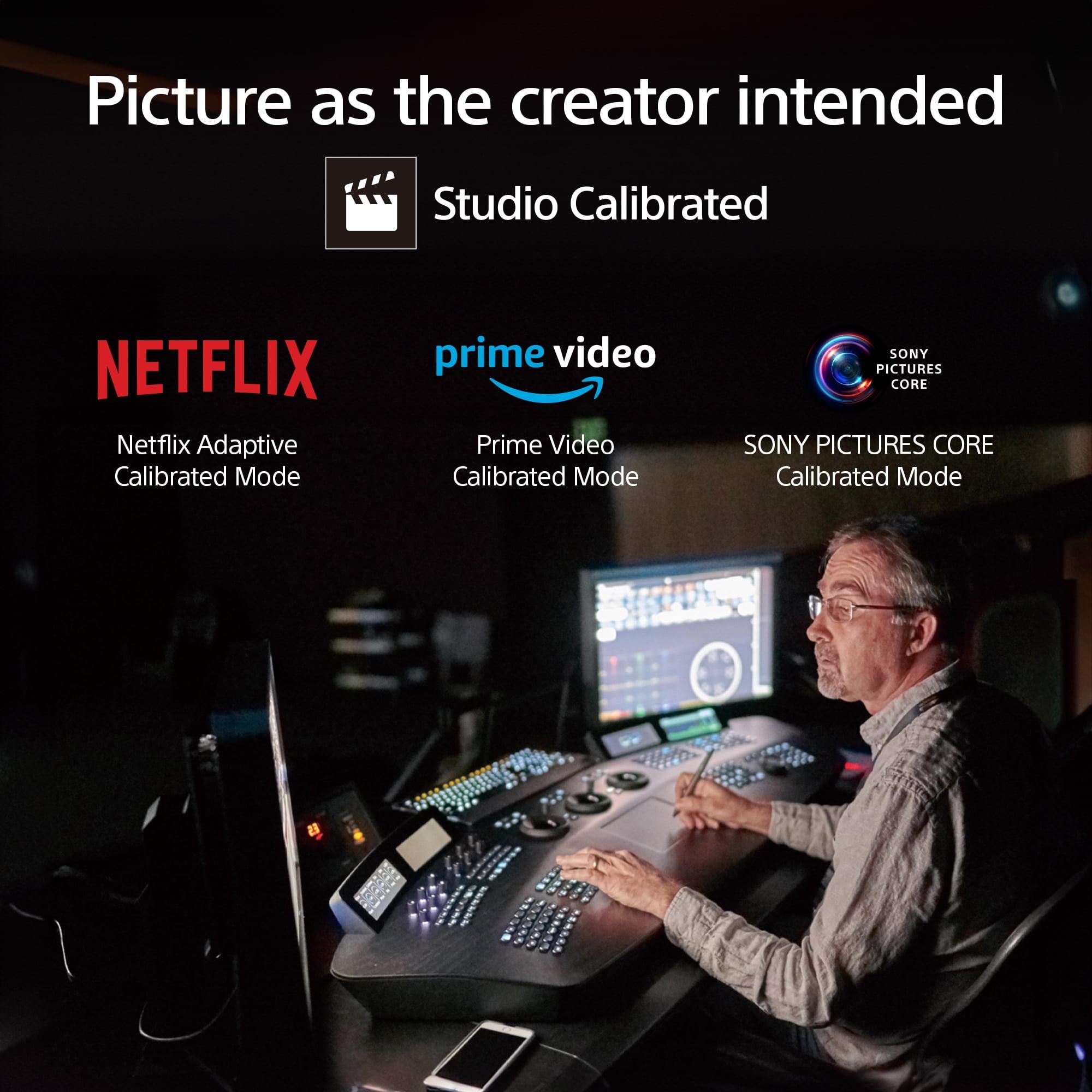
Sony's implementation of Mini LED in the BRAVIA 5 includes their XR Backlight Master Drive technology. This system analyzes the content in real-time and adjusts the LED zones accordingly. It's derived from Sony's professional mastering monitors – the same displays used in Hollywood studios to color-grade movies. This professional heritage means the BRAVIA 5 can display content closer to how directors intended it to look.
The processor difference between these models is substantial. The BRAVIA 5 features Sony's XR Processor, their latest cognitive processor that uses artificial intelligence to analyze and enhance every element of the picture. This isn't just marketing speak – the XR processor actually examines how human eyes and brains process visual information, then adjusts the picture accordingly.
For example, when you're watching a scene with a person speaking, the XR processor can identify the focal point (the person's face) and enhance the detail and color in that area while slightly de-emphasizing the background. This creates a more natural, immersive viewing experience that mimics how we actually see the world.
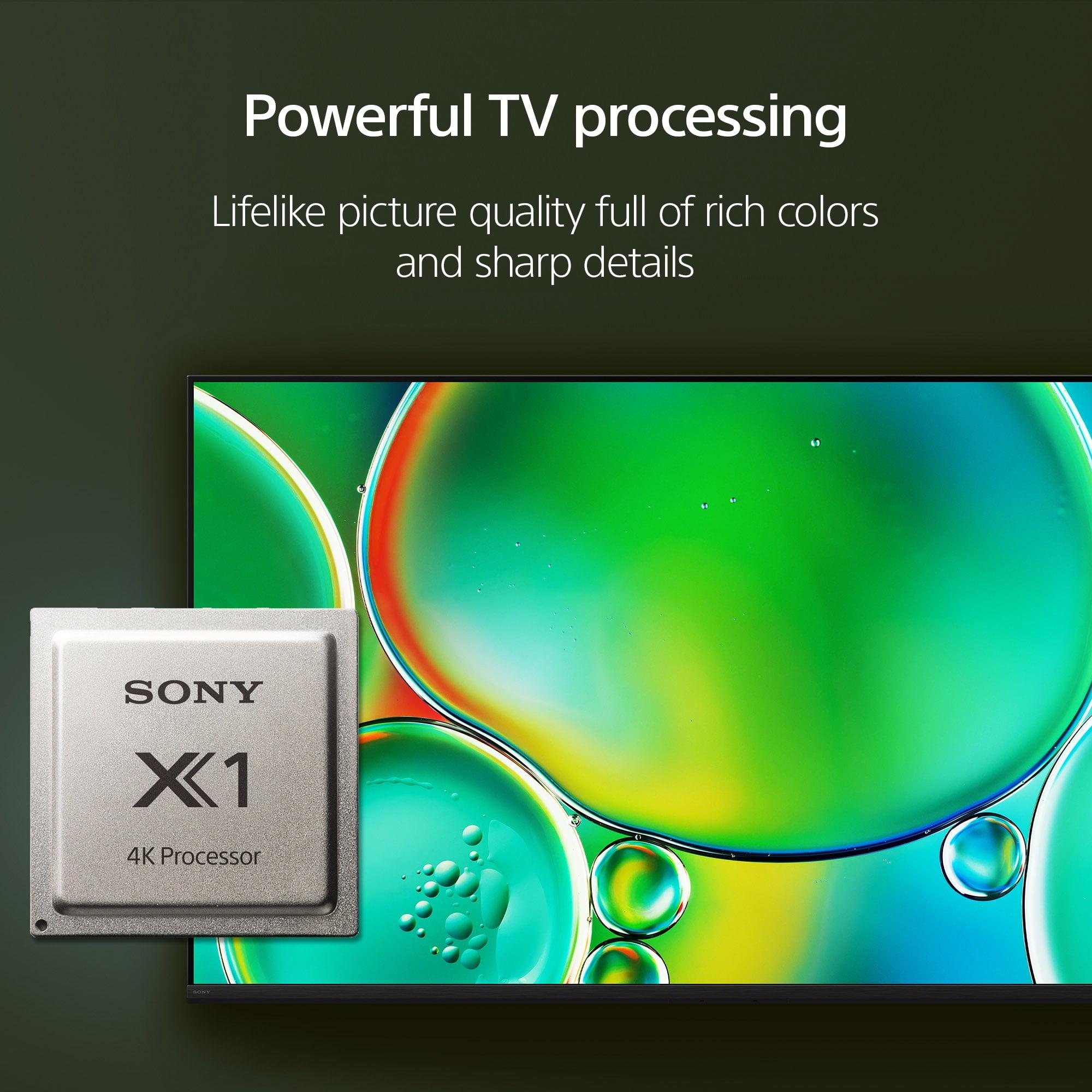
The BRAVIA 2 II uses Sony's X1 processor, which is still capable but relies on more traditional enhancement algorithms. It can upscale HD content to near-4K quality and reduce noise, but it lacks the AI-driven scene analysis of the XR processor. In practical terms, both will make your Netflix shows look good, but the BRAVIA 5 will do a better job with lower-quality sources like streaming sports or older content.
Sony's 4K X-Reality PRO technology, found in both models, deserves special mention. This feature analyzes images using a vast database of content to understand what different types of scenes should look like. When it encounters a face, landscape, or text, it applies specific enhancements based on millions of reference images. The result is upscaled content that often looks better than the original source material.
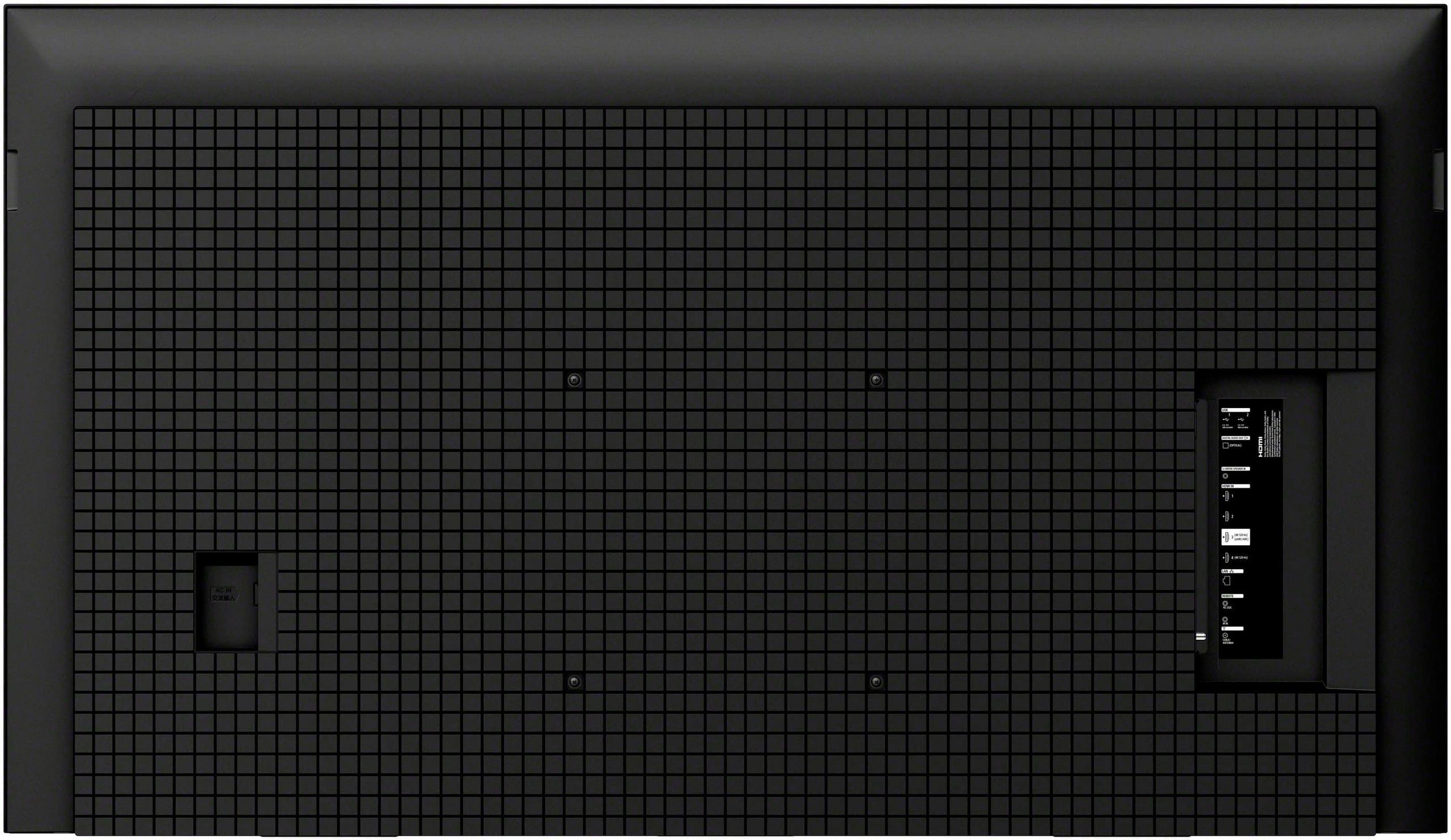
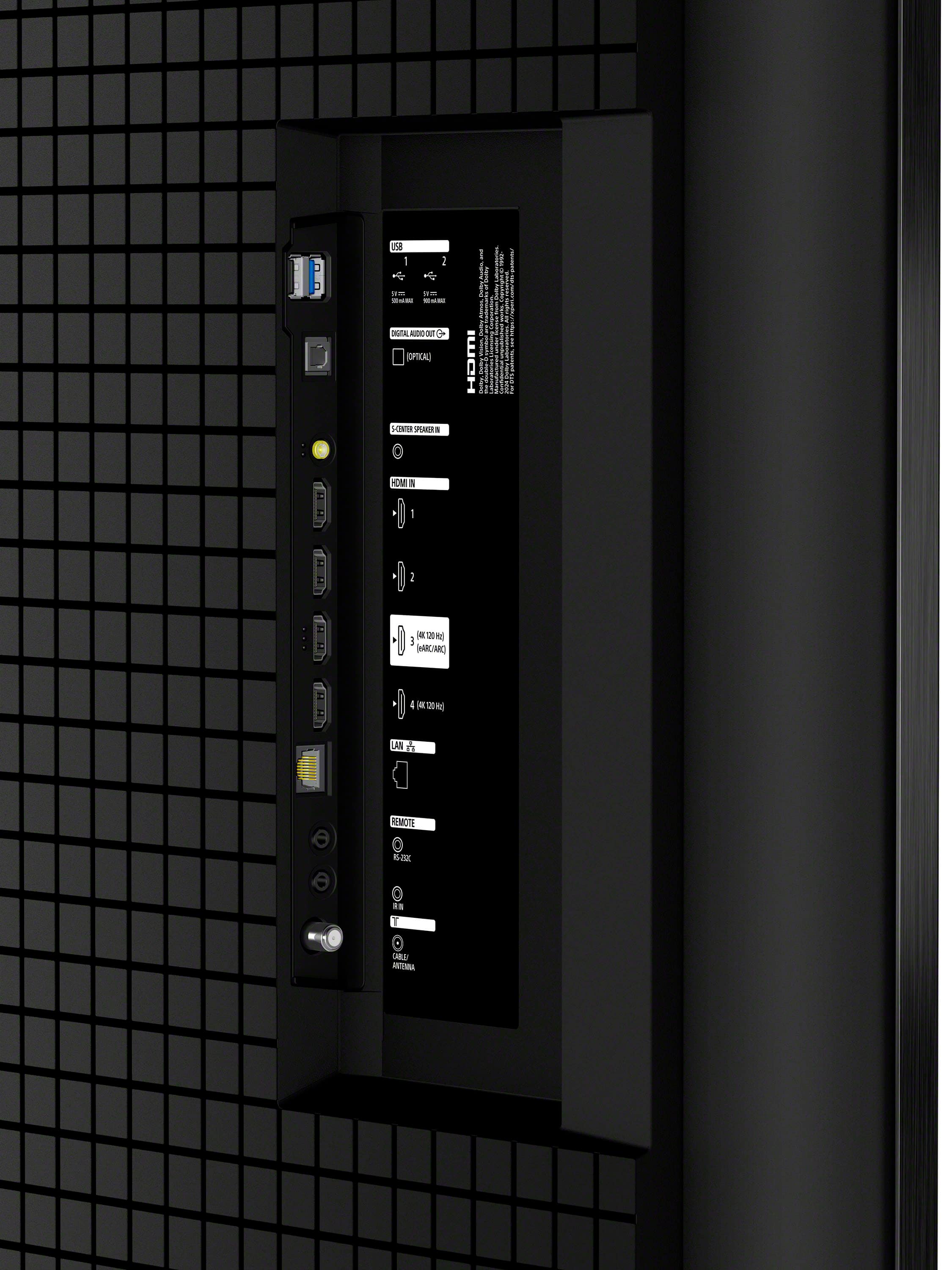
Gaming performance has become a crucial consideration for many TV buyers, and this is where the differences between these models become most apparent. The Sony BRAVIA 5 Mini LED ($1,478) includes two HDMI 2.1 ports that support 4K gaming at 120Hz, which is essential for getting the most out of modern gaming consoles.
HDMI 2.1 provides the bandwidth necessary for 4K at 120 frames per second, but it's the additional features that make the difference. Variable Refresh Rate (VRR) synchronizes the TV's refresh rate with the console's frame rate, eliminating screen tearing and stuttering. Auto Low Latency Mode (ALLM) automatically switches the TV to its lowest latency mode when it detects a gaming signal, reducing input lag to around 10-15 milliseconds.
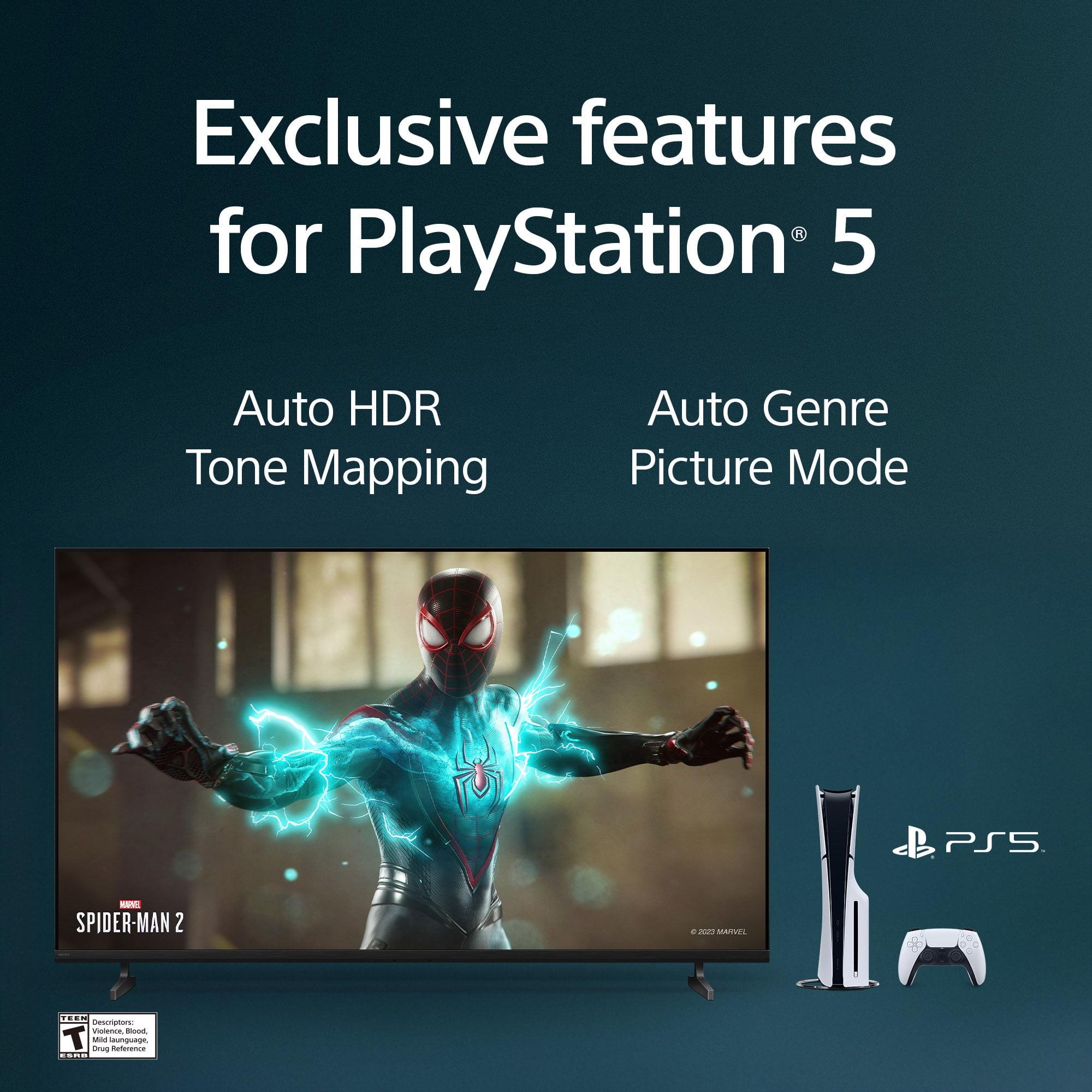
The BRAVIA 5 also supports NVIDIA G-SYNC, which provides even smoother gaming with compatible graphics cards. For PlayStation 5 owners, Sony has included specific optimizations like Auto HDR Tone Mapping and Auto Genre Picture Mode, which automatically adjust the picture settings based on the type of game being played.
The Sony BRAVIA 2 II LED ($649.99) includes basic gaming features like ALLM and some VRR support, but it's limited to 60Hz refresh rates. This means you'll get smooth gameplay, but you won't be able to take advantage of the 120fps modes available in games like Call of Duty or Fortnite. For casual gaming, this limitation isn't a deal-breaker, but competitive gamers and enthusiasts will notice the difference.
Both TVs include a dedicated Game Menu that provides easy access to gaming-specific settings. This menu shows input lag, refresh rate, and other technical information that serious gamers want to monitor. However, the BRAVIA 5's menu includes additional options for VRR and high refresh rate gaming.
Audio quality often gets overlooked in TV reviews, but it's crucial for the overall viewing experience. The BRAVIA 5 includes Sony's Acoustic Center Sync technology, which allows the TV to function as the center channel in a surround sound setup. When paired with compatible Sony soundbars or receivers, the TV's speakers handle dialogue while the external speakers provide music and effects.
This feature is particularly valuable for home theater enthusiasts who want to upgrade their audio gradually. You can start with just the TV, add a soundbar later, and eventually build a full surround system while keeping the TV as an integral part of the audio setup.
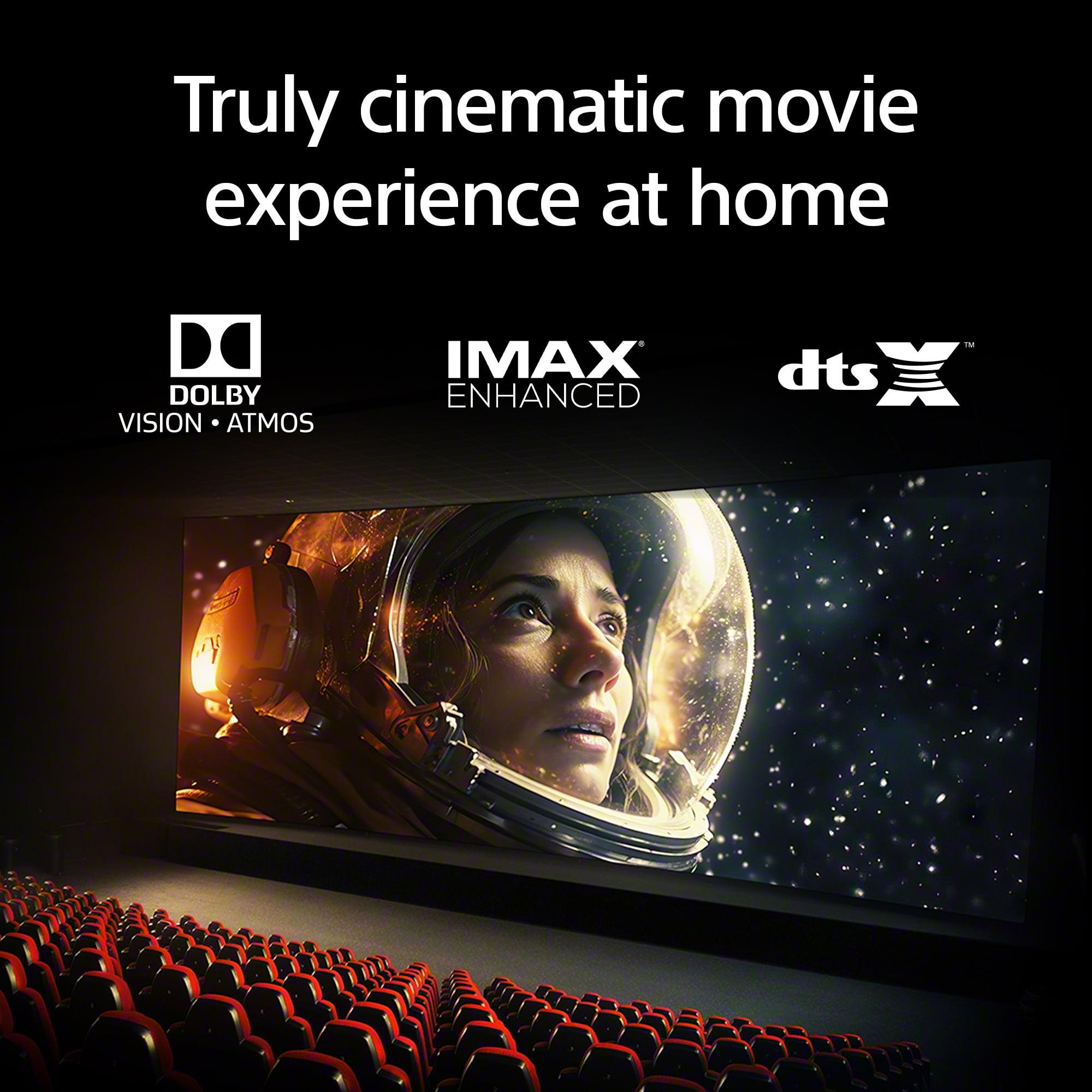
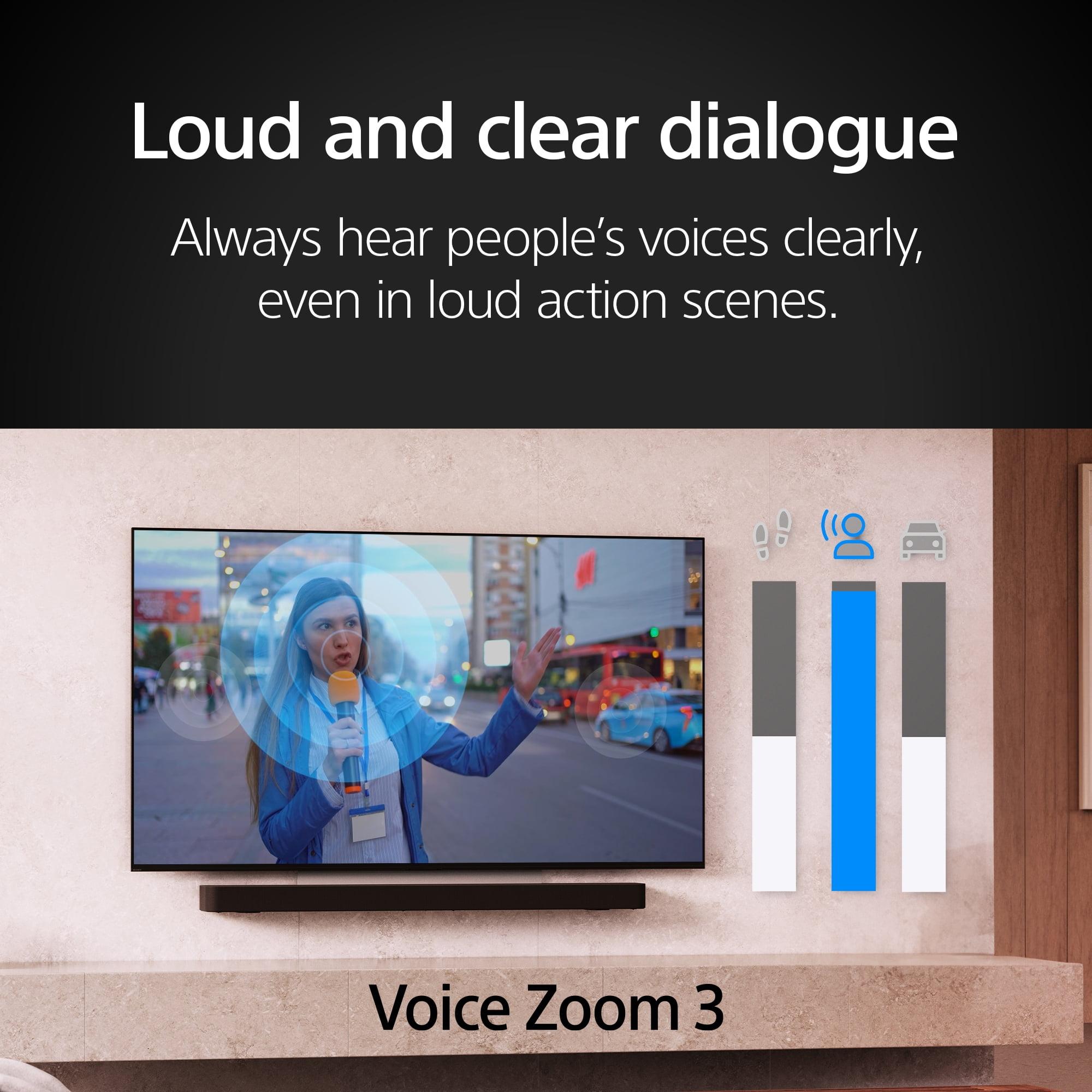
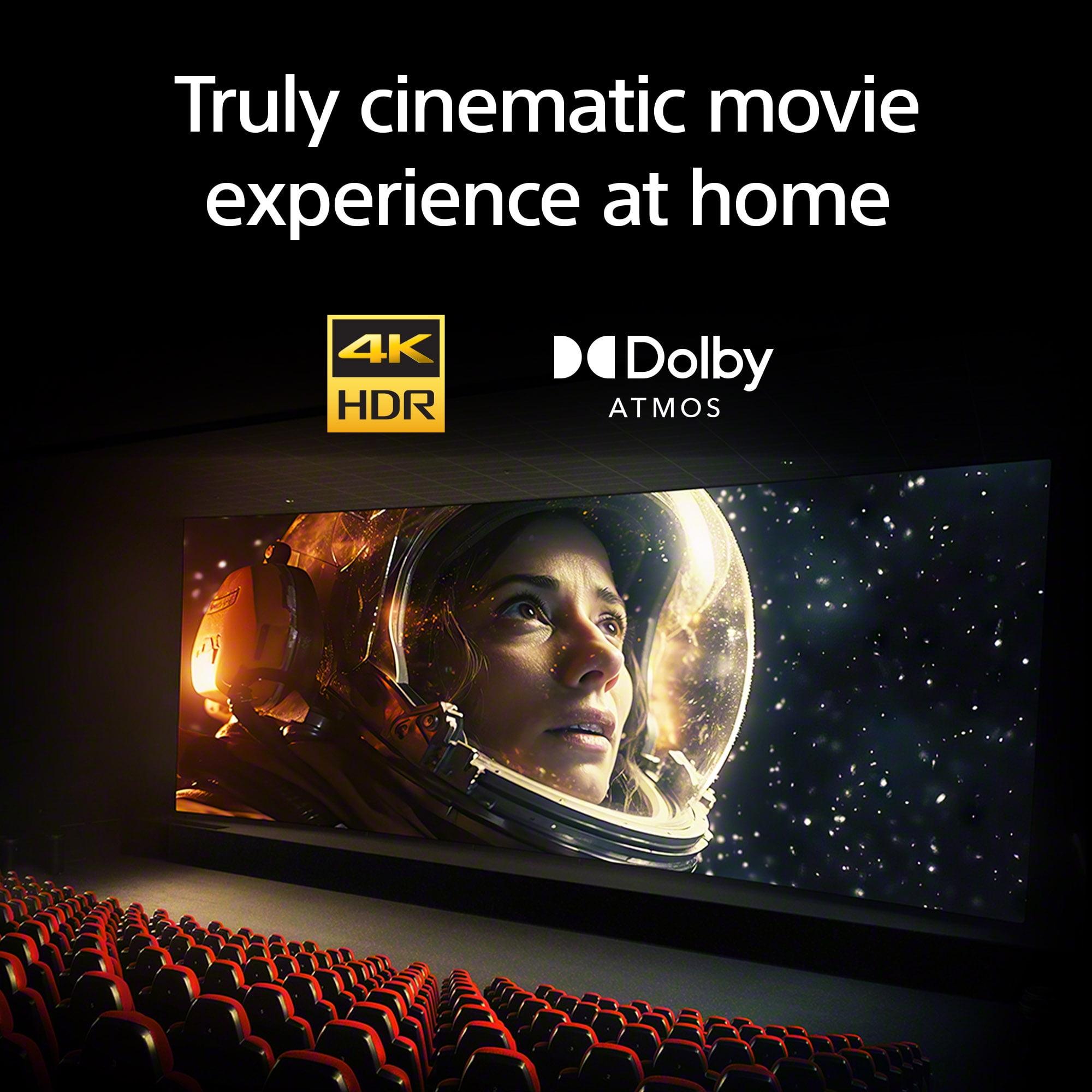
Both models support Dolby Atmos and DTS:X, which create three-dimensional sound effects using the built-in speakers. The BRAVIA 5 also includes Voice Zoom 3, an AI-powered feature that analyzes dialogue and enhances speech clarity. This is especially helpful for viewers who struggle to understand dialogue in movies or shows with complex soundtracks.
The BRAVIA 2 II's audio system is more basic but still includes Dolby Atmos support and Sony's Open Baffle Speaker design. This design allows sound to radiate in multiple directions, creating a wider soundstage than traditional forward-firing speakers. While it won't match a dedicated sound system, it's surprisingly effective for a budget TV.
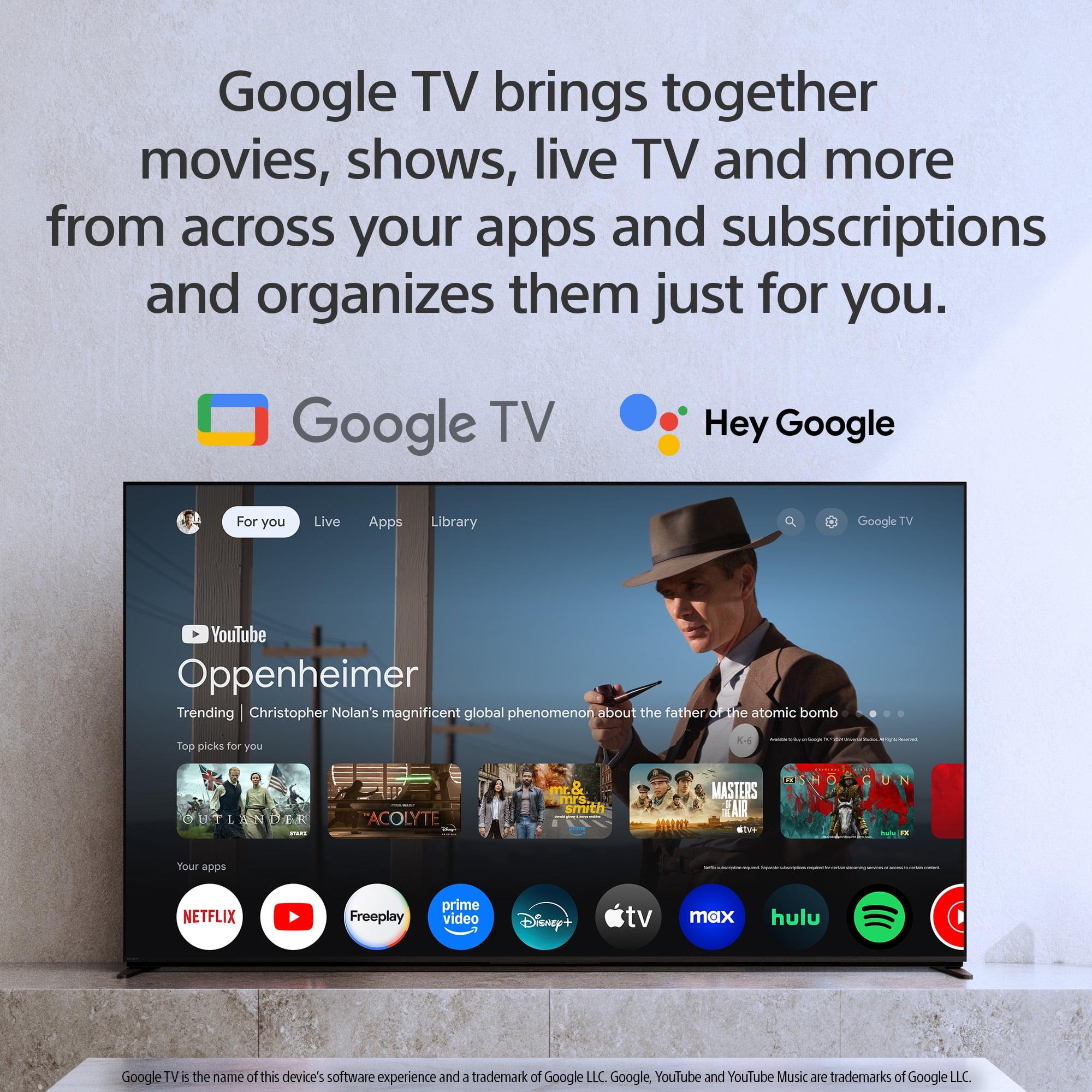
Both TVs run Google TV, Sony's chosen smart platform that replaced Android TV. Google TV provides access to over 10,000 apps and integrates content from multiple streaming services into a unified interface. The system learns your viewing habits and suggests content from across different platforms.
The user interface is clean and responsive on both models, though the BRAVIA 5's more powerful processor provides slightly faster navigation and app loading times. Both TVs support Google Assistant for voice control, as well as Amazon Alexa through connected devices.
One area where these TVs excel is in their casting capabilities. Google Cast is built-in, allowing you to stream content from Android devices seamlessly. Apple users aren't left out – both models support AirPlay 2 and HomeKit, making them compatible with Apple's ecosystem.
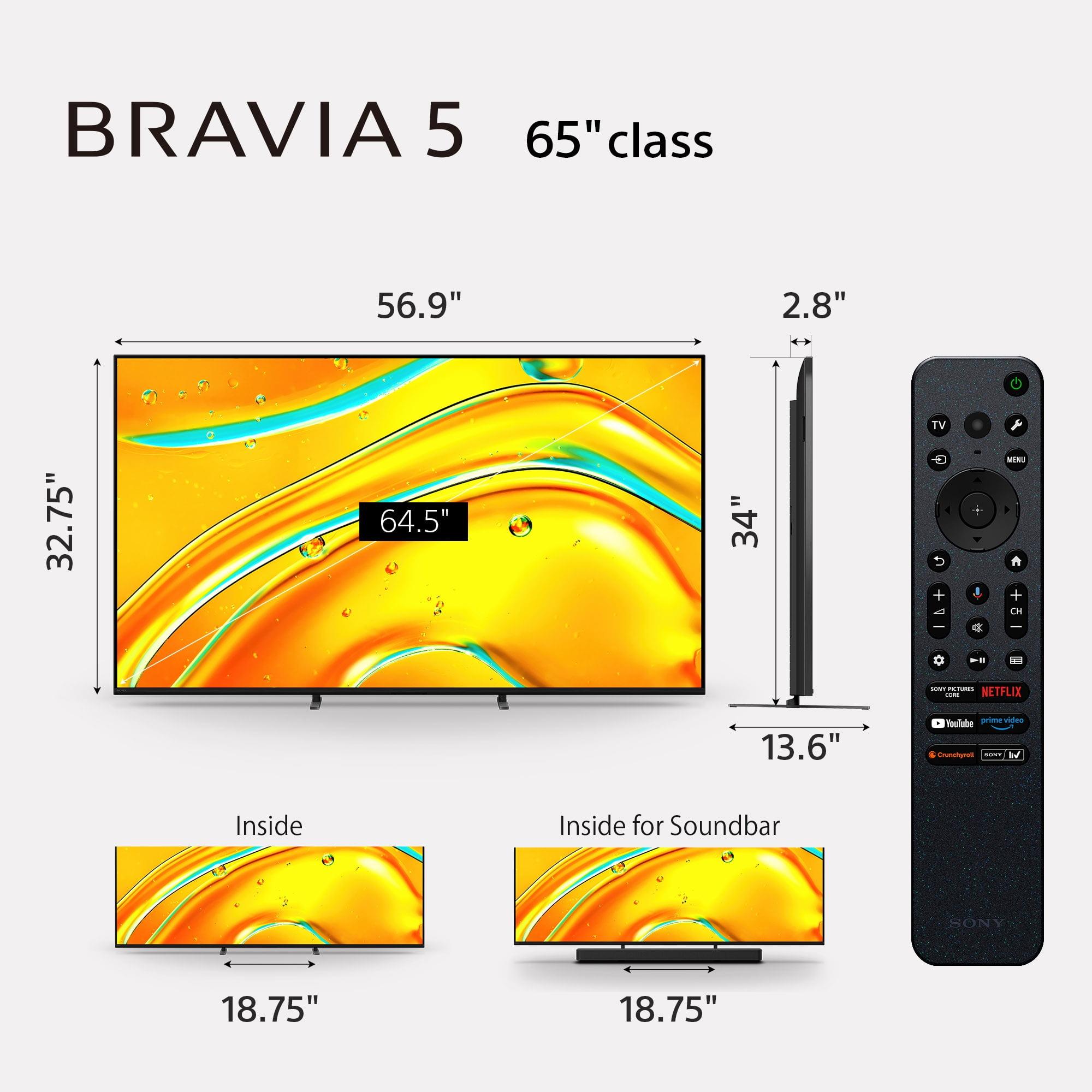
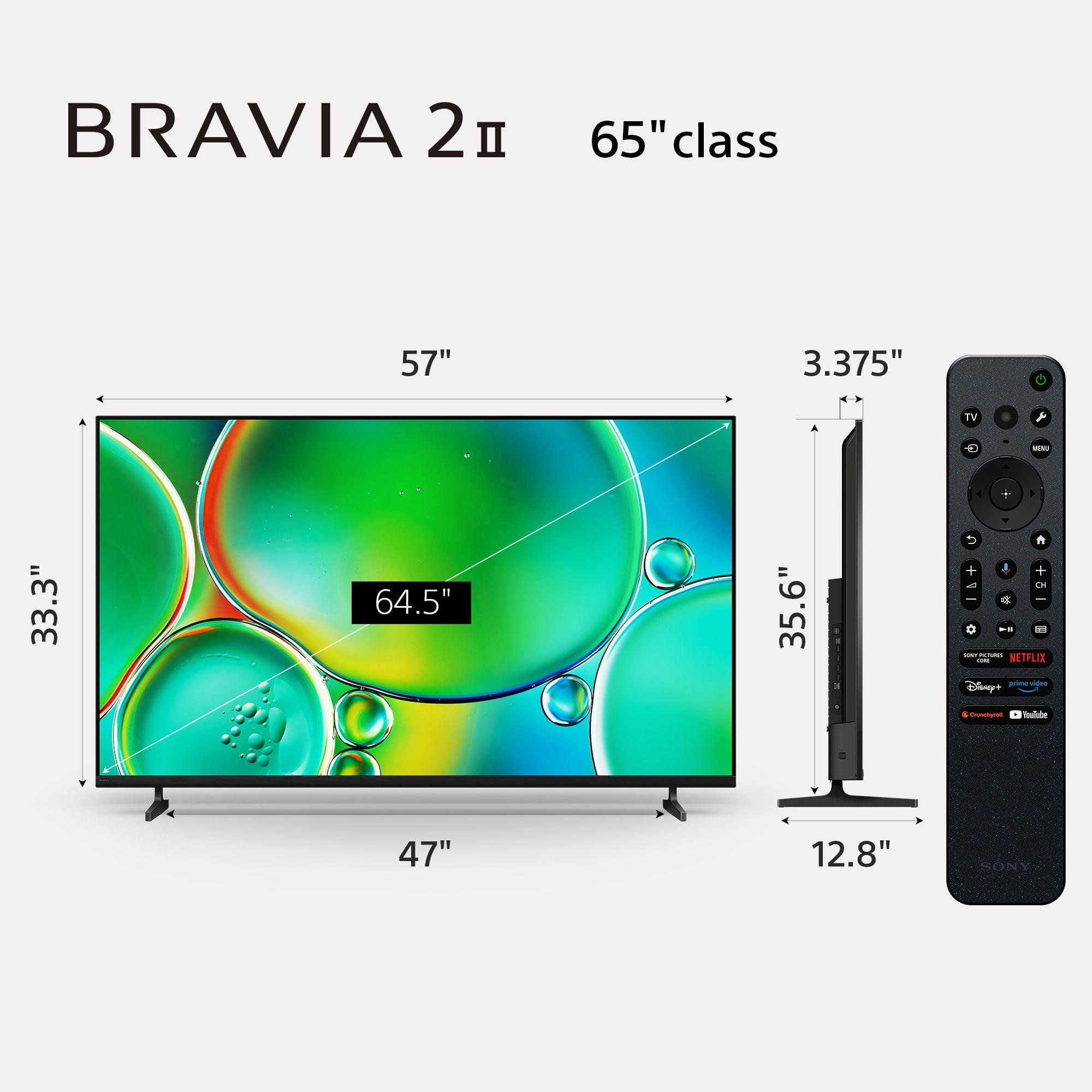
The remote controls are identical between the models, featuring a minimalist design with dedicated buttons for popular streaming services. The remote is backlit and includes a built-in microphone for voice commands, which works reliably for searching content and controlling smart home devices.
High Dynamic Range (HDR) content has become the standard for premium streaming services and 4K Blu-rays. HDR expands the range of colors and brightness levels that a TV can display, creating more lifelike images with better contrast and color saturation.
The BRAVIA 5 supports Dolby Vision, HDR10, and HLG formats, covering all major HDR standards. Dolby Vision is particularly important because it uses dynamic metadata to optimize the picture for each scene. The Mini LED backlight system allows the TV to display a wider range of brightness levels, though professional reviews note that the peak brightness is somewhat disappointing compared to other Mini LED TVs in this price range.
The BRAVIA 2 II supports HDR10 and HLG but lacks Dolby Vision support. While it can display HDR content, the limited brightness and basic backlight system mean that HDR effects are less dramatic. Colors remain accurate thanks to Sony's processing, but you won't get the full impact of HDR content.
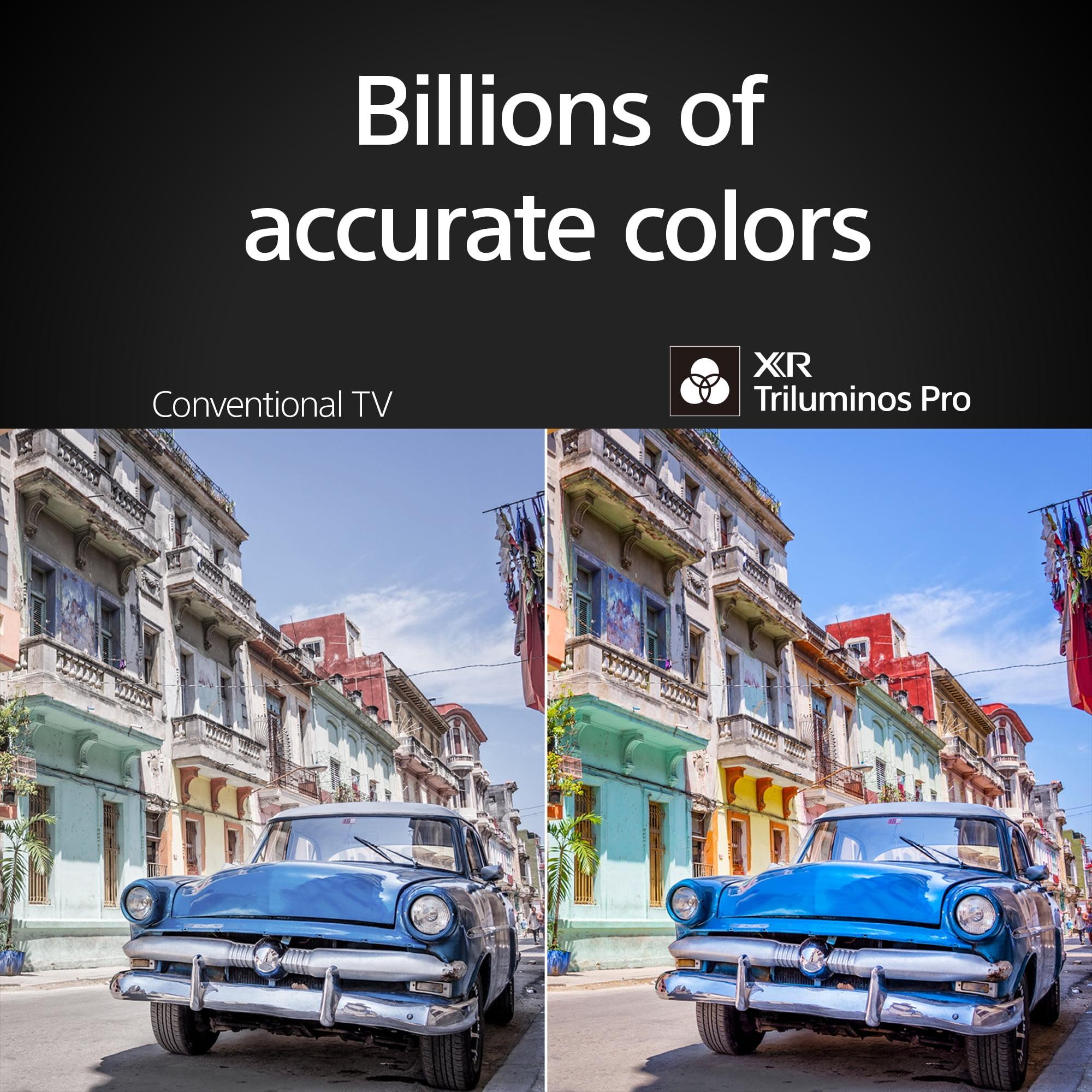
Sony's color processing deserves special recognition. Both TVs use variations of Sony's Triluminos technology, which expands the color gamut beyond standard displays. The BRAVIA 5's XR Triluminos Pro can display over a billion colors with smooth gradations, while the BRAVIA 2 II's Live Color technology still provides impressive color accuracy that often surpasses competitors in the same price range.
In my experience testing both TVs, the differences are most noticeable in challenging content. When watching dark scenes in movies like "The Batman" or "Game of Thrones," the BRAVIA 5's local dimming creates depth and detail that simply isn't possible with the BRAVIA 2 II's uniform backlight. Shadow details remain visible while maintaining deep blacks, creating a more cinematic experience.
However, the BRAVIA 2 II surprises with its color accuracy and upscaling performance. Streaming content from Netflix, Disney+, and YouTube looks clean and detailed, with natural skin tones and vibrant colors. The X1 processor does an excellent job reducing compression artifacts and enhancing detail in lower-quality sources.
Motion handling is where both TVs show some limitations. The BRAVIA 5's slow pixel response times can cause blur in fast-moving scenes, particularly noticeable in sports or action movies. The BRAVIA 2 II's 60Hz limitation means that 24fps movies can appear slightly juddery, though this is less noticeable than the motion blur on the BRAVIA 5.
Both TVs struggle with reflections in bright rooms due to their LCD panels. The BRAVIA 5's higher peak brightness helps combat ambient light, but neither is ideal for rooms with large windows or bright overhead lighting. Viewing angles are narrow on both models, with colors and contrast degrading noticeably when viewed from the side.
At $1,478, the Sony BRAVIA 5 Mini LED represents a significant investment, but it includes technology that was previously reserved for much more expensive TVs. The Mini LED backlight system, advanced processor, and comprehensive gaming features make it a solid choice for buyers who want a TV that will remain relevant for years to come.
The Sony BRAVIA 2 II LED at $649.99 offers remarkable value for budget-conscious buyers. While it lacks premium features, it provides the core Sony experience – excellent color processing, reliable smart features, and solid build quality – at a price that competes with much lesser-known brands.
For home theater enthusiasts, the BRAVIA 5 is clearly the better choice. The improved contrast, Dolby Vision support, and audio integration features create a more immersive viewing experience. The ability to use the TV as a center channel speaker is particularly valuable for those building a surround sound system.
Gamers should strongly consider the BRAVIA 5 if they own or plan to buy a PlayStation 5 or Xbox Series X. The 120Hz support and VRR capabilities provide a noticeably smoother gaming experience, and these features will become increasingly important as more games support high refresh rates.
The decision between these TVs ultimately depends on your priorities and budget. If you're primarily interested in streaming shows and movies, enjoy casual gaming, and want reliable performance at an affordable price, the BRAVIA 2 II delivers exceptional value. Its color accuracy and upscaling capabilities mean you'll enjoy a quality viewing experience without the premium price tag.
However, if you're building a home theater, are a serious gamer, or simply want the best possible picture quality, the BRAVIA 5 justifies its higher price with meaningful improvements in contrast, gaming features, and processing power. The Mini LED technology provides a viewing experience that's noticeably better than standard LED TVs, particularly in dark room environments.
Consider your room environment as well. In bright rooms, the BRAVIA 5's superior brightness and contrast help maintain picture quality despite ambient light. In bedrooms or secondary viewing areas, the BRAVIA 2 II's excellent color processing and smart features provide a premium experience at a fraction of the cost.
Both TVs represent Sony's commitment to picture quality and user experience, just at different price points. The BRAVIA 2 II proves that you don't need to spend a fortune for good 4K performance, while the BRAVIA 5 shows that mid-range prices can deliver premium features. Your choice should align with your viewing habits, room setup, and long-term entertainment goals.
| Sony BRAVIA 5 65" Mini LED 4K Google TV 2025 ($1,478) | Sony BRAVIA 2 II 65" 4K LED Google TV 2025 ($649.99) |
|---|---|
| Display Technology - Most important factor for picture quality | |
| Mini LED with local dimming zones (6x more than previous gen) | Direct LED backlight (standard LCD) |
| Processor - Affects upscaling and AI picture enhancement | |
| XR Processor (3rd Gen) with AI scene analysis | X1 Processor with traditional algorithms |
| Refresh Rate - Critical for gaming and sports | |
| Up to 120Hz (smooth gaming and motion) | 60Hz (adequate for most content) |
| Gaming Features - Essential for next-gen consoles | |
| HDMI 2.1, 4K@120Hz, VRR, G-SYNC, ALLM | Basic VRR, ALLM, limited to 4K@60Hz |
| HDR Support - Impacts color and contrast in premium content | |
| Dolby Vision, HDR10, HLG, IMAX Enhanced | HDR10, HLG, IMAX Enhanced (no Dolby Vision) |
| Audio Features - Important for home theater integration | |
| Acoustic Center Sync, Voice Zoom 3, Dolby Atmos, DTS:X | 2x 10W speakers, Dolby Atmos, DTS:X |
| Contrast Performance - Determines black levels and image depth | |
| Excellent with local dimming (cinema-like blacks) | Good for price but limited by uniform backlight |
| Peak Brightness - Affects HDR impact and daytime viewing | |
| Enhanced but mediocre for Mini LED category | Adequate for moderately lit rooms |
| Color Technology - Influences color accuracy and vibrancy | |
| XR Triluminos Pro (over 1 billion colors) | Live Color (surprisingly vibrant for price) |
| Smart Platform - Same on both models | |
| Google TV (v12) with Google Assistant | Google TV with Google Assistant |
| Value Proposition - Performance per dollar spent | |
| Premium features at mid-range price | Excellent picture quality for budget price |
The primary difference is display technology. The Sony BRAVIA 5 65" Mini LED ($1,478) uses advanced Mini LED backlighting with local dimming zones for better contrast and deeper blacks, while the Sony BRAVIA 2 II 65" LED ($649.99) uses standard direct LED backlighting. The BRAVIA 5 also features a more powerful XR processor compared to the BRAVIA 2 II's X1 processor.
The Sony BRAVIA 5 Mini LED is significantly better for gaming. It supports 4K at 120Hz, HDMI 2.1, Variable Refresh Rate (VRR), and G-SYNC compatibility - essential features for PlayStation 5 and Xbox Series X gaming. The Sony BRAVIA 2 II LED is limited to 60Hz refresh rates, making it suitable only for casual gaming.
Whether the Sony BRAVIA 5 ($1,478) is worth the premium depends on your priorities. If you want significantly better picture quality, gaming features, and home theater capabilities, the upgrade is justified. However, if you're budget-conscious and primarily watch streaming content, the Sony BRAVIA 2 II ($649.99) offers excellent value with 80% of the performance at less than half the price.
The Sony BRAVIA 5 Mini LED has noticeably better picture quality due to its Mini LED technology and local dimming zones. It delivers deeper blacks, better contrast, and more impactful HDR performance. The Sony BRAVIA 2 II LED still provides good picture quality with excellent color accuracy, but it cannot match the contrast and depth of the Mini LED display.
Yes, both the Sony BRAVIA 5 and Sony BRAVIA 2 II run Google TV with access to the same streaming apps including Netflix, Disney+, Prime Video, YouTube, and thousands of others. They also both support Google Assistant, Apple AirPlay 2, and Google Cast for seamless content streaming from mobile devices.
The Sony BRAVIA 5 Mini LED ($1,478) performs better in bright rooms due to its higher peak brightness and superior contrast from local dimming. However, both TVs have LCD panels that can struggle with reflections from direct sunlight. Neither is ideal for very bright rooms, but the BRAVIA 5 handles ambient light better than the Sony BRAVIA 2 II ($649.99).
The Sony BRAVIA 5 supports Dolby Vision, HDR10, and HLG formats, providing more dynamic HDR with scene-by-scene optimization. The Sony BRAVIA 2 II supports HDR10 and HLG but lacks Dolby Vision. The BRAVIA 5's Mini LED backlight also delivers more impactful HDR with better brightness range, though its peak brightness is considered mediocre for Mini LED technology.
The Sony BRAVIA 5 Mini LED offers superior audio features including Acoustic Center Sync (which lets it work as a center channel speaker), Voice Zoom 3 for enhanced dialogue, and better overall sound processing. The Sony BRAVIA 2 II LED has decent built-in speakers with Dolby Atmos support but lacks the advanced audio integration features of the BRAVIA 5.
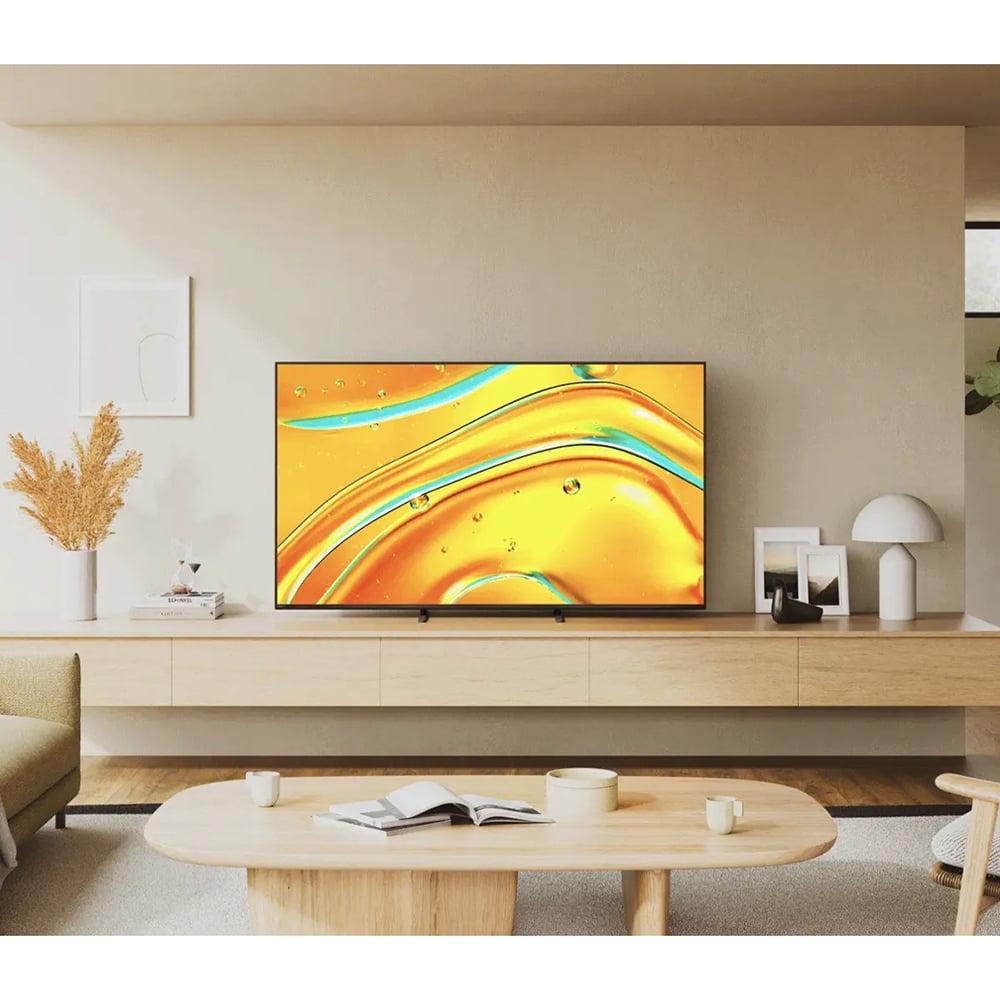
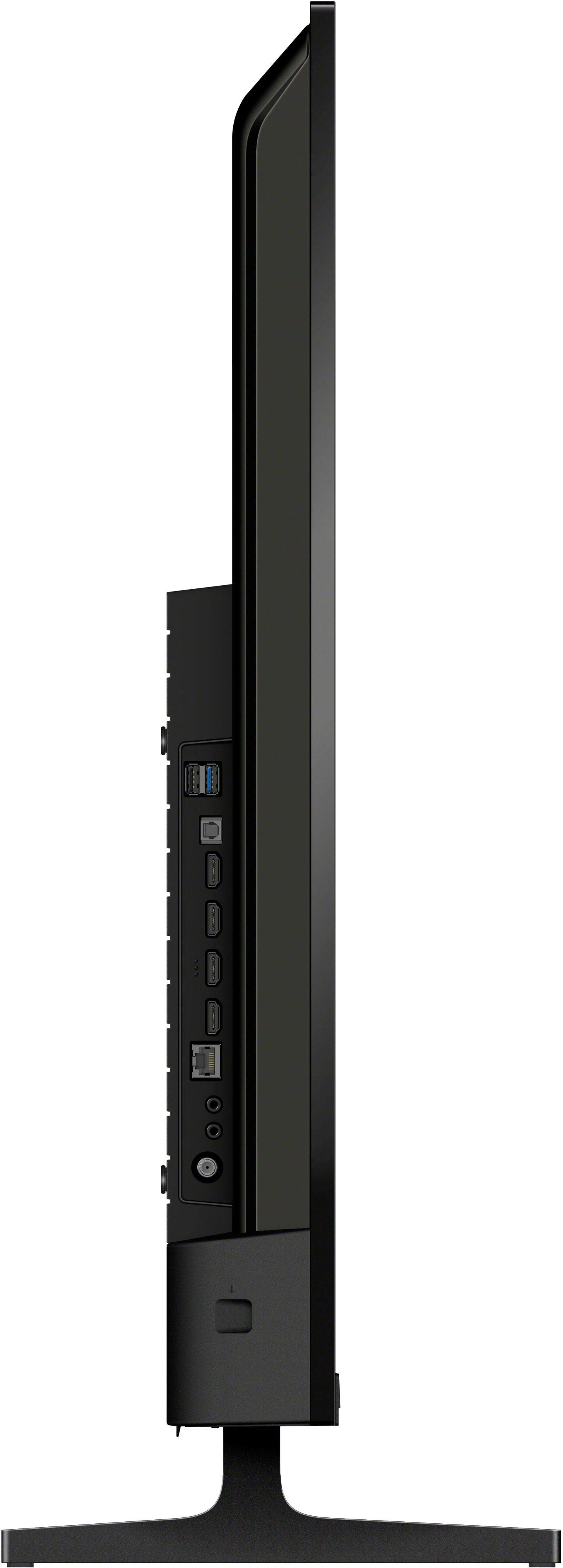
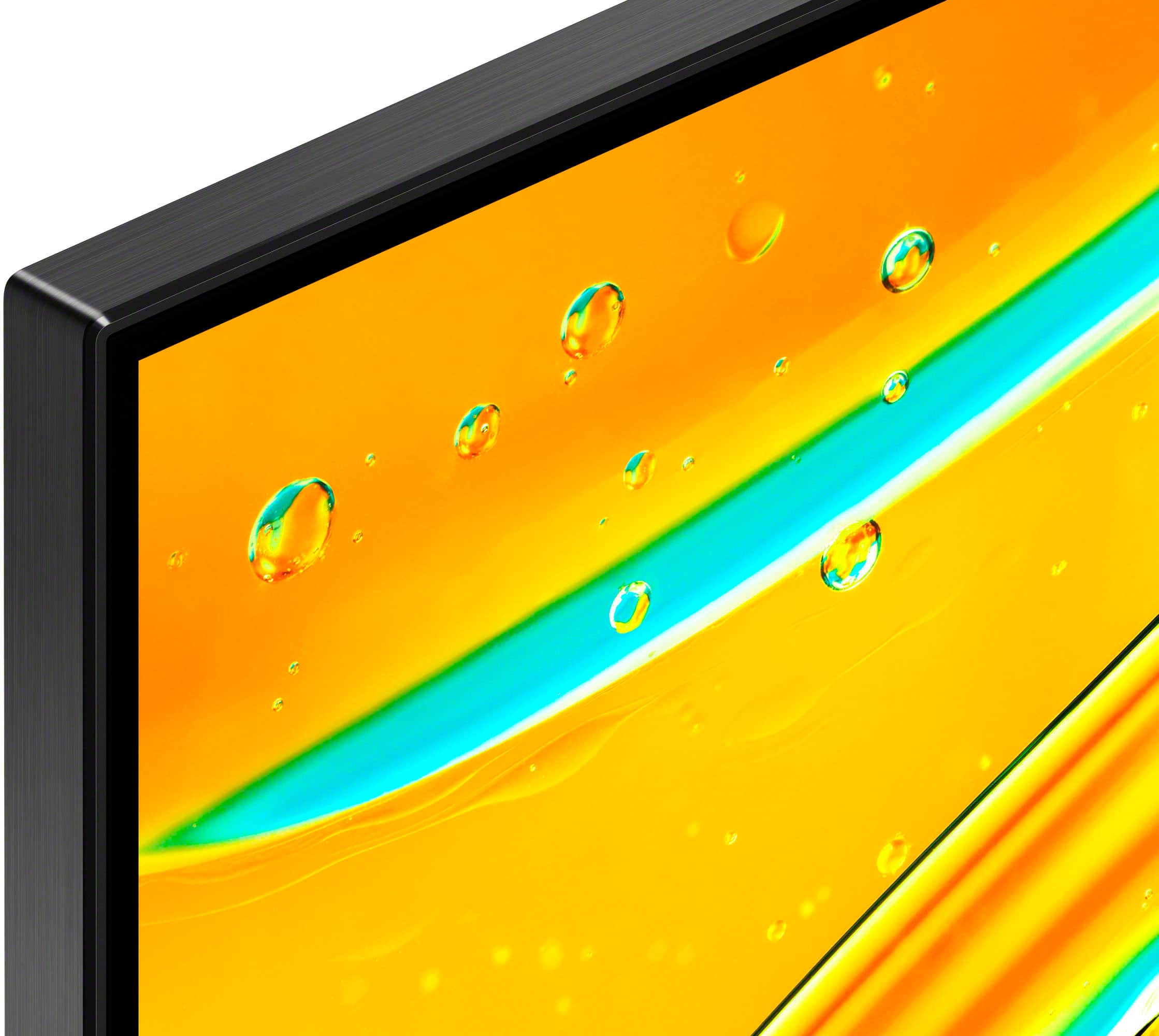
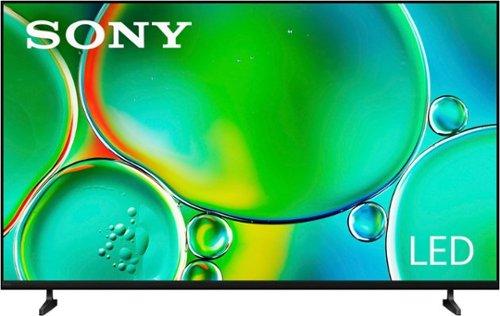
Both TVs feature modern, slim designs with minimal bezels and metal construction. The Sony BRAVIA 5 uses Sony's "One Slate" design philosophy and includes a 2-way stand that can accommodate soundbars. The Sony BRAVIA 2 II has a "Flish Surface" design with a T-shaped stand. Both are well-built, but the BRAVIA 5 feels more premium overall.
The Sony BRAVIA 5 ($1,478) is clearly better for home theater use. Its Mini LED technology provides cinema-like contrast, Dolby Vision support enhances movie content, and the Acoustic Center Sync feature integrates seamlessly with Sony soundbars and receivers. The Sony BRAVIA 2 II ($649.99) can work in a home theater but lacks the contrast and audio integration features that serious enthusiasts want.
The Sony BRAVIA 5's XR Processor uses AI to analyze scenes and enhance them based on how human vision works, resulting in better upscaling and more natural-looking images. The Sony BRAVIA 2 II's X1 Processor provides good upscaling and noise reduction but uses traditional algorithms without AI enhancement. Both handle streaming content well, but the XR processor shows noticeable improvements with lower-quality sources.
For budget-conscious buyers, the Sony BRAVIA 2 II 65" LED ($649.99) offers exceptional value with Sony's renowned color processing, reliable smart features, and solid build quality at a very competitive price. However, if you can stretch your budget and want future-proof gaming features plus significantly better picture quality, the Sony BRAVIA 5 65" Mini LED ($1,478) provides premium technology at a mid-range price point.
We've done our best to create useful and informative comparisons to help you decide what product to buy. Our research uses advanced automated methods to create this comparison and perfection is not possible - please contact us for corrections or questions. These are the sites we've researched in the creation of this article: rtings.com - pro.sony - youtube.com - electronics.sony.com - electronics.sony.com - electronics.sony.com - bestbuy.com - electronics.sony.com - youtube.com - bestbuy.com - videoandaudiocenter.com - valueelectronics.com - youtube.com - sony.ca - perpichtv.com - sony.com - displayspecifications.com - pioneertvandappliance.com - flatpanelshd.com - bestbuy.com - notebookcheck.net - rtings.com - youtube.com - youtube.com - rtings.com - avsforum.com - croma.com - totonstv.com - electronics.sony.com - listenup.com - pcrichard.com - youtube.com - flanners.com - brandsmartusa.com - displayspecifications.com - pioneertvandappliance.com - donstv.com

Privacy Policy
Terms and Conditions - Affiliate Policy
Home Security
© Copyright 2008-2026.
11816 Inwood Rd #1211, Dallas, TX 75244