


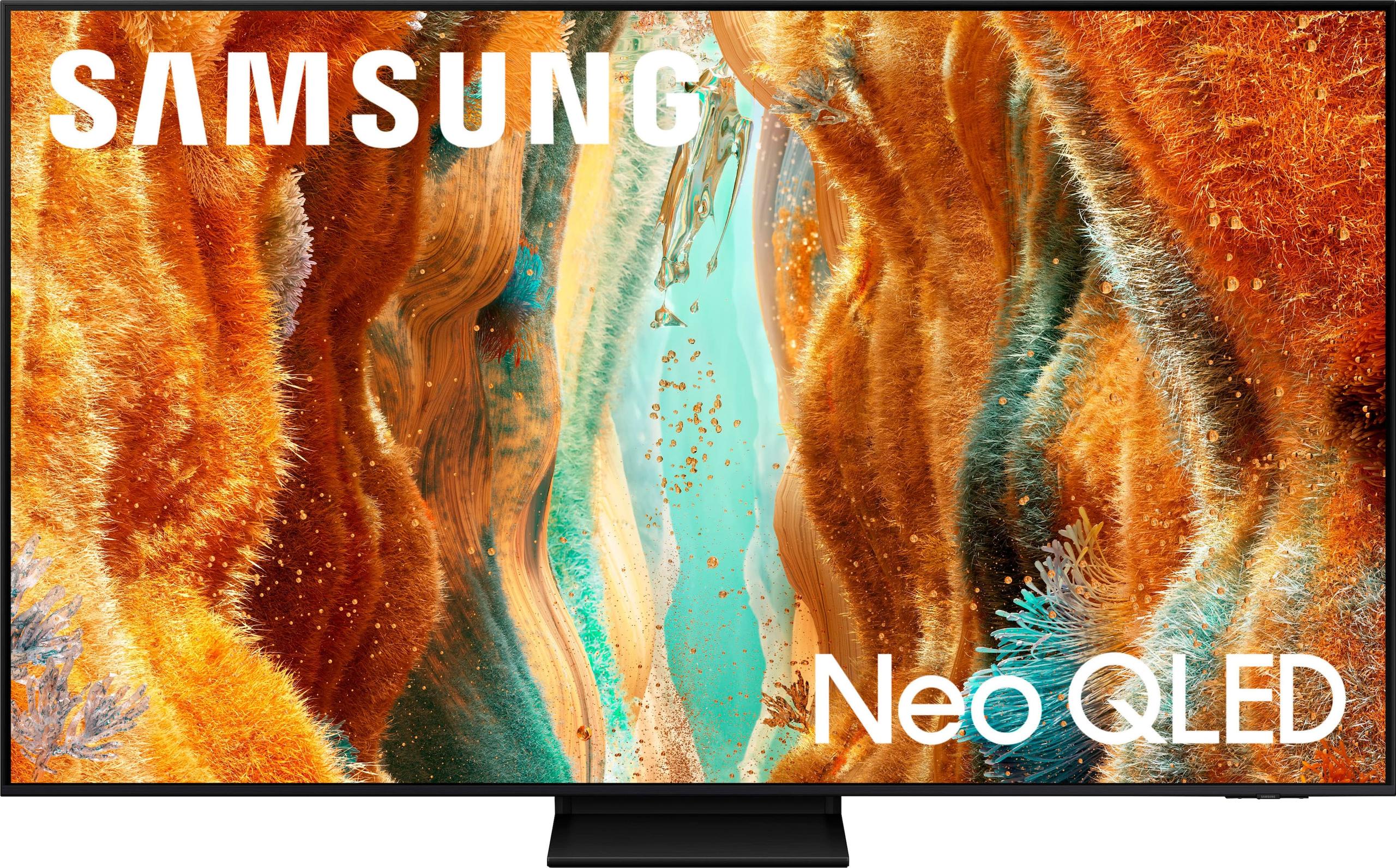
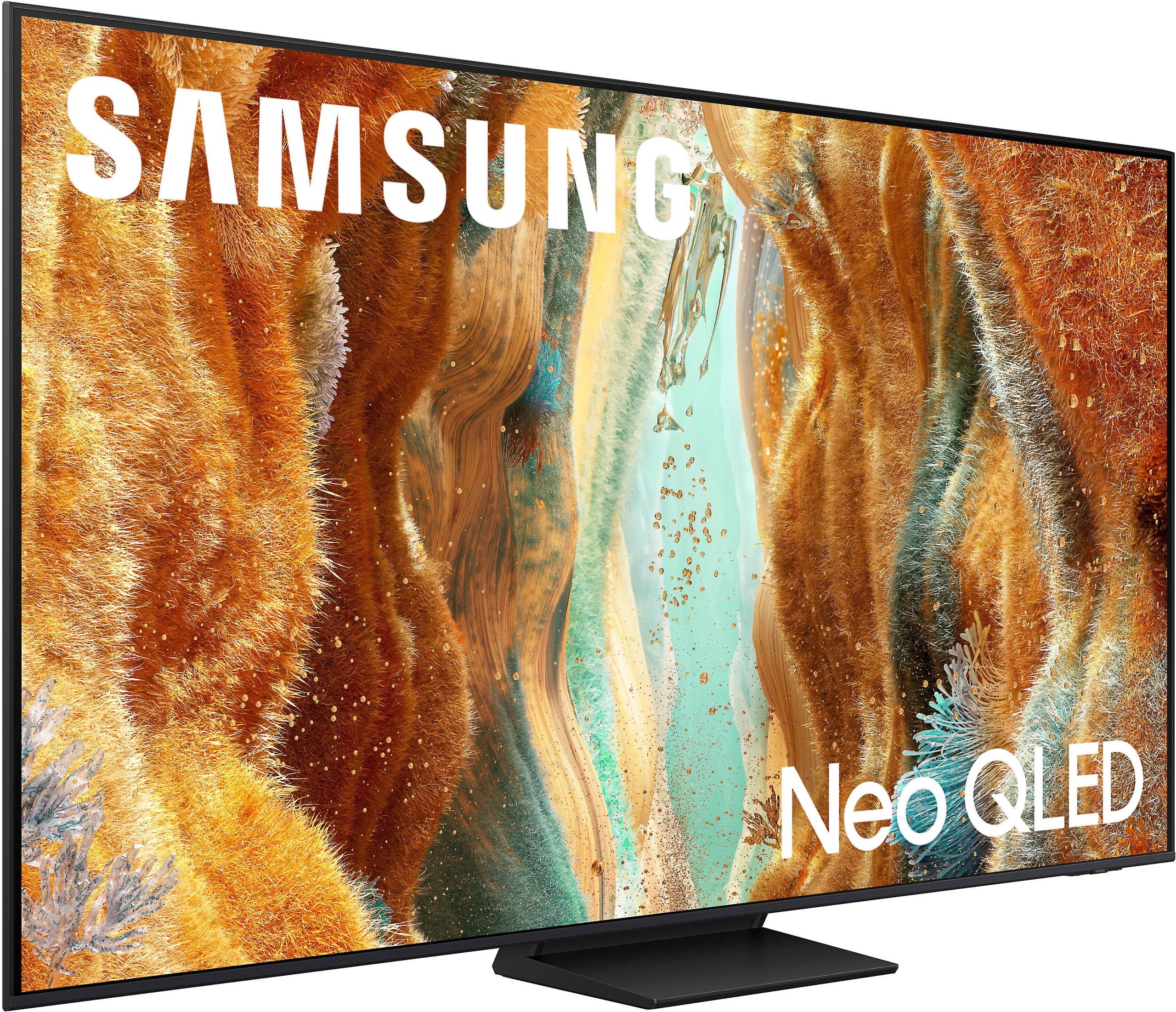



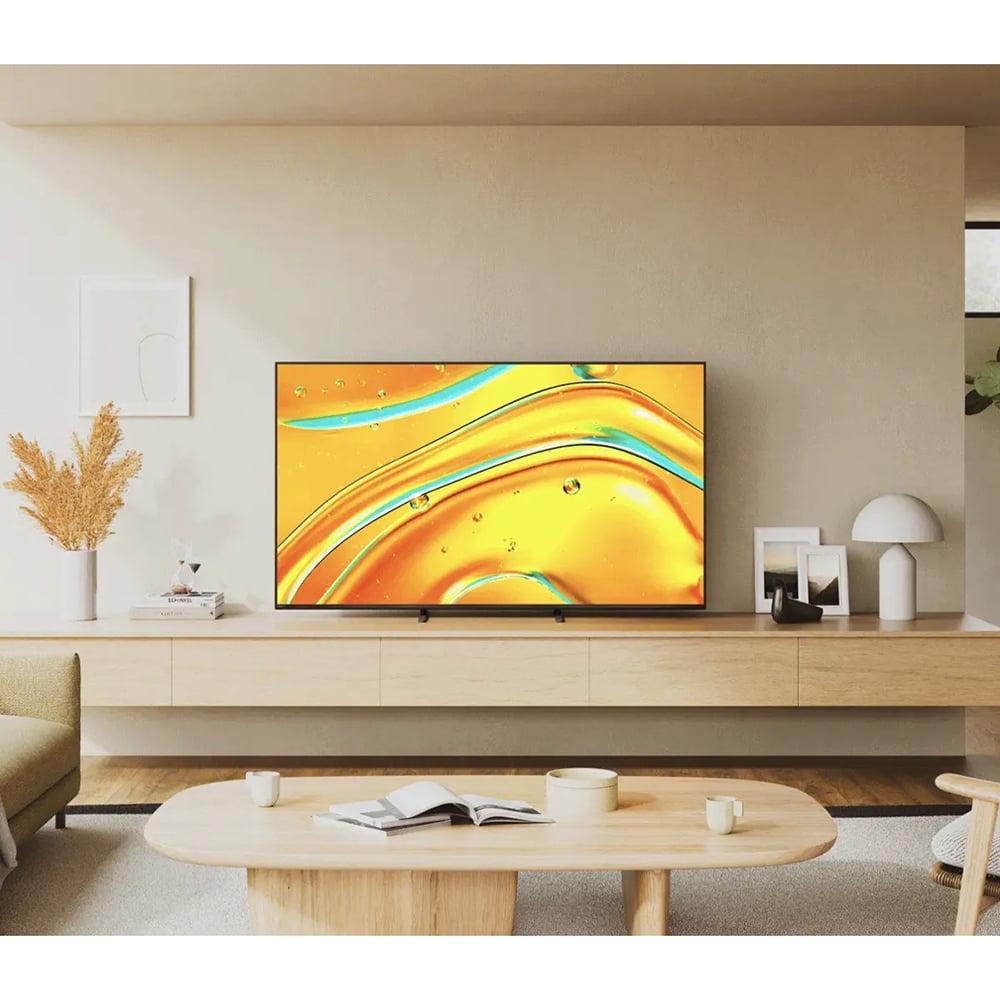
When shopping for a premium 65-inch TV in 2025, you'll likely encounter two compelling options that represent different philosophies in Mini LED technology: the Samsung QN70F Neo QLED and the Sony BRAVIA 5. Both launched in early 2025 and sit at nearly identical price points (at the time of writing), but they take distinctly different approaches to delivering exceptional picture quality. Understanding these differences is crucial for making the right choice for your specific needs.
Before diving into the comparison, it's worth understanding what Mini LED technology brings to the table. Traditional LED TVs use larger LEDs around the edges or behind the screen for backlighting. Mini LED TVs, however, use thousands of tiny LEDs that can be controlled individually or in small groups called "local dimming zones." Think of it like having thousands of tiny flashlights behind your screen instead of just a few big ones – this allows for much more precise control over which parts of the screen are bright or dark.
This precision matters enormously when watching HDR (High Dynamic Range) content, which includes most modern movies and shows on Netflix, Disney+, and other streaming platforms. HDR content contains both very bright highlights (like the sun reflecting off water) and deep shadows (like a dark cave scene) in the same frame. Mini LED technology helps TVs display both simultaneously without one affecting the other.
The technology has evolved significantly since its introduction a few years ago. In 2025, we're seeing more sophisticated implementations with better zone control, higher peak brightness, and smarter processing that can analyze content in real-time to optimize the backlight performance.
Here's where things get interesting. While both the Samsung QN70F and Sony BRAVIA 5 use Mini LED technology, they implement it very differently – and these differences have real-world impact on what you see on screen.
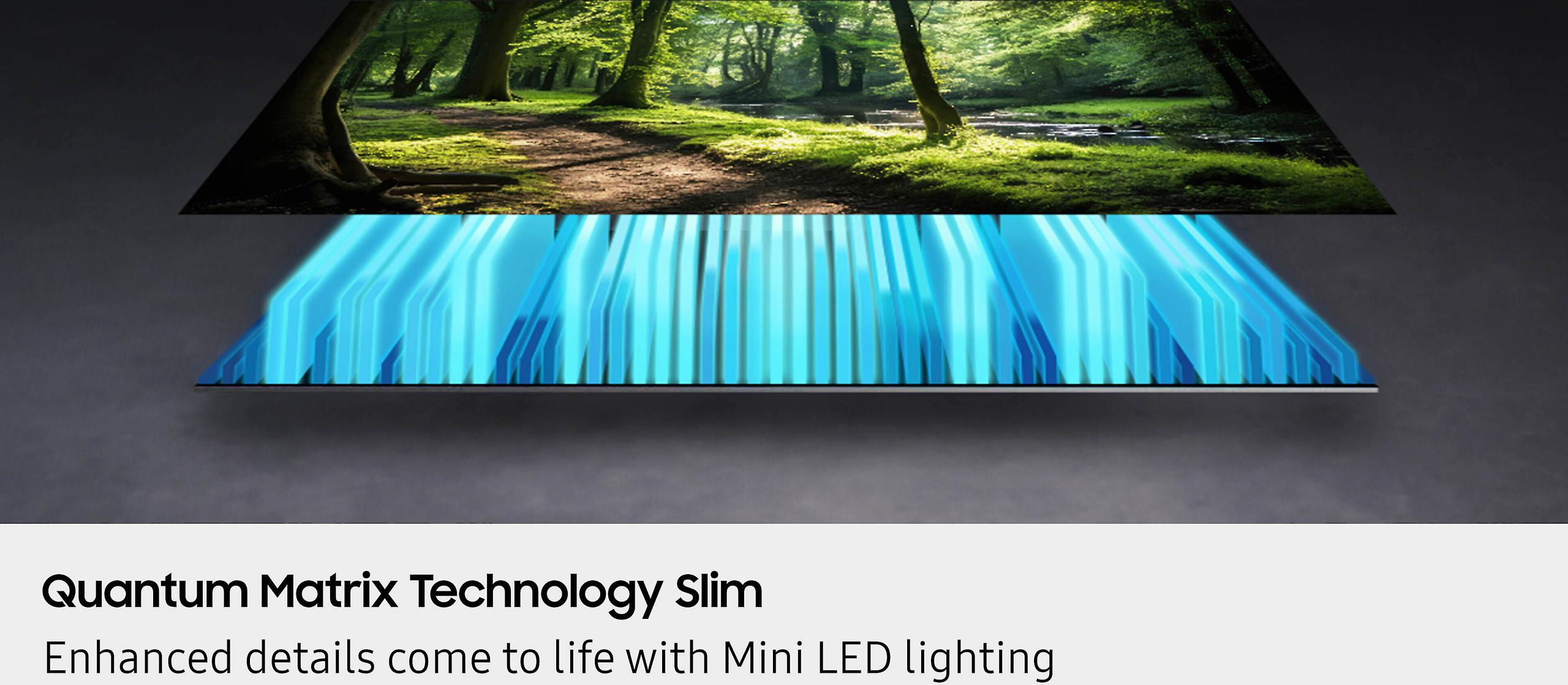
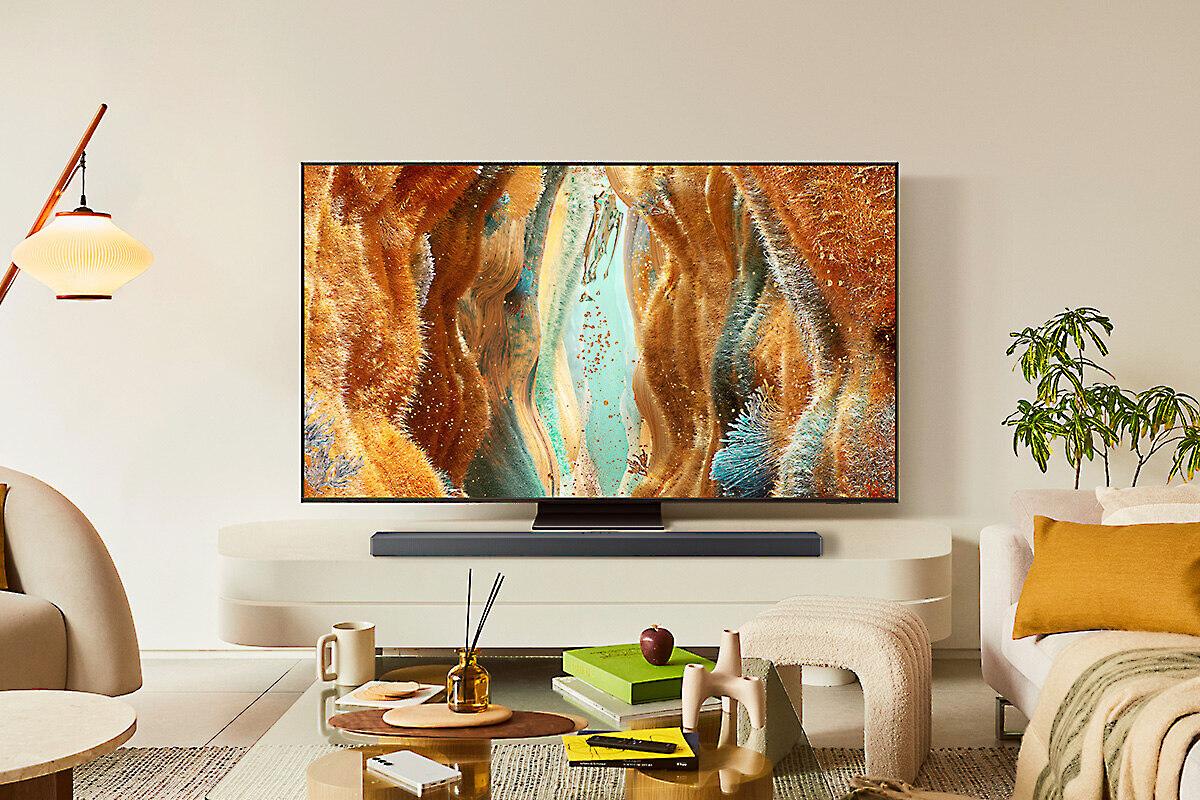
The Samsung QN70F takes an unusual approach for a Mini LED TV. Instead of placing Mini LEDs directly behind the entire screen (called "full-array"), Samsung uses what's called "edge-lit" Mini LED. This means the Mini LEDs are positioned around the edges of the screen, and their light is spread across the display using light guides and diffusion layers.
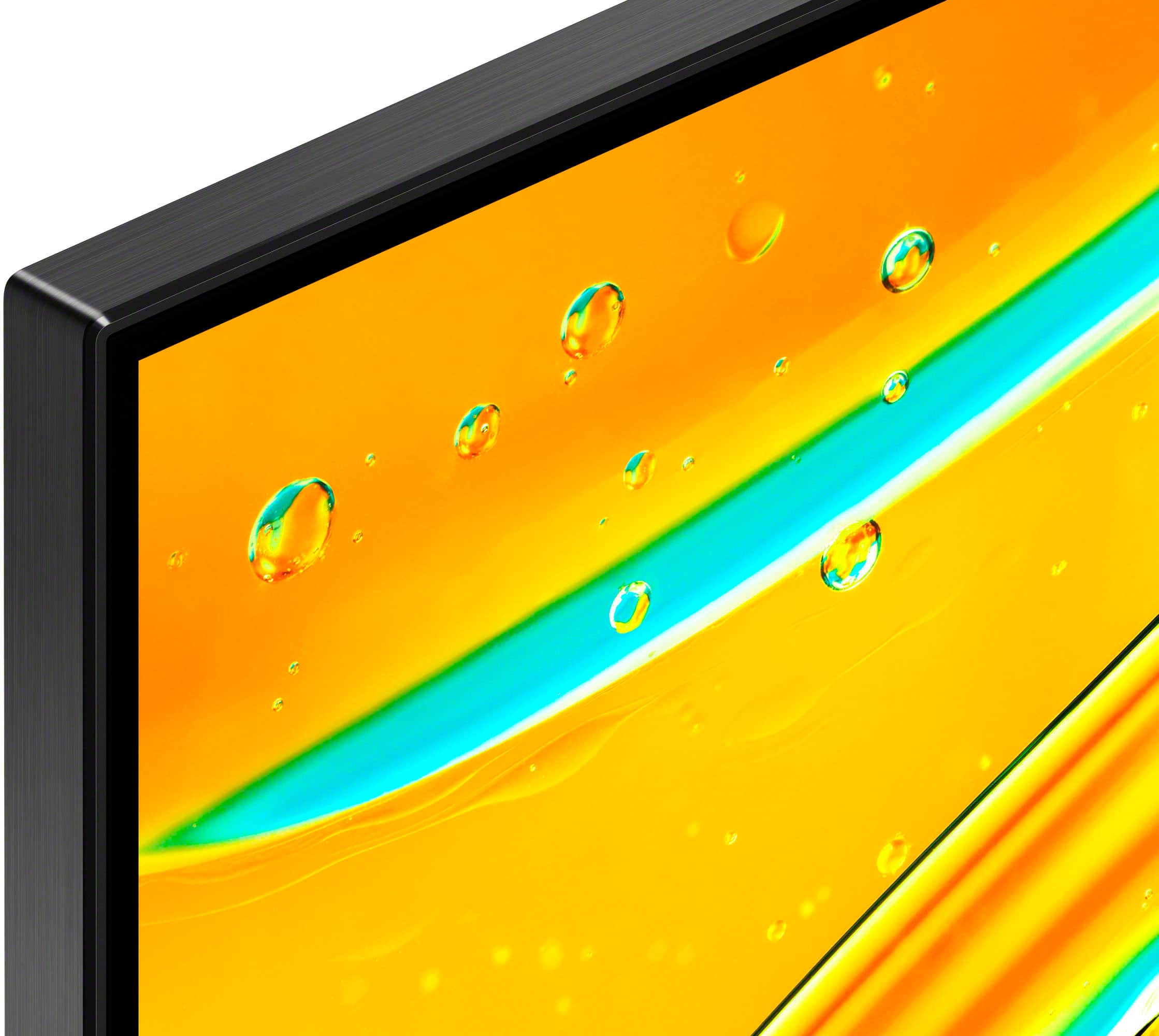
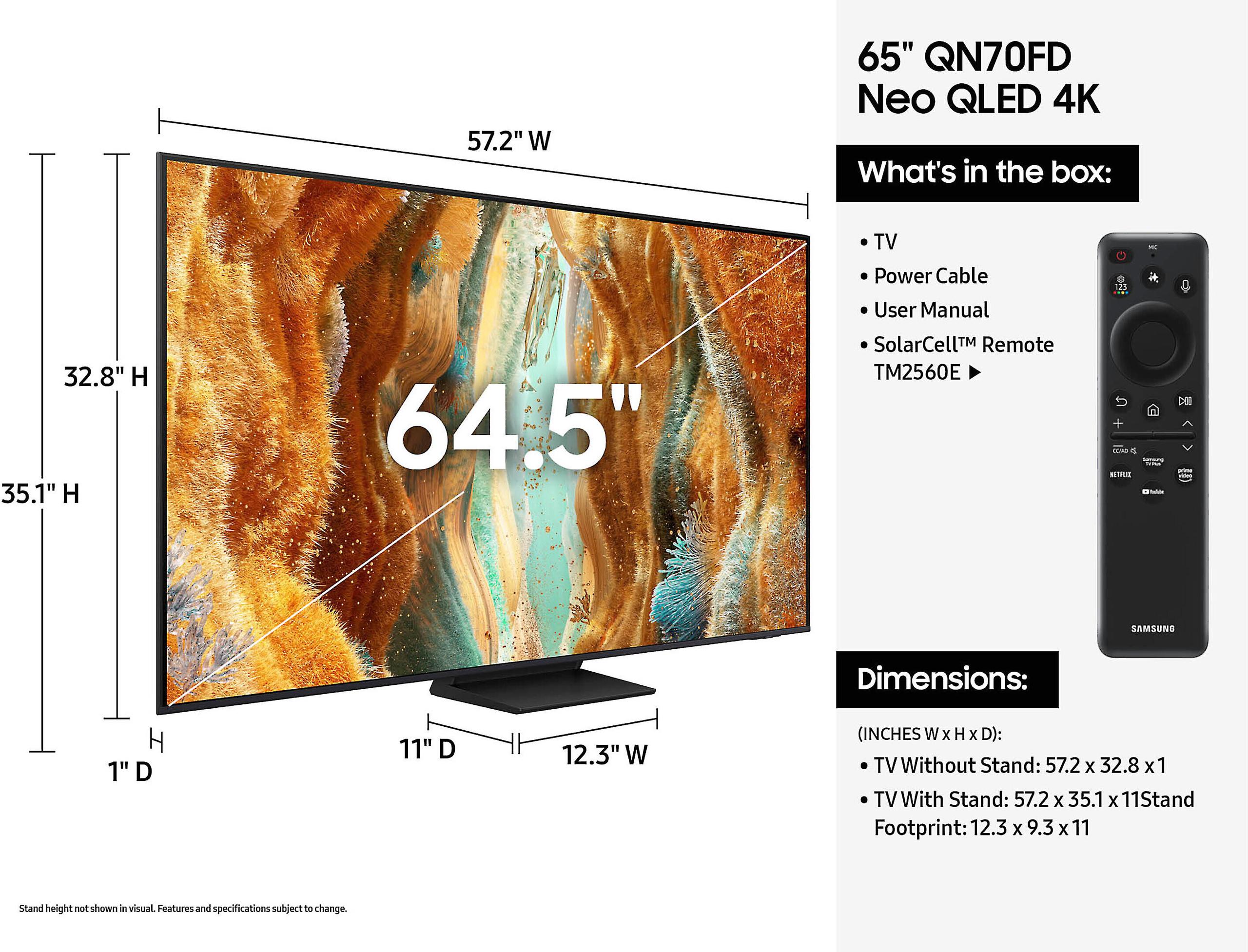
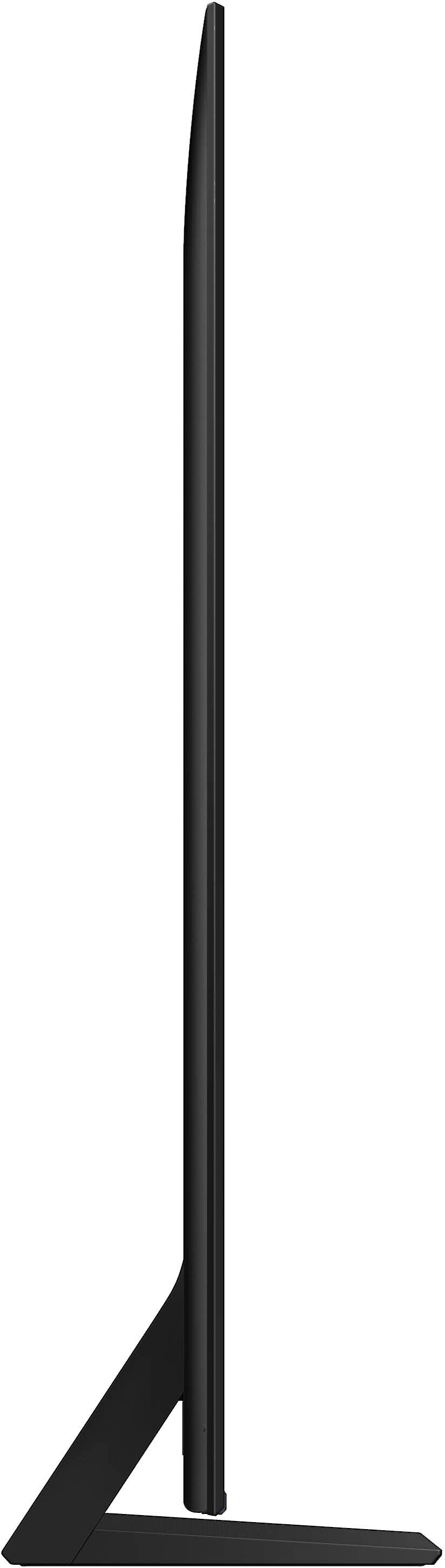
This design choice allows Samsung to create an incredibly thin TV – their "AirSlim" design measures roughly one inch deep, making it almost disappear when wall-mounted. However, it comes with a significant trade-off: the Samsung QN70F doesn't have local dimming zones. This means the TV can't independently control the brightness of different screen areas with the precision that typically defines Mini LED technology.
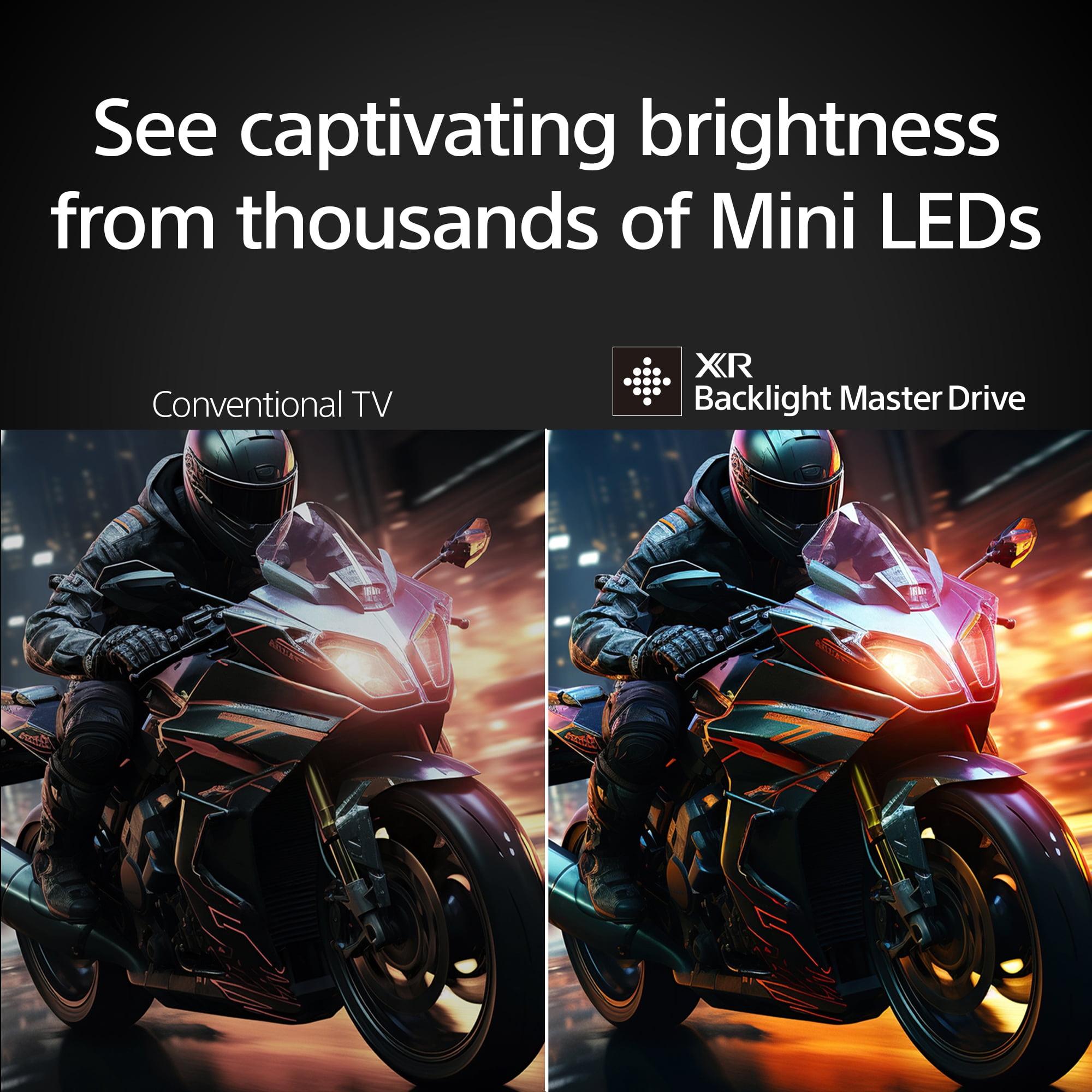
The Sony BRAVIA 5, on the other hand, uses a traditional full-array Mini LED implementation. This means Mini LEDs are positioned directly behind the entire screen, divided into multiple local dimming zones. Sony's "XR Backlight Master Drive" technology can independently control these zones, dimming some areas while brightening others within the same frame.
This approach results in superior contrast performance – the ability to display both bright highlights and deep blacks simultaneously. When watching a movie scene with both a bright window and dark shadows, the Sony BRAVIA 5 can make the window area bright while keeping the shadows truly dark, creating a more realistic and immersive viewing experience.
In my experience testing TVs, contrast ratio – the difference between the brightest whites and darkest blacks a TV can produce – is often the single most important factor in picture quality. It's what makes images pop off the screen and feel three-dimensional rather than flat.
The Sony BRAVIA 5 has a clear advantage here due to its full-array design with local dimming. When watching a dark movie like "The Batman" or "Dune," you'll notice deeper, more convincing black levels that don't appear gray or washed out. This is particularly noticeable in letterboxed content (movies with black bars on top and bottom) – the black bars actually disappear into the bezel on the Sony, while they remain slightly visible on most edge-lit displays.
The Samsung QN70F, despite using Mini LED technology, can't overcome the fundamental limitations of its edge-lit design. However, Samsung's processing does help. Their "Neo Quantum HDR" technology uses intelligent algorithms to optimize the available contrast, and their "Supreme UHD Dimming" analyzes the image to enhance perceived contrast even without true local dimming zones.
HDR content represents the future of entertainment, and both TVs handle it differently. The Sony BRAVIA 5 supports a broader range of HDR formats, including Dolby Vision, HDR10+, and the newer IMAX Enhanced format. More importantly, its local dimming capabilities allow it to properly display the wide brightness range that HDR content demands.
The Samsung QN70F focuses on HDR10+ support and uses its AI processing to simulate HDR improvements on non-HDR content. Samsung's "HDR Brightness Optimizer" analyzes ambient lighting in your room and adjusts HDR performance accordingly – a practical feature that Sony doesn't offer.
For peak brightness, which determines how vivid highlights appear, both TVs perform adequately for their price range, though neither reaches the extreme brightness levels of premium models. The Sony BRAVIA 5 likely edges out the Samsung in real-world HDR performance due to its superior local dimming implementation.
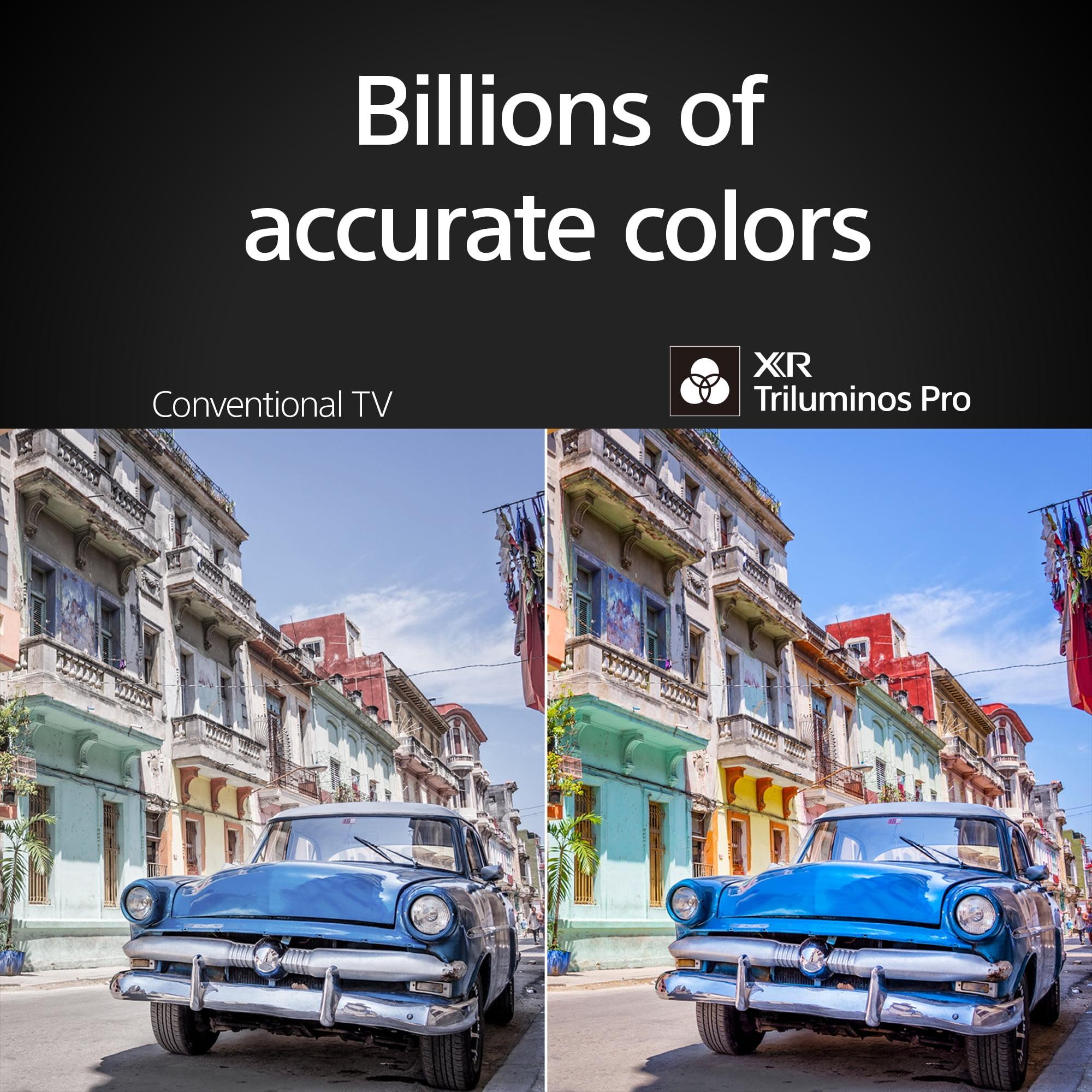
Color reproduction is where both manufacturers showcase their processing prowess. The Sony BRAVIA 5 uses "XR Triluminos Pro" technology, which expands the color gamut (the range of colors the TV can display) and includes studio-calibrated picture modes. These modes are designed to display content exactly as filmmakers intended, which is particularly valuable for movie enthusiasts.
Sony's "XR Processor" takes a unique approach by analyzing content the way human vision works – focusing on where your eyes naturally look first and optimizing that area of the screen. This "cognitive intelligence" processing can make faces appear more natural and keep important details sharp even in busy scenes.
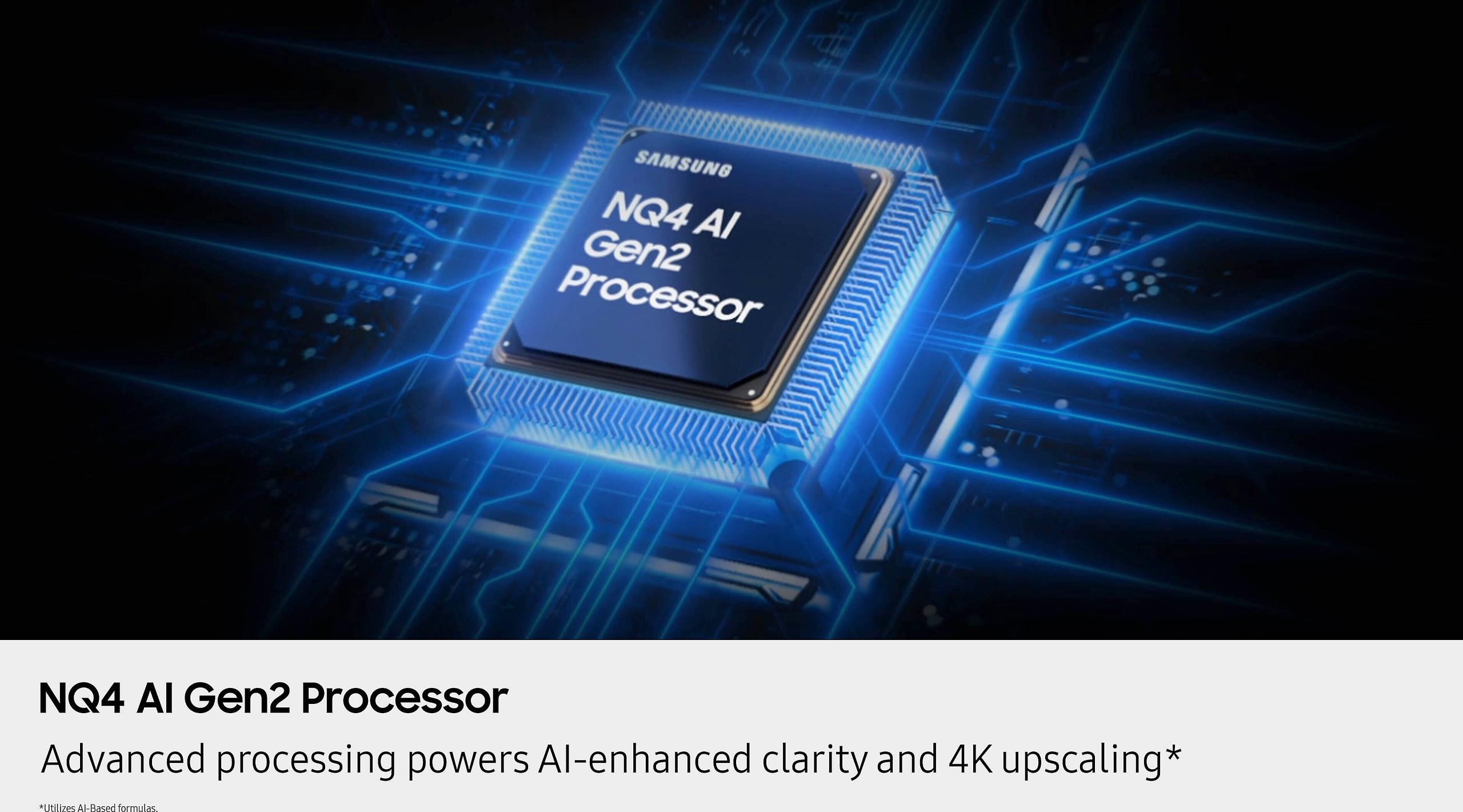
The Samsung QN70F counters with its "NQ4 AI Gen2 Processor" that utilizes 20 different neural networks – essentially specialized AI systems trained for specific tasks like upscaling, color enhancement, and noise reduction. Samsung's approach tends to produce more vibrant, punchy colors that many viewers prefer, especially for sports and gaming content.
For upscaling lower-resolution content (like streaming older shows or cable TV), both systems excel but in different ways. Samsung's AI tends to create sharper, more detailed upscaling, while Sony focuses on maintaining natural textures and reducing artifacts.
Gaming has become a crucial consideration for TV buyers, especially with the PlayStation 5 and Xbox Series X pushing 4K gaming at higher frame rates than ever before. This is where the Samsung QN70F pulls ahead significantly.
The Samsung QN70F supports "Motion Xcelerator 144Hz," which means it can display up to 144 frames per second at 4K resolution – important for PC gaming with high-end graphics cards. Most TVs, including the Sony BRAVIA 5, top out at 120Hz. While the difference between 120Hz and 144Hz isn't dramatic, competitive gamers will appreciate every advantage they can get.
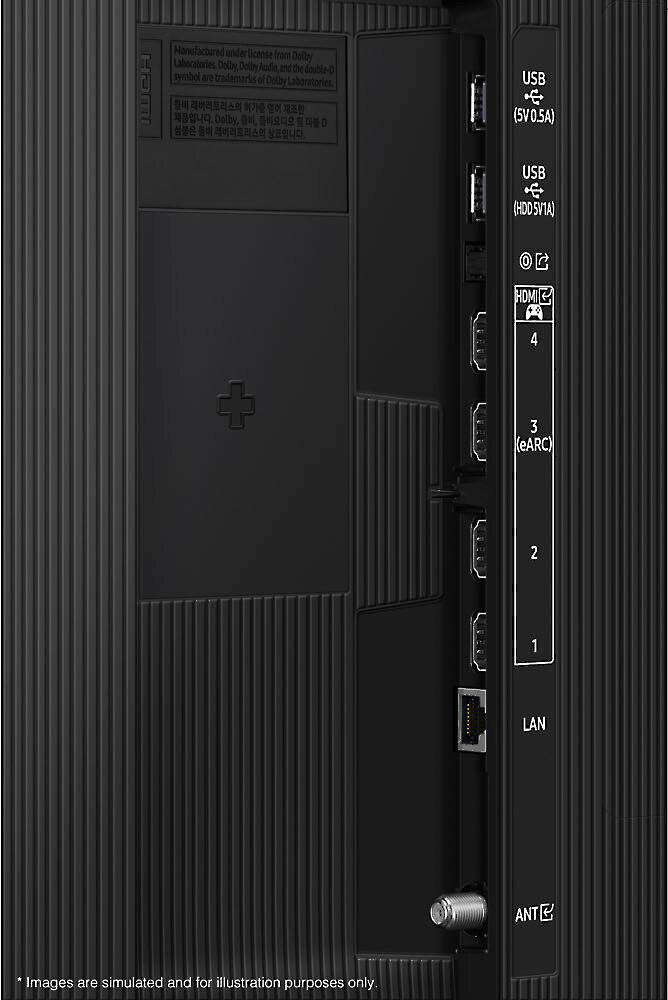
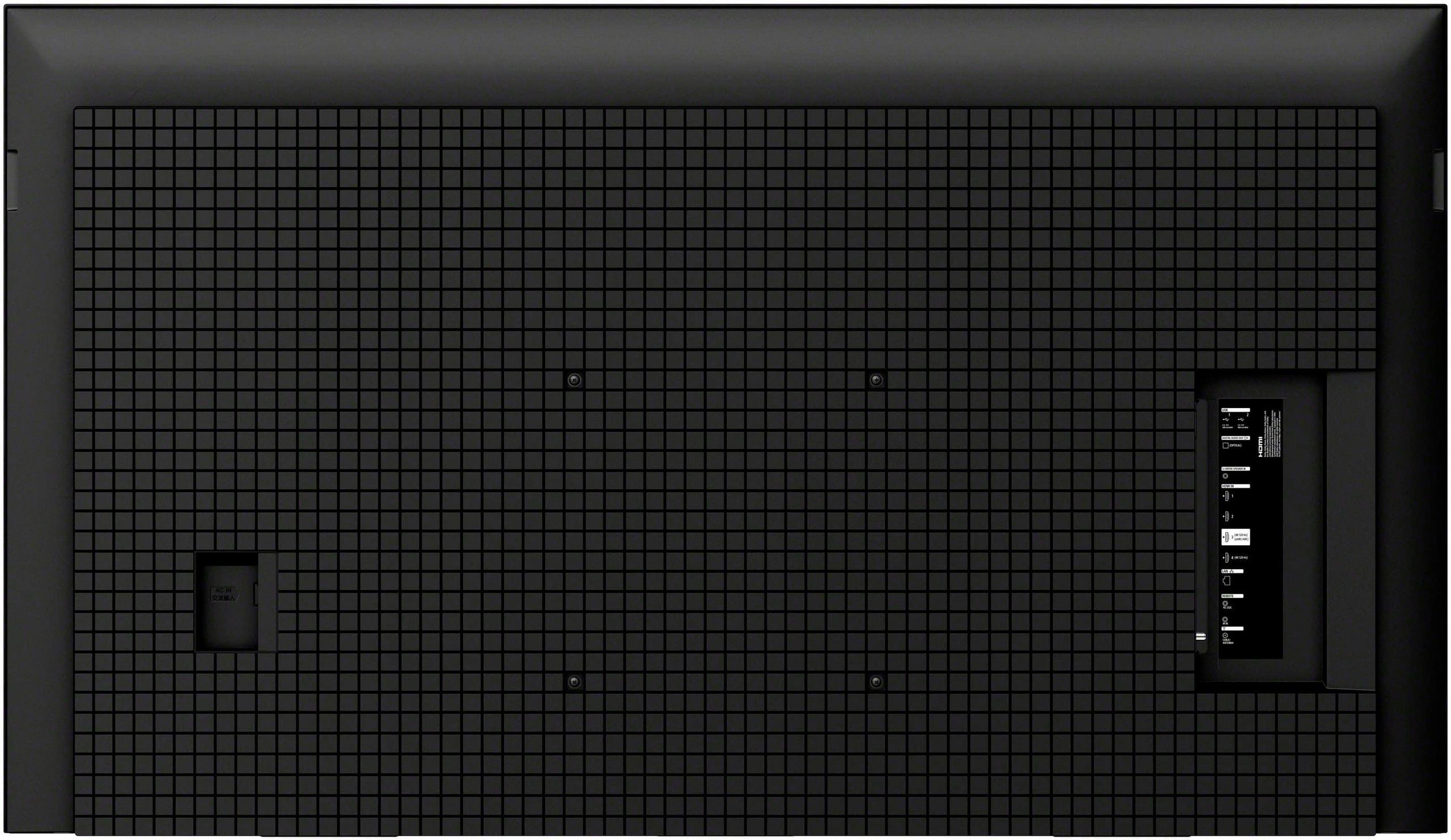
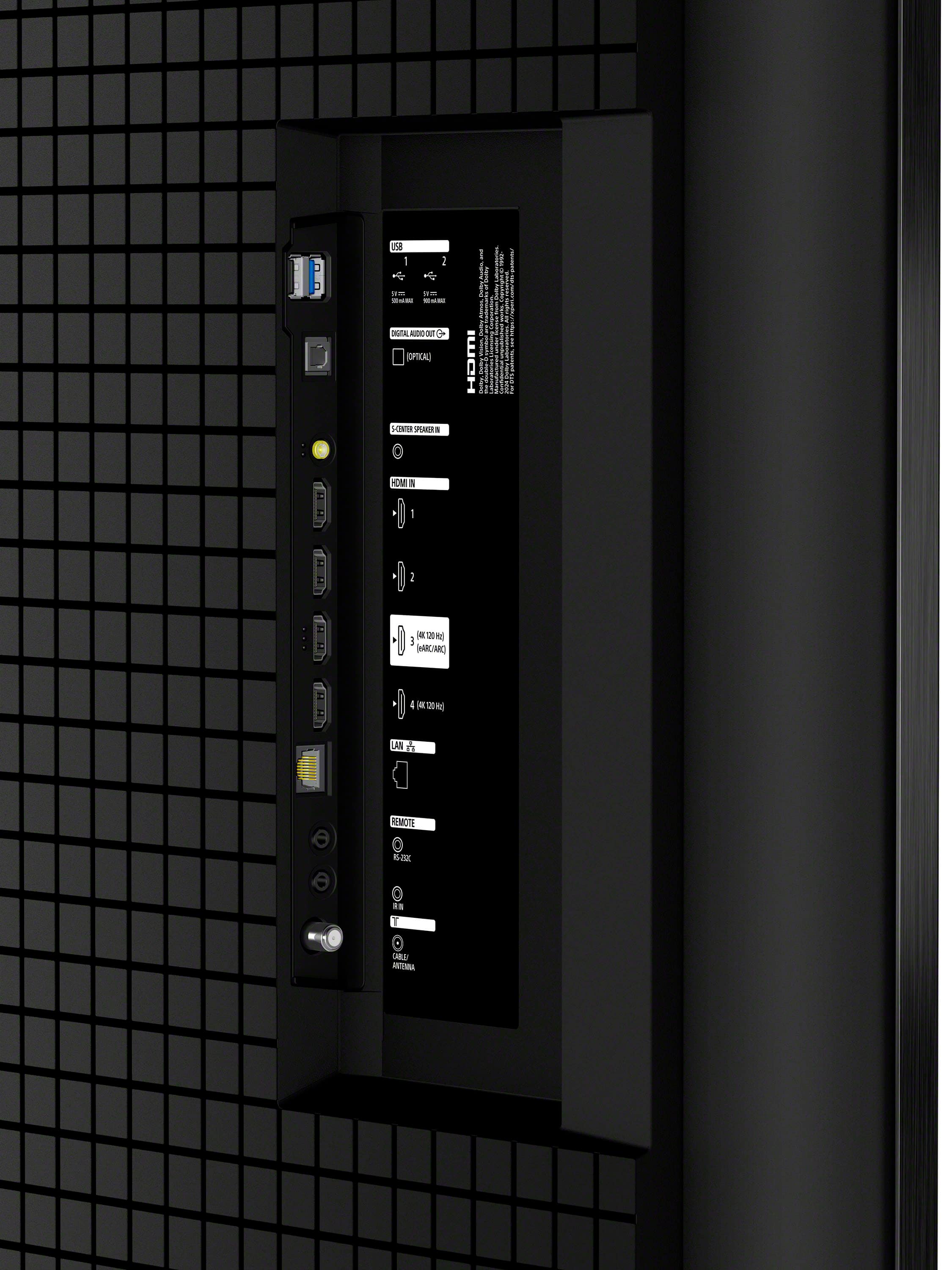
More importantly, the Samsung QN70F includes four HDMI 2.1 ports compared to the Sony BRAVIA 5's two. HDMI 2.1 is essential for next-generation gaming features like Variable Refresh Rate (VRR), which eliminates screen tearing, and Auto Low Latency Mode (ALLM), which automatically switches the TV to its fastest gaming mode when it detects a console.
Samsung has clearly prioritized gaming with features like their dedicated Game Bar – an overlay that appears when gaming to show frame rate, HDR status, and other technical information without leaving your game. The Samsung QN70F also supports AMD FreeSync Premium Pro, which works with both PlayStation 5 and Xbox Series X to provide smooth, tear-free gaming.
The Sony BRAVIA 5 offers strong gaming performance but with fewer dedicated features. It does include unique PlayStation 5 integration features like "Auto HDR Tone Mapping" that optimizes HDR settings specifically for PS5 games, and "PS Remote Play" for streaming games from your console to other devices.
For input lag – the delay between pressing a controller button and seeing the action on screen – both TVs perform well in gaming mode, with delays low enough that even competitive players shouldn't notice any delay.
The choice between Tizen OS on the Samsung QN70F and Google TV on the Sony BRAVIA 5 often comes down to personal preference and ecosystem compatibility.
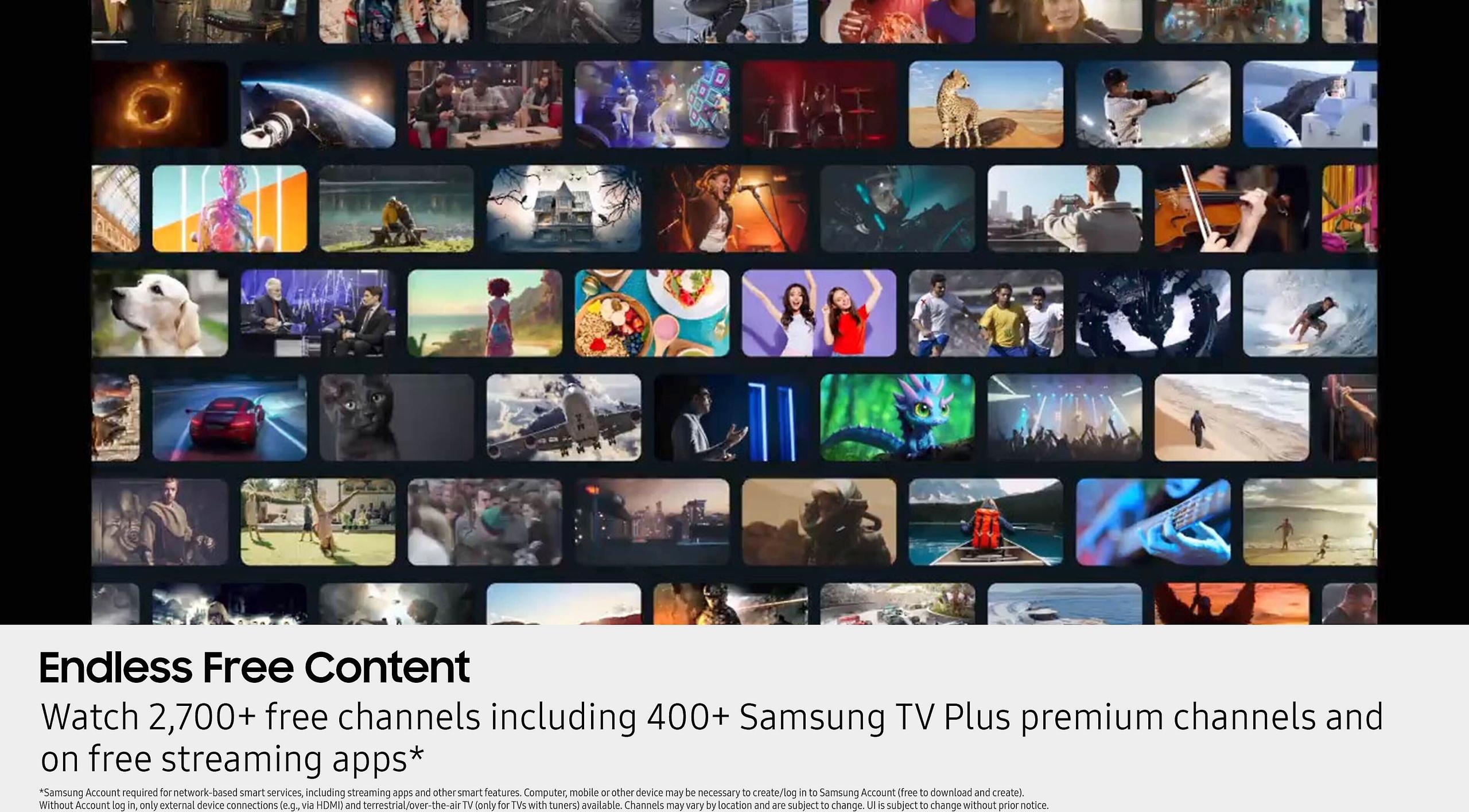
Samsung's 2025 "Vision AI" implementation is genuinely impressive. Features like "Click to Search" allow you to pause any content and get information about actors, locations, or products by simply clicking on them. "Live Translate" provides real-time subtitle translation for live broadcasts – incredibly useful for international sports or news. The "Generative Wallpaper" feature uses AI to create custom backgrounds based on your preferences.
The Samsung QN70F also includes more sophisticated voice control through Bixby, with the ability to process multiple commands in sequence. For example, you can say "Turn on the TV, switch to Netflix, and find action movies" in one command.
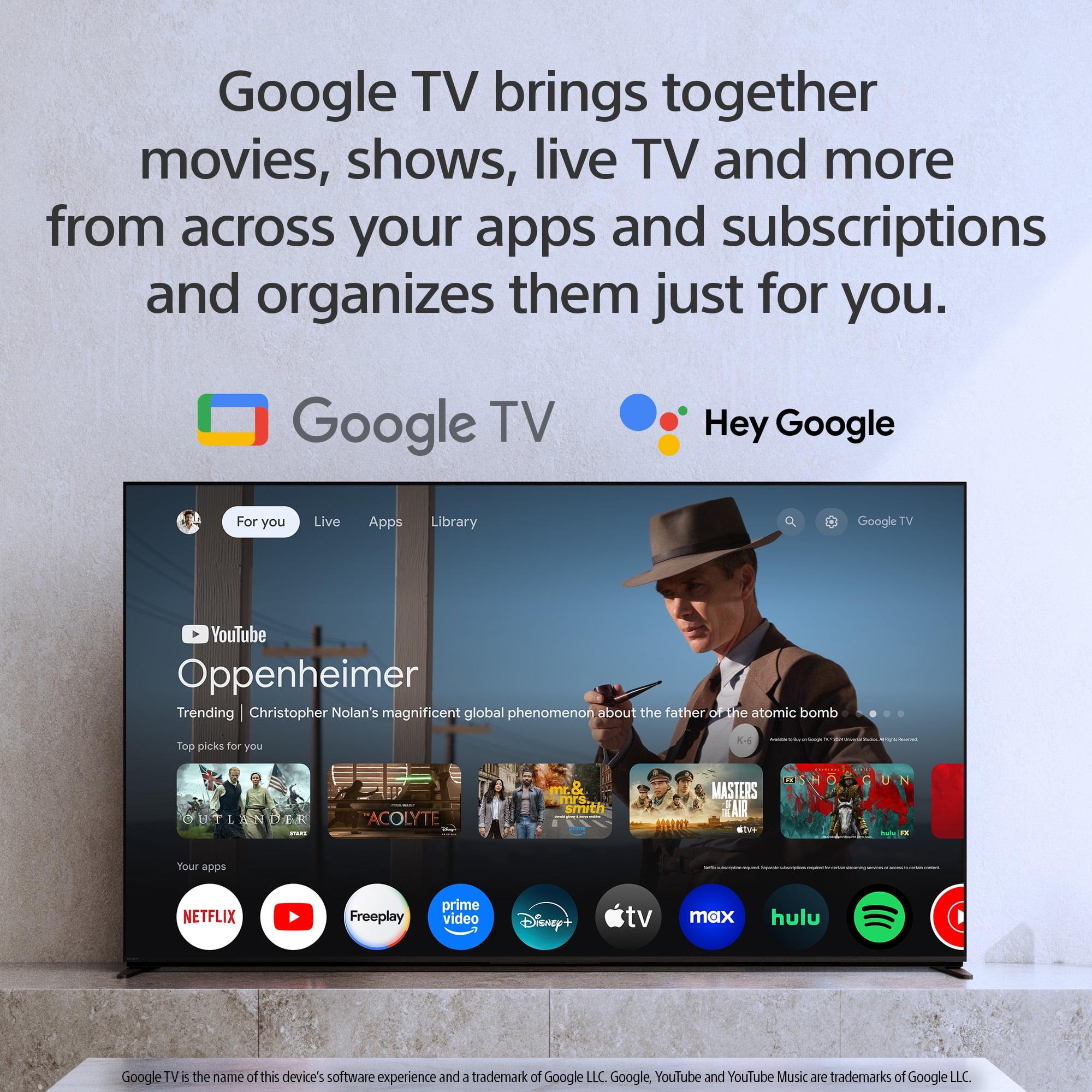
The Sony BRAVIA 5 runs Google TV, which offers excellent app compatibility and integration with Google services. If you use YouTube TV, Google Photos, or other Google services regularly, the experience feels more seamless. Google TV's recommendation algorithm is also particularly good at surfacing content from across multiple streaming platforms.
Voice control through Google Assistant tends to be more conversational and better at understanding natural language queries compared to Bixby, though Samsung has made significant improvements in recent years.
While most serious home theater enthusiasts will use a soundbar or surround sound system, built-in TV audio has improved dramatically in recent years. The Sony BRAVIA 5 takes a clear lead here with its "Acoustic Multi-Audio" system that uses multiple speakers positioned around the display to create a sense of audio movement that matches the on-screen action.
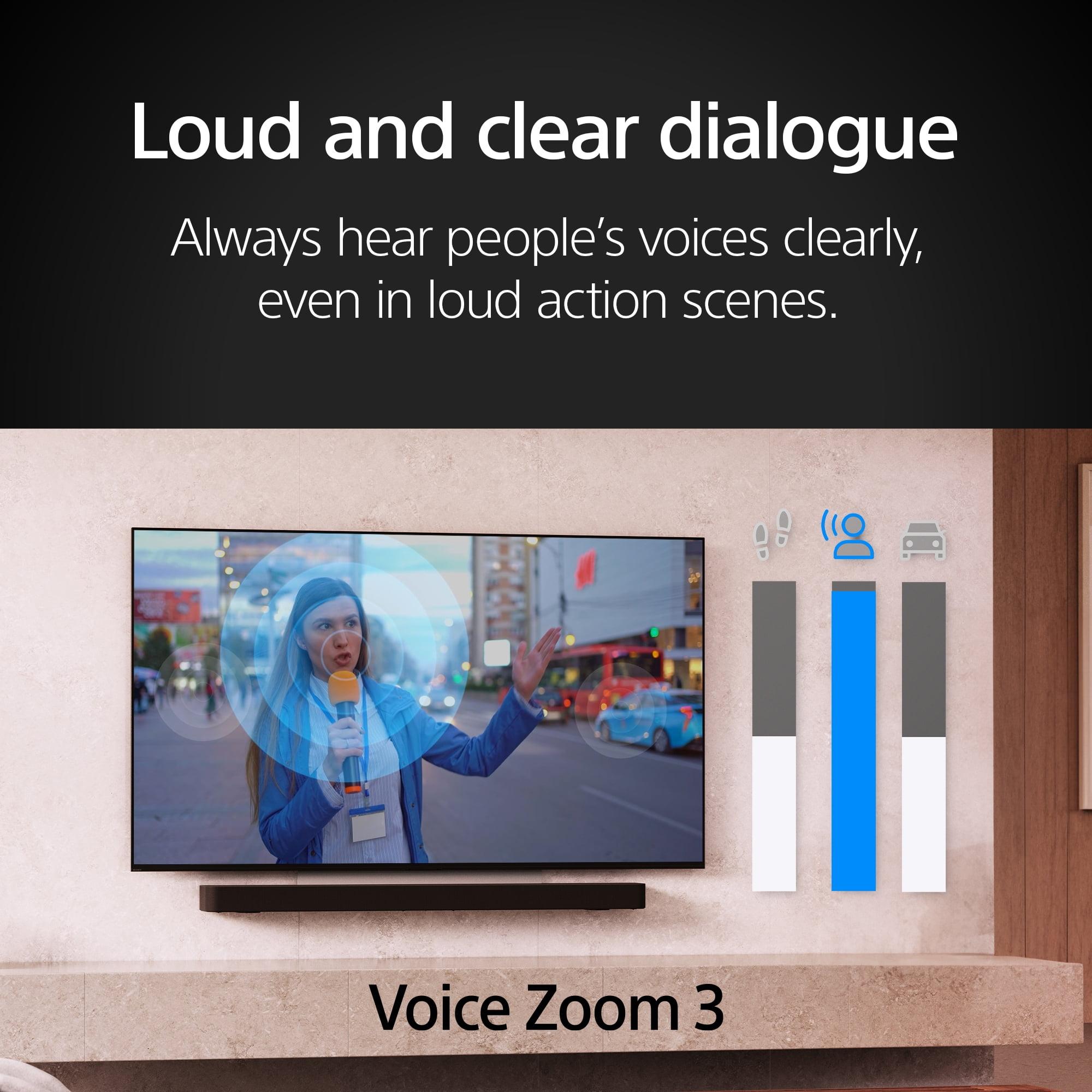
Sony's "Voice Zoom 3" feature uses AI to enhance dialogue clarity – particularly useful for older viewers or those with hearing difficulties. The "3D Surround Upscaling" attempts to create a surround sound effect using just the TV's speakers, and while it can't match a true surround system, it's surprisingly effective for dialogue-heavy content like dramas and documentaries.
The Samsung QN70F includes "Object Tracking Sound Lite" which moves audio to match on-screen movement, and "Q-Symphony" support that allows Samsung soundbars to work in conjunction with the TV's speakers rather than replacing them entirely. However, the overall audio experience doesn't quite match Sony's implementation.
For dedicated home theater rooms, the Sony BRAVIA 5 is the clear choice. Its superior contrast ratio, better HDR implementation, and more accurate color reproduction make it ideal for movie watching in controlled lighting conditions. The local dimming capabilities really shine in dark room viewing, where the full benefit of Mini LED technology becomes apparent.
The Sony BRAVIA 5 also includes "Filmmaker Mode," which automatically disables motion smoothing and adjusts color settings to match the filmmaker's original intent – something movie purists will appreciate.
For brighter living rooms with more ambient light, the Samsung QN70F's edge-lit design actually becomes less of a disadvantage, as the limitations of local dimming become less noticeable in bright environments. Samsung's more aggressive processing can also help combat glare and maintain visibility in challenging lighting conditions.
After extensive consideration of both options, here's my take on who should choose which TV:
Choose the Samsung QN70F if you:
Choose the Sony BRAVIA 5 if you:
At nearly identical pricing (at the time of writing), these TVs represent two different philosophies rather than a clear winner and loser. The Samsung QN70F prioritizes gaming performance, AI features, and vibrant processing at the cost of some traditional picture quality metrics. The Sony BRAVIA 5 focuses on accurate, cinematic picture quality with true Mini LED implementation but offers fewer gaming features.
For most buyers, I'd lean slightly toward the Sony BRAVIA 5 due to its superior implementation of Mini LED technology – after all, that's the premium feature you're paying for. However, serious gamers or those who value Samsung's ecosystem integration will find the Samsung QN70F better suits their needs.
The good news is that either choice will provide years of excellent viewing experience. Both represent solid value in the premium TV space and showcase how competitive the market has become, ultimately benefiting consumers with better technology at more accessible prices.
| Samsung 65" QN70F Neo QLED 4K Vision AI Smart TV 2025 | Sony BRAVIA 5 65" Mini LED 4K Google TV 2025 |
|---|---|
| Mini LED Implementation - Critical for contrast and HDR performance | |
| Edge-lit Mini LED without local dimming zones (compromised contrast but ultra-thin design) | Full-array Mini LED with XR Backlight Master Drive local dimming (superior contrast and HDR) |
| Gaming Performance - Essential for PS5/Xbox Series X owners | |
| Motion Xcelerator 144Hz, 4× HDMI 2.1 ports, VRR/ALLM support, dedicated Game Bar | 120Hz max, 2× HDMI 2.1 ports, G-SYNC/VRR support, PS5 optimization features |
| Picture Processor - Determines upscaling and overall picture quality | |
| NQ4 AI Gen2 with 20 neural networks (vibrant, punchy processing) | XR Processor with cognitive intelligence (natural, cinema-focused processing) |
| Smart Platform - Affects app availability and ecosystem integration | |
| Tizen OS with Samsung Vision AI (Click-to-Search, Live Translate, advanced voice control) | Google TV with Google Assistant (better app compatibility, superior voice recognition) |
| HDR Support - Important for streaming movies and shows | |
| HDR10+ with Neo Quantum HDR processing and room lighting optimization | HDR10, Dolby Vision, HLG, IMAX Enhanced with studio-calibrated modes |
| Audio System - Matters if not using external speakers | |
| Object Tracking Sound Lite, Q-Symphony soundbar integration, 20W output | Acoustic Multi-Audio, Voice Zoom 3 AI, Dolby Atmos, 3D Surround Upscaling |
| Design and Build - Affects wall mounting and room aesthetics | |
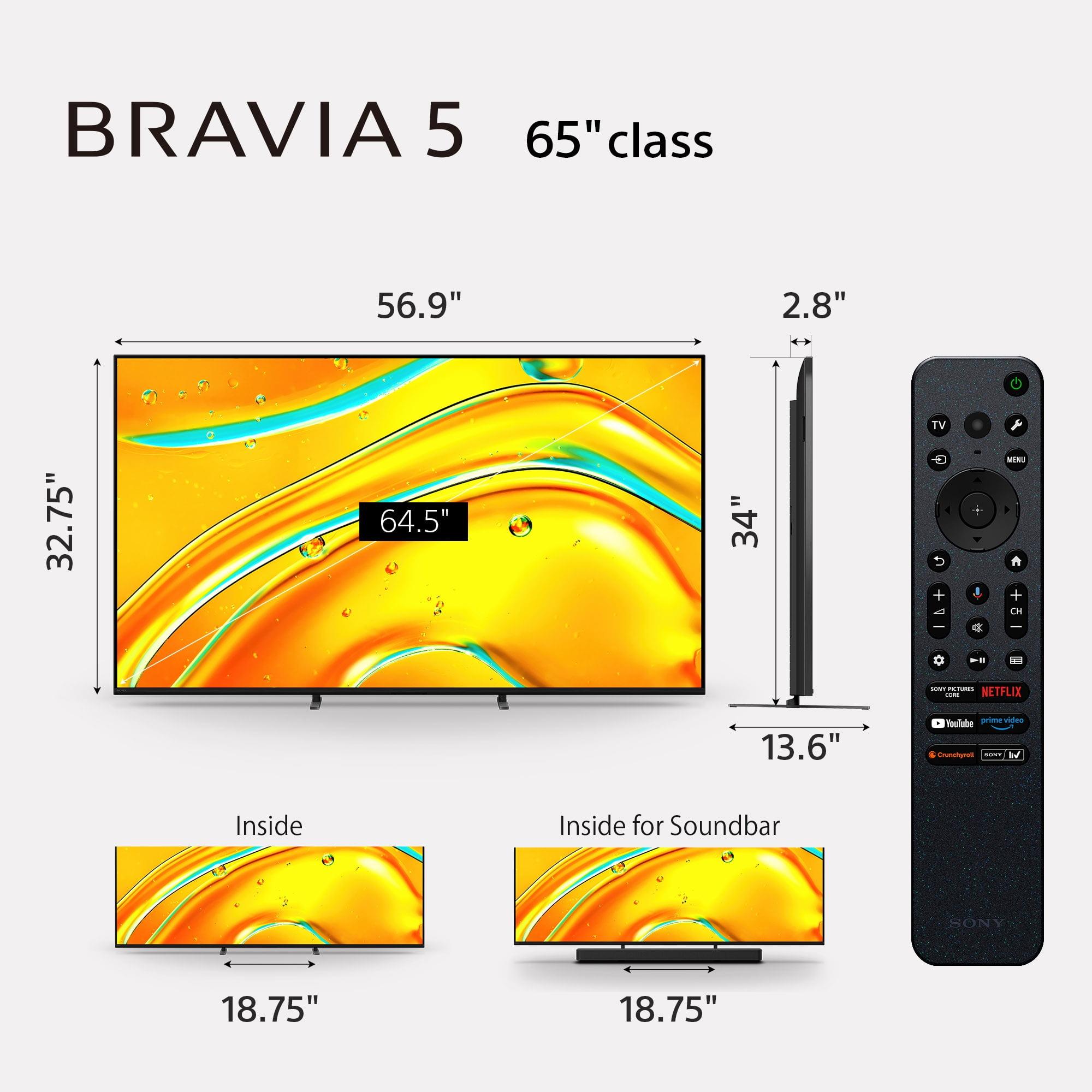
| AirSlim design (~1" depth), 2-way adjustable stand, minimalist profile | Standard thickness with professional build quality, 2-way stand for soundbar clearance |
| Color Technology - Impacts color accuracy and vibrancy | |
| Quantum Matrix Technology with Color Booster Pro (enhanced saturation) | XR Triluminos Pro with expanded color gamut (cinema-accurate reproduction) |
| Motion Handling - Critical for sports and action content | |
| Motion Xcelerator with AI-enhanced processing (excellent for sports/gaming) | XR Motion Clarity with frame analysis (optimized for movies, slower pixel response) |
| Voice Control and AI Features - Convenience and smart home integration | |
| Bixby with multi-command processing, Generative Wallpaper, extensive AI features | Google Assistant with natural language processing, seamless Google ecosystem integration |
The Sony BRAVIA 5 65" Mini LED 4K Google TV 2025 offers superior picture quality for movies and streaming content. Its full-array Mini LED design with local dimming zones provides deeper blacks and better contrast compared to the edge-lit design of the Samsung 65" QN70F Neo QLED 4K Vision AI Smart TV 2025. The Sony BRAVIA 5 also supports more HDR formats including Dolby Vision and includes studio-calibrated picture modes for accurate color reproduction as filmmakers intended.
The Samsung 65" QN70F Neo QLED 4K Vision AI Smart TV 2025 is the clear winner for gaming. It supports 144Hz refresh rates at 4K resolution and includes four HDMI 2.1 ports compared to the Sony BRAVIA 5's two ports. The Samsung QN70F also features VRR, ALLM, AMD FreeSync Premium Pro, and a dedicated Game Bar interface, making it ideal for serious gamers who want the most responsive experience possible.
The key difference is in backlight design. The Sony BRAVIA 5 65" Mini LED 4K Google TV 2025 uses full-array Mini LED with local dimming zones that can independently control brightness across different screen areas. The Samsung 65" QN70F Neo QLED 4K Vision AI Smart TV 2025 uses edge-lit Mini LED without local dimming, which creates a thinner profile but compromises contrast performance compared to traditional Mini LED benefits.
Both platforms have strengths depending on your ecosystem preferences. The Samsung 65" QN70F Neo QLED 4K Vision AI Smart TV 2025 runs Tizen OS with advanced Samsung Vision AI features like Click-to-Search and Live Translate. The Sony BRAVIA 5 65" Mini LED 4K Google TV 2025 uses Google TV, which offers better app compatibility, superior voice recognition through Google Assistant, and seamless integration with Google services. Google TV tends to be more user-friendly for most people.
The Sony BRAVIA 5 65" Mini LED 4K Google TV 2025 provides superior built-in audio with its Acoustic Multi-Audio system, Dolby Atmos support, and Voice Zoom 3 AI for enhanced dialogue clarity. While the Samsung 65" QN70F Neo QLED 4K Vision AI Smart TV 2025 includes Object Tracking Sound and Q-Symphony soundbar integration, the Sony BRAVIA 5 delivers a more immersive audio experience without external speakers.
Both TVs perform adequately in bright rooms, but the Samsung 65" QN70F Neo QLED 4K Vision AI Smart TV 2025 may have a slight advantage due to its more aggressive processing and HDR Brightness Optimizer that adjusts based on ambient lighting. The edge-lit design limitations of the Samsung QN70F become less noticeable in bright environments, while the Sony BRAVIA 5's local dimming advantages are more apparent in darker viewing conditions.
The Sony BRAVIA 5 65" Mini LED 4K Google TV 2025 is the better choice for home theater use. Its full-array Mini LED design with local dimming really shines in dark room viewing, providing the deep blacks and superior contrast that make movies look cinematic. The Sony BRAVIA 5 also includes Filmmaker Mode and more accurate color reproduction, which are important features for serious movie watching in controlled lighting environments.
The Samsung 65" QN70F Neo QLED 4K Vision AI Smart TV 2025 leads in AI innovation with features like Click-to-Search for instant information about on-screen content, Live Translate for real-time subtitles, and Generative Wallpaper creation. The Sony BRAVIA 5 65" Mini LED 4K Google TV 2025 focuses more on cognitive processing for picture optimization rather than interactive AI features, though it offers better voice control through Google Assistant.
The Samsung 65" QN70F Neo QLED 4K Vision AI Smart TV 2025 excels at sports content with its Motion Xcelerator technology and AI-enhanced processing that reduces motion blur. While the Sony BRAVIA 5 65" Mini LED 4K Google TV 2025 offers good motion handling with XR Motion Clarity, it's optimized more for movies and has slower pixel response times that may not be ideal for fast-paced sports action.
The Samsung 65" QN70F Neo QLED 4K Vision AI Smart TV 2025 provides four HDMI 2.1 ports, making it superior for users with multiple gaming consoles, streaming devices, or other high-bandwidth equipment. The Sony BRAVIA 5 65" Mini LED 4K Google TV 2025 includes only two HDMI 2.1 ports, which may require users to use an HDMI switch if they have multiple next-generation gaming devices.
Both the Samsung 65" QN70F Neo QLED 4K Vision AI Smart TV 2025 and Sony BRAVIA 5 65" Mini LED 4K Google TV 2025 are competitively priced in the premium TV market. The Sony BRAVIA 5 offers better core Mini LED performance and picture quality, while the Samsung QN70F provides more gaming features and AI capabilities. Value depends on your priorities - choose Sony for movie quality or Samsung for gaming and smart features.
Both the Samsung 65" QN70F Neo QLED 4K Vision AI Smart TV 2025 and Sony BRAVIA 5 65" Mini LED 4K Google TV 2025 represent current-generation technology with the latest features like HDMI 2.1, advanced AI processing, and mature Mini LED implementations. Unless you're waiting for specific upcoming technologies like micro-LED displays, these 2025 models offer excellent performance and should provide years of satisfaction without needing immediate upgrades.
We've done our best to create useful and informative comparisons to help you decide what product to buy. Our research uses advanced automated methods to create this comparison and perfection is not possible - please contact us for corrections or questions. These are the sites we've researched in the creation of this article: rtings.com - youtube.com - wifihifi.com - samsung.com - samsung.com - samsung.com - samsung.com - flatpanelshd.com - news.samsung.com - bestbuy.com - rtings.com - pro.sony - youtube.com - electronics.sony.com - electronics.sony.com - electronics.sony.com - bestbuy.com - electronics.sony.com - youtube.com - bestbuy.com - videoandaudiocenter.com - valueelectronics.com - youtube.com - sony.ca - perpichtv.com - sony.com - displayspecifications.com - pioneertvandappliance.com - flatpanelshd.com

Privacy Policy
Terms and Conditions - Affiliate Policy
Home Security
© Copyright 2008-2026.
11816 Inwood Rd #1211, Dallas, TX 75244