


Shopping for a new TV can feel overwhelming, especially when you're trying to understand the differences between premium and budget options. Today, we're comparing two fascinating Mini LED TVs that represent completely different approaches to delivering great picture quality: the Sony BRAVIA 5 65" Mini LED 4K Google TV 2025 at around $1,478 and the TCL 65" QM6K QD-Mini LED 4K TV at just $699.99.
Both TVs hit the market in early 2025, but they're targeting very different buyers. The Sony represents a premium approach with professional-grade features, while the TCL focuses on bringing Mini LED technology to budget-conscious consumers. Let's dive into what makes each special and help you figure out which one belongs in your living room.
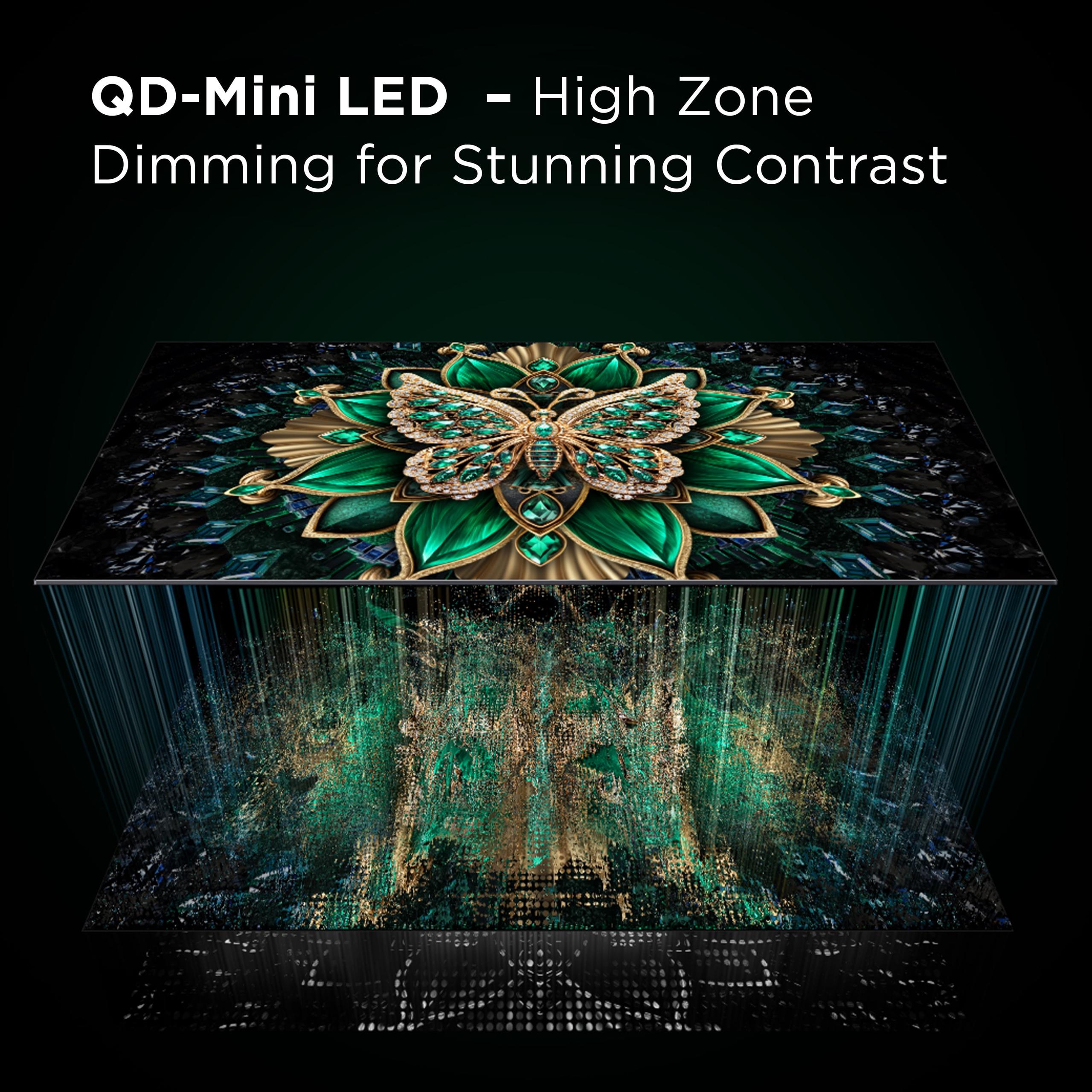
Before we compare these specific models, it's worth understanding what Mini LED technology actually does. Traditional LED TVs use a handful of large LED zones behind the screen to create brightness. Mini LED TVs use thousands of tiny LEDs arranged in hundreds of zones, each capable of being dimmed independently. This is called "local dimming," and it's the secret sauce that makes these TVs so much better than standard LED displays.
Think of it like this: imagine trying to light a room with just four large spotlights versus having hundreds of small, precise lights you can control individually. The Mini LED approach gives you much more control over where light appears on screen, creating deeper blacks next to bright highlights – exactly what you want for dramatic movie scenes or vibrant HDR content.
The main considerations when shopping for Mini LED TVs include how many dimming zones they have (more is generally better), how bright they can get for HDR content, how well they process and upscale content, and whether they include modern gaming features. Value, of course, is always important – you want the best performance for your budget.
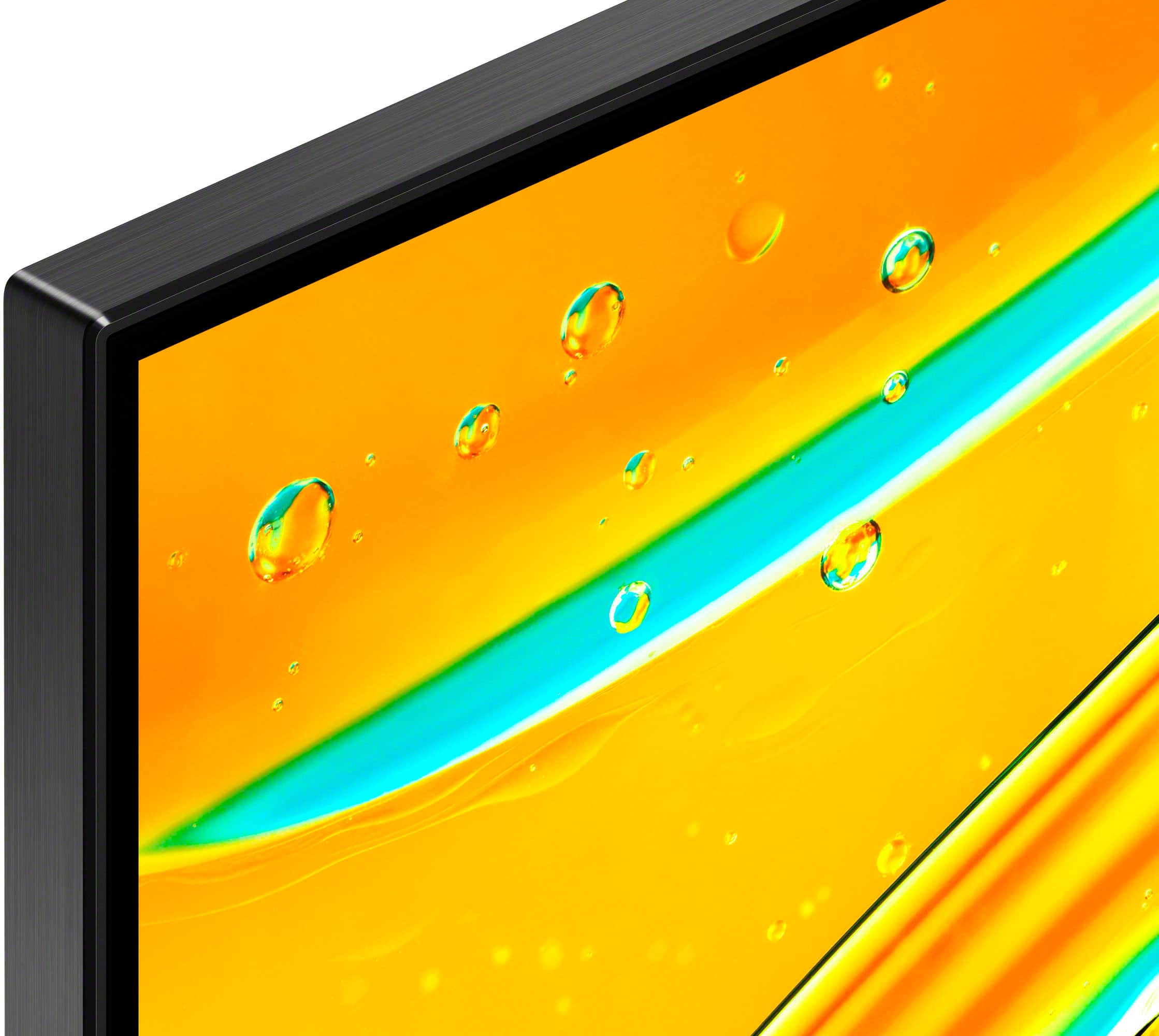
Sony released the BRAVIA 5 65" Mini LED in April 2025 as part of their renewed focus on bringing professional monitor technology to consumer TVs. At $1,478, it sits in Sony's premium mid-range category, below their flagship BRAVIA 7 and 9 models but above their entry-level options.
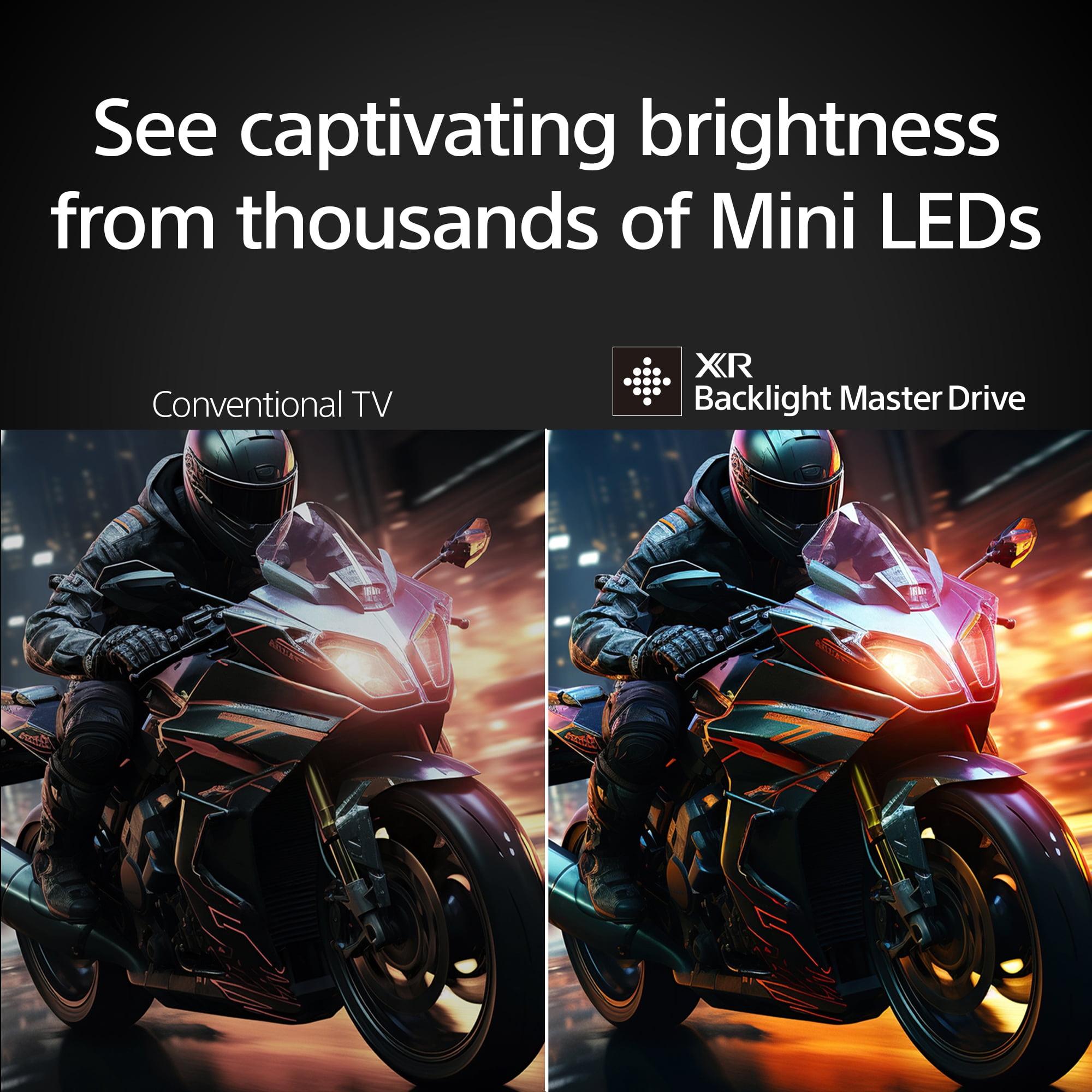
What makes this TV special is Sony's XR Backlight Master Drive technology, which they've adapted from their professional mastering monitors used in Hollywood studios. The TV features significantly more local dimming zones than previous Sony models – about six times more, according to Sony's specifications. This translates to much better contrast control and less "blooming" (where bright objects create unwanted halos in dark scenes).
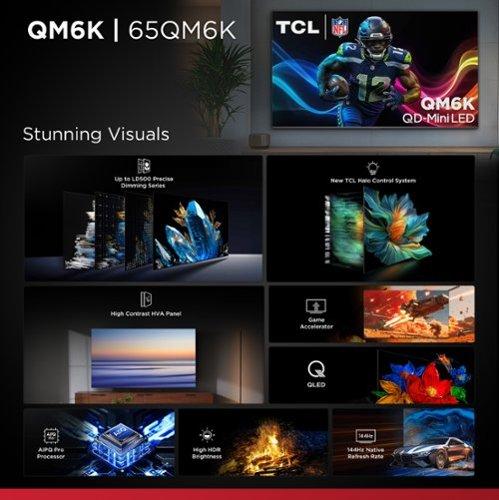
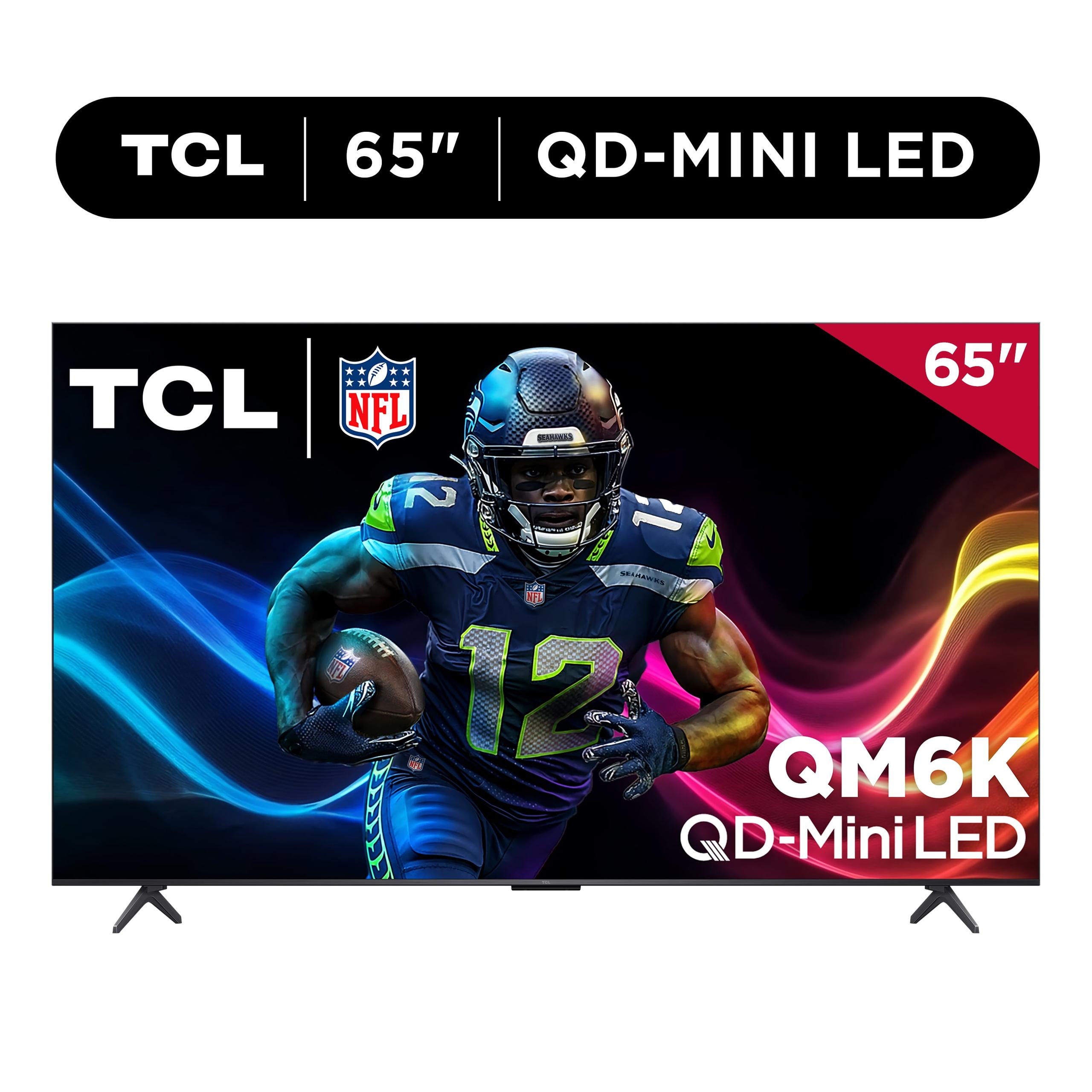
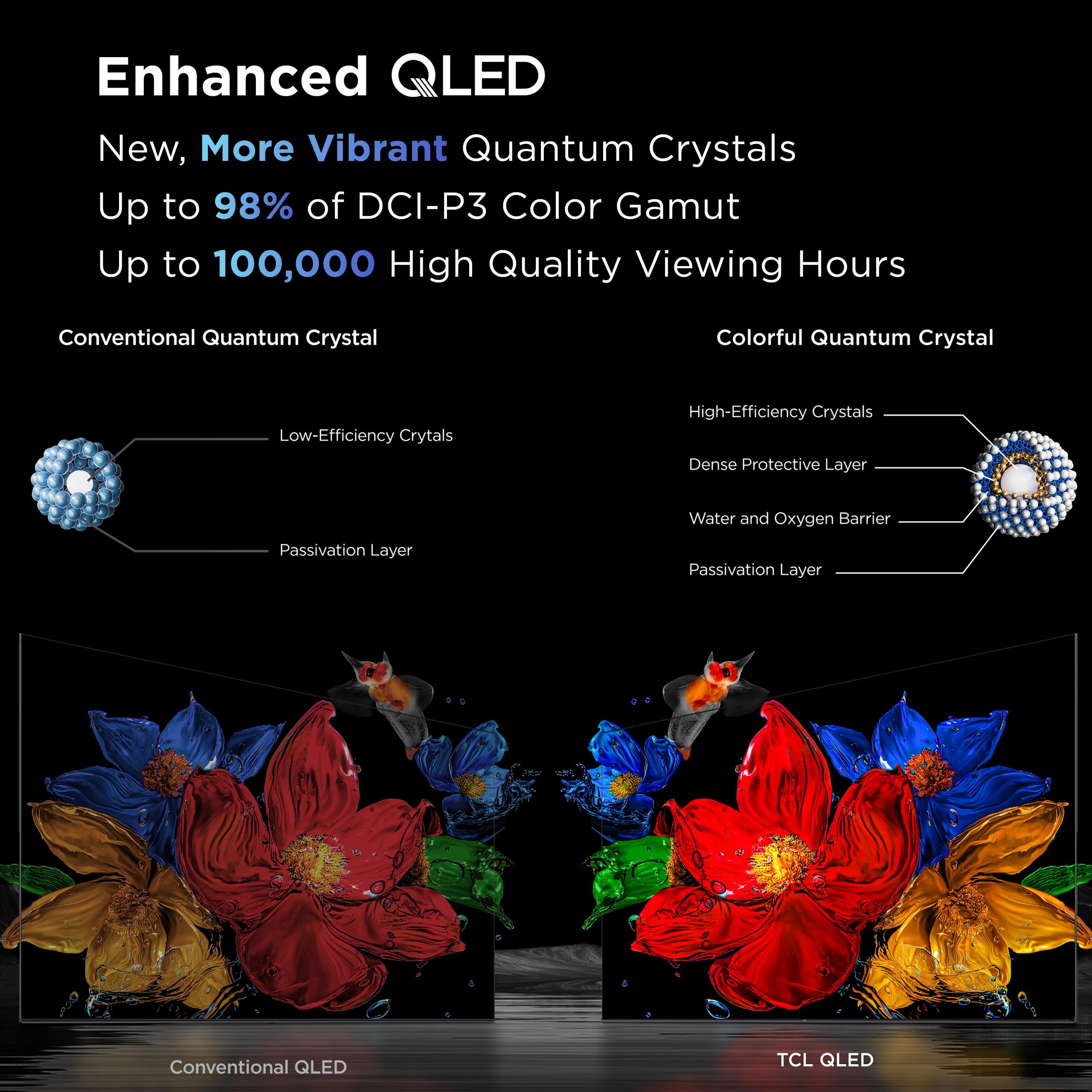
The TCL QM6K launched in early 2025 as TCL's answer to making Mini LED technology accessible to everyone. At $699.99, it's positioned as a budget-friendly option that doesn't skimp on modern features. TCL calls it a "QD-Mini LED" display, combining quantum dot technology (which enhances color vibrancy) with Mini LED backlighting.
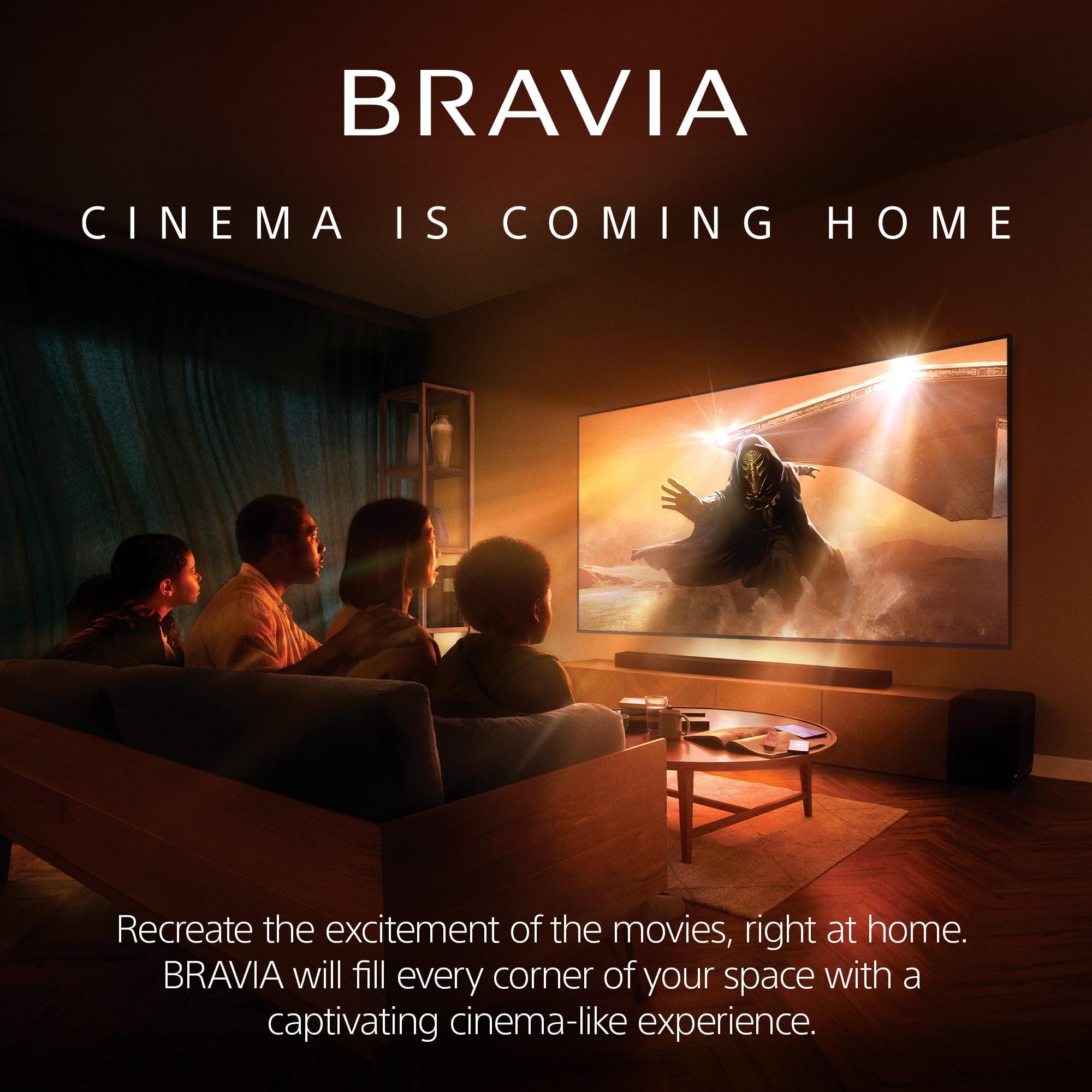
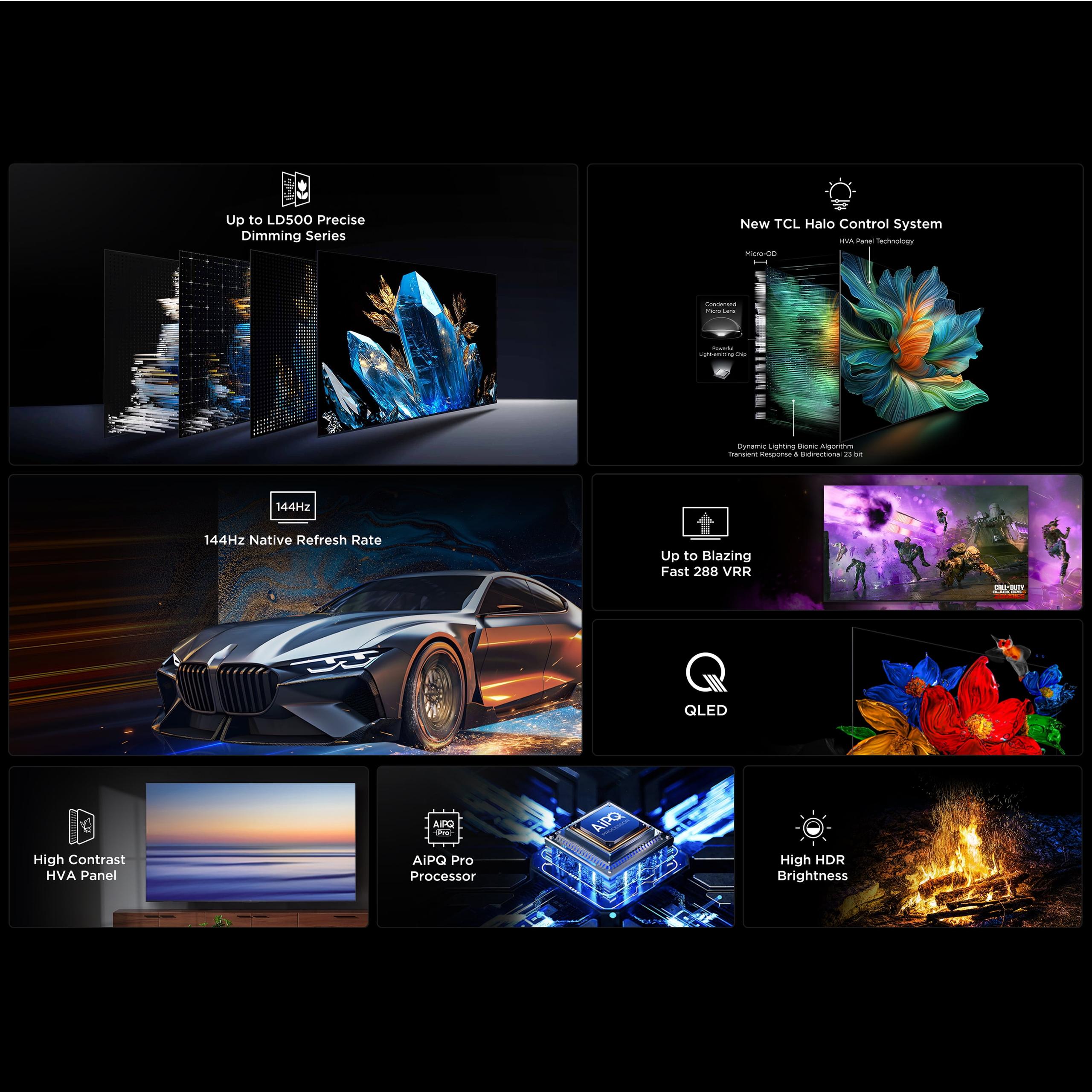
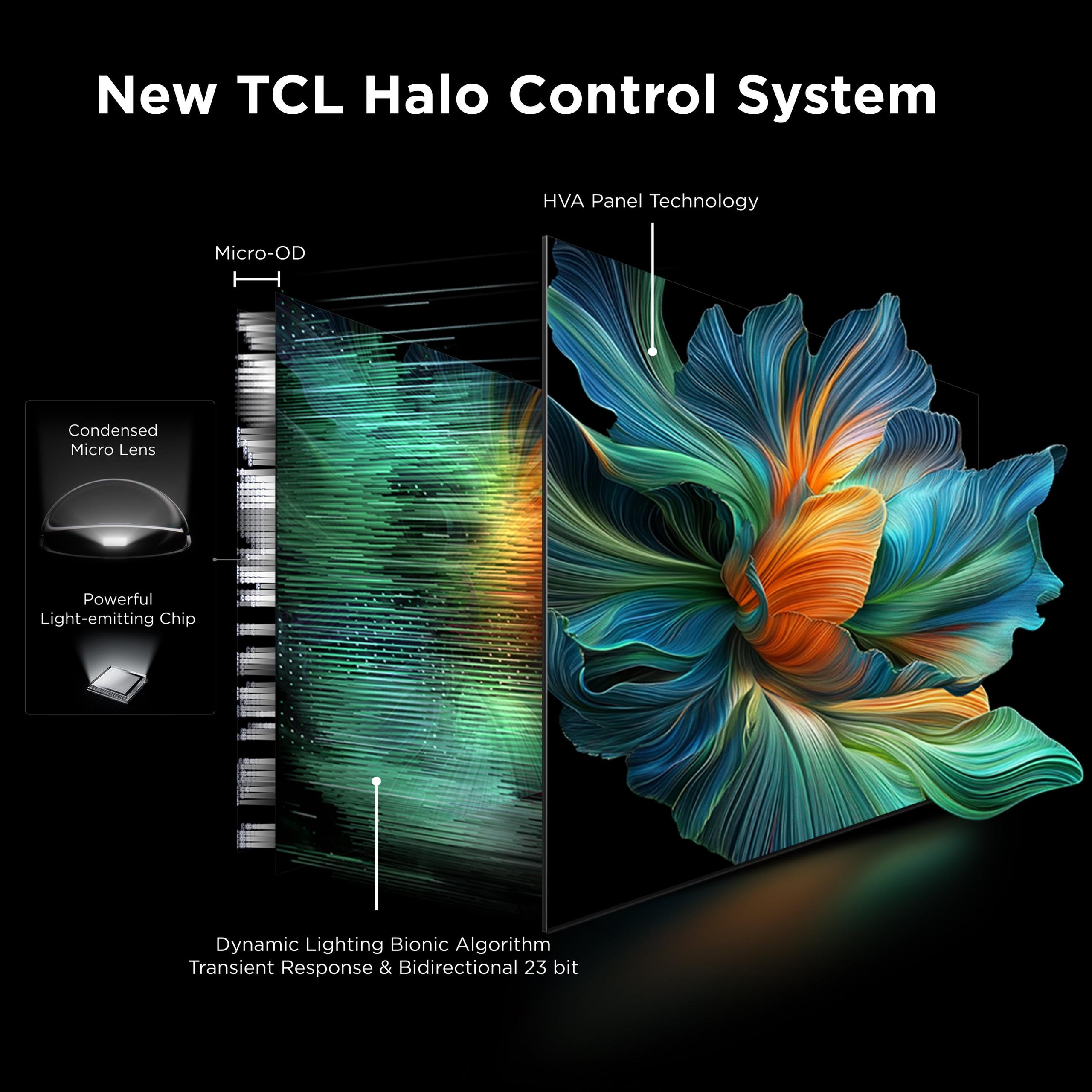
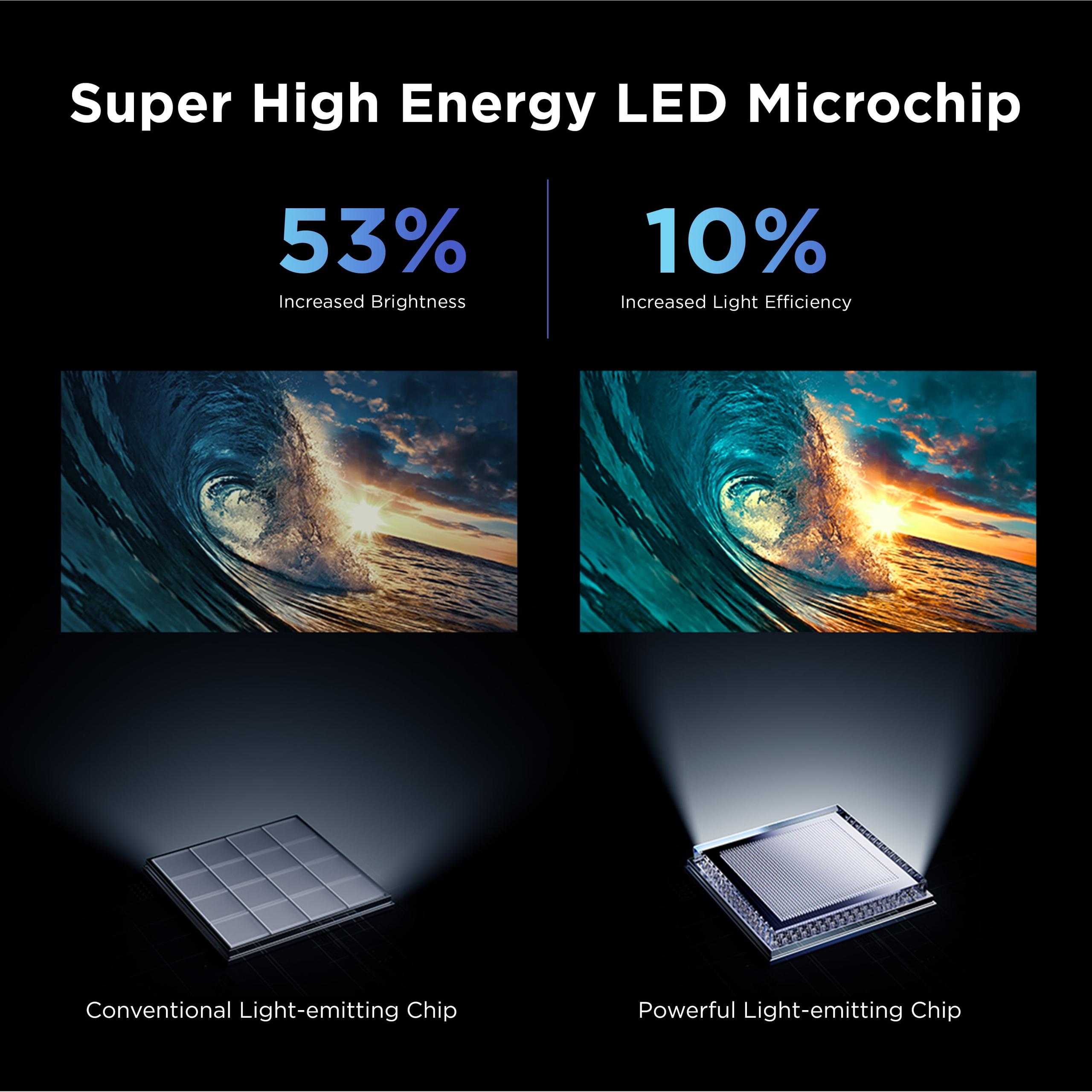
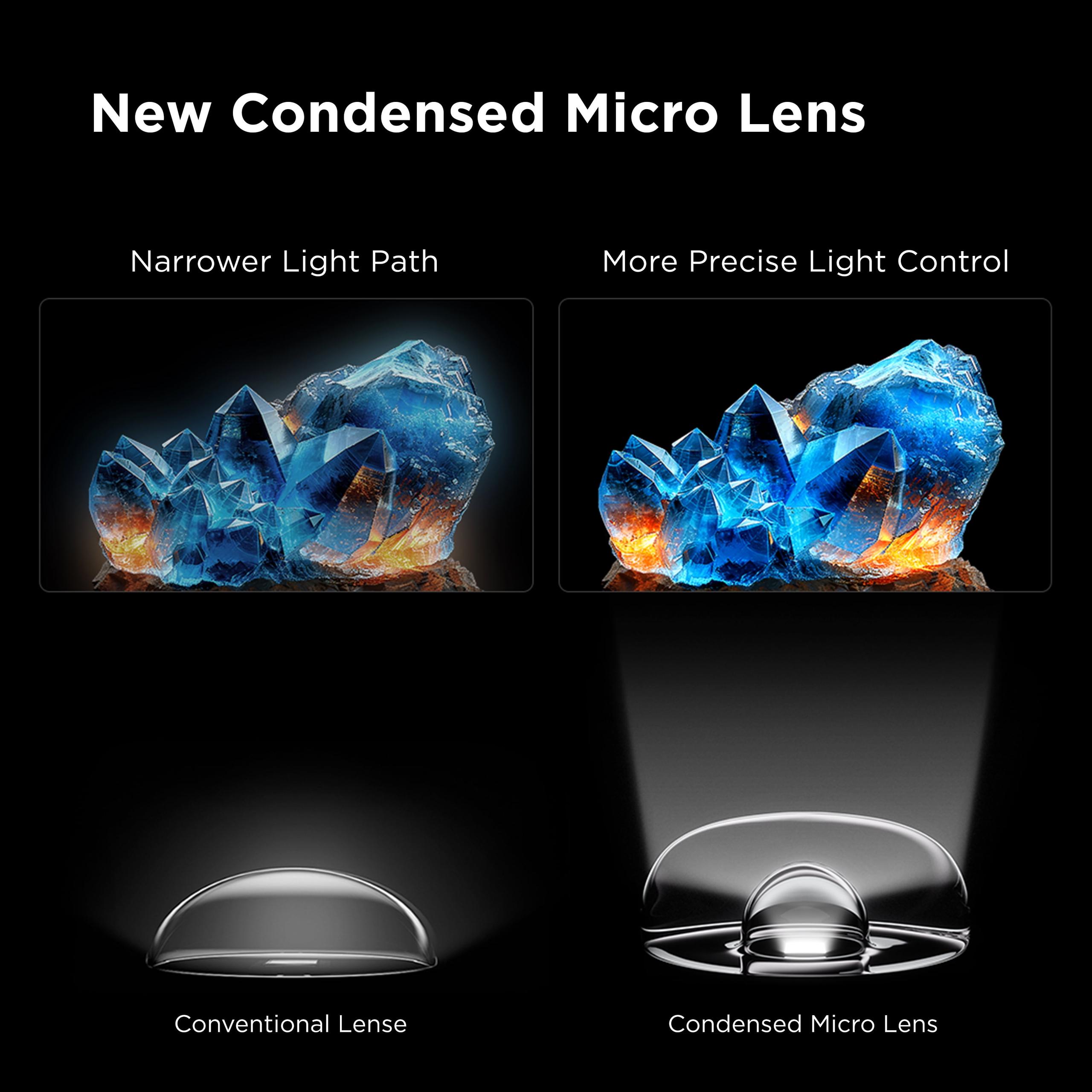
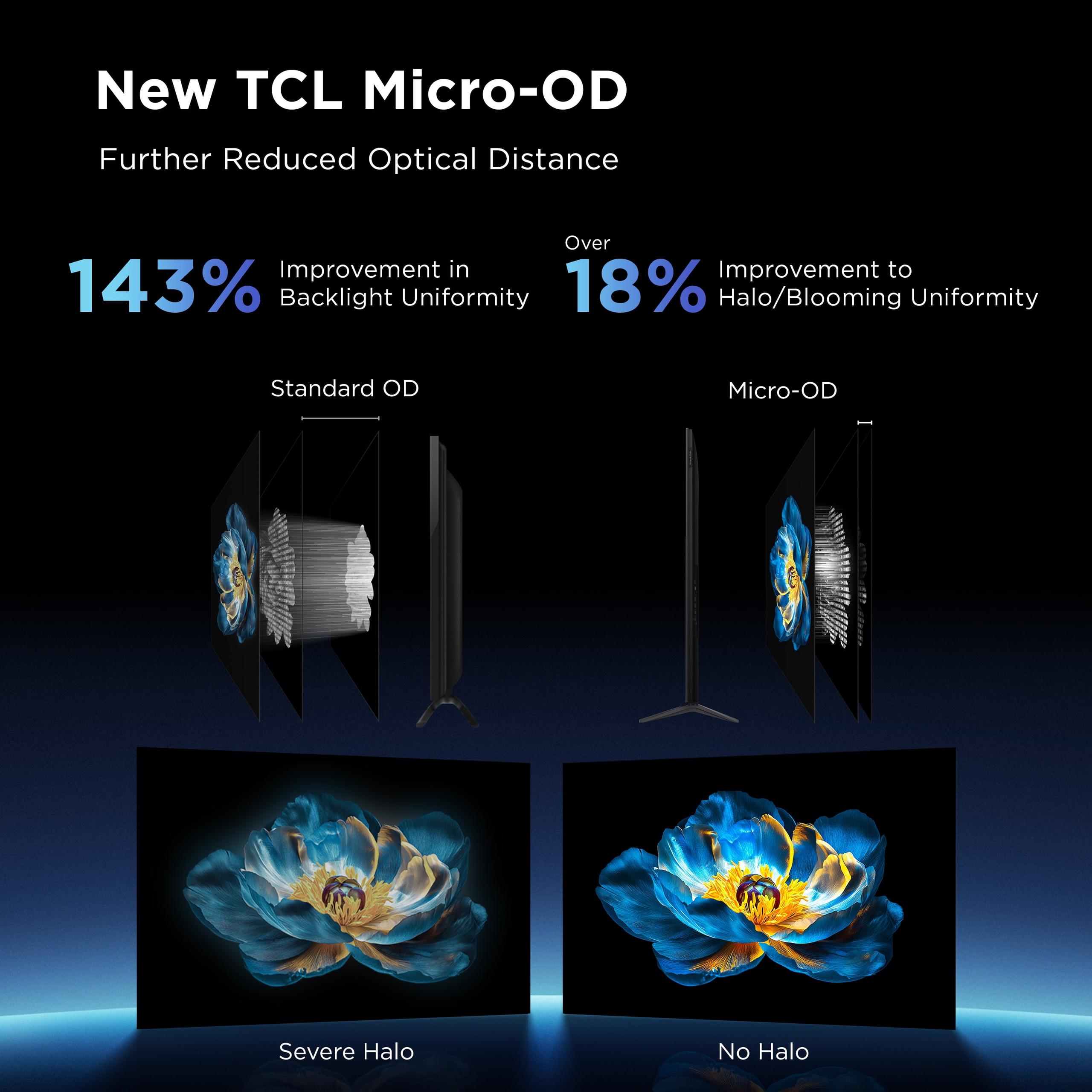
TCL has made some interesting technical improvements this year, including their new "Super High Energy LED Chip" that's 53% brighter than previous generations while using 10% less energy. They've also implemented something called "Micro-OD Technology," which reduces the distance between the backlight and the LCD panel, making the TV thinner while improving halo control.
The Sony BRAVIA 5 takes a decidedly professional approach to picture quality. Its XR Processor uses AI scene recognition to analyze every frame in real-time, optimizing color, contrast, and clarity based on what type of content you're watching. This isn't just marketing speak – the processor literally identifies whether you're watching a face, a landscape, or text, then applies different optimizations accordingly.
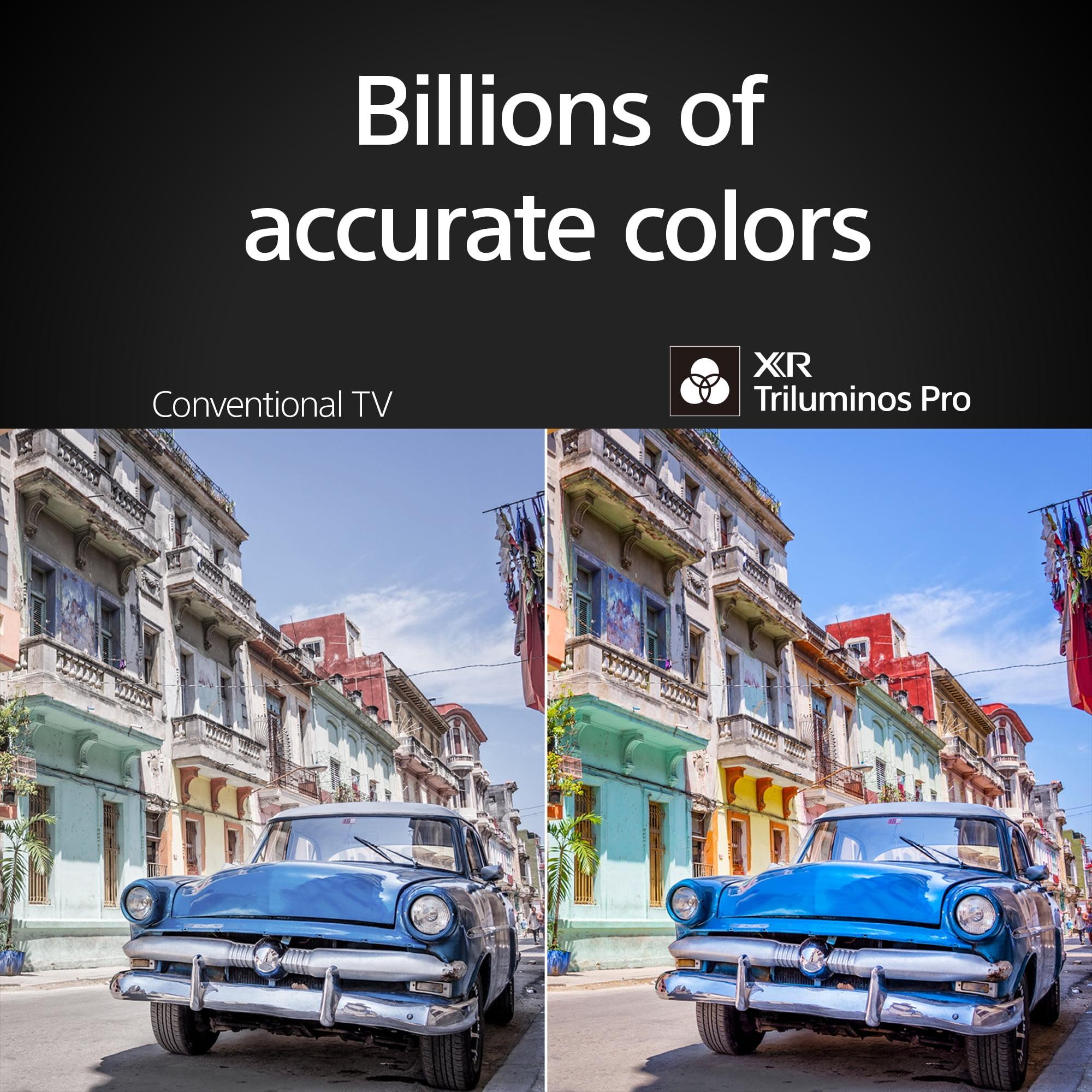
Sony's XR Triluminos Pro technology expands the color gamut (the range of colors the TV can display) using both hardware and software improvements. The Mini LED system includes blue and green LEDs in addition to the standard white ones, allowing for more accurate color reproduction. In my experience with Sony's recent TVs, this translates to colors that look natural rather than oversaturated – skin tones appear realistic, and nature documentaries showcase subtle color variations that cheaper TVs might miss.
The XR Backlight Master Drive deserves special mention. This system doesn't just control brightness zones independently; it analyzes the relationship between adjacent zones to prevent blooming while maintaining peak brightness where needed. Sony claims this technology comes directly from their professional monitors, and it shows in dark room performance where bright objects don't create distracting halos.
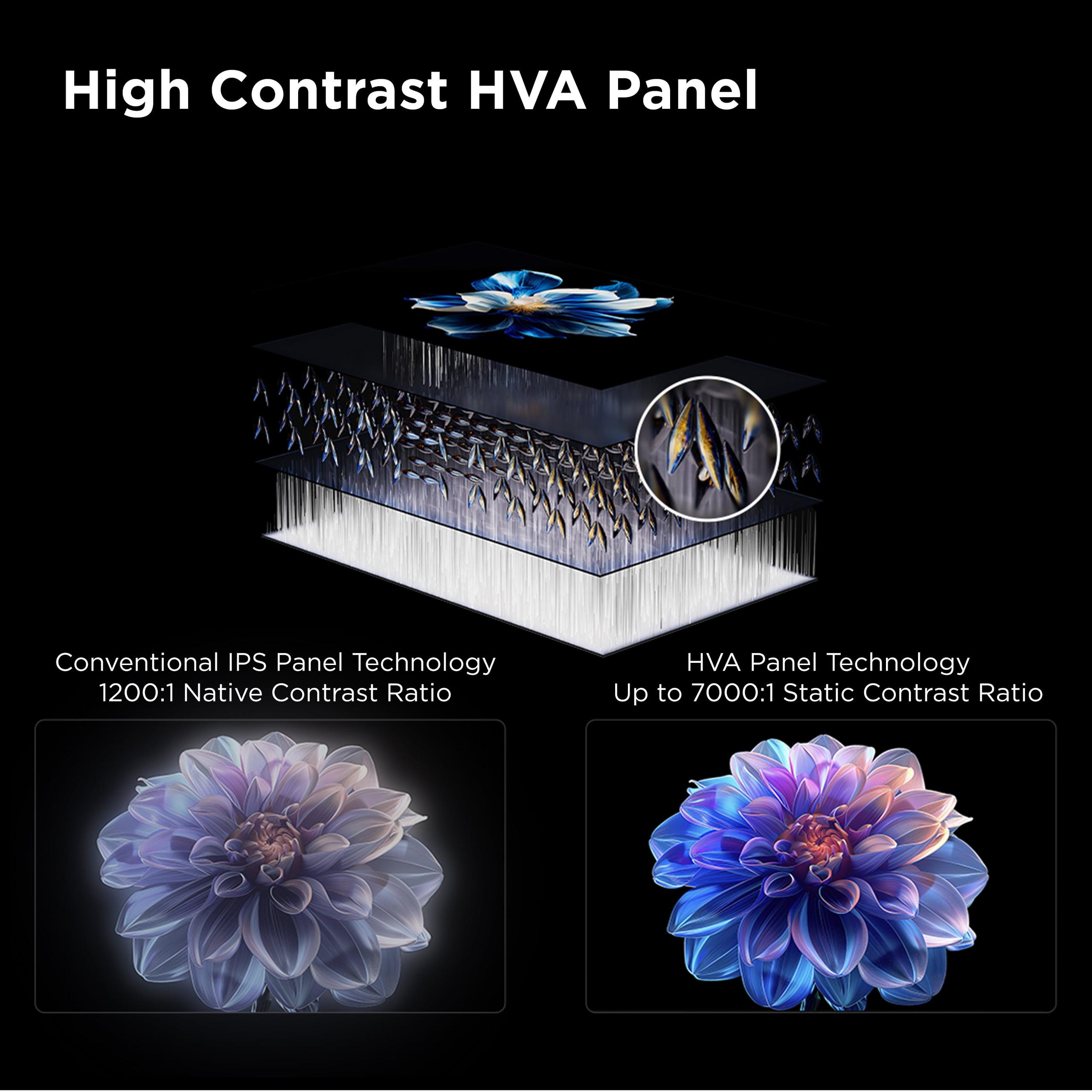
The TCL QM6K takes a different approach, prioritizing brightness and color vibrancy over absolute accuracy. Its quantum dot layer converts blue LED light into precise red and green wavelengths, creating exceptionally vibrant colors that really pop off the screen. While this might sound like a gimmick, quantum dots actually represent some of the most advanced color technology available today.
TCL's AiPQ Pro processor, while not as sophisticated as Sony's XR Processor, still provides real-time optimization. The TV analyzes content and adjusts contrast, color saturation, and sharpness automatically. It's particularly good at enhancing streaming content, which often arrives compressed and needs intelligent processing to look its best.
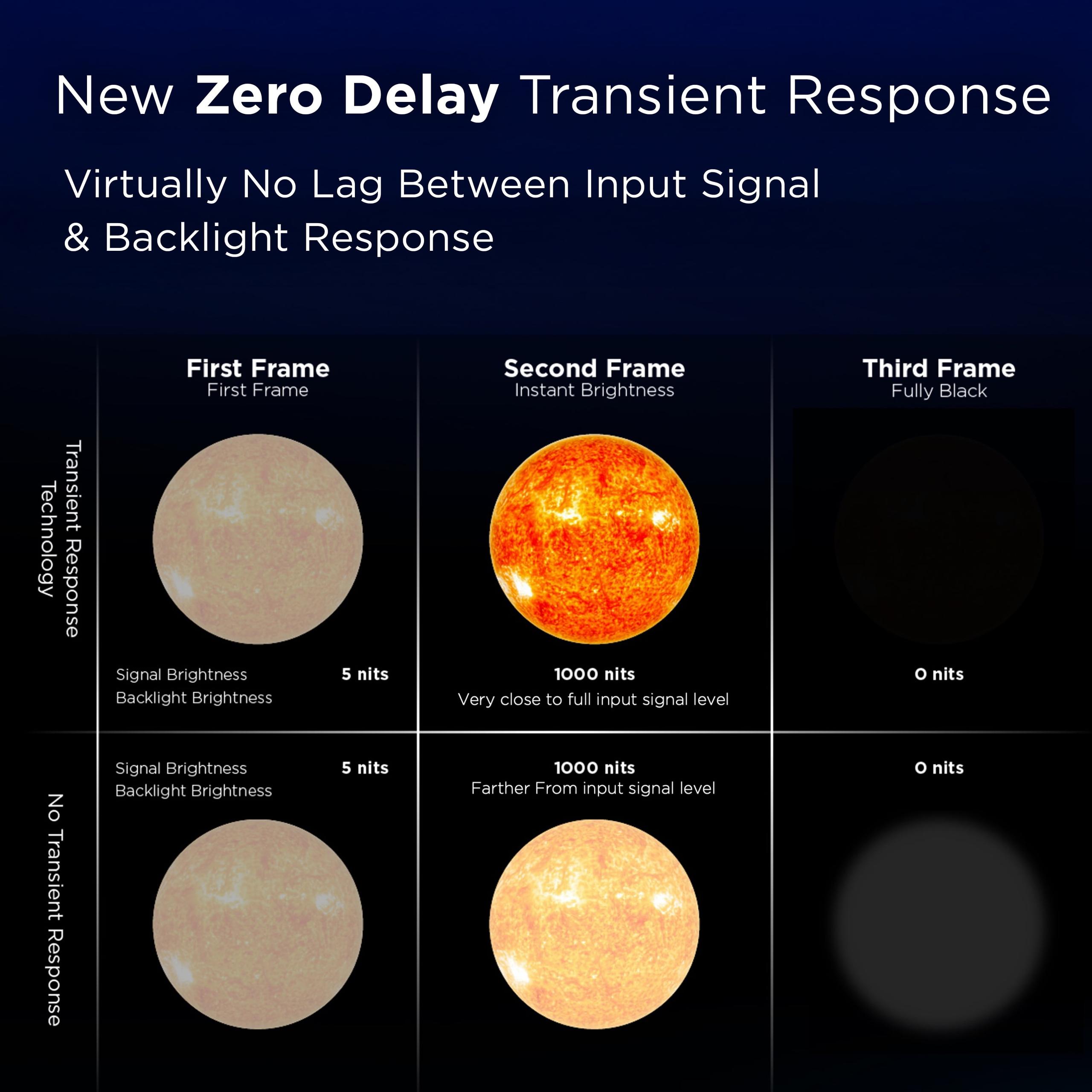
The Super High Energy LED Chip is TCL's biggest innovation for 2025. This proprietary technology increases brightness by 53% while improving energy efficiency. In practical terms, this means HDR content has more impact – bright explosions in action movies or sunlit scenes in nature documentaries appear more dramatic and lifelike.
However, the QM6K has fewer local dimming zones than the Sony (TCL lists "up to LD500 Precise Dimming" zones), which means less precise contrast control. You'll notice more blooming in challenging scenes, particularly when watching dark movies with bright elements like text or explosions.
Both TVs recognize that gaming is no longer an afterthought – it's a primary use case for many buyers. However, they approach gaming features differently.
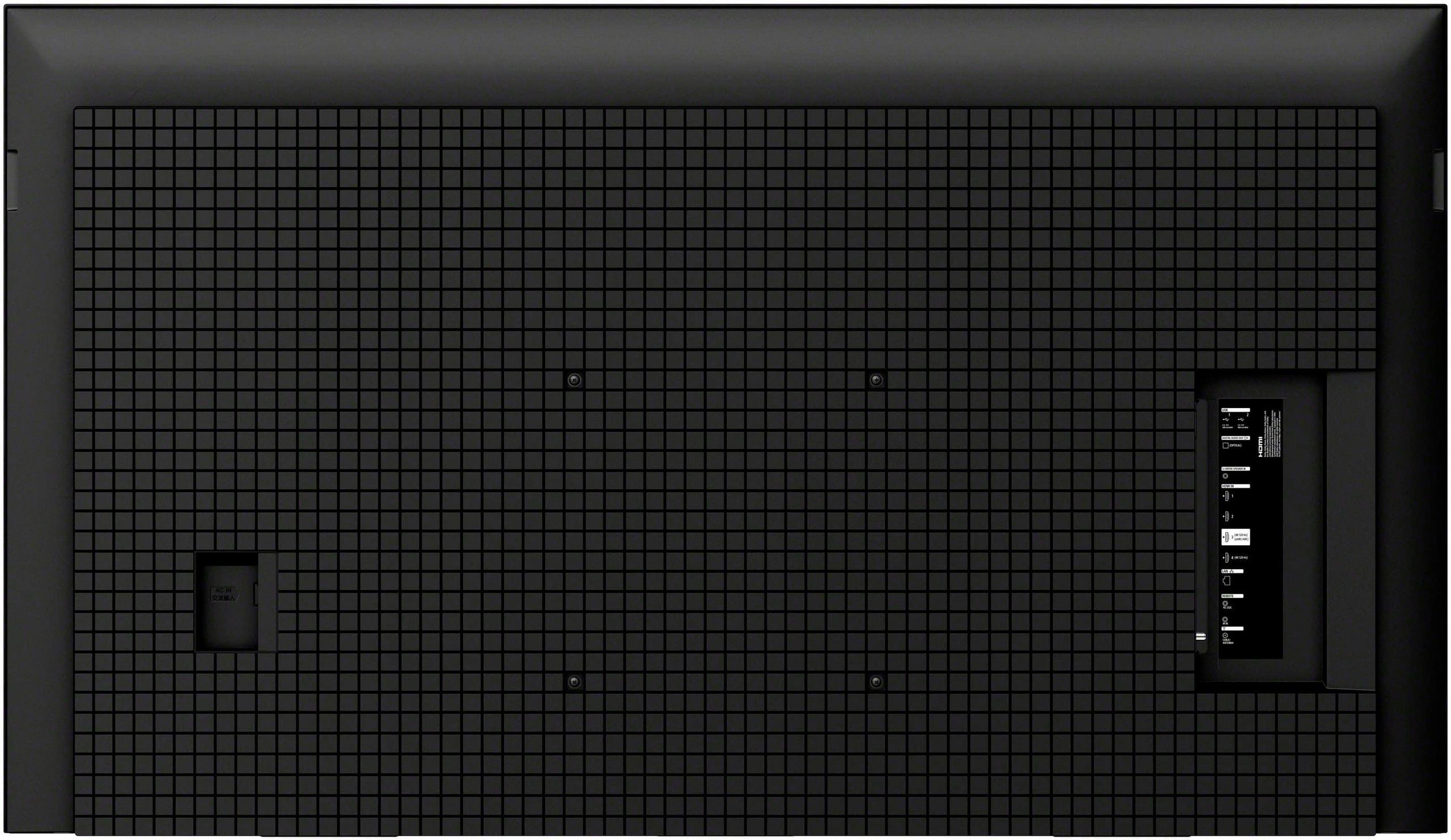
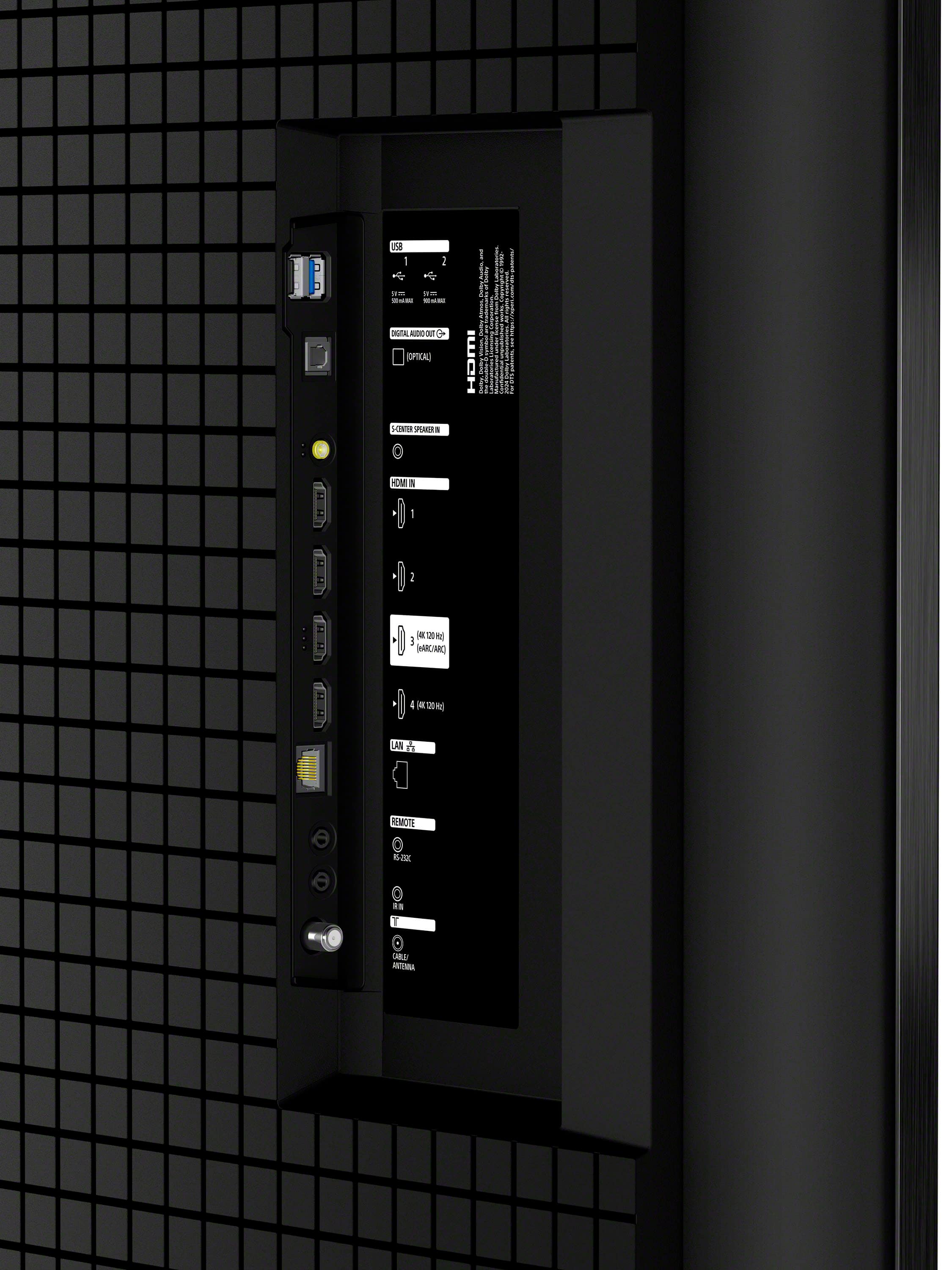
The Sony BRAVIA 5 includes two HDMI 2.1 ports that support the full suite of modern gaming features: 4K resolution at 120Hz refresh rate, Variable Refresh Rate (VRR) to eliminate screen tearing, Auto Low Latency Mode (ALLM) that automatically switches to game mode, and Source-Based Tone Mapping (SBTM) for better HDR gaming.
What sets Sony apart is their PlayStation 5 integration. The TV includes Auto HDR Tone Mapping specifically optimized for PS5, ensuring games look exactly as developers intended. It also supports PS Remote Play, allowing you to stream games from your console to the TV without the console being directly connected.
In game mode, the Sony achieves impressively low input lag – the delay between when you press a button and see the result on screen. This is crucial for competitive gaming where split-second reactions matter.
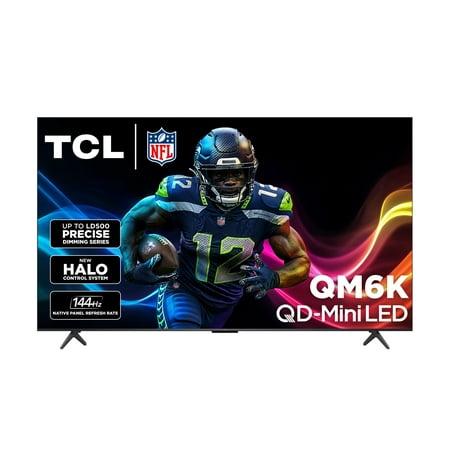
The TCL QM6K counters with its own gaming features, including a native 144Hz refresh rate that's higher than Sony's 120Hz. More importantly, TCL's "Game Accelerator 288" technology enables variable refresh rates up to 288Hz, which can make fast-paced games feel incredibly smooth.
The TV supports FreeSync Premium Pro, which synchronizes the display's refresh rate with your graphics card's output to eliminate screen tearing and stuttering. Input lag is also excellent, competitive with much more expensive gaming TVs.
Where TCL falls slightly behind is in the polish and integration of these features. The gaming menu is functional but not as refined as Sony's, and there's no equivalent to Sony's PlayStation optimizations.
This is where the price difference between these TVs becomes most apparent. Sony has invested heavily in audio technology, while TCL focuses on providing functional sound.
The Sony BRAVIA 5 includes Sony's Acoustic Multi-Audio system with magnetic tweeters and X-Balanced speakers. This isn't just marketing terminology – the magnetic tweeters can be precisely positioned to align sound with visual elements on screen, creating a more immersive experience.
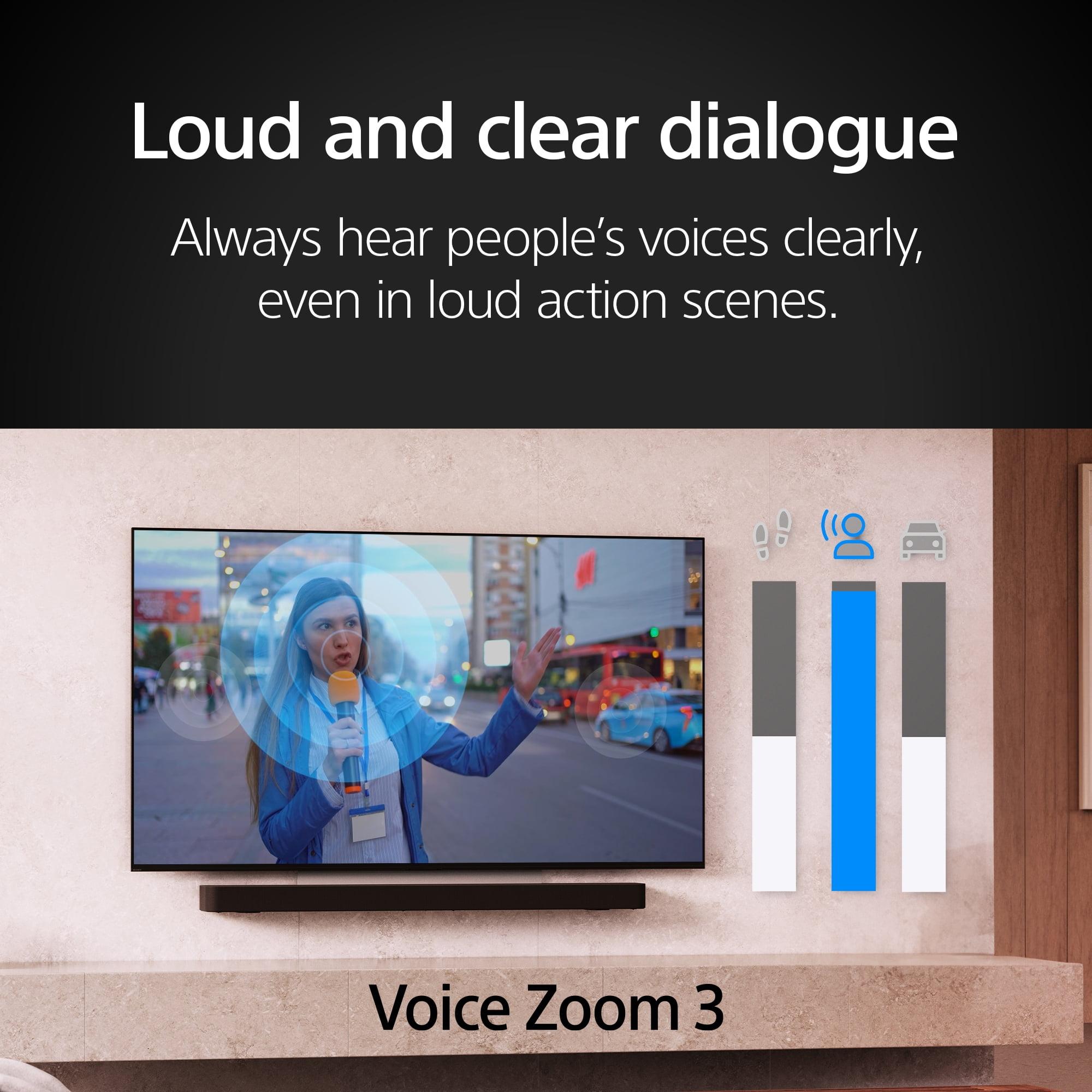
Voice Zoom 3 is particularly clever, using AI to identify and enhance dialogue while reducing background noise. If you've ever struggled to hear conversations in movies while explosions remain too loud, this feature directly addresses that problem.
The TV can also function as a center channel speaker when paired with compatible Sony soundbars and receivers. This "Acoustic Center Sync" feature means dialogue comes directly from the TV screen while music and effects play from your surround speakers – exactly how audio should work in a proper home theater setup.
The TCL QM6K includes a 2.1 channel Onkyo speaker system with Dolby Atmos support. While not as sophisticated as Sony's audio system, it provides clear dialogue and adequate bass for most viewing scenarios.
The TV supports DTS Virtual:X, which uses psychoacoustic processing to create the illusion of surround sound from the built-in speakers. It's a neat trick that works reasonably well, though it can't match the immersive experience of Sony's more advanced audio processing.
Both TVs run Google TV, but their implementation differs in important ways.
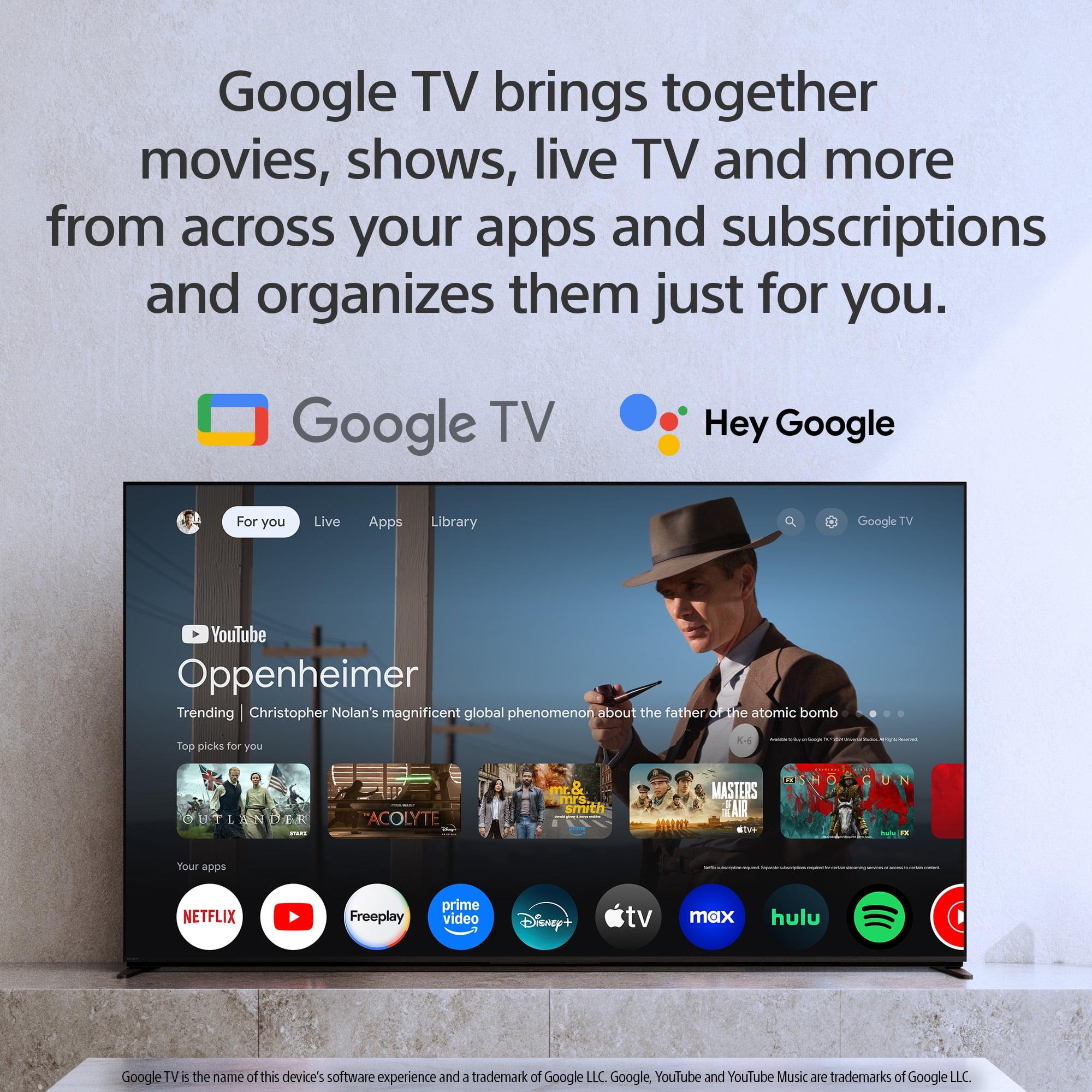
The Sony BRAVIA 5 runs Google TV version 12 with Sony's customizations and optimizations. The interface feels more polished, with faster navigation and better integration with Sony's ecosystem. The TV supports Apple AirPlay 2 and Chromecast built-in, making it easy to share content from any device.
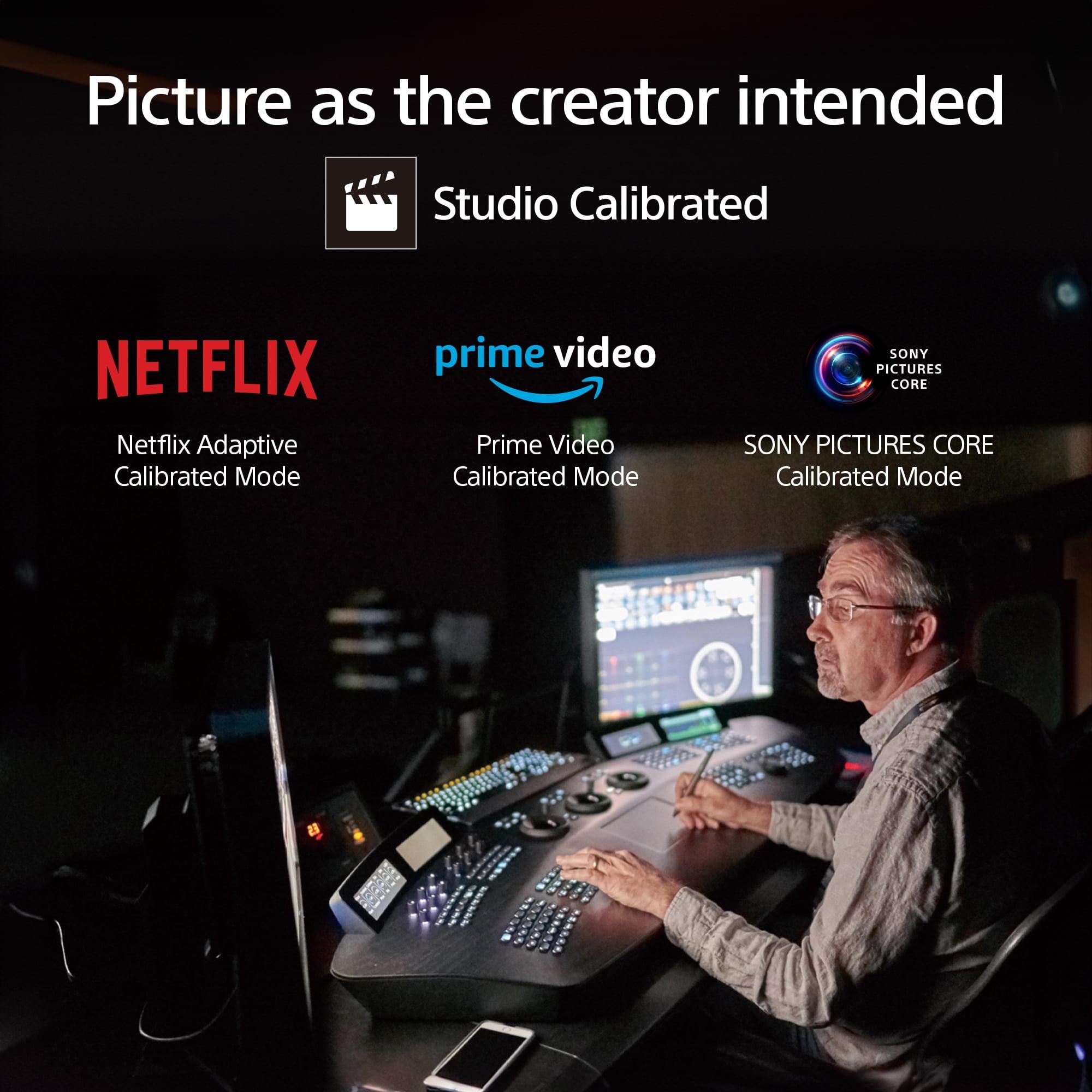
Sony's BRAVIA Connect app transforms your smartphone into a comprehensive remote control, with features like voice control and easy content browsing. The TV also includes studio-calibrated modes for popular streaming apps, ensuring Netflix, Prime Video, and Disney+ content appears with proper color and contrast settings.
The TCL QM6K provides a more basic Google TV experience that's still functional but lacks Sony's refinements. You get the same access to streaming apps and Google Assistant integration, but the interface can feel slightly slower and less polished.
However, TCL includes some unique features like their "Filmmaker Mode," which automatically adjusts picture settings to match the director's original intent. This bypasses the TV's processing to display content as close to the theatrical experience as possible.
If you're building a dedicated home theater, these TVs offer different advantages.
The Sony BRAVIA 5 excels in dark room environments where its superior local dimming and contrast control shine. The professional-grade color accuracy means movies appear as directors intended, while the advanced audio system reduces the immediate need for external speakers.
The TV's ability to function as a center channel speaker is particularly valuable in home theater setups, where dialogue clarity is paramount. Sony's processing also handles film content exceptionally well, properly displaying 24fps movies without judder or motion artifacts.
The TCL QM6K might actually be better for family rooms or spaces with ambient lighting. Its higher peak brightness helps combat glare, while the quantum dot technology ensures colors remain vibrant even in bright conditions.
The 144Hz refresh rate also benefits sports viewing, making fast motion appear smoother during football games or racing events. While it lacks Sony's dark room refinement, it provides a more versatile viewing experience for multi-purpose rooms.
Here's where personal priorities matter most. The Sony BRAVIA 5 at $1,478 represents a significant investment, but it delivers refinement and features that justify the premium for many buyers. You're paying for professional-grade processing, superior audio, better build quality, and the peace of mind that comes with Sony's reputation for long-term software support.
The TCL QM6K at $699.99 offers approximately 80-90% of the Mini LED experience at roughly 50% of Sony's price. You sacrifice some contrast precision, audio quality, and build refinement, but you gain access to cutting-edge display technology that would have been unaffordable just a few years ago.
Choose the Sony BRAVIA 5 if you value picture accuracy, own a PlayStation 5, prefer premium audio without buying a soundbar immediately, or plan to keep your TV for many years. The professional-grade features and superior processing make it ideal for serious movie watching and gaming.
Choose the TCL QM6K if you want modern Mini LED performance without premium pricing, prioritize brightness and vibrant colors, are budget-conscious but still want current features, or plan to add a soundbar anyway. It's perfect for buyers who want excellent performance without paying for premium refinements they might not notice.
Both TVs represent excellent values in their respective categories. The Sony offers premium performance that justifies its higher price for discerning viewers, while the TCL democratizes Mini LED technology for mainstream buyers. Your choice ultimately depends on whether you prioritize absolute quality or maximum value per dollar spent.
In my experience, both approaches have merit. The Sony will satisfy perfectionist viewers who appreciate subtle improvements, while the TCL delivers impressive performance that exceeds expectations for its price point. Either way, you're getting a significant upgrade over traditional LED TVs, with the brilliant highlights and deep blacks that make Mini LED technology so compelling.
| Sony BRAVIA 5 65" Mini LED 4K Google TV 2025 | TCL 65" QM6K QD-Mini LED 4K TV |
|---|---|
| Price - Primary factor determining value proposition | |
| ~$1,478 (premium positioning) | $699.99 (exceptional value for Mini LED) |
| Display Technology - Core picture quality foundation | |
| Mini LED with XR Backlight Master Drive | QD-Mini LED (Quantum Dot + Mini LED) |
| Local Dimming Zones - Controls contrast and blooming | |
| 6x more zones than previous Sony models (precise control) | Up to LD500 zones (good for price, more blooming) |
| Peak Brightness - Critical for HDR impact | |
| High brightness with professional calibration | 53% brighter than previous TCL models |
| Processor - Affects upscaling and optimization | |
| XR Processor with AI scene recognition | TCL AiPQ Pro (functional but less advanced) |
| Gaming Features - Modern console compatibility | |
| HDMI 2.1, 4K@120Hz, VRR, PS5 optimizations | HDMI 2.1, 4K@120Hz, VRR, up to 288Hz gaming |
| Audio System - Reduces need for soundbar | |
| Acoustic Multi-Audio with magnetic tweeters | 2.1 channel Onkyo speakers (basic) |
| Smart Platform - Interface and app performance | |
| Google TV v12 with Sony refinements, AirPlay 2 | Standard Google TV implementation |
| Build Quality - Long-term durability and aesthetics | |
| Premium One Slate design with metal construction | Plastic construction with basic stand |
| Color Technology - Affects vibrancy and accuracy | |
| XR Triluminos Pro for professional accuracy | Quantum Dot for vibrant, eye-catching colors |
| Motion Handling - Sports and action content | |
| 120Hz with XR Motion Clarity processing | 144Hz native refresh rate |
| Best For - Target user profile | |
| Home theater enthusiasts, PS5 owners, premium seekers | Budget-conscious buyers wanting Mini LED features |
The TCL 65" QM6K QD-Mini LED 4K TV at $699.99 offers exceptional value, delivering Mini LED technology at nearly half the price of the Sony BRAVIA 5 65" Mini LED 4K Google TV 2025 at $1,478. While the Sony provides superior picture processing and audio quality, the TCL delivers about 80-90% of the Mini LED experience for 50% of the cost, making it the clear winner for budget-conscious buyers.
The Sony BRAVIA 5 focuses on professional-grade accuracy with its XR Backlight Master Drive and significantly more local dimming zones, resulting in better contrast control and less blooming. The TCL QM6K prioritizes brightness and vibrant colors through quantum dot technology, delivering more eye-catching visuals but with less precise contrast control due to fewer dimming zones.
Both TVs excel at gaming with full HDMI 2.1 support, but they have different strengths. The Sony BRAVIA 5 offers superior PlayStation 5 integration with Auto HDR Tone Mapping and PS Remote Play. The TCL QM6K counters with a higher 144Hz native refresh rate and Game Accelerator 288 technology supporting up to 288Hz variable refresh rates for ultra-smooth gameplay.
The Sony BRAVIA 5 significantly outperforms the TCL QM6K in audio quality. Sony's Acoustic Multi-Audio system with magnetic tweeters and Voice Zoom 3 provides immersive sound that can function as a center channel speaker. The TCL offers basic 2.1 channel Onkyo speakers that are functional but require a soundbar upgrade for serious home theater use.
The Sony BRAVIA 5 excels in dark room environments thanks to its superior local dimming with 6x more zones than previous Sony models, resulting in deeper blacks and better contrast control. The TCL QM6K performs well but shows more blooming around bright objects in dark scenes due to its fewer dimming zones.
The TCL QM6K might actually perform better in bright rooms due to its Super High Energy LED Chip technology that's 53% brighter than previous generations. The quantum dot layer also helps colors remain vibrant under ambient lighting. The Sony BRAVIA 5 offers good brightness but focuses more on accuracy than peak output.
Both TVs run Google TV, but the Sony BRAVIA 5 offers a more refined experience with Google TV version 12, Sony customizations, Apple AirPlay 2, and the BRAVIA Connect smartphone app. The TCL QM6K provides standard Google TV functionality that's perfectly adequate but lacks Sony's premium integrations and optimizations.
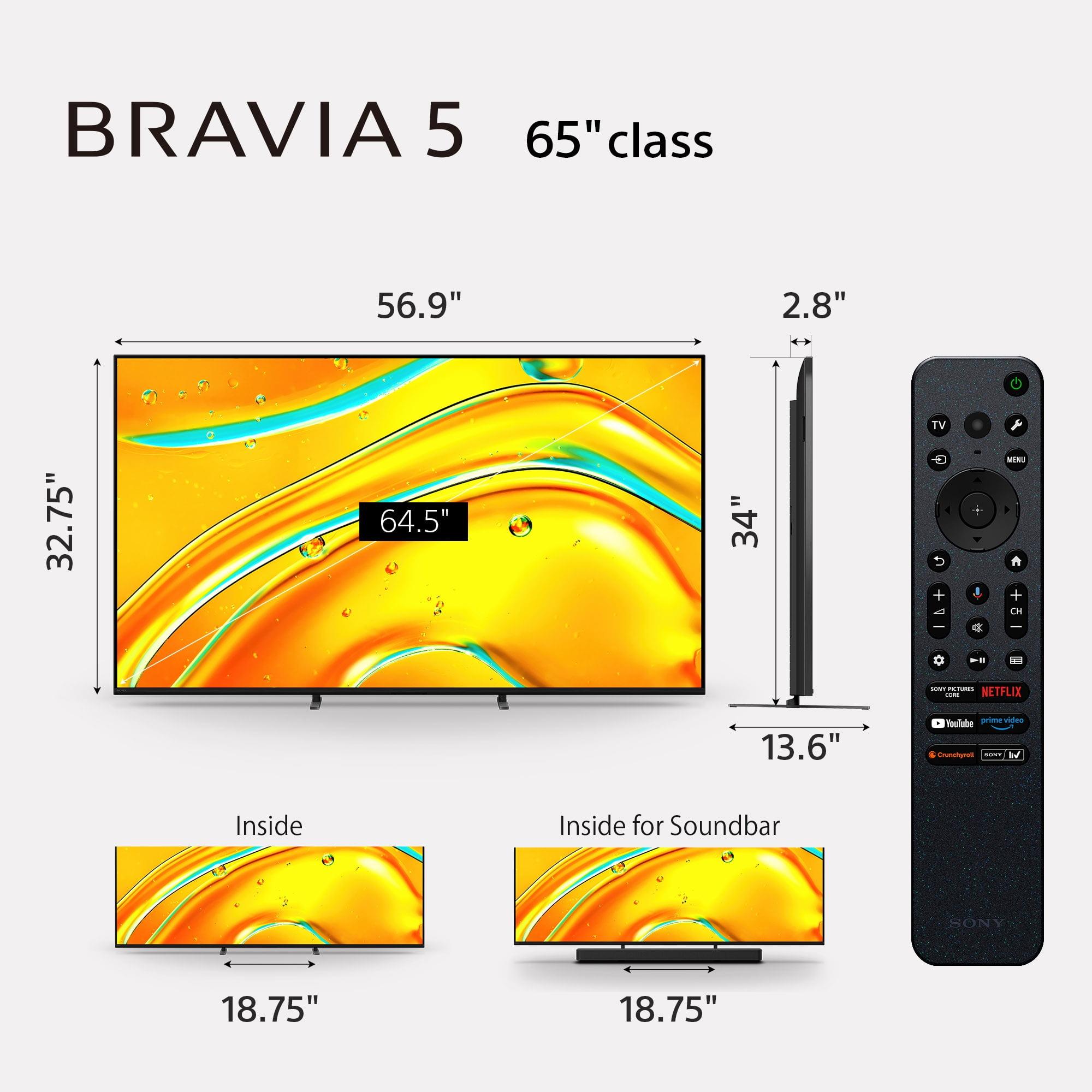
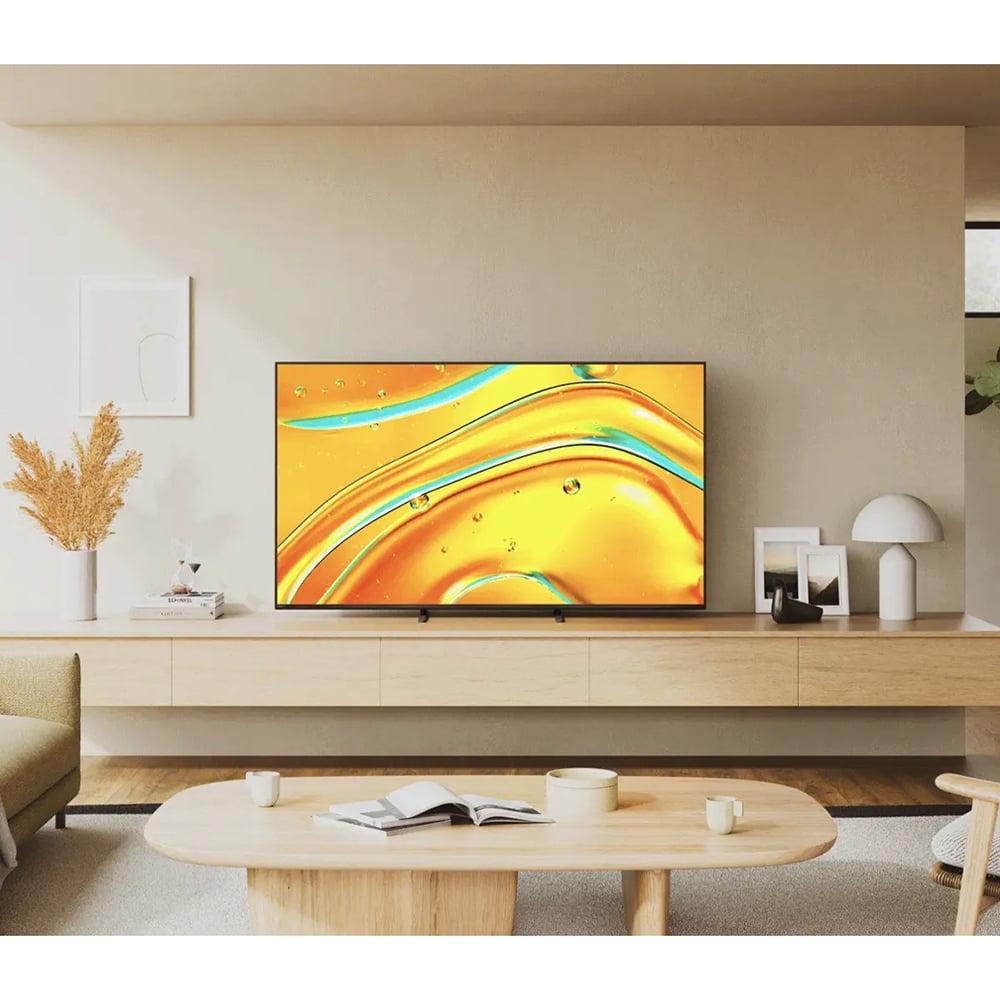
The Sony BRAVIA 5 features premium One Slate design with metal construction and a versatile 2-way stand, reflecting its higher price point. The TCL QM6K uses plastic construction with a basic stand, which is functional but less premium. Both are well-built for their respective price categories.
Both TVs support Dolby Vision, HDR10, and HLG formats, but they handle HDR differently. The Sony BRAVIA 5 provides more accurate HDR reproduction with professional-grade processing, while the TCL QM6K delivers brighter, more impactful HDR thanks to its quantum dot technology and higher peak brightness output.
For dedicated home theaters, the Sony BRAVIA 5 is superior due to its professional-grade color accuracy, better dark room performance, and advanced audio system that can serve as a center channel speaker. The TCL QM6K works well for casual home theater use but may require additional audio equipment for serious setups.
Sony typically offers longer warranty periods and more comprehensive customer support through established service networks. The Sony BRAVIA 5 also benefits from Sony's reputation for long-term software updates. The TCL QM6K comes with standard warranty coverage, and TCL has improved their support network significantly in recent years.
Choose the Sony BRAVIA 5 if you prioritize picture accuracy, own a PlayStation 5, want premium audio without buying a soundbar, or plan to keep your TV for many years. Choose the TCL QM6K if you want Mini LED performance at an affordable price, prioritize brightness and vibrant colors, are budget-conscious, or plan to add external audio equipment anyway.
We've done our best to create useful and informative comparisons to help you decide what product to buy. Our research uses advanced automated methods to create this comparison and perfection is not possible - please contact us for corrections or questions. These are the sites we've researched in the creation of this article: rtings.com - pro.sony - youtube.com - electronics.sony.com - electronics.sony.com - electronics.sony.com - bestbuy.com - electronics.sony.com - youtube.com - bestbuy.com - videoandaudiocenter.com - valueelectronics.com - youtube.com - sony.ca - perpichtv.com - sony.com - displayspecifications.com - pioneertvandappliance.com - flatpanelshd.com - youtube.com - tomsguide.com - youtube.com - tcl.com - tomsguide.com - youtube.com - youtube.com - hometechnologyreview.com - rtings.com - bestbuy.com - tcl.com - youtube.com - youtube.com - bestbuy.com - youtube.com - youtube.com - youtube.com - tcl.com - youtube.com - walmart.com - tcl.com - displayspecifications.com - kitele.com - displayspecifications.com - flatpanelshd.com - woodruffappliance.com - displayspecifications.com - prnewswire.com - tcl.com - youtube.com - abt.com - youtube.com - tclkenya.co.ke - budgethomefurn.com

Privacy Policy
Terms and Conditions - Affiliate Policy
Home Security
© Copyright 2008-2026.
11816 Inwood Rd #1211, Dallas, TX 75244