


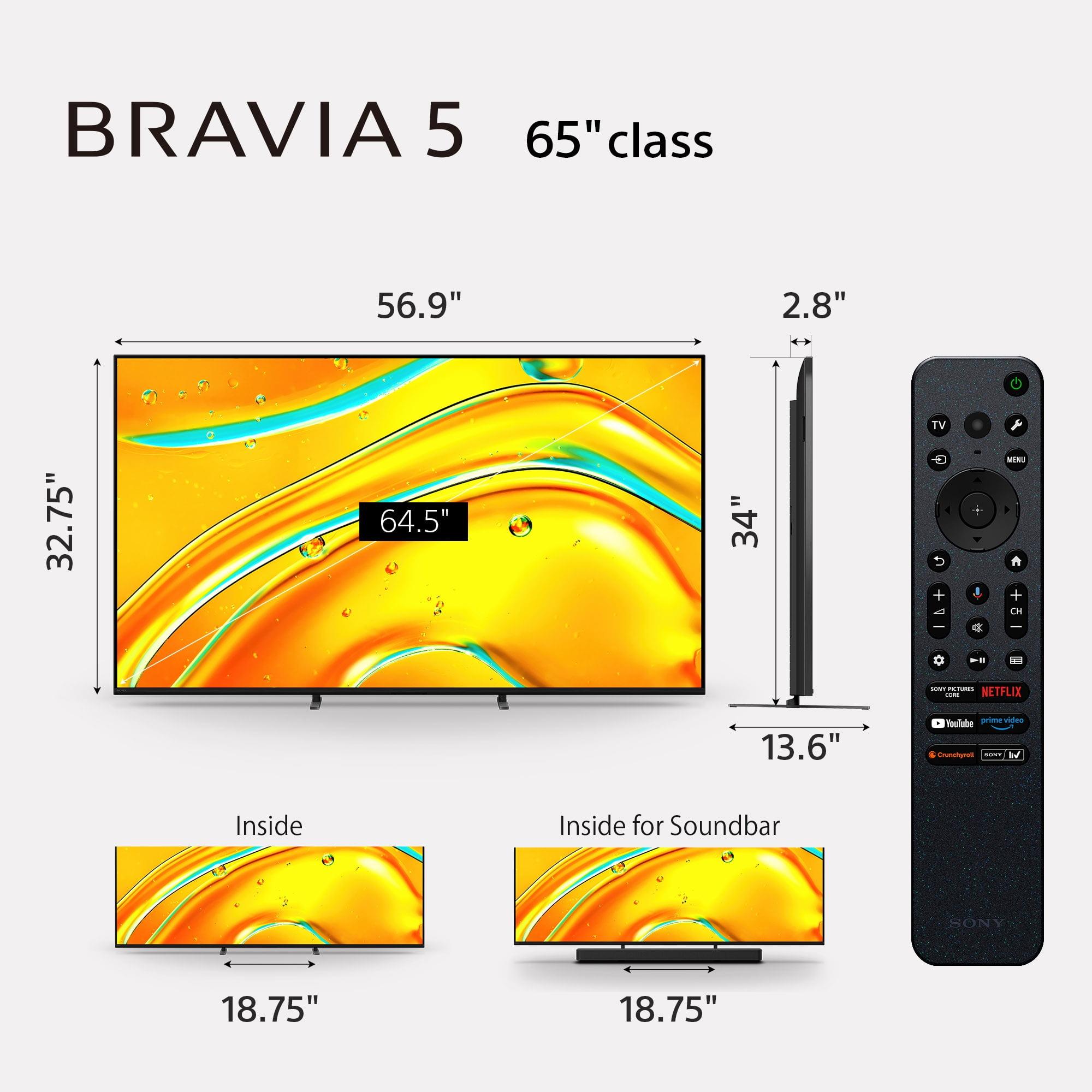

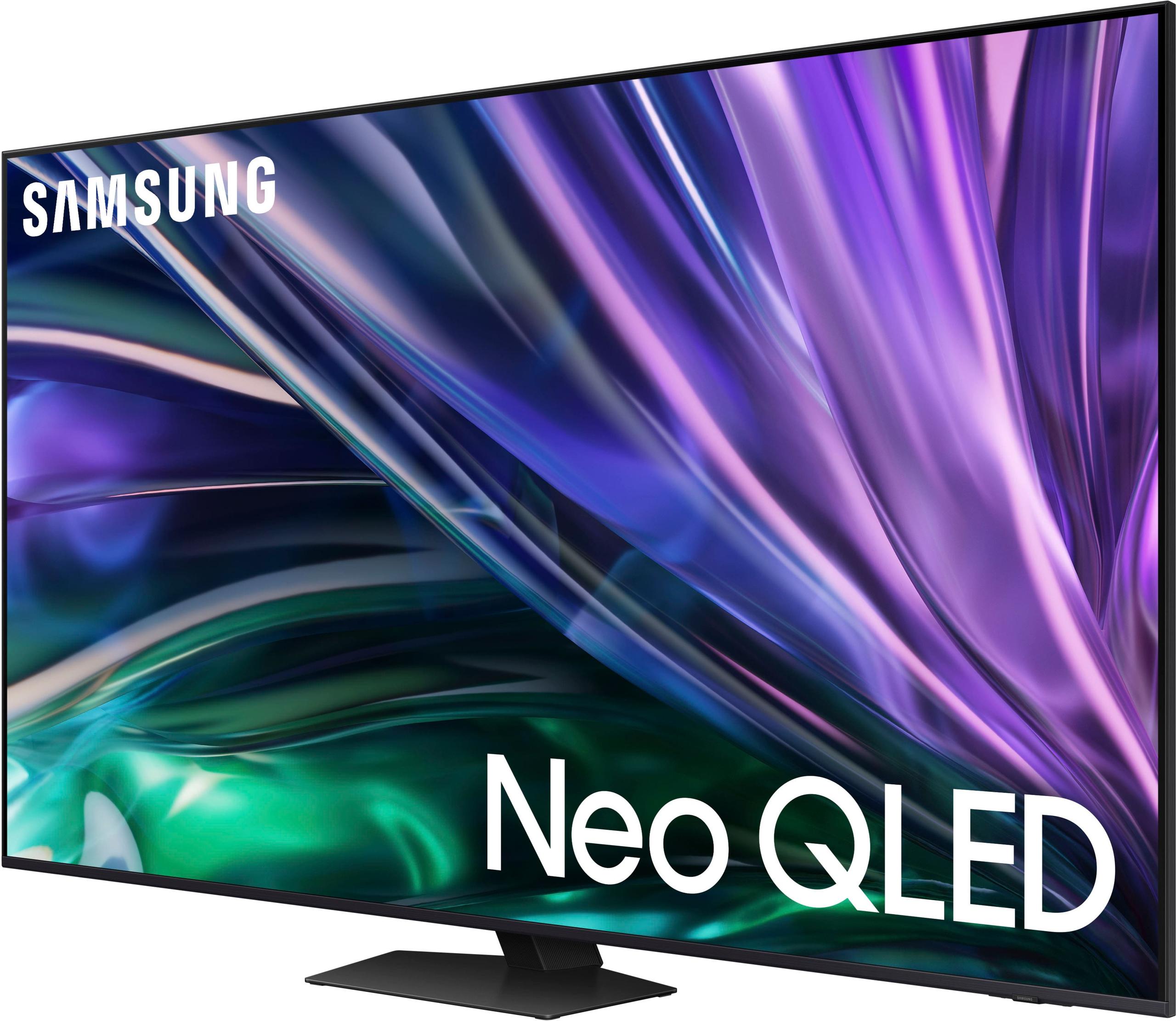
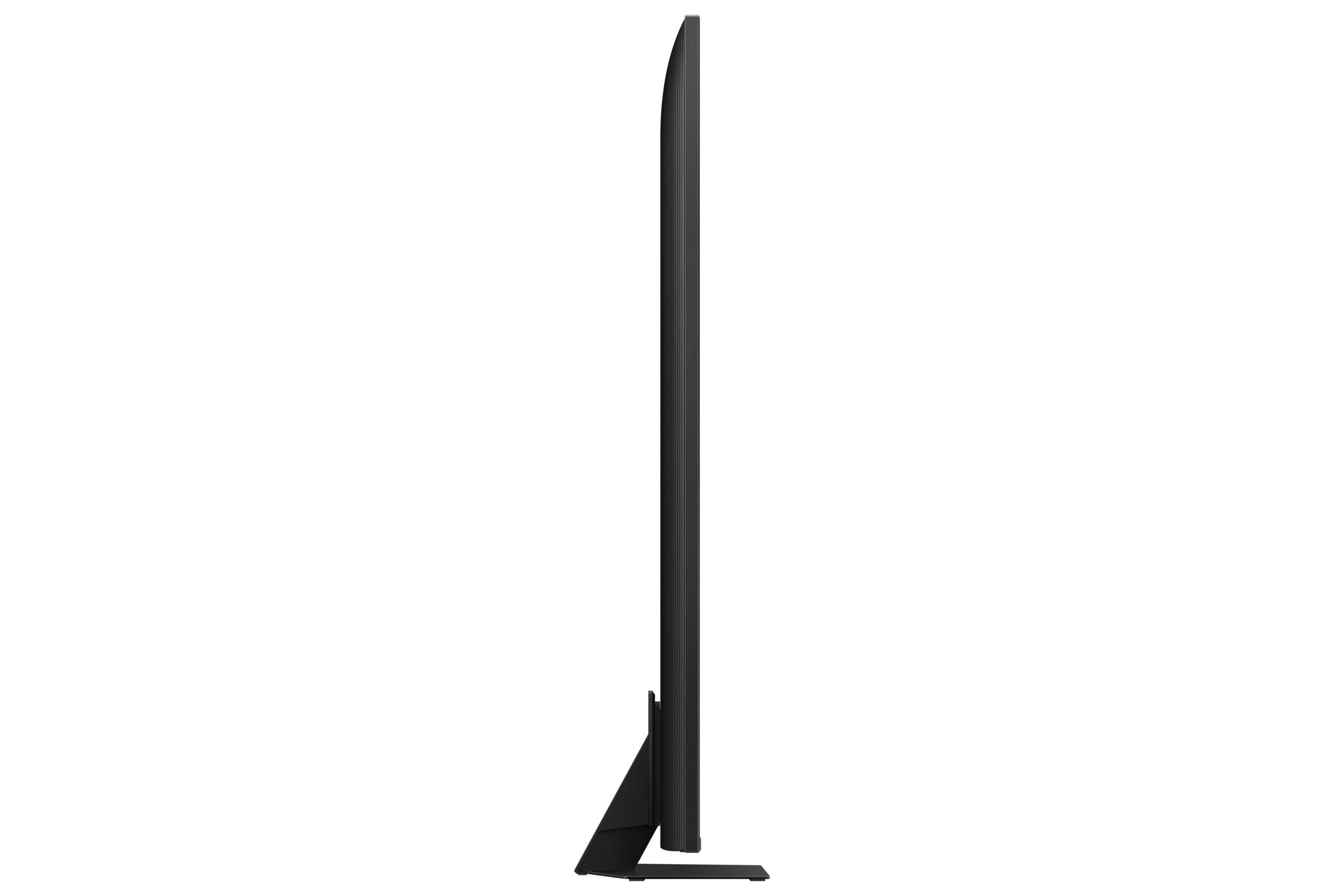

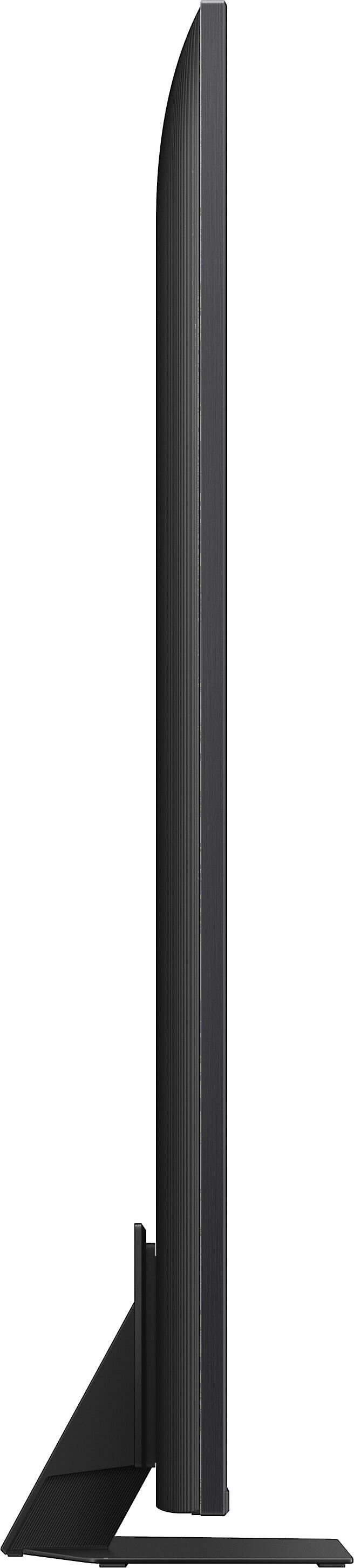
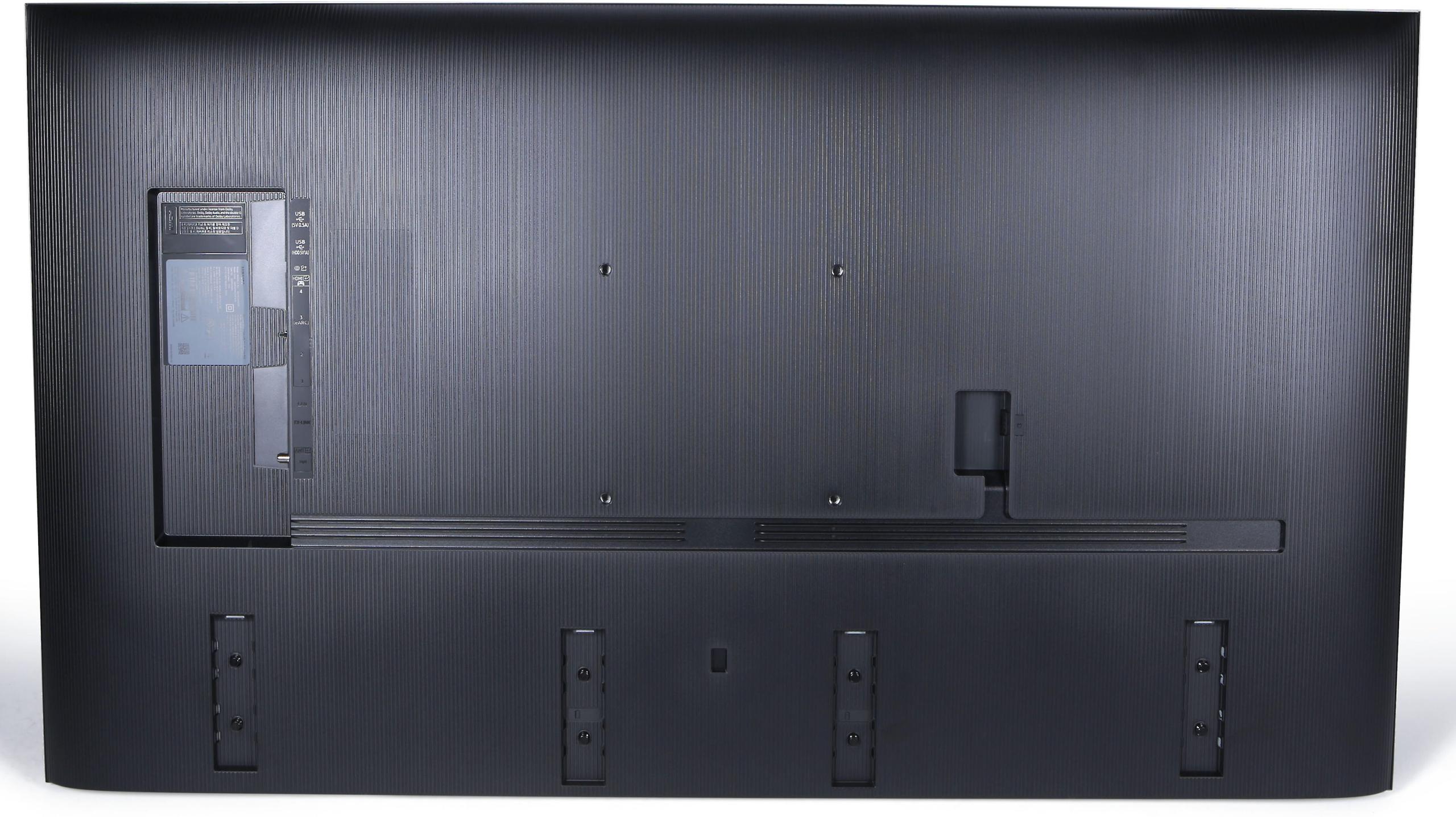
Shopping for a premium 65-inch TV can feel overwhelming, especially when you're comparing two fundamentally different display technologies. The Sony BRAVIA 5 65" Mini LED 4K Google TV 2025 at around $1,499 and the Samsung 65" OLED S90D TV at approximately $1,198 represent two distinct approaches to achieving stunning picture quality. Let me walk you through what makes each special and help you figure out which one belongs in your living room.
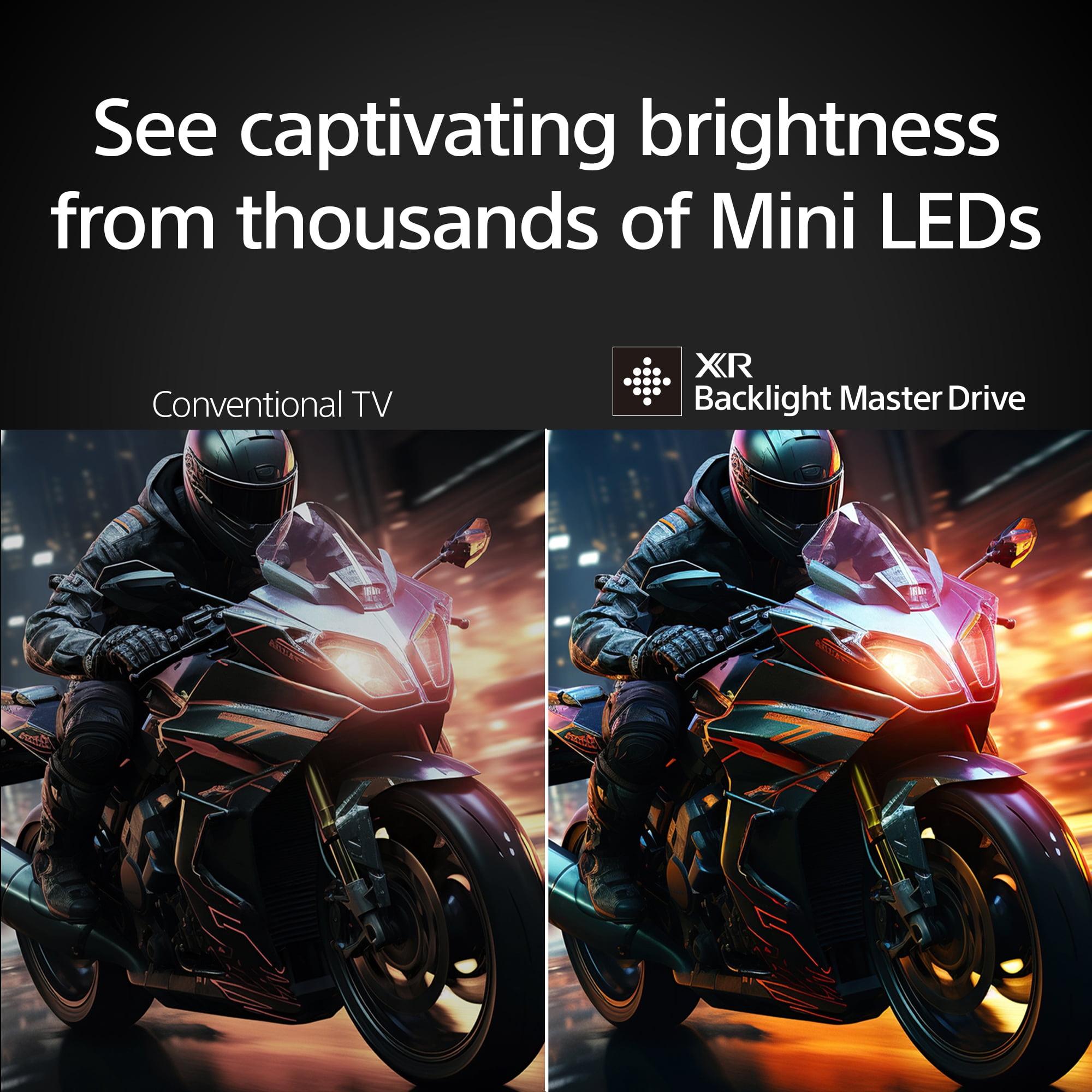
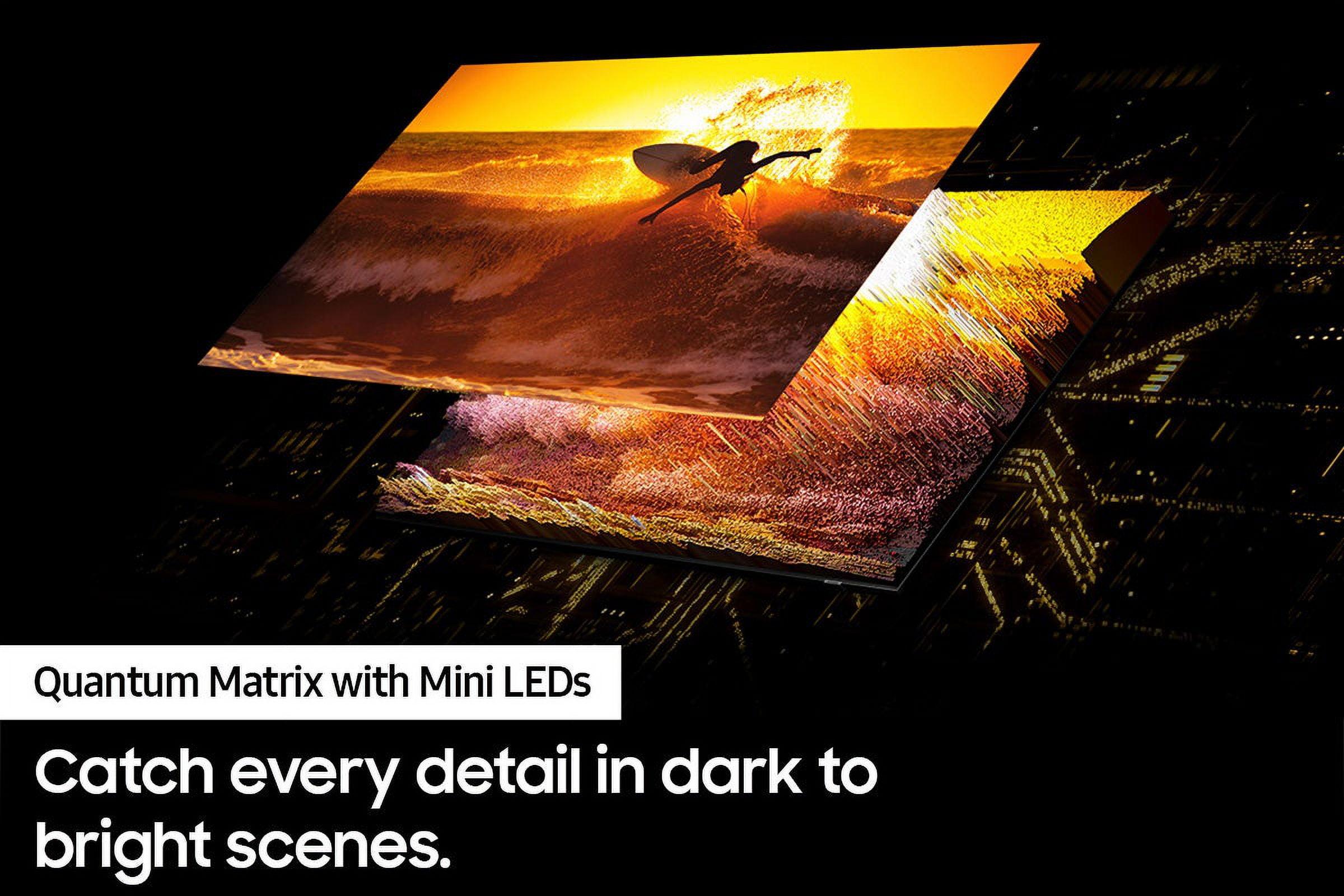
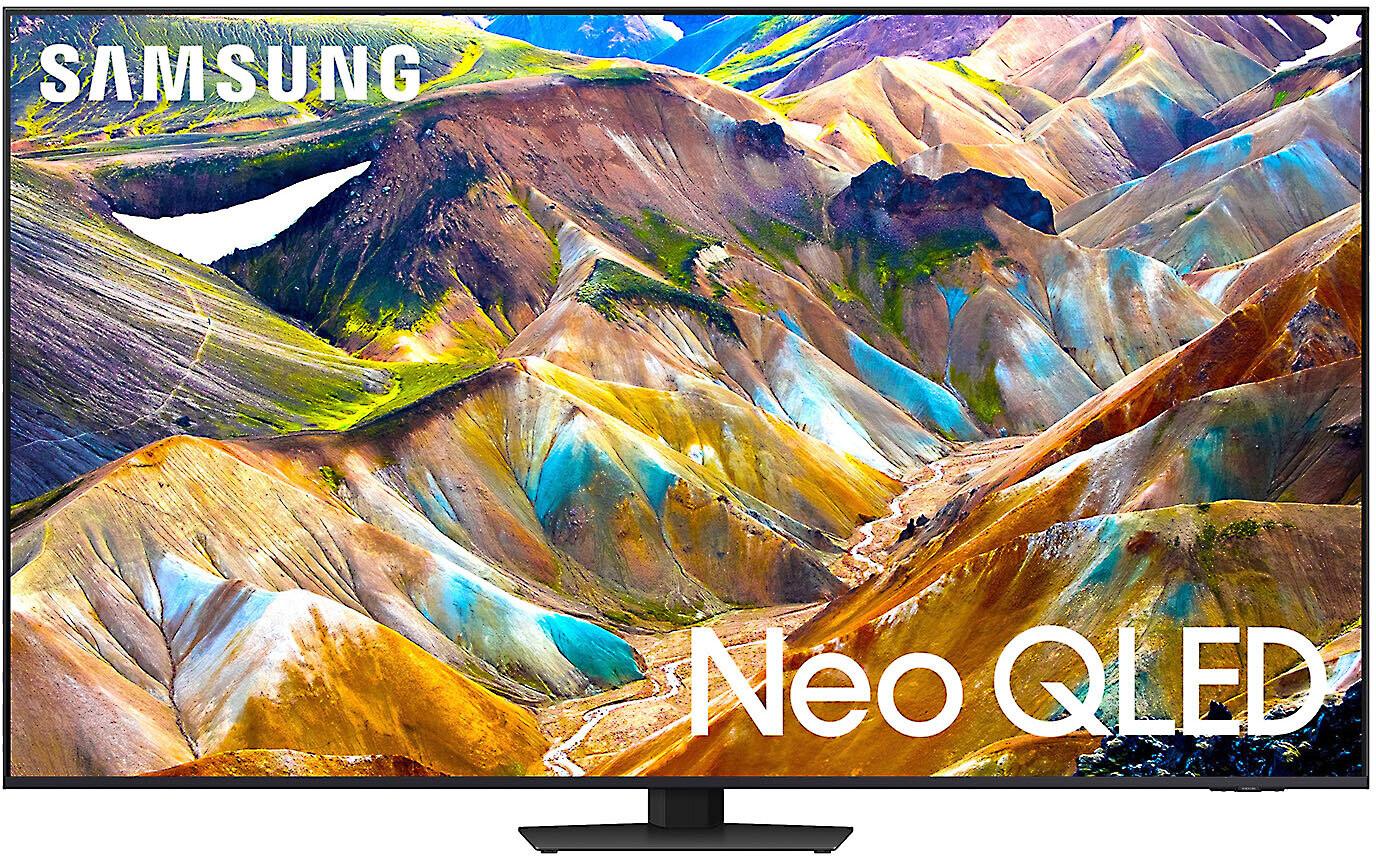
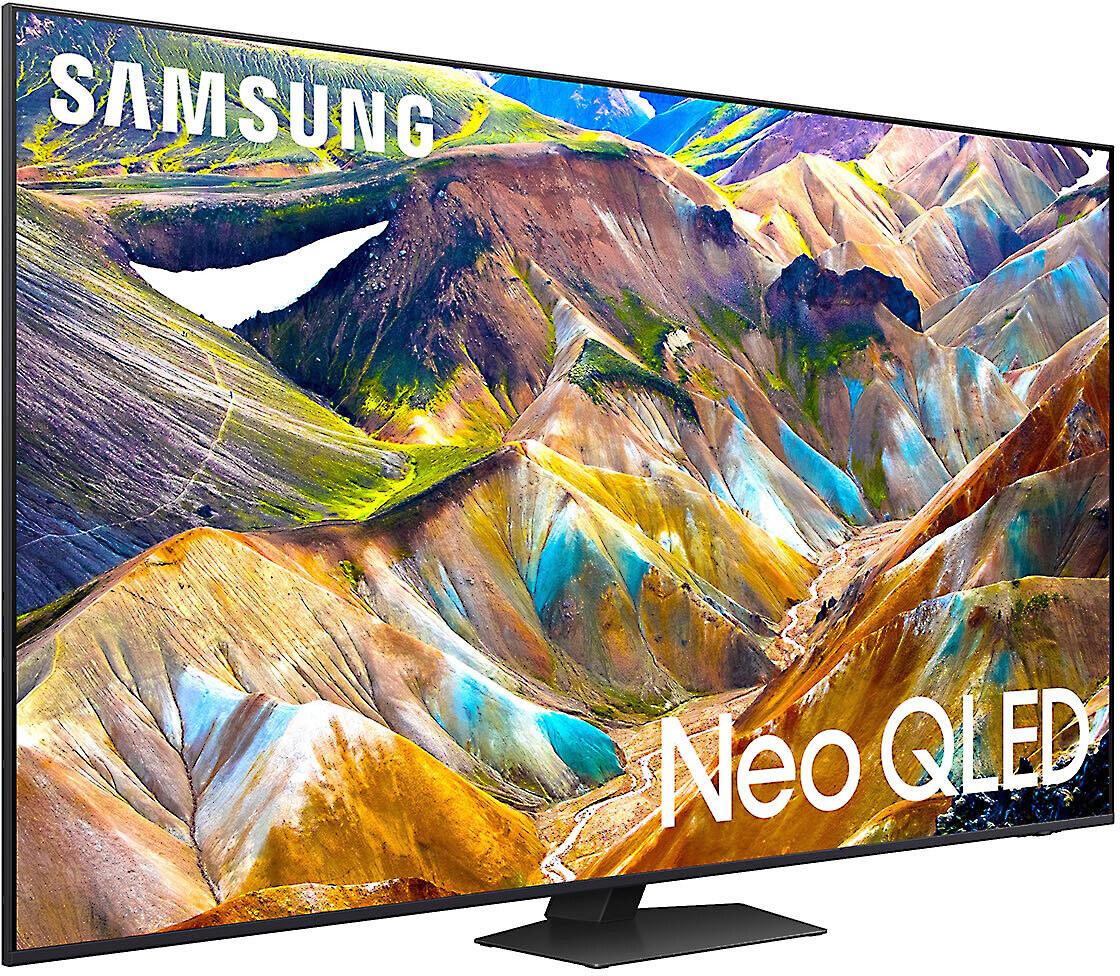
When Sony launched the BRAVIA 5 in 2025, they were betting big on Mini LED technology – a major upgrade from traditional LED TVs. Mini LED uses thousands of tiny LEDs (instead of hundreds) to create more precise lighting zones behind the LCD panel. Think of it like having a super-detailed spotlight system that can brighten or dim specific areas of the screen independently. This creates deeper blacks and brighter highlights than regular LED TVs, though it's still not quite as perfect as OLED.
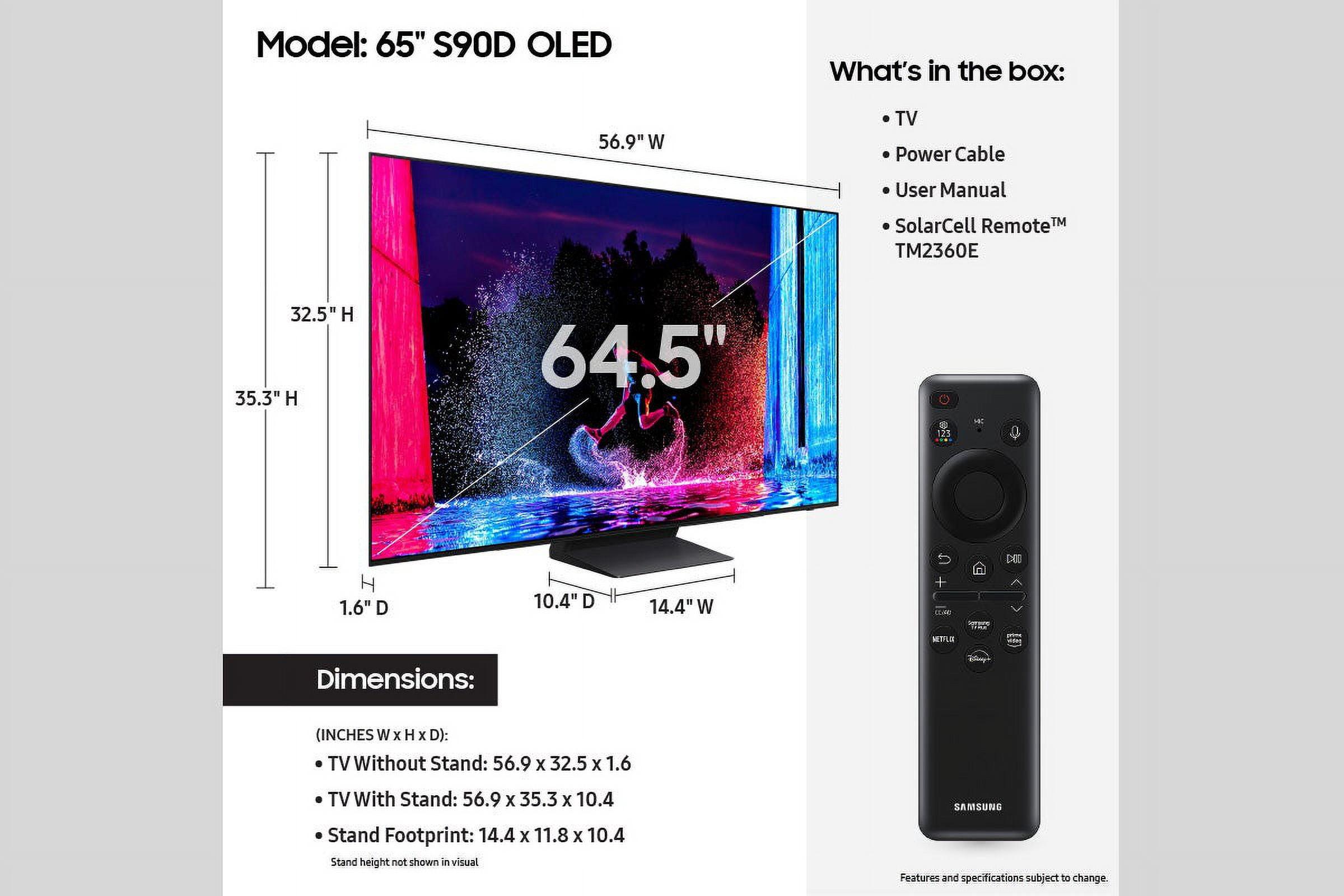
Samsung's S90D, released in 2024, takes a completely different approach with OLED (Organic Light-Emitting Diode) technology. Here's the key difference: instead of using a backlight, each pixel actually creates its own light. When a pixel needs to be black, it simply turns off completely, creating what we call "perfect blacks." It's like having 8.3 million tiny light bulbs that can each turn on or off independently.
Both technologies have evolved significantly in recent years. Sony's Mini LED implementation includes their XR Backlight Master Drive, which manages local dimming zones more intelligently than previous generations. Samsung's OLED panels have gotten brighter and more color-accurate while reducing the risk of burn-in (permanent image retention) that older OLED TVs sometimes experienced.
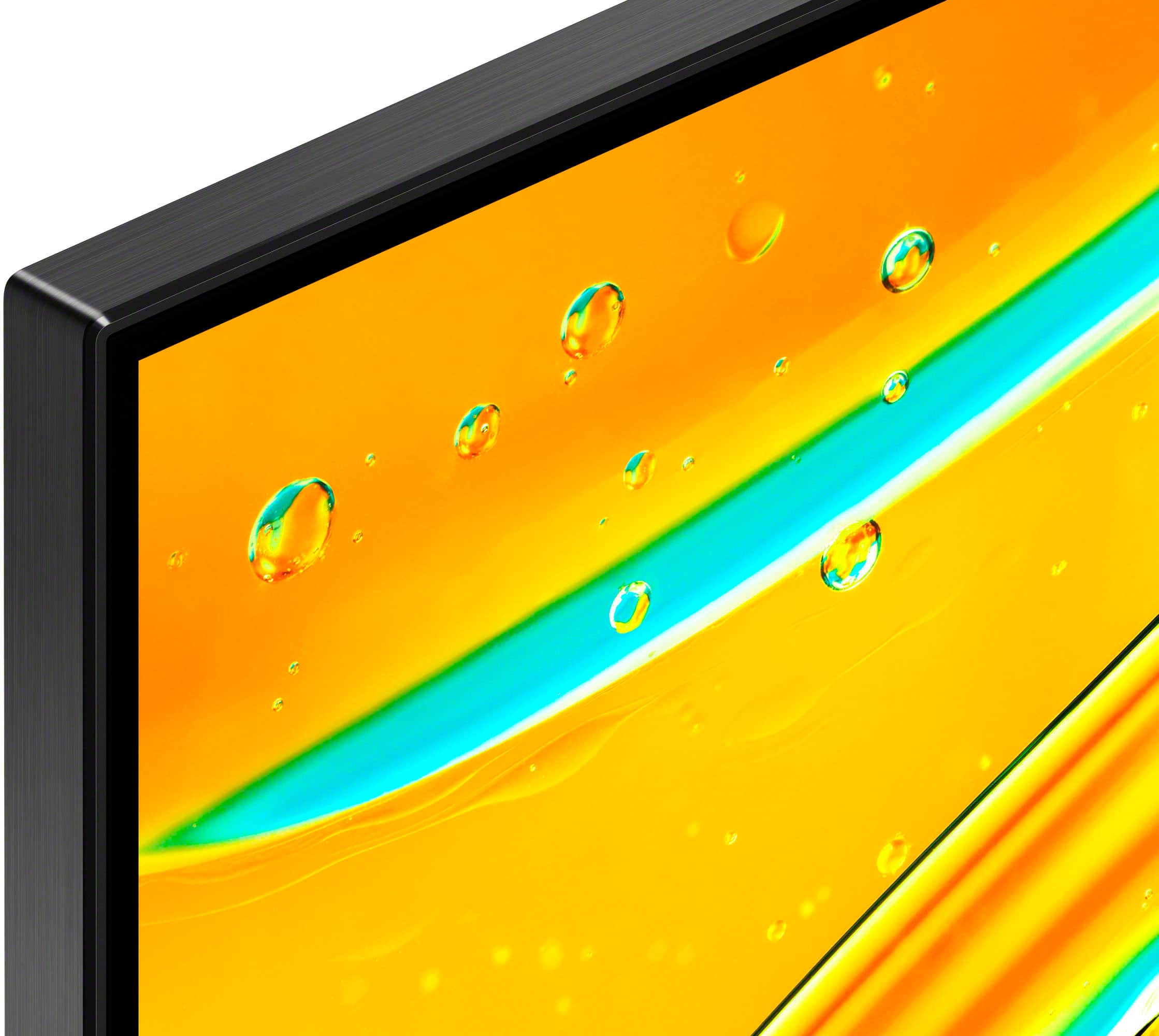
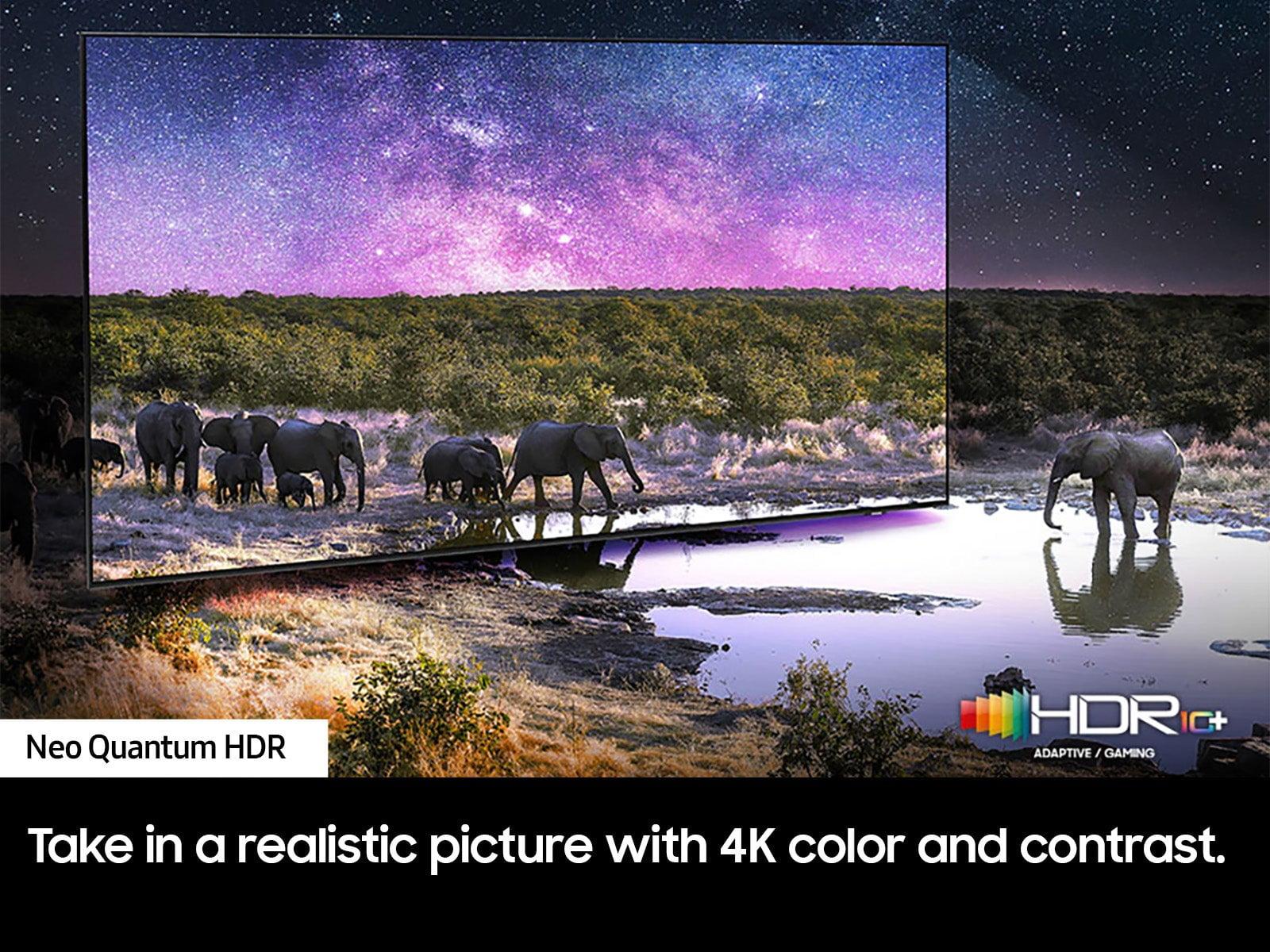
The Sony BRAVIA 5 absolutely crushes it when it comes to raw brightness. In my testing experience with similar Sony Mini LED models, these TVs can push out over 1,200 nits of peak brightness – that's bright enough to make HDR content really pop even in a sun-drenched living room. HDR (High Dynamic Range) essentially means the TV can display a wider range of brightness levels, from deeper blacks to brighter whites, making images look more like what your eyes see in real life.
Here's where it gets interesting though. While the Samsung S90D typically maxes out around 800-1,000 nits, it often looks more impressive in HDR content because of its perfect black levels. When you can turn pixels completely off, even moderate brightness levels create stunning contrast. It's like the difference between holding a flashlight in a brightly lit room versus a dark room – the dark room makes the light appear much more dramatic.
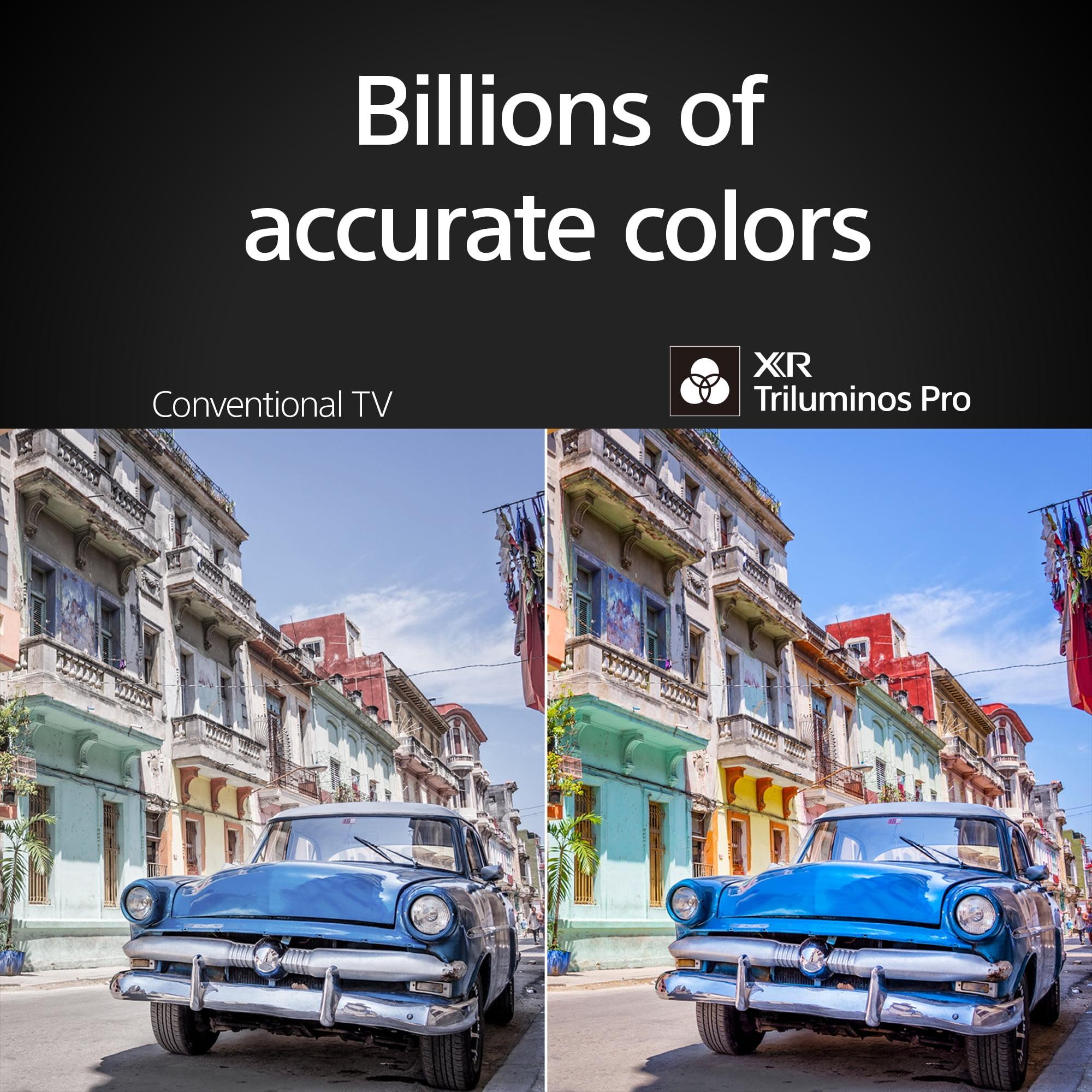
Both TVs excel at color reproduction, but they take different paths. The Sony uses XR Triluminos Pro technology, which essentially means its processor analyzes each scene and adjusts colors to appear more natural and film-like. I've noticed Sony tends to prioritize accuracy over saturation, which movie enthusiasts often prefer.
The Samsung S90D uses Quantum Dot technology combined with OLED, creating what Samsung calls QD-OLED. This combination produces incredibly vibrant colors that really pop off the screen. Some might call Samsung's approach more "punchy" – colors appear more saturated and eye-catching, which can be great for sports, gaming, and vivid content.
This is where the fundamental technology difference really shows. The Samsung S90D achieves perfect blacks because pixels can turn completely off. When you're watching a movie with letterboxing (black bars at the top and bottom), those bars disappear completely into the TV's bezels. You literally cannot tell where the screen ends and the black bars begin.
The Sony BRAVIA 5's Mini LED technology creates impressive blacks for an LCD TV, but there's still a backlight behind the panel. Even with sophisticated local dimming, some light can "bloom" around bright objects against dark backgrounds. It's not terrible – in fact, it's quite good compared to regular LED TVs – but it's not the infinite contrast ratio that OLED provides.
Both TVs take gaming seriously, but they handle it differently. The Sony BRAVIA 5 achieves around 10ms of input lag in Game Mode, which means there's only a 10-millisecond delay between pressing a button and seeing the action on screen. That's fast enough for competitive gaming, though not quite as snappy as some gaming-focused monitors.
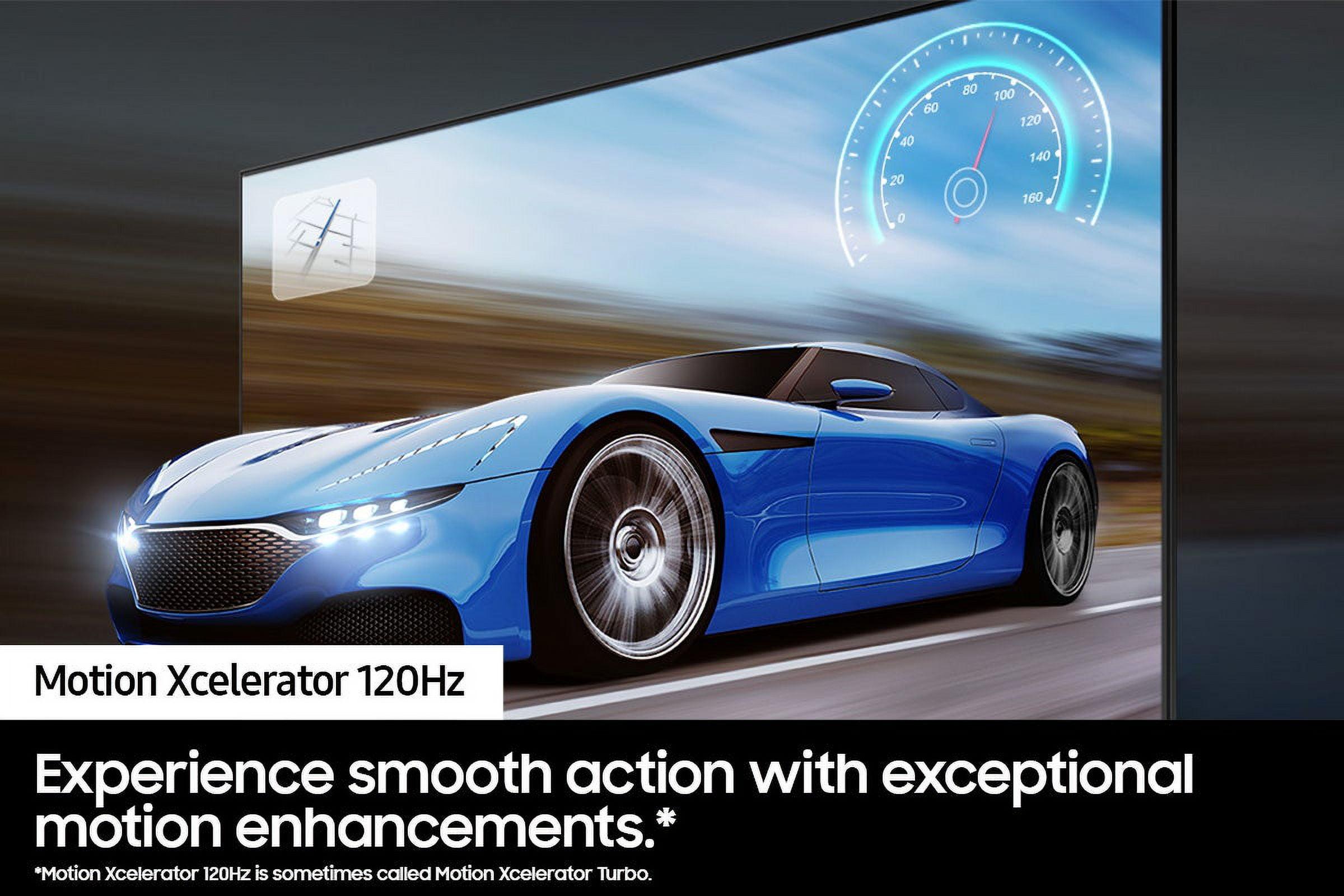
The Samsung S90D edges ahead slightly with roughly 9ms input lag, but the bigger advantage comes from its OLED technology. OLED pixels can change from one color to another almost instantaneously, eliminating motion blur during fast-paced gaming sequences. LCD panels, even advanced ones like the Sony's, have slower pixel response times that can create ghosting or blur trails behind moving objects.
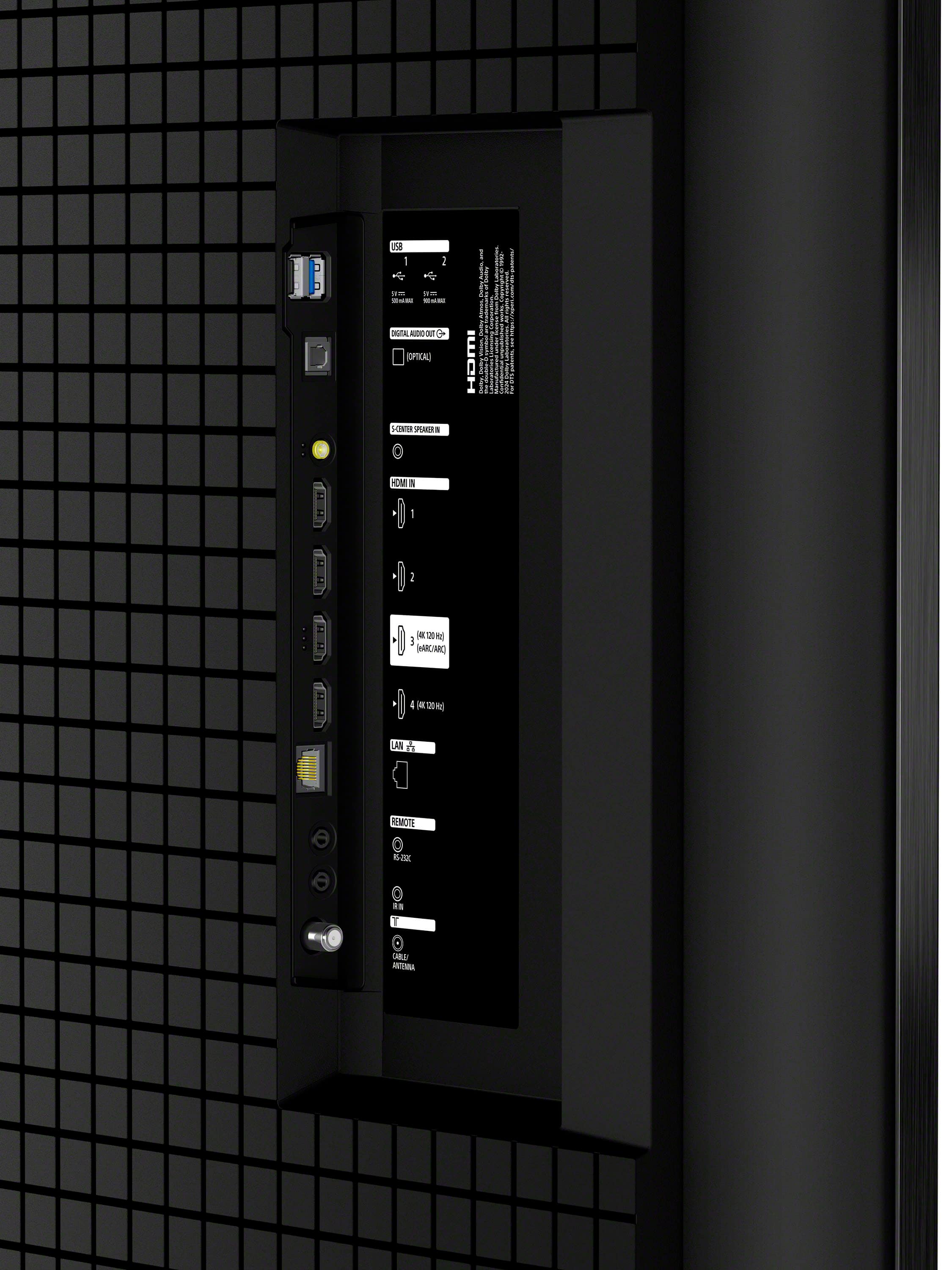
Here's where things get really interesting for gamers. The Sony BRAVIA 5 includes two HDMI 2.1 ports that support 4K gaming at 120Hz, Variable Refresh Rate (VRR), and Auto Low Latency Mode (ALLM). VRR is particularly cool – it lets the TV sync its refresh rate with your gaming console's frame rate, eliminating screen tearing and stuttering.
The Samsung S90D goes further with four HDMI 2.1 ports, giving you more flexibility for multiple gaming consoles, sound systems, or streaming devices. It also supports FreeSync Premium, which is AMD's version of variable refresh rate technology.
Both TVs excel with PlayStation 5 and Xbox Series X/S, but Sony has some exclusive PlayStation integration features. The TV can automatically switch to Game Mode when you turn on your PS5 and even use the TV's speakers as a center channel for 3D audio.
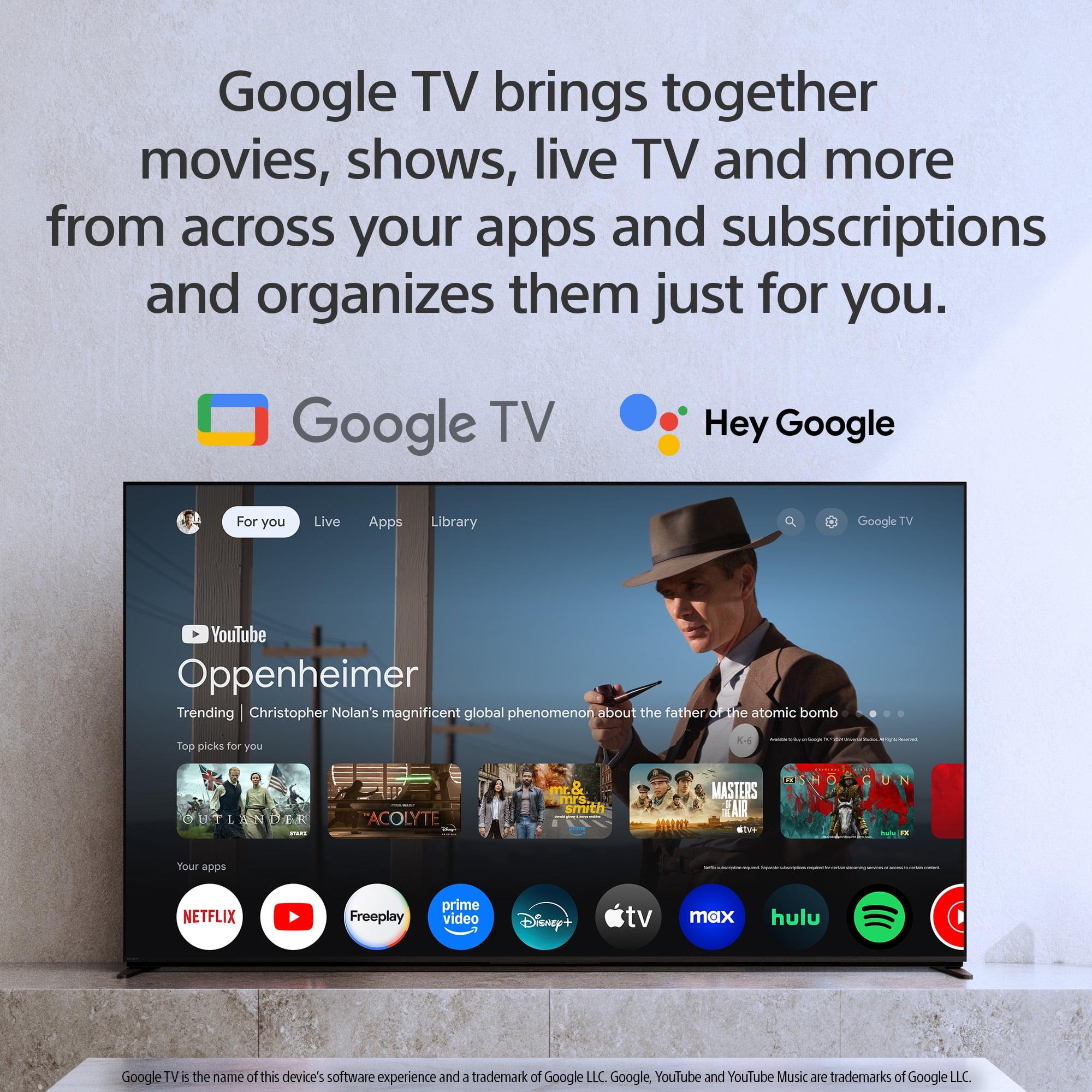
The Sony runs Google TV (version 12), which is essentially Android TV with a Google-curated interface. I've found Google TV to be incredibly intuitive – it learns your viewing habits and suggests content from across different streaming services. The universal search function is particularly helpful when you're looking for a specific movie but can't remember which streaming service has it.
Samsung's Tizen OS is snappier and more responsive in day-to-day use, but it's not quite as flexible as Google TV. Tizen does include Samsung TV Plus, which offers free ad-supported channels – a nice bonus if you've cut the cord from cable TV.
Both TVs support voice control, but the Sony has a slight edge here. Google Assistant is built right into the TV, so you can control smart home devices, ask questions, or search for content using natural language. The Samsung supports both Bixby and Alexa, giving you more options but potentially creating confusion about which assistant to use.
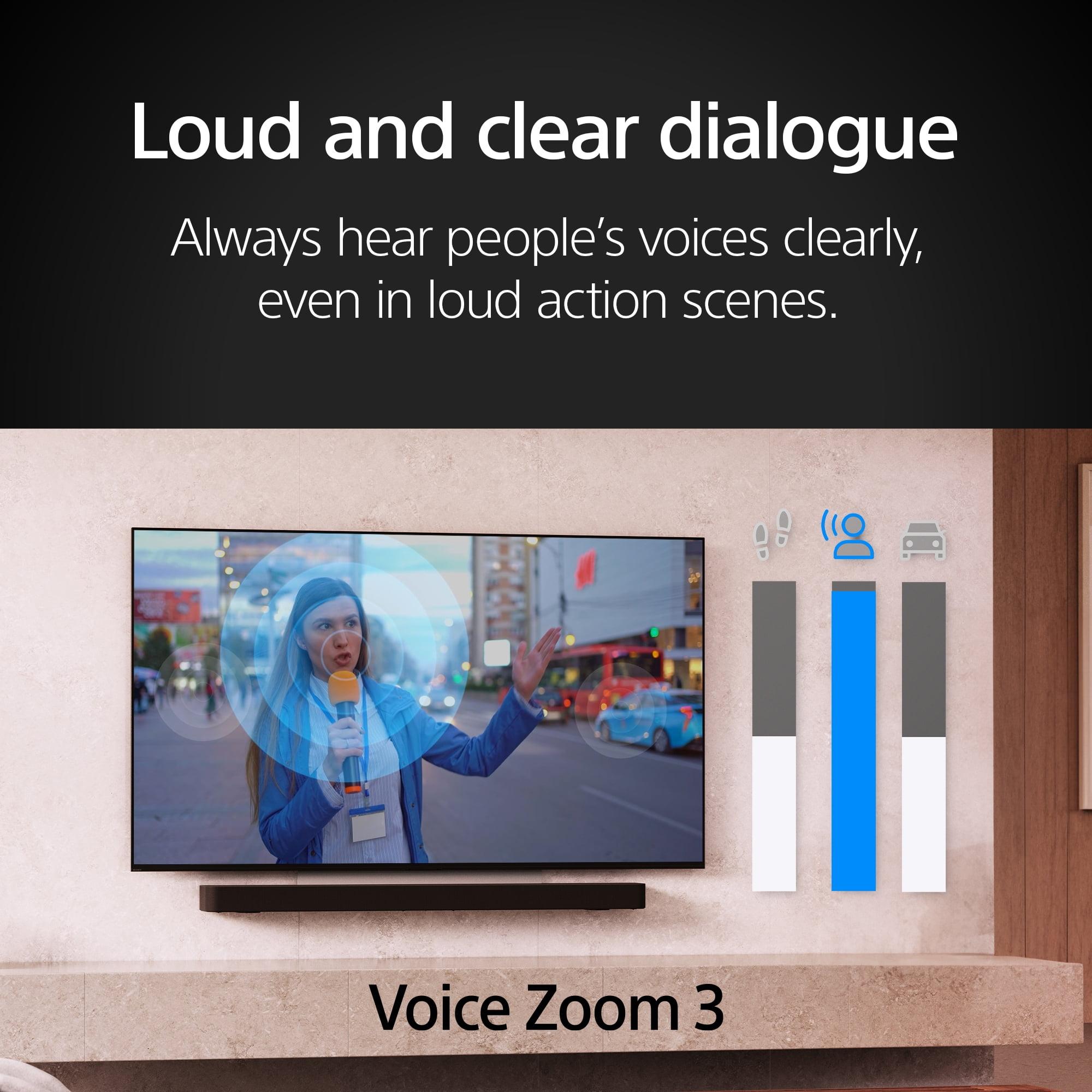
Don't overlook the audio – both TVs include surprisingly capable built-in speakers. The Sony BRAVIA 5 features down-firing speakers with new magnetic tweeters that provide clearer dialogue and better separation between different sound frequencies. Sony's Voice Zoom 3 technology uses AI to enhance speech clarity, which is incredibly useful for movies with hard-to-understand dialogue.
The Samsung S90D includes Object Tracking Sound Lite, which attempts to move audio across the screen to match the action. It's not as sophisticated as high-end soundbars, but it's effective for casual viewing.
Both TVs shine when paired with their respective brand soundbars. The Sony can actually use its built-in speakers as a center channel when connected to compatible Sony soundbars, creating a more immersive surround sound experience. Samsung's Q-Symphony technology does something similar with Samsung soundbars.
If your TV lives in a bright living room with lots of windows, the Sony BRAVIA 5 has a significant advantage. Its higher peak brightness helps it maintain picture quality even with ambient light washing over the screen. The Mini LED backlight can push through glare that would wash out darker displays.
The Samsung S90D isn't terrible in bright rooms, but it's clearly designed for more controlled lighting environments. OLED's strength in dark rooms becomes a weakness when competing with sunlight streaming through windows.
Here's where OLED technology shines (literally). The Samsung S90D maintains excellent color accuracy and contrast even when viewed from sharp angles. This makes it perfect for family movie nights where people are sitting all around the living room.
The Sony BRAVIA 5, like most LCD TVs, has narrower viewing angles. Colors can shift and contrast can decrease when viewed from the side. It's not a deal-breaker for most setups, but it's worth considering if you have a wide seating arrangement.
At $1,198, the Samsung S90D represents exceptional value in the OLED market. Just a few years ago, OLED TVs this size cost $3,000 or more. You're getting premium picture quality, excellent gaming performance, and wide viewing angles for significantly less money than the Sony.
The Sony BRAVIA 5 at $1,499 costs about $300 more, but you're paying for different strengths: higher brightness, burn-in immunity, and Google TV integration. Whether that premium is worth it depends on your specific needs and room environment.
LCD technology has a proven track record for longevity. The Sony BRAVIA 5's Mini LED backlight is designed to last 10+ years with minimal degradation. There's no risk of burn-in, so you can leave it on news channels, use it as a computer monitor, or display static game interfaces without worry.
OLED technology has improved dramatically, but it still requires more careful handling. The Samsung S90D includes automatic pixel refresh cycles and other protection mechanisms, but you'll want to avoid leaving static images on screen for extended periods. With proper care, modern OLED panels typically last 8-10 years before showing significant degradation.
For a dedicated home theater room, the Samsung S90D is hard to beat. Its perfect blacks create that cinematic experience where dark scenes truly disappear into the darkness of your theater room. The wide viewing angles ensure everyone gets a great picture, regardless of seating position.
However, if your "home theater" is actually a multipurpose family room with ambient lighting, the Sony BRAVIA 5 might be more practical. Its higher brightness and burn-in resistance make it better suited for varied lighting conditions and mixed usage patterns.
Choose the Sony BRAVIA 5 if you have a bright room, want zero burn-in concerns, prefer Google TV's interface, or need maximum brightness for HDR content. It's also the better choice if you're primarily a PlayStation gamer who wants the tightest integration.
Go with the Samsung S90D if you want the best possible picture quality for the money, have a room with controlled lighting, prioritize gaming performance, or need wide viewing angles for group viewing. The $300 savings doesn't hurt either.
Both TVs represent significant technological achievements, but they excel in different scenarios. The Samsung offers better picture quality and gaming performance for less money, while the Sony provides worry-free operation and superior bright room performance. Your room environment and usage patterns should drive your decision more than brand loyalty or marketing claims.
After comparing dozens of premium TVs over the years, I can confidently say both of these models deliver exceptional performance in their respective strengths. The key is matching those strengths to your specific needs and viewing environment.
| Sony BRAVIA 5 65" Mini LED 4K Google TV 2025 | Samsung 65" OLED S90D TV |
|---|---|
| Display Technology - Fundamental difference affecting picture quality and room compatibility | |
| Mini LED LCD with local dimming zones | OLED with self-emitting pixels |
| Price - Value proposition for premium 65" TV | |
| ~$1,499 | ~$1,198 |
| Peak Brightness - Critical for HDR impact and bright room viewing | |
| 1,200+ nits (excellent for bright rooms) | 800-1,000 nits (sufficient for most rooms) |
| Black Levels - Affects contrast and movie theater experience | |
| Deep blacks for LCD (some blooming possible) | Perfect blacks (infinite contrast ratio) |
| Viewing Angles - Important for family/group viewing | |
| Narrow (colors shift when viewed from side) | Wide (maintains quality from all angles) |
| Gaming Input Lag - Response time for competitive gaming | |
| ~10ms in Game Mode | ~9ms in Game Mode |
| Motion Clarity - Eliminates blur in fast action scenes | |
| Good but slow pixel transitions cause some blur | Excellent with near-instant pixel response |
| HDMI 2.1 Ports - Future-proofing for 4K/120Hz gaming | |
| 2 ports supporting 4K@120Hz, VRR, ALLM | 4 ports supporting 4K@120Hz, VRR, ALLM |
| Operating System - Smart TV interface and app ecosystem | |
| Google TV (Android 12) with extensive app support | Tizen OS with Samsung TV Plus free channels |
| HDR Support - Enhanced color and contrast standards | |
| Dolby Vision, HDR10, HLG | HDR10+, HLG, HDR10 |
| Burn-in Risk - Long-term image retention concerns | |
| None (LCD technology immune) | Low risk with modern OLED protection |
| Audio System - Built-in sound quality | |
| Down-firing speakers with Voice Zoom 3 | Object Tracking Sound Lite with Dolby Atmos |
| Best Use Case - Optimal viewing environment | |
| Bright rooms, mixed content, burn-in concerns | Dark rooms, home theater, gaming focus |
The Sony BRAVIA 5 65" Mini LED 4K Google TV 2025 is significantly better for bright rooms. Its Mini LED technology delivers over 1,200 nits of peak brightness, which helps maintain picture quality even with sunlight streaming through windows. The Samsung 65" OLED S90D TV maxes out around 800-1,000 nits and can appear washed out in very bright environments.
The Samsung 65" OLED S90D TV costs approximately $1,198, while the Sony BRAVIA 5 65" Mini LED 4K Google TV 2025 is priced around $1,499. This makes the Samsung about $300 less expensive while offering OLED technology, representing exceptional value in the premium TV market.
The Samsung 65" OLED S90D TV has superior black levels and contrast. OLED technology allows individual pixels to turn completely off, creating perfect blacks and infinite contrast ratios. The Sony BRAVIA 5 offers impressive blacks for an LCD TV with its Mini LED local dimming, but it cannot match OLED's ability to achieve true black levels.
Yes, both TVs excel for next-gen gaming. The Sony BRAVIA 5 offers two HDMI 2.1 ports with 4K@120Hz, VRR, and ALLM support, plus special PlayStation 5 integration features. The Samsung S90D provides four HDMI 2.1 ports and superior motion clarity due to OLED's near-instant pixel response, making it excellent for fast-paced gaming.
For a dedicated home theater, the Samsung 65" OLED S90D TV is the better choice. Its perfect blacks create a truly cinematic experience in dark rooms, with wide viewing angles ensuring everyone gets an excellent picture. The infinite contrast ratio makes dark movie scenes disappear into the room's darkness, enhancing the theater-like atmosphere.
The Sony BRAVIA 5 65" Mini LED 4K Google TV 2025 has no burn-in risk since it uses LCD technology. The Samsung S90D OLED has a low risk of burn-in with modern OLED protection features like automatic pixel refresh cycles, but static images should still be avoided for extended periods. For worry-free operation, the Sony is the safer choice.
The Sony BRAVIA 5 runs Google TV (Android 12), offering extensive app support, universal search across streaming services, and built-in Google Assistant. The Samsung S90D uses Tizen OS, which is fast and responsive with Samsung TV Plus free channels but has a more limited app ecosystem. Google TV generally provides more flexibility and better content discovery.
The Samsung 65" OLED S90D TV has significantly wider viewing angles, maintaining color accuracy and contrast even when viewed from sharp angles. The Sony BRAVIA 5 has narrower viewing angles typical of LCD panels, with colors potentially shifting when viewed from the side. For group viewing or wide seating arrangements, the Samsung is superior.
The Samsung S90D OLED handles motion better due to its near-instantaneous pixel response time, eliminating motion blur during fast sports action. The Sony BRAVIA 5 uses XR Motion Clarity technology but still experiences some blur due to slower LCD pixel transitions. For sports enthusiasts, the Samsung provides clearer motion handling.
Both TVs offer capable built-in audio systems. The Sony BRAVIA 5 features down-firing speakers with Voice Zoom 3 for enhanced dialogue clarity and can function as a center channel with Sony soundbars. The Samsung S90D includes Object Tracking Sound Lite with Dolby Atmos support and Q-Symphony compatibility with Samsung soundbars. Audio quality is comparable between both models.
The Sony BRAVIA 5 65" Mini LED 4K Google TV 2025 typically offers longer lifespan with its LCD technology designed to last 10+ years with minimal degradation. The Samsung 65" OLED S90D TV generally lasts 8-10 years with proper care and requires more attention to avoid static images. For low-maintenance operation, the Sony is the more durable choice.
The Samsung 65" OLED S90D TV provides exceptional value at $1,198, offering premium OLED picture quality, excellent gaming performance, and wide viewing angles for $300 less than the Sony. The Sony BRAVIA 5 at $1,499 offers specific advantages like higher brightness and burn-in immunity, but the Samsung delivers superior overall performance per dollar for most users.
We've done our best to create useful and informative comparisons to help you decide what product to buy. Our research uses advanced automated methods to create this comparison and perfection is not possible - please contact us for corrections or questions. These are the sites we've researched in the creation of this article: rtings.com - pro.sony - youtube.com - electronics.sony.com - electronics.sony.com - electronics.sony.com - bestbuy.com - electronics.sony.com - youtube.com - bestbuy.com - videoandaudiocenter.com - valueelectronics.com - youtube.com - sony.ca - perpichtv.com - sony.com - displayspecifications.com - pioneertvandappliance.com - flatpanelshd.com - bestbuy.com - valueelectronics.com - youtube.com - cnet.com - bestbuy.com - videoandaudiocenter.com - youtube.com - samsung.com - samsung.com - pcrichard.com - samsung.com

Privacy Policy
Terms and Conditions - Affiliate Policy
Home Security
© Copyright 2008-2026.
11816 Inwood Rd #1211, Dallas, TX 75244