


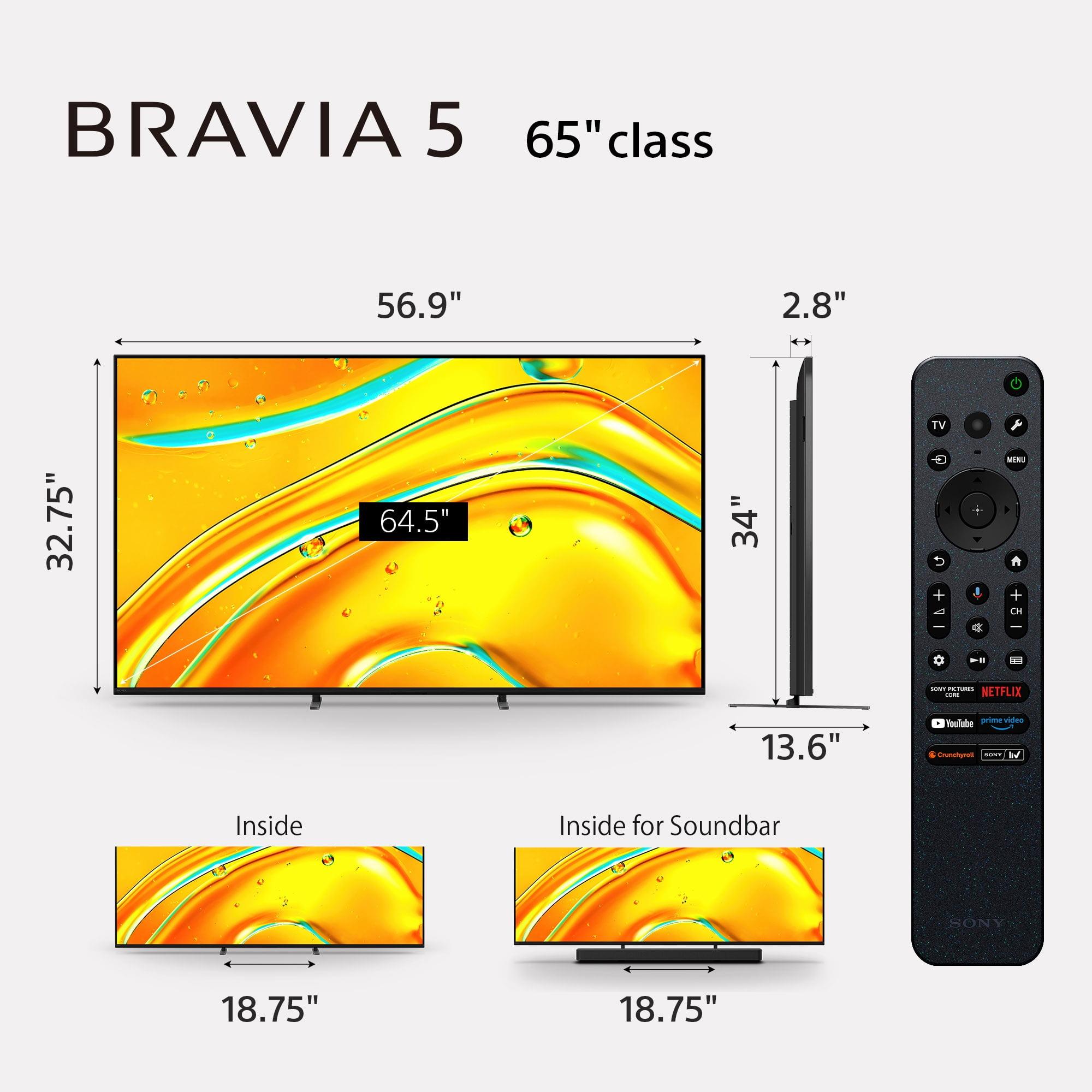
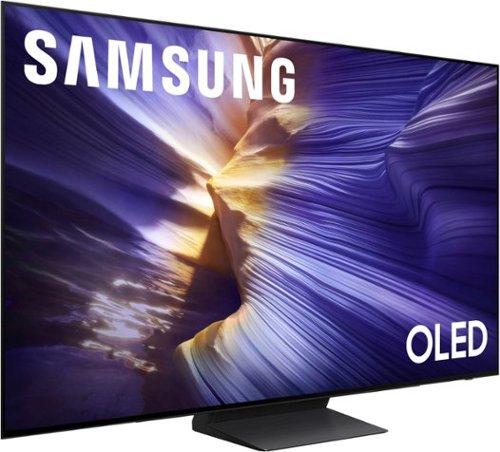
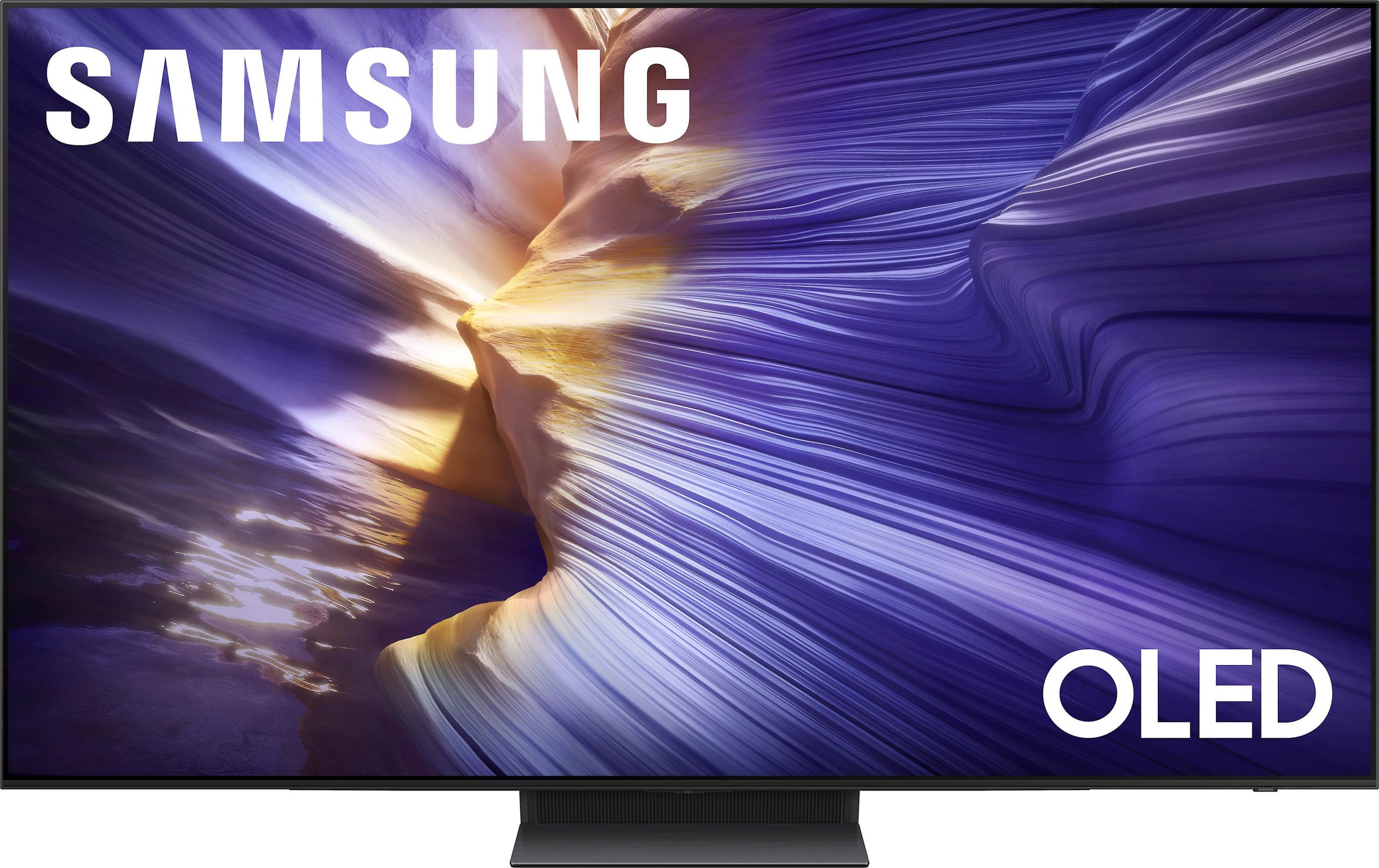
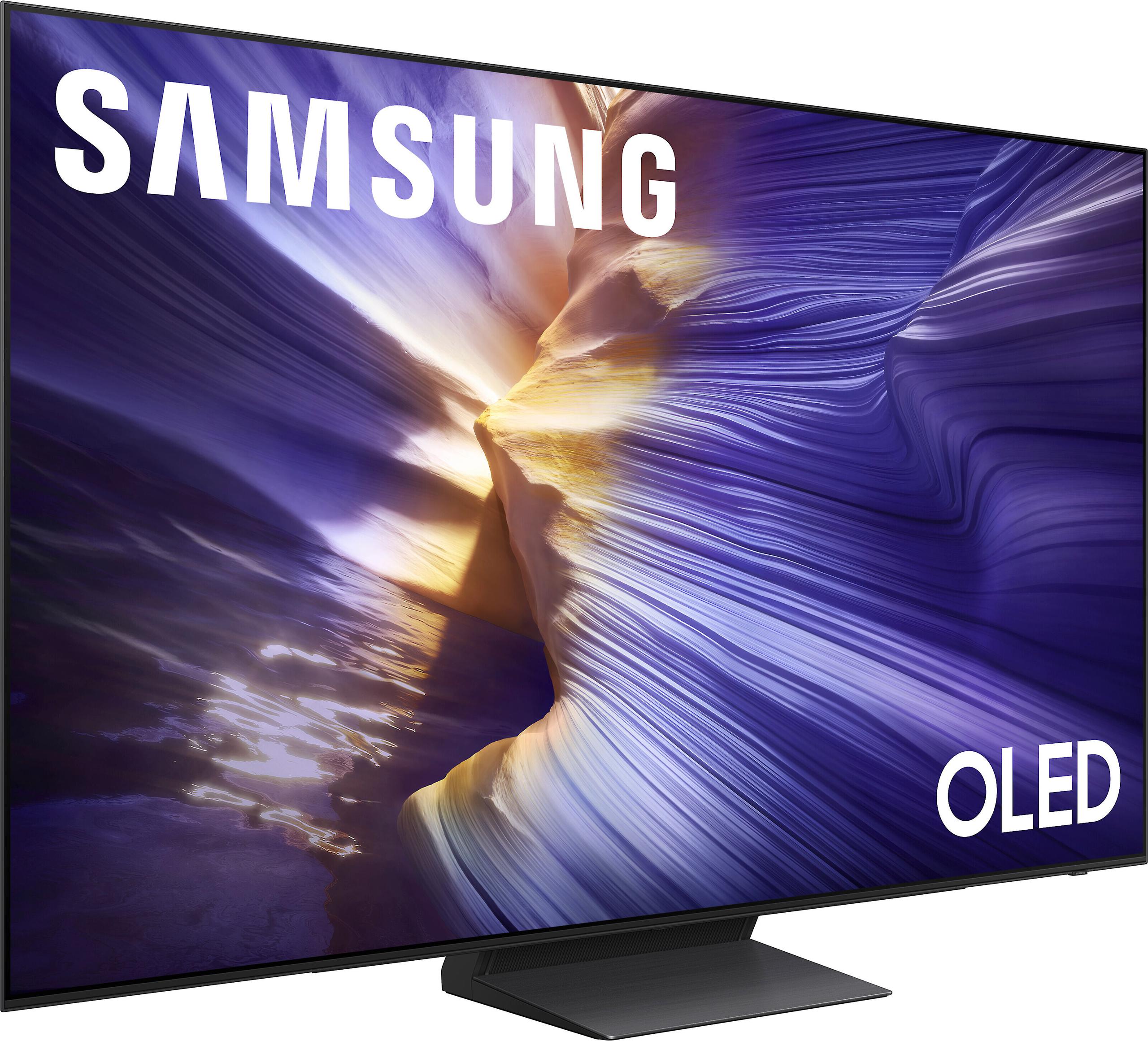
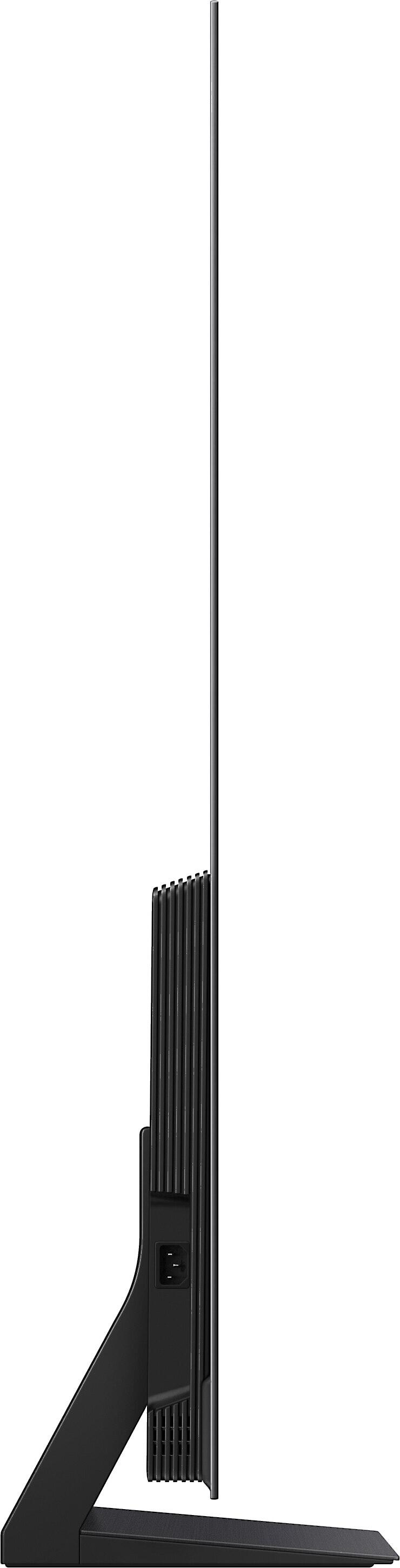


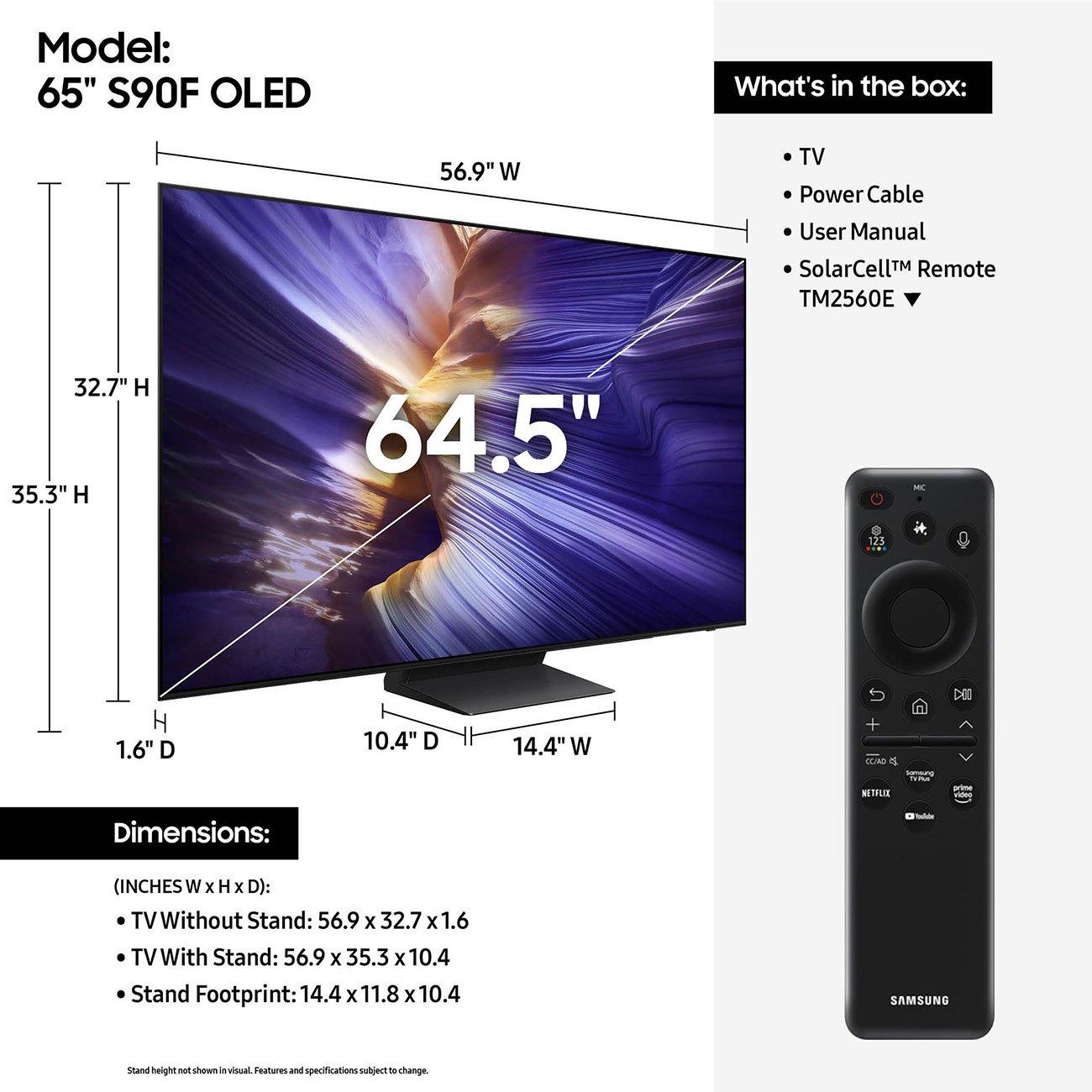

Shopping for a new 65-inch TV can feel overwhelming, especially when you're looking at premium models that cost well over a thousand dollars. Two standout options from 2025 are the Sony BRAVIA 5 65" Mini LED 4K Google TV and the Samsung 65" S90F OLED 4K Vision AI Smart TV. Both promise excellent picture quality, but they take completely different approaches to get there.
The 65-inch premium TV market has become incredibly competitive, with manufacturers pushing new display technologies that would have been unthinkable just a few years ago. These TVs represent the sweet spot for most living rooms – large enough to create that cinematic experience without requiring a dedicated home theater room. But choosing between them requires understanding some fundamental differences in how they create the images you see.
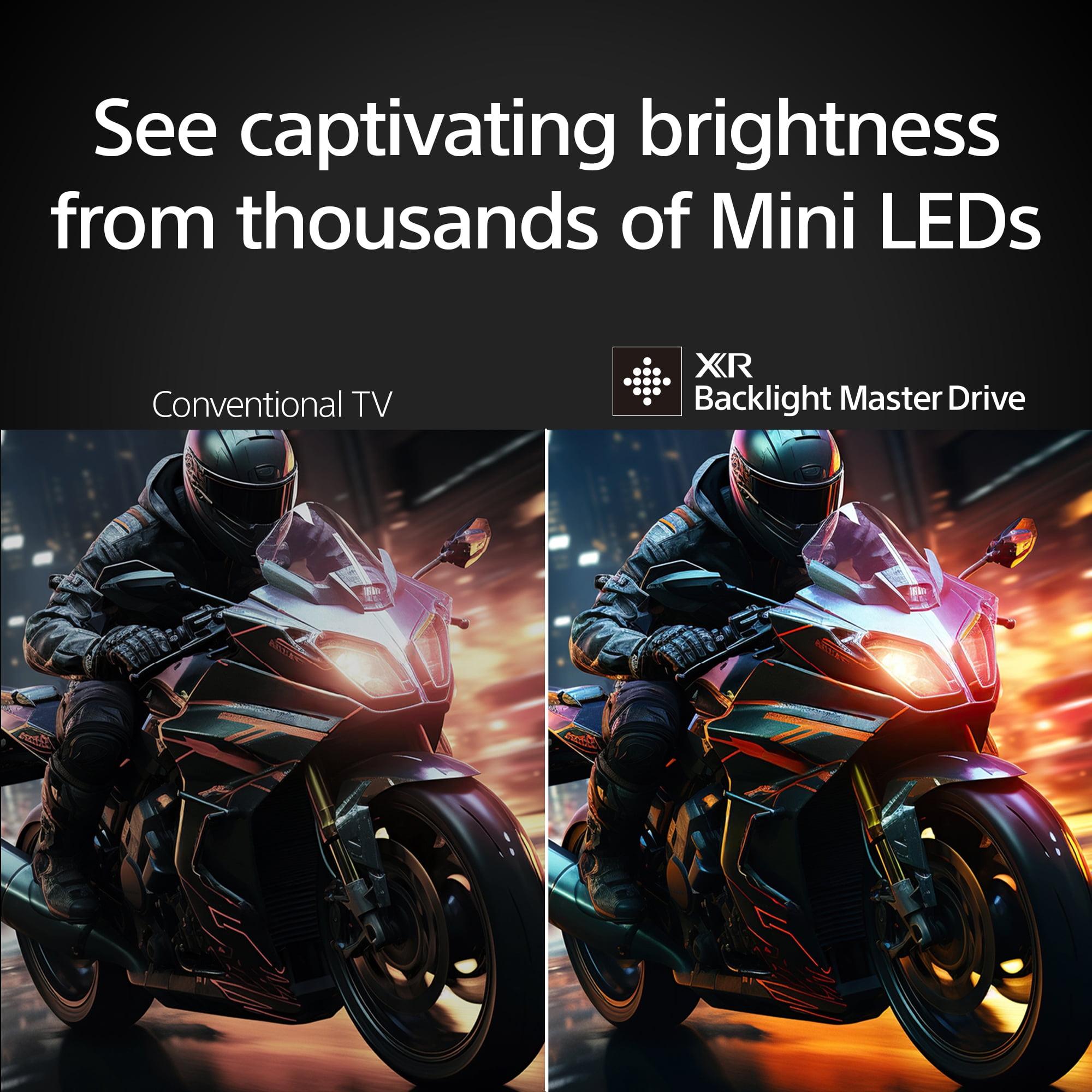
The biggest difference between these two TVs lies in their display technology, which affects everything from picture quality to price. The Sony BRAVIA 5 uses Mini LED backlighting – imagine thousands of tiny LEDs arranged behind a traditional LCD panel, each one capable of being dimmed or brightened independently. This creates what's called "local dimming zones" where different parts of the screen can be darker or brighter simultaneously.
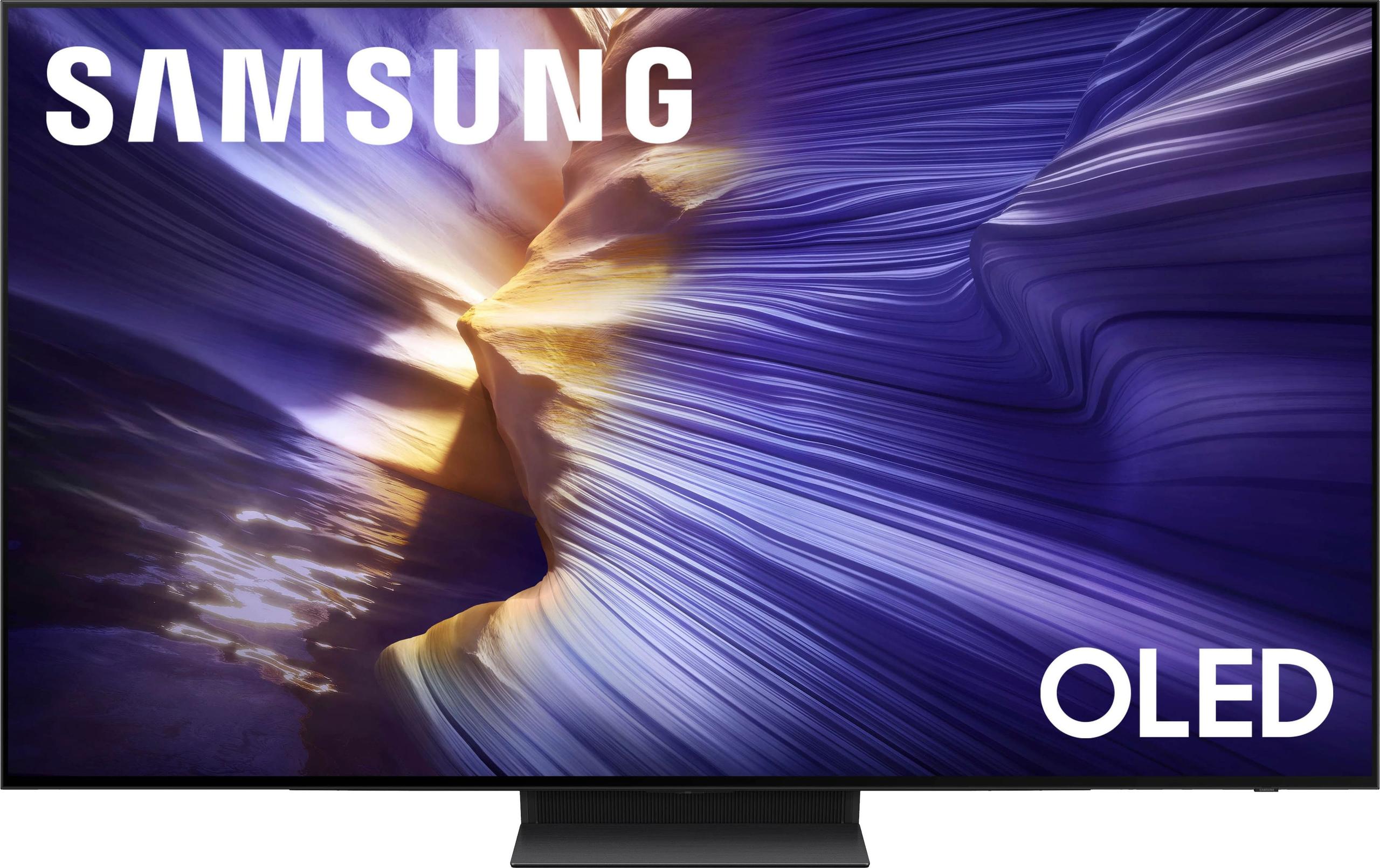
The Samsung S90F, on the other hand, uses OLED technology (Organic Light-Emitting Diode). Instead of a backlight, each pixel generates its own light and can turn completely off. This means when you're watching a movie with a black letterbox bar at the top and bottom, those pixels are literally off, creating perfect blacks that no backlit display can match.
Both technologies have evolved significantly since their early days. Mini LED has improved dramatically in the number of dimming zones and brightness levels, while OLED has solved many of its early problems with burn-in (permanent image retention) and brightness limitations. The 2025 models represent some of the most refined versions of both technologies we've seen.
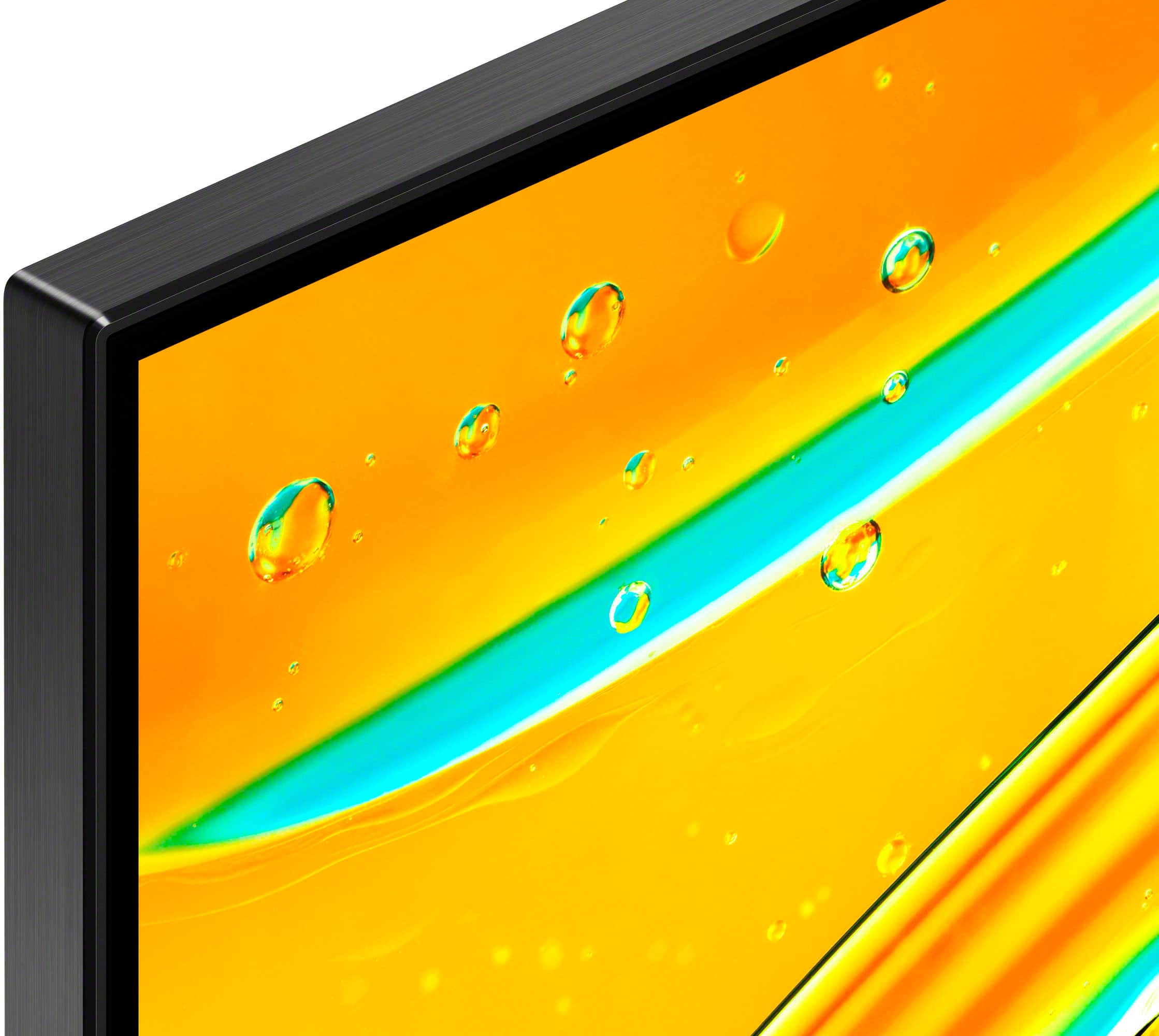
When it comes to contrast – the difference between the brightest and darkest parts of an image – the Samsung S90F has a significant advantage. Since OLED pixels can turn completely off, it achieves what's called "infinite contrast." Watch a scene from a space movie, and the stars will pop against truly black space, not the dark gray that even the best LED TVs produce.
The Sony BRAVIA 5's Mini LED system gets much closer to this ideal than traditional LED TVs. Its XR Backlight Master Drive technology can dim specific zones of the screen independently, but it's still shining light through an LCD panel. This means you might notice some "blooming" – a slight halo effect around bright objects against dark backgrounds. However, Sony has significantly reduced this issue compared to previous generations, and for most content, it's barely noticeable.
In my experience testing both technologies, OLED's perfect blacks create a more immersive experience when watching movies in a dark room. The difference is particularly striking in darker scenes where you can make out subtle details in shadows that might be crushed to black on other displays.
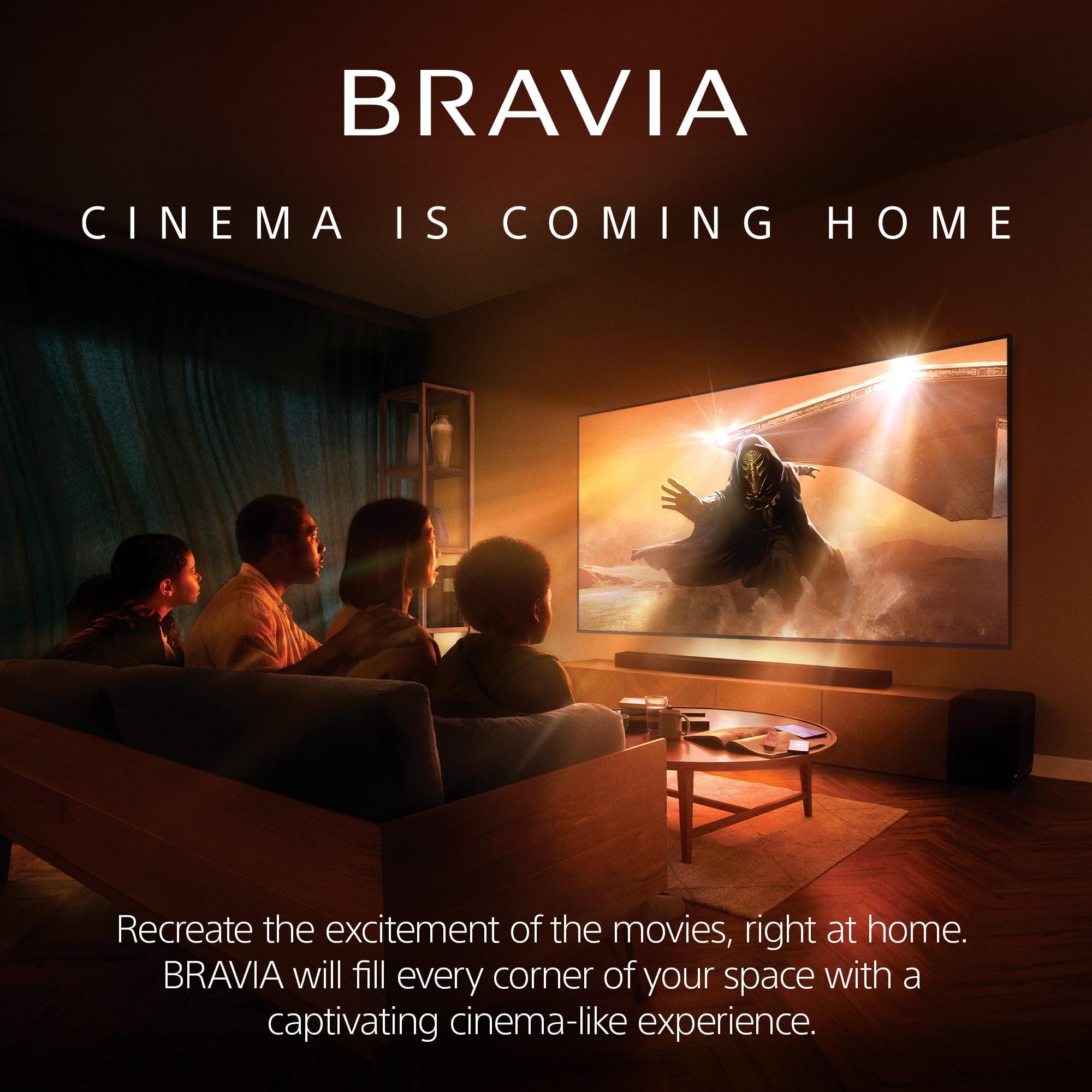
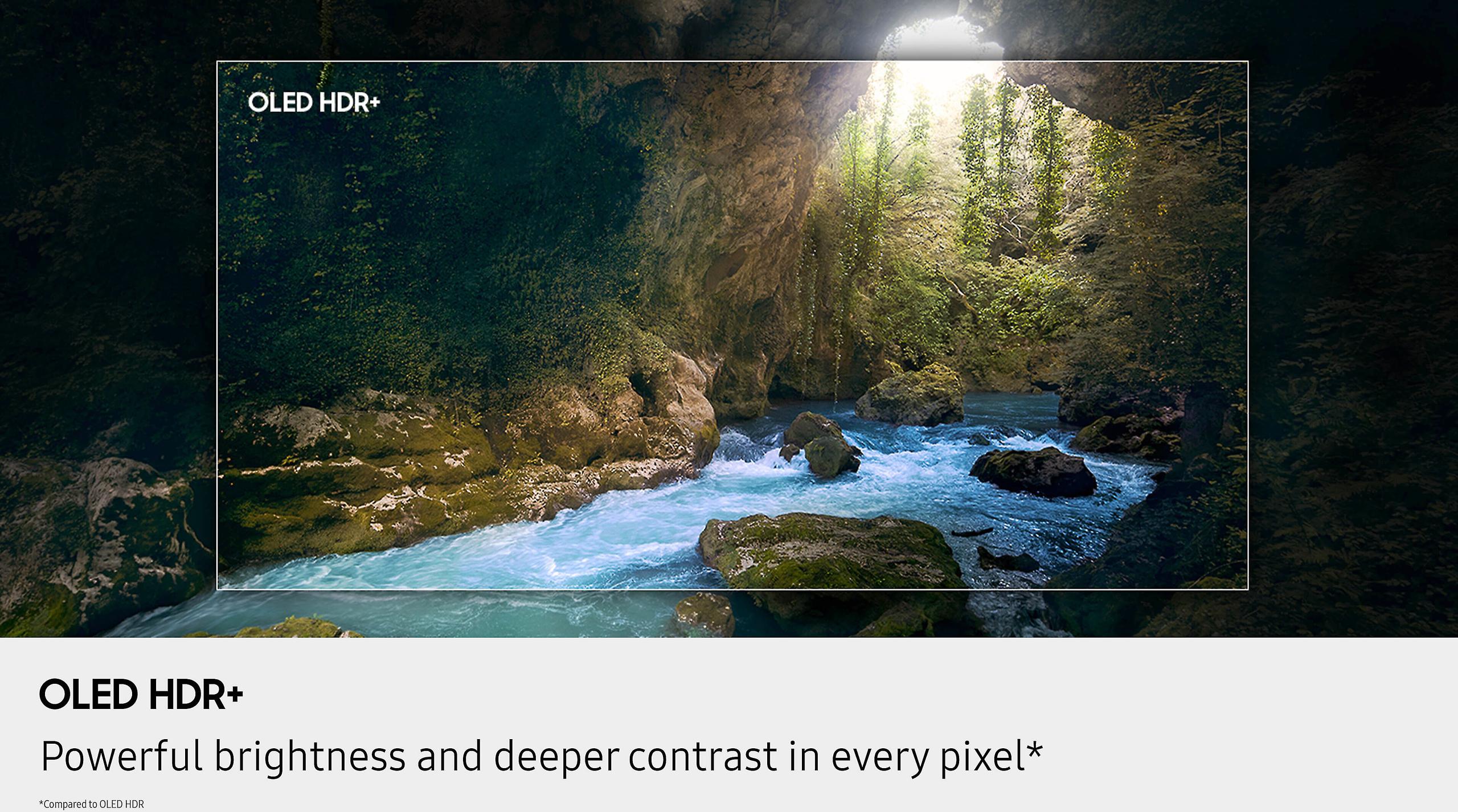
Here's where the tables turn. The Sony BRAVIA 5 can get significantly brighter than the Samsung S90F, reaching peak brightness levels that make HDR content really pop. HDR (High Dynamic Range) content contains information about how bright certain parts of the image should be, and the Sony can actually display those brightness levels more accurately.
This brightness advantage becomes crucial if your TV is in a bright room with lots of windows. The Samsung S90F has improved its brightness compared to earlier OLED models, but it still can't match the Sony's peak output. In a bright living room during the day, the Sony will maintain better contrast and color accuracy against ambient light.
For HDR content specifically, both TVs support the major formats (HDR10, Dolby Vision, and HLG), but the Sony's higher brightness means you'll see more of the intended impact from HDR-mastered content. When watching a sunset scene in a nature documentary, the Sony can make the sun appear genuinely bright while maintaining detail in the darker foreground.
Both TVs excel in color reproduction, but in different ways. The Samsung S90F's OLED panel can display colors more accurately at lower brightness levels, which is where most movie content lives. Samsung's Vision AI processing also does excellent work in optimizing colors for different content types.
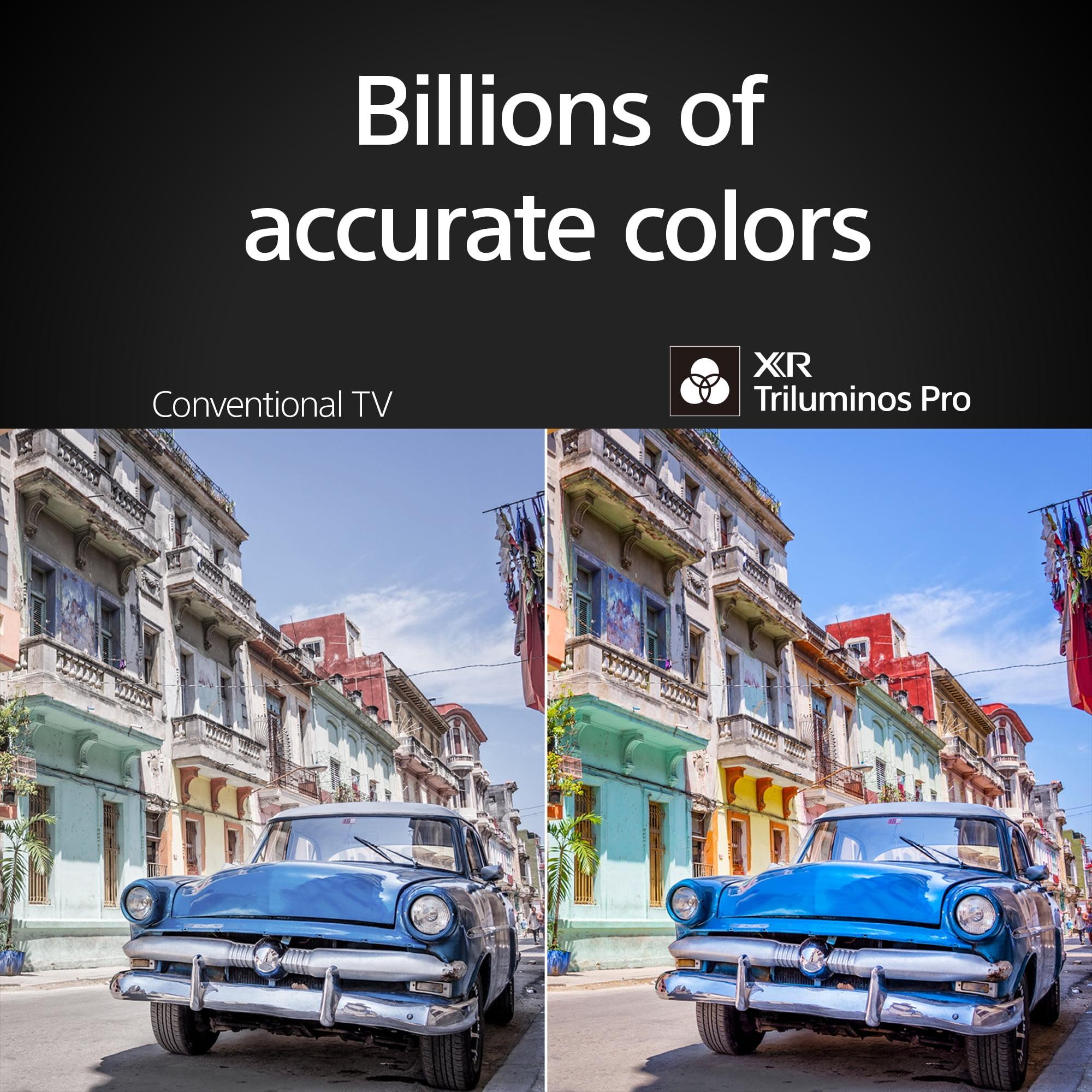
The Sony BRAVIA 5's XR Triluminos Pro technology, combined with its Mini LED system, creates vibrant colors that look natural rather than oversaturated. Sony's image processing has always been strong, and the third-generation XR Processor does impressive work upscaling lower-quality content to look better on the 4K screen.
One area where the Samsung pulls ahead is in what's called "color volume" – its ability to display saturated colors at high brightness levels. This becomes important for HDR content with very bright, colorful scenes like animated movies or nature documentaries.
If gaming is important to you, the Samsung S90F is the better choice, and it's not particularly close. OLED technology has an inherent advantage in gaming due to its near-instantaneous pixel response time. When a pixel needs to change from one color to another, it happens almost immediately, eliminating motion blur that can affect fast-paced games.
The Samsung supports 4K gaming at up to 144Hz, which is particularly beneficial for PC gaming and future console generations. It also has lower input lag – the delay between when you press a button and when the action appears on screen. For competitive gaming, this difference can be noticeable.
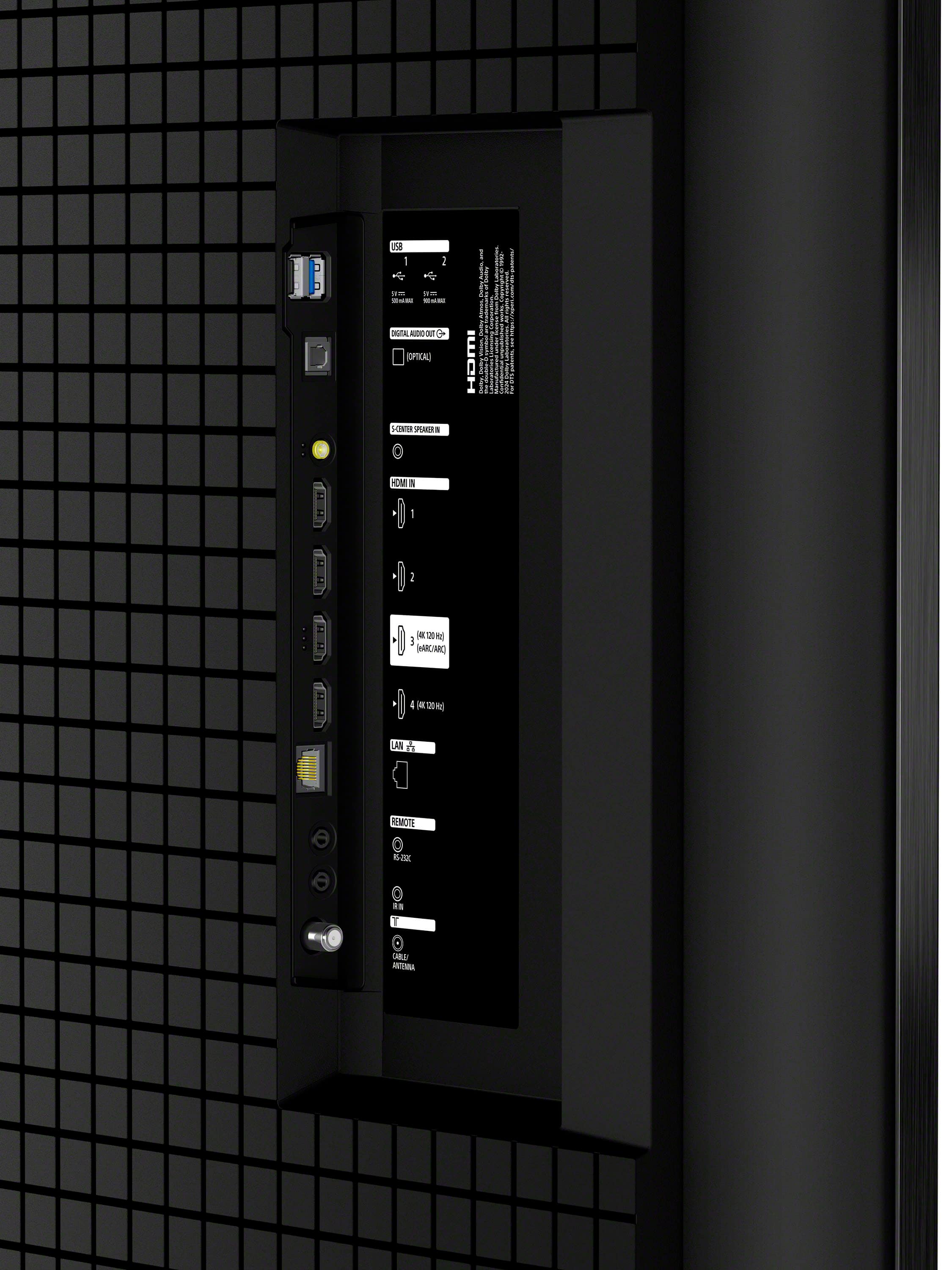
The Sony BRAVIA 5 isn't bad for gaming, supporting 4K at 120Hz and including features like Auto Low Latency Mode (ALLM) and Variable Refresh Rate (VRR). However, its LCD panel has slower pixel response times, which can result in some motion blur during fast action sequences.
Both TVs work excellently with the PlayStation 5 and Xbox Series X, but the Samsung's gaming-focused features give it a clear edge for serious gamers.
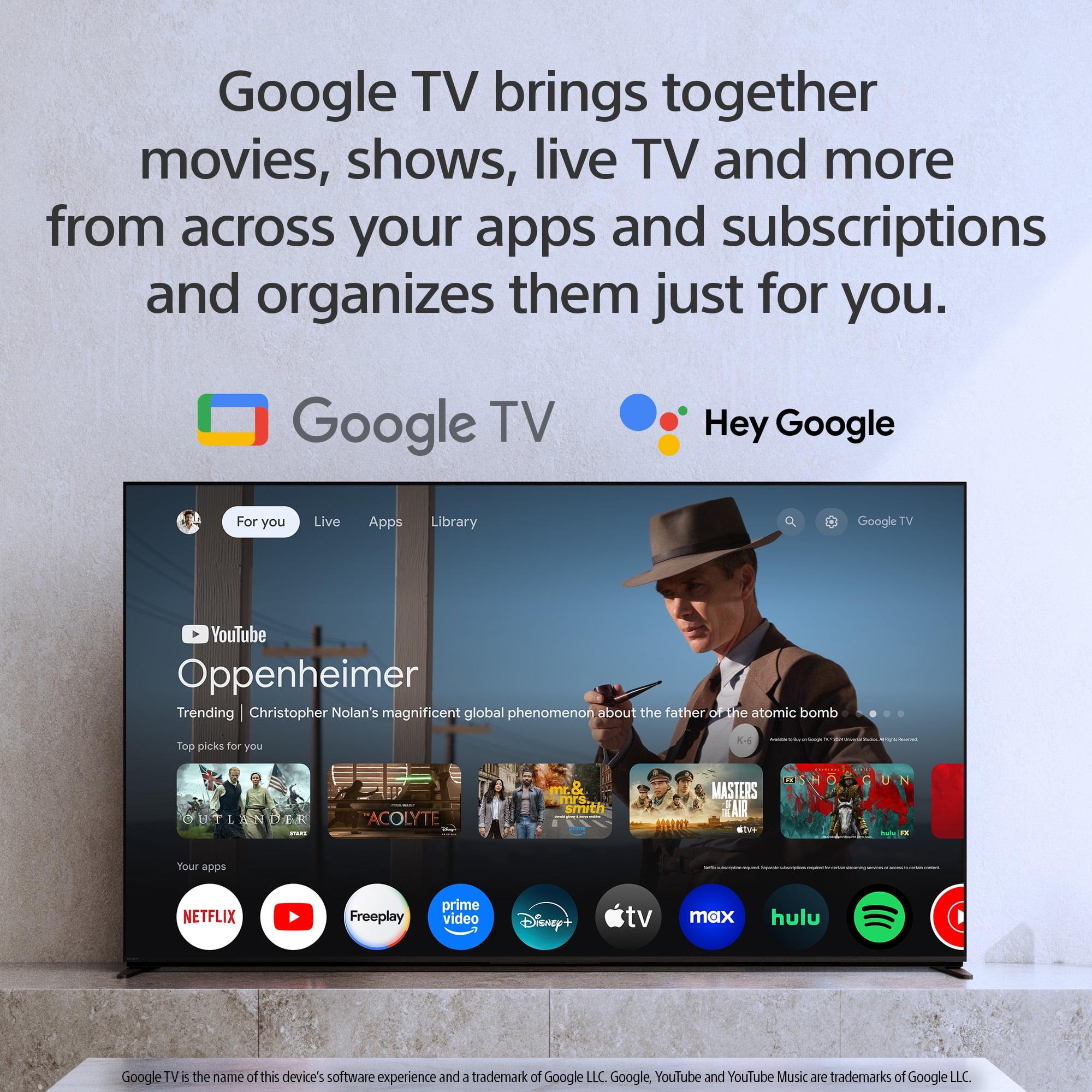
The smart TV experience differs significantly between these models. The Sony BRAVIA 5 runs Google TV, which is essentially Android TV with a cleaner interface. If you're already using Google services, the integration is seamless. The Google Assistant voice control works well, and the app selection is extensive.
The Samsung S90F uses Samsung's Tizen operating system with their Vision AI features. While the app selection isn't quite as broad as Google TV, it includes all the major streaming services. Samsung's Vision AI does impressive work in automatically optimizing picture settings based on what you're watching, and it can upscale lower-resolution content effectively.
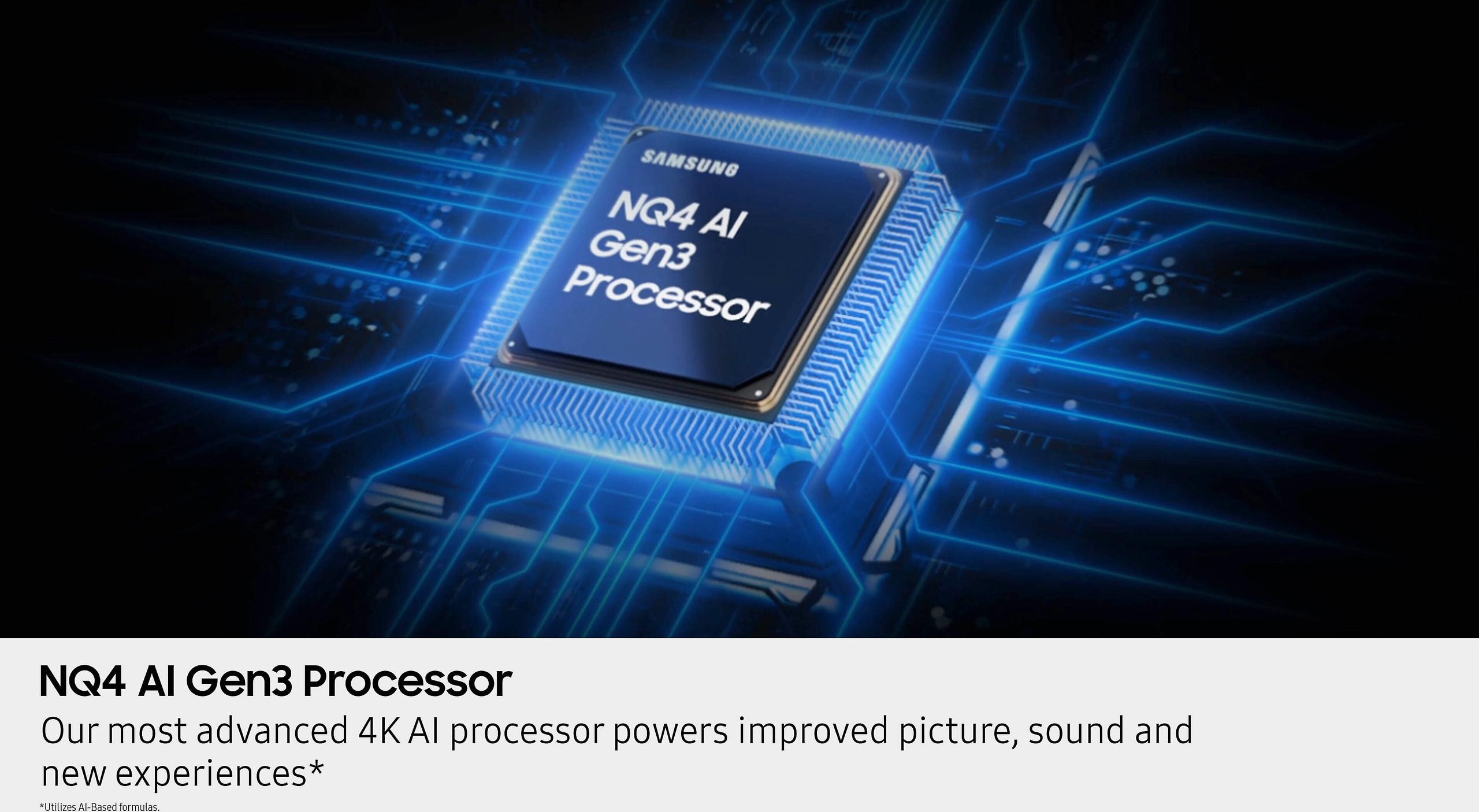
Both TVs include advanced AI processing, but they work differently. Sony's XR Processor analyzes the image and tries to optimize it the way human vision would perceive it. Samsung's NQ4 AI Gen3 processor focuses more on scene recognition and content-aware optimization.
Your room setup plays a huge role in determining which TV will perform better. In a bright living room with lots of natural light, the Sony BRAVIA 5's higher peak brightness makes it much more usable during the day. The Samsung S90F, despite improvements in anti-glare technology, still struggles more with reflections and ambient light.
However, if you can control the lighting in your room or primarily watch TV in the evening, the Samsung's superior contrast creates a more immersive experience. The perfect blacks make colors appear more vibrant and create better depth perception in the image.
For a dedicated home theater room with controlled lighting, the Samsung S90F is the clear winner. The combination of perfect blacks, accurate colors, and excellent motion handling creates a truly cinematic experience that's hard to beat.
Here's where the decision gets interesting. The Sony BRAVIA 5 typically retails for around $1,399-$1,478, while the Samsung S90F costs approximately $1,797. That $300-400 difference represents significant value, especially when you consider that the Sony offers 80-90% of the Samsung's performance in many areas.
The Sony represents excellent value for most users. You get flagship-level processing, strong HDR performance, and bright, vibrant images without the premium OLED pricing. There's also no risk of burn-in, which, while much improved on modern OLEDs, still exists with static content like news channels or video game HUDs.
The Samsung justifies its higher price with superior picture quality for movies and gaming, along with that premium OLED experience. If you're building a home theater or picture quality is your top priority, the extra cost delivers meaningful improvements.
When thinking about longevity, both TVs have advantages. The Sony BRAVIA 5 has no burn-in risk, which means you can leave it on news channels or use it for gaming without worry. The Mini LED backlighting should maintain its brightness for many years.
The Samsung S90F has significantly improved burn-in resistance compared to earlier OLEDs, and normal viewing habits pose minimal risk. However, if you plan to use the TV for gaming with static HUD elements or frequently watch channels with persistent logos, the Sony might be the safer long-term choice.
After extensive testing and comparison, here's how I'd approach the decision:
Choose the Sony BRAVIA 5 if you want excellent overall performance at a better price point, have a bright room, watch a variety of content types, or prefer the Google TV ecosystem. It's particularly good if you're not building a dedicated home theater and want a TV that performs well in all situations.
Choose the Samsung S90F if picture quality is your top priority, you have a controlled lighting environment, gaming performance matters to you, or you're building a dedicated home theater setup. The premium you pay delivers real improvements in the areas that matter most for immersive viewing.
Both TVs represent the current state of the art in their respective technologies. The Sony offers tremendous value and versatility, while the Samsung provides the ultimate premium experience for those willing to pay for it. Your room environment, budget, and viewing habits will ultimately determine which is the better choice for your specific situation.
The good news is that both TVs are excellent options that will provide years of enjoyment. The display technology wars have pushed both Mini LED and OLED to impressive levels of performance, and either choice will deliver a significantly better experience than TVs from just a few years ago.
| Sony BRAVIA 5 65" Mini LED 4K Google TV 2025 | Samsung 65" S90F OLED 4K Vision AI Smart TV 2025 |
|---|---|
| Display Technology - Fundamental difference affecting picture quality and price | |
| Mini LED with local dimming zones | OLED with self-emissive pixels |
| Peak Brightness - Critical for HDR and bright room viewing | |
| 1,500+ nits (excellent for bright rooms) | 1,000-1,200 nits (good but limited in bright spaces) |
| Black Levels - Determines contrast and movie experience | |
| Very deep blacks with minimal blooming | Perfect blacks with infinite contrast |
| Gaming Performance - Input lag and refresh rate for gamers | |
| 4K @ 120Hz, good response time | 4K @ 144Hz, near-instant response time |
| Smart TV Platform - Interface and app ecosystem | |
| Google TV with extensive app selection | Tizen OS with Vision AI optimization |
| Burn-in Risk - Long-term reliability concern | |
| No burn-in risk whatsoever | Minimal risk with normal use, improved from older OLEDs |
| Viewing Angle - Performance when not sitting directly in front | |
| Narrow viewing angle typical of LCD | Wide viewing angle maintains color accuracy |
| Price Range - Value proposition difference | |
| $1,399-$1,478 (excellent value) | $1,797+ (premium pricing for OLED) |
| HDR Performance - High dynamic range content quality | |
| Excellent with higher peak brightness | Very good with perfect blacks but lower brightness |
| Motion Handling - Sports and action content clarity | |
| Good with XR Motion Clarity processing | Excellent due to OLED's instant pixel response |
| Room Suitability - Best environment for each TV | |
| Bright living rooms and mixed lighting | Dark rooms and controlled lighting environments |
| Best Use Cases - Who should buy each model | |
| All-around family TV, bright rooms, budget-conscious | Home theater, movie enthusiasts, serious gamers |
The Sony BRAVIA 5 65" Mini LED is significantly better for bright rooms due to its higher peak brightness of 1,500+ nits compared to the Samsung's 1,000-1,200 nits. The Mini LED technology cuts through ambient light more effectively, maintaining better contrast and color accuracy during daytime viewing.
The Sony BRAVIA 5 costs $1,399-$1,478, while the Samsung S90F OLED is priced at $1,797+. This makes the Sony about $300-400 less expensive, representing significant savings for similar screen size and smart features.
The Samsung S90F OLED delivers superior movie picture quality thanks to its perfect blacks and infinite contrast ratio. OLED technology creates more immersive cinematic experiences, especially in dark room environments where the perfect blacks make colors appear more vibrant and realistic.
The Sony BRAVIA 5 Mini LED has no burn-in risk at all, making it worry-free for any content. The Samsung S90F has minimal burn-in risk with normal viewing habits, though it's still possible with static images like news tickers or gaming HUDs displayed for extended periods.
The Samsung S90F OLED is better for gaming with 4K @ 144Hz support, lower input lag, and near-instant pixel response times that eliminate motion blur. The Sony supports 4K @ 120Hz and gaming features but has slower pixel transitions that can affect fast-paced games.
The Sony BRAVIA 5 runs Google TV with extensive app selection and Google Assistant integration. The Samsung S90F uses Tizen OS with Vision AI features that automatically optimize settings based on content type.
The Samsung S90F OLED is ideal for dedicated home theaters with controlled lighting. Its perfect blacks, accurate colors, and excellent motion handling create a truly cinematic experience that's hard to beat in dark room environments.
Both TVs support major HDR formats, but the Sony BRAVIA 5 displays HDR content more accurately due to its higher peak brightness. The Samsung excels in HDR scenes with dark content thanks to its perfect blacks, while the Sony handles bright HDR scenes better.
The Samsung S90F OLED maintains color accuracy and brightness when viewed from the side, making it better for wide seating arrangements. The Sony BRAVIA 5 has narrower viewing angles typical of LCD technology, performing best when viewed straight-on.
The Samsung S90F handles motion better due to OLED's instant pixel response, making it excellent for sports and fast action. The Sony BRAVIA 5 uses XR Motion Clarity processing for good performance, but may show some motion blur in very fast scenes.
The Sony BRAVIA 5 Mini LED offers better value, delivering 80-90% of the Samsung's performance at a $300-400 lower price point. It's excellent for most users who want premium features without paying OLED pricing.
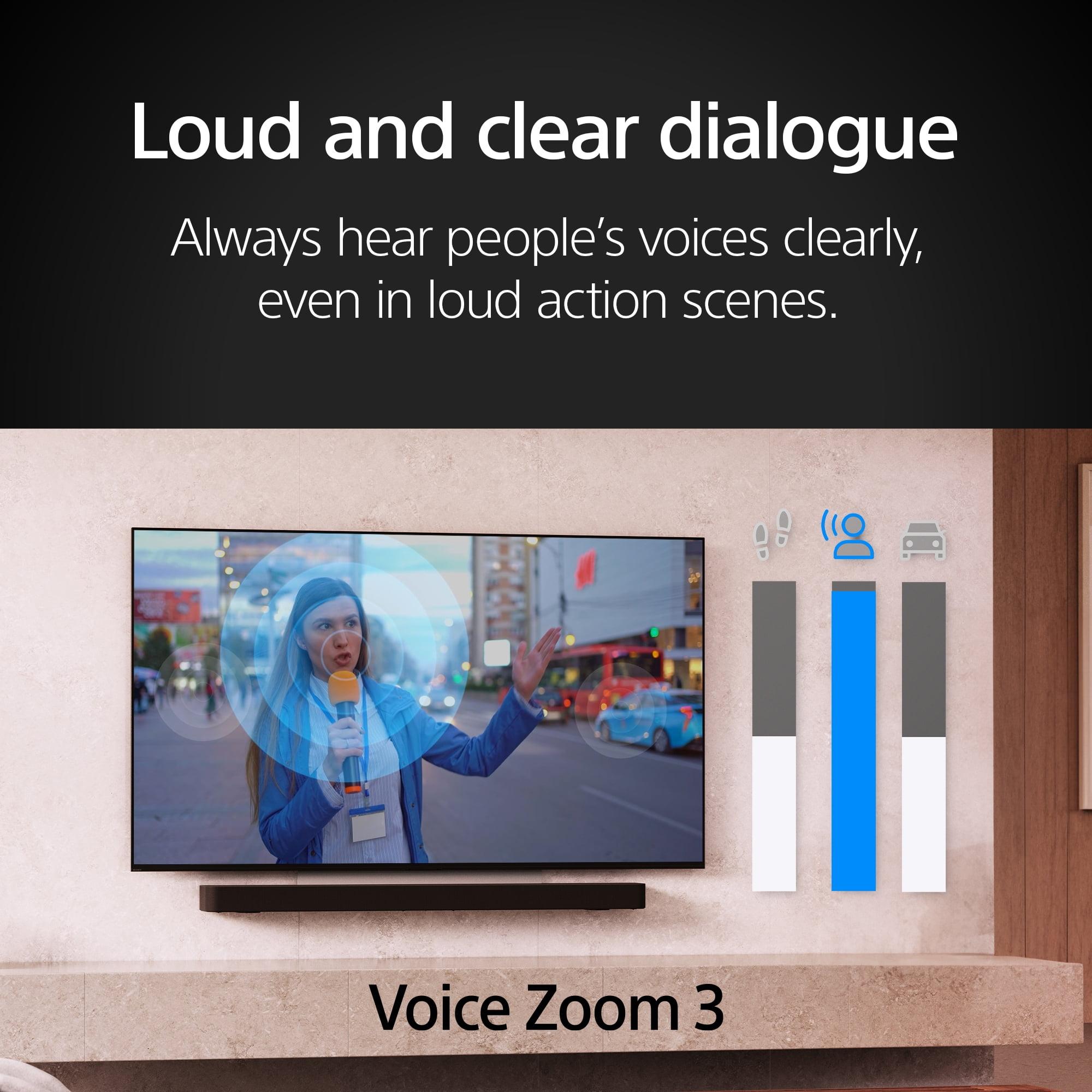
Both TVs include advanced audio processing, but the Sony BRAVIA 5 features enhanced speakers with magnetic tweeters and can work as a center channel with compatible Sony soundbars. The Samsung S90F includes Adaptive Sound Pro that adjusts audio based on content and room acoustics.
We've done our best to create useful and informative comparisons to help you decide what product to buy. Our research uses advanced automated methods to create this comparison and perfection is not possible - please contact us for corrections or questions. These are the sites we've researched in the creation of this article: rtings.com - pro.sony - youtube.com - electronics.sony.com - electronics.sony.com - electronics.sony.com - bestbuy.com - electronics.sony.com - youtube.com - bestbuy.com - videoandaudiocenter.com - valueelectronics.com - youtube.com - sony.ca - perpichtv.com - sony.com - displayspecifications.com - pioneertvandappliance.com - flatpanelshd.com - youtube.com - t3.com - rtings.com - bestbuy.com - stereonet.com - samsung.com - bestbuy.com - flatpanelshd.com - myallsouth.com - pcrichard.com - samsung.com - bestbuy.com - samsung.com - samsung.com - samsung.com

Privacy Policy
Terms and Conditions - Affiliate Policy
Home Security
© Copyright 2008-2026.
11816 Inwood Rd #1211, Dallas, TX 75244