

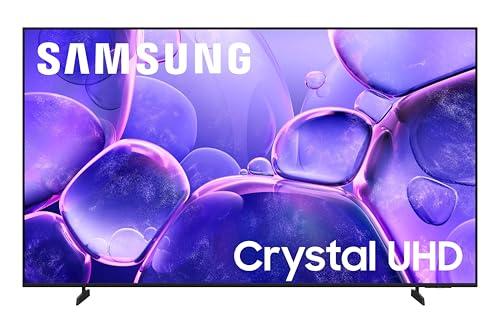
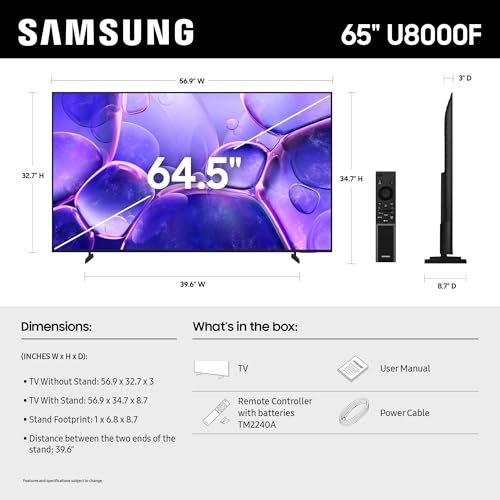


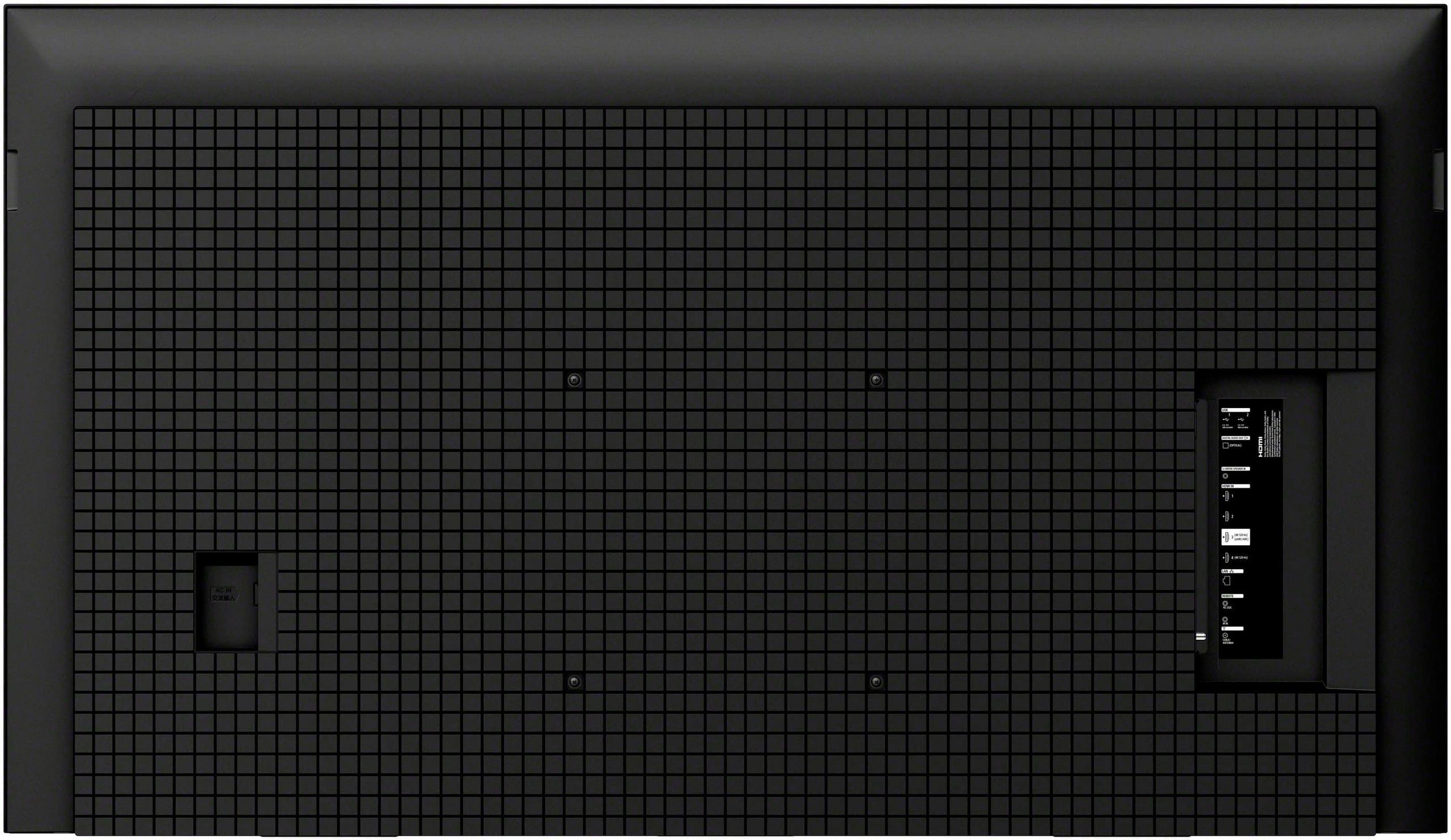
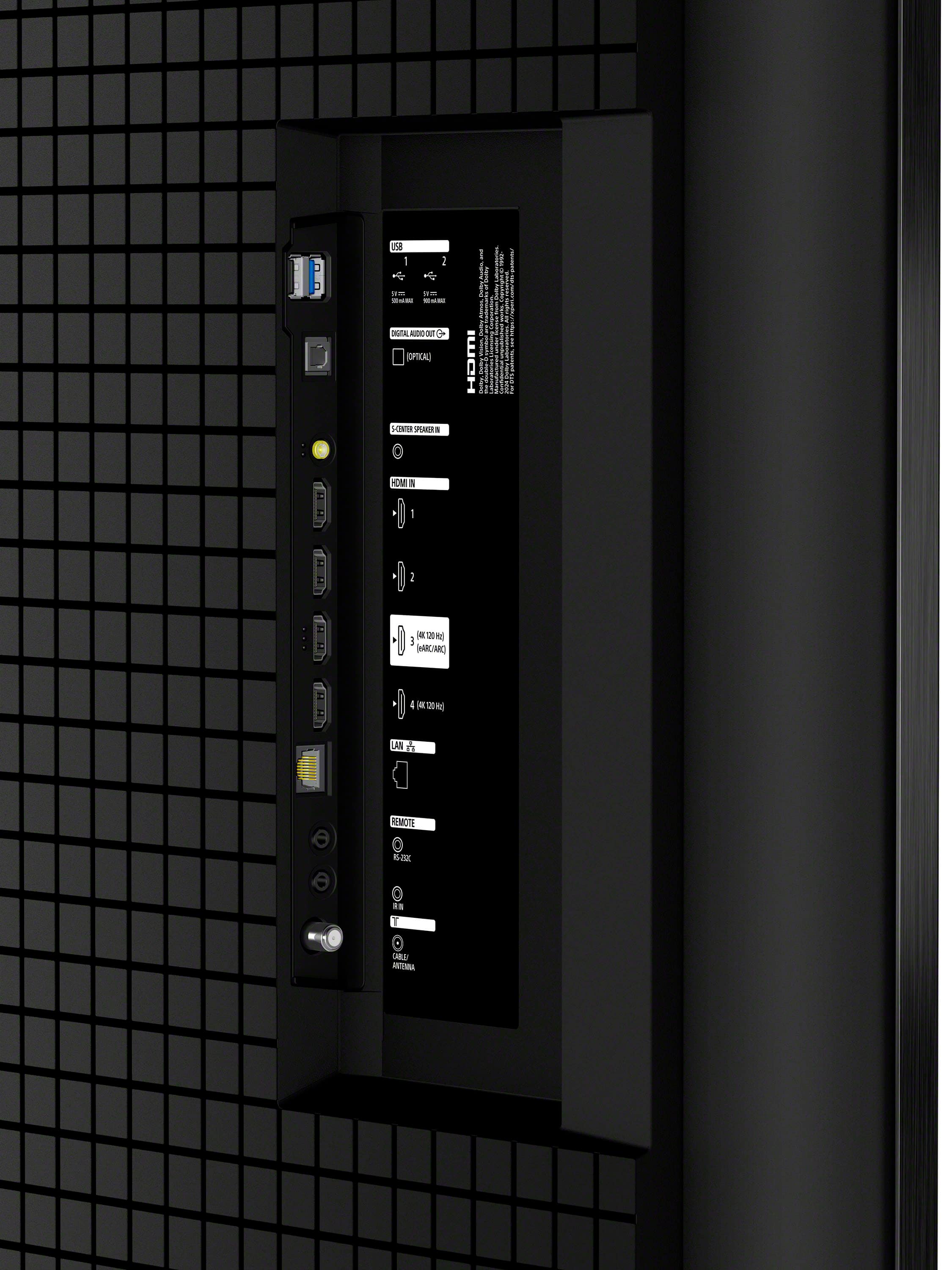
Shopping for a new 65-inch 4K TV can feel overwhelming with so many options at different price points. Two popular choices that frequently come up are the Samsung 65-Inch Crystal UHD U8000F and the Sony BRAVIA 5 65" Mini LED. While both are 2025 models offering 4K resolution and smart features, they represent completely different approaches to TV technology and target very different buyers.
The Samsung U8000F is Samsung's entry-level offering for 2025, designed to deliver basic 4K smart TV functionality at an affordable price point. The Sony BRAVIA 5, on the other hand, sits in Sony's mid-range lineup and incorporates advanced Mini LED technology along with premium gaming features. At the time of writing, you're looking at a several-hundred-dollar price difference between these two models, which raises an important question: is the Sony worth the extra investment?
Before diving into specifics, it's helpful to understand what separates different tiers of TVs today. The most significant factor is the backlighting technology. Traditional LED TVs like the Samsung U8000F use a standard LED backlight behind the entire screen, which means the whole display brightens or dims together. This works fine for basic viewing but creates problems with contrast—you can't have truly deep blacks next to bright whites in the same scene.
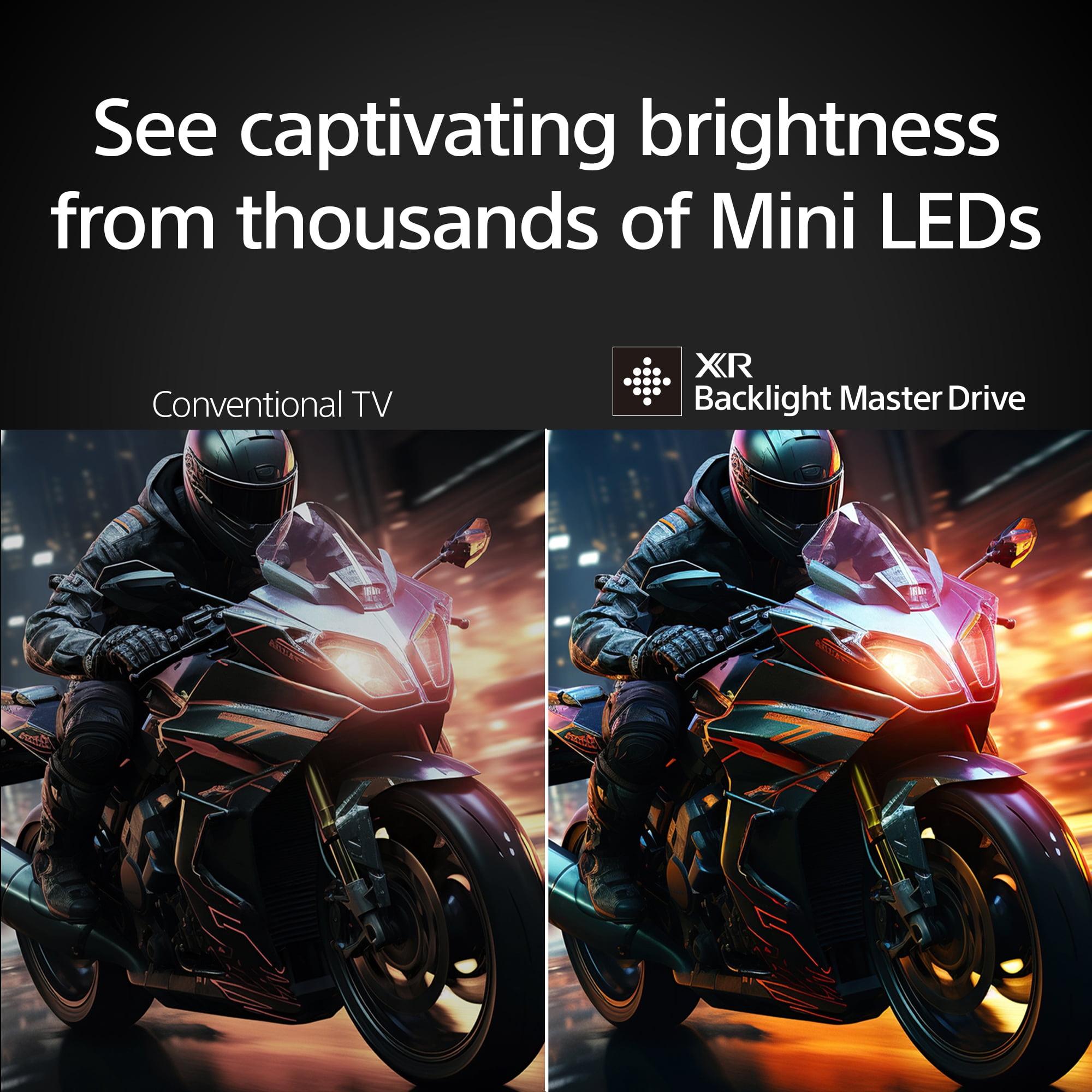
Mini LED technology, featured in the Sony BRAVIA 5, uses thousands of tiny LEDs arranged in zones behind the screen. Each zone can be controlled independently, a feature called "local dimming." This means parts of the screen can be completely dark while other areas shine brightly, creating much better contrast and more realistic HDR (High Dynamic Range) effects.
Think of it like the difference between using one overhead light for your entire room versus having individual lamps you can control separately—the latter gives you much more control over lighting and atmosphere.
The most dramatic difference between these TVs becomes apparent when watching HDR content—movies and shows specifically mastered to take advantage of brighter highlights and deeper shadows. Our research into professional reviews reveals that the Sony BRAVIA 5 achieves peak brightness levels of over 900 nits (a measurement of brightness) with deep black levels around 0.22 nits, creating a contrast ratio exceeding 3,000:1.
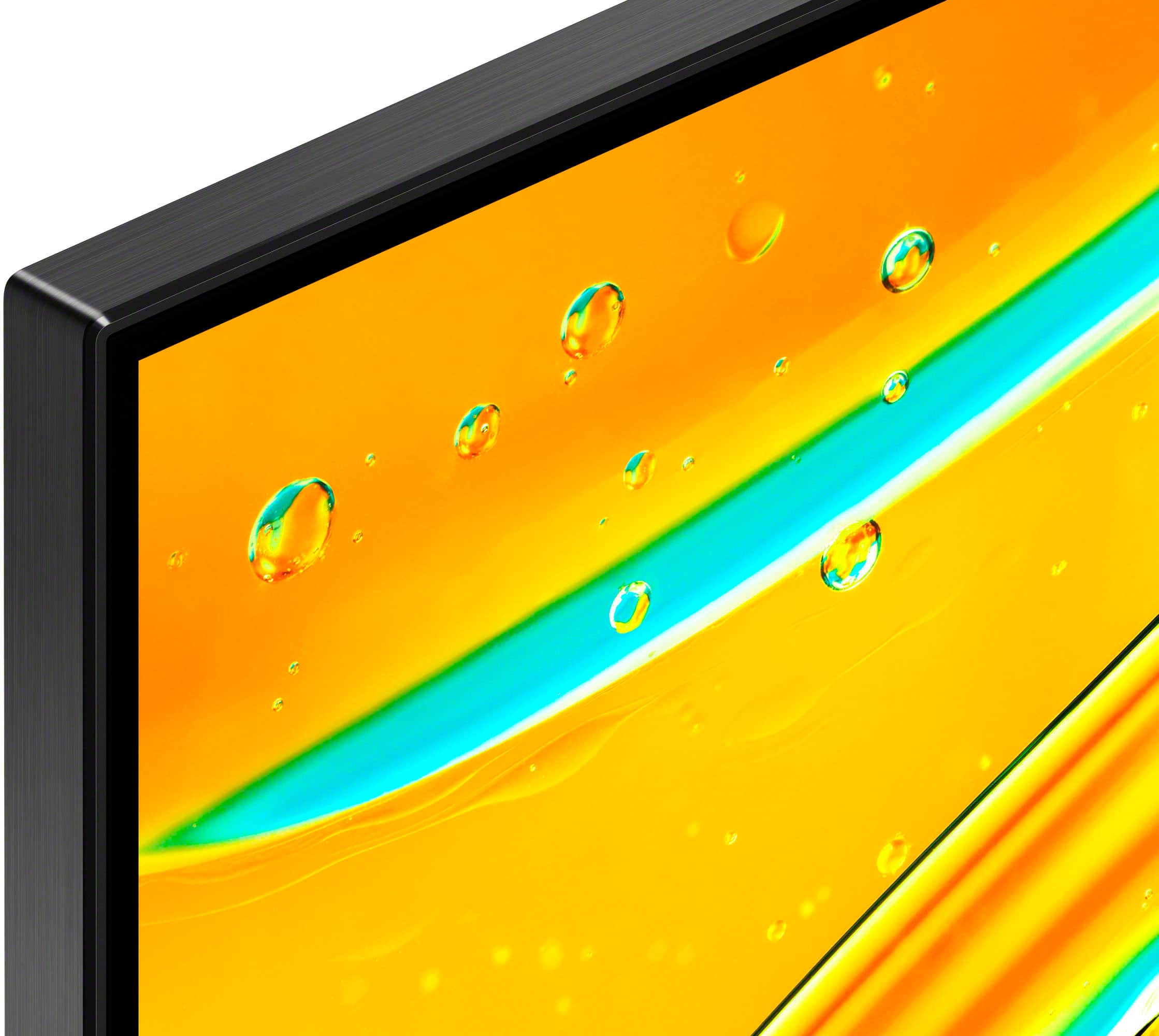
The Samsung U8000F, lacking local dimming zones, cannot approach these numbers. While it produces adequate brightness for daytime viewing, it struggles to create the dramatic contrast that makes HDR content look stunning. In practical terms, this means scenes like a campfire under a starry night or sunlight streaming through a dark room will look much more realistic on the Sony.
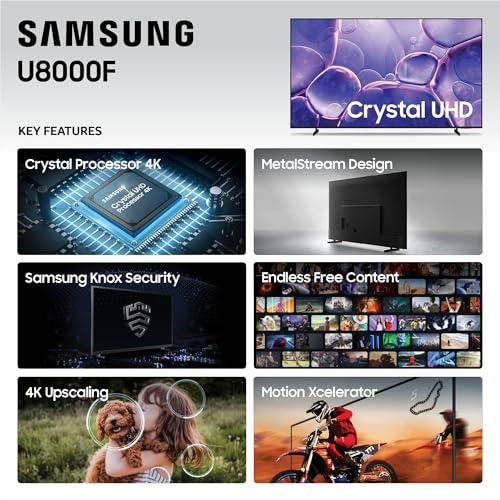
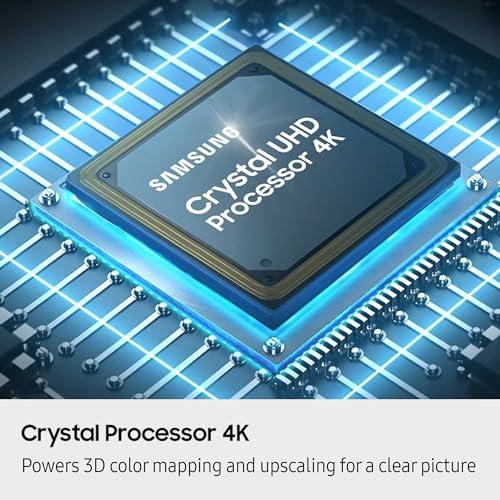
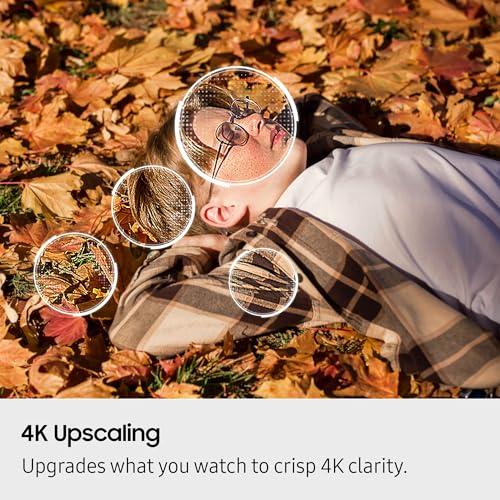
However, for standard definition and regular 4K content without HDR, the difference is less pronounced. The Samsung U8000F actually handles everyday viewing quite well, with Samsung's Crystal Processor 4K doing a competent job upscaling lower-resolution content and maintaining natural-looking colors.
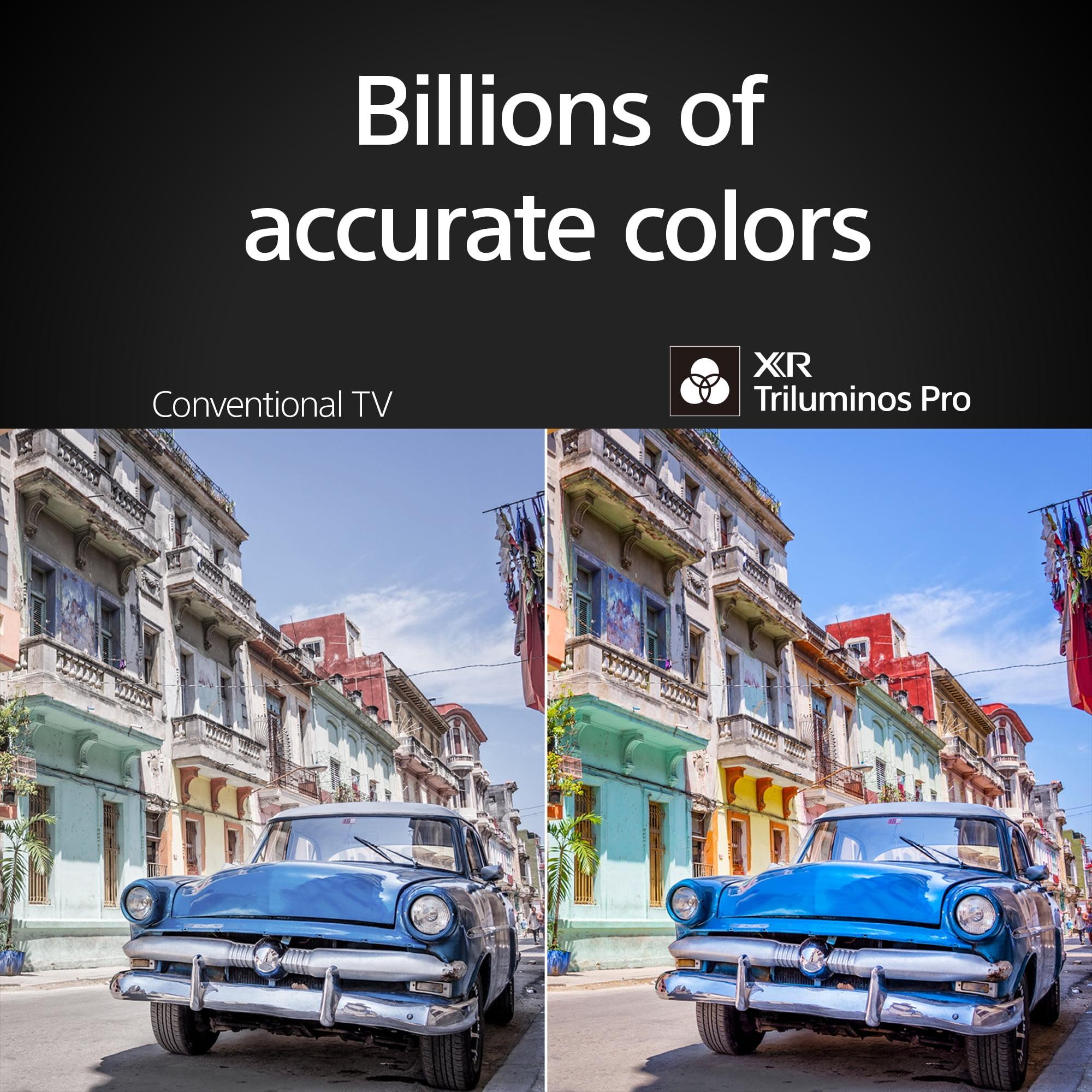
Professional color accuracy testing shows the Sony BRAVIA 5 achieving reference-grade results, covering over 95% of the UHDA-P3 color space (the standard used for 4K content) with minimal color deviation. Sony's Cognitive Processor XR uses artificial intelligence to analyze each scene and optimize color, contrast, and clarity in real-time.
The Samsung U8000F takes a more straightforward approach with its Crystal Processor 4K. While it won't win any awards for color accuracy, it produces pleasing, natural-looking images that most viewers find satisfactory. Samsung has historically done well with color processing, even in their budget models, and the U8000F continues this tradition.
For most casual viewers watching streaming services and cable TV, the Samsung's color performance will seem perfectly fine. It's when you start watching high-quality 4K movies or become accustomed to premium displays that the Sony's superior processing becomes more apparent.
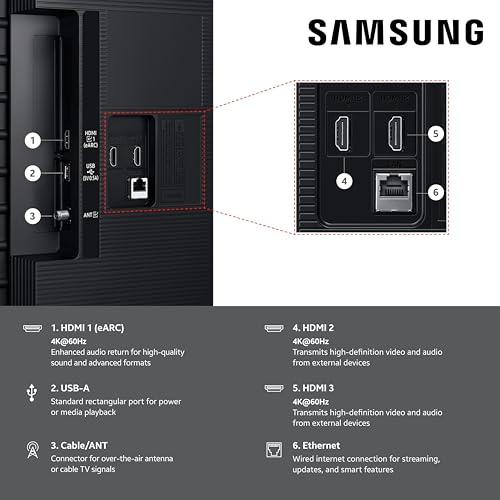
Gaming performance represents perhaps the starkest difference between these models. The Samsung U8000F supports a maximum refresh rate of 60Hz with basic gaming features like Variable Refresh Rate (VRR) and Auto Low Latency Mode (ALLM). While this handles casual gaming and older consoles adequately, it cannot take advantage of the latest PlayStation 5 or Xbox Series X capabilities.
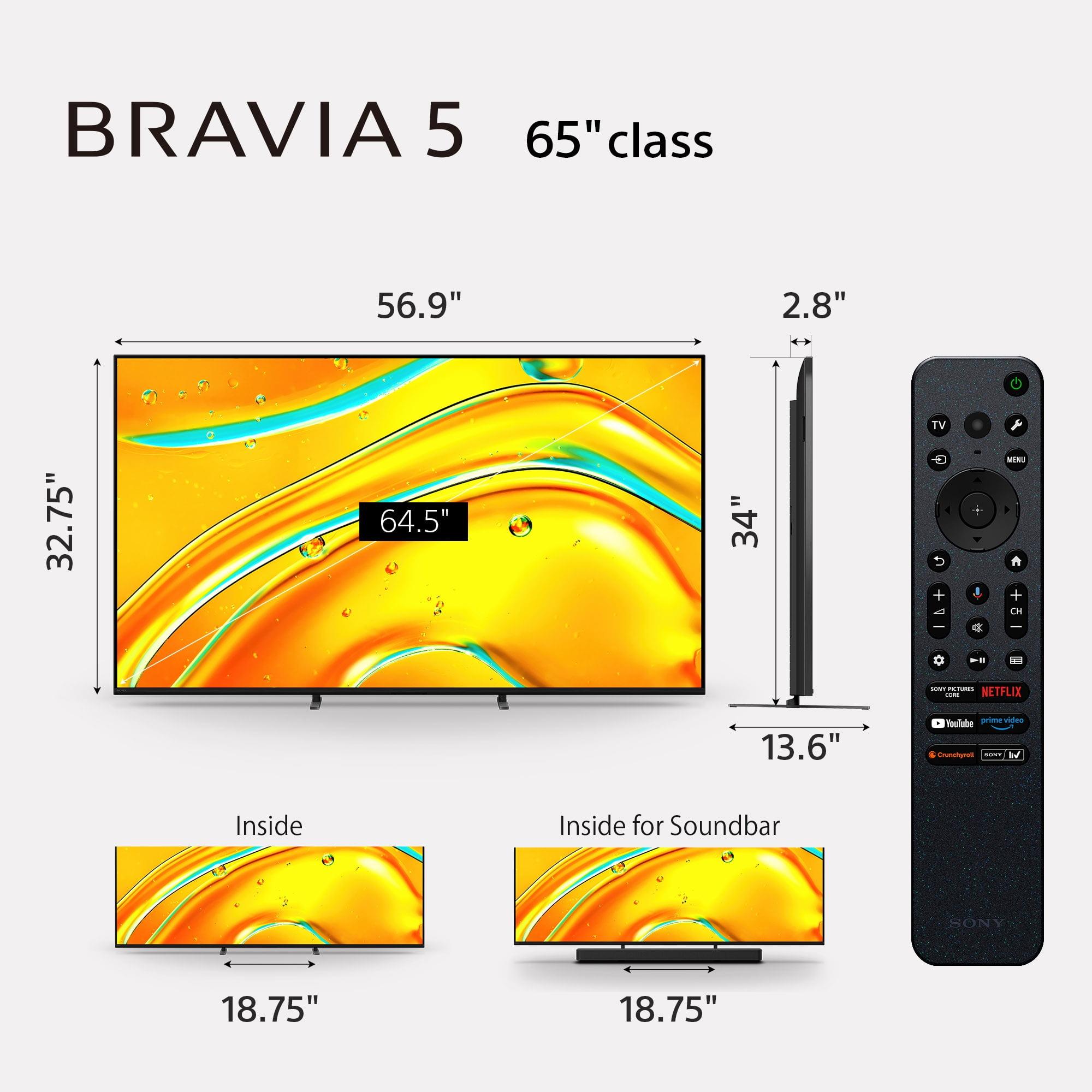
The Sony BRAVIA 5 offers native 120Hz refresh rate with full HDMI 2.1 bandwidth on two of its four ports. This enables 4K gaming at 120 frames per second, crucial for competitive gaming and the smoothest possible experience with modern consoles. It supports both G-SYNC (NVIDIA's variable refresh technology) and HDMI Forum VRR, plus includes PlayStation 5-specific optimizations like Auto HDR Tone Mapping.
Input lag—the delay between pressing a controller button and seeing the action on screen—is excellent on both TVs in game mode, but the Sony's higher refresh rate makes fast-paced action look significantly cleaner and more responsive. If gaming is important to you, especially with next-generation consoles, the Sony BRAVIA 5 justifies its higher cost through gaming performance alone.
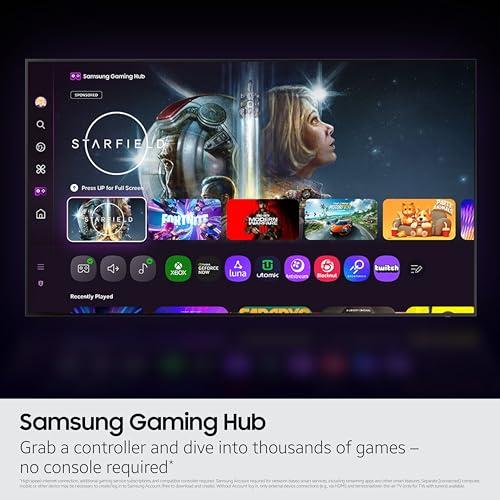
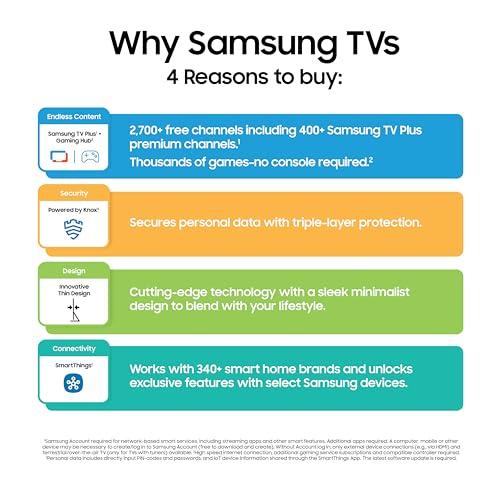
Both TVs run different smart platforms that offer distinct advantages. The Samsung U8000F uses Samsung's Tizen operating system, which has matured significantly over the years. Tizen provides access to all major streaming apps, includes Samsung TV Plus (a collection of free streaming channels), and integrates well with other Samsung devices through SmartThings Hub functionality.
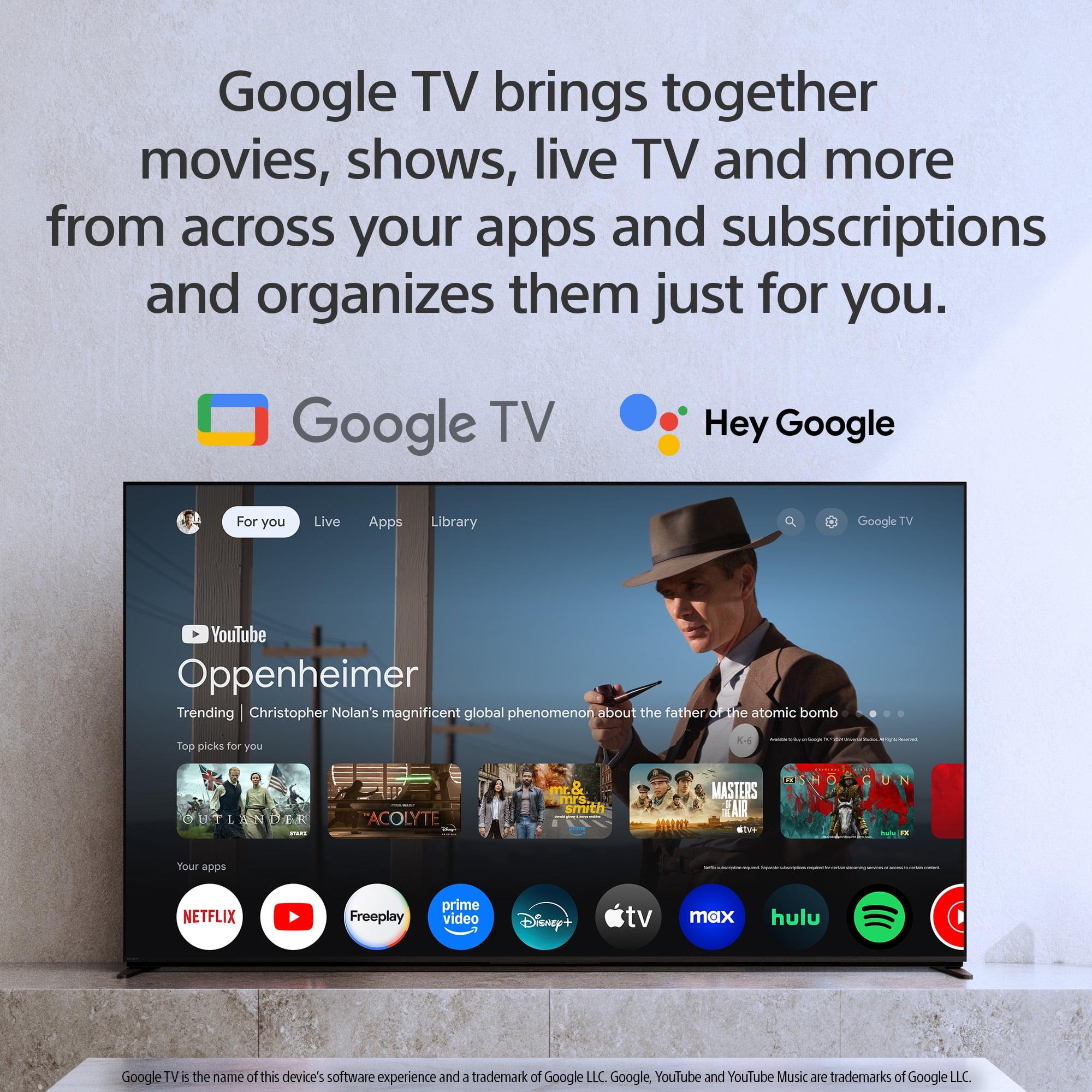
The Sony BRAVIA 5 runs Google TV, which is essentially a refined version of Android TV. Google TV excels at content discovery, using your viewing habits to suggest new shows and movies across different streaming services. It includes Chromecast built-in for easy content sharing from phones and tablets, plus hands-free Google Assistant voice control.
Both platforms handle streaming apps smoothly, but Google TV generally offers more sophisticated content recommendations and better integration with non-Samsung devices. If you're already invested in Samsung's ecosystem (Galaxy phones, SmartThings devices), the U8000F provides better integration. For everyone else, Google TV typically offers a more intuitive experience.
Audio represents another area where the price difference becomes apparent. The Samsung U8000F includes a basic 20-watt, 2-channel speaker system with Object Tracking Sound Lite, which attempts to match audio direction with on-screen action. While the sound is clear enough for dialogue, it lacks depth and power for movies or music.
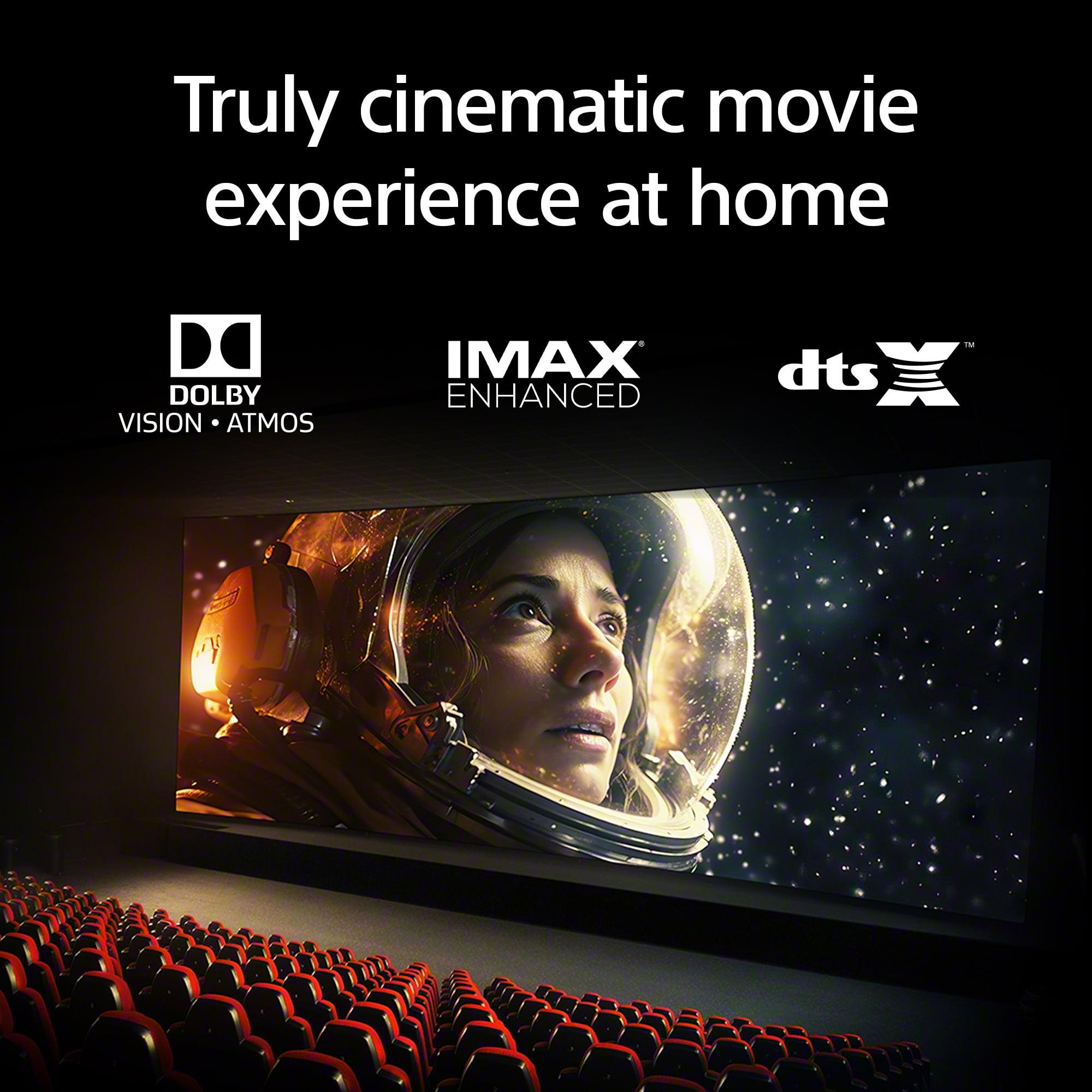
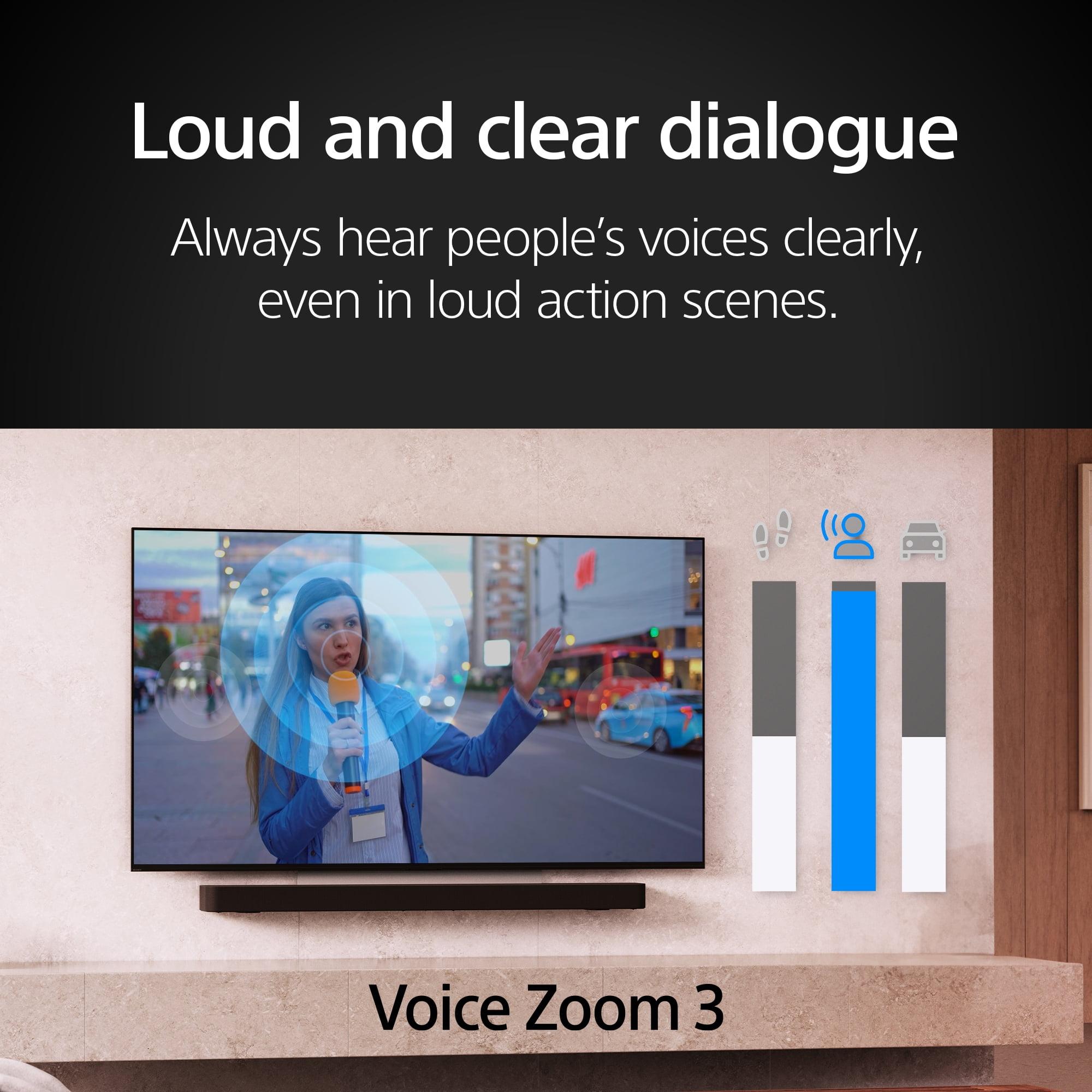
The Sony BRAVIA 5 steps up with a 50-watt, 2.1-channel system including Dolby Atmos support and DTS:X processing. Our research indicates that many users find the built-in audio sufficiently powerful for general viewing without requiring an additional soundbar—unusual for modern flat-panel TVs. The Sony can even function as a center channel speaker when paired with compatible Sony soundbars, creating a more immersive home theater experience.
For most buyers planning to add a soundbar eventually, the Samsung's basic audio won't matter much. However, if you prefer using built-in speakers or want flexibility to add external audio components gradually, the Sony provides a significant advantage.
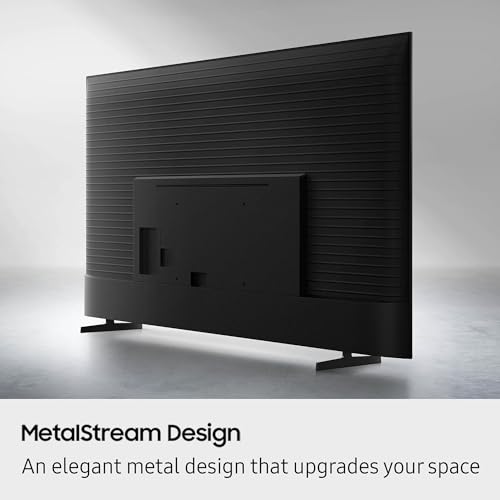
Both manufacturers updated their designs for 2025, though with different approaches. The Samsung U8000F features Samsung's new MetalStream Design, upgrading from the all-plastic construction of previous budget models to include metal components and slimmer bezels. This represents a meaningful improvement in perceived quality for an entry-level TV.
The Sony BRAVIA 5 uses premium aluminum construction throughout, reflecting its higher positioning in Sony's lineup. The build quality feels more substantial, and the overall design appears more refined. However, both TVs look modern and will fit well in most living rooms—the difference is more about tactile quality than visual appearance.
For home theater enthusiasts, HDR performance becomes crucial. HDR content—found on streaming services, 4K Blu-rays, and some gaming—is designed to take advantage of displays capable of very bright highlights and deep blacks simultaneously. This technology makes images look more like what your eyes see in real life.
The Samsung U8000F supports HDR and HDR10+ formats but cannot deliver the contrast ratios needed for truly impactful HDR presentation. Without local dimming, bright HDR scenes often look washed out, and dark scenes lack the detail and depth intended by content creators.
The Sony BRAVIA 5 supports Dolby Vision (the premium HDR format), HDR10, HLG, and IMAX Enhanced content. Its Mini LED backlighting enables the dramatic contrast ratios HDR content demands, with minimal "blooming" (unwanted light spillover around bright objects). Professional reviews consistently praise its HDR performance as approaching much more expensive displays.
For casual viewers primarily watching standard streaming content, the Samsung provides adequate performance. But for movie enthusiasts building a proper home theater setup, the Sony's HDR capabilities represent a fundamental upgrade in viewing experience.
At the time of writing, the price gap between these models is substantial—typically several hundred dollars separating them. This raises the critical question of whether the Sony BRAVIA 5 provides proportional value for its higher cost.
The Samsung U8000F delivers solid entry-level performance at a budget-friendly price. For viewers primarily watching cable TV, streaming services, and occasional movies in moderately lit rooms, it provides the core 4K smart TV experience without unnecessary premium features. Its value proposition is straightforward: basic 4K functionality at an accessible price point.
The Sony BRAVIA 5 commands a premium but delivers measurable improvements across every performance category. The Mini LED technology, 120Hz gaming, superior audio system, and reference-grade color accuracy represent genuine technological advances rather than marketing features. For buyers who can afford the higher price, it provides substantially better performance per dollar in the mid-range TV category.
The Samsung U8000F makes sense for buyers prioritizing affordability while still wanting 4K capability. It's ideal for secondary bedrooms, rental properties, or primary TVs for viewers who primarily watch standard content in controlled lighting conditions. If your main activities are streaming Netflix, watching cable TV, and light gaming on older consoles, the Samsung delivers everything you need without paying for features you won't use.
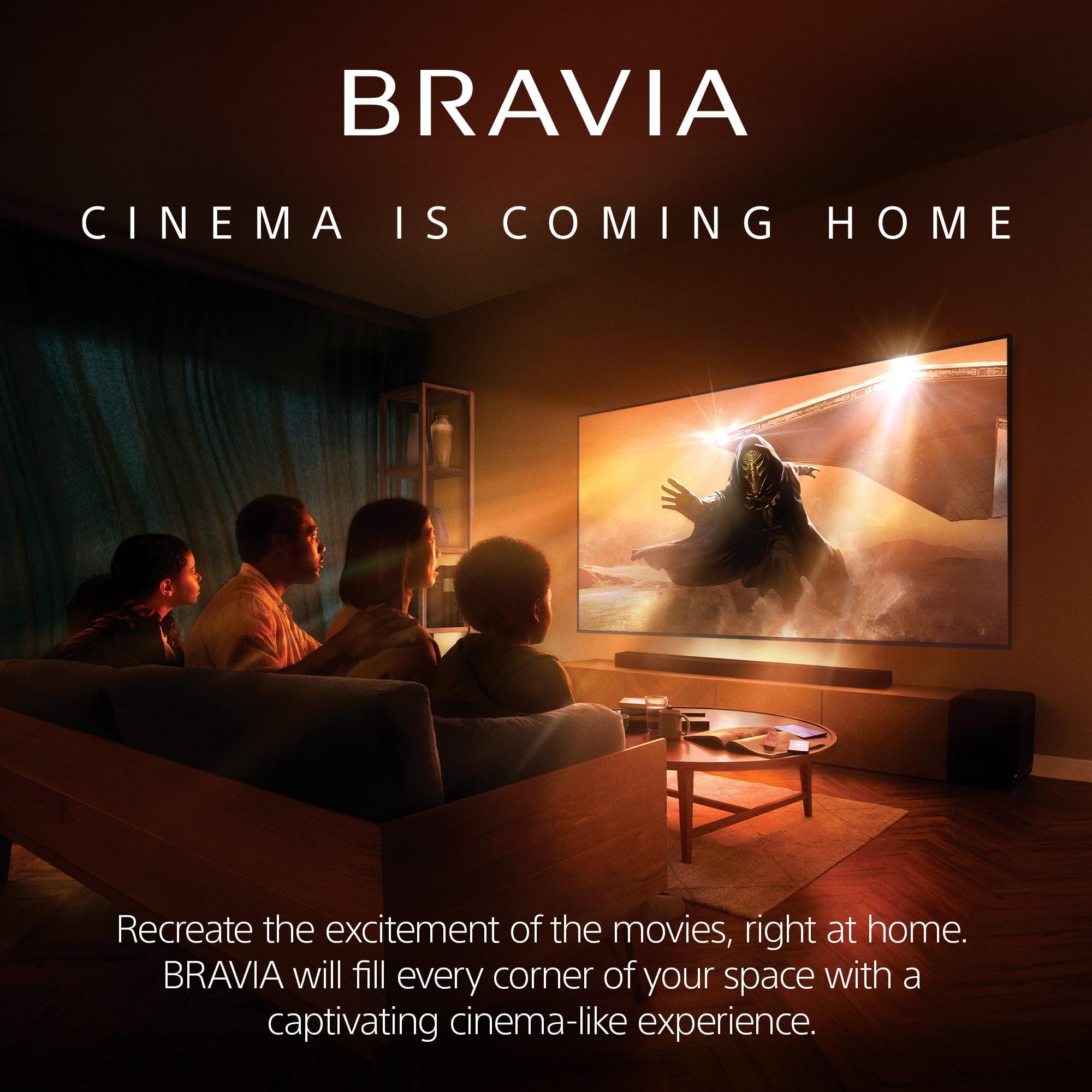
The Sony BRAVIA 5 targets buyers seeking a significant upgrade in viewing experience who can justify the higher cost. It's perfect for movie enthusiasts who appreciate HDR content, serious gamers with PlayStation 5 or Xbox Series X consoles, and viewers who watch content in bright rooms where peak brightness matters. The superior audio system also appeals to buyers who prefer avoiding immediate soundbar purchases.
For home theater setups, the Sony represents a much better foundation. Its superior contrast ratio, HDR performance, and color accuracy provide the picture quality that makes investing in 4K content worthwhile. The Samsung, while competent for basic viewing, cannot deliver the cinematic experience that justifies building an entertainment system around it.
Choosing between these TVs ultimately depends on your viewing priorities and budget flexibility. The Samsung U8000F delivers dependable basic performance at an entry-level price—perfect for buyers who need 4K capability without premium features. Its natural color processing and Samsung's mature smart platform provide a satisfying experience for mainstream viewing habits.
The Sony BRAVIA 5 justifies its higher cost through meaningful performance improvements across picture quality, gaming, audio, and smart features. For buyers who can afford the premium, it delivers near-flagship performance that will remain satisfying for years as content quality improves and gaming technology advances.
Consider the Samsung if budget constraints are paramount and your viewing habits center on standard streaming content. Choose the Sony if you value superior picture quality, plan to use next-generation gaming consoles, or want a TV capable of delivering the full impact of premium 4K and HDR content. The performance gap is substantial enough that the Sony provides better long-term value for buyers who can handle the higher upfront cost.
In my experience evaluating TVs across different price ranges, the jump from entry-level to mid-range models like the Sony BRAVIA 5 typically provides the most noticeable improvement in daily viewing experience. The Samsung U8000F serves its purpose well, but the Sony delivers the kind of picture quality that makes you appreciate why you invested in a large-screen TV in the first place.
| Samsung 65-Inch Crystal UHD U8000F | Sony BRAVIA 5 65" Mini LED |
|---|---|
| Display Technology - The foundation that determines picture quality | |
| Standard LED backlight (no local dimming) | Mini LED with thousands of dimming zones |
| Peak Brightness - Critical for HDR impact and bright room viewing | |
| Moderate brightness, adequate for darker rooms | 913 nits peak brightness, excellent for any lighting |
| Contrast Ratio - What creates deep blacks and vibrant colors | |
| Basic contrast without local dimming | 3,229:1 native contrast with 0.22 nit black levels |
| Refresh Rate - Determines gaming smoothness and motion clarity | |
| 60Hz maximum (limits gaming potential) | Native 120Hz (enables next-gen console gaming) |
| HDR Support - Unlocks premium streaming content quality | |
| HDR, HDR10+ (limited impact without contrast) | Dolby Vision, HDR10, HLG, IMAX Enhanced |
| Gaming Features - Modern console compatibility | |
| VRR, ALLM at 60Hz via HDMI 2.0 ports | 4K@120Hz, G-SYNC, VRR, PS5 certified via HDMI 2.1 |
| Audio System - Built-in sound quality | |
| 20W 2CH speakers (basic dialogue clarity) | 50W 2.1CH with Dolby Atmos (theater-like experience) |
| Smart Platform - App selection and user experience | |
| Samsung Tizen OS with SmartThings integration | Google TV with superior content discovery |
| Color Accuracy - Professional-grade picture quality | |
| Decent color processing for casual viewing | Reference-grade accuracy (95% UHDA-P3 coverage) |
| Build Quality - Long-term durability and premium feel | |
| MetalStream design with metal components | Premium aluminum construction throughout |
| Best Use Cases - Who should consider each model | |
| Budget buyers, casual viewing, basic 4K needs | Movie enthusiasts, gamers, bright room viewing |
The Sony BRAVIA 5 is significantly better for gaming. It offers native 120Hz refresh rate with HDMI 2.1 ports supporting 4K@120Hz gaming, G-SYNC compatibility, and PlayStation 5 certification. The Samsung U8000F is limited to 60Hz with HDMI 2.0 ports, making it suitable only for casual gaming on older consoles.
The biggest difference is the display technology. The Sony BRAVIA 5 uses Mini LED backlighting with thousands of local dimming zones, delivering exceptional contrast and HDR performance. The Samsung U8000F uses standard LED backlighting without local dimming, resulting in adequate but basic picture quality that struggles with deep blacks and bright highlights.
The Sony BRAVIA 5 excels for movies and HDR content with its Mini LED technology, Dolby Vision support, and 913 nits peak brightness. It can display the dramatic contrast and color depth that HDR content demands. The Samsung U8000F supports HDR but lacks the contrast capability to deliver impactful HDR viewing experiences.
The Sony BRAVIA 5 performs much better in bright rooms thanks to its high peak brightness and superior contrast control. The Samsung U8000F works best in darker or moderately lit rooms where its brightness limitations are less noticeable.
Both platforms are capable, but they serve different preferences. The Samsung U8000F runs Tizen OS, which integrates well with Samsung devices and includes Samsung TV Plus free content. The Sony BRAVIA 5 uses Google TV, offering superior content discovery, Chromecast built-in, and better integration with non-Samsung devices.
The Sony BRAVIA 5 has significantly better audio with its 50W 2.1CH system supporting Dolby Atmos, often eliminating the immediate need for a soundbar. The Samsung U8000F features basic 20W 2CH speakers adequate for dialogue but lacking depth and power for movies or music.
Value depends on your needs and budget. The Samsung U8000F offers excellent value for budget-conscious buyers seeking basic 4K functionality. The Sony BRAVIA 5 provides better performance per dollar in the mid-range category, justifying its higher cost through superior technology across all categories.
The Sony BRAVIA 5 is excellent for home theaters with its Mini LED contrast, reference-grade color accuracy, and robust audio system. The Samsung U8000F serves as a basic foundation but cannot deliver the cinematic experience that justifies building an entertainment system around it.
Both TVs received 2025 design updates, but the Sony BRAVIA 5 uses premium aluminum construction throughout for a more substantial feel. The Samsung U8000F features Samsung's new MetalStream design with metal components, representing a quality upgrade over previous budget models.
Both the Samsung U8000F and Sony BRAVIA 5 handle 4K streaming excellently. The Samsung provides competent upscaling with its Crystal Processor 4K, while the Sony's Cognitive Processor XR offers more sophisticated processing for superior results with challenging content.
The Sony BRAVIA 5 is superior for sports viewing due to its 120Hz refresh rate, excellent motion handling, and bright display that works well in any lighting condition. The Samsung U8000F handles sports adequately at 60Hz but may show motion blur during fast-paced action.
Choose the Samsung U8000F if you need basic 4K capability at an affordable price for casual viewing, cable TV, and light gaming. Select the Sony BRAVIA 5 if you want superior picture quality for movies, serious gaming with next-gen consoles, bright room viewing, or building a home theater system that will remain satisfying for years.
We've done our best to create useful and informative comparisons to help you decide what product to buy. Our research uses advanced automated methods to create this comparison and perfection is not possible - please contact us for corrections or questions. These are the sites we've researched in the creation of this article: bestbuy.com - youtube.com - youtube.com - rtings.com - youtube.com - samsung.com - hometechnologyreview.com - rtings.com - samsung.com - displayspecifications.com - samsung.com - displayspecifications.com - walmart.com - billsmith.com - dentonstv.com - samsung.com - samsung.com - samsung.com - youtube.com - bestbuy.com - bestbuy.com - youtube.com - samsung.com - donstv.com - rtings.com - pro.sony - youtube.com - electronics.sony.com - electronics.sony.com - electronics.sony.com - bestbuy.com - electronics.sony.com - youtube.com - bestbuy.com - videoandaudiocenter.com - valueelectronics.com - youtube.com - sony.ca - perpichtv.com - sony.com - displayspecifications.com - pioneertvandappliance.com - flatpanelshd.com

Privacy Policy
Terms and Conditions - Affiliate Policy
Home Security
© Copyright 2008-2026.
11816 Inwood Rd #1211, Dallas, TX 75244