





When shopping for a premium 65-inch TV, you'll quickly discover that not all high-end televisions are created equal. Some prioritize raw performance, while others focus on blending seamlessly into your living space. This fundamental difference becomes crystal clear when comparing the Samsung 65" The Frame QLED 4K 2024 TV against the Sony BRAVIA 5 65" Mini LED 4K Google TV 2025.
At the time of writing, these two TVs sit in similar price ranges, but they represent completely different philosophies about what a television should be. The Samsung positions itself as a piece of digital art that happens to show TV content, while the Sony focuses on delivering the most cinematic experience possible. Understanding which approach suits your needs will determine which TV belongs in your home.
Before diving into the comparison, it's worth understanding what separates premium TVs from budget models. The most significant factor is the backlighting technology—essentially, how the TV creates the light that illuminates your picture.
Traditional LED TVs place lights around the edges of the screen, which creates uneven brightness and limited contrast. QLED technology, found in the Samsung Frame, adds a layer of quantum dots—microscopic particles that improve color accuracy and brightness when light passes through them. It's a meaningful improvement, but still relies on edge lighting in most models.
Mini LED, used in the Sony BRAVIA 5, represents a more significant leap forward. Instead of a few dozen edge lights, Mini LED TVs pack thousands of tiny LEDs directly behind the screen. This allows for local dimming—the ability to brighten or darken specific areas of the screen independently. The result is dramatically better contrast, with deeper blacks and brighter highlights appearing simultaneously on the same screen.
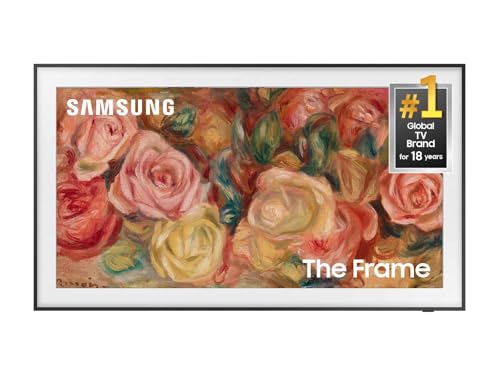
The Samsung Frame 2024 launched as part of Samsung's continued commitment to lifestyle televisions—TVs designed to enhance your room's aesthetics rather than dominate them. Since its original introduction several years ago, the Frame has evolved to include better picture processing and an improved anti-glare coating, but the core concept remains unchanged.
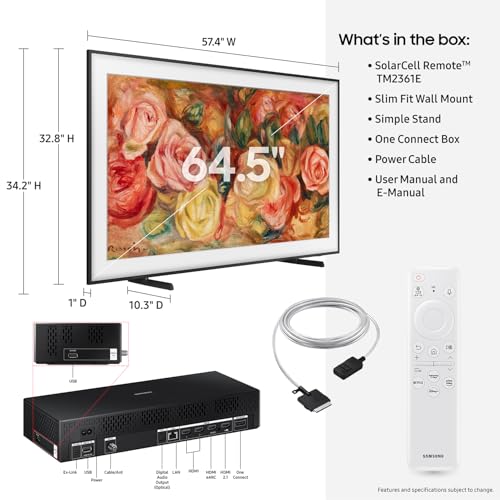
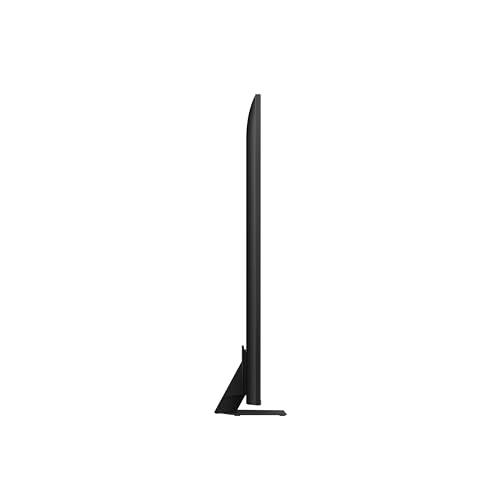
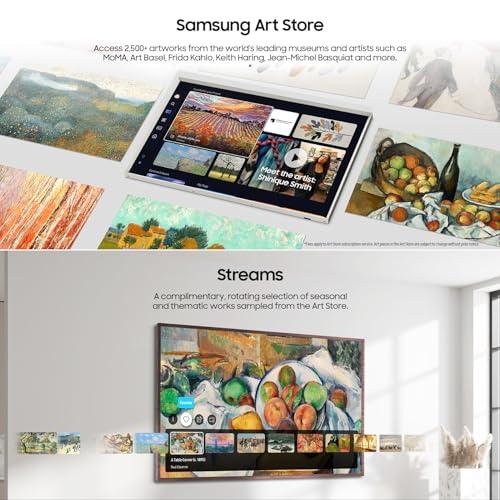
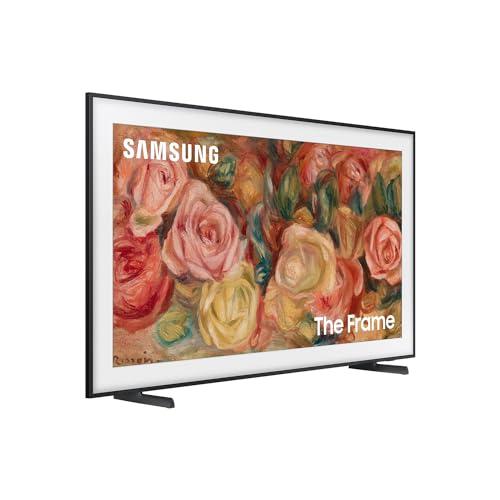
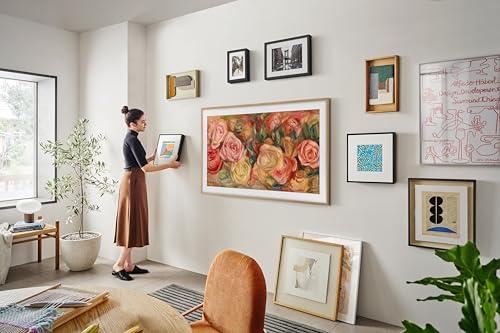
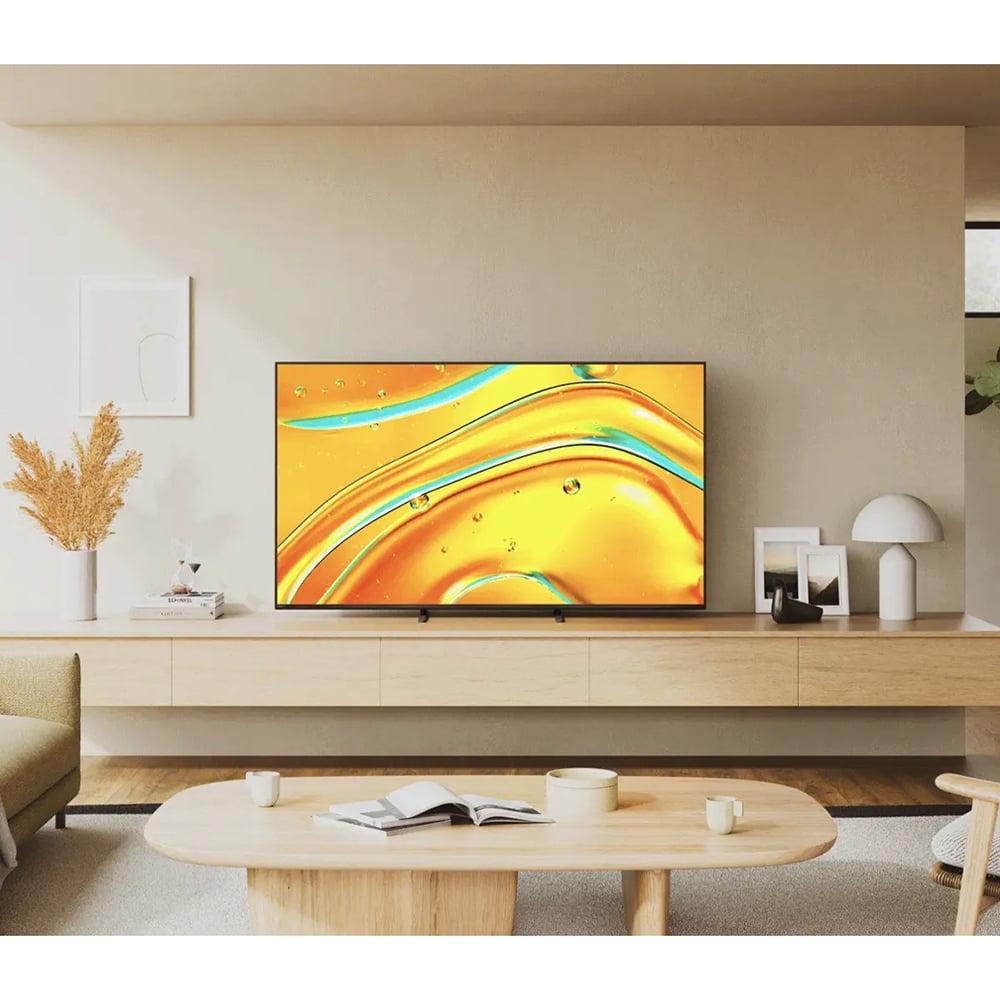
What makes the Frame unique isn't just its ultra-thin profile—measuring only one inch deep when wall-mounted—but its Art Mode functionality. When you're not watching content, the TV displays artwork, personal photos, or curated collections from Samsung's Art Store. A built-in motion sensor automatically switches between TV mode and Art Mode, so the screen appears as a framed painting when you enter the room.
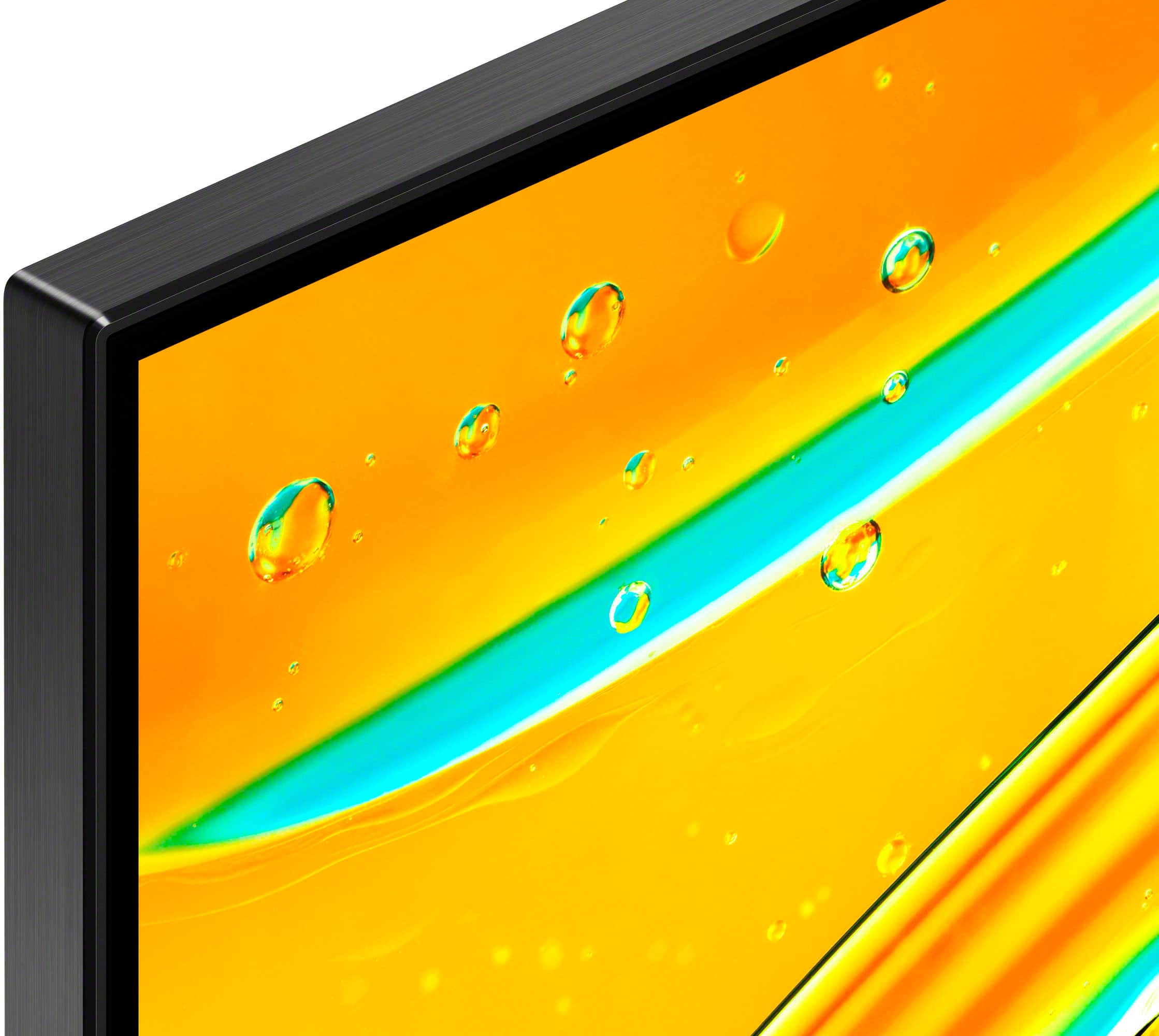
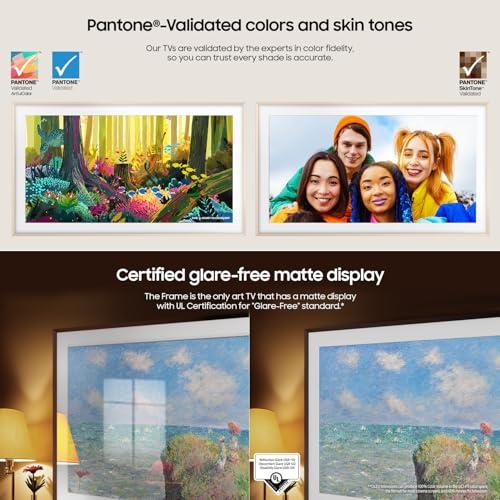
The anti-glare matte display deserves special attention. Traditional TVs use glossy screens that reflect room lighting like mirrors, creating distracting glare. Samsung's matte coating scatters this light instead of reflecting it directly, making the screen appear more like a real canvas. This technology works exceptionally well in bright rooms with windows or overhead lighting—situations where most TVs become nearly unwatchable during the day.
However, this matte coating comes with trade-offs. While it eliminates reflections, it also slightly reduces the perceived contrast and color depth of the image. Think of it like looking at a photo through frosted glass versus clear glass—the frosting eliminates glare but softens the overall impact.
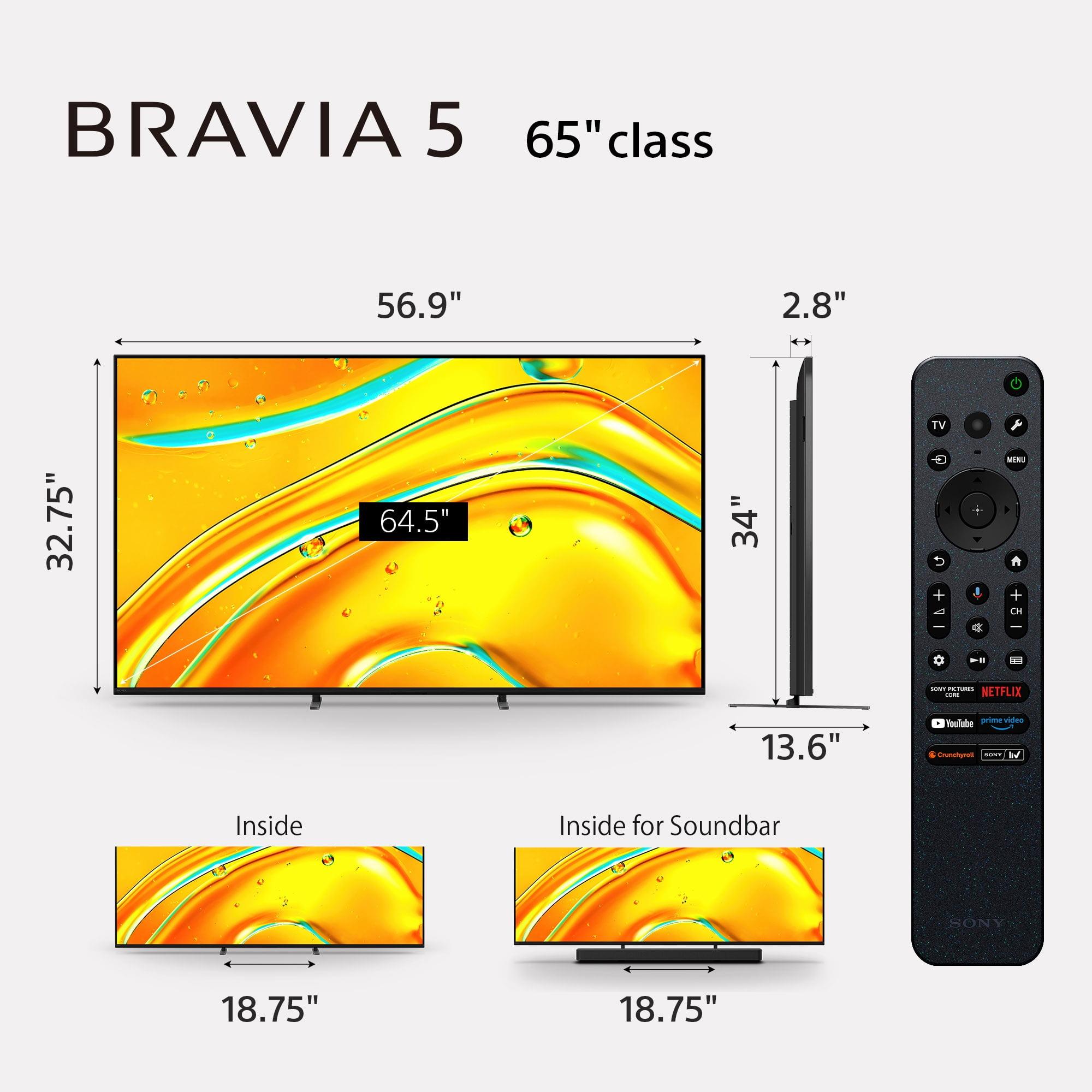
The Sony BRAVIA 5 2025 represents Sony's response to the growing demand for Mini LED technology at more accessible prices. Released as a successor to the popular X90L series, the BRAVIA 5 brings professional-grade display technology to the mid-premium segment.
Sony's approach centers on their XR Processor—a cognitive processing chip that analyzes images the way human brains process visual information. Rather than simply enhancing individual picture elements like brightness or color, the XR Processor considers how different parts of the image relate to each other. This results in more natural-looking faces, better texture reproduction, and improved depth perception.
The Mini LED backlight system is where the Sony truly differentiates itself. With thousands of individually controlled LEDs and precise local dimming zones, the BRAVIA 5 can display deep blacks next to bright highlights without the "blooming" effect that plagues cheaper TVs. Blooming occurs when bright objects create halos of unwanted light in surrounding dark areas—imagine a streetlight in a movie creating a gray glow that extends into the night sky around it.
When evaluating TV picture quality, several metrics determine the viewing experience. Peak brightness affects how impactful highlights appear, especially in HDR (High Dynamic Range) content. Contrast ratio determines how deep blacks appear relative to bright whites. Color accuracy affects how realistic skin tones, landscapes, and other familiar objects look.
The Sony BRAVIA 5 significantly outperforms the Samsung Frame in most objective picture quality measurements. The Mini LED backlight delivers roughly twice the peak brightness of the Samsung's edge-lit system, making HDR content more impactful. More importantly, the local dimming capability means dark scenes actually appear dark, rather than the gray-black that characterizes most LED TVs.
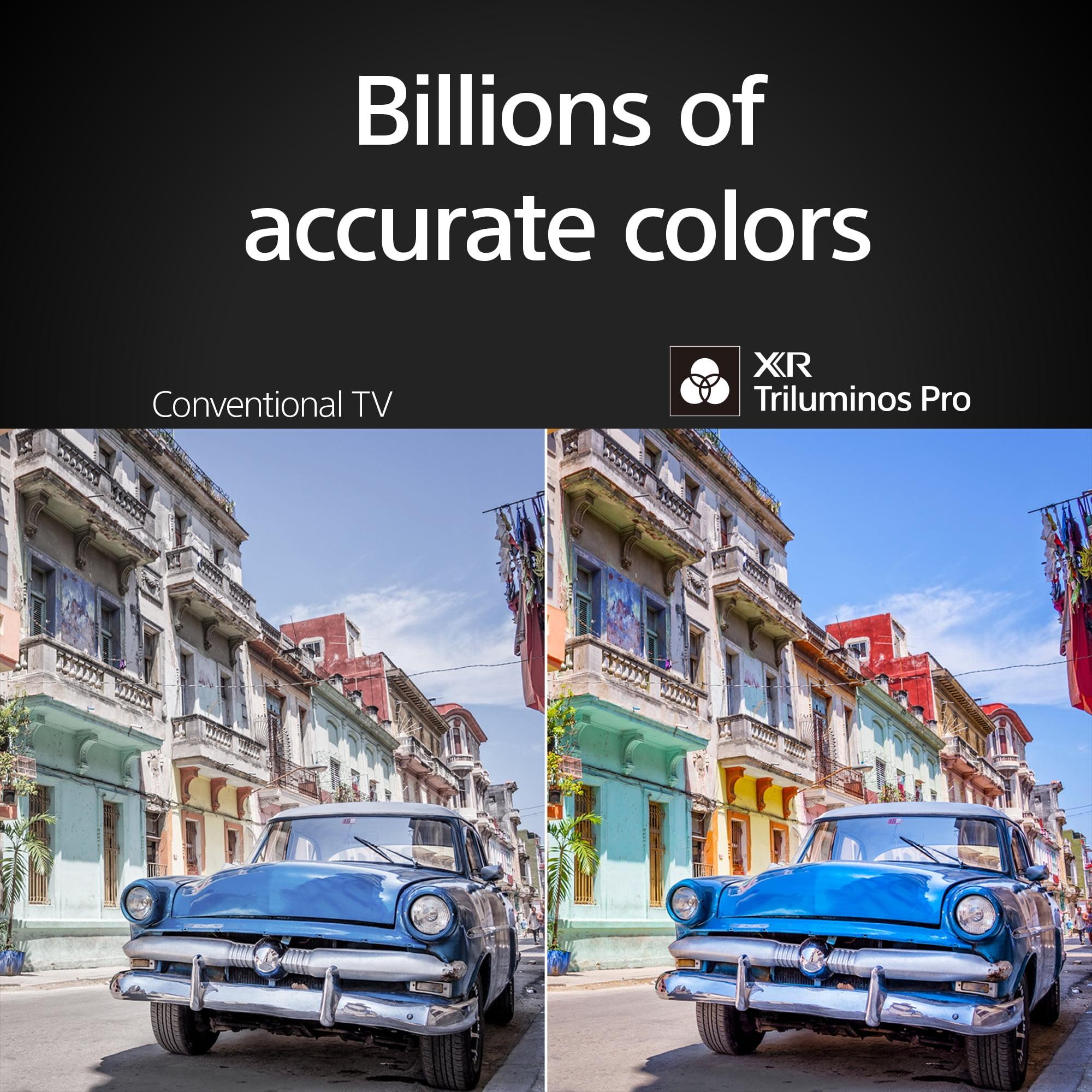
Color reproduction tells a more nuanced story. Both TVs display the standard color spaces adequately, but the Sony supports Dolby Vision—a premium HDR format that uses 12-bit color depth to display 68 billion potential colors. The Samsung supports only HDR10+, which uses 10-bit color depth for about 1 billion colors. While this difference isn't always visible, content mastered in Dolby Vision can show more subtle gradations in skies, skin tones, and natural landscapes.
The Samsung Frame's anti-glare coating creates an interesting trade-off scenario. In bright rooms with significant ambient lighting, its reflection handling can make it appear to have better picture quality than the Sony, simply because you can see the image clearly without distracting reflections. However, in darker, controlled environments where reflections aren't an issue, the Sony's superior contrast and brightness capabilities become obvious.
Modern gaming demands have pushed TV manufacturers to support higher refresh rates and lower input lag. Both TVs offer 120Hz refresh rates, but their gaming capabilities differ significantly.
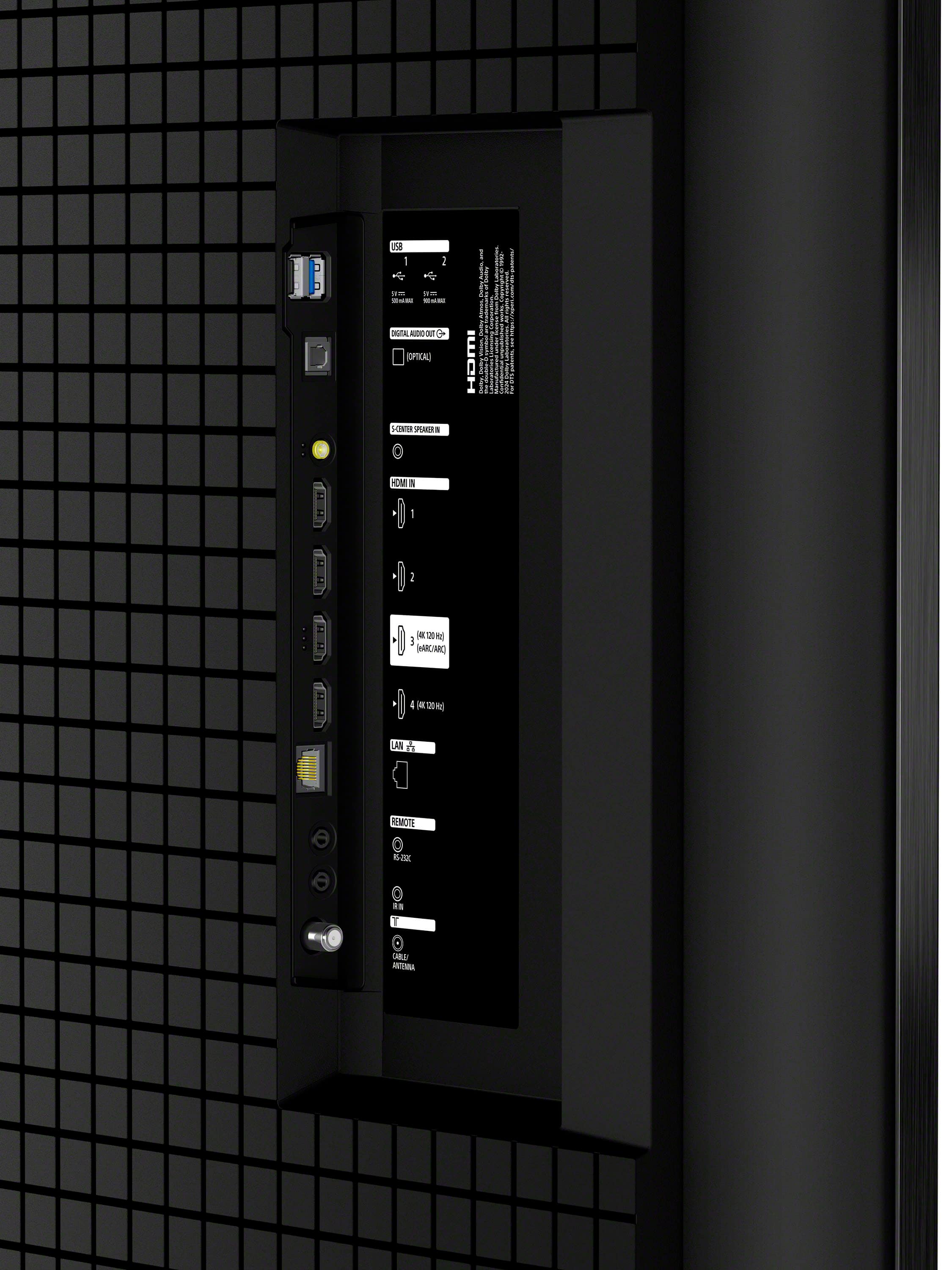
The Sony BRAVIA 5 provides comprehensive gaming features, including two HDMI 2.1 ports capable of 4K resolution at 120Hz. This matters if you own multiple next-generation consoles—a PlayStation 5 and Xbox Series X, for example—since you can connect both without compromising on performance. The Sony also supports both G-SYNC (NVIDIA's variable refresh rate technology) and HDMI Forum VRR, ensuring compatibility with different gaming hardware.
Input lag—the delay between pressing a controller button and seeing the action on screen—measures extremely low on the Sony, typically under 10 milliseconds in gaming mode. This responsiveness is crucial for competitive gaming, where split-second reactions matter.
The Samsung Frame offers basic gaming features, including a single HDMI 2.1 port and Auto Game Mode, but lacks the comprehensive next-gen console support of the Sony. For casual gaming, it performs adequately, but serious gamers will notice the limitations when trying to connect multiple high-end consoles or when playing fast-paced competitive games.
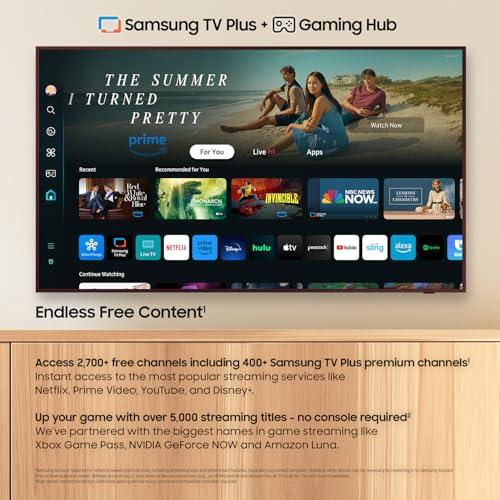
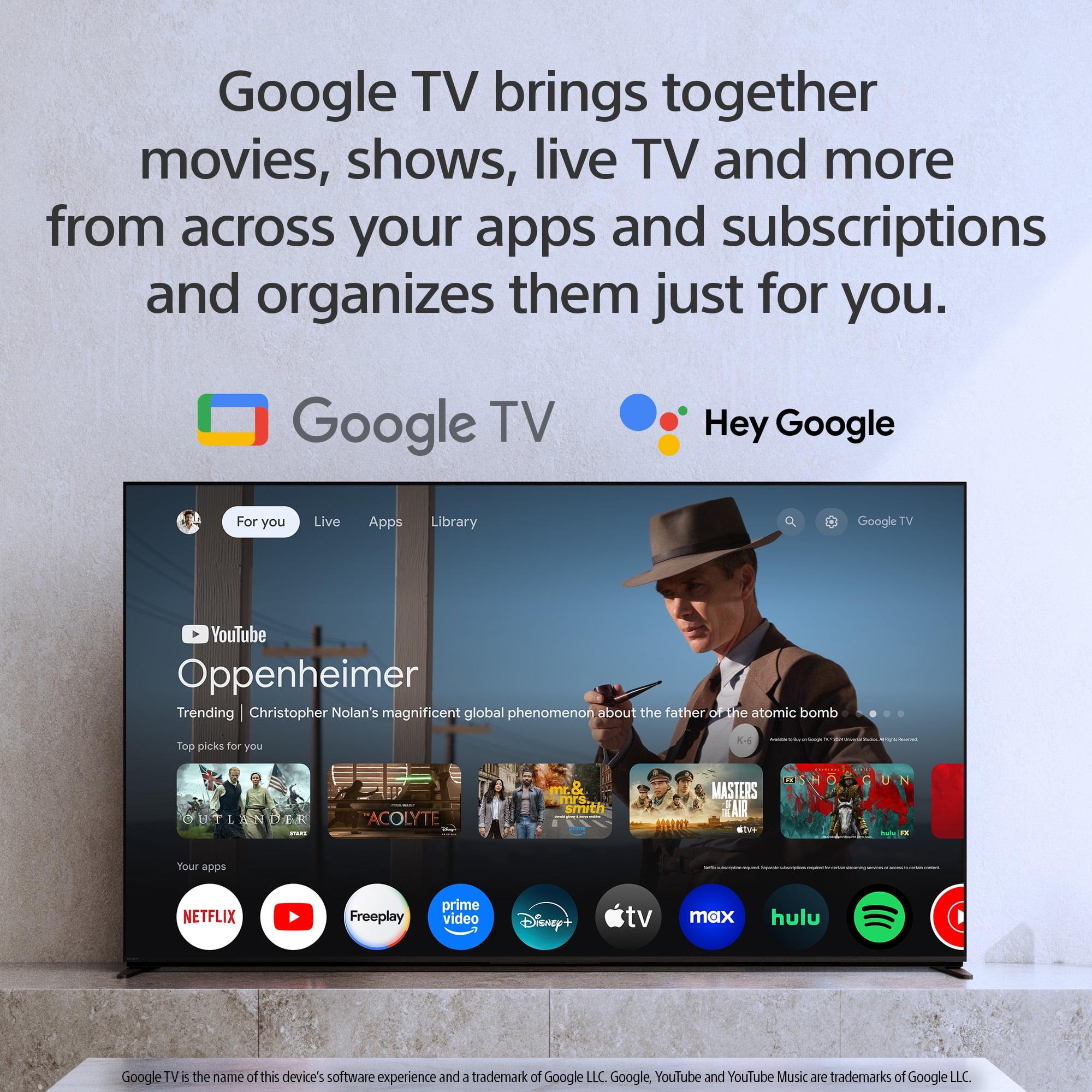
The choice between Google TV and Samsung's Tizen OS affects your daily interaction with the television. Google TV, powering the Sony BRAVIA 5, integrates seamlessly with Android smartphones and Google services. Built-in Chromecast allows easy content sharing from phones and tablets, while Google Assistant provides voice control for smart home devices and content searches.
Samsung's Tizen platform on the Frame offers a clean interface and good app selection, but feels more isolated from other devices and services. Samsung has focused heavily on SmartThings integration for controlling smart home devices, which works well if you're committed to Samsung's ecosystem but feels limited compared to Google's broader compatibility.
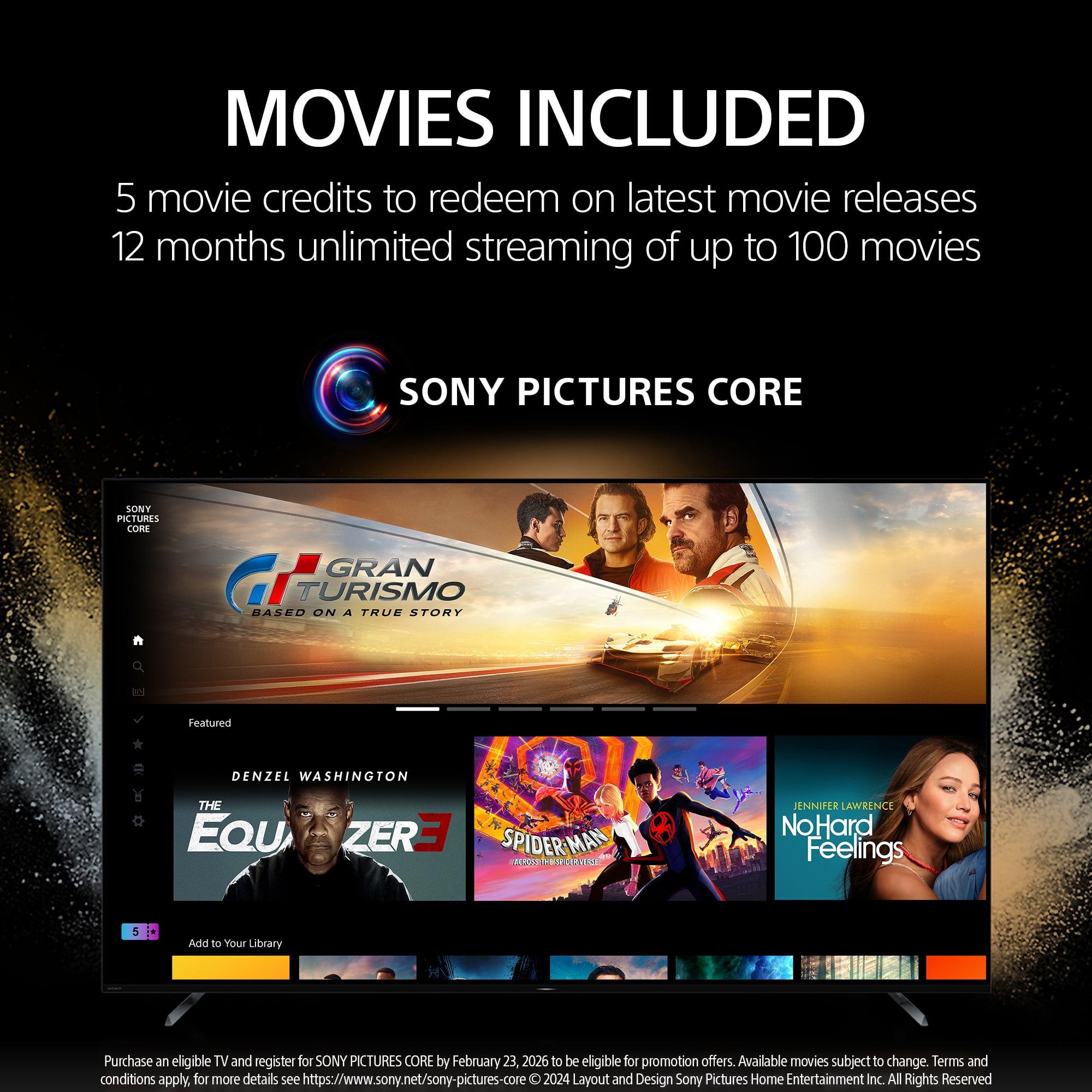
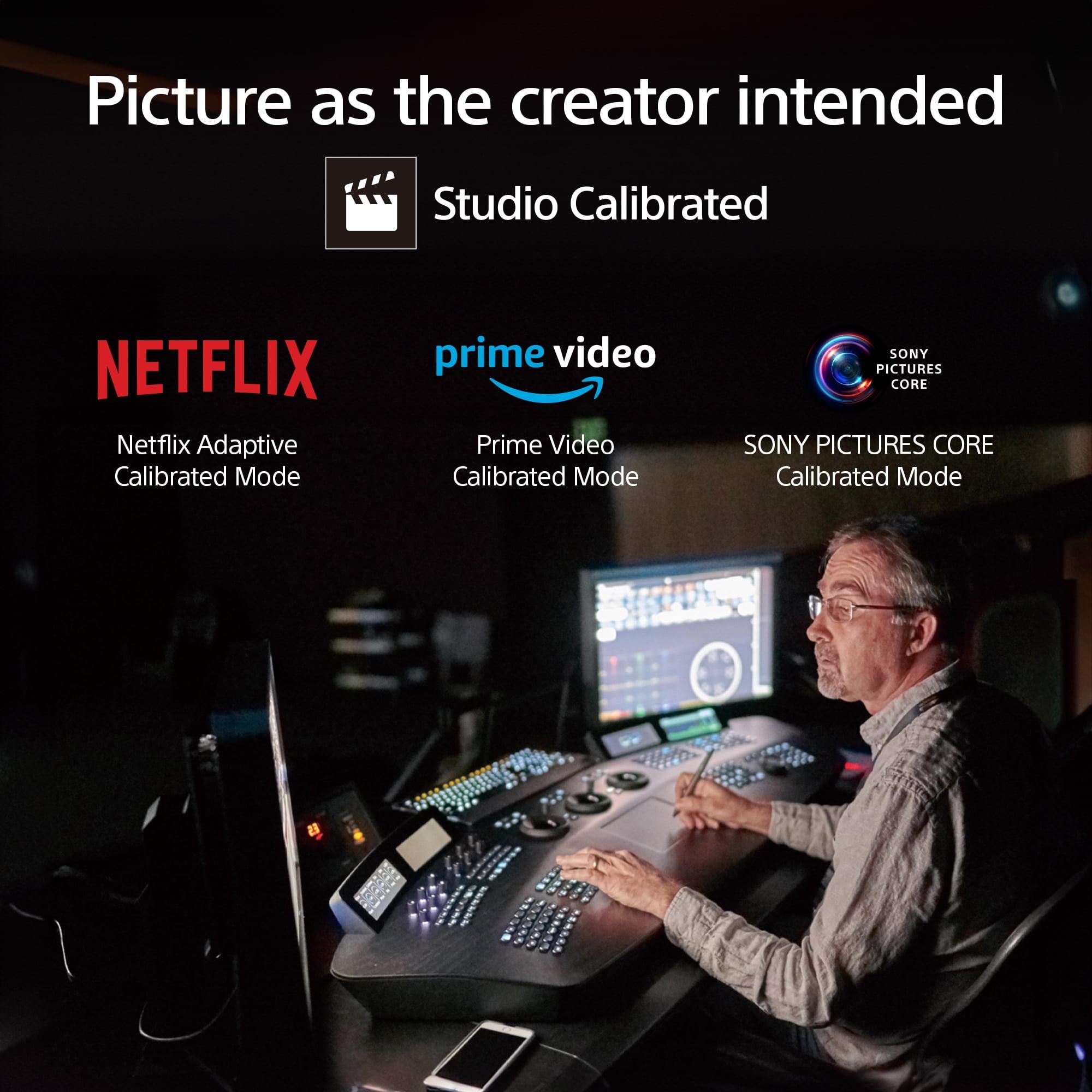
Both platforms handle streaming services well, but the Sony includes features like Netflix Calibrated Mode and Sony Pictures Core access, providing optimized settings for specific content types and exclusive movie access.
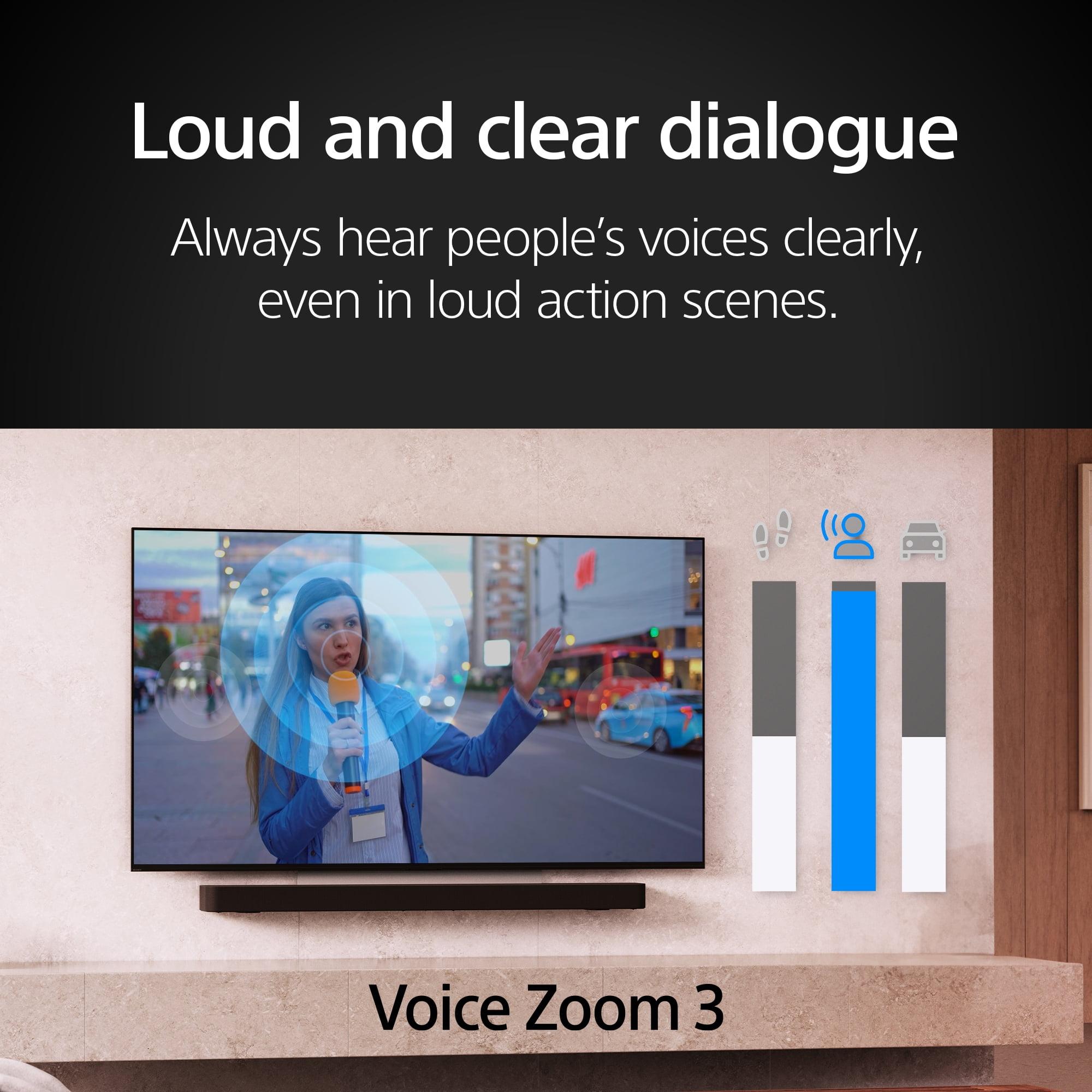
Television audio often gets overlooked, but both TVs include surprisingly capable built-in speaker systems. The Sony BRAVIA 5 features a 50W 2.1-channel setup with Dolby Atmos support, creating convincing spatial audio effects for movies and shows. The Acoustic Center Sync feature allows the TV to work as a center channel when paired with compatible Sony soundbars, potentially saving money on additional audio equipment.
The Samsung Frame uses a 40W 2.0.2-channel system with Object Tracking Sound, which attempts to move audio effects across the screen to match on-screen action. While not as powerful as the Sony's system, it performs well for casual viewing and includes Q-Symphony compatibility with Samsung soundbars.
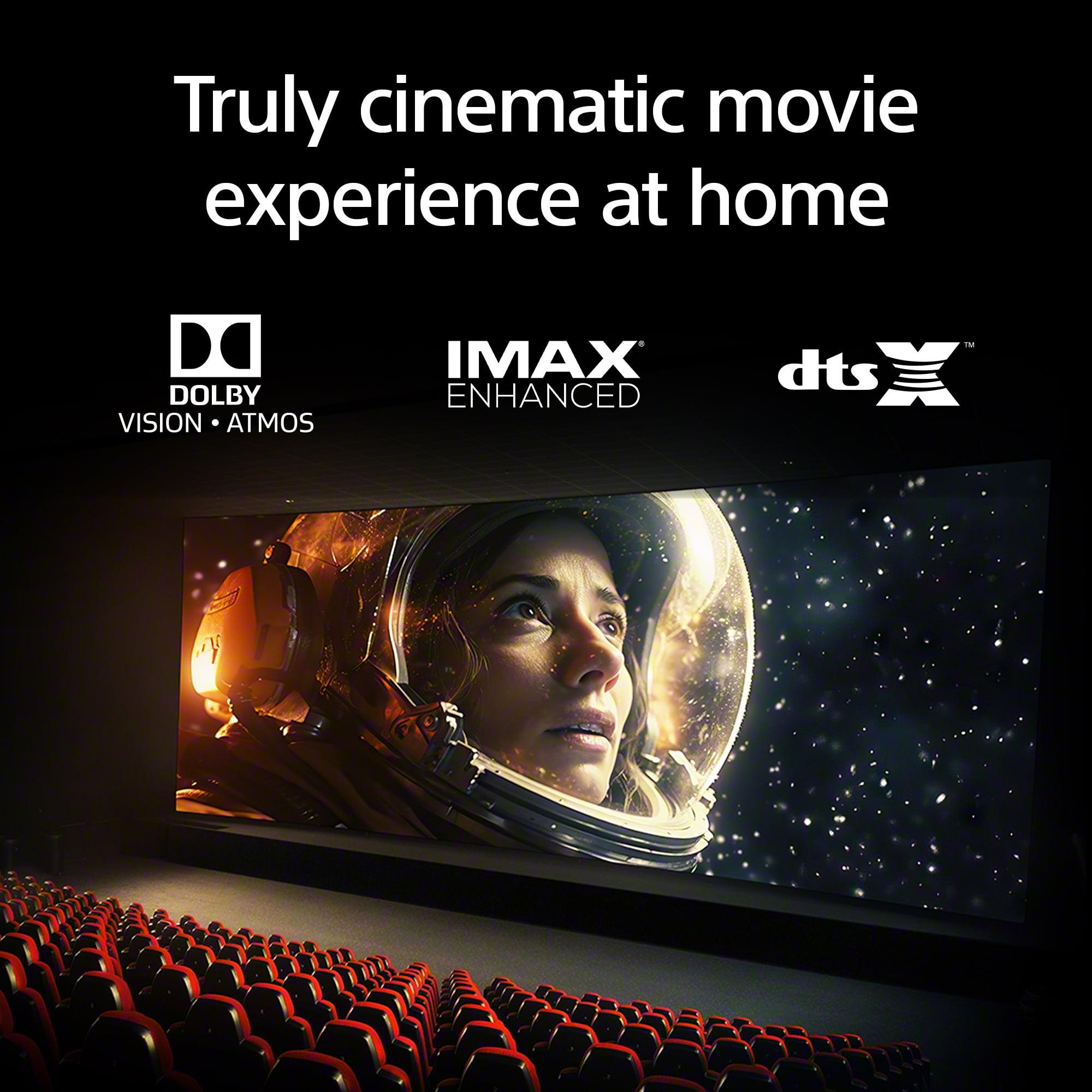
For dedicated home theater setups, the differences between these TVs become more pronounced. The Sony BRAVIA 5 offers multiple calibration modes designed for accurate movie reproduction, including IMAX Enhanced support for specially formatted content. The Mini LED backlighting and Dolby Vision support make it capable of displaying movies as directors intended, with proper contrast and color accuracy.
The Samsung Frame's matte coating, while excellent for bright rooms, can soften the impact of cinematic content. The reduced contrast and lack of local dimming mean that dramatic dark scenes—think space battles or horror movies—won't have the same visual impact as they would on the Sony.
However, if your "home theater" is actually a bright family room where the TV needs to look good during both day and night viewing, the Samsung's glare resistance might outweigh the Sony's technical advantages.
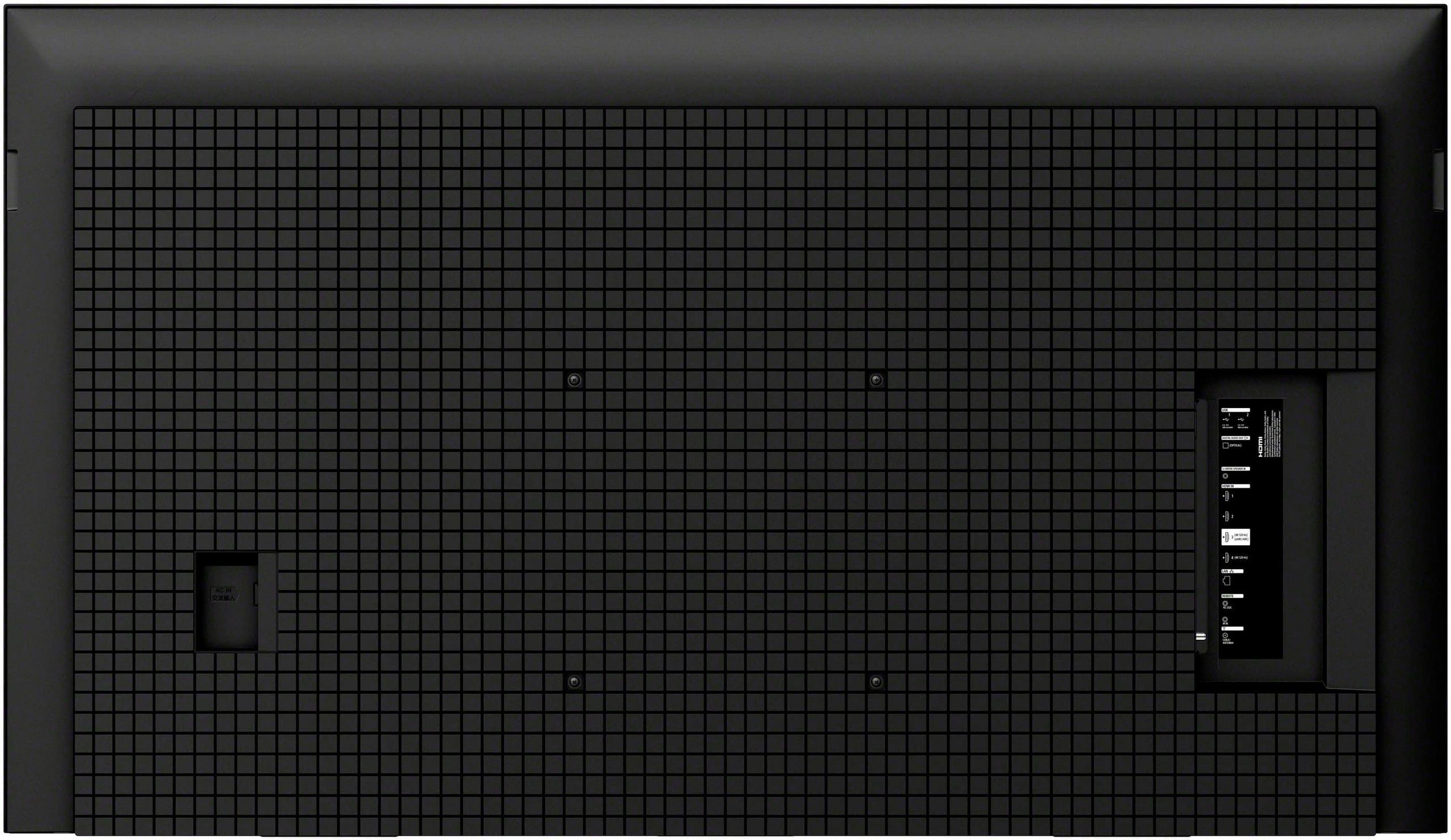
The installation experience differs dramatically between these TVs. The Samsung Frame comes with a Slim-Fit Wall Mount and One Connect box, which consolidates all cable connections into a separate unit connected by a single, nearly invisible cable. This creates an incredibly clean wall installation that truly resembles a framed piece of art.
Customizable magnetic bezels allow you to match the Frame to your room's decor, though these cost extra and can add significantly to the total investment. The TV's thin profile and clean cable management make it ideal for modern, minimalist living spaces.
The Sony BRAVIA 5 follows traditional TV installation approaches, with standard cable management and mounting options. While it can be wall-mounted, it won't achieve the same seamless integration as the Samsung.
At the time of writing, both TVs occupy similar price ranges initially, but the total cost of ownership differs. The Samsung Frame requires additional purchases for the full experience—custom bezels cost extra, and accessing Samsung's curated art library requires an ongoing subscription. These costs can add several hundred dollars over the TV's lifetime.
The Sony BRAVIA 5 includes everything needed for optimal performance in the initial purchase. No subscriptions are required for smart features, and the superior display technology provides better value for performance-focused users.
Choose the Samsung Frame if your living space prioritizes aesthetics and design integration. If you have a bright room with large windows or overhead lighting, if you want your TV to display art when not in use, or if you value having a conversation piece that guests will notice and comment on, the Frame serves purposes that traditional TVs simply cannot.
The Samsung makes sense for users who watch TV casually—news, daytime shows, streaming content—rather than those who prioritize the absolute best picture quality for movies and games. It's perfect for modern living rooms, kitchens, or bedrooms where the TV should complement the decor rather than dominate it.
Choose the Sony BRAVIA 5 if picture quality and performance matter most to your viewing experience. If you're a movie enthusiast who wants to see films as directors intended, if you're a serious gamer with next-gen consoles, or if you plan to use the TV as the centerpiece of a home theater setup, the Sony's superior display technology justifies its selection.
The Sony represents better value for most users focused on the actual television viewing experience. Its Mini LED technology, comprehensive gaming features, and Dolby Vision support provide capabilities that will remain relevant as content and gaming continue to evolve.
These two TVs serve different masters. The Samsung Frame prioritizes form and lifestyle integration, while the Sony BRAVIA 5 focuses on function and performance. Neither approach is wrong, but understanding which philosophy aligns with your priorities will lead to greater satisfaction with your purchase.
If you find yourself torn between the two, consider your room's lighting conditions and your viewing habits. Bright, design-focused spaces favor the Samsung, while darker, performance-focused environments suit the Sony. The good news is that both represent quality options within their respective approaches—you're choosing between two different definitions of what makes a great television, not between good and bad products.
| Samsung 65" The Frame QLED 4K 2024 TV | Sony BRAVIA 5 65" Mini LED 4K Google TV 2025 |
|---|---|
| Display Technology - Core difference affecting picture quality and price | |
| Edge-lit QLED with Quantum Dots, no local dimming | Mini LED backlight with thousands of zones and precise local dimming |
| Peak Brightness - Critical for HDR impact and daytime viewing | |
| 590 nits (moderate HDR performance) | 1,000+ nits (excellent HDR brightness) |
| Anti-Glare Technology - Essential for bright rooms with windows | |
| Premium matte display coating eliminates reflections | Standard glossy screen struggles with direct light sources |
| HDR Format Support - Affects streaming quality and future-proofing | |
| HDR10, HDR10+ only (1 billion colors) | HDR10, HDR10+, Dolby Vision, IMAX Enhanced (68 billion colors) |
| Gaming Features - Important for console owners | |
| Single HDMI 2.1 port, basic VRR support | Two HDMI 2.1 ports, full VRR (G-SYNC + HDMI Forum), ALLM |
| Refresh Rate - Affects motion clarity and gaming smoothness | |
| 120Hz native (drops to 60Hz in Art Mode) | 120Hz native with superior motion processing |
| Smart TV Platform - Daily user experience and app ecosystem | |
| Samsung Tizen OS with SmartThings integration | Google TV (Android 12) with Chromecast built-in |
| Audio System - Built-in sound quality | |
| 40W 2.0.2 channel with Dolby Atmos | 50W 2.1 channel with Dolby Atmos, DTS:X, center channel capability |
| Design Philosophy - Determines installation and room integration | |
| Ultra-thin (1" deep) lifestyle TV with customizable bezels and Art Mode | Traditional cinematic TV design focused on performance |
| Cable Management - Affects wall-mounted aesthetics | |
| One Connect Box with single invisible cable | Standard cable connections and management |
| Art Display Features - Unique lifestyle functionality | |
| Full Art Mode with motion sensor, customizable bezels, Art Store access | Standard screensaver only |
| Additional Costs - Total ownership expense beyond initial purchase | |
| Custom bezels ($200+) and Art Store subscription required for full experience | Complete package included, no ongoing subscriptions needed |
| Best Use Case - Who should choose this TV | |
| Bright rooms, design-conscious users, casual viewing, wall art functionality | Movie enthusiasts, gamers, home theaters, performance-focused viewing |
The Sony BRAVIA 5 65" Mini LED 4K Google TV 2025 offers significantly better picture quality for movies and shows. Its Mini LED technology provides deeper blacks, brighter highlights, and better contrast than the Samsung 65" The Frame QLED 4K 2024 TV. The Sony also supports Dolby Vision HDR, which delivers more accurate colors and improved dynamic range for premium streaming content.
The Samsung 65" The Frame QLED 4K 2024 TV excels in bright rooms thanks to its anti-glare matte display coating that eliminates reflections from windows and overhead lighting. While the Sony BRAVIA 5 has superior contrast and brightness, its glossy screen can become difficult to watch in rooms with direct sunlight or strong ambient lighting.
The Sony BRAVIA 5 65" Mini LED 4K Google TV 2025 is the clear winner for next-gen gaming. It offers two HDMI 2.1 ports supporting 4K at 120Hz, comprehensive VRR support, and extremely low input lag. The Samsung Frame has only one HDMI 2.1 port and more limited gaming features, making it less suitable for users with multiple consoles.
Only the Samsung 65" The Frame QLED 4K 2024 TV can display art when not watching content. Its Art Mode transforms the TV into a digital picture frame, showing curated artwork, personal photos, or museum pieces. The Sony BRAVIA 5 functions as a traditional TV only, with standard screensaver options but no dedicated art display features.
The Sony BRAVIA 5 65" Mini LED 4K Google TV 2025 provides better value for performance-focused buyers, offering superior display technology at a competitive price point. The Samsung Frame requires additional purchases for custom bezels and art subscriptions to unlock its full potential, which can significantly increase the total cost of ownership.
The Samsung 65" The Frame QLED 4K 2024 TV is specifically designed for wall mounting with its ultra-thin 1-inch profile, included Slim-Fit Wall Mount, and One Connect box that eliminates cable clutter. The Sony BRAVIA 5 can be wall-mounted but follows traditional TV design with standard cable management and a thicker profile.
The Sony BRAVIA 5 runs Google TV, which offers broader app compatibility, built-in Chromecast, and seamless integration with Android devices and Google services. The Samsung Frame uses Tizen OS, which has good app selection and SmartThings integration but feels more limited compared to Google's ecosystem and voice control capabilities.
The Sony BRAVIA 5 65" Mini LED 4K Google TV 2025 features superior built-in audio with 50W 2.1-channel speakers, Dolby Atmos support, and the ability to function as a center channel with compatible soundbars. The Samsung Frame has 40W 2.0.2-channel speakers that are adequate for casual viewing but less powerful overall.
The Sony BRAVIA 5 is significantly better for home theater use, offering superior contrast with Mini LED local dimming, Dolby Vision support for accurate movie reproduction, multiple cinema calibration modes, and IMAX Enhanced compatibility. The Samsung Frame's matte coating and edge-lit design reduce the cinematic impact that home theater enthusiasts typically desire.
The Sony BRAVIA 5 65" Mini LED 4K Google TV 2025 excels in dark rooms with its Mini LED technology delivering deep blacks and precise contrast control. The Samsung Frame struggles in dark environments due to its edge-lit design and lack of local dimming, resulting in grayish blacks that reduce the impact of dark movie scenes.
The Sony BRAVIA 5 supports more HDR formats including Dolby Vision, HDR10, HDR10+, and IMAX Enhanced, ensuring compatibility with premium content from Netflix, Disney+, and other streaming services. The Samsung 65" The Frame QLED 4K 2024 TV supports HDR10 and HDR10+ but lacks Dolby Vision, which is increasingly common on high-quality streaming content.
Choose the Samsung 65" The Frame QLED 4K 2024 TV if blending into your decor is the priority. Its customizable bezels, Art Mode functionality, and ultra-thin wall-mounted profile make it appear like a piece of framed artwork when not in use. The Sony BRAVIA 5 follows traditional TV design and will look like a conventional television regardless of mounting options.
We've done our best to create useful and informative comparisons to help you decide what product to buy. Our research uses advanced automated methods to create this comparison and perfection is not possible - please contact us for corrections or questions. These are the sites we've researched in the creation of this article: tomsguide.com - rtings.com - rtings.com - youtube.com - bestbuy.com - techlicious.com - youtube.com - smalllilystudio.com - theeverymom.com - livingetc.com - pcrichard.com - image-us.samsung.com - samsung.com - images.samsung.com - samsung.com - buydig.com - tvsbook.com - bestbuy.com - samsung.com - samsung.com - flatpanelshd.com - rtings.com - pro.sony - youtube.com - electronics.sony.com - electronics.sony.com - electronics.sony.com - bestbuy.com - electronics.sony.com - youtube.com - bestbuy.com - videoandaudiocenter.com - valueelectronics.com - youtube.com - sony.ca - perpichtv.com - sony.com - displayspecifications.com - pioneertvandappliance.com - flatpanelshd.com

Privacy Policy
Terms and Conditions - Affiliate Policy
Home Security
© Copyright 2008-2026.
11816 Inwood Rd #1211, Dallas, TX 75244