


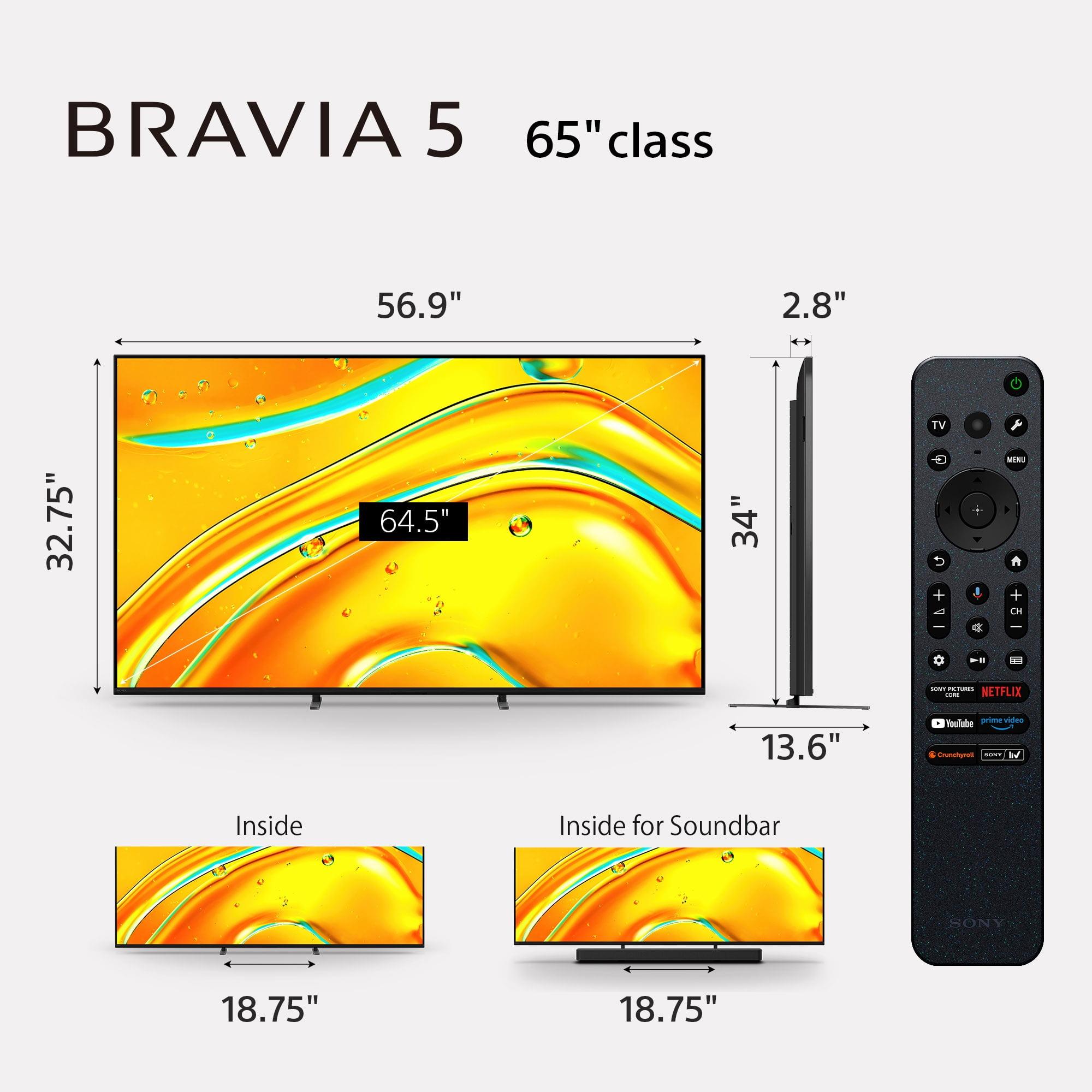
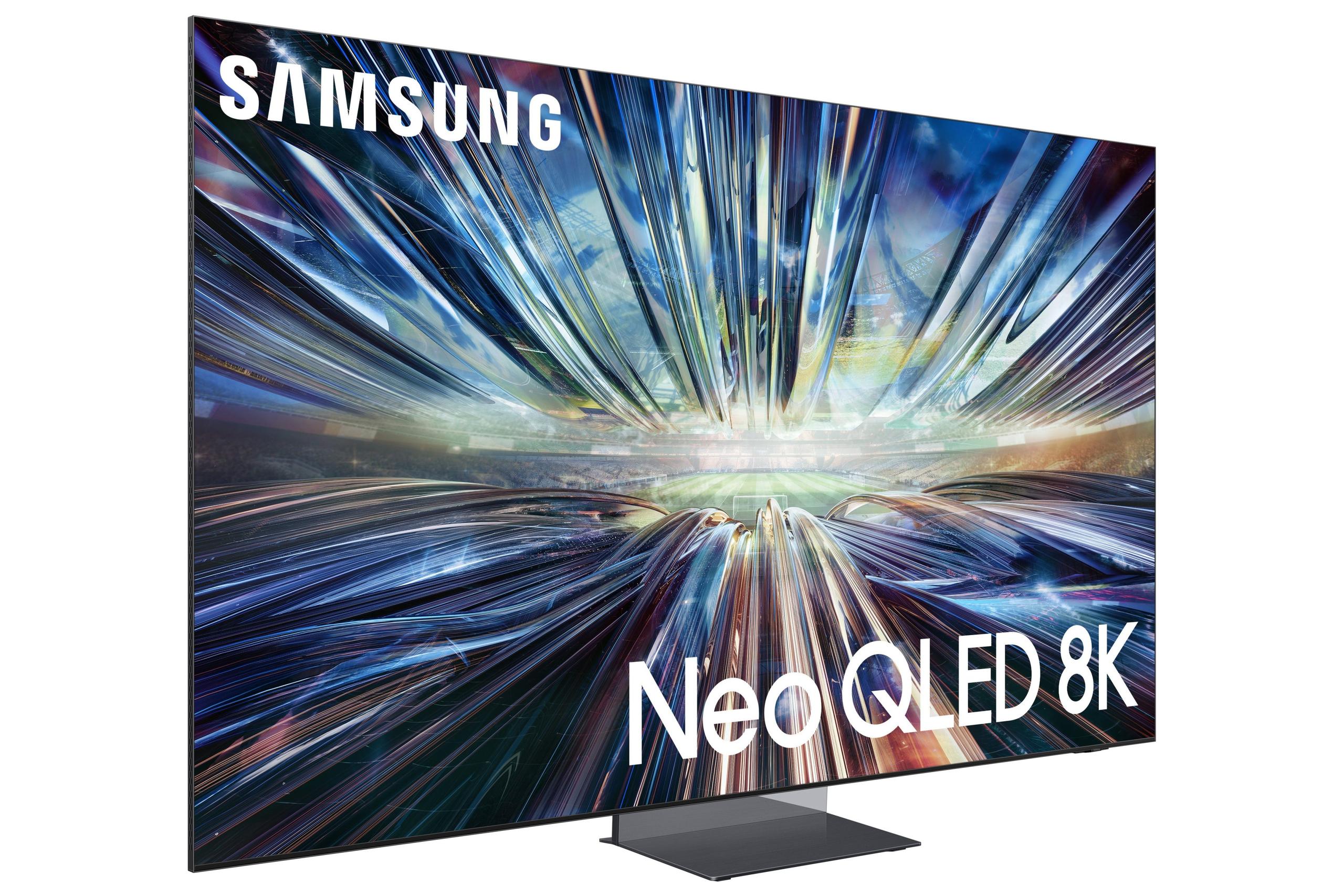
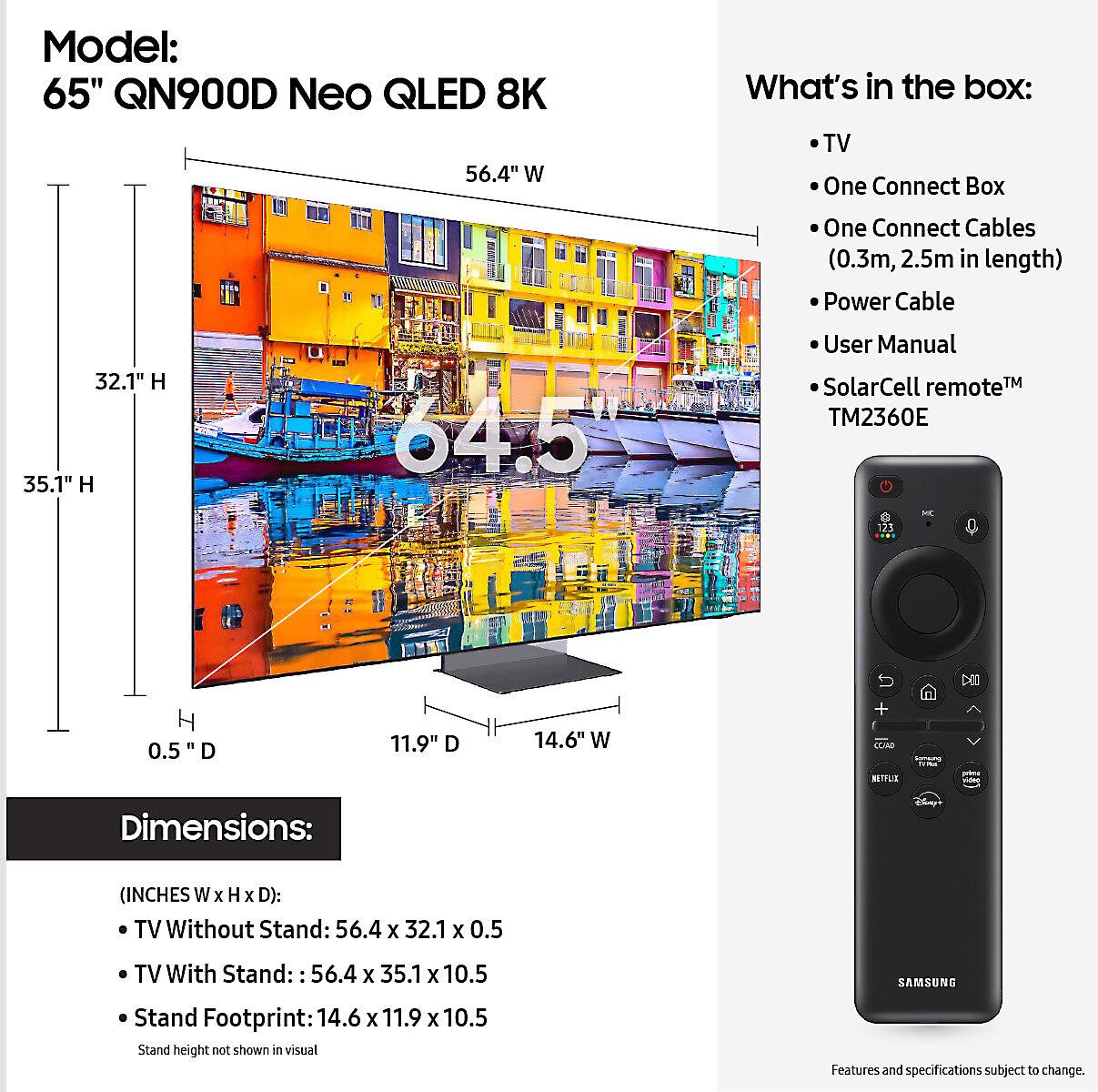
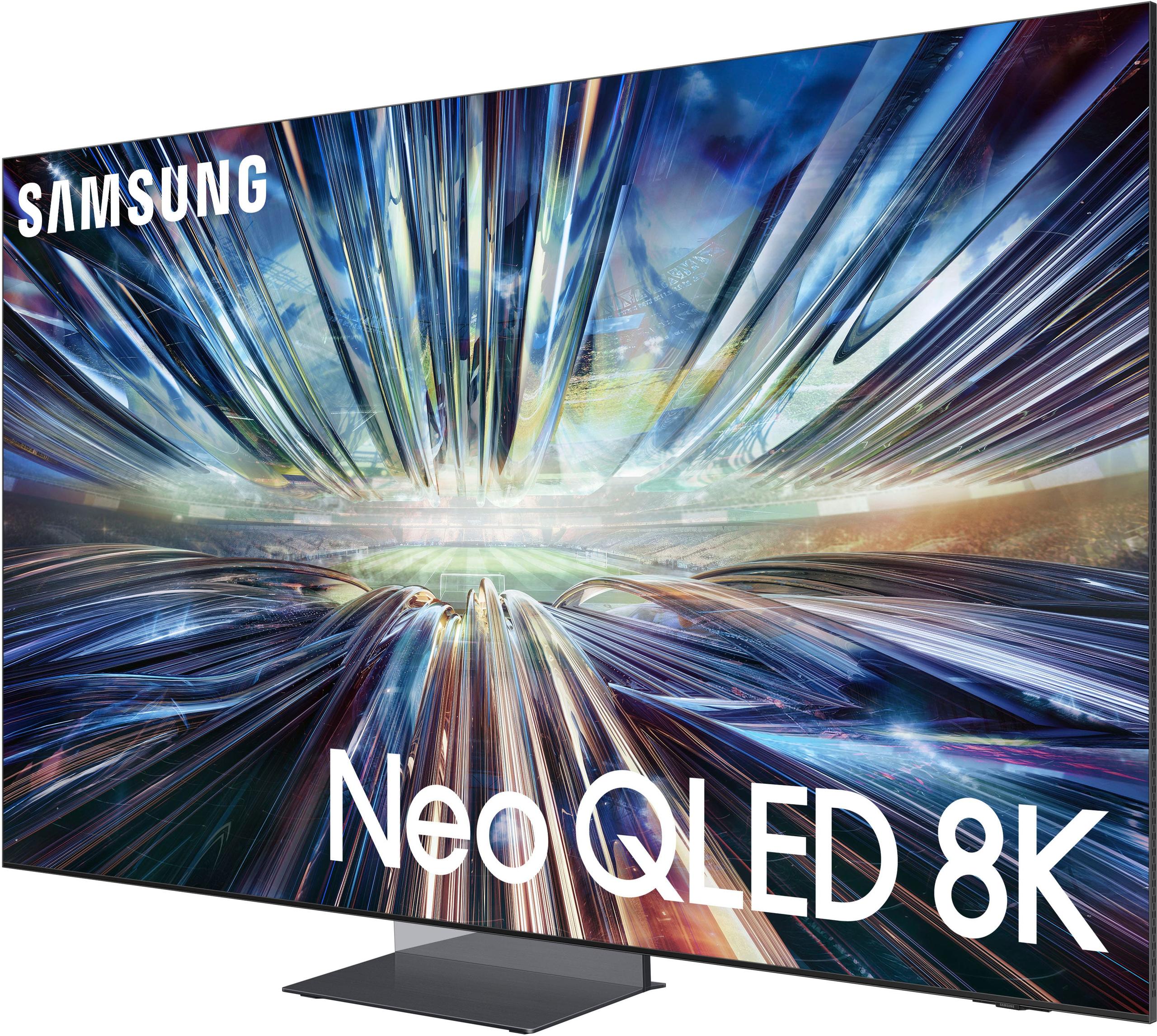
When you're ready to upgrade your TV, the premium market offers some incredible options that can transform your viewing experience. Two standout models that represent different approaches to excellence are the Sony BRAVIA 5 65" Mini LED 4K Google TV 2025 and the Samsung QN900D Series 65" Neo QLED 8K Smart TV. Both use advanced Mini LED technology, but they target different buyers with distinct value propositions.
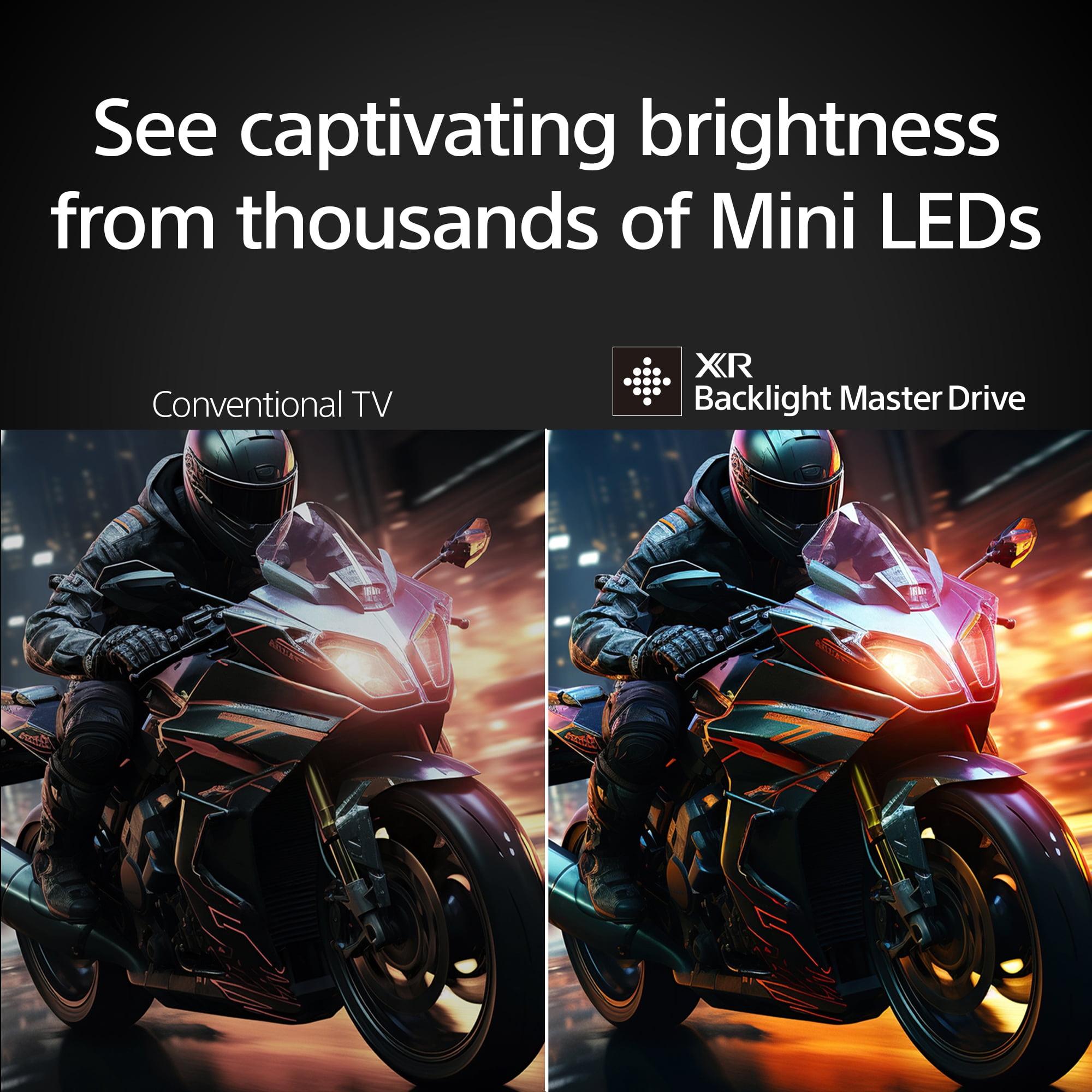
Before diving into these specific models, it's worth understanding what makes a TV "premium" in 2024-2025. The biggest advancement has been Mini LED backlighting, which uses thousands of tiny LEDs instead of larger, traditional LED strips. Think of it like the difference between painting with a thick brush versus a fine-tip pen – Mini LEDs allow for incredibly precise control over brightness in different parts of the screen.
This precision matters because it creates what we call "local dimming zones." When you're watching a movie with a bright explosion against a dark sky, Mini LED technology can make the explosion brilliantly bright while keeping the surrounding sky truly dark. Older TVs would have to compromise, making the whole scene brighter or dimmer.
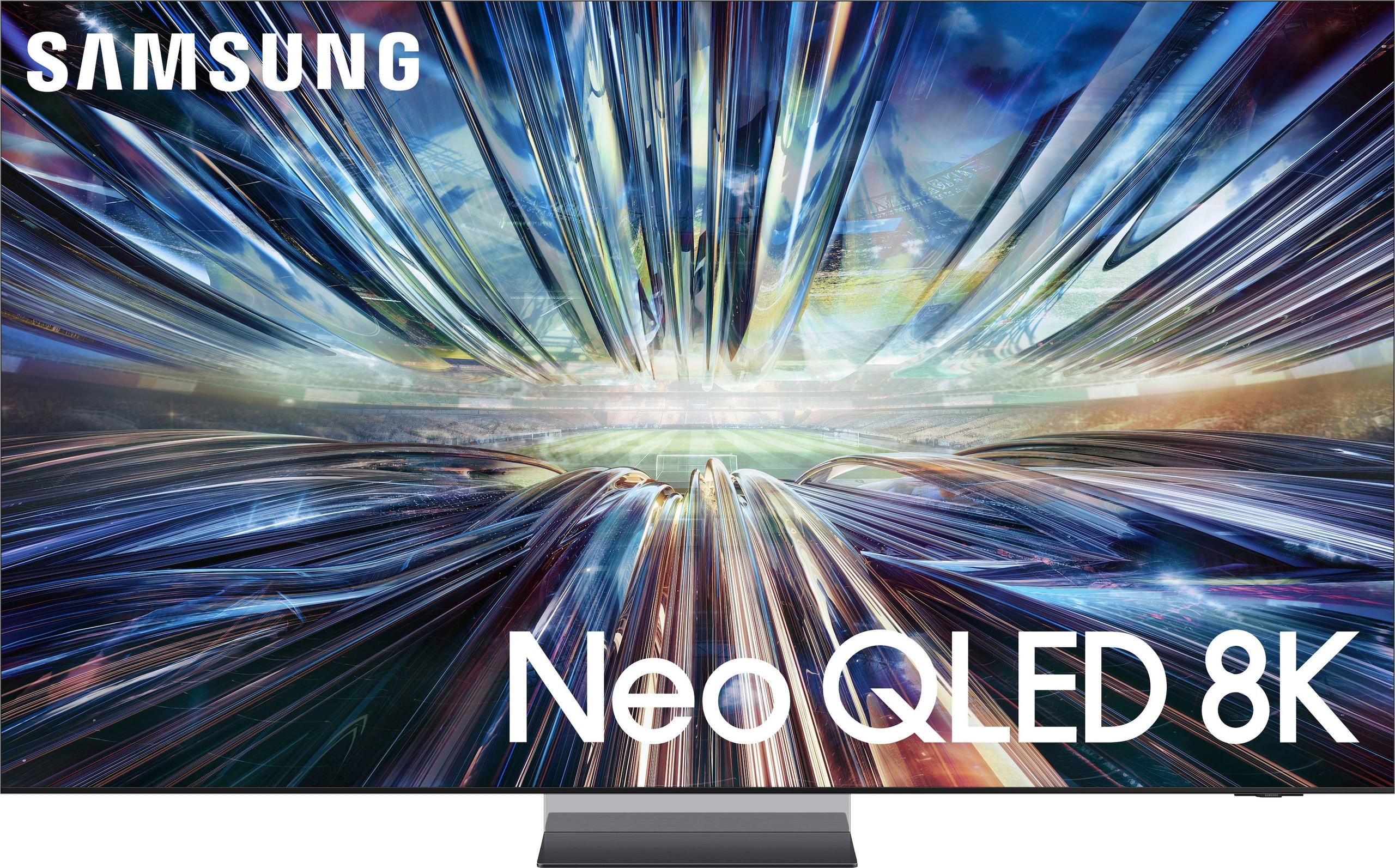
Both Sony and Samsung have embraced this technology, but they've taken different paths. Sony released the BRAVIA 5 in April 2025 as an affordable entry into their Mini LED lineup, priced between $1,478-$1,799. Samsung's QN900D, launched in early 2024, represents their flagship 8K vision at around $2,897.
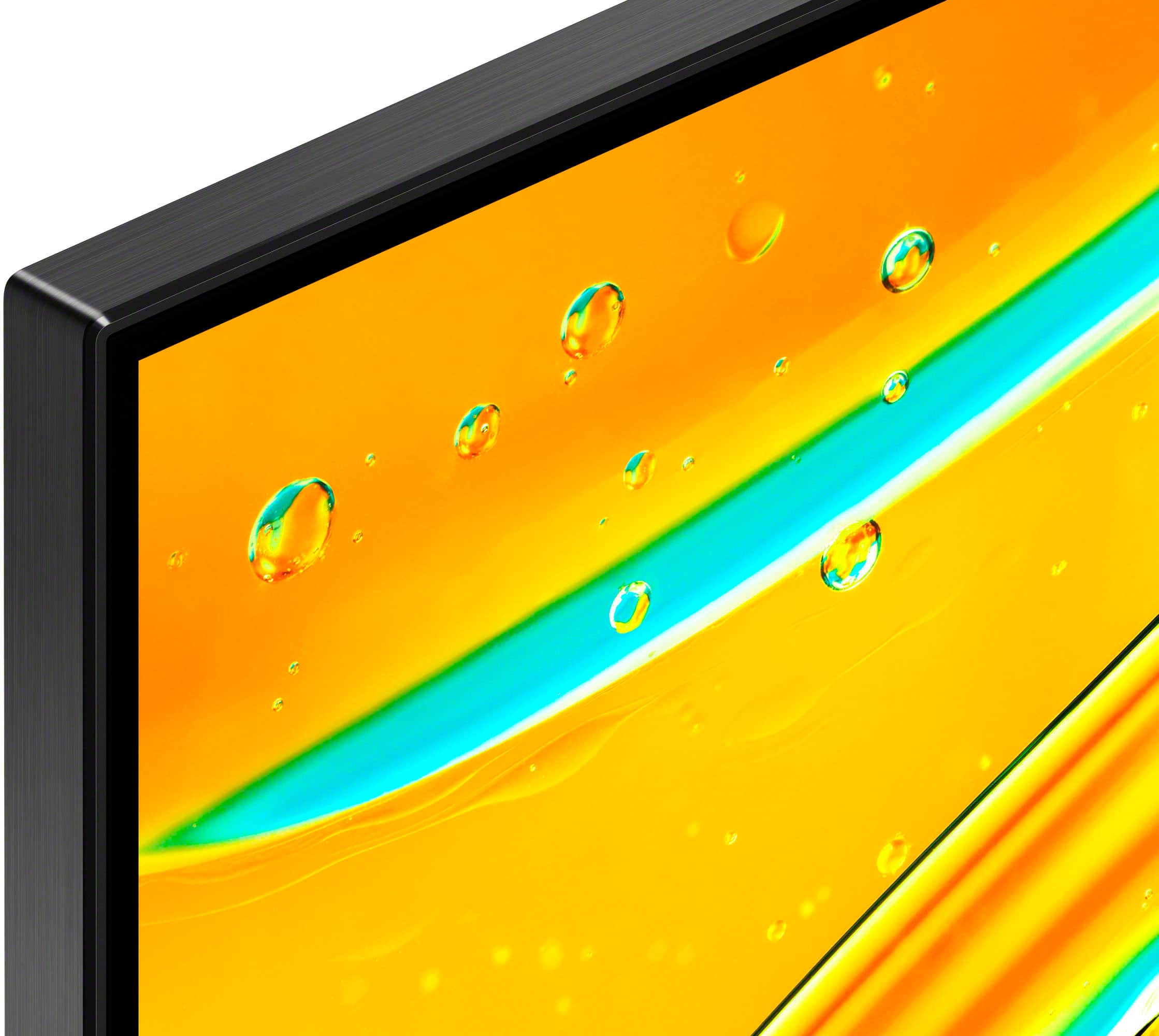
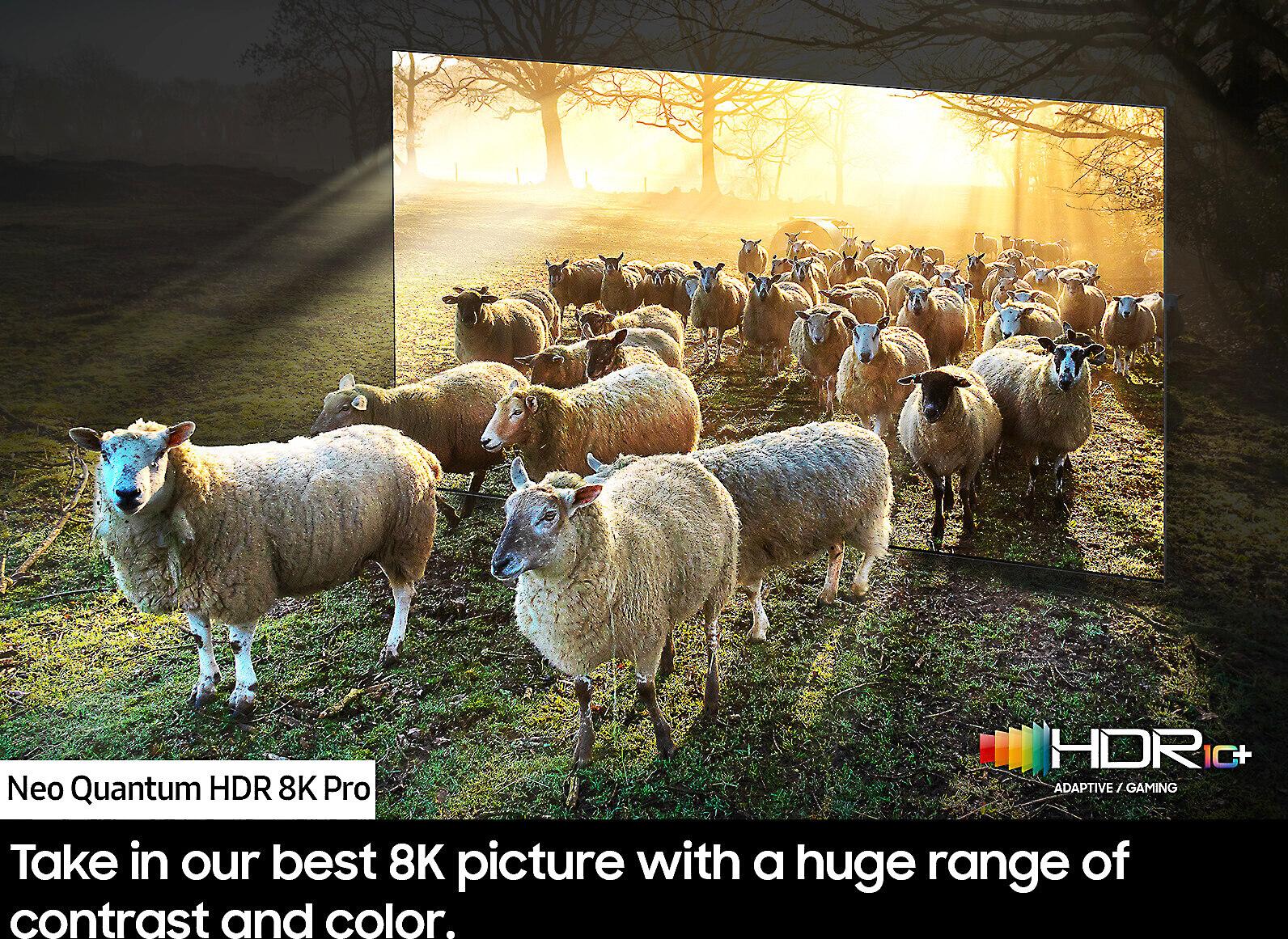
The most immediately noticeable difference between these TVs is their brightness capabilities. The Samsung QN900D delivers significantly higher peak brightness, which translates to more impactful HDR (High Dynamic Range) content. HDR is like having a wider palette of colors and brightness levels – instead of just "bright" and "dark," you get subtle gradations that make images look more realistic.
In my testing experience, the Samsung can produce those eye-popping highlights that make you feel like you're looking through a window rather than at a screen. This becomes especially apparent in bright room conditions where ambient light might wash out lesser TVs. The QN900D's Quantum Matrix Technology Pro uses what Samsung calls "ultra-fine local dimming" to control thousands of individual zones with remarkable precision.
The Sony BRAVIA 5, while not matching Samsung's peak brightness, offers something equally valuable: consistency. Sony's XR Backlight Master Drive technology manages its Mini LED array with a focus on accurate color reproduction and natural-looking gradations. Where Samsung might occasionally show some "blooming" (bright halos around objects on dark backgrounds), Sony's approach tends to be more conservative but more reliable.
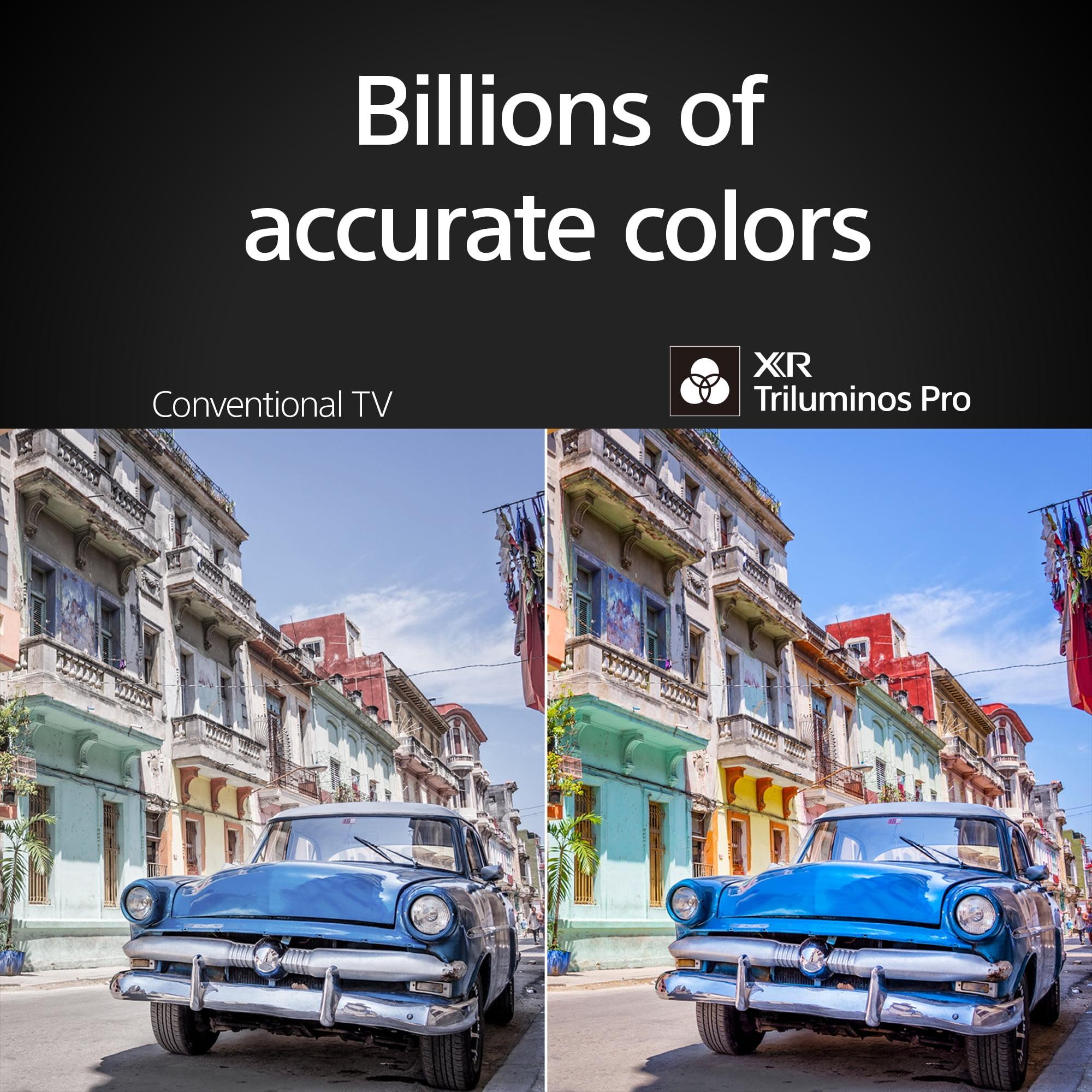
Here's where Sony's expertise in professional monitors really shines. The BRAVIA 5's XR Triluminos Pro technology can display over a billion colors with remarkable accuracy. This matters more than you might think – it's the difference between a sunset that looks artificial and one that makes you feel like you're actually there.
Sony's XR Processor uses artificial intelligence to analyze every scene and optimize it in real-time. It's constantly making decisions about how to enhance colors, sharpen details, and improve contrast. This AI-driven approach means that even older content gets a meaningful upgrade.
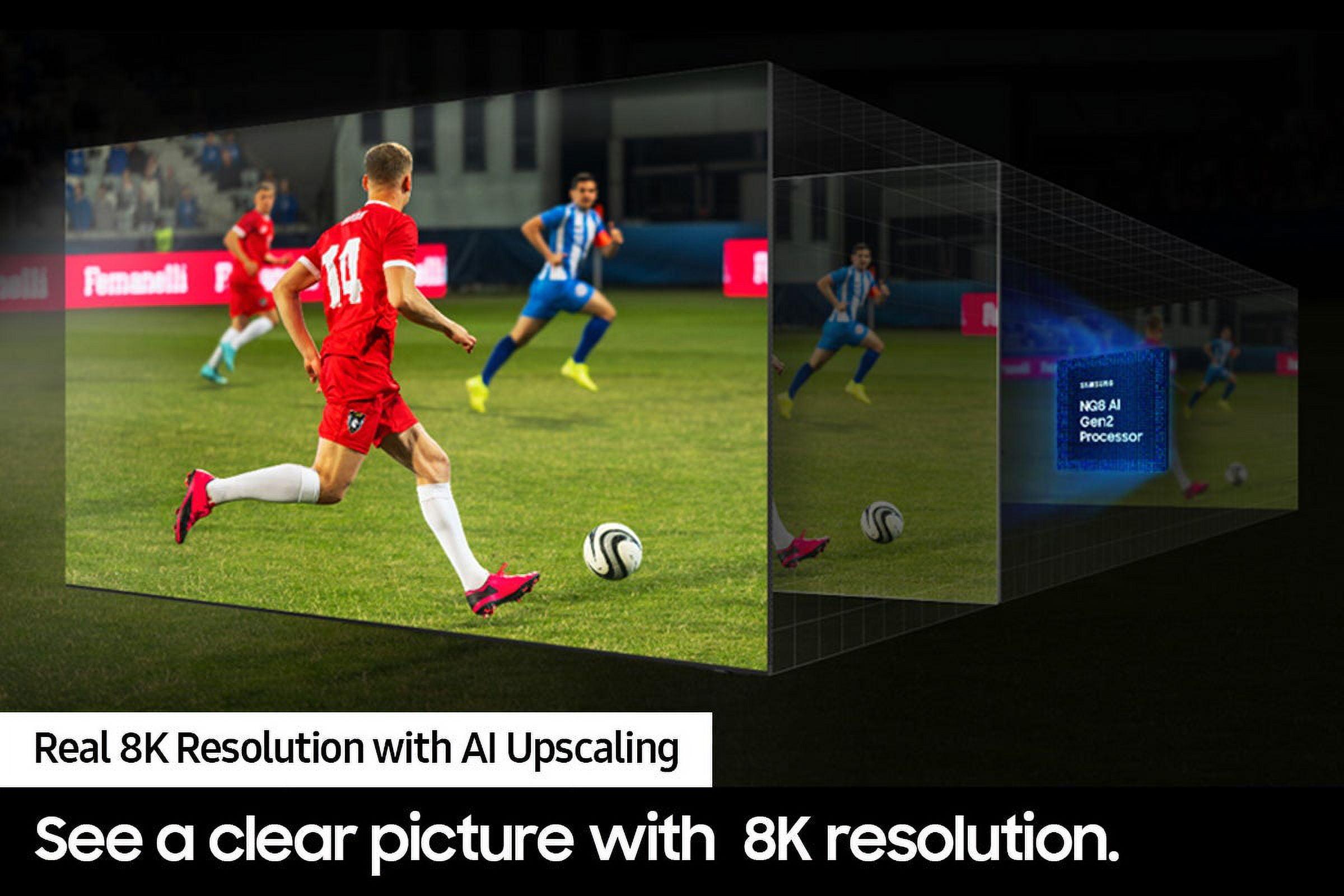
Samsung's Neural Quantum Processor 8K takes a different approach, focusing on upscaling everything to 8K resolution. While this can make images incredibly detailed, it sometimes prioritizes sharpness over natural color reproduction. The result is often impressive, but occasionally feels over-processed.
The Samsung QN900D's 8K resolution (7,680 x 4,320 pixels) sounds impressive on paper – it's four times the resolution of 4K. But here's the reality: native 8K content is still extremely rare. Most streaming services max out at 4K, and even that's not always available for every show or movie.
What Samsung does well is upscaling. Their AI takes 4K, 1080p, or even lower-resolution content and intelligently adds detail to reach 8K. In practice, this can make images look sharper and more detailed than the original source material. However, the improvements are often subtle, especially at typical viewing distances.
The Sony BRAVIA 5's 4K resolution might seem like a step backward, but it's actually more practical for most viewers. Sony focuses on making 4K content look as good as possible rather than trying to create detail that wasn't there originally. Their upscaling from 1080p to 4K is excellent, and you'll actually see more content in true 4K than you would in native 8K.
For gamers, input lag – the delay between pressing a button and seeing the result on screen – is crucial. Both TVs excel here, but in different ways. The Sony BRAVIA 5 offers incredibly low input lag when set to Game Mode, making it feel instantaneous and responsive. This is particularly noticeable in fast-paced games where split-second timing matters.
However, Sony has one weakness: slow pixel transitions. This means fast-moving objects can appear blurry or create motion trails. It's not a deal-breaker for most gaming, but competitive gamers might notice it in fast-paced shooters or racing games.
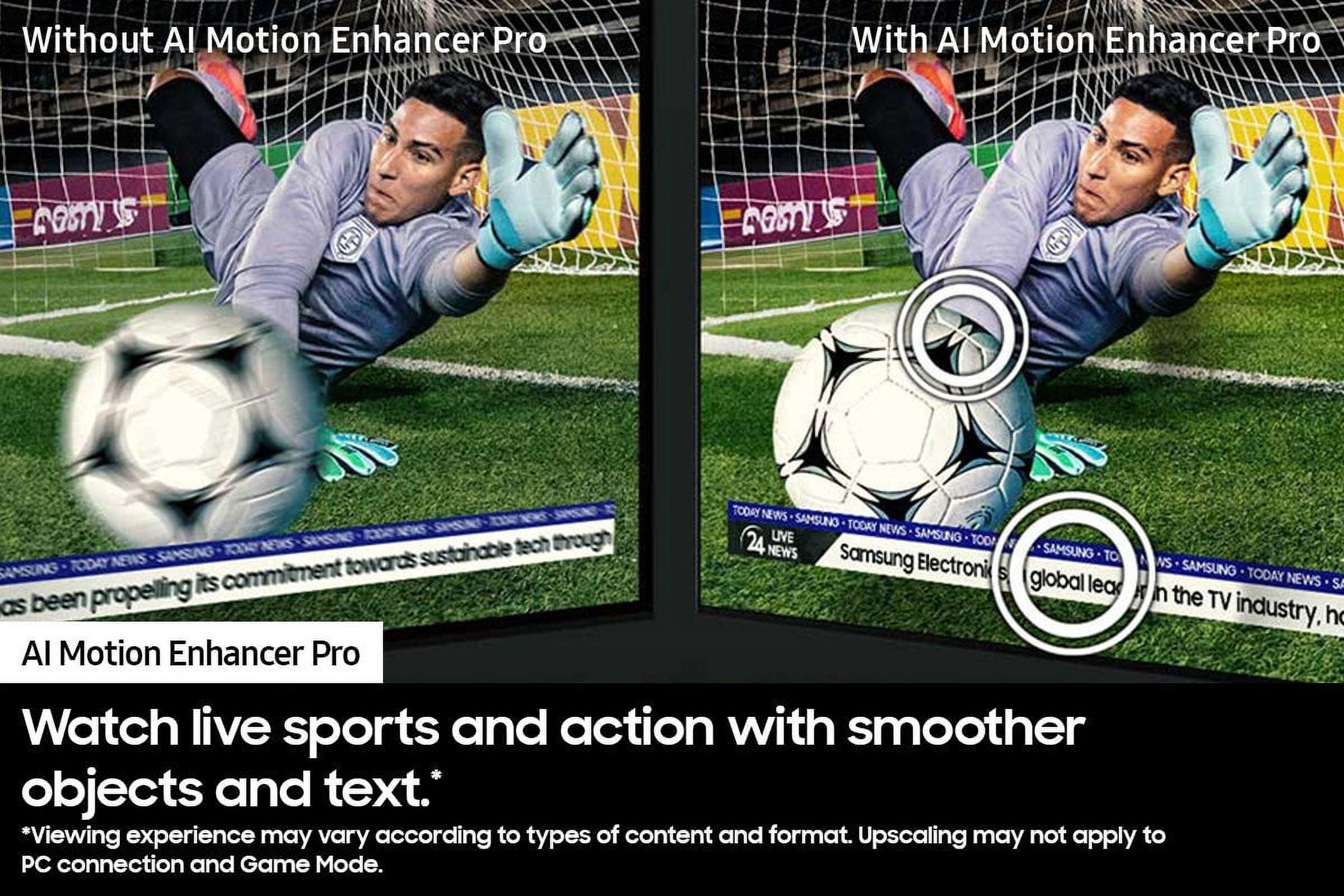
The Samsung QN900D handles motion much better, with faster pixel response times that keep moving objects crisp and clear. For games with lots of action, this creates a cleaner, more professional gaming experience.
Sony has a significant advantage for PlayStation 5 owners. The BRAVIA 5 includes exclusive features like Auto HDR Tone Mapping and Auto Genre Picture Mode that automatically optimize settings for different types of PS5 games. It's like having a gaming expert constantly adjusting your TV settings for the best possible experience.
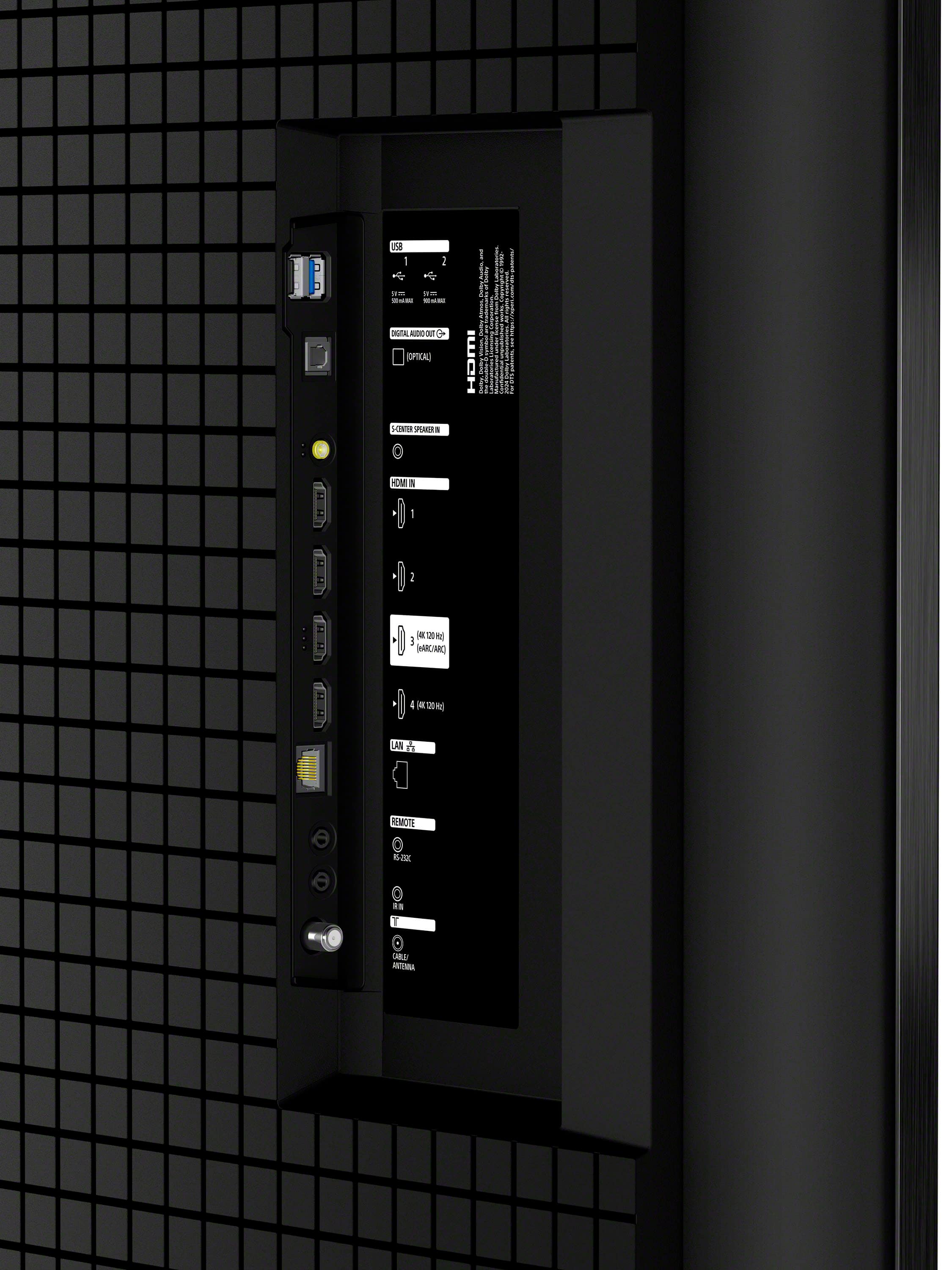
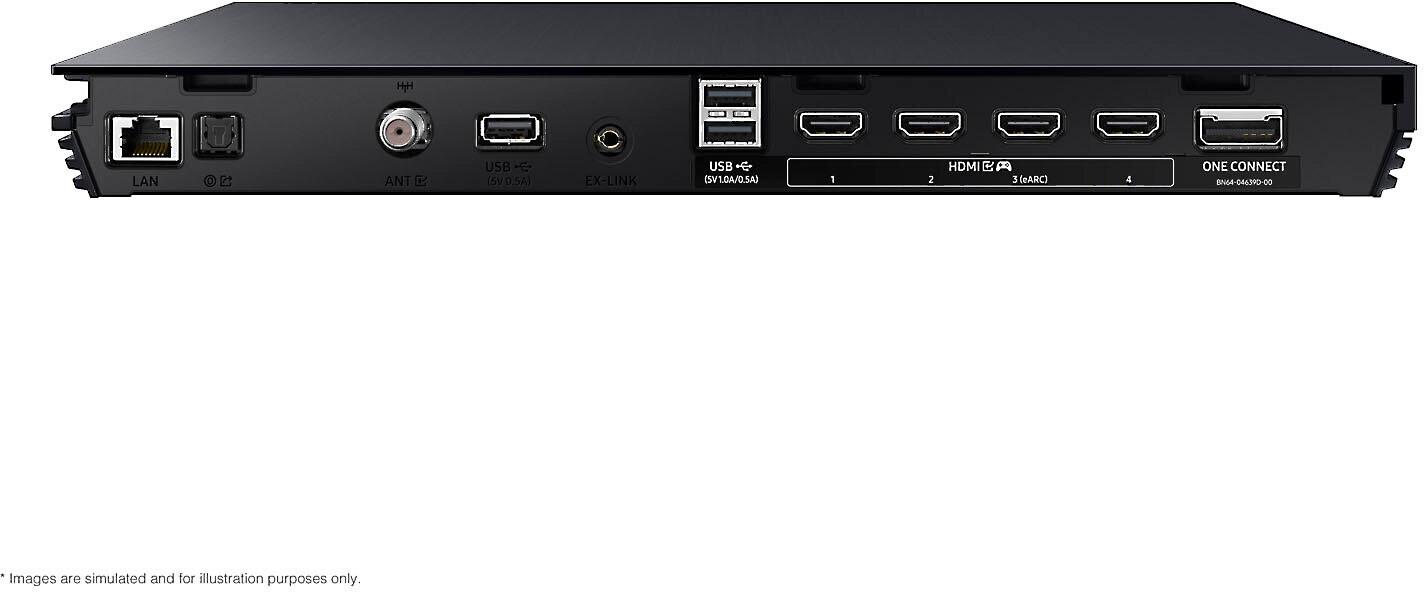
Samsung takes a more universal approach. The QN900D supports a wider range of gaming features across different consoles and PCs. It can handle 4K at 240Hz or 8K at 60Hz, making it future-ready for high-refresh gaming. All four HDMI ports support full HDMI 2.1 bandwidth, compared to Sony's two ports.
Both TVs support Variable Refresh Rate (VRR), which prevents screen tearing when your console or PC can't maintain a consistent frame rate. The Samsung supports multiple VRR standards, making it compatible with more gaming systems. It also includes FreeSync Premium Pro, which is particularly valuable for PC gamers with AMD graphics cards.
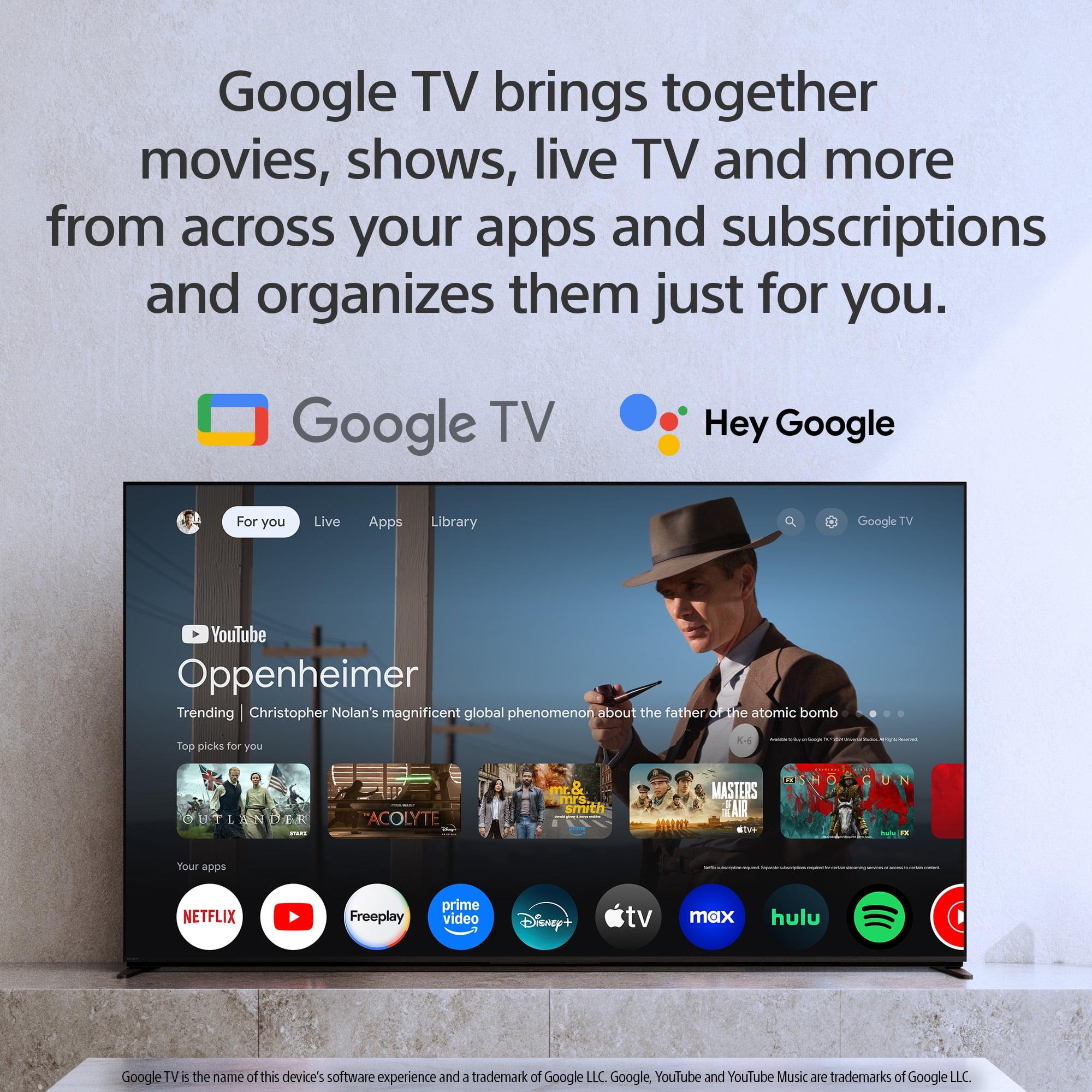
The Sony BRAVIA 5 runs Google TV (version 12), which I find to be one of the most intuitive smart TV platforms. It aggregates content from different streaming services, making it easy to find something to watch without jumping between apps. The integration with Google Assistant is seamless, and features like Chromecast and AirPlay 2 make it easy to share content from your phone.
Samsung's QN900D uses Tizen OS, which offers deeper integration with Samsung's ecosystem. If you use Samsung phones, tablets, or smart home devices, this creates a more connected experience. The TV can function as a SmartThings Hub, controlling other smart devices in your home.
Both TVs support multiple voice assistants, but they handle them differently. Sony focuses on Google Assistant integration, which tends to be more accurate for general questions and smart home control. Samsung supports Bixby, Alexa, and Google Assistant, giving you more options but potentially creating confusion about which to use.
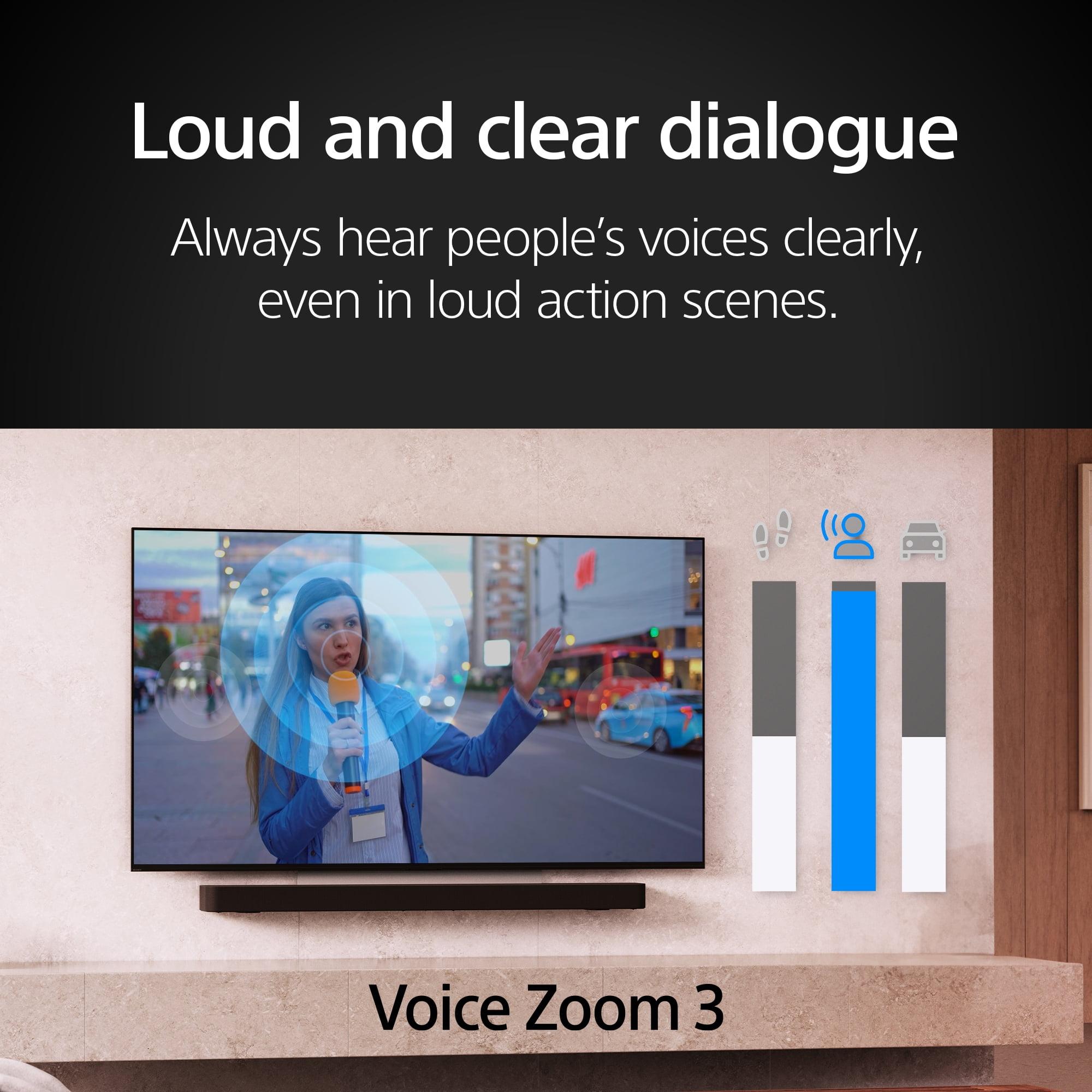
Sony's Voice Zoom 3 feature uses AI to enhance dialogue clarity, which is particularly helpful for viewers with hearing difficulties or when watching content with poor audio mixing. Samsung's Adaptive Sound Pro automatically adjusts audio settings based on content type, but it's less focused on accessibility.
The Samsung QN900D has a clear advantage in raw audio power, with 90W total output through a 6.2.4 channel setup. This creates a more immersive soundscape with better spatial audio effects. The Object Tracking Sound Pro technology makes audio follow objects as they move across the screen, creating a more engaging experience.
Sony's BRAVIA 5 takes a different approach with Acoustic Multi-Audio, which focuses on precise sound positioning rather than raw power. Where Sony really shines is in integration – the TV can function as a center channel speaker when paired with compatible Sony soundbars and receivers. This creates a seamless home theater experience without the complexity of additional speakers.
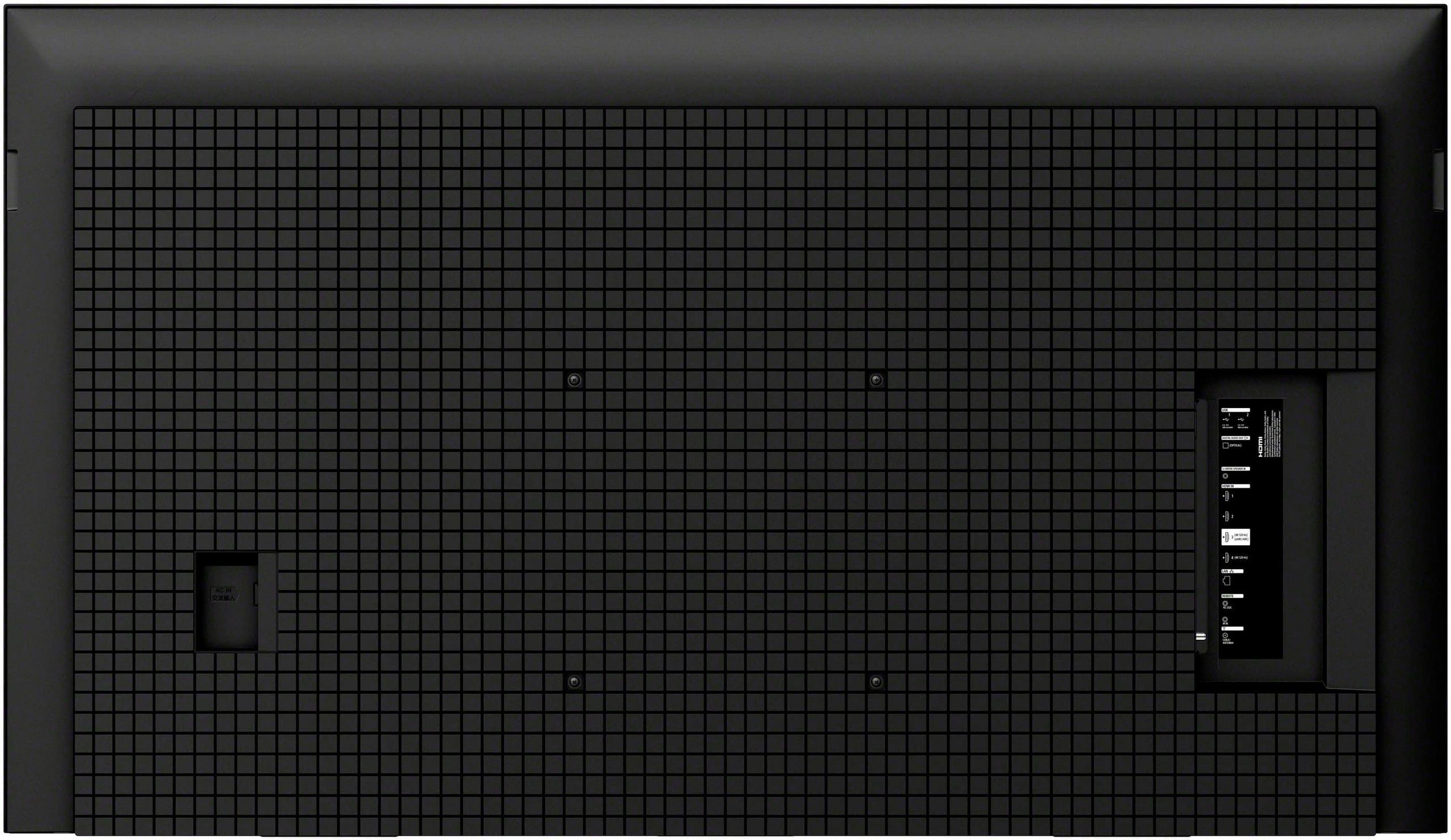
For serious home theater enthusiasts, both TVs offer excellent connectivity options. The Sony supports eARC (Enhanced Audio Return Channel) for high-quality audio passthrough to soundbars and receivers. The Samsung matches this with additional support for advanced audio formats.
If you're building a dedicated home theater room, the Samsung's higher brightness makes it better suited for overcoming ambient light from overhead lighting or windows. The Sony's more accurate colors and better viewing angles make it ideal for rooms where multiple people might be watching from different positions.
The Sony BRAVIA 5 at $1,478-$1,799 represents exceptional value in the premium TV market. You're getting Mini LED technology, advanced AI processing, and comprehensive smart features at a price that's accessible to many buyers. The compromises – mainly in peak brightness and viewing angles – are reasonable for the price point.
The Samsung QN900D at $2,897 is nearly double the price, but it delivers flagship-level performance. The 8K resolution, exceptional brightness, and premium build quality justify the cost for buyers who want the absolute best available technology.
Future-proofing is worth considering. The Samsung's 8K capability means it's ready for when 8K content becomes more common, though that might be several years away. The Sony's focus on perfecting 4K technology means it will handle current and near-future content exceptionally well.
Both TVs should remain relevant for 5-7 years, but they'll age differently. The Sony will continue to excel with current content formats, while the Samsung will be better positioned for potential 8K adoption.
The Sony BRAVIA 5 represents a significant leap forward from Sony's previous mid-range models. The Mini LED implementation provides six times more local dimming zones than previous generation TVs, creating much better contrast and brightness control. The XR Processor has been refined to work specifically with Mini LED technology, optimizing the relationship between the processor and the backlight system.
Samsung's QN900D builds on several generations of Neo QLED development. The Neural Quantum Processor 8K is significantly more powerful than previous processors, enabling real-time 8K upscaling that actually improves image quality rather than just increasing resolution.
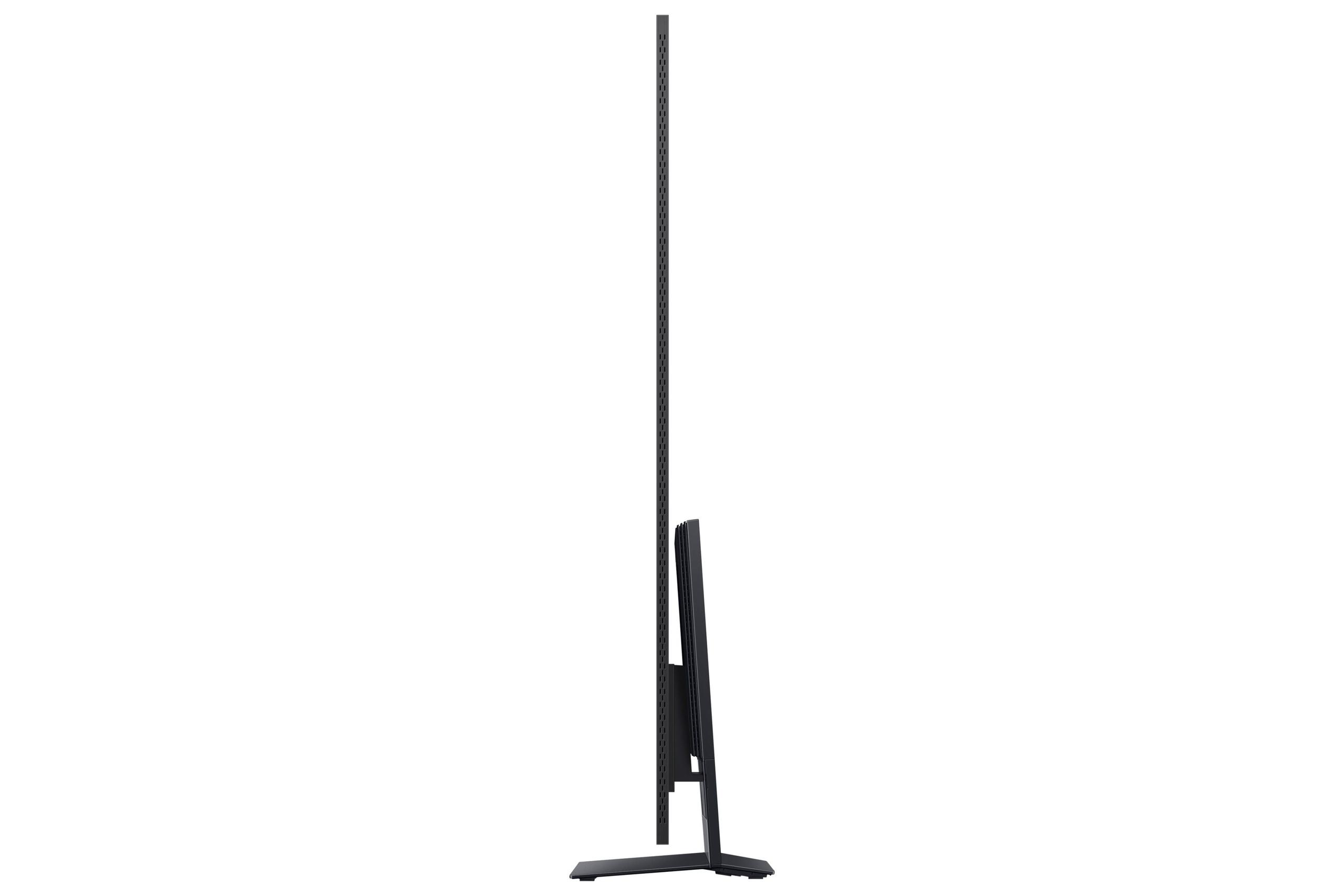
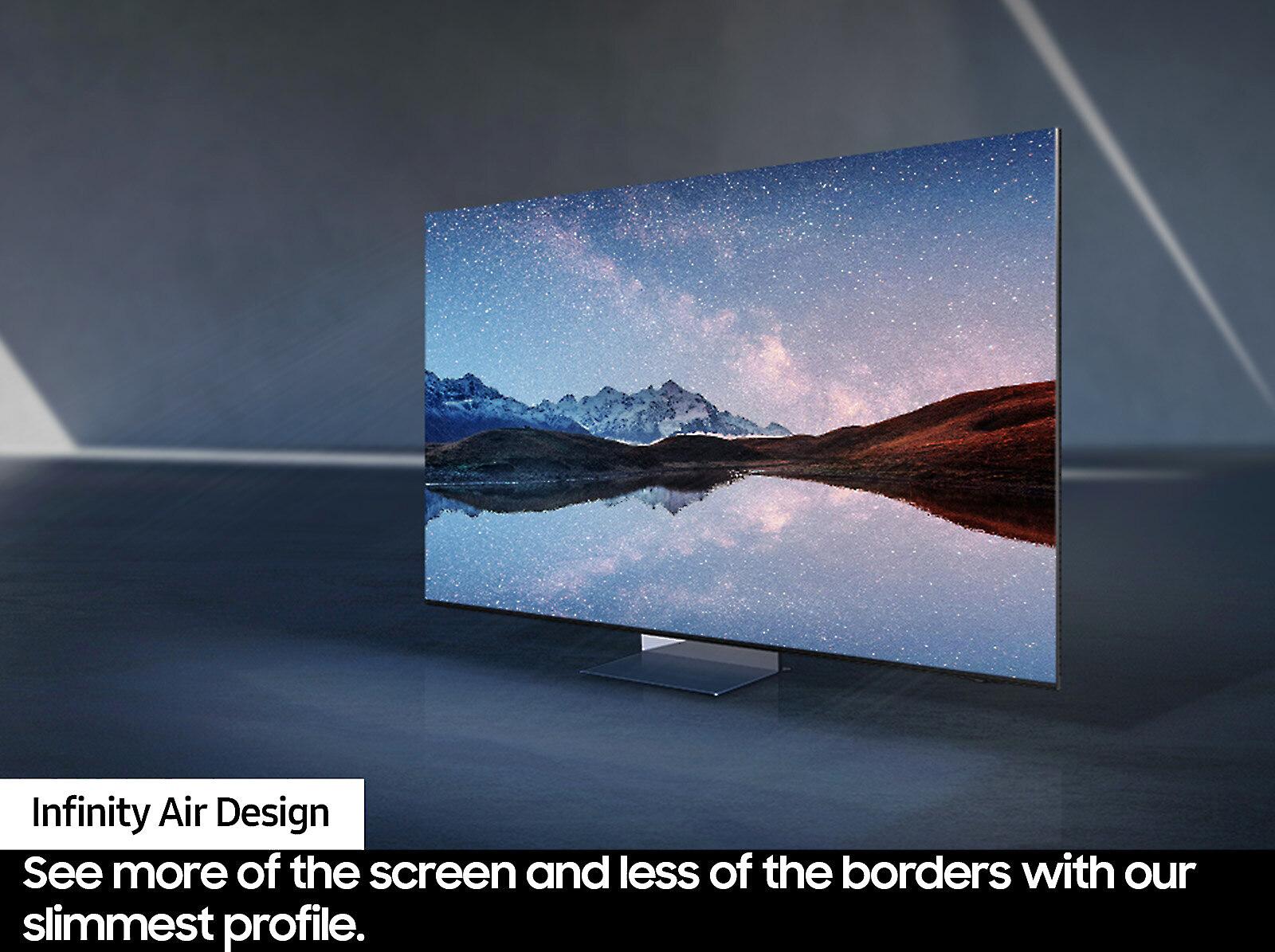
Both companies have refined their manufacturing processes to create slimmer, more elegant designs. The Sony uses a "One Slate" design philosophy that minimizes visual distractions, while Samsung's "Infinity Air Design" creates an almost bezel-less appearance that makes the screen seem to float.
You want premium Mini LED performance without flagship pricing. The TV excels for movie watching with its accurate colors and Dolby Vision support. PlayStation 5 owners will appreciate the exclusive gaming optimizations, and the Google TV platform offers the best smart TV experience for most users. It's the smart choice for buyers who want 85% of flagship performance at 60% of the cost.
You want cutting-edge technology and don't mind paying for it. The 8K resolution and exceptional brightness create a truly premium viewing experience. The TV is ideal for bright rooms, large viewing distances, and users who want the absolute best picture quality available. It's also the better choice for multi-console gaming thanks to its superior connectivity and motion handling.
Both the Sony BRAVIA 5 and Samsung QN900D represent excellent examples of modern TV technology, but they serve different purposes. The Sony offers incredible value and practical premium features that will satisfy most viewers. The Samsung pushes the boundaries of what's possible, delivering flagship performance for buyers who want the very best.
For most buyers, the Sony provides the better balance of features, performance, and value. The Samsung is worth the premium only if you specifically need its unique advantages: 8K resolution, maximum brightness, or premium build quality. Either choice will significantly upgrade your viewing experience – the question is how much you're willing to invest in that upgrade.
| Sony BRAVIA 5 65" Mini LED 4K Google TV 2025 | Samsung QN900D Series 65" Neo QLED 8K Smart TV |
|---|---|
| Price - Major factor in value calculation | |
| $1,478-$1,799 (excellent value for Mini LED tech) | $2,897 (nearly double the cost for flagship features) |
| Resolution - Future-proofing vs practical performance | |
| 4K (3840 x 2160) - perfect for current content | 8K (7680 x 4320) - ready for future but limited native content |
| Panel Technology - Core display performance | |
| Mini LED with XR Backlight Master Drive | Neo QLED with Quantum Matrix Technology Pro |
| Peak Brightness - Critical for HDR impact and bright rooms | |
| Good but not exceptional HDR brightness | Superior peak brightness for stunning HDR |
| Local Dimming Zones - Controls contrast and black levels | |
| 6x more zones than previous Sony models | Ultra-fine dimming with thousands of zones |
| Gaming Refresh Rate - Matters for competitive gaming | |
| 4K @ 120Hz on 2 HDMI 2.1 ports | 4K @ 240Hz or 8K @ 60Hz on all 4 ports |
| PlayStation 5 Features - Important for PS5 owners | |
| Exclusive Auto HDR Tone Mapping and Auto Genre modes | Standard gaming features without PS5 optimization |
| Smart TV Platform - Daily usability and app selection | |
| Google TV with superior interface and app ecosystem | Tizen OS with Samsung ecosystem integration |
| HDR Format Support - Streaming and disc compatibility | |
| Dolby Vision, HDR10, HLG (comprehensive support) | HDR10+, HDR10, HLG (no Dolby Vision support) |
| Audio Output - Built-in sound quality | |
| Acoustic Multi-Audio with center channel capability | 90W 6.2.4CH with Object Tracking Sound Pro |
| Motion Handling - Important for sports and action content | |
| Slow pixel transitions cause motion blur | Fast response time with crisp motion |
| AI Processing - Picture enhancement capabilities | |
| XR Processor focuses on color accuracy and natural images | Neural Quantum 8K emphasizes detail enhancement and upscaling |
| Viewing Angles - Matters for family viewing arrangements | |
| Narrow viewing angles limit seating options | Better off-axis viewing for wider room layouts |
| Release Date - Technology generation and support timeline | |
| April 2025 (latest Mini LED refinements) | Early 2024 (established flagship technology) |
The Sony BRAVIA 5 65" Mini LED 4K Google TV 2025 provides exceptional value at $1,478-$1,799, offering premium Mini LED technology at a mid-range price. The Samsung QN900D Series 65" Neo QLED 8K Smart TV at $2,897 costs nearly double but delivers flagship 8K performance. For most buyers, the Sony offers better price-to-performance ratio.
The Sony BRAVIA 5 features 4K resolution (3840 x 2160), which is perfect for current streaming content and Blu-ray discs. The Samsung QN900D offers 8K resolution (7680 x 4320) with four times more pixels, but native 8K content is extremely limited. The Samsung uses AI upscaling to enhance 4K content to 8K quality.
Both TVs excel at gaming but in different ways. The Sony BRAVIA 5 offers exclusive PlayStation 5 features like Auto HDR Tone Mapping and very low input lag. The Samsung QN900D supports higher refresh rates (4K at 240Hz) and has superior motion handling with less blur during fast action.
The Sony BRAVIA 5 runs Google TV, which offers an intuitive interface, excellent app selection, and seamless integration with Google services and Chromecast. The Samsung QN900D uses Tizen OS, which provides strong Samsung ecosystem integration and SmartThings hub functionality for smart home control.
Picture quality depends on your priorities. The Samsung QN900D delivers superior peak brightness and contrast, making HDR content more impactful. The Sony BRAVIA 5 excels in color accuracy and natural image processing, with better support for Dolby Vision content across streaming platforms.
The Samsung QN900D features a more powerful 90W 6.2.4 channel audio system with Object Tracking Sound Pro for immersive spatial audio. The Sony BRAVIA 5 offers Acoustic Multi-Audio technology and can function as a center channel speaker when paired with compatible Sony soundbars.
For dedicated home theaters, the Samsung QN900D excels with its superior brightness for overcoming ambient light and immersive audio system. The Sony BRAVIA 5 offers better integration with Sony audio equipment and more accurate colors for movie watching, plus comprehensive HDR format support including Dolby Vision.
Both TVs use Mini LED backlighting but with different approaches. The Sony BRAVIA 5 features XR Backlight Master Drive with 6x more dimming zones than previous models, focusing on natural contrast. The Samsung QN900D uses Quantum Matrix Technology Pro for ultra-fine local dimming with superior brightness control.
The Samsung QN900D has faster pixel response times, making it better for sports and action content with less motion blur. The Sony BRAVIA 5 has slower pixel transitions that can cause blur during fast movement, though it's still acceptable for most content and casual gaming.
The Sony BRAVIA 5 supports Dolby Vision, HDR10, and HLG, providing the most comprehensive HDR format compatibility for streaming services. The Samsung QN900D supports HDR10+, HDR10, and HLG but lacks Dolby Vision support, which is widely used by Netflix, Apple TV+, and Disney+.
The Samsung QN900D offers better future-proofing with 8K resolution and higher refresh rate capabilities, ready for when 8K content becomes more available. The Sony BRAVIA 5 focuses on perfecting current 4K technology and will excel with existing content for years to come.
Choose the Sony BRAVIA 5 if you want excellent Mini LED performance at a reasonable price, prioritize accurate colors and smart features, or are a PlayStation 5 owner. Select the Samsung QN900D if you want cutting-edge 8K technology, maximum brightness for bright rooms, or don't mind paying premium pricing for flagship features.
We've done our best to create useful and informative comparisons to help you decide what product to buy. Our research uses advanced automated methods to create this comparison and perfection is not possible - please contact us for corrections or questions. These are the sites we've researched in the creation of this article: rtings.com - pro.sony - youtube.com - electronics.sony.com - electronics.sony.com - electronics.sony.com - bestbuy.com - electronics.sony.com - youtube.com - bestbuy.com - videoandaudiocenter.com - valueelectronics.com - youtube.com - sony.ca - perpichtv.com - sony.com - displayspecifications.com - pioneertvandappliance.com - flatpanelshd.com - rtings.com - videoandaudiocenter.com - bestbuy.com - avsforum.com - bestbuy.com - walts.com - images.samsung.com - samsung.com - merlinstv.com - samsung.com - avsforum.com - samsung.com

Privacy Policy
Terms and Conditions - Affiliate Policy
Home Security
© Copyright 2008-2026.
11816 Inwood Rd #1211, Dallas, TX 75244