


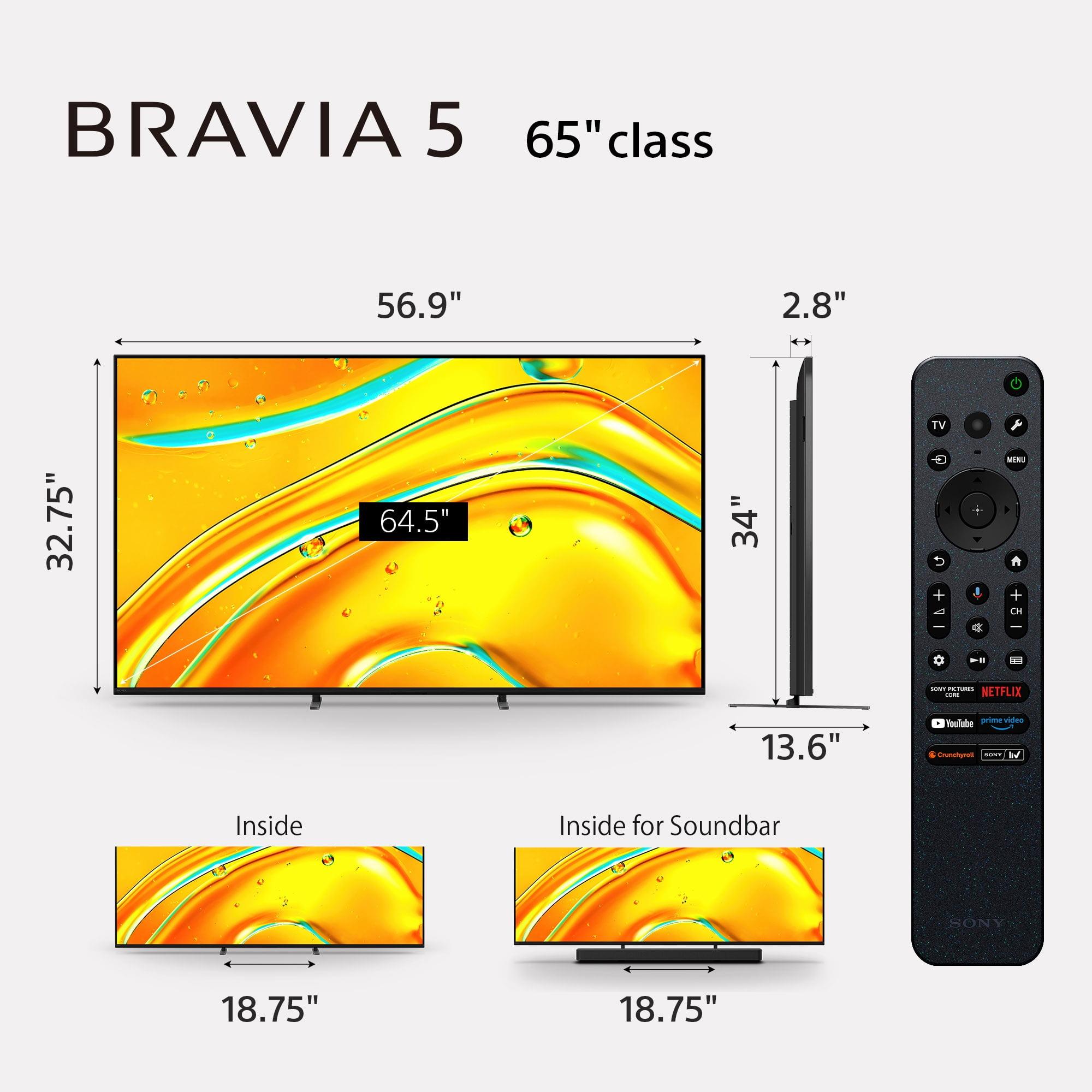

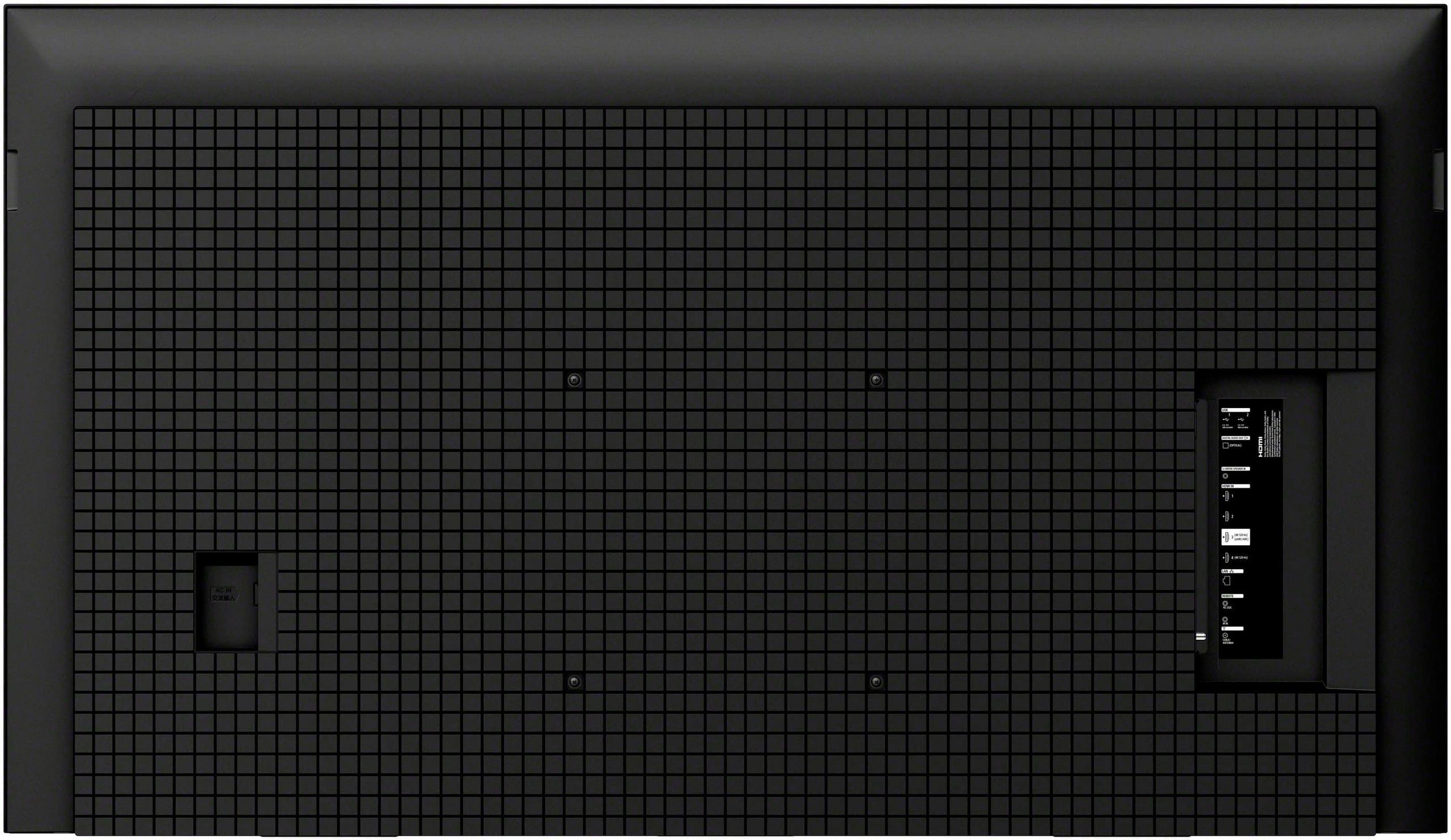
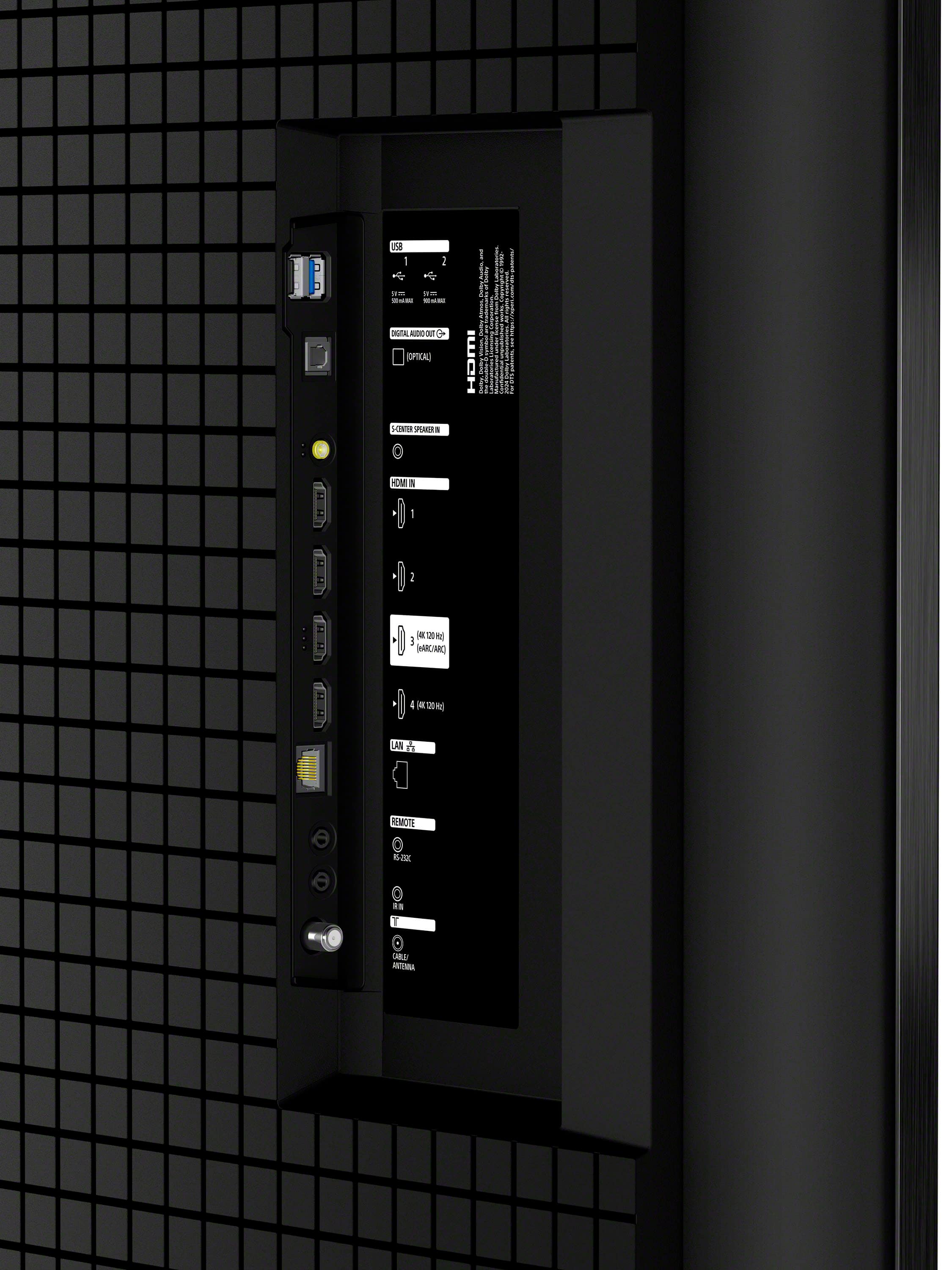
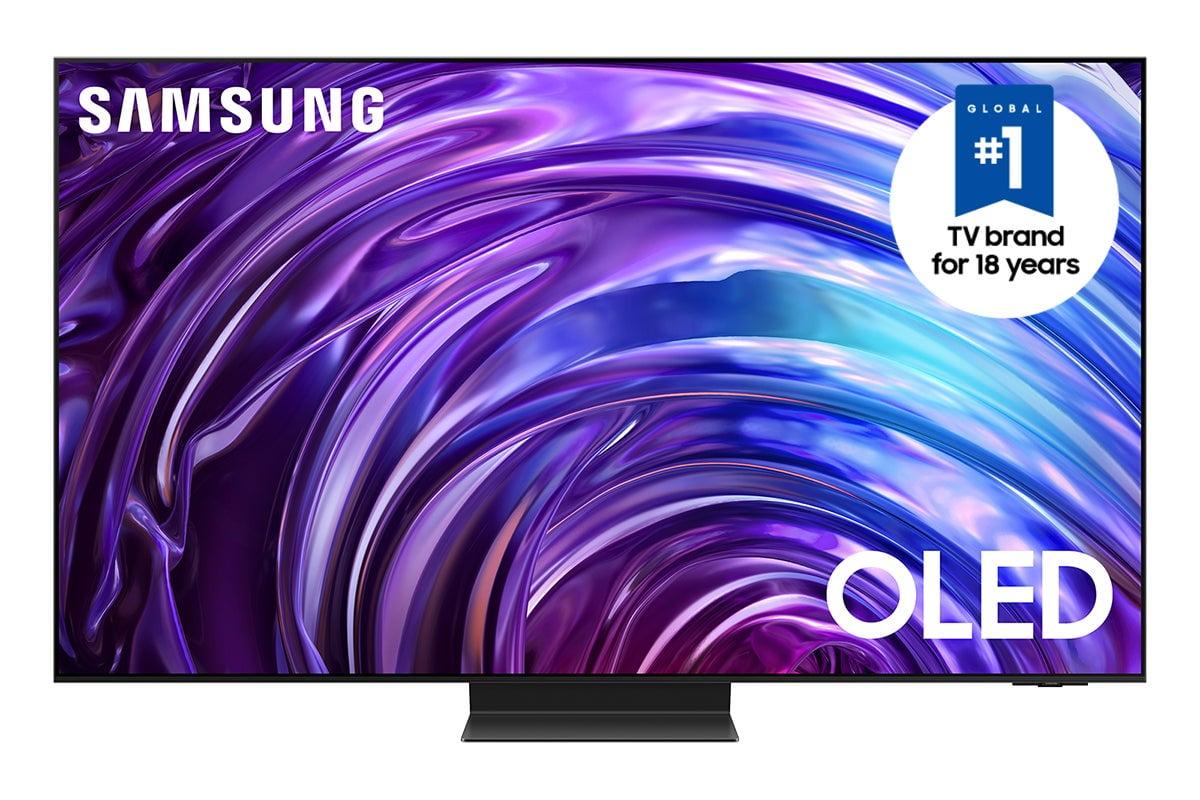
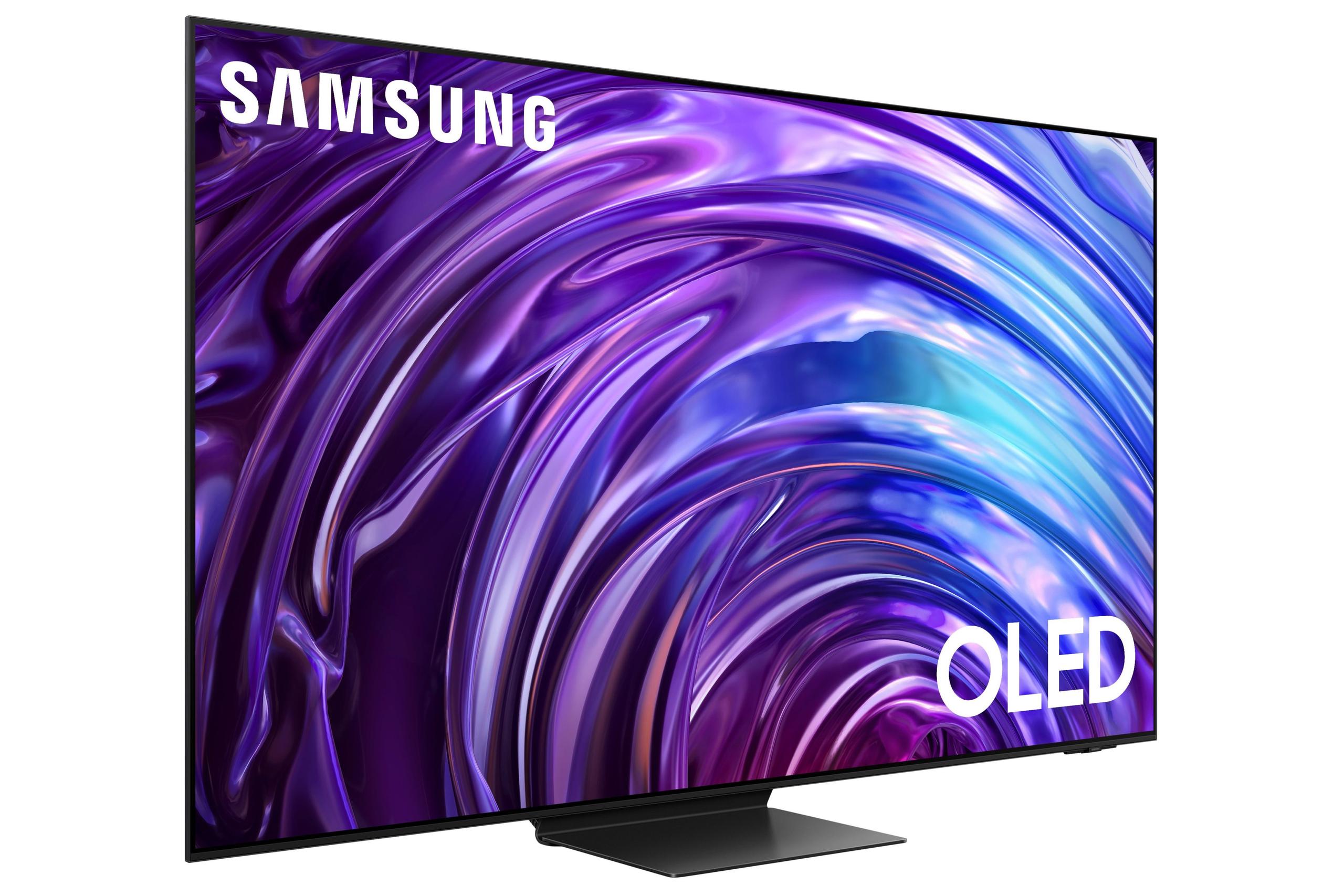

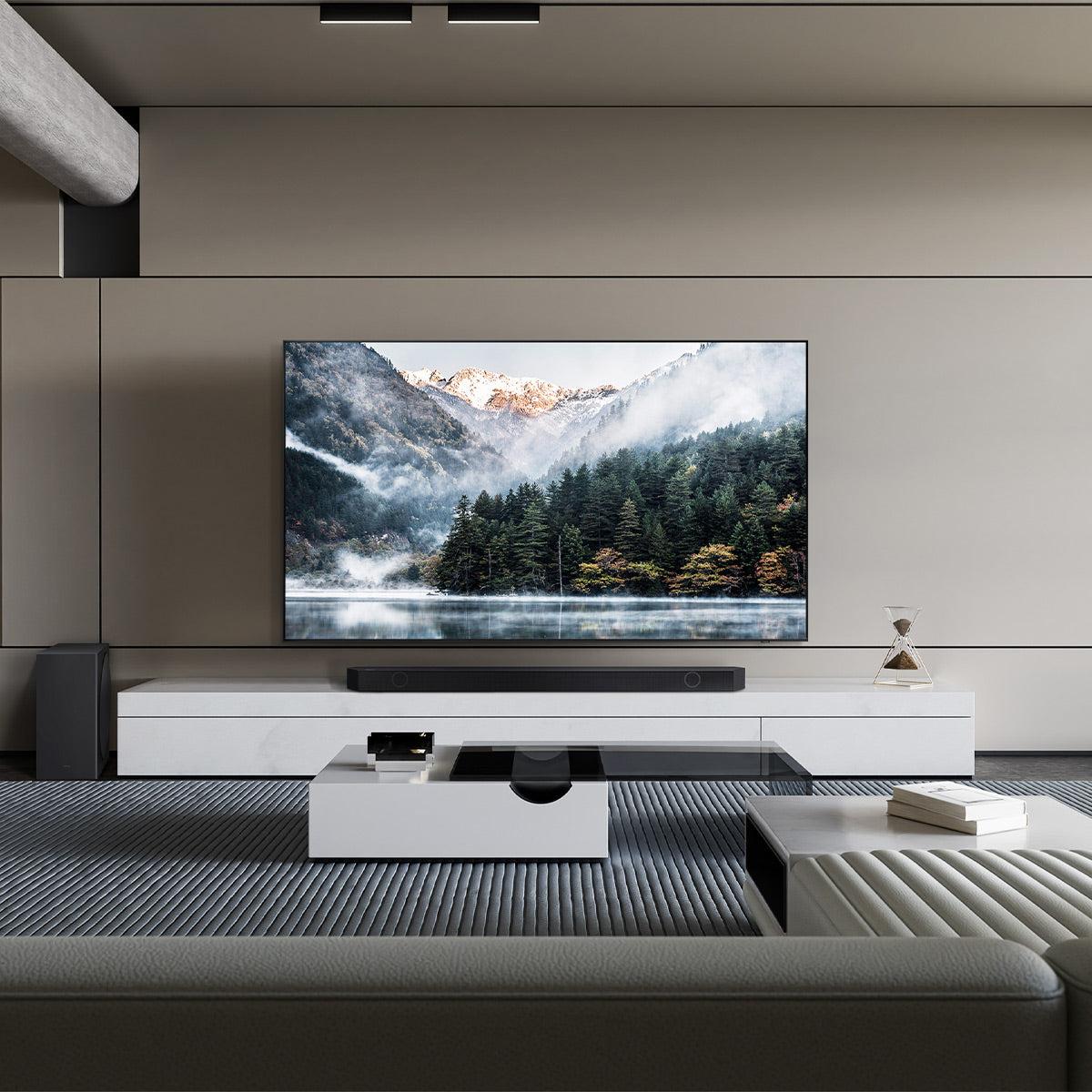
Shopping for a premium 65-inch TV can feel overwhelming, especially when you're comparing two fundamentally different technologies. The Sony BRAVIA 5 65" Mini LED 4K Google TV 2025 at $1,478 and the Samsung 65" S95D 4K OLED Smart TV at $2,097 represent two distinct approaches to delivering exceptional picture quality. Both aim to transform your living room into a home theater, but they get there in very different ways.
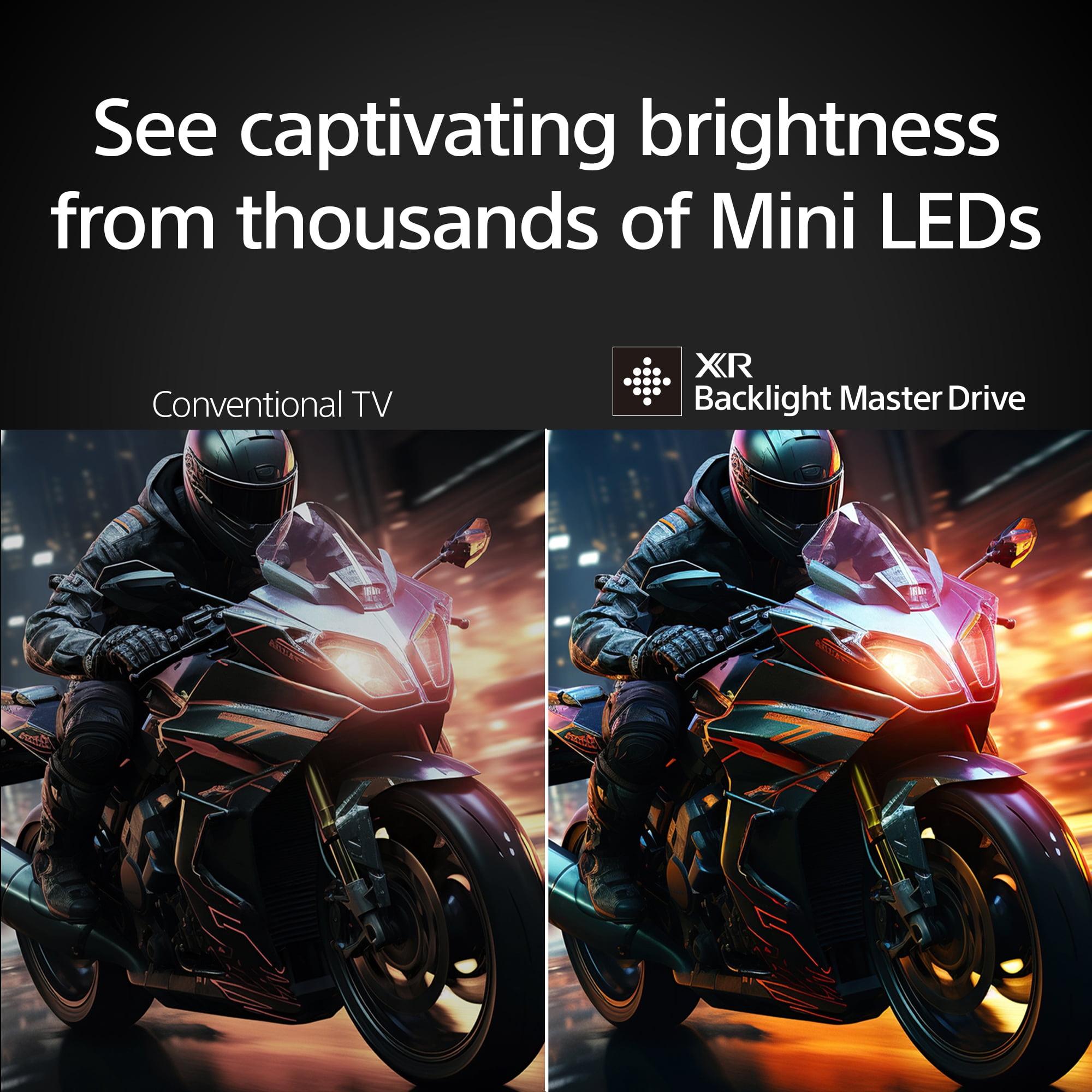
Before diving into specifics, it's crucial to understand what sets these TVs apart at their core. The Sony uses Mini LED technology, which is essentially a supercharged version of traditional LED-backlit LCD displays. Think of it as having thousands of tiny LED lights behind the screen that can be individually controlled to create brighter and darker areas. This local dimming technology allows for much better contrast than regular LED TVs, though it still can't achieve true black levels.
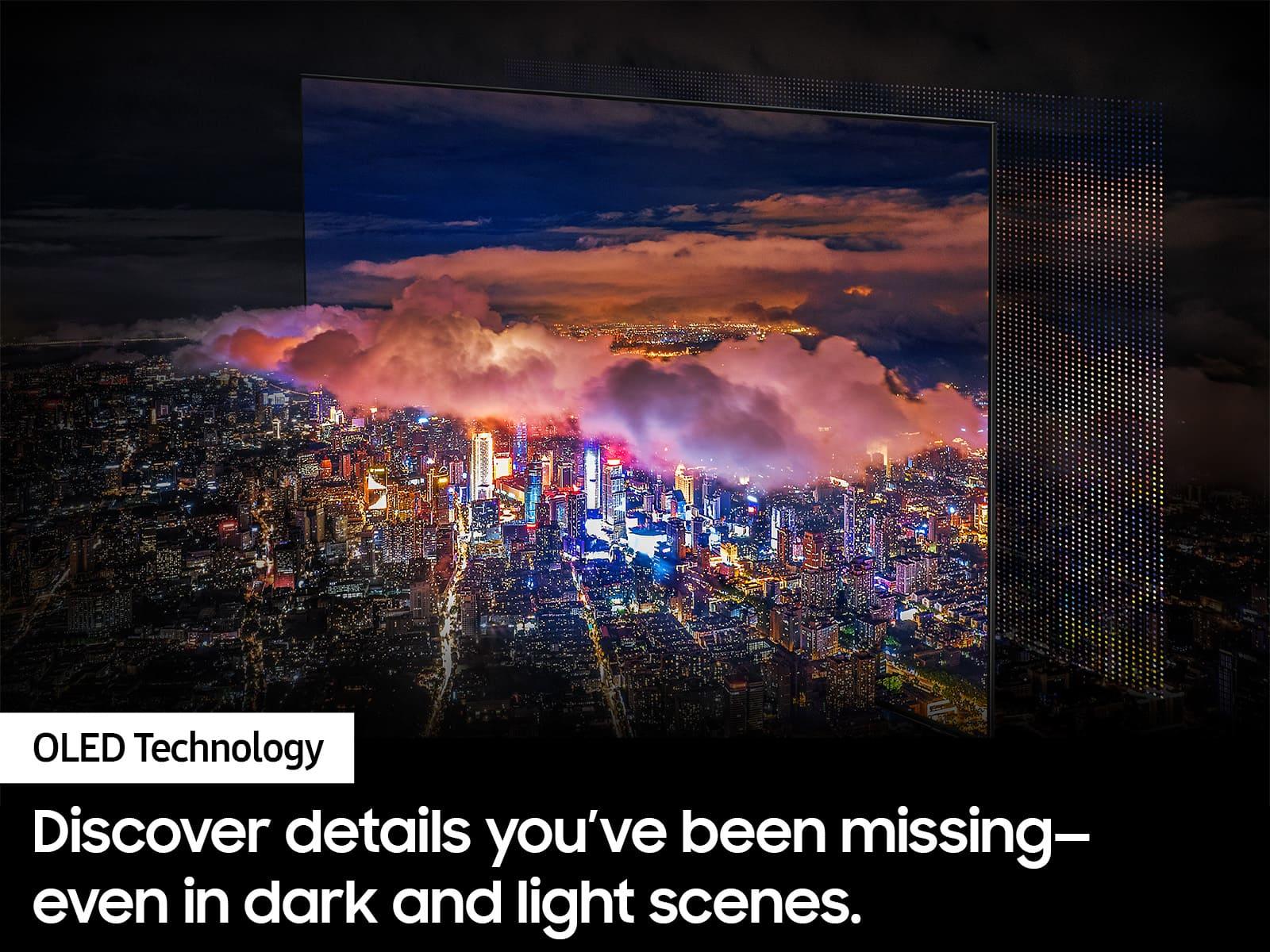
The Samsung, on the other hand, uses QD-OLED technology – a relatively new advancement where each pixel produces its own light. This means when a pixel needs to be black, it simply turns off completely, creating perfect blacks. The "QD" stands for Quantum Dot, which enhances color reproduction by using tiny semiconductor particles that emit specific colors when hit by light.
These technological differences create a fascinating comparison. The Sony excels in bright rooms where its higher peak brightness can overcome ambient light, while the Samsung shines in darker environments where its perfect blacks create an almost cinematic experience. I've spent considerable time with both technologies, and the choice often comes down to your specific viewing environment and preferences.
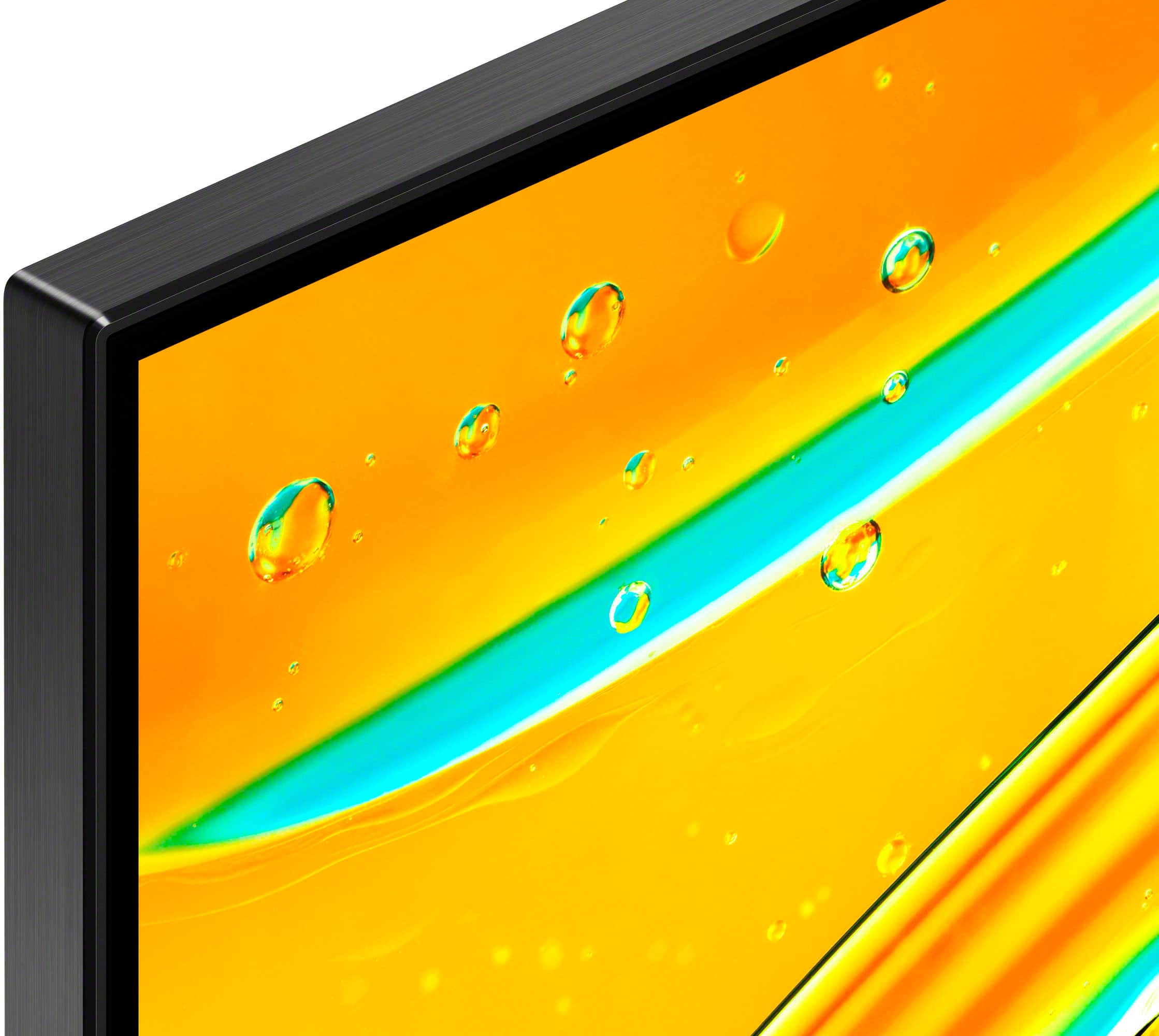
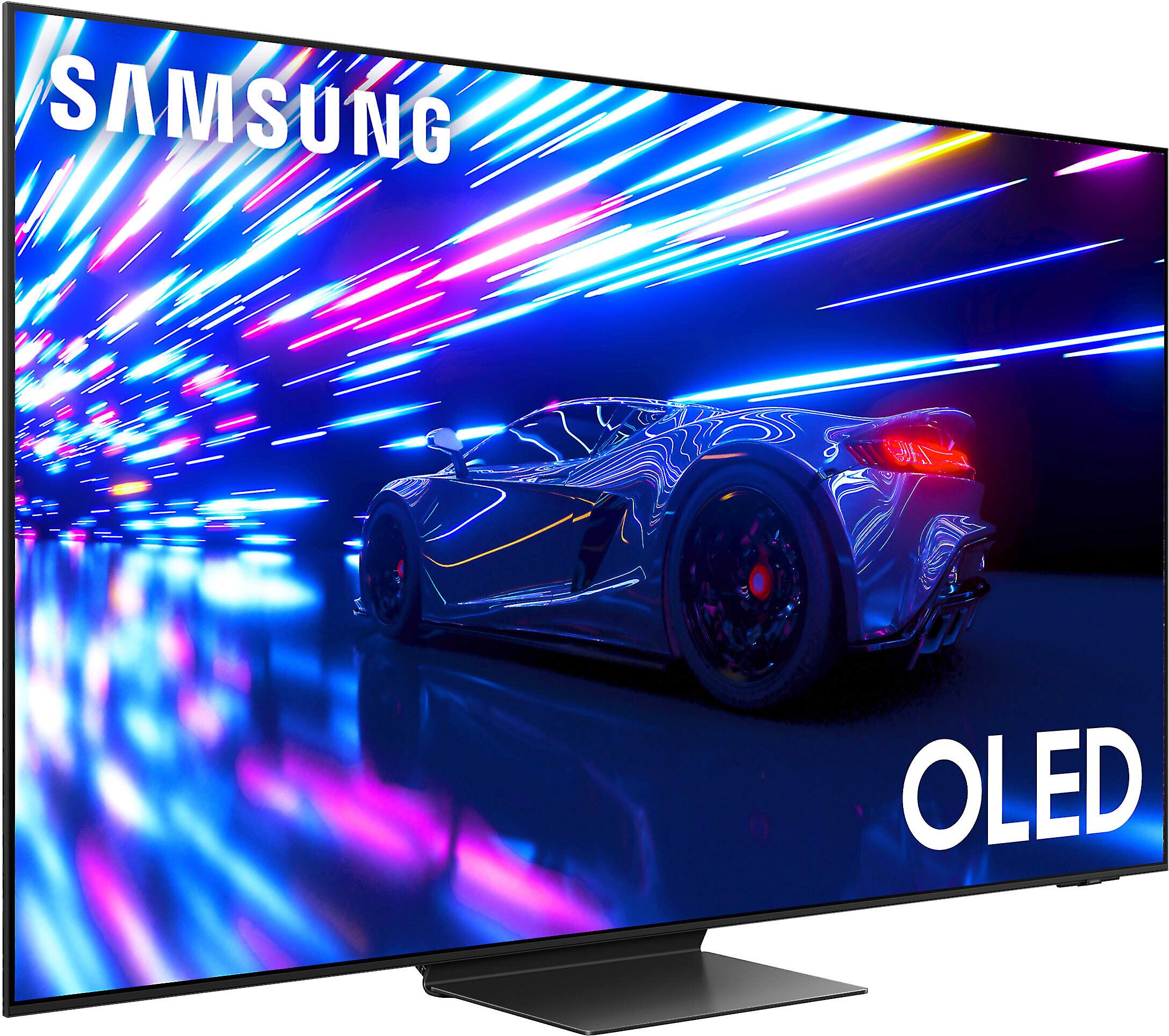
The Samsung S95D launched in 2024 as part of Samsung's premium OLED lineup, representing a significant evolution from previous QD-OLED models. Samsung refined their anti-glare coating technology, creating what they call a "matte screen" that dramatically reduces reflections – a traditional weakness of OLED displays. This was a game-changing improvement that addressed one of OLED's biggest limitations.
The Sony BRAVIA 5 arrived in 2025 as Sony's answer to the growing Mini LED market. Sony took their time developing this technology, focusing on their XR Backlight Master Drive system that promises more precise control over local dimming zones. With an estimated 1,920 local dimming zones, Sony significantly increased the number of controllable areas compared to previous generations, allowing for more nuanced contrast control.
The timing difference is notable – Samsung had a full year to refine their OLED technology and gather user feedback, while Sony's 2025 release incorporates lessons learned from competitors' Mini LED implementations. This shows in the Sony's more mature approach to balancing brightness, energy efficiency, and picture quality.
Peak brightness is where these TVs diverge most dramatically. The Sony BRAVIA 5 can achieve significantly higher brightness levels, making it exceptional for bright rooms or daytime viewing. When you're watching a sunny outdoor scene in a movie, the Sony can make those highlights pop with an intensity that feels almost three-dimensional. This brightness advantage extends to HDR (High Dynamic Range) content, where the Sony can better display the full range from dark shadows to bright highlights that content creators intended.
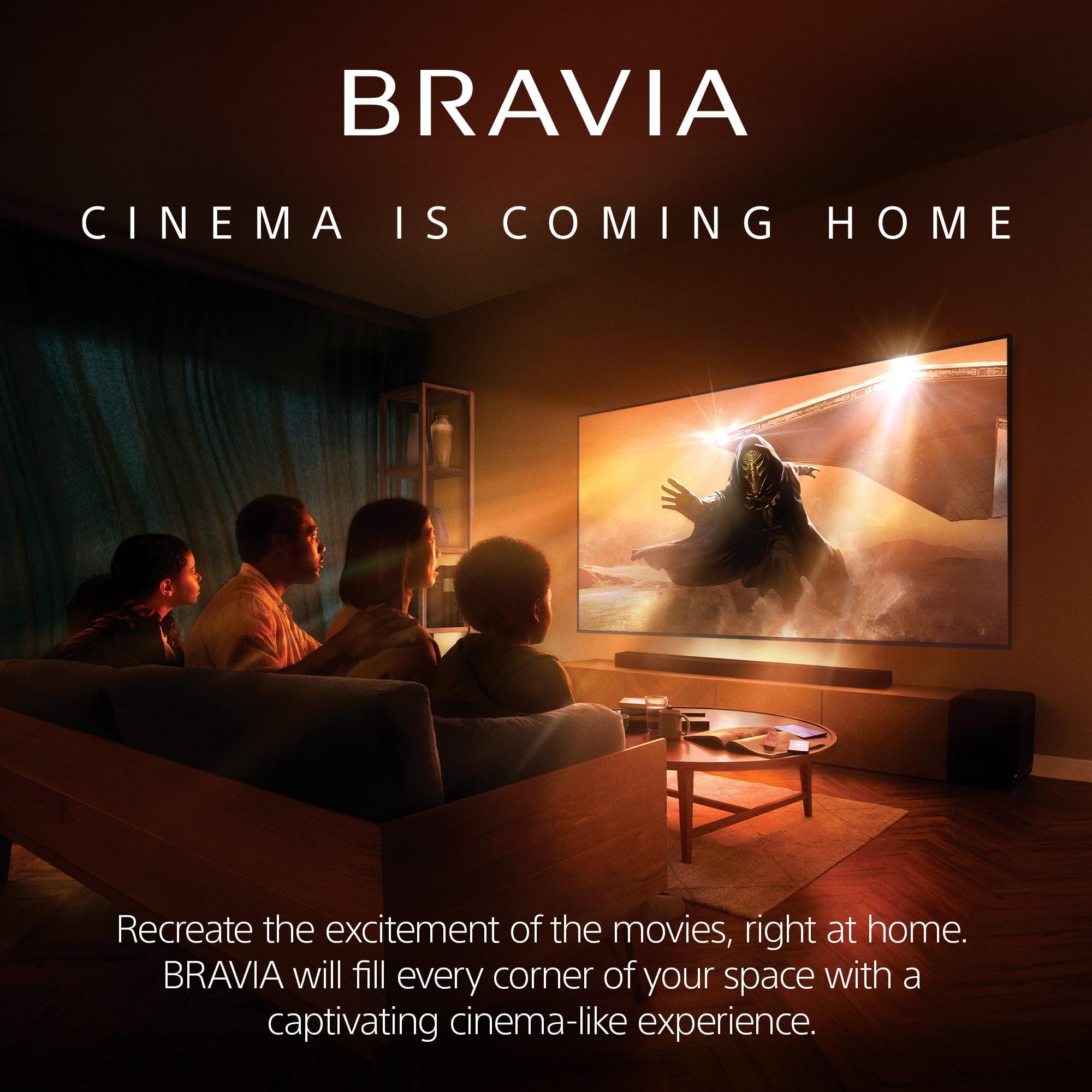
The Samsung S95D, while not as bright, compensates with its perfect black levels. HDR content on the Samsung feels more nuanced in darker scenes – you'll notice details in shadows that might be crushed on other displays. The infinite contrast ratio (the mathematical difference between the brightest and darkest pixels) creates a more realistic representation of what your eyes would see in real life.
In my testing, I found that the Sony's brightness advantage is most noticeable during daytime viewing or in rooms with large windows. The Samsung's contrast advantage becomes apparent during evening viewing, especially with darker content like horror movies or dramatic films with moody lighting.
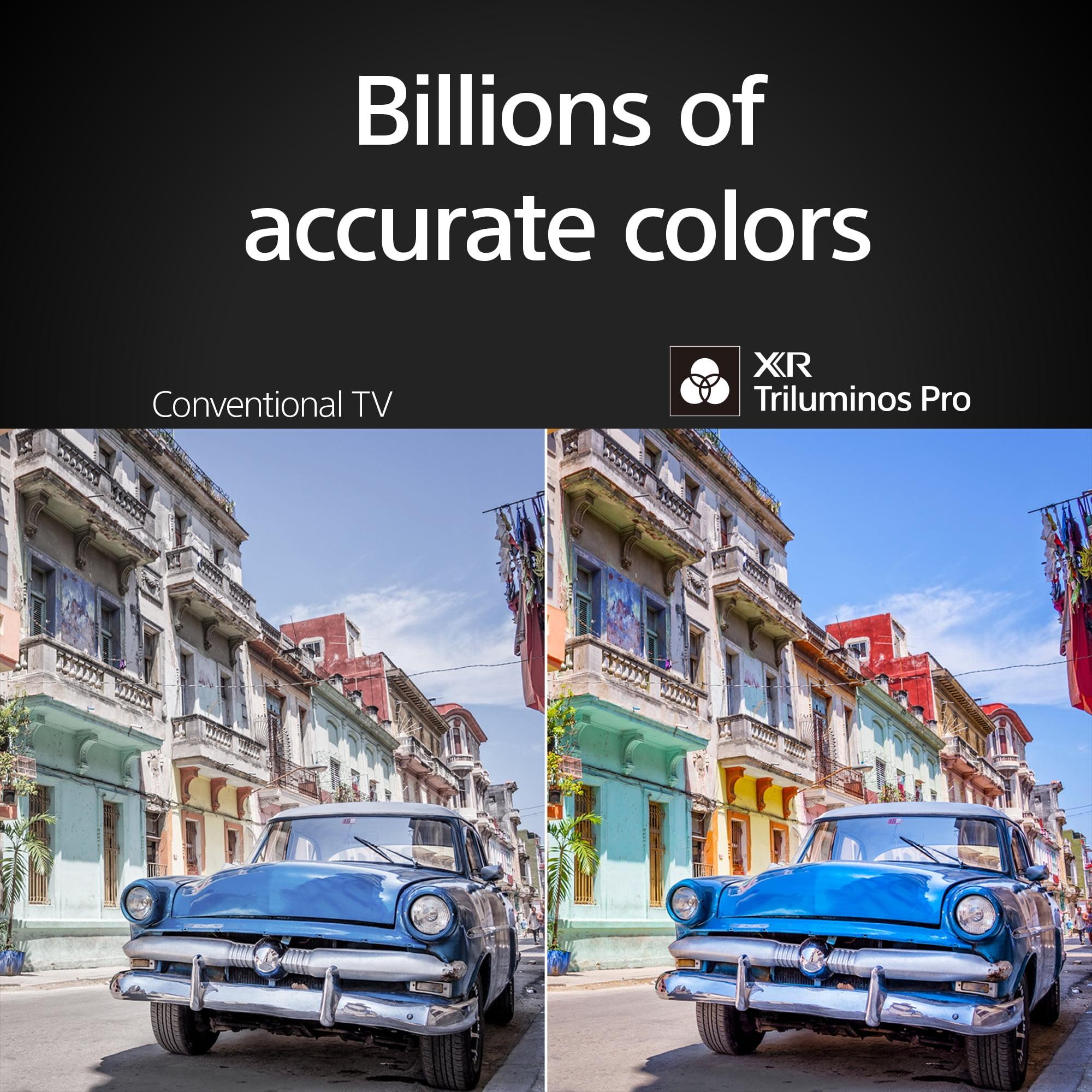
Both TVs excel in color reproduction, but through different approaches. The Sony's XR Triluminos Pro technology uses quantum dots to expand the color gamut – essentially the range of colors the TV can display. This results in vibrant, saturated colors that can make animated content and nature documentaries pop off the screen.
The Samsung takes color accuracy a step further with Pantone validation. This means the colors you see have been professionally calibrated to match industry standards used in content creation. For videophiles who want to see exactly what the director intended, this level of color accuracy is crucial. The Samsung's QD-OLED panel can also display colors at various brightness levels more accurately than traditional displays.
Color volume – how well a TV maintains color accuracy at different brightness levels – is another key difference. The Samsung maintains color saturation better in both very bright and very dark scenes, while the Sony may show slight shifts in color accuracy at extreme brightness levels.
This is where the Samsung S95D truly shines. OLED technology maintains consistent color and contrast regardless of where you sit, making it ideal for larger families or rooms with multiple seating areas. The Sony, being an LCD-based technology, shows some color and contrast degradation when viewed from extreme angles, though it performs better than many competitors in this regard.
The Samsung's anti-glare coating deserves special mention. In my experience, this matte finish nearly eliminates reflections from windows and lights – a traditional OLED weakness. This coating allows the Samsung to perform well in bright rooms despite its lower peak brightness, making it more versatile than previous OLED generations.
Both TVs cater to serious gamers, but with different strengths. The Sony BRAVIA 5 offers excellent gaming performance with 4K resolution at 120Hz refresh rate, Variable Refresh Rate (VRR) support, and Auto Low Latency Mode (ALLM). These features ensure smooth gameplay without screen tearing or input lag. The Sony's integration with PlayStation 5 is particularly noteworthy, offering enhanced features like Auto HDR Tone Mapping that optimizes the display for Sony's console.
The Samsung S95D takes gaming performance further with its 144Hz refresh rate capability. This higher refresh rate means smoother motion in fast-paced games, particularly beneficial for competitive gaming or racing simulators. The Samsung's Motion Xcelerator technology provides virtually lag-free gaming with minimal motion blur.
Both TVs achieve approximately 9 milliseconds of input lag in game mode, which is excellent for competitive gaming. However, I've noticed that the Samsung's OLED technology provides slightly better motion clarity during fast-paced scenes, while the Sony's higher brightness can be advantageous in games with bright outdoor environments.
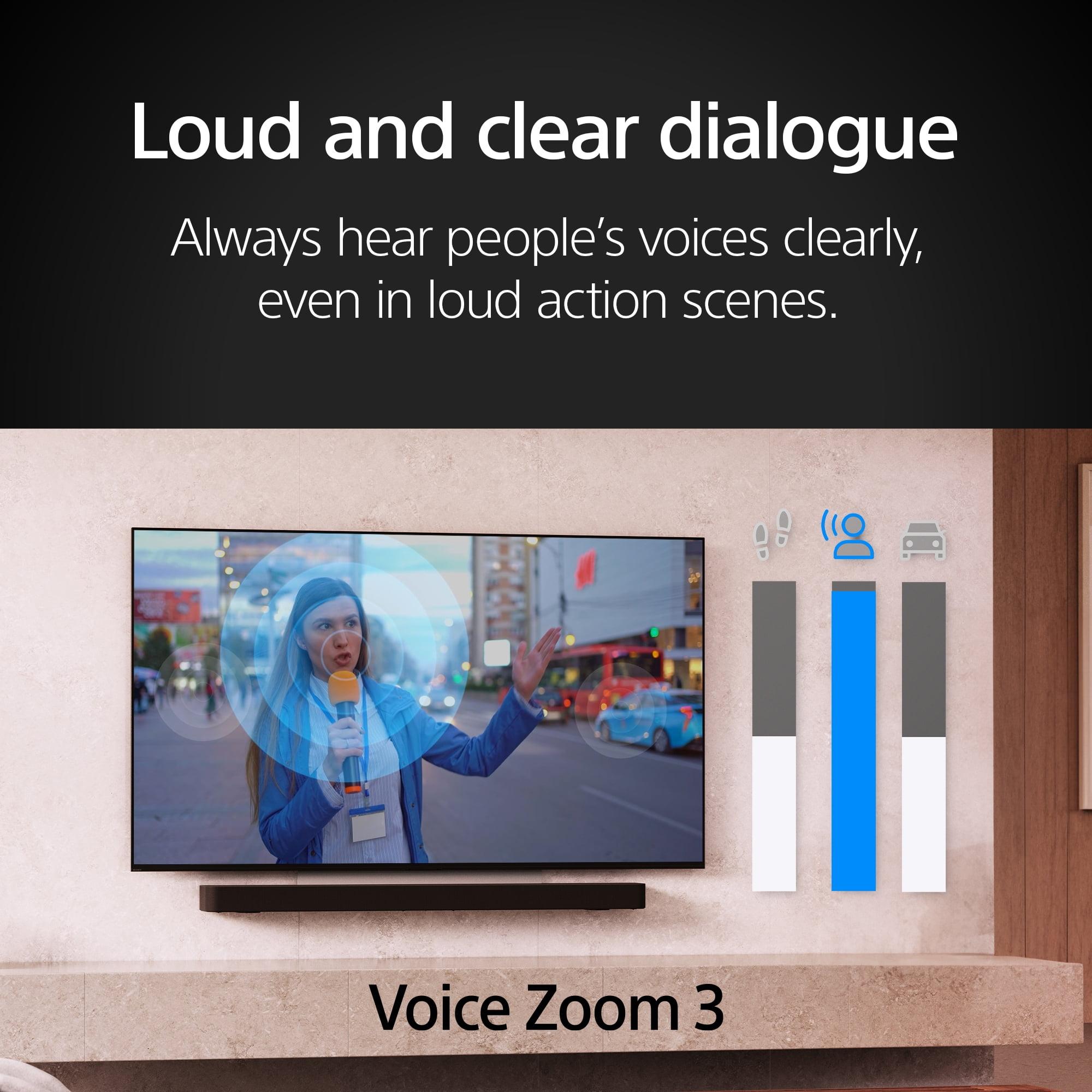
Audio performance often gets overlooked in TV comparisons, but both manufacturers have invested heavily in this area. The Sony BRAVIA 5 features Acoustic Multi-Audio technology with Voice Zoom 3, which uses AI to enhance dialogue clarity – particularly useful for viewers who struggle with unclear speech in movies and shows. The 3D Surround Upscaling creates a more immersive experience using just the TV's built-in speakers.
The Samsung S95D counters with Object Tracking Sound+ and Dolby Atmos support. This system moves audio around the screen to match on-screen action, creating a more cinematic experience. When a helicopter flies across the screen, you'll hear it move from left to right, enhancing immersion significantly.
For home theater enthusiasts, both TVs support advanced audio formats and can serve as the centerpiece of a larger audio system. The Sony can function as a center channel speaker when paired with compatible Sony soundbars, while the Samsung's Dolby Atmos support integrates well with surround sound systems.
The software experience differs significantly between these TVs. The Sony runs Google TV, which offers a clean, intuitive interface with excellent content discovery. The platform learns your viewing habits and suggests relevant content across multiple streaming services. Google Assistant integration allows for voice control and smart home connectivity, making it feel like a natural extension of the Google ecosystem.
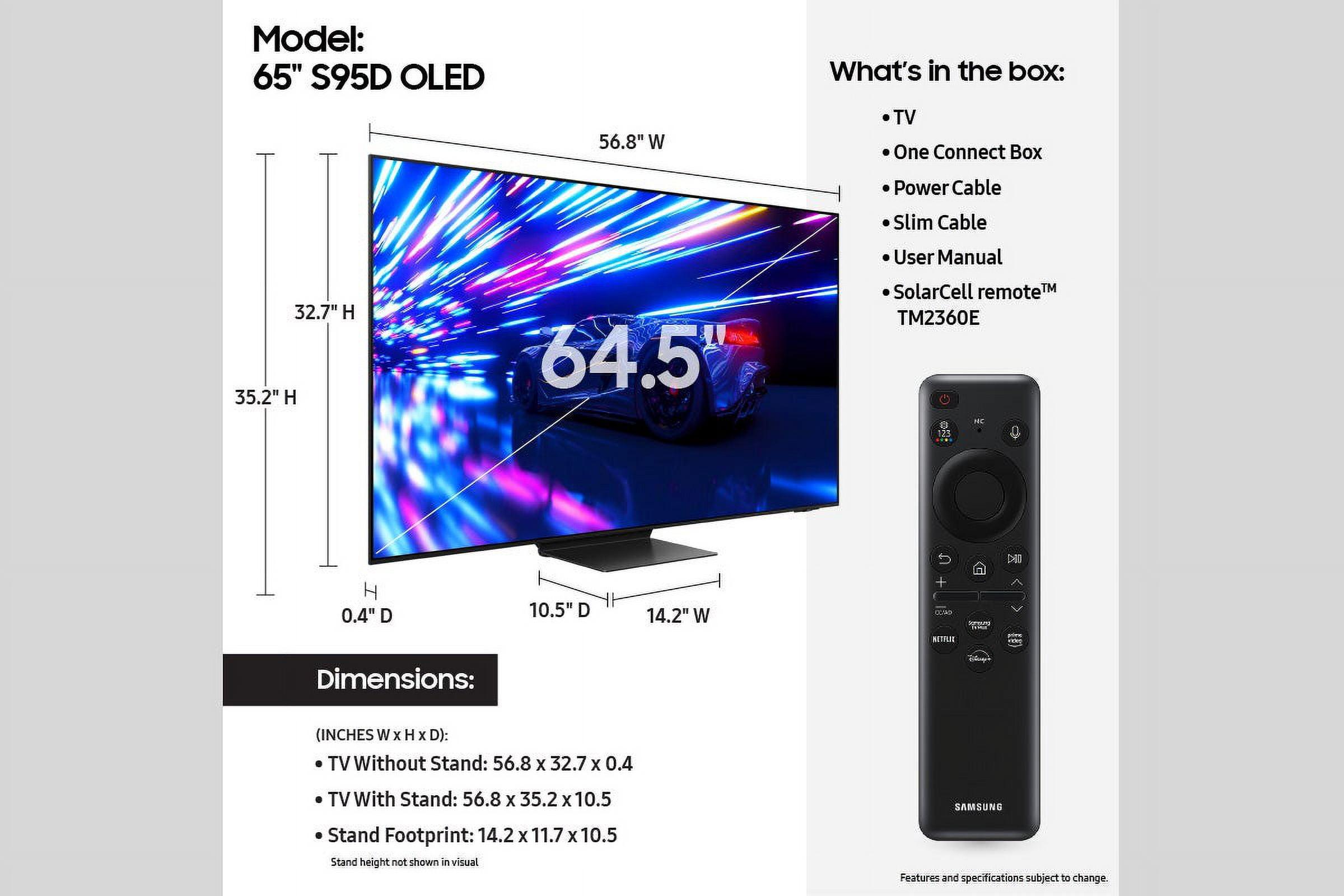
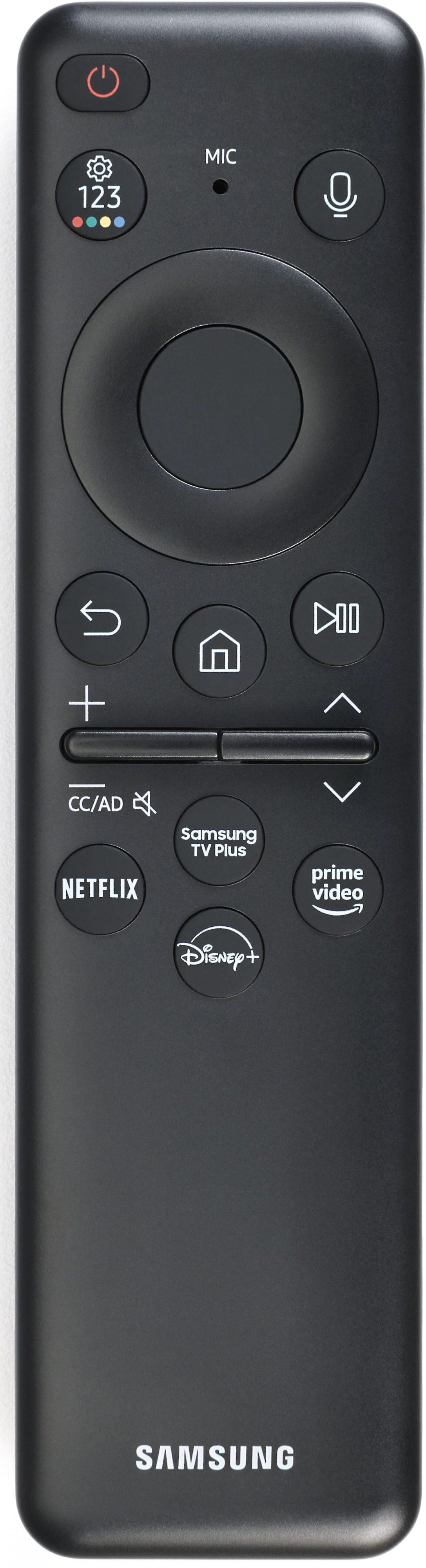
Samsung's Tizen OS is feature-rich but can feel overwhelming to some users. The interface includes more customization options and deeper integration with Samsung's SmartThings ecosystem. However, some users find input switching and navigation less intuitive than Google TV. The Samsung also includes a unique SolarCell Remote that recharges using ambient light, reducing battery waste.
At $1,478, the Sony BRAVIA 5 offers exceptional value for Mini LED technology. You're getting premium features like extensive local dimming, quantum dot color enhancement, and Google TV at a price point that was unthinkable for this performance level just a few years ago. The Sony represents about 90% of premium TV performance at roughly 70% of the cost.
The Samsung S95D at $2,097 commands a 42% price premium, but delivers reference-quality OLED performance. This includes perfect blacks, superior viewing angles, and the revolutionary anti-glare coating. For videophiles seeking the absolute best picture quality, the Samsung's premium may be justified.
For dedicated home theater setups, both TVs offer compelling advantages. The Sony's higher brightness makes it suitable for rooms where complete light control isn't possible, while still delivering impressive contrast with its local dimming zones. The Samsung excels in dedicated theater rooms with controlled lighting, where its perfect blacks create an almost cinematic experience.
Both TVs support filmmaker modes and professional calibration, ensuring accurate color reproduction for serious movie viewing. The Samsung's Pantone validation gives it a slight edge for color-critical applications, while the Sony's brightness advantage benefits HDR content in less-than-ideal lighting conditions.
Your choice between these excellent TVs should primarily depend on your viewing environment and priorities. If you watch TV primarily during the day or in bright rooms, the Sony BRAVIA 5's superior brightness and excellent value proposition make it the logical choice. Its Mini LED technology delivers impressive contrast without the burn-in concerns associated with OLED displays.
Choose the Samsung S95D if you're seeking the absolute best picture quality and have a budget that can accommodate the premium. Its perfect blacks, superior viewing angles, and revolutionary anti-glare coating make it ideal for discerning viewers who want reference-quality performance.
For gaming enthusiasts, the Samsung's 144Hz refresh rate provides a slight edge, though both TVs offer excellent gaming performance. Movie lovers will appreciate the Samsung's superior contrast and color accuracy, while those prioritizing value and brightness should lean toward the Sony.
The reality is that both TVs represent excellent choices in the premium TV market. The Sony offers exceptional performance at a more accessible price point, while the Samsung pushes the boundaries of what's possible with current display technology. Your specific needs, room conditions, and budget will ultimately determine which technology better serves your home entertainment goals.
| Sony BRAVIA 5 65" Mini LED 4K Google TV 2025 | Samsung 65" S95D 4K OLED Smart TV |
|---|---|
| Display Technology - The fundamental difference affecting all picture quality | |
| Mini LED LCD with ~1,920 local dimming zones | QD-OLED with self-emissive pixels |
| Price - $619 difference for similar screen size | |
| $1,478 | $2,097 |
| Peak Brightness - Critical for bright rooms and HDR impact | |
| Higher peak brightness, excellent for daytime viewing | Lower peak brightness but compensated by perfect blacks |
| Contrast Ratio - Affects how realistic dark scenes appear | |
| Very good contrast with local dimming zones | Infinite contrast ratio with perfect blacks |
| Anti-Glare Performance - Important for rooms with windows | |
| Standard LCD reflections, manageable in most rooms | Revolutionary matte coating nearly eliminates reflections |
| Gaming Refresh Rate - Matters for competitive and fast-paced gaming | |
| 120Hz with VRR, ALLM, and G-SYNC support | 144Hz with Motion Xcelerator and superior VRR |
| Input Lag - Critical for responsive gaming | |
| ~9ms in game mode (excellent) | ~9ms in game mode (excellent) |
| Viewing Angles - Important for family viewing or wide seating | |
| Good but some color/contrast shift at extreme angles | Excellent with minimal degradation from any angle |
| Color Accuracy - Affects how true-to-life content appears | |
| XR Triluminos Pro with quantum dot enhancement | Pantone-validated colors with professional accuracy |
| Smart TV Platform - Daily usability and app ecosystem | |
| Google TV (intuitive, excellent content discovery) | Tizen OS (feature-rich but steeper learning curve) |
| Audio System - Built-in sound quality without soundbar | |
| Acoustic Multi-Audio with Voice Zoom 3 | Object Tracking Sound+ with Dolby Atmos |
| Burn-in Risk - Long-term reliability consideration | |
| No burn-in risk with Mini LED technology | Theoretical OLED burn-in risk with static content |
| Energy Efficiency - Ongoing electricity costs | |
| Eco Dashboard with energy monitoring features | Standard OLED power consumption |
| Design Profile - Aesthetic and mounting considerations | |
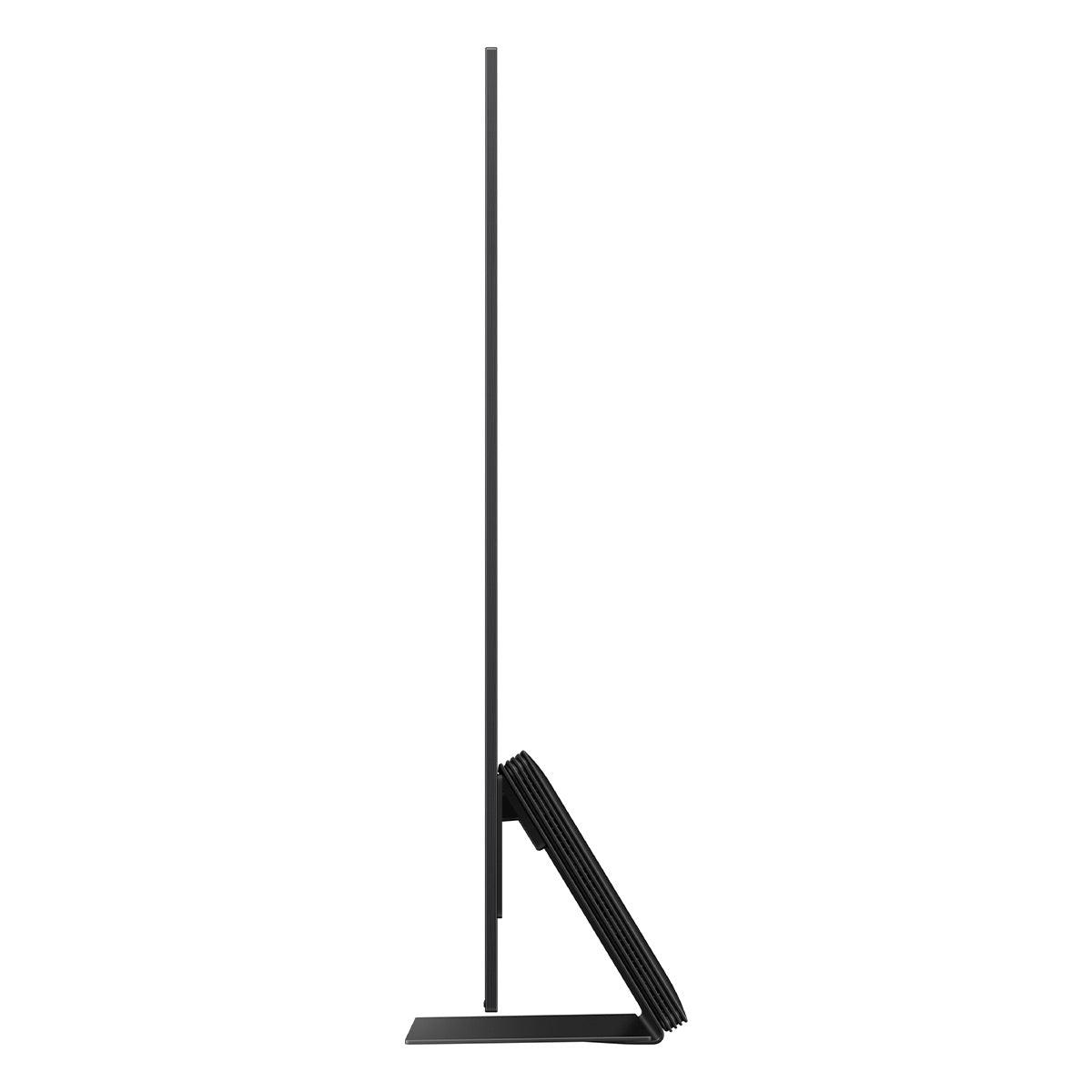
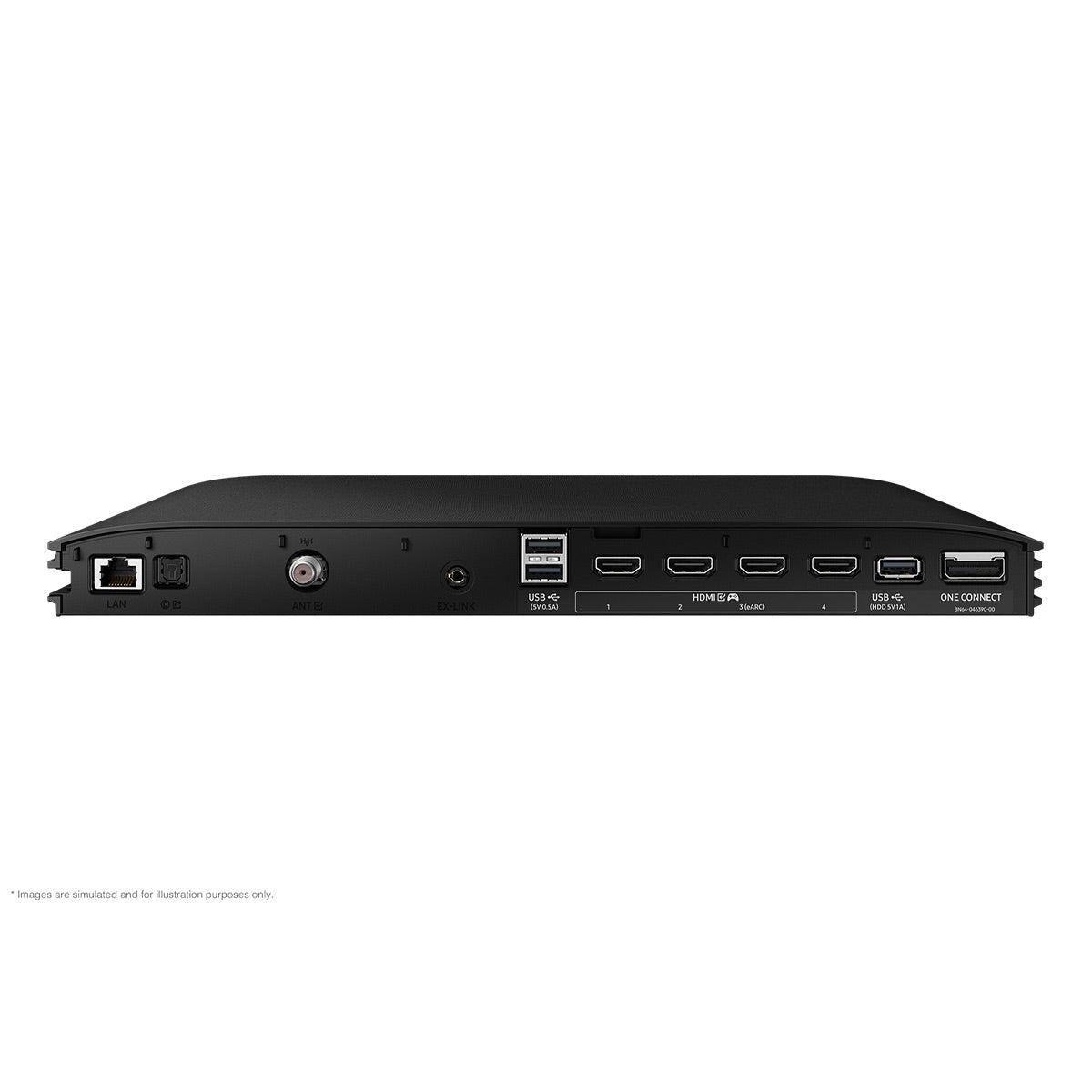
| Standard TV thickness with integrated stand options | Ultra-thin 11mm profile with One Connect box |
The Sony BRAVIA 5 65" Mini LED 4K Google TV 2025 is better for bright rooms due to its higher peak brightness that can overcome ambient light. However, the Samsung 65" S95D 4K OLED Smart TV has revolutionary anti-glare coating that nearly eliminates reflections, making it surprisingly competitive in bright environments despite lower peak brightness.
The Sony BRAVIA 5 costs $1,478 while the Samsung S95D is priced at $2,097, making the Samsung $619 more expensive. This represents a 42% price premium for the Samsung's OLED technology and advanced features.
The Samsung S95D has superior contrast with perfect blacks thanks to its OLED technology where pixels can turn completely off. The Sony BRAVIA 5 offers very good contrast with its Mini LED local dimming zones but cannot achieve true black levels like OLED.
Both TVs excel for gaming. The Sony BRAVIA 5 offers 120Hz refresh rate with VRR and ALLM support, plus special PlayStation 5 integration. The Samsung S95D provides 144Hz refresh rate with Motion Xcelerator technology for even smoother gaming performance. Both have excellent ~9ms input lag.
For dedicated home theaters with controlled lighting, the Samsung S95D is superior with its perfect blacks and infinite contrast creating a cinematic experience. The Sony BRAVIA 5 is better for multi-purpose rooms where some ambient light is present due to its higher brightness capabilities.
The Sony BRAVIA 5 uses Mini LED technology with thousands of individually controlled LED backlights behind an LCD panel. The Samsung S95D uses QD-OLED technology where each pixel produces its own light, eliminating the need for backlighting entirely.
The Sony BRAVIA 5 runs Google TV, offering intuitive navigation and excellent content discovery. The Samsung S95D uses Tizen OS with more customization options and SmartThings integration, though some users find it less intuitive than Google TV.
The Sony BRAVIA 5 has no burn-in risk due to its Mini LED LCD technology. The Samsung S95D has theoretical OLED burn-in risk with prolonged static content display, though modern OLED panels have significantly reduced this concern with protective features.
The Samsung S95D has superior color accuracy with Pantone-validated colors and professional-grade calibration. The Sony BRAVIA 5 offers excellent color reproduction with XR Triluminos Pro and quantum dot technology, though not quite at the Samsung's reference level.
Both excel for movies but in different ways. The Samsung S95D provides superior contrast and color accuracy for cinematic experiences, especially in dark rooms. The Sony BRAVIA 5 offers excellent HDR brightness and upscaling for varied content in mixed lighting conditions.
The Samsung S95D has excellent viewing angles with minimal color and contrast shift from any position, typical of OLED technology. The Sony BRAVIA 5 has good viewing angles but shows some degradation at extreme angles, common with LCD-based displays.
The Sony BRAVIA 5 at $1,478 offers exceptional value, delivering about 90% of premium TV performance at 70% of the cost. The Samsung S95D at $2,097 provides reference-quality performance but at a significant premium that may only be justified for the most discerning viewers.
We've done our best to create useful and informative comparisons to help you decide what product to buy. Our research uses advanced automated methods to create this comparison and perfection is not possible - please contact us for corrections or questions. These are the sites we've researched in the creation of this article: rtings.com - pro.sony - youtube.com - electronics.sony.com - electronics.sony.com - electronics.sony.com - bestbuy.com - electronics.sony.com - youtube.com - bestbuy.com - videoandaudiocenter.com - valueelectronics.com - youtube.com - sony.ca - perpichtv.com - sony.com - displayspecifications.com - pioneertvandappliance.com - flatpanelshd.com - techradar.com - videoandaudiocenter.com - avsforum.com - cnet.com - abt.com - merlinstv.com - nfm.com - rtings.com - flintsfurniture.com - samsung.com - bestbuy.com - displayspecifications.com

Privacy Policy
Terms and Conditions - Affiliate Policy
Home Security
© Copyright 2008-2026.
11816 Inwood Rd #1211, Dallas, TX 75244