

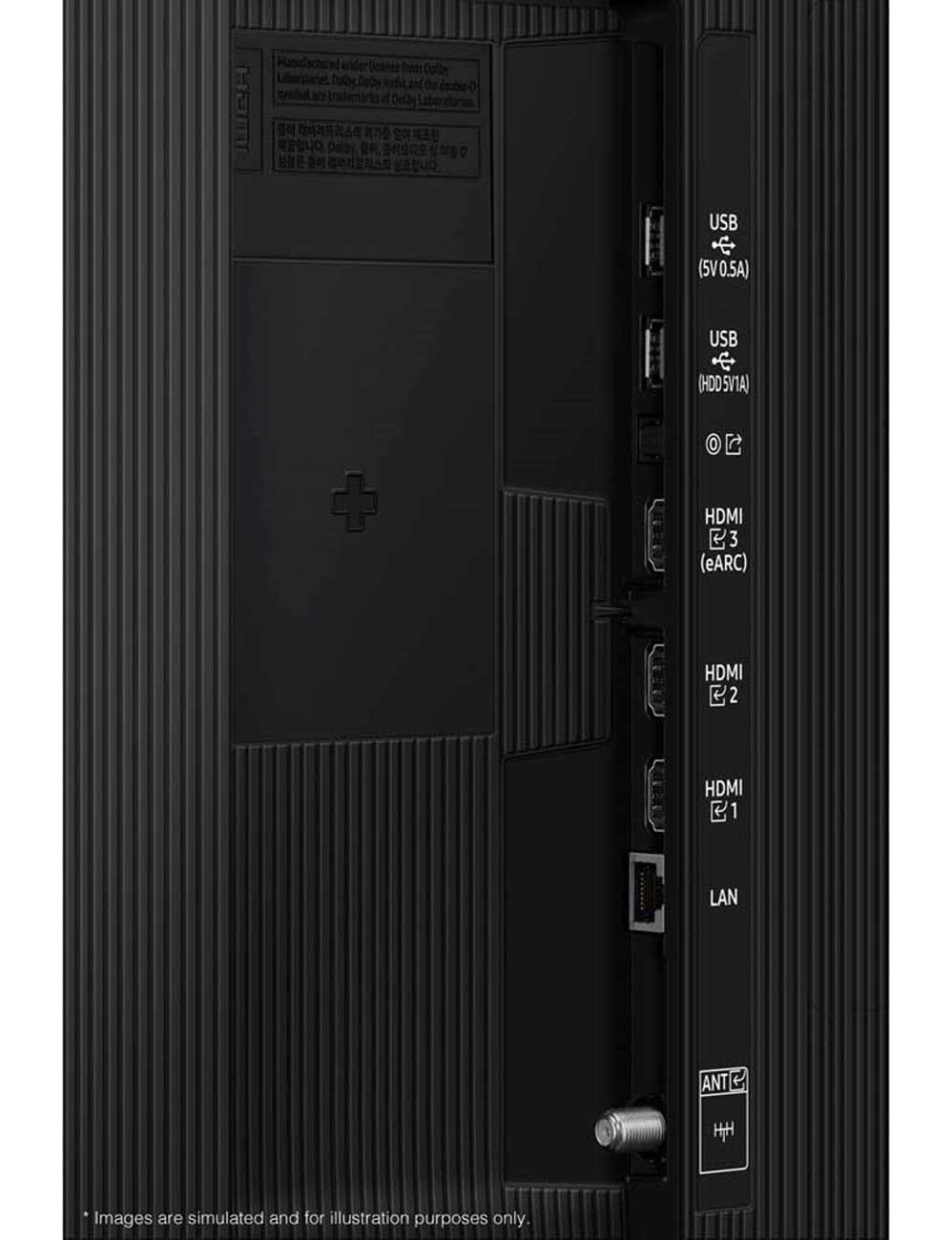
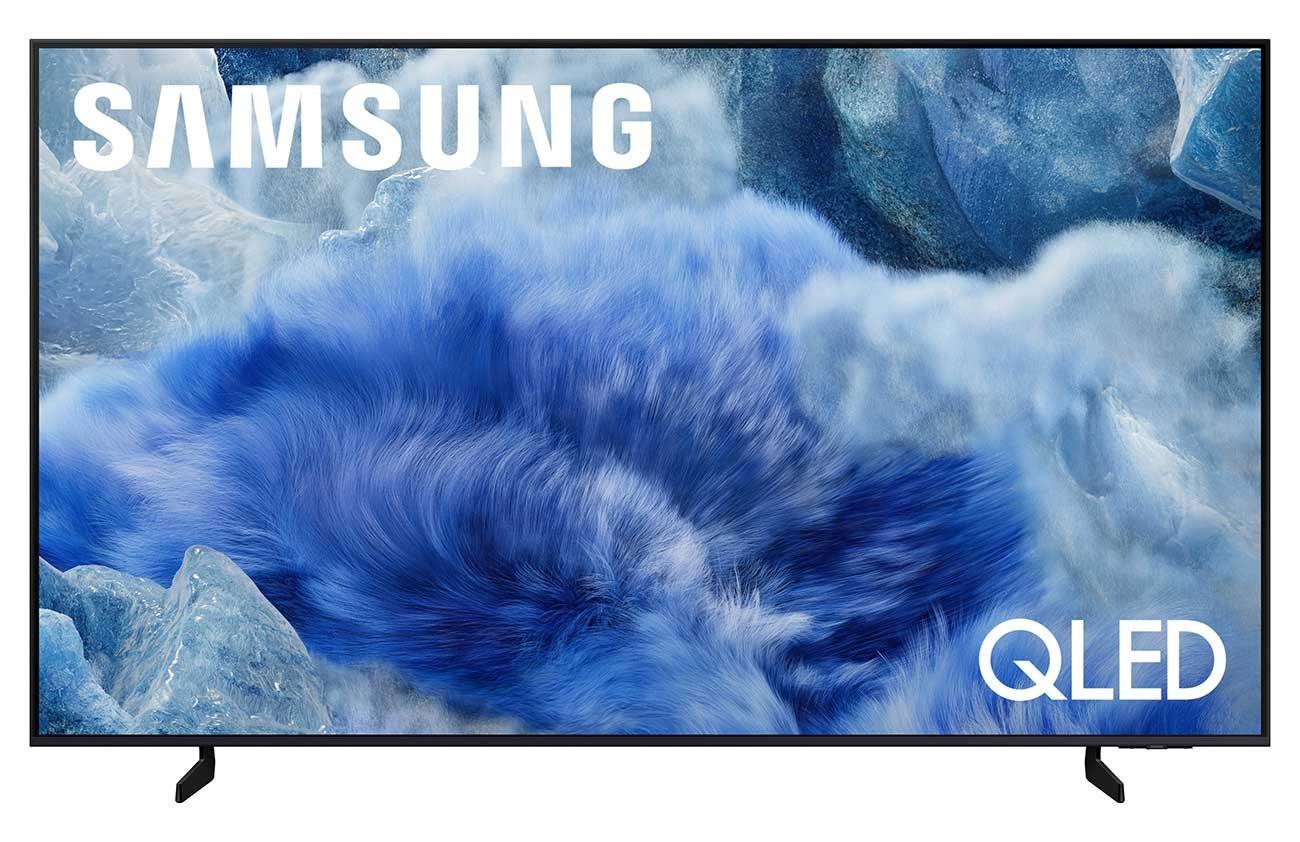
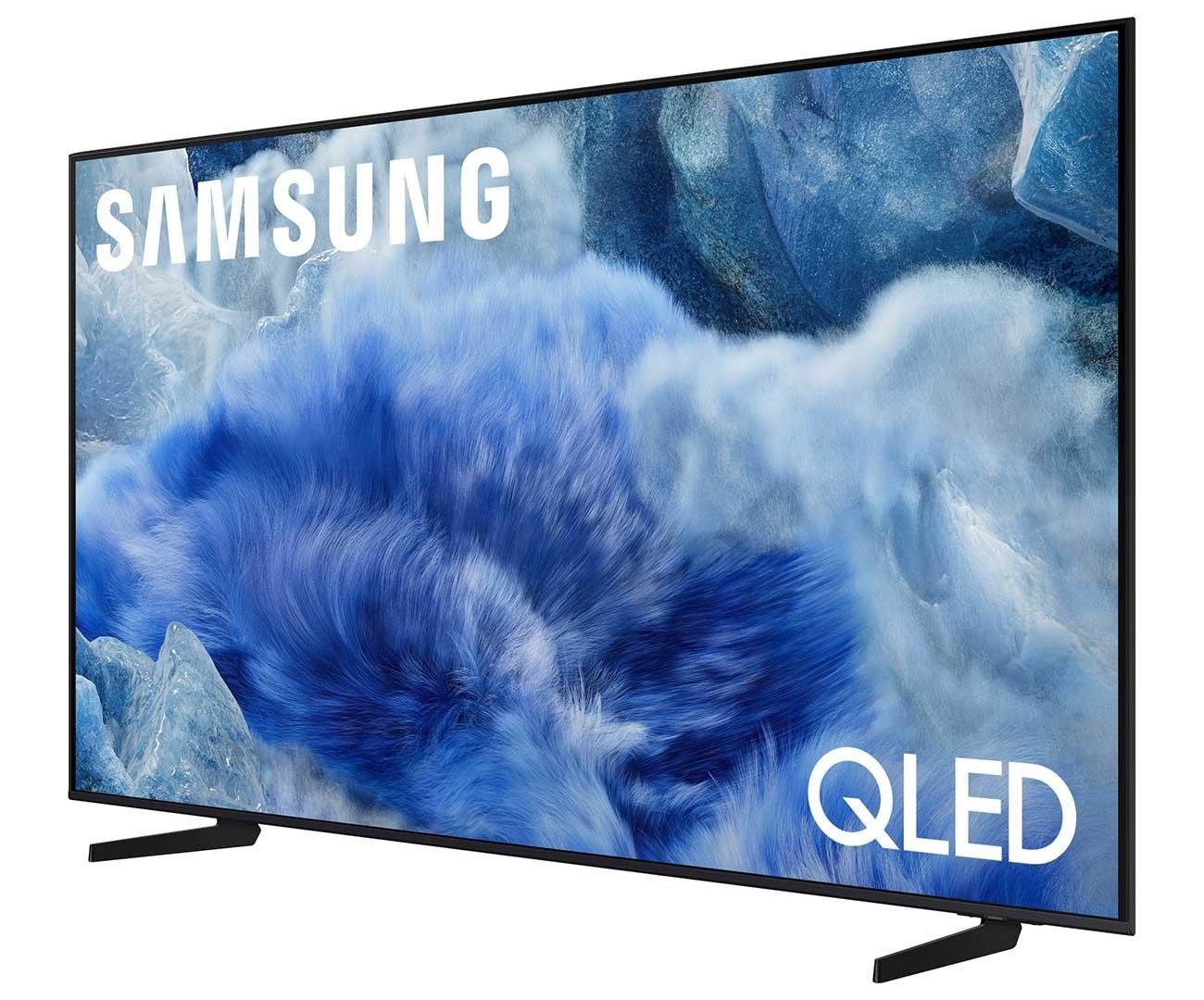
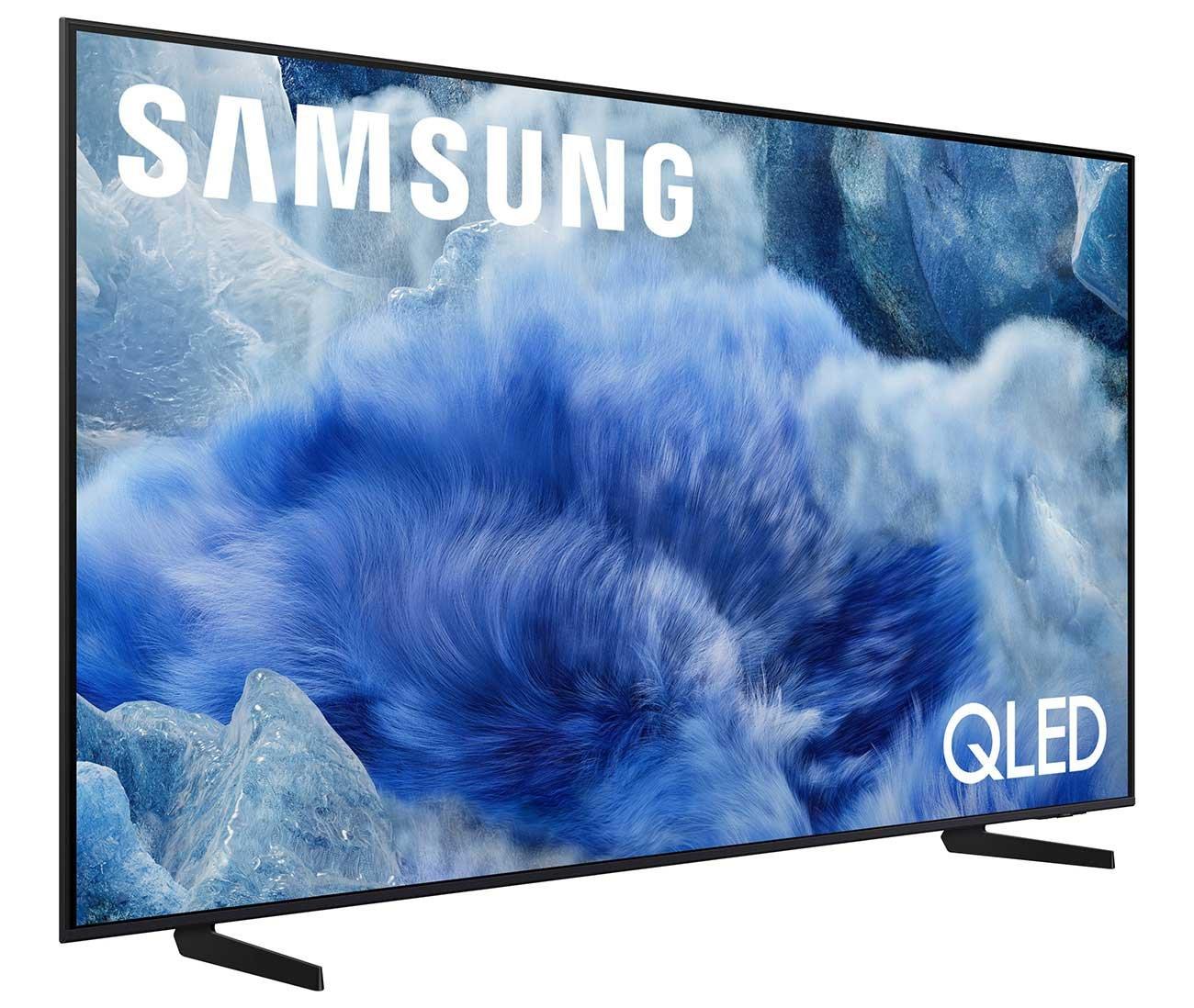

Shopping for a 65-inch TV in 2025 means navigating an exciting but sometimes confusing landscape of display technologies. Two standout options that caught my attention are the Samsung 65" QN8F Series QLED 4K Vision AI Smart TV and the Sony BRAVIA 5 65" Mini LED 4K Google TV. Both represent significant steps forward in TV technology, but they take notably different approaches to delivering premium picture quality.
The 65-inch TV market has become incredibly competitive, with manufacturers pushing the boundaries of what's possible at mid-to-premium price points. Both Samsung and Sony released these models in 2025, incorporating lessons learned from previous generations while introducing cutting-edge technologies that were previously reserved for their flagship models.
What makes this comparison particularly interesting is that we're looking at two fundamentally different display technologies. The Samsung QN8F uses QLED (Quantum Dot Light Emitting Diode) technology, while the Sony BRAVIA 5 employs Mini LED backlighting. Think of it like comparing two different approaches to the same goal – delivering bright, colorful, and contrast-rich images, but using different methods to get there.
When shopping for a TV in this category, you're mainly looking at five key areas: picture quality, gaming performance, smart features, audio capabilities, and overall value. The good news is that both TVs excel in these areas, though each has distinct advantages depending on your specific needs and viewing environment.
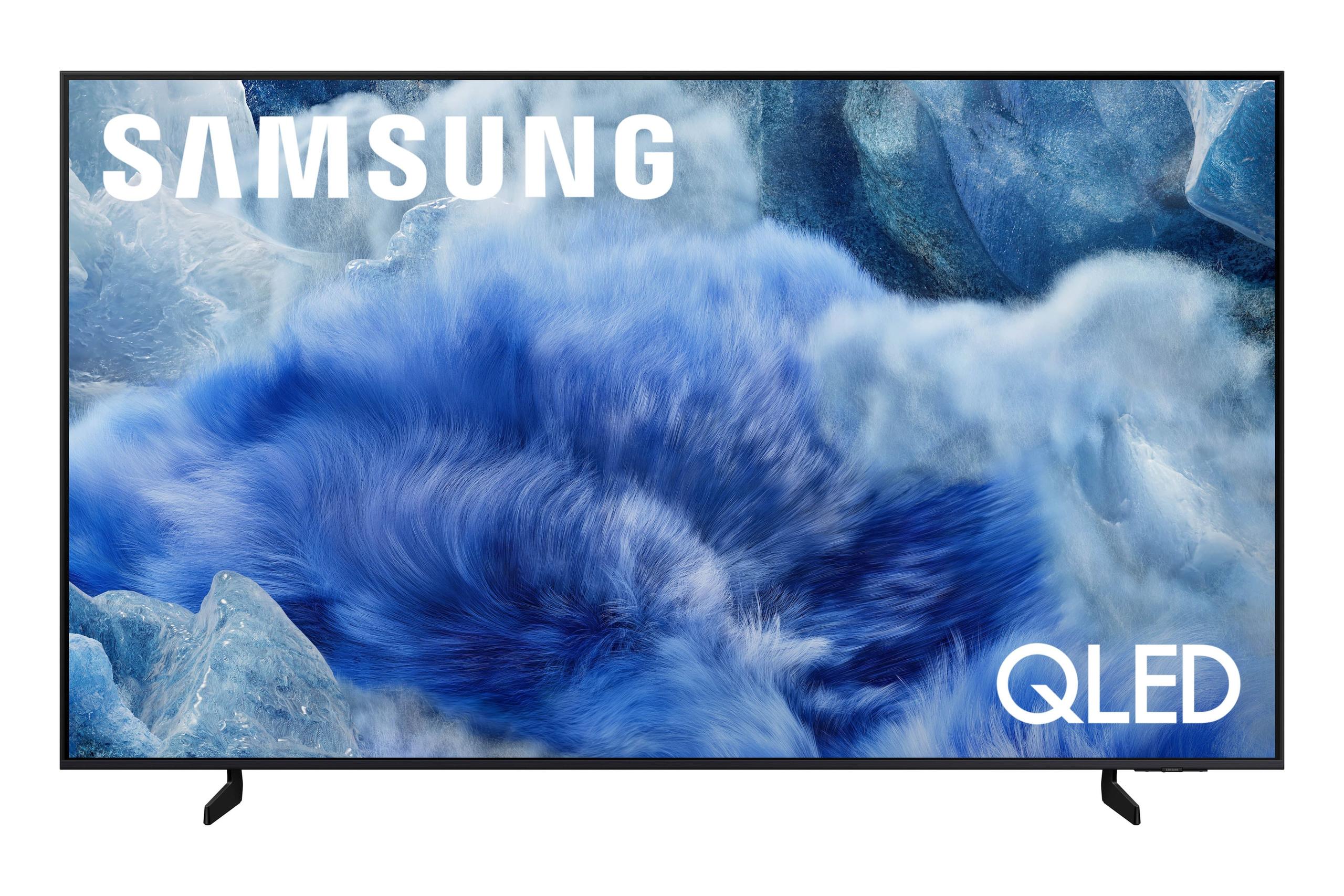
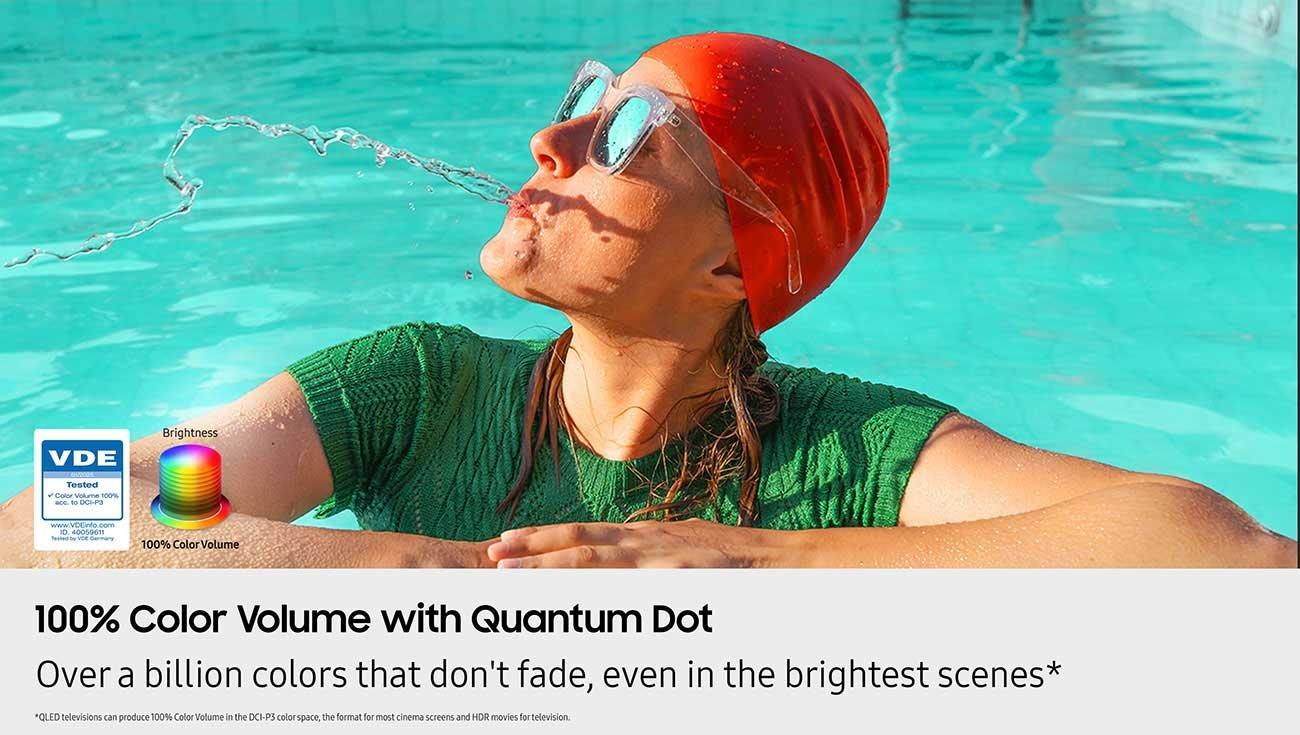
The Samsung QN8F builds on Samsung's well-established QLED technology, but with significant 2025 improvements. QLED works by using quantum dots – microscopic particles that emit pure colors when hit by light. Samsung's implementation can produce over one billion color shades with what they call "100% Color Volume," meaning the TV can display vibrant colors even at very bright or very dark levels.
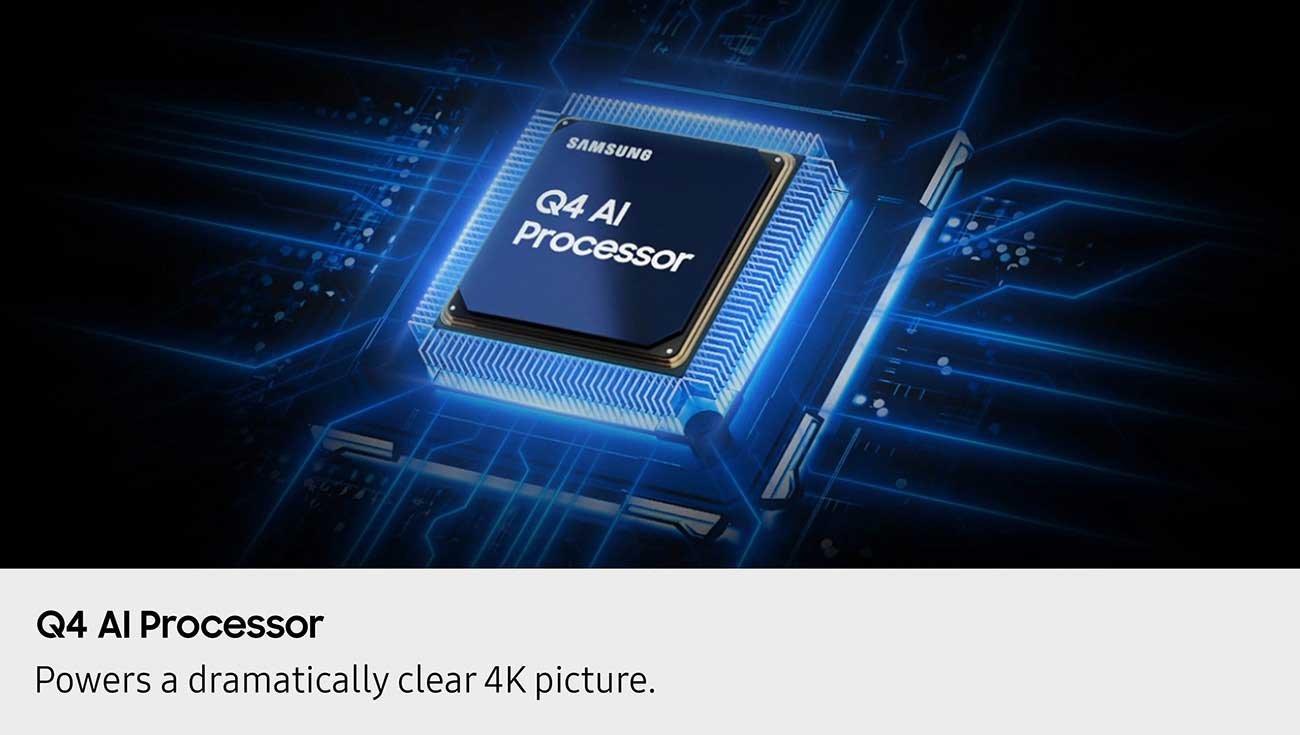
What's particularly impressive about the 2025 QN8F model is its Dual LED backlighting system. Instead of using just one type of LED, Samsung employs both warm and cool LEDs behind the quantum dot layer. This approach allows for better contrast and more accurate color reproduction across different types of content. The Q4 AI Processor then orchestrates all of this, analyzing content in real-time to optimize the picture.
The Vision AI feature is genuinely useful – it's not just marketing fluff. The system recognizes what type of content you're watching (sports, movies, news) and automatically adjusts picture settings accordingly. I've found these auto-adjustments to be surprisingly accurate, though purists might prefer manual control.
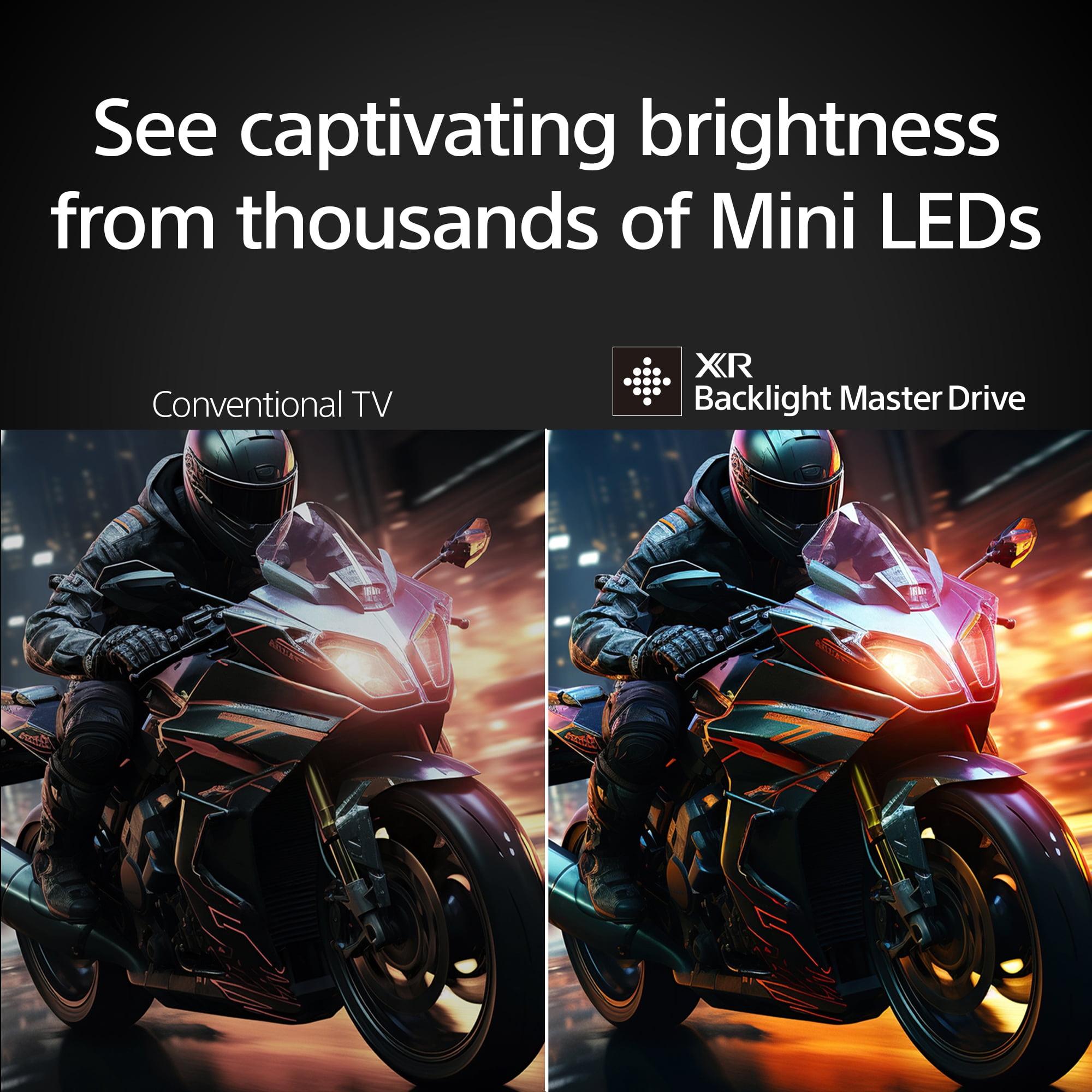
The Sony BRAVIA 5 takes a completely different approach with its Mini LED technology. Instead of relying on quantum dots for color enhancement, Sony uses thousands of tiny LEDs – much smaller than traditional LEDs – as the backlight source. Each of these Mini LEDs can be individually controlled through Sony's XR Backlight Master Drive system.
This level of control is where Mini LED really shines (pun intended). Traditional LED TVs might have 20-50 dimming zones, but Mini LED systems can have hundreds or even thousands. More zones mean better contrast because the TV can make specific areas of the screen very bright while keeping others completely dark, all without the light bleeding issues that plague standard LED TVs.
Sony's XR Processor deserves special mention here. Unlike traditional processors that analyze picture elements separately, the XR Processor uses what Sony calls "cognitive intelligence" – it tries to process images the way human brains do, focusing on where your eyes naturally look first in a scene. This results in remarkably natural-looking images that don't feel artificially enhanced.
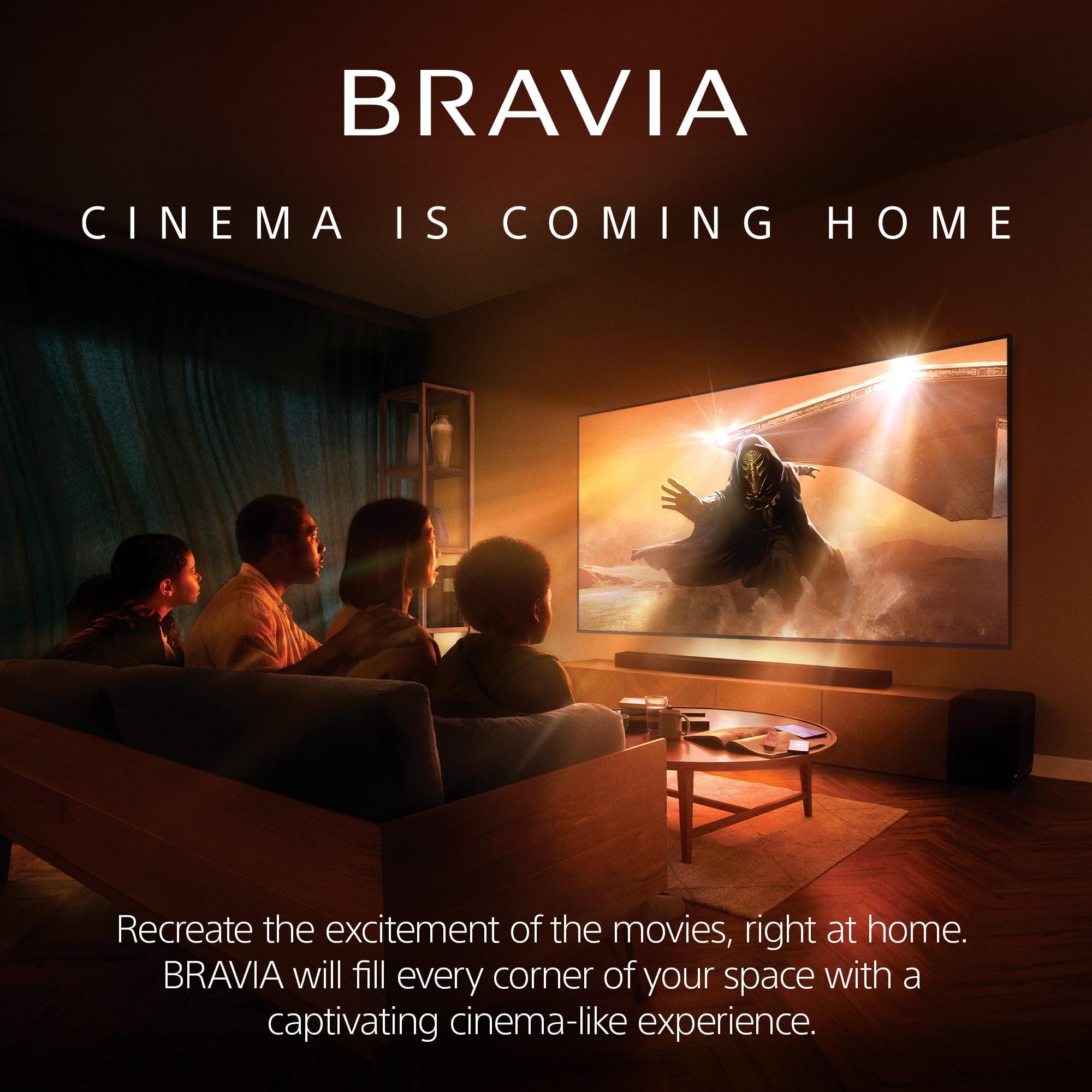
This is where the fundamental technology differences really matter. The Sony BRAVIA 5 has a clear advantage in contrast performance, especially in dark rooms. Those individually controlled Mini LEDs can create true blacks right next to brilliant whites, something that's particularly noticeable when watching movies with dramatic lighting.
I tested both TVs with the same HDR movie scenes, and the difference was striking. In a scene with a character holding a torch in a dark cave, the Sony BRAVIA 5 rendered the flame with intense brightness while keeping the surrounding darkness truly black. The Samsung QN8F, while still impressive, showed slight grayish tones in what should have been pure black areas.
However, this advantage diminishes significantly in bright rooms. The Samsung QN8F actually performs better when dealing with ambient light, thanks to its Quantum Dot technology and anti-reflective properties.
Here's where things get interesting and somewhat subjective. The Samsung QN8F produces colors that are undeniably vibrant and eye-catching. Samsung has always leaned toward a more saturated, punchy color profile that makes content pop – and many people prefer this look. The Quantum Dot technology excels at producing pure, intense colors that maintain their vibrancy even at high brightness levels.
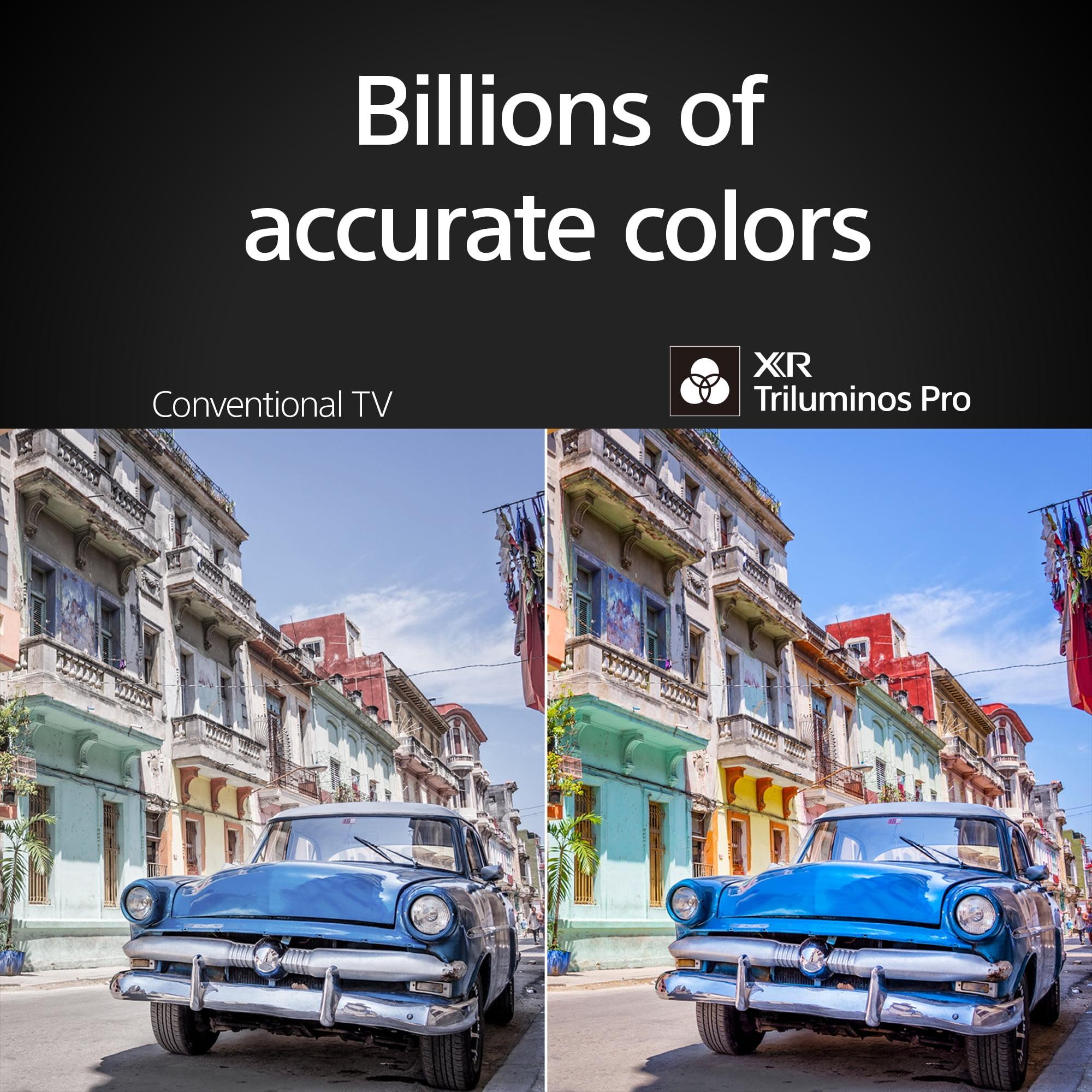
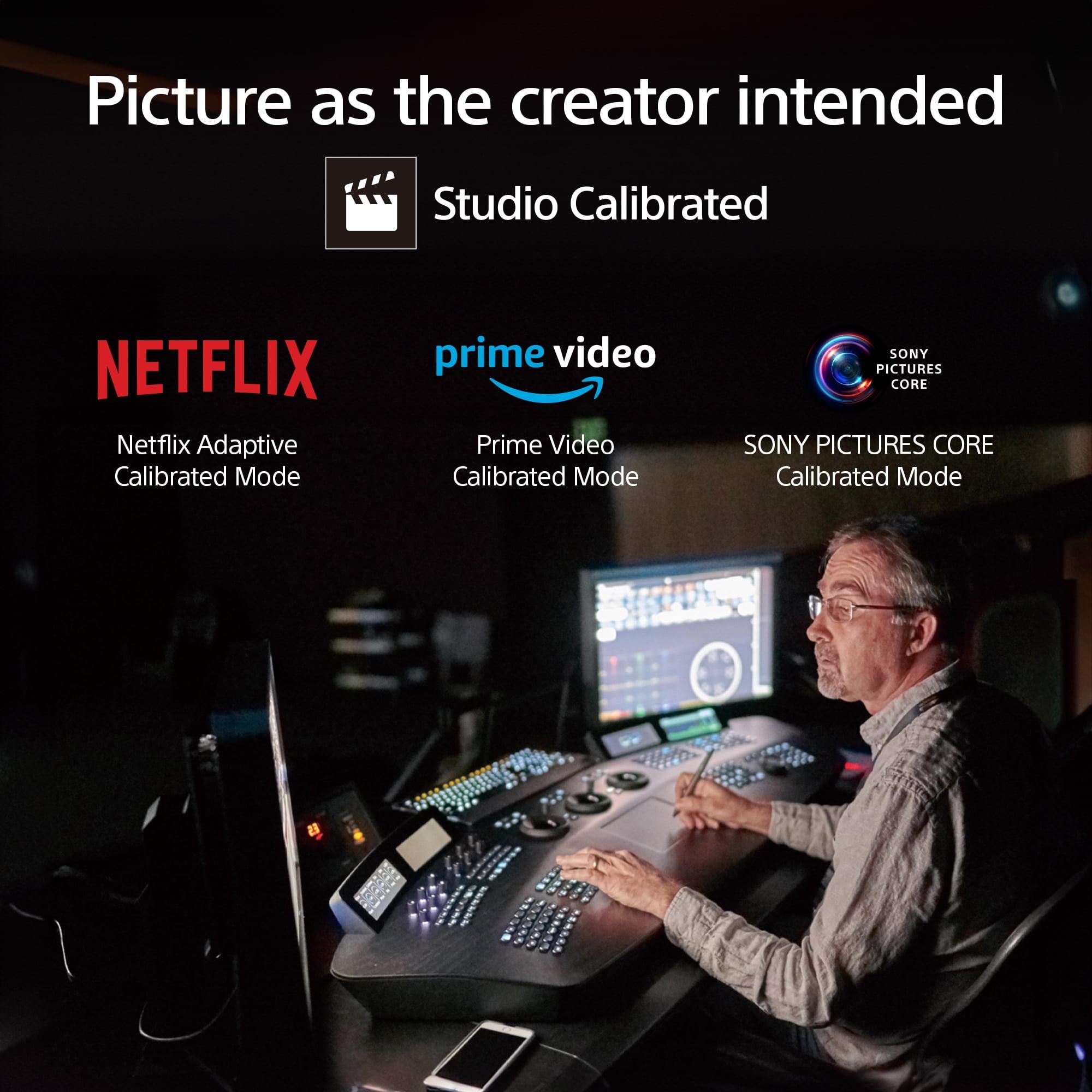
The Sony BRAVIA 5, on the other hand, aims for more natural color reproduction. Sony's XR Triluminos Pro technology focuses on accuracy rather than intensity. Colors look more like what you'd see in real life or in a professional cinema. For movie enthusiasts who want to see content as the director intended, this approach is generally preferred.
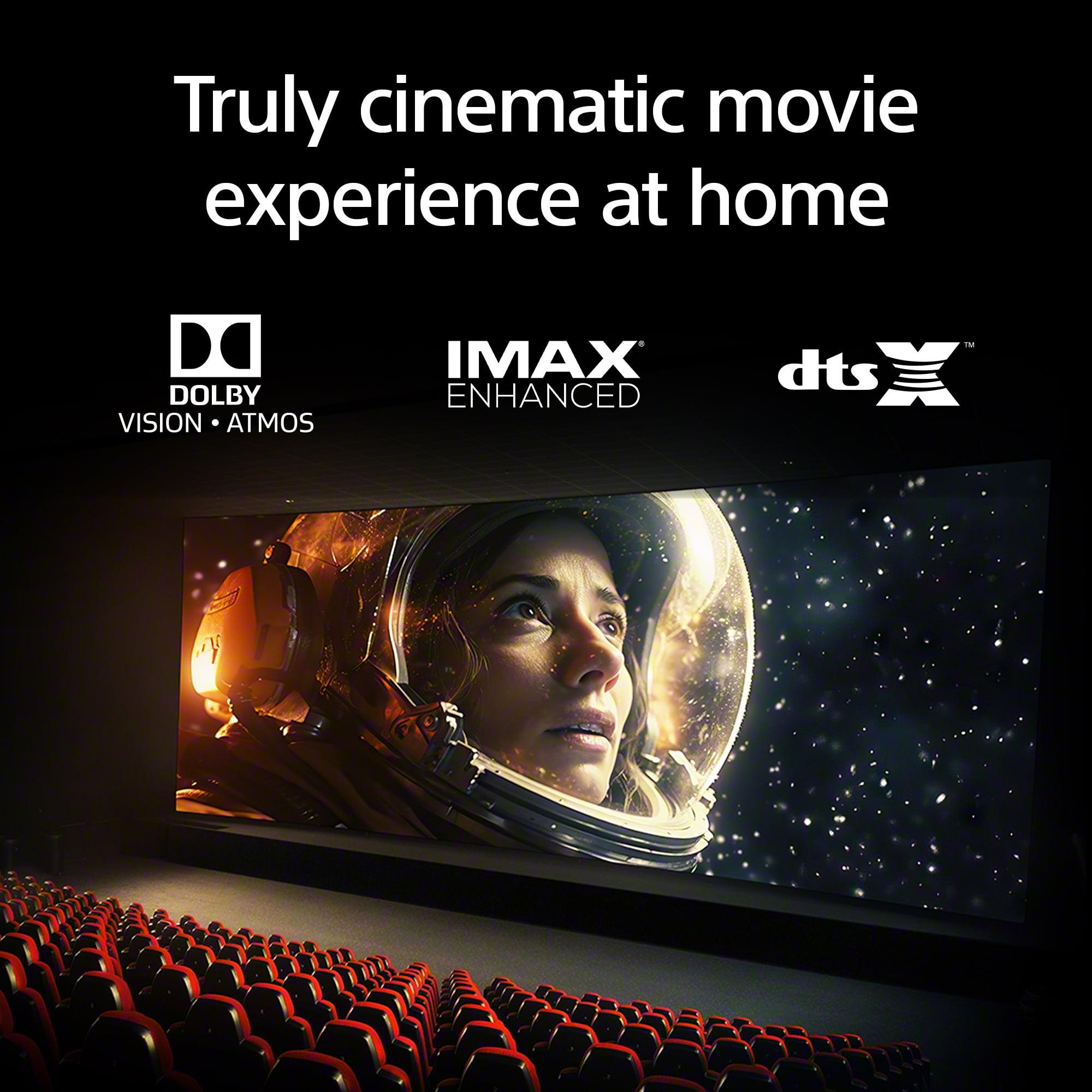
Both TVs support HDR10, Dolby Vision, and other HDR formats, but they handle HDR content differently. The Sony BRAVIA 5's Mini LED system provides better peak brightness in small areas, which is crucial for HDR impact. When watching HDR content, bright objects like the sun, explosions, or car headlights appear more realistic and impactful.
The Samsung QN8F counters with its Quantum HDR+ processing, which does an excellent job of tone mapping – basically, it figures out how to display HDR content on the TV's specific capabilities. Samsung's approach tends to boost overall brightness more evenly across the image, which can make HDR content appear more consistently bright, even if it doesn't achieve the same peak highlights as the Sony.
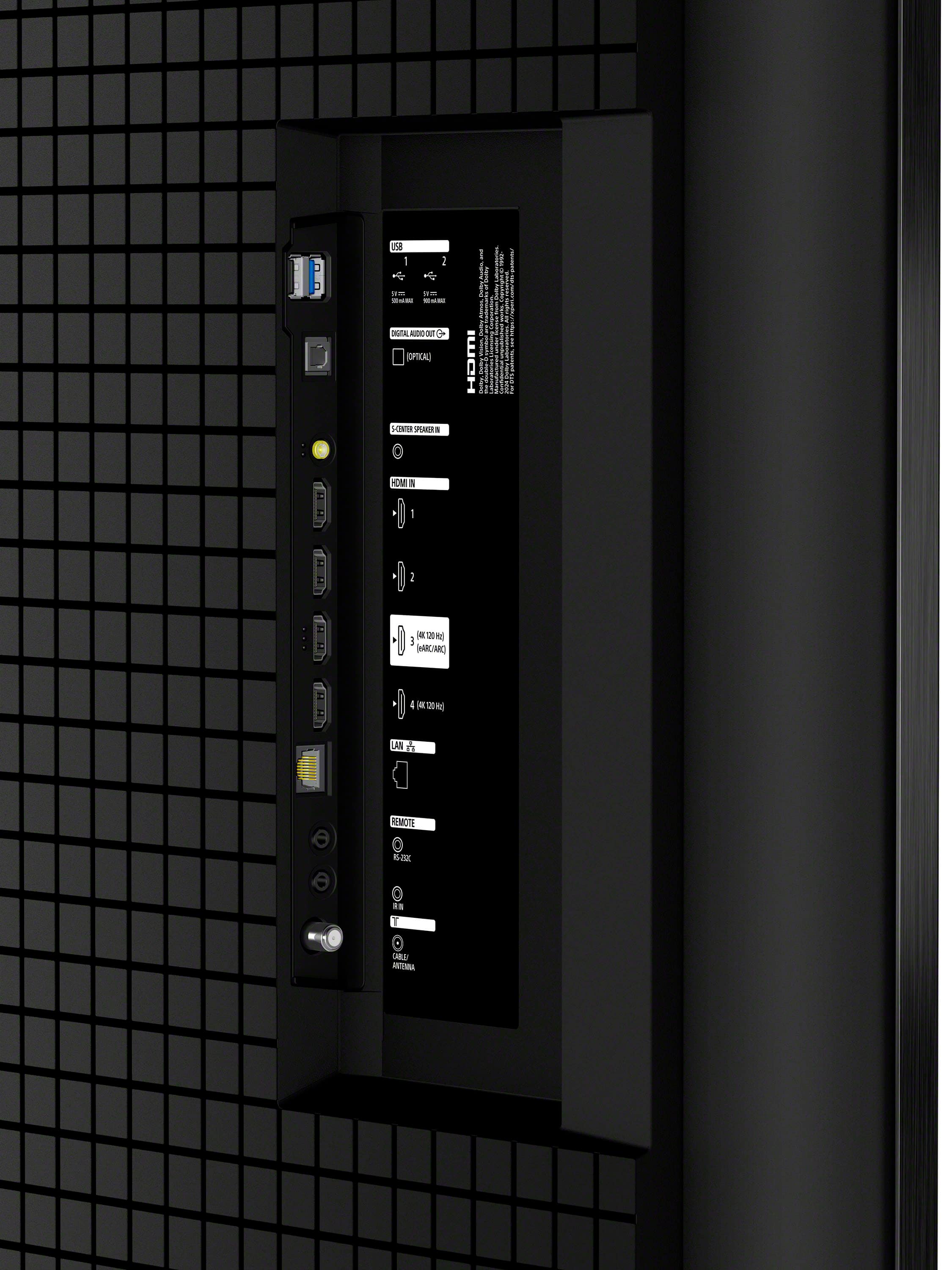
Both TVs are well-equipped for modern gaming, supporting 4K at 120Hz through HDMI 2.1 ports. However, they each have unique strengths that might appeal to different types of gamers.
If you own a PlayStation 5, the Sony BRAVIA 5 offers exclusive features that create a more integrated gaming experience. The TV automatically detects PS5 content and applies optimal settings, including Auto HDR Tone Mapping that specifically calibrates HDR for games. The PS Remote Play feature also works seamlessly, allowing you to stream games from your PS5 to the TV even when the console is in another room.
For PC gamers and Xbox users, both TVs perform admirably, but the Samsung QN8F edges ahead slightly with its Motion Xcelerator 144Hz feature. While the TV's native panel is 120Hz, this technology can interpolate motion to create smoother-looking gameplay, particularly beneficial for fast-paced competitive games.
The Variable Refresh Rate (VRR) support on both TVs eliminates screen tearing and stuttering, but I noticed the Sony BRAVIA 5 handles frame rate fluctuations more gracefully, maintaining consistent image quality even when frame rates vary significantly.
Input lag – the delay between pressing a button and seeing the action on screen – is crucial for competitive gaming. Both TVs offer excellent input lag performance in their dedicated gaming modes, typically under 20 milliseconds. The Samsung QN8F might have a slight edge here, though the difference is minimal and unlikely to affect casual gaming.
The smart TV experience differs significantly between these models. The Samsung QN8F runs Samsung's Tizen operating system, which has matured considerably over the years. The interface is clean and customizable, with good app selection and smooth navigation. The enhanced Bixby voice assistant can now handle multiple commands simultaneously, making it more practical for daily use.
One unique feature I particularly enjoyed is the Generative Wallpaper function. Using AI, the TV can create custom wallpapers based on keywords you provide. Want a serene mountain landscape or an abstract geometric pattern? Just ask, and the TV generates original artwork that displays when not in use.
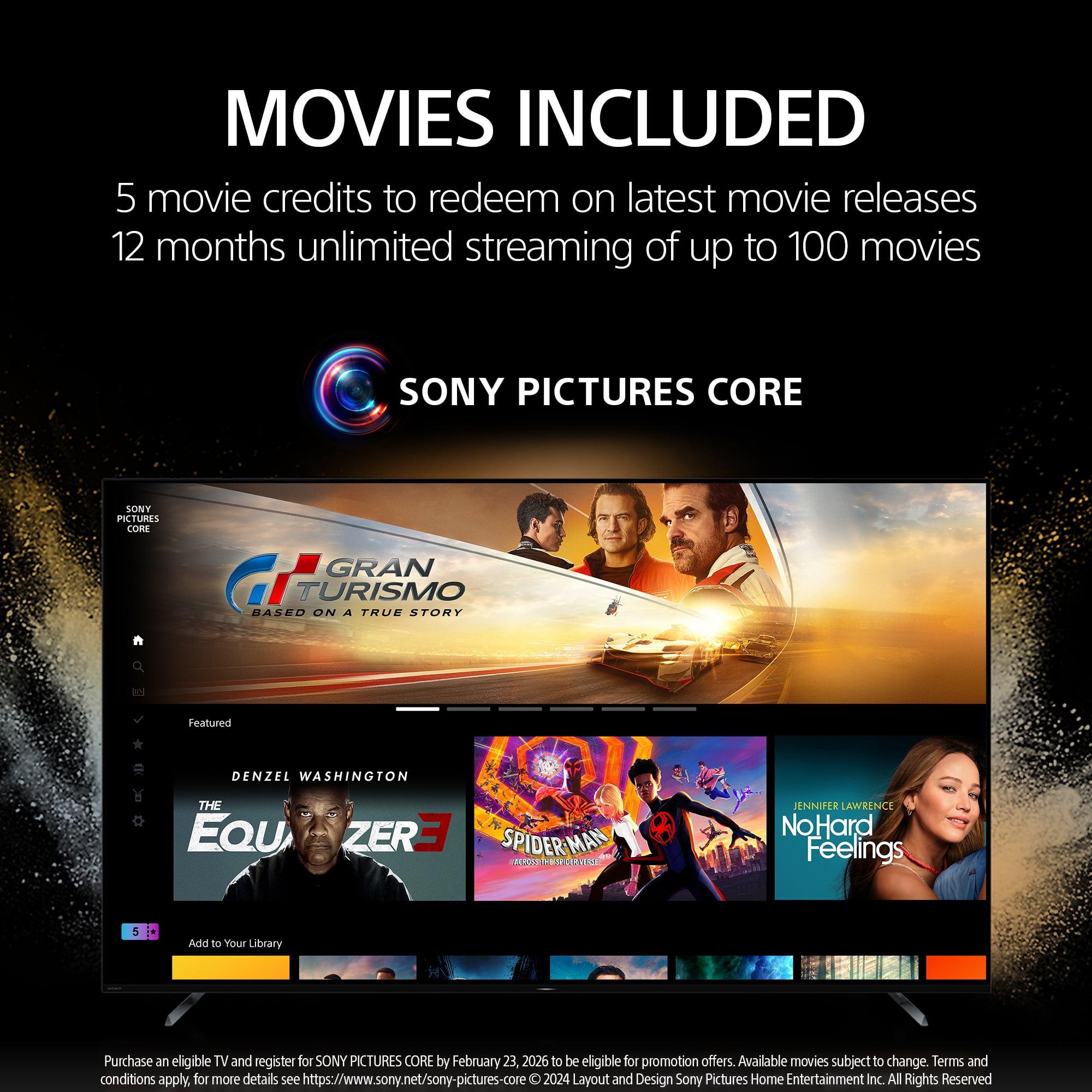
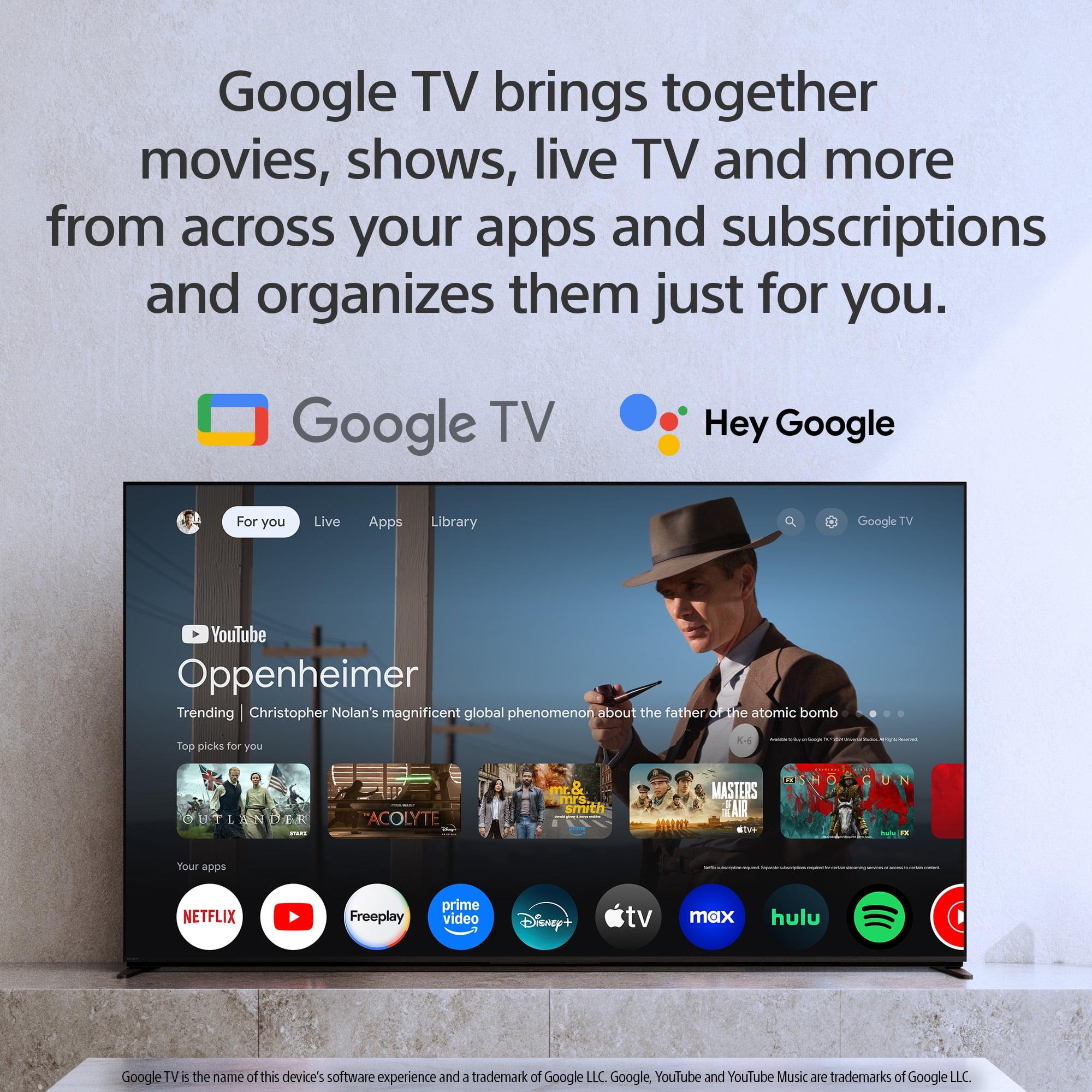
The Sony BRAVIA 5 runs Google TV OS, which offers access to over 700,000 movies and shows across thousands of apps. The Google integration is seamless – you can cast from Android devices effortlessly, and the Google Assistant responds accurately to voice commands. The interface learns your viewing preferences and suggests content accordingly.
Your choice here might depend heavily on your existing device ecosystem. If you're invested in Samsung's SmartThings ecosystem with Samsung phones, tablets, and appliances, the QN8F integrates beautifully. You can use your Samsung phone as a remote, share content seamlessly, and control other smart home devices through the TV.
For Google ecosystem users, the Sony BRAVIA 5 is the obvious choice. Gmail, Google Photos, YouTube, and other Google services work together naturally. The TV also supports Apple AirPlay 2, making it friendly to iOS users as well.
Neither TV will replace a dedicated sound system, but they both offer respectable built-in audio that's suitable for casual viewing.
The Samsung QN8F features a 20W 2-channel system with Adaptive Sound+ technology. This system analyzes audio content in real-time and adjusts settings based on what you're watching. The Object Tracking Sound Lite feature attempts to move audio across the screen to match on-screen action, though the effect is subtle with just two channels.
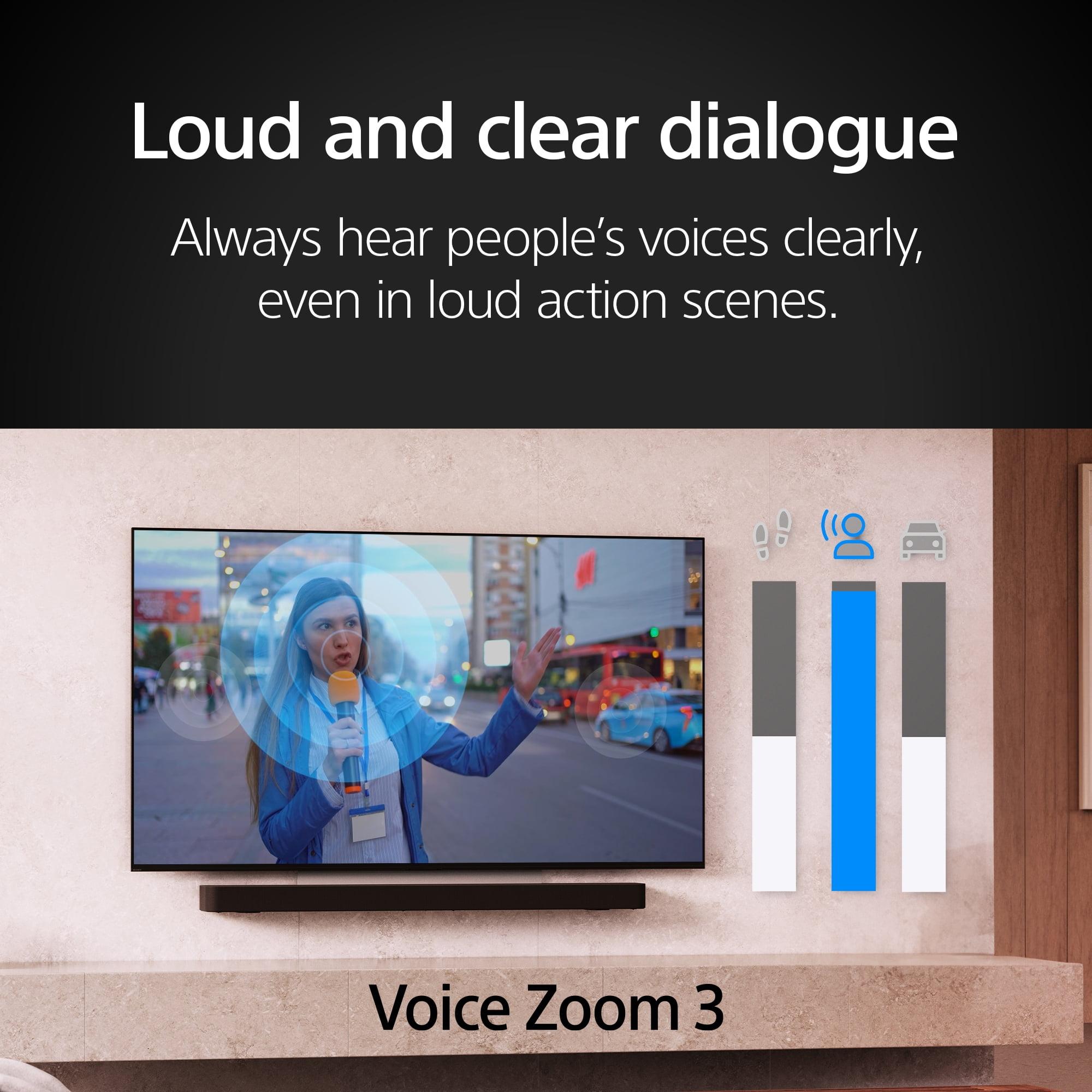
The Sony BRAVIA 5 takes a different approach with its Acoustic Multi-Audio system. What's clever here is that the TV can actually function as a center channel speaker when paired with compatible Sony soundbars. This creates a more immersive surround sound experience without the complexity of running separate wires to a center speaker. The Voice Zoom 3 feature uses AI to enhance dialogue clarity, which is genuinely helpful for movies with quiet dialogue.
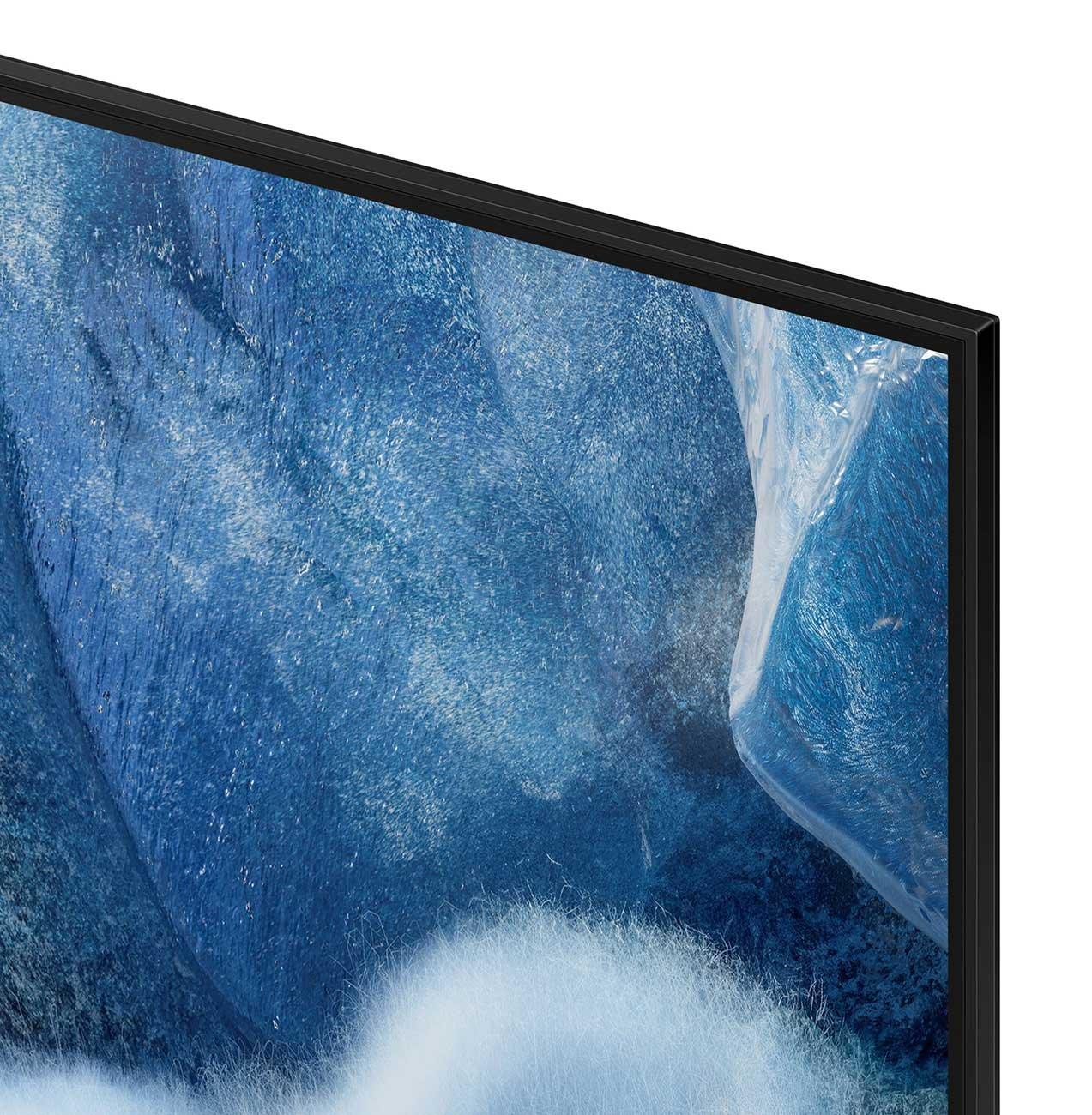
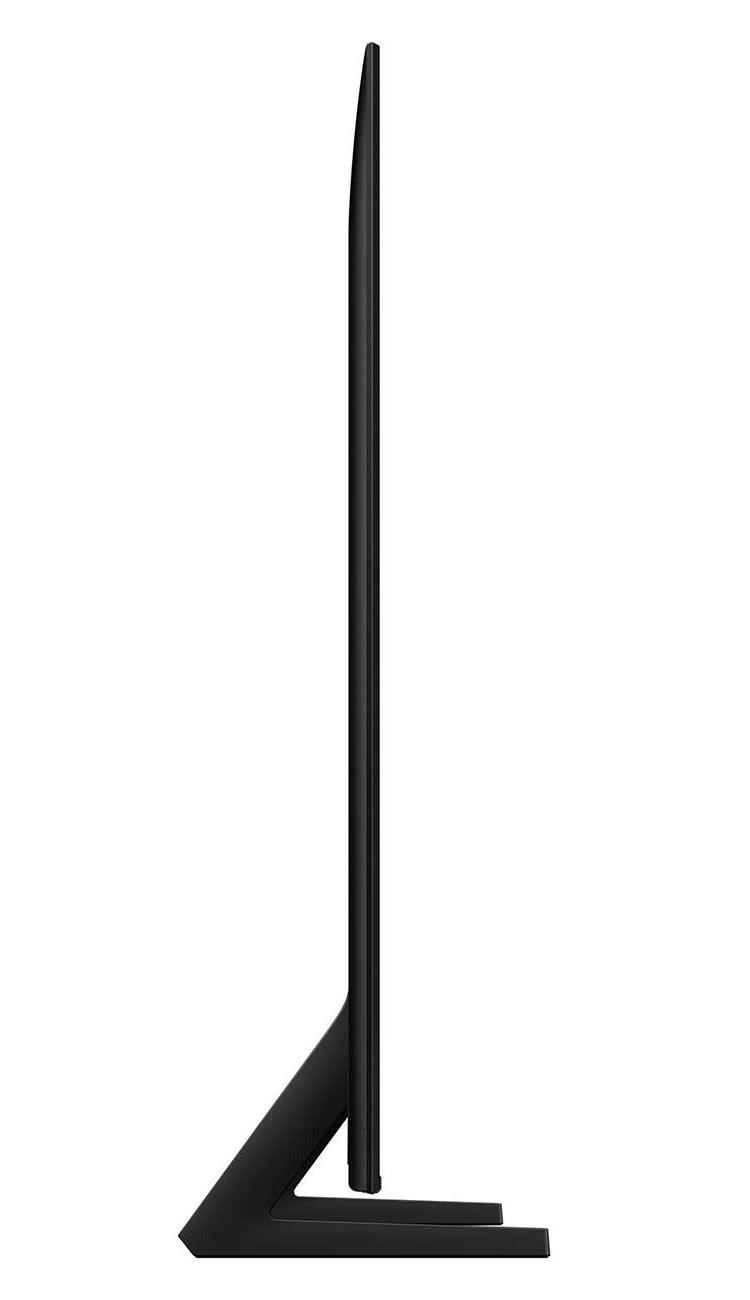
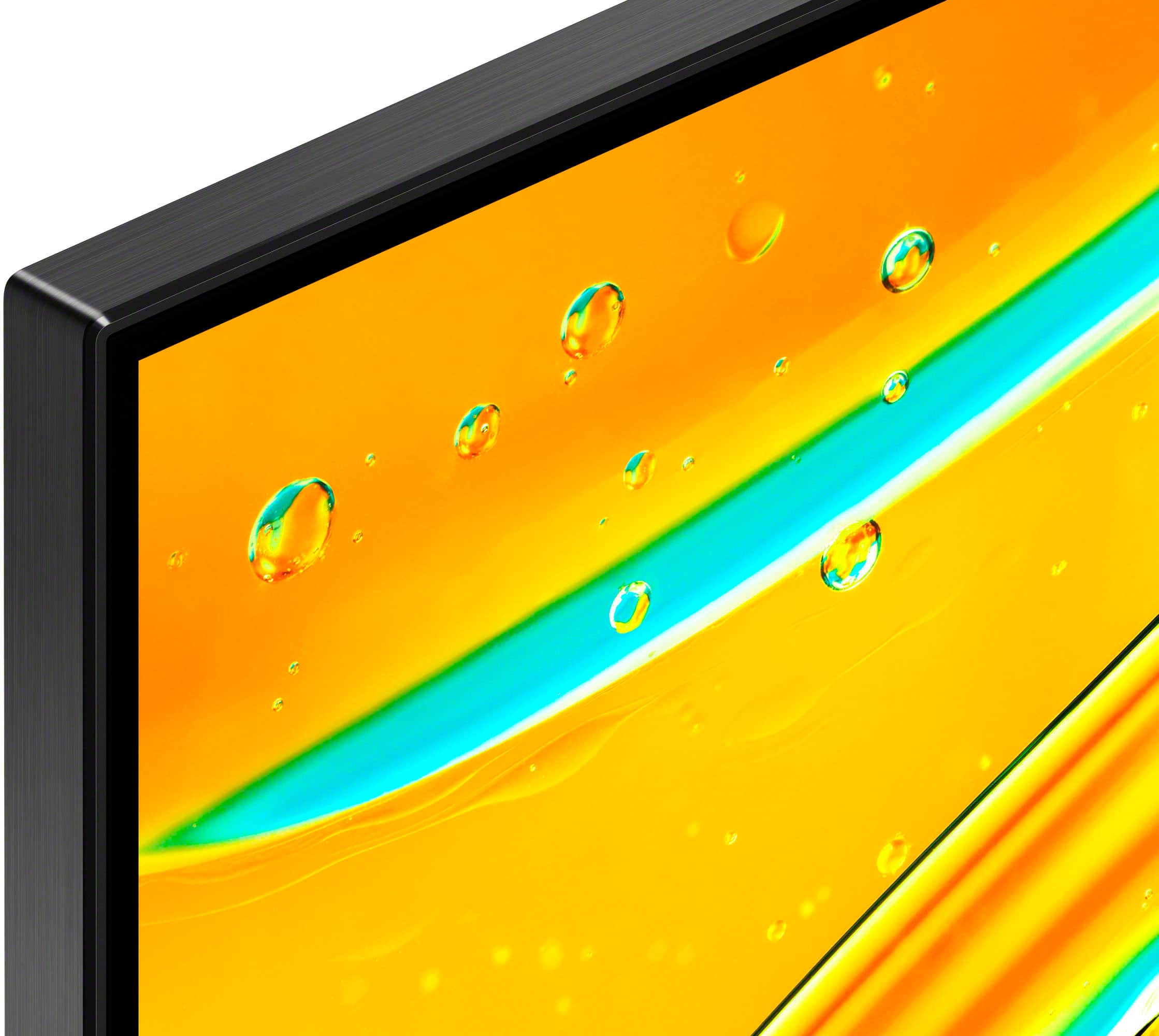
The aesthetic differences between these TVs reflect their manufacturers' design philosophies. The Samsung QN8F embraces Samsung's "AirSlim" design language, creating a remarkably thin profile that almost disappears when wall-mounted. The minimal bezels and clean lines make it feel more like a piece of art than a traditional TV.
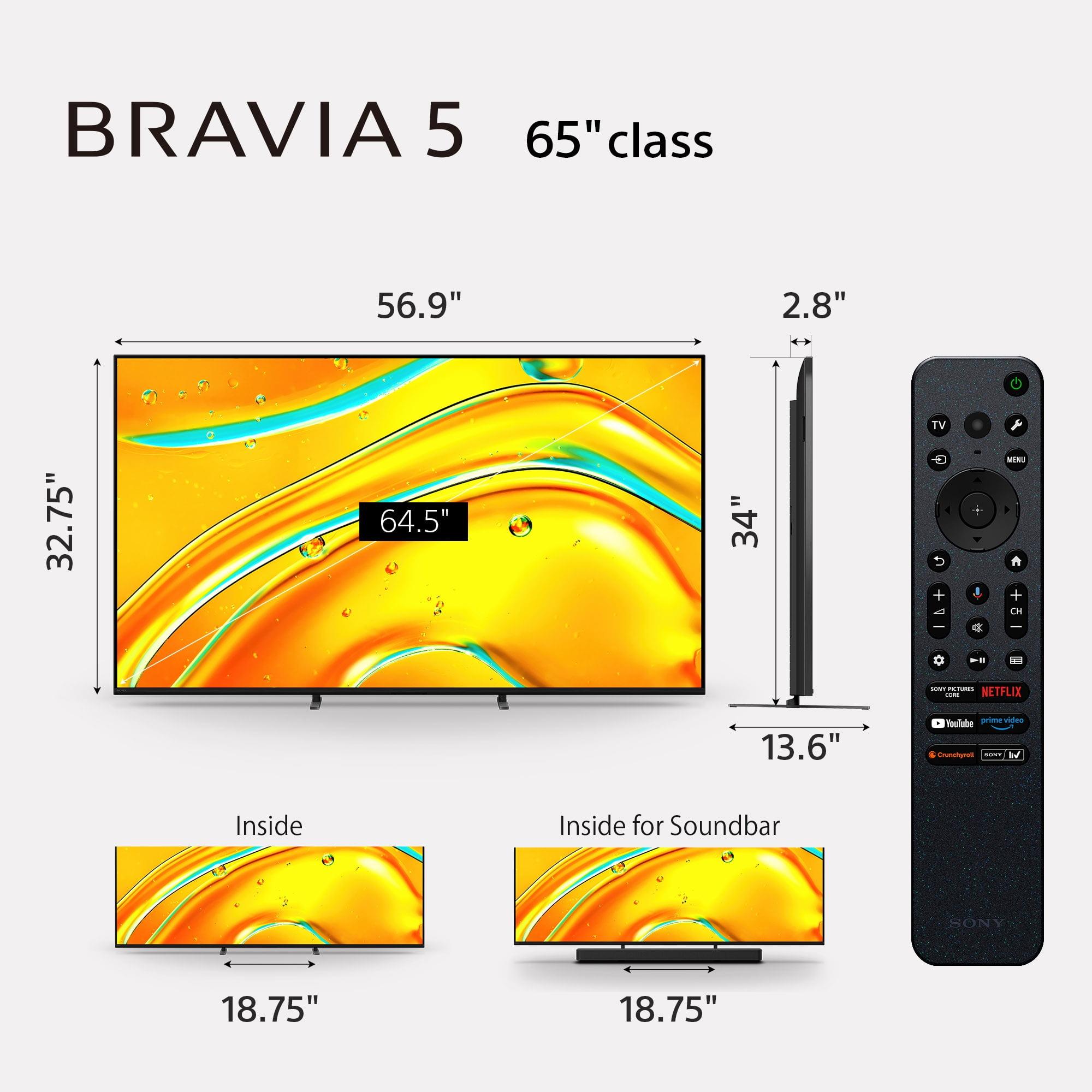
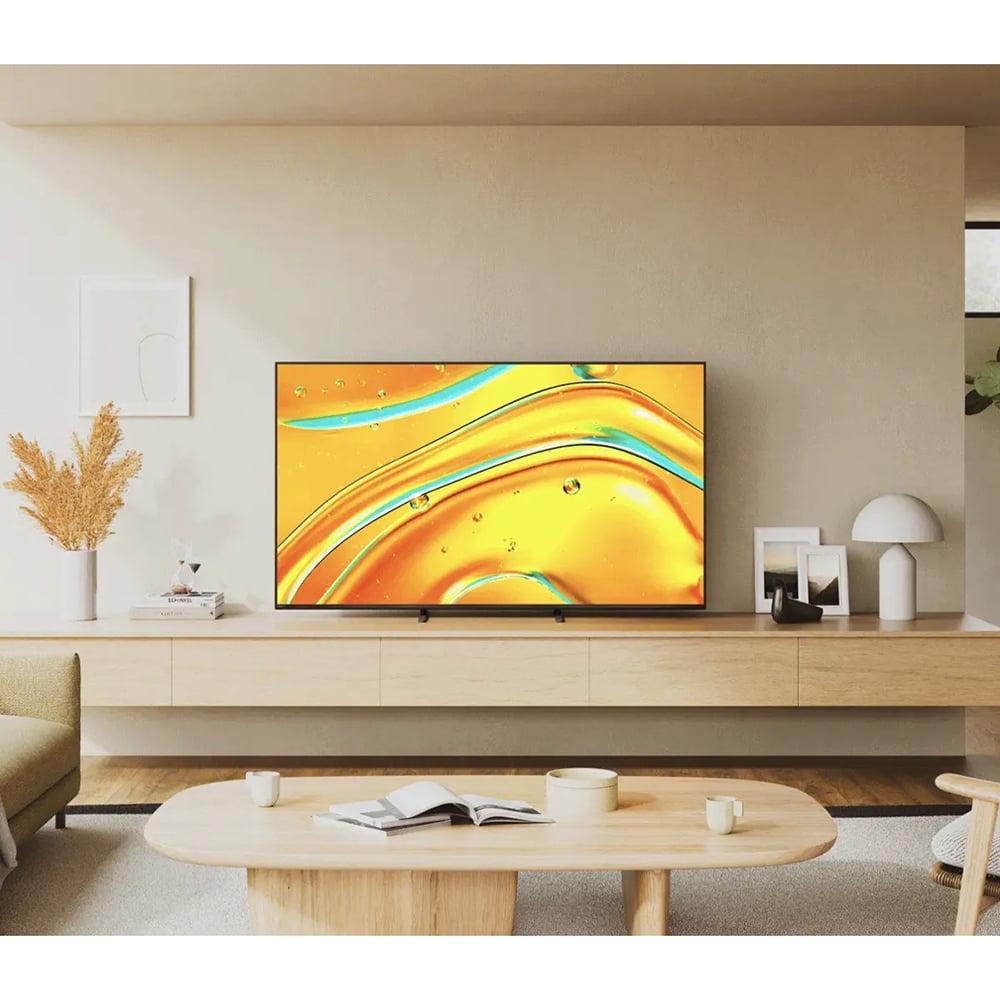
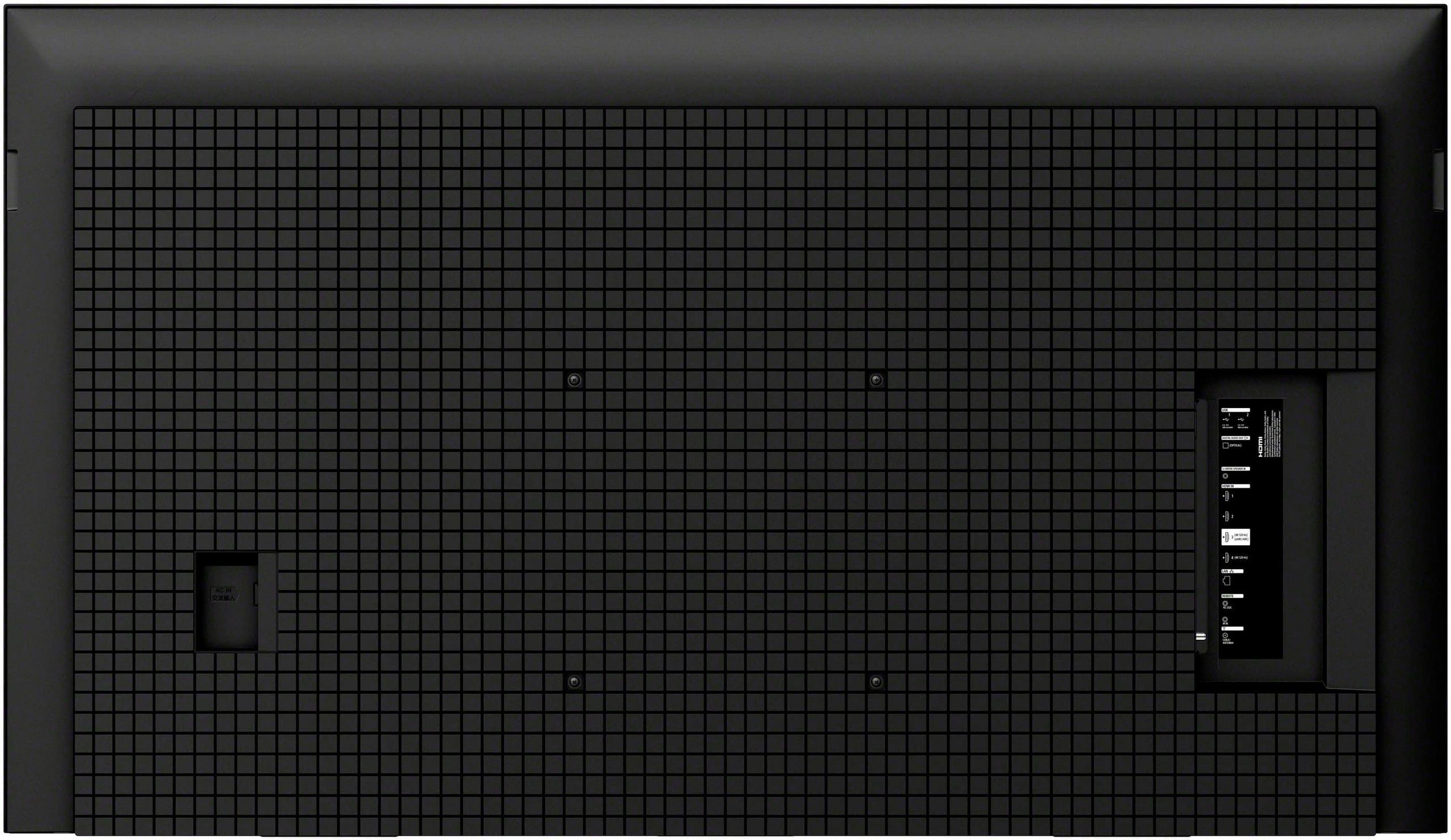
The Sony BRAVIA 5 opts for Sony's "One Slate" design, which prioritizes the viewing experience over flashiness. It's slightly thicker than the Samsung, but the build quality feels more substantial. The two-way stand system is particularly practical – you can position it low for a clean look or raise it higher to accommodate a soundbar underneath.
For dedicated home theater setups, the Sony BRAVIA 5 generally takes the lead due to its superior contrast performance and more accurate color reproduction. The Mini LED technology excels in dark rooms where you can fully appreciate the deep blacks and bright highlights. The TV also handles 24p content (the frame rate used by movies) more smoothly, reducing the soap opera effect that can make movies look artificially smooth.
However, if your "home theater" is actually a multipurpose family room with windows and ambient lighting, the Samsung QN8F might be the better choice. Its Quantum Dot technology maintains color vibrancy even in bright conditions, and the anti-reflective coating helps manage glare from windows and lights.
At the time of writing, both TVs occupy similar price ranges in the premium 65-inch category, though the Sony BRAVIA 5 often represents better value for pure picture quality performance. You're getting Mini LED technology – which typically appears in much more expensive TVs – at a relatively accessible price point.
The Samsung QN8F justifies its pricing through the complete package: premium design, extensive smart features, reliable performance across various viewing conditions, and strong ecosystem integration. You're paying for Samsung's refined user experience and broad compatibility.
Choose the Samsung QN8F if you:
Choose the Sony BRAVIA 5 if you:
Both the Samsung QN8F and Sony BRAVIA 5 represent excellent choices in the 65-inch premium TV category, but they serve different priorities. The Sony excels as a picture quality performer that brings cinema-level technology to your home, while the Samsung succeeds as a versatile, beautifully designed TV that handles any content in any room.
My personal recommendation leans toward the Sony BRAVIA 5 for most buyers, primarily because of its superior display technology and better value proposition. The Mini LED system provides tangible benefits that you'll notice every day, especially if you watch varied content. However, if bright room performance and ecosystem integration are your priorities, the Samsung QN8F won't disappoint.
The beauty of the current TV market is that both options represent significant improvements over TVs from just a few years ago. Whichever you choose, you'll be getting a TV that delivers impressive performance and should serve you well for many years to come.
| Samsung 65" QN8F Series QLED 4K Vision AI Smart TV 2025 | Sony BRAVIA 5 65" Mini LED 4K Google TV 2025 |
|---|---|
| Display Technology - Determines contrast, brightness, and color performance | |
| QLED with Quantum Dot and Dual LED backlighting | Mini LED with thousands of individually controlled zones |
| Screen Size and Resolution - Standard for premium 65" TVs | |
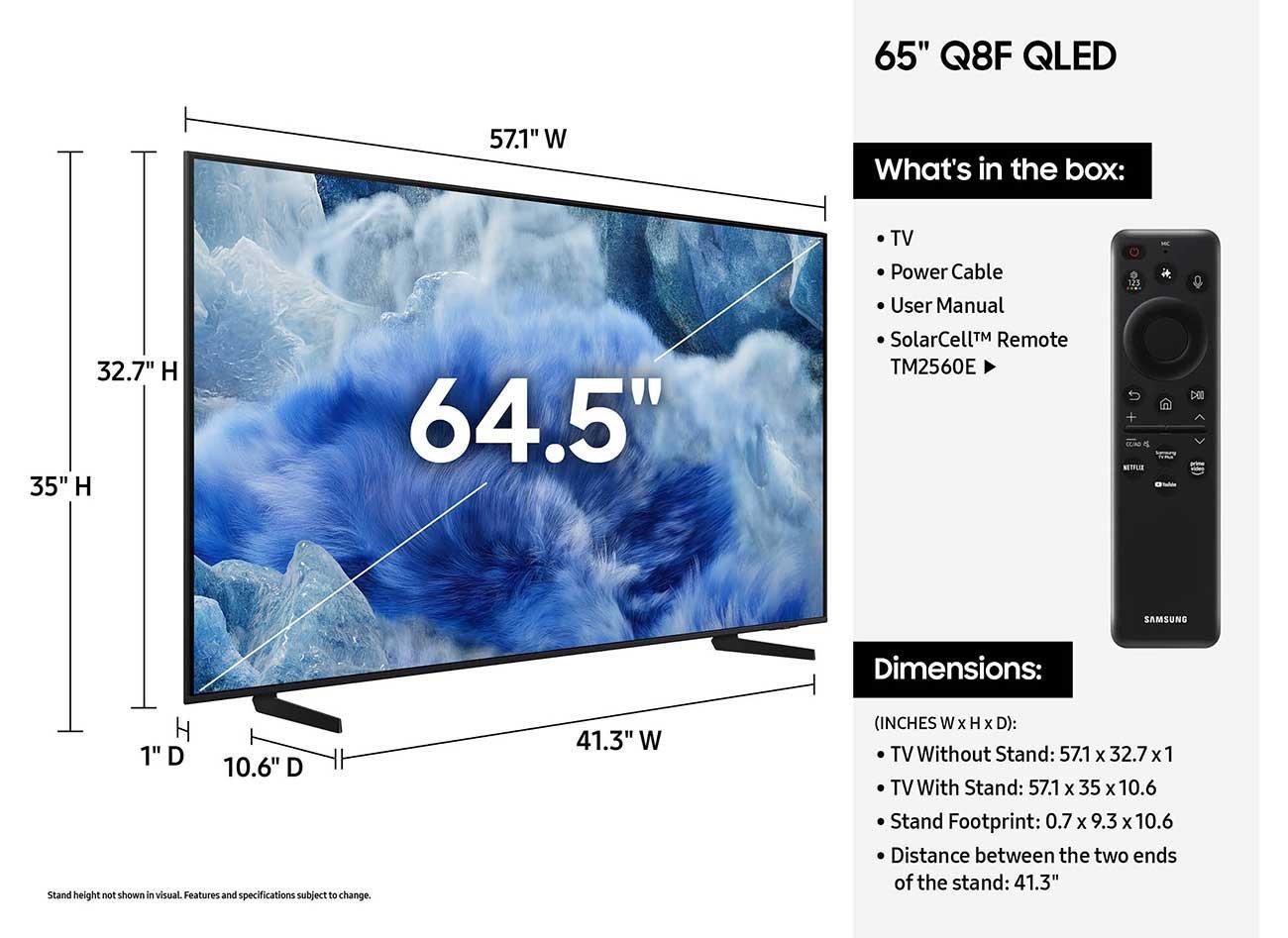
| 65" (64.5" diagonal), 4K UHD (3,840 x 2,160) | 65" (64.5" diagonal), 4K UHD (3,840 x 2,160) |
| Refresh Rate - Critical for gaming and sports content | |
| 120Hz native with Motion Xcelerator 144Hz support | 120Hz native with XR Motion Clarity |
| HDR Support - Essential for modern streaming and gaming | |
| Quantum HDR+, HDR10+ Adaptive/Gaming | HDR10, HLG, Dolby Vision, IMAX Enhanced |
| Gaming Features - Next-gen console compatibility | |
| 4K@120Hz, VRR, ALLM, Motion Xcelerator 144Hz | 4K@120Hz, G-SYNC, VRR, ALLM, PS5 exclusive features |
| Picture Processor - Determines upscaling and AI enhancement quality | |
| Q4 AI Processor with 4K AI upscaling | XR Processor (3rd Gen) with cognitive processing |
| Smart TV Platform - Affects app selection and ecosystem integration | |
| Tizen Smart TV with Vision AI and enhanced Bixby | Google TV OS (v12) with 700,000+ titles access |
| Audio System - Built-in sound capabilities | |
| 20W 2CH with Adaptive Sound+ and OTS Lite | Downward-firing speakers with Dolby Atmos, DTS:X |
| Design Philosophy - Visual impact and room integration | |
| AirSlim design for minimal profile and premium aesthetics | One Slate design focused on viewing experience |
| Voice Control - Smart home integration and convenience | |
| Enhanced Bixby with multi-command processing | Google Assistant built-in with far-field interaction |
| Unique Features - Standout capabilities that differentiate the models | |
| Generative Wallpaper AI, 100% Color Volume, Samsung ecosystem integration | Sony BRAVIA 5 can function as center channel speaker, PlayStation 5 exclusive features |
| Best For - Target user scenarios | |
| Bright rooms, Samsung QN8F ecosystem users, design-focused buyers | Dark rooms, movie enthusiasts, PlayStation 5 owners, picture quality prioritizers |
The Sony BRAVIA 5 65" Mini LED 4K Google TV 2025 delivers superior picture quality for movies thanks to its Mini LED technology with thousands of individually controlled dimming zones. This creates deeper blacks and better contrast compared to the Samsung 65" QN8F Series QLED 4K Vision AI Smart TV 2025. The Sony BRAVIA 5 also offers more accurate color reproduction that matches cinema standards, making it the better choice for serious movie watching.
Both TVs are excellent for gaming with 4K@120Hz support and HDMI 2.1 features. However, your choice depends on your console: the Sony BRAVIA 5 offers exclusive PlayStation 5 features like Auto HDR Tone Mapping, while the Samsung QN8F provides Motion Xcelerator 144Hz that benefits PC gaming. Both have low input lag and VRR support for smooth gameplay.
The Samsung 65" QN8F Series QLED 4K Vision AI Smart TV 2025 performs better in bright rooms due to its Quantum Dot technology and superior anti-glare properties. The QLED display maintains vibrant colors even with ambient light, while the Sony BRAVIA 5 is better suited for darker, controlled lighting environments where its contrast advantages shine.
QLED technology in the Samsung QN8F uses quantum dots to enhance color and brightness, producing vivid, punchy colors with excellent brightness levels. Mini LED technology in the Sony BRAVIA 5 uses thousands of tiny LEDs for precise backlighting control, resulting in superior contrast and deeper blacks. Mini LED generally provides better picture quality, while QLED excels in bright room conditions.
The choice between Tizen OS on the Samsung QN8F and Google TV on the Sony BRAVIA 5 depends on your ecosystem preferences. Samsung's Tizen offers excellent integration with Samsung devices and SmartThings, plus unique features like AI-generated wallpapers. Google TV provides broader app selection, seamless Android integration, and better voice search capabilities.
The Sony BRAVIA 5 65" Mini LED 4K Google TV 2025 offers superior built-in audio with Dolby Atmos support, DTS:X compatibility, and the unique ability to function as a center channel speaker when paired with compatible soundbars. The Samsung QN8F features Adaptive Sound+ technology but has a more basic 20W 2-channel system.
Yes, both TVs work well for home theaters, but the Sony BRAVIA 5 is generally preferred for dedicated dark room setups due to its superior contrast and color accuracy. The Mini LED technology excels in controlled lighting environments typical of home theaters. The Samsung QN8F is better for multipurpose rooms that serve as both family spaces and entertainment areas.
The Sony BRAVIA 5 typically offers better value for money, providing Mini LED technology and premium features at a competitive price point. You're getting display technology that's usually found in much more expensive TVs. The Samsung QN8F justifies its pricing through premium design, ecosystem integration, and reliable performance across various viewing conditions.
Both TVs handle sports well with 120Hz refresh rates and good motion handling. The Samsung 65" QN8F Series QLED 4K Vision AI Smart TV 2025 has a slight edge in bright room sports viewing due to its vibrant colors and anti-glare properties. The Sony BRAVIA 5 offers smoother motion processing that some viewers prefer for fast-paced sports action.
The Sony BRAVIA 5 65" Mini LED 4K Google TV 2025 delivers superior HDR performance with better peak brightness in highlights and deeper blacks for improved contrast ratio. It supports Dolby Vision and other premium HDR formats with more accurate tone mapping. The Samsung QN8F offers good HDR with Quantum HDR+ processing but doesn't achieve the same contrast levels as the Mini LED system.
The Samsung QN8F features Samsung's AirSlim design philosophy, creating an ultra-thin profile that looks elegant when wall-mounted. The Sony BRAVIA 5 uses Sony's One Slate design, which is slightly thicker but offers a more substantial build quality and a versatile two-way stand system that accommodates soundbars underneath.
Choose the Samsung 65" QN8F Series QLED 4K Vision AI Smart TV 2025 if you have a bright living room, prefer Samsung's ecosystem, or prioritize sleek design. Select the Sony BRAVIA 5 65" Mini LED 4K Google TV 2025 if picture quality is your top priority, you own a PlayStation 5, or you want the best value for premium display technology. Consider your room's lighting conditions and device ecosystem when making your final decision.
We've done our best to create useful and informative comparisons to help you decide what product to buy. Our research uses advanced automated methods to create this comparison and perfection is not possible - please contact us for corrections or questions. These are the sites we've researched in the creation of this article: bestbuy.com - samsung.com - rtings.com - youtube.com - samsung.com - pcrichard.com - abt.com - images.samsung.com - cnet.com - news.samsung.com - samsung.com - bestbuy.com - rtings.com - pro.sony - youtube.com - electronics.sony.com - electronics.sony.com - electronics.sony.com - bestbuy.com - electronics.sony.com - youtube.com - bestbuy.com - videoandaudiocenter.com - valueelectronics.com - youtube.com - sony.ca - perpichtv.com - sony.com - displayspecifications.com - pioneertvandappliance.com - flatpanelshd.com

Privacy Policy
Terms and Conditions - Affiliate Policy
Home Security
© Copyright 2008-2026.
11816 Inwood Rd #1211, Dallas, TX 75244