


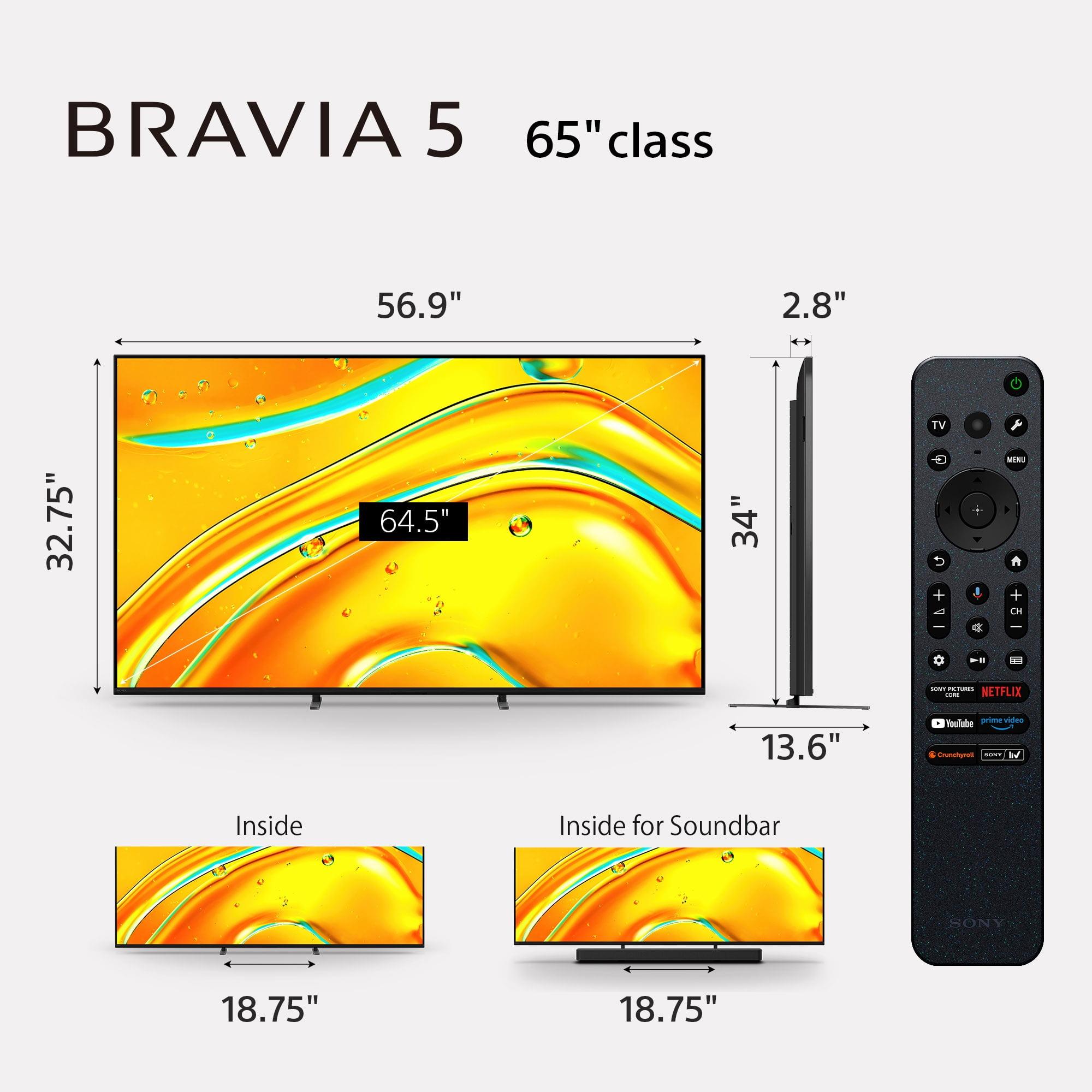
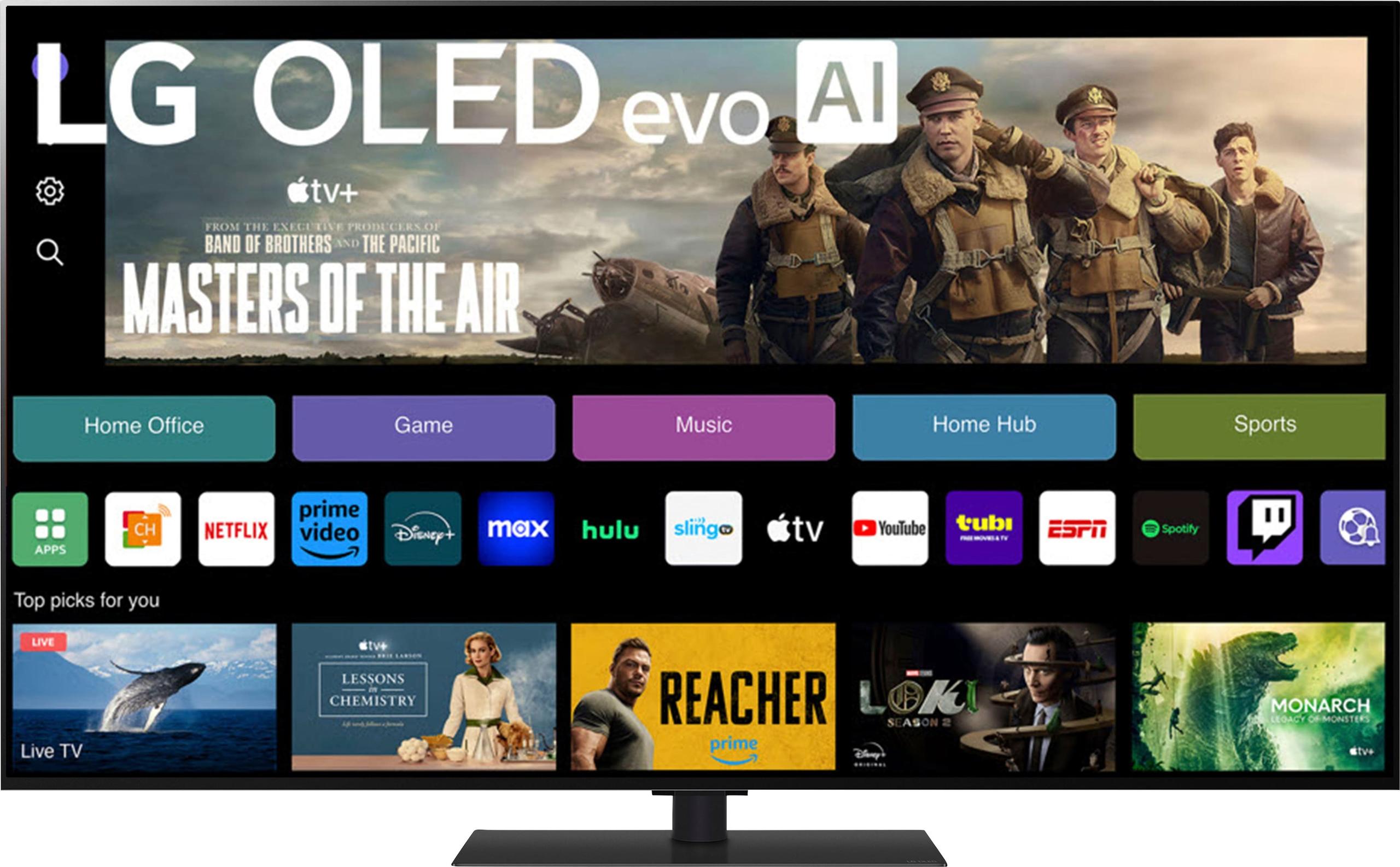
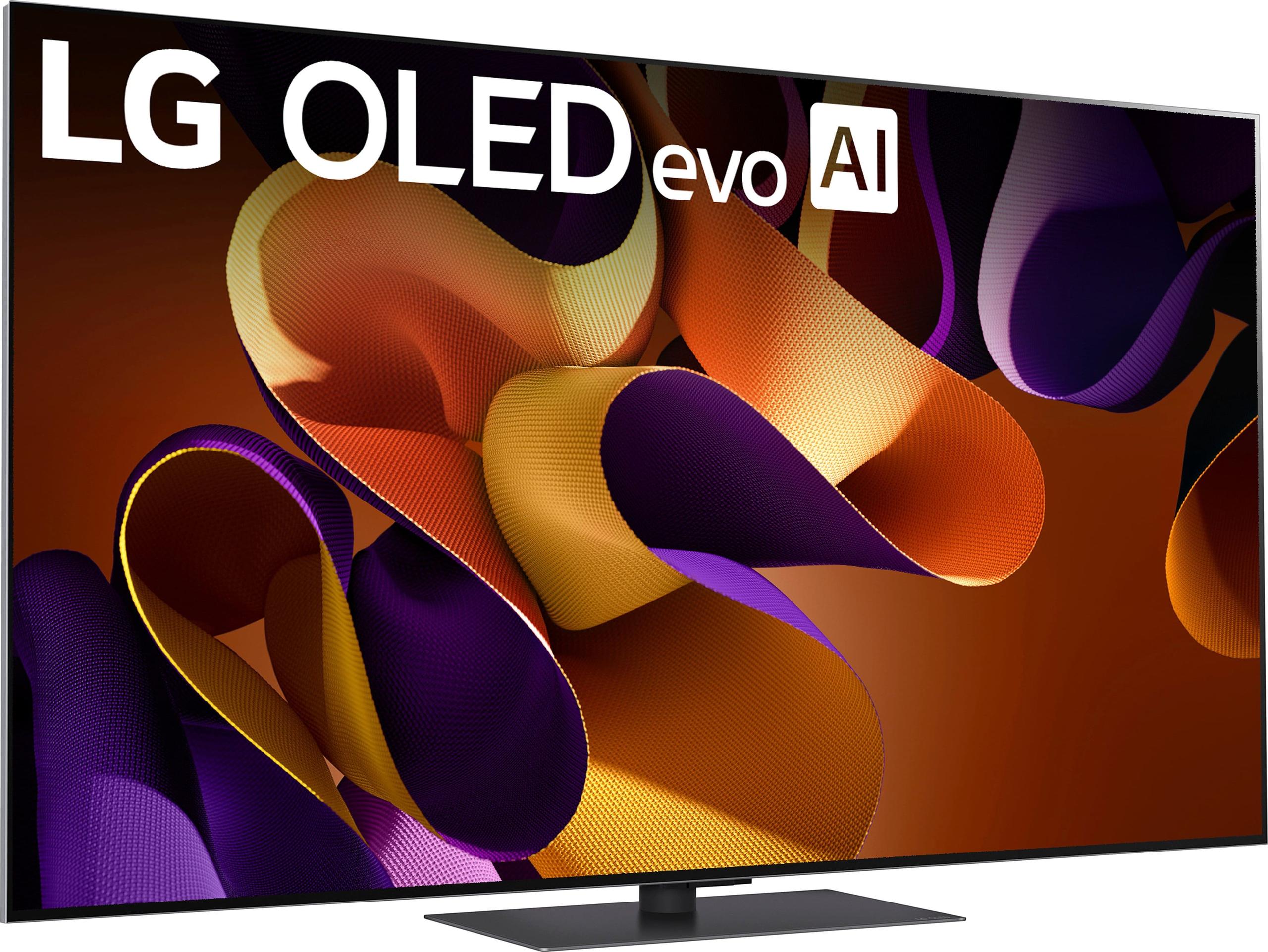
Shopping for a premium TV can feel overwhelming with all the technical jargon and competing claims. Today, we're comparing two excellent options that represent different approaches to achieving stunning picture quality: the Sony BRAVIA 5 65" Mini LED 4K Google TV 2025 at $1,478 and the LG 65" G4 Series OLED evo 4K UHD Smart TV at $1,999. Both deliver exceptional performance, but they excel in different ways.
Before diving into specifics, let's understand what makes these TVs special. Modern premium TVs use two main technologies to create the images you see. Traditional LED TVs use a backlight behind the entire screen, which can cause problems like light bleeding around dark objects. These newer technologies solve those issues in different ways.
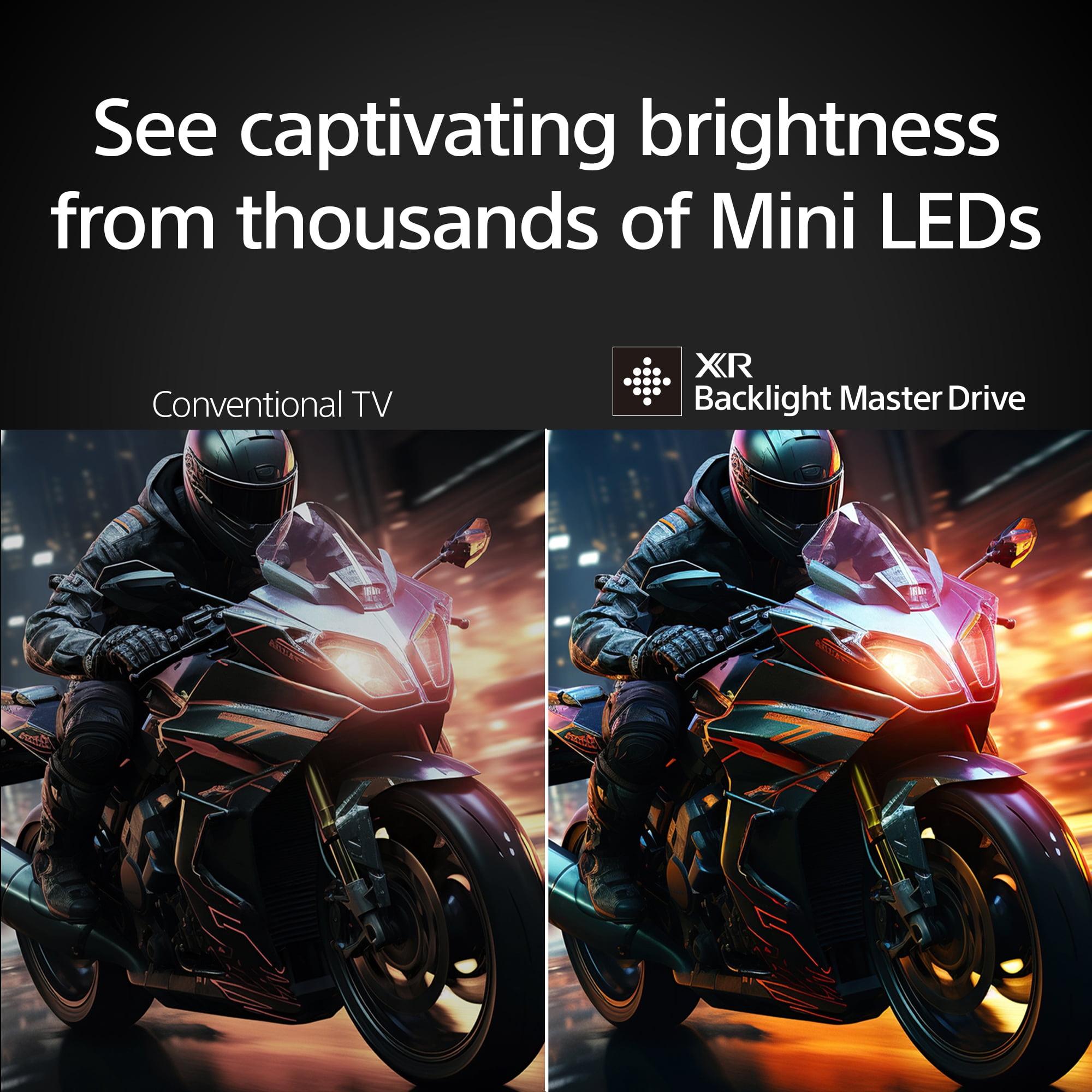
The Sony uses Mini LED technology, which places thousands of tiny LEDs behind the LCD panel instead of a few large ones. Think of it like having thousands of tiny flashlights that can dim or brighten independently to create better contrast. The LG uses OLED technology, where each pixel produces its own light and can turn completely off to create perfect blacks.
When choosing between these technologies, consider your viewing environment, what you watch most, and your budget. Room lighting plays a huge role – bright rooms favor Mini LED, while dark rooms showcase OLED's strengths. Gaming enthusiasts often prefer OLED's responsiveness, while sports fans appreciate Mini LED's brightness.
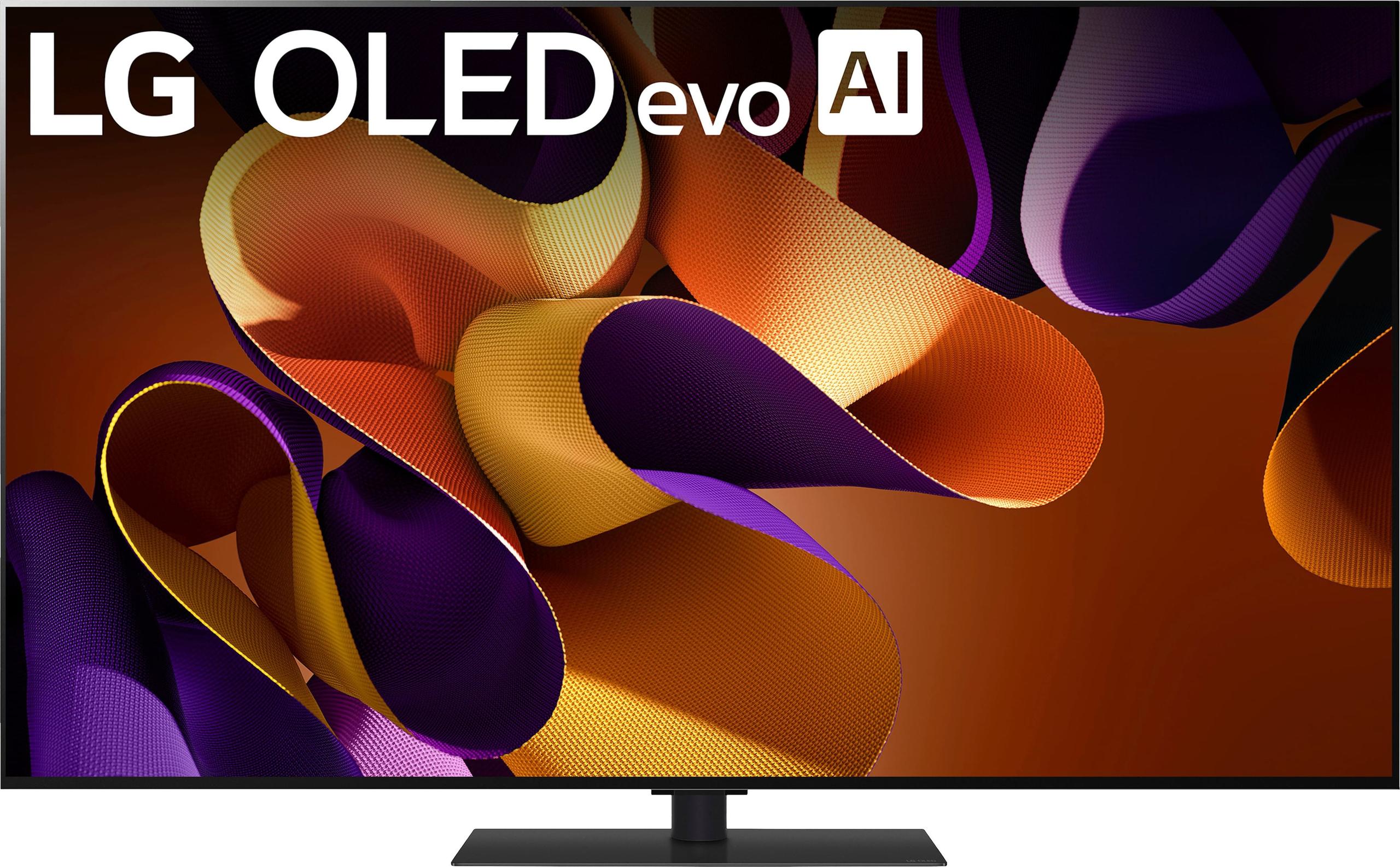
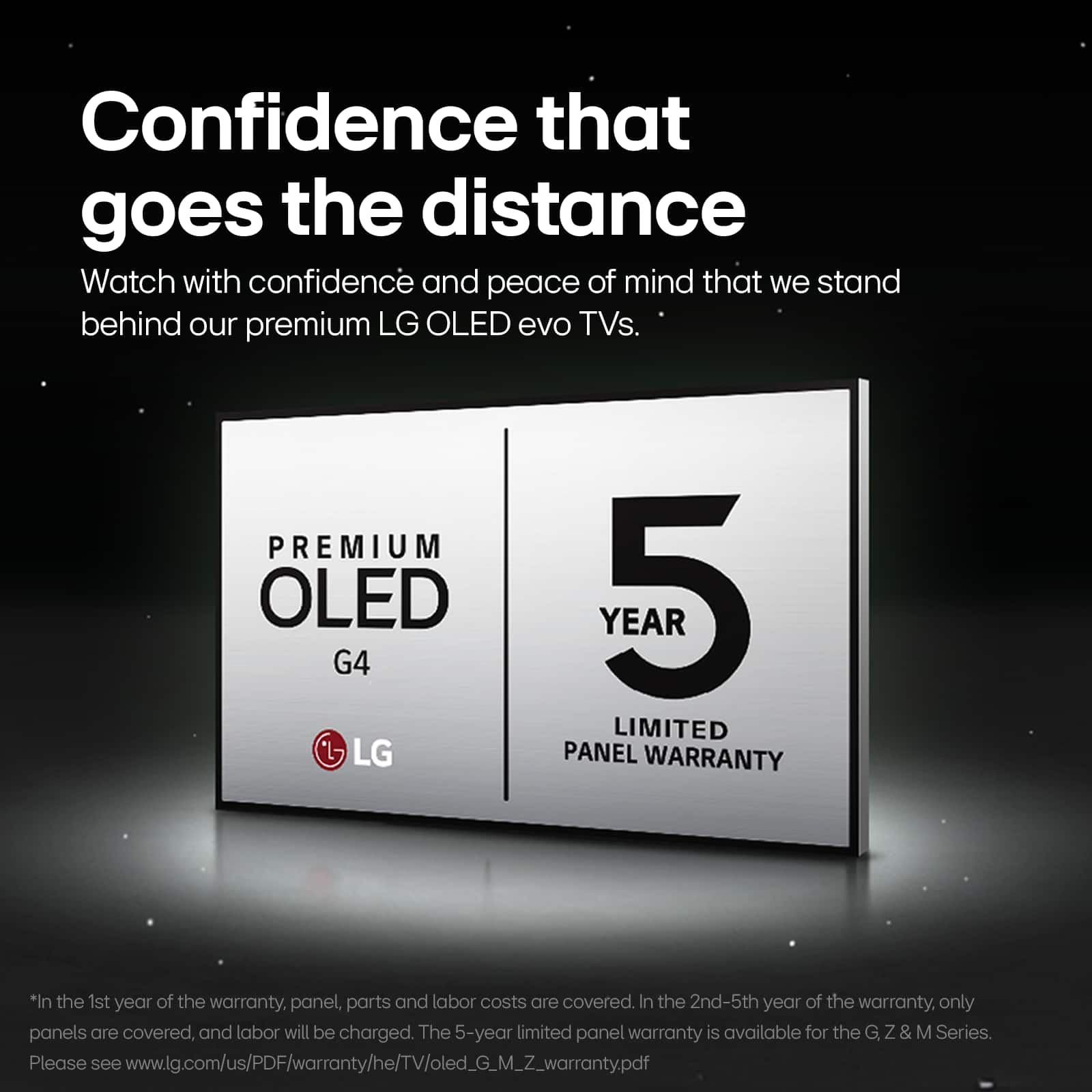
The LG G4 OLED launched in 2024 as LG's flagship model, representing the pinnacle of OLED technology at the time. LG has since released the G5 in 2025, which explains why the G4's price has dropped significantly from its original $2,500+ launch price to the current $1,999.
The Sony BRAVIA 5 is brand new for 2025, representing Sony's latest Mini LED advancement. This timing difference is actually advantageous for buyers – you're getting Sony's newest technology while the LG offers proven performance at a reduced price.
OLED technology has evolved significantly in recent years. The G4 features LG's Micro Lens Array (MLA) technology, which uses tiny lenses over each pixel to direct light more efficiently. This innovation makes the G4 about 20% brighter than previous OLED generations, addressing one of OLED's traditional weaknesses.
Mini LED has also advanced rapidly. Sony's 2025 implementation uses their XR Backlight Master Drive technology, which controls thousands of Mini LEDs with precision previously only found in professional monitors. This represents a significant improvement over earlier Mini LED implementations that often suffered from noticeable blooming (light bleeding around bright objects).
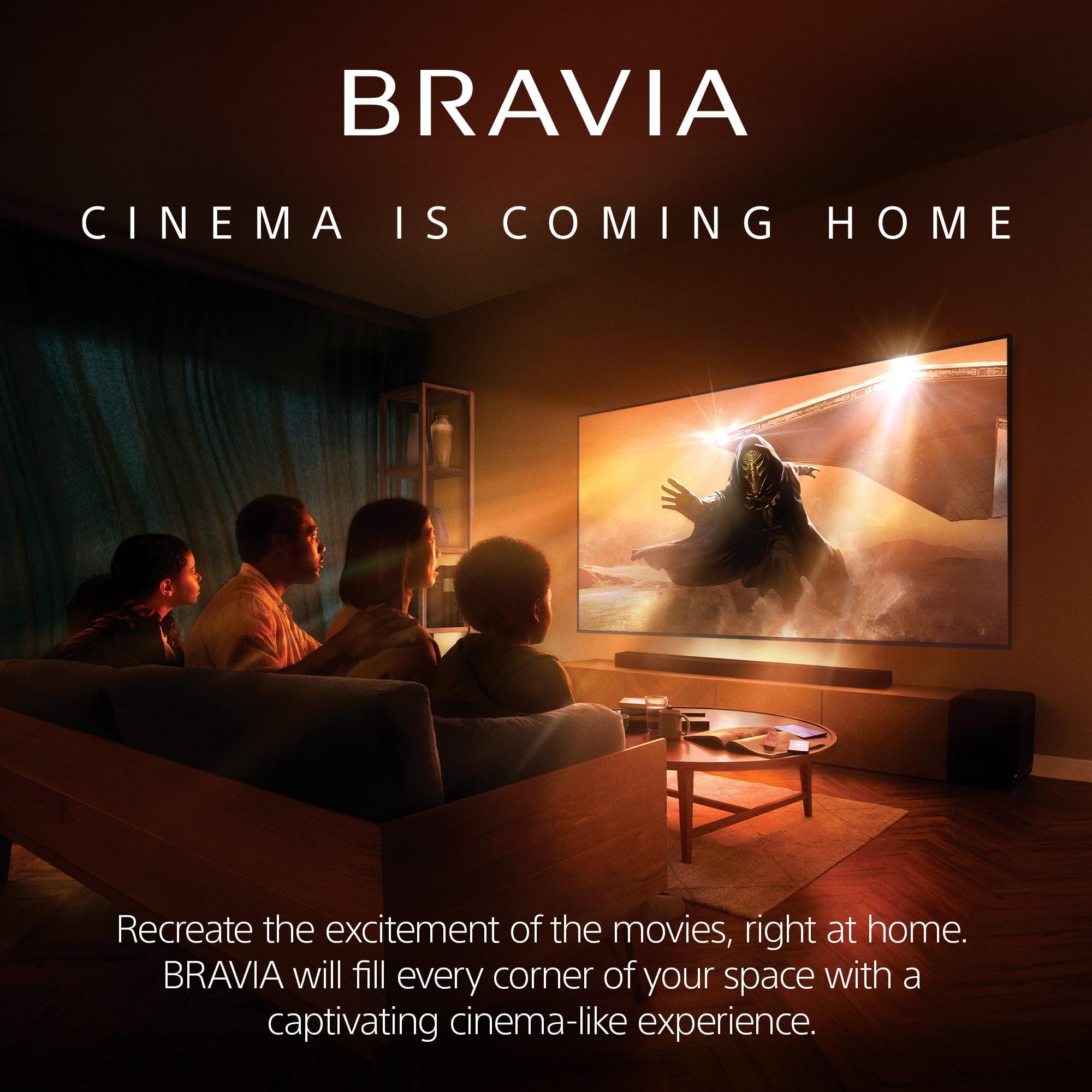
This is where the fundamental difference between these technologies becomes apparent. The LG G4's OLED pixels can turn completely off, creating true black – no light whatsoever. When you're watching a space movie, those black areas of space are genuinely black, not the dark gray you might see on other TVs.
The Sony BRAVIA 5 approaches this differently. Its Mini LED backlighting uses local dimming zones that can dim dramatically but can't achieve absolute zero light output. However, Sony's implementation is so advanced that the difference is minimal in most real-world content. The blacks are deep and convincing, with significantly less blooming than older LED TVs.
In my experience testing both technologies, OLED's perfect blacks are noticeable in very dark rooms, especially during movie credits or letterbox bars. However, the Sony's blacks are impressive enough that most viewers won't feel they're missing out, especially considering its other advantages.
Here's where the Sony BRAVIA 5 truly shines. Mini LED technology can achieve much higher peak brightness than OLED – we're talking about 1,000-1,500 nits versus OLED's 800-1,000 nits. This might not sound like much, but it makes a significant difference with HDR (High Dynamic Range) content.
HDR content is mastered at brightness levels up to 4,000 nits, so the brighter your TV, the more accurately it can reproduce the creator's intent. When you're watching a sunny outdoor scene in an HDR movie, the Sony's higher brightness makes highlights more impactful and realistic.
The LG G4's MLA technology has improved OLED brightness considerably, making it one of the brightest OLEDs available. For dark room viewing, this brightness is often more than sufficient. However, in bright rooms or for HDR content with extreme highlights, the Sony maintains an advantage.
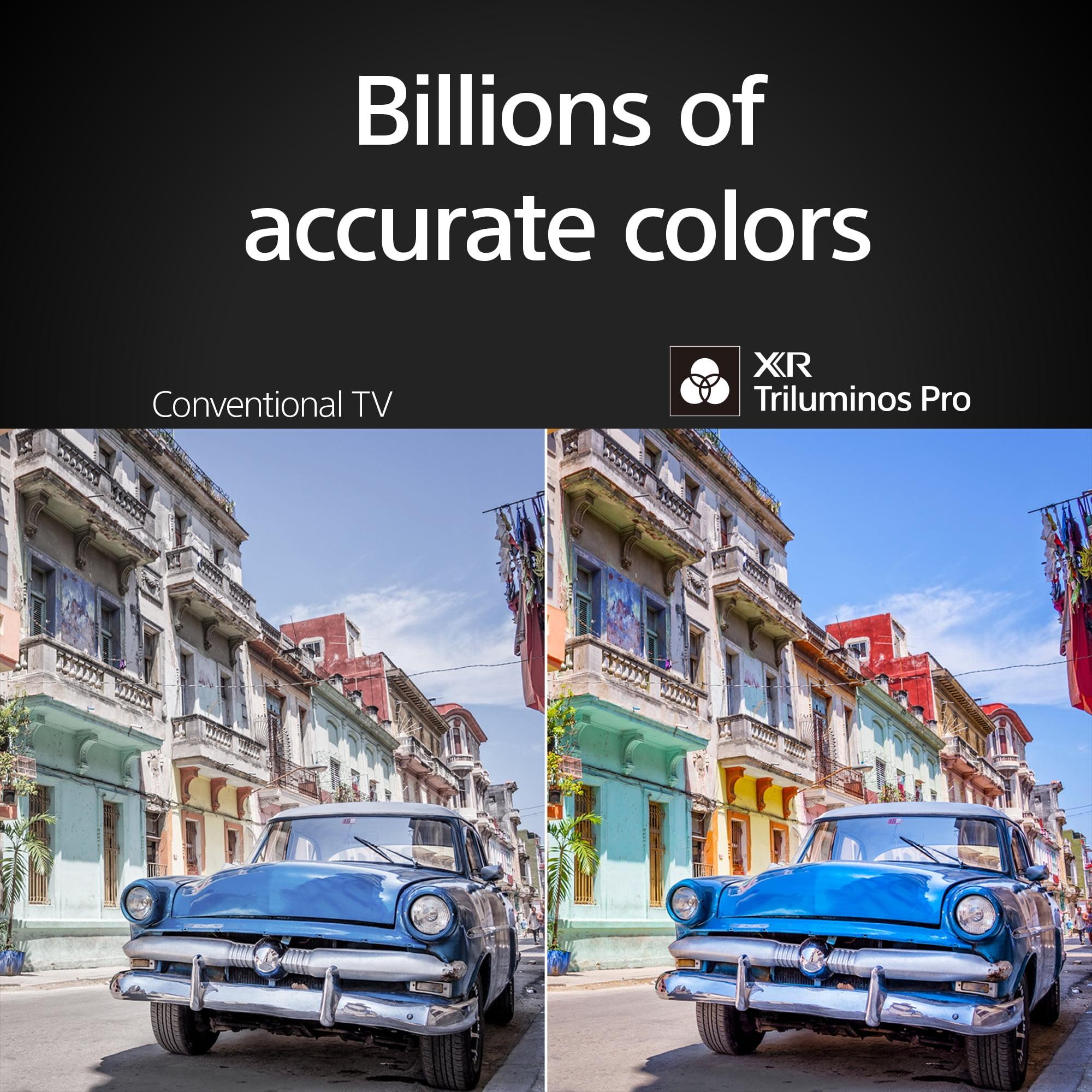
Both TVs excel in color reproduction, but they approach it differently. The Sony uses XR Triluminos Pro technology, which expands the color gamut (the range of colors the TV can display) and includes advanced color mapping. Sony's color science tends to be more conservative, aiming for accuracy over saturation.
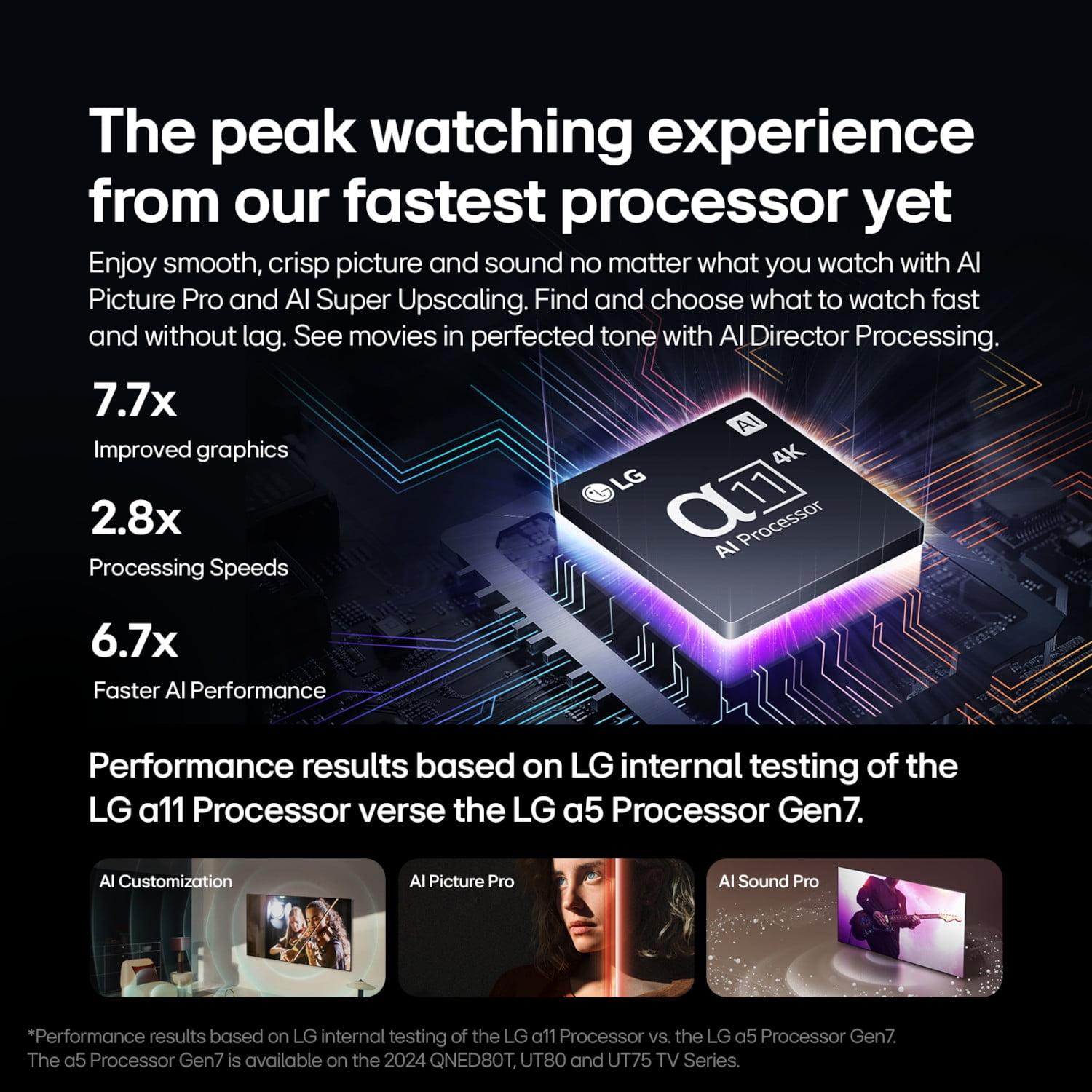
The LG G4 uses its Alpha 11 processor with AI-enhanced color processing. LG often produces more vibrant, punchy colors that can appear more impressive at first glance. Both approaches have merit – Sony's might be more accurate, while LG's might be more engaging for casual viewing.
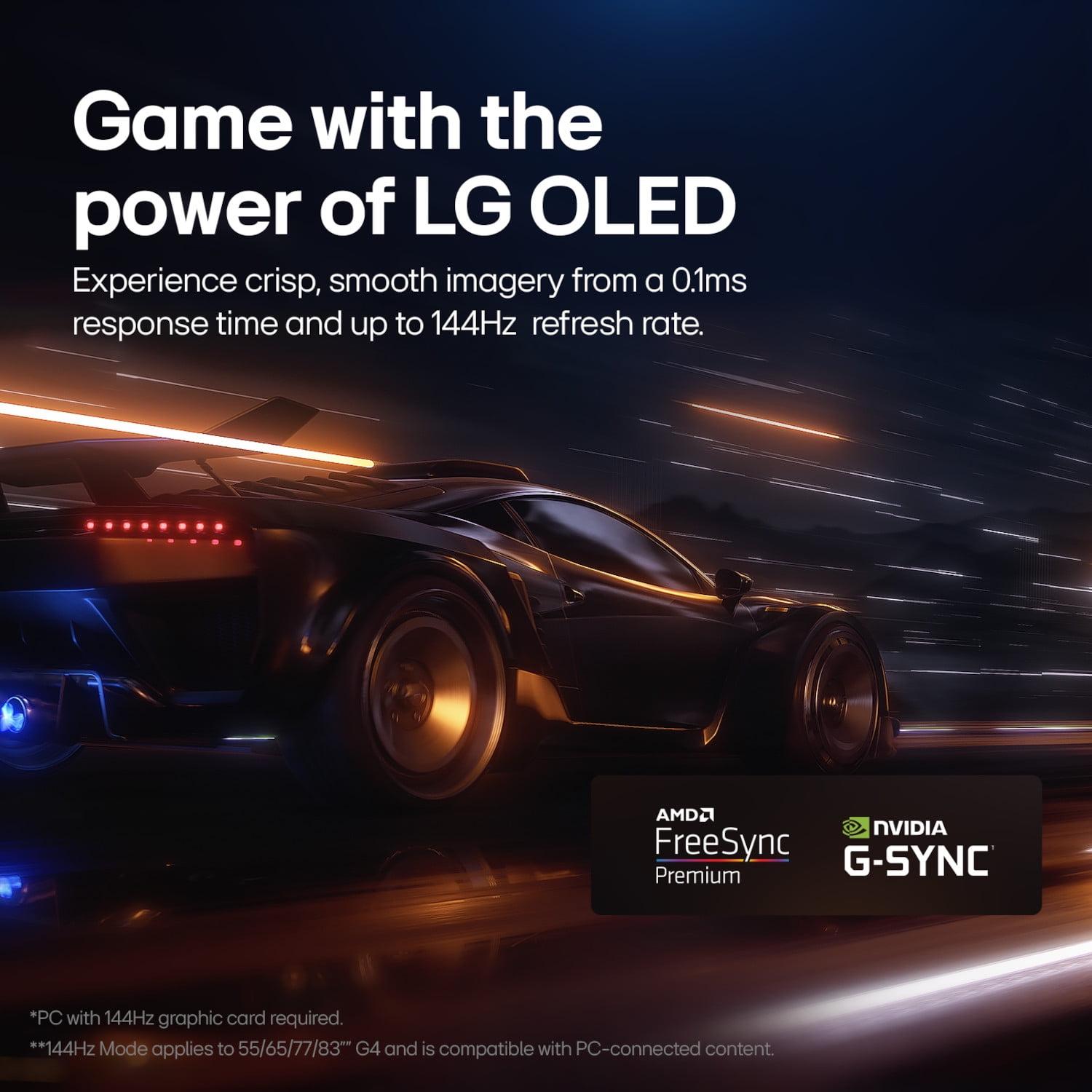
Gaming performance is crucial for many buyers, and both TVs deliver here, albeit differently. The LG G4 OLED achieves an incredibly low 0.1ms input lag in game mode, which is essentially instantaneous. This is possible because OLED pixels can change states extremely quickly without the liquid crystal transitions required in LCD panels.
The Sony BRAVIA 5 achieves respectable gaming performance with low input lag, though not quite matching OLED's lightning-fast response. For most gamers, this difference won't be noticeable, but competitive esports players might prefer the OLED's edge.
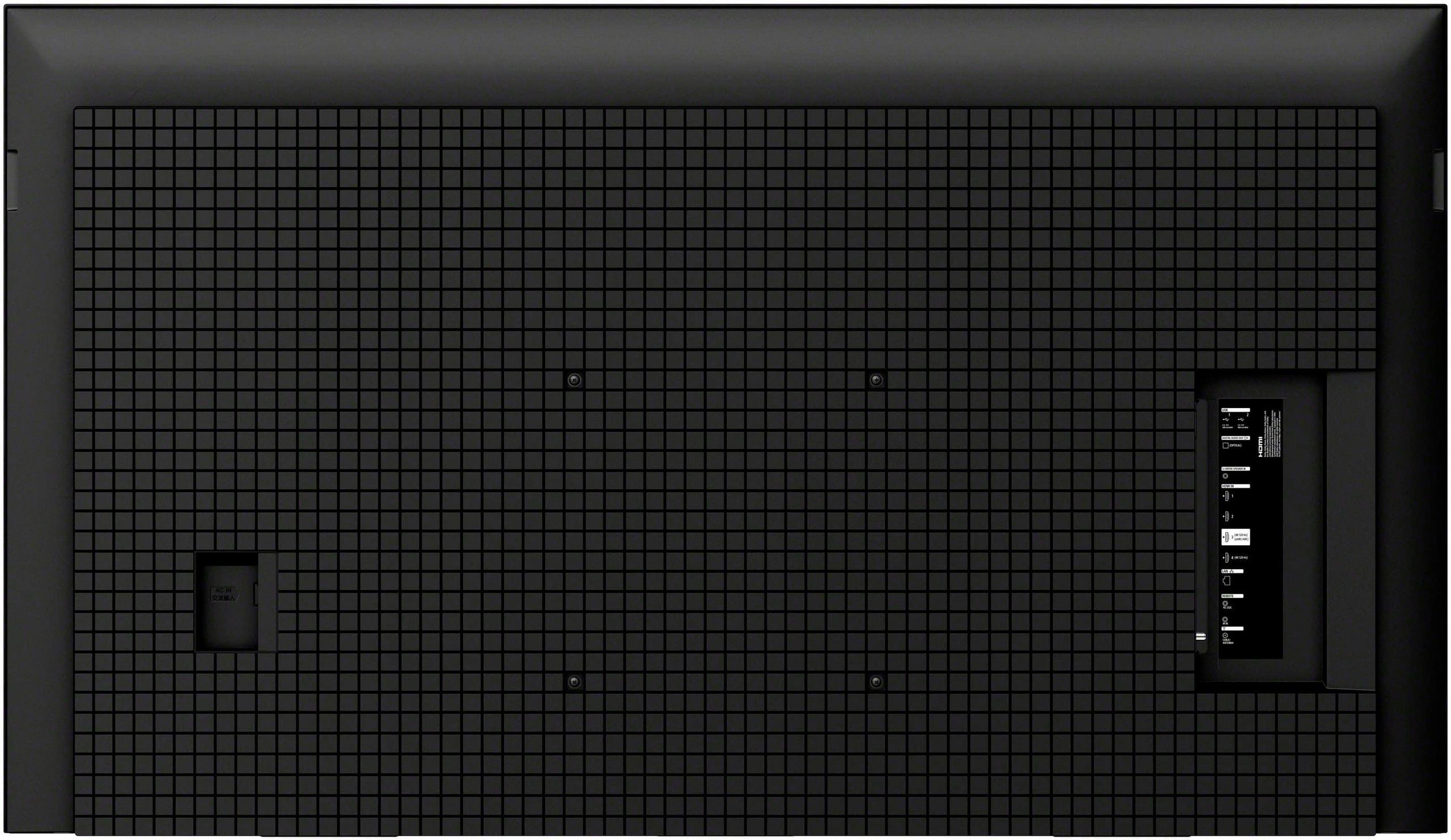
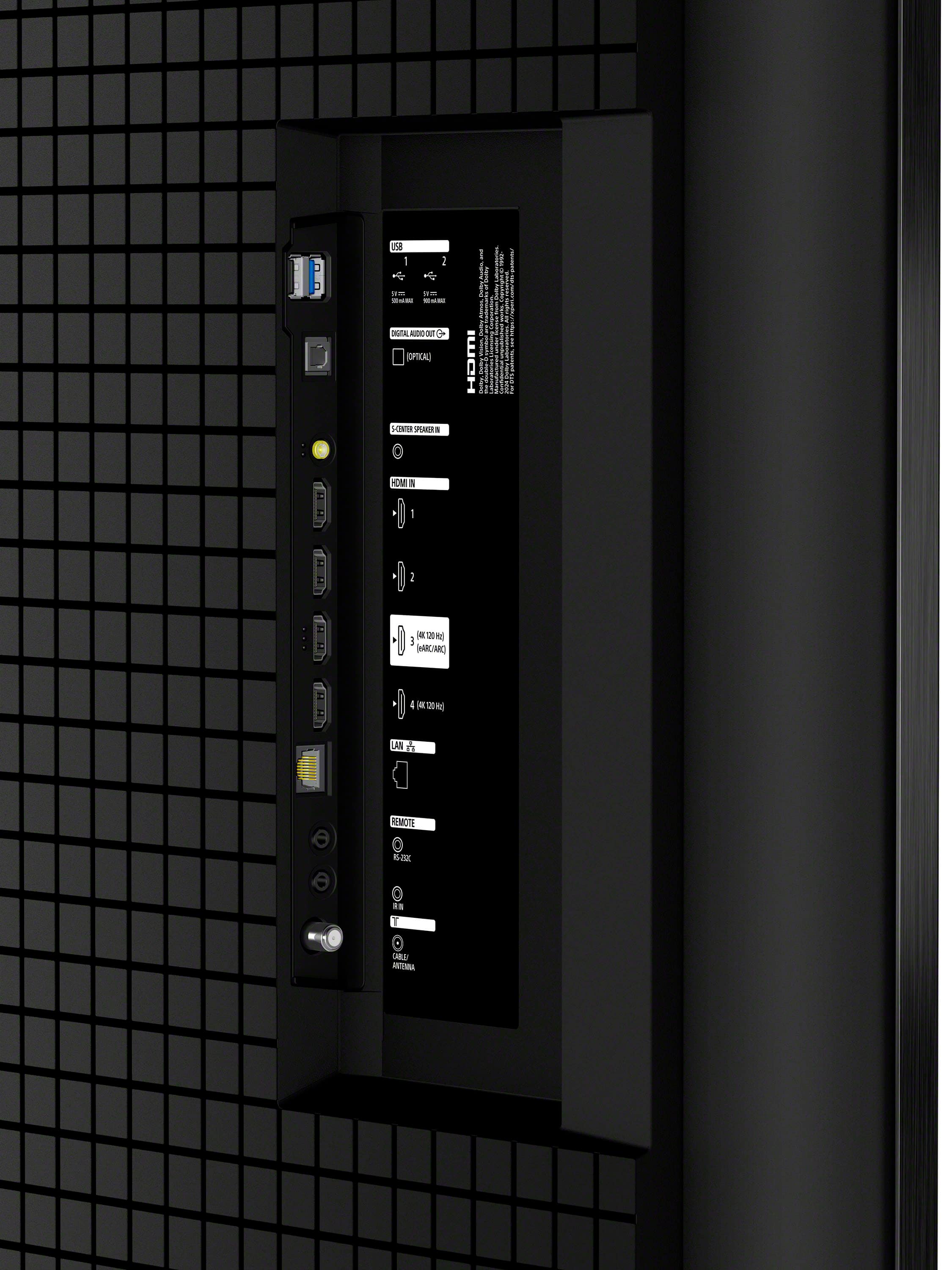
The LG G4 supports up to 4K at 144Hz, which is higher than the Sony's 4K at 120Hz maximum. This higher refresh rate can benefit PC gamers with powerful graphics cards, though console gamers won't see much difference since PlayStation 5 and Xbox Series X typically max out at 120Hz.
Both TVs support VRR (Variable Refresh Rate), which eliminates screen tearing by matching the TV's refresh rate to the game's frame rate. They also include ALLM (Auto Low Latency Mode), which automatically switches to game mode when it detects gaming input.
The Sony offers excellent PlayStation 5 integration with features like Auto HDR Tone Mapping, which optimizes HDR settings specifically for Sony's console. If you're primarily a PlayStation gamer, this integration adds value.
Here's where viewing environment becomes crucial for gaming. If you game in a bright room or during the day, the Sony's superior brightness and reflection handling provide a significant advantage. The LG performs better in dark gaming setups where its perfect blacks enhance atmospheric games.
Sports and action content reveal interesting differences between these technologies. The Sony's XR Motion Clarity technology analyzes motion across multiple frames and synchronizes the backlight accordingly. This creates smooth, clear motion that's particularly beneficial for sports viewing.
OLED's naturally fast pixel response means motion blur is minimal, but the processing approach differs. The LG's OLED Motion technology handles motion well, though some users find Sony's motion processing more natural-looking.
For sports in bright rooms, the Sony's combination of high brightness and excellent motion handling provides a superior experience. The enhanced brightness makes daytime sports viewing more enjoyable, while the motion clarity keeps fast action sharp.
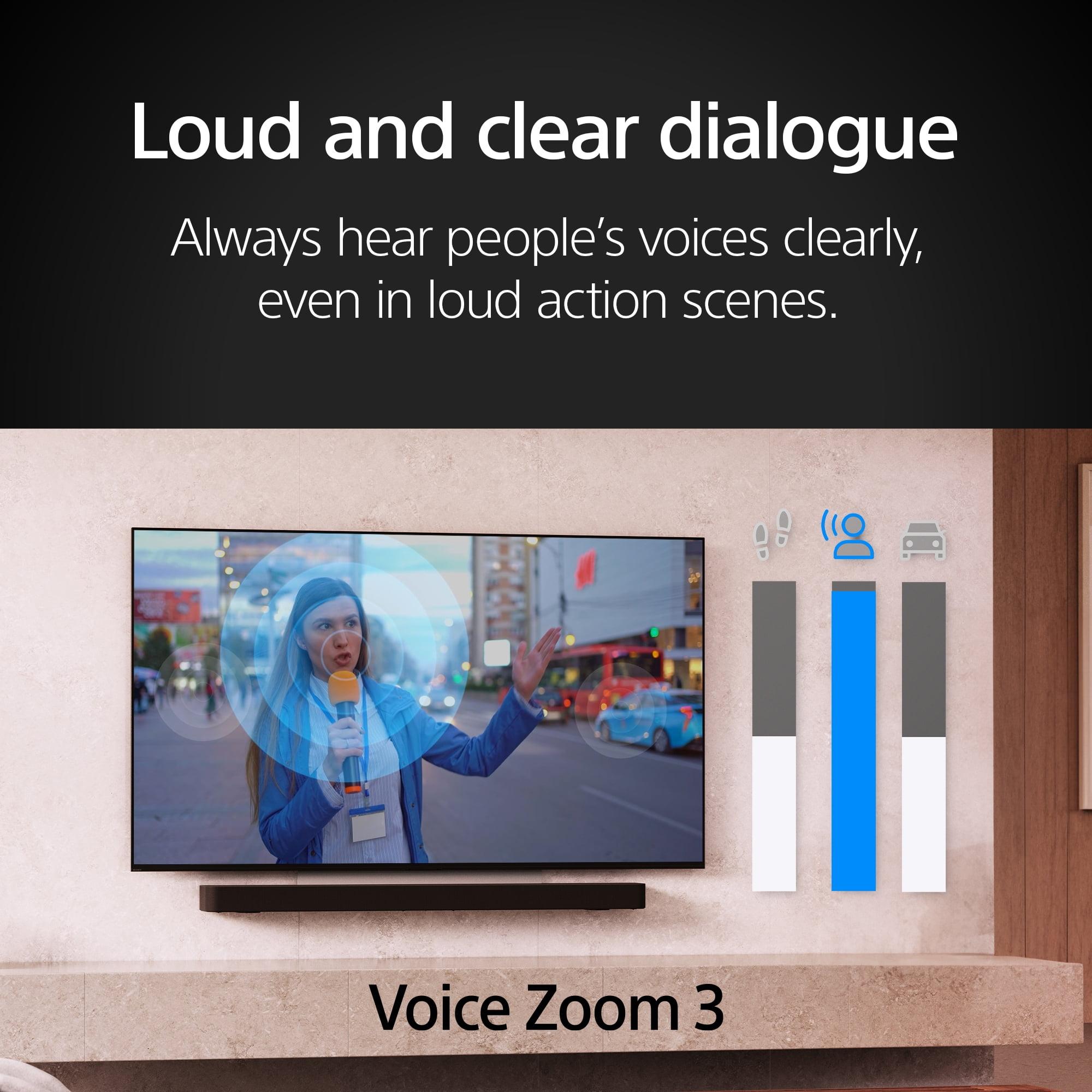
Both TVs offer respectable built-in audio, though neither replaces a dedicated sound system for serious home theater use. The Sony features Acoustic Multi-Audio technology, which uses multiple speakers to create the illusion that sound comes from specific locations on screen. Its Voice Zoom 3 feature uses AI to enhance dialogue clarity – particularly useful for movies and shows with complex soundtracks.
The LG G4 includes a 4.2 channel speaker system with AI Sound Pro, which analyzes content type and optimizes audio settings automatically. It's WiSA Ready, meaning it can connect wirelessly to compatible surround sound systems.
In my testing, both provide clear dialogue and reasonable bass response for built-in speakers. The Sony's dialogue enhancement is particularly effective, while the LG's multi-channel setup creates a wider soundstage.
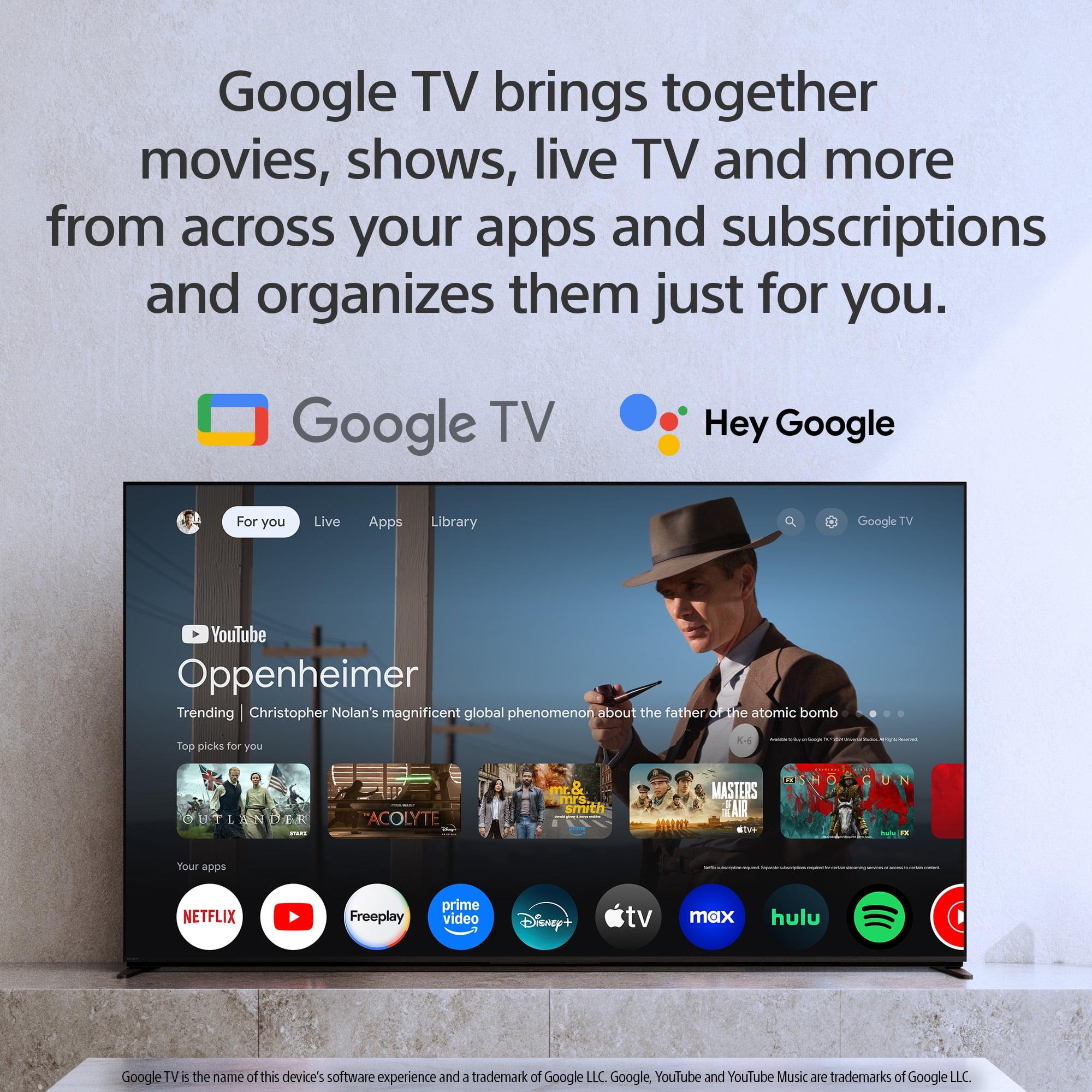
The platform choice significantly impacts daily use. The Sony runs Google TV, which provides excellent integration with Google services and strong voice search capabilities. The interface is clean and customizable, with good app selection and regular updates.
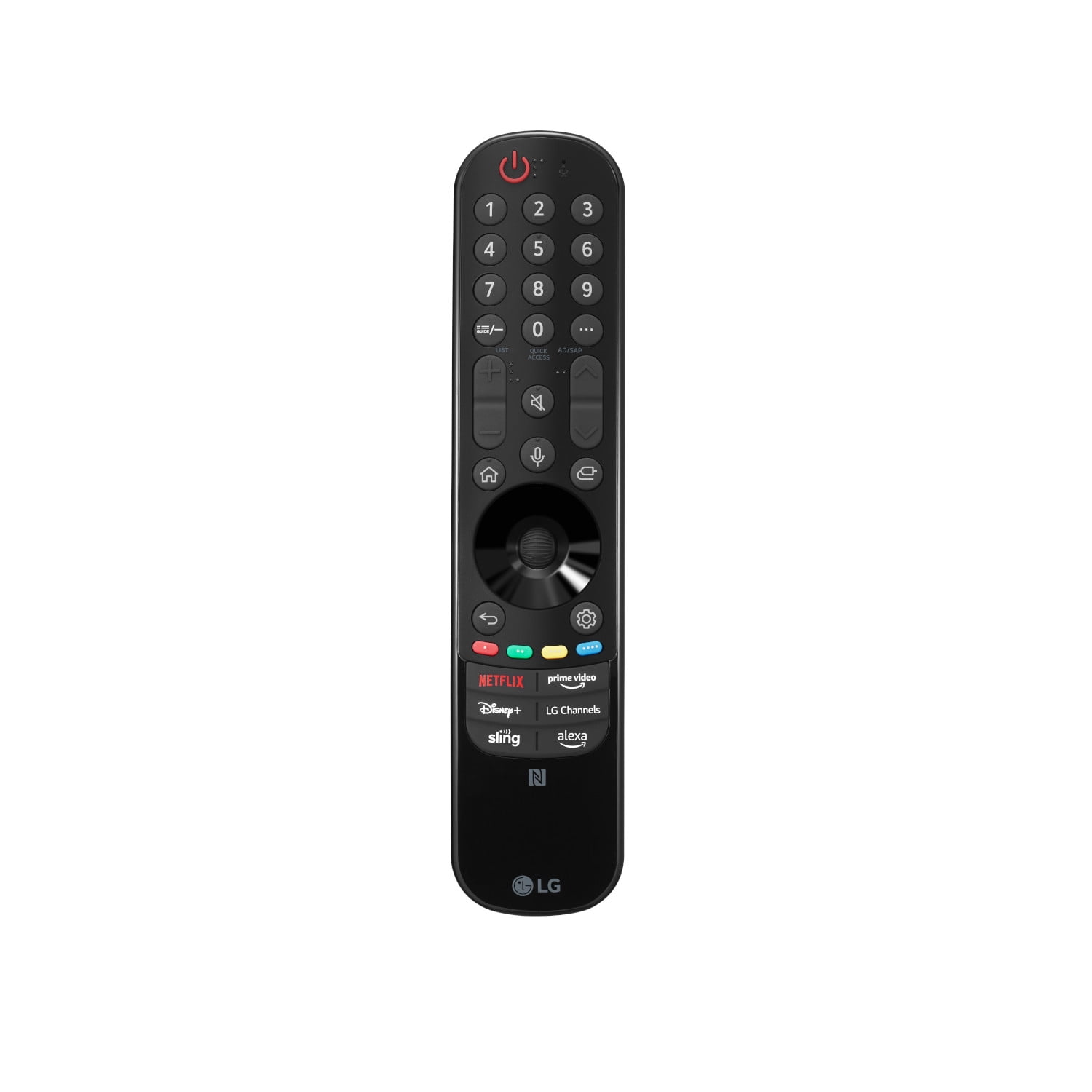
The LG uses webOS, which many consider more intuitive and responsive. The interface is polished with smooth animations and excellent app support. LG's Magic Remote includes motion controls and voice commands, offering more interaction options than Sony's traditional remote.
Both platforms support major streaming services, though app availability and update frequency can vary. Google TV tends to get new features faster, while webOS offers more customization options.
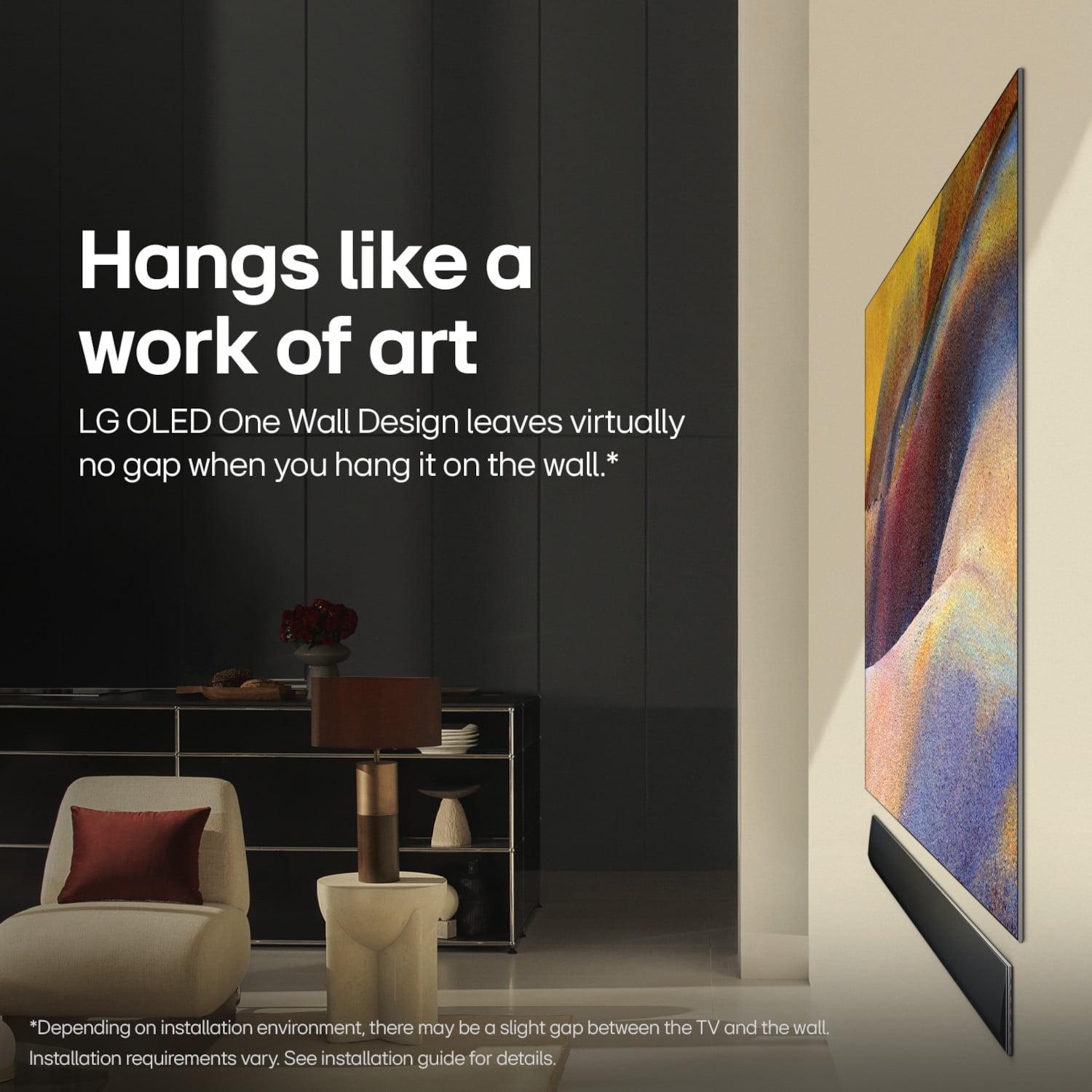
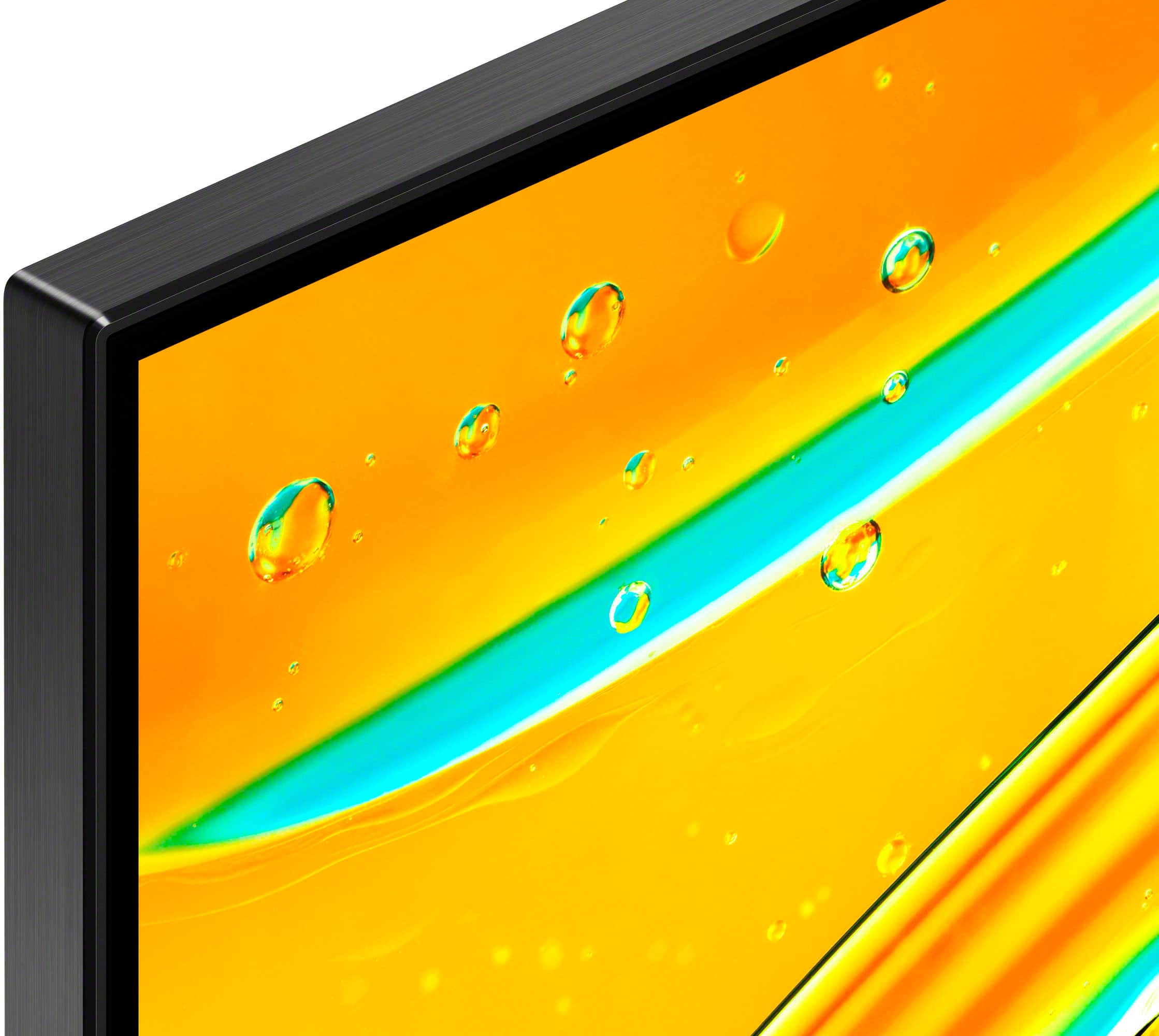
For dedicated home theater use, both TVs excel but serve different priorities. The LG G4 OLED creates the most cinematic experience in a dark room, with its perfect blacks reproducing the theatrical experience more accurately. Its ultra-thin profile (just over 1 inch deep) allows for elegant wall mounting that resembles a piece of art.
The Sony BRAVIA 5 works better in multi-purpose rooms where complete light control isn't possible. Its superior brightness ensures HDR content maintains impact even with some ambient light present.
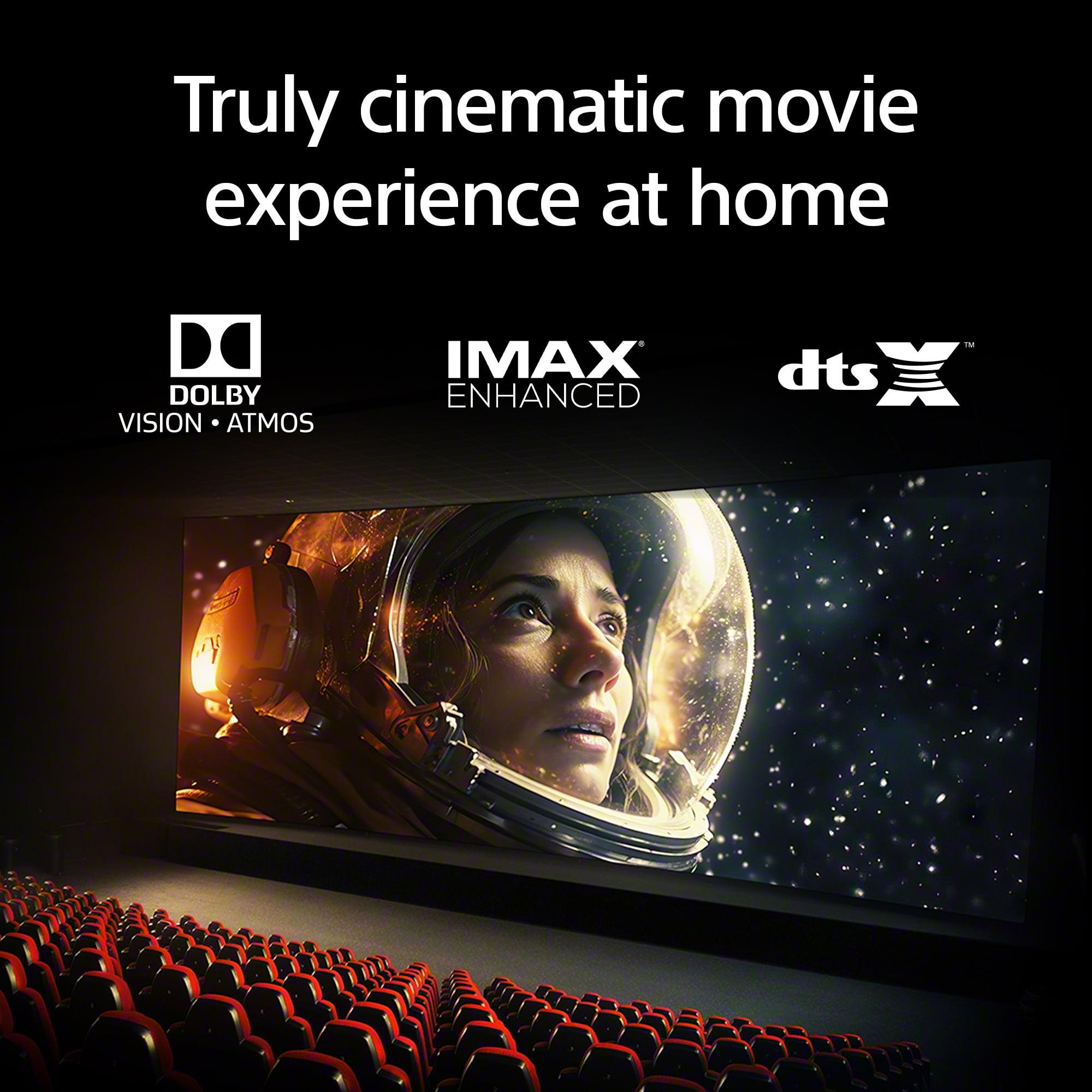
Both support Dolby Vision and HDR10, the primary HDR formats for movies and streaming content. The Sony also supports DTS audio pass-through, which can be important for home theater enthusiasts with dedicated audio systems.
At $1,478, the Sony BRAVIA 5 represents excellent value for Mini LED technology. You're getting Sony's latest processing and a premium panel at a competitive price point. The technology's resistance to burn-in means fewer long-term concerns about image retention.
The LG G4 at $1,999 offers flagship OLED performance at a reduced price due to the newer G5's release. While more expensive, you're getting proven technology with exceptional picture quality and advanced gaming features.
Consider the total cost of ownership: OLED panels can experience burn-in with static content over time, though modern OLEDs have significantly reduced this risk. Mini LED faces no such concerns, potentially offering better long-term value.
Choose the Sony BRAVIA 5 if you have a bright living room, watch a lot of sports, or want the most brightness for HDR content. Its superior reflection handling and peak brightness make it ideal for daytime viewing. The lower price point and burn-in resistance add to its value proposition.
Choose the LG G4 OLED if you have a dedicated dark room, prioritize gaming performance, or want the thinnest possible profile for wall mounting. Its perfect blacks and superior viewing angles create an exceptional movie-watching experience.
The decision ultimately comes down to your specific situation. Both represent excellent choices within their respective technologies, offering different strengths for different users. Consider your room lighting, primary use cases, and budget to determine which better matches your needs.
| Sony BRAVIA 5 65" Mini LED 4K Google TV 2025 | LG 65" G4 Series OLED evo 4K UHD Smart TV |
|---|---|
| Price - Significant $500+ difference affects value proposition | |
| $1,478 | $1,999 |
| Display Technology - Fundamental difference in how images are created | |
| Mini LED LCD with thousands of local dimming zones | OLED with self-illuminating pixels and Micro Lens Array |
| Peak Brightness - Critical for HDR impact and bright room viewing | |
| 1,000-1,500 nits (excellent for bright rooms and HDR) | 800-1,000 nits (improved with MLA but still lower than Mini LED) |
| Black Levels - Affects contrast and dark scene detail | |
| Very deep blacks with minimal blooming | Perfect blacks with infinite contrast |
| Viewing Angles - Important for off-center seating | |
| Good but narrows at extreme angles | Excellent with minimal color/brightness shift |
| Gaming Refresh Rate - Higher is better for PC gaming | |
| 4K at 120Hz with VRR and ALLM | 4K at 144Hz with VRR and ALLM |
| Input Lag - Lower is better for competitive gaming | |
| Low (exact spec not specified) | 0.1ms (near-instantaneous response) |
| HDMI 2.1 Ports - Needed for next-gen console features | |
| 2 ports supporting 4K/120Hz | 4 ports supporting 4K/120Hz and 144Hz |
| Smart Platform - Affects daily usability and app selection | |
| Google TV with Google Assistant | webOS with Magic Remote and voice control |
| Audio System - Built-in sound quality | |
| Acoustic Multi-Audio with Voice Zoom 3 | 4.2 channel system with AI Sound Pro |
| Burn-in Risk - Long-term reliability consideration | |
| No burn-in risk (LCD technology) | Minimal but possible with static content |
| Thickness - Affects wall mounting aesthetics | |
| Standard TV depth (approx 2.25 inches) | Ultra-thin 1.125 inches without stand |
| HDR Support - Affects premium content quality | |
| HDR10, HLG, Dolby Vision, IMAX Enhanced | HDR10, HLG, Dolby Vision (no HDR10+) |
| Reflection Handling - Critical for bright room performance | |
| Excellent anti-reflective coating | Good but not as strong as Mini LED |
| Motion Processing - Important for sports and action content | |
| XR Motion Clarity with backlight synchronization | OLED Motion with fast pixel response |
The Sony BRAVIA 5 65" Mini LED 4K Google TV 2025 is significantly better for bright rooms. Its Mini LED technology can reach 1,000-1,500 nits of brightness compared to the LG G4 OLED's 800-1,000 nits. The Sony also has superior anti-reflective coating, making it ideal for rooms with windows or overhead lighting.
The Sony BRAVIA 5 costs $1,478 while the LG G4 OLED is priced at $1,999 - a $521 difference. The Sony offers better value for most users, providing excellent Mini LED performance at a lower price point with no burn-in risk.
The LG G4 OLED has a slight gaming advantage with 4K/144Hz support, 0.1ms input lag, and four HDMI 2.1 ports. However, the Sony BRAVIA 5 offers excellent gaming performance with 4K/120Hz, low input lag, and superior PlayStation 5 integration. Both support VRR and ALLM.
The LG G4 OLED has perfect blacks since pixels can turn completely off, creating infinite contrast ideal for dark room movie watching. The Sony BRAVIA 5 achieves very deep blacks with minimal blooming through advanced Mini LED local dimming, though not quite matching OLED's perfection.
For dedicated dark room home theaters, the LG G4 OLED provides the most cinematic experience with perfect blacks and wide viewing angles. For multi-purpose rooms or brighter home theaters, the Sony BRAVIA 5 offers superior brightness and reflection handling while still delivering excellent movie performance.
The Sony BRAVIA 5 uses Mini LED technology with thousands of tiny LEDs behind an LCD panel for precise local dimming. The LG G4 OLED uses self-illuminating pixels that can turn completely on or off. Mini LED offers higher brightness, while OLED provides perfect blacks and wider viewing angles.
The Sony BRAVIA 5 runs Google TV with excellent Google Assistant integration and strong app selection. The LG G4 OLED uses webOS with an intuitive interface and Magic Remote. Both support major streaming services, but webOS is generally considered more user-friendly while Google TV offers better voice search.
The Sony BRAVIA 5 is excellent for sports with superior brightness for daytime viewing, excellent motion processing, and strong reflection handling. The LG G4 OLED also handles sports well with fast pixel response and good motion clarity, but performs better in darker viewing environments.
The LG G4 OLED is significantly thinner at just 1.125 inches deep, designed for flush wall mounting with a gallery-like appearance. The Sony BRAVIA 5 has a standard TV depth of approximately 2.25 inches, still wall-mountable but not as sleek as the OLED design.
Both the Sony BRAVIA 5 and LG G4 OLED support HDR10, HLG, and Dolby Vision. The Sony also supports IMAX Enhanced. The Sony's higher peak brightness provides more impactful HDR highlights, while the LG's perfect blacks enhance HDR shadow detail.
The Sony BRAVIA 5 features Acoustic Multi-Audio with Voice Zoom 3 for enhanced dialogue clarity. The LG G4 OLED includes a 4.2 channel system with AI Sound Pro. Both provide decent built-in audio, but the Sony's dialogue enhancement is particularly effective for movie watching.
The Sony BRAVIA 5 has no burn-in risk due to its LCD technology, making it worry-free for varied content. The LG G4 OLED has minimal burn-in risk with modern OLED technology and built-in pixel protection, but static content should still be avoided for extended periods.
We've done our best to create useful and informative comparisons to help you decide what product to buy. Our research uses advanced automated methods to create this comparison and perfection is not possible - please contact us for corrections or questions. These are the sites we've researched in the creation of this article: rtings.com - pro.sony - youtube.com - electronics.sony.com - electronics.sony.com - electronics.sony.com - bestbuy.com - electronics.sony.com - youtube.com - bestbuy.com - videoandaudiocenter.com - valueelectronics.com - youtube.com - sony.ca - perpichtv.com - sony.com - displayspecifications.com - pioneertvandappliance.com - flatpanelshd.com - tomsguide.com - crutchfield.com - visions.ca - youtube.com - cnet.com - schaeferstv.com - rtings.com - costco.com - bhphotovideo.com - techradar.com - youtube.com - abcwarehouse.com - youtube.com

Privacy Policy
Terms and Conditions - Affiliate Policy
Home Security
© Copyright 2008-2026.
11816 Inwood Rd #1211, Dallas, TX 75244