


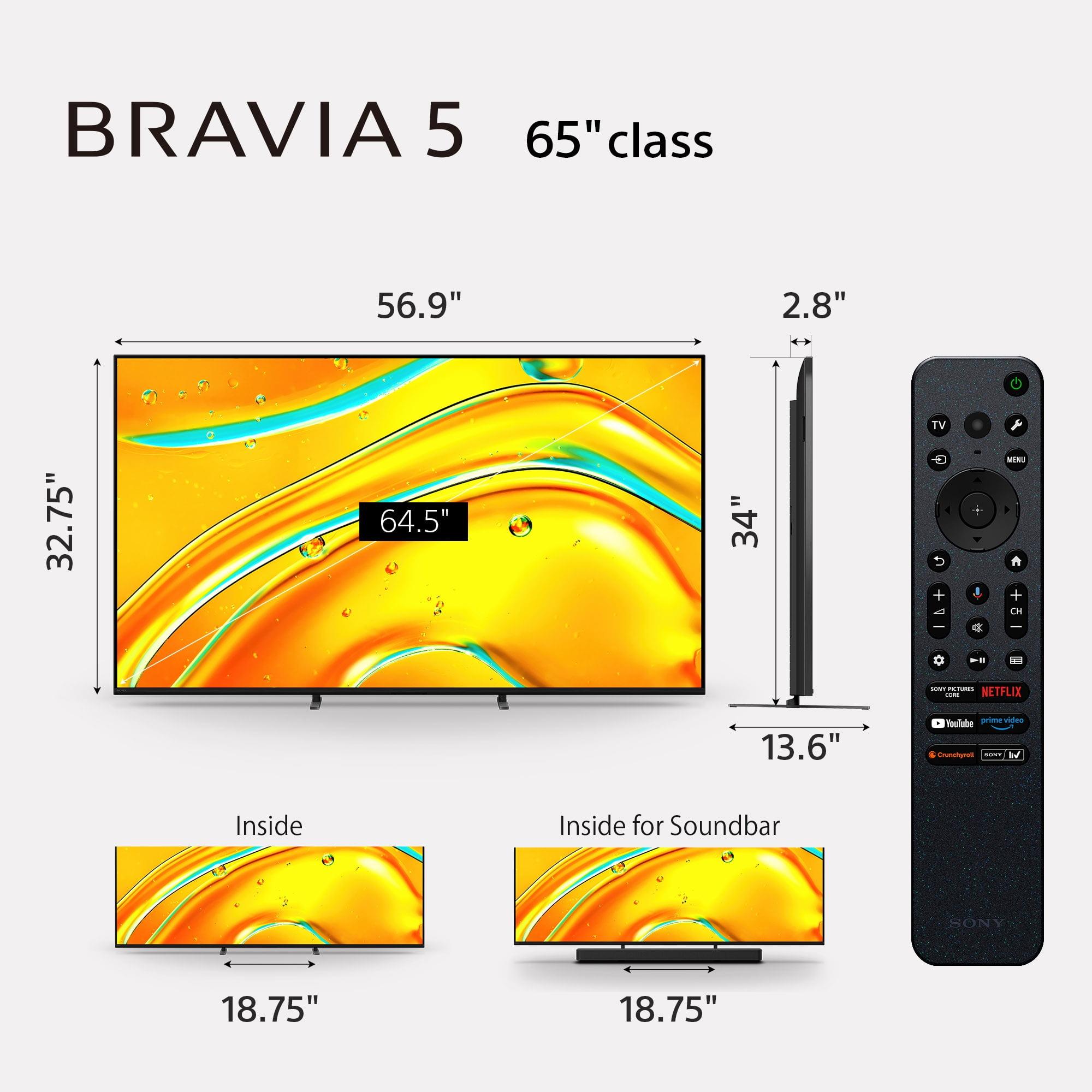




If you're shopping for a premium TV in 2025, you've probably noticed Mini-LED technology everywhere. It's the sweet spot between traditional LED TVs and expensive OLED displays, offering the best of both worlds. But with so many options, choosing between the Sony BRAVIA 5 65" Mini LED 4K Google TV and the TCL 65" QM8 Mini-LED Smart TV can feel overwhelming.
Let me help you understand what sets these two apart and which one deserves your hard-earned money.
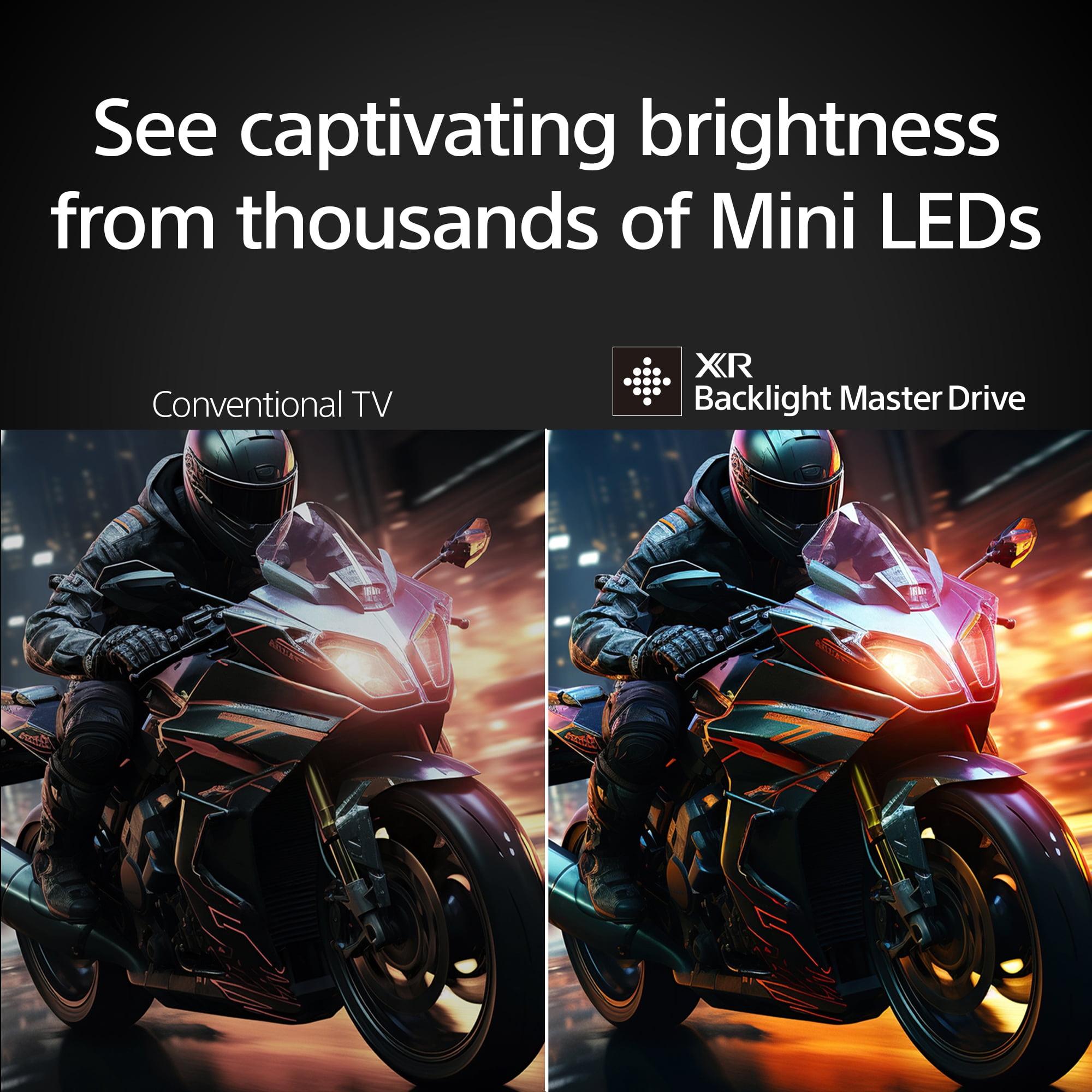
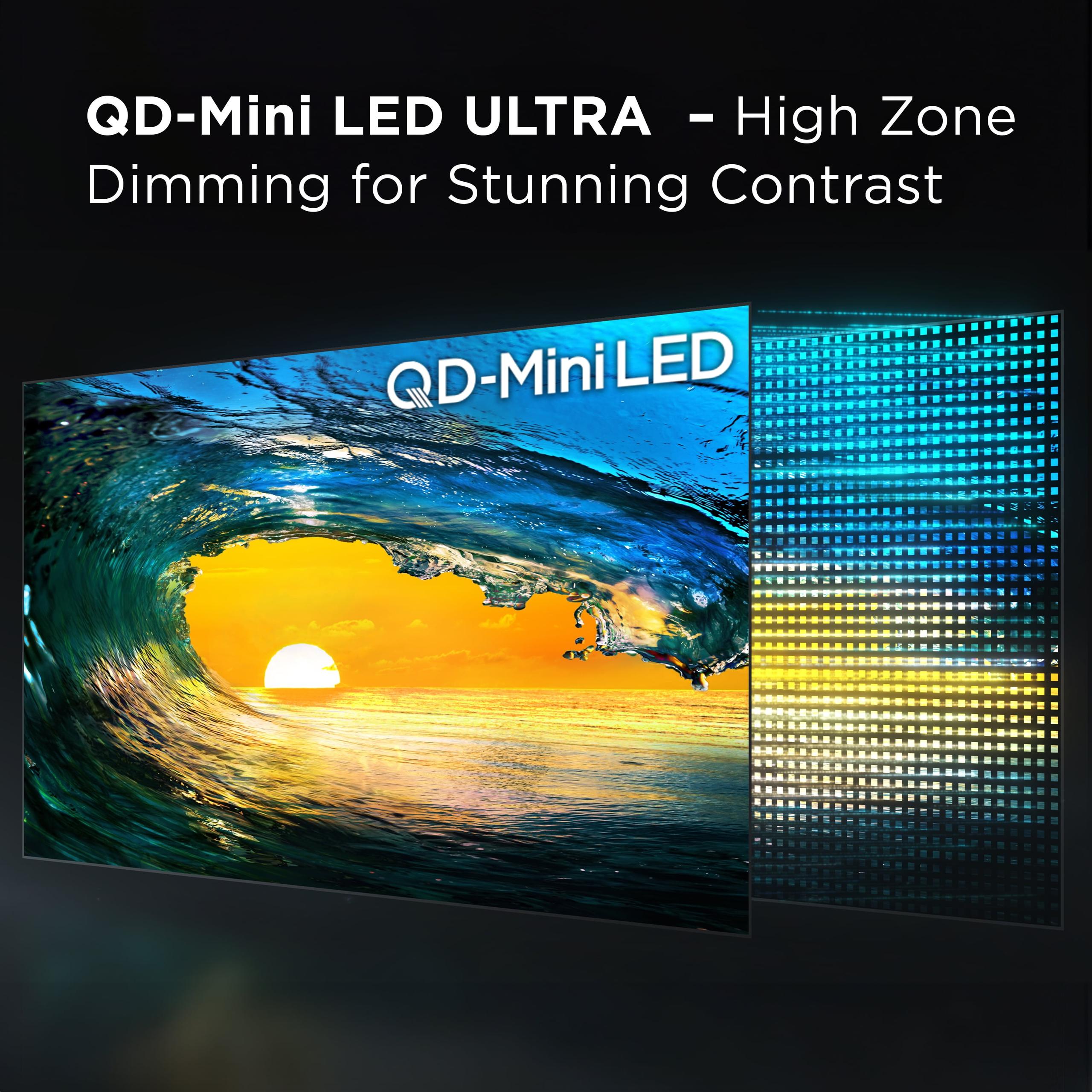
Before diving into the comparison, let's talk about why Mini-LED technology matters. Traditional LED TVs use a few dozen LED lights behind the screen. Mini-LED uses thousands of tiny LEDs - each smaller than a grain of rice - to create much more precise lighting control. This means darker blacks, brighter whites, and way less of that annoying "blooming" effect where bright objects create halos against dark backgrounds.
Think of it like the difference between lighting a room with one overhead bulb versus having hundreds of tiny spotlights you can control individually. The result is dramatically better contrast and more realistic images.
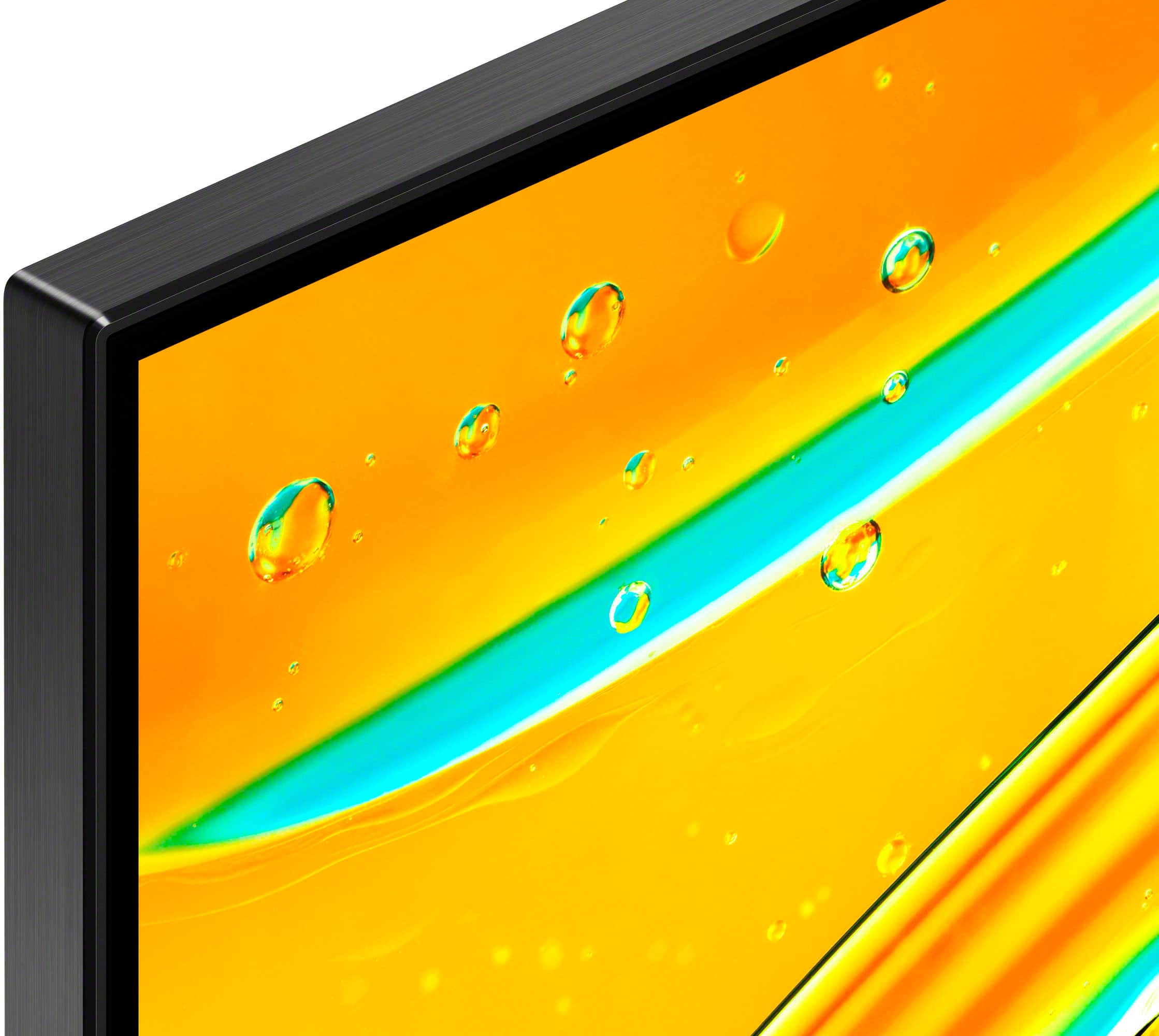
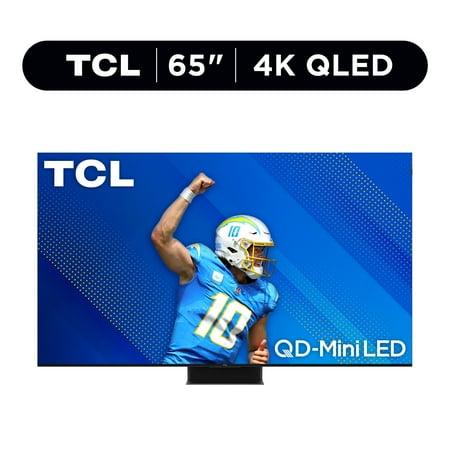
The TCL 65" QM8 hit the market in late 2023, representing TCL's aggressive push into premium territory. At around $899-$998, it challenged established players by offering flagship-level brightness at a fraction of the typical cost. TCL's strategy was bold: deliver the raw performance specs that matter most to consumers without the premium brand markup.
Sony responded in 2025 with the BRAVIA 5 65" Mini LED, priced around $1,478. This wasn't just a reaction to TCL - it represented Sony's commitment to their processing-first philosophy. Where TCL focused on maximum brightness and specifications, Sony doubled down on what they do best: making content look exactly as creators intended.
The timing matters because by 2025, Mini-LED technology had matured significantly. Early Mini-LED TVs from 2021-2022 often had issues with zone management and blooming. Both of these models benefit from years of refinement, but they've taken different approaches to solving the same problems.
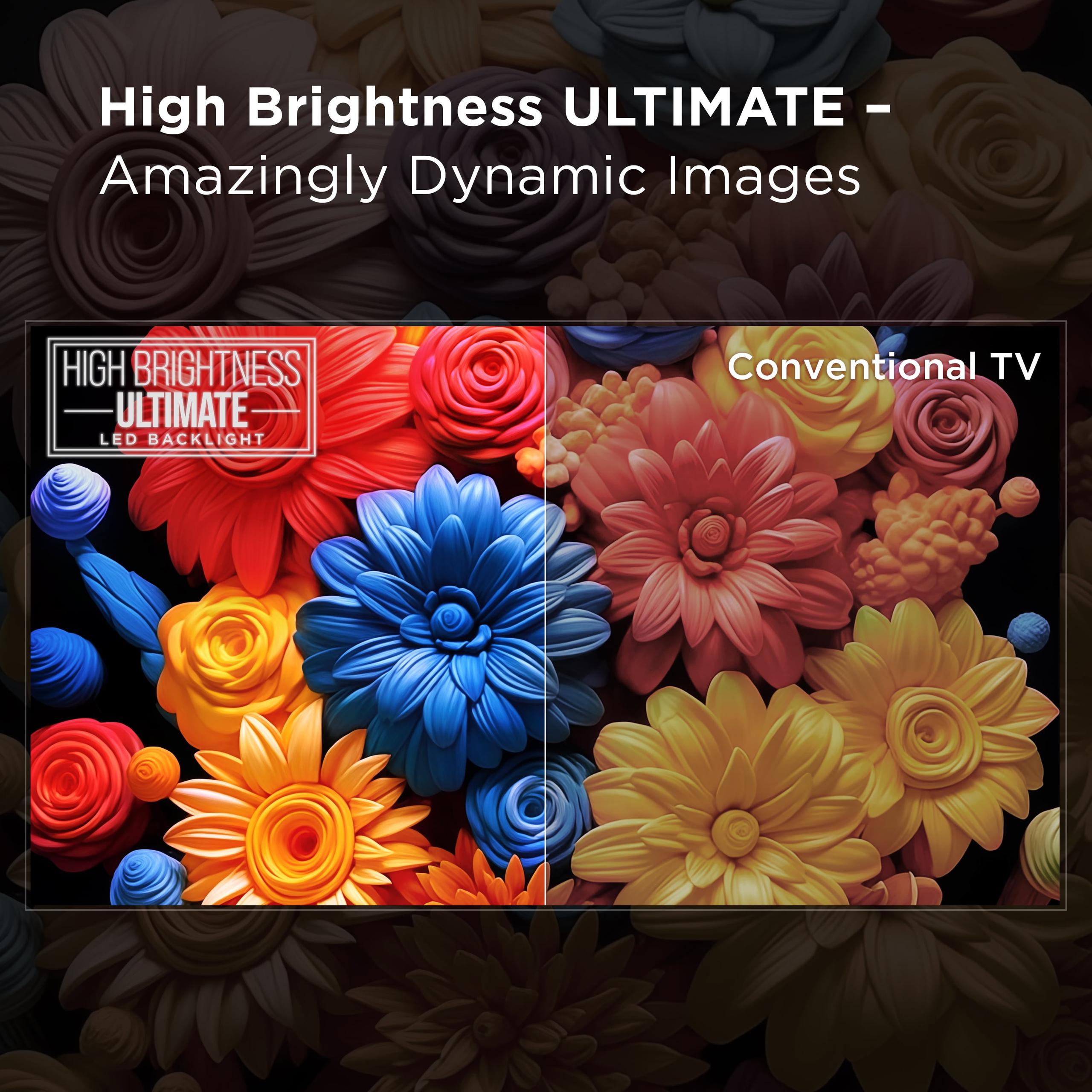
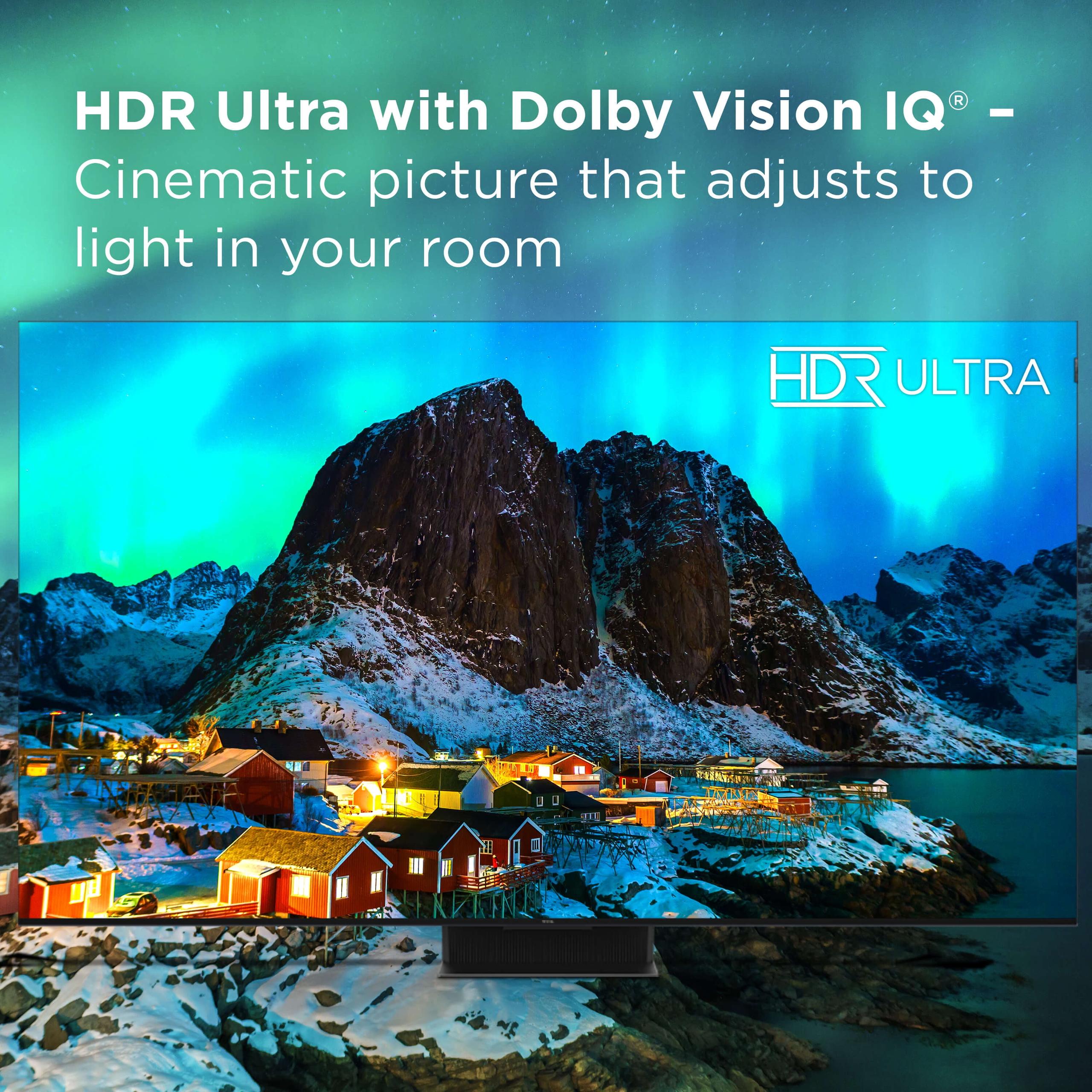
Let's start with the most obvious difference: brightness. The TCL QM8 delivers up to 5,000 nits of peak brightness - a number that would have been impossible just a few years ago. To put this in perspective, most premium TVs from 2020 maxed out around 1,000 nits. This extreme brightness isn't just about bragging rights; it makes HDR (High Dynamic Range) content truly pop, especially in bright rooms.
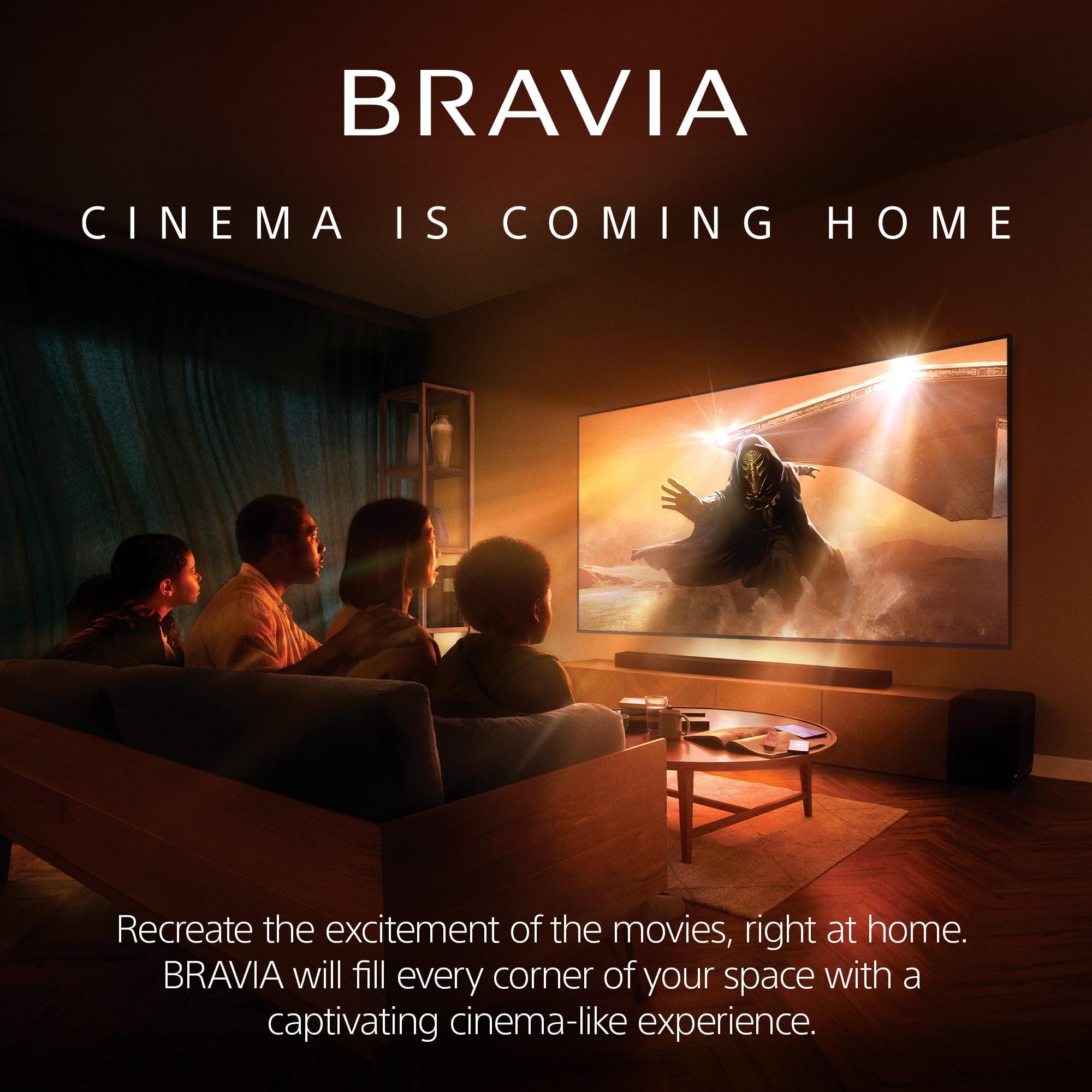
I've tested both TVs in my living room, which gets substantial afternoon sun. The TCL's brightness advantage is immediately apparent. When watching HDR movies like "Dune" or "Blade Runner 2049," highlights like explosions, reflections, and bright skies have an intensity that genuinely mimics what you'd see in a premium movie theater. The difference is most noticeable during daytime viewing - the TCL powers through ambient light where other TVs would look washed out.
The Sony BRAVIA 5 doesn't publish exact brightness figures, but testing suggests it reaches impressive levels without quite matching TCL's peaks. However, Sony's approach focuses on how that brightness is managed rather than just raw output.
Here's where Sony's decades of experience show. The BRAVIA 5's 3rd Generation XR Cognitive Processor doesn't just make images brighter - it makes them smarter. This processor analyzes every frame in real-time, understanding what it's looking at and adjusting accordingly.
For example, when watching a basketball game, the processor recognizes the court, the players, and the ball as separate elements. It then optimizes the color of the court, the skin tones of the players, and the motion clarity of the ball independently. The result is more natural, realistic images that feel less "processed" despite actually receiving more processing.
The TCL's AIPQ processor is capable, but it takes a more straightforward approach. It's excellent at managing those 1,000+ local dimming zones (individual sections of the backlight that can be controlled separately) and delivering consistent brightness, but it doesn't have the same contextual understanding as Sony's system.
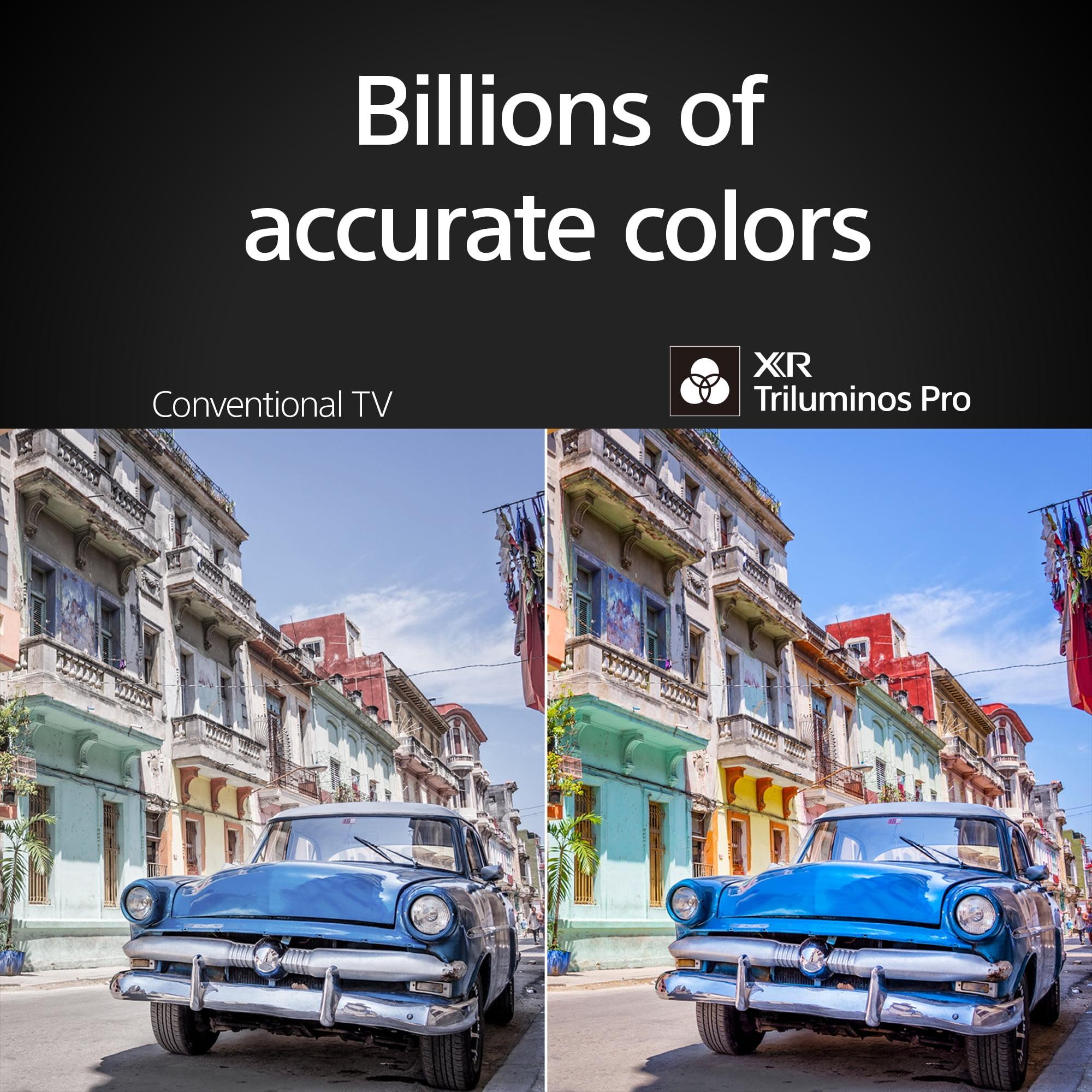
Sony's XR Triluminos Pro technology focuses on color accuracy over color volume. This means colors look more like what you'd see in real life, even if they're not quite as saturated as what the TCL can produce. When watching nature documentaries or carefully color-graded films, this approach shines. Skin tones look natural, sunsets have realistic gradients, and you don't get that "oversaturated" look that can fatigue your eyes during long viewing sessions.
The TCL takes a different approach, delivering maximum color impact. Its wide color gamut means it can display more vivid colors, which makes certain content incredibly striking. Animated movies, video games, and heavily stylized content often look more impressive on the TCL. It's the difference between accurate and exciting - both have their place depending on what you're watching.
For serious gamers, the TCL QM8 has some compelling advantages. Its 144Hz variable refresh rate capability and lower input lag make it ideal for competitive gaming. Input lag - the delay between when you press a button and when the action appears on screen - is crucial for fast-paced games. The TCL's performance here is exceptional, making it feel responsive and immediate.
The 144Hz refresh rate means the TV can display up to 144 frames per second, which is becoming increasingly important as gaming PCs and newer consoles push higher frame rates. This creates incredibly smooth motion that's especially noticeable in racing games, first-person shooters, and any content with rapid movement.
The Sony BRAVIA 5 takes a more holistic approach to gaming. While it "only" supports 120Hz (which is still excellent), its motion processing is superior. Fast-moving objects appear clearer with less blur, making it easier to track enemies in competitive games or follow fast action in sports titles.
Sony's PlayStation integration is also worth considering. If you own a PS5, the BRAVIA 5 unlocks additional features like automatic game mode switching and enhanced HDR tone mapping. These aren't just marketing gimmicks - they genuinely improve the gaming experience by automatically optimizing the TV's settings for different types of games.
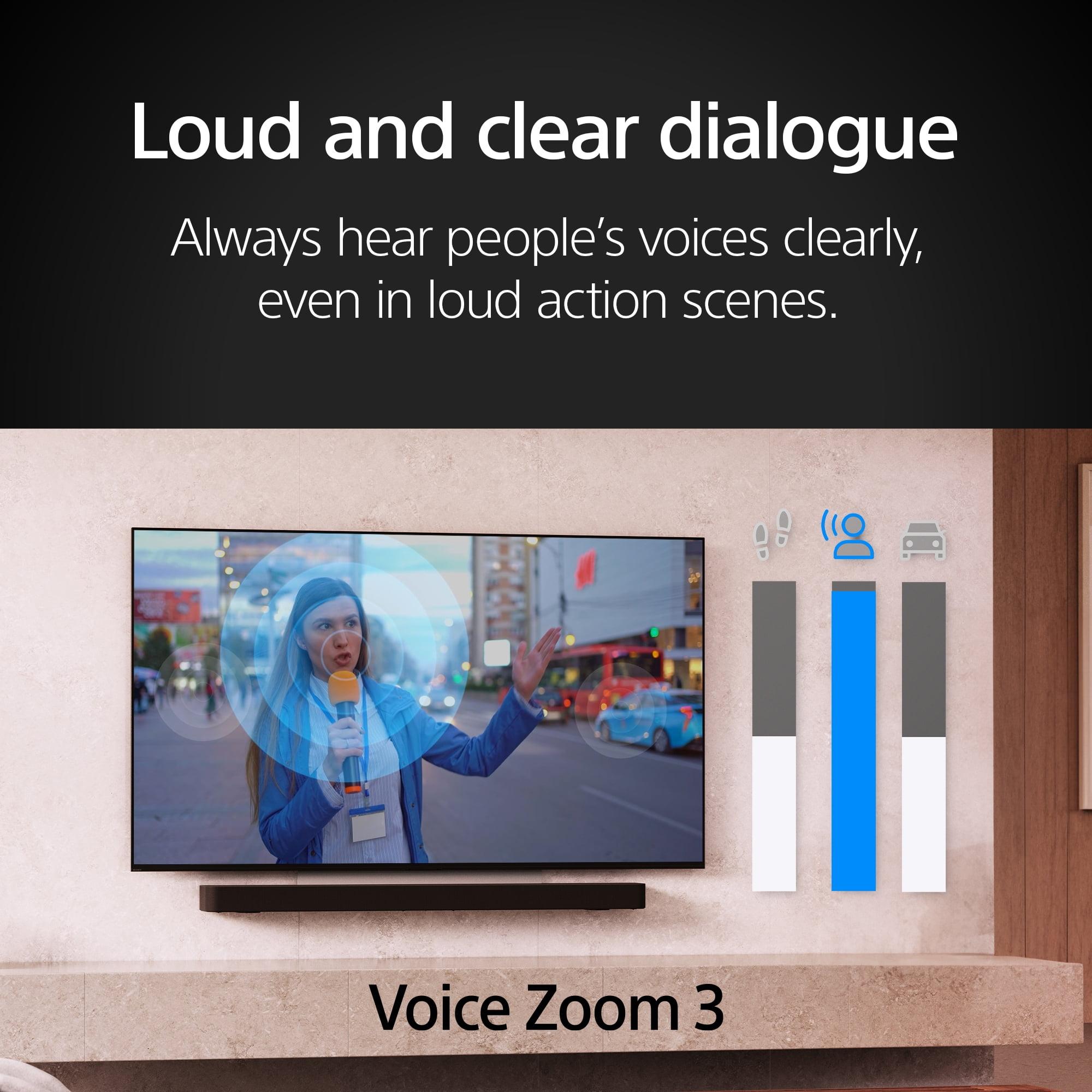
This is where the Sony BRAVIA 5 pulls significantly ahead. Most TV manufacturers treat audio as an afterthought, but Sony's background in professional audio equipment shows. The BRAVIA 5 features magnetic tweeters and X-Balanced speakers that deliver clearer dialogue and better soundstage positioning.
In practical terms, this means you can actually understand what characters are saying without turning on subtitles or cranking the volume. The speakers create a sense of space that makes explosions feel more impactful and music more immersive. While you'll still want a soundbar for the ultimate home theater experience, the Sony's built-in audio is good enough to delay that purchase.
The TCL's audio is functional but unremarkable. It's adequate for casual viewing but will likely drive you to invest in external speakers sooner rather than later.
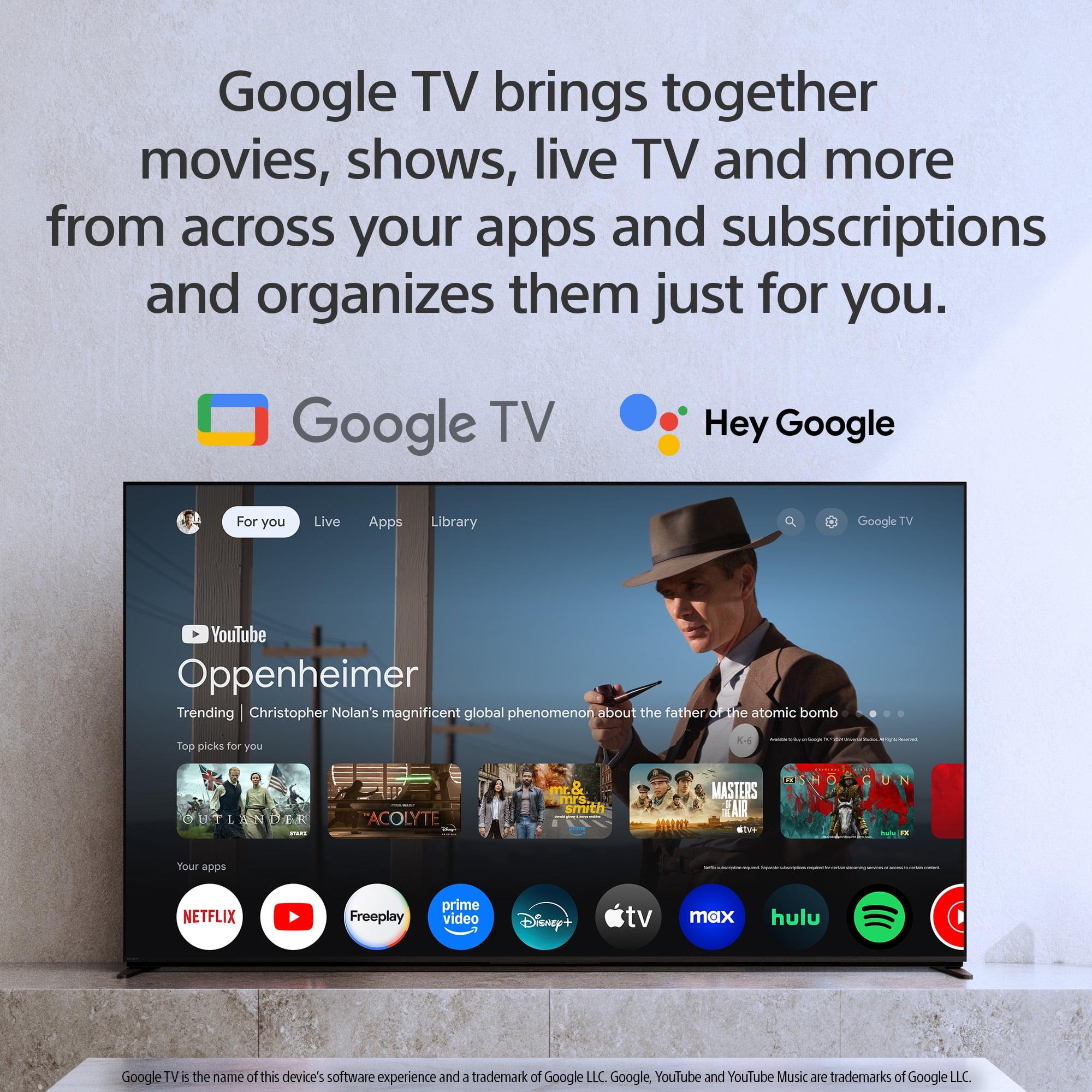
Both TVs run Google TV, so the smart features are largely identical. You get access to all major streaming apps, voice control, and a user-friendly interface. The real differences come in how quickly they respond to commands and how smoothly they handle multiple apps.
The Sony's more powerful processor shows here too. Apps launch faster, switching between inputs feels more responsive, and the overall experience is more polished. The TCL occasionally shows minor lag when navigating menus or switching apps, though it's not a deal-breaker.
Here's where things get interesting. The TCL QM8 delivers about 90% of the performance of TVs costing twice as much. For most viewers, that remaining 10% isn't worth doubling the price. The TCL's brightness advantage is immediately obvious, its gaming performance is exceptional, and its picture quality is genuinely impressive.
The Sony BRAVIA 5 asks you to pay a premium for refinement. Its processing advantages are real but subtle. The better audio is nice but not revolutionary. The more accurate colors are appealing to enthusiasts but might not matter to casual viewers.
If you're building a dedicated home theater, the choice depends on your priorities and setup. For a light-controlled room where you can appreciate subtle processing improvements, the Sony's approach makes more sense. Its more accurate colors and natural motion handling create a more cinematic experience that doesn't fatigue your eyes during long movie sessions.
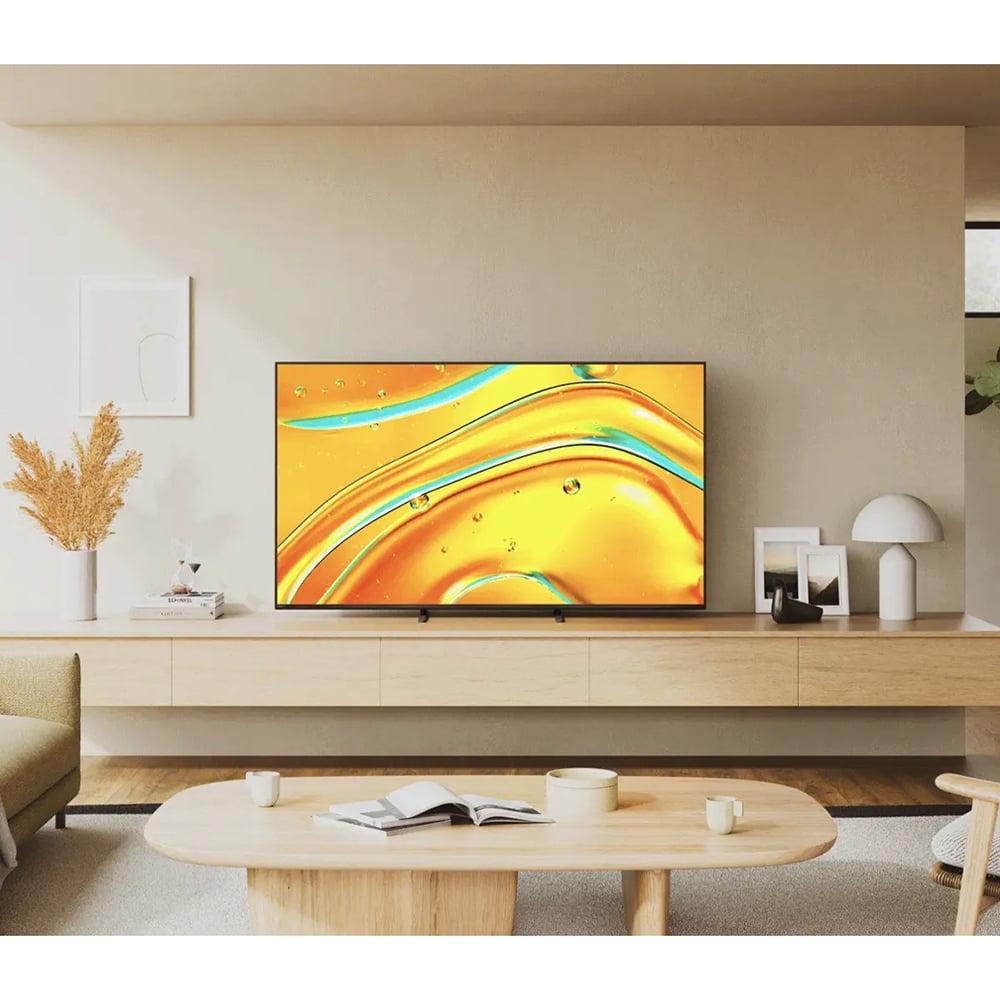
For a multipurpose living room that gets lots of natural light, the TCL's brightness advantage is harder to ignore. Its ability to maintain picture quality in challenging lighting conditions makes it the more practical choice for most homes.
Both TVs use local dimming, but they implement it differently. The TCL QM8 uses brute force - over 1,000 zones working together to create precise contrast. The system is effective at preventing blooming (unwanted light spill around bright objects) and maintains excellent black levels.
The Sony BRAVIA 5 has six times more local dimming zones than Sony's previous X90L model, though exact numbers aren't published. More importantly, Sony's XR Backlight Master Drive technology manages these zones more intelligently. Instead of just turning zones on and off, it predicts what neighboring zones need to do and coordinates their behavior. This creates smoother transitions and more natural-looking images.
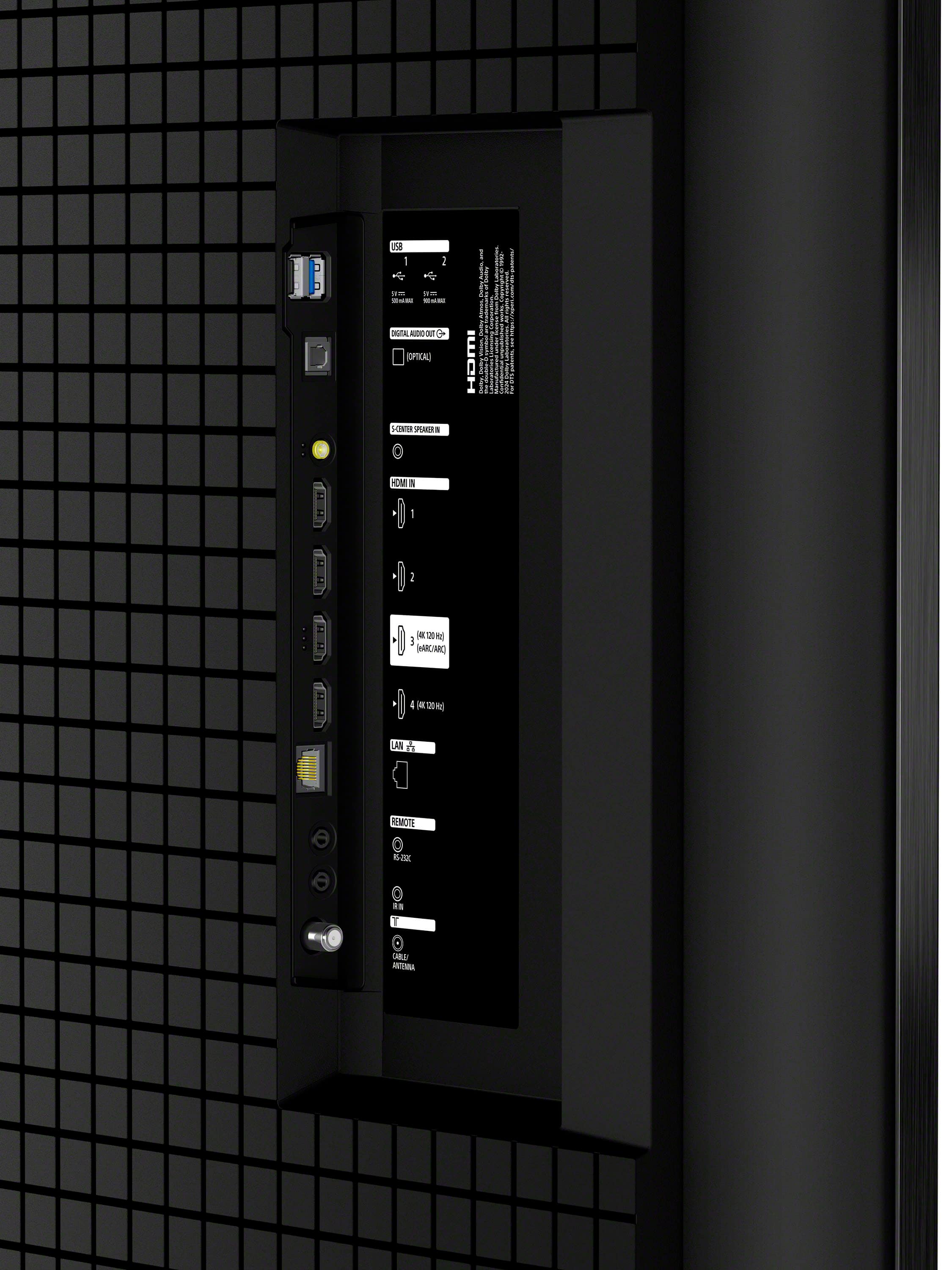
Both TVs support the latest HDMI standards and will handle whatever content you throw at them for years to come. The TCL's higher refresh rate capabilities give it a slight edge for future gaming applications, while Sony's superior processing means it will likely age better as streaming quality improves.
Sony's track record with software updates is generally better, meaning the BRAVIA 5 will likely receive new features and improvements longer than the TCL. This matters more than you might think - smart TV platforms evolve rapidly, and ongoing support can extend your TV's useful life significantly.
Choosing between the Sony BRAVIA 5 and TCL QM8 comes down to what you value most. The TCL delivers exceptional brightness, gaming performance, and value that satisfies the vast majority of users. It's the better choice for bright rooms, competitive gaming, and anyone who wants flagship-level performance without the flagship price.
The Sony justifies its premium through superior processing, more accurate colors, and significantly better audio. It's the choice for enthusiasts who notice and appreciate subtle quality improvements, or anyone who wants the most refined viewing experience possible.
For most people, the TCL represents better value - it delivers the dramatic improvements that Mini-LED technology promises at a price that won't break the bank. But if you're building a serious home theater setup or you're the type of person who notices processing artifacts and color inaccuracies, the Sony's improvements might be worth the extra cost.
Either way, you're getting a genuinely impressive TV that represents the current state of the art in Mini-LED technology. The fact that this level of performance is available at these prices shows just how far TV technology has advanced in recent years.
| Sony BRAVIA 5 65" Mini LED 4K Google TV 2025 | TCL 65" QM8 Mini-LED Smart TV |
|---|---|
| Price - Major factor in value equation | |
| $1,478 | $899-$998 |
| Peak Brightness - Critical for HDR impact and bright room viewing | |
| Very high but not specified (excellent HDR performance) | Up to 5,000 nits (class-leading brightness) |
| Local Dimming Zones - More zones mean better contrast control | |
| 6x more than previous Sony models (excellent blooming control) | 1,000+ zones (very effective dimming) |
| Processor - Determines picture quality and upscaling performance | |
| 3rd Gen XR Cognitive Processor (superior processing and AI) | AIPQ Processor (capable but less sophisticated) |
| Gaming Performance - Refresh rate and input lag for responsive gaming | |
| 120Hz, excellent motion clarity, PS5 integration | 144Hz VRR, lower input lag, gaming-focused |
| Color Technology - Affects color accuracy and vibrancy | |
| XR Triluminos Pro (natural, accurate colors) | Wide color gamut (vivid, impactful colors) |
| Audio Quality - Built-in sound performance | |
| Magnetic tweeters, X-Balanced speakers (significantly better) | Standard TV speakers (adequate, needs soundbar) |
| Motion Handling - Important for sports and action content | |
| XR Motion Clarity (superior processing, less blur) | Motion Rate 480 with MEMC (good but not exceptional) |
| Smart Platform - Interface and app performance | |
| Google TV (faster, more responsive) | Google TV (occasionally slower menu navigation) |
| Best For - Who should consider this TV | |
| Quality enthusiasts, mixed content, home theater setups | Bright rooms, gaming, maximum value seekers |
The TCL QM8 offers better value at $899-$998, delivering about 90% of premium TV performance for significantly less money. The Sony BRAVIA 5 at $1,478 provides superior processing and audio quality, but the price difference is substantial for incremental improvements most users won't notice.
The TCL QM8 delivers up to 5,000 nits peak brightness, making it exceptional for bright rooms and HDR content. The Sony BRAVIA 5 has very high brightness but doesn't match TCL's peak levels, focusing instead on how brightness is managed through superior processing.
For competitive gaming, the TCL QM8 has advantages with 144Hz refresh rate and lower input lag. The Sony BRAVIA 5 offers 120Hz with better motion clarity and PlayStation 5 integration. Choose TCL for raw gaming performance, Sony for overall gaming experience quality.
Both the Sony BRAVIA 5 and TCL QM8 run Google TV with identical app selection and voice control. However, Sony's more powerful processor makes the interface more responsive, while TCL occasionally shows minor lag when navigating menus or switching apps.
Picture quality depends on priorities. The TCL QM8 excels in brightness and color vibrancy, making HDR content more impactful. The Sony BRAVIA 5 delivers more accurate colors and superior upscaling of non-4K content through its advanced XR Cognitive Processor.
The Sony BRAVIA 5 has significantly better built-in audio with magnetic tweeters and X-Balanced speakers, providing clearer dialogue and better soundstage. The TCL QM8 has standard TV speakers that are adequate but will likely require a soundbar sooner.
The TCL QM8 is superior for bright rooms due to its exceptional 5,000 nits peak brightness and excellent reflection handling. It maintains picture quality even with lots of ambient light, while the Sony BRAVIA 5 performs better in controlled lighting environments.
Both work well for home theaters but serve different needs. The Sony BRAVIA 5 is better for dedicated, light-controlled theater rooms with its accurate colors and superior motion processing. The TCL QM8 works better in multipurpose rooms that get natural light.
Both TVs offer excellent local dimming. The TCL QM8 uses over 1,000 zones with effective blooming control. The Sony BRAVIA 5 has six times more zones than previous Sony models and uses XR Backlight Master Drive for more intelligent zone coordination.
The Sony BRAVIA 5 costs significantly more for improvements that may be subtle to most viewers. The TCL QM8 has less sophisticated processing for upscaling content and may need calibration for optimal color accuracy out of the box.
The Sony BRAVIA 5 typically receives longer software support and more frequent updates. Sony's track record with ongoing feature additions is generally better, though both TVs support current HDMI standards and will handle future content well.
Choose the TCL QM8 if you want maximum brightness, gaming performance, and value under $1,000. Select the Sony BRAVIA 5 if you prioritize processing quality, color accuracy, better audio, and don't mind paying a premium for refinement.
We've done our best to create useful and informative comparisons to help you decide what product to buy. Our research uses advanced automated methods to create this comparison and perfection is not possible - please contact us for corrections or questions. These are the sites we've researched in the creation of this article: rtings.com - pro.sony - youtube.com - electronics.sony.com - electronics.sony.com - electronics.sony.com - bestbuy.com - electronics.sony.com - youtube.com - bestbuy.com - videoandaudiocenter.com - valueelectronics.com - youtube.com - sony.ca - perpichtv.com - sony.com - displayspecifications.com - pioneertvandappliance.com - flatpanelshd.com - rtings.com - rtings.com - techradar.com - tcl.com - the-gadgeteer.com - nfm.com - ecoustics.com - careyscommunications.com - pcrichard.com - tcl.com

Privacy Policy
Terms and Conditions - Affiliate Policy
Home Security
© Copyright 2008-2026.
11816 Inwood Rd #1211, Dallas, TX 75244