



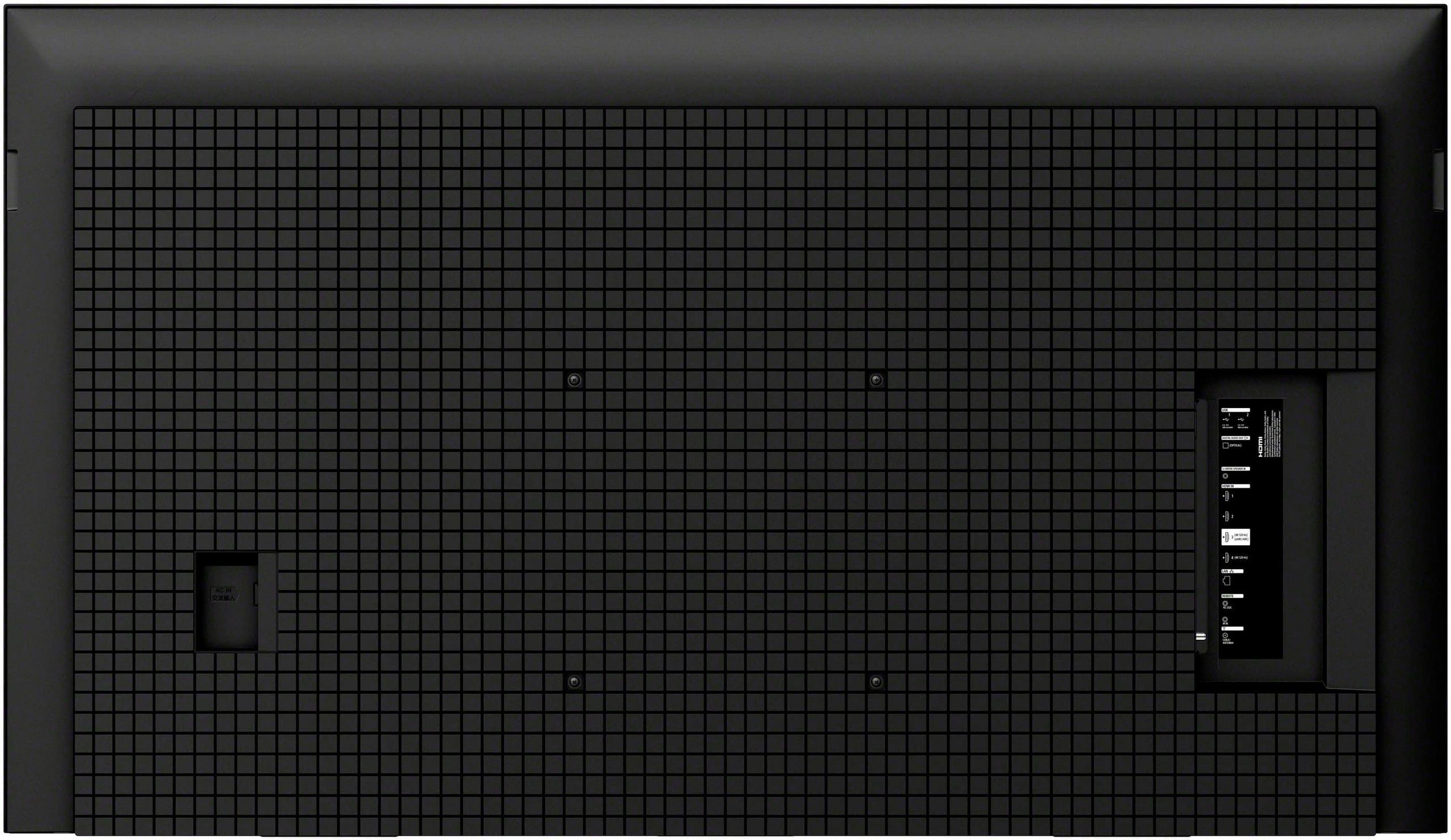
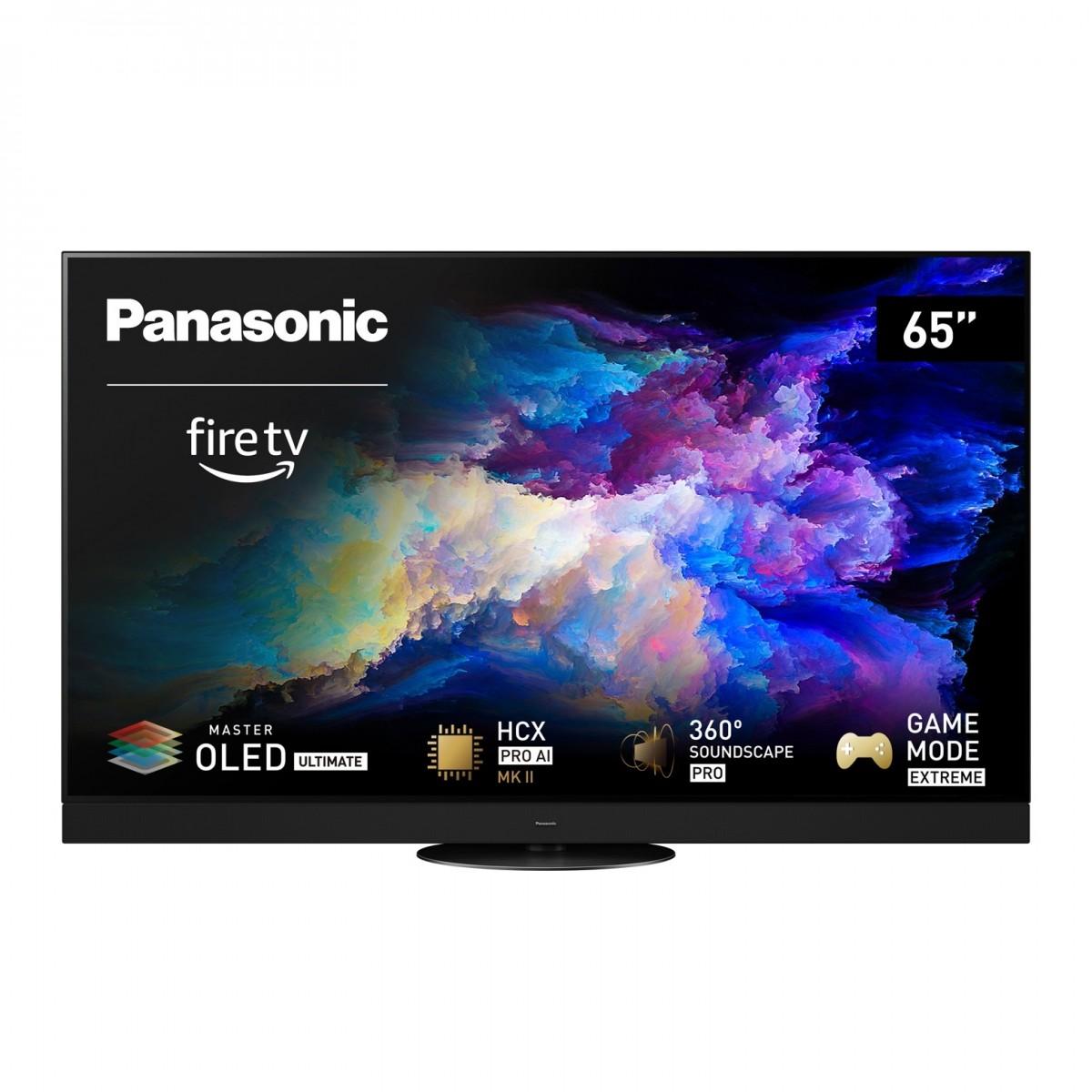
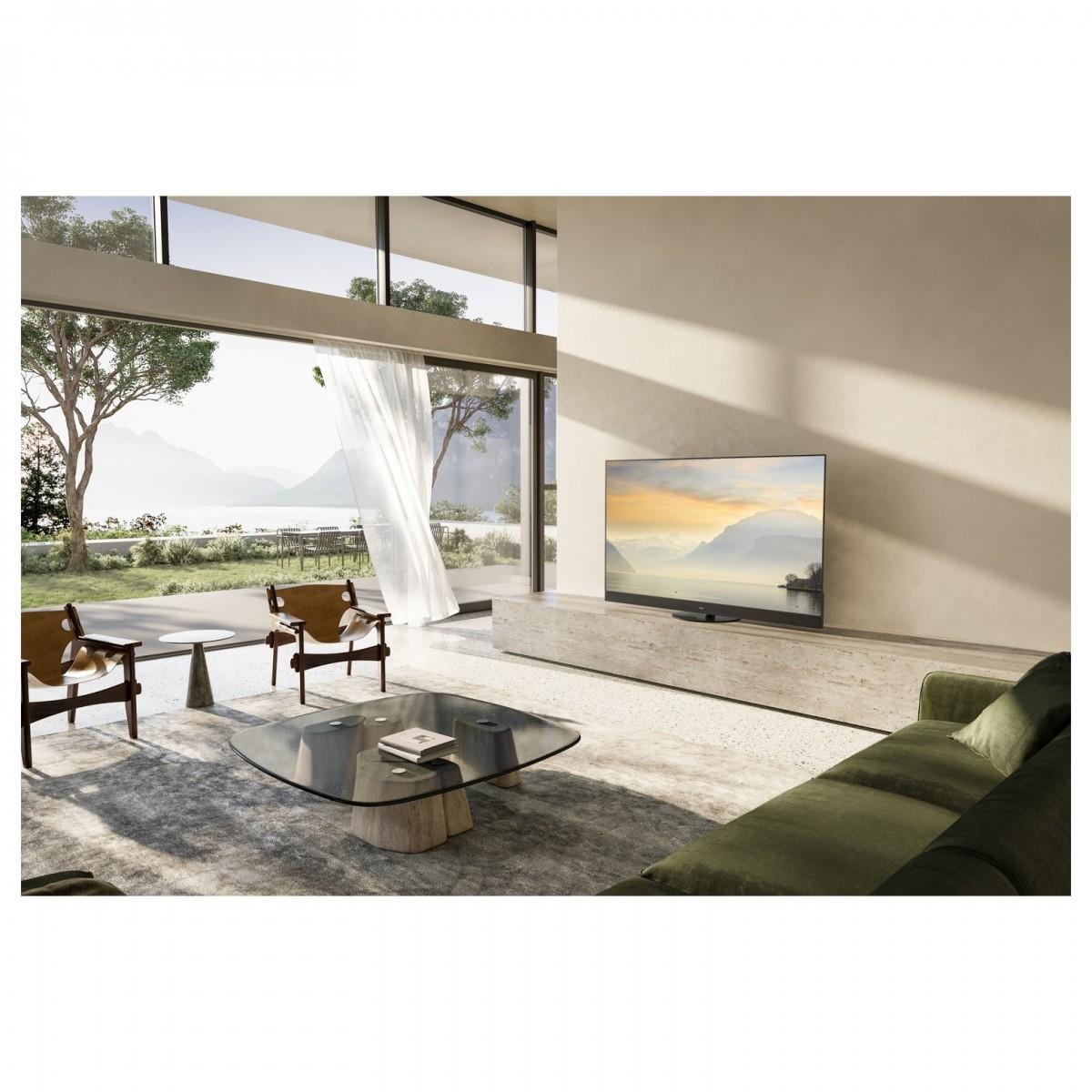
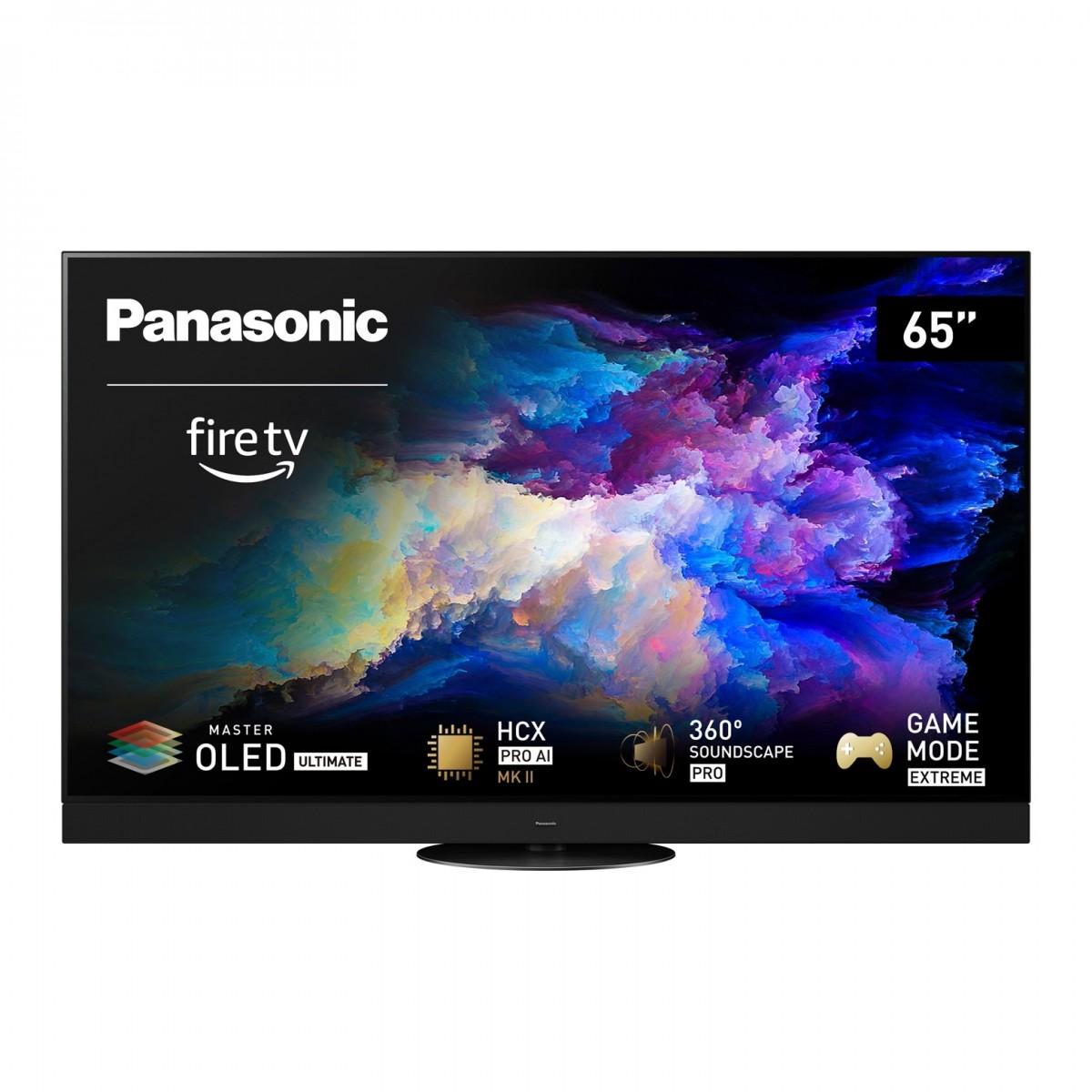
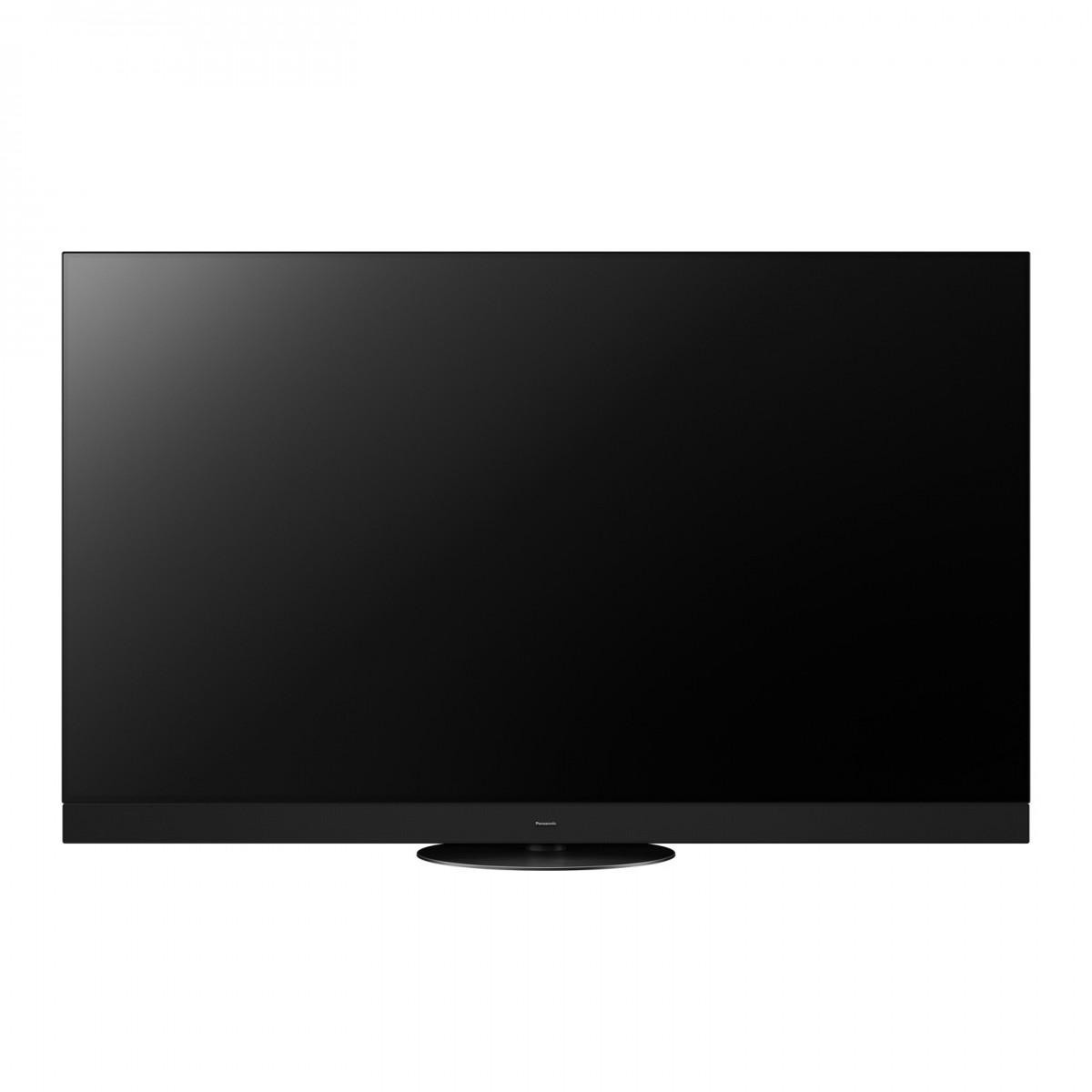
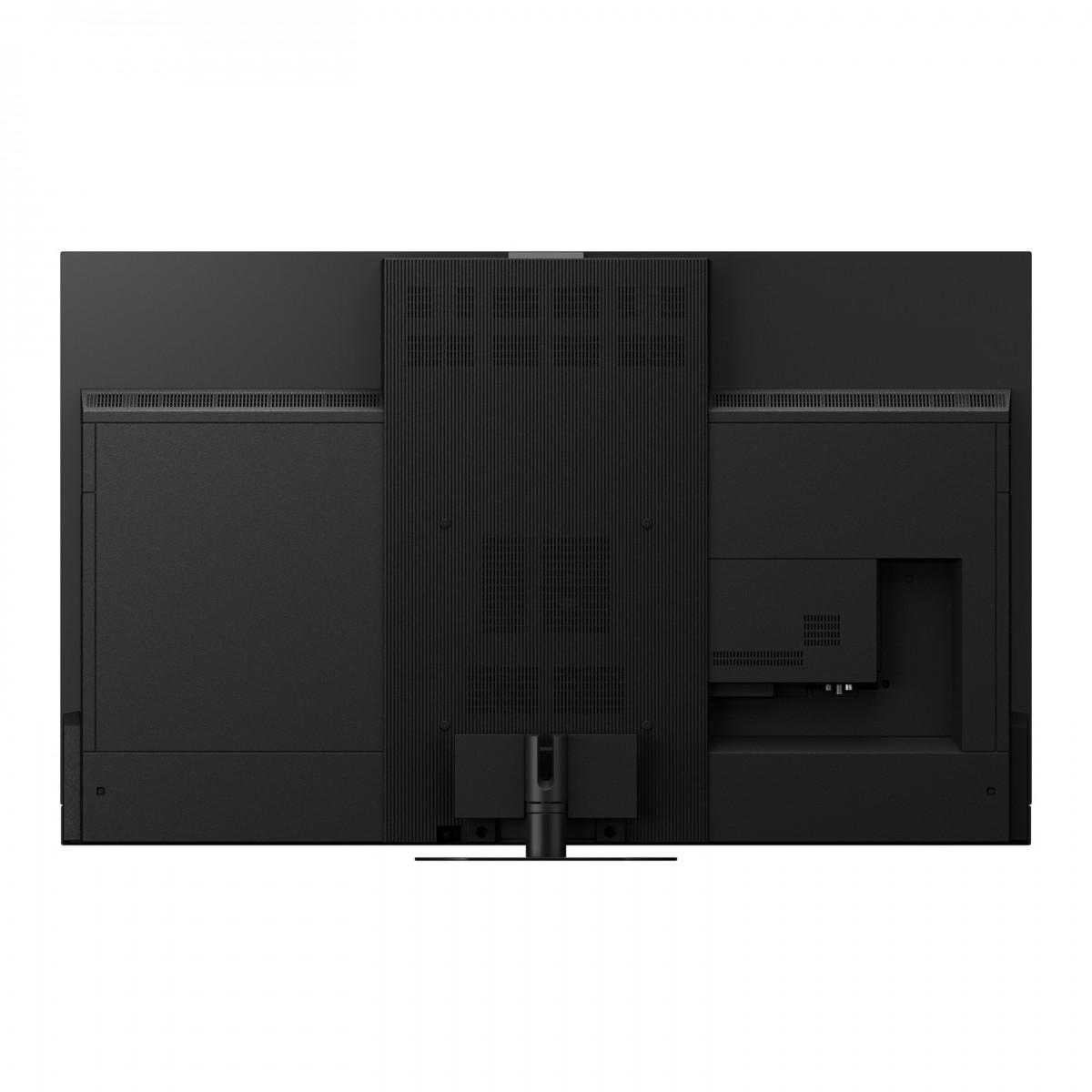
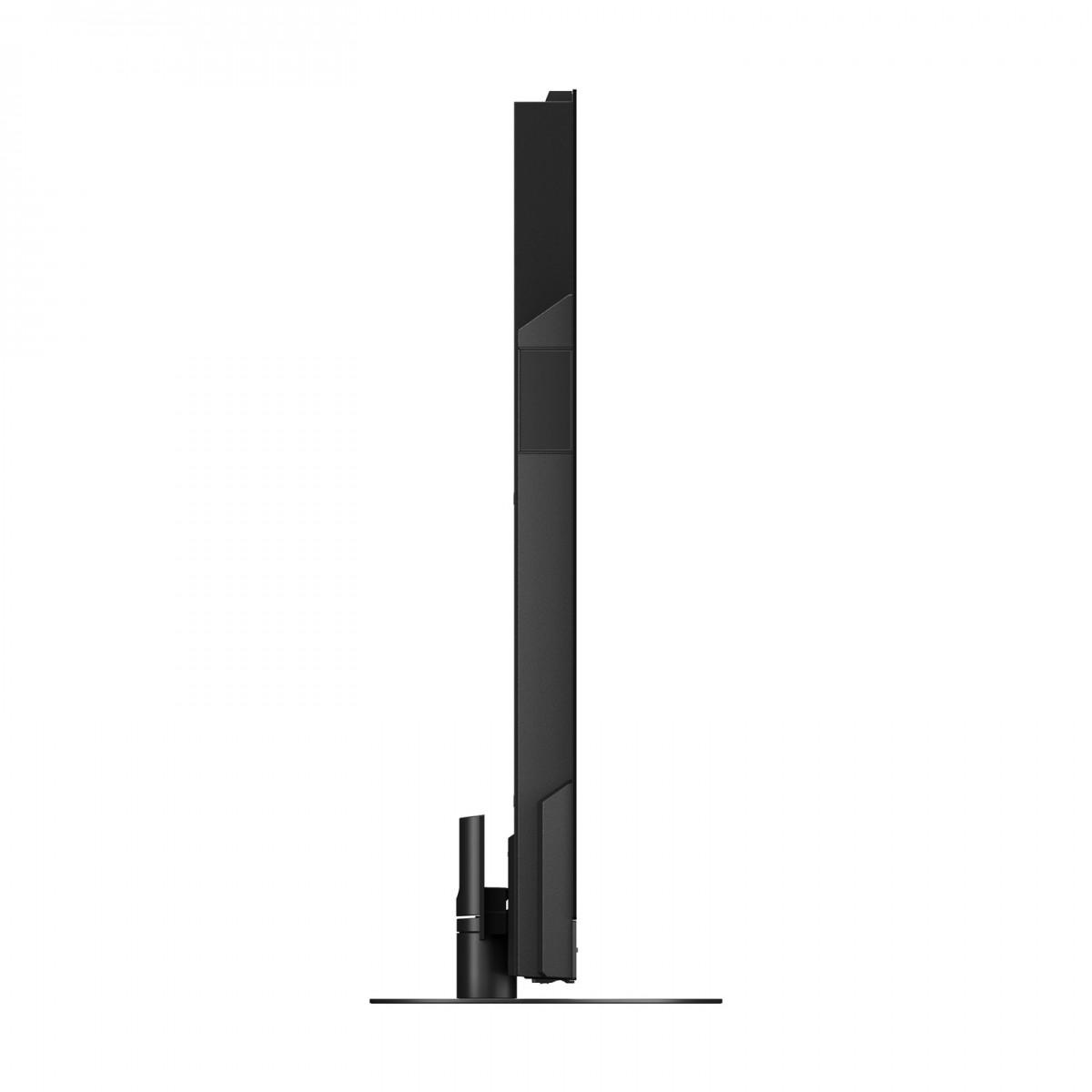
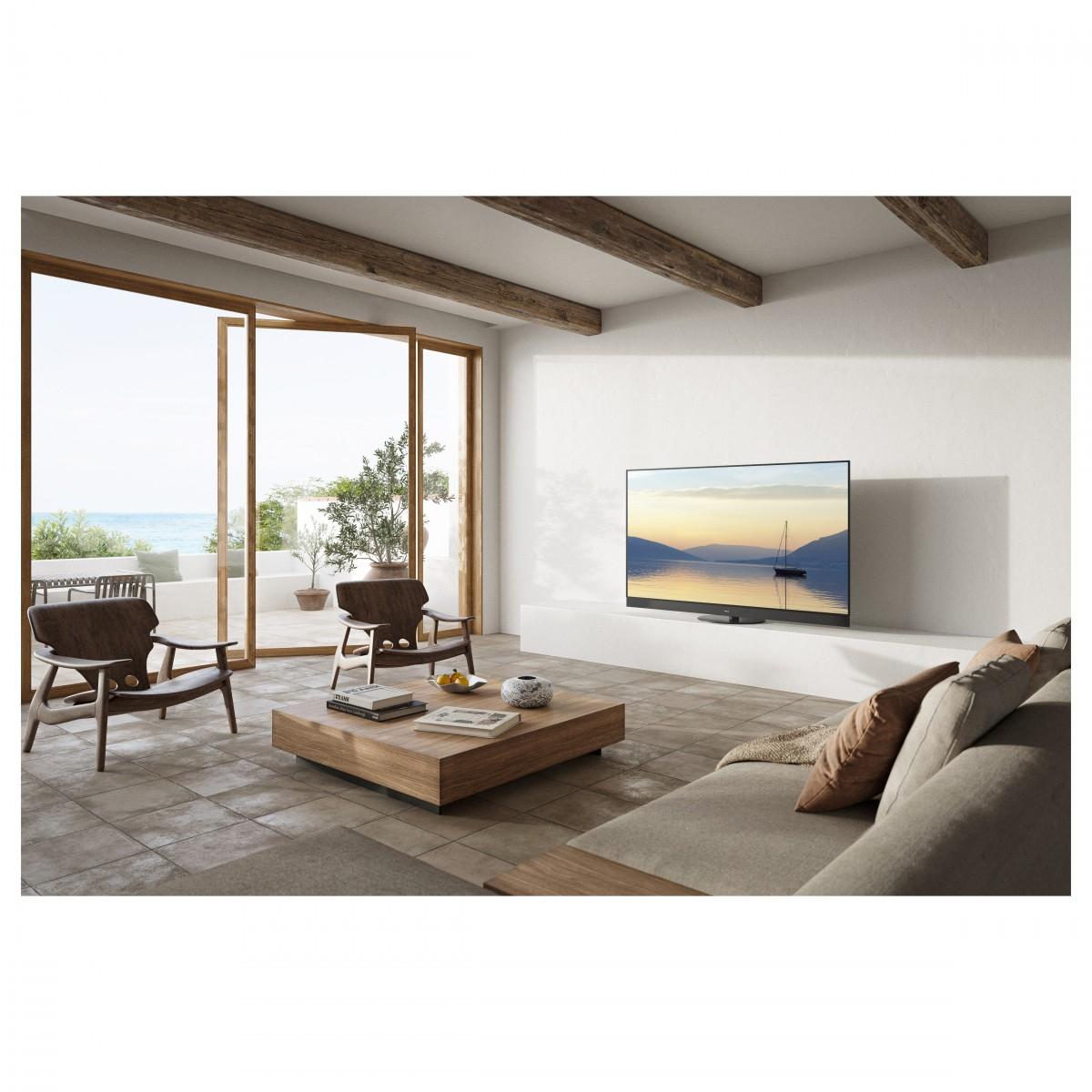
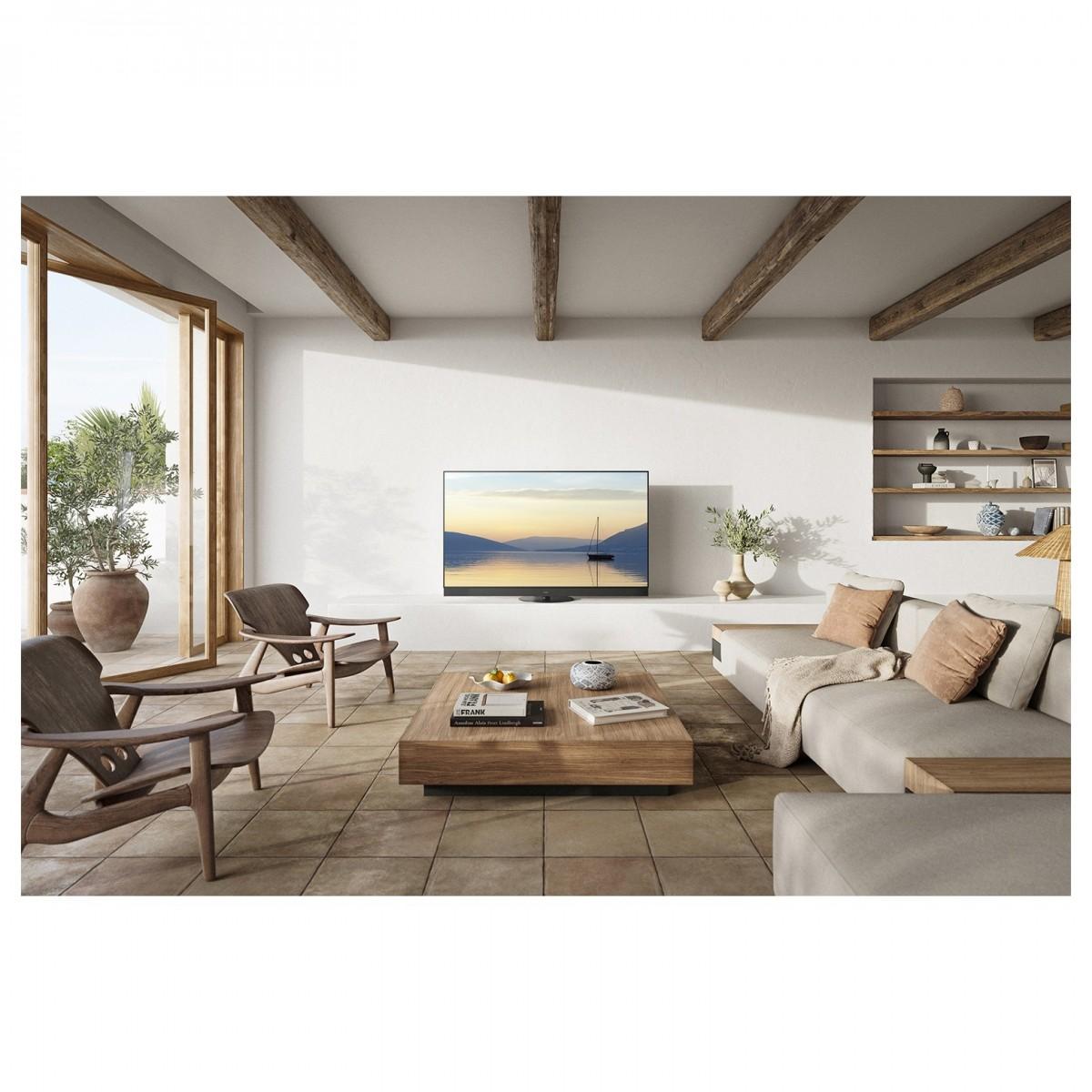
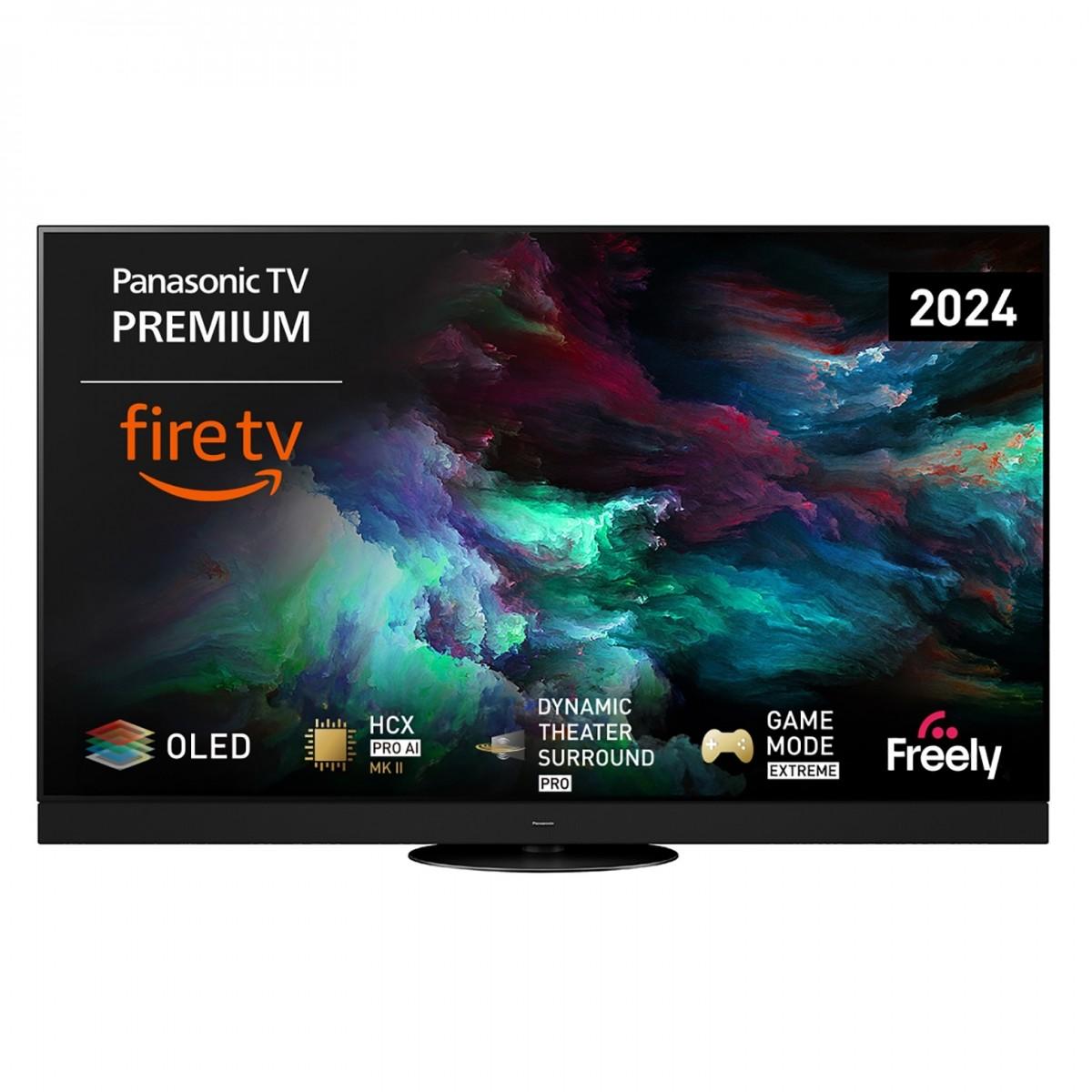
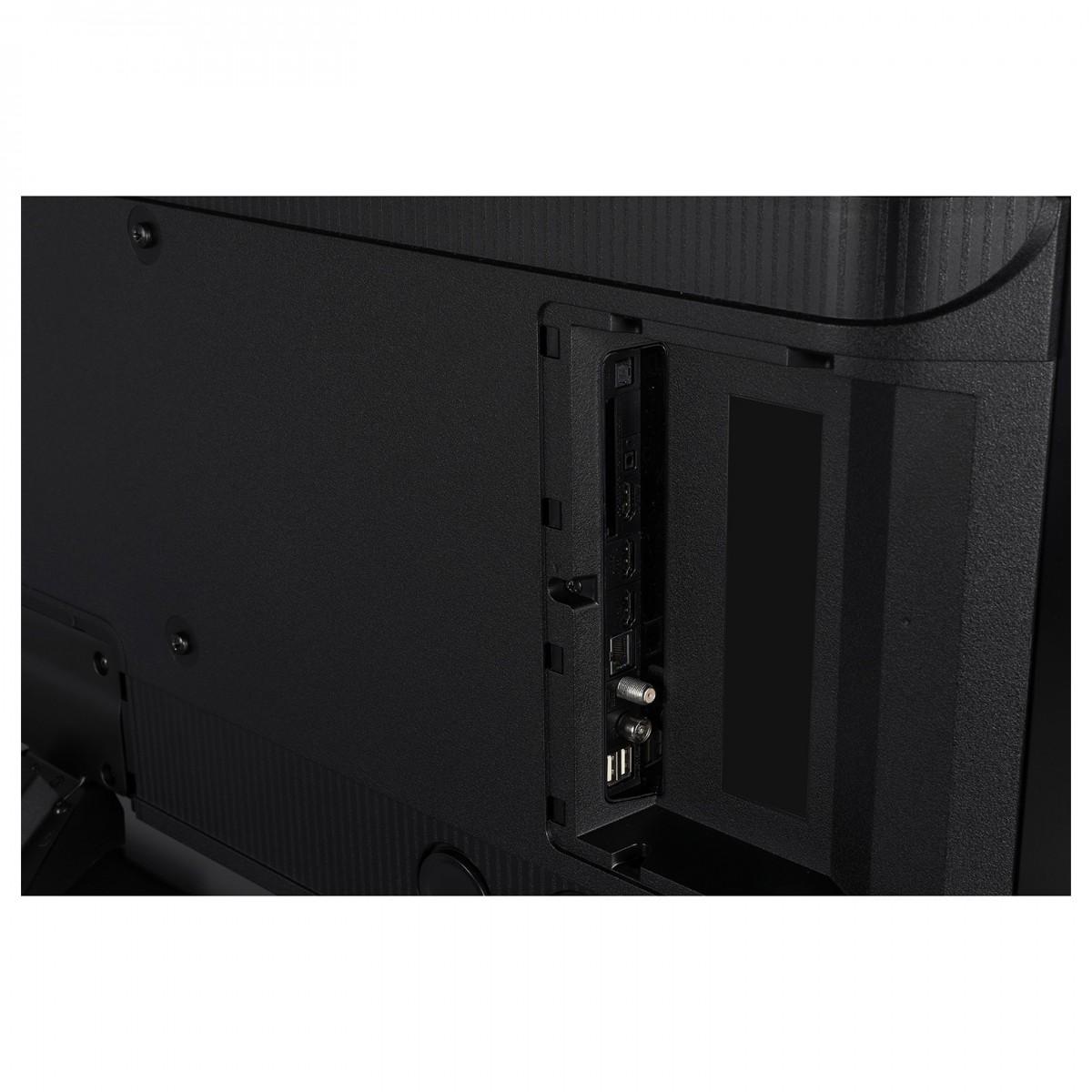
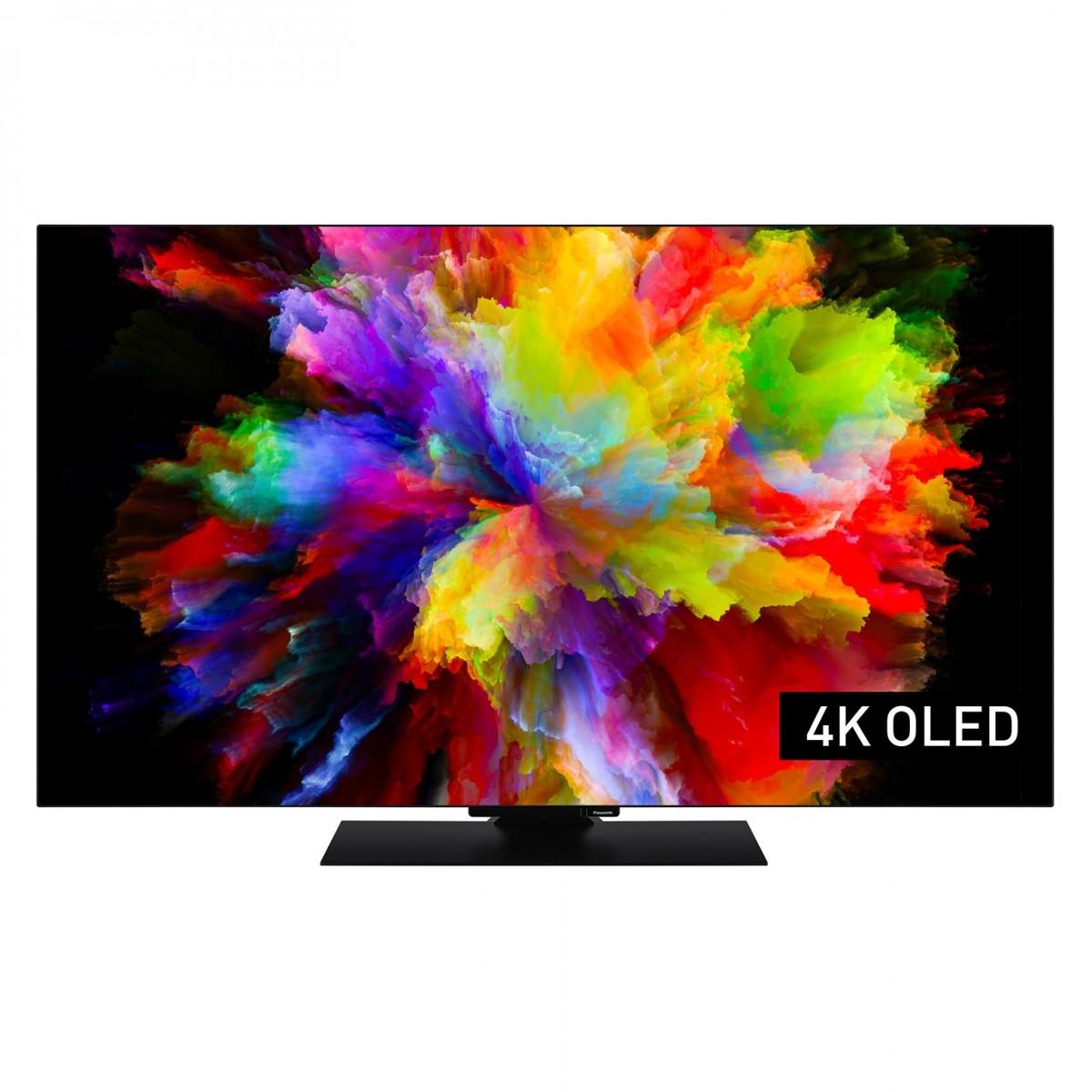
When you're ready to upgrade to a premium 65-inch TV, you're essentially choosing between two fundamentally different approaches to creating the perfect picture. The Panasonic Z95A 65" OLED represents the pinnacle of OLED technology, while the Sony BRAVIA 5 65" Mini LED showcases how advanced LED backlighting can compete with OLED at a fraction of the cost.
This decision isn't just about comparing specifications—it's about understanding how these different technologies will perform in your specific viewing environment and match your priorities. At the time of writing, you're looking at roughly double the investment for the Panasonic OLED compared to the Sony Mini LED, making this a classic premium versus value proposition.
The core difference between these TVs lies in how they create light and darkness. OLED (Organic Light-Emitting Diode) technology allows each individual pixel to turn completely on or off, creating what we call "perfect blacks." When an OLED pixel displays black, it's literally not emitting any light at all—it's as dark as your TV when it's powered off.
The Panasonic Z95A uses this OLED technology enhanced with micro lens array technology, which essentially acts like tiny magnifying glasses over each pixel to make them appear brighter and more efficient. Combined with Panasonic's HCX Pro AI Processor MKII, this creates exceptionally accurate colors that stay true to what filmmakers intended.
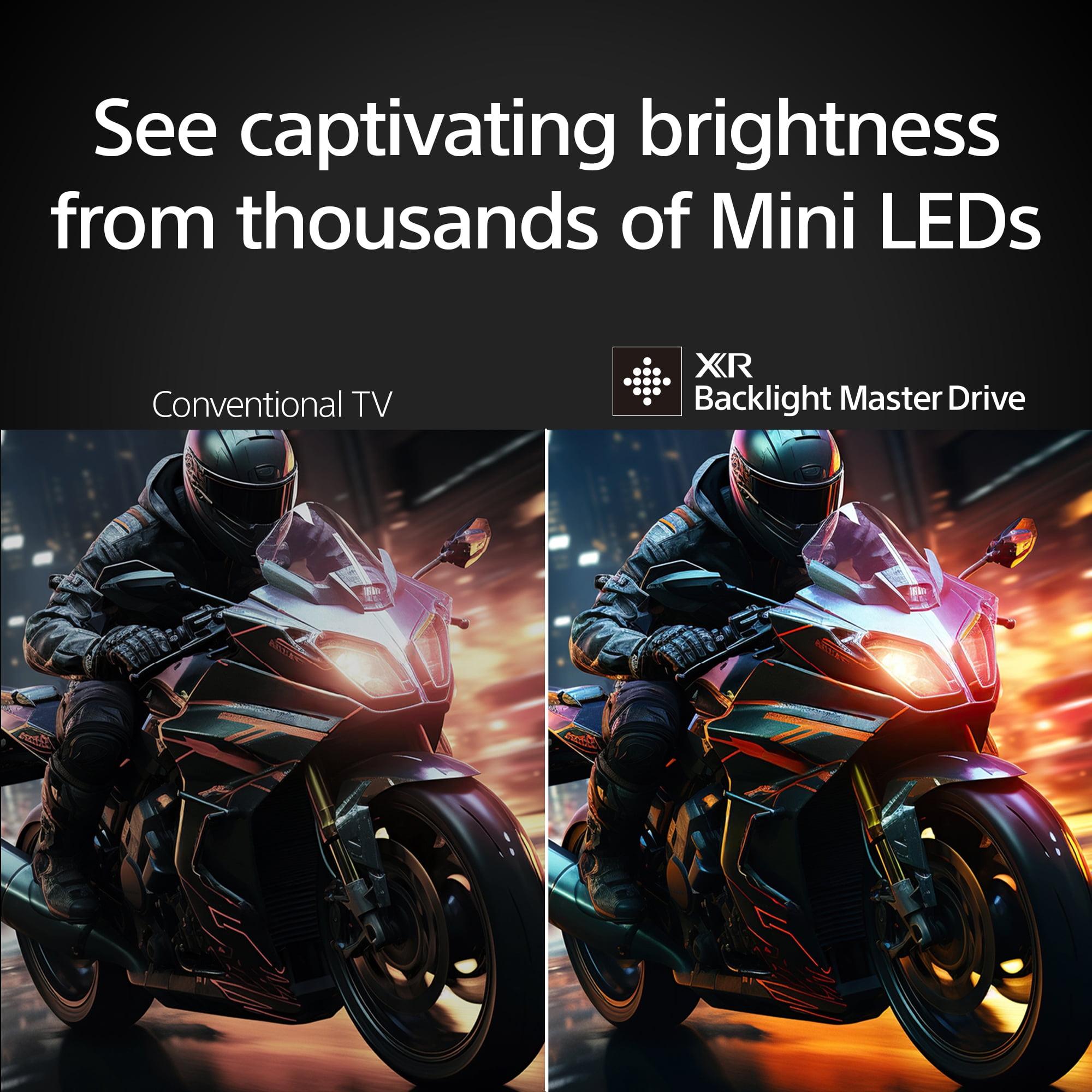
Mini LED technology, used in the Sony BRAVIA 5, takes a different approach. Instead of self-emitting pixels, it uses thousands of tiny LED backlights behind an LCD panel. Sony's XR Backlight Master Drive can control these LEDs in zones, dimming or brightening specific areas of the screen to create contrast. Think of it like having hundreds of tiny flashlights that can be adjusted independently—not quite as precise as OLED's pixel-level control, but much more sophisticated than traditional LED TVs.
The practical impact of these differences becomes clear in real viewing scenarios. OLED excels in dark rooms where its perfect blacks create incredible depth and realism. Mini LED shines (literally) in brighter environments where its higher peak brightness can overcome ambient light and maintain picture quality.
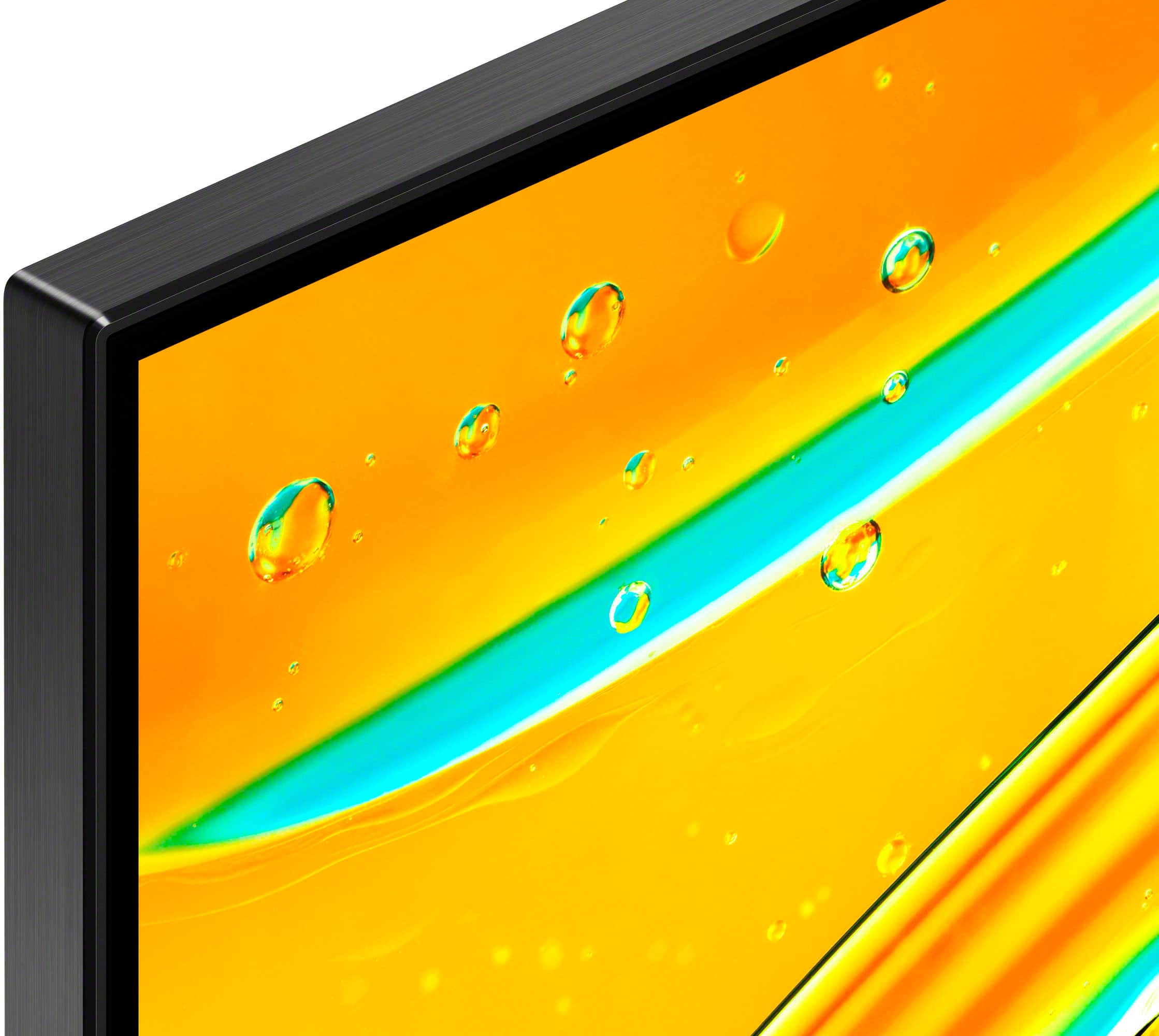
The contrast ratio—the difference between the darkest and brightest parts of an image—is where these technologies diverge most dramatically. The Panasonic Z95A achieves what's technically called "infinite contrast" because its black pixels emit zero light. When you're watching a movie with dark scenes, like space sequences or nighttime settings, this creates an almost three-dimensional depth that's immediately noticeable.
Our research into user experiences consistently shows that people notice OLED's superior blacks within minutes of viewing. The Sony BRAVIA 5, while impressive for an LED TV, can't quite achieve true black. Its local dimming creates what appears dark gray in completely dark rooms, though this becomes less noticeable in typical viewing conditions with some ambient light.
However, the Mini LED has its own advantages in contrast performance. When displaying bright highlights—think sun reflections, explosions, or bright sky scenes—the Sony BRAVIA 5 can push significantly higher peak brightness levels than most OLEDs. This creates more impactful HDR (High Dynamic Range) content in well-lit rooms.
Both TVs excel at color reproduction, but in different ways. The Panasonic Z95A uses its Hexa Chroma Drive technology combined with wide color gamut support to reproduce colors that closely match professional cinema standards. Panasonic has a strong reputation among videophiles for color accuracy—their TVs often come close to what you'd see in a professional color grading suite.
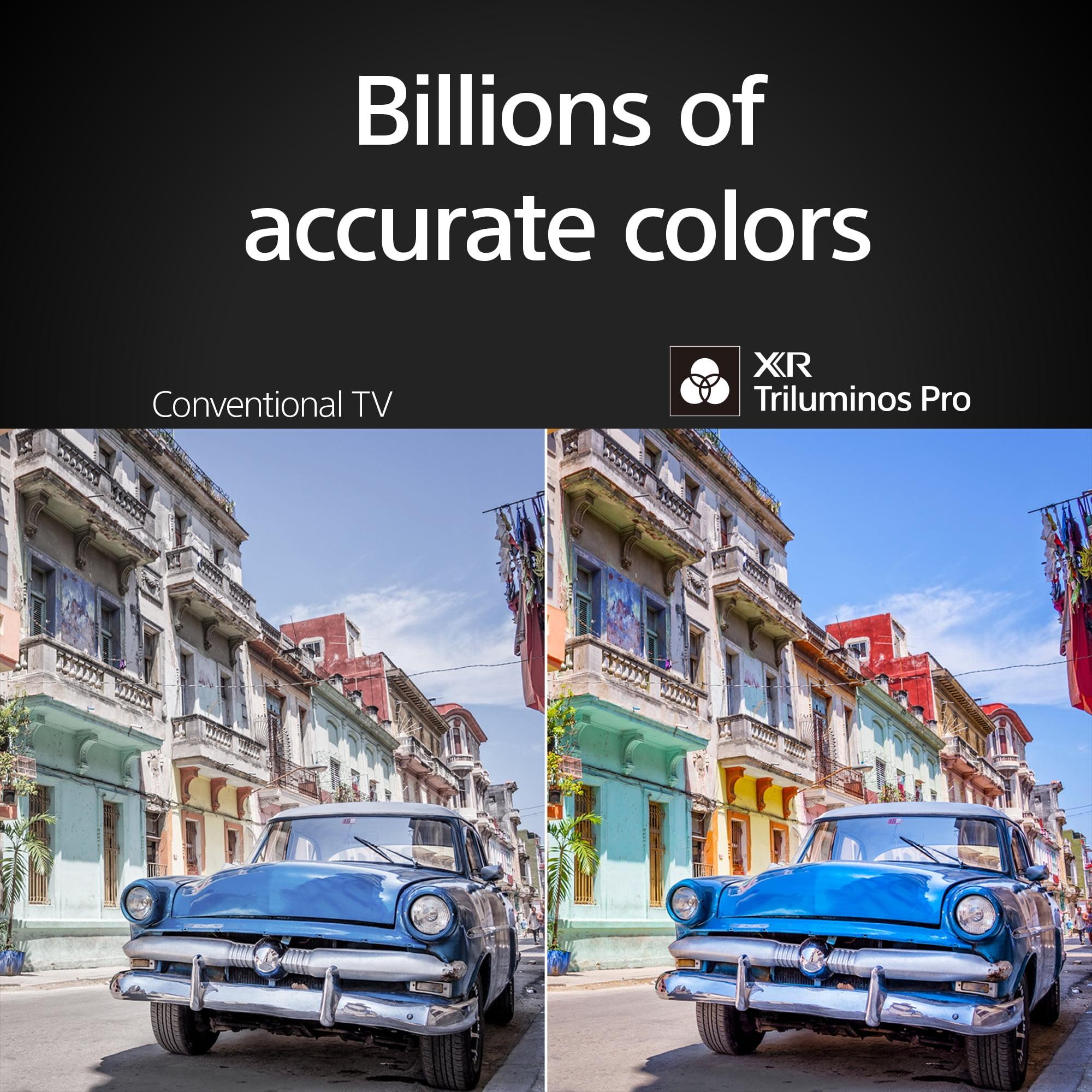
The Sony BRAVIA 5 employs XR Triluminos Pro technology, which can display over a billion colors through sophisticated color processing. Sony's approach tends to produce more vibrant, punchy colors that many viewers prefer for everyday content like sports, news, and streaming shows. The XR Processor analyzes content in real-time and adjusts colors to appear more lifelike, though this sometimes means departing from strict accuracy in favor of visual appeal.
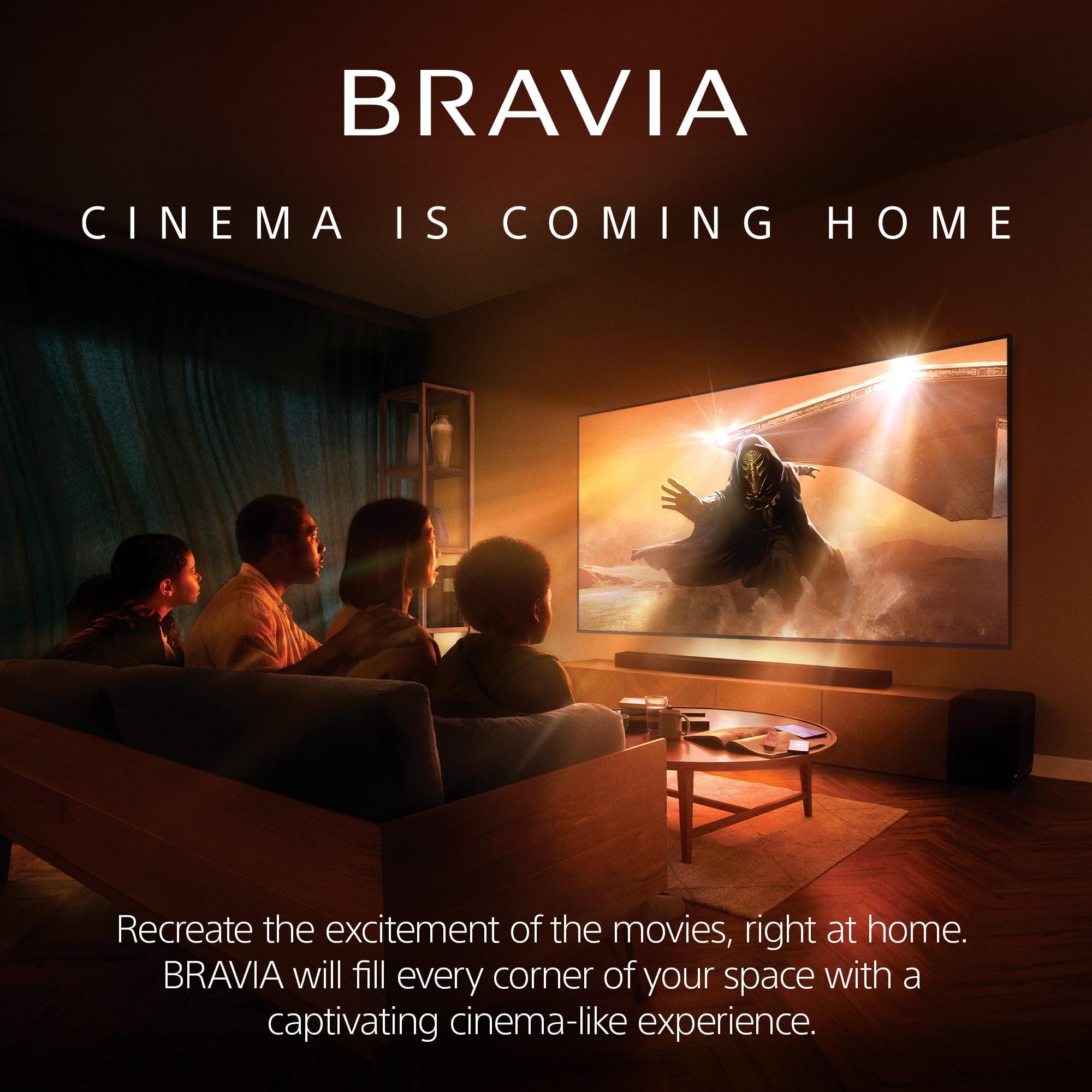
For home theater enthusiasts who want the most filmically accurate presentation, the Panasonic OLED typically edges ahead. For viewers who prefer vivid, engaging colors that make everything look spectacular, the Sony Mini LED often wins.
This is where OLED technology demonstrates a clear, practical advantage. The Panasonic Z95A maintains consistent color and contrast from virtually any viewing angle. You can sit significantly off to the side and still see the same picture quality as someone sitting directly in front.
The Sony BRAVIA 5, like most LCD-based TVs, suffers from viewing angle limitations. Colors shift and contrast decreases when viewed from the side. This matters more than you might think—if you have a wide seating arrangement or open floor plan where people view from different angles, the OLED provides a more consistent experience for everyone.
In our evaluation of user feedback, this viewing angle difference is one of the most commonly mentioned practical advantages of OLED technology, especially for families or anyone who entertains frequently.
Both TVs released in the mid-2020s era understand that gaming has become a primary use case for premium TVs, and they've adapted accordingly with impressive gaming features.
Input lag—the delay between when you press a controller button and see the action on screen—is crucial for competitive gaming. Both the Panasonic Z95A and Sony BRAVIA 5 achieve very low input lag in their dedicated gaming modes, typically under 20 milliseconds, which is excellent for gaming.
The Panasonic OLED has an additional advantage in pixel response time—how quickly individual pixels can change colors. OLED pixels can switch from one color to another almost instantaneously, eliminating motion blur in fast-paced games. The Sony Mini LED, while much improved over older LCD technology, still shows some motion blur in extremely fast scenes due to the inherent limitations of LCD panels.
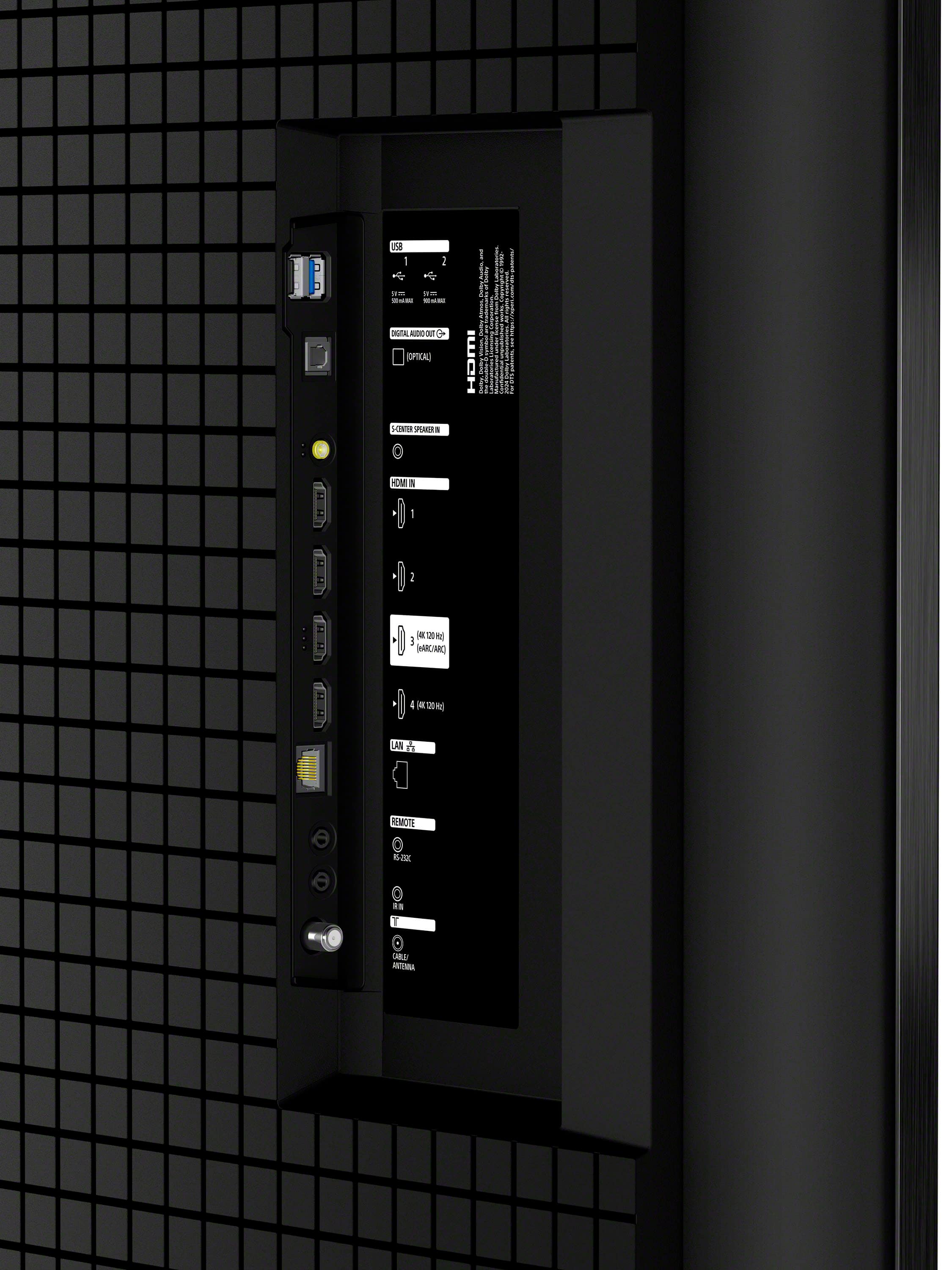
Both TVs support the current generation of gaming features that unlock the full potential of PlayStation 5 and Xbox Series X consoles. This includes 4K resolution at high refresh rates (144Hz on the Panasonic, 120Hz on the Sony), Variable Refresh Rate (VRR) to eliminate screen tearing, and Auto Low Latency Mode (ALLM) that automatically switches to gaming mode when it detects a console.
The Sony BRAVIA 5 particularly excels with PlayStation 5 integration, offering features like Auto HDR Tone Mapping that automatically optimizes HDR settings for each game. This tight integration makes sense given both products come from Sony, and it provides a more seamless gaming experience for PS5 owners.
The Panasonic Z95A supports these features broadly across gaming platforms, with its 144Hz refresh rate providing slightly smoother motion in supported games, though the difference between 120Hz and 144Hz is subtle for most content.
The smart TV experience differs significantly between these models, reflecting their manufacturers' different approaches and partnerships.
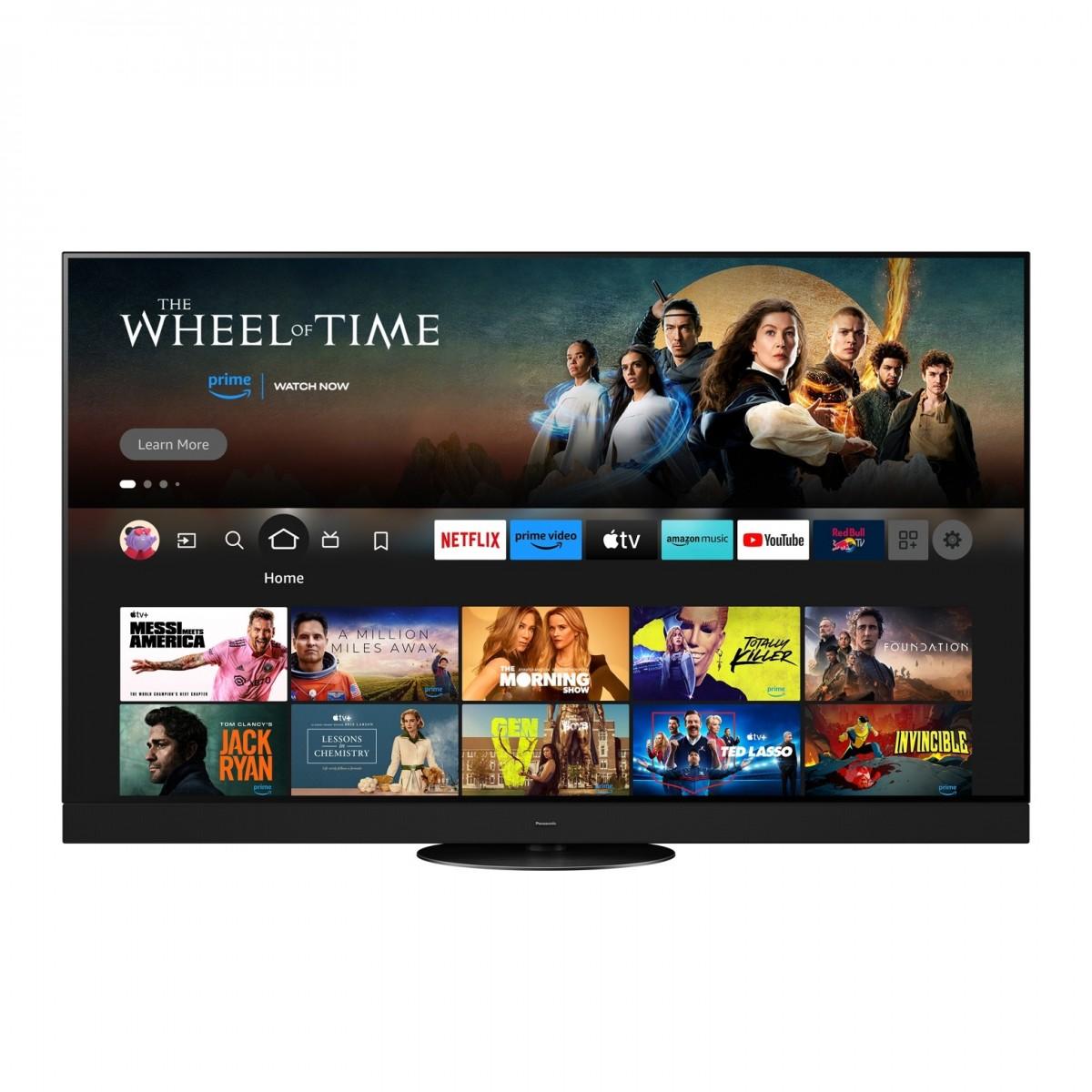
The Panasonic Z95A runs Amazon Fire TV, which provides access to a vast library of streaming apps and integrates deeply with Amazon's ecosystem. If you use Alexa devices throughout your home, this integration feels seamless. Fire TV's interface emphasizes content discovery and tends to surface Amazon Prime content prominently, though all major streaming services are readily available.
The Sony BRAVIA 5 uses Google TV, which builds on Android TV with enhanced personalization and content aggregation. Google TV excels at combining content from multiple streaming services into unified recommendations. If you're heavily invested in Google services or prefer the flexibility of the Google Play Store for apps, this platform offers more customization options.
Both platforms support voice control, but they integrate with different smart home ecosystems. The choice between them often comes down to your existing smart home setup and content preferences.
While both TVs include decent built-in audio systems with Dolby Atmos support, there are meaningful differences in their approach to sound.
The Panasonic Z95A features integrated speakers designed to provide 360-degree sound that attempts to create spatial audio effects. However, like most built-in TV audio systems, it's ultimately limited by the physical constraints of thin TV designs.
The Sony BRAVIA 5 takes an interesting approach by allowing its speakers to function as a center channel when paired with compatible Sony soundbars or receivers. This Acoustic Center Sync feature means the TV can become part of a larger home theater audio system, potentially eliminating the need for a separate center channel speaker.
For serious home theater setups, both TVs work best with external audio systems, but Sony's integration approach provides more flexibility for building a complete audio solution over time.
OLED technology comes with one significant consideration: the potential for burn-in, where static images displayed for extended periods can leave permanent ghost images on the screen. Modern OLEDs, including the Panasonic Z95A, have implemented various technologies to minimize this risk, including pixel shifting and automatic brightness limiting. For normal viewing patterns—watching movies, streaming shows, gaming with varied content—burn-in is unlikely to occur.
However, if you plan to use the TV extensively for applications with static elements (like news channels with persistent logos, certain video games with fixed UI elements, or as a computer monitor), the Sony BRAVIA 5 eliminates this concern entirely.
The Mini LED technology in the Sony also tends to maintain its brightness levels over longer periods, while OLED panels may gradually dim over many years of use, though this degradation is typically very slow and may not be noticeable during the TV's useful lifetime.
For dedicated home theater rooms, the Panasonic Z95A offers advantages that become more pronounced in controlled lighting environments. Its perfect blacks create the kind of cinematic experience that approaches what you'd see in a commercial theater, especially when watching content mastered for HDR formats like Dolby Vision.
The Sony BRAVIA 5 excels in multi-purpose rooms where the TV needs to perform well under various lighting conditions. Its higher peak brightness means HDR content maintains impact even with some ambient light, making it more versatile for everyday use.
Color accuracy becomes particularly important in home theater applications. The Panasonic OLED typically provides more accurate reproduction of the filmmaker's intended color palette, while the Sony Mini LED may enhance colors in ways that some viewers prefer but purists might consider less accurate.
The choice between these TVs ultimately depends on your priorities, room conditions, and budget considerations.
Choose the Panasonic Z95A OLED if you prioritize ultimate picture quality and have the budget for premium technology. It's ideal for dark or controlled lighting environments, wide seating arrangements, and viewers who want the most cinematic experience possible. The perfect blacks, accurate colors, and wide viewing angles justify the higher investment for serious movie enthusiasts and anyone who considers their TV a centerpiece entertainment device.
The Sony BRAVIA 5 Mini LED makes more sense for value-conscious buyers who still want premium features. It excels in bright rooms, offers excellent gaming performance, and provides most of the visual benefits of premium TV technology at a more accessible price point. The superior brightness handling and elimination of burn-in concerns make it particularly appealing for varied use cases and family environments.
Consider your viewing habits, room lighting, seating arrangement, and budget priorities. Both TVs represent excellent examples of their respective technologies, and either choice will provide a significant upgrade over older or entry-level models. The Panasonic OLED offers the ultimate in picture quality, while the Sony Mini LED delivers exceptional value and versatility.
At the time of writing, the price difference between these technologies remains significant, but both represent solid investments in premium home entertainment. The decision often comes down to whether perfect picture quality justifies the premium cost, or if excellent picture quality at better value better matches your priorities.
| Panasonic Z95A 65" OLED 4K Ultra HD Smart TV | Sony BRAVIA 5 65" Mini LED 4K Google TV 2025 |
|---|---|
| Display Technology - Fundamental difference in how picture is created | |
| OLED with micro lens array (perfect blacks, infinite contrast) | Mini LED with XR Backlight Master Drive (high brightness, local dimming) |
| Peak Brightness - Critical for HDR impact and bright room viewing | |
| Moderate OLED brightness (excellent in dark rooms, limited in bright spaces) | High Mini LED brightness (superior HDR impact, better for well-lit rooms) |
| Black Levels - Affects contrast and cinematic depth | |
| Perfect blacks (pixels completely off, infinite contrast ratio) | Deep blacks through local dimming (very good but not true black) |
| Viewing Angles - Important for wide seating arrangements | |
| Excellent (consistent picture from any angle) | Limited (colors and contrast degrade when viewed off-center) |
| Gaming Refresh Rate - Affects motion smoothness in games | |
| 144Hz (slightly smoother for supported content) | 120Hz (excellent for all current gaming consoles) |
| Gaming Features - Modern console compatibility | |
| HDMI 2.1, VRR, ALLM, Game Mode, MEMC | HDMI 2.1 (2 ports), VRR, ALLM, G-SYNC compatible, PS5 integration |
| Smart TV Platform - Determines app ecosystem and user experience | |
| Amazon Fire TV with Alexa built-in | Google TV (version 12) with Google Assistant |
| Processor - Affects picture processing and AI features | |
| HCX Pro AI Processor MKII (filmmaker-focused accuracy) | 3rd Gen XR Processor (AI scene recognition and enhancement) |
| Color Technology - Impacts color accuracy and vibrancy | |
| Hexa Chroma Drive, Wide Color Gamut (cinema-accurate colors) | XR Triluminos Pro (over 1 billion colors, enhanced vibrancy) |
| HDR Support - Determines compatibility with premium content | |
| HDR10, HDR10+, Dolby Vision, HLG | HDR10, HDR10+, Dolby Vision, HLG, IMAX Enhanced |
| Audio Features - Built-in sound quality and integration | |
| Dolby Atmos, 360° soundscape, Home Theatre Built-in | Dolby Atmos, DTS:X, can function as center channel with Sony soundbars |
| Burn-in Risk - Long-term reliability consideration | |
| Potential burn-in with static content (modern mitigation included) | No burn-in risk (LCD technology immune to permanent image retention) |
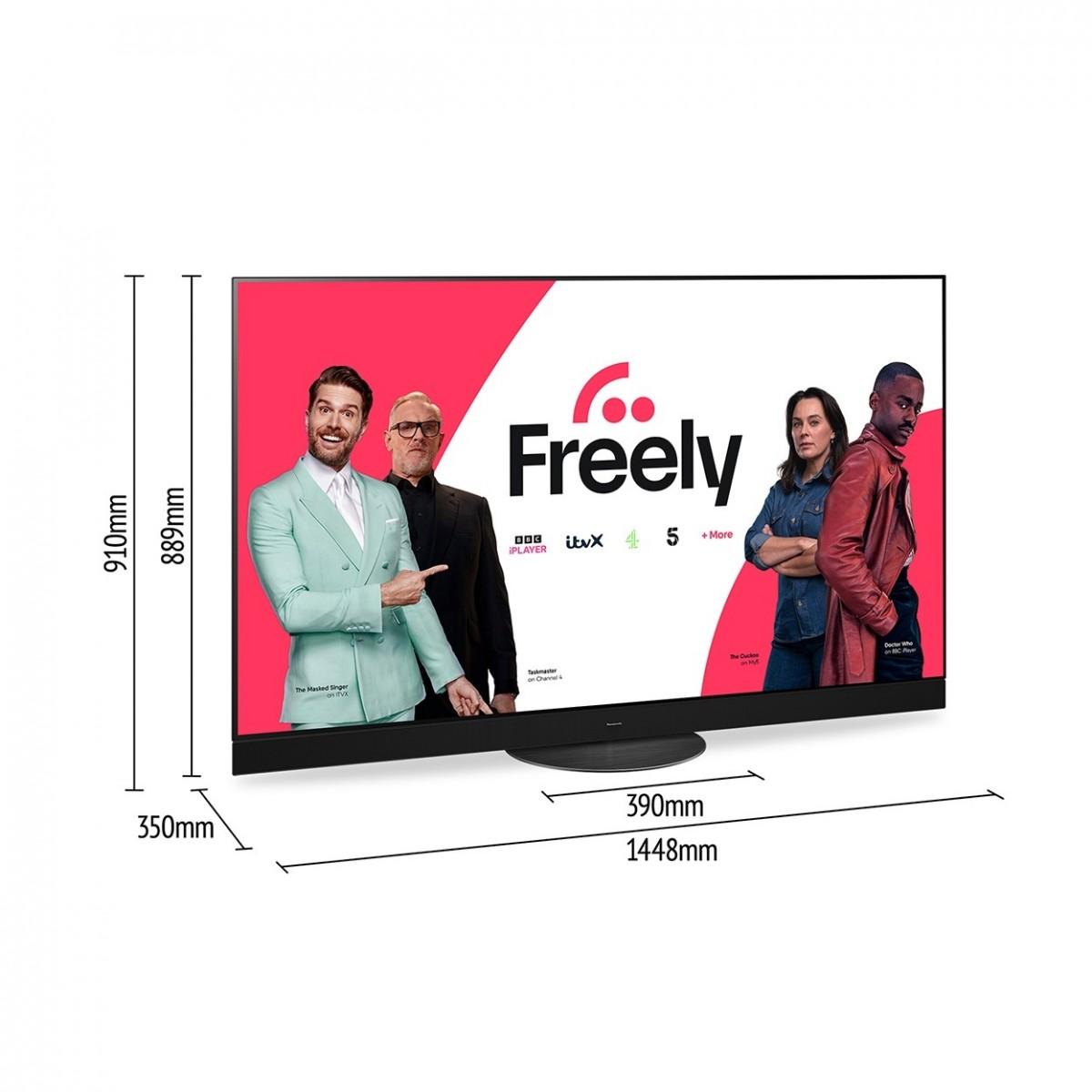
| Design Profile - Physical appearance and installation | |
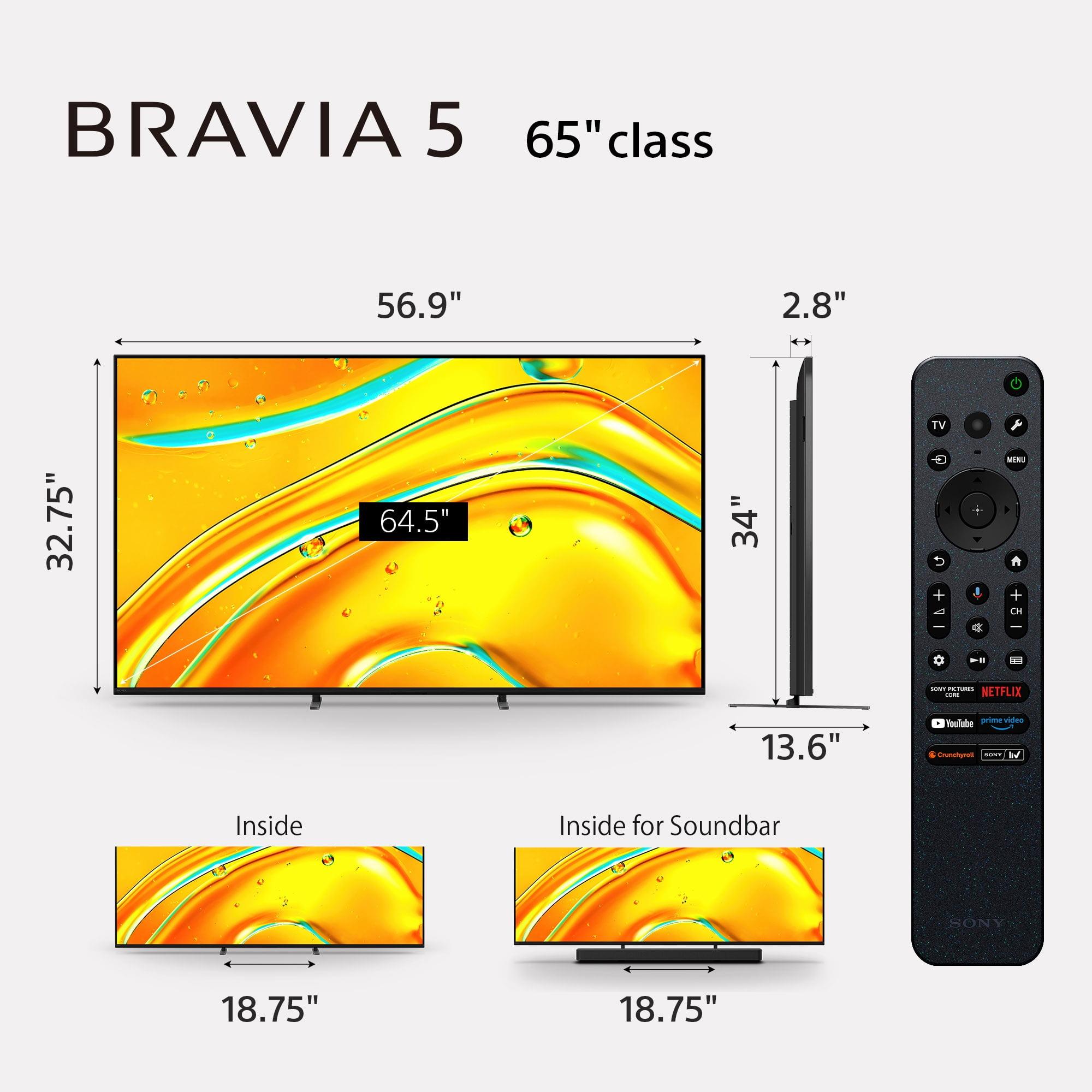
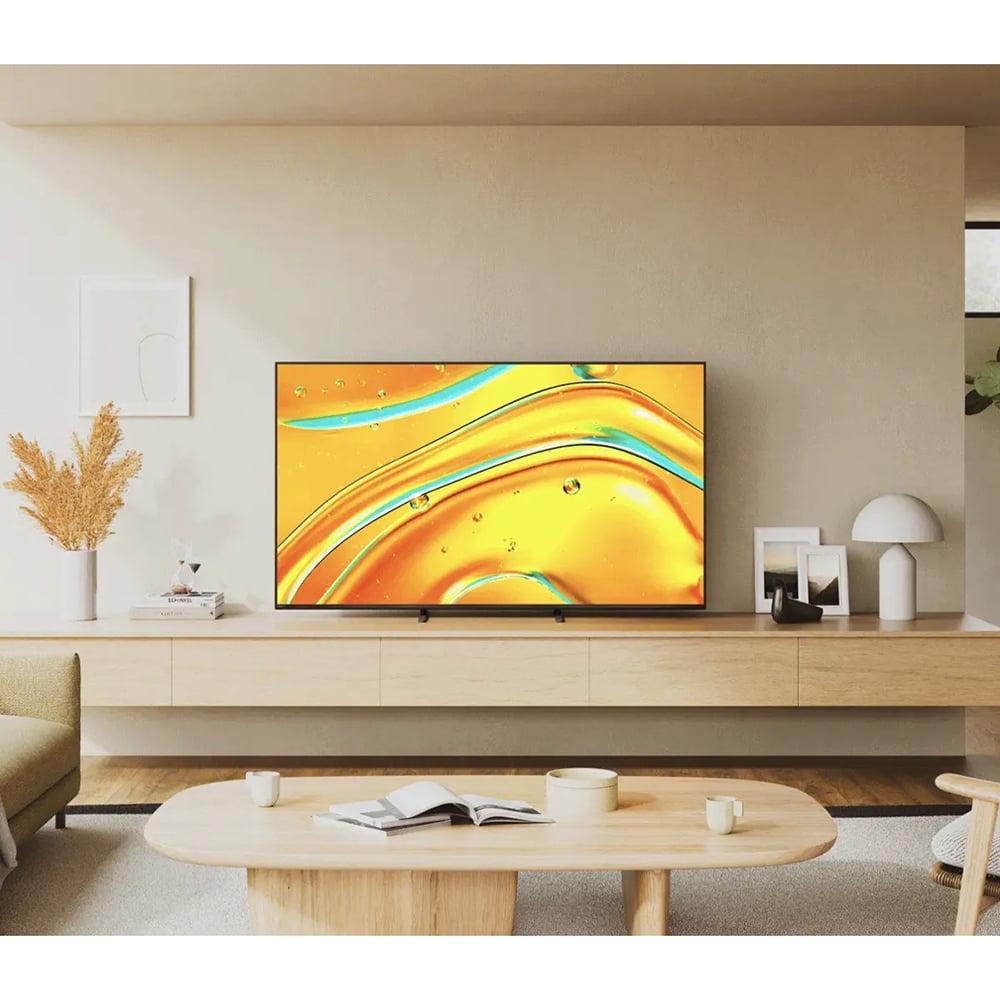
| Ultra-thin OLED panel, premium aesthetic | Standard LED thickness, modern One Slate design |
| Voice Control - Smart home integration options | |
| Alexa built-in, Google Assistant support, hands-free control | Google Assistant native, Chromecast built-in, Apple AirPlay 2 |
| Value Proposition - Performance per dollar consideration | |
| Premium OLED experience at flagship pricing | Excellent Mini LED performance at mid-range flagship pricing |
The Panasonic Z95A OLED is significantly better for dark room viewing due to its perfect black levels. OLED technology allows individual pixels to turn completely off, creating true blacks and infinite contrast that makes dark scenes appear more realistic and cinematic. The Sony BRAVIA 5 Mini LED produces very good blacks through local dimming, but cannot achieve the same depth in completely dark environments.
The Sony BRAVIA 5 Mini LED excels in bright rooms with its higher peak brightness capability. Mini LED technology can push much brighter highlights than OLED, making HDR content more impactful and helping the picture maintain quality despite ambient light. The Panasonic Z95A OLED has moderate brightness that works well in controlled lighting but may struggle against direct sunlight or very bright room conditions.
Both TVs offer excellent gaming performance, but with slight differences. The Panasonic Z95A OLED provides 144Hz refresh rate and faster pixel response times, eliminating motion blur in fast-paced games. The Sony BRAVIA 5 Mini LED offers 120Hz with superior PlayStation 5 integration, G-SYNC compatibility, and very low input lag. Both support HDMI 2.1, VRR, and ALLM for modern console gaming.
The smart TV experience differs based on platform preference. The Sony BRAVIA 5 Mini LED runs Google TV with excellent content aggregation, Google Assistant integration, and extensive customization options. The Panasonic Z95A OLED uses Amazon Fire TV with deep Alexa integration and comprehensive streaming app access. Both platforms are mature and capable, with the choice often depending on your existing smart home ecosystem.
Yes, there's a significant difference in viewing angles. The Panasonic Z95A OLED maintains consistent picture quality from virtually any viewing angle, making it ideal for wide seating arrangements or open floor plans. The Sony BRAVIA 5 Mini LED experiences color shifting and contrast reduction when viewed from the side, typical of LCD-based technology.
For dedicated home theater rooms, the Panasonic Z95A OLED typically provides the superior cinematic experience with its perfect blacks, accurate colors, and wide viewing angles in controlled lighting. However, the Sony BRAVIA 5 Mini LED offers excellent home theater performance at better value, especially in multi-purpose rooms where ambient light is a factor.
The Panasonic Z95A OLED has potential for burn-in with static images displayed for extended periods, though modern OLED panels include mitigation technologies like pixel shifting. The Sony BRAVIA 5 Mini LED has no burn-in risk since it uses LCD technology, making it worry-free for varied content including gaming, news channels, or computer use.
The Panasonic Z95A OLED uses the HCX Pro AI Processor MKII focused on filmmaker-intended color accuracy and cinema-grade processing. The Sony BRAVIA 5 Mini LED employs the 3rd Gen XR Processor with AI scene recognition that enhances content in real-time for more vivid, engaging visuals. Both offer excellent processing but with different philosophical approaches.
The Sony BRAVIA 5 Mini LED provides exceptional value, delivering premium TV features and performance at roughly half the cost of comparable OLED technology. The Panasonic Z95A OLED represents premium pricing for ultimate picture quality. Your choice depends on whether perfect picture quality justifies the higher investment or if excellent performance at better value suits your needs.
Both TVs support Dolby Atmos, but with different implementations. The Panasonic Z95A OLED features 360° soundscape technology for immersive audio. The Sony BRAVIA 5 Mini LED offers Acoustic Multi-Audio and can function as a center channel when paired with compatible Sony soundbars, providing more flexibility for building a complete home theater audio system.
Both TVs are reliable, but with different considerations. The Sony BRAVIA 5 Mini LED uses LCD technology that maintains brightness levels over time and has no burn-in concerns. The Panasonic Z95A OLED may experience gradual brightness reduction over many years and requires mindful usage to prevent burn-in, though both factors are typically not issues during normal TV lifespans.
For sports viewing, both TVs perform well but differently. The Panasonic Z95A OLED offers superior motion clarity due to faster pixel response times, eliminating blur in fast action. The Sony BRAVIA 5 Mini LED provides excellent brightness for daytime sports viewing and good motion handling, though with slight motion blur compared to OLED technology. Both support high refresh rates for smooth sports broadcasts.
We've done our best to create useful and informative comparisons to help you decide what product to buy. Our research uses advanced automated methods to create this comparison and perfection is not possible - please contact us for corrections or questions. These are the sites we've researched in the creation of this article: youtube.com - youtube.com - whathifi.com - tomsguide.com - shop.panasonic.com - store.in.panasonic.com - rtings.com - applianceplus.co.nz - rtings.com - store.in.panasonic.com - samsung.com - rtings.com - pro.sony - youtube.com - electronics.sony.com - electronics.sony.com - electronics.sony.com - bestbuy.com - electronics.sony.com - youtube.com - bestbuy.com - videoandaudiocenter.com - valueelectronics.com - youtube.com - sony.ca - perpichtv.com - sony.com - displayspecifications.com - pioneertvandappliance.com - flatpanelshd.com

Privacy Policy
Terms and Conditions - Affiliate Policy
Home Security
© Copyright 2008-2026.
11816 Inwood Rd #1211, Dallas, TX 75244