


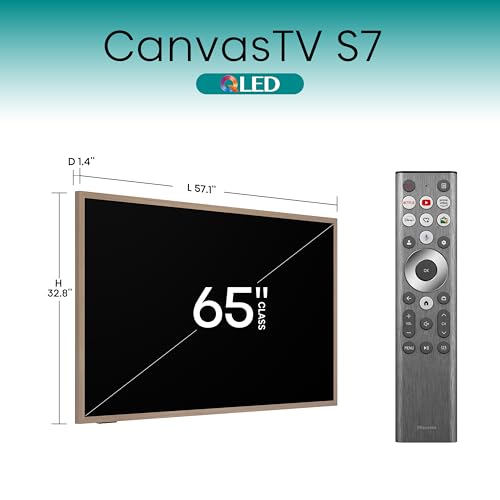



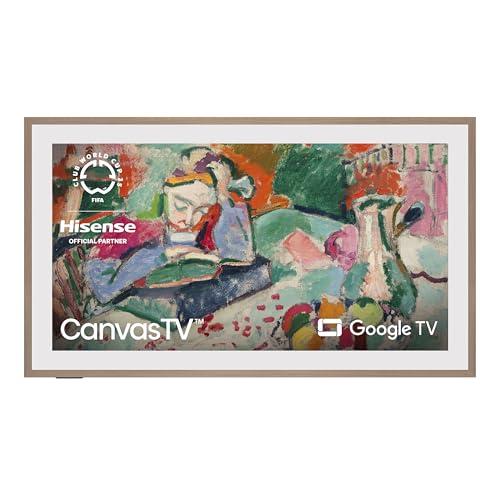


When shopping for a premium 65-inch 4K TV in 2025, you're facing one of the most exciting periods in television technology. The market has split into distinct approaches: TVs that prioritize unique features and dual functionality, versus those focused purely on delivering the best possible picture quality. This comparison examines two compelling options that represent these different philosophies—the Hisense S7N CanvasTV and the Sony BRAVIA 5 Mini LED.
The premium 65" TV category has evolved dramatically since 2020. What used to be a straightforward choice between brands has become a decision between fundamentally different approaches to what a television should be. Modern premium TVs need to excel at multiple tasks: delivering cinema-quality picture for movies, providing responsive gaming for the latest consoles and PCs, integrating seamlessly with smart home systems, and increasingly, serving as decorative elements when not actively displaying content.
The key factors that matter most when choosing between premium TVs today include display technology (which affects contrast and color), brightness capabilities (crucial for HDR content), gaming performance (refresh rates and input lag), smart platform integration, and increasingly, unique value propositions that extend beyond traditional TV functionality.
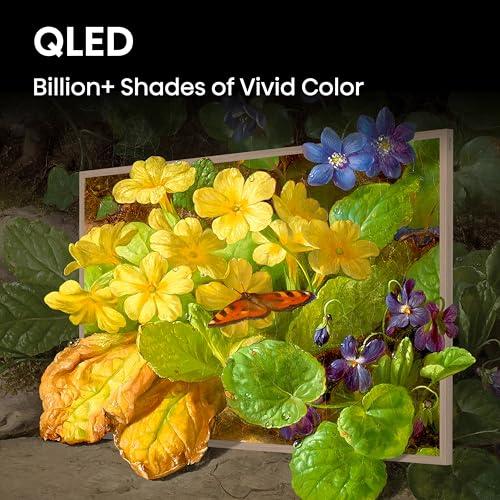
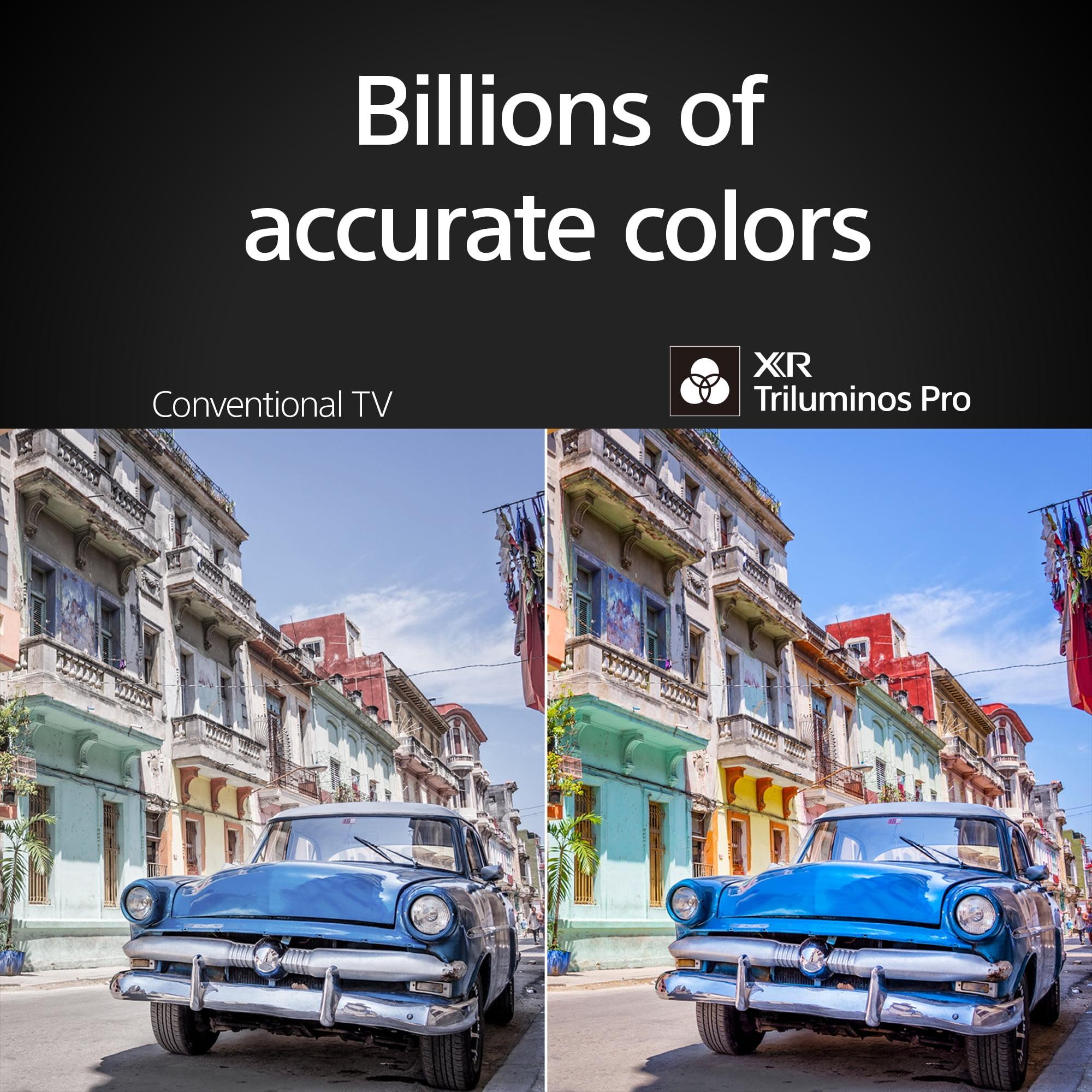
Released in 2024, the Hisense S7N CanvasTV represents a bold reimagining of what a television can be. At its core, this is a QLED TV—meaning it uses Quantum Dot technology to produce over a billion distinct colors by placing microscopic particles between the backlight and LCD panel. These quantum dots emit precise colors when struck by light, creating more accurate and vibrant hues than traditional LED TVs can achieve.
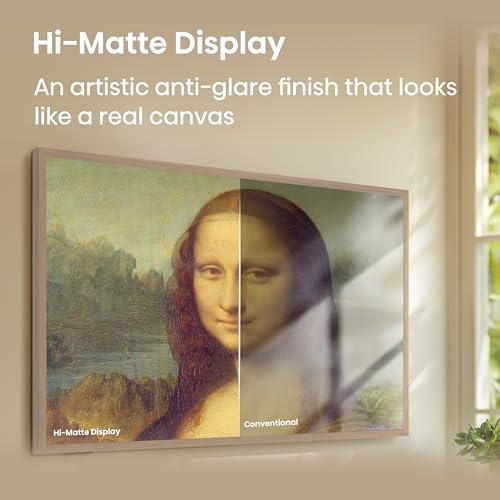
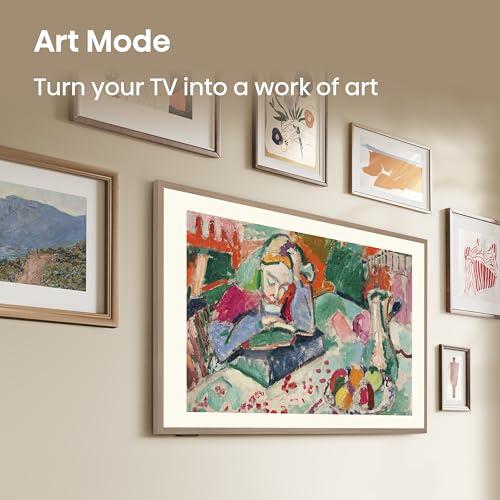
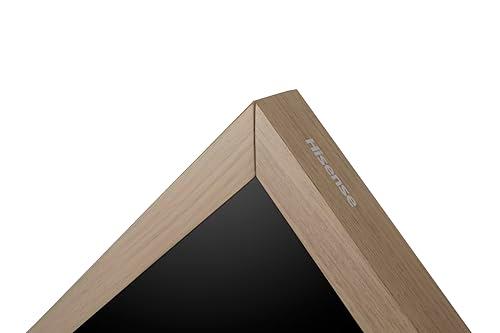
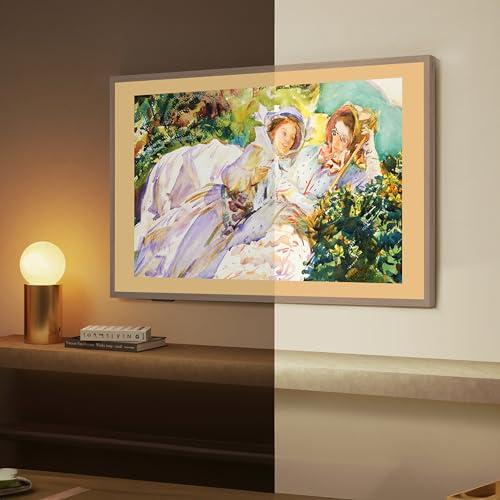
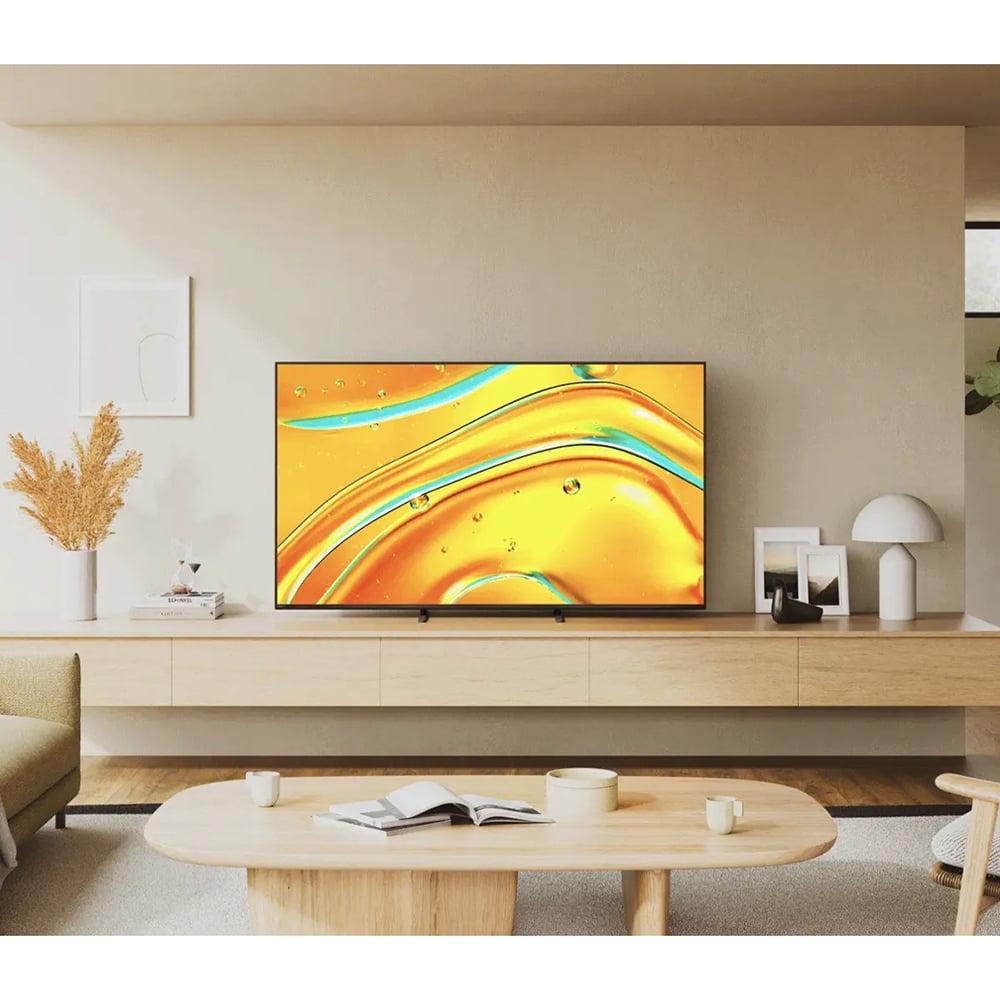
But the CanvasTV's defining feature isn't its display technology—it's the Hi-Matte anti-glare coating that reduces reflections to just 5% of what you'd see on a traditional glossy TV screen. This matte finish serves dual purposes: it makes the TV usable in bright rooms with lots of windows, and it creates the texture and appearance of an actual canvas when displaying artwork.
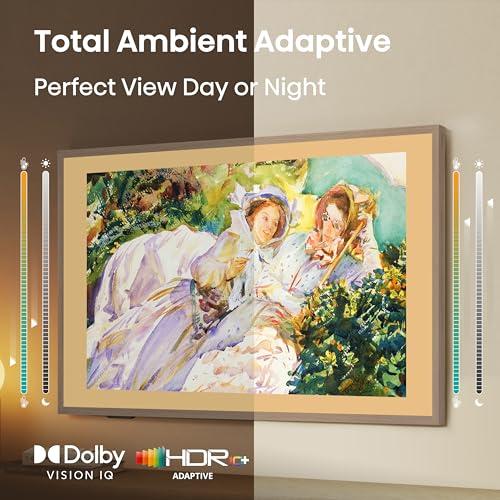
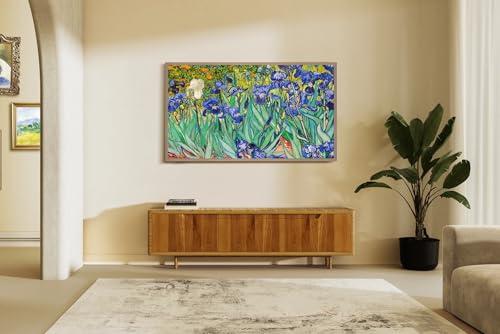
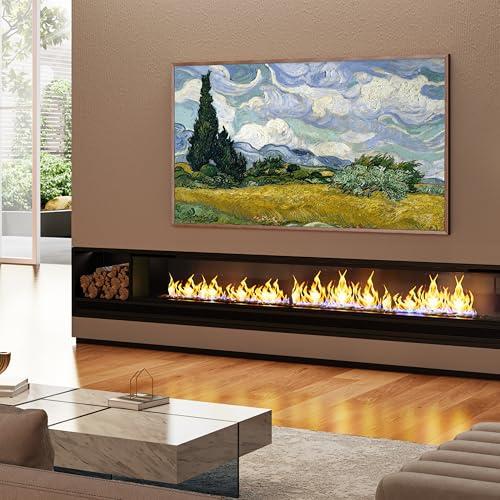
The art mode functionality transforms your TV into a digital gallery when you're not watching content. Unlike competing art TVs that charge monthly subscriptions for their art libraries, the Hisense includes over 1,000 masterpieces for free. Motion sensors detect when someone enters the room and automatically switch from power-saving mode to displaying artwork, while ambient light sensors adjust brightness to minimize energy consumption.
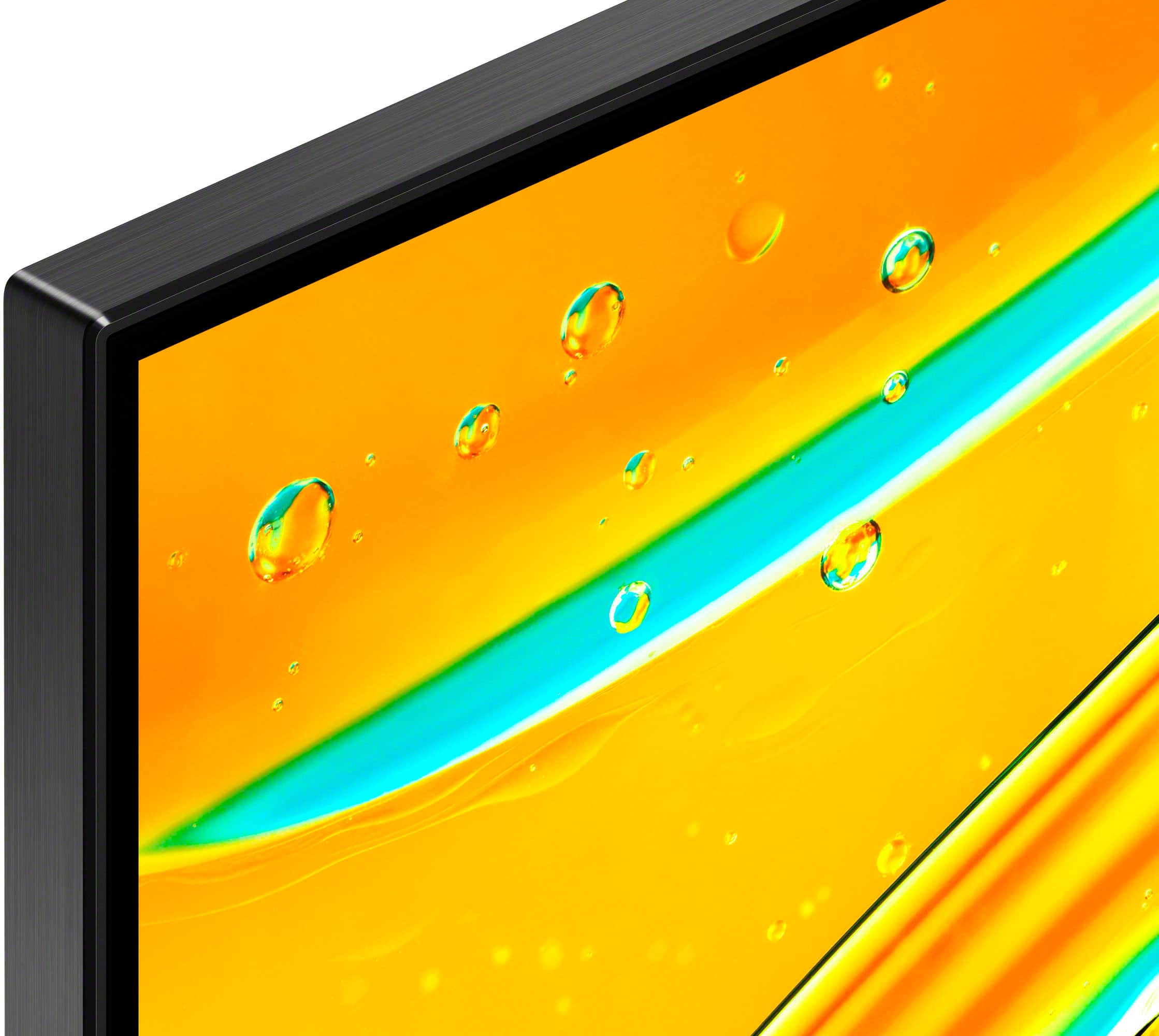
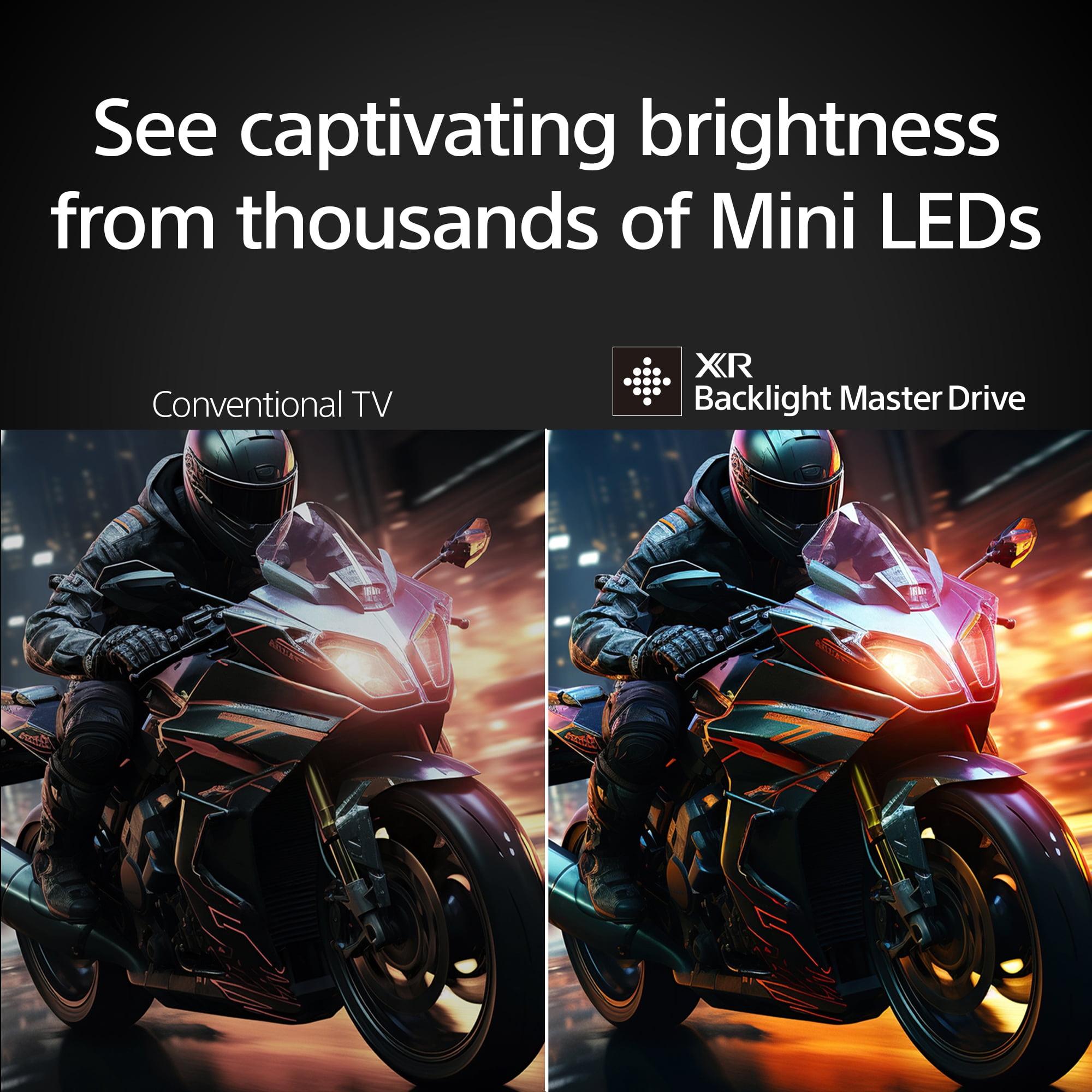
Sony released the BRAVIA 5 in 2025 as their answer to the growing demand for premium picture quality at a more accessible price point than their flagship models. This TV uses Mini LED technology—a significant advancement over traditional LED backlighting that employs thousands of tiny LEDs instead of dozens of larger ones.
The advantage of Mini LED becomes clear when you understand local dimming. Traditional LED TVs struggle with contrast because their relatively few, large backlights can't independently control small areas of the screen. When a scene has both bright stars and a dark night sky, conventional TVs either wash out the stars or make the sky too bright. Mini LED solves this by using thousands of precisely controlled zones, each capable of independent brightness adjustment.
The Sony's XR Processor represents the third generation of their cognitive processing technology. Unlike traditional processors that analyze image elements separately, the XR Processor uses AI to understand how human vision works, analyzing entire scenes holistically and optimizing color, contrast, and clarity based on focal points where your eyes naturally look.
The fundamental difference between these TVs lies in their approach to creating images. The Hisense S7N uses QLED technology without local dimming zones, while the Sony BRAVIA 5 employs Mini LED with thousands of dimming zones but lacks quantum dot technology.
Color Performance: The Hisense excels in color accuracy and saturation thanks to quantum dots. Colors appear more vivid and true-to-life, particularly reds and blues which standard LEDs often struggle to reproduce accurately. The quantum dot layer acts like a color filter, converting blue LED light into precise wavelengths that create purer colors.
Contrast and Black Levels: This is where the Sony takes a commanding lead. Mini LED technology allows for precise control over brightness in different screen areas. When watching a movie with dark scenes, the Sony can turn off LEDs behind black portions of the image while keeping bright areas illuminated. The Hisense, lacking local dimming, cannot achieve the same deep blacks—though its anti-glare coating helps mask this limitation in bright viewing environments.
HDR Performance: High Dynamic Range (HDR) content is designed to display a wider range of brightness levels, from deep shadows to brilliant highlights. The Sony's Mini LED technology excels here, as it can simultaneously display very bright and very dark elements in the same scene. The Hisense supports more HDR formats, including HDR10+ Gaming, but its limited brightness ceiling means HDR content won't have the same impact.
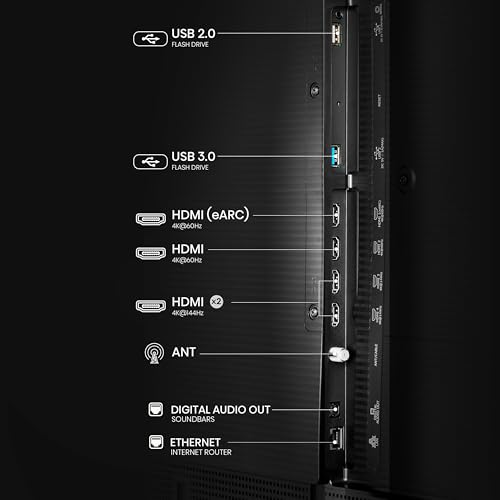
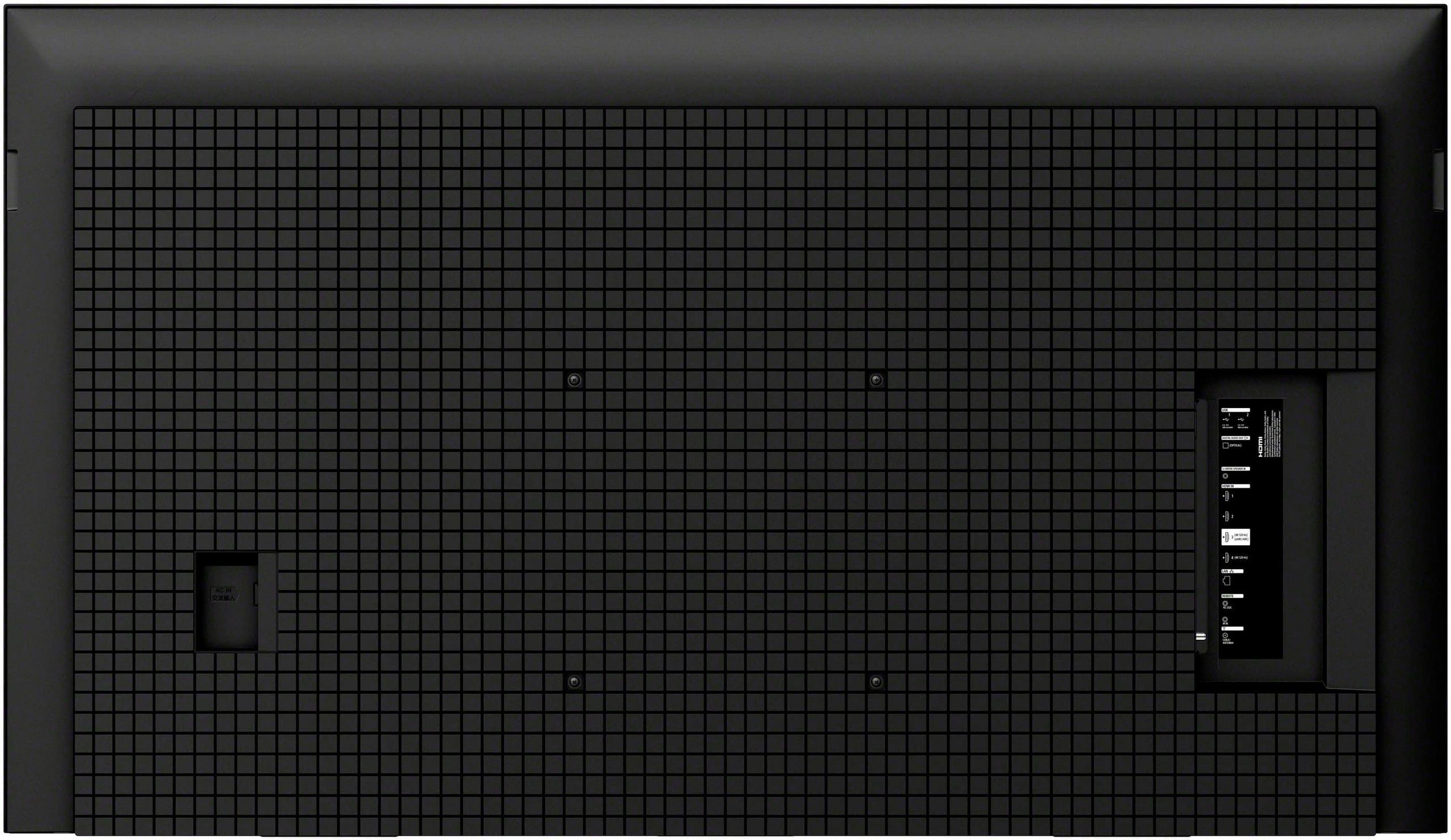
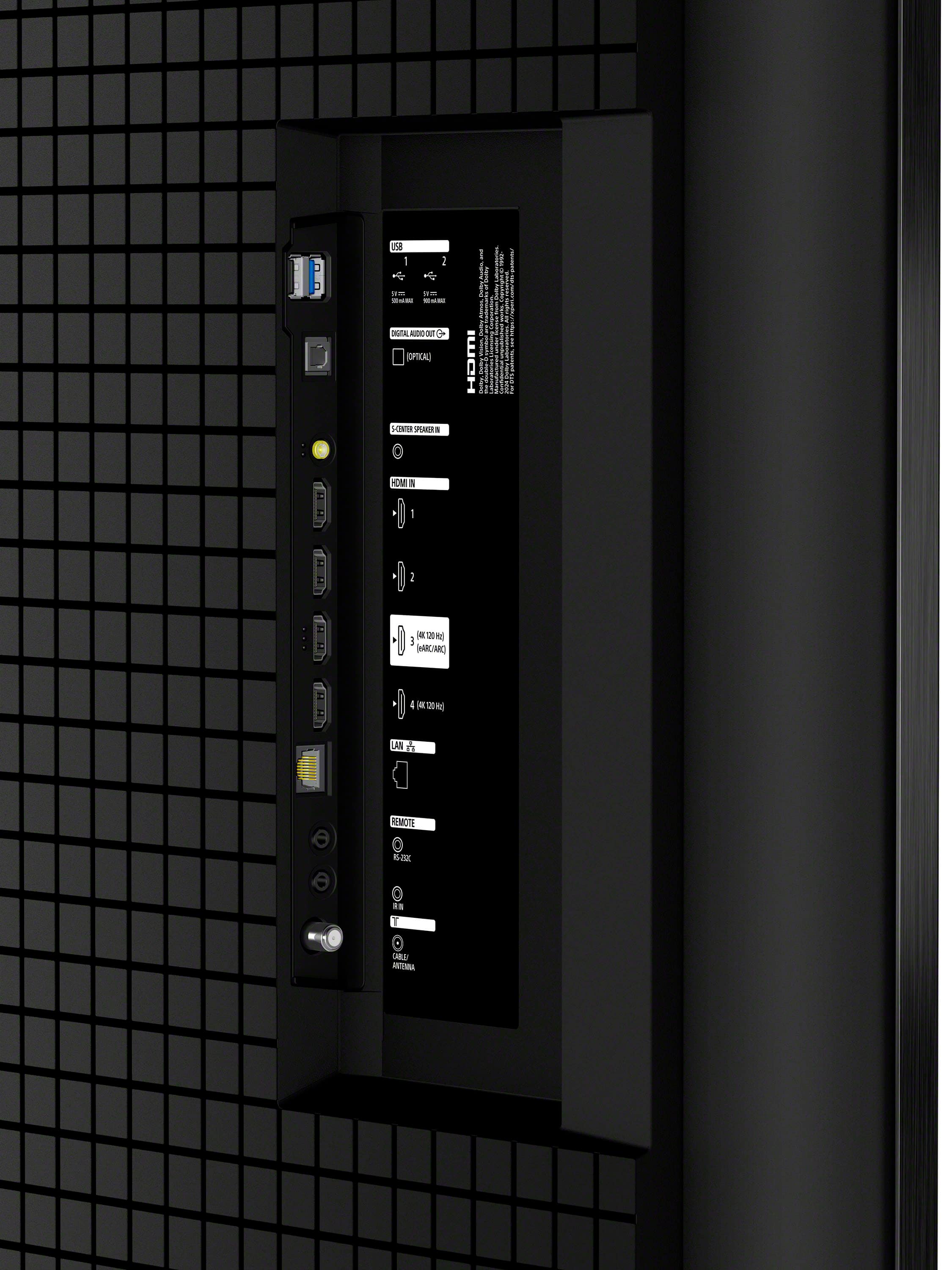
Gaming has become a crucial consideration for TV buyers, especially as consoles and PCs push higher frame rates and resolutions. Both TVs support HDMI 2.1, the latest standard that enables high-bandwidth features like 4K gaming at high refresh rates.
The Hisense S7N offers a native 144Hz refresh rate—significantly higher than the Sony's 120Hz. This difference matters most for PC gaming, where graphics cards can push frame rates above 120fps in competitive titles. The variable refresh rate (VRR) range on the Hisense extends from 48Hz to 144Hz, allowing smooth gameplay across a wider range of frame rates.
For console gaming, both TVs support Auto Low Latency Mode (ALLM), which automatically switches to game mode when it detects a gaming signal, reducing input lag—the delay between pressing a button and seeing the action on screen. The Sony offers special integration with PlayStation 5 consoles, including features like Auto HDR Tone Mapping that optimizes HDR settings specifically for Sony's console.
Input lag measurements from professional reviews show both TVs perform well for gaming, with response times under 20 milliseconds in game mode. However, the Sony's Mini LED zones can occasionally cause minor blooming (light bleeding from bright objects into dark areas) during high-contrast gaming scenes, while the Hisense's consistent backlighting avoids this issue entirely.
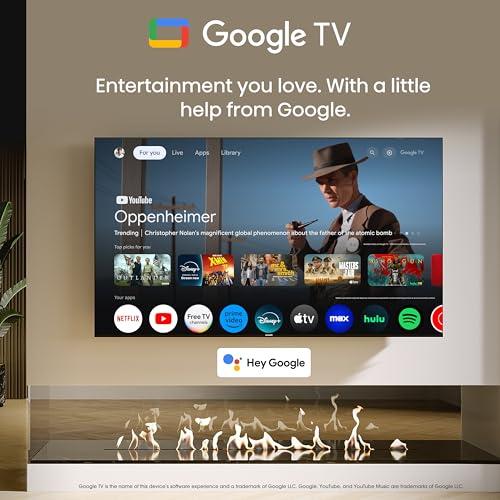
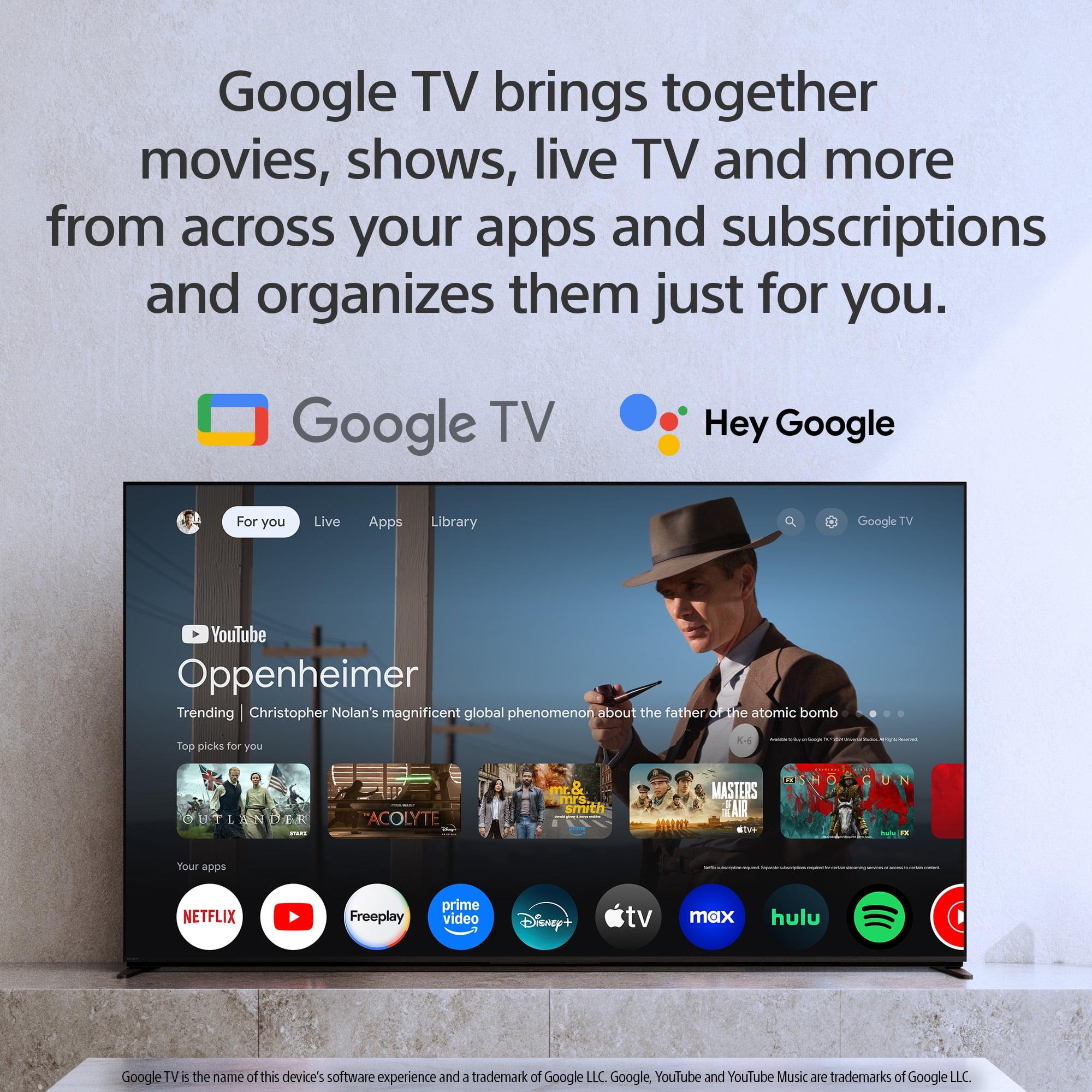
Both TVs run Google TV, but their implementations differ significantly. Google TV is an evolution of Android TV that emphasizes content discovery across streaming services, with a more intuitive interface than previous smart TV platforms.
The Hisense integrates with multiple voice assistants (Google, Alexa, Apple's Siri) and supports Apple HomeKit for seamless integration with iOS devices. The art mode adds a layer of functionality that traditional smart TVs can't match—your TV becomes a living room centerpiece even when nobody's actively watching content.
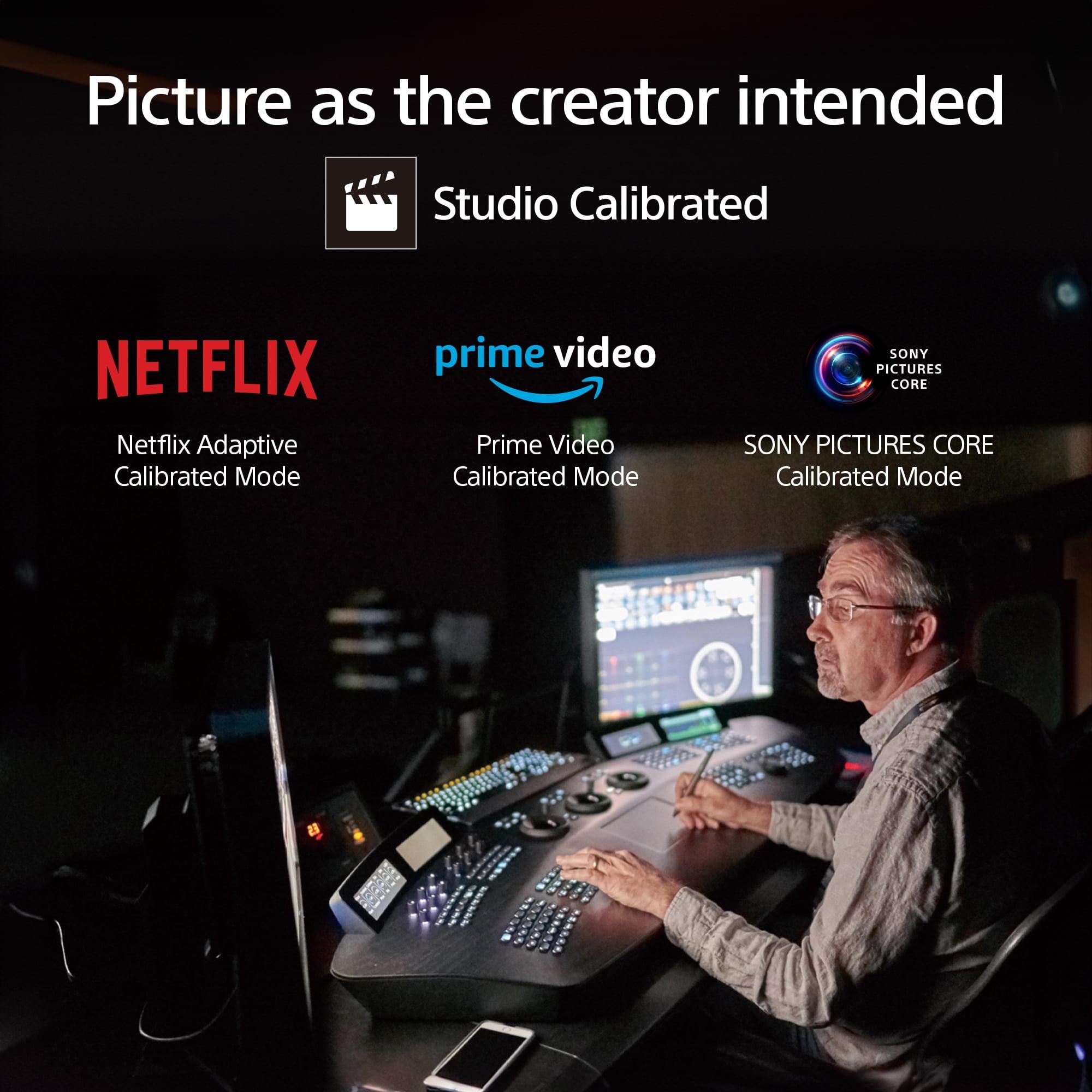
The Sony BRAVIA 5's implementation focuses more on picture quality optimization. The XR Processor continuously analyzes incoming content and applies real-time enhancements. Sony's partnership with streaming services means certain apps automatically switch to "Studio Calibrated" modes that match the creator's original intent.
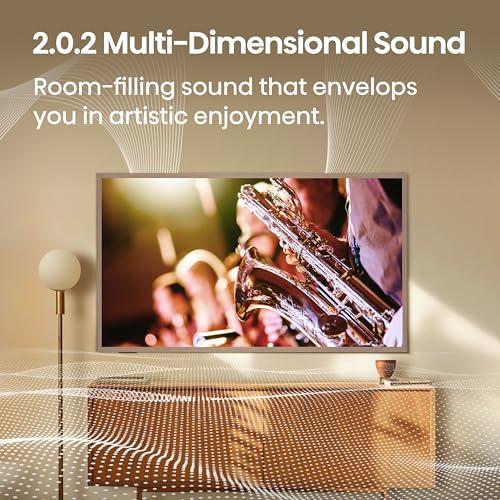
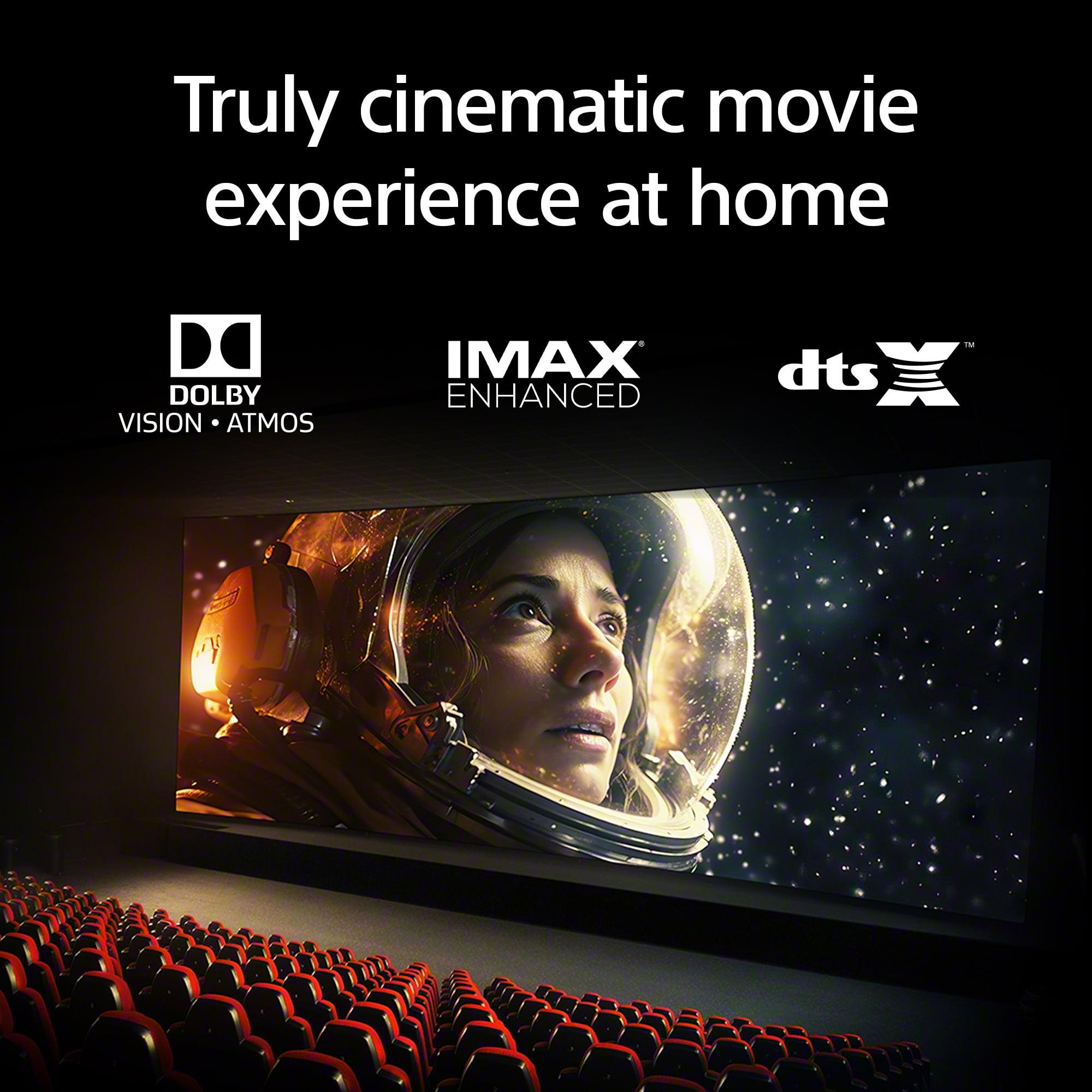
Sound quality often gets overlooked when comparing TVs, but both models offer interesting approaches. The Hisense features a 2.0.2 surround sound system with upward-firing speakers that bounce sound off your ceiling to create height effects. DTS Virtual:X processing enhances this further, creating a more immersive soundscape than typical TV speakers.
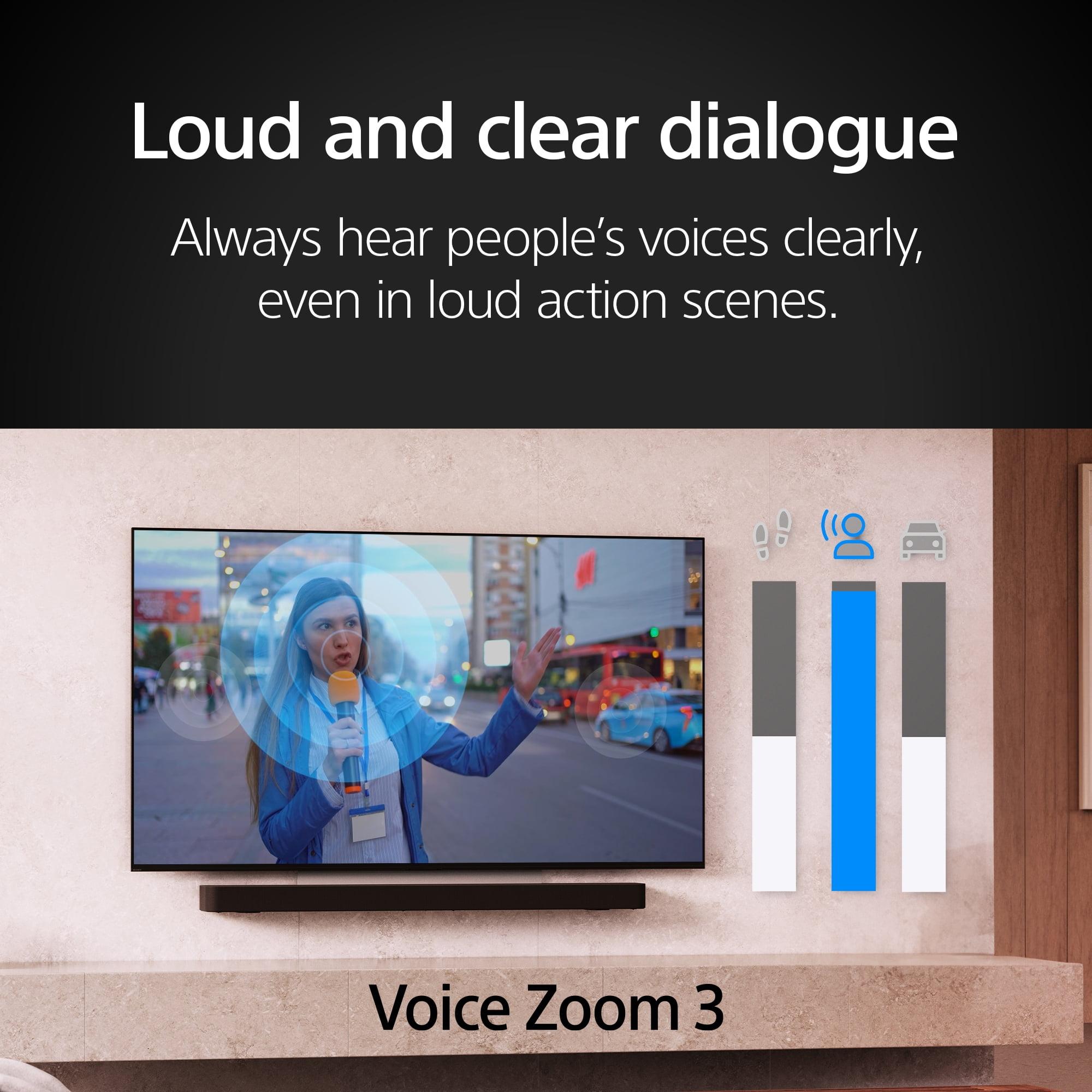
The Sony takes a different approach with its Acoustic Center Sync technology. When paired with compatible Sony soundbars or receivers, the TV's speakers can function as a center channel, creating better dialogue clarity and a more cohesive soundstage. This is particularly valuable for home theater setups where clear speech is crucial.
For serious home theater enthusiasts, both TVs support eARC (Enhanced Audio Return Channel) through their HDMI ports, allowing lossless audio formats like Dolby TrueHD and DTS-HD to pass through to external audio systems without compression.
Your room's lighting conditions significantly impact which TV will perform better. The Hisense S7N's anti-glare coating makes it exceptional for bright rooms with large windows or overhead lighting. Traditional glossy TV screens can become unwatchable mirrors in these conditions, but the matte finish maintains image clarity even with direct light sources.
However, this anti-glare coating comes with trade-offs. Viewing angles are narrower than OLED or some premium LED TVs, meaning colors and contrast degrade when viewed from the side. This makes the Hisense less ideal for wide seating arrangements where people sit far off-center.
The Sony BRAVIA 5 performs best in controlled lighting environments where you can minimize reflections. Its Mini LED zones create stunning contrast in dark rooms, making it ideal for dedicated home theater spaces. The glossy screen preserves deep blacks and vibrant colors when reflections aren't an issue.
When considering long-term value, several factors come into play. The Hisense offers unique functionality that extends beyond traditional TV use. The art mode means the device serves a purpose even when nobody's actively watching, potentially making it feel more valuable over time.
Software support is crucial for smart TVs. Both manufacturers have committed to several years of Google TV updates, but Sony's track record with long-term software support has historically been stronger. The Sony's XR Processor also provides more headroom for future software enhancements that could improve picture quality over time.
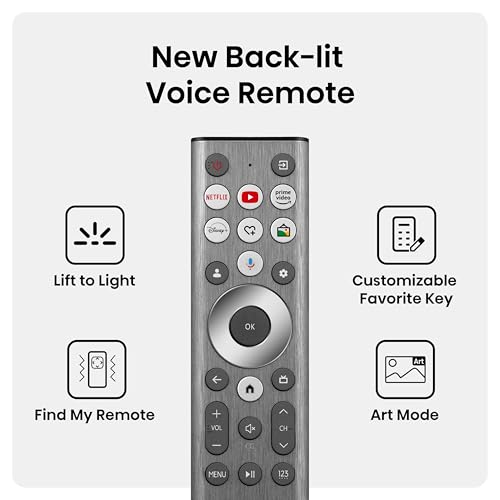
Build quality differences emerge from user feedback. The Sony generally receives praise for solid construction and reliability, while some users report minor issues with the Hisense's remote control and occasional software quirks, though these are typically resolved through firmware updates.
Based on extensive research into user experiences and professional reviews, clear patterns emerge about which TV suits different users better.
Choose the Hisense S7N CanvasTV if you:
The Hisense excels in scenarios where traditional TVs struggle. Bright rooms, casual viewing arrangements, and situations where the TV needs to blend into home décor rather than dominate it all favor this approach.
Choose the Sony BRAVIA 5 Mini LED if you:
The Sony shines in dedicated entertainment environments where picture quality takes precedence over unique features.
At the time of writing, these TVs are positioned roughly $300 apart in pricing, with the Hisense representing better value for money while the Sony commands a premium for its superior display technology.
The choice ultimately depends on your viewing environment and priorities. If your TV will be the focal point of a bright, multi-purpose living space where it needs to look good even when turned off, the Hisense S7N CanvasTV offers compelling advantages that no traditional TV can match. Its anti-glare coating and art functionality create genuine utility beyond entertainment.
However, if you're building a serious home theater setup or simply want the best possible picture quality for movies and shows, the Sony BRAVIA 5's Mini LED technology provides superior contrast and HDR performance that will be noticeable in every viewing session.
Both represent solid choices in the premium TV market, but they're targeting fundamentally different use cases. The Hisense reimagines what a TV can be, while the Sony perfects what a TV has always been. Understanding which approach aligns with your needs and viewing habits will guide you toward the right choice for your home.
| Hisense 65" S7N CanvasTV QLED | Sony BRAVIA 5 65" Mini LED |
|---|---|
| Display Technology - Determines contrast, color accuracy, and overall picture quality | |
| QLED with Quantum Dot (no local dimming zones) | Mini LED with thousands of local dimming zones |
| Peak Brightness - Critical for HDR content and bright room viewing | |
| 450 cd/m² (moderate, suitable for controlled lighting) | Enhanced brightness vs previous Sony models (better HDR impact) |
| Anti-Glare Performance - Essential for rooms with windows or overhead lighting | |
| Hi-Matte coating reduces reflections to 5% | Traditional glossy panel with standard reflectivity |
| Gaming Refresh Rate - Higher rates provide smoother motion in fast games | |
| 144Hz native (excellent for PC gaming) | 120Hz (standard for premium TVs, good for console gaming) |
| Variable Refresh Rate Range - Wider ranges eliminate more stuttering | |
| 48Hz-144Hz with AMD FreeSync Premium Pro | Standard VRR with G-SYNC and HDMI Forum VRR support |
| HDMI 2.1 Ports - Needed for 4K gaming at high refresh rates | |
| 2 ports supporting 4K@144Hz | 2 ports supporting 4K@120Hz |
| Unique Value Proposition - Features that differentiate from standard TVs | |
| Art Mode with 1,000+ free masterpieces, motion sensors, magnetic frames | XR Processor with AI scene analysis and Sony audio ecosystem integration |
| Smart Platform - Affects daily usability and app performance | |
| Google TV with multi-assistant support (Google, Alexa, Apple) | Google TV v12 with Sony's XR processor enhancements |
| Audio System - Built-in sound quality affects need for external speakers | |
| 2.0.2 surround with DTS Virtual:X (36W upward-firing speakers) | Traditional speakers with center channel capability for Sony soundbars |
| Viewing Angle Performance - Important for wide seating arrangements | |
| Narrow viewing angles (typical of VA panels with matte coating) | Narrow viewing angles (standard for Mini LED VA panels) |
| HDR Format Support - More formats mean better compatibility with streaming content | |
| Dolby Vision, HDR10, HDR10+, HDR10+ Gaming, HLG | Dolby Vision, HDR10, HLG, IMAX Enhanced |
| Design Philosophy - Determines how the TV integrates into your living space | |
| Dual-purpose TV/art display with interchangeable frames | Traditional premium TV focused on entertainment performance |
| Wall Mounting Approach - Affects installation and room aesthetics | |
| UltraSlim mount for flush 3mm wall mounting (painting-like appearance) | Standard VESA 300x300mm mounting (typical TV installation) |
The Sony BRAVIA 5 Mini LED delivers superior picture quality for traditional viewing thanks to its Mini LED technology with thousands of local dimming zones. This provides much better contrast control, deeper blacks, and more impactful HDR performance compared to the Hisense S7N CanvasTV, which lacks local dimming zones. However, the Hisense offers more vibrant colors due to its QLED Quantum Dot technology.
The Hisense S7N CanvasTV has advantages for PC gaming with its 144Hz refresh rate and wider VRR range (48-144Hz), making it ideal for high-refresh gaming. The Sony BRAVIA 5 is better suited for console gaming with its PlayStation 5 integration features and 120Hz support. Both offer low input lag and HDMI 2.1 connectivity for modern gaming.
The Hisense S7N CanvasTV is significantly better for bright rooms due to its Hi-Matte anti-glare coating that reduces reflections to just 5%. This makes it usable even with direct sunlight hitting the screen. The Sony BRAVIA 5 has a traditional glossy panel that can become unwatchable in bright conditions with lots of ambient light.
Yes, both the Hisense S7N CanvasTV and Sony BRAVIA 5 run Google TV, providing access to the same streaming apps and services. However, the Hisense offers broader smart home integration with Google, Alexa, and Apple HomeKit support, while the Sony focuses on deeper picture processing integration.
The Hisense S7N CanvasTV transforms into a digital art gallery when not in use, displaying over 1,000 masterpieces without subscription fees. Motion sensors automatically activate art mode when someone enters the room, and the anti-glare matte coating makes artwork look more authentic. The Sony BRAVIA 5 doesn't offer any art display functionality.
The Hisense S7N CanvasTV typically offers better value, providing unique dual-purpose functionality, higher gaming refresh rates, and anti-glare technology at a lower price point. The Sony BRAVIA 5 costs more but justifies the premium with superior picture quality technology and build quality for those prioritizing traditional TV performance.
The Hisense S7N CanvasTV features a 2.0.2 surround sound system with upward-firing speakers and DTS Virtual:X processing for immersive audio. The Sony BRAVIA 5 has traditional speakers but can function as a center channel when paired with compatible Sony soundbars, making it better for integrated home theater systems.
The Sony BRAVIA 5 Mini LED is better suited for dedicated home theater environments due to its superior contrast control, deeper blacks, and better HDR performance in dark viewing conditions. The Hisense S7N CanvasTV is designed more for bright, multi-purpose living spaces where its anti-glare coating provides advantages.
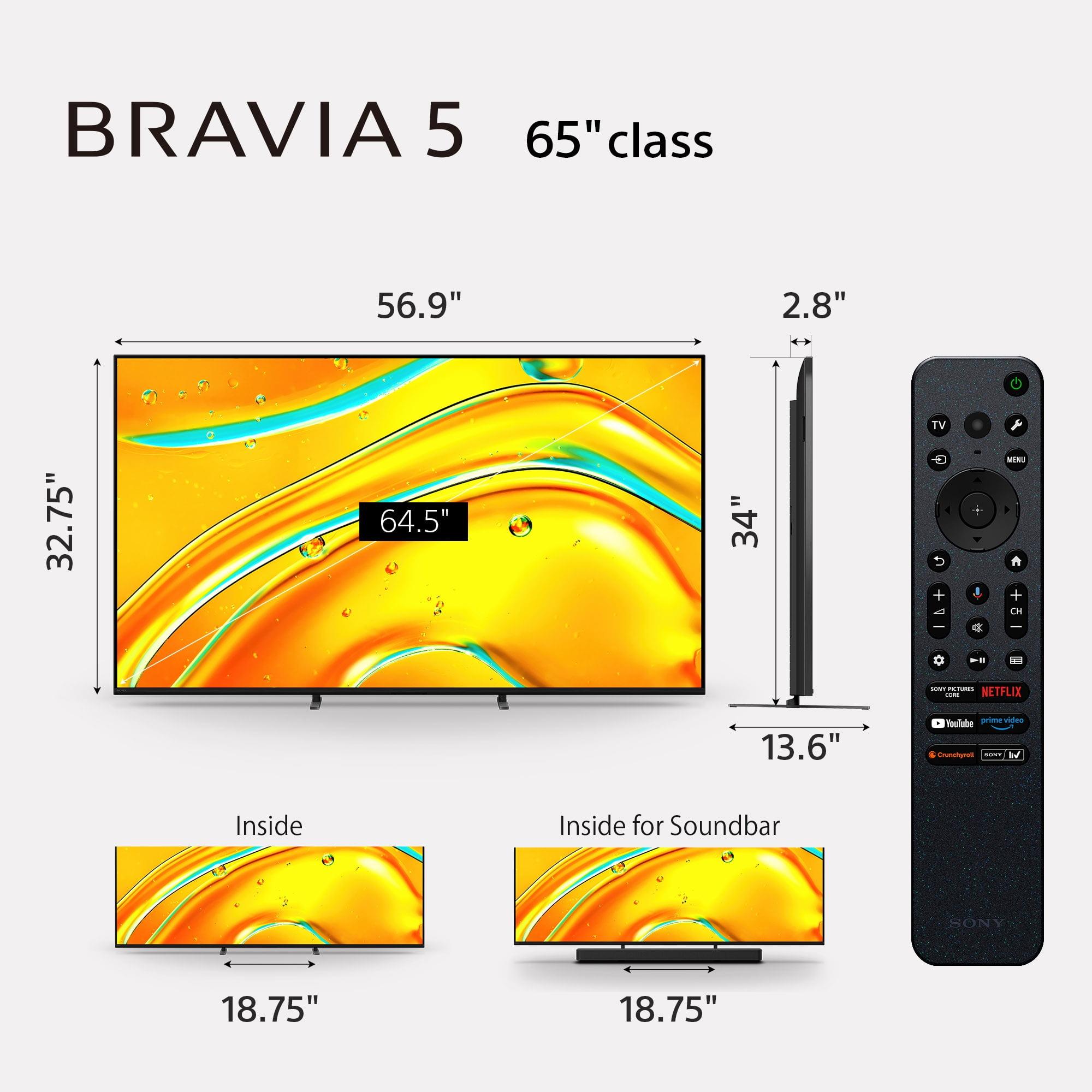
The Hisense S7N CanvasTV includes an UltraSlim wall mount that positions the TV just 3mm from the wall, creating a painting-like appearance. The Sony BRAVIA 5 uses standard VESA mounting that places it further from the wall in a typical TV installation setup.
Both TVs support major HDR formats, but the Sony BRAVIA 5 provides better HDR impact due to its Mini LED brightness control. The Hisense S7N CanvasTV supports more HDR formats including HDR10+ Gaming, but its limited peak brightness means HDR content won't be as dramatic as on the Sony.
Both the Hisense S7N CanvasTV and Sony BRAVIA 5 have narrow viewing angles typical of VA panel technology. Colors and contrast degrade when viewed from the side, making both less ideal for wide seating arrangements. Neither has a significant advantage in this area.
The Sony BRAVIA 5 generally has a stronger track record for build quality and long-term software support based on Sony's history with TV updates. The Hisense S7N CanvasTV offers good value but may have slightly less predictable long-term support, though both manufacturers provide multi-year Google TV update commitments.
We've done our best to create useful and informative comparisons to help you decide what product to buy. Our research uses advanced automated methods to create this comparison and perfection is not possible - please contact us for corrections or questions. These are the sites we've researched in the creation of this article: bestbuy.com - hisense.sg - tomsguide.com - content.syndigo.com - rtings.com - hisense-usa.com - youtube.com - bestbuy.com - youtube.com - displayspecifications.com - displayspecifications.com - manuals.plus - displayspecifications.com - bestbuy.com - hisense-canada.com - manuals.plus - bargainoutletandmore.com - bestbuy.com - device.report - rtings.com - pro.sony - youtube.com - electronics.sony.com - electronics.sony.com - electronics.sony.com - bestbuy.com - electronics.sony.com - youtube.com - bestbuy.com - videoandaudiocenter.com - valueelectronics.com - youtube.com - sony.ca - perpichtv.com - sony.com - displayspecifications.com - pioneertvandappliance.com - flatpanelshd.com

Privacy Policy
Terms and Conditions - Affiliate Policy
Home Security
© Copyright 2008-2026.
11816 Inwood Rd #1211, Dallas, TX 75244