


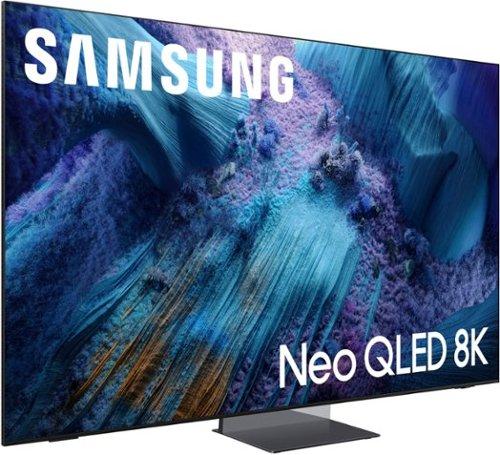
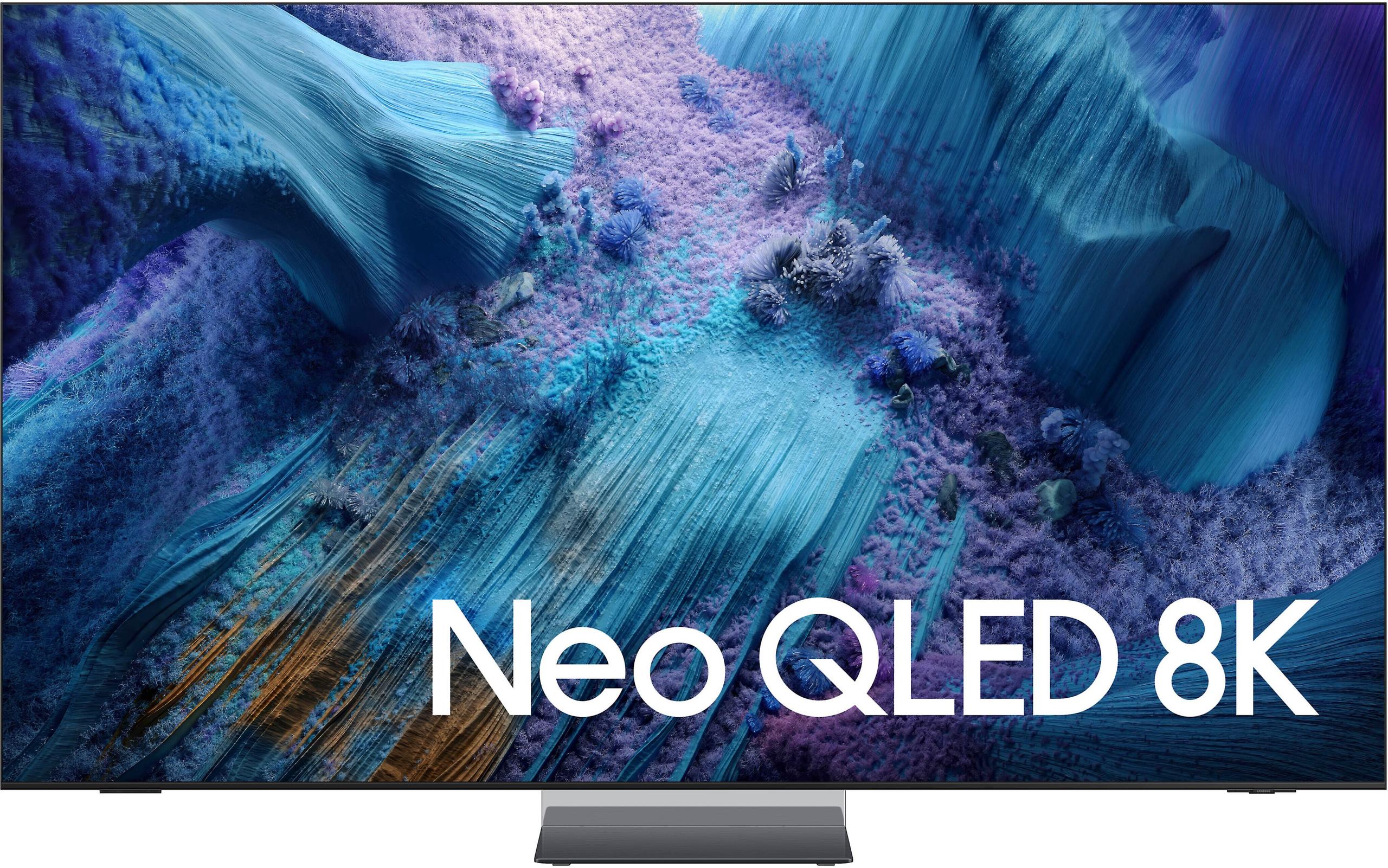
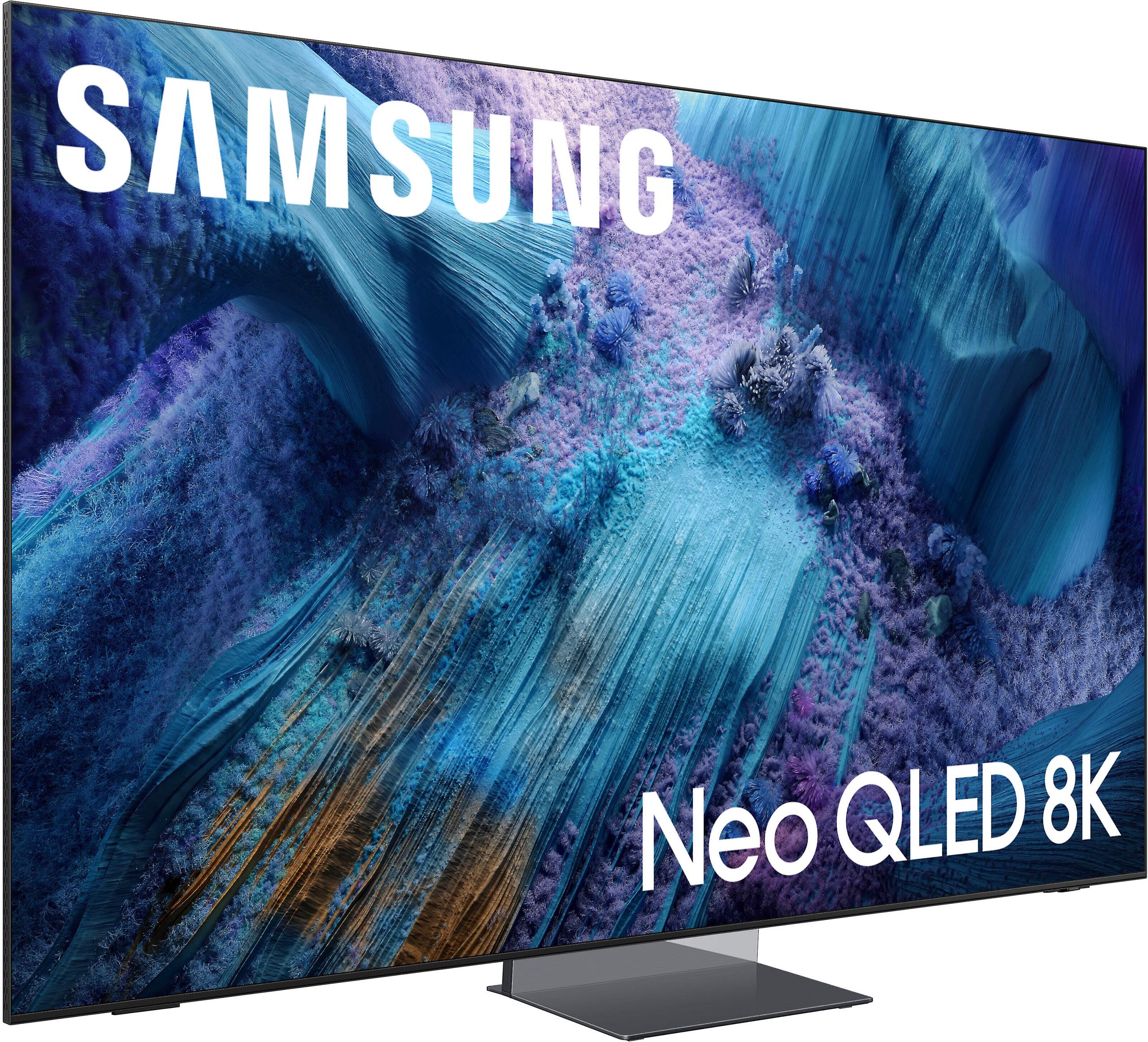
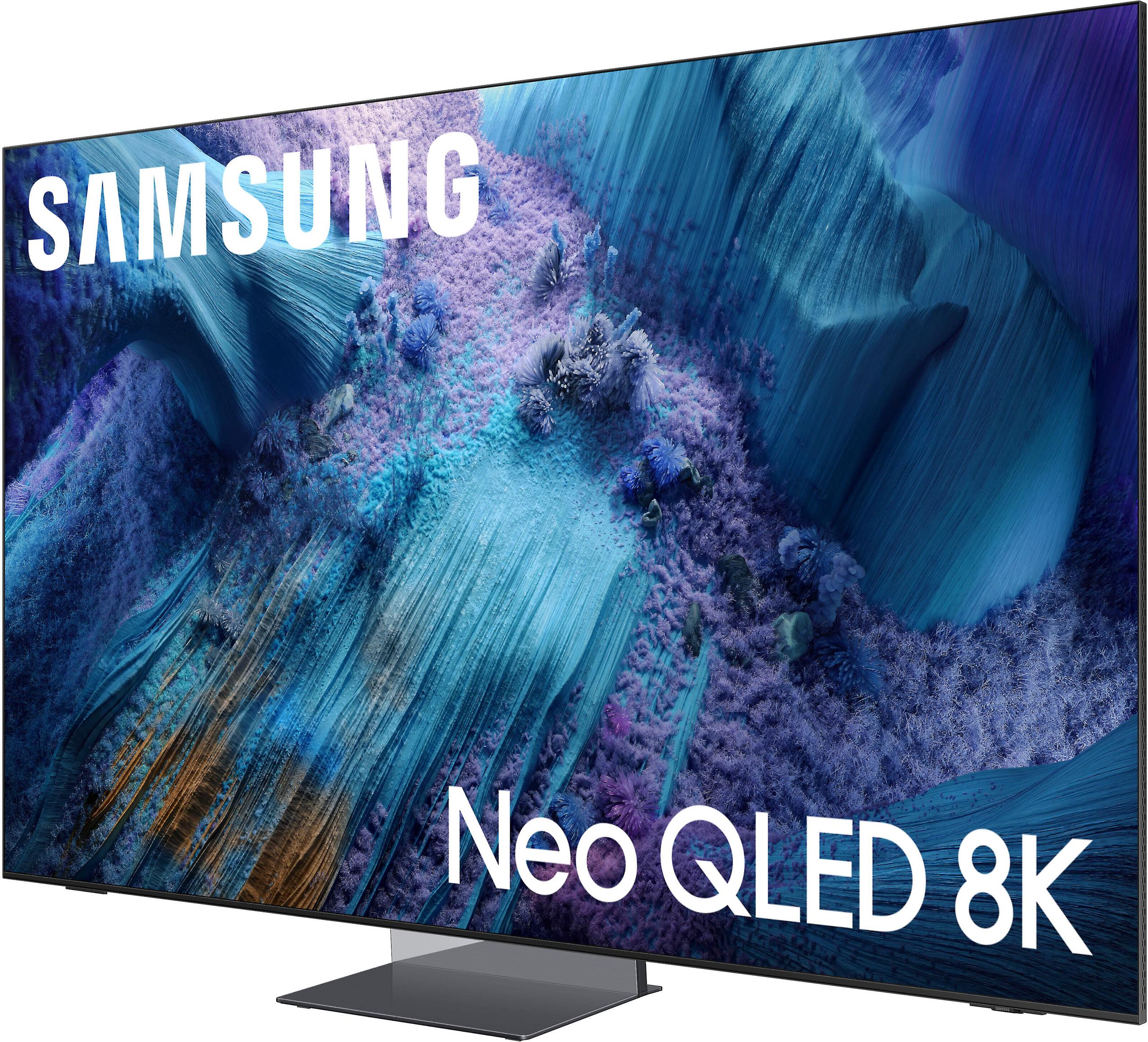


When you're shopping for a premium TV in 2025, the choices can feel overwhelming. Two standout options that represent different approaches to Mini LED technology are the Sony BRAVIA 5 65" Mini LED 4K Google TV and the Samsung 65" Neo QLED QN990F 8K Smart TV. Both launched in early 2025, but they target very different buyers despite using similar underlying display technology.
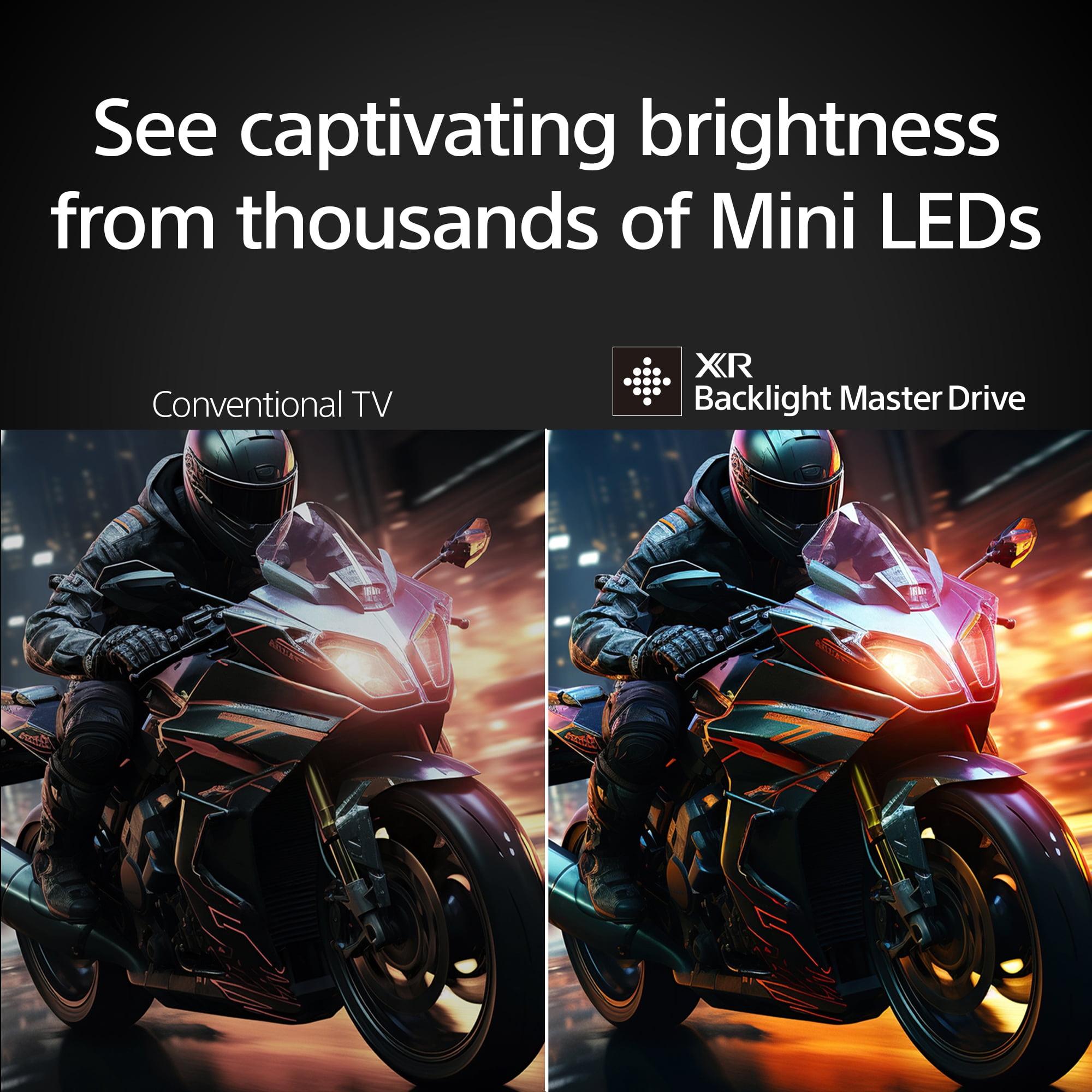
Before diving into the comparison, let's talk about what makes Mini LED special. Traditional LED TVs use larger LED backlights that can create "blooming" - where bright objects seem to glow into darker areas around them. Mini LED technology uses thousands of tiny LEDs (some as small as 0.2mm) that can be controlled individually. This creates what's called "local dimming zones" - sections of the screen that can get brighter or darker independently.
Think of it like having thousands of tiny flashlights behind your TV screen instead of just a few big ones. This gives you much better contrast, with deeper blacks sitting right next to bright highlights. Both TVs use this technology, but they implement it differently.
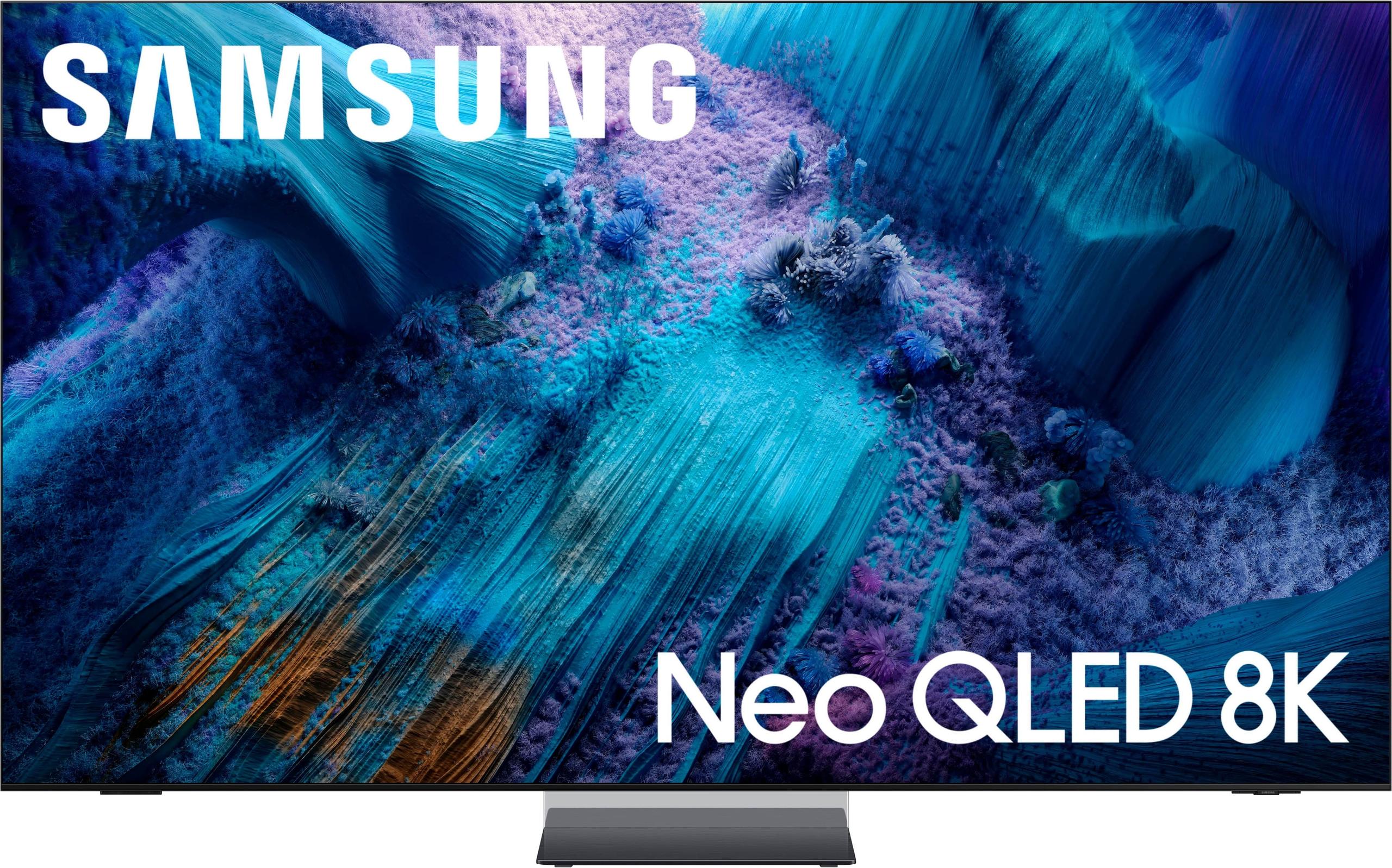
The Samsung QN990F hit the market in early 2025 as Samsung's flagship 8K model, priced at around $5,298. It represents Samsung's "everything but the kitchen sink" approach - packed with every cutting-edge feature they could fit into a television. The Sony BRAVIA 5 followed a few months later at $1,478, positioning itself as a more accessible entry into premium Mini LED territory.
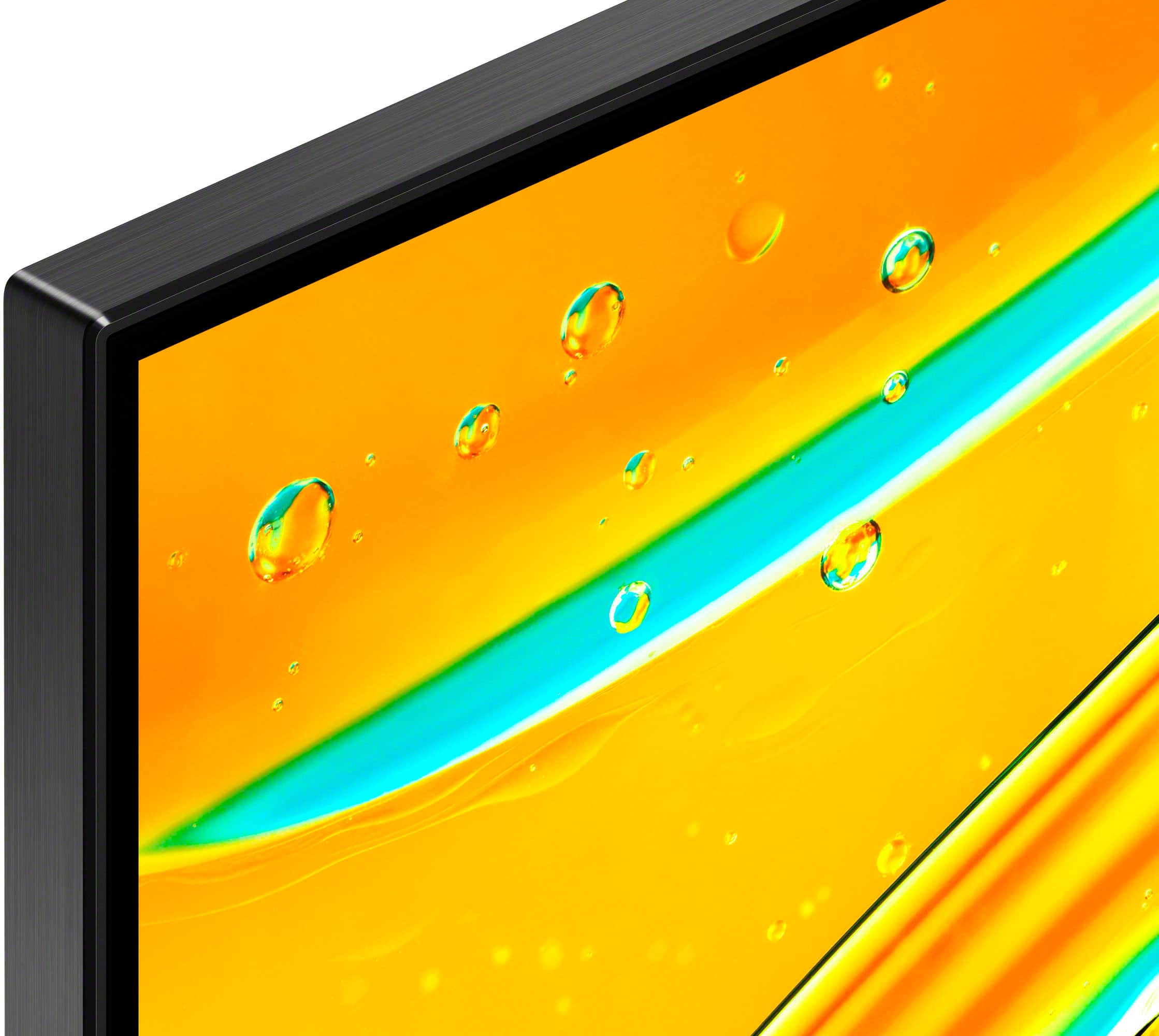
Sony's strategy here is interesting. Instead of trying to match Samsung feature-for-feature, they focused on perfecting 4K performance while keeping the price reasonable. It's like comparing a luxury sedan loaded with every option versus a well-equipped sports car that does fewer things but does them exceptionally well.
The most obvious difference between these TVs is resolution. The Samsung packs in 8K (7680 x 4320 pixels) while the Sony sticks with 4K (3840 x 2160 pixels). But here's the thing - there's almost no native 8K content available right now. YouTube has some 8K videos, and a few streaming services are experimenting with it, but you're not getting 8K movies on Netflix anytime soon.
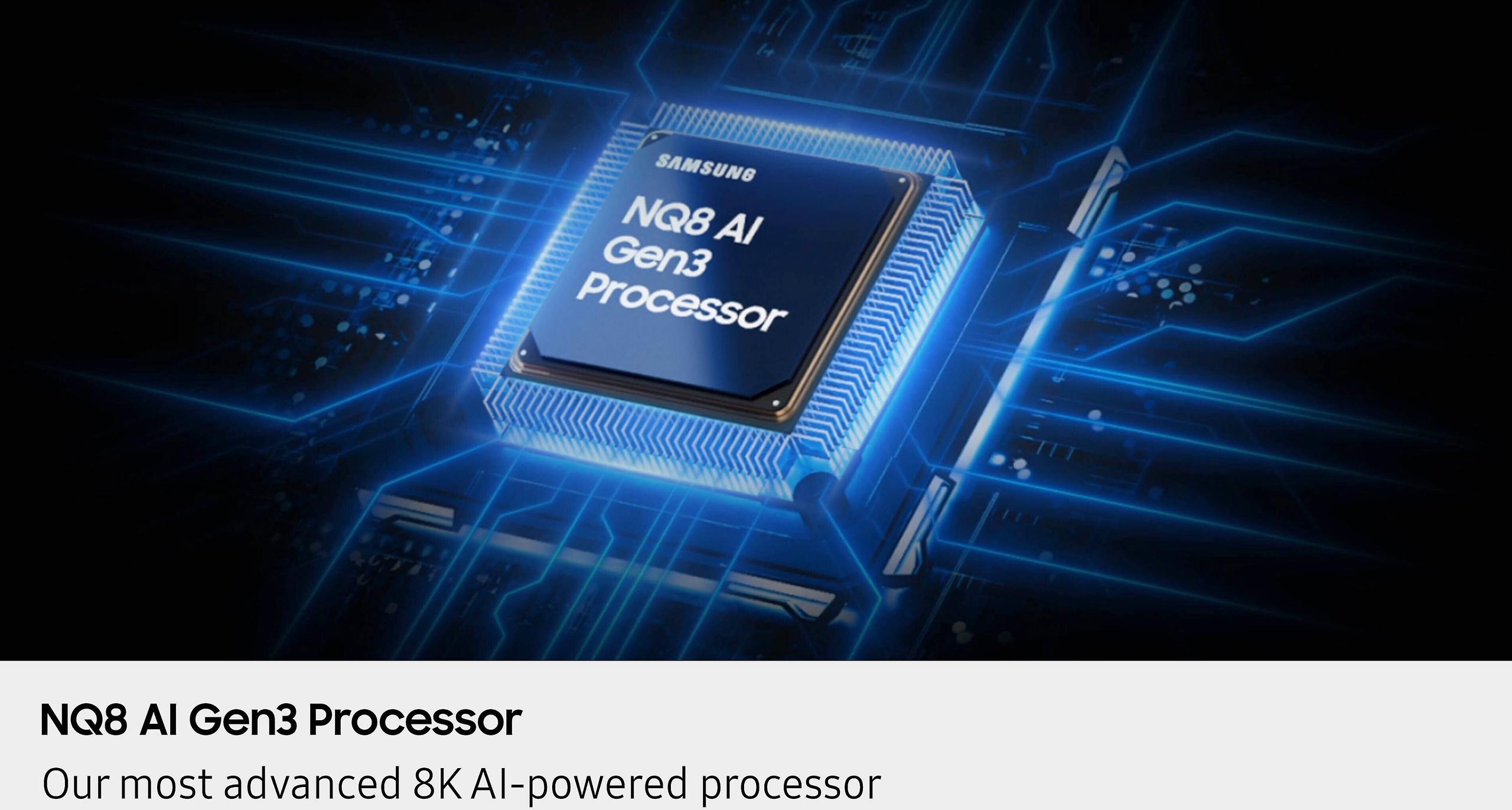
What Samsung does instead is use their NQ8 AI Gen3 Processor to upscale everything to 8K. This processor uses 768 neural networks (think of them as specialized AI brains) to analyze each frame and essentially "guess" what the extra pixels should look like. In my experience with similar upscaling technology, the results can be impressive, but they're not magic - you're still working with the detail that was originally captured.
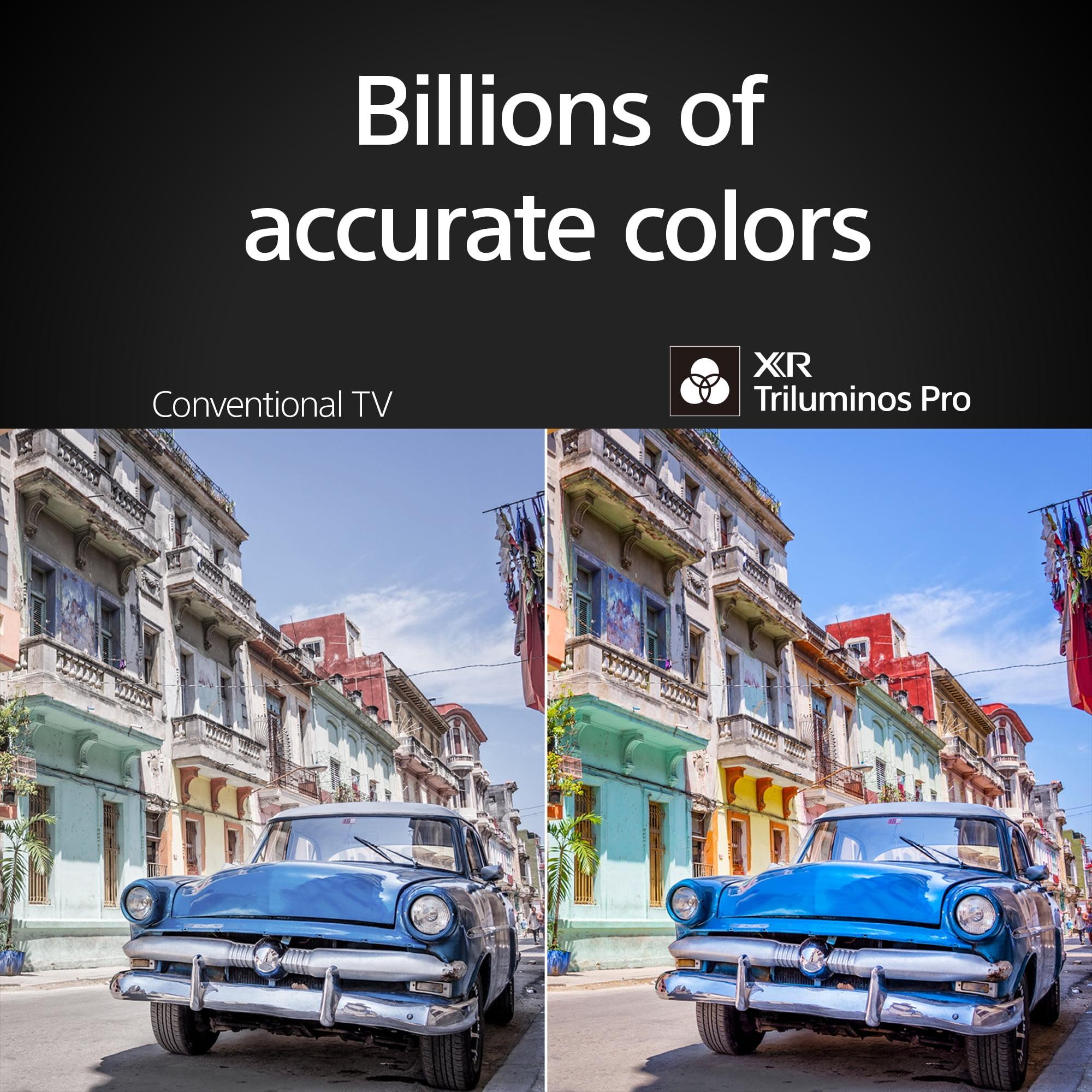
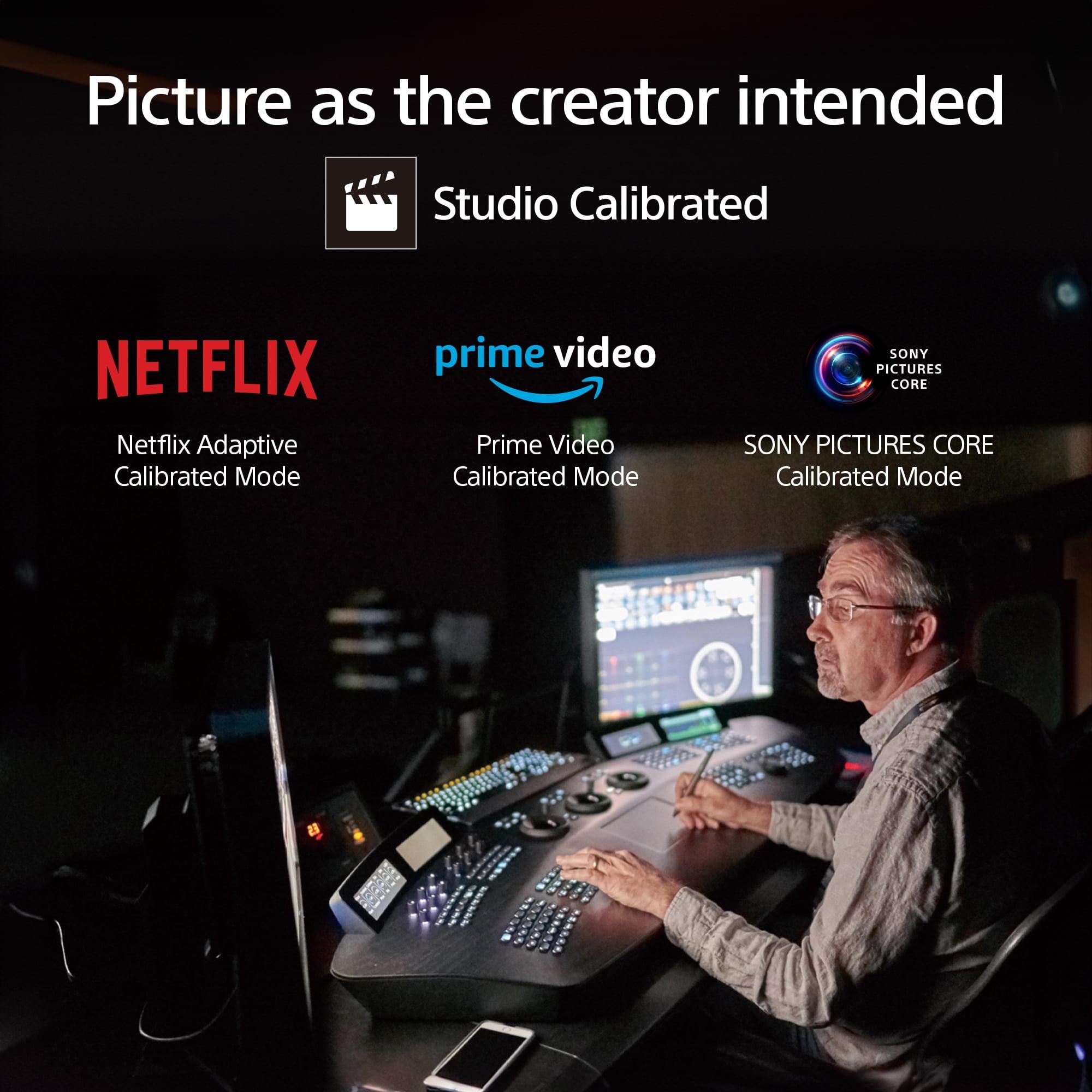
Sony takes a different approach with their XR Processor. Instead of trying to create pixels that weren't there originally, they focus on making the existing 4K pixels look as good as possible. The XR Triluminos Pro technology expands the color gamut (the range of colors the TV can display) and uses what Sony calls "cognitive processing" - analyzing how humans actually see images rather than just making them technically perfect.

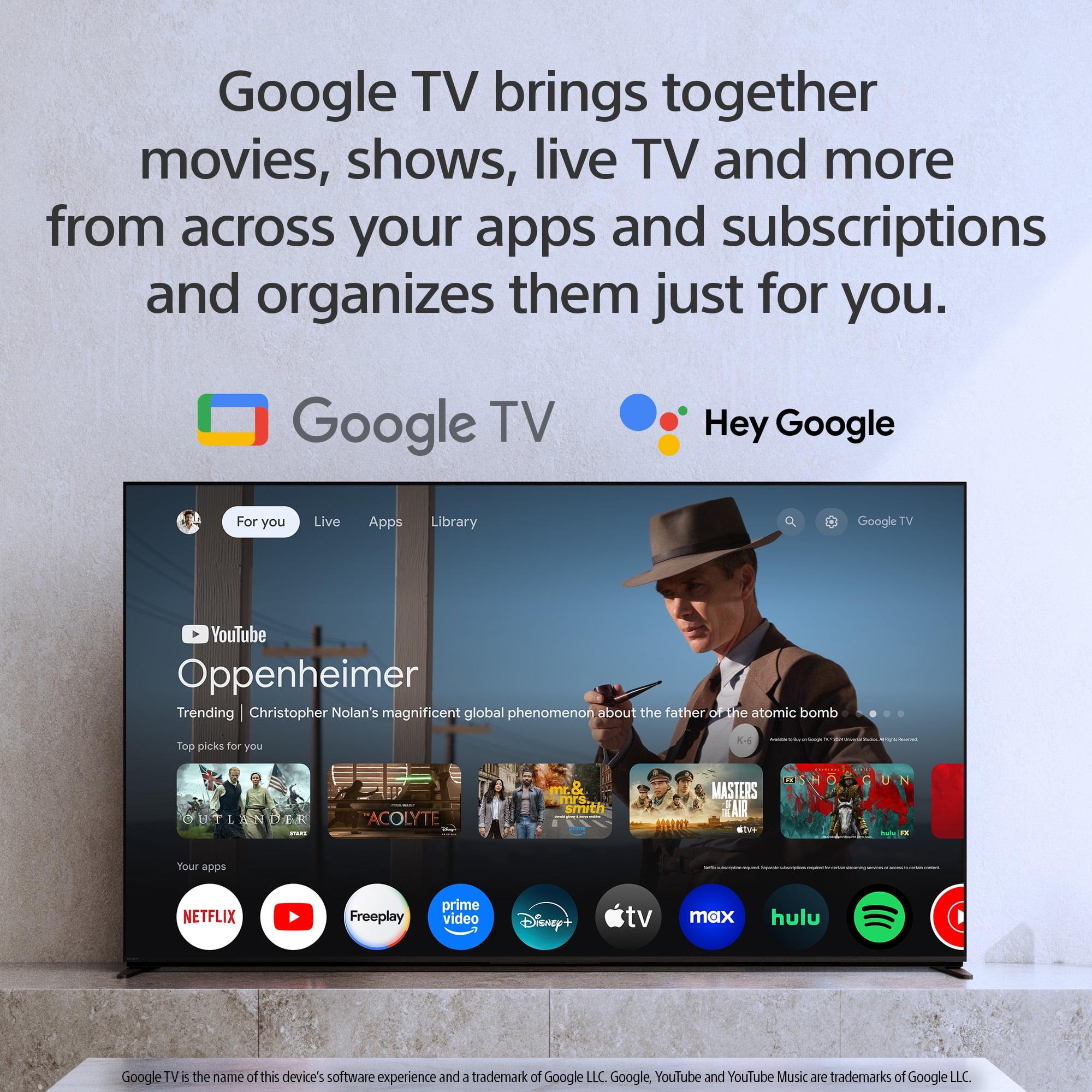
This is where personal preference really matters. The Sony BRAVIA 5 runs Google TV, which I find genuinely helpful for content discovery. It aggregates shows and movies from all your streaming services into one interface, so you're not constantly switching between Netflix, Disney+, and Amazon Prime to find something to watch.
Google TV also has superior voice search. You can say "show me action movies with Tom Cruise" and it'll pull results from multiple services. The interface is clean and, crucially, ad-free - something that's becoming increasingly rare.
Samsung's Tizen OS is feature-rich but more cluttered. It includes ads in the menu system, which some users find intrusive when they've just spent over $5,000 on a TV. However, Tizen does offer more customization options and integrates well with other Samsung devices if you're already in their ecosystem.
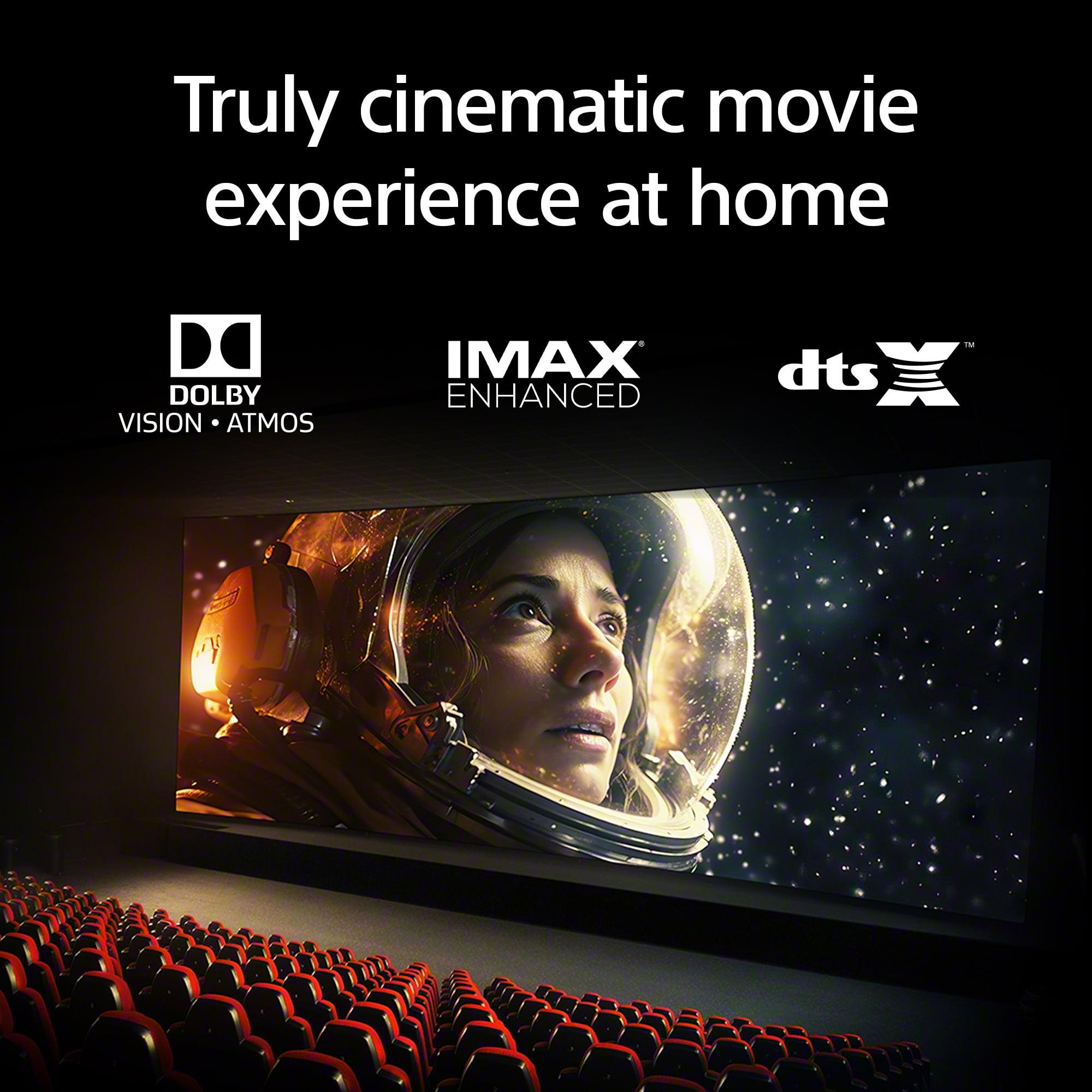
Here's where things get interesting for home theater enthusiasts. HDR (High Dynamic Range) makes colors more vivid and contrast more dramatic, but there are competing standards. The Sony BRAVIA 5 supports Dolby Vision, which is used by Netflix, Disney+, Apple TV+, and most premium streaming services. The Samsung QN990F supports HDR10+ but not Dolby Vision.
This isn't just a technical detail - it affects what you actually see. When I watch a Dolby Vision movie on a TV that doesn't support it, the HDR falls back to standard HDR10, which can look noticeably less impressive. For streaming-heavy viewers, this is a significant advantage for Sony.
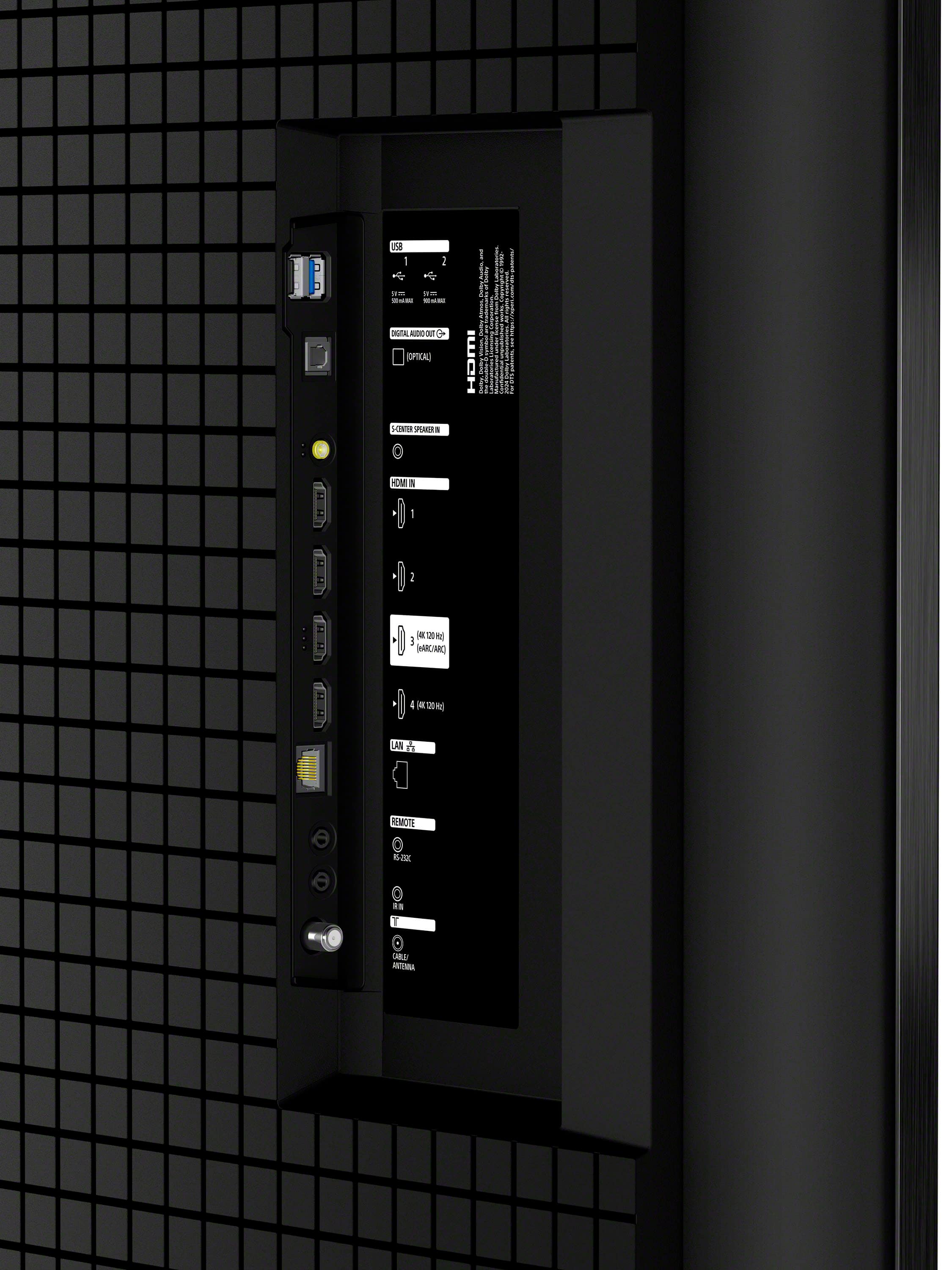
Both TVs support modern gaming features like HDMI 2.1, which allows 4K resolution at 120Hz refresh rates. They also support VRR (Variable Refresh Rate) and ALLM (Auto Low Latency Mode) - features that reduce input lag and screen tearing during gaming.
The Sony has a special trick for PlayStation 5 owners. It includes PS5-specific optimizations like Auto HDR Tone Mapping and dedicated game modes. Having used this feature, it genuinely makes PS5 games look better with less setup hassle.
Samsung counters with support for 4K at 240Hz, which is overkill for current consoles but could be useful for high-end PC gaming. The QN990F also has slightly faster response times, which competitive gamers might appreciate.
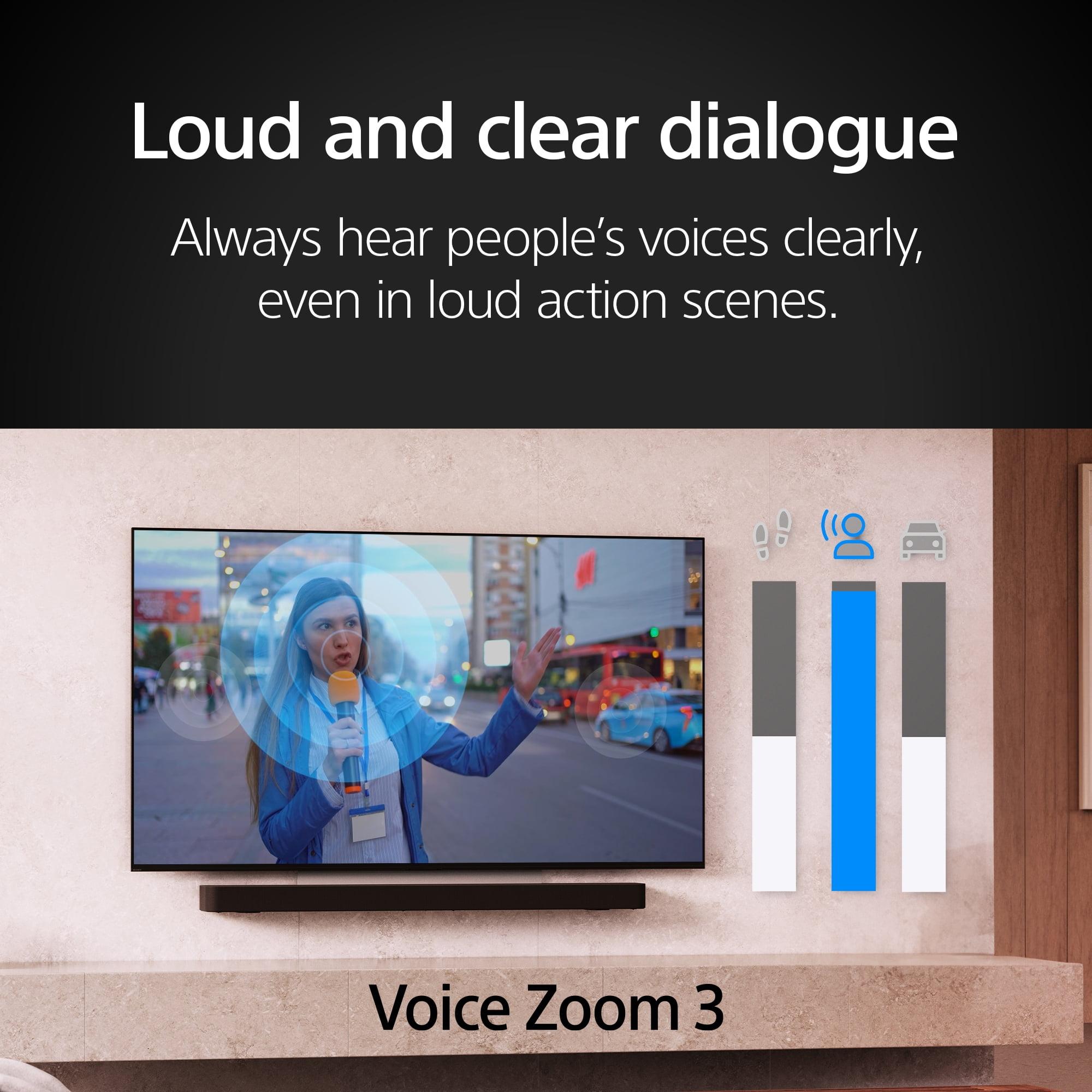
Both TVs have significantly improved their audio compared to previous generations. The Sony BRAVIA 5 uses new magnetic tweeters and X-Balanced speakers that produce clearer dialogue and better overall sound quality. Sony's Voice Zoom 3 feature uses AI to enhance speech clarity - particularly helpful for shows with heavy accents or mumbling actors.
The Samsung QN990F includes Object Tracking Sound+, which moves audio effects around the screen to match the action. When a car drives from left to right, the sound follows it. Both TVs support Dolby Atmos, but Samsung's implementation includes dedicated top-channel speakers for a more immersive experience.
For home theater use, both TVs are good enough that you might not immediately need a soundbar, though serious audiophiles will still want one eventually.
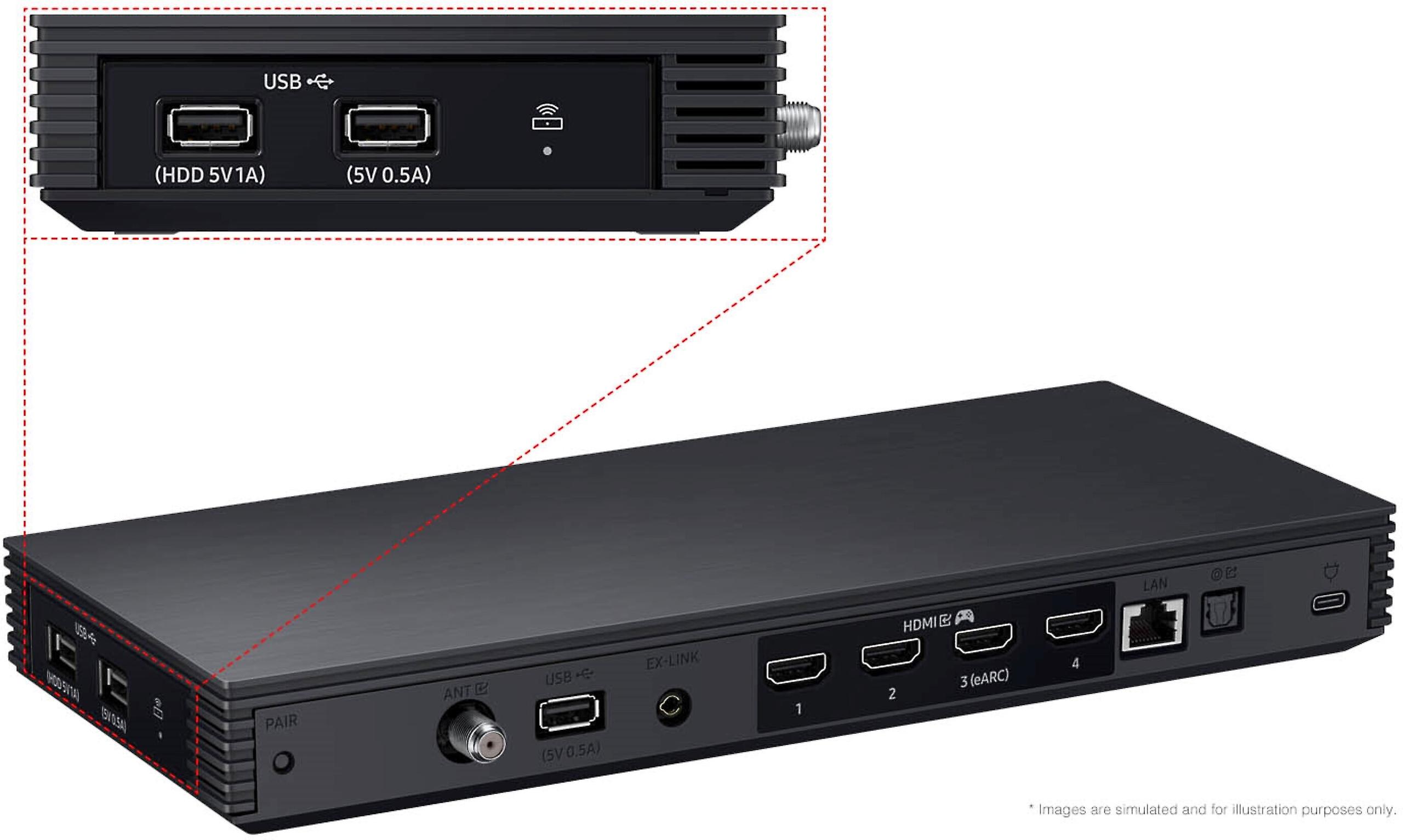
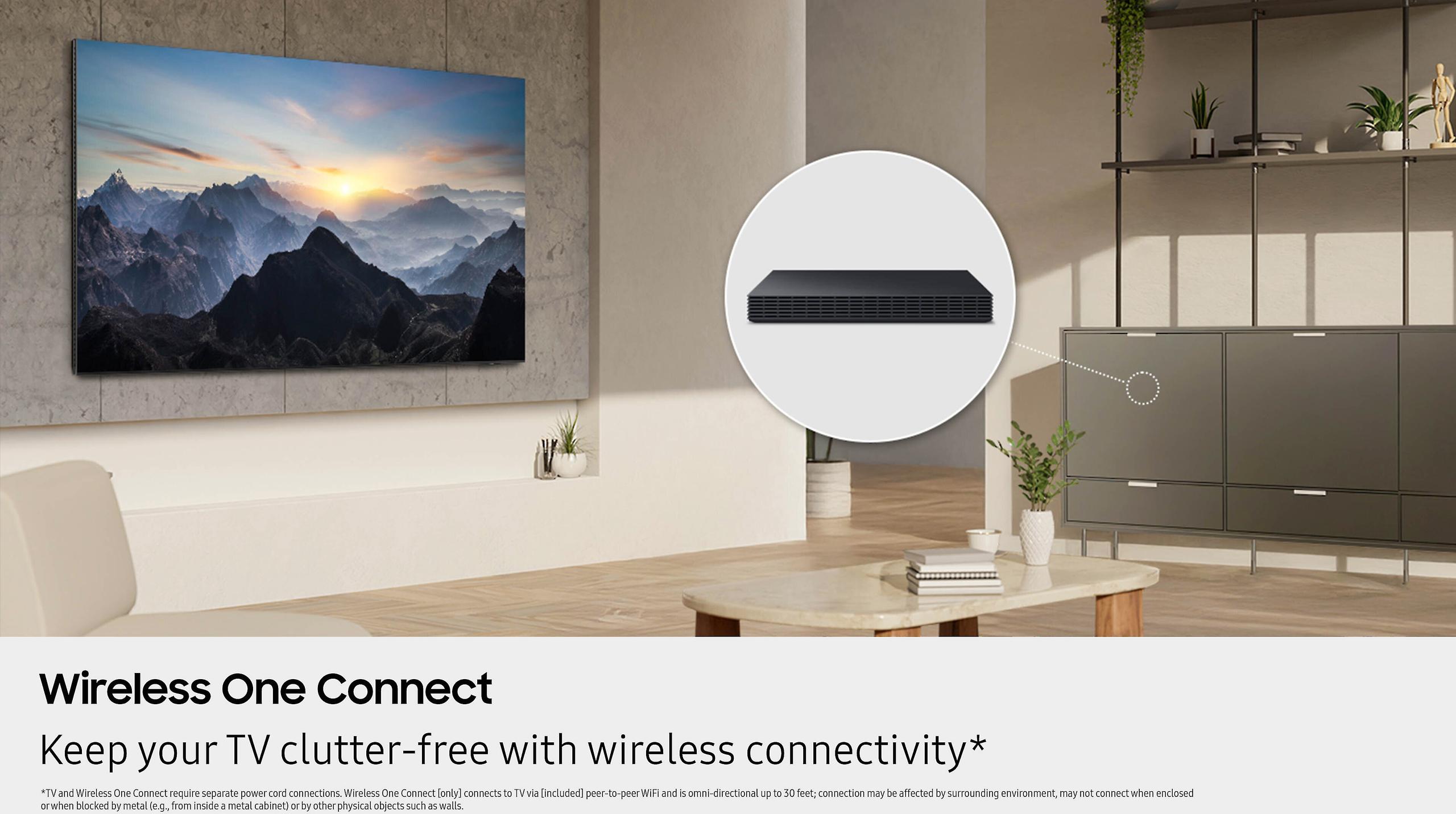
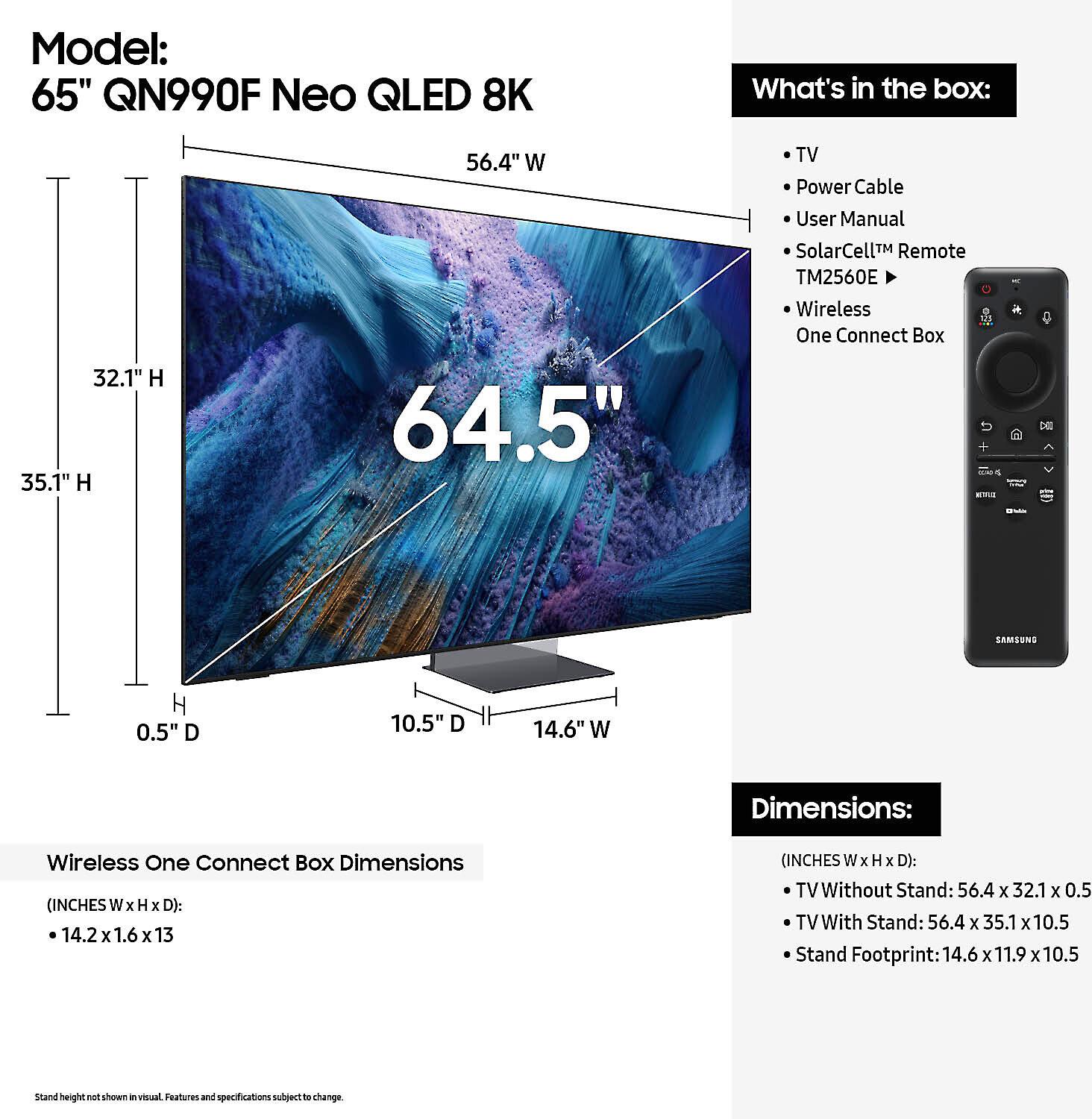
Samsung's standout feature is the Wireless One Connect Box. This small device connects to your TV wirelessly and houses all your HDMI ports, USB connections, and other inputs. You can place it up to 30 feet away from the TV, which is revolutionary for wall-mounted installations.
I've always hated the cable management challenge of wall-mounted TVs. Running HDMI cables through walls, dealing with cable boxes that don't fit in entertainment centers - it's a nightmare. Samsung's wireless solution elegantly solves this problem, though you'll pay dearly for the convenience.
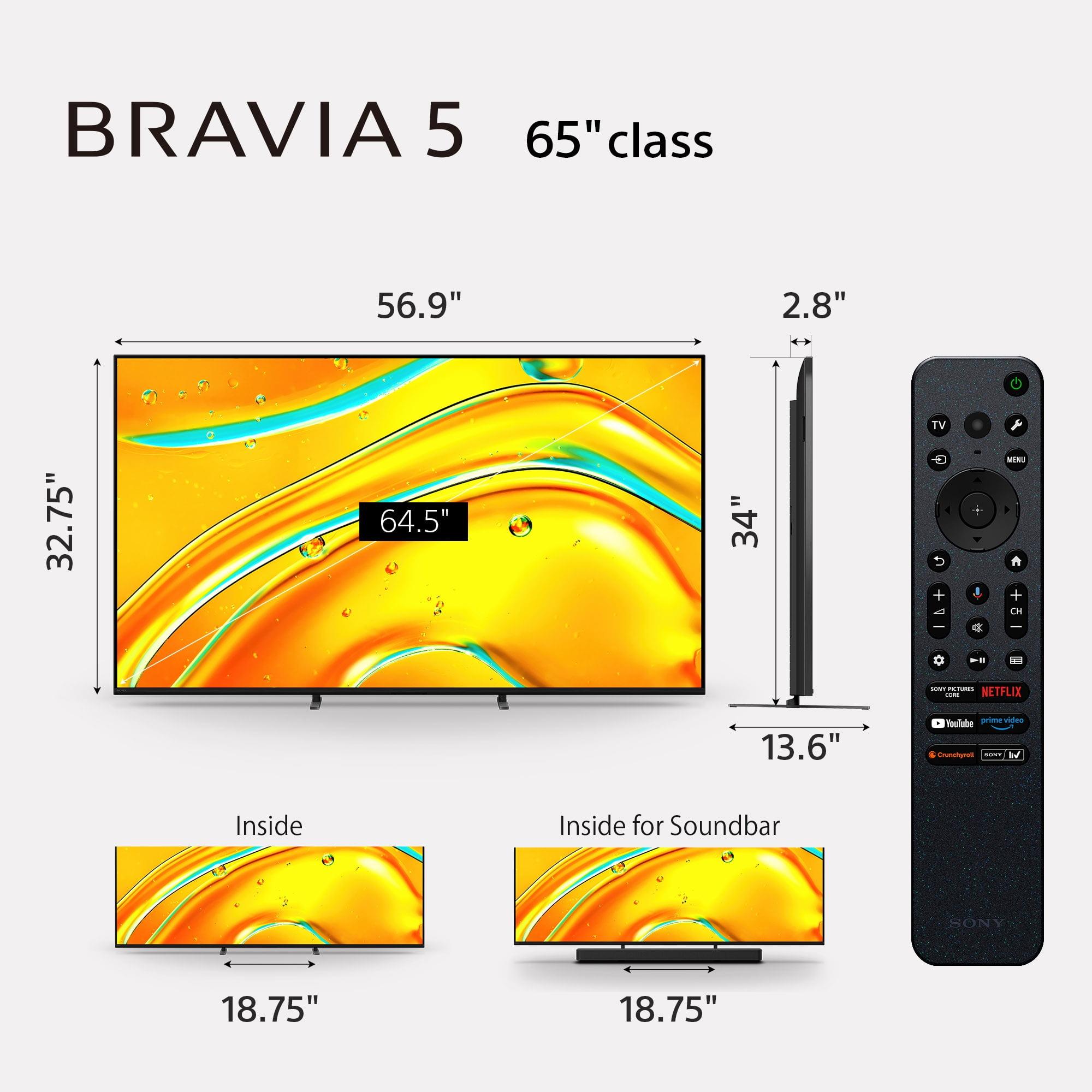
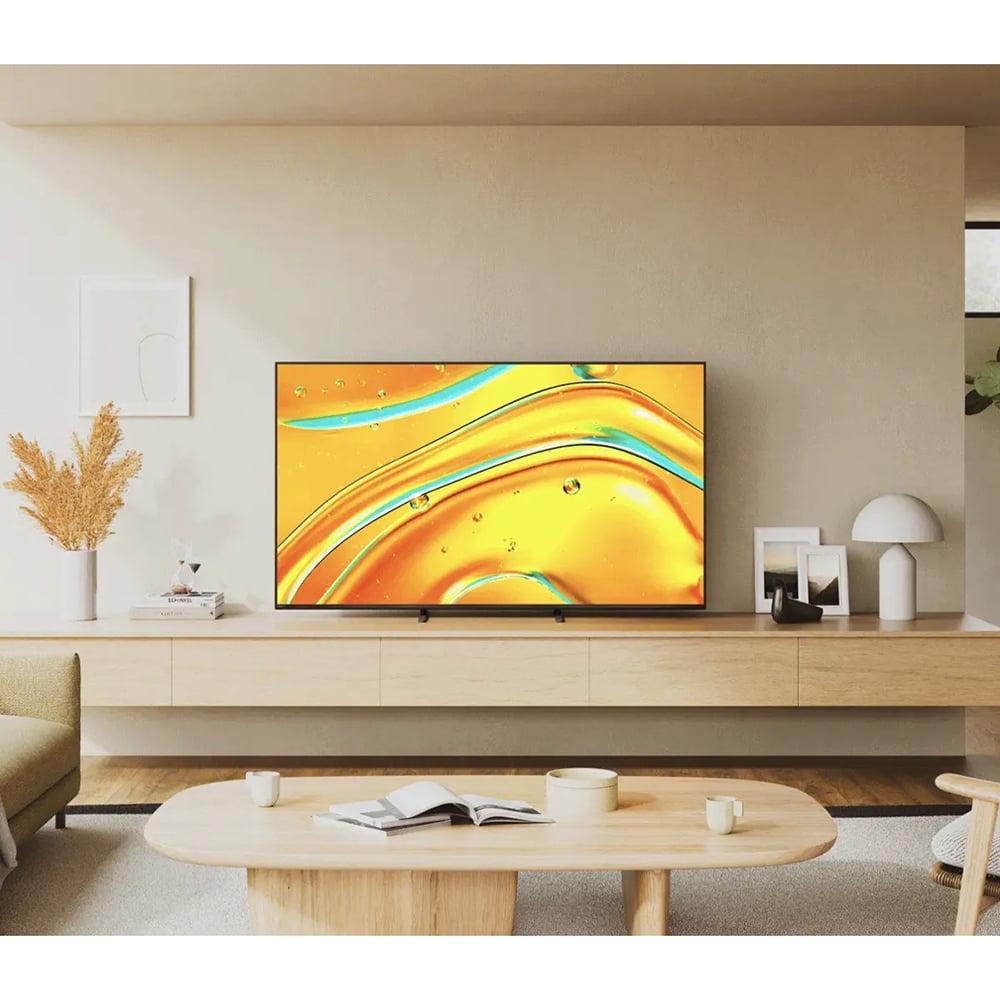
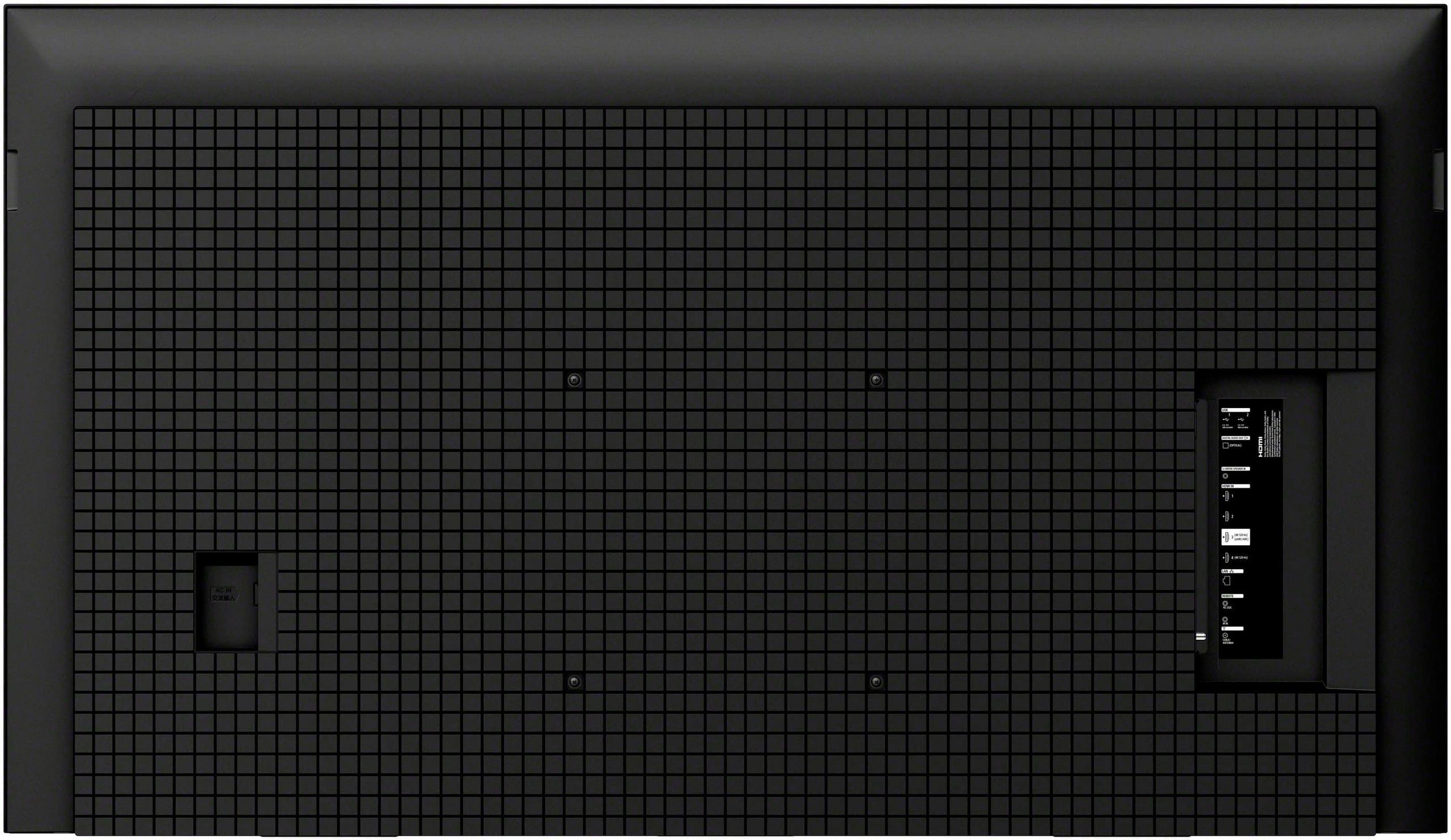
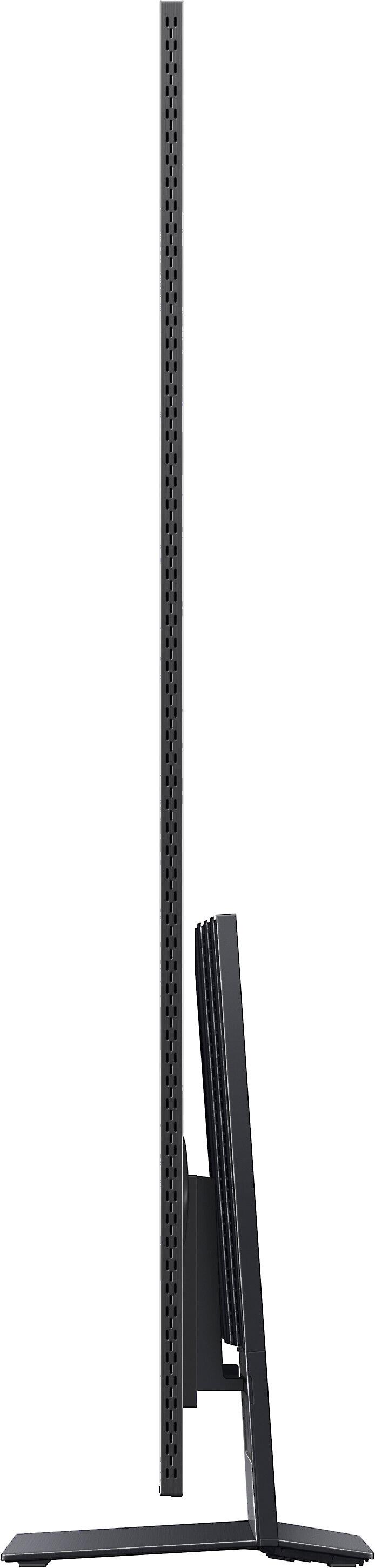
Sony sticks with traditional wired connections but includes a versatile stand that can accommodate soundbars and offers multiple positioning options.
The Samsung QN990F produces higher peak brightness levels, which translates to more impactful HDR and better performance in bright rooms. Its Quantum Matrix Mini LEDs provide exceptional contrast ratios with virtually no blooming around bright objects.
However, the Sony BRAVIA 5 excels in color accuracy and natural-looking images. Sony's approach prioritizes how images should look rather than how impressive they can look. Colors appear more realistic, and skin tones look more natural.
For home theater use, this difference matters. If you're watching in a dedicated dark room, Sony's approach often looks more cinematic. If you're dealing with ambient light or prefer punchy, vivid colors, Samsung's approach might appeal more.
At $1,478, the Sony BRAVIA 5 delivers premium Mini LED performance at a fraction of Samsung's price. You get excellent 4K picture quality, Dolby Vision support, and a superior smart TV experience. The main compromises are no 8K resolution and traditional cable management.
The Samsung QN990F at $5,298 is three and a half times more expensive. You're paying for cutting-edge 8K technology, wireless connectivity, and the absolute best picture quality Samsung can deliver. Whether that's worth the premium depends on your priorities and budget.
For dedicated home theater rooms, both TVs perform exceptionally well. The Sony's Dolby Vision support gives it an edge for streaming content, while Samsung's higher brightness levels work better in rooms with some ambient light.
The Samsung's wireless connectivity is particularly valuable for custom home theater installations where running cables isn't practical. However, the Sony's more accurate color reproduction often looks more natural in dark viewing environments.
The 8K question is tricky. While native 8K content is limited now, it will eventually become more common. However, most industry experts don't expect widespread 8K adoption for several years. The Sony BRAVIA 5 will likely remain relevant for its entire lifespan, while the Samsung QN990F offers more longevity if 8K content arrives sooner than expected.
Choose the Sony BRAVIA 5 if you want premium Mini LED performance without the premium price. It's ideal for streaming enthusiasts who value Dolby Vision compatibility, PlayStation 5 owners wanting optimized gaming, and anyone who prefers straightforward, ad-free smart TV experience.
Choose the Samsung QN990F if budget isn't a primary concern and you want the latest technology available. It's perfect for wall-mounting installations where wireless connectivity adds significant value, early adopters who want 8K capability, and users who prioritize absolute peak picture quality.
The decision ultimately comes down to whether you want excellent 4K performance at a great price or cutting-edge 8K technology with premium features at a premium price. Both are excellent televisions, but they serve different needs and budgets in the premium TV market.
| Sony BRAVIA 5 65" Mini LED 4K Google TV 2025 | Samsung 65" Neo QLED QN990F 8K Smart TV 2025 |
|---|---|
| Price - Major cost difference affects value proposition | |
| $1,478 (excellent value for Mini LED) | $5,298 (premium pricing for flagship features) |
| Resolution - Future-proofing vs current content optimization | |
| 4K (3840 x 2160) optimized for today's content | 8K (7680 x 4320) with AI upscaling for future content |
| HDR Support - Critical for streaming service compatibility | |
| Dolby Vision + HDR10 + HLG (Netflix, Disney+, Apple TV+) | HDR10+ + HLG (no Dolby Vision support) |
| Smart Platform - Daily user experience and ad presence | |
| Google TV (ad-free, superior content discovery) | Tizen OS (feature-rich but includes menu ads) |
| Cable Management - Installation convenience for wall mounting | |
| Traditional wired connections with versatile stand | Wireless One Connect Box (up to 30ft range) |
| Gaming Features - Console and PC gaming performance | |
| HDMI 2.1, VRR, ALLM, 4K@120Hz + PS5 optimization | HDMI 2.1, VRR, ALLM, 4K@120Hz + 4K@240Hz support |
| Peak Brightness - HDR impact and bright room performance | |
| Good HDR brightness, optimized for most rooms | Exceptional peak brightness, excellent for bright spaces |
| Processor - Picture quality and upscaling performance | |
| XR Processor (3rd Gen) with cognitive processing | NQ8 AI Gen3 with 768 neural networks for 8K upscaling |
| Audio System - Built-in sound quality and features | |
| Magnetic tweeters, X-Balanced speakers, Voice Zoom 3 | Object Tracking Sound+, dedicated top speakers, Dolby Atmos |
| Design Features - Aesthetic and practical considerations | |
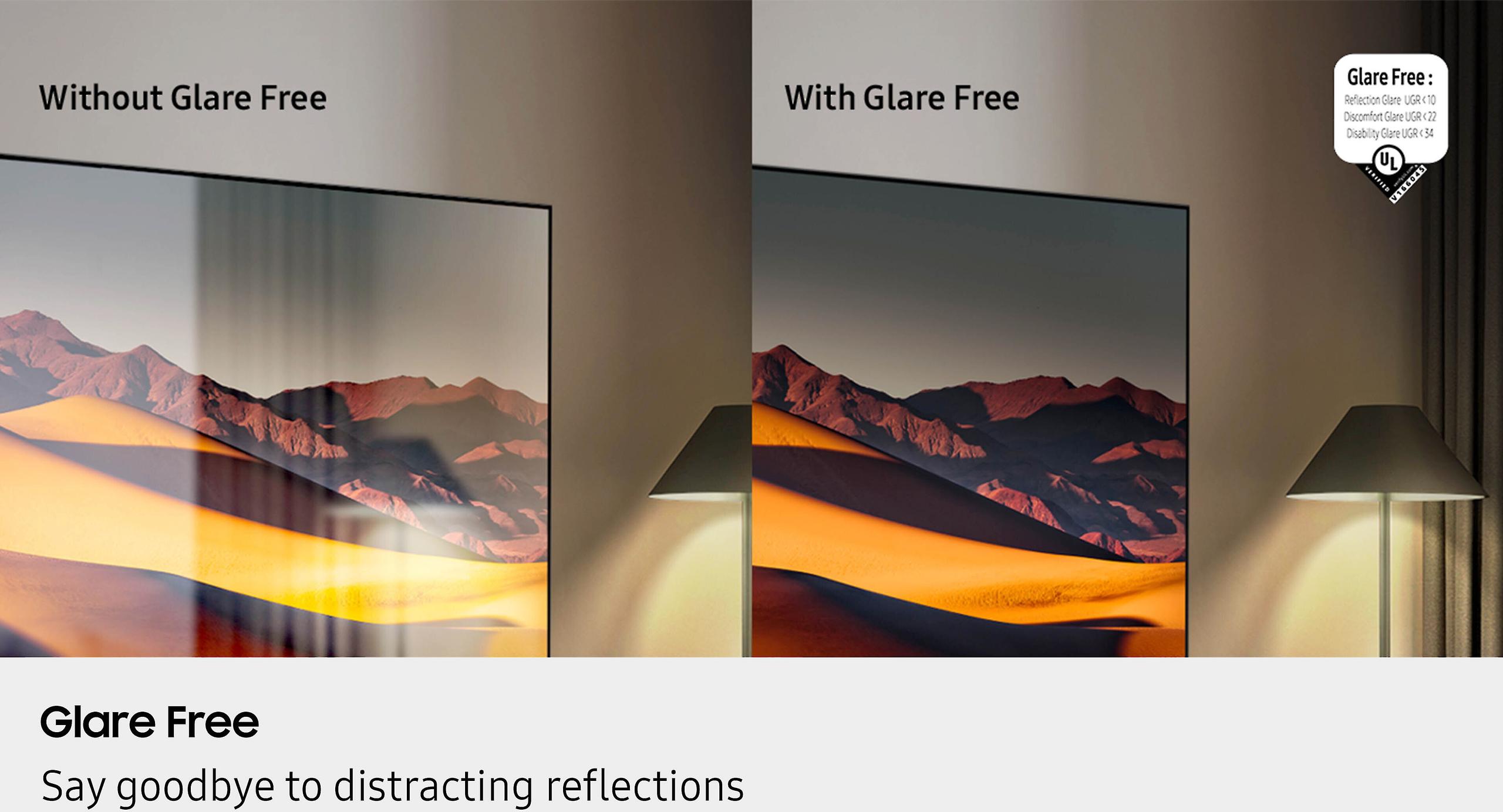
| One Slate minimalist design, 2-way adjustable stand | Nearly edgeless metal frame, Glare Free anti-reflective coating |
| Best For - Target user and primary use cases | |
| Streaming enthusiasts, PS5 gamers, value-conscious buyers | Premium buyers, wall-mounters, 8K early adopters |
The Sony BRAVIA 5 65" Mini LED 4K Google TV 2025 at $1,478 offers exceptional value, delivering premium Mini LED performance at a fraction of the cost. The Samsung 65" Neo QLED QN990F 8K Smart TV 2025 at $5,298 provides cutting-edge features but costs over three times more, making Sony the clear winner for value-conscious buyers.
The Sony BRAVIA 5 features 4K resolution (3840 x 2160 pixels), which is perfect for current streaming content and gaming. The Samsung QN990F offers 8K resolution (7680 x 4320 pixels) with four times more pixels, but native 8K content is extremely limited. For most users, 4K provides all the detail they need.
The Sony BRAVIA 5 has a significant advantage for streaming because it supports Dolby Vision, which is used by Netflix, Disney+, Apple TV+, and most premium services. The Samsung QN990F lacks Dolby Vision support, meaning HDR content from these services won't look as impressive.
The Sony BRAVIA 5 runs Google TV, which offers superior content discovery, ad-free experience, and better voice search. The Samsung QN990F uses Tizen OS, which has more customization options but includes ads in the menu system that many users find intrusive.
The Sony BRAVIA 5 is specifically optimized for PlayStation 5 with features like Auto HDR Tone Mapping and dedicated game modes. While the Samsung QN990F supports gaming features like 4K@240Hz, Sony's PS5 integration provides a more seamless gaming experience for console players.
The Samsung QN990F delivers higher peak brightness and more vivid colors, making it excellent for bright rooms. The Sony BRAVIA 5 focuses on color accuracy and natural-looking images, which often appears more cinematic in dark viewing environments. Both use Mini LED technology for excellent contrast.
Both TVs offer impressive audio improvements over previous generations. The Sony BRAVIA 5 features magnetic tweeters and Voice Zoom 3 for enhanced dialogue clarity. The Samsung QN990F includes Object Tracking Sound+ that moves audio effects around the screen, plus dedicated top speakers for more immersive sound.
For most buyers, no. The Samsung QN990F offers 8K resolution, but native 8K content is virtually nonexistent. The Sony BRAVIA 5 provides excellent 4K performance that matches current content perfectly. Unless you're an early adopter who wants maximum future-proofing, 4K is sufficient.
The Samsung QN990F has a major advantage with its Wireless One Connect Box, allowing all devices to connect wirelessly up to 30 feet away. This eliminates cable management issues for wall-mounted installations. The Sony BRAVIA 5 uses traditional wired connections, which can be more challenging for clean wall mounting.
The Samsung QN990F excels in bright rooms with its higher peak brightness and Glare Free anti-reflective coating that virtually eliminates reflections. The Sony BRAVIA 5 performs well in most lighting conditions but may struggle more with direct sunlight or very bright ambient lighting.
For dedicated home theater rooms, the Sony BRAVIA 5 often provides more cinematic, natural-looking images with accurate colors and Dolby Vision support for streaming content. The Samsung QN990F offers superior brightness for rooms with some ambient light and wireless connectivity benefits for custom installations.
Choose the Sony BRAVIA 5 if you want excellent Mini LED performance at a great price, prioritize streaming compatibility, or own a PlayStation 5. Choose the Samsung QN990F if budget isn't a concern, you're wall-mounting the TV, or you want the absolute latest technology with 8K capability.
We've done our best to create useful and informative comparisons to help you decide what product to buy. Our research uses advanced automated methods to create this comparison and perfection is not possible - please contact us for corrections or questions. These are the sites we've researched in the creation of this article: rtings.com - pro.sony - youtube.com - electronics.sony.com - electronics.sony.com - electronics.sony.com - bestbuy.com - electronics.sony.com - youtube.com - bestbuy.com - videoandaudiocenter.com - valueelectronics.com - youtube.com - sony.ca - perpichtv.com - sony.com - displayspecifications.com - pioneertvandappliance.com - flatpanelshd.com - samsung.com - abt.com - bestbuy.com - pcnation.com - samsung.com - videoandaudiocenter.com - exertisalmo.com - displayspecifications.com - theapplianceplug.com - news.samsung.com

Privacy Policy
Terms and Conditions - Affiliate Policy
Home Security
© Copyright 2008-2026.
11816 Inwood Rd #1211, Dallas, TX 75244