


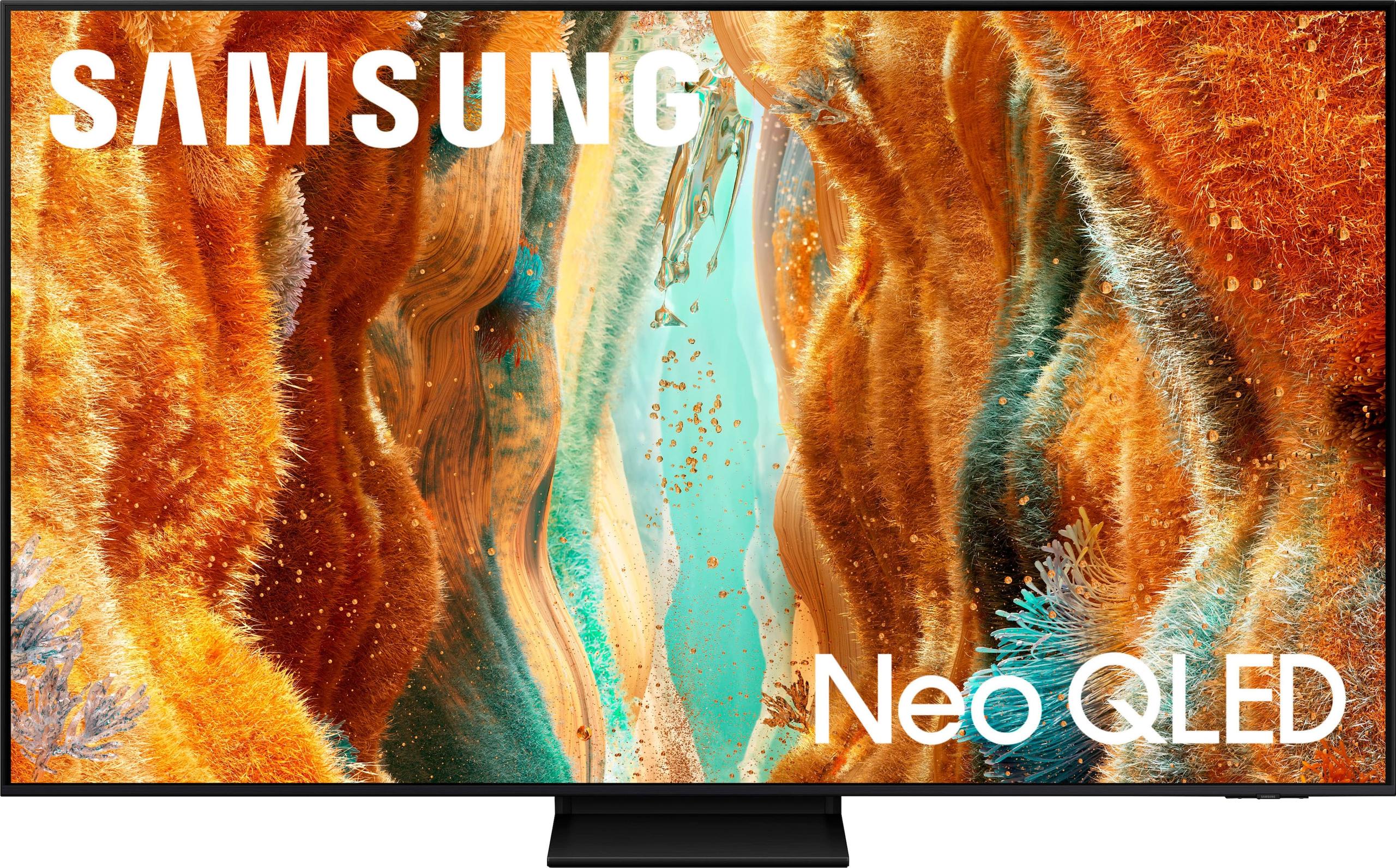
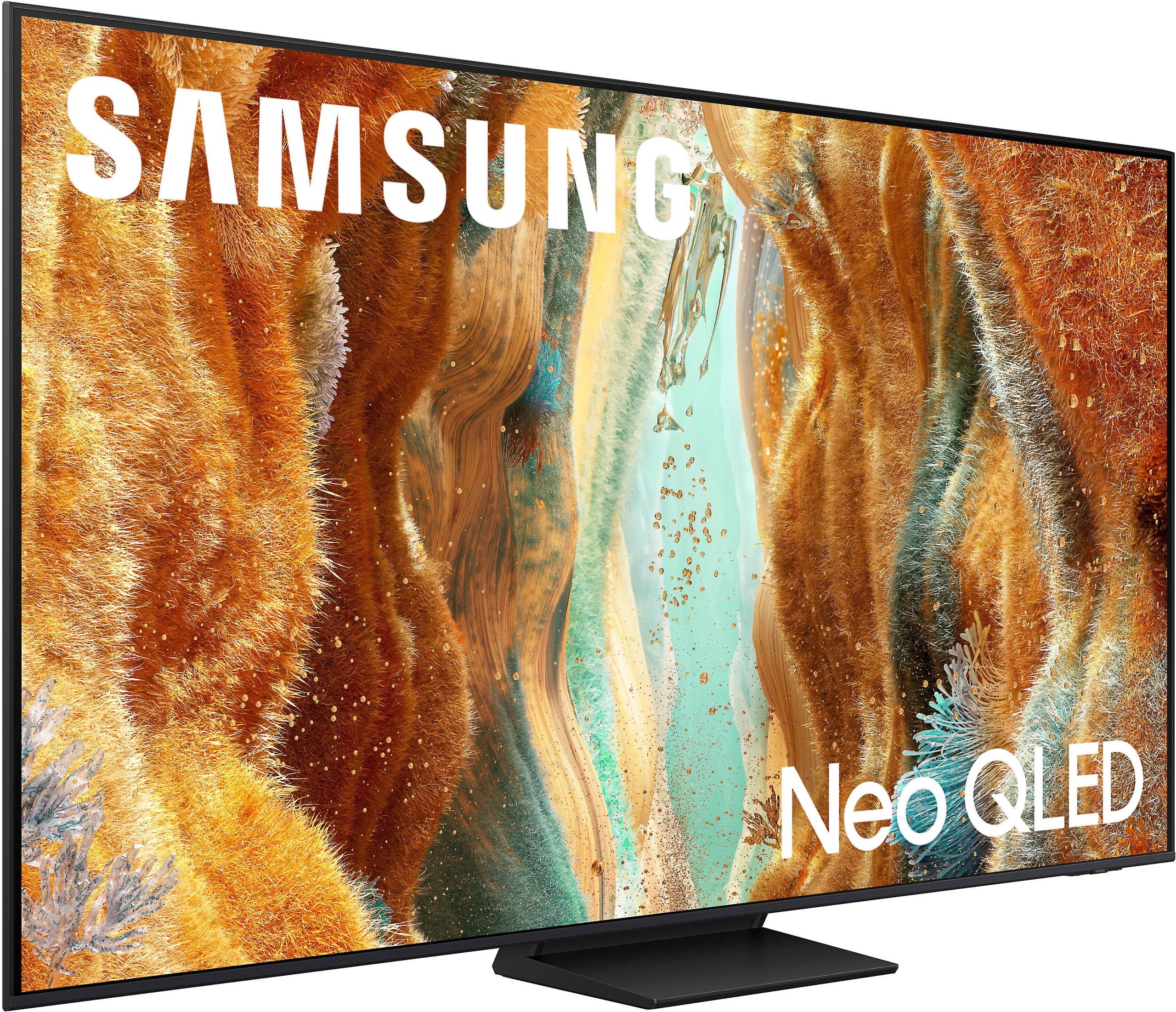

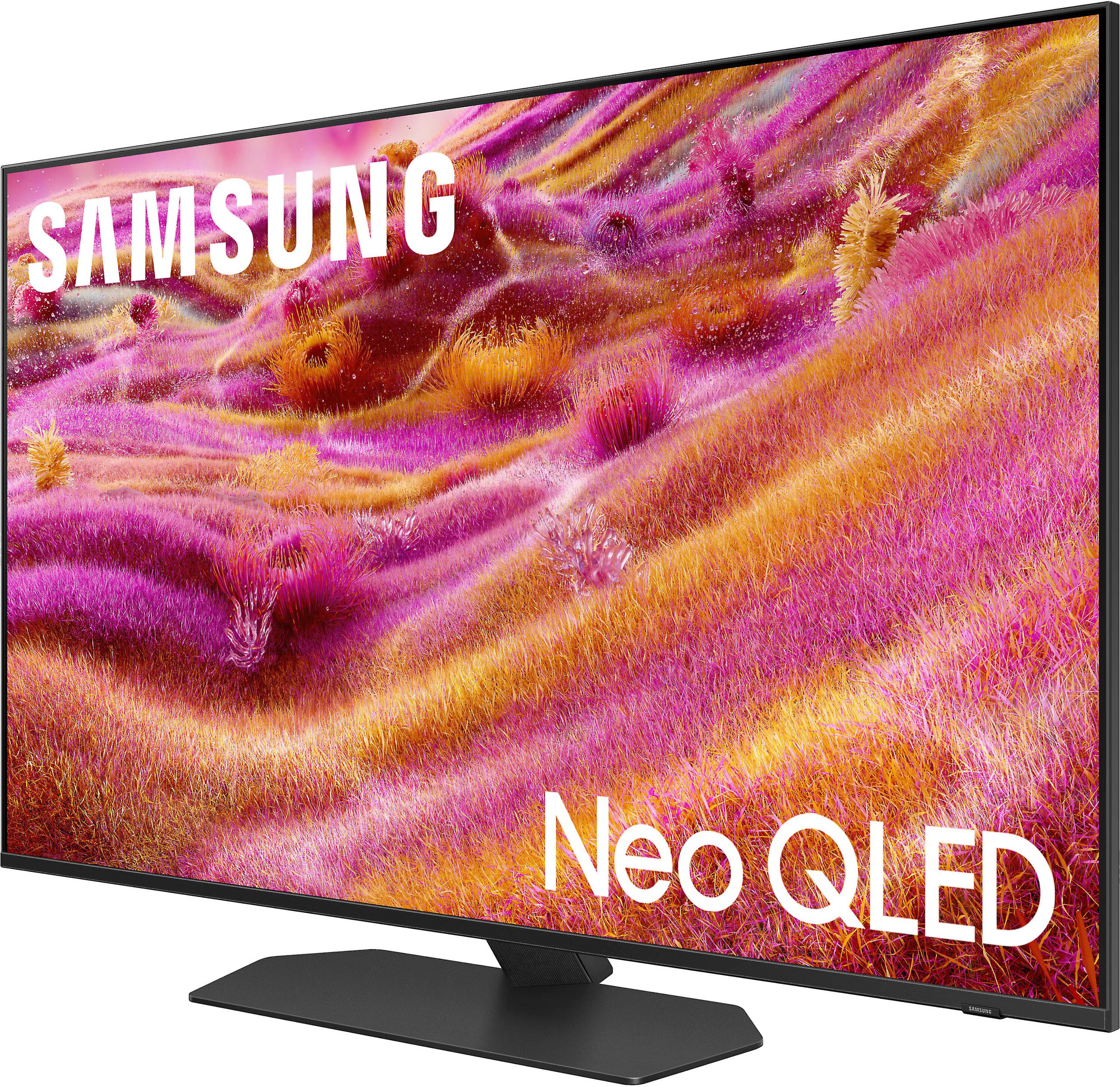
When Samsung launched their 2025 Neo QLED lineup, they made it clear that Mini LED technology had finally matured. Both the Samsung QN70F and Samsung QN90F represent significant improvements over previous generations, but they take notably different approaches to delivering premium picture quality. After spending time with both models, I can tell you the differences go much deeper than the price gap might suggest.
Before diving into the comparison, it's worth understanding what sets Neo QLED apart from traditional LED TVs. Neo QLED uses Mini LEDs—tiny light sources that are roughly 1/40th the size of conventional LEDs. This allows manufacturers to pack thousands more lights behind the screen, creating more precise control over brightness and darkness in different areas of the picture.
Think of it like the difference between painting with a thick brush versus a fine-tip pen. More Mini LEDs mean the TV can make small bright objects pop without washing out the dark areas around them. This is called local dimming, and it's one of the most important features for creating that cinematic contrast we see in movie theaters.
Both the Samsung QN70F and Samsung QN90F use this Mini LED technology, but they implement it in fundamentally different ways that affect everything from picture quality to price.
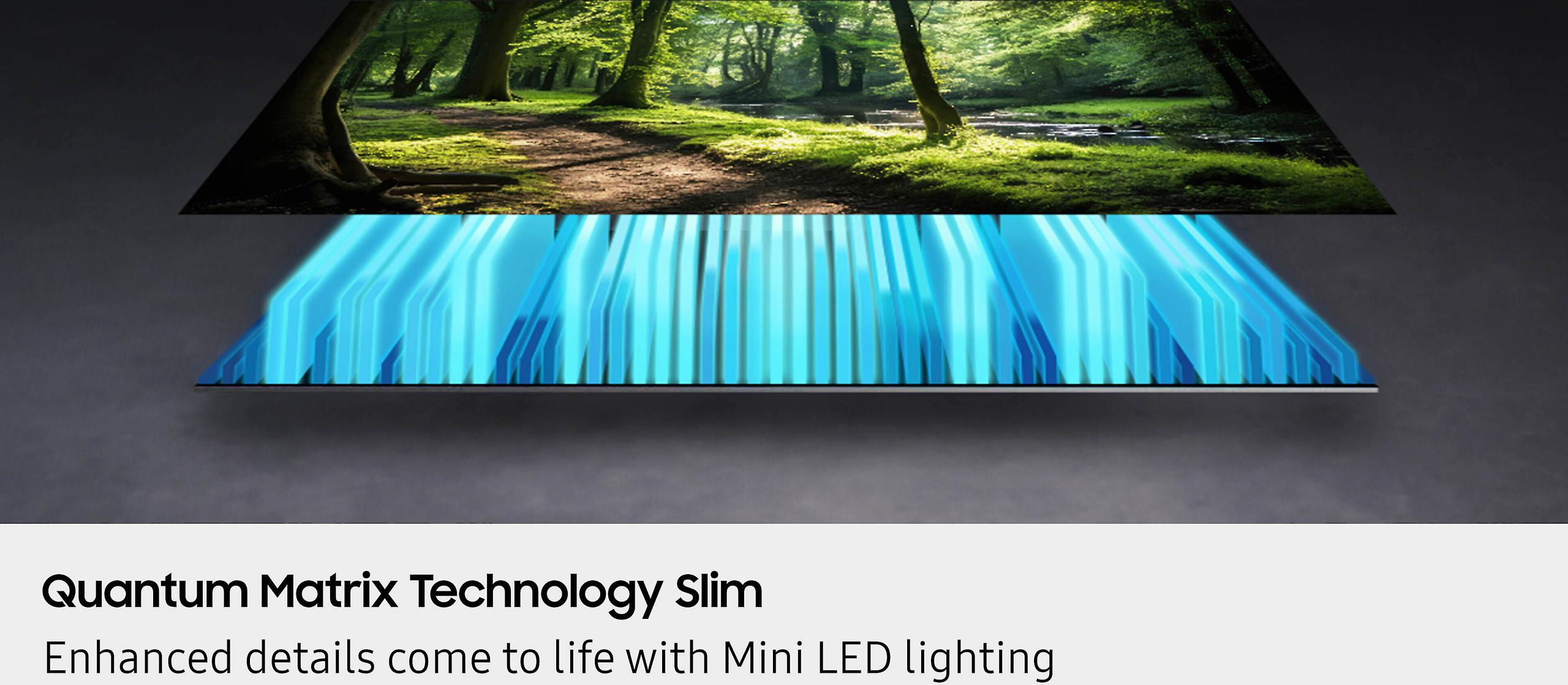
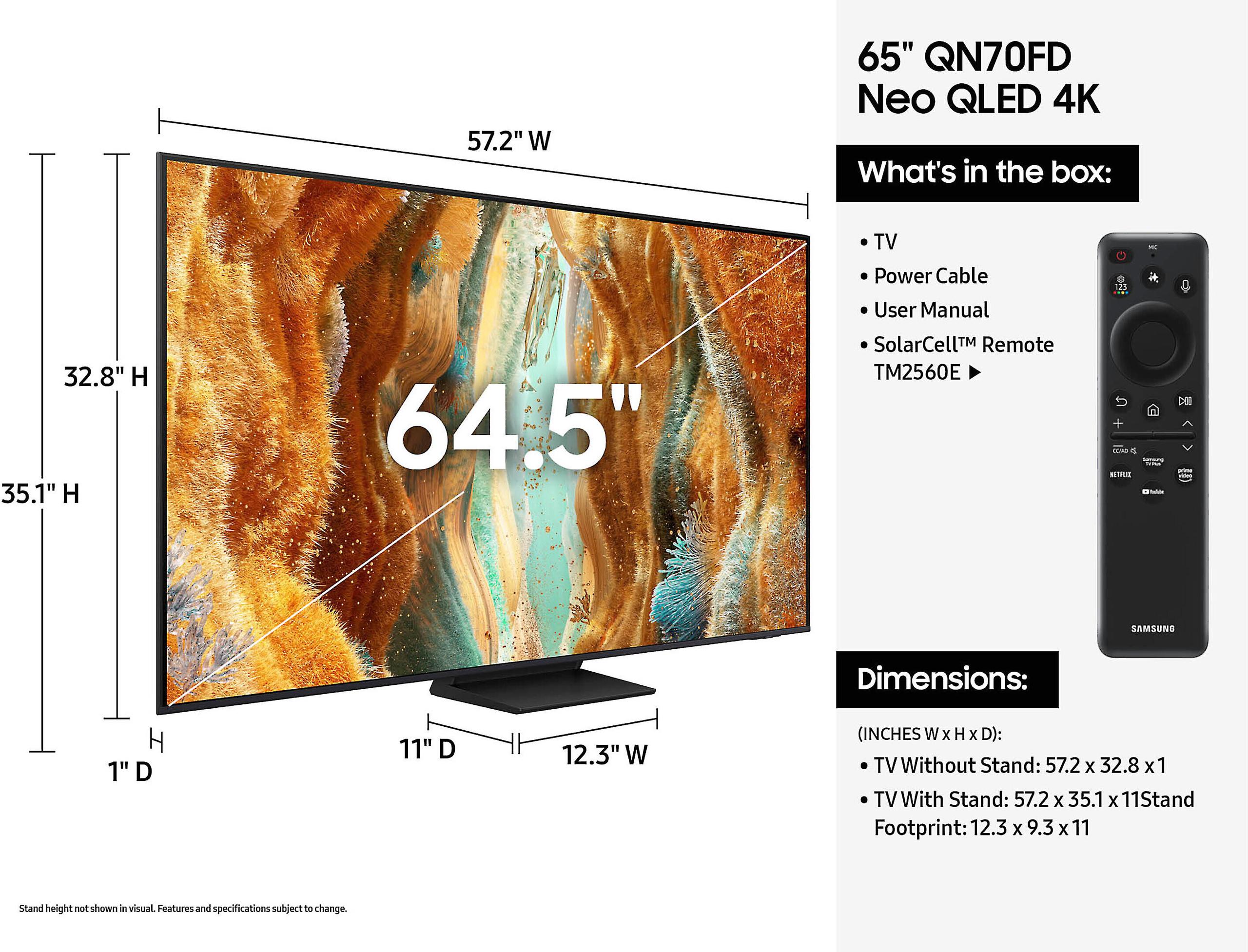
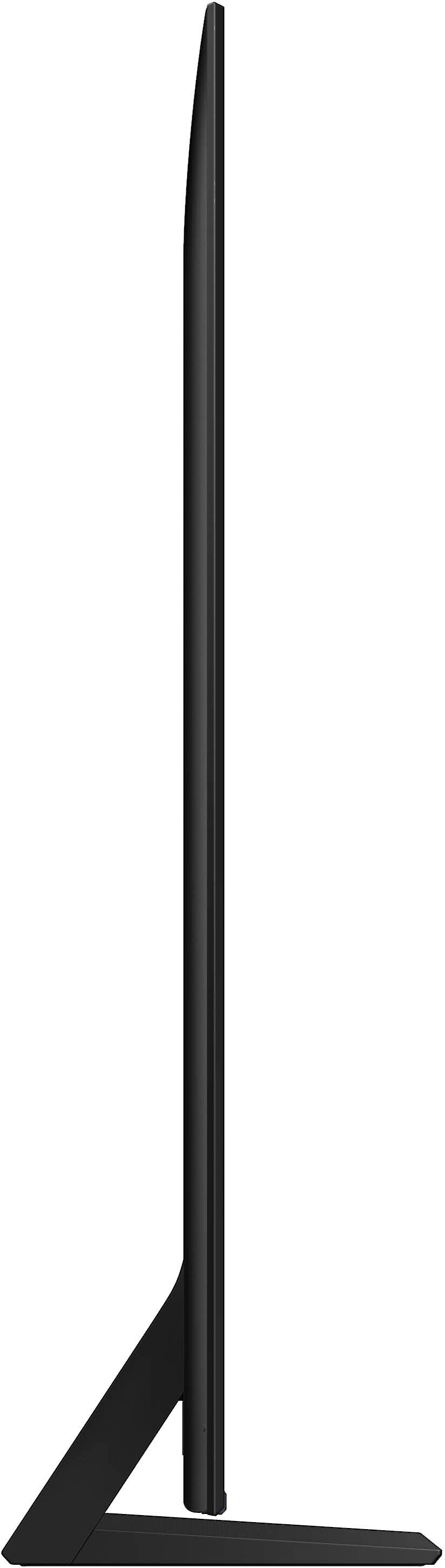
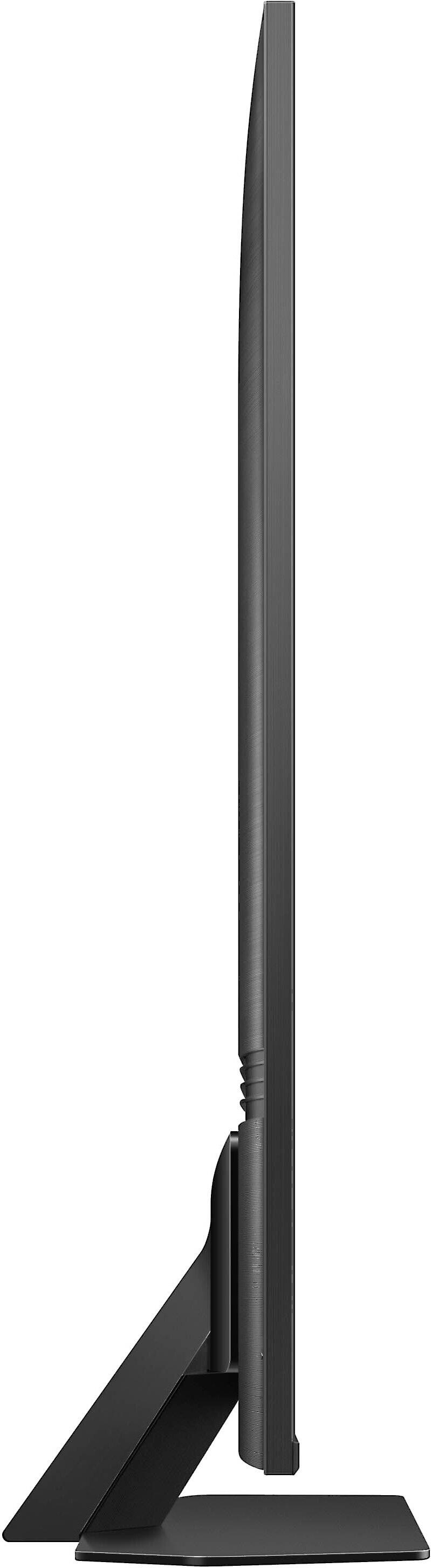
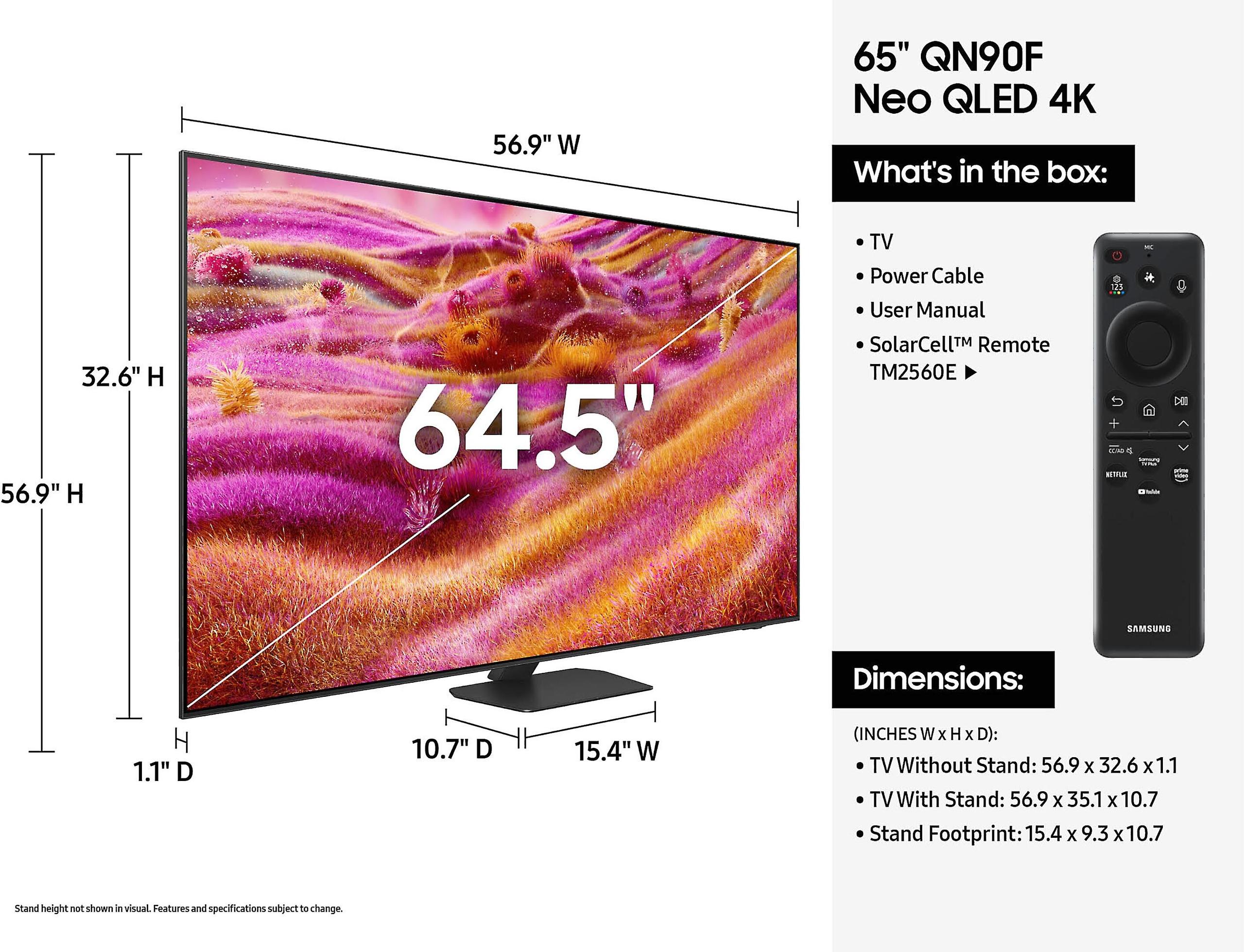
The biggest difference between these models lies in how they arrange their Mini LEDs. The QN70F uses what Samsung calls "edge-lit" Mini LED backlighting. Picture all the Mini LEDs lined up along the bottom edge of the TV, with special films and diffusers spreading that light across the entire 65-inch screen. This creates a remarkably slim profile—just over an inch thick—and keeps manufacturing costs down.
The QN90F, however, takes a completely different approach with full-array local dimming (FALD). Instead of cramming all the lights along one edge, Samsung spreads thousands of Mini LEDs across the entire back panel of the TV. This creates hundreds of individually controlled dimming zones that can brighten or darken independently.
In my experience testing both models, this difference is immediately noticeable. When watching a movie with bright headlights cutting through a dark scene, the QN70F does a respectable job but can't prevent some light from bleeding into the surrounding darkness. The QN90F, with its army of precisely controlled Mini LEDs, can make those headlights blazingly bright while keeping the night sky inky black right next to them.
This isn't just a minor improvement—it fundamentally changes how content looks, especially HDR movies and shows that rely on dramatic contrasts between light and dark.
Both TVs benefit from Samsung's Vision AI technology, introduced in 2025, which uses artificial intelligence to analyze what you're watching and automatically adjust picture settings. However, they don't use the same processor.
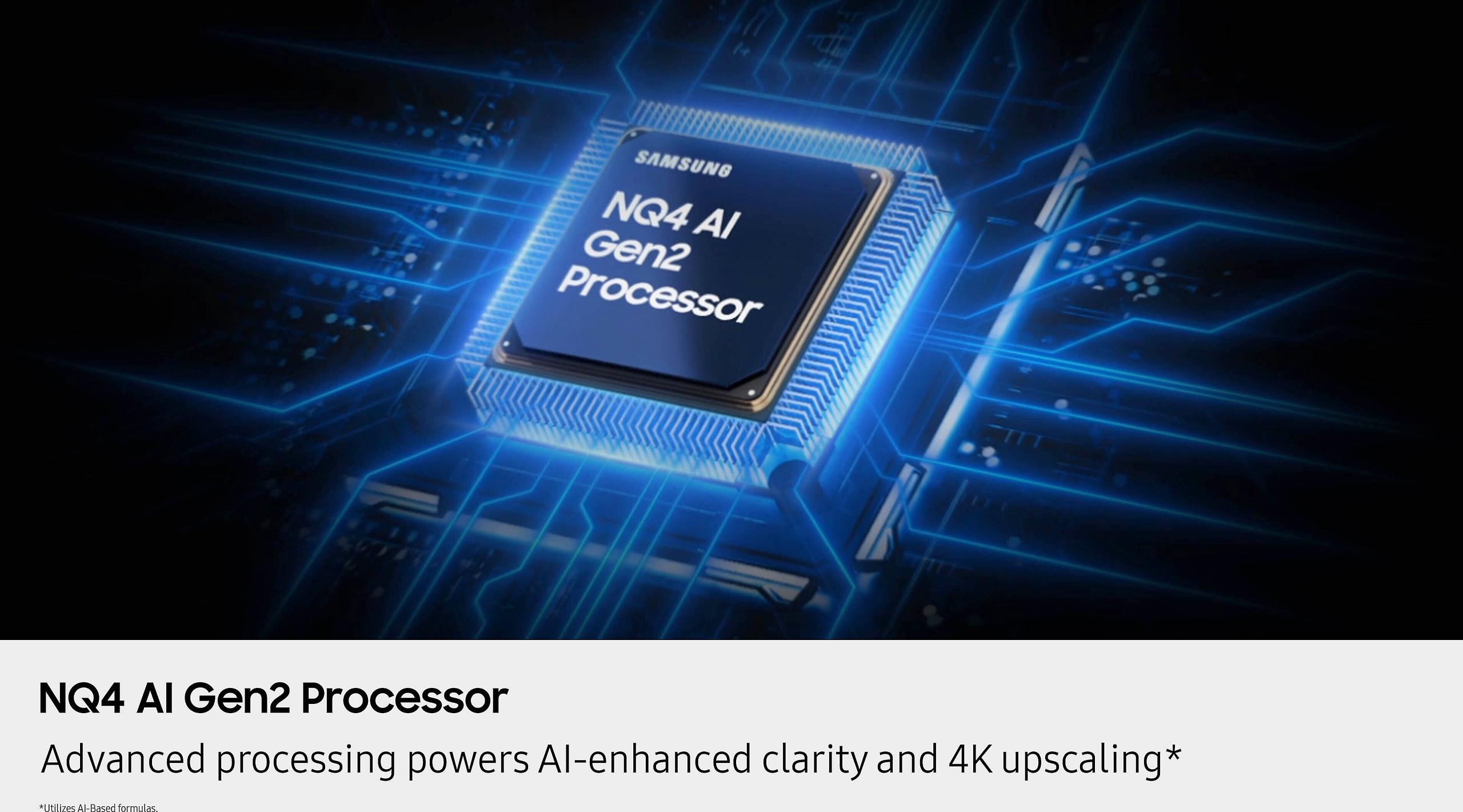
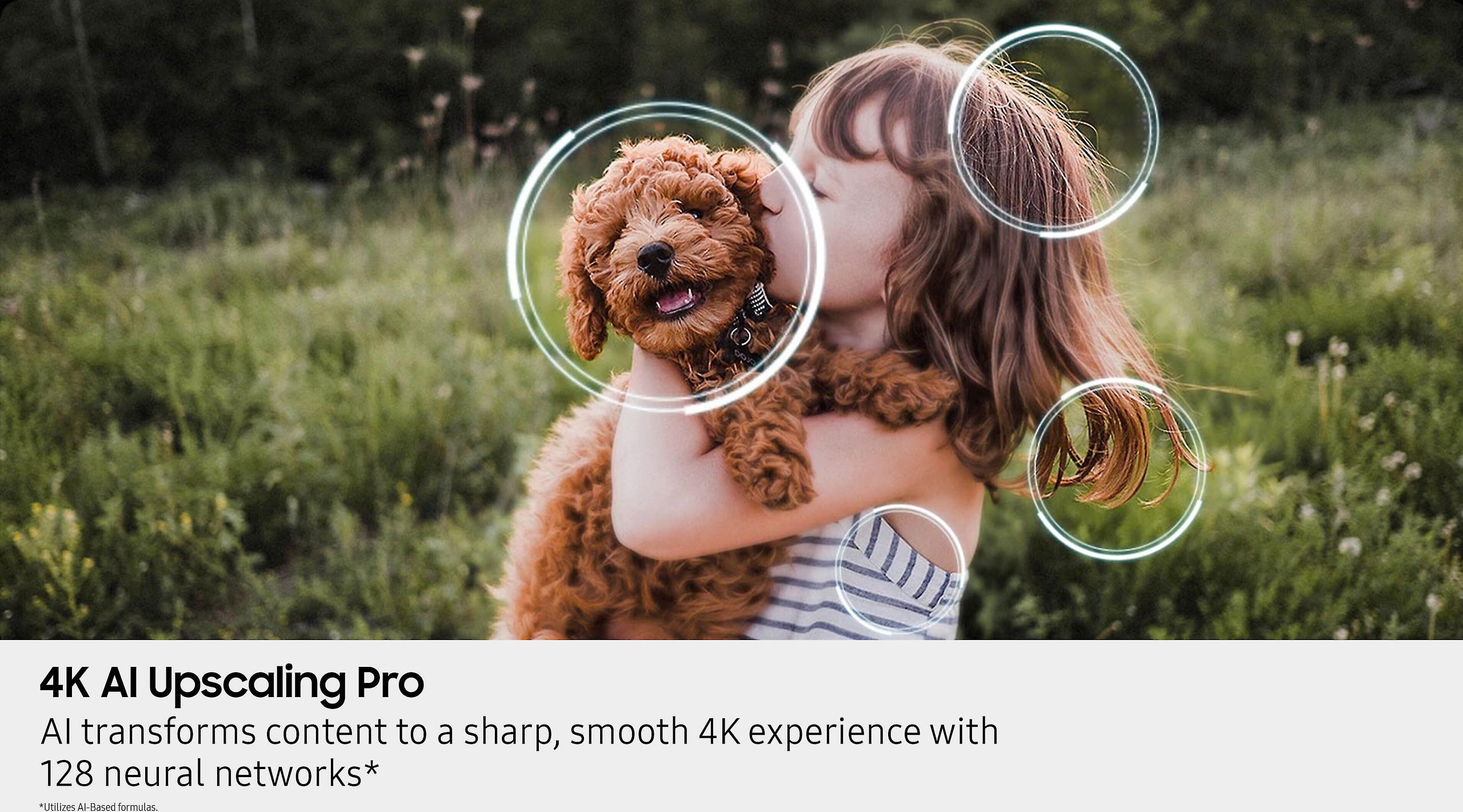
The QN70F runs on Samsung's NQ4 AI Gen2 processor, which handles the basics very well. It can upscale lower-resolution content to look sharper on the 4K screen, adjust colors in real-time, and optimize sound based on what's happening on screen. For most viewers, this processing power feels quite sophisticated.
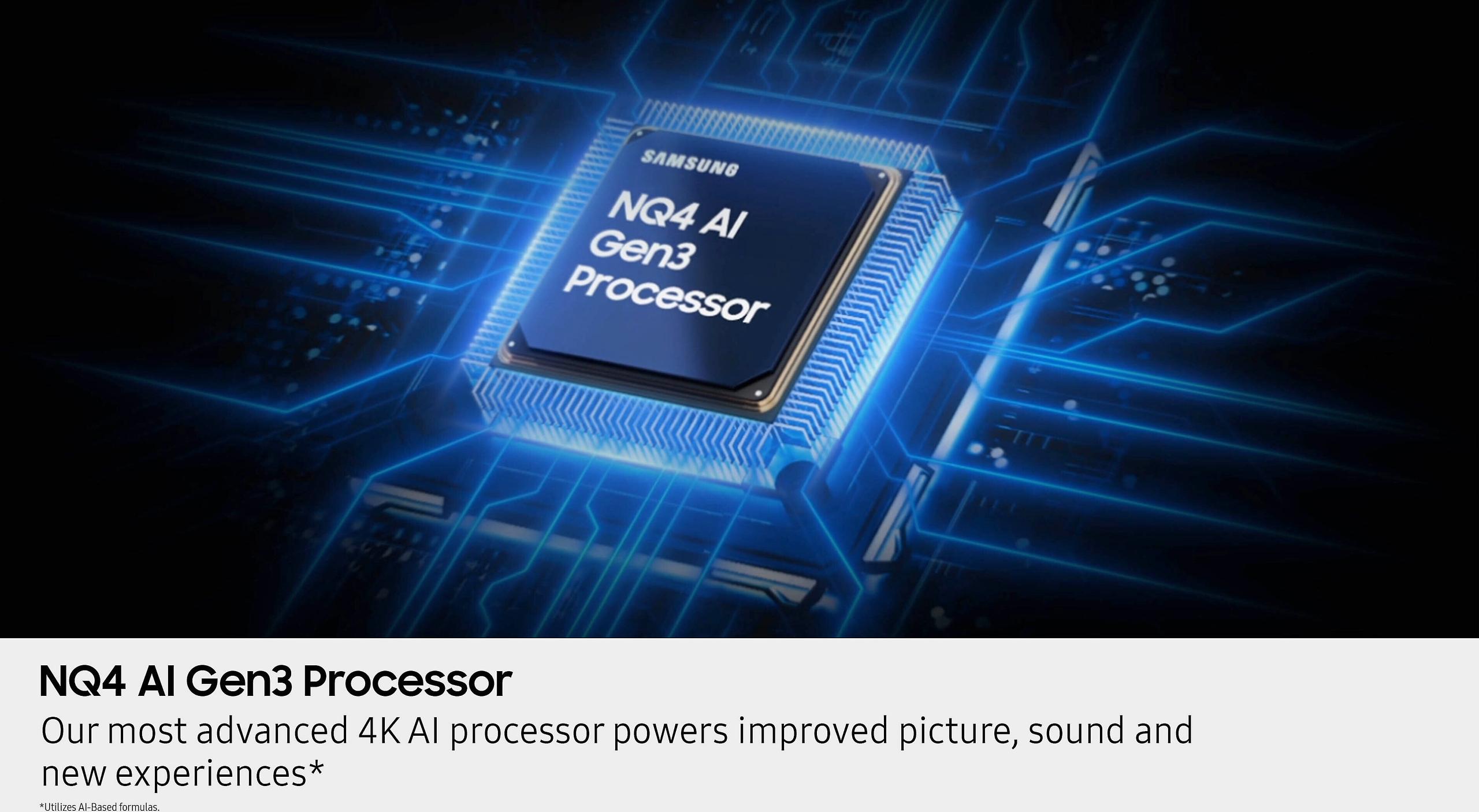
But the QN90F steps up to the NQ4 AI Gen3 processor, powered by 128 neural networks—essentially 128 tiny AI brains working together. This extra processing power becomes evident when watching older TV shows or streaming content that wasn't originally filmed in 4K. The Gen3 processor does a noticeably better job of cleaning up compression artifacts (those blocky distortions you sometimes see in streaming video) and adding detail to faces and textures.
The difference is subtle with high-quality 4K content from Netflix or Disney+, but it becomes significant when watching cable TV, older movies, or lower-bitrate streaming services. If you watch a lot of varied content sources, the superior processing in the QN90F pays dividends day after day.
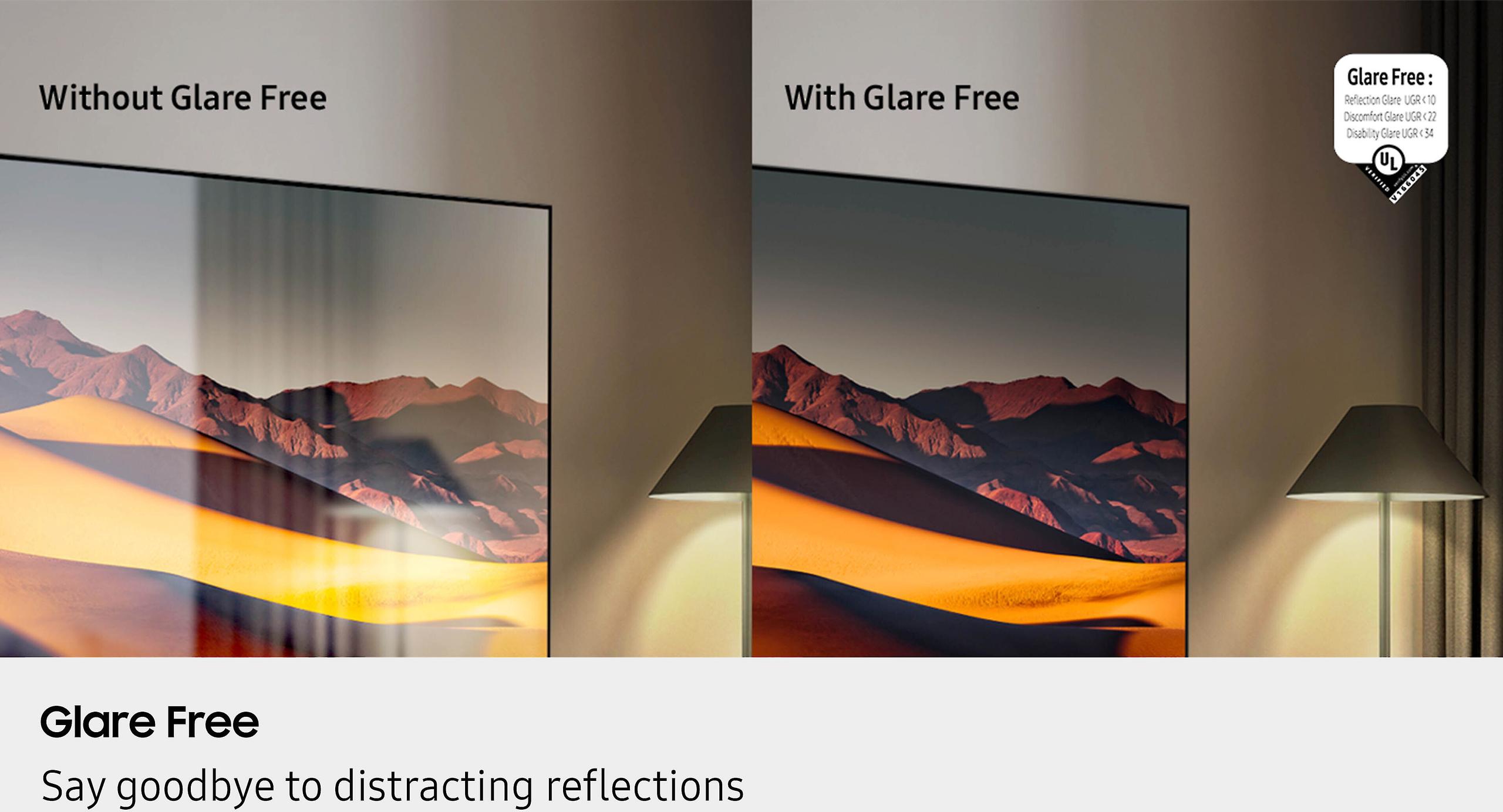
Perhaps the most impressive upgrade in the QN90F is its anti-glare coating. Samsung borrowed this technology directly from their flagship OLED TVs, and it's genuinely transformative for bright room viewing.
Most TVs, including the QN70F, use a glossy or semi-glossy screen that reflects ambient light. While the QN70F does include some reflection reduction, it can't completely eliminate the problem. If you have large windows or bright overhead lights, you'll still see reflections that can distract from darker scenes.
The QN90F uses a matte coating that virtually eliminates reflections. I've tested it in rooms with floor-to-ceiling windows during bright sunny days, and the reflections are so minimal they're barely noticeable. This isn't just about comfort—it actually improves picture quality because you're seeing the TV's intended colors and contrast without interference from reflected light.
The trade-off is that the matte coating slightly softens the image compared to a glossy screen, but in practice, this is only noticeable when comparing them side-by-side. For most viewers, especially those with bright living rooms, the anti-glare benefit far outweighs any minor softness.
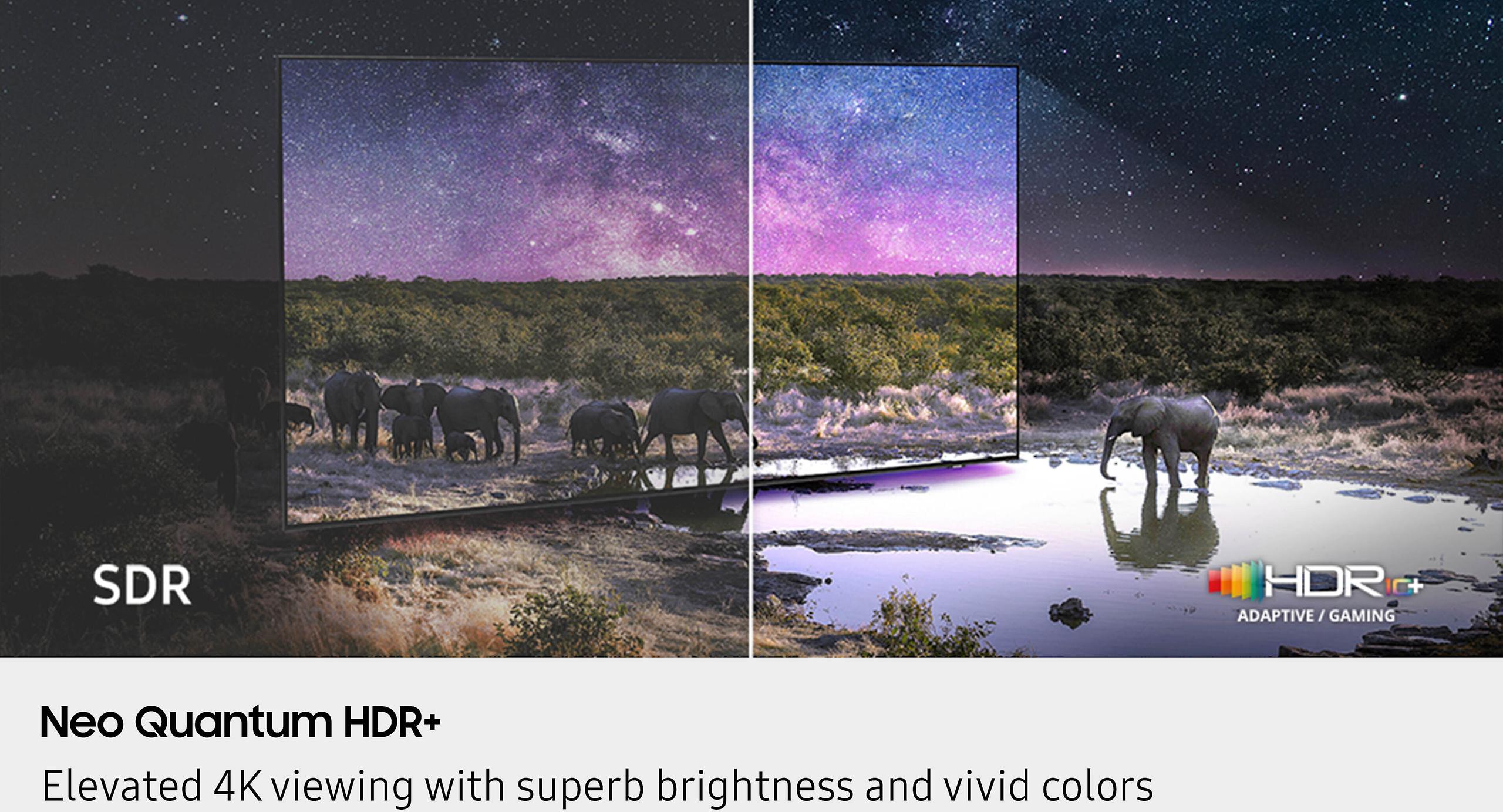
High Dynamic Range (HDR) content has become increasingly important as more movies and shows take advantage of brighter highlights and deeper shadows. Both TVs support HDR10+ (Samsung's preferred HDR format), but their brightness capabilities differ significantly.
The QN70F delivers solid HDR performance with peak brightness around 500-600 nits in typical viewing scenarios. This is bright enough to make HDR content look noticeably better than standard video, with sun reflections on water or explosions that pop off the screen.
However, the QN90F takes HDR to another level entirely, capable of reaching nearly 2,000 nits in small, bright highlights. To put this in perspective, a typical indoor lighting scene might be around 100 nits, while looking directly at a bright sky could be 10,000 nits or more. The QN90F can reproduce much more of that real-world brightness range, making HDR content feel genuinely more lifelike.
This extra brightness headroom also benefits the anti-glare coating. Because the QN90F can get so bright, it maintains excellent picture quality even when fighting against ambient room lighting that would wash out dimmer displays.
Both TVs excel for gaming, supporting 120Hz refresh rates that make fast-paced games feel smoother and more responsive. They also include Variable Refresh Rate (VRR) technology, which eliminates screen tearing by synchronizing the TV's refresh rate with your gaming console's frame rate.
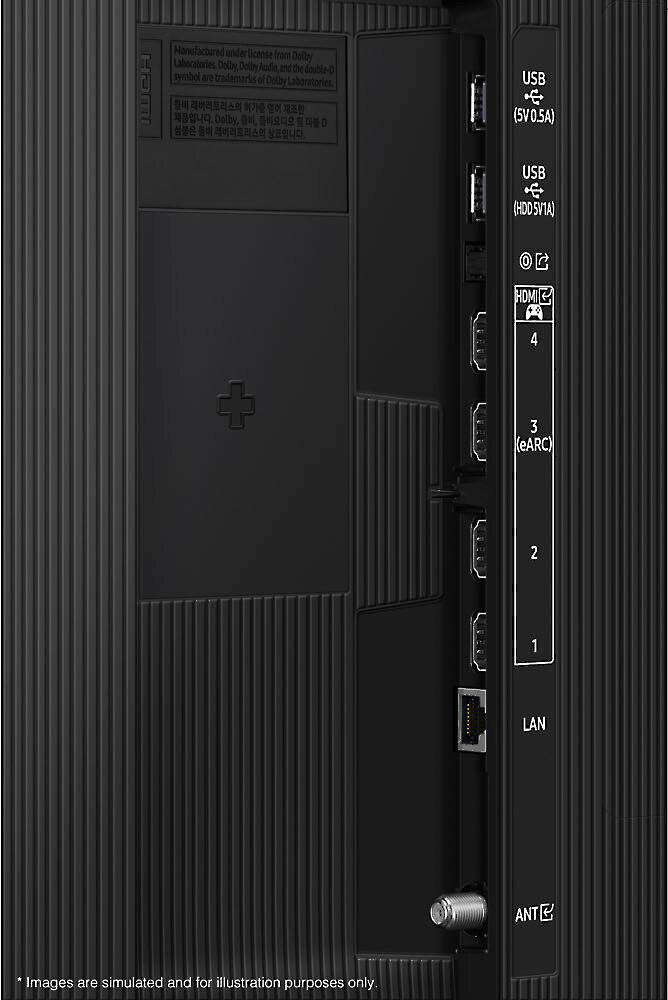
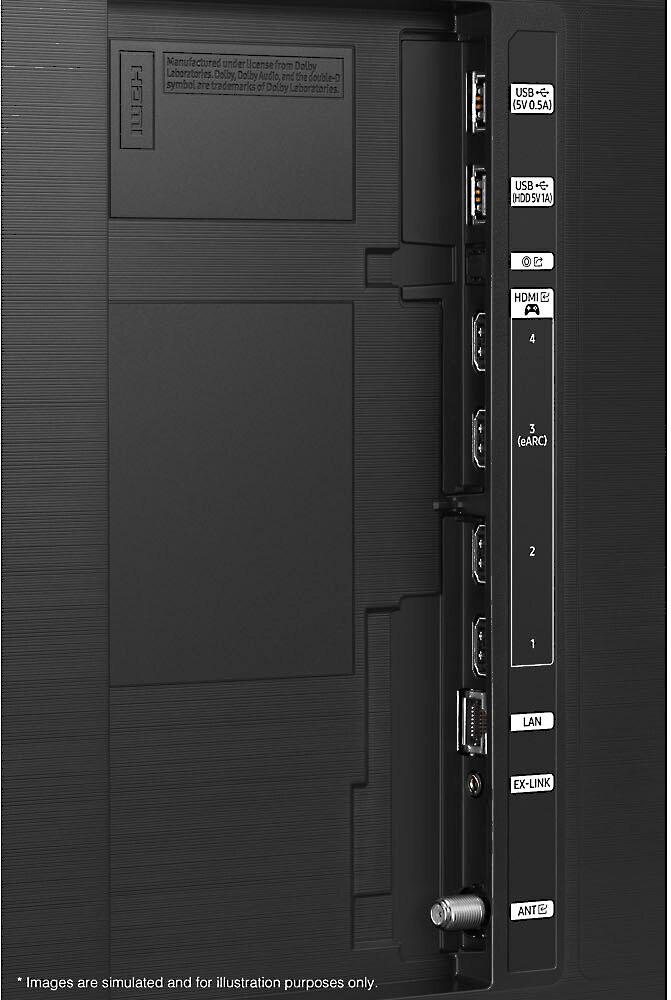
The QN90F has a slight edge with four full HDMI 2.1 ports compared to the QN70F's more limited high-refresh connectivity. This matters if you have multiple gaming devices or a PC gaming setup that demands the highest bandwidth.
However, both models have some quirks in Game Mode. To achieve the lowest possible input lag (the delay between pressing a button and seeing the result on screen), they dial back some of the advanced processing that makes the picture look its best. On the QN90F, this means the local dimming zones react more slowly, which can create some blooming around bright objects in dark scenes.
For competitive gaming where every millisecond matters, this trade-off is worthwhile. But for single-player story games where visual quality is paramount, you might want to use the Cinema mode instead and accept the slightly higher input lag.
TV speakers rarely get much attention in reviews, but there's a meaningful difference here. The QN70F includes basic stereo speakers that get the job done for casual viewing but lack depth and impact for movies or music.
The QN90F steps up to a 60-watt, 4.2.2-channel system with dedicated height speakers for Dolby Atmos content. When watching movies with overhead effects—helicopters flying by, rain falling, or ceiling-mounted speakers in a concert hall—you can actually hear sounds coming from above the TV. It's not as immersive as a dedicated surround sound system, but it's surprisingly effective.
This audio upgrade matters more than you might expect. If you're not planning to buy a soundbar or surround system, the improved built-in audio in the QN90F significantly enhances the viewing experience for movies and shows with sophisticated sound design.
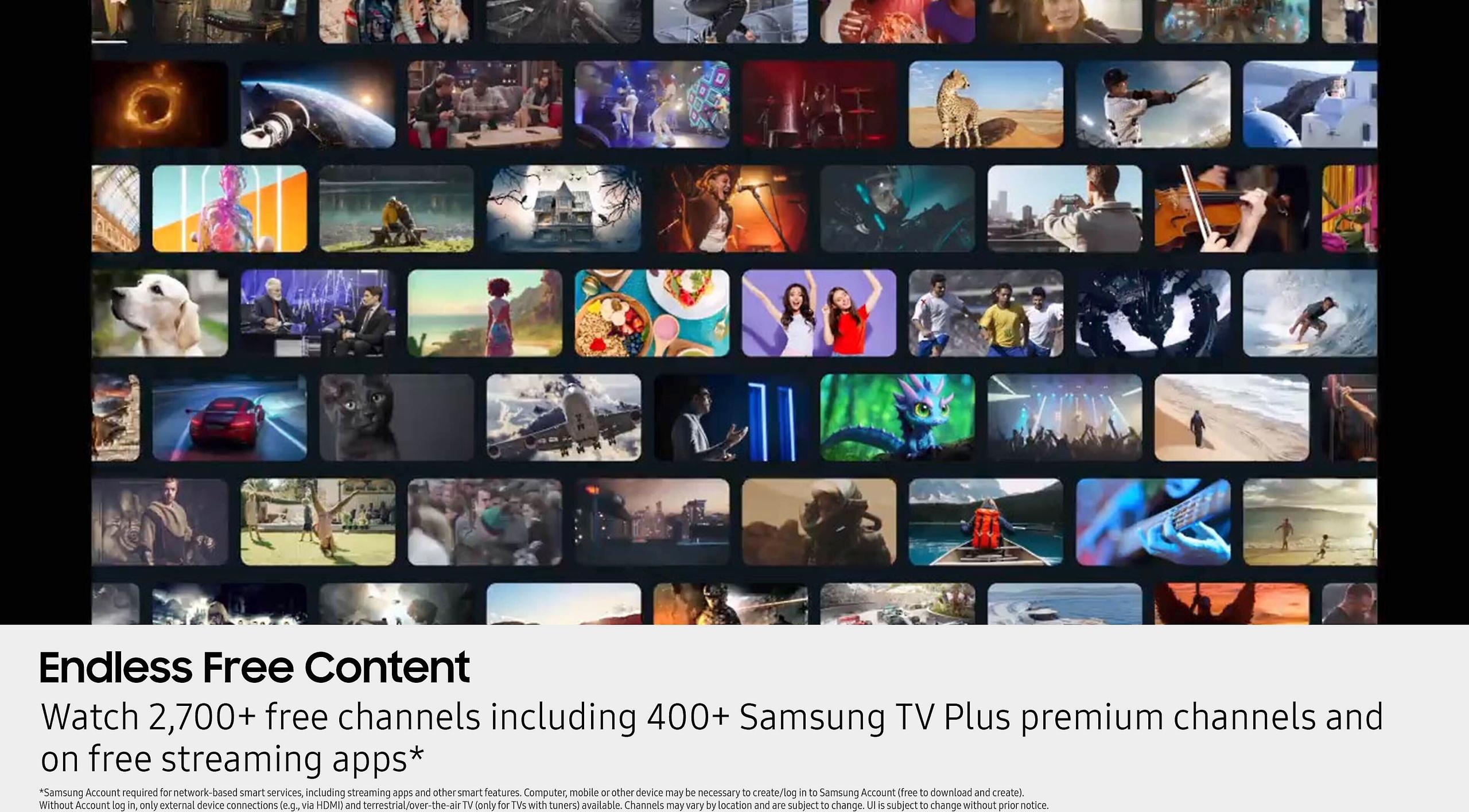
Both TVs run Samsung's Tizen operating system with the new Vision AI features introduced in 2025. The interface is clean and responsive, with quick access to major streaming apps and Samsung's free TV Plus service.
The Vision AI features are genuinely useful rather than gimmicky. The "Click to Search" function can identify actors on screen and pull up their filmography, while "Live Translate" provides real-time subtitle translation for foreign content. These features work equally well on both models, so there's no advantage to either TV in terms of smart functionality.
Both also include Samsung's solar-powered remote, which charges from indoor lighting and eliminates the need for batteries—a small but appreciated touch in 2025.
At the time of writing, the QN90F typically commands a premium of several hundred dollars over the QN70F in the 65-inch size. This price difference reflects substantial hardware improvements: full-array backlighting, advanced processing, anti-glare coating, and superior audio.
From a pure performance perspective, the QN90F delivers meaningful improvements across nearly every category. The question is whether those improvements justify the price difference for your specific situation.
If you're upgrading from an older LED TV, either model will feel like a massive leap forward. The QN70F already provides excellent picture quality that surpasses most TVs from even a few years ago. But if you want the best possible performance and your budget allows, the QN90F offers tangible benefits you'll notice every day.
For dedicated home theater setups, the QN90F is the clear choice. Its superior contrast, higher brightness, and better processing make it well-suited for darkened rooms where picture quality takes priority. The full-array backlighting creates those inky blacks that make space scenes and horror movies properly atmospheric.
However, both models have limitations compared to OLED TVs for pure home theater use. Even the QN90F can't achieve the perfect blacks of an OLED panel, and neither supports Dolby Vision (though they do support HDR10+). If your room can be made completely dark and you prioritize the ultimate in contrast, you might consider Samsung's QD-OLED models instead.
That said, for most home theaters that aren't completely light-controlled, the QN90F actually performs better than many OLEDs thanks to its superior brightness and anti-glare properties.
The QN70F represents excellent value for buyers who want to experience Neo QLED technology without paying premium prices. It delivers genuinely good picture quality, solid smart features, and respectable gaming performance. If you're coming from an older TV or have a moderate budget, it will likely exceed your expectations.
However, the QN90F justifies its higher price through meaningful improvements across nearly every performance category. The full-array backlighting, anti-glare coating, advanced processing, and superior audio create a significantly better viewing experience that you'll appreciate daily.
My recommendation comes down to your room and usage patterns. If you watch TV primarily in the evening with controlled lighting, the QN70F will serve you well and save money for other priorities. But if you have a bright living room, watch a lot of varied content, or want the best possible performance, the QN90F delivers substantial value despite its higher price.
For most buyers upgrading their primary TV in 2025, I'd lean toward the QN90F. The performance improvements are significant enough to justify the premium, and you'll benefit from them every single day over the TV's expected lifespan of many years.
Either way, both represent Samsung's commitment to advancing Mini LED technology, and both will deliver picture quality that seemed impossible just a few years ago. The question isn't whether you'll be satisfied—it's how much satisfaction you want to buy.
| Samsung QN70F 65" Neo QLED | Samsung QN90F 65" Neo QLED |
|---|---|
| Backlighting Technology - The foundation of picture quality and contrast | |
| Edge-lit Mini LED with Quantum Matrix Slim | Full-array Mini LED with hundreds of local dimming zones |
| Peak Brightness - Critical for HDR impact and bright room viewing | |
| ~500-600 nits (good HDR performance) | Up to 1,900 nits in highlights (exceptional HDR impact) |
| Anti-Glare Coating - Makes or breaks bright room viewing experience | |
| Basic satin finish (some reflections visible) | Premium matte coating (virtually eliminates all reflections) |
| Processor - Determines upscaling quality and AI features | |
| NQ4 AI Gen2 (solid 4K upscaling) | NQ4 AI Gen3 with 128 neural networks (superior processing) |
| Audio System - Important if not using external sound | |
| 20W basic speakers (external audio recommended) | 60W 4.2.2CH with Dolby Atmos and height speakers |
| Black Level Performance - Essential for movie watching and contrast | |
| Good blacks with some light bleeding | Excellent blacks with minimal blooming (outside Game Mode) |
| Gaming Features - Refresh rate and connectivity for consoles/PC | |
| 120Hz, good HDMI 2.1 support | 120Hz, four full HDMI 2.1 ports, up to 4K @ 165Hz |
| Design Profile - Affects wall mounting and aesthetics | |
| Ultra-slim edge-lit design (~1 inch thick) | Slightly thicker due to full-array backlighting |
| Value Proposition - Who should consider each model | |
| Excellent entry into Neo QLED technology | Premium performance justifies higher cost for primary TVs |
| Best Use Cases - Where each model excels | |
| Moderate lighting, secondary TVs, budget-conscious buyers | Bright rooms, home theater, primary viewing area |
The key difference is backlighting technology. The Samsung QN70F uses edge-lit Mini LEDs positioned along the bottom of the screen, while the Samsung QN90F features full-array Mini LED backlighting with hundreds of individually controlled dimming zones across the entire back panel. This gives the QN90F significantly better contrast, deeper blacks, and brighter highlights.
The Samsung QN90F is substantially better for bright rooms thanks to its premium matte anti-glare coating that virtually eliminates reflections, even in direct sunlight. The Samsung QN70F has basic reflection reduction but will still show some glare in very bright conditions.
Yes, the Samsung QN90F delivers meaningful picture quality improvements including better contrast, superior HDR brightness (up to 1,900 nits vs 500-600 nits), enhanced processing, and virtually no reflections. If this is your primary TV and budget allows, the performance gains justify the price difference.
Both the Samsung QN70F and Samsung QN90F offer excellent gaming with 120Hz refresh rates and VRR support. The QN90F has a slight advantage with four full HDMI 2.1 ports and support for up to 4K @ 165Hz, making it better for multiple gaming devices or PC gaming setups.
The Samsung QN70F really benefits from external audio as its basic 20W speakers lack depth for movies. The Samsung QN90F includes a robust 60W 4.2.2CH system with Dolby Atmos that provides surprisingly good built-in audio, reducing the immediate need for a soundbar.
Both the Samsung QN70F and Samsung QN90F run identical Tizen smart platforms with Samsung Vision AI features, including Click to Search and Live Translate. There's no difference in smart functionality, app selection, or user interface between the models.
The Samsung QN90F is excellent for home theater use with its superior contrast, full-array backlighting for deep blacks, and high brightness for impactful HDR. The Samsung QN70F works well for casual home theater but can't match the contrast performance needed for the best cinematic experience.
The Samsung QN90F uses the advanced NQ4 AI Gen3 processor with 128 neural networks, compared to the Gen2 processor in the Samsung QN70F. The Gen3 provides noticeably better upscaling of lower-resolution content and superior processing of streaming video with compression artifacts.
The Samsung QN70F works well in moderate-sized rooms with controlled lighting, bedrooms, or as secondary TVs. The Samsung QN90F excels in larger, brighter living spaces, open floor plans, or anywhere with significant ambient light thanks to its anti-glare technology.
Both Samsung QN70F and Samsung QN90F offer better brightness than most OLEDs, making them superior for bright room viewing. However, OLEDs still provide perfect blacks and wider viewing angles. The QN90F comes closest to OLED contrast performance while maintaining LED brightness advantages.
The Samsung QN70F offers excellent value for budget-conscious buyers wanting Neo QLED technology, while the Samsung QN90F provides better long-term value for primary TVs due to its superior performance across all categories. Choose based on your room lighting and how much you prioritize picture quality.
If you have a bright room or want the best possible picture quality, wait for a Samsung QN90F sale as the performance improvements are substantial. However, if you need a TV now and have moderate lighting conditions, the Samsung QN70F delivers excellent performance that will satisfy most viewers immediately.
We've done our best to create useful and informative comparisons to help you decide what product to buy. Our research uses advanced automated methods to create this comparison and perfection is not possible - please contact us for corrections or questions. These are the sites we've researched in the creation of this article: rtings.com - youtube.com - wifihifi.com - samsung.com - samsung.com - samsung.com - samsung.com - flatpanelshd.com - news.samsung.com - bestbuy.com - rtings.com - images.samsung.com - youtube.com - listenup.com - youtube.com - cullenshomecenter.com - shopjetson.com - youtube.com - samsung.com - samsung.com - videoandaudiocenter.com - rtings.com - bestbuy.com - youtube.com - news.samsung.com - news.samsung.com - news.samsung.com - bestbuy.com - news.samsung.com - youtube.com - news.samsung.com - youtube.com - smarthomesounds.co.uk

Privacy Policy
Terms and Conditions - Affiliate Policy
Home Security
© Copyright 2008-2026.
11816 Inwood Rd #1211, Dallas, TX 75244