

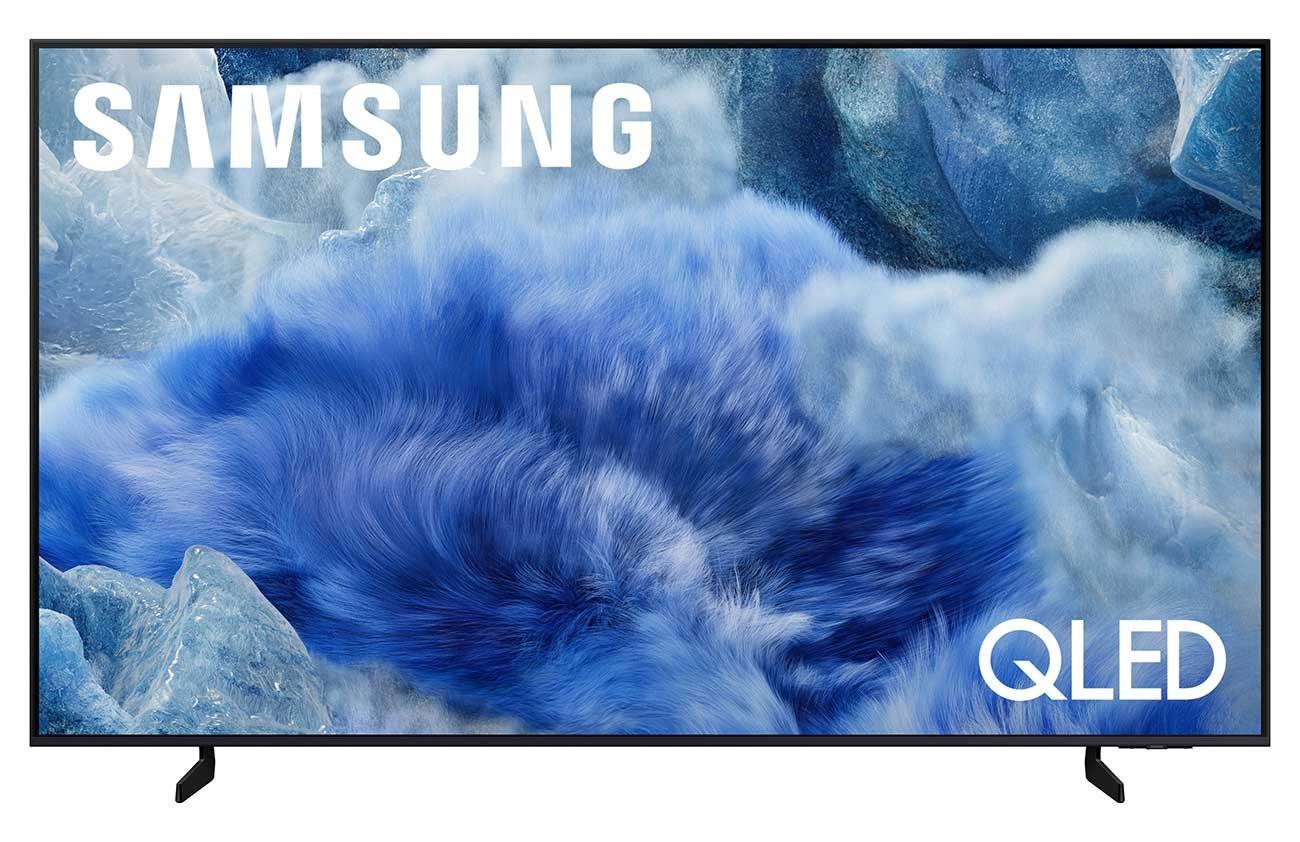
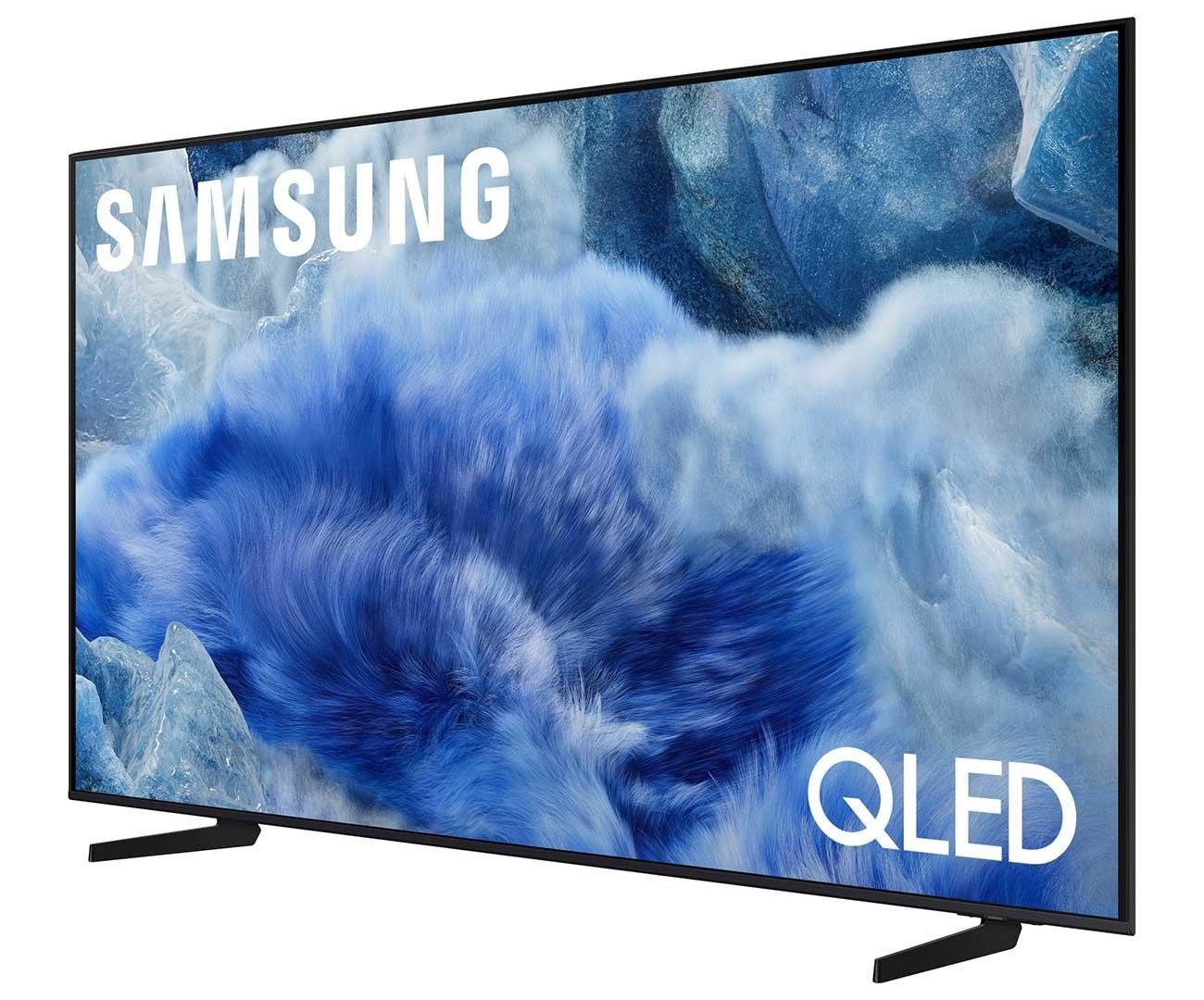
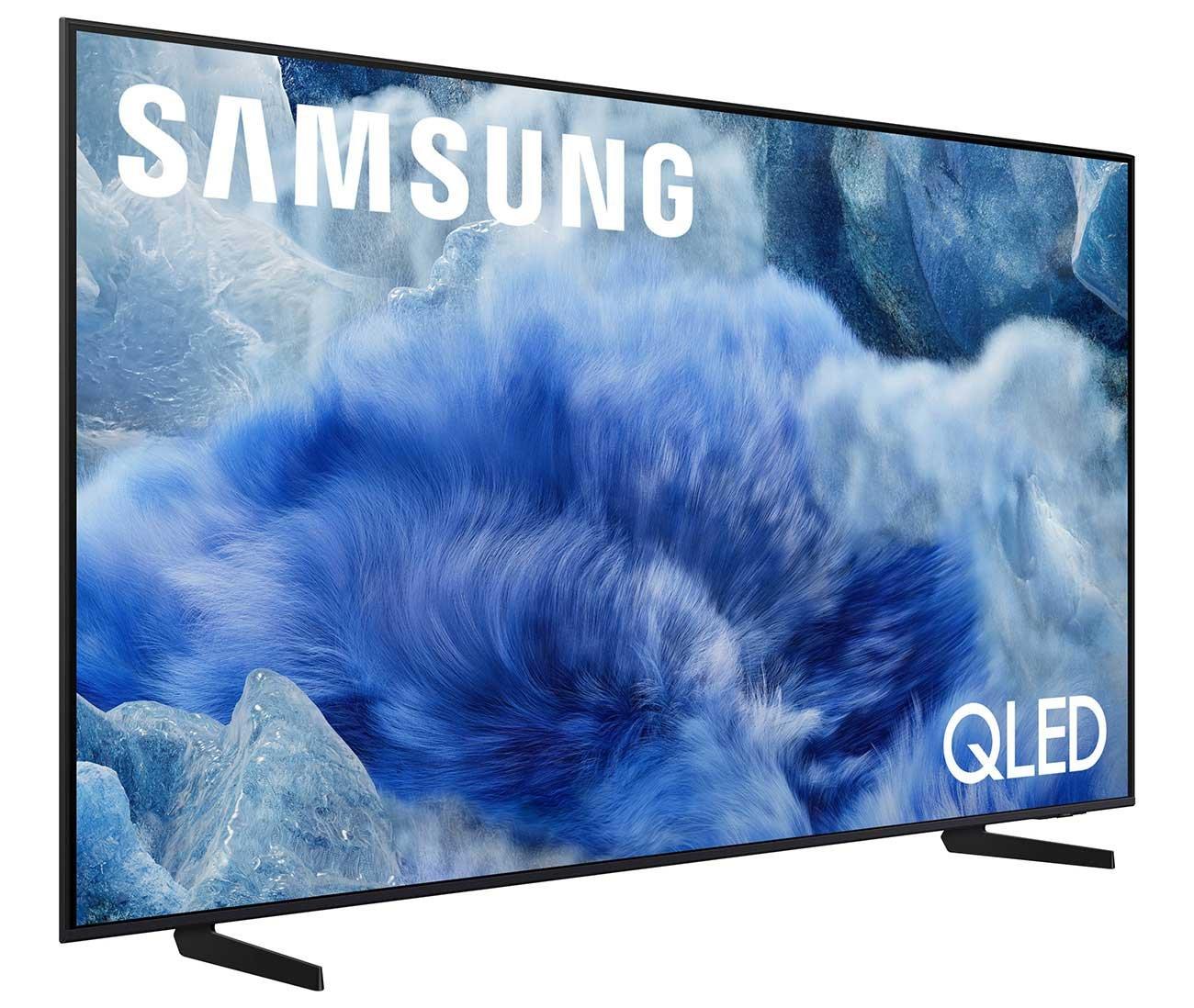

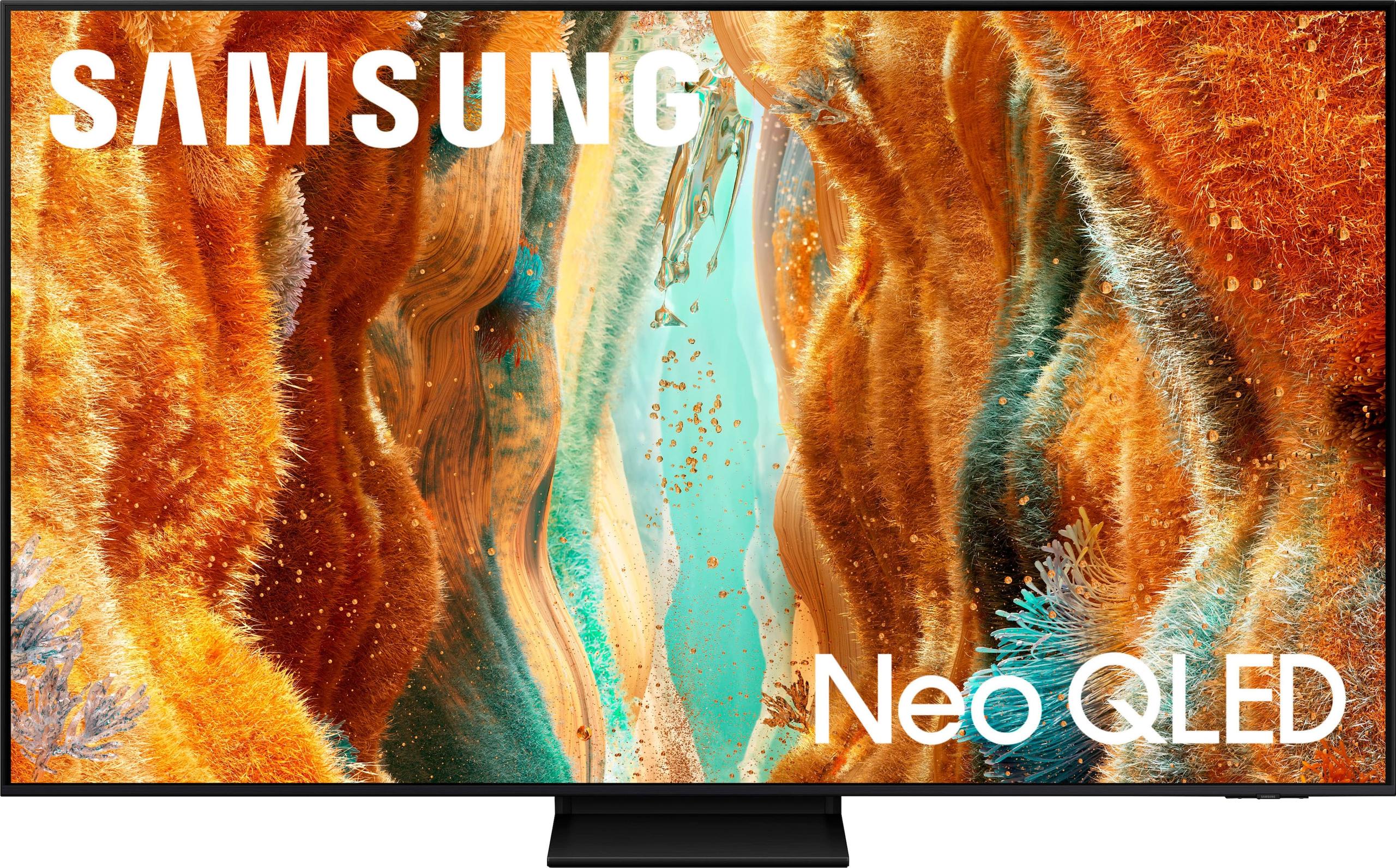
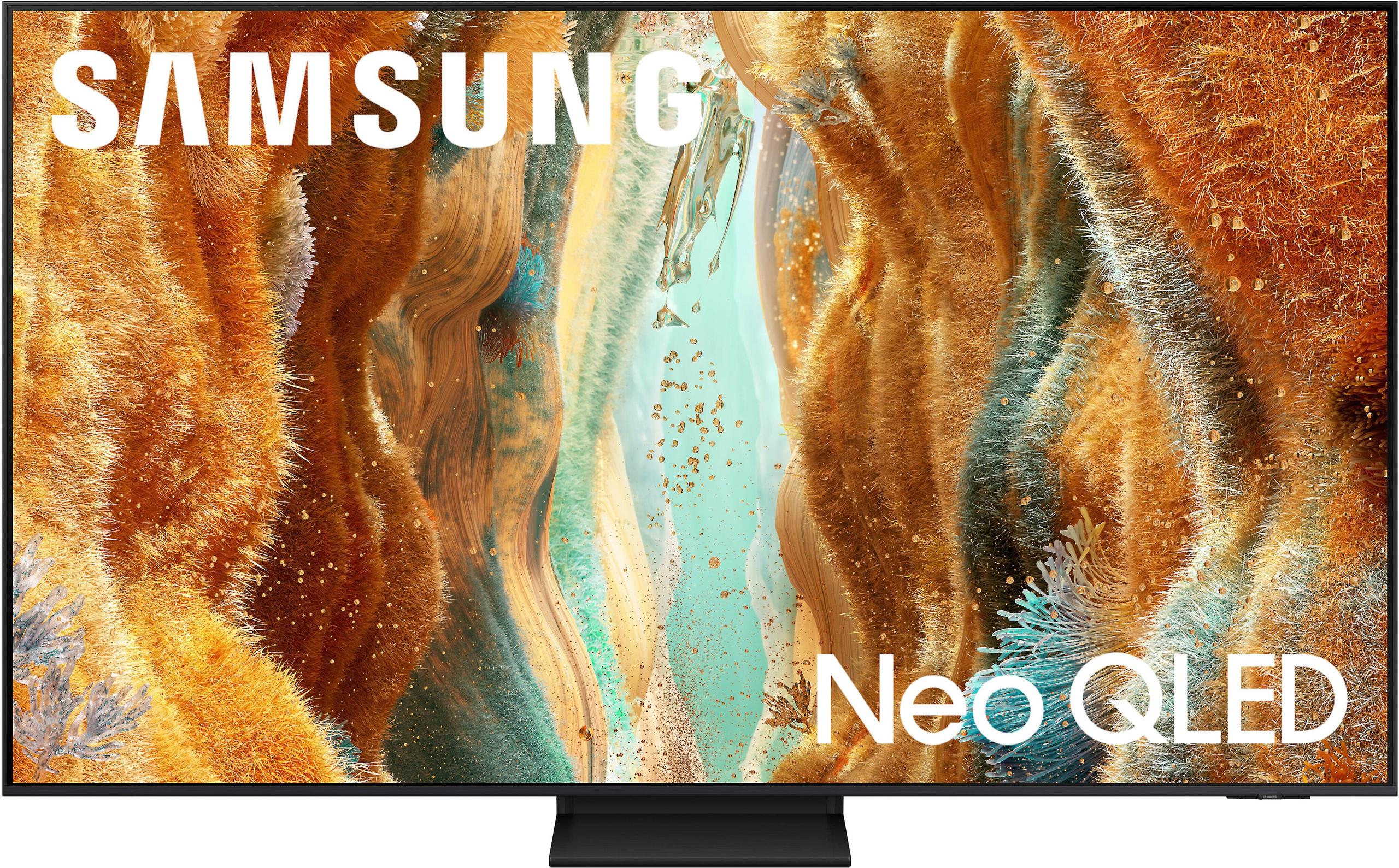
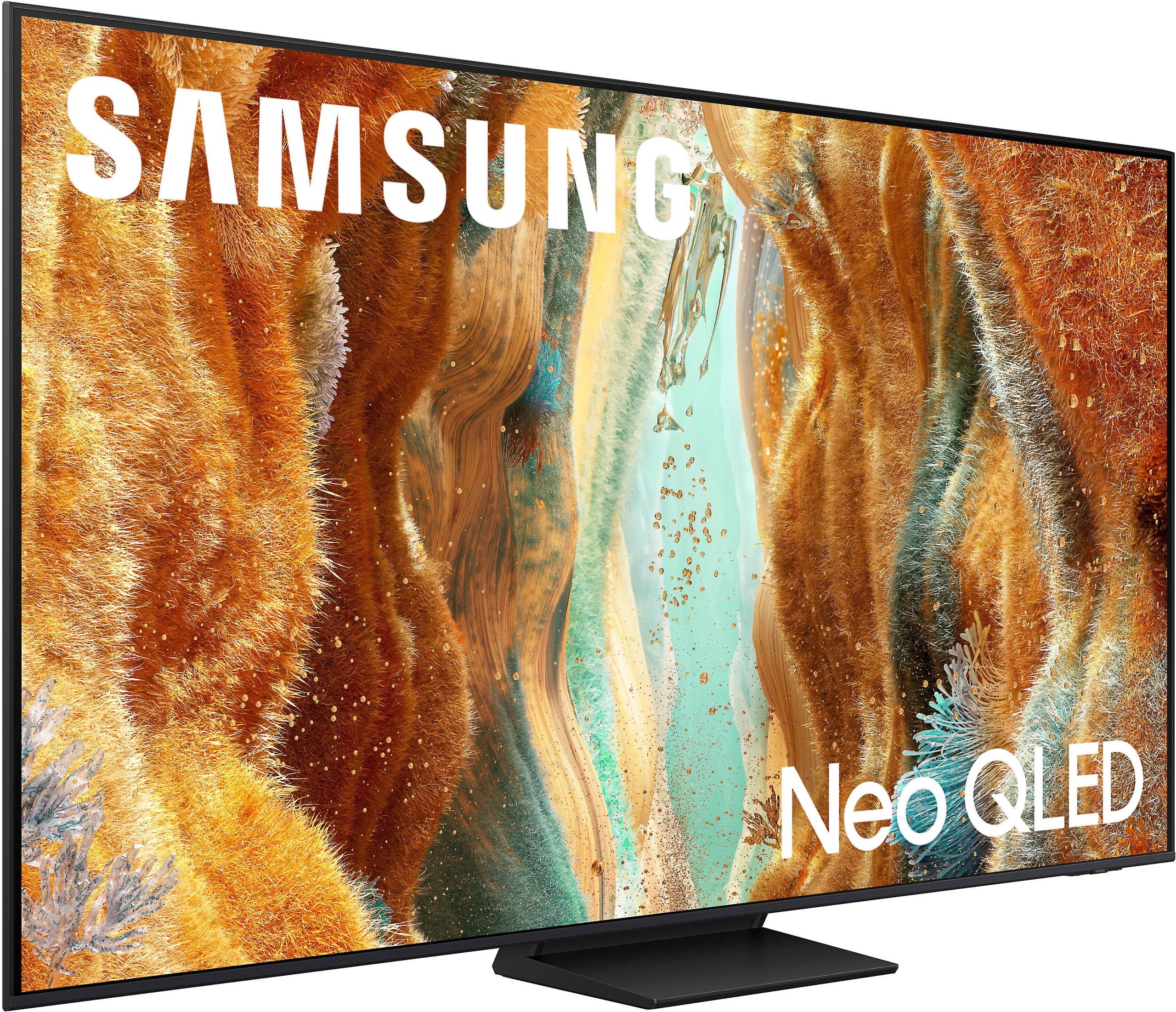
Choosing between Samsung's QN8F QLED and QN70F Neo QLED can feel overwhelming, especially when both are excellent 65-inch TVs from Samsung's 2025 lineup. At the time of writing, these models represent two different approaches to premium television technology, and understanding their differences will help you make the right choice for your home.
Both TVs launched in 2025 as part of Samsung's most comprehensive TV lineup to date. The QN8F continues Samsung's traditional QLED approach with refinements, while the QN70F represents their entry-level Neo QLED technology – a significant jump forward in display engineering that started gaining momentum around 2021 and has become increasingly affordable.
Before diving into specifics, let's clarify what we're dealing with. Both models are premium smart TVs with 4K resolution (3,840 x 2,160 pixels), but they use fundamentally different technologies to create the picture you see.
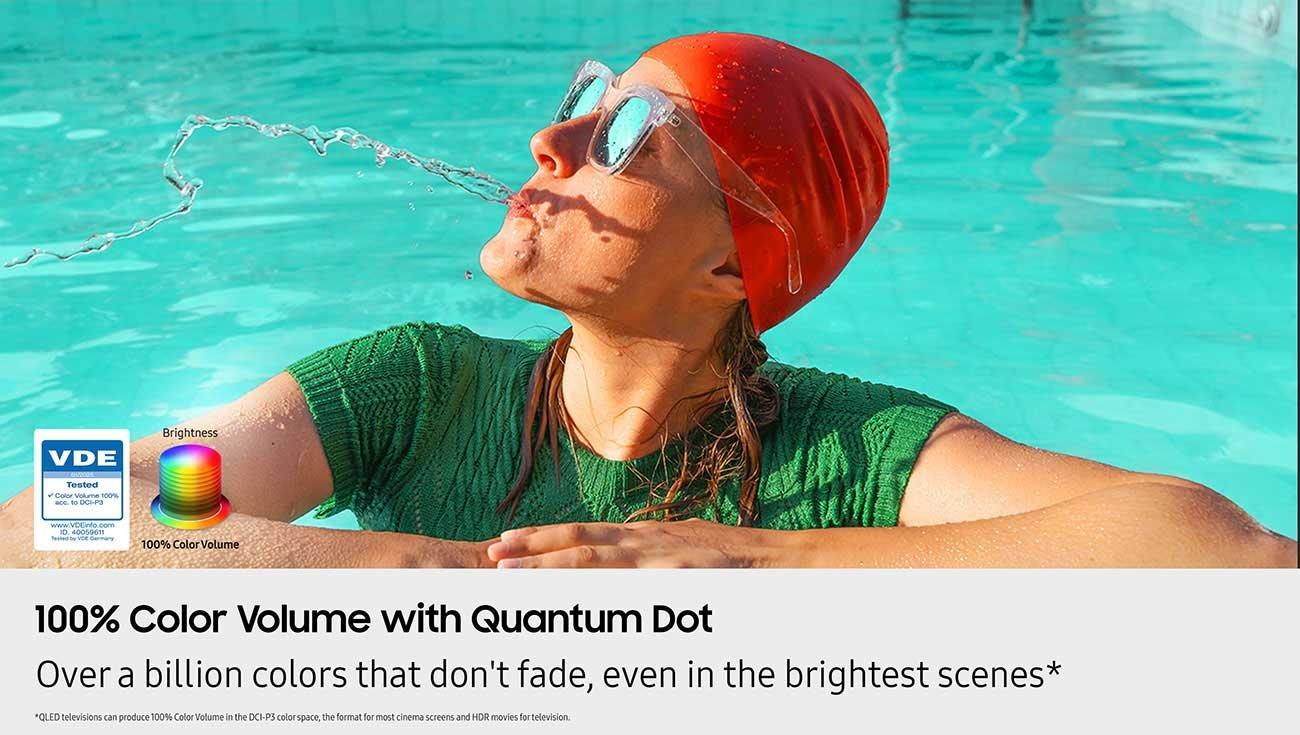
The QN8F uses traditional QLED technology, which stands for Quantum Dot Light Emitting Diode. Think of quantum dots as tiny crystals that, when hit by light, produce incredibly pure colors. Samsung's implementation creates over one billion different color shades – that's why colors look so vibrant and lifelike on QLED displays. The backlighting comes from larger LEDs positioned around the edges or behind the screen.
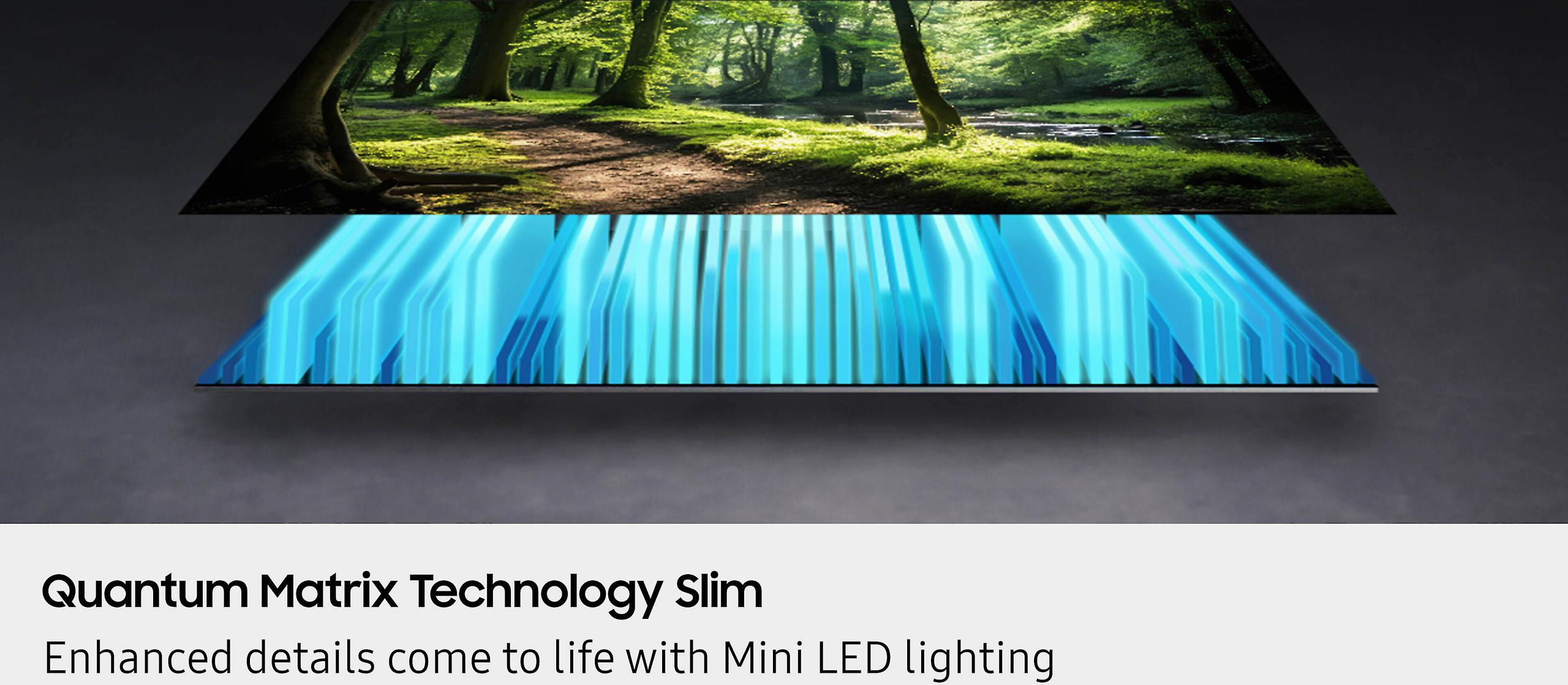
The QN70F, meanwhile, uses Neo QLED technology with Mini LEDs. These are dramatically smaller LEDs – about 1/40th the size of traditional LEDs – allowing Samsung to pack thousands of them behind the screen. This creates what's called "local dimming zones," where different areas of the screen can be independently brightened or dimmed. Imagine having thousands of tiny flashlights behind your TV that can turn on and off individually – that's essentially what Mini LED technology provides.
When shopping in this category, your main considerations should be picture quality (especially contrast and color accuracy), gaming performance, smart features, and overall value. Both models excel in different areas, making your choice dependent on what matters most to your viewing habits.
The most significant difference between these TVs lies in contrast performance – the difference between the darkest blacks and brightest whites. The QN70F Neo QLED has a clear advantage here thanks to its Quantum Matrix Technology Slim. Those thousands of mini LEDs can create precise lighting control that the QN8F simply can't match with its Dual LED system.
In practical terms, this means when you're watching a movie with a nighttime scene, the QN70F can make the sky truly black while keeping stars or streetlights bright and detailed. The QN8F will still look good, but you might notice some light bleeding – where bright objects cause a subtle glow in nearby dark areas.
I've found this difference most noticeable when watching HDR (High Dynamic Range) content in dark rooms. HDR essentially tells your TV exactly how bright or dark each part of the image should be, and the QN70F's mini LEDs can follow those instructions more precisely. This creates that "pop off the screen" effect that makes HDR content so compelling.
Here's where things get interesting. The QN8F uses Samsung's mature Quantum Dot technology to achieve 100% Color Volume – meaning it can reproduce colors at any brightness level. This creates incredibly vibrant, saturated colors that many viewers find appealing, especially for animated content, sports, and bright, colorful shows.
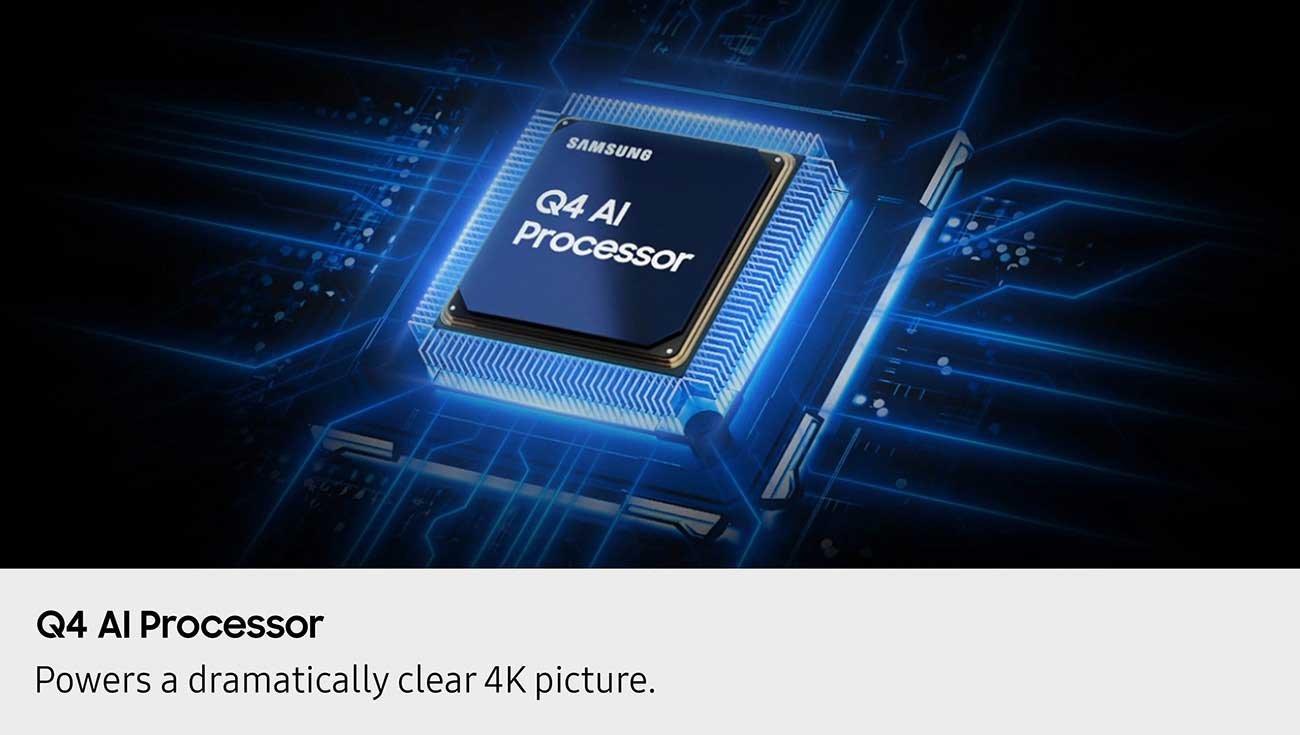
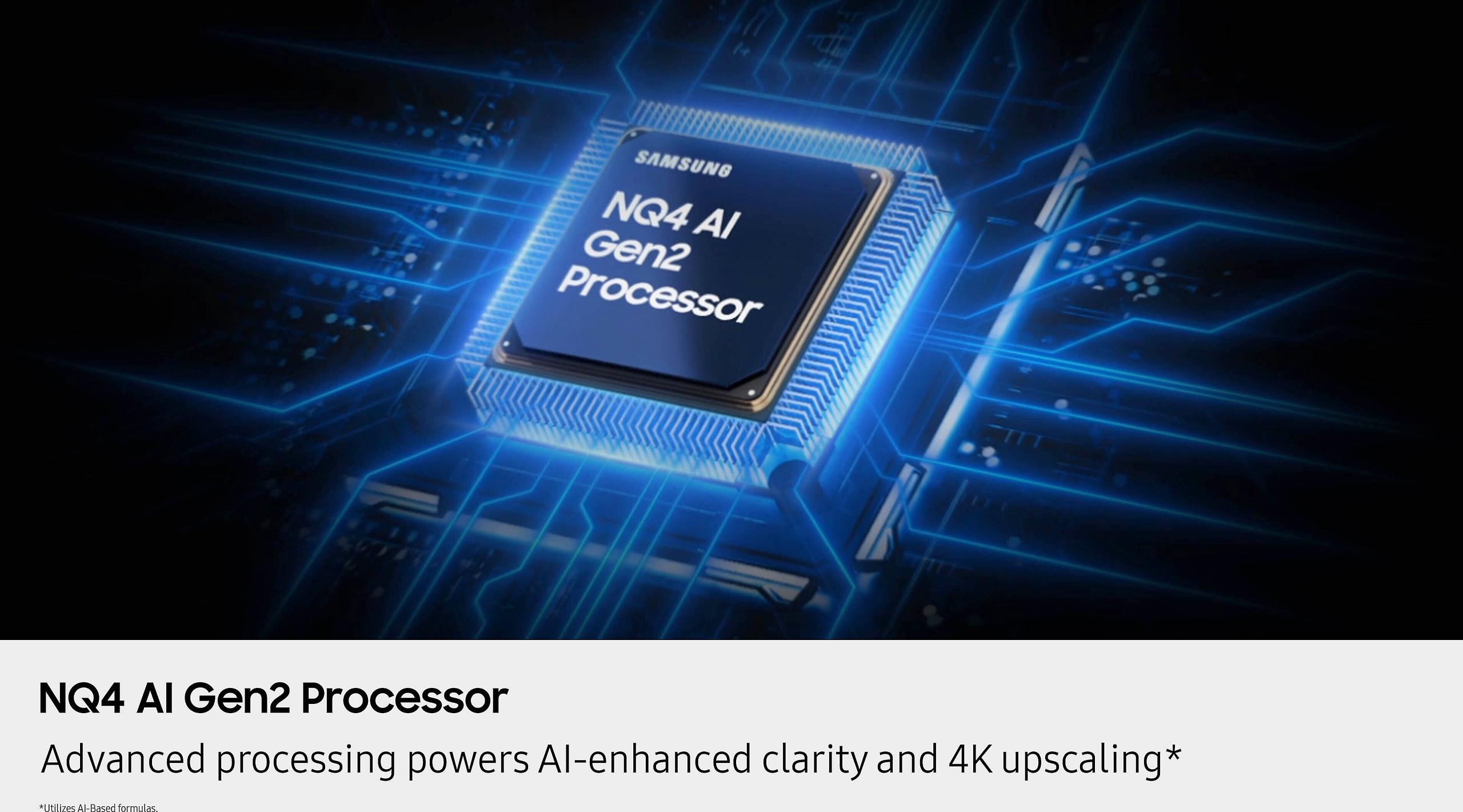
The QN70F takes a different approach with its more powerful NQ4 AI Gen2 processor (compared to the QN8F's Q4 AI processor). This advanced processing doesn't just upscale content – it analyzes each scene in real-time and adjusts color, contrast, and sharpness accordingly. The result is often more natural-looking, though sometimes less immediately eye-catching than the QN8F's vivid presentation.
Both TVs include Supreme UHD Dimming and Real Depth Enhancer features, but the QN70F's superior processing power makes these features more effective. When watching older content or lower-resolution streaming, the difference becomes more apparent – the QN70F generally produces cleaner, more detailed images.
For HDR content – which includes most modern movies, shows, and games – the QN70F is the clear winner. Its Neo Quantum HDR and mini LED backlighting can achieve higher peak brightness levels while maintaining better control over dark areas. The QN8F's Quantum HDR+ is competent but can't match the dynamic range capabilities of mini LED technology.
This matters most when you're watching cinematic content. Those sunrise scenes in nature documentaries, the bright explosions in action movies, or the subtle details in shadows all benefit from the QN70F's superior HDR handling.
Both TVs cater to gamers, but in different ways. The QN70F is clearly designed with serious gaming in mind. Its 100Hz native panel (expandable to 144Hz) combined with AMD FreeSync Premium Pro support makes it excellent for high-frame-rate gaming. FreeSync technology synchronizes your gaming console or PC's output with the TV's display, eliminating screen tearing and stuttering that can ruin fast-paced games.
The QN8F offers a 120Hz refresh rate (also expandable to 144Hz) with Motion Xcelerator 144Hz technology. While this provides smooth gaming performance, it lacks the advanced FreeSync Premium Pro certification that serious gamers prefer.
For casual gaming – think playing the occasional game with friends or family – both TVs perform admirably. However, if you're someone who plays competitive online games or enjoys racing and fighting games where every millisecond counts, the QN70F has the technical edge.
Both models support 4K gaming at high refresh rates, which is important as gaming consoles and PCs become more powerful. The QN70F's 4K144 HDR10 gaming support is particularly future-forward, ensuring compatibility with the next generation of gaming hardware.
Samsung's Vision AI technology appears on both models but with different focuses. The QN70F emphasizes practical AI features that enhance your viewing experience. Its Click-to-Search function lets you instantly get information about actors, locations, or objects you see on screen. The Live Translate feature provides real-time subtitle translations for foreign content – incredibly useful if you enjoy international films or news.
The QN8F takes a more creative approach with features like Generative Wallpaper, which uses AI to create custom backgrounds based on keywords you provide. Its enhanced Bixby voice assistant can process multiple commands simultaneously and better understand context, making it feel more conversational and helpful.
Both run Samsung's Tizen Smart TV platform, which I find to be one of the more responsive and intuitive smart TV interfaces available. The 2025 version includes improved app loading times and better integration with Samsung's ecosystem of devices.
Neither TV will replace a dedicated sound system, but both offer respectable audio for their built-in speakers. Both feature 20W, 2-channel systems with Object Tracking Sound Lite (OTS Lite), which attempts to match audio directionality with on-screen action.
The QN8F includes Adaptive Sound+ technology that analyzes your room's acoustics and adjusts audio accordingly. This is particularly helpful if your TV is in a large, open space or has unusual room dimensions. The QN70F counters with Adaptive Sound Pro and Active Voice Amplifier Pro, which focuses on making dialogue clearer – useful when watching news or dialogue-heavy shows.
Both support Q-Symphony, Samsung's technology that coordinates the TV's speakers with compatible Samsung soundbars for enhanced audio. If you're planning to add a soundbar later, this compatibility is worth considering.
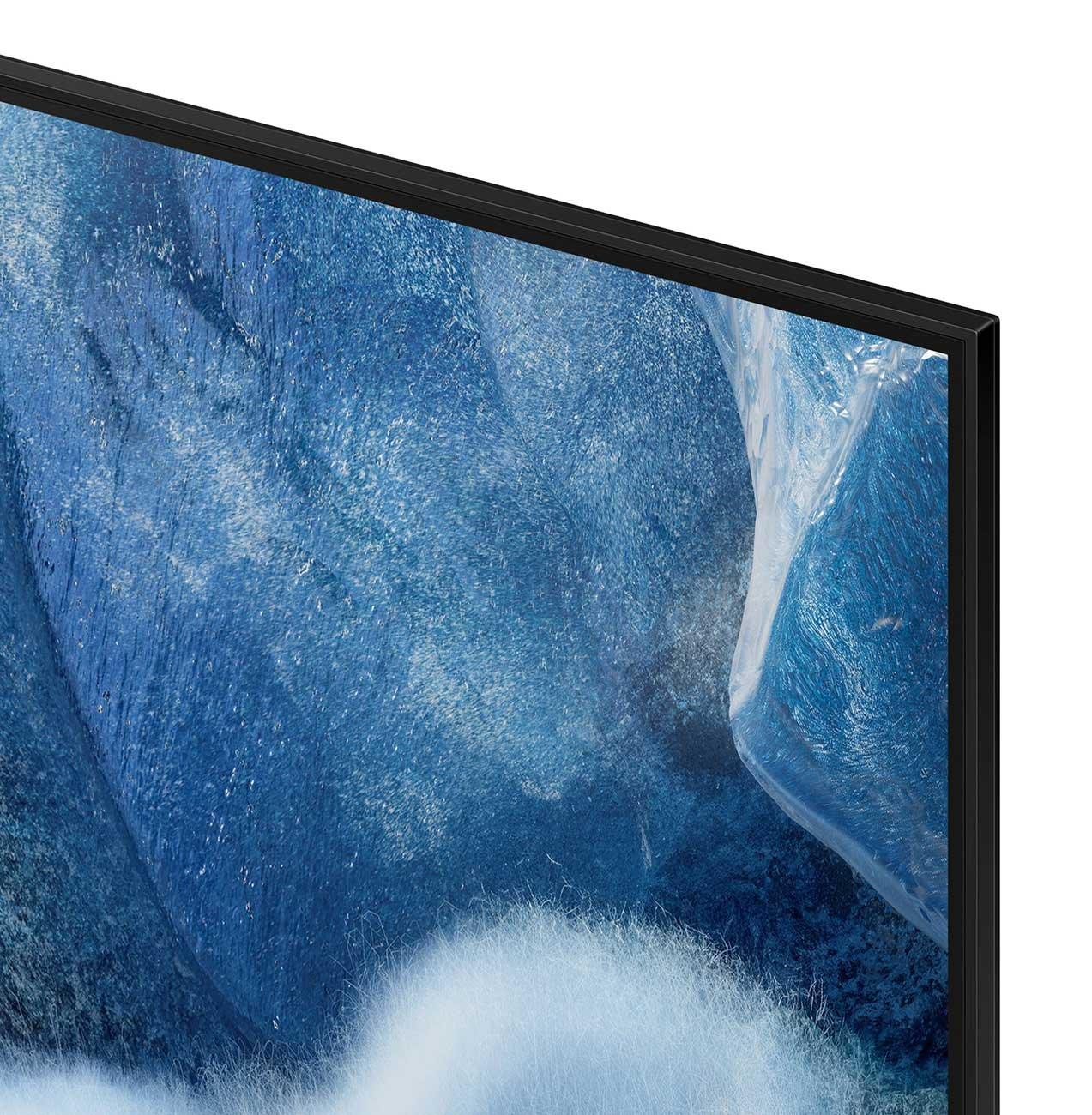
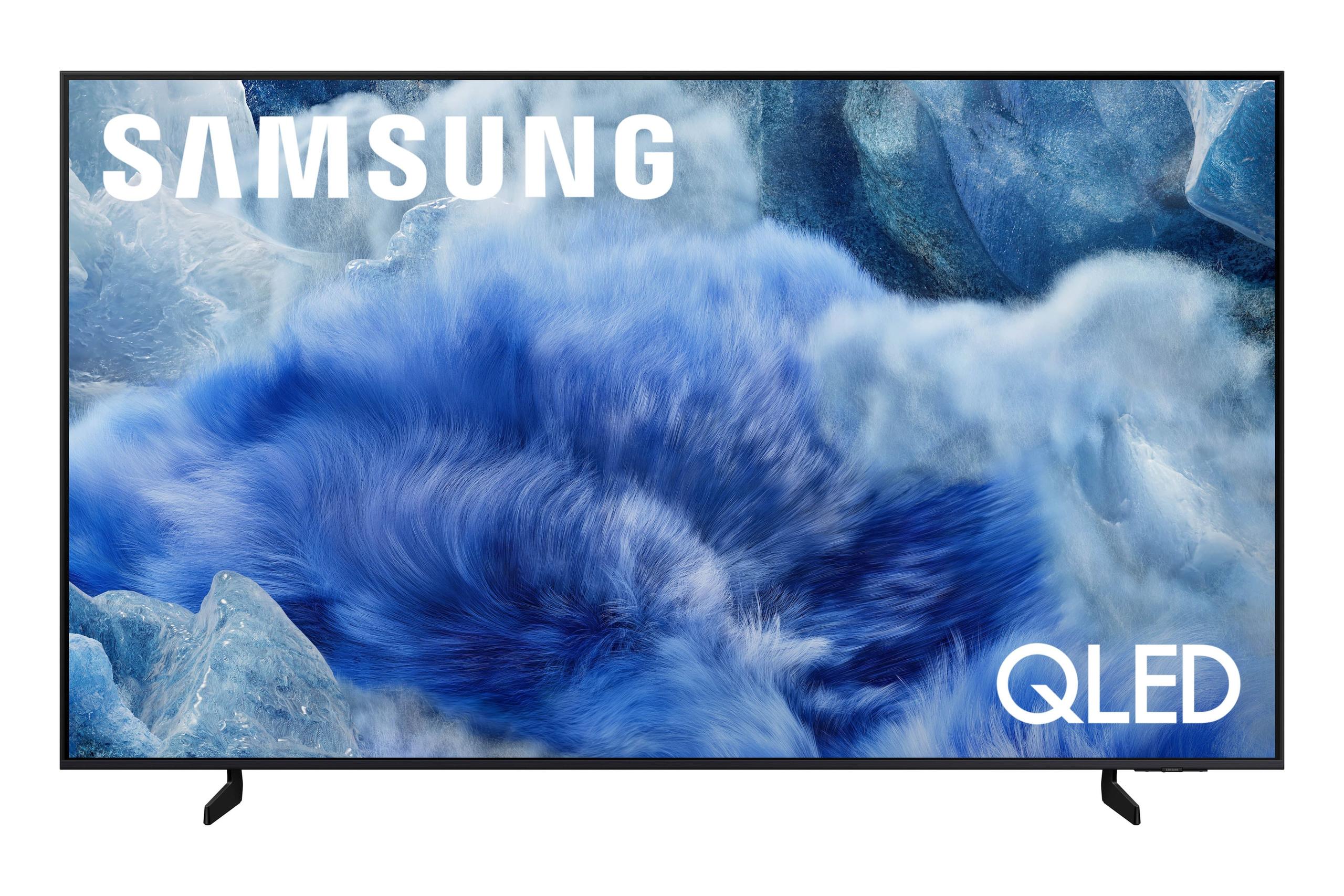
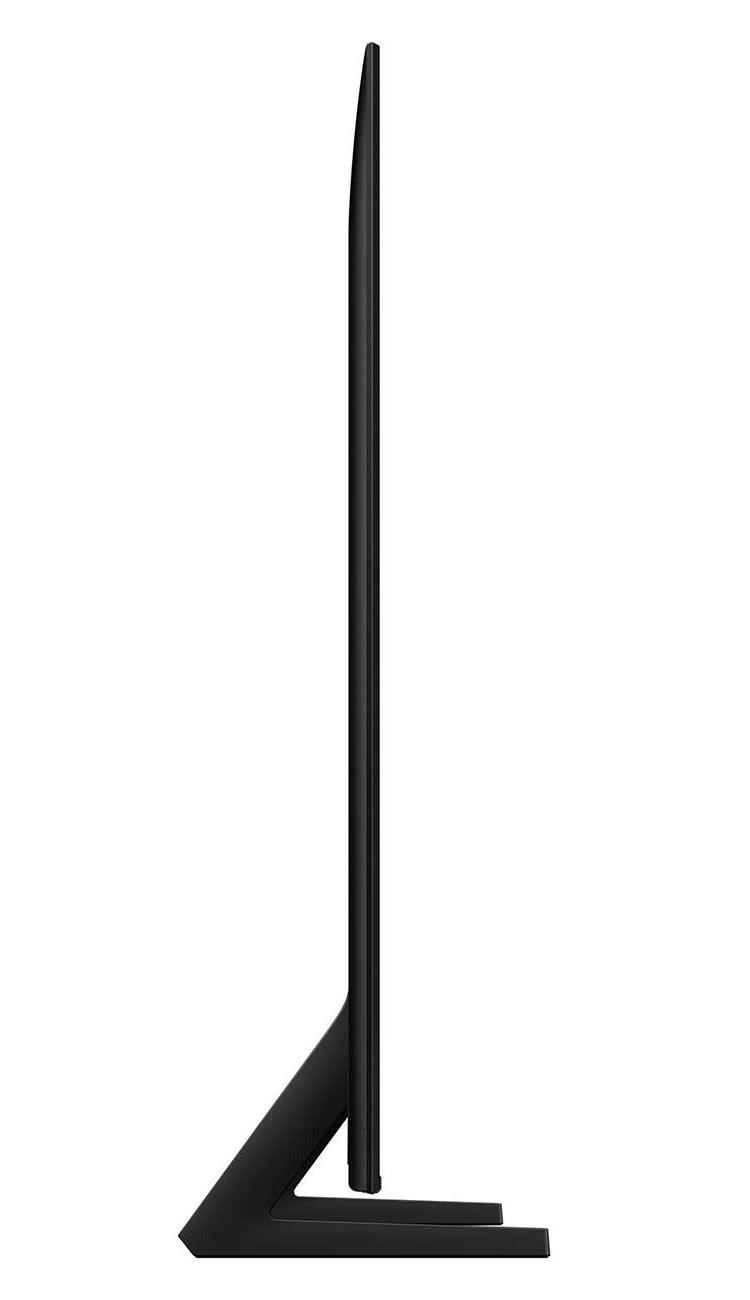
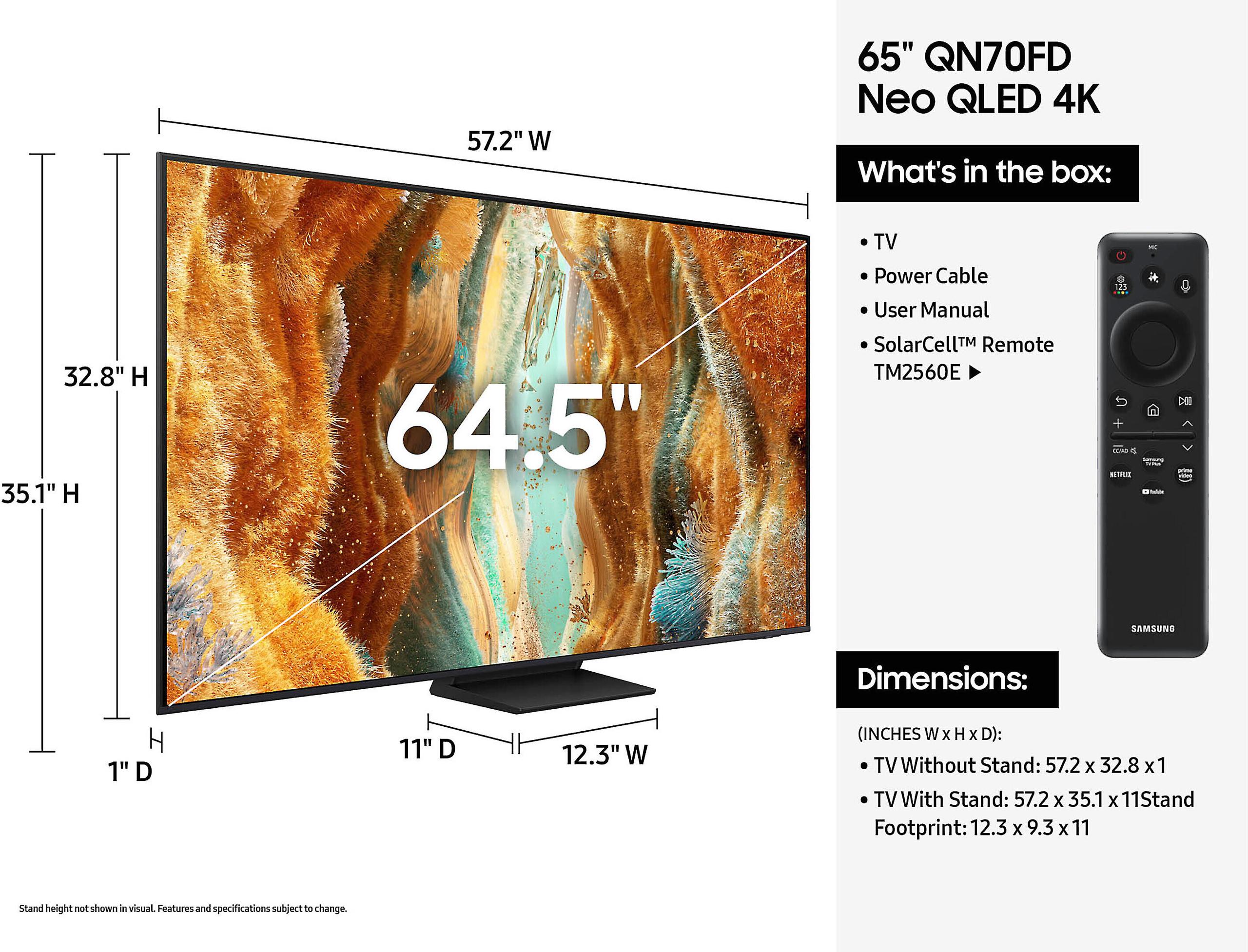
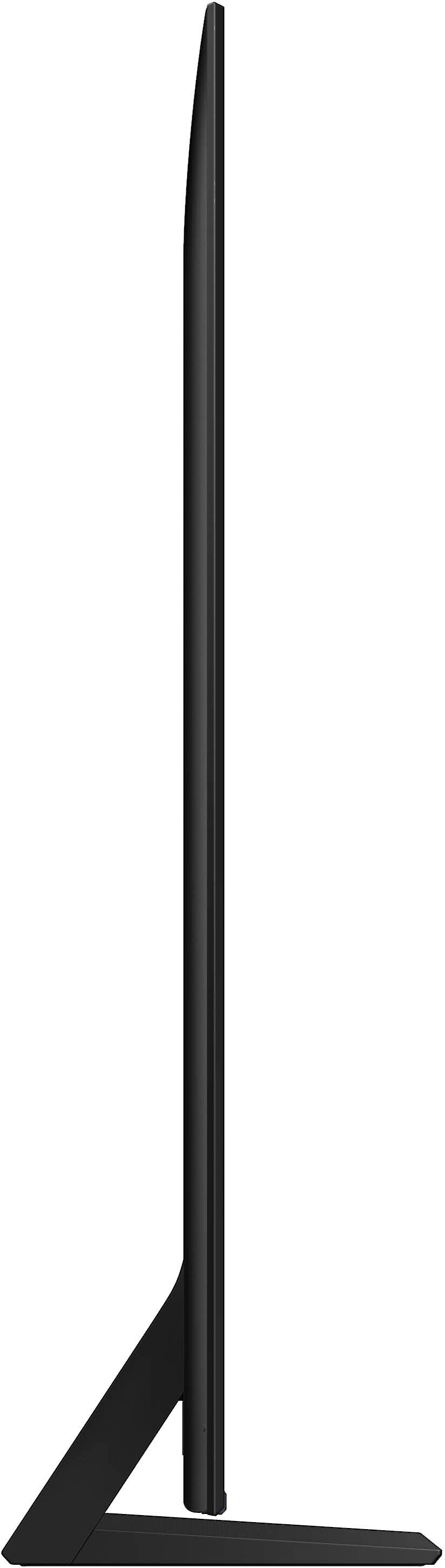
The QN8F wins in the aesthetics department with its AirSlim design. Samsung has made this model noticeably thinner and more elegant than previous generations, making it an attractive centerpiece for your living room. The sleek profile looks particularly impressive when wall-mounted.
The QN70F uses a more conventional design approach. While still attractive, it prioritizes function over form, focusing engineering efforts on the display technology rather than ultra-slim aesthetics.
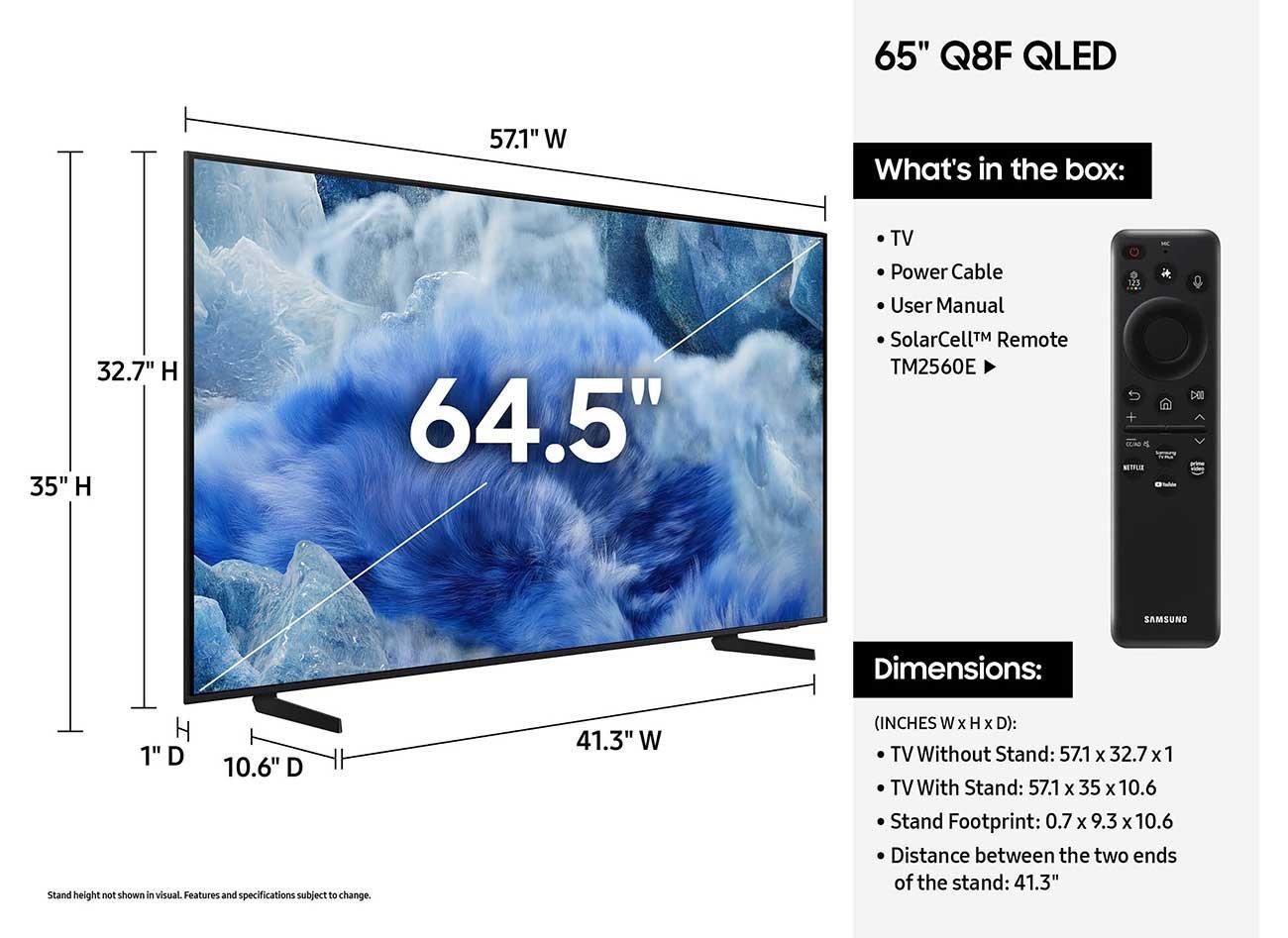
Both include Samsung's BT SolarCell Remote, which charges itself using indoor lighting and reduces battery waste – a small but appreciated environmental consideration.
At the time of writing, the QN8F typically positions itself as the more affordable premium option, while the QN70F commands a premium for its Neo QLED technology. However, pricing in the TV market fluctuates significantly, especially as newer models arrive.
The value equation depends heavily on your priorities. The QN8F offers excellent color reproduction, smart features, and elegant design at what's generally a more accessible price point for premium TV buyers. It's particularly strong for viewers who prioritize vibrant colors and watch content in well-lit rooms.
The QN70F represents better long-term value for viewers who prioritize picture quality and gaming performance. Its Mini LED technology is more future-proof and provides superior performance in the areas that matter most for cinematic viewing.
If you're building a dedicated home theater or media room, the QN70F is the better choice. Its superior contrast performance, better HDR handling, and precise local dimming create a more immersive cinematic experience in controlled lighting conditions. The mini LED technology particularly shines when you can control ambient light, allowing those deep blacks and bright highlights to create the dramatic effect that makes movies feel theatrical.
For living room installations where ambient light is a factor, the QN8F's vibrant colors and Dual LED technology perform admirably. Its Quantum Dot technology maintains color accuracy even in brighter environments, making it excellent for daytime viewing.
Choose the QN70F Neo QLED if you're a serious movie enthusiast or gamer who prioritizes technical performance. Its Mini LED technology and advanced gaming features justify the premium for users who will appreciate the superior contrast and HDR performance. This TV is ideal for dedicated viewing rooms, gaming setups, or situations where picture quality is the primary consideration.
Choose the QN8F QLED if you want premium TV performance with excellent design aesthetics and broad appeal. It's perfect for buyers who want a high-quality smart TV that looks great in their living space and delivers consistently good performance across all content types. The vibrant colors and sleek design make it particularly appealing for bright, modern living spaces.
Both TVs excel in their respective approaches, and either will provide years of excellent viewing. The key is matching their strengths to your specific needs, viewing environment, and budget priorities. At the time of writing, both represent solid investments in Samsung's proven TV technology, with improvements and refinements that make 2025 a strong year for TV buyers considering either traditional QLED or the newer Mini LED Neo QLED approach.
| Samsung 65" QN8F Series QLED 4K Vision AI Smart TV 2025 | Samsung 65" QN70F Neo QLED 4K Vision AI Smart TV 2025 |
|---|---|
| Display Technology - The fundamental difference that affects picture quality | |
| Traditional QLED with Quantum Dot technology and Dual LED backlighting | Neo QLED with Mini LED backlighting and Quantum Matrix Technology Slim |
| Processor - Determines upscaling quality and AI feature performance | |
| Q4 AI Processor with 4K AI upscaling | NQ4 AI Gen2 Processor with more advanced real-time optimization |
| Contrast Performance - Critical for dark room viewing and HDR content | |
| Dual LED provides good contrast enhancement | Mini LED backlighting delivers superior local dimming and deeper blacks |
| Refresh Rate - Important for gaming and smooth motion | |
| 120Hz native (up to 144Hz with Motion Xcelerator) | 100Hz native (up to 144Hz) with AMD FreeSync Premium Pro |
| Color Volume - Affects color vibrancy and accuracy | |
| 100% Color Volume with Quantum Dot technology (over 1 billion shades) | Strong color reproduction enhanced by advanced AI processing |
| Gaming Features - Essential for console and PC gaming | |
| Motion Xcelerator 144Hz, good gaming performance | 4K144 HDR10 gaming support, AMD FreeSync Premium Pro certification |
| HDR Support - Enhances dynamic range in compatible content | |
| Quantum HDR+ with HDR 10+ (Adaptive/Gaming) | Neo Quantum HDR with HDR10+ (Adaptive/Gaming) for superior brightness |
| Vision AI Features - Smart TV capabilities and content enhancement | |
| Generative Wallpaper, Enhanced Bixby with multi-command processing | Click-to-Search, Live Translate, Actor identification, Content recommendations |
| Audio System - Built-in sound quality | |
| 20W 2CH with Adaptive Sound+ and room acoustics optimization | 20W 2CH with Adaptive Sound Pro and Active Voice Amplifier Pro |
| Design Profile - Physical appearance and room integration | |
| AirSlim design - sleeker and more elegant profile | Standard Neo QLED design prioritizing function over ultra-slim aesthetics |
| Dimming Technology - Affects backlight control and contrast | |
| Supreme UHD Dimming with Dual LED system | Supreme UHD Dimming with precise Mini LED control |
| Target User - Best suited for these viewing preferences | |
| Design-conscious buyers wanting vibrant colors and premium aesthetics | Movie enthusiasts and gamers prioritizing contrast and technical performance |
The primary difference is display technology. The Samsung QN8F uses traditional QLED with Quantum Dot technology, while the Samsung QN70F uses Neo QLED with Mini LED backlighting. The QN70F offers superior contrast and local dimming control thanks to thousands of tiny LEDs, while the QN8F delivers more vibrant colors with its mature Quantum Dot technology.
The Samsung QN70F is better for serious gaming, featuring AMD FreeSync Premium Pro, 4K144 HDR10 gaming support, and a 100Hz native panel. The Samsung QN8F offers good gaming performance with 120Hz refresh rates and Motion Xcelerator 144Hz, but lacks the advanced gaming certifications that competitive gamers prefer.
The Samsung QN70F excels in dark rooms due to its Mini LED backlighting and Quantum Matrix Technology Slim, which provides precise local dimming and deeper blacks. The QN8F performs well but can't match the contrast control of Mini LED technology, making it better suited for well-lit environments.
Yes, both the Samsung QN8F and Samsung QN70F run Samsung's Tizen Smart TV platform with Vision AI features. The QN70F focuses on practical AI like Click-to-Search and Live Translate, while the QN8F offers creative features like Generative Wallpaper and enhanced Bixby voice control.
The Samsung QN70F is superior for movies and HDR content thanks to its Neo Quantum HDR and Mini LED backlighting, which can achieve higher peak brightness and better contrast. The QN8F handles HDR well with Quantum HDR+ but can't match the dynamic range capabilities of the QN70F's advanced display technology.
The Samsung QN8F performs exceptionally well in bright rooms due to its Quantum Dot technology maintaining color accuracy in ambient light. The Samsung QN70F also handles bright environments well, but its strengths are better utilized in controlled lighting conditions where its superior contrast can shine.
Both TVs feature similar 20W 2-channel audio systems with Object Tracking Sound Lite. The Samsung QN8F includes Adaptive Sound+ with room acoustics optimization, while the Samsung QN70F offers Adaptive Sound Pro with Active Voice Amplifier Pro for clearer dialogue. Neither replaces a dedicated sound system, but both are adequate for built-in TV audio.
The Samsung QN70F is better suited for dedicated home theaters due to its superior contrast performance, better HDR handling, and precise local dimming that creates a more cinematic experience in controlled lighting. The QN8F works well in multi-purpose living spaces but doesn't deliver the same level of cinematic immersion.
Value depends on your priorities. The Samsung QN8F typically offers better value for general users wanting premium features at a more accessible price point. The Samsung QN70F provides better long-term value for users who prioritize picture quality and gaming performance, as Mini LED technology is more future-proof.
The Samsung QN8F features Samsung's AirSlim design, making it sleeker and more elegant with a thinner profile that's particularly attractive when wall-mounted. The Samsung QN70F uses a more conventional design that prioritizes display technology over ultra-slim aesthetics, though it's still visually appealing.
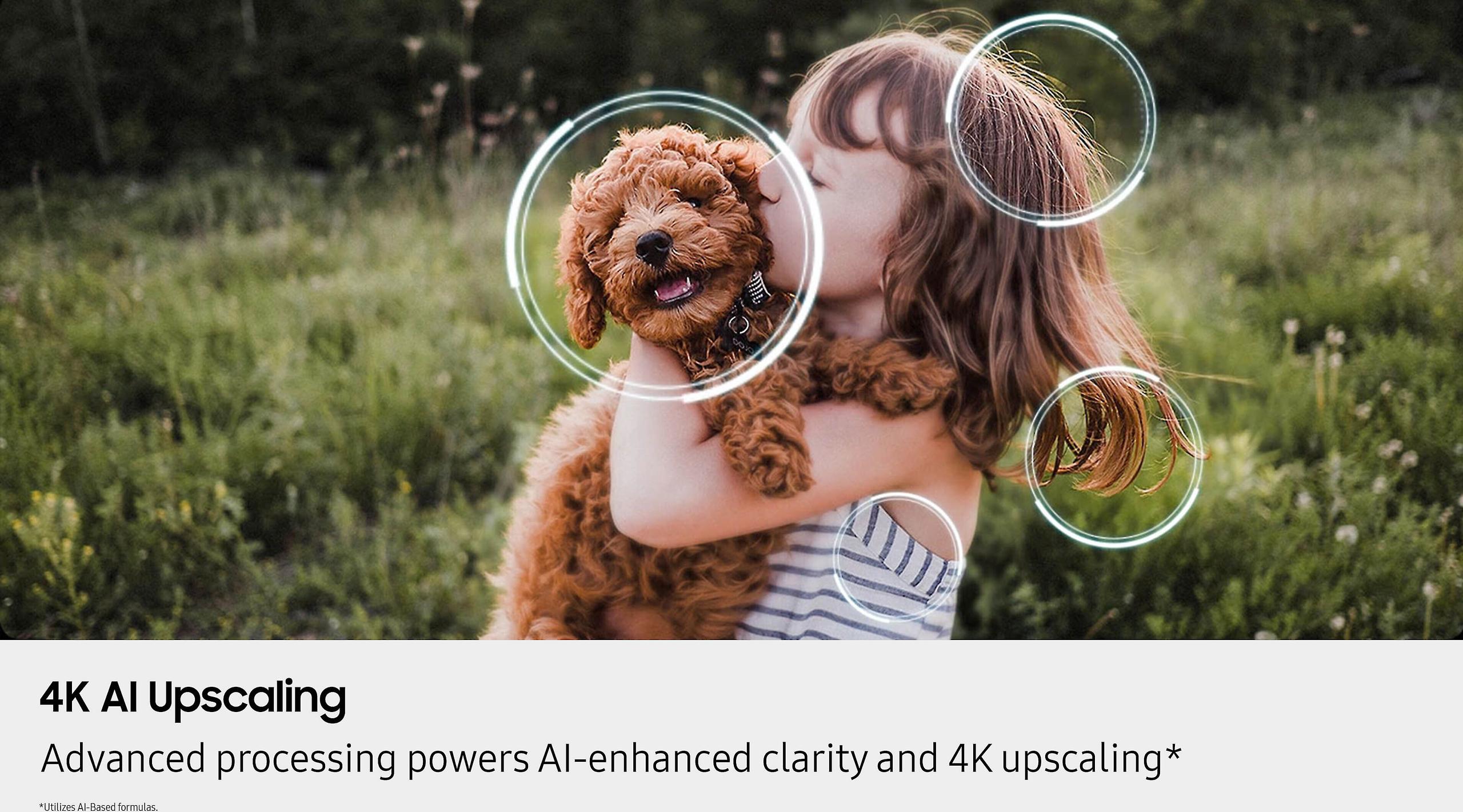
The Samsung QN70F has the more advanced NQ4 AI Gen2 processor compared to the QN8F's Q4 AI processor. This translates to better real-time scene analysis, more effective upscaling of lower-resolution content, and more sophisticated AI features for both the QN70F and enhanced overall performance.
Choose the Samsung QN8F QLED if you want vibrant colors, elegant design, and strong all-around performance at a more accessible premium price. Choose the Samsung QN70F Neo QLED if you prioritize the latest display technology, superior contrast performance, gaming features, and don't mind paying more for cutting-edge Mini LED backlighting.
We've done our best to create useful and informative comparisons to help you decide what product to buy. Our research uses advanced automated methods to create this comparison and perfection is not possible - please contact us for corrections or questions. These are the sites we've researched in the creation of this article: bestbuy.com - samsung.com - rtings.com - youtube.com - samsung.com - pcrichard.com - abt.com - images.samsung.com - cnet.com - news.samsung.com - samsung.com - bestbuy.com - youtube.com - wifihifi.com - samsung.com - samsung.com - samsung.com - samsung.com - flatpanelshd.com - bestbuy.com

Privacy Policy
Terms and Conditions - Affiliate Policy
Home Security
© Copyright 2008-2026.
11816 Inwood Rd #1211, Dallas, TX 75244