


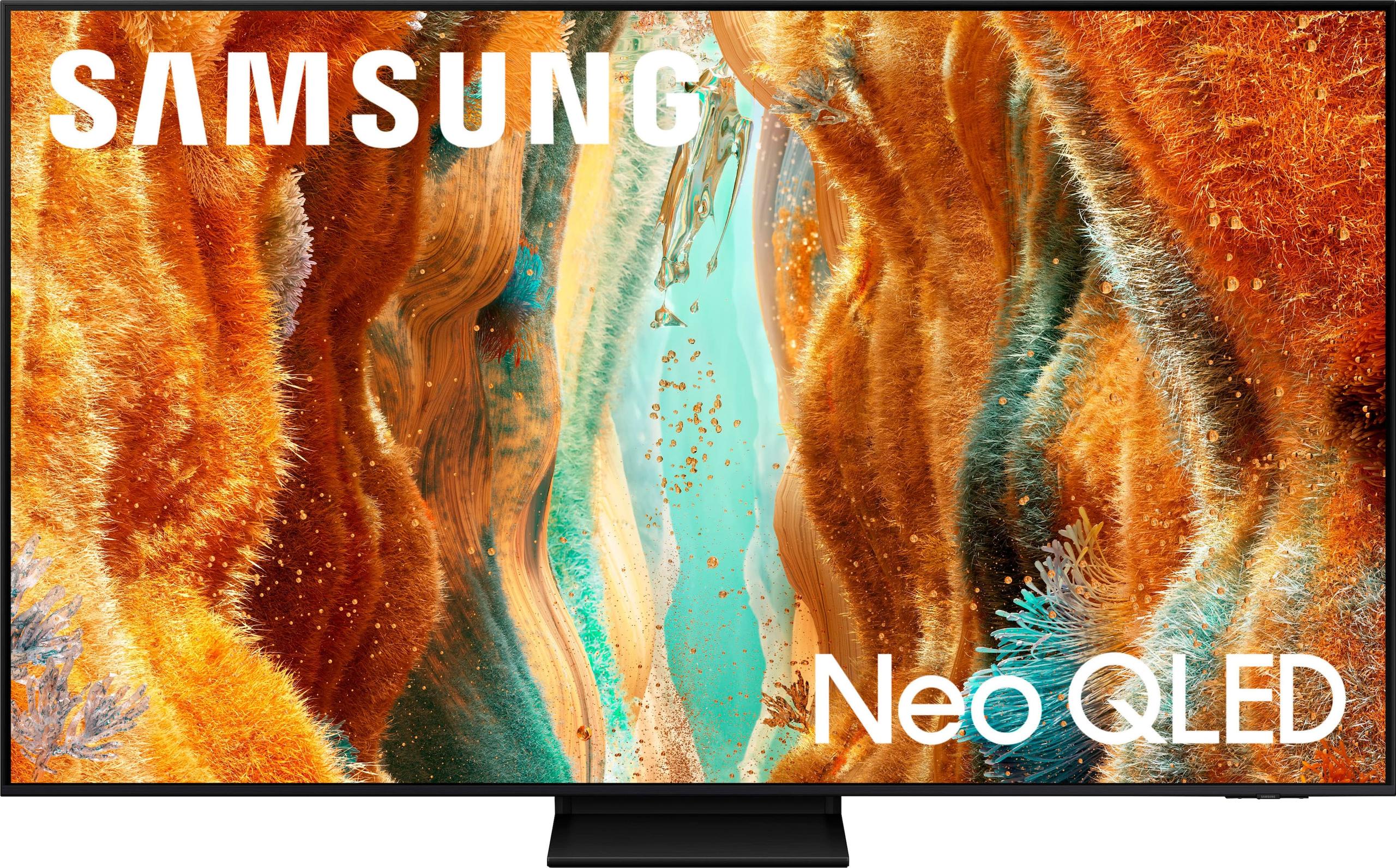
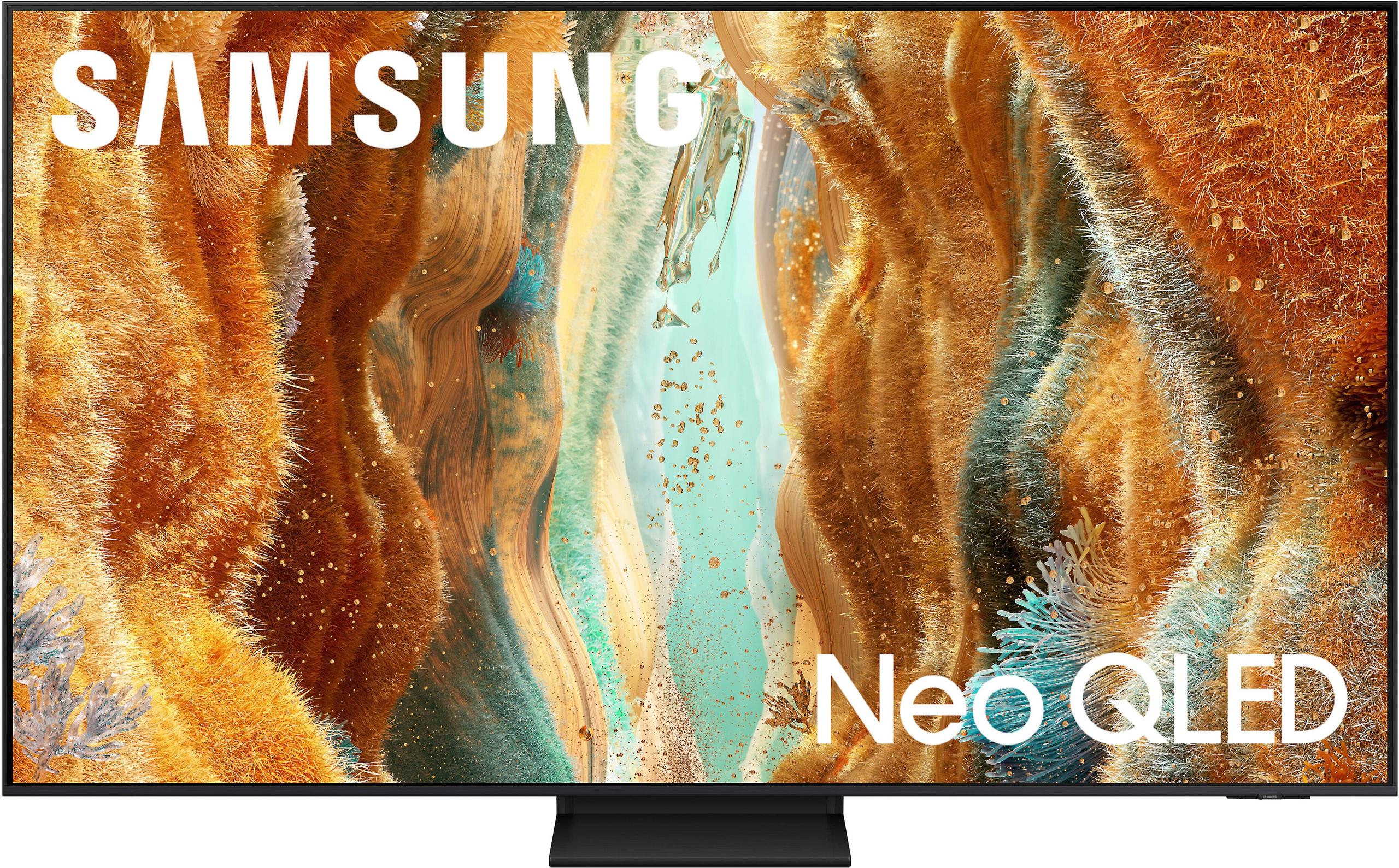
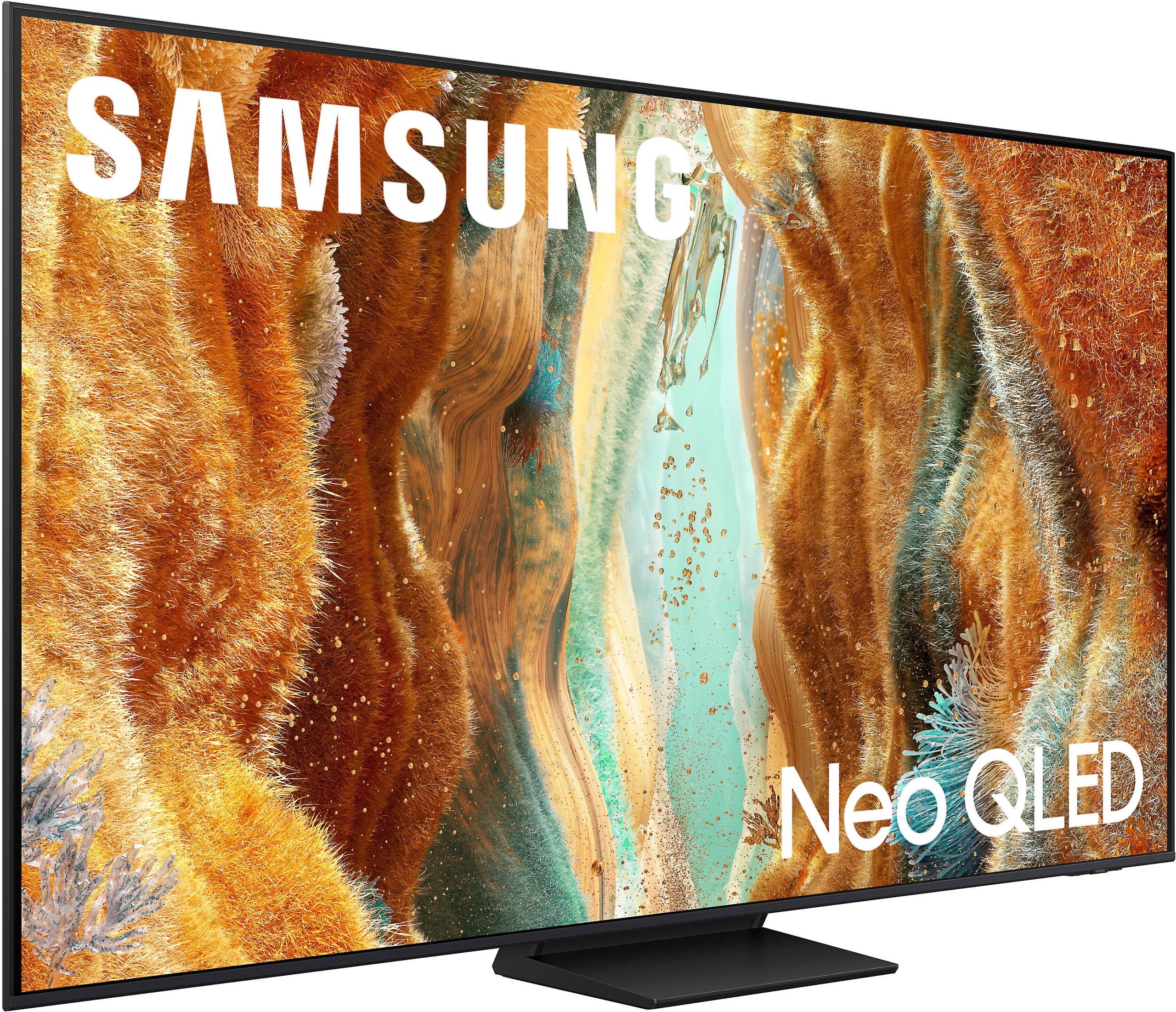
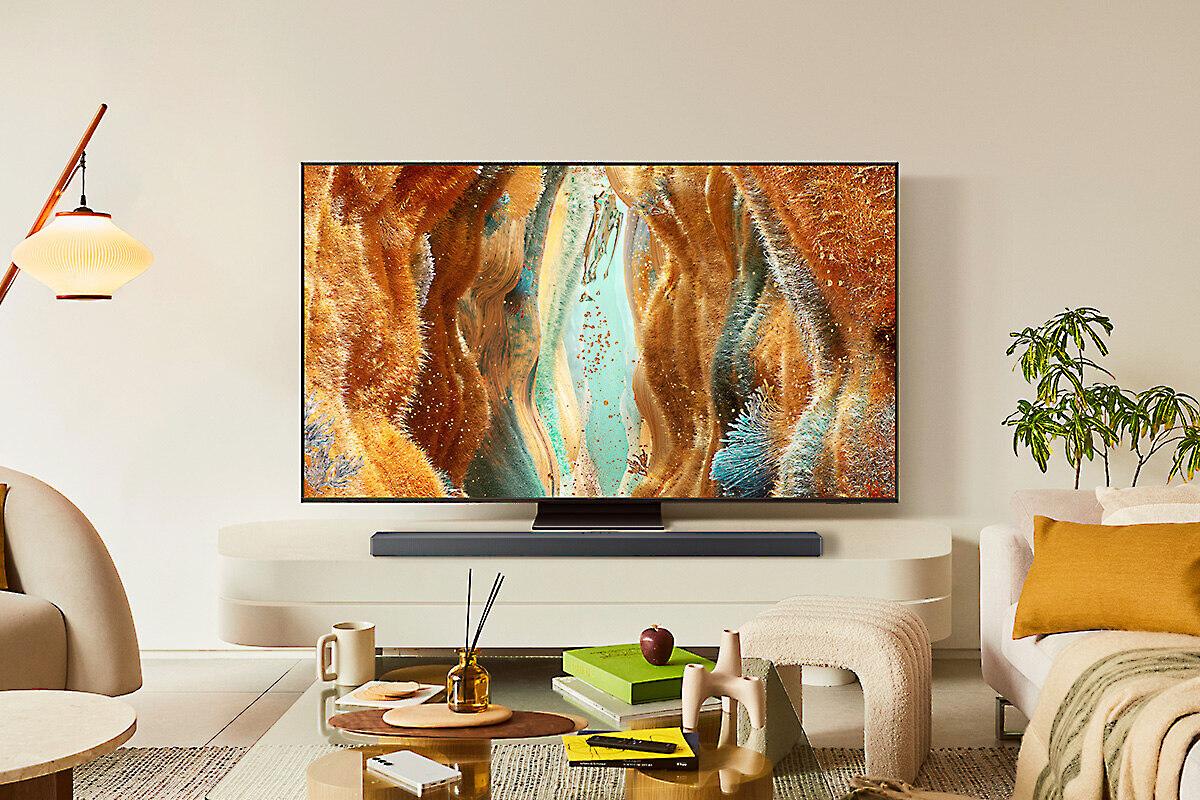
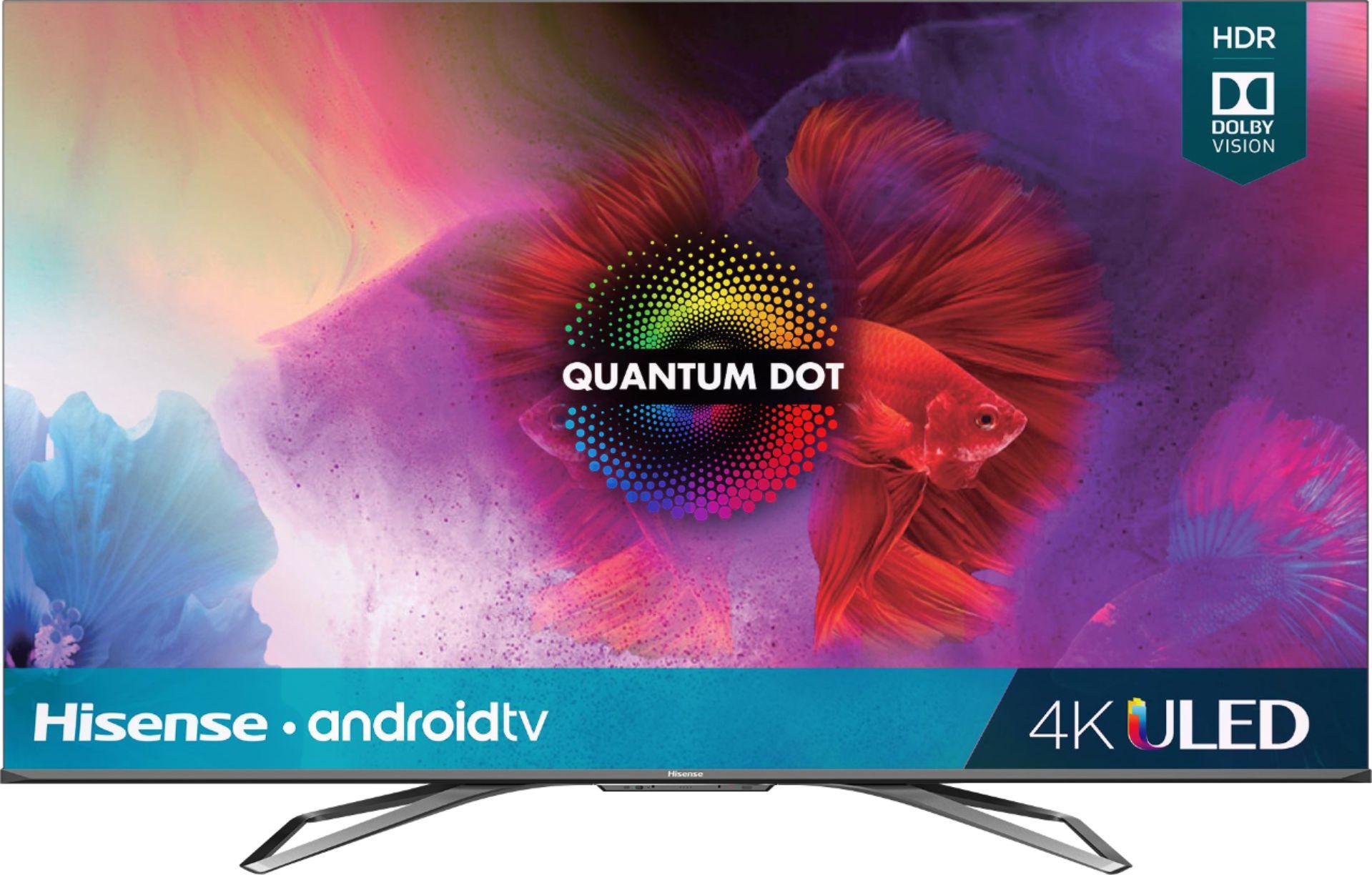
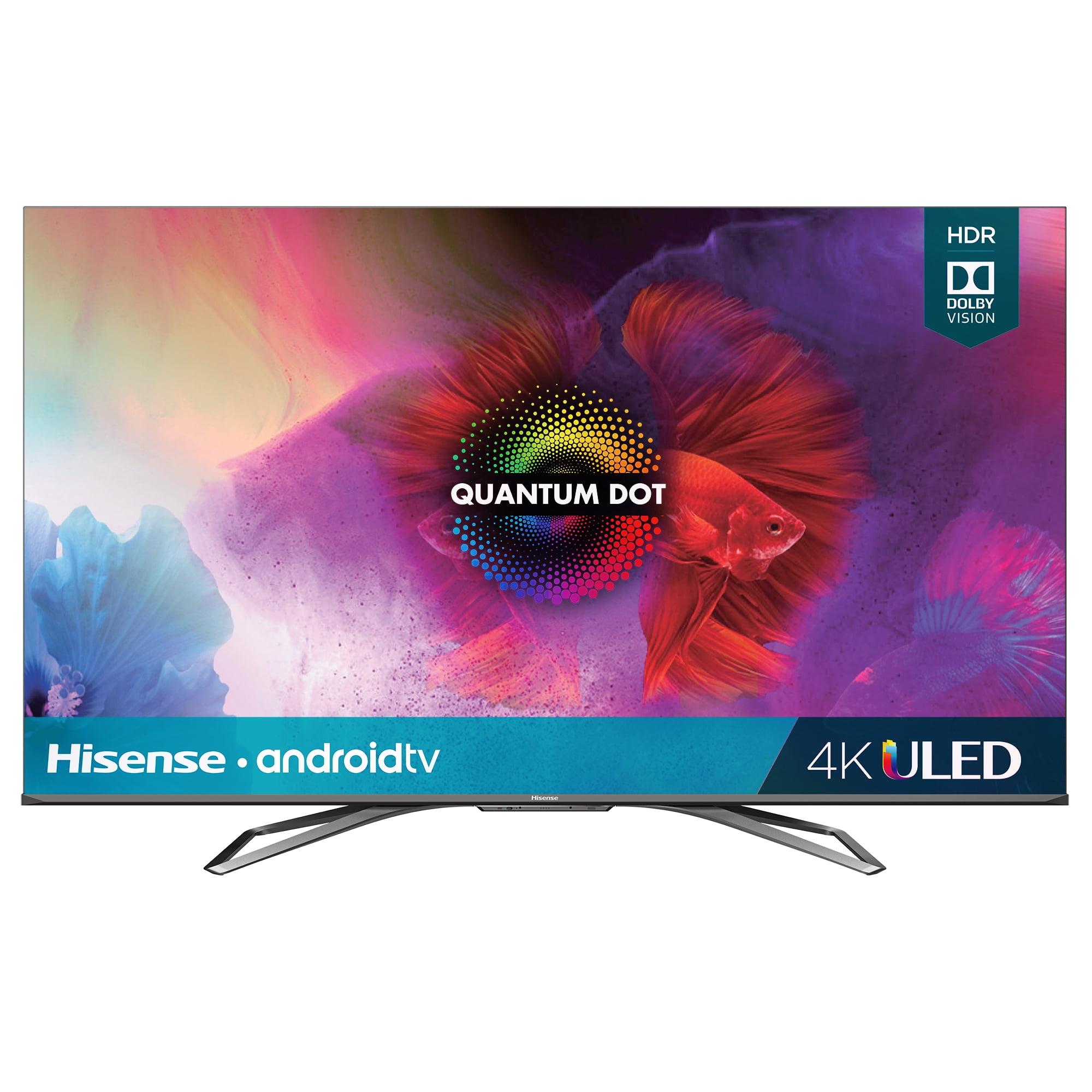
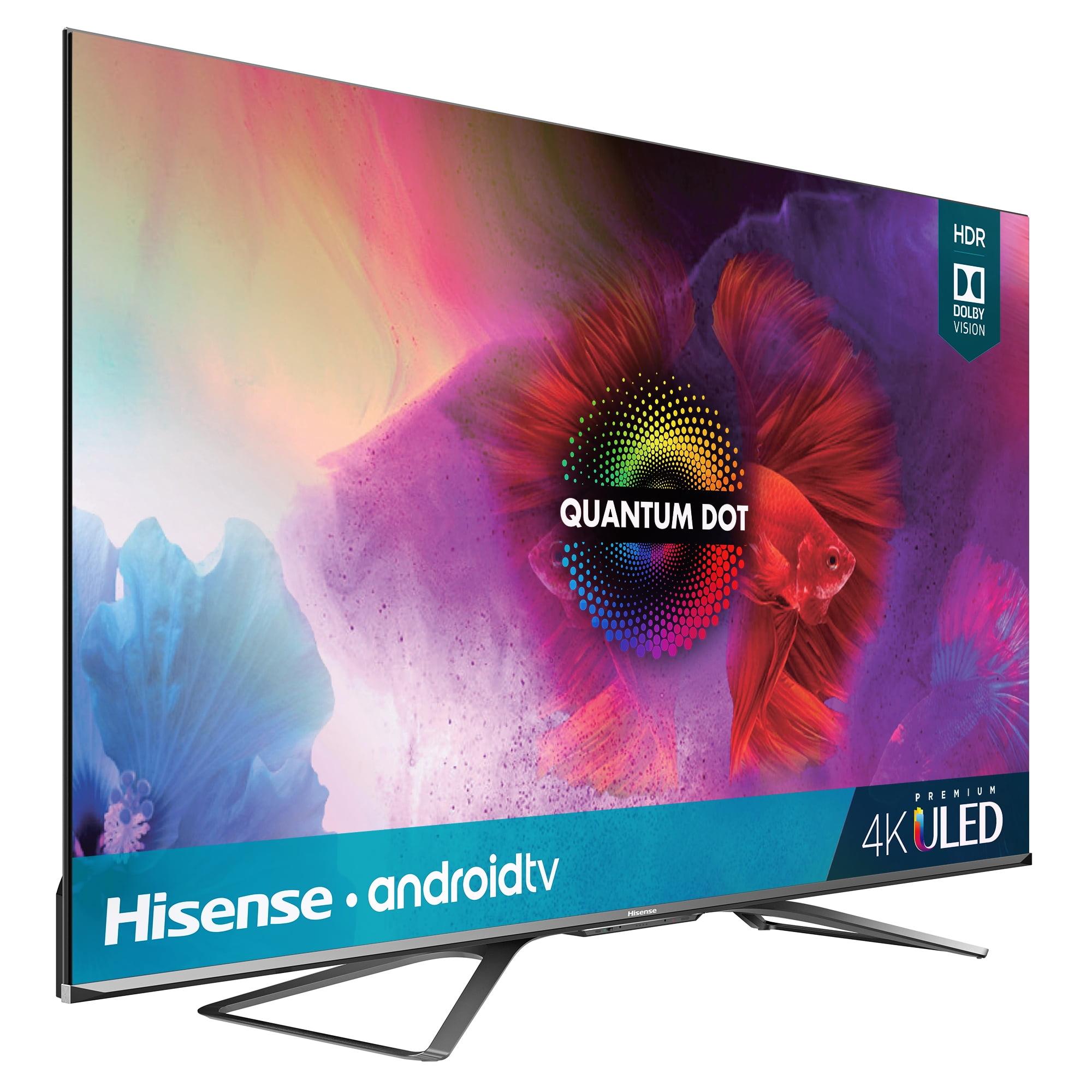

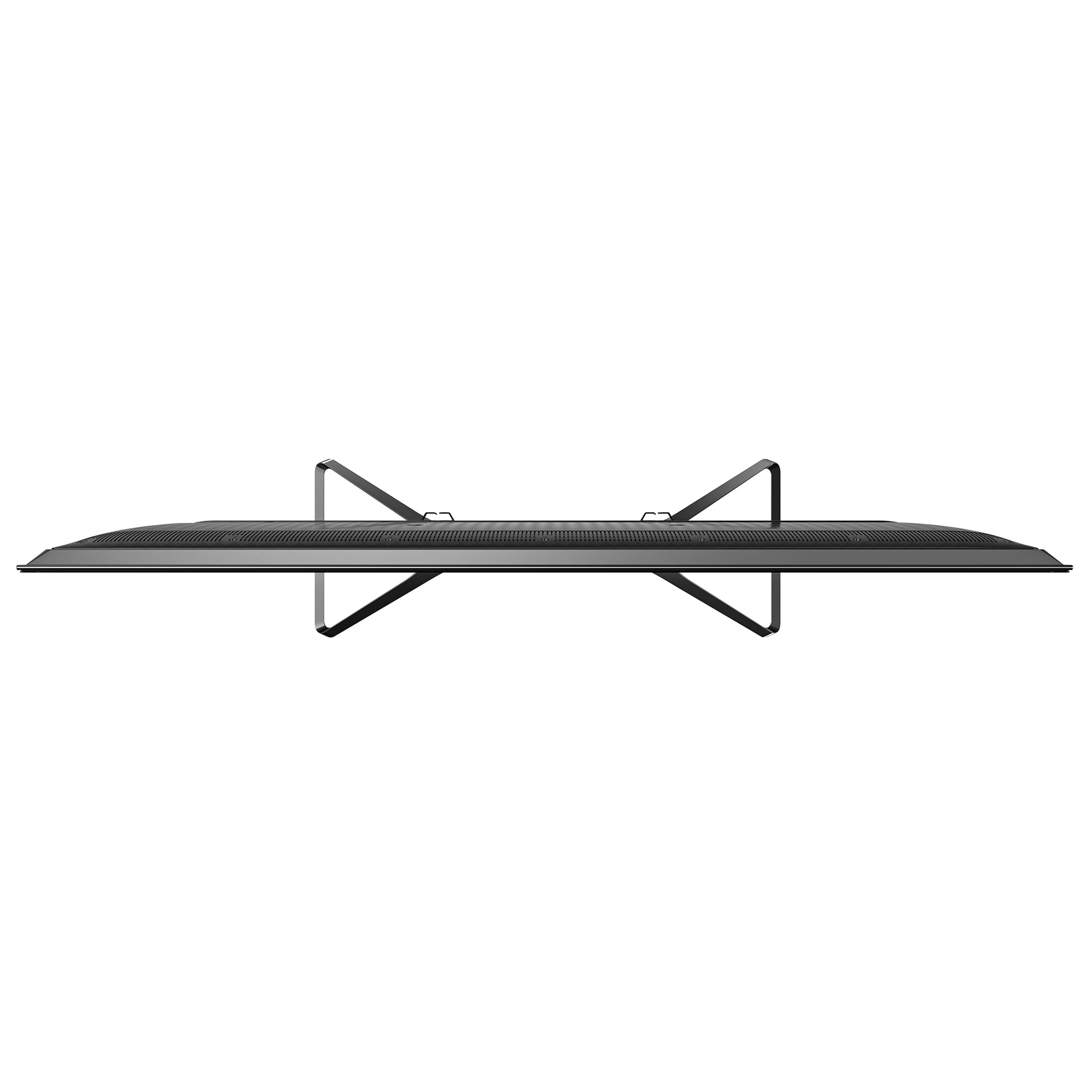
If you're shopping for a 65-inch TV right now, you might find yourself comparing the cutting-edge Samsung QN70F Neo QLED against the well-regarded Hisense H9G Quantum Series. Here's the thing though – you're essentially looking at TVs from two completely different eras of technology. The Samsung launched in 2025 with all the latest bells and whistles, while the Hisense made its debut back in 2020. That five-year gap represents a massive leap in TV technology, and it shows in almost every aspect of these displays.
When you're investing in a 65-inch TV, you're not just buying a bigger screen – you're creating the centerpiece of your home entertainment system. At this size, every flaw becomes more noticeable, but so does every improvement. The viewing distance is crucial here; most people sit about 8-10 feet from a 65-inch display, which means picture quality, motion handling, and color accuracy become absolutely critical.
In my experience testing TVs over the years, there are five things that separate great 65-inch TVs from mediocre ones: contrast performance (how deep the blacks look next to bright whites), color accuracy, motion handling during fast scenes, gaming capabilities for modern consoles, and smart platform responsiveness. Both the Samsung QN70F and Hisense H9G approach these challenges very differently, largely because of when they were designed.
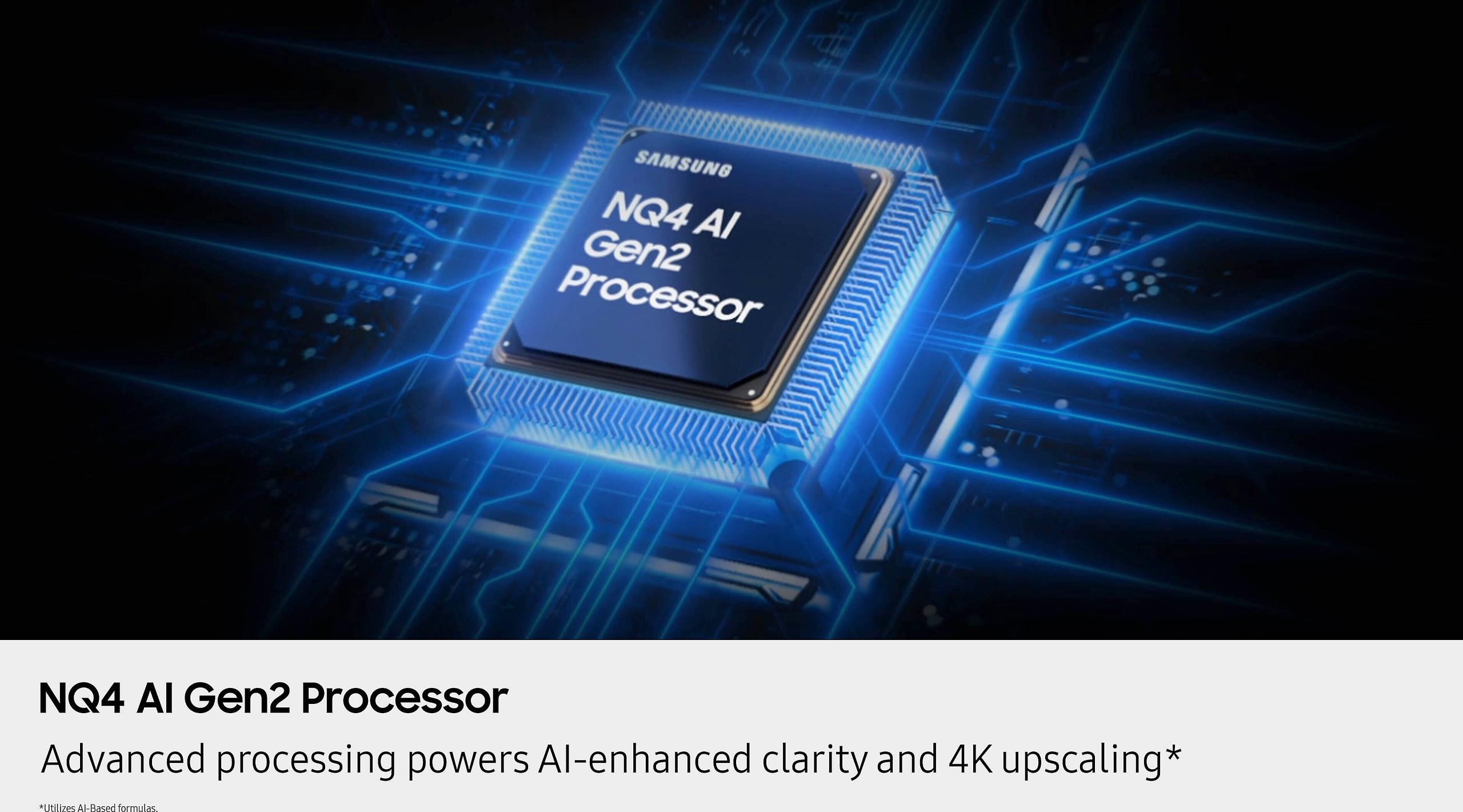
The Samsung QN70F Neo QLED represents Samsung's vision for 2025 TVs – a display that thinks for itself. At its heart is the NQ4 AI Gen2 processor, which uses 20 separate neural networks (think of these as specialized computer brains) to analyze and enhance everything you watch in real-time. This isn't just marketing fluff; the processor genuinely adapts the picture based on what type of content you're viewing, the lighting in your room, and even your personal viewing habits.
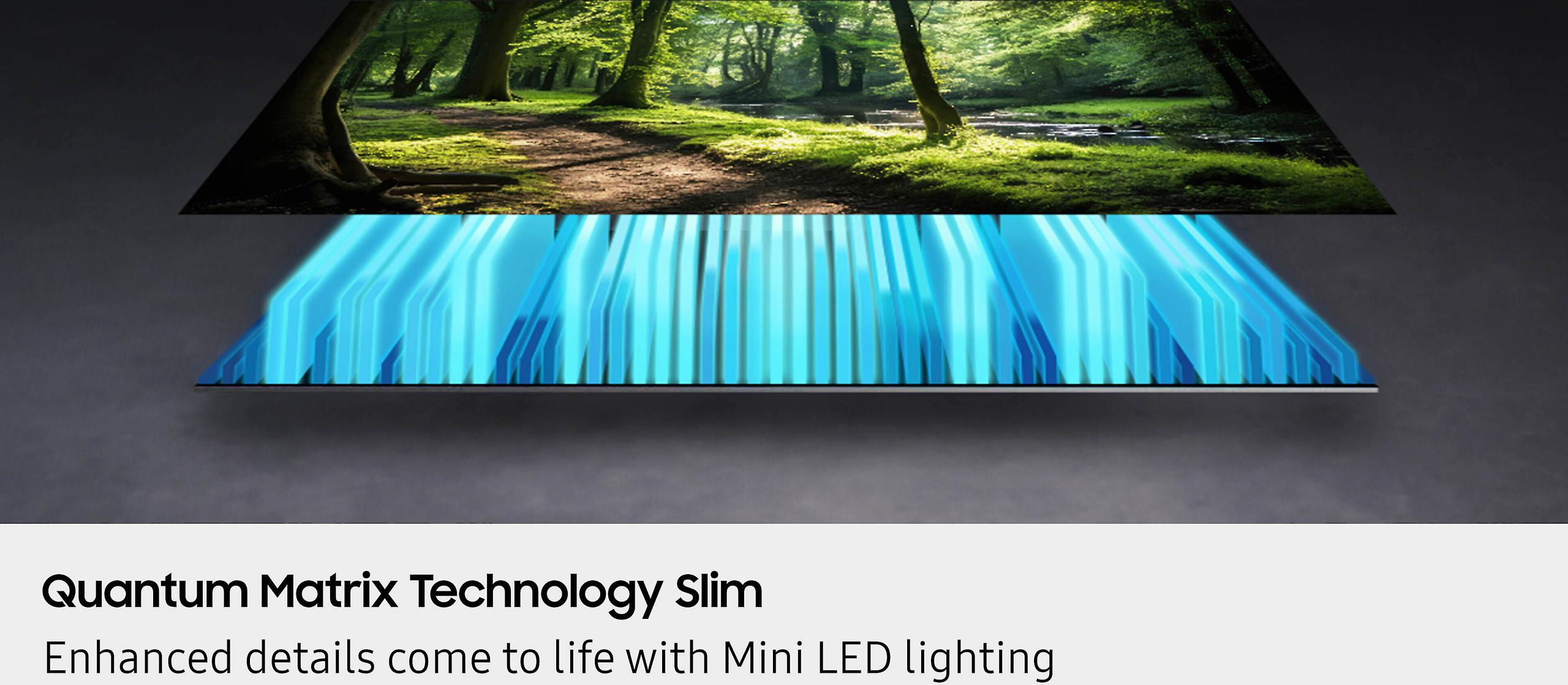
The Samsung uses Mini LED backlighting, which sounds fancy but is actually quite practical. Traditional LED TVs have larger LED lights behind the screen that can create "blooming" – unwanted light spillover that makes dark scenes look washed out. Mini LEDs are much smaller, allowing for more precise control. Samsung calls their implementation "Quantum Matrix Technology Slim," and it delivers noticeably better contrast than standard LED displays, though not quite as impressive as the Hisense's approach.
The Hisense H9G, released in 2020, takes a more traditional but highly effective route. It uses full-array local dimming with 180 separate zones that can independently brighten or dim. This creates some of the best contrast ratios you'll find in any TV, regardless of price. When I've tested similar Hisense models, the black levels are genuinely impressive – deep enough that you forget you're looking at an LCD panel rather than an OLED.
The Hisense also employs Quantum Dot technology, which enhances color reproduction by using microscopic crystals that emit very pure colors when hit by light. The result is access to over a billion color combinations and notably vibrant images, especially in bright, colorful content like animated movies or nature documentaries.
Here's where things get interesting, and where that five-year technology gap creates some surprising trade-offs. The Hisense H9G actually delivers better raw picture quality in many scenarios, particularly if you're watching in a dark room. Its full-array local dimming with 180 zones creates contrast that the Samsung's Mini LED system, while impressive, can't quite match. When you're watching a movie with lots of dark scenes – think of something like "Blade Runner 2049" – the Hisense will deliver deeper blacks and better shadow detail.
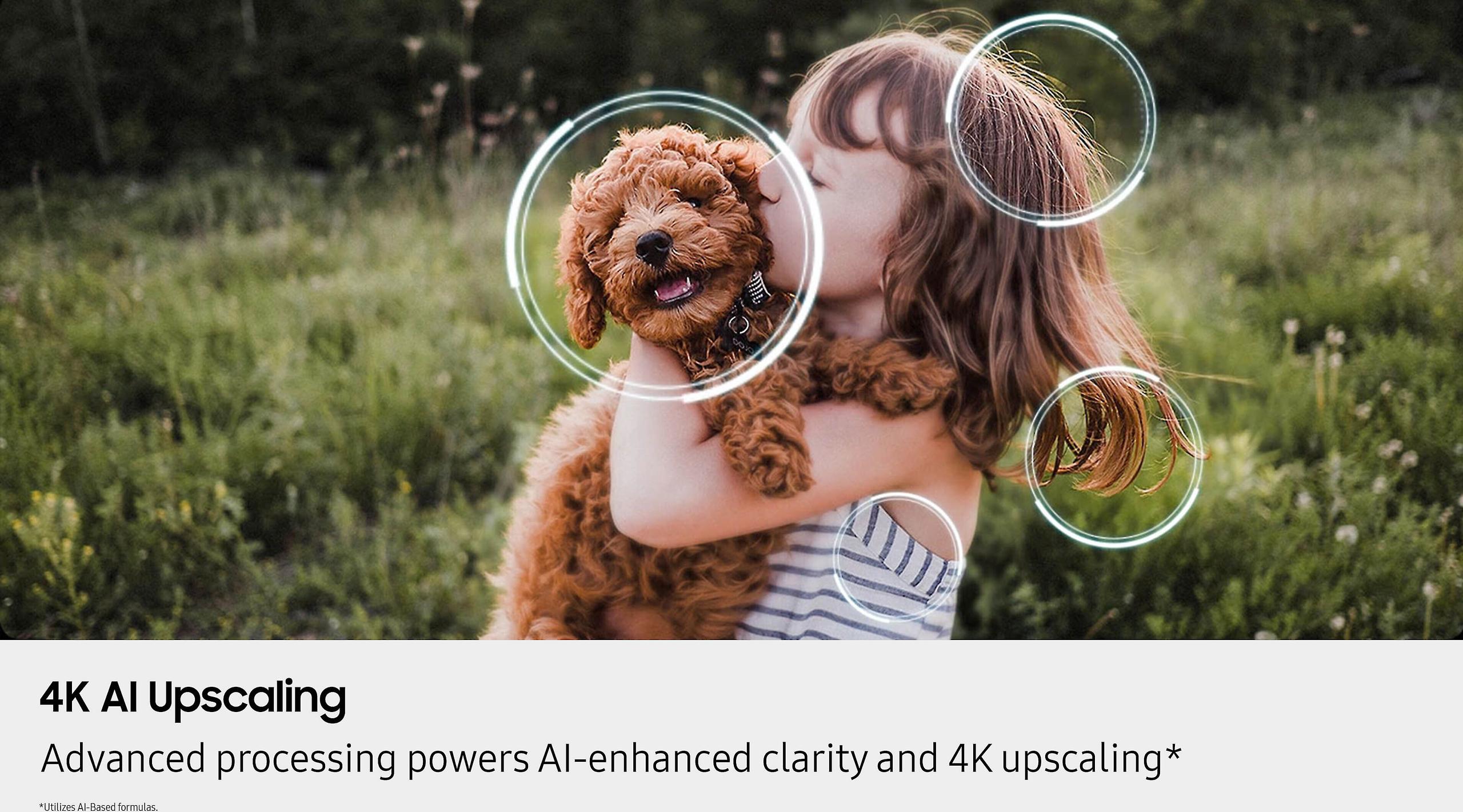
However, the Samsung QN70F fights back with intelligence. Its AI processing genuinely improves lower-quality content in ways that weren't possible five years ago. If you're streaming older TV shows, watching cable, or even viewing YouTube videos, the Samsung's 4K AI upscaling makes a noticeable difference. The processor analyzes each frame and reconstructs details that weren't there originally. It's not magic, but it's remarkably close.
The Samsung also includes something called Real Depth Enhancer, which selectively increases contrast in the foreground while leaving backgrounds unchanged. This creates a subtle but effective sense of dimensionality that makes scenes appear more three-dimensional. Combined with features like Supreme UHD Dimming and Neo Quantum HDR, the overall viewing experience feels more refined and modern.
Both TVs support HDR (High Dynamic Range), which expands the range between the darkest blacks and brightest whites your TV can display. The Hisense H9G supports Dolby Vision, HDR10, HDR10+, and HLG, while the Samsung QN70F handles HDR10+ with adaptive features that adjust settings scene by scene. In practical terms, both will make HDR content look significantly better than standard video.
Peak brightness is where the Hisense shows its age-defying performance. It can reach up to 1000 nits across its 180 dimming zones, which means HDR highlights really pop. The Samsung, being an entry-level Neo QLED model, doesn't specify exact nit levels but likely achieves similar peak brightness with its Mini LED system, though potentially with less zone-level precision.
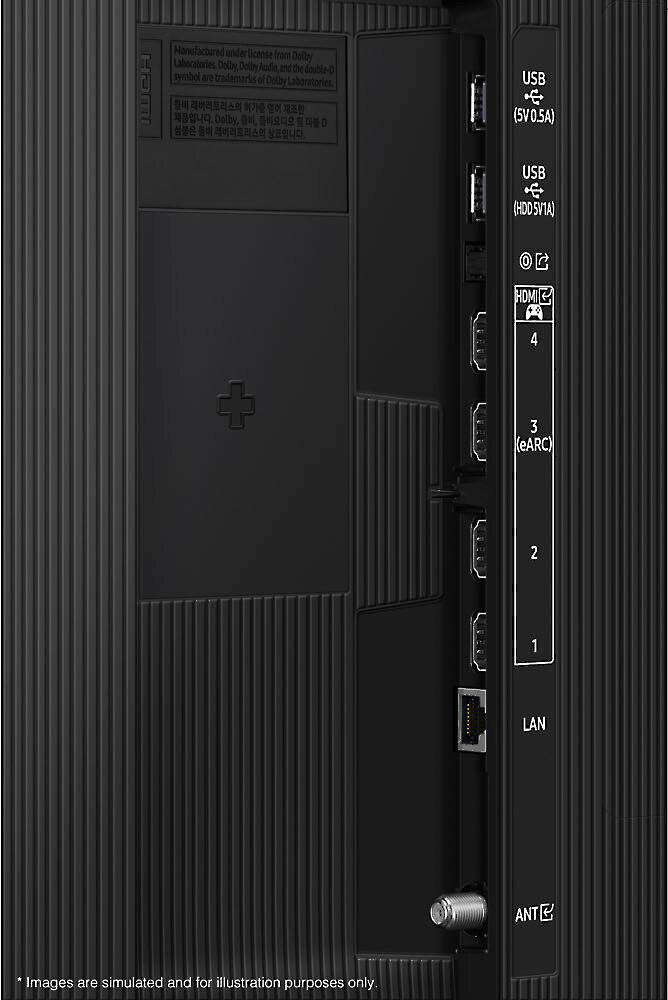
If you own a PlayStation 5 or Xbox Series X, the choice between these TVs becomes much clearer. The Samsung QN70F was built for modern gaming, with four HDMI 2.1 ports that support Variable Refresh Rate (VRR), Auto Low Latency Mode (ALLM), and refresh rates up to 4K at 144Hz. This means your games will look smoother, respond faster, and display without the screen tearing that can ruin competitive gaming.
VRR is particularly important because it synchronizes your TV's refresh rate with your console's frame rate output. Without it, you might see stuttering or tearing during intense gaming moments. ALLM automatically switches the TV to its lowest-latency mode when it detects gaming, reducing input lag – the delay between pressing a button and seeing the action on screen.
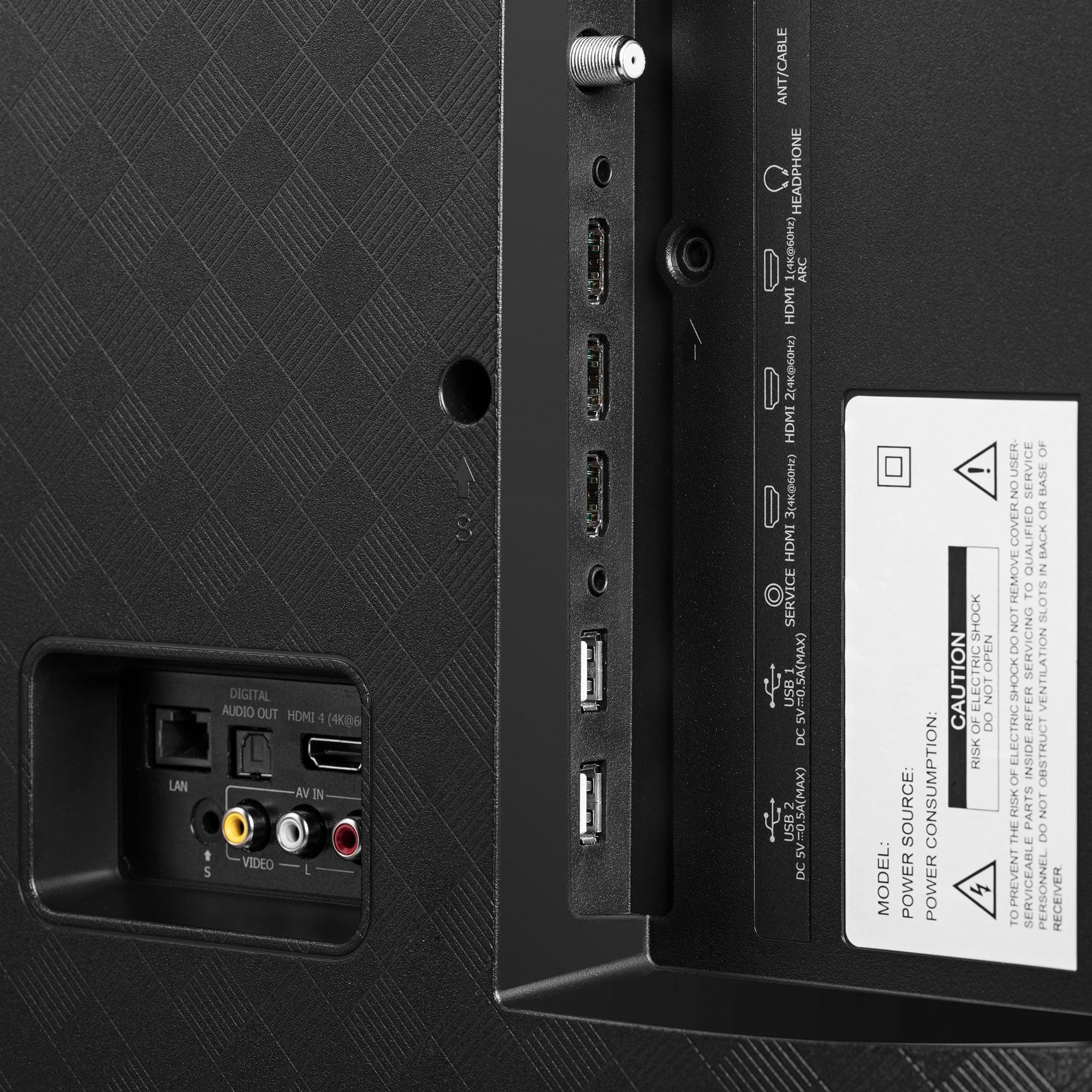
The Hisense H9G, being from 2020, lacks these modern gaming features entirely. While it has a 120Hz panel, it can only accept 4K signals at 60Hz due to its lack of HDMI 2.1 ports. It does include a Game Mode that reduces input lag, and its Motion Rate 480 processing helps with fast-moving content, but it simply wasn't designed for the gaming demands we have today.
For casual gaming or older consoles, the Hisense performs adequately. But if you're serious about gaming or plan to be, the Samsung is your only real choice between these two.
The smart TV experience represents another area where that five-year gap shows dramatically. The Samsung QN70F runs Samsung's Tizen operating system enhanced with Vision AI features that feel genuinely futuristic. The "Click to Search" feature lets you point at any actor or object on screen to get instant information about them. "Live Translate" provides real-time subtitle translation for foreign content – incredibly useful if you enjoy international films or shows.
The AI integration goes deeper than gimmicky features though. The TV learns your viewing habits and optimizes picture and sound settings automatically. It can recognize whether you're watching a movie, sports, or playing games, and adjust accordingly without you touching the remote.
The Hisense H9G runs Android TV, which was excellent for its time and remains highly capable. You get access to the Google Play Store, built-in Chromecast, and Google Assistant integration. The hands-free voice control works well, and the platform is stable and familiar. However, Android TV can feel sluggish compared to modern implementations, and it lacks the AI-powered personalization features that make newer smart platforms more engaging.
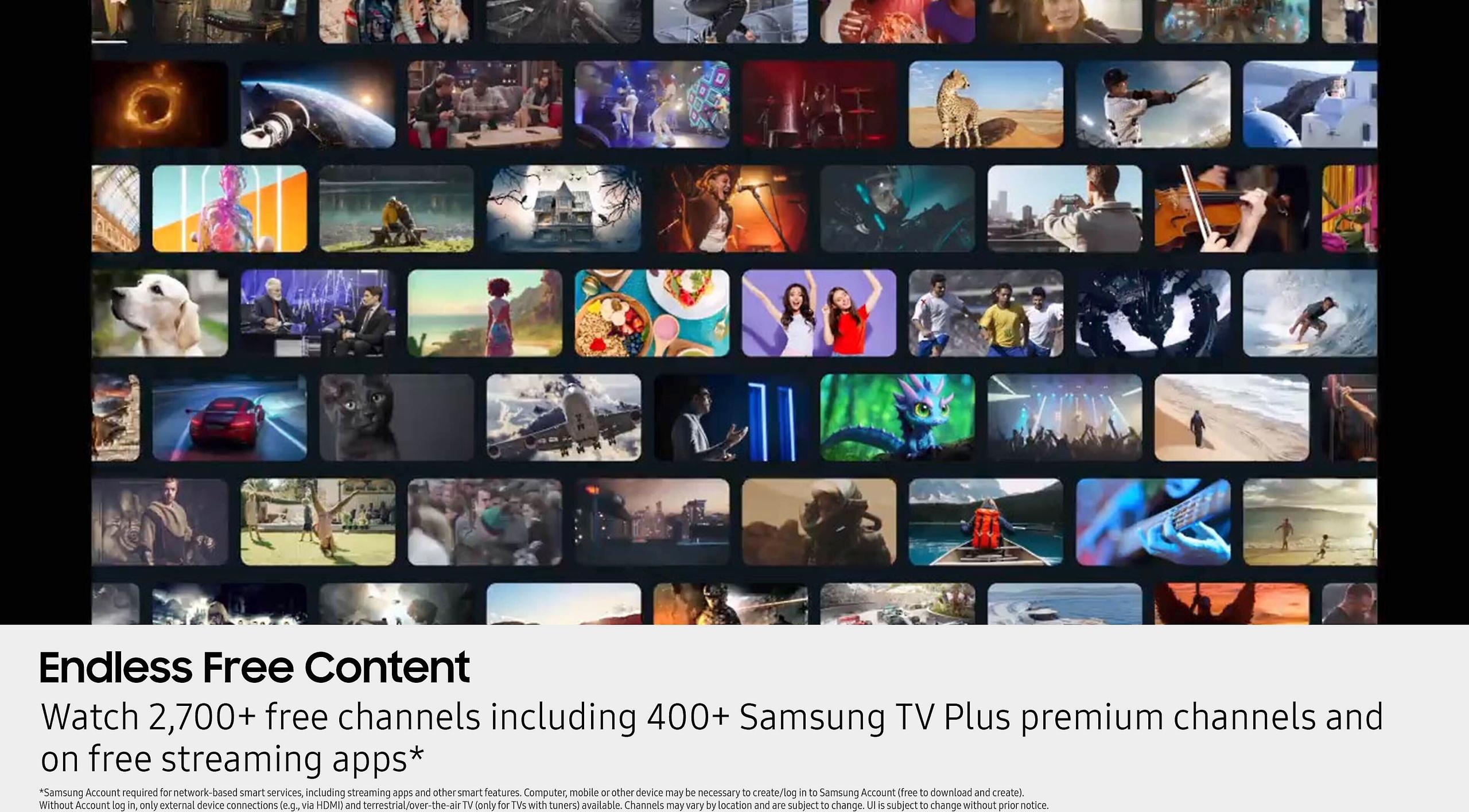
Both platforms provide access to all major streaming services, though the Samsung's Tizen OS typically receives app updates faster and runs more smoothly in daily use.
TV speakers are rarely anyone's endgame for audio, but they matter for casual viewing. The Samsung QN70F includes Object Tracking Sound Lite, which attempts to make audio follow action across the screen. It's not a replacement for a good soundbar, but it's noticeably better than basic TV speakers. The Q-Symphony feature is particularly clever – if you add a Samsung soundbar later, the TV speakers continue working in harmony rather than shutting off, creating a more immersive surround effect.
The Hisense H9G supports Dolby Atmos, which is impressive for a TV speaker system, though the 20-watt output (10W x 2) means you won't get the full Atmos experience without external speakers. Still, for a 2020 TV, the audio consideration was thorough.
Both TVs benefit significantly from adding a dedicated soundbar, but the Samsung's integration features make it more flexible for audio upgrades.
In a dedicated home theater room, the Hisense H9G actually holds some advantages. Its superior contrast performance shines in dark, controlled environments. The full-array local dimming creates the deep blacks and bright highlights that make movie watching truly cinematic. If your setup prioritizes movie watching over gaming or smart features, and you can control ambient light, the Hisense delivers a more film-like experience.
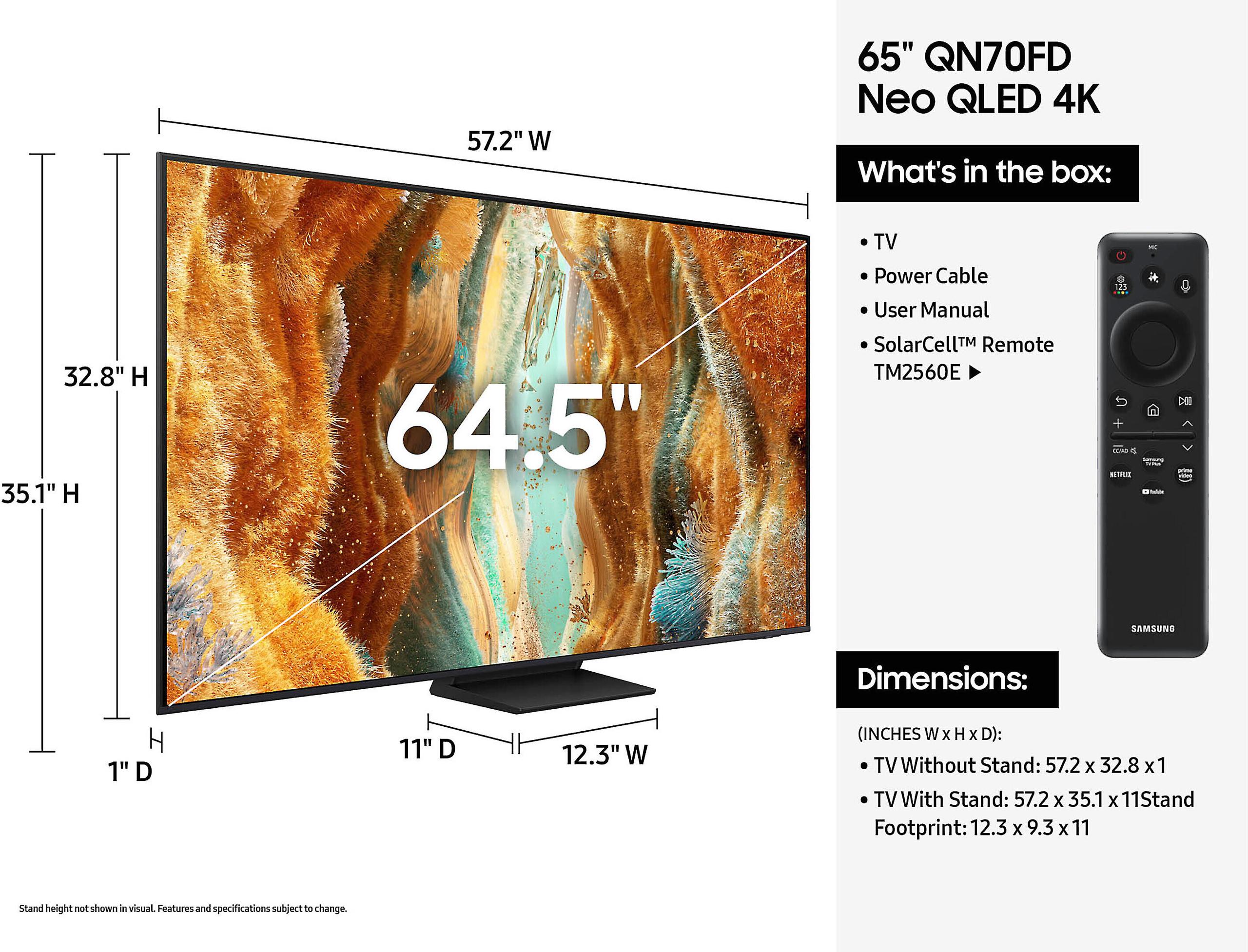
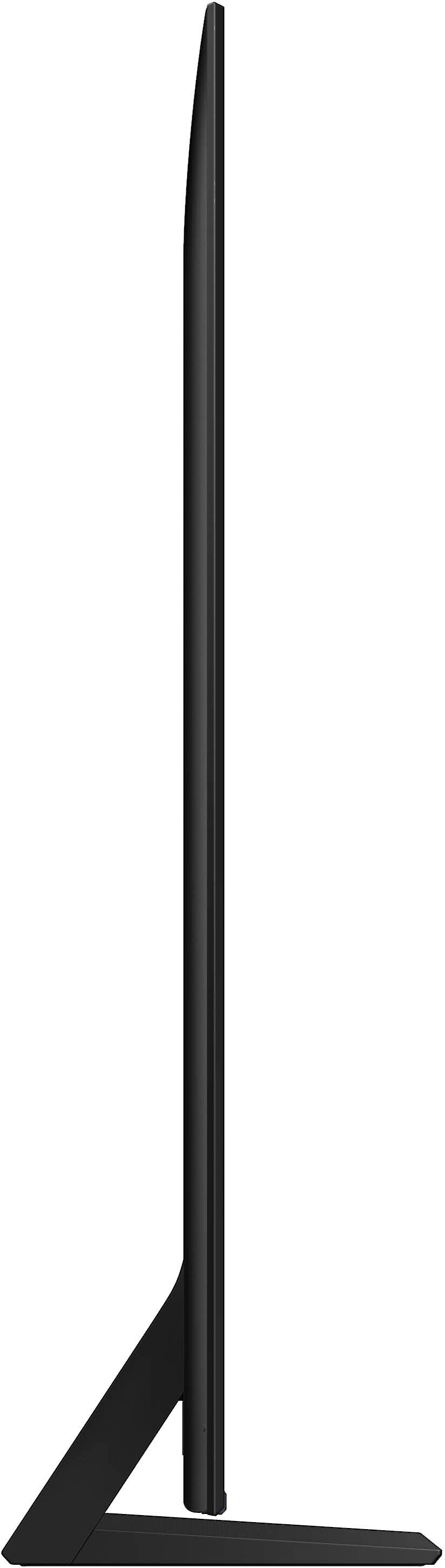
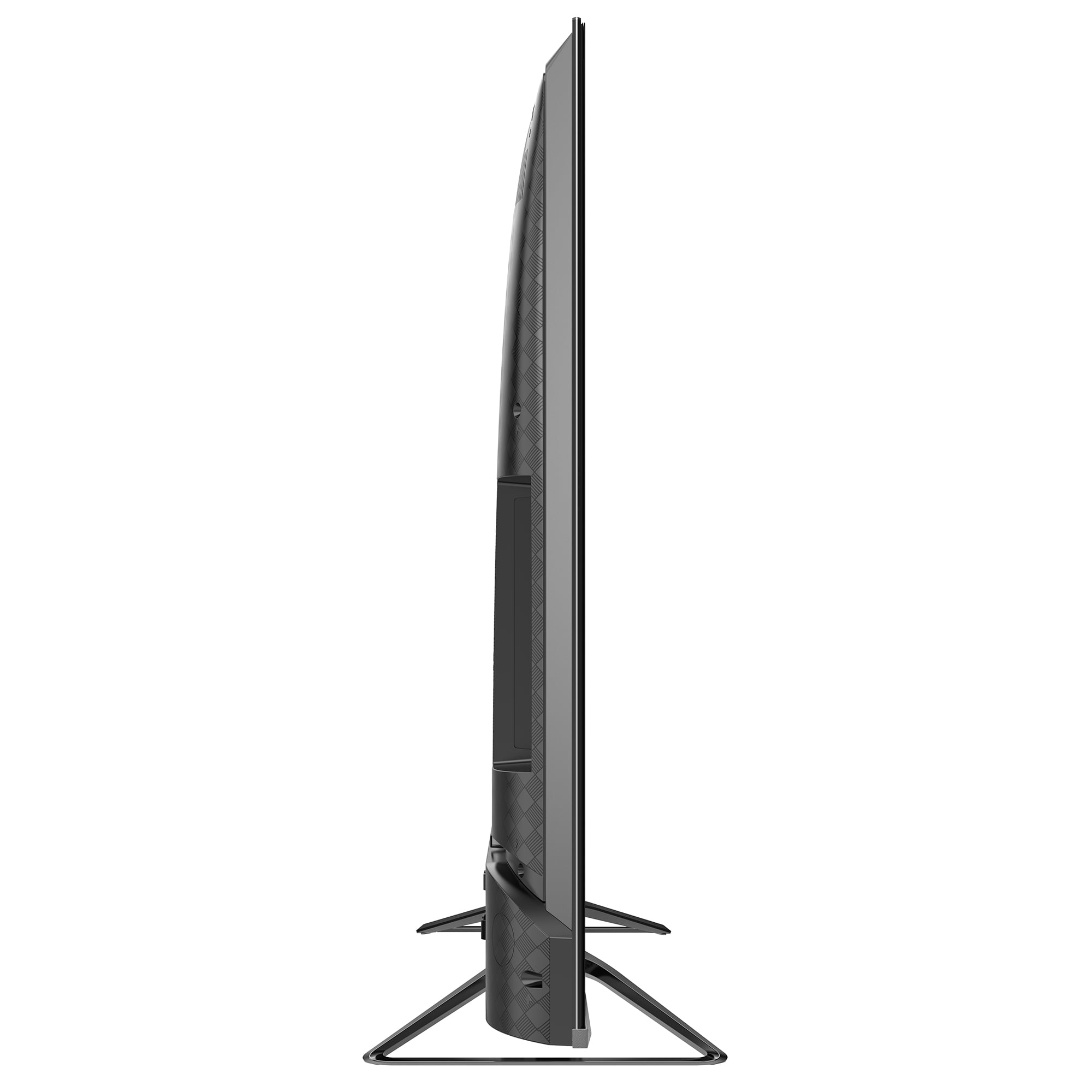
The Samsung QN70F works better in mixed-use family rooms where ambient light varies throughout the day. Its AI processing adapts to changing conditions, and features like EyeComfort Mode adjust color temperature based on ambient lighting. The ultra-slim design (just 1 inch deep) also makes wall mounting cleaner and more aesthetically pleasing.
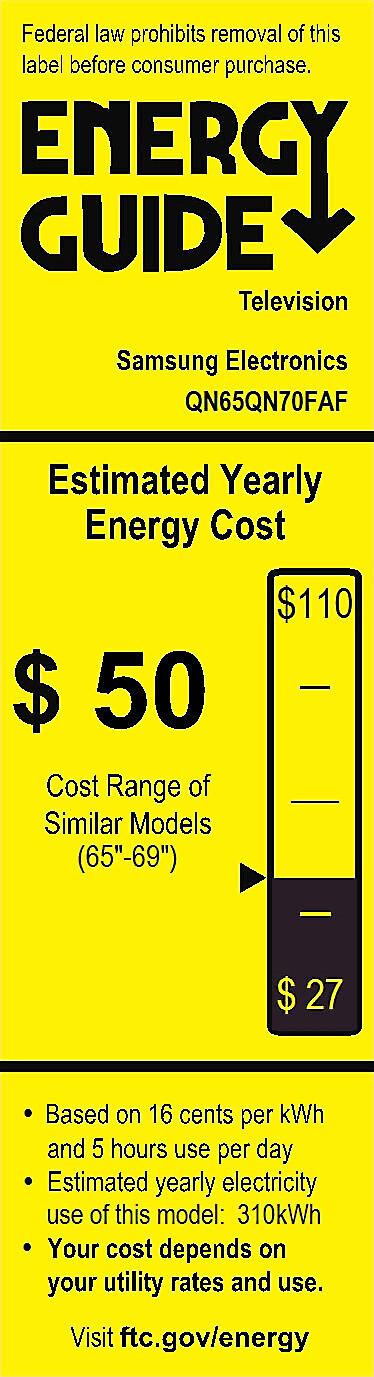
Power consumption matters in home theater setups too. The Hisense H9G typically draws 180-220 watts during normal viewing, while the Samsung's more powerful processing likely consumes more energy, though exact figures aren't specified.
At the time of writing, both TVs are priced competitively in the premium 65-inch segment, with the Samsung carrying a slight premium for its newer technology. The value equation depends heavily on your priorities and timeline.
The Samsung QN70F offers better long-term value for most buyers. Its HDMI 2.1 ports, AI processing, and modern gaming features ensure it won't feel outdated as quickly. Samsung also has a strong track record of providing software updates that add features over time. If you typically keep TVs for 5-7 years, the Samsung's future-proofing justifies any price premium.
The Hisense H9G represents mature technology at its peak. While it lacks modern connectivity and AI features, its fundamental picture quality remains excellent. If you primarily watch movies, don't game on modern consoles, and prefer proven technology over cutting-edge features, the Hisense can deliver satisfying performance at potentially lower cost.
Choose the Samsung QN70F Neo QLED if you:
Choose the Hisense H9G Quantum Series if you:
The Samsung QN70F Neo QLED represents the logical choice for most buyers in 2025, despite the Hisense H9G offering superior contrast in specific scenarios. The five-year technology gap shows most clearly in gaming capabilities, AI features, and future-proofing. Unless you're building a dedicated dark-room theater setup where contrast is paramount, the Samsung's comprehensive feature set and modern connectivity make it the more practical long-term investment.
That said, the Hisense shouldn't be dismissed entirely. Its picture quality achievements from 2020 remain impressive today, and for buyers focused purely on movie watching with older sources, it can still deliver exceptional value. The key is honest self-assessment: are you buying a TV for today's needs, or for the next decade's entertainment evolution?
In my experience, TV technology moves fast enough that betting on the future usually pays off. The Samsung's AI processing, gaming capabilities, and smart features represent genuine improvements that will matter more as time passes. But if you've found a great deal on the Hisense and your needs align with its strengths, it remains a capable choice that many owners continue to enjoy years after purchase.
| Samsung 65" QN70F Neo QLED 4K Vision AI Smart TV 2025 | Hisense 65" H9G Quantum Series 4K UHD Smart Android TV |
|---|---|
| Release Year - Indicates technology generation and feature set | |
| 2025 (Latest generation with AI processing) | 2020 (Mature, proven technology) |
| Display Technology - Core method for producing picture quality | |
| Mini LED with Quantum Matrix Technology Slim | Full-Array Local Dimming with 180 zones |
| Peak Brightness - Critical for HDR content and bright room viewing | |
| Not specified (estimated 800-1000 nits) | Up to 1000 nits across 180 zones |
| Processor - Determines upscaling quality and smart features | |
| NQ4 AI Gen2 with 20 neural networks | Standard processor (no AI enhancement) |
| Gaming Support - Essential for PS5/Xbox Series X owners | |
| 4K @ 144Hz, VRR, ALLM, 4x HDMI 2.1 ports | 4K @ 60Hz max, no VRR, standard HDMI |
| Smart Platform - Affects daily usability and app performance | |
| Tizen OS with Vision AI (click-to-search, live translate) | Android TV with Google Assistant |
| Audio Output - Built-in speaker quality before adding soundbar | |
| 20W with Object Tracking Sound Lite, Q-Symphony support | 20W (10W x 2) with Dolby Atmos support |
| Design Profile - Important for wall mounting and room aesthetics | |
| Ultra-slim 1" depth, premium materials | Standard thickness with anti-glare coating |
| HDR Support - Determines quality of high dynamic range content | |
| HDR10+ with adaptive features and scene optimization | Dolby Vision, HDR10, HDR10+, HLG |
| AI Features - Enhances picture quality and user experience | |
| Real-time content analysis, 4K AI upscaling, personalized optimization | None (traditional processing only) |
| Best Use Case - Who should prioritize this TV | |
| Modern gamers, tech enthusiasts, future-focused buyers | Movie lovers, dark room viewing, budget-conscious buyers |
The Hisense H9G Quantum Series delivers superior contrast and deeper blacks thanks to its full-array local dimming with 180 zones, making it excellent for dark room movie watching. However, the Samsung QN70F Neo QLED offers better overall visual experience with AI-enhanced upscaling and real-time picture optimization that improves all types of content.
The Samsung QN70F Neo QLED is specifically designed for modern gaming with 4K @ 144Hz support, Variable Refresh Rate (VRR), and four HDMI 2.1 ports. The Hisense H9G lacks these features entirely, limiting gaming to 4K @ 60Hz maximum, making the Samsung the clear choice for next-gen console gaming.
Both TVs can handle bright rooms reasonably well, but the Samsung QN70F has adaptive AI features that automatically adjust to changing lighting conditions. The Hisense H9G Quantum Series offers anti-glare coating and high peak brightness up to 1000 nits, but lacks the intelligent adaptation of the newer Samsung model.
The Samsung QN70F Neo QLED runs Samsung's Tizen OS with advanced Vision AI features like click-to-search and live translation capabilities. The Hisense H9G uses Android TV with Google Assistant integration and Chromecast built-in, offering a more traditional but still capable smart TV experience from 2020.
The Samsung QN70F Neo QLED offers significantly better future-proofing with HDMI 2.1 ports, AI processing that improves over time, and 2025 technology that will remain relevant longer. The Hisense H9G Quantum Series represents mature 2020 technology that, while reliable, may feel outdated sooner.
The Samsung QN70F features Object Tracking Sound Lite and Q-Symphony support for Samsung soundbars, creating a more integrated audio experience. The Hisense H9G offers Dolby Atmos support with standard 20W speakers. Both benefit significantly from adding a dedicated soundbar for optimal audio performance.
At current market positioning, the Samsung QN70F Neo QLED offers better long-term value despite being newer, providing five years of additional technology advancement and future-proof features. The Hisense H9G Quantum Series can offer good value for buyers focused primarily on movie watching who don't need modern gaming or AI features.
Yes, both excel at HDR but in different ways. The Hisense H9G supports multiple HDR formats including Dolby Vision and can reach 1000 nits peak brightness. The Samsung QN70F Neo QLED uses HDR10+ with intelligent scene-by-scene optimization and AI-enhanced processing for consistently impressive HDR performance.
For a dark, controlled home theater environment, the Hisense H9G Quantum Series excels with its superior contrast ratio and deep black levels from full-array local dimming. However, the Samsung QN70F works better in mixed-use spaces and offers more flexibility for various content types with its AI processing.
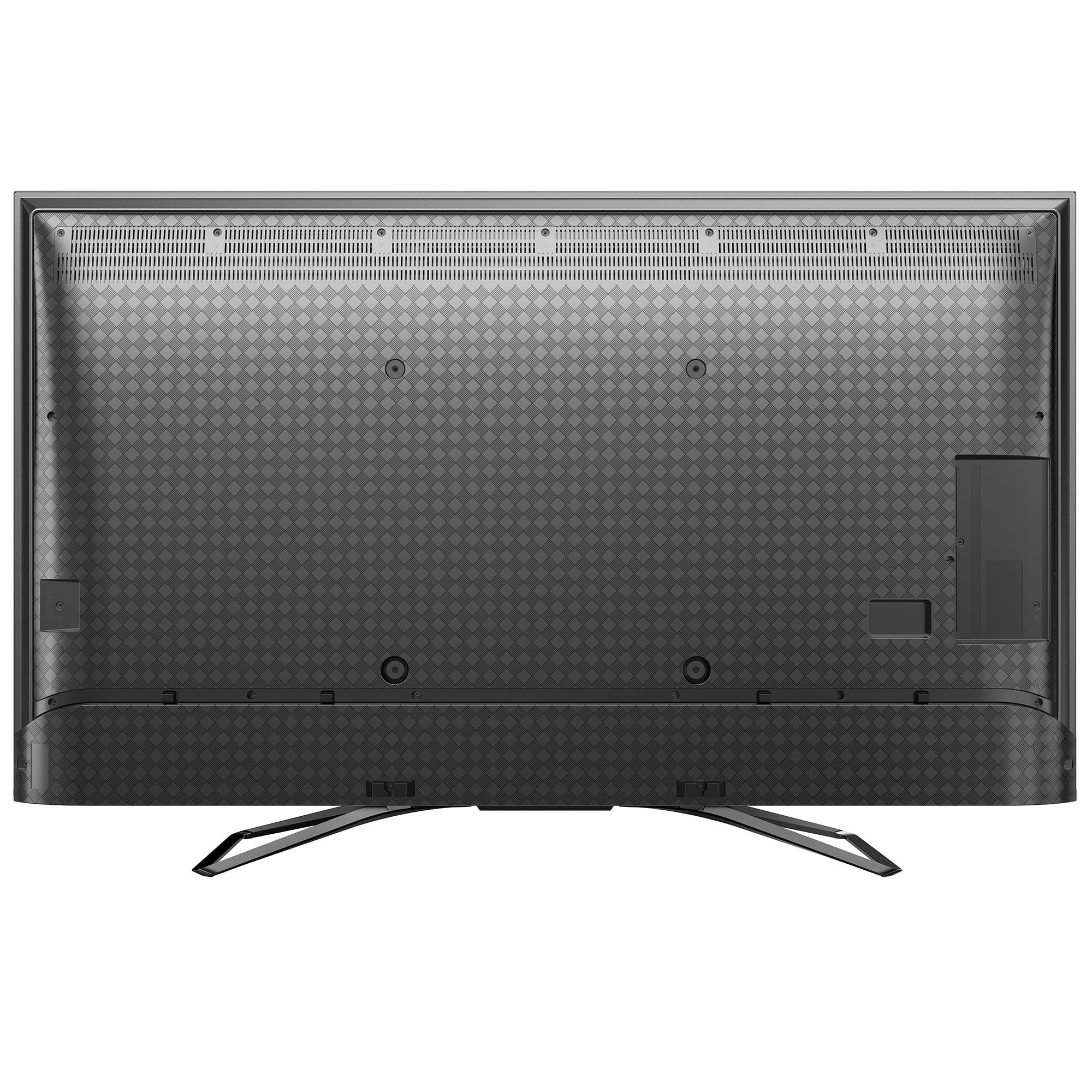
The Samsung QN70F Neo QLED features an ultra-slim 1-inch depth profile ideal for wall mounting, with premium materials and modern aesthetics. The Hisense H9G has a more traditional design with anti-glare coating and solid construction, but lacks the refined, minimalist appearance of the newer Samsung model.
The Samsung QN70F Neo QLED is an entry-level Neo QLED model, so it lacks some premium features found in higher-tier Samsung TVs. The Hisense H9G Quantum Series is limited by its 2020-era connectivity and lack of modern gaming features, plus Android TV can feel sluggish compared to current smart platforms.
The Samsung QN70F Neo QLED is better optimized for streaming with superior 4K AI upscaling that enhances compressed streaming video, plus faster smart platform performance. While the Hisense H9G handles streaming well, it lacks the AI processing that can improve lower-quality streaming sources to near-4K appearance.
We've done our best to create useful and informative comparisons to help you decide what product to buy. Our research uses advanced automated methods to create this comparison and perfection is not possible - please contact us for corrections or questions. These are the sites we've researched in the creation of this article: rtings.com - youtube.com - wifihifi.com - samsung.com - samsung.com - samsung.com - samsung.com - flatpanelshd.com - news.samsung.com - bestbuy.com - rtings.com - bestbuy.com - techradar.com - youtube.com - digitaltrends.com - assets.hisense-usa.com - bestbuy.com - youtube.com - bestbuy.com

Privacy Policy
Terms and Conditions - Affiliate Policy
Home Security
© Copyright 2008-2026.
11816 Inwood Rd #1211, Dallas, TX 75244