


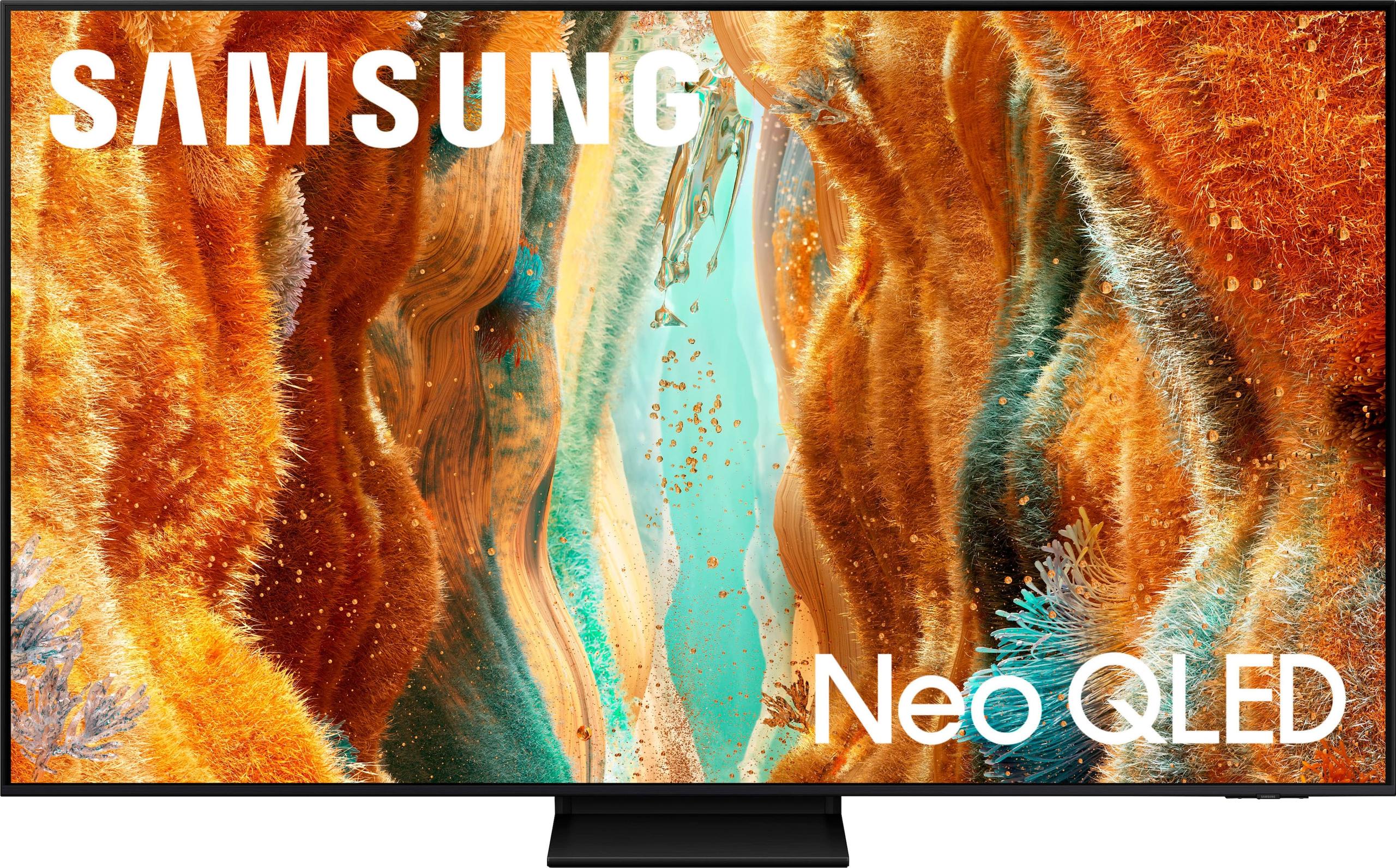
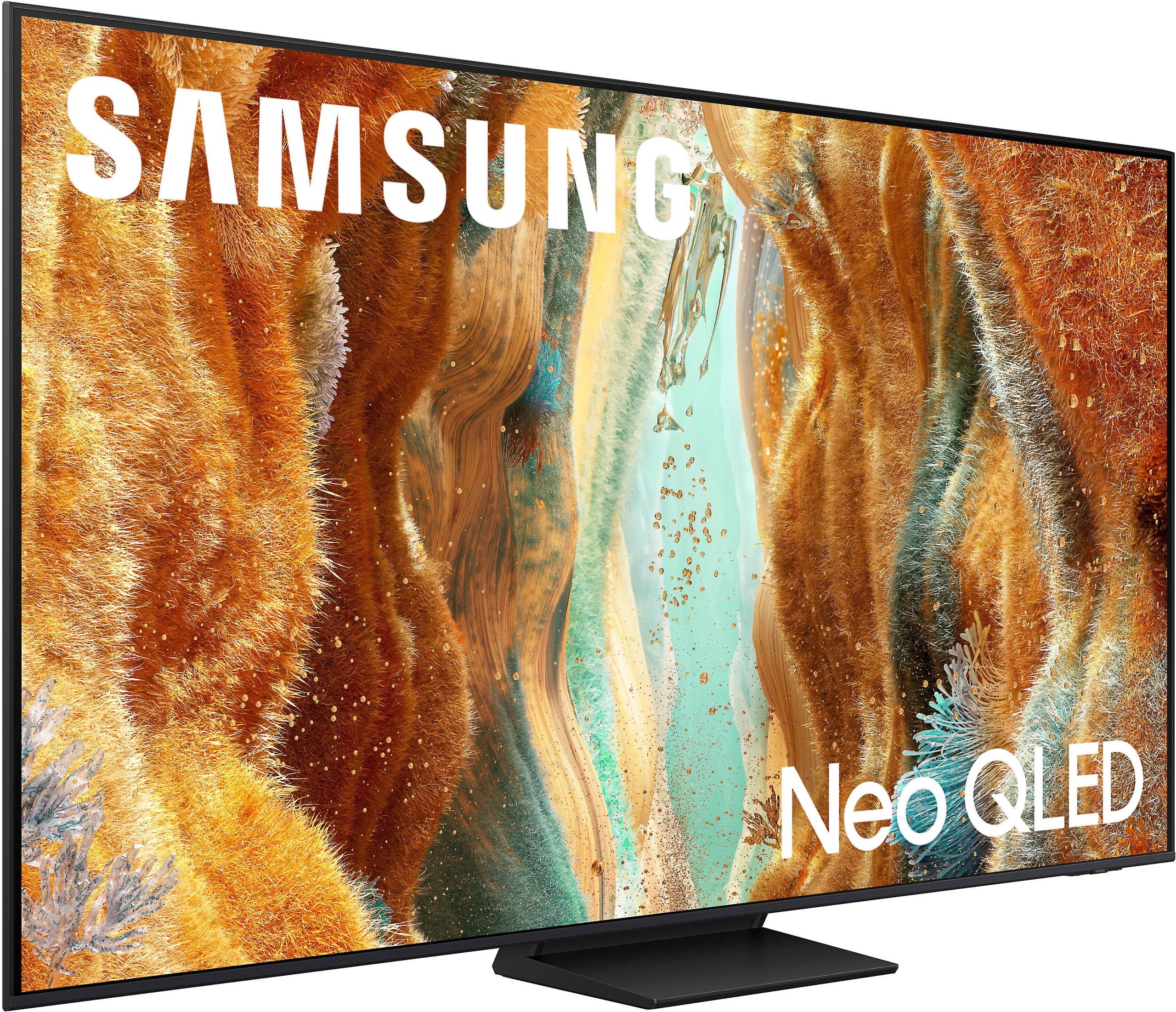
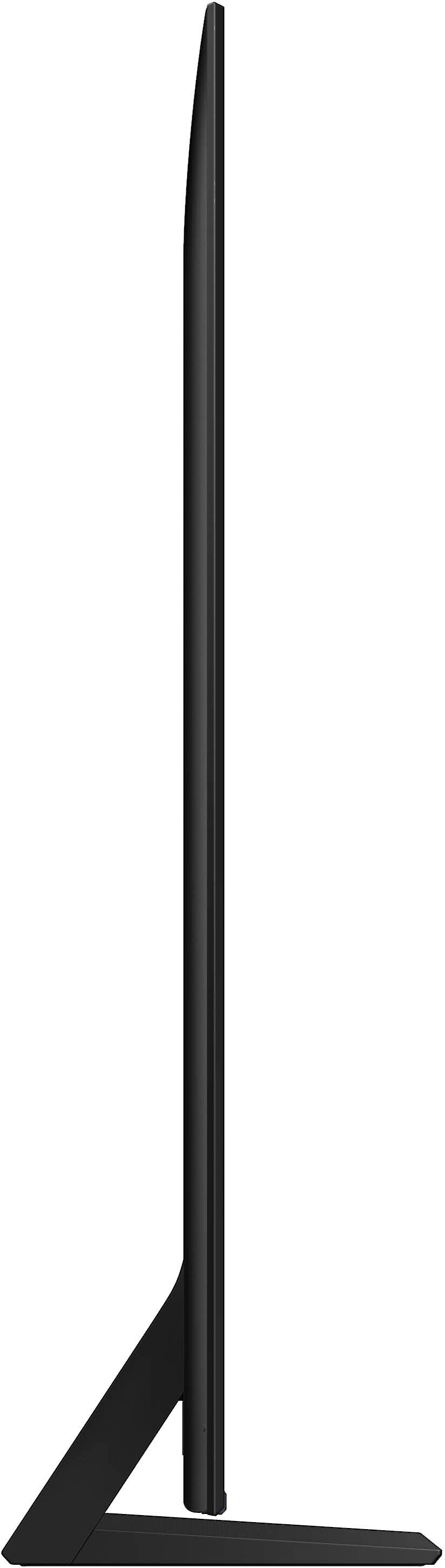


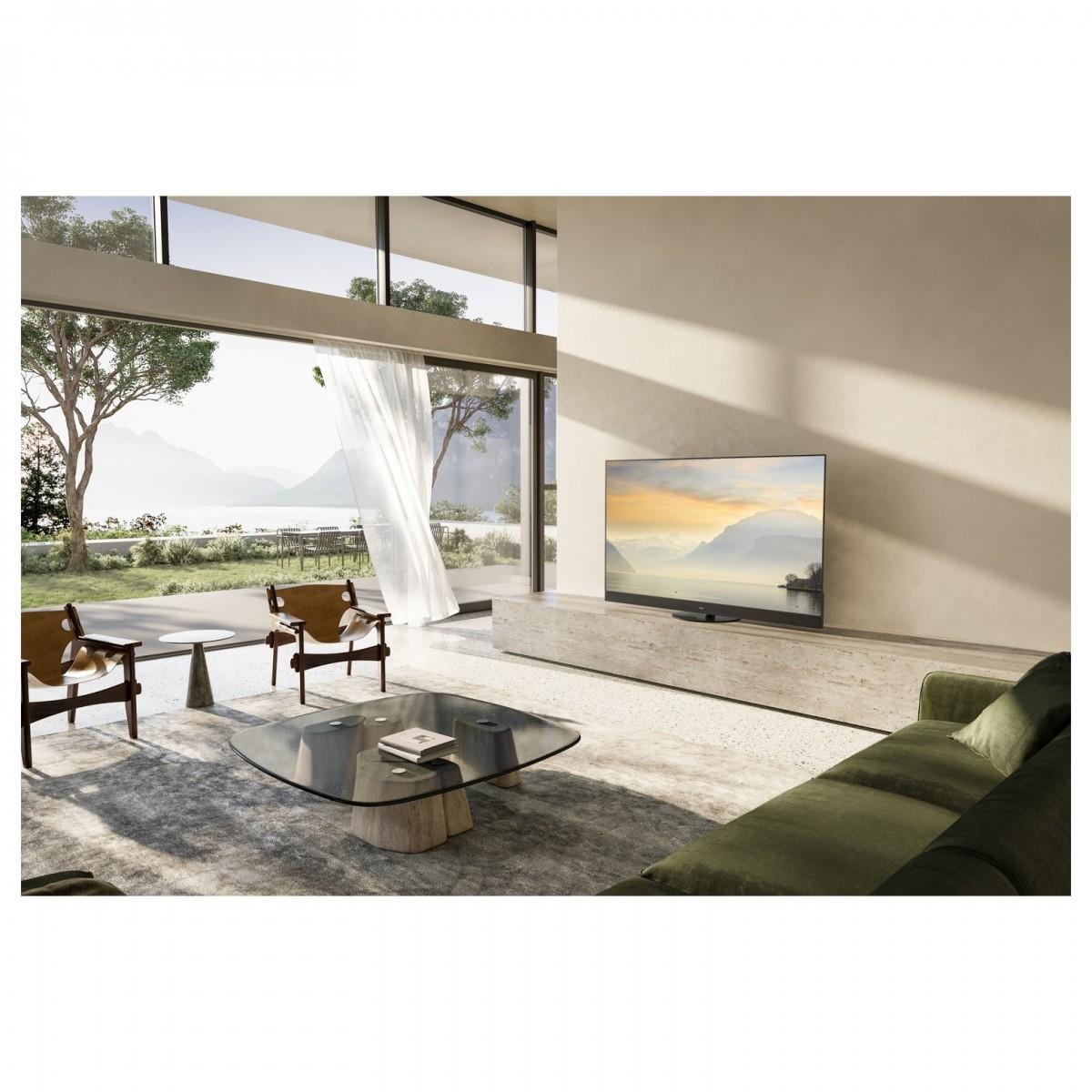
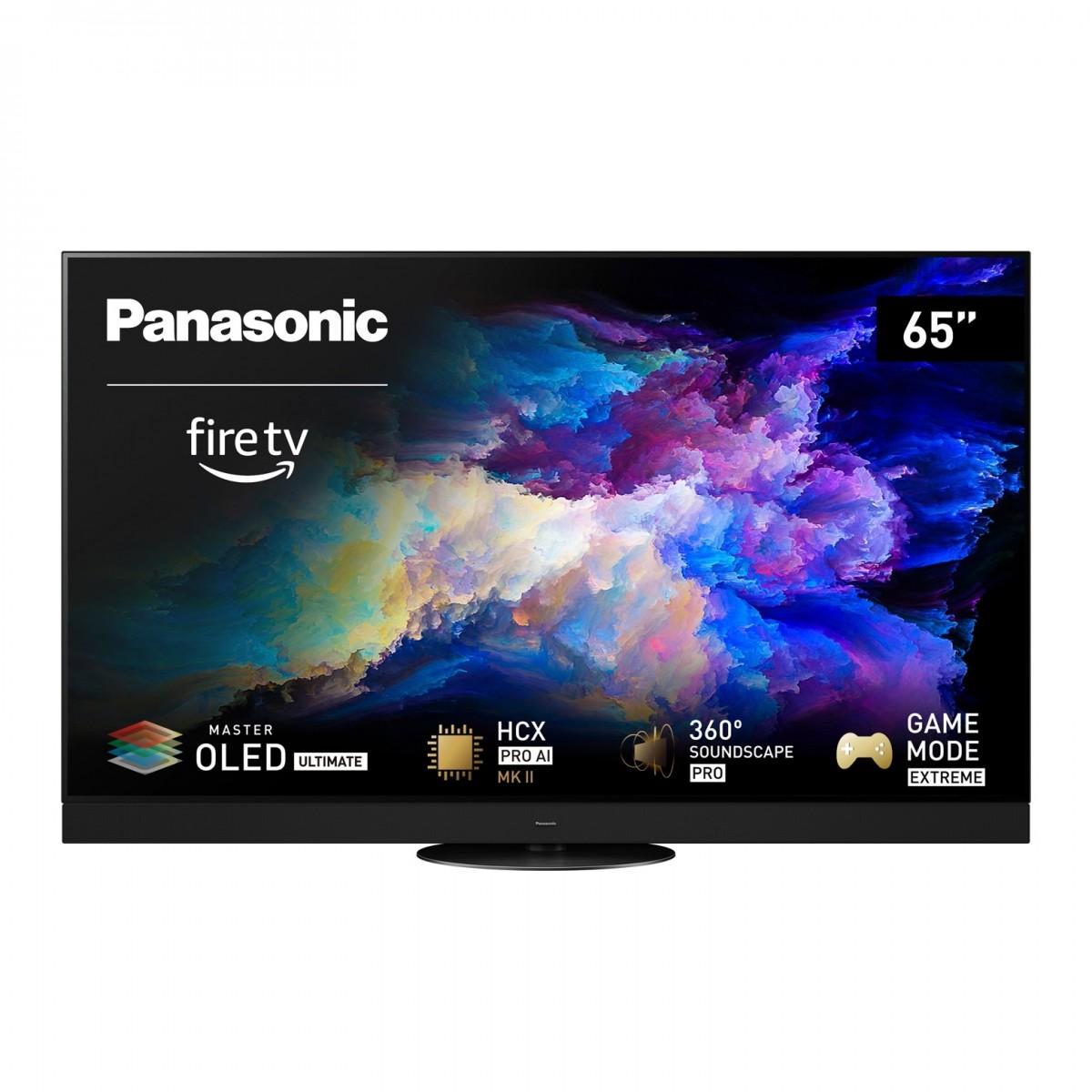
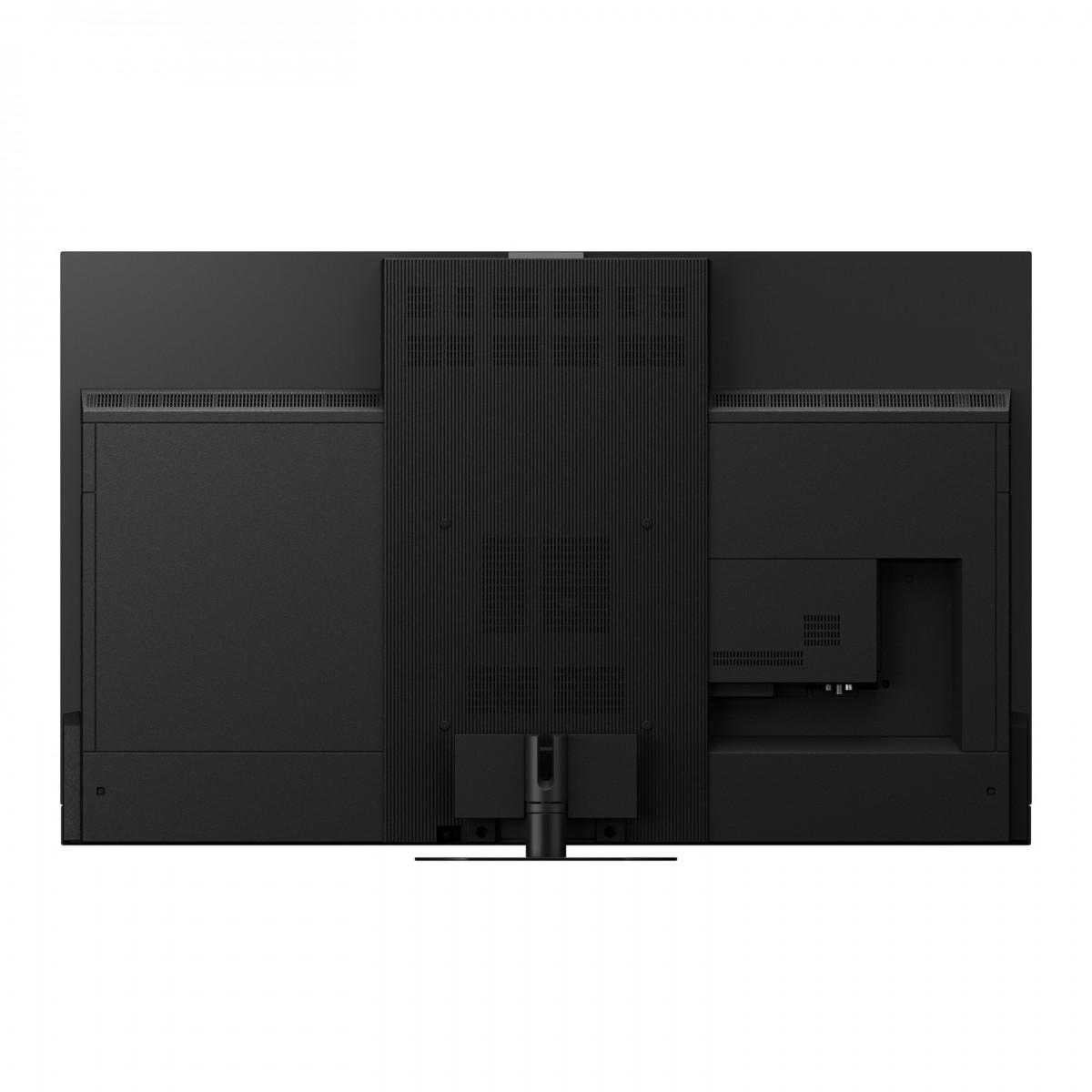
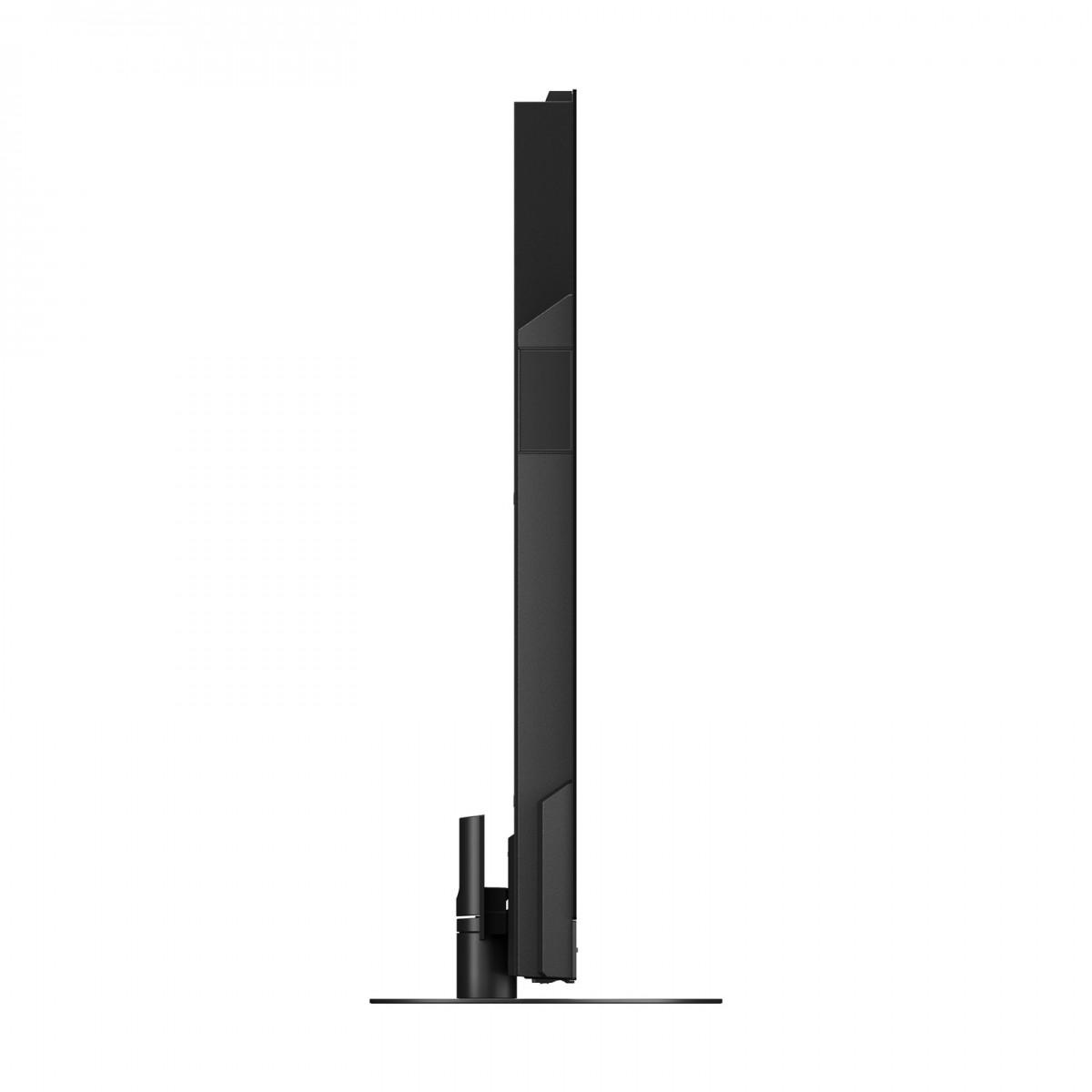
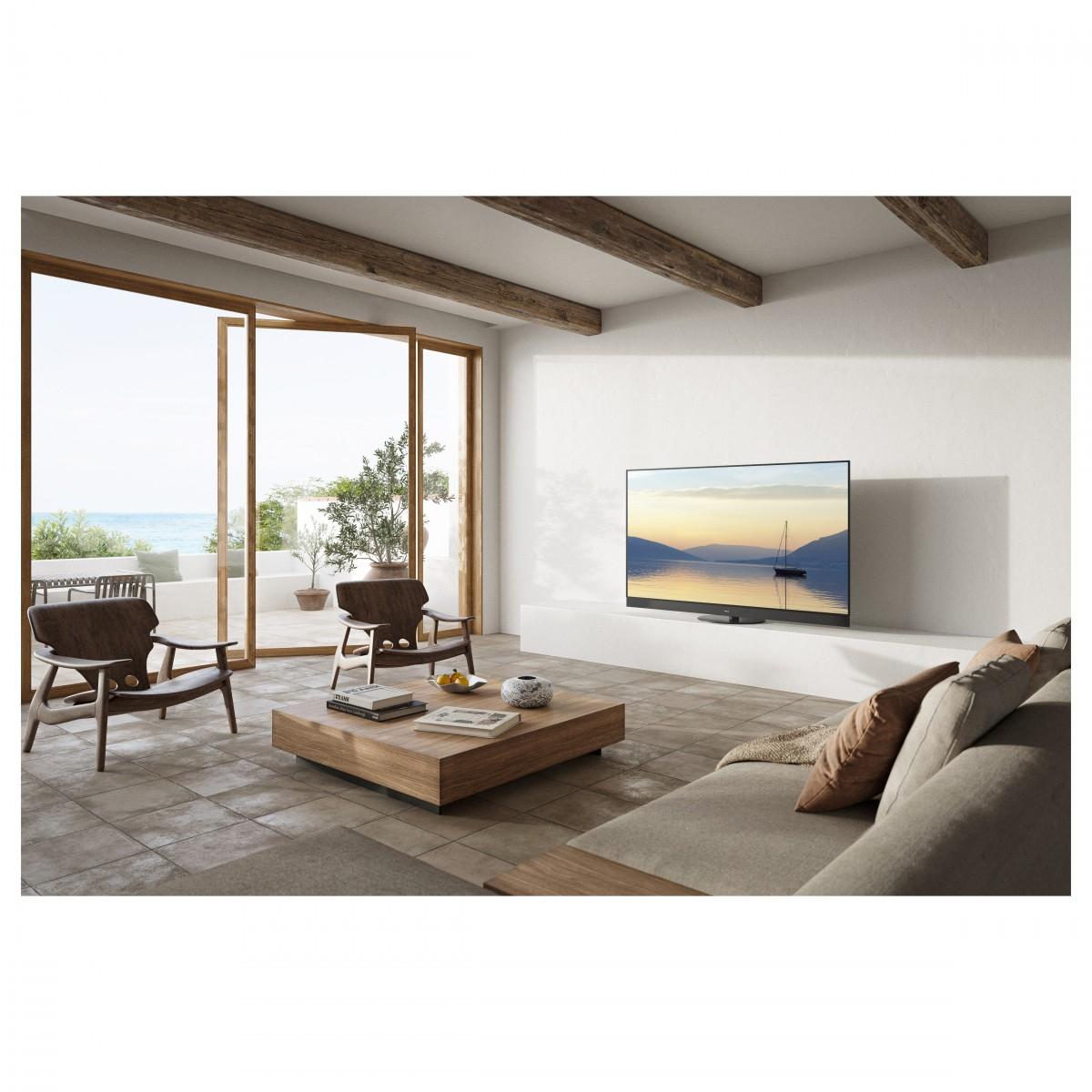
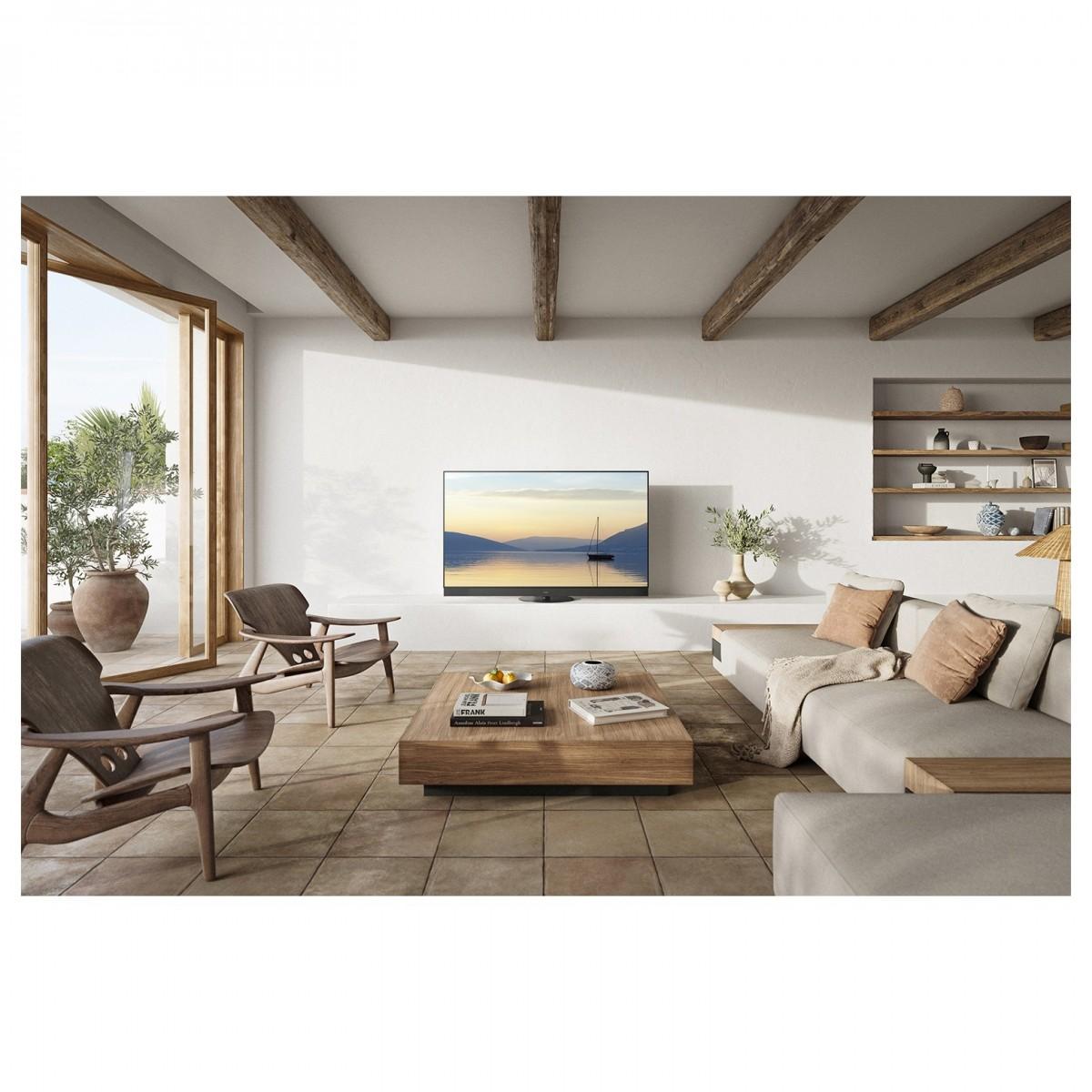
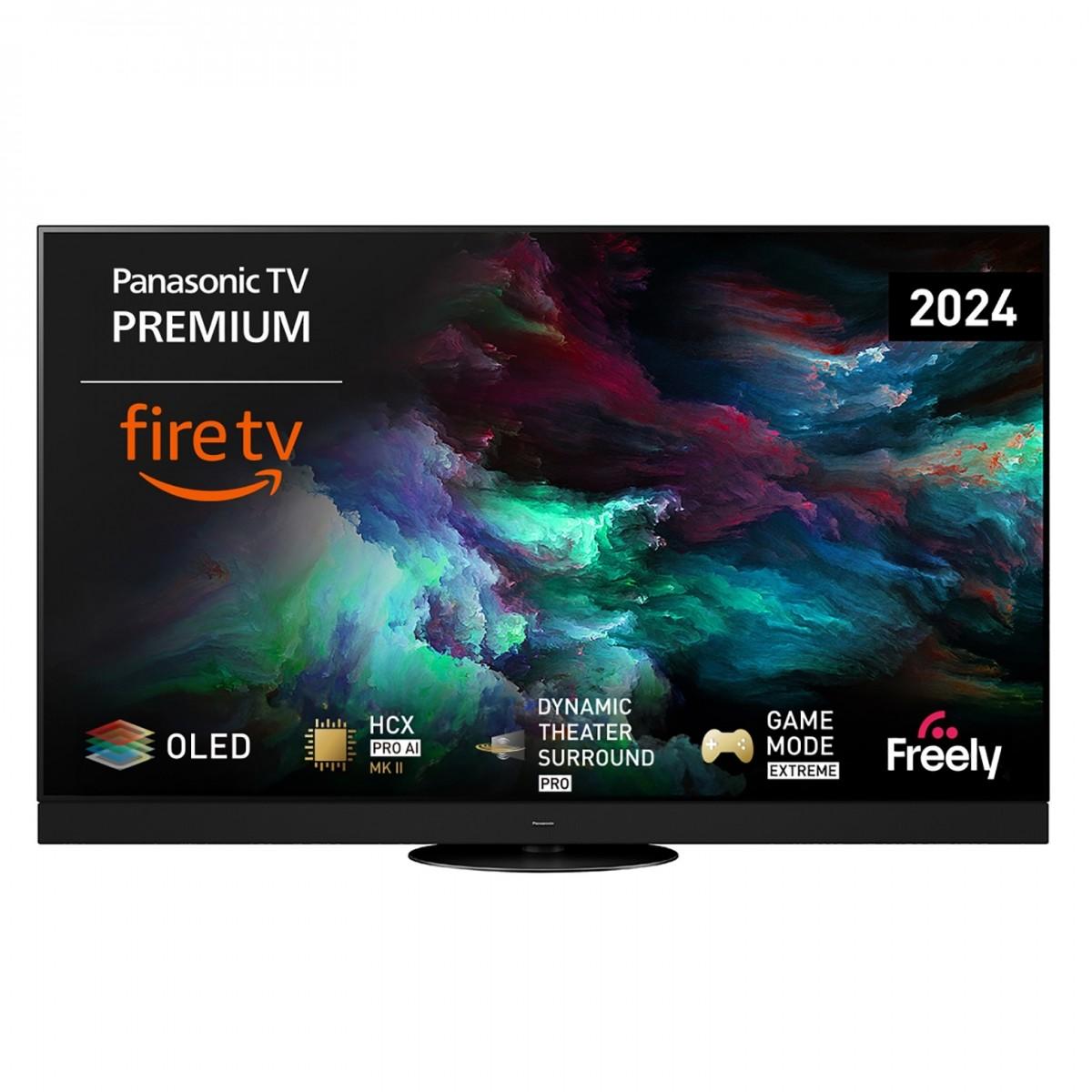
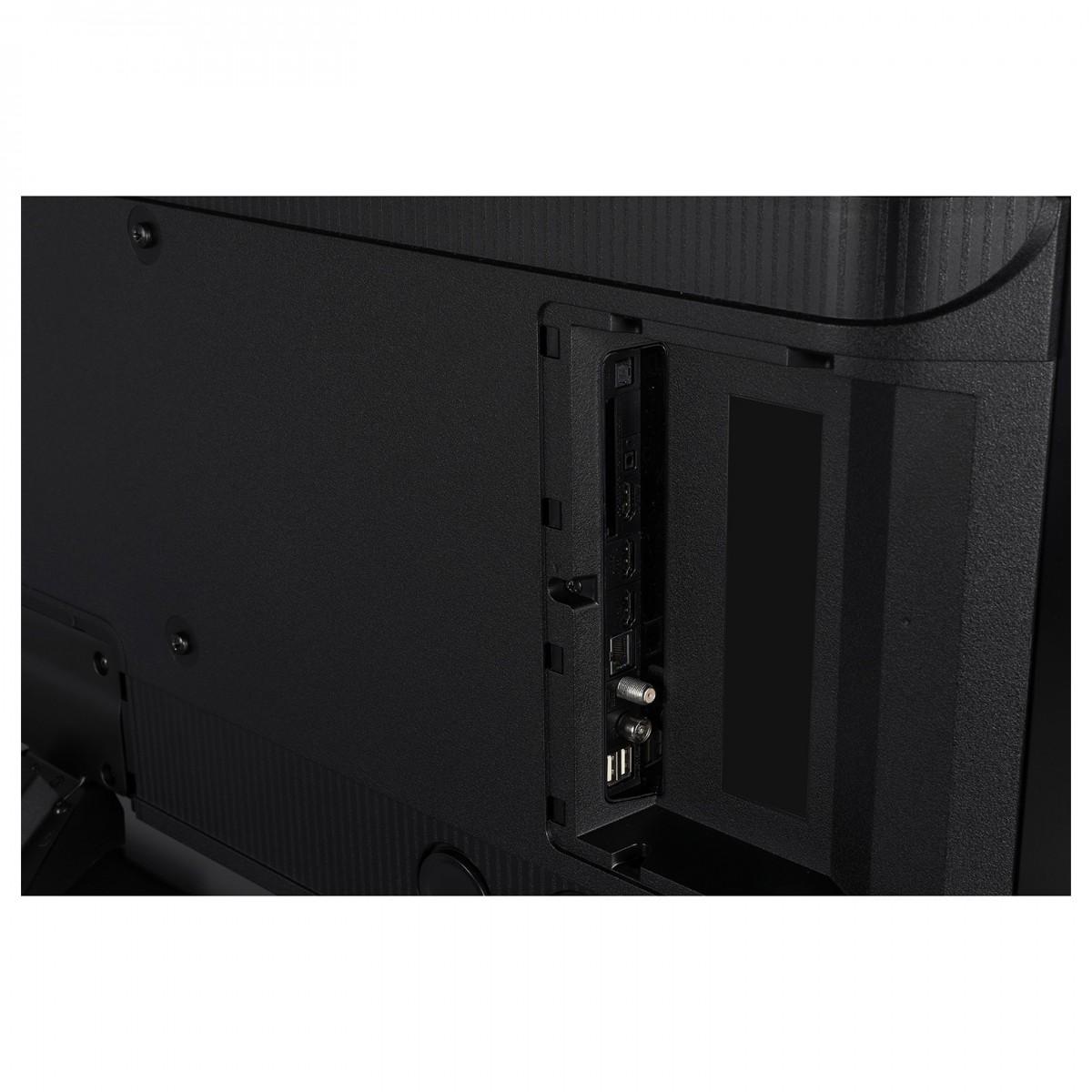
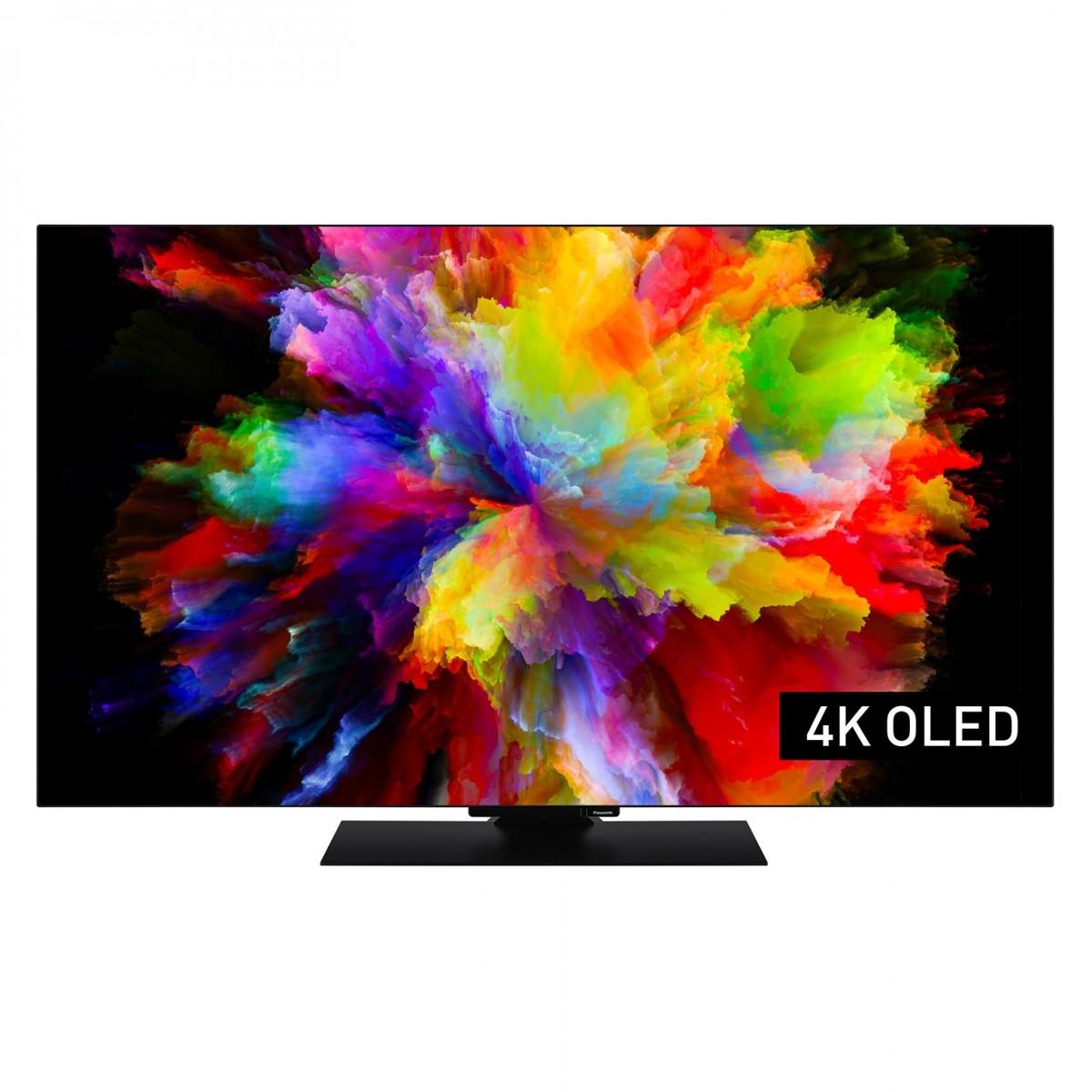
When you're ready to upgrade to a premium 65-inch TV, you'll likely encounter two fundamentally different technologies: OLED and Neo QLED. The Panasonic Z95A OLED and Samsung QN70F Neo QLED represent excellent examples of each approach, both released in 2025 with the latest refinements to their respective display technologies.
Understanding the difference between these technologies is crucial because they excel in different areas. OLED (Organic Light-Emitting Diode) panels use millions of individual pixels that can turn completely on or off, creating perfect blacks and incredible contrast. Neo QLED, Samsung's premium LCD technology, uses thousands of tiny LED lights behind a quantum dot layer to produce bright, vibrant colors with impressive peak brightness.
The core difference between the Panasonic Z95A and Samsung QN70F lies in how they create the images you see on screen, and this difference affects everything from how dark a movie scene can look to how bright HDR content appears.
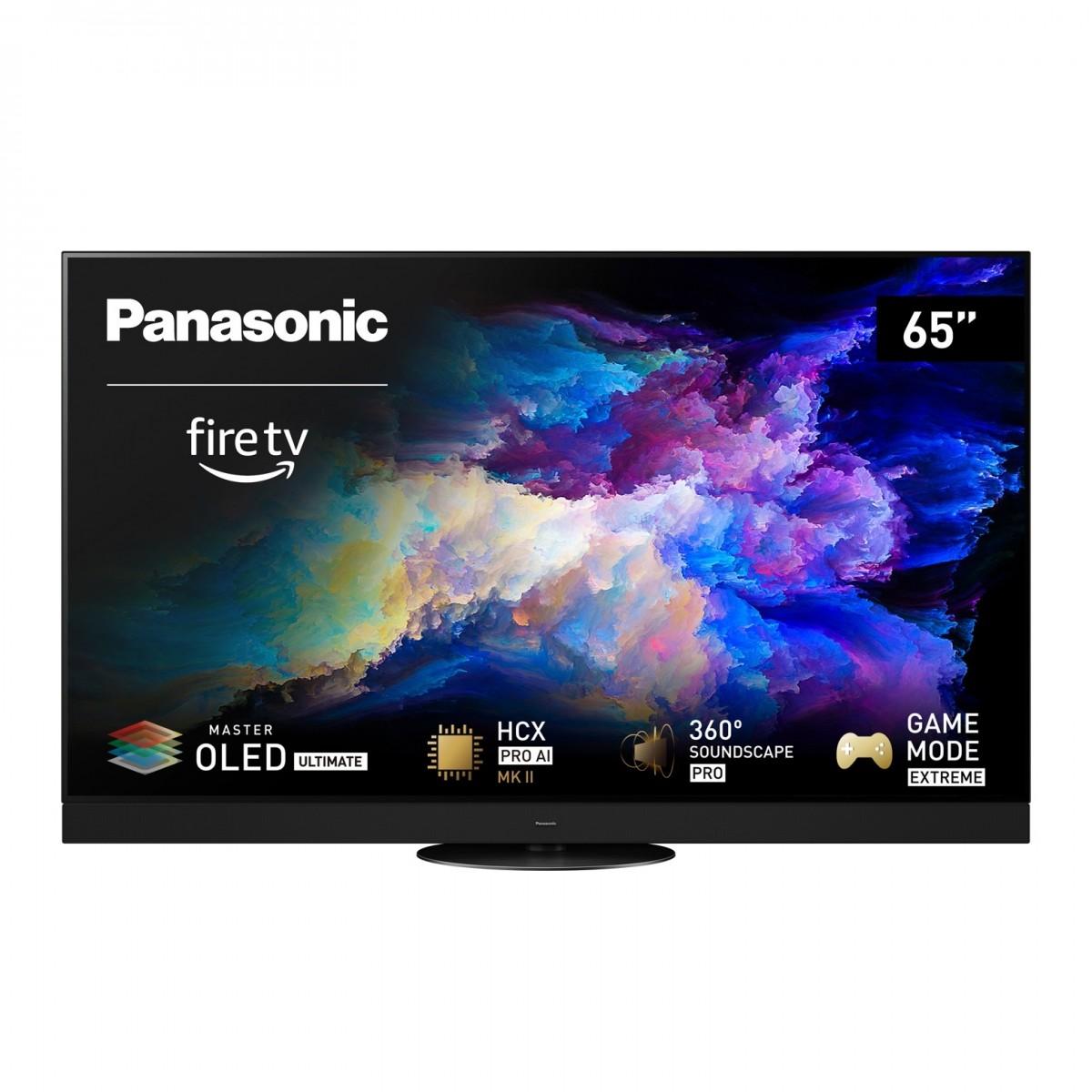
The Panasonic Z95A uses what's called a Master OLED Ultimate panel, where each of the 8.3 million pixels (in 4K resolution) contains organic compounds that emit their own light. When the TV wants to display black, those pixels simply turn off completely—no light escapes, creating what's called "perfect blacks" with an infinite contrast ratio.
This pixel-level control means that a single bright star against a dark sky will have the star blazing while the surrounding pixels remain completely dark. There's no light bleeding from bright areas into dark ones, a phenomenon called "blooming" that affects other display technologies.
The Panasonic Z95A achieves remarkable peak brightness for OLED technology—up to 2,012 nits according to our research of technical reviews. This represents a significant improvement over older OLED panels that typically peaked around 700-800 nits. For reference, a typical bright day outside measures about 100,000 nits, while indoor lighting ranges from 100-1,000 nits, so this TV can reproduce very bright highlights convincingly.
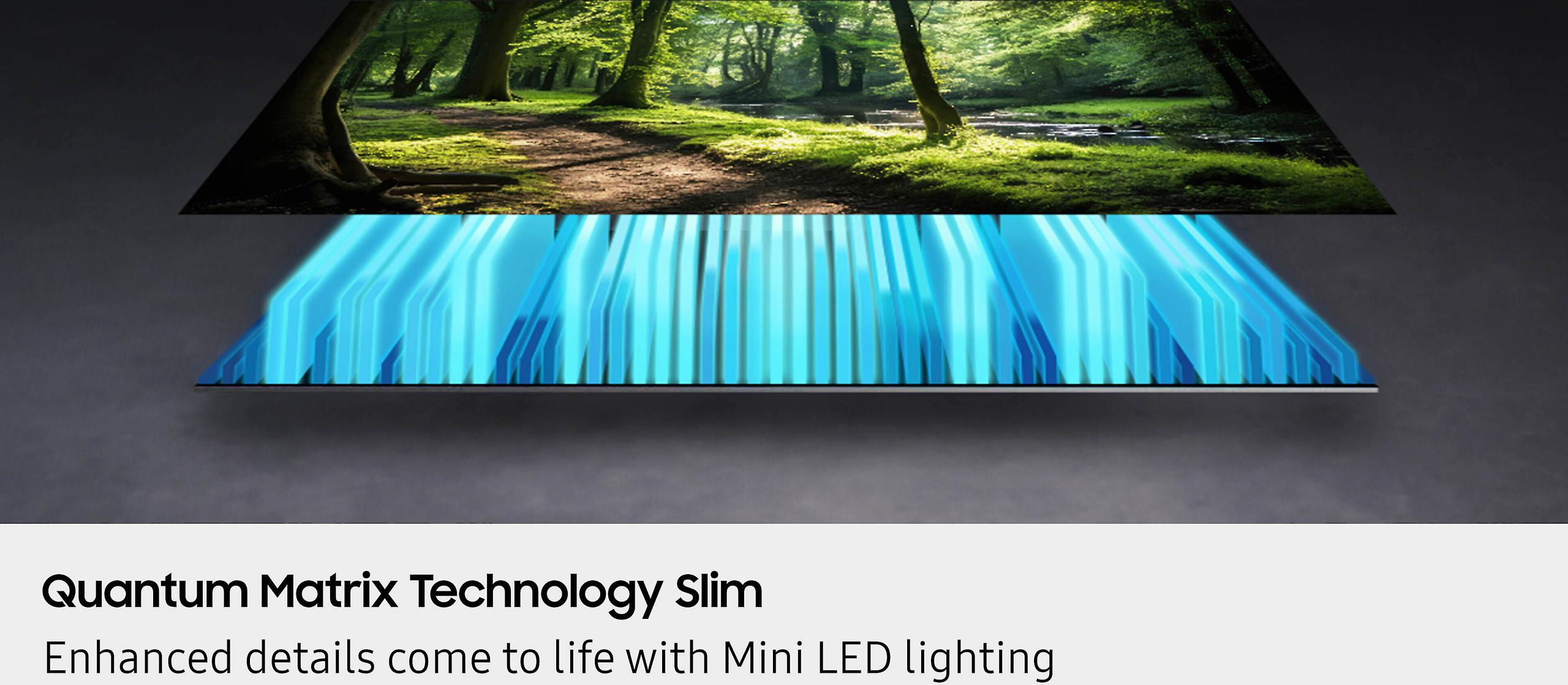
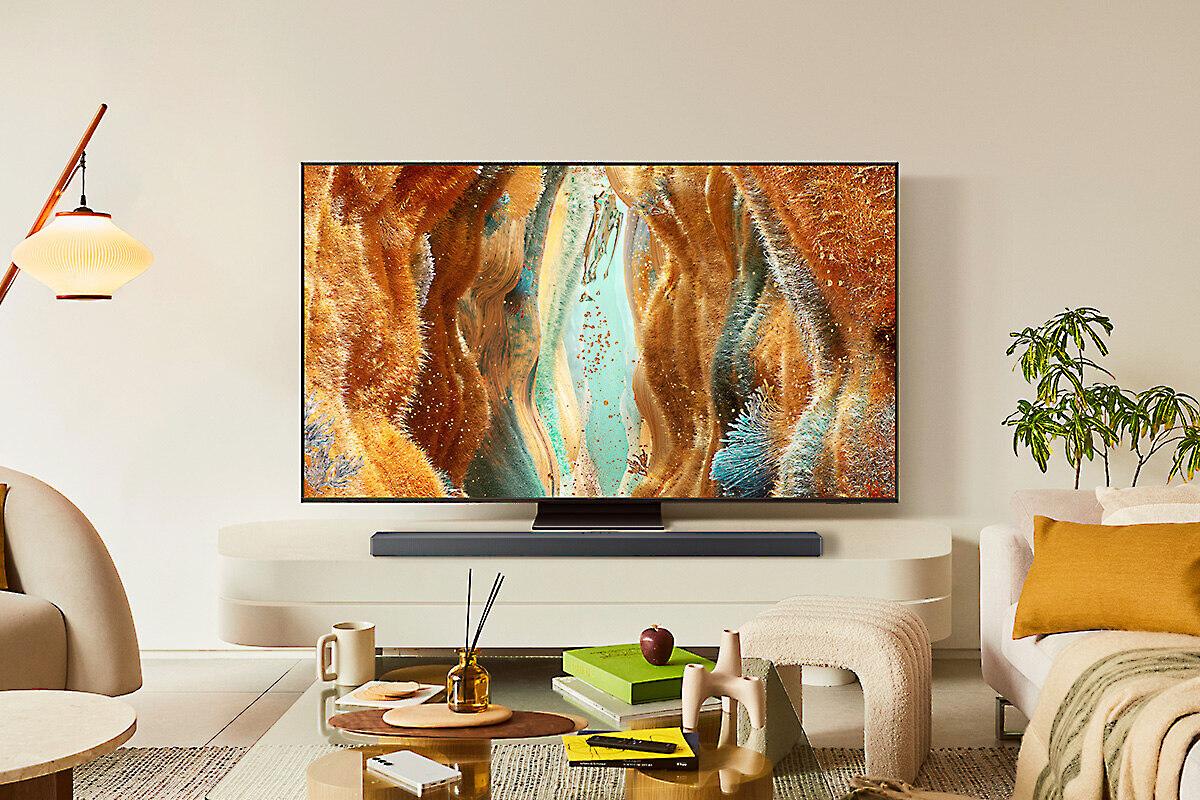
The Samsung QN70F takes a different approach with its Quantum Matrix Slim technology. Behind the LCD panel, thousands of tiny LED lights (called Mini LEDs) work together to illuminate different areas of the screen. These LEDs are significantly smaller than traditional LED backlights—think of them as precision spotlights rather than floodlights.
Samsung pairs this Mini LED array with quantum dots, which are microscopic crystals that convert blue LED light into pure red and green colors. This quantum dot layer is what gives Neo QLED its name and allows it to produce a wider range of colors than traditional LCD TVs.
However, the Samsung QN70F uses an edge-lit configuration rather than a full-array setup. This means the Mini LEDs are positioned around the screen's edges rather than directly behind the entire panel. While this keeps costs down and the TV thinner, it limits the precision of local dimming compared to full-array systems found in Samsung's higher-end models.
This is where the fundamental technology difference becomes most apparent. The Panasonic Z95A delivers true blacks that simply cannot be matched by any backlit display. When watching a movie like "Interstellar" with its deep space scenes, the OLED pixels representing the void of space produce no light whatsoever, creating an almost three-dimensional depth to the image.
The Samsung QN70F, despite its Mini LED technology, still relies on a backlight that must shine through LCD crystals. Even when those crystals are twisted to block as much light as possible, some still leaks through, resulting in what appears as dark gray rather than true black. In a completely dark room, this difference is immediately noticeable.
However, don't dismiss the Samsung's approach entirely. The Mini LED backlighting provides more uniform brightness across the screen compared to traditional LED TVs, and the quantum dot technology delivers impressively vibrant colors that can actually appear more saturated than OLED in certain content.
Both TVs support High Dynamic Range (HDR), which allows them to display a wider range of brightness levels and colors than standard content. However, they handle HDR differently due to their underlying technologies.
The Panasonic Z95A supports Dolby Vision IQ and HDR10+ Adaptive, both of which use metadata embedded in HDR content to optimize the picture based on your room's lighting conditions. The HCX Pro AI Processor MKII analyzes each scene and adjusts color, contrast, and brightness in real-time. This processor represents years of Panasonic's collaboration with Hollywood colorists and delivers what many consider reference-level color accuracy.
Our research indicates the Panasonic Z95A covers over 80% of the Rec. 2020 color space, which is the target for future content. This means colors appear as the content creators intended, with accurate skin tones and natural-looking environments.
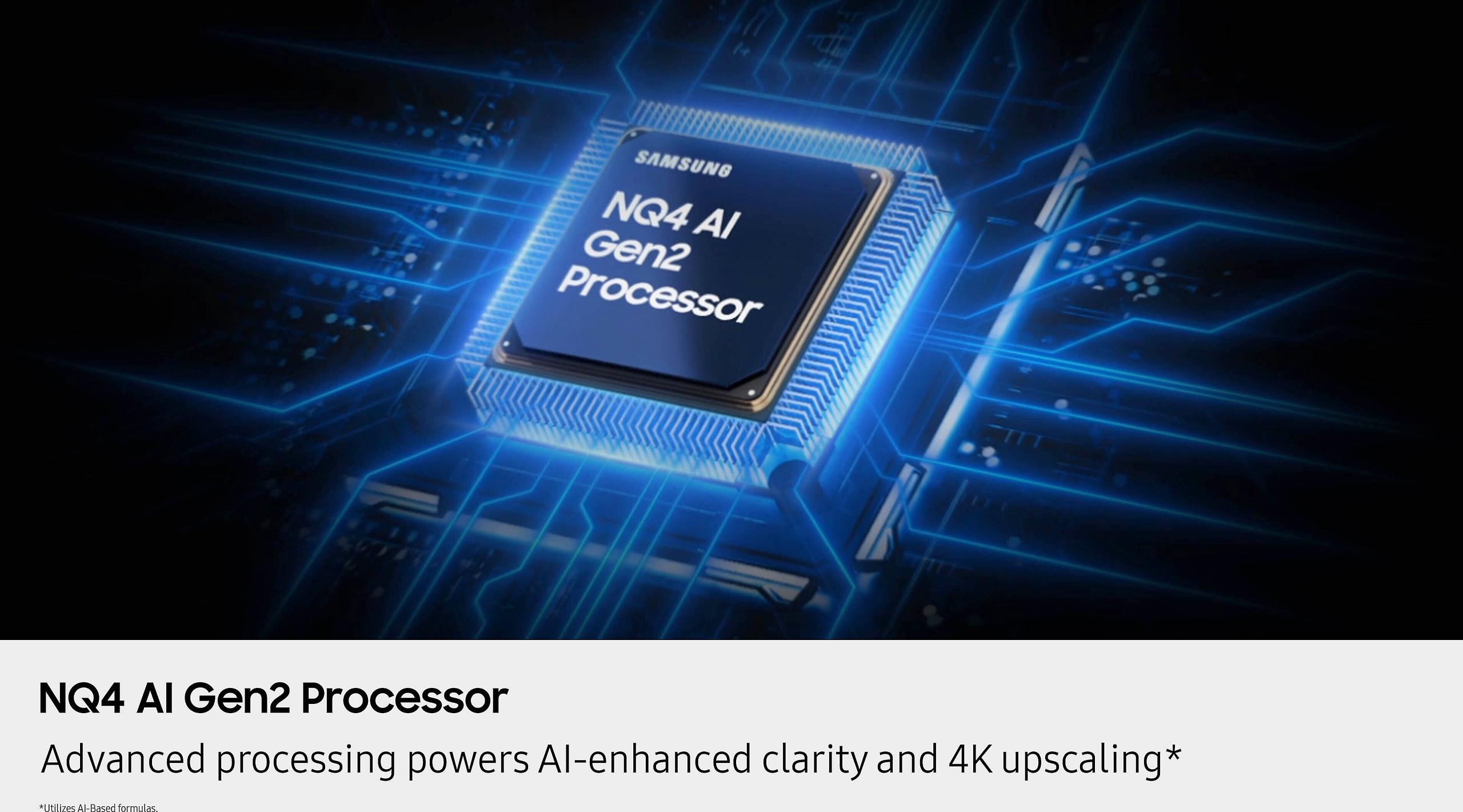
The Samsung QN70F uses the NQ4 AI Gen2 processor for HDR processing, though it lacks Dolby Vision support—a notable omission since many streaming services and 4K Blu-rays use this format. It does support HDR10+ and includes Samsung's proprietary HDR optimization, but the color accuracy doesn't quite reach the reference level of the Panasonic.
For fast-moving content like sports or action movies, both TVs offer different strengths. The Panasonic Z95A benefits from OLED's near-instantaneous pixel response time. When a pixel needs to change from one color to another, it happens almost immediately, resulting in incredibly clear motion with minimal blur.
The Samsung QN70F offers a 100Hz native refresh rate (expandable to 144Hz) and includes motion processing features to smooth out fast action. While LCD technology can't match OLED's pixel response time, Samsung's processing does a commendable job reducing motion blur, and many users find it perfectly acceptable for sports viewing.
Both TVs were designed with gaming in mind, particularly for PlayStation 5 and Xbox Series X users who want to take advantage of 4K gaming at high refresh rates.
The Panasonic Z95A supports 4K gaming at up to 144Hz, which is higher than what current consoles output but future-proofs the TV for PC gaming and upcoming console generations. The OLED technology provides essentially zero input lag in game mode, meaning your controller inputs appear on screen with minimal delay—crucial for competitive gaming.
Variable Refresh Rate (VRR) and Auto Low Latency Mode (ALLM) ensure smooth gameplay without screen tearing or unnecessary processing delays. The TV automatically switches to game mode when it detects a gaming console, optimizing all settings for performance over picture processing.
The Samsung QN70F includes AMD FreeSync Premium Pro, which specifically targets smooth gaming experiences and supports HDR gaming without the brightness reduction that affects some displays. The Gaming Hub integration provides access to cloud gaming services like Xbox Game Pass and NVIDIA GeForce Now directly through the TV, eliminating the need for additional hardware.
What sets these TVs apart for gaming isn't just raw specifications but thoughtful implementation. The Panasonic Z95A includes Game Mode Extreme with dedicated gaming menus that let you fine-tune picture settings for different game types. Fighting games might benefit from different settings than open-world adventures.
The Samsung QN70F takes a more ecosystem approach, integrating Samsung's Gaming Hub that remembers your preferences across different gaming services and provides game recommendations based on your playing history.
This is where the Panasonic Z95A significantly outperforms the Samsung QN70F, and it's an area many buyers don't fully consider until they get their TV home.
The Panasonic Z95A features a 360° Soundscape Pro audio system with 160W of total power distributed across multiple speaker drivers. This includes front-firing speakers for dialogue, side-firing speakers for surround effects, upward-firing speakers for height effects, and a dedicated woofer for bass. The system is tuned by Technics (Panasonic's premium audio brand) and creates a genuinely immersive audio experience that rivals many dedicated soundbars.
The Samsung QN70F includes a more modest 20W 2-channel system with Object Tracking Sound Lite. While it supports Samsung's Q-Symphony technology (which allows Samsung soundbars to work in harmony with the TV speakers), the built-in audio is adequate but not exceptional.
For home theater enthusiasts, this difference matters significantly. The Panasonic Z95A can deliver engaging audio for most content without additional speakers, while the Samsung QN70F really benefits from a dedicated audio system to reach its full potential.
Both TVs offer comprehensive smart TV experiences, but they take different approaches to AI integration and content discovery.
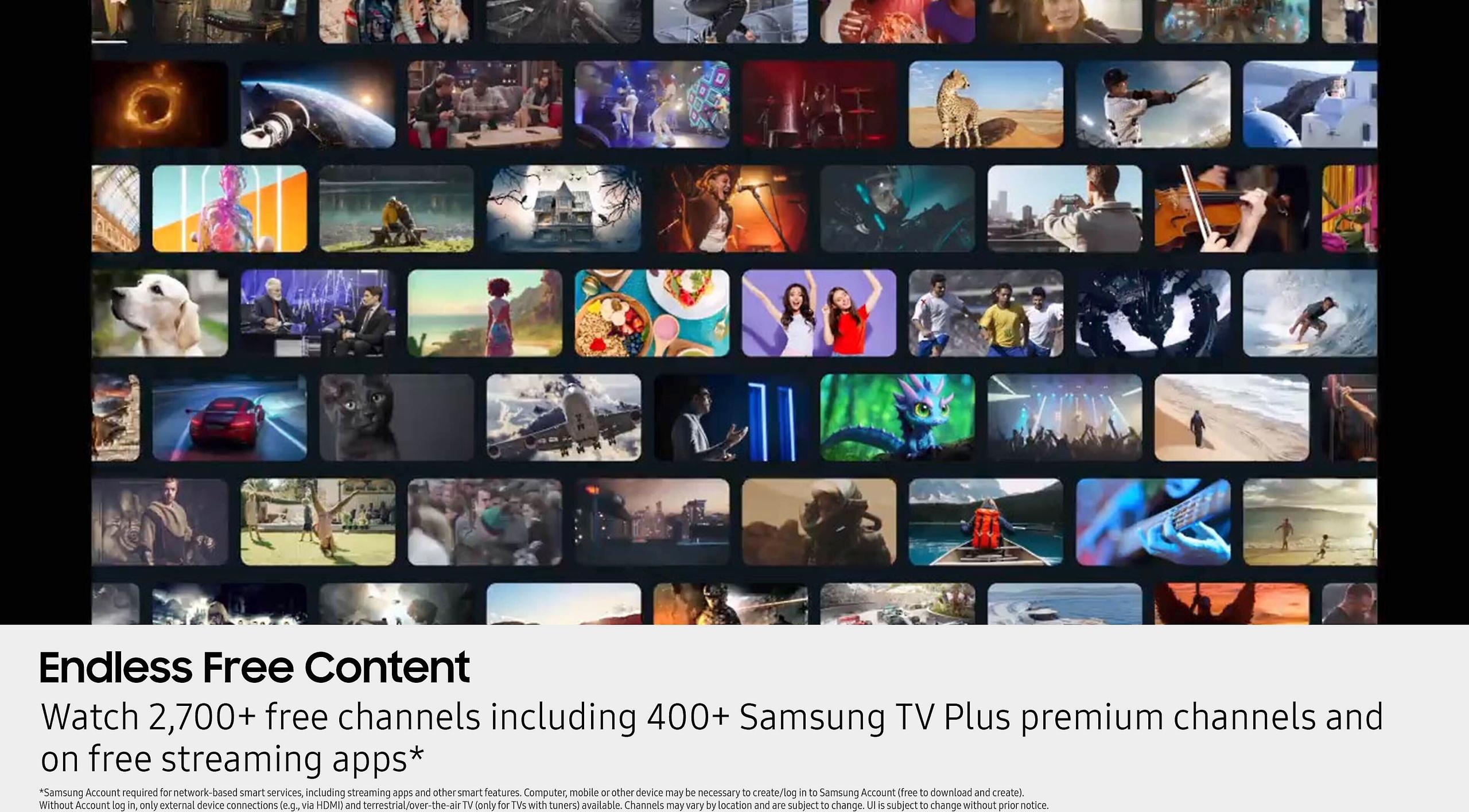
The Samsung QN70F introduces Samsung Vision AI, which represents a significant step forward in smart TV functionality. The "Click to Search" feature lets you pause any content and get instant information about what you're watching—identifying actors, providing background information, or suggesting similar content. "Live Translate" provides real-time subtitle translations for live broadcasts, opening up international content that was previously inaccessible.
The Tizen operating system receives regular updates, and Samsung commits to five years of software support for their 2025 models. The interface is intuitive and responsive, with quick access to all major streaming services.
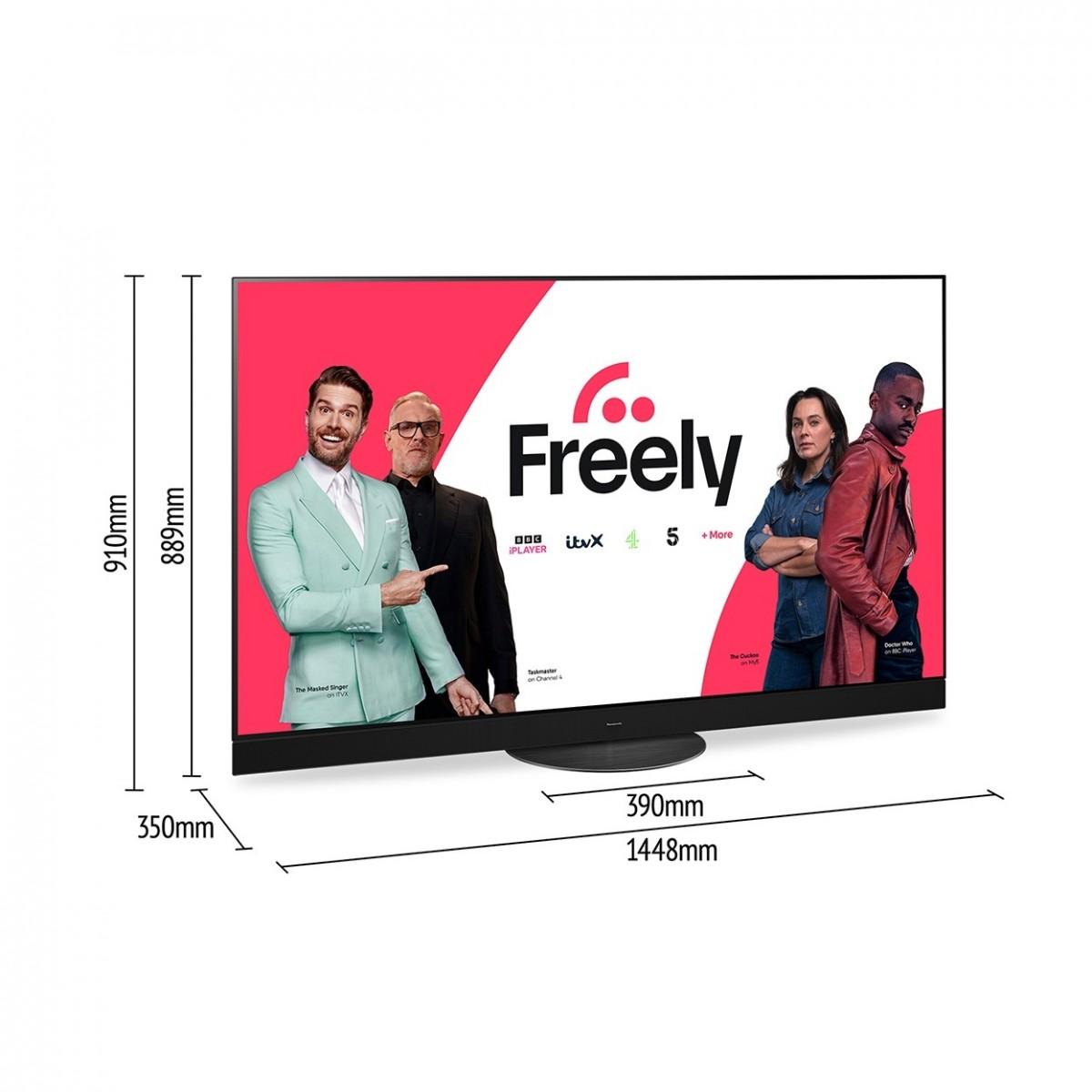
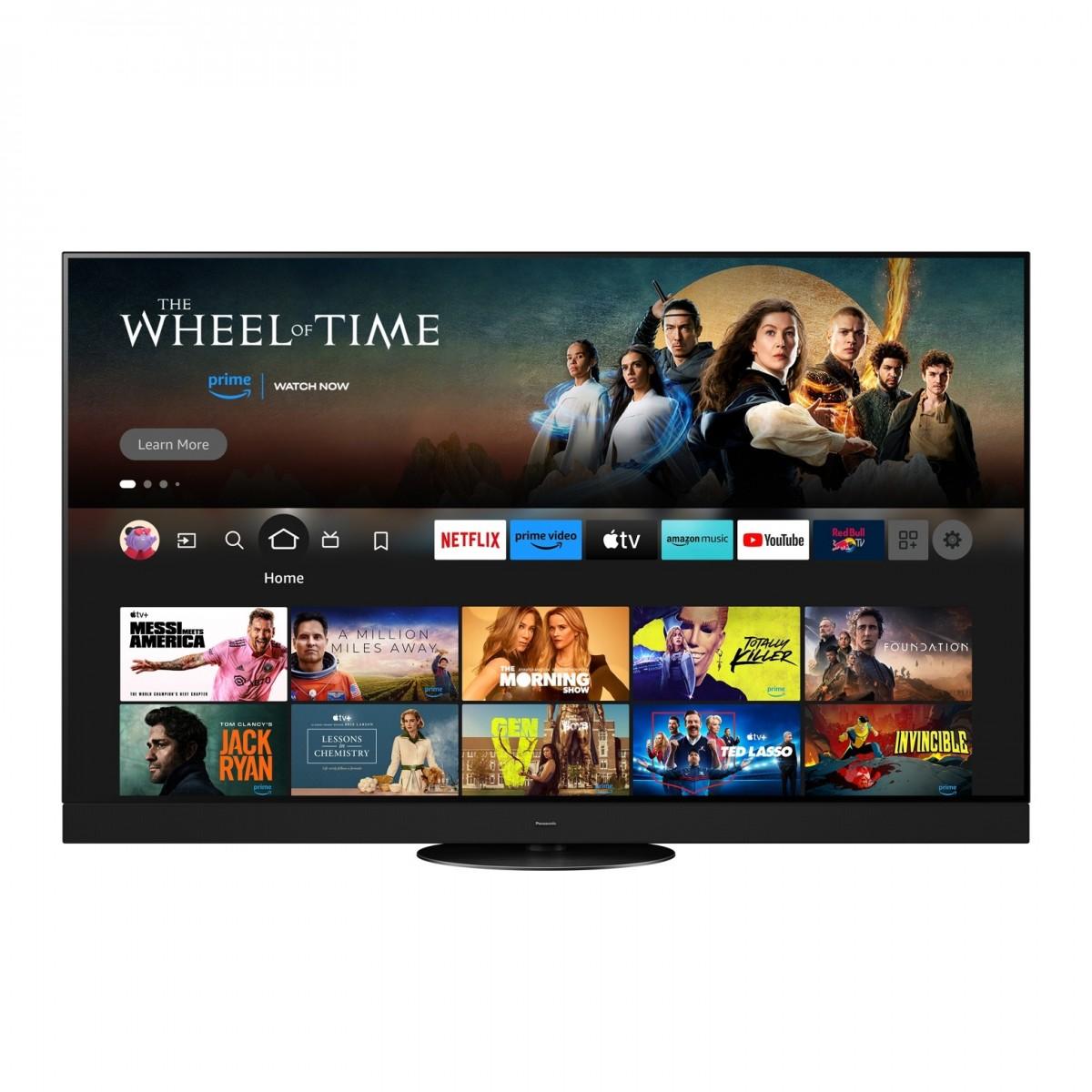
The Panasonic Z95A varies depending on the specific model variant. Some include Fire TV Built-in, providing access to Alexa voice control and the full Amazon app ecosystem. Others use Panasonic's My Home Screen platform, which is more limited but still covers the essential streaming services.
The Auto AI feature analyzes incoming content and adjusts picture and sound settings automatically. It recognizes different content types—sports, movies, music performances—and optimizes the TV's performance accordingly. This works seamlessly in the background without requiring user intervention.
For dedicated home theater setups, the choice between these TVs depends heavily on your specific requirements and room conditions.
In a properly darkened home theater room, the Panasonic Z95A excels. The perfect blacks create an almost projector-like experience where the screen seems to disappear, leaving only the floating image. HDR content truly pops with bright highlights against inky blacks, creating the dramatic contrast that makes HDR worthwhile.
The superior built-in audio system means you might not need to invest in a soundbar immediately, though serious enthusiasts will eventually want a full surround sound setup regardless of TV choice.
Surprisingly, the Panasonic Z95A holds its own in brighter rooms thanks to its impressive peak brightness for OLED technology. The 2,012 nit capability means HDR highlights remain visible even with ambient light present.
The Samsung QN70F performs well in bright rooms too, and its quantum dot technology can actually make colors appear more vivid in some lighting conditions. The anti-reflective coating helps maintain image quality when dealing with window reflections or room lighting.
At the time of writing, these TVs occupy different price tiers, with the Samsung QN70F positioned as a more accessible entry into premium display technology, while the Panasonic Z95A commands a significant premium for its superior picture and audio performance.
The Samsung QN70F represents excellent value for buyers who want advanced features like AI integration, good HDR performance, and solid gaming capabilities without paying for reference-level picture quality. It's particularly appealing for those who plan to add external audio equipment anyway.
The Panasonic Z95A justifies its higher cost through superior picture quality, exceptional built-in audio, and color accuracy that approaches professional monitoring standards. For movie enthusiasts and those prioritizing pure picture quality, the premium often proves worthwhile.
Choose the Panasonic Z95A OLED if you're passionate about picture quality, frequently watch movies and HDR content, want excellent built-in audio without additional speakers, or have a dedicated viewing room where you can control lighting. The OLED technology provides an experience that's simply unmatched for contrast and color accuracy.
Choose the Samsung QN70F Neo QLED if you want premium display technology at a more accessible price point, value advanced smart features and AI capabilities, prefer Samsung's ecosystem and longer software support timeline, or need a versatile TV for mixed content types in various lighting conditions.
The decision ultimately comes down to priorities: the Samsung offers excellent all-around performance with innovative smart features at a lower cost, while the Panasonic provides superior picture and audio quality for those willing to invest in the difference. Both represent solid choices in the premium TV market, just aimed at different types of users and budgets.
| Panasonic Z95A 65" OLED 4K Ultra HD Smart TV | Samsung 65" QN70F Neo QLED 4K Vision AI Smart TV 2025 |
|---|---|
| Display Technology - Fundamental difference affecting picture quality | |
| OLED with Master OLED Ultimate panel (perfect blacks, infinite contrast) | Neo QLED with Mini LED backlighting (brighter but some light bleed) |
| Peak Brightness - Critical for HDR impact and bright room viewing | |
| Up to 2,012 nits (exceptional for OLED technology) | Good brightness levels (specific figures not disclosed by Samsung) |
| Contrast Ratio - Most important factor for picture depth | |
| Infinite contrast ratio (pixels turn completely off for true blacks) | Limited by LCD technology (dark grays instead of true blacks) |
| Gaming Refresh Rate - Essential for smooth gaming performance | |
| 144Hz native support with VRR and ALLM | 100Hz native (up to 144Hz) with AMD FreeSync Premium Pro |
| HDR Format Support - Affects compatibility with premium content | |
| Dolby Vision IQ, HDR10+ Adaptive, HDR10, HLG (comprehensive support) | HDR10, HDR10+, HLG (missing Dolby Vision - a significant omission) |
| Audio System - Often overlooked but impacts overall experience | |
| 360° Soundscape Pro: 160W total power, Technics-tuned, multi-driver setup | 20W 2-channel system with Object Tracking Sound Lite (basic audio) |
| Smart Platform - Determines app selection and long-term support | |
| Fire TV Built-in or My Home Screen (model dependent) | Tizen OS with Samsung Vision AI and 5-year update commitment |
| AI Features - Modern convenience and content enhancement | |
| Auto AI for content optimization and scene analysis | Vision AI with Click-to-Search, Live Translate, and content recommendations |
| Color Accuracy - Important for natural-looking content | |
| 80%+ Rec. 2020 coverage with HCX Pro AI Processor MKII (reference-level) | Quantum Dot enhancement with NQ4 AI Gen2 (good but not reference-level) |
| Target User - Who each TV is best suited for | |
| Movie enthusiasts, home theater setups, picture quality prioritizers | Value-conscious buyers wanting premium features with advanced smart capabilities |
The Panasonic Z95A OLED delivers superior picture quality with perfect blacks and infinite contrast ratio. Each pixel can turn completely off, creating true darkness that the Samsung QN70F Neo QLED cannot match due to its LCD backlighting technology. However, the Samsung QN70F offers excellent brightness and vibrant colors through quantum dot technology, making it very competitive for most viewing scenarios.
OLED technology in the Panasonic Z95A uses self-emitting pixels that can turn completely on or off individually, creating perfect blacks and exceptional contrast. Neo QLED in the Samsung QN70F uses Mini LED backlighting behind an LCD panel with quantum dots for color enhancement. This fundamental difference affects contrast performance, with OLED excelling in dark scenes while Neo QLED typically achieves higher peak brightness.
Both TVs offer excellent gaming performance. The Panasonic Z95A OLED provides 144Hz refresh rate with near-instantaneous pixel response times and supports VRR and ALLM for smooth gameplay. The Samsung QN70F Neo QLED features AMD FreeSync Premium Pro and Samsung's Gaming Hub with cloud gaming integration. The Panasonic Z95A has a slight edge for competitive gaming due to OLED's superior motion clarity.
The Samsung QN70F Neo QLED leads in smart features with Samsung Vision AI, including Click-to-Search and Live Translate capabilities, plus five years of software support. The Panasonic Z95A OLED offers Fire TV Built-in or My Home Screen depending on the model, with solid app selection but fewer AI-powered features than the Samsung QN70F.
The Panasonic Z95A OLED significantly outperforms the Samsung QN70F Neo QLED in audio quality. It features a 360° Soundscape Pro system with 160W total power and Technics tuning, while the Samsung QN70F has a basic 20W 2-channel setup. For users not planning to buy external speakers, the Panasonic Z95A provides a much more immersive audio experience.
Both TVs perform well in bright rooms, though differently. The Panasonic Z95A OLED achieves impressive brightness for OLED technology at up to 2,012 nits, making HDR content visible even with ambient light. The Samsung QN70F Neo QLED also handles bright rooms well with its quantum dot technology producing vibrant colors. Both are suitable for most lighting conditions.
The Samsung QN70F Neo QLED typically offers better value for most buyers, providing premium display technology with advanced smart features at a lower price point. The Panasonic Z95A OLED commands a premium for superior picture quality and audio performance. Your choice depends on whether reference-level picture quality justifies the additional cost over the Samsung QN70F.
The Panasonic Z95A OLED supports more HDR formats including Dolby Vision IQ and HDR10+ Adaptive, providing broader content compatibility. The Samsung QN70F Neo QLED supports HDR10 and HDR10+ but notably lacks Dolby Vision support. For premium streaming content and 4K Blu-rays, the Panasonic Z95A offers more comprehensive HDR format support.
For dedicated home theaters, the Panasonic Z95A OLED excels with its perfect blacks creating a cinema-like experience in dark rooms. The superior built-in audio system also reduces the immediate need for external speakers. The Samsung QN70F Neo QLED works well in home theaters too, but the Panasonic Z95A provides the reference-level picture quality that serious home theater enthusiasts typically prefer.
Both TVs handle sports content well but differently. The Panasonic Z95A OLED benefits from OLED's instantaneous pixel response time, providing incredibly clear motion with minimal blur. The Samsung QN70F Neo QLED offers good motion processing at 100-144Hz refresh rates. For fast-paced sports, the Panasonic Z95A typically delivers slightly clearer motion, though both perform admirably.
The Panasonic Z95A OLED uses the HCX Pro AI Processor MKII, developed in collaboration with Hollywood professionals for accurate color processing and content optimization. The Samsung QN70F Neo QLED features the NQ4 AI Gen2 processor with advanced upscaling and Vision AI features. Both provide excellent 4K upscaling, with the Panasonic Z95A focusing on color accuracy and the Samsung QN70F emphasizing smart AI features.
Samsung typically provides longer software support, committing to five years of updates for the Samsung QN70F Neo QLED with regular feature additions. Panasonic's support varies by platform - Fire TV models receive Amazon's ongoing updates while My Home Screen models have more limited long-term support. For future-proofing, the Samsung QN70F generally offers more comprehensive long-term software maintenance.
We've done our best to create useful and informative comparisons to help you decide what product to buy. Our research uses advanced automated methods to create this comparison and perfection is not possible - please contact us for corrections or questions. These are the sites we've researched in the creation of this article: youtube.com - youtube.com - whathifi.com - tomsguide.com - shop.panasonic.com - store.in.panasonic.com - rtings.com - applianceplus.co.nz - rtings.com - store.in.panasonic.com - samsung.com - rtings.com - youtube.com - wifihifi.com - samsung.com - samsung.com - samsung.com - samsung.com - flatpanelshd.com - news.samsung.com - bestbuy.com

Privacy Policy
Terms and Conditions - Affiliate Policy
Home Security
© Copyright 2008-2026.
11816 Inwood Rd #1211, Dallas, TX 75244