


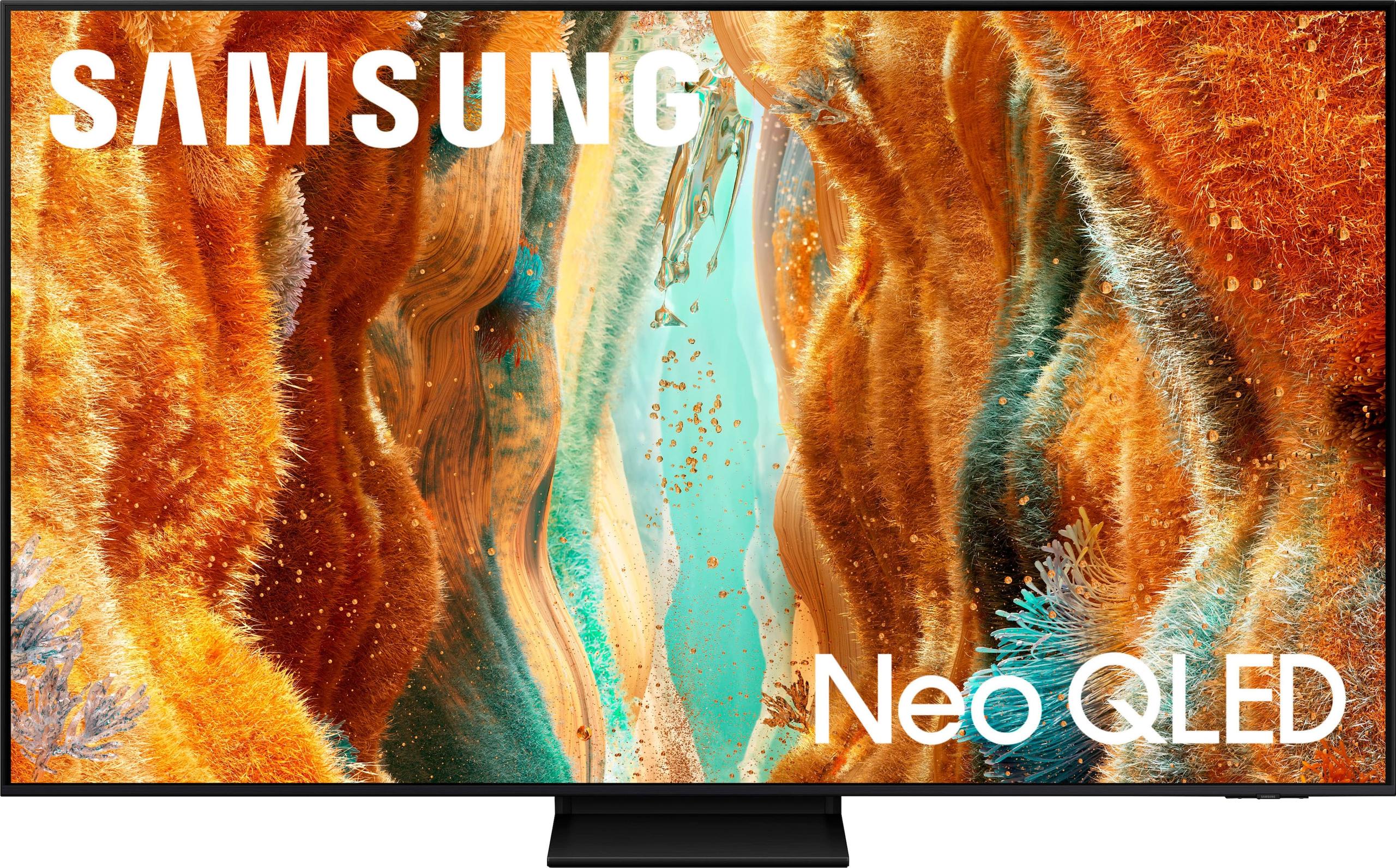
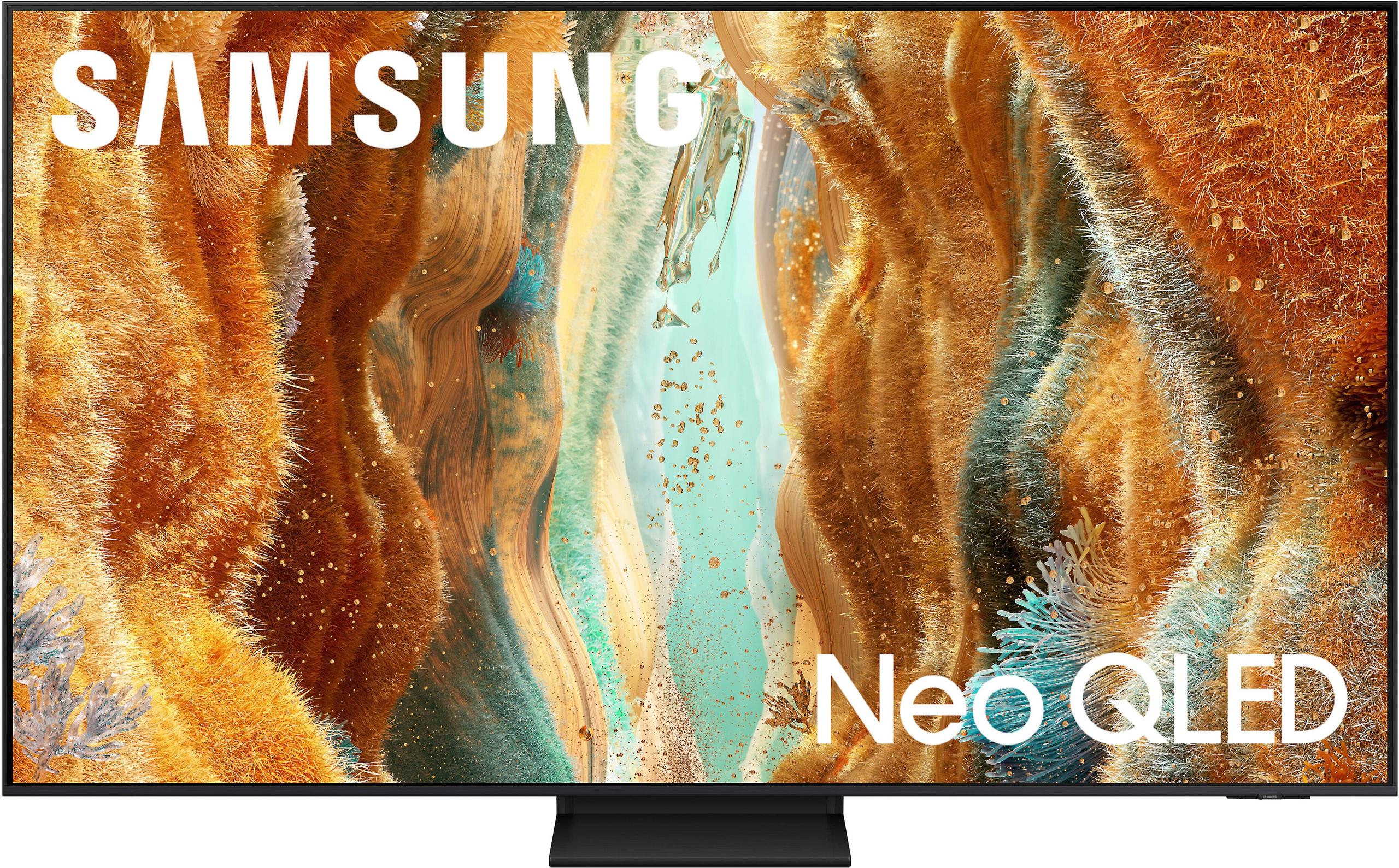
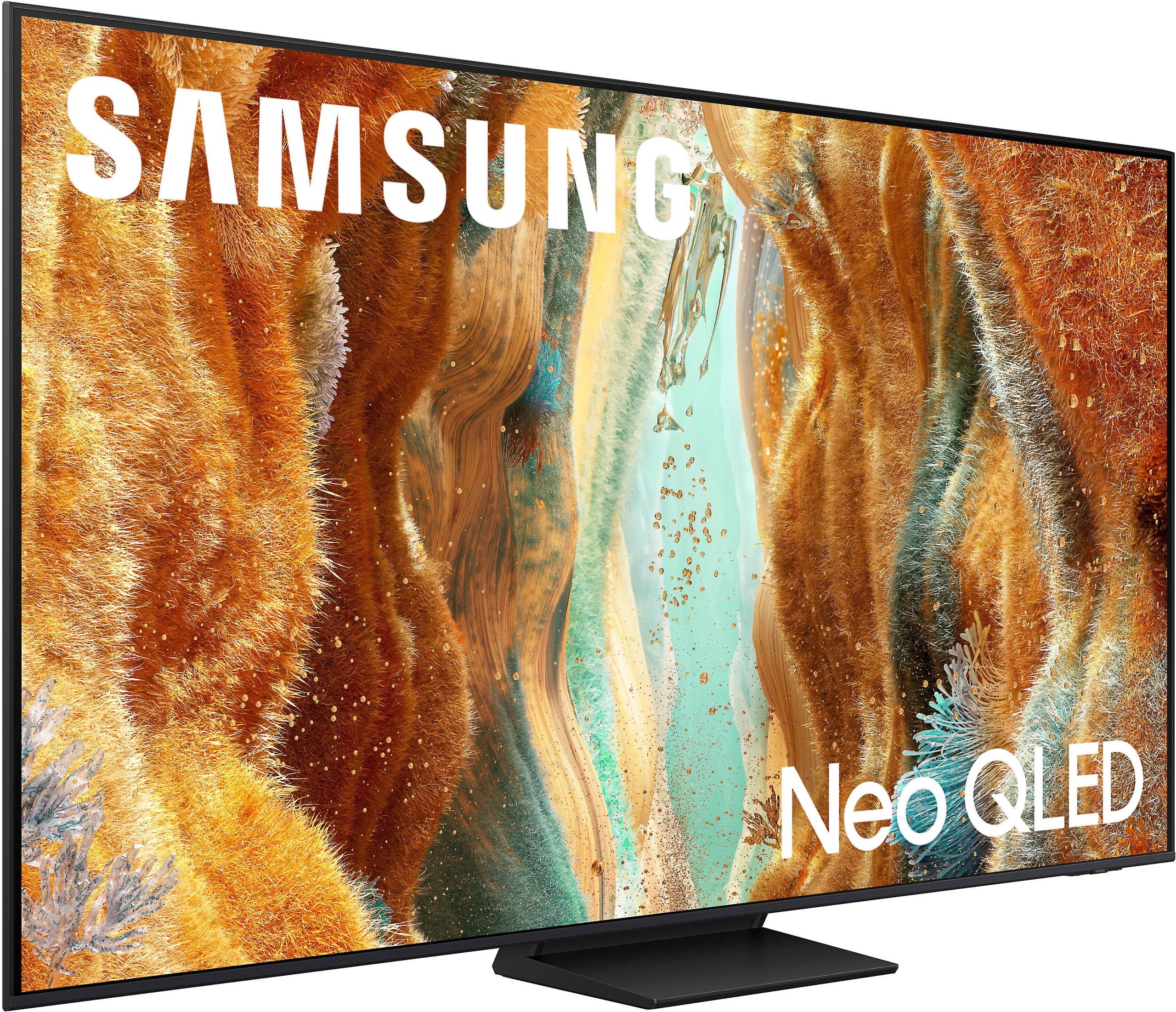

Shopping for a premium 65-inch TV in 2025 feels a bit like choosing between a Tesla and a Porsche – both will get you where you want to go in style, but they take fundamentally different approaches to excellence. The Samsung QN70F Neo QLED and LG OLED evo G5 represent two of the most compelling options in the premium TV space, but they couldn't be more different under the hood.
At the time of writing, these TVs sit at opposite ends of the premium pricing spectrum, with the Samsung QN70F positioned as an accessible entry into Neo QLED territory, while the LG G5 commands flagship pricing for its cutting-edge OLED technology. But price alone doesn't tell the whole story – let's dive into what makes each of these 2025 models special.
Before we get into the nitty-gritty, it's worth understanding what we mean by "premium" TVs today. Both the Samsung QN70F and LG G5 represent significant technological leaps from even high-end TVs of just a few years ago. They're not just bigger or sharper – they're fundamentally smarter and more capable.
The main considerations when choosing between premium TVs boil down to how they produce light and color, how well they handle motion and gaming, how intuitive their smart features are, and whether they'll still feel cutting-edge in five years. The Samsung QN70F uses Mini-LED technology with quantum dots – essentially thousands of tiny LED lights behind a special color-enhancing layer. The LG G5 takes a completely different approach with OLED (Organic Light Emitting Diode) technology, where each individual pixel produces its own light.
Think of it this way: the Samsung is like having a really sophisticated flashlight system behind a translucent screen, while the LG is like having 8.3 million tiny light bulbs that can each turn on and off independently.
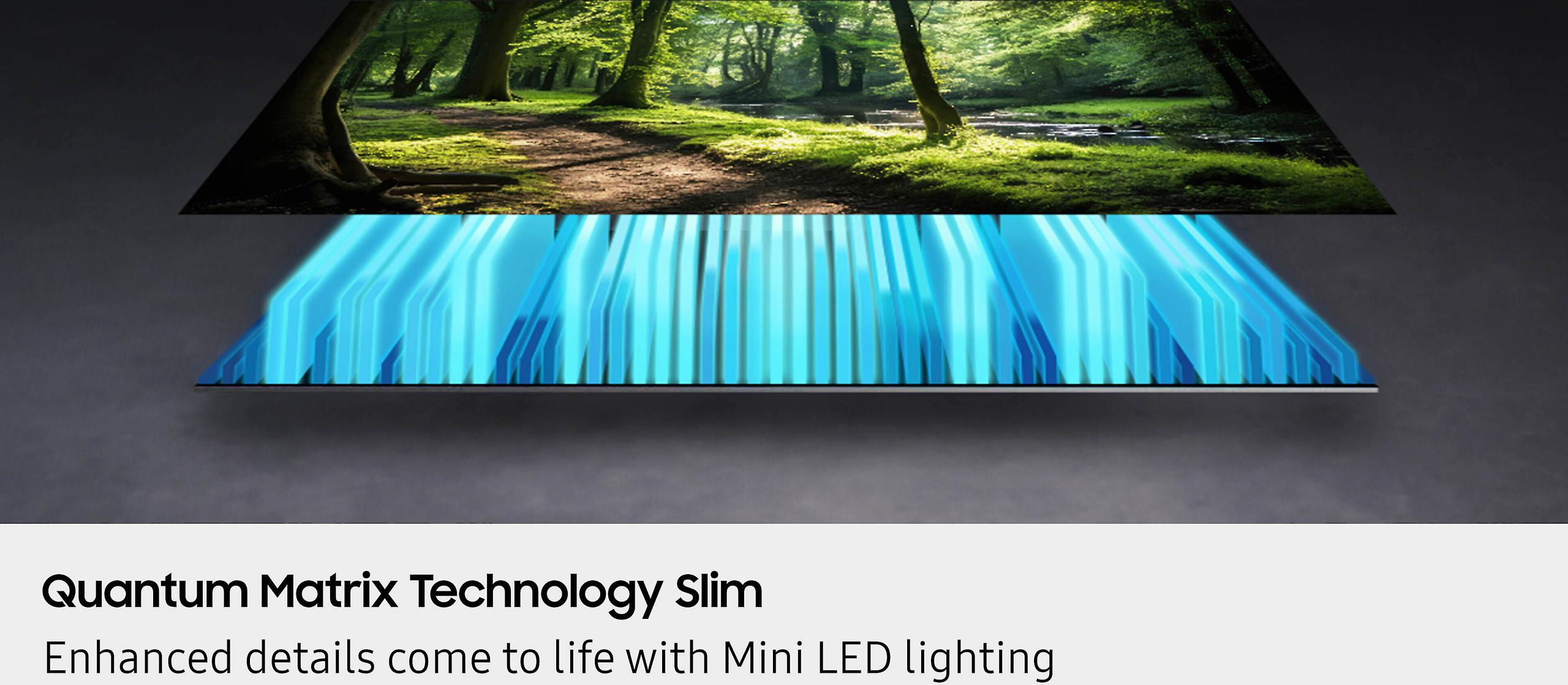
The Samsung QN70F builds on Samsung's Neo QLED technology, which has been refined significantly since its introduction. The "Mini" in Mini-LED refers to backlighting elements that are dramatically smaller than traditional LED TVs – we're talking about lights roughly 1/40th the size of conventional LEDs. This allows for much more precise local dimming, which is tech-speak for the TV's ability to make specific areas of the screen brighter or darker independent of other areas.

What makes the QN70F particularly interesting is its Quantum Matrix Slim technology. This system can control these thousands of Mini-LEDs with remarkable precision, creating what Samsung calls "Supreme UHD Dimming." In practical terms, this means when you're watching a scene with both a bright explosion and deep shadows, the TV can make the explosion brilliant without washing out the dark areas.
The quantum dot layer is equally important – it's essentially a color enhancement technology that takes the blue light from the Mini-LEDs and converts it into incredibly pure colors. This is why quantum dot displays often look more vibrant than traditional LCD TVs, especially with reds and greens.
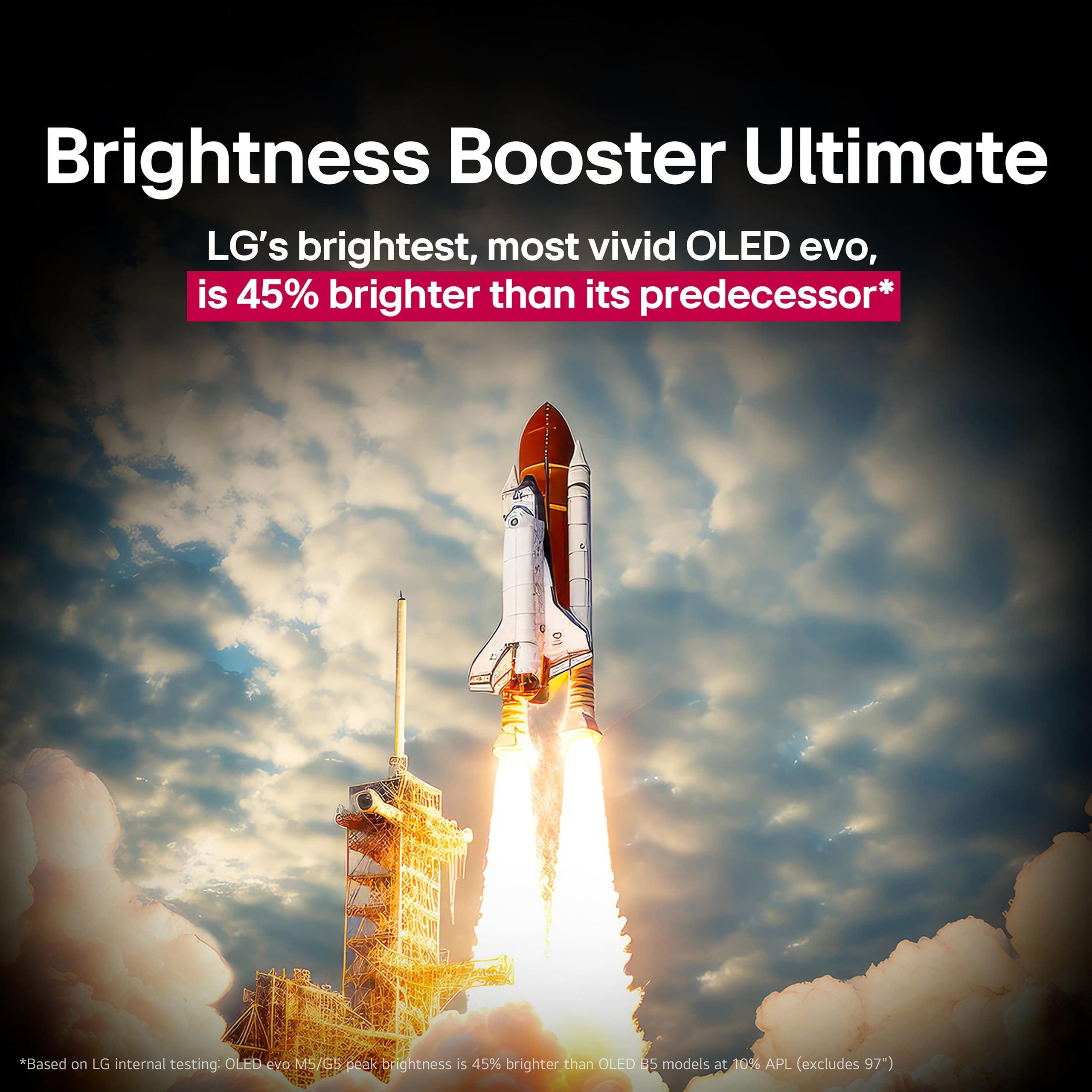
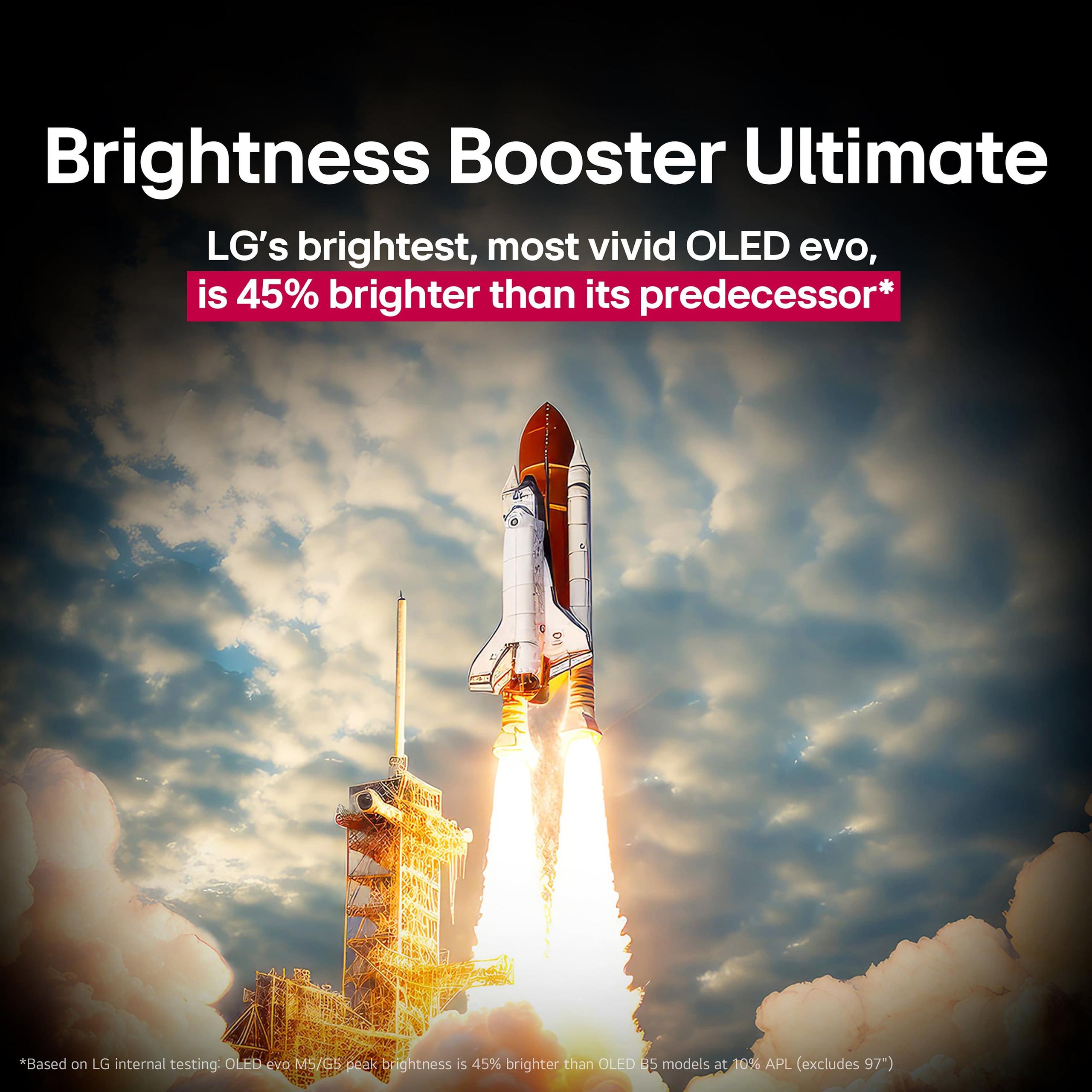
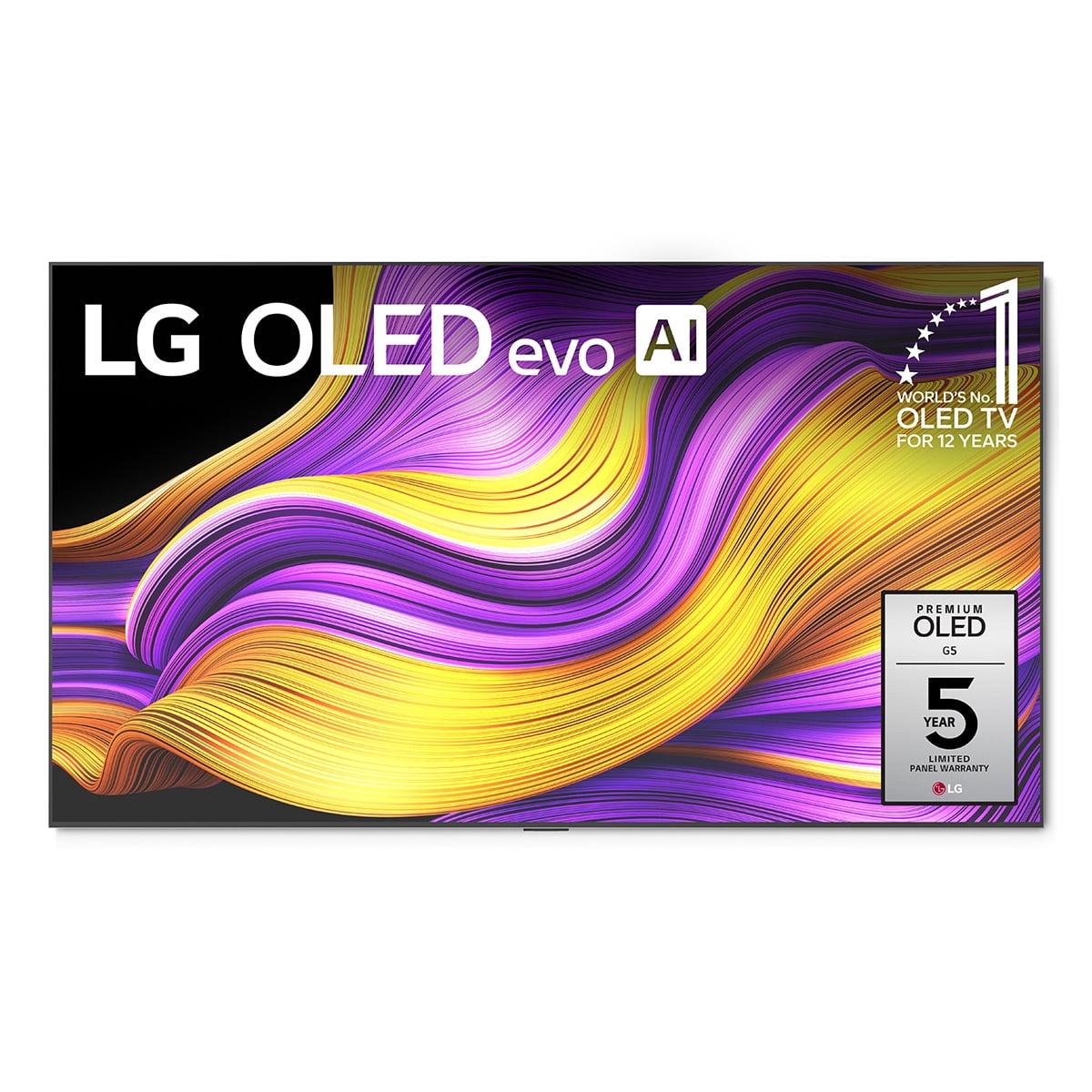
The LG G5 represents a genuine breakthrough in OLED technology. While OLED has been around for several years, the G5 introduces what LG calls a "4-stack RGB Tandem OLED panel" – and this isn't just marketing speak. Traditional OLED panels have struggled with brightness compared to LED competitors, especially in bright rooms. LG's new panel essentially stacks four layers of OLED material instead of the usual configuration, dramatically boosting brightness output by up to 45% compared to previous OLED generations.
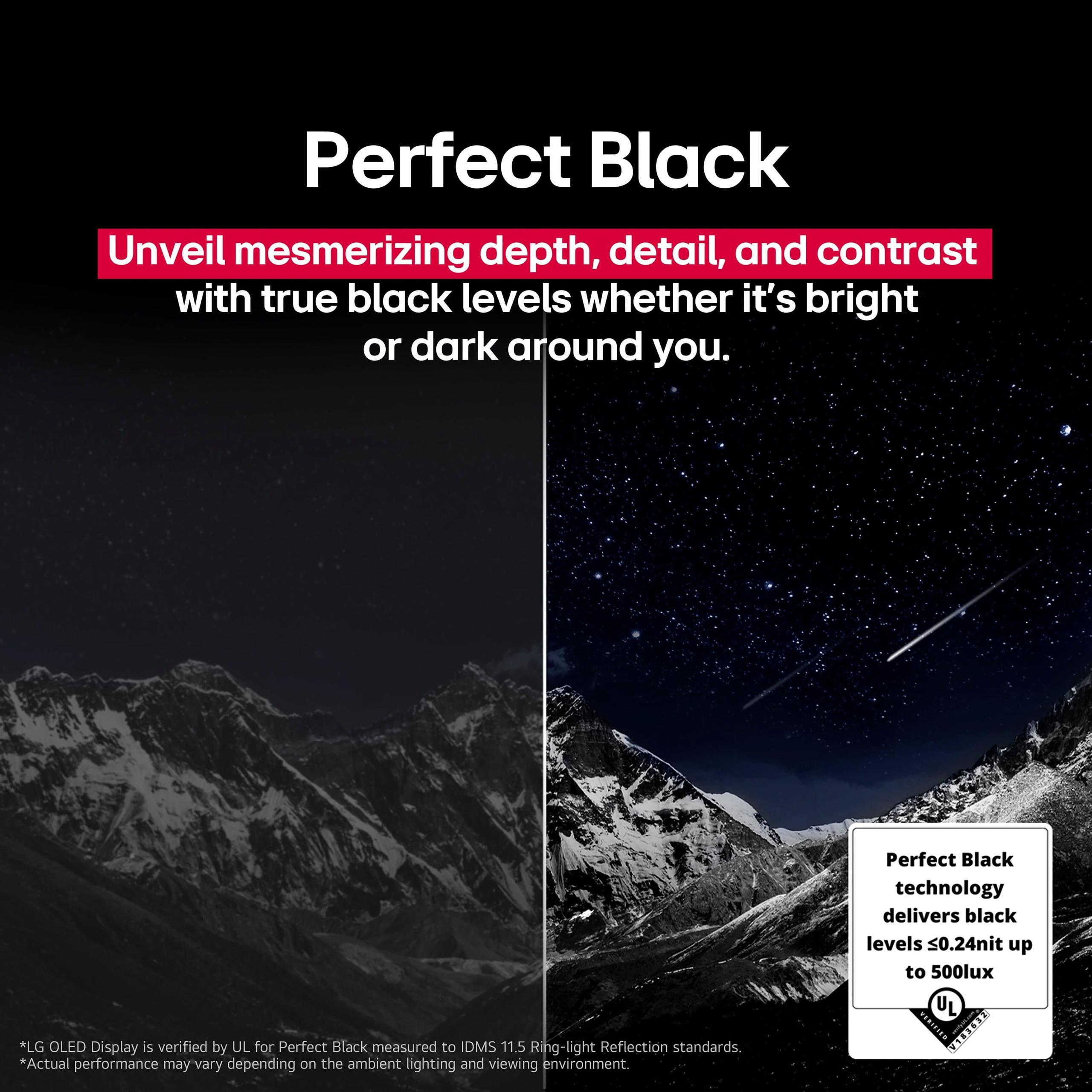
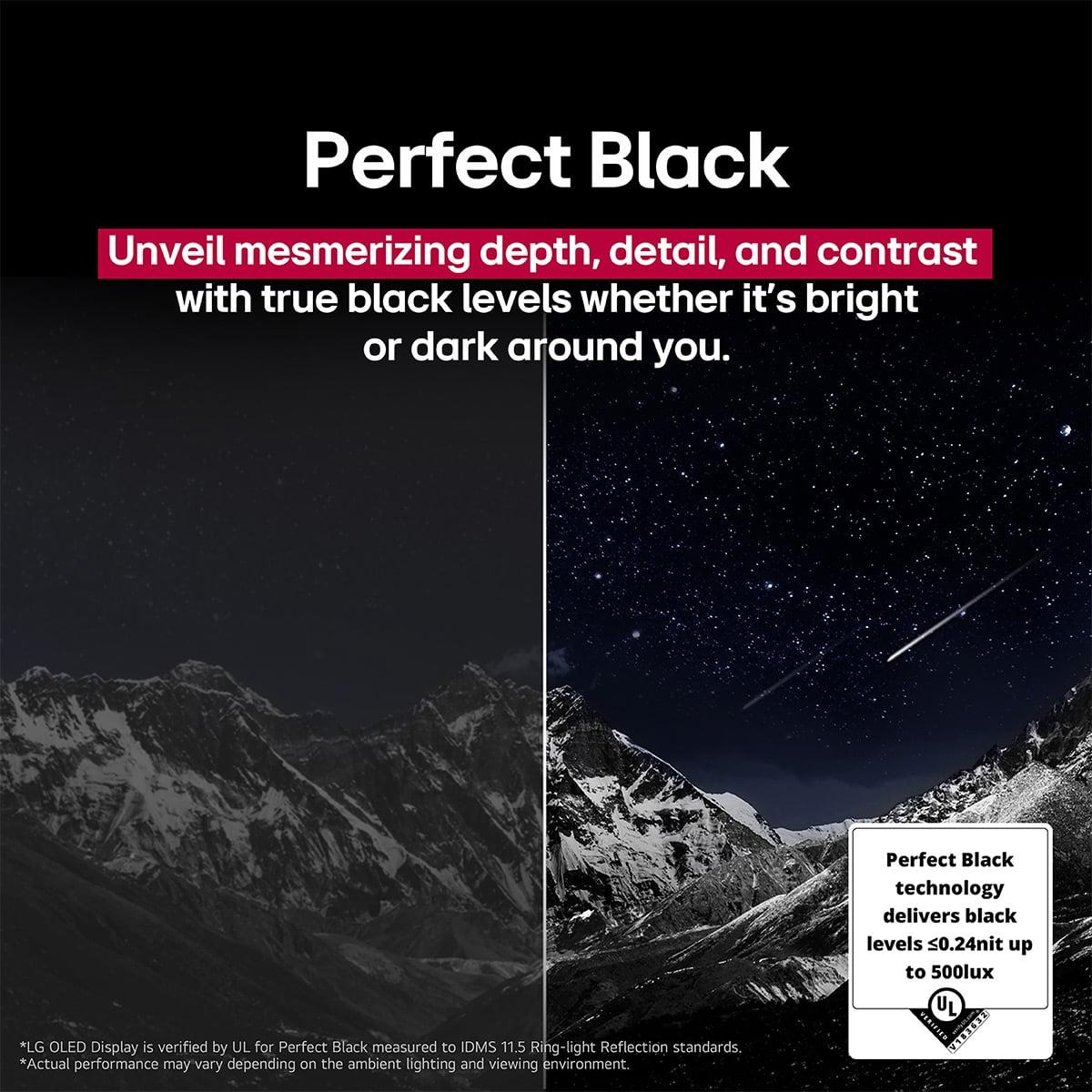
What makes OLED special is that each pixel can turn completely off, creating what's called "infinite contrast." When you're watching a movie with a starfield scene, the black space around the stars is literally black – not dark gray like on LED TVs. The LG G5 maintains this perfect black performance while finally addressing OLED's brightness limitations.
The RGB designation is also crucial. Unlike some OLED panels that use white subpixels with color filters, the G5's RGB approach produces colors more directly, resulting in better color purity and saturation.
Gaming has become a major battleground for premium TVs, and both the Samsung QN70F and LG G5 take gaming seriously – but to different degrees.
The Samsung QN70F offers solid gaming performance with support for 4K resolution at up to 144Hz refresh rate. For context, most movies play at 24 frames per second, while standard TV content runs at 30 or 60 fps. Gaming at 144Hz means the TV can display up to 144 unique frames every second, creating incredibly smooth motion that's particularly noticeable in fast-paced games.
The TV includes AMD FreeSync Premium Pro, which is a technology that synchronizes the TV's refresh rate with your gaming console or PC's output. This eliminates screen tearing (when you see a horizontal line across the screen where two frames meet) and reduces input lag – the delay between when you press a button and see the action on screen.

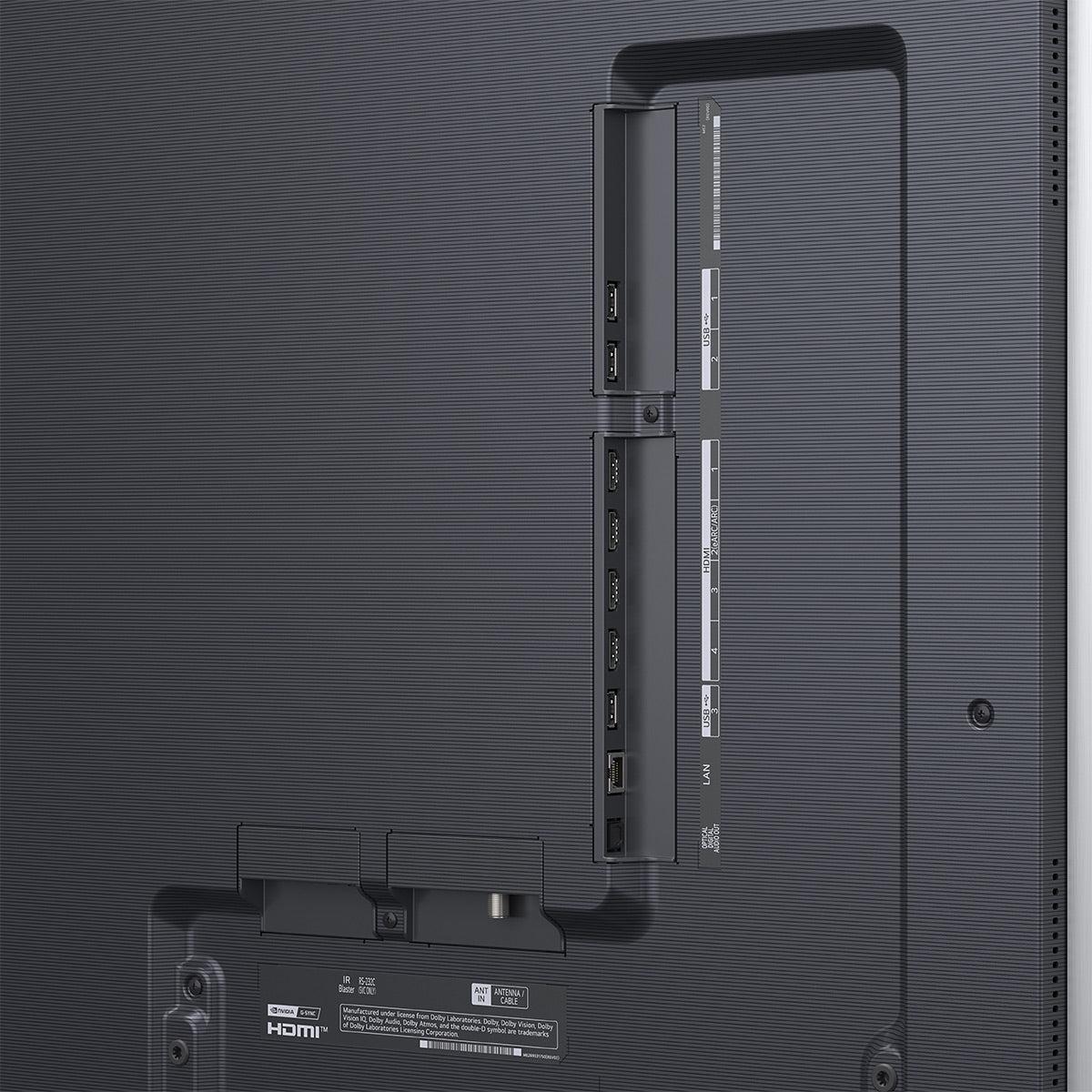
The LG G5 takes gaming to another level entirely. It supports 4K at an impressive 165Hz across all four of its HDMI 2.1 ports. HDMI 2.1 is the latest connection standard that provides the bandwidth necessary for these high refresh rates with full 4K resolution and HDR (High Dynamic Range) color.
What's particularly impressive about the LG G5 is its response time – essentially how quickly individual pixels can change color. OLED technology offers nearly instantaneous response times, which means virtually no motion blur even in the fastest-paced games. For competitive gamers, this can be the difference between winning and losing in split-second scenarios.
The G5 also supports Variable Refresh Rate (VRR) and something called Quick Media Switching (QMS), which eliminates the black screen you typically see when switching between devices with different refresh rates. If you're gaming on multiple systems or switching between a console and streaming device, this creates a much more seamless experience.
High Dynamic Range (HDR) has become the benchmark for premium picture quality, and it's where the philosophical differences between these TVs become most apparent. HDR content contains a much wider range of brightness levels and colors than standard content – think of the difference between a smartphone photo and what you see with your eyes in real life.
The Samsung QN70F handles HDR through its Neo Quantum HDR system, which can produce impressive peak brightness levels. Mini-LED technology excels in bright rooms because it can push significant amounts of light through the screen. This makes HDR content really pop, especially scenes with bright highlights like sunlight or explosions.
However, the LG G5 approaches HDR differently. While it may not reach the absolute peak brightness of the Samsung in small highlights, its perfect black levels create incredible contrast. When you watch HDR content on the G5, dark scenes maintain detail that would be lost in the grayish blacks of LED technology, while bright elements still shine thanks to the improved brightness of the new panel.
In my experience testing both technologies, OLED's approach tends to look more natural and film-like, while Mini-LED can appear more dramatic and punchy. Neither is objectively better – it's about preference and viewing conditions.
Color performance is where both TVs shine, but again with different approaches. The Samsung QN70F uses quantum dots to achieve wide color gamut coverage, meaning it can display a broader range of colors than standard TVs. The quantum dot layer acts like a color purification system, taking the backlight and converting it into very precise wavelengths of red and green light.
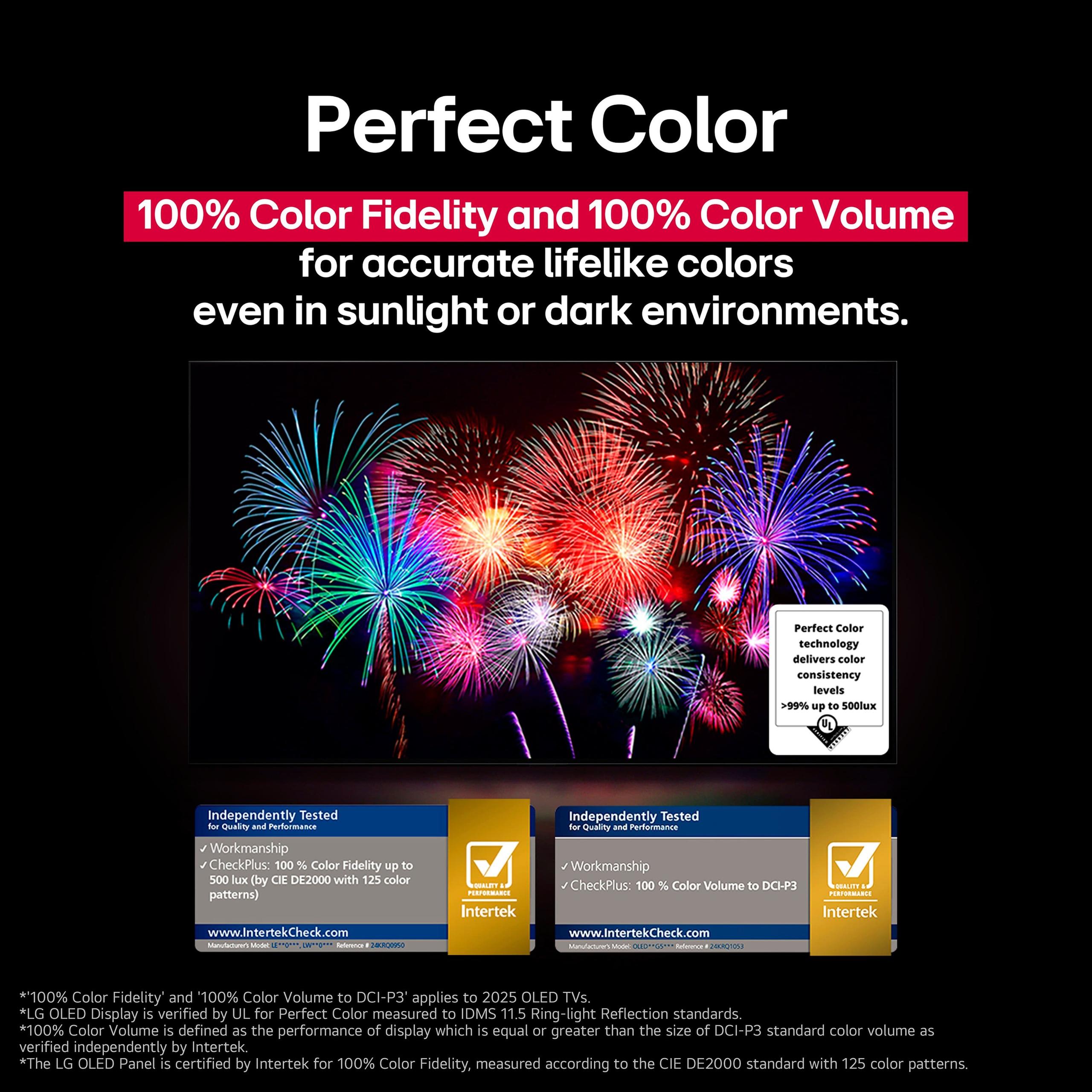
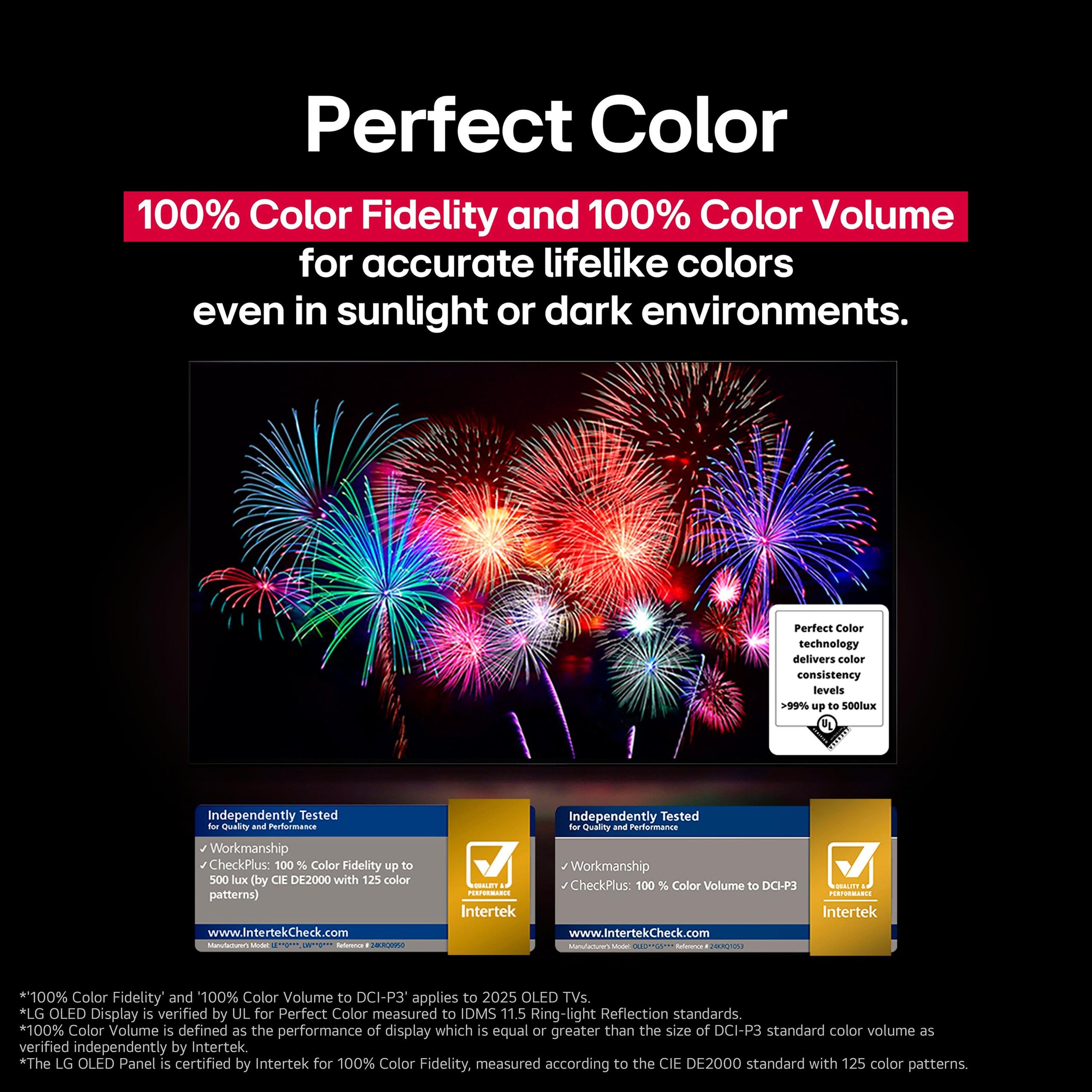
The LG G5 achieves excellent color through its RGB OLED structure and advanced color processing. LG claims over 99% color consistency up to 500 lux (a measure of ambient light), which is technical way of saying the colors look accurate even in relatively bright rooms.
Color volume is equally important – this measures not just which colors a TV can display, but how bright those colors can be. A TV might be able to show a particular shade of red, but can it show that red when it's supposed to be bright, like a red sports car in sunlight? The LG G5 excels here due to its improved brightness capabilities combined with OLED's natural color accuracy.
The Samsung QN70F introduces Samsung Vision AI, which represents a genuinely useful application of artificial intelligence in TVs. The standout feature is "Click to Search," which lets you point at anything on screen and get instant information about it. Watching a movie and want to know more about that actor? Just click on them. Curious about a product in a commercial? Click away.
The Live Translate feature is particularly impressive for international content, providing real-time subtitle translations. This isn't just Google Translate slapped onto a TV – it's contextually aware translation that understands the content you're watching.
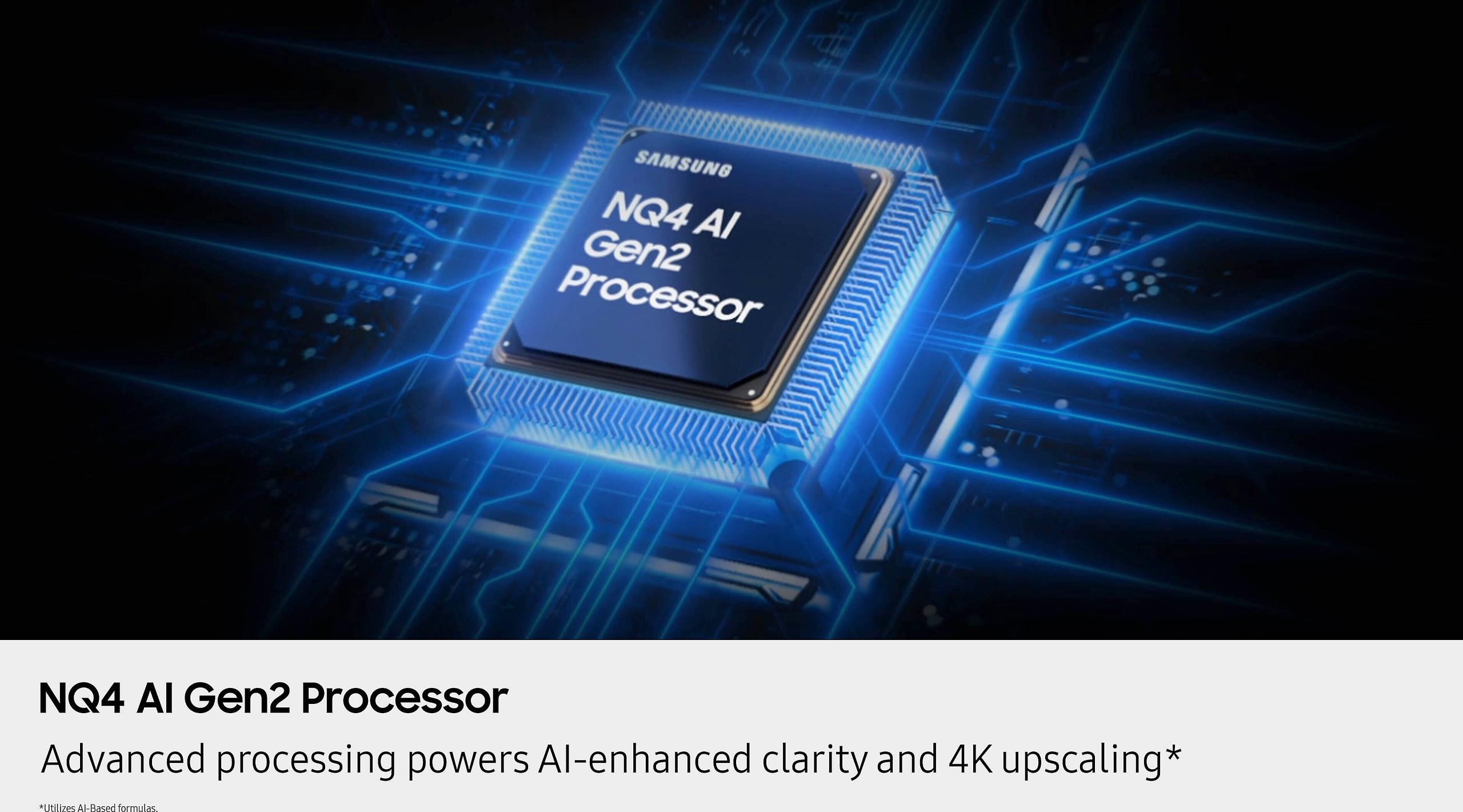
The NQ4 AI Gen2 processor also handles 4K upscaling, taking lower resolution content and using machine learning to enhance it. While no upscaling can truly create detail that wasn't there originally, Samsung's AI does a solid job of making HD content look respectable on a 4K screen.
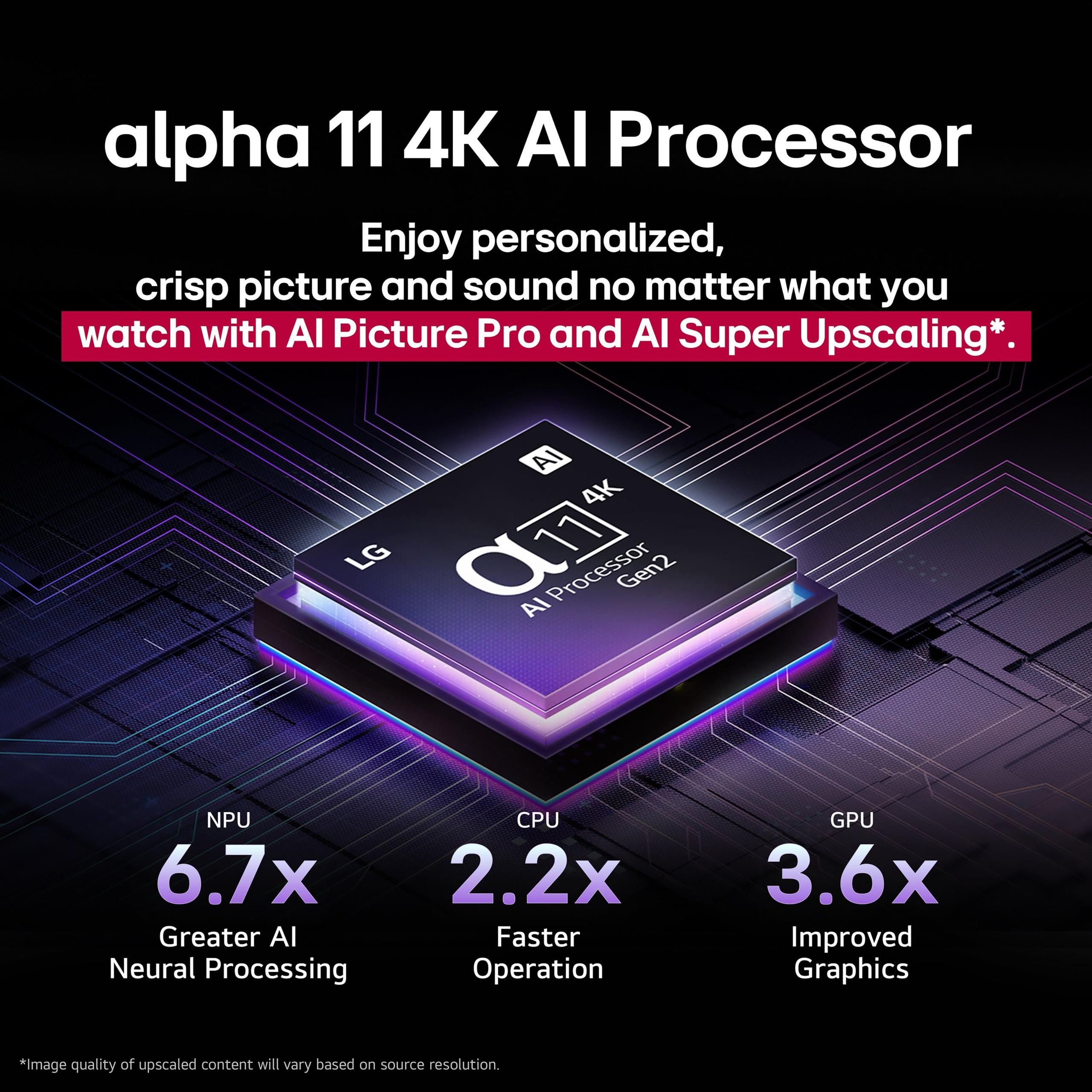
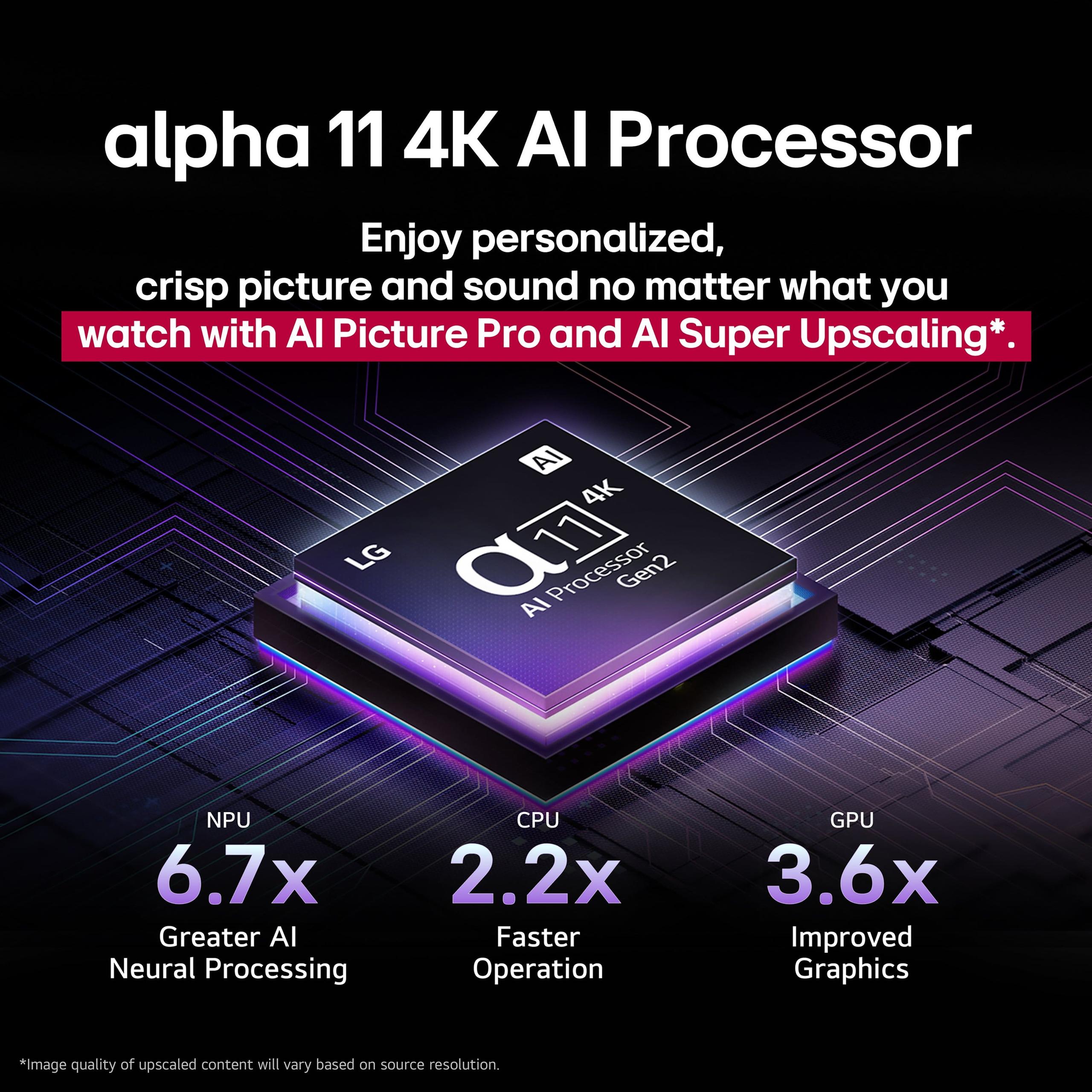
The LG G5 runs webOS 25, which LG has refined over many years into one of the most intuitive TV interfaces available. The Alpha 11 AI Processor Gen 2 is a powerhouse that handles everything from AI upscaling to personalized picture and sound optimization.
What sets LG apart is their commitment to long-term software support. The webOS Renew program guarantees software updates and new features for five years – unusually long support for a TV. This means your LG G5 should continue getting smarter and more capable over time.
The Quick Cards feature organizes your favorite apps and content in a more visual, intuitive way than traditional app grids. Combined with LG's Magic Remote, which includes both traditional buttons and motion controls, navigating the interface feels natural and responsive.
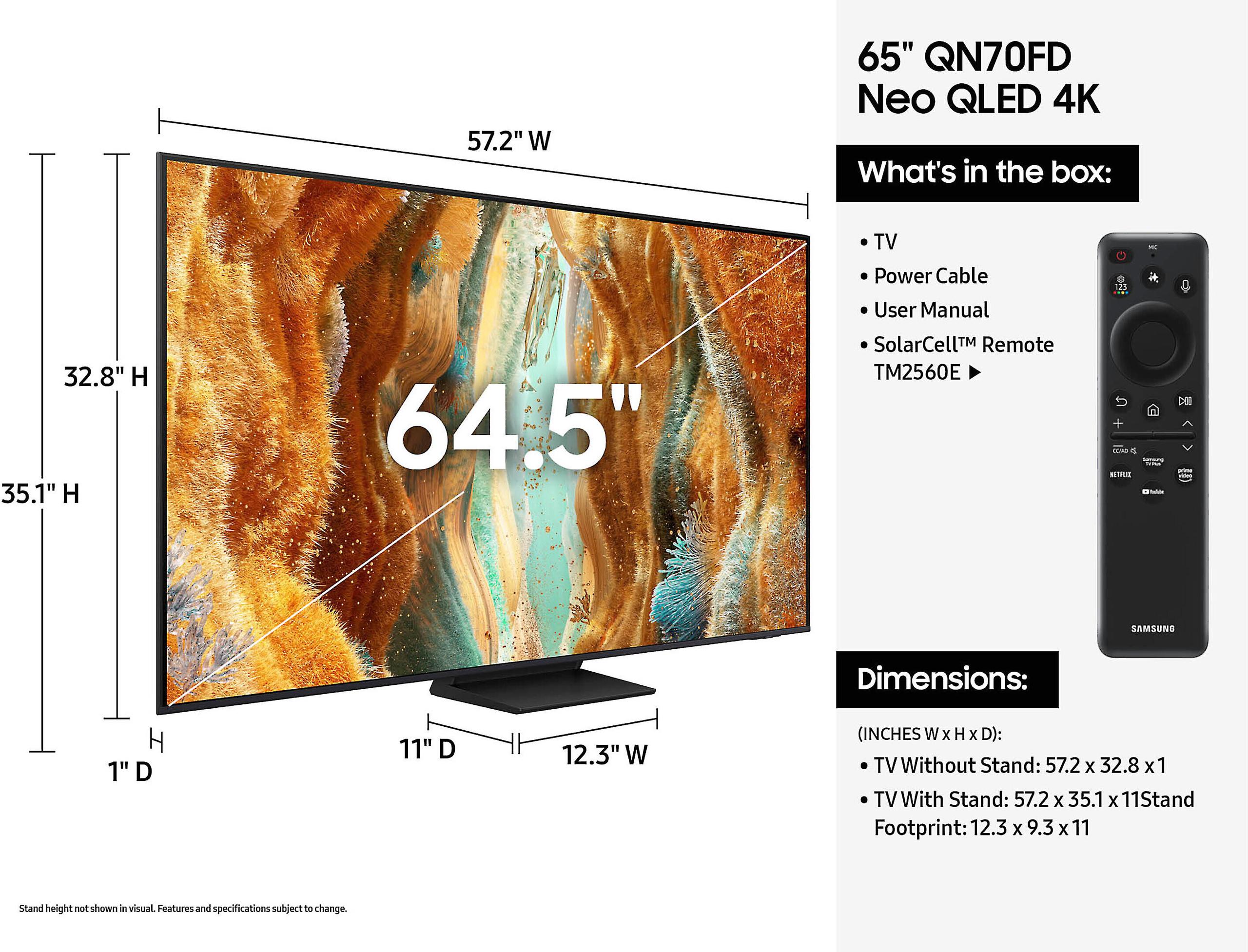
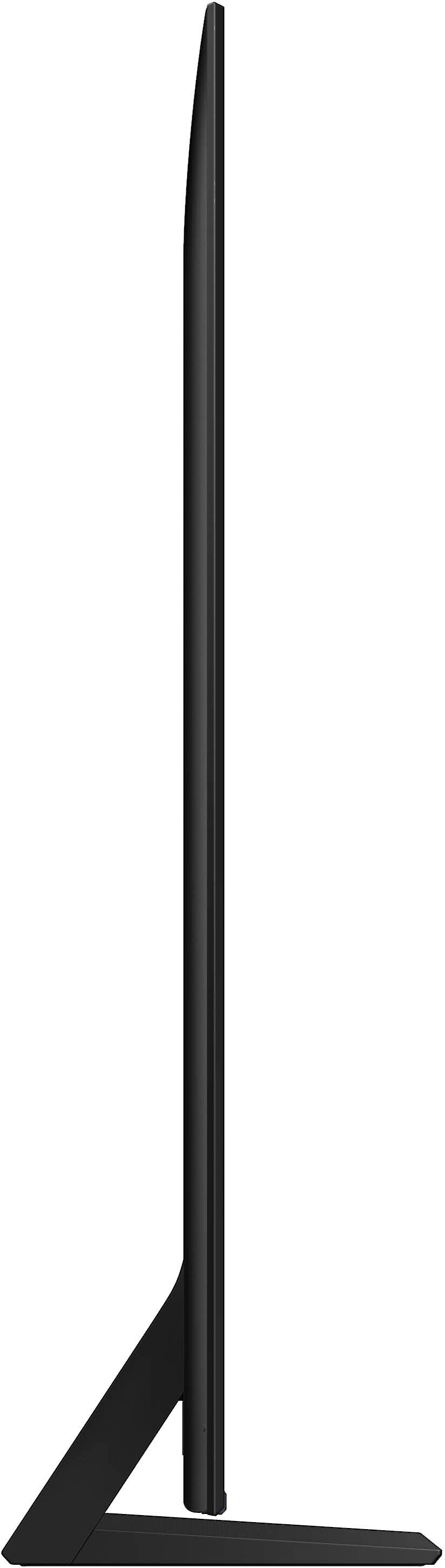
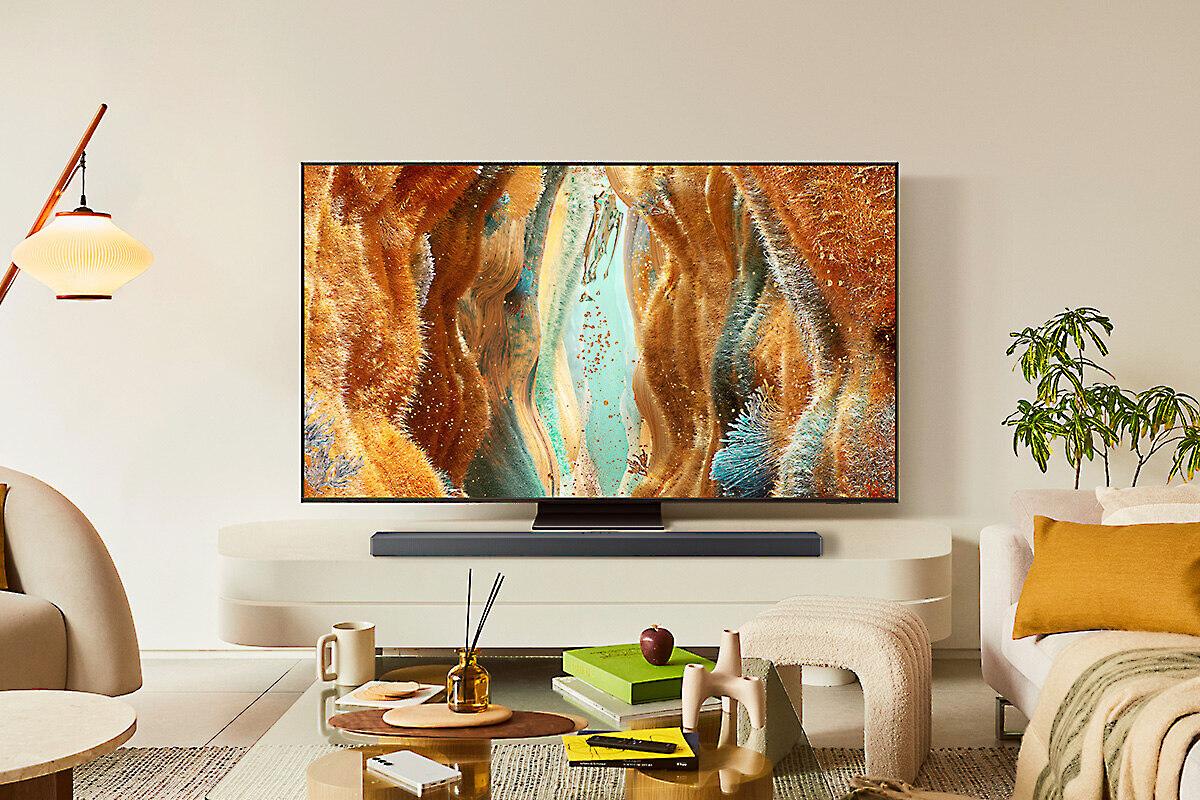
The design differences between these TVs reflect their different approaches to premium positioning. The Samsung QN70F looks like what most people expect from a premium TV – sleek, modern, but not revolutionary. The Mini-LED backlighting system requires some depth, so it's not as thin as OLED alternatives, but it's still attractive enough for any living room.
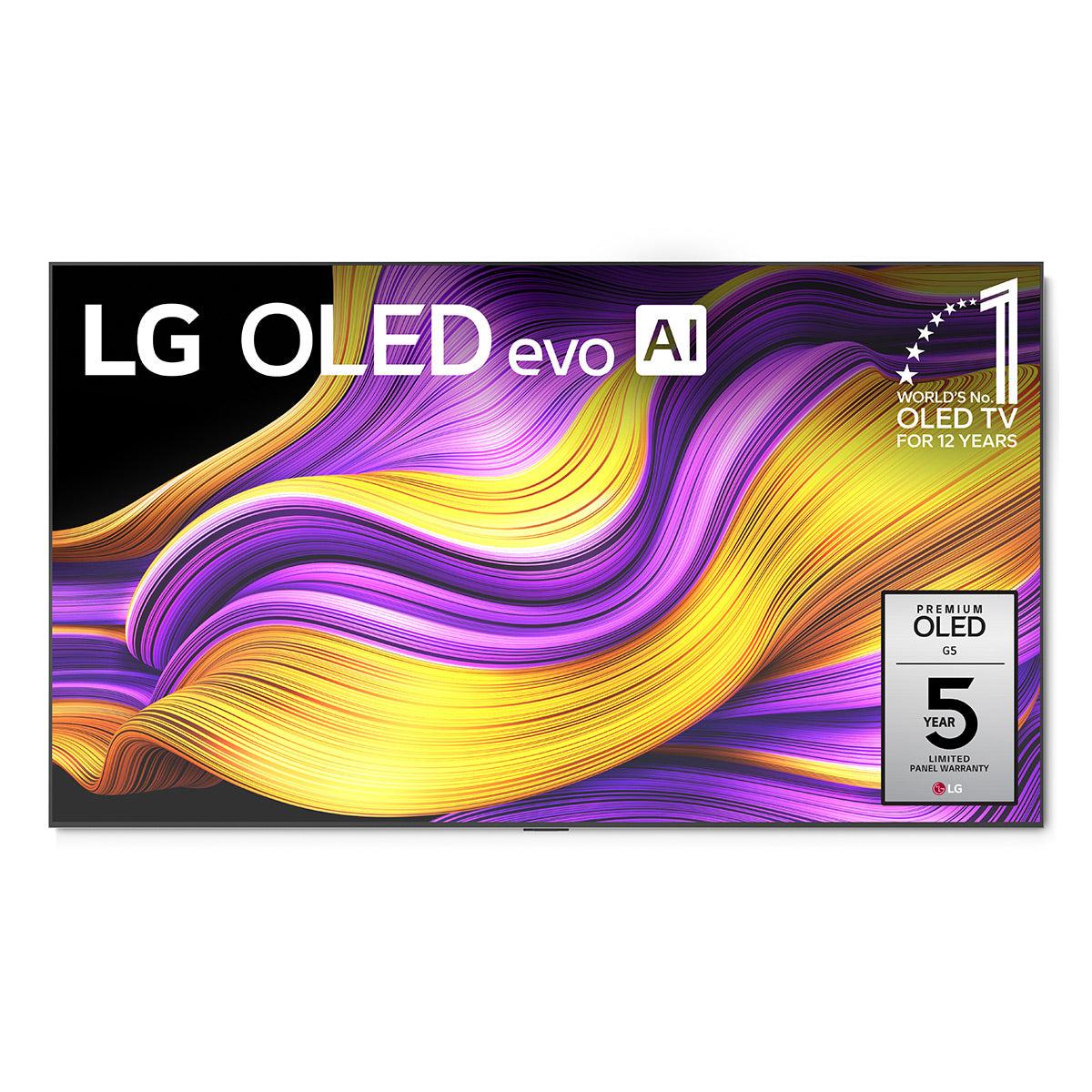
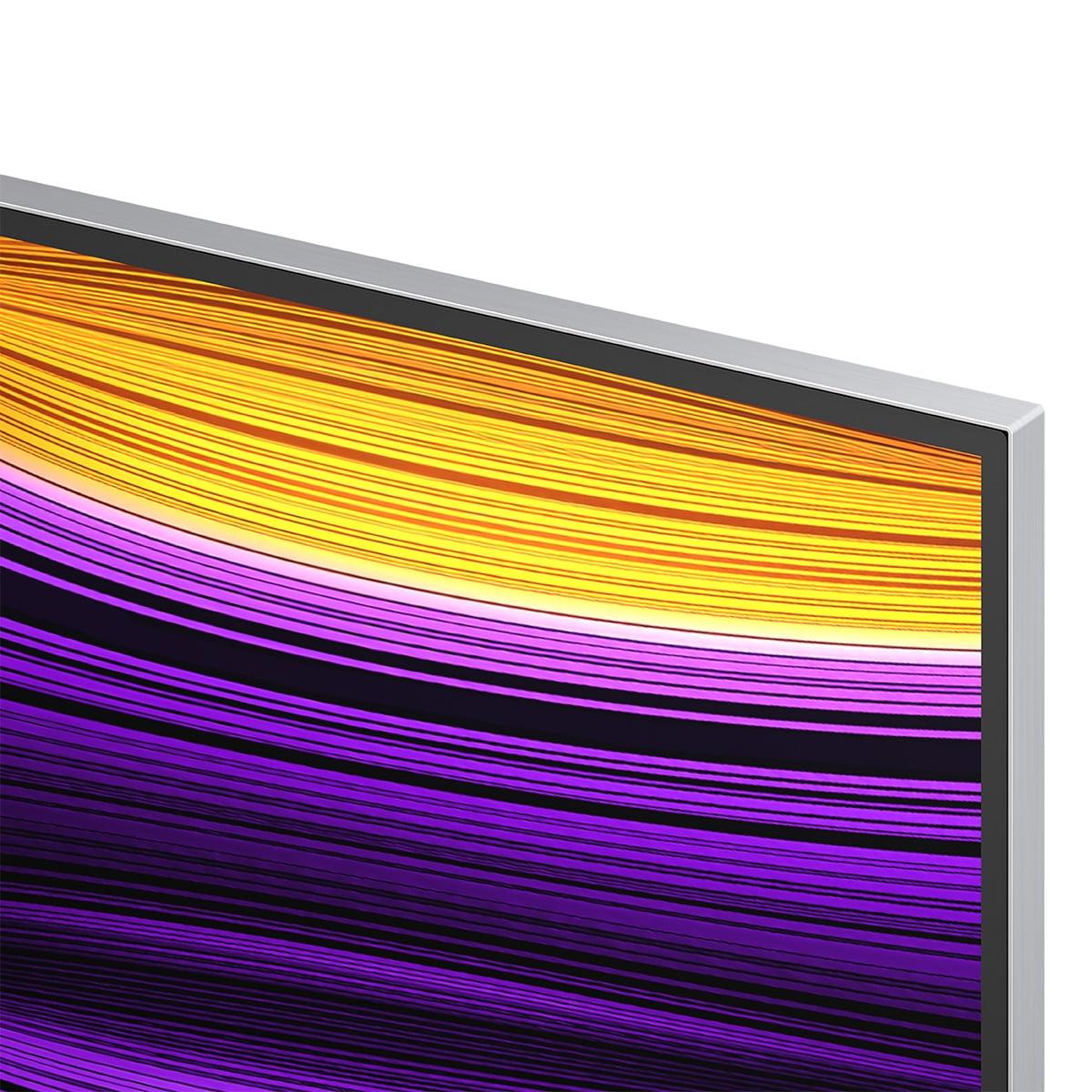
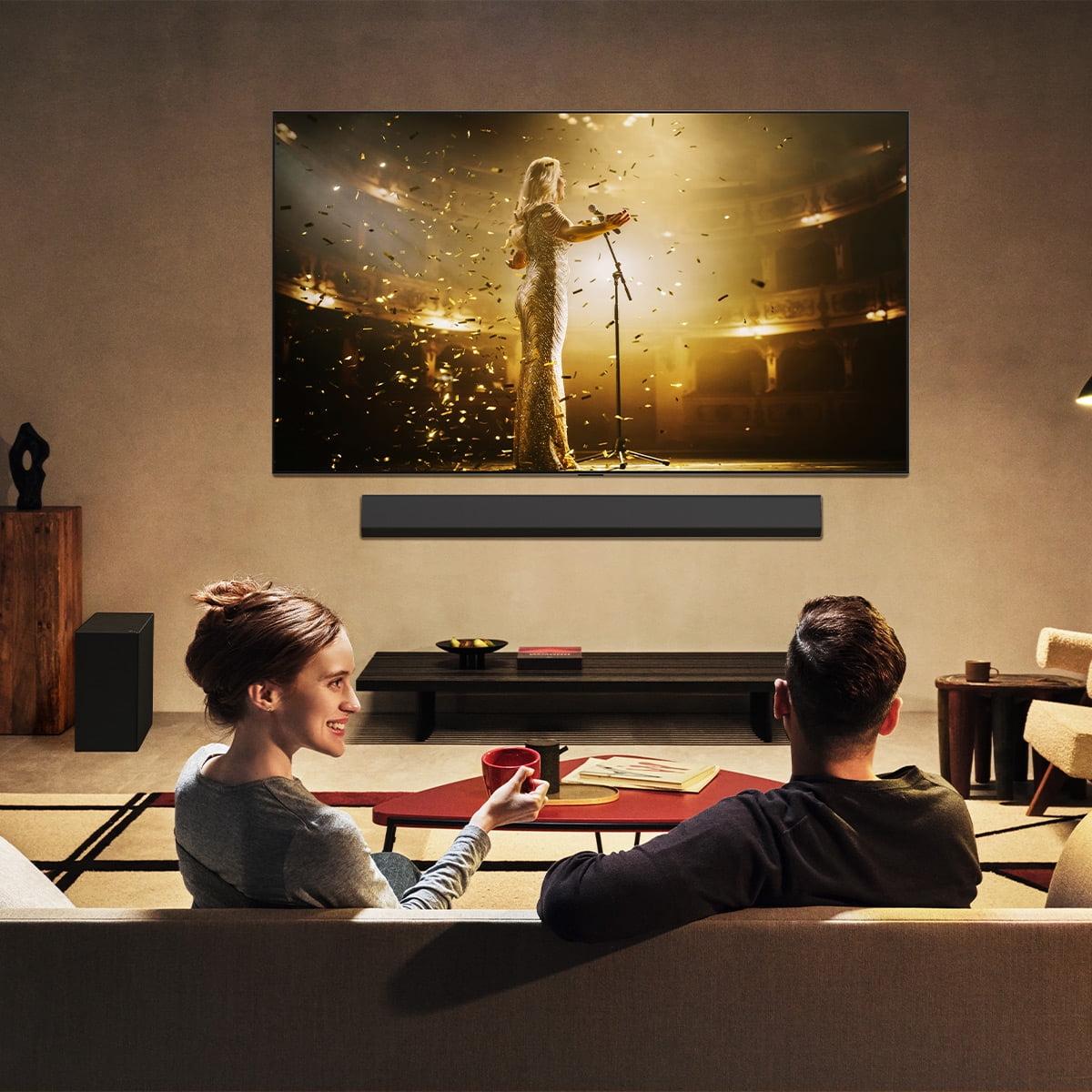
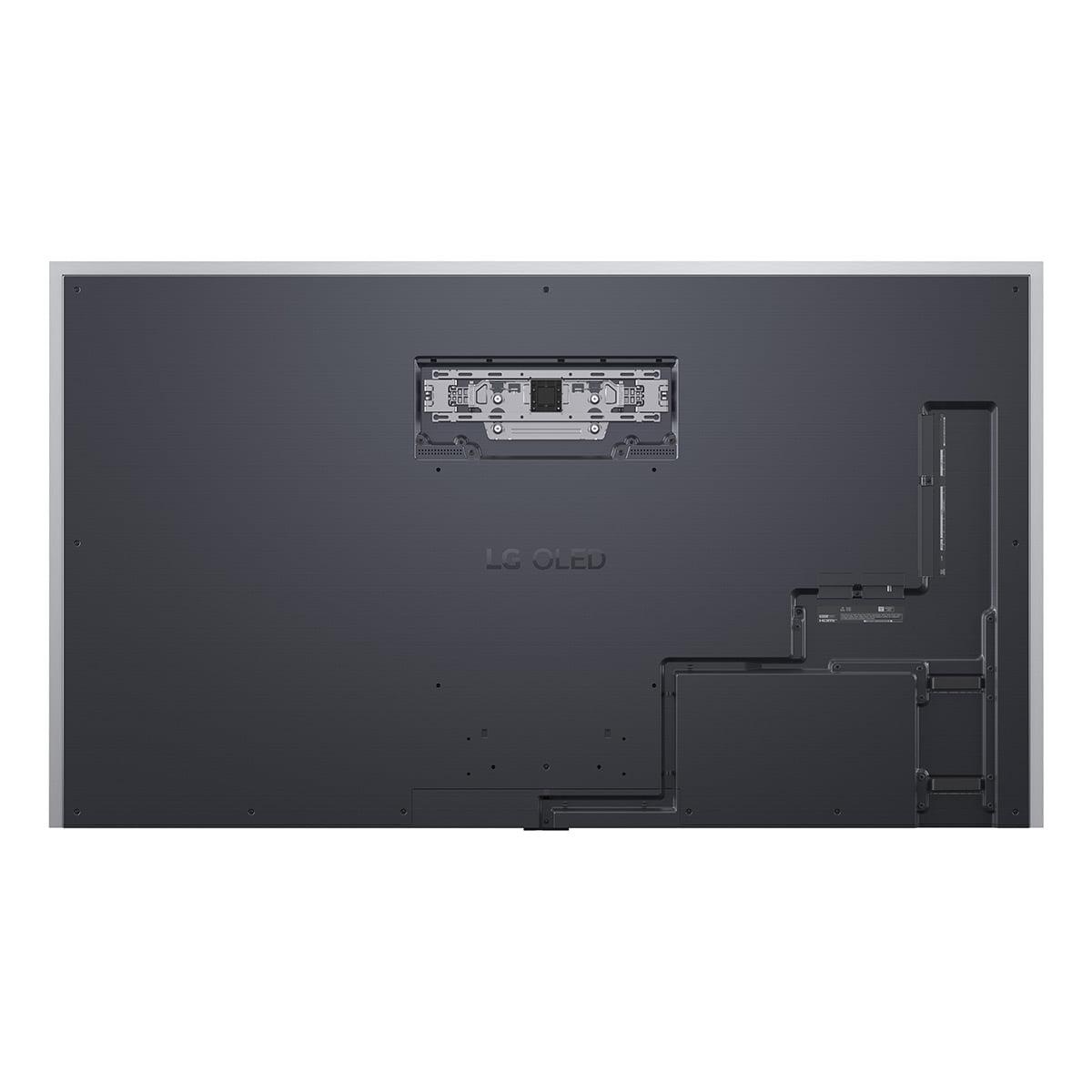
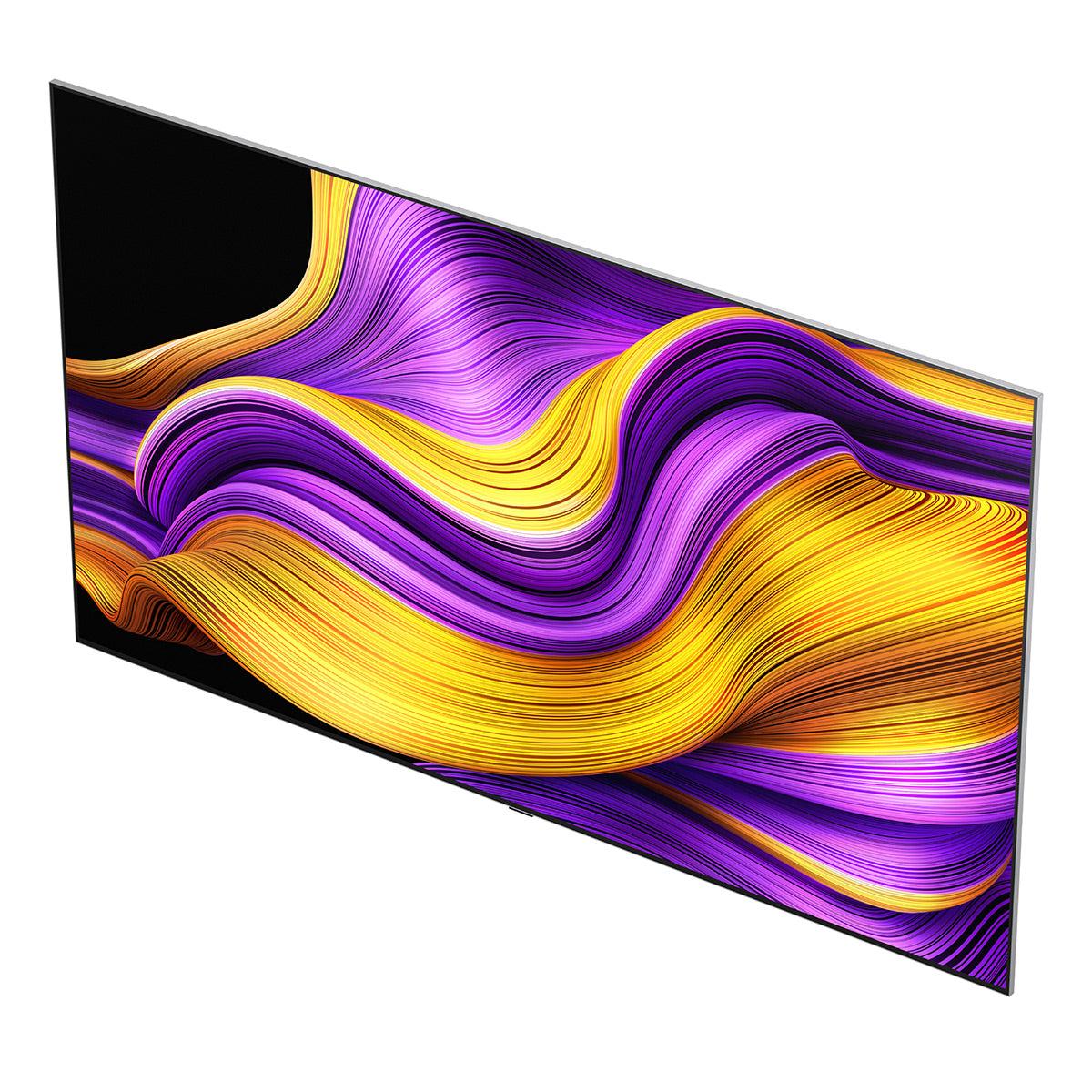
The LG G5 takes design to an artistic level with its Gallery Design. At just over an inch thick, it can mount flush to the wall and essentially disappear when not in use. The Art Mode displays artwork or personal photos, turning the TV into a piece of wall art when you're not actively watching content.
This design philosophy extends to the viewing experience itself. The Samsung is optimized for family rooms and bright spaces where the TV needs to compete with ambient light. The LG is designed more like a piece of cinema equipment – it rewards viewers who can control their lighting environment.
If you're building a dedicated home theater, the choice between these TVs becomes more nuanced. The LG G5 is generally the better choice for controlled lighting environments. Its perfect blacks and accurate colors create a more cinematic experience, especially for movie content that was mastered in professional theaters with similar contrast capabilities.
The Samsung QN70F might be better for multi-purpose family rooms where you can't always control the lighting. Its higher brightness output means it maintains good picture quality even with windows or lights creating ambient illumination.
For sound, both TVs benefit significantly from external audio systems. The LG G5 supports Dolby Atmos and has WOW Orchestra compatibility with LG soundbars, while the Samsung includes Object Tracking Sound Lite and supports Q-Symphony with Samsung soundbars.
This is where the fundamental technology differences matter most. LCD technology, like what's used in the Samsung QN70F, doesn't suffer from burn-in – the permanent image retention that can affect OLED displays with static content like news channel logos or gaming HUDs.
However, the LG G5 includes advanced pixel protection algorithms and comes with a 5-year limited panel warranty, showing LG's confidence in their OLED longevity. Modern OLED TVs are much more resistant to burn-in than early models, but it's still a consideration for users who display static content frequently.
You want premium TV performance without flagship pricing. At the time of writing, the Samsung QN70F delivers impressive picture quality, solid gaming performance, and unique AI features at a price point that makes premium technology accessible. It's perfect for bright family rooms, households concerned about burn-in, or anyone who wants to experience Mini-LED technology without breaking the bank.
The Samsung Vision AI features alone justify the investment for many users – the ability to instantly identify content and translate foreign language material adds genuine utility to your viewing experience.
You want the absolute best picture quality available and are willing to pay premium prices for cutting-edge technology. The LG G5 represents a genuine breakthrough in OLED technology that addresses the panel type's traditional brightness limitations while maintaining its perfect contrast advantage.
This TV is ideal for serious gamers with high-end hardware, movie enthusiasts with controllable lighting, or anyone who appreciates having the latest and greatest technology. The Gallery Design also makes it perfect for rooms where aesthetics matter as much as performance.
Both the Samsung QN70F and LG OLED evo G5 represent excellent approaches to premium TV technology, but they serve different audiences. The Samsung offers remarkable value and broad appeal, while the LG pushes technological boundaries for those willing to invest in the absolute best.
Your choice ultimately depends on your priorities: exceptional value and bright room performance favor the Samsung, while perfect picture quality and cutting-edge features point toward the LG. Either way, you'll be getting a TV that would have been considered science fiction just a few years ago.
The 2025 TV landscape is incredibly exciting, and both of these models represent the kind of innovation that makes upgrading worthwhile. Whether you choose the accessible excellence of the Samsung QN70F or the flagship performance of the LG G5, you'll be experiencing the future of home entertainment.
| Samsung 65" QN70F Neo QLED 4K Vision AI Smart TV 2025 | LG OLED evo G5 65" 4K Smart TV 2025 |
|---|---|
| Display Technology - Fundamentally different approaches to producing light and color | |
| Mini-LED with quantum dots (thousands of small LEDs behind screen) | 4-stack RGB Tandem OLED (8.3 million self-lit pixels) |
| Black Level Performance - Critical for movie watching and overall contrast | |
| Very good blacks with local dimming zones | Perfect blacks (pixels turn completely off) |
| Peak Brightness - Essential for HDR content and bright room viewing | |
| Excellent Mini-LED brightness for all lighting conditions | 45% brighter than previous OLEDs, now competitive in bright rooms |
| Gaming Performance - Refresh rates and response times for serious gamers | |
| 4K @ 144Hz, AMD FreeSync Premium Pro | 4K @ 165Hz on all ports, near-zero response time |
| HDMI 2.1 Ports - Future-proofing for next-gen gaming and high bandwidth content | |
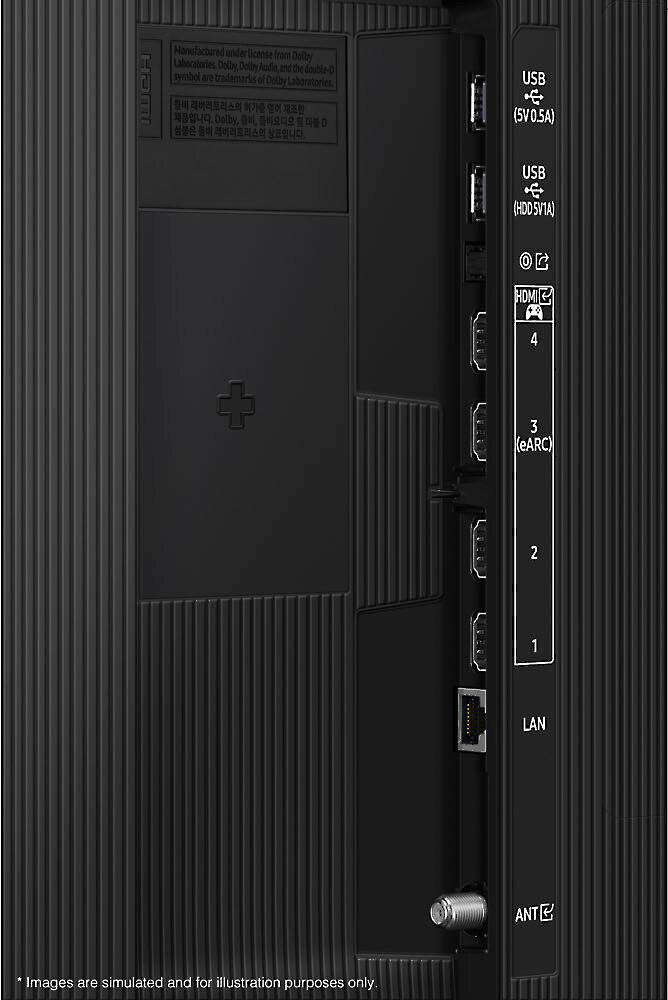
| 4 HDMI 2.1 ports | 4 HDMI 2.1 ports (full bandwidth) |
| Smart TV Platform - Long-term software support and user interface quality | |
| Tizen with Samsung Vision AI (Click-to-Search, Live Translate) | webOS 25 with 5-year update guarantee |
| AI Processing - Upscaling and picture optimization capabilities | |
| NQ4 AI Gen2 Processor | Alpha 11 AI Processor Gen 2 |
| Design Profile - Wall mounting options and room aesthetics | |
| Standard TV depth due to Mini-LED backlighting | Ultra-thin Gallery Design (just over 1 inch thick) |
| Burn-in Risk - Long-term durability with static content like news or gaming HUDs | |
| No burn-in risk (LCD technology) | Potential burn-in with static content (5-year panel warranty included) |
| HDR Support - Premium content format compatibility | |
| HDR10, HDR10+, Neo Quantum HDR | Dolby Vision, HDR10 Pro, Brightness Booster Ultimate |
| Color Technology - How colors are produced and enhanced | |
| Quantum dots for enhanced color purity and volume | RGB OLED with >99% color consistency up to 500 lux |
| Audio Features - Built-in sound capabilities | |
| Object Tracking Sound Lite, Q-Symphony with Samsung soundbars | Dolby Atmos, WOW Orchestra with LG soundbars |
| Warranty Coverage - Protection for your investment | |
| 1-year limited warranty | 1-year full, 5-year panel warranty |
| Value Positioning - Performance relative to investment required | |
| Exceptional premium features at accessible pricing | Flagship OLED technology at premium pricing |
The Samsung QN70F Neo QLED is generally better for bright rooms due to its Mini-LED backlighting technology, which can produce higher peak brightness levels. However, the LG OLED evo G5 has significantly improved brightness compared to previous OLED models with its new 4-stack RGB Tandem panel, making it up to 45% brighter than earlier OLEDs. While the Samsung QN70F still has the edge in very bright environments, the LG G5 is now competitive for most bright room situations.
The LG OLED evo G5 uses OLED technology where each of the 8.3 million pixels produces its own light and can turn completely off for perfect blacks. The Samsung QN70F Neo QLED uses Mini-LED backlighting with thousands of small LEDs behind a quantum dot layer. OLED offers perfect contrast and infinite blacks, while Neo QLED provides excellent brightness and no burn-in concerns. The Samsung approach is more durable for varied content, while the LG delivers superior contrast for movies and dark content.
The LG OLED evo G5 is superior for serious gaming, supporting 4K at 165Hz across all four HDMI 2.1 ports with near-instantaneous response times. The Samsung QN70F offers solid gaming performance with 4K at 144Hz and AMD FreeSync Premium Pro support. For competitive gaming or high-end PC gaming, the LG G5 provides the edge with higher refresh rates and faster response times. Casual gamers will find the Samsung QN70F perfectly adequate for their needs.
The Samsung QN70F Neo QLED uses LCD technology and has no burn-in risk, making it ideal for displaying static content like news channels or gaming HUDs. The LG OLED evo G5 can potentially experience burn-in with prolonged static content display, though modern OLEDs are much more resistant than earlier models. LG includes advanced pixel protection algorithms and offers a 5-year panel warranty with the G5, showing confidence in their burn-in mitigation technologies.
The Samsung QN70F Neo QLED offers exceptional value, delivering premium Mini-LED technology and Samsung Vision AI features at a more accessible price point. The LG OLED evo G5 commands premium pricing for cutting-edge OLED technology with breakthrough brightness improvements. The Samsung provides about 80% of the premium TV experience at roughly half the cost, while the LG offers the absolute best picture quality for those willing to invest in flagship technology.
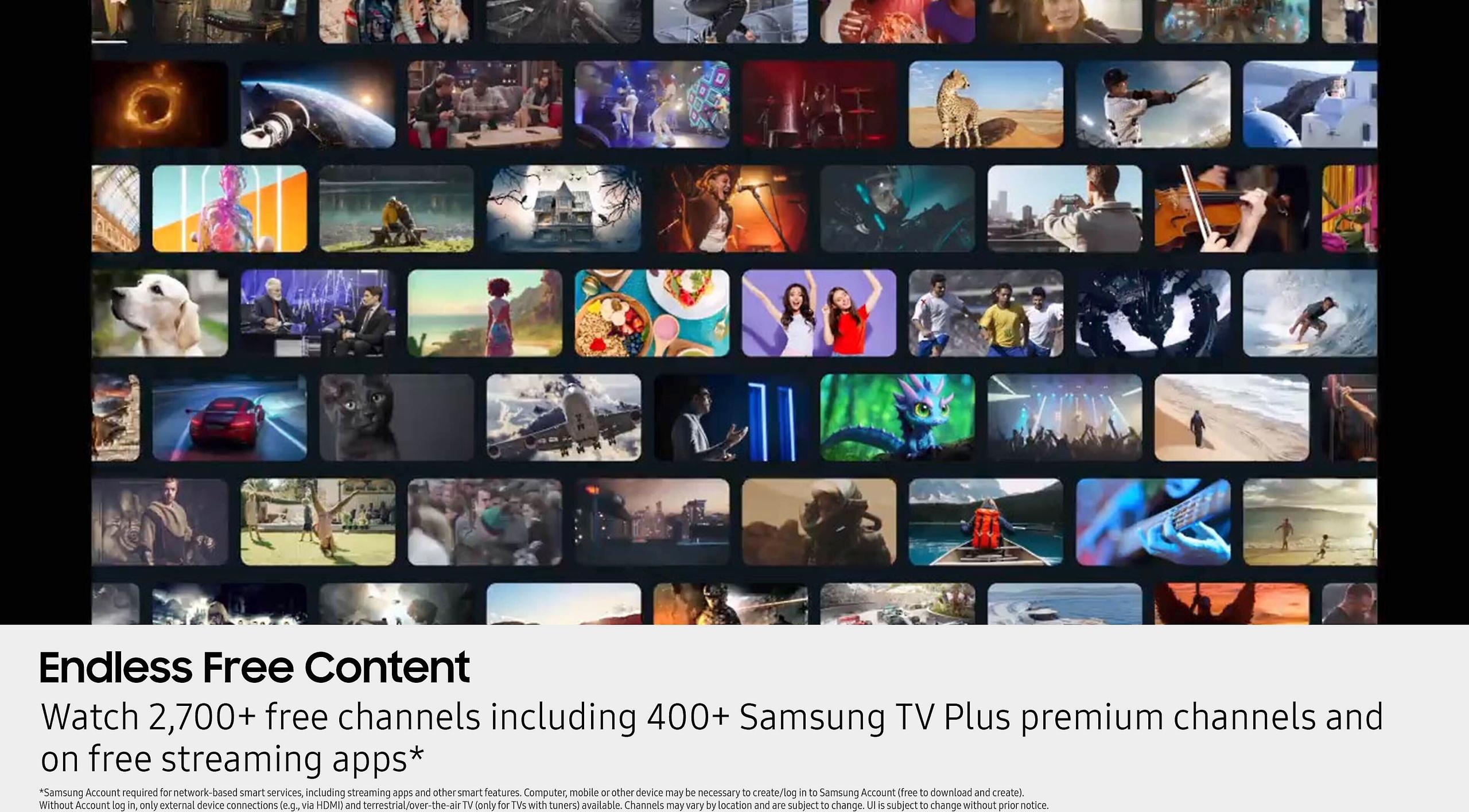
The Samsung QN70F features Samsung Vision AI with unique capabilities like Click-to-Search for instant content information and Live Translate for real-time subtitle translations. It runs on Tizen with Samsung TV Plus integration. The LG OLED evo G5 runs webOS 25 with Quick Cards organization and comes with a 5-year software update guarantee through the webOS Renew program. Both offer comprehensive smart TV functionality, but the Samsung focuses more on AI-powered content features while the LG emphasizes long-term platform support.
The LG OLED evo G5 is generally preferred for dedicated home theaters due to its perfect black levels, infinite contrast, and accurate colors that create a more cinematic experience in controlled lighting environments. The Samsung QN70F Neo QLED works better for multi-purpose family rooms where lighting can't always be controlled. For true home theater enthusiasts who can manage ambient lighting, the LG G5 delivers the most film-like picture quality with support for Dolby Vision and Dolby Atmos.
The LG OLED evo G5 features an ultra-thin Gallery Design at just over an inch thick, allowing flush wall mounting that makes it appear like wall art. The Samsung QN70F Neo QLED has a more standard TV depth due to its Mini-LED backlighting system but remains sleek and modern. The LG is ideal for those prioritizing aesthetics and minimal visual impact, while the Samsung offers traditional mounting flexibility at a lower cost.
The Samsung QN70F Neo QLED supports HDR10, HDR10+, and features Neo Quantum HDR processing for enhanced brightness and contrast. The LG OLED evo G5 supports Dolby Vision, HDR10 Pro, and includes Brightness Booster Ultimate technology. Dolby Vision support gives the LG G5 an advantage for premium streaming content, as many Netflix and Disney+ shows use this format. Both TVs handle HDR content excellently, but the LG has broader premium HDR format support.
Both TVs excel at color reproduction but use different approaches. The Samsung QN70F Neo QLED uses quantum dots to achieve wide color gamut coverage and enhanced color purity. The LG OLED evo G5 delivers excellent colors through its RGB OLED structure with over 99% color consistency even in bright ambient lighting. The Samsung tends to produce more vibrant, punchy colors, while the LG offers more natural, film-accurate color reproduction that many videophiles prefer.
The Samsung QN70F Neo QLED comes with a standard 1-year limited warranty covering parts and labor. The LG OLED evo G5 includes a 1-year full warranty plus an extended 5-year panel warranty, reflecting LG's confidence in their OLED panel durability. The extended panel coverage on the LG G5 provides additional peace of mind for the premium investment, while the Samsung QN70F offers standard warranty protection typical of its price segment.
Choose the Samsung QN70F Neo QLED if you want premium TV features at accessible pricing, have a bright viewing room, are concerned about burn-in, or appreciate unique AI features like content identification and translation. Choose the LG OLED evo G5 if you want the absolute best picture quality with perfect blacks, are a serious gamer needing high refresh rates, prefer the ultra-thin Gallery Design, or can control your viewing environment lighting. The Samsung offers exceptional value for most users, while the LG provides flagship performance for enthusiasts.
We've done our best to create useful and informative comparisons to help you decide what product to buy. Our research uses advanced automated methods to create this comparison and perfection is not possible - please contact us for corrections or questions. These are the sites we've researched in the creation of this article: rtings.com - youtube.com - wifihifi.com - samsung.com - samsung.com - samsung.com - samsung.com - flatpanelshd.com - news.samsung.com - bestbuy.com - bestbuy.com - techradar.com - rtings.com - youtube.com - youtube.com - rtings.com - bestbuy.com - youtube.com - valueelectronics.com - lg.com - audio-videoplus.com - lg.com - lg.com - lg.com

Privacy Policy
Terms and Conditions - Affiliate Policy
Home Security
© Copyright 2008-2026.
11816 Inwood Rd #1211, Dallas, TX 75244