


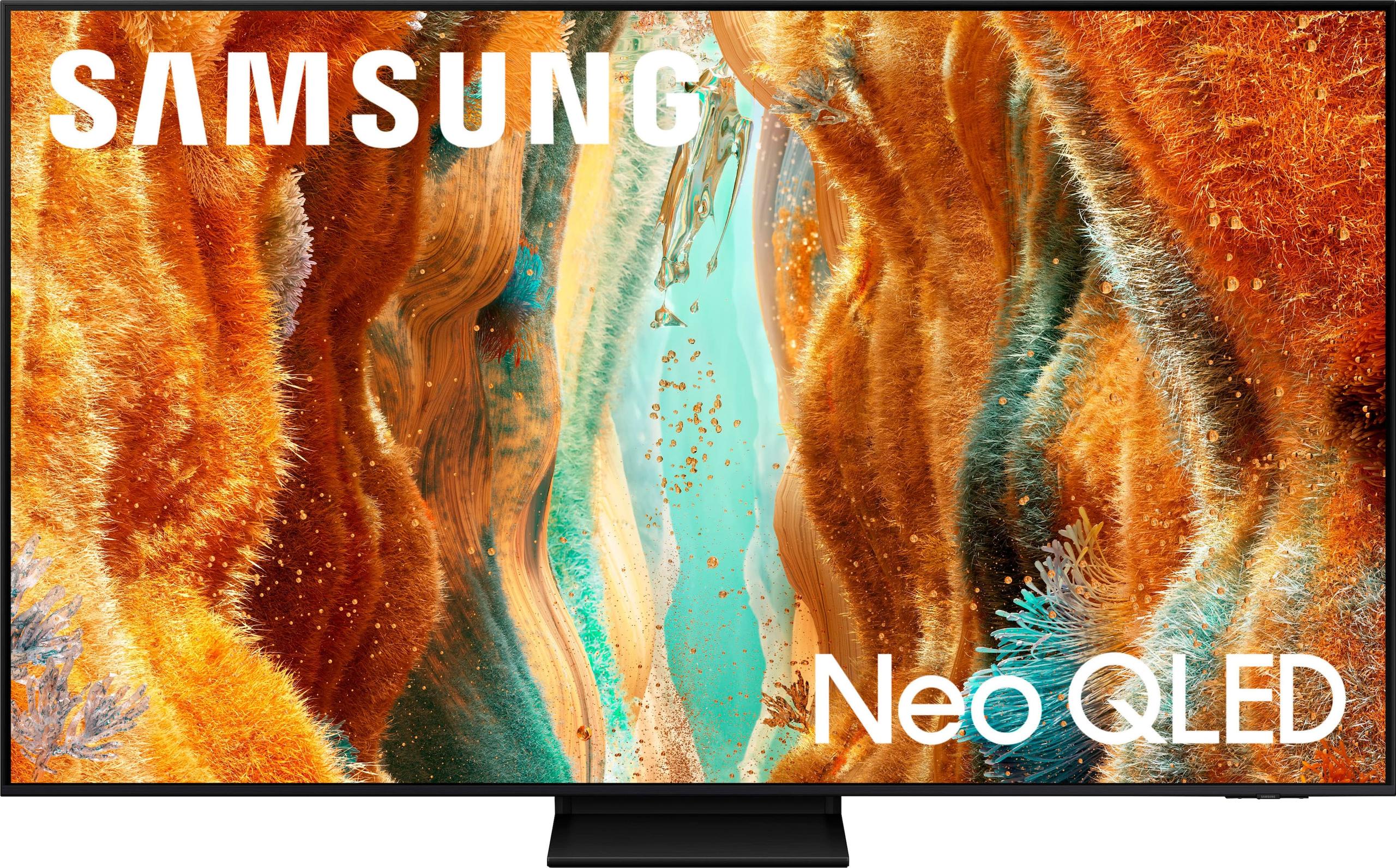
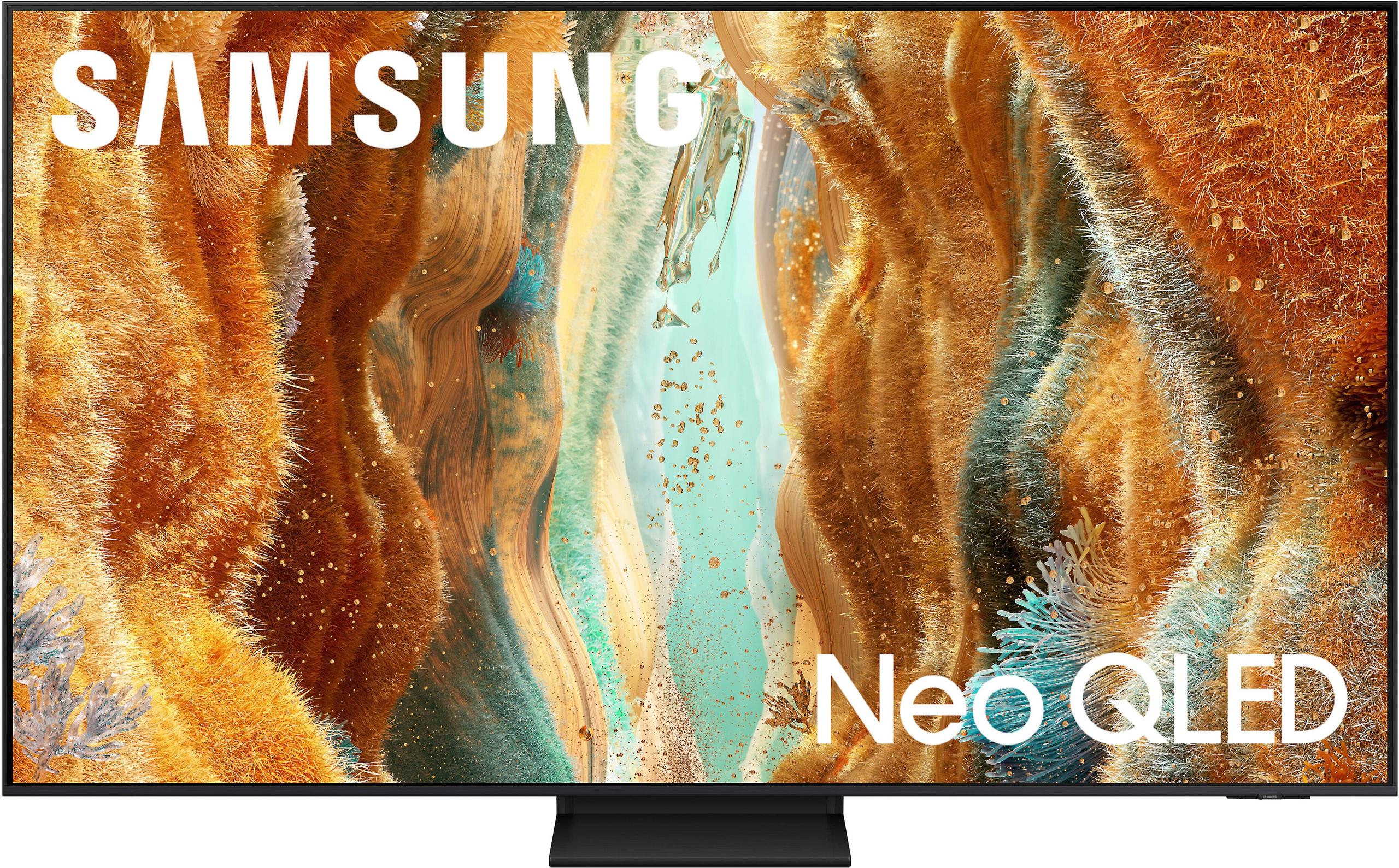
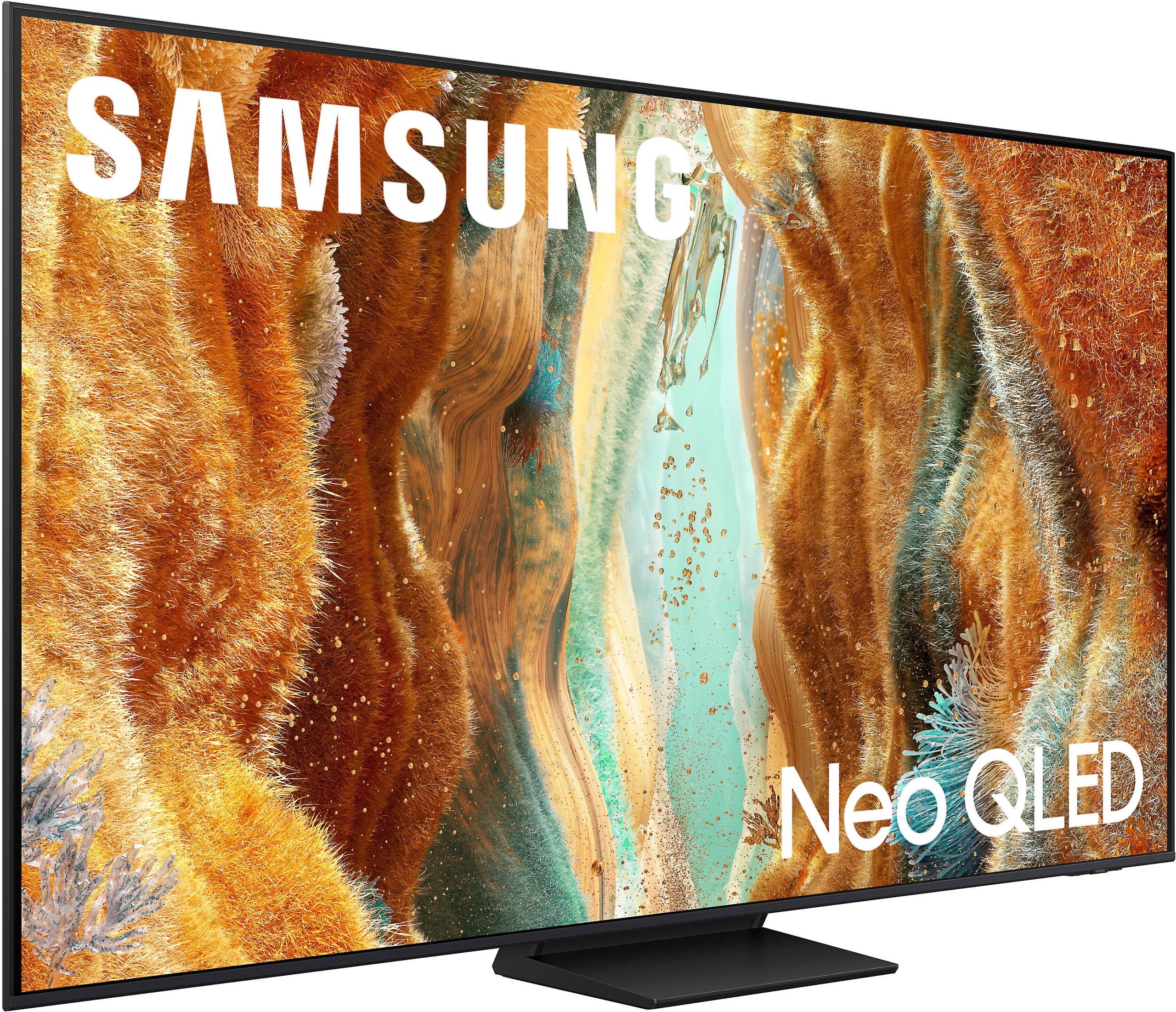
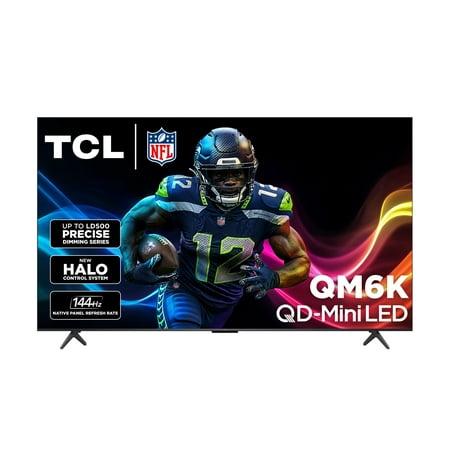
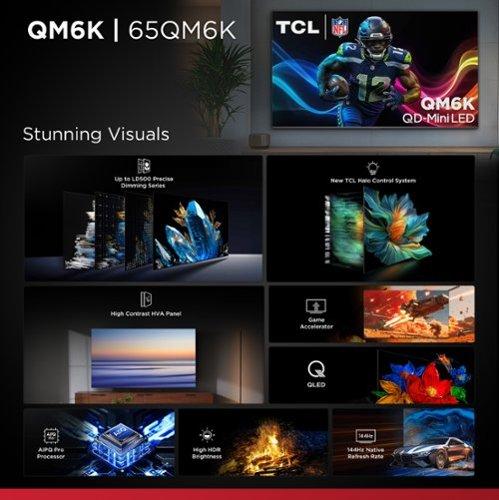
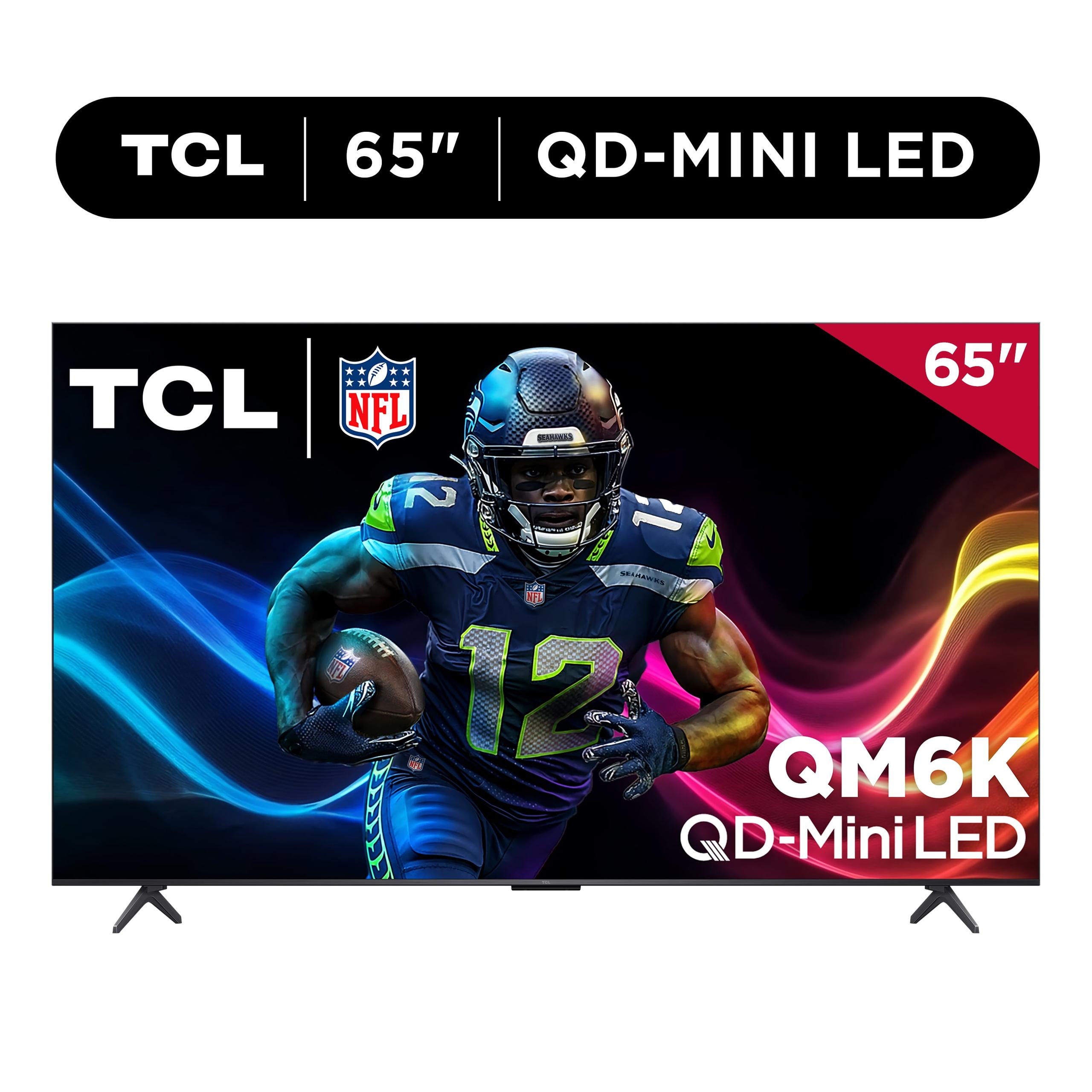
Shopping for a new 65-inch TV can feel overwhelming, especially when you're looking at premium models that promise the latest and greatest features. Today, we're diving deep into two compelling options that represent very different approaches to delivering an excellent viewing experience: the Samsung 65" QN70F Neo QLED 4K Vision AI Smart TV and the TCL 65" QM6K QD-Mini LED 4K TV.
At the time of writing, both TVs compete in the premium segment but take distinctly different paths to get there. The Samsung QN70F leans heavily on artificial intelligence and ecosystem integration, while the TCL QM6K focuses on delivering top-tier hardware specifications at a more accessible price point. Let's break down what makes each unique and help you figure out which one deserves a spot in your living room.
Before we dive into the specifics, it's worth understanding what separates premium TVs from budget models. The premium 4K TV market is all about squeezing the best possible picture quality, gaming performance, and smart features into displays that can handle whatever you throw at them.
The most important factors you should consider include display technology (how the TV creates light and color), peak brightness (how bright the screen can get), contrast ratio (the difference between the darkest blacks and brightest whites), color accuracy, gaming capabilities, and smart TV features. Each of these elements significantly impacts your daily viewing experience, whether you're binge-watching Netflix, playing the latest video games, or hosting movie night.
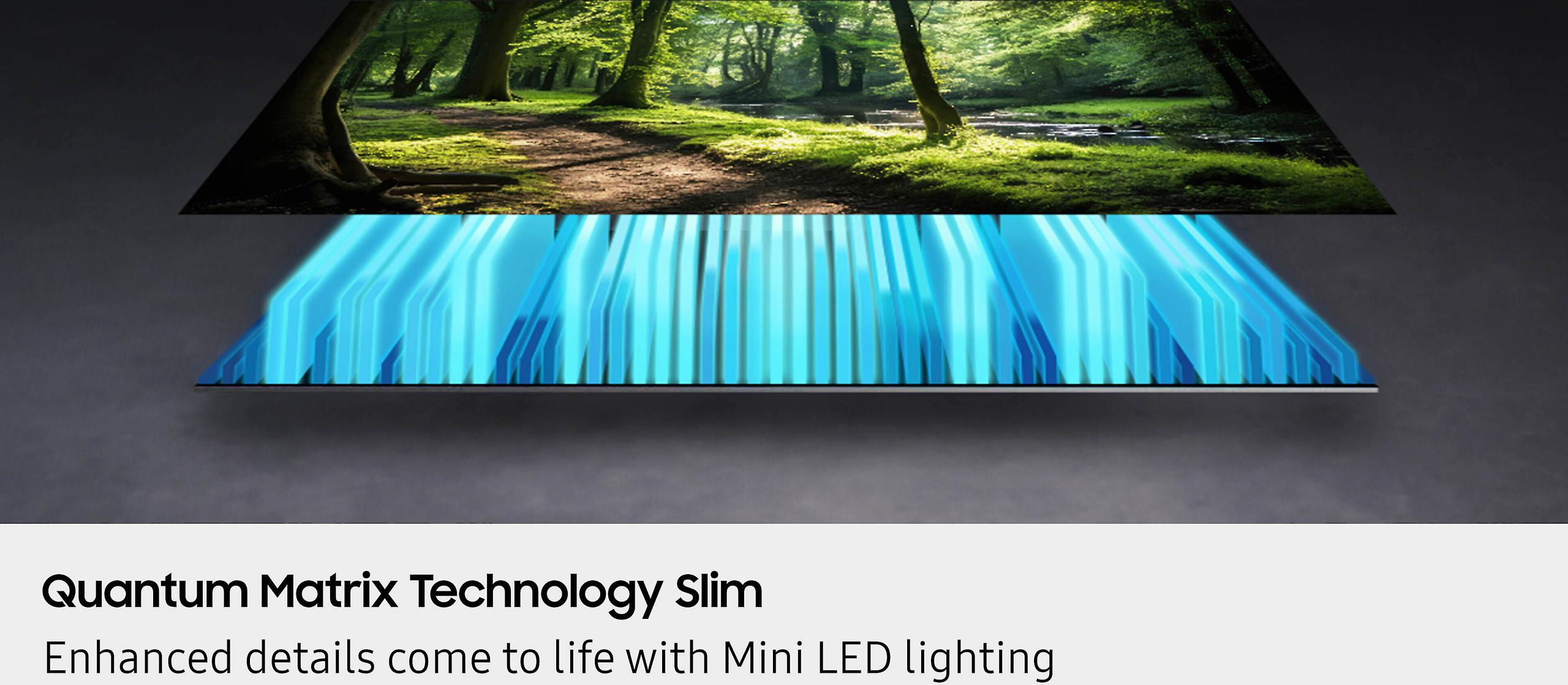
Both the Samsung QN70F and TCL QM6K launched in 2025, representing the latest thinking from their respective manufacturers. Samsung has continued refining their Neo QLED technology, which uses tiny Mini LED backlights to improve contrast while keeping TVs relatively thin. Meanwhile, TCL has pushed further into quantum dot technology combined with Mini LEDs, creating their QD-Mini LED approach that prioritizes hardware-based picture quality improvements.
Here's where things get interesting. These two TVs represent fundamentally different approaches to creating an excellent viewing experience, and understanding this difference is crucial to making the right choice.
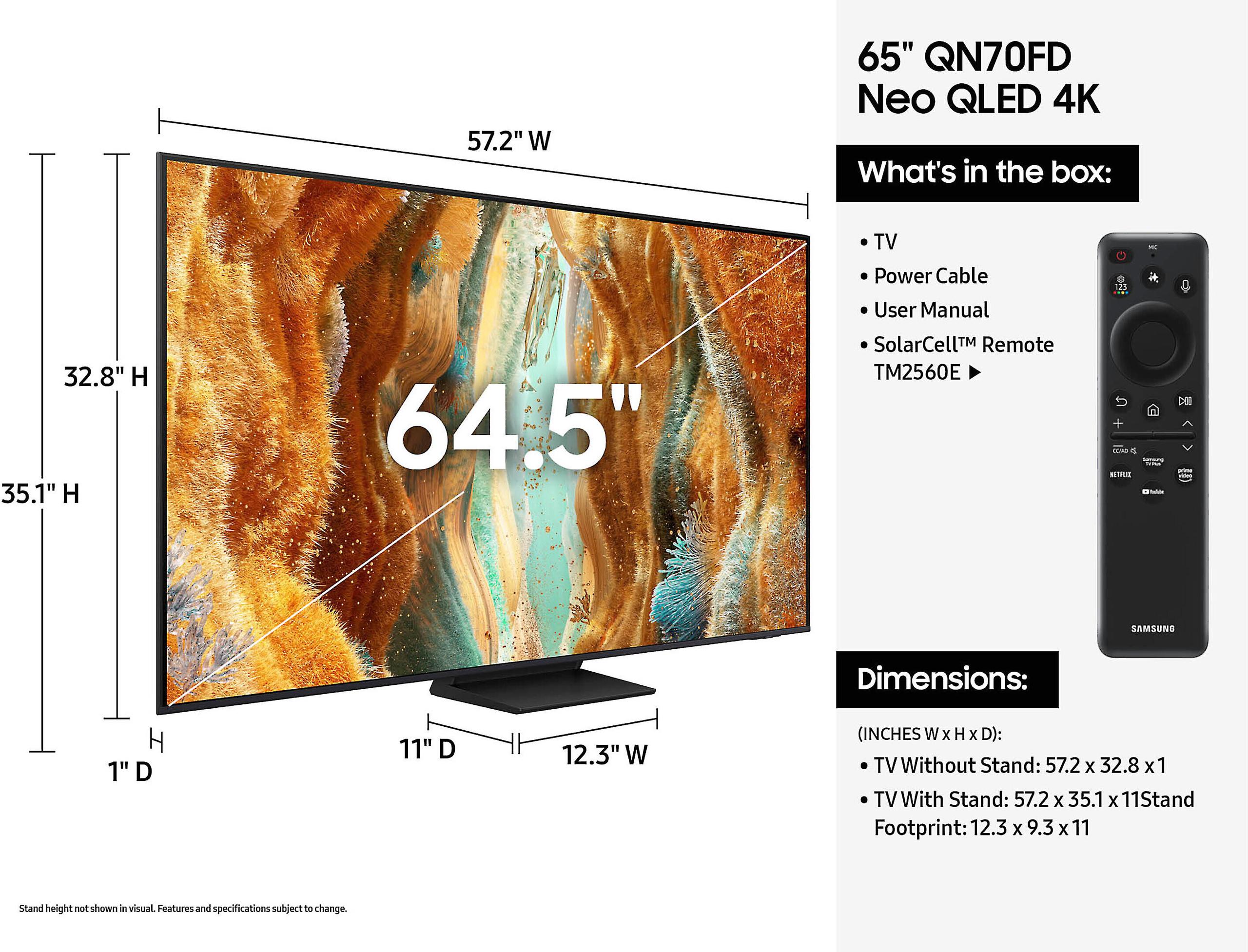
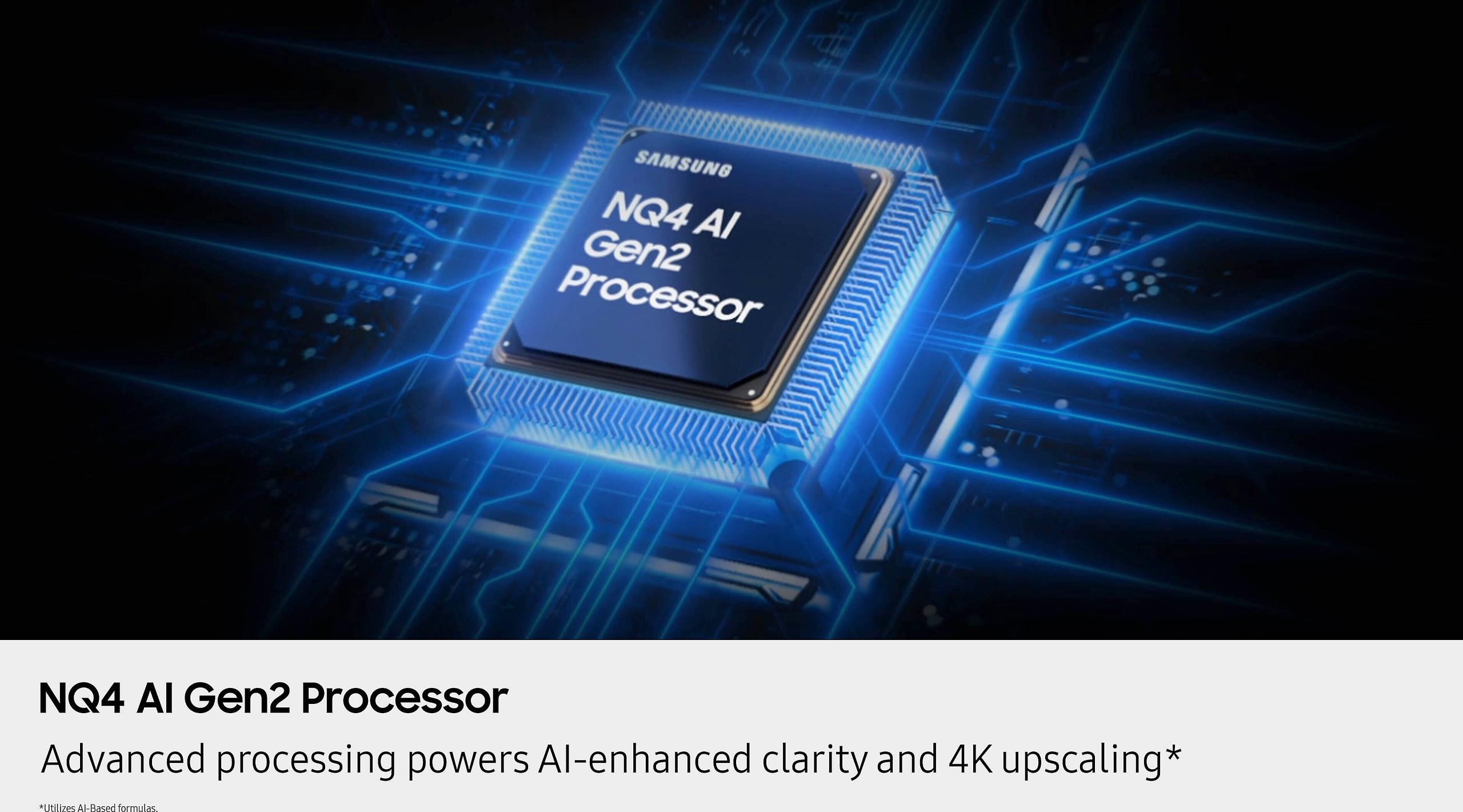
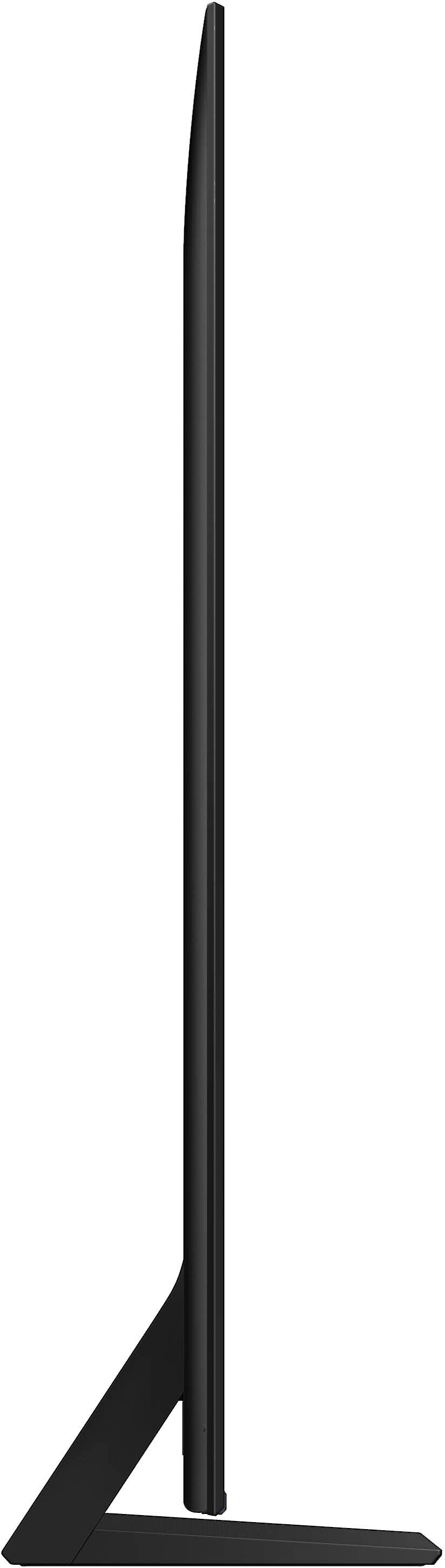
The Samsung QN70F is built around Samsung's belief that artificial intelligence and smart processing can overcome hardware limitations. It uses an edge-lit Mini LED design, which means the backlights are positioned along the edges of the screen rather than behind it. While this keeps the TV incredibly thin – we're talking about a 1-inch profile that looks stunning mounted on a wall – it means Samsung has to rely heavily on their NQ4 AI Gen2 processor to create the illusion of deep blacks and bright whites.
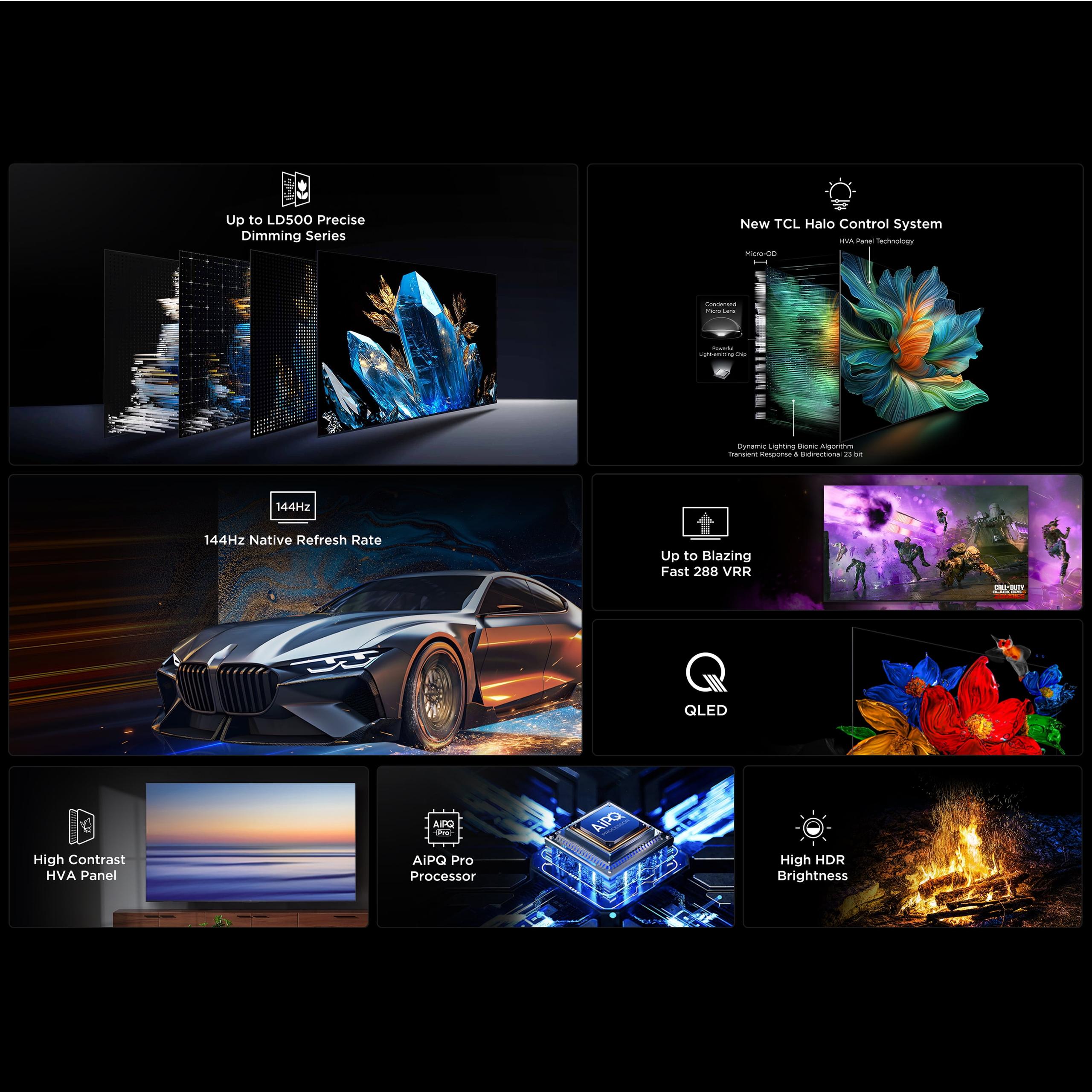
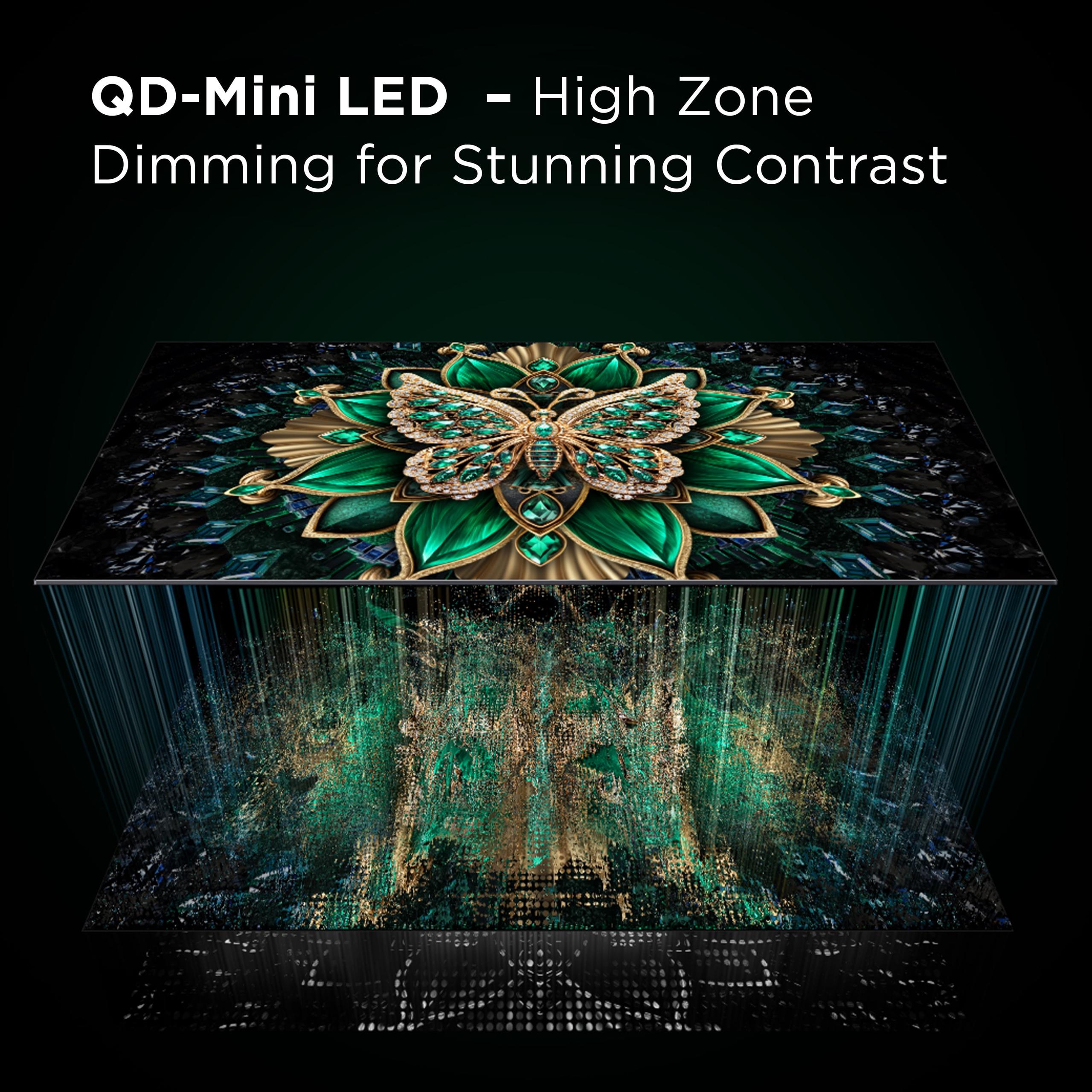
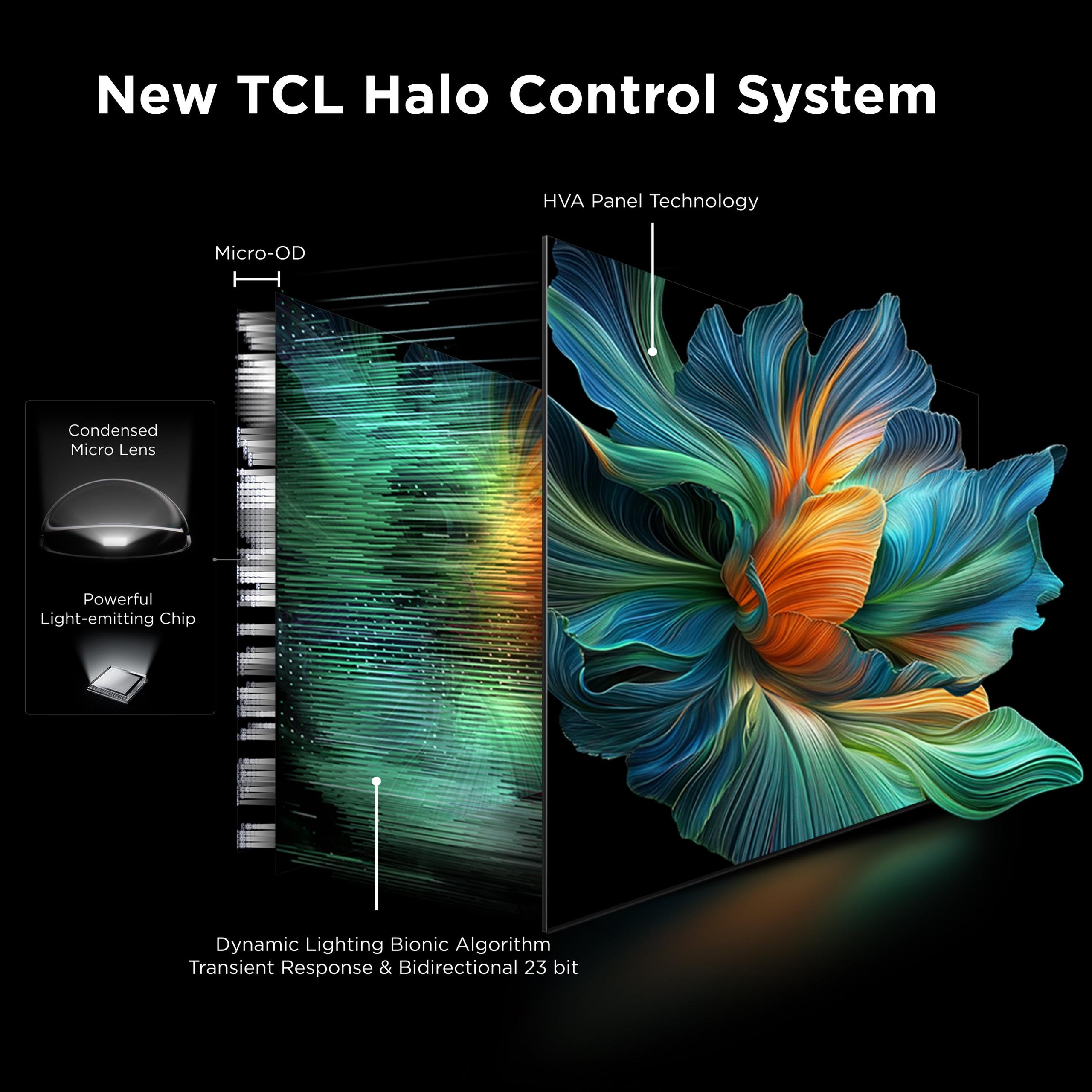
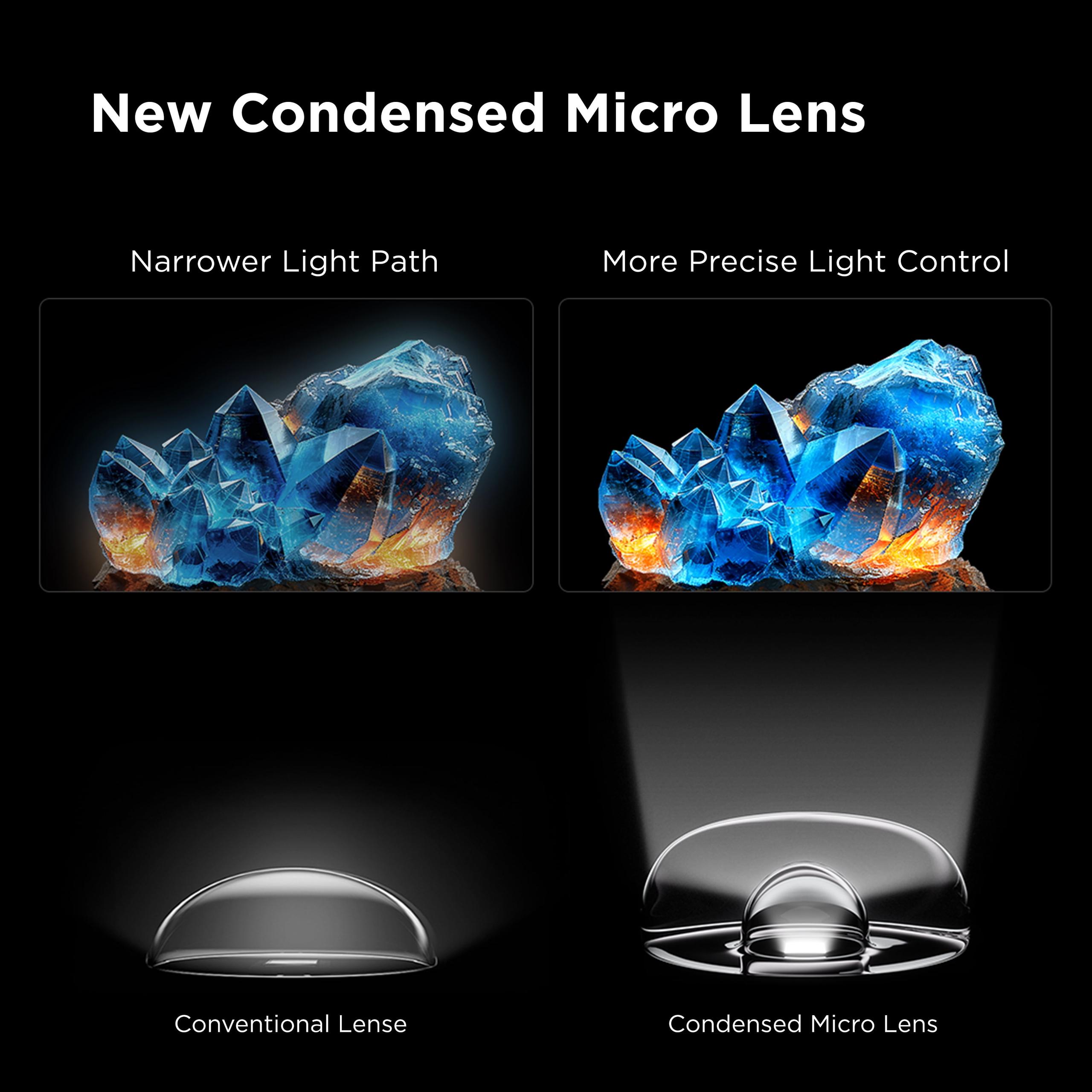
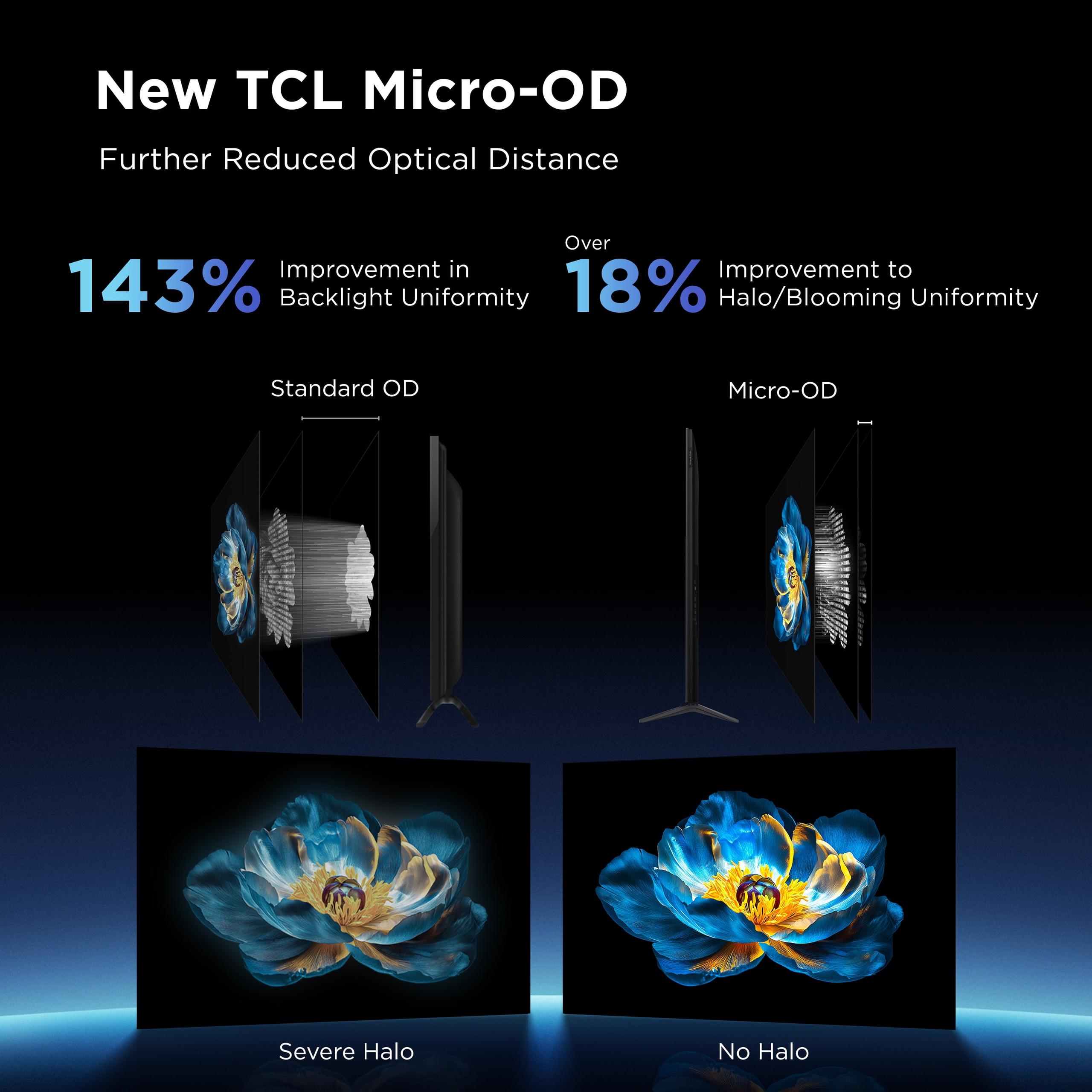
In contrast, the TCL QM6K takes a hardware-first approach. It uses full-array local dimming with up to 500 dimming zones, which means it has Mini LEDs positioned across the entire back of the screen that can brighten or dim independently. This creates genuine contrast – when you're watching a scene with bright stars against a dark sky, those stars can be truly bright while the surrounding darkness remains genuinely black.
Think of it this way: Samsung is like a skilled photographer who can make any camera look good through post-processing, while TCL is like someone who invests in the best camera equipment upfront and lets the hardware do the heavy lifting.
Brightness and HDR Performance
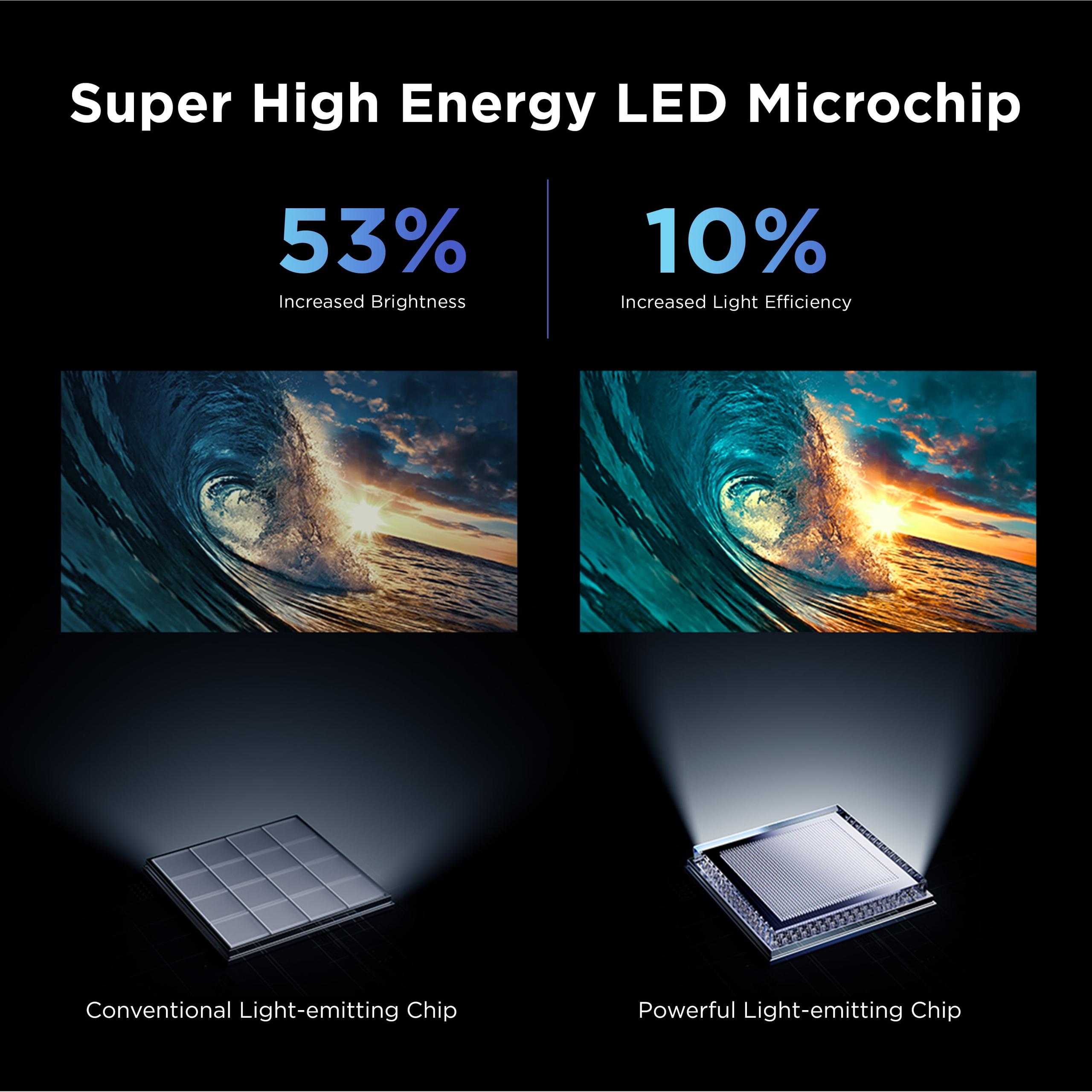
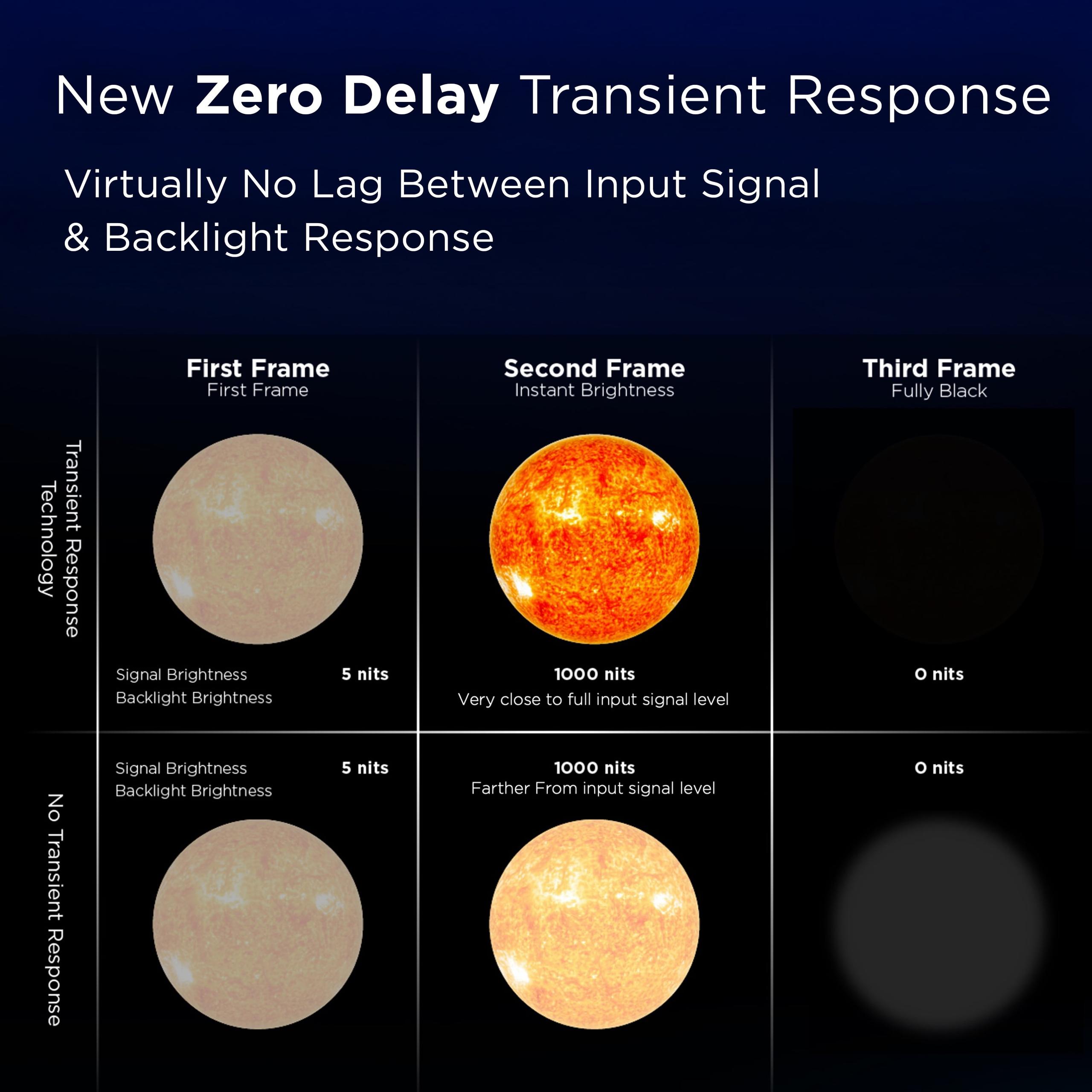
When it comes to pure brightness, the TCL QM6K has a significant advantage. TCL's new Super High Energy LED Chip technology delivers 53% more brightness than their previous generation while being 10% more energy efficient. This matters tremendously for HDR (High Dynamic Range) content – those are the movies and shows that can display both incredibly bright highlights and deep shadows simultaneously.
The Samsung QN70F compensates for its hardware limitations through intelligent processing. Its Neo Quantum HDR system and HDR10+ support work together to optimize each scene, but it's ultimately limited by the edge-lit design. In a bright room with lots of windows, you'll notice the TCL QM6K maintains better visibility and color saturation.
Contrast and Black Levels
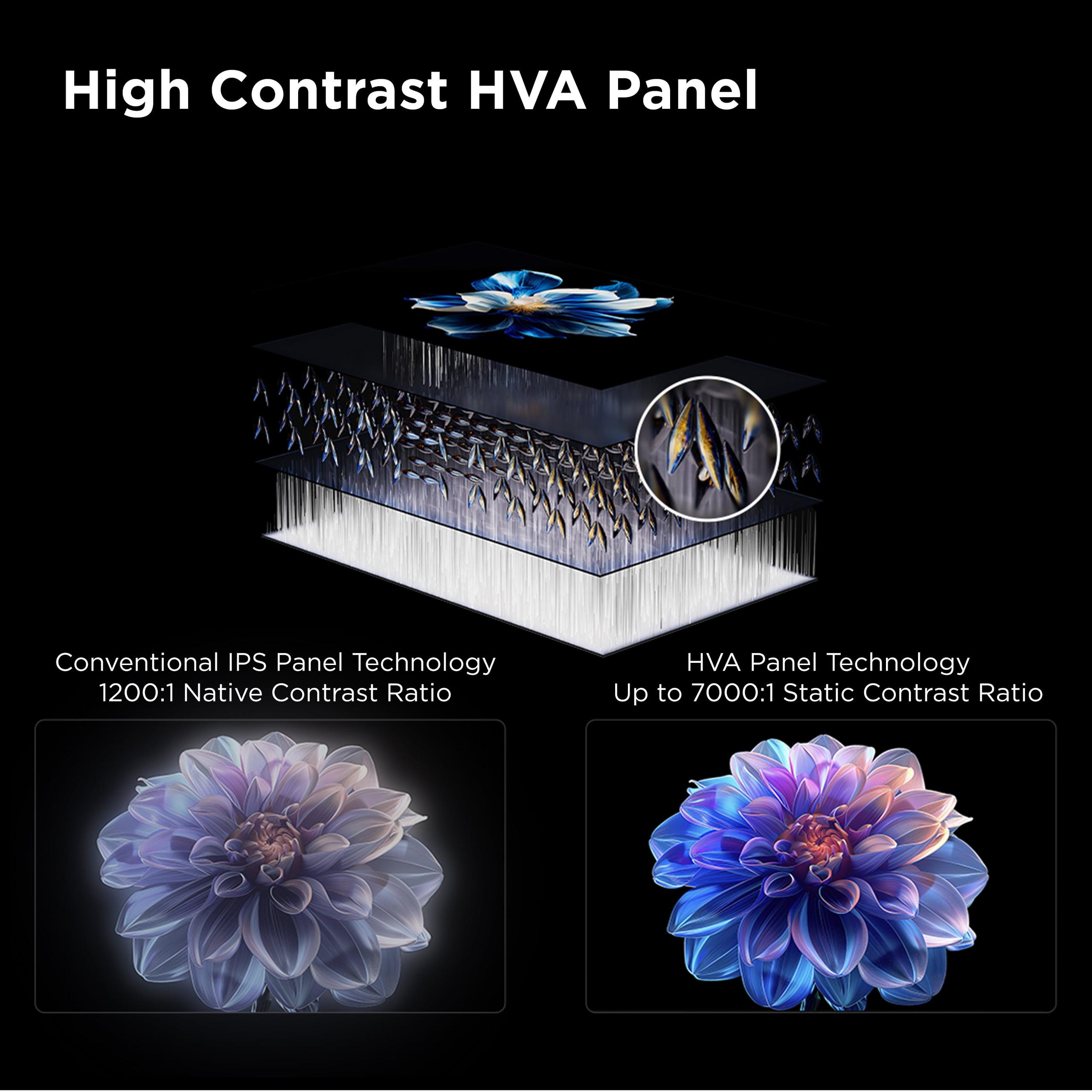
This is where the hardware philosophy really shows its impact. The TCL QM6K's 500 local dimming zones allow it to create what we call "true blacks" – areas of the screen that are actually turned off while adjacent areas remain bright. When you're watching a movie with letterbox bars (those black bars above and below the picture), they disappear completely into the darkness of your room.
The Samsung QN70F uses Supreme UHD Dimming and Real Depth Enhancer to simulate this effect through processing, and while it does a respectable job, you'll notice some light bleeding in dark scenes. However, Samsung's processing does excel at creating a sense of depth – making foreground objects pop while keeping backgrounds subtle.
Color Accuracy and Vibrancy
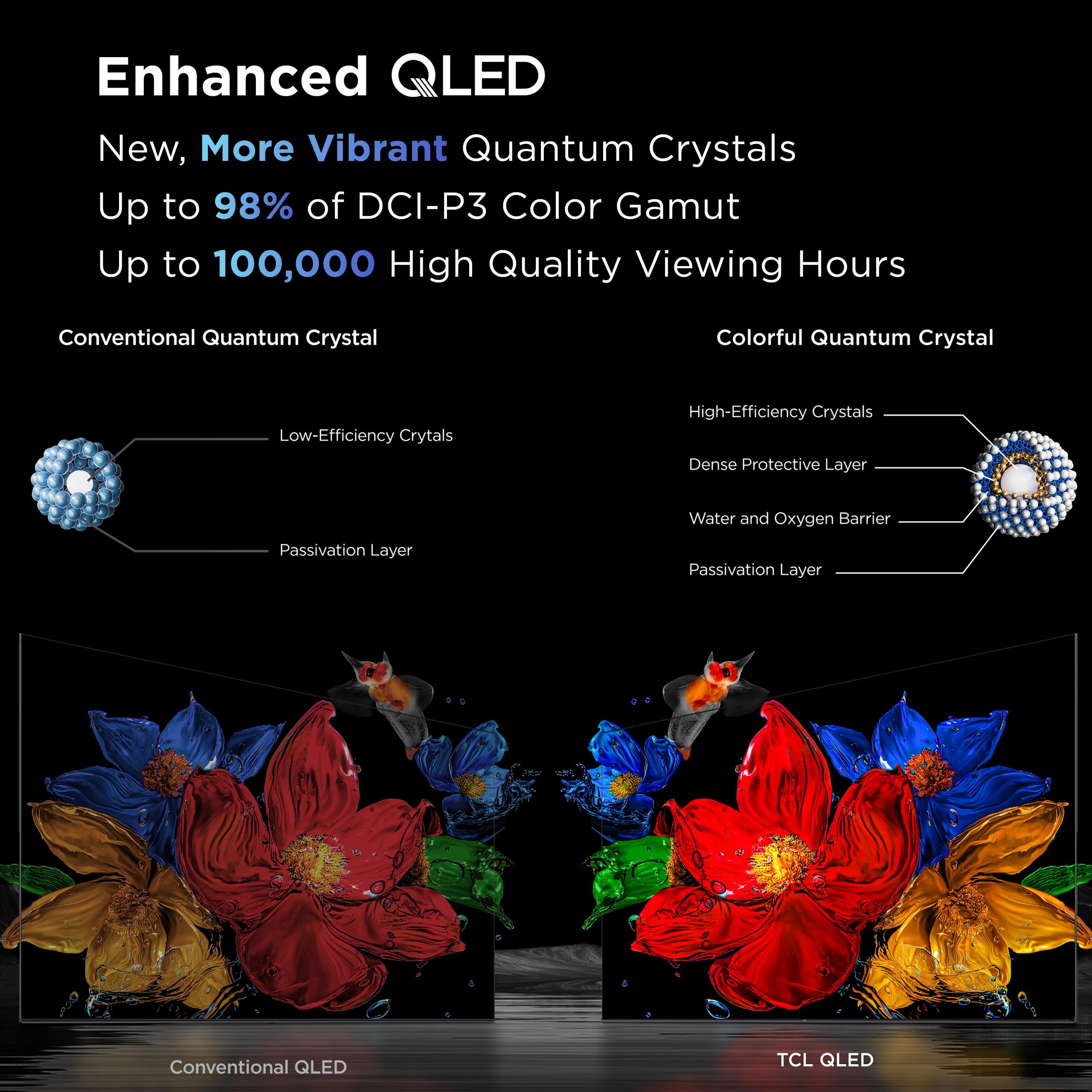
Both TVs use quantum dot technology, which allows them to display a wider range of colors than traditional LED TVs. The TCL QM6K has earned praise for its out-of-the-box color accuracy, meaning it displays colors very close to how content creators intended without much tweaking needed.
The Samsung QN70F takes a different approach with its Color Booster Pro and Auto HDR Remastering. These features actively analyze content and enhance colors in real-time. Some viewers prefer this slightly more vibrant, punchy look, while others prefer TCL's more natural approach. Neither is objectively better – it comes down to personal preference.
For gamers, both TVs offer compelling but different strengths. The TCL QM6K technically has the edge with its native 144Hz refresh rate and Game Accelerator technology that can handle up to 288Hz variable refresh rate (VRR). Variable refresh rate synchronizes the TV's display with your gaming console or PC's output, eliminating screen tearing and stuttering for silky-smooth gameplay.
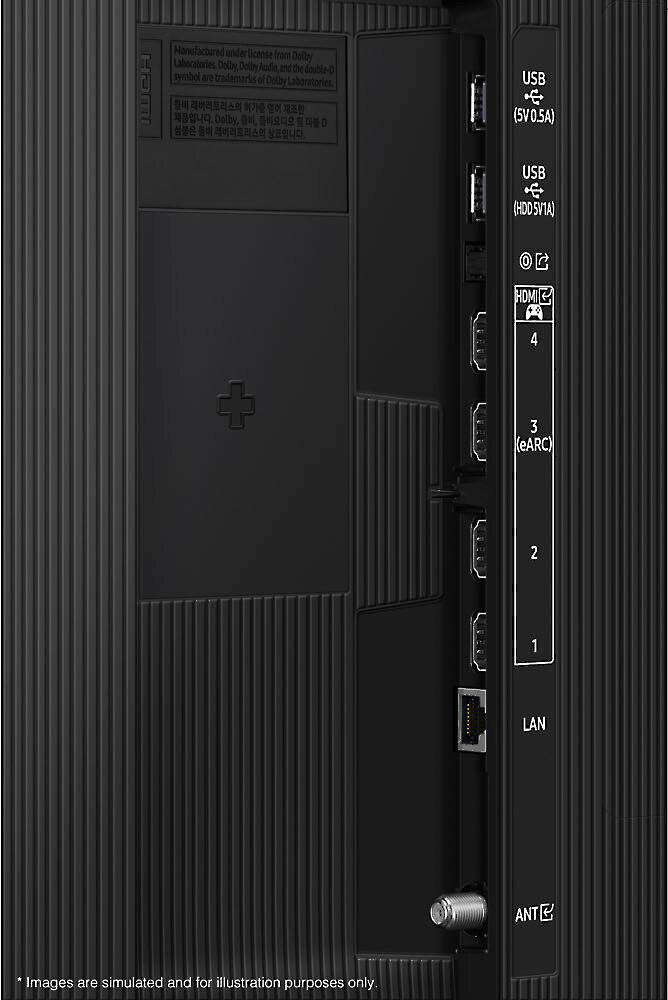
The Samsung QN70F matches the 144Hz native refresh rate and includes comprehensive HDMI 2.1 support across all four ports, plus FreeSync Premium Pro for AMD graphics cards. Where Samsung really shines is in its Gaming Hub integration, which provides easy access to cloud gaming services and gaming-specific picture modes.
Input lag – the delay between pressing a button and seeing the action on screen – is crucial for competitive gaming. Both TVs perform excellently here, with the TCL QM6K having a slight edge in raw numbers, while the Samsung QN70F offers more gaming-specific features and modes.
For casual gamers, either TV will provide an excellent experience. If you're serious about competitive gaming or have a high-end gaming PC capable of pushing frames above 144Hz, the TCL QM6K's higher VRR ceiling gives it a meaningful advantage.
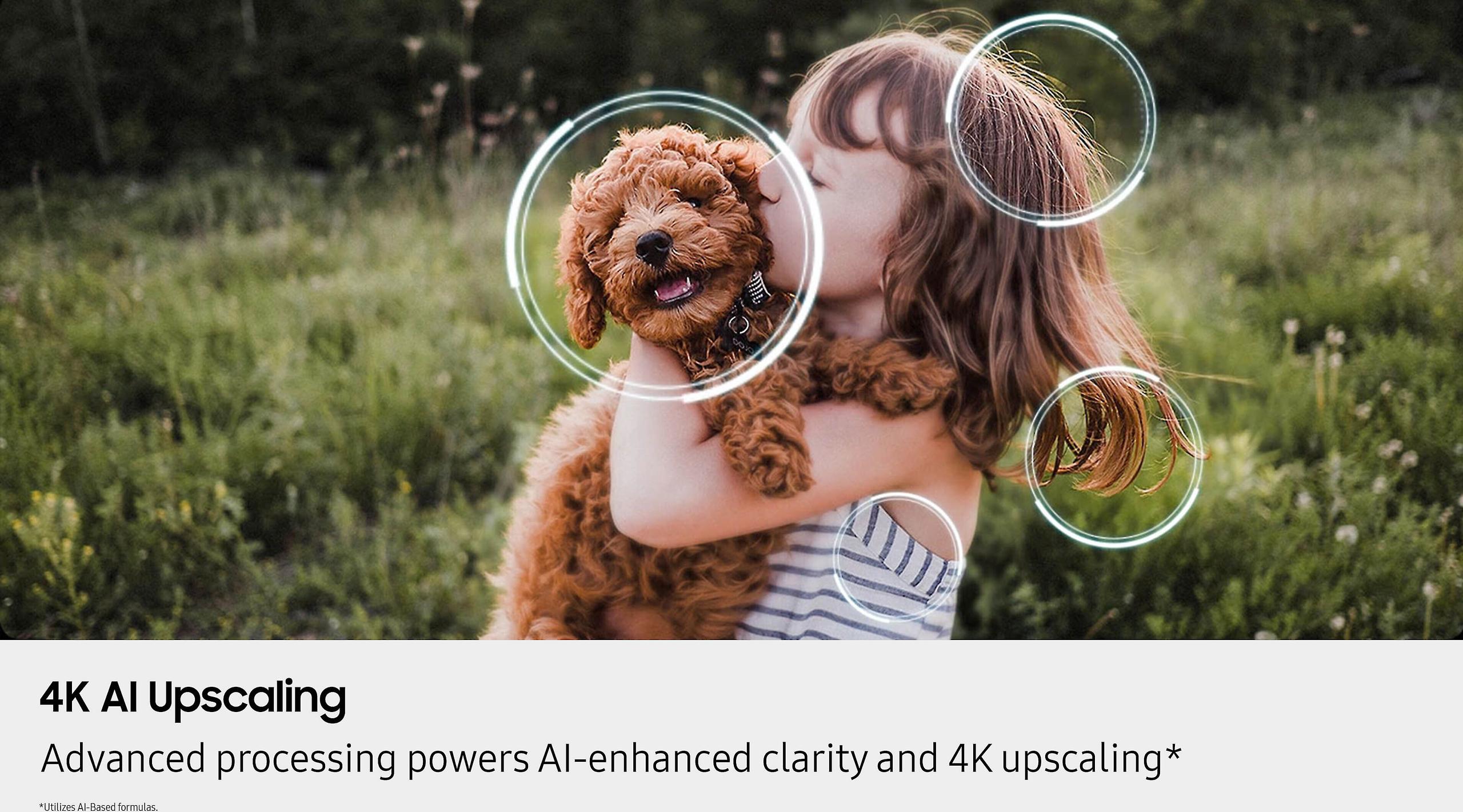
This is perhaps the starkest difference between the two TVs. The Samsung QN70F is built around Samsung's Vision AI technology, which represents a significant leap forward in smart TV capabilities. Features like Click-to-Search let you instantly get information about actors, locations, or products you see on screen. Live Translate provides real-time subtitle translation, which is incredibly useful for international content. The AI also learns your viewing habits and makes personalized recommendations.
Samsung's Tizen platform integrates seamlessly with other Samsung devices and SmartThings smart home products. If you have a Galaxy phone, Samsung soundbar, or other Samsung appliances, the ecosystem integration is genuinely convenient.
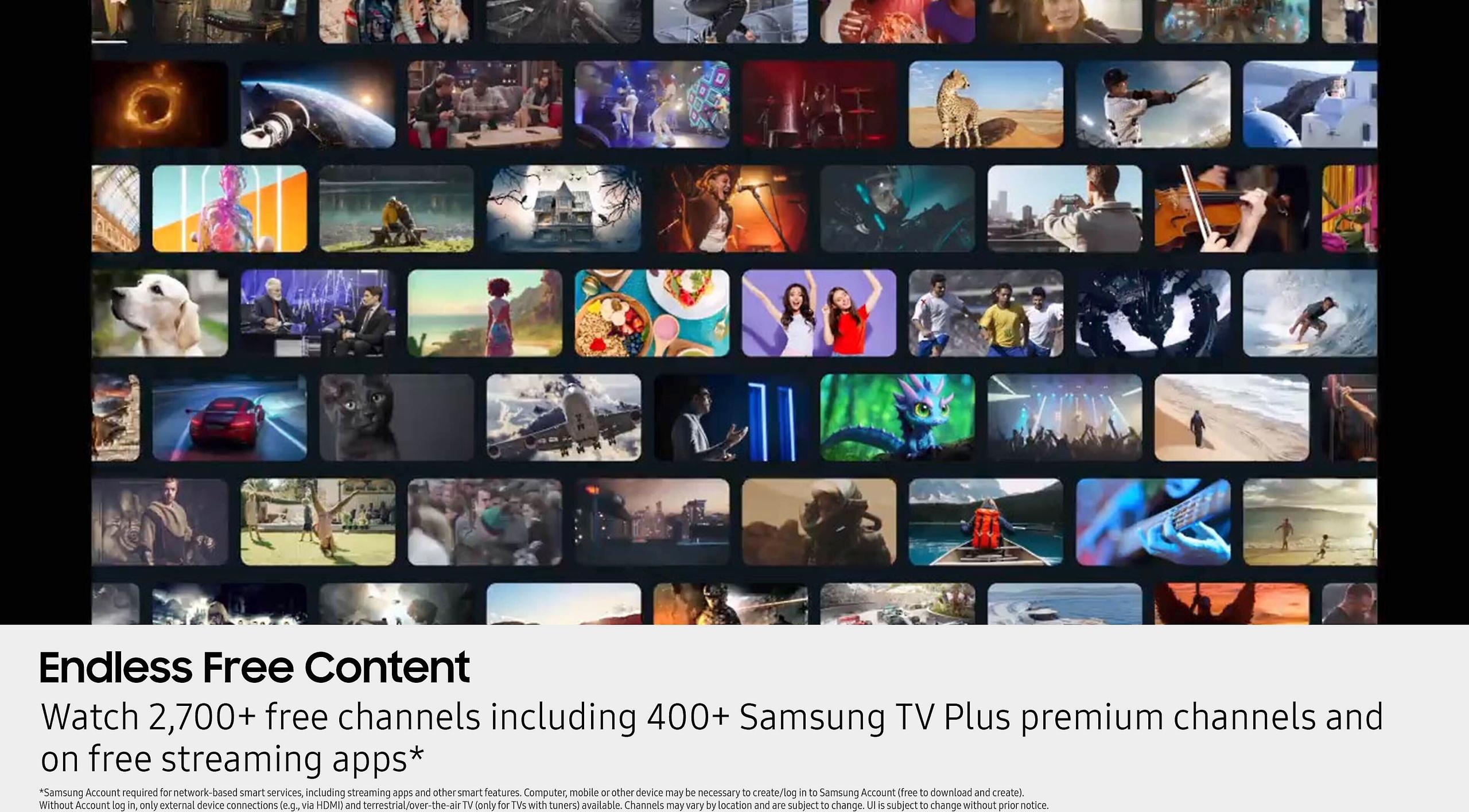
The TCL QM6K runs Google TV, which offers a more straightforward approach. It's clean, responsive, and gives you easy access to all major streaming services. The built-in Google Assistant handles voice commands well, and the interface is familiar to anyone who's used an Android device. However, it lacks the advanced AI features that make the Samsung QN70F feel more futuristic.
TV speakers have historically been terrible, but both manufacturers have put real effort into audio quality. The TCL QM6K includes a 2.1 channel Onkyo sound system with a built-in subwoofer, plus support for Dolby Atmos spatial audio. This means you'll get reasonable bass response and clearer dialogue without immediately needing to buy a soundbar.
The Samsung QN70F features Object Tracking Sound Lite, which attempts to move audio around the screen to match on-screen action. It also supports Q-Symphony, which lets Samsung soundbars work in harmony with the TV's built-in speakers for a more immersive experience.
While neither TV will replace a dedicated sound system for serious movie watching, the TCL QM6K's hardware advantage extends to audio with its actual subwoofer providing better bass response.
If you're building a dedicated home theater, several factors become more important. Room lighting control, seating distance, and viewing angles all play crucial roles in your experience.
The TCL QM6K is better suited for darker, more controlled environments where its local dimming can really shine. The deep blacks and bright highlights create a more cinematic experience that rivals much more expensive displays. Its higher peak brightness also means it can handle some ambient light while maintaining good contrast.
The Samsung QN70F might actually be better for mixed-use living rooms where the TV needs to look good during the day and evening. Its processing helps maintain watchable picture quality even in challenging lighting conditions, and the ultra-slim profile makes it less visually intrusive when wall-mounted.
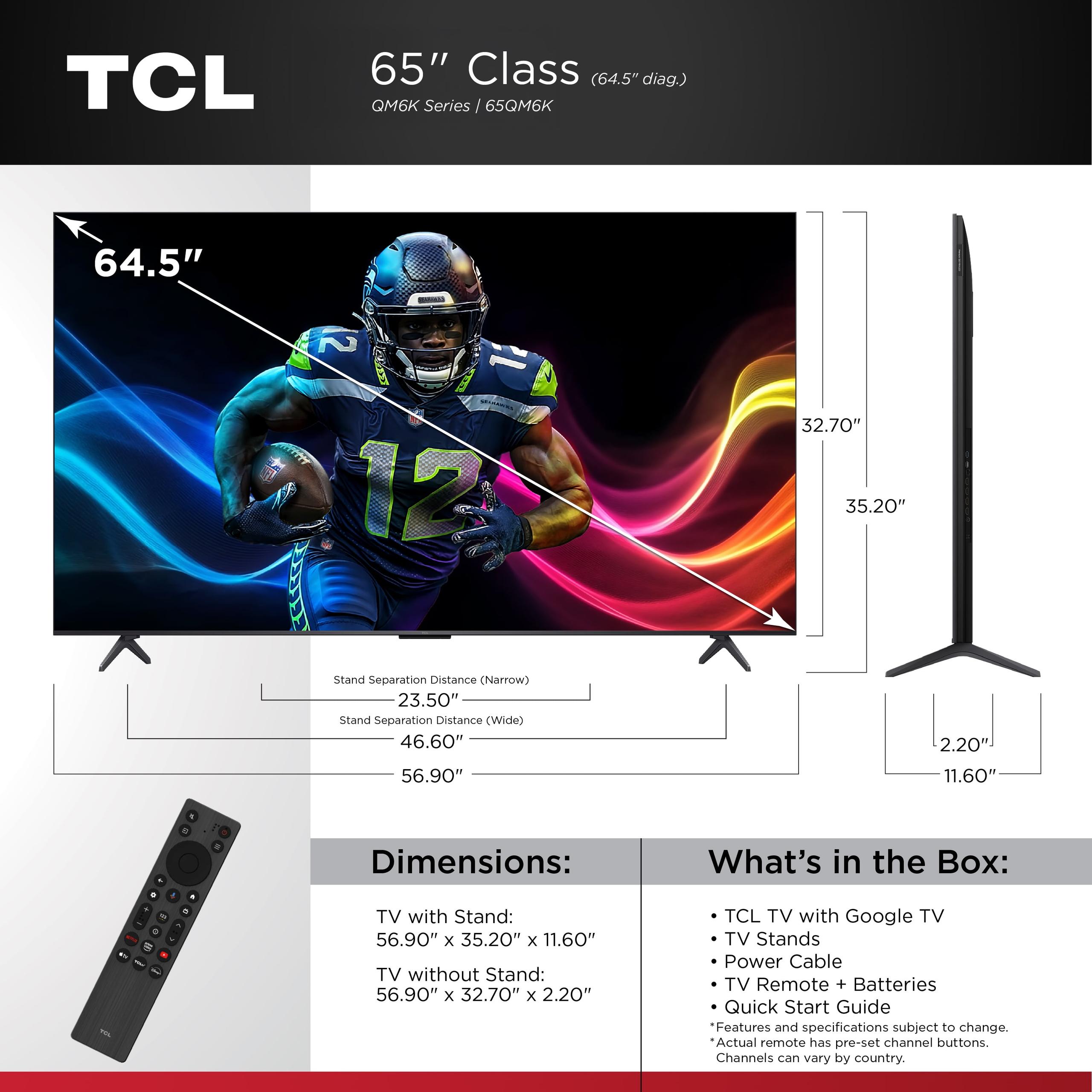
For screen size and viewing distance, both 65-inch models work well for seating distances between 8-12 feet. Closer than that, and you might notice individual pixels; further away, and you lose some of the detail that makes 4K worthwhile.
When comparing these TVs, focus on these key performance areas:
Peak brightness matters for HDR content and bright room viewing. The TCL QM6K wins here with its Super High Energy LED technology delivering notably higher peak brightness levels.
Contrast ratio – the difference between pure black and pure white – significantly impacts perceived picture quality. The TCL QM6K's local dimming provides superior hardware-based contrast, while the Samsung QN70F relies on processing to simulate similar effects.
Input lag for gaming should be under 20 milliseconds for responsive gameplay. Both TVs achieve excellent input lag in game mode, with the TCL QM6K having a slight technical advantage.
Color gamut coverage determines how many colors the TV can display. Both TVs cover the DCI-P3 color space well, which is standard for modern HDR content.
The Samsung QN70F makes the most sense if you value cutting-edge smart features and ecosystem integration. If you have other Samsung devices, appreciate AI-powered content discovery, or want the slimmest possible wall-mounted profile, Samsung's approach will appeal to you. It's also better for mixed-use rooms where the TV needs to perform well in various lighting conditions.
The TCL QM6K is the clear choice for picture quality purists and value-conscious buyers who want premium hardware specifications. If you primarily watch movies, do serious gaming, or have a darker viewing environment where contrast really matters, TCL's hardware-first approach delivers superior performance.
For most buyers, the decision comes down to priorities: do you want the latest AI features and ecosystem integration (Samsung QN70F), or do you prefer superior hardware specs and picture quality at a better value (TCL QM6K)?
At the time of writing, both TVs represent solid value in their respective approaches, but the TCL QM6K offers more traditional premium TV features – exceptional contrast, brightness, and gaming performance – at a more accessible price point. The Samsung QN70F commands a premium for its AI features and brand reputation, which may or may not be worth it depending on your priorities and existing device ecosystem.
Either way, both TVs represent significant upgrades over older LED technology and will provide years of excellent viewing experiences. The choice ultimately comes down to whether you prioritize hardware excellence or software innovation.
| Samsung 65" QN70F Neo QLED 4K Vision AI Smart TV 2025 | TCL 65" QM6K QD-Mini LED 4K TV |
|---|---|
| Display Technology - Fundamentally affects picture quality and contrast | |
| Neo QLED with edge-lit Mini LED (no local dimming zones) | QD-Mini LED with full-array local dimming (up to 500 zones) |
| Peak Brightness - Critical for HDR performance and bright room viewing | |
| Moderate brightness with AI processing enhancement | Superior brightness with Super High Energy LED Chip (53% brighter than previous gen) |
| Contrast Performance - Most noticeable difference in dark scenes | |
| Supreme UHD Dimming with AI processing | True hardware-based contrast with 500 local dimming zones |
| Gaming Refresh Rate - Important for serious gamers with high-end systems | |
| 144Hz native with Motion Xcelerator | 144Hz native with Game Accelerator up to 288Hz VRR |
| Smart TV Platform - Affects daily usability and feature access | |
| Tizen with Vision AI (Click-to-Search, Live Translate, personalized recommendations) | Google TV with built-in Google Assistant (simpler, more familiar interface) |
| AI Features - Determines how "smart" your TV experience feels | |
| Advanced Vision AI with content discovery and real-time translations | AiPQ Pro processor focused on picture optimization only |
| Audio System - Important if you're not buying a separate soundbar | |
| Object Tracking Sound Lite, Q-Symphony support, 20W 2CH | 2.1 channel Onkyo system with built-in subwoofer, Dolby Atmos |
| Design Profile - Matters for wall mounting and room aesthetics | |
| Ultra-slim 1-inch depth for minimal visual impact | Standard thickness with more robust internal hardware |
| Ecosystem Integration - Valuable if you own other brand devices | |
| Excellent Samsung device integration, SmartThings Hub built-in | Standard Android/Google ecosystem compatibility |
| Gaming Features - Beyond refresh rate, includes latency and compatibility | |
| Gaming Hub integration, FreeSync Premium Pro, comprehensive HDMI 2.1 | Extremely low input lag, FreeSync Premium Pro, optimized game modes |
| Value Proposition - Hardware specs vs premium features trade-off | |
| Premium pricing for AI features and brand reputation | Superior hardware specifications at more competitive pricing |
The TCL 65" QM6K QD-Mini LED 4K TV delivers superior picture quality for movies thanks to its full-array local dimming with up to 500 zones. This creates deeper blacks and better contrast, which is essential for cinematic content. The Samsung 65" QN70F Neo QLED 4K Vision AI Smart TV 2025 relies more on AI processing to enhance picture quality, but can't match the hardware-based contrast of the TCL QM6K.
Both TVs offer excellent gaming performance, but the TCL 65" QM6K QD-Mini LED 4K TV has a slight edge with its Game Accelerator technology supporting up to 288Hz variable refresh rate and extremely low input lag. The Samsung 65" QN70F Neo QLED 4K Vision AI Smart TV 2025 counters with Gaming Hub integration and comprehensive HDMI 2.1 support across all ports. Serious competitive gamers will prefer the TCL QM6K, while casual gamers will be satisfied with either option.
Neo QLED on the Samsung 65" QN70F Neo QLED 4K Vision AI Smart TV 2025 uses edge-lit Mini LEDs with AI processing to create contrast, while QD-Mini LED on the TCL 65" QM6K QD-Mini LED 4K TV combines quantum dot technology with full-array Mini LED backlighting. The TCL QM6K approach provides better hardware-based contrast control, while the Samsung QN70F focuses on intelligent processing to optimize the picture.
The TCL 65" QM6K QD-Mini LED 4K TV achieves higher peak brightness with its Super High Energy LED Chip technology, making it better suited for bright rooms with lots of natural light. The Samsung 65" QN70F Neo QLED 4K Vision AI Smart TV 2025 compensates with intelligent processing but is ultimately limited by its edge-lit design. For rooms with large windows or bright lighting, the TCL QM6K maintains better visibility and color accuracy.
The Samsung 65" QN70F Neo QLED 4K Vision AI Smart TV 2025 runs Tizen with advanced Vision AI features like Click-to-Search and Live Translate, plus excellent integration with Samsung devices. The TCL 65" QM6K QD-Mini LED 4K TV uses Google TV, which offers a cleaner, more familiar interface with built-in Google Assistant. Choose the Samsung QN70F for AI features and Samsung ecosystem integration, or the TCL QM6K for simplicity and Google services.
The TCL 65" QM6K QD-Mini LED 4K TV includes a superior 2.1 channel Onkyo sound system with a built-in subwoofer and Dolby Atmos support, providing better bass response and overall audio quality. The Samsung 65" QN70F Neo QLED 4K Vision AI Smart TV 2025 features Object Tracking Sound Lite and Q-Symphony support for Samsung soundbars. If you're not planning to add a separate sound system, the TCL QM6K offers noticeably better built-in audio.
The TCL 65" QM6K QD-Mini LED 4K TV excels in dark environments thanks to its 500 local dimming zones that can create true blacks while maintaining bright highlights. This hardware-based approach is ideal for home theater setups where you can control lighting. The Samsung 65" QN70F Neo QLED 4K Vision AI Smart TV 2025 performs well but relies on processing rather than hardware for contrast. For dedicated home theaters, the TCL QM6K provides a more cinematic experience.
The TCL 65" QM6K QD-Mini LED 4K TV typically offers superior value by providing premium hardware features like local dimming and higher peak brightness at a more competitive price point. The Samsung 65" QN70F Neo QLED 4K Vision AI Smart TV 2025 commands a premium for its AI features and brand reputation. If you prioritize picture quality and specifications over smart features, the TCL QM6K delivers more performance per dollar.
The Samsung 65" QN70F Neo QLED 4K Vision AI Smart TV 2025 leads significantly in AI capabilities with Vision AI features including Click-to-Search, Live Translate, actor identification, and personalized content recommendations. The TCL 65" QM6K QD-Mini LED 4K TV focuses its AI processing on picture optimization through the AiPQ Pro processor. Choose the Samsung QN70F if you want cutting-edge smart TV AI features, or the TCL QM6K if you prefer AI that enhances picture quality.
Both TVs handle sports well with their 144Hz refresh rates, but the TCL 65" QM6K QD-Mini LED 4K TV has advantages in bright room performance and motion clarity thanks to its superior peak brightness and local dimming. The Samsung 65" QN70F Neo QLED 4K Vision AI Smart TV 2025 offers good sports performance with Motion Xcelerator technology and AI-enhanced processing. For typical living room sports viewing, the TCL QM6K maintains better picture quality in various lighting conditions.
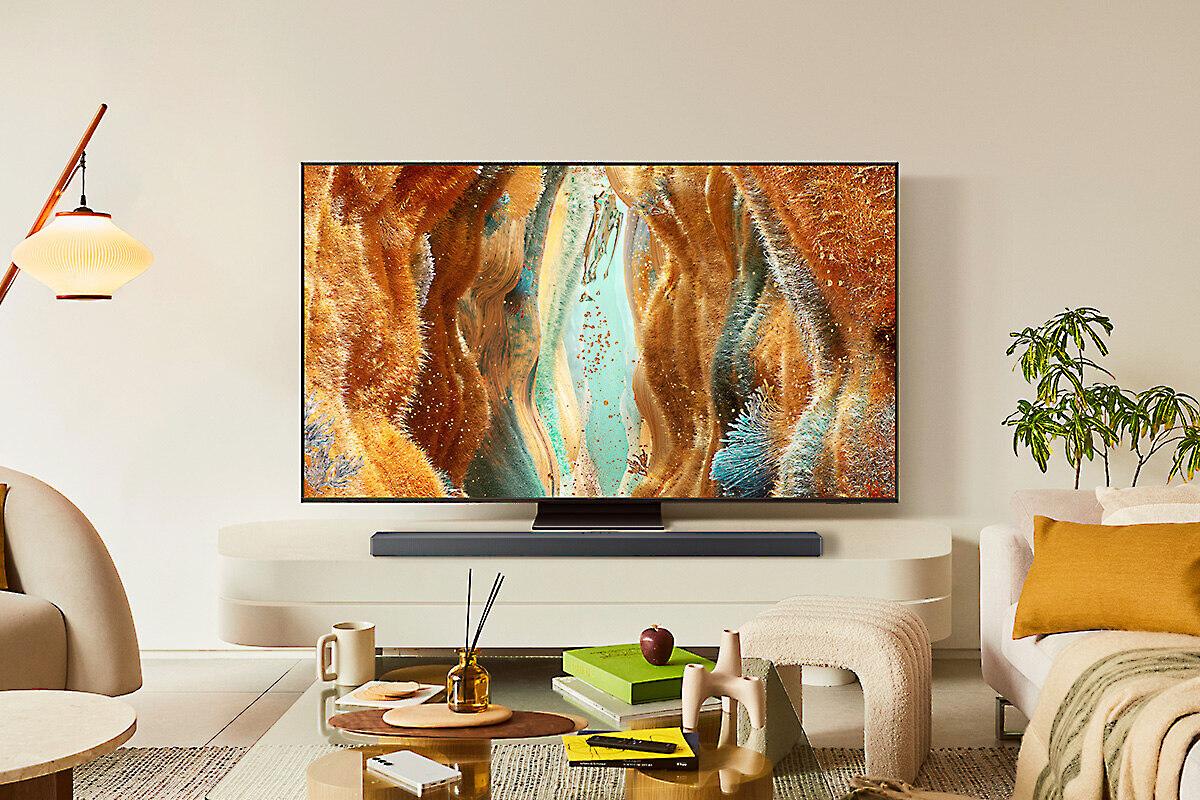
The Samsung 65" QN70F Neo QLED 4K Vision AI Smart TV 2025 achieves an ultra-slim 1-inch profile that looks nearly flush against the wall, making it ideal for minimalist aesthetics. The TCL 65" QM6K QD-Mini LED 4K TV has a thicker profile due to its full-array backlight system but still wall-mounts attractively. If visual impact when wall-mounted is your priority, the Samsung QN70F offers a sleeker appearance, while the TCL QM6K prioritizes performance over thinness.
The Samsung 65" QN70F Neo QLED 4K Vision AI Smart TV 2025 typically receives longer software support with regular Tizen updates and new feature additions, backed by Samsung's reputation for long-term support. The TCL 65" QM6K QD-Mini LED 4K TV benefits from Google TV's consistent updates but may not receive as many new features over time. For buyers who keep TVs for many years, the Samsung QN70F may offer better long-term software evolution, while the TCL QM6K focuses on delivering excellent hardware performance from day one.
We've done our best to create useful and informative comparisons to help you decide what product to buy. Our research uses advanced automated methods to create this comparison and perfection is not possible - please contact us for corrections or questions. These are the sites we've researched in the creation of this article: rtings.com - youtube.com - wifihifi.com - samsung.com - samsung.com - samsung.com - samsung.com - flatpanelshd.com - news.samsung.com - bestbuy.com - youtube.com - tomsguide.com - youtube.com - tcl.com - tomsguide.com - youtube.com - youtube.com - hometechnologyreview.com - rtings.com - bestbuy.com - tcl.com - youtube.com - youtube.com - bestbuy.com - youtube.com - youtube.com - youtube.com - tcl.com - youtube.com - walmart.com - tcl.com - displayspecifications.com - kitele.com - displayspecifications.com - flatpanelshd.com - woodruffappliance.com - displayspecifications.com - prnewswire.com - tcl.com - youtube.com - abt.com - youtube.com - tclkenya.co.ke - budgethomefurn.com

Privacy Policy
Terms and Conditions - Affiliate Policy
Home Security
© Copyright 2008-2026.
11816 Inwood Rd #1211, Dallas, TX 75244