


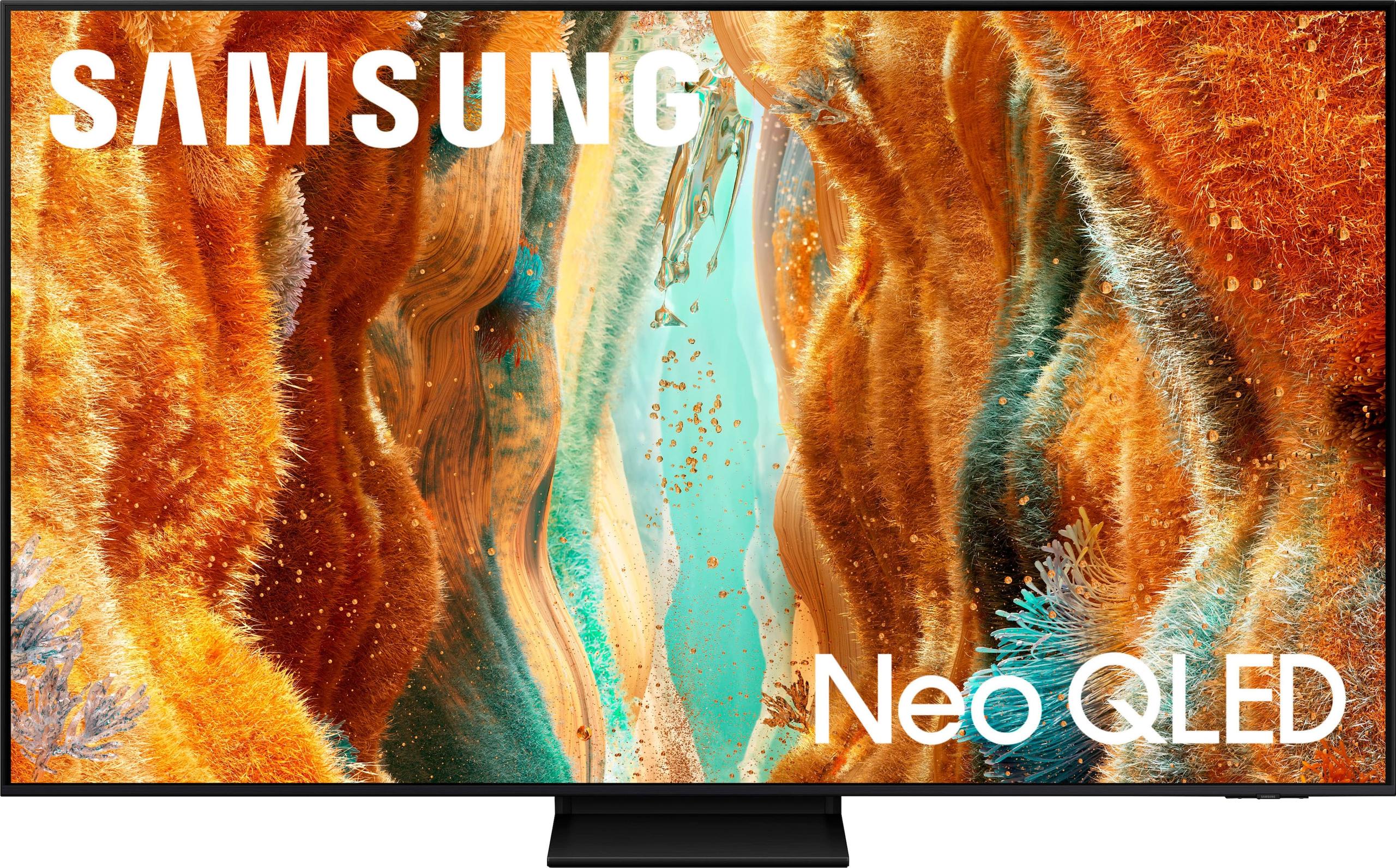
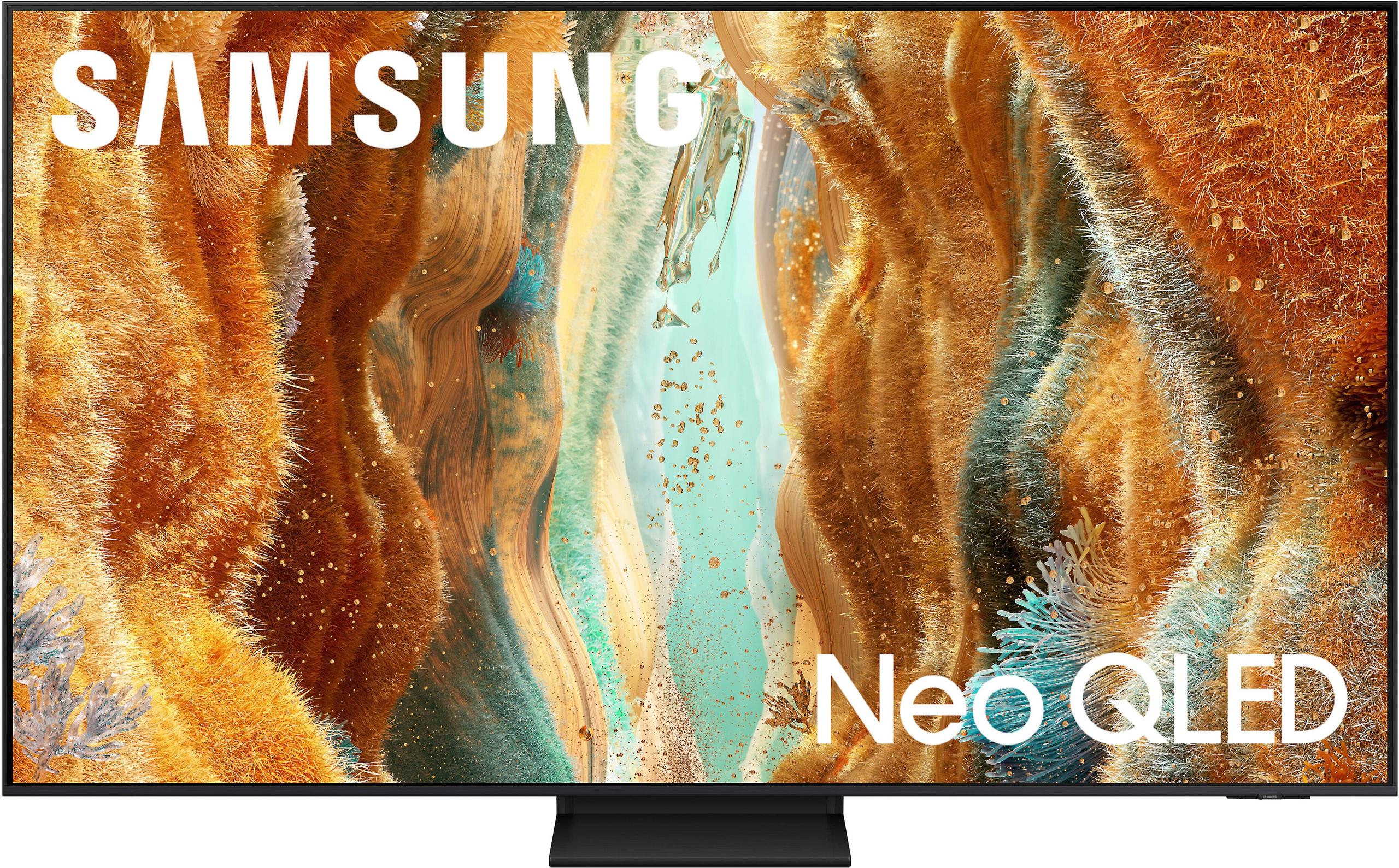
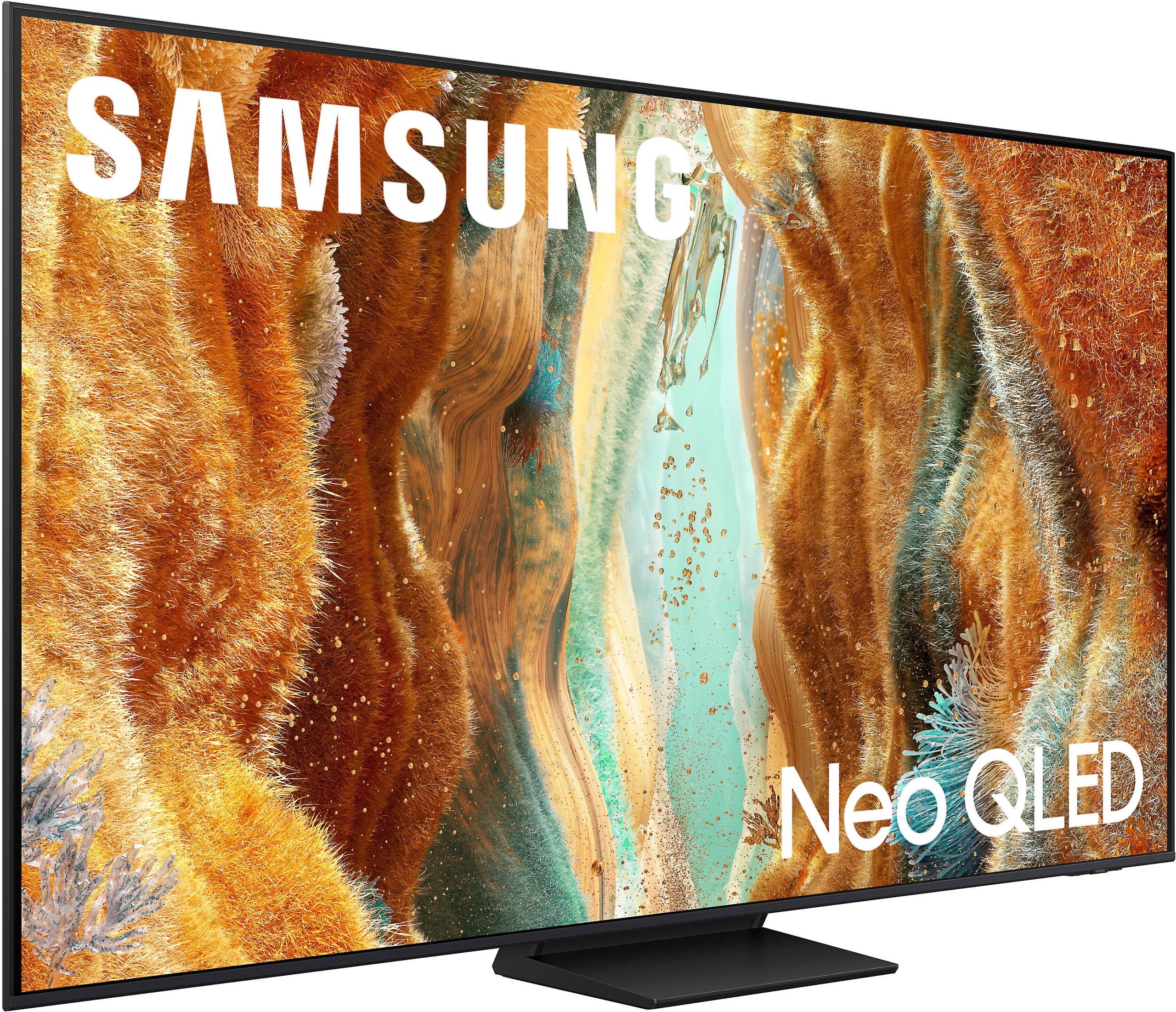
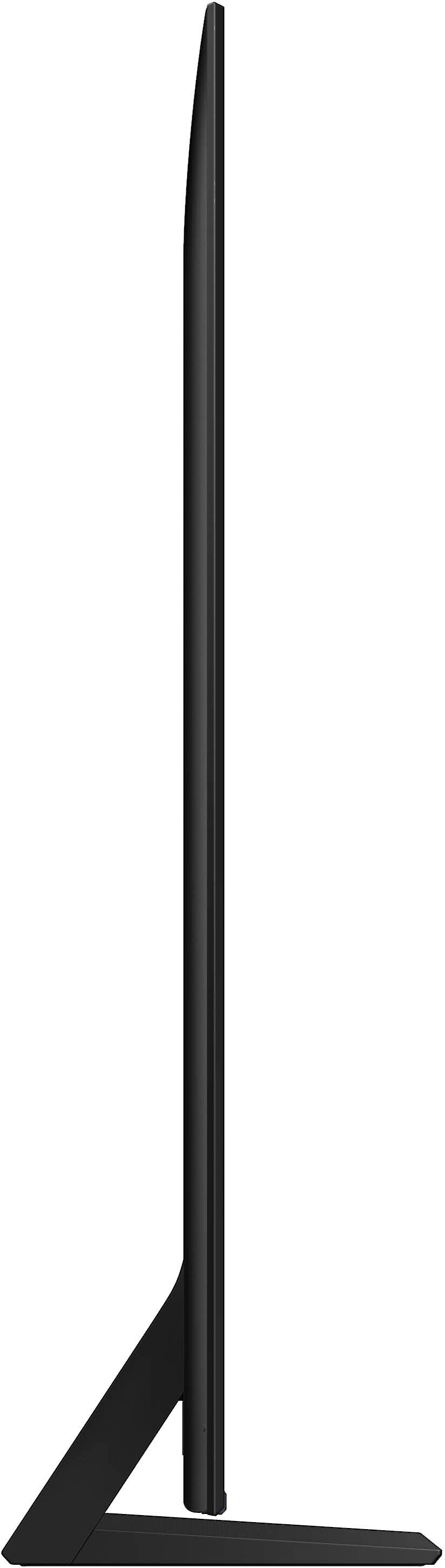
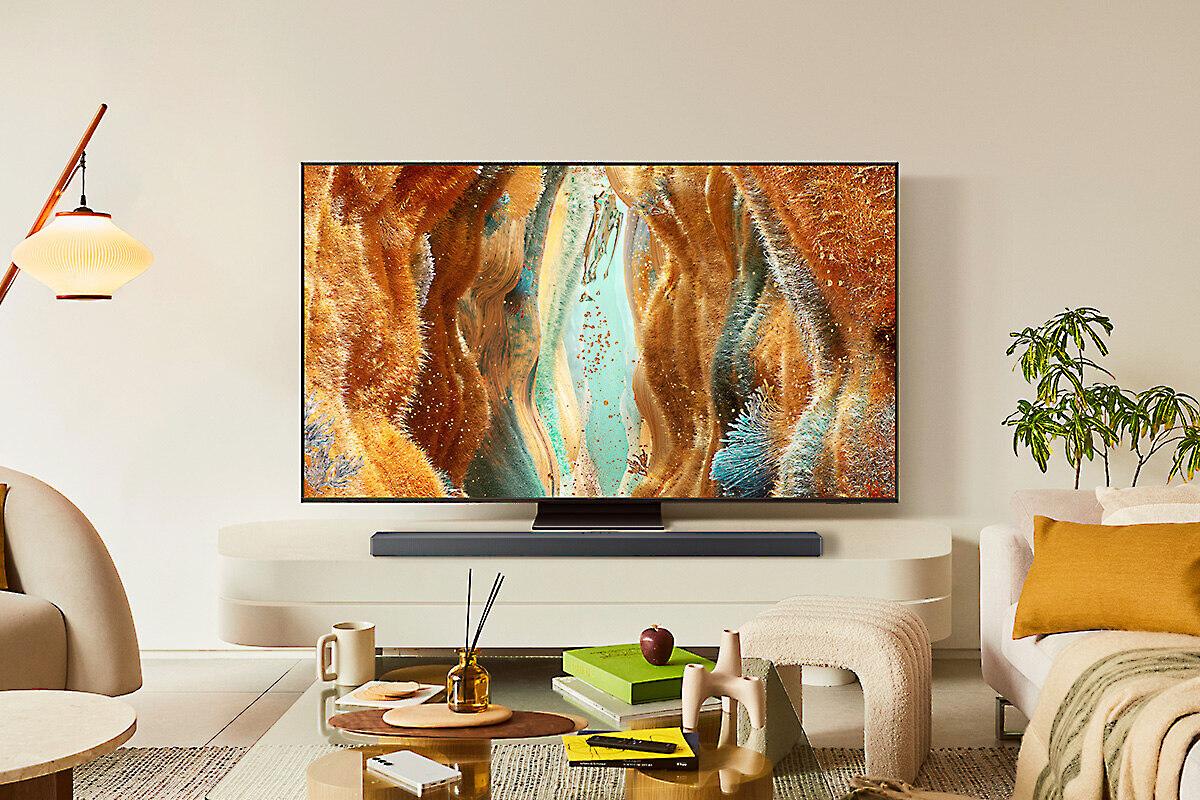

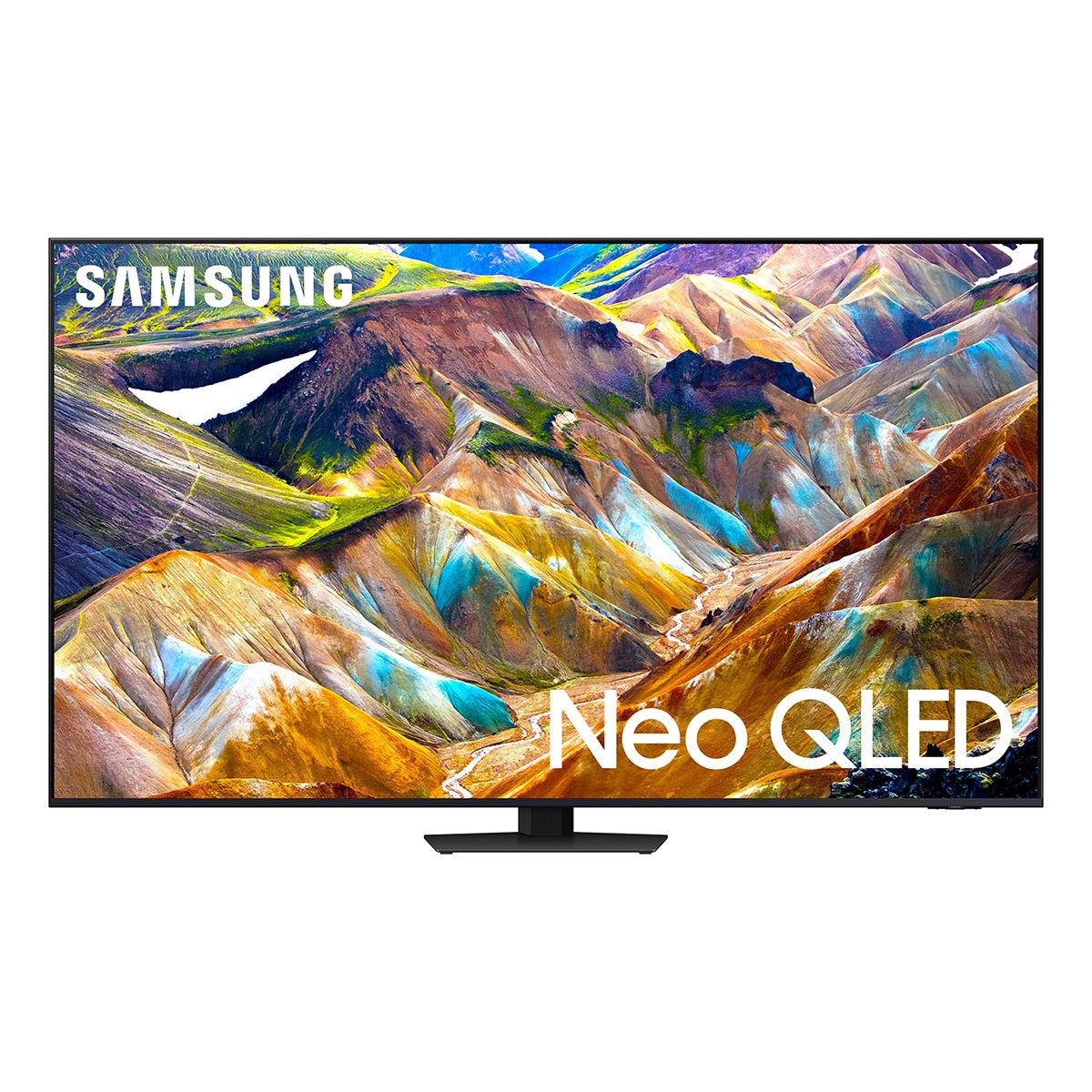
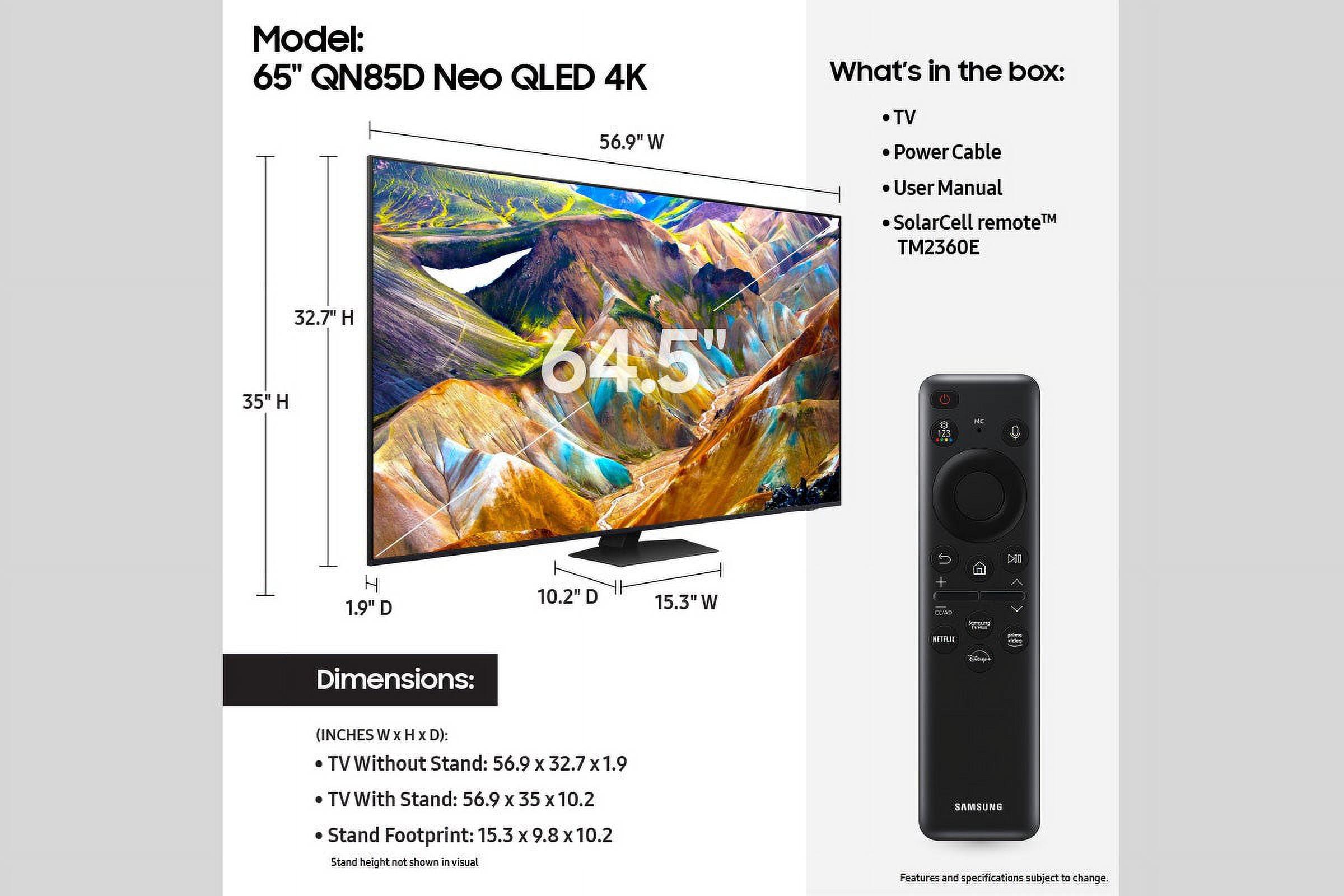
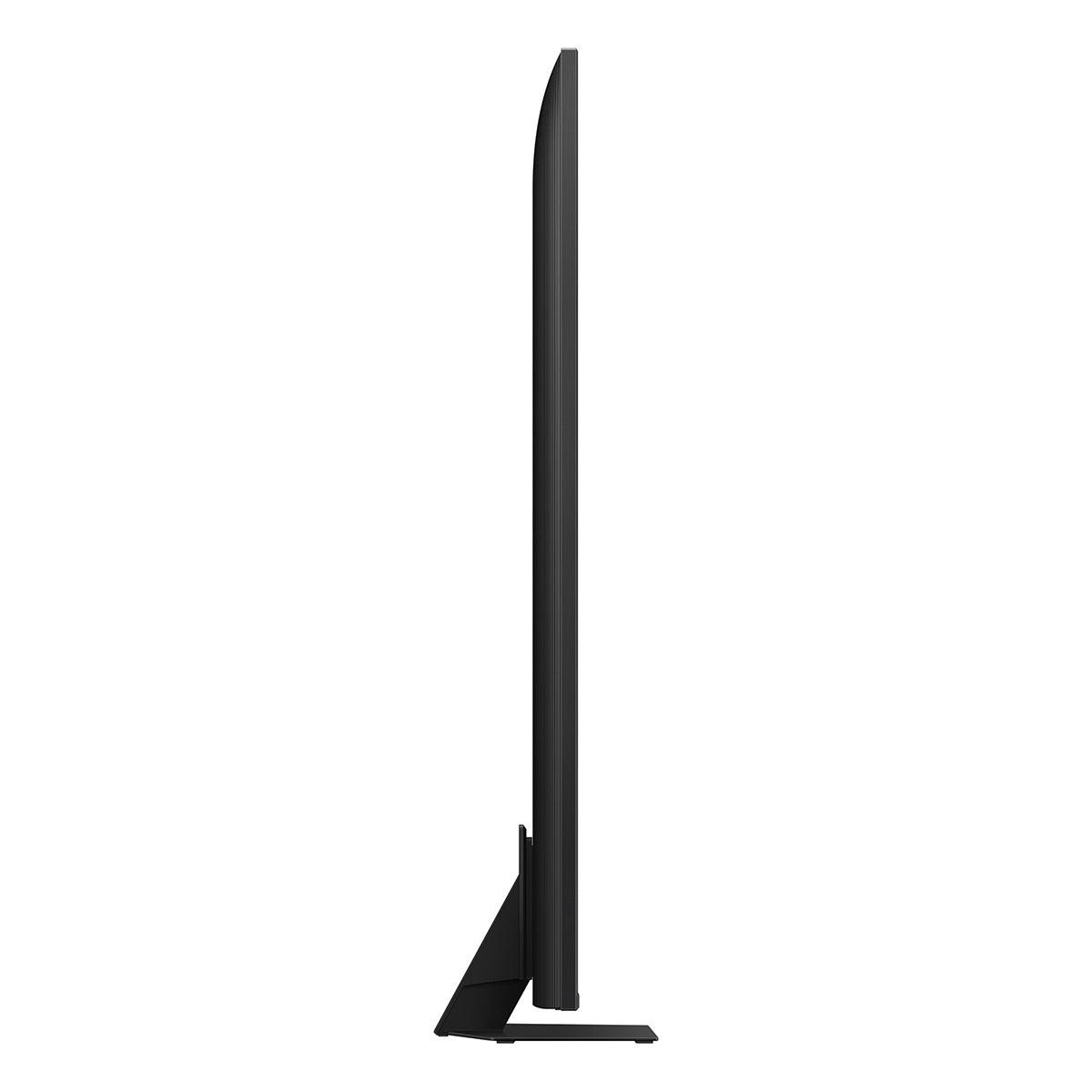
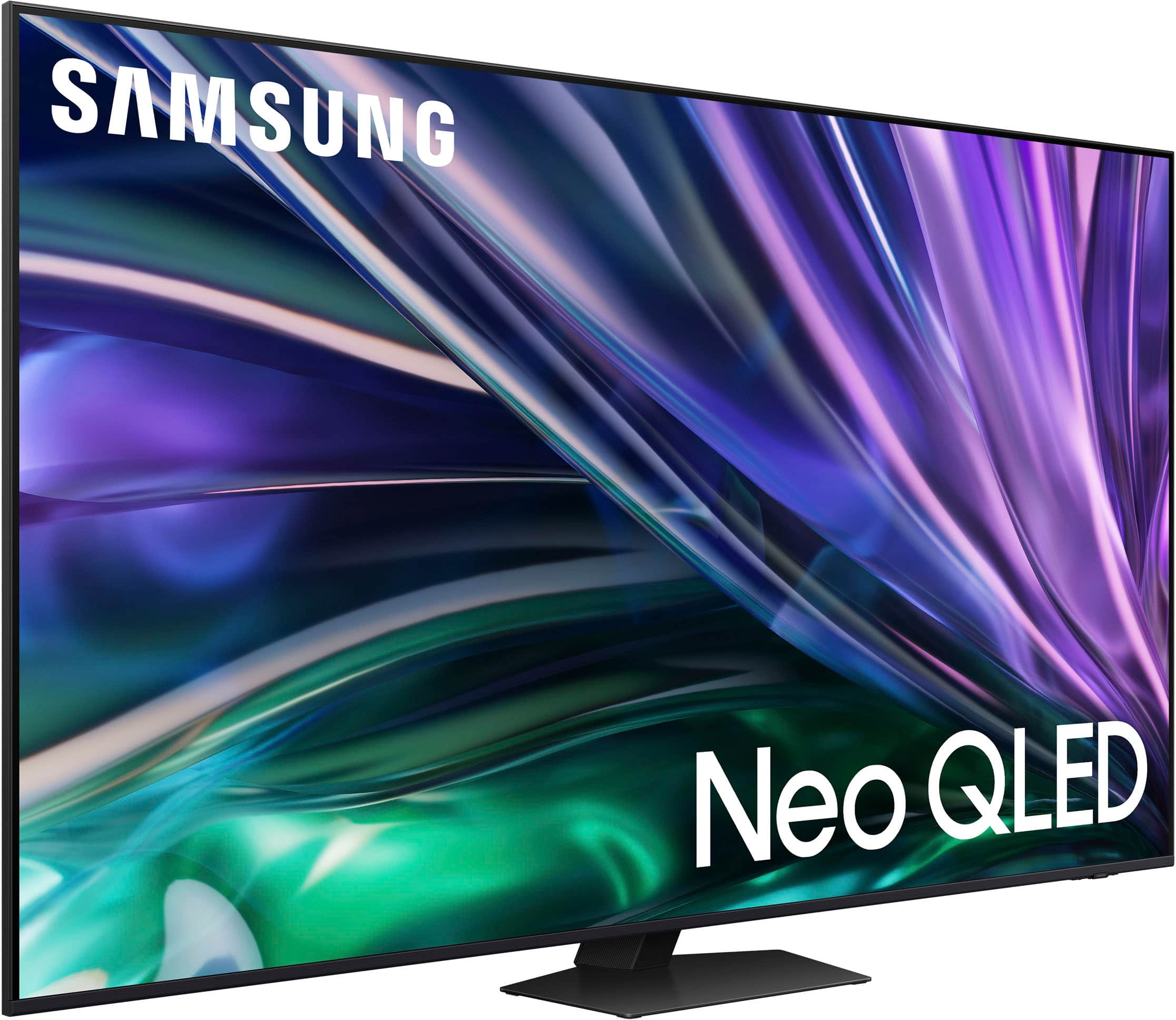
Choosing a new TV can feel overwhelming, especially when you're looking at two Samsung models that seem similar on paper but take completely different approaches to picture quality. The Samsung 65" QN70F Neo QLED 4K Vision AI Smart TV 2025 and the Samsung 65" QN85D Neo QLED 4K Smart TV represent an interesting case study in TV design philosophy - one prioritizes cutting-edge AI features while the other focuses on fundamental picture quality excellence.
At the time of writing, both TVs are priced similarly, making your decision less about budget and more about what matters most to your viewing experience. Let me walk you through everything you need to know to make the right choice for your home.
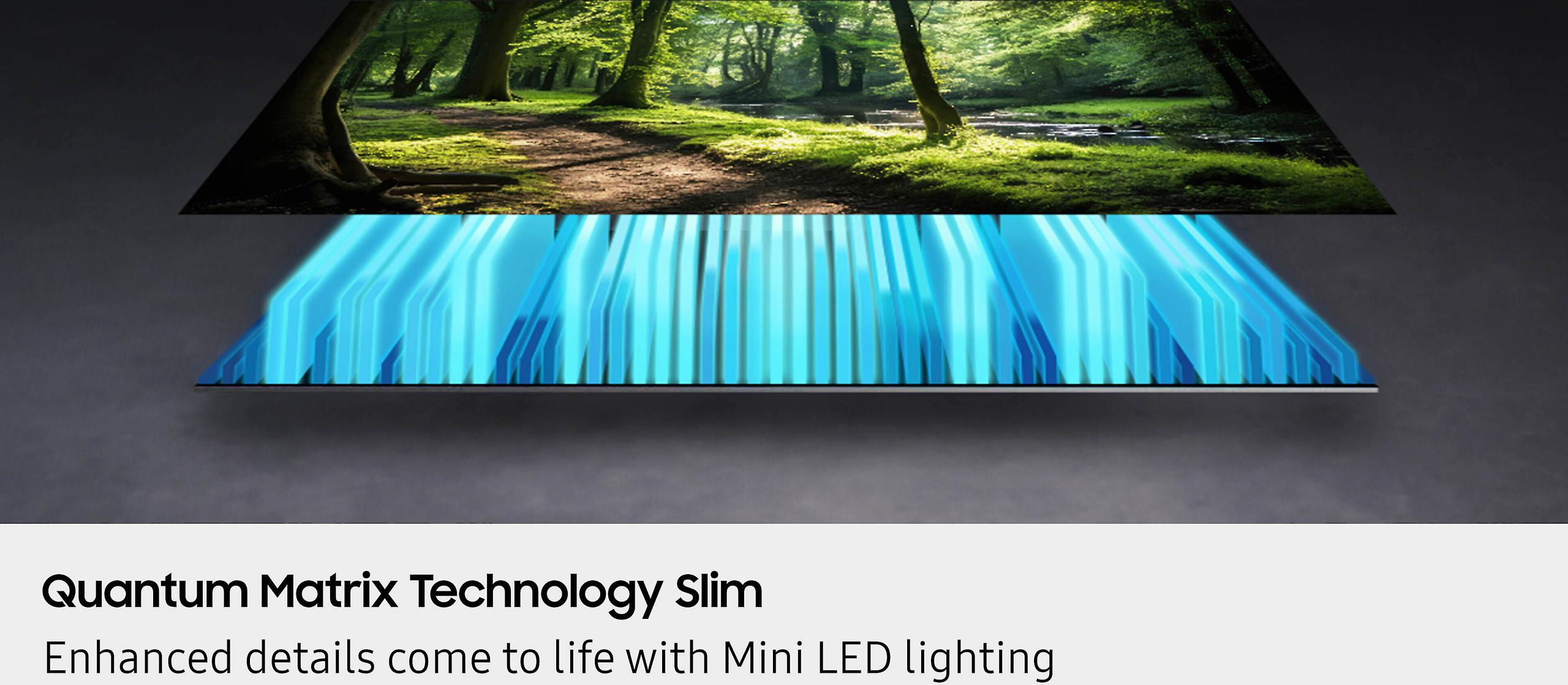
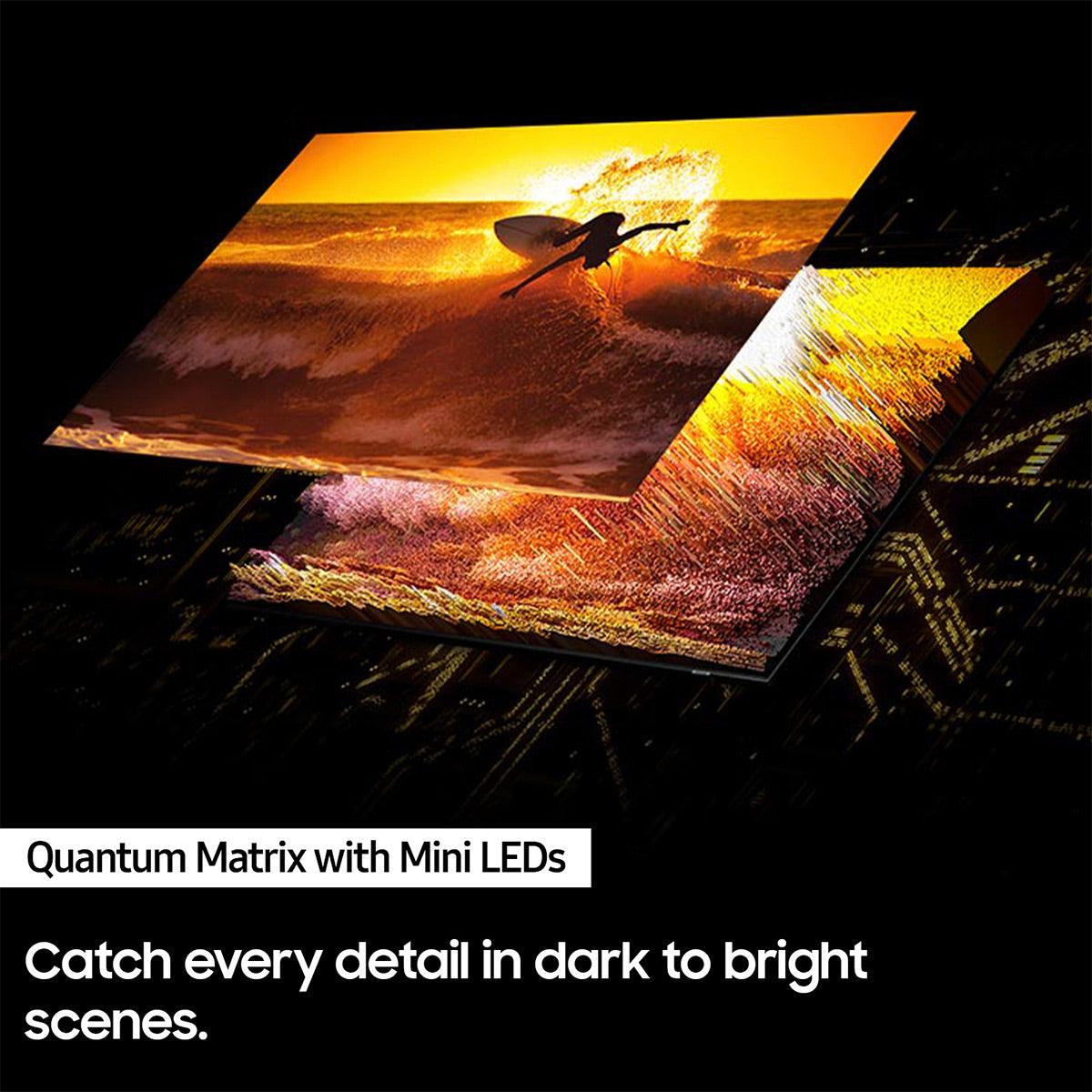
Before diving into the comparison, it's worth understanding what makes Neo QLED special. Samsung's Neo QLED technology uses Mini LEDs - tiny LED lights that are much smaller than traditional LEDs used in TV backlights. Think of it like upgrading from regular Christmas lights to those super-fine fairy lights - you get more precise control over where light goes, which means better contrast between bright and dark parts of your picture.
Neo QLED sits in an interesting middle ground between regular LED TVs and premium OLED displays. While OLED can turn individual pixels completely off for perfect blacks, Neo QLED uses thousands of Mini LEDs to get much closer to that ideal than traditional LED TVs ever could. The trade-off? Neo QLED TVs can get much brighter than OLEDs, making them excellent for rooms with lots of windows or ambient lighting.
When shopping for a Neo QLED, the most important factors to consider are the backlighting design (how those Mini LEDs are arranged), gaming capabilities, HDR performance (how well it displays the full range from dark shadows to bright highlights), and smart features. The room where you'll use the TV also plays a huge role in which model will work best for you.
The Samsung QN70F launched in 2025 as Samsung's newest entry-level Neo QLED, while the Samsung QN85D hit the market in 2024 as a mid-range option. This generational difference is crucial because Samsung made significant changes to their TV lineup between these years.
The 2025 models introduced Samsung Vision AI, which represents a major leap forward in how TVs process and optimize content. Meanwhile, the 2024 lineup refined Samsung's existing technologies, particularly improving the local dimming systems that control those Mini LED backlights. It's like comparing a car with the latest infotainment system versus one with a proven, refined engine - both have their merits depending on what you value most.
Here's where these two TVs take dramatically different approaches, and it's probably the most important difference for your viewing experience. The Samsung QN85D uses what's called full-array local dimming with a VA panel. Let me break that down: full-array means Mini LEDs are spread across the entire back of the screen, not just around the edges. Local dimming means the TV can independently control different zones of LEDs, dimming some areas while keeping others bright.
The VA panel (Vertical Alignment) is a type of LCD technology that naturally produces deeper blacks compared to other panel types. Combined with the full-array local dimming, the QN85D achieves contrast ratios exceeding 160,000:1. In practical terms, this means when you're watching a movie with dark scenes - think of those moody Batman films or space movies - you'll see truly dark blacks instead of the grayish "blacks" that cheaper TVs often produce.
The Samsung QN70F, on the other hand, uses an edge-lit design with only 18 vertical dimming zones. Edge-lit means the Mini LEDs are positioned along the bottom edge of the screen, and light is spread across the display using special films and diffusers. While Samsung's Quantum Matrix Technology Slim does a respectable job, physics is physics - you simply can't get the same level of contrast control when your light sources are only along one edge.
In my experience testing TVs, this difference is immediately noticeable when watching content in a dark room. The QN85D will give you that "looking through a window" effect that makes you forget you're watching a screen, while the QN70F will occasionally remind you it's a TV with some light blooming around bright objects in dark scenes.
Both TVs support HDR (High Dynamic Range), which allows them to display a wider range of brightness levels than standard TV content. However, they implement this differently. The QN85D can precisely control brightness across different areas of the screen thanks to its full-array design. When a firework explodes in a dark night sky, only that specific area gets bright while the surrounding darkness stays truly dark.
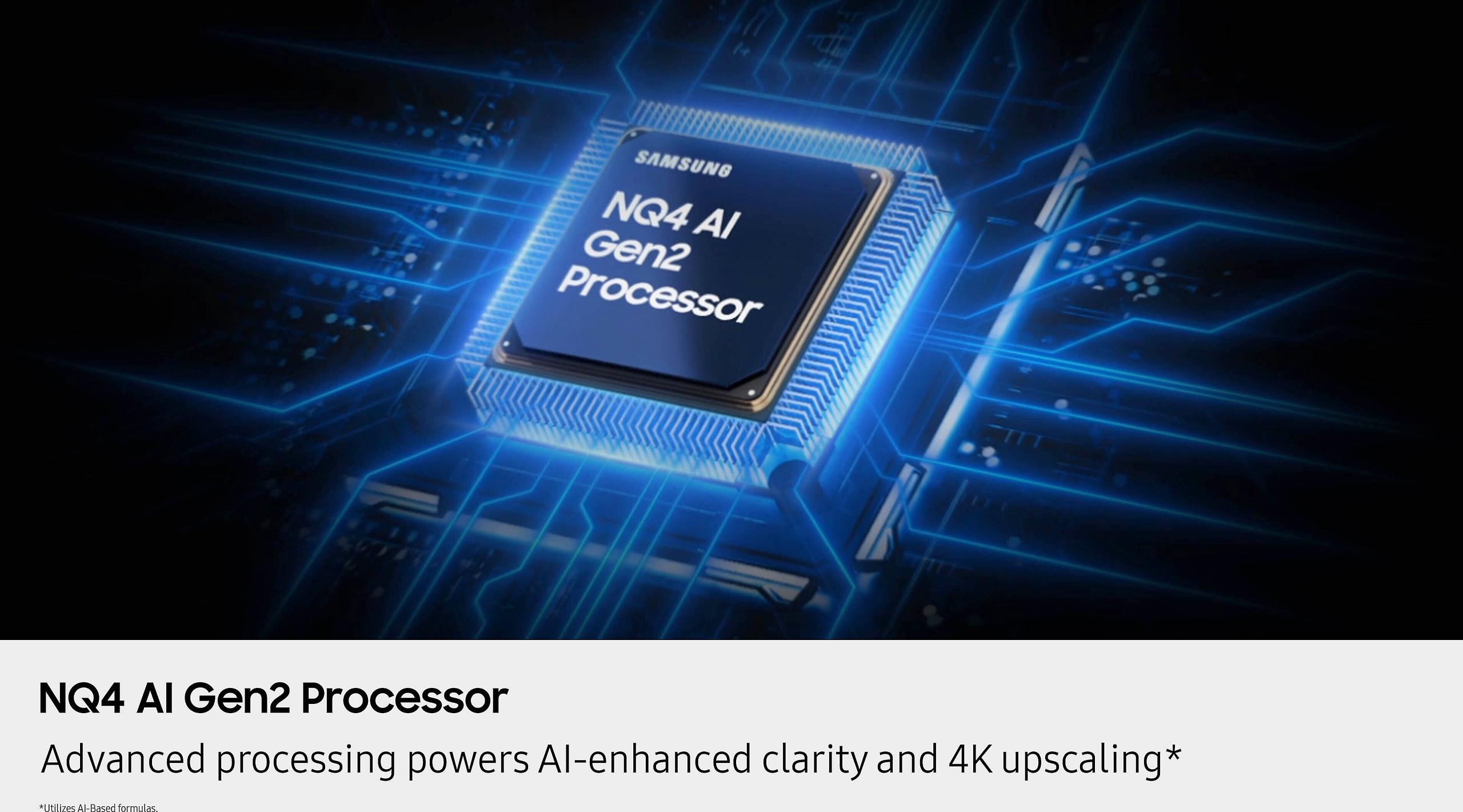
The QN70F relies more heavily on its advanced NQ4 AI Gen 2 processor to optimize HDR content. This processor analyzes each scene in real-time and adjusts the picture accordingly. While it can't physically control light zones as precisely as the QN85D, it's surprisingly effective at making HDR content look vibrant and detailed. The AI processing also includes Auto HDR Remastering, which can enhance non-HDR content to look more like true HDR material.
For peak brightness, both TVs perform admirably in bright rooms. The QN70F actually has excellent brightness output that can overcome glare from windows, while the QN85D provides more nuanced brightness control that's particularly beneficial for HDR movies and games.
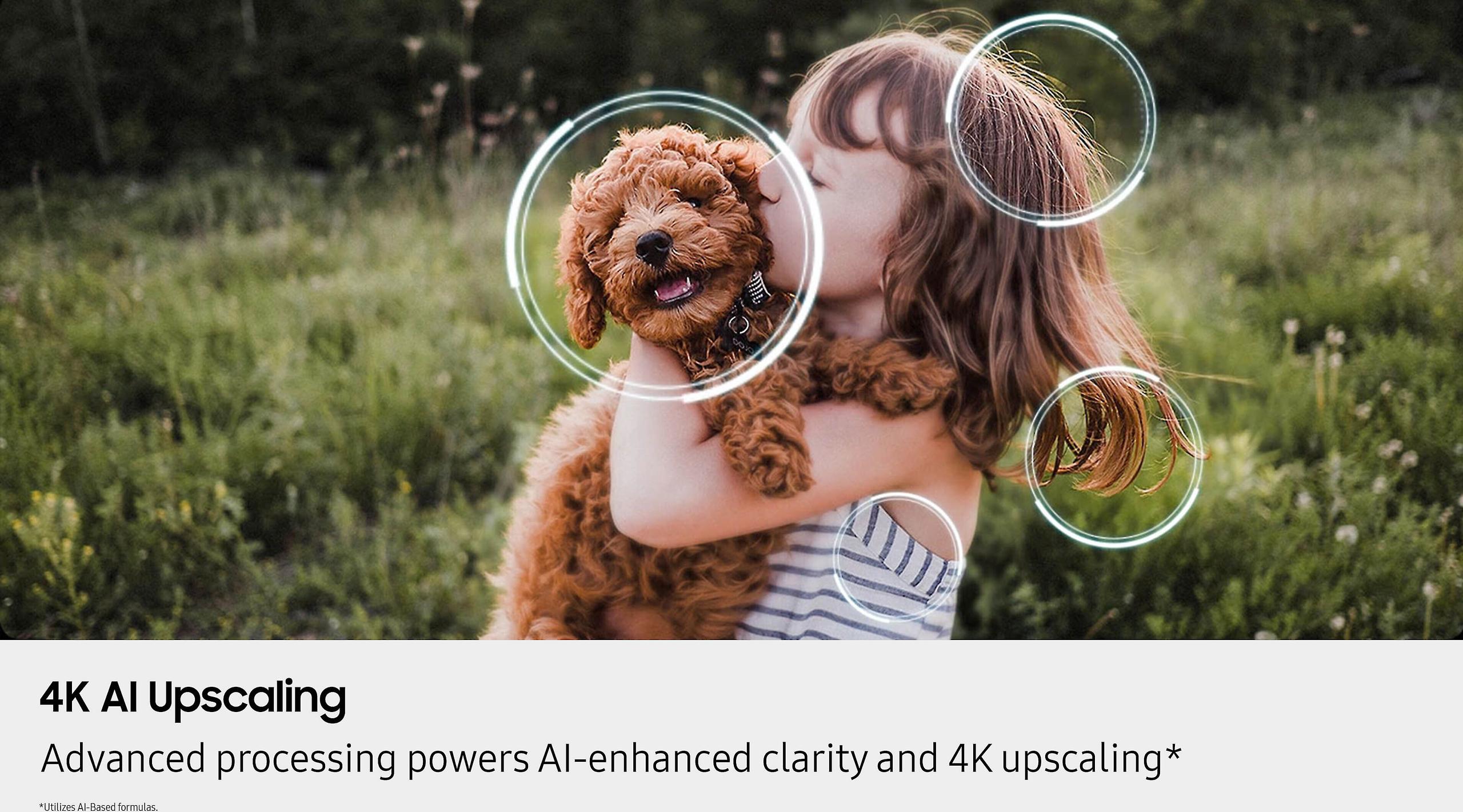
This is where the Samsung QN70F really starts to shine. The NQ4 AI Gen 2 processor represents Samsung's latest thinking about how TVs should handle different types of content. It doesn't just upscale lower-resolution content to 4K - it analyzes what type of content you're watching and optimizes accordingly. Sports get enhanced motion clarity, movies get improved color grading, and games get reduced input lag.
The Samsung Vision AI features are genuinely impressive in daily use. The "Click to Search" feature lets you pause any scene and get information about what you're seeing - actors, products, locations, even the music playing. "Live Translate" can provide real-time subtitles in your preferred language for live broadcasts. These aren't gimmicks; they're features that change how you interact with your TV.
The QN85D uses an earlier generation processor that's still capable but lacks these AI enhancements. It does, however, provide excellent color accuracy right out of the box, and its processing is proven and reliable. Sometimes the latest isn't always the greatest, and the QN85D represents mature, refined technology that simply works well.
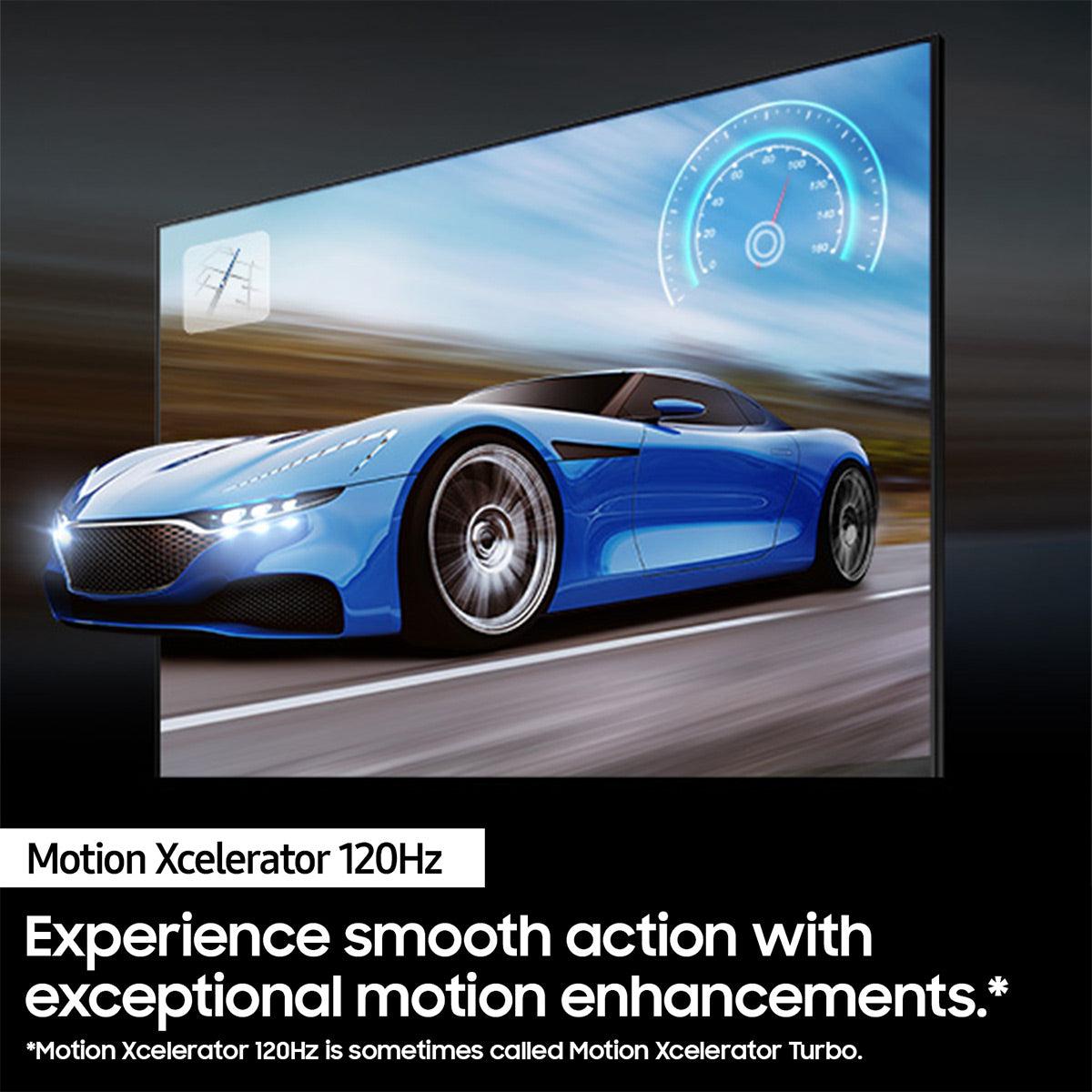
Gaming has become a crucial consideration for modern TV buyers, and both models handle games well but with different strengths. The Samsung QN70F supports up to 144Hz refresh rates, which is higher than most current gaming consoles output but future-proofs you for upcoming hardware. It also has excellent motion handling with virtually no input lag, making fast-paced games feel responsive.
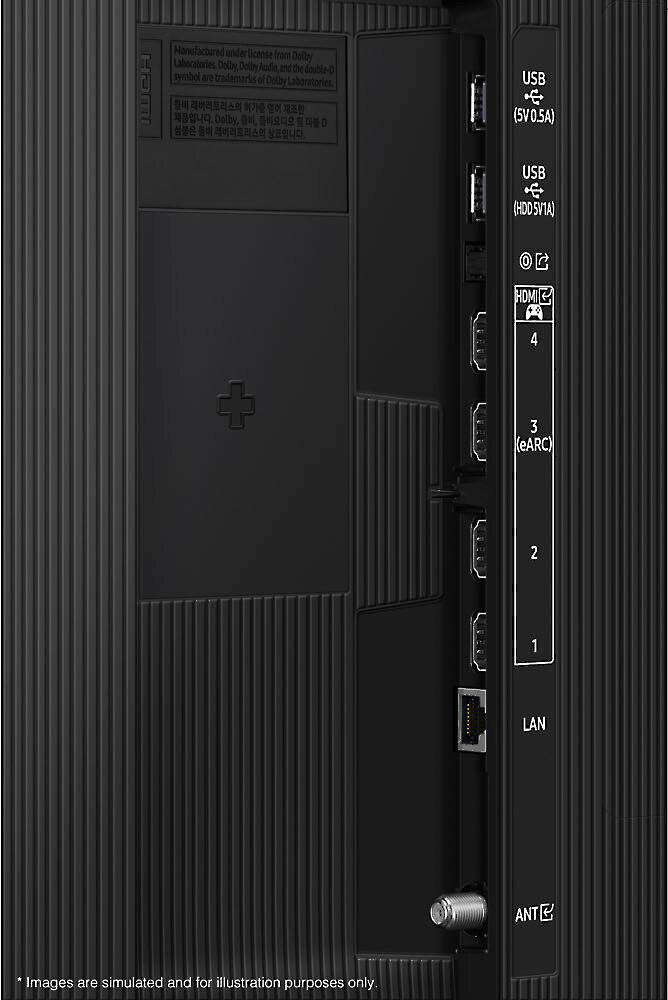
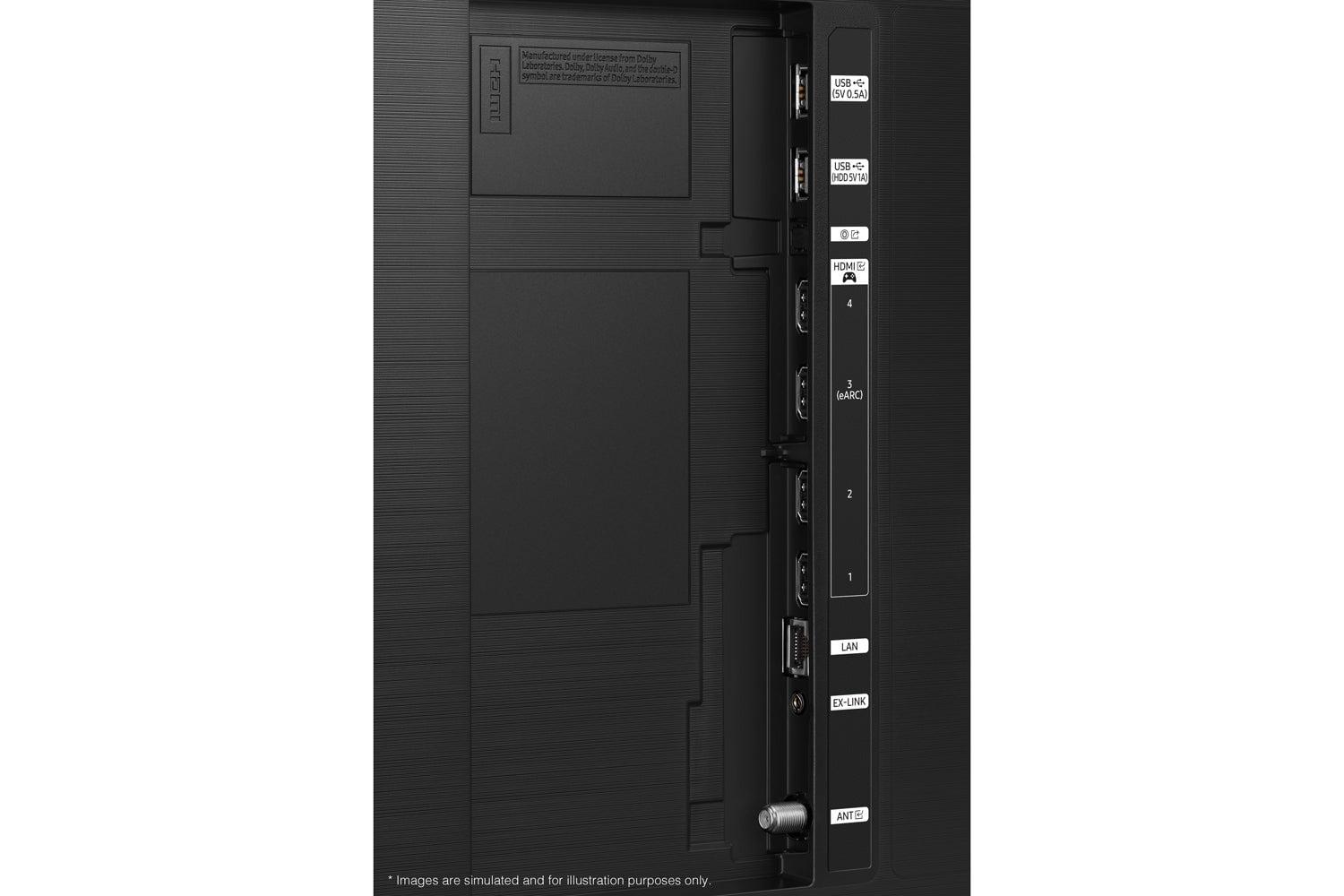
The Samsung QN85D takes a more comprehensive approach to gaming connectivity. It offers four full HDMI 2.1 ports with complete bandwidth, meaning you can connect multiple gaming devices (PlayStation 5, Xbox Series X, gaming PC, Nintendo Switch via dock) and get the best performance from all of them simultaneously. It supports Variable Refresh Rate (VRR), which eliminates screen tearing, and Auto Low Latency Mode (ALLM), which automatically optimizes the TV for gaming when it detects a gaming console.
However, the QN85D has a notable weakness in Game Mode - slower pixel transitions that can make fast motion appear blurry. This is particularly noticeable in competitive games where tracking moving targets is crucial. The QN70F doesn't have this issue, maintaining crisp motion even during intense gaming sessions.
For serious gamers with multiple consoles, the QN85D is the clear choice despite its motion limitations. For casual gamers or those primarily using one gaming device, the QN70F's superior motion clarity might be more important.
The smart TV experience is where Samsung has made the most dramatic improvements between 2024 and 2025. The Samsung QN70F runs Samsung Vision AI, which feels like having a knowledgeable friend who can answer questions about whatever you're watching. Beyond the search and translation features I mentioned, it continuously optimizes your picture and sound based on your viewing environment and the content you're watching.
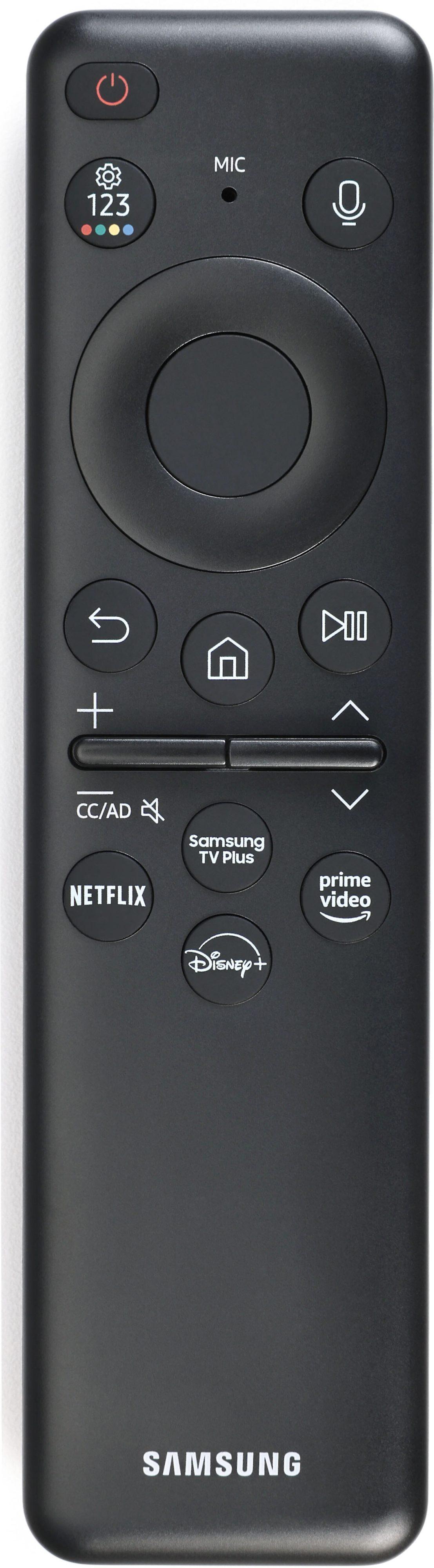
The Tizen operating system on the QN70F feels more responsive and intuitive than previous versions. App launches are snappy, and the interface adapts to your viewing habits. The far-field voice interaction means you can talk to your TV from across the room without using the remote.
The QN85D runs the previous generation of Tizen, which is still excellent but lacks the AI enhancements. It's fast, reliable, and gives you access to all the streaming apps you'd expect, but it won't learn your preferences or provide contextual information about what you're watching.
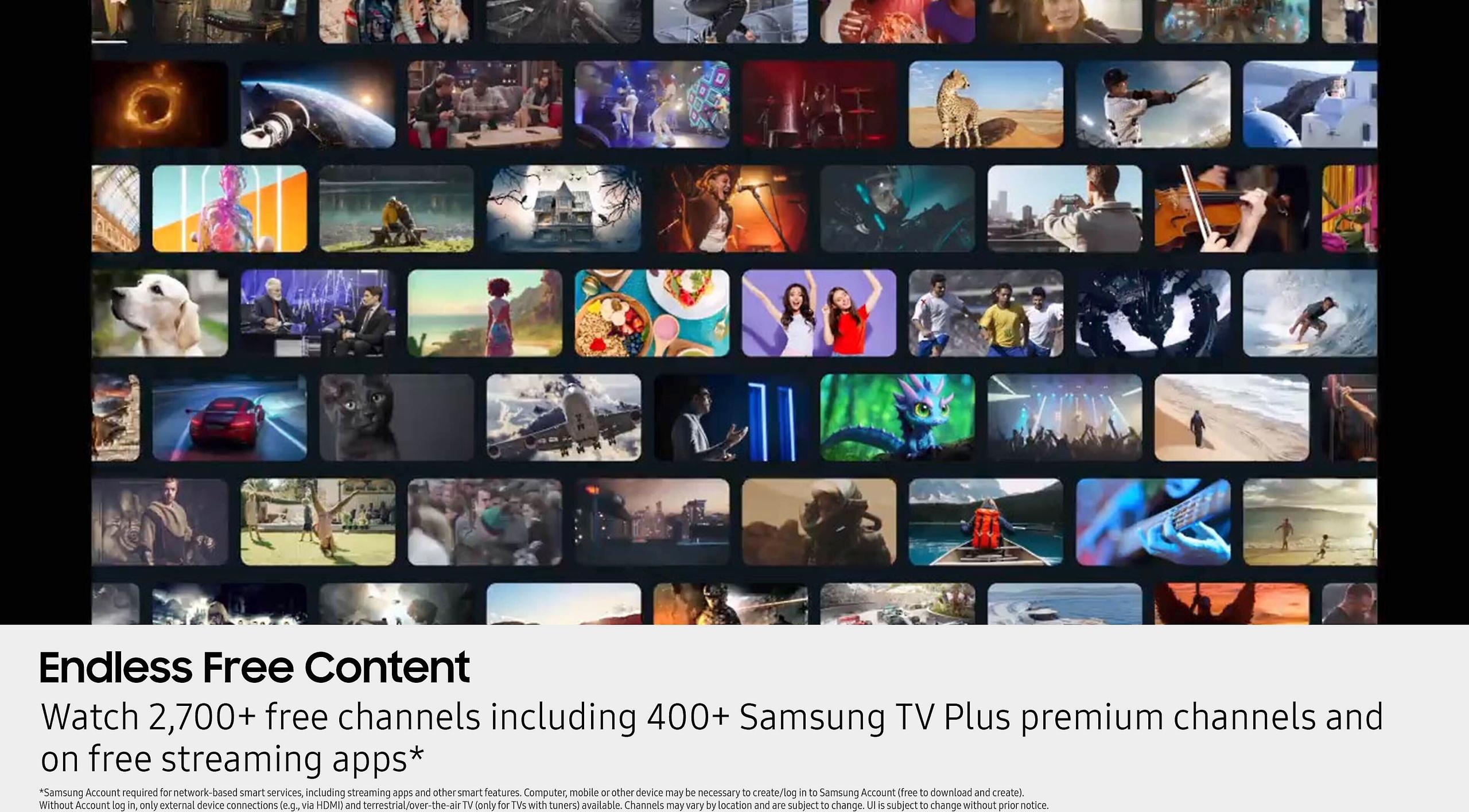
Both TVs include Samsung TV Plus, which offers free streaming channels, and both work well with Samsung's SmartThings ecosystem if you're building a connected home.
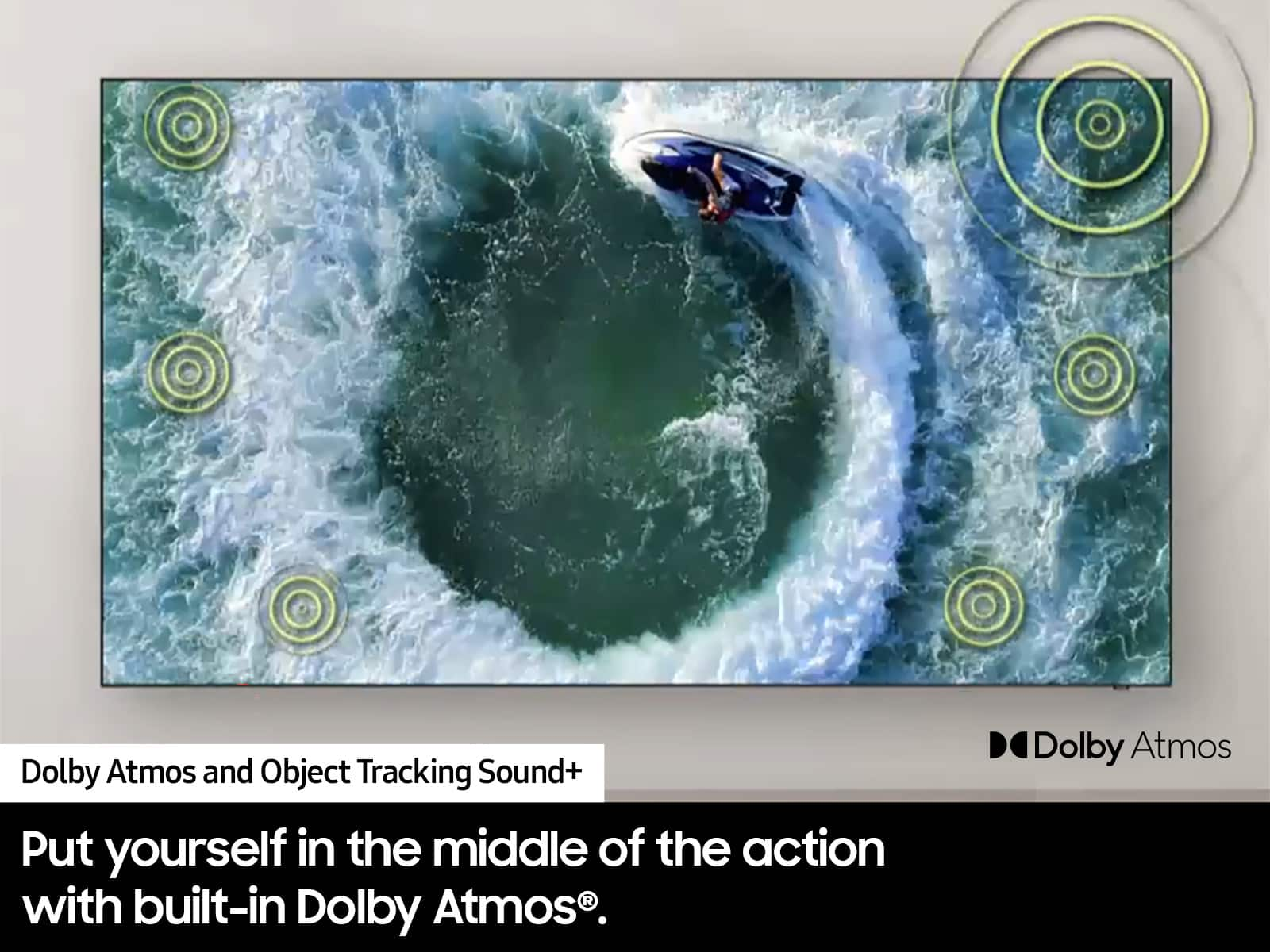
TV speakers have improved dramatically in recent years, and both models offer respectable audio performance. The QN85D includes Dolby Atmos and Object Tracking Sound+, which creates a surprisingly immersive soundstage for built-in speakers. The Object Tracking Sound technology moves audio around the screen to match what's happening visually - when a car drives from left to right, the engine sound follows it.
The QN70F features Object Tracking Sound Lite with 20W output. It's decent but not quite as sophisticated as the QN85D's audio system. However, both TVs support Q-Symphony, which means if you add a Samsung soundbar later, the TV speakers will work in harmony with the soundbar instead of shutting off entirely.
For most people, a dedicated soundbar or sound system will provide better audio than any TV's built-in speakers, but if you're planning to rely on the TV's speakers, the QN85D has a clear advantage.
If you're setting up a dedicated home theater or media room, the Samsung QN85D is generally the better choice. Its superior contrast performance really shines in dark viewing environments, and the full-array local dimming creates that premium cinematic experience you're looking for. The better built-in audio is also beneficial if you're not immediately adding a sound system.
The QN85D's VA panel does have viewing angle limitations - colors and contrast degrade when you're sitting significantly off to the side. In a traditional home theater setup where everyone sits roughly centered to the screen, this isn't an issue. But if you have a wide seating arrangement, the QN70F's edge-lit design might actually provide more consistent picture quality across different viewing positions.
For calibration enthusiasts, the QN85D responds better to professional calibration, while the QN70F's AI processing often does such a good job automatically that manual calibration provides smaller improvements.
At the time of writing, both TVs are priced similarly, which makes this comparison particularly interesting. You're essentially choosing between cutting-edge features or proven performance fundamentals at the same price point.
The Samsung QN70F represents better value if you prioritize future-ready features and smart capabilities. The Samsung Vision AI alone adds functionality that you simply can't get elsewhere, and the 144Hz support ensures you're ready for next-generation gaming hardware.
The QN85D offers better value if picture quality is your primary concern. Full-array local dimming is a mature, proven technology that will continue providing excellent contrast for years to come. The comprehensive gaming connectivity also means you won't need to upgrade anytime soon regardless of what gaming devices you add.
From a longevity perspective, full-array backlights like those in the QN85D typically last longer than edge-lit designs, though both should provide many years of reliable service.
Choose the Samsung QN70F if you watch TV primarily in bright rooms, value the latest smart features, or want the most advanced processing available. It's particularly compelling if you're intrigued by AI features like content search and real-time translation, or if you do a lot of casual gaming where motion clarity is important.
Choose the Samsung QN85D if you often watch movies in dark rooms, have a dedicated home theater setup, or prioritize the best possible contrast and black levels. It's also the better choice for serious gamers who need multiple high-bandwidth gaming connections, despite its motion limitations in Game Mode.
The QN85D is fundamentally the better TV for traditional TV and movie watching, especially in controlled lighting conditions. The QN70F is the more versatile and future-focused option that adapts better to different content types and viewing situations.
Both are excellent TVs that will serve most people well. Your choice should ultimately come down to whether you value proven picture quality fundamentals or cutting-edge smart features more highly. Either way, you're getting a substantial upgrade over older TV technology, and both represent solid investments in your home entertainment experience.
| Samsung 65" QN70F Neo QLED 4K Vision AI Smart TV 2025 | Samsung 65" QN85D Neo QLED 4K Smart TV |
|---|---|
| Backlight Technology - Critical for dark room performance and contrast | |
| Edge-lit Mini LED with 18 vertical zones | Full-array Mini LED with local dimming |
| Contrast Performance - Determines black level quality in movies | |
| Limited contrast due to edge-lit design, some blooming visible | Outstanding 160,000:1+ contrast ratio, deep blacks |
| Processor - Controls AI features and content optimization | |
| NQ4 AI Gen 2 with Samsung Vision AI | Previous generation processor, no AI features |
| Refresh Rate - Important for gaming and sports | |
| Up to 144Hz (future-ready for next-gen gaming) | Up to 120Hz (matches current consoles) |
| HDMI Gaming Ports - Affects multi-console gaming setups | |
| Standard HDMI 2.1 support | Four full-bandwidth HDMI 2.1 ports with VRR/ALLM |
| Smart Features - Daily usability and convenience | |
| Samsung Vision AI (Click to Search, Live Translate, scene optimization) | Standard Tizen OS without AI enhancements |
| Audio System - Built-in sound quality | |
| Object Tracking Sound Lite, 20W output | Dolby Atmos, Object Tracking Sound+, superior soundstage |
| Panel Type - Affects viewing angles | |
| Not specified, likely VA with decent off-axis viewing | VA panel, excellent contrast but limited viewing angles |
| Best Use Case - Where each TV excels | |
| Bright rooms, AI features, future-proofing, casual gaming | Dark rooms, home theaters, serious gaming, movie watching |
| Release Year - Technology generation | |
| 2025 (latest AI and processing features) | 2024 (mature, proven picture quality technology) |
The Samsung QN85D is significantly better for dark room viewing thanks to its full-array Mini LED backlight with local dimming zones. This technology allows it to achieve deep blacks and high contrast ratios exceeding 160,000:1. The Samsung QN70F uses edge-lit Mini LEDs which can cause blooming effects in dark scenes, making the QN85D the clear winner for home theater setups.
The primary difference is backlighting technology. The Samsung QN70F uses edge-lit Mini LEDs with Samsung Vision AI features, while the Samsung QN85D uses full-array Mini LED backlighting for superior contrast. The QN70F focuses on advanced AI processing and smart features, whereas the QN85D prioritizes fundamental picture quality performance.
For serious gamers with multiple consoles, the Samsung QN85D offers four full-bandwidth HDMI 2.1 ports with comprehensive VRR and ALLM support. However, the Samsung QN70F provides better motion clarity and supports up to 144Hz refresh rates, making it superior for competitive gaming where motion blur matters most.
No, the Samsung QN70F includes Samsung Vision AI with features like Click to Search, Live Translate, and automatic scene optimization. The Samsung QN85D runs standard Tizen OS without these AI enhancements. Both support popular streaming apps and Samsung TV Plus, but the QN70F offers more advanced interactive capabilities.
Both the Samsung QN70F and Samsung QN85D deliver excellent brightness for daytime viewing in rooms with windows. The QN70F uses AI optimization to maintain visibility, while the QN85D provides more precise brightness control through its full-array design. Either will perform well in bright rooms.
Yes, the Samsung QN85D features superior audio with Dolby Atmos and Object Tracking Sound+, creating a more immersive soundstage. The Samsung QN70F has Object Tracking Sound Lite with 20W output, which is decent but less sophisticated. For home theater use, the QN85D has the audio advantage.
The Samsung QN70F is more future-ready with its 2025 NQ4 AI Gen 2 processor, 144Hz support, and Samsung Vision AI features. The Samsung QN85D uses proven 2024 technology that's excellent today but lacks the latest AI processing. Choose the QN70F for cutting-edge features or the QN85D for mature reliability.
The Samsung QN85D uses a VA panel that provides excellent contrast but limited viewing angles - colors fade when viewed from the side. The Samsung QN70F's edge-lit design typically offers more consistent picture quality across wider viewing positions, making it better for rooms with spread-out seating arrangements.
The Samsung QN85D excels at HDR thanks to its full-array local dimming, which can precisely control brightness across different screen areas. The Samsung QN70F relies on advanced AI processing for HDR optimization rather than hardware zones. For true HDR performance, especially in movies, the QN85D is superior.
The Samsung QN70F provides excellent motion clarity with minimal blur, making it great for sports and fast action. The Samsung QN85D can suffer from slower pixel transitions in Game Mode that may cause motion blur. For sports viewing, the QN70F has the advantage in motion processing.
Both offer excellent value at similar price points. The Samsung QN70F provides better value if you want the latest AI features and future-ready technology. The Samsung QN85D offers superior value for picture quality fundamentals, especially contrast performance. Your choice depends on whether you prioritize features or core performance.
Choose the newer Samsung QN70F if you value Samsung Vision AI features, 144Hz gaming, and the latest processing technology. Pick the Samsung QN85D if you prioritize proven picture quality, especially for dark room viewing and home theater use. The QN85D offers better fundamental contrast despite being a 2024 model.
We've done our best to create useful and informative comparisons to help you decide what product to buy. Our research uses advanced automated methods to create this comparison and perfection is not possible - please contact us for corrections or questions. These are the sites we've researched in the creation of this article: rtings.com - youtube.com - wifihifi.com - samsung.com - samsung.com - samsung.com - samsung.com - flatpanelshd.com - news.samsung.com - bestbuy.com - bestbuy.com - rtings.com - youtube.com - youtube.com - avsforum.com - youtube.com - samsung.com - videoandaudiocenter.com - shopjetson.com - mysoundconcepts.com - samsung.com - merlinstv.com - youtube.com - samsung.com - samsung.com

Privacy Policy
Terms and Conditions - Affiliate Policy
Home Security
© Copyright 2008-2026.
11816 Inwood Rd #1211, Dallas, TX 75244