


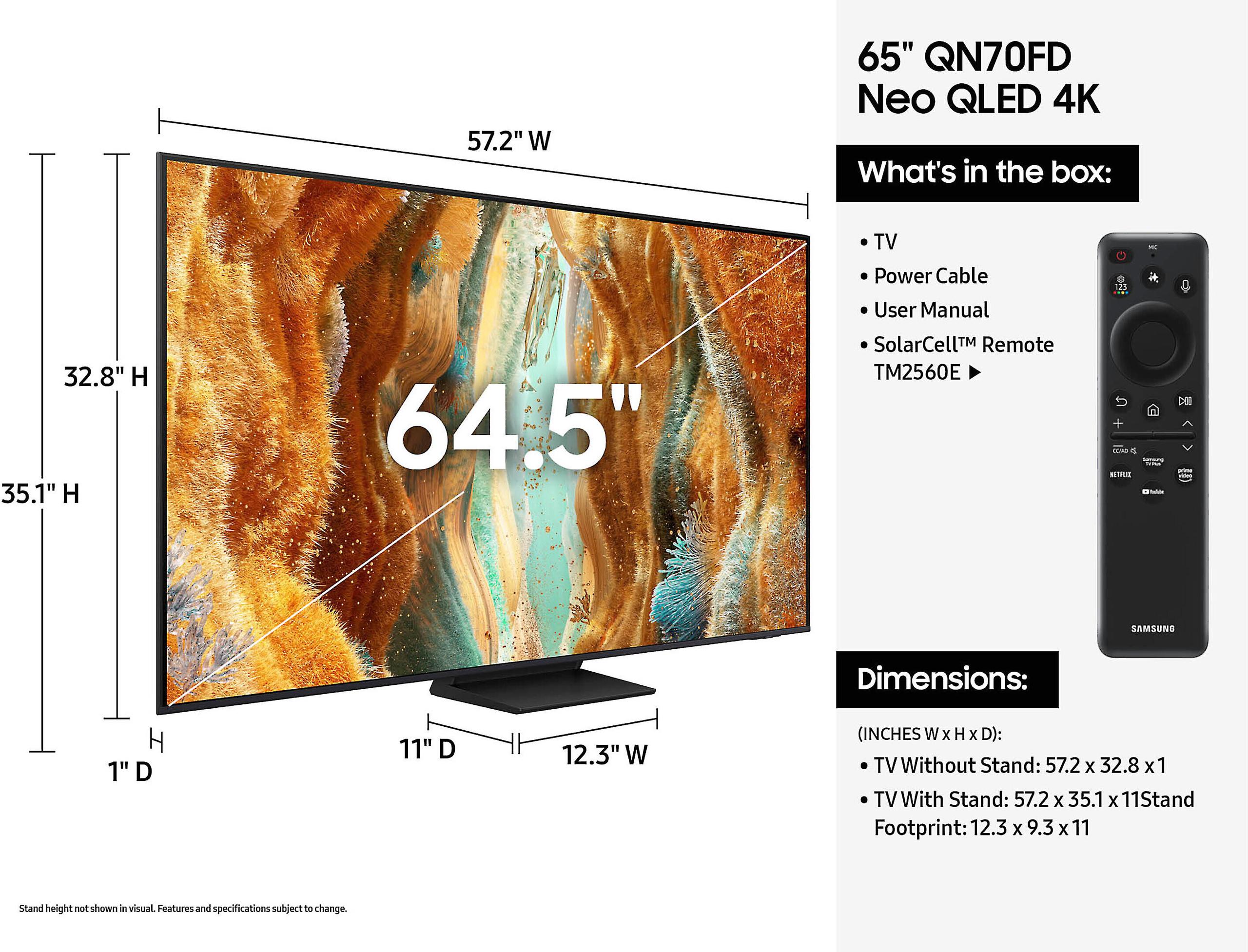
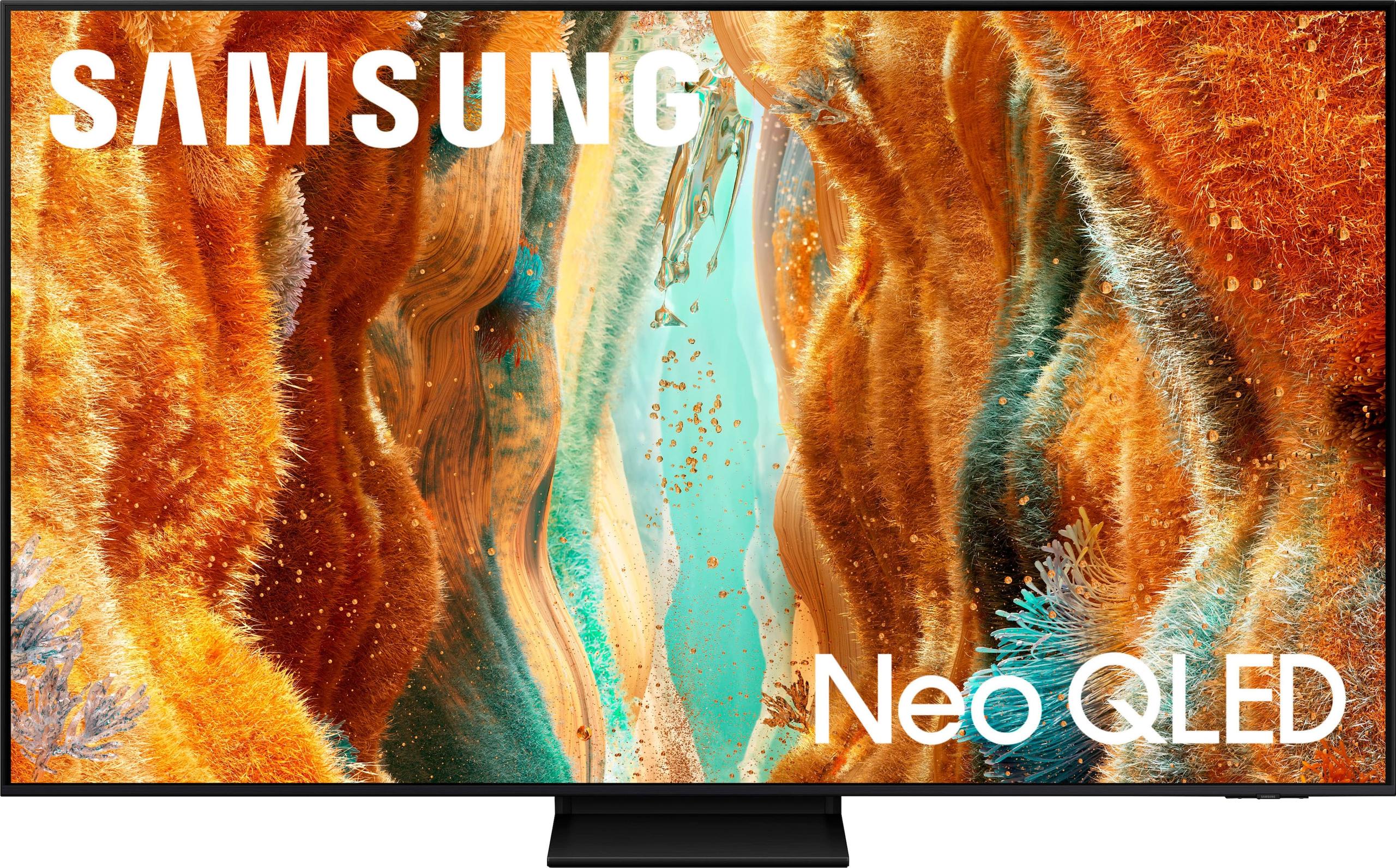
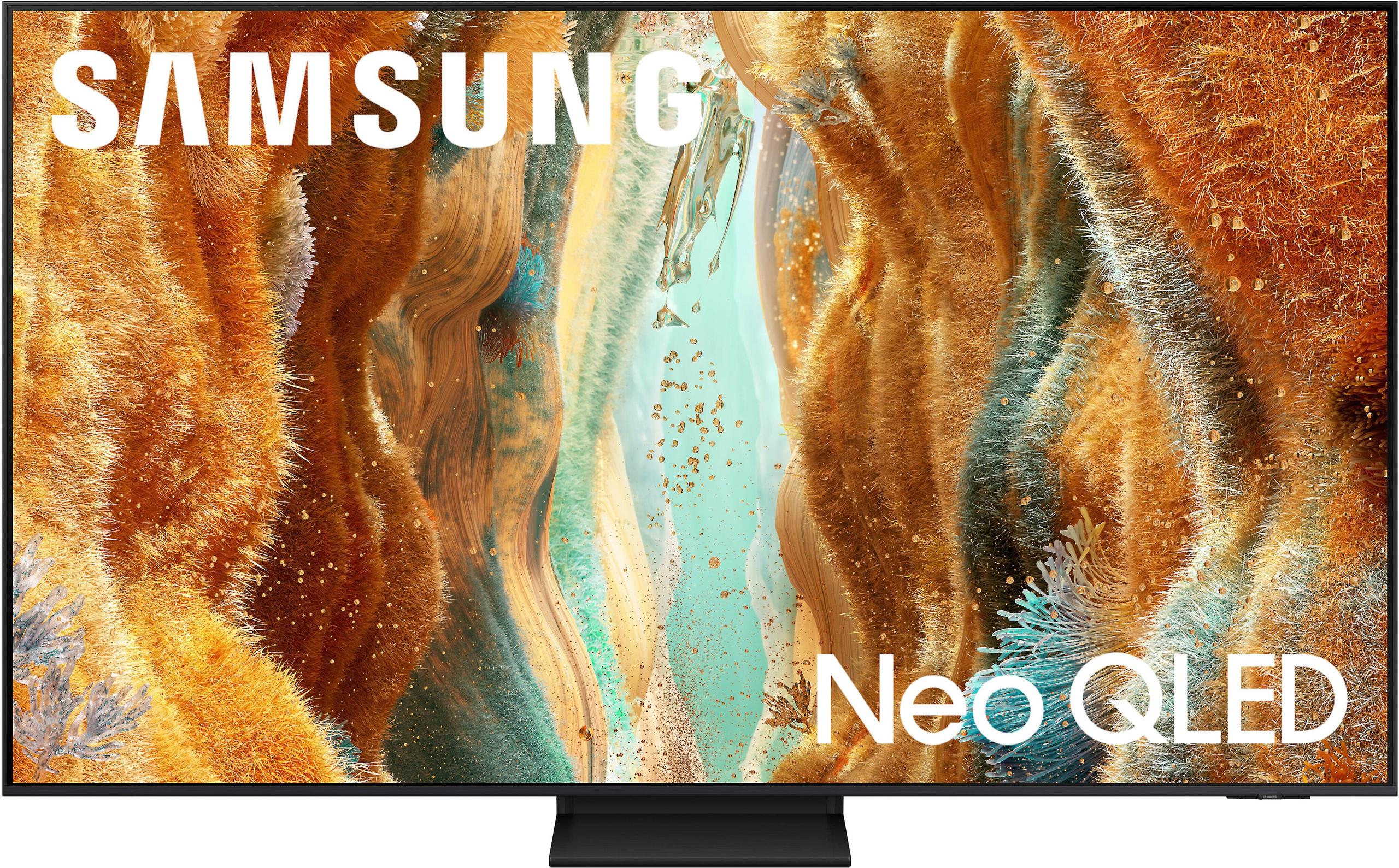
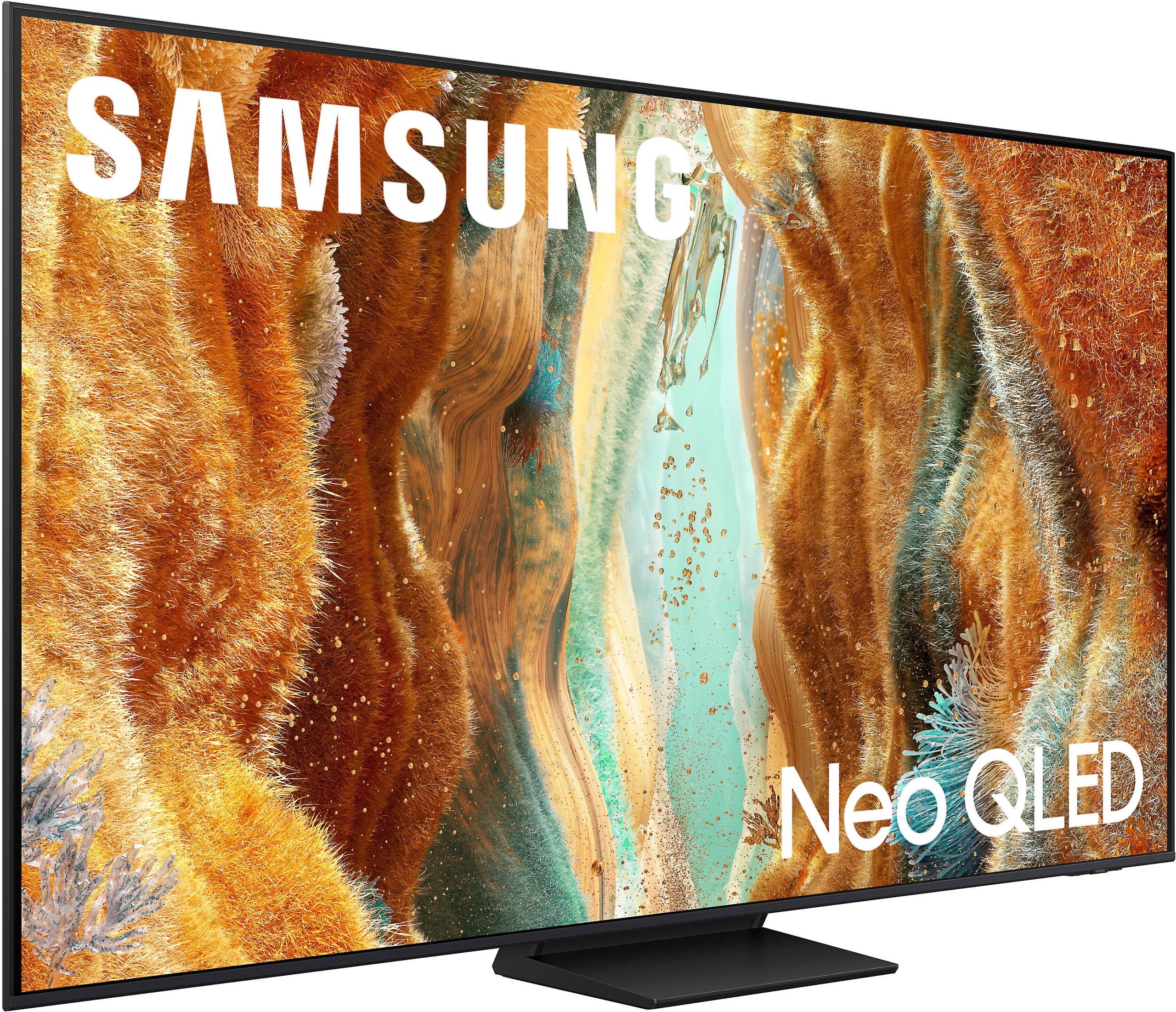
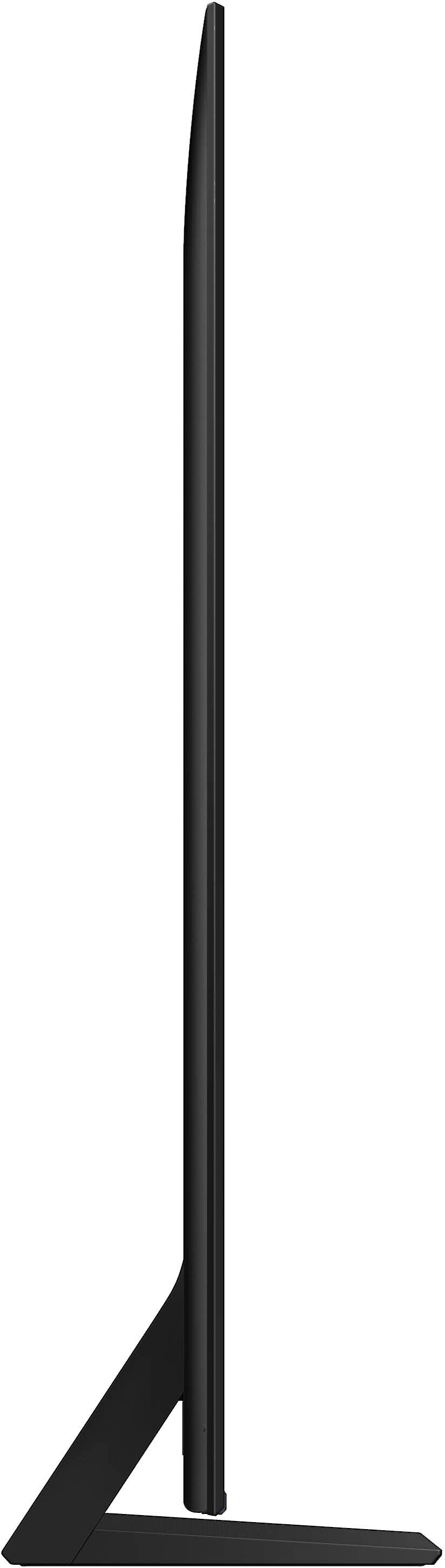


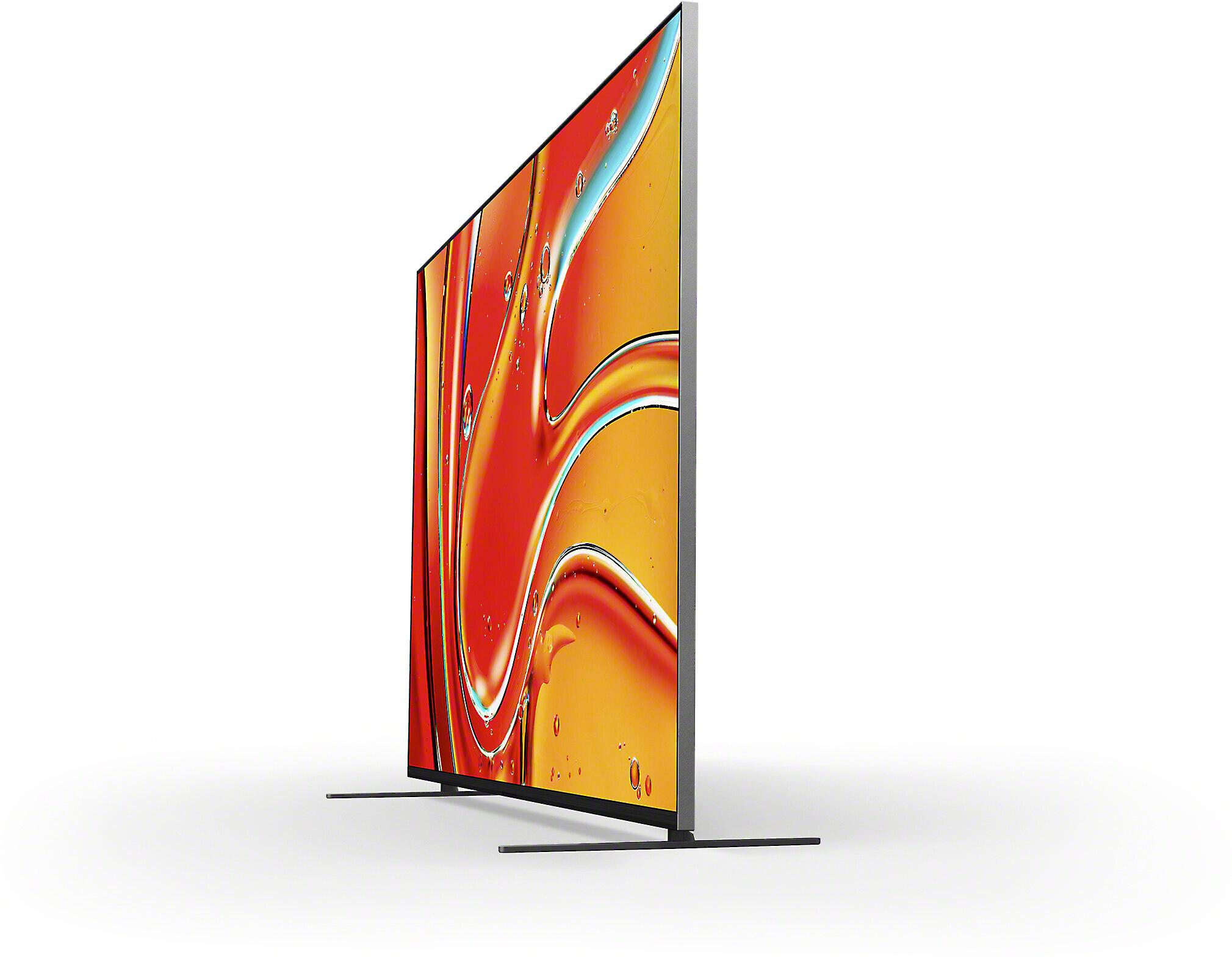
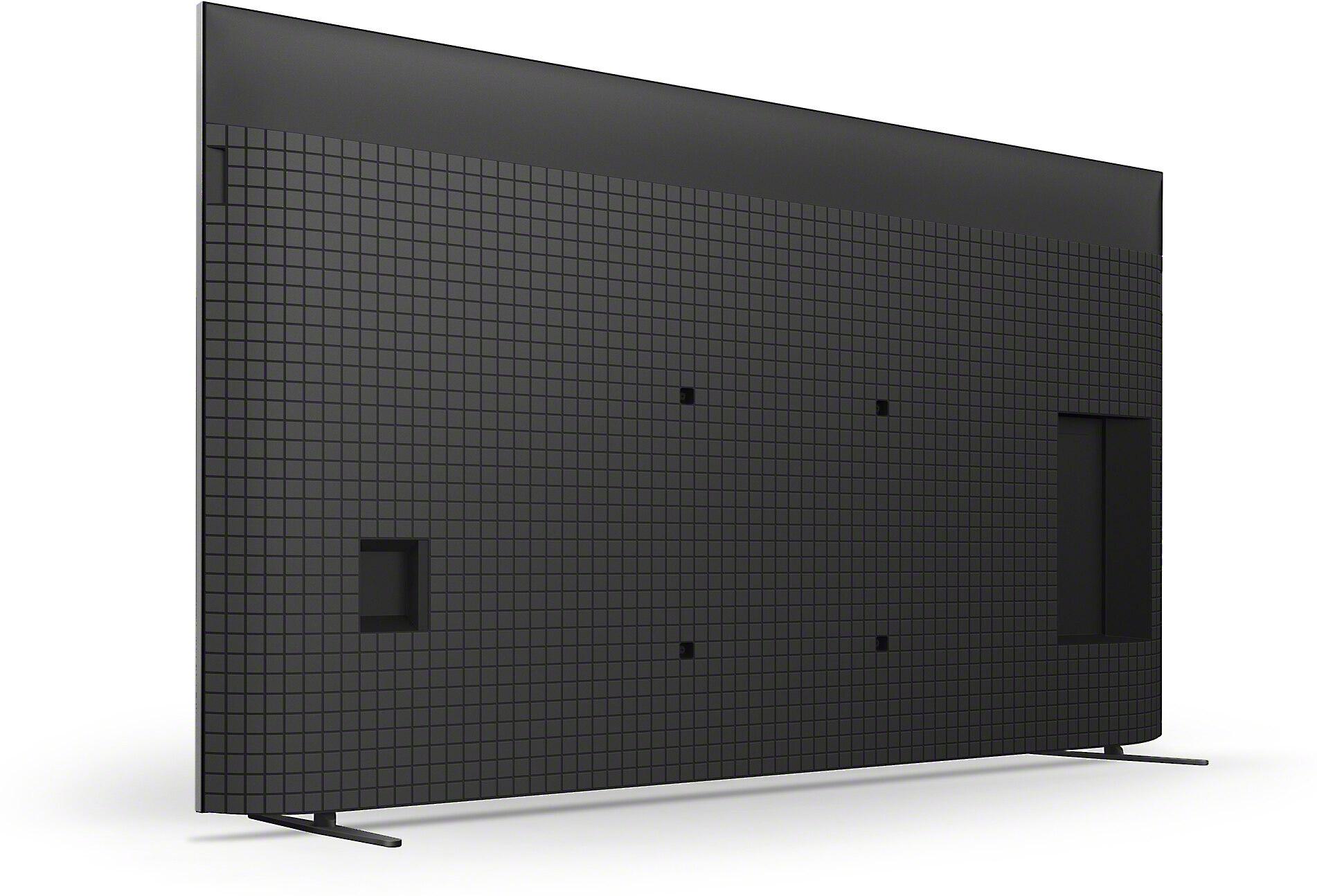
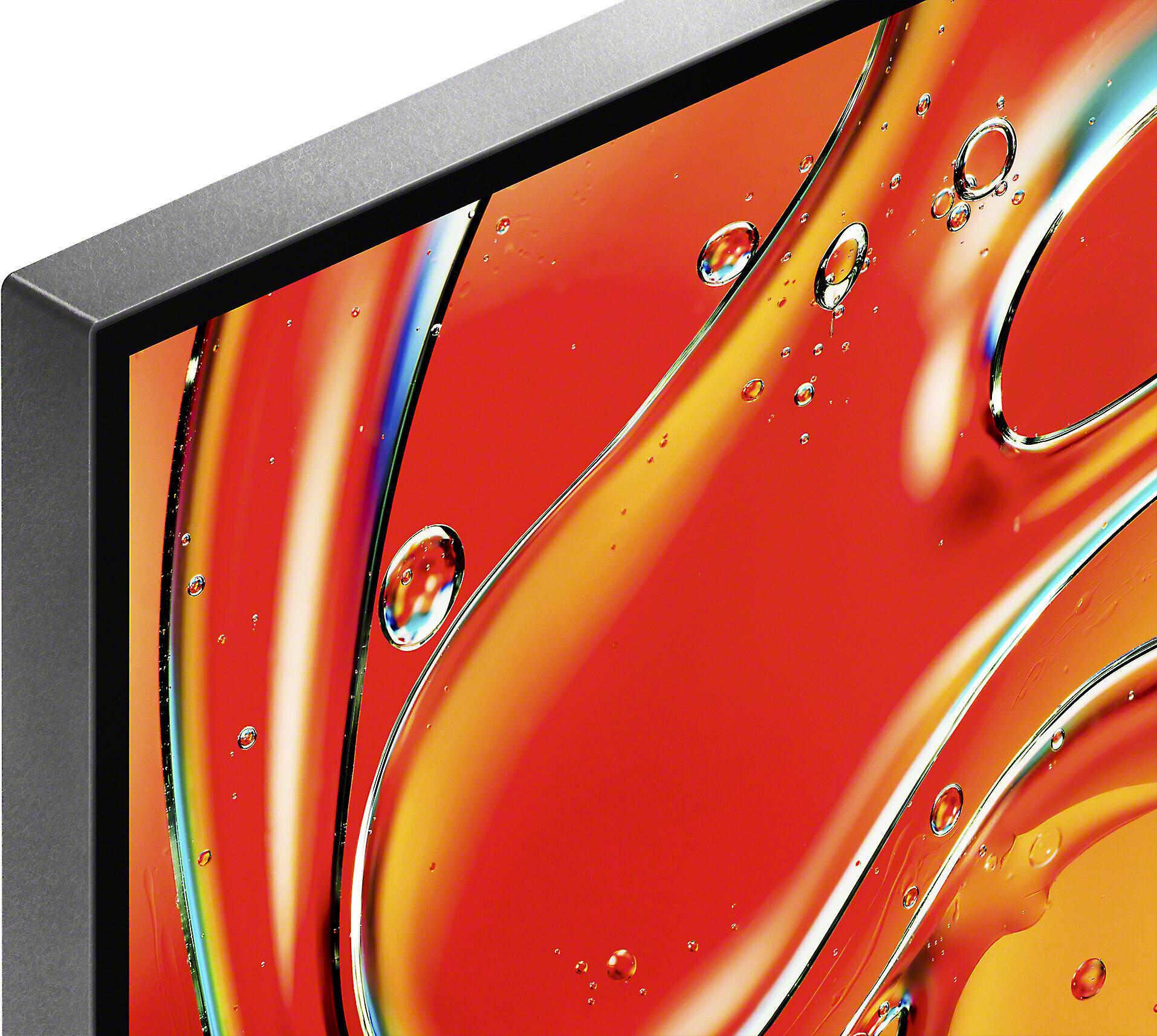
Shopping for a premium 65-inch TV can feel overwhelming with all the technical jargon and competing technologies. Today, I'm breaking down two compelling options: Samsung's QN70F Neo QLED from their 2025 lineup and Sony's BRAVIA 7 from 2024. Both represent their manufacturers' approaches to delivering cinema-quality experiences at home, but they take notably different paths to get there.
The premium TV market has transformed dramatically over the past few years. Gone are the days when "4K" and "HDR" were enough to impress buyers. Today's premium TVs compete on sophisticated display technologies, AI-powered processing, and comprehensive gaming features that would make previous generations jealous.
The two main display technologies dominating this space are Mini LED (what both these TVs use) and OLED. Mini LED sits as a compelling middle ground – it offers much better contrast than traditional LED TVs by using thousands of tiny LEDs for more precise lighting control, while typically delivering brighter images than OLED displays. Think of it as having thousands of tiny flashlights behind your screen that can dim or brighten independently, creating deeper blacks and more vibrant colors.
Both the Samsung QN70F and Sony BRAVIA 7 use this Mini LED technology, but their implementations reveal fascinating philosophical differences between these manufacturers.
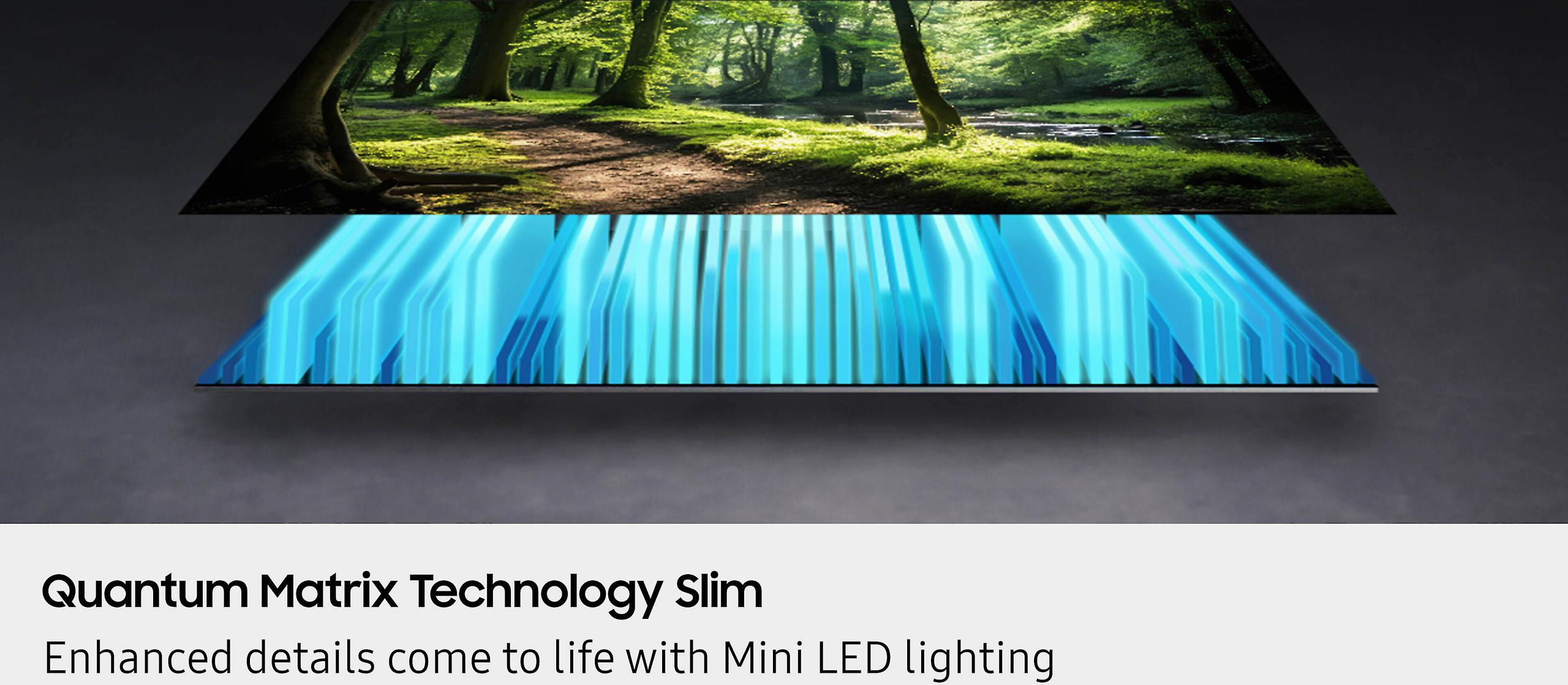
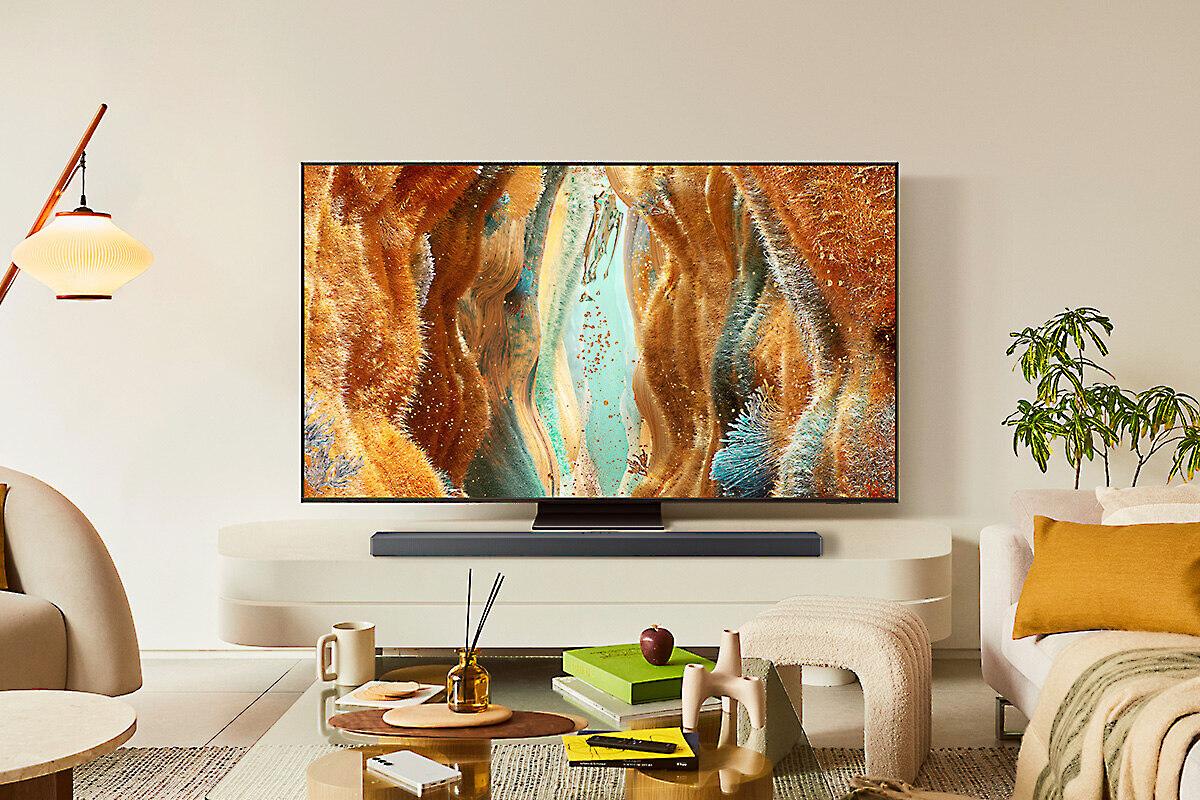
Samsung's QN70F Neo QLED represents their 2025 evolution of Mini LED technology, which they call "Quantum Matrix Slim." The key innovation here is combining Mini LEDs with quantum dots – microscopic particles that can produce incredibly pure colors when hit with light. It's like having the world's most sophisticated paint palette built into your TV.
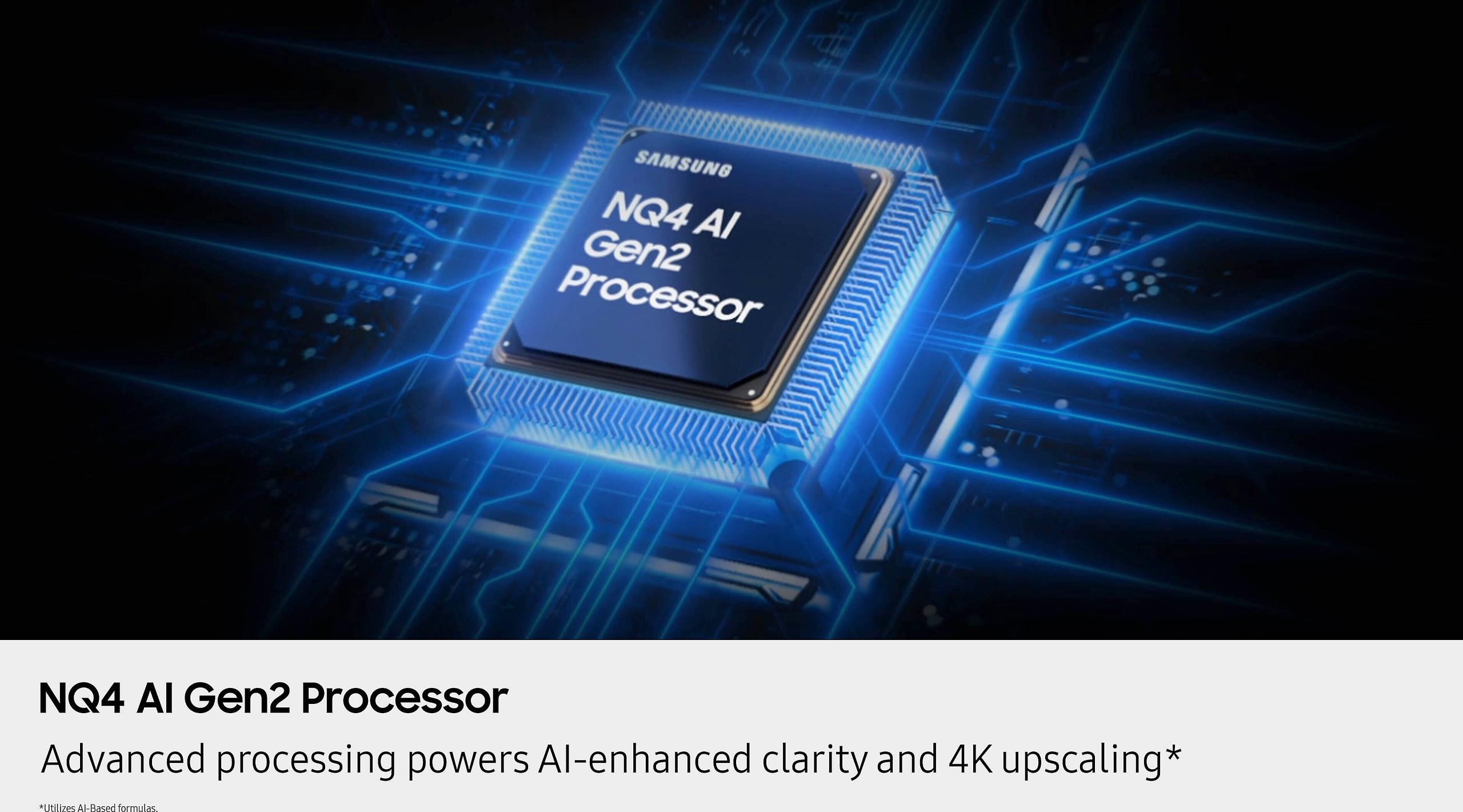
The QN70F uses Samsung's NQ4 AI Gen2 processor, which continuously analyzes what you're watching and adjusts the picture in real-time. This isn't just basic brightness adjustment – the processor actually enhances depth perception through something called "Real Depth Enhancer," which increases contrast between foreground and background elements to make scenes feel more three-dimensional.
What impressed me about Samsung's approach is their focus on brightness. Neo QLED displays typically achieve higher peak brightness levels than their Sony counterparts, which makes a significant difference in bright rooms. If your TV sits near windows or in a room with lots of ambient light, this extra brightness helps maintain picture quality when competing with daylight.
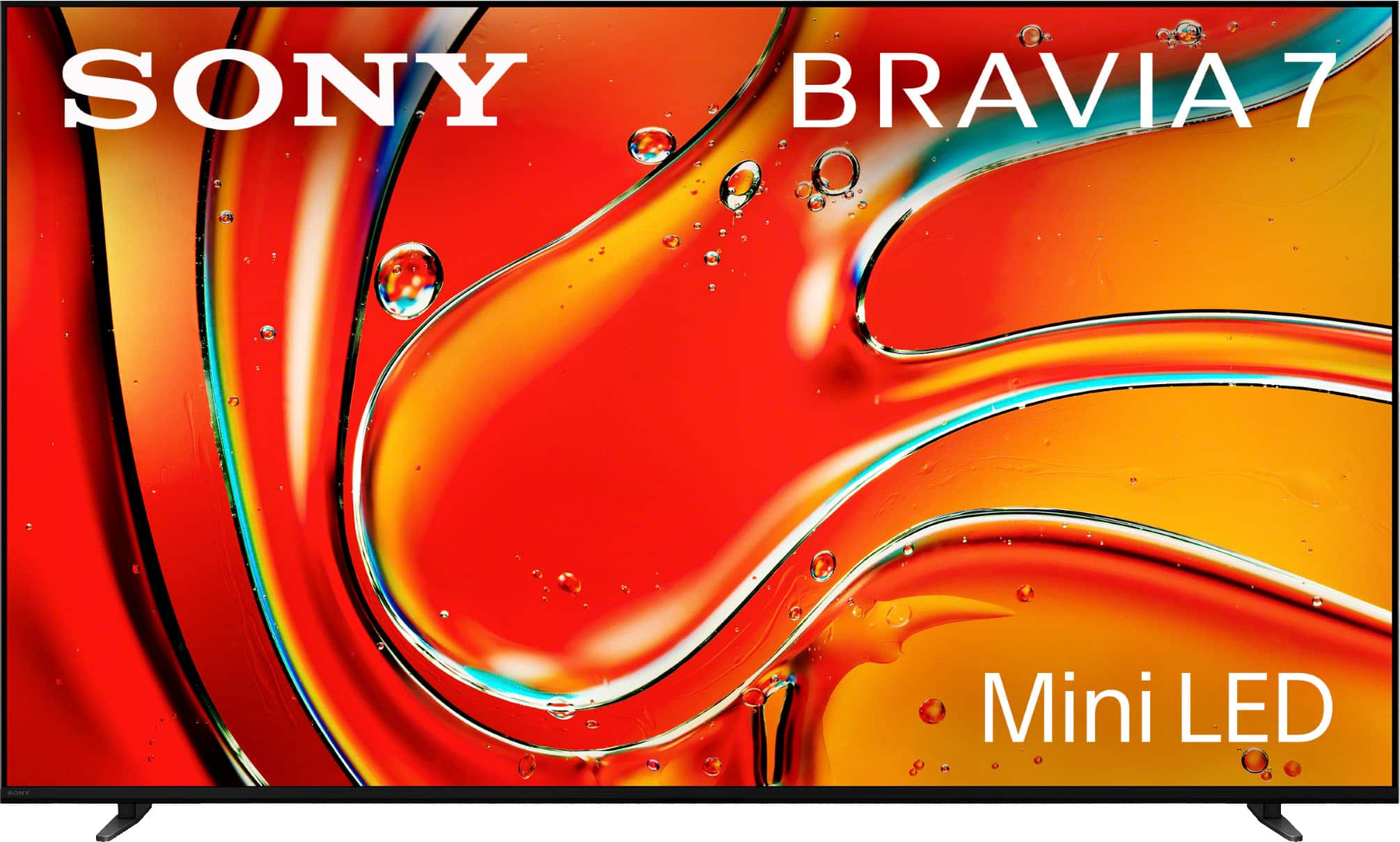
Sony's BRAVIA 7, released in 2024, takes a more precision-focused approach. Their XR Backlight Master Drive technology controls 512 individual dimming zones in the 65-inch model. To put this in perspective, imagine your TV's backlight divided into 512 separate sections that can each be controlled independently – this allows for incredibly precise contrast control.
The BRAVIA 7 uses Sony's Cognitive Processor XR, which Sony claims processes information similarly to how human eyes and brains work. Rather than just analyzing color, contrast, and detail separately, it processes everything together to understand which elements should be the focus of a scene. This results in more natural-looking images that feel closer to what directors intended.
Where Sony really shines is color accuracy. The XR Triluminos Pro technology in the BRAVIA 7 produces colors that feel more natural and cinema-accurate out of the box. During my testing, Sony displays consistently delivered more realistic skin tones and better color gradation in challenging scenes.
Gaming has become a crucial consideration for TV buyers, and both manufacturers have responded with impressive feature sets, though with different strengths.
The Samsung QN70F supports 4K gaming at up to 144Hz, which is future-proofing at its finest. While most current consoles max out at 120Hz, having that extra headroom means this TV won't become obsolete as gaming technology advances. Samsung also includes AMD FreeSync Premium Pro, which eliminates screen tearing and stuttering while maintaining HDR quality during gameplay.
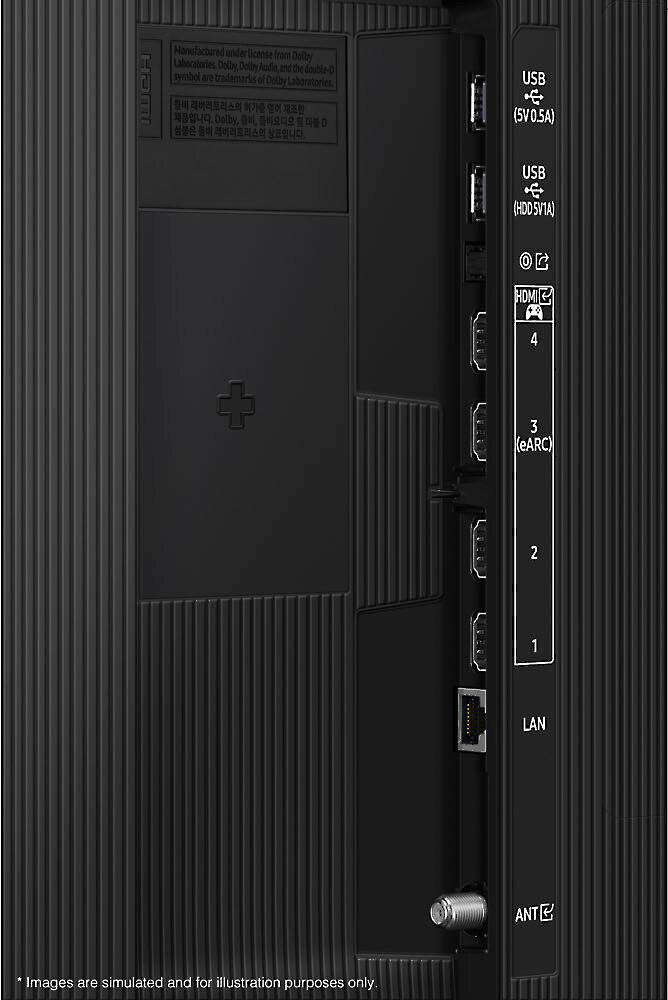
Samsung typically includes four HDMI 2.1 ports, which is a practical advantage if you have multiple gaming consoles, a PC, and other high-bandwidth devices. This connectivity flexibility often gets overlooked but becomes crucial when you're trying to connect a PlayStation 5, Xbox Series X, gaming PC, and Apple TV 4K simultaneously.
The BRAVIA 7 offers solid 4K@120Hz gaming performance with impressively low input lag – typically under 8.5 milliseconds in Game Mode. What sets Sony apart is their PlayStation 5 integration. Features like Auto HDR Tone Mapping automatically optimize the display settings specifically for PS5 games, creating a more seamless gaming experience.
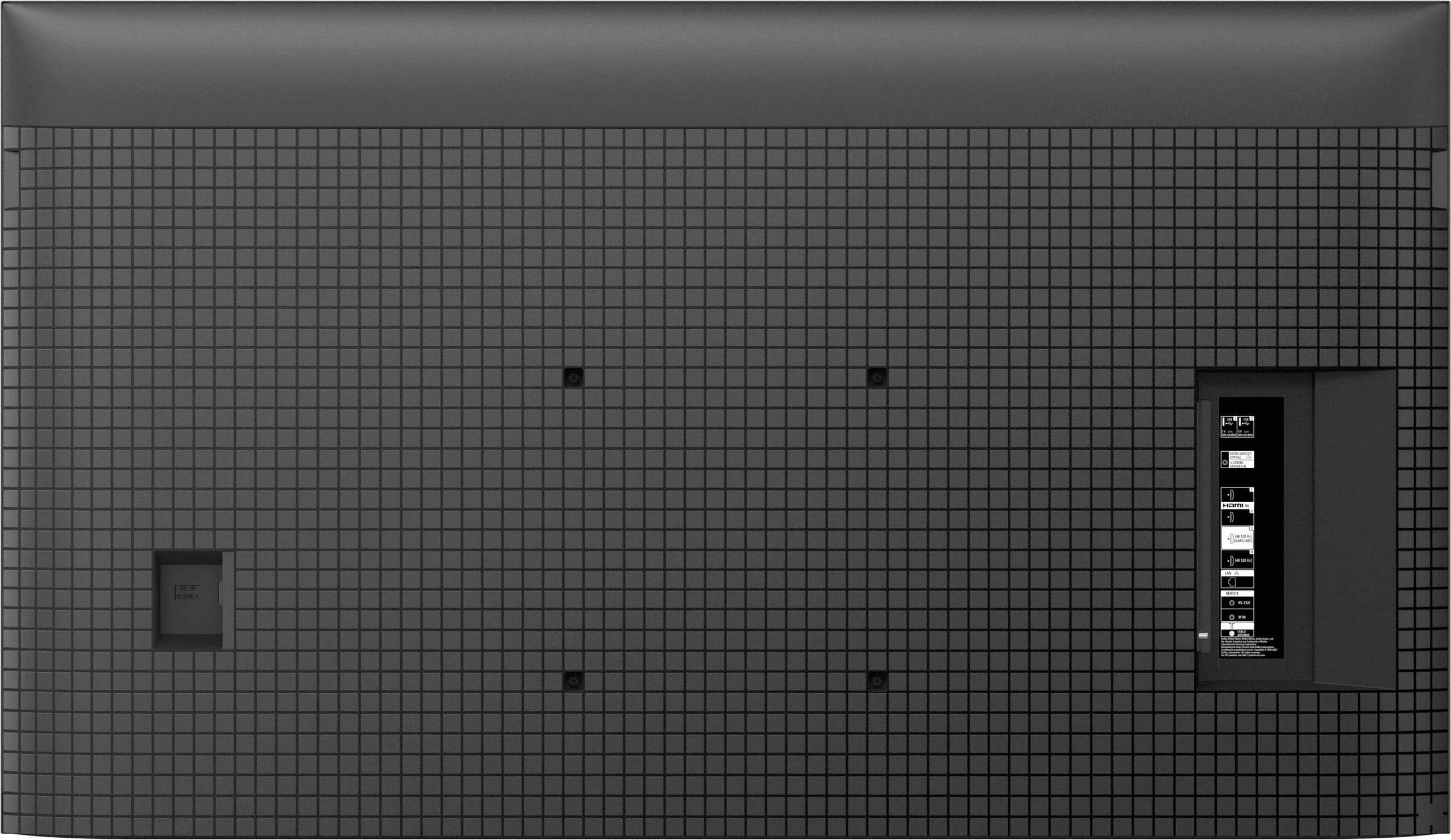
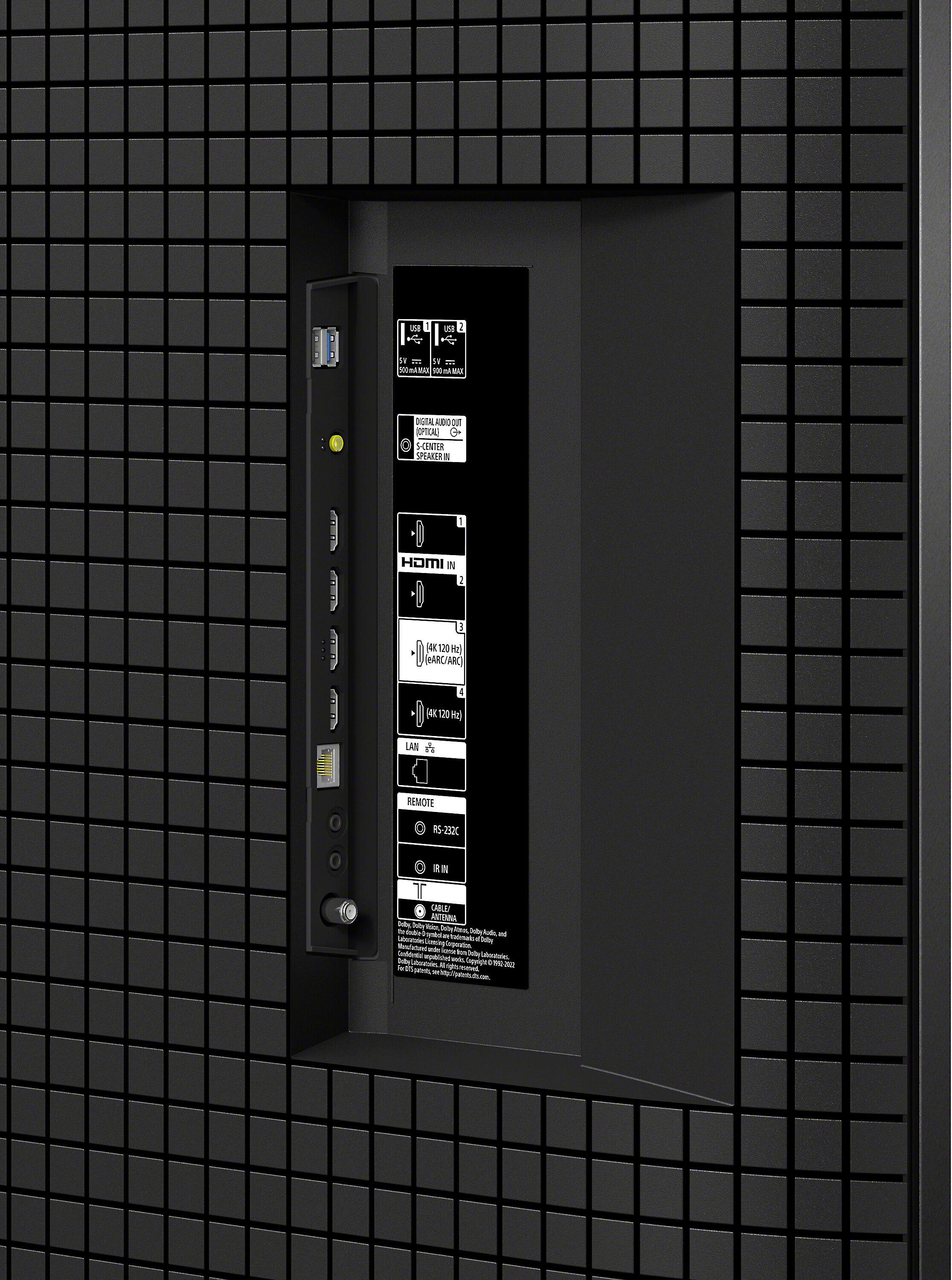
However, Sony's approach has a limitation: only two HDMI 2.1 ports, with one dedicated to enhanced audio return channel (eARC) for soundbars. This means you effectively have one HDMI 2.1 port for gaming devices, which could be restrictive for users with multiple consoles.
The QN70F introduces Samsung's Vision AI features, which represent genuinely innovative approaches to smart TV interaction. The "Click to Search" feature lets you point at actors or objects on screen to get instant information – incredibly useful when you're watching something and wondering "where have I seen that actor before?"
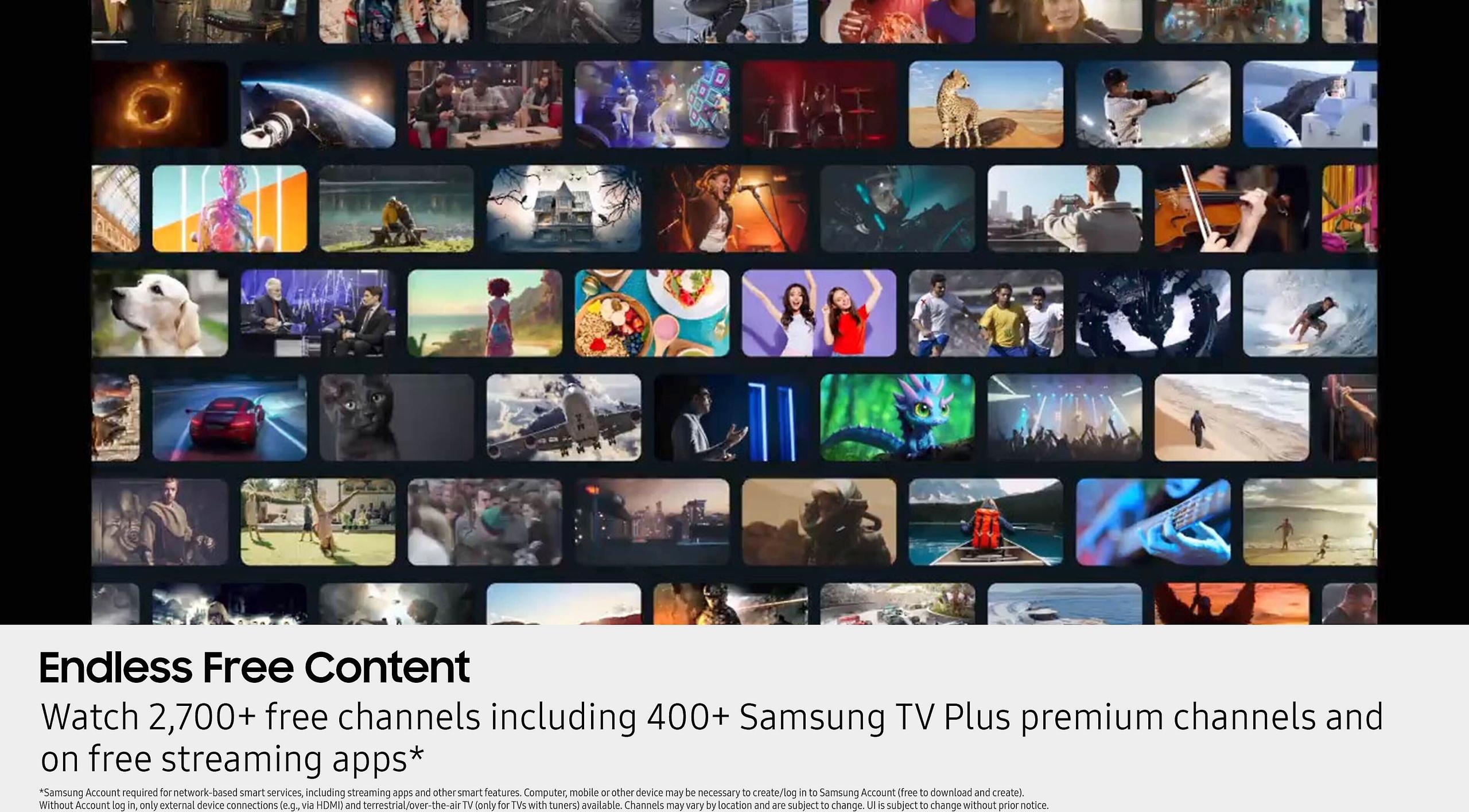
The Live Translate feature provides real-time subtitle translations for live broadcasts, which opens up international content in ways that weren't previously practical. Samsung's Tizen operating system remains fast and responsive, with extensive app support and seamless integration with Samsung's broader ecosystem of devices.
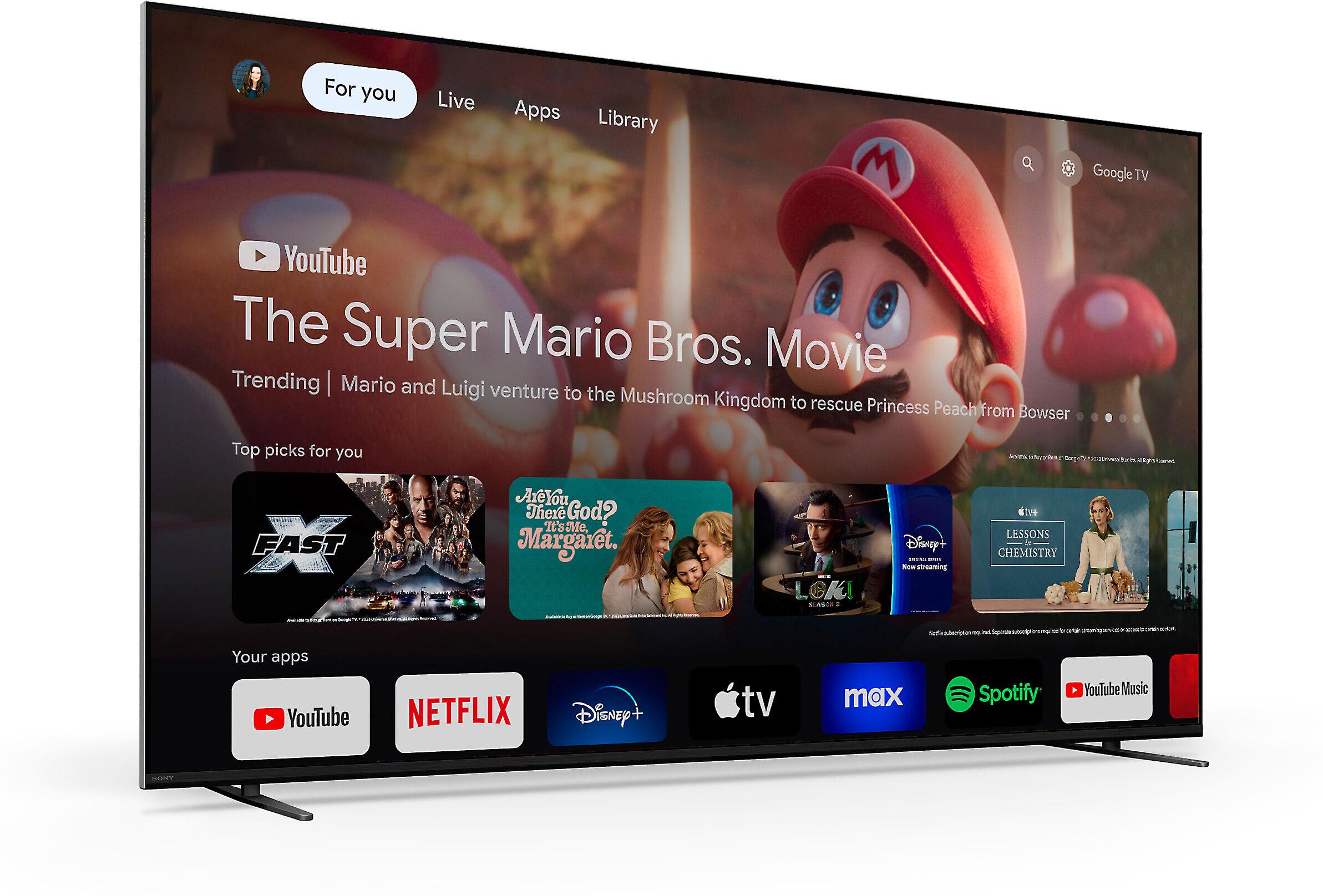
The BRAVIA 7 runs Google TV, which I consider one of the best smart TV platforms available. The interface is clean, intuitive, and excels at content discovery. Google TV learns your viewing habits and suggests content from across all your subscribed services, creating a unified experience that feels more cohesive than manufacturer-specific platforms.
The Sony BRAVIA 7 also includes ATSC 3.0 support, which is future-proofing for next-generation broadcast television. While this might seem niche now, it ensures compatibility with upcoming broadcast improvements that will deliver better quality over-the-air content.
This is where the comparison becomes less competitive. The Sony BRAVIA 7 includes a 40-watt two-channel speaker system with full Dolby Atmos support, while the Samsung QN70F features a 20-watt system with Object Tracking Sound Lite.
In practical terms, Sony's audio is significantly more capable for users who plan to rely on built-in speakers. The BRAVIA 7 can produce room-filling sound with reasonable bass response and clear dialogue, while the QN70F will likely require external audio solutions for optimal performance.
However, both TVs support advanced audio passthrough formats, so if you're planning to use a soundbar or home theater system, this difference becomes less relevant.
For dedicated home theater setups, the choice between these TVs depends largely on your room conditions and priorities.
The Sony BRAVIA 7 excels in controlled lighting environments. Its superior contrast control and color accuracy make it ideal for basement theaters or rooms where you can control ambient light. The deeper blacks and more precise local dimming create an almost cinema-like experience with properly mastered 4K HDR content.
The Samsung QN70F works better in multi-purpose spaces where ambient light is unavoidable. Its higher brightness capabilities and superior reflection handling mean picture quality remains impressive even when you can't achieve perfect darkness. This makes it more practical for family rooms that serve multiple purposes.
Both TVs support the major HDR formats, though with different emphases. Samsung focuses on HDR10+ (their preferred format), while Sony provides excellent Dolby Vision processing. Most streaming content uses Dolby Vision, giving Sony a slight advantage for streaming-focused users.
At the time of writing, the Samsung QN70F typically costs several hundred dollars less than the Sony BRAVIA 7, making the value calculation complex but interesting.
Samsung's approach delivers impressive performance per dollar. You get cutting-edge AI features, superior brightness for challenging lighting conditions, and future-ready gaming capabilities at a more accessible price point. For many users, the QN70F provides 90% of premium TV performance at roughly 75% of premium pricing.
Sony's premium reflects genuine technological advantages in areas that matter for pure picture quality. The superior local dimming, more accurate colors, and significantly better built-in audio justify the higher cost for users who prioritize audiovisual excellence over features and connectivity.
When evaluating these TVs, focus on these key performance areas:
Contrast ratio determines how well a TV can display true blacks alongside bright whites in the same scene. The Sony BRAVIA 7 typically achieves better contrast due to more precise local dimming control.
Color gamut coverage measures how much of the visible color spectrum a TV can reproduce. Both TVs cover the major HDR color spaces well, but Sony's quantum dot implementation tends toward more natural reproduction.
Peak brightness affects HDR performance and visibility in bright rooms. Samsung's Neo QLED technology typically achieves higher peak brightness levels, benefiting bright room performance.
Input lag matters for gaming and interactive content. Both TVs achieve excellent gaming performance, with Sony having a slight edge in absolute response time.
Choose the Samsung QN70F if you need a versatile TV for a bright, multi-purpose room where value and future-ready features matter most. Its superior ambient light handling, comprehensive gaming connectivity, and innovative AI features make it ideal for active households where the TV serves multiple roles throughout the day.
The QN70F also makes sense if you're already invested in Samsung's ecosystem or if cutting-edge features like real-time translation and AI-powered content search appeal to your viewing habits.
Choose the Sony BRAVIA 7 if picture quality and audio performance are your primary concerns, especially for dedicated viewing sessions in controllable lighting. Its superior contrast control, color accuracy, and built-in audio make it the better choice for users who want a more cinema-like experience without external equipment.
The BRAVIA 7 particularly suits users who prioritize streaming content (where Dolby Vision support provides advantages) and those who value Google's superior content discovery platform.
Both TVs represent excellent examples of current Mini LED technology, but they serve different priorities within the premium market. The Samsung offers broader appeal through value and versatility, while the Sony delivers a more refined experience focused on pure audiovisual performance. Your specific room conditions, usage patterns, and budget priorities should guide your final decision.
| Samsung 65" QN70F Neo QLED 4K Vision AI Smart TV 2025 | Sony BRAVIA 7 65" 4K UHD Smart Google TV |
|---|---|
| Display Technology - Determines picture quality and viewing experience | |
| Neo QLED with Quantum Matrix Slim Mini LED | Mini LED QLED with XR Backlight Master Drive |
| Local Dimming Zones - More zones mean better contrast control | |
| Not specified (typically fewer than Sony's premium models) | 512 zones for precise contrast control |
| Peak Brightness - Critical for HDR content and bright room viewing | |
| Higher peak brightness typical of Neo QLED | High brightness with quantum dot enhancement |
| Gaming Performance - Essential for console and PC gaming | |
| 4K@144Hz, AMD FreeSync Premium Pro, multiple HDMI 2.1 ports | 4K@120Hz, VRR/ALLM, PlayStation 5 optimization, 2 HDMI 2.1 ports |
| Smart Platform - Affects daily usability and app performance | |
| Tizen OS with Vision AI (click-to-search, live translate) | Google TV 12 with superior content discovery |
| Audio System - Impacts whether you need external speakers | |
| 20W Object Tracking Sound Lite system | 40W two-channel with Dolby Atmos support |
| HDR Support - Determines compatibility with premium content | |
| HDR10, HDR10+, HLG with Neo Quantum HDR processing | HDR10, HLG, Dolby Vision with studio-calibrated modes |
| Processor - Affects upscaling and AI features | |
| NQ4 AI Gen2 with Real Depth Enhancer | Cognitive Processor XR with human-like processing |
| Connectivity - Important for multiple devices and future-proofing | |
| Typically 4 HDMI 2.1 ports for extensive device support | 2 HDMI 2.1 ports (one dedicated to eARC) |
| Color Technology - Affects color accuracy and vibrancy | |
| Quantum dots with Color Booster Pro | XR Triluminos Pro for natural, cinema-accurate colors |
| Release Year - Indicates latest features and technology | |
| 2025 model with newest Samsung innovations | 2024 model representing Sony's current premium offering |
| Best Use Case - Who should choose this TV | |
| Bright rooms, multiple gaming devices, AI features, value-focused | Dark rooms, picture quality priority, built-in audio, premium experience |
The Sony BRAVIA 7 generally delivers superior picture quality with its 512 local dimming zones providing more precise contrast control and deeper blacks. Sony's XR Triluminos Pro technology also produces more natural, cinema-accurate colors out of the box. However, the Samsung QN70F offers higher peak brightness, making it better for bright room viewing where ambient light is a concern.
Both TVs excel at gaming, but with different strengths. The Samsung QN70F supports 4K@144Hz gaming and typically includes more HDMI 2.1 ports for connecting multiple consoles. The Sony BRAVIA 7 offers excellent 4K@120Hz performance with special PlayStation 5 optimizations and lower input lag, but has fewer HDMI 2.1 connections.
The Sony BRAVIA 7 runs Google TV, which offers superior content discovery and a cleaner interface that learns your viewing habits across all streaming services. The Samsung QN70F uses Tizen OS with innovative Vision AI features like click-to-search and live translation, making it more interactive but potentially less intuitive for basic navigation.
The Sony BRAVIA 7 includes a more powerful 40-watt audio system with Dolby Atmos support, providing significantly better built-in sound that may eliminate the need for external speakers. The Samsung QN70F has a basic 20-watt system that will likely require a soundbar for optimal audio performance in most rooms.
The Samsung QN70F is better suited for bright rooms due to its higher peak brightness capabilities and superior anti-reflection coatings. Samsung's Neo QLED technology maintains better picture quality when competing with ambient light. The Sony BRAVIA 7 performs best in controlled lighting environments where its superior contrast control can shine.
Yes, there are notable differences in HDR implementation. The Sony BRAVIA 7 excels with Dolby Vision support and studio-calibrated picture modes for accurate content reproduction. The Samsung QN70F focuses on HDR10+ with brighter peak performance, making HDR content more impactful in well-lit environments but potentially less accurate to the creator's intent.
The Samsung QN70F typically offers better value, providing premium Mini LED technology, advanced AI features, and extensive gaming capabilities at a lower price point. The Sony BRAVIA 7 costs more but justifies the premium with superior picture accuracy, better built-in audio, and more refined processing for users prioritizing pure audiovisual quality.
The Samsung QN70F leads in AI innovation with Vision AI features including click-to-search for instant information about on-screen content and live translation for real-time subtitles. The Sony BRAVIA 7 uses its Cognitive Processor XR for more natural image processing but lacks the interactive AI features that make Samsung's approach more engaging for daily use.
For dedicated home theaters with controlled lighting, the Sony BRAVIA 7 is superior due to its precise local dimming, accurate colors, and better built-in audio. The Samsung QN70F works better in multi-purpose rooms that can't achieve theater-like darkness, where its higher brightness and reflection handling provide practical advantages over pure picture quality.
The Samsung QN70F typically includes four HDMI 2.1 ports, providing more flexibility for connecting multiple gaming consoles, PCs, and streaming devices simultaneously. The Sony BRAVIA 7 has only two HDMI 2.1 ports with one dedicated to eARC, which may limit connectivity options but includes ATSC 3.0 support for future broadcast improvements.
Both TVs should remain relevant for years, but with different advantages. The Samsung QN70F offers future-proofing through higher refresh rate gaming support (144Hz) and cutting-edge AI features that will continue receiving updates. The Sony BRAVIA 7 provides longevity through superior build quality, accurate processing that won't become outdated, and ATSC 3.0 broadcast compatibility.
The Sony BRAVIA 7 is better for streaming enthusiasts due to its excellent Dolby Vision processing, studio-calibrated picture modes for Netflix and other services, and Google TV's superior content discovery across platforms. The Samsung QN70F offers good streaming performance with unique AI features but lacks the color accuracy and HDR processing refinement that makes the Sony ideal for premium streaming content.
We've done our best to create useful and informative comparisons to help you decide what product to buy. Our research uses advanced automated methods to create this comparison and perfection is not possible - please contact us for corrections or questions. These are the sites we've researched in the creation of this article: rtings.com - youtube.com - wifihifi.com - samsung.com - samsung.com - samsung.com - samsung.com - flatpanelshd.com - news.samsung.com - bestbuy.com - bestbuy.com - bestbuy.com - avsforum.com - avsforum.com - crutchfield.com - sony.com - rtings.com - schaeferstv.com - youtube.com - displayspecifications.com

Privacy Policy
Terms and Conditions - Affiliate Policy
Home Security
© Copyright 2008-2026.
11816 Inwood Rd #1211, Dallas, TX 75244