


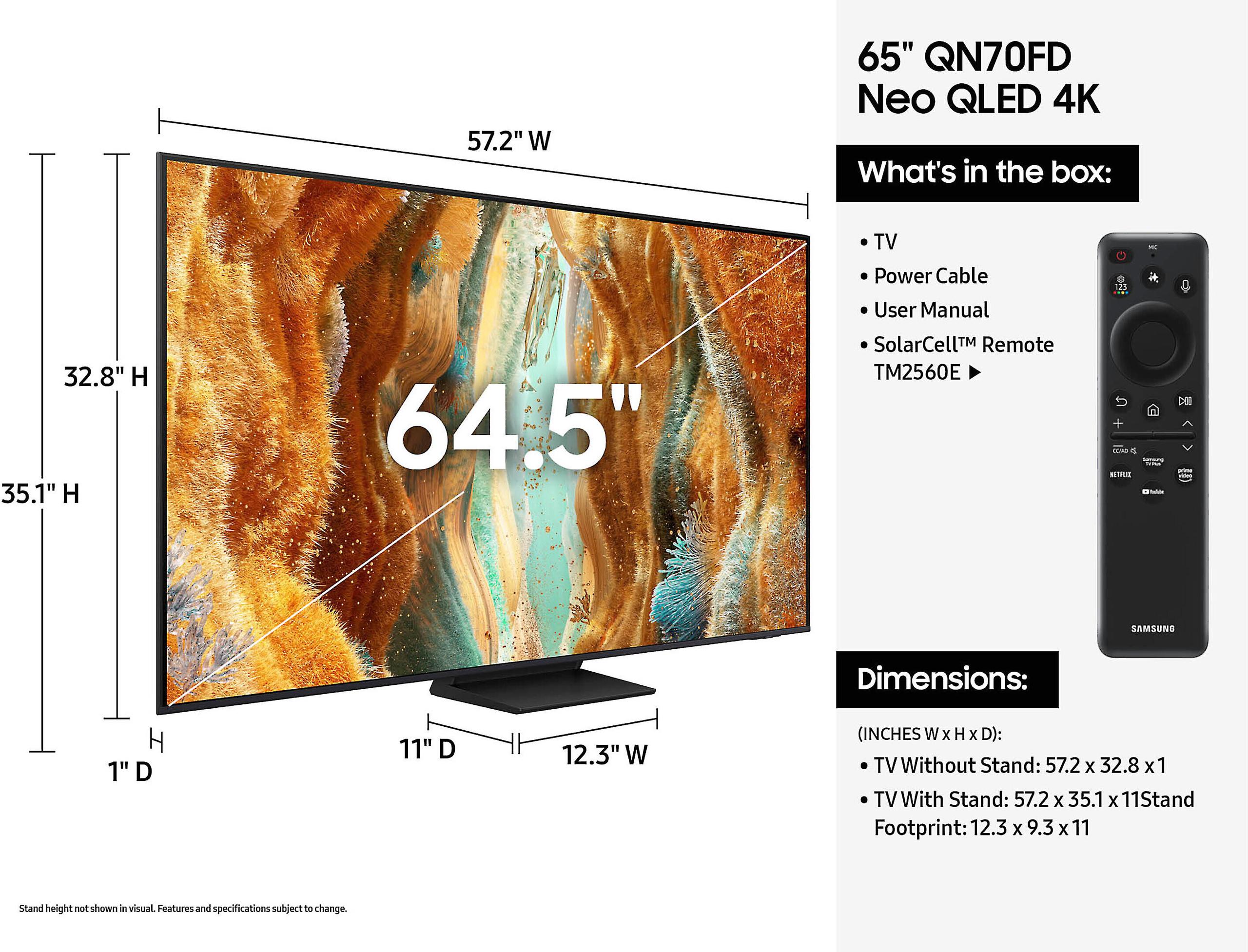
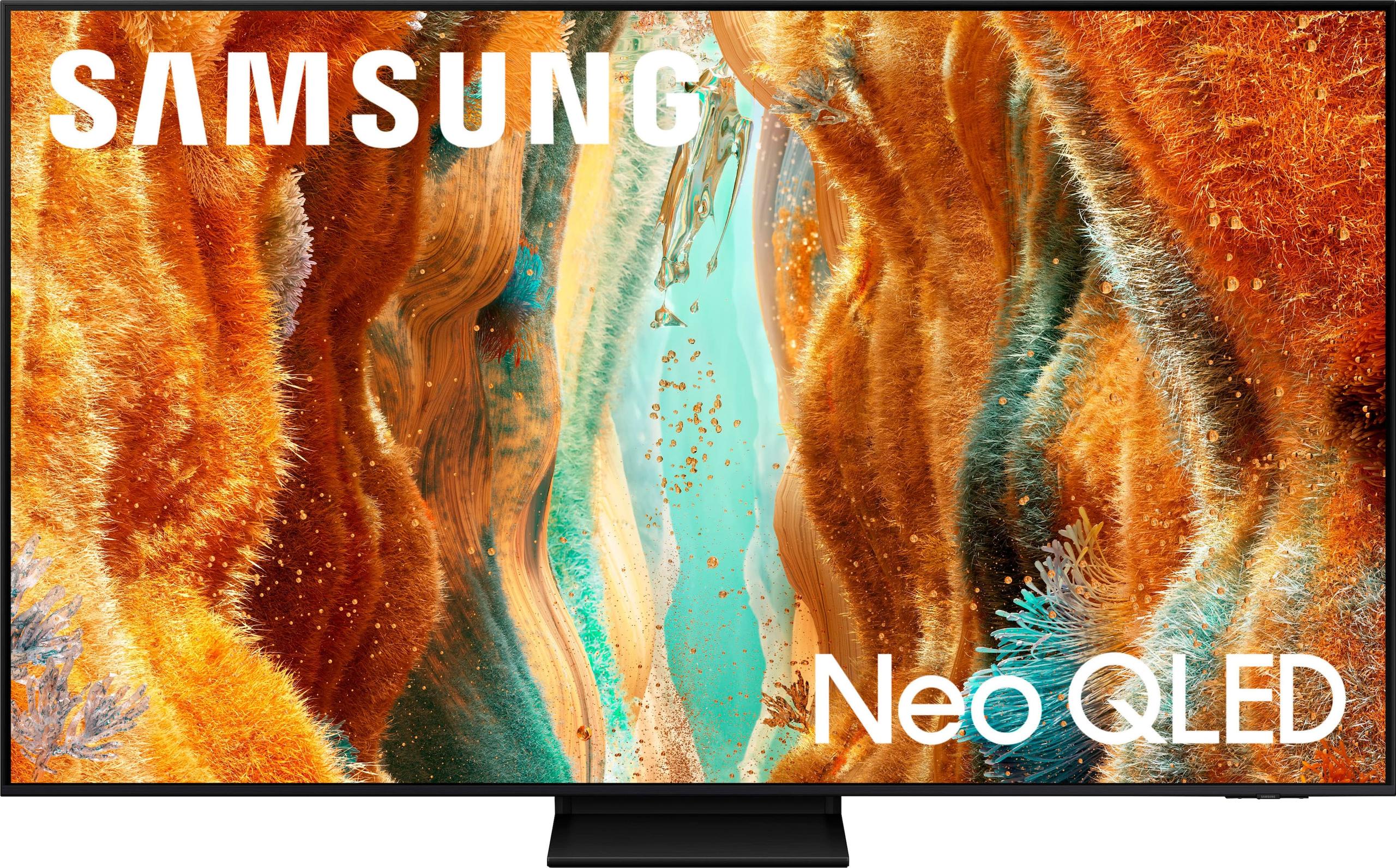
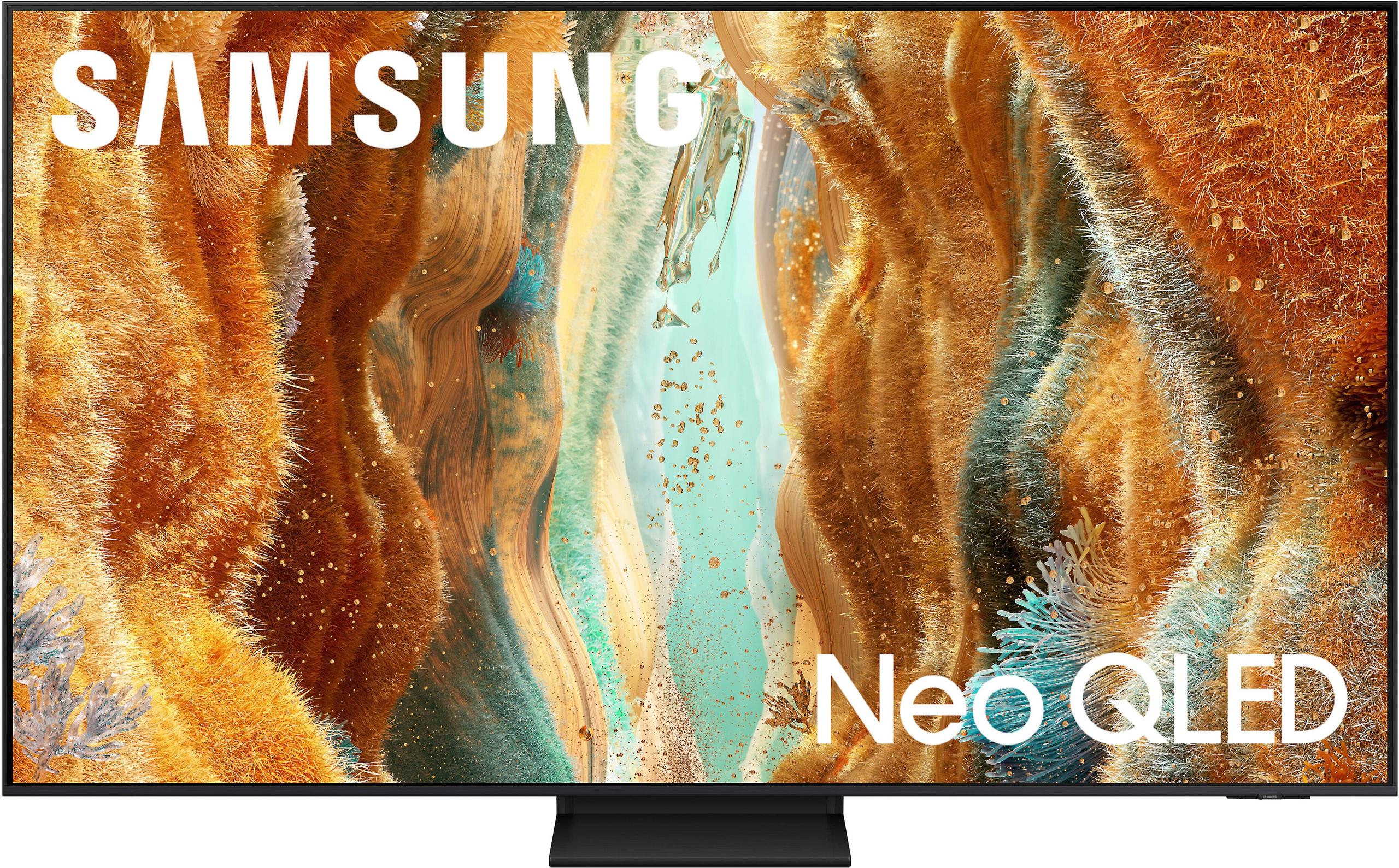
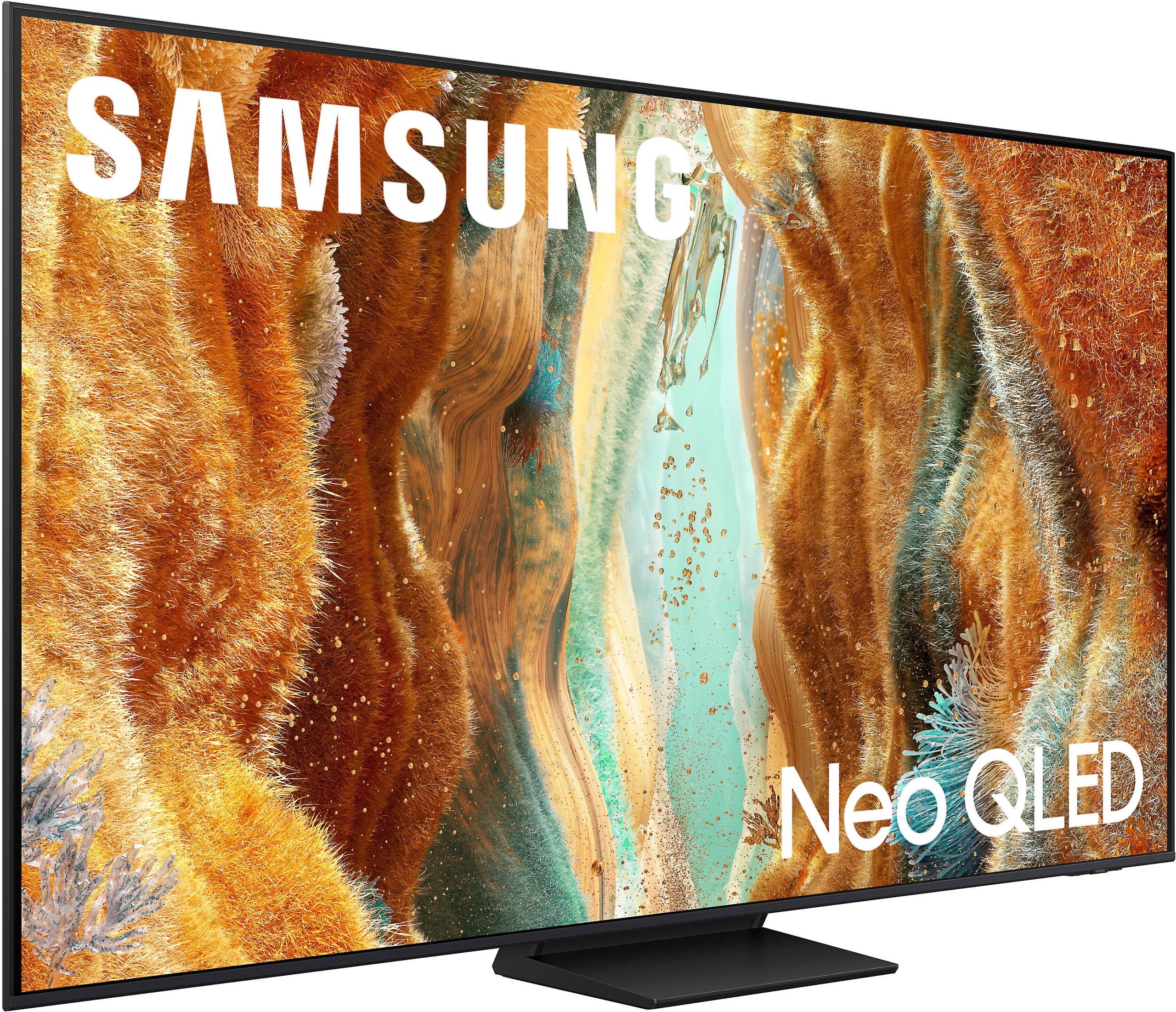
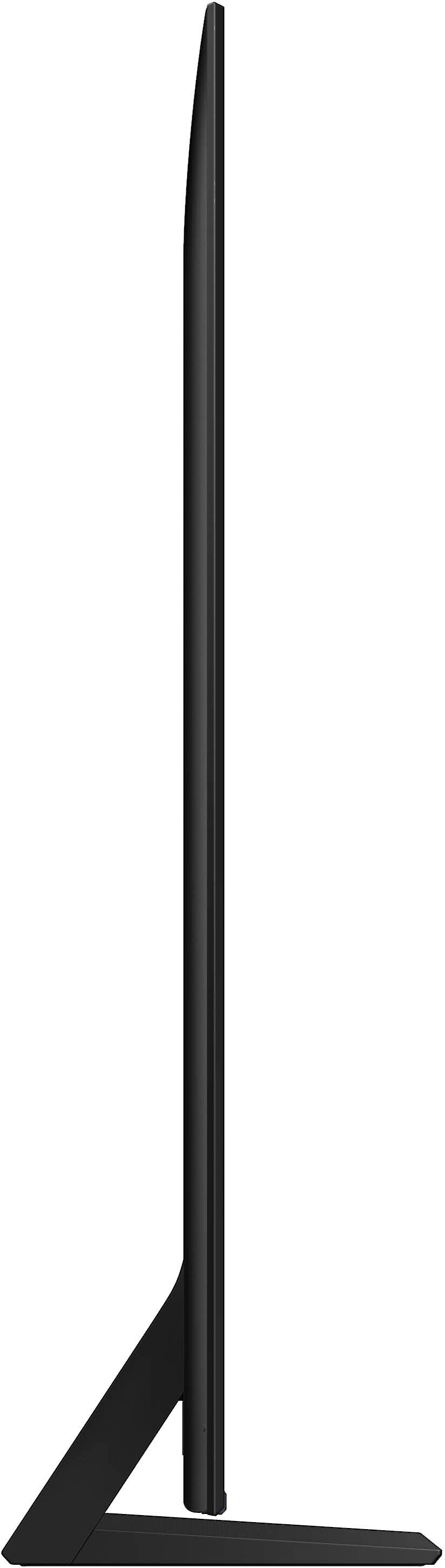


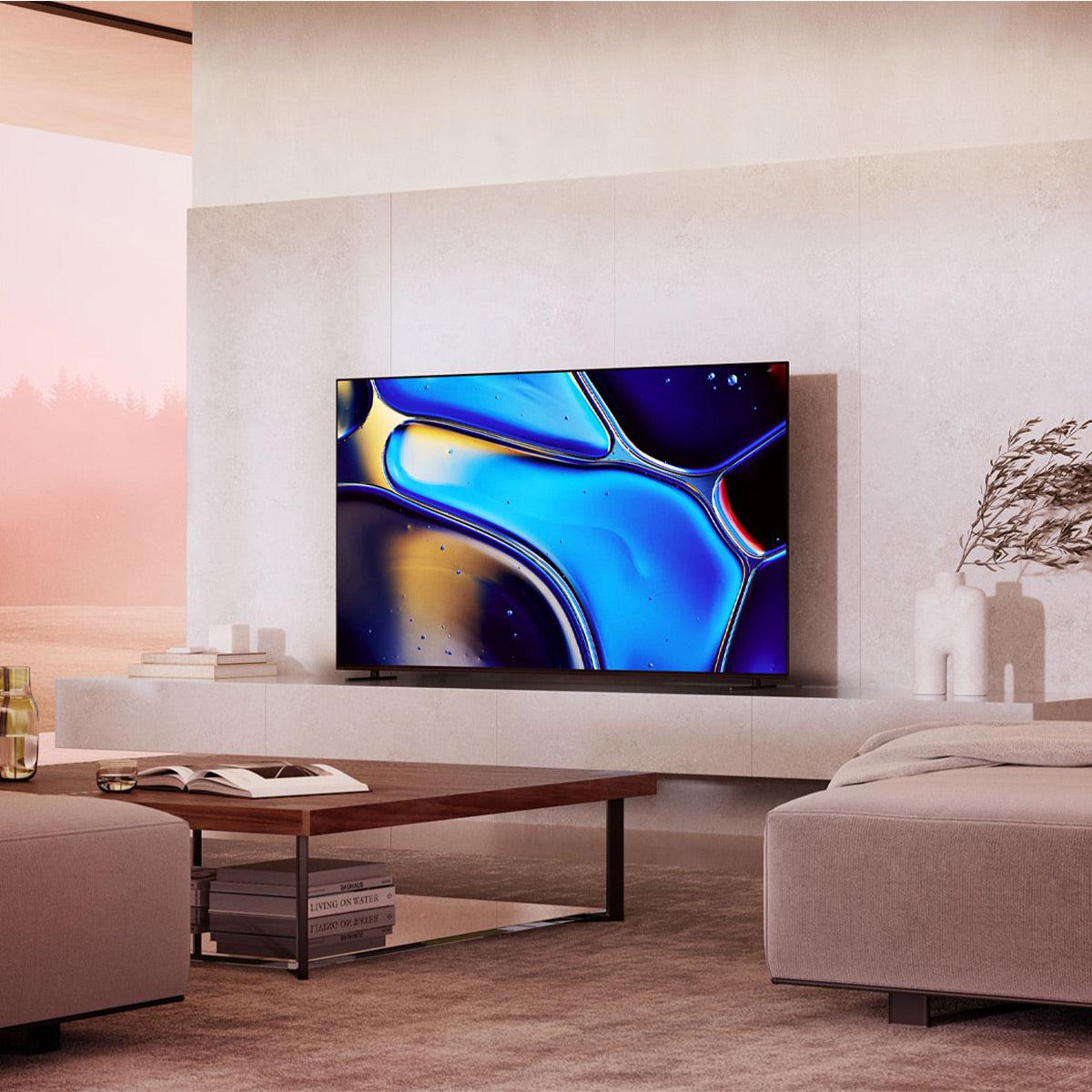
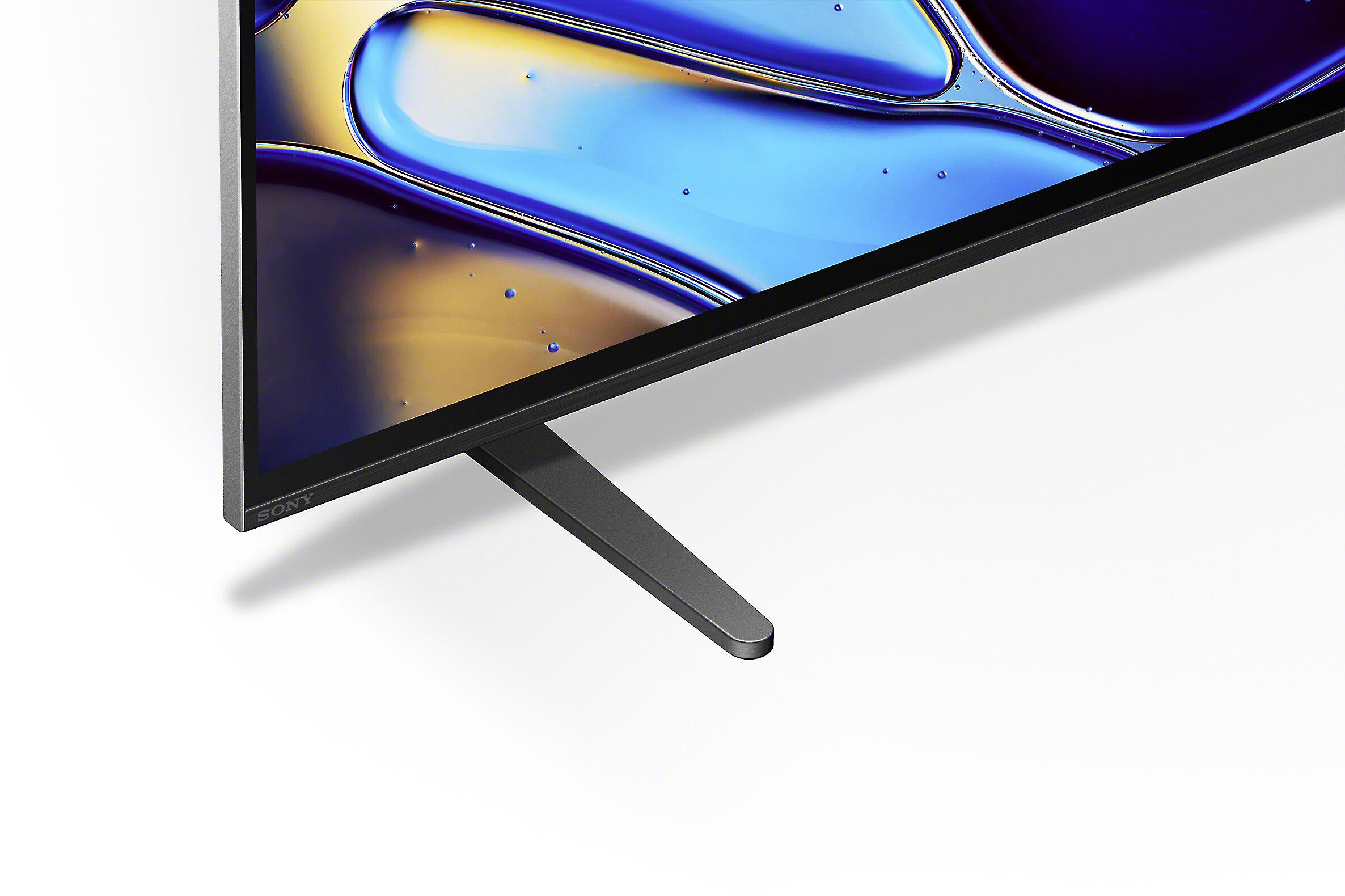
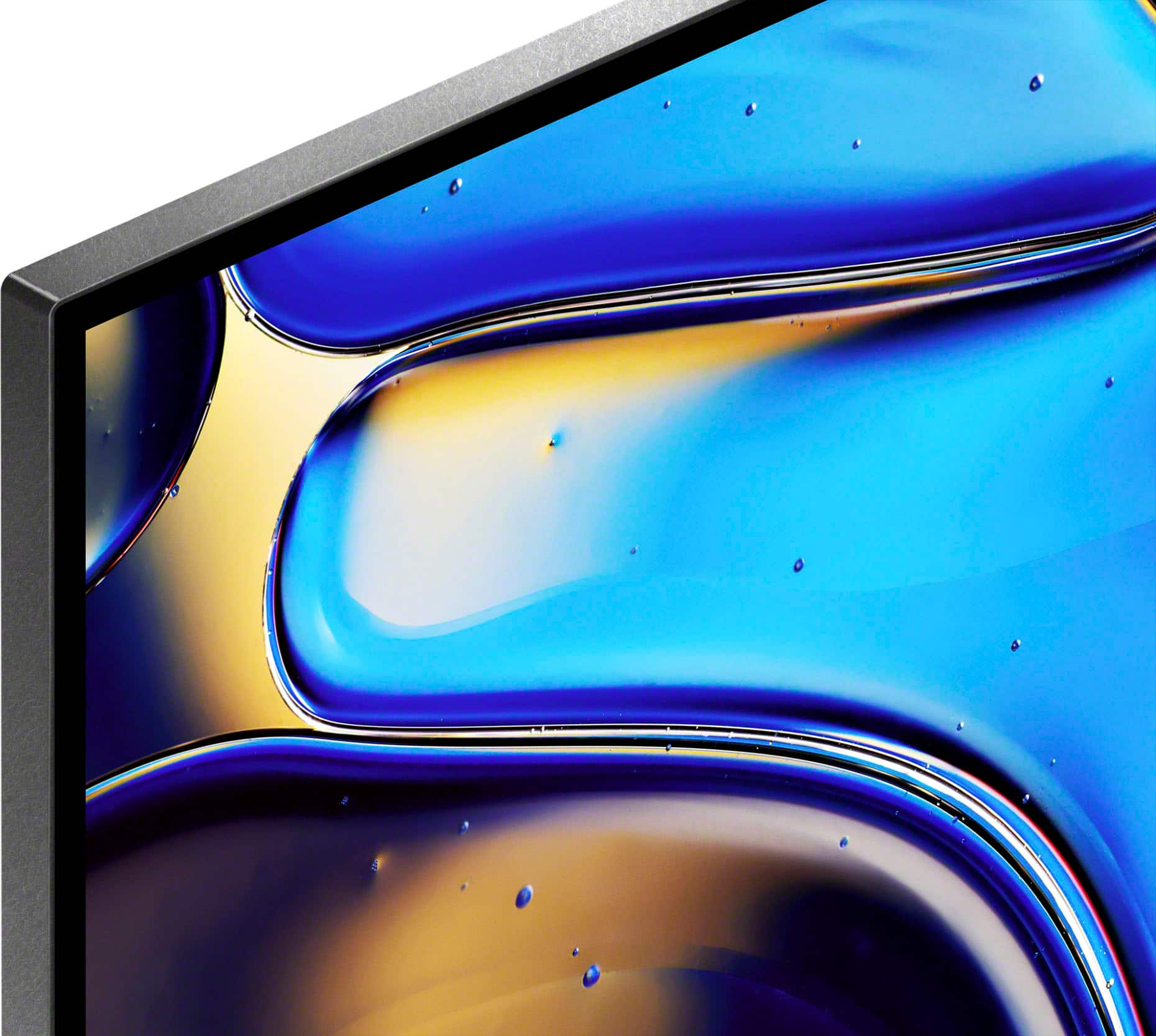
When you're shopping for a premium 65-inch TV, you'll quickly discover that two fundamentally different technologies dominate the high-end market: QLED and OLED. The Samsung 65" QN70F Neo QLED, released in 2025, and the Sony BRAVIA 8 65" 4K OLED, which hit the market in 2024, perfectly represent these competing approaches. At the time of writing, the Samsung positions itself as a gaming-focused value option, while the Sony commands a premium for its OLED technology—but that price difference tells only part of the story.
Understanding which TV is right for you means grasping how these technologies work and where each excels. After spending considerable time with both technologies, I can tell you that neither is universally better—they're simply optimized for different priorities and viewing environments.
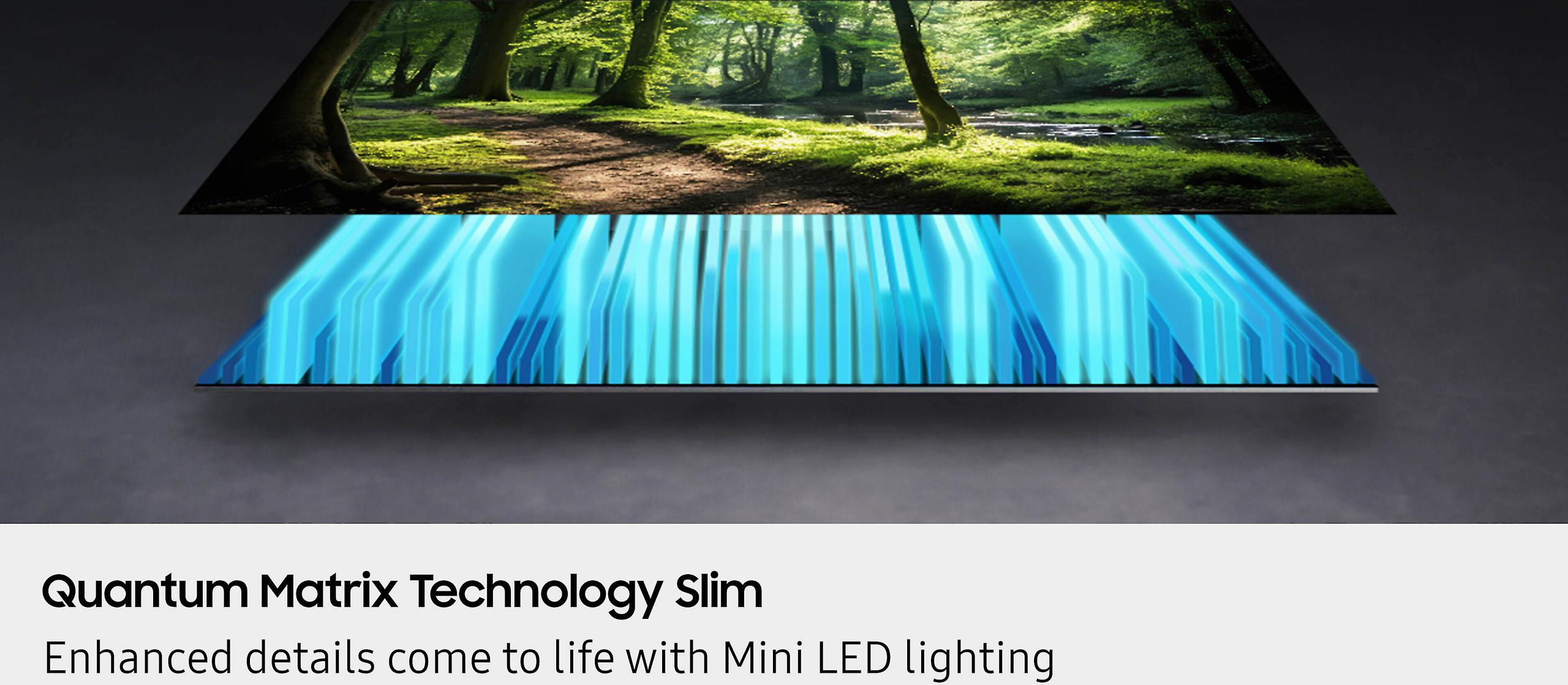
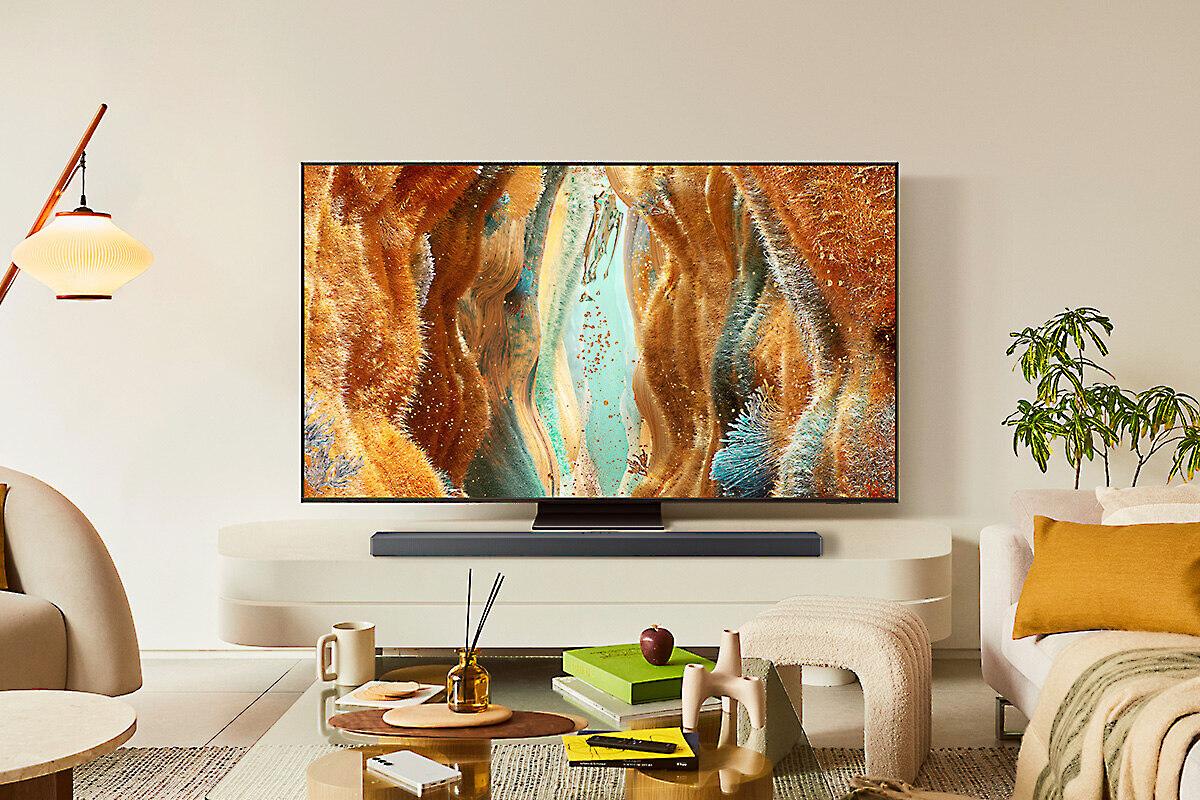
The core difference between these TVs lies in how they create the picture you see. The Samsung QN70F uses a Quantum Matrix Slim Mini LED system, which is essentially a sophisticated backlight behind an LCD panel. Quantum dots—tiny semiconductor particles—convert blue LED light into precise colors, while the Mini LEDs provide more controlled backlighting than traditional edge-lit displays. Think of it like having thousands of tiny flashlights behind a translucent screen, with some areas brighter than others.
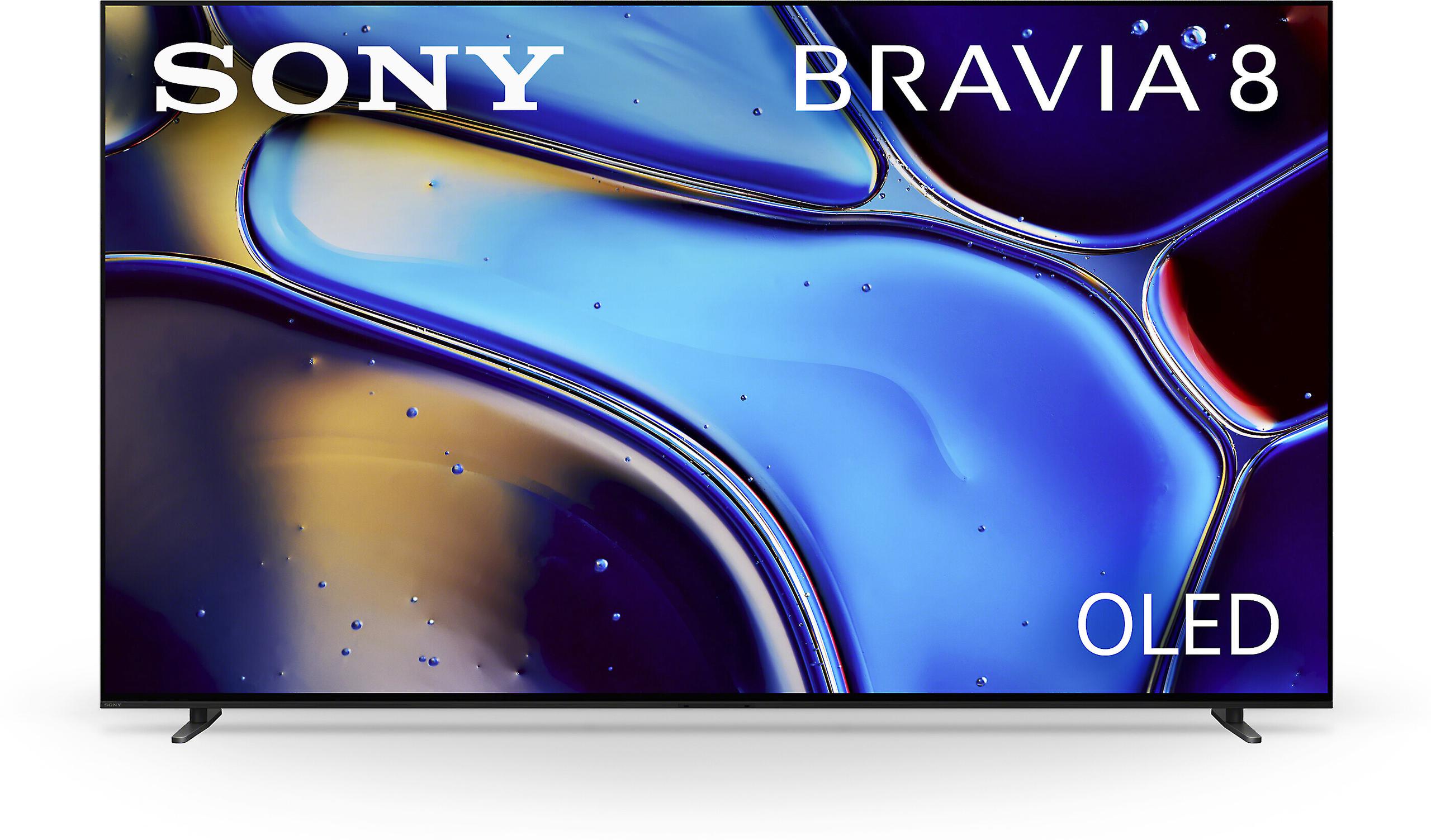
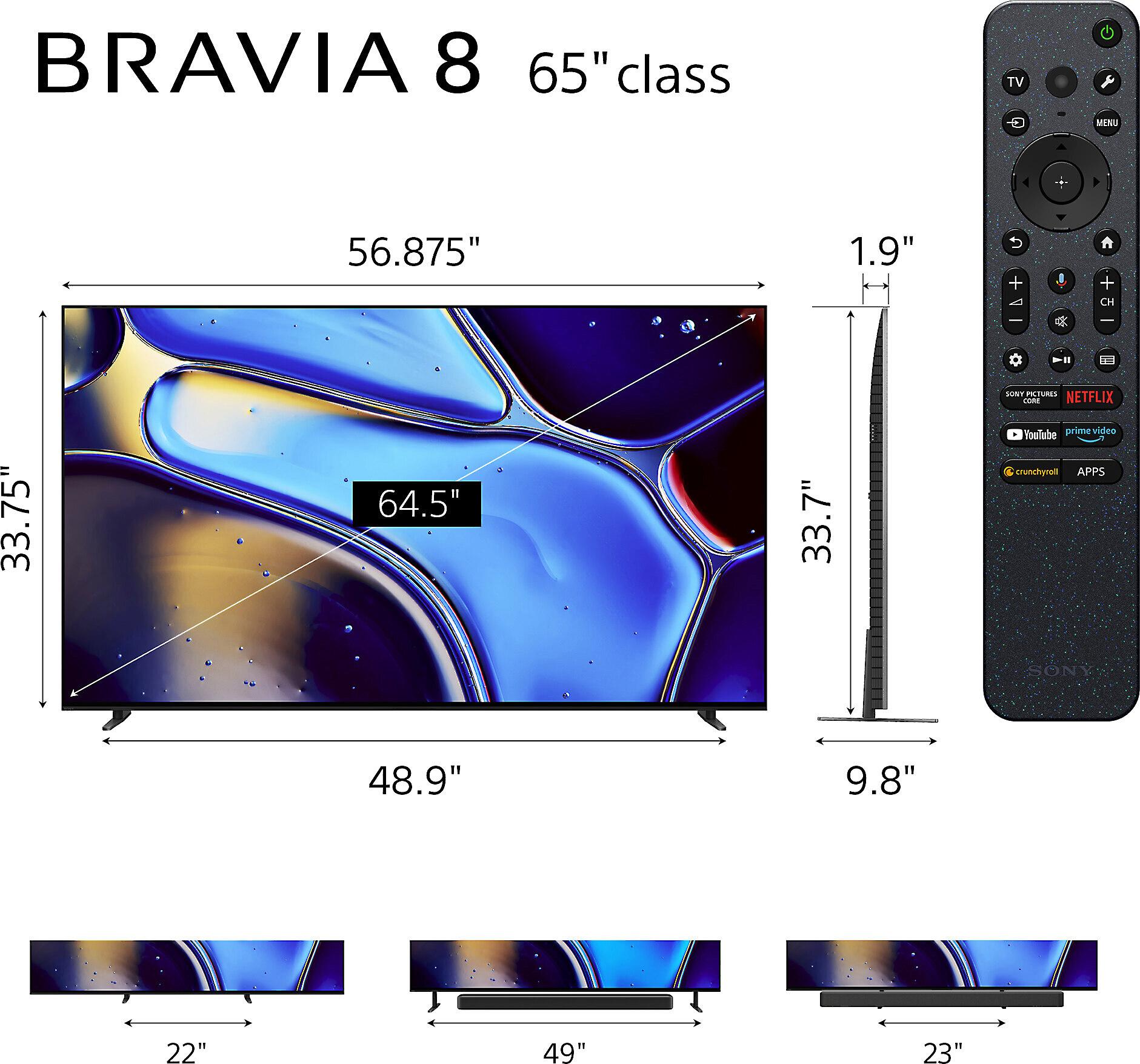
The Sony BRAVIA 8, on the other hand, uses WOLED (White OLED) technology where each of the 8.3 million pixels generates its own light. When a pixel needs to be black, it simply turns off completely. When it needs to be bright white, it glows at full intensity. There's no backlight at all—each pixel is essentially a microscopic light bulb that can produce any color and brightness level independently.
This fundamental difference creates a cascade of performance characteristics that affect everything from how dark your blacks appear to how well the TV handles bright, sunny rooms.
Here's where the Sony BRAVIA 8 demonstrates why OLED technology commands a premium. When you're watching a movie with space scenes or dark, moody cinematography, the Sony can turn off pixels completely to create true black. This creates what we call infinite contrast—the mathematical difference between pure black (zero light) and the brightest white the display can produce.
The Samsung QN70F, despite its Mini LED marketing, uses edge-lighting rather than full-array local dimming. This means the backlighting comes from the sides of the screen rather than directly behind each section of the display. While Samsung's processing does a admirable job managing this limitation, you'll still notice some backlight bleed in dark scenes—a subtle glow around bright objects against black backgrounds.
In practical terms, this means the Sony excels for movie nights in dark rooms, where that perfect black creates a more immersive, cinematic experience. The Samsung, however, holds its own in mixed content and actually has an advantage in bright room viewing.
Peak brightness is where the Samsung QN70F fights back effectively. LCD panels with LED backlights can push significantly more light output than OLED displays. While the Sony BRAVIA 8 reaches approximately 1,000 nits peak brightness—which is excellent for most viewing situations—the Samsung can likely push 25-30% brighter in HDR (High Dynamic Range) content.
This brightness advantage matters most when you're watching TV during the day with windows open or lights on. HDR content like nature documentaries or action movies benefit from bright highlights that can compete with ambient room lighting. The Samsung's quantum dot technology also helps maintain color saturation at these higher brightness levels, preventing that washed-out look that can plague dimmer displays in bright rooms.
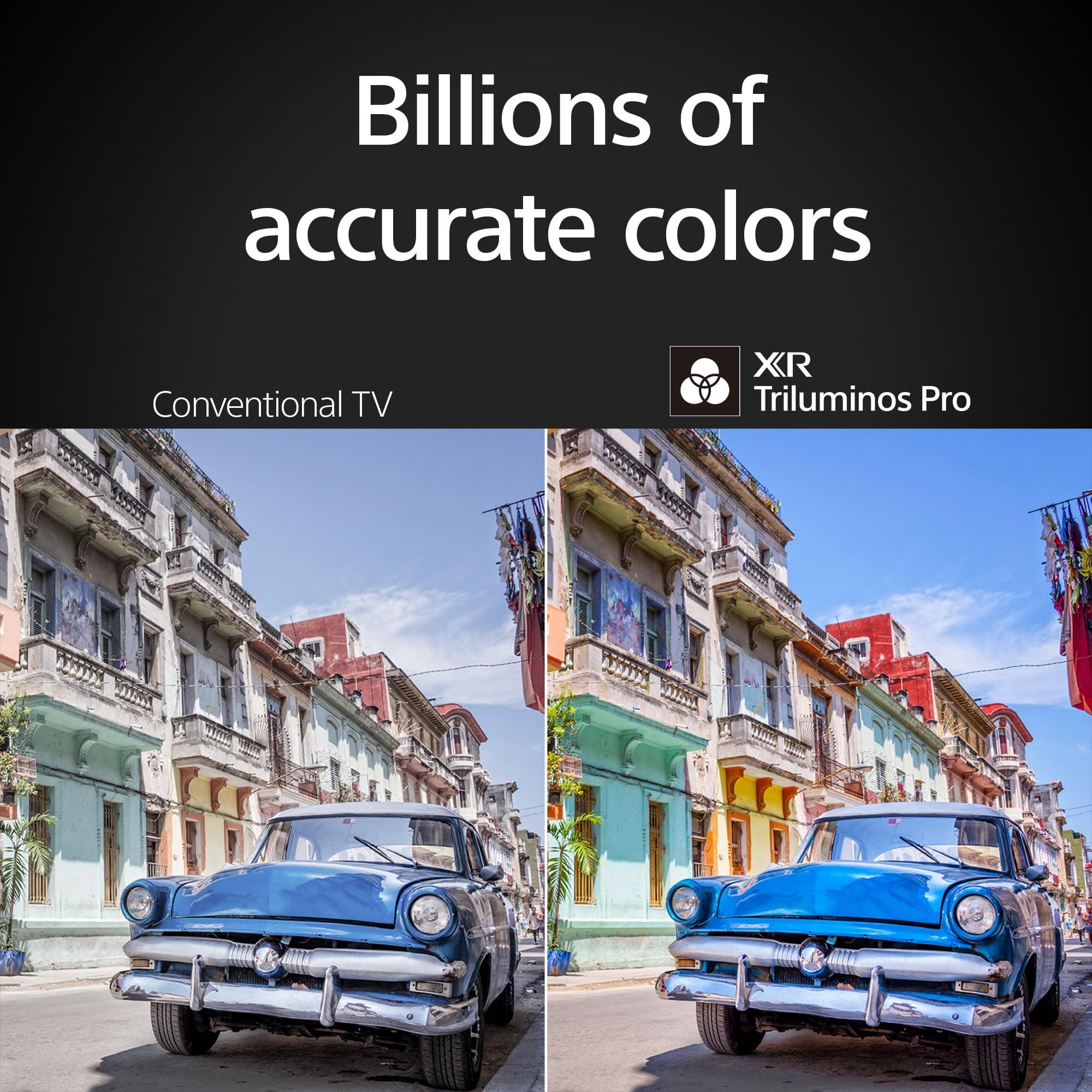
Color reproduction reveals the different priorities of these manufacturers. The Sony BRAVIA 8 emphasizes accuracy with its XR Triluminos Pro technology, which aims to reproduce colors as filmmakers intended. Sony's approach prioritizes the DCI-P3 color gamut—the standard used in digital cinema—making it excellent for movies and professionally produced content.
The Samsung QN70F takes a more aggressive approach with its quantum dot technology, producing colors that are vibrant and eye-catching, particularly in store showrooms and bright viewing environments. Samsung's Color Booster Pro technology pushes saturation beyond strict accuracy, creating images that pop with intensity. This isn't necessarily wrong—it's a deliberate choice that many viewers prefer, especially for sports, gaming, and casual viewing.
Gaming represents one of the clearest differentiators between these displays. The Samsung QN70F targets gaming enthusiasts with support for up to 144Hz refresh rates, matching high-end gaming monitors. This higher refresh rate means smoother motion in fast-paced games, reduced motion blur, and better responsiveness for competitive gaming.
The TV also includes AMD FreeSync Premium Pro, a technology that synchronizes the display's refresh rate with your gaming console or PC's frame output. This eliminates screen tearing—those horizontal lines that can appear when the display and graphics card fall out of sync—and reduces stuttering during gameplay.
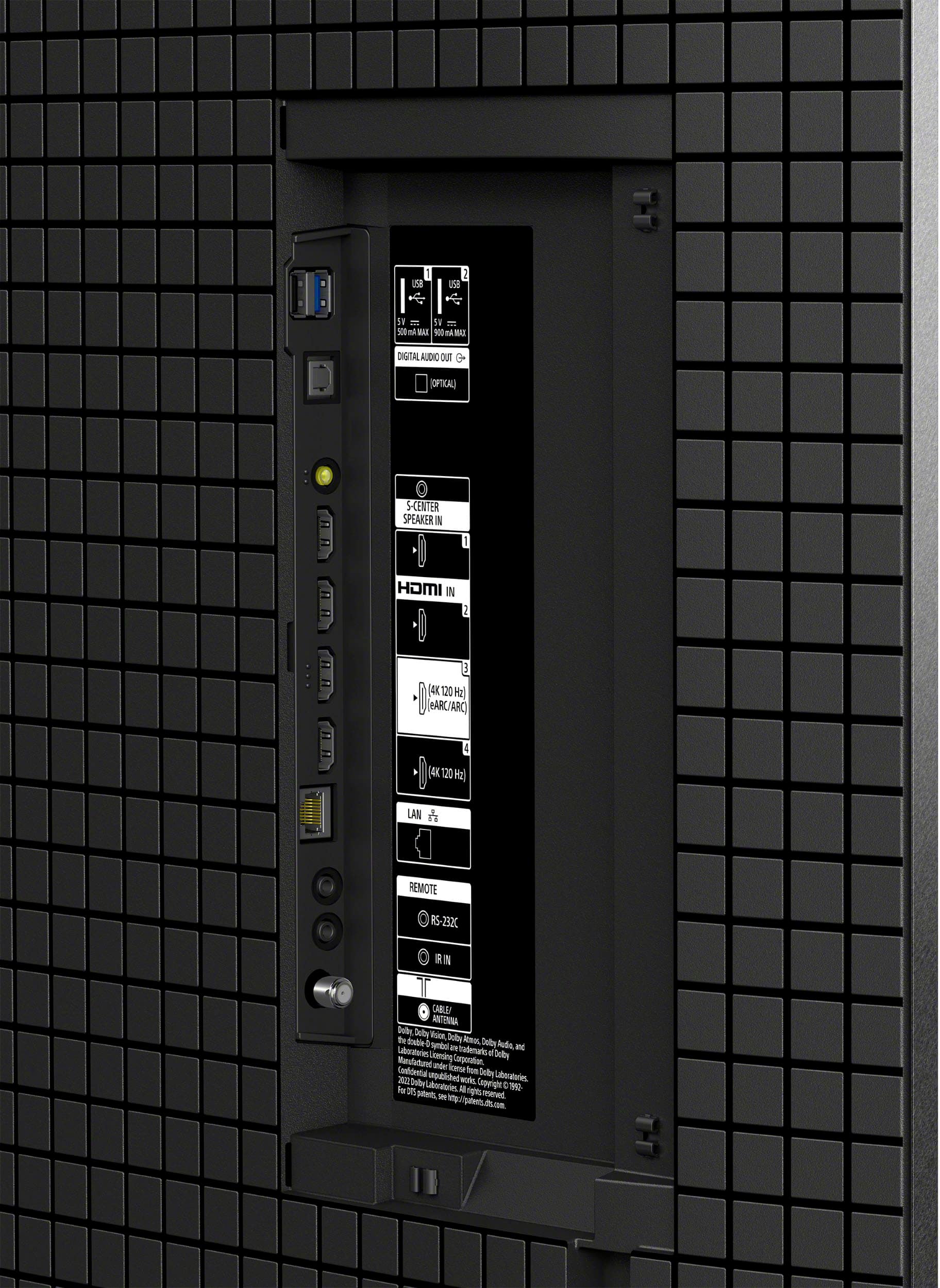
The Sony BRAVIA 8 caps out at 120Hz but compensates with XR OLED Motion processing and excellent input lag performance in Game Mode. Its two dedicated HDMI 2.1 ports support the full bandwidth needed for 4K gaming at 120Hz, with Variable Refresh Rate (VRR) and Auto Low Latency Mode (ALLM) ensuring smooth, responsive gameplay.
For competitive PC gaming or if you plan to game extensively, the Samsung's higher refresh rate gives it a clear advantage. However, for console gaming where 120Hz is typically the maximum anyway, the Sony's perfect blacks and infinite contrast can make games with darker environments more immersive.
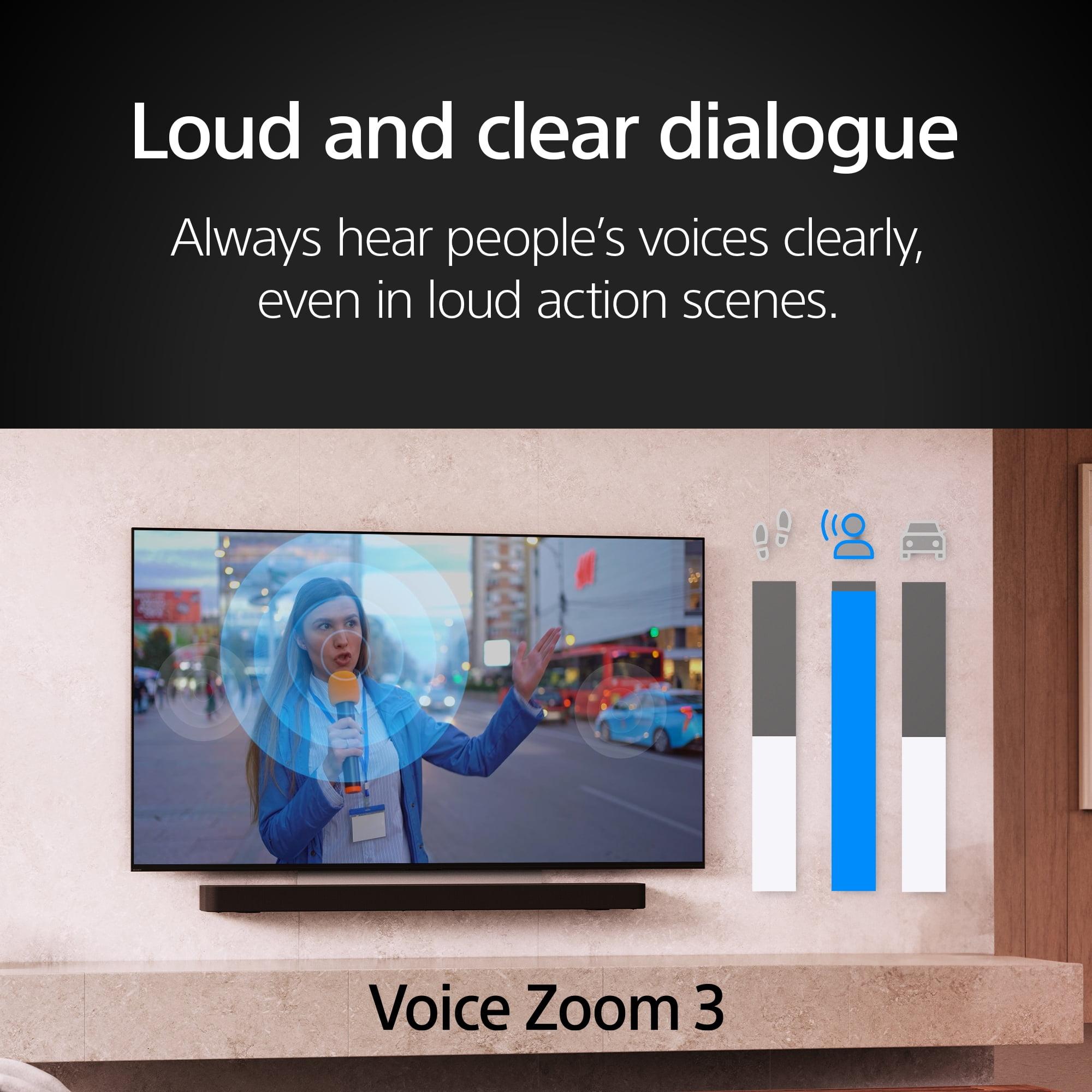
This is where the Sony BRAVIA 8 demonstrates a feature that's genuinely innovative: Acoustic Surface Audio+. Instead of traditional speakers mounted at the bottom or sides of the TV, Sony makes the entire OLED screen vibrate to produce sound. This creates audio that appears to come directly from the picture, improving dialogue clarity and creating a more immersive experience without a soundbar.
The system includes a 50-watt, 2.1-channel setup with dedicated Dolby Atmos and DTS:X support. In my experience, this built-in audio system is surprisingly capable, eliminating the immediate need for external speakers in many setups.
The Samsung QN70F uses a more conventional 20-watt, 2-channel speaker system with Object Tracking Sound Lite. While it includes Samsung's Q-Symphony technology for pairing with Samsung soundbars, the built-in audio is clearly positioned as a starting point rather than the complete solution.
For budget-conscious buyers who want good sound without additional purchases, the Sony offers significantly better value. If you're planning to add a soundbar anyway, this advantage becomes less relevant.
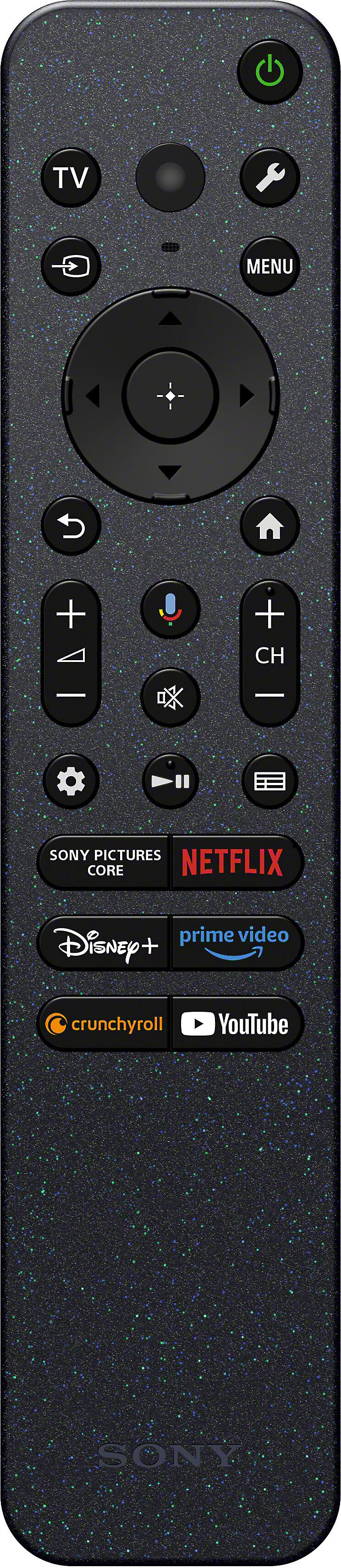
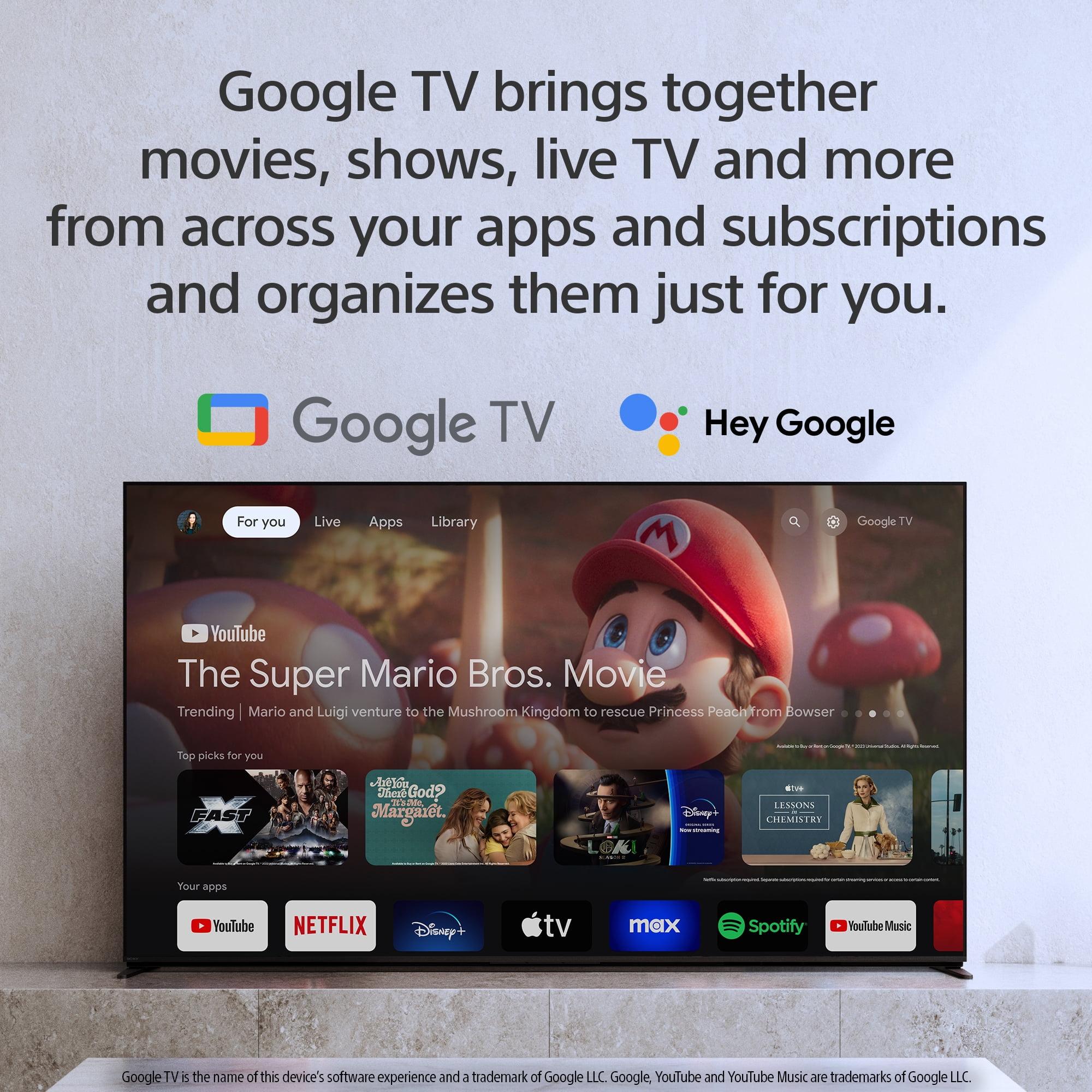
Both TVs launched with mature, capable smart TV platforms, but they take different approaches. The Sony BRAVIA 8 runs Google TV, which has evolved considerably since its earlier iterations. The interface aggregates content from multiple streaming services into a unified recommendation system, and Google Assistant integration feels natural and responsive.
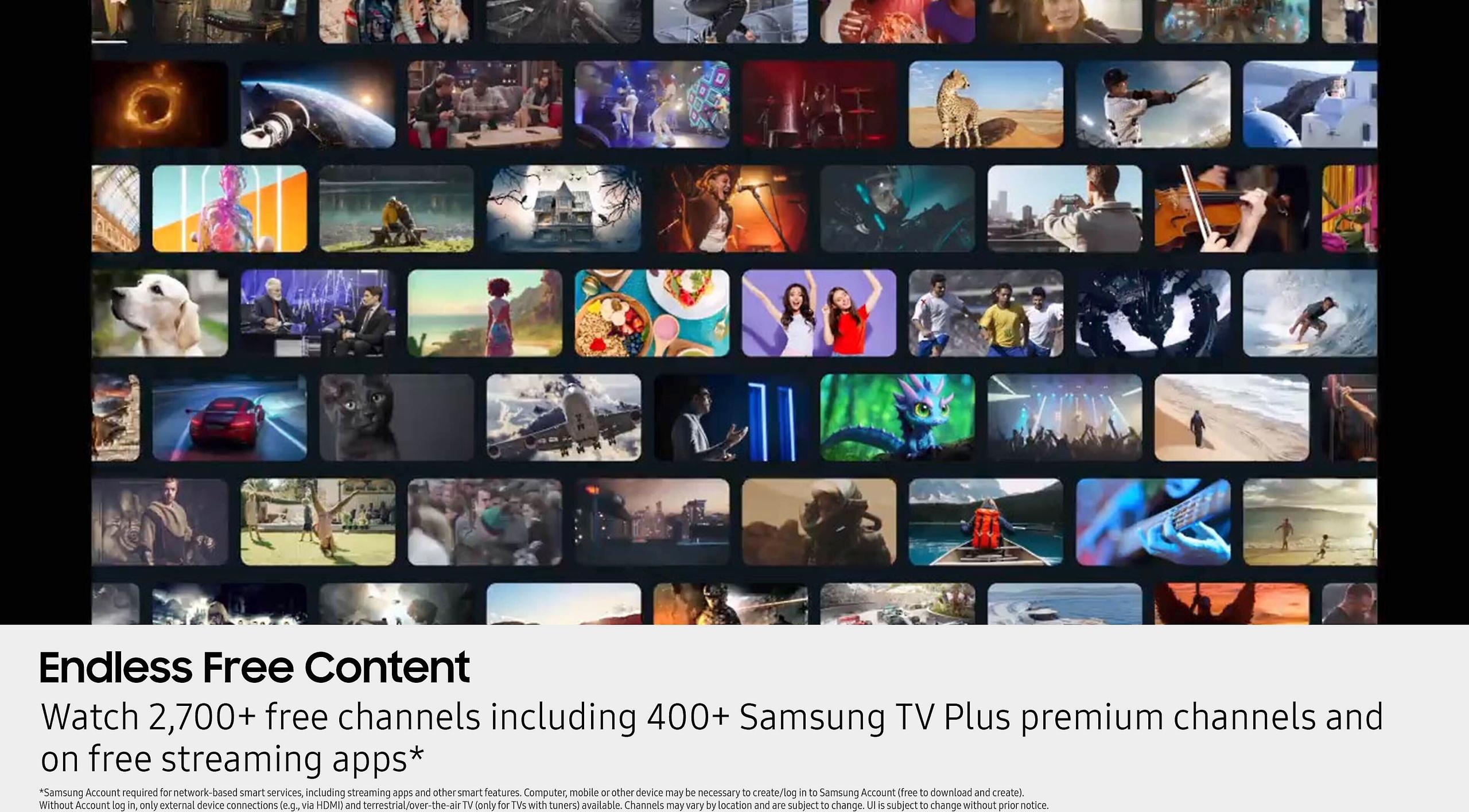
The Samsung QN70F showcases Samsung's Vision AI technology on the Tizen platform. This includes genuinely useful features like Click to Search, which can identify actors, products, or locations in whatever you're watching, and Live Translate, providing real-time subtitle translation for foreign content.
Both platforms support all major streaming services, but Google TV's broader app compatibility and integration with Google services might appeal to Android users, while Samsung's Vision AI features offer more cutting-edge functionality.
For dedicated home theater setups, several factors become crucial. Room lighting control is paramount—if you can manage ambient light with curtains or blinds, the Sony BRAVIA 8 becomes the clear choice. Its perfect blacks and accurate colors create the cinematic experience that movie enthusiasts crave.
The Sony's Acoustic Surface Audio+ also shines in home theater applications. Unlike conventional TV speakers that create sound from below the screen, the Sony's approach maintains proper audio imaging where voices and effects appear to originate from their visual locations.
However, if your "home theater" is actually a family room with windows and varied lighting conditions, the Samsung QN70F might serve you better despite its technical limitations. Its higher brightness and vibrant colors maintain engagement even when ambient light would wash out an OLED display.
OLED technology has matured significantly, but burn-in—permanent image retention from static elements—remains a consideration for the Sony BRAVIA 8. Modern OLED displays include numerous protective measures, and burn-in is less common than it once was, but it's still theoretically possible with extreme usage patterns like leaving news channels with static logos on for extended periods.
The Samsung QN70F uses LCD technology that doesn't suffer from burn-in, making it potentially more suitable for commercial environments or households with varied viewing habits. However, LCD panels can develop other issues over time, including backlight degradation and color shifts.
At the time of writing, the price gap between these TVs represents the premium that OLED technology commands. The Samsung QN70F positions itself as offering premium features at a more accessible price point, while the Sony BRAVIA 8 asks you to pay extra for OLED's inherent advantages.
The Samsung delivers legitimate value for gaming-focused users and bright room viewing. Its 144Hz capability, decent HDR performance, and Samsung's ecosystem integration provide substantial functionality for the price. However, calling it "Mini LED" when it uses edge-lighting rather than full-array local dimming feels misleading—it's a very good LCD TV, but not quite the premium Mini LED experience the name suggests.
The Sony justifies its premium through OLED's perfect blacks, superior built-in audio, and more accurate color reproduction. If you primarily watch movies in controlled lighting and value cinematic quality, the extra cost delivers meaningful improvements to your viewing experience.
Choose the Samsung QN70F if you're a gamer who values high refresh rates, if you watch TV primarily in bright rooms, or if you want premium features without OLED pricing. It's also the better choice if you plan to add external audio anyway and prefer Samsung's ecosystem.
The Sony BRAVIA 8 makes sense for movie enthusiasts who can control room lighting, anyone who wants excellent built-in audio without additional purchases, and viewers who prioritize color accuracy and perfect blacks over peak brightness.
Both TVs represent mature, capable products from established manufacturers, but they optimize for different priorities. The Samsung QN70F excels as a versatile, gaming-capable display that works well in various lighting conditions. The Sony BRAVIA 8 delivers the premium cinematic experience that OLED technology enables, with the added bonus of genuinely impressive built-in audio.
Your choice should align with your primary use case, room environment, and budget priorities. Neither TV will disappoint in absolute terms—they'll both deliver excellent experiences within their respective strengths. The key is understanding which strengths matter most for your specific situation and viewing preferences.
| Samsung 65" QN70F Neo QLED | Sony BRAVIA 8 65" 4K OLED |
|---|---|
| Display Technology - Fundamentally different approaches to picture quality | |
| Neo QLED with Quantum Matrix Slim (edge-lit Mini LED) | WOLED with self-emitting pixels |
| Black Levels - Critical for movie watching and dark room viewing | |
| Good blacks but some backlight bleed visible | Perfect blacks with infinite contrast ratio |
| Peak Brightness - Essential for bright room viewing and HDR impact | |
| Higher peak brightness, excellent for daytime viewing | ~1,000 nits, good for most environments |
| Gaming Refresh Rate - Important for competitive and PC gaming | |
| Up to 144Hz with AMD FreeSync Premium Pro | 120Hz with VRR and ALLM |
| Built-in Audio System - Affects whether you need external speakers | |
| 20W 2CH standard speakers (external audio recommended) | 50W 2.1CH Acoustic Surface Audio+ (screen acts as speaker) |
| Smart Platform - Daily interface and app experience | |
| Tizen with Vision AI (Click-to-Search, Live Translate) | Google TV with Google Assistant integration |
| HDMI 2.1 Gaming Ports - For next-gen console gaming | |
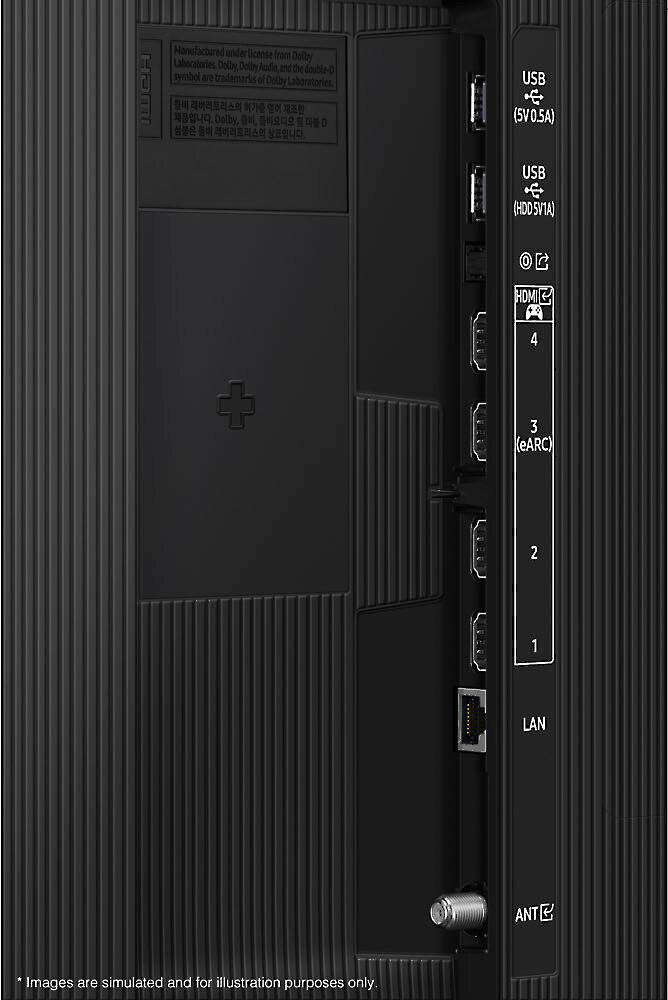
| 4 HDMI ports (gaming features available) | 2 dedicated HDMI 2.1 ports with full bandwidth |
| Motion Processing - Important for sports and action content | |
| Supreme UHD Dimming with Real Depth Enhancer | XR OLED Motion with frame interpolation |
| Color Technology - Affects vibrancy vs accuracy | |
| Quantum dots with Color Booster Pro (vibrant, punchy colors) | XR Triluminos Pro (cinema-accurate color reproduction) |
| Burn-in Risk - Long-term durability consideration | |
| No burn-in risk (LCD technology) | Minimal but possible with extreme static content |
| Best Use Case - Where each TV truly excels | |
| Gaming, bright rooms, value-focused buyers | Movies, dark rooms, built-in audio priority |
| Release Year - Tech generation and feature maturity | |
| 2025 model with latest Vision AI features | 2024 model with mature OLED technology |
The Samsung QN70F Neo QLED is better for gaming, especially PC gaming, with its 144Hz refresh rate and AMD FreeSync Premium Pro support. The Sony BRAVIA 8 OLED caps at 120Hz but offers excellent input lag and perfect blacks for immersive gaming. For competitive gaming, choose the Samsung; for cinematic single-player games, the Sony's OLED technology provides superior contrast.
The Samsung QN70F uses QLED technology with a backlight behind an LCD panel, while the Sony BRAVIA 8 uses OLED where each pixel creates its own light. OLED delivers perfect blacks and infinite contrast, while QLED offers higher brightness for daytime viewing. OLED excels in dark rooms, while QLED performs better in bright environments.
The Sony BRAVIA 8 has significantly better built-in audio with its 50W Acoustic Surface Audio+ system that makes the entire screen act as a speaker. The Samsung QN70F has standard 20W speakers that will likely require a soundbar for optimal audio. If you want great sound without external speakers, choose the Sony.
The Samsung QN70F is better for bright rooms due to its higher peak brightness and quantum dot technology that maintains color saturation in ambient light. The Sony BRAVIA 8 can struggle with bright room viewing as OLED panels don't get as bright as QLED displays. For living rooms with lots of windows, the Samsung is the better choice.
The Sony BRAVIA 8 is superior for home theater setups with its perfect blacks, infinite contrast, and cinema-accurate colors. The OLED technology creates a more immersive movie experience in dark rooms. The Samsung QN70F is good for movies but can't match OLED's contrast performance. For dedicated movie watching, choose the Sony.
Both the Samsung QN70F and Sony BRAVIA 8 support 4K resolution and HDR formats including HDR10 and Dolby Vision. The Samsung offers higher peak brightness for HDR highlights, while the Sony provides better contrast with its perfect blacks. Both deliver excellent 4K streaming and 4K Blu-ray performance.
The Samsung QN70F features Vision AI with Click-to-Search and Live Translate capabilities on Samsung's Tizen platform. The Sony BRAVIA 8 runs Google TV with Google Assistant integration and broader app compatibility. Both platforms are excellent, but Samsung offers more cutting-edge AI features while Sony provides better ecosystem integration.
The Samsung QN70F uses LCD technology with no burn-in risk, making it suitable for varied content including news channels with static logos. The Sony BRAVIA 8 uses OLED technology which has minimal but possible burn-in risk with extreme static content usage. Modern OLEDs have protective features, but LCD is technically more durable for static content.
The Samsung QN70F typically offers better value with premium features at a lower price point, making it ideal for budget-conscious buyers wanting gaming performance and bright room viewing. The Sony BRAVIA 8 commands a premium for OLED technology but justifies it with perfect blacks and superior built-in audio. Value depends on your priorities and budget.
The Samsung QN70F supports up to 144Hz with excellent motion handling for fast sports action. The Sony BRAVIA 8 offers 120Hz with XR OLED Motion processing that's also excellent for sports. Both handle sports well, but the Samsung's higher refresh rate provides slightly smoother motion in fast-paced content.
Both the Samsung QN70F and Sony BRAVIA 8 excel at streaming with support for all major services and 4K content. The Sony's OLED technology provides better contrast for dark Netflix shows and movies, while the Samsung performs better for daytime streaming in bright rooms. Your viewing environment determines which is better.
The Samsung QN70F pros include 144Hz gaming, bright room performance, no burn-in risk, and better value. Cons include edge-lit backlighting and weaker built-in audio. The Sony BRAVIA 8 pros include perfect blacks, superior audio, and cinema-accurate colors. Cons include higher cost, lower peak brightness, and minimal burn-in risk. Choose based on your priorities and viewing environment.
We've done our best to create useful and informative comparisons to help you decide what product to buy. Our research uses advanced automated methods to create this comparison and perfection is not possible - please contact us for corrections or questions. These are the sites we've researched in the creation of this article: rtings.com - youtube.com - wifihifi.com - samsung.com - samsung.com - samsung.com - samsung.com - flatpanelshd.com - news.samsung.com - bestbuy.com - bestbuy.com - bestbuy.com - crutchfield.com - avsforum.com - electronics.sony.com - sony.com - store.sony.co.nz - sony.com - displayspecifications.com

Privacy Policy
Terms and Conditions - Affiliate Policy
Home Security
© Copyright 2008-2026.
11816 Inwood Rd #1211, Dallas, TX 75244