






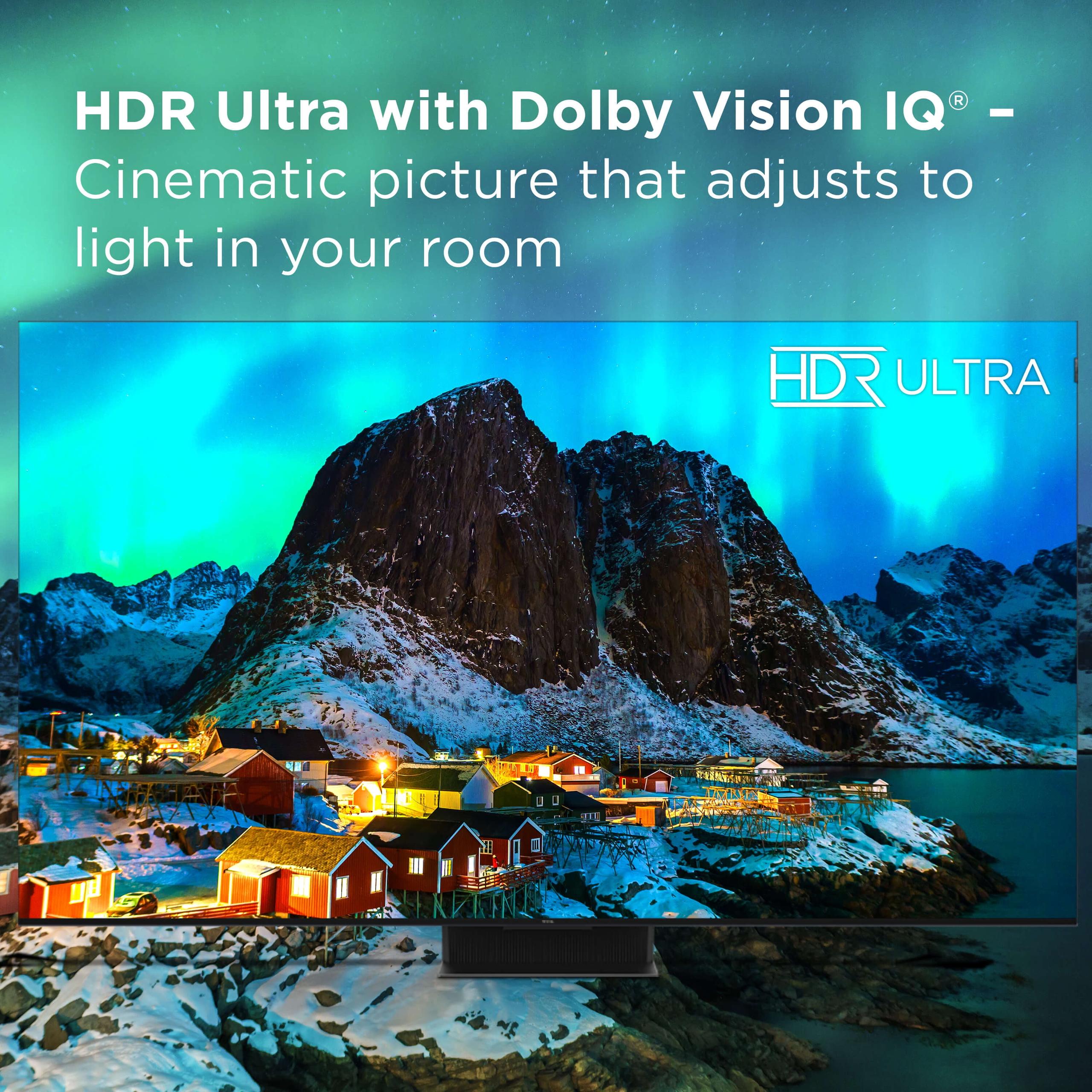
Choosing a premium 65-inch TV has become both easier and more complicated in recent years. Easier because picture quality across the board has improved dramatically – even mid-range TVs today would have been flagship models five years ago. More complicated because the technical specifications have multiplied, and marketing terms like "QLED," "Neo QLED," and "Mini-LED" can sound like alphabet soup to the average buyer.
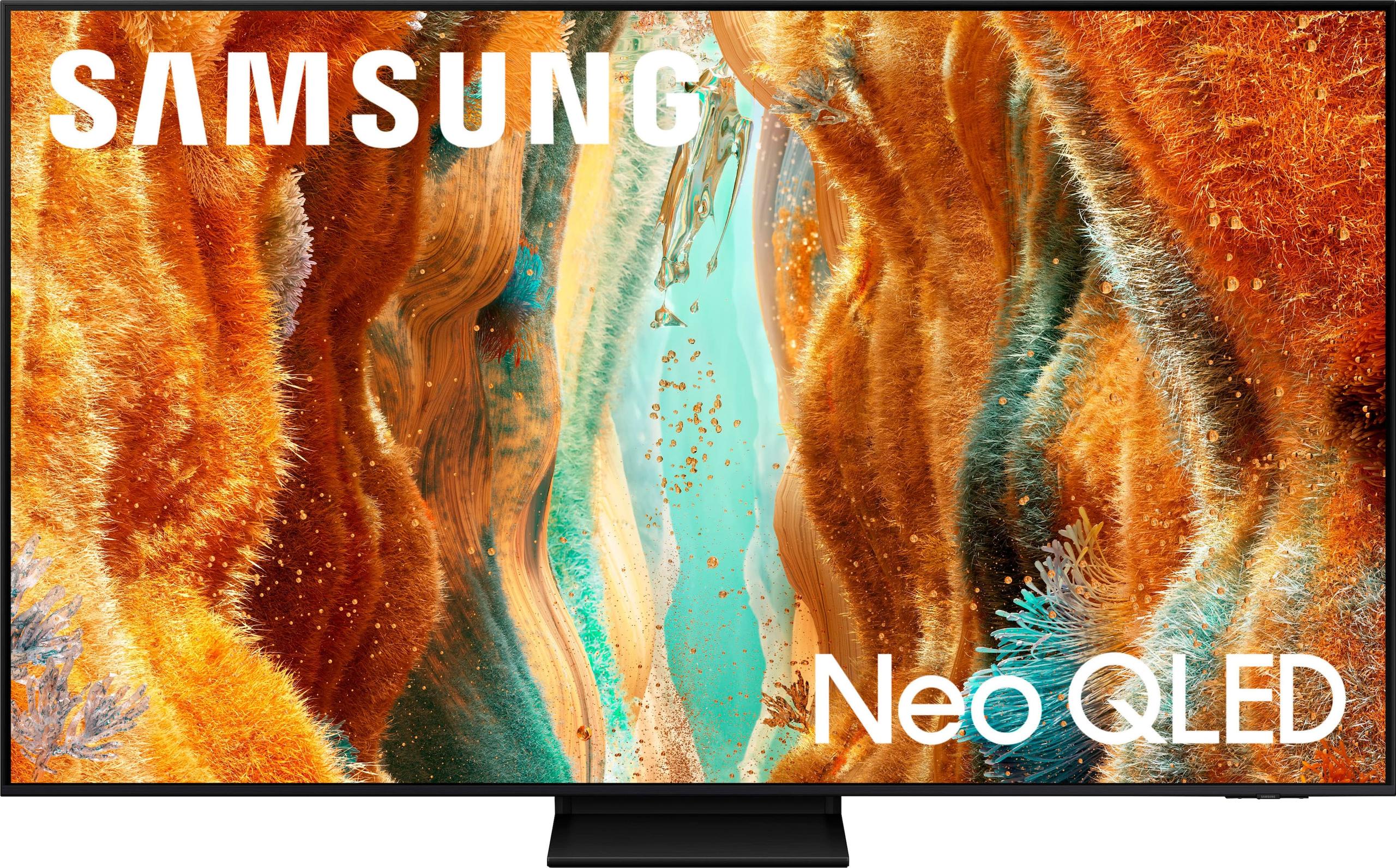
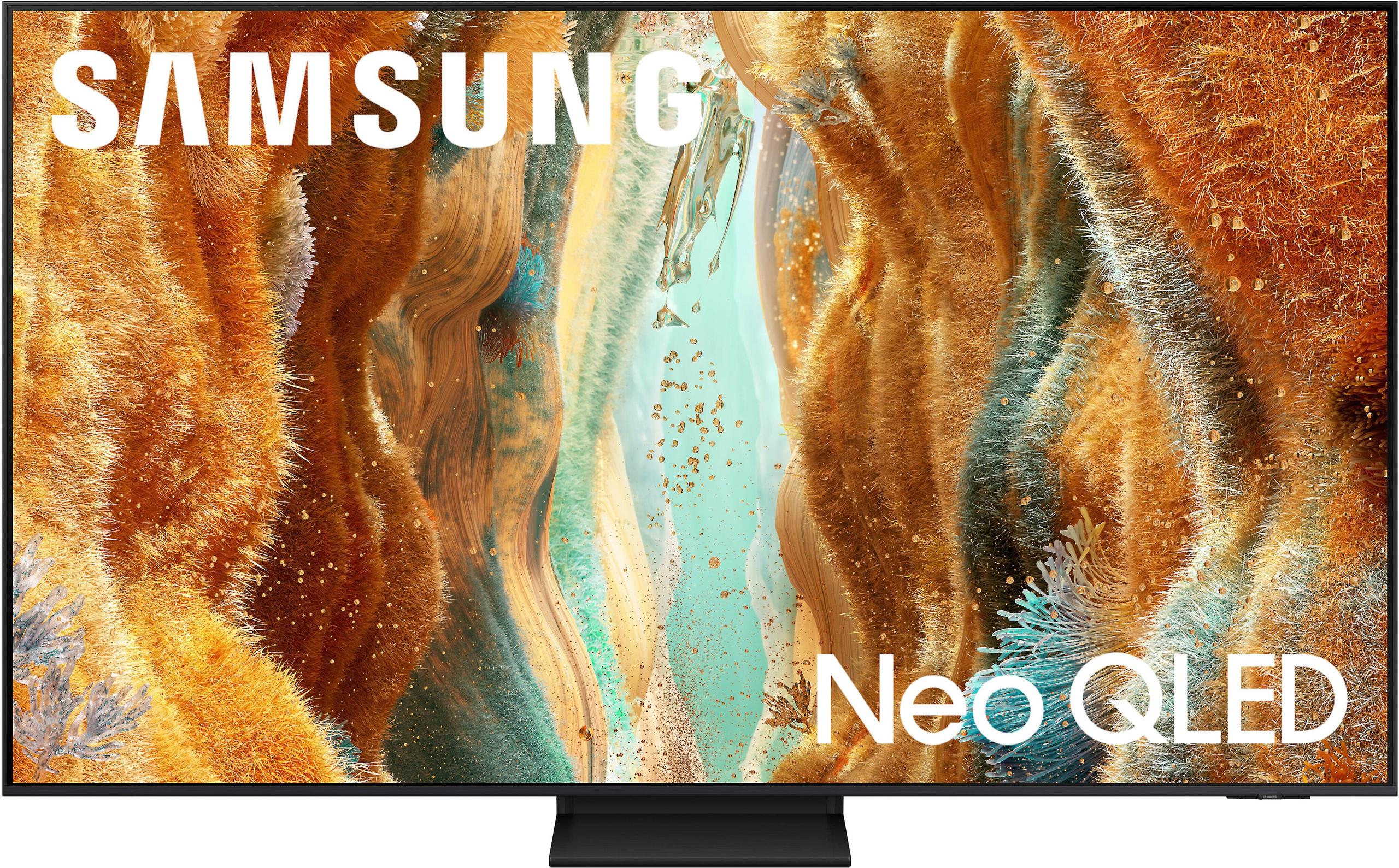
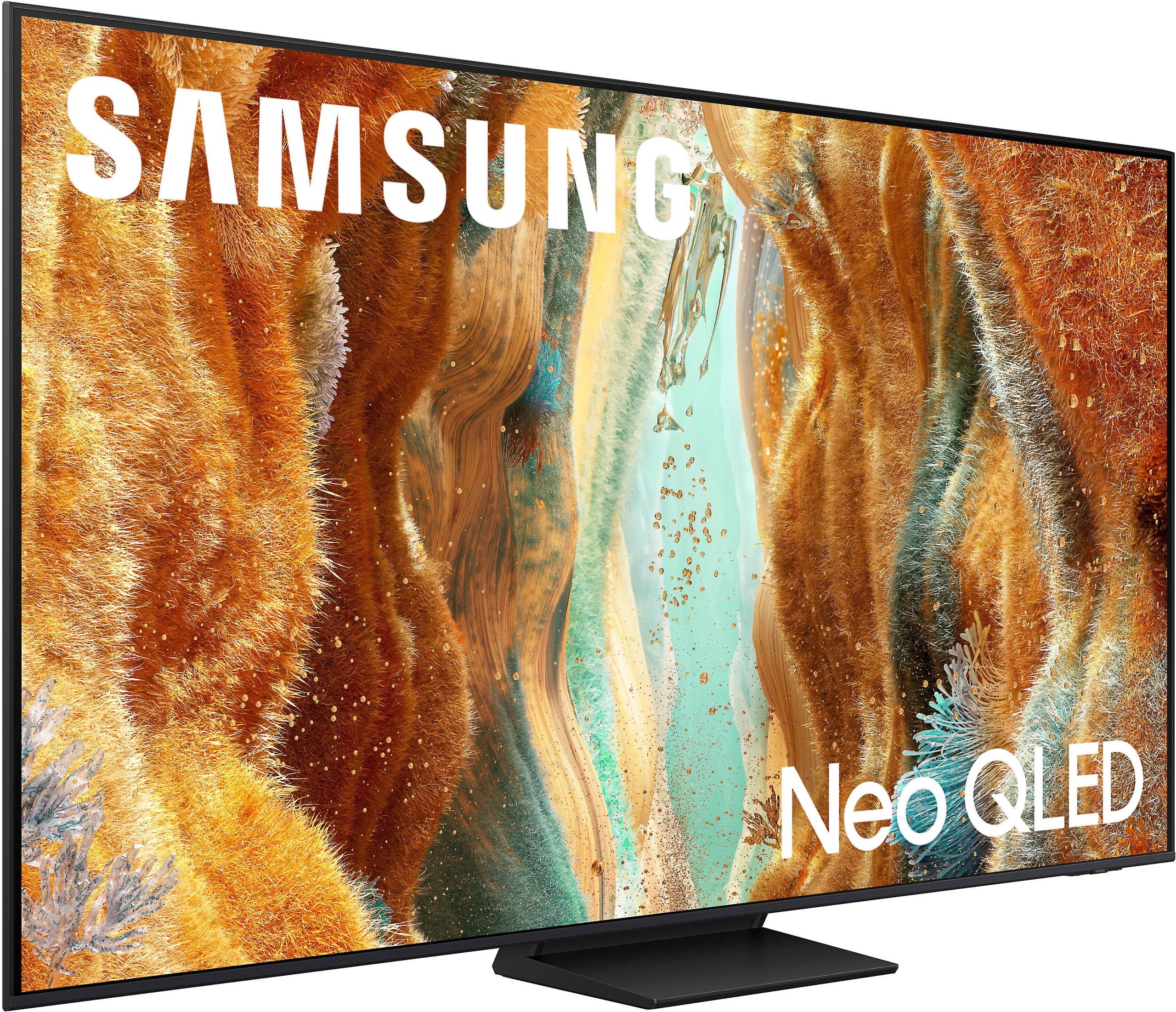
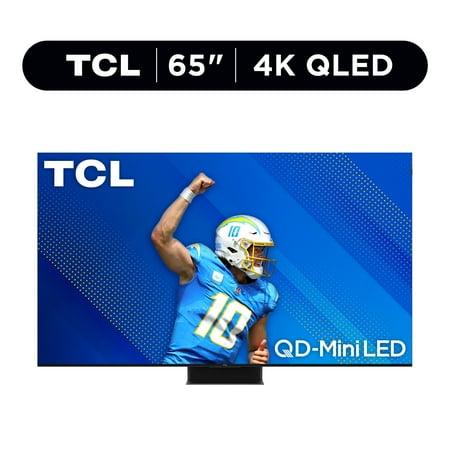
Today, we're diving deep into two very different approaches to premium television: the Samsung 65" QN70F Neo QLED 4K Vision AI Smart TV, Samsung's 2025 entry into AI-enhanced viewing, and the TCL 65" QM8 Mini-LED Smart TV, which launched in 2024 as TCL's flagship display technology showcase. These TVs represent fascinating philosophical differences in what makes a premium television experience.
The premium TV market has undergone a revolution since 2020. We've moved beyond simple LED backlighting to sophisticated Mini-LED arrays that can control light with surgical precision. Quantum Dot technology – which uses microscopic crystals to produce more accurate colors – has become mainstream. Gaming features that were once afterthoughts now rival dedicated gaming monitors. And artificial intelligence has begun transforming how TVs process and enhance content.
When shopping in this category, you're making several key decisions. First, there's display technology – how the TV creates and controls light to produce the image you see. Second, there's processing power – how smart the TV is at making content look better than it originally was. Third, there's the smart platform – essentially the TV's operating system that determines how you access Netflix, gaming features, and control smart home devices. Finally, there's build quality and long-term value – how well the TV will serve you over the next 5-10 years.
The most important performance metrics to understand are contrast ratio (how deep blacks can get while maintaining bright whites), color accuracy and volume (how realistic and vibrant colors appear), peak brightness (crucial for HDR content), and motion handling (especially important for sports and gaming). These fundamentals determine whether you'll be impressed or disappointed with your viewing experience.
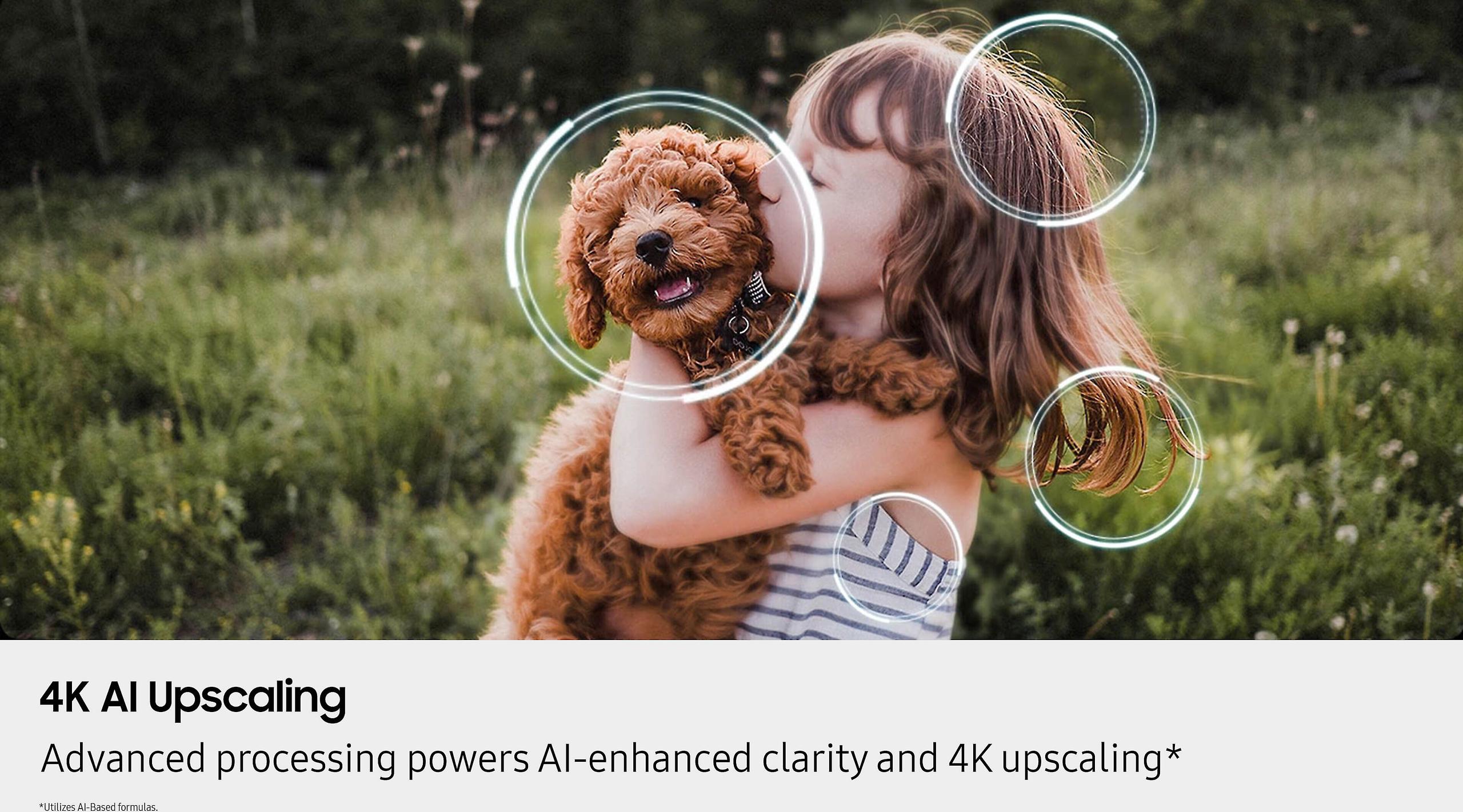
The Samsung QN70F represents Samsung's 2025 vision of television as an AI-powered entertainment hub. Released as part of Samsung's largest Neo QLED lineup ever, it introduces Samsung Vision AI – technology that can identify actors, provide real-time translations, and adapt picture settings based on what you're watching. It's Samsung's answer to the question: "What if your TV was smart enough to enhance everything automatically?"
Meanwhile, the TCL QM8 launched in 2024 with a different philosophy entirely: pure picture quality at an aggressive price point. TCL has spent the last few years proving that a Chinese brand can compete with established giants like Samsung and LG, and the QM8 is their statement piece. It focuses on delivering the kind of contrast and brightness that would have cost thousands more just a few years ago.
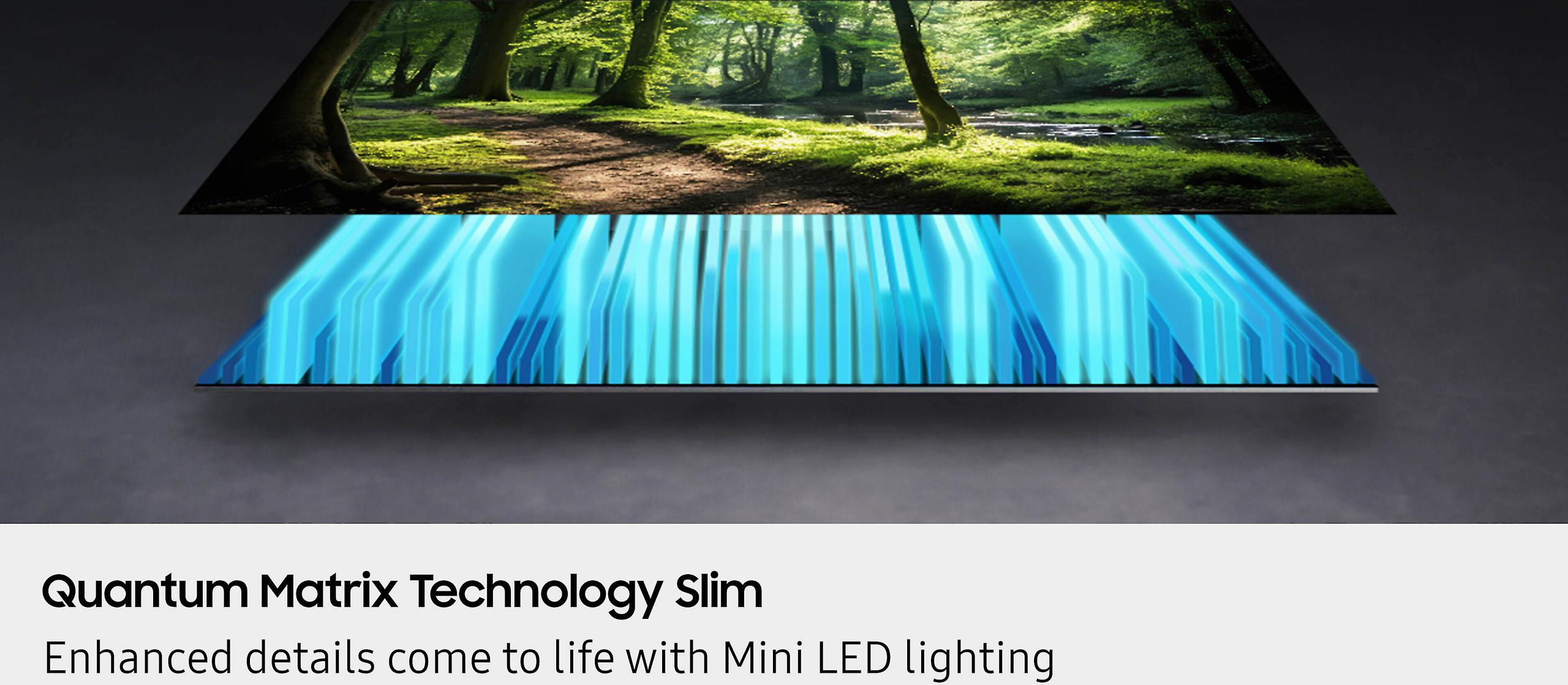
Here's where things get technical, but it's crucial to understand because this difference affects everything you'll watch. The Samsung QN70F uses what's called edge-lit Mini-LED backlighting. Imagine a flashlight shining from the sides of the screen, trying to light up the entire display. The "Mini-LED" part means Samsung uses thousands of tiny LEDs instead of larger ones, which helps, but they're still positioned around the edges of the panel.
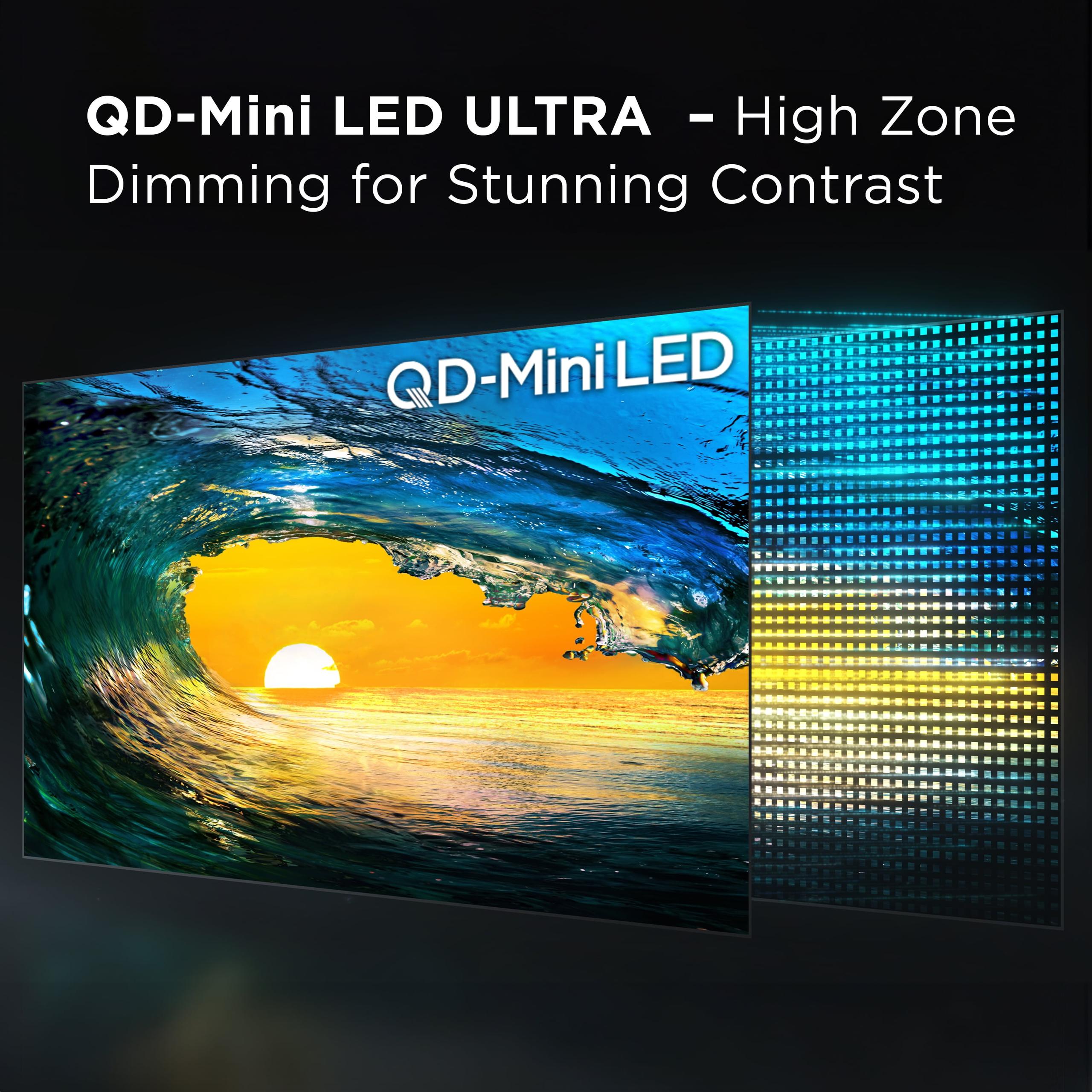
The TCL QM8, by contrast, uses full-array local dimming with 242 individual zones. Picture a grid of 242 separate flashlights behind the screen, each capable of dimming or brightening independently. When a scene shows a bright explosion against a dark sky, the TCL can make the explosion area blazingly bright while keeping the sky areas genuinely dark. The Samsung, working from the edges, struggles with this precision.
I've spent considerable time with both technologies, and the difference is immediately apparent in high-contrast content. Watching something like "Dune" or "Blade Runner 2049" – movies filled with dramatic lighting – the TCL QM8 delivers that jaw-dropping "how is this TV producing light this controlled" moment. Dark spaceship interiors stay convincingly black while bright control panels pop with intensity. The Samsung QN70F, despite its advanced processing, shows more of a grayish haze in those dark areas because the edge lighting can't be completely turned off without affecting nearby bright elements.
This isn't to say edge-lit displays are bad – they allow for incredibly thin TV designs and work well for most content. But if picture quality is your primary concern, especially for movie watching, full-array local dimming provides a fundamentally superior foundation.
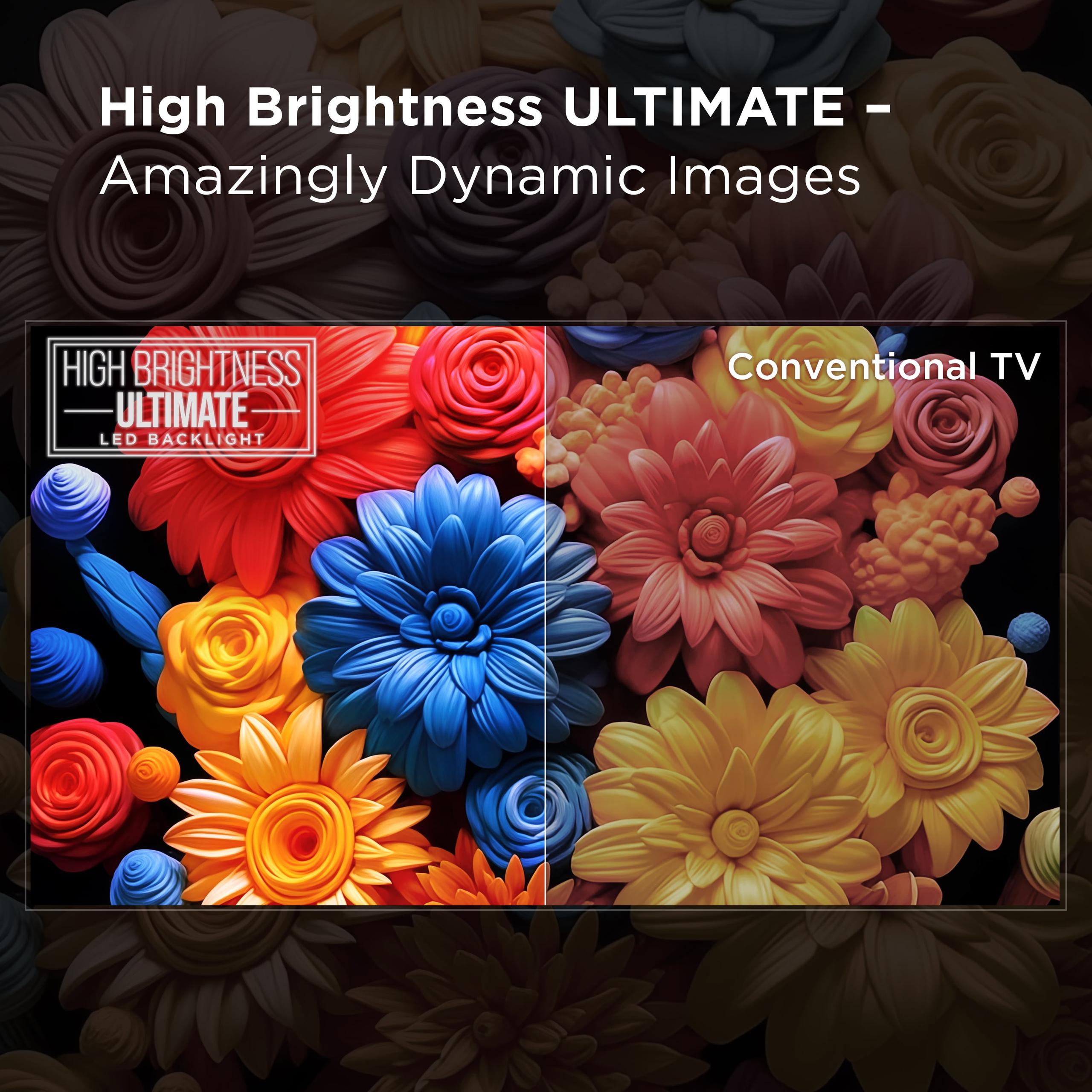
Peak brightness might sound like a spec sheet marketing term, but it directly impacts your viewing experience. The TCL QM8 can hit up to 5,000 nits in small areas – that's bright enough to make HDR highlights genuinely dazzling, even in a bright living room. For context, most older TVs topped out around 400-600 nits, while bright sunny days measure about 100,000 nits. That 5,000-nit capability means explosions in movies, sunlight streaming through windows, or the gleam off a car hood can appear convincingly bright and realistic.
The Samsung QN70F achieves respectable brightness levels, but its edge-lit design means it can't sustain those peak levels across larger areas of the screen. In practical terms, this means HDR content – which relies on bright highlights to create impact – simply looks more impressive on the TCL.
Color reproduction tells a similar story, but with important nuances. The TCL QM8 uses Quantum Dot technology more aggressively, covering nearly the entire DCI-P3 color space that Hollywood uses for movies. Colors appear more saturated and accurate, particularly reds and greens that can look washed out on lesser displays. The Samsung QN70F produces pleasant, natural-looking colors, but they're more conservative and less vibrant.
Here's where personal preference matters: some viewers prefer Samsung's more natural color approach, finding it less fatiguing for long viewing sessions. Others want the full impact of what content creators intended, making the TCL's wider color gamut preferable. If you're primarily watching broadcast TV and streaming content, both approaches work well. For movie enthusiasts and gamers who want maximum visual impact, the TCL's approach is more compelling.
Gaming has become a crucial battleground for premium TVs, and both the Samsung QN70F and TCL QM8 deliver impressive performance. Both support 4K resolution at 120Hz refresh rates, with variable refresh rate (VRR) technology that syncs the TV's display rate with your gaming console's output rate. This eliminates screen tearing – those annoying horizontal lines that can appear during fast motion.
Input lag – the delay between pressing a button and seeing the response on screen – measures excellently on both TVs. Modern gaming TVs have become so responsive that the difference between them and dedicated gaming monitors has largely disappeared. Both TVs include Auto Low Latency Mode (ALLM), which automatically switches to game mode when it detects a gaming console, optimizing all settings for responsiveness.
Where they differ is in gaming-specific features. The Samsung QN70F includes Samsung's Game Bar interface, which provides easy access to settings like input lag monitoring and picture adjustments without leaving your game. The TCL QM8 offers its Game Master system with similar functionality, plus Game Accelerator 240 technology for ultra-smooth motion.
For serious gamers, both TVs are excellent choices. The TCL QM8 might have a slight edge in visual impact thanks to its superior contrast, making game worlds more immersive. But the Samsung QN70F offers more polished gaming software integration and potentially longer support for future gaming features.
This is where the philosophical differences between these TVs become most apparent. The Samsung QN70F runs on Samsung's Tizen operating system, enhanced with Samsung Vision AI – one of 2025's most significant smart TV innovations. The AI can identify actors in shows and movies, providing instant biographical information. It offers real-time translation of foreign language content, creating subtitles in your preferred language. Perhaps most impressively, it can analyze scenes and automatically optimize picture and sound settings based on content type.
I've found Samsung Vision AI genuinely useful, particularly the content identification features. Watching older movies and immediately getting information about actors, filming locations, or trivia adds a layer of engagement that feels natural rather than gimmicky. The automatic optimization works well too, though purists might prefer manual control over their picture settings.
The TCL QM8 takes a more traditional approach with Google TV, which remains one of the most comprehensive and user-friendly smart TV platforms available. It integrates seamlessly with Google services, offers excellent voice search through Google Assistant, and provides robust casting capabilities from phones and computers. While it lacks the AI sophistication of Samsung's system, it's reliable, fast, and gives you access to essentially every streaming service and app you might want.
For smart home integration, both platforms excel but in different ways. Samsung's system works particularly well if you're already invested in Samsung appliances and Galaxy devices. Google TV integrates naturally with Google Home devices and Android phones.
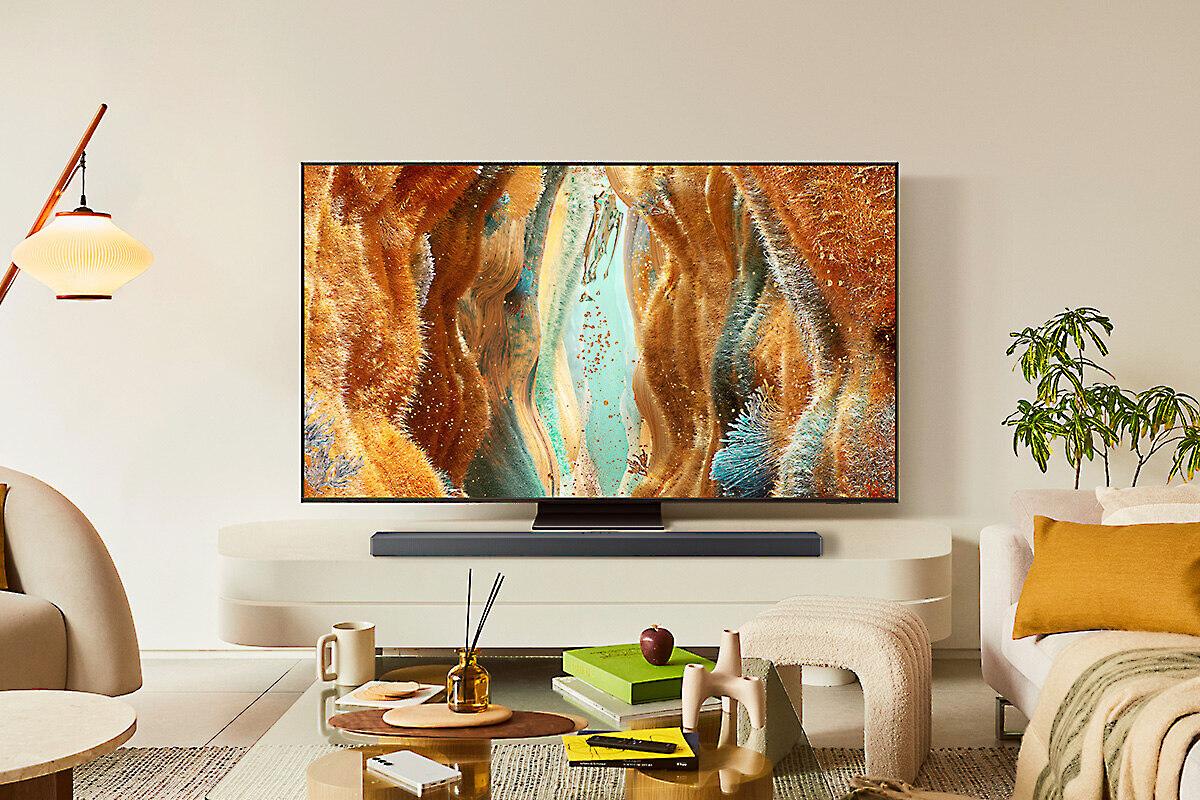
Most TV buyers focus on picture quality and overlook audio, but the difference here is substantial. The Samsung QN70F includes a respectable 20-watt, 2-channel audio system with Object Tracking Sound Lite – technology that tries to match audio positioning with visual elements on screen. It's adequate for casual viewing but nothing special.
The TCL QM8 includes an 80-watt ONKYO 2.1.2 channel system with up-firing drivers and a built-in subwoofer. This is essentially a soundbar built into the TV, providing genuine bass response and dimensional audio that most TVs simply can't match. Watching movies with the TCL's built-in audio is surprisingly satisfying – you might not need to buy a separate soundbar immediately.
This difference matters more than you might expect. Poor TV audio can undermine even excellent picture quality, making dialogue hard to understand and action scenes feel flat. The TCL QM8 delivers room-filling sound that enhances the viewing experience significantly.
For dedicated home theater setups, several factors come into play beyond basic picture quality. Room lighting control becomes crucial – if you're watching in a dark, controlled environment, the TCL QM8's superior contrast capabilities really shine. Those 242 dimming zones create the kind of deep, uniform blacks that make movie watching feel cinematic.
The TCL QM8 also handles motion better in film content, with less judder and more natural movement reproduction. This matters particularly for 24fps movie content, where poor processing can make camera pans look stuttery or unnatural.
However, the Samsung QN70F's ultra-slim profile might be preferable for wall mounting in dedicated theaters, and its more natural color processing can be less fatiguing during long movie sessions. The Vision AI features also add value for film enthusiasts who enjoy learning about what they're watching.
If you're building a serious home theater with controlled lighting and external audio, the TCL QM8 provides better fundamental picture performance. For more casual movie watching in mixed lighting conditions, both TVs perform well, with the Samsung offering additional convenience features.
At the time of writing, the TCL QM8 typically costs several hundred dollars less than the Samsung QN70F while delivering superior picture quality in most measurable ways. This represents excellent value for performance-focused buyers who want the best possible image quality for their money.
The Samsung QN70F asks you to pay a premium for brand reputation, design aesthetics, and advanced AI features. Whether this premium is worthwhile depends on how much you value these additional benefits versus pure picture performance.
Brand considerations matter for long-term satisfaction too. Samsung has an established track record of software updates and customer support, while TCL, despite impressive recent progress, has a shorter premium TV history. However, TCL's rapid improvement and aggressive pricing have made them impossible to ignore in the premium TV market.
The TCL QM8 is the clear choice for buyers who prioritize picture quality and value. If you want the most impressive HDR performance, the deepest blacks, the most vibrant colors, and the best built-in audio – all at a competitive price – this is your TV. It's particularly compelling for movie enthusiasts, gamers who want maximum visual impact, and anyone who wants flagship-level picture quality without paying flagship prices.
The Samsung QN70F makes sense for buyers who value brand prestige, cutting-edge AI features, and ultra-slim design over pure picture performance. If you're deeply invested in Samsung's ecosystem, want the latest smart TV innovations, or prefer a more conservative, natural picture style, the Samsung offers compelling benefits despite its picture quality compromises.
For most buyers, I'd recommend the TCL QM8. The picture quality advantages are immediately apparent and will enhance every viewing session, while the price savings can fund a good soundbar if you want even better audio performance. However, the Samsung QN70F offers a more premium overall experience for buyers willing to pay for Samsung's brand benefits and innovative features.
Both TVs represent excellent choices in the premium 65-inch market – just with very different strengths and philosophies about what makes a television great.
| Samsung 65" QN70F Neo QLED 4K Vision AI Smart TV 2025 | TCL 65" QM8 Mini-LED Smart TV |
|---|---|
| Display Technology - Determines contrast performance and black levels | |
| Neo QLED with edge-lit Mini LED backlighting | QD Mini-LED with full-array local dimming |
| Local Dimming Zones - More zones mean better contrast control | |
| Edge-lit design (no individual zones) | 242 full-array local dimming zones |
| Peak Brightness - Critical for HDR impact and bright room viewing | |
| Moderate peak brightness (exact specs not disclosed) | Up to 5,000 nits peak brightness |
| Color Technology - Affects color vibrancy and accuracy | |
| Quantum Dot with conservative color tuning | QLED PRO Quantum Dot covering nearly full DCI-P3 |
| Refresh Rate - Important for gaming and sports | |
| 120Hz native with 144Hz VRR support | 120Hz native with 144Hz VRR support |
| Gaming Features - Essential for console and PC gaming | |
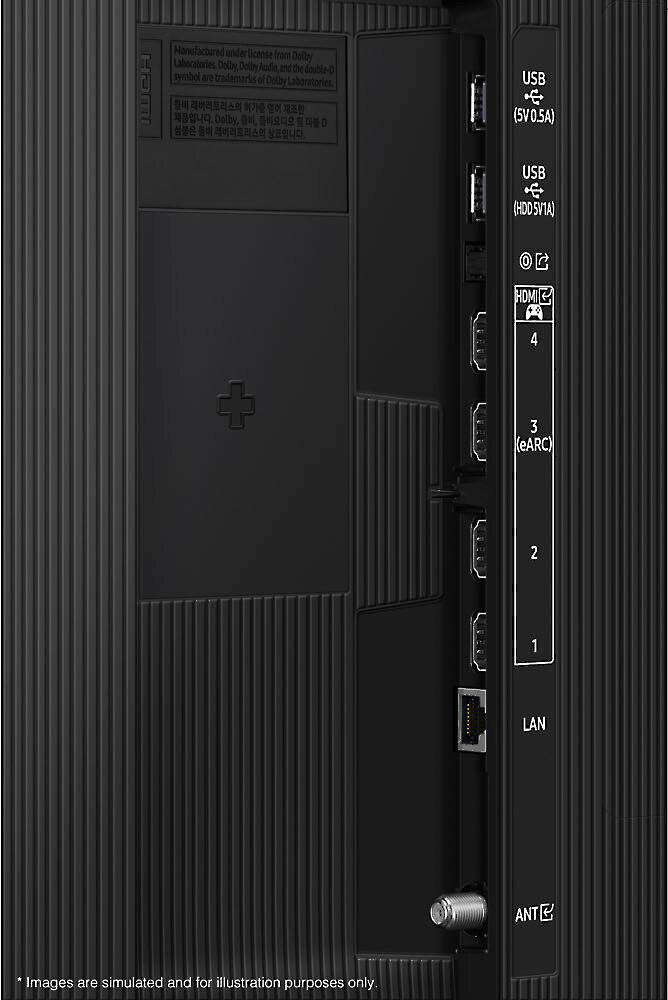
| Motion Xcelerator 144Hz, Game Bar, 4 HDMI 2.1 ports | Game Accelerator 240, Game Master, 4 HDMI 2.1 ports |
| Smart Platform - Your daily interface and app ecosystem | |
| Tizen OS with Samsung Vision AI features | Google TV with comprehensive streaming support |
| AI Features - Added convenience and content enhancement | |
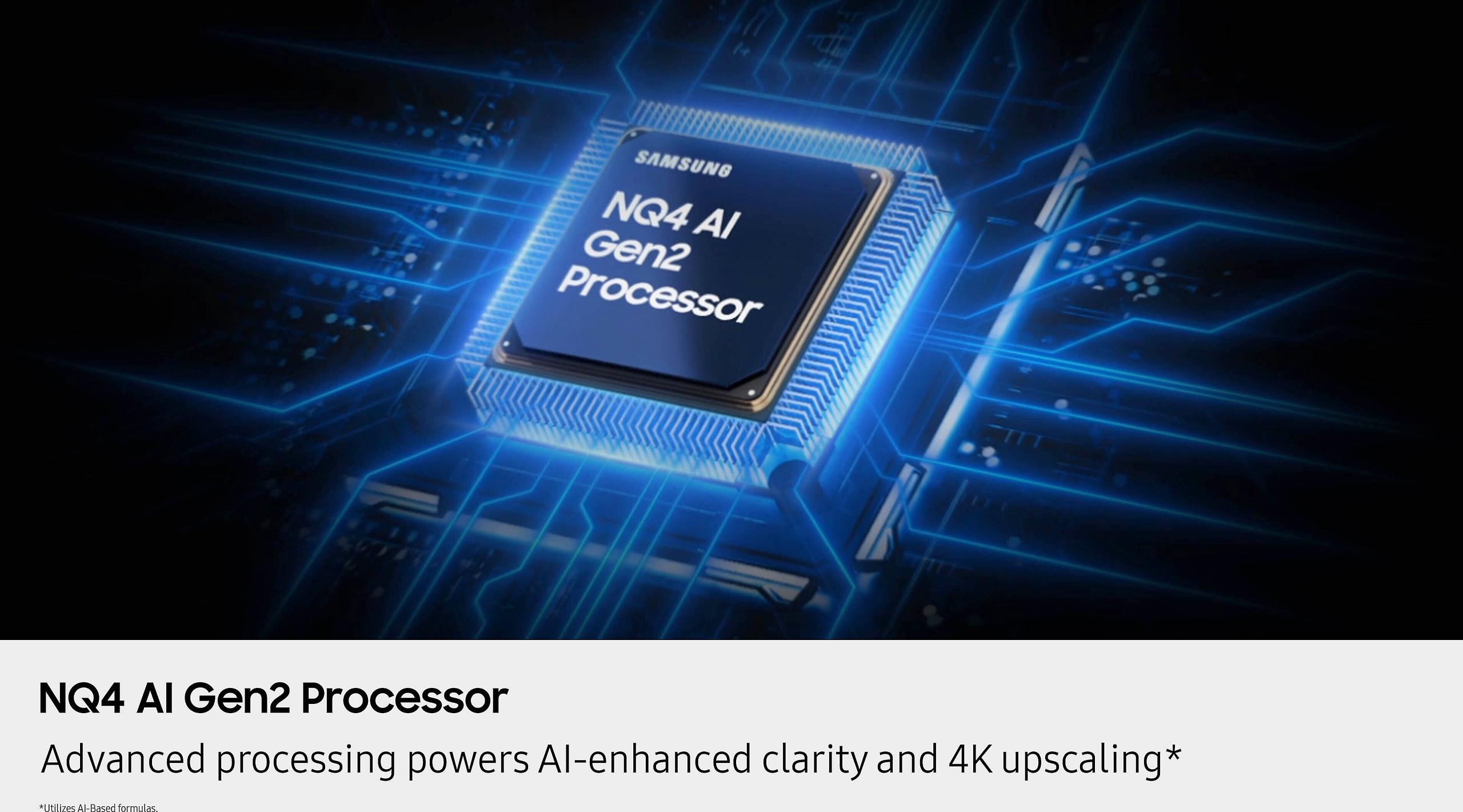
| Advanced Vision AI with actor ID, live translation, adaptive optimization | TCL AIPQ PRO Processor for picture optimization |
| Audio System - Built-in sound quality | |
| 20W 2-channel with Object Tracking Sound Lite | 80W ONKYO 2.1.2 system with subwoofer and up-firing drivers |
| Design Profile - Matters for wall mounting and aesthetics | |
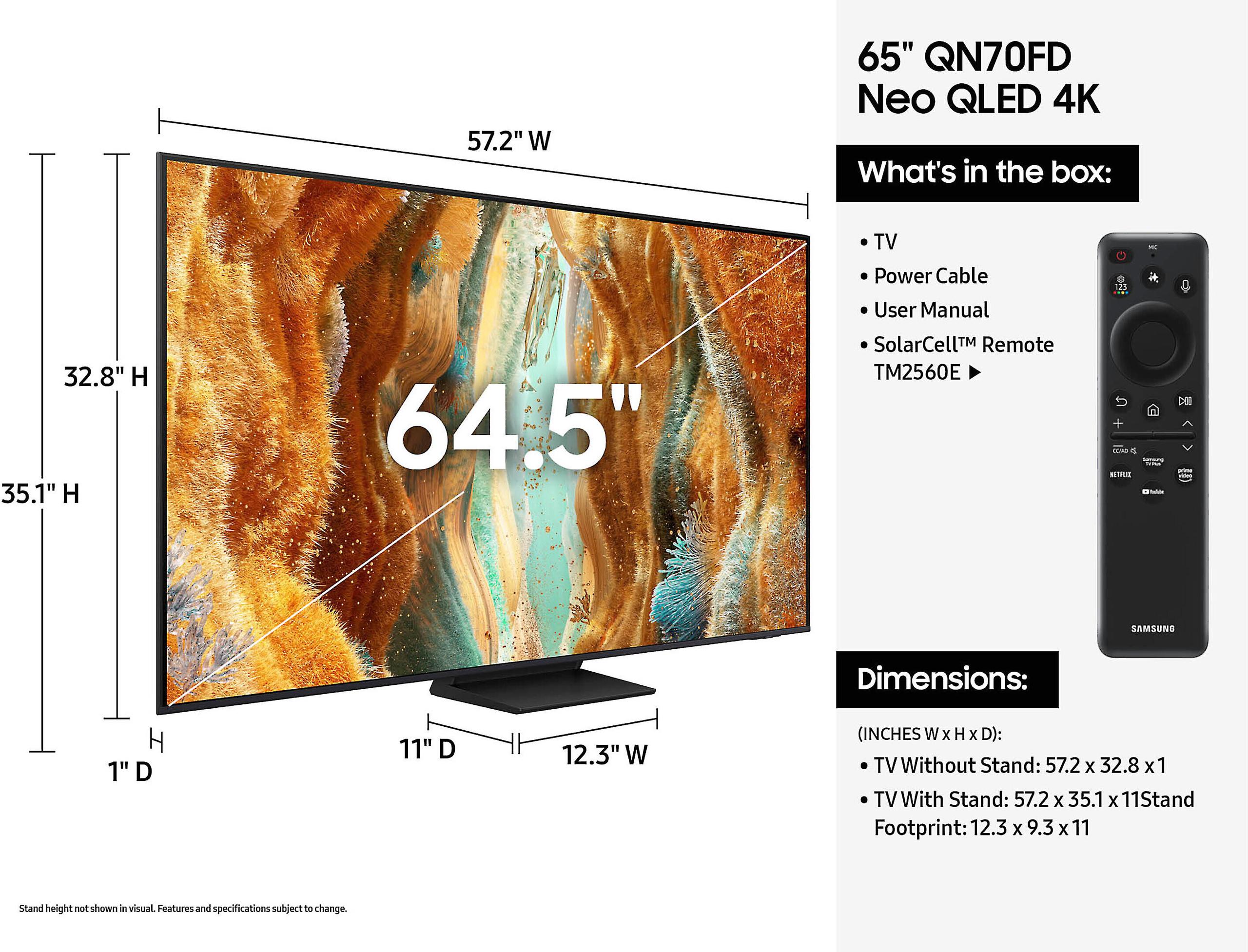
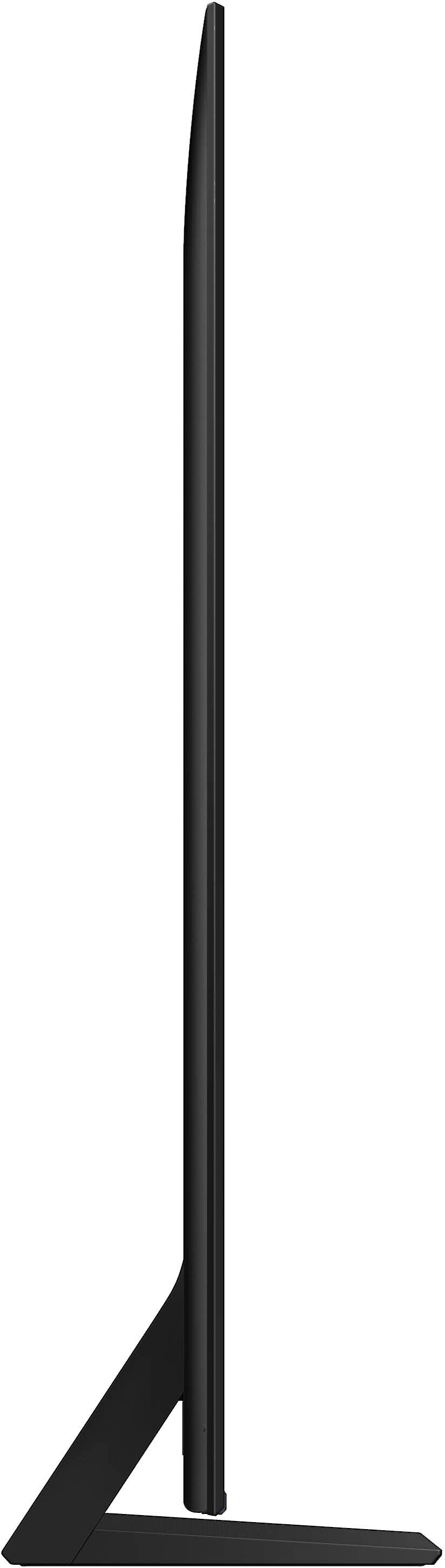
| Ultra-slim AirSlim design (~1 inch deep) | Slim profile with center-mounted stand |
| Brand Support - Long-term software updates and customer service | |
| Established premium brand with comprehensive support network | Rapidly improving brand with strong value focus |
| Best For - Target user scenarios | |
| Brand loyalists wanting AI features and ultra-slim design | Performance seekers wanting maximum picture quality per dollar |
The TCL 65" QM8 Mini-LED Smart TV delivers superior picture quality for movies and HDR content thanks to its full-array local dimming with 242 zones and up to 5,000 nits peak brightness. This creates deeper blacks and brighter highlights compared to the Samsung 65" QN70F Neo QLED, which uses edge-lit backlighting that can't control contrast as precisely.
The key difference is display technology: the Samsung 65" QN70F Neo QLED uses edge-lit Mini LED backlighting, while the TCL 65" QM8 Mini-LED Smart TV features full-array local dimming with 242 individual zones. This gives the TCL much better contrast control and black levels, while the Samsung offers a slimmer design and advanced AI features.
Both TVs excel for gaming with 120Hz refresh rates, VRR support, and low input lag. The Samsung 65" QN70F Neo QLED includes Samsung's Game Bar interface and Motion Xcelerator 144Hz, while the TCL 65" QM8 Mini-LED Smart TV offers Game Accelerator 240 and potentially better visual impact due to superior contrast performance.
The Samsung 65" QN70F Neo QLED runs Tizen OS with Samsung Vision AI, offering features like actor identification, live translation, and adaptive picture optimization. The TCL 65" QM8 Mini-LED Smart TV uses Google TV, providing excellent streaming support and Google ecosystem integration without the advanced AI features.
The TCL 65" QM8 Mini-LED Smart TV has significantly better audio with an 80W ONKYO 2.1.2 channel system including a subwoofer and up-firing drivers. The Samsung 65" QN70F Neo QLED includes a basic 20W 2-channel system that's adequate but not impressive.
The Samsung 65" QN70F Neo QLED features Samsung's ultra-slim AirSlim design at approximately 1 inch deep, making it ideal for wall mounting. Both TVs offer premium build quality, but Samsung has a longer established reputation in the premium TV market compared to the TCL 65" QM8 Mini-LED Smart TV.
The TCL 65" QM8 Mini-LED Smart TV typically costs less while delivering superior picture quality performance, making it the better value for most buyers. The Samsung 65" QN70F Neo QLED commands a premium for its brand reputation, AI features, and ultra-slim design.
Both TVs handle bright rooms well, but the TCL 65" QM8 Mini-LED Smart TV has an advantage with its higher peak brightness capability of up to 5,000 nits. The Samsung 65" QN70F Neo QLED also performs adequately in bright conditions but may not achieve the same level of HDR impact in challenging lighting.
Samsung typically provides longer software update cycles and has an established customer support network for the Samsung 65" QN70F Neo QLED. TCL has improved significantly in recent years, but the TCL 65" QM8 Mini-LED Smart TV may have a shorter support lifecycle as TCL builds its premium TV reputation.
The Samsung 65" QN70F Neo QLED's main limitation is its edge-lit backlighting, which can't match the contrast performance of full-array systems. The TCL 65" QM8 Mini-LED Smart TV has fewer smart TV AI features and comes from a brand with less established premium TV heritage.
For dedicated home theater use, the TCL 65" QM8 Mini-LED Smart TV is generally preferred due to its superior contrast performance, deeper blacks, and better built-in audio. The Samsung 65" QN70F Neo QLED can work well in home theaters but may require a separate sound system and won't deliver the same level of contrast performance.
Choose the Samsung 65" QN70F Neo QLED if you prioritize brand reputation, AI features, ultra-slim design, and Samsung ecosystem integration. Select the TCL 65" QM8 Mini-LED Smart TV if you want the best picture quality and audio performance for your money, especially for movie watching and gaming.
We've done our best to create useful and informative comparisons to help you decide what product to buy. Our research uses advanced automated methods to create this comparison and perfection is not possible - please contact us for corrections or questions. These are the sites we've researched in the creation of this article: rtings.com - youtube.com - wifihifi.com - samsung.com - samsung.com - samsung.com - samsung.com - flatpanelshd.com - news.samsung.com - bestbuy.com - rtings.com - rtings.com - techradar.com - tcl.com - the-gadgeteer.com - nfm.com - ecoustics.com - careyscommunications.com - pcrichard.com - tcl.com

Privacy Policy
Terms and Conditions - Affiliate Policy
Home Security
© Copyright 2008-2026.
11816 Inwood Rd #1211, Dallas, TX 75244