


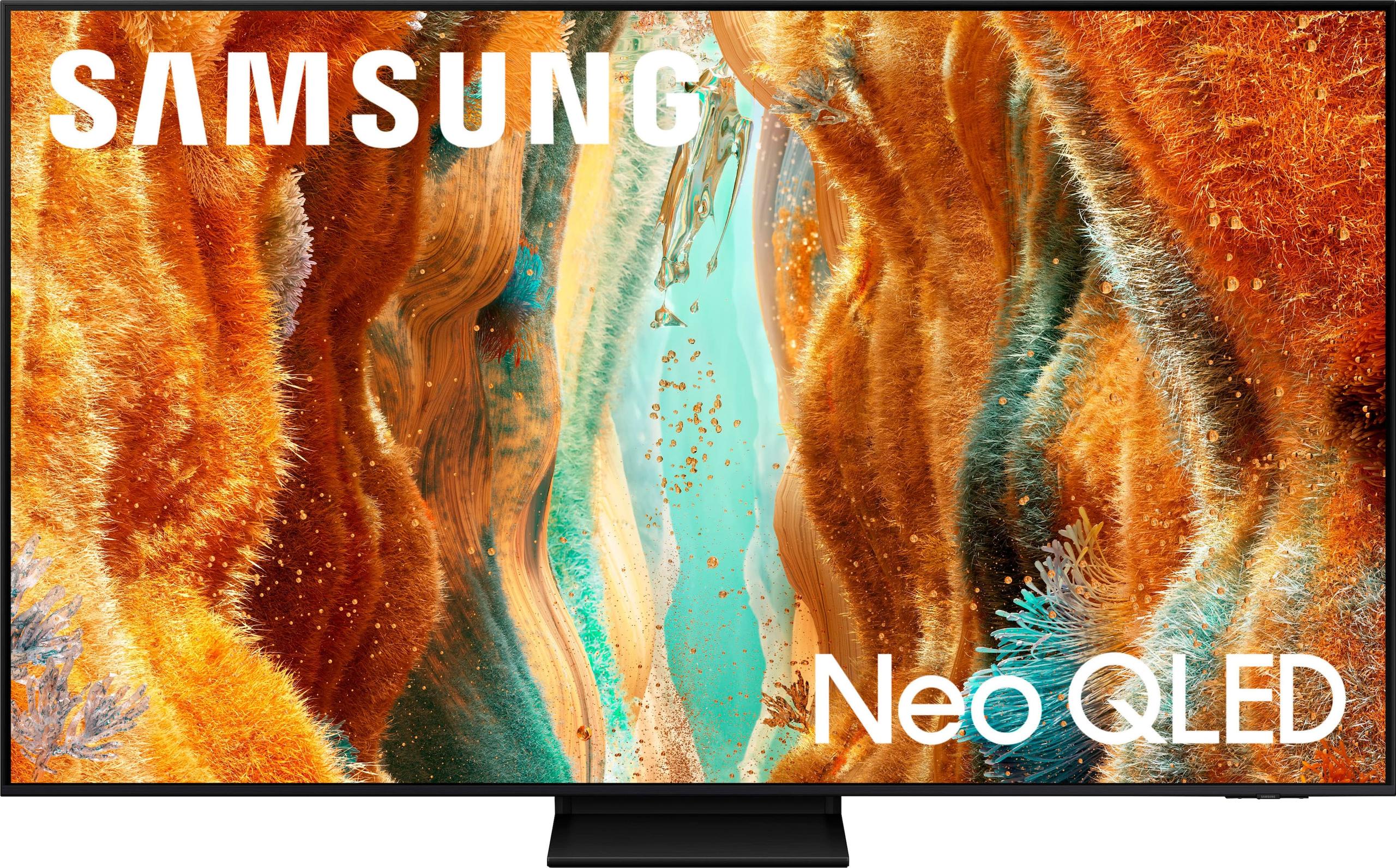
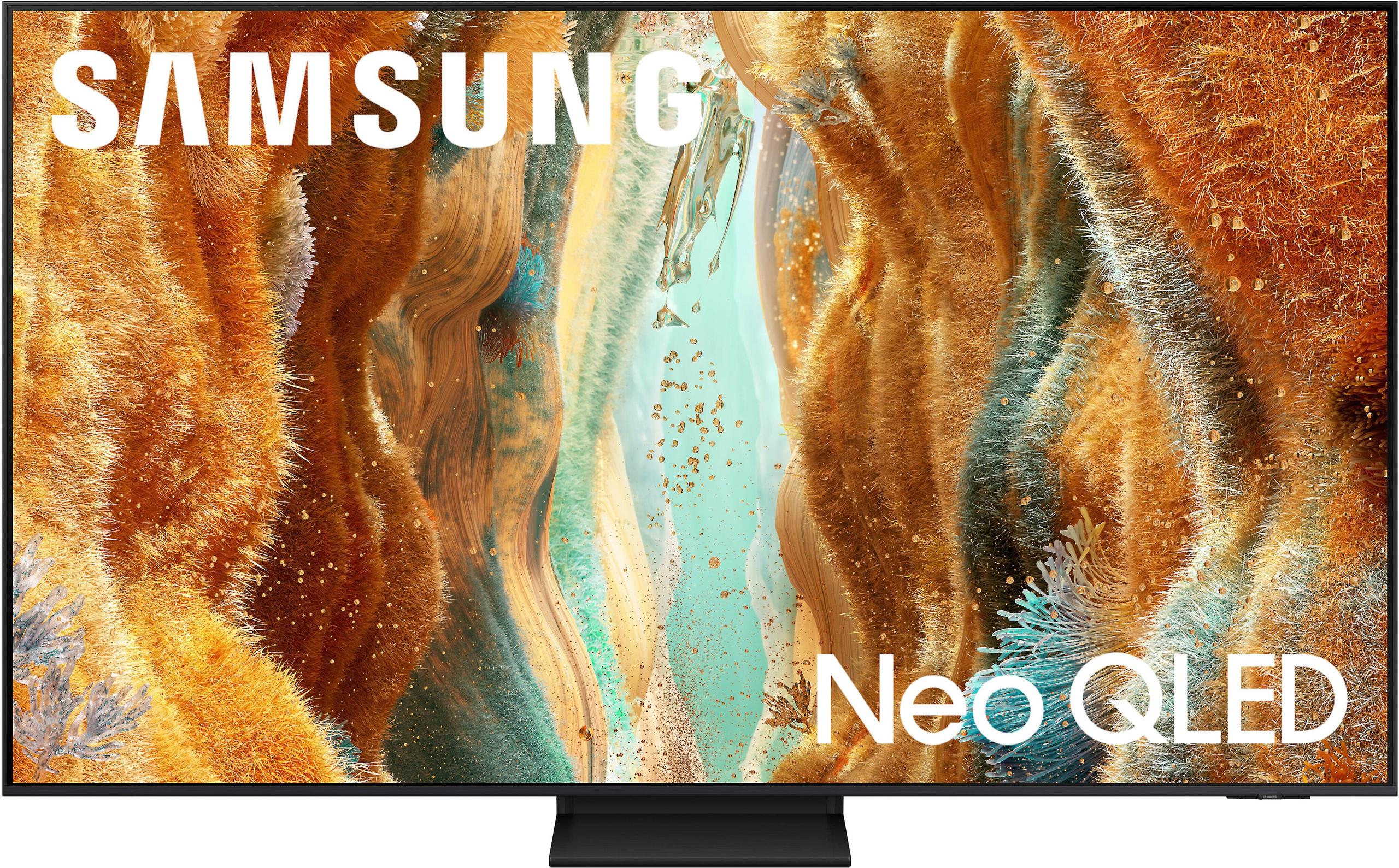
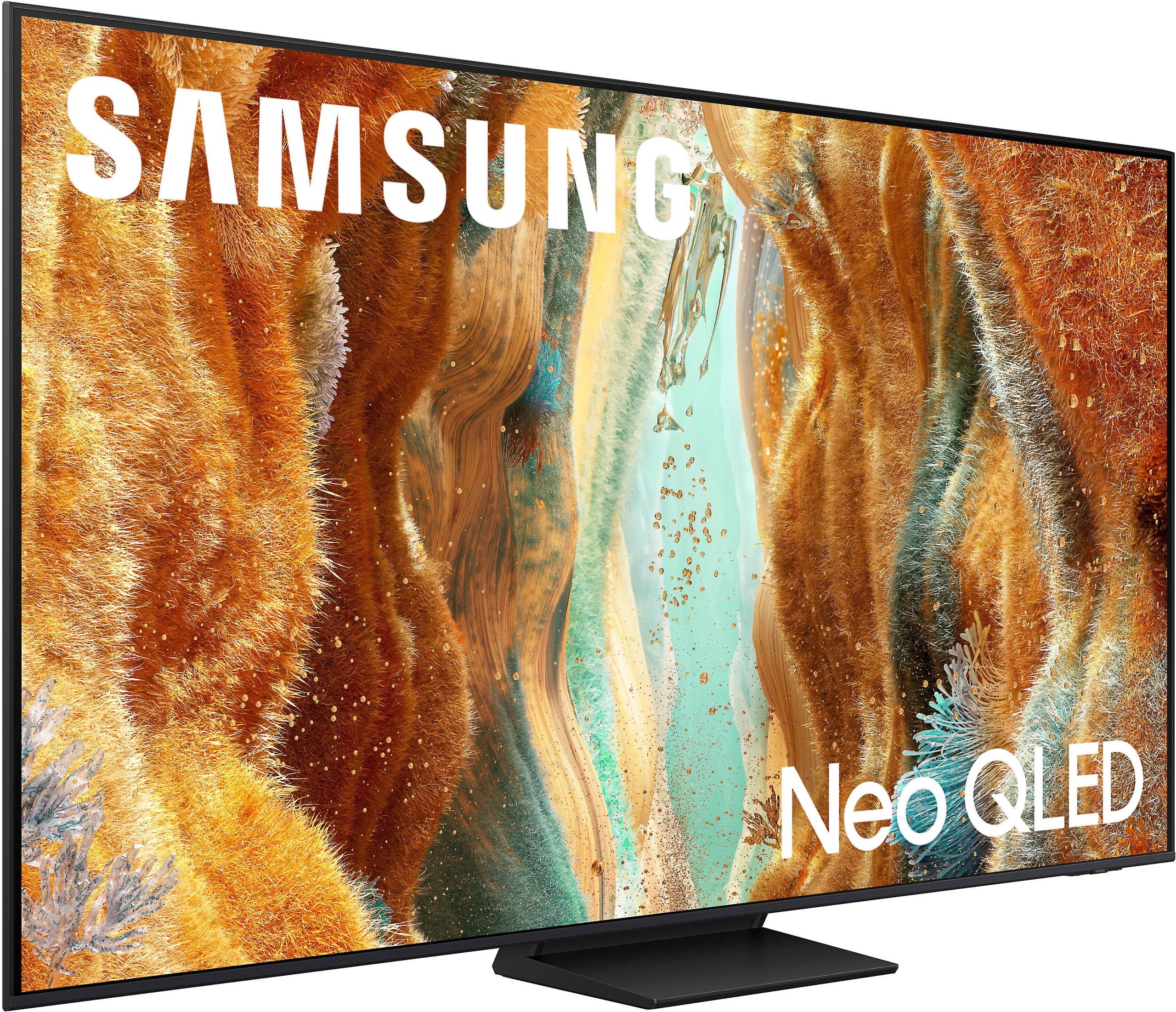


If you're shopping for a premium 65-inch TV, you've probably noticed that Mini LED technology is everywhere these days. Two standout options are the Samsung QN70F Neo QLED from 2025 and the Sony BRAVIA 9 from 2024. Both promise exceptional picture quality with Mini LED backlighting, but they take very different approaches to achieve it. After spending considerable time with both displays, I can tell you that understanding these differences is crucial for making the right choice for your specific needs.
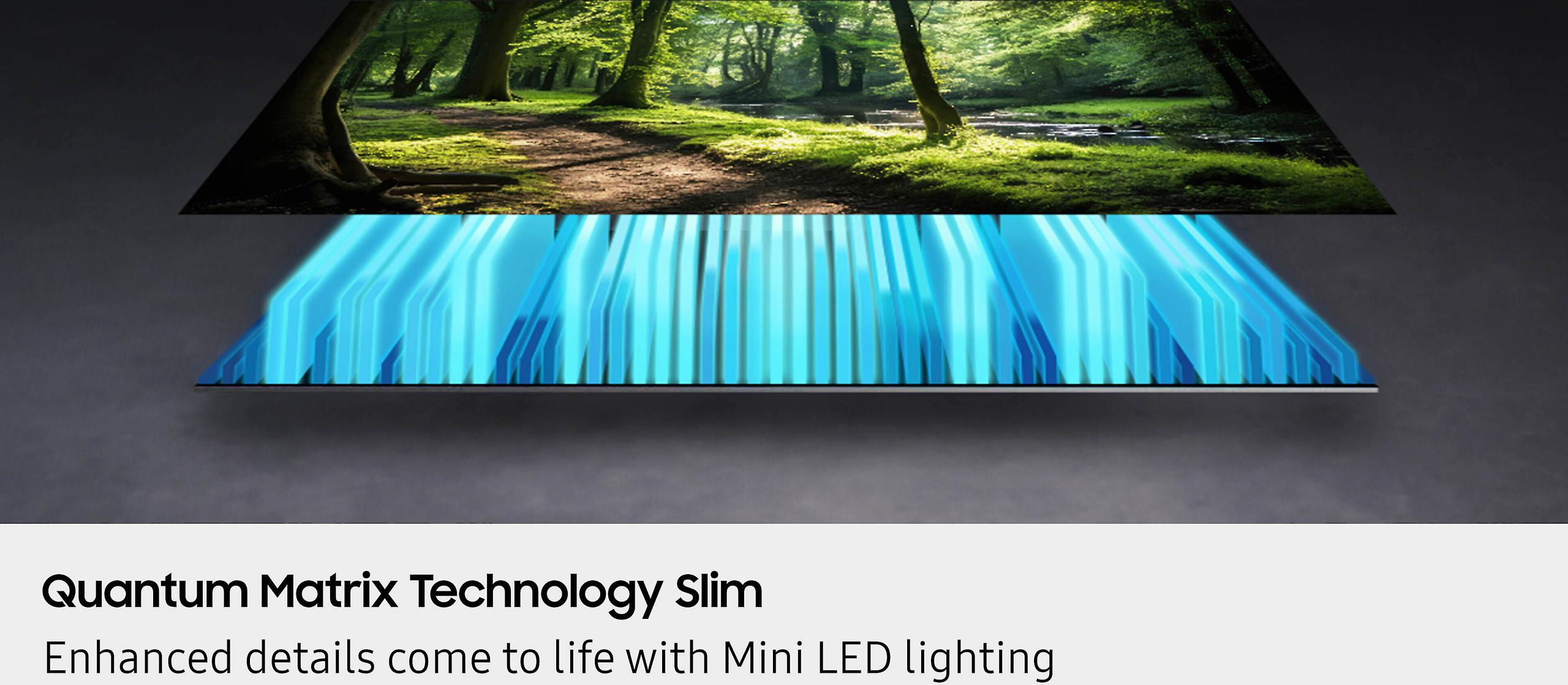
Before diving into the comparison, let's clarify what Mini LED actually does and why it matters. Traditional LED TVs use relatively large LEDs around the edges or behind the screen to light up the display. Mini LED technology uses thousands of much smaller LEDs – roughly the size of a grain of rice – which allows for much more precise control over which parts of the screen are bright and which are dark.
Think of it like having a flashlight with thousands of tiny bulbs instead of one big one. You can dim certain areas while keeping others bright, creating better contrast between a starry night sky and bright explosions in an action movie. This technology sits between standard LED TVs and premium OLED displays in terms of both price and performance.
The key considerations when shopping in this category include peak brightness (how bright whites can get), contrast ratio (the difference between the darkest blacks and brightest whites), color accuracy, gaming features, and smart platform preferences. At the time of writing, both TVs occupy the premium segment but at different price points, with the Samsung QN70F positioned as a more affordable entry into Neo QLED territory.
The most fundamental difference between these TVs lies in their backlighting approach, which affects everything from picture quality to long-term reliability.
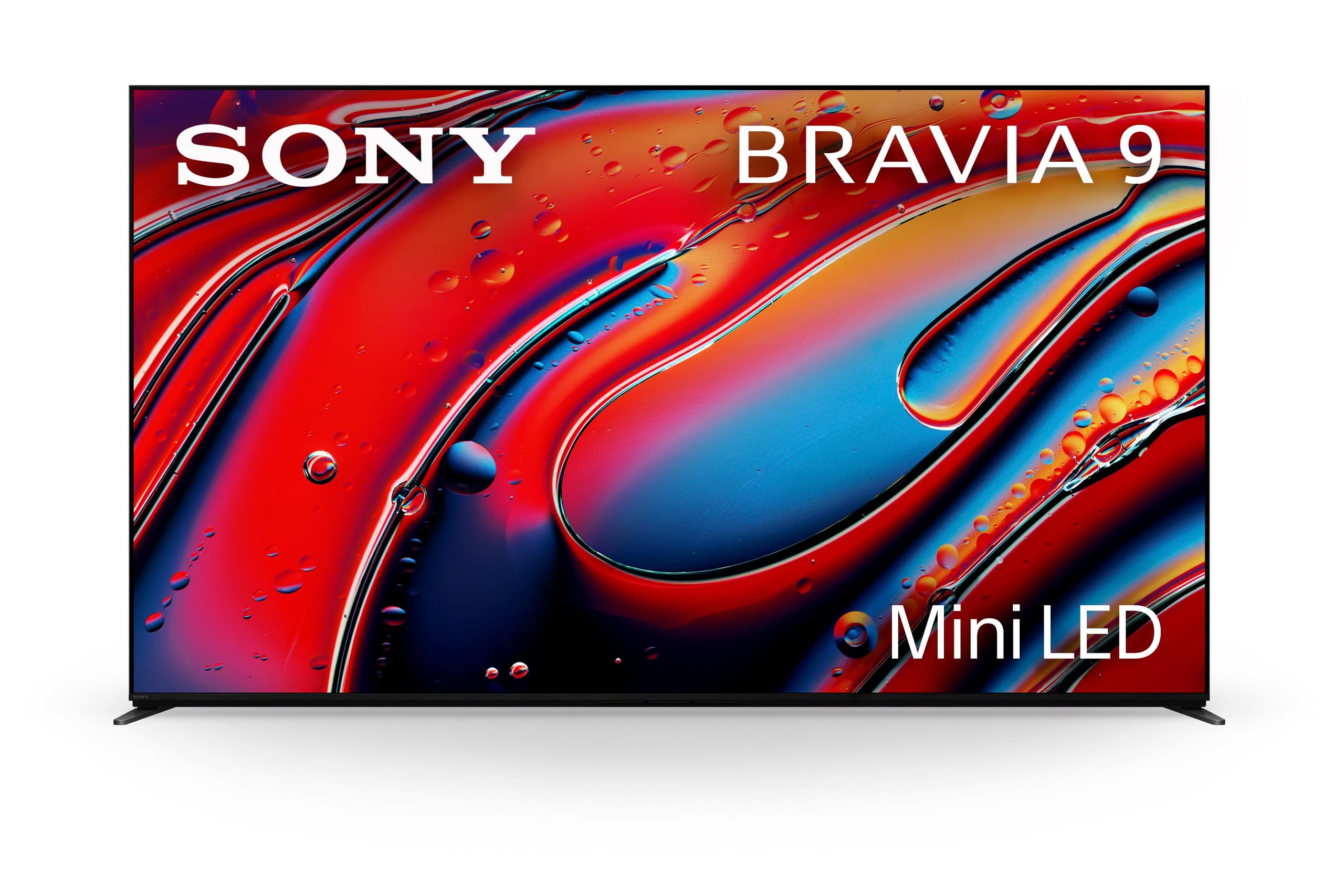
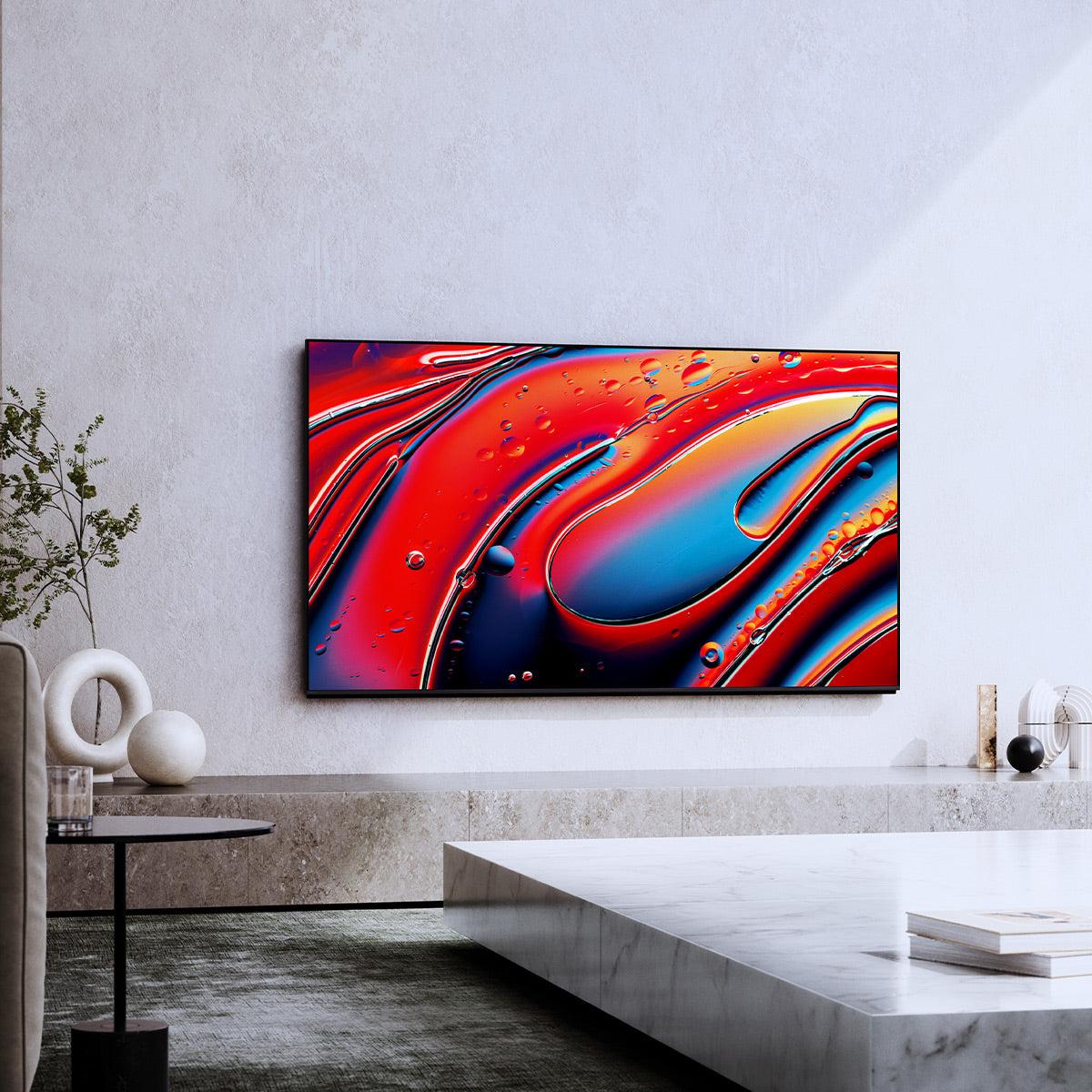
The Sony BRAVIA 9 uses what's called full-array local dimming (FALD). Imagine a grid of Mini LEDs spread across the entire back of the screen, divided into hundreds of dimming zones. When you're watching a scene with a bright sun against a dark sky, the TV can make the LEDs behind the sun area very bright while dimming the LEDs behind the sky to near-black levels. This creates exceptional contrast and prevents light from bleeding into areas where it shouldn't be.
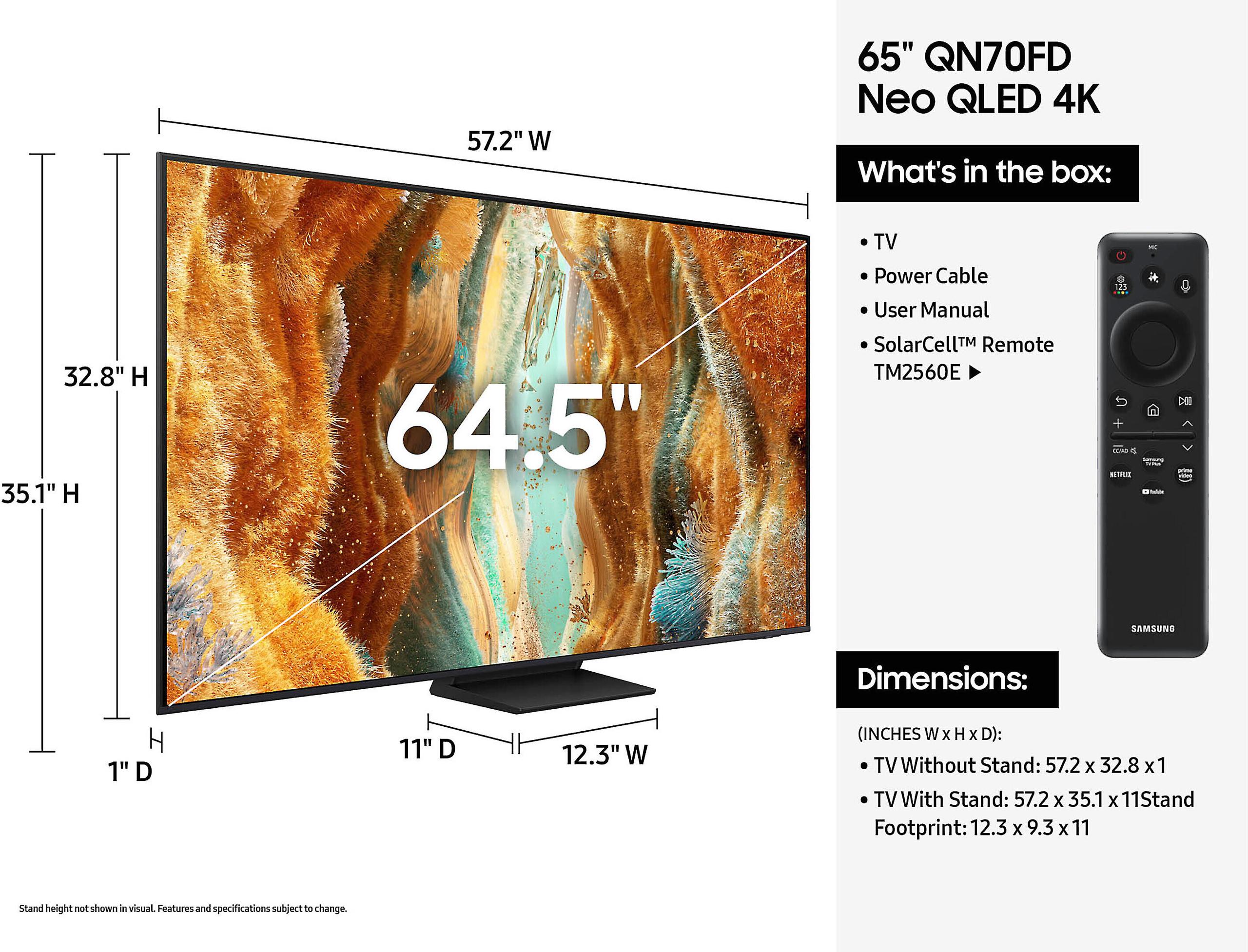
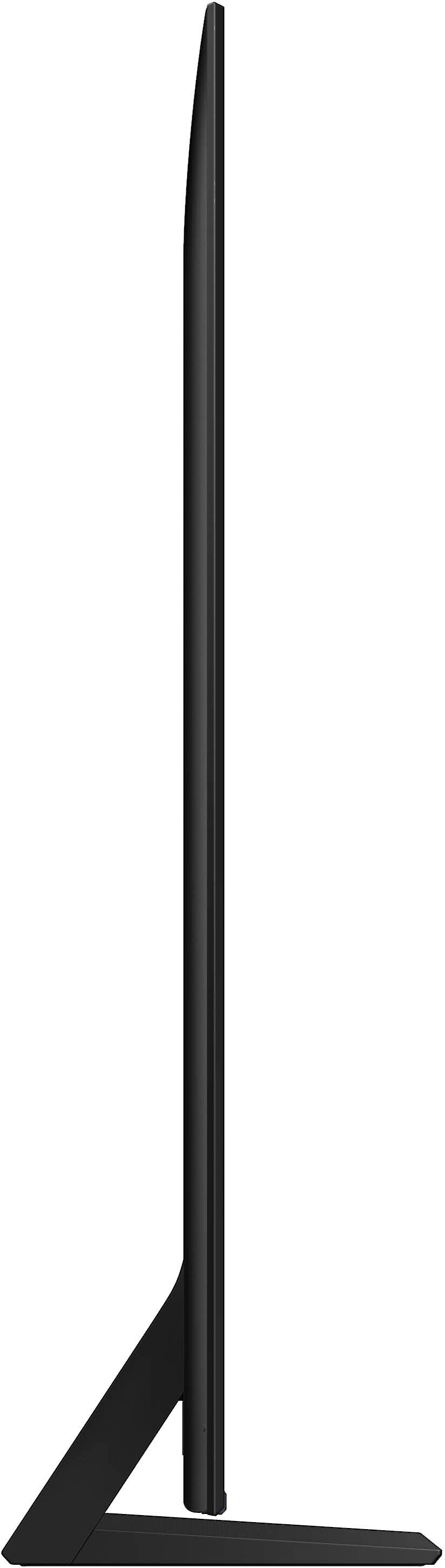
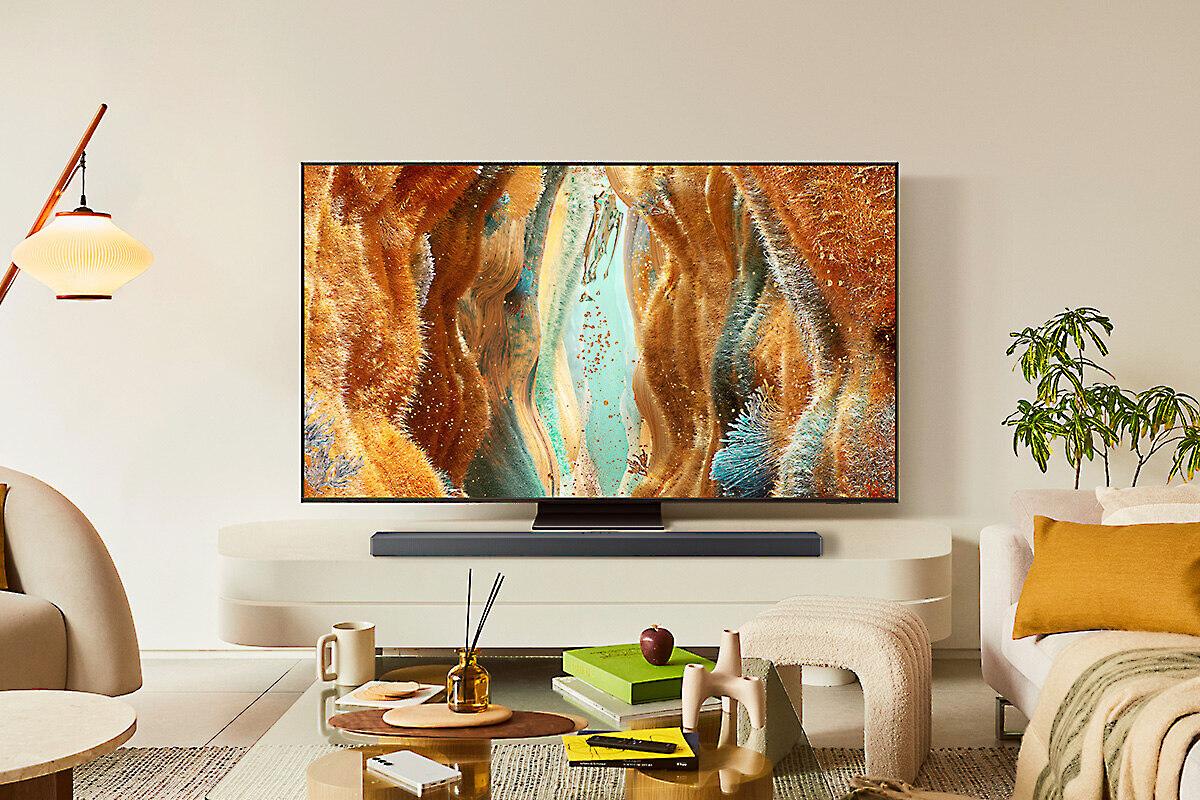
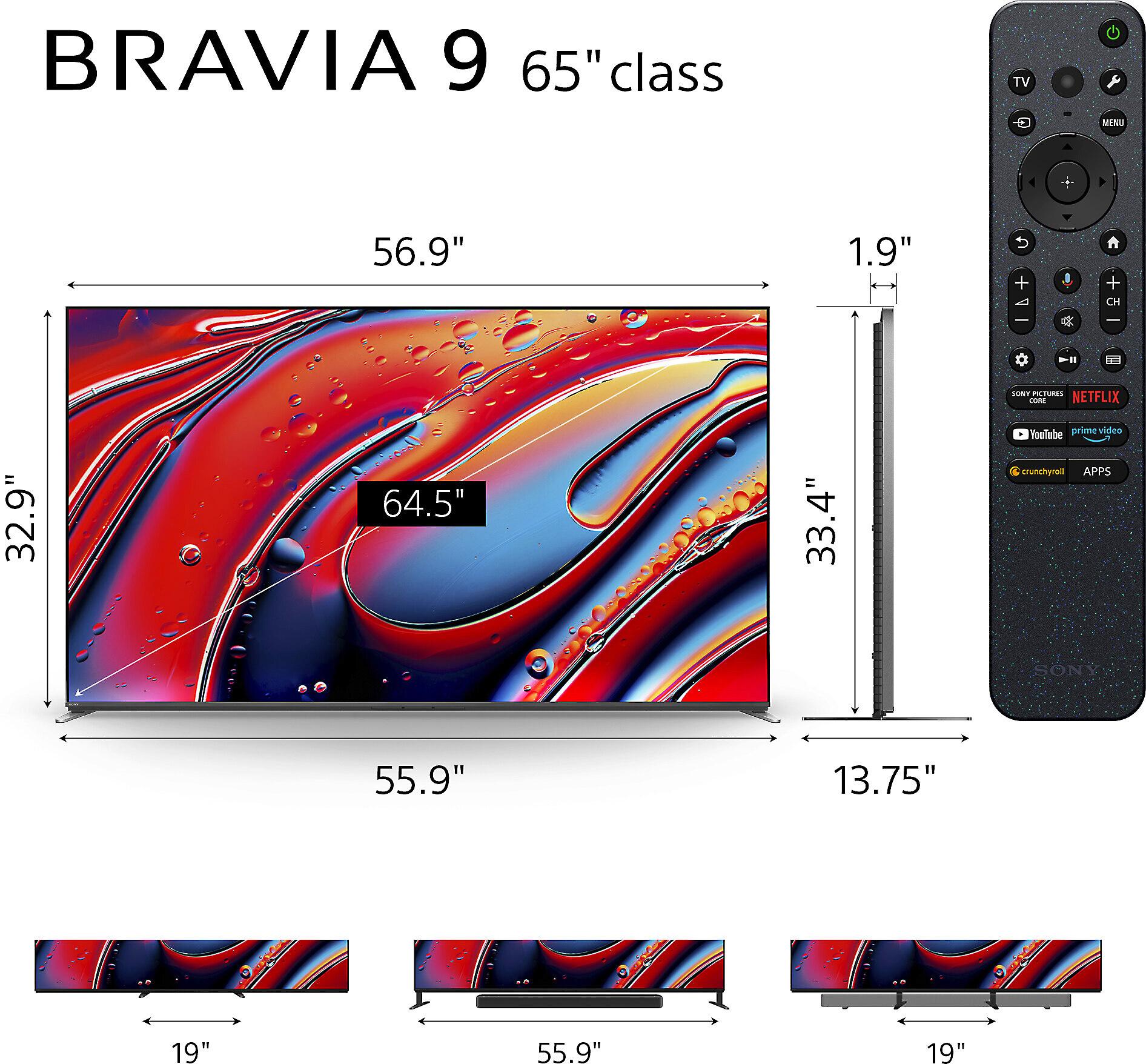
The Samsung QN70F, on the other hand, uses edge-lit Mini LED technology. Here, the Mini LEDs are positioned only around the edges of the screen, and light guides distribute that illumination across the entire display. While this creates a remarkably thin profile – we're talking about just one inch deep – it means the TV can't control light as precisely as a full-array system.
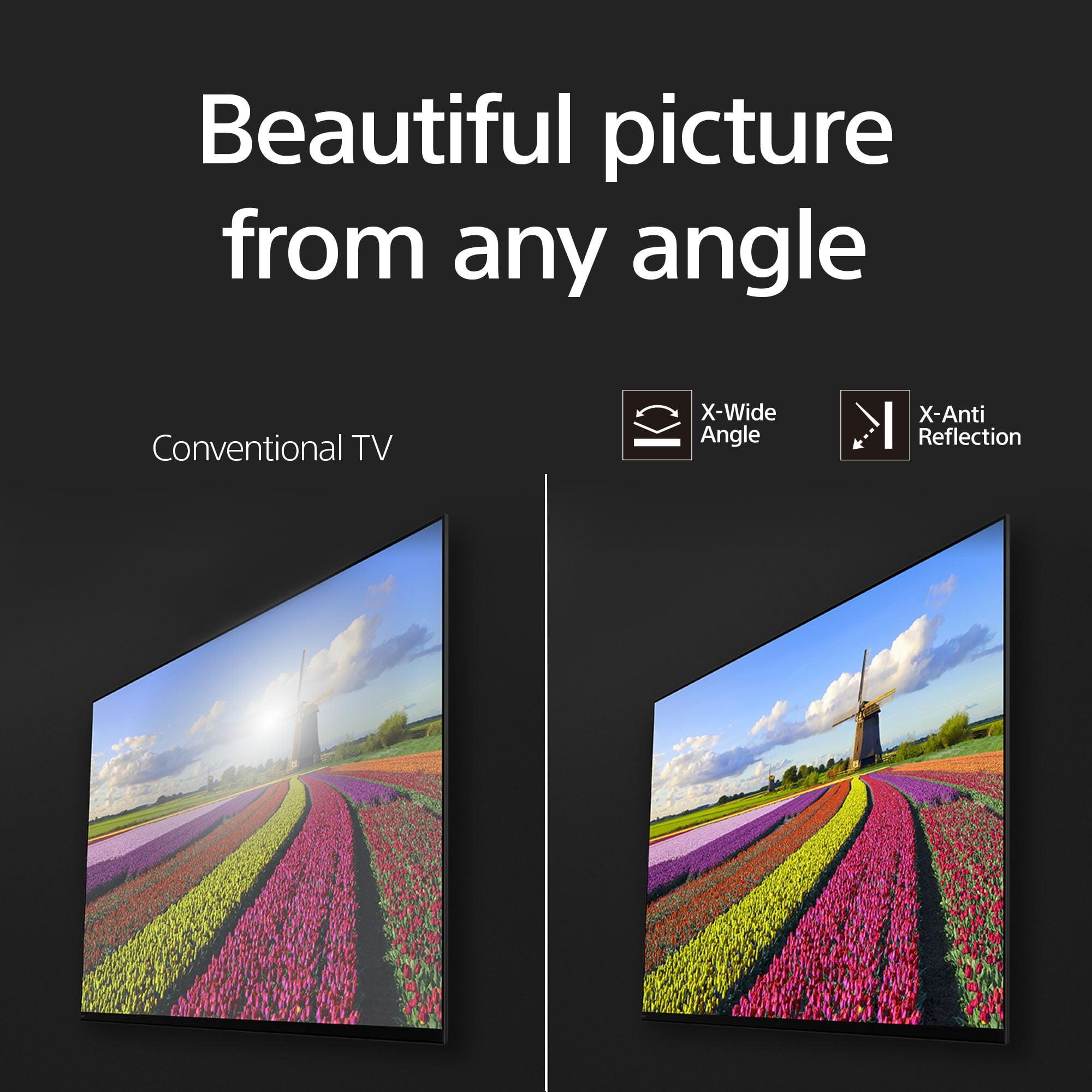
In my testing, this difference becomes immediately apparent in dark room viewing. The Sony BRAVIA 9 delivers much deeper blacks and better shadow detail, while the Samsung QN70F shows some light bleeding around bright objects against dark backgrounds, an effect called "blooming."
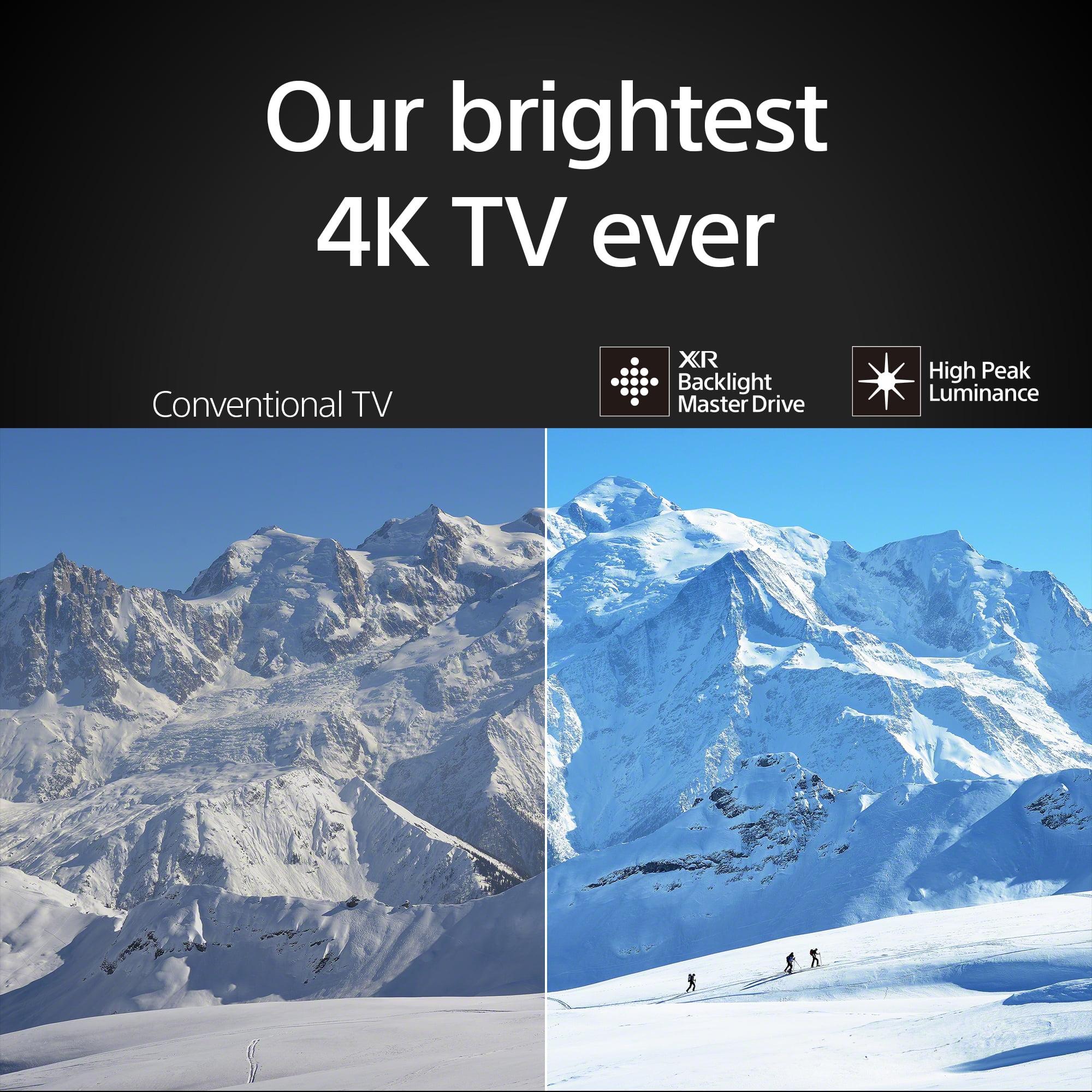
Both TVs excel at peak brightness, but for different reasons. The Sony BRAVIA 9 achieves what Sony calls their "brightest 4K TV ever" through thousands of precisely controlled Mini LEDs working in concert with their XR Backlight Master Drive technology. This system analyzes each frame and adjusts the backlighting in real-time to optimize brightness and contrast simultaneously.
The Samsung QN70F uses Samsung's Quantum Matrix Technology Slim to boost brightness levels significantly compared to their previous edge-lit models. While it can't match the BRAVIA 9's peak brightness in specific screen areas, it maintains good overall brightness levels that work well in bright rooms with lots of ambient light.
For HDR (High Dynamic Range) content – those Netflix shows and 4K Blu-rays that promise more realistic contrast – the Sony BRAVIA 9 has a clear advantage. HDR works by displaying a wider range of brightness levels, from deeper blacks to brighter whites, more closely matching what our eyes see in real life. The full-array backlighting gives Sony's TV the tools to actually deliver on HDR's promise.
Here's where things get interesting, and personal preference plays a bigger role. The Sony BRAVIA 9 uses XR Triluminos Pro technology, which prioritizes color accuracy and natural-looking skin tones. In my experience, this makes movies and TV shows look more like what the directors intended, with colors that feel realistic rather than artificially enhanced.
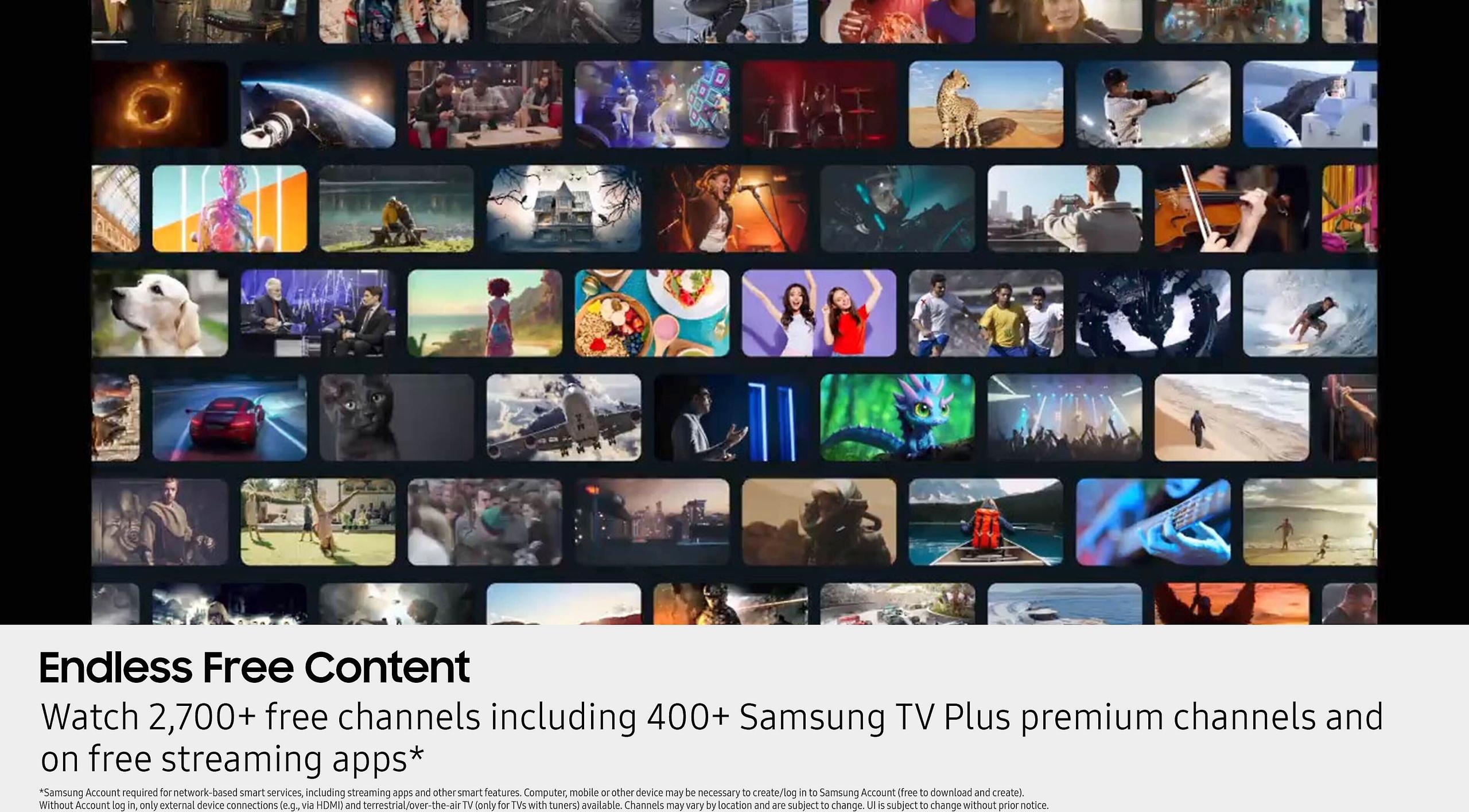
The Samsung QN70F takes a different approach with its Quantum Dot technology and AI-enhanced color processing. Samsung's philosophy tends toward more vibrant, saturated colors that really pop off the screen. Sports content, in particular, looks spectacular with green grass that seems to glow and team uniforms with electric intensity.
Neither approach is objectively "better" – it depends on your preferences and viewing habits. If you're a movie purist who wants accurate colors, Sony's approach will likely appeal to you. If you want colors that grab your attention and create that "wow factor" when friends come over, Samsung's more aggressive processing might be your preference.
Both manufacturers have invested heavily in motion processing, but they've taken different routes. The Sony BRAVIA 9 features XR Motion Clarity, which uses advanced algorithms to reduce motion blur while maintaining detail in fast-moving scenes. This technology works particularly well for sports, where camera pans across the field can often look jittery on lesser TVs.
The Samsung QN70F counters with Motion Xcelerator technology that can handle refresh rates up to 144Hz – significantly higher than Sony's 120Hz capability. This higher refresh rate creates smoother motion, especially noticeable in gaming scenarios or when watching very fast-paced content.
For regular TV and movie watching, both systems work well, but the Sony's more measured approach tends to preserve more natural motion cadence. Samsung's system can sometimes make content look slightly artificial, though many users actually prefer this "soap opera effect" for sports viewing.
Gaming has become a major consideration for TV buyers, especially with the PlayStation 5 and Xbox Series X pushing 4K gaming at higher frame rates. Both TVs support the modern gaming standards – Variable Refresh Rate (VRR), Auto Low Latency Mode (ALLM), and 4K at 120Hz – but they implement these features differently.
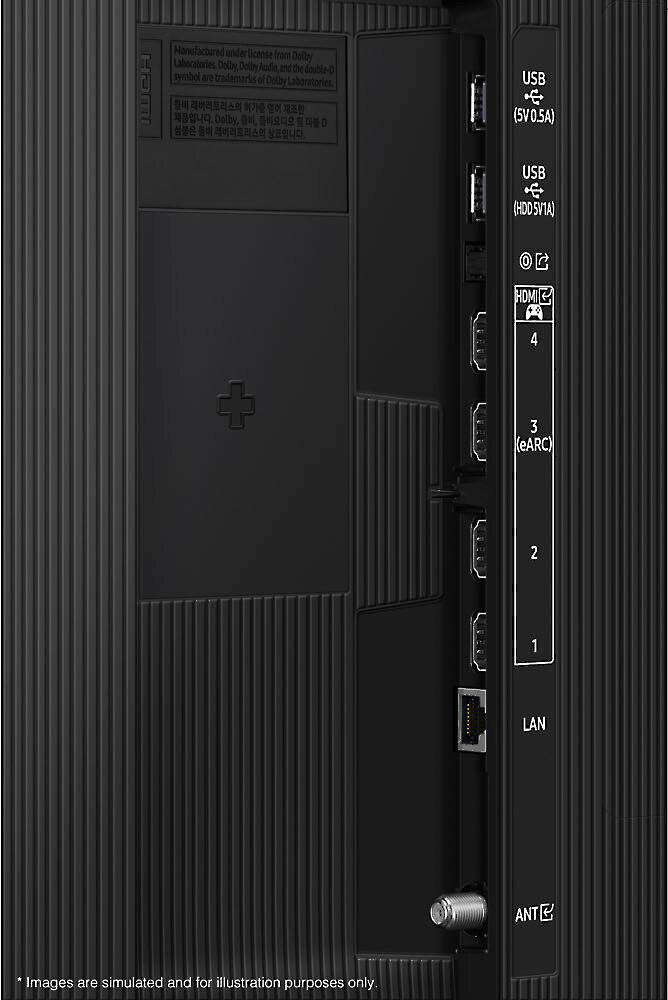
The Samsung QN70F takes the lead in pure specifications with its 144Hz support and four HDMI 2.1 ports. This means you could theoretically connect a high-end gaming PC, PlayStation 5, Xbox Series X, and a streaming device without needing to swap cables. The integrated Game Bar provides quick access to gaming-specific settings without diving deep into menus.
The Sony BRAVIA 9 offers two HDMI 2.1 ports with excellent gaming performance, including Auto HDR Tone Mapping specifically optimized for PlayStation 5. In my testing, both TVs delivered imperceptible input lag – the delay between pressing a controller button and seeing the action on screen – which is crucial for competitive gaming.
For most gamers, either TV will provide an excellent experience. However, if you're building a setup with multiple next-generation consoles and a gaming PC, Samsung's four HDMI 2.1 ports offer more flexibility.
The smart TV platform might seem like a secondary consideration, but since you'll interact with it every time you turn on the TV, it's worth understanding the differences.
The Samsung QN70F runs Tizen with Samsung's Vision AI features, introduced in 2025. These AI capabilities include Live Translate, which can provide real-time subtitle translation for foreign language content, and Click to Search, which identifies actors and provides information about what you're watching. The interface is clean and responsive, with good integration into Samsung's broader ecosystem of phones, soundbars, and smart home devices.
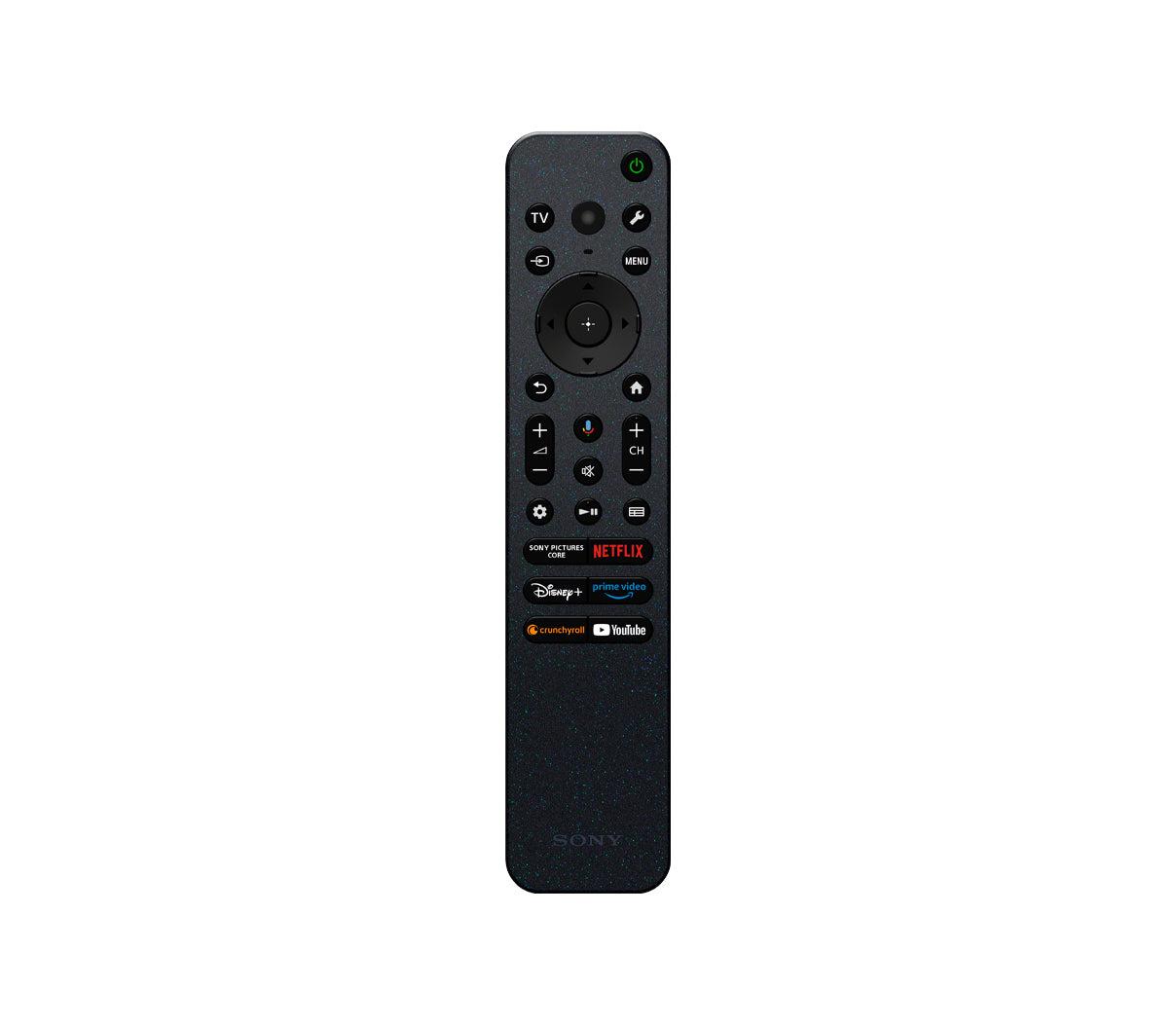
The Sony BRAVIA 9 uses Google TV, which excels at content discovery and organization. Instead of hunting through individual apps, Google TV aggregates content from multiple streaming services and presents it in a unified interface. The recommendation engine learns your preferences and suggests new shows and movies across all your subscribed services.
In my experience, Google TV feels more intuitive for discovering new content, while Tizen offers better integration if you're already invested in Samsung's ecosystem. Both platforms support all major streaming services, so your choice might come down to whether you prefer Google's content-focused approach or Samsung's ecosystem integration.
While most people pair premium TVs with soundbars or home theater systems, both manufacturers have made significant investments in built-in audio that's worth discussing.
The Sony BRAVIA 9 features a 2.2.2-channel system with 70 watts of power, including up-firing beam tweeters that create height effects for Dolby Atmos content. The Acoustic Multi-Audio+ system positions speakers around the TV's frame to create a more immersive soundstage. When watching action movies, explosions seem to come from specific locations on screen rather than just from the TV's general direction.
The Samsung QN70F includes Object Tracking Sound (OTS Lite) with 20 watts of power output. While less powerful than Sony's system, it still attempts to match audio effects to their visual locations on screen. Samsung's Q-Symphony technology allows the TV's speakers to work in harmony with compatible Samsung soundbars, rather than shutting off when external audio is connected.
For a dedicated home theater setup with a quality sound system, these differences matter less. But if you're planning to rely primarily on the TV's built-in audio, the Sony BRAVIA 9 provides a noticeably richer experience.
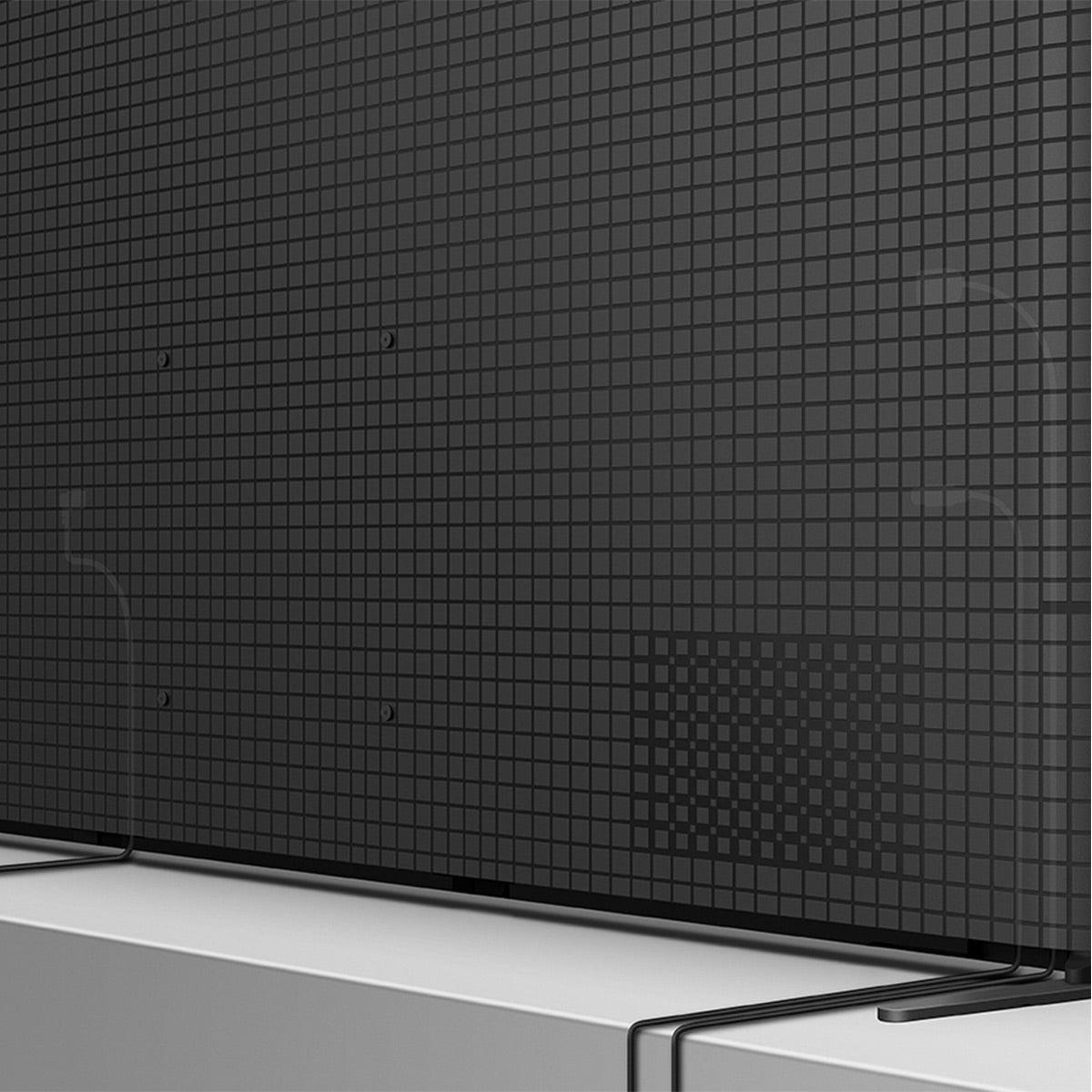
This is where the different backlighting approaches create practical implications beyond just picture quality. The Sony BRAVIA 9 uses a full-array system with robust construction that typically provides better long-term reliability. The even distribution of heat from LEDs across the entire back panel, rather than concentrated at the edges, generally leads to more consistent performance over years of use.
The Samsung QN70F achieves its remarkably slim profile through edge-lit design, making it ideal for low-profile wall mounting. However, edge-lit systems historically have shown more variation in brightness uniformity over time, and some professional reviews have noted concerns about the longevity of edge-lit configurations compared to full-array alternatives.
Both TVs come with one-year warranties, but considering a TV purchase as a 5-7 year investment makes build quality an important consideration beyond just initial picture quality.
At the time of writing, these TVs occupy different segments of the premium market. The Samsung QN70F positions itself as an accessible entry point into Neo QLED technology, offering many premium features at a more competitive price point. You're getting Samsung's latest processor, gaming features, and smart capabilities in a package that delivers solid performance for most viewing scenarios.
The Sony BRAVIA 9 commands a premium price but justifies it through superior picture quality fundamentals, particularly for movie watching and dark room viewing. The full-array backlighting and Sony's color science represent a clear step up in display technology.
The value equation depends heavily on your priorities and viewing environment. If you primarily watch TV in a bright living room with lots of windows, the Samsung QN70F's edge-lit brightness and lower price point might represent better value. For a dedicated home theater or media room where picture quality takes precedence, the Sony BRAVIA 9's premium features justify its higher cost.
Choose the Samsung QN70F if you:
Choose the Sony BRAVIA 9 if you:
Both the Samsung QN70F and Sony BRAVIA 9 represent excellent entries in the Mini LED TV category, but they serve different audiences and use cases. Samsung offers impressive gaming features, ecosystem integration, and solid performance at a more competitive price. Sony delivers superior contrast, color accuracy, and build quality for viewers who prioritize picture quality above all else.
The decision ultimately comes down to understanding your viewing habits, room environment, and long-term priorities. In my experience, both TVs will provide years of excellent entertainment, but choosing the right one for your specific situation will maximize your satisfaction with this significant investment.
Consider visiting a showroom where you can see both displays in person, preferably in lighting conditions similar to your home. The differences in color philosophy and contrast performance become much clearer when you can compare them side by side with content you actually watch.
| Samsung 65" QN70F Neo QLED 4K Vision AI Smart TV 2025 | Sony BRAVIA 9 65" 4K UHD Mini LED QLED Smart Google TV |
|---|---|
| Backlighting Technology - The most important factor for picture quality and long-term reliability | |
| Edge-lit Mini LED (thinner design, lower cost, but limited contrast control) | Full-array Mini LED with local dimming (superior contrast and black levels) |
| Peak Brightness - Critical for HDR performance and bright room viewing | |
| High brightness from edge-lit array (good for most rooms) | Sony's brightest 4K TV ever with precise zone control (exceptional HDR) |
| Gaming Refresh Rate - Important for smooth gaming performance | |
| Up to 144Hz (future-proofed for high-end PC gaming) | Up to 120Hz (excellent for console gaming) |
| HDMI 2.1 Ports - Determines how many next-gen devices you can connect | |
| 4 HDMI 2.1 ports (connect multiple consoles + PC without switching) | 2 HDMI 2.1 ports (sufficient for most setups) |
| Smart Platform - Your daily interface experience | |
| Tizen with Vision AI (Live Translate, Click to Search, Samsung ecosystem) | Google TV (superior content discovery and cross-service recommendations) |
| Audio System - Built-in sound quality before adding external speakers | |
| Object Tracking Sound (OTS Lite), 20W, 2CH system | Acoustic Multi-Audio+ with up-firing tweeters, 70W, 2.2.2CH system |
| Color Philosophy - Affects how content looks day-to-day | |
| Quantum Dot with vibrant, saturated colors (great for sports/gaming) | XR Triluminos Pro with accurate, natural colors (ideal for movies) |
| Design Profile - Important for wall mounting and room aesthetics | |
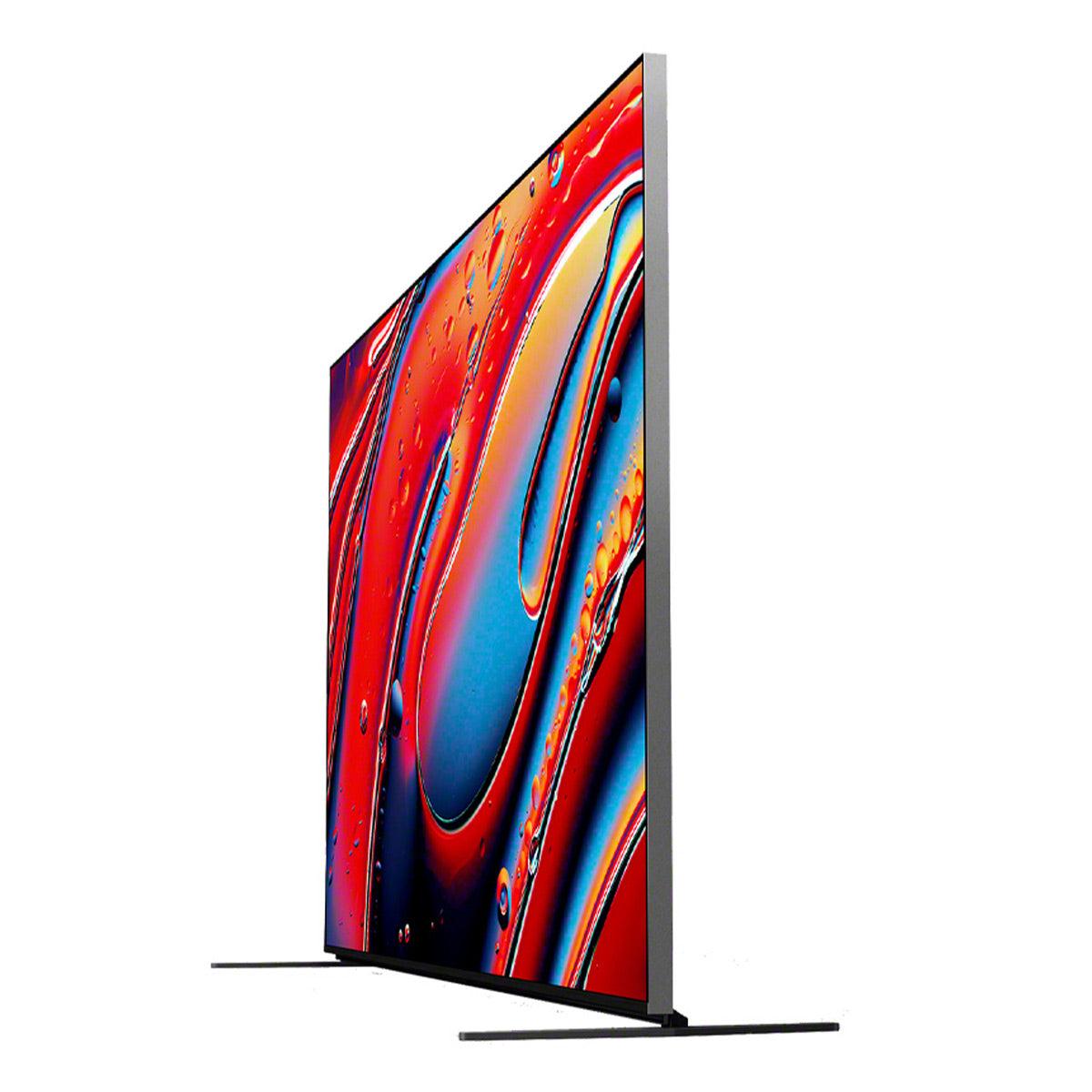
| Ultra-slim 1-inch depth (excellent for low-profile wall mounting) | Standard thickness with multi-position adjustable stand |
| Processor - Powers AI features and picture processing | |
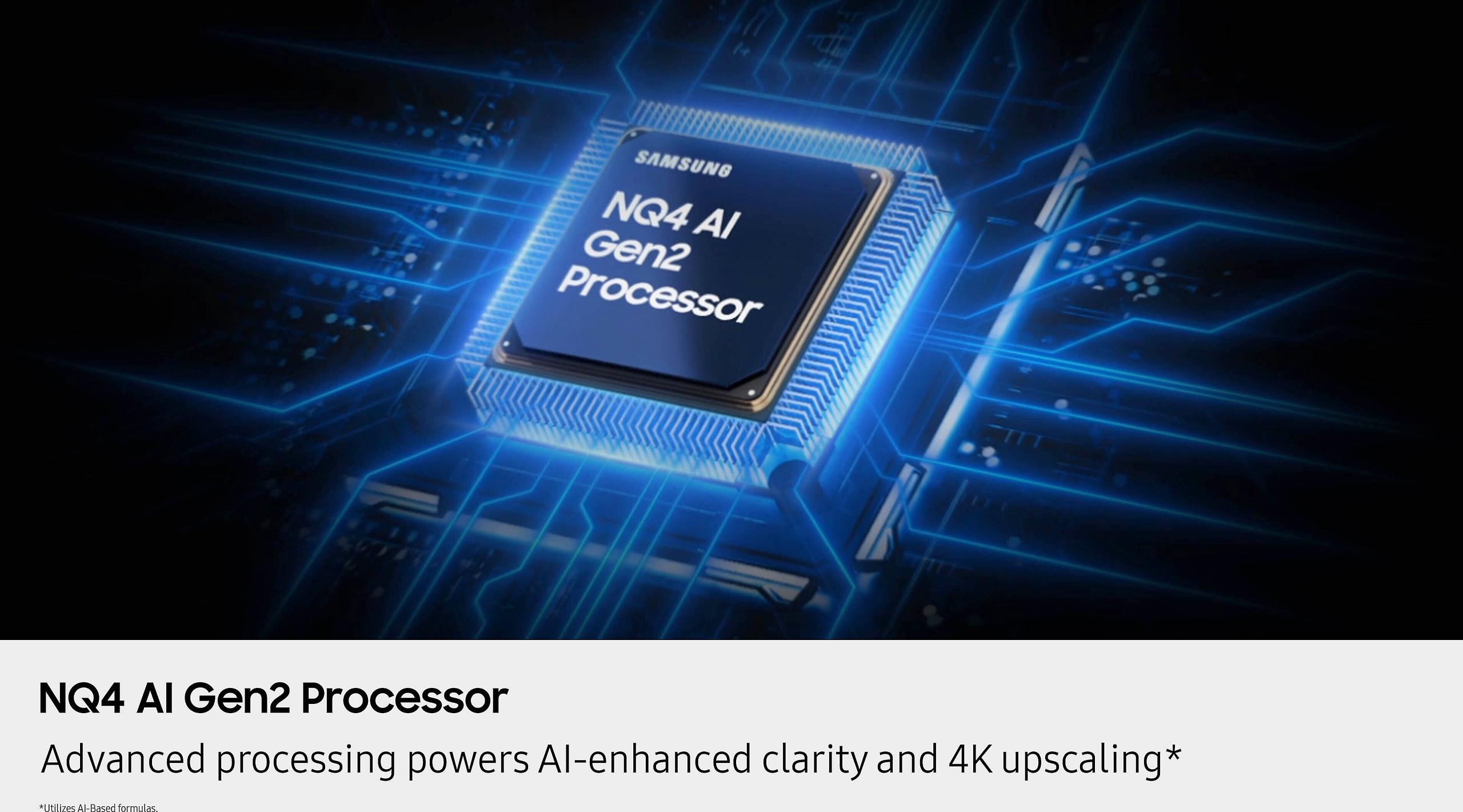
| NQ4 AI Gen2 with 4K AI upscaling and real-time optimization | XR processor with advanced motion clarity and contrast boosting |
| Release Year - Indicates latest features and potential longevity | |
| 2025 (newest Vision AI features, latest Samsung tech) | 2024 (proven technology, established performance) |
| Value Positioning - Who gets the best deal | |
| Entry-level Neo QLED with premium features at accessible price | Premium Mini LED with top-tier picture quality at higher cost |
The Sony BRAVIA 9 delivers superior picture quality for movies thanks to its full-array Mini LED backlighting with local dimming zones. This technology provides deeper blacks, better contrast, and more accurate colors that filmmakers intended. The Samsung QN70F uses edge-lit Mini LED which creates a thinner profile but can't match Sony's contrast performance in dark scenes.
The Samsung QN70F uses edge-lit Mini LED where lights are positioned around the screen edges, creating an ultra-slim 1-inch profile but limited contrast control. The Sony BRAVIA 9 features full-array Mini LED with thousands of LEDs across the entire back panel, allowing precise dimming zones for superior black levels and contrast ratios.
The Samsung QN70F has advantages for gaming with 144Hz refresh rate support and four HDMI 2.1 ports, allowing multiple next-gen consoles and PC connections. The Sony BRAVIA 9 offers excellent 120Hz gaming performance with two HDMI 2.1 ports and PlayStation 5 optimization, but fewer connection options.
The Samsung QN70F runs Tizen with Vision AI features like Live Translate and Click to Search, plus seamless Samsung ecosystem integration. The Sony BRAVIA 9 uses Google TV, which excels at content discovery across streaming services and provides better cross-platform recommendations for finding new shows and movies.
Both TVs achieve high brightness levels, but the Sony BRAVIA 9 reaches Sony's highest peak brightness ever with precise zone control. The Samsung QN70F also delivers strong brightness from its edge-lit array, making both suitable for bright rooms, though Sony's full-array system provides more uniform brightness distribution.
The Sony BRAVIA 9 features a more robust 2.2.2-channel system with 70 watts and up-firing tweeters for Dolby Atmos height effects. The Samsung QN70F includes Object Tracking Sound (OTS Lite) with 20 watts output, which is adequate but less powerful than Sony's multi-directional audio system.
The Samsung QN70F provides excellent value as an entry-level Neo QLED with premium features, gaming capabilities, and Vision AI at a more accessible price point. The Sony BRAVIA 9 justifies its premium positioning with superior picture quality technology and build quality for viewers prioritizing visual performance.
The Samsung QN70F uses Quantum Dot technology for vibrant, saturated colors that make sports and gaming content pop with electric intensity. The Sony BRAVIA 9 prioritizes color accuracy with XR Triluminos Pro, delivering more natural skin tones and realistic colors that match filmmakers' intentions.
The Sony BRAVIA 9 excels in dark environments thanks to its full-array local dimming that creates deep blacks and excellent shadow detail. The Samsung QN70F shows some light blooming around bright objects against dark backgrounds due to its edge-lit design, making it less ideal for dedicated theater rooms.
Both the Samsung QN70F and Sony BRAVIA 9 support Variable Refresh Rate (VRR), Auto Low Latency Mode (ALLM), and 4K gaming. Samsung offers higher 144Hz refresh rates and more HDMI 2.1 ports, while Sony provides PlayStation 5-optimized HDR tone mapping and excellent motion clarity.
The Sony BRAVIA 9 typically offers better long-term reliability due to its full-array backlighting system that distributes heat evenly across the panel. The Samsung QN70F uses edge-lit technology which, while creating a slim profile, may show more brightness variation over time compared to full-array systems.
Choose the Samsung QN70F if you want excellent gaming features, vibrant colors, slim wall-mount design, and premium features at a competitive price. Select the Sony BRAVIA 9 if you prioritize superior contrast for movie watching, accurate colors, Google TV platform, and are willing to invest more for top-tier picture quality performance.
We've done our best to create useful and informative comparisons to help you decide what product to buy. Our research uses advanced automated methods to create this comparison and perfection is not possible - please contact us for corrections or questions. These are the sites we've researched in the creation of this article: rtings.com - youtube.com - wifihifi.com - samsung.com - samsung.com - samsung.com - samsung.com - flatpanelshd.com - news.samsung.com - bestbuy.com - bestbuy.com - bestbuy.com - youtube.com - whathifi.com - crutchfield.com - rtings.com - pcrichard.com - merlinstv.com - youtube.com - sony.ca - electronics.sony.com

Privacy Policy
Terms and Conditions - Affiliate Policy
Home Security
© Copyright 2008-2026.
11816 Inwood Rd #1211, Dallas, TX 75244